Wool And Wool-Blend Bedroom Rugs With Sculptural Texture
Wool And Wool-Blend Bedroom Rugs With Sculptural Texture
-
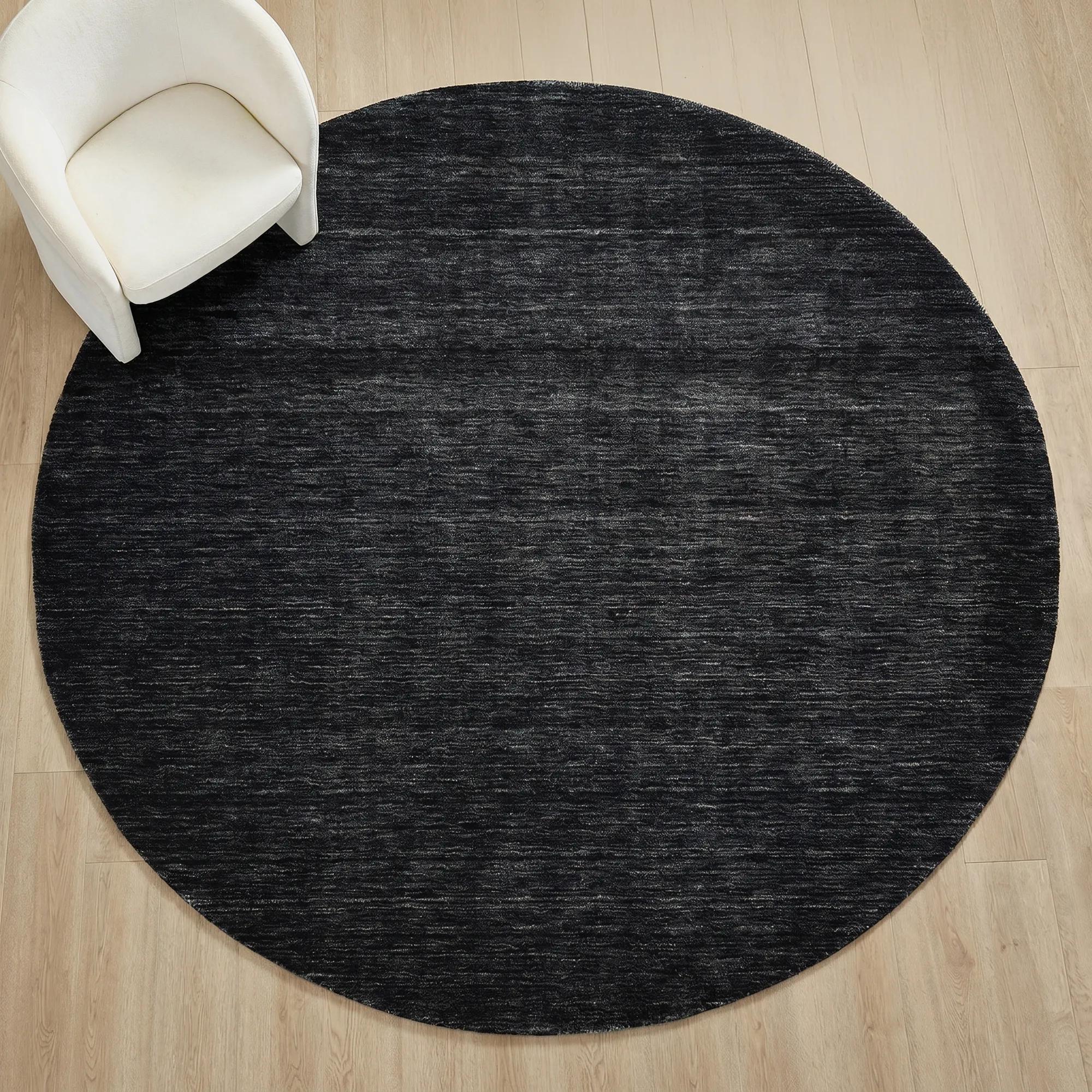 Juni Hand Woven Heathered Black Rug$799
A handwoven round wool rug in heathered black, offering durable texture and moody, contemporary style.
Add To Cart -
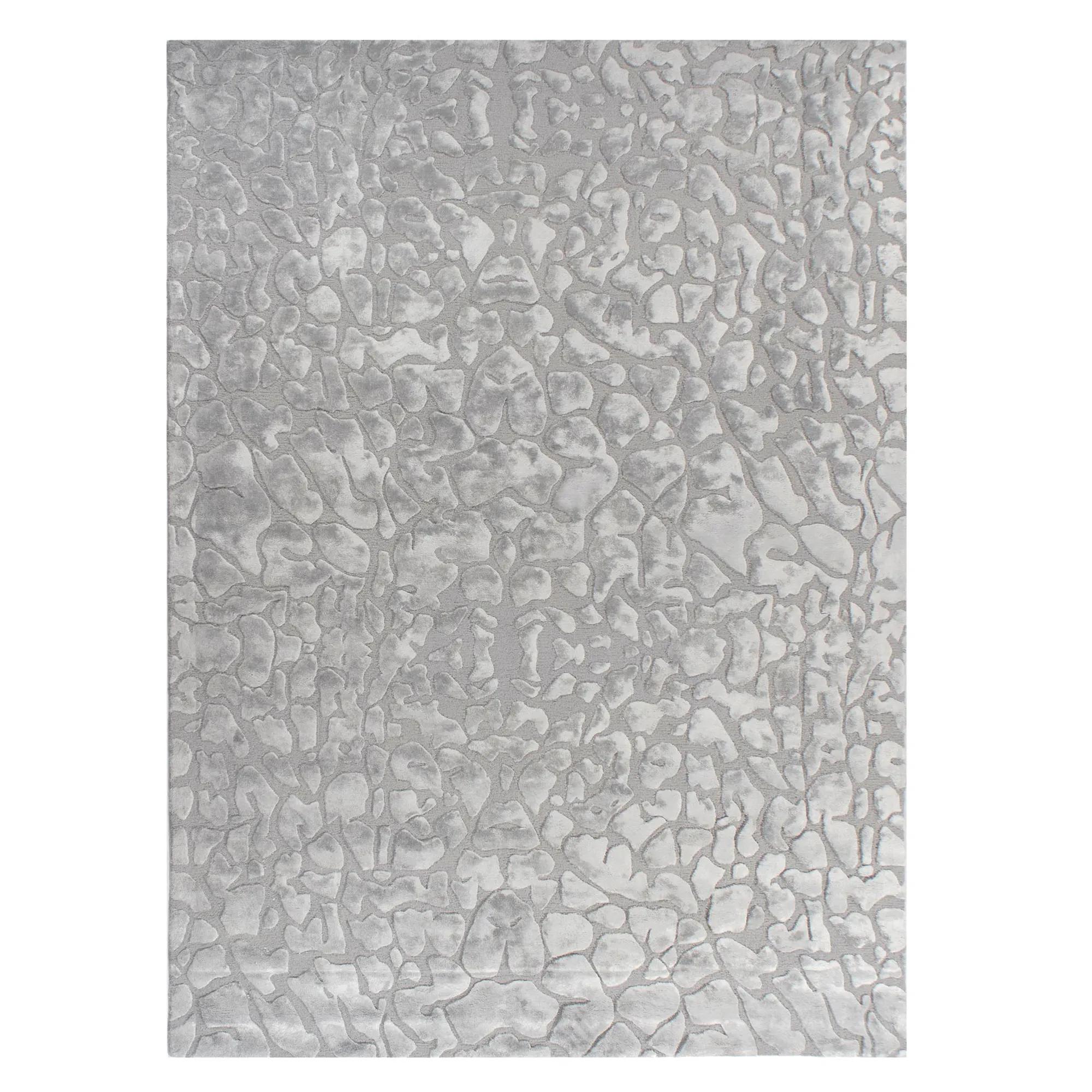
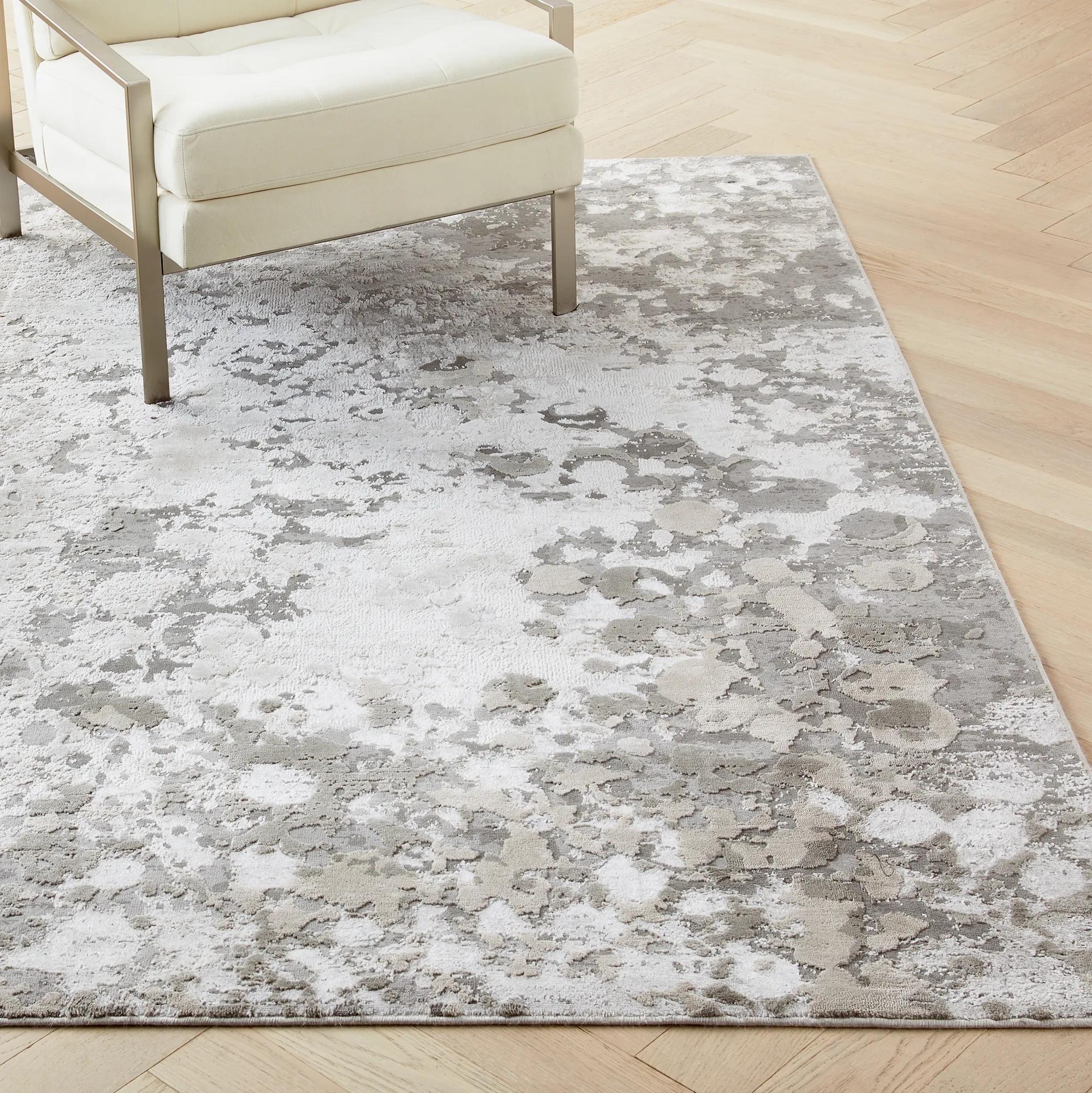
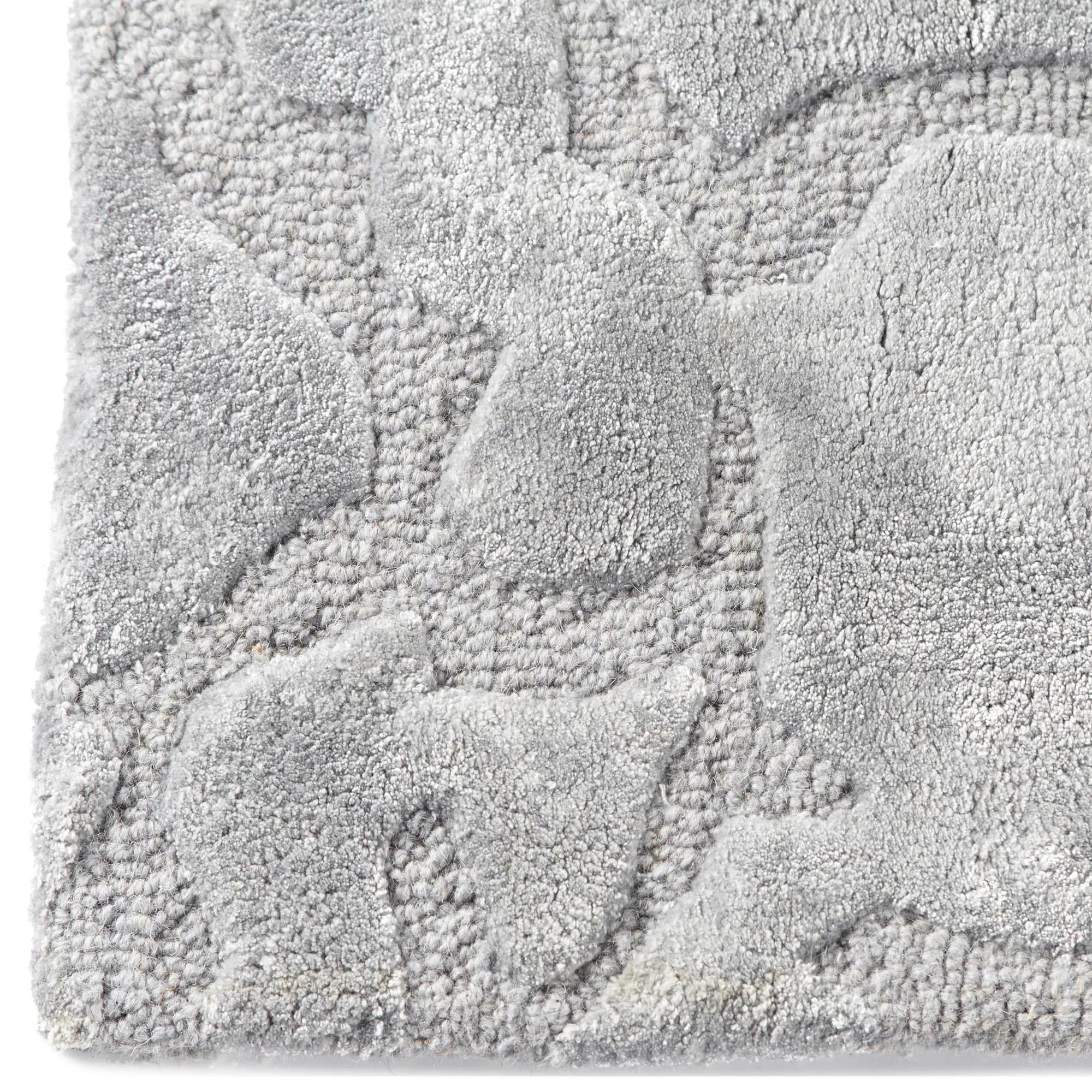 Nola Hand-Tufted Cool Grey Wool Blend Rug$849
A hand-tufted silver rug with contrasting pile heights, crafted from wool and viscose for plush texture.
Add To Cart -
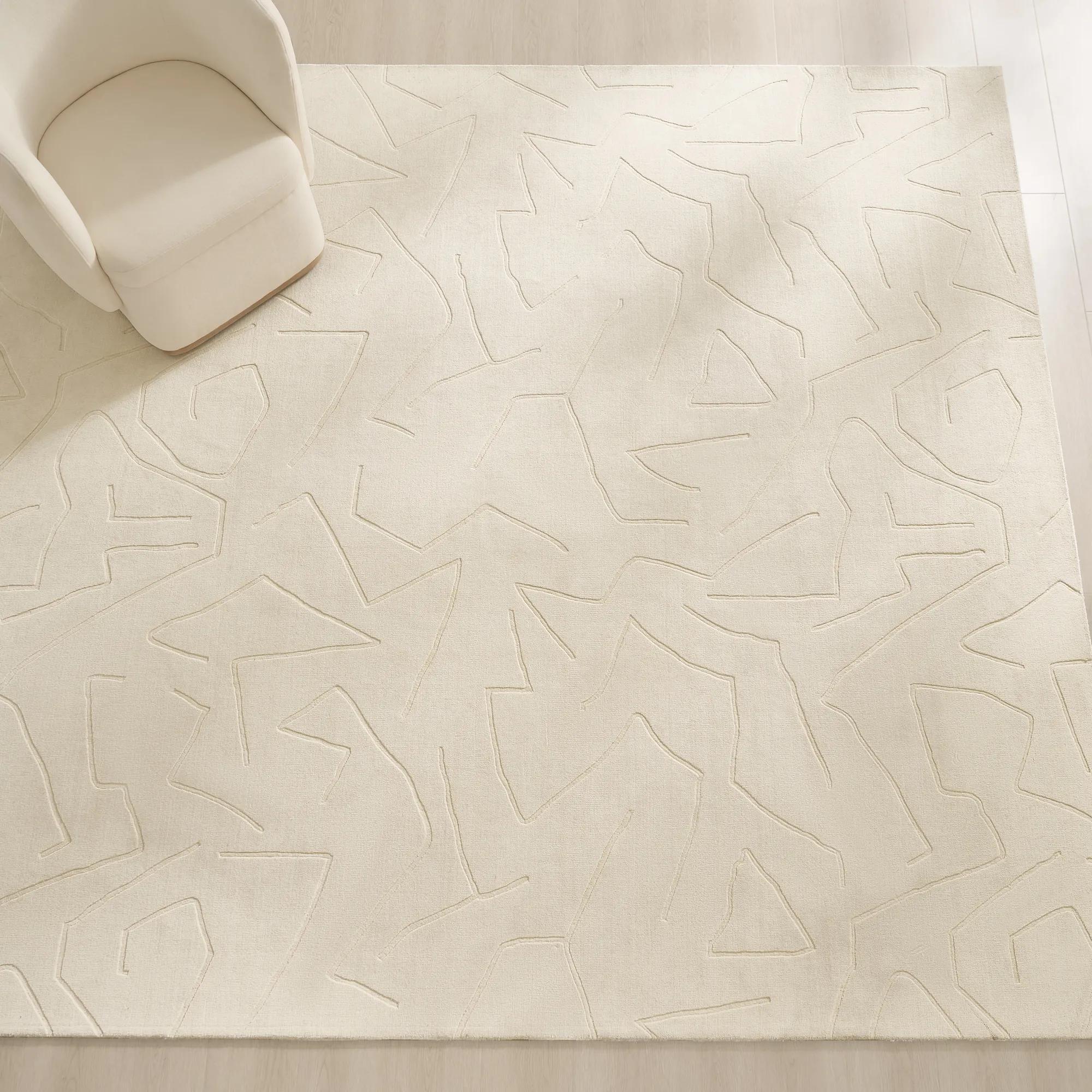 Carved Maze Ivory Hand-Loomed Wool Blend Rug$699
A hand-loomed ivory wool-blend rug featuring a carved maze pattern for modern, textural appeal.
Add To Cart -
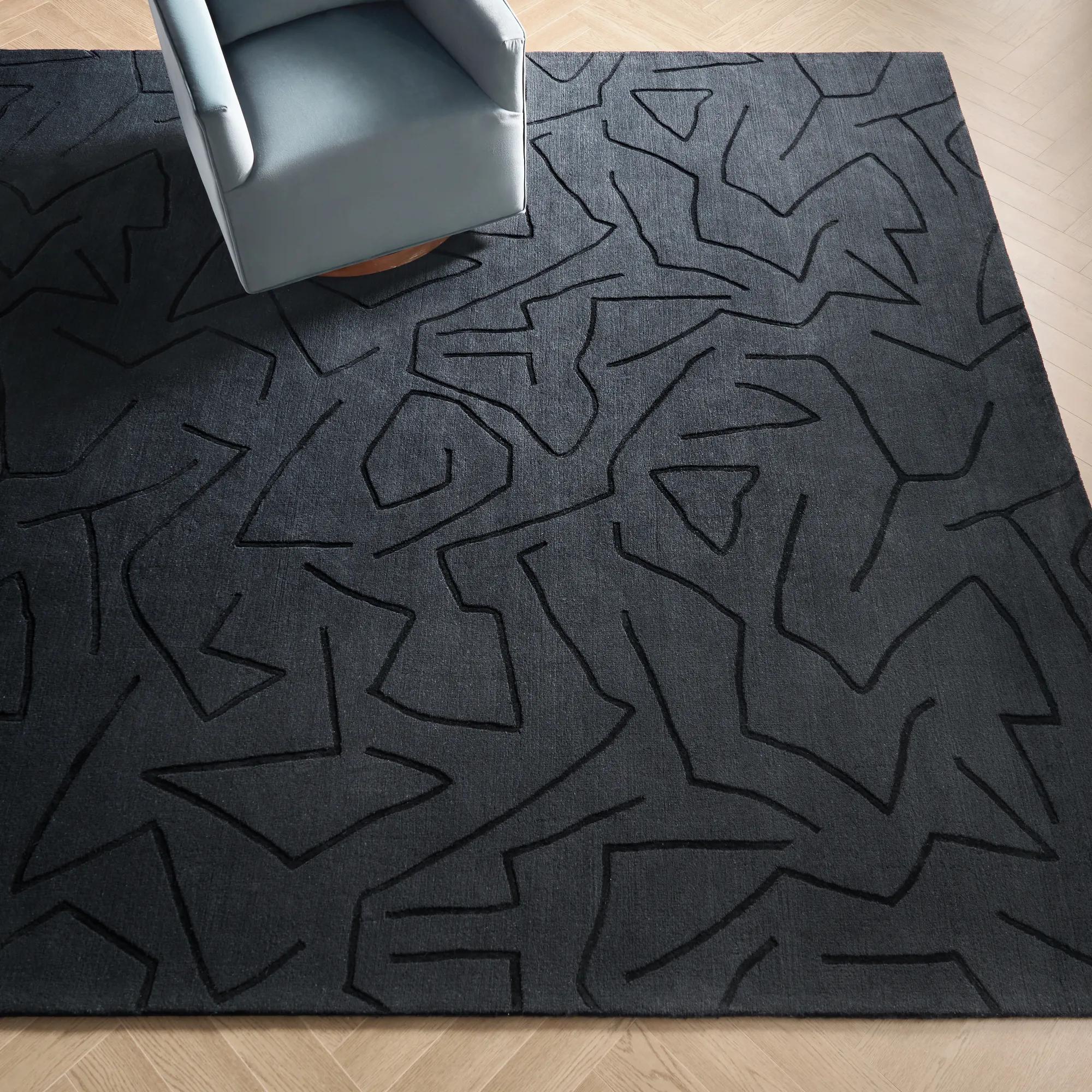 Carved Maze Rug$1399
A hand-loomed black rug crafted from wool and viscose, featuring a carved, textured maze design.
Add To Cart -
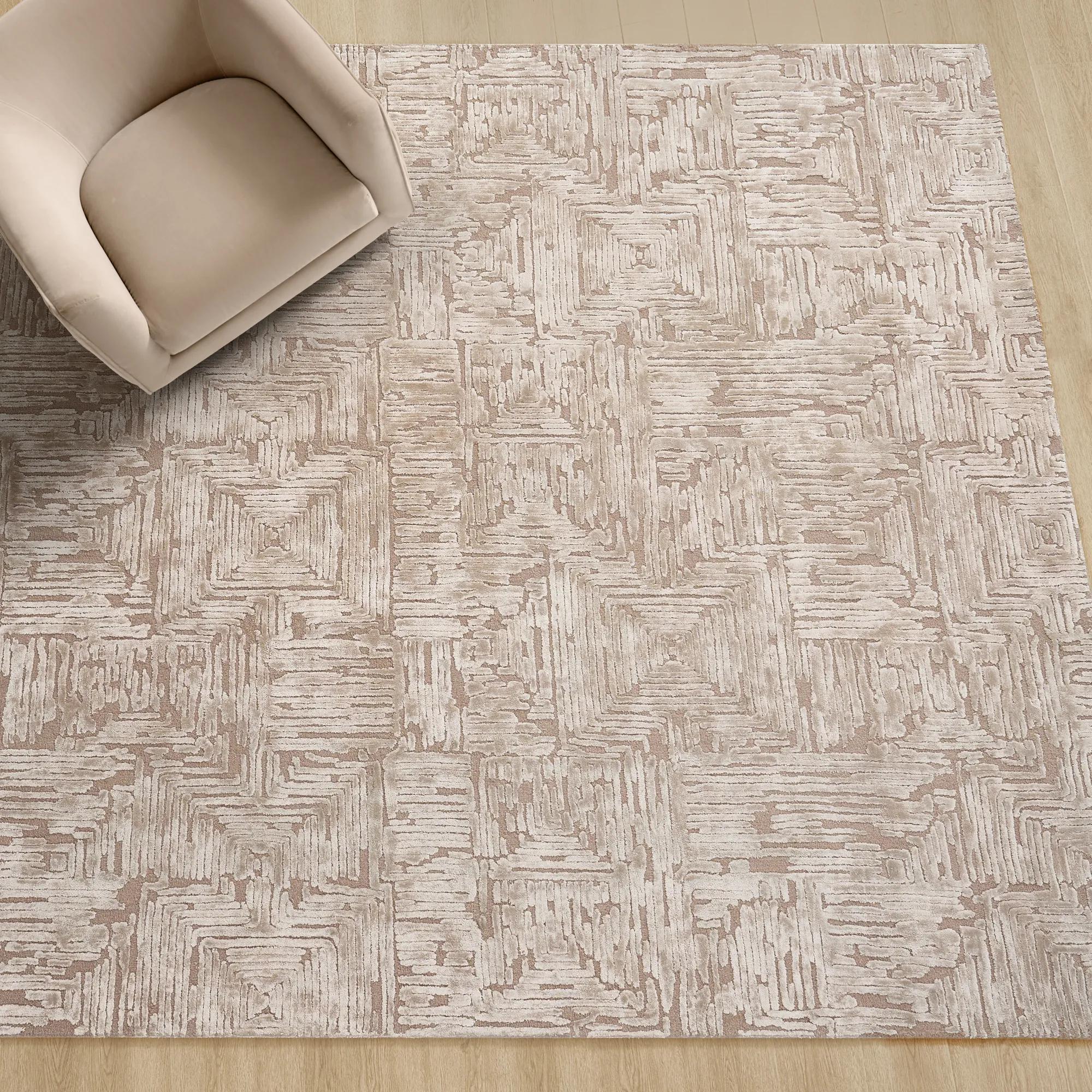
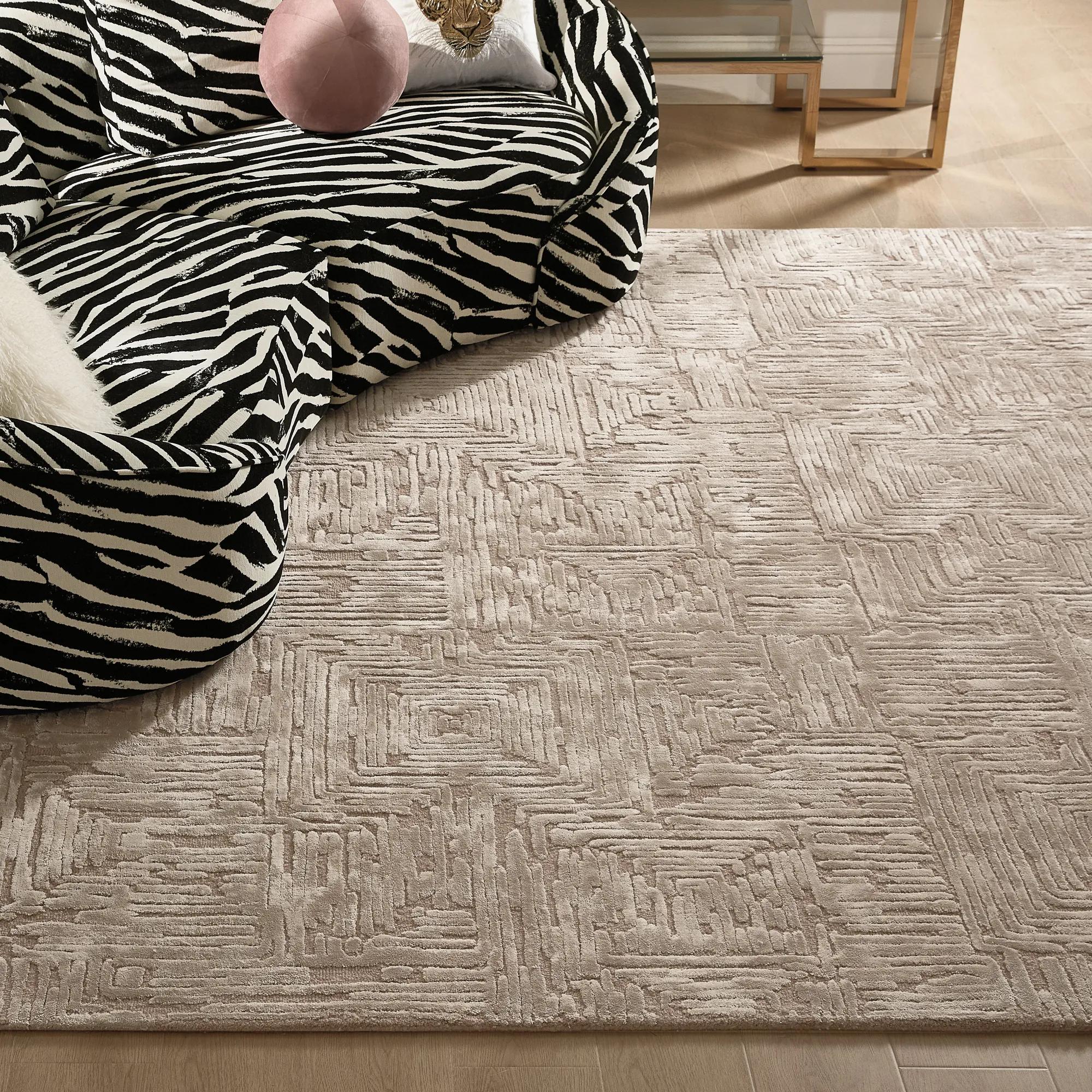 Andra Hand-Tufted Mocha Rose Viscose & Wool Dimensional Rug$1499
A hand-tufted mocha rose rug blending viscose and wool with dimensional broken geometric texture.
Add To Cart -
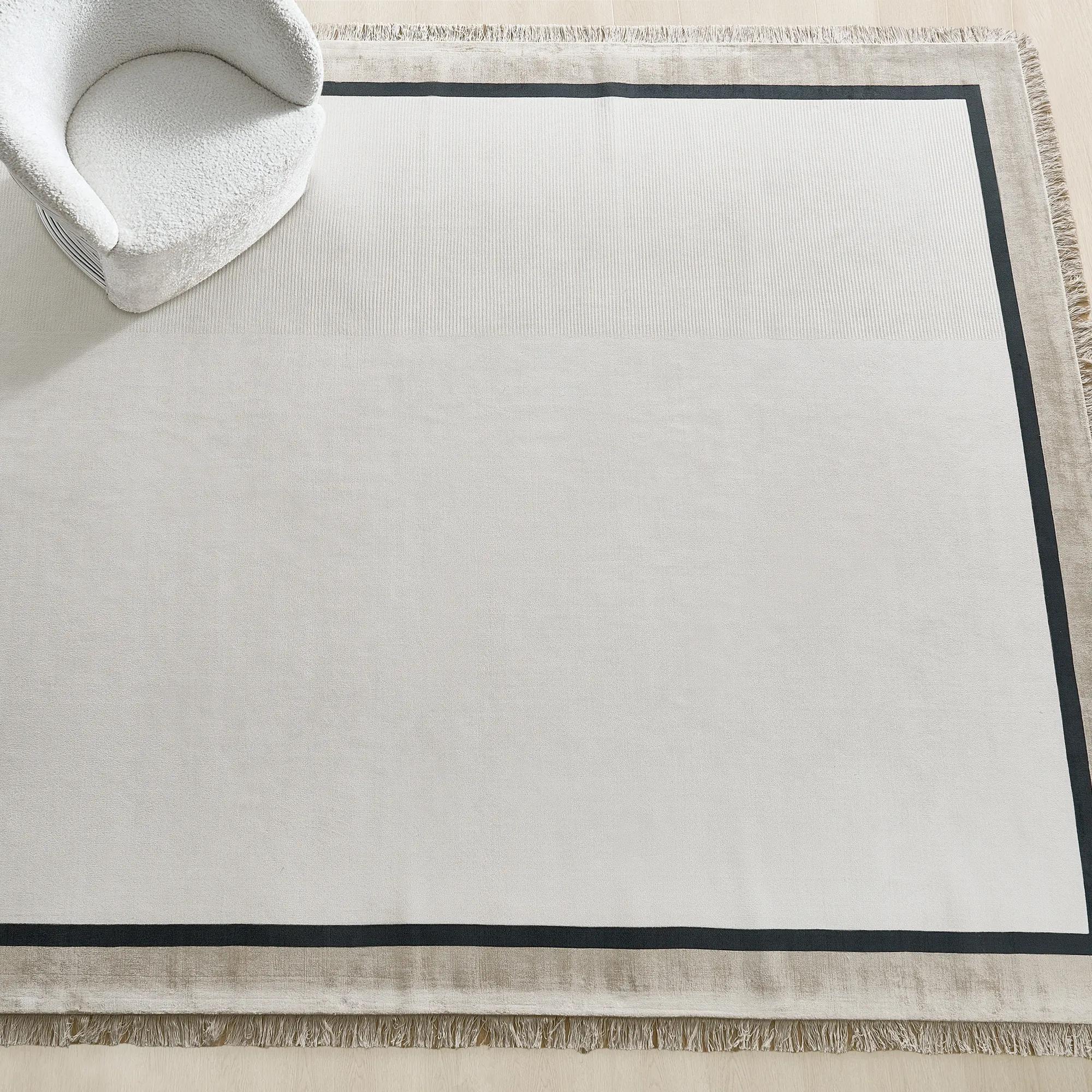
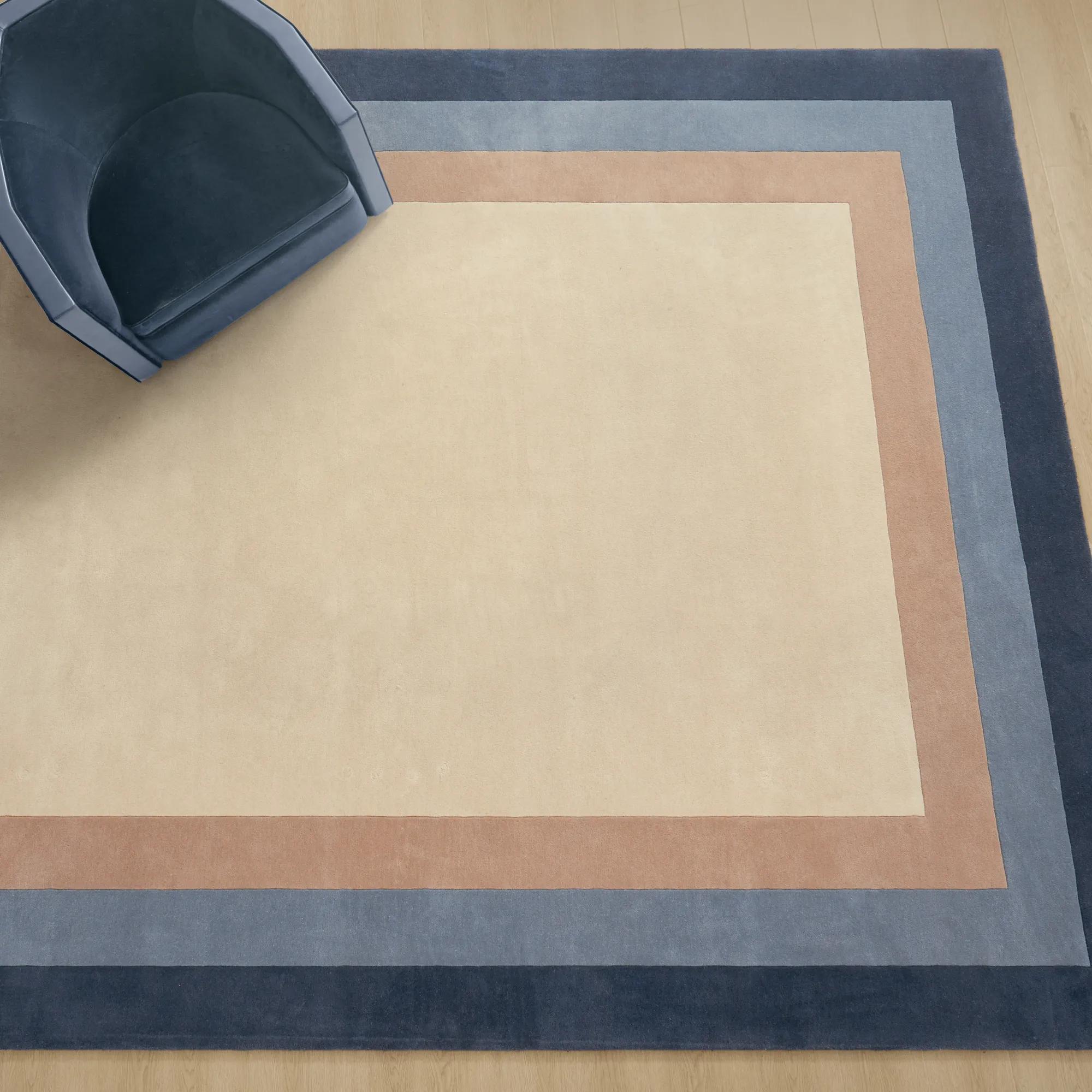 Bastien Hand-Tufted Blue/Taupe/Ivory Wool Border Rug$1499
A hand-tufted wool rug featuring a graphic blue, taupe, and warm ivory border with refined, substantial texture.
Add To Cart -
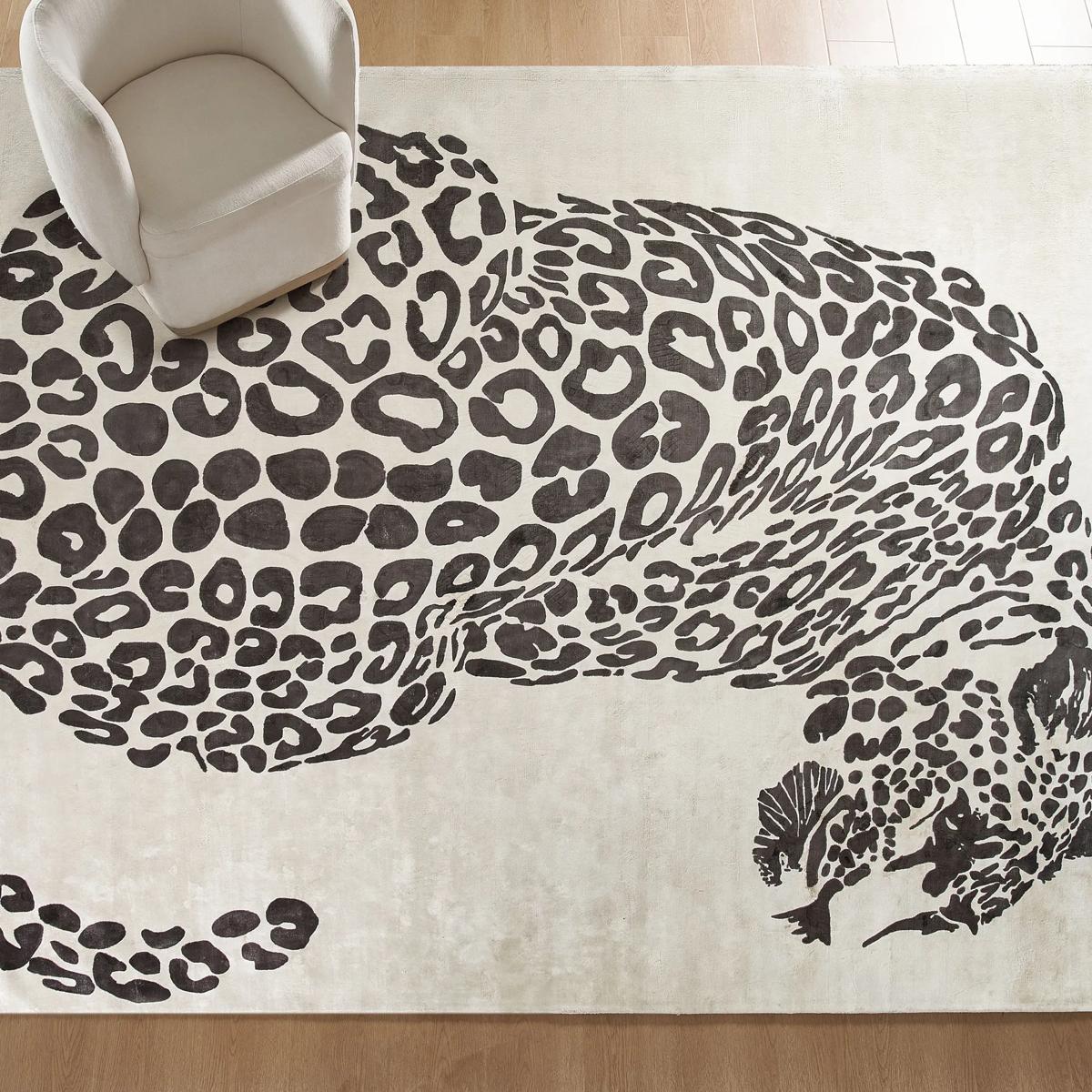
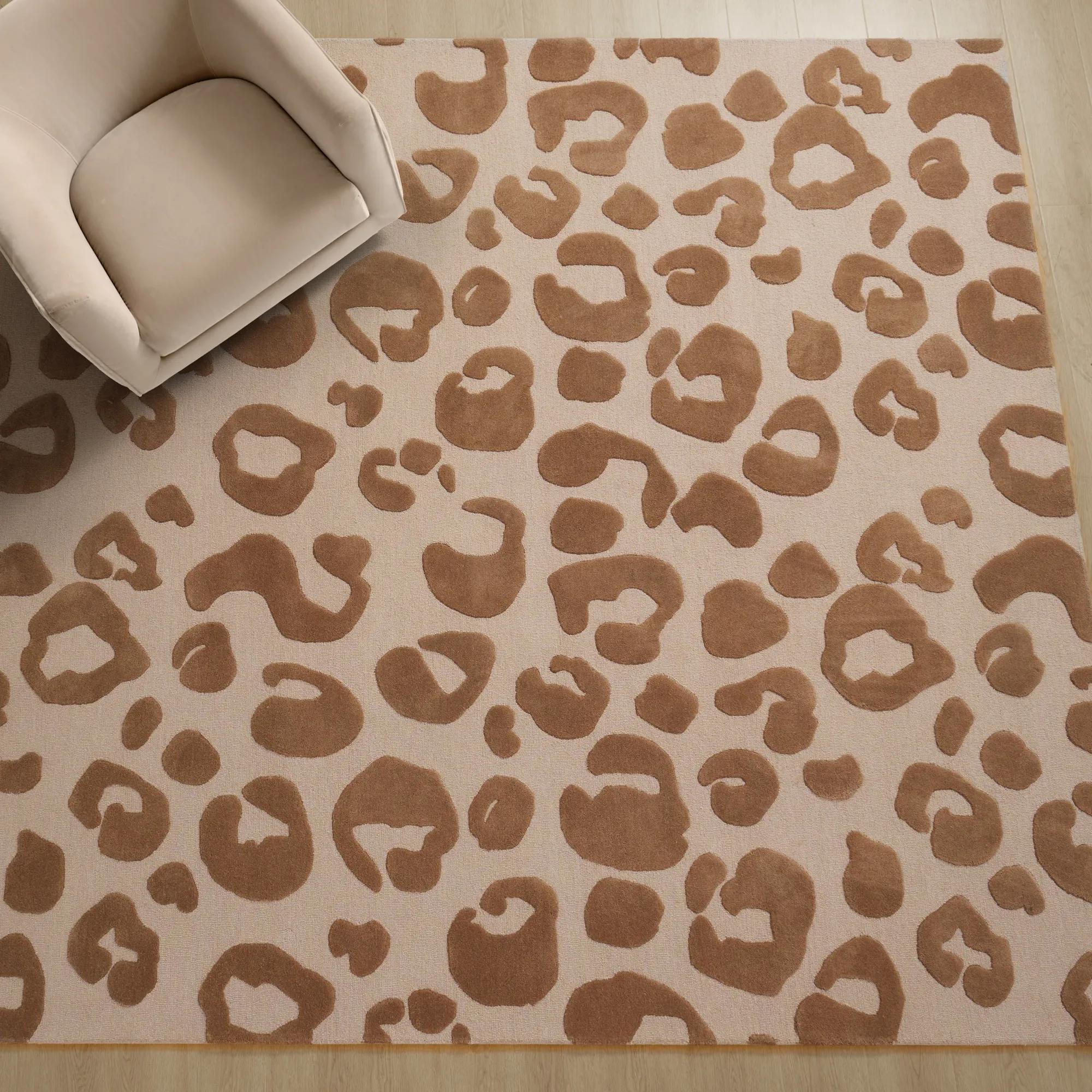 Pounce Hand-Tufted Tawny Brown Leopard Print Wool Rug$499
A hand-tufted wool rug featuring a tawny brown leopard print and dimensional high-low texture.
Add To Cart -
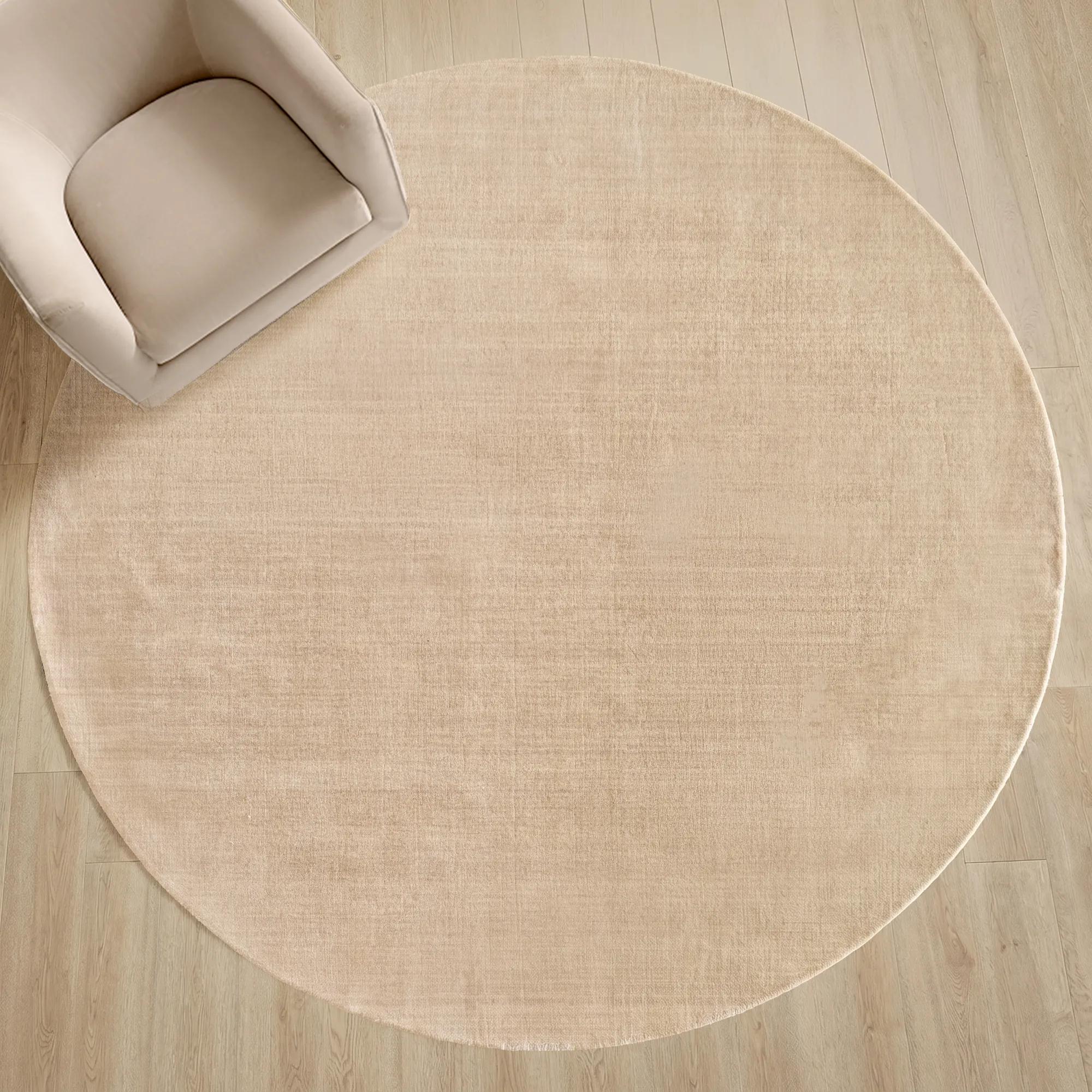 Juni Hand Woven Heathered Warm Beige Round Rug$1399
A handwoven round wool rug in heathered warm beige, offering refined texture and everyday durability.
Add To Cart -
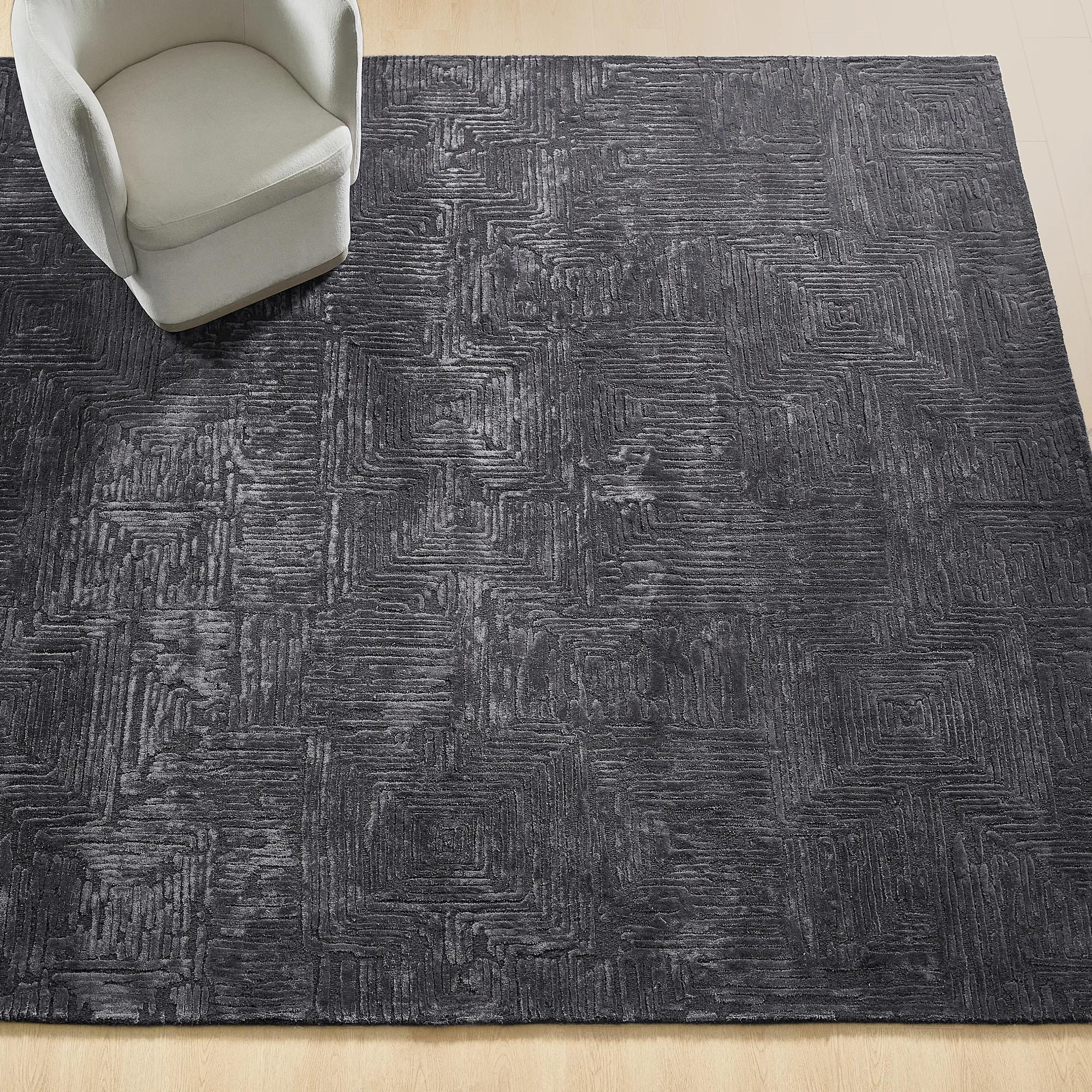
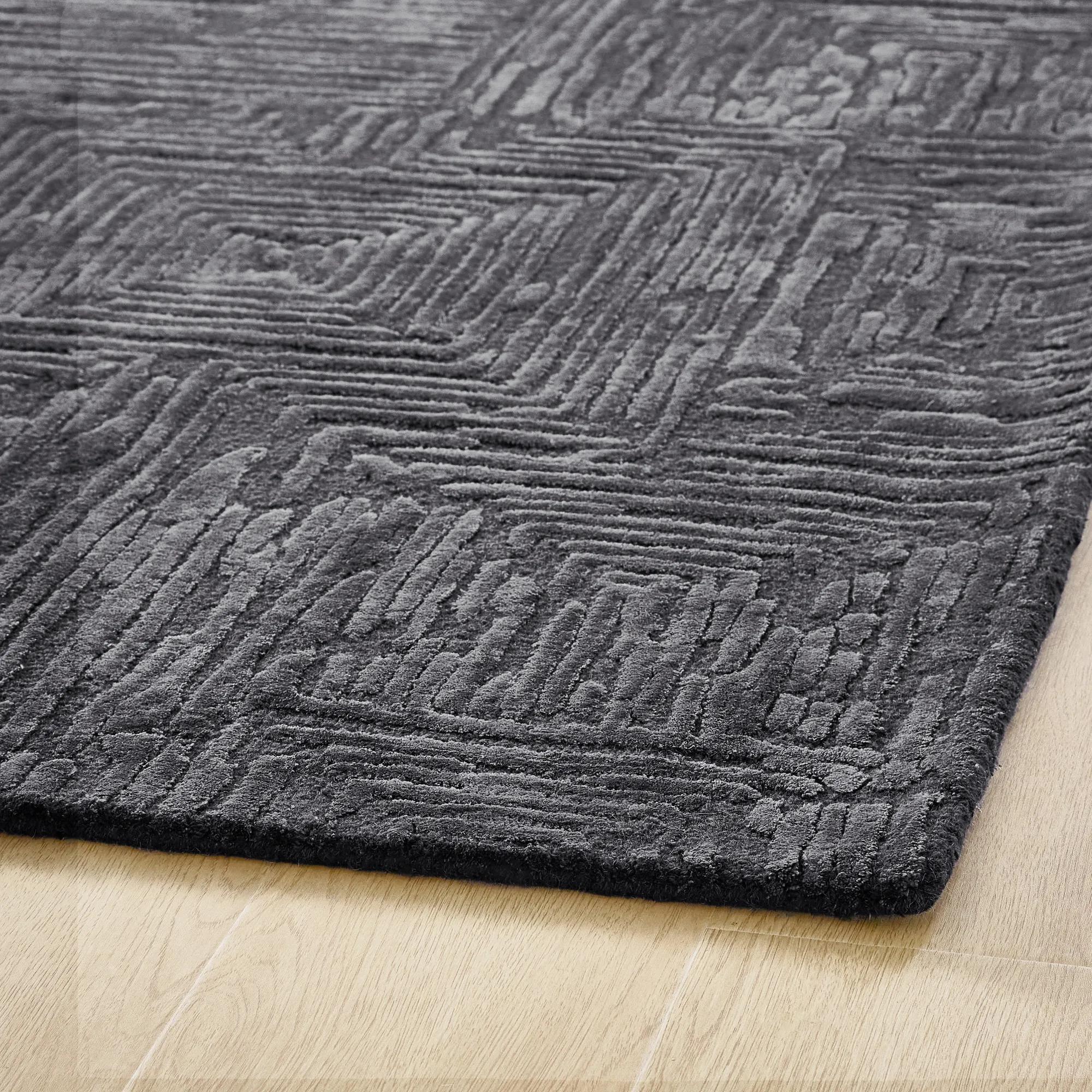 Andra Charcoal Hand-Tufted Wool Blend Dimensional Rug$1499
A hand-tufted viscose-wool rug in rich charcoal with a sculptural, dimensional pattern and plush texture.
Add To Cart -
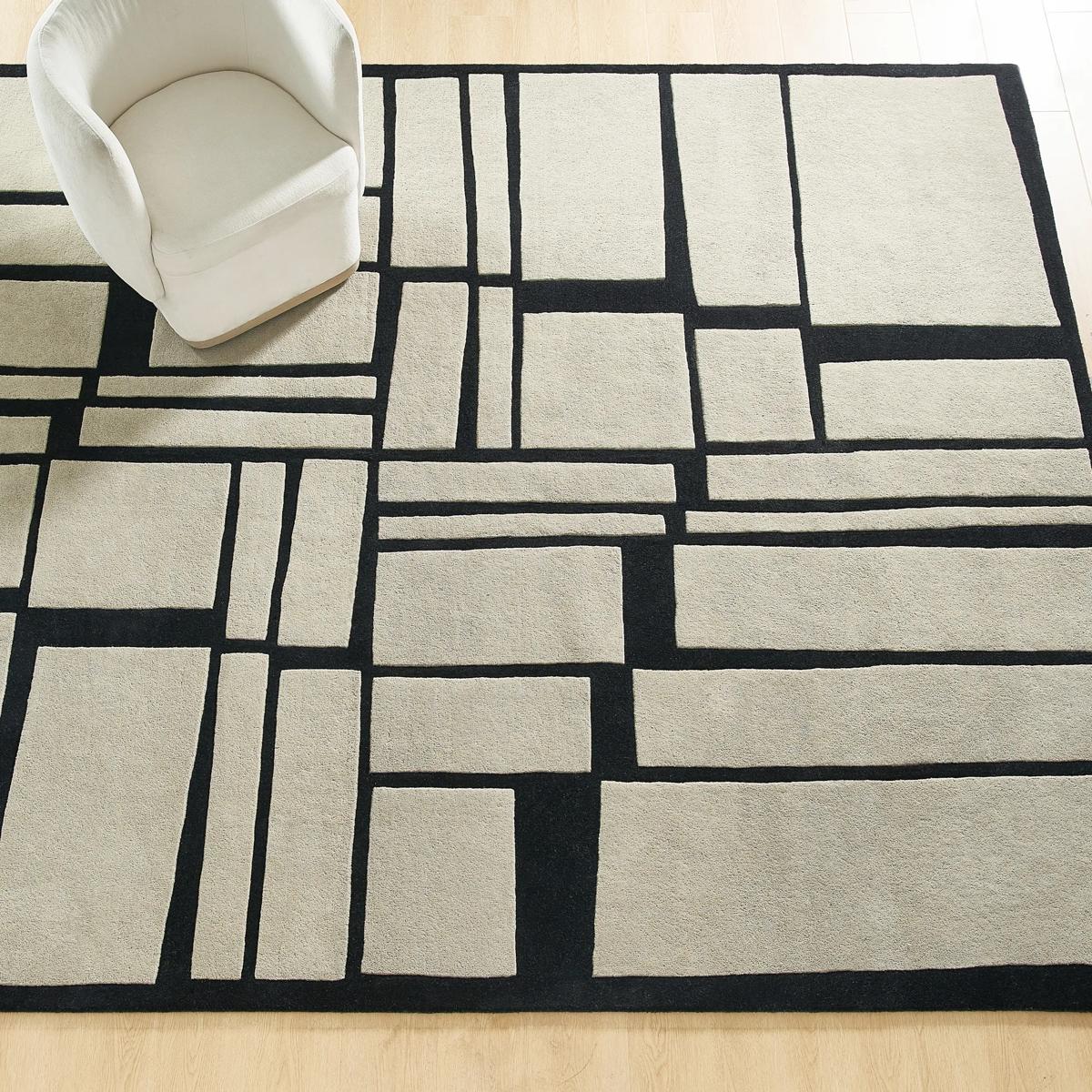 Novak Hand-Tufted Natural/Black Wool Rug$449
A hand-tufted wool rug featuring a bold black and natural grid design for modern visual impact.
Add To Cart -
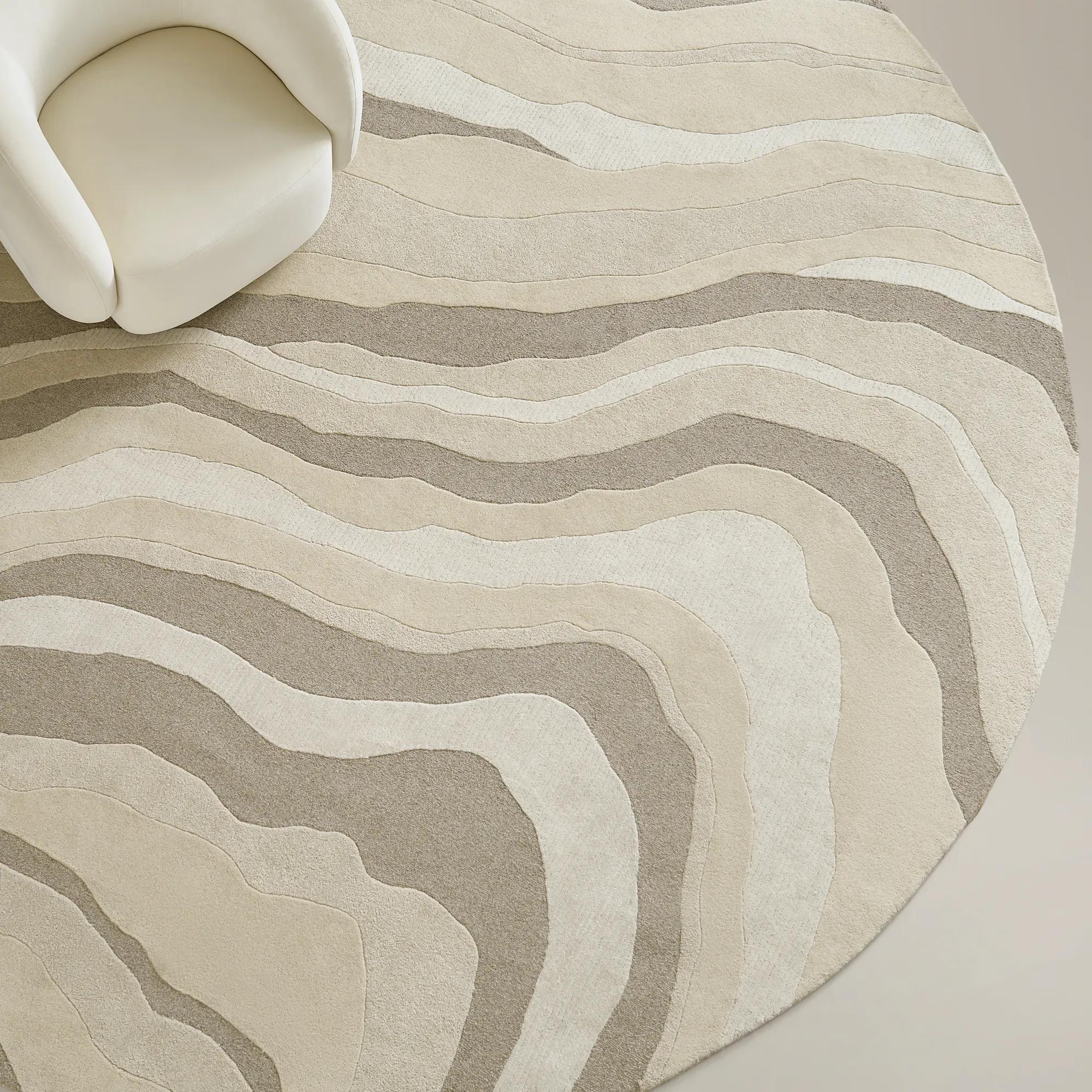 Kadence Hand-Tufted White/Ivory/Tan Wool Round Rug 12"$1799
A hand-tufted round rug in white, ivory, and tan, crafted from 100% wool for natural warmth.
Add To Cart -
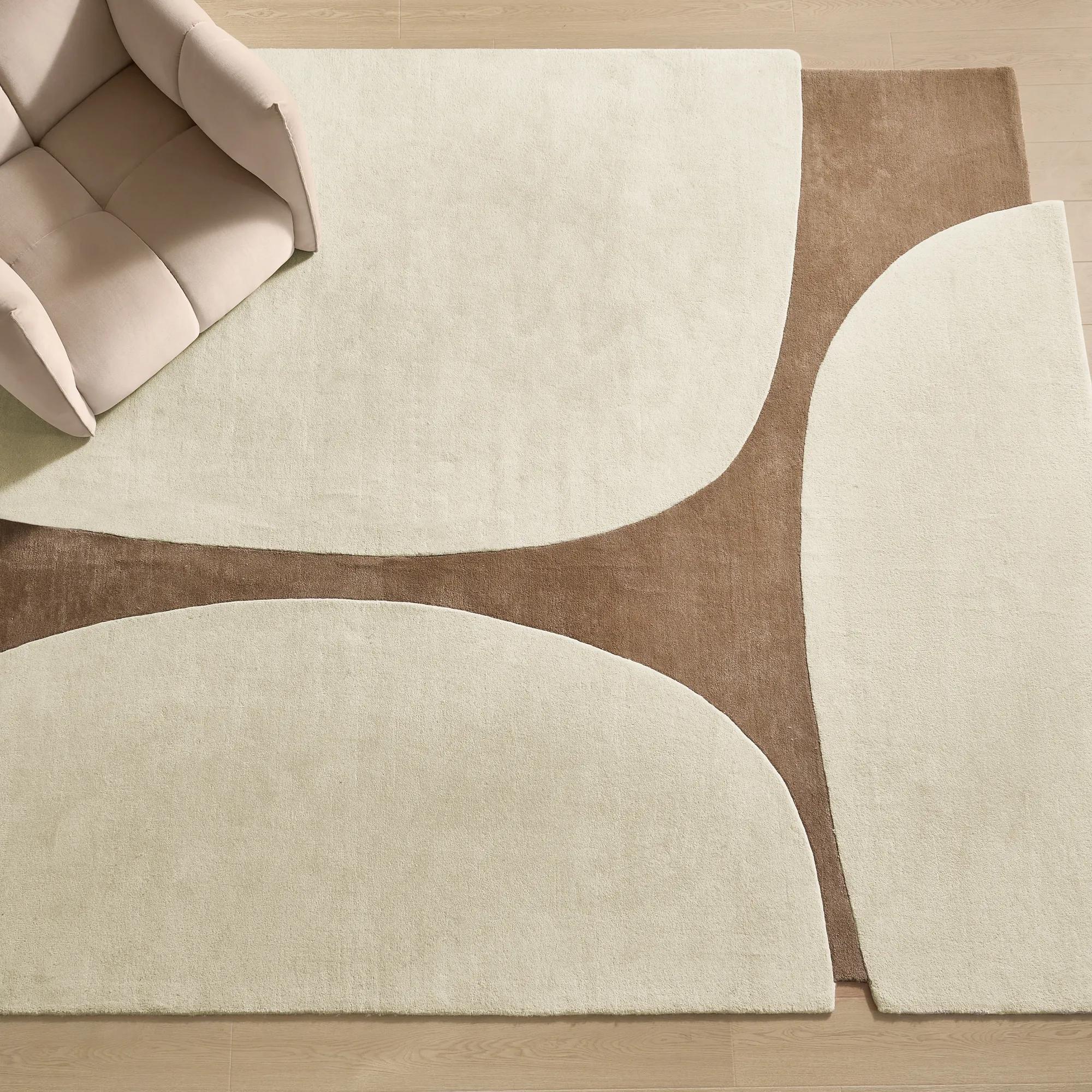
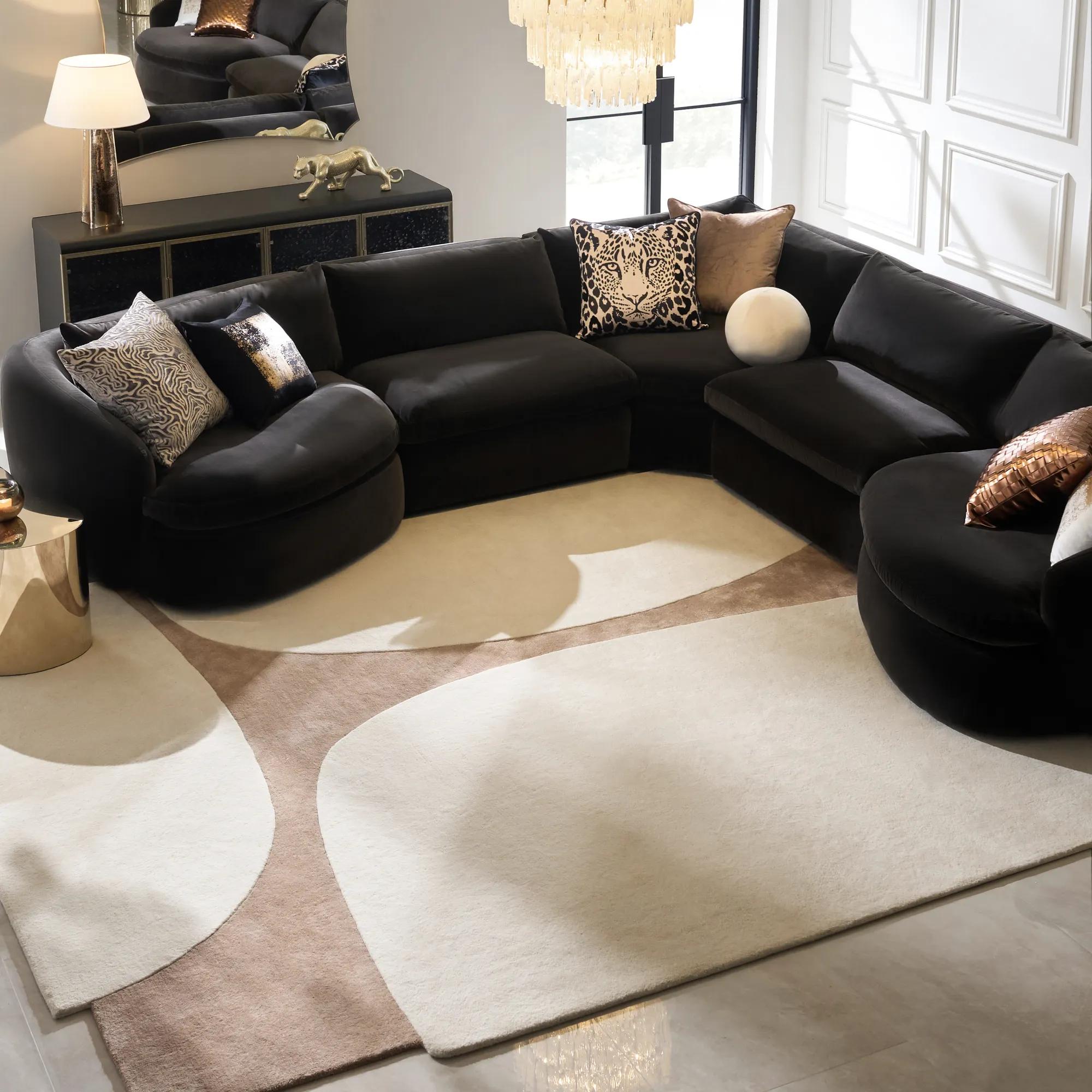 Contour Hand-Tufted Ivory/Ginger Root Wool Blend Rug$499
A hand-tufted wool rug blending ivory and ginger root tones for textured, modern warmth.
Add To Cart -
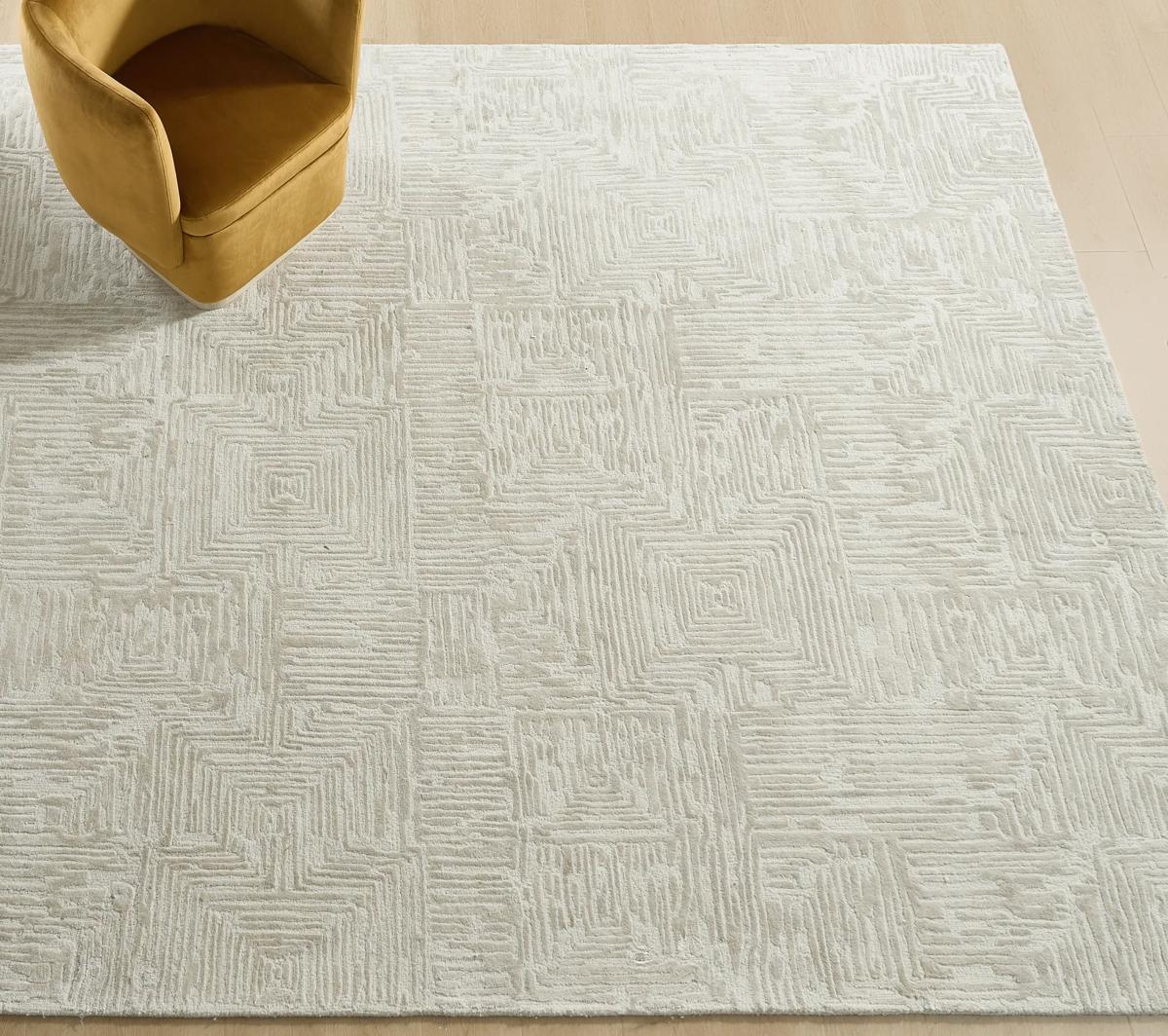 Andra Ivory Hand-Tufted Wool Blend Dimensional Rug$499
A hand-tufted ivory rug in a viscose-wool blend with raised textural detailing and subtle sheen.
Add To Cart -
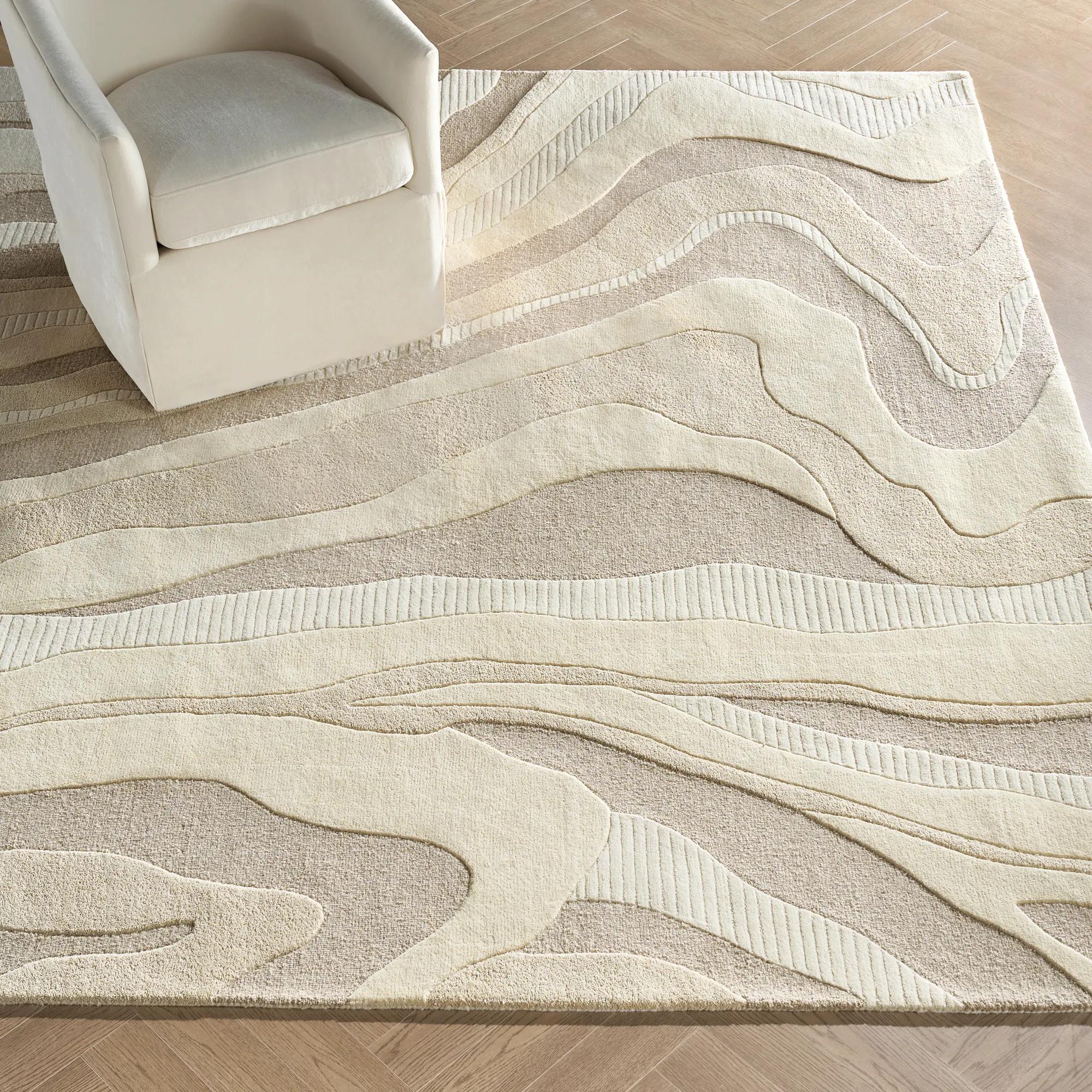 Kadence Hand-Tufted Ivory/Tan Wool Rug$1499
A hand-tufted wool rug featuring a multi-textured swirl design in ivory and tan for timeless elegance.
Add To Cart -
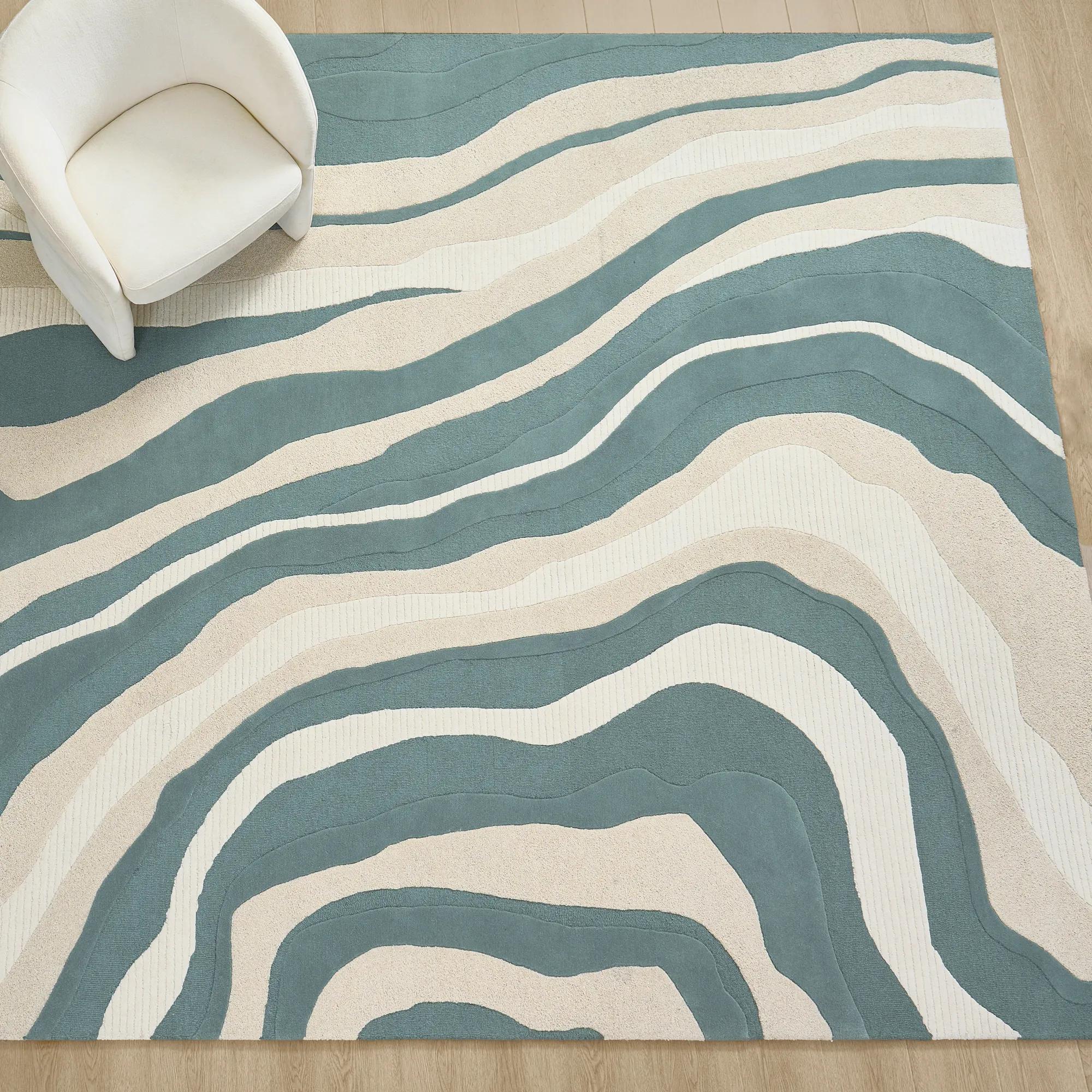 Kadence Hand-Tufted Sage Green/Ivory Wool Rug$1499
A hand-tufted wool rug with organic waves, sculptural high-low texture, and sage-ivory hues.
Add To Cart -
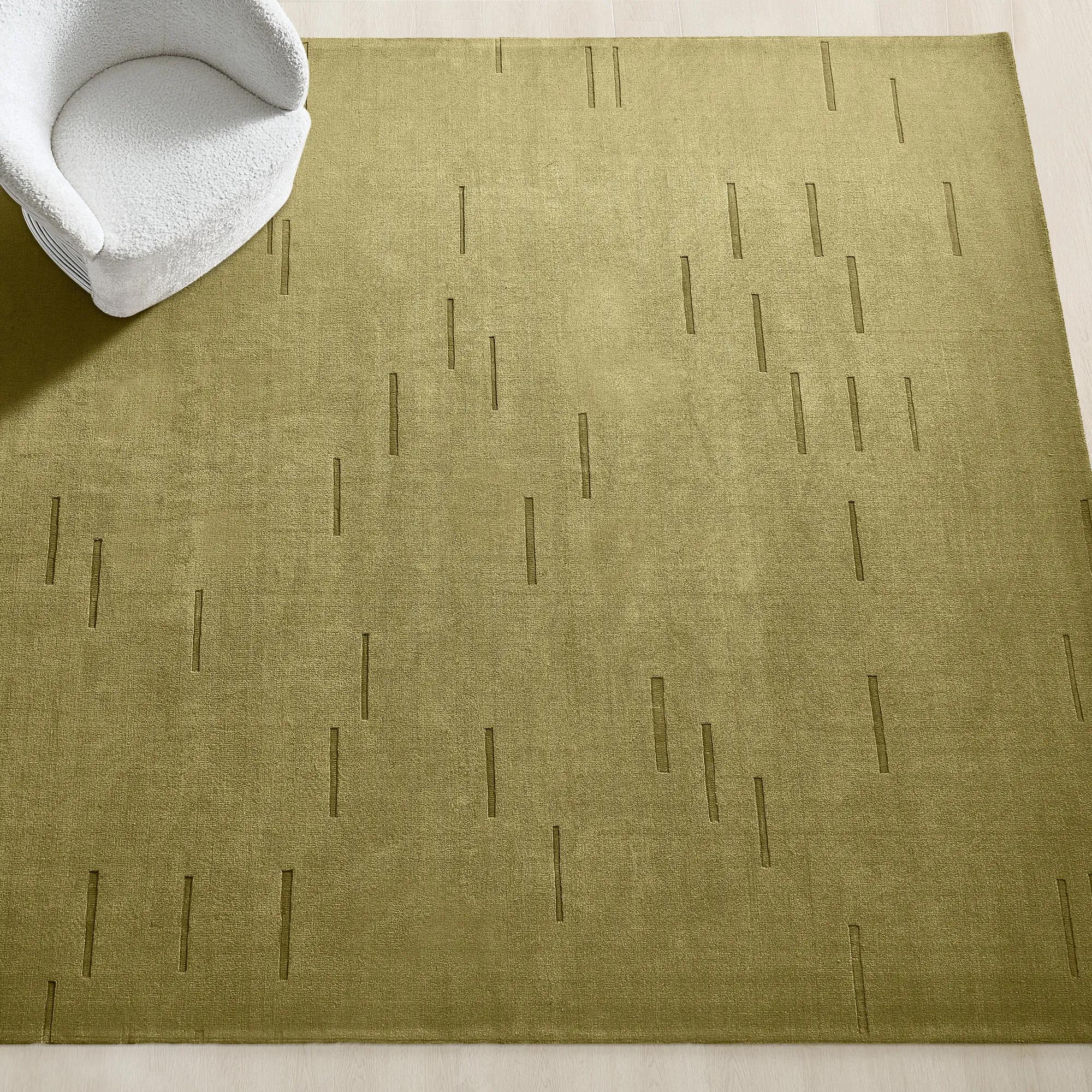
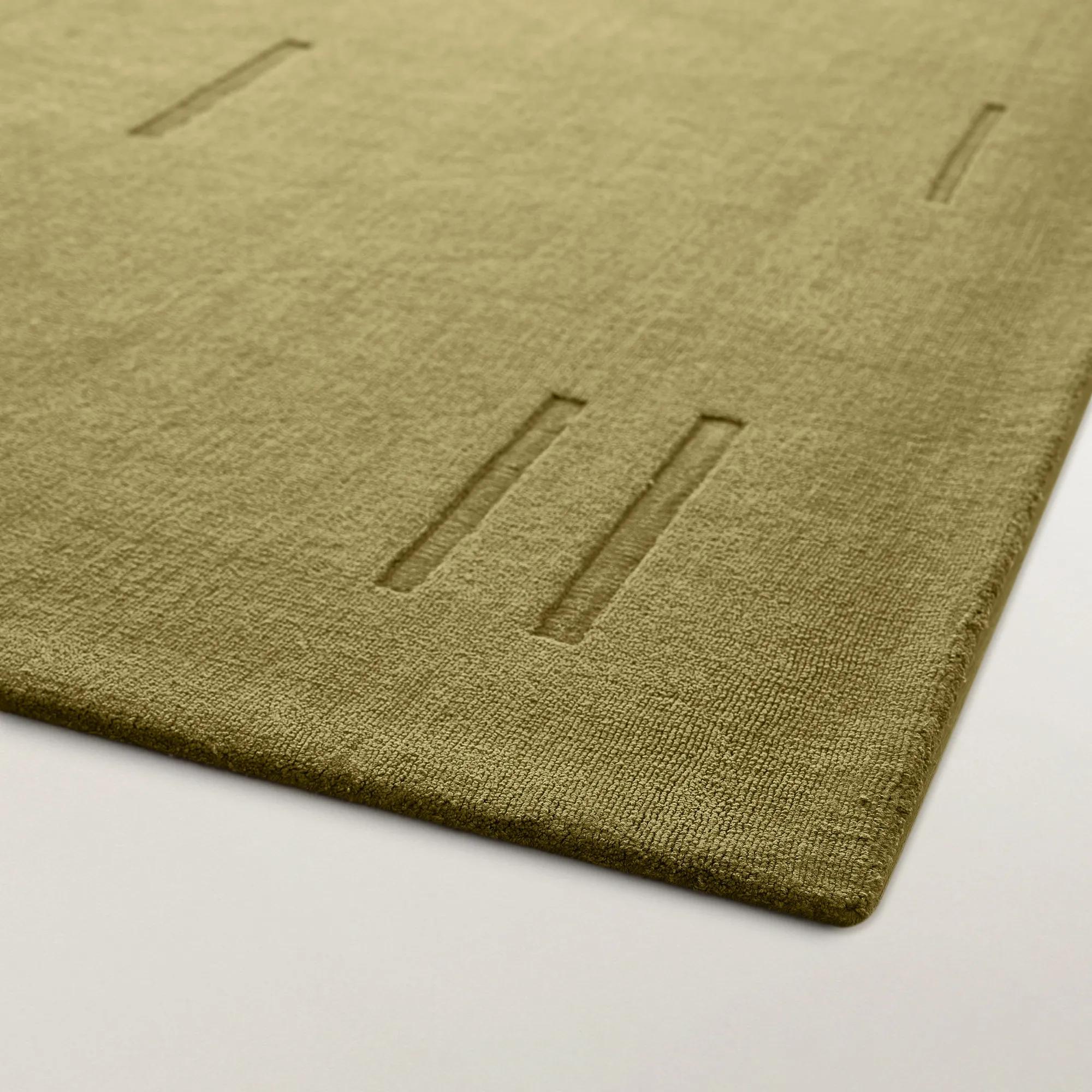 Lamita Muted Olive Green Wool Blend Rug$1299
A muted olive green wool-blend rug adding soft texture and understated warmth to modern interiors.
Add To Cart -
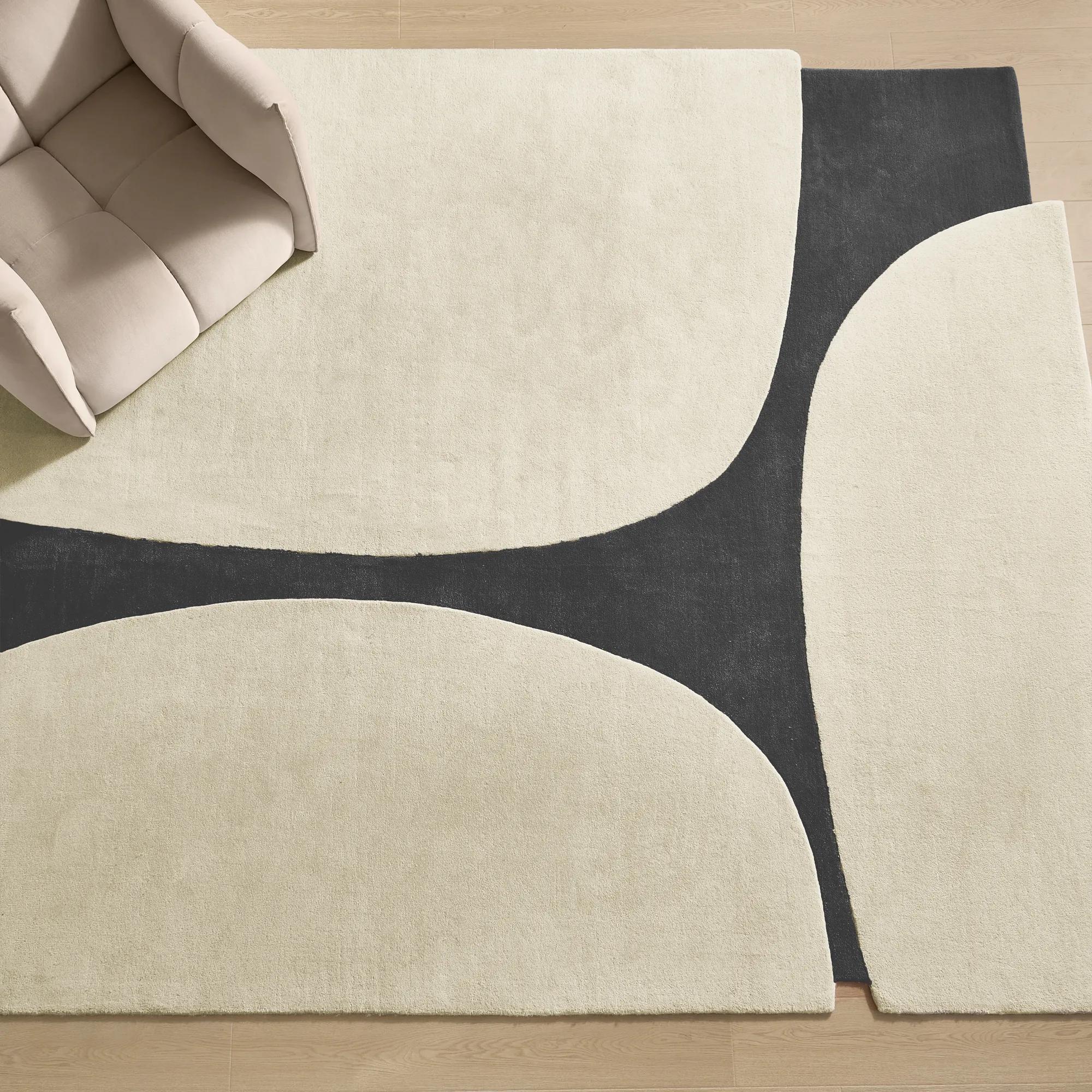 Contour Hand-Tufted Ivory/Charcoal Wool & Viscose Rug$1499
A hand-tufted wool-viscose rug with an organic edge, sculptural high-low texture, and ivory-charcoal pattern.
Add To Cart -
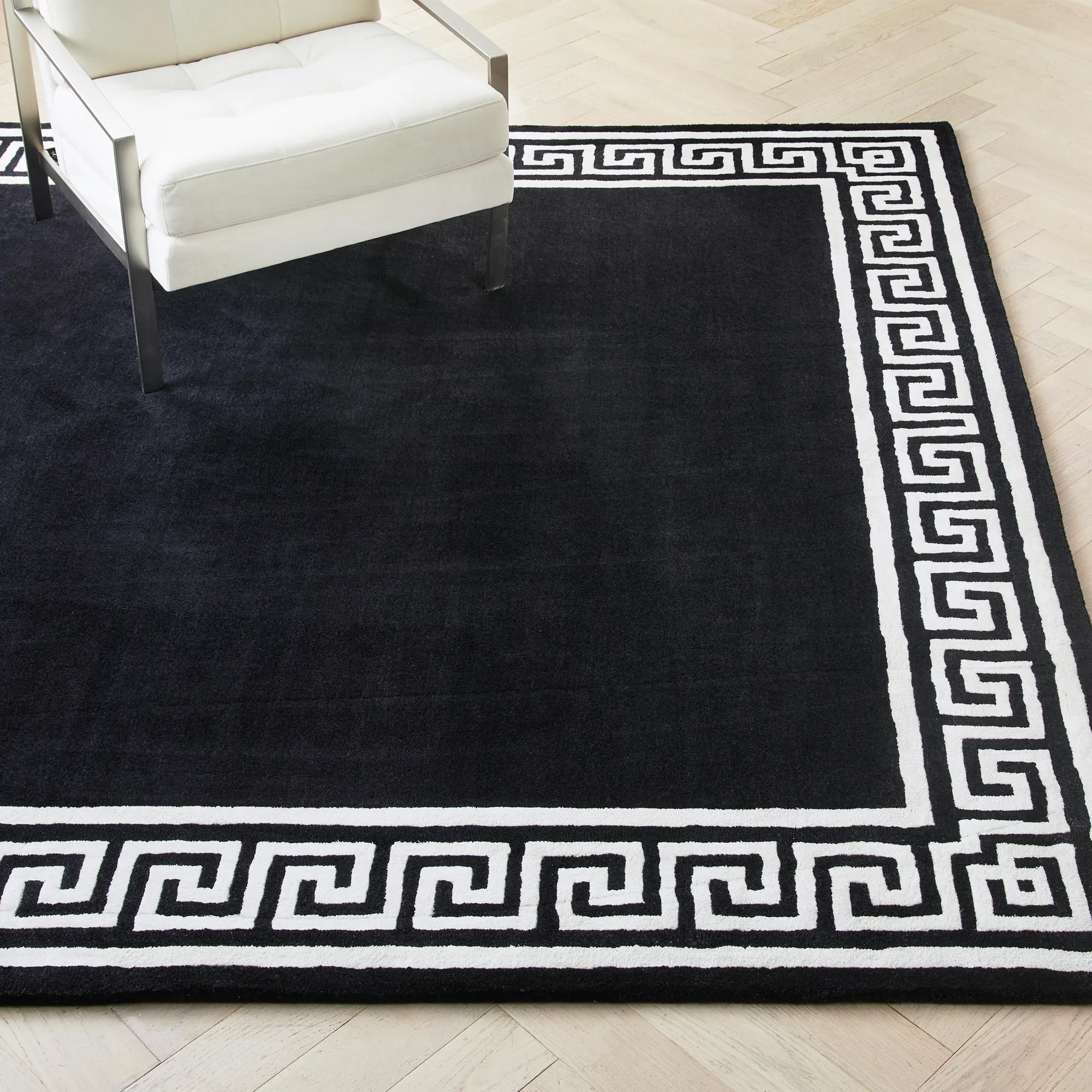
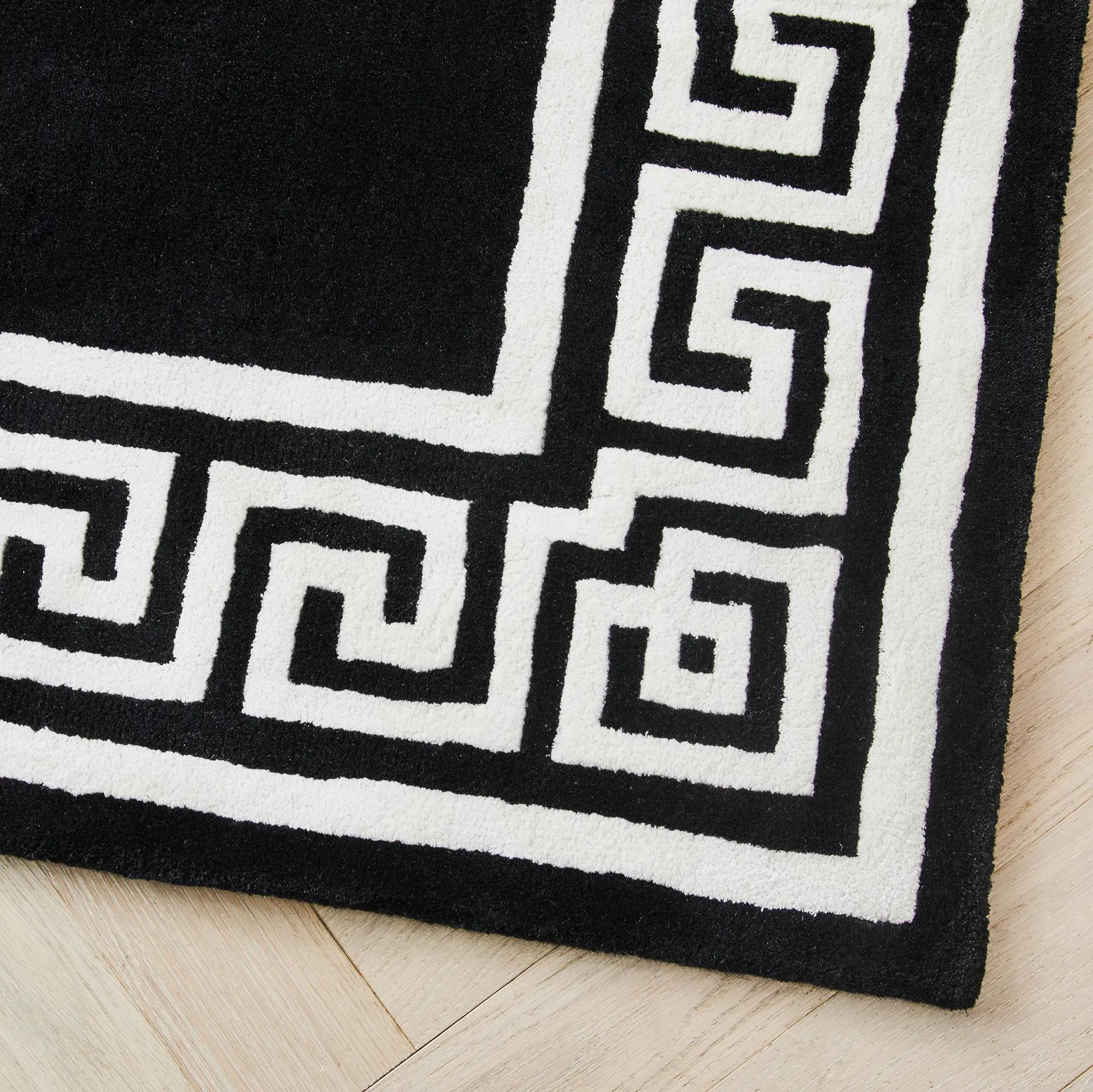 Greek Key Rug - Black/Ivory$1799
A hand-tufted black and ivory rug featuring a classic Greek key pattern in wool and viscose.
Add To Cart -
 Chantel Rug - Ivory/Beige$1199
A unique ivory and beige rug blending zebra and leopard patterns in a soft wool-viscose mix.
Add To Cart -
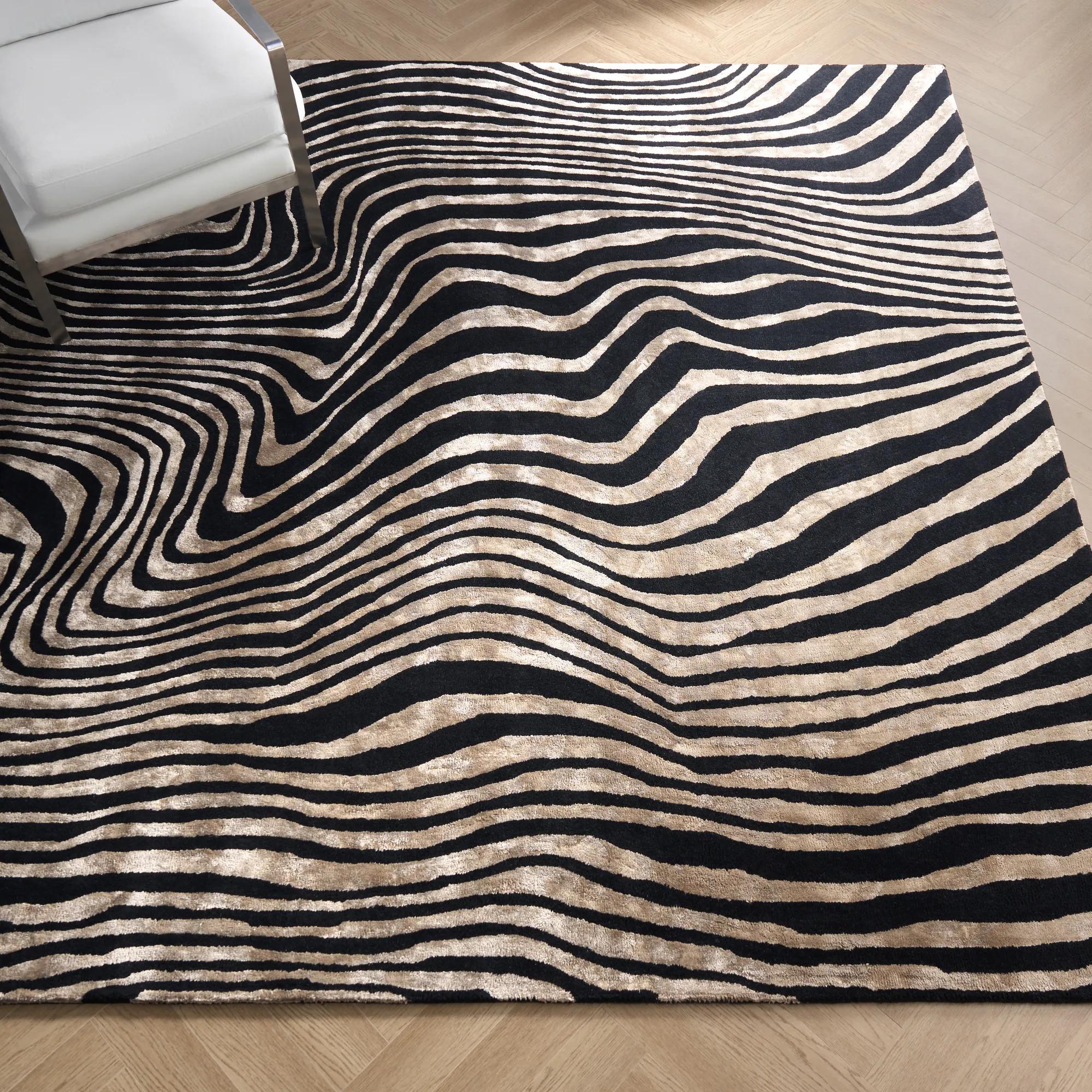
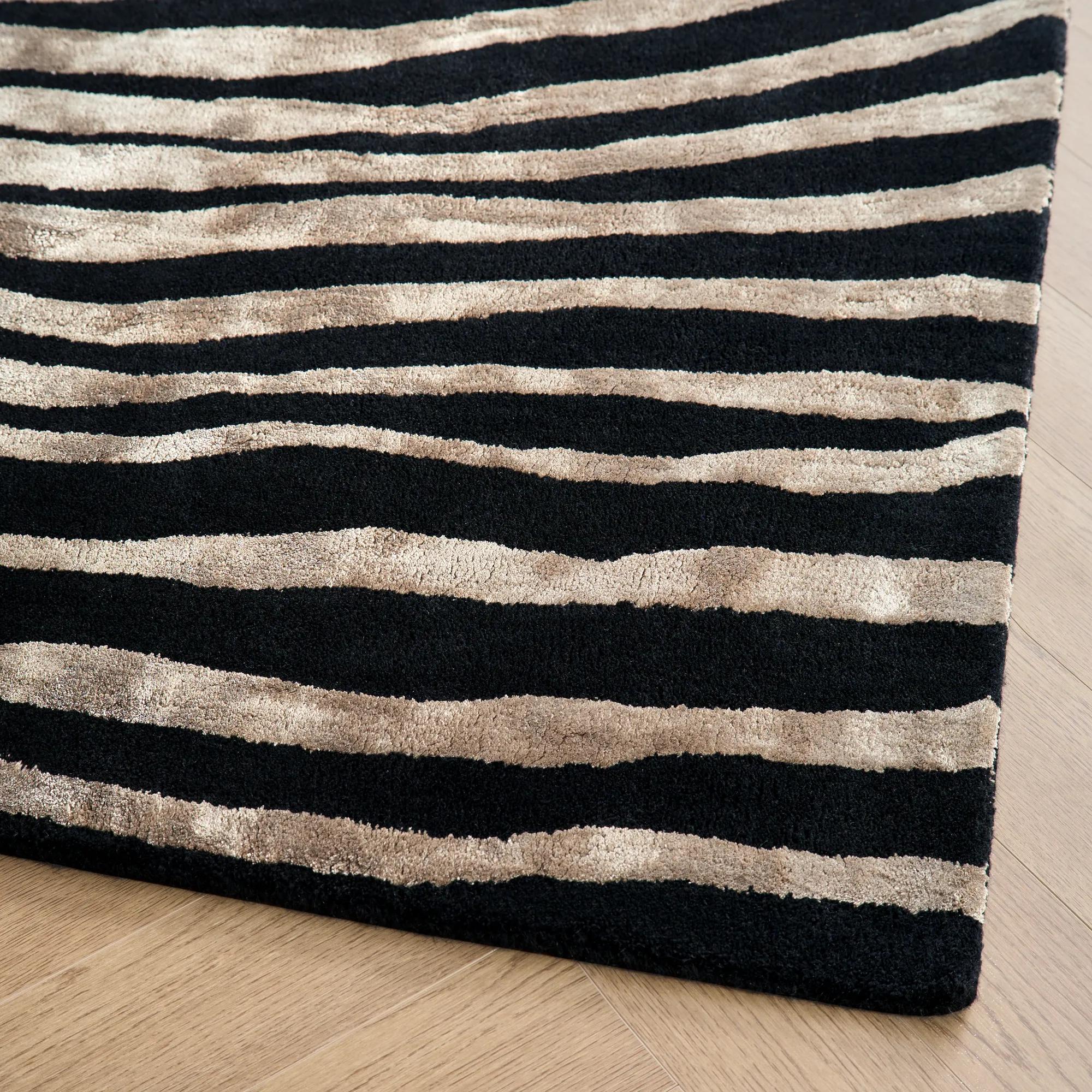 Abstract Zebra Hand-Tufted Black/Taupe Wool Blend Rug$599
An artisan hand-tufted rug in black and taupe wool-viscose, featuring a striking abstract zebra pattern.
Add To Cart

Wool And Wool-Blend Bedroom Rugs With Sculptural Texture
Wool bedroom rugs bring natural warmth and artful dimension to the space beneath your bed. Explore pure wool and wool-blend designs with tactile surfaces, expressive patterns, and fluid contours that complement curved furnishings. Consider texture, tone, and under-bed placement to create a richly layered foundation with room for the rug’s artistry to show.
Wool and wool-blend bedroom rugs with sculptural texture bring an architectural quality to the most personal room in the home. Raised curves, carved channels, and contrasting pile heights turn the floor into a composition of shadow and relief, giving even a restrained palette remarkable presence. Beneath an upholstered bed, a softly contoured design can echo the sweep of a curved headboard; beside crisp, tailored bedding, an irregular surface introduces an expressive counterpoint. The appeal of Textured Wool Area Rugs lies in this interplay of fiber, form, and light. Ivory can reveal a surprisingly intricate pattern as daylight moves across its surface, while taupe, charcoal, and tonal beige lend depth without competing with artwork or patterned pillows. Wool contributes natural resilience and a substantial feel underfoot, with fibers that can recover from everyday compression, although furniture may still leave impressions. Its softly matte appearance also provides a beautiful contrast to polished metal, mirrored accents, and luminous textiles. Wool blends introduce other fibers to adjust softness, sheen, structure, or performance, so the full fiber composition matters as much as the visual effect. A blend containing viscose may have a lustrous finish but require especially careful handling around moisture; a blend with synthetic fibers may offer different wear characteristics depending on its construction and proportions. Neither the word “blend” nor a plush appearance alone determines durability. The distinction is in how the fibers, backing, and pile work together. Hand-tufted, woven, looped, and cut-pile constructions can each create dimensional surfaces, with effects ranging from subtle ribbing to pronounced abstract relief. Some sculptural patterns are carved into the pile, while others emerge from the contrast between higher and lower sections. The result can feel quietly sumptuous or deliberately dramatic, making texture a compelling expression of personal style without relying on strong color. In a bedroom layered with linen, velvet, or a smooth sateen duvet, that tactile variation gives each material its own moment.
Scale gives this dimensional beauty its place in the room. A bedroom rug looks most composed when its relationship to the bed, nightstands, and surrounding floor feels intentional rather than incidental. Beneath a queen or king bed, a generously sized rectangle can frame the sleeping area and create a soft landing along both sides and beyond the foot. An 8-by-10-foot or 9-by-12-foot rug may suit some layouts, but bed dimensions, room proportions, and furniture placement determine the right fit. Measuring the actual footprint is more revealing than relying on the bed size alone, especially with an oversized upholstered frame, a deep bench, or substantial nightstands. A rug positioned beneath the lower portion of the bed can leave nightstands on the exposed floor, while a larger footprint can bring more of the furniture into a unified composition. Either arrangement benefits from enough visible texture to appreciate the design; a dramatic central motif loses its impact when almost entirely concealed beneath furniture. Allover sculptural patterns, by contrast, can remain expressive around the perimeter. For a smaller bedroom, a pair of appropriately proportioned bedside rugs can introduce softness without covering most of the floor. In a spacious primary suite, a textured rug can also distinguish a reading chair and ottoman from the sleeping area, creating a deliberate place to pause. Guest bedrooms benefit from the same attention: a tactile surface beside the bed makes the setting feel considered, particularly when the rest of the furnishings are simple. Lower, denser textures are often better suited to frequently traveled paths, while deeper relief can make a striking statement where doors and furniture have adequate clearance. The rug’s total thickness includes any pad beneath it, an important detail near closet doors and low bed frames. A pad selected for the rug and flooring helps limit movement and adds support without unnecessary bulk. With thoughtful proportions, sculptural texture feels integrated into the room rather than added as decoration after everything else is in place.
The lasting pleasure of a wool or wool-blend bedroom rug depends on matching its character to everyday routines. A bedroom generally sees less foot traffic than an entryway, making it a natural setting for dimensional pile, but pets, rolling furniture, and repeated movement along one side of the bed still influence wear. Looped textures can catch on claws, while a pronounced high-low surface may be less convenient for rolling a desk chair in a bedroom workspace. A denser, lower-profile construction can offer a more practical balance in these shared-use rooms without sacrificing visual depth. Wool’s natural crimp supports resilience, but it does not make a rug immune to staining, abrasion, or compression. Some shedding is normal, particularly with new wool rugs and certain tufted constructions; the amount and duration vary. Routine vacuuming according to the care label helps remove loose fibers and grit before they settle into the pile. Adjustable suction and a suction-only attachment may be appropriate for delicate relief or loops, while aggressive rotating brushes can disturb fibers or snag raised details. Spills deserve prompt attention: blot gently with a clean, absorbent cloth rather than rubbing, and follow the manufacturer’s directions before applying any cleaning solution. Saturating a rug can affect its fibers, dyes, or backing, and moisture-sensitive blends require particular caution. Professional cleaning by someone experienced with the rug’s fiber composition and construction is preferable to assuming every carpet-cleaning method is suitable. Where the layout allows, periodic rotation can distribute exposure to foot traffic and sunlight more evenly, while suitable furniture protectors help reduce concentrated pressure. These practical considerations preserve what makes sculptural rugs so distinctive: crisp changes in height, nuanced color, and a surface that invites closer attention. Whether anchoring an expressive primary bedroom or lending a guest room understated grandeur, a well-chosen wool rug brings substance to the design. Its beauty is not confined to a pattern viewed from the doorway; it is also present in the texture beside the bed, the border surrounding a bench, and the quiet definition it gives the entire room.
FAQs
A pure wool rug has a wool pile, while a wool-blend rug combines wool with another fiber. Viscose, for example, can introduce a light-catching sheen alongside wool’s natural warmth. Blend proportions vary, so read the fiber composition rather than assuming every wool blend has the same character.
High-low pile combines raised and lower areas to give a rug dimensional relief. Those changes in height can define waves, abstract forms, or geometric lines, making texture part of the design rather than relying on color alone.
Yes. Geometric lines can create an elegant contrast with a rounded headboard or softly curved bed frame. Choose a tonal pattern for a subtle dialogue between shapes, or a more defined motif to give the bedroom a graphic focal point.
Wool rugs can release loose fibers, particularly during early use, and shedding often diminishes over time. Follow the rug’s vacuuming instructions and avoid pulling loose yarns. Construction and fiber composition influence how each rug behaves.
Follow the individual rug’s care instructions, especially for blends containing viscose. Blot spills promptly rather than rubbing, and check the recommended vacuum method before using a beater bar or carpet sweeper. Use professional rug cleaning where the care guidance calls for it.