Textured Wool Area Rugs For Cozy Winter Floors
Textured Wool Area Rugs For Cozy Winter Floors
-
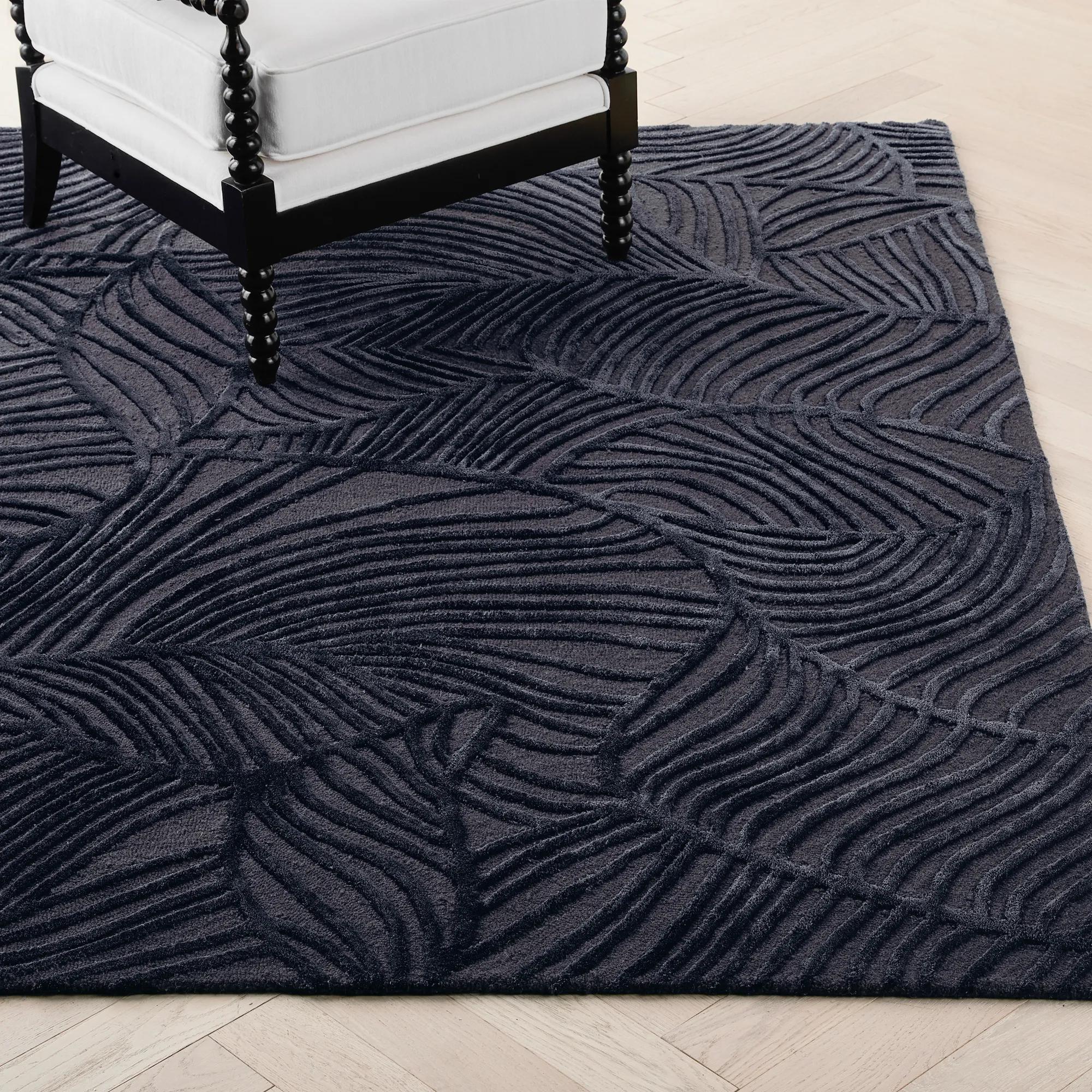
 Palm Rug - Charcoal$1499
A charcoal rug featuring a dynamic palm-leaf design with a textured high-low viscose and wool pile.
Add To Cart -
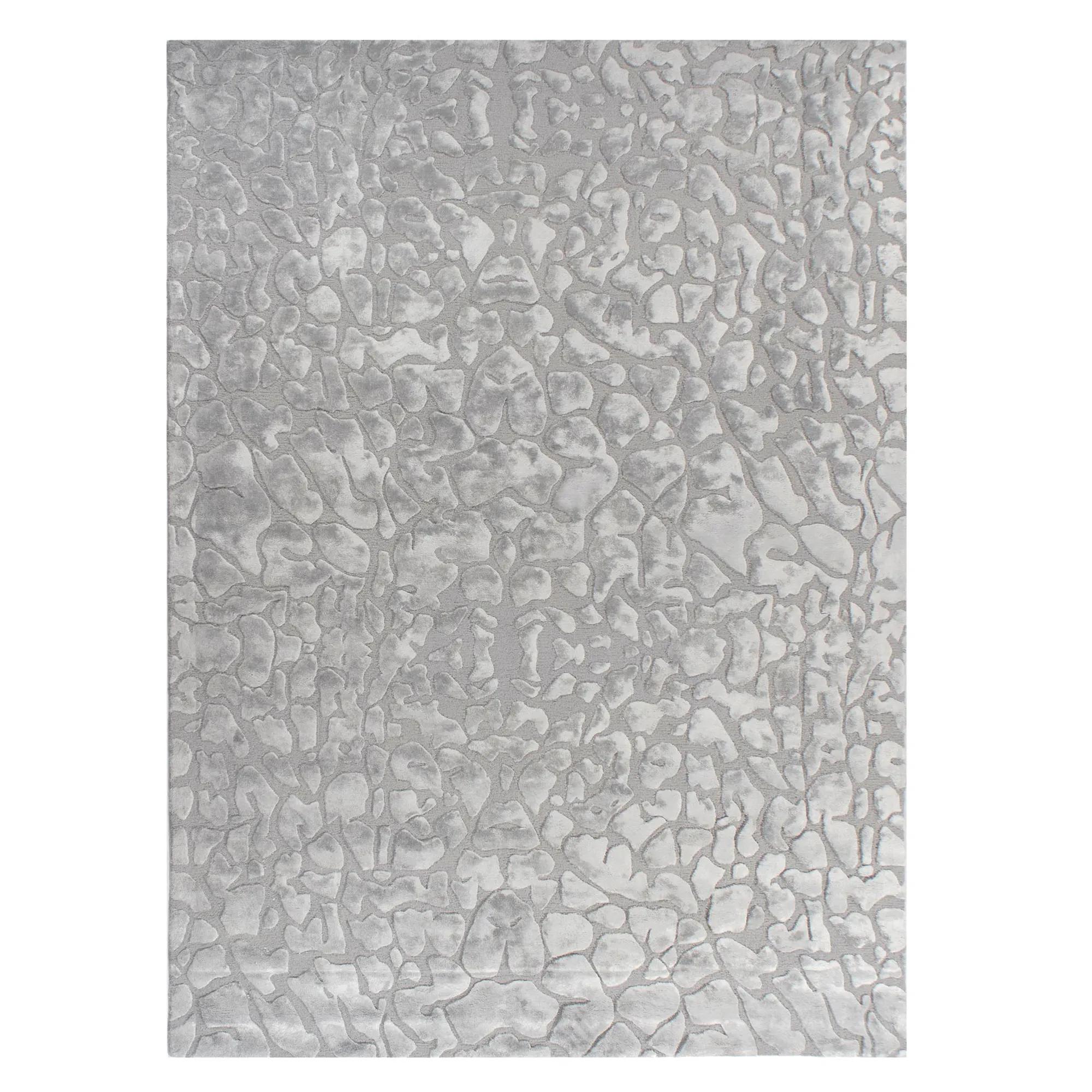
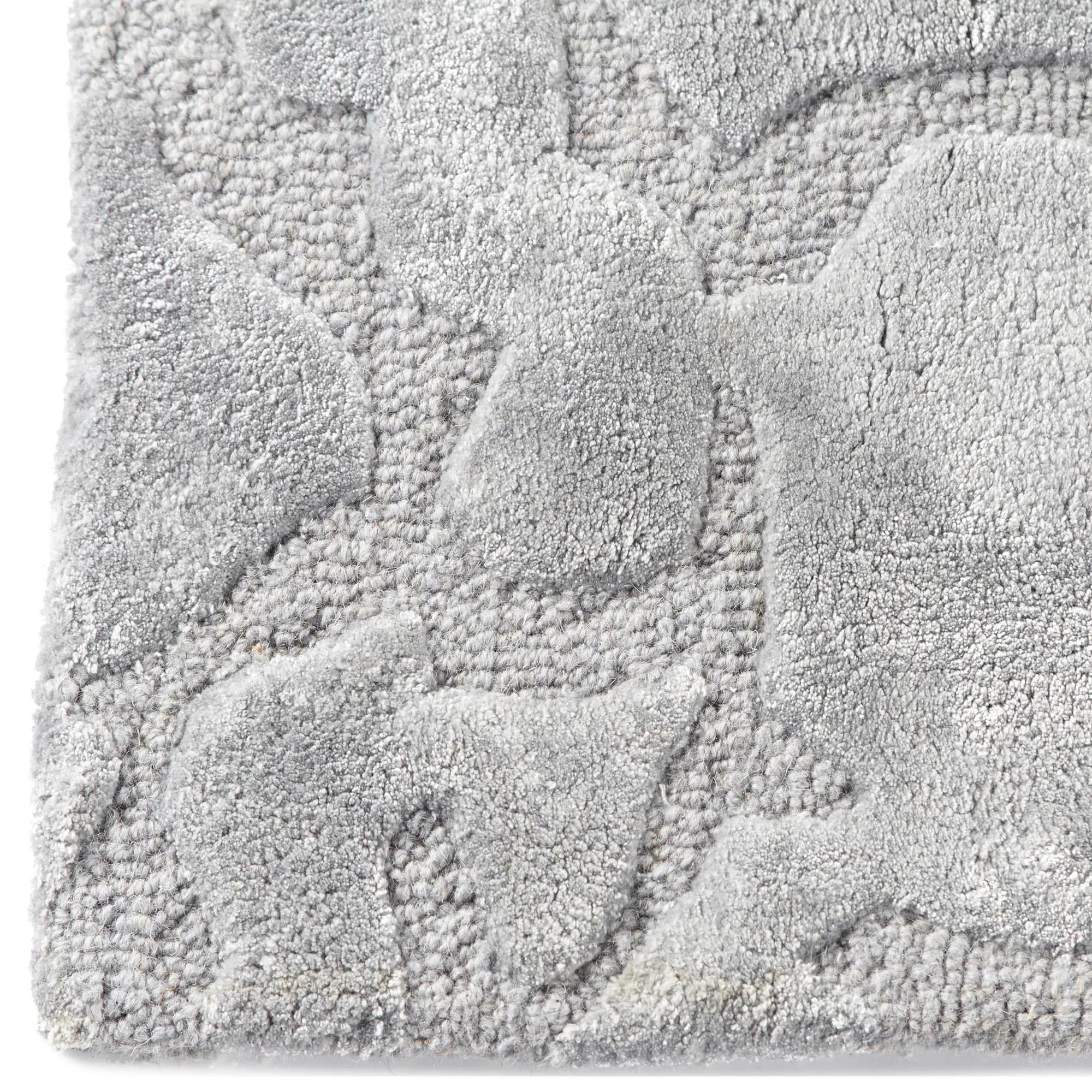 Nola Hand-Tufted Cool Grey Wool Blend Rug$849
A hand-tufted silver rug with contrasting pile heights, crafted from wool and viscose for plush texture.
Add To Cart -
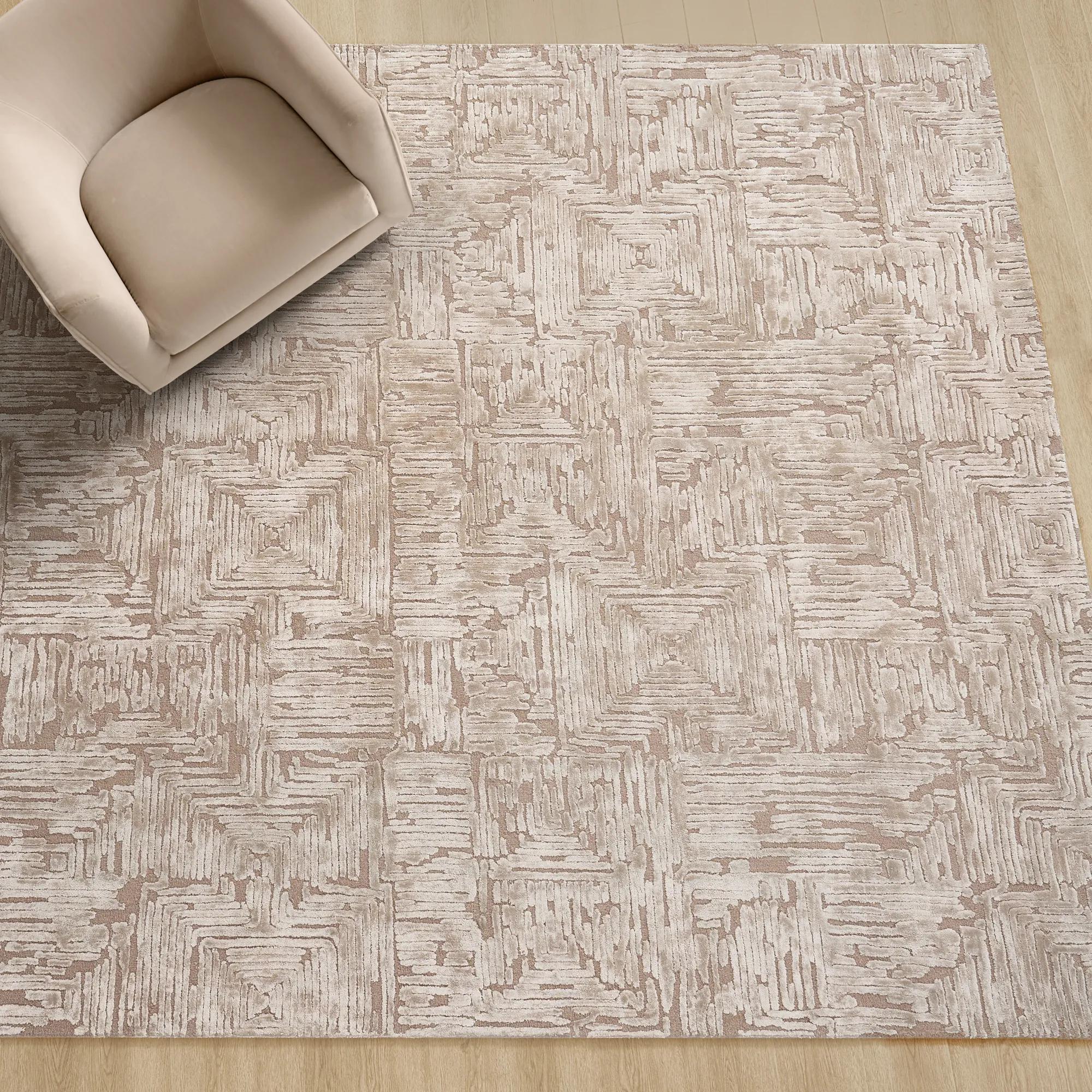
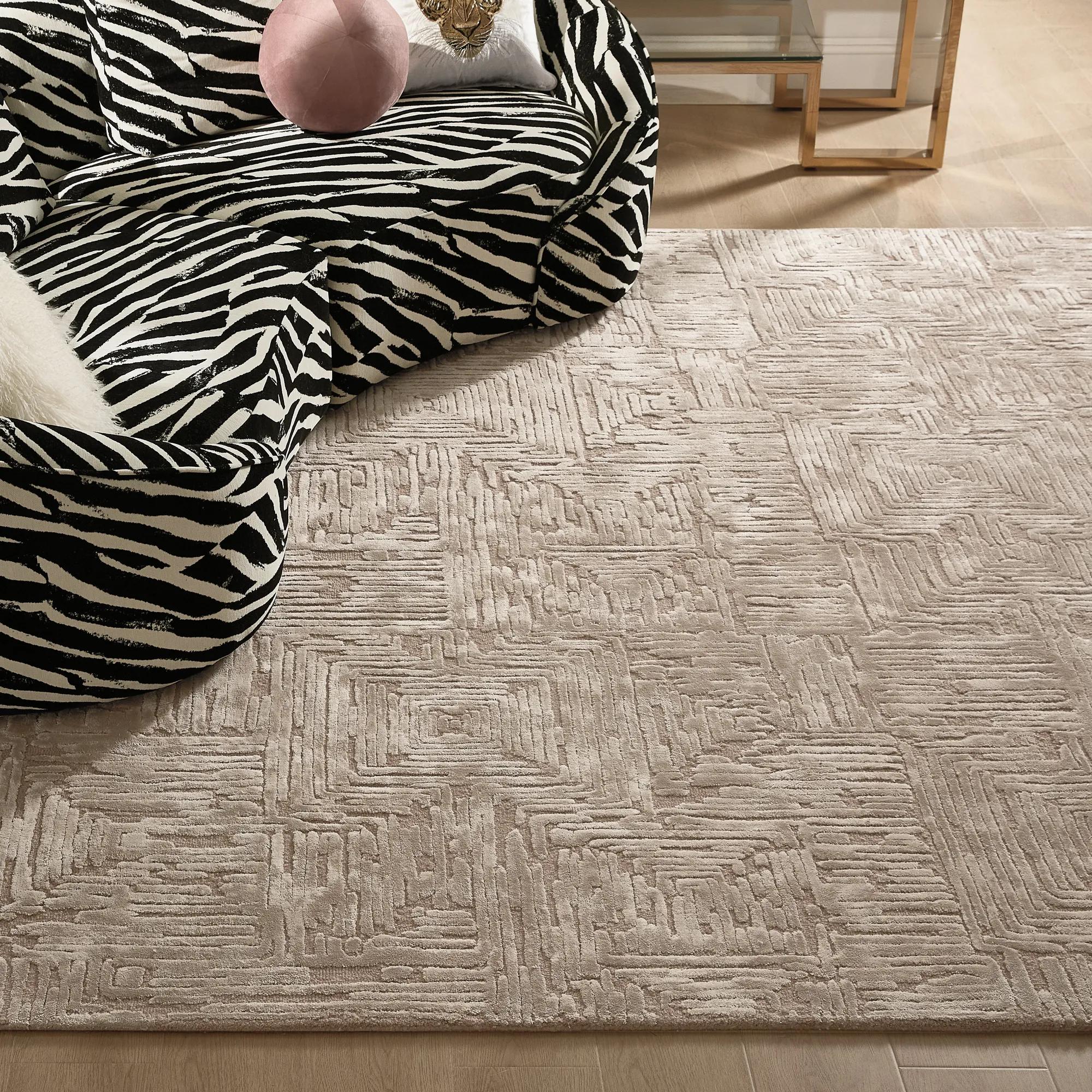 Andra Hand-Tufted Mocha Rose Viscose & Wool Dimensional Rugs$1499
A hand-tufted viscose and wool rug in mocha rose, featuring a dimensional geometric pattern and soft sheen.
Add To Cart -
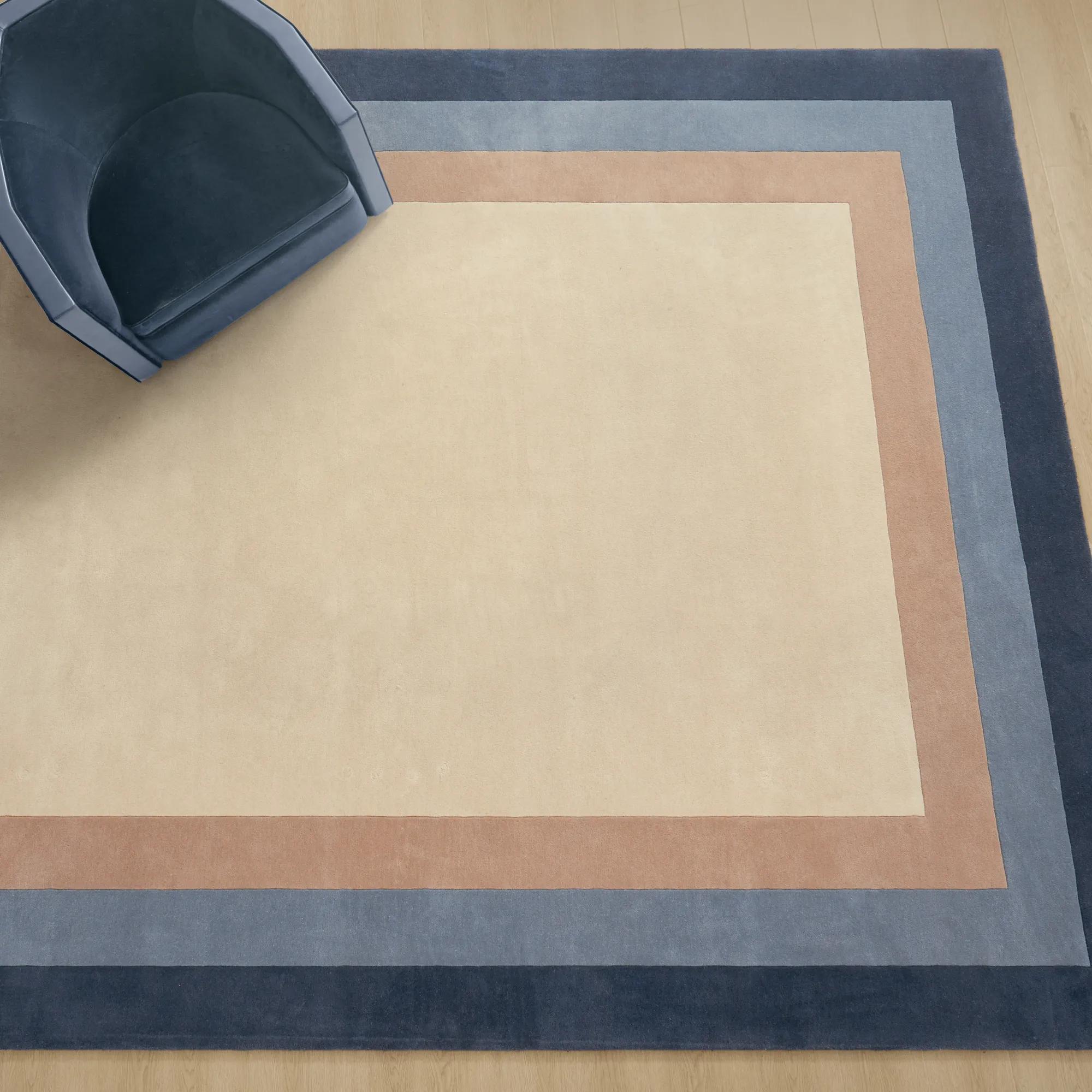 Bastien Hand-Tufted Blue/Taupe/Ivory Wool Border Rugs$1499
A hand-tufted wool rug featuring a bold color-blocked border in dusty blue, taupe, and ivory tones.
Add To Cart -
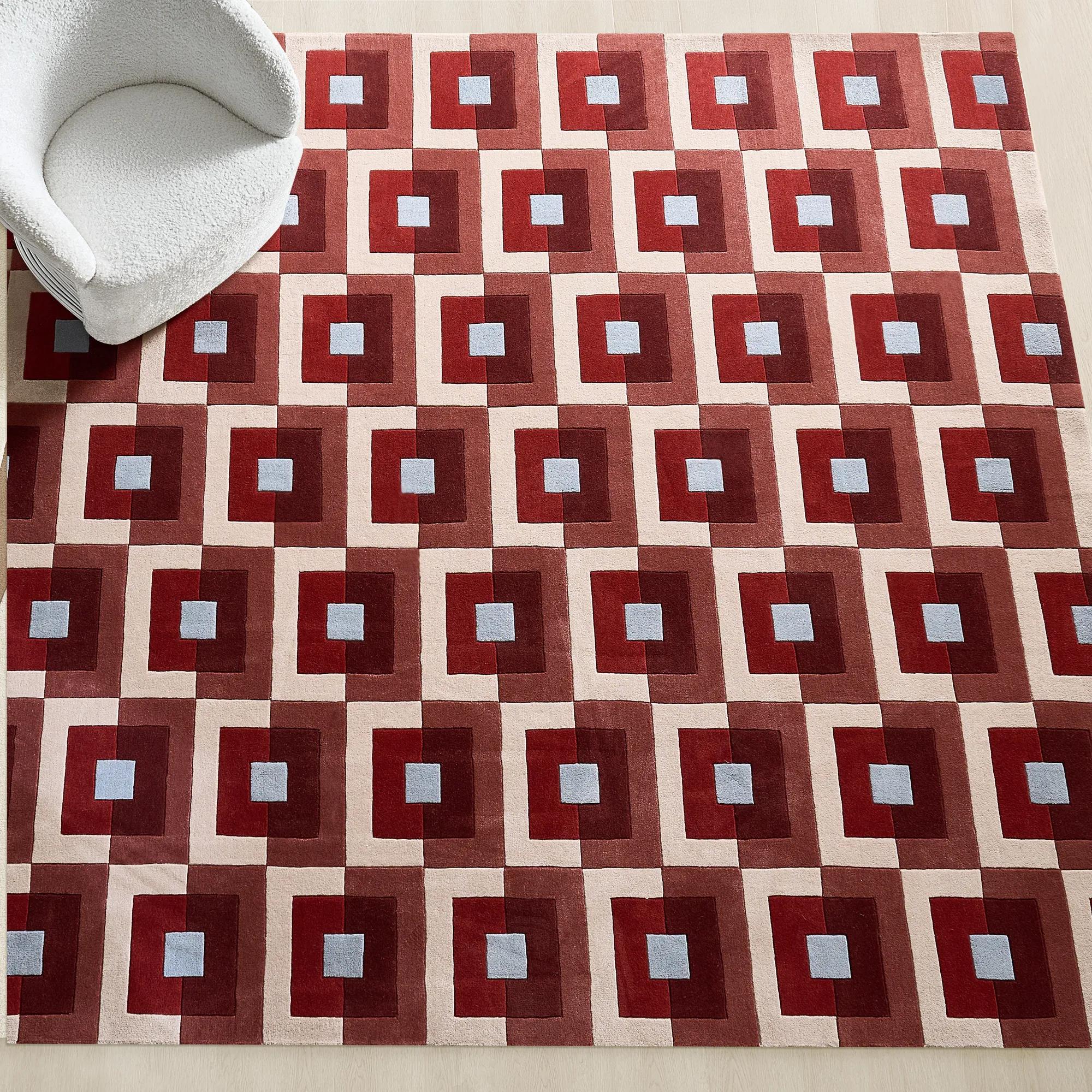
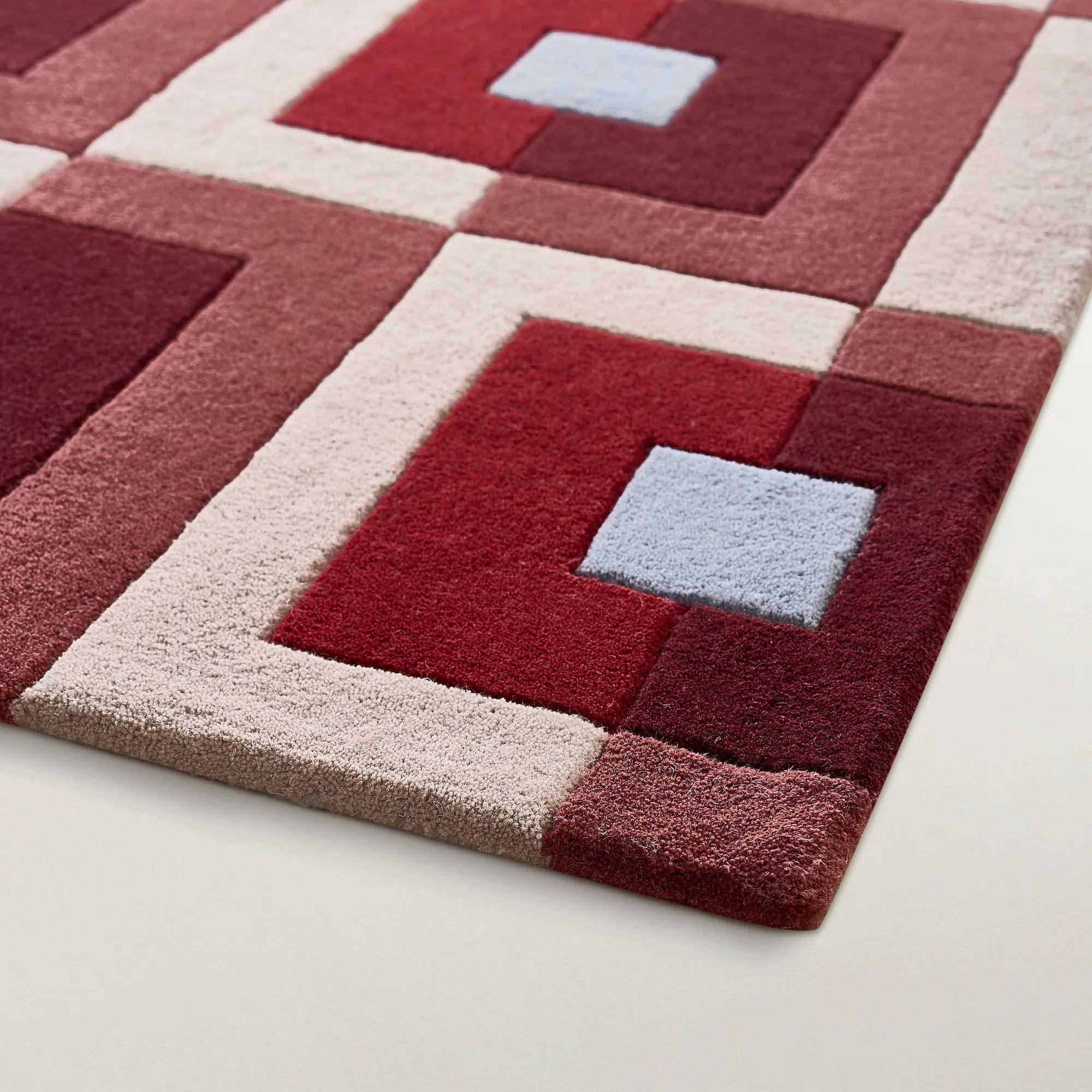 Geo Pop Wool Rug - Oxblood Red/Airy Blue$599
A geometric wool rug combining oxblood red and airy blue for a bold, modern statement.
Add To Cart -
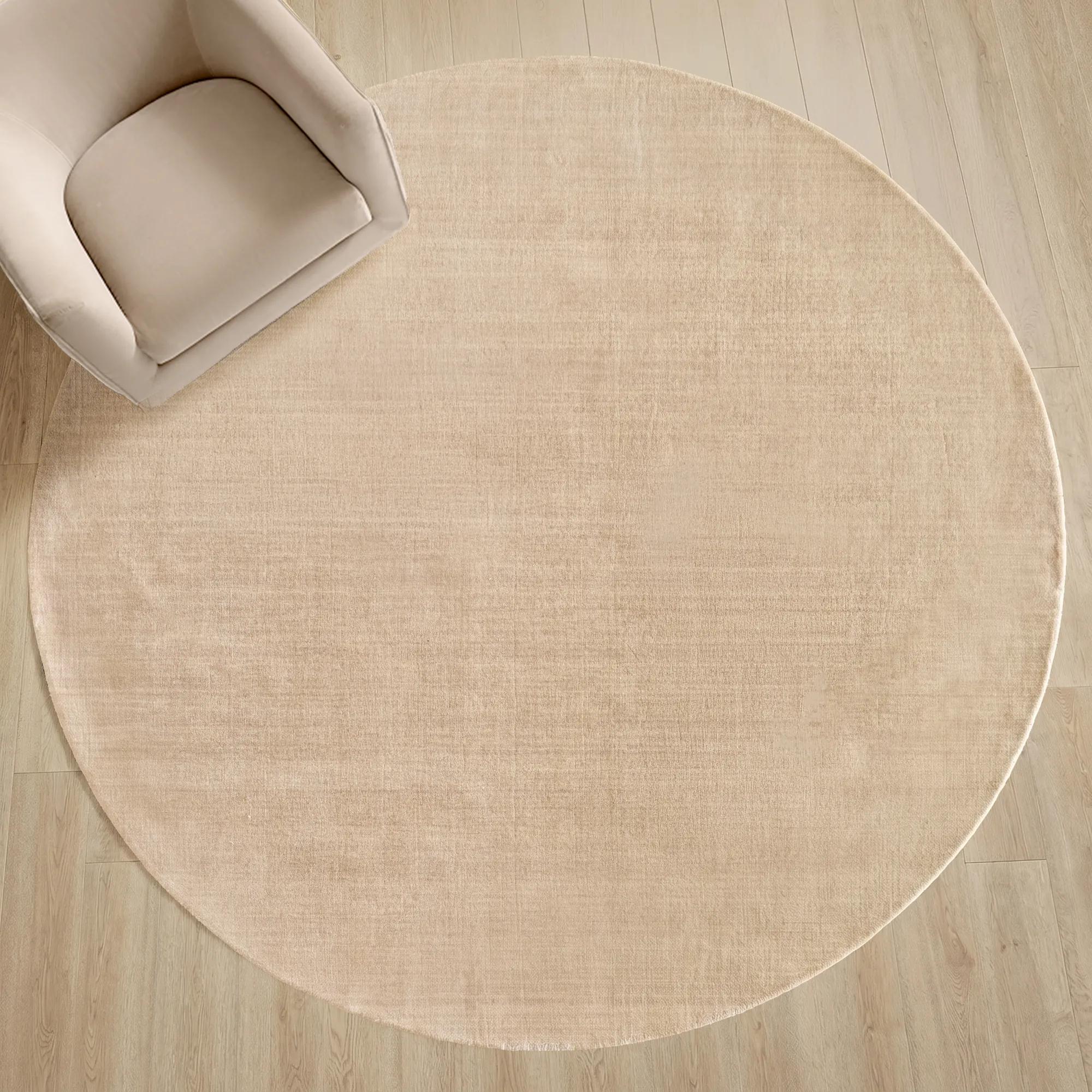 Juni Hand Woven Heathered Warm Beige Round Rug$1399
A handwoven round wool rug in heathered warm beige, offering refined texture and everyday durability.
Add To Cart -
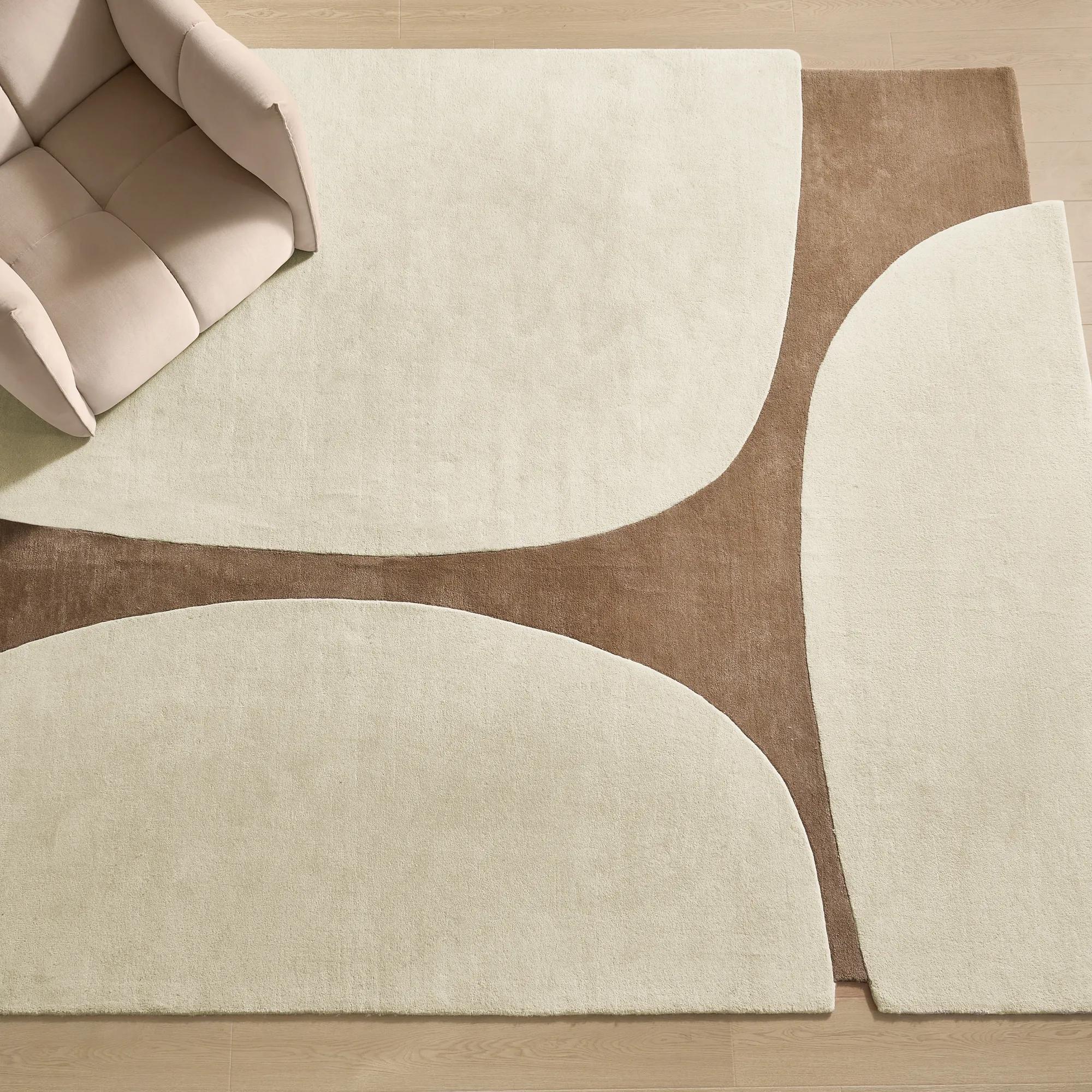
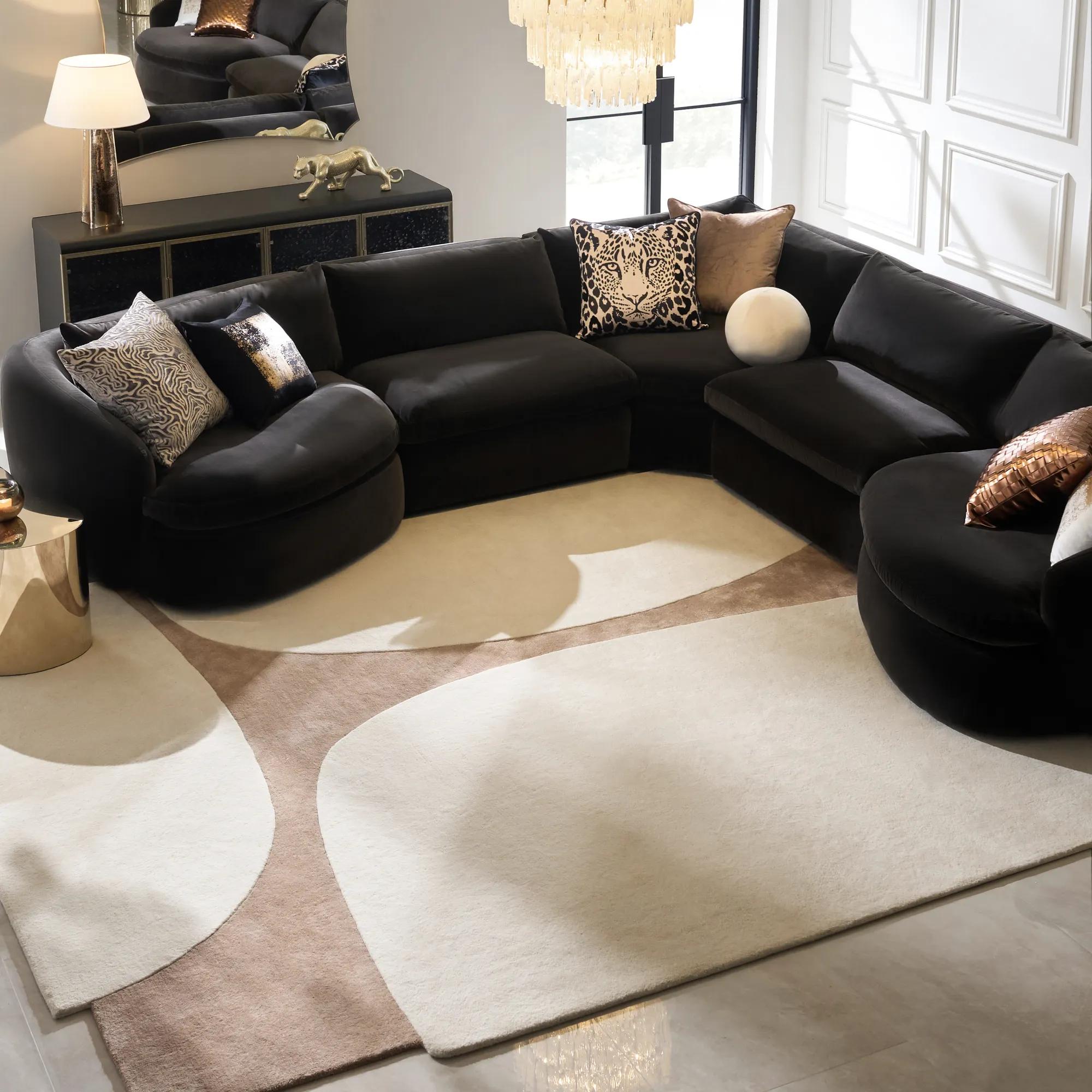 Contour Hand-Tufted Ivory/Ginger Root Wool Blend Rug$1499
A hand-tufted wool rug featuring an ivory and ginger root palette with a contoured, modern design.
Add To Cart -
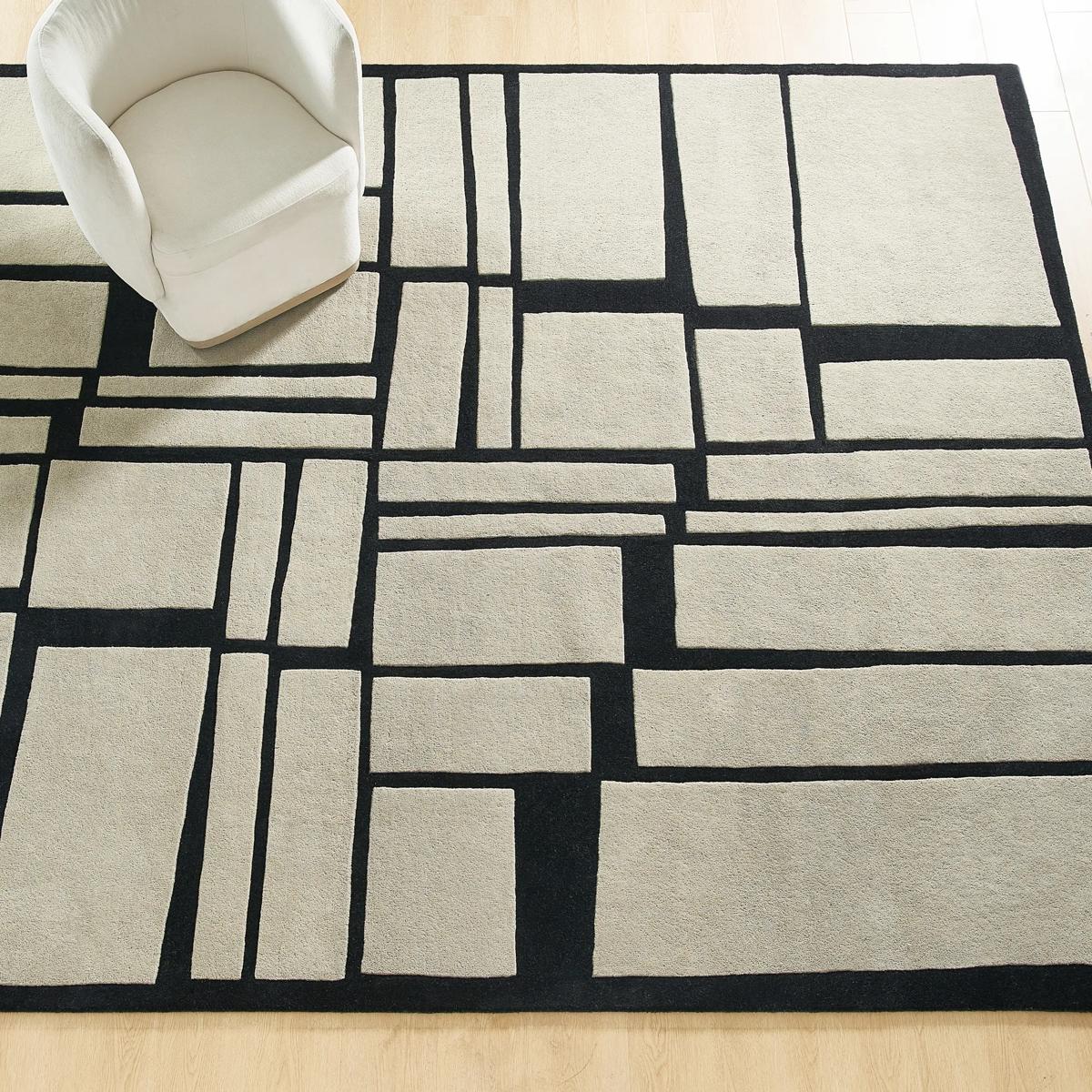 Novak Hand-Tufted Natural/Black Wool Rug$449
A hand-tufted wool rug featuring a bold black and natural grid design for modern visual impact.
Add To Cart -
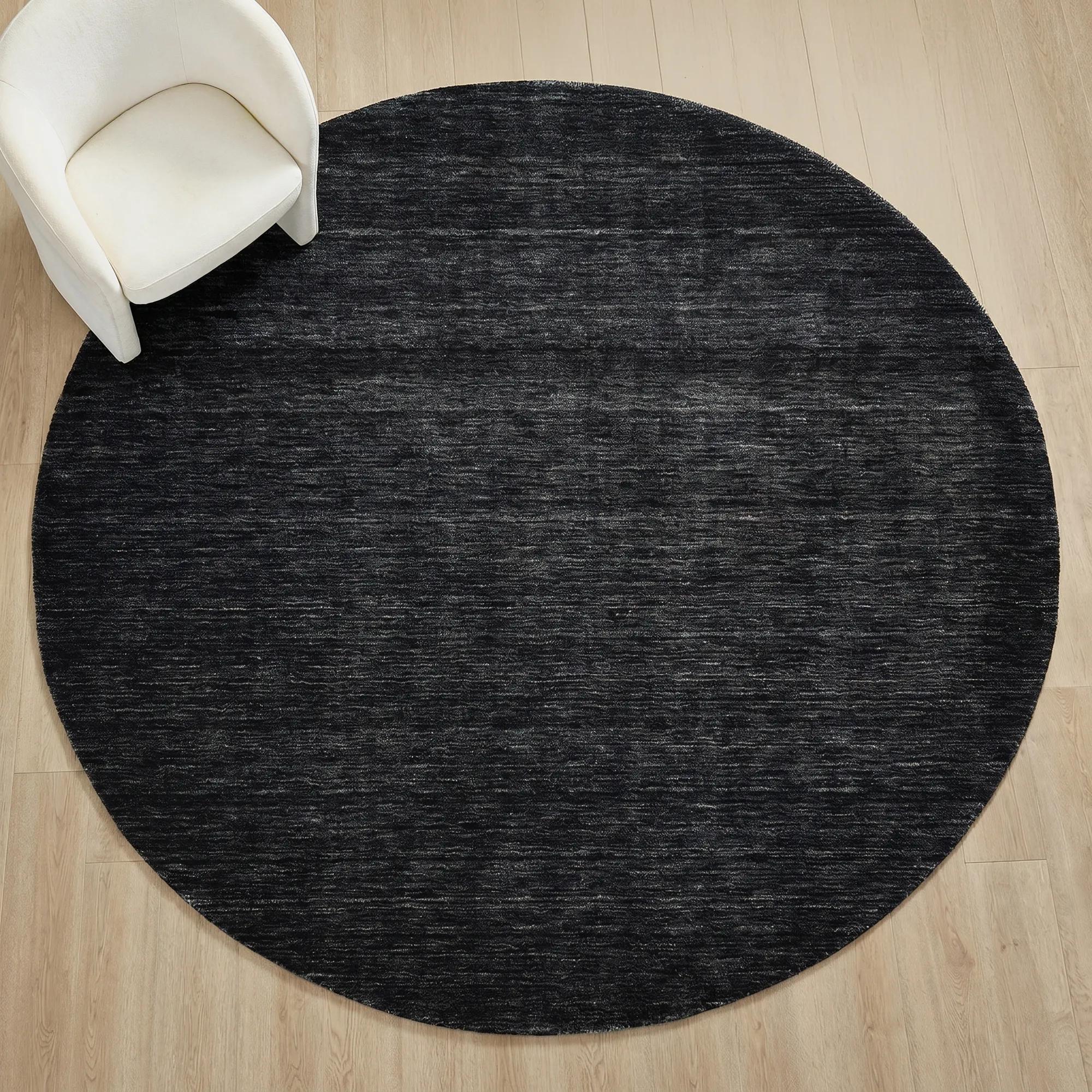 Juni Hand Woven Heathered Black Rug$799
A handwoven round wool rug in heathered black, offering durable texture and moody, contemporary style.
Add To Cart -
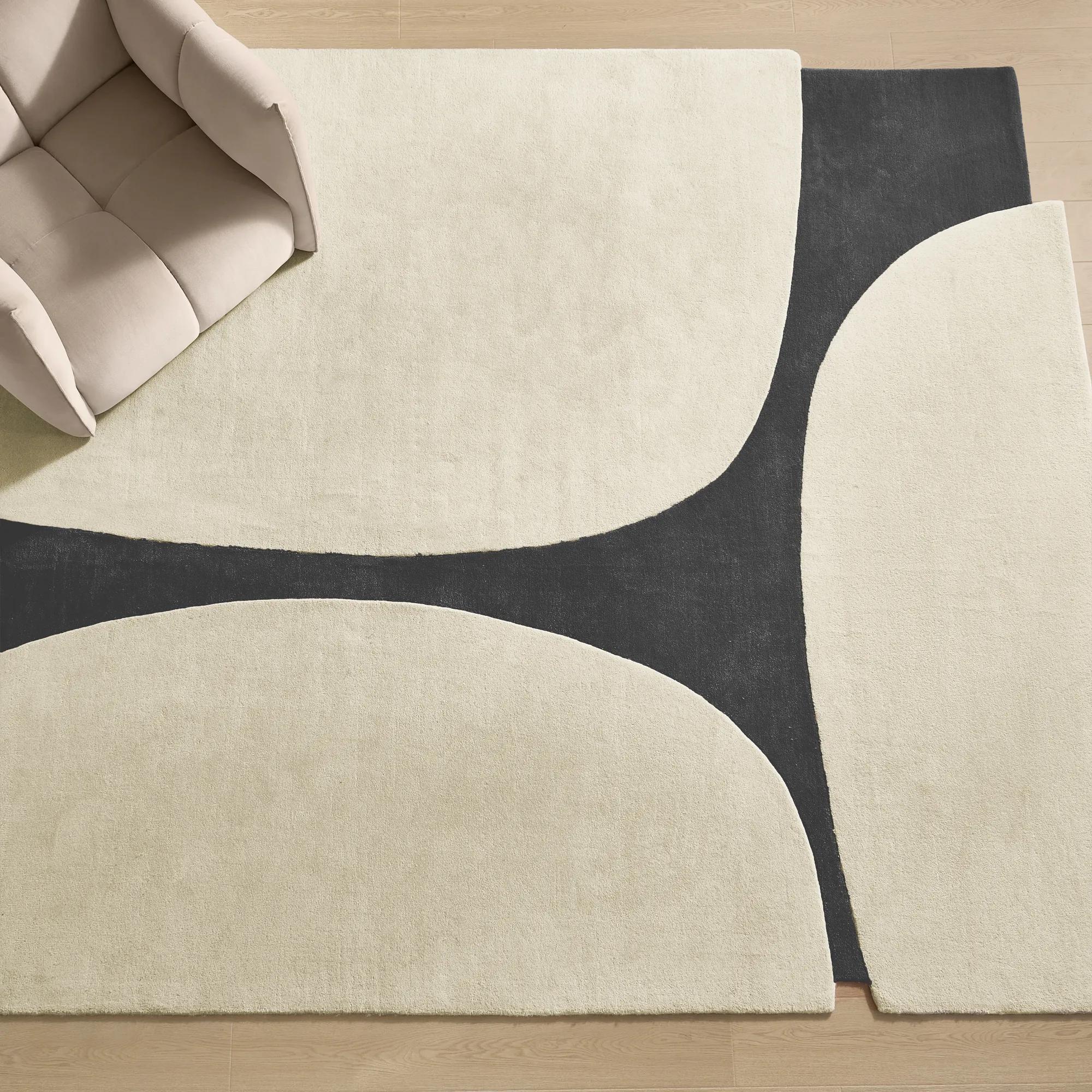 Contour Hand-Tufted Ivory/Charcoal Wool & Viscose Rugs$1499
An artfully shaped hand-tufted rug featuring high-low texture in warm ivory and charcoal wool-viscose blend.
Add To Cart -
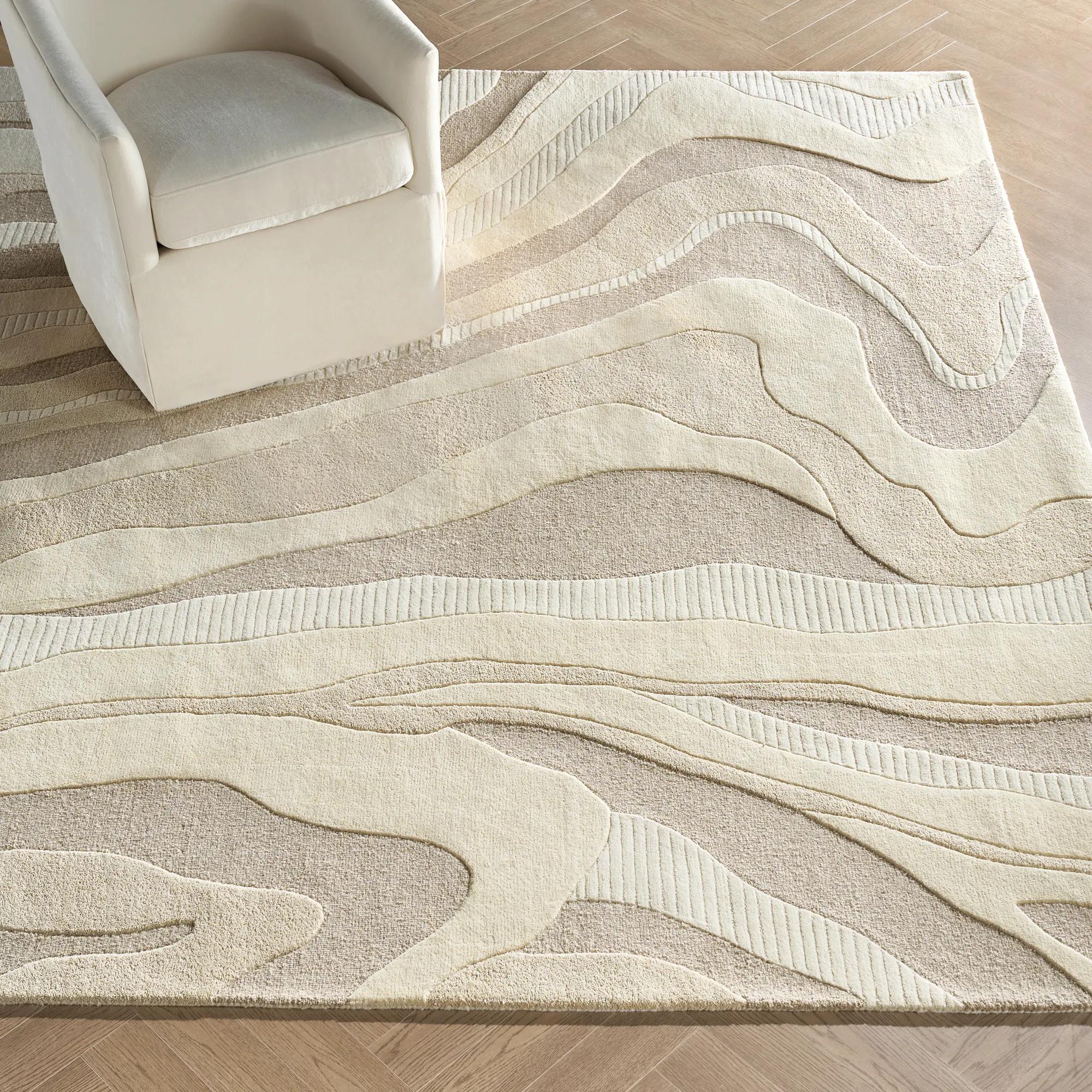 Kadence Hand-Tufted Ivory/Tan Wool Rug$999
A hand-tufted wool rug featuring a multi-textured swirl design in ivory and tan for timeless elegance.
Add To Cart -
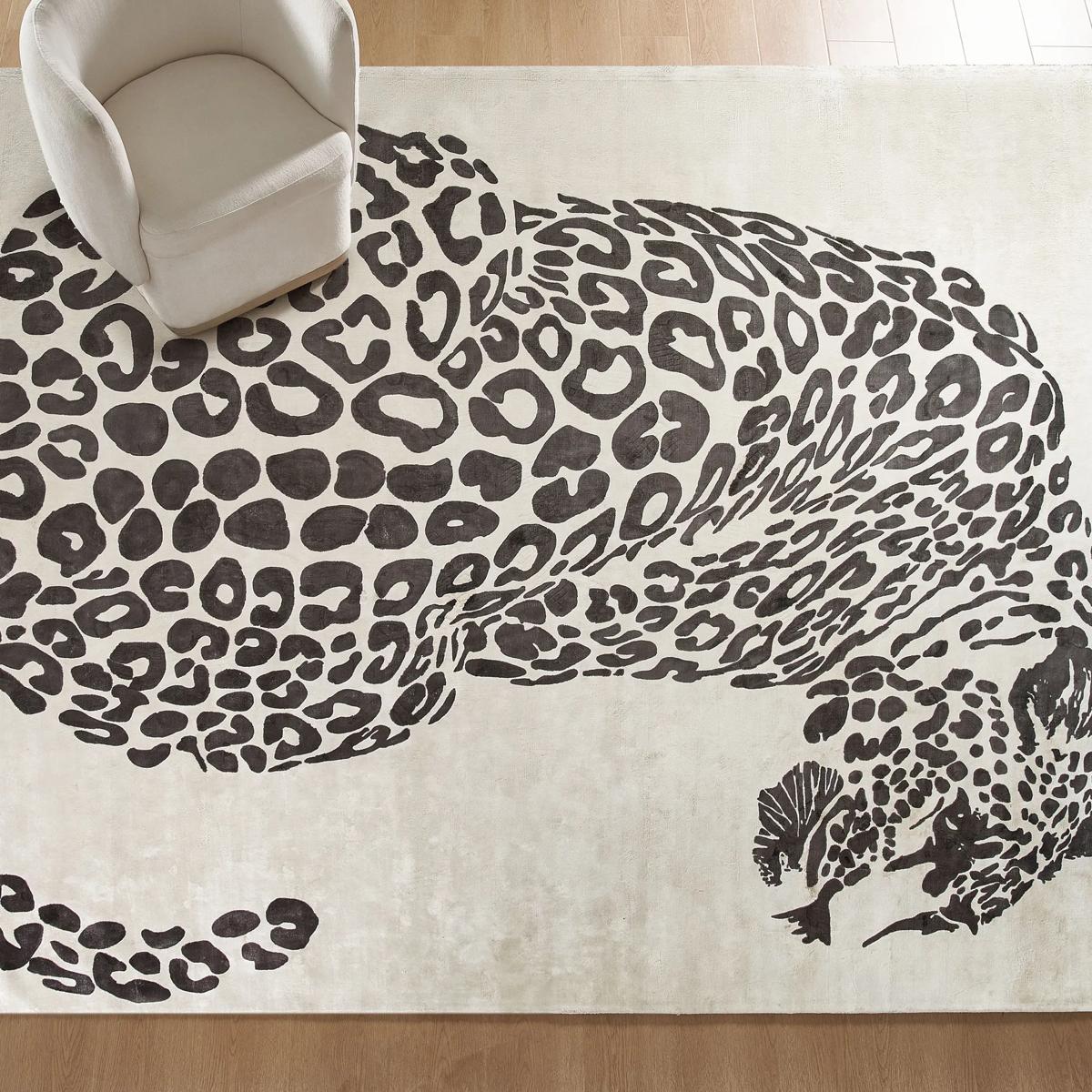
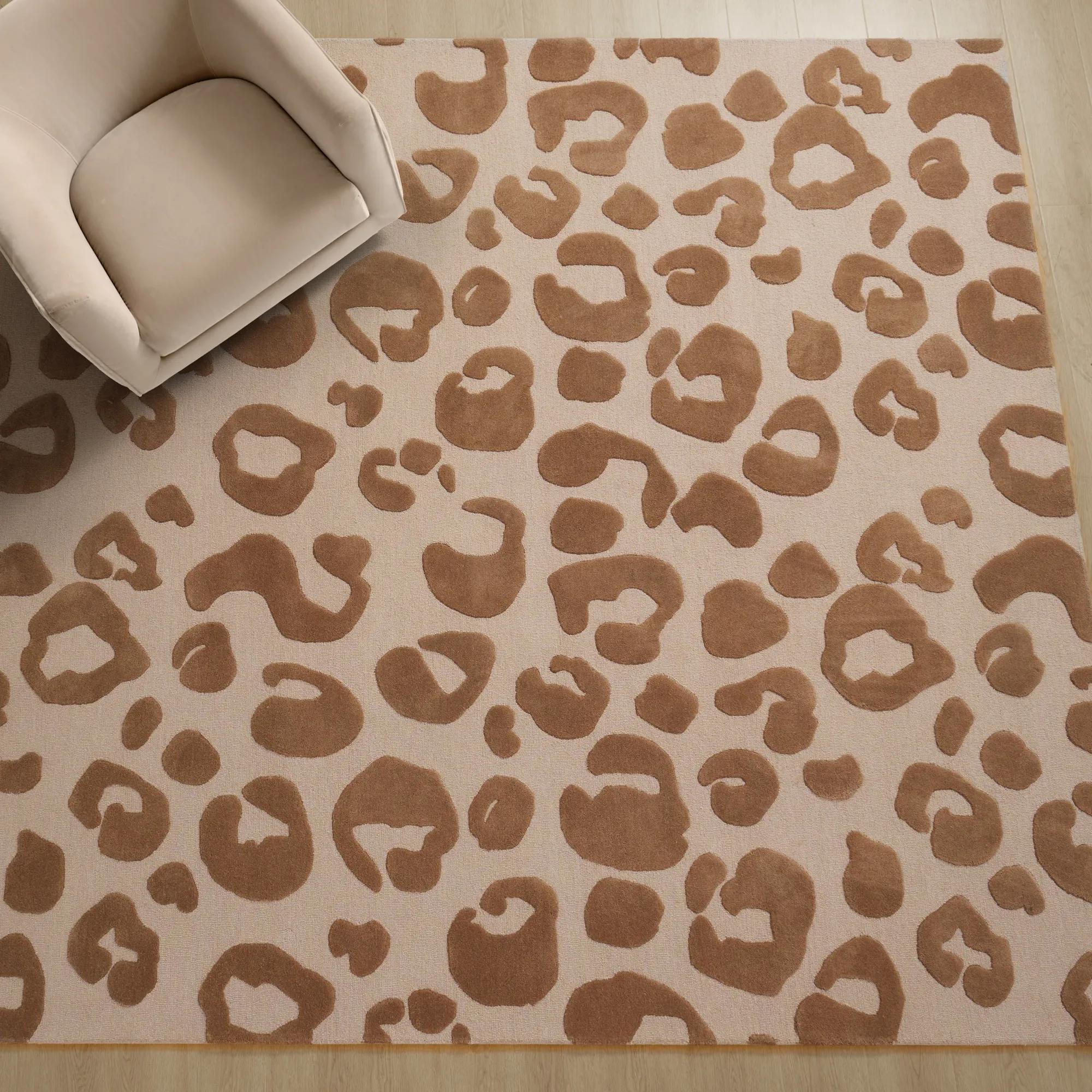 Pounce Hand-Tufted Tawny Brown Leopard Print Wool Rugs$1499
A hand-tufted pure wool rug featuring a bold tawny brown leopard print and sculptural high-low texture.
Add To Cart -
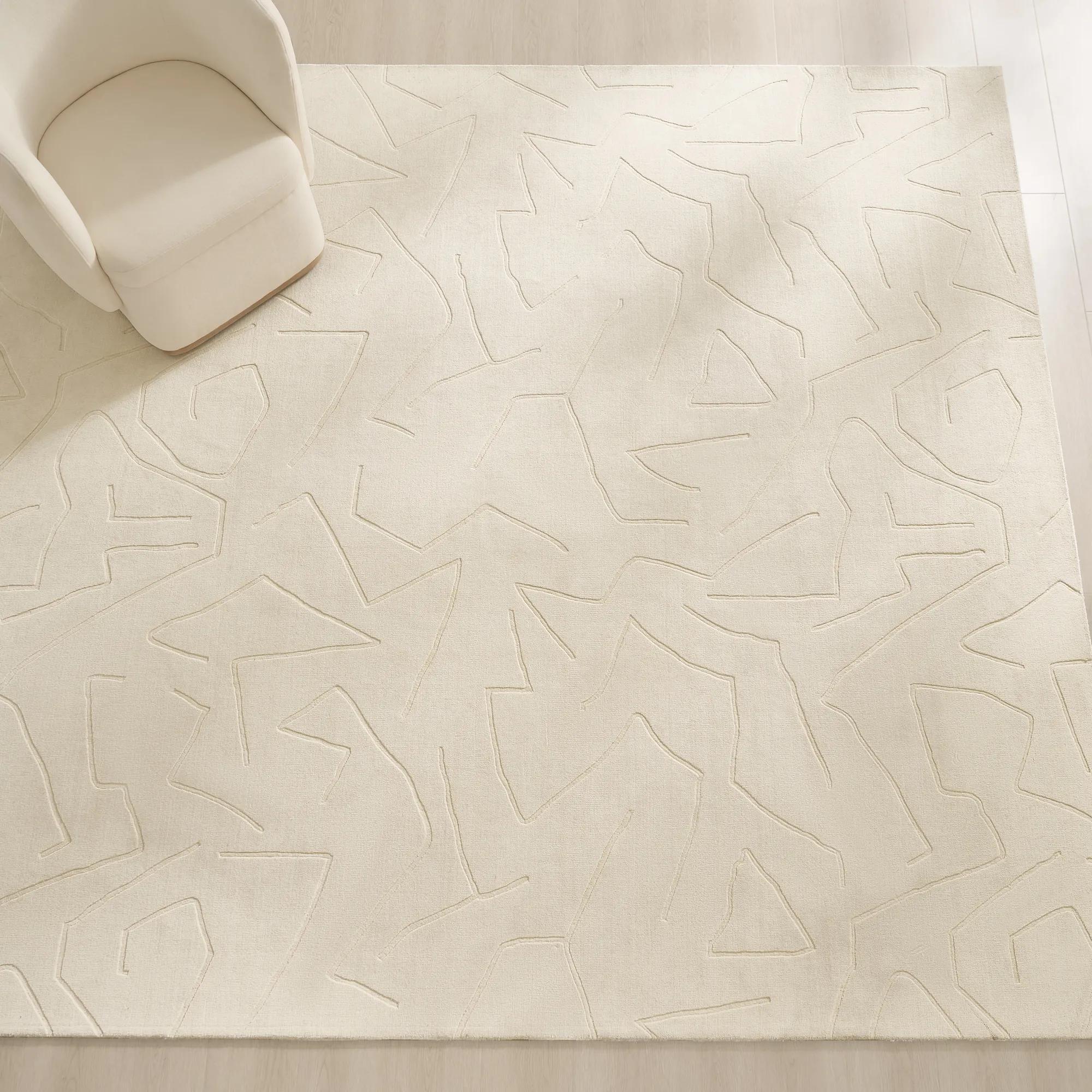 Carved Maze Ivory Hand-Loomed Wool Blend Rug$1399
A hand-loomed ivory wool-blend rug featuring a carved maze pattern for modern textural appeal.
Add To Cart -
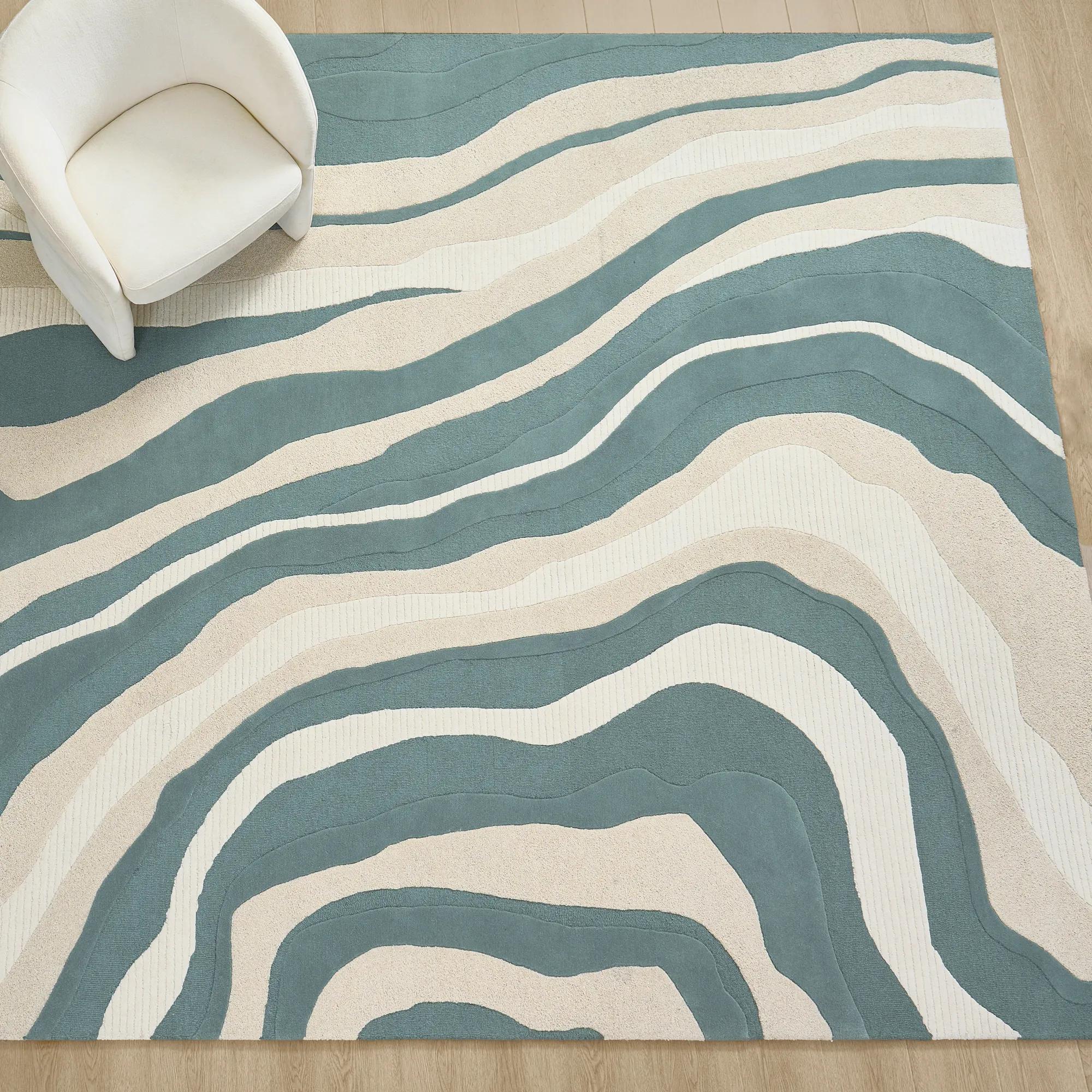 Kadence Hand-Tufted Sage Green/Ivory Wool Rugs$1499
A hand-tufted wool rug in deep sage green and ivory with a sculptural high-low abstract wave pattern.
Add To Cart -
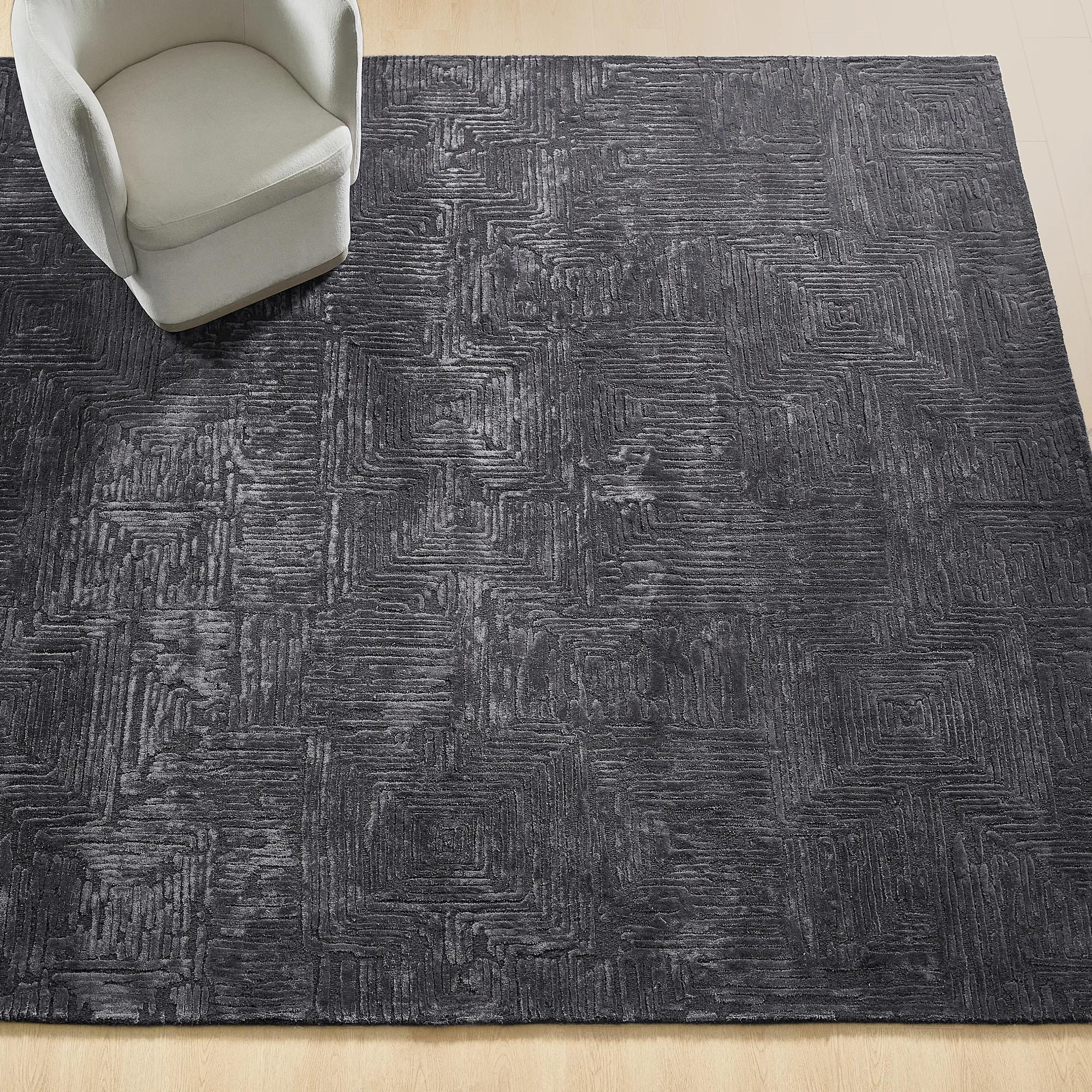
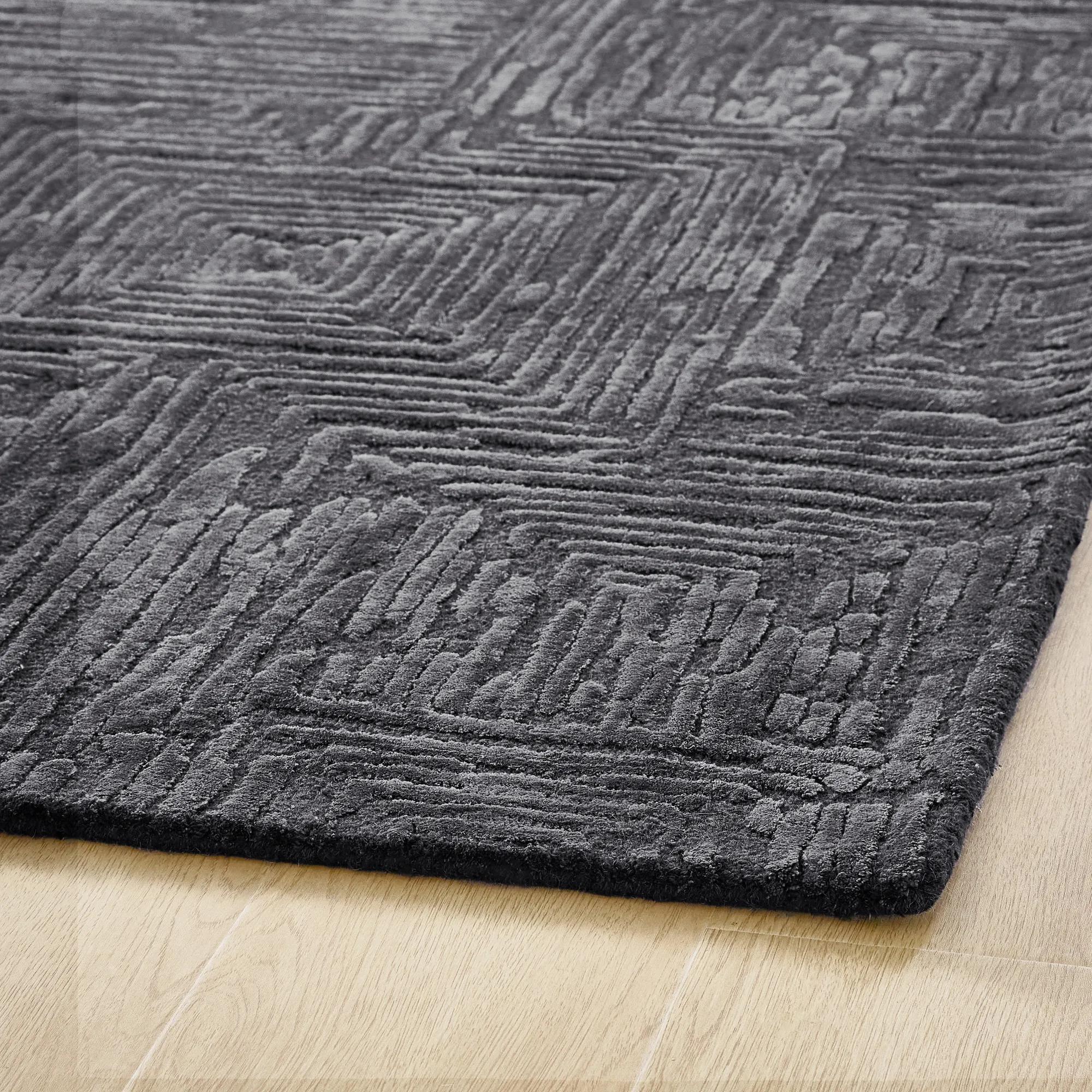 Andra Charcoal Hand-Tufted Wool Blend Dimensional Rug$1499
A hand-tufted viscose-wool rug in rich charcoal with a sculptural, dimensional pattern and plush texture.
Add To Cart -
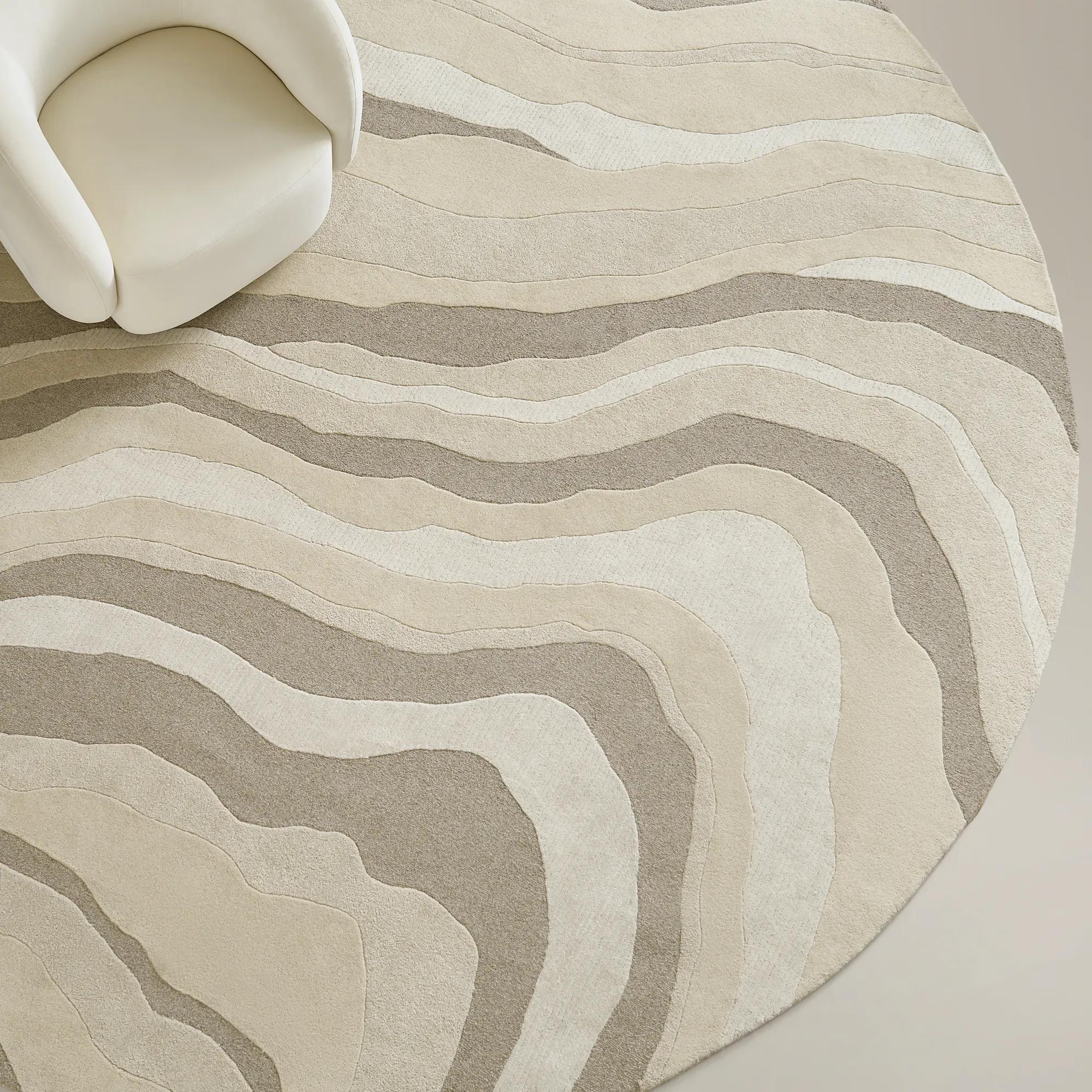 Kadence Hand-Tufted White/Ivory/Tan Wool Round Rug 12"$1799
A hand-tufted round rug in white, ivory, and tan, crafted from 100% wool for natural warmth.
Add To Cart -
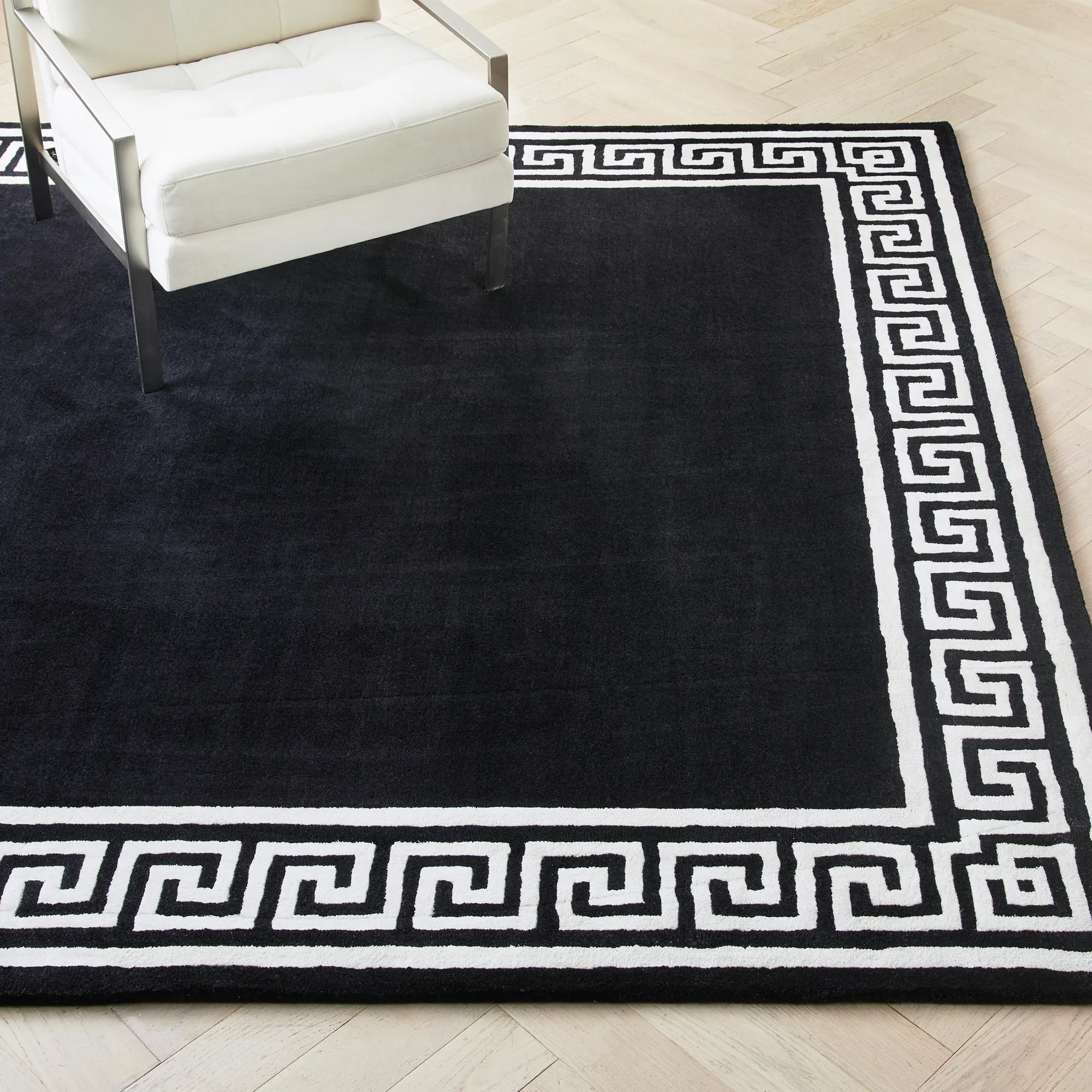
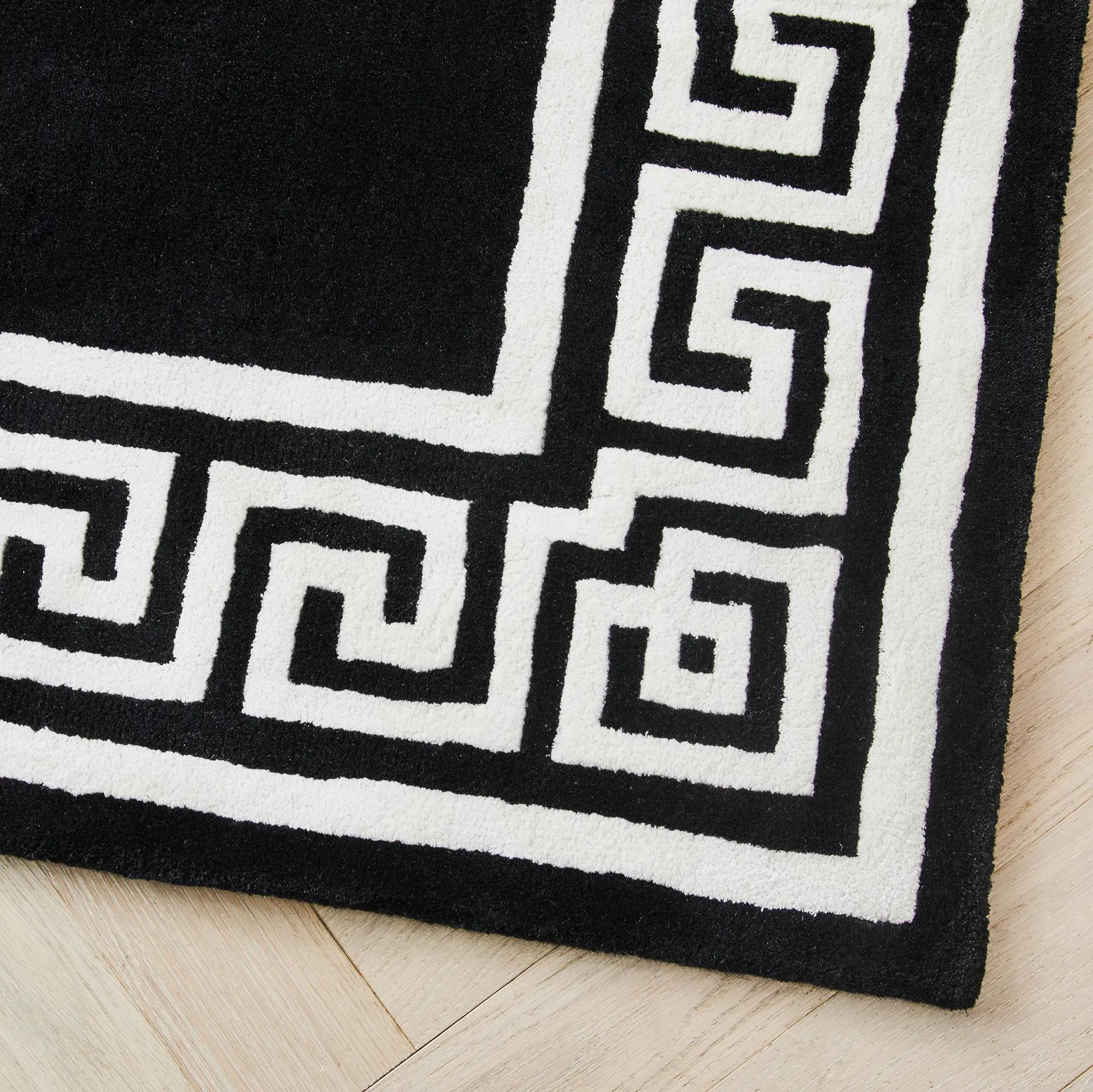 Greek Key Rug - Black/Ivory$1199
A hand-tufted black and ivory rug featuring a classic Greek key pattern in wool and viscose.
Add To Cart -
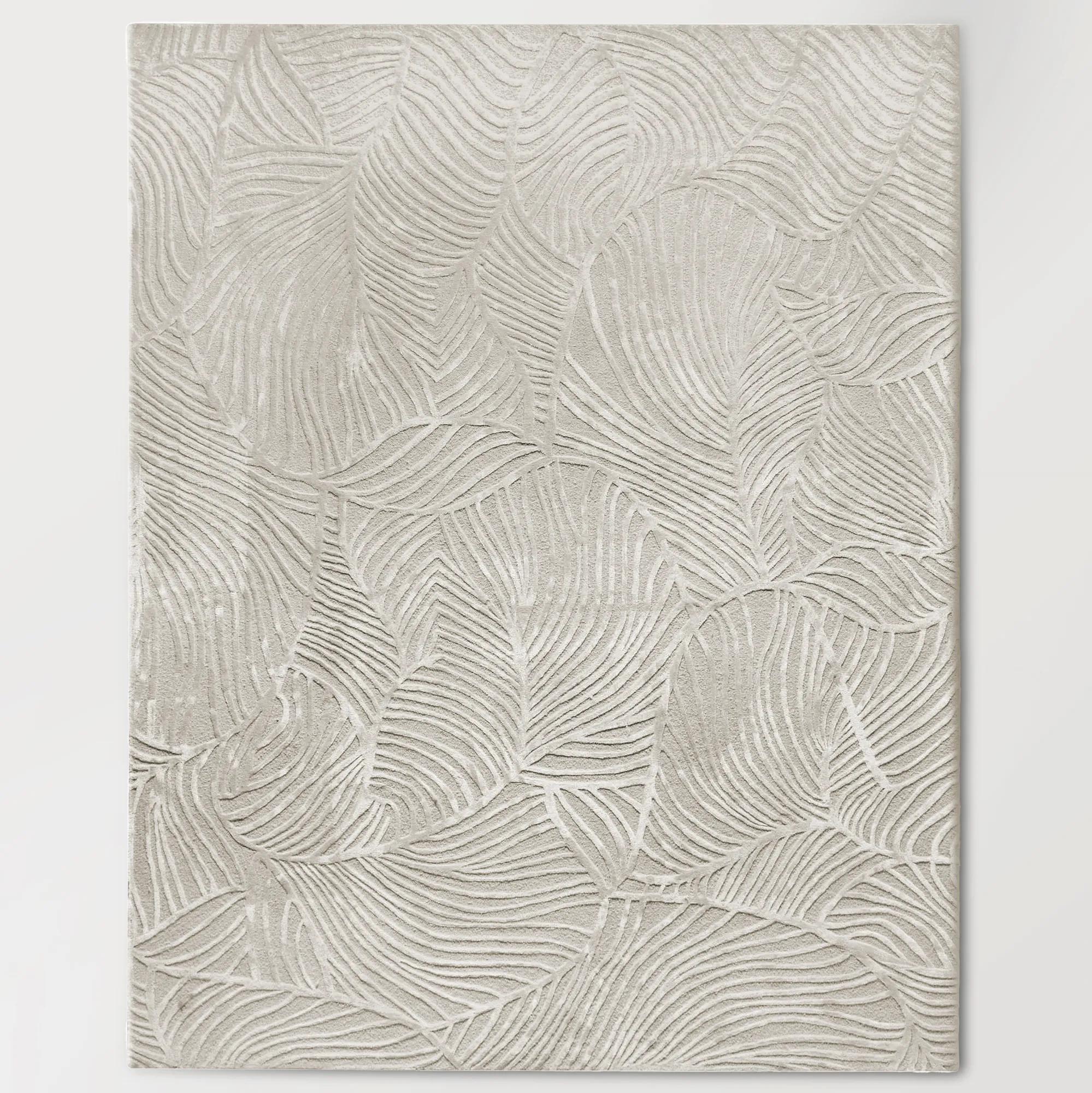 Palm Hand-Tufted Ivory Wool Blend Rug$999
An ivory rug featuring a dynamic palm-leaf design with high-low pile in viscose and wool.
Add To Cart -
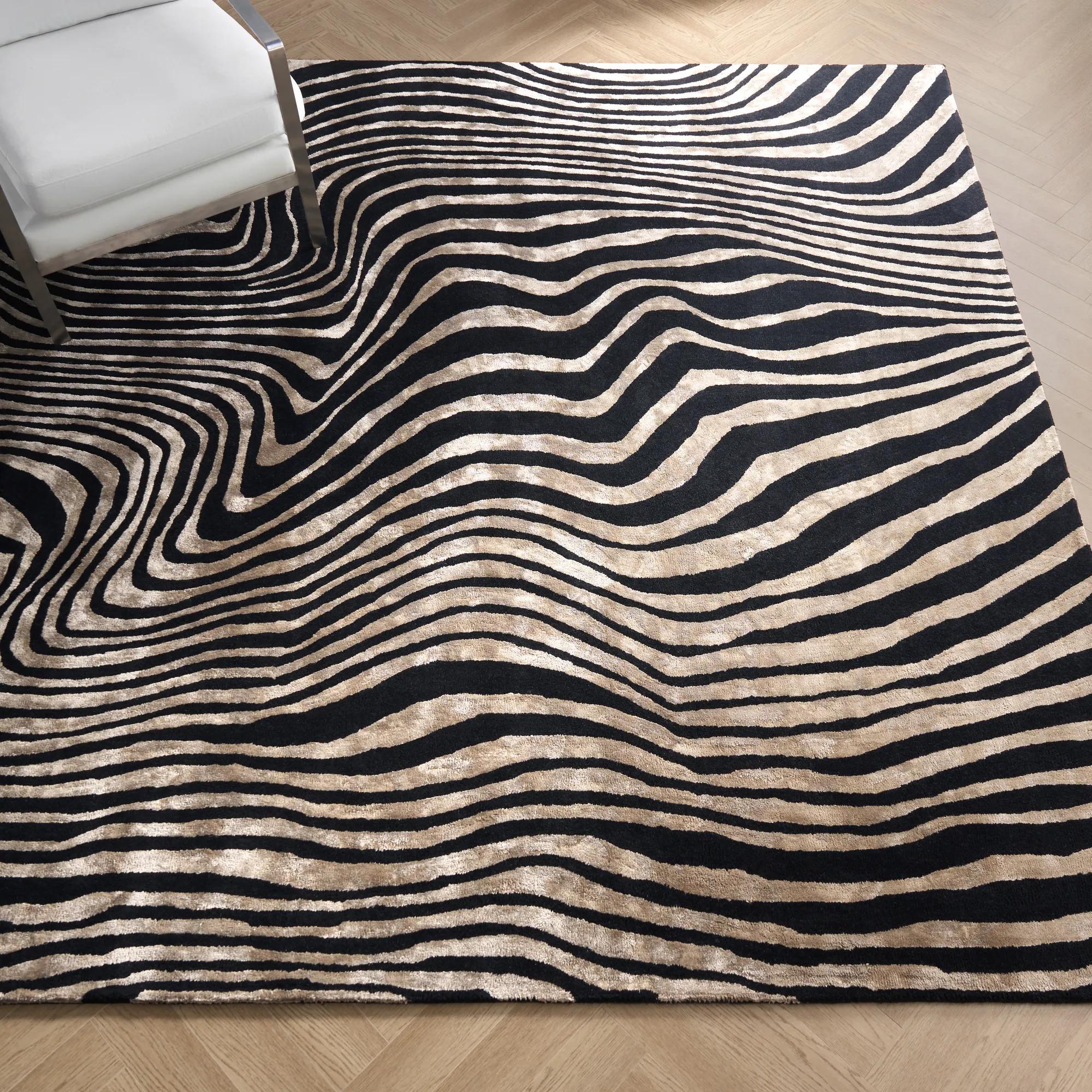
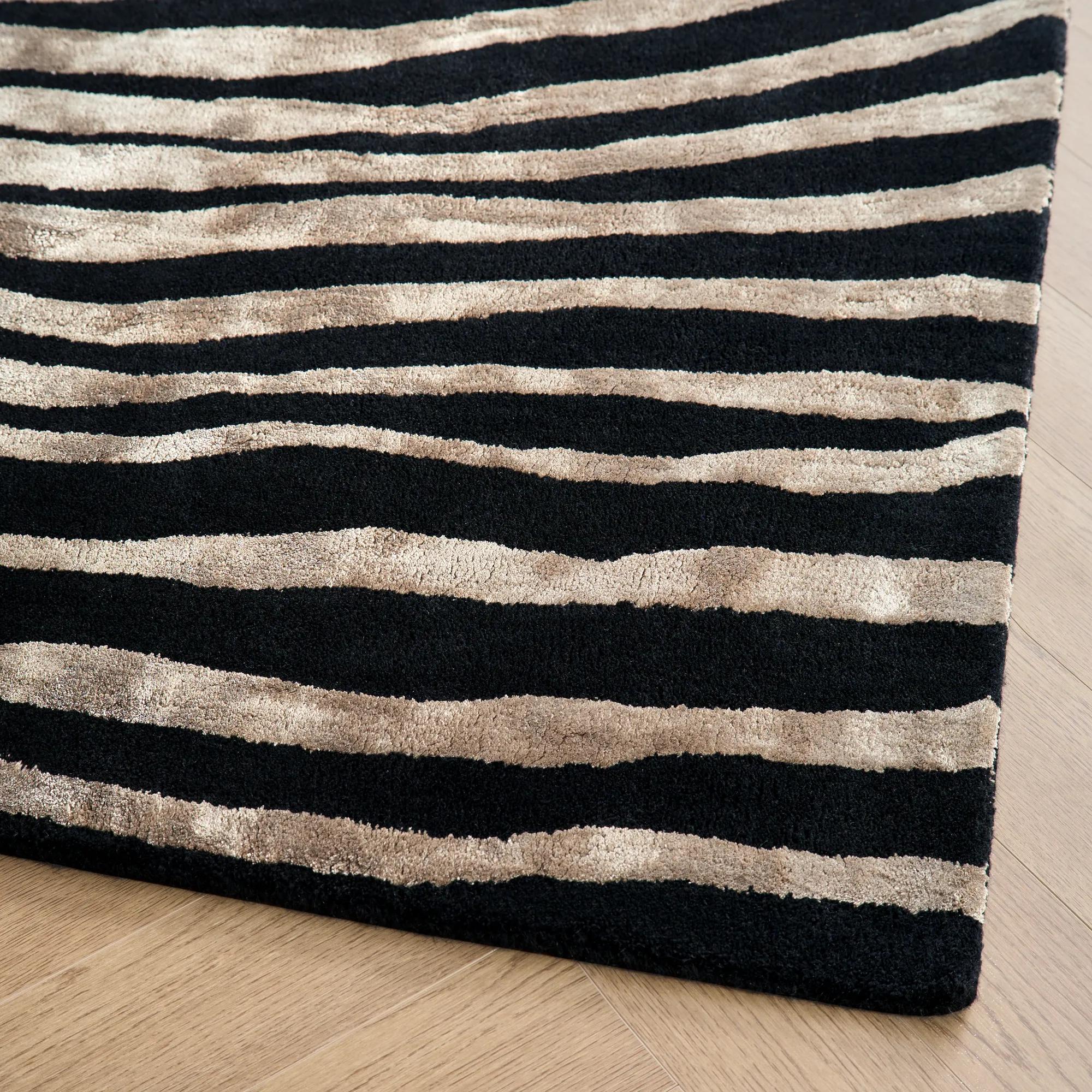 Abstract Zebra Hand-Tufted Black/Taupe Wool Blend Rug$1099
An artisan hand-tufted rug in black and taupe wool-viscose, featuring a striking abstract zebra pattern.
Add To Cart -
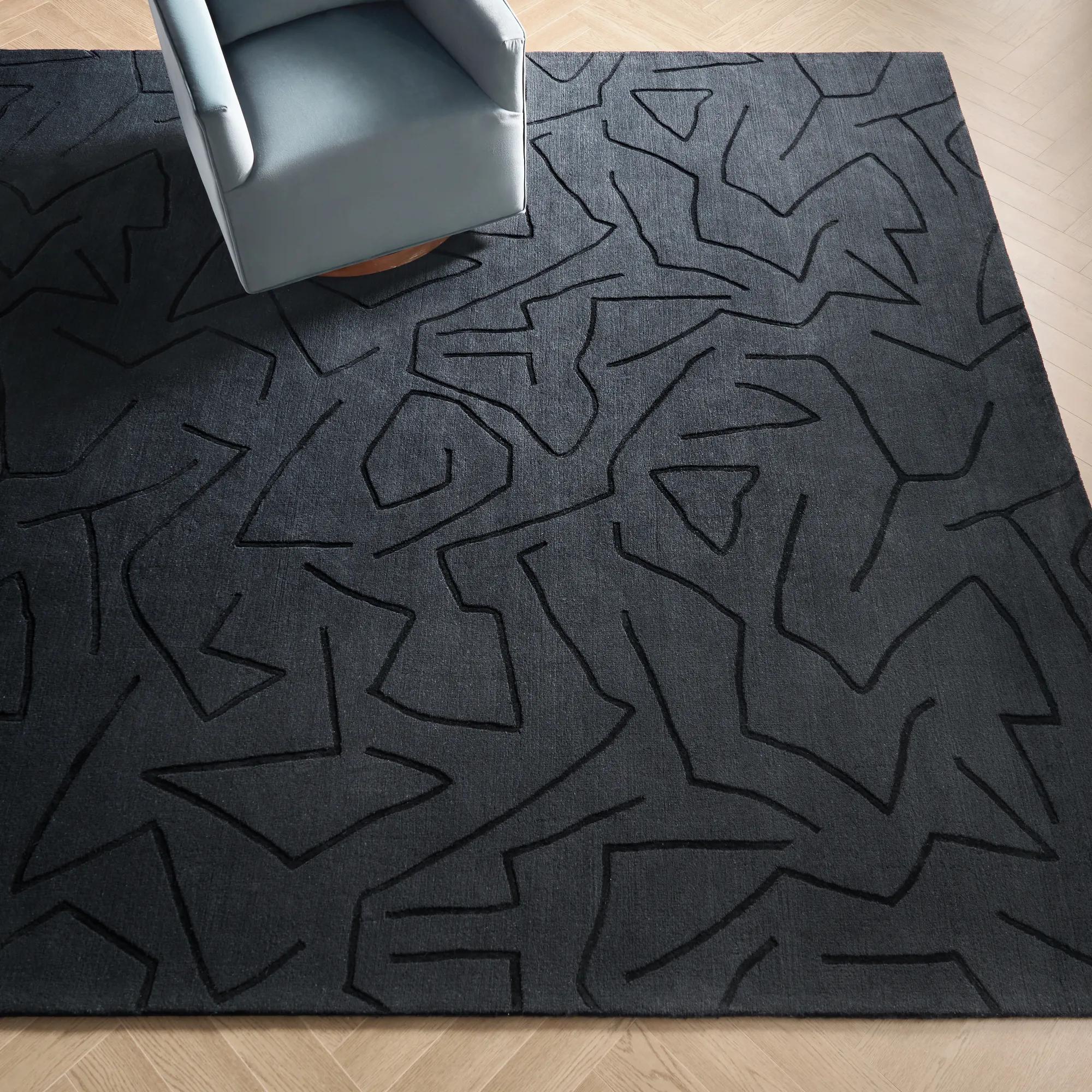 Carved Maze Rug$699
A hand-loomed black rug crafted from wool and viscose, featuring a carved maze design for added texture.
Add To Cart -
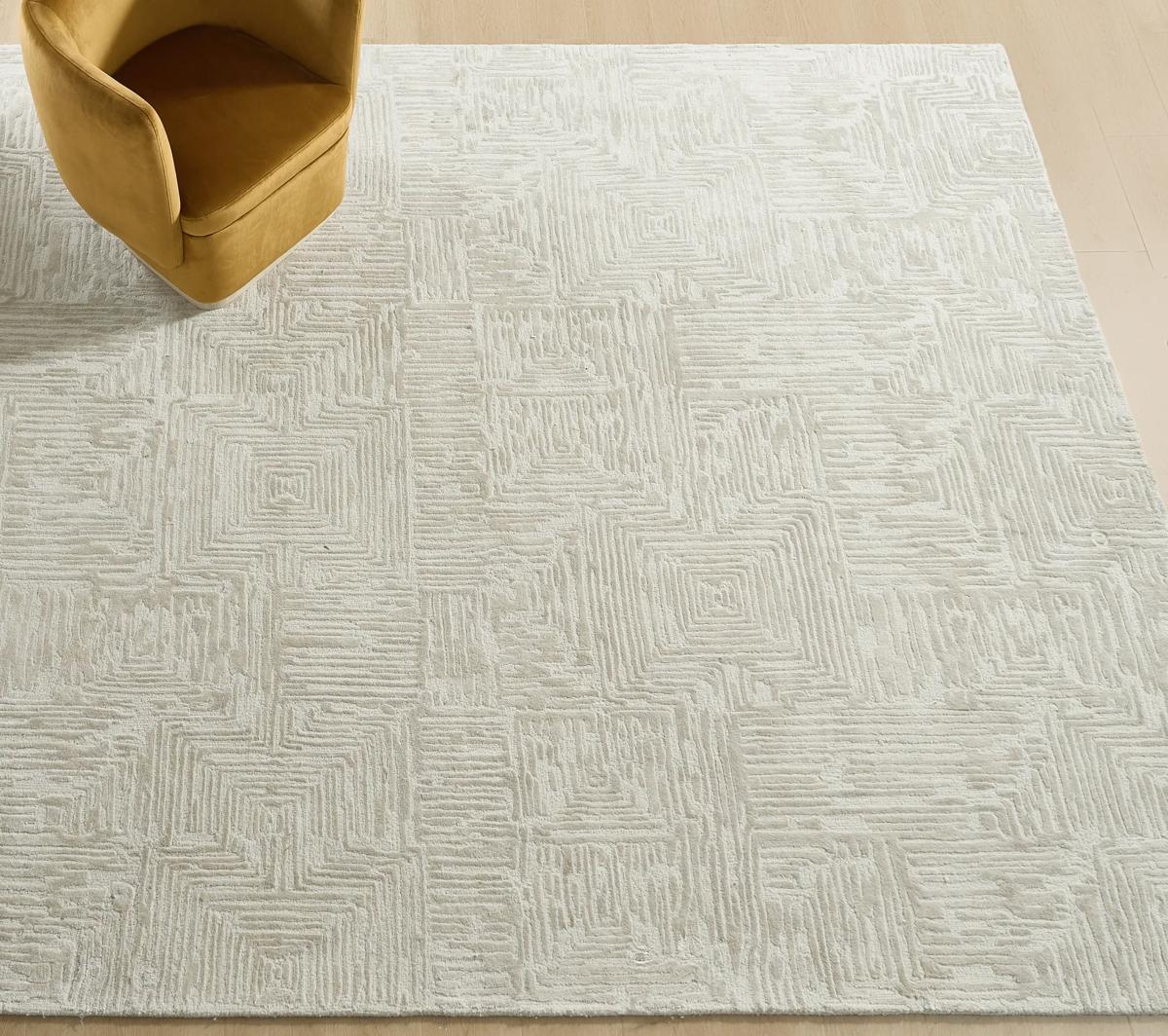 Andra Ivory Hand-Tufted Wool Blend Dimensional Rug$1499
A hand-tufted ivory rug in a viscose-wool blend with raised detailing and a subtle sheen.
Add To Cart -
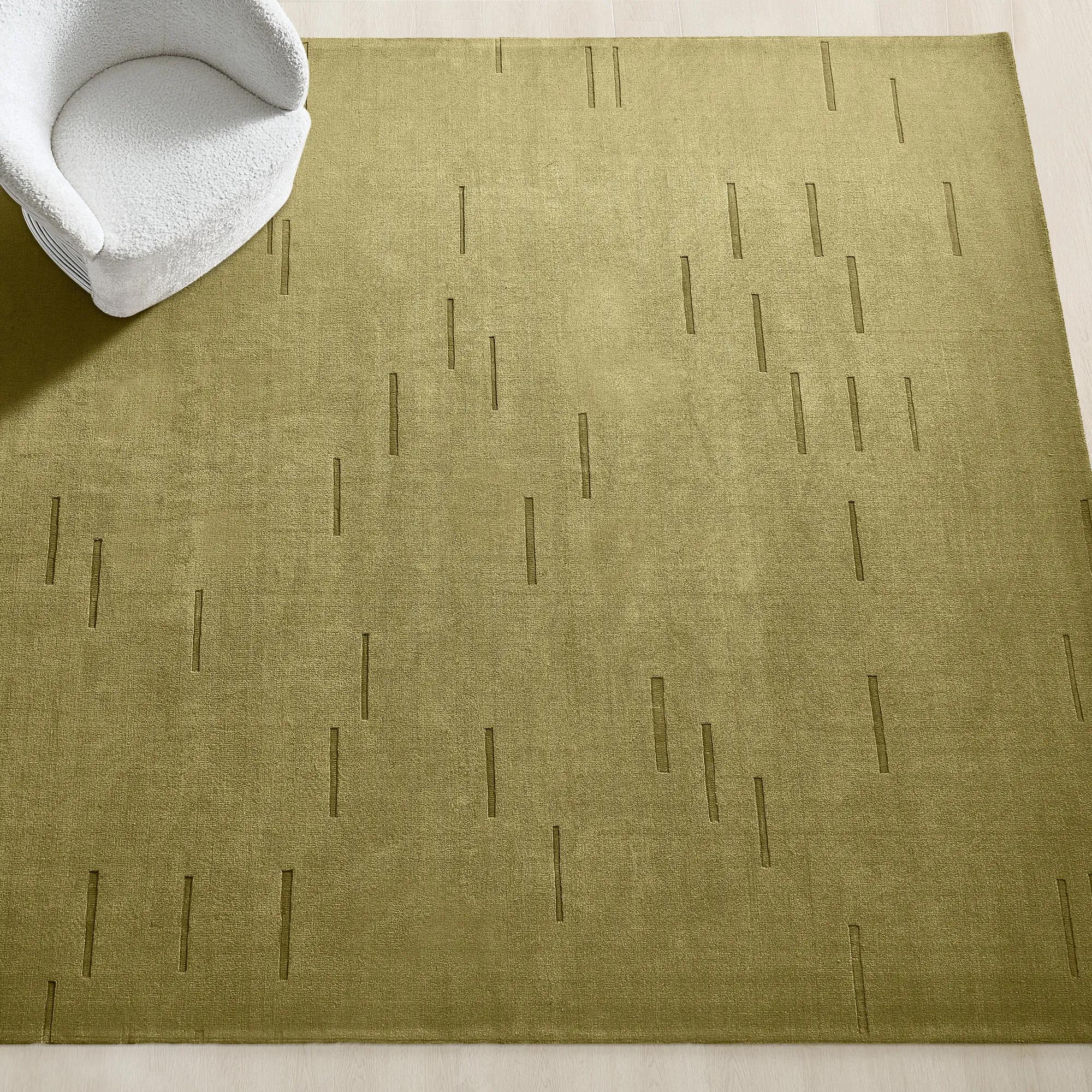
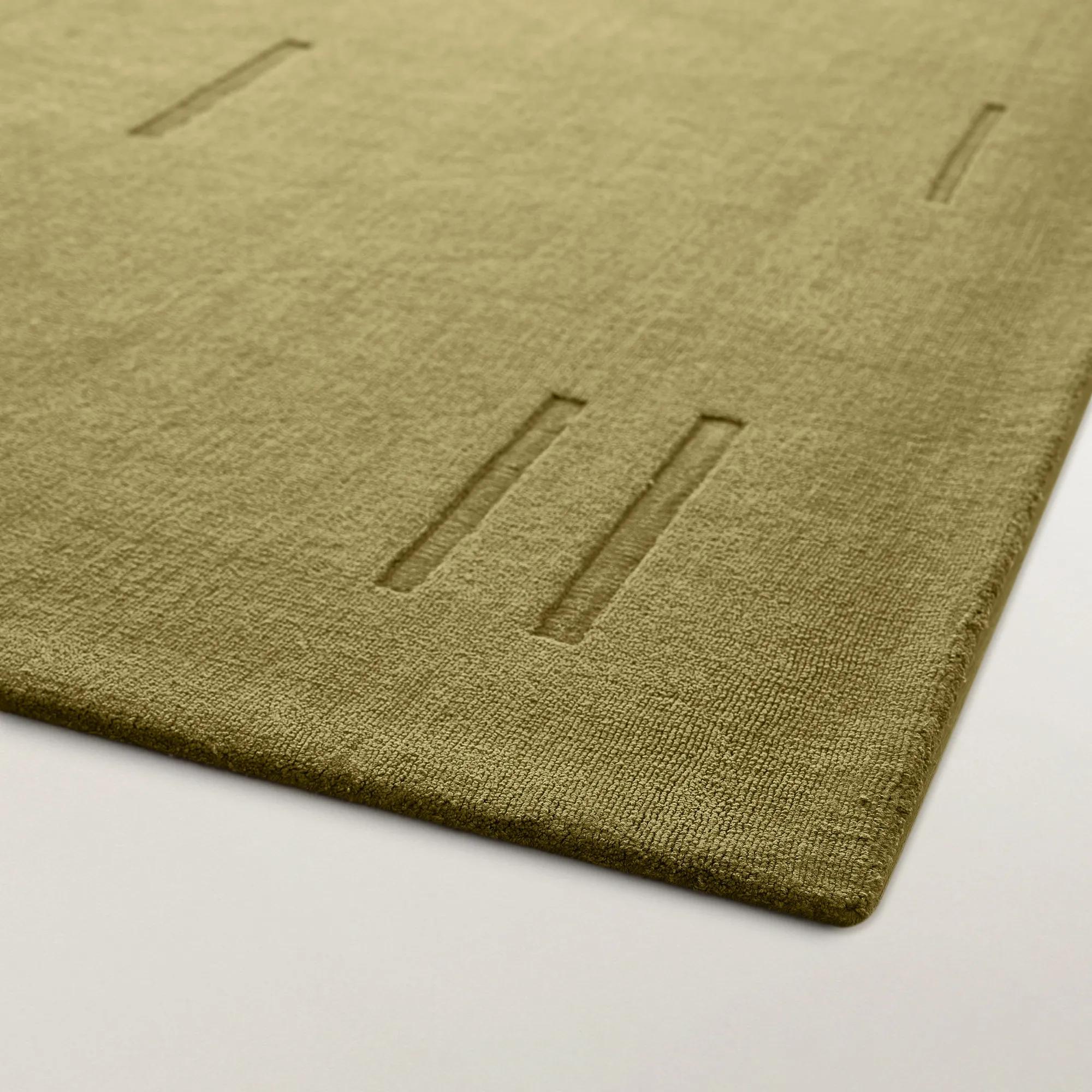 Lamita Muted Olive Green Wool Blend Rug$1999
A muted olive green wool-blend rug bringing soft texture and understated warmth to modern interiors.
Add To Cart

Textured Wool Area Rugs For Cozy Winter Floors
Textured wool area rugs bring warmth, depth, and inviting comfort to cozy winter floors. Explore a considered selection of wool rugs in varied textures, tones, patterns, and sizes to ground living rooms, bedrooms, and other spaces with enduring style and sumptuous underfoot appeal.
Textured wool area rugs bring natural insulation, dimensional beauty, and a softer landing to floors during the cooler months. Wool’s crimped fibers hold pockets of air, helping a rug provide a comfortable layer between bare feet and cold hardwood or tile. That warmth is tactile as well as visual: a raised weave catches the afternoon light, a dense pile softens the edges of a seating arrangement, and sculpted ridges give even a restrained palette a sense of movement. In a room filled with velvet upholstery, gleaming metal, or polished stone, wool introduces a rich counterpoint without competing for attention. The effect can be enveloping and serene or boldly architectural, depending on the texture and scale. Chunky loops suggest the generous softness of knitwear, while closely woven surfaces offer a more tailored foundation. High-low pile creates relief across the floor, turning a tonal pattern into something expressive without relying on vivid color. Construction matters as much as appearance: a thick, lofty surface feels different underfoot from a compact flatweave, and visible texture does not always mean deep cushioning. Handwoven rugs may feature subtle variations that lend character, while hand-tufted designs often achieve dimensional patterns through different pile heights and may include a backing that requires particular care. Fiber content also shapes the experience. An all-wool pile emphasizes wool’s natural resilience, while a wool blend can have a different sheen, softness, or maintenance profile depending on its companion fibers. Reading the complete material description, including the backing, helps establish what belongs in a relaxed family room versus a quieter bedroom. Wool is especially appealing for interiors where comfort should look considered rather than purely functional. Beside a reading chair, beneath a generous sectional, or across the open floor of a bedroom, a textured wool rug gives everyday rituals a more sumptuous setting. It offers warmth without making a room feel seasonally themed, so its sculptural presence remains compelling beyond the coldest days.
Scale gives that texture its full expression. In a living room, an area rug large enough to accommodate at least the front legs of the main seating pieces helps the arrangement read as one composed space. A small rug floating between a sofa and chairs can leave the room feeling fragmented, particularly when its raised surface or pronounced pattern draws the eye. With a deeper sectional, the rug’s proportions should respond to the entire seating footprint rather than just the coffee table. In a bedroom, extending wool beyond the sides and foot of the bed creates a welcoming place to step down, while keeping nightstands either consistently on or off the rug preserves a balanced appearance. A runner can bring similar comfort to a narrow bedside space where a larger format would interfere with doors or furniture. Dining areas call for a different balance: a lower, denser texture generally allows chairs to move more easily, and enough rug should extend beyond the tabletop to keep chair legs supported when seats are pulled out. Door clearance, nearby thresholds, and the combined thickness of the rug and pad deserve attention wherever a plush surface meets a busy passage. Color then establishes the mood. Ivory, oatmeal, and warm gray reveal the shadows within wool’s texture, creating depth that feels luminous beside glass and metallic finishes. Charcoal and inky tones emphasize sculptural furniture and bring definition to pale upholstery; Black Rugs For Winter Decor offer another direction for interiors that favor dramatic contrast. A tonal rug can anchor patterned pillows and expressive artwork, while a more pronounced geometric weave can become the room’s central gesture. The most convincing combinations allow texture to vary: lustrous curtains, smooth ceramic accents, and a wool foundation each contribute a distinct finish. Rather than matching every surface, that interplay gives a room depth, with the rug establishing a generous, grounded backdrop for gathering, conversation, and long evenings indoors.
For all its decorative presence, wool also has practical strengths that suit everyday living. Its natural resilience helps fibers recover from compression, although heavy furniture can still leave impressions and concentrated foot traffic will eventually affect any rug. A tightly constructed, lower-pile wool rug is often a better match for an active living room than an open, oversized loop, particularly in a household with pets whose claws may catch the weave. Deeper textures can be especially inviting in bedrooms and quieter sitting areas, where softness takes precedence over easy chair movement. A properly fitted rug pad helps limit shifting, adds cushioning, and can reduce friction against the floor; its material should be compatible with the flooring and follow the floor manufacturer’s recommendations. Wool can shed, especially when new, and the amount and duration vary with fiber quality and construction. Regular vacuuming with a setting appropriate to the rug helps remove loose fibers before they collect, while aggressive rotating brushes can be unsuitable for delicate loops or raised details. The care label should determine the method, rather than treating every wool surface alike. Spills are best addressed promptly by blotting with a clean, undyed absorbent cloth instead of scrubbing, which can spread the spill and disturb the pile. Wool has some natural resistance to soiling, but it is not stain-proof, and excessive moisture or unsuitable cleaners can damage fibers, dyes, or backing. Any cleaning treatment should be approved for the rug and tested as directed in an inconspicuous area; deeper cleaning is best handled according to the manufacturer’s instructions, often by a professional experienced with wool. Occasional rotation helps distribute wear and light exposure, and keeping the rug away from persistent dampness protects its structure. These considerations make textured wool area rugs particularly suited to dry indoor spaces where their warmth, sound-softening surface, and artistry can be appreciated daily. For a household that entertains, a bedroom designed as a retreat, or a reading corner with a beautifully upholstered chair, wool brings comfort with enduring visual substance: rich underfoot, expressive in the light, and substantial enough to give the room its own distinct character.
FAQs
Textured wool area rugs bring sumptuous softness, dimensional character, and natural warmth to winter interiors. Their tactile surfaces create an inviting foundation underfoot while adding rich visual depth to living rooms, bedrooms, and layered lounge spaces.
Build a refined winter retreat around the rug with velvet upholstery, sculptural furniture, warm metallic accents, and layered lighting. Choose complementary tones such as ivory, taupe, charcoal, or rust to let the rug’s texture become part of an effortlessly luxe composition.
Textured wool area rugs complement a range of interiors, from modern glam and contemporary spaces to organic modern and richly layered transitional rooms. Their artisanal texture softens sleek silhouettes while adding an expressive, crafted element to more dramatic decor.
Wool area rugs can feature plush pile, braided details, looped patterns, raised motifs, and hand-crafted variations that catch the light beautifully. These dimensional finishes create a sensory focal point and make the floor feel curated rather than ordinary.
A textured wool area rug grounds the room in tactile luxury, pairing beautifully with winter’s layered palette and cocooning mood. It can anchor a striking seating arrangement, frame a bedroom vignette, or add an artful foundation beneath a dining setting.