Wool Rugs For Winter
Wool Rugs For Winter
-
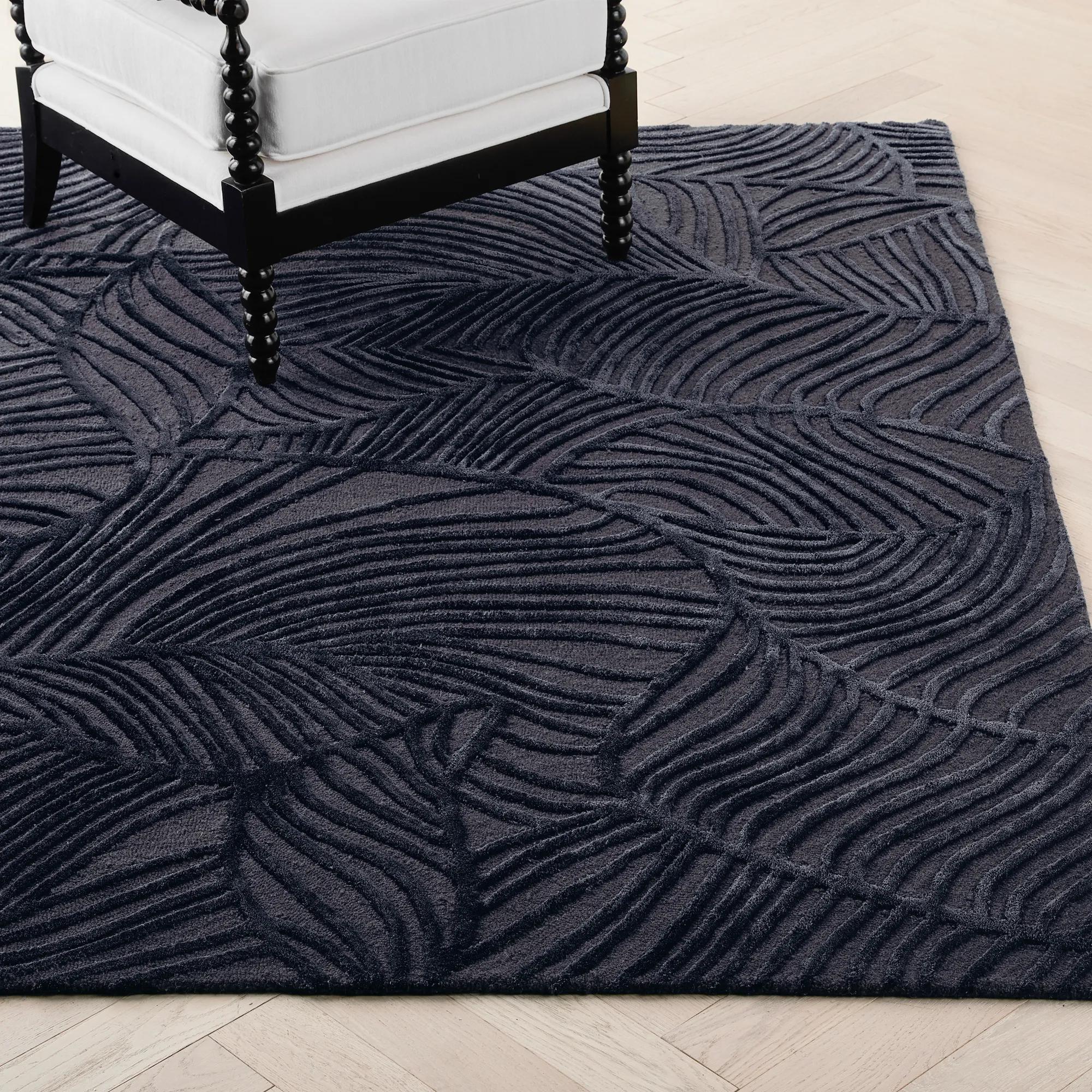
 Palm Rug - Charcoal$1499
A charcoal rug featuring a dynamic palm-leaf design with a textured high-low viscose and wool pile.
Add To Cart -
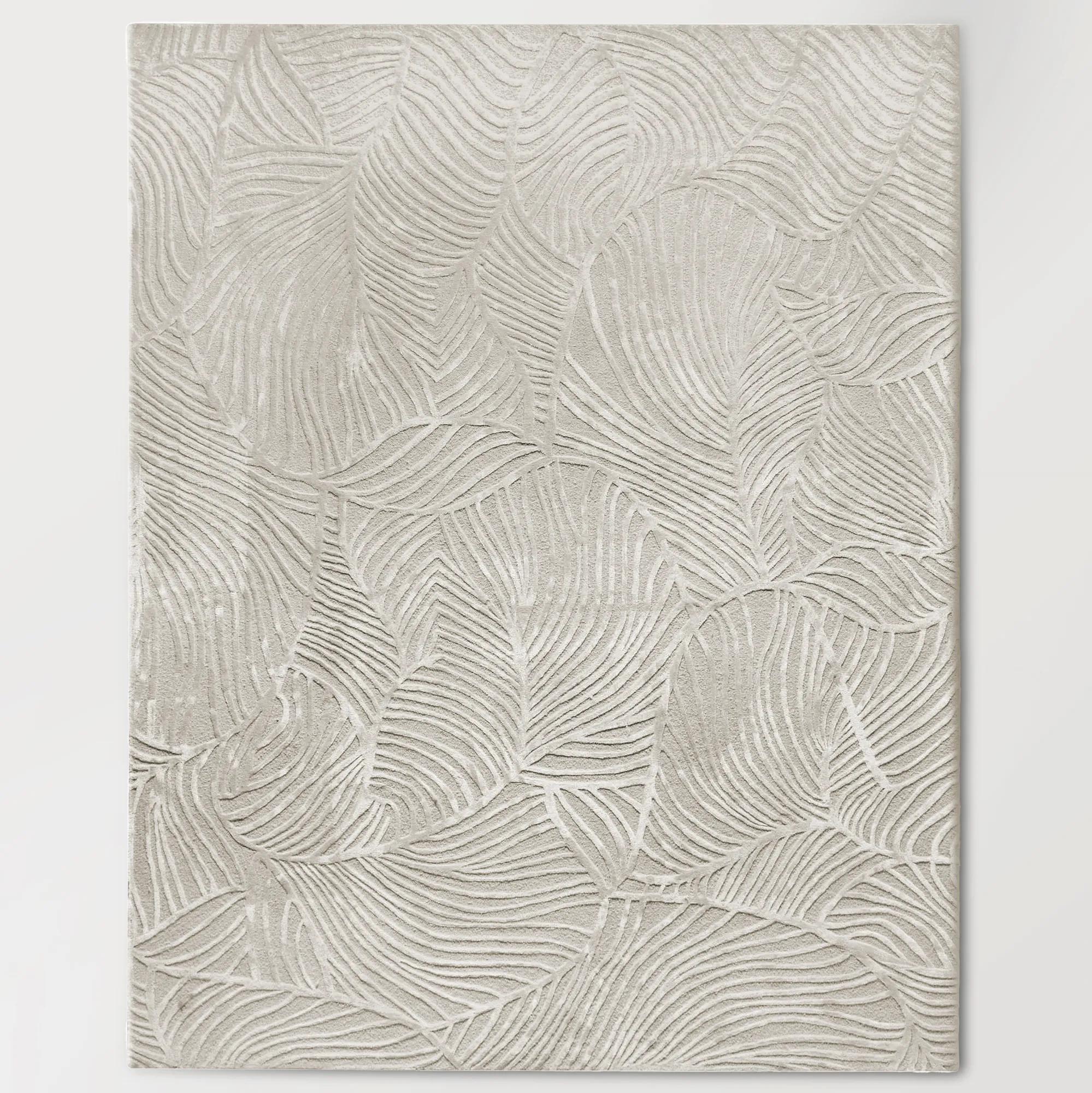 Palm Hand-Tufted Ivory Wool Blend Rug$999
An ivory rug featuring a dynamic palm-leaf design with high-low pile in viscose and wool.
Add To Cart -
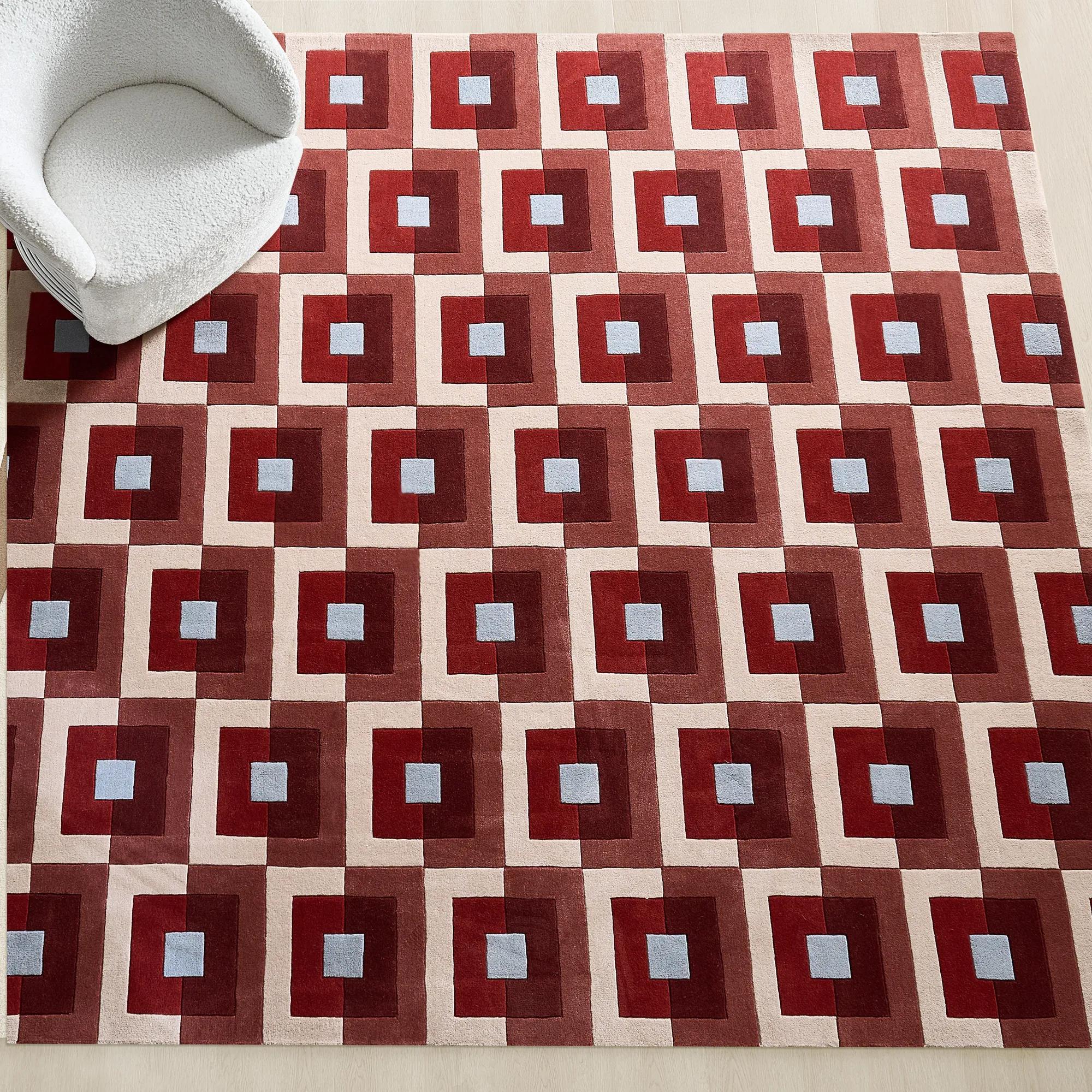
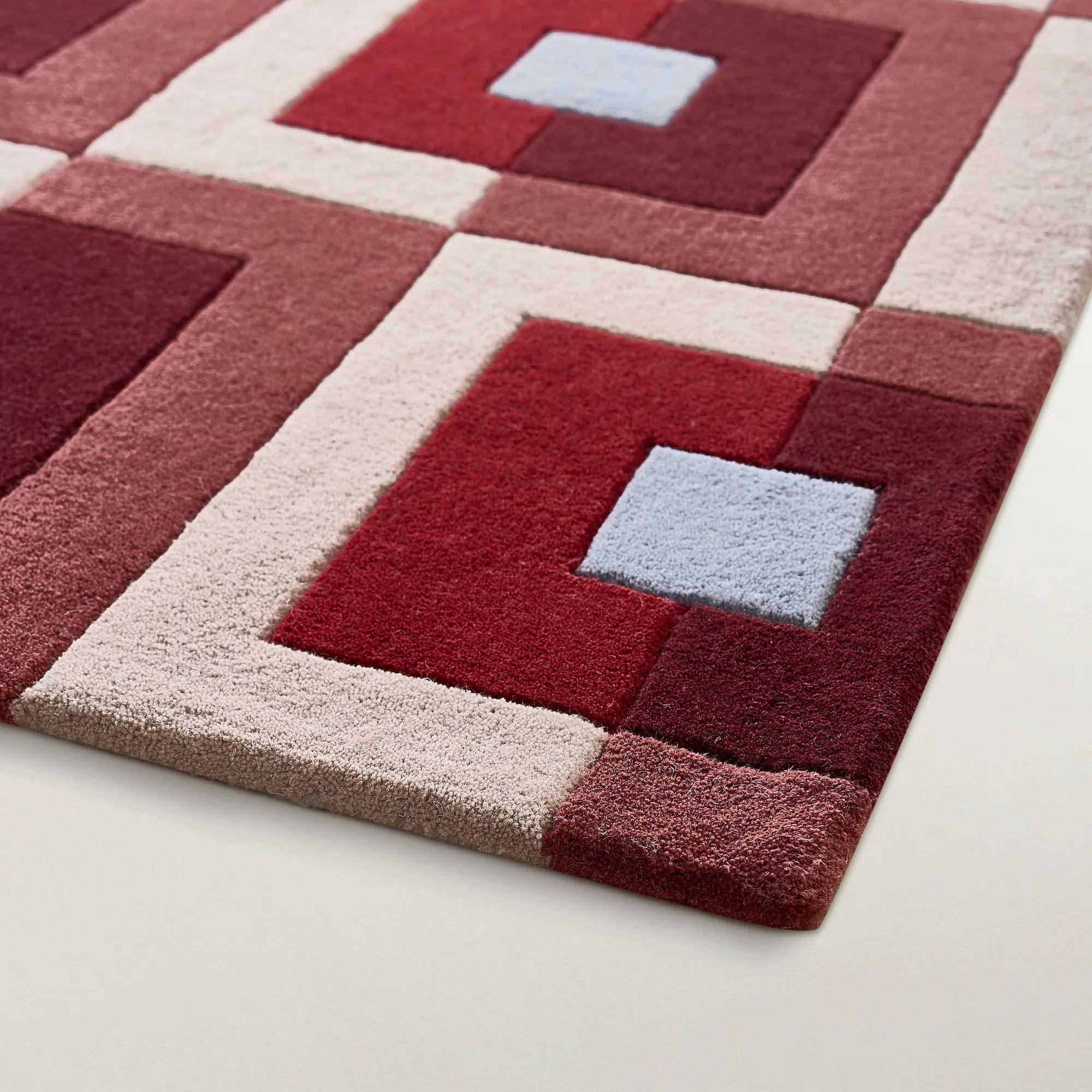 Geo Pop Wool Rug - Oxblood Red/Airy Blue$1599
A geometric wool rug featuring bold oxblood red and airy blue hues for modern interiors.
Add To Cart -
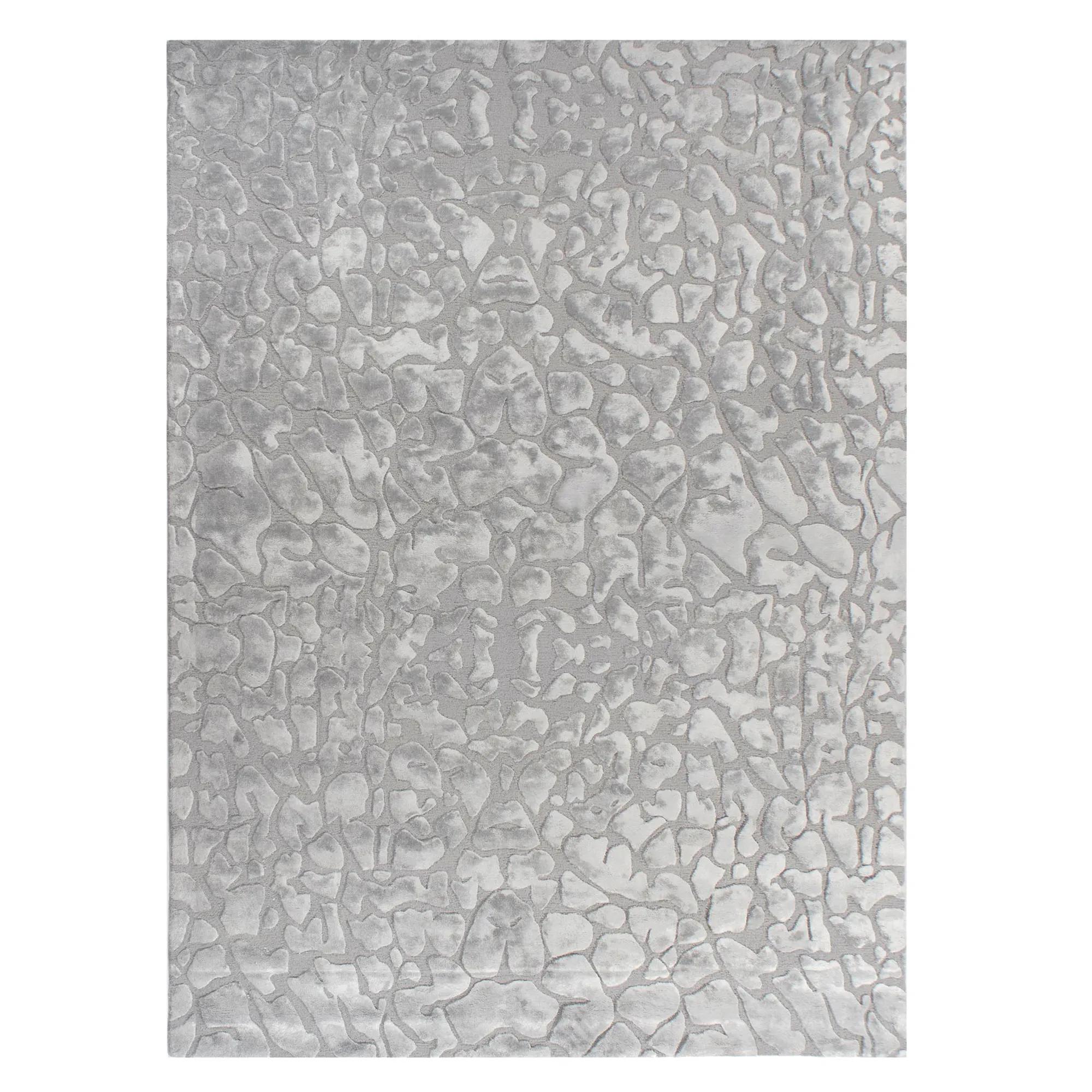
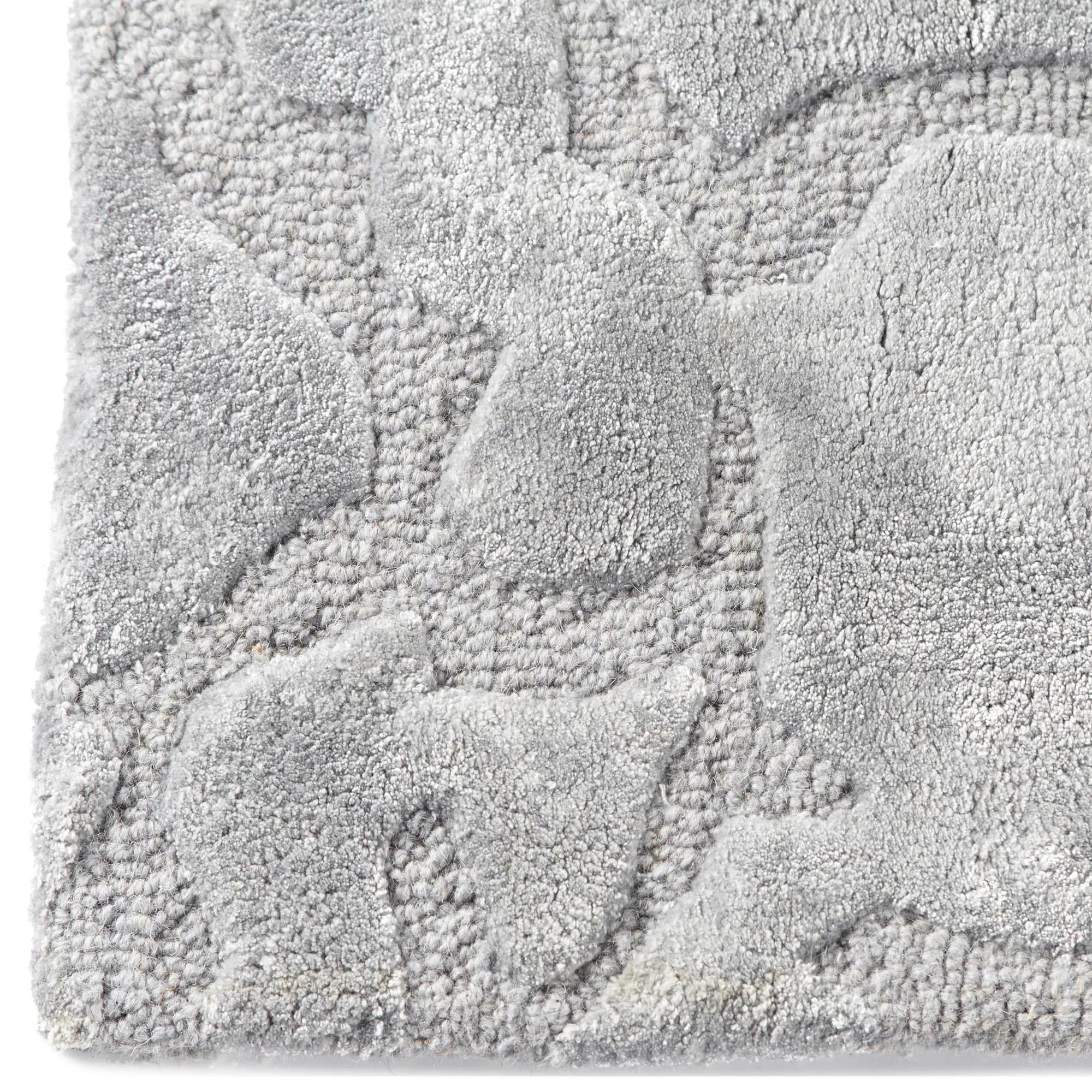 Nola Hand-Tufted Cool Grey Wool Blend Rug$849
A hand-tufted silver rug with contrasting pile heights, crafted from wool and viscose for plush texture.
Add To Cart -
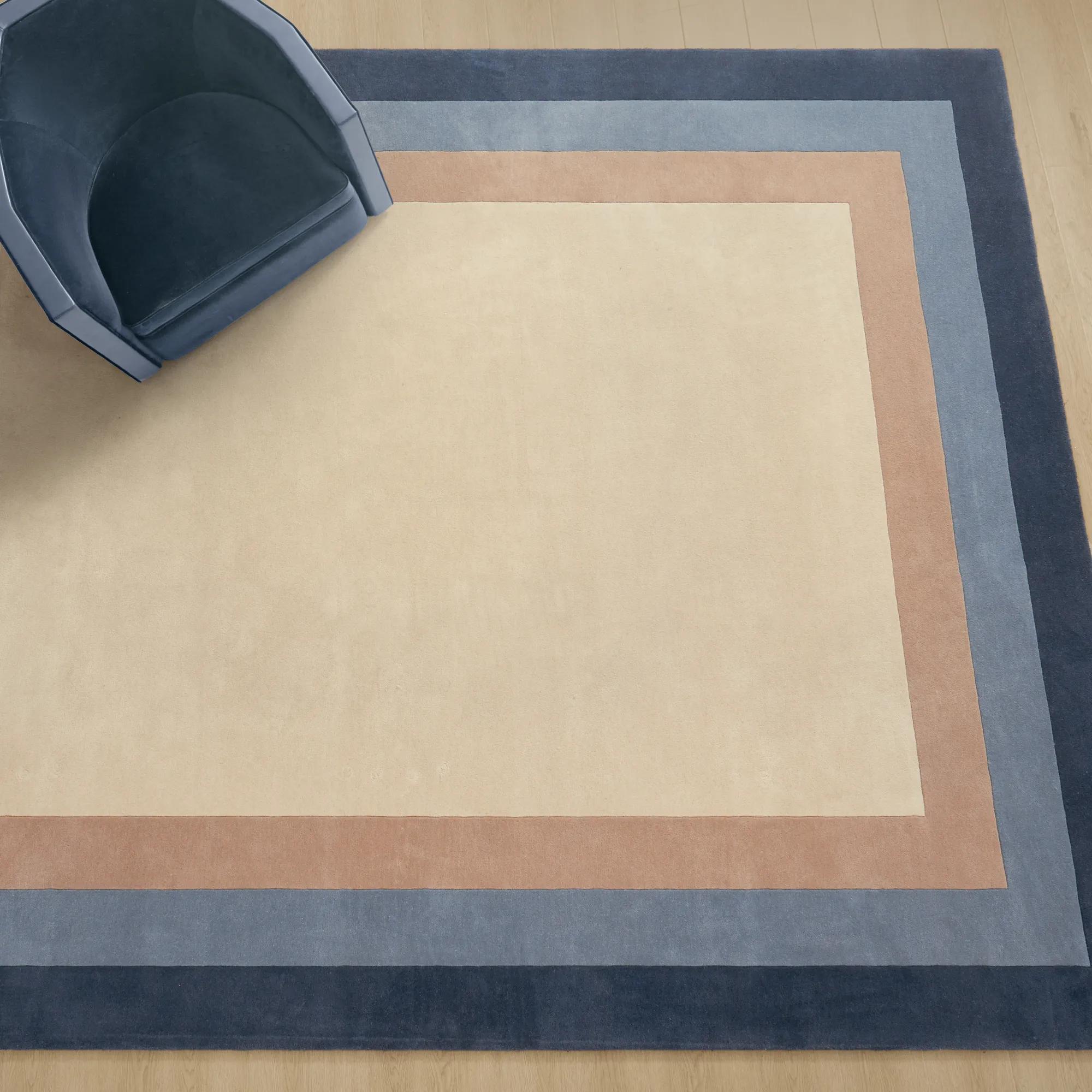 Bastien Hand-Tufted Blue/Taupe/Ivory Wool Border Rug$1499
A hand-tufted wool rug featuring a graphic blue, taupe, and warm ivory border with refined, substantial texture.
Add To Cart -
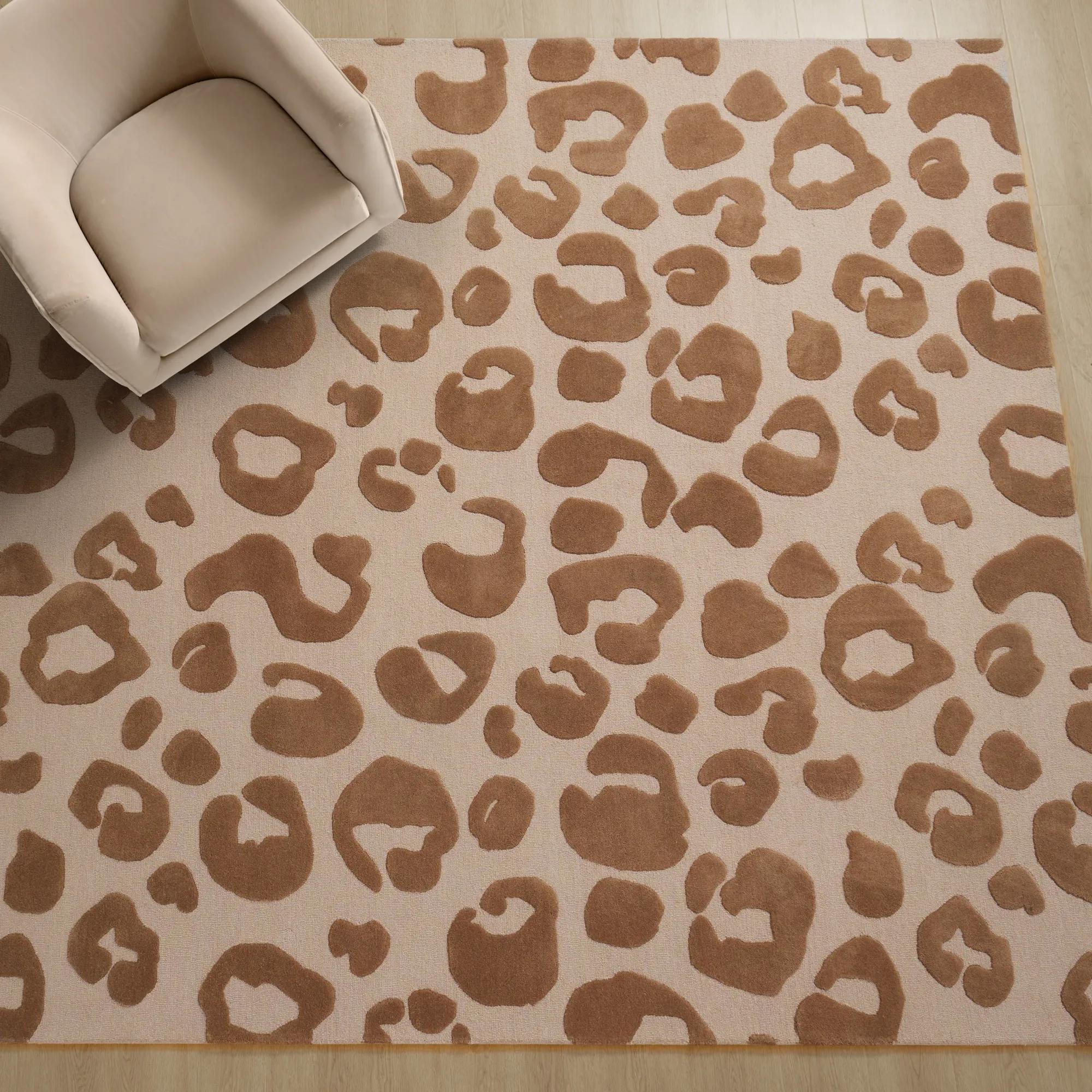 Pounce Hand-Tufted Tawny Brown Leopard Print Wool Rug$499
A hand-tufted wool rug featuring a tawny brown leopard print and dimensional high-low texture.
Add To Cart -
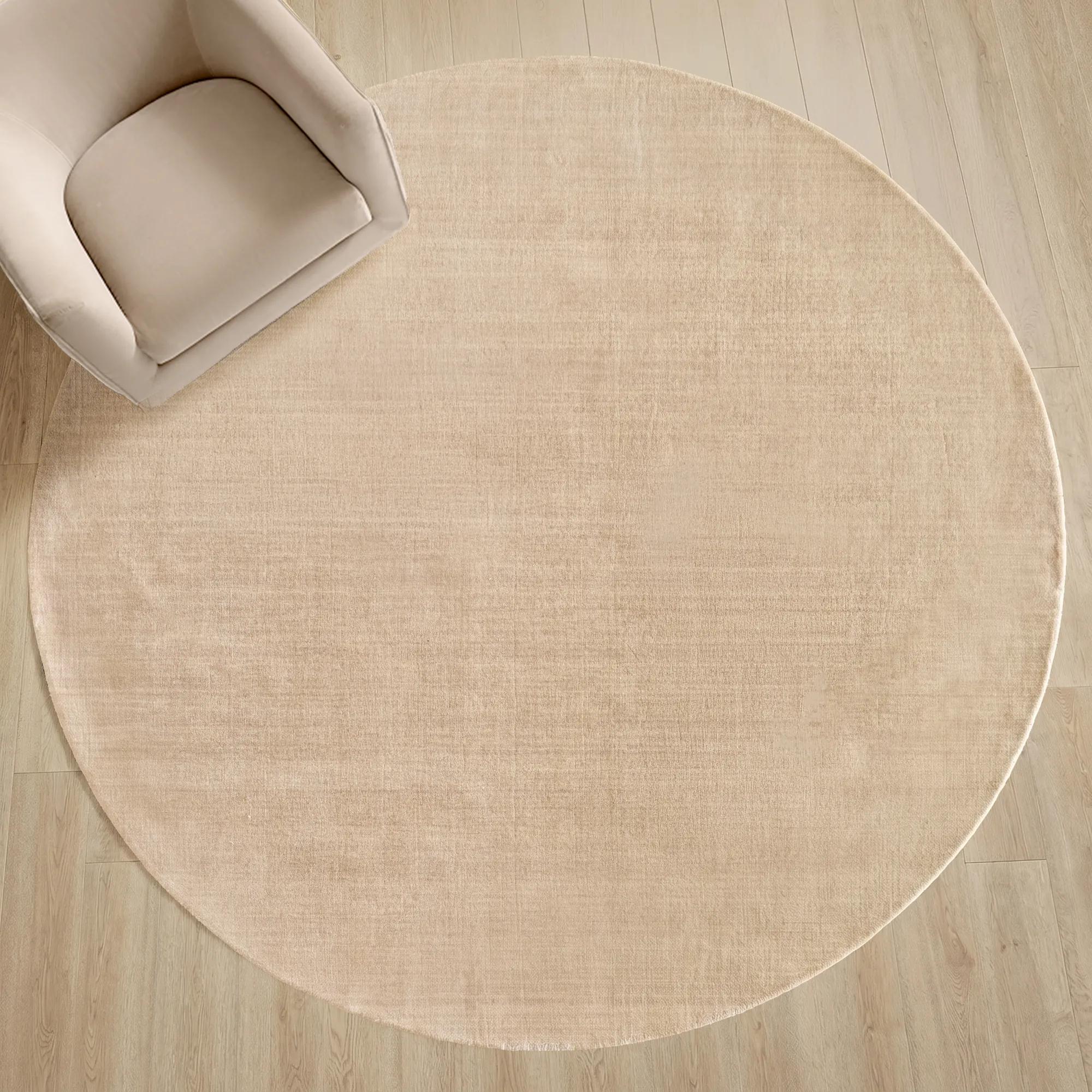 Juni Hand Woven Heathered Warm Beige Round Rug$1399
A handwoven round wool rug in heathered warm beige, offering refined texture and everyday durability.
Add To Cart -
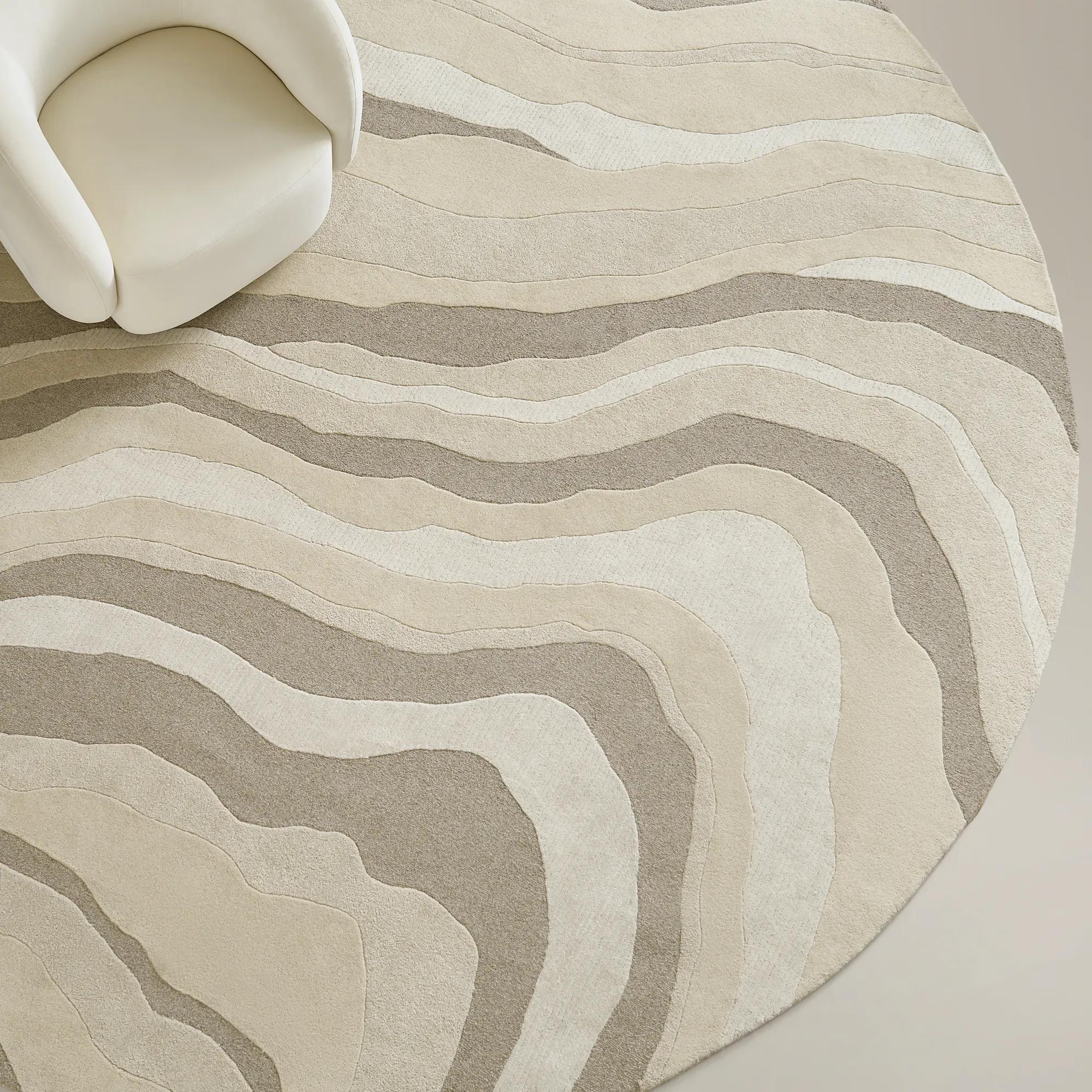 Kadence Hand-Tufted White/Ivory/Tan Wool Round Rug 12"$1799
A hand-tufted round rug in white, ivory, and tan, crafted from 100% wool for natural warmth.
Add To Cart -
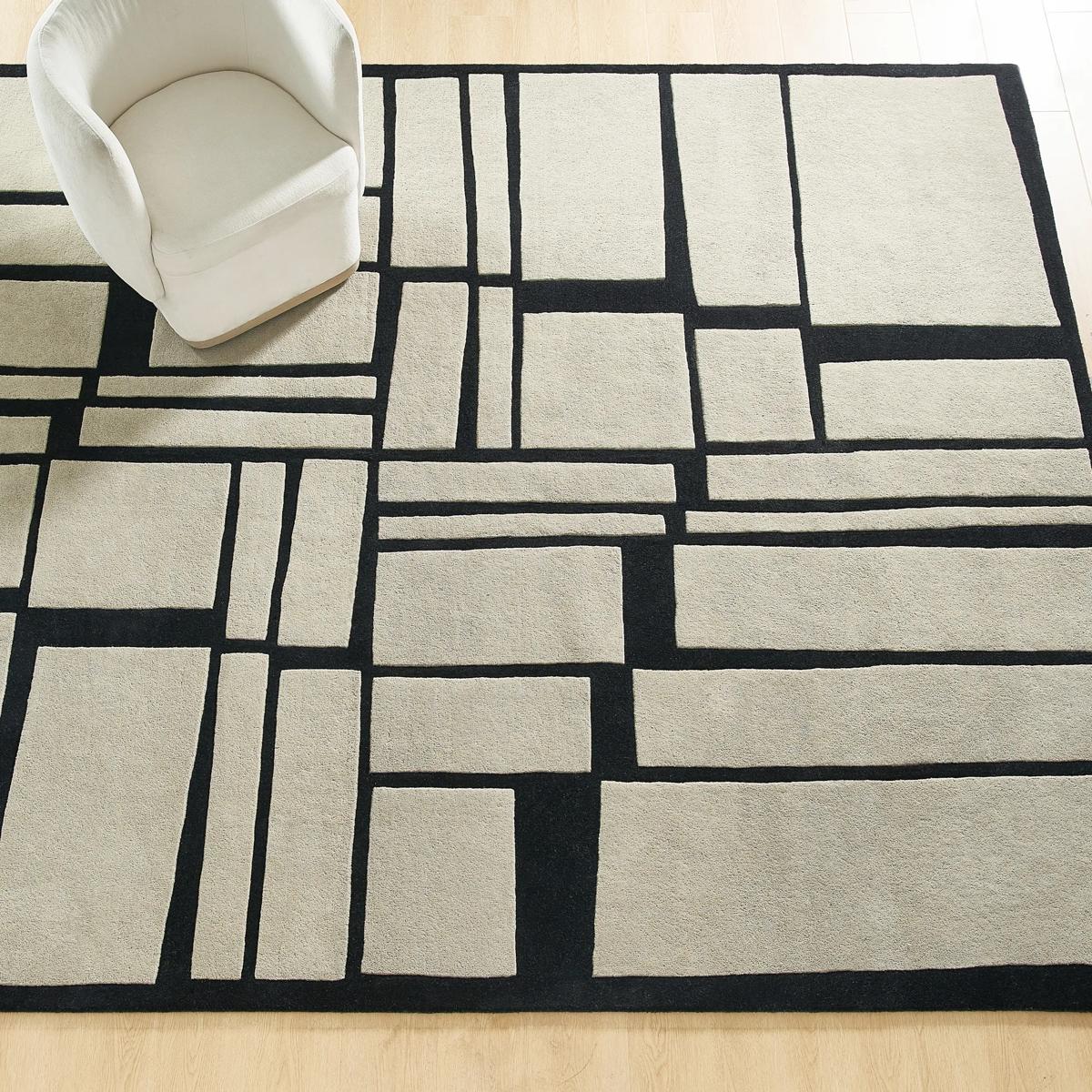 Novak Hand-Tufted Natural/Black Wool Rug$949
A hand-tufted wool rug featuring a bold black and natural grid design for modern, graphic appeal.
Add To Cart -
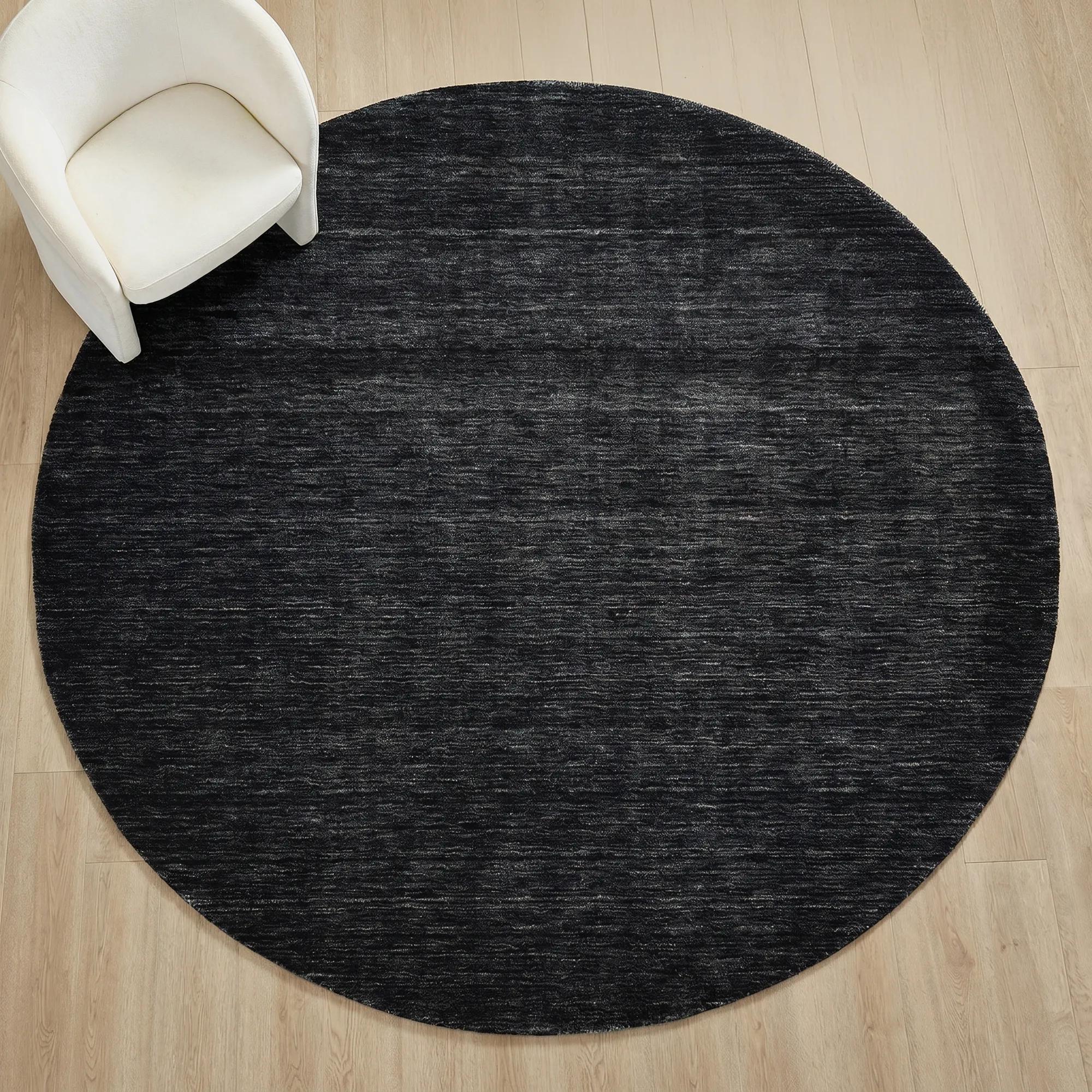 Juni Hand Woven Heathered Black Rug$799
A handwoven round wool rug in heathered black, offering durable texture and moody, contemporary style.
Add To Cart -
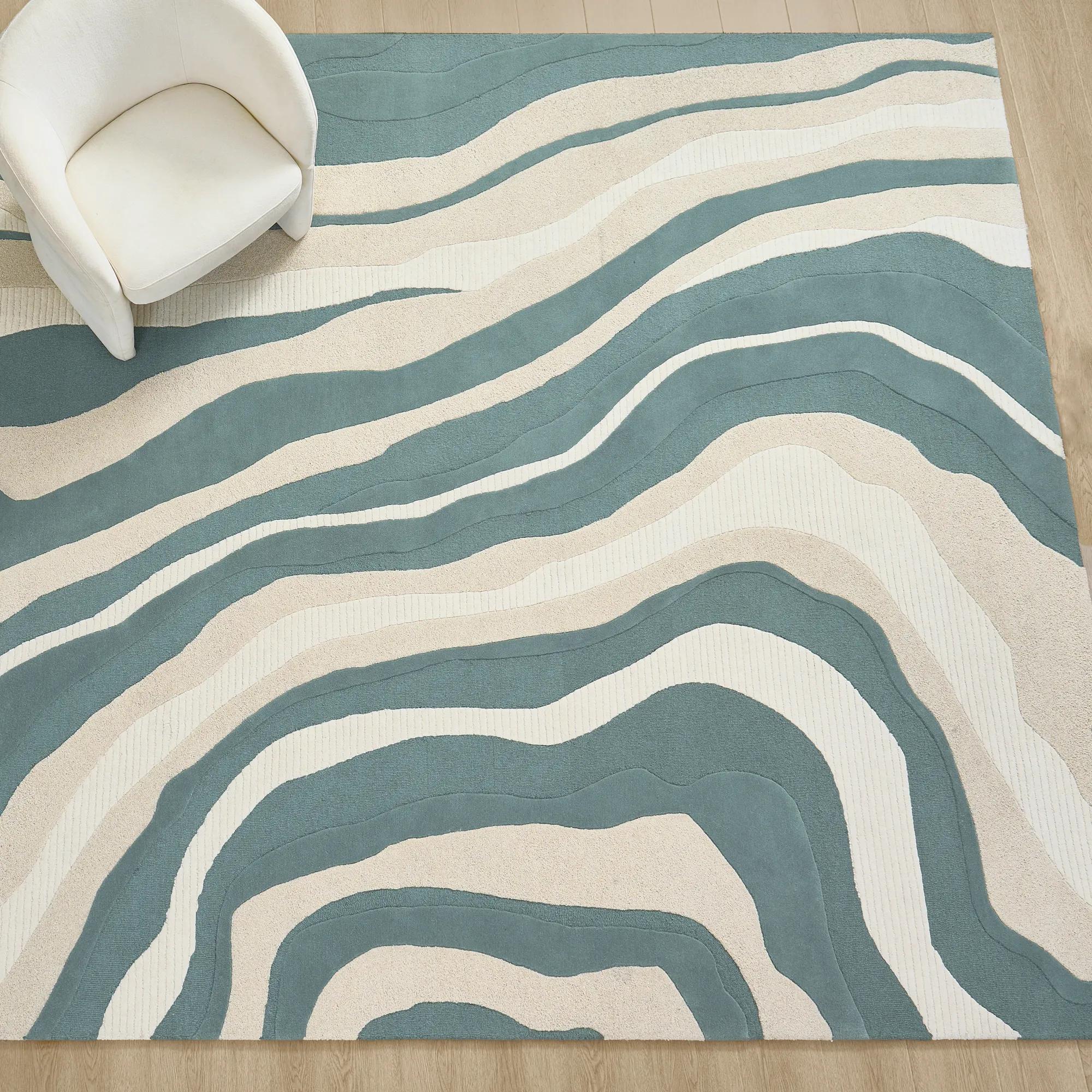 Kadence Hand-Tufted Sage Green/Ivory Wool Rug$1499
A hand-tufted wool rug with organic waves, sculptural high-low texture, and sage-ivory hues.
Add To Cart -
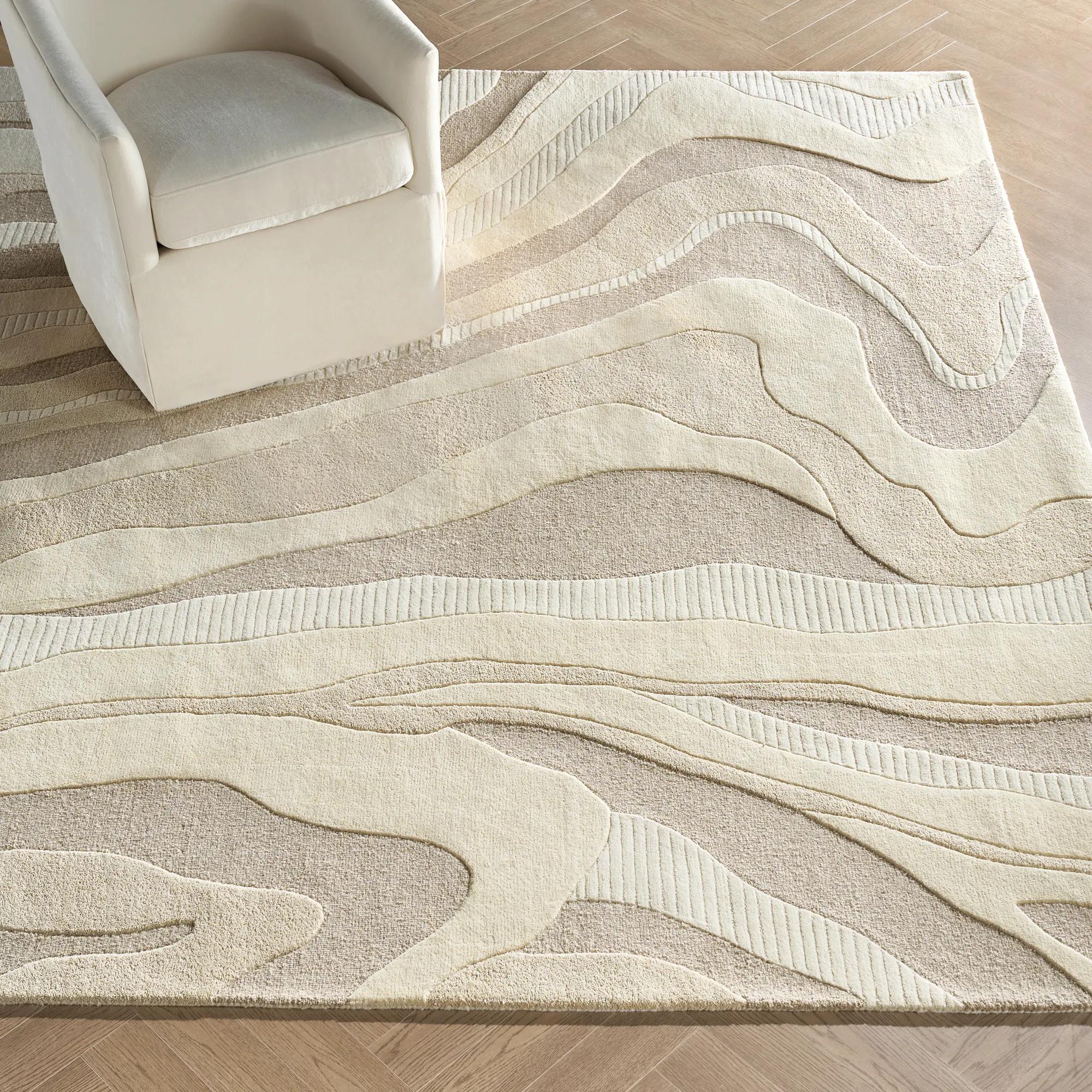 Kadence Hand-Tufted Ivory/Tan Wool Rug$499
A hand-tufted wool rug featuring a multi-textured swirl design in ivory and tan for elegant depth.
Add To Cart -
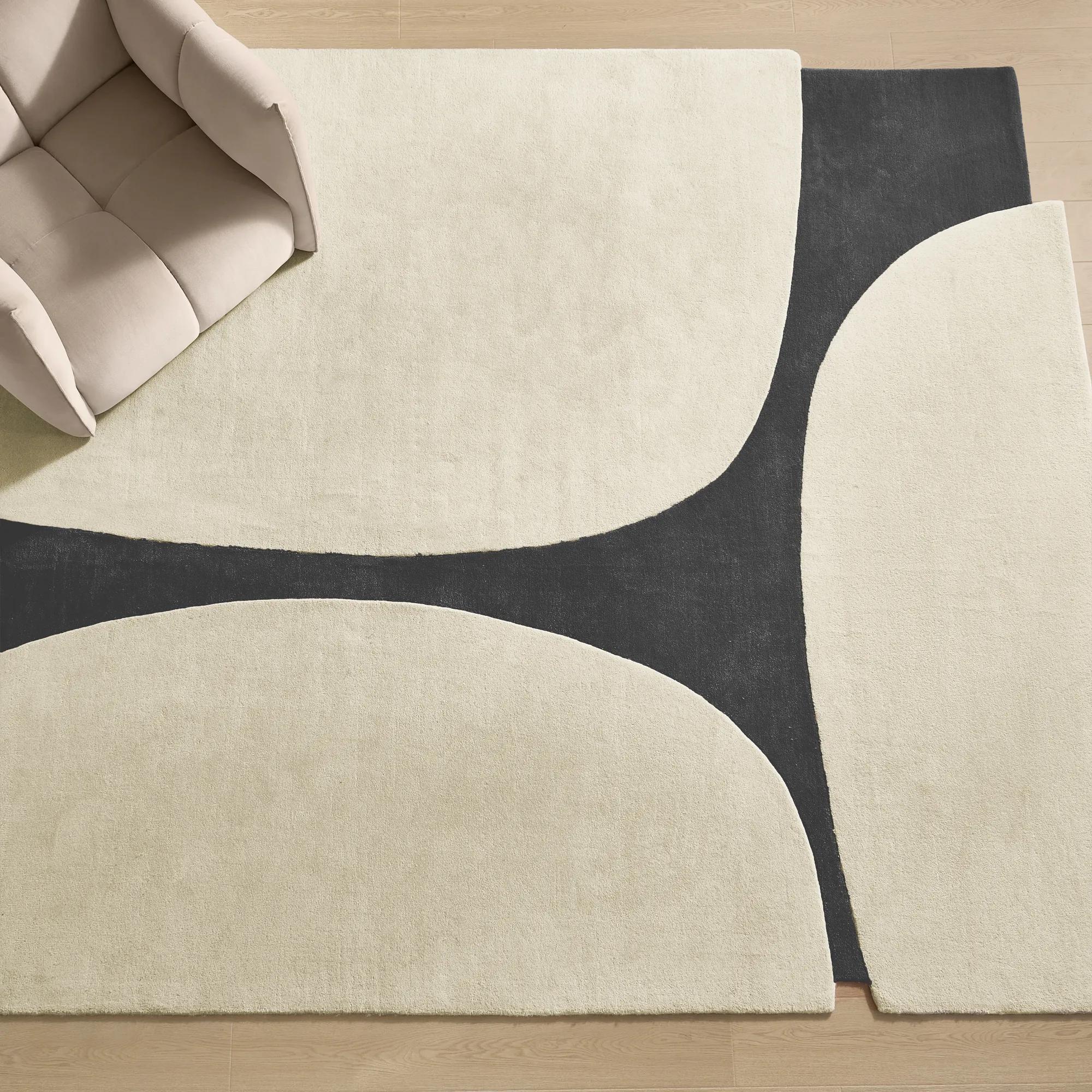 Contour Hand-Tufted Ivory/Charcoal Wool & Viscose Rug$1499
A hand-tufted wool-viscose rug with an organic edge, sculptural high-low texture, and ivory-charcoal pattern.
Add To Cart -
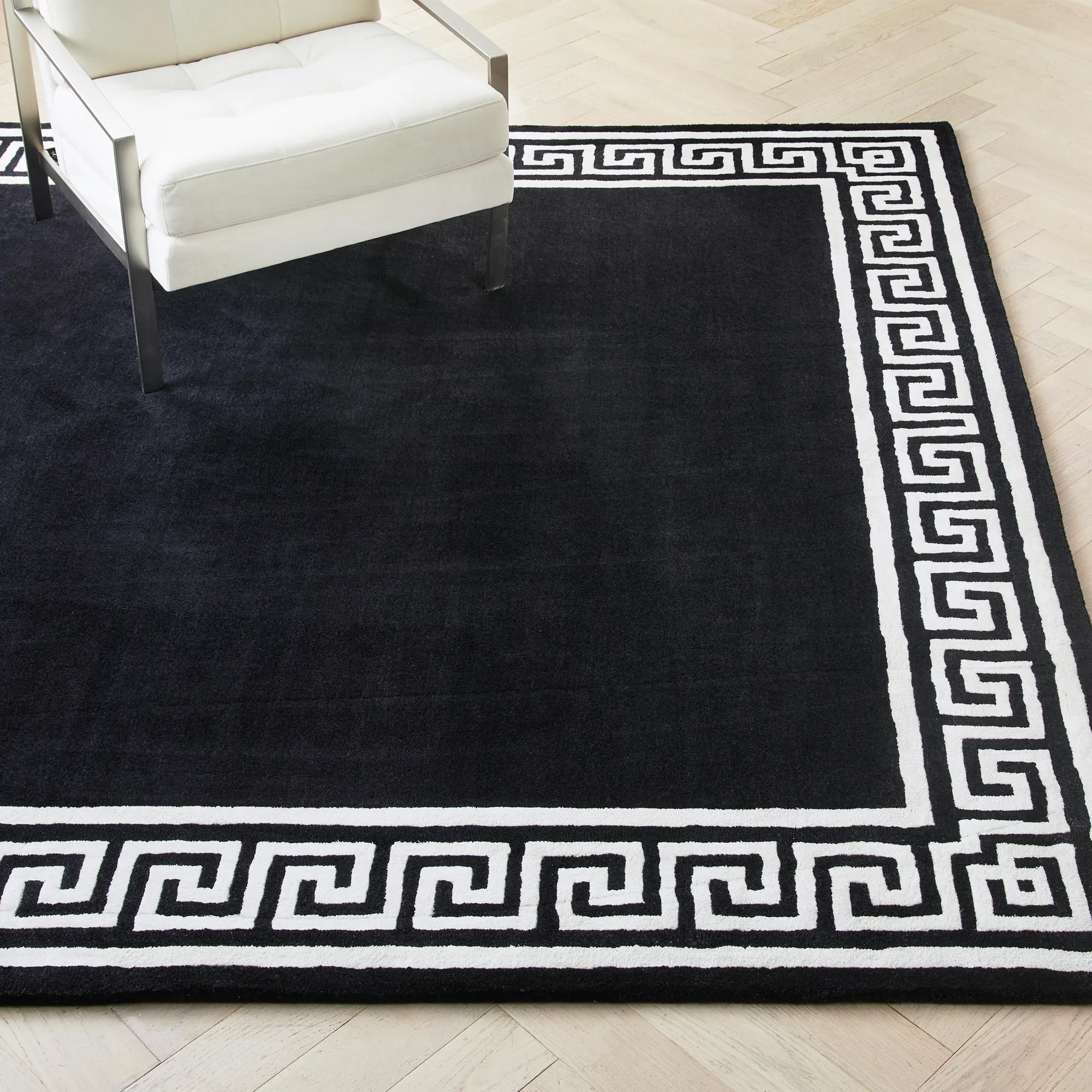
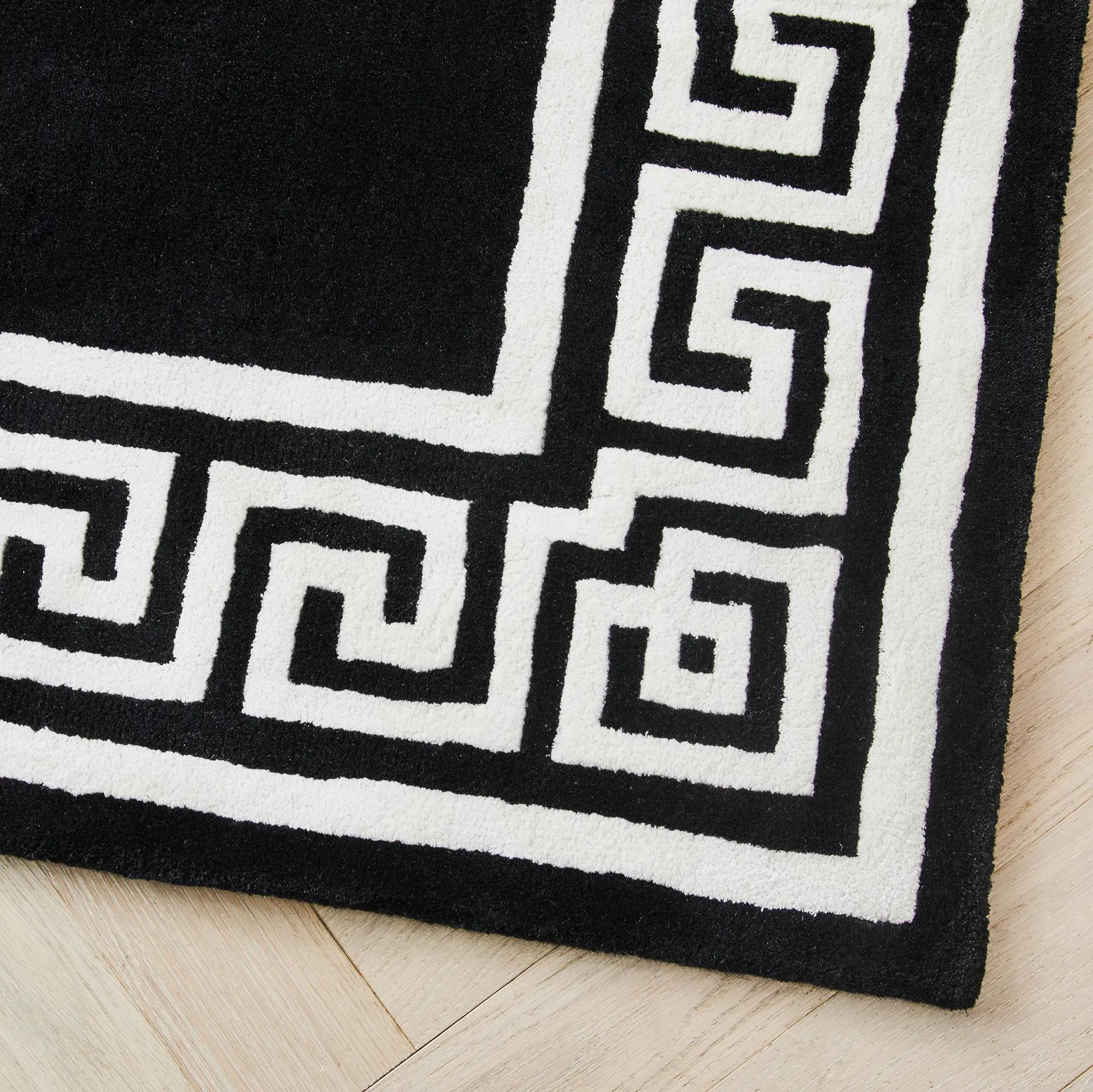 Greek Key Rug - Black/Ivory$1199
A hand-tufted black and ivory rug featuring a classic Greek key pattern in wool and viscose.
Add To Cart -
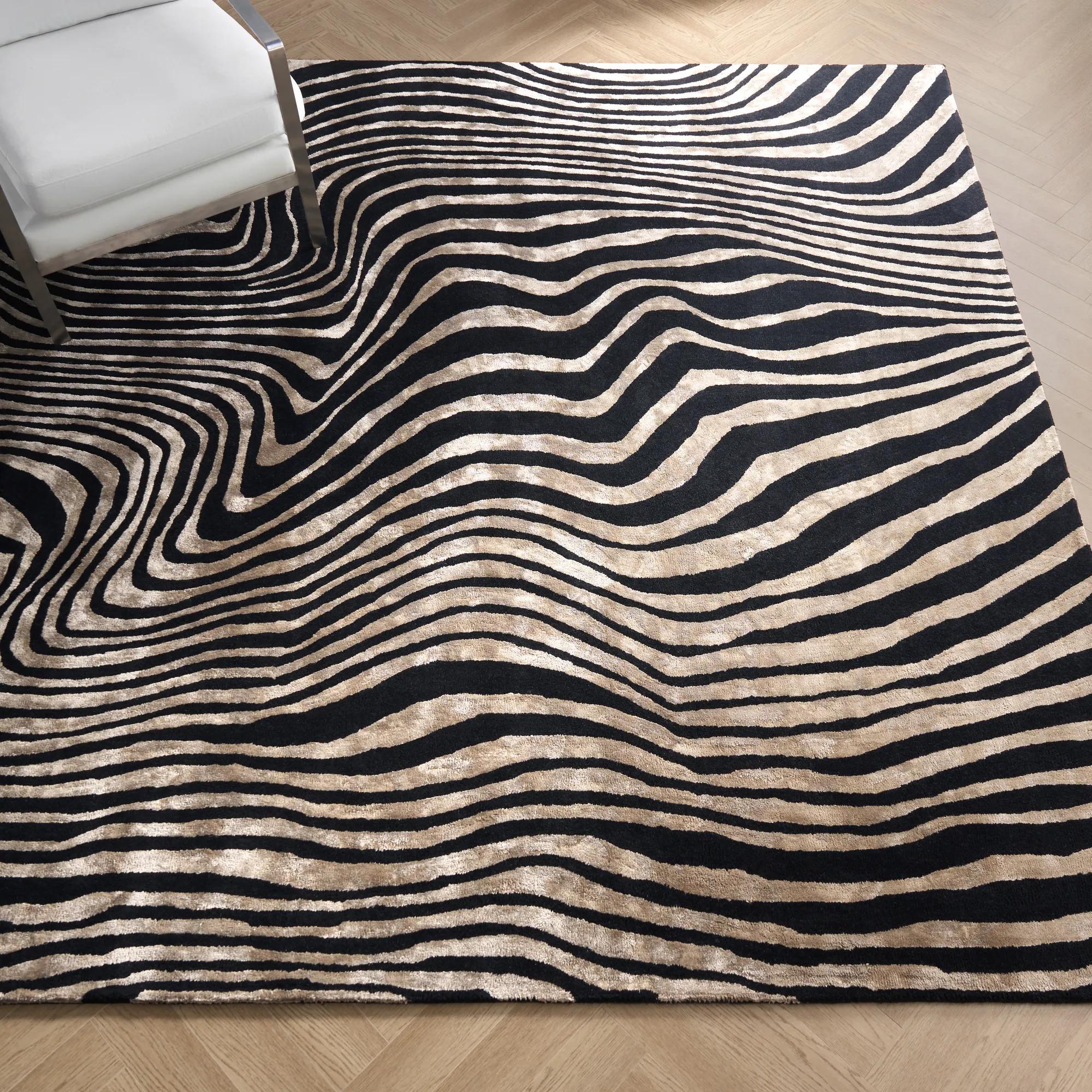
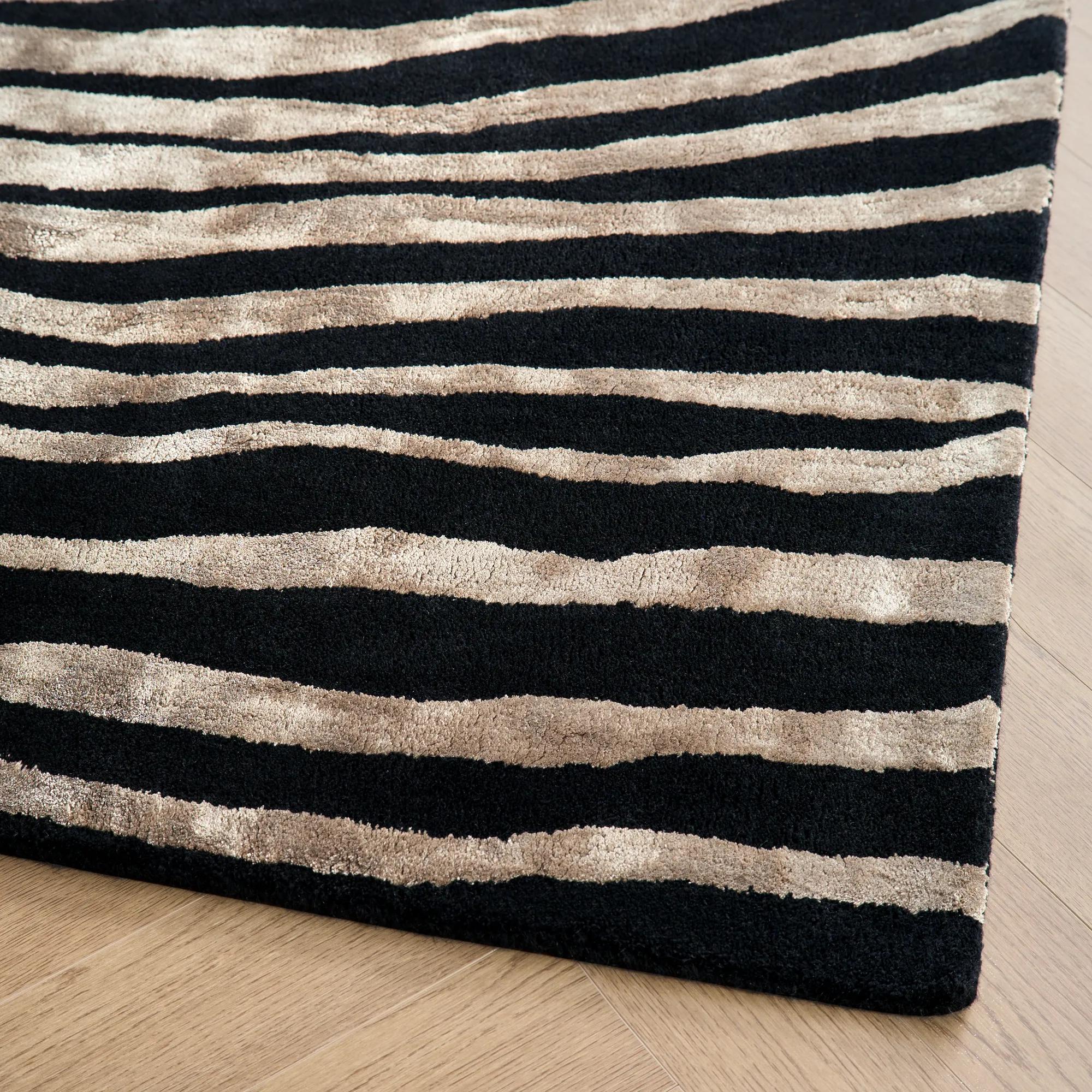 Abstract Zebra Hand-Tufted Black/Taupe Wool Blend Rug$599
An artisan hand-tufted rug in black and taupe wool-viscose, featuring a striking abstract zebra pattern.
Add To Cart -
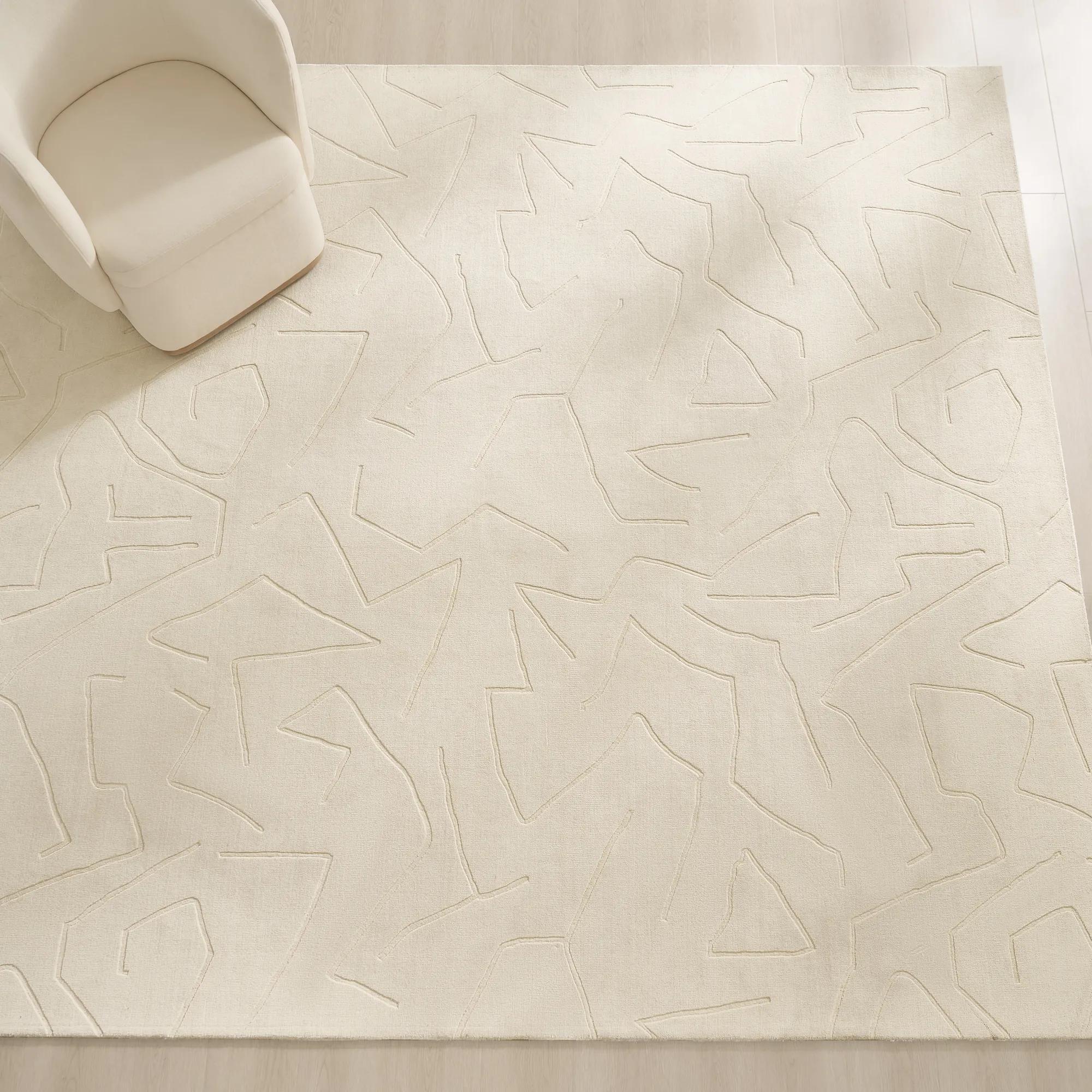 Carved Maze Ivory Hand-Loomed Wool Blend Rug$699
A hand-loomed ivory wool-blend rug featuring a carved maze pattern for modern, textural appeal.
Add To Cart -
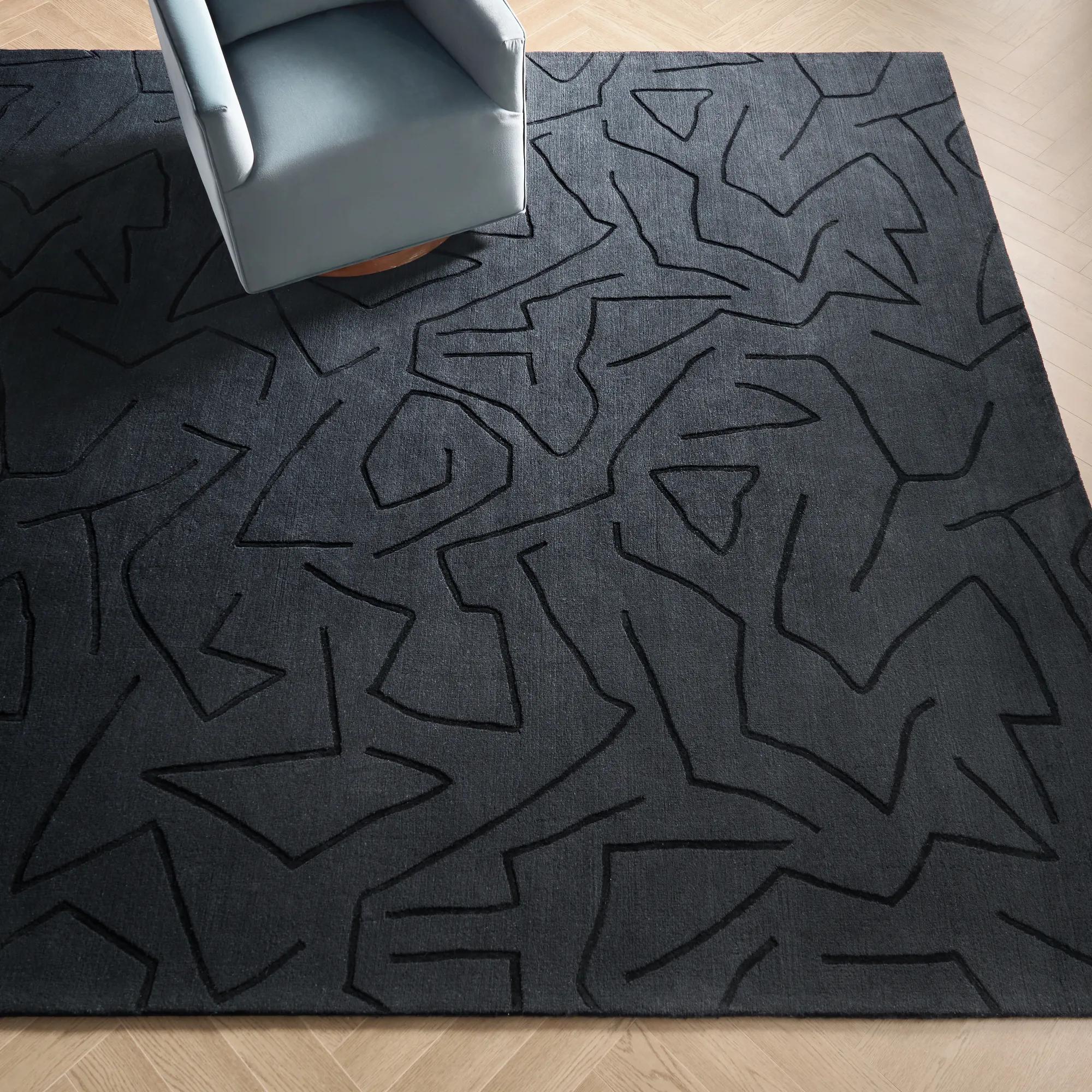 Carved Maze Rug$1399
A hand-loomed black rug crafted from wool and viscose, featuring a carved, textured maze design.
Add To Cart -
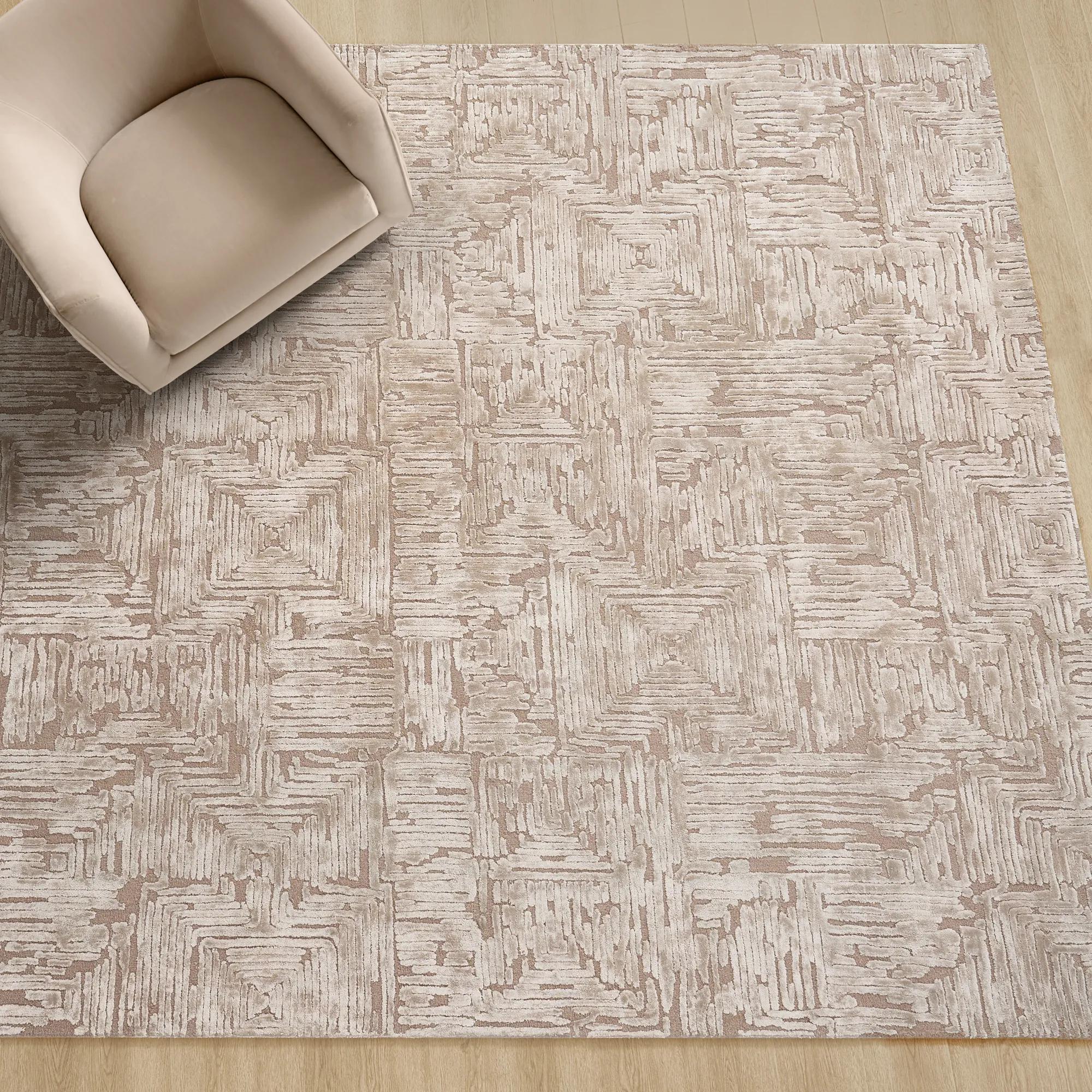
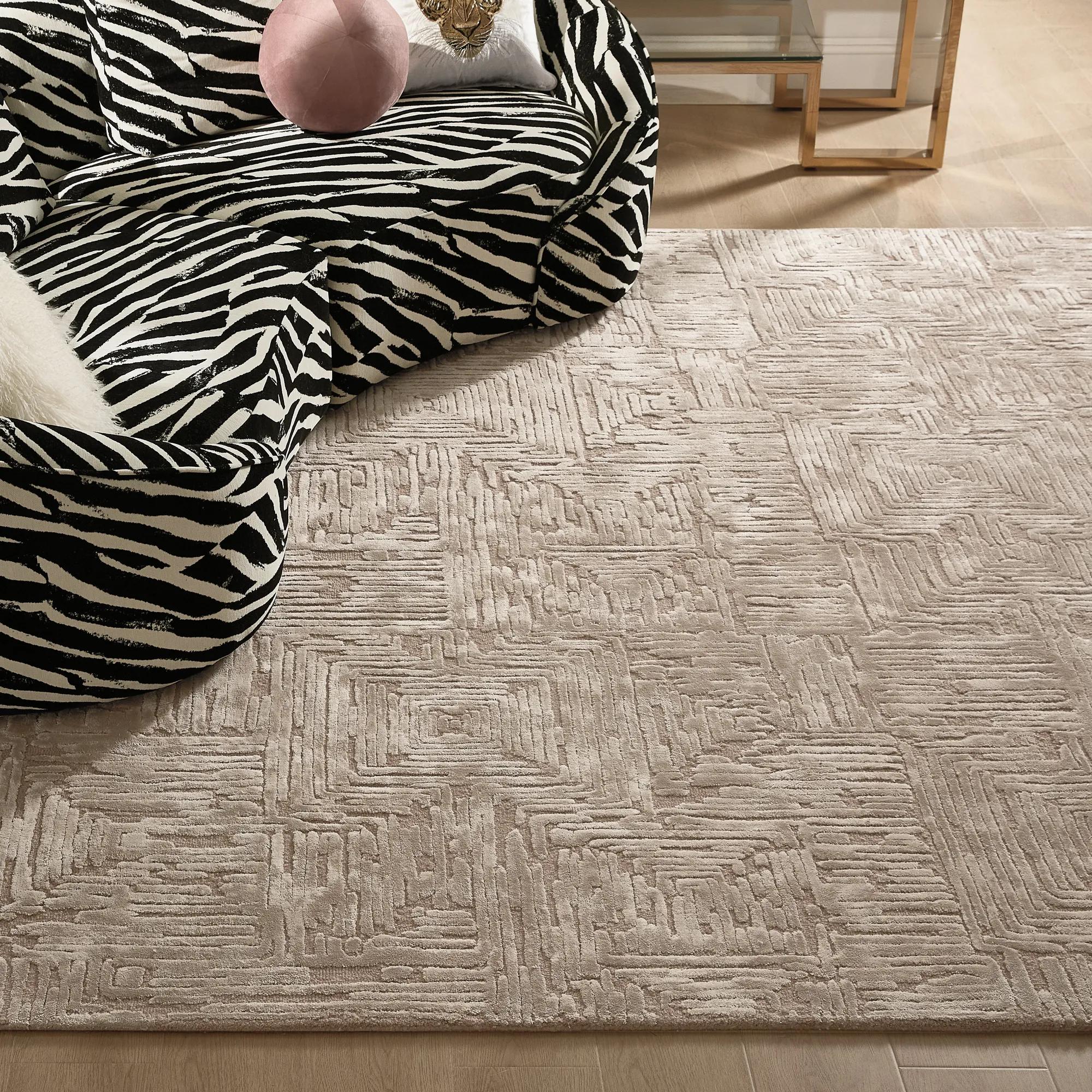 Andra Hand-Tufted Mocha Rose Viscose & Wool Dimensional Rug$1499
A hand-tufted mocha rose rug blending viscose and wool with dimensional broken geometric texture.
Add To Cart -
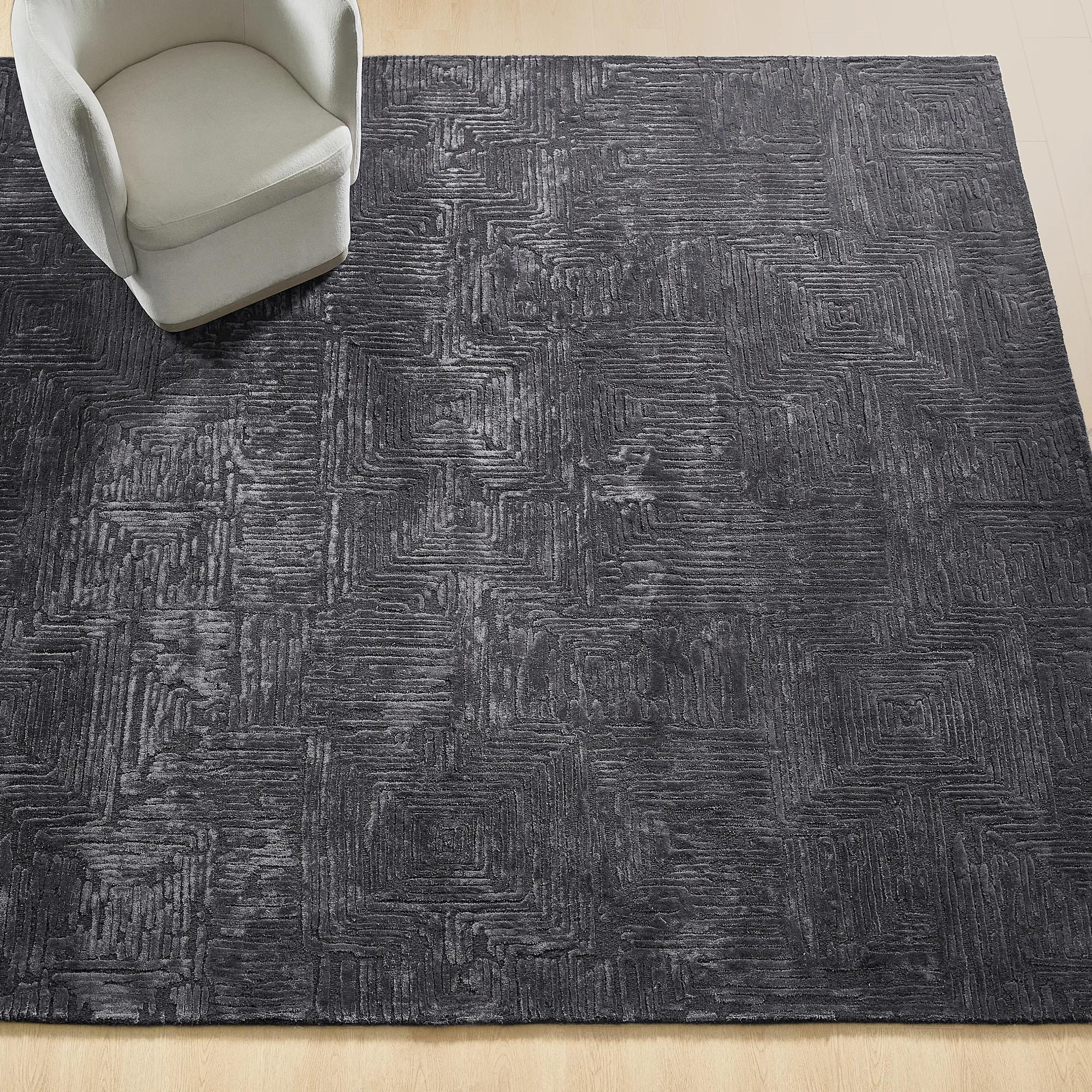
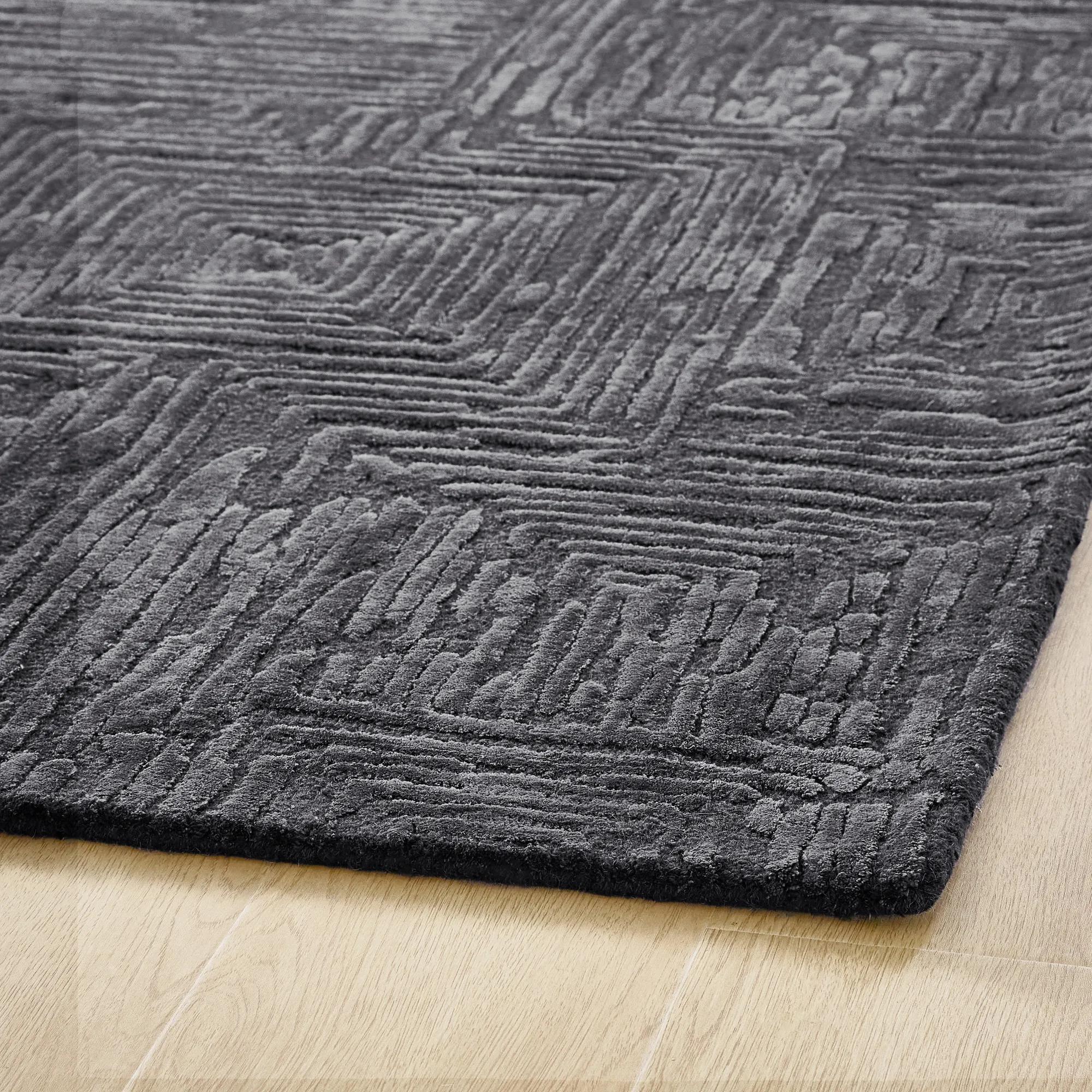 Andra Charcoal Hand-Tufted Wool Blend Dimensional Rug$1499
A hand-tufted viscose-wool rug in rich charcoal with a sculptural, dimensional pattern and plush texture.
Add To Cart -
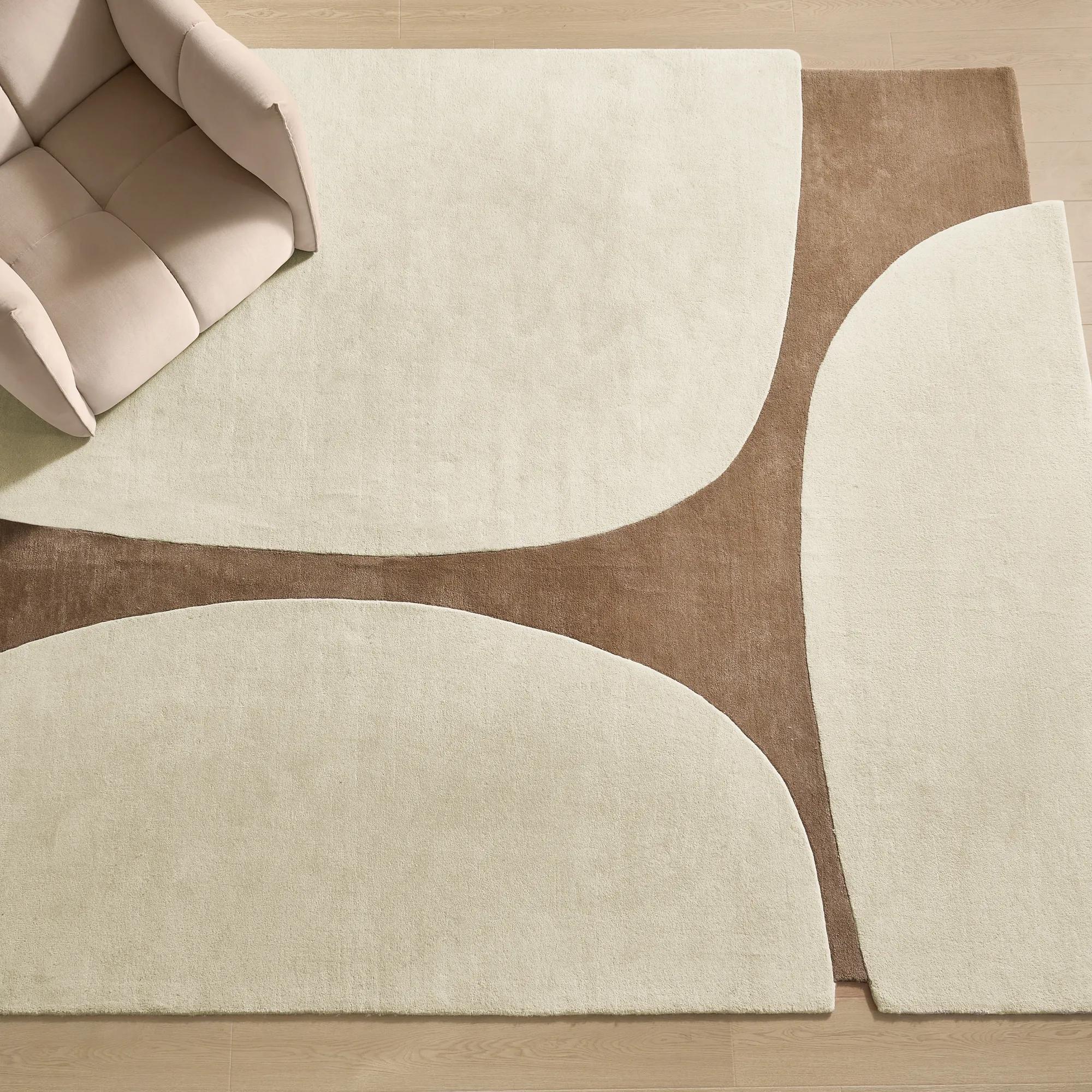
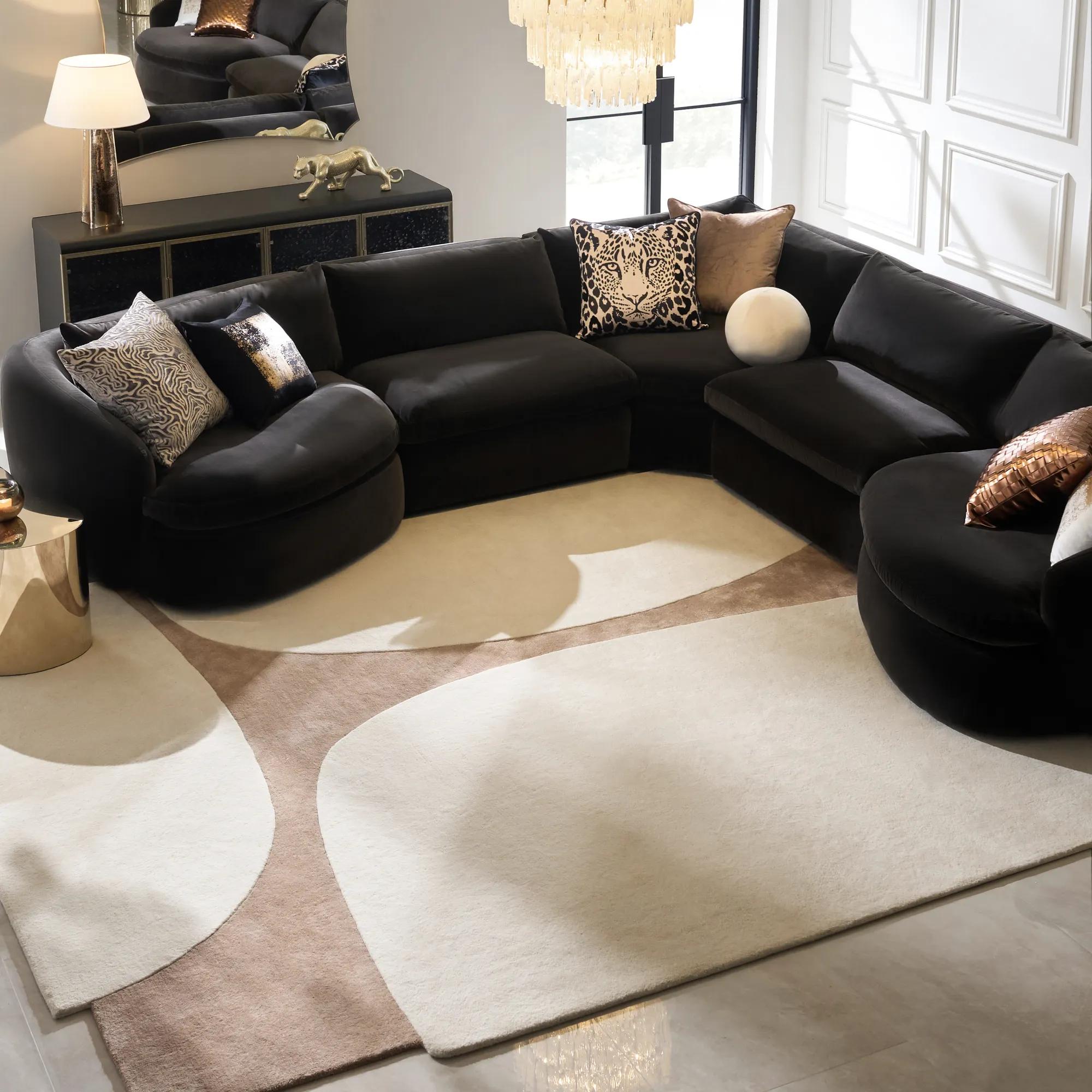 Contour Hand-Tufted Ivory/Ginger Root Wool Blend Rug$499
A hand-tufted wool rug blending ivory and ginger root tones for textured, modern warmth.
Add To Cart -
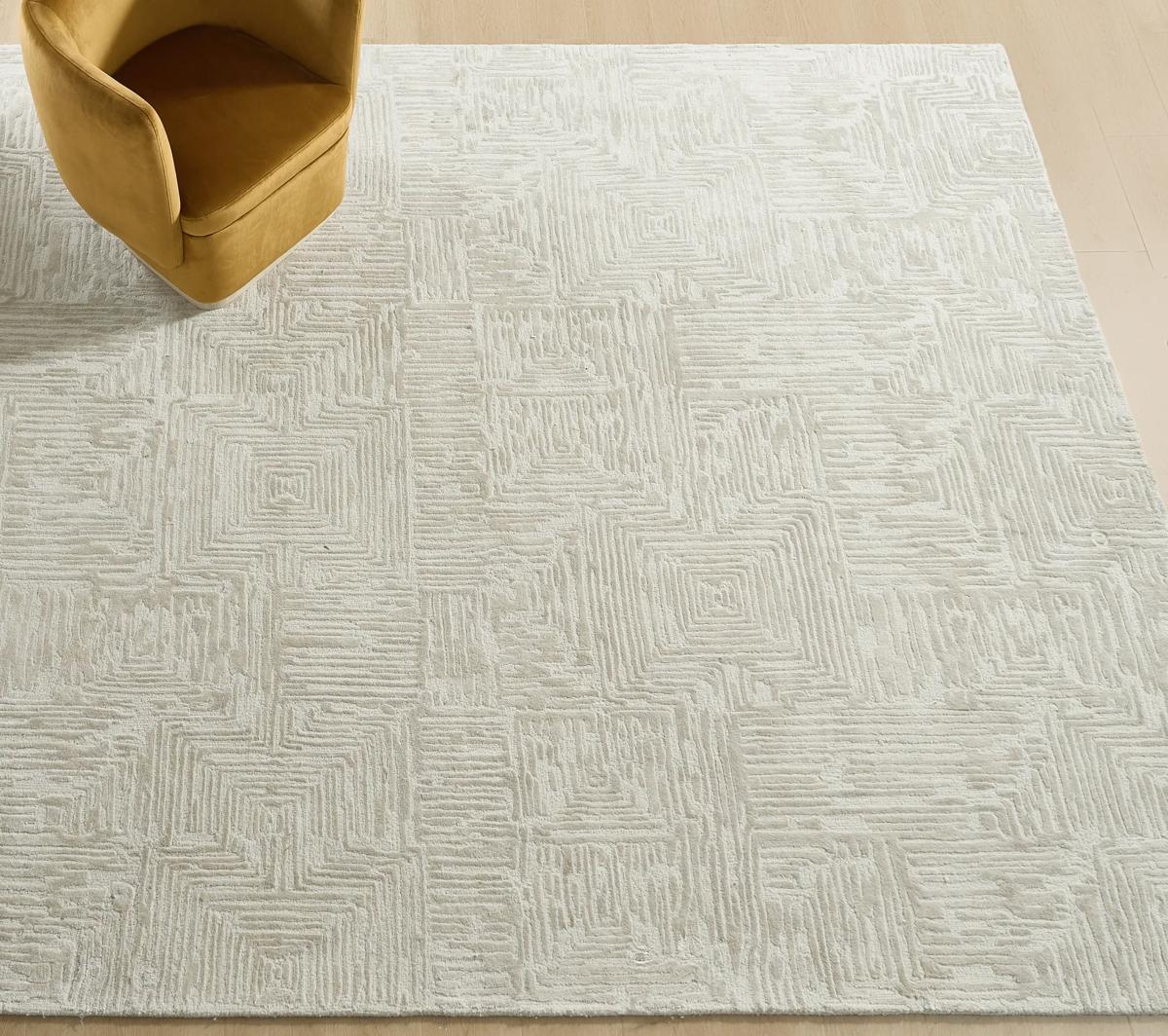 Andra Ivory Hand-Tufted Wool Blend Dimensional Rug$499
A hand-tufted ivory rug in a viscose-wool blend with raised textural detailing and subtle sheen.
Add To Cart -
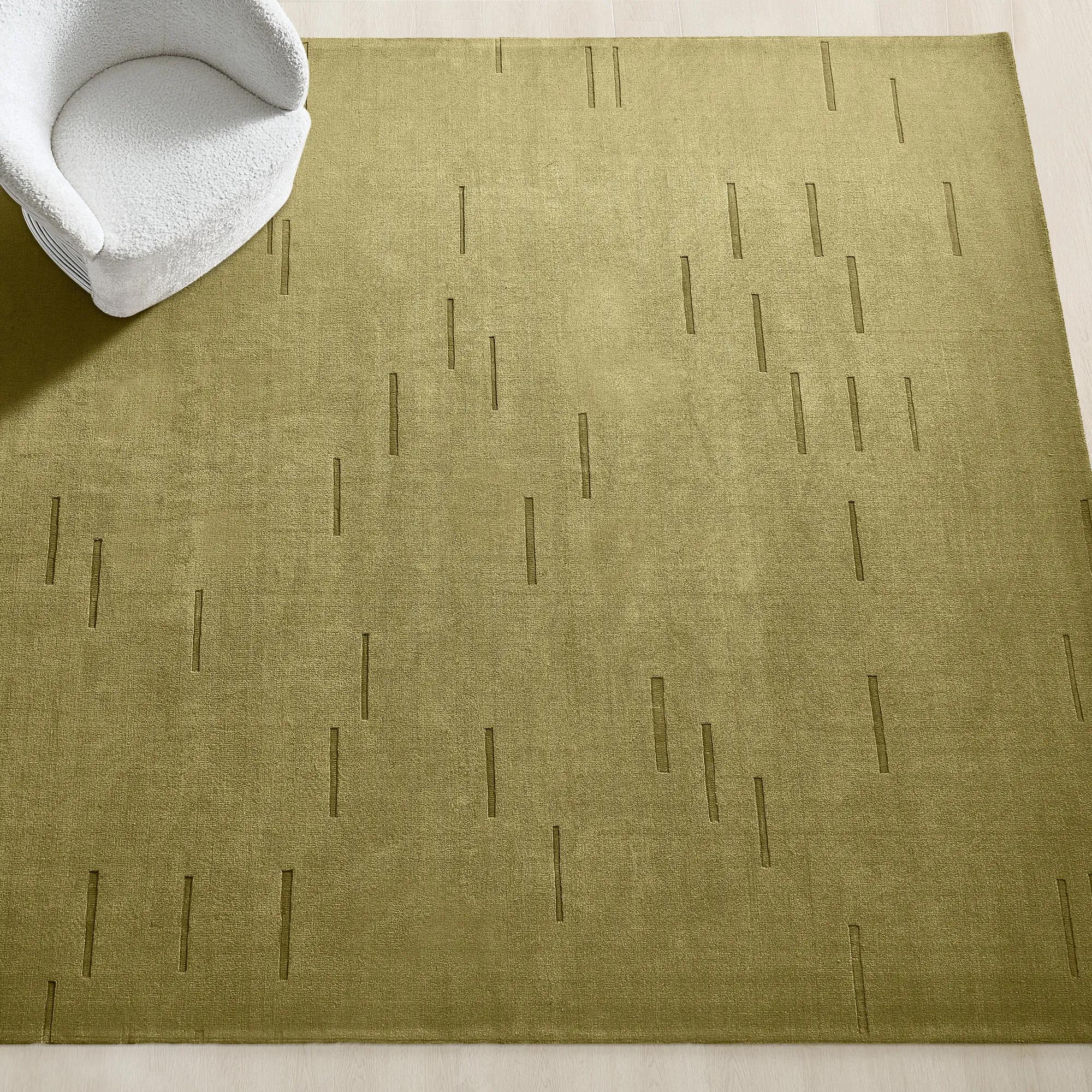
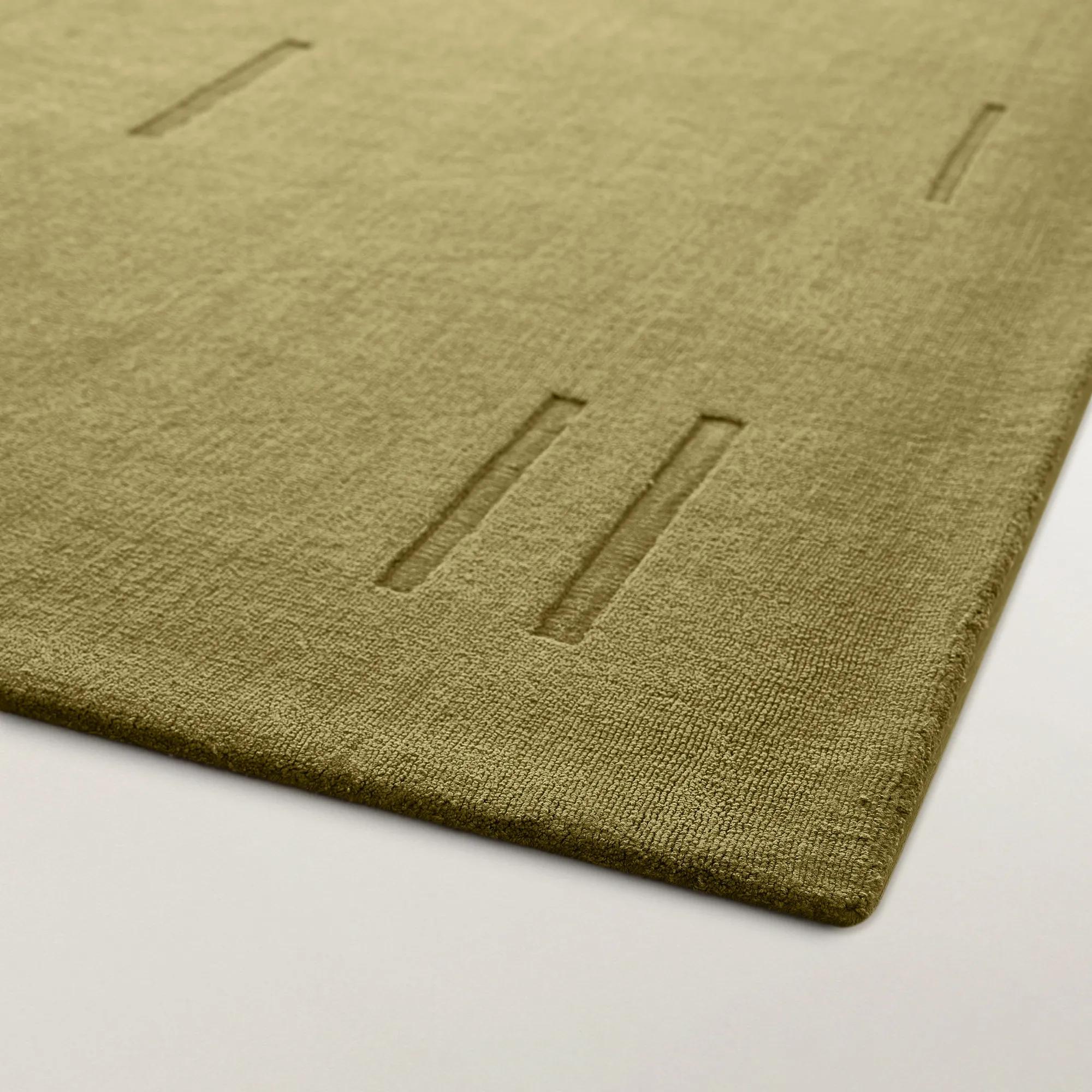 Lamita Muted Olive Green Wool Blend Rug$1999
A muted olive green wool-blend rug bringing soft texture and understated warmth to modern interiors.
Add To Cart

Wool Rugs For Winter
Explore wool rugs for winter to bring warmth underfoot and rich texture to living rooms and bedrooms. As you browse, consider how size, color, and pattern will complement your space: a rug should anchor your furniture arrangement while adding depth to the room’s palette and a sumptuous layer to your winter décor.
Wool rugs for winter bring warmth where a room needs it most: beneath bare feet beside the bed, across a stone living room floor, or under the seating arrangement where an evening naturally unfolds. Wool’s crimped fibers create small pockets of air that help slow heat transfer, adding an insulating layer between feet and a cold surface. The result is a more comfortable place to stand, sit, and linger, without suggesting that a rug replaces a home’s heating system. That practical comfort comes with remarkable visual depth. A dense wool pile softens the sharp lines of a glass coffee table, while a carved pattern introduces shadow and dimension beneath sculptural furniture. Wool also absorbs and releases moisture vapor as surrounding conditions change, although it is not waterproof and should never remain damp. Its natural resilience helps fibers recover from everyday compression, making a well-constructed wool area rug a compelling foundation for frequently used living spaces. Construction matters as much as fiber content: a substantial cut pile offers a cushioned feel, a flatweave creates a more tailored surface, and a looped texture brings pronounced definition underfoot. Hand-knotted, hand-tufted, and woven rugs can differ in density, backing, maintenance needs, and how they respond to wear, so those details deserve attention alongside color and pattern. A wool blend may introduce additional sheen, softness, or texture, but the companion fibers can change its durability and cleaning requirements. For a household that gathers on the floor for conversation or games, softness may take priority; for a dining space or busy sitting room, a lower profile and tighter construction can be more practical. The strongest choice balances the tactile pleasure of winter comfort with the way the room is actually lived in, giving the space a luxurious foundation that feels inviting rather than precious.
Scale gives that foundation its presence. In a living room, a wool rug should generally be large enough for the front legs of the main seating pieces to rest on it, visually connecting the sofa and chairs instead of leaving a small rectangle adrift beneath the coffee table. A more expansive rug can hold the entire arrangement, creating a generous, composed setting for entertaining. Before choosing a size, mark the intended footprint with painter’s tape and check door clearance, nearby walkways, and the space needed to move around accent tables. In a bedroom, an extension of roughly 18 to 24 inches beyond the sides of the bed often provides a comfortable landing, though the right proportion depends on the bed and room dimensions. Dining areas call for enough extra rug beyond the tabletop for chair legs to remain supported when seats are pulled back; approximately 24 inches on each side is a useful starting point, with more space sometimes needed for larger chairs. Within those proportions, color and texture establish the mood. Ivory, oatmeal, and warm gray wool can bring luminous softness to dark wood and polished metal, while charcoal or a saturated jewel tone lends weight to pale upholstery. A tonal geometric pattern adds movement without competing with expressive artwork; a more dramatic motif can become the room’s focal point when surrounding textiles stay restrained. Deep pile delivers sumptuous texture in a bedroom or quiet lounge, while a flatter surface is easier beneath moving chairs and along established walking routes. The rich textures associated with modern wool rugs for fall carry naturally into winter interiors, making wool a considered foundation rather than a fleeting seasonal accent. Layered with velvet upholstery, gleaming accents, or a softly draped throw, a wool rug gives contrasting materials a shared sense of warmth. The effect is especially striking when the rug’s texture remains visible around the furniture, allowing the floor itself to contribute to the room’s composition.
Lasting beauty depends on thoughtful placement and consistent care, not simply a thick pile. A rug pad suited to both the rug and the flooring can help limit shifting, add cushioning, and reduce abrasion beneath the rug; check compatibility with the floor finish, particularly where certain backing materials could cause discoloration. Keep edges clear of door swings and choose a thickness that does not create an awkward transition in a walkway. For homes with pets, consider how claws might catch in prominent loops, and remember that no wool rug is immune to scratching, stains, or concentrated wear. Wool can offer some natural resistance to soiling and brief spills, but prompt attention is still essential. Blot liquids immediately with a clean, absorbent white cloth, working gently rather than rubbing moisture deeper into the fibers. Follow the rug’s care instructions before applying any cleaning solution, test approved products in an inconspicuous area, and avoid saturating the pile or backing. Excess moisture can lead to odor, distortion, or other damage, making a damp entryway or bathroom a poor setting for most wool area rugs. Regular vacuuming helps remove abrasive grit before it settles into the pile; adjustable suction and a setting without a rotating brush are often appropriate, especially for looped or delicate constructions, but the manufacturer’s directions should take precedence. Some shedding is normal with new wool rugs, particularly cut-pile designs, and does not automatically indicate a defect. Rotate the rug periodically to distribute foot traffic and sunlight exposure, and use furniture cups where suitable to reduce concentrated pressure from heavy pieces. Professional cleaning by a specialist familiar with wool may be appropriate when the care label recommends it or ordinary maintenance is no longer enough. For a housewarming or a thoughtfully planned home refresh, a wool rug can be an enduring gift when the recipient’s measurements, preferred palette, and care expectations are already understood. Chosen with that attention, it delivers more than winter softness: it gives everyday living a richly textured setting, with comfort woven into the design.
FAQs
Let a wool rug anchor a richly layered composition of sculptural furniture, sumptuous throws, and expressive pillows. Add gleaming metallic accents and softly diffused lighting to create a winter retreat with an unmistakably glamorous point of view.
Ivory, charcoal, and taupe create a sophisticated foundation, while emerald, sapphire, and burgundy introduce seasonal drama. Draw an accent color from your wool rug into pillows or artwork for a room that feels thoughtfully composed.
Texture sets the mood: a plush surface creates a sumptuous impression, while a more closely woven texture offers a tailored look. Contrast your wool rug with smooth furniture finishes and lustrous accessories to give the room depth and dimension.
A wool rug introduces tactile contrast beneath the crisp lines of modern seating and tables. Pair understated upholstery with an expressive rug pattern, or let a quieter rug ground sculptural furniture and dramatic winter accents.
Follow the rug’s care label for vacuuming and cleaning, and gently blot spills rather than rubbing them into the fibers. Keep tracked-in moisture and debris in check, and consult a professional rug cleaner when the care instructions call for specialist attention.