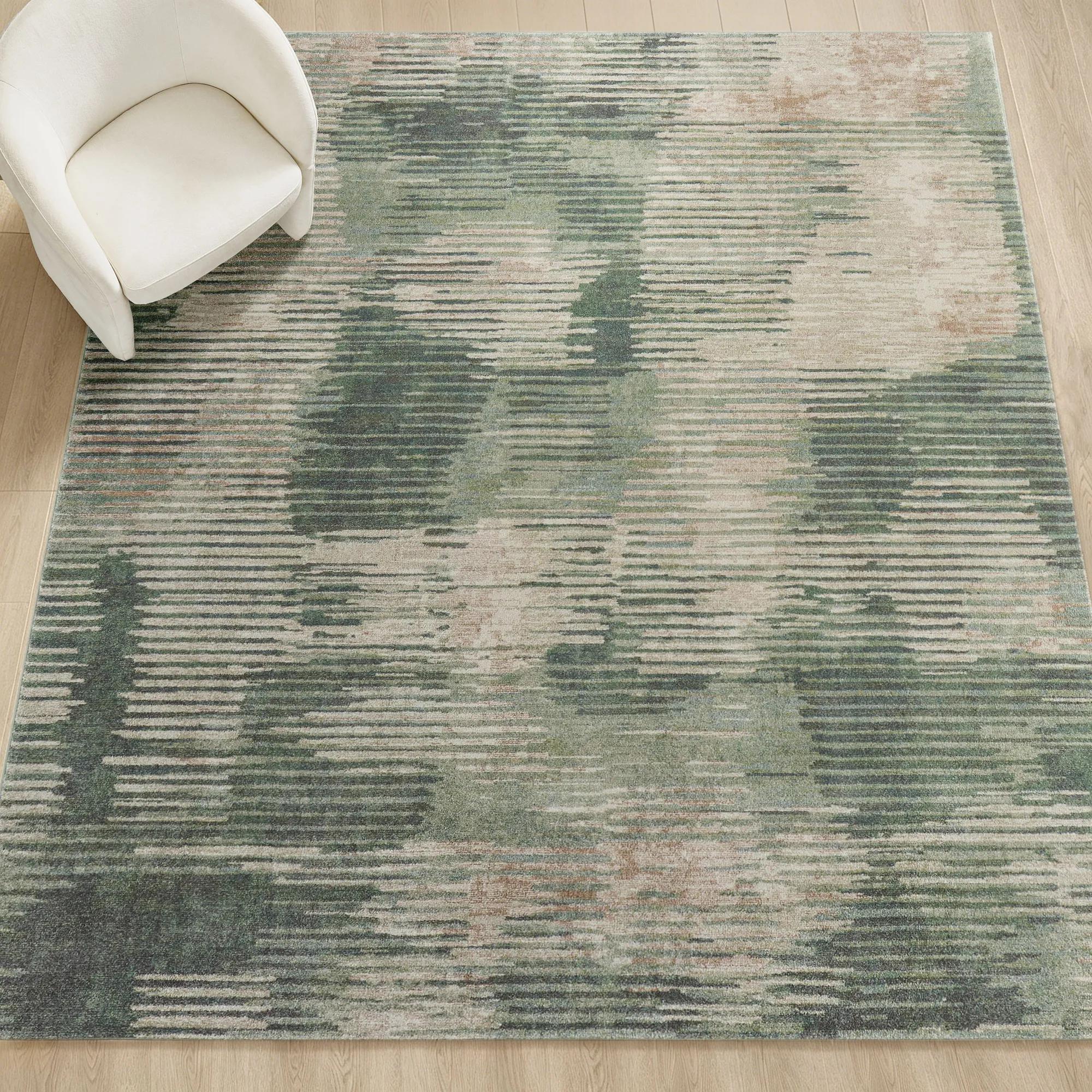
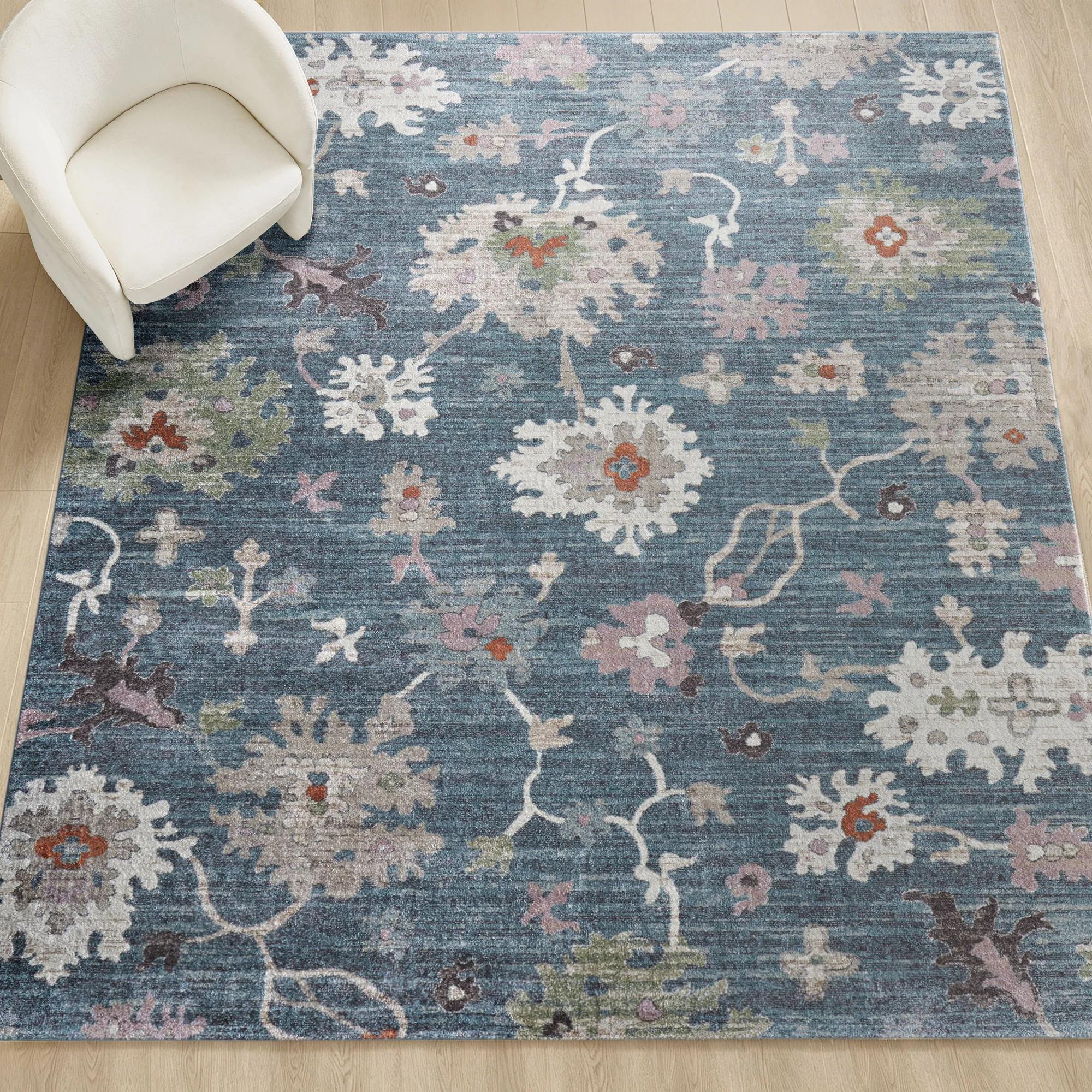
Wool Viscose Blend Rugs
Wool Viscose Blend Rugs
-
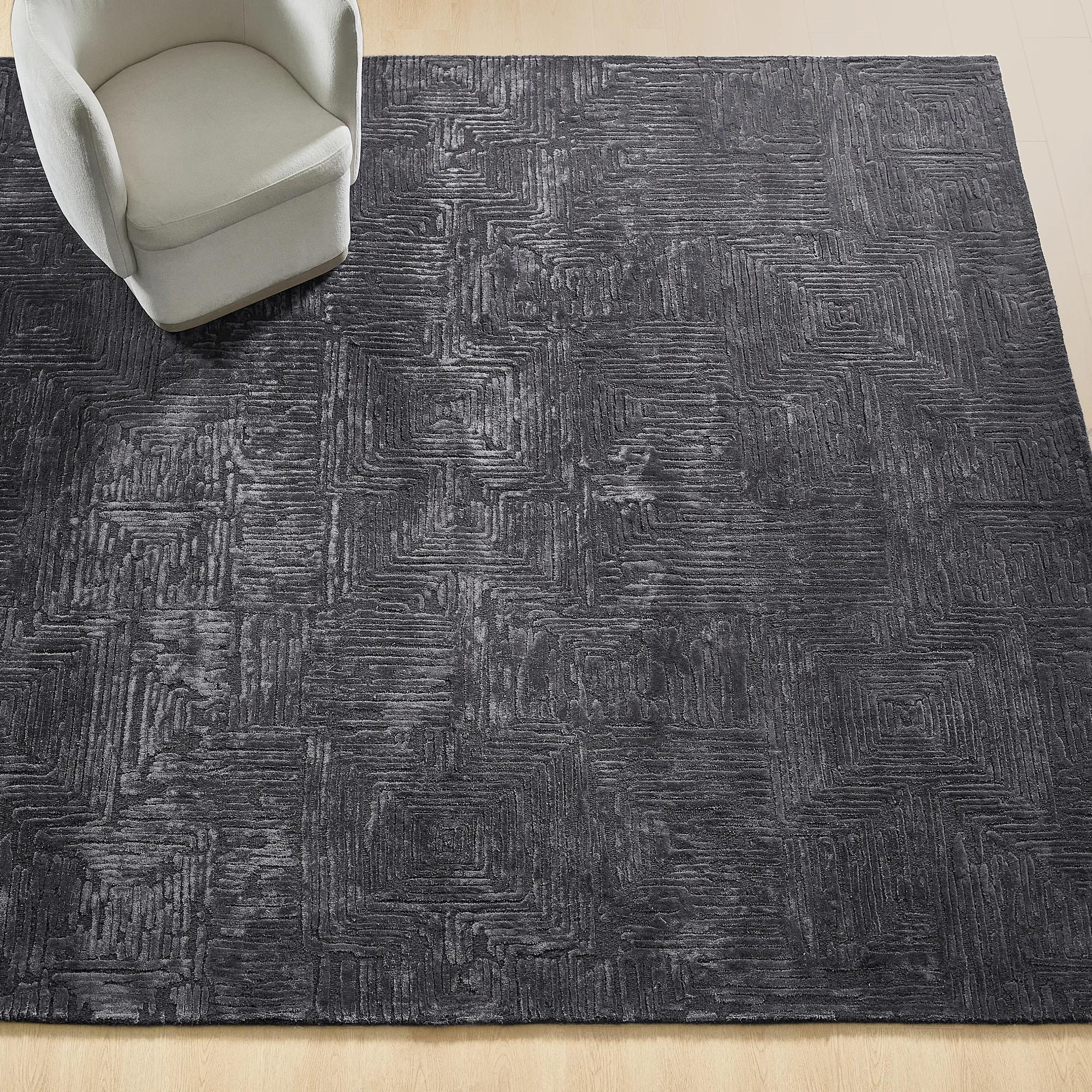
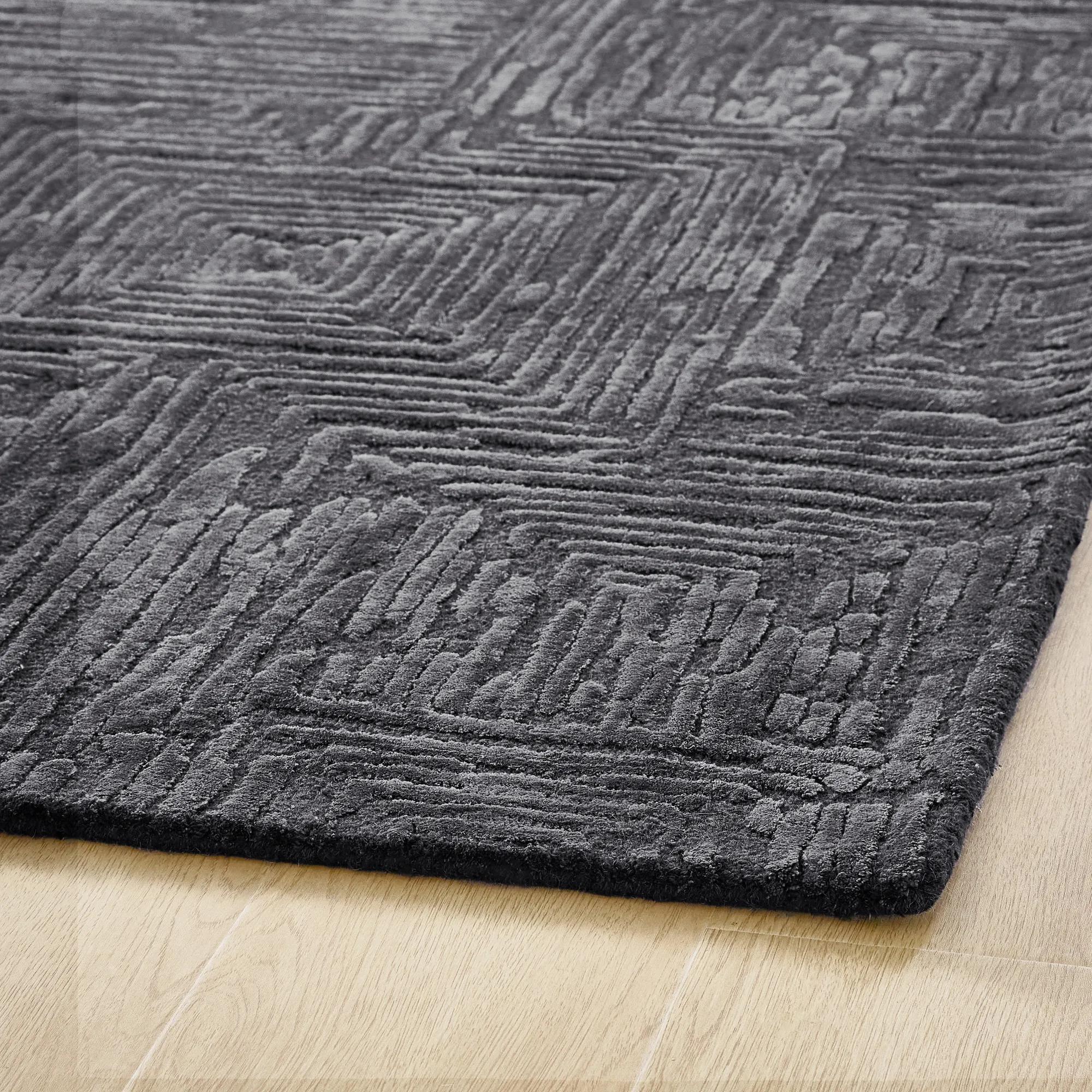 Andra Charcoal Hand-Tufted Wool Blend Dimensional Rug$1499
A hand-tufted viscose-wool rug in rich charcoal with a sculptural, dimensional pattern and plush texture.
Add To Cart -
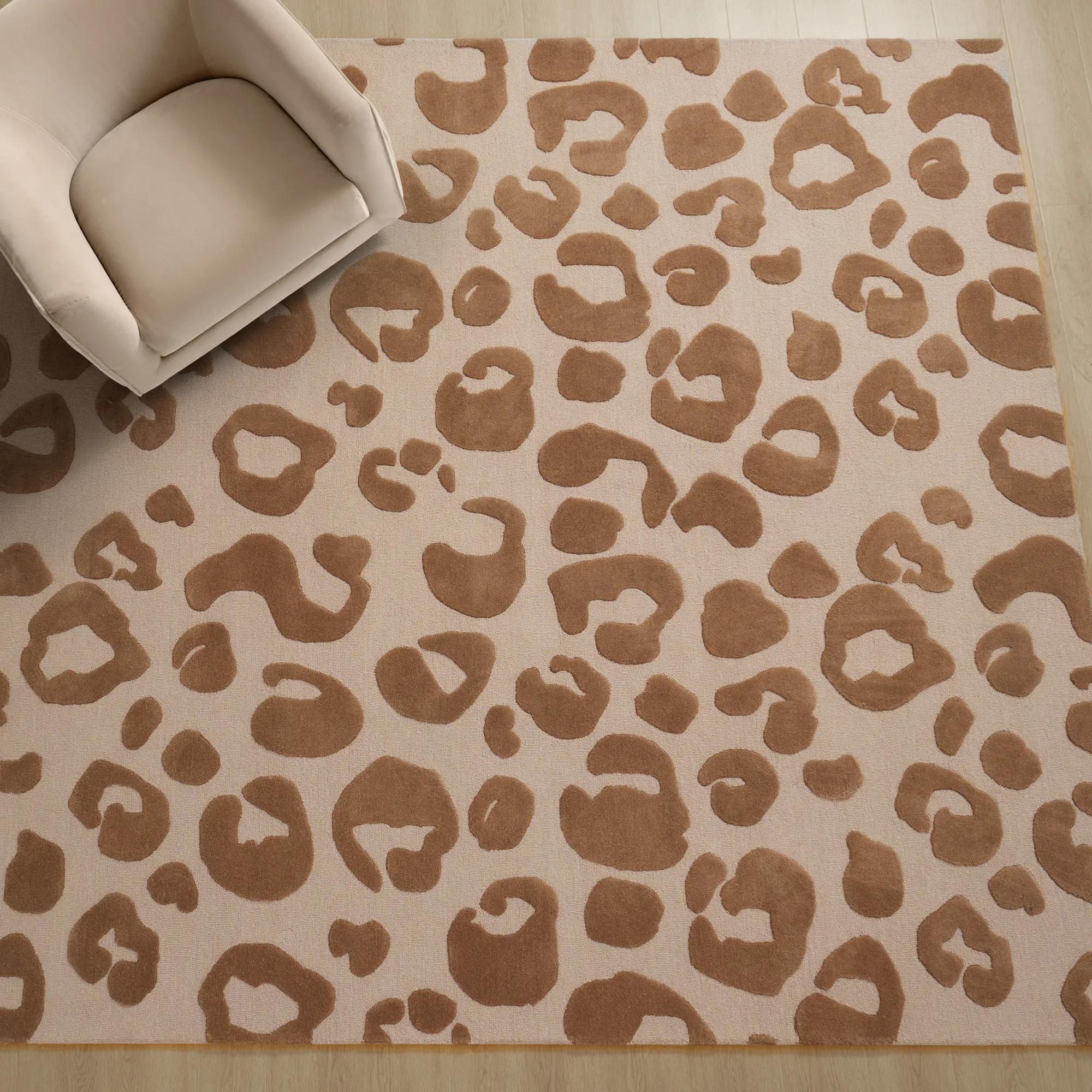
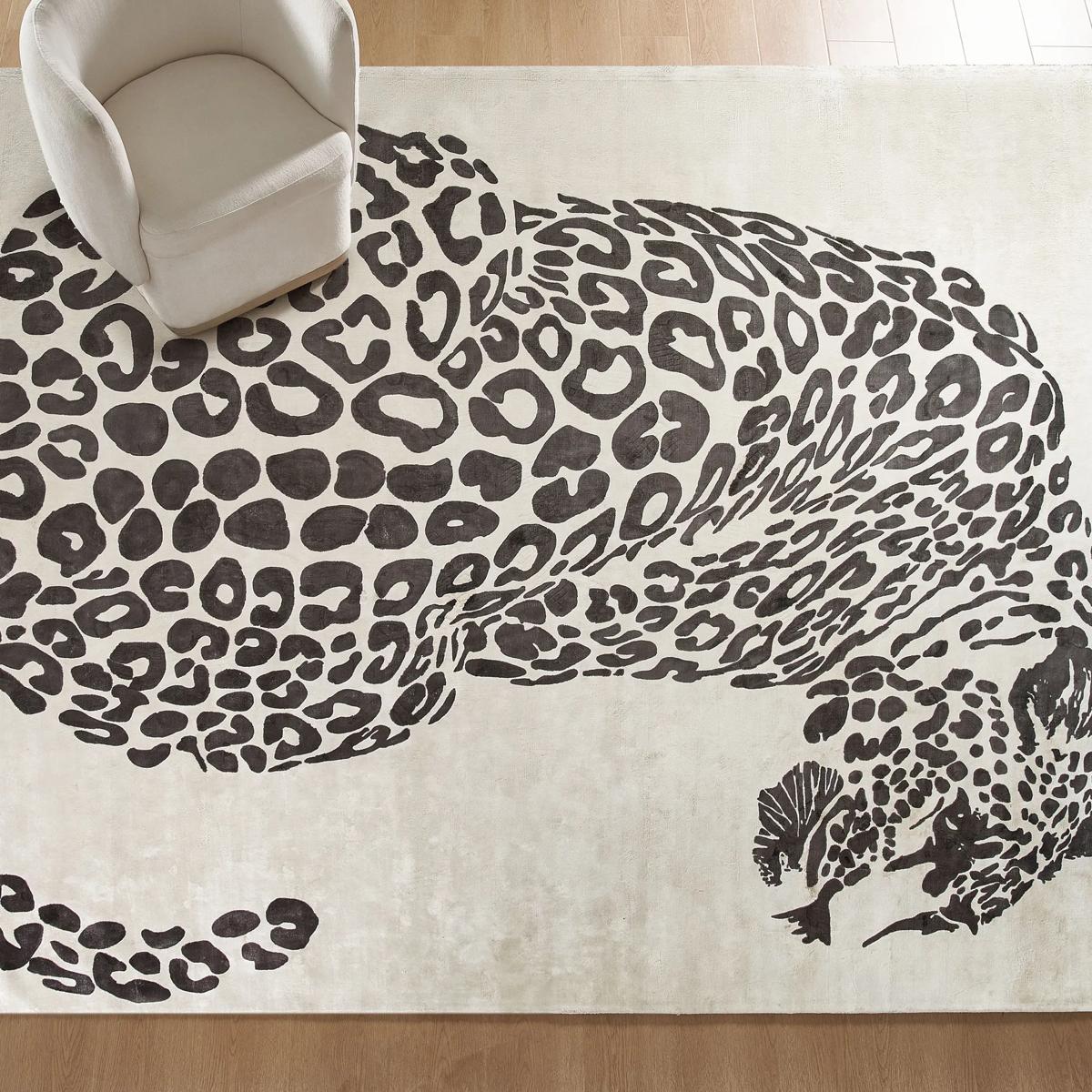 Pardus Leopard Hand-Loomed Ivory/Black Rug$999
A hand-loomed ivory and black rug featuring a bold leopard motif in soft, silky viscose.
Add To Cart -
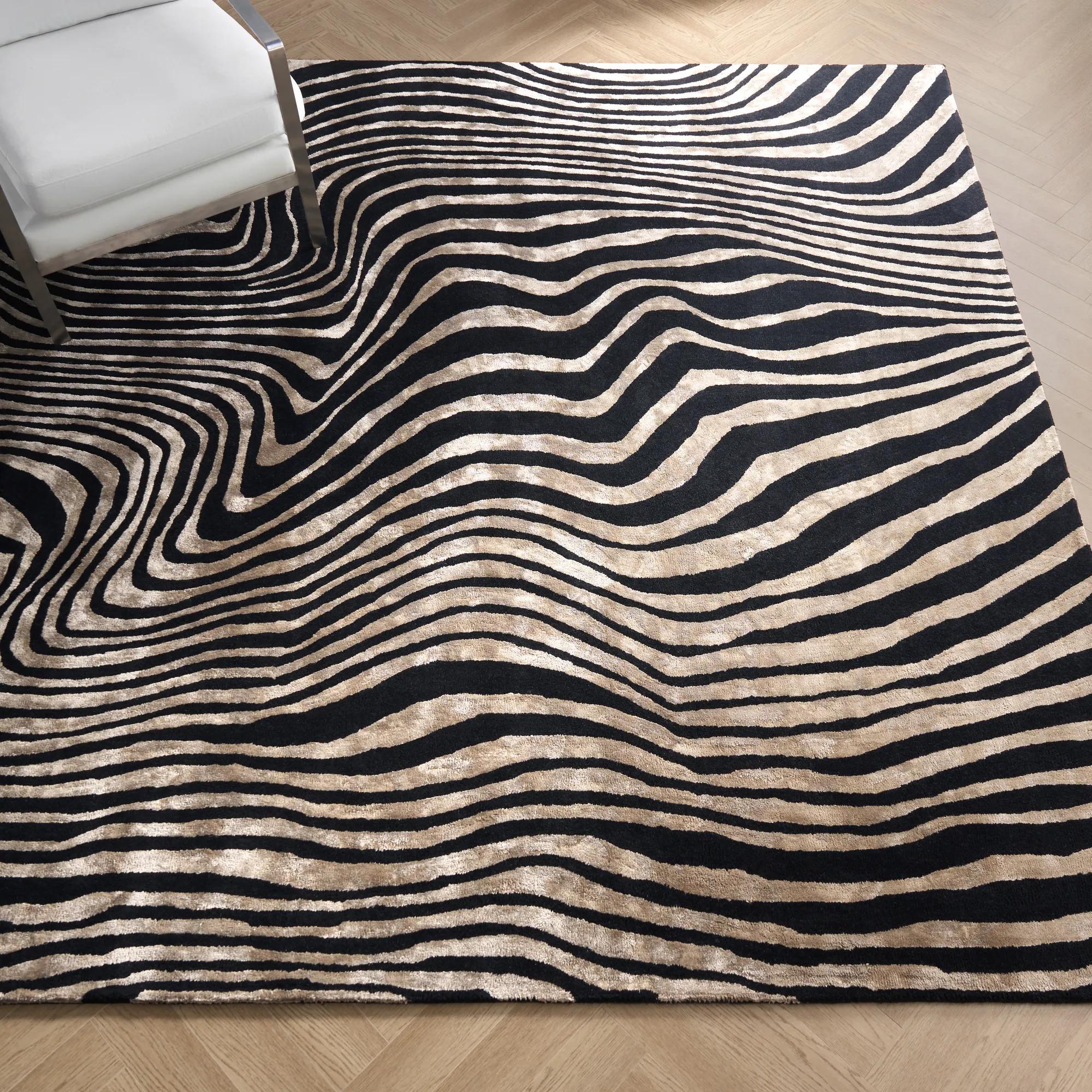
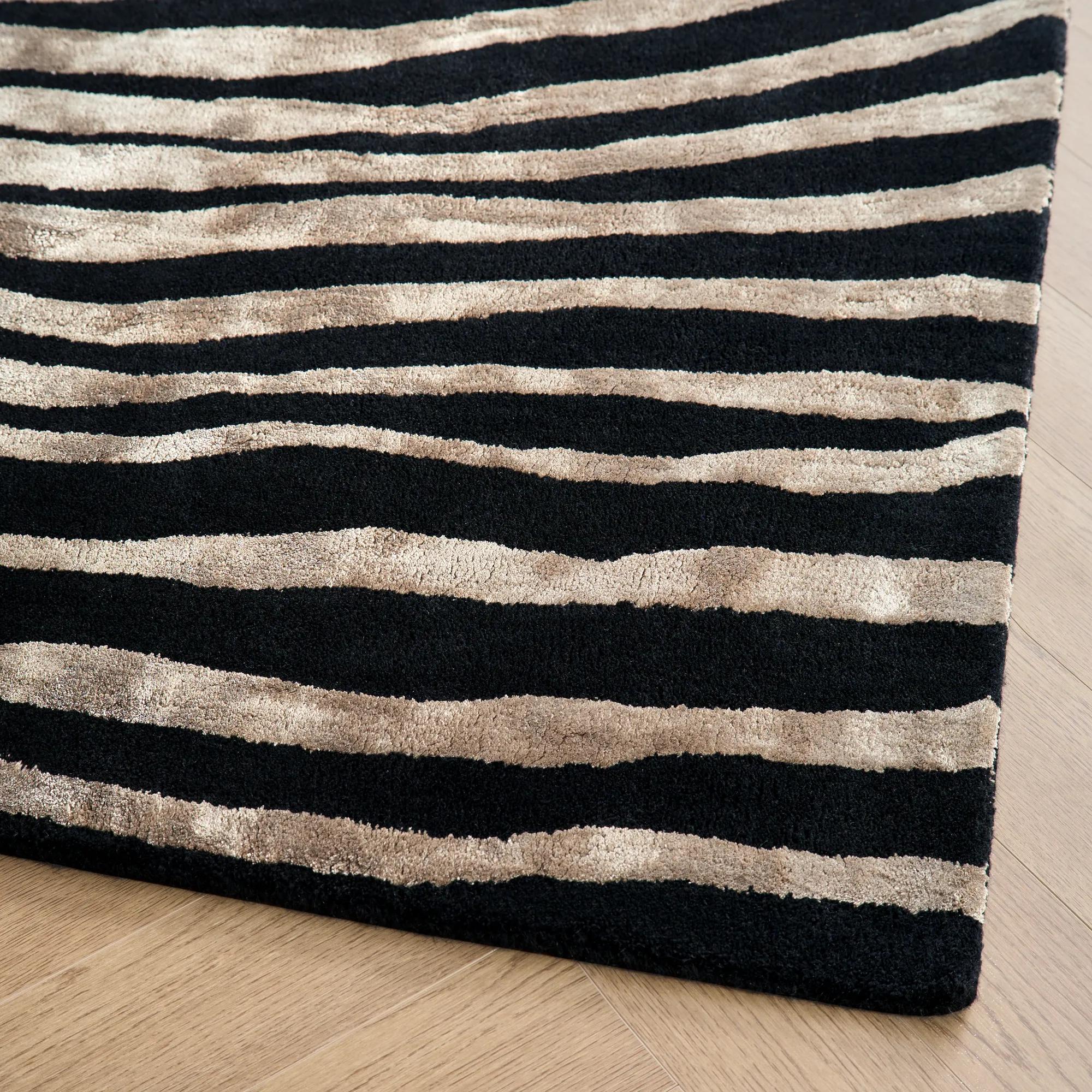 Abstract Zebra Hand-Tufted Black/Taupe Wool Blend Rug$599
An artisan hand-tufted rug in black and taupe wool-viscose, featuring a striking abstract zebra pattern.
Add To Cart -
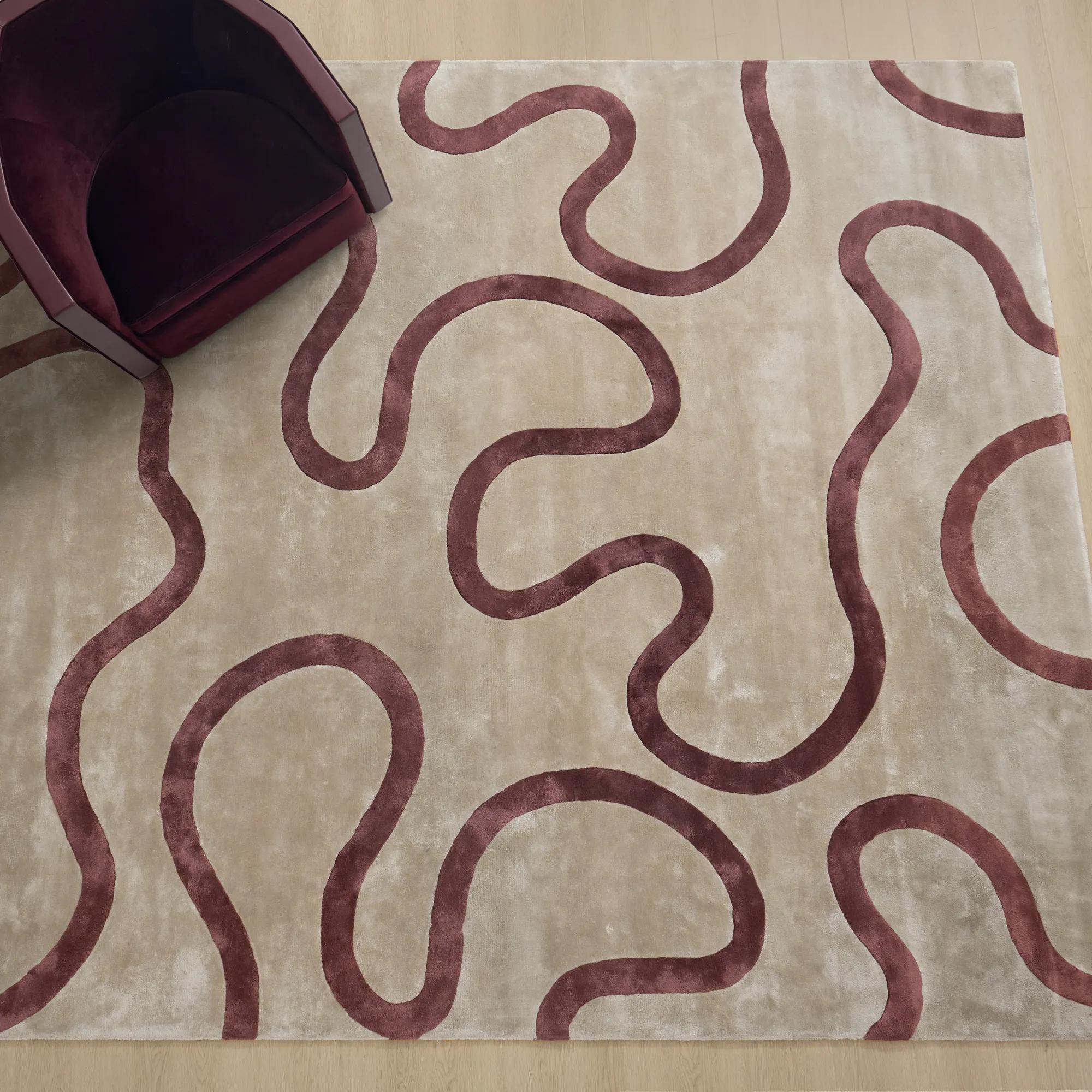 Seraphine Hand-Tufted Fig/Taupe Viscose Loop Rugs$1199
A hand-tufted wool rug featuring bold fig and taupe loops for playful movement and Deco-inspired style.
Add To Cart -
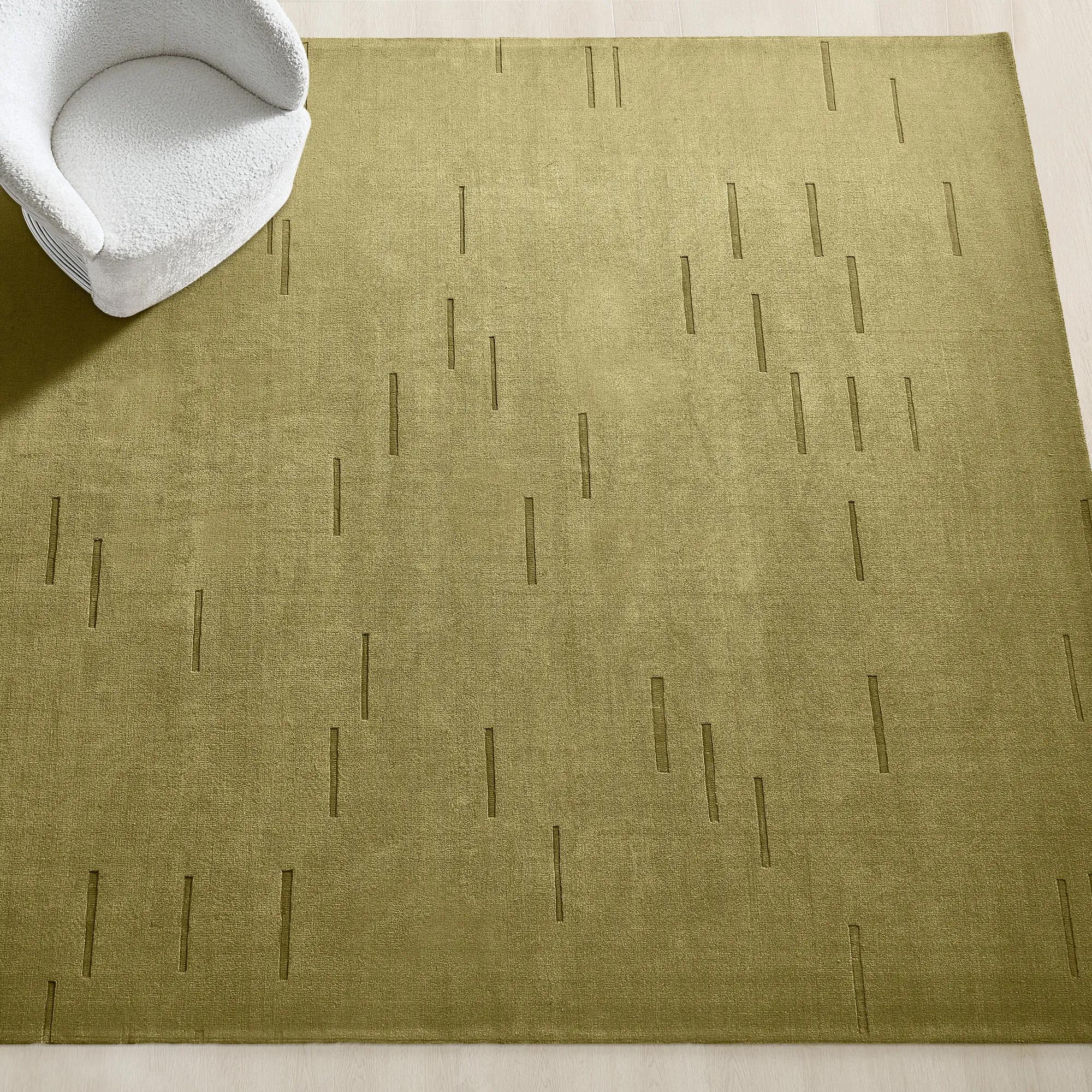
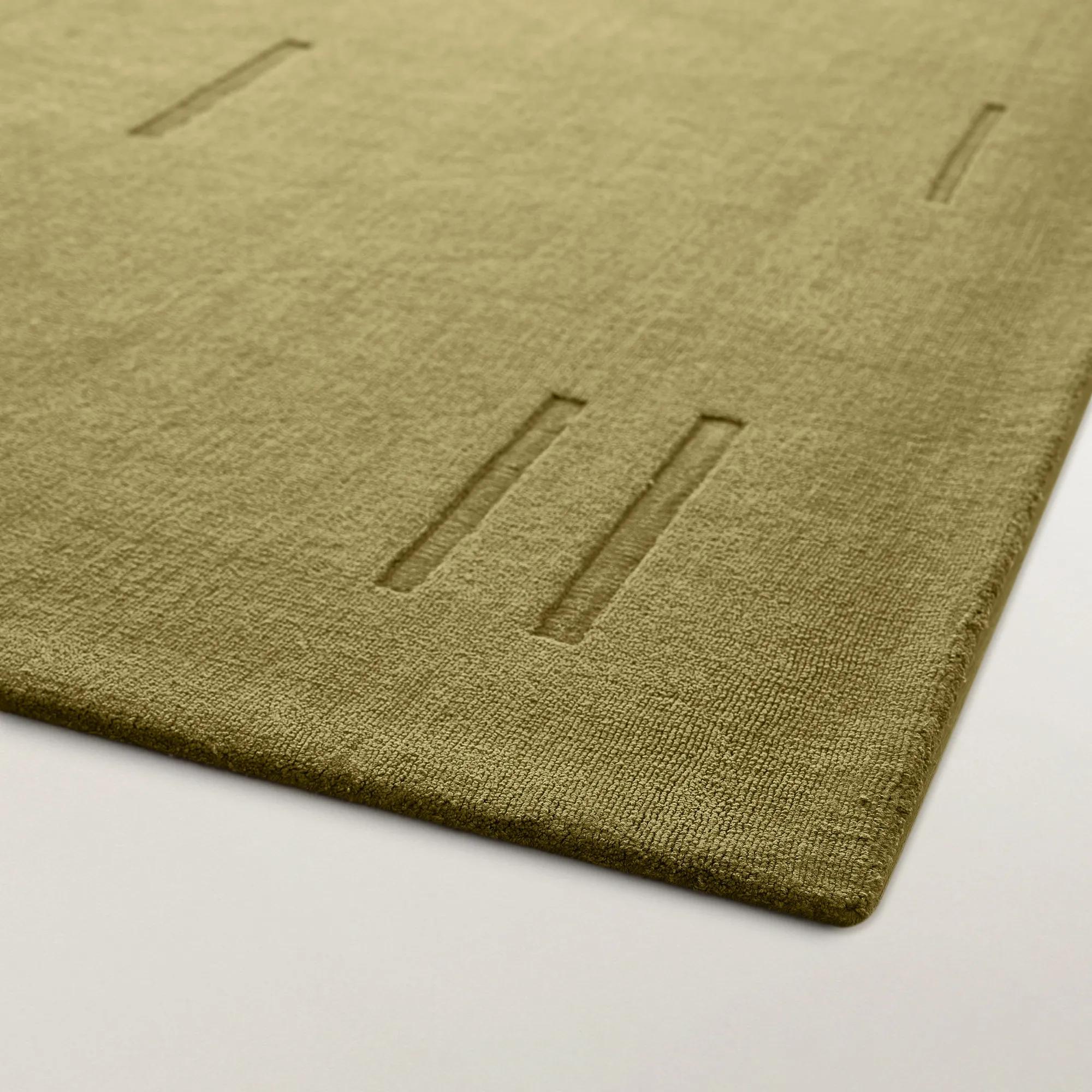 Lamita Muted Olive Green Wool Blend Rug$699
A muted olive green wool-blend rug bringing soft texture and understated sophistication to modern interiors.
Add To Cart -
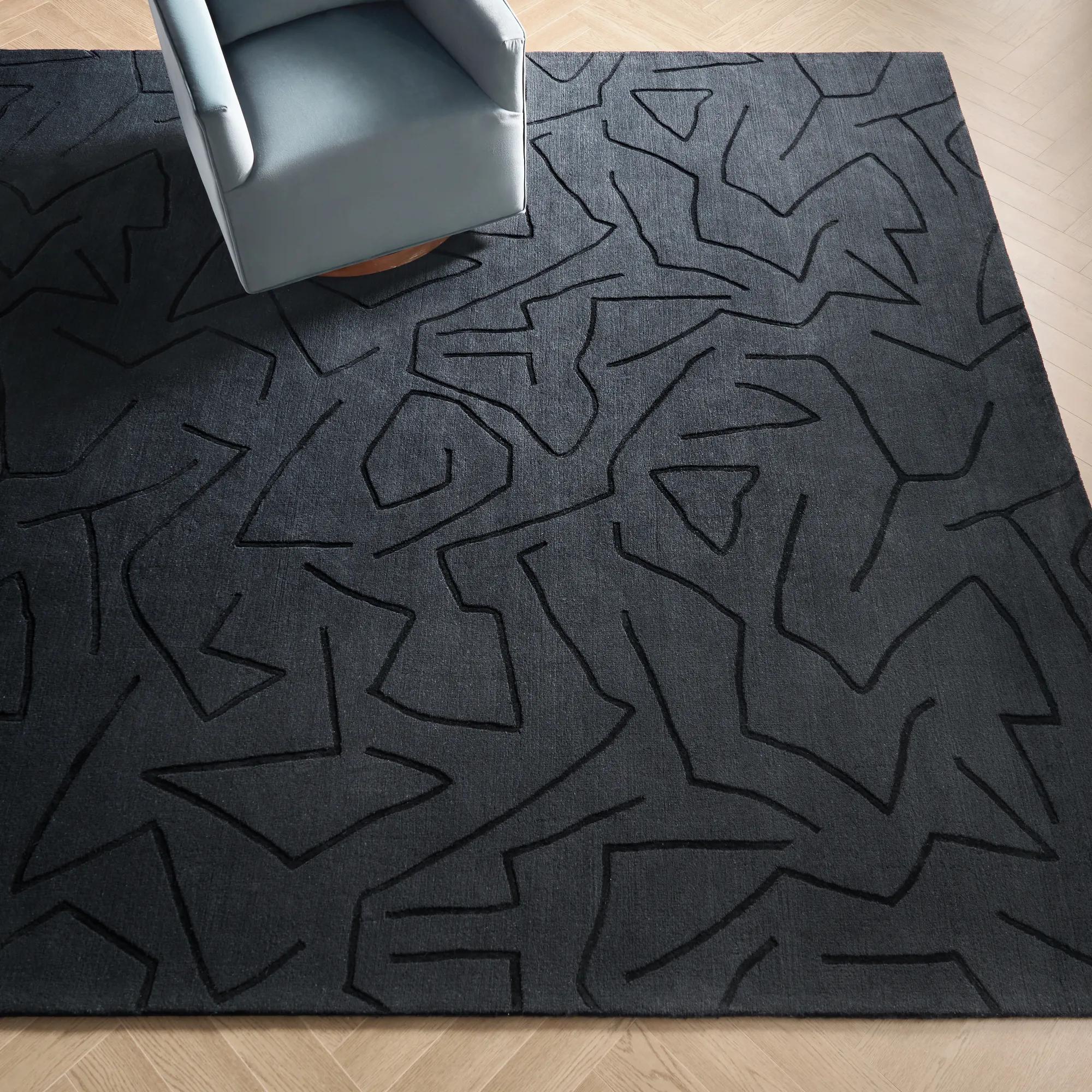 Carved Maze Rug$1399
A hand-loomed black rug crafted from wool and viscose, featuring a carved, textured maze design.
Add To Cart -
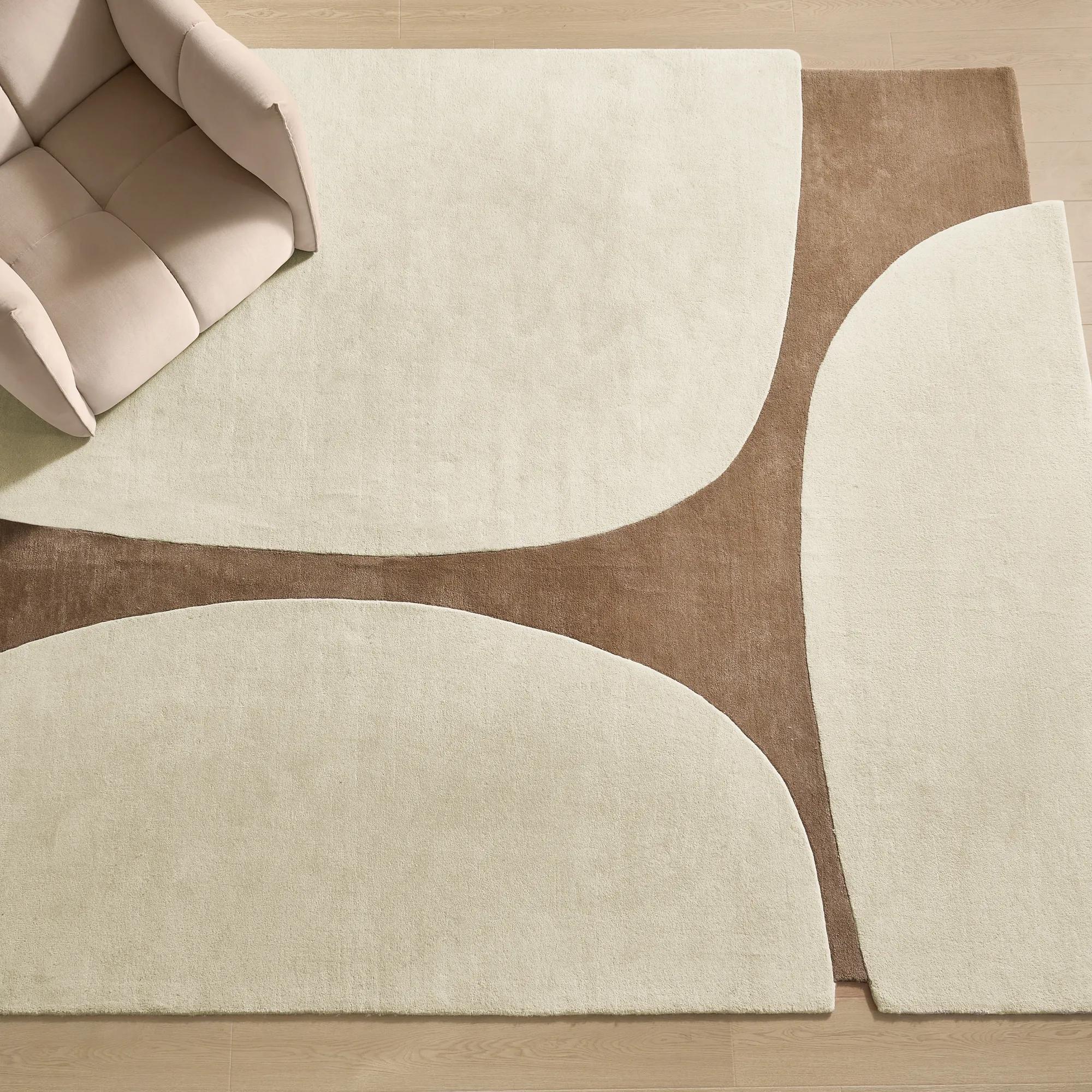
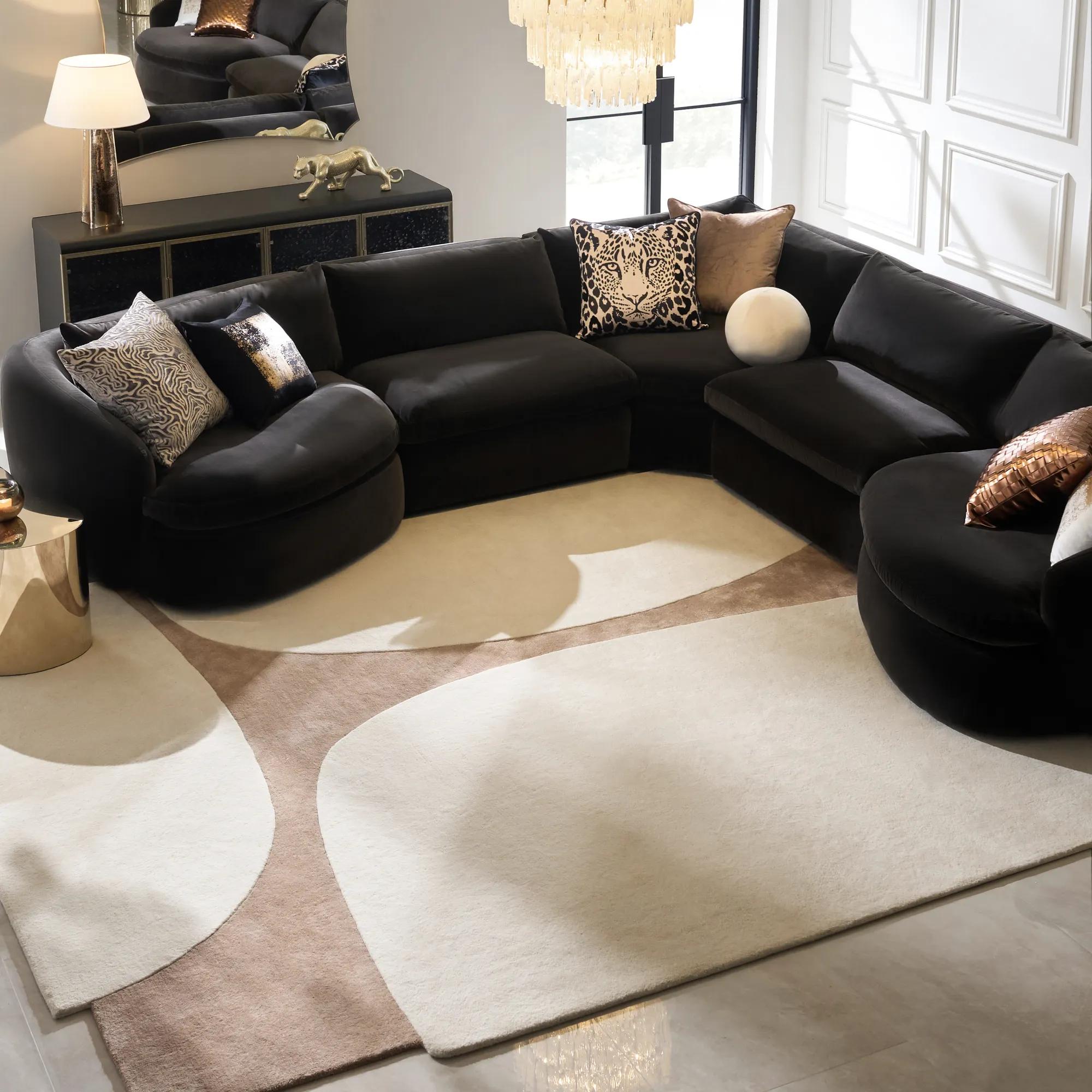 Contour Hand-Tufted Ivory/Ginger Root Wool Blend Rug$499
A hand-tufted wool rug blending ivory and ginger root tones for textured, modern warmth.
Add To Cart -
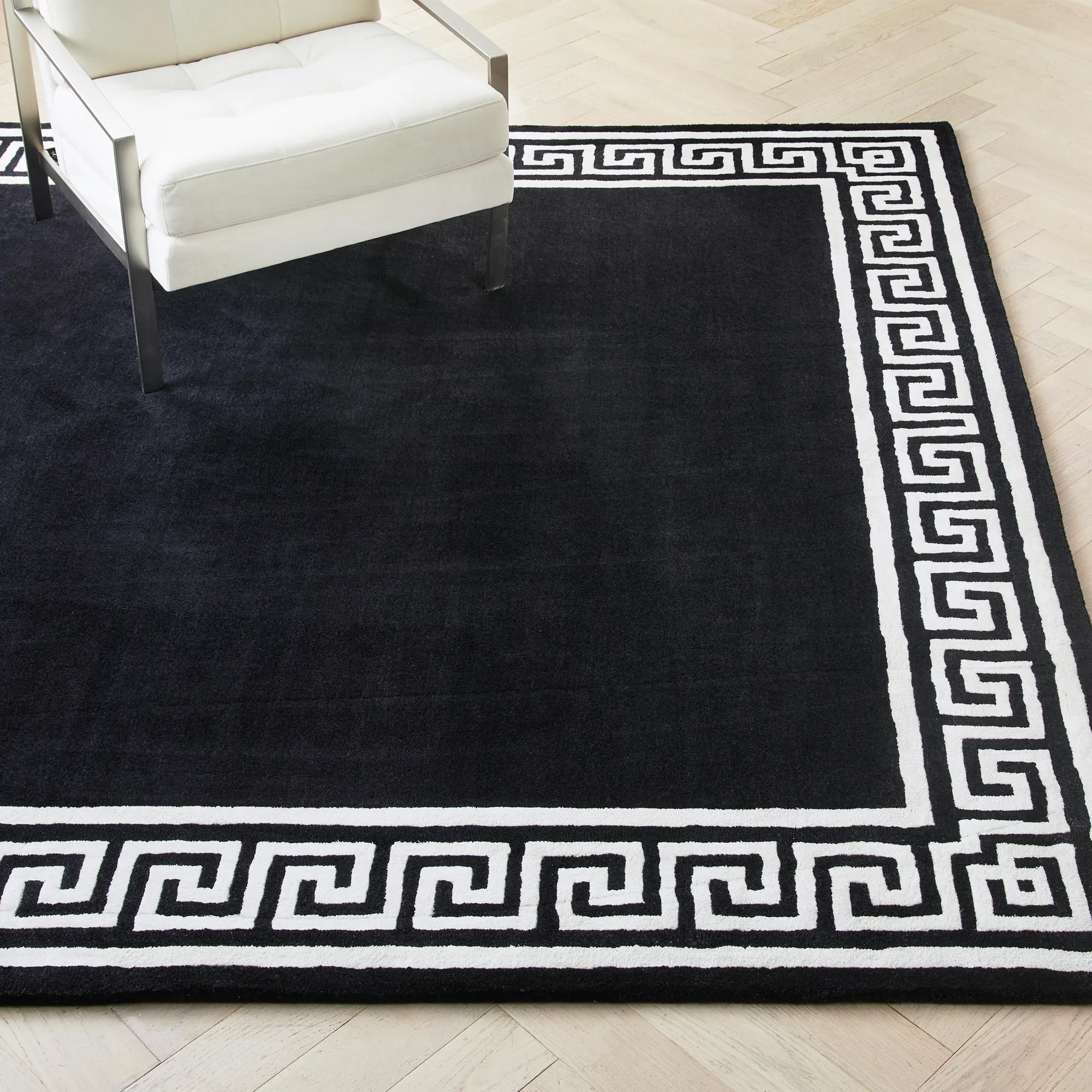
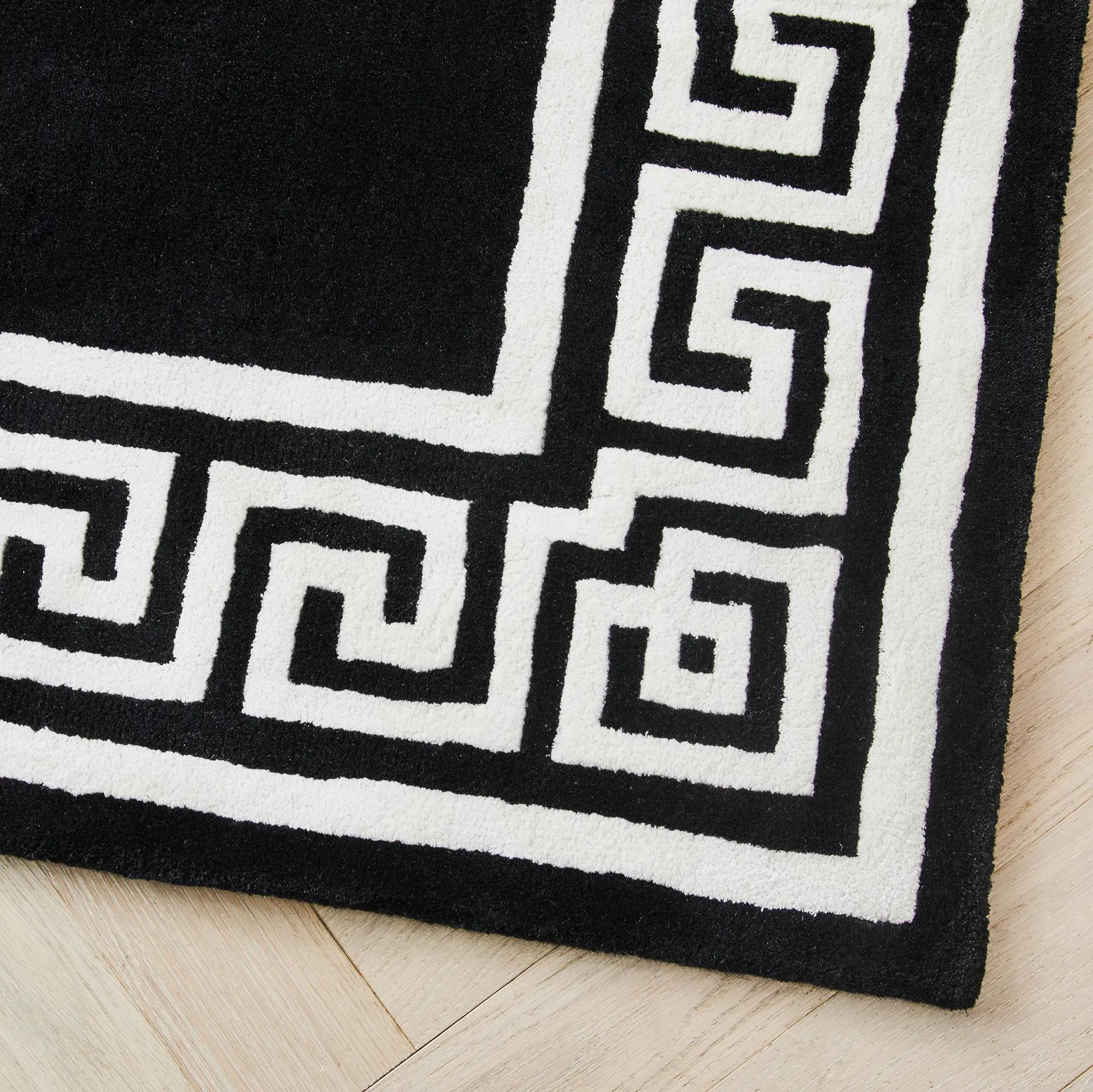 Greek Key Rug - Black/Ivory$599
A hand-tufted black and ivory rug featuring a modern Greek key design in wool and viscose.
Add To Cart -
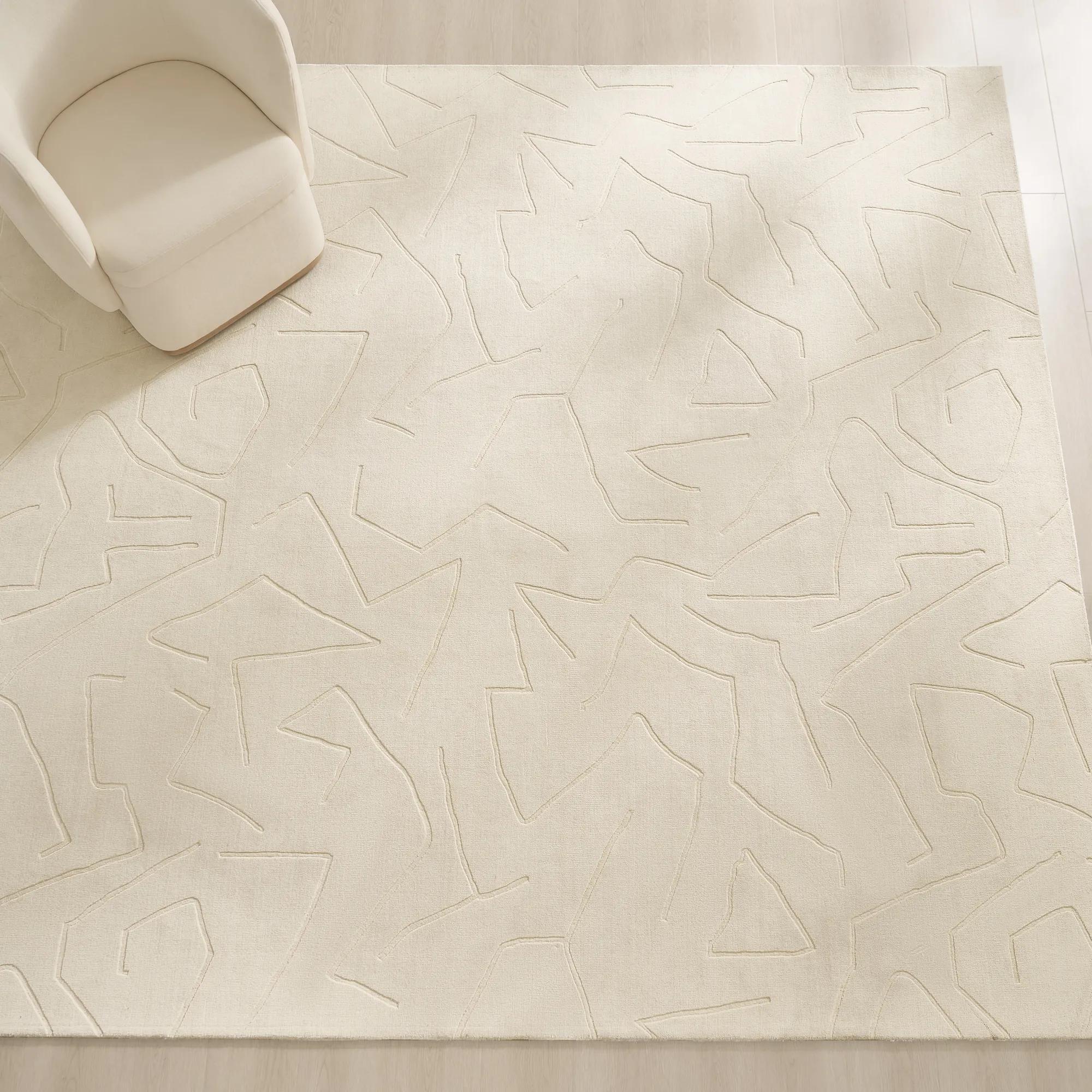 Carved Maze Ivory Hand-Loomed Wool Blend Rug$1399
A hand-loomed ivory wool-blend rug featuring a carved maze pattern for modern textural appeal.
Add To Cart -
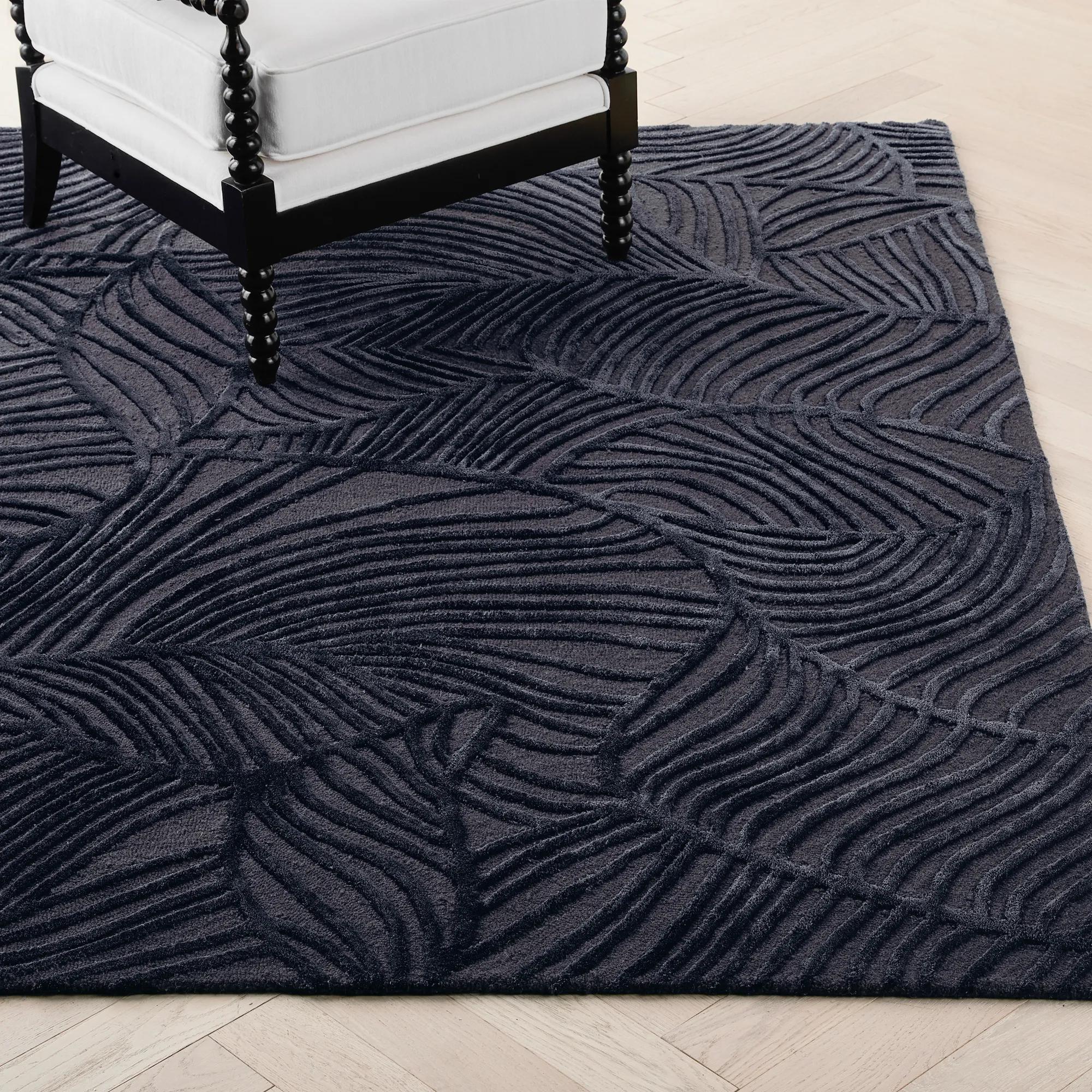
 Palm Rug - Charcoal$1499
A charcoal rug featuring a dynamic palm-leaf design with a textured high-low viscose and wool pile.
Add To Cart -
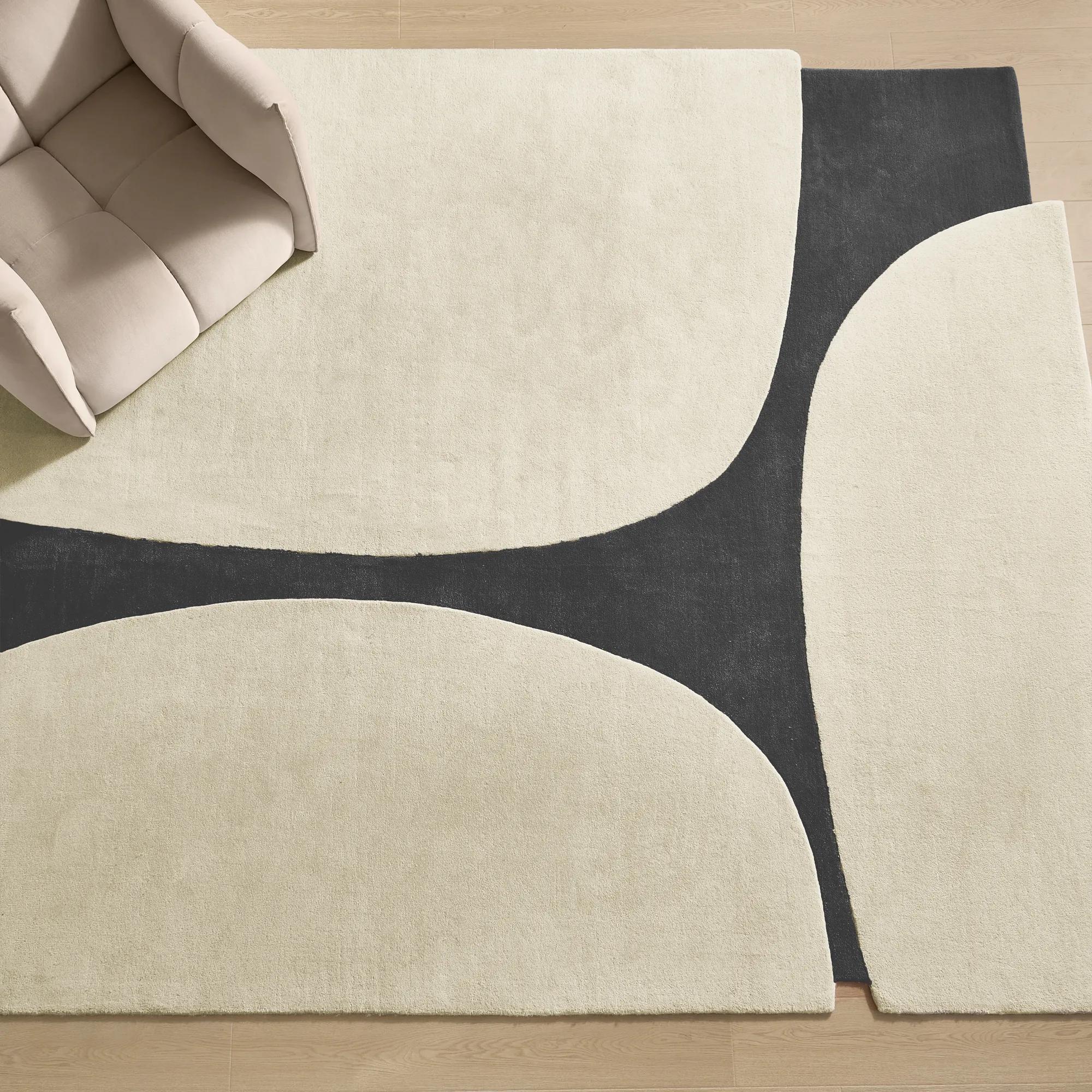 Contour Hand-Tufted Ivory/Charcoal Wool & Viscose Rugs$1499
An artfully shaped hand-tufted rug featuring high-low texture in warm ivory and charcoal wool-viscose blend.
Add To Cart -
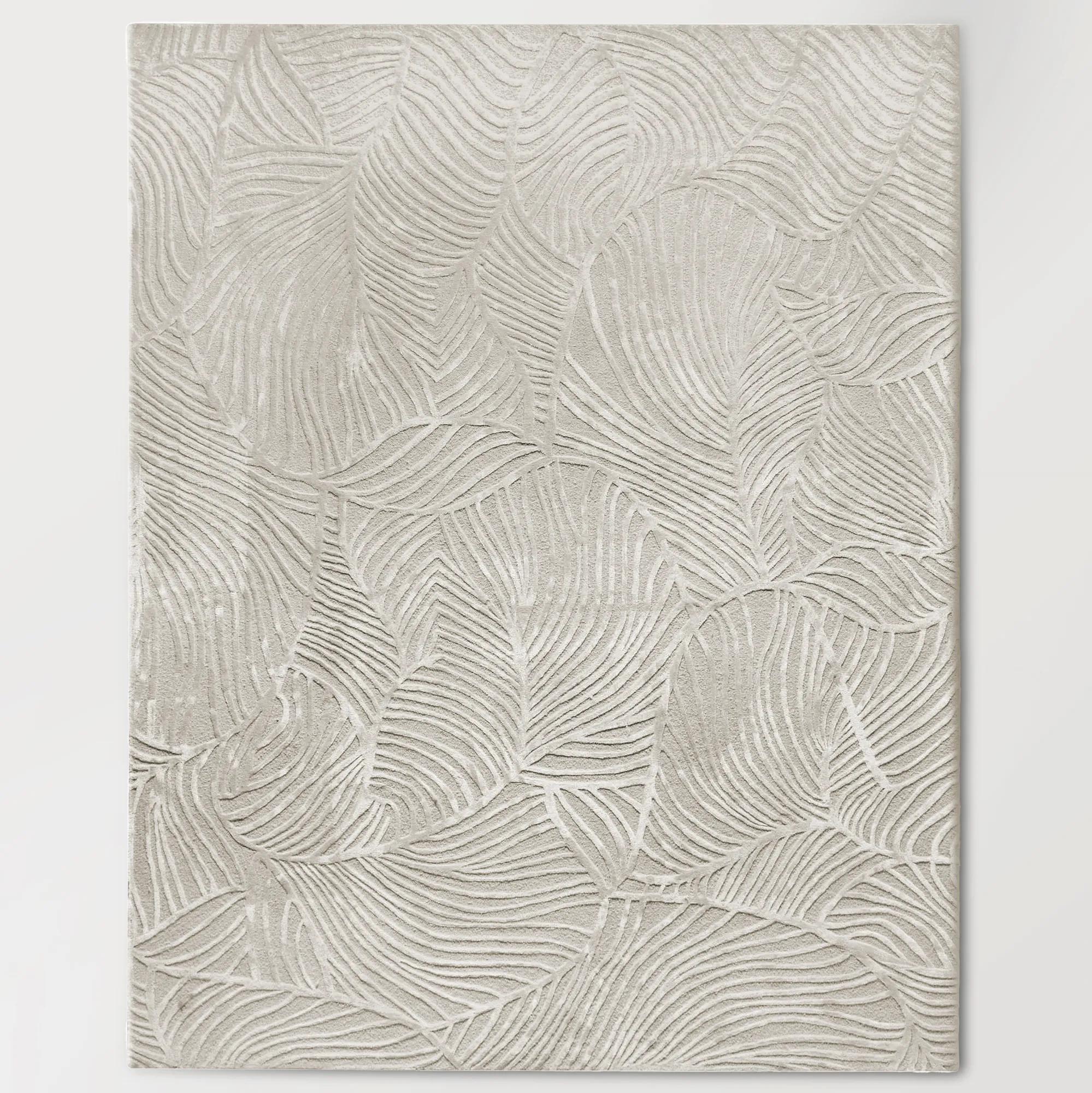 Palm Hand-Tufted Ivory Wool Blend Rug$499
An ivory rug featuring a dynamic palm-leaf design with high-low pile in viscose and wool.
Add To Cart -
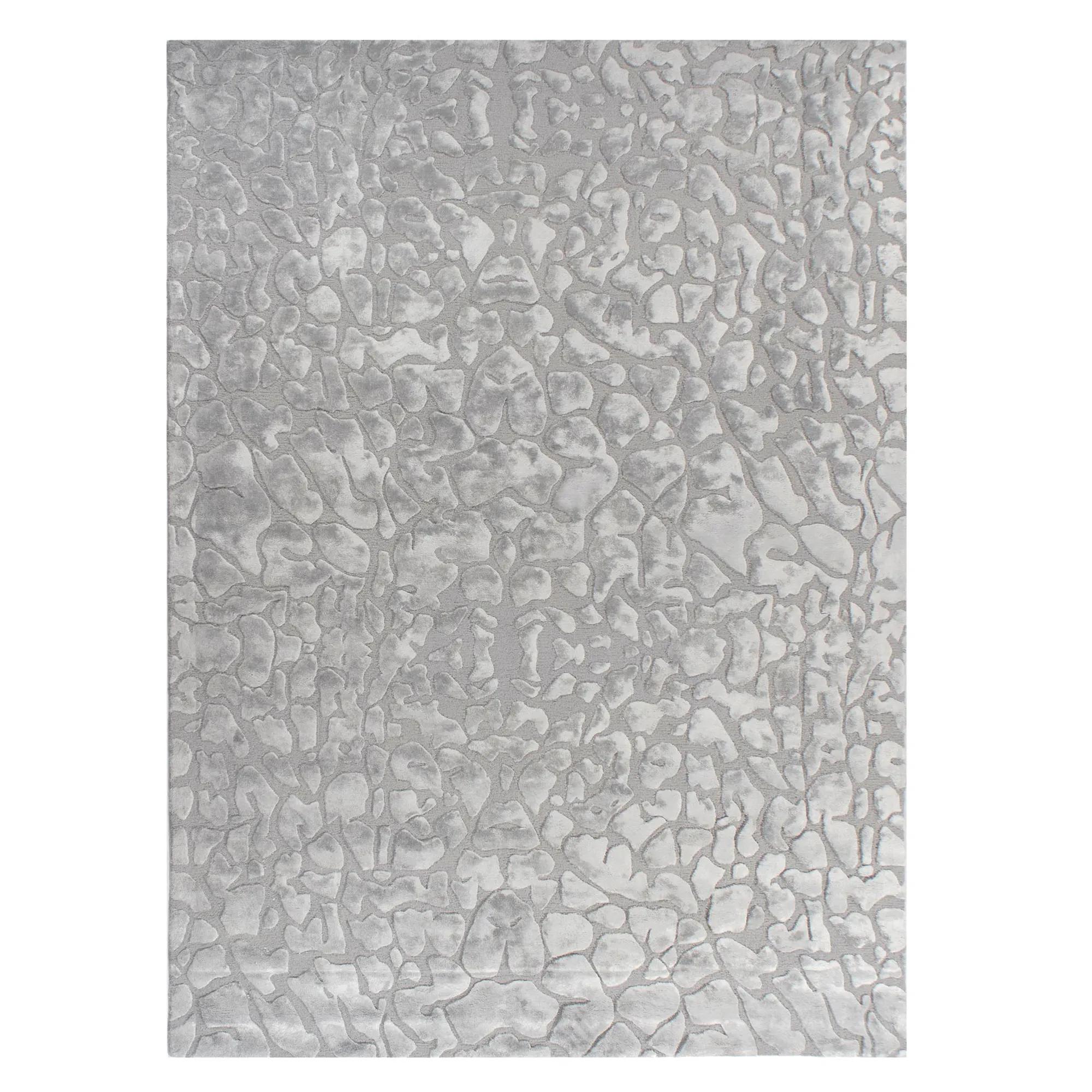
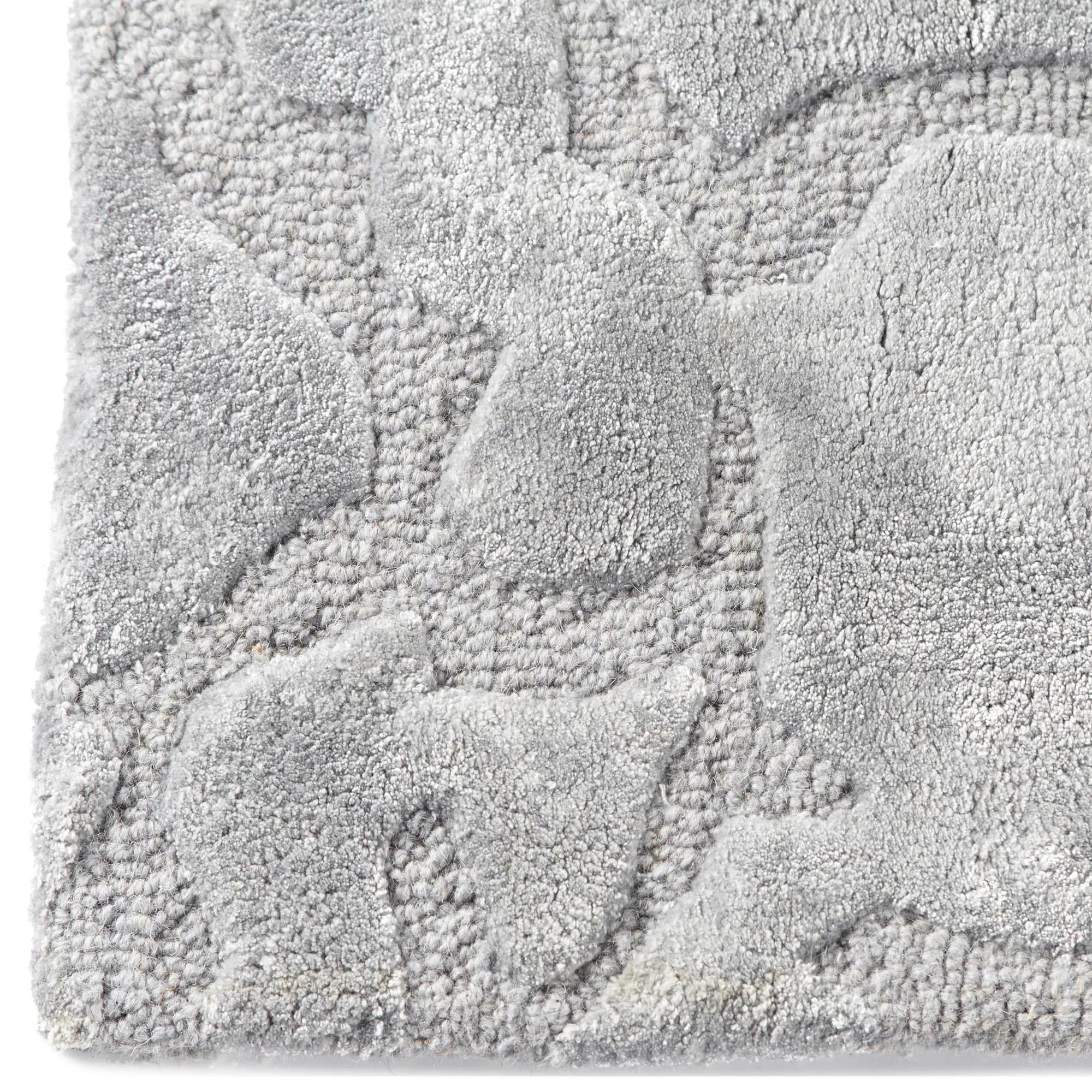 Nola Hand-Tufted Cool Grey Wool Blend Rug$849
A hand-tufted silver rug with contrasting pile heights, crafted from wool and viscose for plush texture.
Add To Cart -
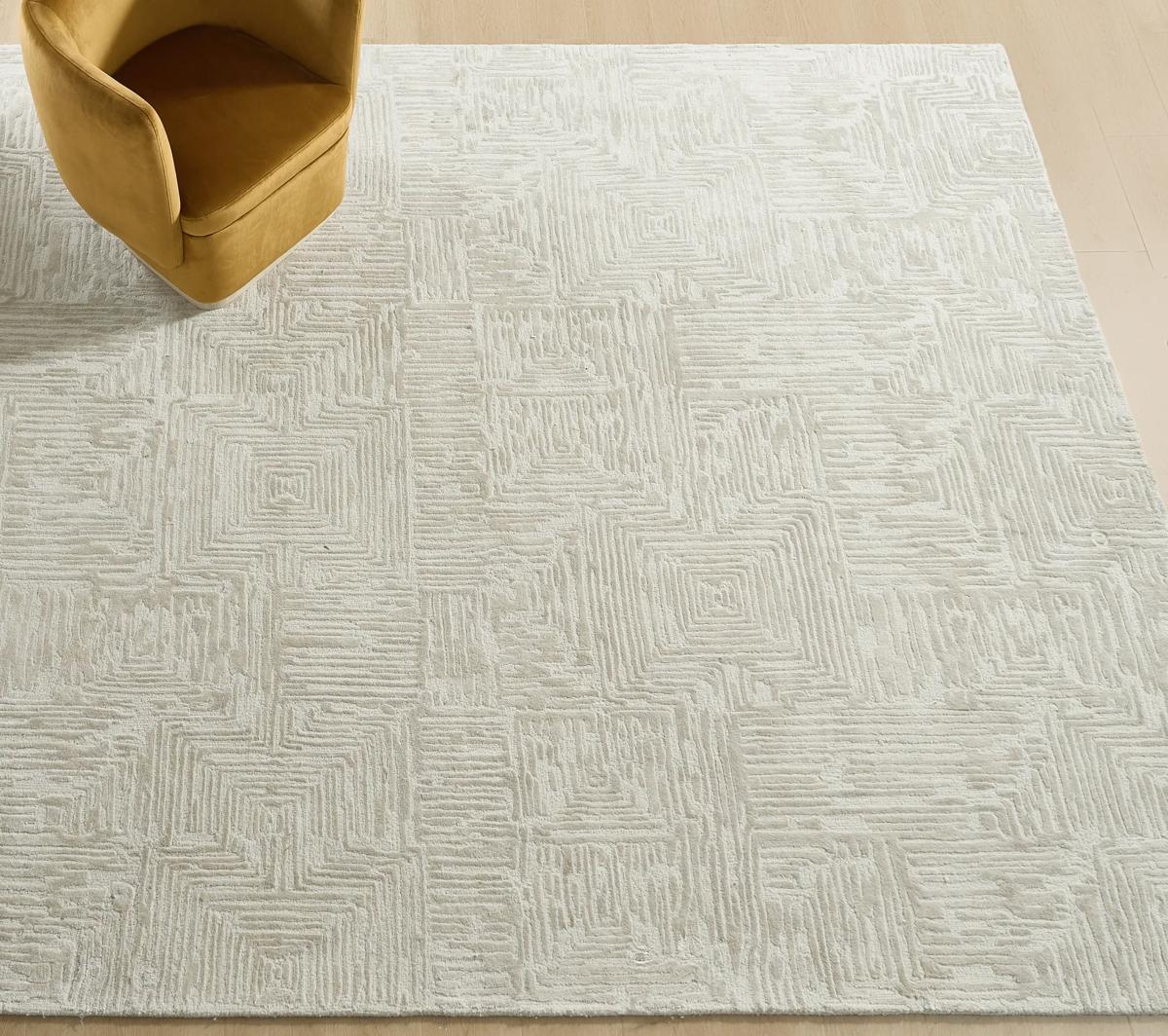 Andra Ivory Hand-Tufted Wool Blend Dimensional Rug$499
A hand-tufted ivory rug in a viscose-wool blend with raised textural detailing and subtle sheen.
Add To Cart -
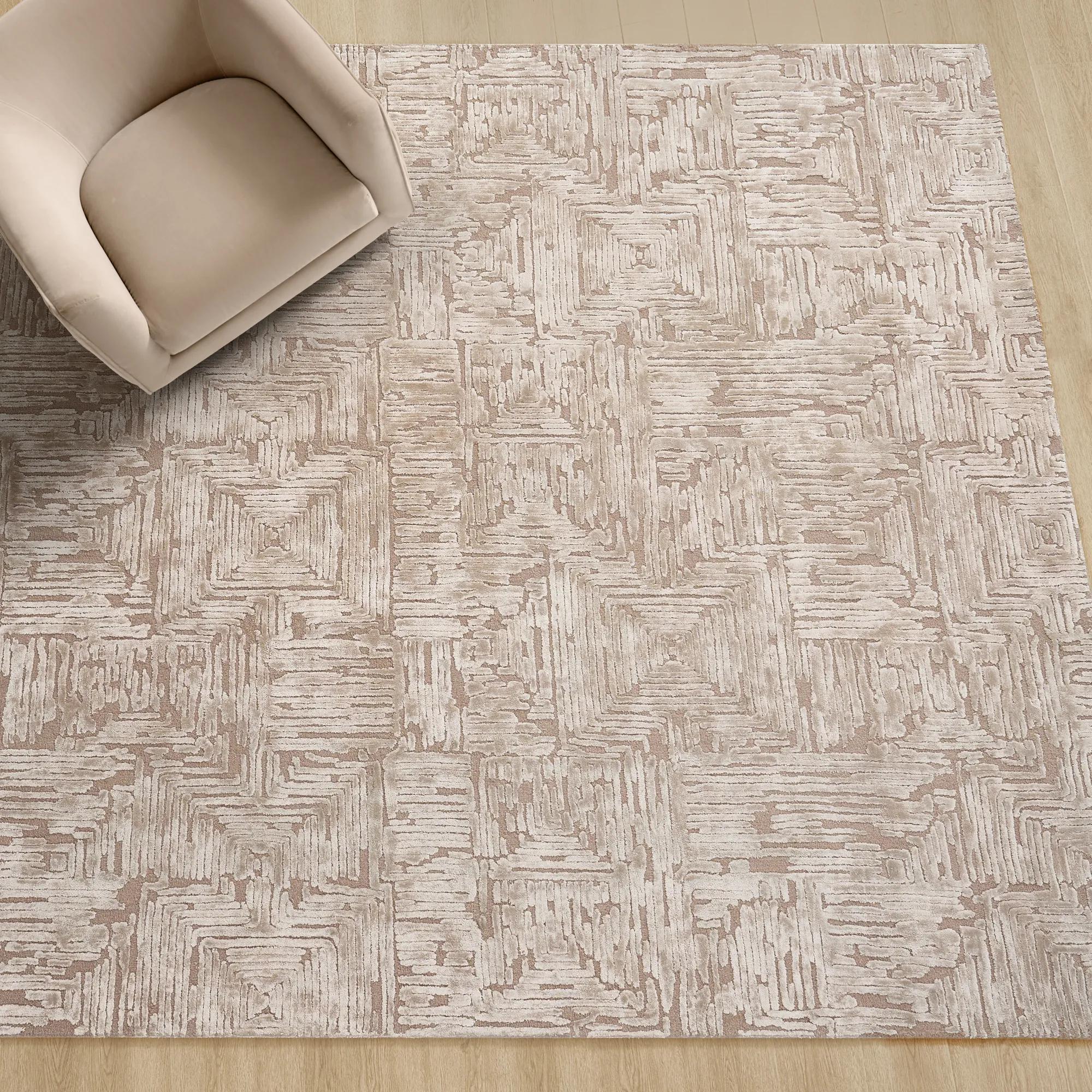
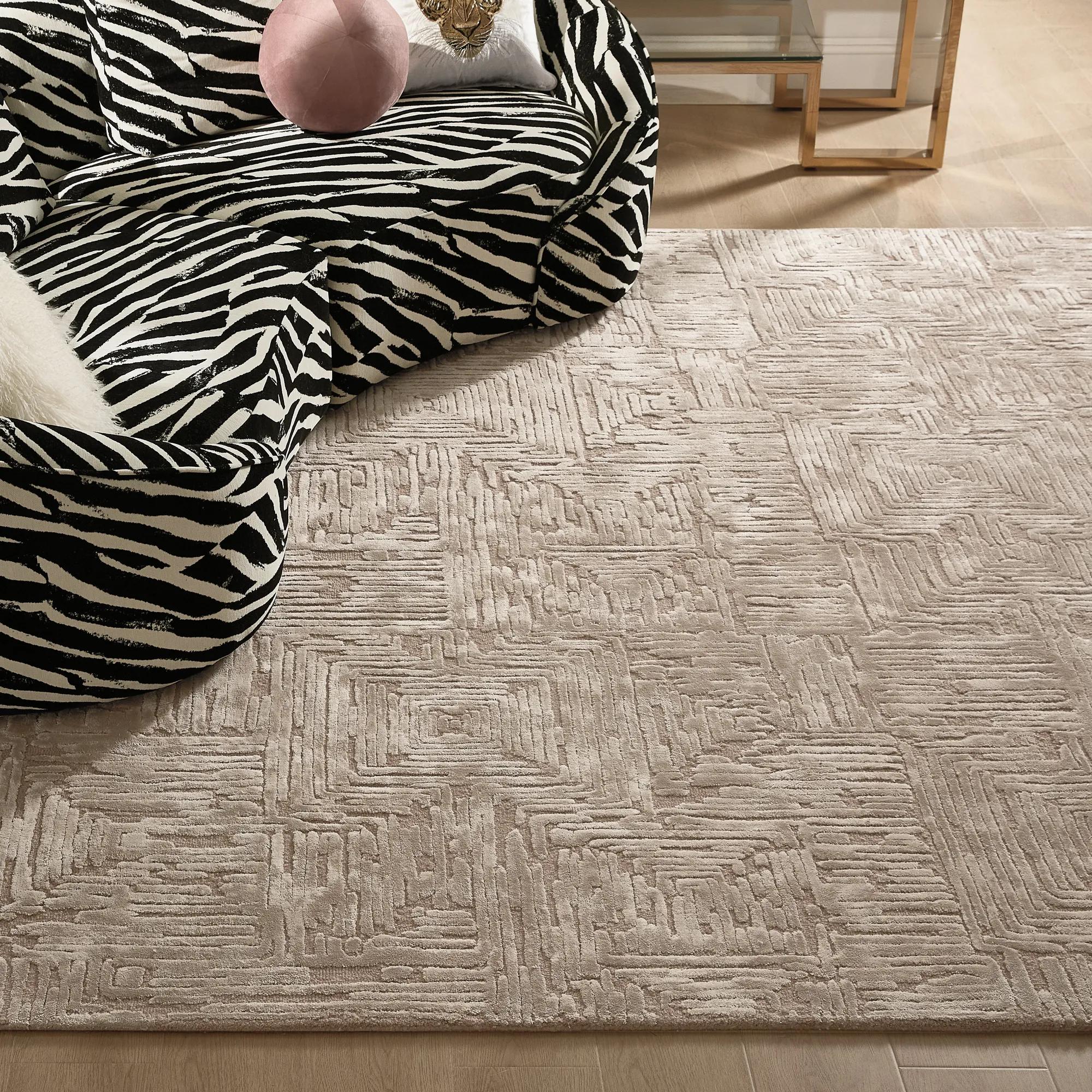 Andra Hand-Tufted Mocha Rose Viscose & Wool Dimensional Rugs$499
A hand-tufted viscose and wool rug in mocha rose, featuring a dimensional high-low geometric pattern.
Add To Cart -
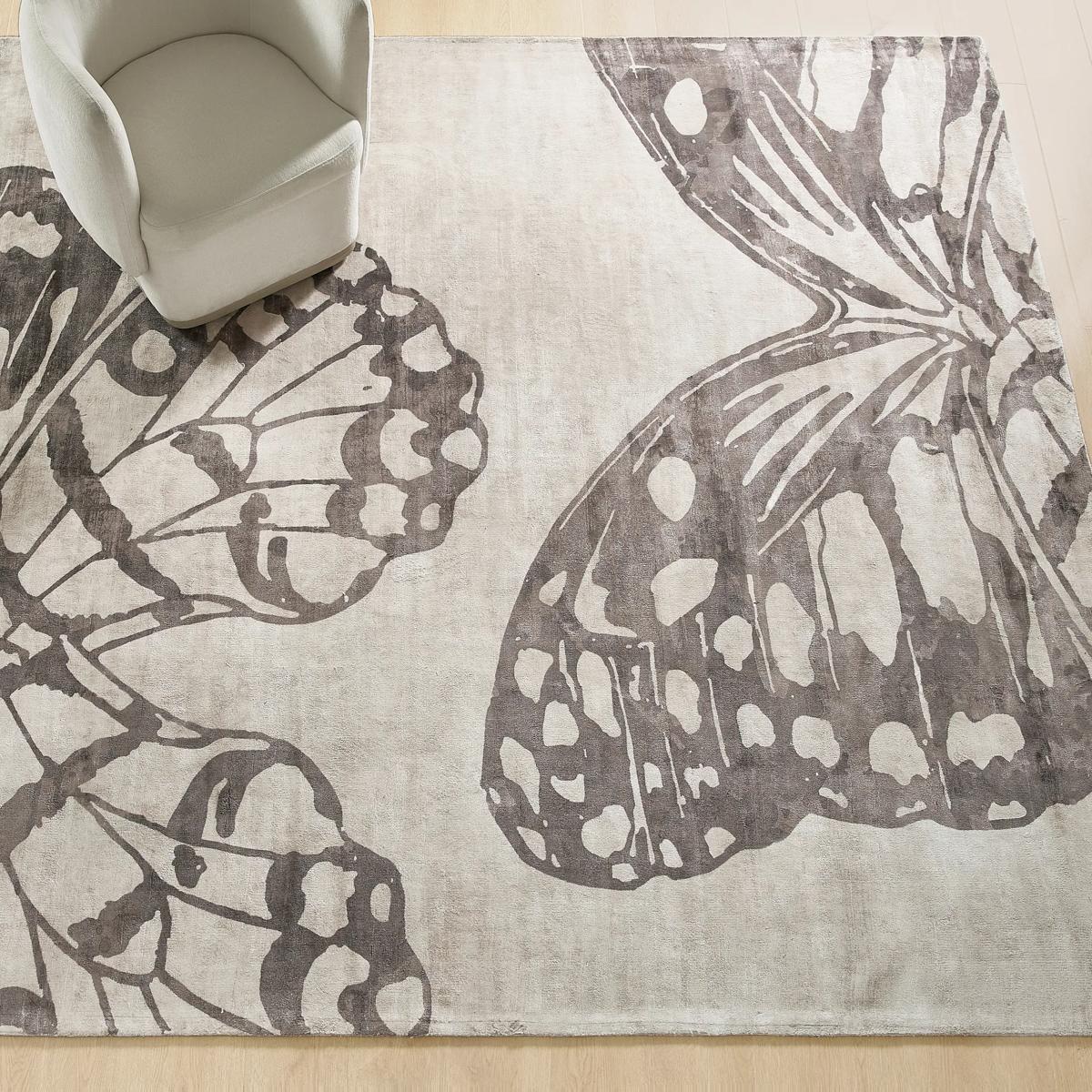
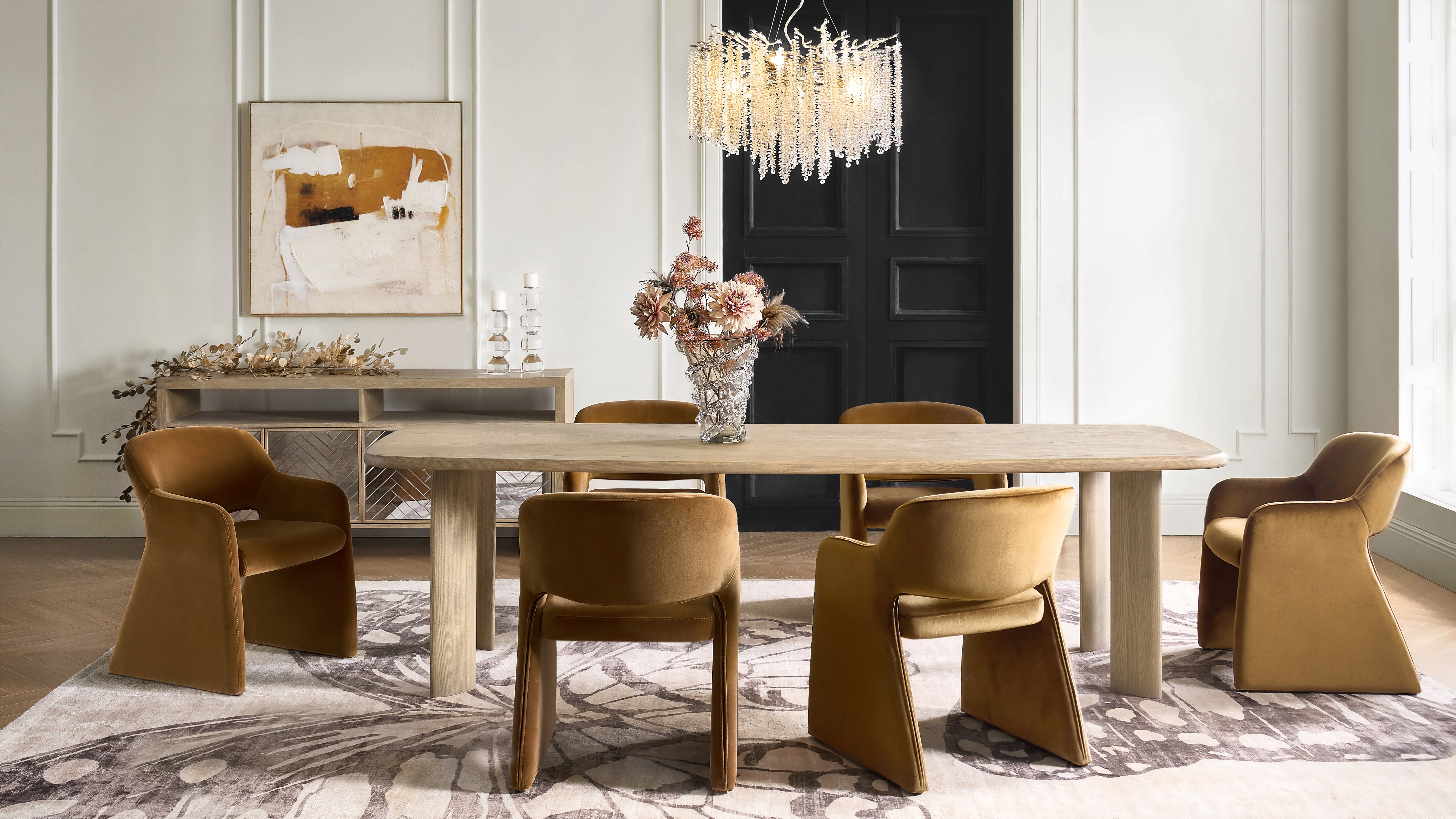 Mariposa Rug - Ivory/Dusty Mauve$499
A hand-loomed viscose rug featuring oversized butterfly motifs in soft ivory and dusty mauve tones.
Add To Cart -
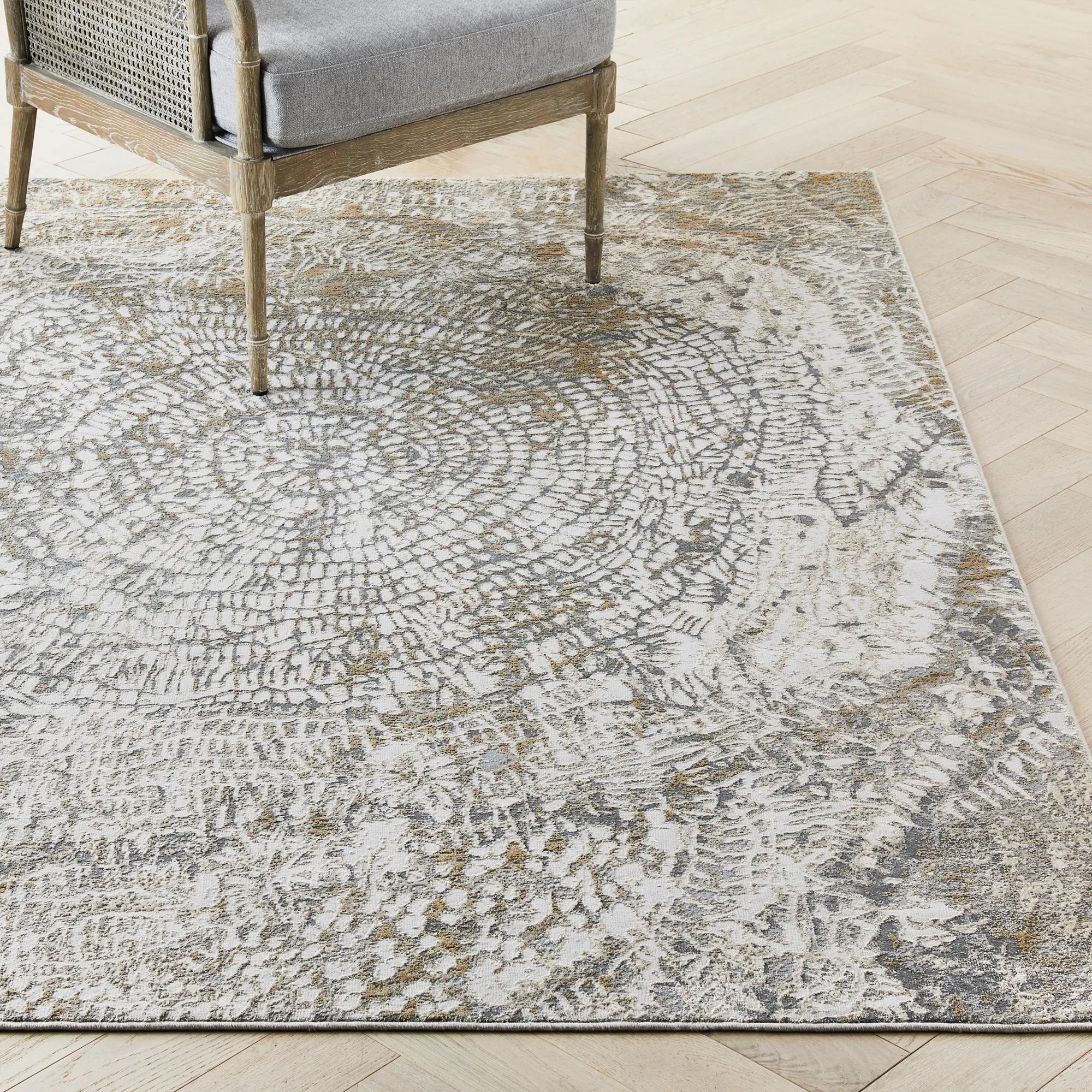 Nautilus Power-Loomed Silver/Grey/Natural Rug$999
A machine-woven ivory rug featuring subtle tonal variations and a durable polypropylene blend construction.
Add To Cart -
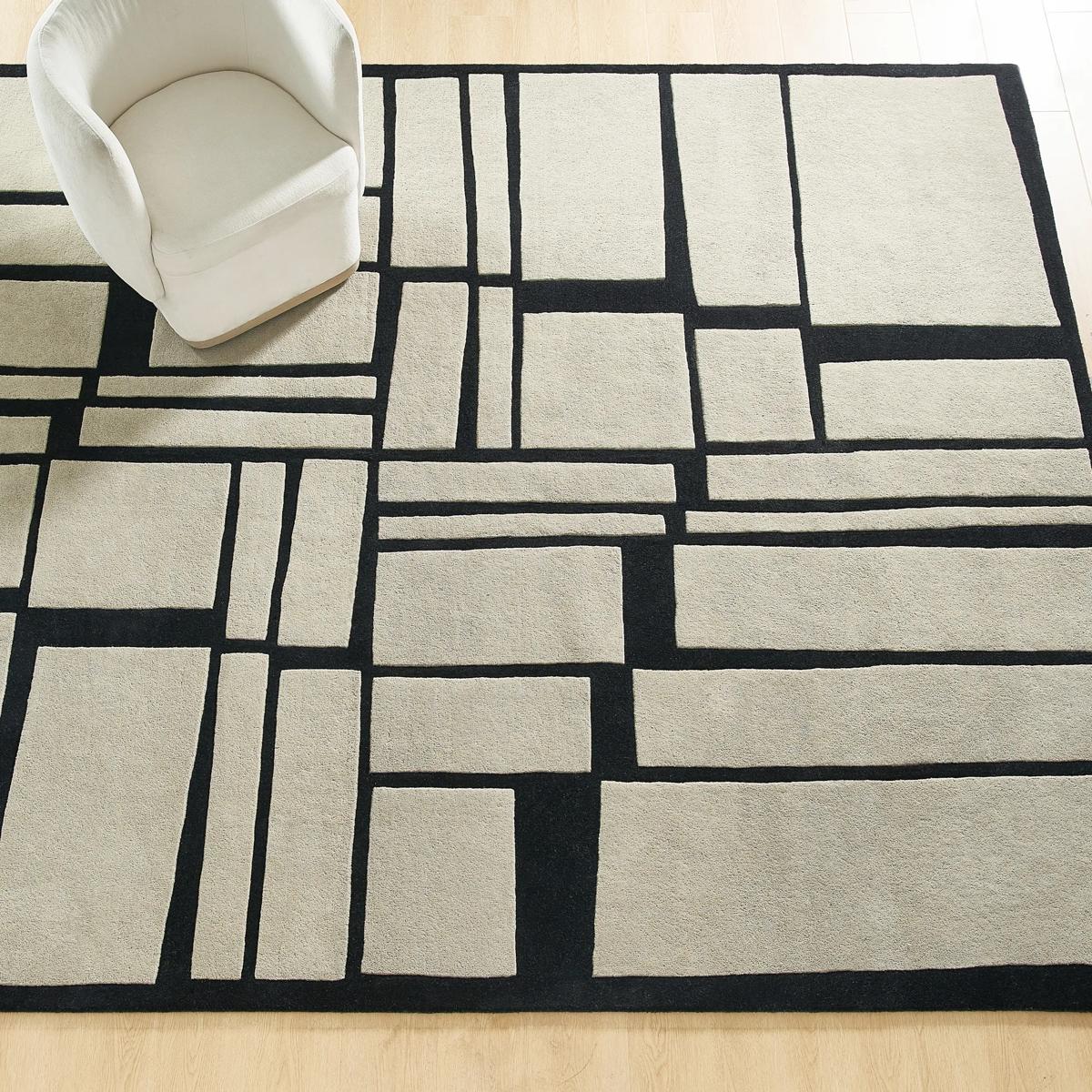 Novak Hand-Tufted Natural/Black Wool Rug$949
A hand-tufted wool rug featuring a bold black and natural grid design for modern, graphic appeal.
Add To Cart -
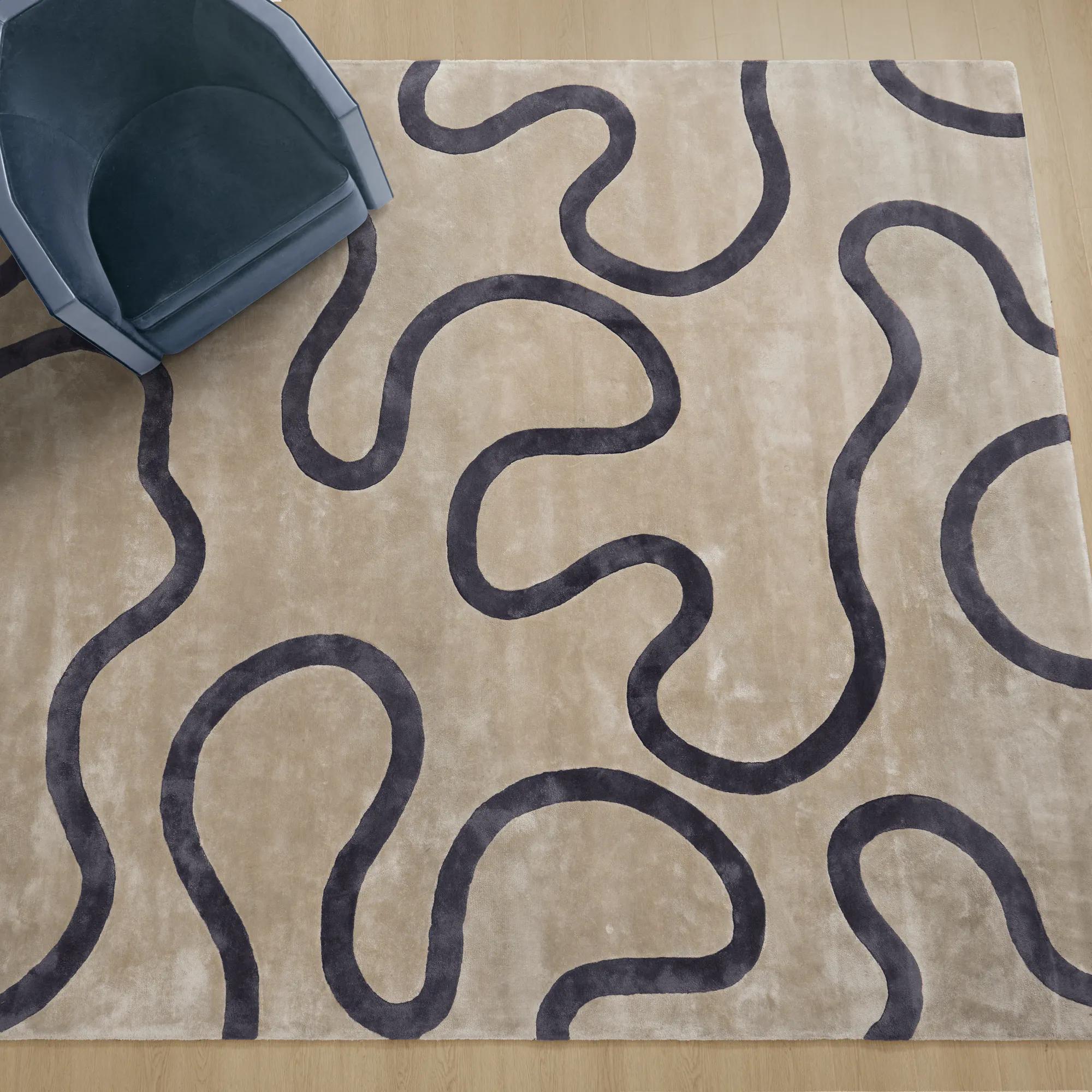 Seraphine Hand-Tufted Smoked Pearl/Taupe Viscose Loop Rugs$1799
A hand-tufted viscose rug in smoked pearl and taupe with bold Deco-inspired loop patterns and subtle sheen.
Add To Cart -
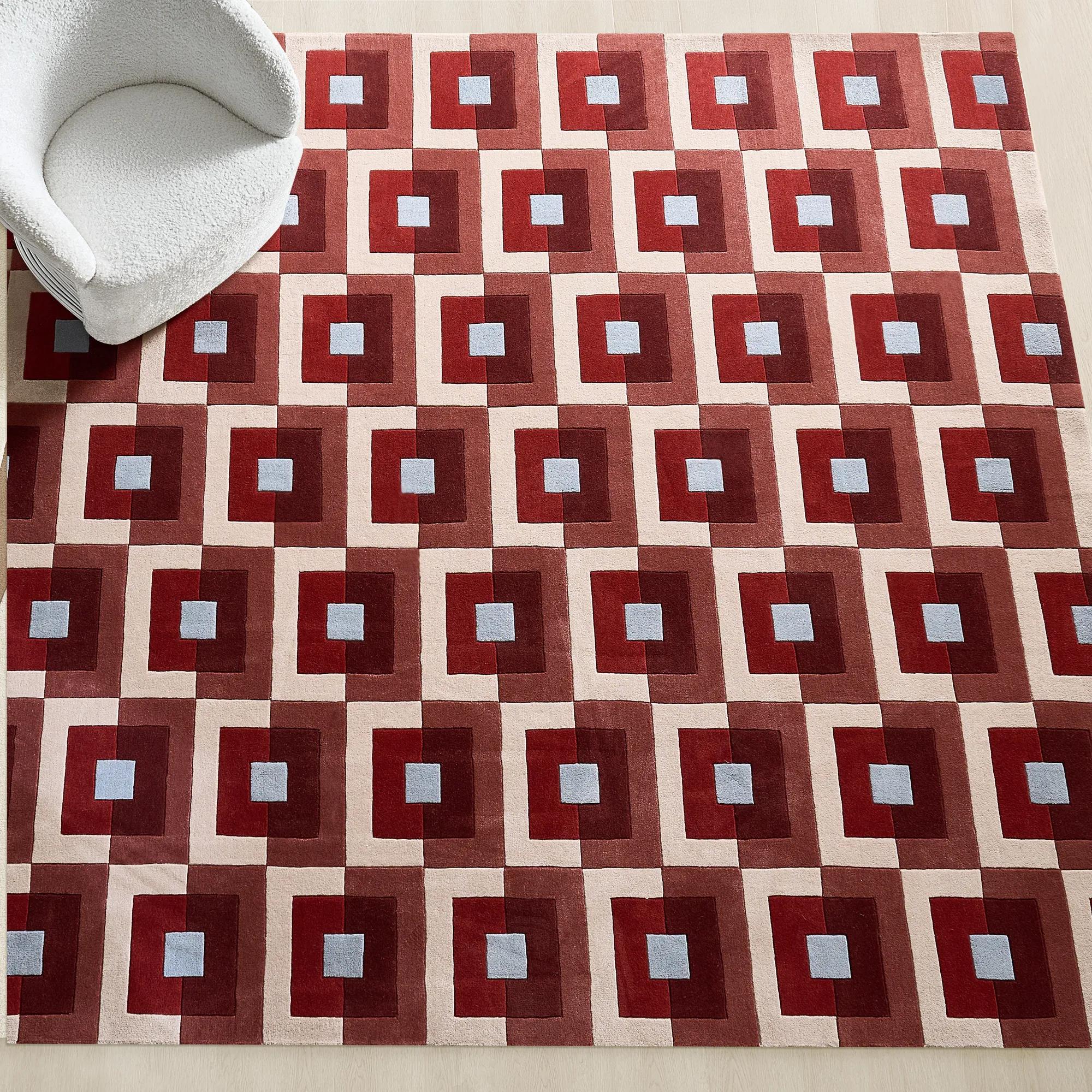
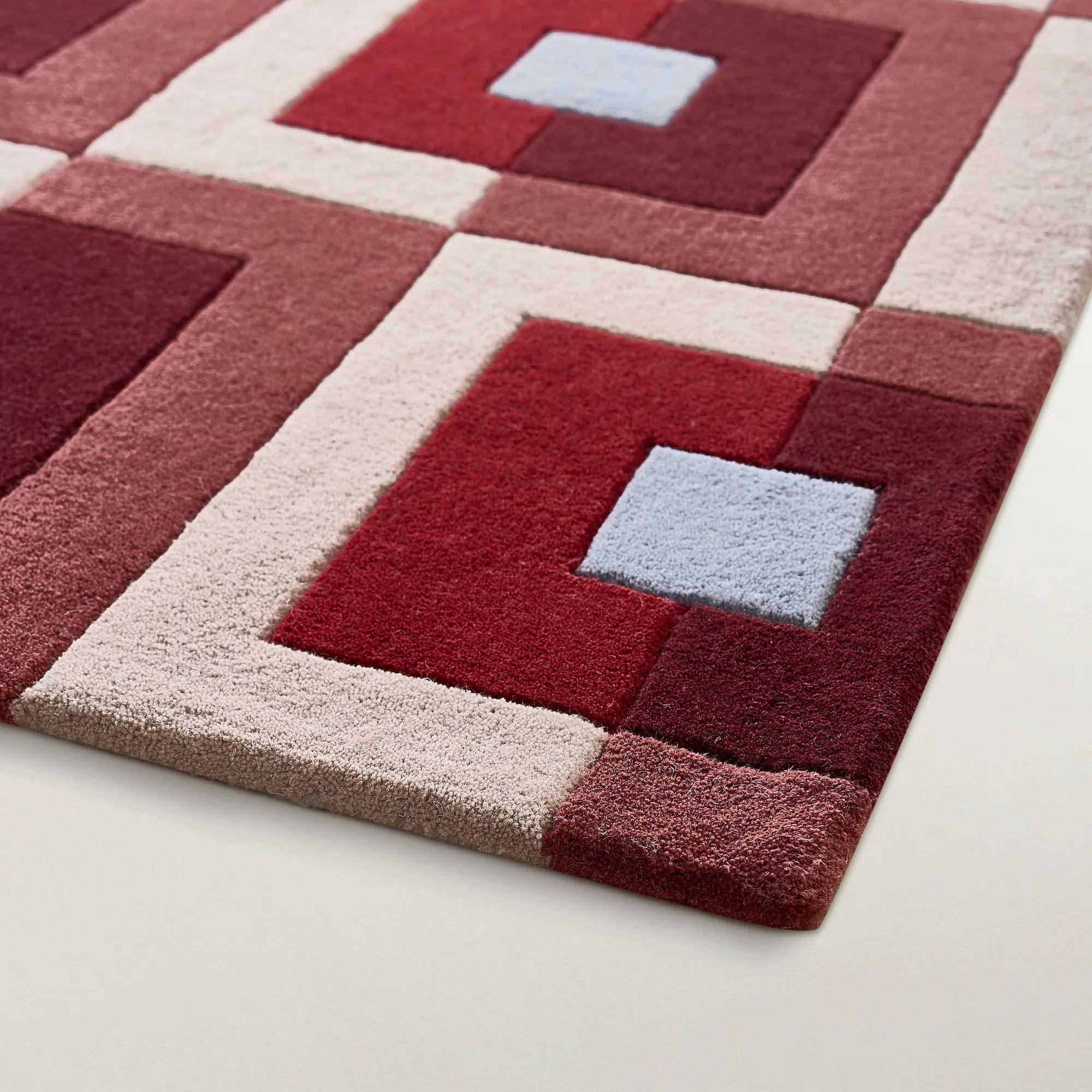 Geo Pop Wool Rug - Oxblood Red/Airy Blue$599
A geometric wool rug combining oxblood red and airy blue for a bold, modern statement.
Add To Cart -
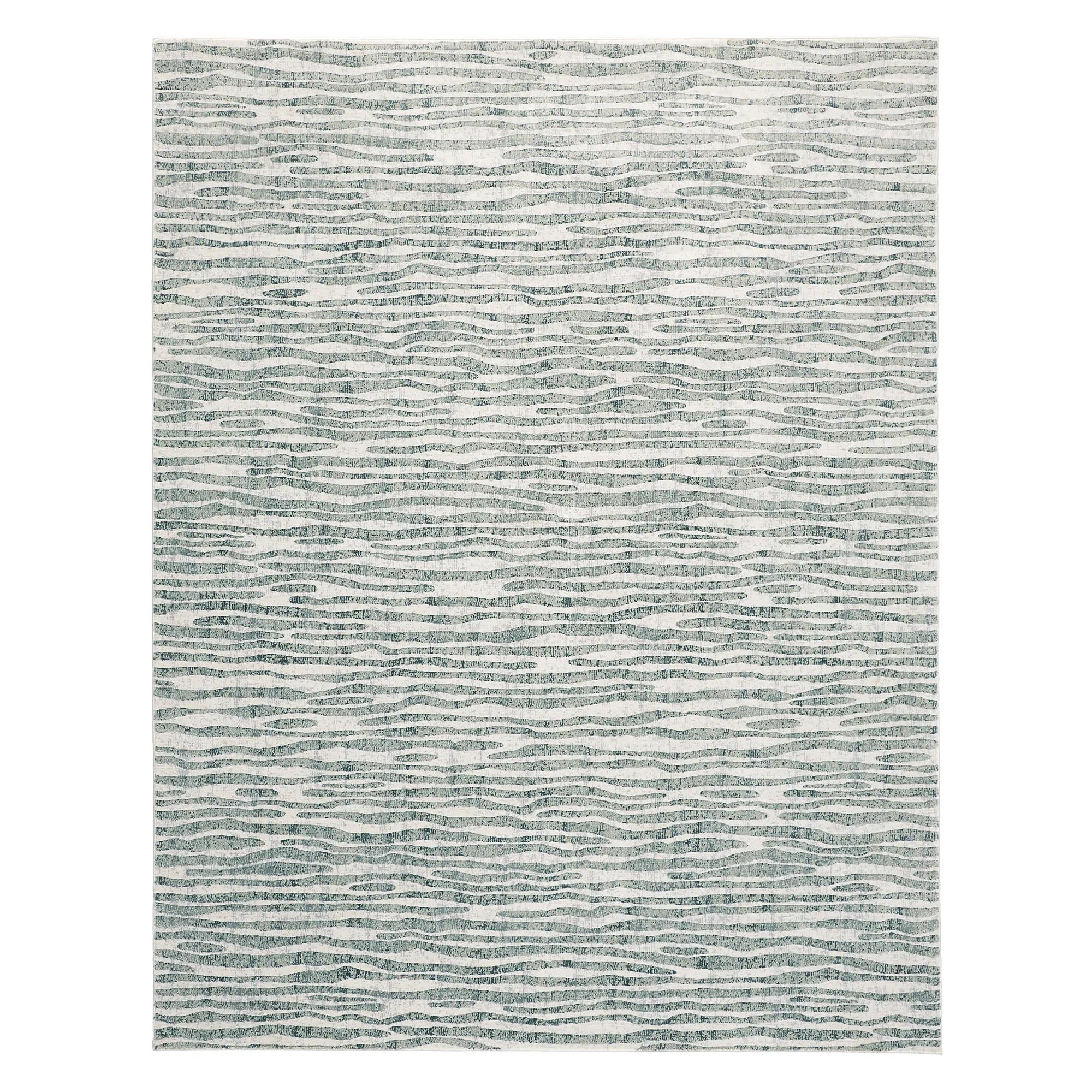 Samantha Power-Loomed Aqua/Grey Rug$719
A machine-woven rug featuring silvery-aqua and green accents on an ivory and grey polypropylene base.
Add To Cart -
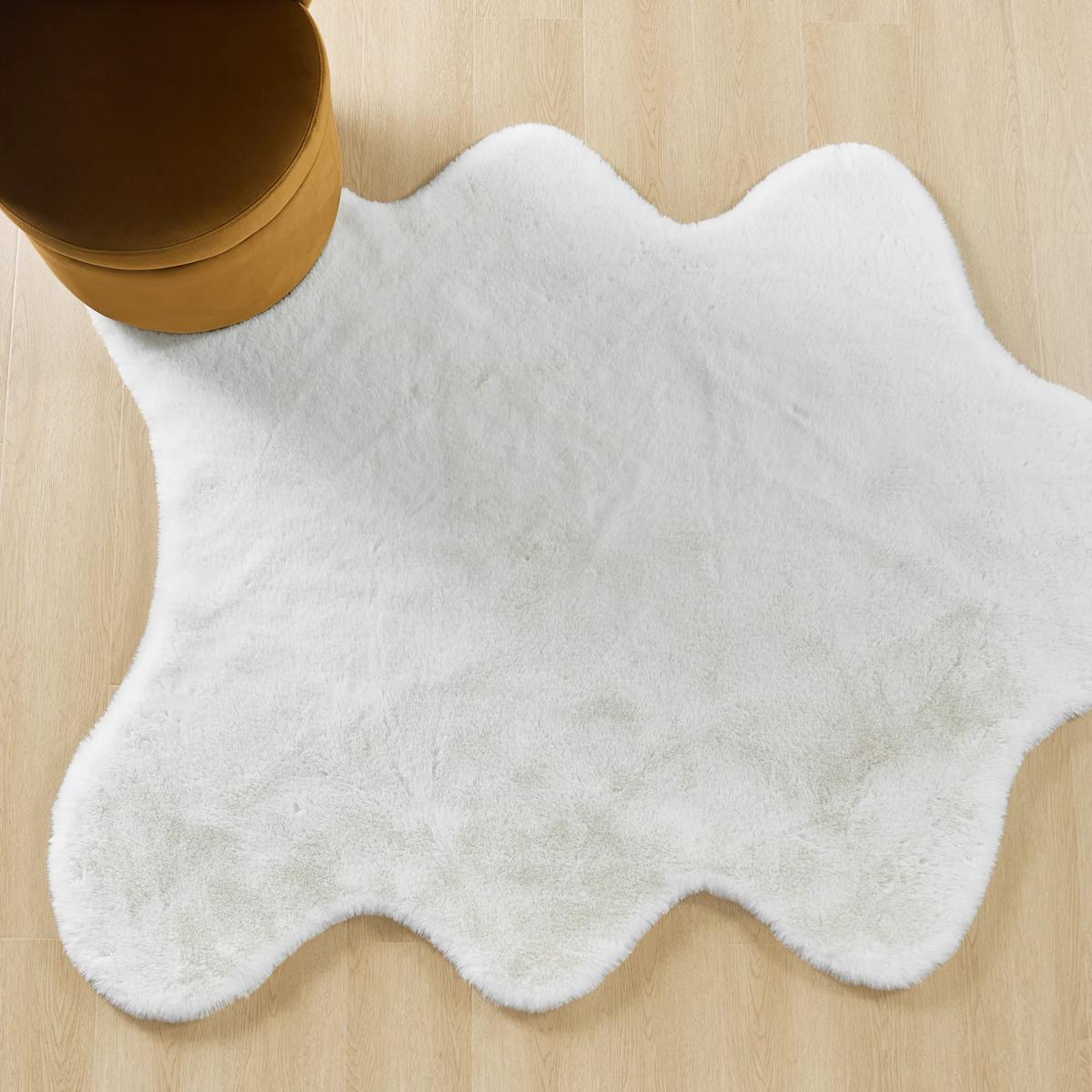
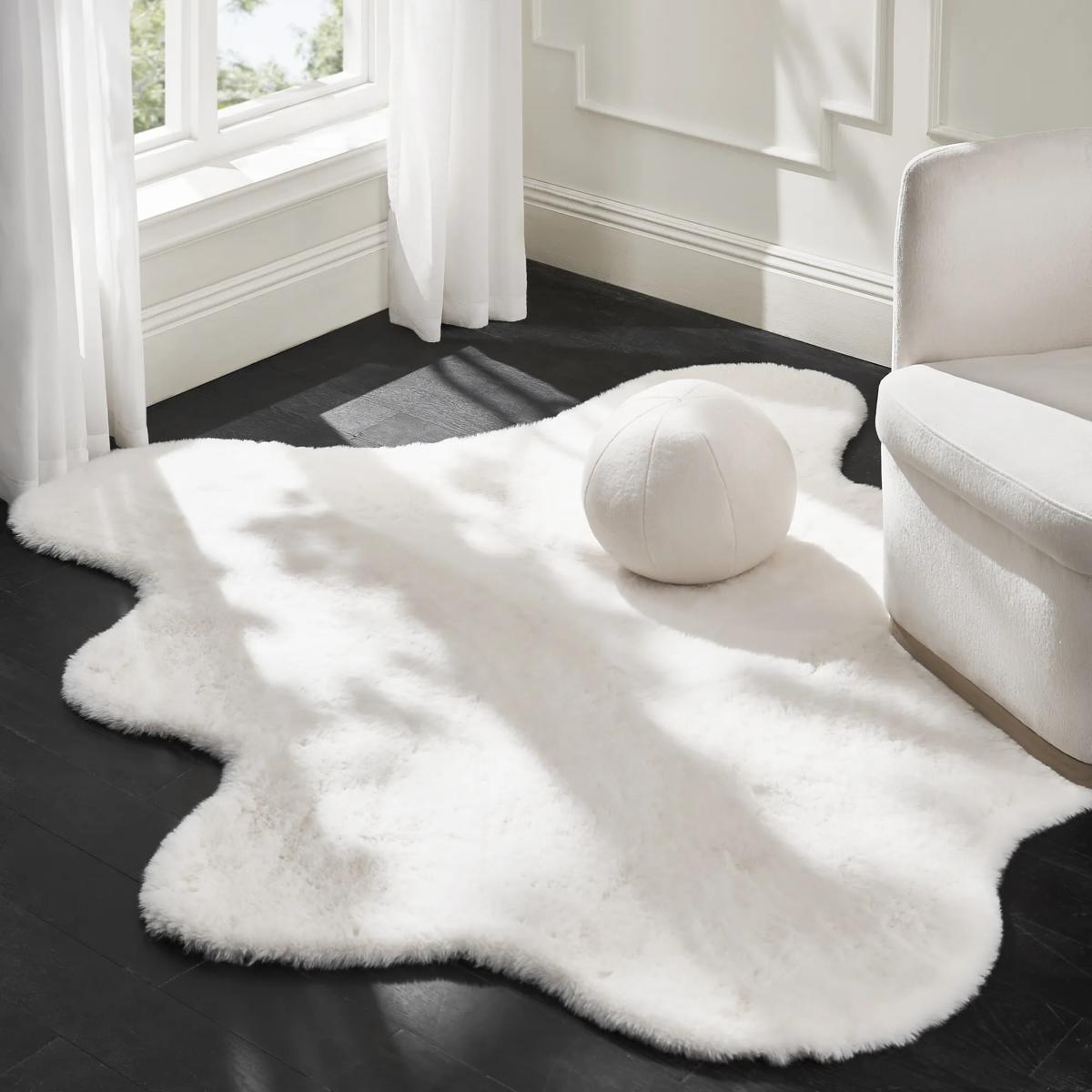 Odin Faux Fur White Shaped Rug 5' x 6'$249
A plush, cloud-shaped white rug with ultra-soft polyester pile and a practical non-slip backing.
Add To Cart -
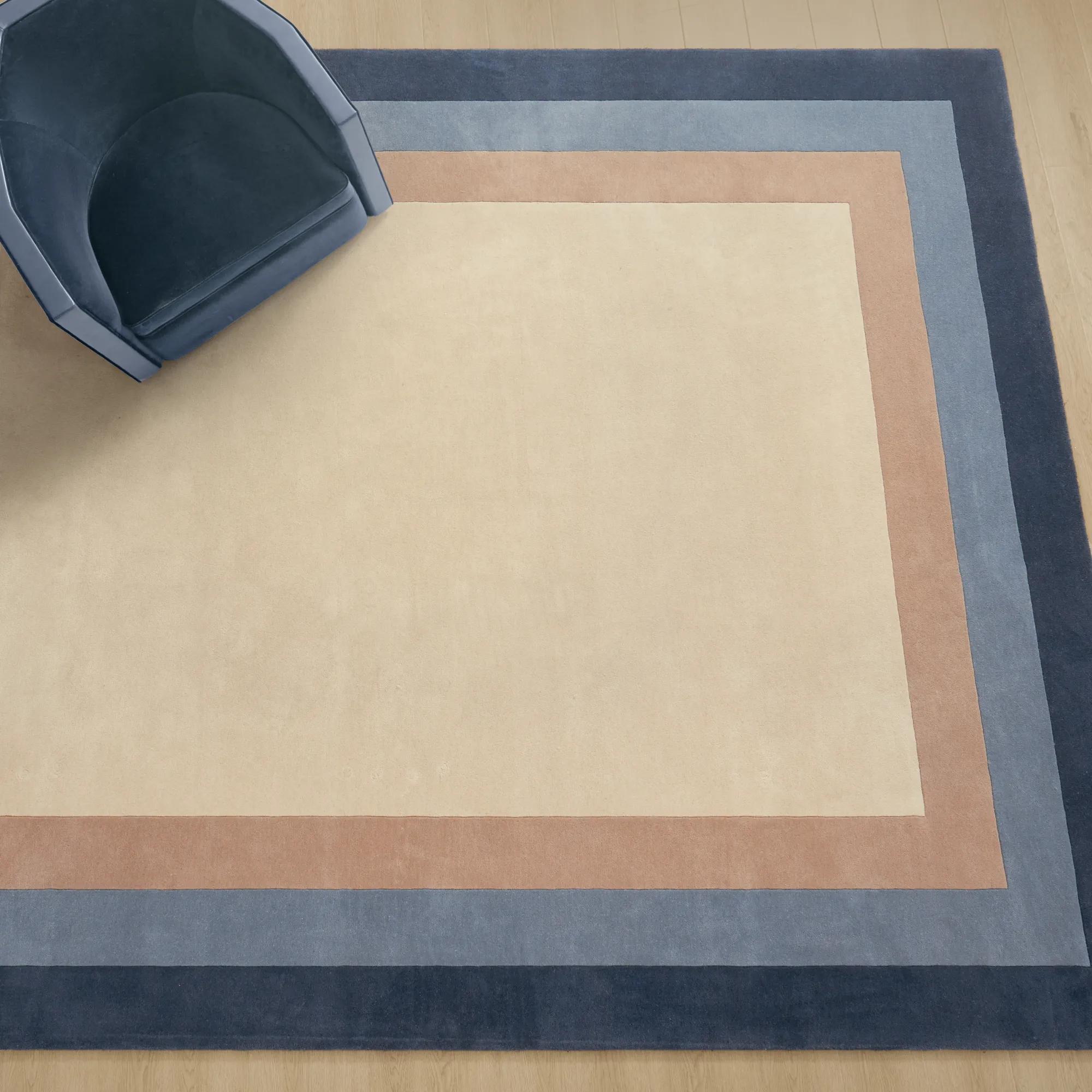
 Fiona Hand-Tufted Ivory/Beige/Black Border Fringe Rug$1099
A hand-tufted ivory, beige, and black rug featuring a framed border and decorative fringe.
Add To Cart

Wool Viscose Blend Rugs
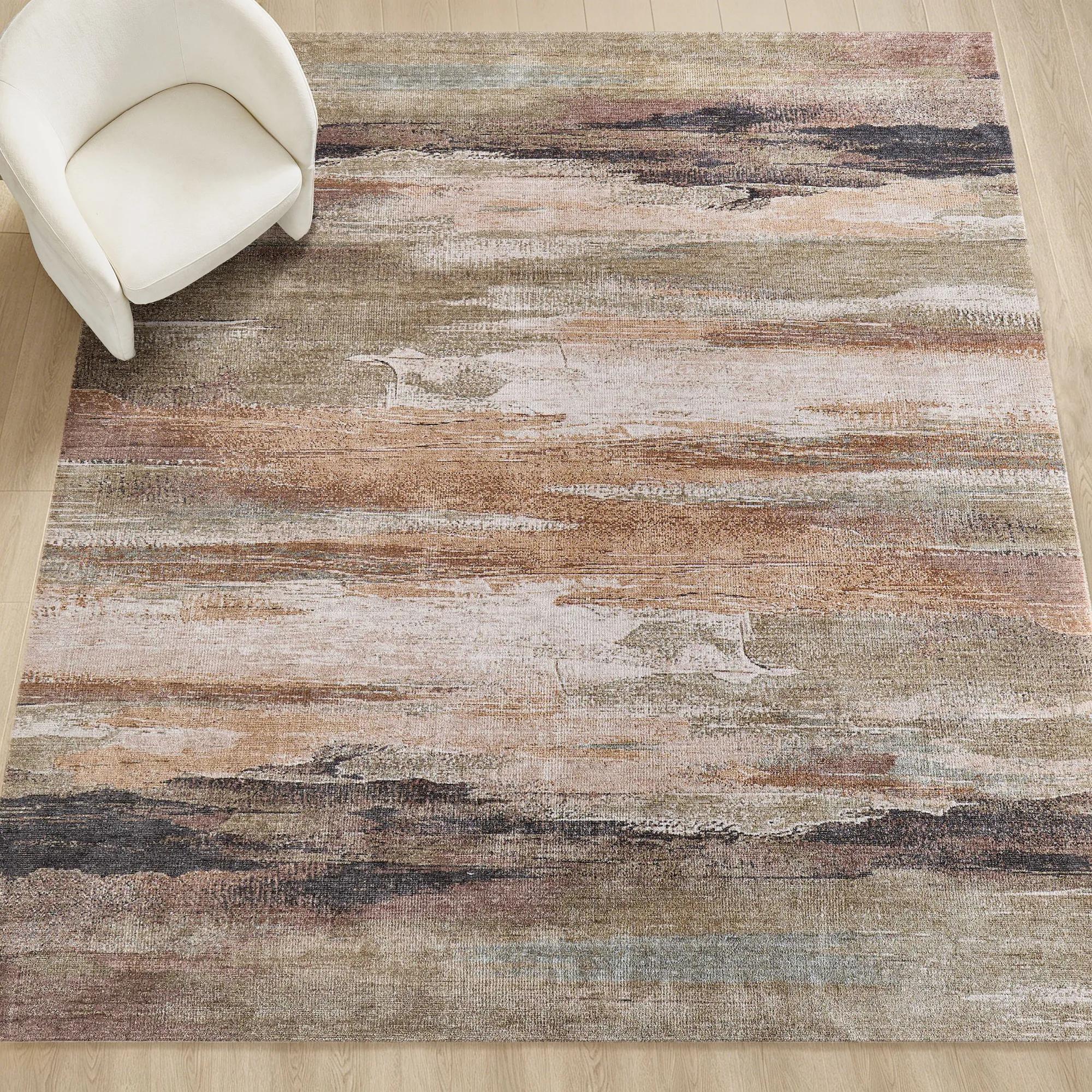
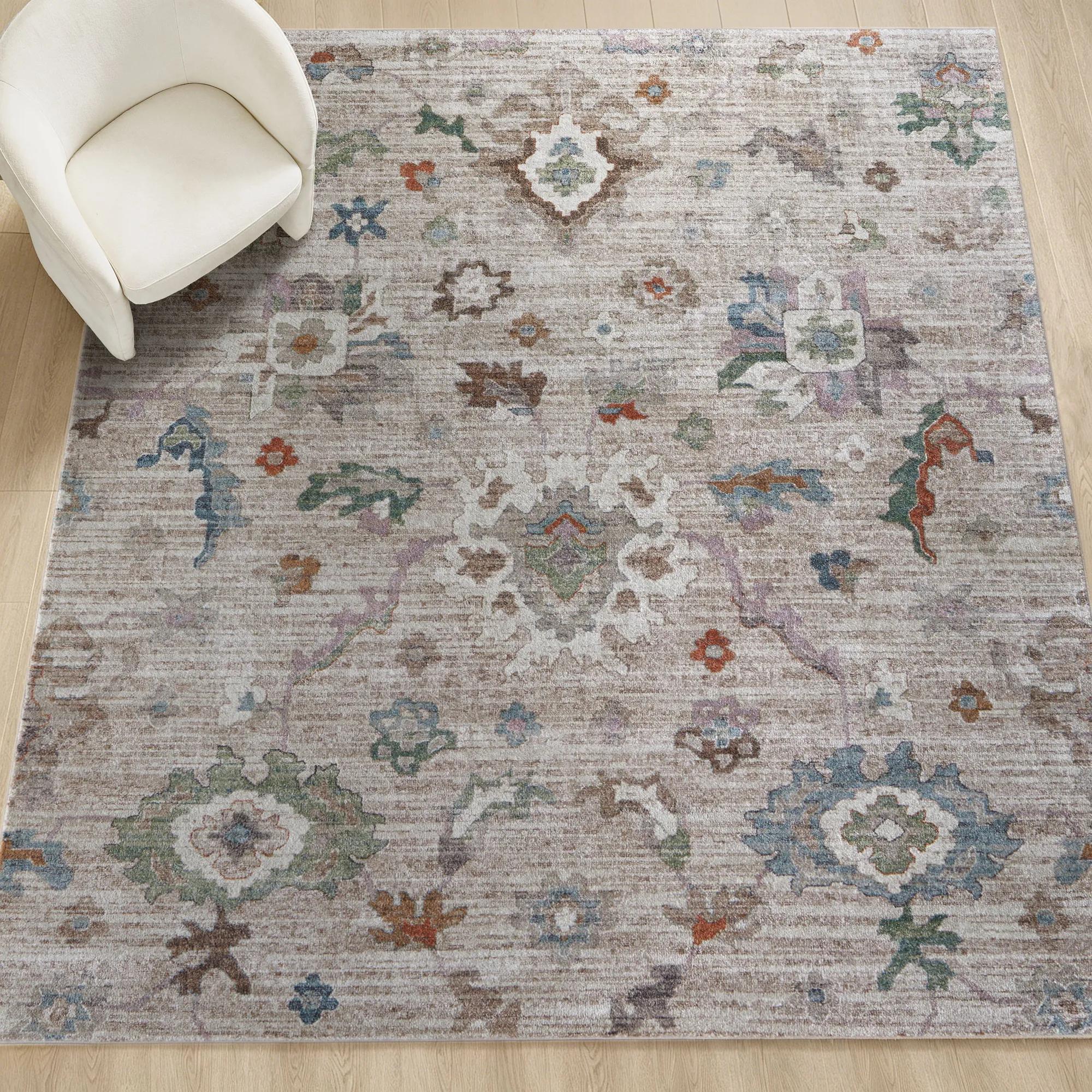
Explore wool viscose blend rugs for the inviting texture of wool paired with the soft sheen of viscose—a luminous foundation for a thoughtfully layered room. When comparing these blended area rugs, consider dimensions, color, and care requirements to find a piece that complements your furnishings and suits the activity level of your space.
Wool viscose blend rugs combine the natural resilience and substantial texture of wool with the silky softness and light-reflecting sheen of viscose. Wool gives the pile body and helps fibers recover from everyday compression, while viscose introduces a luminous finish that can shift in appearance as the light or viewing angle changes. The result is a richly layered surface with depth, movement, and an elegant contrast between matte and lustrous fibers. Viscose is a manufactured fiber made from regenerated cellulose, not silk, although its smooth touch and subtle shimmer can create a similarly refined effect. The balance of these qualities depends on the fiber percentages, pile height, and construction of each rug; a higher viscose content generally calls for more careful placement and maintenance. Visually, this blend brings particular dimension to tonal designs, where a single color can reveal unexpected variations across the floor. Ivory can look sculptural rather than stark, silver can echo the gleam of polished metal, and charcoal can lend a dramatic foundation without making the room feel visually crowded. Against velvet upholstery, glass tables, or richly grained wood, the interplay of texture and sheen gives a seating arrangement a sense of intention. Abstract compositions suggest the movement of a painted canvas, while geometric motifs establish a more architectural rhythm beneath furniture. For interiors that call for a more defined motif, Wool Viscose Patterned Rugs bring expressive detail into the foundation of the room. The most compelling effect comes from contrast: a luminous rug beneath a softly textured sofa, a fluid pattern alongside clean-lined furniture, or a restrained palette beneath a striking piece of art. Rather than competing with every decorative element, the rug can connect their colors and finishes, giving individual statements a shared visual language. Its beauty is as much about how the room comes together as how the fibers catch the light.
The right setting allows that beauty to remain part of everyday life. Wool-viscose area rugs are often best suited to dry, lower-traffic spaces where softness and visual richness matter more than resistance to spills or heavy wear. A bedroom, a formal sitting room, or a thoughtfully arranged reading area can offer a fitting backdrop. Beside a bed, the smooth pile creates a luxurious first step; beneath a pair of sculptural chairs, it gives a conversation area definition without adding another large piece of furniture. A living room can also be appropriate when household habits, traffic levels, and the rug’s care requirements align. Wool contributes resilience, but blending it with viscose does not make the finished rug uniformly hard-wearing or stain-resistant. Viscose fibers are more vulnerable when wet and may develop discoloration, changes in texture, or lasting marks after spills and aggressive cleaning. Busy entrances, damp locations, and dining areas with frequent food spills are generally less forgiving environments. Homes with young children or pets may benefit from reserving this material for a quieter room rather than the household’s main gathering space. Scale deserves equal attention. In a seating arrangement, a rug large enough to hold at least the front legs of the sofa and nearby chairs usually creates a more connected composition than one floating beneath the coffee table alone. Common dimensions such as 8 by 10 feet or 9 by 12 feet can serve as useful starting points, but the furniture footprint and room proportions should determine the fit. In a bedroom, generous coverage along the sides and foot of the bed keeps the rug from disappearing beneath the frame. Door clearance, floor vents, and walking paths also influence the ideal placement. A lower pile may accommodate furniture and doors more easily, while a deeper pile creates a fuller tactile presence. Construction matters alongside thickness: hand-tufted and woven rugs can differ in backing, feel, and maintenance needs, so fiber content and construction details deserve consideration together.
Preserving the distinctive finish of a wool-viscose blend rug begins with gentle, consistent care rather than intensive treatment after visible wear develops. A compatible rug pad can help reduce shifting, cushion the surface, and limit abrasion between the rug and the floor; its material should be suitable for both the rug backing and the flooring beneath it. Routine vacuuming helps remove abrasive grit, but the recommended setting depends on the rug’s construction. Where the care instructions permit, suction-only cleaning without a rotating brush or beater bar is generally the gentler approach, particularly for delicate pile and fringed edges. Some shedding can occur, especially with new wool-containing or cut-pile rugs, although its extent varies; pulling loose fibers or scrubbing the surface can cause damage rather than resolve it. Rotating the rug periodically helps distribute foot traffic and light exposure, while protection from prolonged direct sunlight can help preserve color. Furniture cups or appropriate protectors beneath narrow legs may reduce concentrated pressure, though heavy furnishings can still leave impressions. Spills require particular restraint because viscose can react poorly to moisture. Promptly blotting with a clean, dry, white absorbent cloth, without rubbing, can remove excess liquid while minimizing disturbance to the pile. Saturation, steam cleaning, and unapproved household stain treatments can worsen a mark or alter the sheen, so the rug’s care label should take precedence over general carpet-cleaning advice. For stains or deeper cleaning, a professional experienced with wool-viscose blends can assess the fibers, dyes, backing, and suitable treatment before proceeding. Even ordinary changes in pile direction can make a lustrous area appear lighter or darker; understanding that characteristic helps distinguish the material’s natural visual movement from actual soiling. With thoughtful placement and care suited to its fibers, this blend offers a distinctive balance of plush texture and polished radiance. It is especially appealing to anyone who values the expressive detail of an interior as much as its comfort: the quiet gleam beneath a lounge chair, the sweep of pattern across an open seating area, and the dimensional finish that makes the entire room feel considered.
FAQs
A wool viscose blend rug pairs wool’s soft, textured character with viscose’s silky sheen. The combination creates a richly layered surface with both depth and luminosity—an expressive foundation for a thoughtfully styled room. The exact look and feel vary with the fiber proportions and construction.
Viscose fibers reflect light, giving wool viscose blend rugs a subtle luster that can shift with your viewing angle and the direction of the pile. Colors may appear lighter from one side and deeper from another, adding dimension and a sense of movement to the room.
Let the rug’s interplay of texture and sheen guide the room. Pair it with sculptural furniture, sumptuous upholstery, and gleaming metallic accents for a layered, glamorous composition. With a patterned rug, echo a color in your pillows or artwork; with a tonal design, introduce contrast through expressive silhouettes and tactile fabrics.
Wool viscose blend rugs are often best suited to dry, lower-traffic spaces, such as bedrooms or formal sitting rooms, where their luminous texture can take center stage. Viscose is sensitive to moisture and repeated wear, so consider another rug material for damp areas or busy entryways. Always review the rug’s care and placement guidance.
Follow the rug’s care label first. Gentle vacuuming with suction only, rather than a rotating brush, is commonly recommended. Blot spills promptly with a clean, dry white cloth without rubbing or saturating the fibers, since viscose can develop water marks and texture changes. For deeper cleaning, consult a professional experienced with wool viscose rugs.