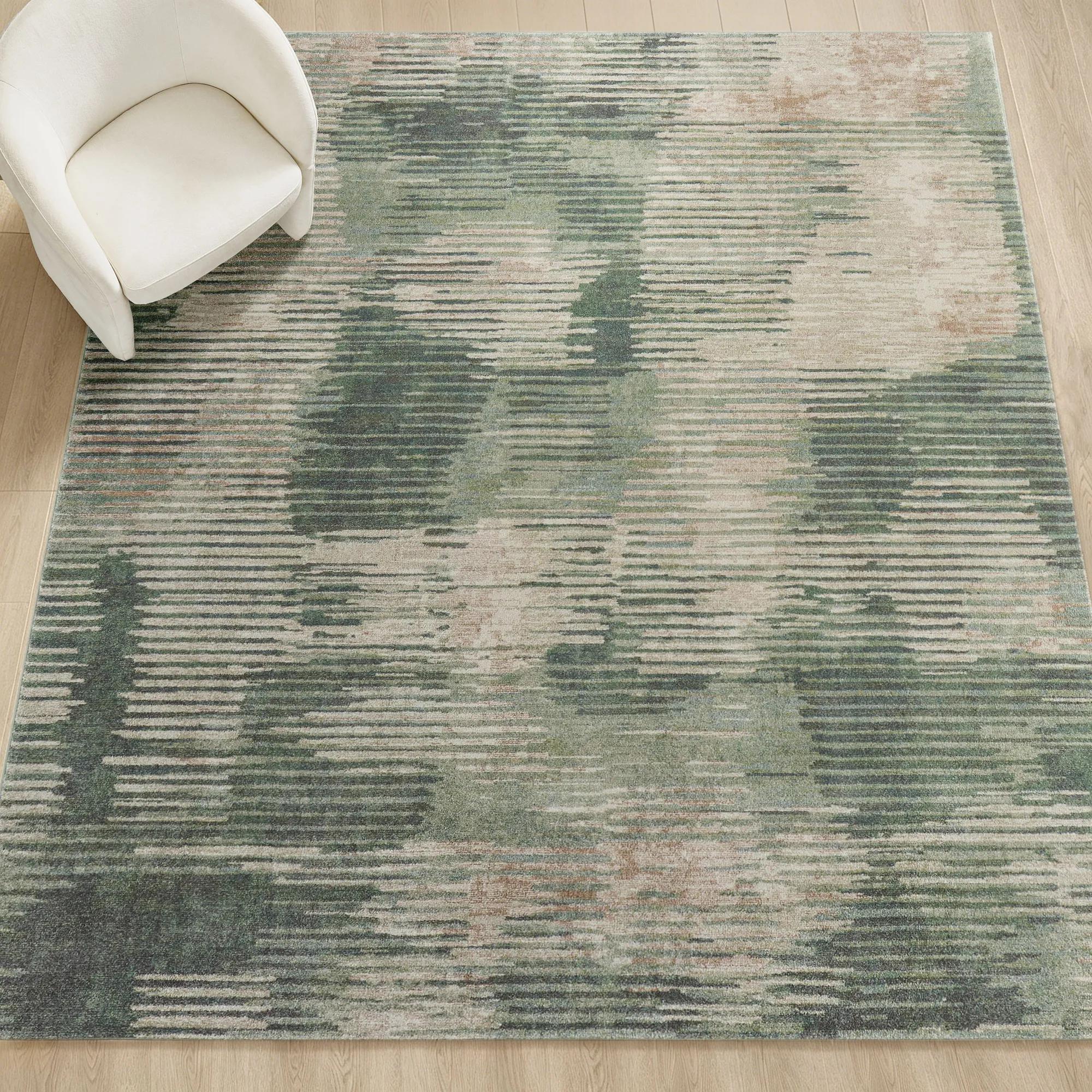
Decorative Wool Blend Rugs
Decorative Wool Blend Rugs
-
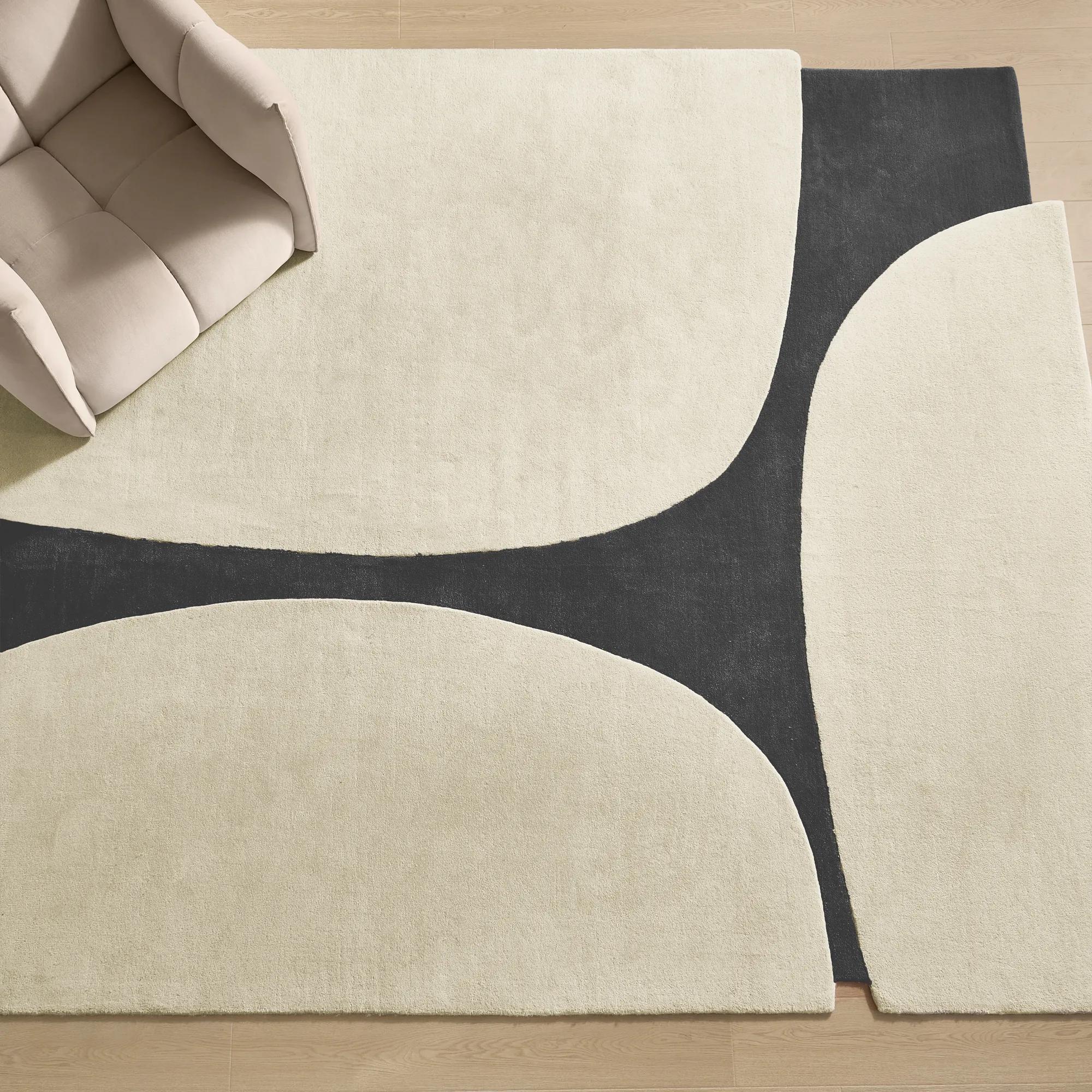 Contour Hand-Tufted Ivory/Charcoal Wool & Viscose Rugs$1499
An artfully shaped hand-tufted rug featuring high-low texture in warm ivory and charcoal wool-viscose blend.
Add To Cart -
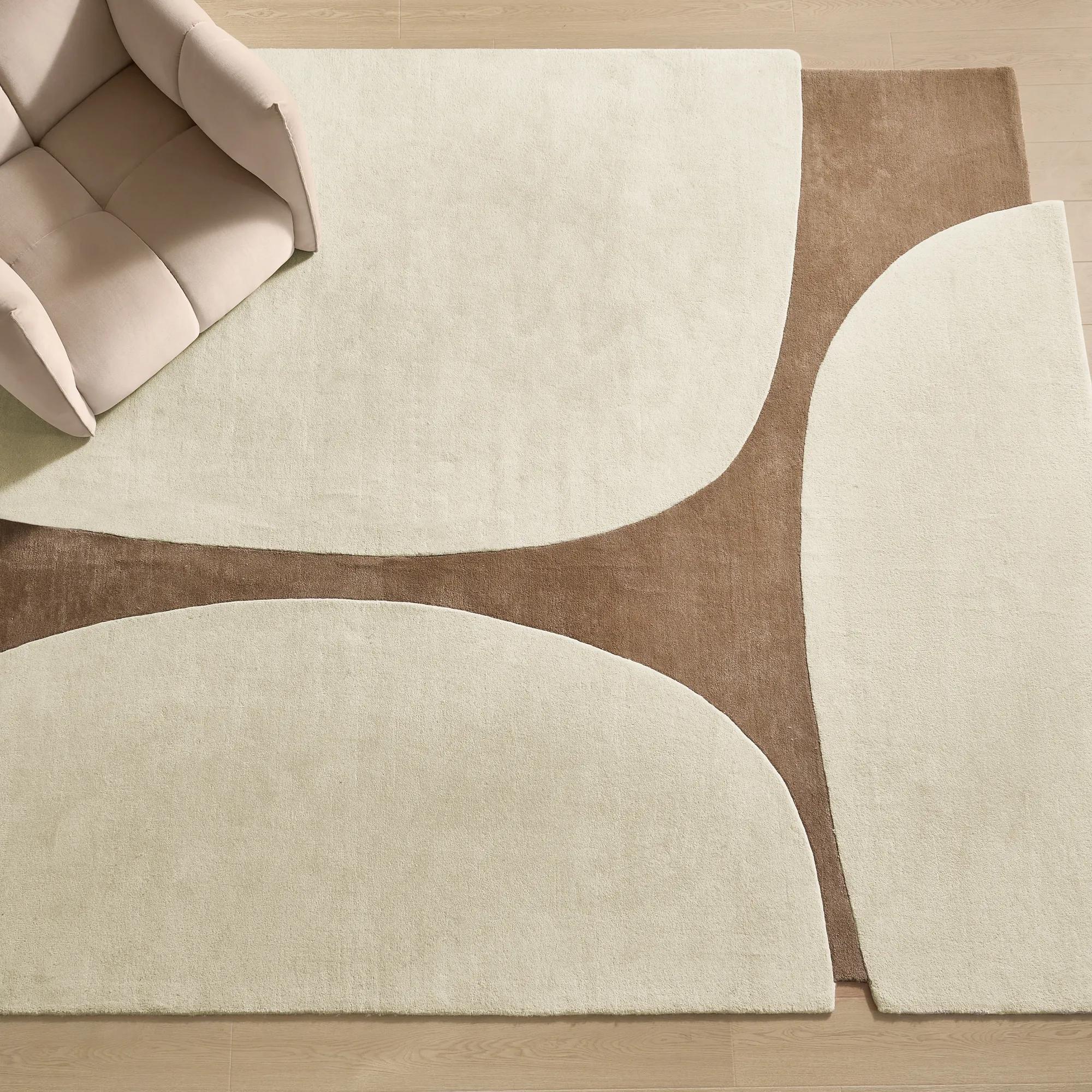
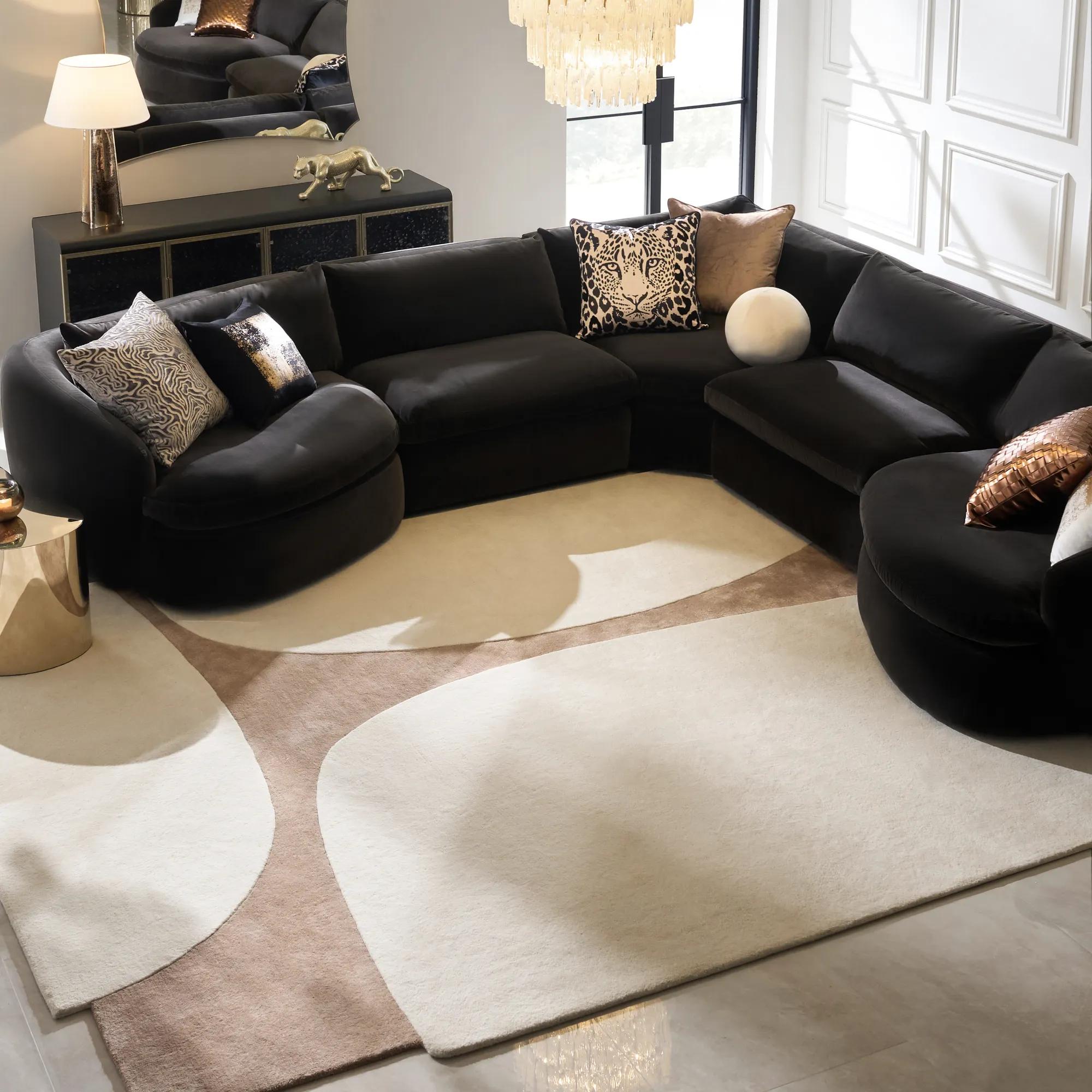 Contour Hand-Tufted Ivory/Ginger Root Wool Blend Rug$499
A hand-tufted wool rug blending ivory and ginger root tones for textured, modern warmth.
Add To Cart -
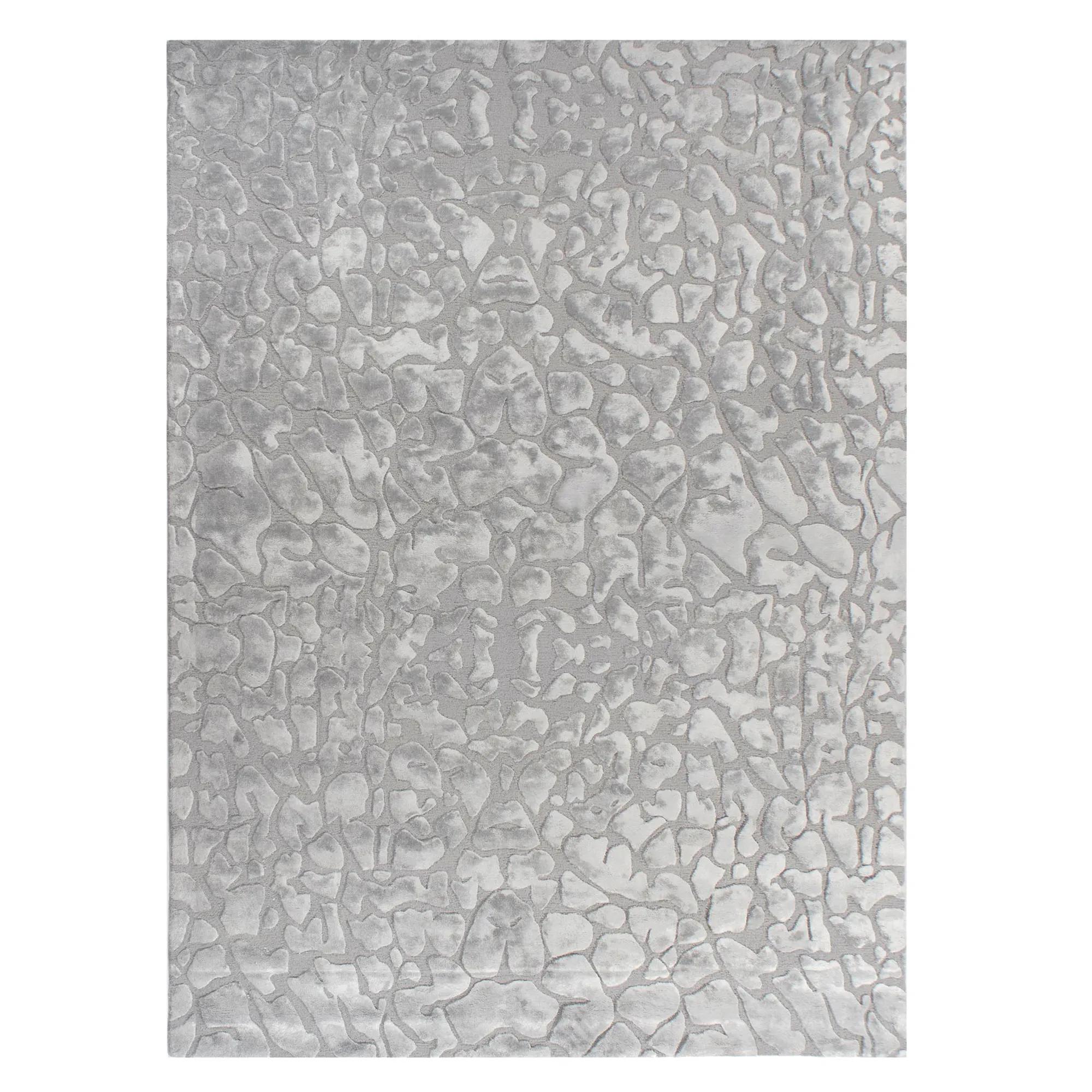
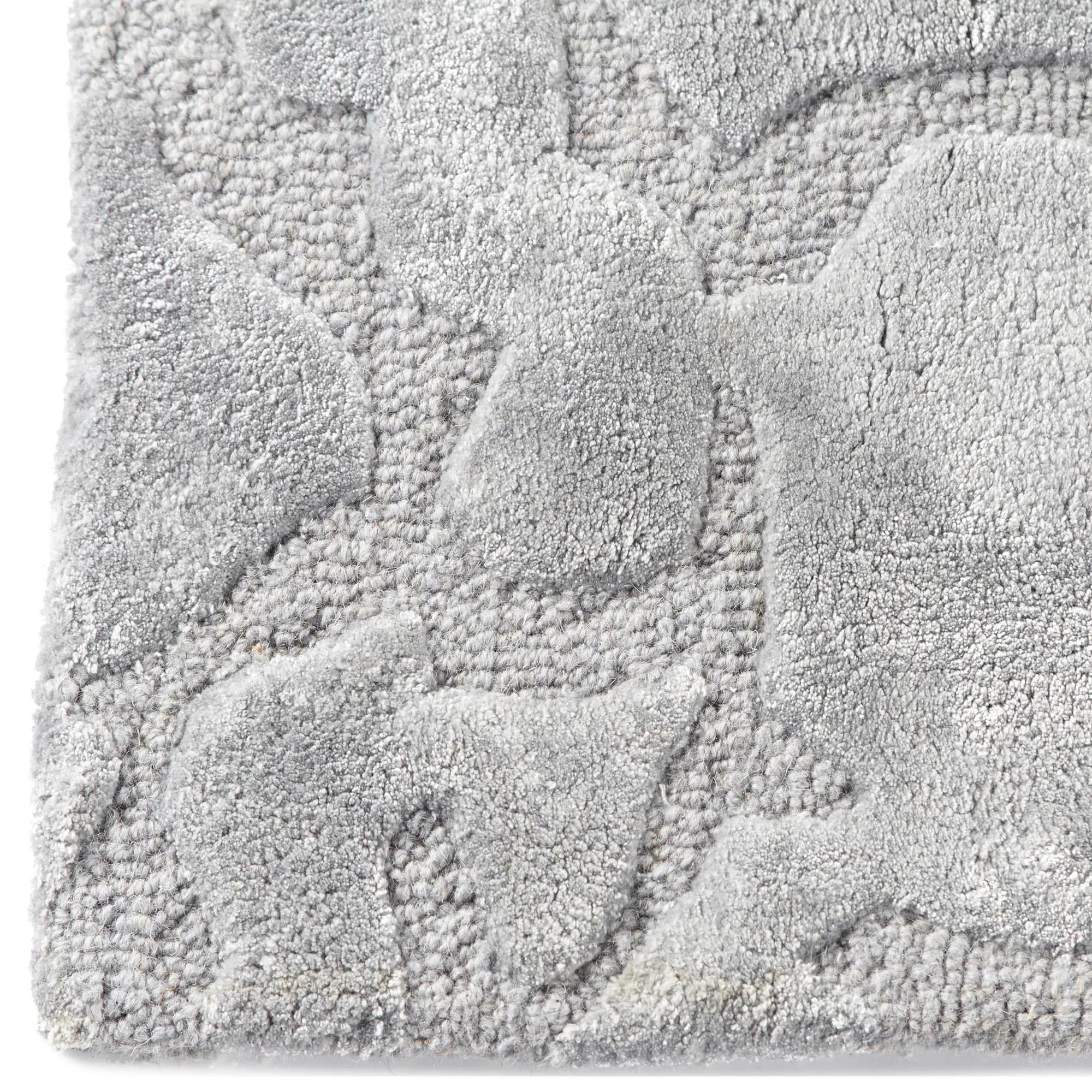 Nola Hand-Tufted Cool Grey Wool Blend Rug$849
A hand-tufted silver rug with contrasting pile heights, crafted from wool and viscose for plush texture.
Add To Cart -
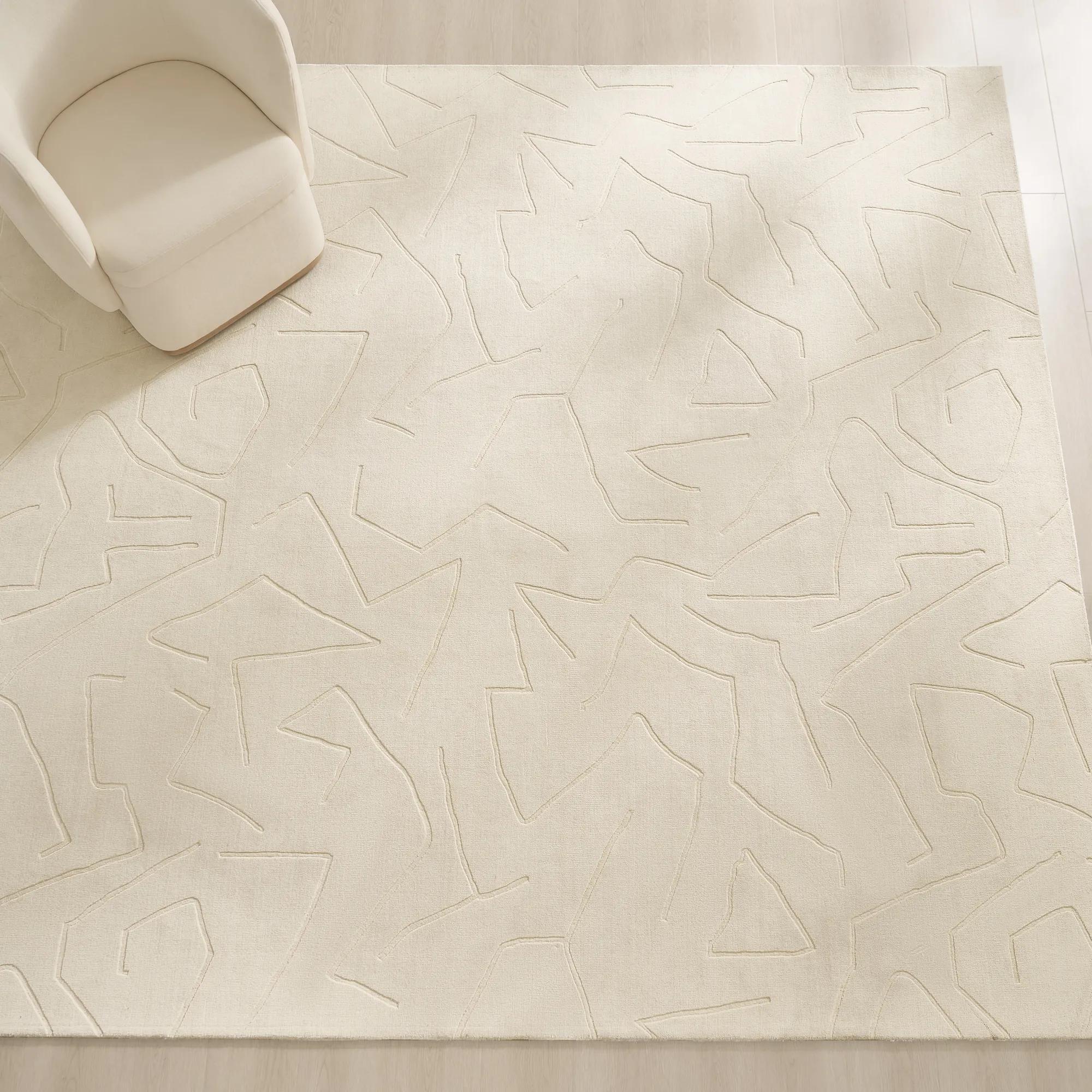 Carved Maze Ivory Hand-Loomed Wool Blend Rug$1399
A hand-loomed ivory wool-blend rug featuring a carved maze pattern for modern textural appeal.
Add To Cart -
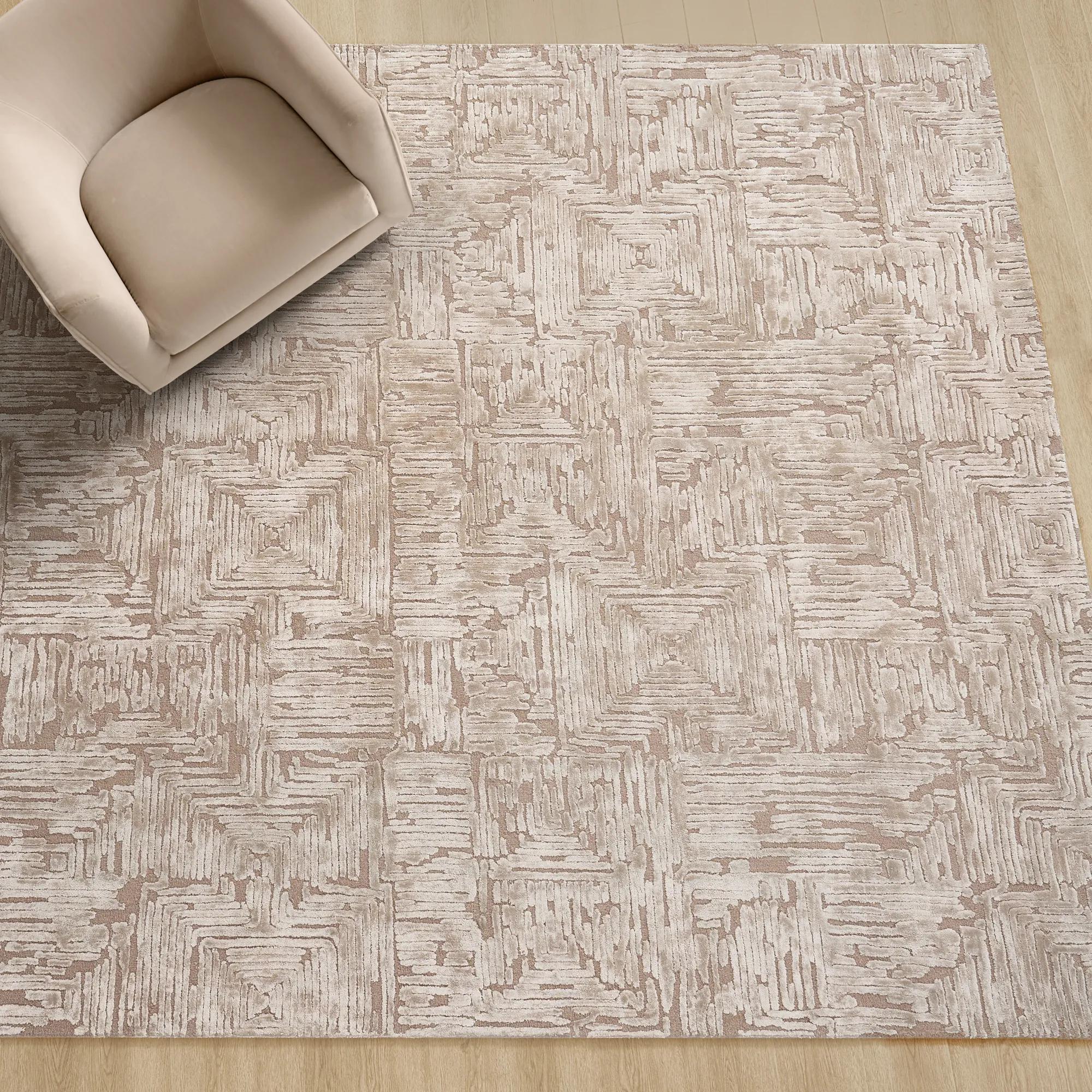
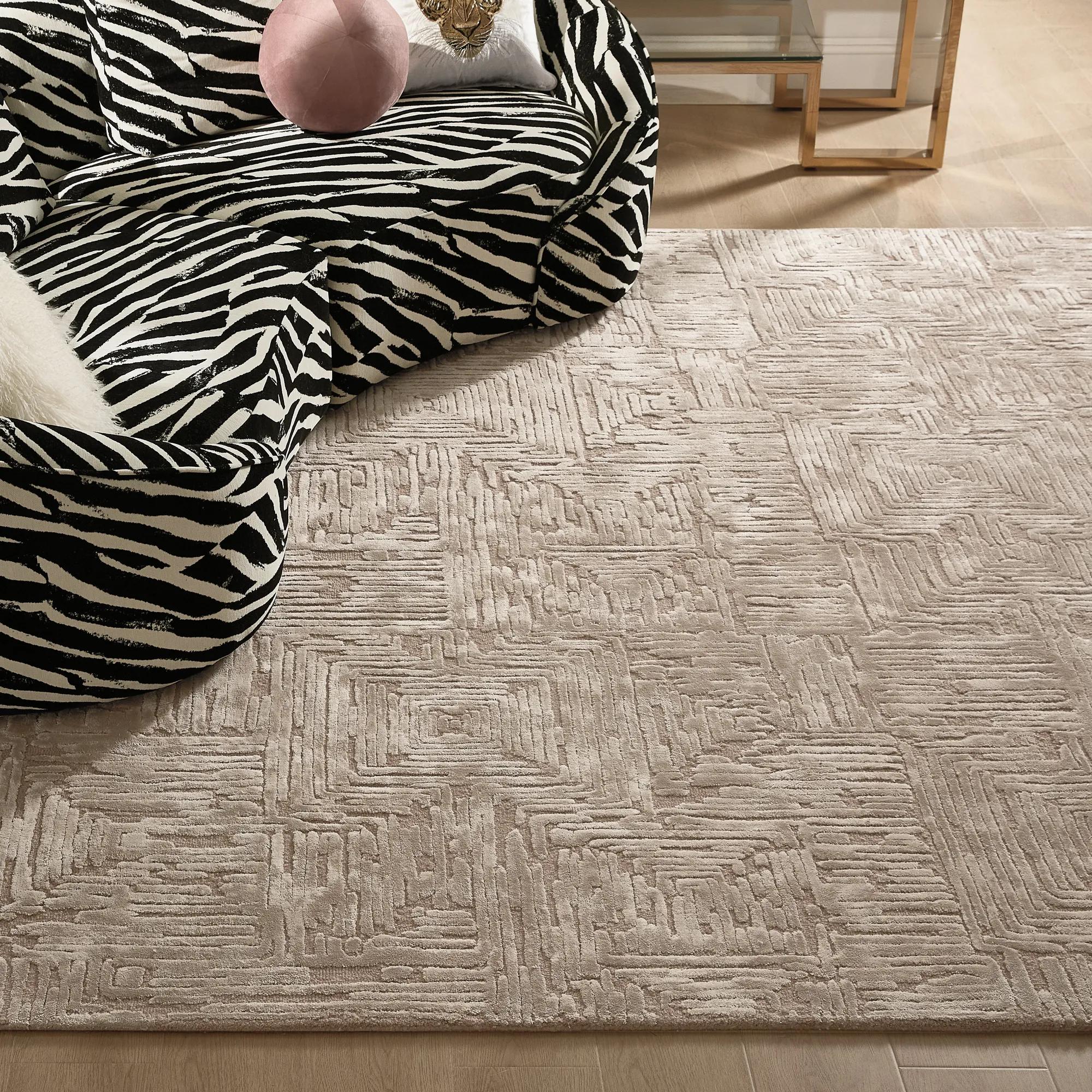 Andra Hand-Tufted Mocha Rose Viscose & Wool Dimensional Rugs$499
A hand-tufted viscose and wool rug in mocha rose, featuring a dimensional high-low geometric pattern.
Add To Cart -
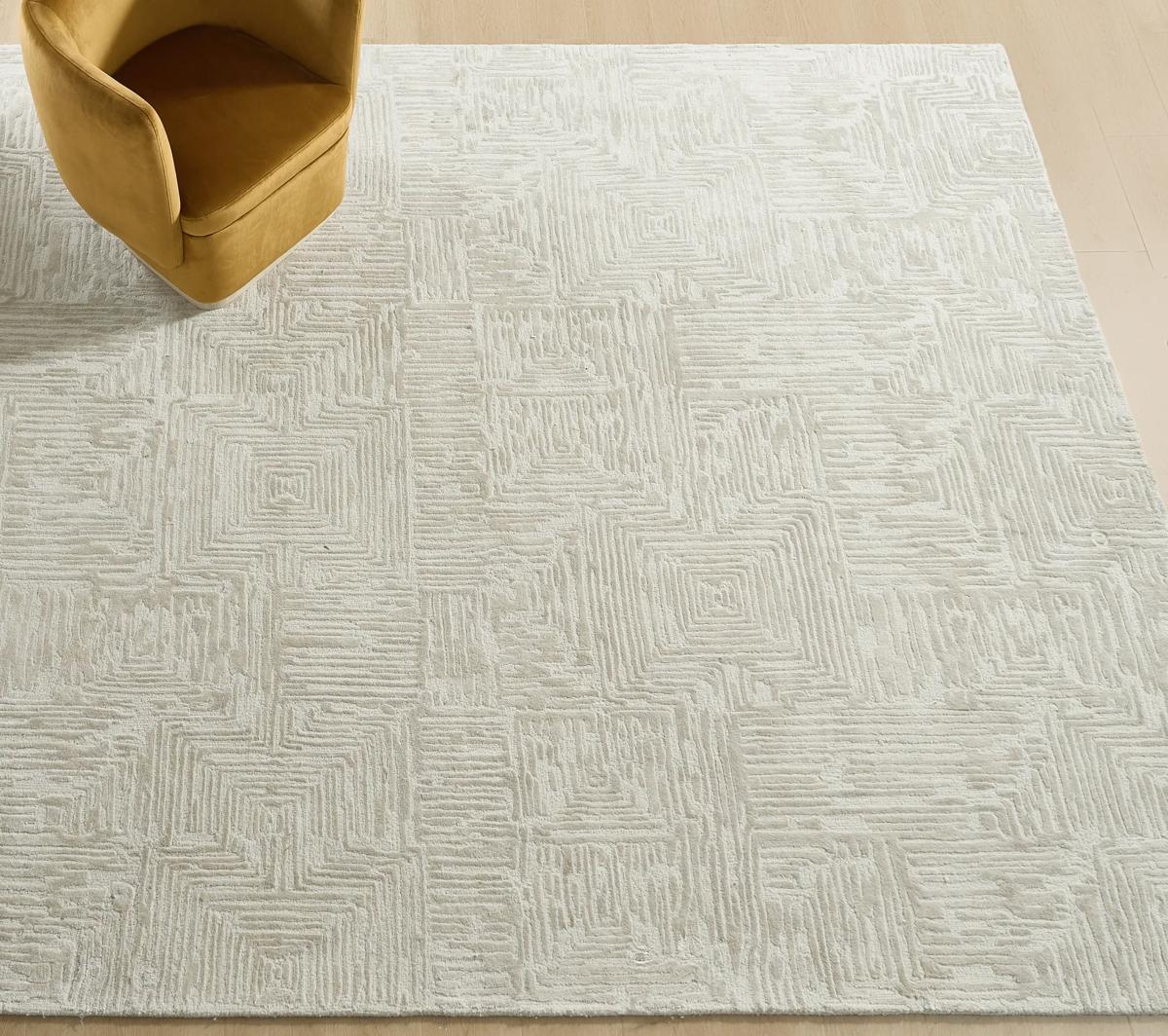 Andra Ivory Hand-Tufted Wool Blend Dimensional Rug$1499
A hand-tufted ivory rug in a viscose-wool blend with raised detailing and a subtle sheen.
Add To Cart -
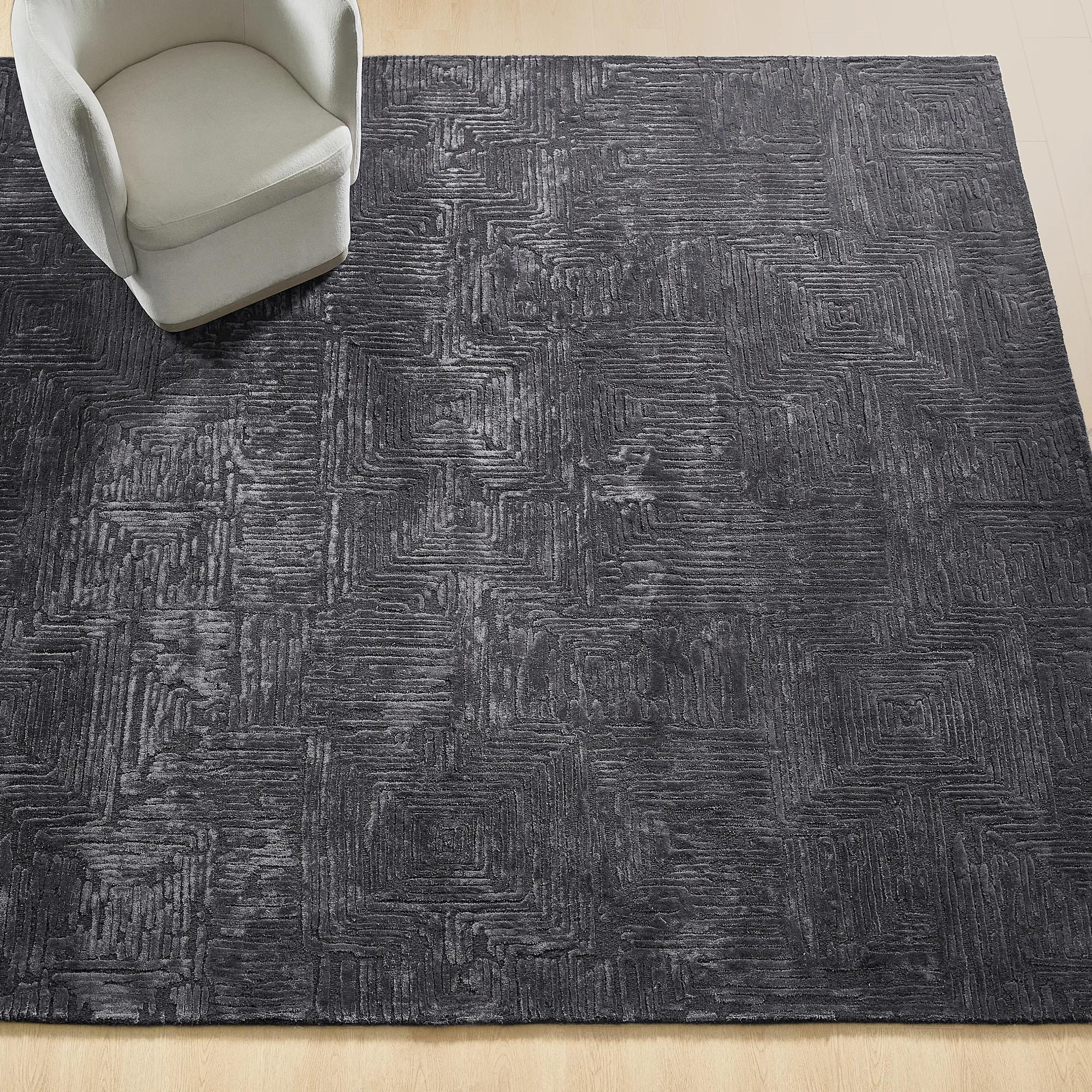
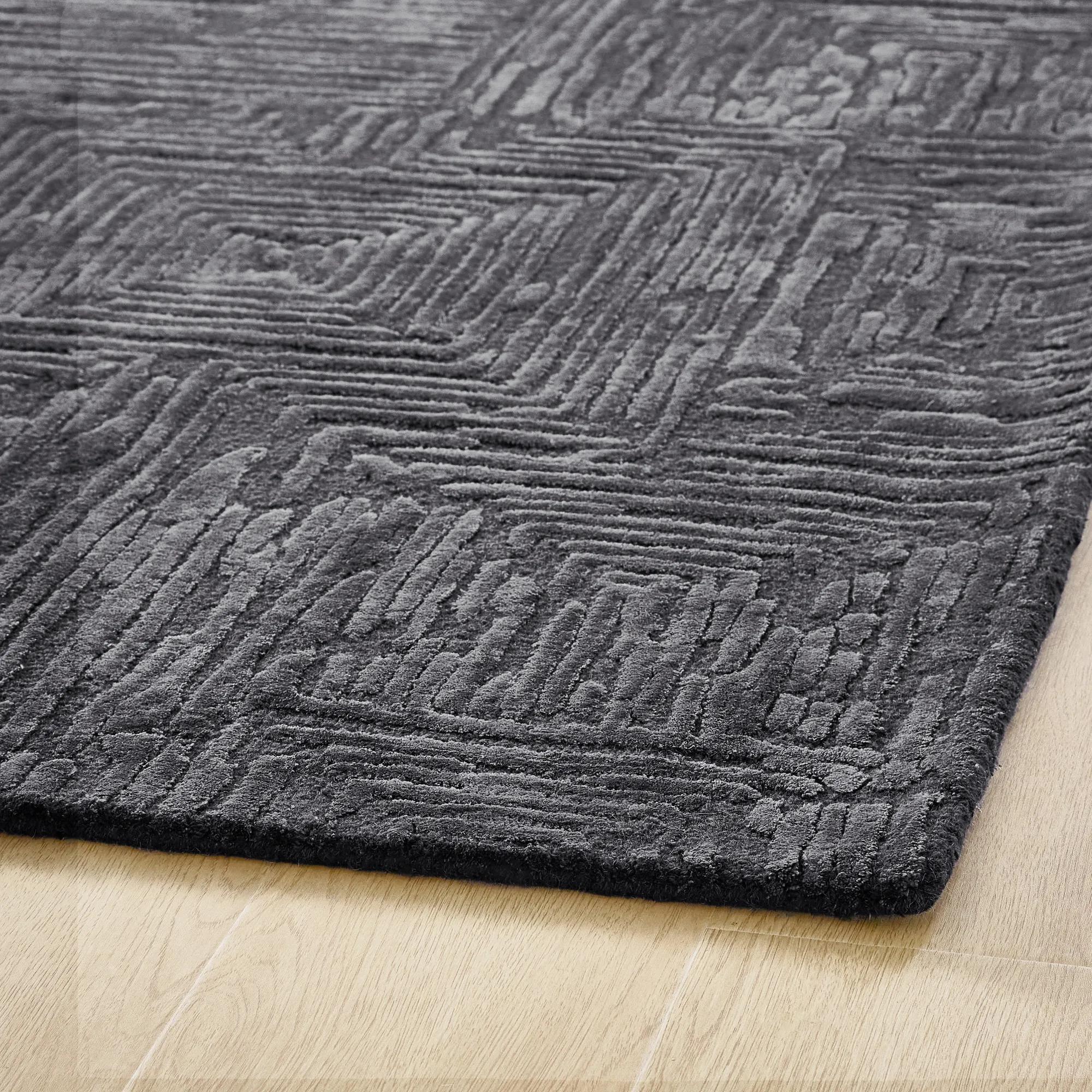 Andra Charcoal Hand-Tufted Wool Blend Dimensional Rug$1499
A hand-tufted viscose-wool rug in rich charcoal with a sculptural, dimensional pattern and plush texture.
Add To Cart -
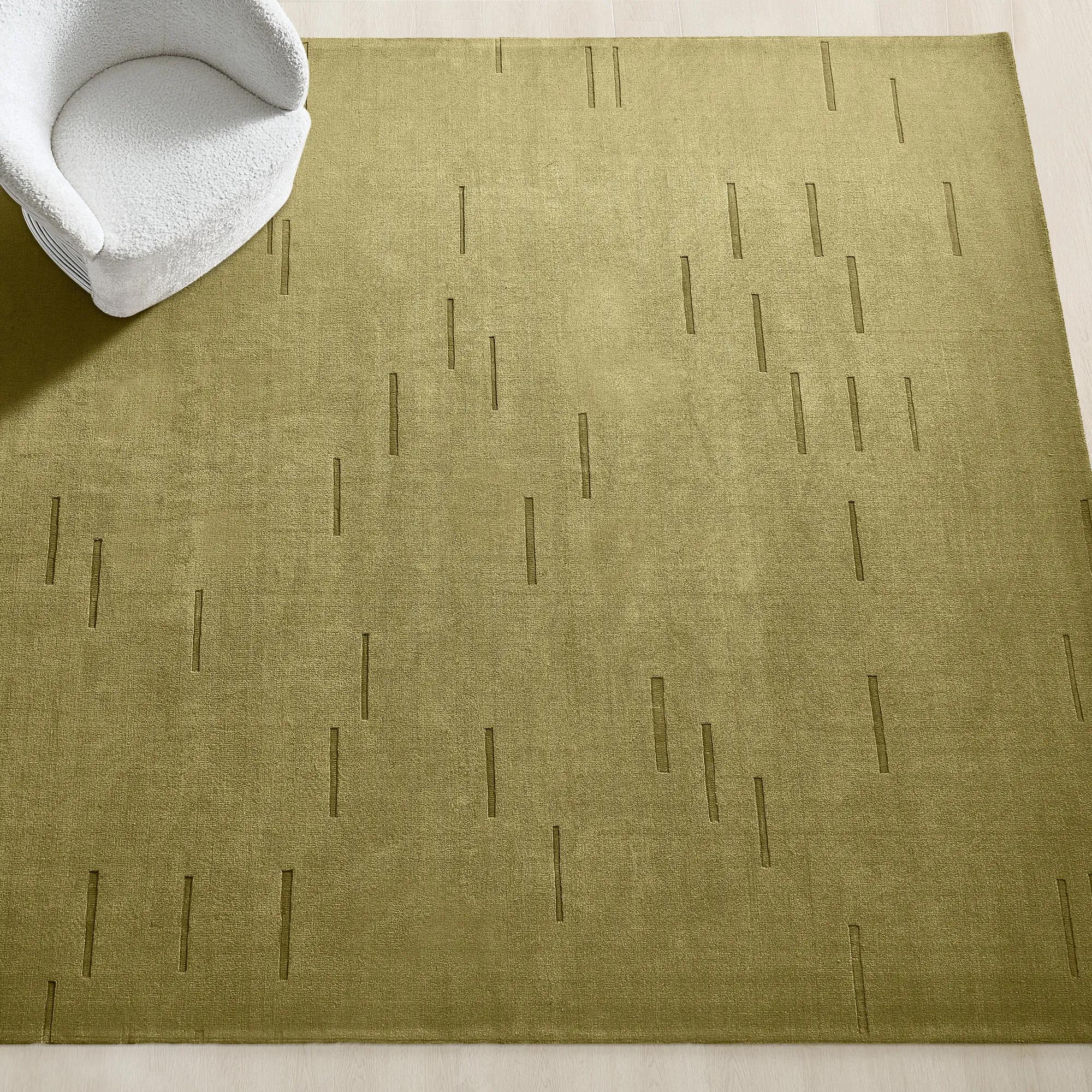
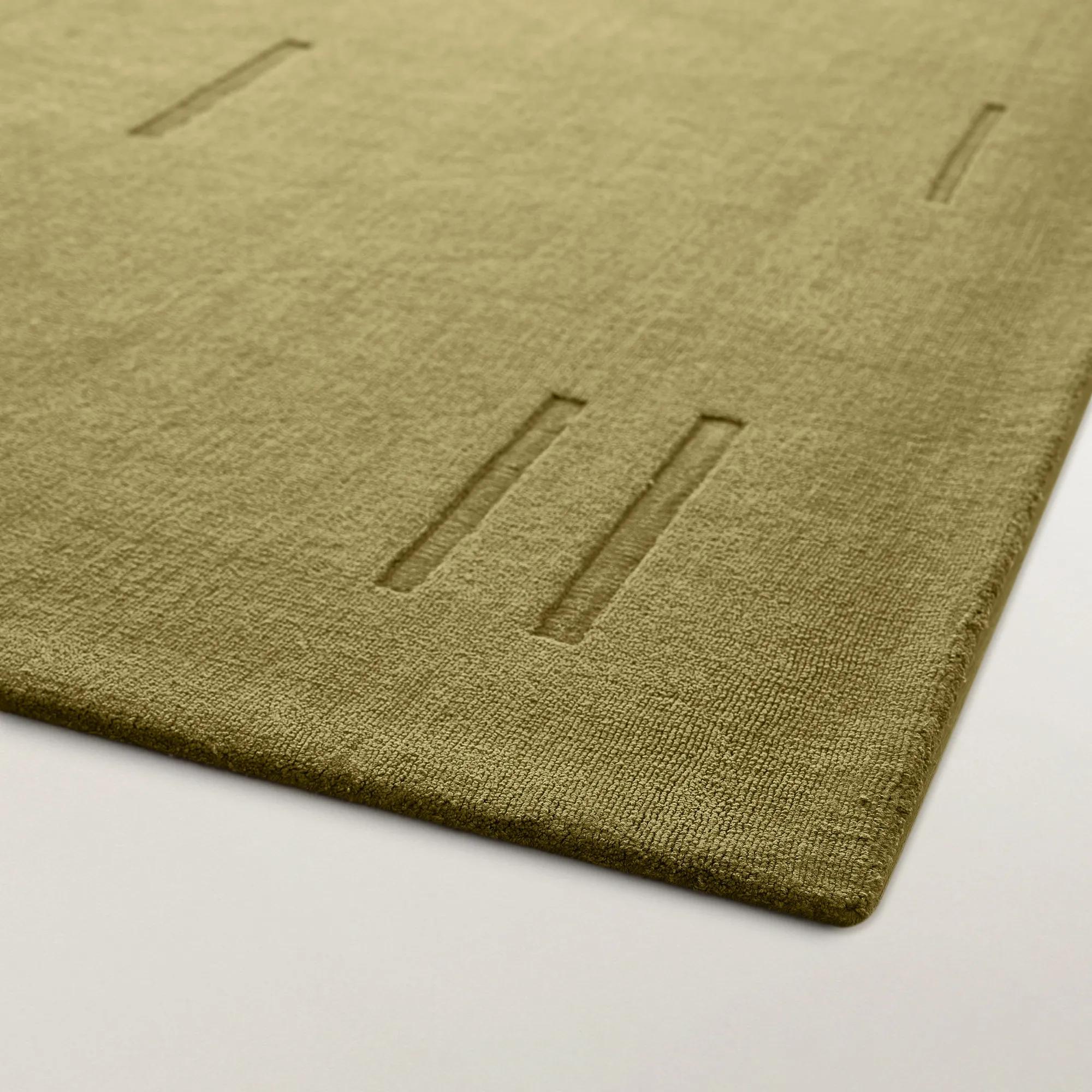 Lamita Muted Olive Green Wool Blend Rug$699
A muted olive green wool-blend rug bringing soft texture and understated sophistication to modern interiors.
Add To Cart -
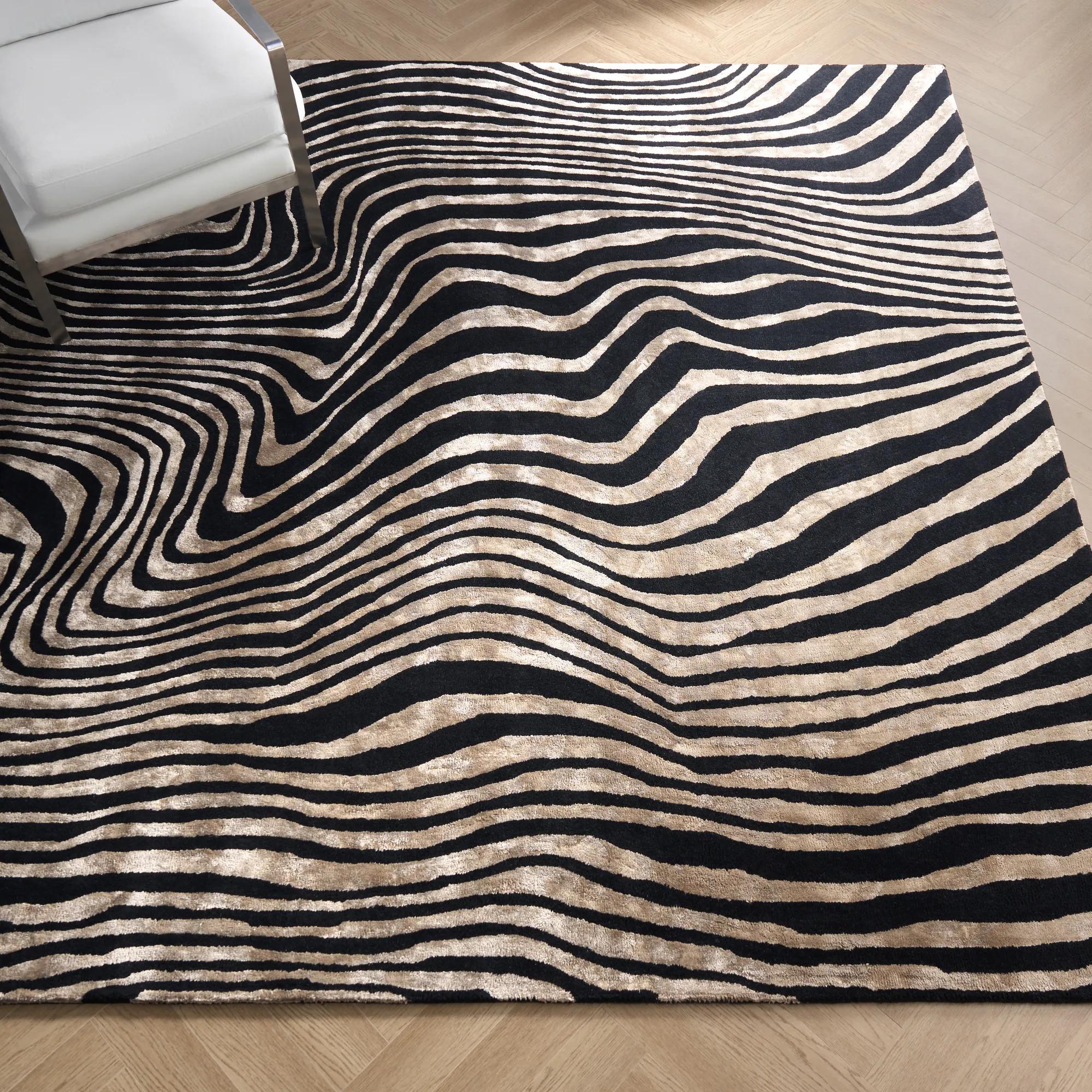
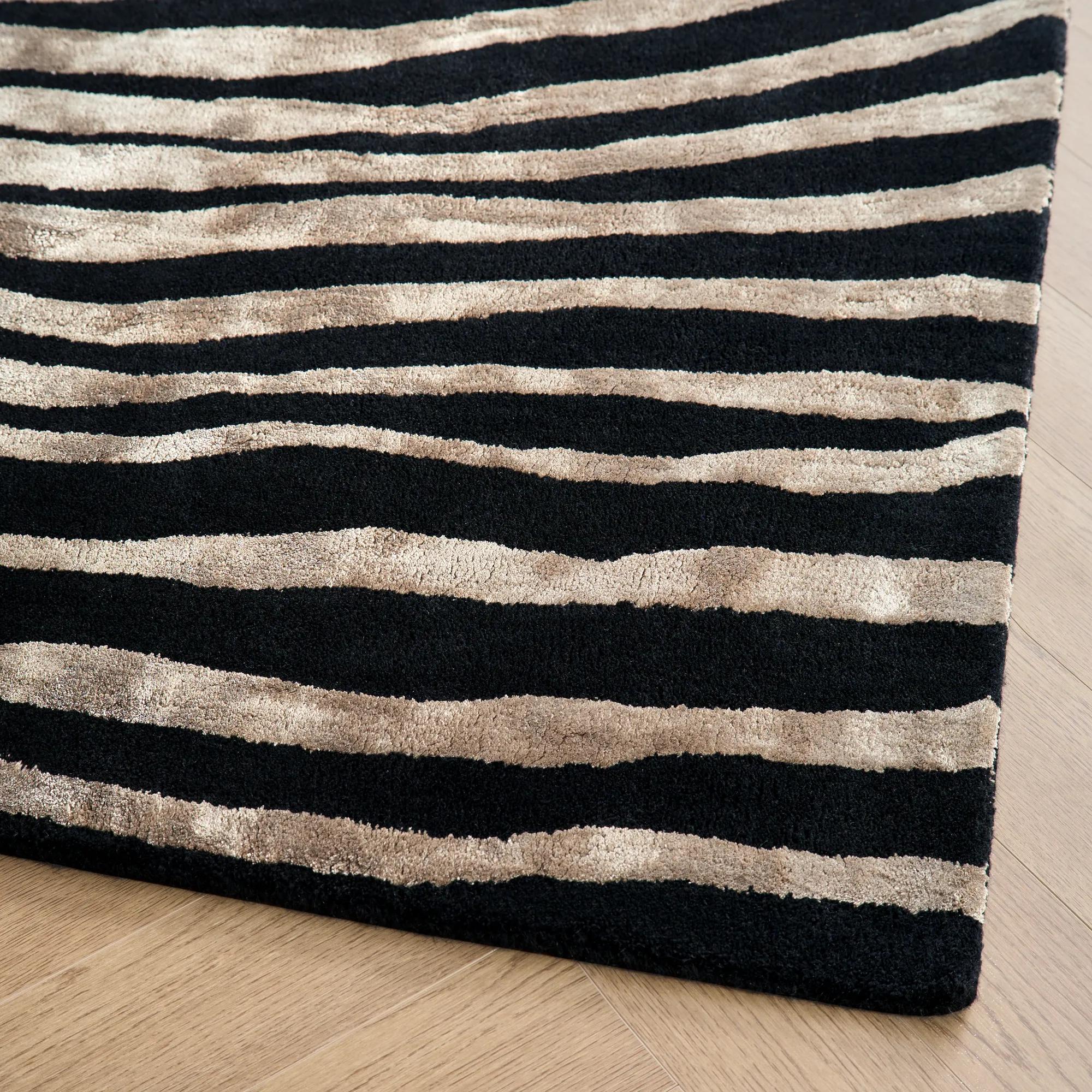 Abstract Zebra Hand-Tufted Black/Taupe Wool Blend Rug$599
An artisan hand-tufted rug in black and taupe wool-viscose, featuring a striking abstract zebra pattern.
Add To Cart -
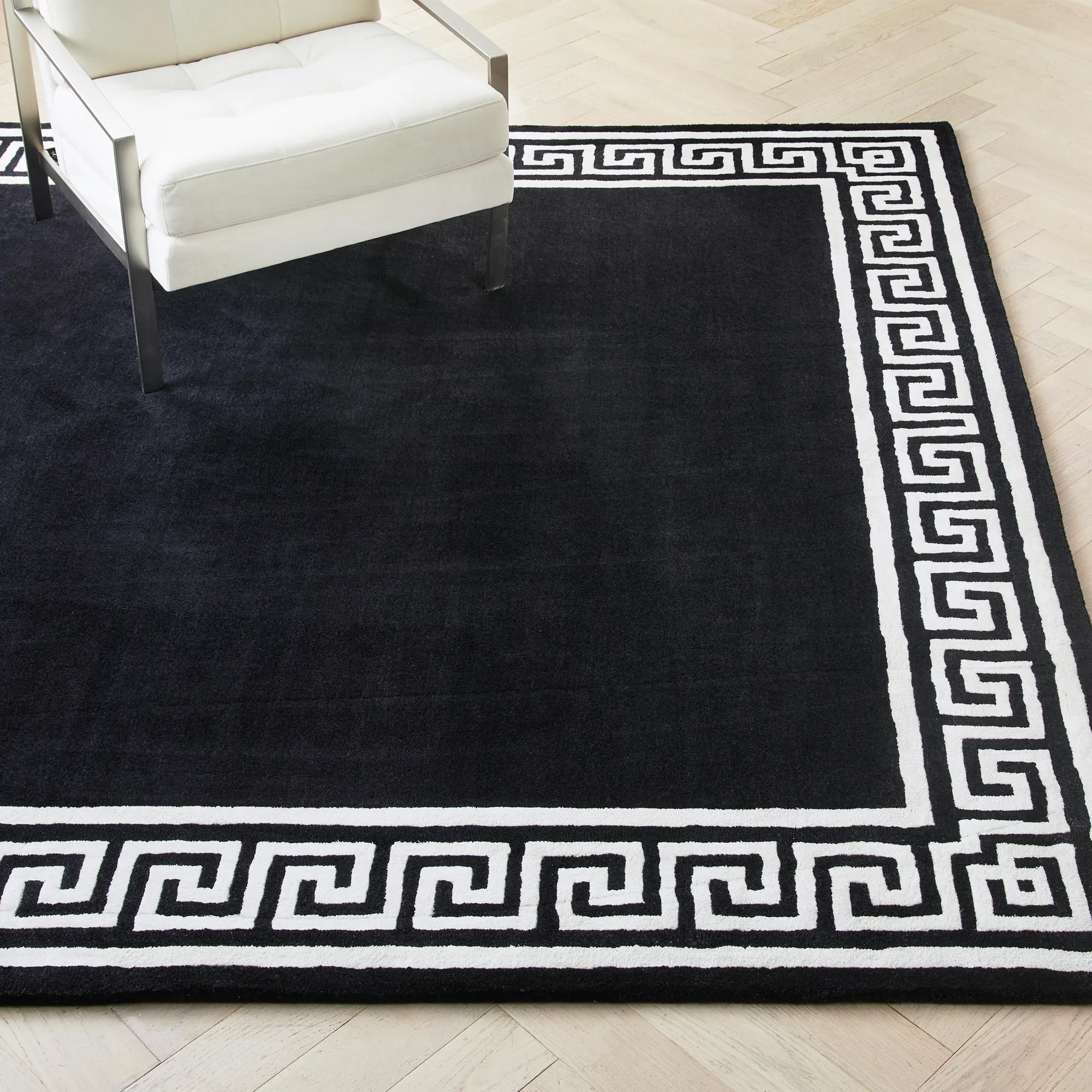
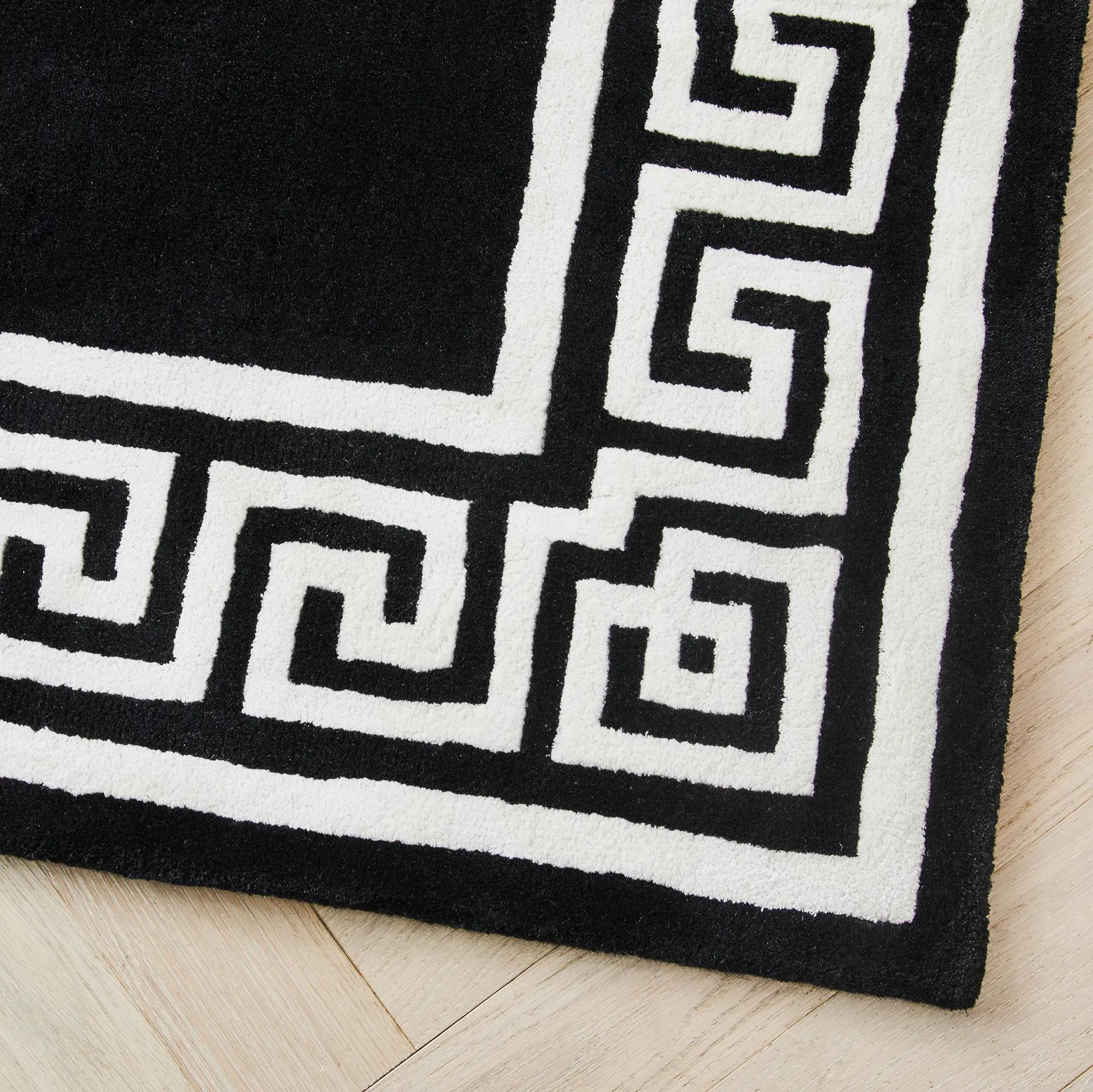 Greek Key Rug - Black/Ivory$1799
A hand-tufted black and ivory rug featuring a classic Greek key pattern in wool and viscose.
Add To Cart -
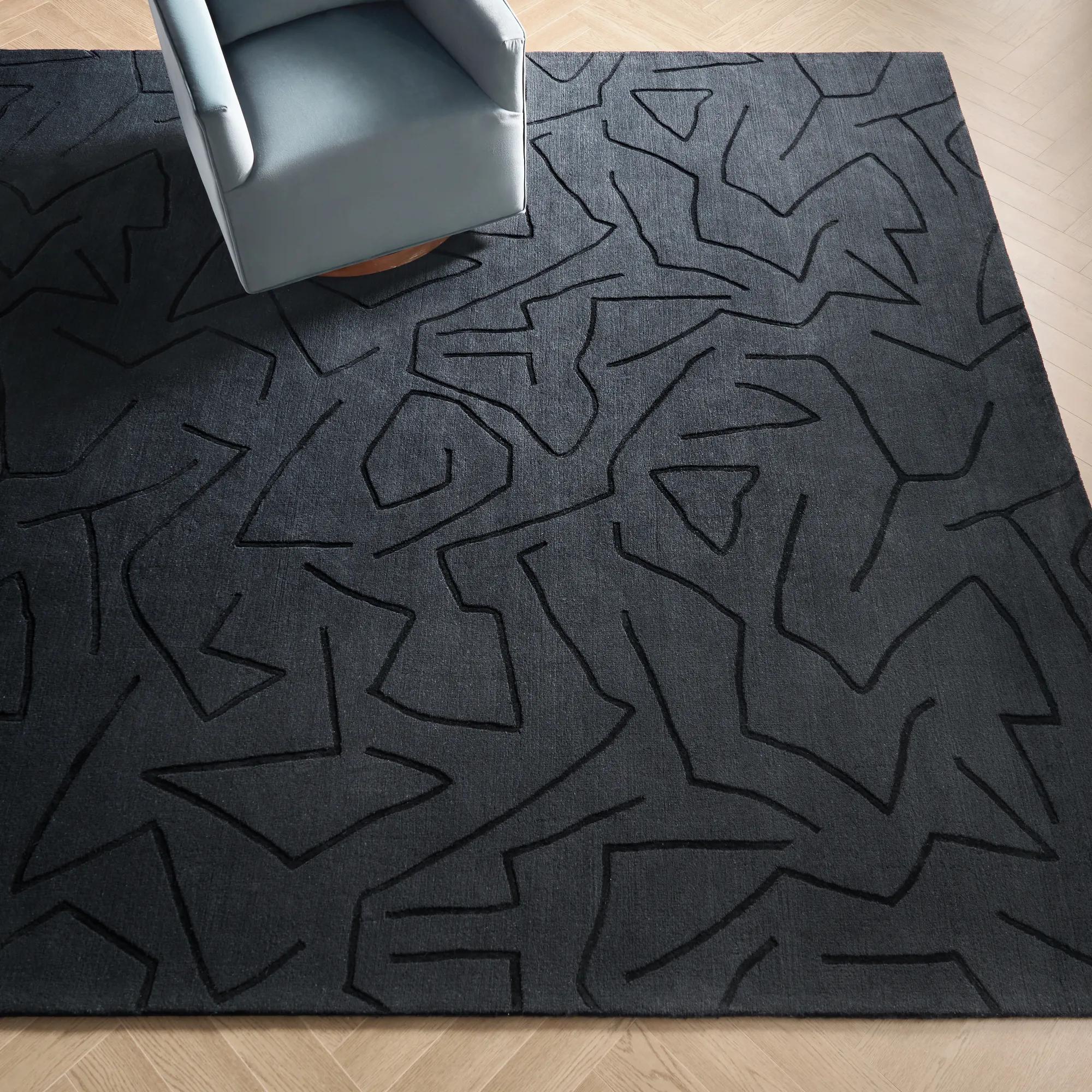 Carved Maze Rug$699
A hand-loomed black rug crafted from wool and viscose, featuring a carved maze design for added texture.
Add To Cart -
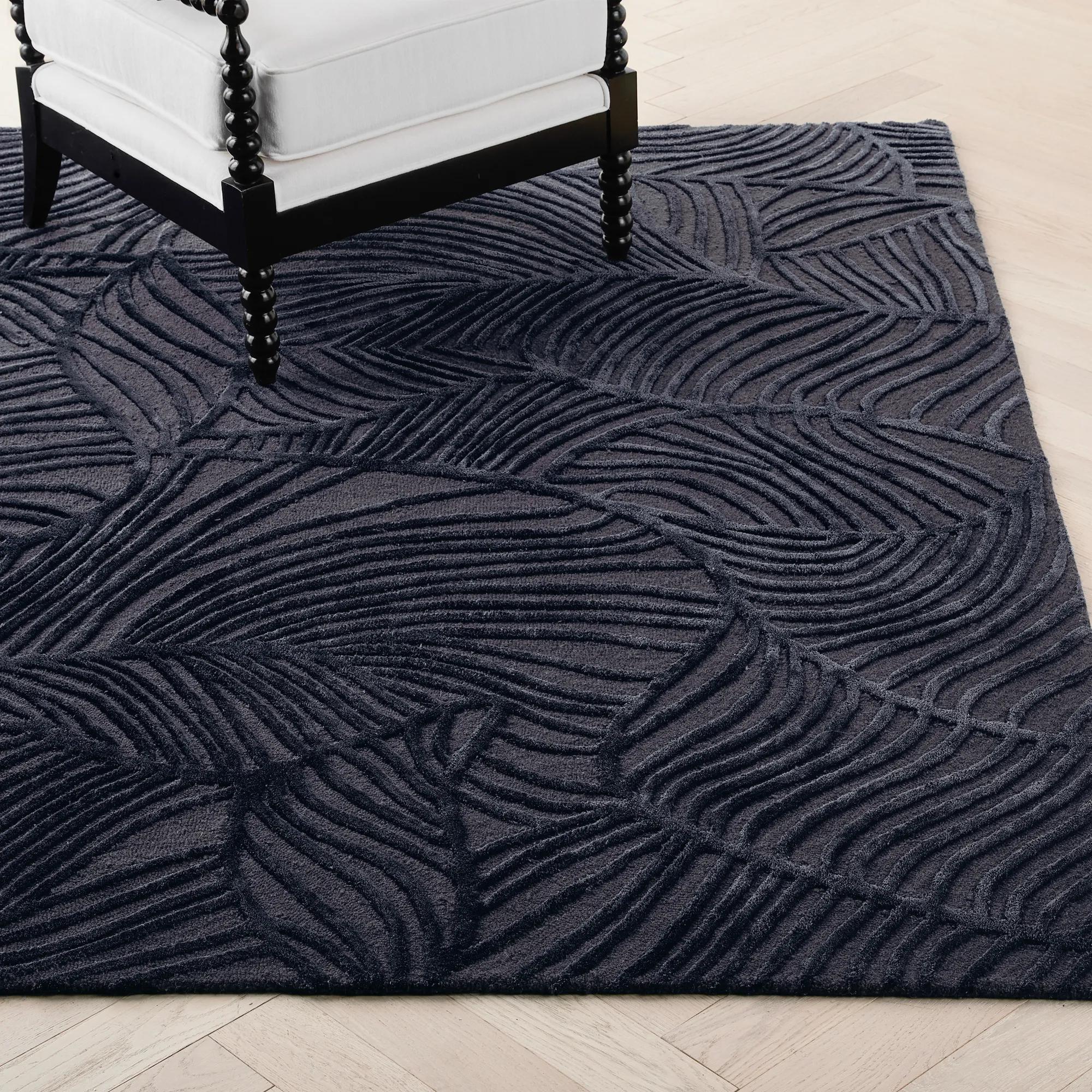
 Palm Rug - Charcoal$1499
A charcoal rug featuring a dynamic palm-leaf design with a textured high-low viscose and wool pile.
Add To Cart -
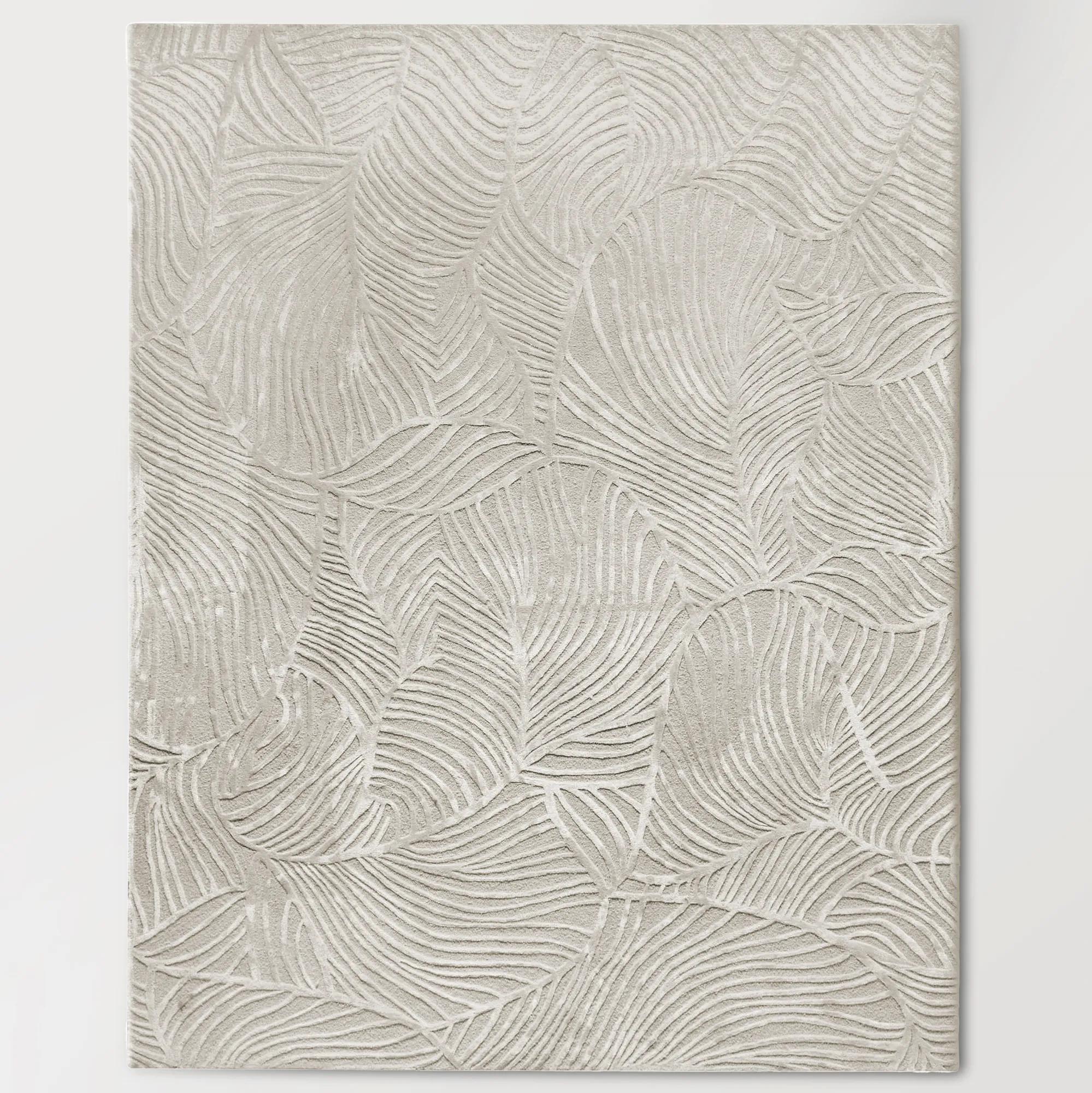 Palm Hand-Tufted Ivory Wool Blend Rug$1499
An ivory rug featuring a dynamic palm-leaf design with high-low pile in viscose and wool.
Add To Cart -
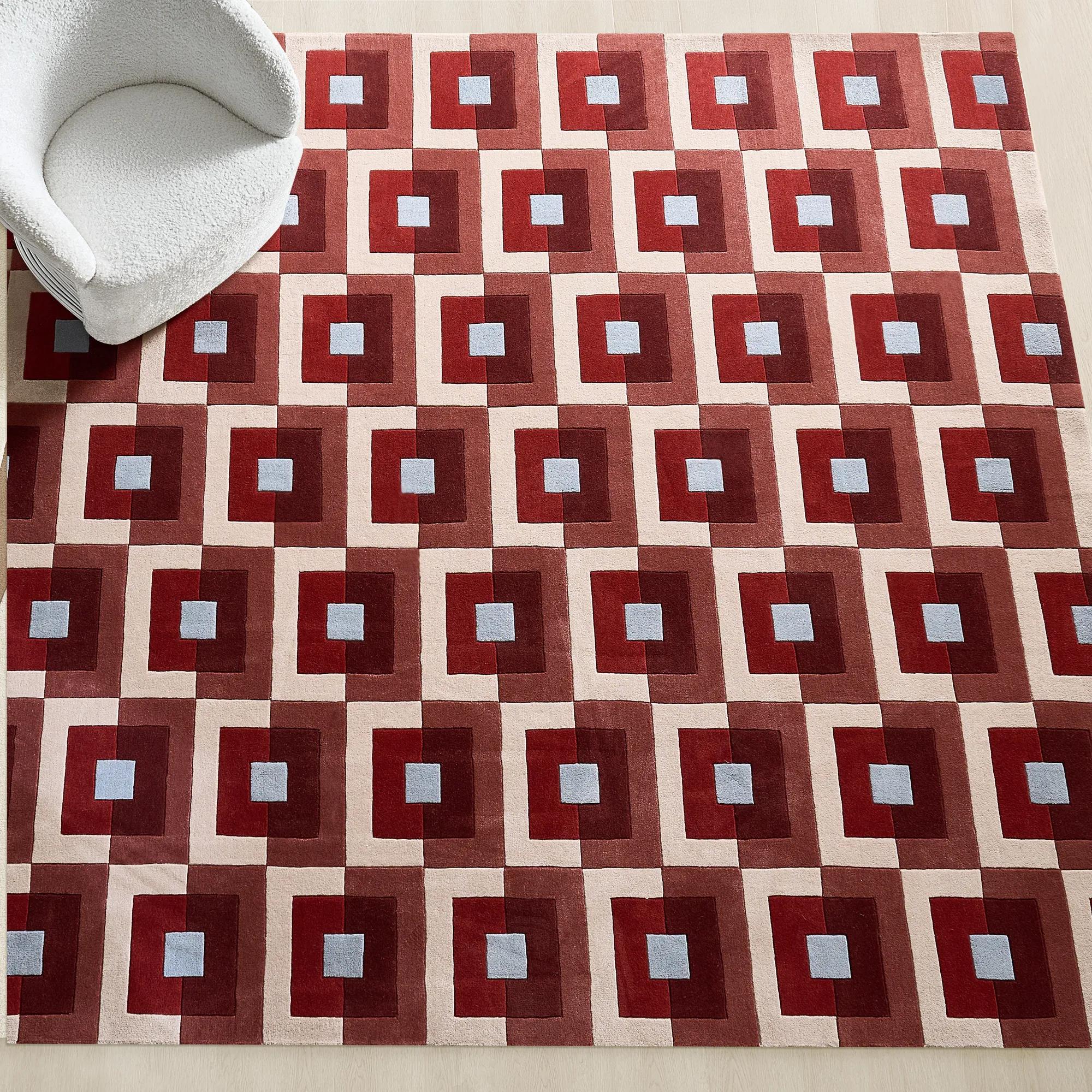
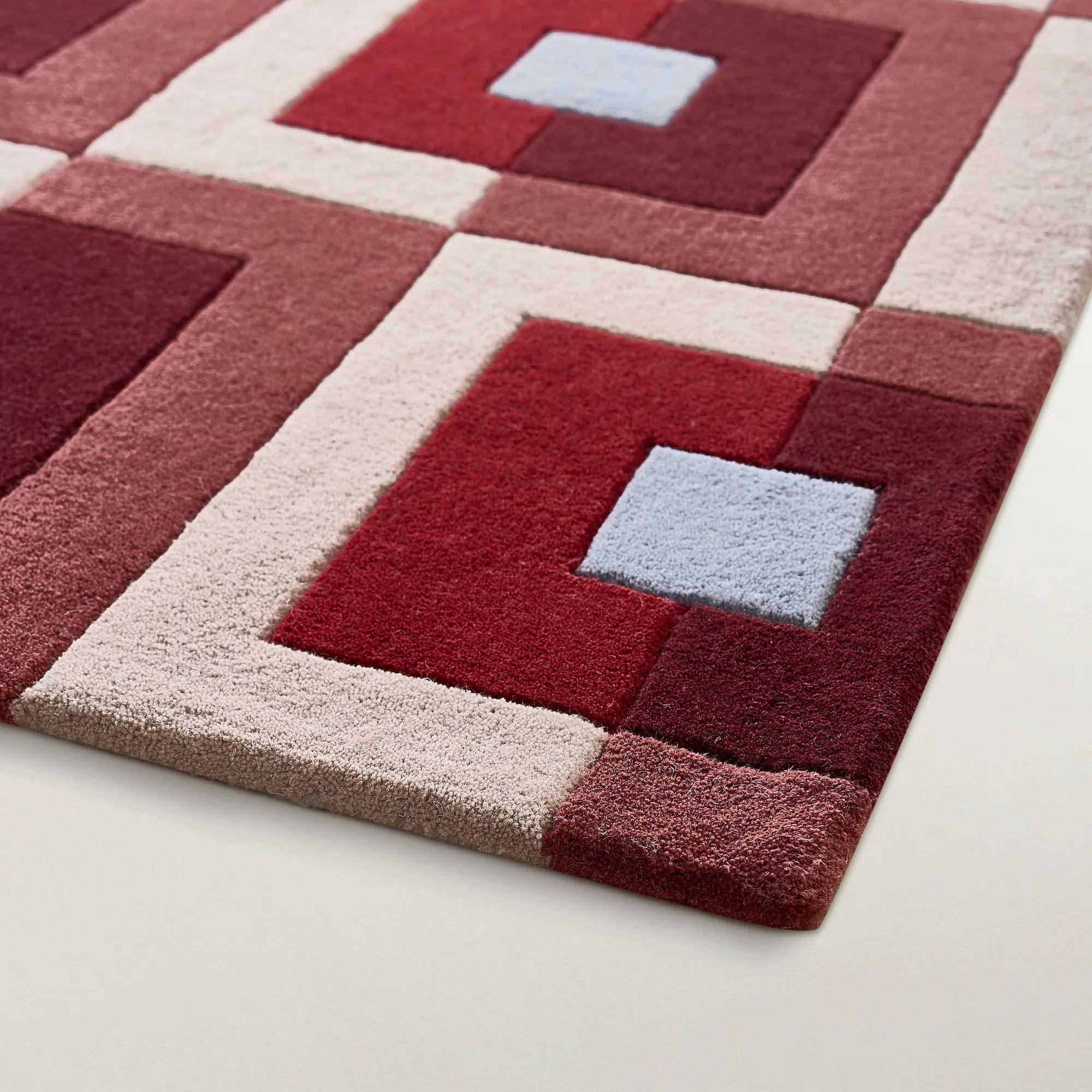 Geo Pop Wool Rug - Oxblood Red/Airy Blue$1099
A geometric wool rug blending oxblood red and airy blue for bold, modern interiors.
Add To Cart -
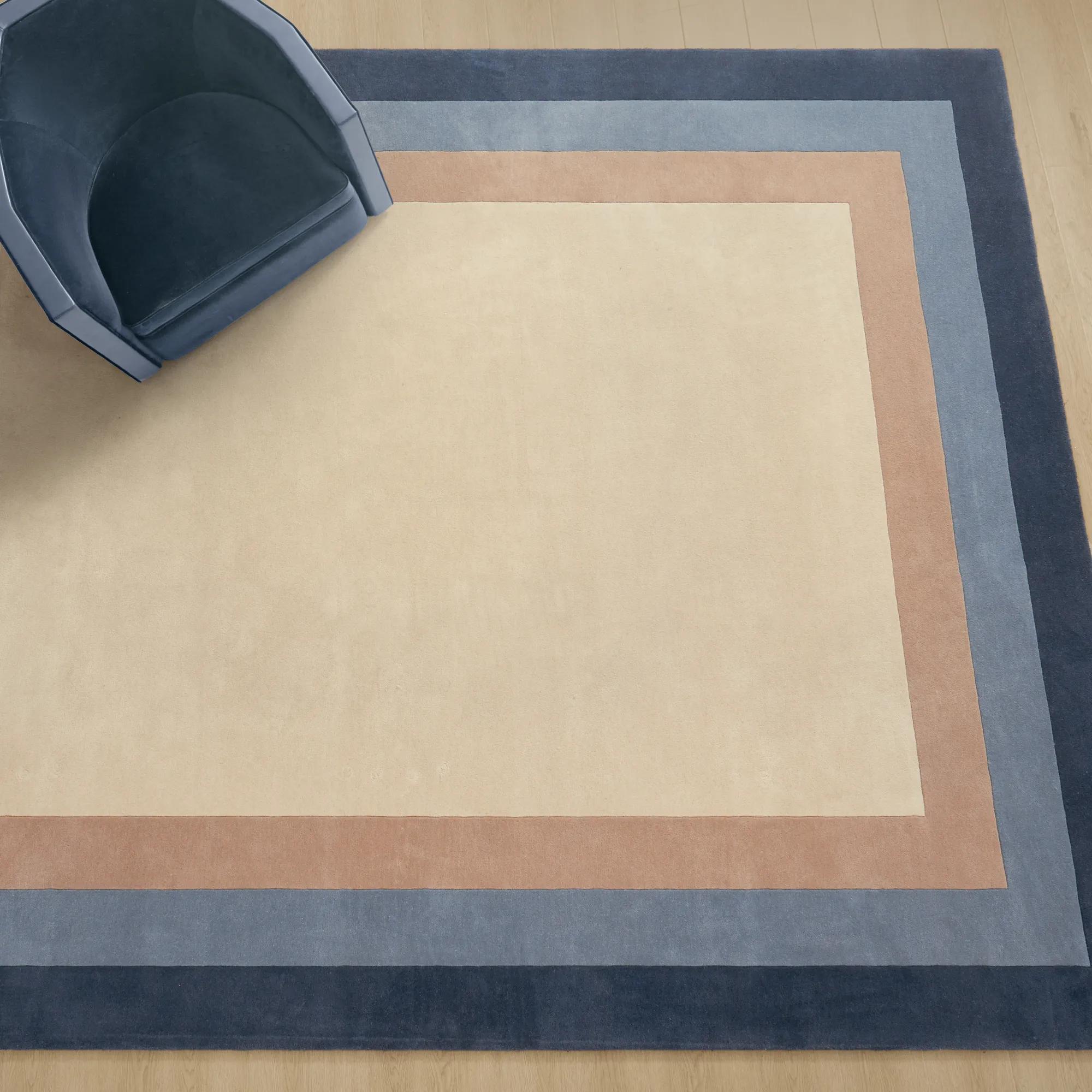 Bastien Hand-Tufted Blue/Taupe/Ivory Wool Border Rugs$1499
A hand-tufted wool rug featuring a bold color-blocked border in dusty blue, taupe, and ivory tones.
Add To Cart -
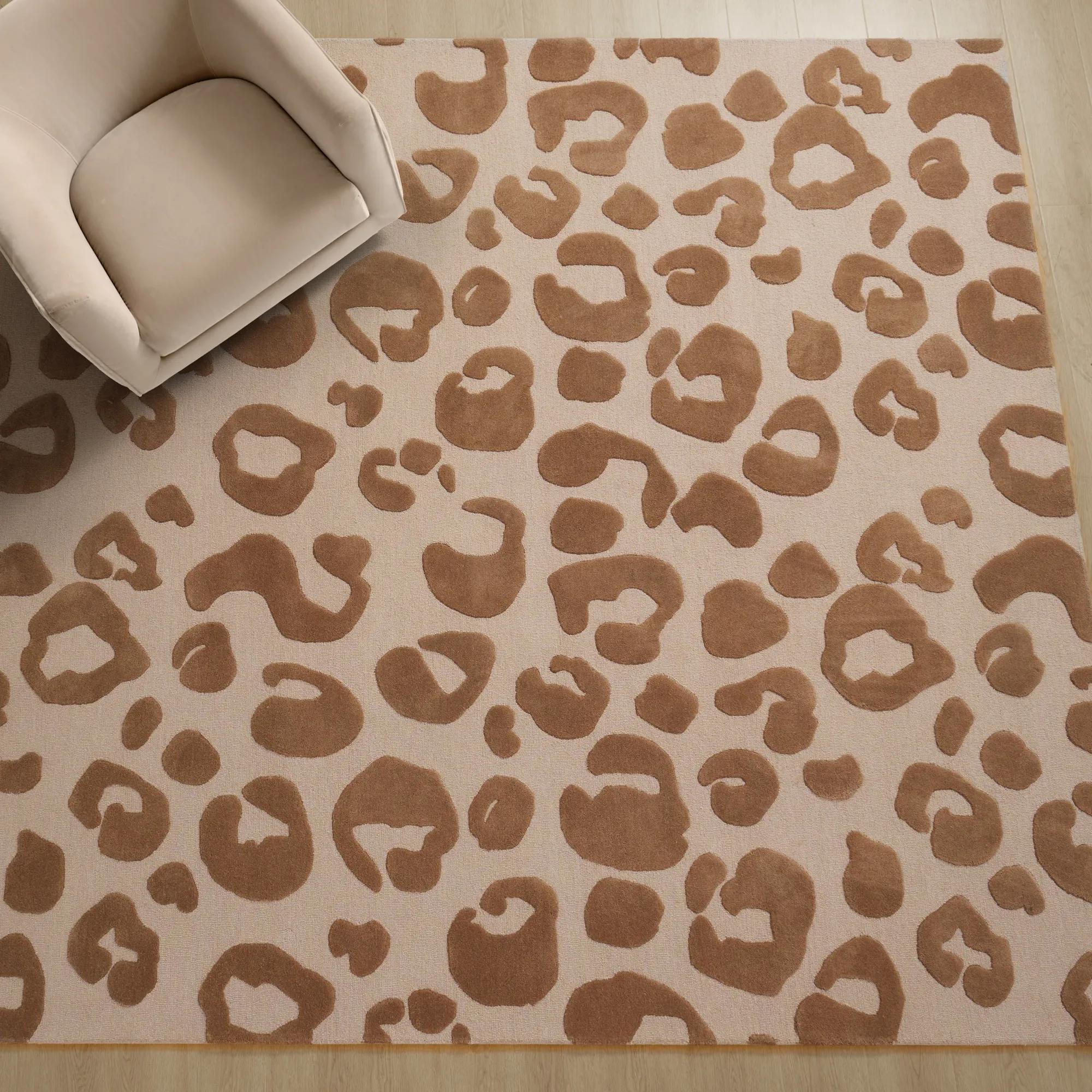 Pounce Hand-Tufted Tawny Brown Leopard Print Wool Rugs$999
A hand-tufted pure wool rug in tawny brown with a bold oversized leopard print and sculptural texture.
Add To Cart -
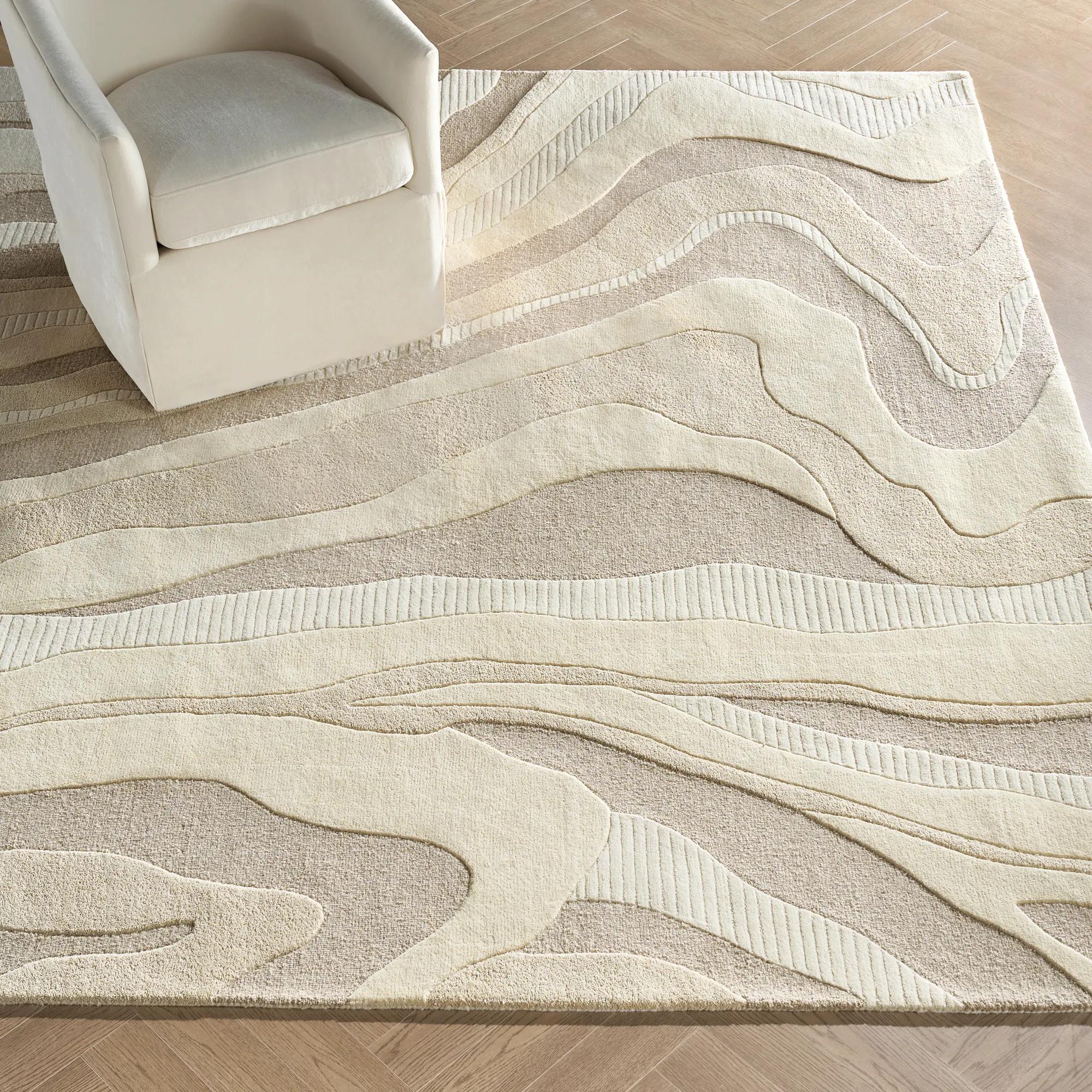 Kadence Hand-Tufted Ivory/Tan Wool Rug$1499
A hand-tufted wool rug featuring a multi-textured swirl design in ivory and tan for timeless elegance.
Add To Cart -
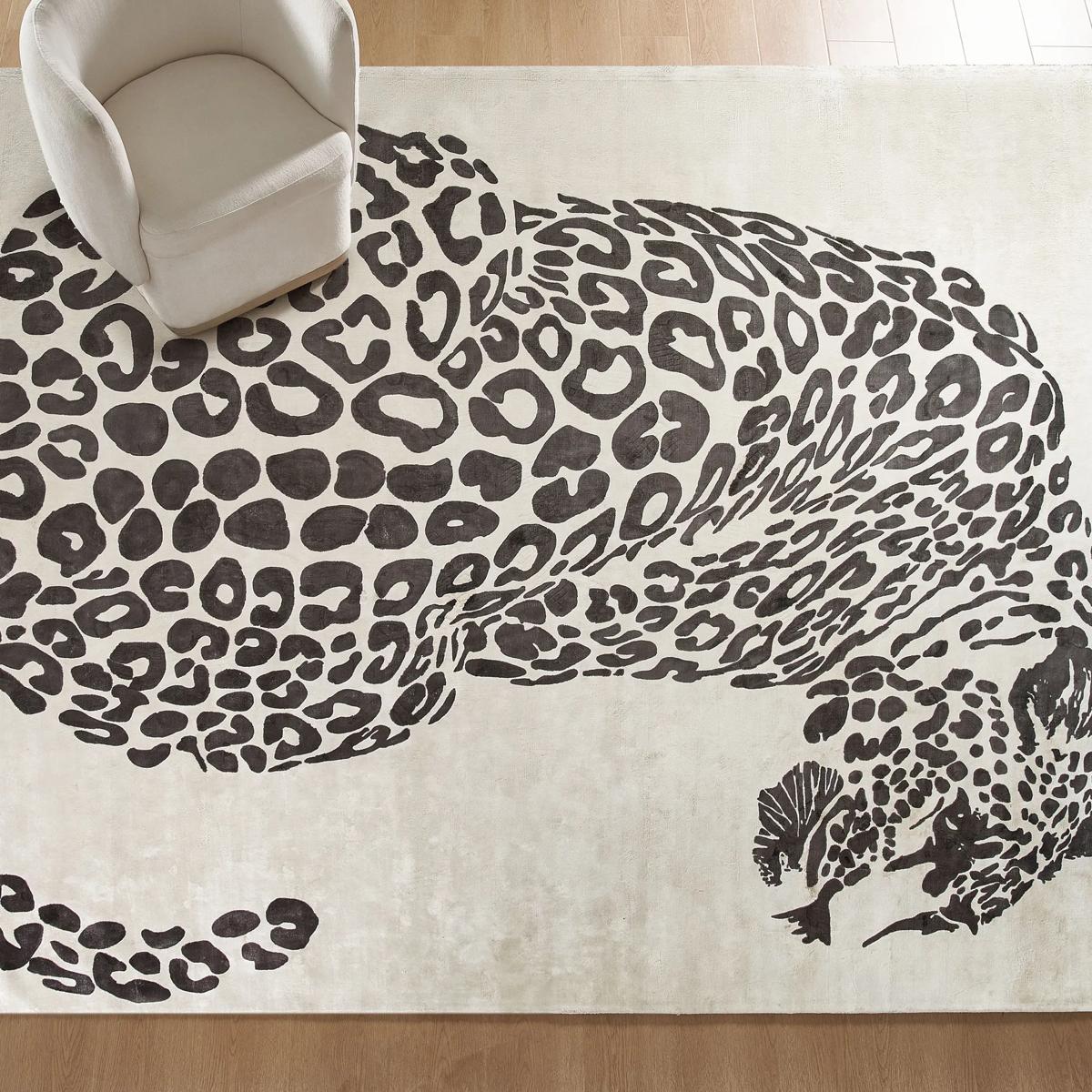 Pardus Leopard Hand-Loomed Ivory/Black Rug$999
A hand-loomed ivory and black rug featuring a bold leopard motif in soft, silky viscose.
Add To Cart -
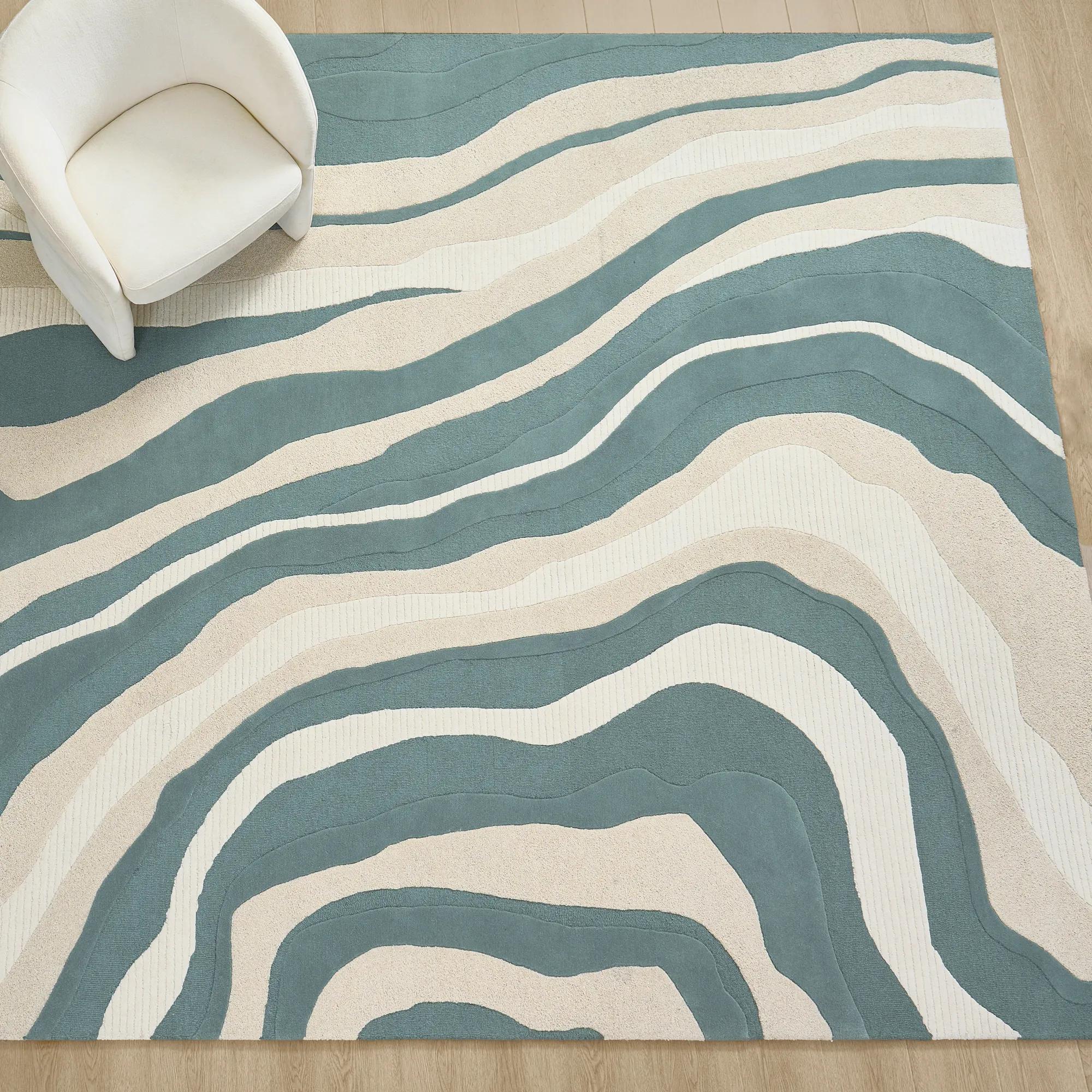 Kadence Hand-Tufted Sage Green/Ivory Wool Rugs$1499
A hand-tufted wool rug in deep sage green and ivory with a sculptural high-low abstract wave pattern.
Add To Cart -
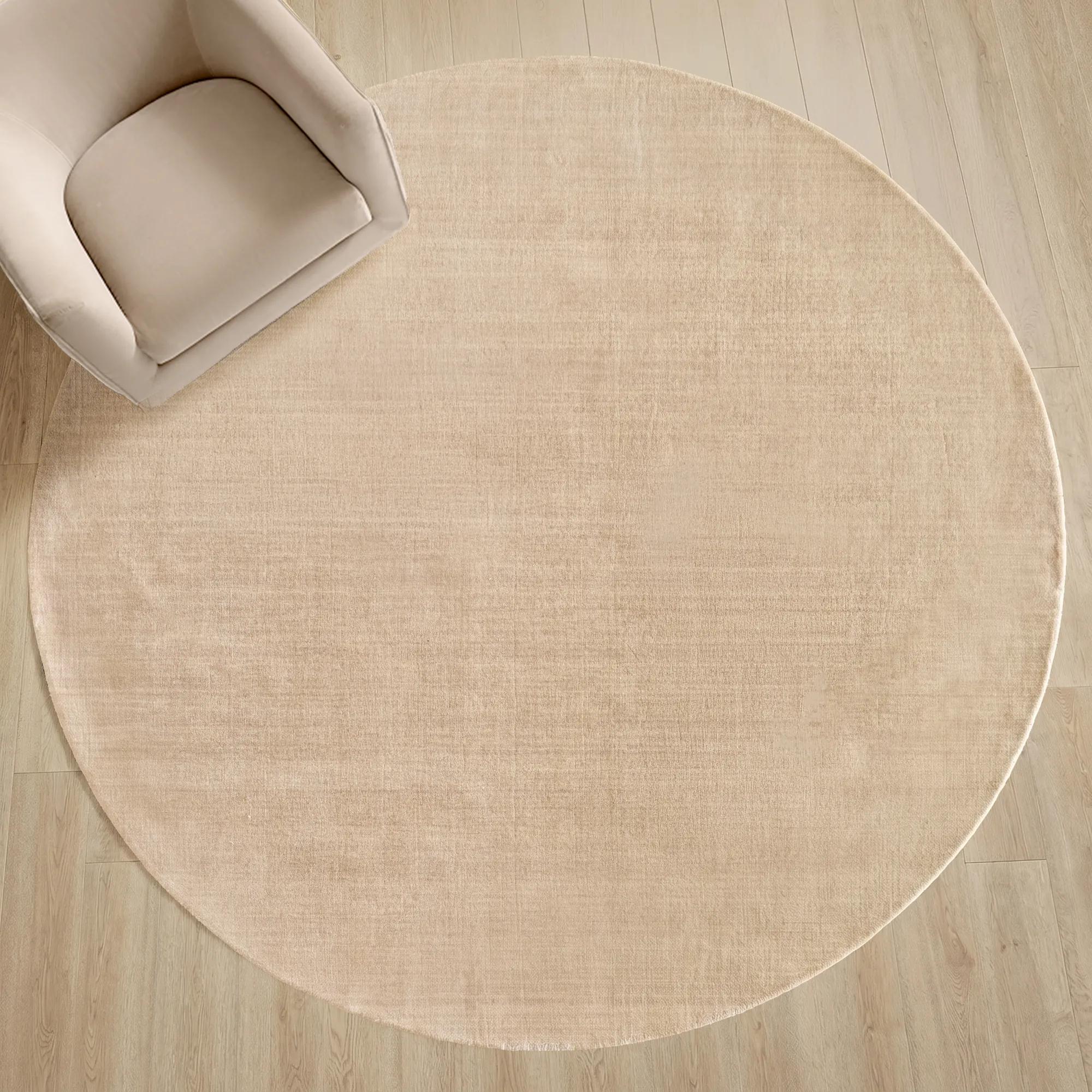 Juni Hand Woven Heathered Warm Beige Round Rug$1399
A handwoven round wool rug in heathered warm beige, offering refined texture and everyday durability.
Add To Cart -
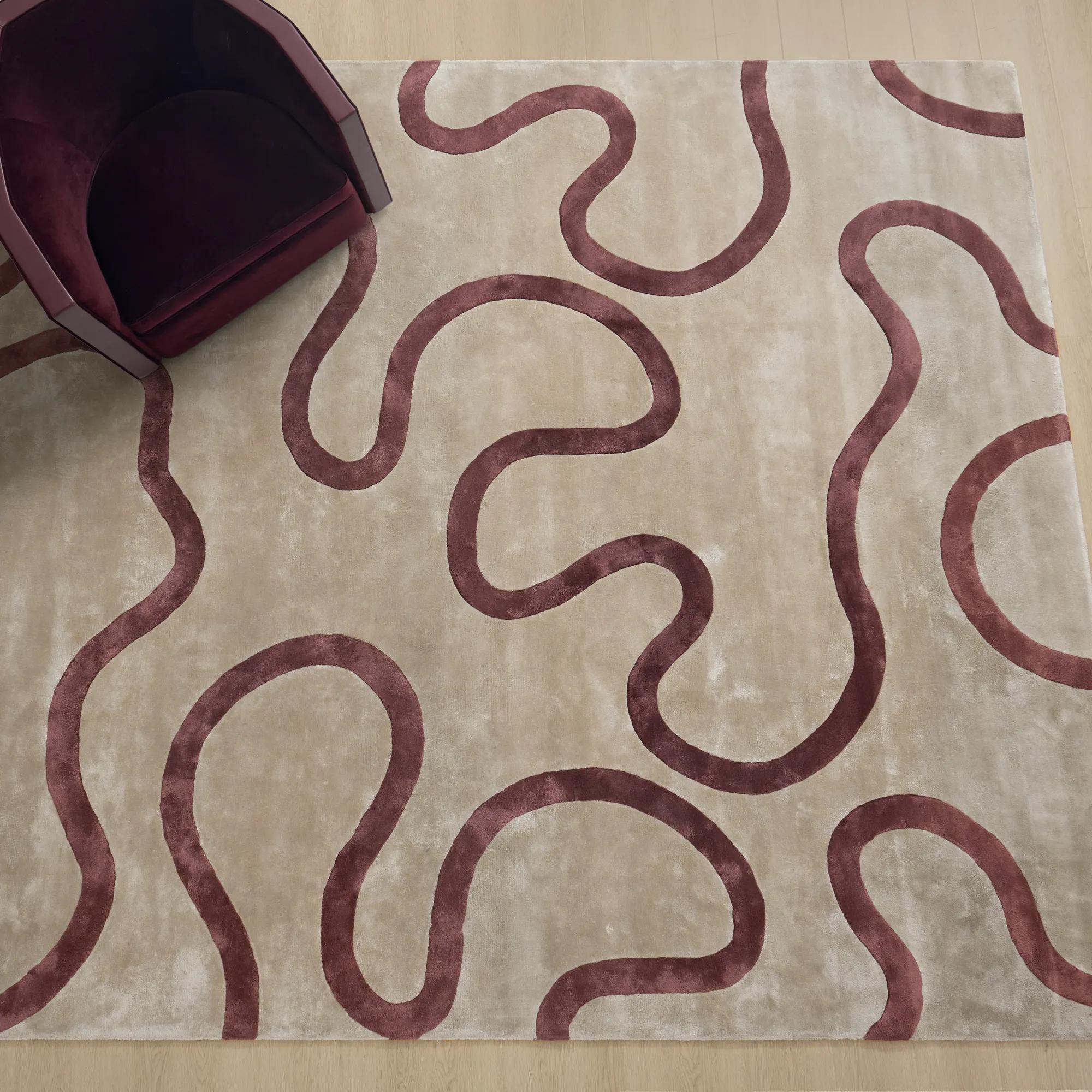 Seraphine Hand-Tufted Fig/Taupe Viscose Loop Rugs$599
A hand-tufted wool rug featuring bold fig and taupe loops for a graphic, Deco-inspired look.
Add To Cart -
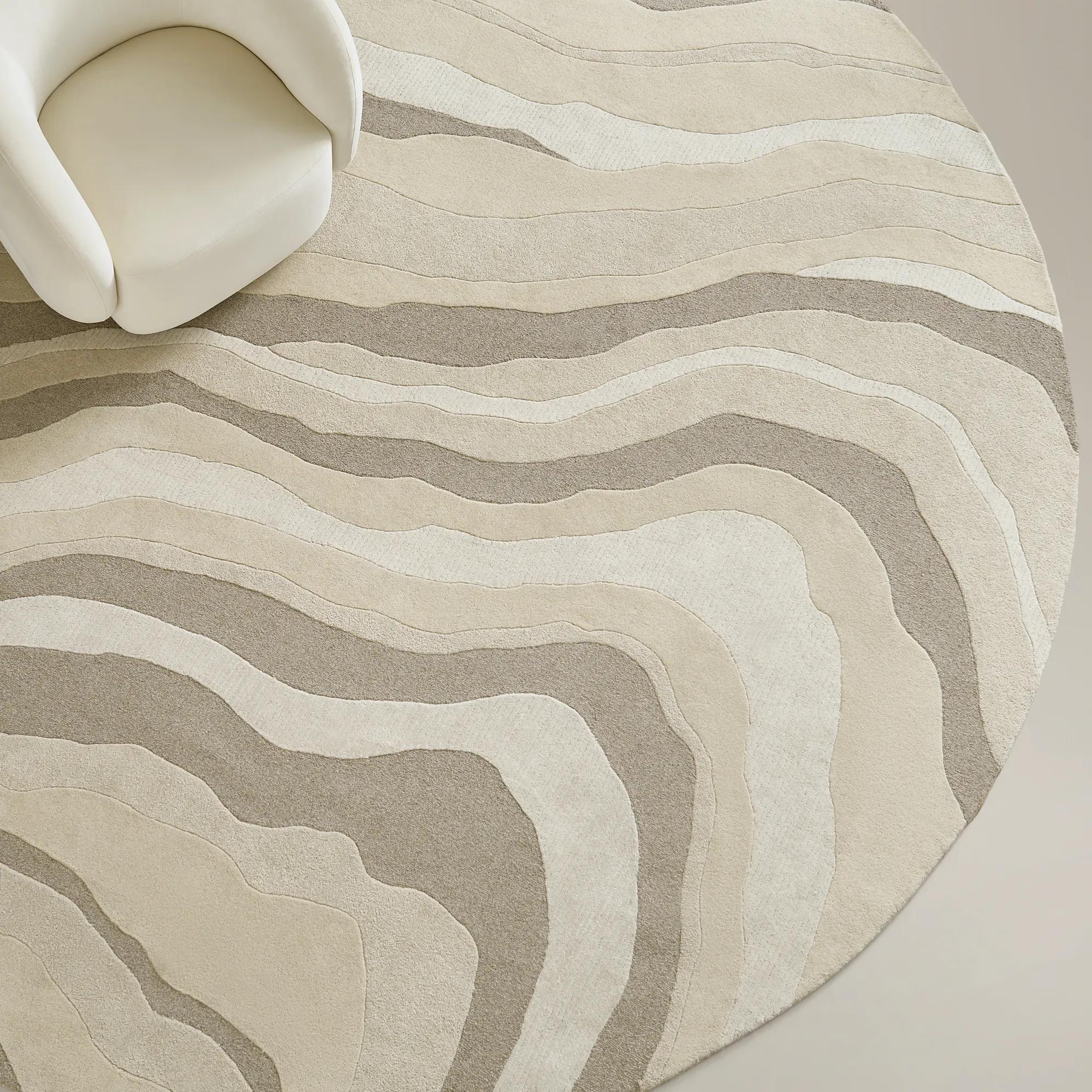 Kadence Hand-Tufted White/Ivory/Tan Wool Round Rug 12"$1799
A hand-tufted round rug in white, ivory, and tan, crafted from 100% wool for natural warmth.
Add To Cart -
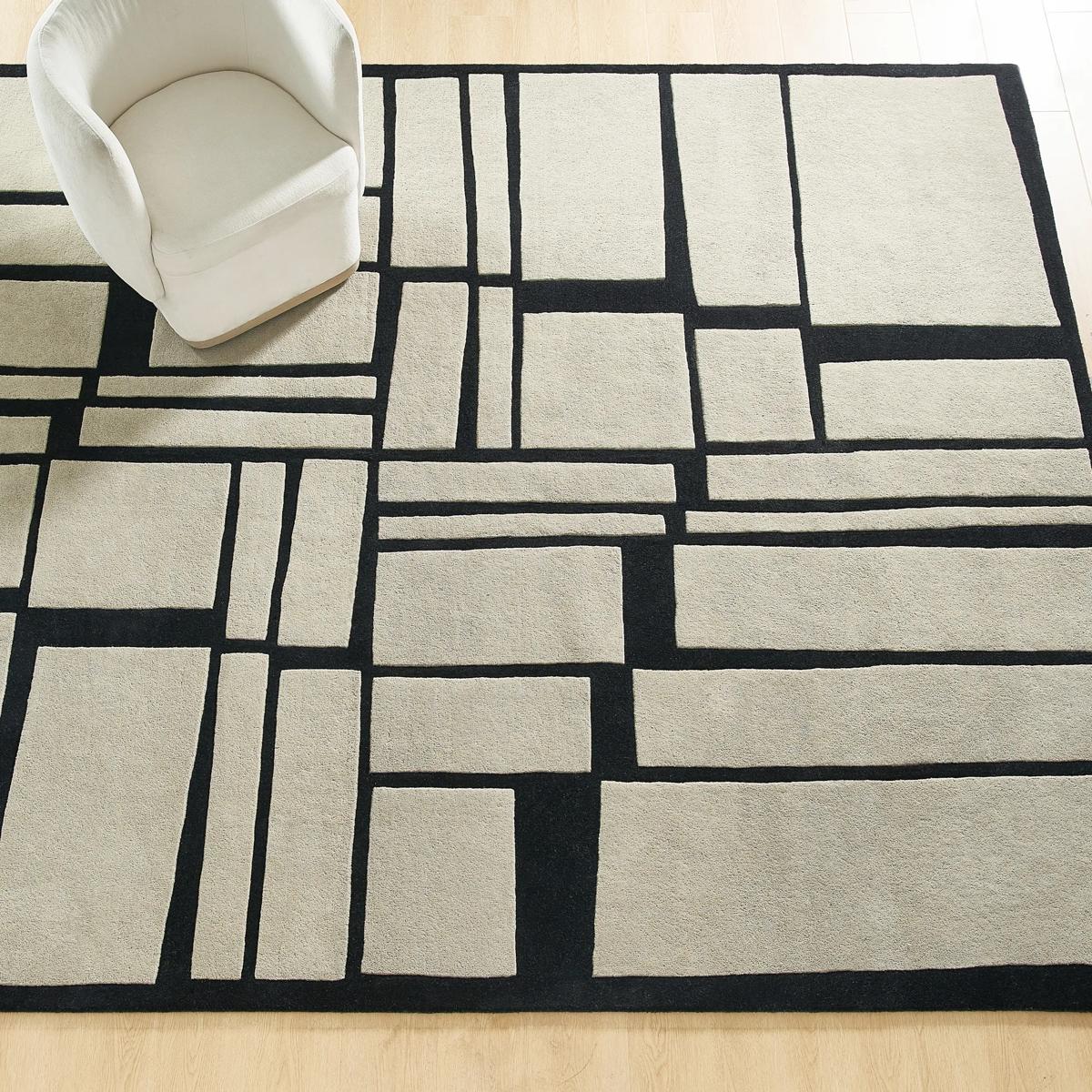 Novak Hand-Tufted Natural/Black Wool Rug$949
A hand-tufted wool rug featuring a bold black and natural grid design for modern, graphic appeal.
Add To Cart -
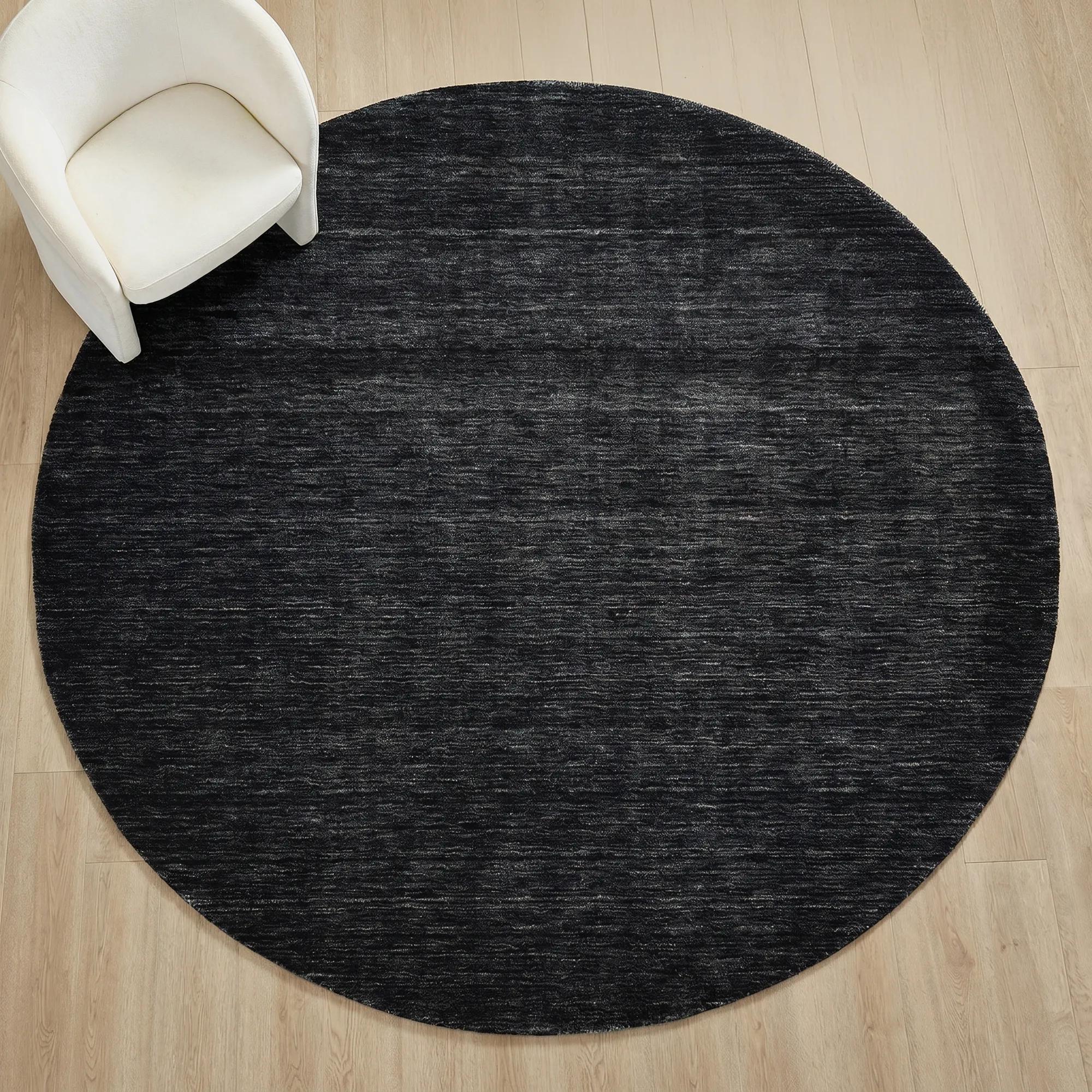 Juni Hand Woven Heathered Black Rug$799
A handwoven round wool rug in heathered black, offering durable texture and moody, contemporary style.
Add To Cart

Decorative Wool Blend Rugs
Transform your space into a gallery of tactile artistry with decorative wool blend rugs—where sumptuous texture meets striking design. Each piece is a celebration of craftsmanship, weaving together rich fibers and imaginative patterns to anchor your room in both comfort and style. Whether you crave bold geometry or subtle sophistication, these rugs invite you to indulge in layers of visual intrigue and plush underfoot luxury. Elevate every step and set the stage for unforgettable moments; with decorative wool blend rugs, your floor becomes the foundation of self-expression.
Decorative wool blend rugs combine natural wool with other fibers to create a floor covering that brings texture, pattern, and a luxurious feel to an interior. Wool contributes softness and natural resilience, while the companion fibers influence the rug’s finish, structure, and care requirements. The result can be a quietly dimensional backdrop for sculptural furniture or a sweeping statement that gives an entire room its point of view. Abstract motifs lend movement beneath a tailored sofa; bordered designs frame a seating arrangement with precision; tonal patterns let the interplay of cut and looped pile become the ornament. In a room with lacquered finishes, glass, or polished metal, a textured rug introduces a tactile counterpoint without diminishing the drama. Material composition deserves as much attention as color. Wool blended with nylon can benefit from nylon’s abrasion resistance, while acrylic may contribute a wool-like feel. Viscose can introduce a lustrous surface that catches the light, but it is more sensitive to moisture and generally calls for careful placement and specialized cleaning. Cotton may appear in the surface blend or serve as a foundation or backing material, so a wool-and-cotton description alone does not reveal exactly what will be underfoot. Fiber percentages, construction, and backing all help clarify how a rug is likely to perform. A blend does not automatically shed less than an all-wool rug; shedding also depends on fiber quality, yarn preparation, pile, and construction. Likewise, a high-low pattern offers more than visual interest: its raised areas create tactile depth, while the recessed design gives the surface a sculpted character. These distinctions make decorative wool blend rugs appealing to anyone who wants a room to feel deliberately composed rather than simply furnished. Whether the palette is ivory and charcoal, muted jewel tones, or a more expressive mix, the strongest choice connects the rug’s texture and scale to the furniture, artwork, and objects around it. For another perspective on this richly layered foundation, explore Luxury Wool Blend Rugs.
Proportion gives a decorative rug its presence. In a living room, a rug that accommodates at least the front legs of the sofa and surrounding chairs usually creates a more cohesive seating area than a smaller piece floating beneath the coffee table. An 8-by-10-foot or 9-by-12-foot size may suit that arrangement, but the furniture footprint and room dimensions should lead the decision. Marking the proposed edges with painter’s tape makes the scale tangible before committing to a size. Leave a visible border of flooring where the room allows, and consider how the pattern will look once larger furnishings cover part of it. A dramatic central motif can disappear beneath a broad coffee table, while an allover design continues to contribute movement around furniture. In a bedroom, extending the rug beyond the sides and foot of the bed creates a generous landing and gives the bed a more substantial visual anchor. A smaller accent rug can define a dressing area or reading chair, provided it sits securely and does not interrupt a walking path. Dining rooms require a different calculation: the rug should extend far enough beyond the table for chairs to remain on it when pulled out for seating. A lower, relatively even pile is often more practical there than a deeply sculpted surface, which may complicate chair movement and collect crumbs in its recesses. Home offices also benefit from considering chair movement; a plush pile may resist casters, while a flatter construction can make repositioning easier. For hallways and other frequently traveled spaces, favor construction and fiber combinations suited to repeated foot traffic rather than assuming every wool blend has the same durability. Check door clearance, especially where a thick rug and pad meet a swinging door. A properly sized rug pad helps limit shifting, adds cushioning, and reduces friction between the rug and the floor. Choose a pad compatible with the flooring manufacturer’s recommendations, and keep it slightly inside the rug’s edges so the finished outline remains crisp.
Care preserves both the appearance and the character of a wool blend rug. Start with the care label, since the right approach depends on the complete fiber blend, dyes, backing, and construction—not wool content alone. Regular vacuuming removes loose soil before it settles into the pile, but an aggressive rotating brush can pull fibers or damage delicate textures. When permitted by the manufacturer, use a suction-only setting or an attachment appropriate for the rug, and avoid catching fringes or repeatedly running over bound edges. Some shedding can occur, particularly with new cut-pile or tufted rugs; gentle, consistent maintenance is preferable to vigorous brushing. Rotate the rug periodically when its shape and furniture arrangement allow so foot traffic and light exposure are distributed more evenly. Strong direct sunlight can fade some colors, making window treatments useful in rooms with prolonged exposure. Attend to spills promptly by blotting with a clean, absorbent white cloth rather than rubbing, which can spread the spill and disturb the surface. Follow the recommended cleaning method, test any approved solution in an inconspicuous area, and avoid saturating the rug. Wool blends containing viscose warrant particular caution because moisture can affect their appearance and texture. Professional cleaning by a specialist familiar with the fiber composition is a sound option for deeper soil or stains that do not lift with approved spot care. In homes with pets or children, a lower pile and a visually varied pattern may be easier to live with than a pale, lustrous surface, although no decorative rug is stain-proof or immune to wear. A rug intended for a sheltered bedroom should not be expected to perform like one chosen for a busy family seating area. For someone furnishing a new home, a wool blend rug can also make a meaningful gift when the recipient’s room measurements, preferred palette, and care expectations are known. Thoughtful selection lets this substantial decorative layer deliver its full effect: a softer landing, a more coherent furniture arrangement, and an expressive foundation that makes the surrounding details feel intentional.
FAQs
Decorative wool blend rugs are celebrated for their ability to marry luxurious comfort with enduring resilience. The natural wool fibers offer a plush, insulating feel underfoot, while blended synthetic materials enhance durability and stain resistance. This harmonious combination allows for bold colors, intricate patterns, and a variety of textures—making these rugs a versatile statement piece for any contemporary or classic setting.
Wool blend rugs serve as both a visual anchor and a tactile indulgence, grounding each space with texture, color, and artistry. Their layered presence can transform a room, adding warmth in winter, softening acoustics, and infusing every corner with a sense of curated sophistication. Whether you choose a sculptural geometric pattern or a hand-knotted traditional design, these rugs enrich the ambiance and invite expressive living.
Absolutely. The inclusion of synthetic fibers in wool blend rugs increases their resistance to stains and wear, making them a practical yet elegant choice for lively households. Their durability stands up beautifully to the demands of daily life, allowing you to enjoy both style and peace of mind in spaces where little feet or paws roam freely.
Yes, layering wool blend rugs is a sophisticated way to add depth and dimension to your décor. A flatweave can provide a chic base for a statement coffee table, while a plush high-pile rug can define a cozy reading nook. Mixing patterns and textures within the same color family creates a dynamic, collected look that feels both intentional and inviting.
Custom wool blends rugs offer the opportunity to tailor your space with a truly personal touch. Consider using a bespoke rug as a dramatic focal point in an entryway, or as a unifying element in an open-concept living area. They also make memorable gifts for housewarmings, weddings, or milestone celebrations—creating a foundation for cherished moments and expressive living.