Wall Art For Interior Designers
Wall Art For Interior Designers
-
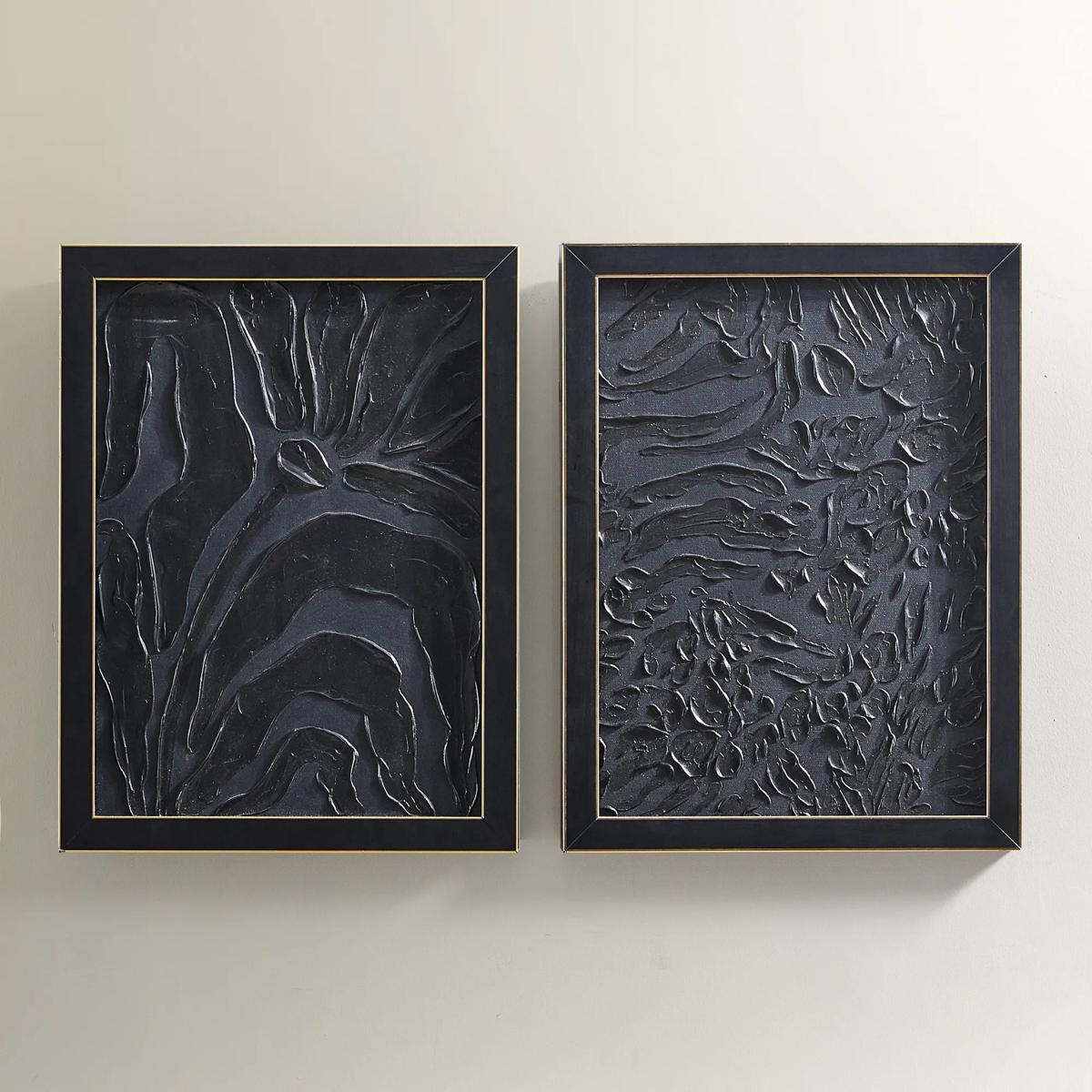
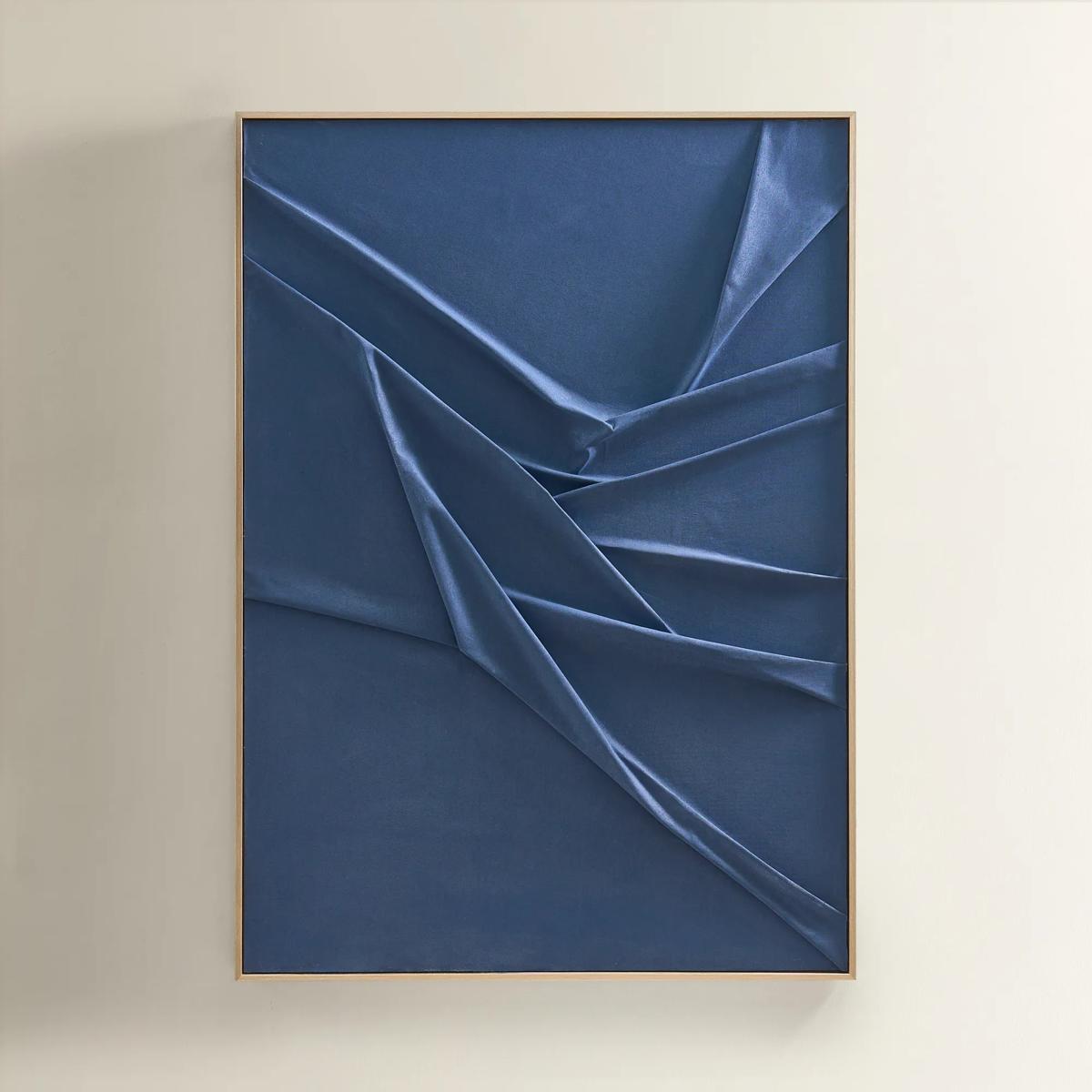 Deep Sea Painting$599
A hand-sculpted navy canvas with dimensional folds, framed in soft champagne for modern, serene elegance.
Add To Cart -
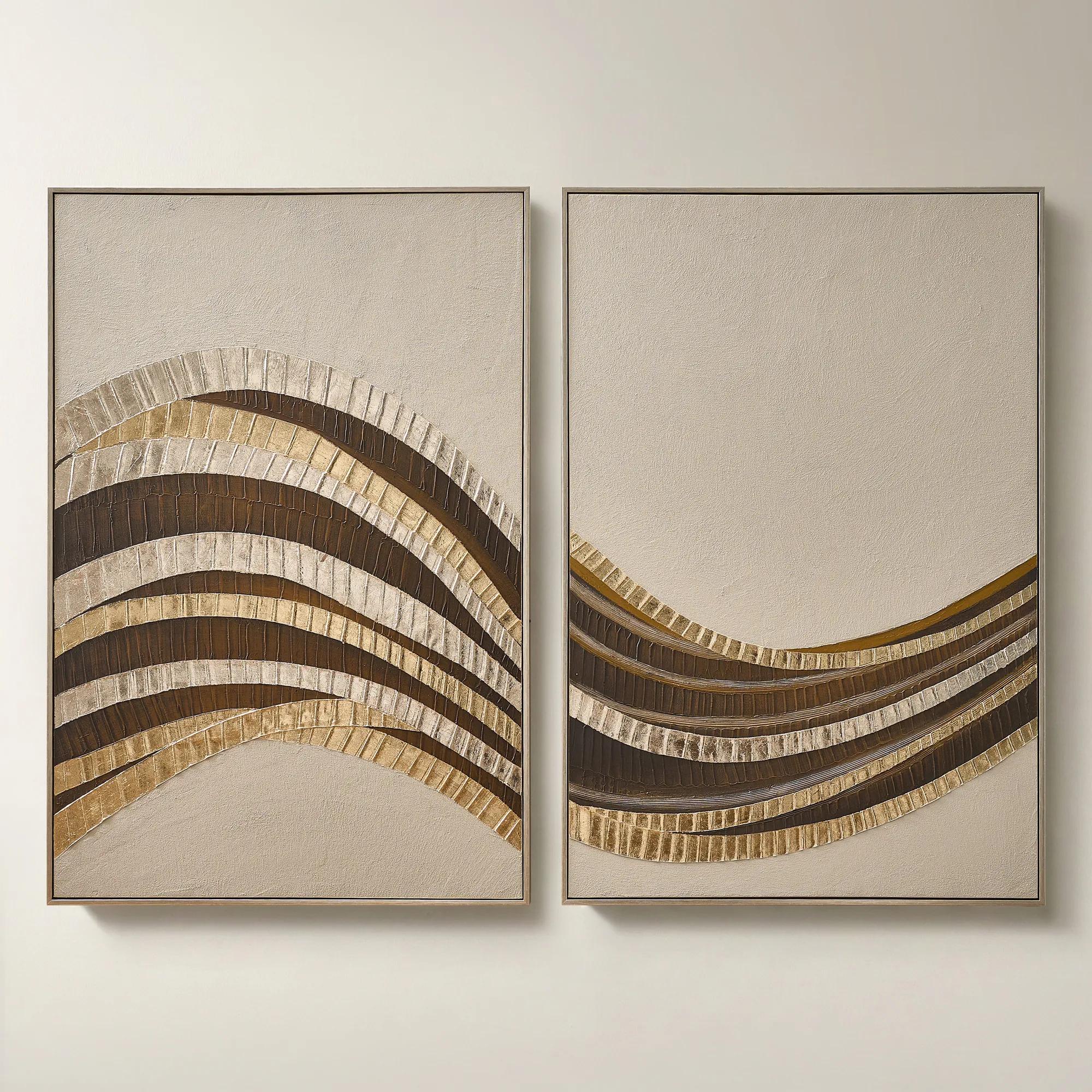 Stillness in Motion Framed Gold Leaf Painted Wall Art 40" x 60" Set of 2$899
A hand-painted abstract diptych with gold leaf accents, textured surface, and brushed champagne frames.
Add To Cart -
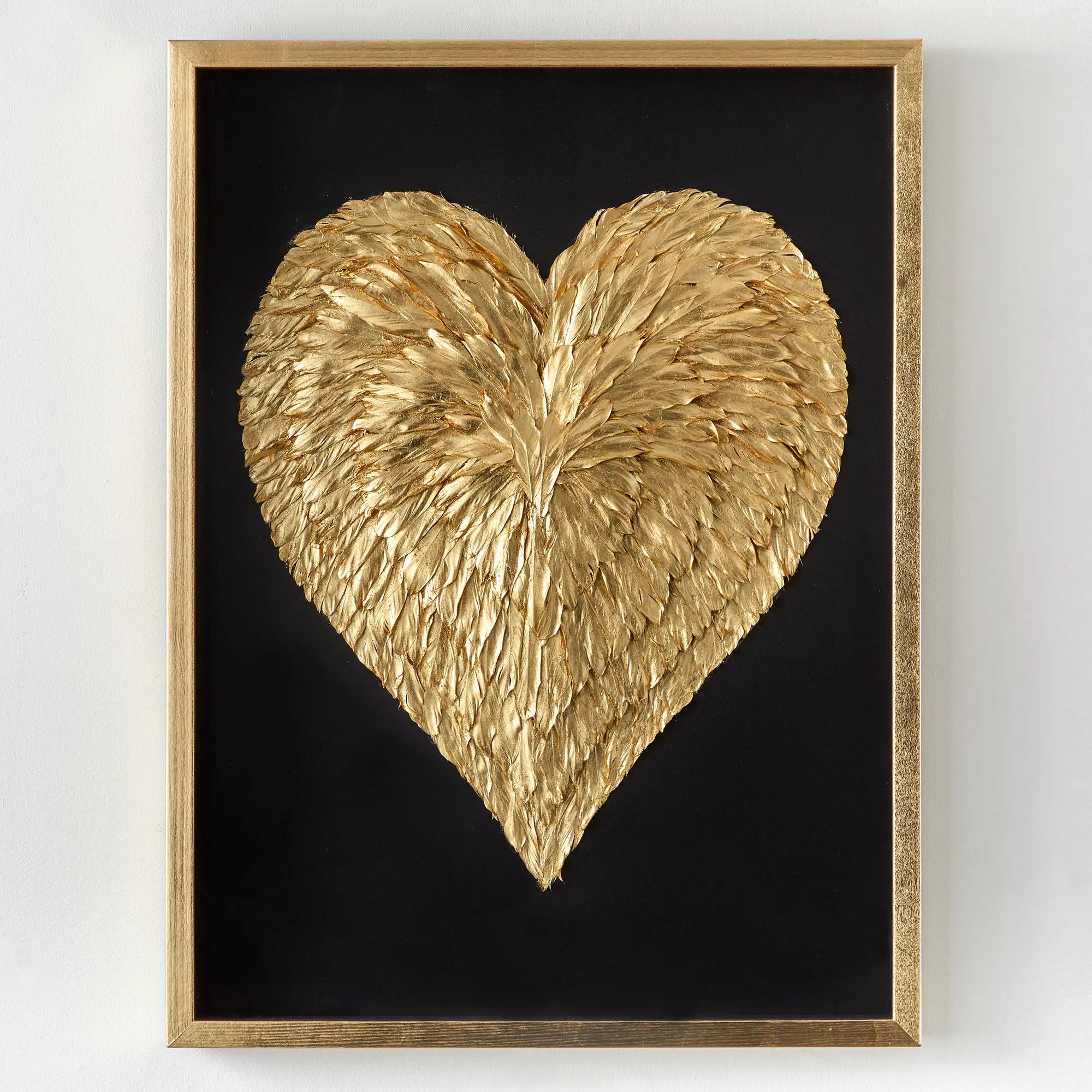
 Etched in Gold$229
A hand-carved gold copper artwork set in a sleek black alloy frame for modern contrast.
Add To Cart -
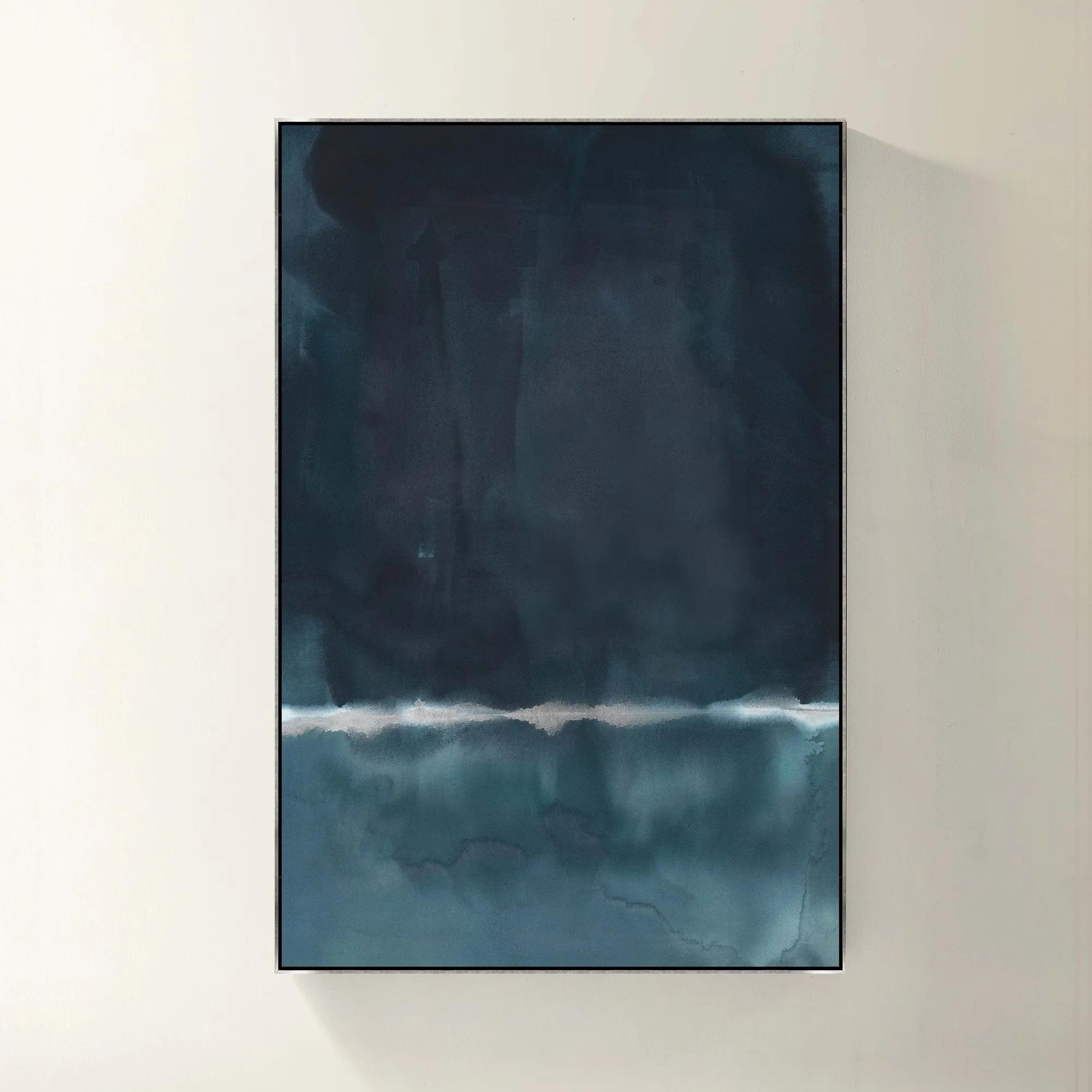 Blue Monday Framed Wall Art 40" x 60"$1119
A gallery-wrapped blue canvas with hand-embellished silver accents in a sleek silver floater frame.
Add To Cart -
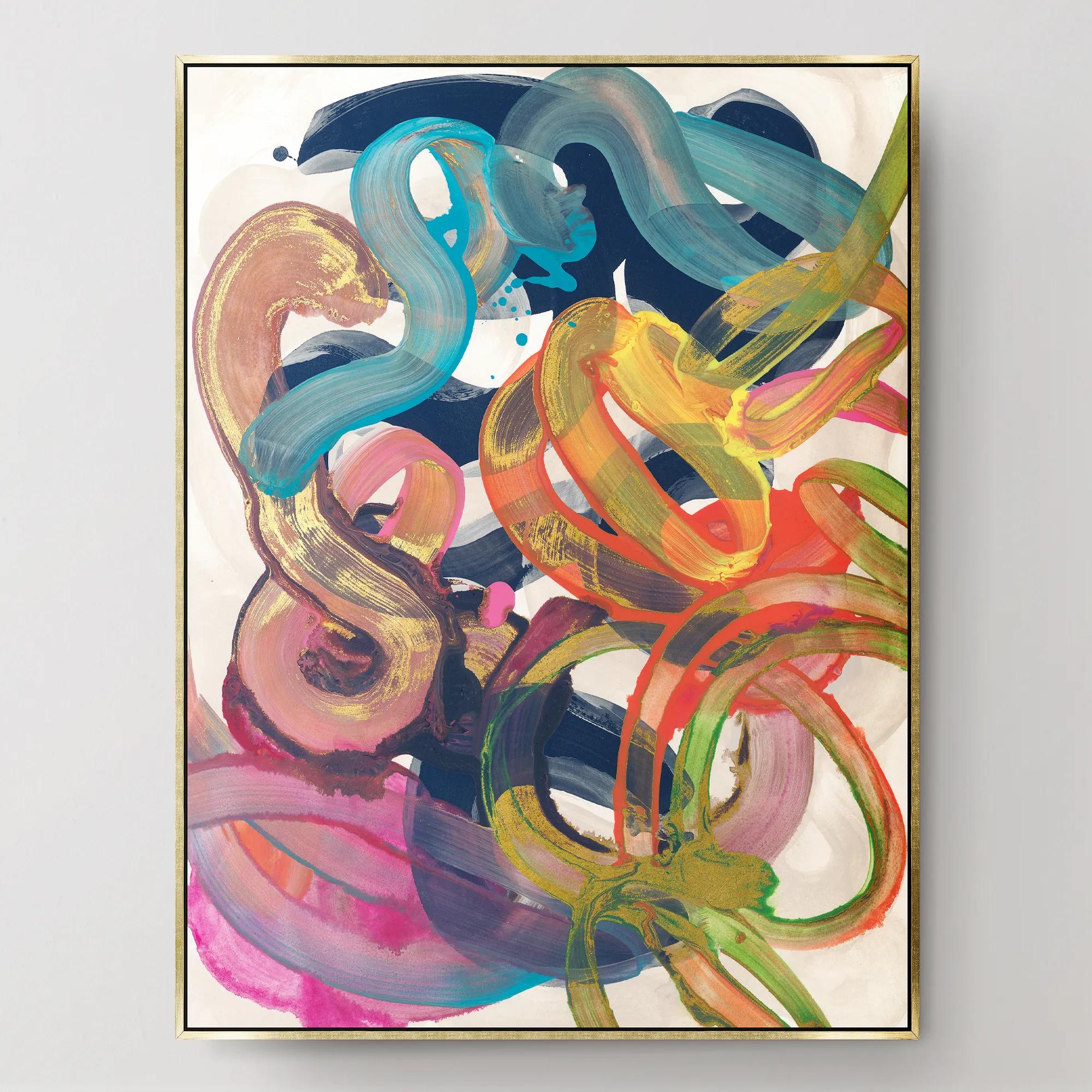
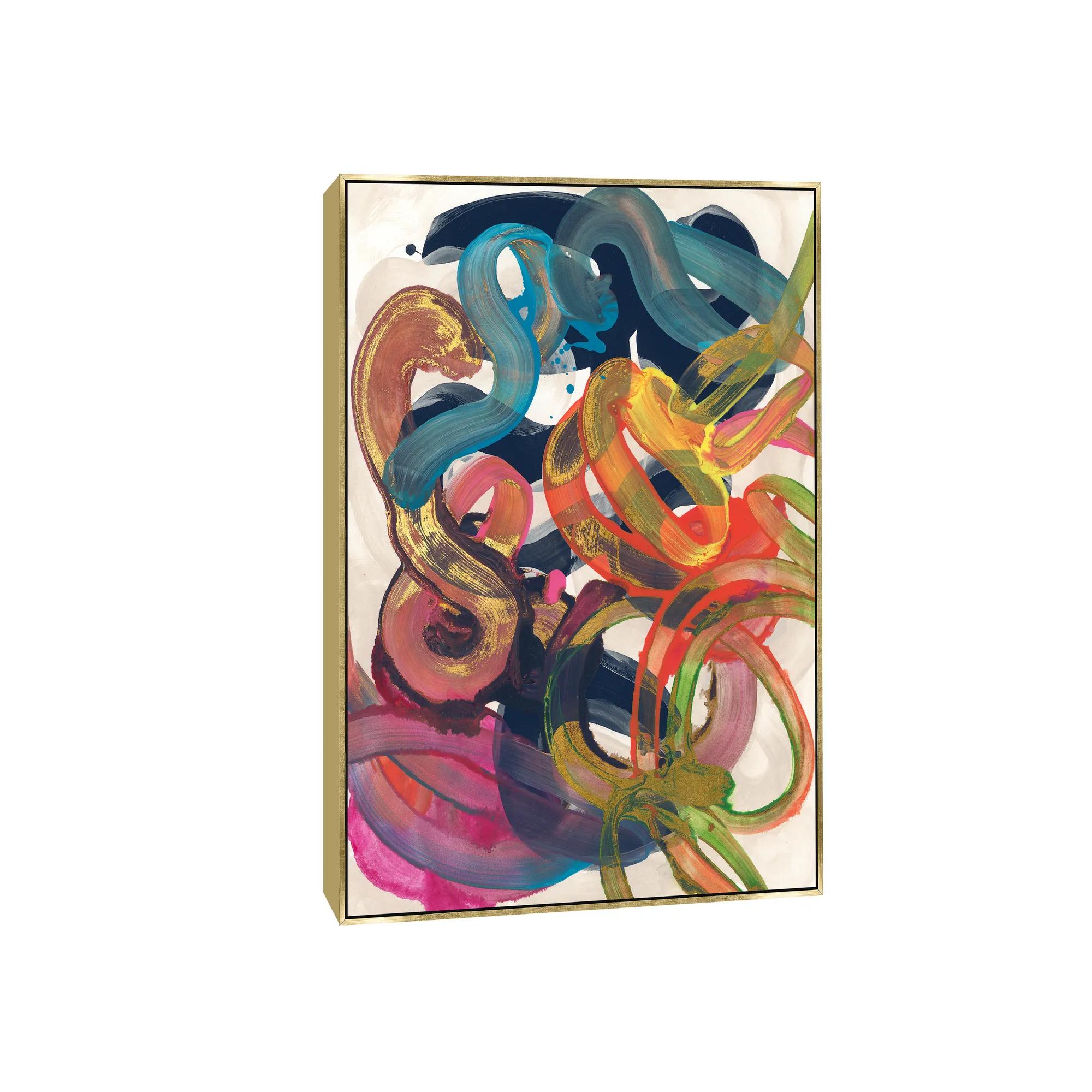 Illogical Conclusions Framed Wall Art 26" x 35"$499
A gallery-wrapped canvas artwork with a hand-applied gel finish, set in a gold float frame.
Add To Cart -
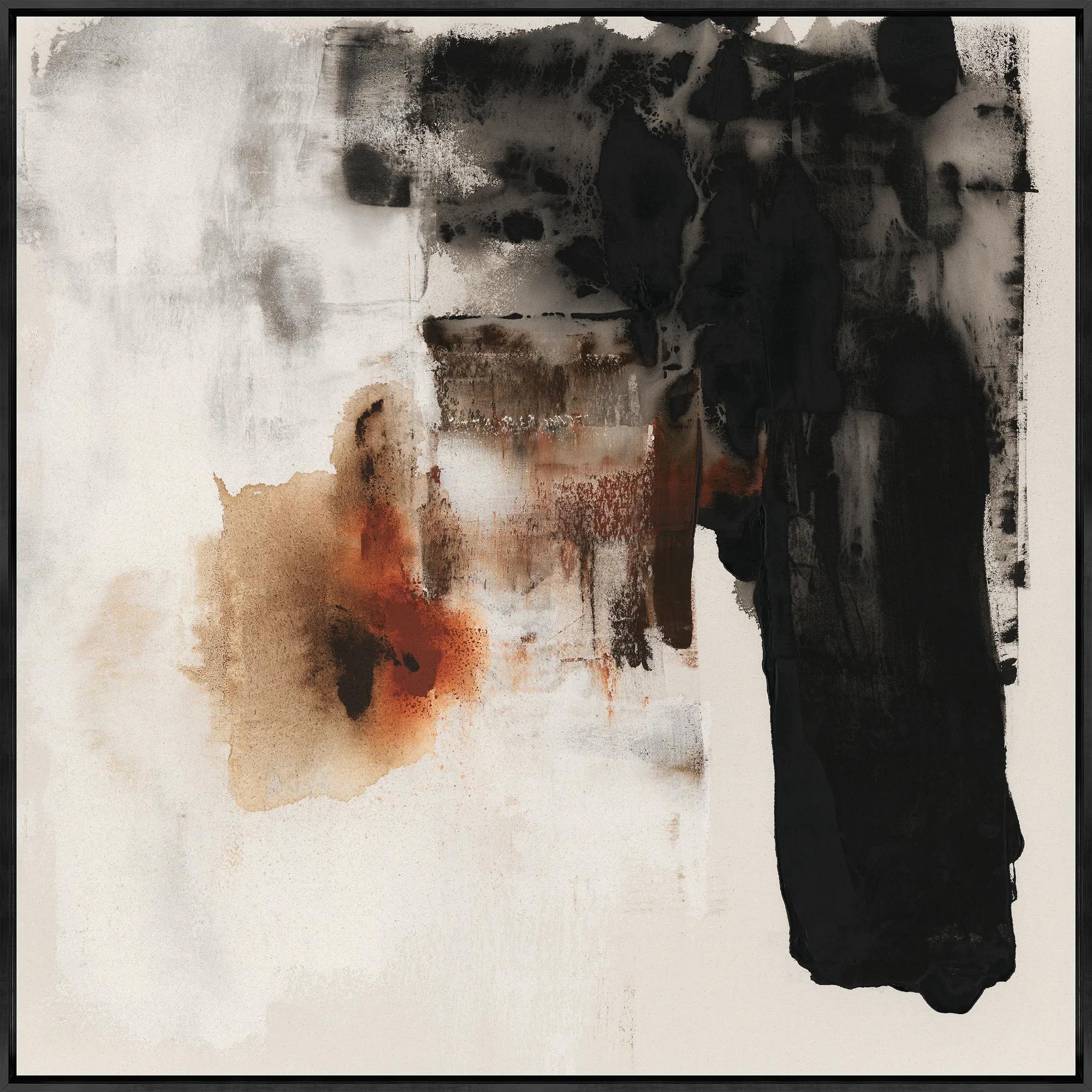
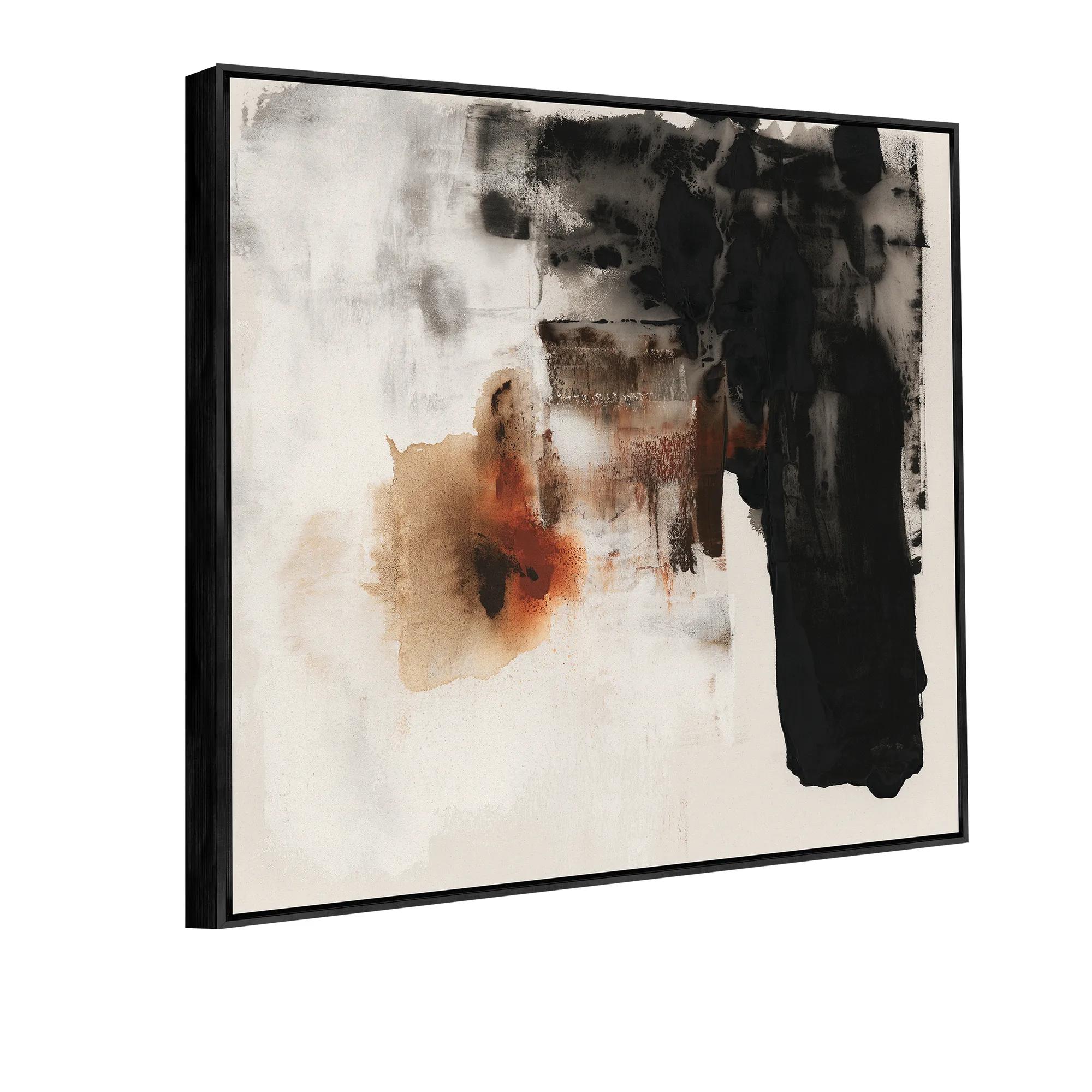 Burning for You II Framed Wall Art 40" x 40"$799
A gallery-wrapped canvas artwork with hand-applied brush gel, set in a sleek black floater frame.
Add To Cart -
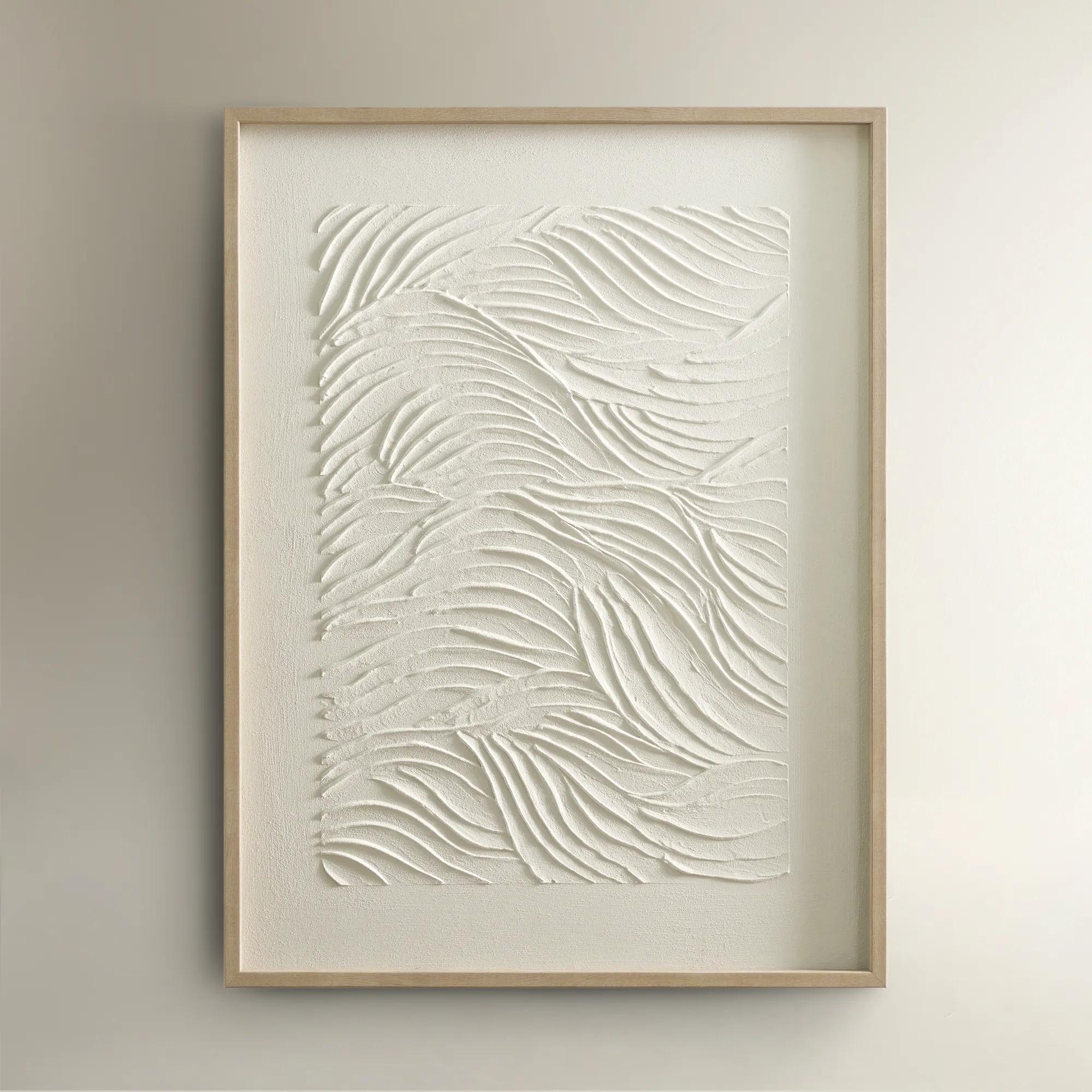
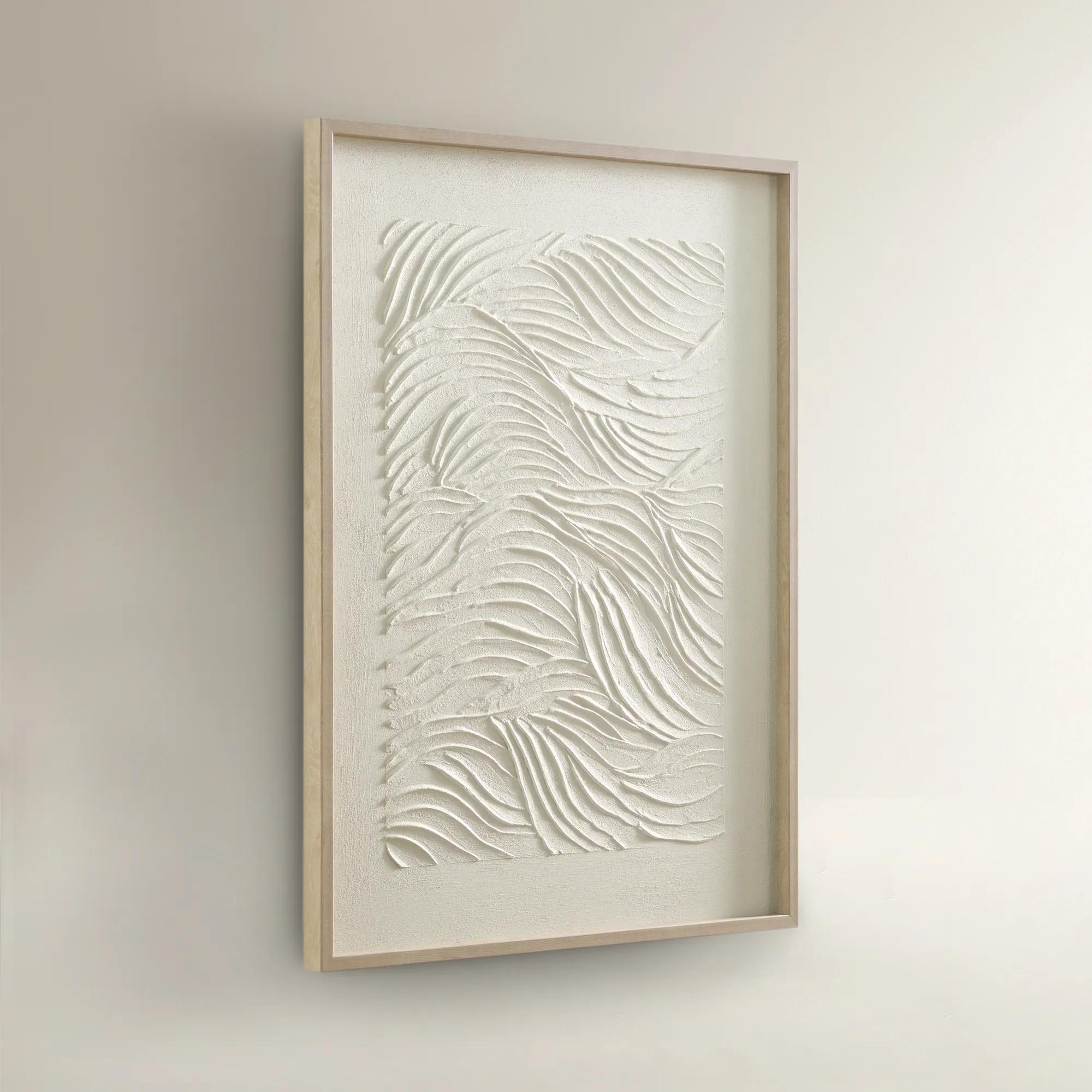 Sonnet Framed Painted Wall Art 23.5" x 31.5"$99
A hand-painted canvas featuring textured white shades and a warm blonde wood frame for elegant depth.
Add To Cart -
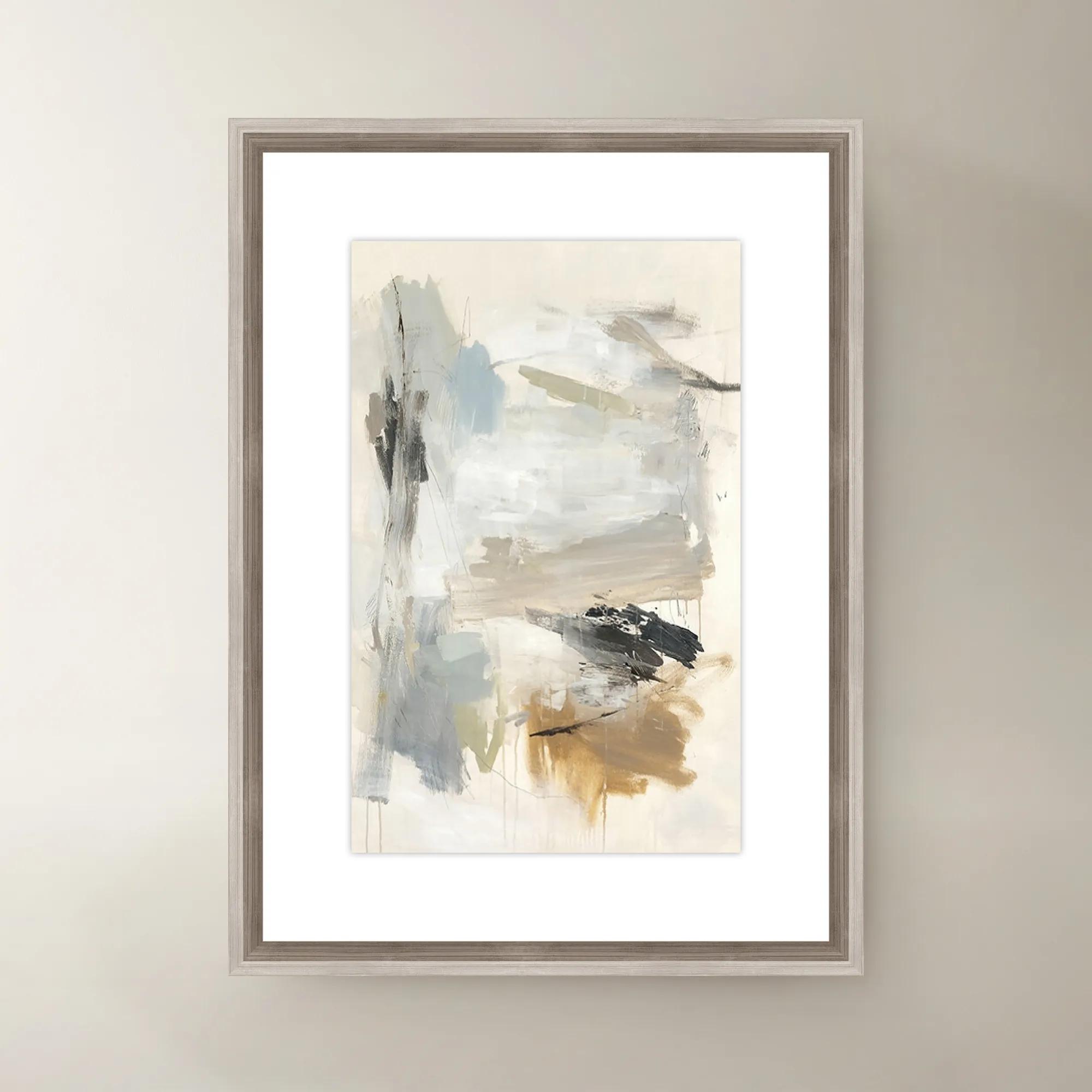
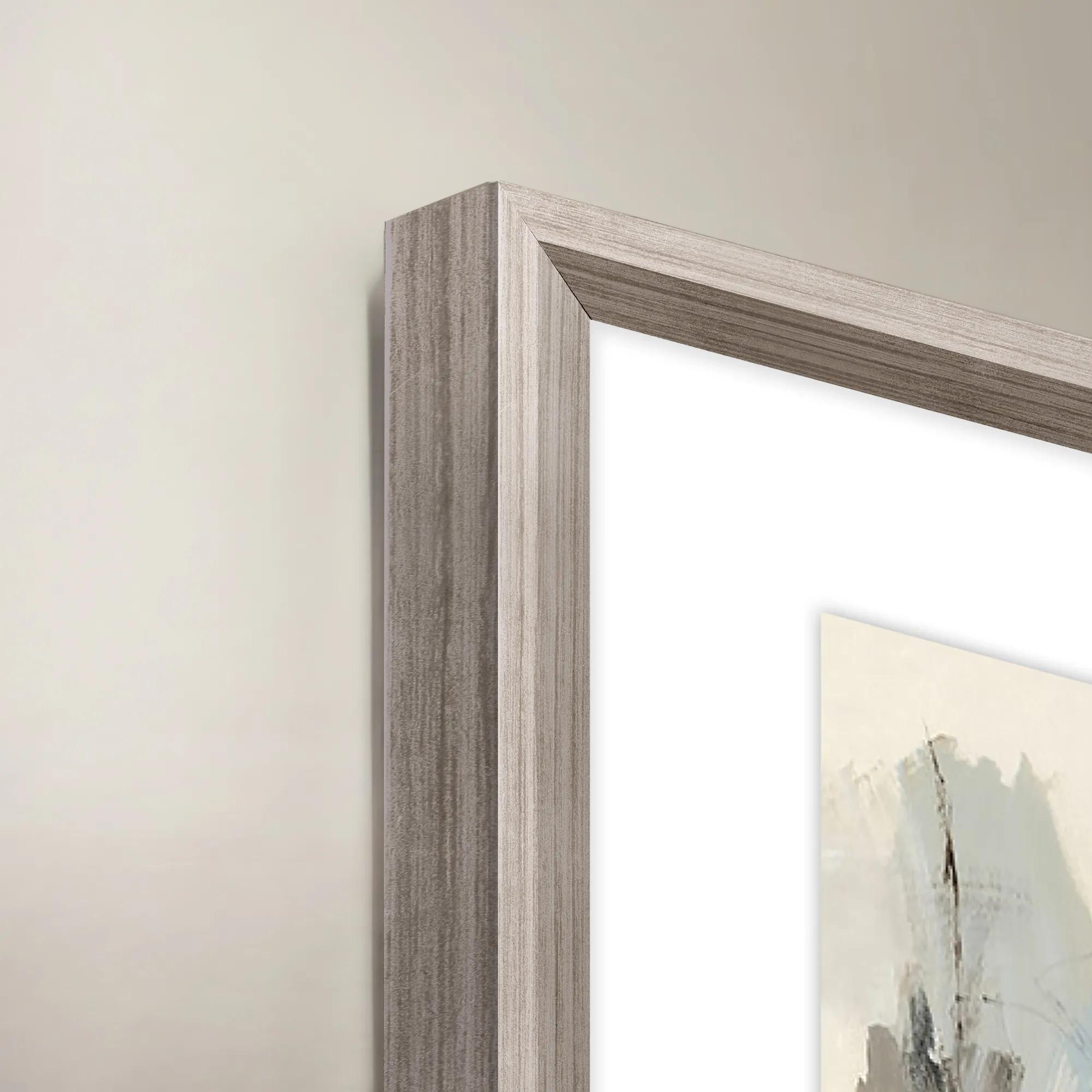 French Bakery II Framed Wall Art 20" x 30"$419
A colorful canvas wall art piece featuring a charming French bakery scene in a decorative frame.
Add To Cart -
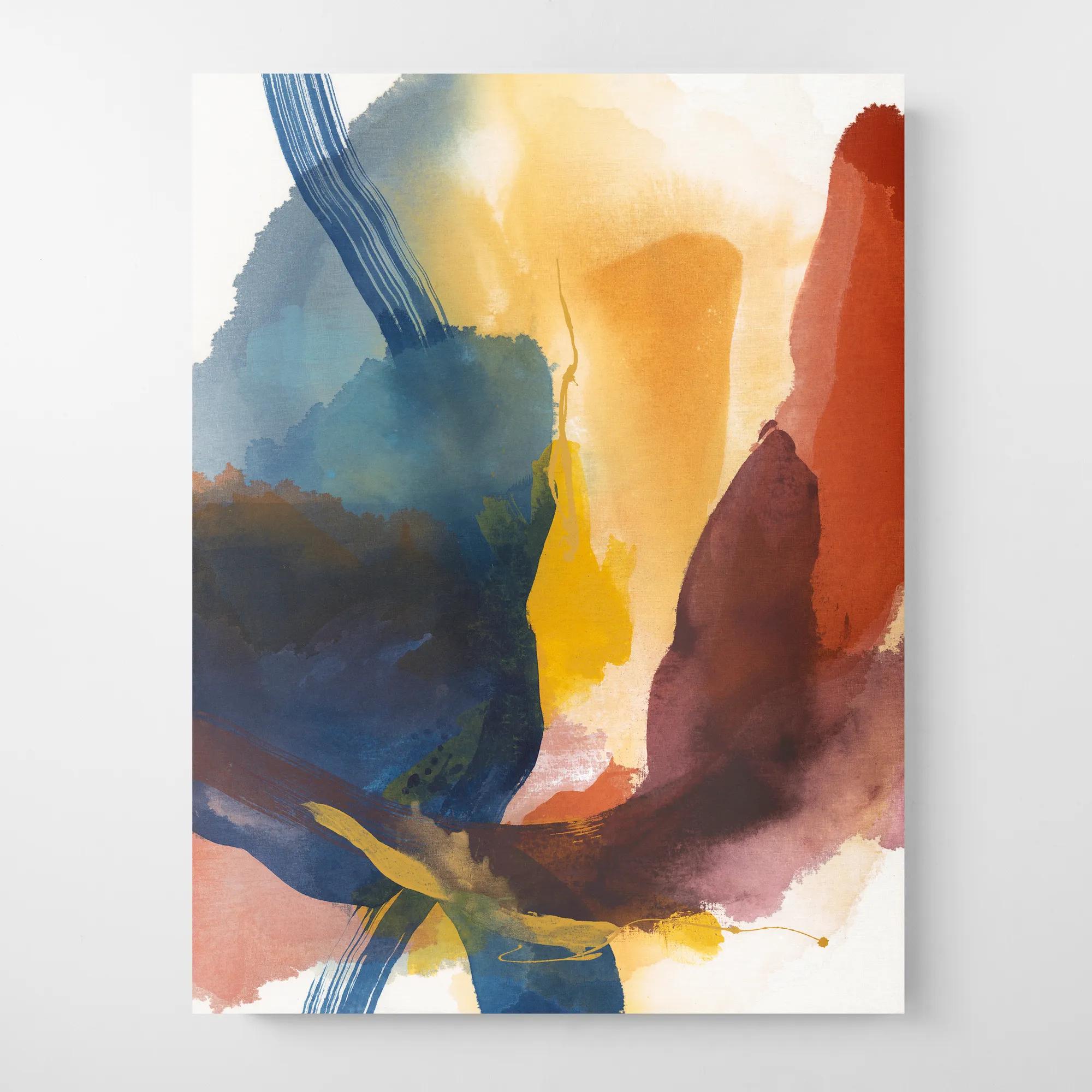
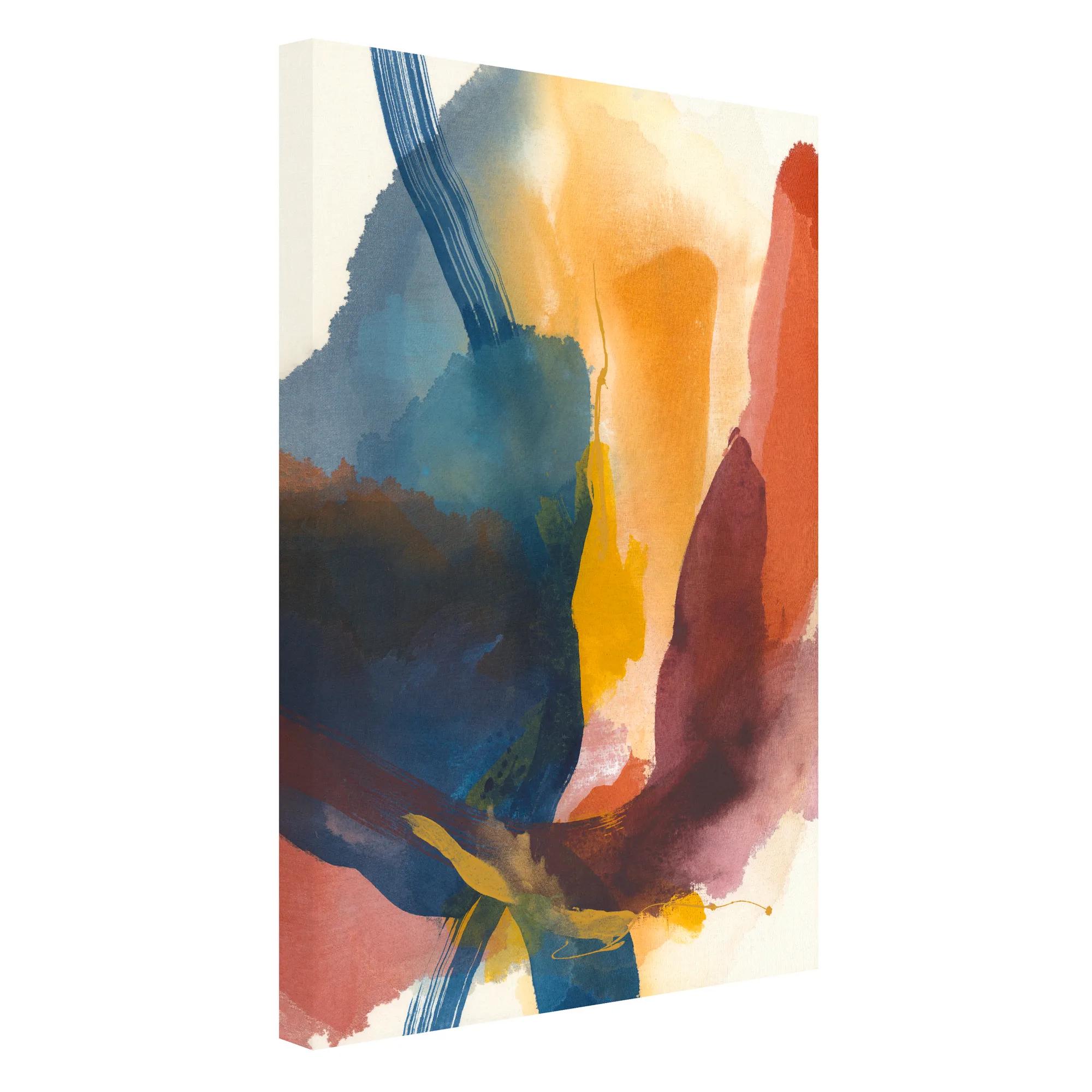 Moon Shower 1 Wall Art 30" x 40"$449
A gallery-wrapped canvas artwork featuring a hand-applied image brush gel finish for versatile display.
Add To Cart -
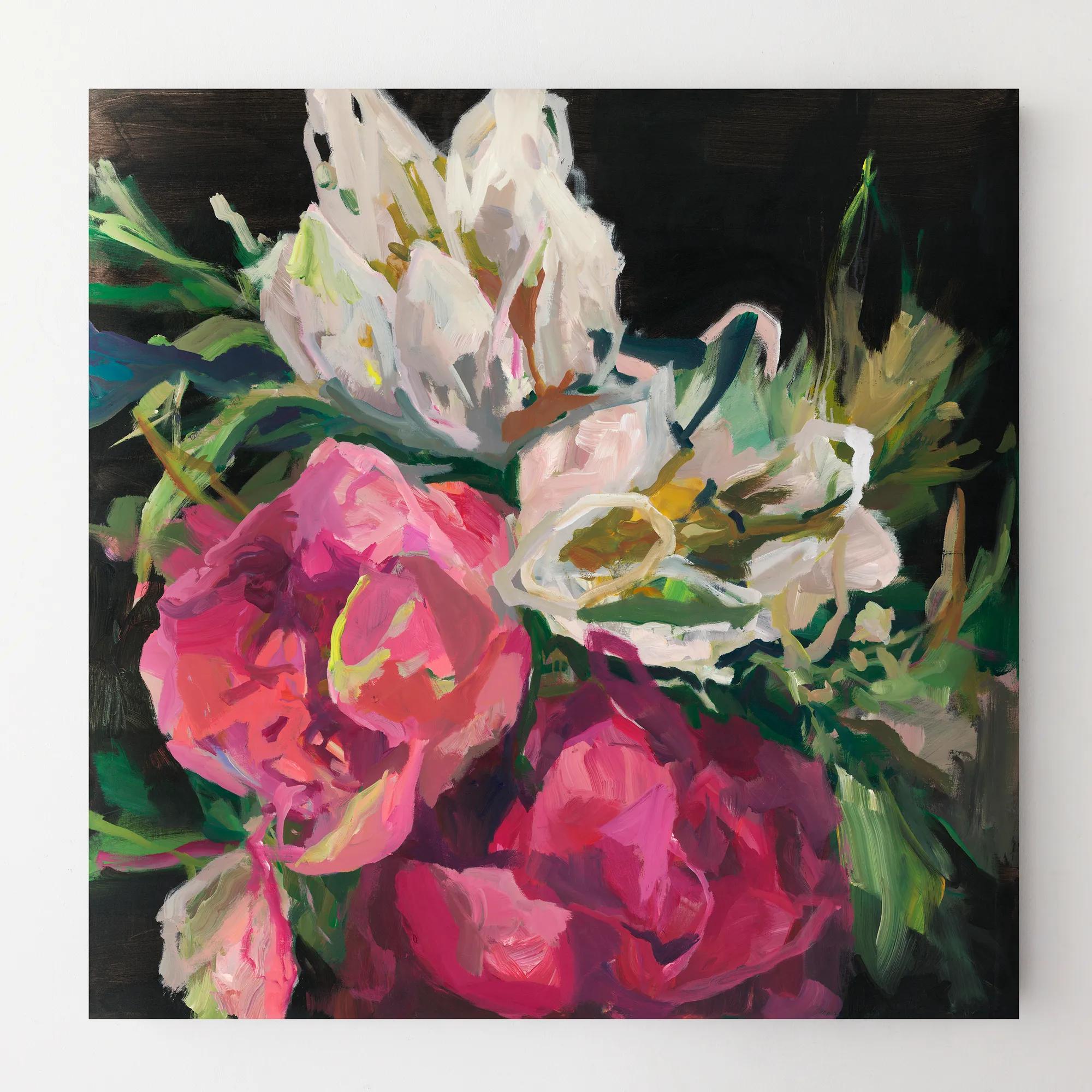
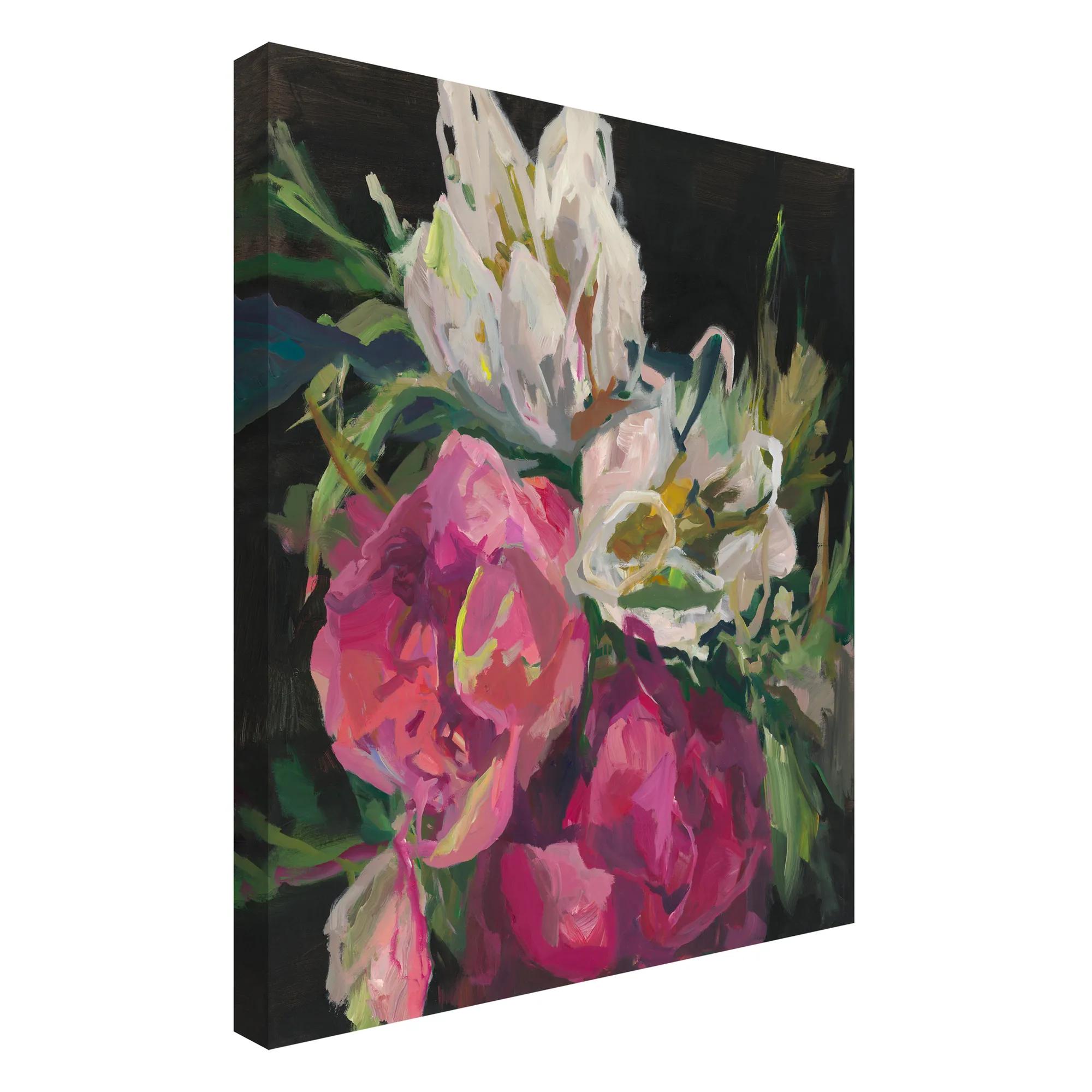 Wild At Heart Wall Art 30" x 30"$399
A gallery-wrapped canvas artwork featuring a hand-applied image brush gel finish for striking visual texture.
Add To Cart -
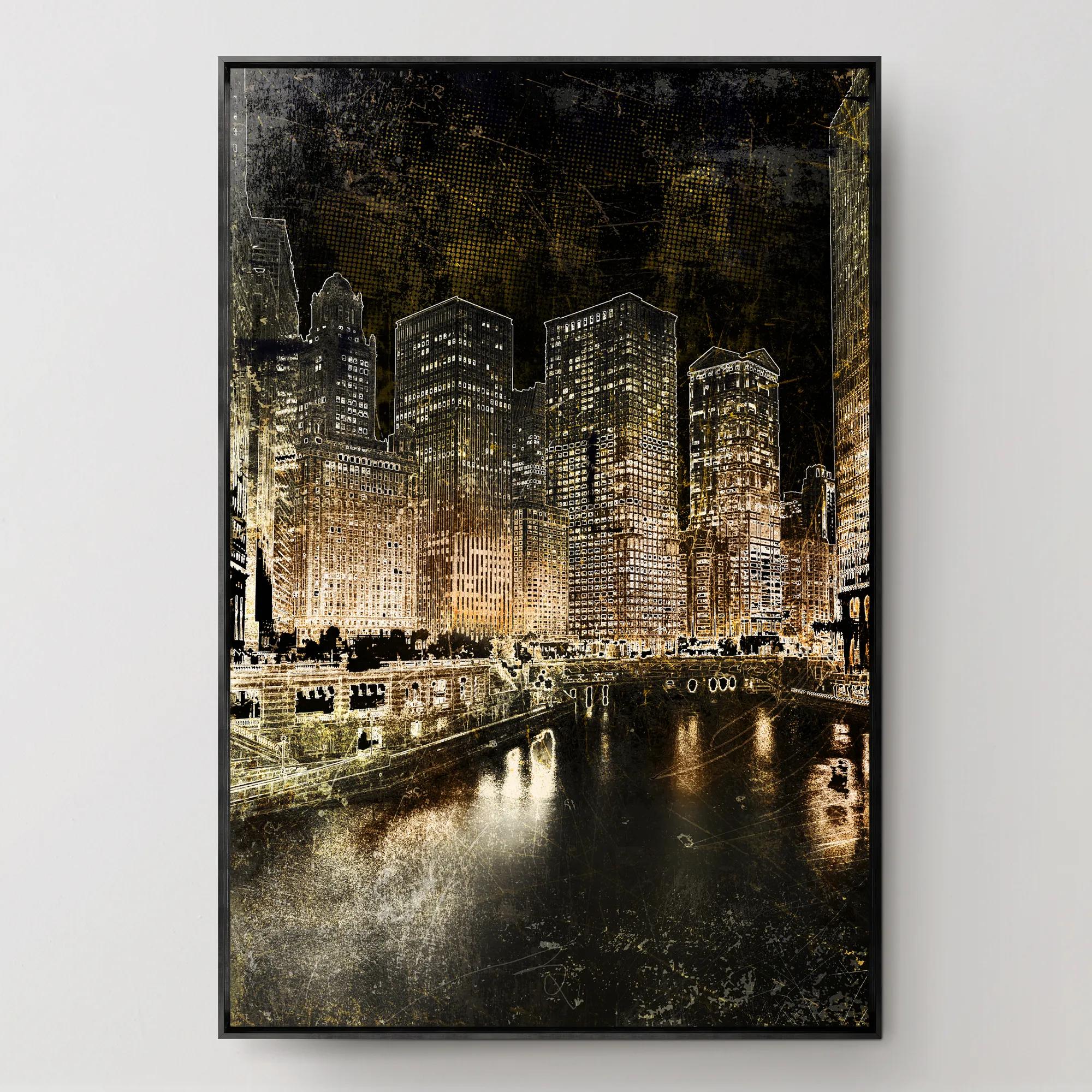
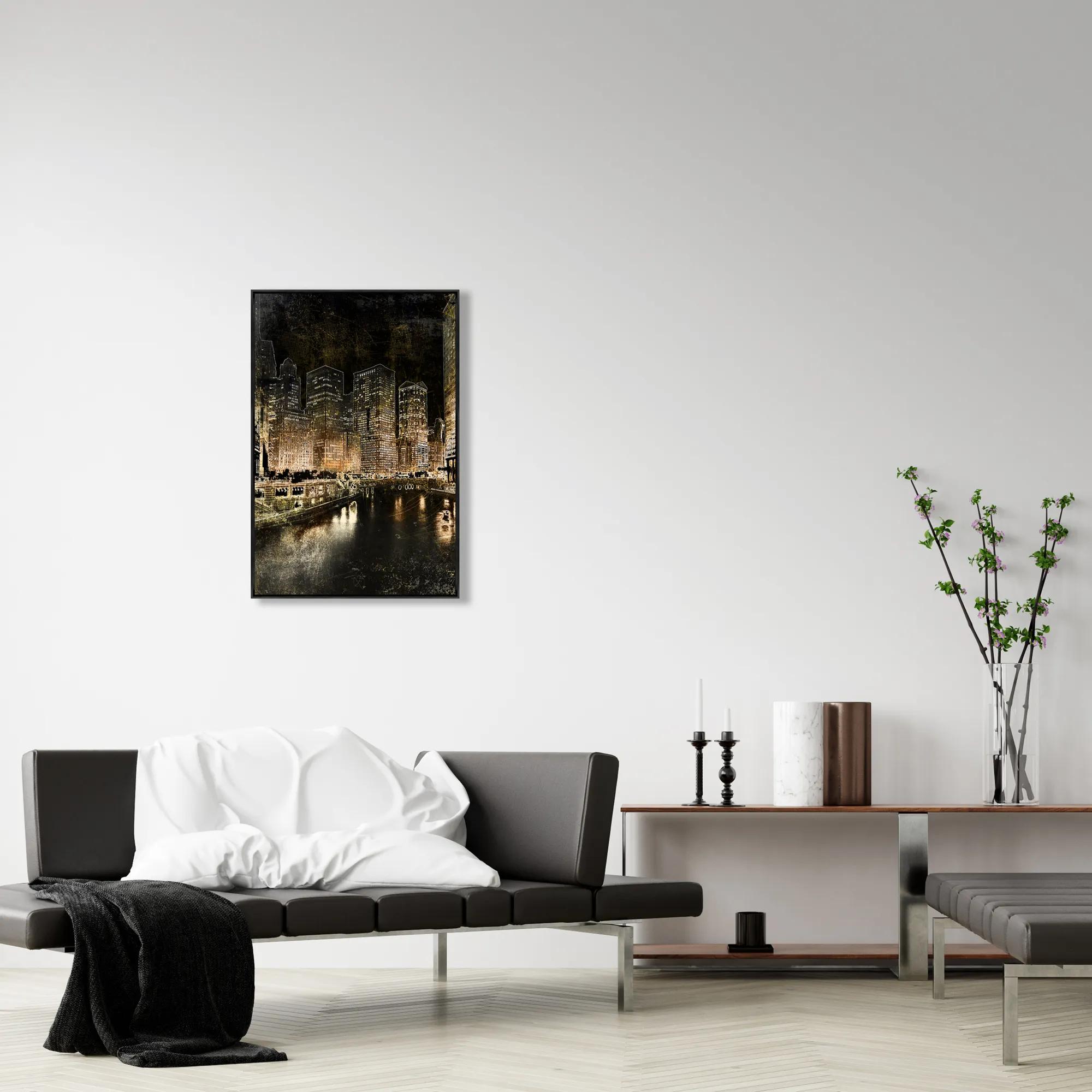 Chicago Lights Framed Wall Art 30" x 45"$649
A gallery-wrapped canvas artwork featuring a hand-applied gel finish in a sleek black floater frame.
Add To Cart -
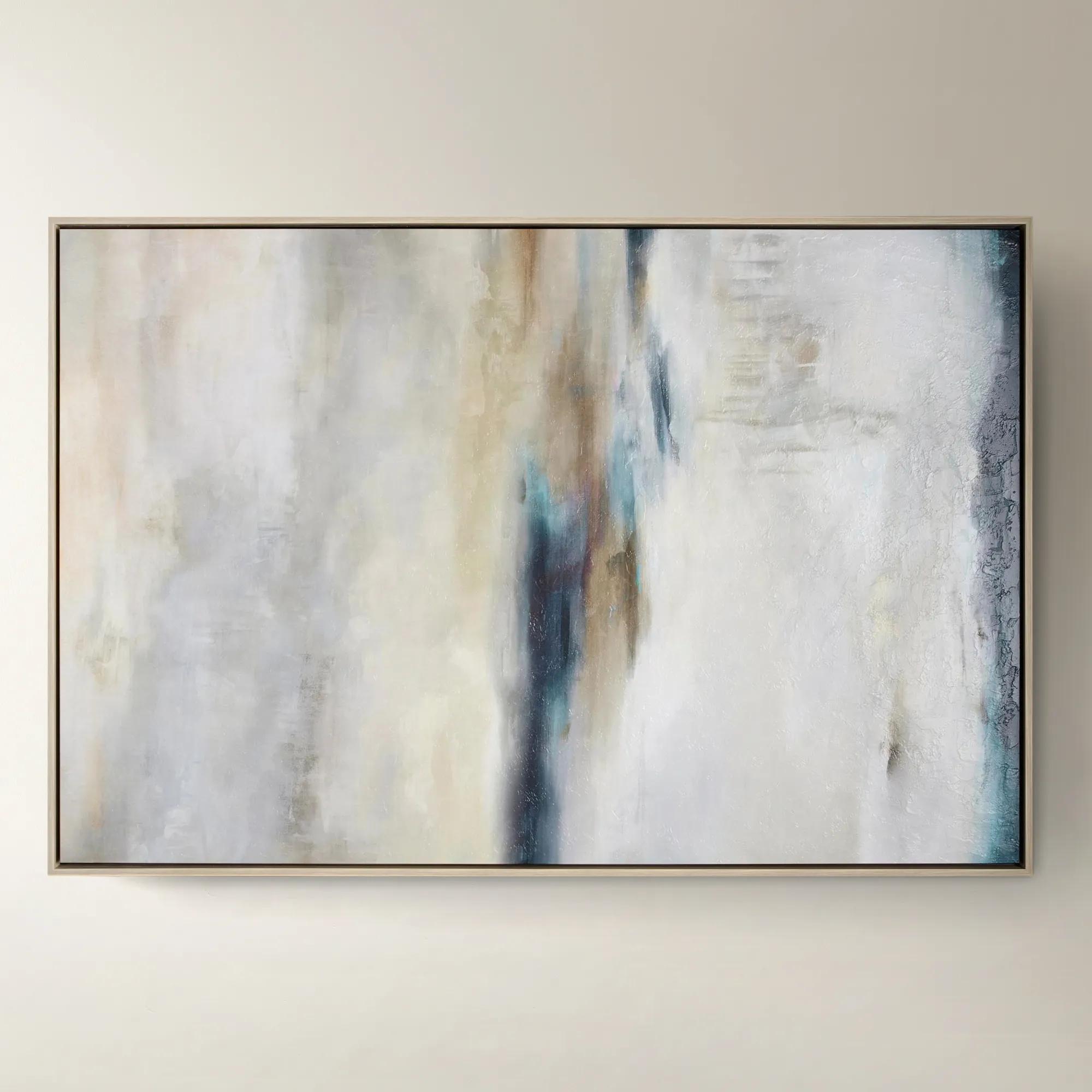
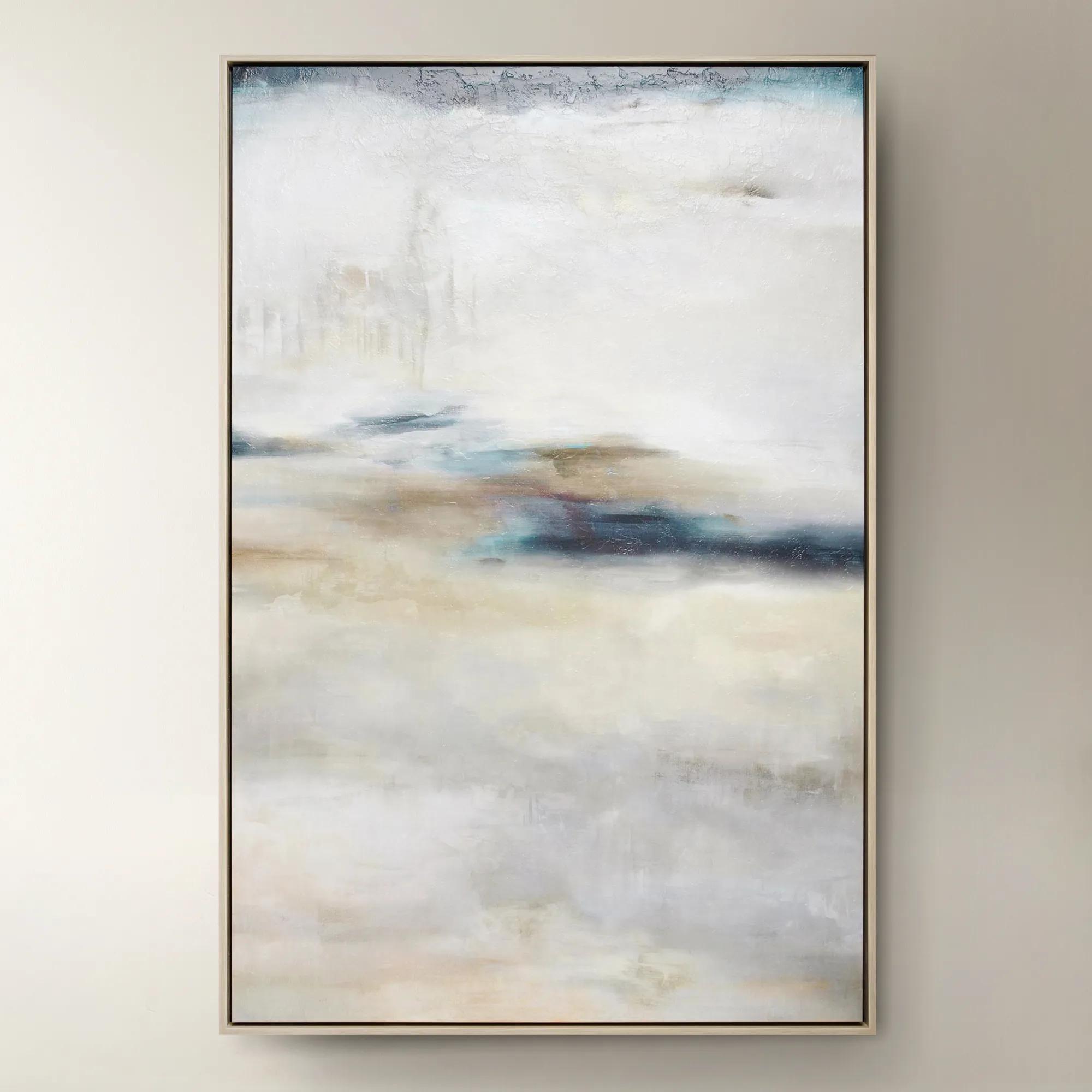 Forward Looking$1299
A softly layered abstract canvas print with a gel finish, set in a natural-hued floater frame.
Add To Cart -
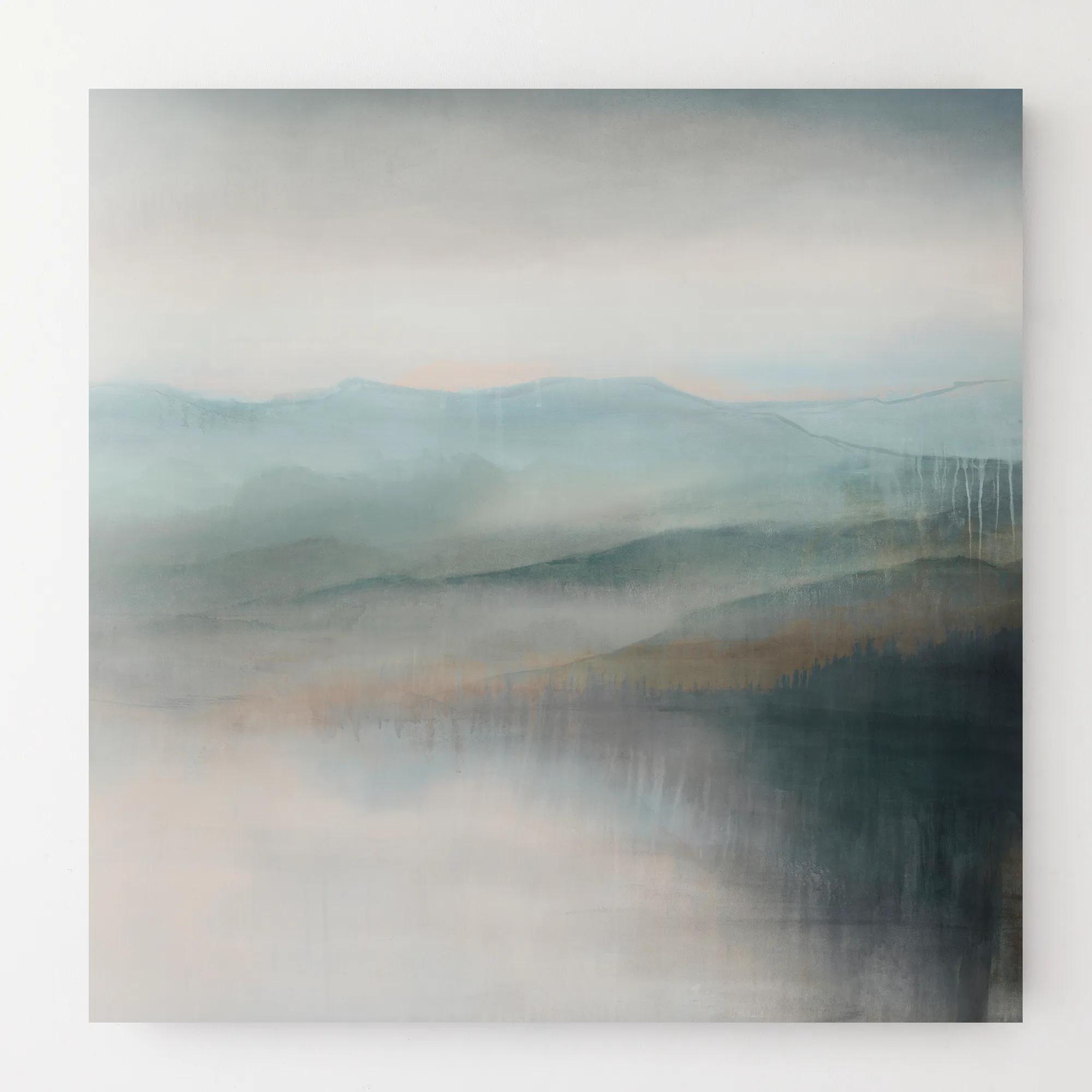
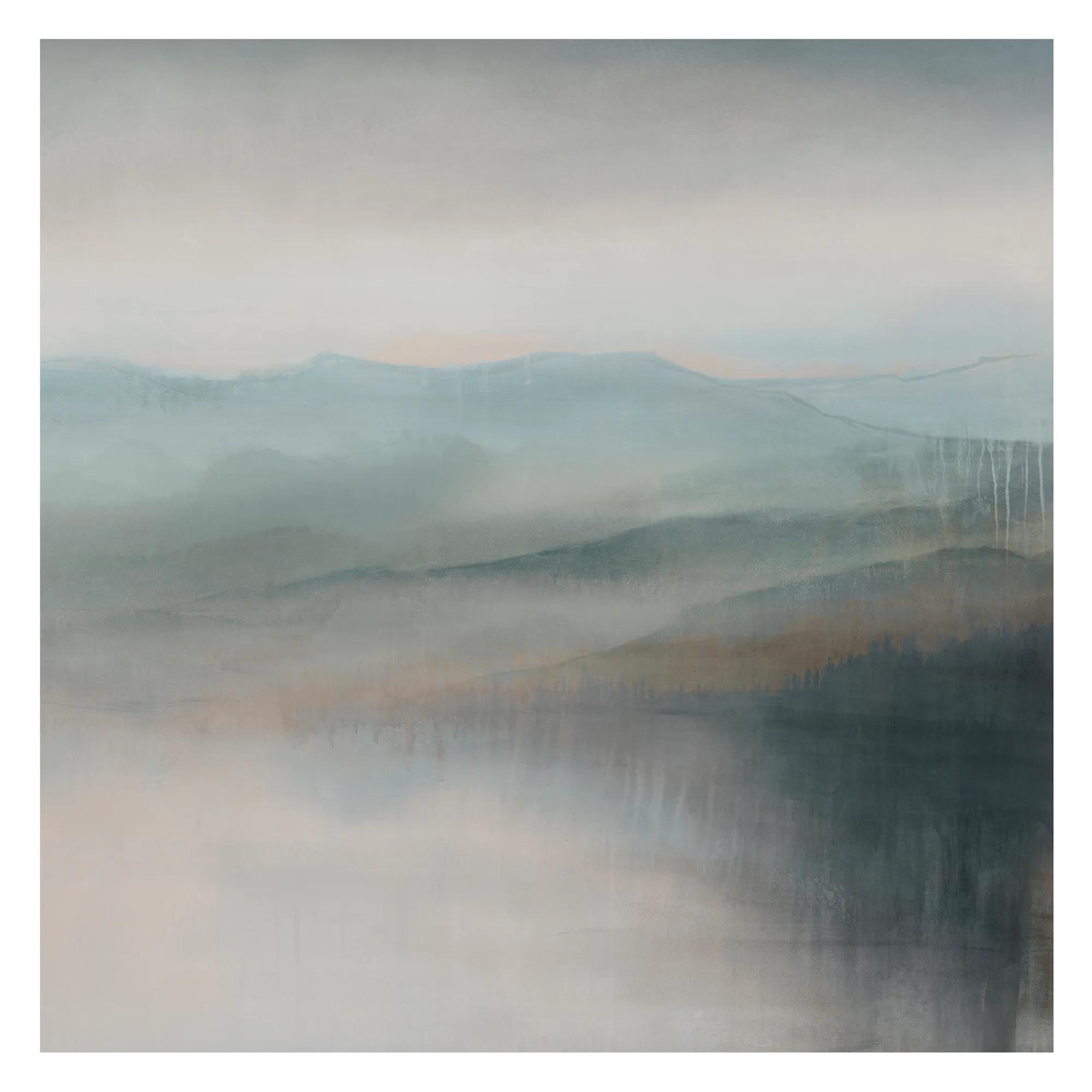 Morning Lift Wall Art 30" x 30"$399
A gallery-wrapped canvas artwork featuring a hand-applied image brush gel finish for added texture and depth.
Add To Cart -
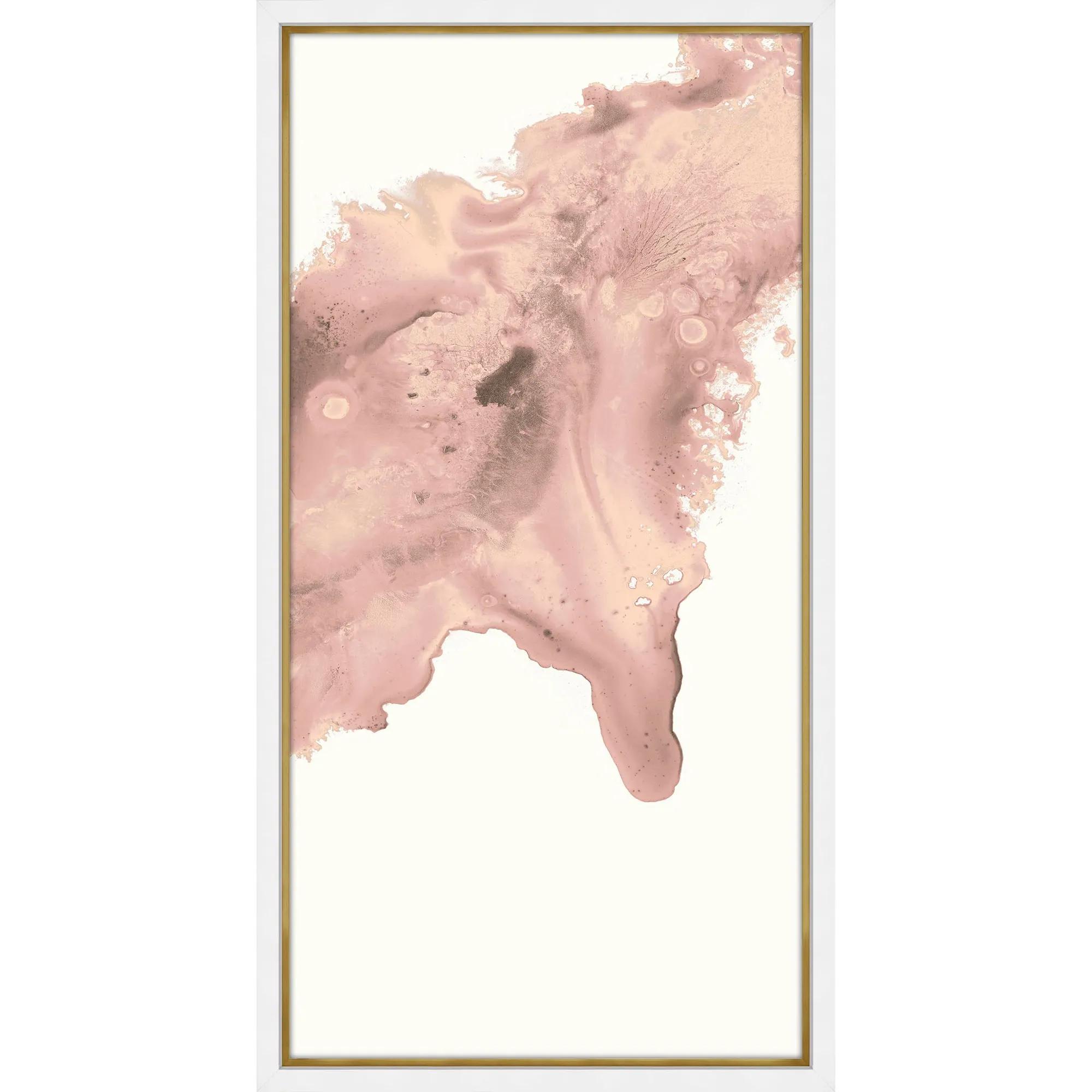
 Blush Conduit 2 Framed Wall Art 24" x 48"$849
A striking abstract print on pearl paper, elegantly framed in gold and matte white for modern appeal.
Add To Cart -
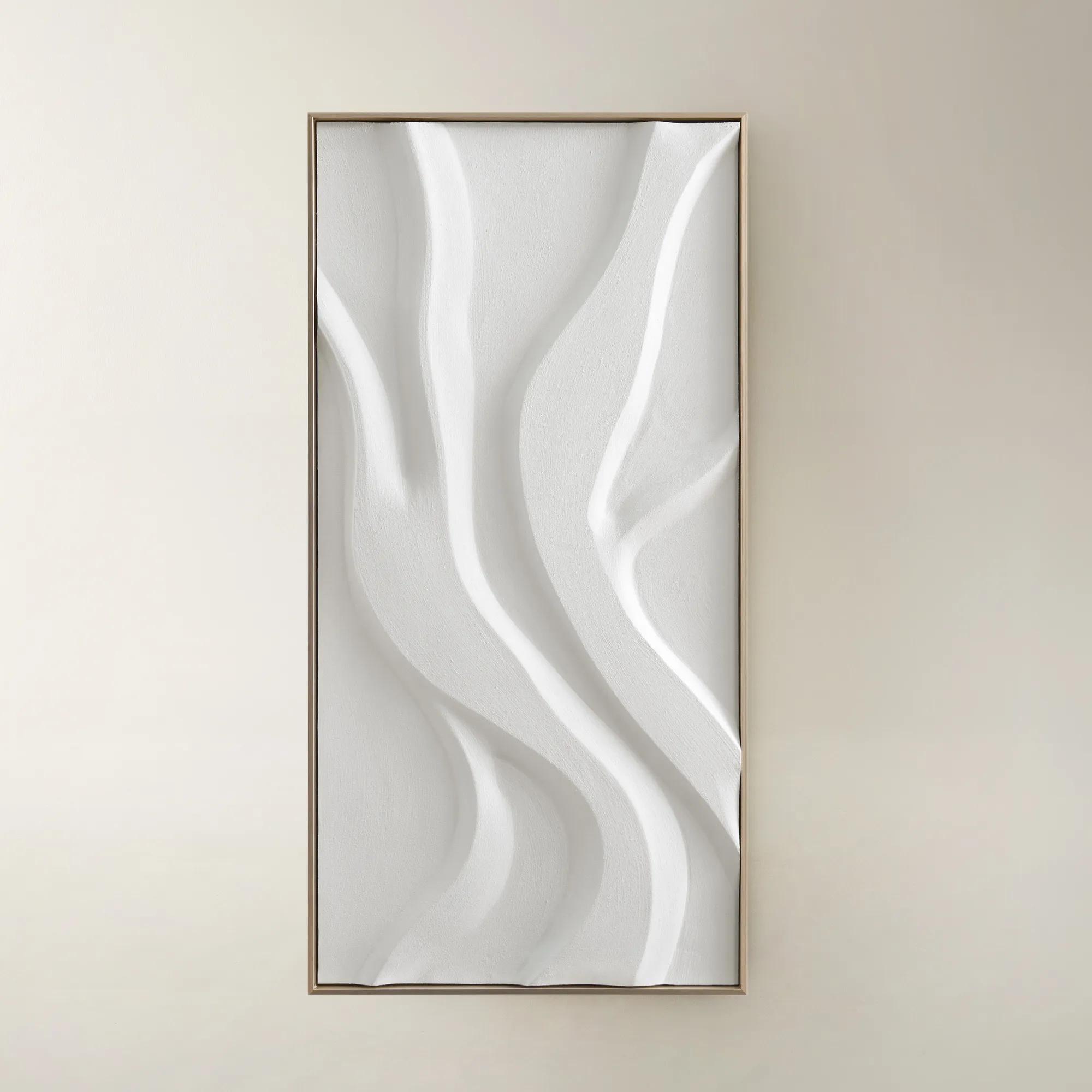
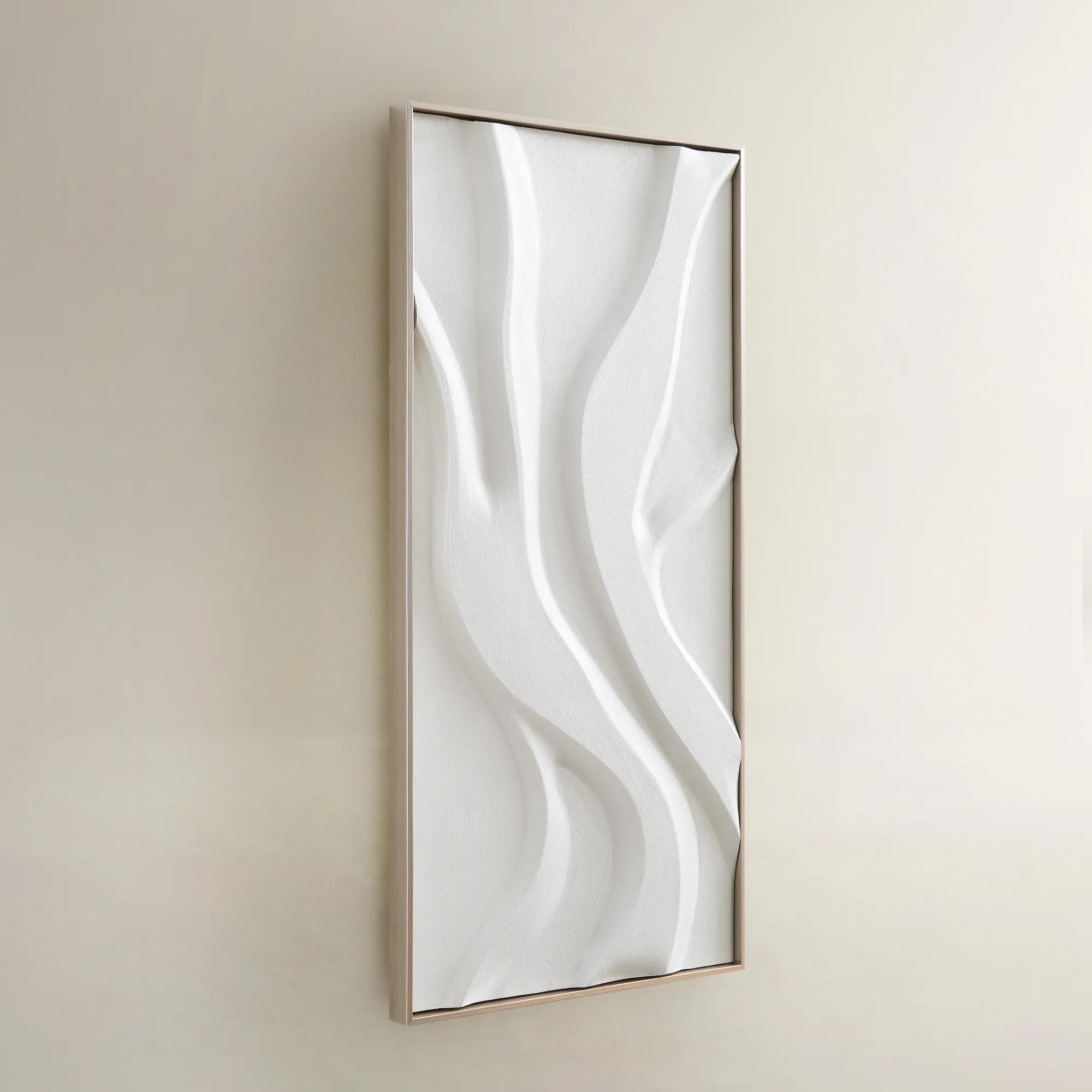 Au Lait Framed Painted Wall Art I 47.2" x 23.6"$199
An organic hand-painted canvas featuring flowing white forms in a warm champagne finish floater frame.
Add To Cart -
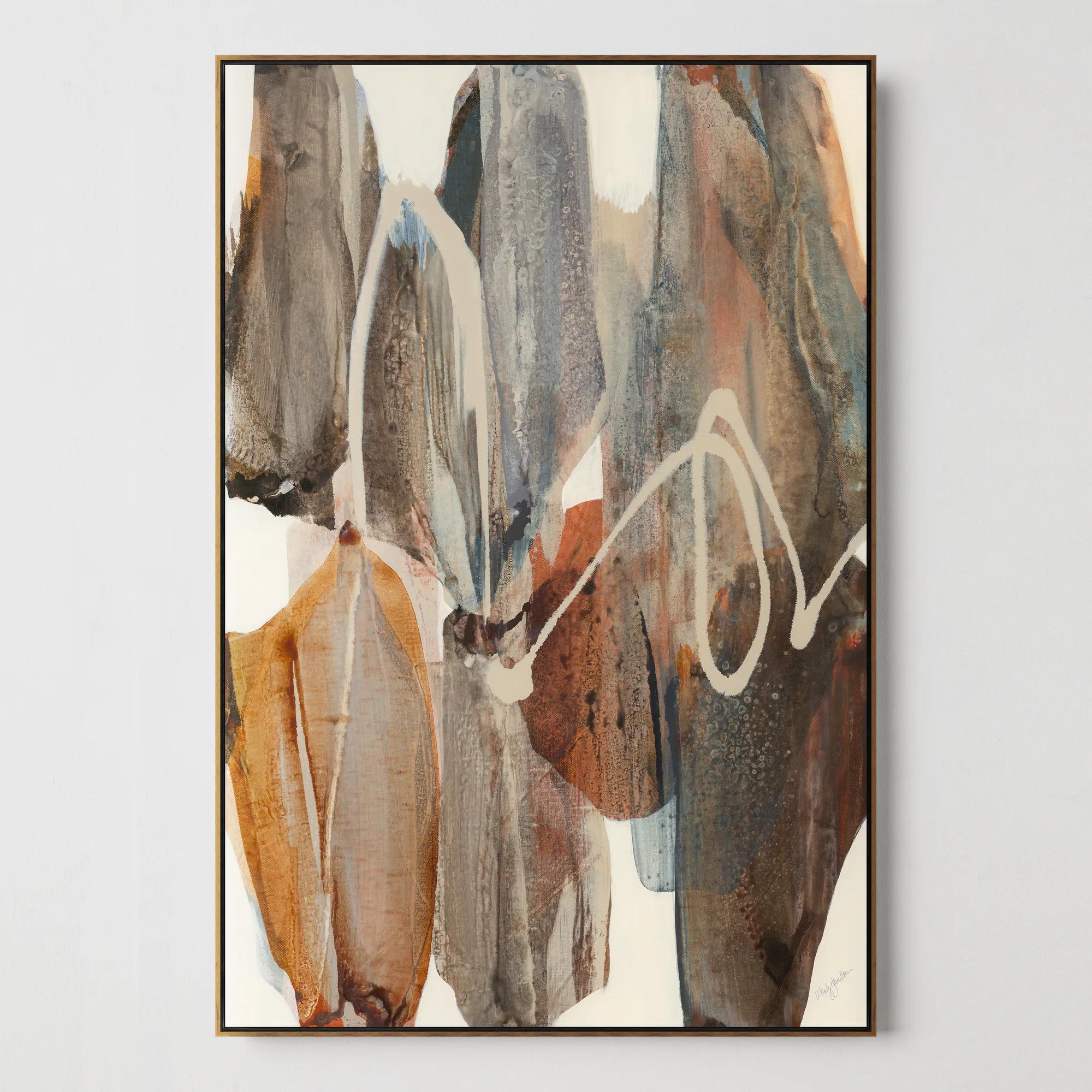
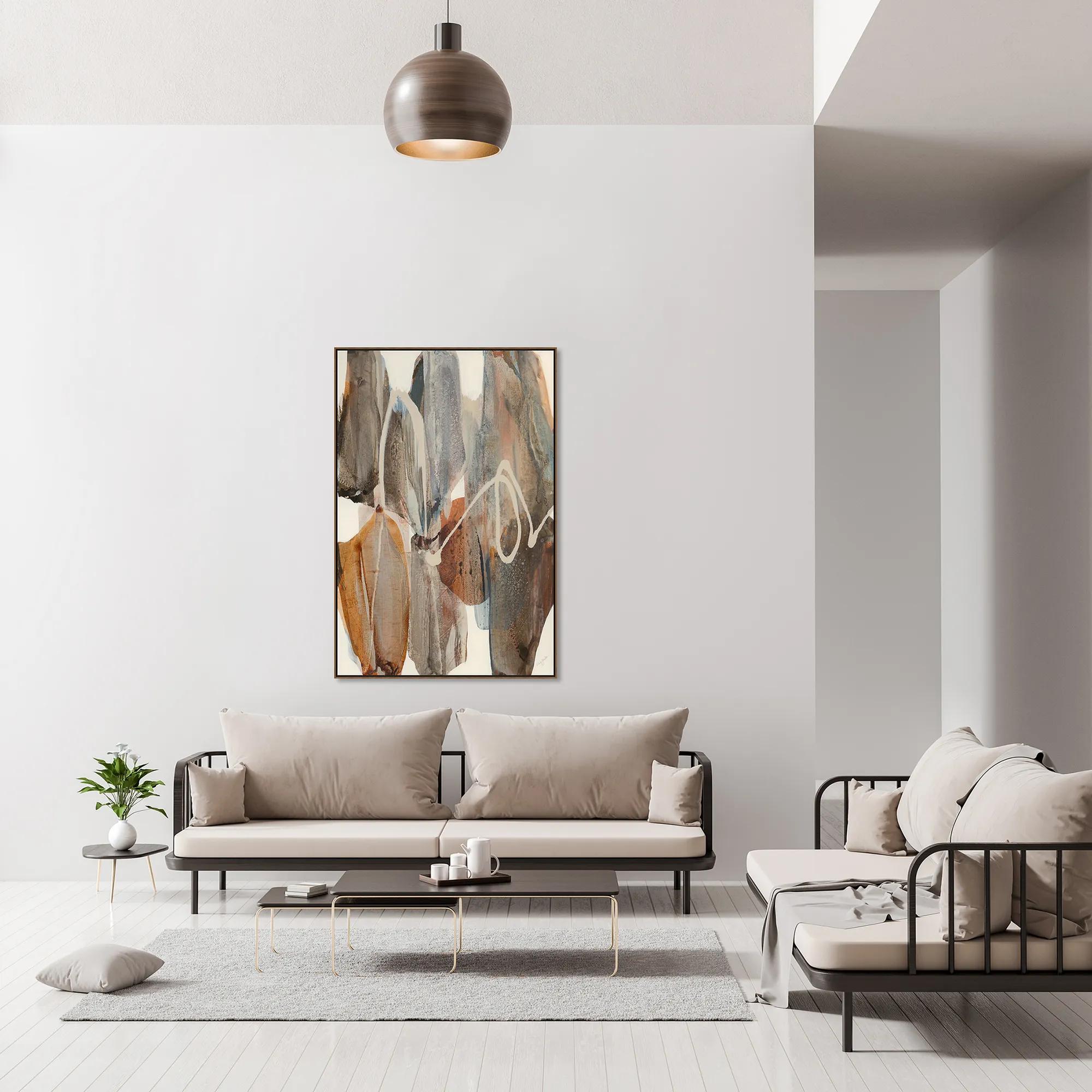 Boundless Framed Wall Art 40" x 60"$999
A gallery-wrapped canvas artwork with hand-applied brush gel finish in an oak floater frame.
Add To Cart -
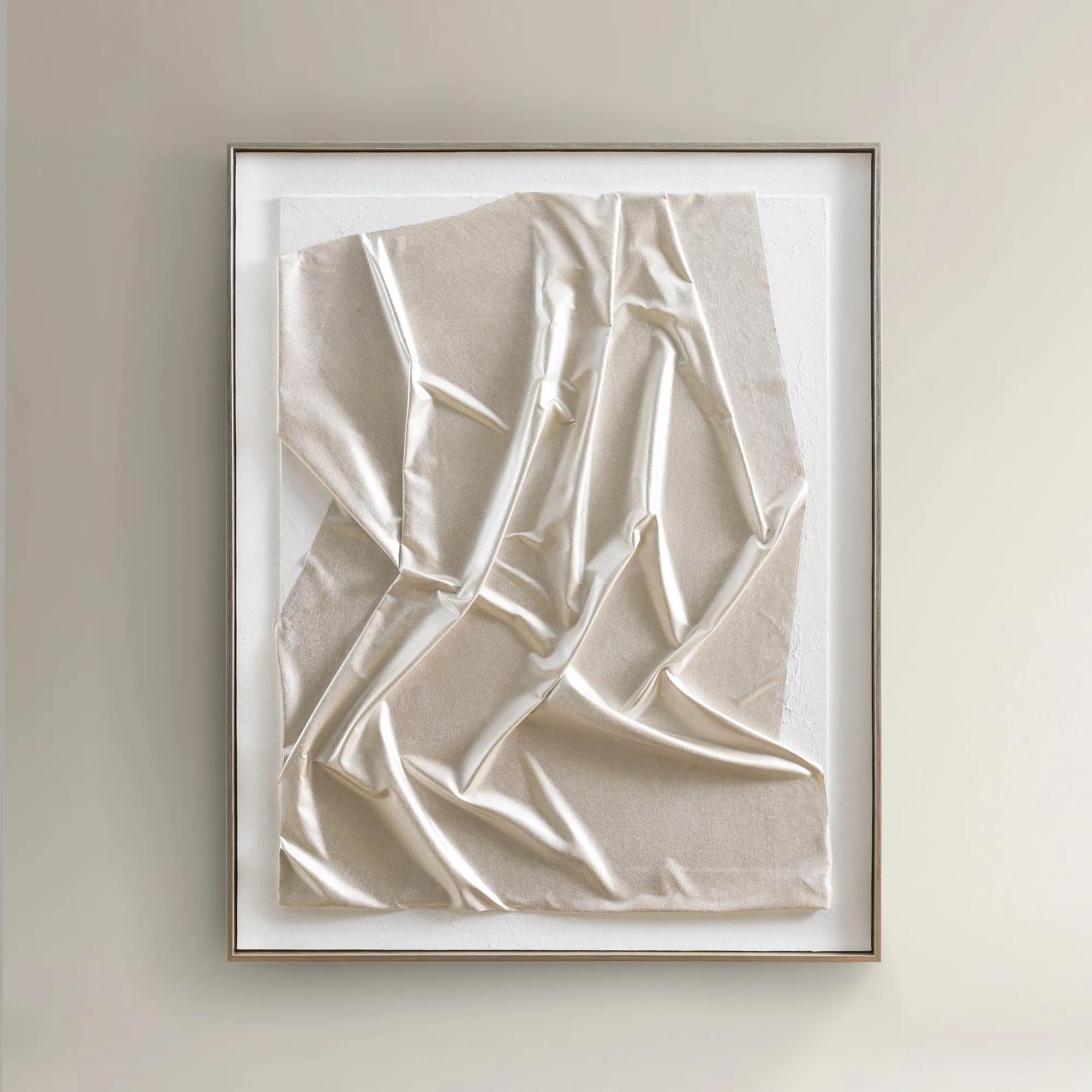
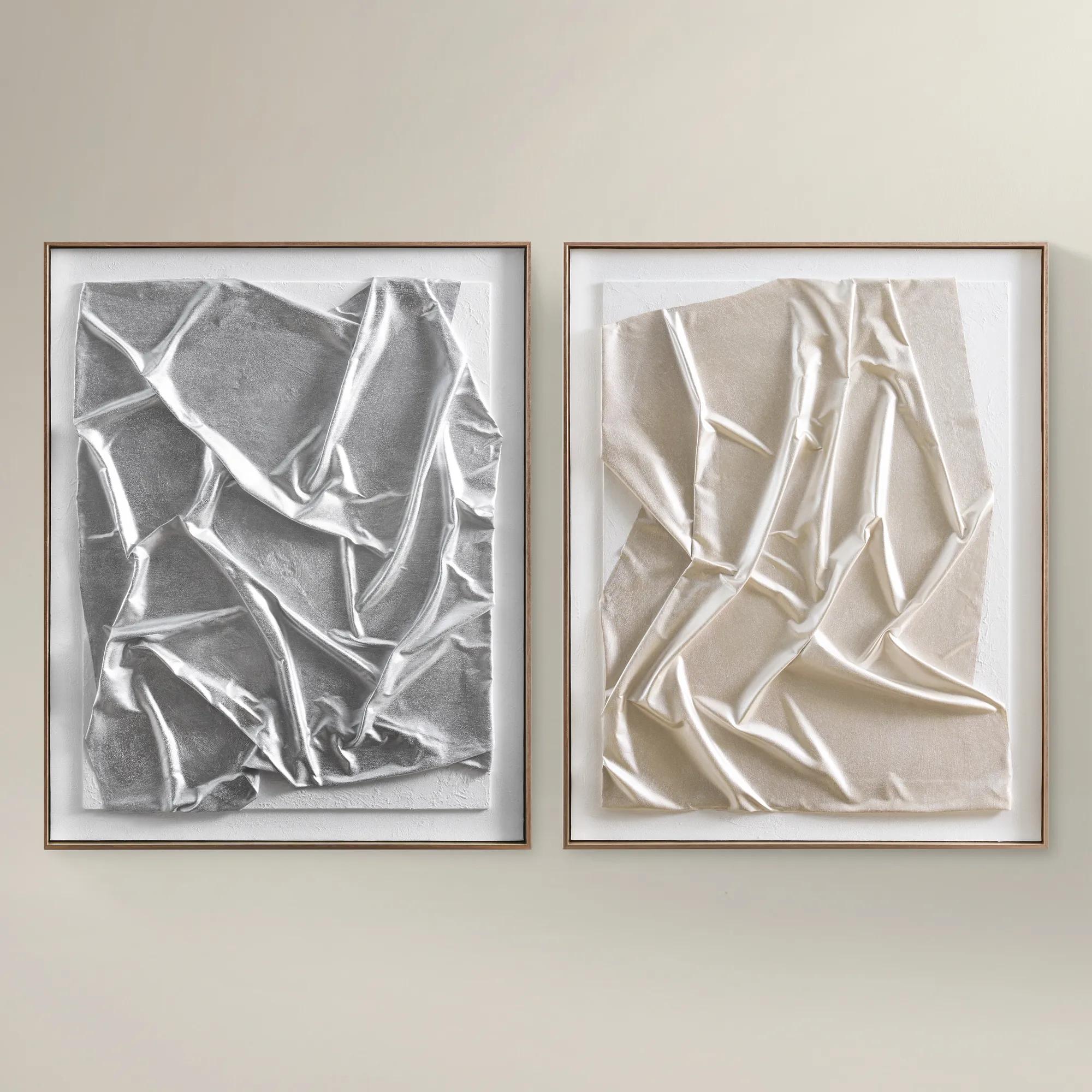 In the Mood Framed Painted Wall Art 31.5" x 39.5"$199
A hand-painted gold canvas artwork featuring textured surfaces and fluid forms in a champagne floater frame.
Add To Cart -
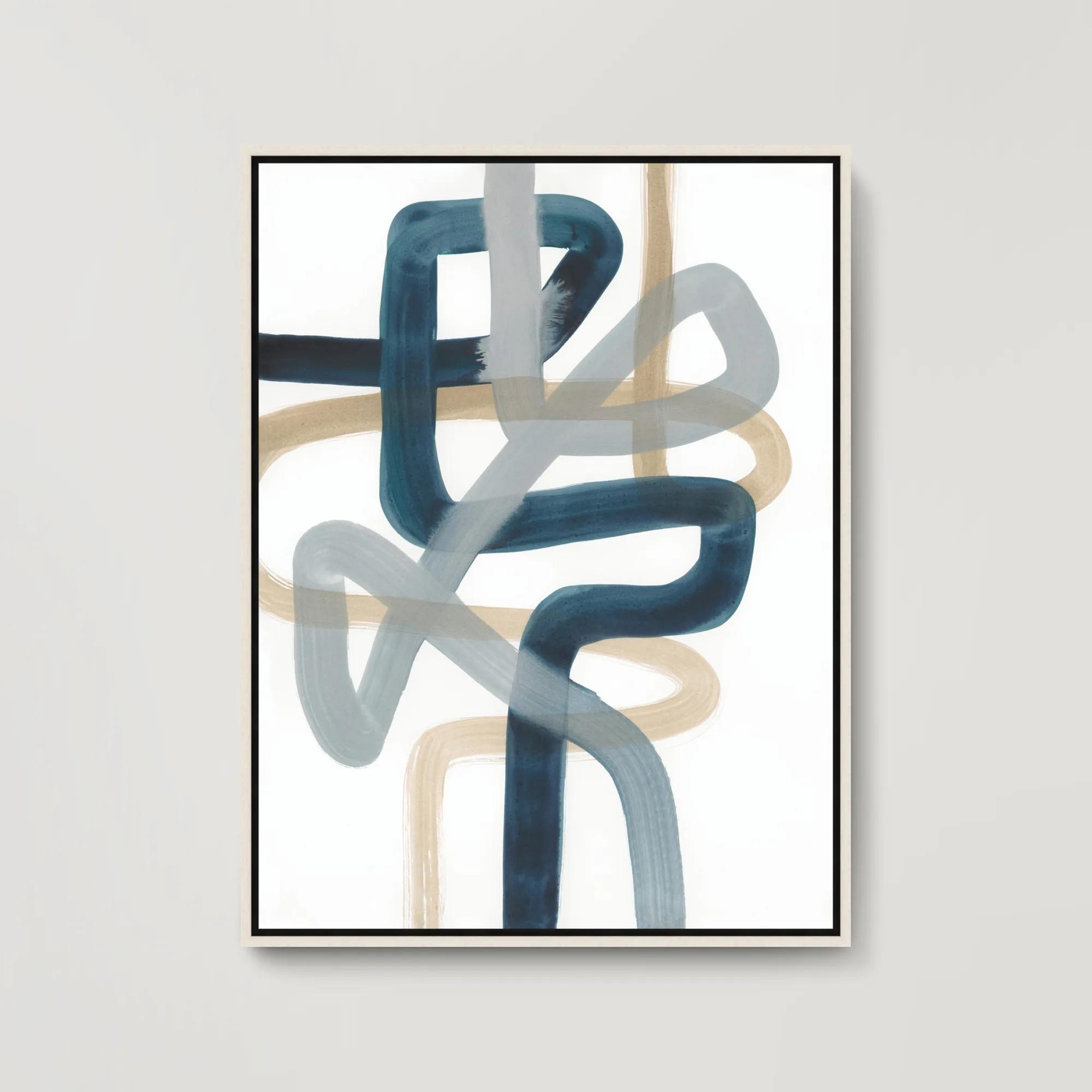
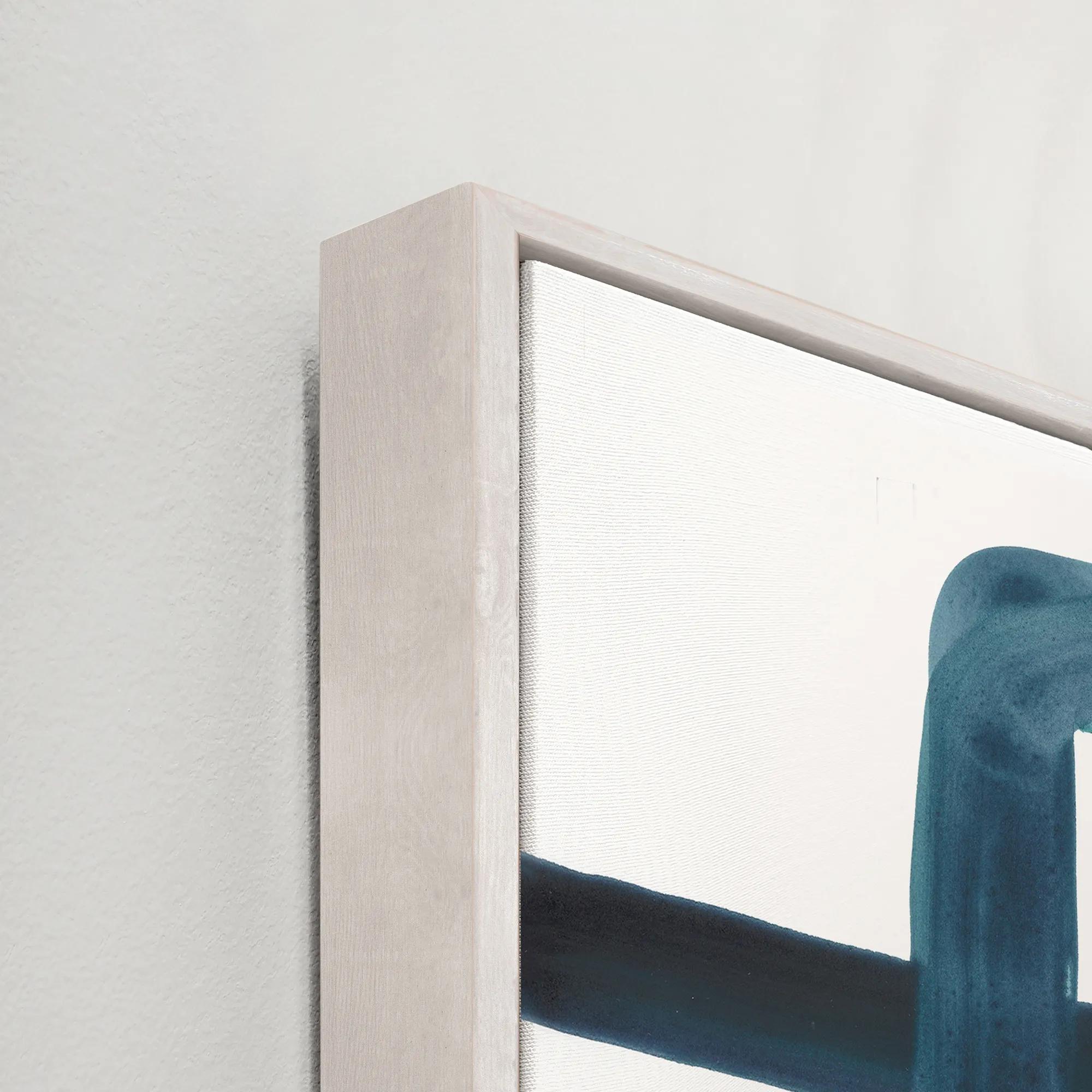 Looped In I Framed Wall Art 31.5" x 41.5"$699
A gallery-wrapped abstract canvas featuring hand-applied brush gel and a sleek white floater frame.
Add To Cart -
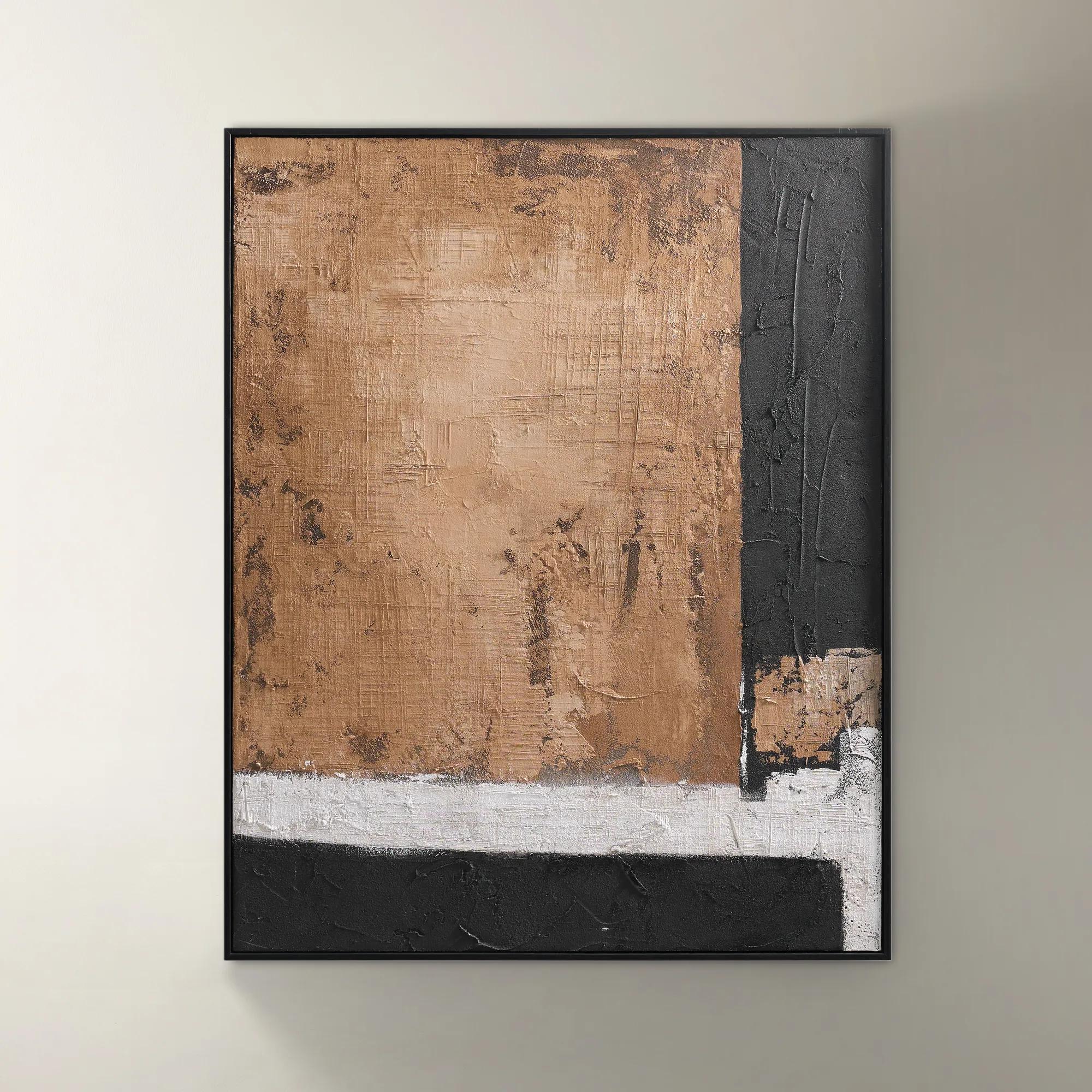 Drift Framed Painted Wall Art I 39.4" x 31.5"$299
A bold hand-painted abstract artwork featuring layered brown tones in a sleek black floater frame.
Add To Cart -

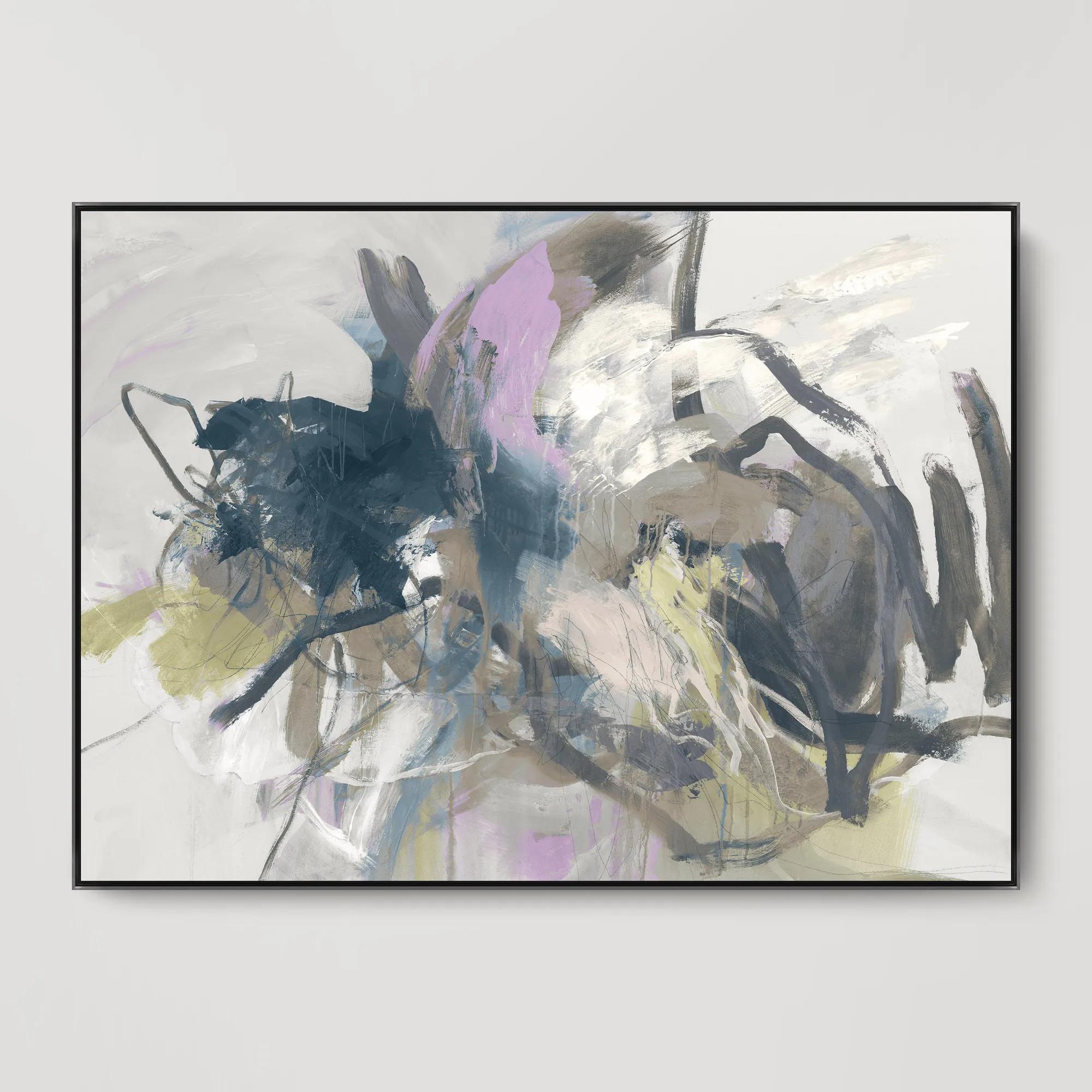
 Escape Path III Framed Wall Art 30" x 50"$799
A captivating blue and purple canvas artwork adding contemporary movement and layered dimension to your walls.
Add To Cart -
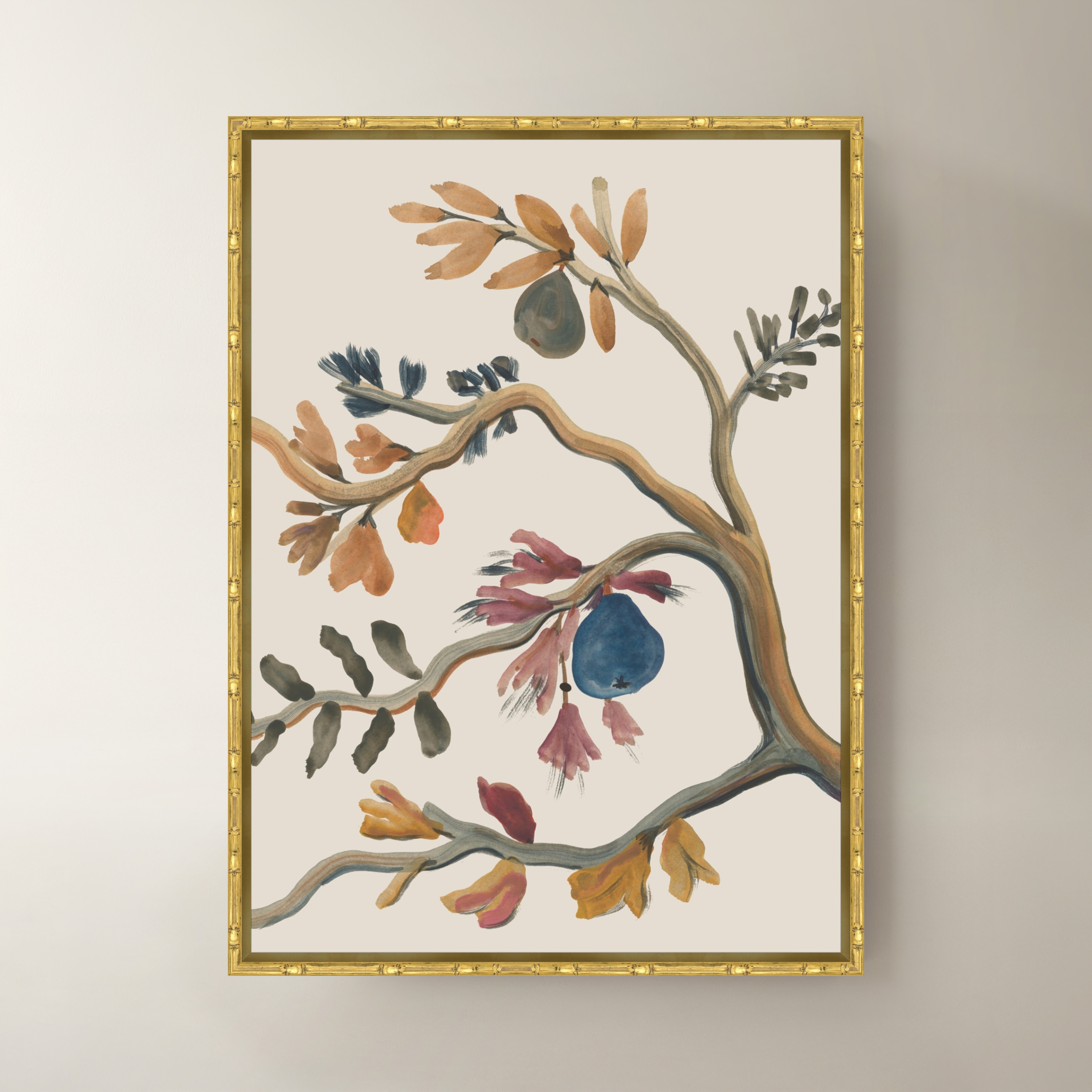
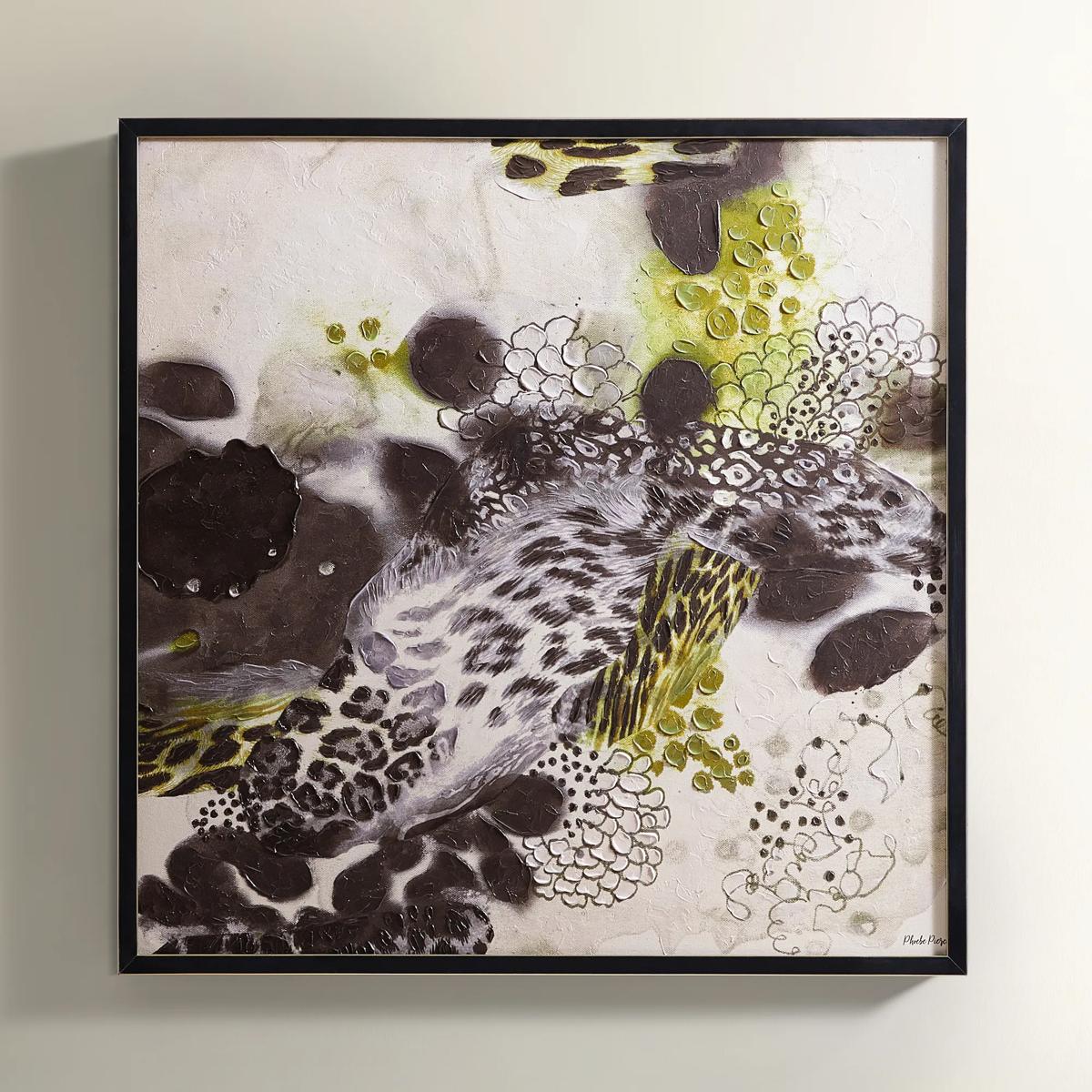
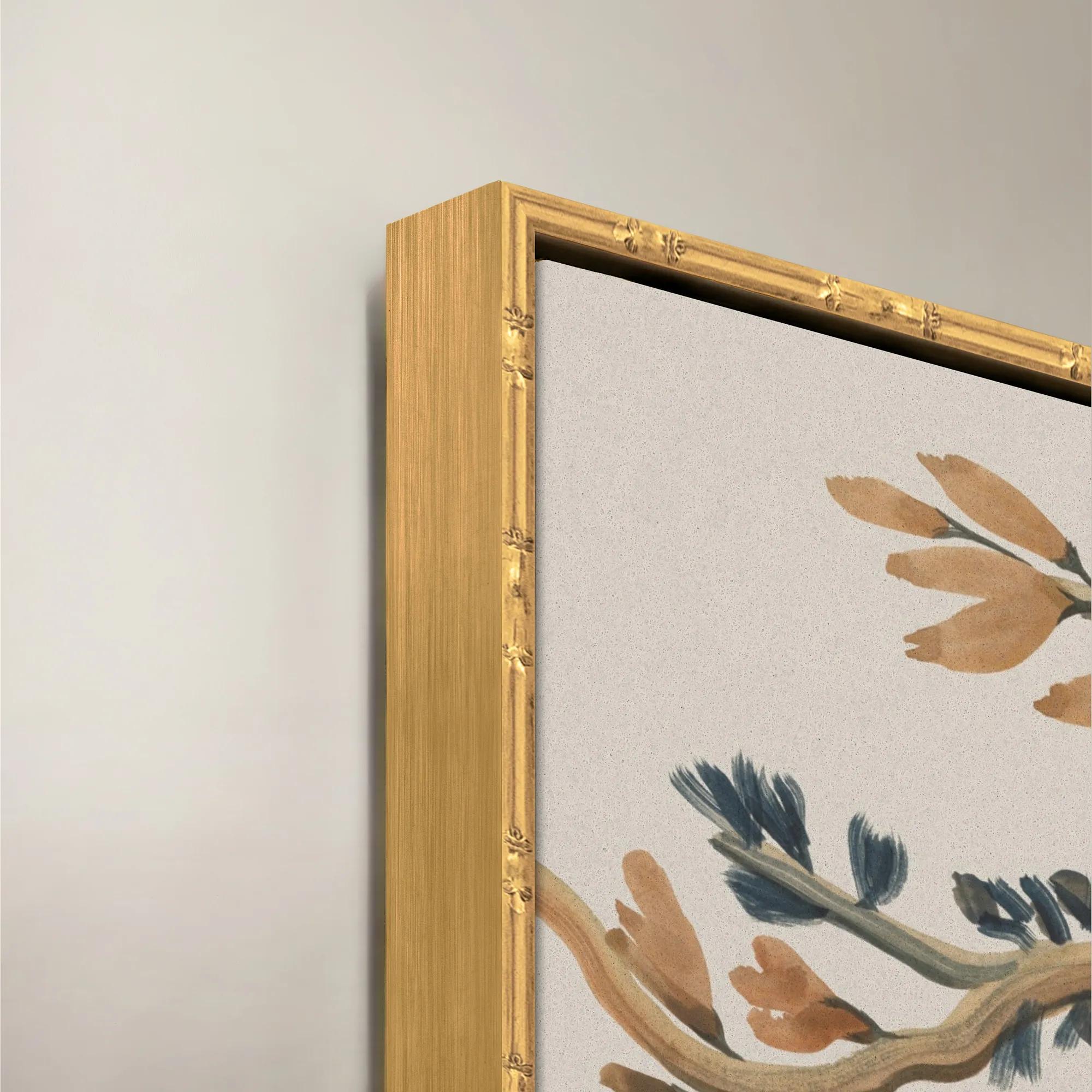 Whispering Orchard I Framed Wall Art 24" x 33"$749
A multicolored canvas wall artwork presented in a refined frame for vibrant, gallery-inspired styling.
Add To Cart -
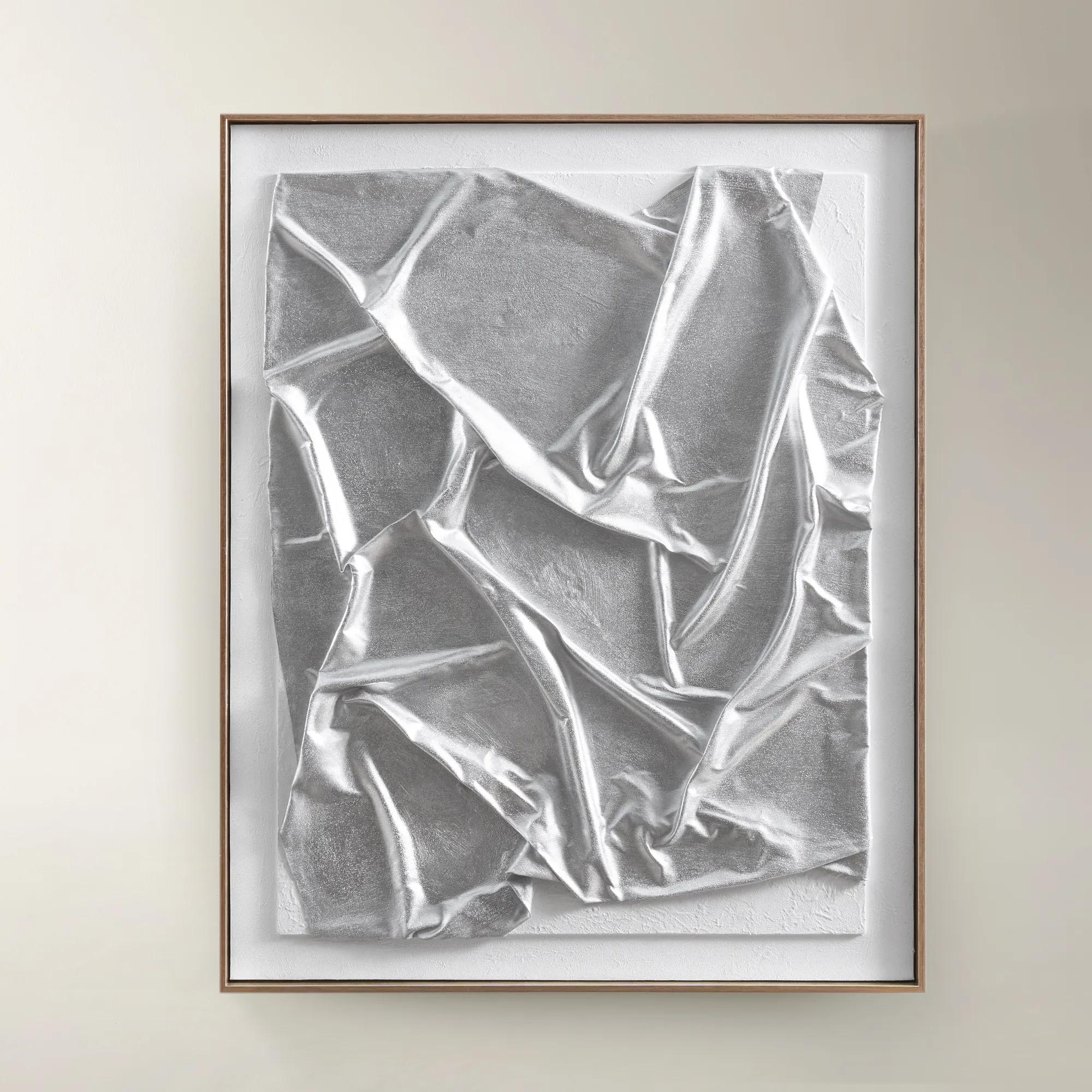 In the Mood Framed Painted Wall Art 31.5" x 39.5"$199
A hand-painted abstract canvas in shimmering silver tones, set in a warm champagne floater frame.
Add To Cart -
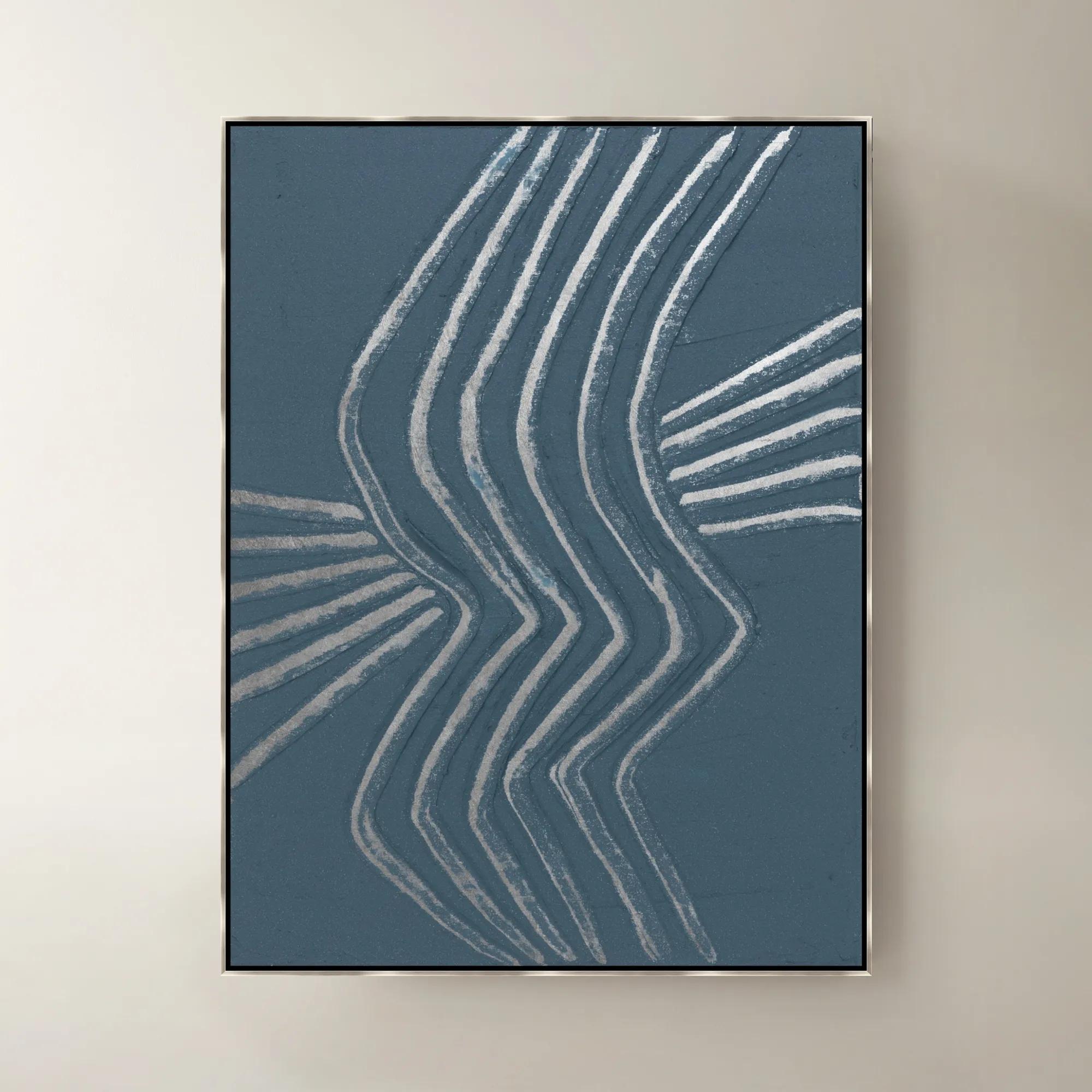
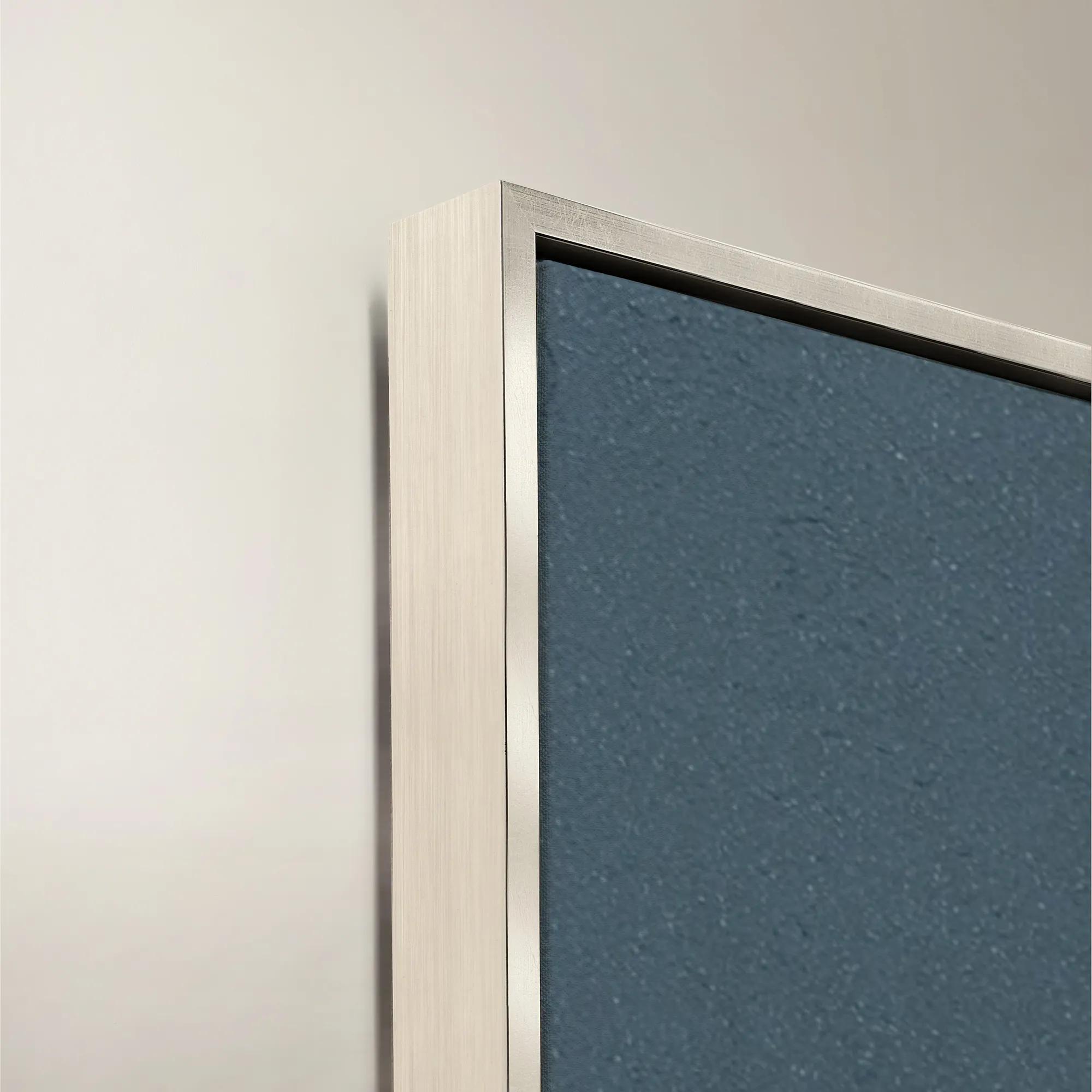 Gilded Waves IV Framed Painted Wall Art 40" x 53"$1399
A framed painted canvas artwork featuring flowing gilded waves in soothing blue and purple tones.
Add To Cart -
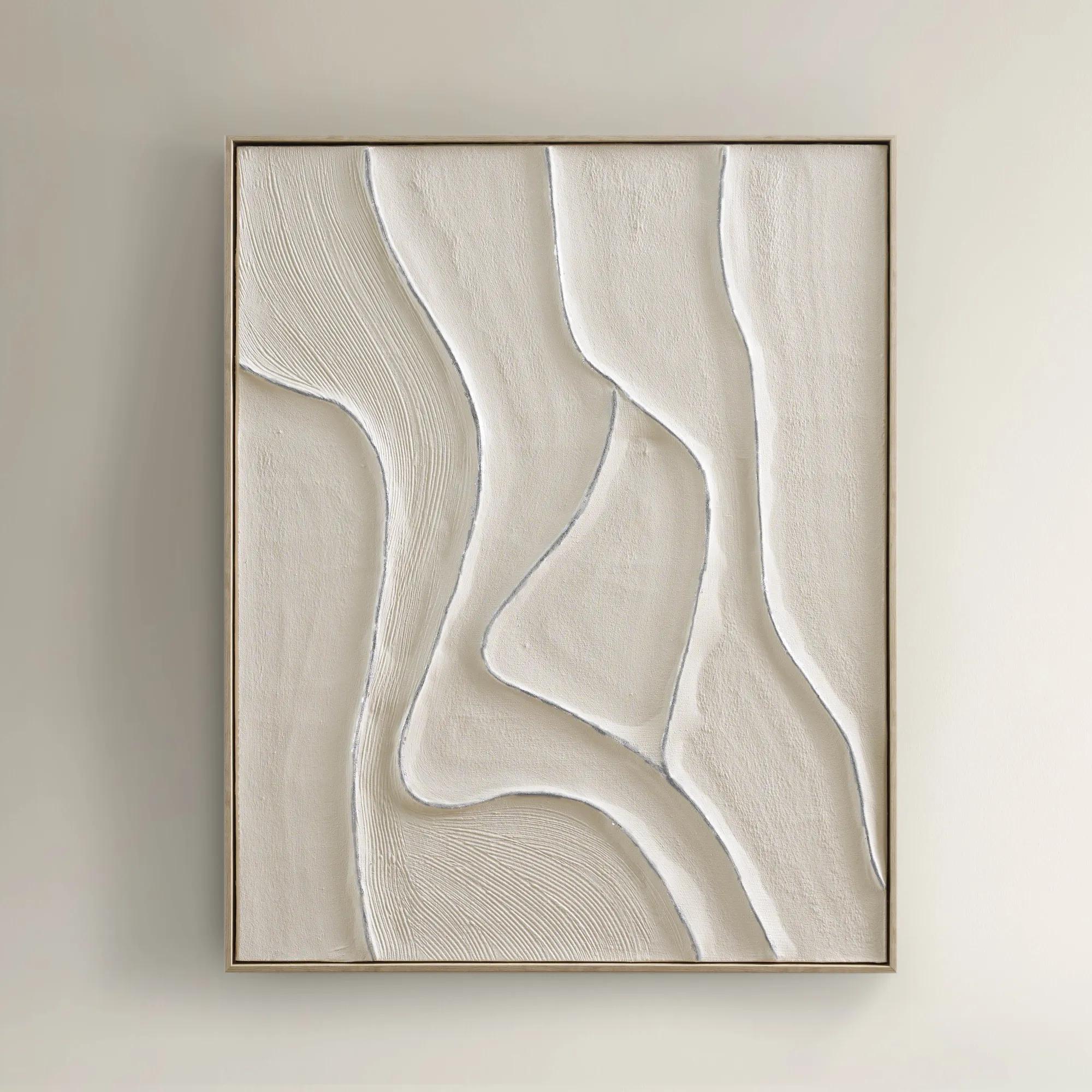
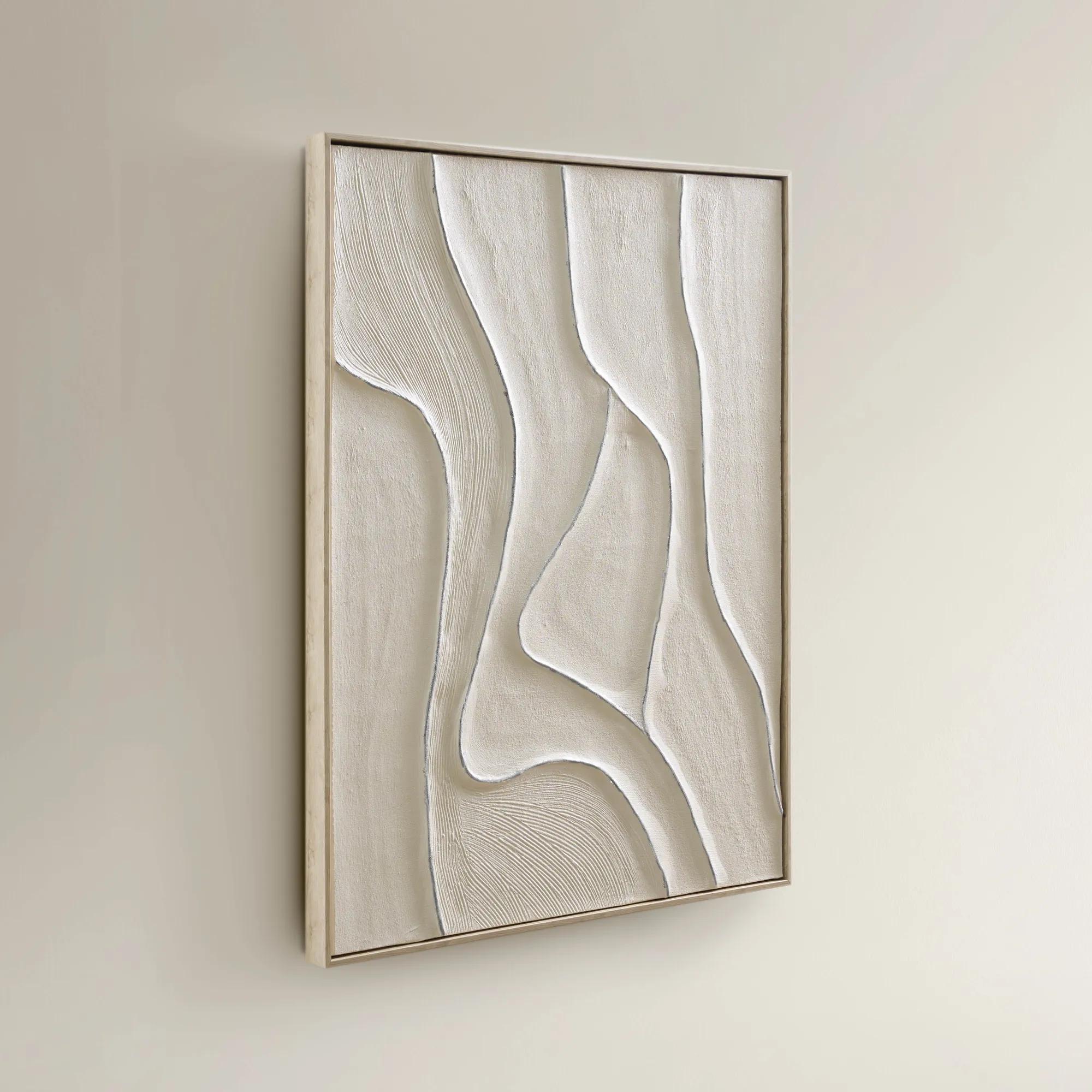 Vivre Framed Painted Wall Art 39.25" x 31.5"$199
A hand-painted canvas featuring tranquil beige hues and flowing lines in a warm whitewash floater frame.
Add To Cart

Wall Art For Interior Designers
Find wall art for interior designers that brings a distinct point of view to client spaces. Explore artwork with your project’s scale, palette, and mood in mind, whether the brief calls for a dramatic focal point or a cohesive gallery wall. Consider how each piece relates to furnishings and sightlines to create a composition that feels intentional and expressive.
Wall art gives interior designers a powerful way to establish a room’s identity, turning an architectural backdrop into an expression of the people who live there. The most compelling selections do more than coordinate with furnishings: they introduce movement, deepen a color story, and give the eye somewhere extraordinary to land. For a dramatic living room, large-scale wall art can anchor a seating arrangement with a single confident gesture, while a thoughtfully composed gallery wall invites a more layered, personal narrative. Abstract wall art lends itself to contemporary interiors, where expressive shapes and tonal contrasts can echo sculptural furniture without matching it too literally. In bedrooms, quieter compositions can create a sense of retreat; in dining rooms, dynamic artwork can bring energy to an intimate gathering space. Selecting wall art for interior design begins with the mood you want to create, then considers proportion, visual weight, and the relationship between each piece and its surroundings. A restrained palette can still feel sumptuous through depth and composition, just as a vivid work can introduce a daring accent into an otherwise tailored room. Successful wall art placement balances artistic instinct with practical planning. Before choosing artwork for a client’s home, assess the available wall space, ceiling height, furniture dimensions, and views from adjoining rooms. Above a sofa or console, an arrangement spanning roughly two-thirds of the furniture’s width often provides a useful starting point, though architectural details and the artwork’s visual presence should guide the final decision. For gallery walls, establish a shared element—such as a related palette, consistent spacing, or complementary framing—to give varied compositions a deliberate rhythm. Consider lighting early: thoughtfully positioned illumination can reveal detail and strengthen a focal point, while glare and direct sunlight may compromise the viewing experience or affect sensitive works. Modern wall decor should also speak to the client’s taste rather than simply follow a trend. Pairing a commanding focal piece with quieter accents creates hierarchy, allowing statement wall art to hold attention without overwhelming the room. The result is an interior that feels expressive, cohesive, and distinctly personal, with artwork shaping the atmosphere rather than merely filling an empty wall.
FAQs
Begin with the room’s creative direction and the feeling you want to evoke. Expressive abstract wall art brings movement and drama, while photography can introduce a more focused narrative. Choose artwork that reflects the client’s personality and gives the surrounding furniture and decor a compelling visual story.
Abstract compositions, graphic line art, and striking photography bring distinct character to contemporary interiors. For a glamorous direction, explore artwork with rich tonal contrasts or luminous effects. A restrained room can welcome an expressive piece, while a richly layered interior may benefit from artwork with a more deliberate, edited composition.
Use wall art to echo selected hues from upholstery, rugs, or decorative accents without matching every element. A composition that introduces an unexpected accent color can give the room a fresh creative direction. For a tonal interior, explore artwork with nuanced shades and expressive contrast to keep the palette visually engaging.
Build a gallery wall around a unifying thread, such as a shared palette, recurring subject, or artistic mood. Then introduce variety through different compositions and complementary frame treatments. The result should feel collected and intentional, with each work contributing its own voice to the larger visual narrative.
Let artwork converse with the room rather than simply repeat it. Fluid brushwork can soften angular furniture, while graphic compositions can bring definition to sumptuous upholstery. Carry a color or motif into a few decorative accents, then allow contrast to give the interior depth and individuality.