Statement Wall Art Above A Sofa
Statement Wall Art Above A Sofa
-
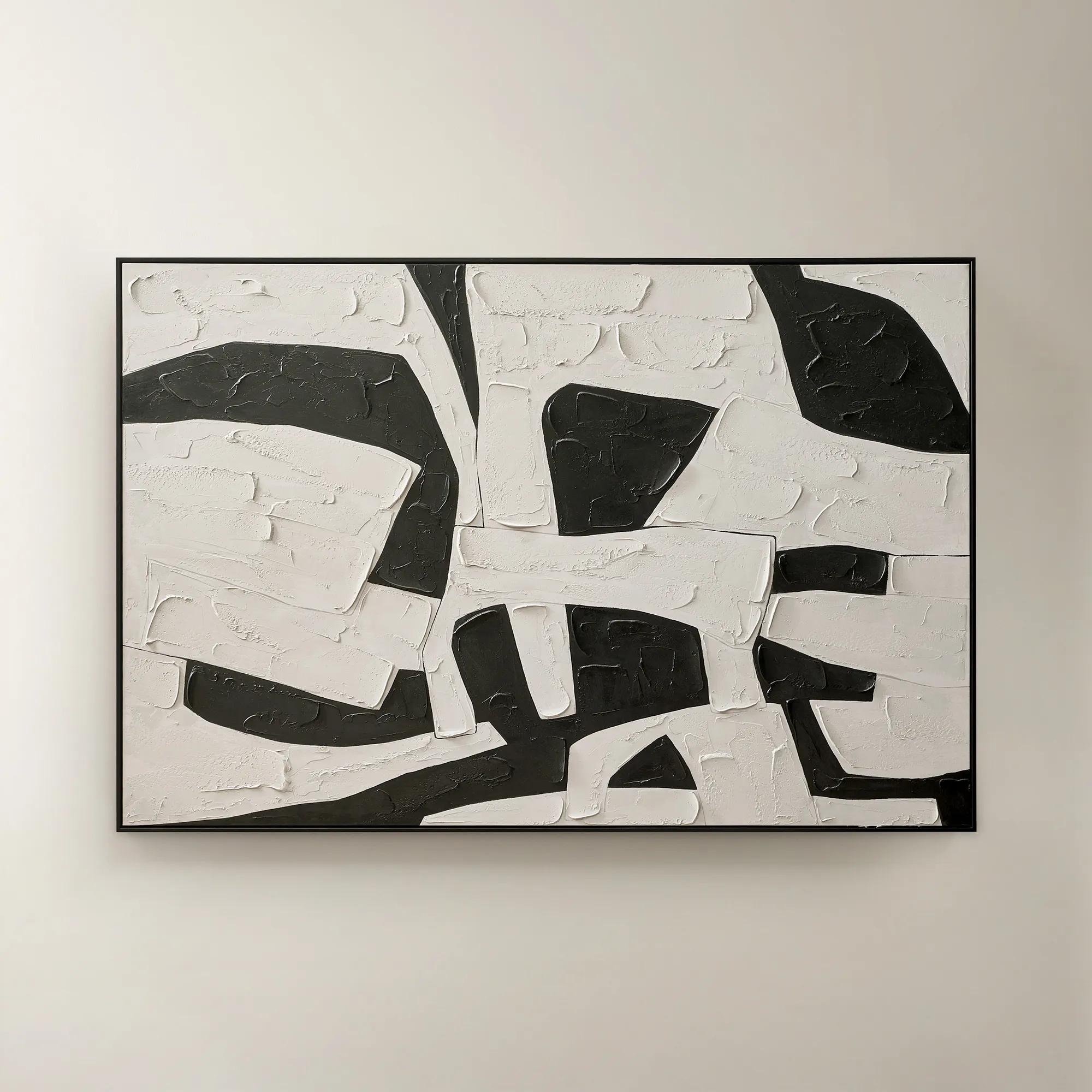 Space Between Shadows Framed Painted Wall Art 72" x 48"$799
A hand-painted abstract canvas featuring bold alabaster and black geometric forms in a sleek black frame.
Add To Cart -
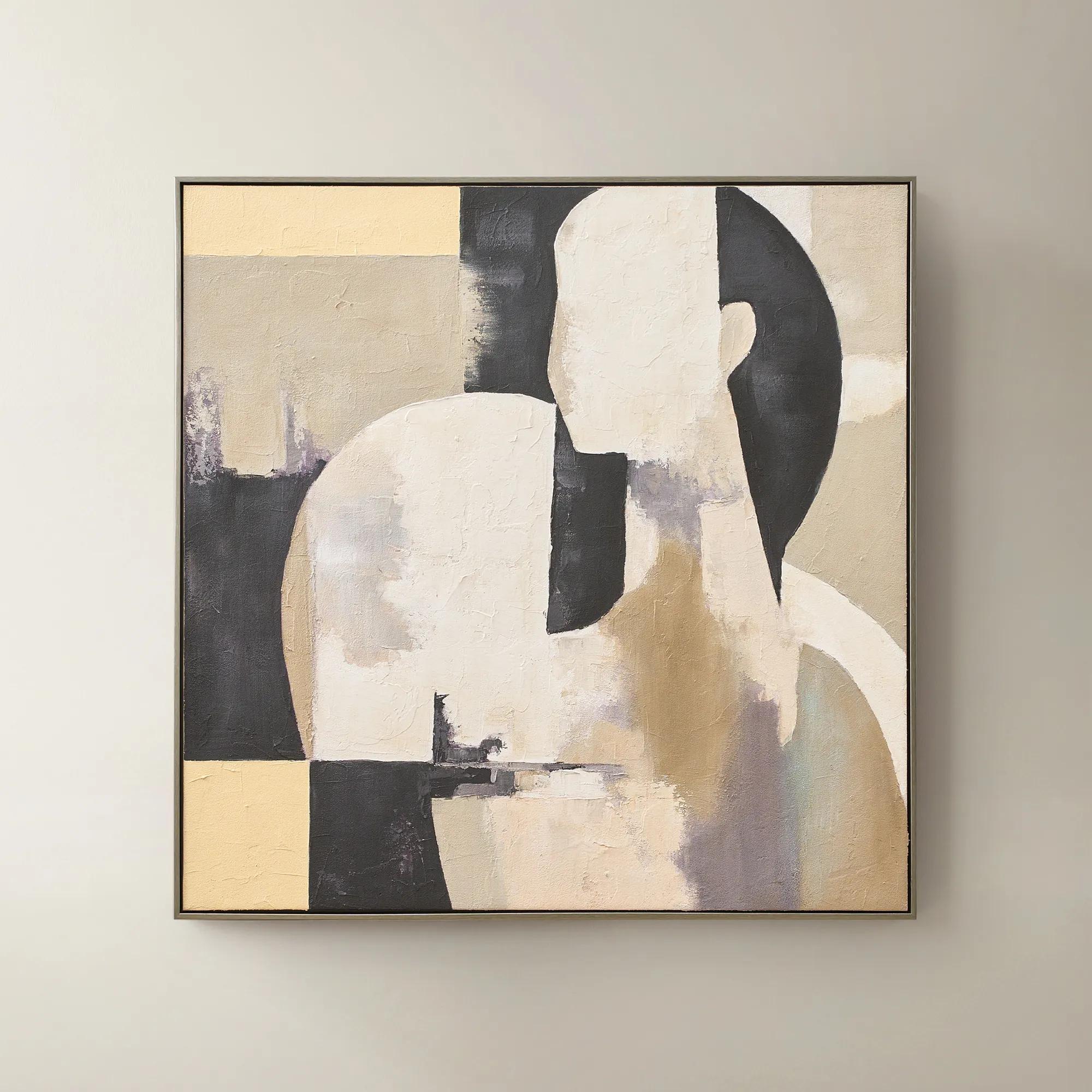 Afternoon Rest Framed Painted Wall Art 40" x 40"$399
A hand-painted abstract figure in buttercream, turtledove, and black hues framed in dark grey.
Add To Cart -
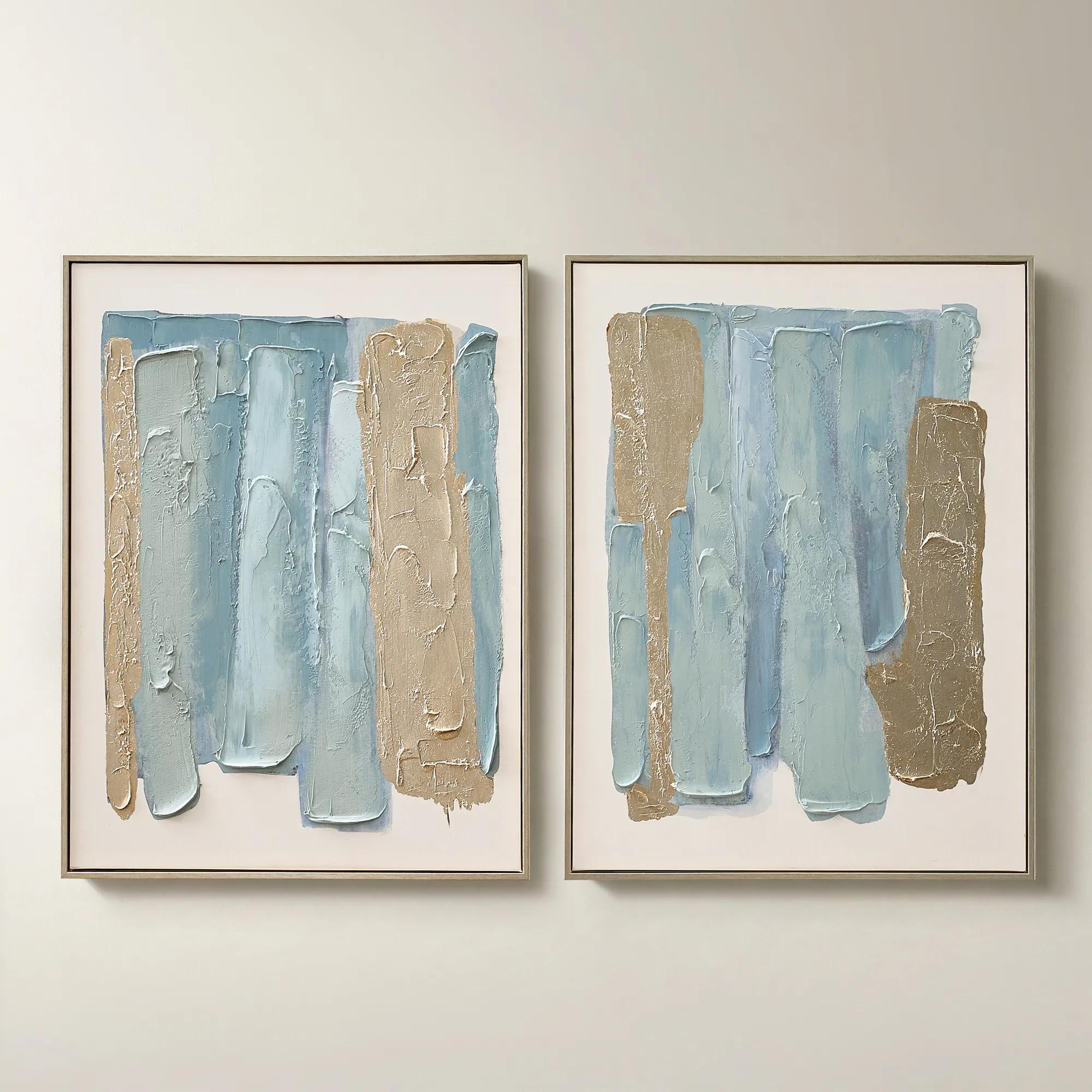
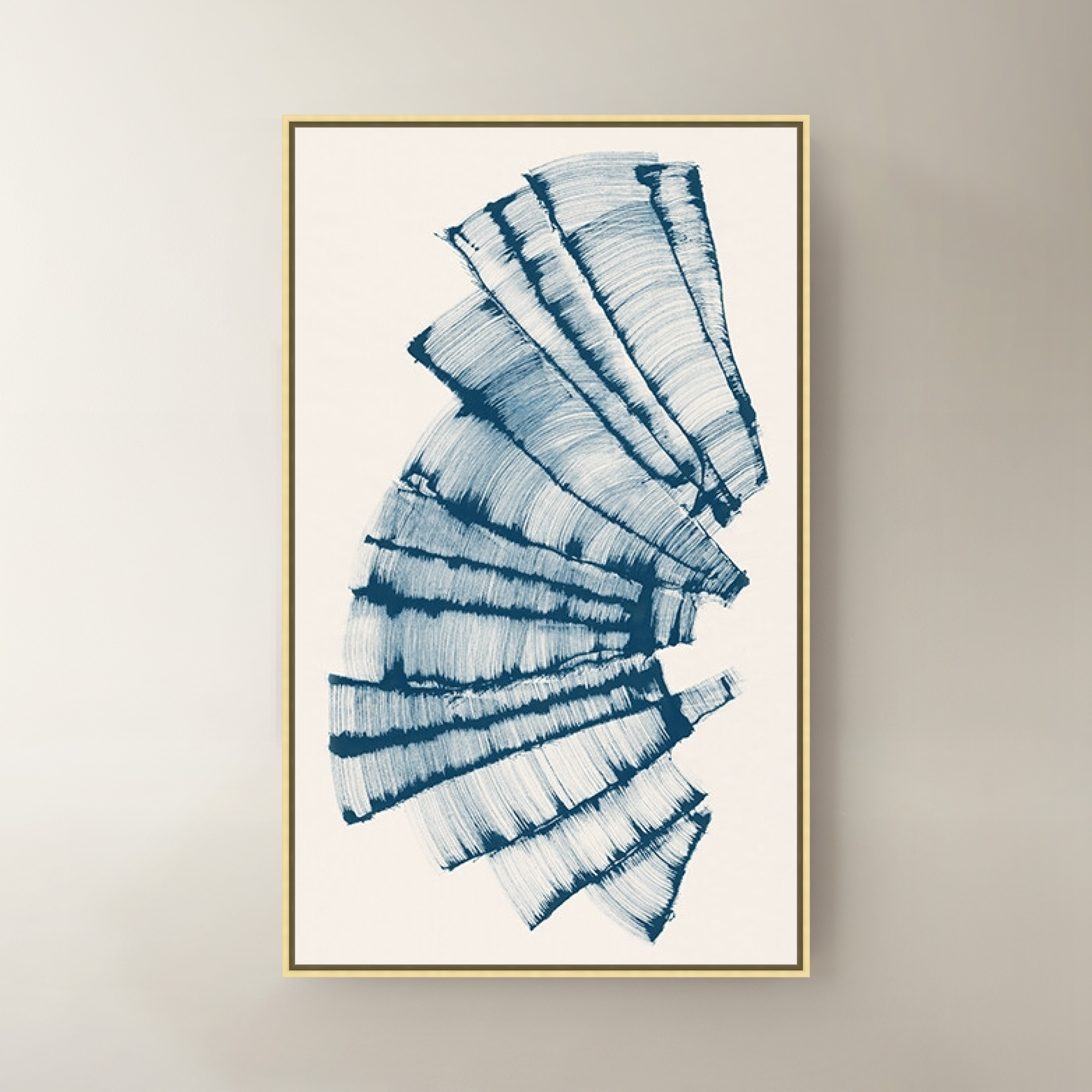
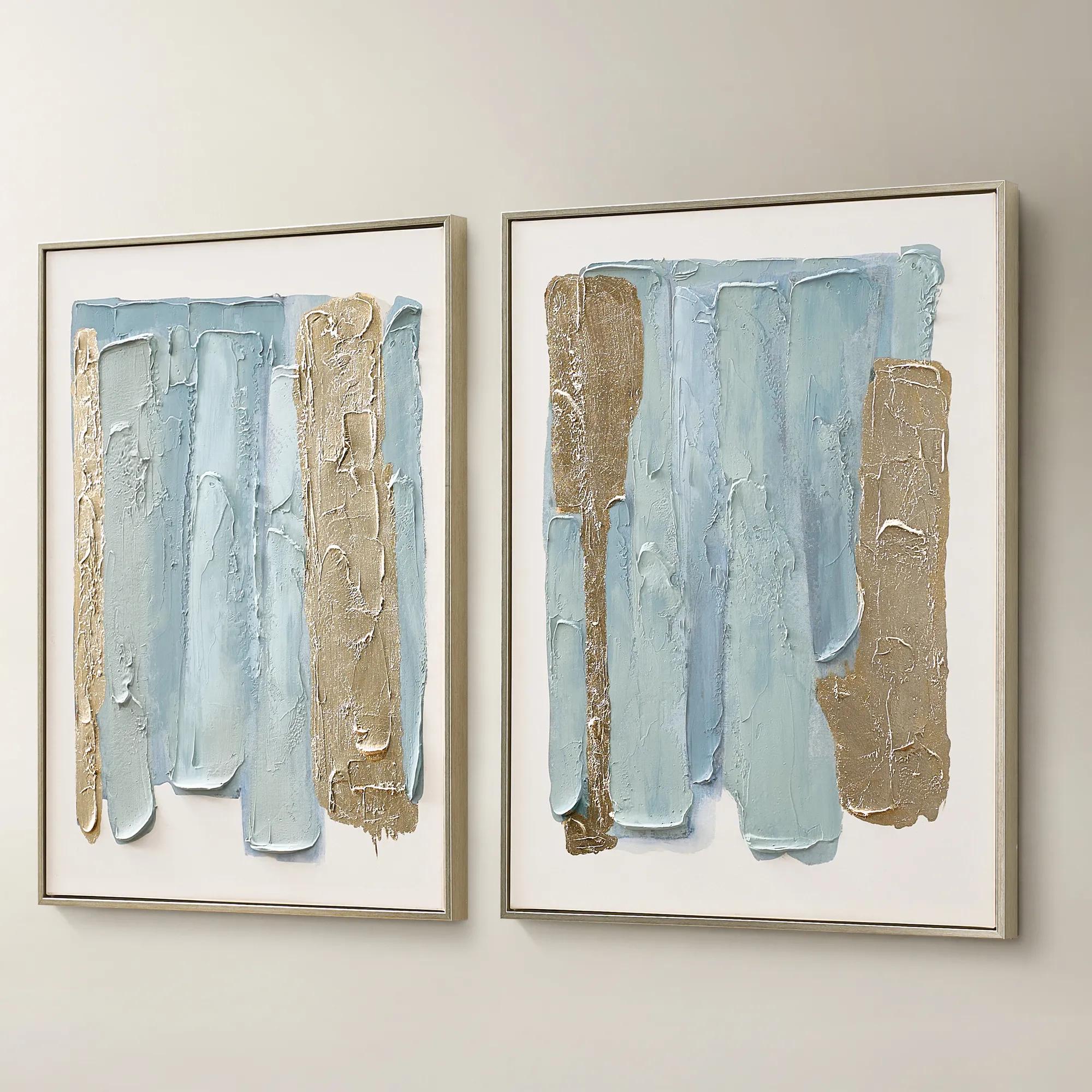 Blue Drift Framed Champagne Painted Wall Art 24" x 32" Set of 2$199
A set of two hand-painted canvases in dusty blue with champagne leafing and modern abstract movement.
Add To Cart -
 Bella Champagne Draped Leather Wall Panel 50" x 40"$699
A sculptural wall panel featuring cascading black, champagne, and ivory leather over a fabric-wrapped MDF foundation.
Add To Cart -
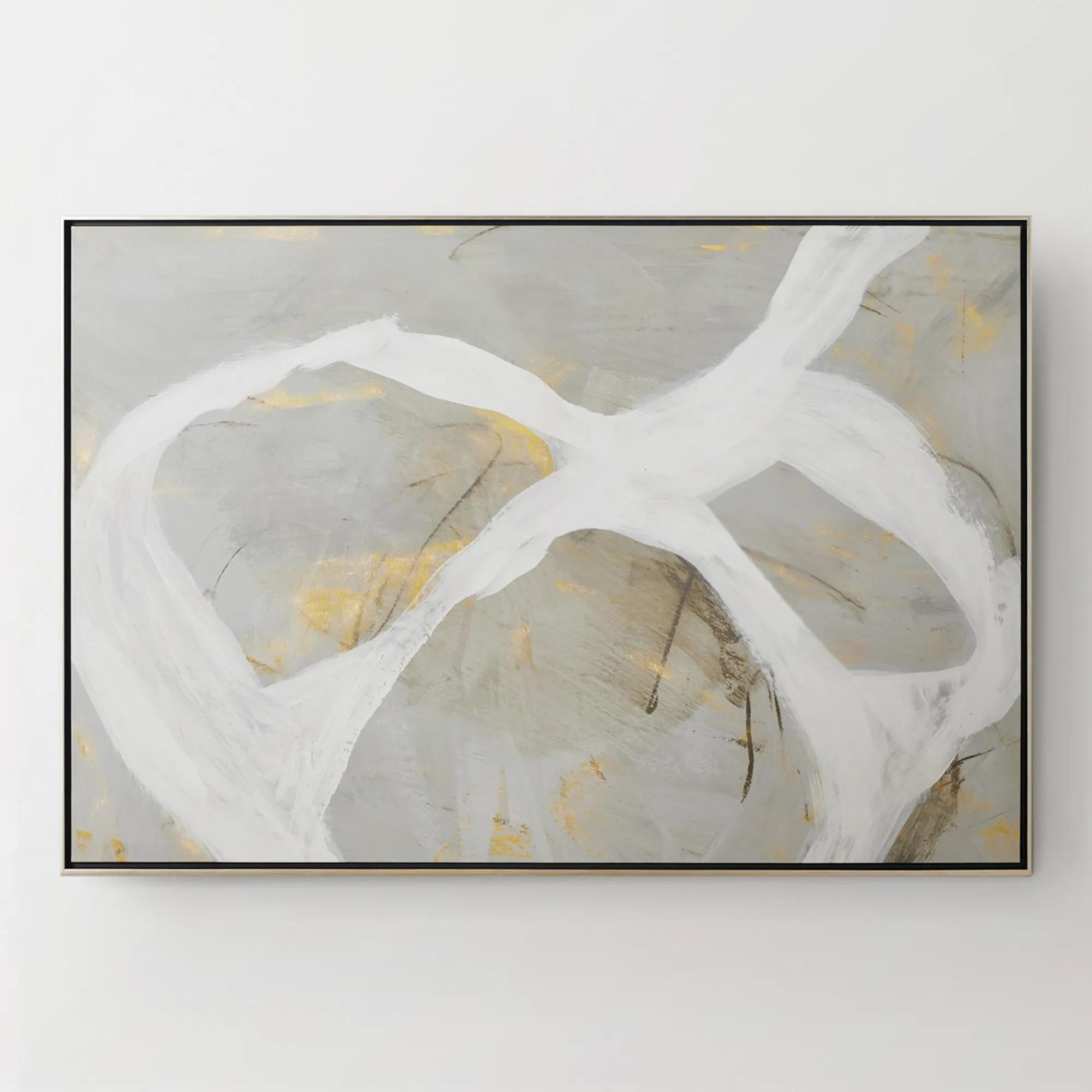
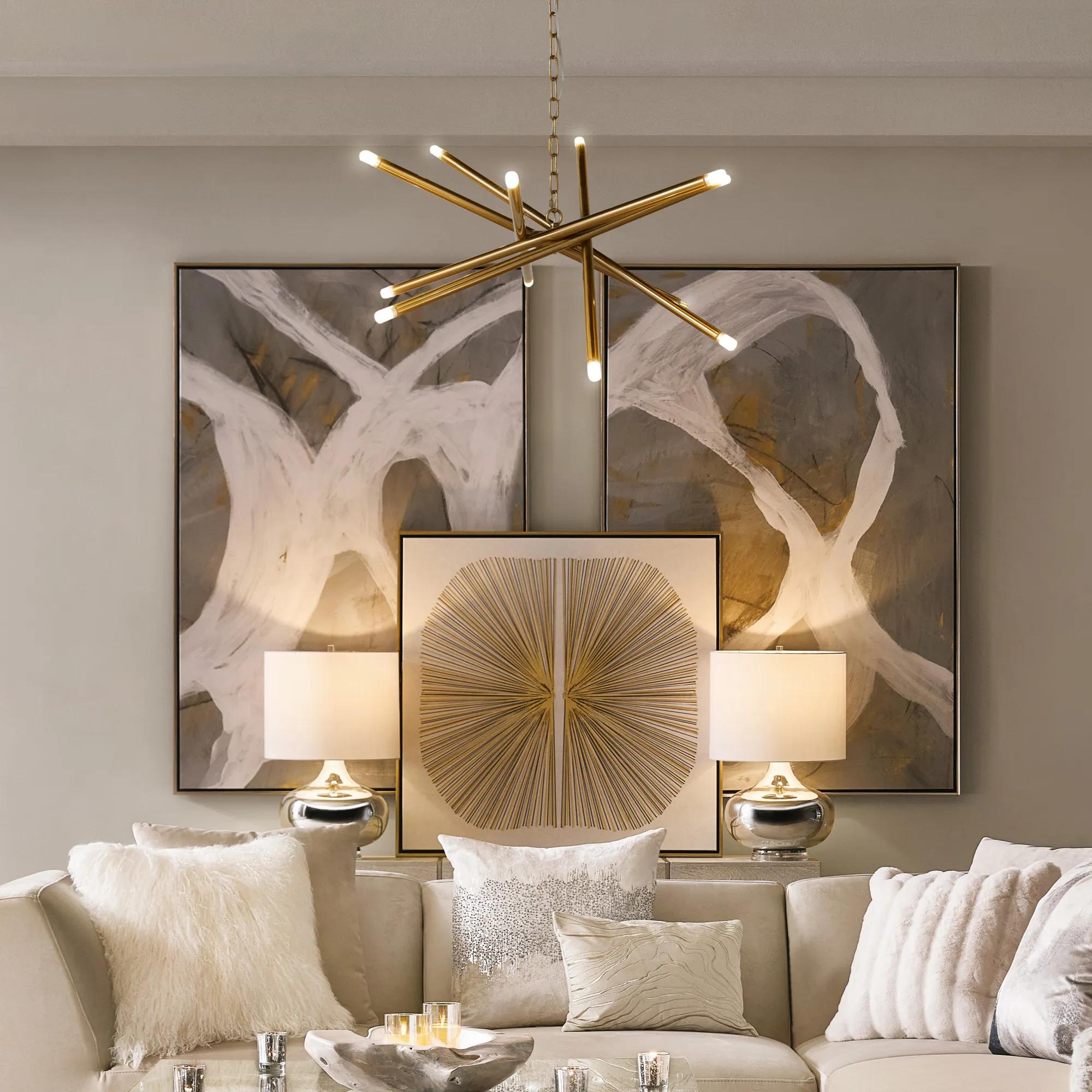 Les Series Framed Painted Wall Art I 61" x 41"$1099
An abstract canvas artwork featuring bold brushstrokes, hand-applied gold accents, and a silver floater frame.
Add To Cart -
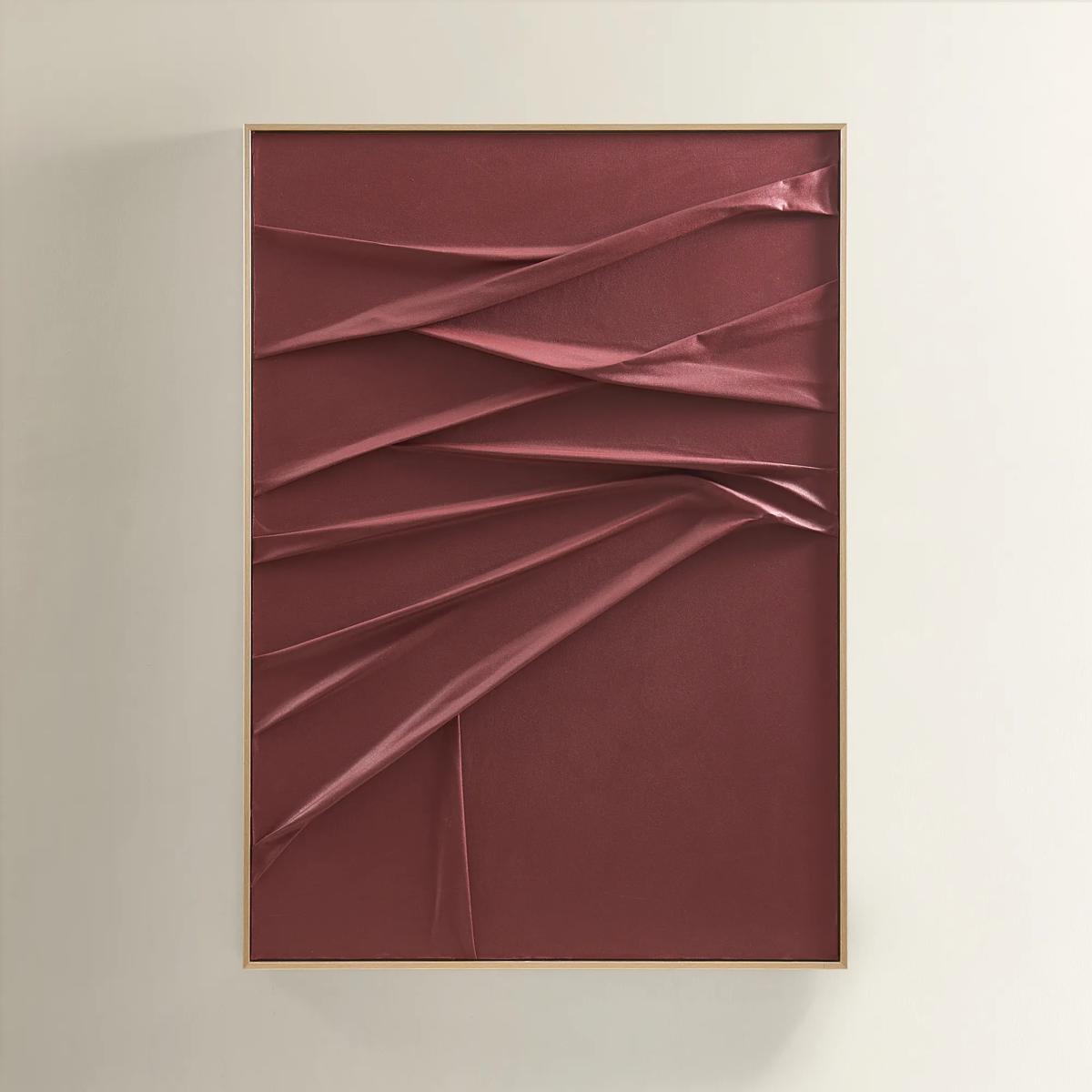
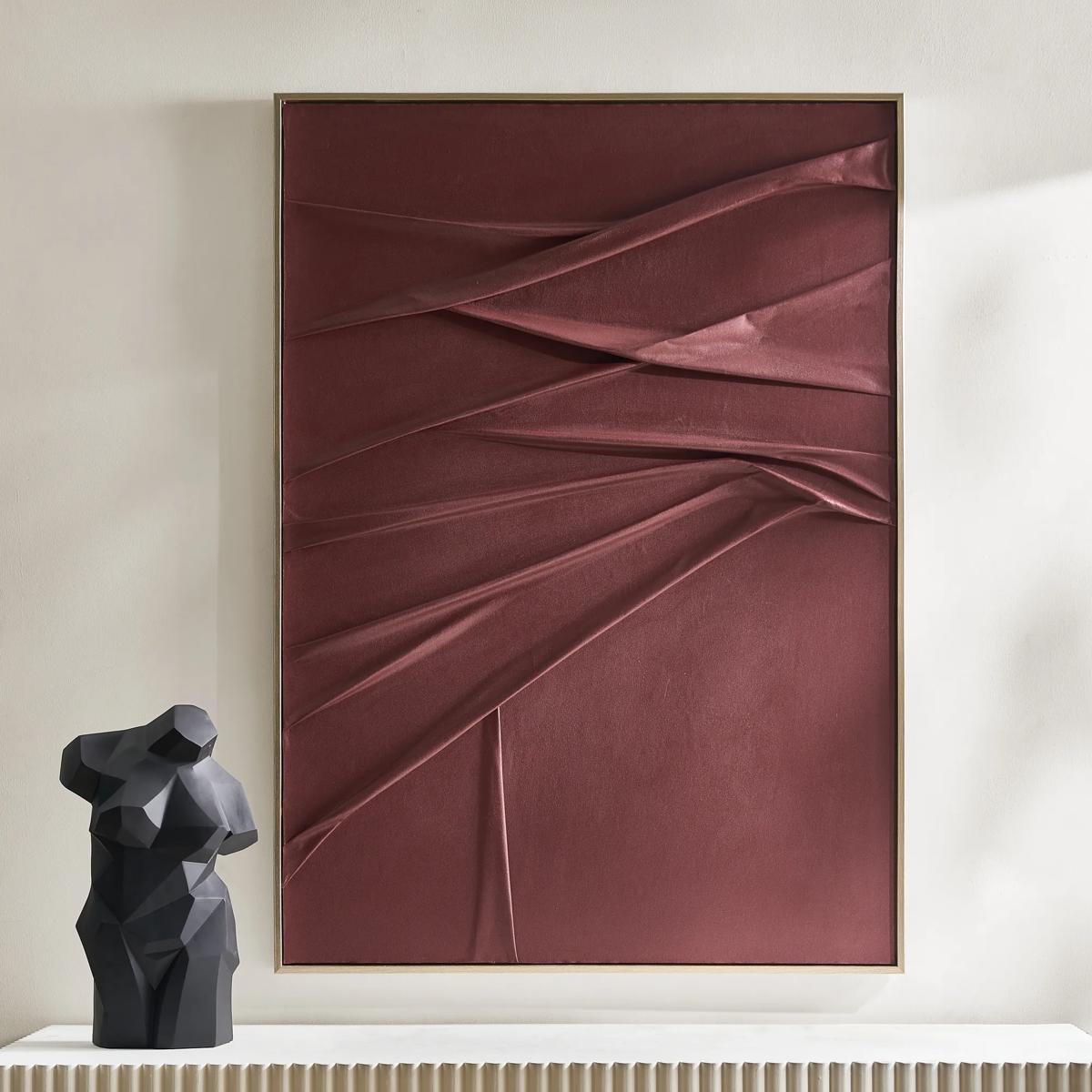 Crimson Painting$599
A handcrafted burgundy canvas artwork with sculptural folds, framed in champagne for a dramatic, textured effect.
Add To Cart -
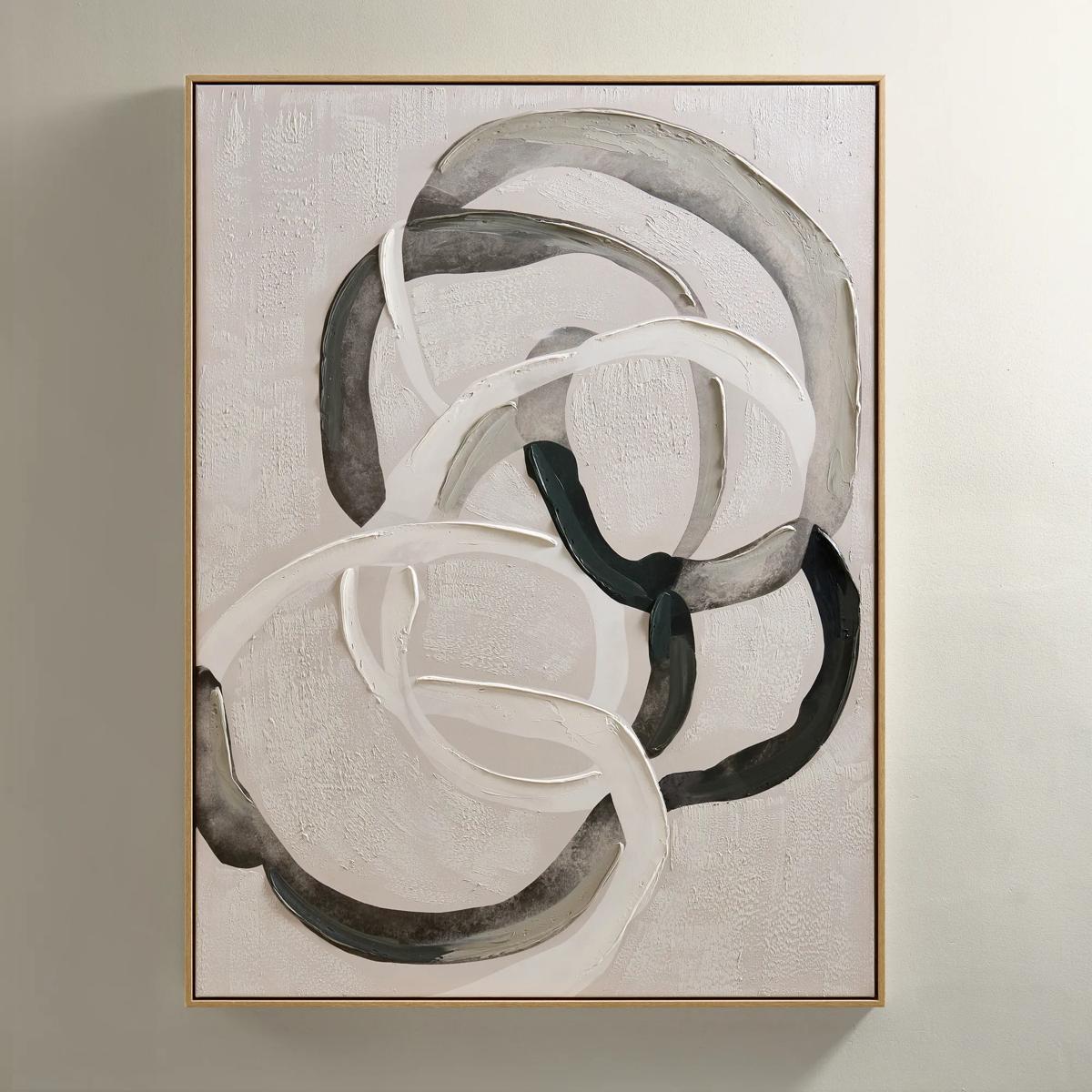
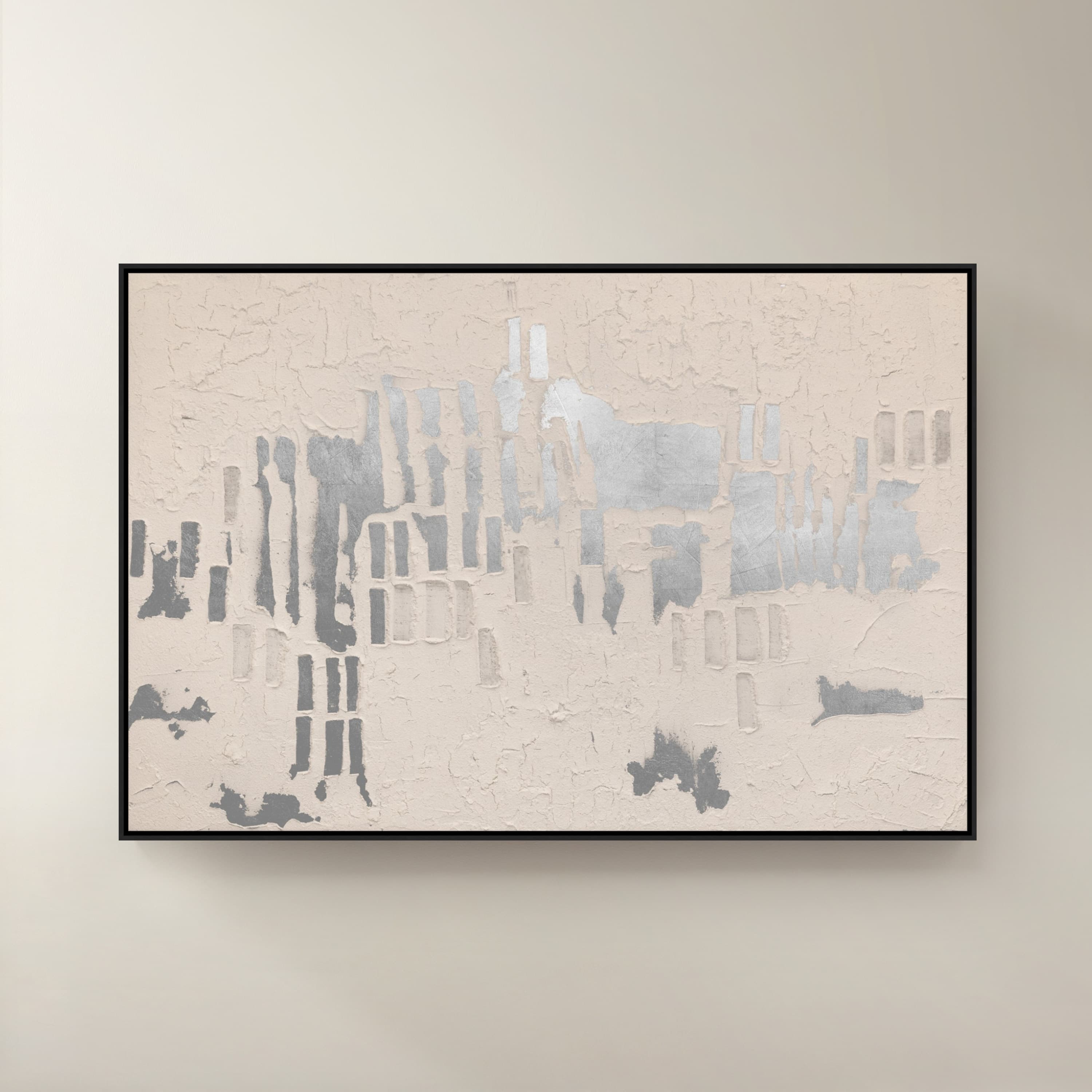
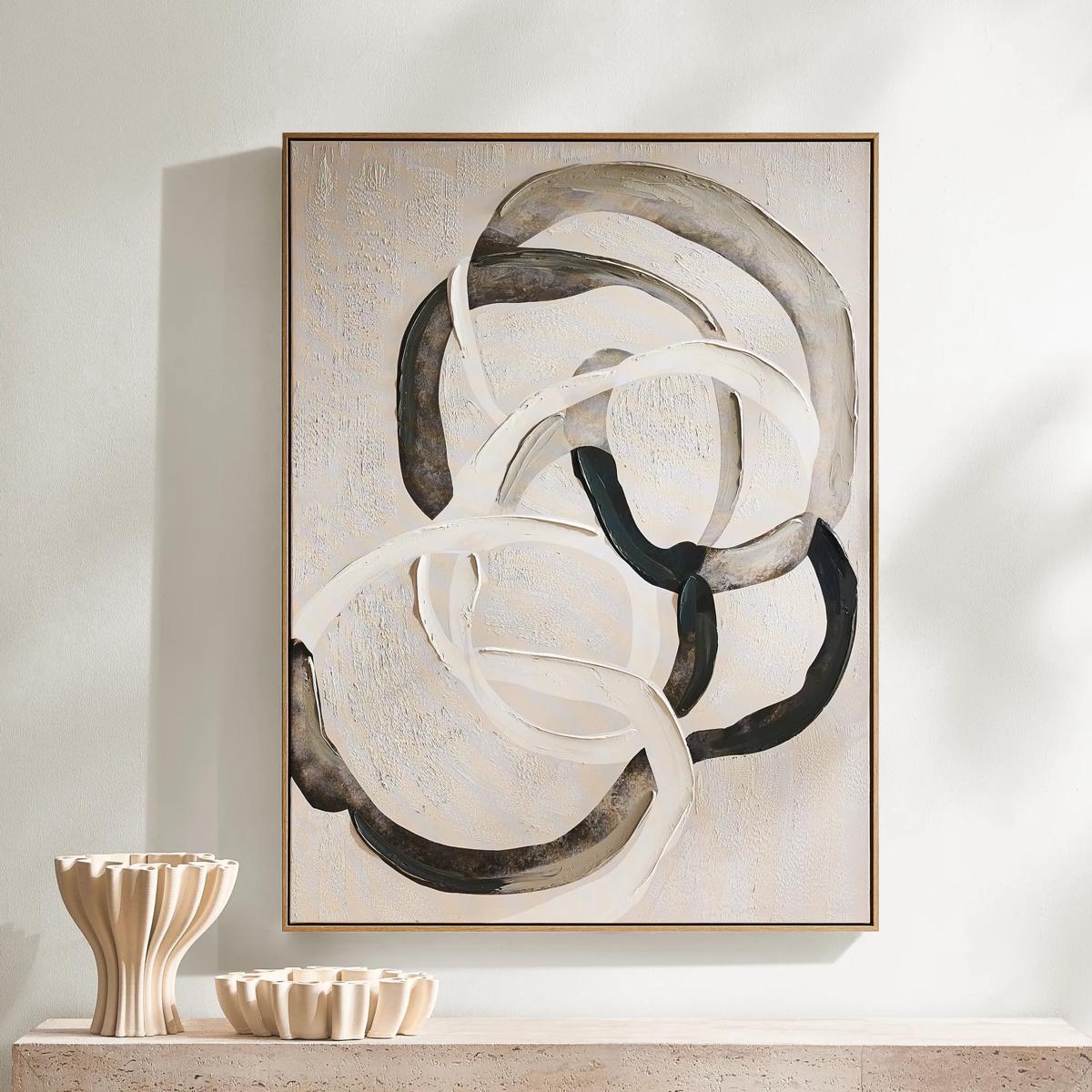 Round About Framed Painted Wall Art 35.25" x 47.25"$349
An abstract hand-painted canvas with tonal whites, charcoals, and taupes in a light wood floater frame.
Add To Cart -
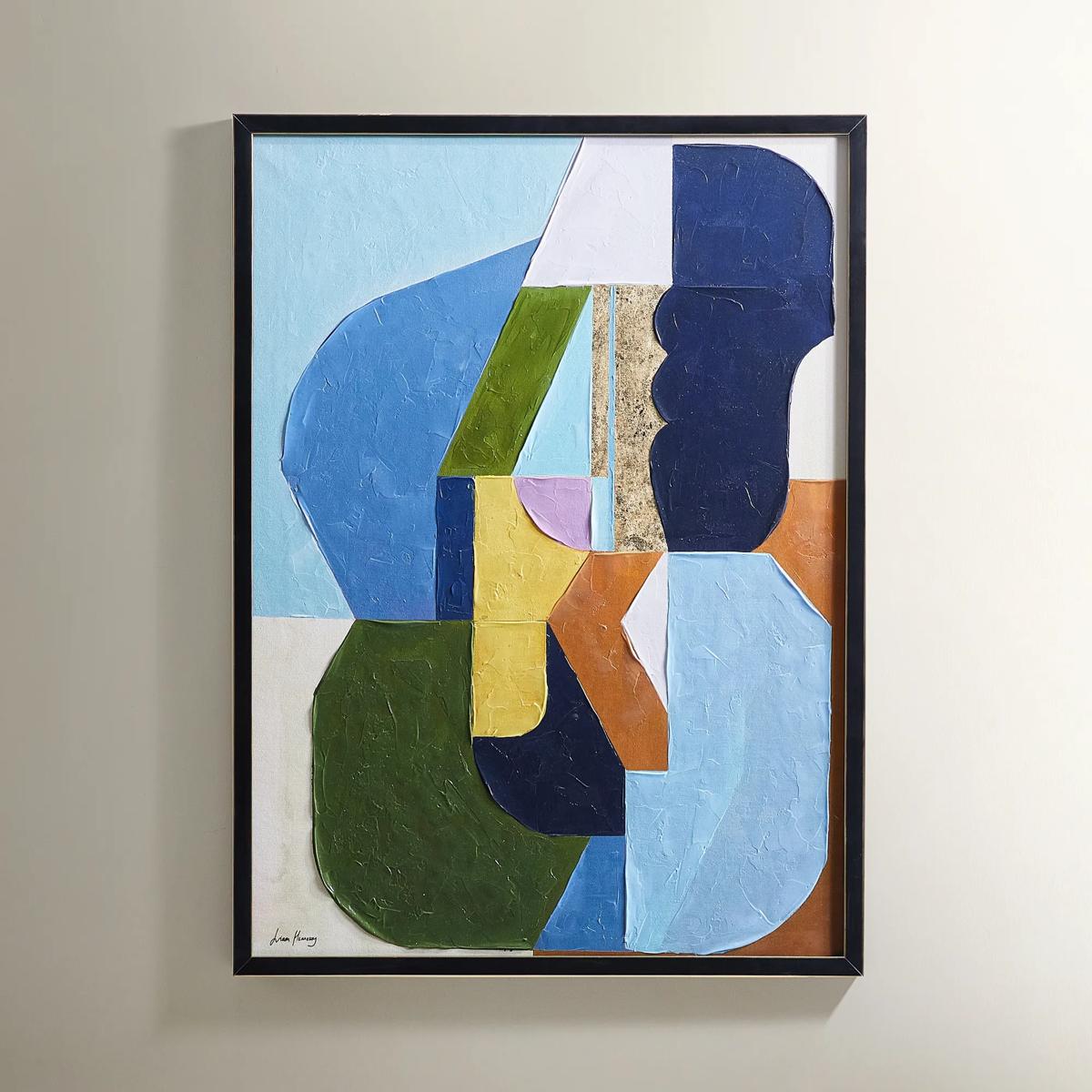
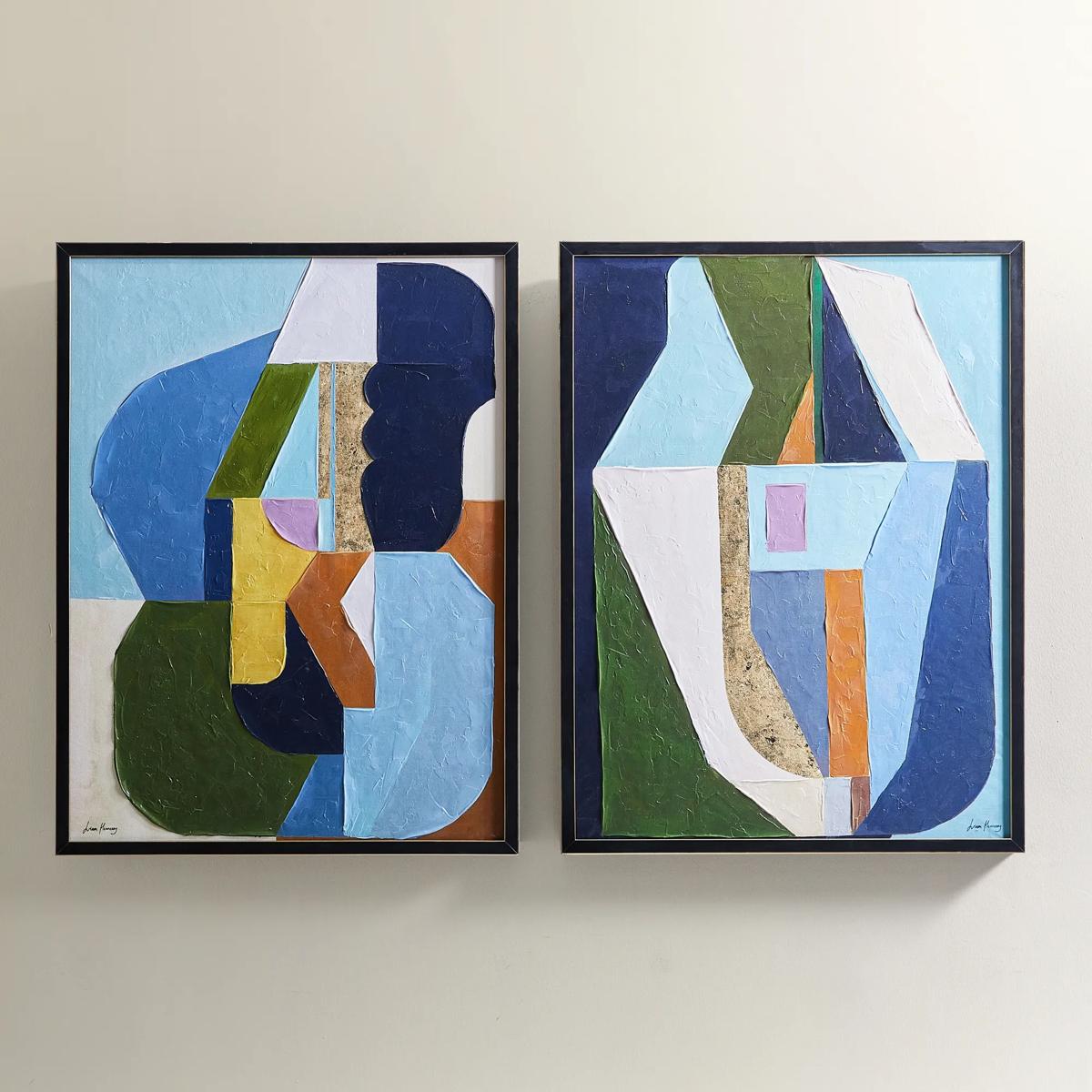 Thought Provoking Painting 1$249
A hand-embellished canvas artwork featuring textured strokes in deep blue, olive green, and gold accents.
Add To Cart -
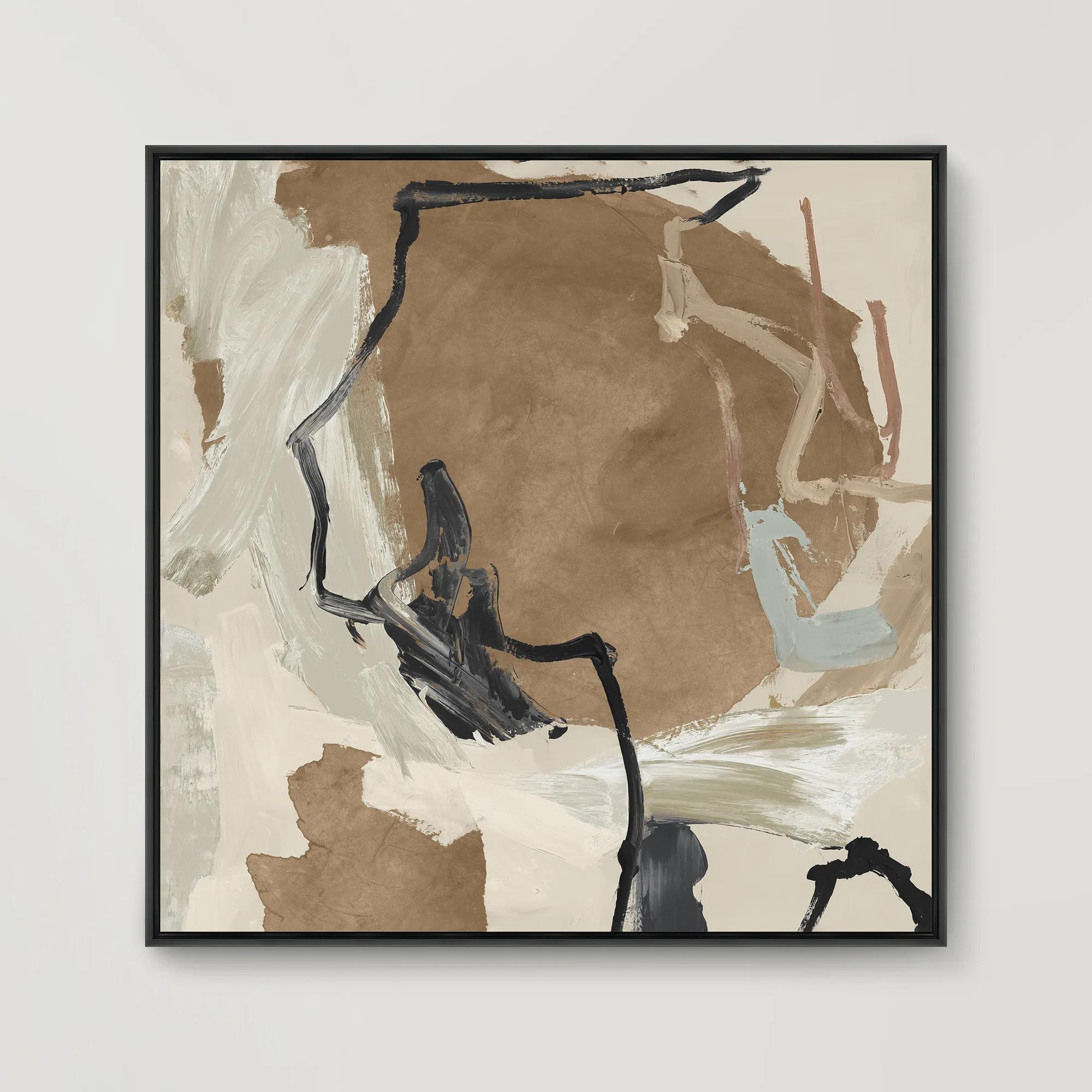
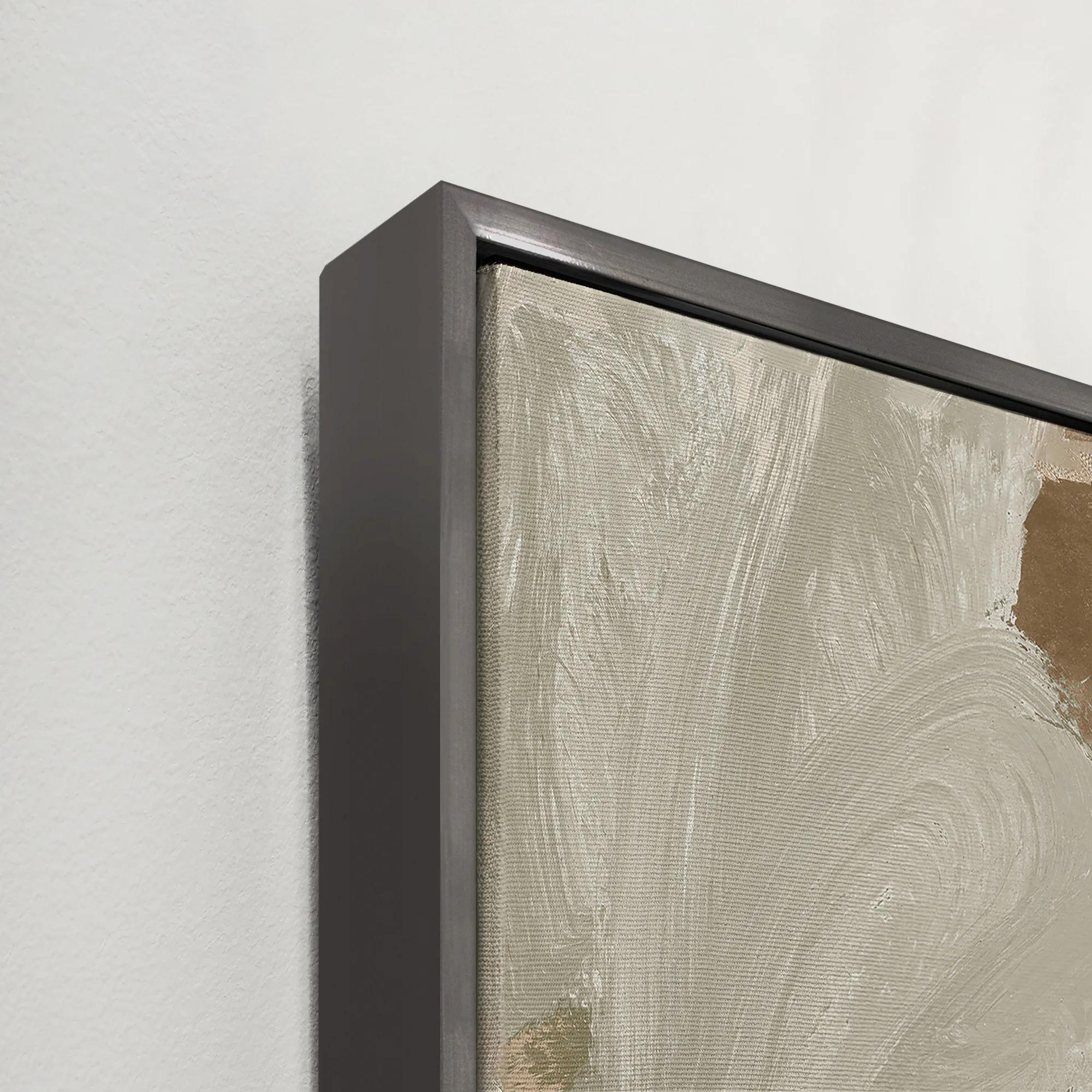 Borderlands IV Framed Wall Art 31.5" x 31.5"$499
A gallery-wrapped canvas artwork with a hand-applied brush gel finish in a sleek gray floater frame.
Add To Cart -
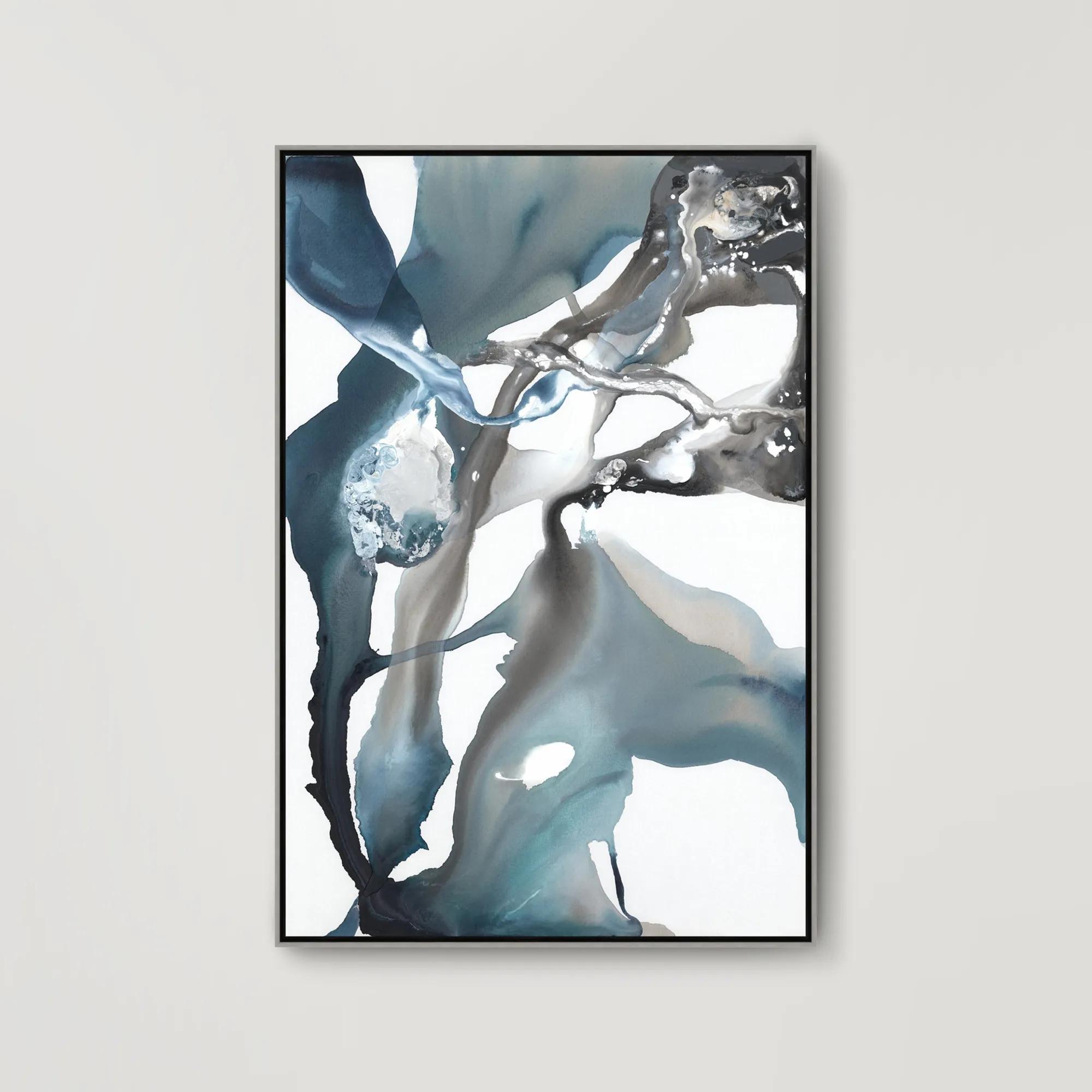
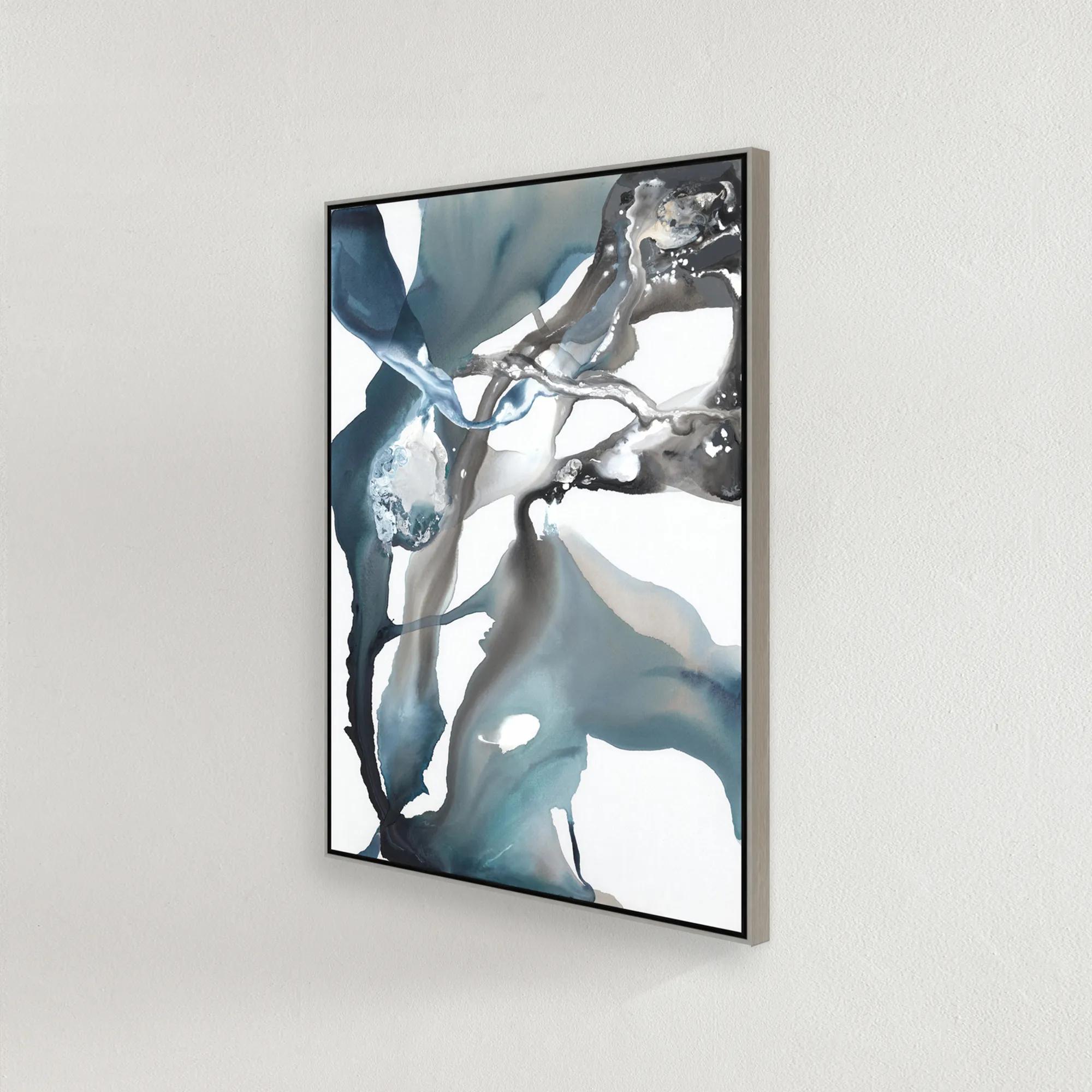 Cool Cascade Framed Wall Art 37.5" x 55.5"$849
A gallery-wrapped canvas artwork featuring expressive colors, hand-applied brush gel, and a gunmetal floater frame.
Add To Cart -
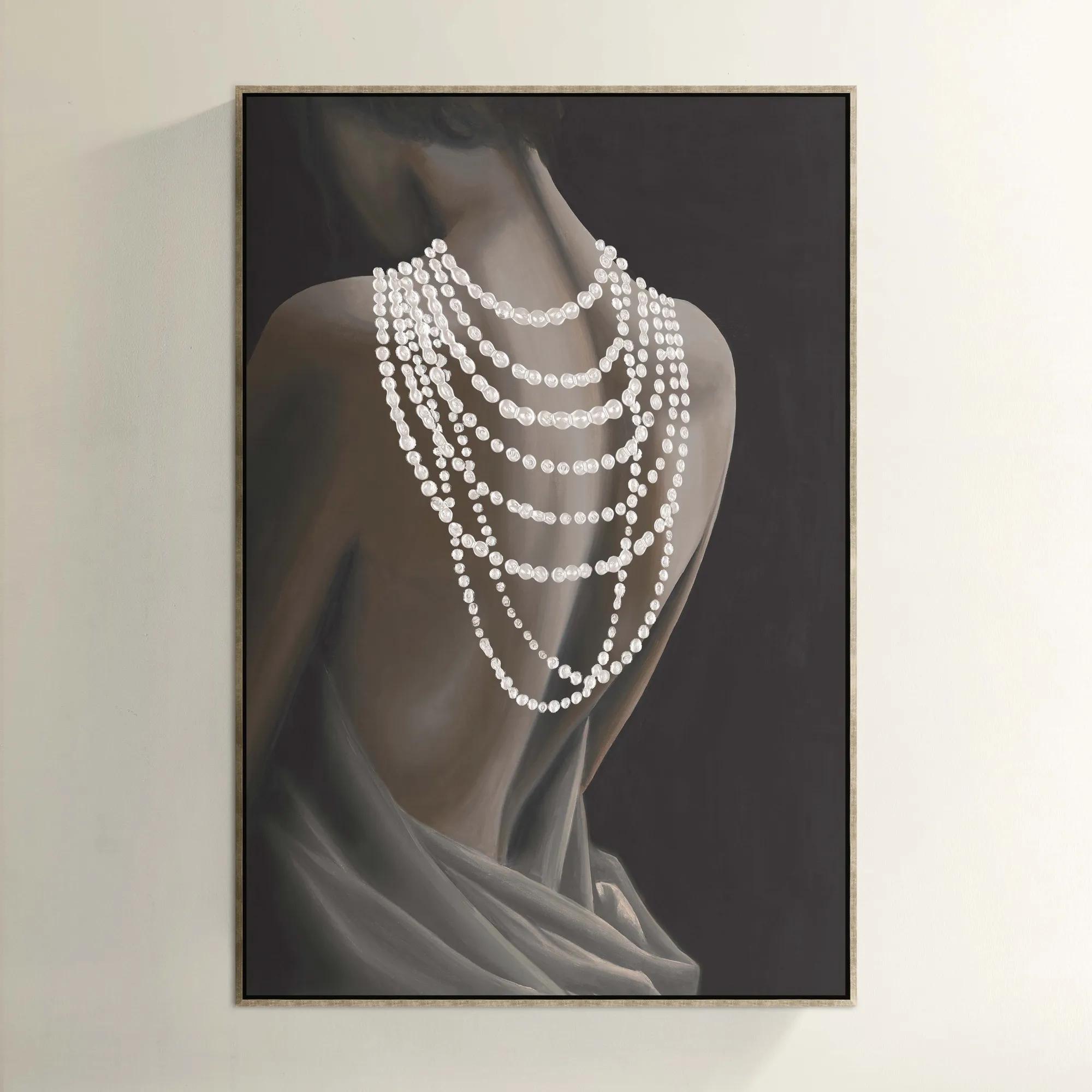 Luminescent Pearls Framed Wall Art 40" x 60"$1119
A hand-embellished canvas artwork featuring textured brush gel, set in a sleek silver floater frame.
Add To Cart -
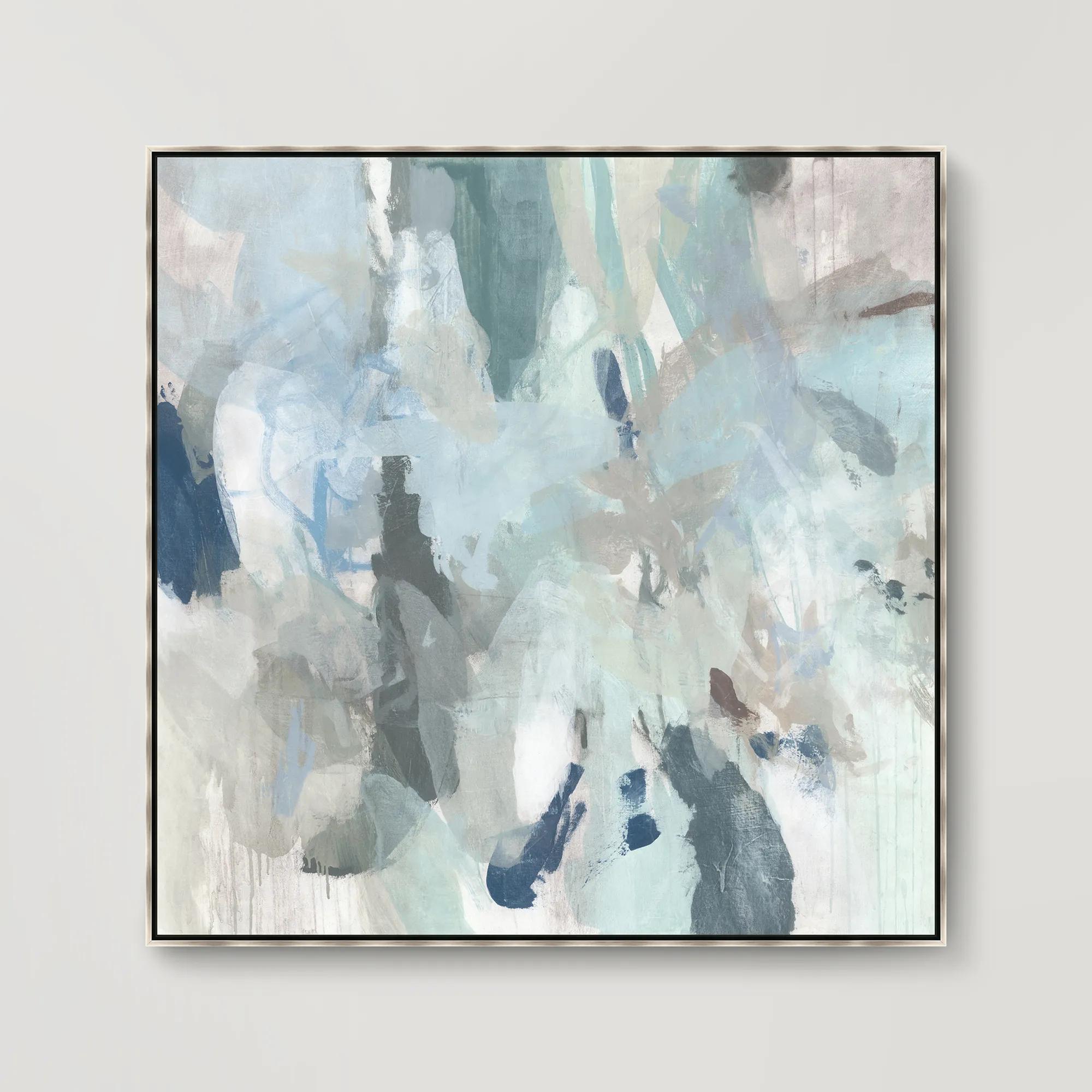
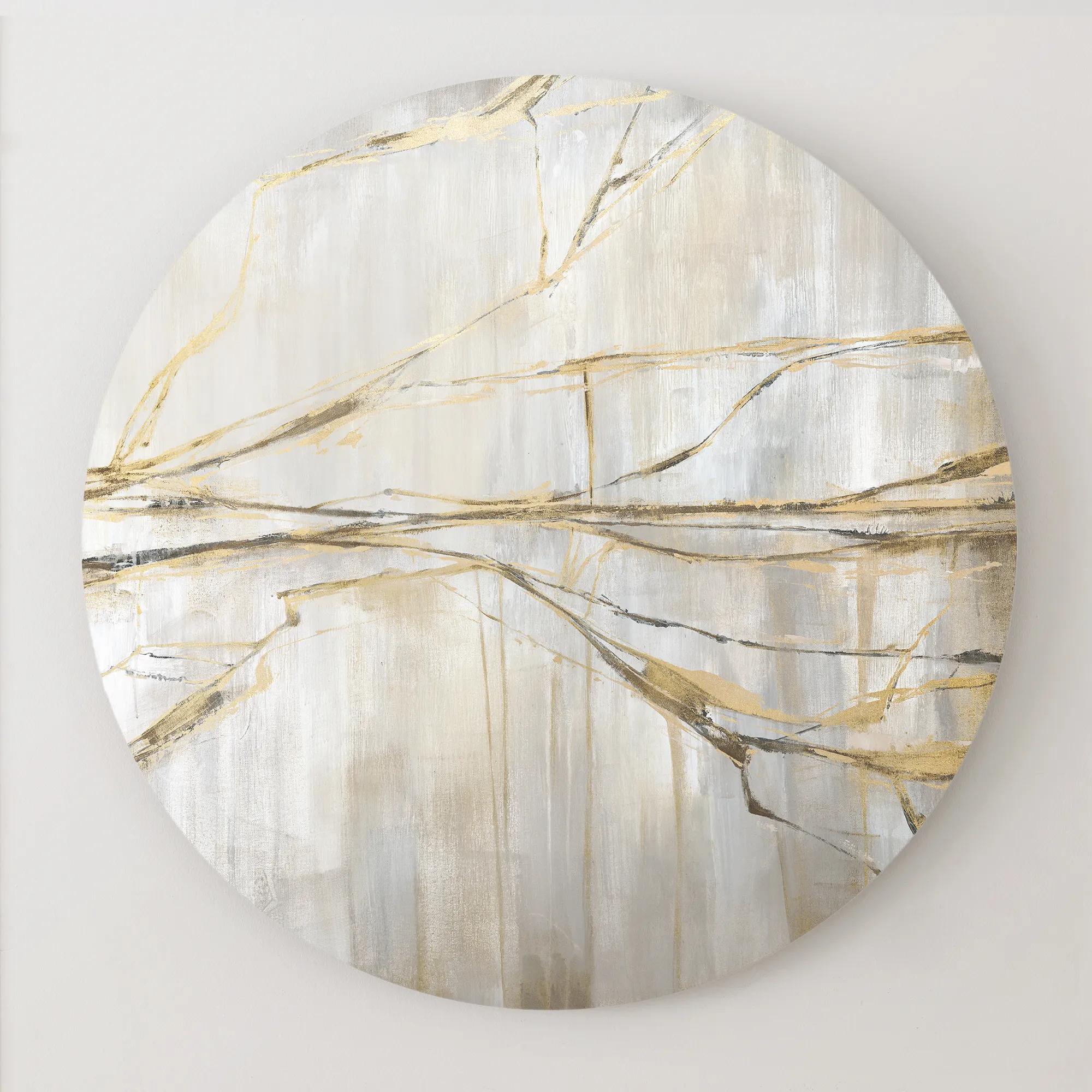
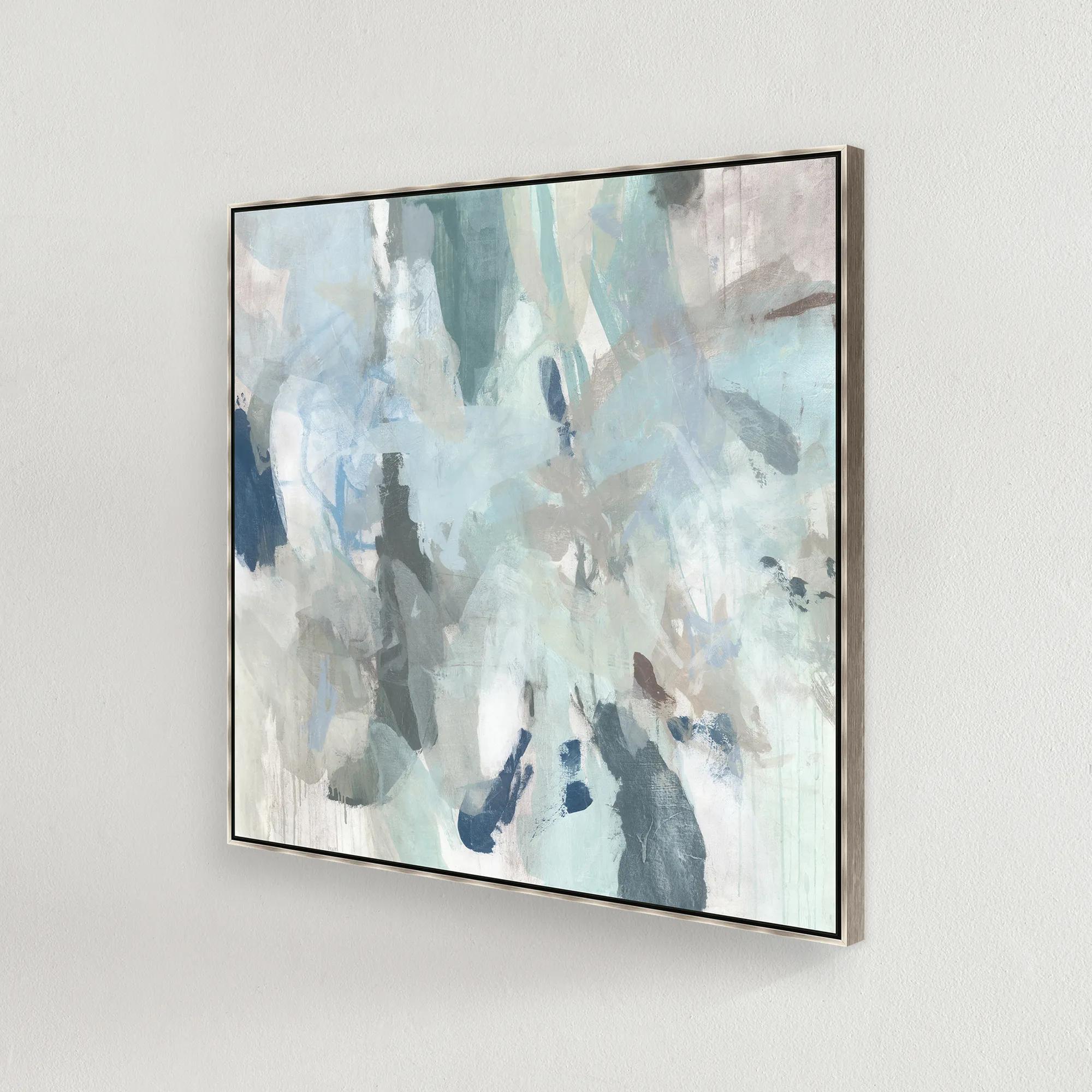 Sage Honey Dew I Framed Wall Art 41.5" x 41.5"$749
A gallery-wrapped abstract canvas featuring hand-applied gel finish in a silver floater frame.
Add To Cart -
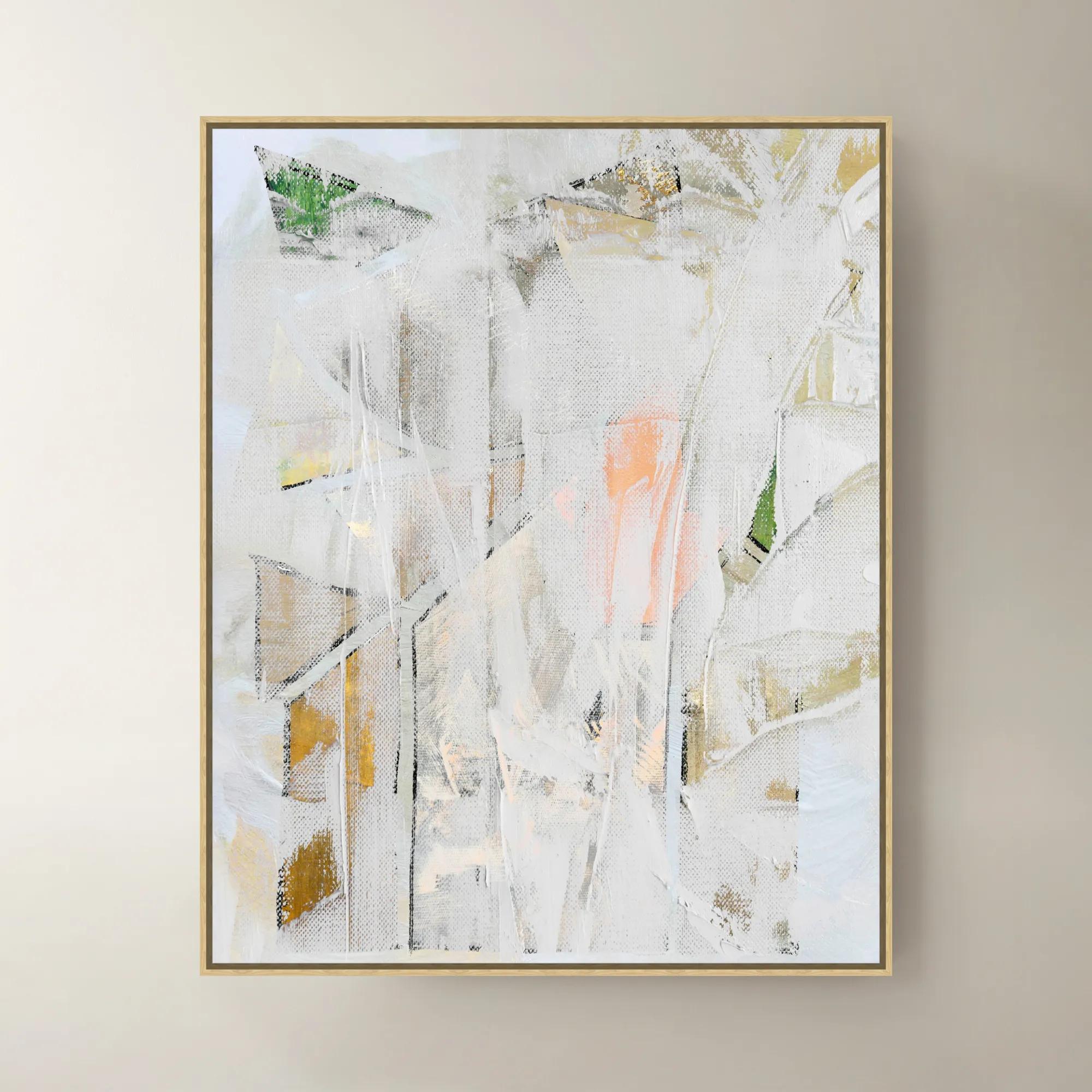
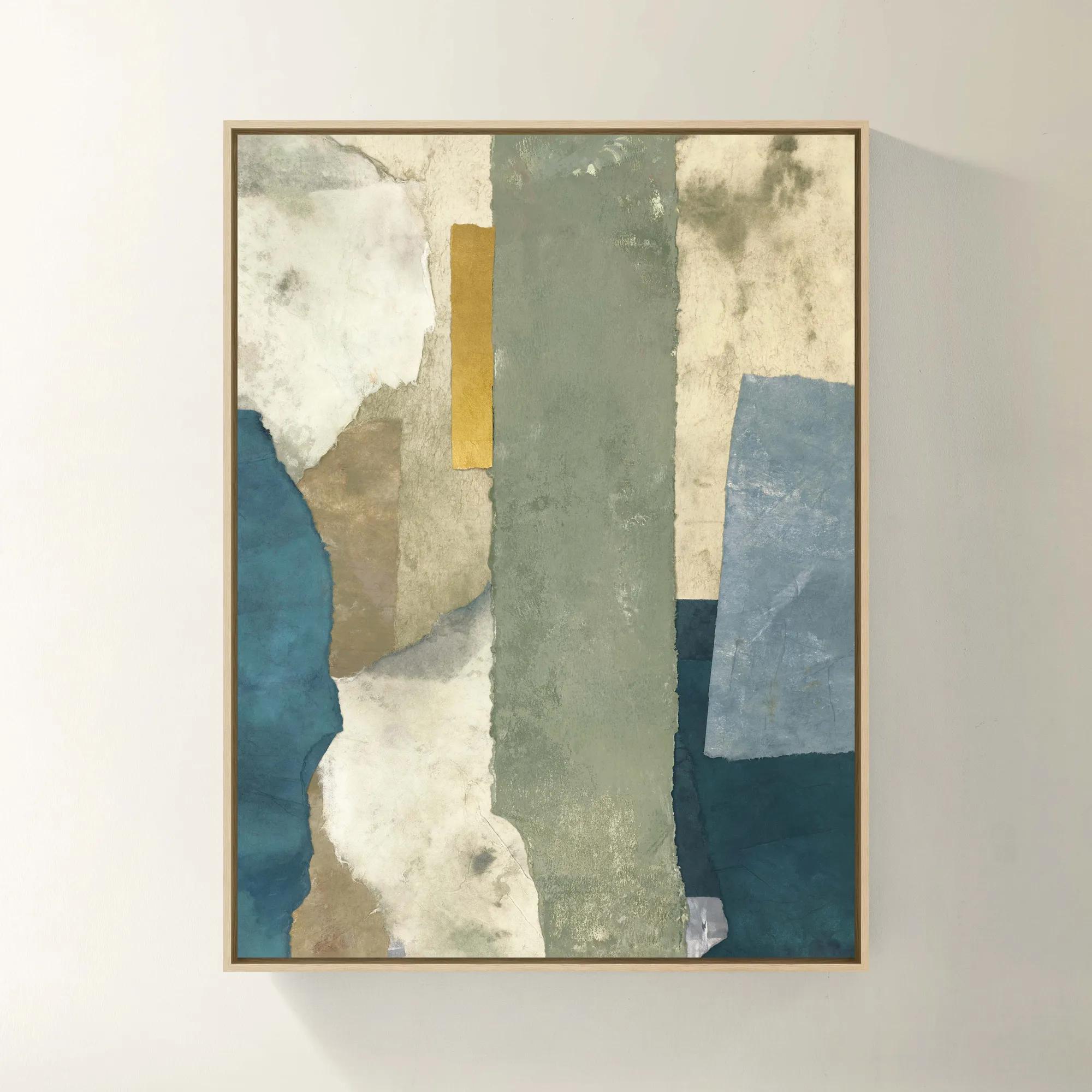 Earth Fragments II Framed Wall Art 30" x 40"$799
A gallery-wrapped canvas featuring gild accents and hand-applied gel, set in a natural floater frame.
Add To Cart -

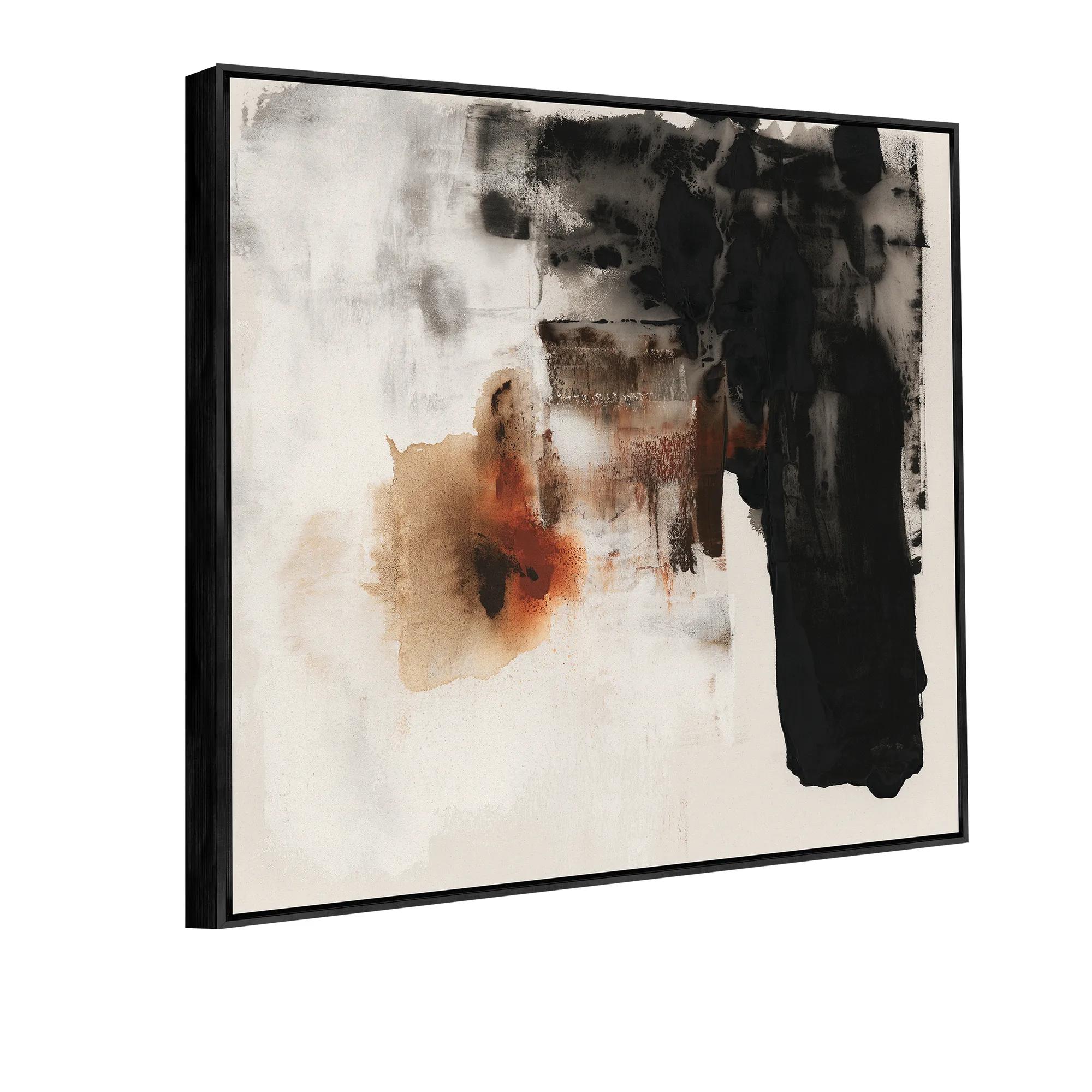 Burning for You II Framed Wall Art 40" x 40"$799
A gallery-wrapped canvas artwork with hand-applied brush gel, set in a sleek black floater frame.
Add To Cart -
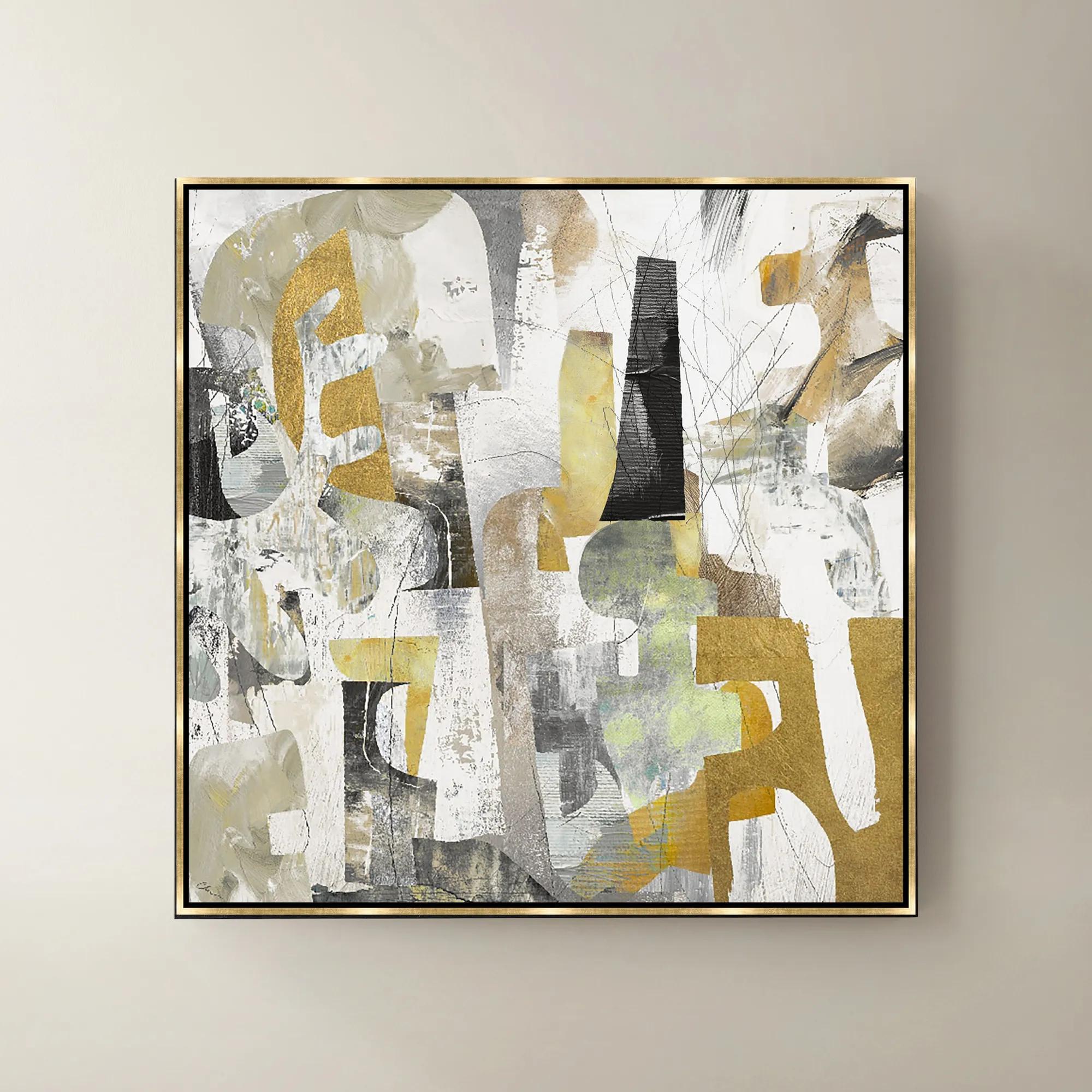
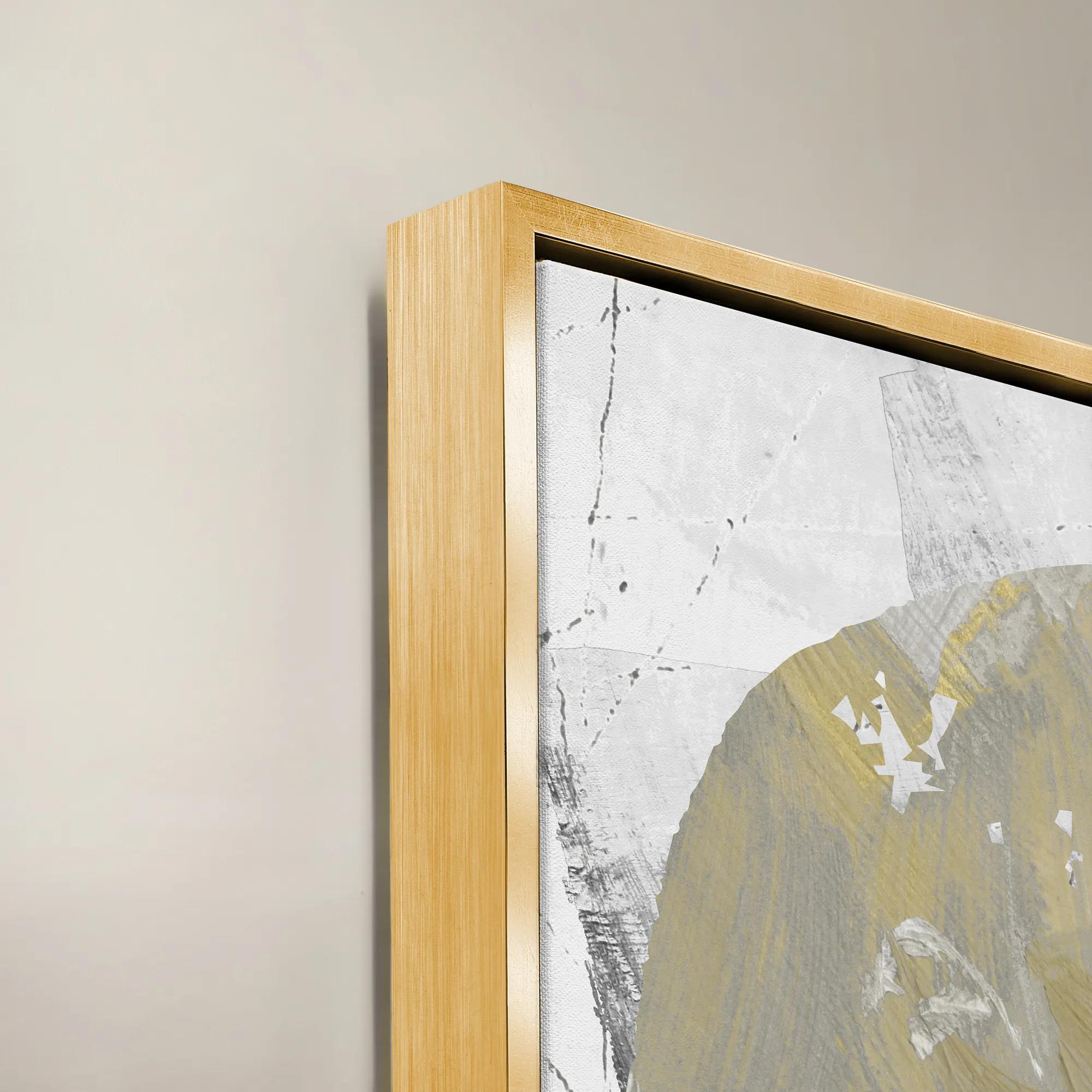 Abby II Framed Wall Art 40" x 40"$849
An abstract art piece inspired by Nikki Chu’s modern design aesthetic and creative expertise.
Add To Cart -
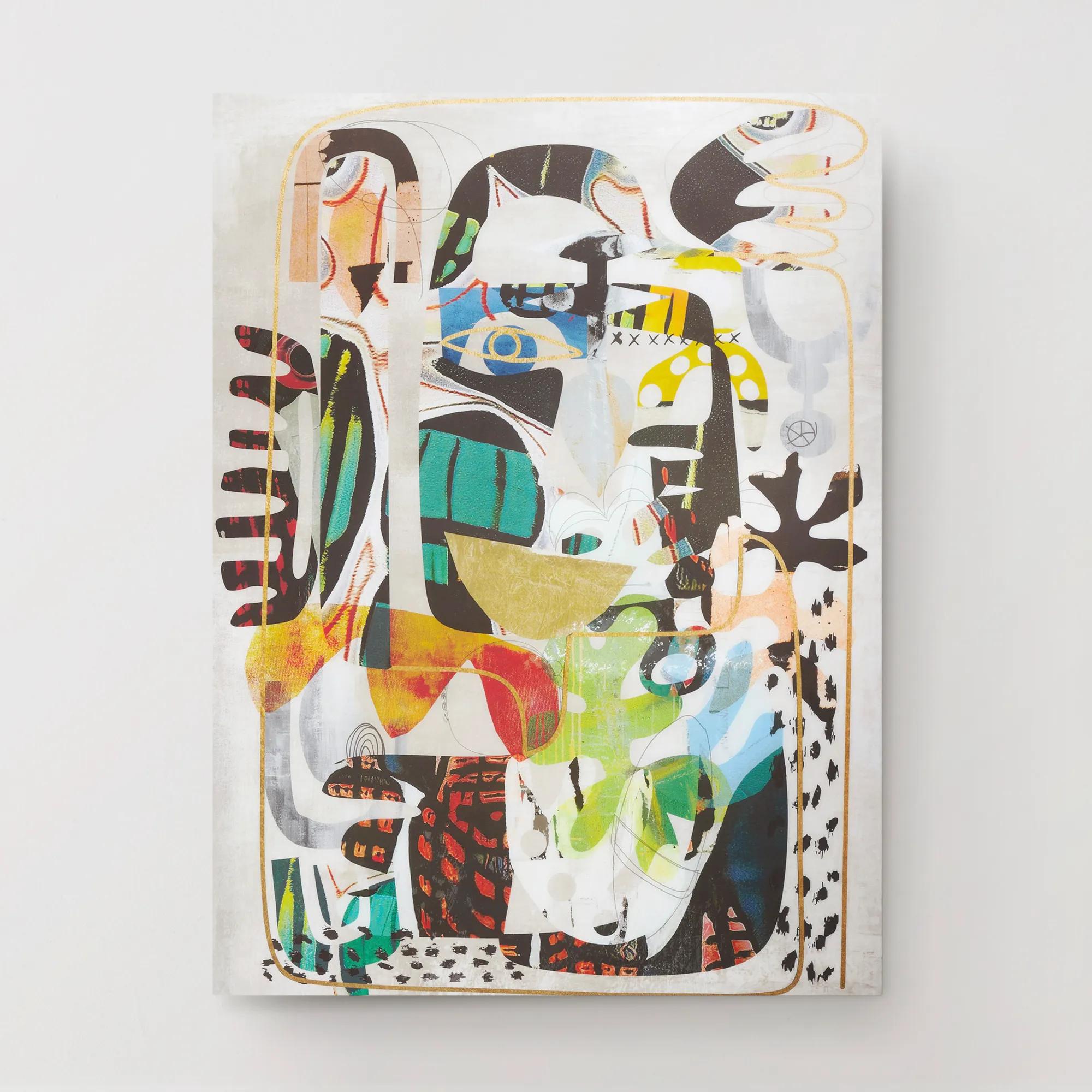
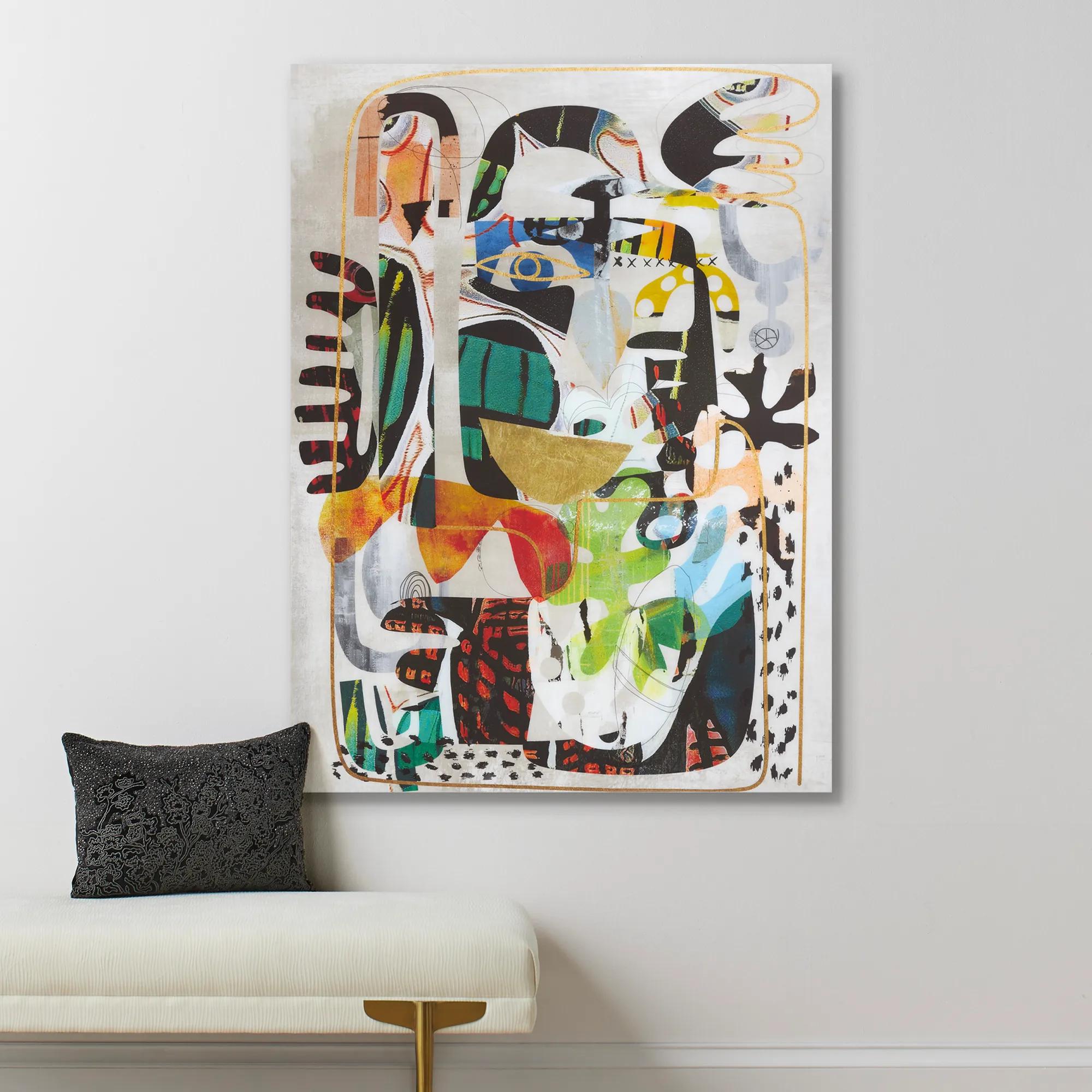 Nikki Chu Masked Wall Art 40" x 54"$899
A vibrant giclee print on canvas featuring a hand-applied glossy finish for a modern statement.
Add To Cart -
 World At Night Framed Wall Art 40" x 50"$899
A gallery-wrapped canvas artwork featuring a hand-applied gel finish and set in a sleek black frame.
Add To Cart -

 Morning Lift Wall Art 30" x 30"$399
A gallery-wrapped canvas artwork featuring a hand-applied image brush gel finish for added texture and depth.
Add To Cart -
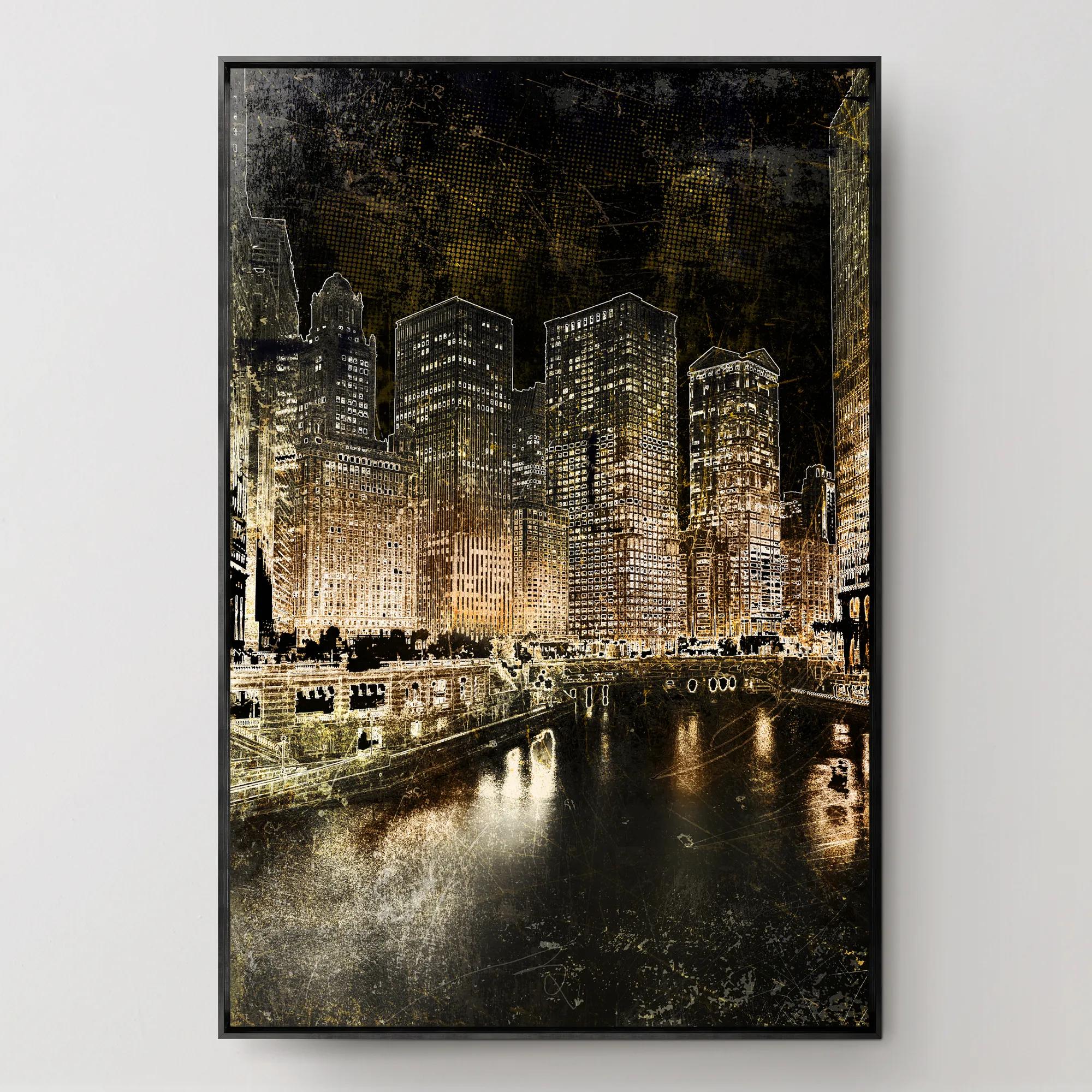
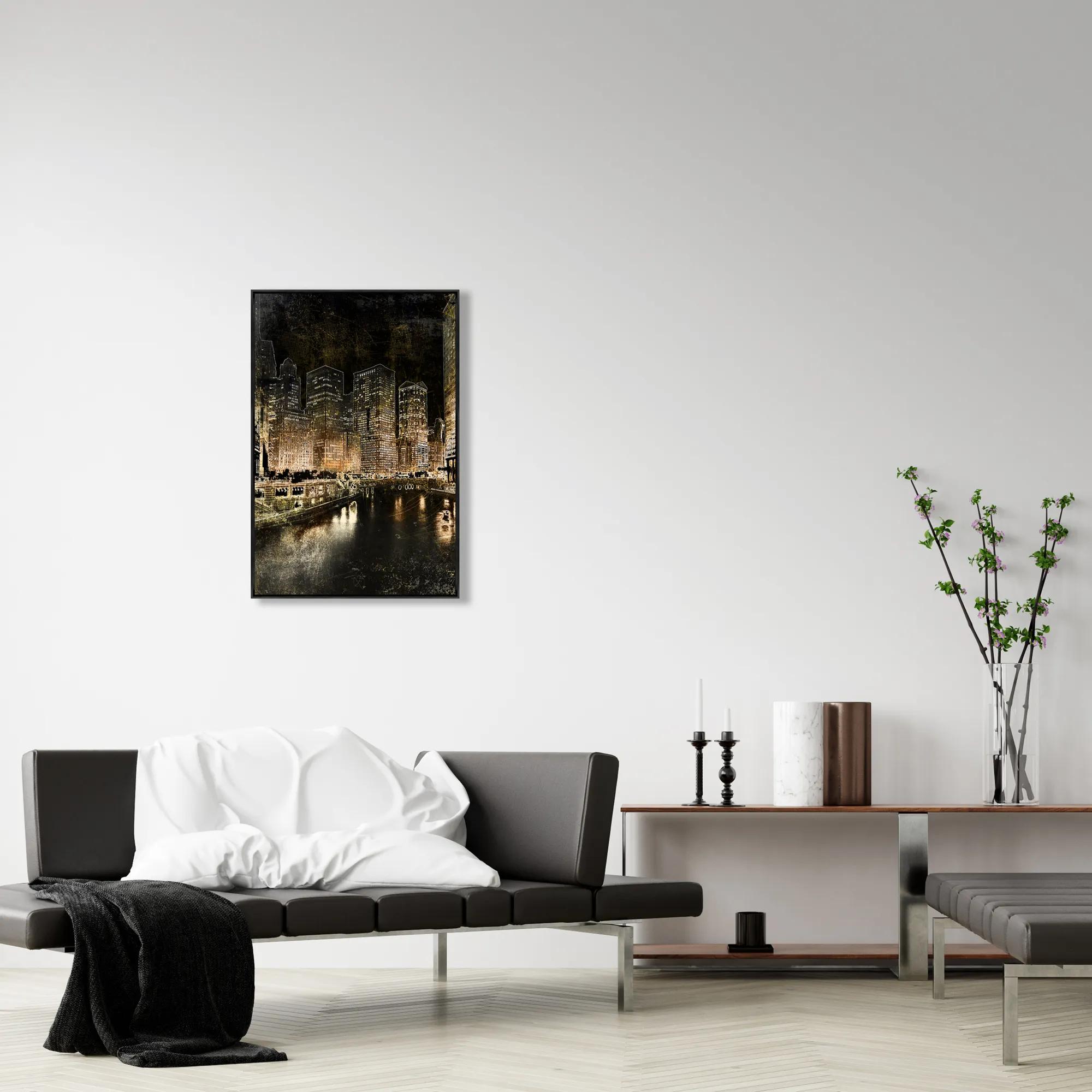 Chicago Lights Framed Wall Art 30" x 45"$649
A gallery-wrapped canvas artwork featuring a hand-applied gel finish in a sleek black floater frame.
Add To Cart -
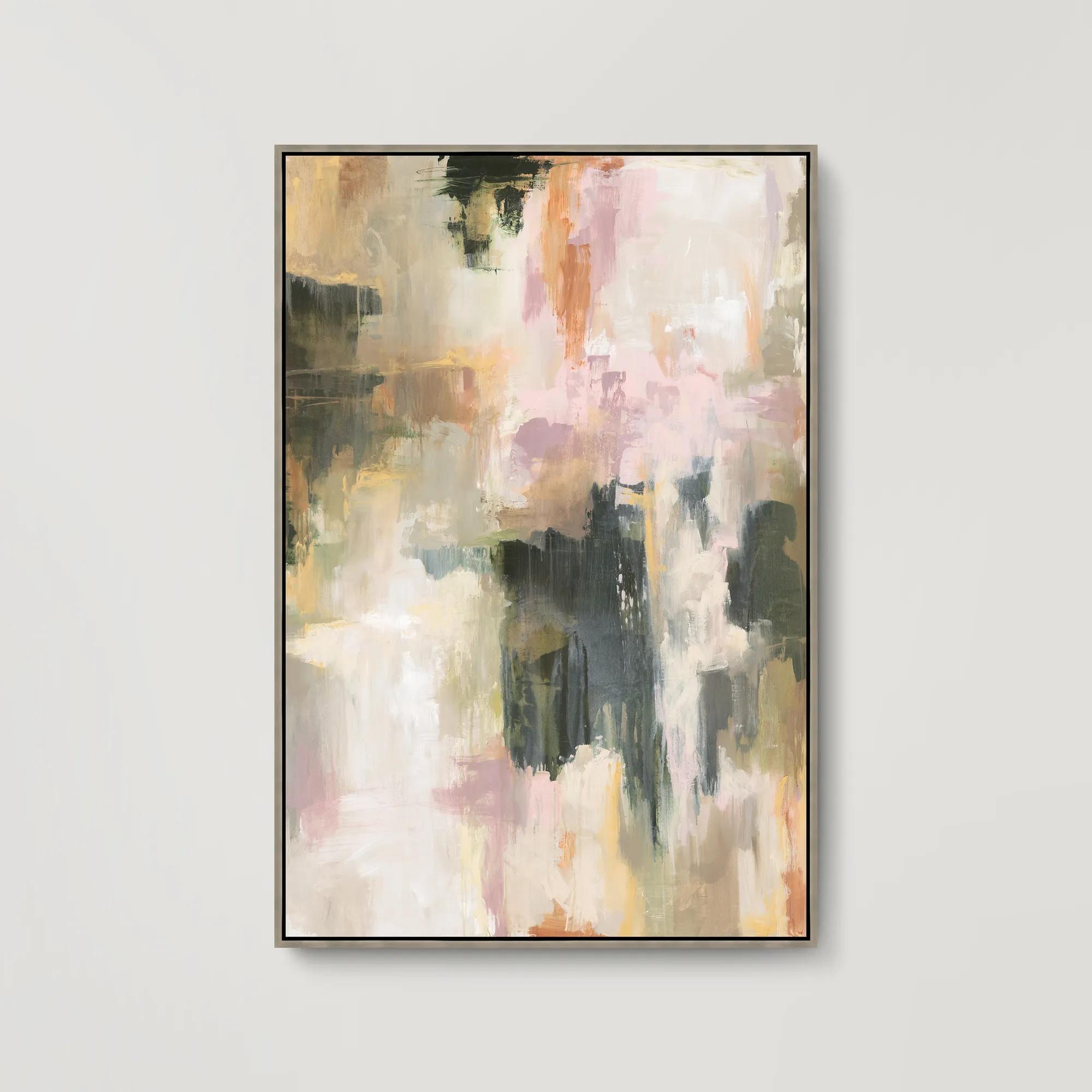
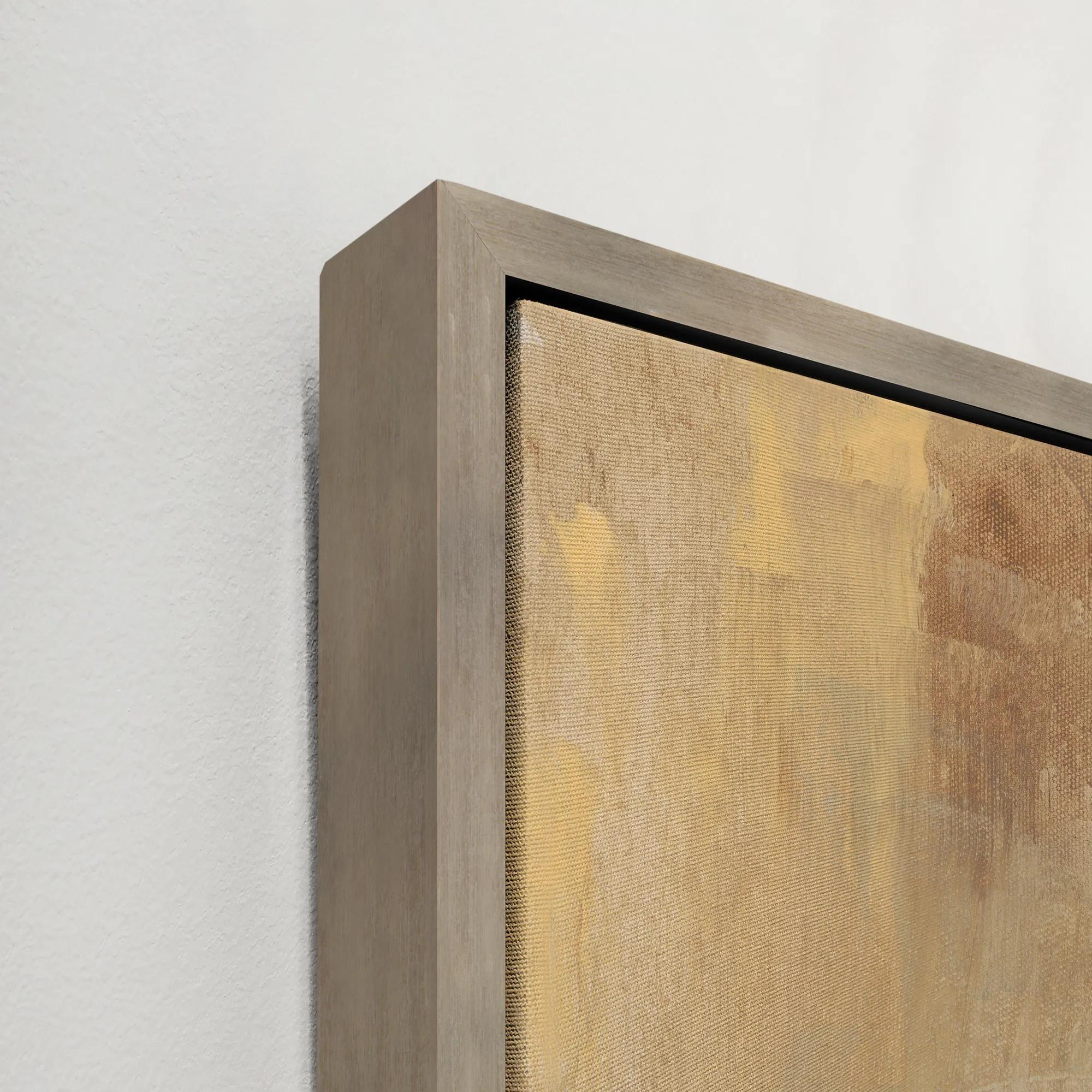 Sculpted Dreamscape Framed Wall Art 41.5" x 61.5"$999
A gallery-wrapped canvas artwork featuring a hand-applied gel finish and a sleek silver floater frame.
Add To Cart -
 Sugar Wings Framed Wall Art 49.5" x 37.5"$799
A vibrant gallery-wrapped canvas artwork with hand-applied brush gel finish in a sleek silver floater frame.
Add To Cart -

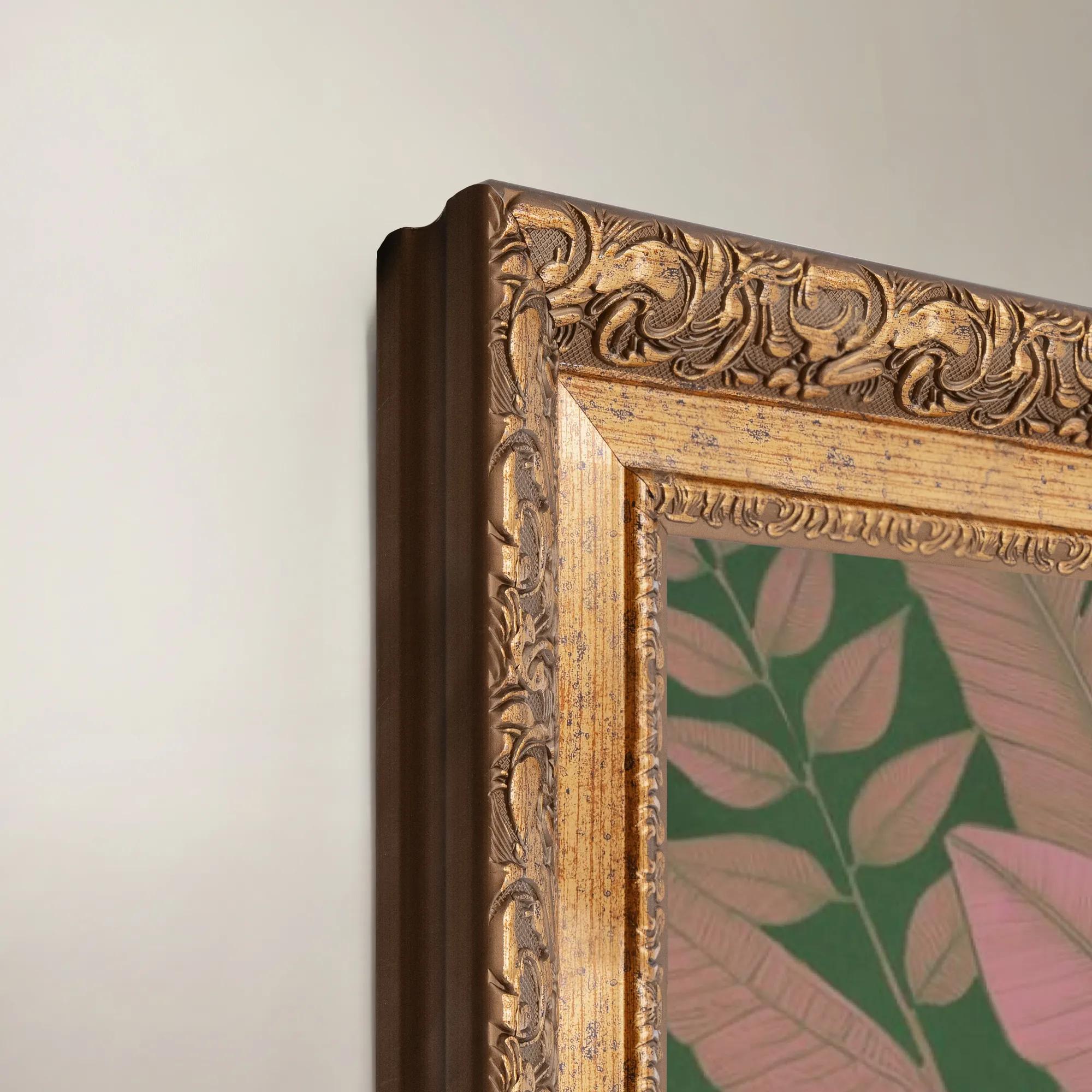 Floral Jungle I Framed Wall Art 30" x 40"$799
A gold-framed linen canvas artwork featuring vibrant pink and gold tones for a striking modern accent.
Add To Cart -
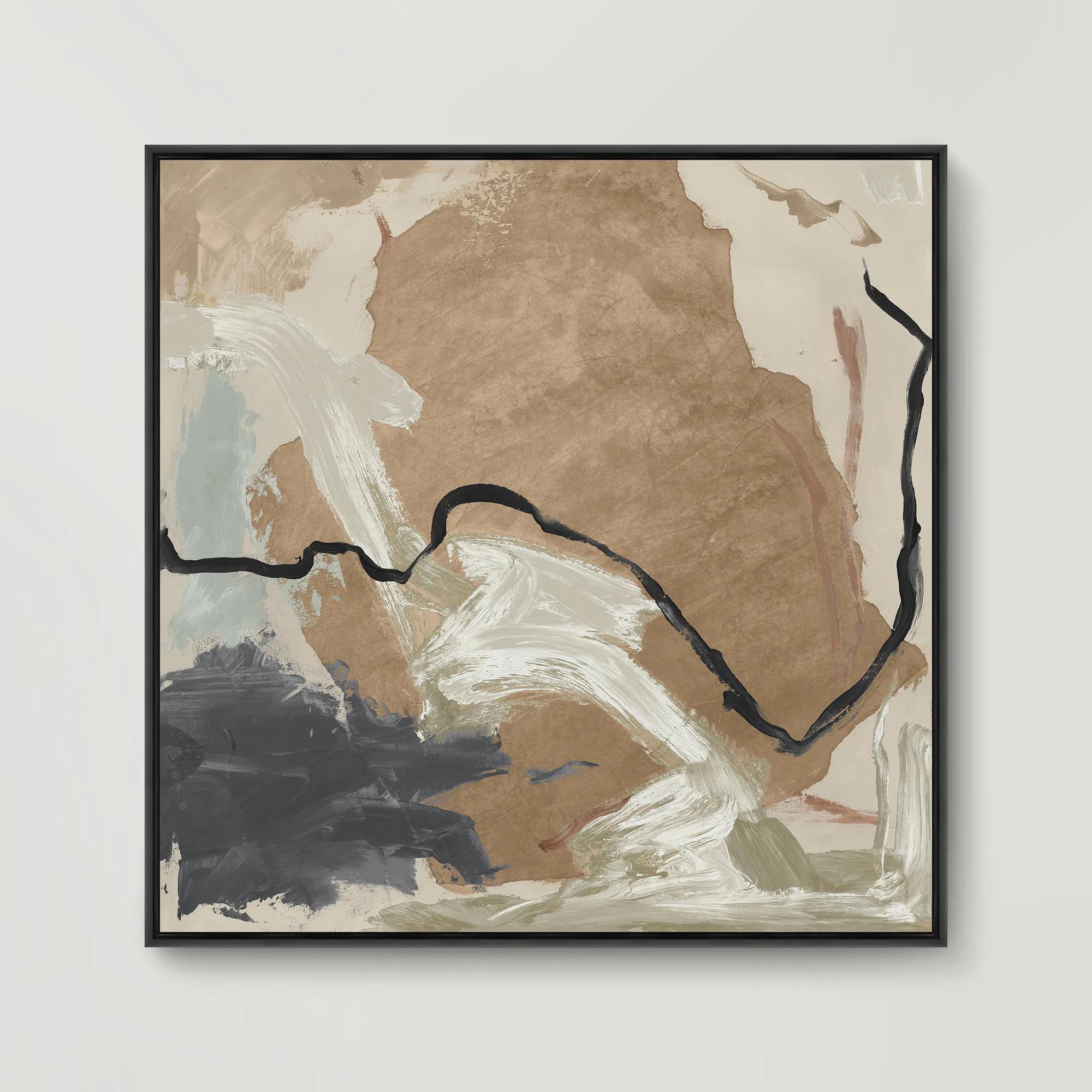 Borderlands III Framed Wall Art 31.5" x 31.5"$499
A gallery-wrapped canvas artwork with hand-applied brush gel finish, set in a sleek gray floater frame.
Add To Cart -
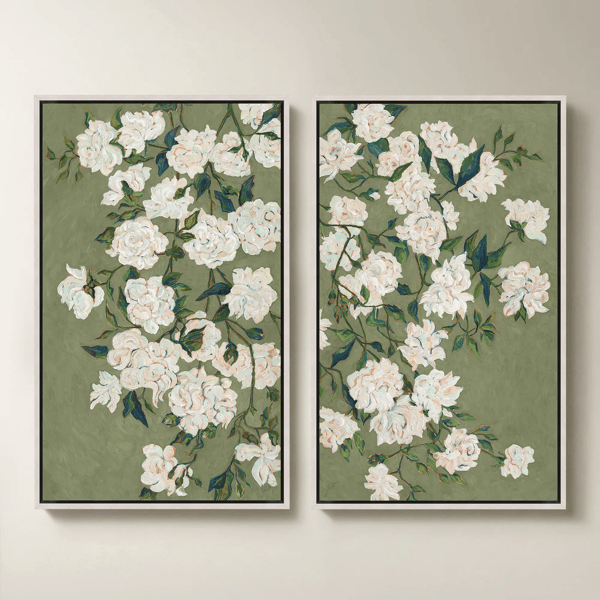
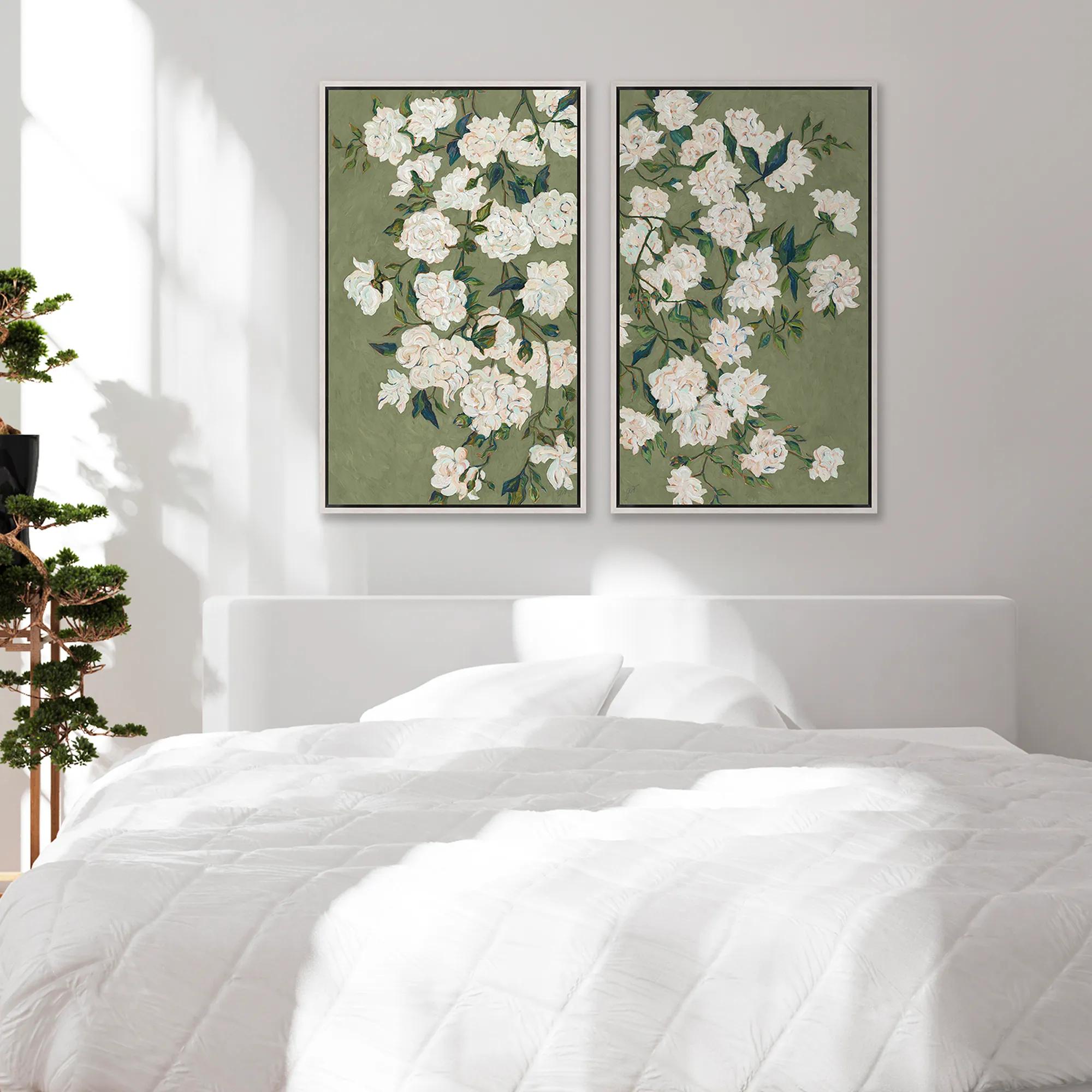 Verdi Vincent Framed Wall Art 21.5" x 41.5" Set of 2$949
A set of two gallery-wrapped fiber texture canvases in white floater frames for modern wall decor.
Add To Cart

Statement Wall Art Above A Sofa
Explore statement wall art above a sofa to give your living room a dramatic focal point. Discover expressive artwork with presence, and consider how its scale, palette, and composition complement your seating. Choose a piece or arrangement that feels balanced against the sofa’s width while bringing a distinct artistic point of view to the room.
Statement wall art above a sofa gives a living room its visual signature: a sweep of color, an unexpected composition, or a sculptural surface that makes the seating area feel deliberately composed. Because the sofa often occupies the largest stretch of wall in the room, the artwork above it has an unusually powerful role. It draws the eye upward, balances the weight of the furniture, and establishes a mood that carries into the surrounding space. Large abstract wall art can bring movement to a tailored setting, while a striking photographic composition introduces depth and a more cinematic presence. Graphic black-and-white imagery feels especially expressive against richly colored upholstery; luminous neutrals and restrained metallic accents can lend dimension to a quieter palette without disappearing into it. The relationship does not have to be an exact color match. A small trace of blue in an expansive composition might echo a velvet pillow, while warm ivory passages connect with a textured rug. That selective repetition creates cohesion without making the room feel overly coordinated. For a sofa with deep tufting, curved arms, or a richly patterned fabric, artwork with broad shapes and generous negative space offers a compelling counterpoint. Against clean-lined upholstery, intricate imagery or layered texture can supply the detail the room needs. The subject matters as much as the palette: architectural photography brings a sense of structure, expressive brushwork adds energy, and softly atmospheric landscapes lend visual breathing room. These pieces belong in rooms where people gather, unwind, and entertain, so their appeal should extend beyond a first impression. An artwork that reveals subtle tonal changes or intriguing details from different seats rewards everyday attention. Whether the setting is a formal sitting room, an apartment living area, or an open-plan lounge, a strong composition gives the sofa a backdrop with presence rather than simply filling an empty wall.
Materials and finishes shape that presence in ways that become especially noticeable at a larger scale. Canvas wall art often has a softer, less reflective appearance than imagery displayed behind glass, allowing the composition to remain prominent without sharp reflections. Visible canvas texture can add warmth to crisp lines or lend another layer of interest to broad fields of color. Framed works on paper offer a different kind of definition: the mat creates breathing room around the image, while the frame establishes a precise boundary against the wall. A slim dark frame can sharpen a pale composition; a metallic finish introduces a gleaming accent that relates to nearby lighting or decorative objects. Glass and acrylic glazing help shield the artwork from dust and incidental contact, though their reflective qualities deserve consideration in a room with windows opposite the sofa. Acrylic is generally lighter than glass but can scratch more easily, making careful handling important. Dimensional metal art and relief-style compositions bring changing shadows into the arrangement, particularly where side lighting catches raised edges or layered surfaces. Their depth can feel beautifully architectural, but projection from the wall matters when the seating area is close beneath them. Long-term appearance depends on both construction and placement. Stable frames, suitable hanging hardware, and secure mounting help larger pieces remain properly supported, while a location away from direct sunlight, excess humidity, and concentrated heat helps reduce the risk of fading or material changes. Care should follow the instructions for the artwork’s specific surfaces. Gentle dusting with a clean, soft cloth is often appropriate for frames, while painted, textured, or unglazed surfaces may require a more cautious approach. Spraying cleaner directly onto framed artwork can allow moisture to reach edges or backing; delicate finishes also deserve protection from abrasive cloths and harsh products. These details preserve the distinction between a dramatic display and one that continues to look considered over time.
Scale is what allows statement art to feel connected to the sofa rather than suspended independently above it. An arrangement spanning roughly two-thirds to three-quarters of the sofa’s width often creates a balanced relationship, although ceiling height, nearby furniture, and the composition itself can justify a different proportion. A wide horizontal piece can reinforce the generous lines of a long sofa, while a coordinated pair or triptych introduces rhythm across the wall. With multiple panels, consistent spacing helps the eye read the arrangement as one composition rather than several unrelated accents. A compact sofa can still support visually commanding art: strong contrast, sculptural texture, or an expansive mat may deliver the desired impact without overwhelming the wall. Hanging height should also acknowledge the people using the room. A modest gap above the sofa back, often around six to ten inches, can keep the artwork visually connected to the furniture, but the final placement should account for seated head clearance and any projecting frame or sculptural element. In rooms with tall ceilings, resisting the impulse to hang everything high preserves that connection at a human scale. Substantial pieces need hardware and wall anchors appropriate to their weight and the wall’s construction, particularly above frequently used seating. Beyond the living room, a related visual language can carry through adjoining spaces. A shared accent color, similar frame finish, or recurring artistic mood can connect the sofa wall with Statement Wall Art For Entryways, creating continuity without repeating the same composition. For design enthusiasts furnishing a first home, couples shaping a shared living space, or hosts who enjoy expressive interiors, large-scale art offers a deeply personal finishing layer. It can also make a meaningful housewarming or wedding gift when the recipient’s taste, wall dimensions, and preferred display format are well understood. The most enduring choice is not necessarily the loudest image, but the one with enough character to hold the room together: compelling from across the space, rewarding up close, and unmistakably aligned with the people who live there.
FAQs
Abstract compositions, expressive portraits, and dramatic photography can turn the wall above your sofa into an artistic focal point. Choose sweeping gestures for a sense of movement, architectural imagery for crisp sophistication, or richly layered color for a more exuberant mood. The strongest statement reflects your personal taste while giving the room a distinct point of view.
Let your sofa and surrounding decor inform the palette without dictating every hue. Artwork can echo a color from your upholstery or pillows, then introduce an unexpected accent for depth and intrigue. Against a neutral sofa, saturated color brings expressive contrast, while tonal artwork creates drama through texture, shading, and composition.
A single artwork gives one compelling composition the spotlight, creating a focused, gallery-inspired moment. A gallery wall tells a more layered story through a curated mix of images and artistic perspectives. Choose a shared color thread or framing direction to give multiple works a sense of intention while allowing their individual character to shine.
Build connections through mood, shape, and color rather than matching every detail. Fluid artwork can soften a sofa with tailored lines, while geometric compositions introduce structure alongside plush upholstery. Repeat a distinctive hue or motif in a few accents, then leave room for contrast so the artwork feels collected rather than overly coordinated.
Framing shapes how artwork enters the room’s visual story. An understated frame lets an expressive composition command attention, while an ornate profile adds another layer of theatrical detail. Consider whether the frame should echo your room’s decorative finishes or offer a deliberate contrast that makes the artwork feel more distinctive.