
Velvet Beds With Turned Legs
Velvet Beds With Turned Legs
-
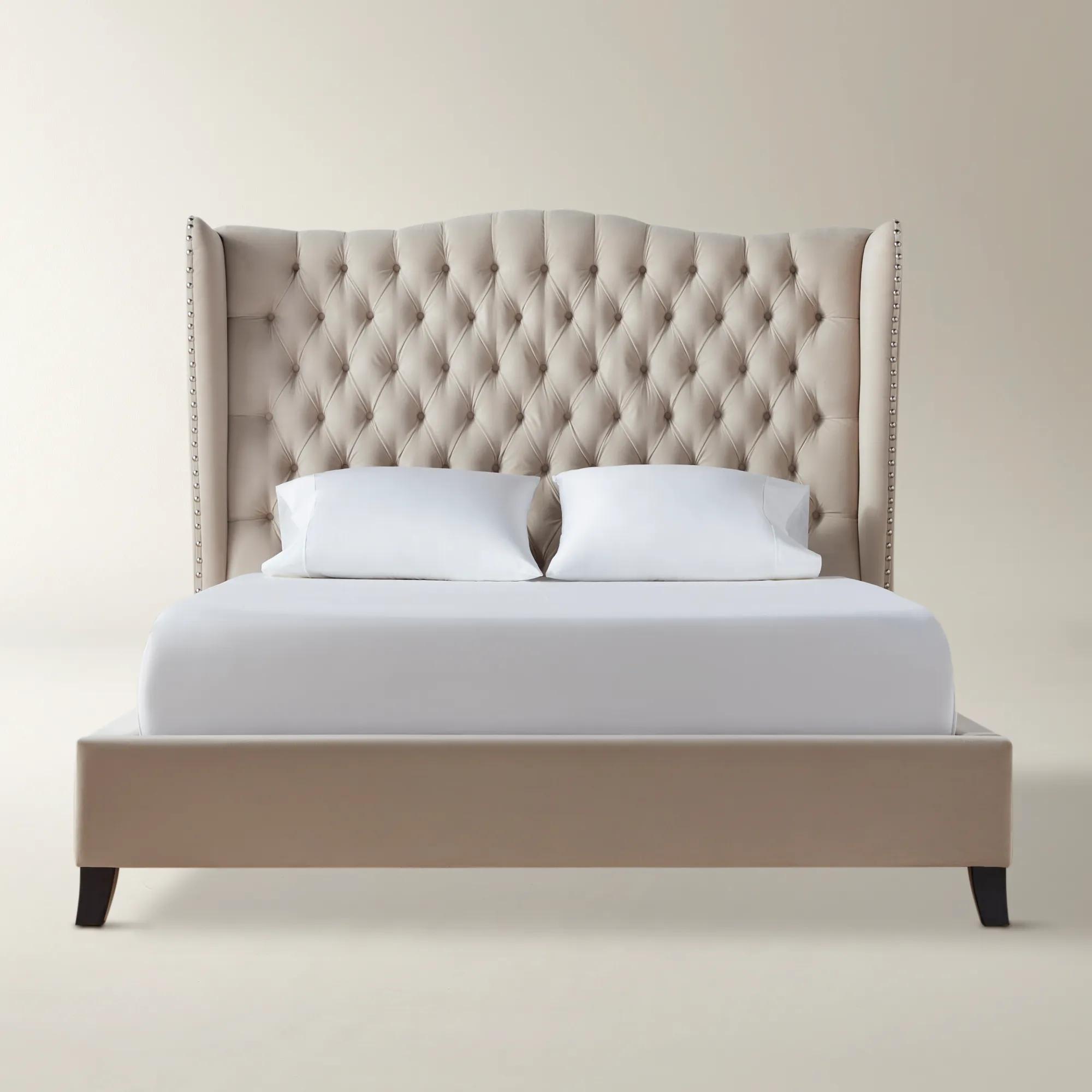
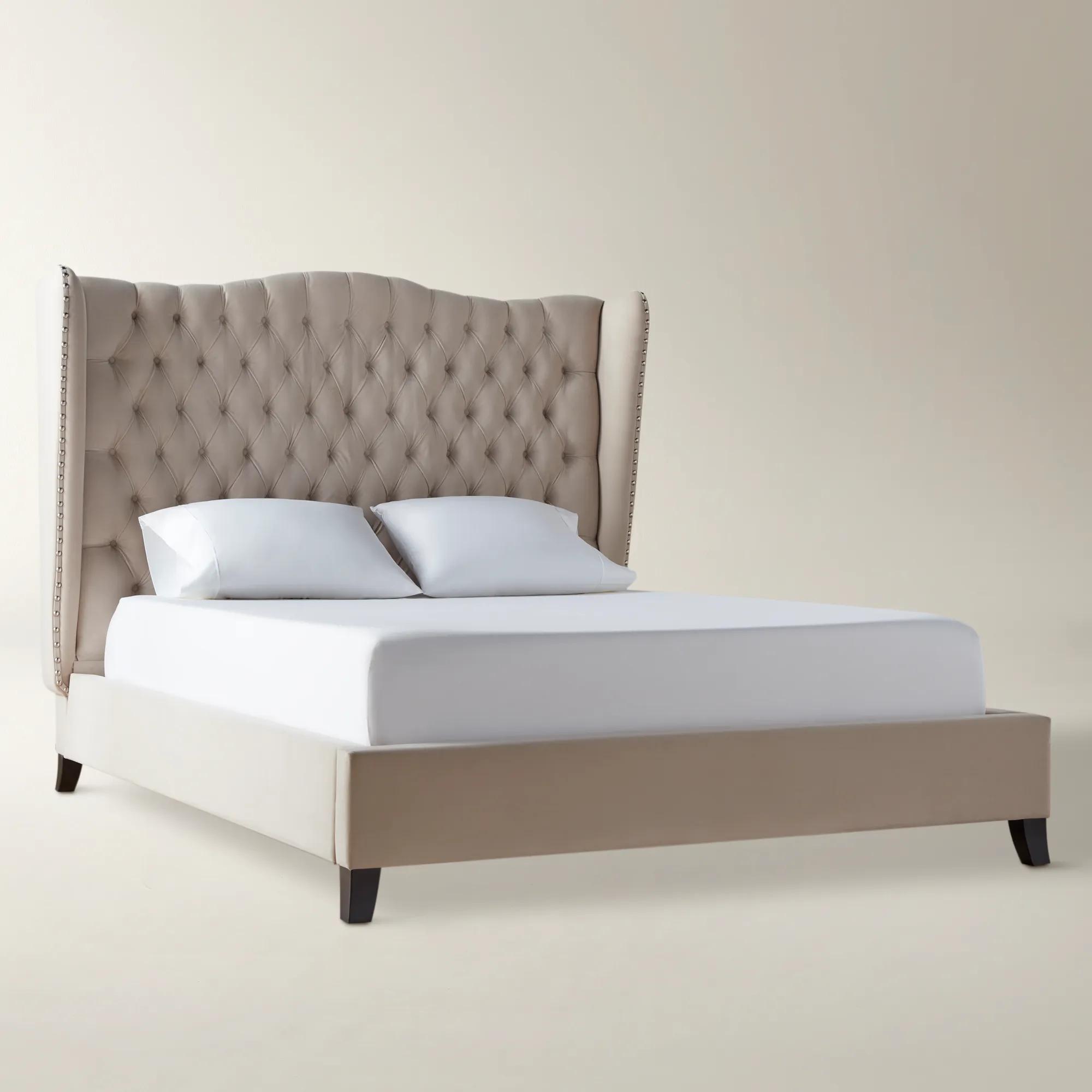 Jameson Bed$1899
A plush velvet bed featuring a camelback silhouette, hand-applied button tufting, and decorative nailhead trim.
Add To Cart -
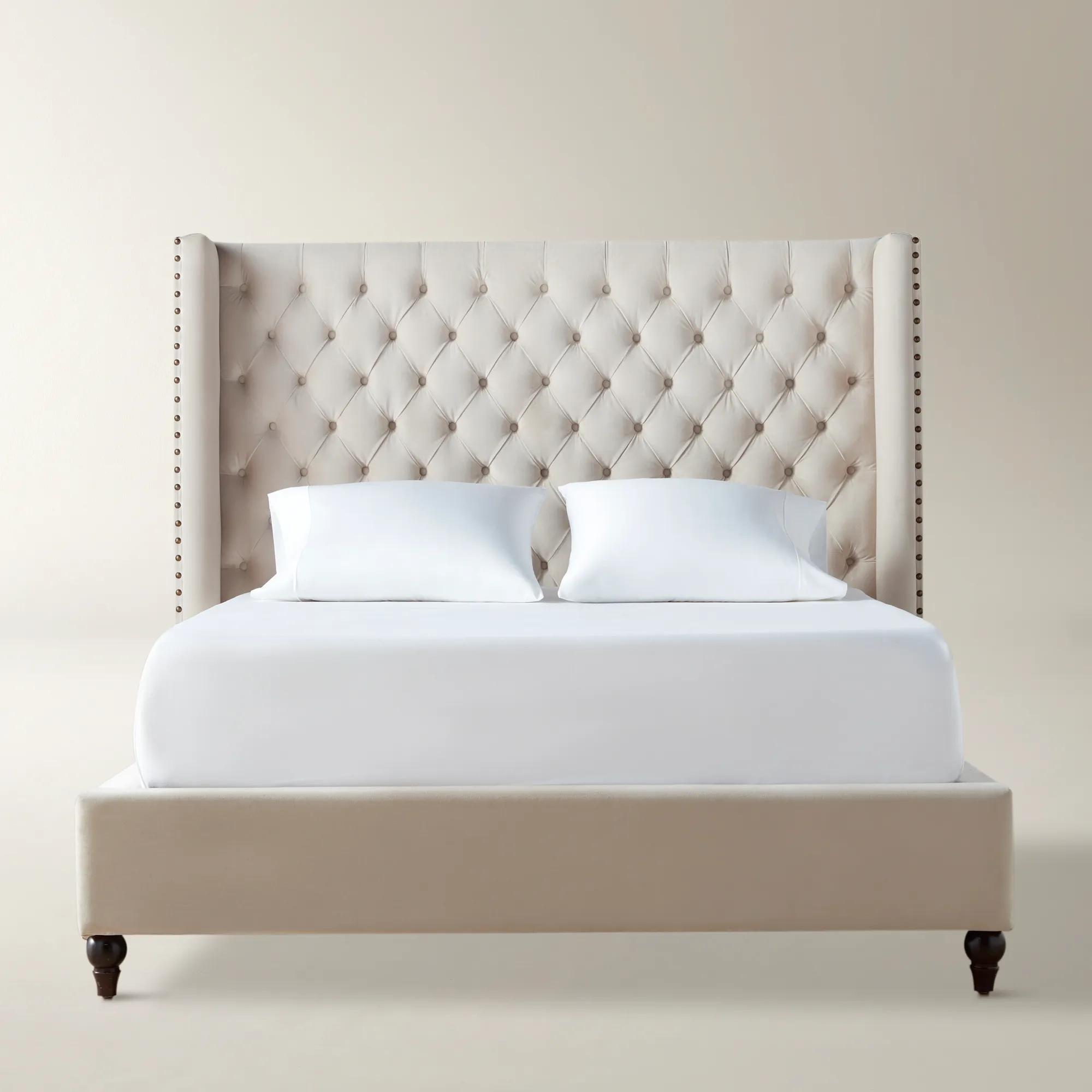
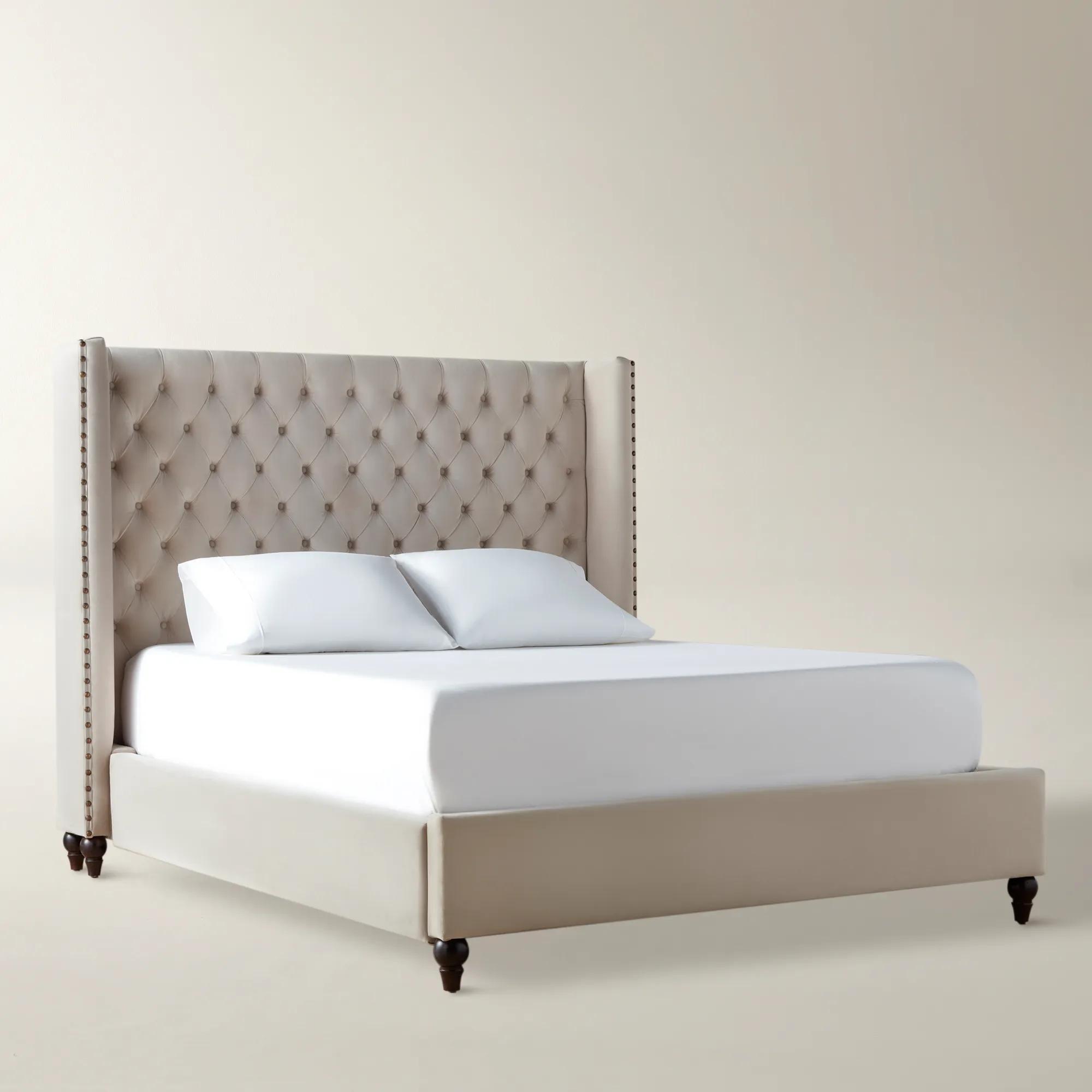 Roberto Bed$2299
A stately bed featuring diamond tufting, hand-applied nailheads, and plush velvet upholstery over a hardwood frame.
Add To Cart -
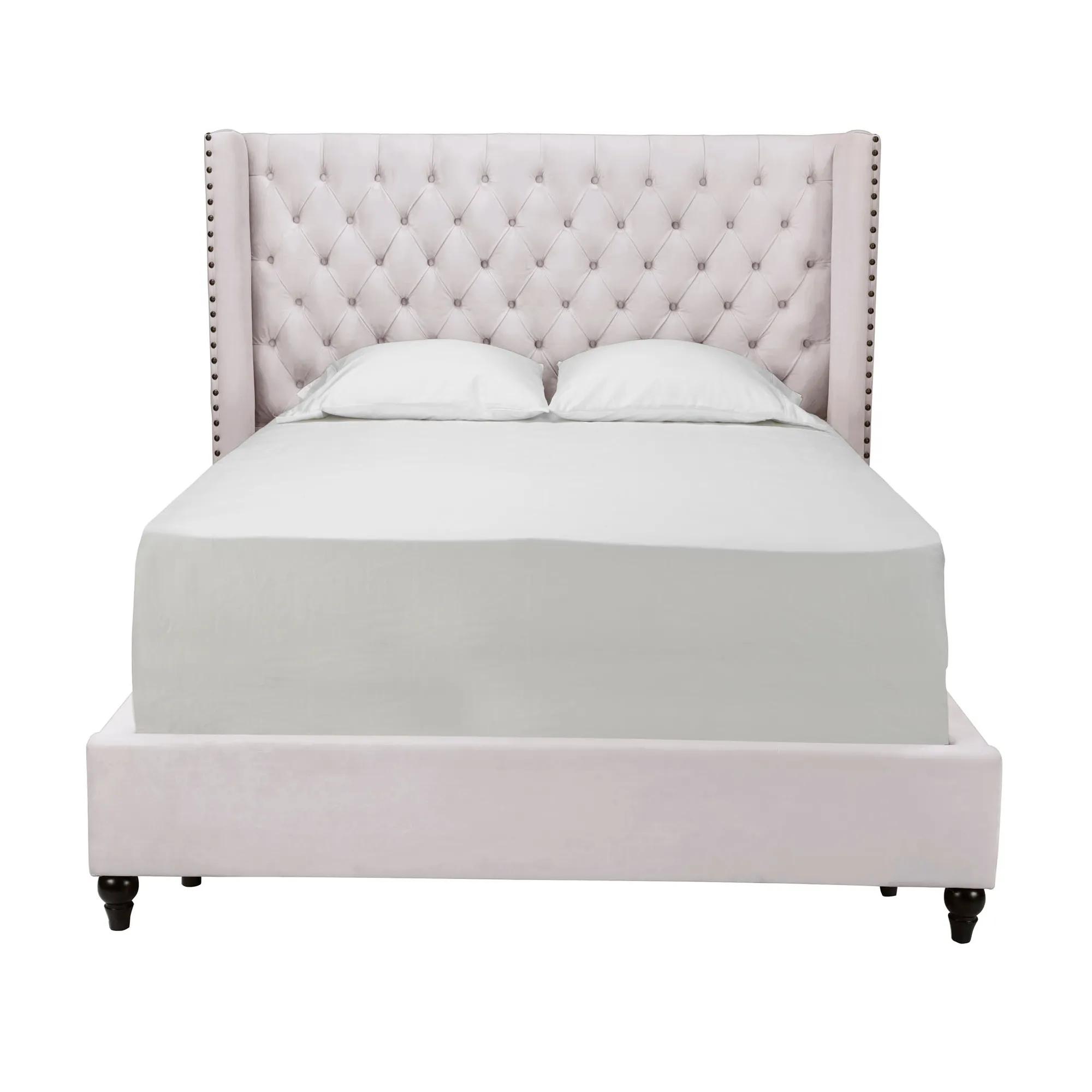
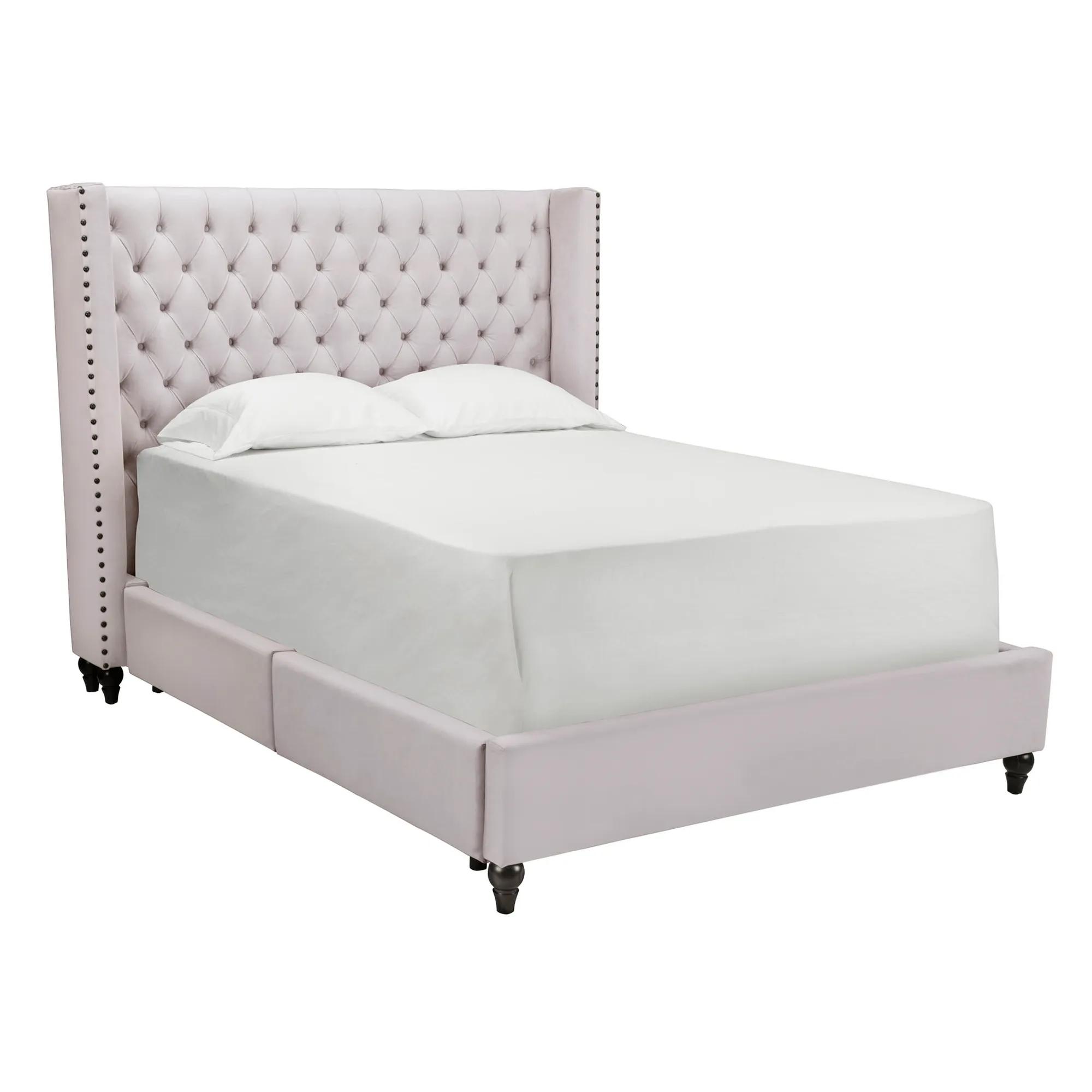 Roberto Storage Bed$3199
A handcrafted velvet-upholstered storage bed featuring diamond tufting, turned legs, and hand-applied antique brass nailheads.
Add To Cart -
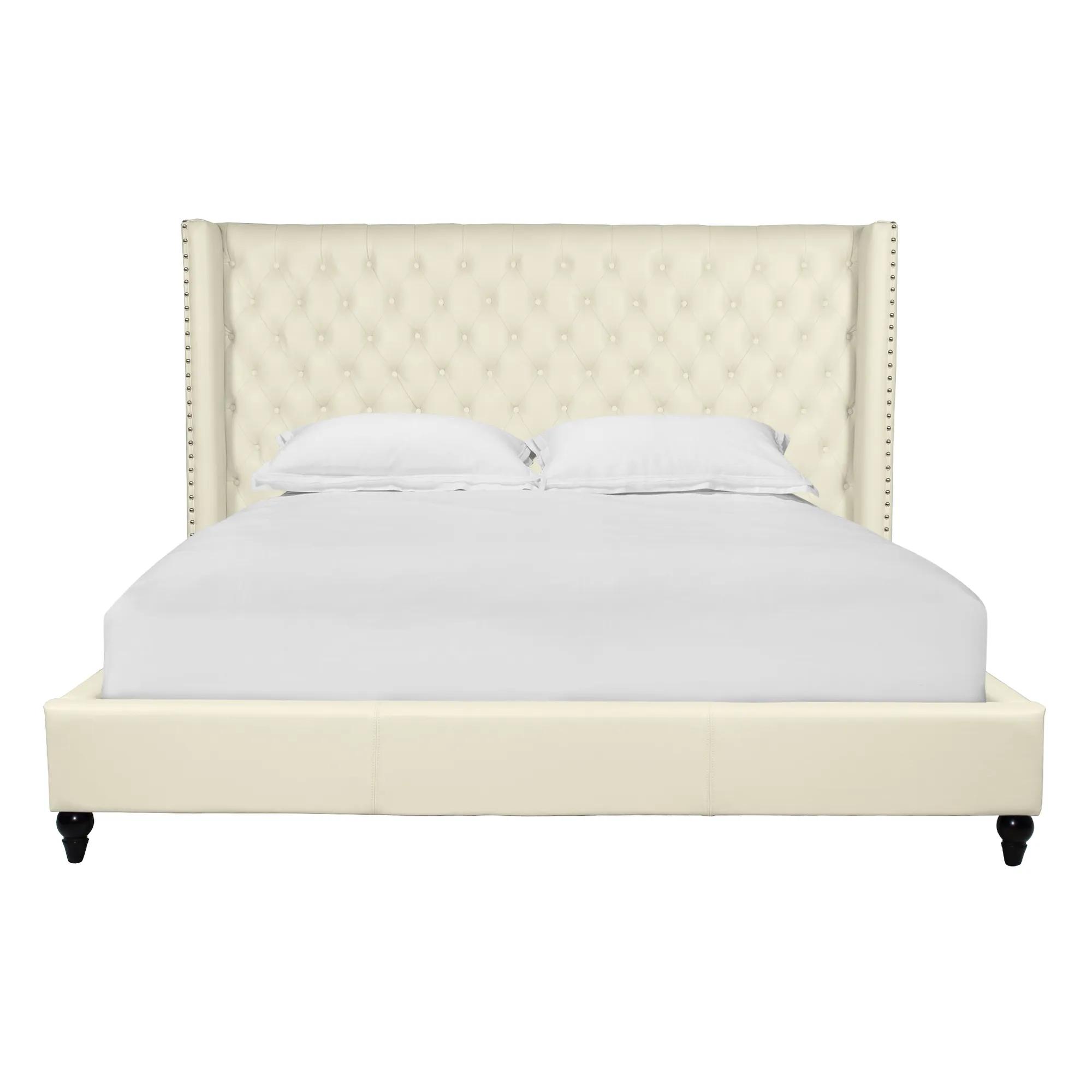
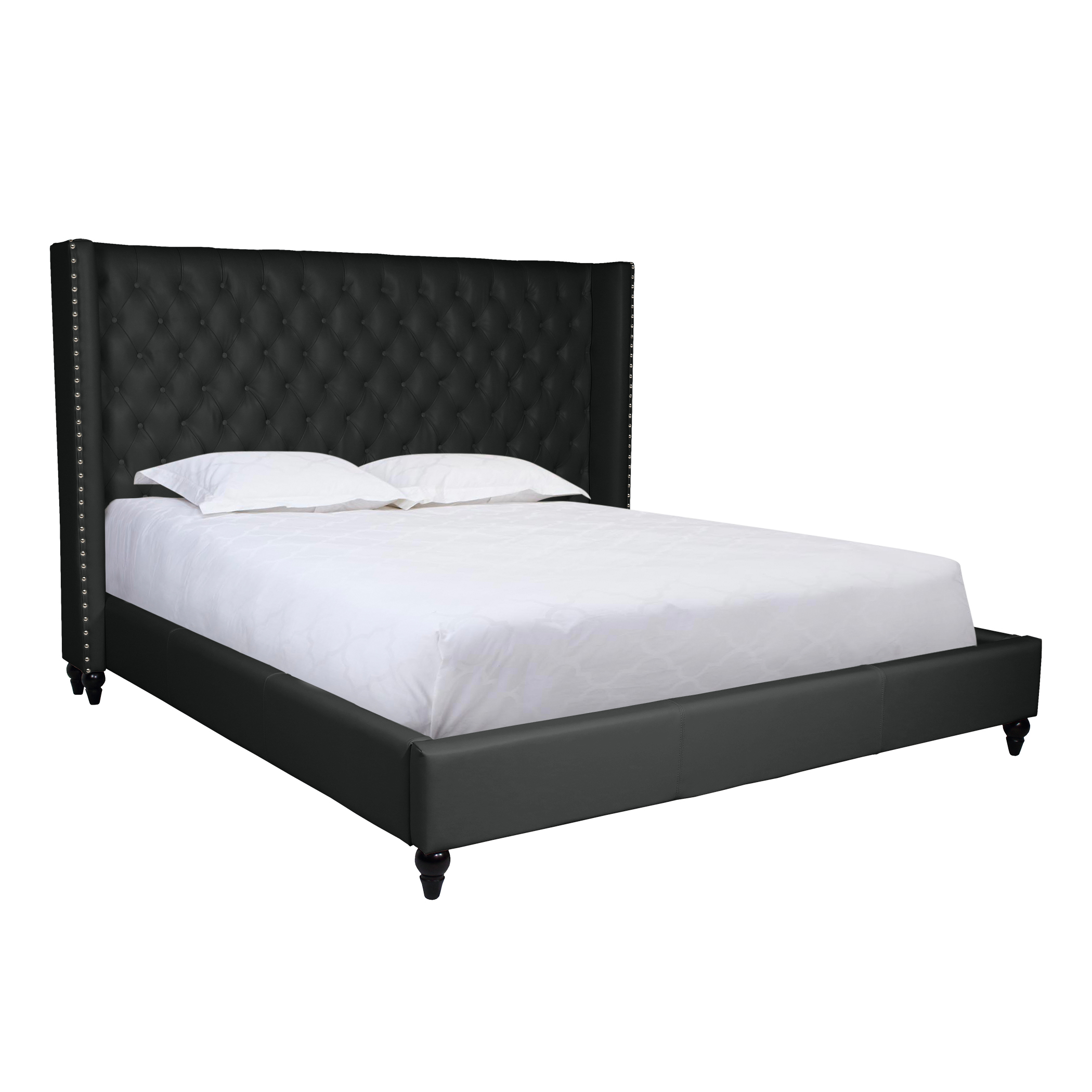 Roberto Leather Bed$3749
A stately bed featuring white top-grain leather, diamond tufting, and hand-applied bright nickel nailheads.
Add To Cart -
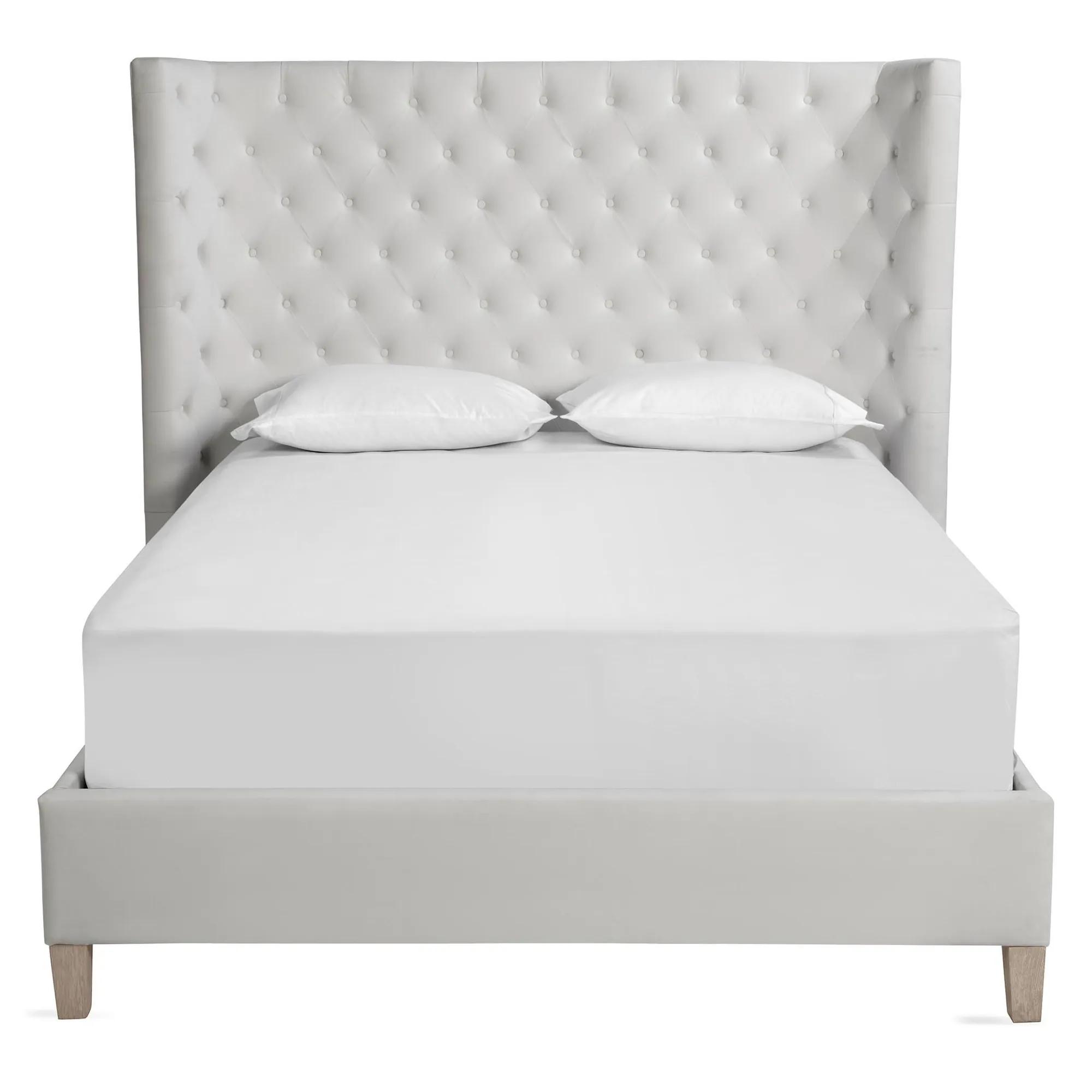
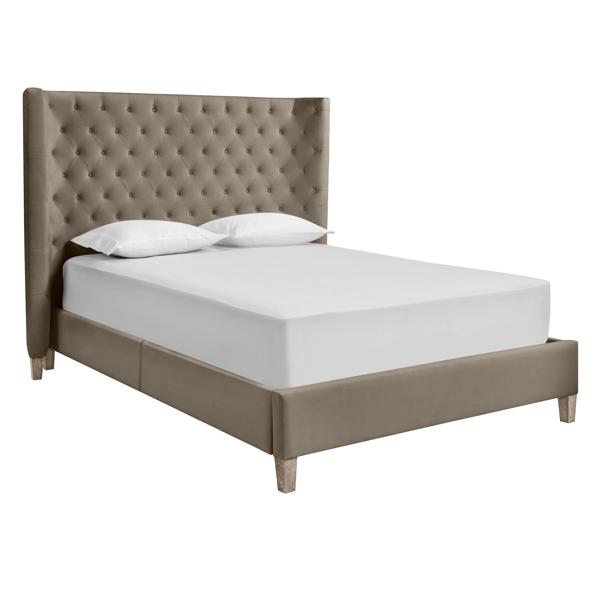 Jen Storage Bed$3349
A glamorous wingback storage bed with hand-tufted diamond upholstery and four fully upholstered drawers.
Add To Cart -
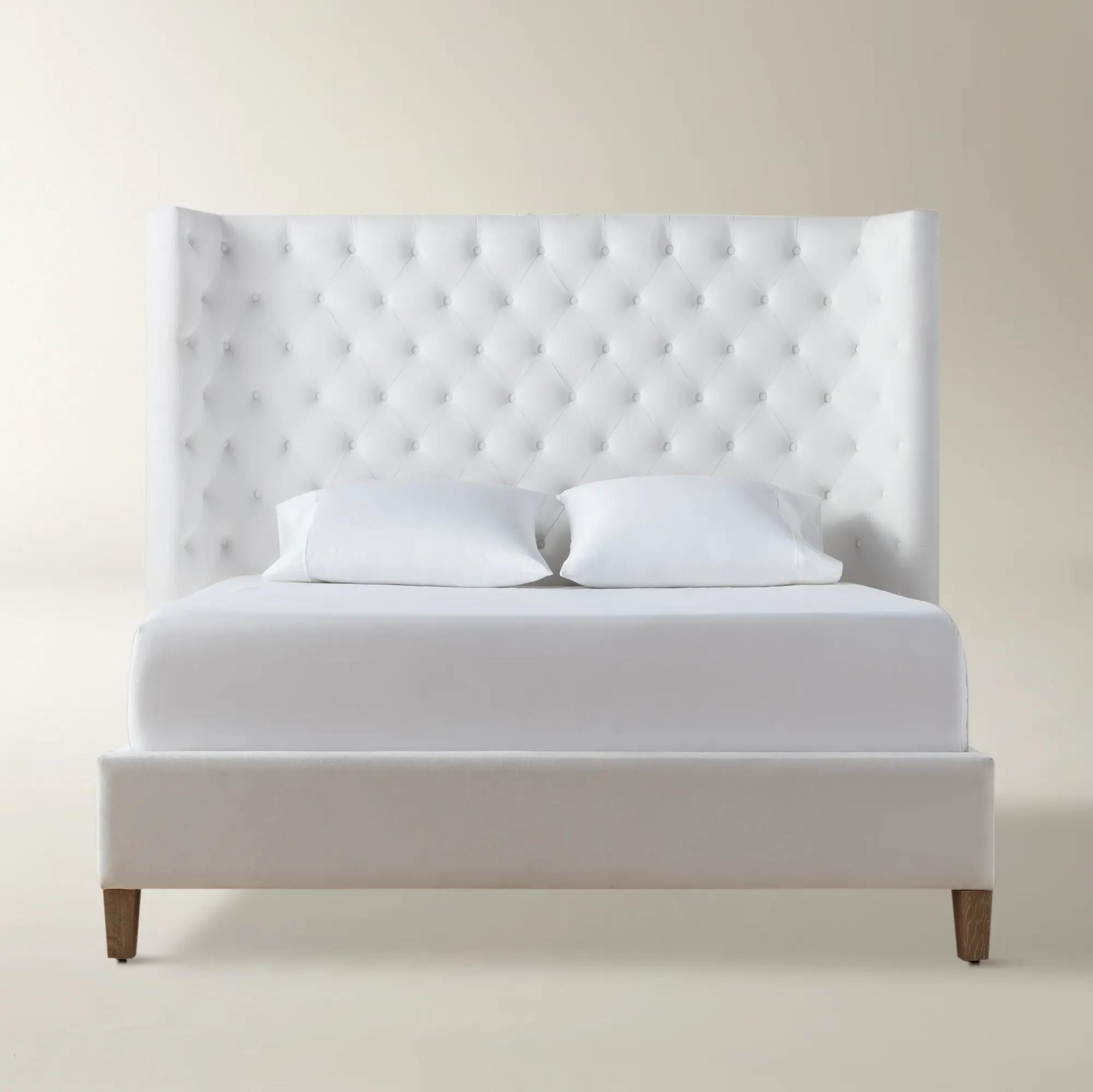 Jen Bed$3099
A glamorous wingback bed with hand-applied diamond button tufting and plush Bella Velvet White upholstery.
Add To Cart -
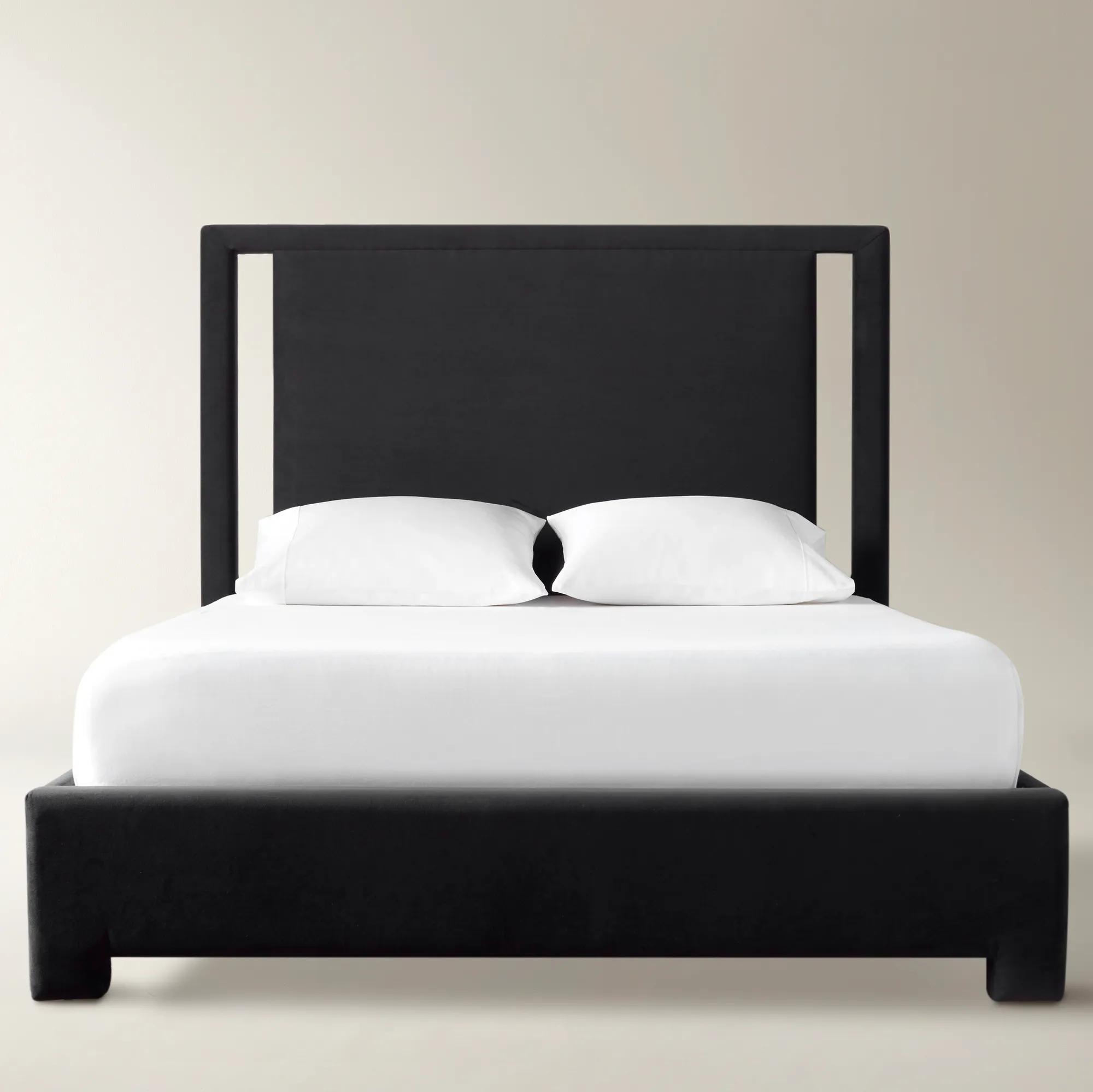
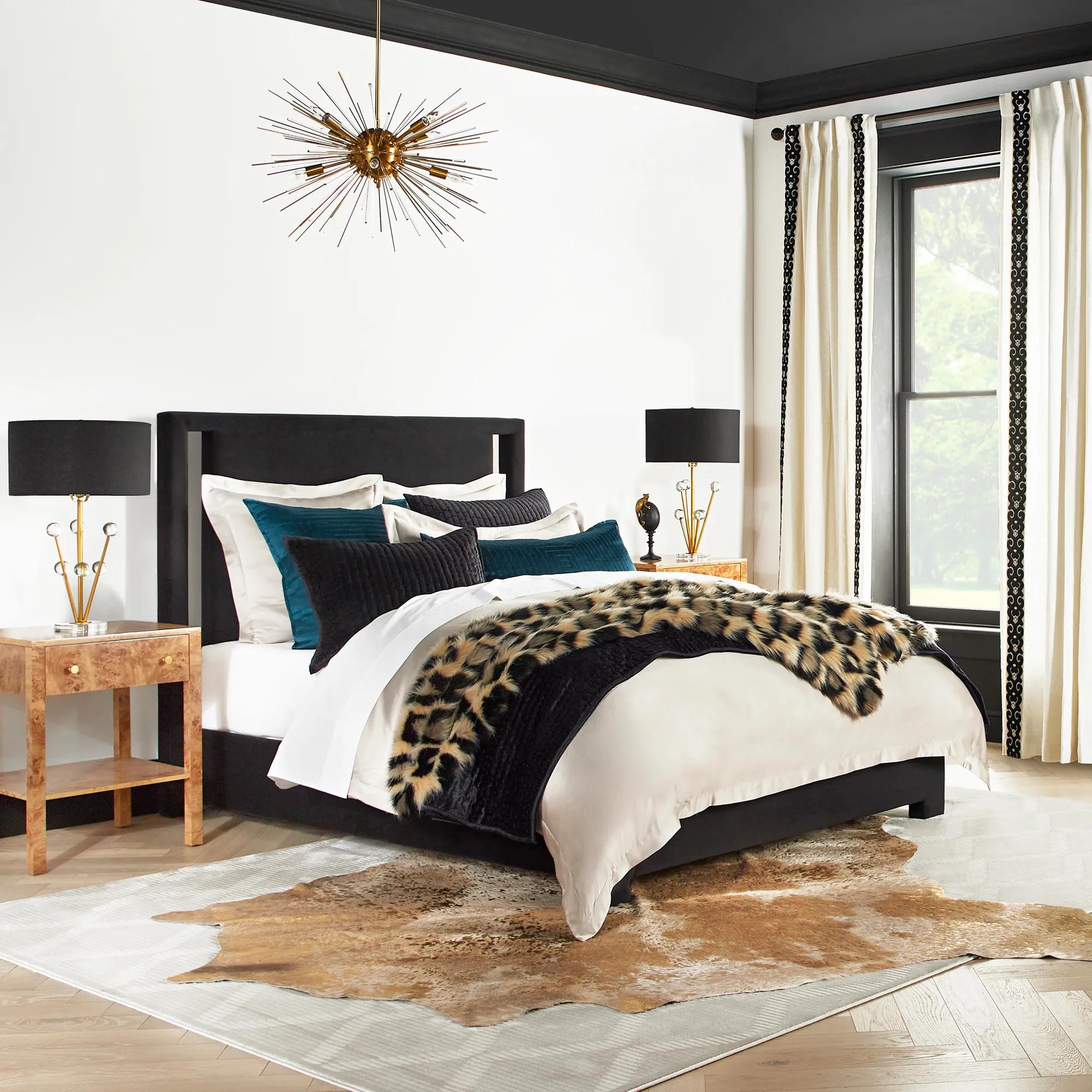 Roya Platform Bed$2149
An elegant platform bed featuring kiln-dried hardwood, hand-upholstered velvet, and dramatic headboard cutouts.
Add To Cart -
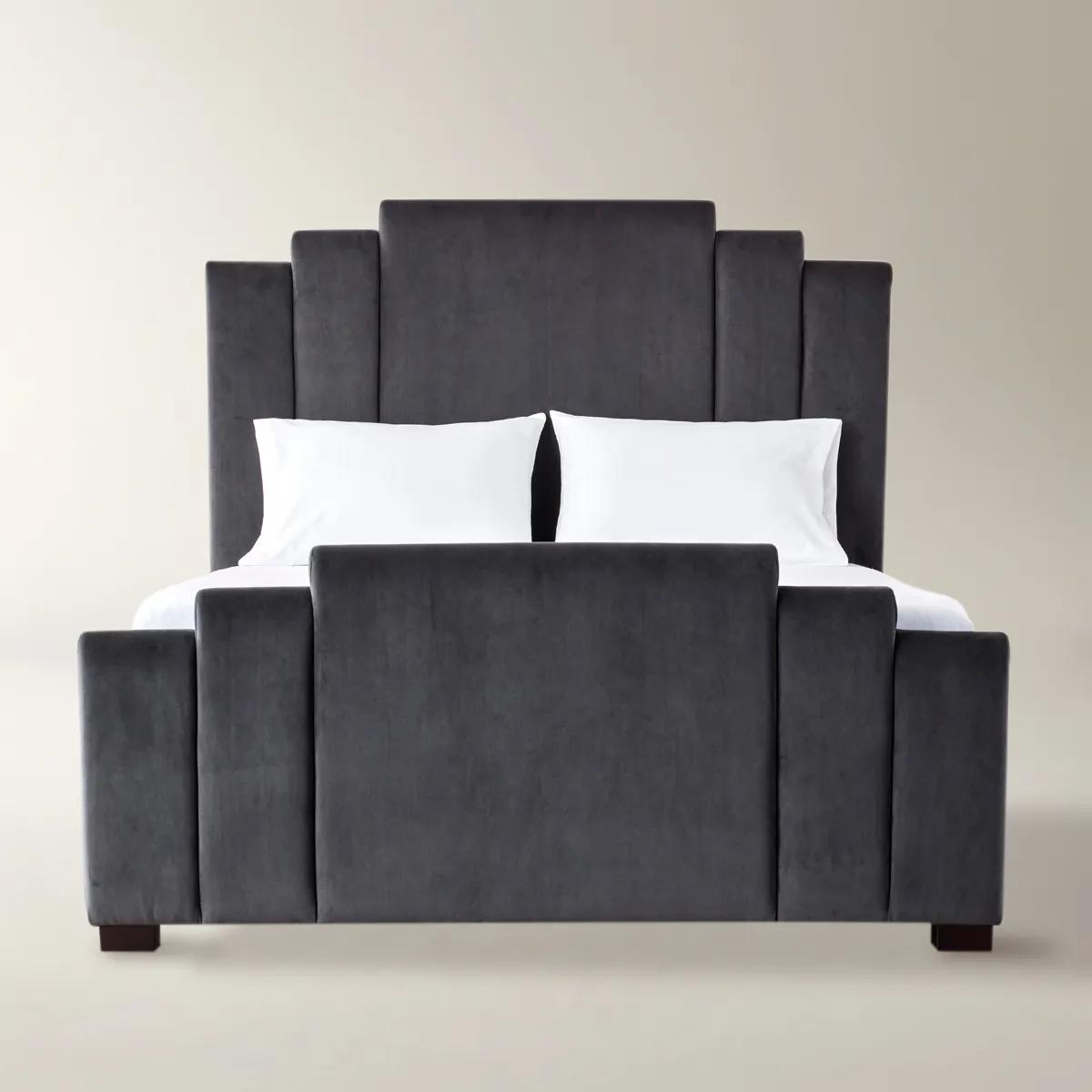 Marlow Bed$2549
A dramatic bed handcrafted from kiln-dried hardwood, upholstered in plush gunmetal velvet with channel detailing.
Add To Cart -
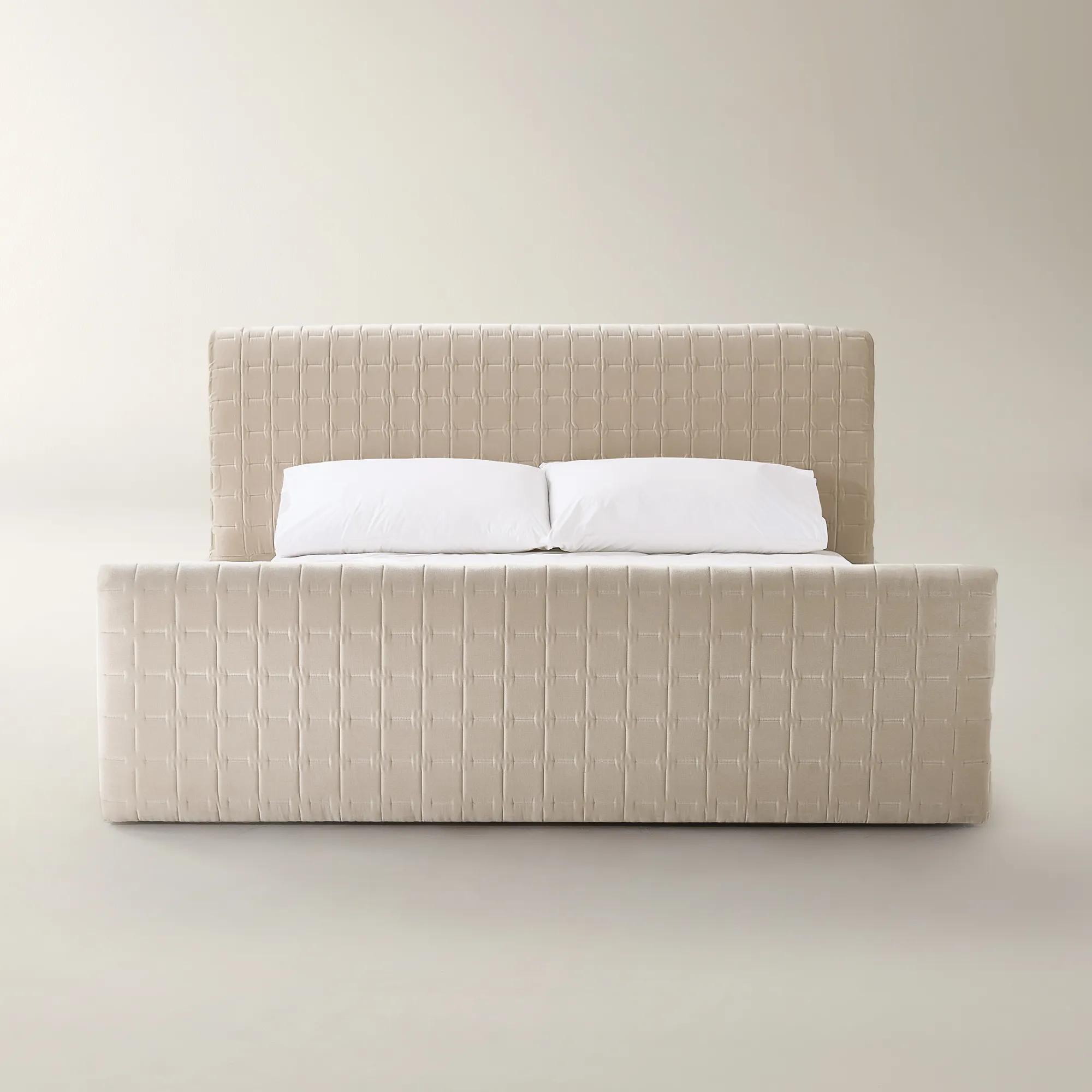
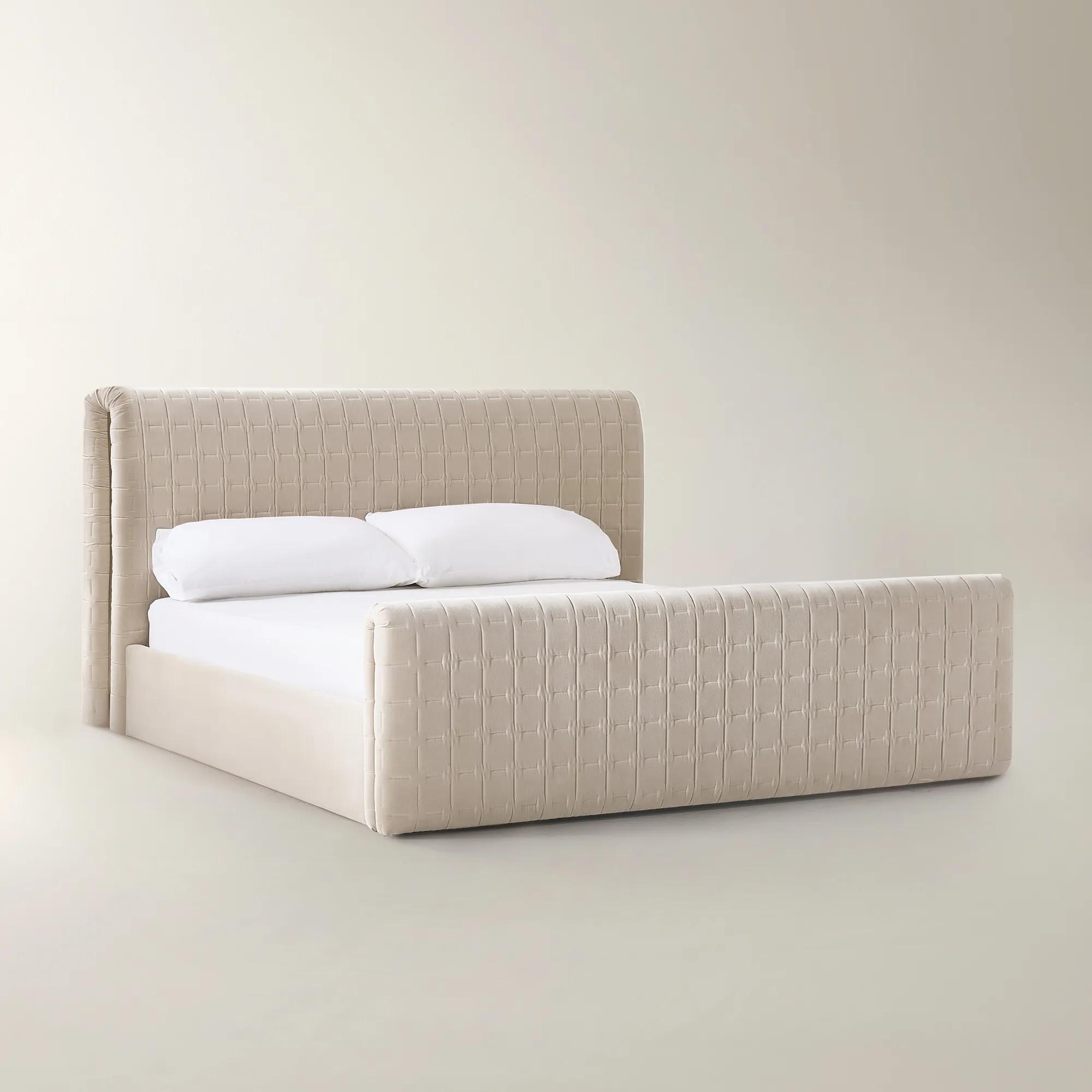 Vanta Oatmeal Velvet Upholstered King Platform Bed$2399
An oatmeal velvet-upholstered bed featuring a checker-quilted headboard and elegant gold-toned metal inlays.
Add To Cart -
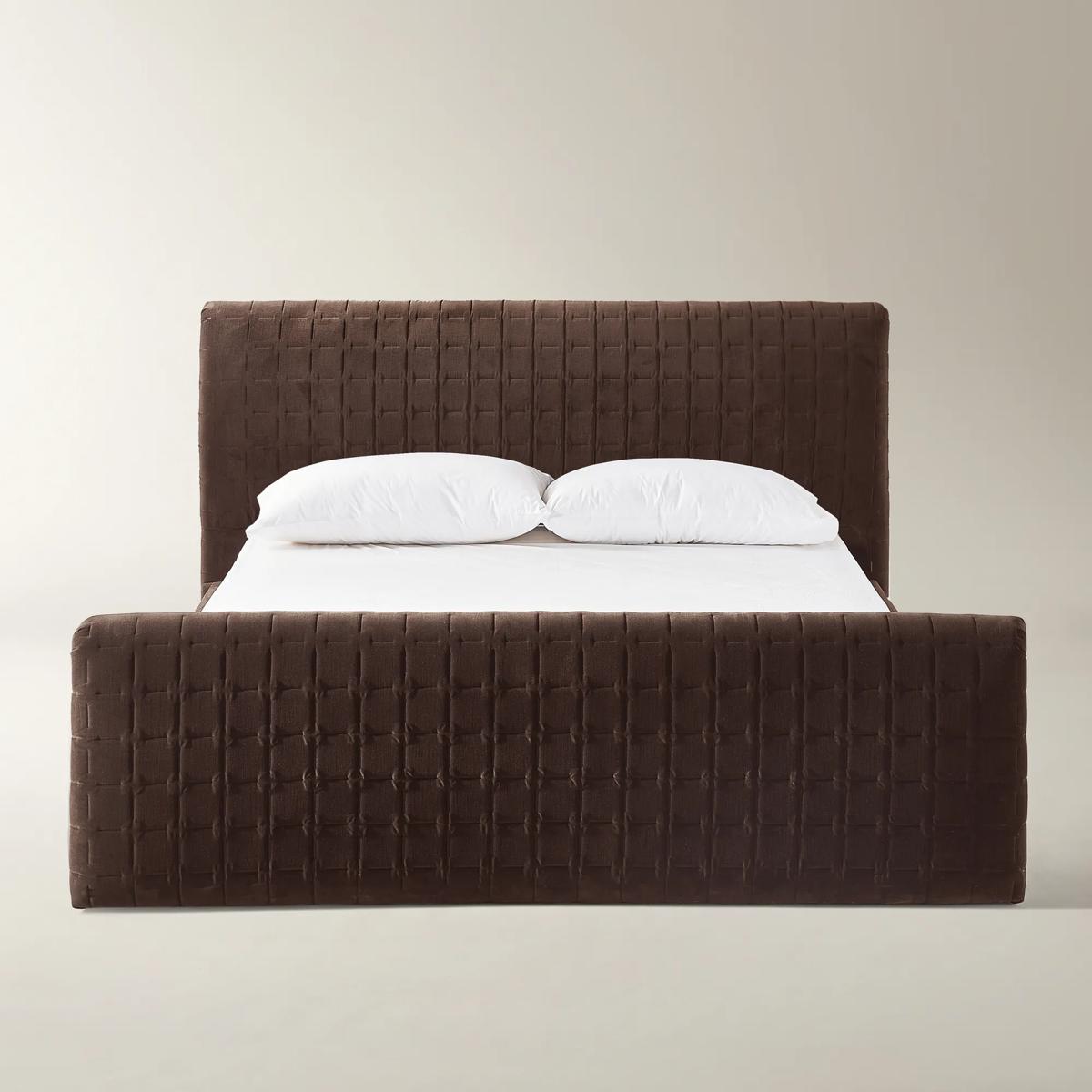
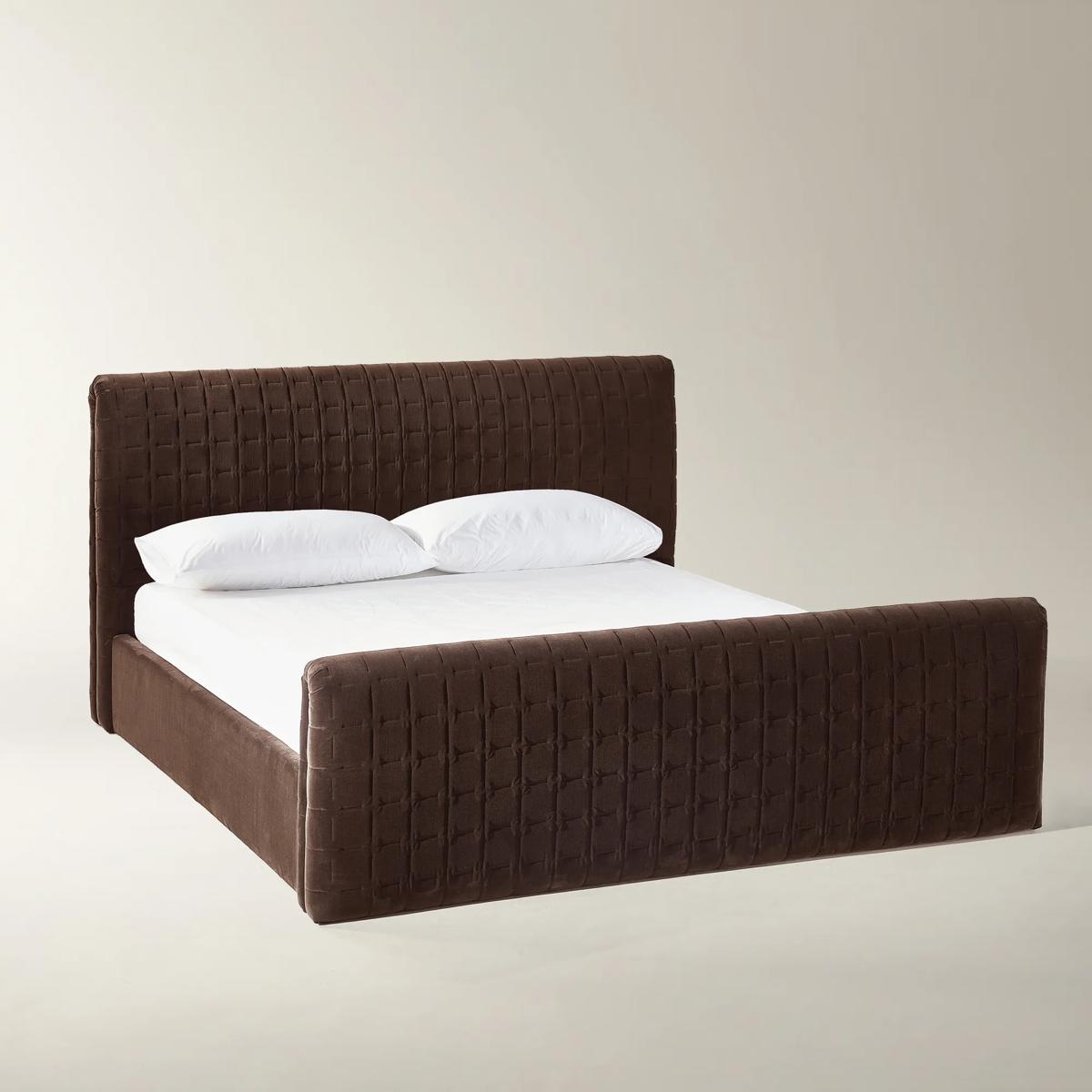 Vanta Burnt Umber Velvet Upholstered California King Platform Bed$2399
A chocolate velvet bed with hand-tufted checker quilting and brushed stainless steel inlays for modern elegance.
Add To Cart -
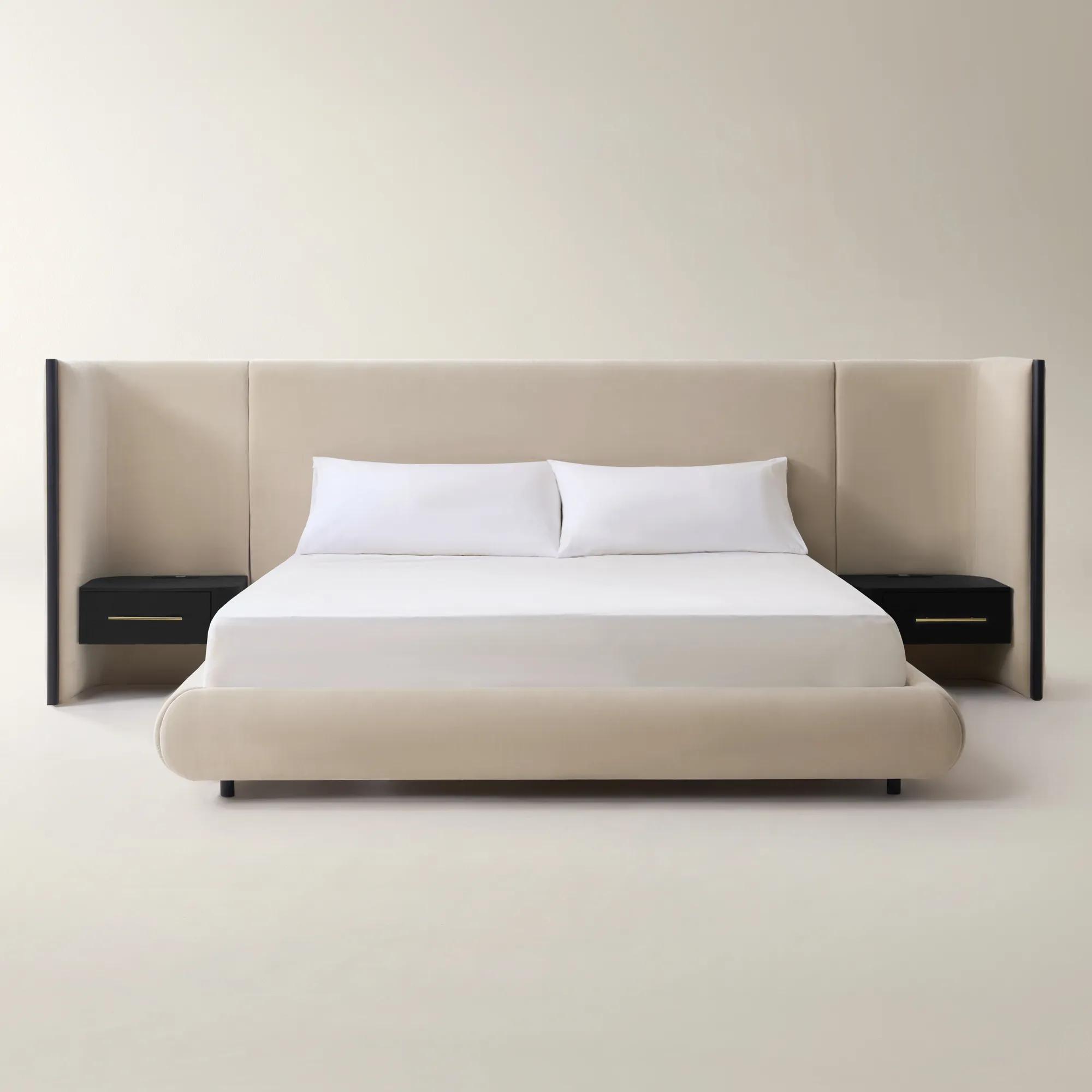 Sierra Oatmeal Velvet Upholstered King Bed With Nightstands$2799
An oatmeal velvet-upholstered platform bed with an extended headboard, floating nightstands, and built-in power access.
Add To Cart -
Vanta Oatmeal Velvet Upholstered Queen Platform Bed$2199
A modern oatmeal velvet bed featuring a checker-quilted headboard and gold-toned metal inlay accents.
Add To Cart -
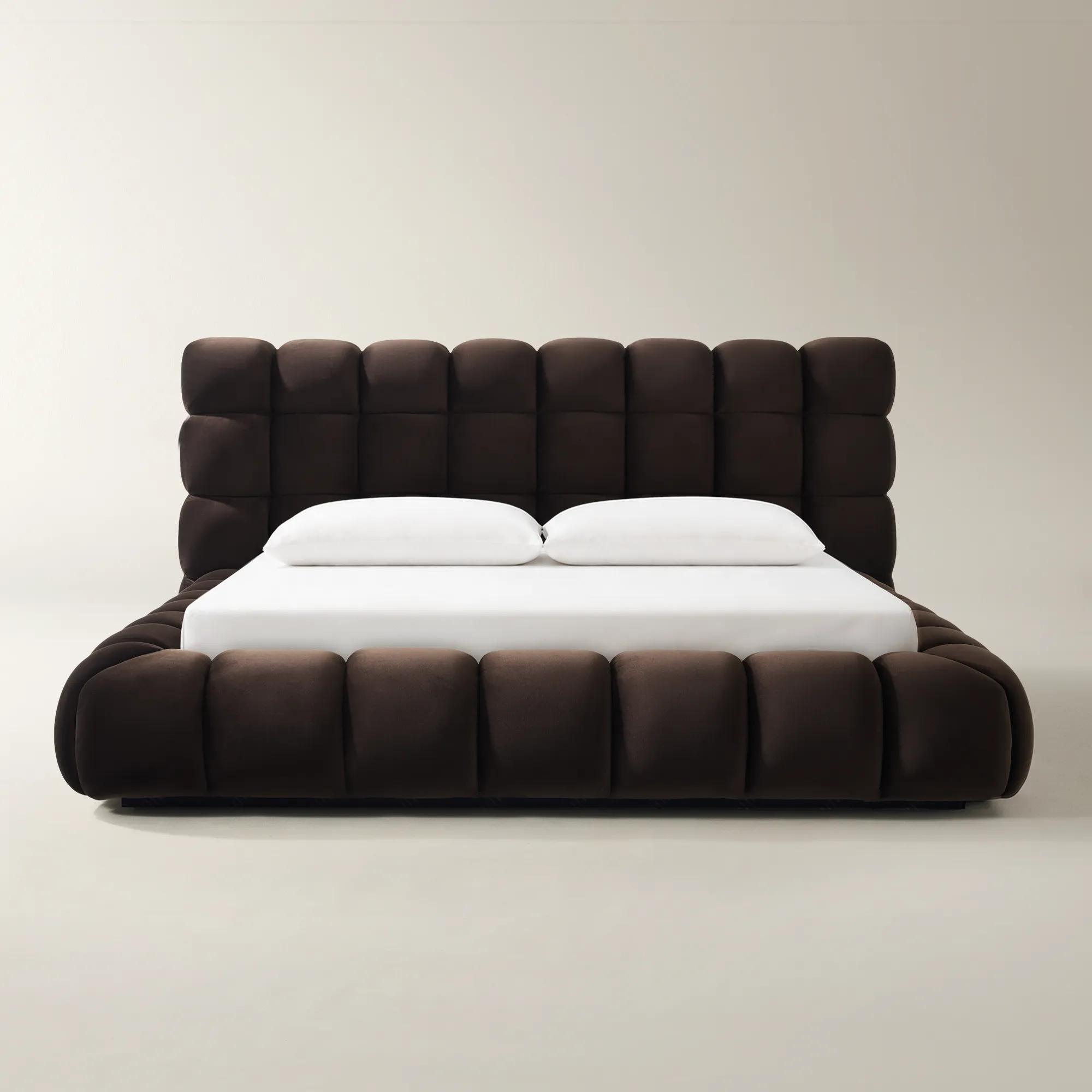 Paloma Tufted Dark Chocolate Velvet Upholstered King Platform Bed$2599
A sculptural platform bed wrapped in dark chocolate velvet with plush tufted blocks and solid wood construction.
Add To Cart -
Vanta Burnt Umber Velvet Upholstered King Platform Bed$2399
A hand-tufted chocolate velvet bed with brushed stainless steel inlays for a plush, sculptural statement.
Add To Cart -
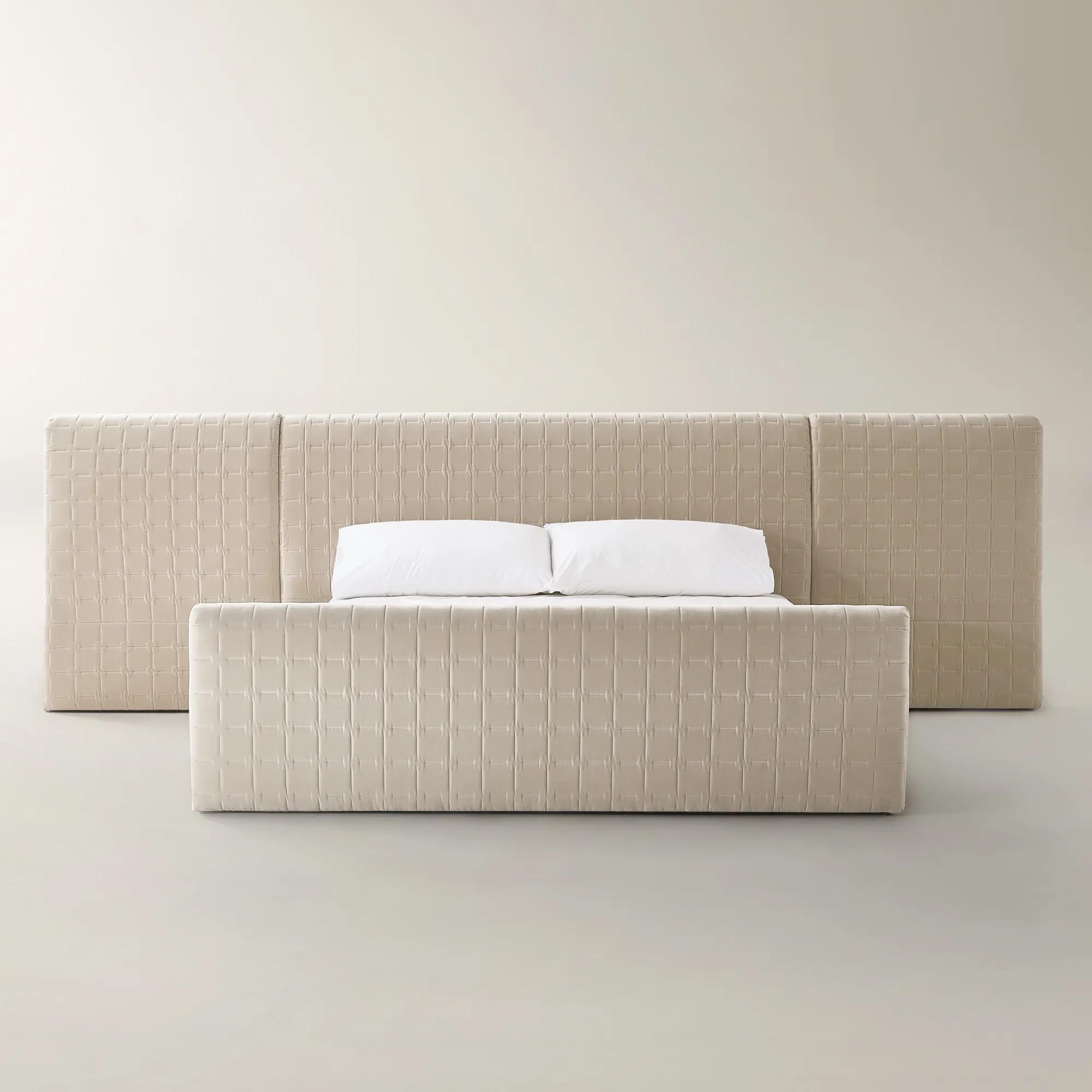
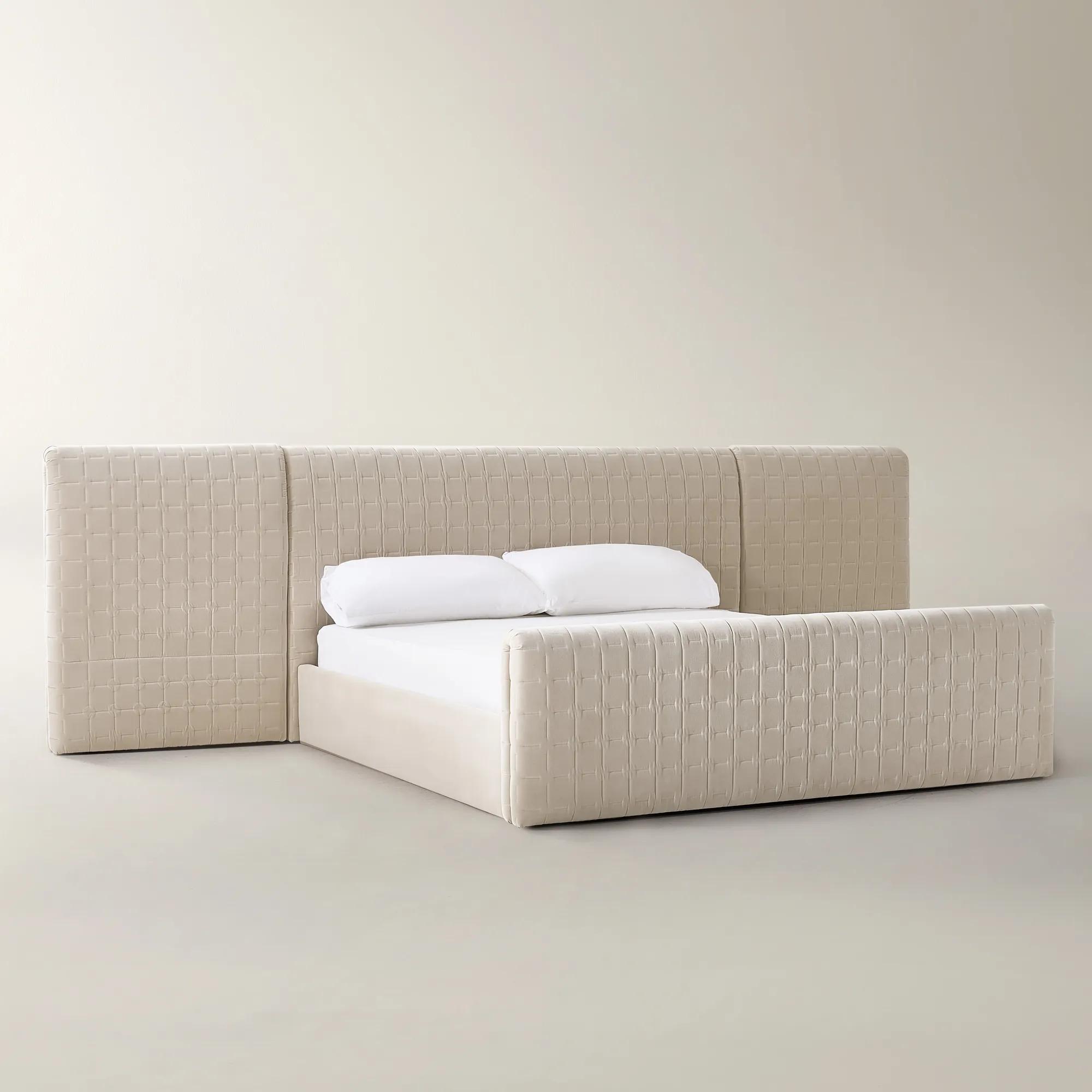 Vanta Oatmeal Velvet Upholstered King Extended Bed$2699
An oatmeal velvet platform bed featuring an extended checker-quilted headboard with elegant gold metal inlays.
Add To Cart -
Vanta Burnt Umber Velvet Upholstered Queen Platform Bed$2199
A chocolate velvet bed with hand-tufted checker quilting and brushed stainless steel inlays for modern elegance.
Add To Cart -
Sierra Oatmeal Velvet Upholstered Queen Bed With Nightstands$2599
A modern oatmeal velvet bed with an extended headboard, floating nightstands, and built-in power access.
Add To Cart -
Vanta Oatmeal Velvet Upholstered Queen Extended Bed$2499
An oatmeal velvet platform bed with an extended checker-quilted headboard and elegant gold-toned metal inlays.
Add To Cart

Velvet Beds With Turned Legs
Velvet Beds With Turned Legs transform the bedroom into a sanctuary of sumptuous artistry, where every detail whispers opulence and every curve invites admiration. Imagine the tactile allure of plush velvet paired with elegantly sculpted legs—an irresistible combination that elevates your space from ordinary to extraordinary. These beds are not just pieces of furniture; they are statements of style, designed for those who crave drama, sophistication, and a touch of old-world glamour in their private retreat. Let your dreams unfold atop a masterpiece that celebrates both comfort and bold self-expression.
Velvet beds with turned legs pair richly textured upholstery with shaped supports, bringing softness and sculptural detail into the same silhouette. Velvet lends depth through its pile, the closely spaced fibers that catch light differently as their direction changes. Turned legs introduce another kind of movement: rounded profiles, tapered sections, and curved contours traditionally formed by rotating wood on a lathe. Together, these elements give an upholstered bed a distinctive presence, balancing the visual weight of a fabric-covered frame with the definition of exposed woodwork. The effect can feel romantic, tailored, or unapologetically glamorous, depending on the headboard shape, upholstery color, and leg finish. A tall, tufted headboard creates an architectural focal point behind layered pillows, while a smooth upholstered panel lets the velvet’s shifting sheen command attention. Deep jewel tones lend a bedroom a saturated, intimate mood; ivory, champagne, and soft gray allow the contours and fabric texture to emerge more quietly. Where wooden legs are exposed, their finish helps shape the composition. A pale finish emphasizes the individual curves, a warm brown introduces richness, and a dark finish draws a crisp outline beneath the upholstery. These are beds for bedrooms with personality, whether that means a dramatic primary suite or a guest room composed with the care of a boutique retreat. Their appeal lies in contrast: plush against polished, generous upholstery above finely articulated supports, traditional detailing within an otherwise modern room. Crisp cotton bedding brings definition to the velvet, while a lustrous coverlet or embroidered accent pillow builds on its decorative character. A patterned rug can anchor the arrangement without requiring every finish to match. Repeating the warmth of the legs in a picture frame or bedside table is often enough to make the room feel intentional. For a connected design language beyond the bedroom, Luxury Velvet Sofas With Turned Legs carry that same interplay of tactile upholstery and shaped supports into living spaces without calling for identical colors or furniture silhouettes.
The right proportions allow a velvet bed to feel commanding without overwhelming the bedroom. Mattress size is only the starting point: upholstered side rails, a substantial headboard, and a padded footboard can extend the frame beyond the mattress footprint. Compare the bed’s full exterior dimensions with the room, leaving comfortable routes beside it and enough clearance for dresser drawers, closet doors, and bedside storage to open. In a narrower room, a lower footboard can preserve an open sightline, while a taller headboard may bring welcome vertical emphasis to a broad, uninterrupted wall. Headboard height also matters in relation to windows, wall art, and the finished sleeping surface. A deep mattress can conceal a significant portion of the upholstery, changing the balance between fabric, pillows, and visible detailing. Consider the combined height of the frame, required foundation, and mattress so getting into bed feels comfortable rather than awkward. Velvet upholstery does not determine the support system beneath it. Some frames use a platform with slats, while others require a separate foundation or box spring; the frame specifications and mattress manufacturer’s requirements should agree. Slat spacing, center supports, weight limits, and compatible mattress types deserve particular attention, especially for a bed used nightly by two adults. Adjustable bases require their own compatibility check rather than an assumption that they will fit inside any upholstered frame. Turned legs contribute to the appearance, but their shape alone says little about the bed’s strength. Frame construction, secure hardware, properly installed supports, and suitable materials all contribute to stability. Delivery access matters, too: measure doorways, stair turns, and elevators against the packaged dimensions, particularly when a headboard is wide or unusually tall. For someone who reads in bed, the placement and padding of the headboard may be as important as its silhouette. In a guest bedroom, an approachable sleeping height and generous circulation space help make the setting as welcoming as it is visually distinctive.
Material details and thoughtful care help velvet beds retain their expressive surface through everyday use. Velvet describes a fabric construction, not a single fiber: upholstery may contain polyester, cotton, other fibers, or blends, each with its own feel and maintenance requirements. Polyester velvet is often chosen for resilience, while cotton velvet can offer a softer, more subdued luster; performance characteristics depend on the particular fabric and any treatments, not simply on the word velvet. When fabric samples are offered, viewing one beside the bedding and wood finishes reveals nuances that a screen may miss. Examine it in daylight and under bedside lamps, since the pile can make a single shade appear lighter or deeper from different angles. Light marks caused by touch or pressure may reflect a change in pile direction rather than staining, though the appropriate treatment depends on the upholstery. For routine cleaning, gently vacuum with a soft upholstery brush attachment and suitable suction, following the manufacturer’s instructions and taking care around seams, tufting, and trim. Blot spills promptly with a clean, dry, absorbent cloth instead of rubbing, which can spread moisture or disturb the pile. Before applying water, solvent, or any cleaning product, check the fabric care code and the recommended procedure; avoid soaking the upholstery or improvising with steam. Persistent marks may call for a professional upholstery cleaner familiar with velvet. Positioning the bed away from prolonged direct sunlight helps limit fading, and keeping lotions, hair products, and damp towels off the fabric reduces preventable residue. In homes with pets, consider how fur may show against the chosen color and whether claws could catch the upholstery. Clean exposed legs with a method suited to their finish, keep connections secure according to the assembly instructions, and use appropriate floor protection beneath supports. Lift rather than drag the frame when moving it. These practical details preserve more than appearance: they allow the bed’s plush texture, graceful elevation, and sculpted woodwork to remain an enduring part of a room designed for both rest and self-expression.
FAQs
Velvet beds with turned legs are remarkably versatile, harmonizing beautifully with a range of design aesthetics. They lend a sense of grandeur to traditional and transitional spaces, while their sculptural lines and plush upholstery also make a striking statement in modern glam or eclectic interiors. Pair them with mirrored accents, metallic finishes, or bold artwork for a look that’s unapologetically dramatic, or soften the mood with layered textiles and muted tones for a serene, sophisticated retreat.
To preserve the sumptuous appeal of your velvet bed, gently vacuum the upholstery using a soft brush attachment to remove dust and debris. Address spills promptly by blotting—never rubbing—with a clean, dry cloth. For deeper cleaning, use a specialized upholstery cleaner or consult a professional. Regularly rotating the bedding and avoiding direct sunlight will help maintain the vibrancy and texture of the velvet for years to come.
Turned legs are crafted using a lathe, resulting in elegant, rounded shapes and intricate detailing that evoke a sense of heritage and craftsmanship. This design element adds visual interest and a touch of artistry, elevating the bed from functional furniture to a true statement piece. The interplay between the plush velvet and the sculptural legs creates a look that is both timeless and contemporary.
Velvet beds with turned legs are a stunning choice for both master suites and guest rooms. In a guest space, they offer an inviting touch of luxury that makes visitors feel pampered and welcome. In a primary bedroom, they become the focal point, setting the tone for a space that’s both restful and richly expressive. Their versatile style ensures they shine in any setting where you wish to create a memorable impression.
Layering is key when styling a velvet bed with turned legs. Opt for opulent textiles—think silk, faux fur, or high-thread-count cotton—to enhance the tactile allure. Decorative pillows in contrasting textures or jewel tones add depth, while a statement throw at the foot of the bed completes the look. Accent with metallic bedside lamps, mirrored nightstands, or an oversized piece of art above the headboard to amplify the drama and sophistication of your bedroom sanctuary.
.jpg?w=3817&h=3817)


