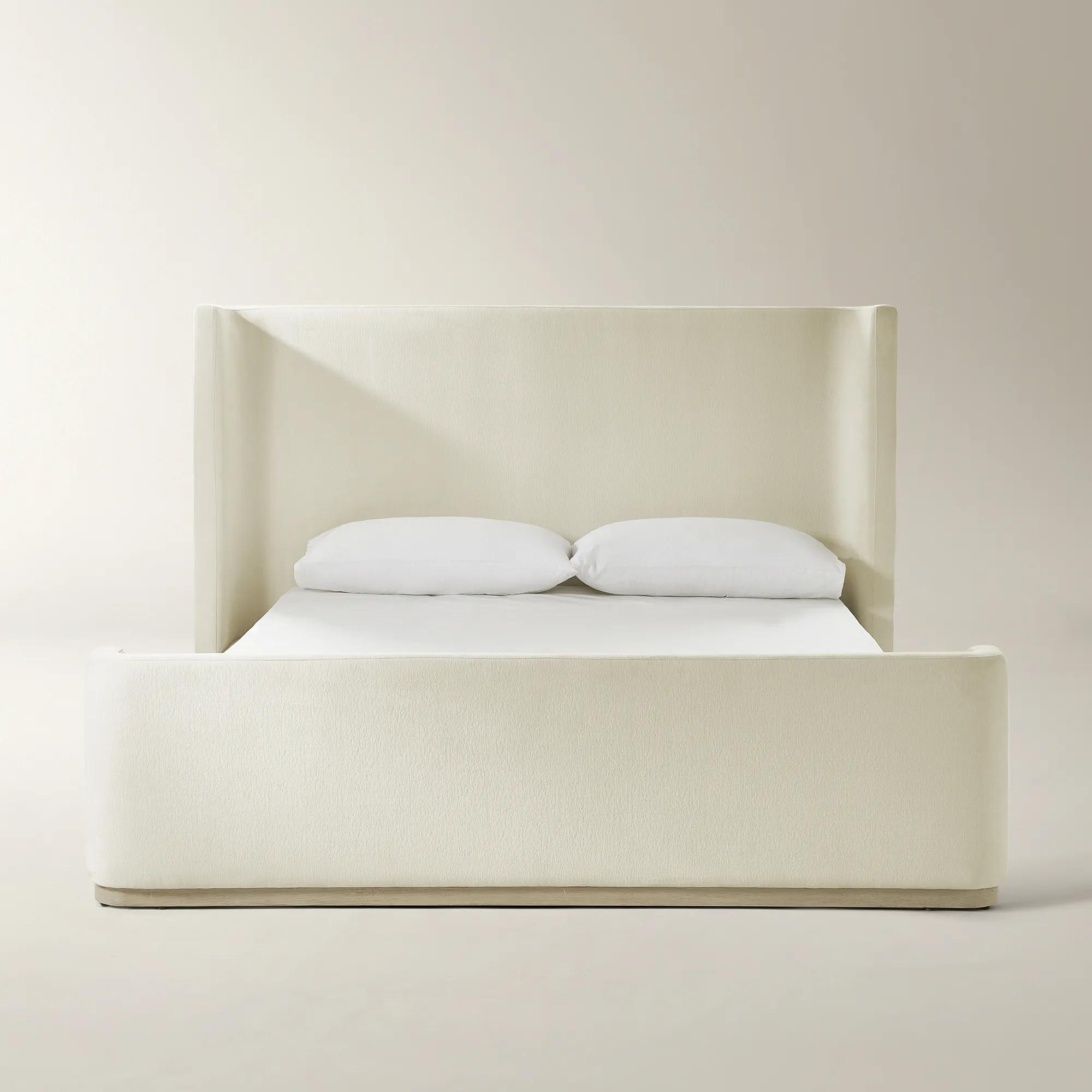
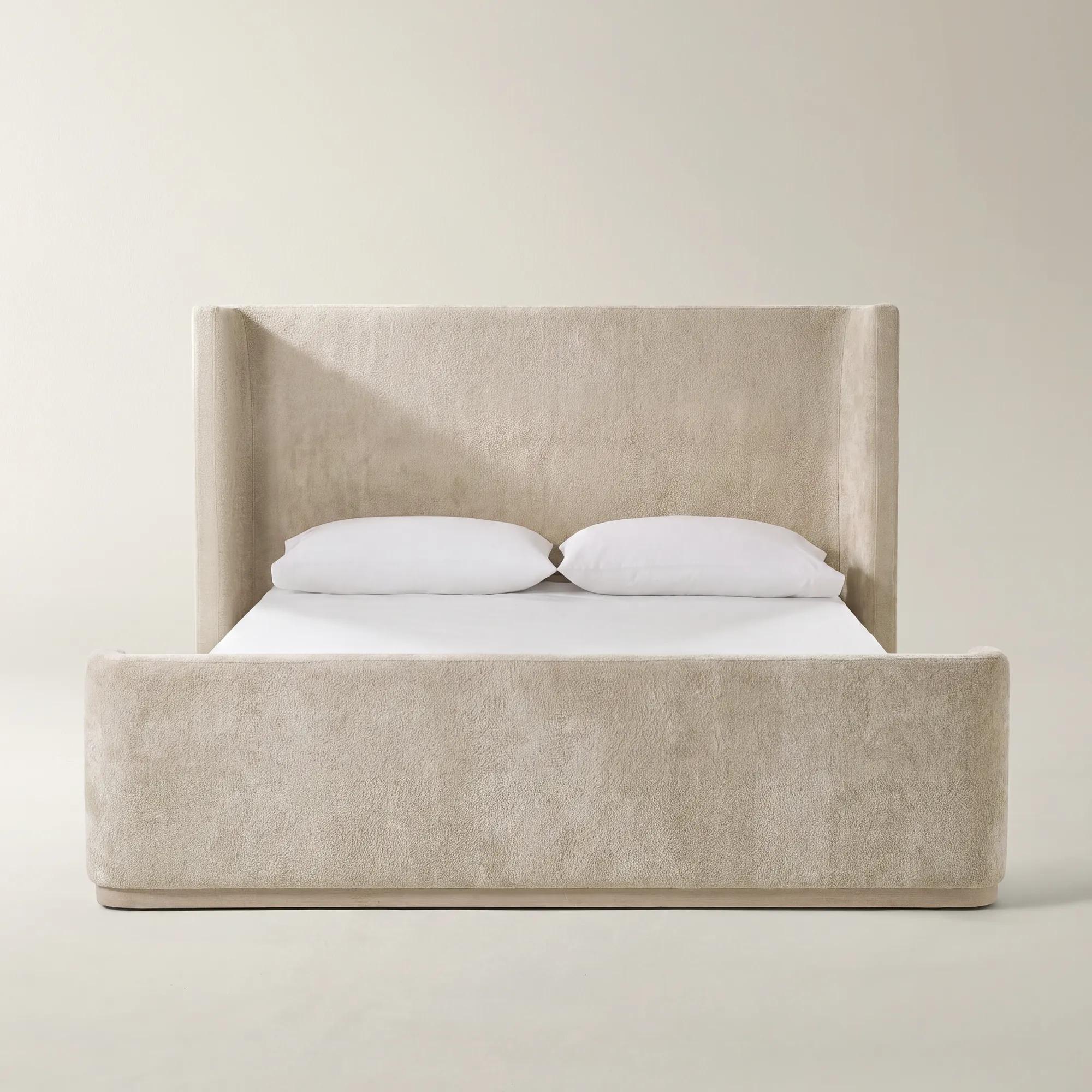
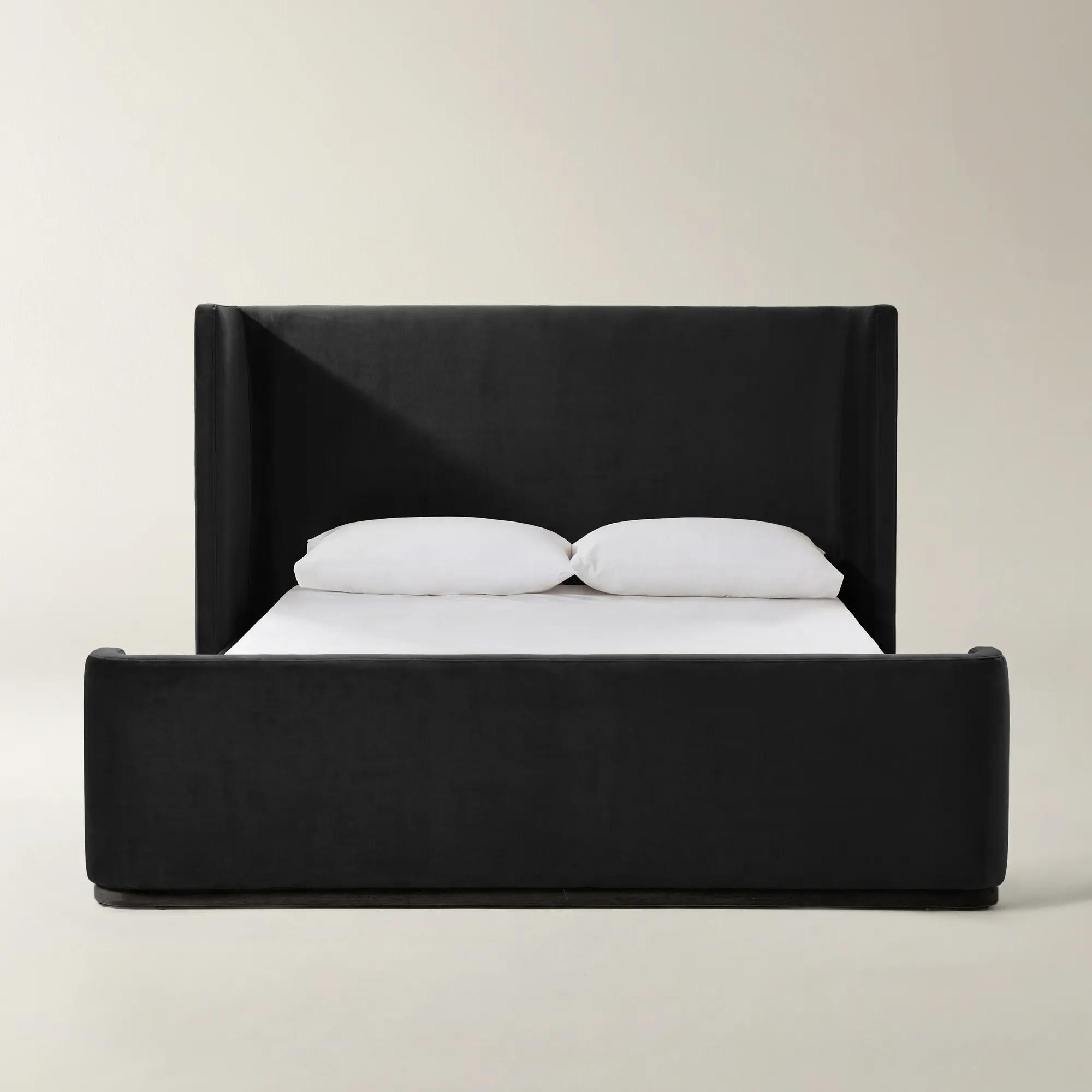
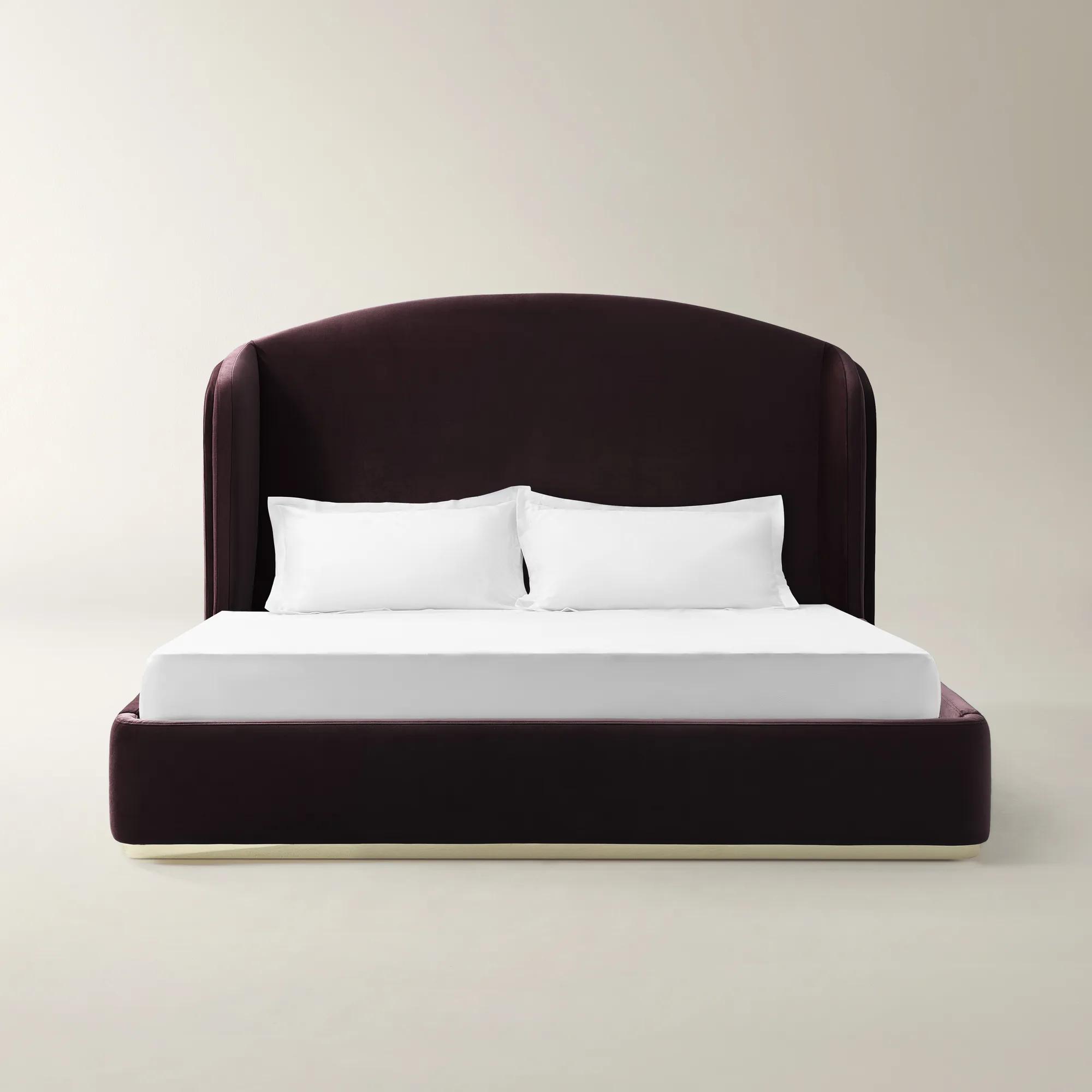
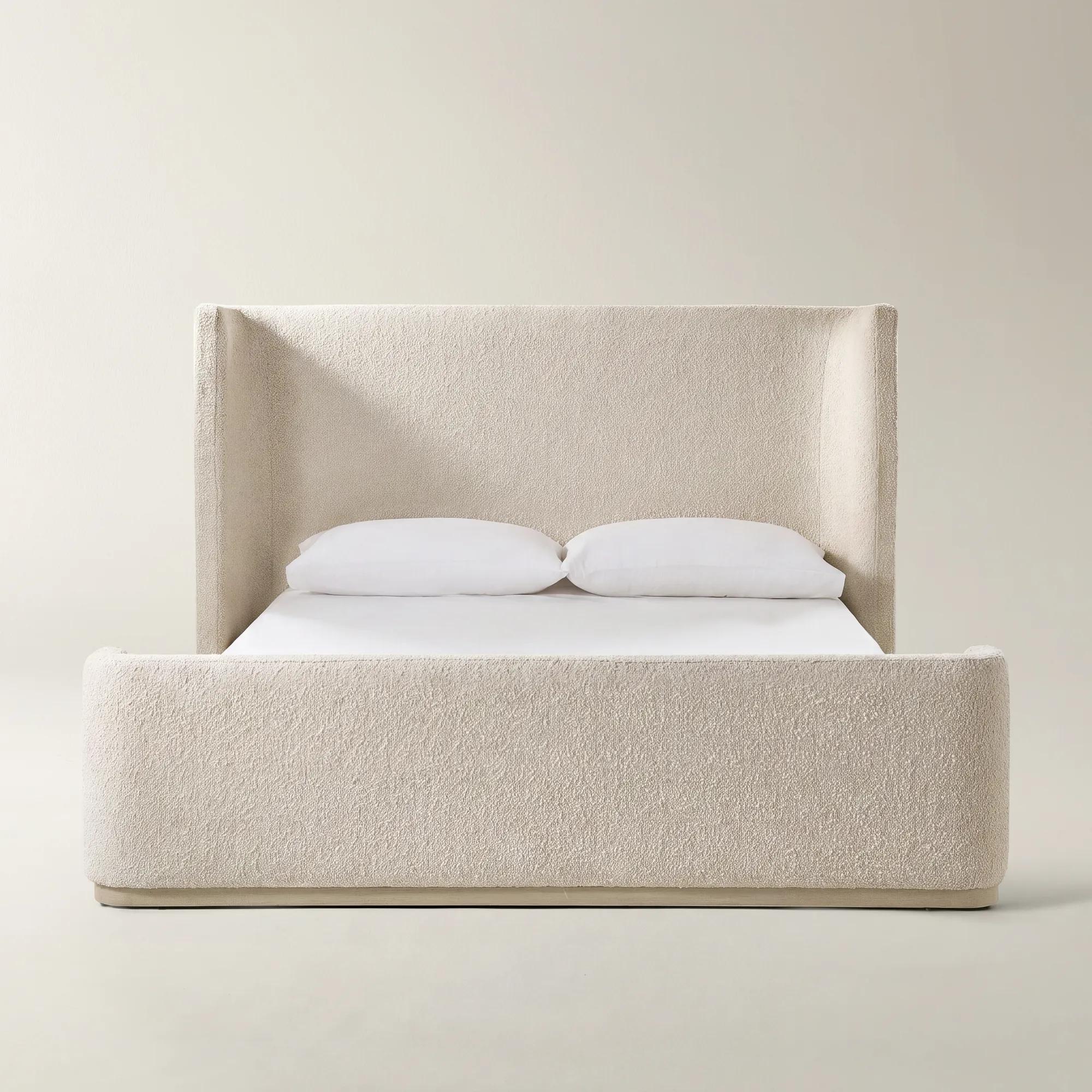
Classic Style Velvet Beds
Classic Style Velvet Beds
-
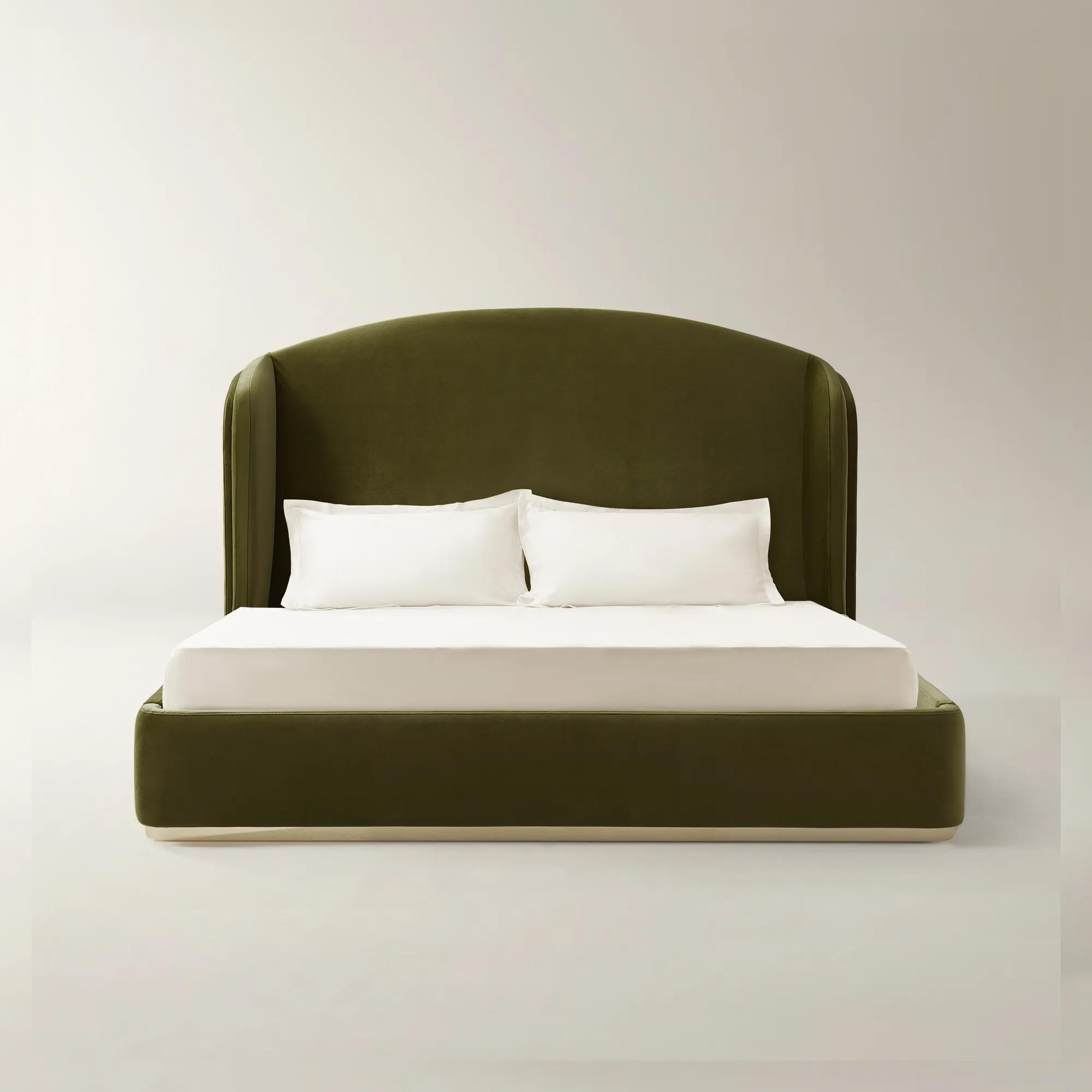
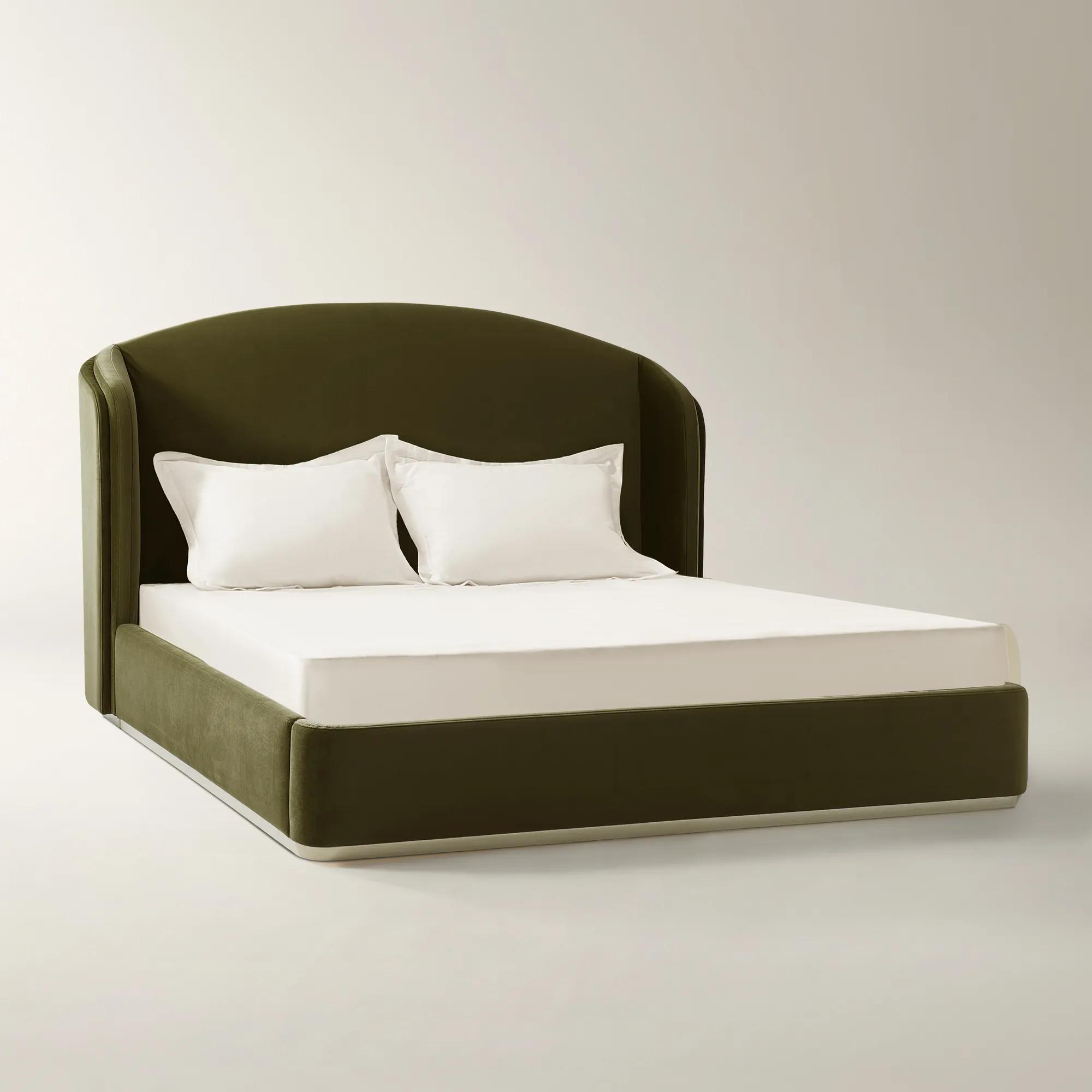 Glimmer Deep Olive Velvet Upholstered King Platform Bed$2299
A deep olive velvet platform bed featuring a sculpted headboard and gold-toned metallic base for modern elegance.
Add To Cart -
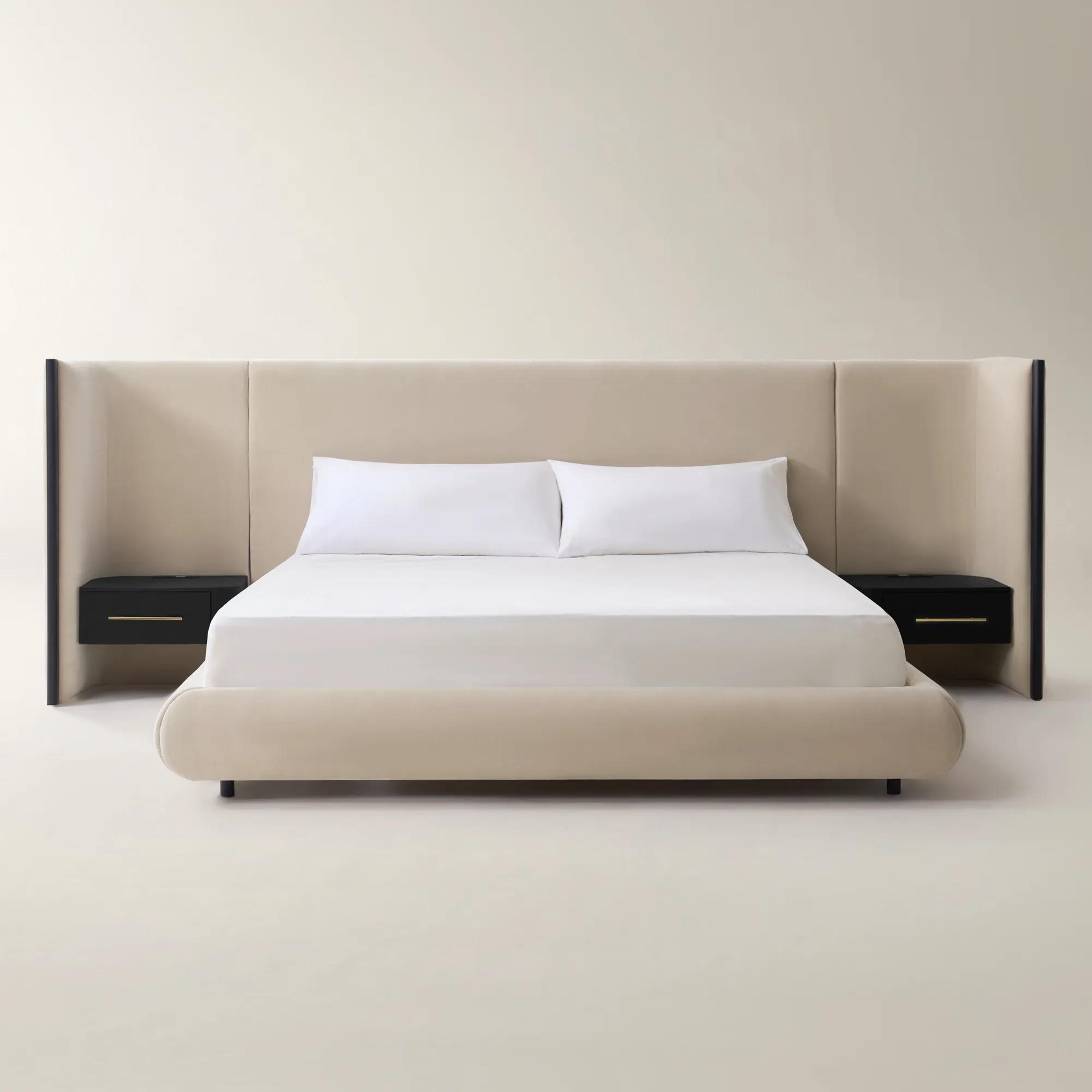 Sierra Oatmeal Velvet Upholstered King Bed With Nightstands$2899
An oatmeal velvet-upholstered platform bed with an extended headboard, floating nightstands, and built-in power access.
Add To Cart -
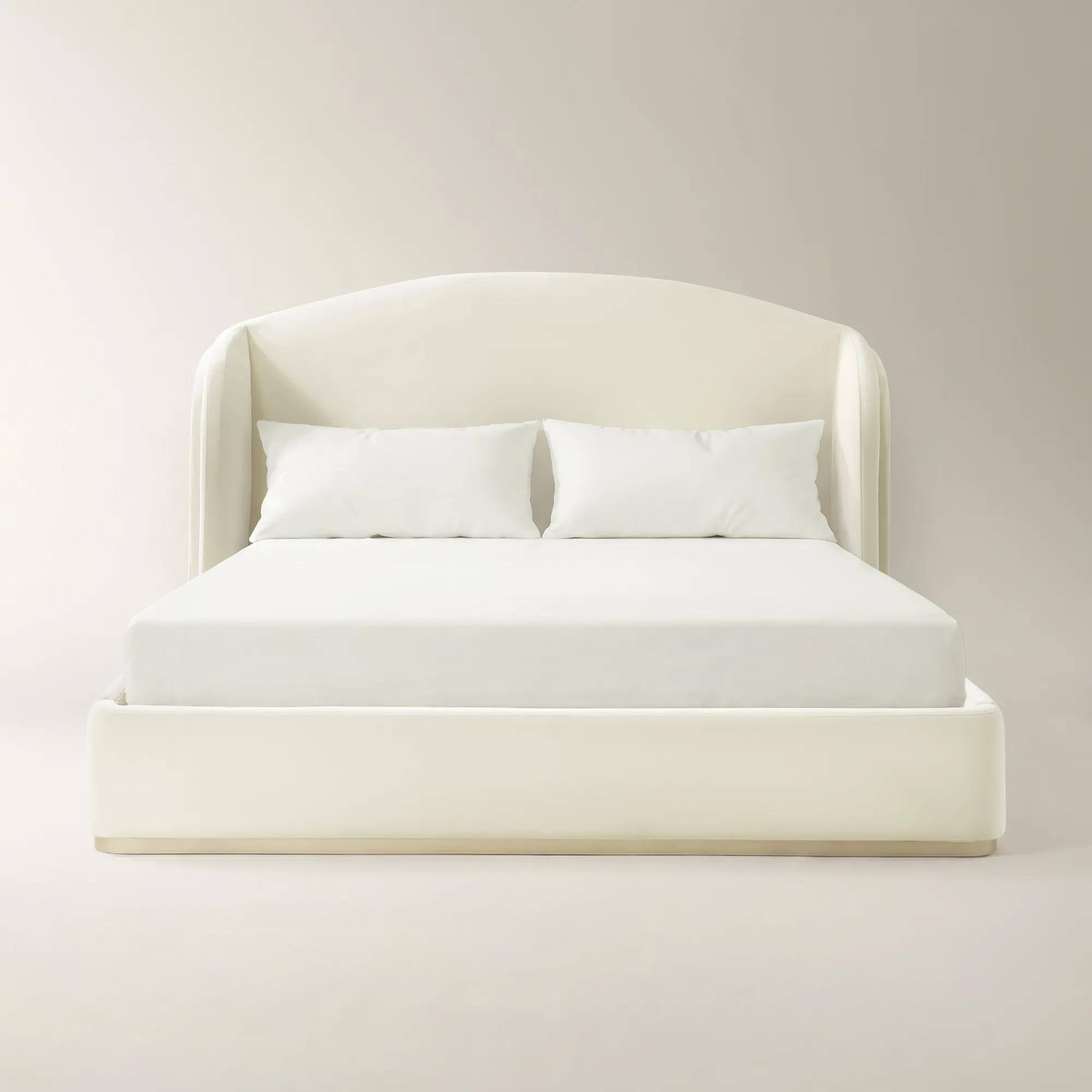 Glimmer Cloud Velvet Upholstered King Platform Bed$2299
A luxurious king platform bed featuring plush velvet upholstery, a sculpted headboard, and a gold metallic base.
Add To Cart -
Glimmer Deep Olive Velvet Upholstered Queen Platform Bed$2099
A deep olive velvet platform bed featuring a sculpted headboard and gold-toned metallic base for modern elegance.
Add To Cart -
Glimmer Cloud Velvet Upholstered Queen Platform Bed$2099
A sculptural queen platform bed hand-upholstered in soft cloud velvet with a gold-toned metallic base.
Add To Cart -
Sierra Oatmeal Velvet Upholstered Queen Bed With Nightstands$2699
A modern oatmeal velvet bed with an extended headboard, floating nightstands, and built-in power access.
Add To Cart -
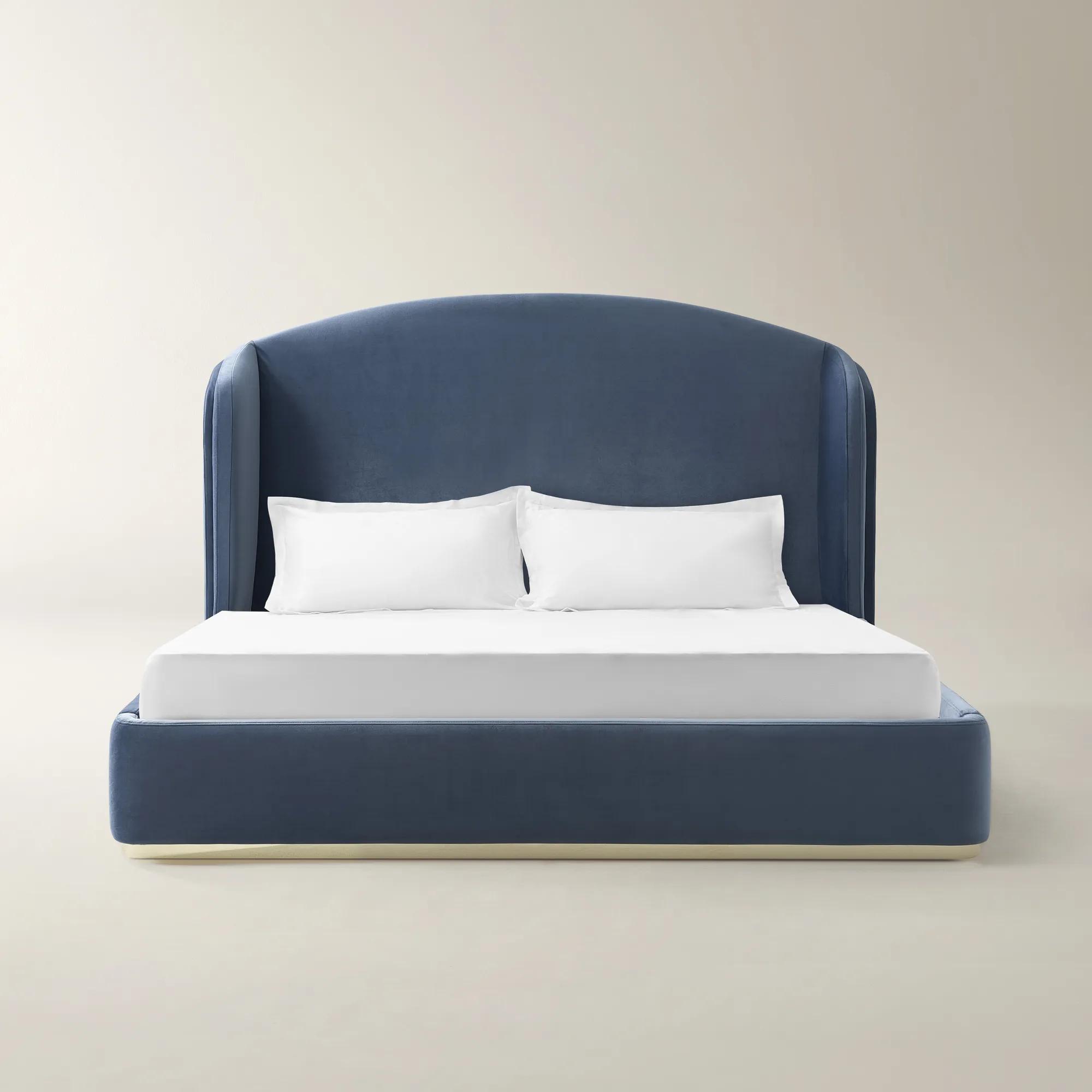
 Glimmer Dusty Blue Velvet Upholstered King Platform Bed$2299
A sculpted double-layer headboard and gold-finished base elevate this hand-upholstered dusty blue velvet bed.
Add To Cart -
Glimmer Dusty Blue Velvet Upholstered Queen Platform Bed$2099
A sculpted double-layer headboard and gold-finished base elevate this hand-upholstered dusty blue velvet bed.
Add To Cart -
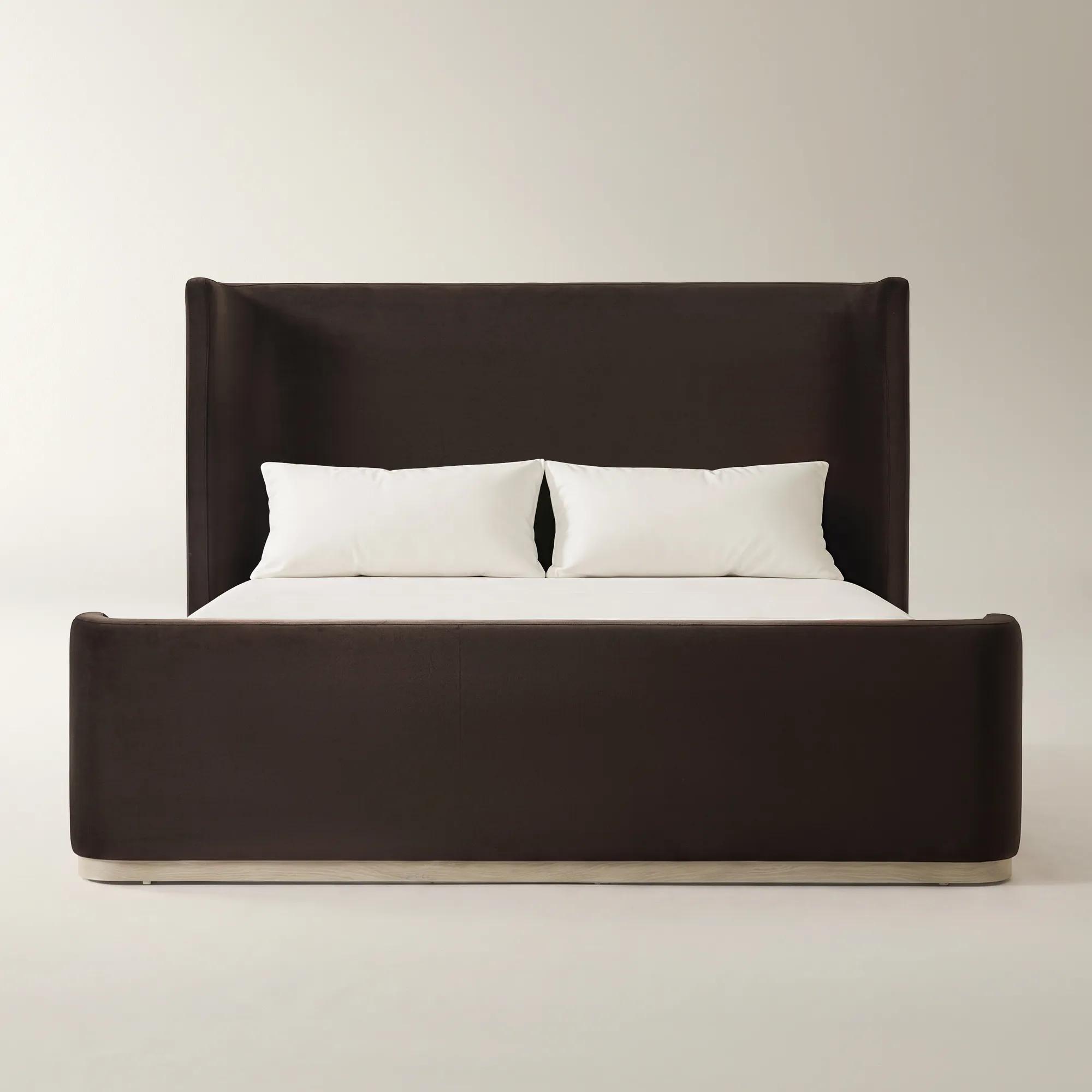 Stria Dark Chocolate Velvet Upholstered Queen Platform Bed$2299
A sculptural wingback platform bed featuring dark chocolate velvet upholstery and a hand-finished solid oak base.
Add To Cart -
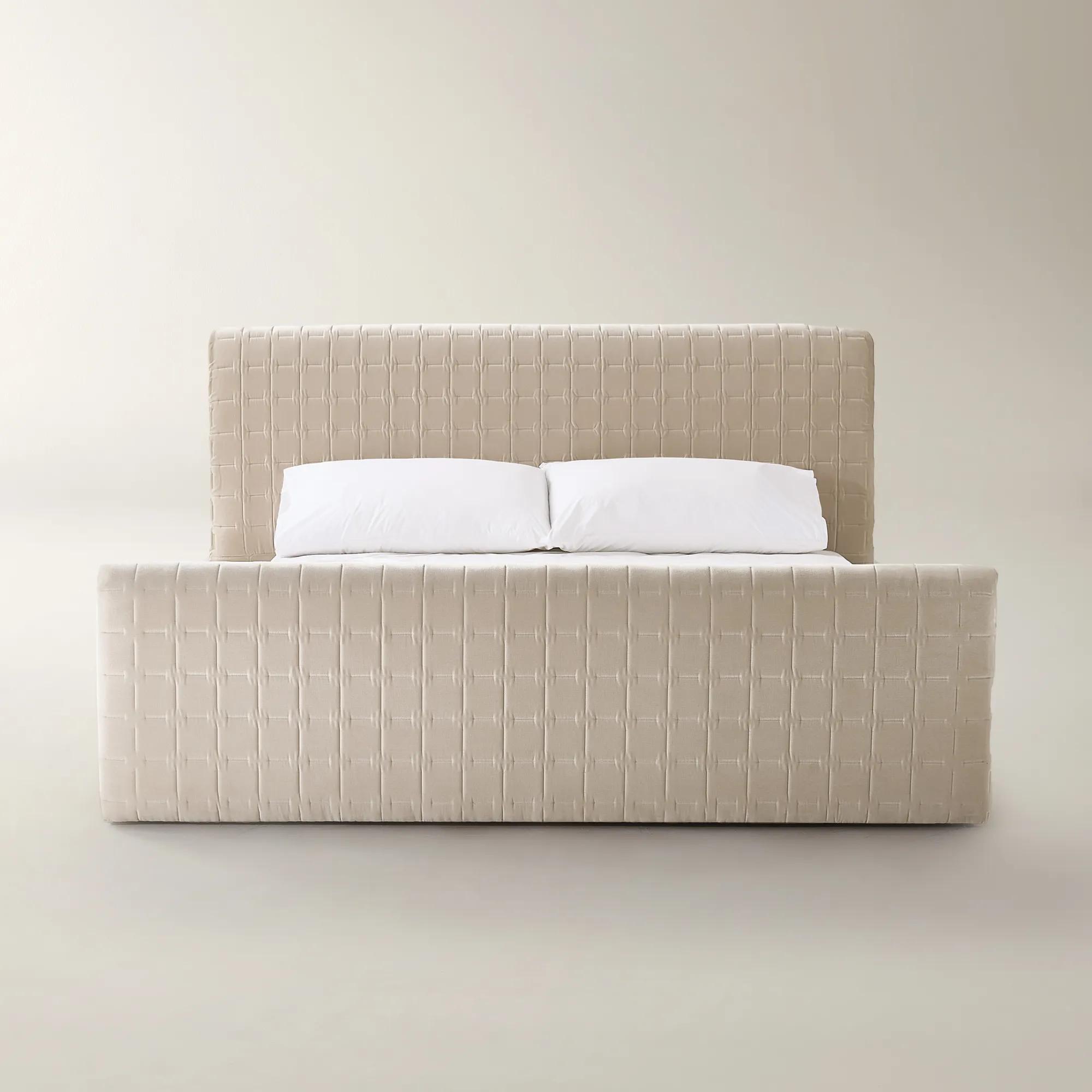
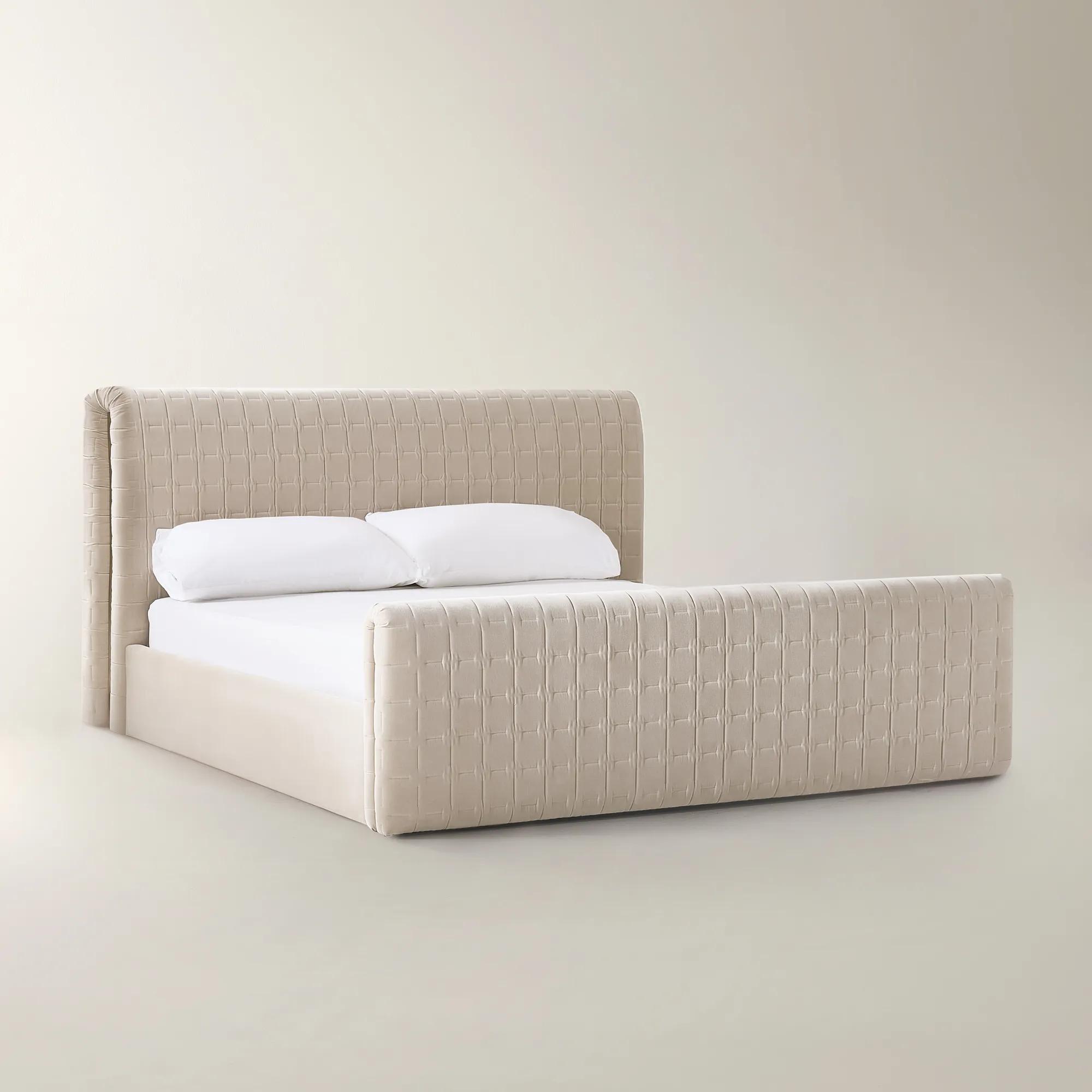 Vanta Oatmeal Velvet Upholstered King Platform Bed$2499
An oatmeal velvet-upholstered bed featuring a checker-quilted headboard and elegant gold-toned metal inlays.
Add To Cart -
Stria Dark Chocolate Velvet Upholstered King Platform Bed$2499
A sculptural king platform bed featuring dark chocolate velvet upholstery and a hand-finished solid oak base.
Add To Cart -
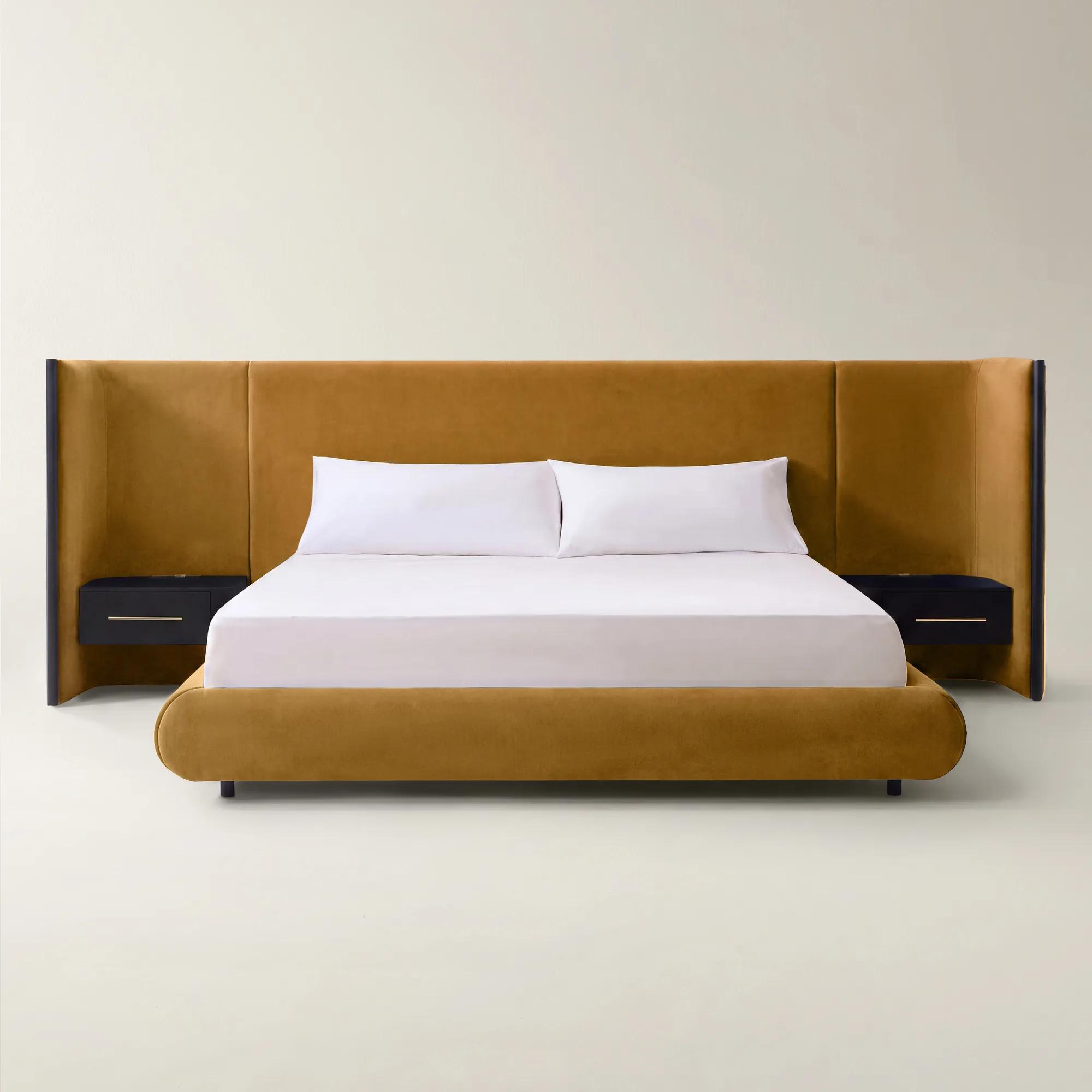
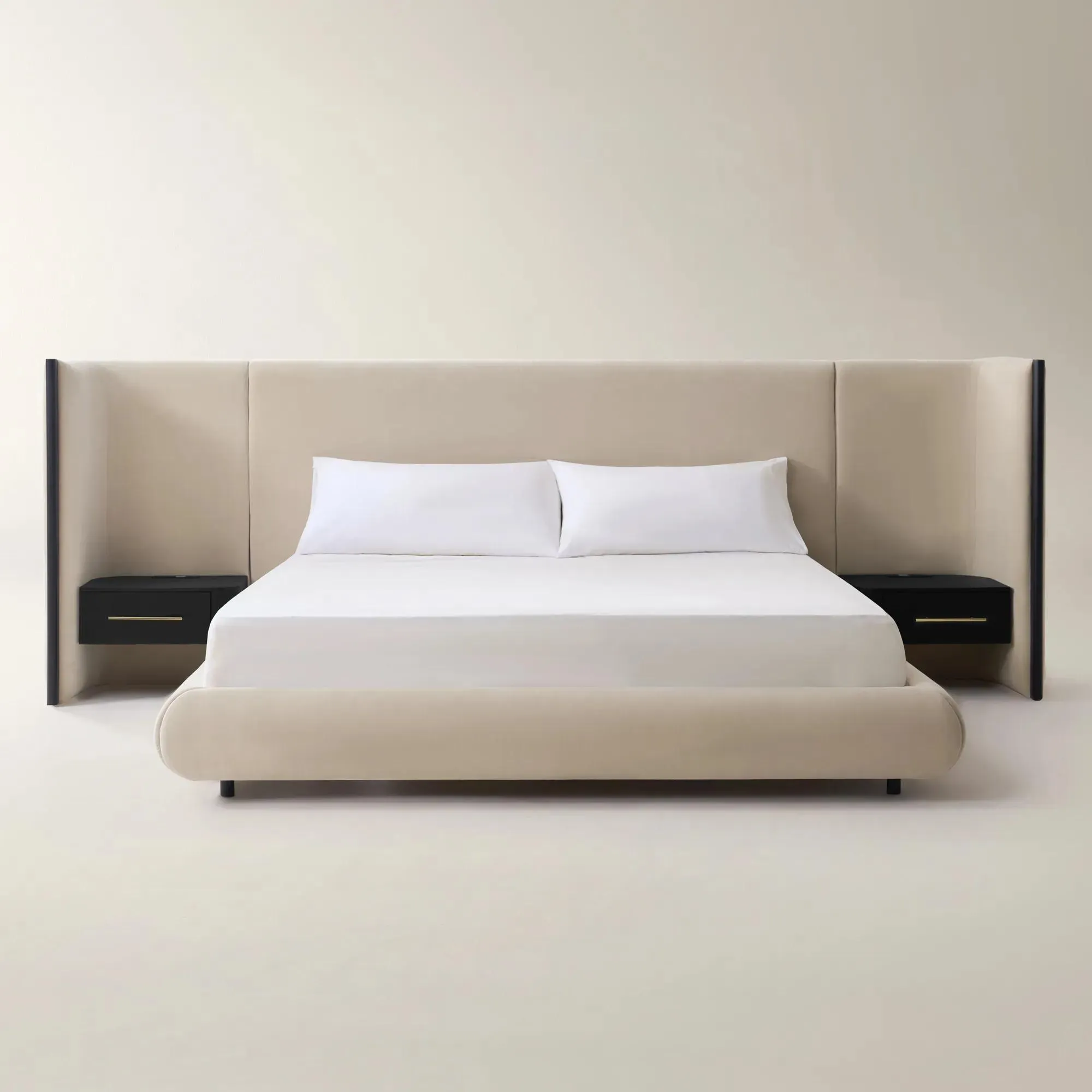 Sierra Roasted Pecan Velvet Upholstered King Bed With Nightstands$2899
A modern king platform bed in roasted pecan velvet with an extended headboard and floating nightstands.
Add To Cart -
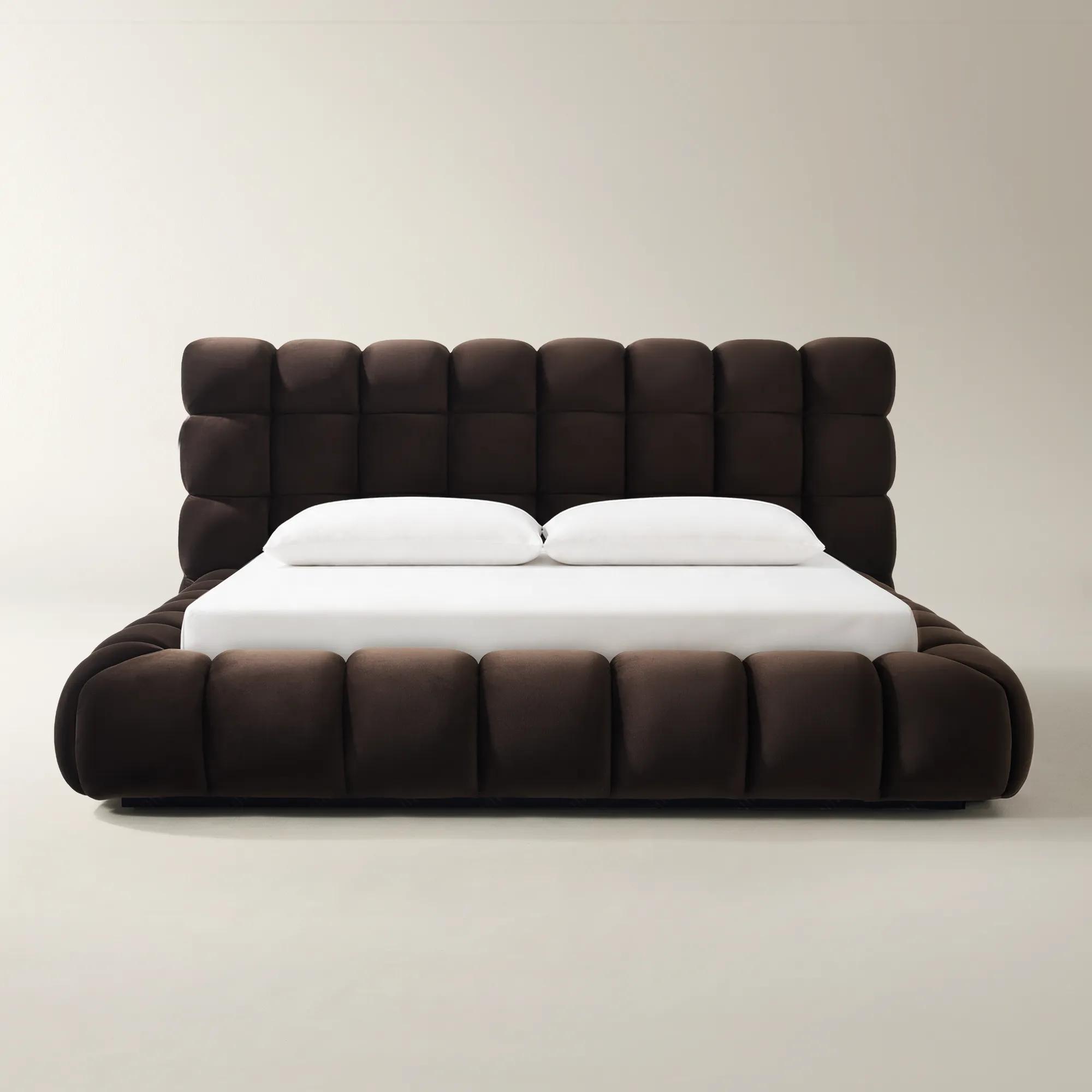 Paloma Tufted Dark Chocolate Velvet Upholstered Queen Platform Bed$2399
A sculptural platform bed upholstered in dark chocolate velvet with plush, oversized tufted blocks for modern elegance.
Add To Cart -
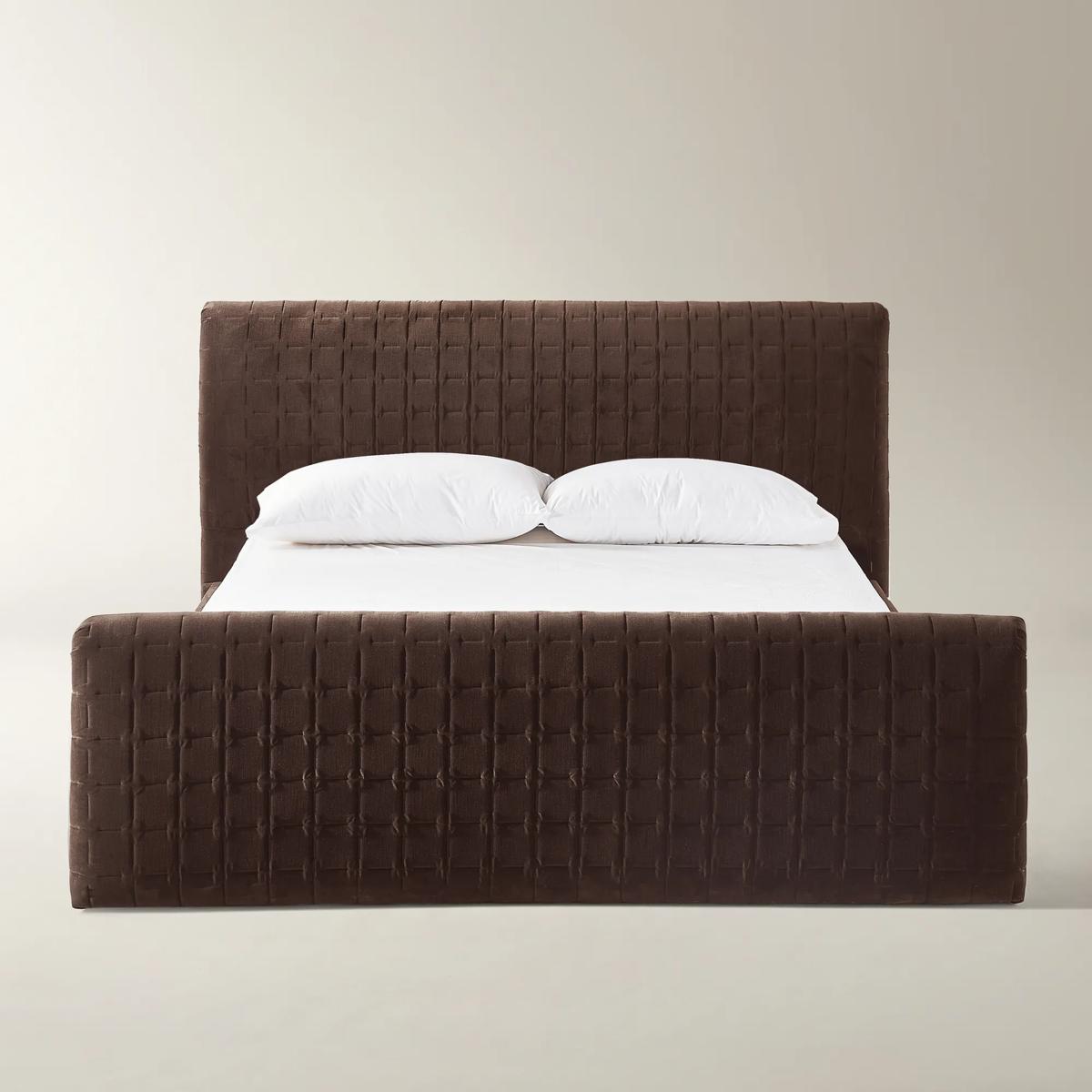
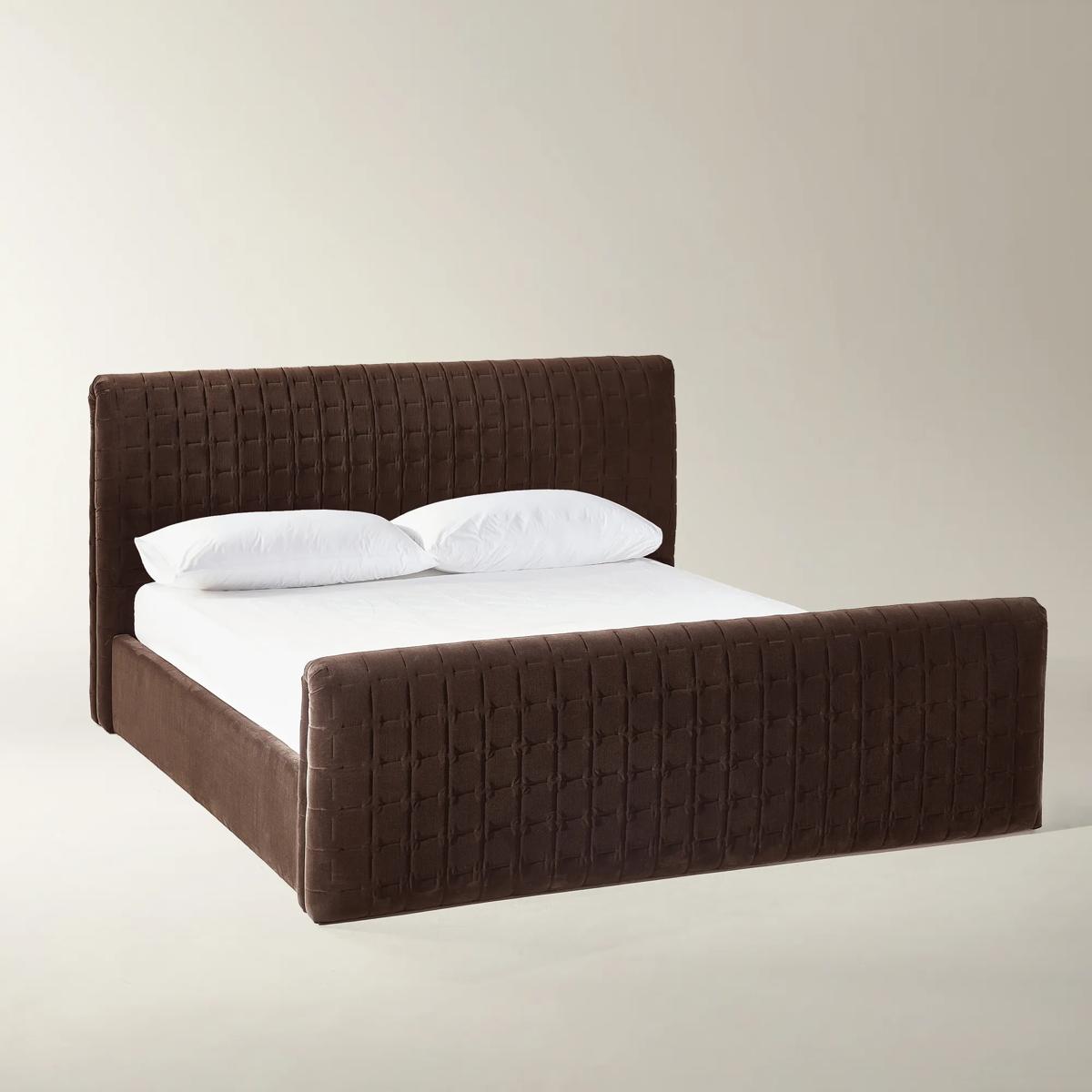 Vanta Burnt Umber Velvet Upholstered King Platform Bed$2499
A hand-tufted chocolate velvet bed with brushed stainless steel inlays for a plush, sculptural statement.
Add To Cart -
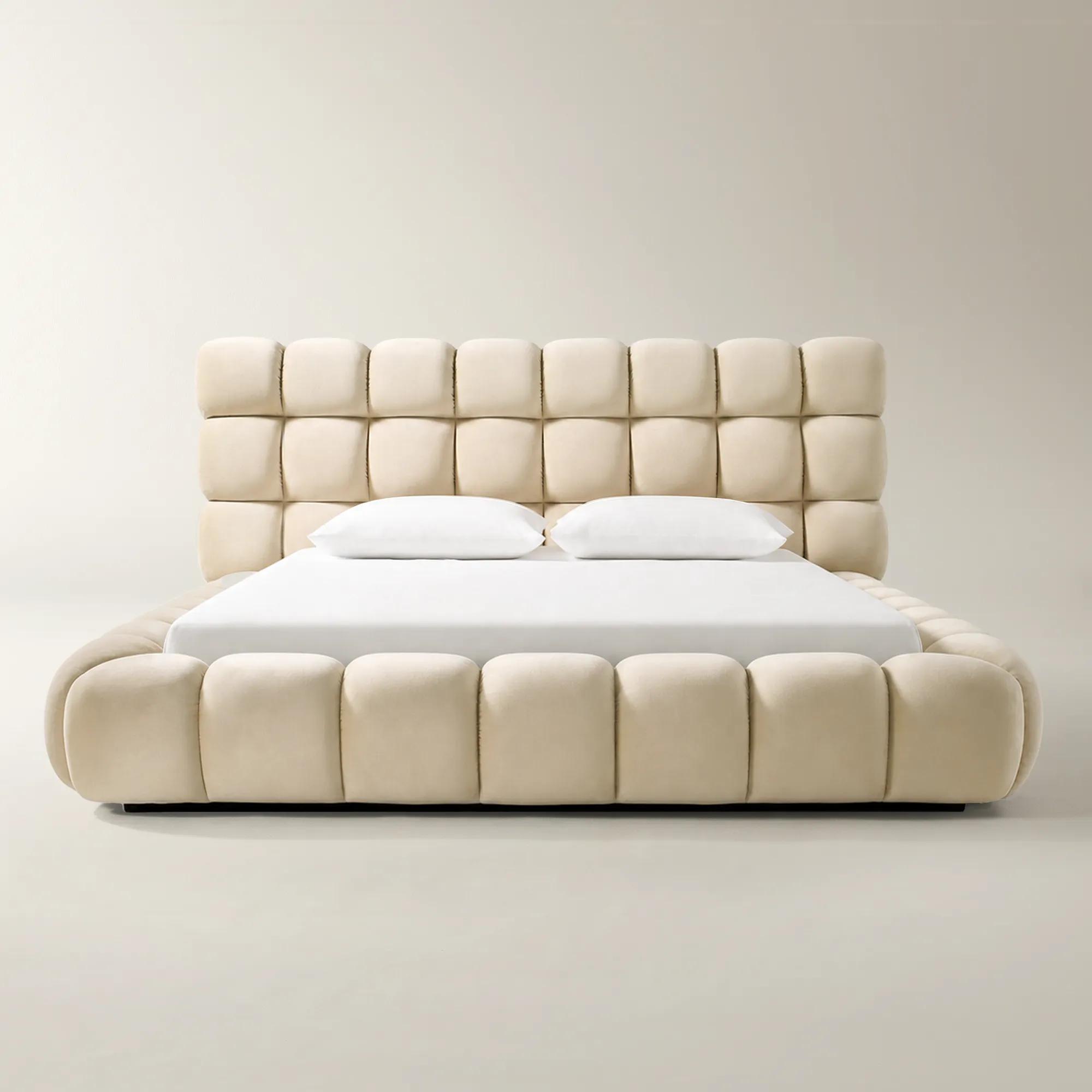 Paloma Tufted Oatmeal Velvet Upholstered Queen Platform Bed$2399
A sculptural platform bed upholstered in plush oatmeal velvet with oversized tufted blocks and solid wood frame.
Add To Cart -
Vanta Burnt Umber Velvet Upholstered Queen Platform Bed$2299
A chocolate velvet bed with hand-tufted checker quilting and brushed stainless steel inlays for modern elegance.
Add To Cart -
Vanta Burnt Umber Velvet Upholstered California King Platform Bed$2499
A chocolate velvet bed with hand-tufted checker quilting and brushed stainless steel inlays for modern elegance.
Add To Cart -
Sierra Roasted Pecan Velvet Upholstered Queen Bed With Nightstands$2699
A roasted pecan velvet platform bed featuring an extended headboard, black wood trim, and floating nightstands.
Add To Cart -
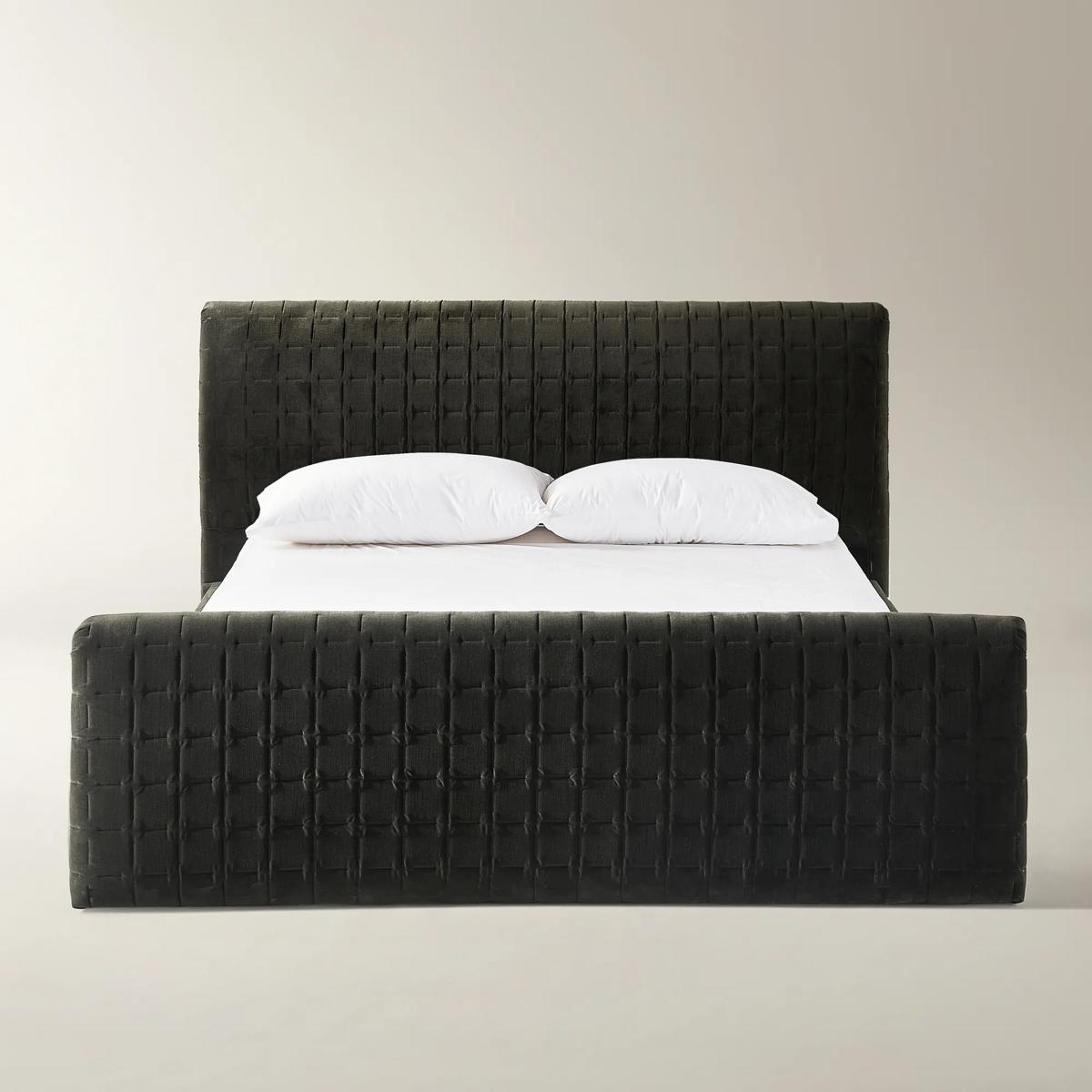 Vanta Charcoal Velvet Upholstered King Platform Bed$2499
A charcoal velvet bed with hand-tufted checker quilting and stainless steel inlays for modern sophistication.
Add To Cart -
Paloma Tufted Oatmeal Velvet Upholstered King Platform Bed$2599
A sculptural platform bed upholstered in oatmeal velvet with plush tufted blocks and fully wrapped design.
Add To Cart -
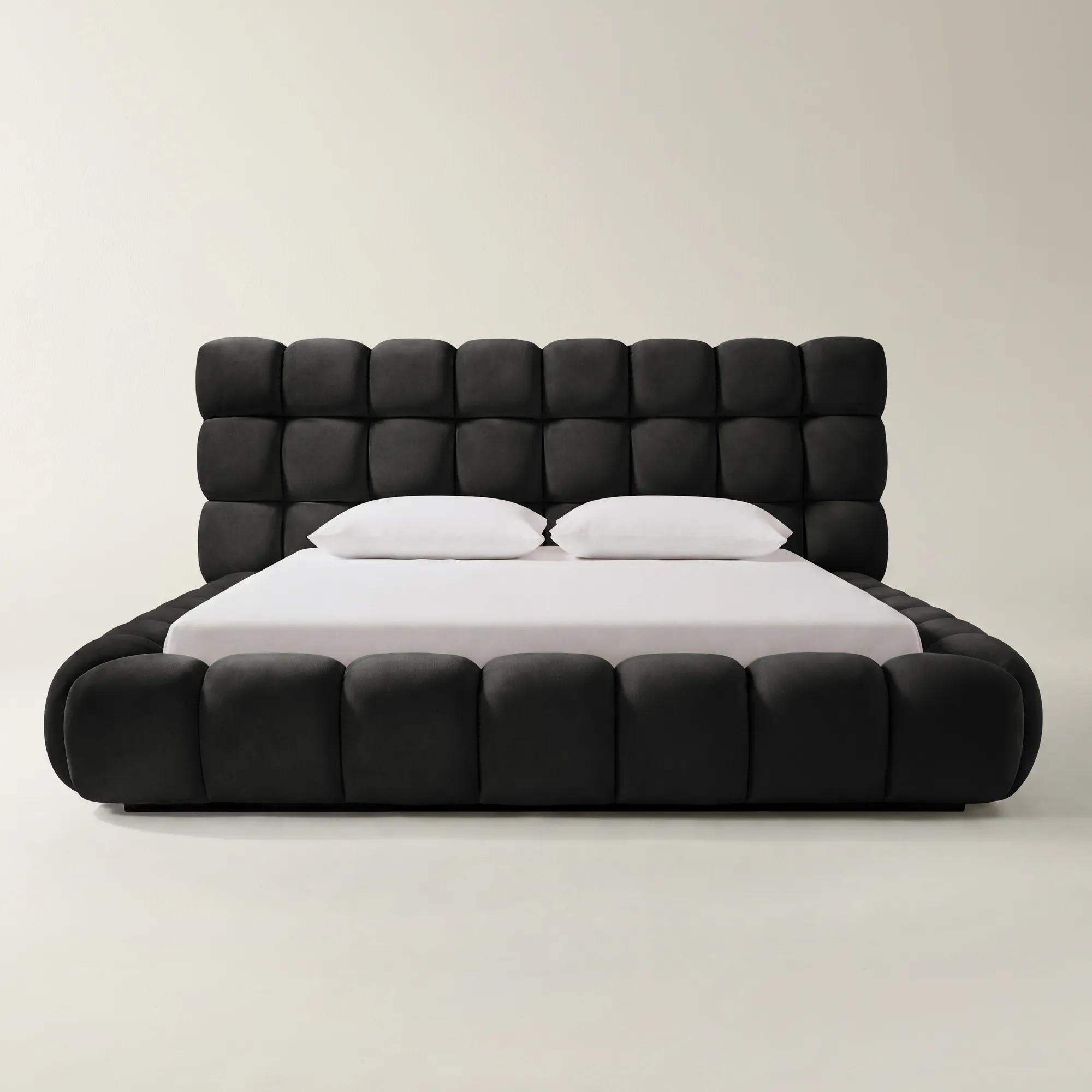 Paloma Tufted Charcoal Velvet Upholstered King Platform Bed$2599
A sculptural charcoal velvet platform bed with plush wrapped upholstery, solid wood construction, and slat support.
Add To Cart -
Vanta Charcoal Velvet Upholstered Queen Platform Bed$2299
A sculptural bed featuring charcoal velvet upholstery, three-dimensional checker quilting, and sleek stainless steel inlays.
Add To Cart -
Vanta Charcoal Velvet Upholstered California King Platform Bed$2499
A charcoal velvet bed featuring hand-tufted checker quilting and stainless steel inlays for sculptural elegance.
Add To Cart -
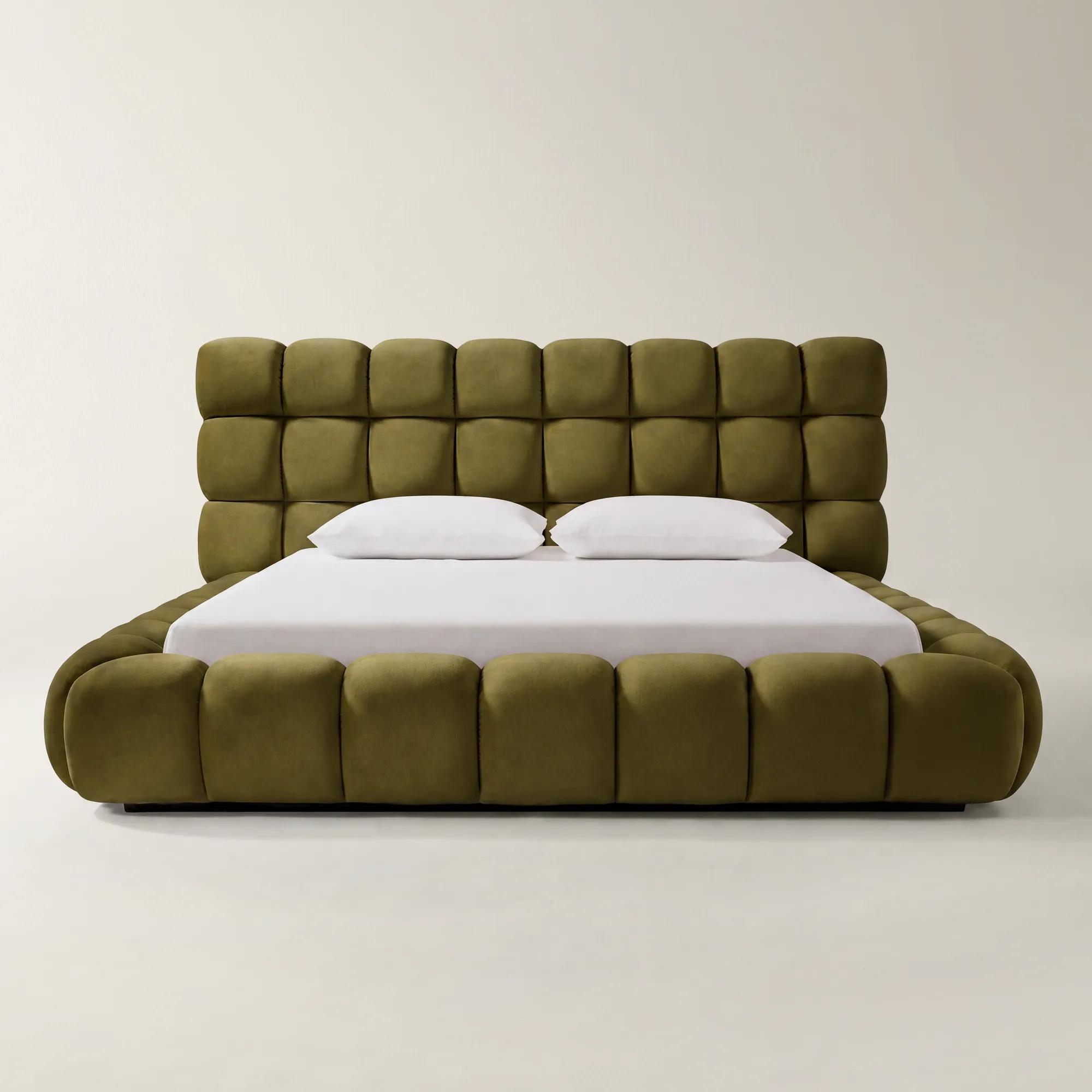 Paloma Tufted Deep Olive Velvet Upholstered Queen Platform Bed$2399
A sculptural deep olive velvet platform bed with wrapped upholstery, plush padding, and durable wood construction.
Add To Cart

Classic Style Velvet Beds
Classic style velvet beds invite you to step into a world where timeless elegance meets sumptuous comfort. With every curve and tuft, these iconic silhouettes transform the bedroom into a sanctuary of refined glamour—an ode to eras when luxury was an art form and every detail mattered. Swathed in plush velvet, these beds become the centerpiece of your personal retreat, casting an air of sophistication that’s both inviting and unforgettable. For those who believe a bedroom should be as captivating as it is restful, classic style velvet beds promise to elevate the everyday with drama, depth, and undeniable allure.
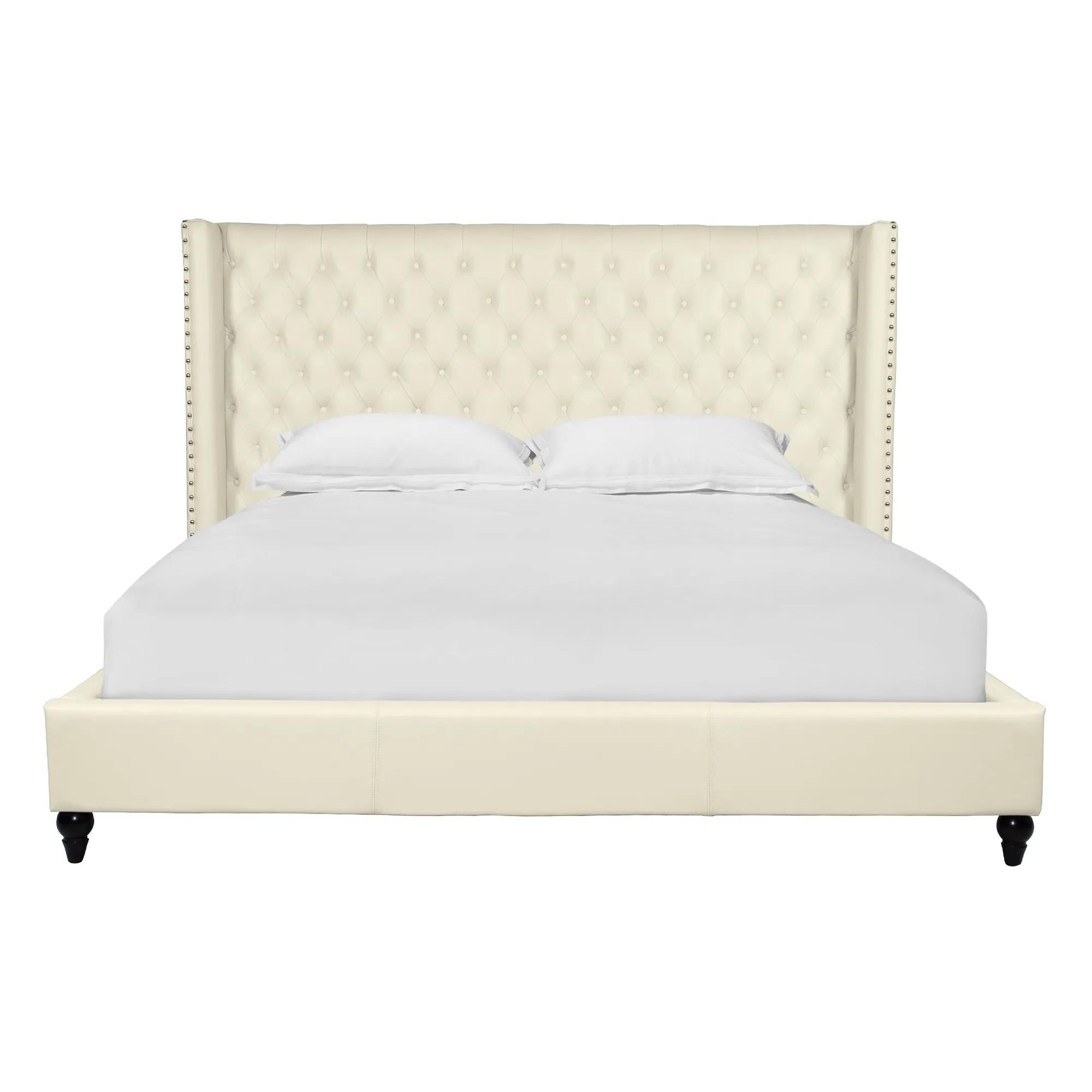
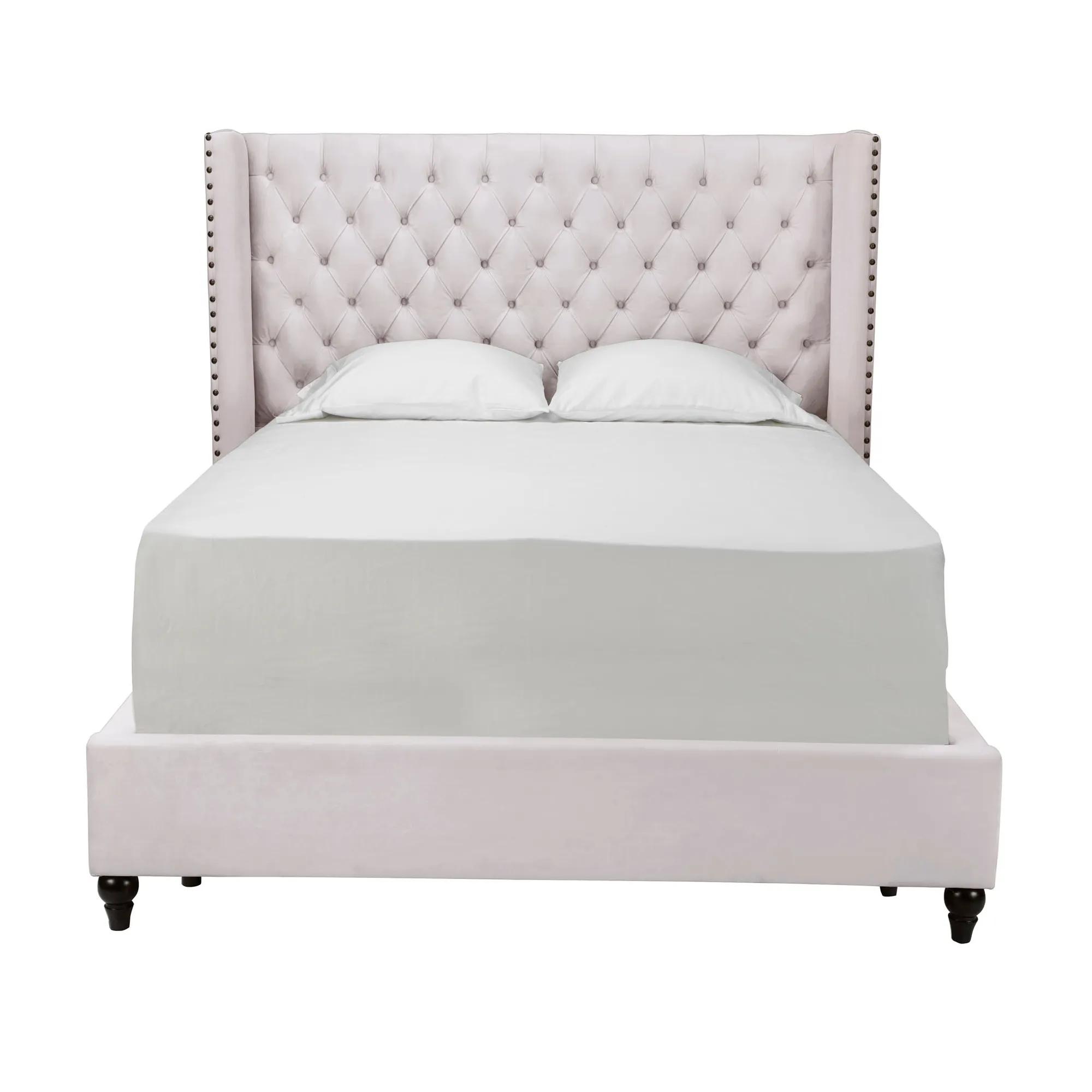
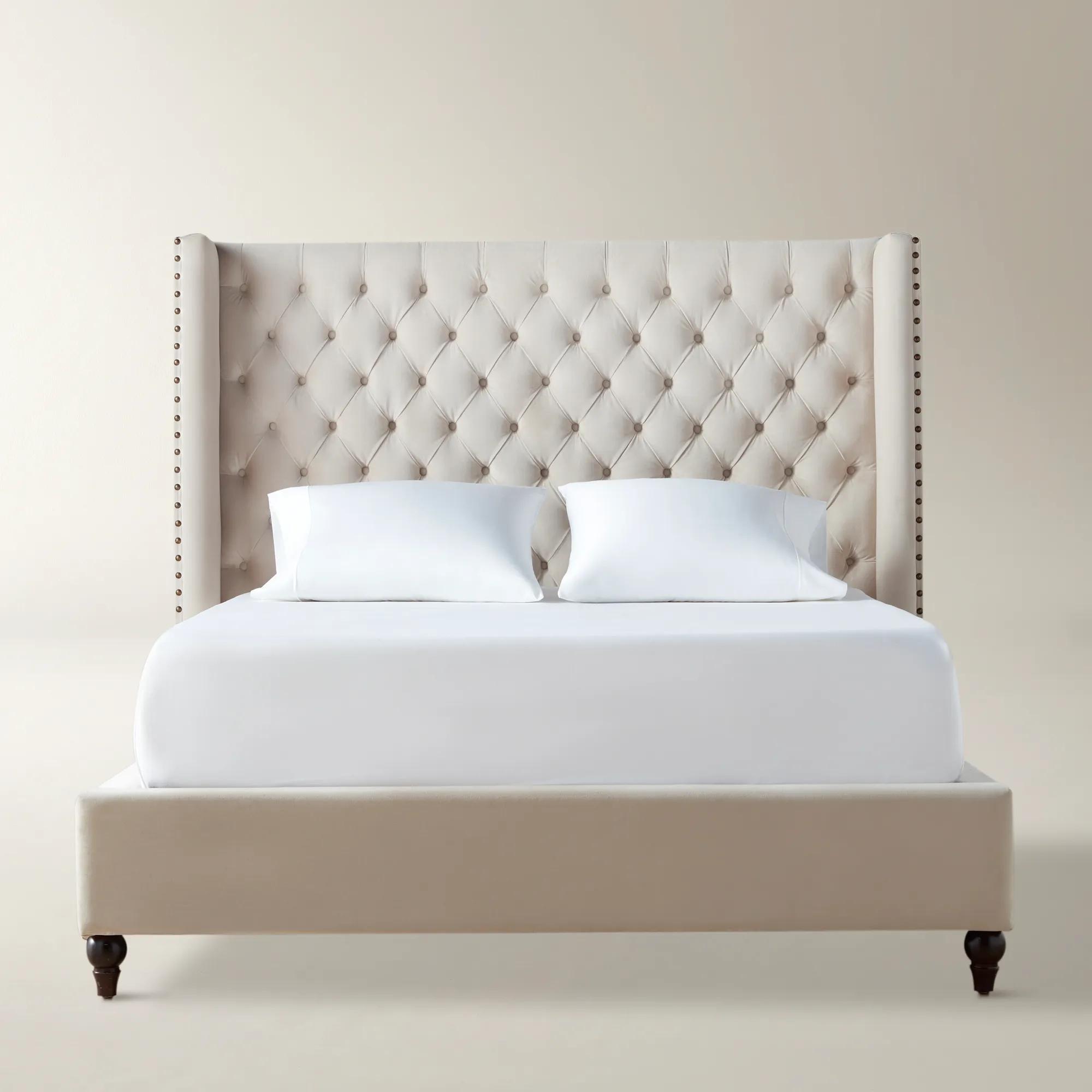
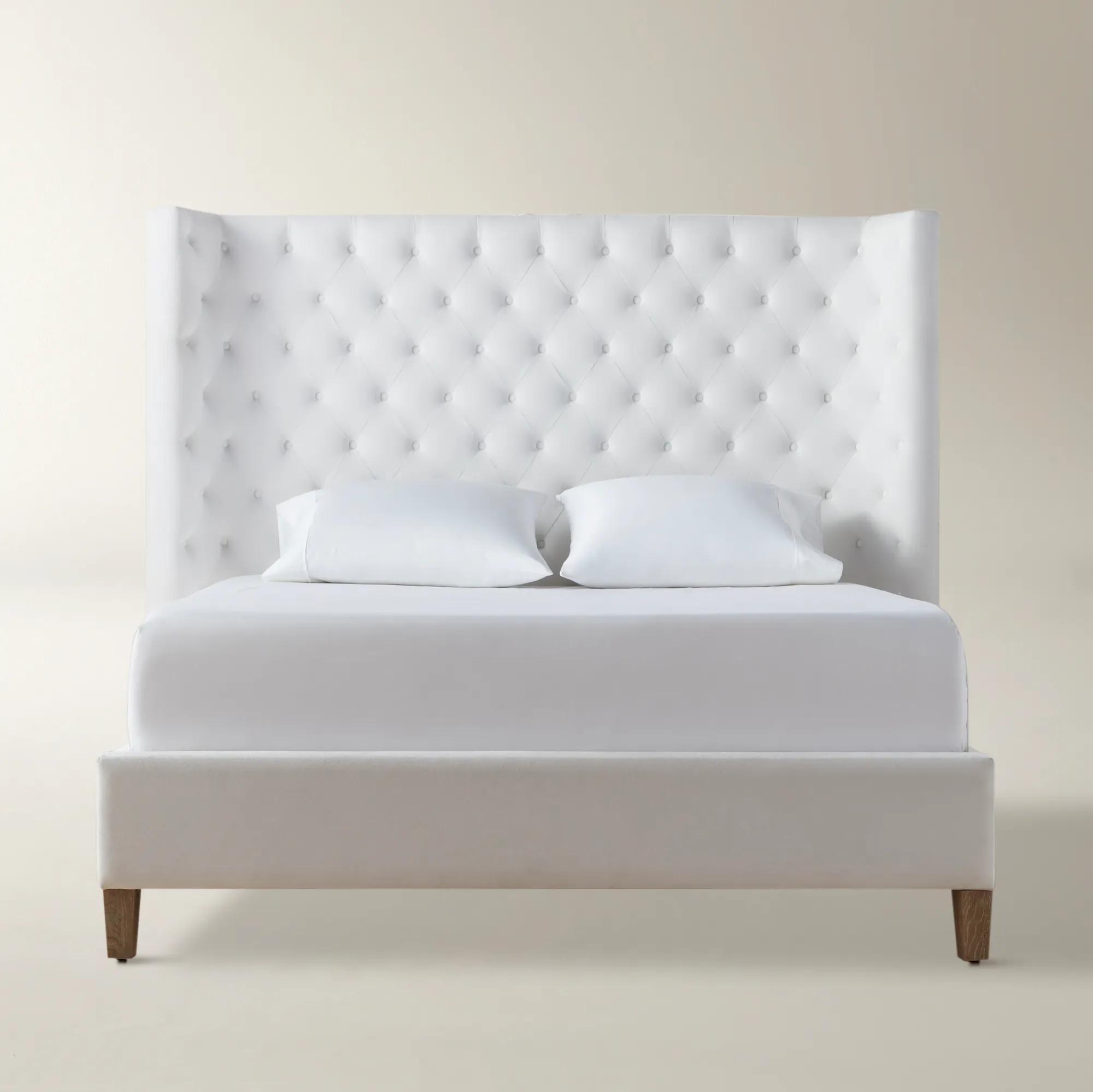
Classic style velvet beds pair traditional upholstered silhouettes with plush, light-catching fabric, creating a bedroom focal point that feels both composed and indulgent. Their character often comes from familiar furniture details: deep button tufting, sheltering wingback headboards, gently curved profiles, or a tailored border of nailhead trim. Each detail changes the mood. Diamond tufting adds dimension and a sense of ceremony, while a smooth, arched headboard lets the velvet itself become the main attraction. Wings give the bed an architectural presence, framing pillows and bedding within a more intimate silhouette. Velvet brings particular richness to these forms because its raised pile reflects light differently depending on the angle and direction of the fibers. A deep blue can appear luminous across the headboard and almost inky within a tufted recess; an ivory or taupe can reveal subtle tonal variations without relying on elaborate ornament. This interplay of light and texture gives classic velvet bed frames their expressive appeal, whether the surrounding room features traditional moldings, polished metallic accents, or contemporary artwork. The fabric may be made from cotton, polyester, or blended fibers, and fiber content influences its feel, sheen, cleaning requirements, and resistance to everyday wear. A matte velvet offers a quieter depth, while a more lustrous finish emphasizes curves and upholstery details. Neither effect requires an entirely traditional bedroom. A tufted velvet bed can anchor a room with streamlined nightstands just as convincingly as one with ornate mirrors and richly patterned textiles. For those who want the bedroom to feel personal rather than purely functional, velvet provides an inviting balance of visual drama and tactile softness. It suits a primary bedroom designed around daily retreat, a guest room with a gracious atmosphere, or an apartment bedroom where one substantial upholstered piece establishes the entire design direction. The strongest compositions allow the bed’s proportions and fabric to lead, with surrounding furnishings chosen to complement rather than compete with its presence.
The appeal of a classic velvet bed also depends on how gracefully it fits the room and supports the mattress. Bed size describes the mattress it accommodates, not the full footprint of the upholstered frame: a standard queen mattress measures 60 by 80 inches, while a standard king measures 76 by 80 inches. Padded side rails, projecting wings, and curved footboards can extend the overall dimensions considerably, making the listed frame measurements essential to a well-proportioned arrangement. In a bedroom with generous wall space, a tall wingback headboard can create a striking backdrop for substantial nightstands and layered lighting. In a narrower room, a lower-profile frame or less pronounced wings may preserve the classic character while leaving more comfortable passage around the bed. Space for opening dresser drawers, reaching bedside storage, and moving between the bed and a closet matters as much as the visual balance. Delivery access deserves the same attention, particularly where stair turns, elevators, or narrow doorways may limit the movement of larger upholstered components. Headboard height should be considered alongside mattress thickness and any required foundation; an especially deep mattress can conceal a meaningful portion of the upholstery or tufting. A footboard adds a finished, furniture-like appearance, though its height and shape may affect comfort for taller sleepers. Beneath the velvet, durability rests on the frame, joints, support system, and upholstery workmanship. Solid wood, engineered wood, and metal may each play a role in construction, but material names alone do not establish strength. Secure connections, appropriate center support, neatly finished seams, and firmly attached decorative details are useful quality considerations. Platform configurations may support a mattress without a box spring, while other frames require a separate foundation; compatibility depends on the individual bed and the mattress manufacturer’s requirements. Slat spacing, weight capacity, and assembly instructions should align with the intended setup. These practical details help an upholstered bed serve beautifully as an everyday sleeping space, not simply as a dramatic backdrop.
Color, texture, and thoughtful care give classic velvet beds their lasting place in a bedroom. Jewel-toned upholstery creates a concentrated statement, particularly when paired with pale bedding that lets the headboard’s outline remain visible. Charcoal lends depth beside warm wood and gleaming metal, while champagne, cream, and soft gray can create a luminous setting with a distinctly tailored finish. For an especially layered composition, velvet works well against the crispness of cotton sheets, the dimensional weave of a coverlet, or the smooth surface of a lacquered bedside chest. A patterned rug can echo the upholstery color without repeating it exactly, and artwork above or beside the bed can introduce another scale of detail. Those drawn to traditional upholstery with cleaner contours may also find a complementary direction in Modern Classic Velvet Beds, where the relationship between classic character and streamlined form becomes the defining aesthetic. Whatever the silhouette, velvet benefits from care that respects its pile and the specific fabric’s cleaning instructions. Regular, gentle removal of dust with a manufacturer-approved upholstery attachment helps keep the surface fresh, including the recesses around tufting and the edges of side rails. Some velvet develops shading or pressure marks as the fibers change direction; this can be a characteristic of the fabric rather than evidence of damage. Aggressive rubbing, stiff brushes, and unapproved steam treatments can alter the finish, so brushing or pile restoration should follow the upholstery maker’s recommendations. Spills are best addressed promptly by blotting rather than scrubbing, with any cleaning method determined by the stated care code. Professional upholstery cleaning may be appropriate for persistent marks or fabrics that require specialized treatment. Strong direct sunlight can contribute to fading, while sharp objects and pet claws can catch or damage the pile. In a frequently used bedroom, these everyday considerations are worth weighing alongside color and silhouette. A thoughtfully chosen velvet bed offers more than softness: it gives the room a substantial, expressive center, with enough classic structure to support changing linens, artwork, and decorative accents over time.
FAQs
Classic style velvet beds are distinguished by their opulent upholstery, often featuring hand-applied button tufting, sculptural wingback or panel headboards, and gleaming nailhead trim. These details evoke timeless sophistication and create a focal point that elevates any bedroom into a space of grandeur and comfort.
A velvet bed is remarkably versatile and can be styled to suit a range of aesthetics. Pair it with mirrored nightstands and crystal lighting for a glamorous look, or layer it with textured linens and antique accents for a refined, classic ambiance. The rich texture and color of velvet serve as both a statement and a harmonious backdrop for personal expression.
To preserve the lush appearance of velvet, gently brush the fabric with a soft-bristled brush to remove dust and maintain its sheen. Promptly address spills with a clean, damp cloth, and consider professional cleaning for deep stains. Regular care ensures the velvet retains its plush texture and luminous appeal for years to come.
Velvet beds can absolutely be enjoyed in homes with pets or children, though they do require mindful care. Opt for darker hues or performance velvet fabrics for added durability, and use throws or decorative pillows to protect high-contact areas. With thoughtful maintenance, velvet beds remain a stunning and practical choice for family living.
Deep, saturated tones such as emerald green, midnight blue, or rich charcoal are perfect for crafting a cozy winter sanctuary. These hues absorb and reflect ambient light, enhancing the sumptuous texture of velvet and enveloping the room in warmth and elegance—ideal for creating a restful, inviting escape during the colder months.