Velvet Tufted Beds
Velvet Tufted Beds
-
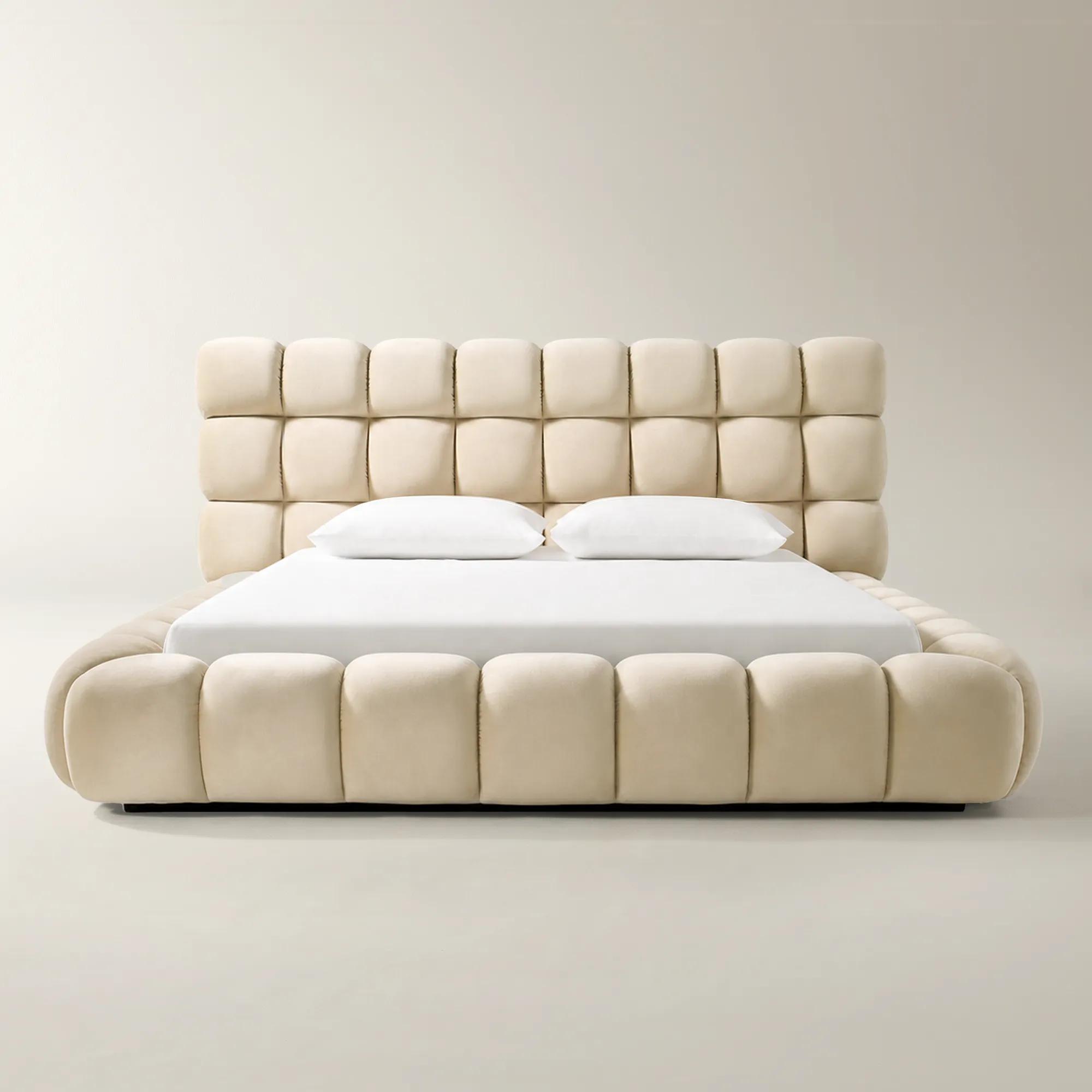 Paloma Tufted Oatmeal Velvet Upholstered King Platform Bed$2599
A beige velvet platform bed with a sculpted block silhouette, plush padding, and fully wrapped design.
Add To Cart -
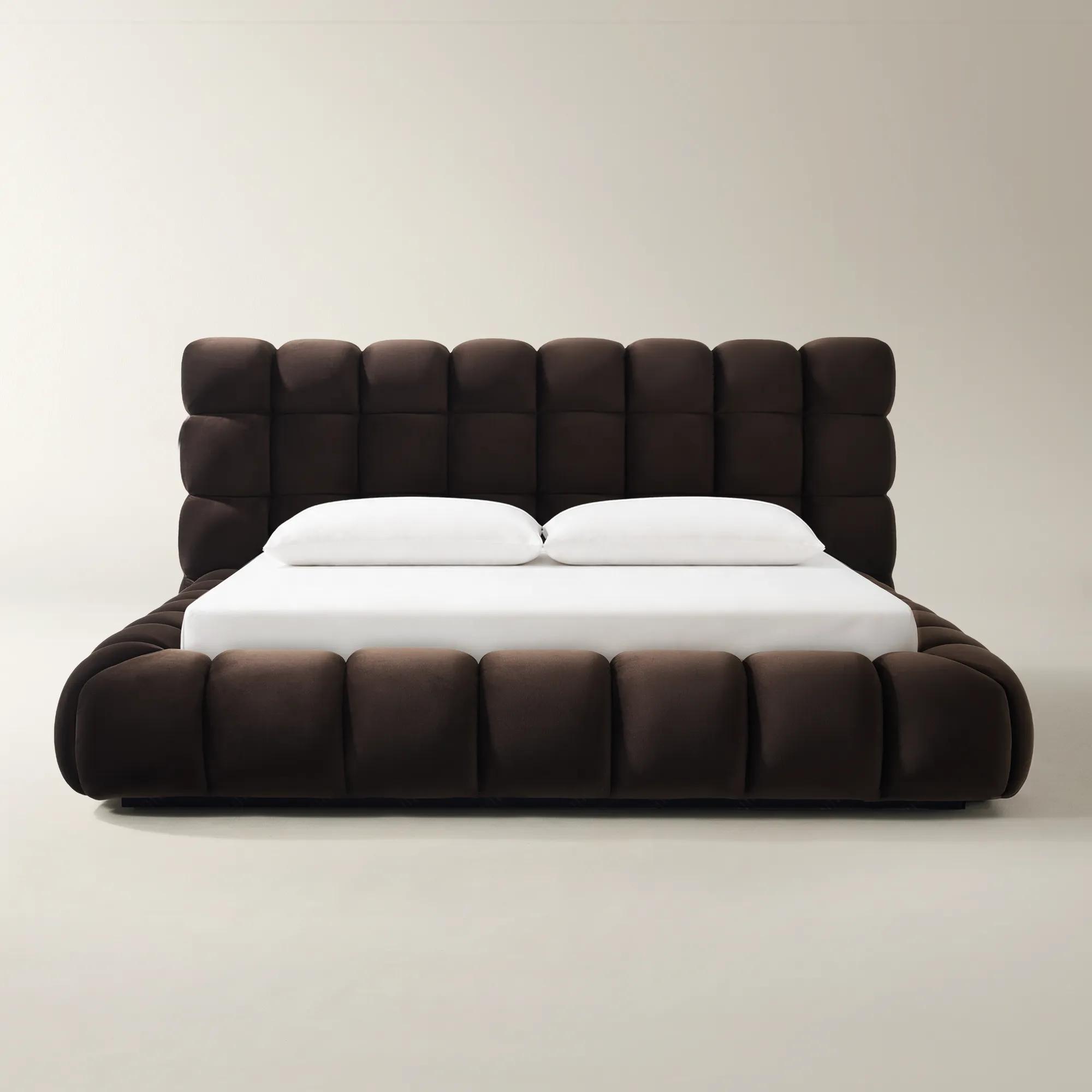 Paloma Tufted Dark Chocolate Velvet Upholstered Queen Platform Bed$2399
A dark chocolate velvet platform bed with sculpted blocks, plush padding, and a fully wrapped design.
Add To Cart -
Paloma Tufted Dark Chocolate Velvet Upholstered King Platform Bed$2599
A king platform bed in dark chocolate velvet with sculpted blocks, plush padding, and wrapped upholstery.
Add To Cart -
Paloma Tufted Oatmeal Velvet Upholstered Queen Platform Bed$2399
A beige velvet platform bed with oversized sculpted blocks, plush padding, and a fully wrapped modern silhouette.
Add To Cart -
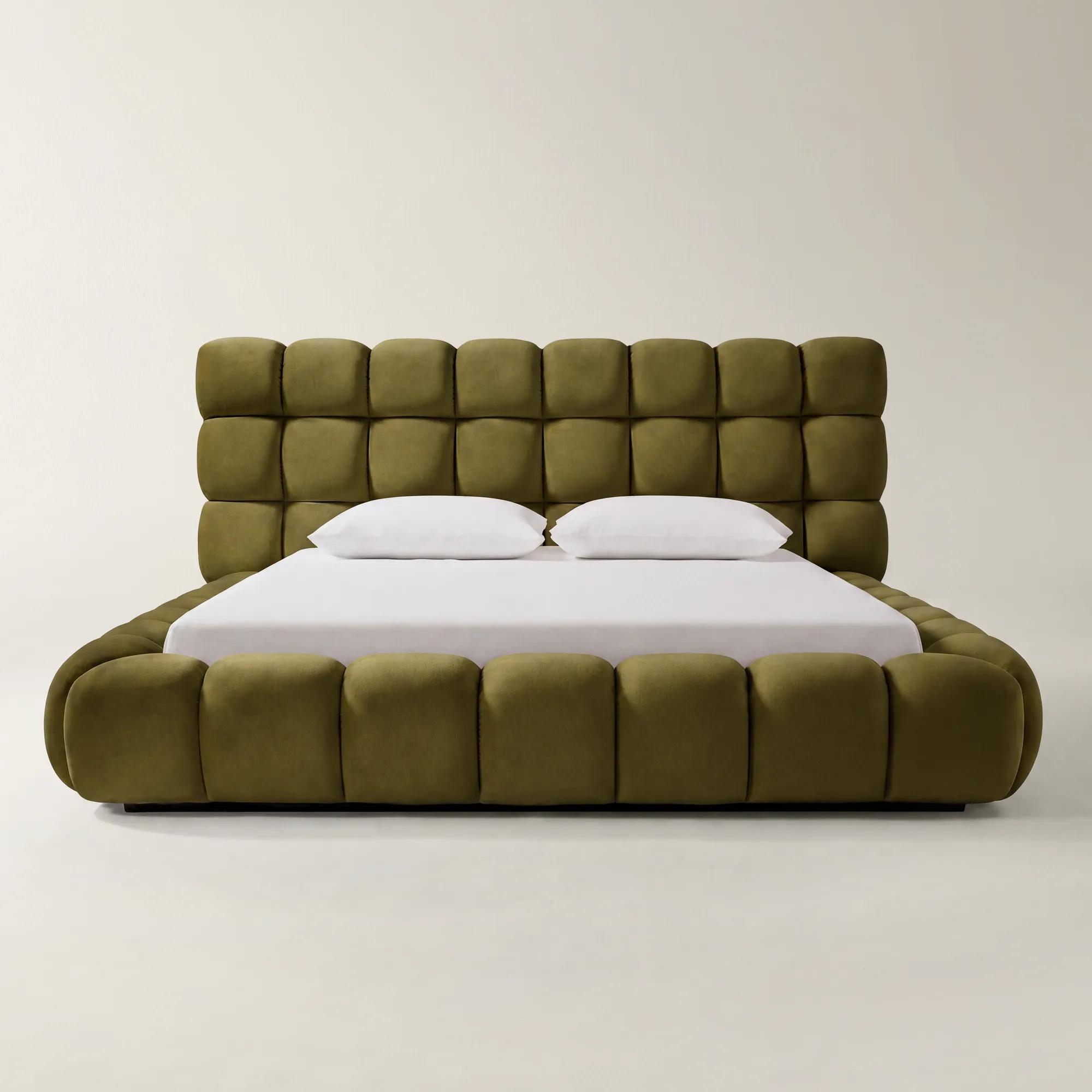 Paloma Tufted Deep Olive Velvet Upholstered Queen Platform Bed$2399
A deep olive velvet platform bed with sculpted upholstered blocks and plush, fully wrapped cushioning.
Add To Cart -
Paloma Tufted Deep Olive Velvet Upholstered King Platform Bed$2599
A deep olive velvet platform bed with sculpted blocks and plush, fully wrapped upholstery.
Add To Cart -
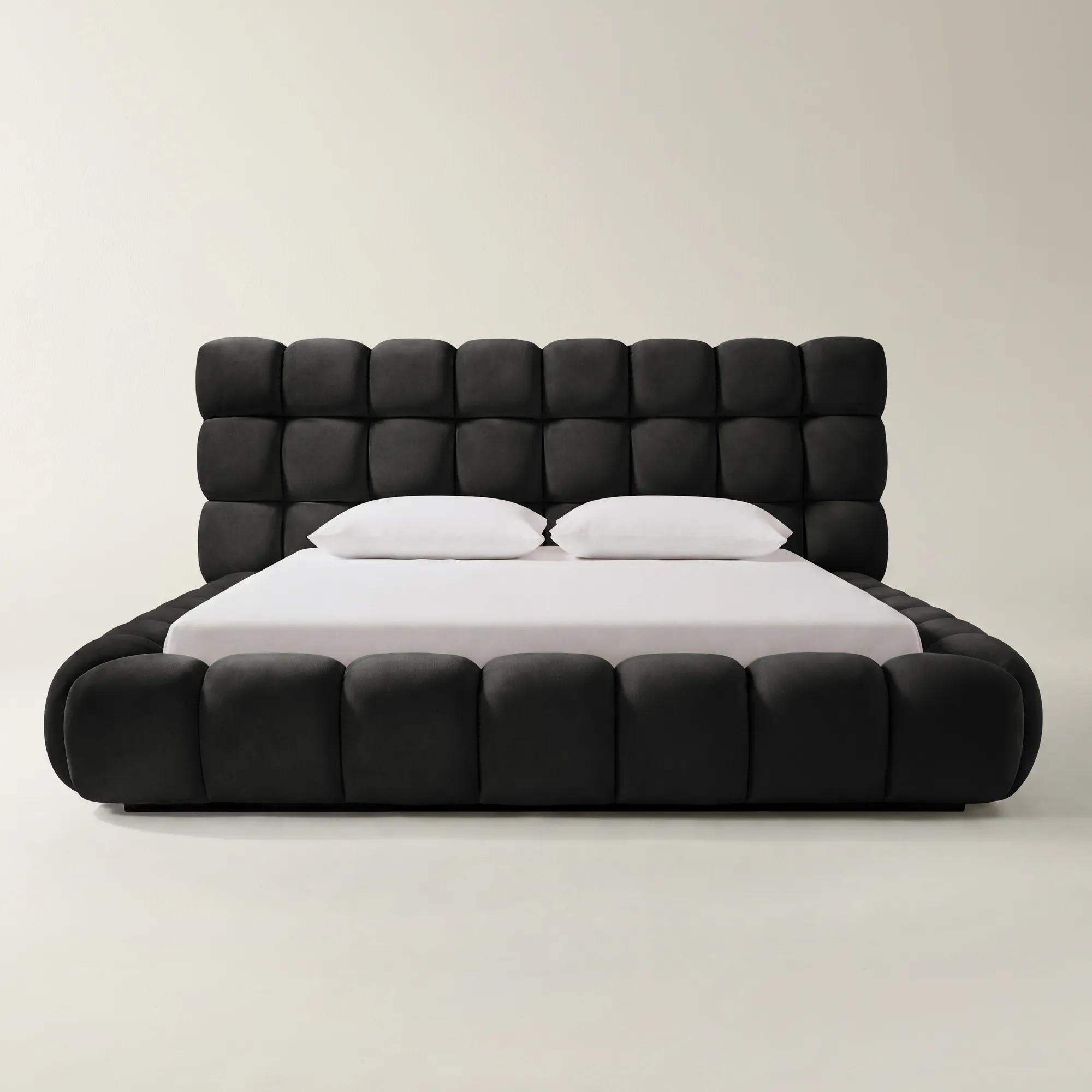 Paloma Tufted Charcoal Velvet Upholstered King Platform Bed$2599
A charcoal velvet platform bed with sculpted block upholstery, plush cushioning, and a fully wrapped silhouette.
Add To Cart -
Paloma Tufted Charcoal Velvet Upholstered Queen Platform Bed$2399
A platform bed with sculpted block silhouette, fully wrapped charcoal velvet upholstery, and plush supportive padding.
Add To Cart -
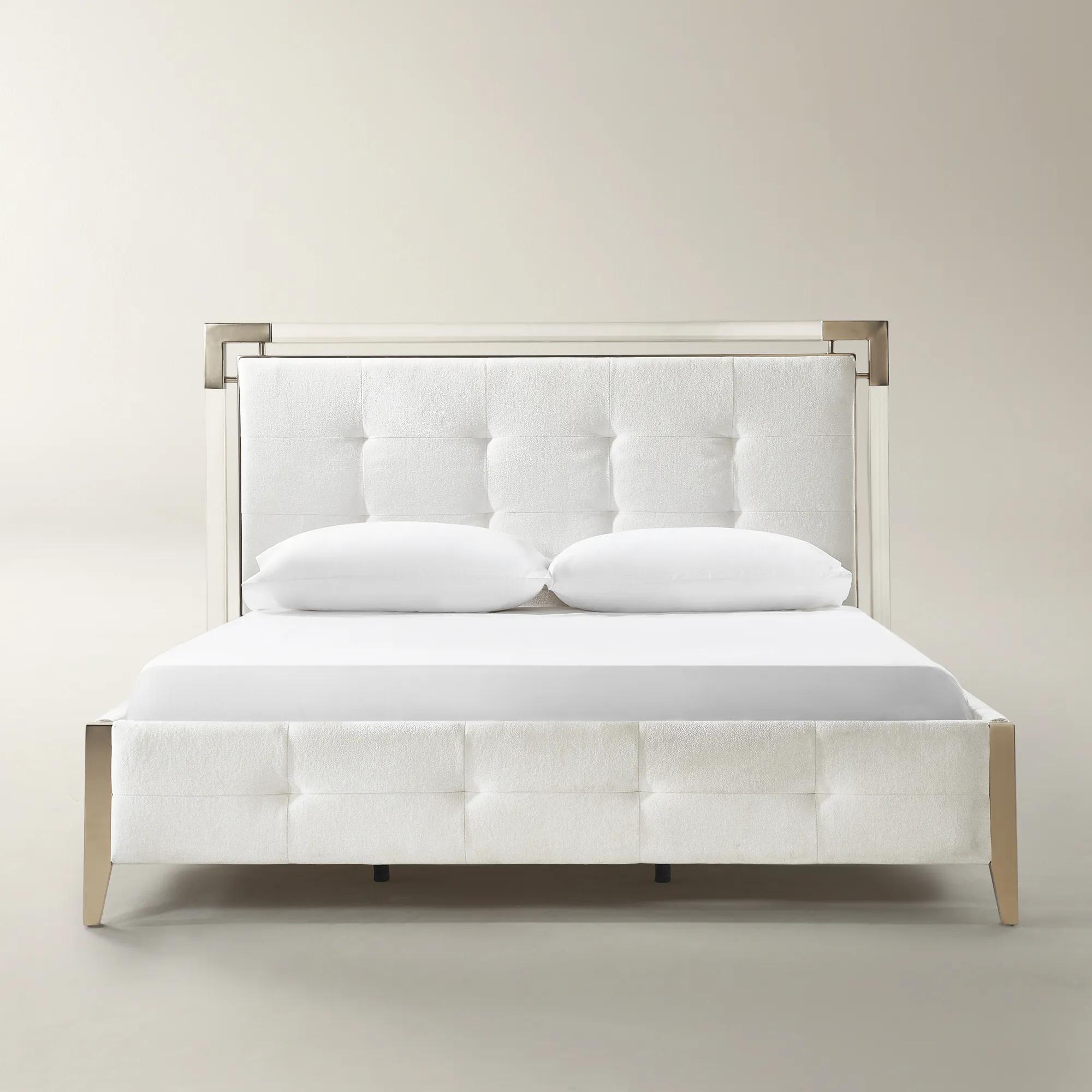
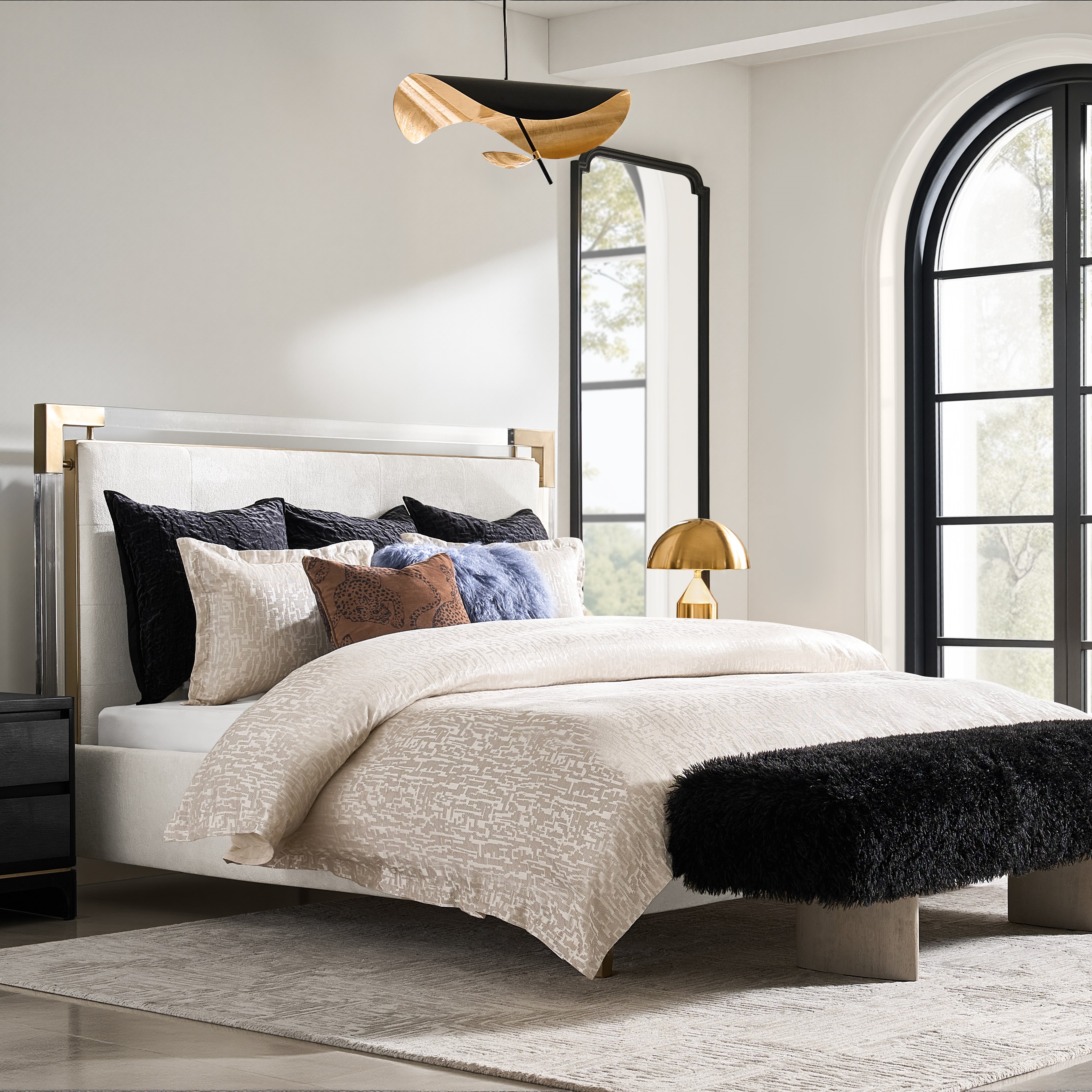 Vitrina Box-Tufted Ivory Velvet Upholstered King Platform Bed$2999
An ivory velvet upholstered bed featuring grid-tufted details, acrylic accents, and champagne-finished stainless steel trim.
Add To Cart -
Vitrina Box-Tufted Ivory Velvet Upholstered Queen Platform Bed$2799
An ivory velvet upholstered bed with grid-tufted headboard, acrylic accents, and champagne-finished stainless steel details.
Add To Cart -
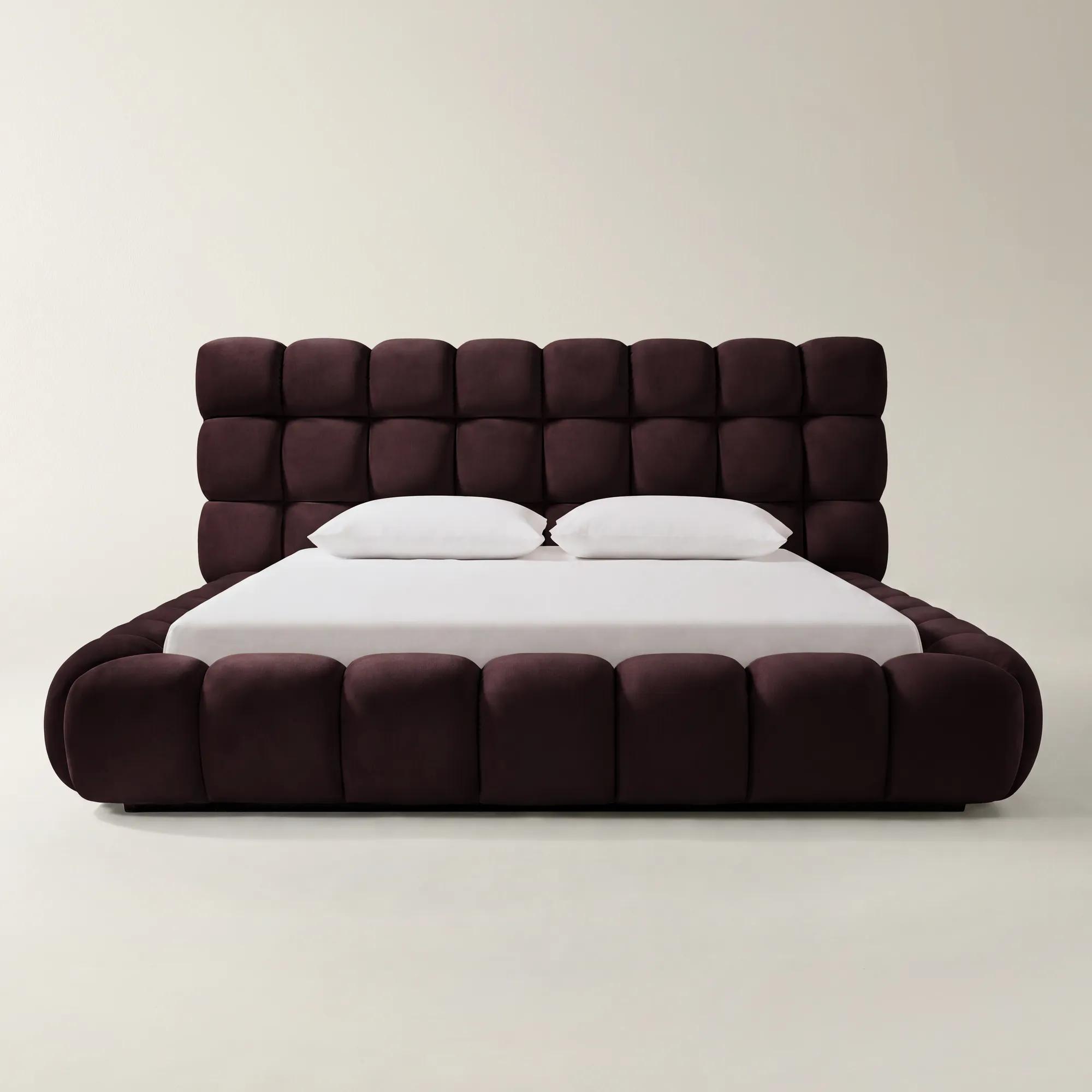 Paloma Tufted Fig Velvet Upholstered Queen Platform Bed$2399
A red velvet platform bed with sculpted block upholstery, plush padding, and a fully wrapped silhouette.
Add To Cart -
Paloma Tufted Fig Velvet Upholstered King Platform Bed$2599
A red velvet platform bed with sculpted blocks, plush padding, and a fully wrapped modern silhouette.
Add To Cart -
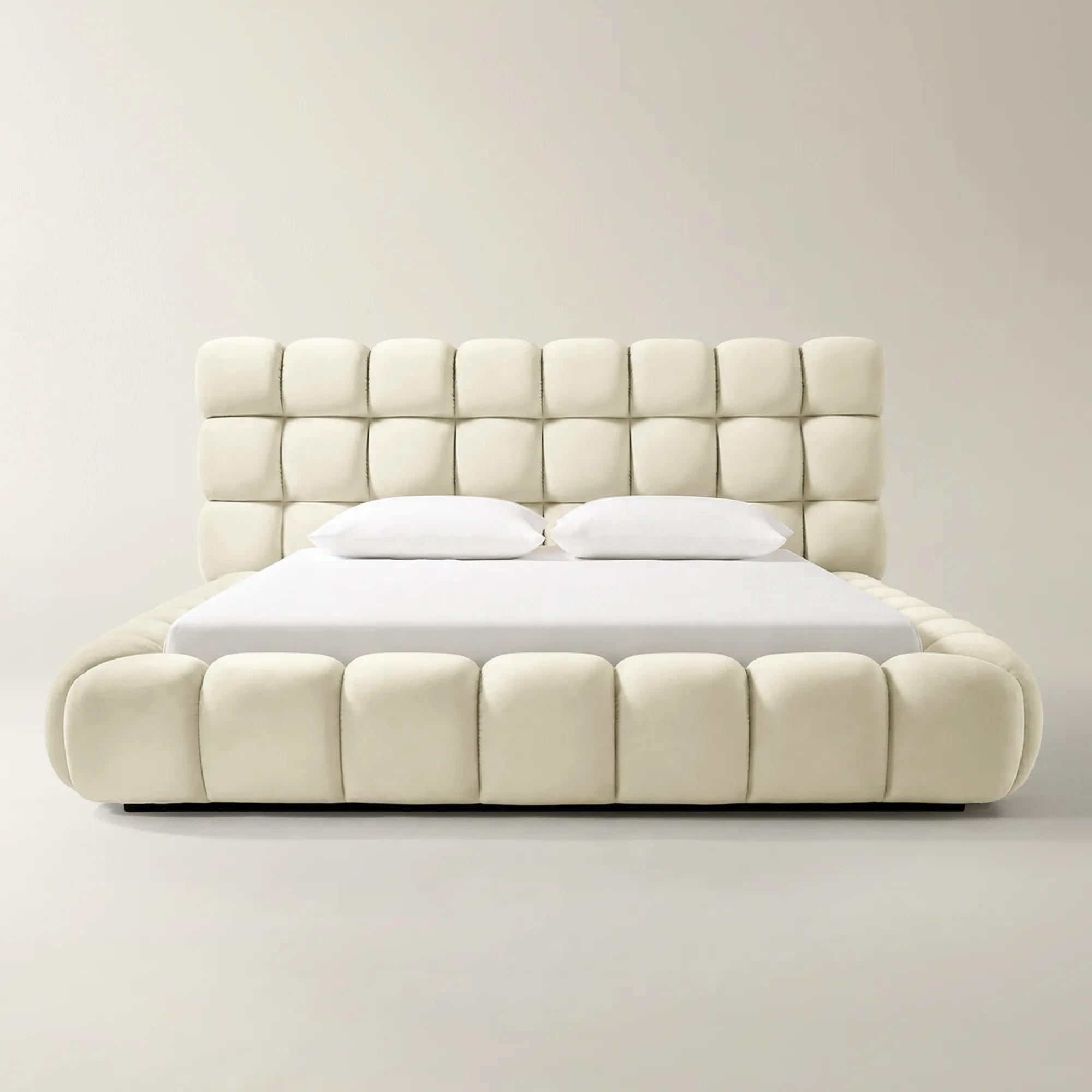 Paloma Tufted Cloud Velvet Upholstered Queen Platform Bed$2399
A white velvet platform bed with sculpted upholstered blocks, plush padding, and a dramatic modern silhouette.
Add To Cart -
Paloma Tufted Cloud Velvet Upholstered King Platform Bed$2599
A white velvet platform bed featuring a fully wrapped sculpted block silhouette and plush, supportive cushioning.
Add To Cart -
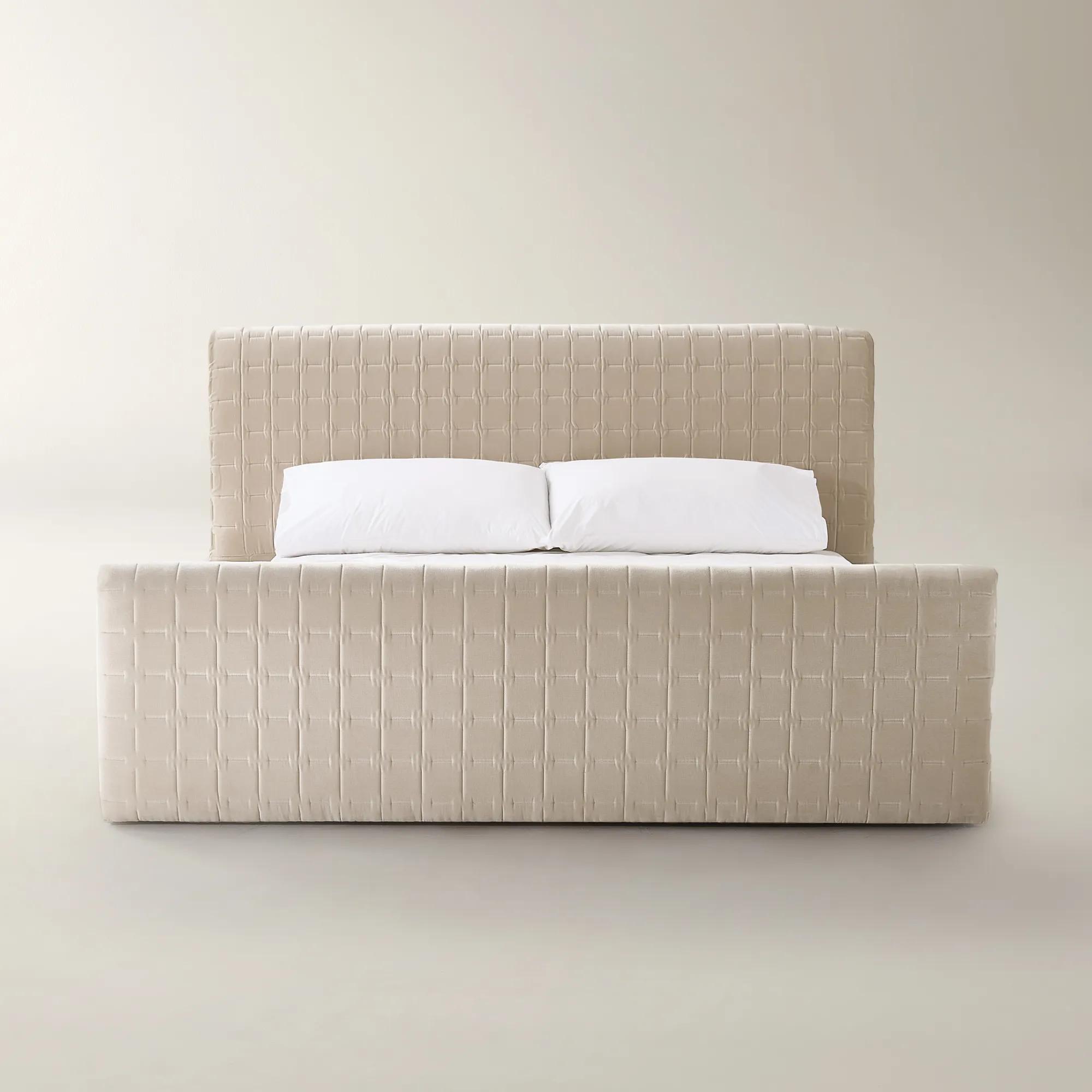
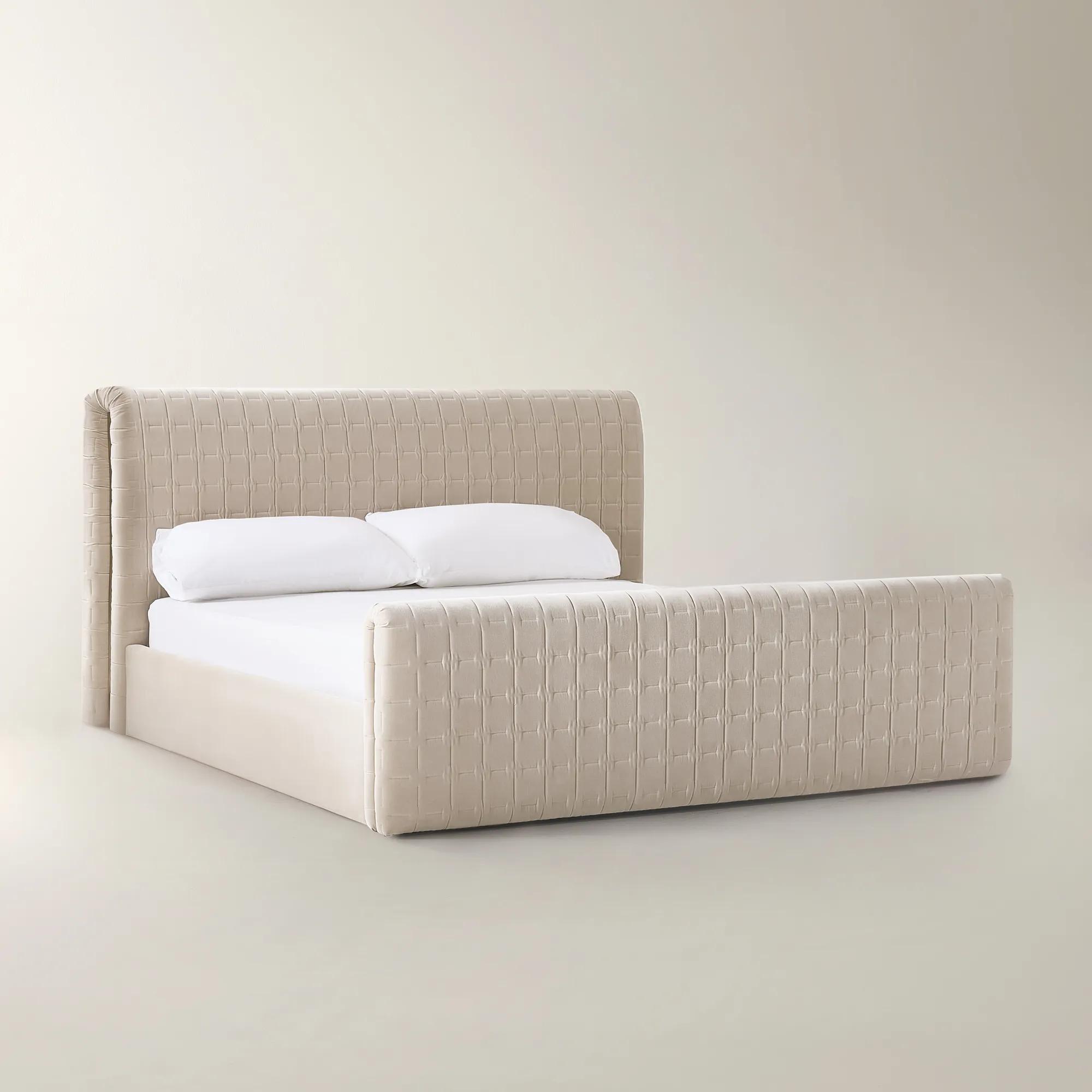 Vanta Oatmeal Velvet Upholstered King Platform Bed$2499
An oatmeal velvet-upholstered bed featuring a checker-quilted headboard and elegant gold-toned metal inlays.
Add To Cart -
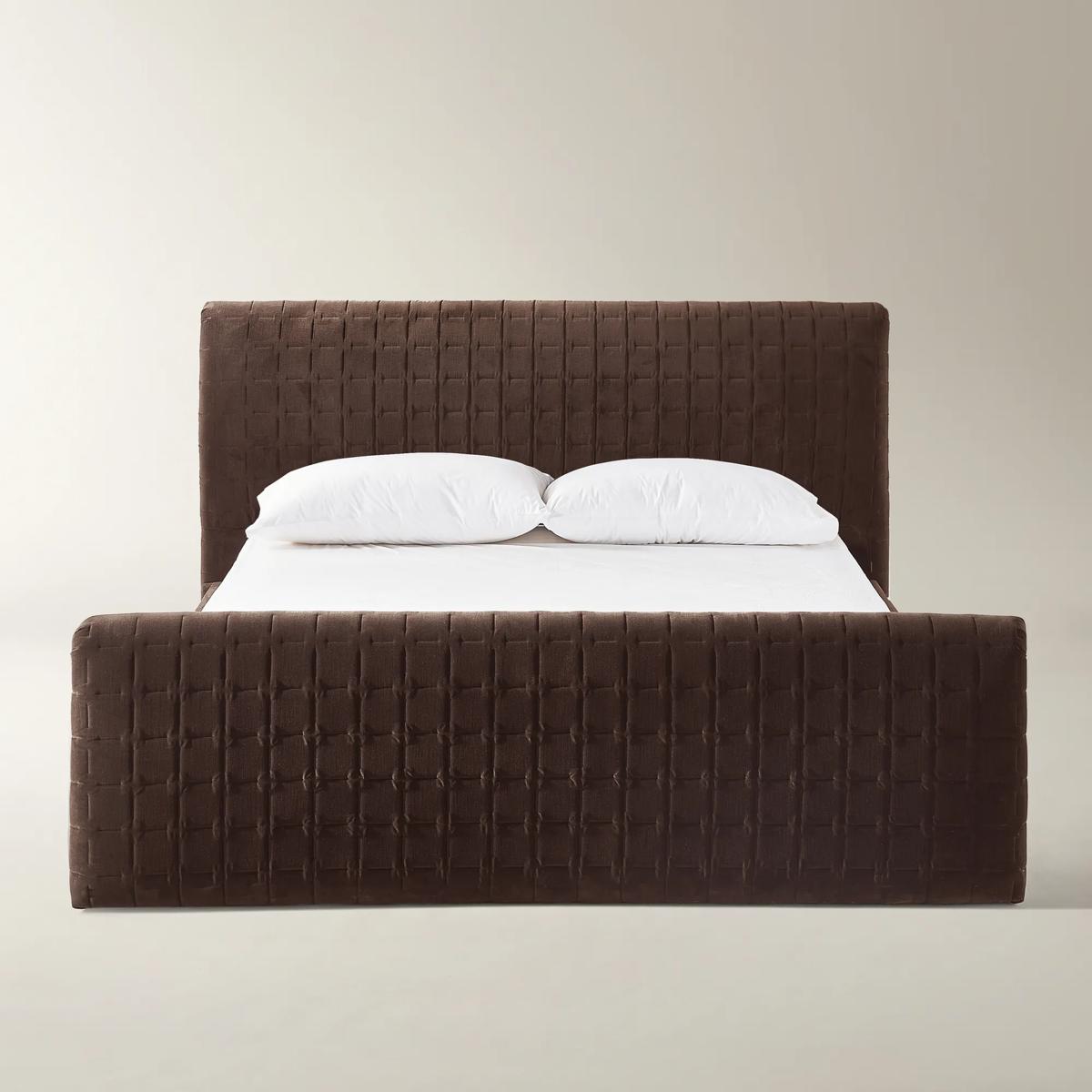
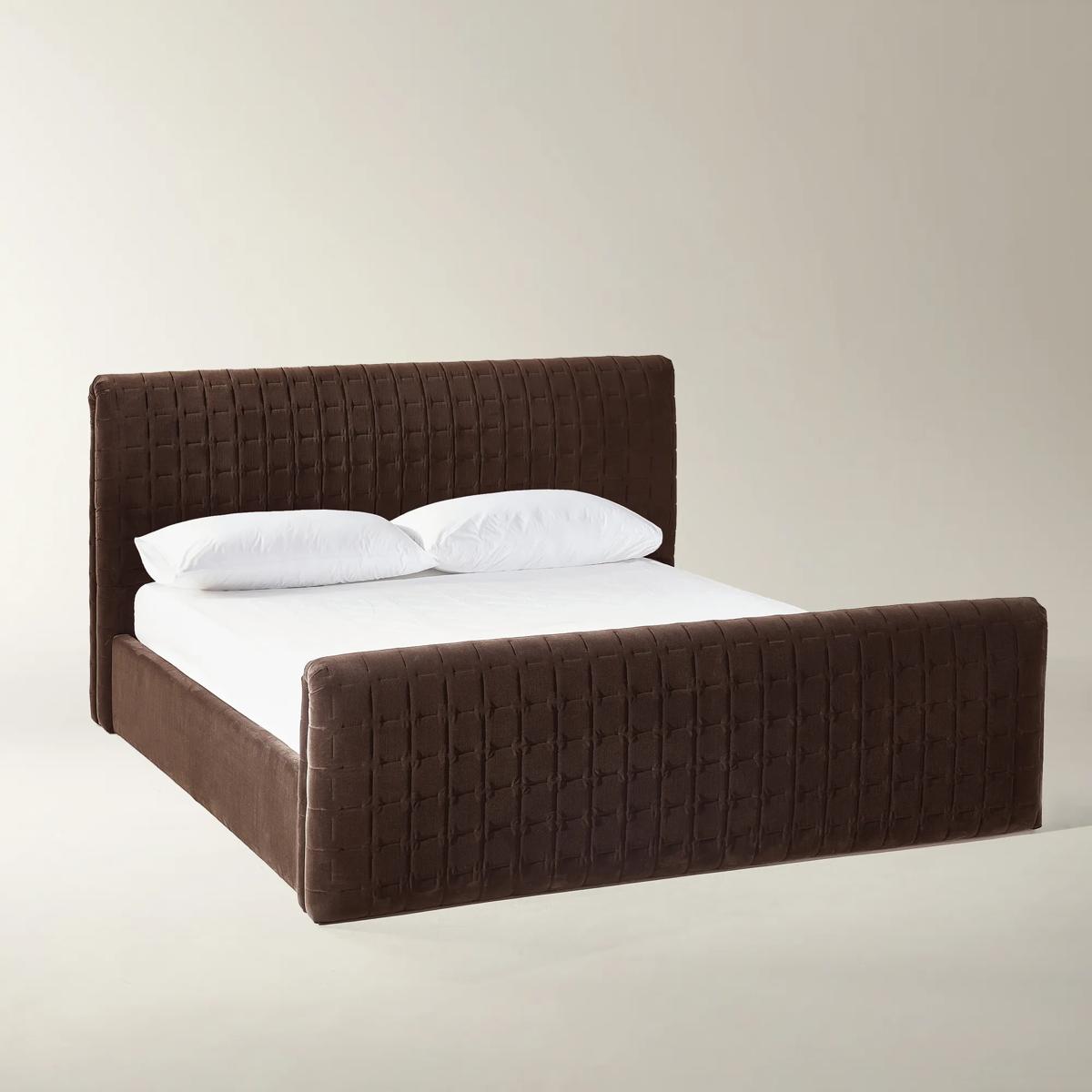 Vanta Burnt Umber Velvet Upholstered California King Platform Bed$2499
A chocolate velvet bed with hand-tufted checker quilting and brushed stainless steel inlays for modern elegance.
Add To Cart -
Vanta Burnt Umber Velvet Upholstered Queen Platform Bed$2299
A chocolate velvet bed with hand-tufted checker quilting and brushed stainless steel inlays for modern elegance.
Add To Cart -
Vanta Burnt Umber Velvet Upholstered King Platform Bed$2499
A hand-tufted chocolate velvet bed with brushed stainless steel inlays for a plush, sculptural statement.
Add To Cart -
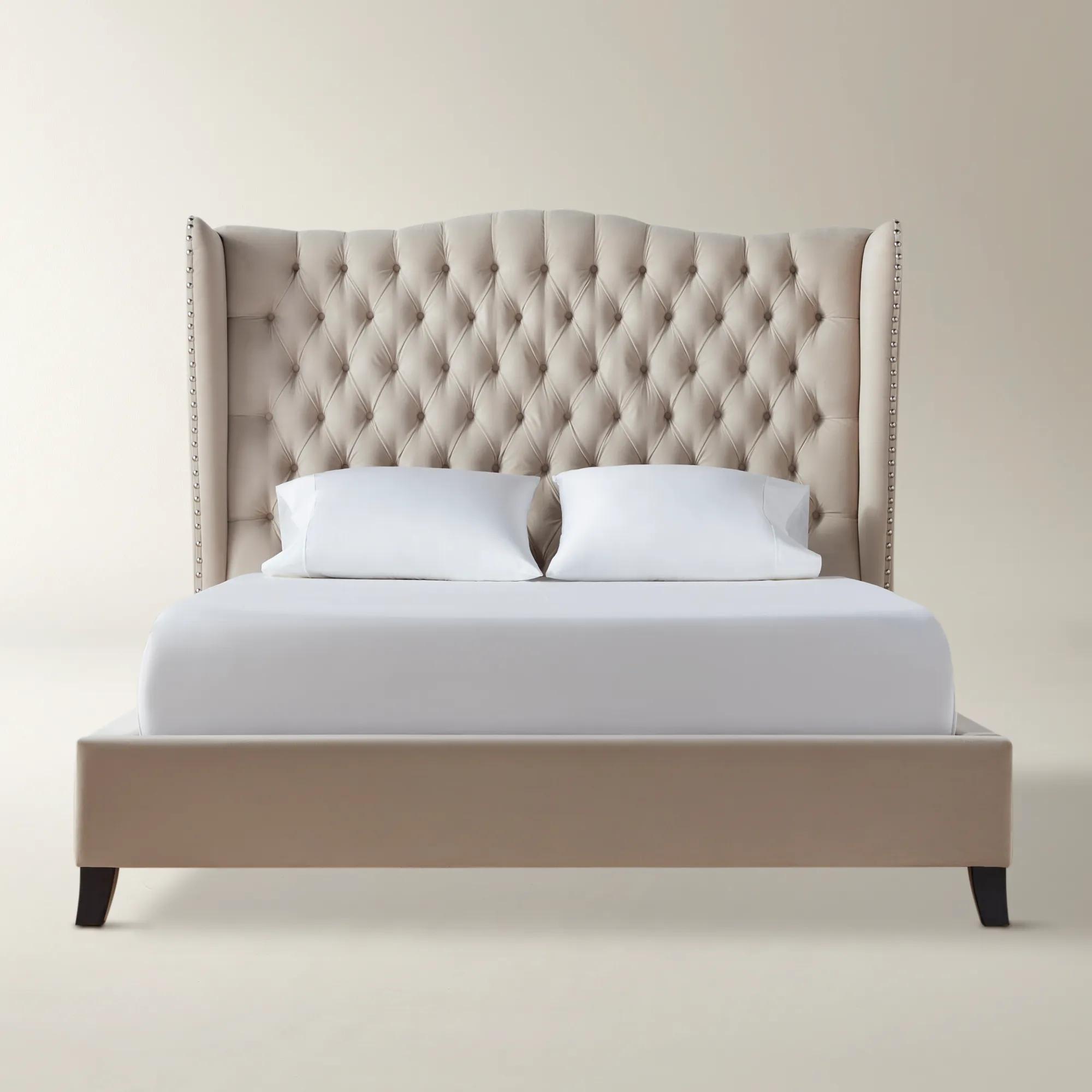
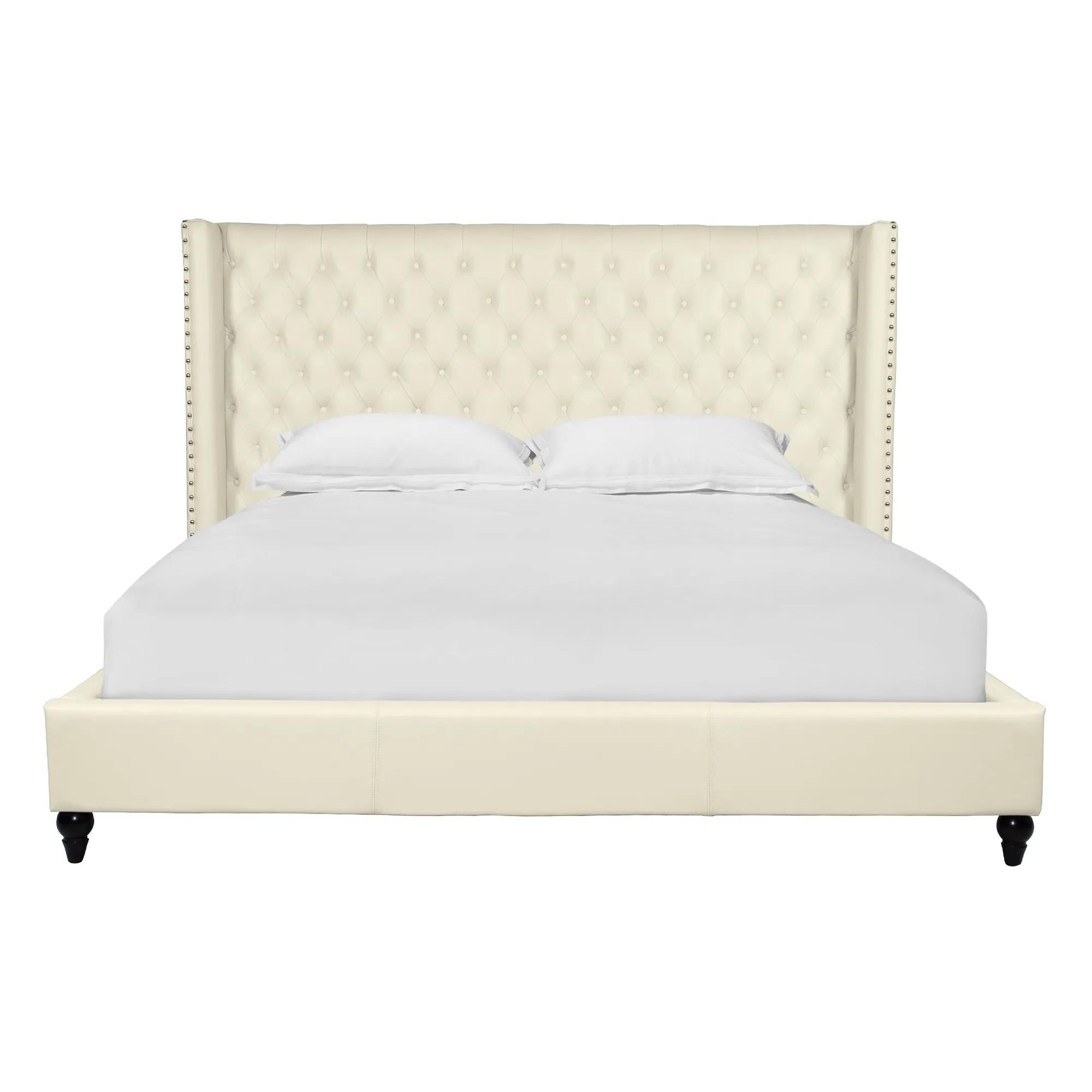
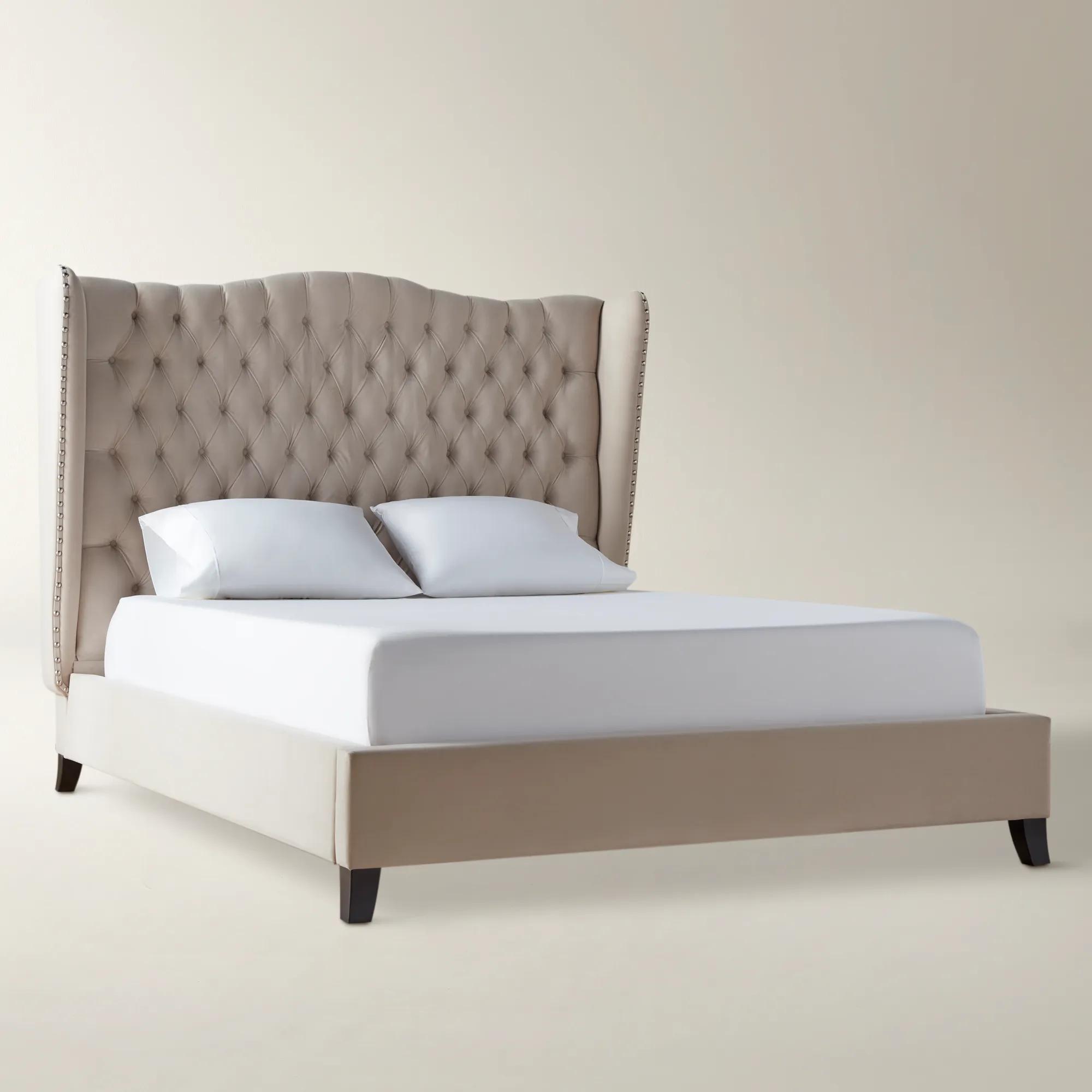 Jameson Bed$1699
A plush velvet bed with a camelback silhouette, hand-applied tufting, and decorative brushed silver nailheads.
Add To Cart -
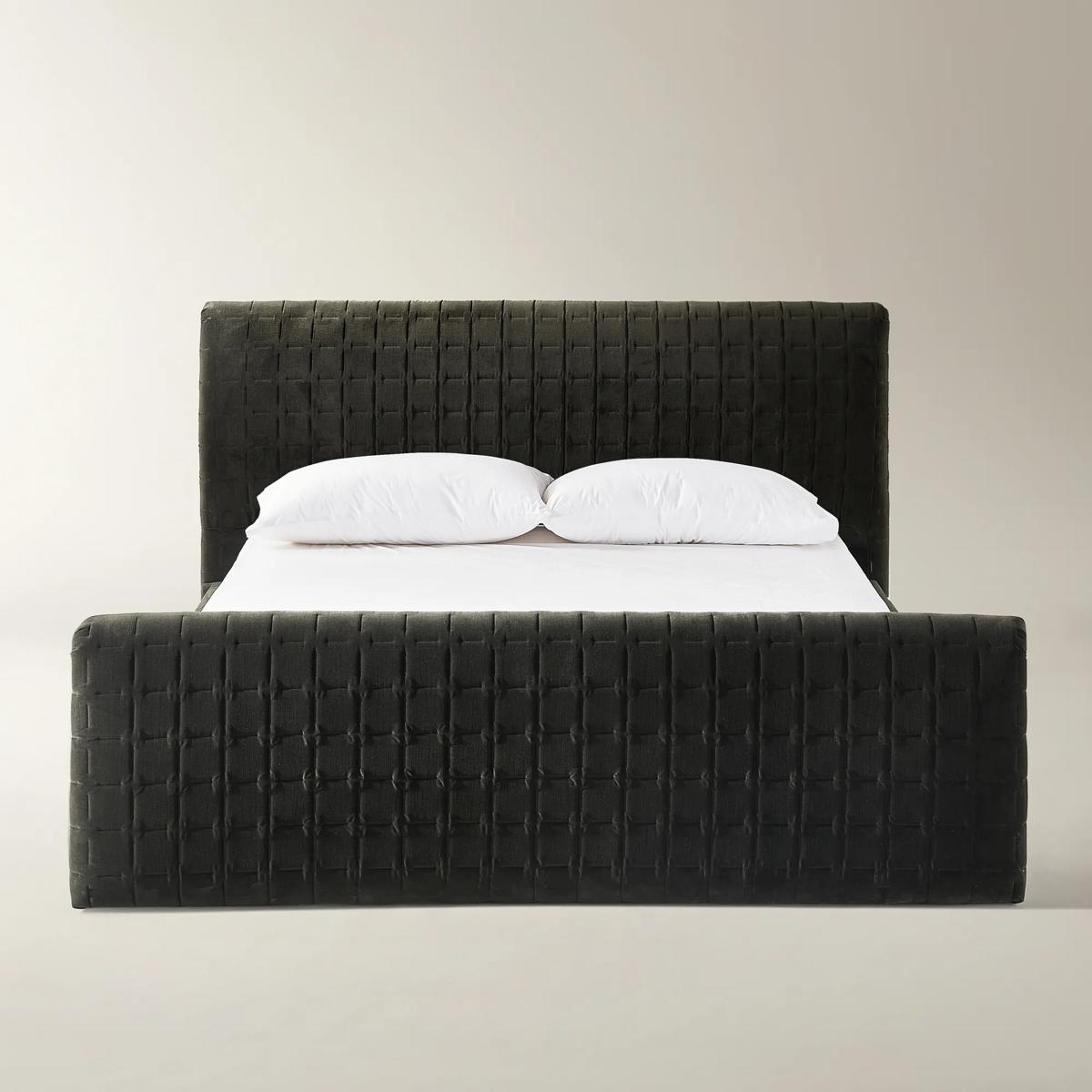 Vanta Charcoal Velvet Upholstered King Platform Bed$2499
A charcoal velvet bed with hand-tufted checker quilting and stainless steel inlays for modern sophistication.
Add To Cart -
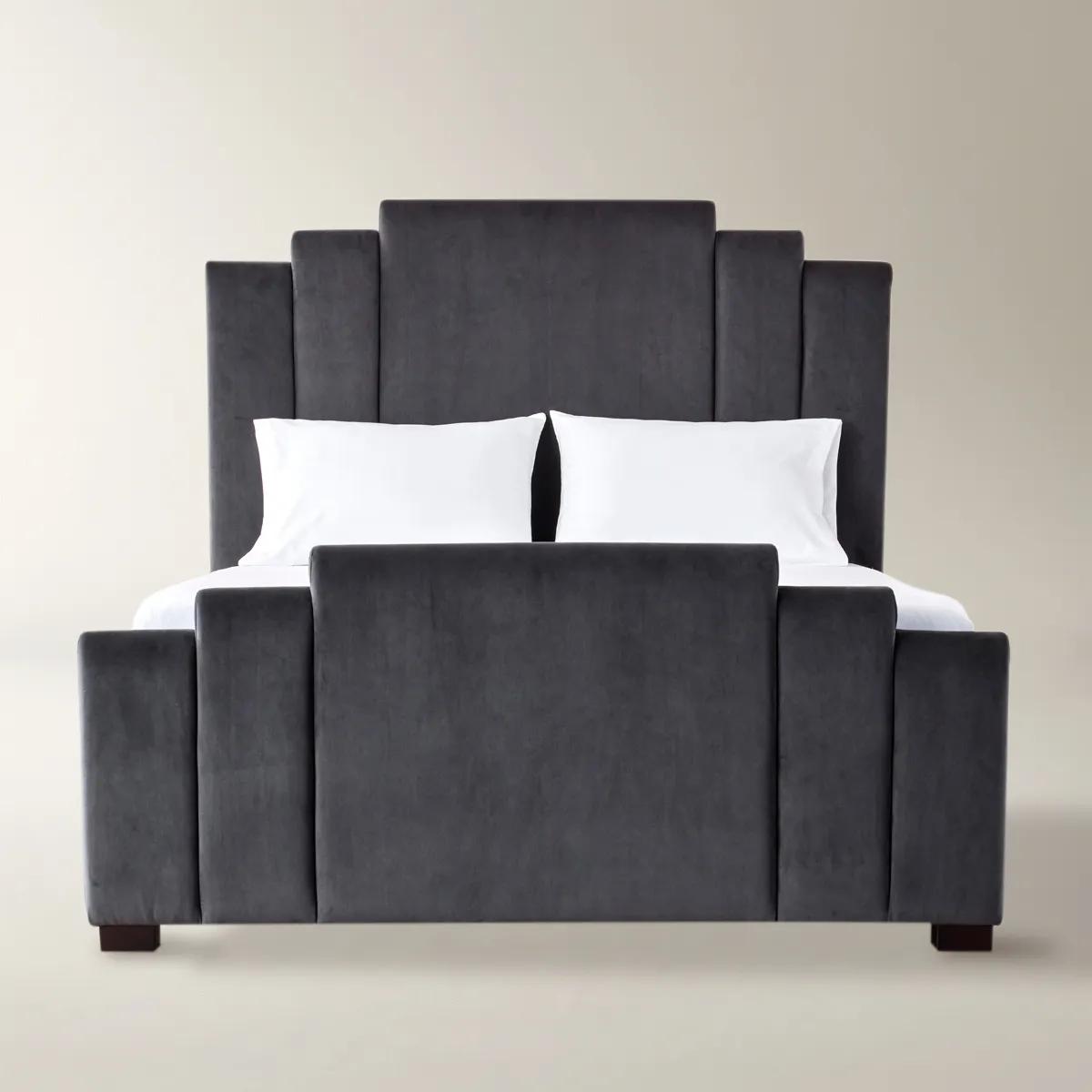 Marlow Bed$2349
A dramatic bed handcrafted from kiln-dried hardwood and plush gunmetal velvet with striking channel detailing.
Add To Cart -
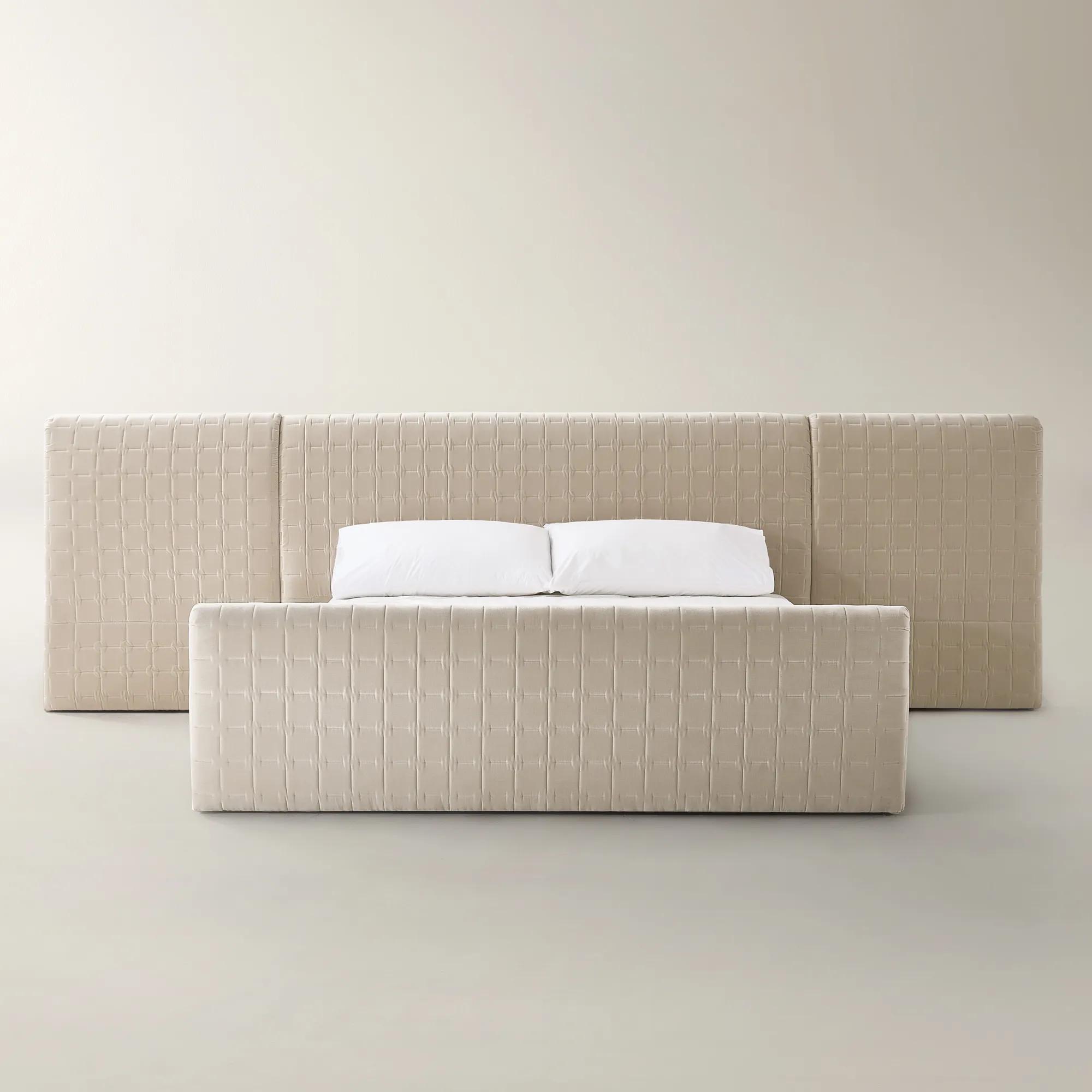
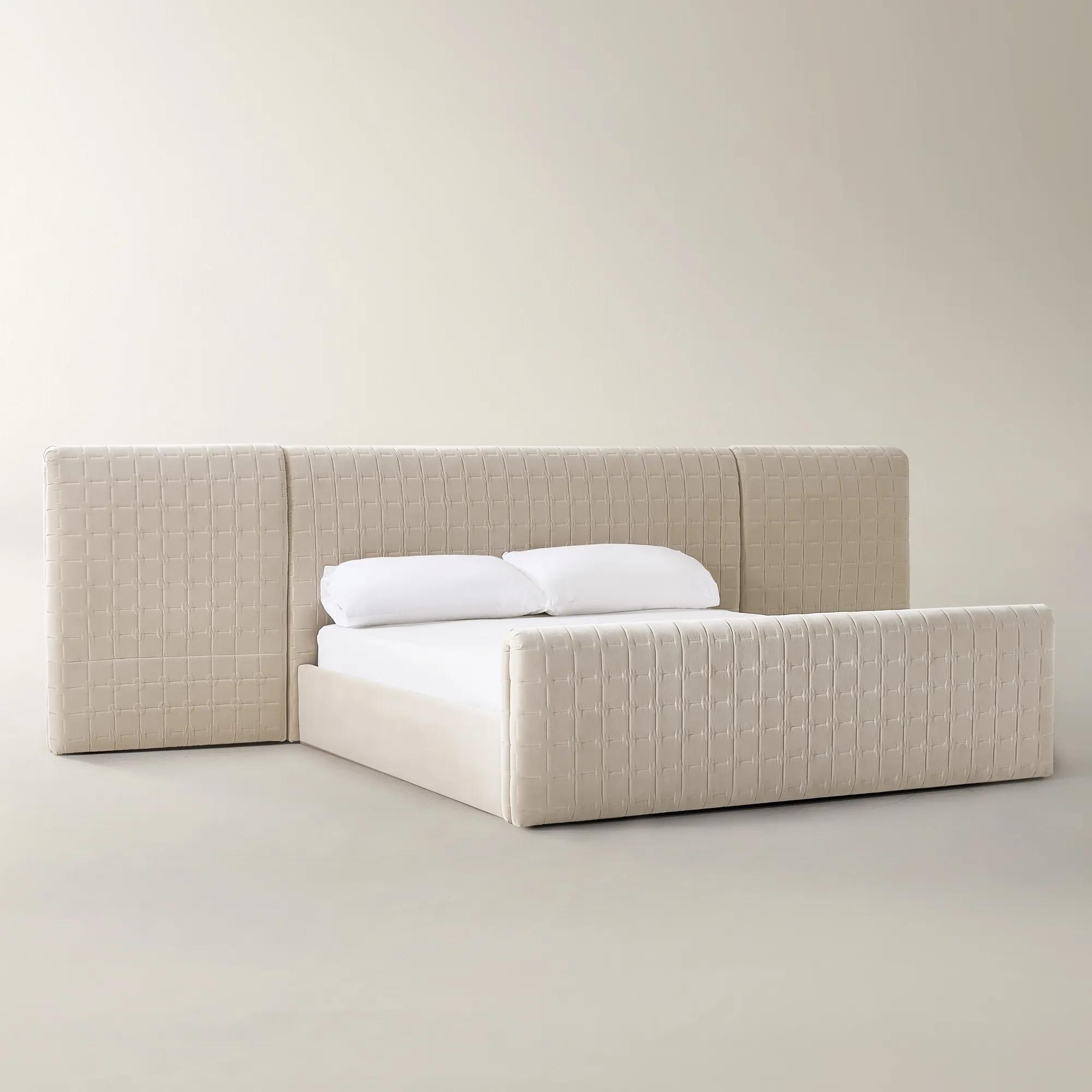 Vanta Oatmeal Velvet Upholstered Queen Extended Bed$2699
An oatmeal velvet platform bed with an extended checker-quilted headboard and elegant gold-toned metal inlays.
Add To Cart -
Vanta Charcoal Velvet Upholstered Queen Platform Bed$2299
A sculptural bed featuring charcoal velvet upholstery, three-dimensional checker quilting, and sleek stainless steel inlays.
Add To Cart -
Vanta Charcoal Velvet Upholstered California King Platform Bed$2499
A charcoal velvet bed featuring hand-tufted checker quilting and stainless steel inlays for sculptural elegance.
Add To Cart

Velvet Tufted Beds
Velvet Tufted Beds transform the ordinary bedroom into a stage for grandeur and repose, inviting you to indulge in a world where comfort meets couture. Every silhouette is draped in sumptuous velvet, each tuft a testament to meticulous artistry and timeless glamour. These beds don’t simply anchor your space—they command it, infusing the room with an air of plush sophistication and dramatic allure. For those who believe that sleep should be as stylish as it is restorative, Velvet Tufted Beds offer the ultimate invitation to dream boldly.
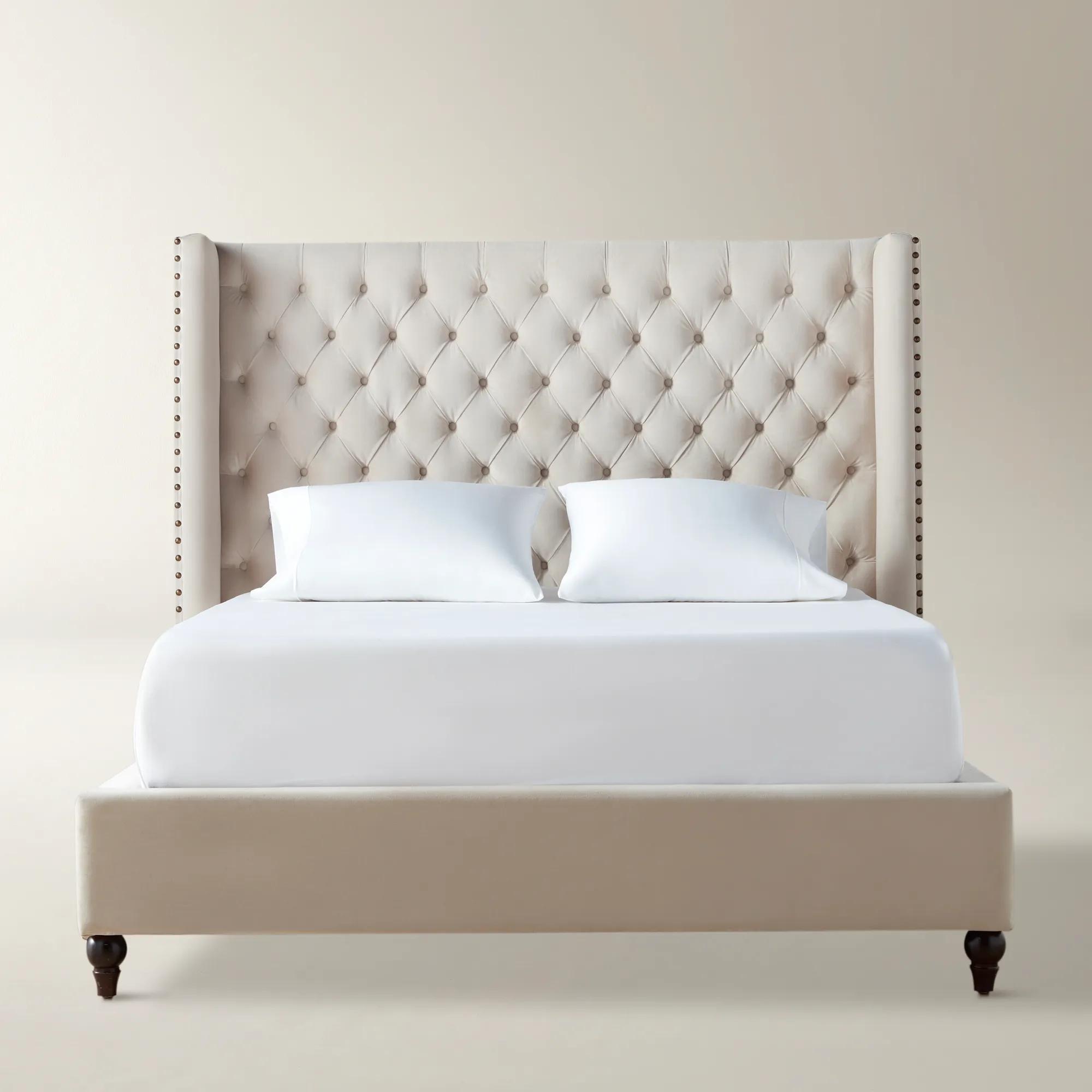
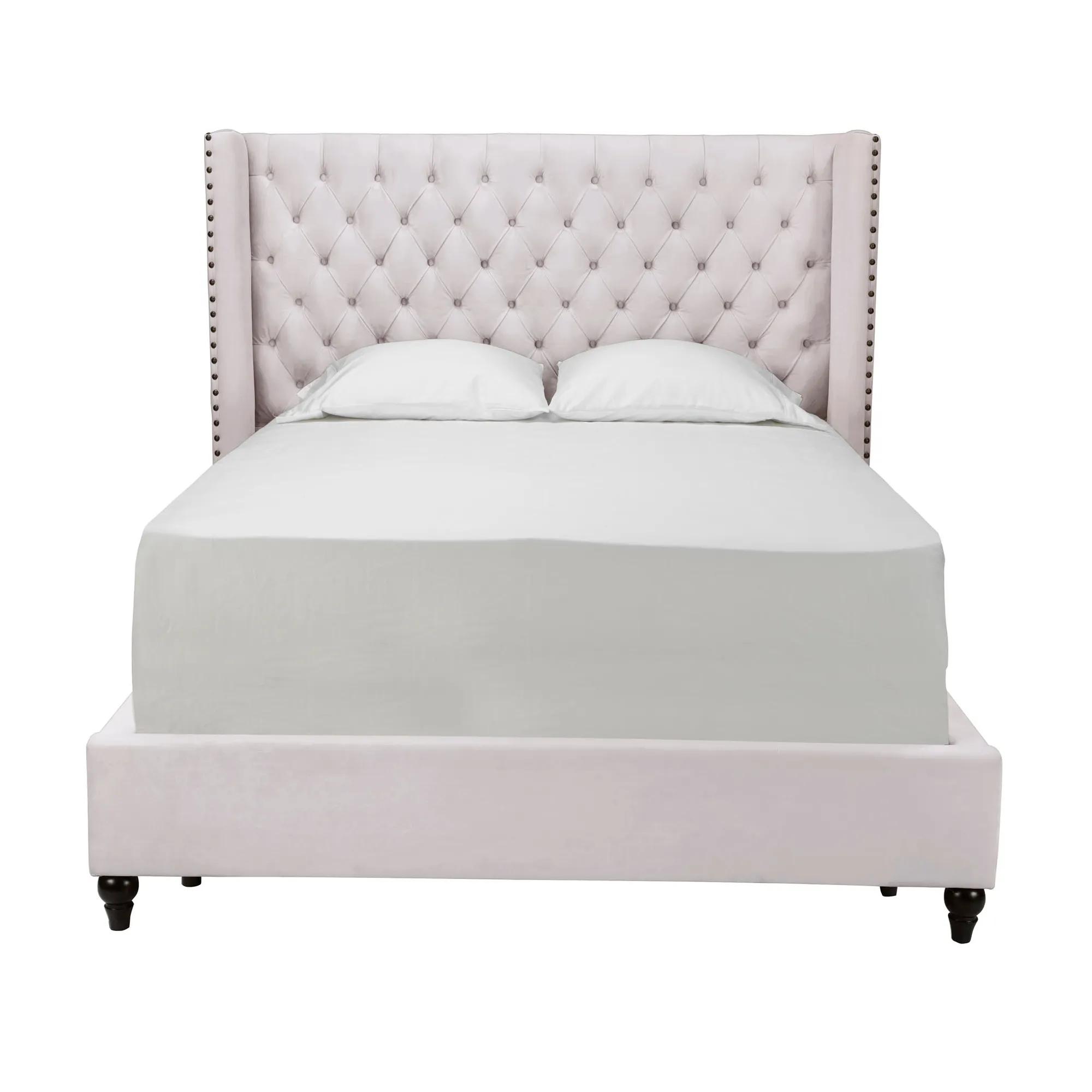
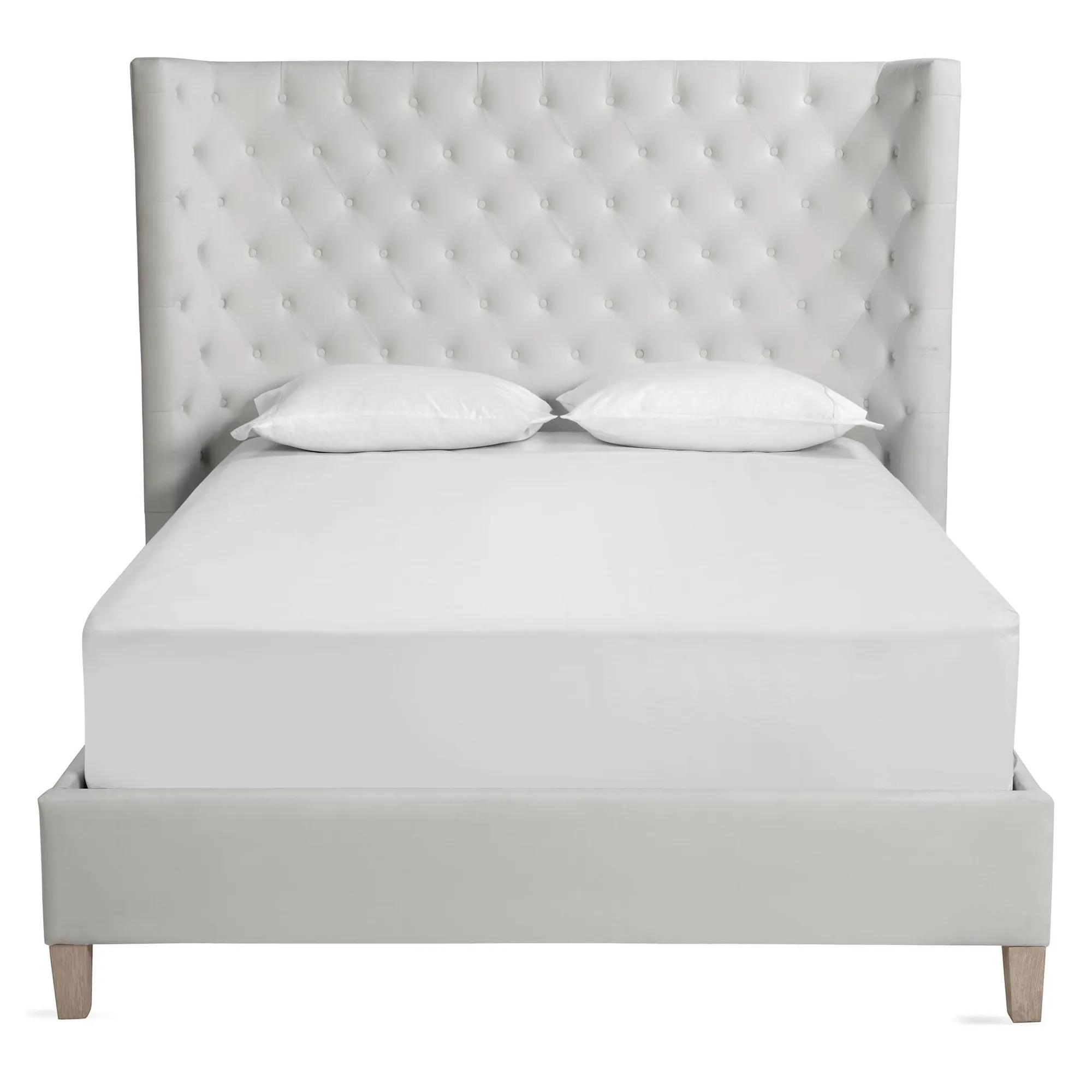
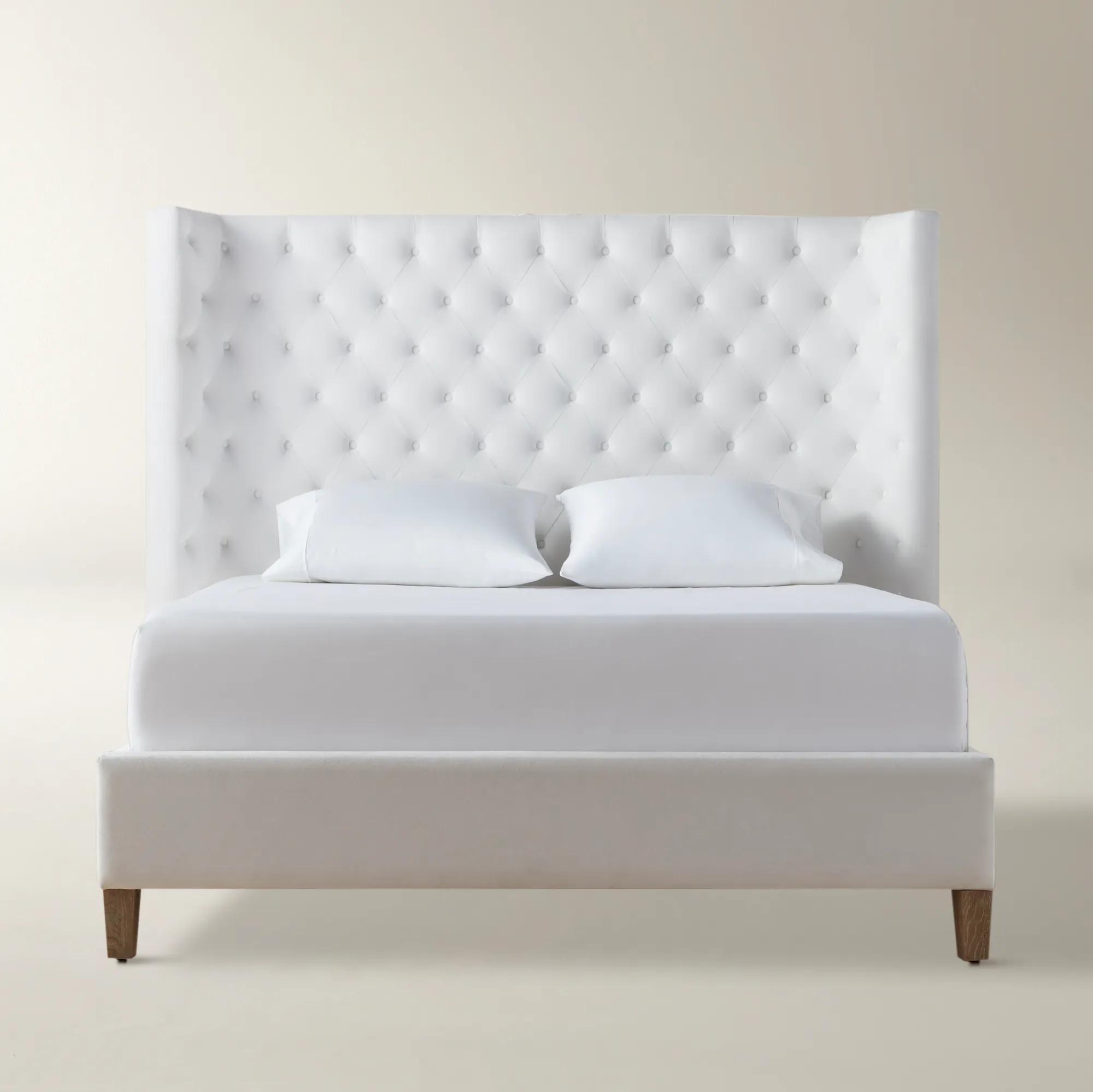
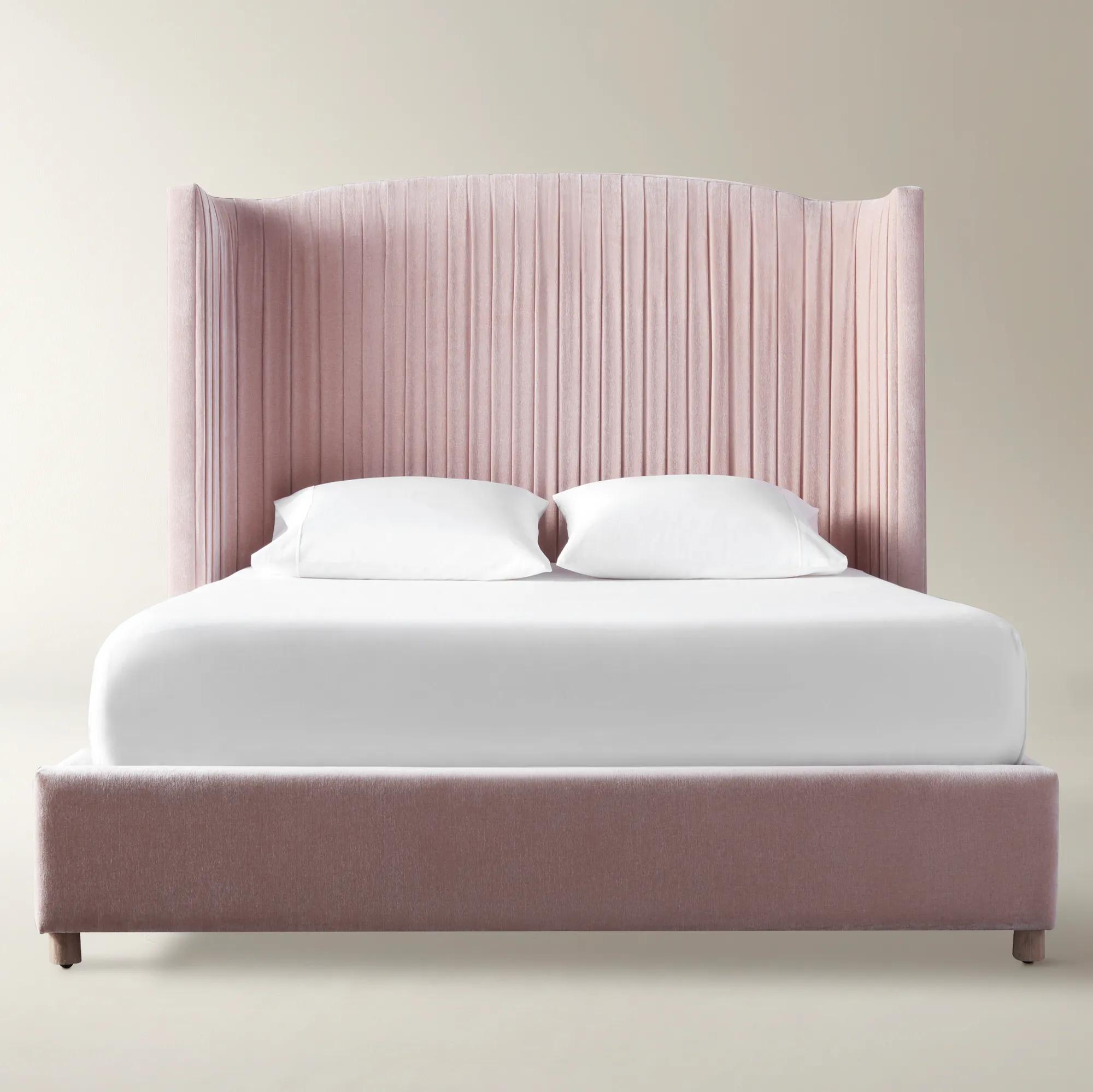
Velvet tufted beds bring together plush upholstery and dimensional detailing, creating a bedroom centerpiece with the presence of a beautifully tailored piece of furniture. Their defining features are velvet-covered surfaces and a padded headboard shaped by button tufting, recessed stitching, or upholstered channels. Diamond tufting creates a richly contoured pattern with a traditional influence, while vertical channels draw the eye upward and lend a more architectural rhythm. Horizontal channels emphasize width, giving the bed a broad, composed silhouette. Each treatment catches light differently, turning a simple expanse of fabric into a surface with depth and movement. Velvet’s distinctive character comes from its dense, raised pile, which can appear lighter or darker depending on the direction of the fibers and the angle of the light. That subtle variation is part of its appeal: a charcoal headboard may look silvery beside a lamp and almost inky along its recessed seams. Velvet upholstery can be made from polyester, cotton, blends, and other fibers, so softness, sheen, and maintenance needs depend on the fabric rather than the name alone. Smooth, lustrous velvet creates a polished mood, while a more matte finish gives the same sculptural shape a quieter richness. Winged headboards add an enveloping outline; gently curved profiles soften the room; straight, tailored edges introduce definition. Depending on the design, upholstery may extend across the side rails and footboard, allowing the bed to feel finished from several viewpoints. Decorative nailheads, exposed legs, and contrasting trim can sharpen that silhouette, though the tufting itself often supplies all the ornament a room needs. Deep blue, emerald, and charcoal lend dramatic weight, while ivory, taupe, and soft gray place greater emphasis on texture and shadow. Against crisp bedding, velvet feels especially sumptuous; beside a textured coverlet or patterned rug, it becomes part of a layered composition. The result is a bed that anchors the room visually while offering a cushioned backdrop for reading, conversation, and the quieter rituals surrounding sleep.
The scale of a velvet tufted bed matters as much as its color or pattern, particularly because upholstered rails, wings, and a substantial headboard can extend well beyond the mattress. A standard queen mattress measures approximately 60 by 80 inches, while a standard king measures approximately 76 by 80 inches; those measurements describe the sleeping surface, not the bed’s overall footprint. A queen can create a generous focal point in a primary bedroom without claiming the breadth of a king, making tufted velvet queen beds a compelling direction for spaces that also accommodate nightstands, a dresser, or a reading chair. The most successful proportions leave comfortable passage beside the rails and enough space for drawers and doors to open fully. In a narrower room, a closely fitted upholstered frame can preserve a sense of openness, while a broad wingback silhouette deserves additional space around its edges. Headboard height also changes the composition. A tall, deeply tufted profile gives a room a pronounced vertical focal point, especially against a plain wall, while a lower profile can sit more comfortably beneath artwork or near a window. The combined height of the frame, foundation, and mattress affects both the amount of visible tufting and the ease of getting into bed. An especially deep mattress may conceal the lower portion of the headboard, altering the balance that makes the design appealing. Platform construction and traditional foundation-supported construction are not interchangeable: some frames support a compatible mattress directly on slats, while others require a box spring or another specified foundation. Slat spacing, center supports, weight limits, and compatibility with an adjustable base should follow the bed and mattress manufacturers’ requirements. Delivery access deserves equal attention, particularly with an oversize headboard or curved wings; stair turns, elevator interiors, and doorways can determine whether a frame reaches its intended room. With the dimensions resolved, the styling can remain expressive rather than crowded: a gleaming bedside lamp, restrained artwork, and bedding that leaves some upholstery exposed allow the bed’s contours to hold their own.
Behind the velvet, construction determines how confidently a tufted bed serves everyday life. Frames may incorporate solid wood, engineered wood, metal, or a combination of materials, with padded upholstery layered over the underlying structure. Secure rail connections, appropriate center support, and a correctly assembled mattress-support system contribute to stability; upholstery alone does not indicate how a bed will perform. Closely spaced tufting creates abundant texture, but deeper folds and button recesses also give dust more places to settle. A soft upholstery attachment, used gently and in accordance with the fabric’s care instructions, can help remove surface dust without aggressively disturbing the pile. Spills call for prompt blotting with a clean, absorbent cloth rather than rubbing, which can spread moisture and alter the surface. Cleaning codes and manufacturer instructions should determine whether a water-based cleaner, solvent-based treatment, or professional upholstery cleaning is appropriate. Any permitted cleaning product should first be tested in an inconspicuous area, and heat or steam should not be applied unless specifically approved. Velvet can show pressure marks where pillows, hands, or objects repeatedly rest against it; these changes in pile direction are not necessarily stains or evidence of damage. Fabric composition and construction influence how readily marks appear and how they can be treated. Performance velvet may offer specific stain-resistance or durability features, but that designation does not make every fabric scratchproof, washable, or immune to wear. In households with pets, the weave, pile, and tufting deserve consideration alongside appearance, since claws can catch upholstery and hair can collect in recessed details. Prolonged direct sunlight may also affect color, making window placement and light-filtering treatments relevant to preserving a richly colored headboard. These practical details support the pleasure of living with a tactile statement piece, whether it belongs in a frequently used primary suite, an elegant guest bedroom, or a thoughtfully furnished apartment. Balanced with suitable mattress support and fabric-appropriate care, a velvet tufted bed brings expressive design into daily use, making its combination of softness, structure, and artistry feel as considered as the room around it.
FAQs
Velvet tufted beds are remarkably versatile, harmonizing beautifully with a range of design styles. Their plush texture and dramatic silhouette make them a natural fit for glamorous, Art Deco-inspired spaces, but they also add a touch of opulence to contemporary, transitional, or even eclectic rooms. Pair with mirrored accents and metallic finishes for a luxe look, or introduce natural woods and layered textiles to create a more grounded, bohemian atmosphere.
To keep your velvet tufted bed looking its best, gently vacuum the fabric using a soft brush attachment to remove dust and debris. For spills, blot immediately with a clean, dry cloth—avoid rubbing, which can damage the pile. For deeper cleaning, use a velvet-safe upholstery cleaner or consult a professional. Regularly rotating cushions and fluffing the tufted areas will help maintain the bed’s plush appearance.
Velvet tufted beds can be enjoyed in pet-friendly homes, though it’s wise to consider the color and pile of the velvet. Darker hues and performance velvets can help conceal minor marks or pet hair, while regular maintenance such as gentle vacuuming will keep the fabric looking fresh. Many pet owners find that their furry companions are just as drawn to the cozy, inviting texture as they are.
Velvet tufted beds make a striking statement in both bold and neutral palettes. Deep jewel tones—emerald, sapphire, or amethyst—create a sense of drama, while soft blush, dove gray, or midnight blue offer a more serene, romantic vibe. Accentuate the bed with metallics, crisp whites, or contrasting textures like faux fur and silk to enhance the room’s visual interest.
Start with the bed as your focal point and layer thoughtfully chosen accents to build a cohesive look. Incorporate plush area rugs, sculptural lighting, and curated artwork to echo the bed’s sense of luxury. Mix in tactile elements such as velvet throw pillows, silk bedding, or mirrored nightstands to create a space that feels both inviting and artfully composed. Don’t shy away from mixing patterns and finishes—velvet tufted beds thrive in rooms that celebrate bold, expressive design.