Velvet Benches With Curvaceous Legs
Velvet Benches With Curvaceous Legs
-
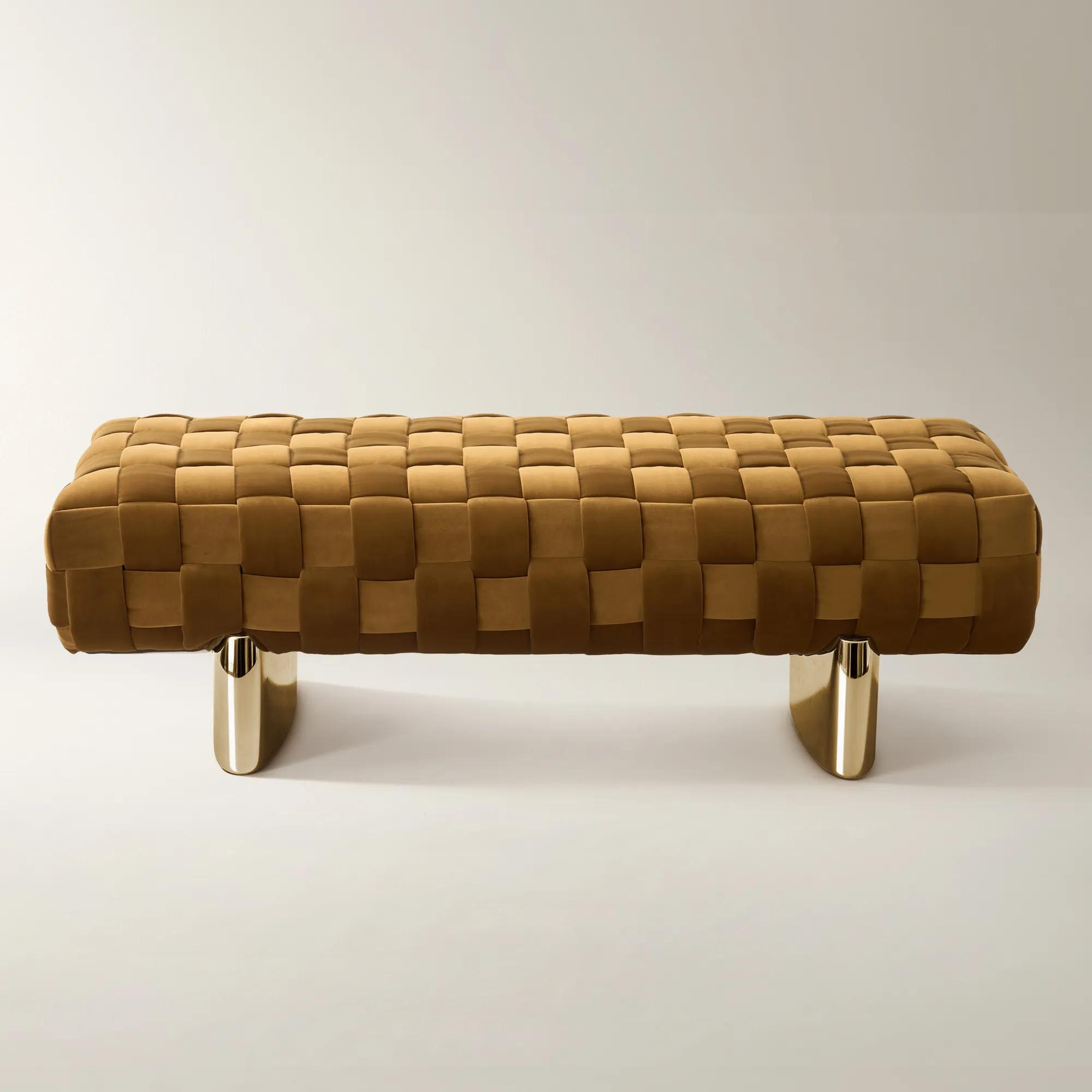
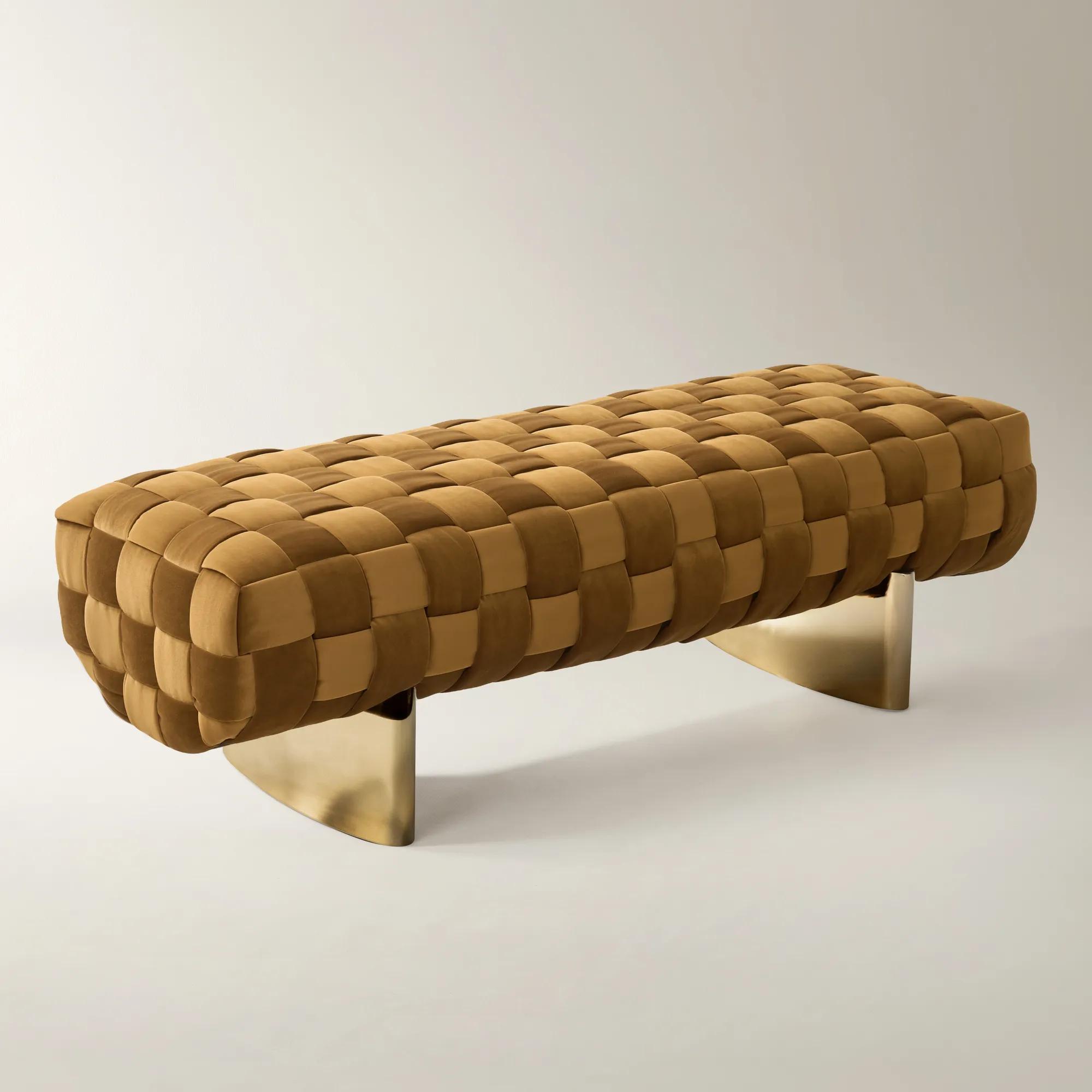 Dexter Woven Roasted Pecan Velvet Bench (64.2")$999
A woven roasted pecan velvet bench featuring plush upholstery and polished gold stainless steel legs for modern elegance.
Add To Cart -
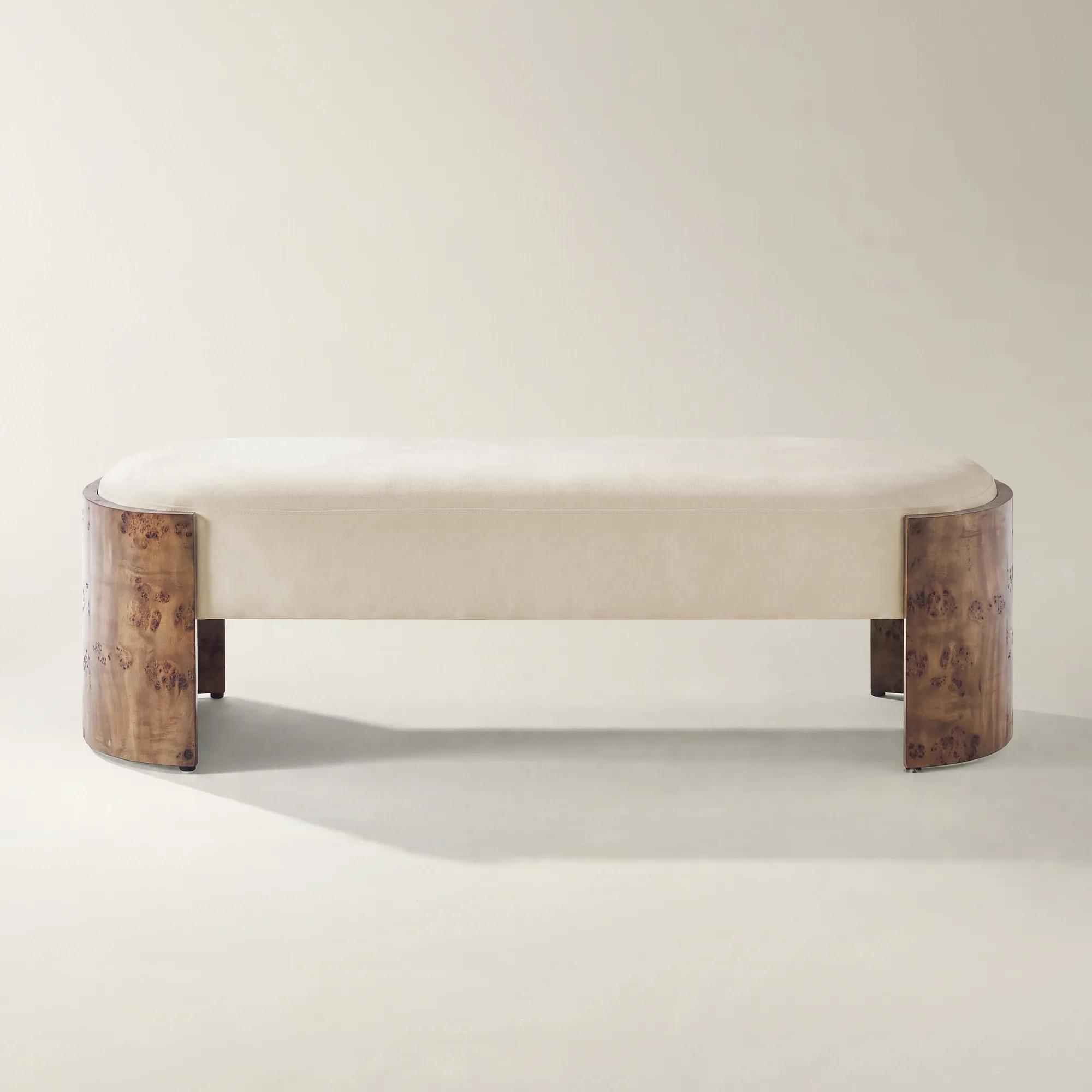
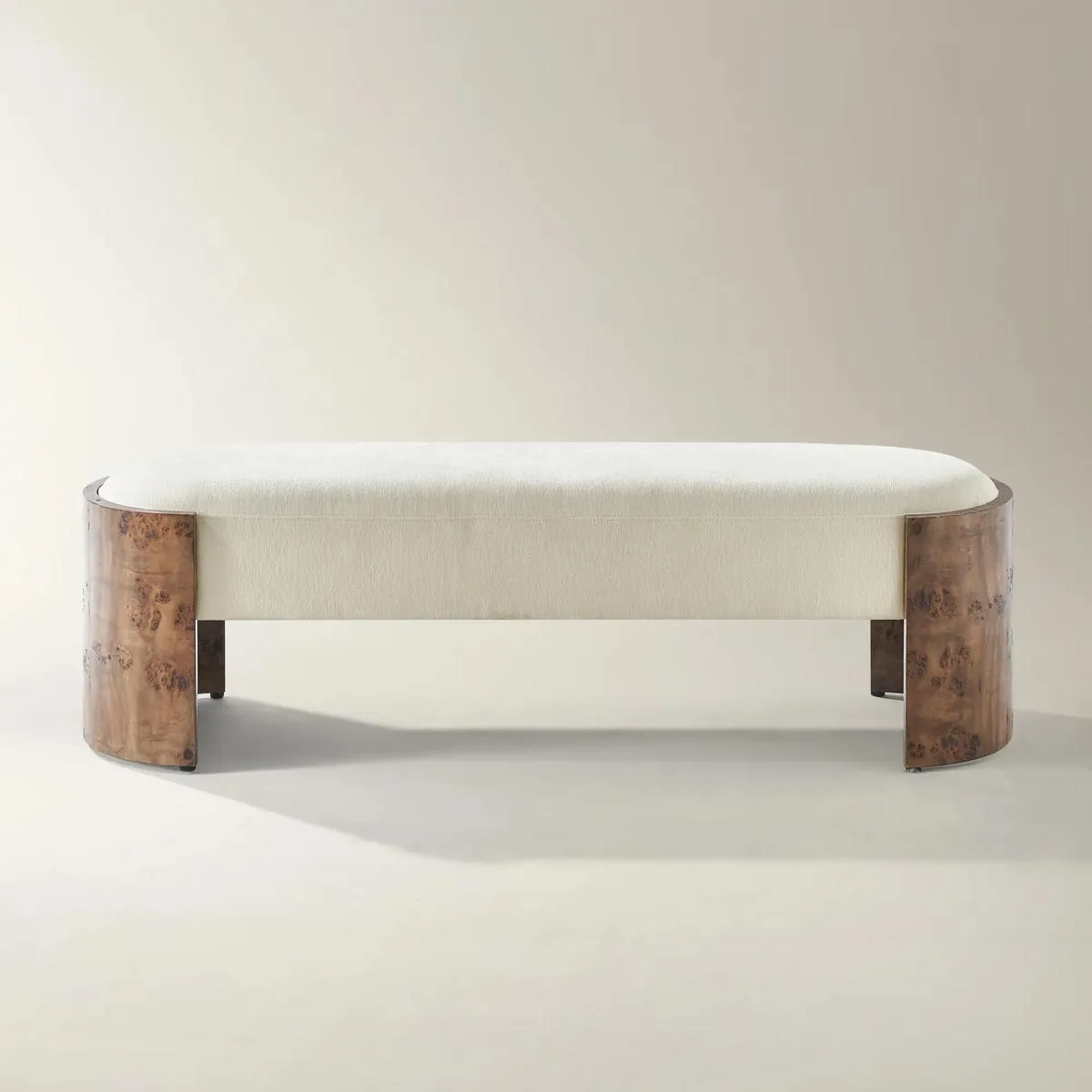 Cora Oatmeal Velvet With Ash Wood Bench (60.6")$999
A sculptural oatmeal velvet bench with curved ash burl wood panels and supportive foam cushioning.
Add To Cart -
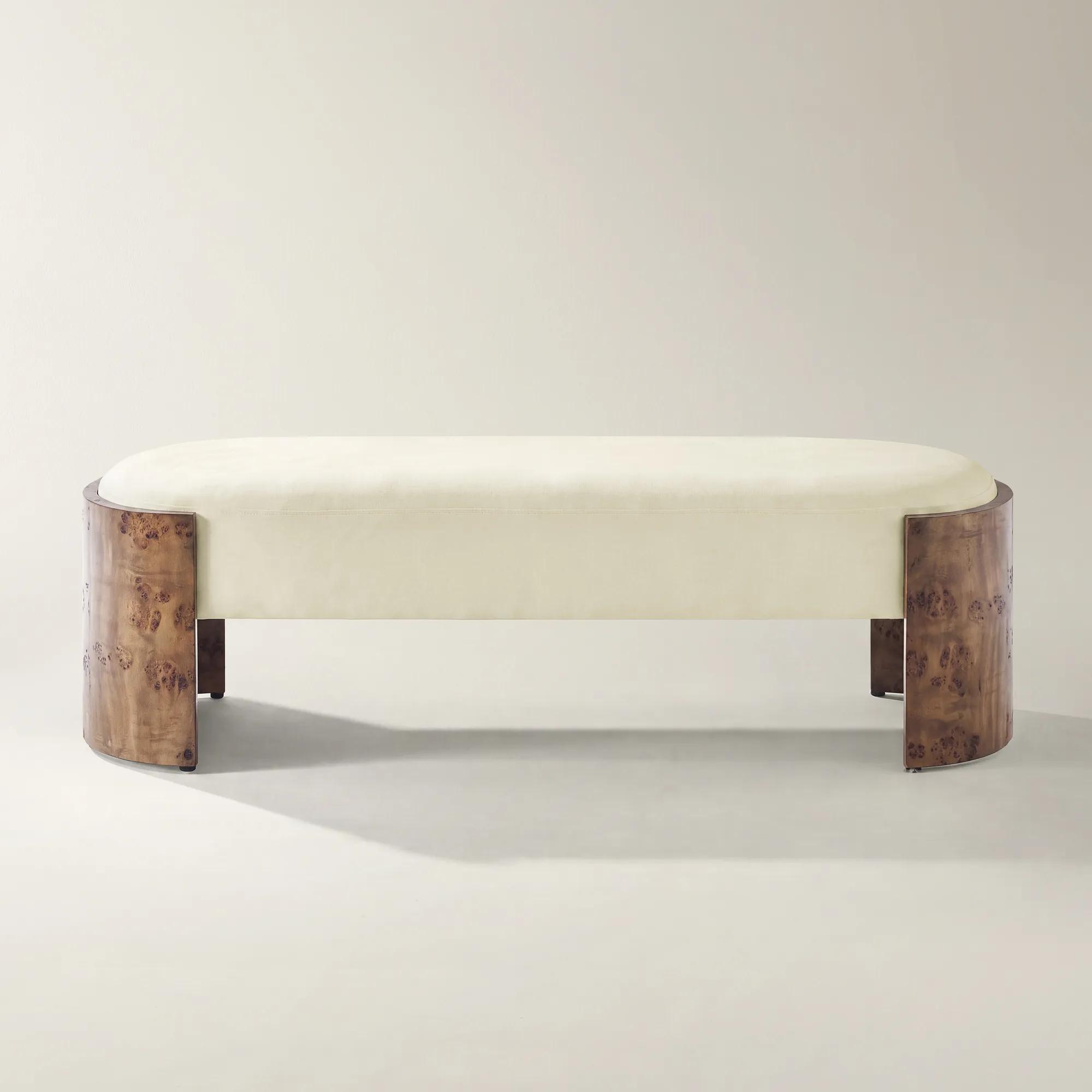 Cora Cloud Velvet With Ash Wood Bench (60.6")$999
A cloud velvet bench with bookmatched ash burl panels and supportive foam cushioning.
Add To Cart -
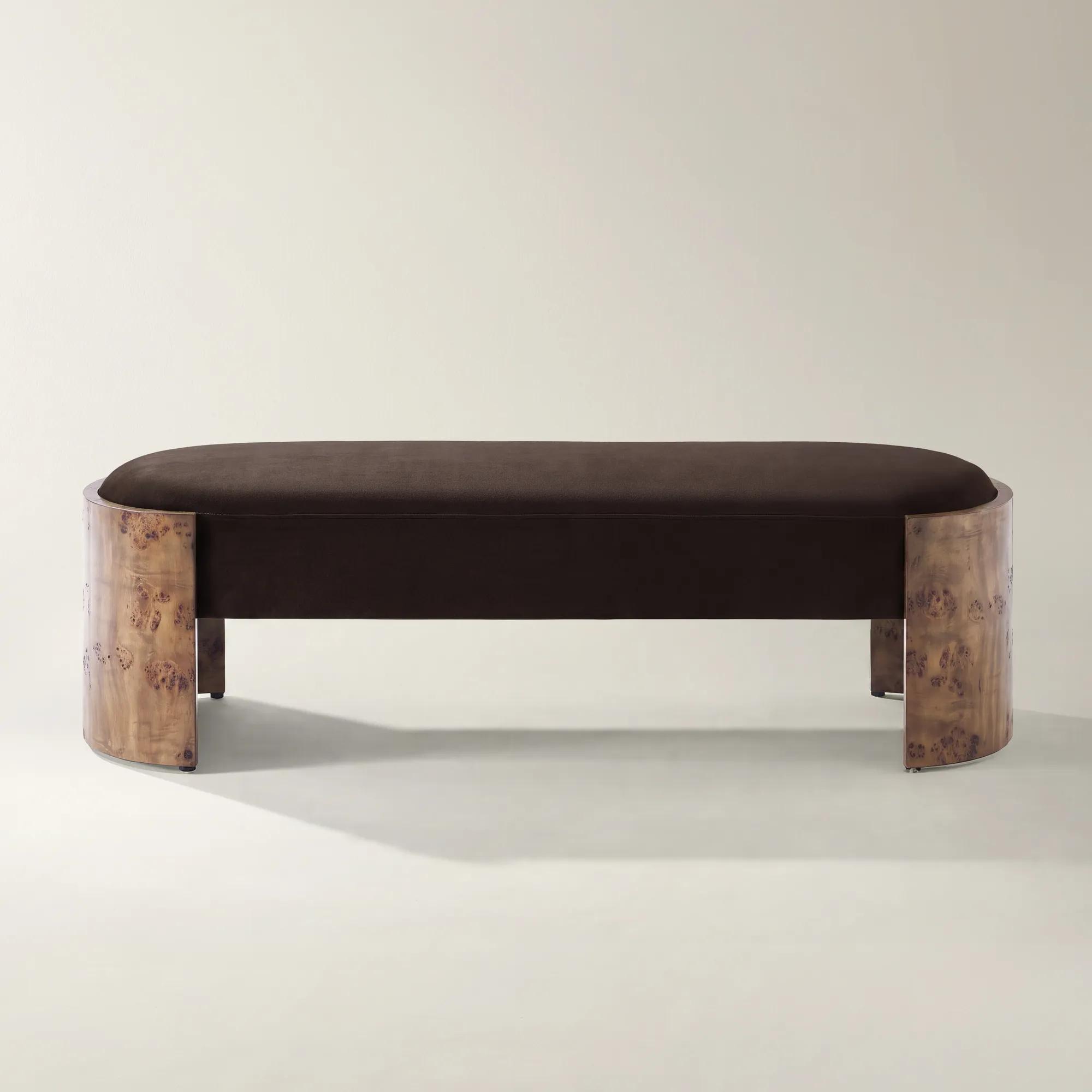 Cora Dark Chocolate Velvet With Ash Wood Bench (60.6")$999
A dark chocolate velvet bench with sculpted bookmatched ash burl end panels and high-resiliency foam cushioning.
Add To Cart -
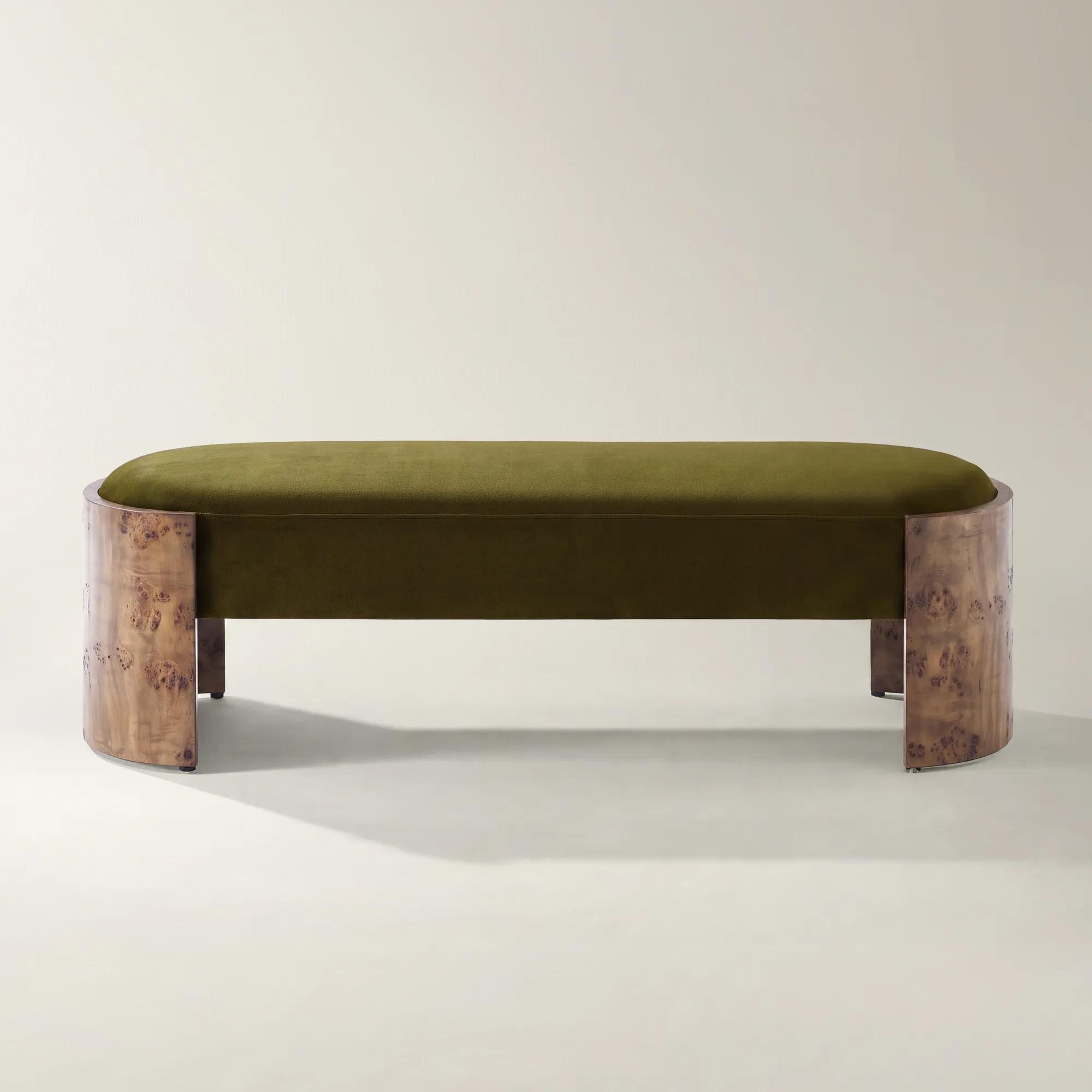 Cora Deep Olive Velvet With Ash Wood Bench (60.6")$999
A sculpted deep olive velvet bench featuring curved ash burl end panels and supportive foam cushioning.
Add To Cart -
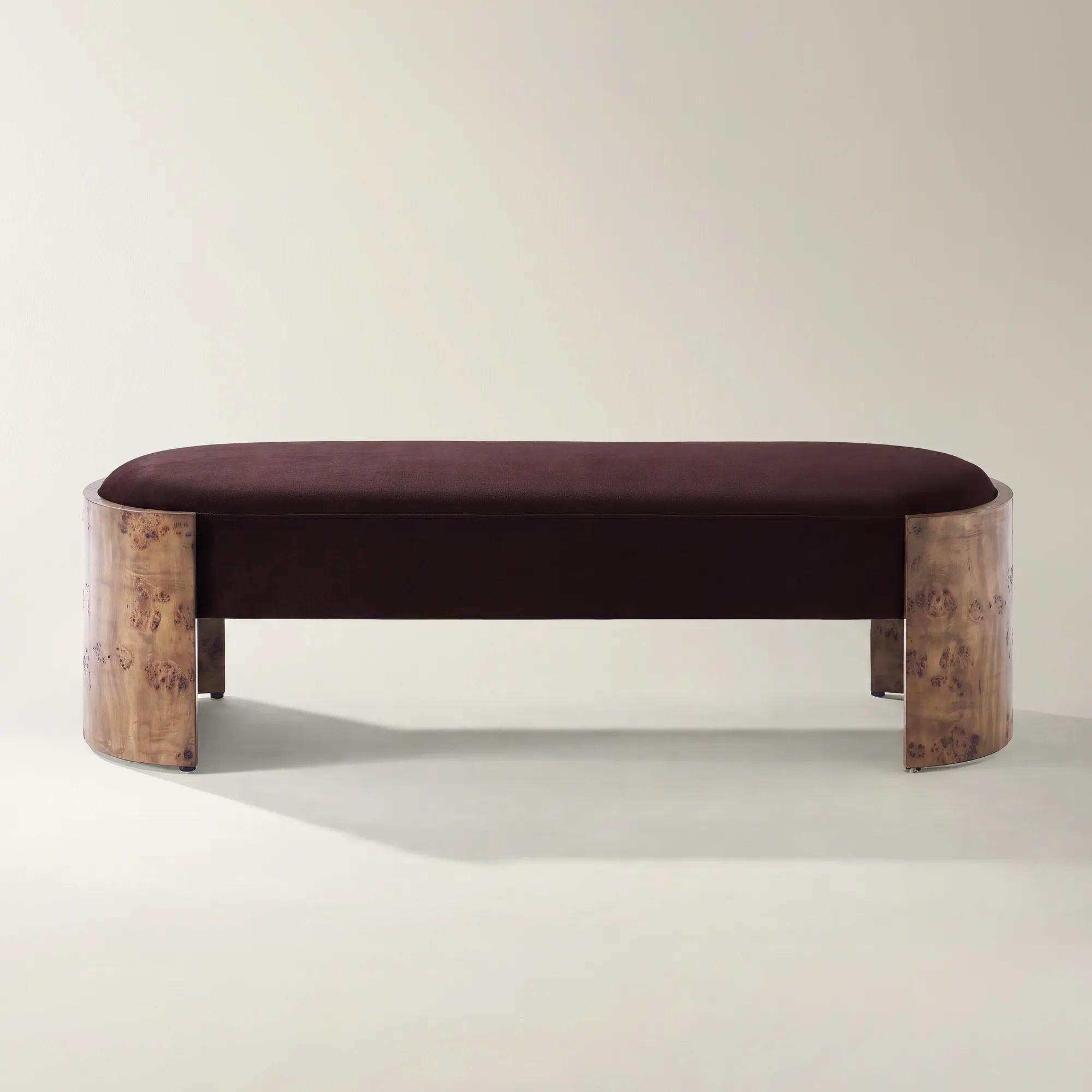 Cora Fig Velvet With Ash Wood Bench (60.6")$999
A sculptural bench with fig velvet upholstery, bookmatched ash burl panels, and supportive high-resiliency foam cushioning.
Add To Cart -
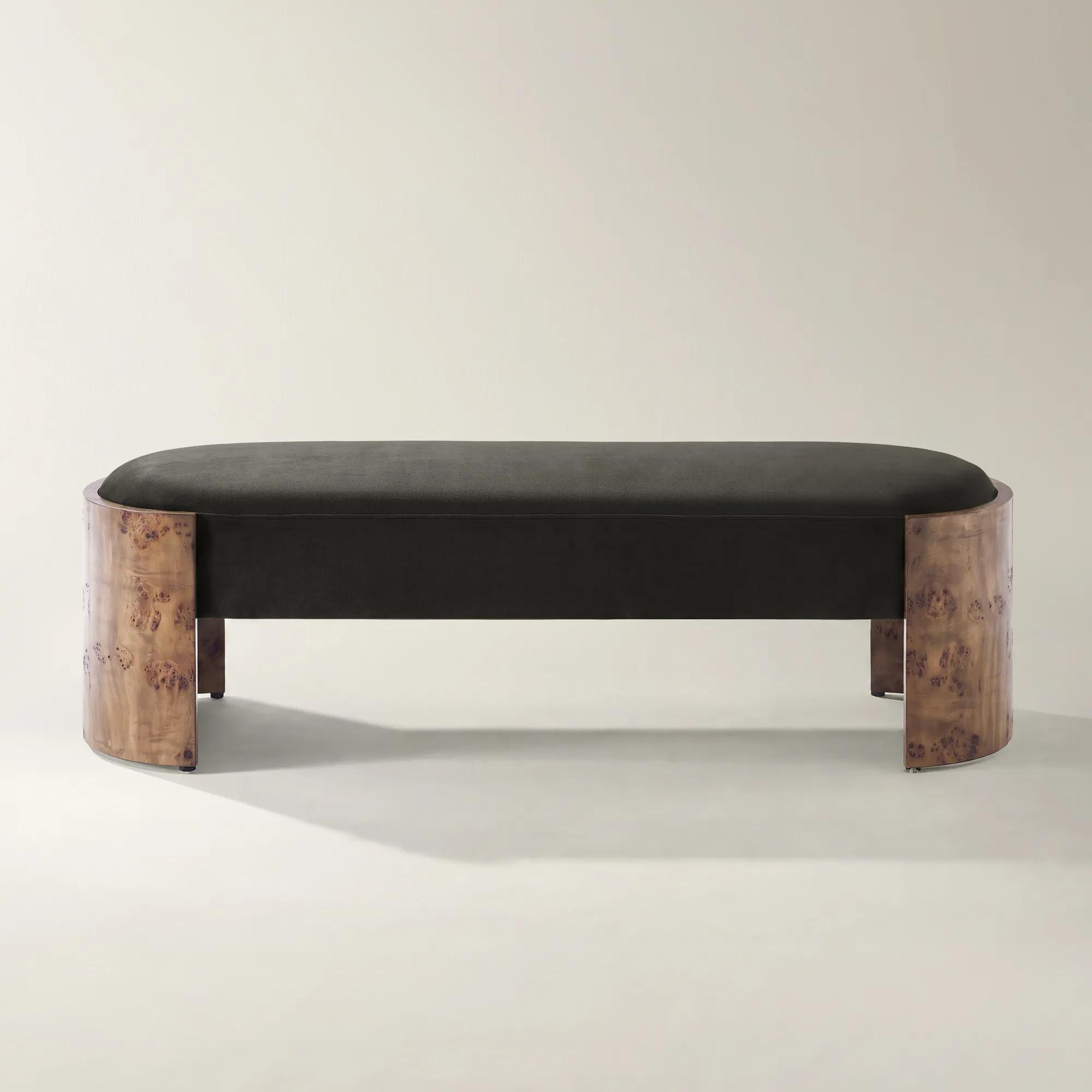 Cora Charcoal Velvet With Ash Wood Bench (60.6")$999
A sculpted charcoal velvet bench with curved bookmatched ash burl panels and supportive foam cushioning.
Add To Cart -
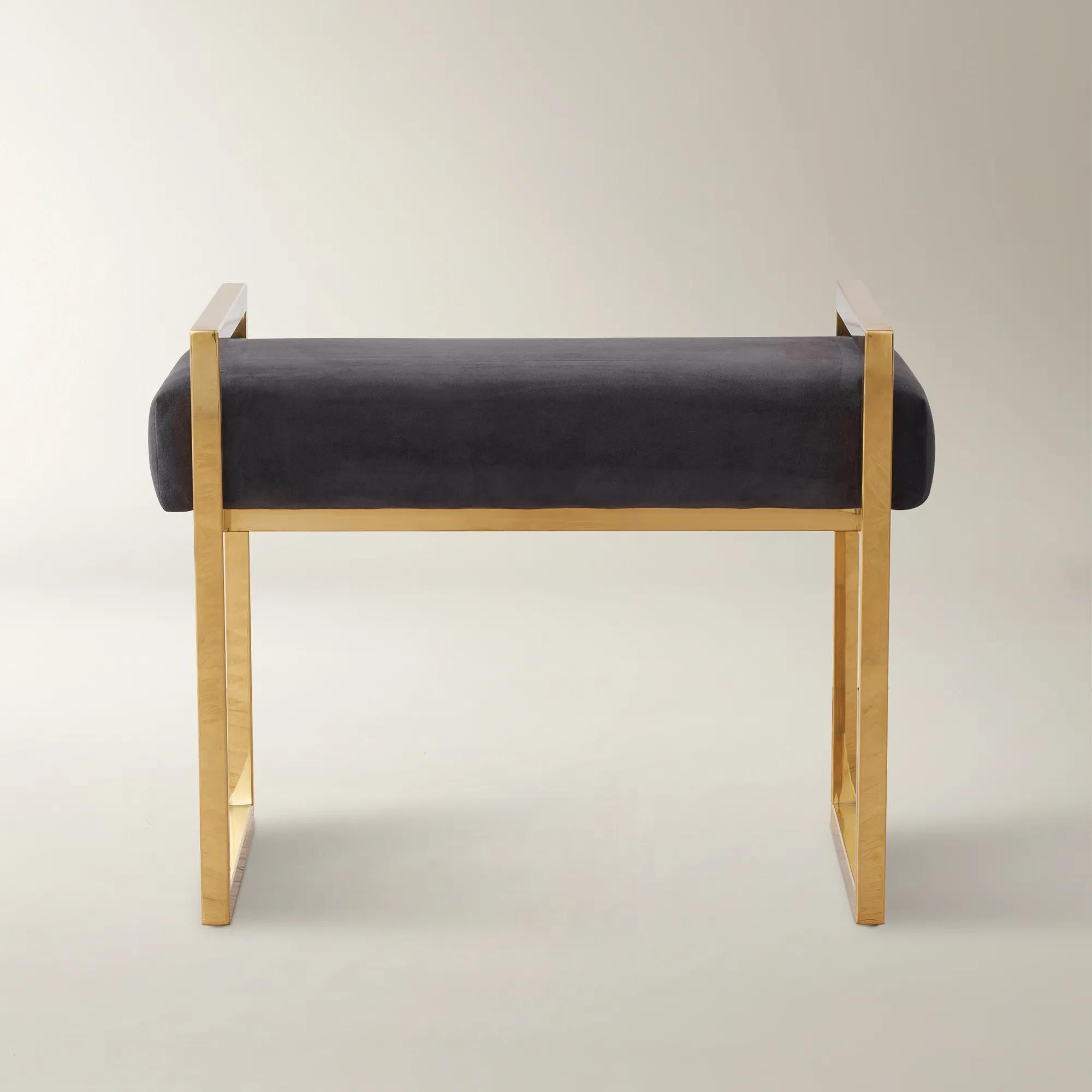
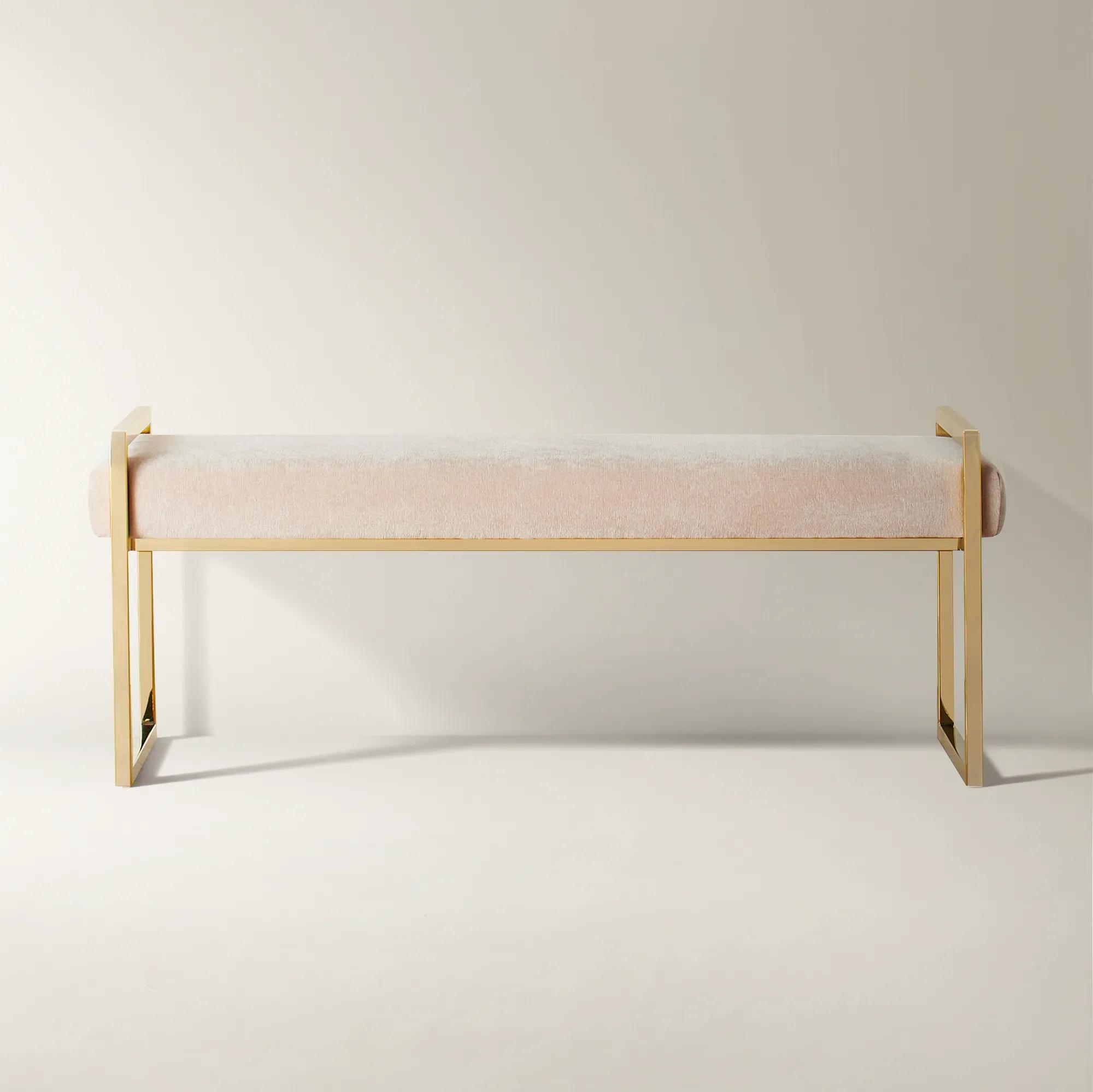 Clara Bench$699
A chic bench featuring a plush upholstered seat and polished gold metal legs for modern elegance.
Add To Cart -
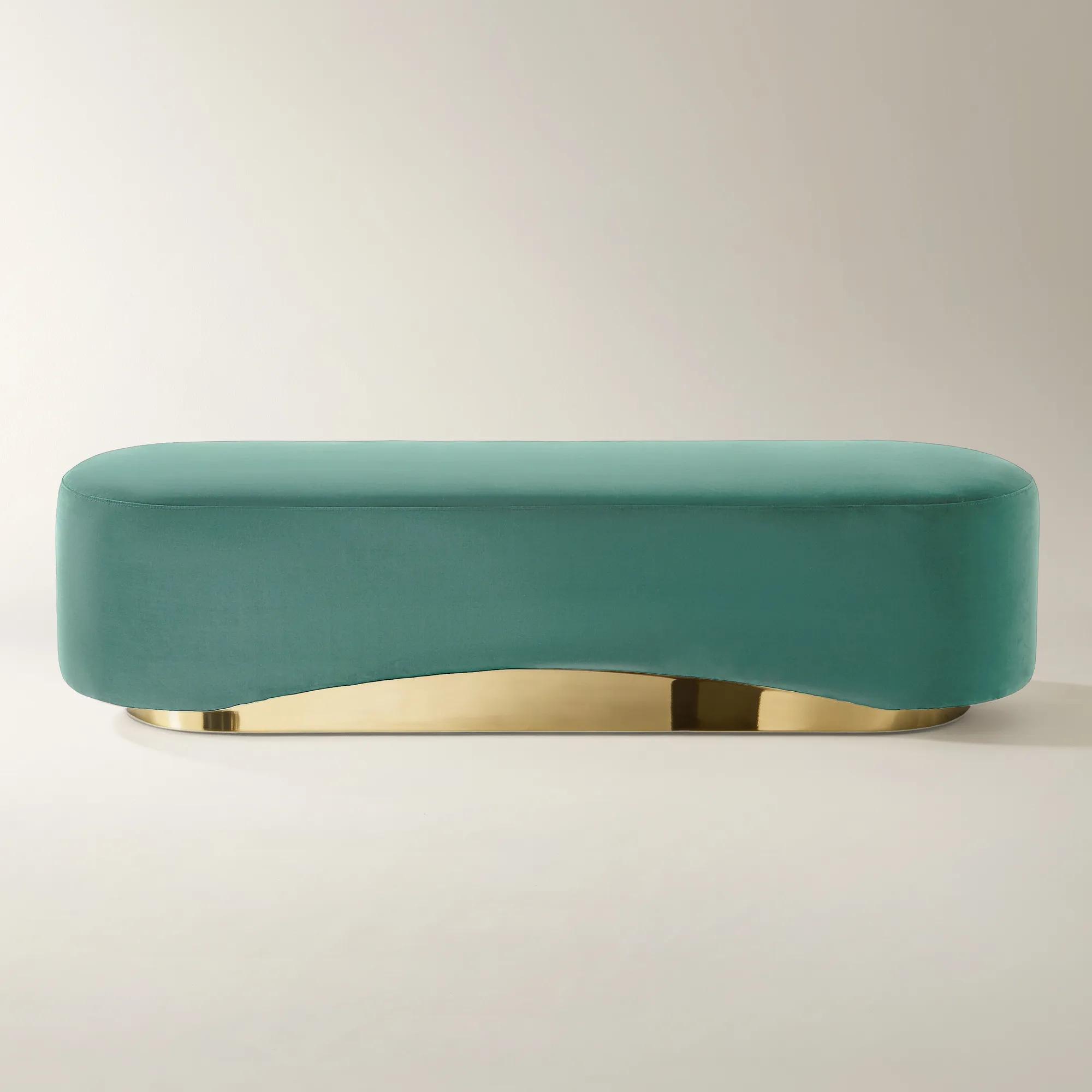 Kendra Ocean Teal Velvet Bench (70.47")$799
An elongated oval bench in ocean teal velvet with a plush seat and polished gold stainless steel base.
Add To Cart -
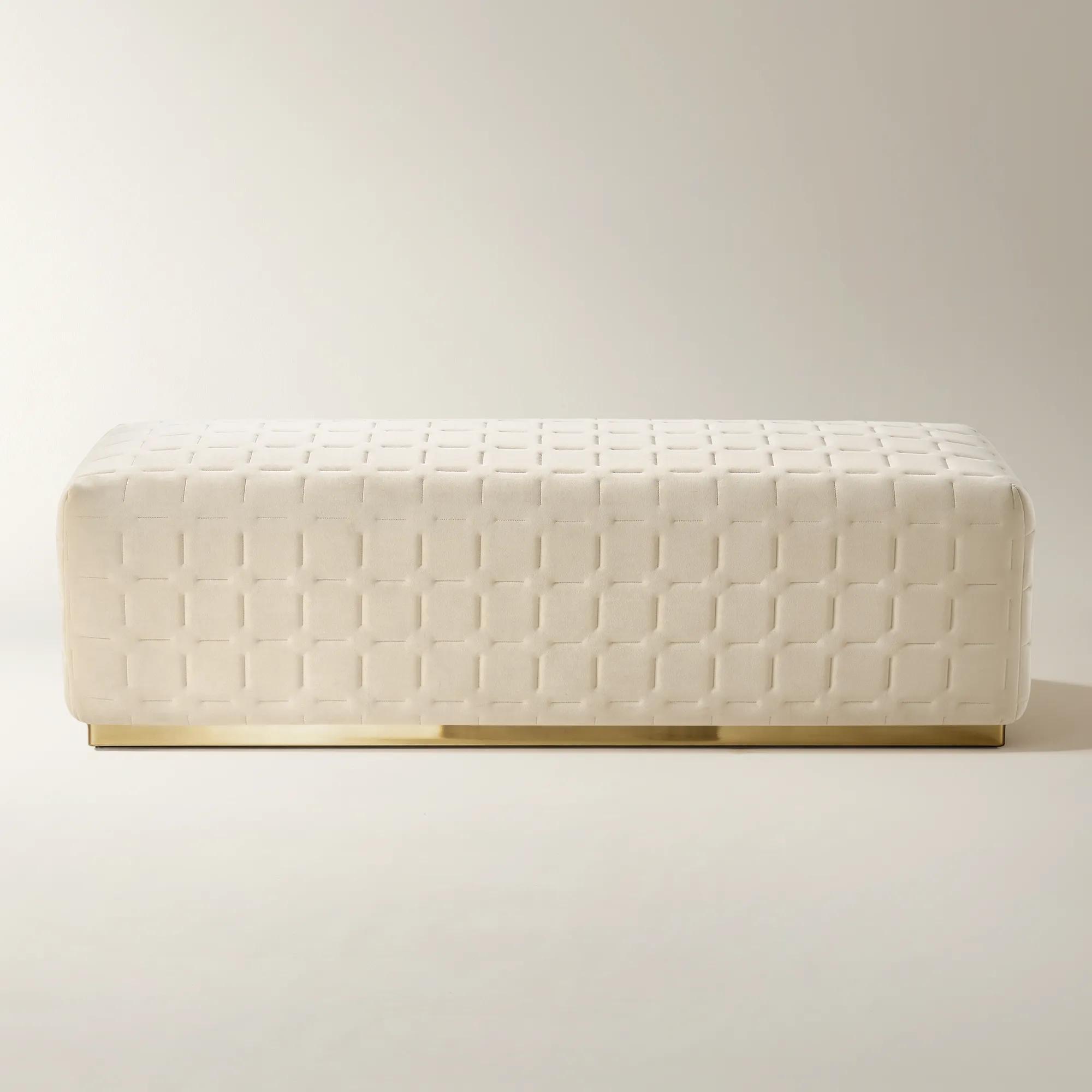
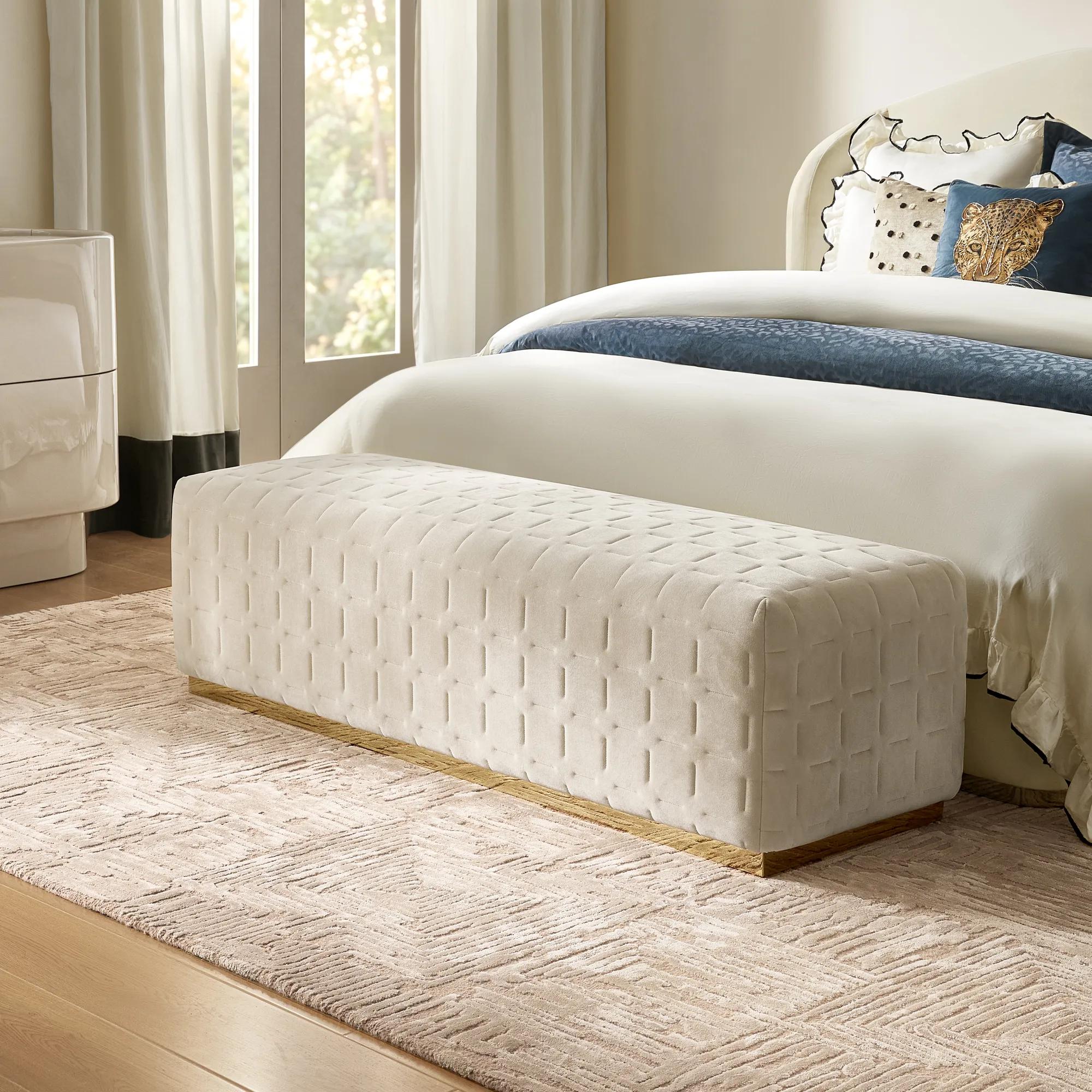 Vanta Quilted Oatmeal Velvet Bench (64.6")$899
A plush oatmeal velvet bench featuring checker quilted tufting and a sleek gold stainless steel base.
Add To Cart -
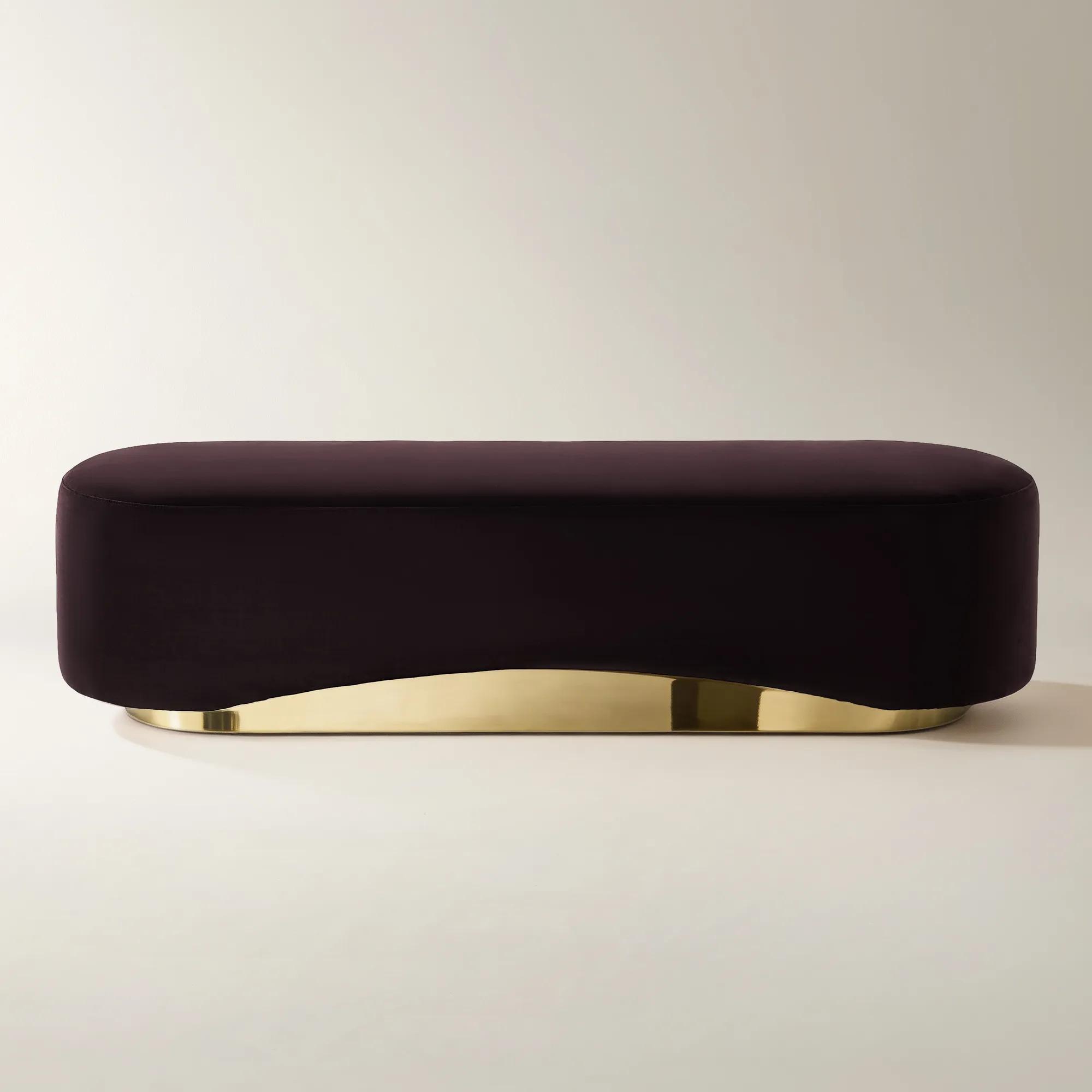 Kendra Fig Velvet Bench (70.47")$799
A plush fig velvet bench with an elongated oval silhouette and a polished gold stainless steel base.
Add To Cart -
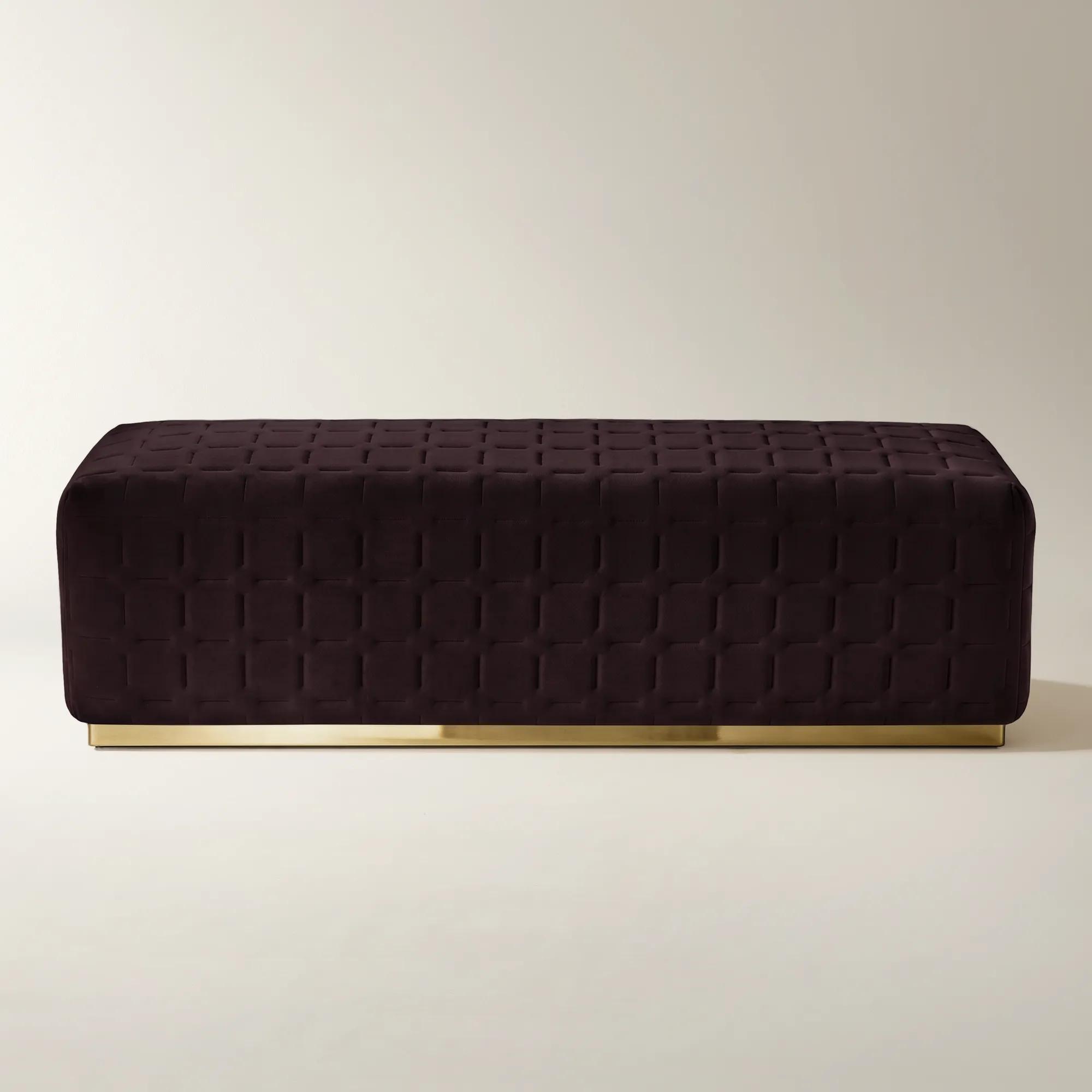
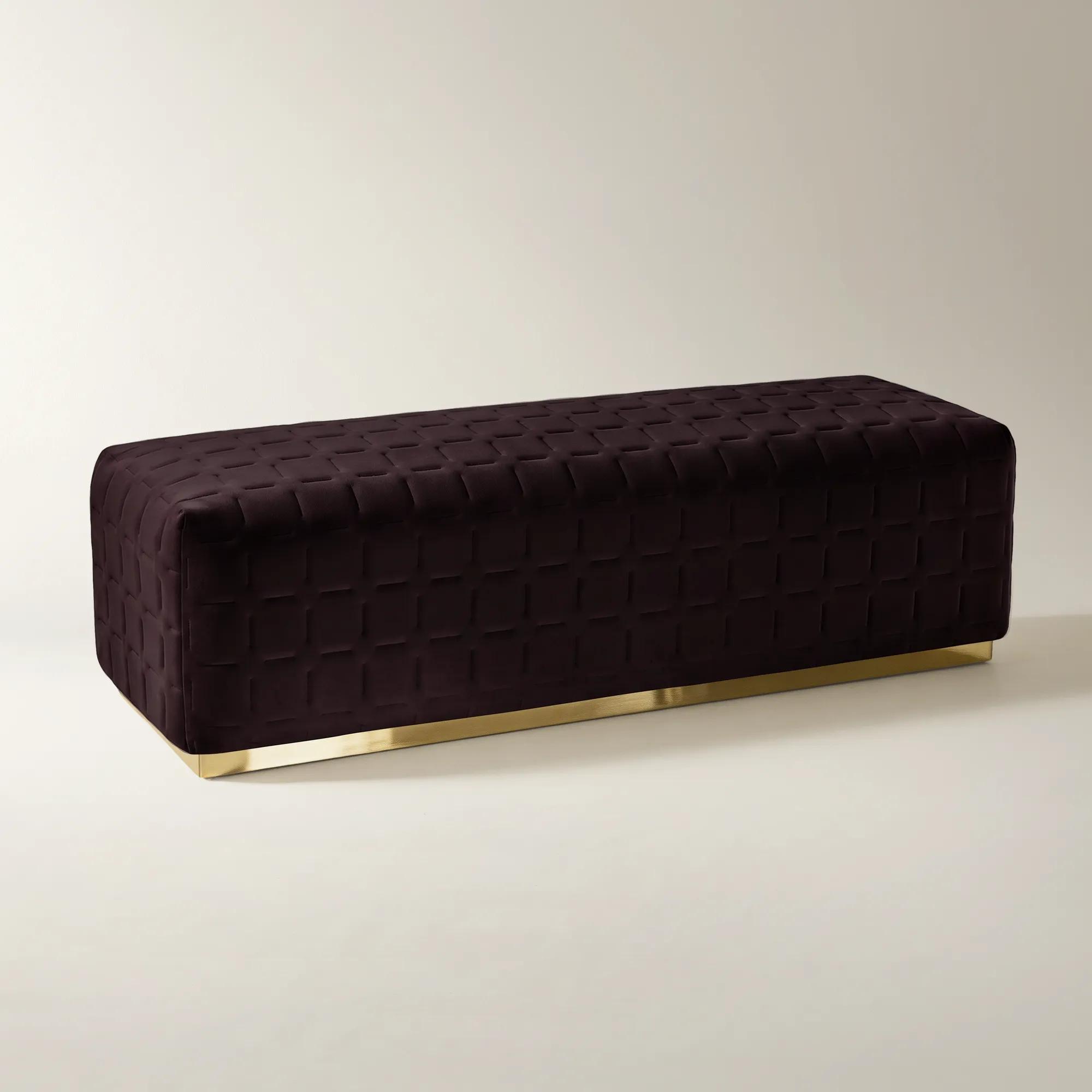 Vanta Quilted Fig Velvet Bench (64.6")$899
A plush fig velvet bench featuring checker quilted tufting and a sleek gold stainless steel base.
Add To Cart -
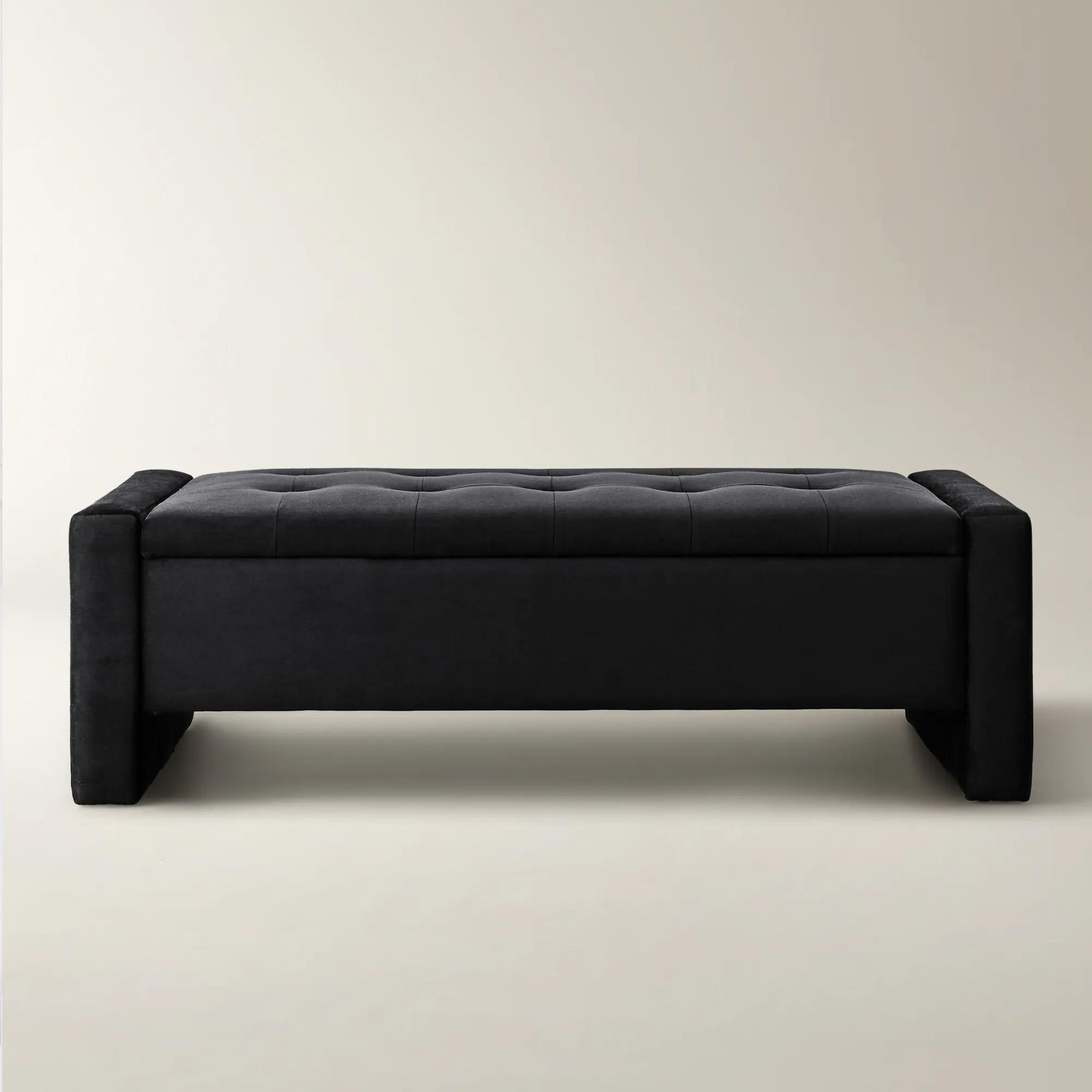
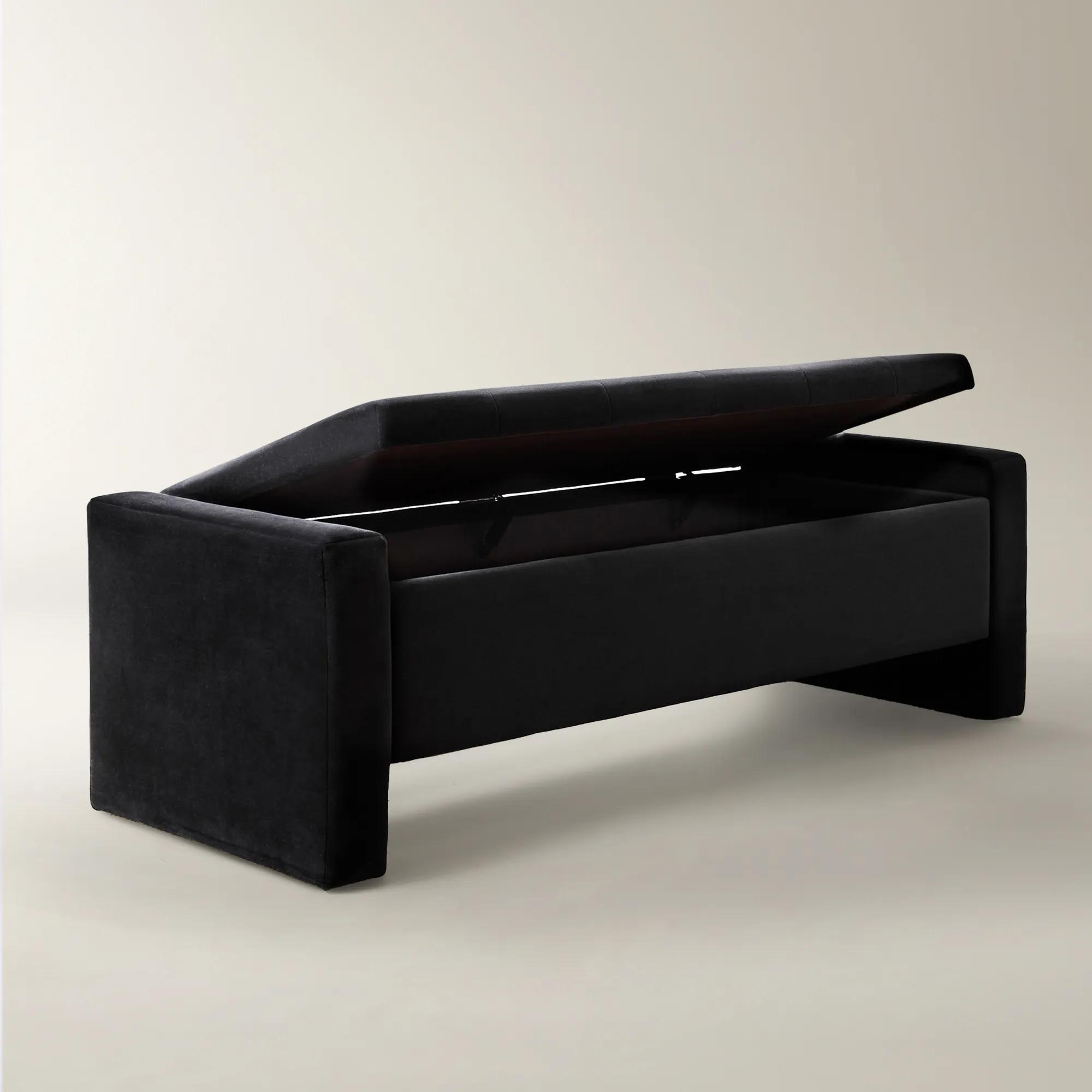 Maeve Storage Bench$849
A modern velvet-upholstered bench with hidden storage and a sturdy kiln-dried hardwood frame.
Add To Cart -
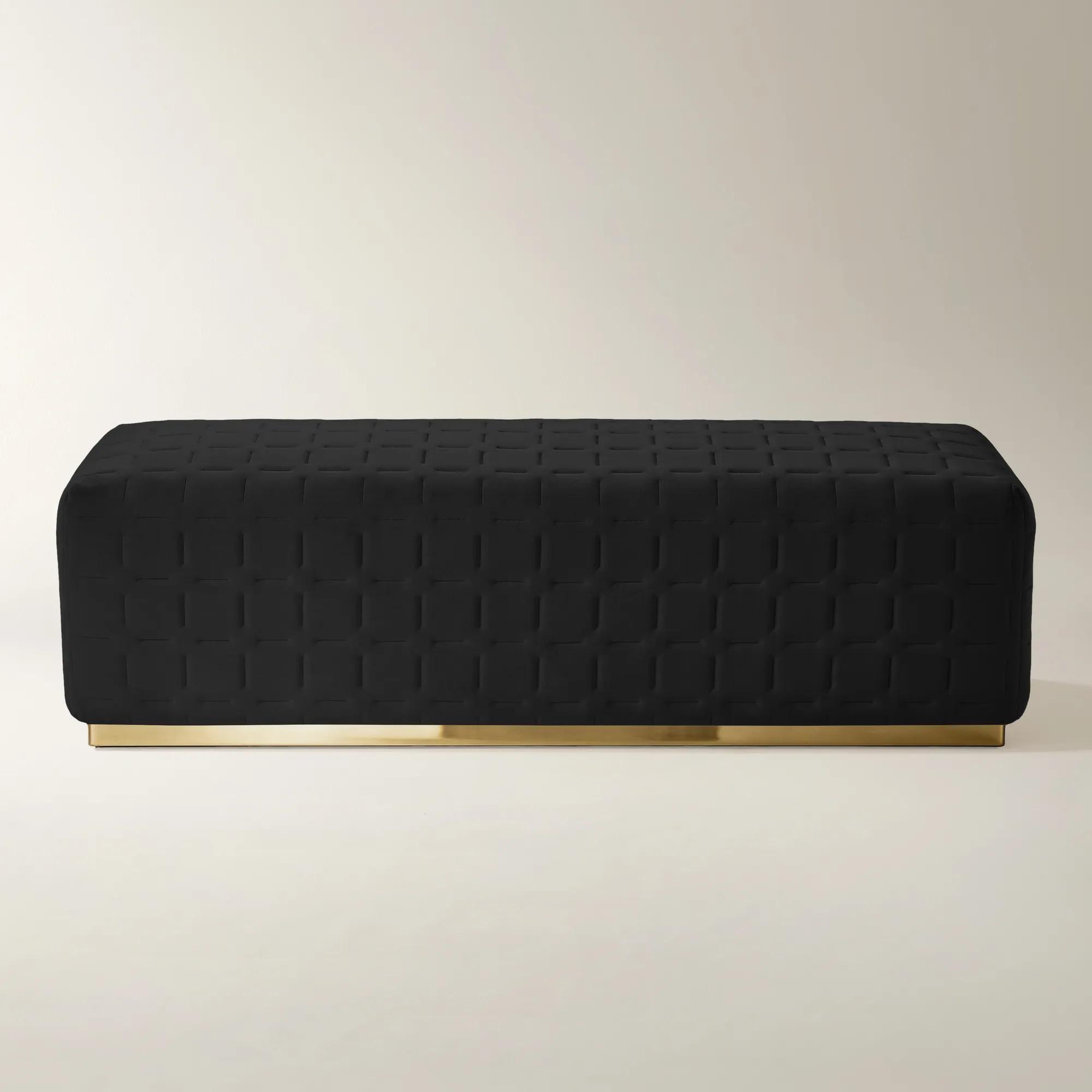 Vanta Quilted Charcoal Velvet Bench (64.6")$899
A charcoal velvet bench featuring checker quilted tufting and a gold stainless steel base for modern elegance.
Add To Cart -
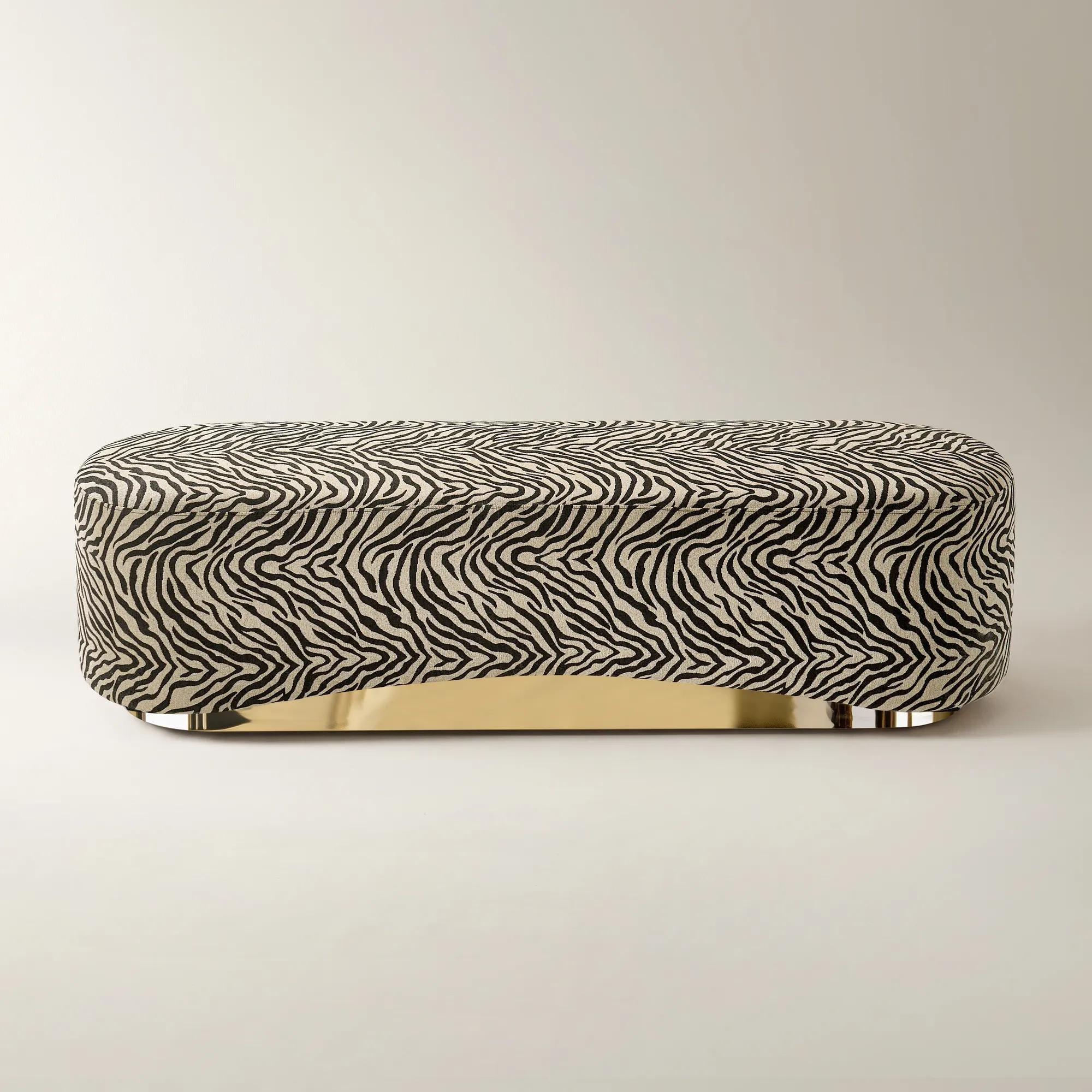
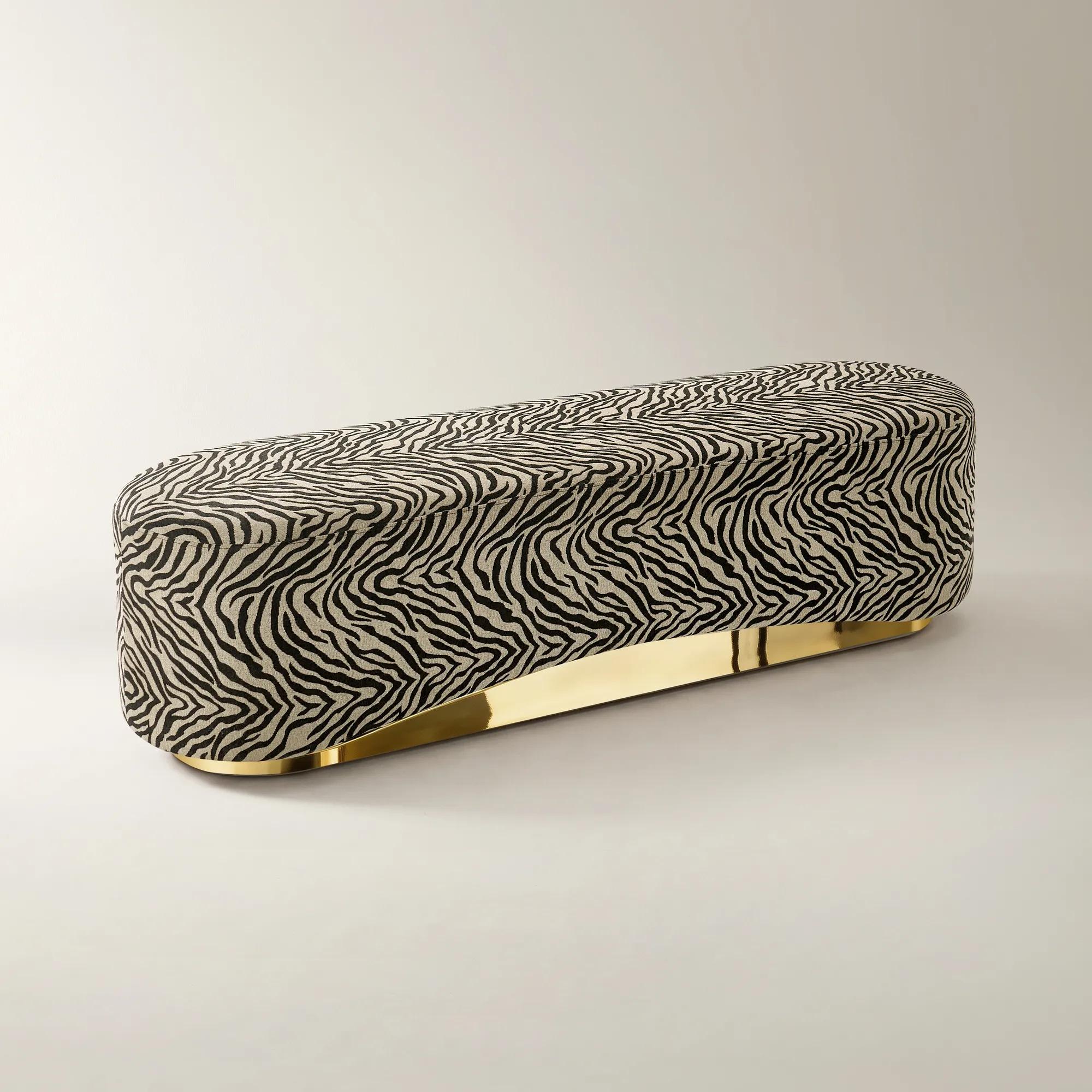 Kendra Zebra Performance Chenille Bench (70.47")$799
An elongated oval bench upholstered in textured zebra-pattern chenille with a polished gold stainless steel base.
Add To Cart -
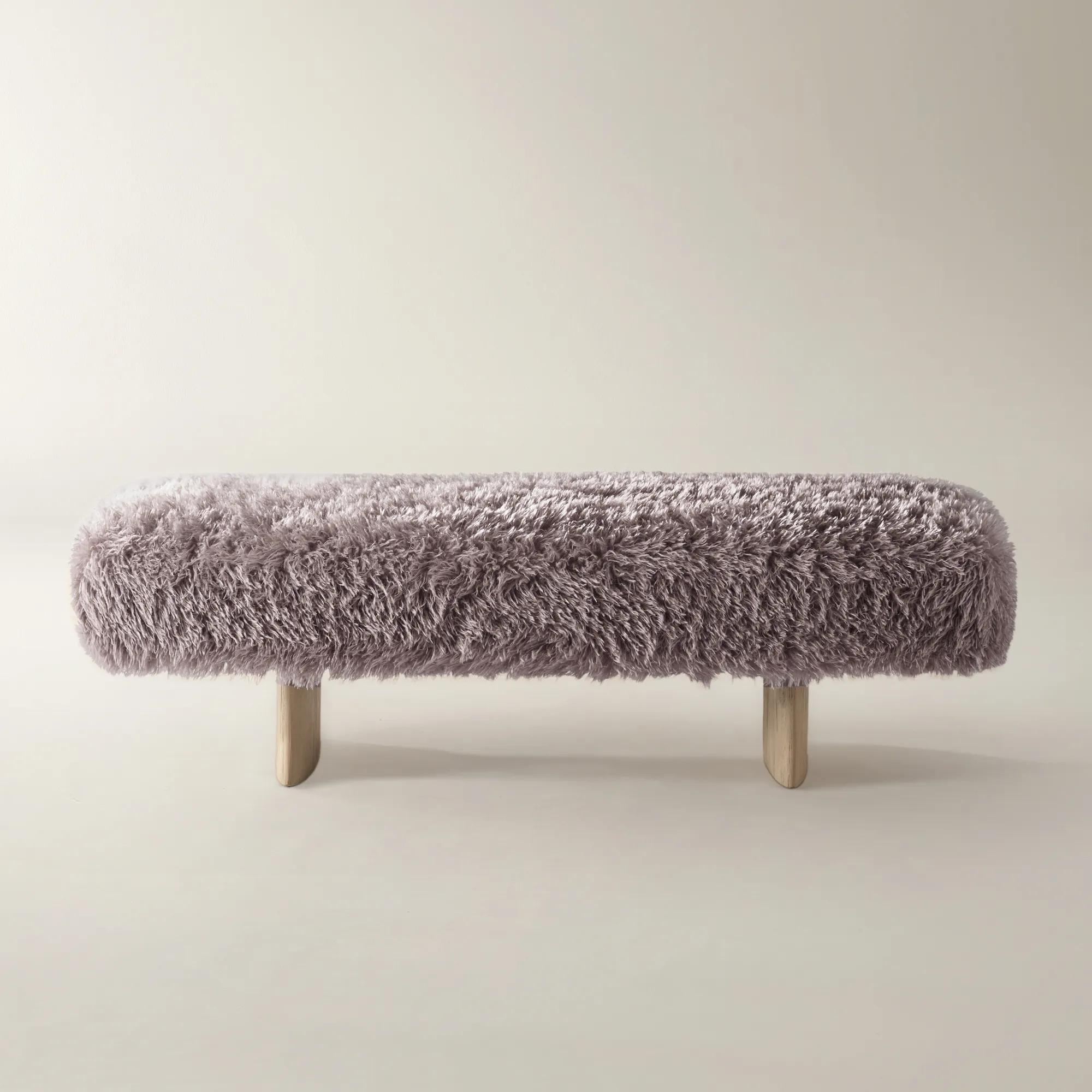
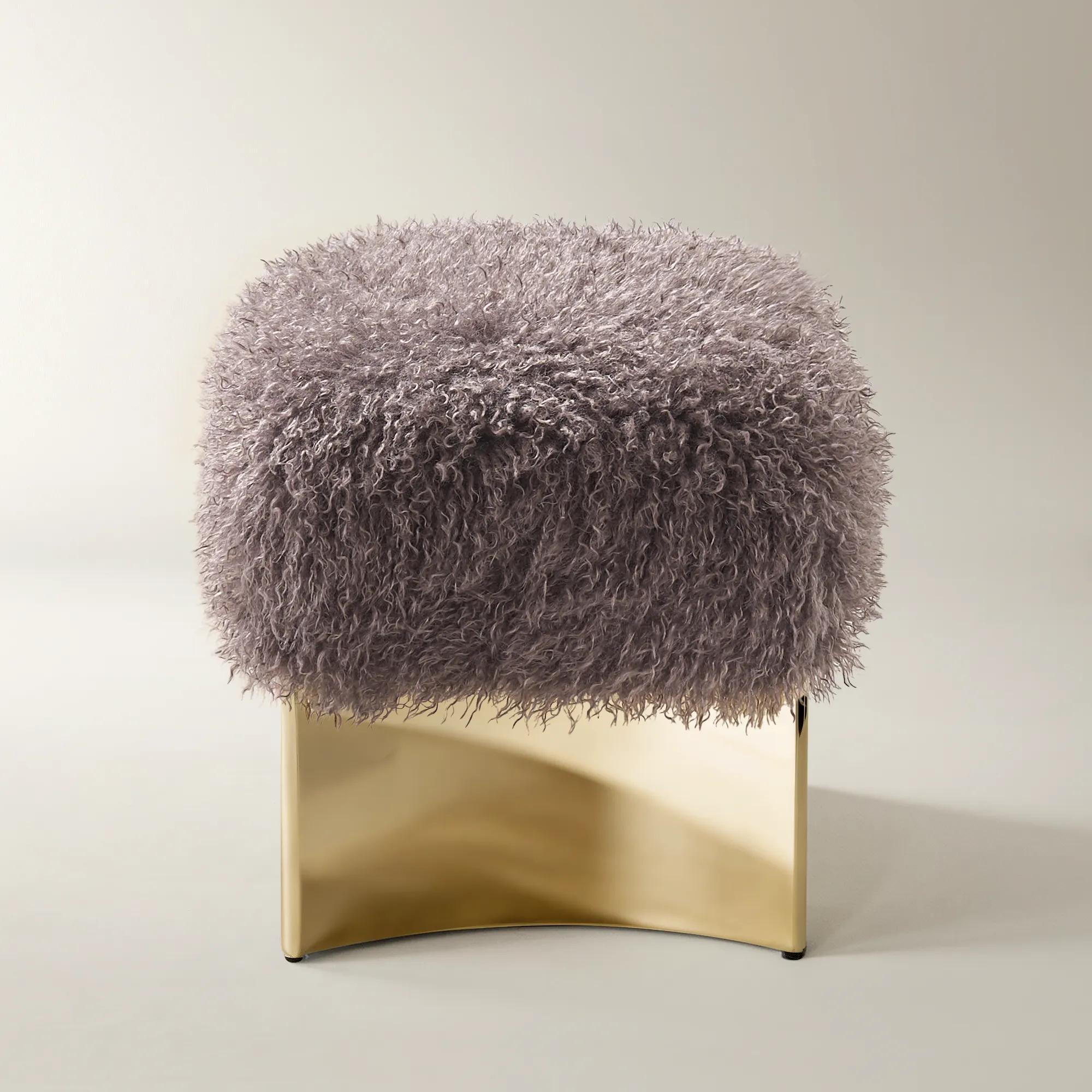
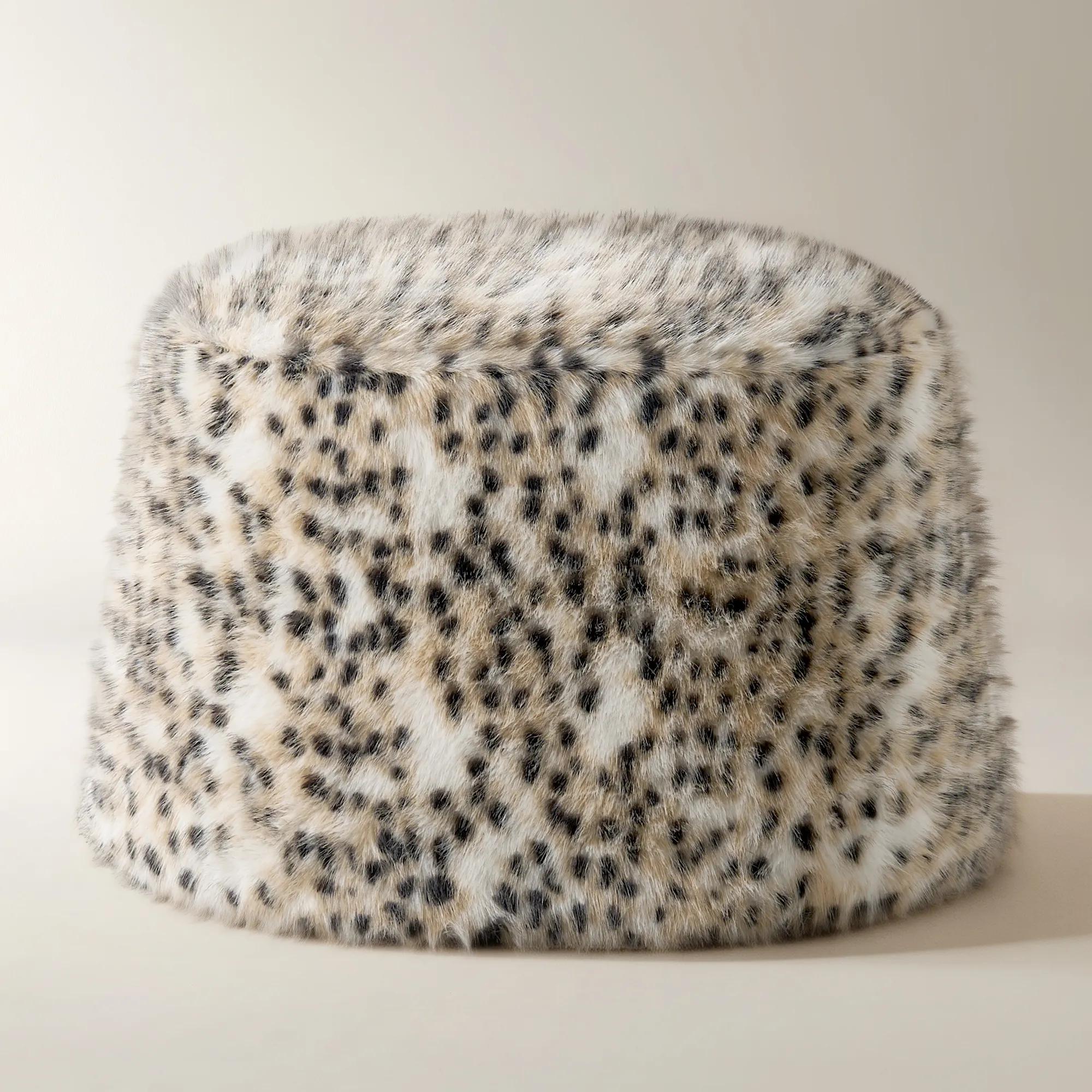
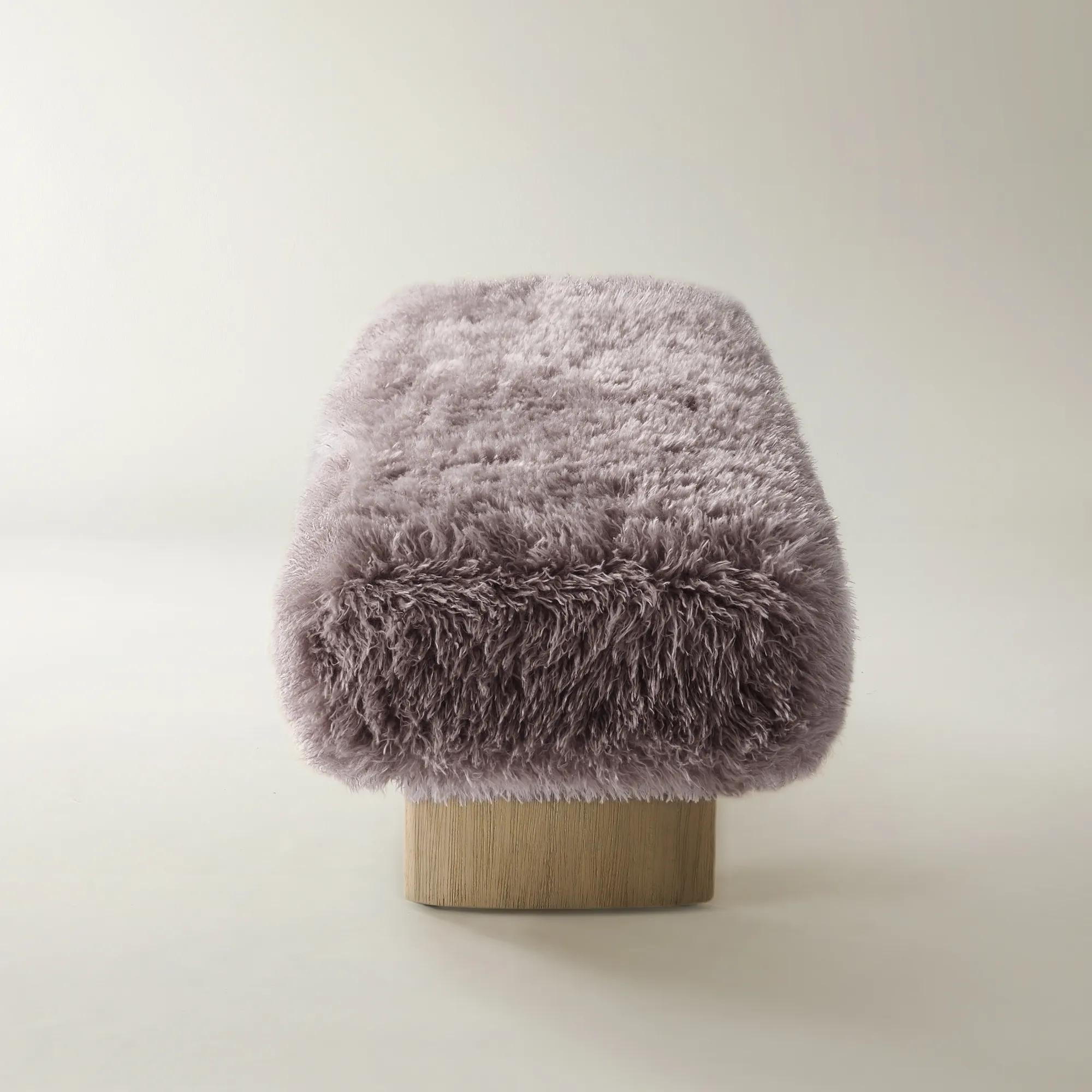 Micah Plum Truffle Mongolian Faux Fur Bench With Rubberwood Legs(62.6")$699
A sculptural bench featuring smoked plum Mongolian faux fur upholstery and warm solid rubberwood legs.
Add To Cart -
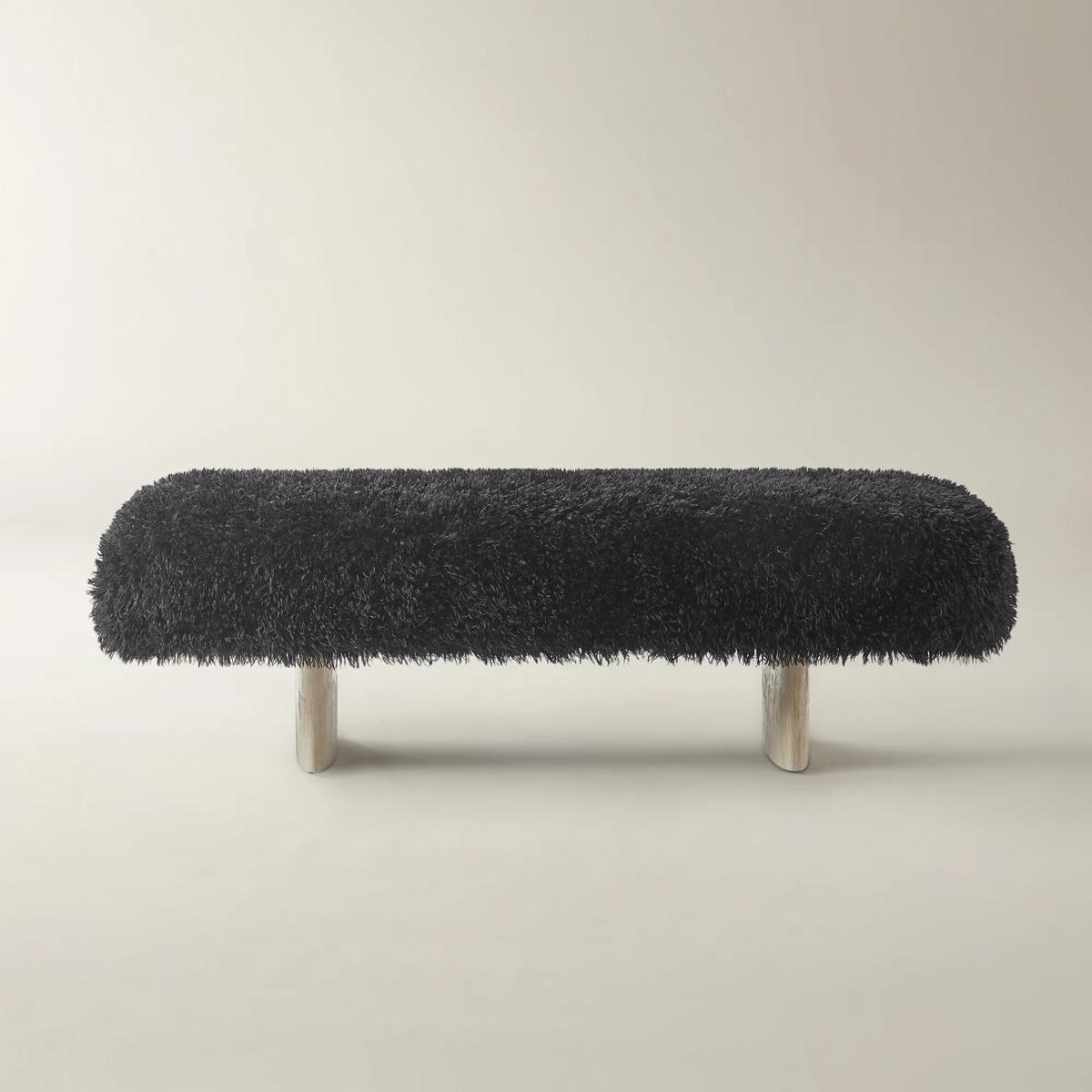 Micah Black Mongolian Fur Bench With Rubberwood Legs (62.6")$699
A striking black faux Mongolian fur bench with solid rubberwood legs for plush comfort and modern edge.
Add To Cart -
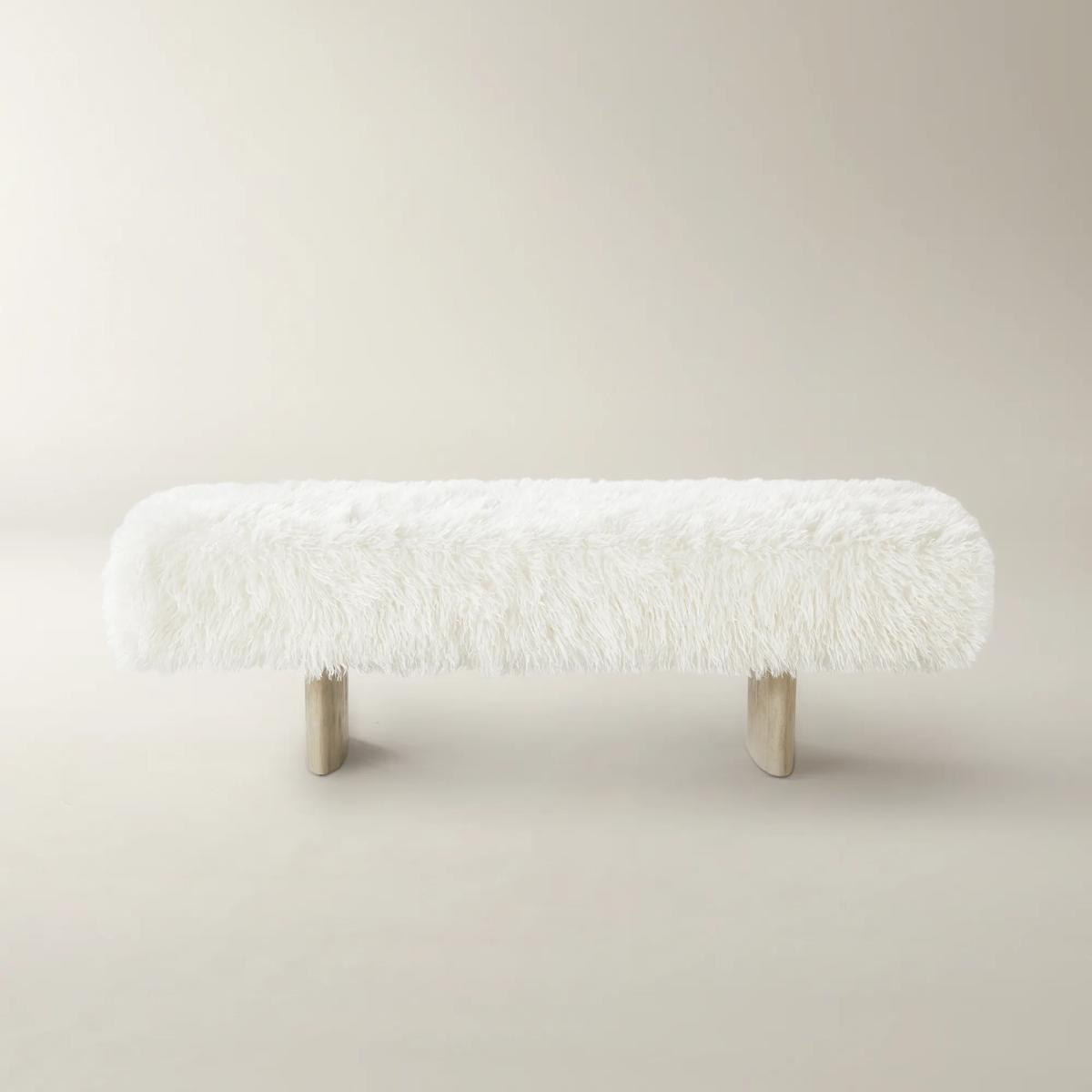 Micah Ivory Mongolian Faux Fur Bench With Rubberwood Legs (62.6")$699
An ivory faux Mongolian fur bench with high-density foam and sculptural solid rubberwood base for modern coziness.
Add To Cart -
 Micah Tan Mongolian Faux Fur Bench With Rubberwood Legs (62.6")$699
A light brown faux fur bench with a curved rubberwood base and plush high-density foam cushion.
Add To Cart -
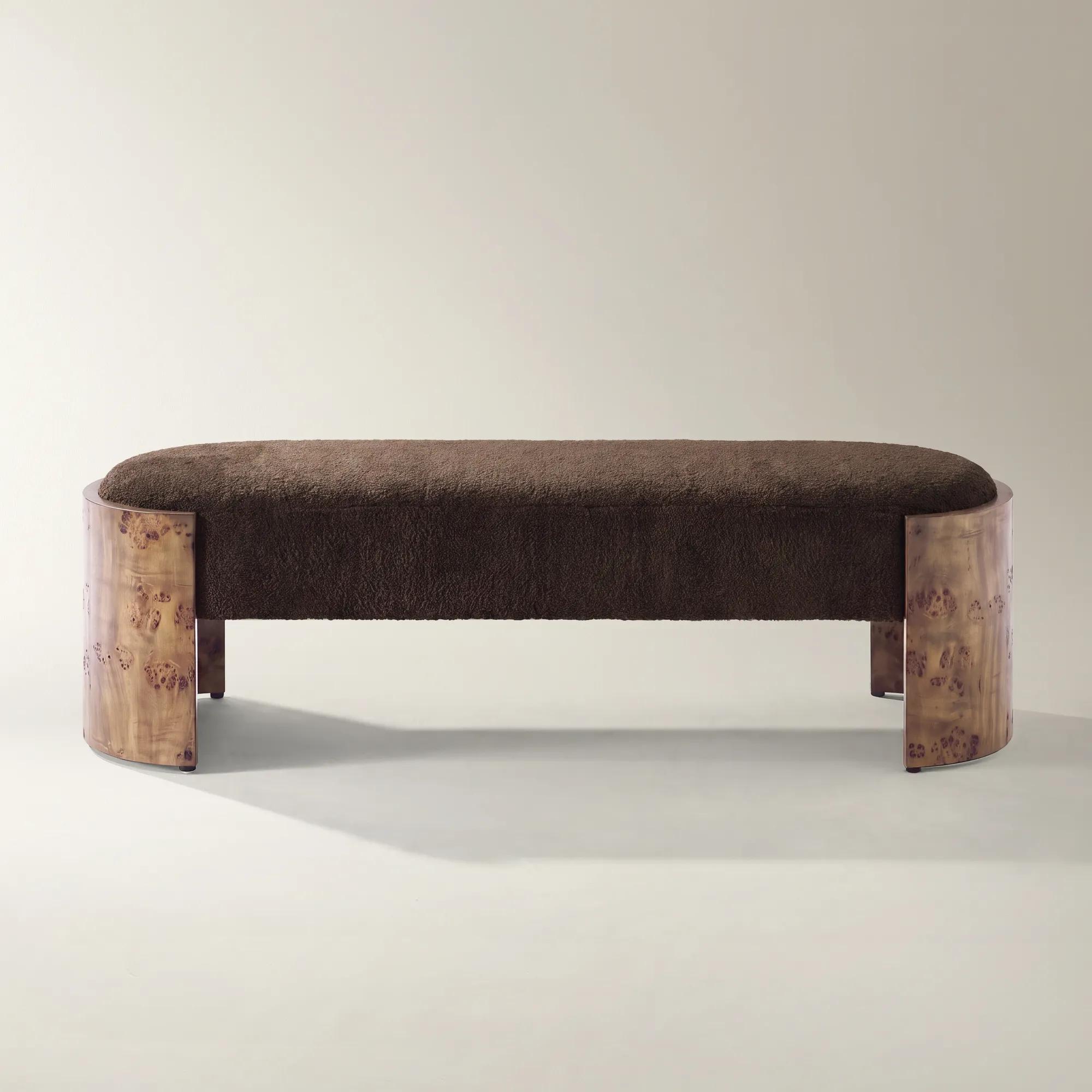 Cora Dark Chocolate Chenille With Ash Wood Bench (60.6")$999
A sculpted dark chocolate chenille bench with curved ash burl end panels and supportive foam cushioning.
Add To Cart -
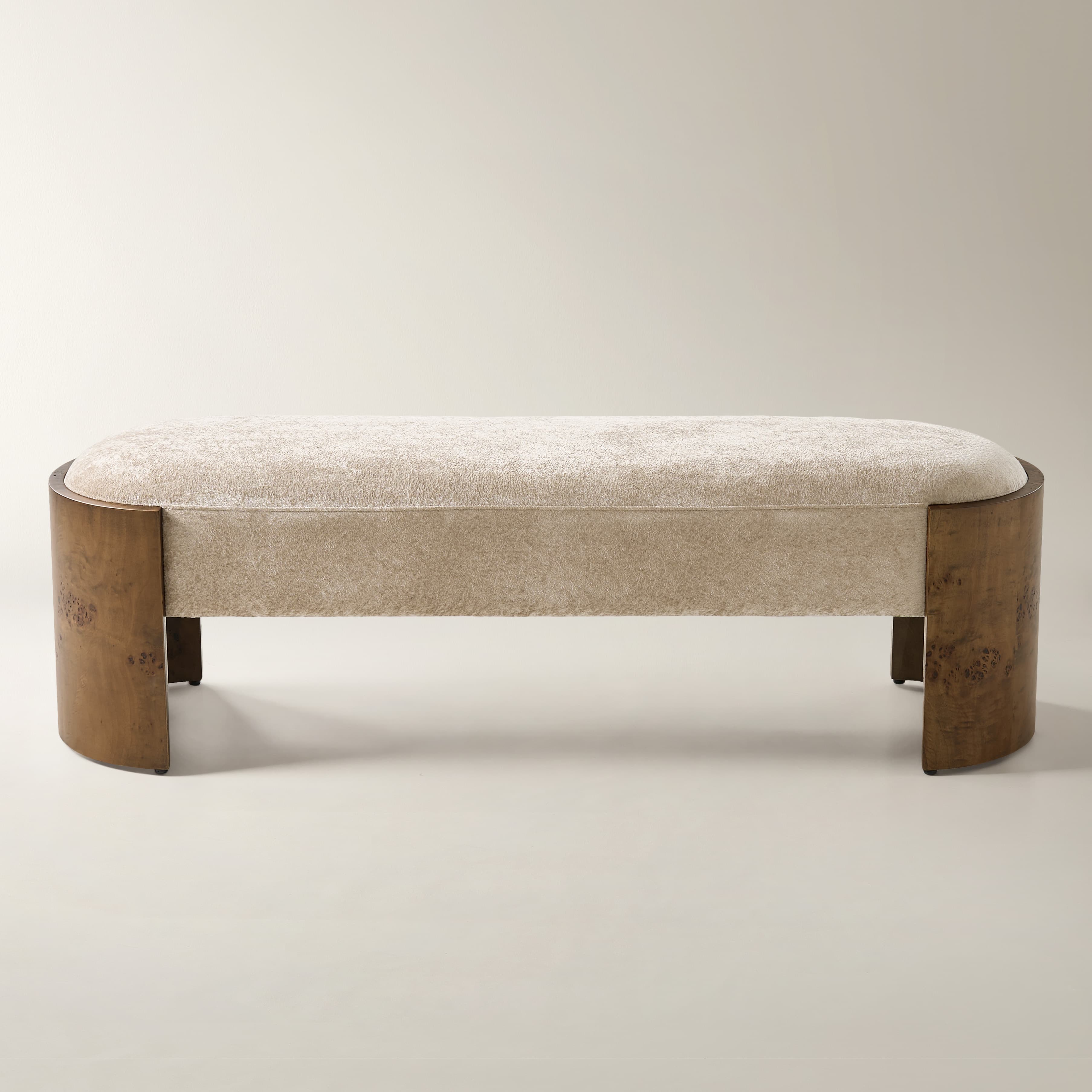 Cora Light Brown Chenille With Ash Wood Bench (60.6")$999
A light brown chenille bench with curved ash burl veneer panels, blending plush comfort and organic artistry.
Add To Cart -
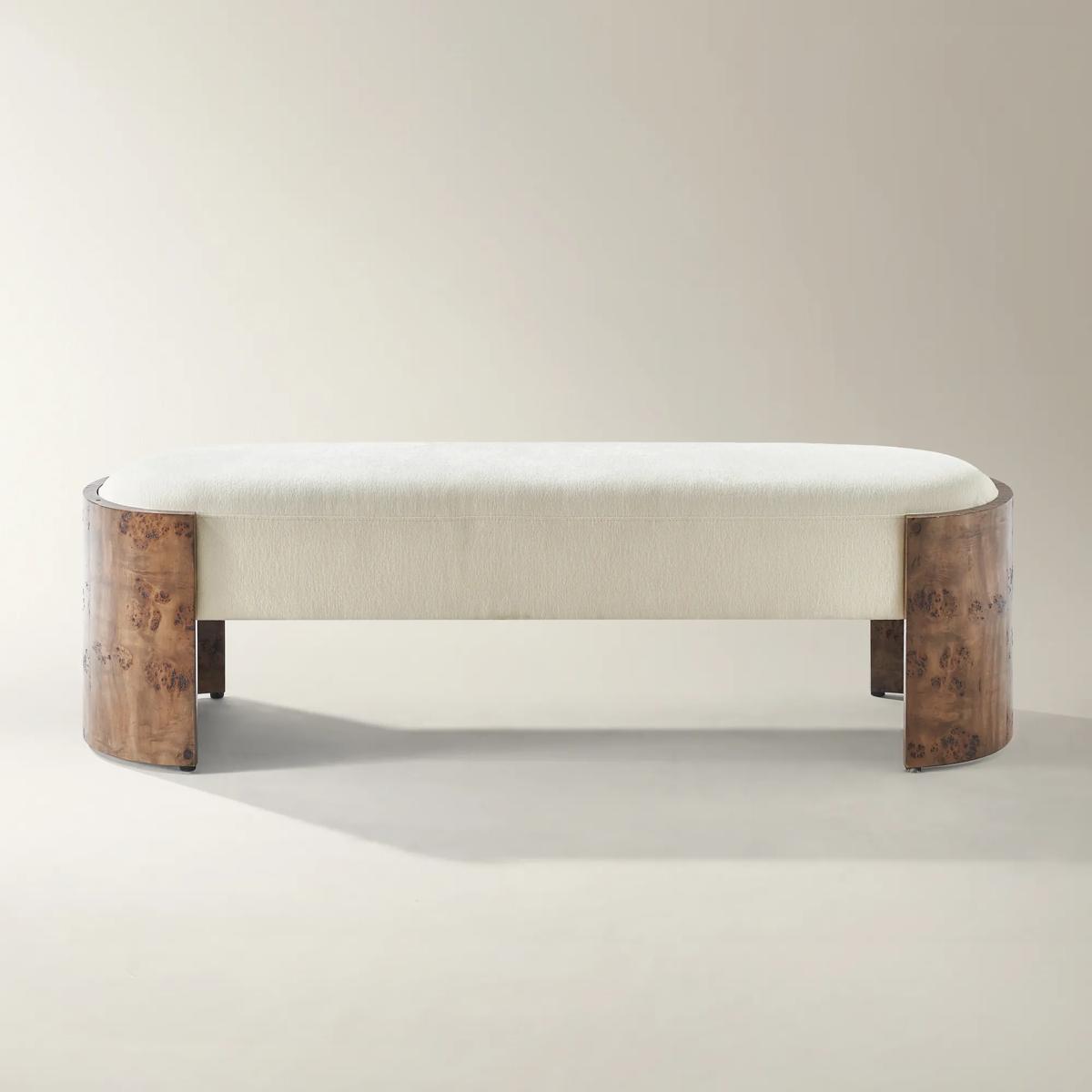 Cora Ivory Chenille With Ash Wood Bench (60.6")$999
An ivory chenille bench with curved ash burl veneer panels, blending plush comfort with striking wood artistry.
Add To Cart -
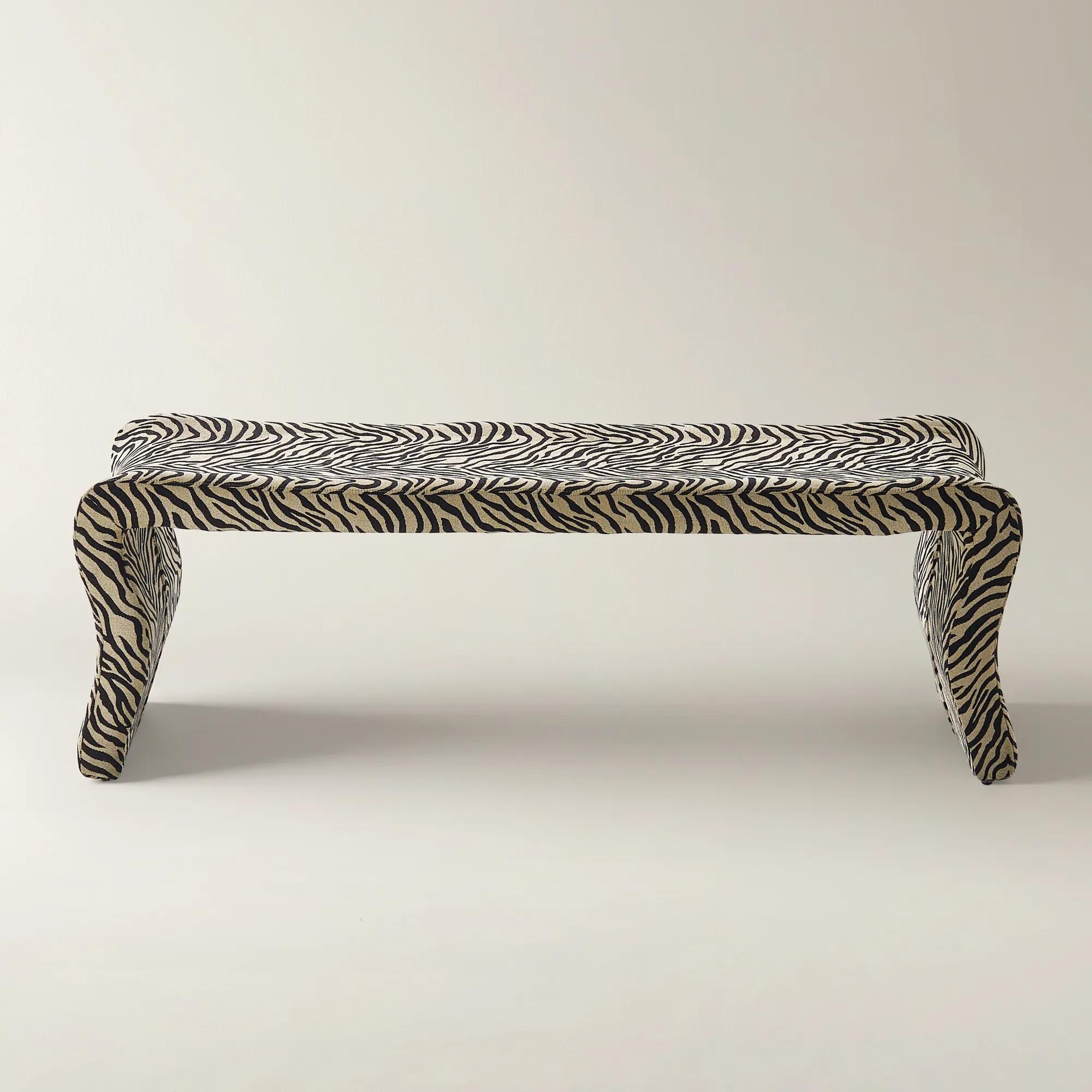 Romy Zebra Performance Chenille Bench (61.5")$899
A sculptural bench wrapped in zebra-patterned performance chenille with a wave-like silhouette and full foam construction.
Add To Cart -
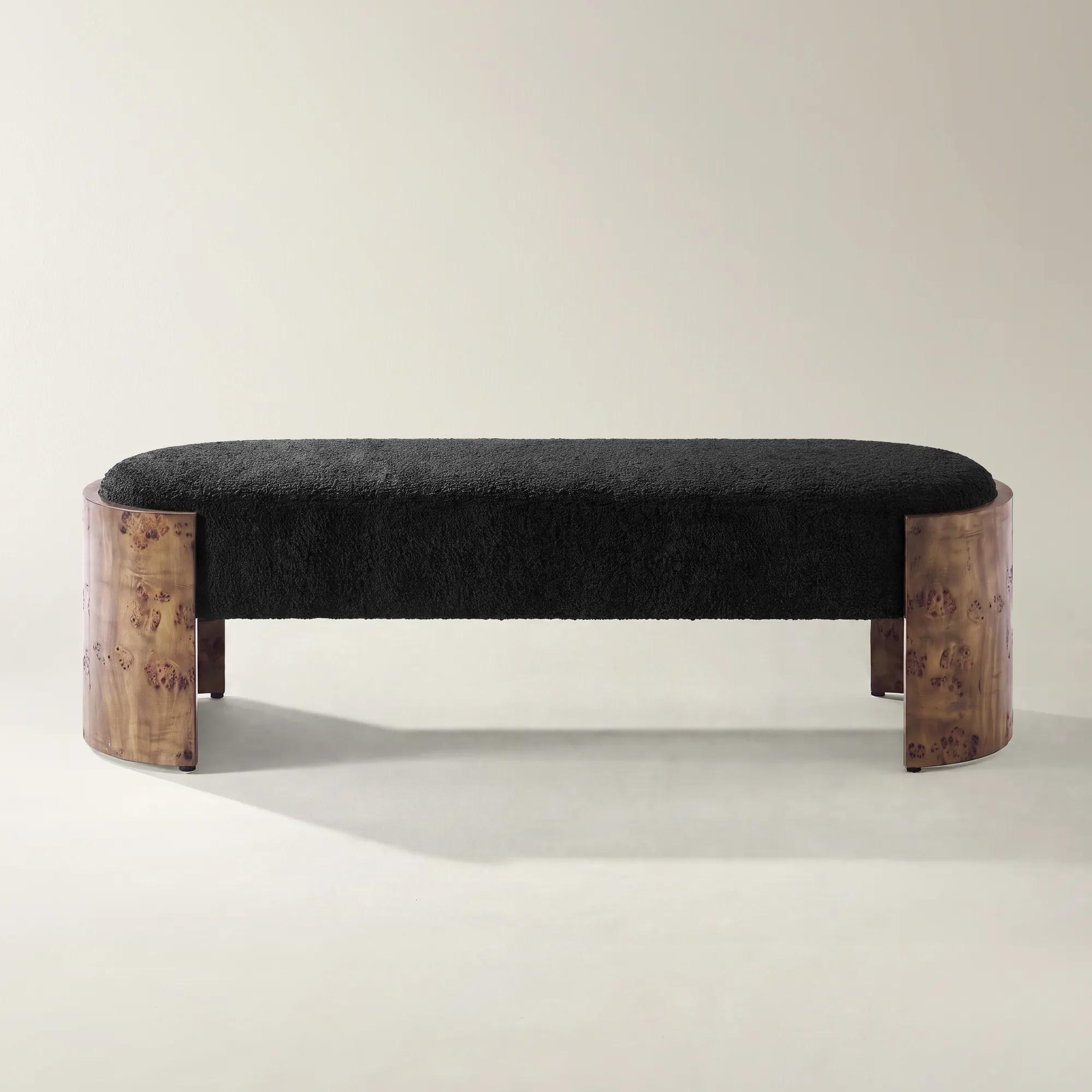 Cora Black Chenille With Ash Wood Bench (60.6")$999
A sculpted charcoal chenille bench featuring curved bookmatched ash burl panels and supportive foam cushioning.
Add To Cart

Velvet Benches With Curvaceous Legs
Velvet benches with curvaceous legs invite a sense of drama and allure into any interior, transforming the ordinary into the extraordinary. Each silhouette is a masterstroke of artistry—sumptuous velvet drapes over undulating forms, creating a feast for the senses and a stage for self-expression. Whether poised at the end of a bed or gracing an entryway, these benches become statement pieces that whisper of luxury and sophistication. Let your space revel in opulence; with every curve and plush detail, velvet benches with curvaceous legs promise to elevate your home into a gallery of bold design.
Velvet benches with curvaceous legs combine plush, short-pile upholstery with legs that sweep, bow, or taper through graceful curves. The result is seating with two distinct sources of character: a richly textured surface that catches the light and an expressive base that gives the silhouette movement. Some designs draw on cabriole forms, with flowing contours reminiscent of carved antique furniture; others translate that elegance into slender metal arcs or softly rounded wood supports. These differences matter visually. An intricately shaped leg introduces ornamental detail, while a restrained curve brings a sculptural note to a contemporary room without overwhelming its architecture. Velvet adds another layer of dimension because its pile reflects light differently depending on the viewing angle and the direction of the fibers. A jewel-toned seat may appear luminous along one edge and deeply shaded along another, creating depth even in a single-color design. Pale neutrals offer a quieter expression of the same effect, especially beside dark wood, smoked glass, or gleaming metallic accents. Beyond color, consider the upholstery’s fiber content. Velvet describes a fabric construction rather than one specific fiber, so cotton, polyester, and blended versions can differ in feel, care requirements, and resistance to wear. A dense, even pile can give the surface a sumptuous appearance, but beauty alone does not establish durability; upholstery specifications and the manufacturer’s intended use provide a clearer picture. The supporting frame deserves equal attention. Wood can bring warmth and carved definition, while metal allows for slender profiles and reflective finishes. Neither material guarantees strength on its own: sound joinery, secure leg attachments, and an appropriate weight capacity are more meaningful indicators. The most compelling combination is a bench whose upholstered seat and curved base feel deliberately balanced, with enough visual substance above to complement the movement below. That balance lets the piece hold its own beside substantial furniture without losing the airy quality created by its exposed legs.
Placement gives a velvet bench its purpose, whether that means finishing the foot of a bed, creating a gracious arrival in an entryway, or adding occasional seating beside a living room conversation area. In a bedroom, a bench can establish a polished transition between the bed and the surrounding floor, offering a place to sit while fastening shoes or arranging an outfit. Choose a width that relates to the bed rather than competing with it; a slightly narrower bench often leaves the bed frame visible and makes the composition feel intentional. Seat height also changes the relationship. A low profile can preserve a sweeping view across the room, while a taller seat may feel more comfortable for getting dressed. In an entryway, depth and clearance become especially important. Account for the full sweep of the legs, not just the upholstered top, and leave room for doors, drawers, and the natural path through the space. Curved feet can extend beyond the seat’s outline, so marking the overall footprint on the floor before choosing a size helps reveal where the piece will actually sit. In a living room, an armless bench can provide a relatively open sightline between adjoining areas, though its backless form is generally better suited to occasional sitting than long periods of lounging. Intended seating capacity should come from the product specifications, not an estimate based solely on width. For a dining setting, confirm that the bench is designed for that use and that its seat height works with the table apron and available legroom. Styling can then be wonderfully restrained: a single tailored cushion, a nearby floor lamp, or artwork overhead may be enough to make the curves feel deliberate. For a more tailored counterpoint, Structured Velvet Seating Benches offer a related design direction to consider alongside more flowing silhouettes. Across either approach, repeating one finish or color elsewhere in the room creates cohesion without requiring every piece to match.
The lasting appeal of a velvet bench depends as much on how it suits daily life as on its first impression. A decorative seat in a dressing area faces different demands from a bench used every day in a busy household, so consider upholstery wear information, cushion construction, frame details, and care instructions together. If an abrasion rating is provided, it can help compare fabric performance, but it does not tell the whole story: seam quality, resistance to pilling, and the way the seat is supported also influence how gracefully a bench ages. Dense cushioning may offer a more tailored appearance, while softer padding can feel inviting but may show impressions more readily. Velvet’s changing surface is part of its character, and pressure from sitting can temporarily alter the direction of the pile. Gentle maintenance should follow the upholstery label; when permitted, a vacuum with a suitable upholstery attachment can lift dust before it settles into the fabric. Avoid assuming that every velvet can be brushed, steamed, or cleaned with water. Different fibers, finishes, and backings respond differently, and an unsuitable treatment may leave marks or distort the texture. Blot spills promptly with a clean, absorbent cloth rather than rubbing, then follow the specified cleaning method. Any approved cleaner should first be tested in an inconspicuous area. Positioning also protects the finish: prolonged direct sunlight can affect upholstery color, and contact with sharp pet claws or abrasive clothing details can damage the pile. Beneath the seat, check leg attachments periodically and use floor protection compatible with both the feet and the flooring material. Lift the bench when relocating it rather than dragging curved legs across the room. With thoughtful placement and appropriate care, this combination of velvet and sculptural support can remain a distinctive part of the interior—soft enough to invite a pause, expressive enough to give an otherwise overlooked corner a sense of occasion.
FAQs
Velvet benches with curvaceous legs are remarkably versatile, complementing a range of interior styles from Hollywood Regency and Art Deco to contemporary glam and classic Parisian. Their sculptural legs and sumptuous upholstery add a touch of drama and sophistication, making them perfect for spaces that celebrate bold design and expressive detail.
A curved velvet bench shines in entryways, at the foot of a bed, beneath windows, or as accent seating in living rooms and dressing areas. Its luxurious presence creates a focal point wherever it is placed, offering both visual intrigue and practical comfort.
To keep your velvet bench looking its best, gently vacuum the fabric using a soft brush attachment and address spills promptly with a clean, damp cloth. Avoid direct sunlight to preserve the richness of the velvet, and occasionally brush the pile to maintain its signature luster.
Absolutely—a velvet bench with curvaceous legs is a distinctive and luxurious gift, ideal for housewarmings, anniversaries, or milestone celebrations. Its timeless elegance and statement-making design make it a treasured addition to any home.
Jewel tones such as emerald, sapphire, and amethyst are perennial favorites, infusing spaces with a regal flair. Soft neutrals like blush, dove grey, and champagne also remain popular, offering a sophisticated palette that complements a variety of décor styles.