Upholstered Benches For Breakfast Nooks
Upholstered Benches For Breakfast Nooks
-
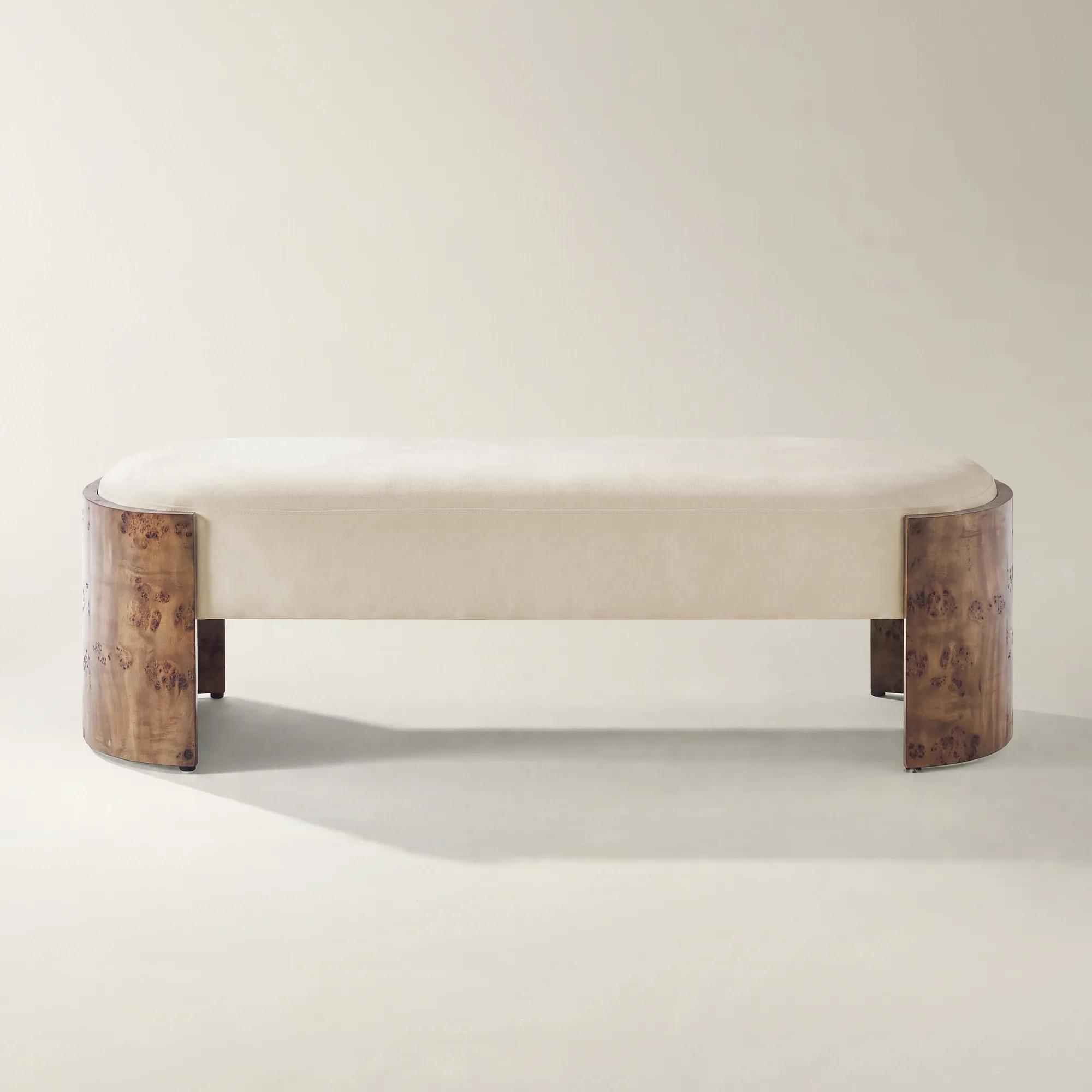
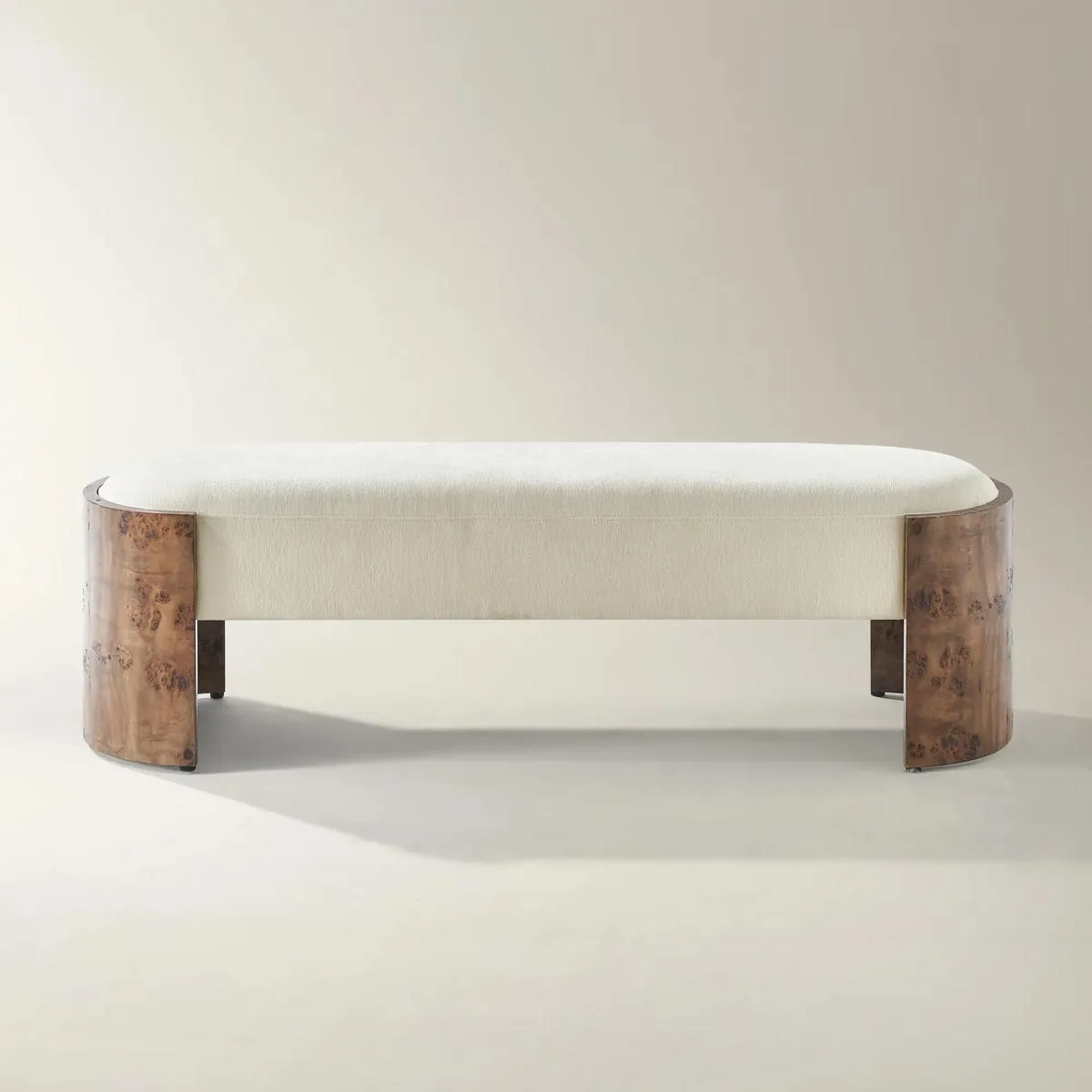 Cora Oatmeal Velvet With Ash Wood Bench (60.6")$999
A sculptural oatmeal velvet bench with curved ash burl wood panels and supportive foam cushioning.
Add To Cart -
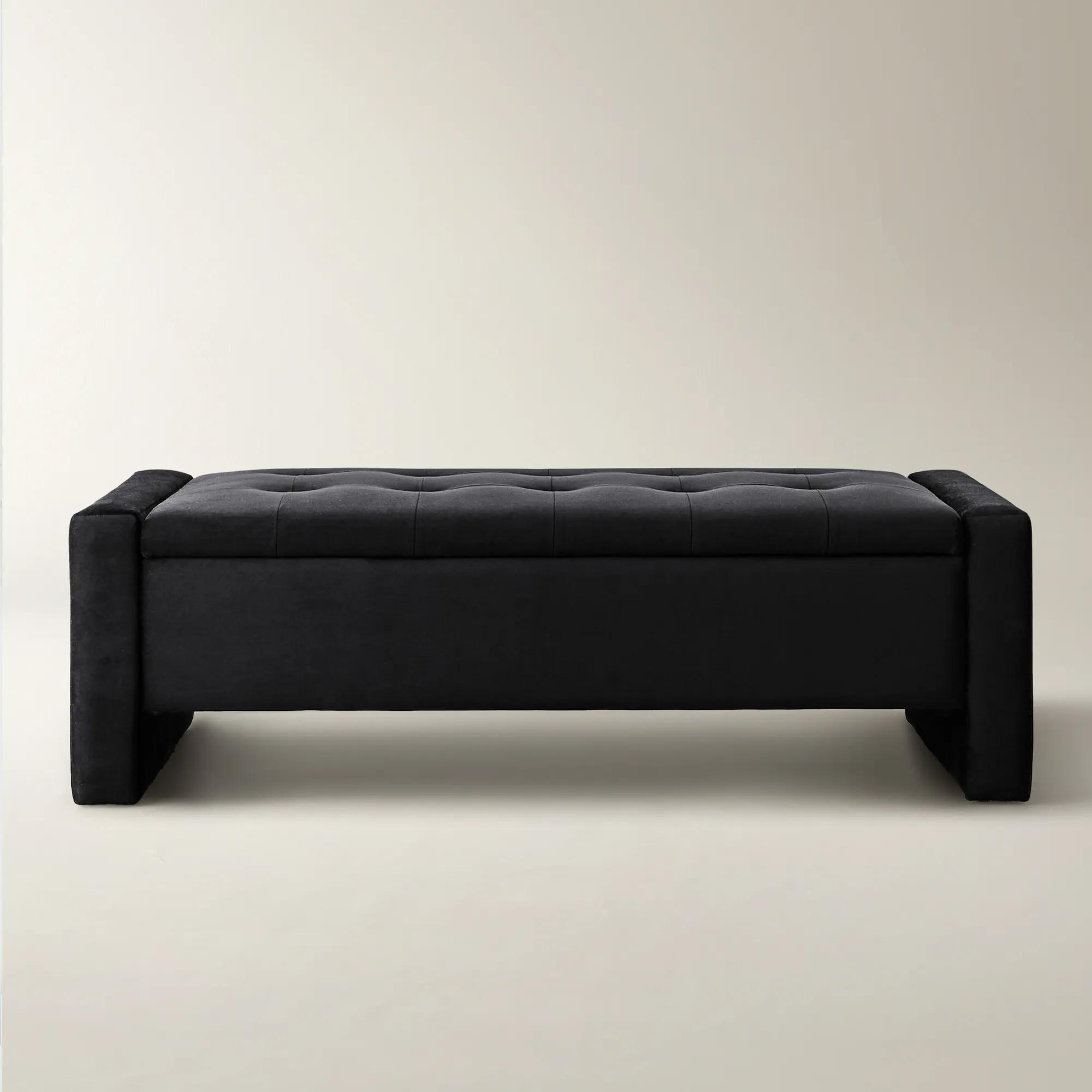
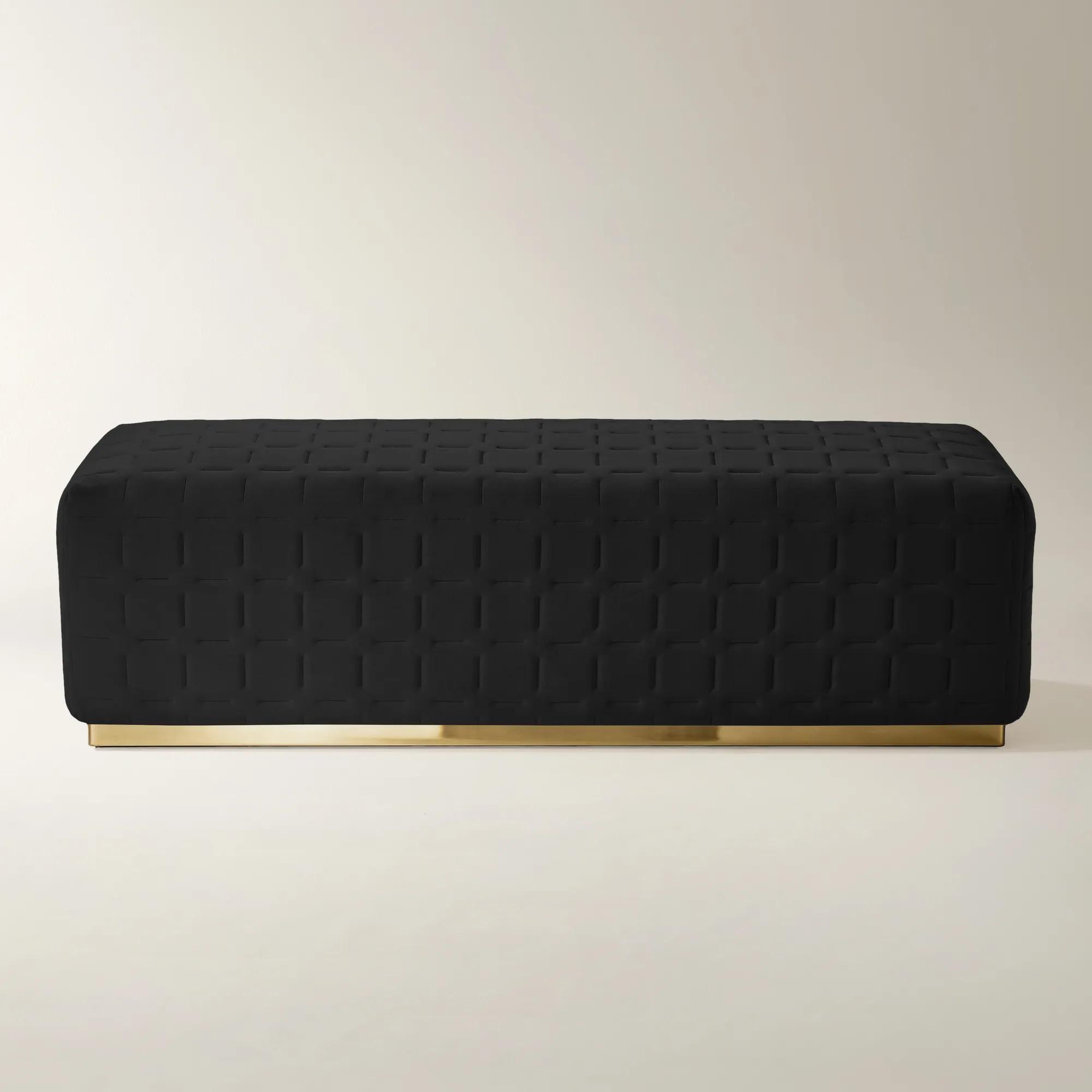 Vanta Quilted Charcoal Velvet Bench (64.6")$899
A charcoal velvet bench featuring checker quilted tufting and a gold stainless steel base for modern elegance.
Add To Cart -
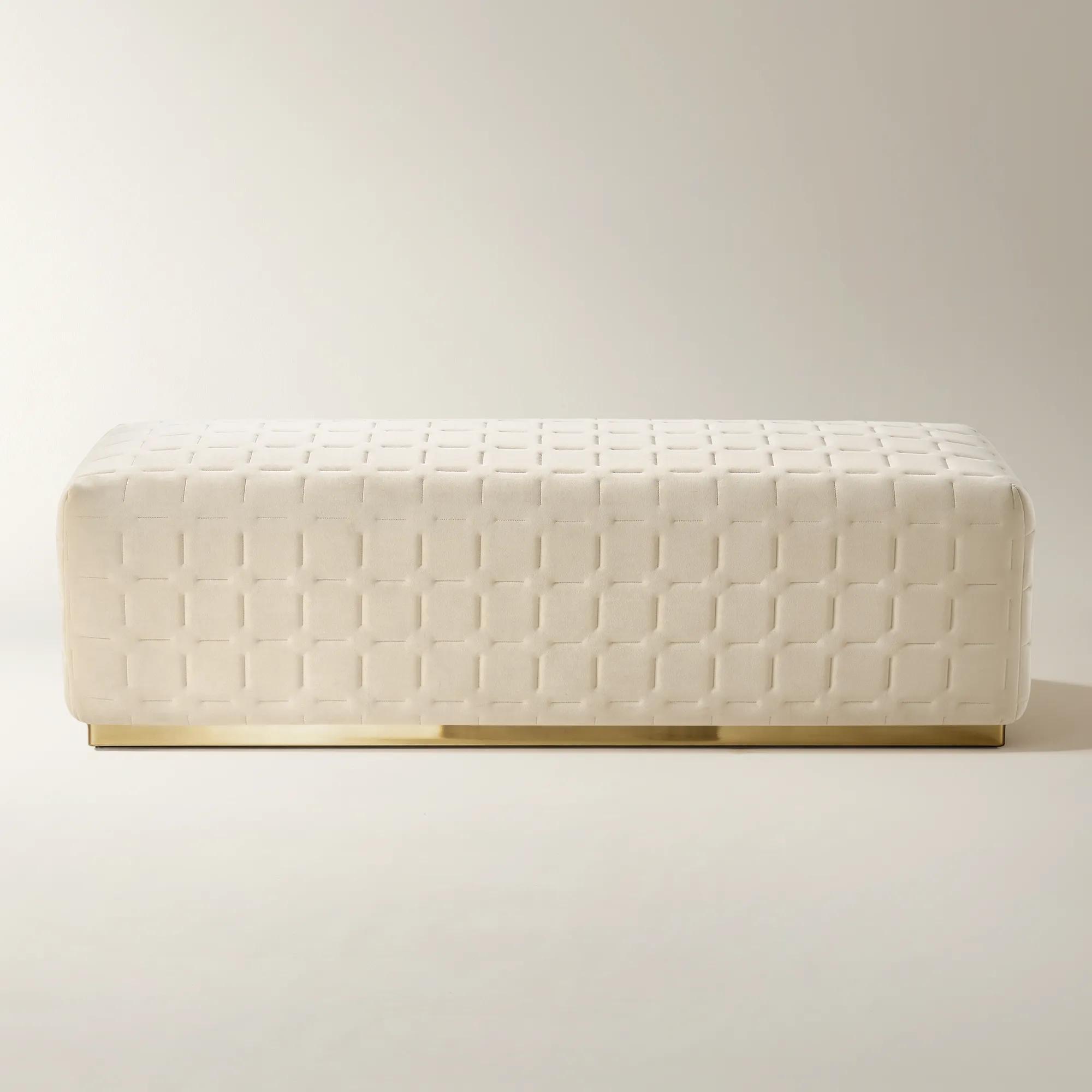
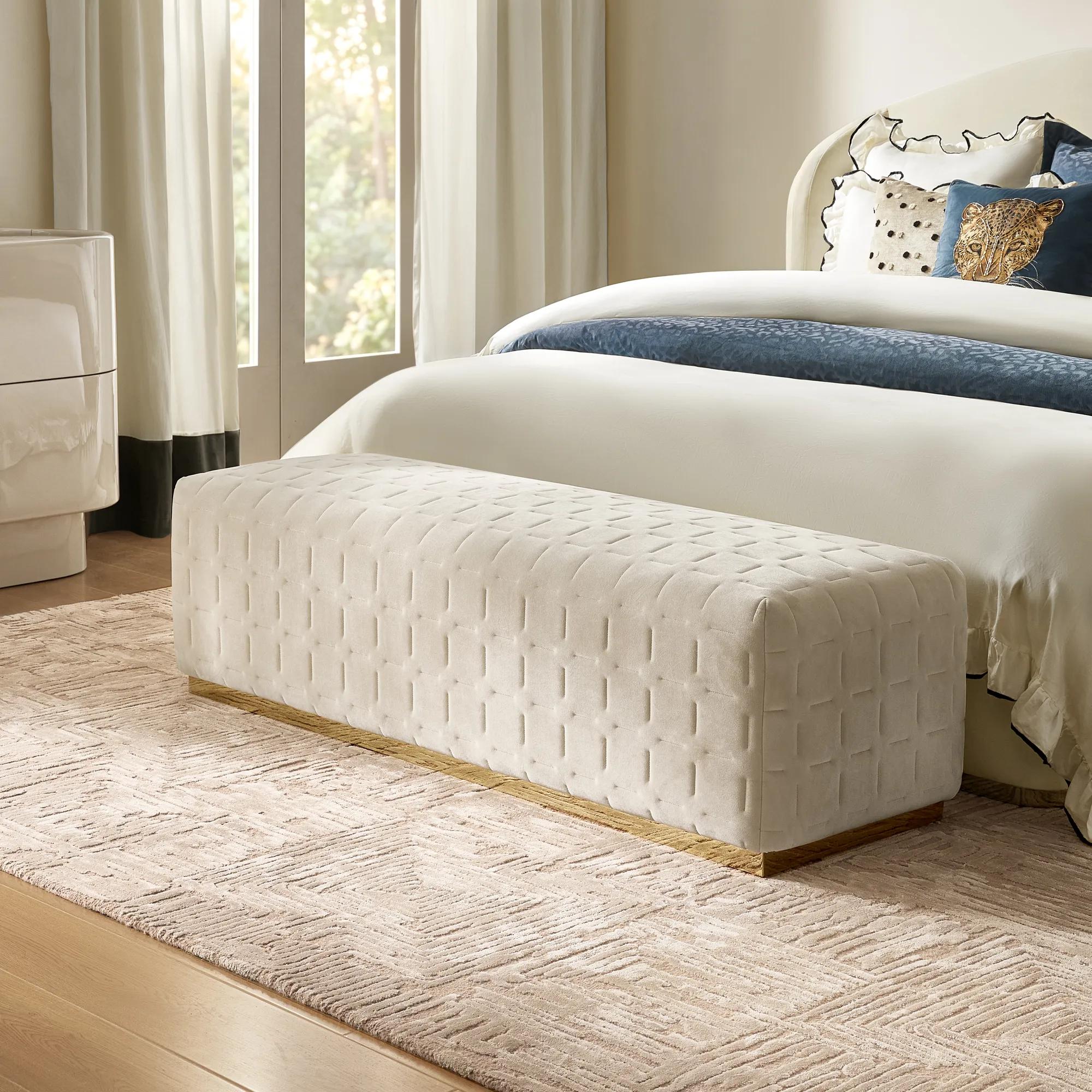 Vanta Quilted Oatmeal Velvet Bench (64.6")$899
A plush oatmeal velvet bench featuring checker quilted tufting and a sleek gold stainless steel base.
Add To Cart -
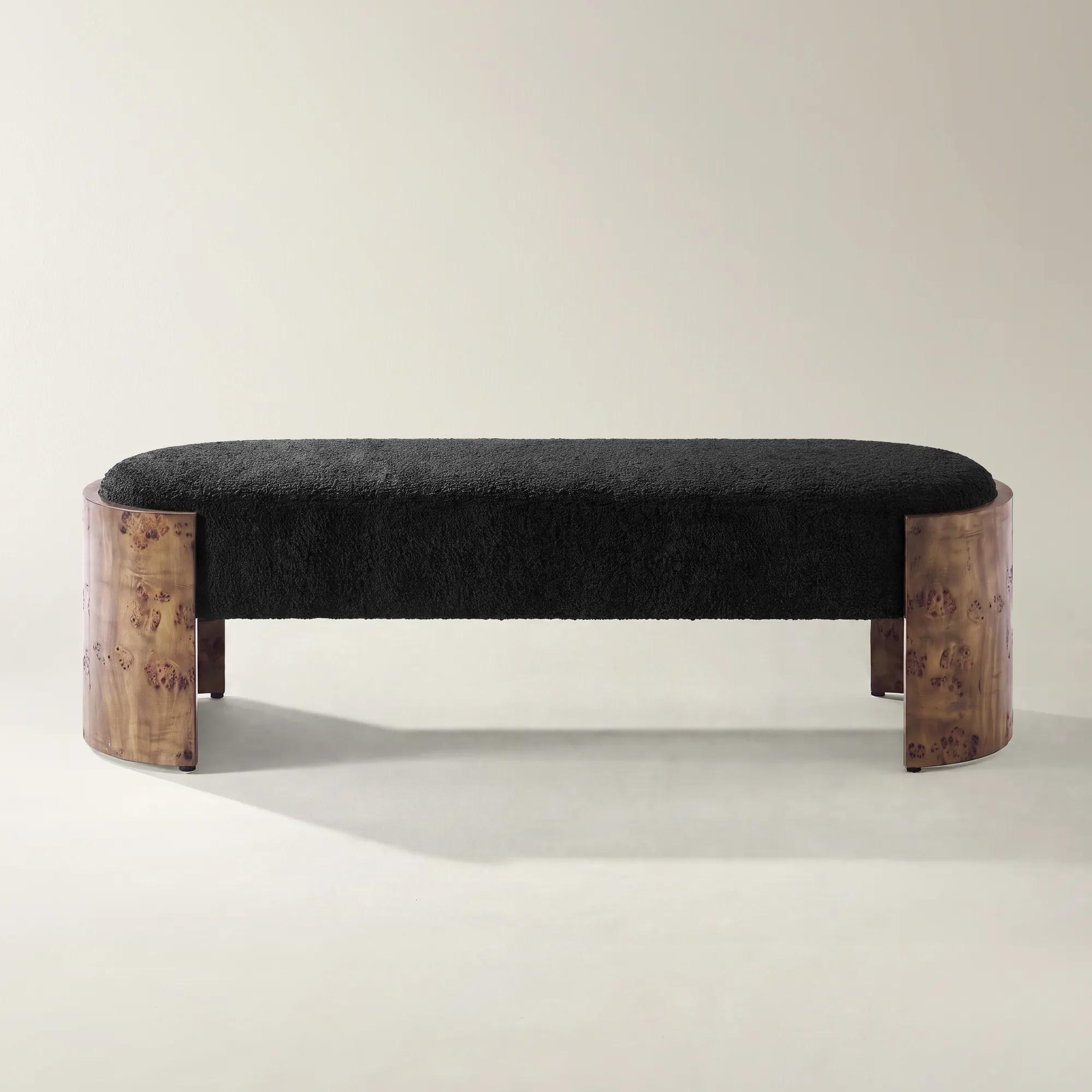 Cora Black Chenille With Ash Wood Bench (60.6")$999
A sculpted charcoal chenille bench featuring curved bookmatched ash burl panels and supportive foam cushioning.
Add To Cart -
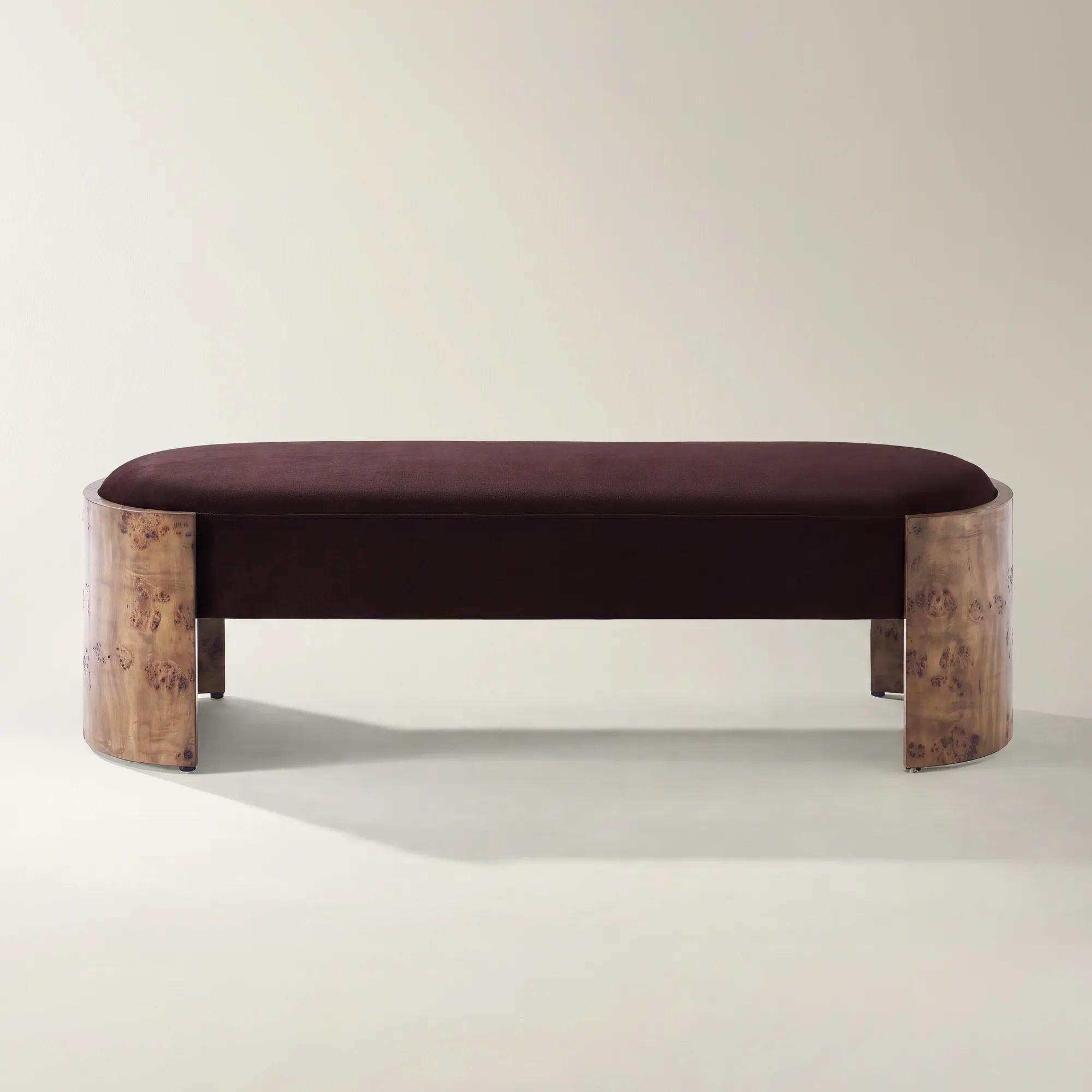 Cora Fig Velvet With Ash Wood Bench (60.6")$999
A sculptural bench with fig velvet upholstery, bookmatched ash burl panels, and supportive high-resiliency foam cushioning.
Add To Cart -
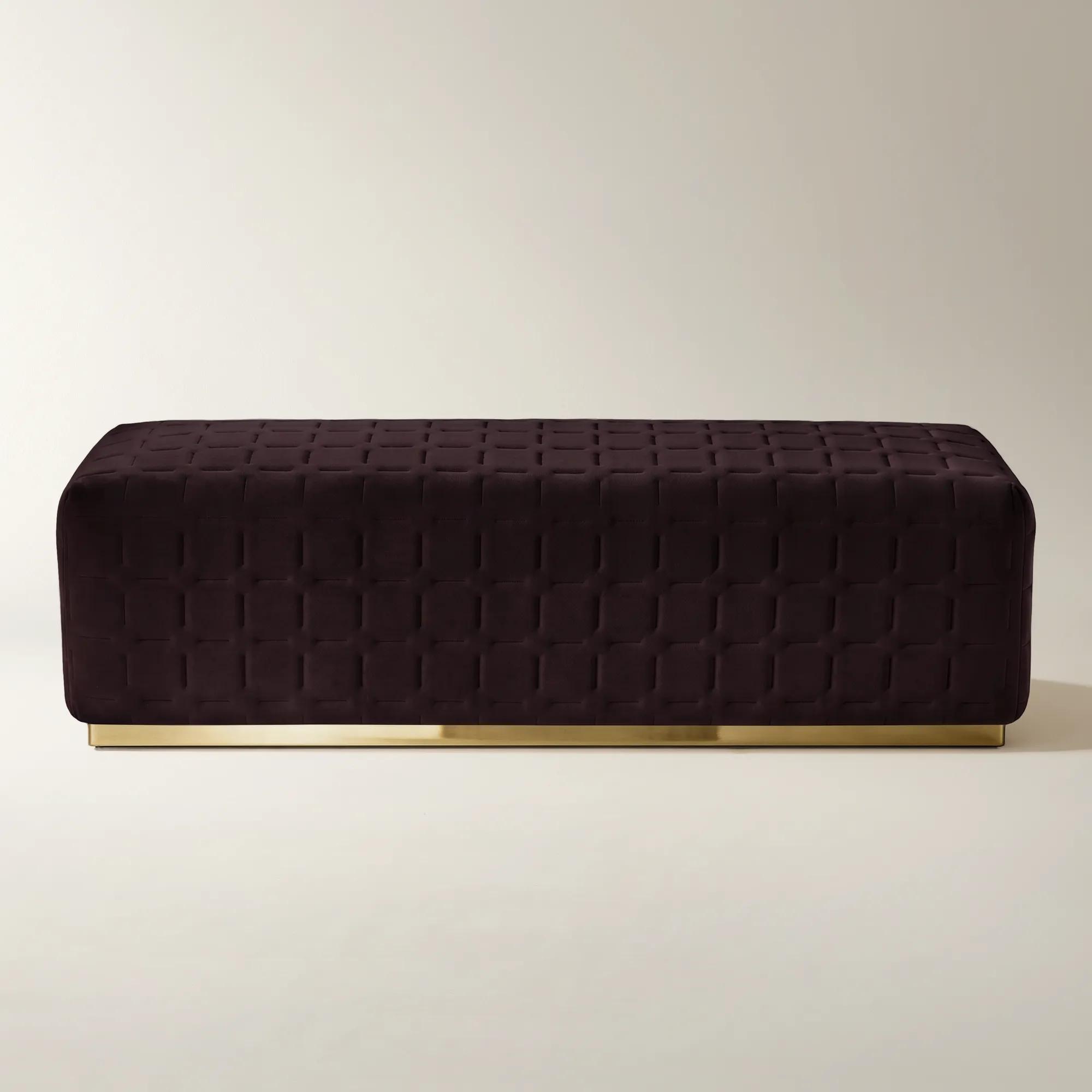
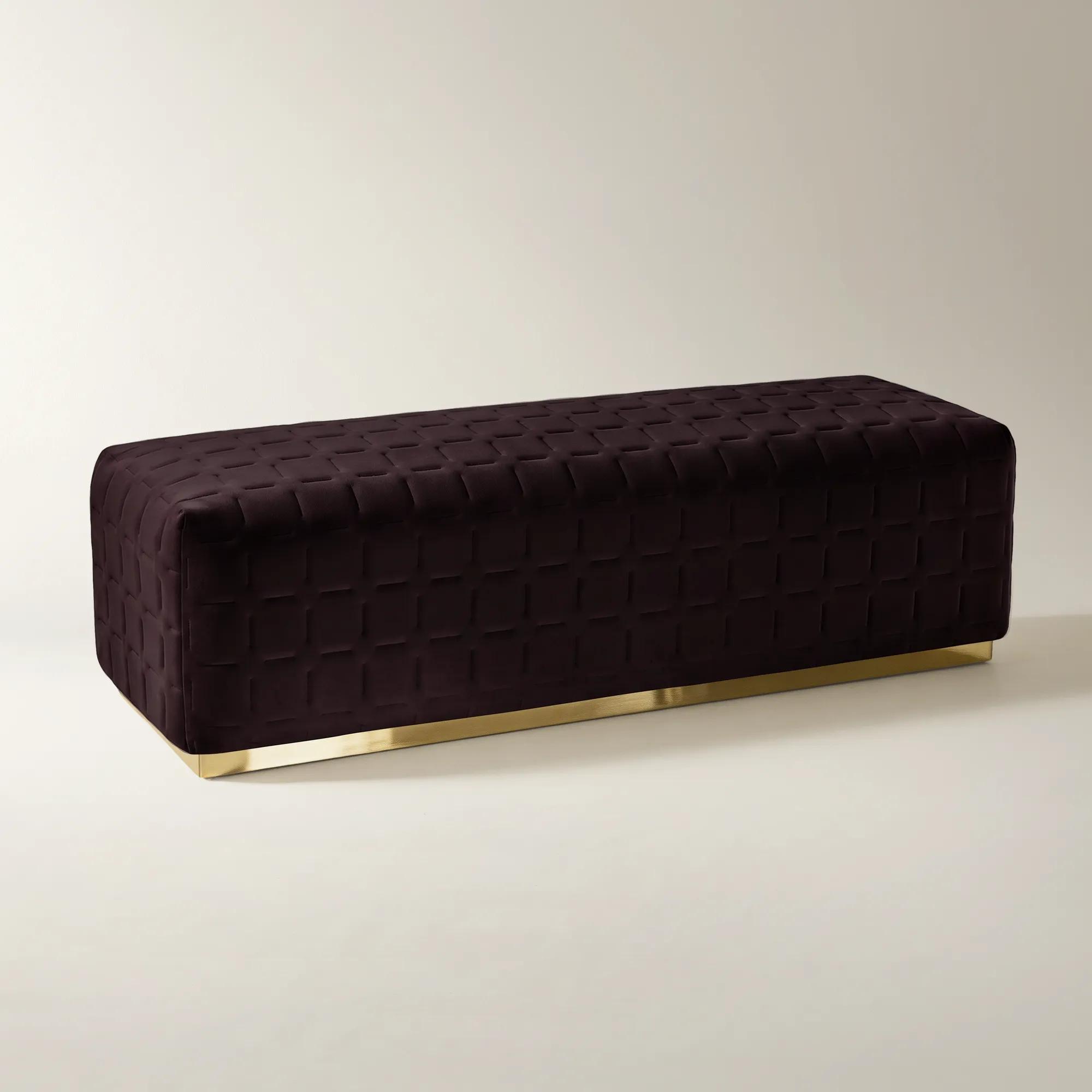 Vanta Quilted Fig Velvet Bench (64.6")$899
A plush fig velvet bench featuring checker quilted tufting and a sleek gold stainless steel base.
Add To Cart -
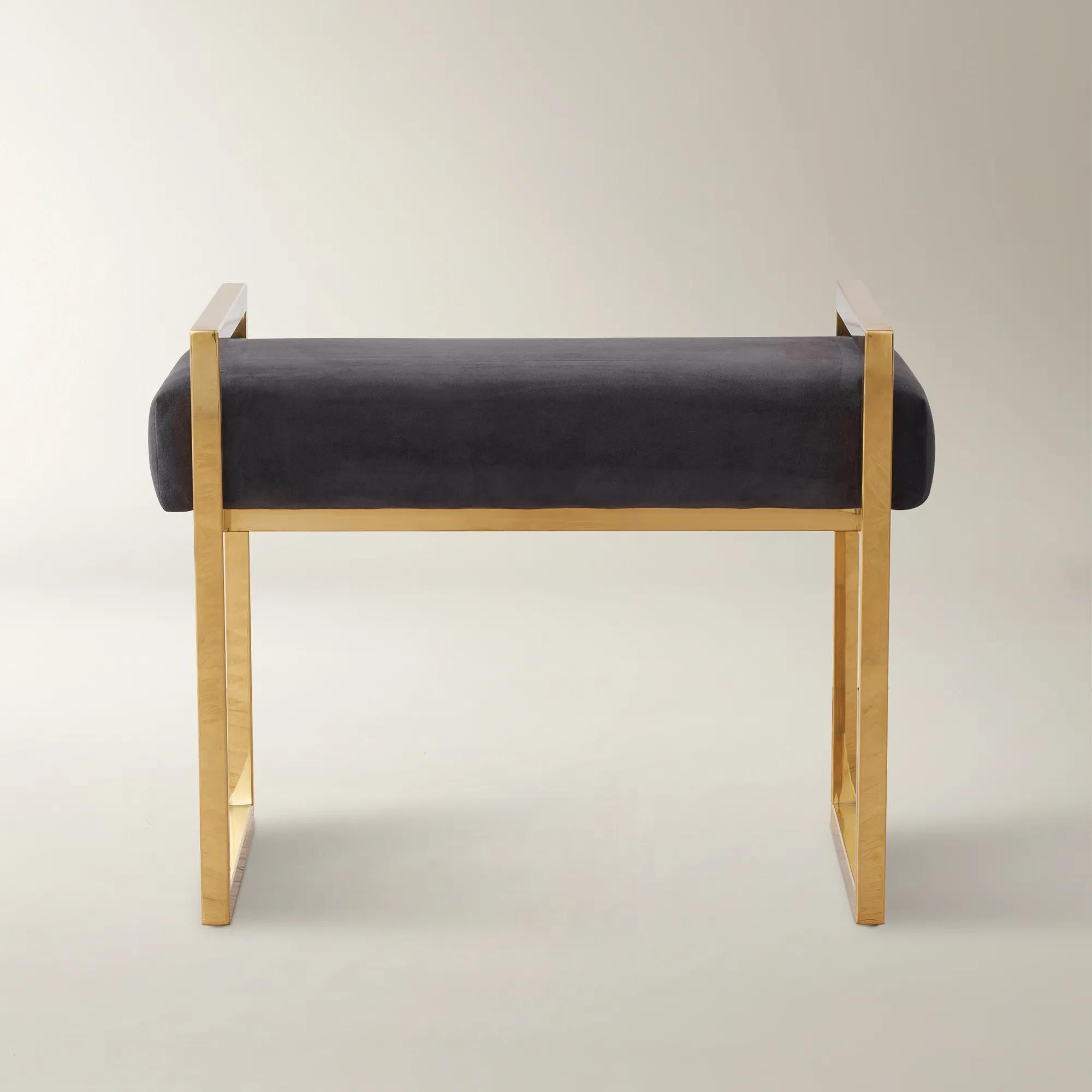
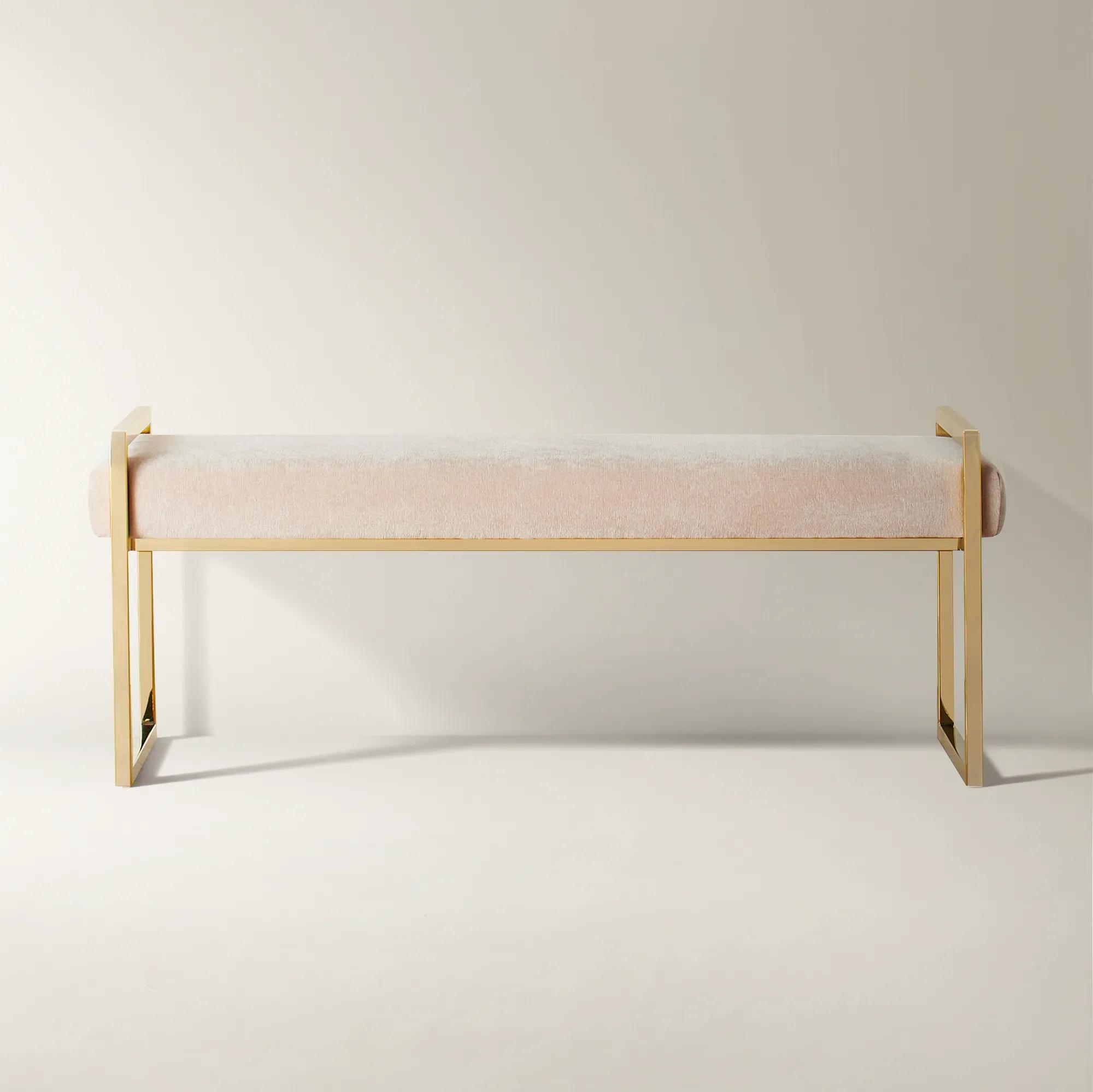 Clara Bench$699
A plush upholstered bench with a high-density foam seat and polished gold metal legs for modern elegance.
Add To Cart -
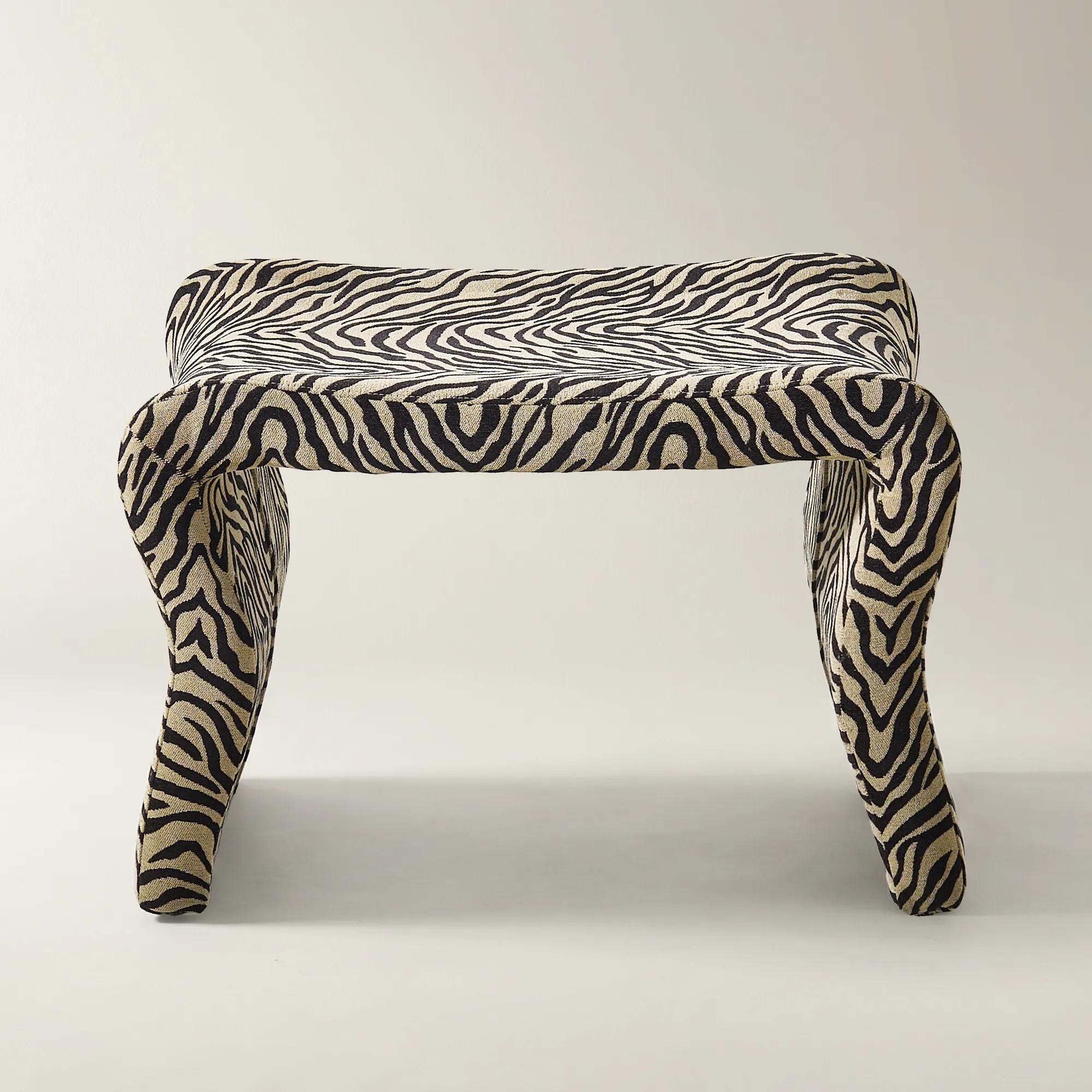
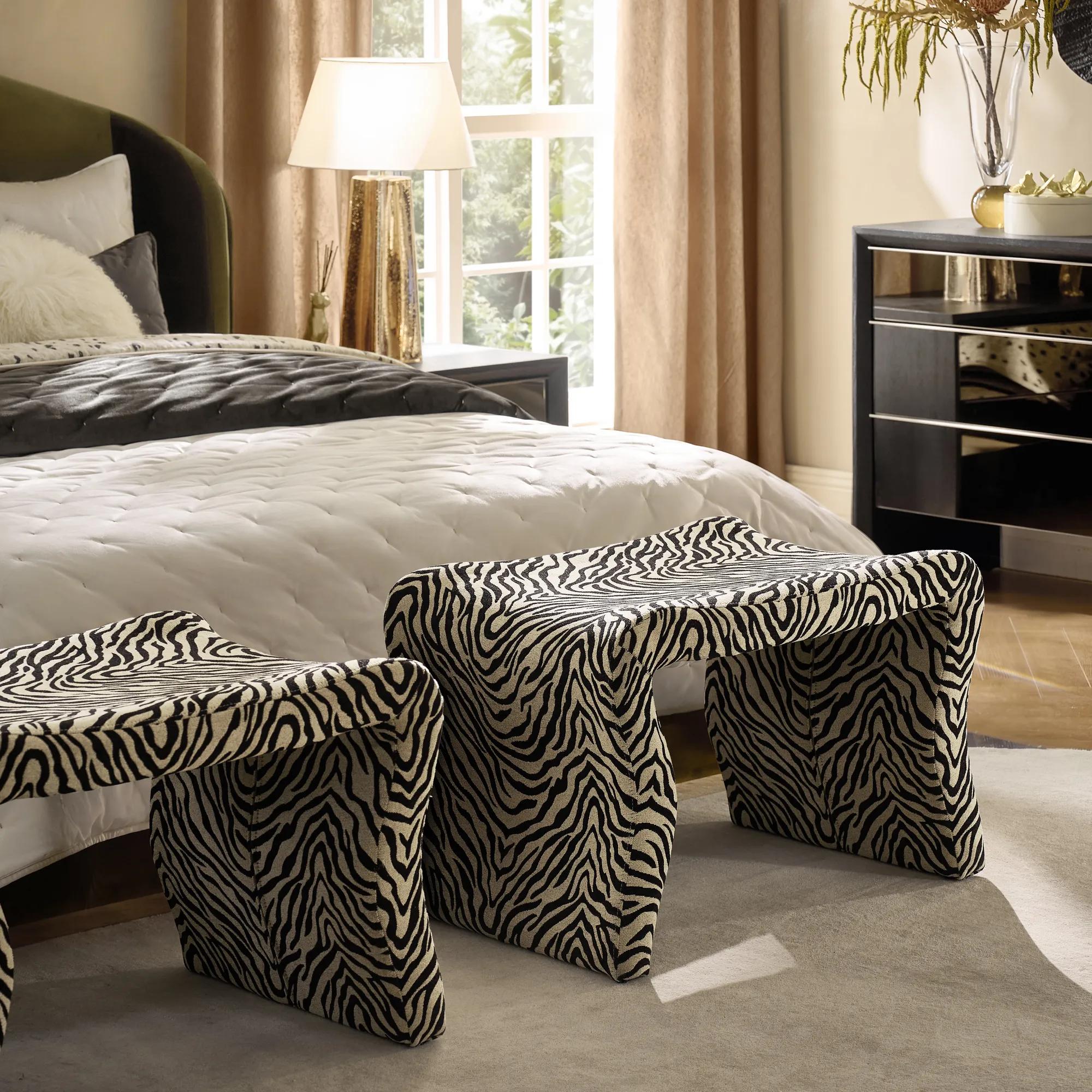 Romy Zebra Performance Chenille Bench (30.75")$499
A sculptural bench wrapped in zebra-patterned performance chenille with a wave-like silhouette and full foam construction.
Add To Cart -
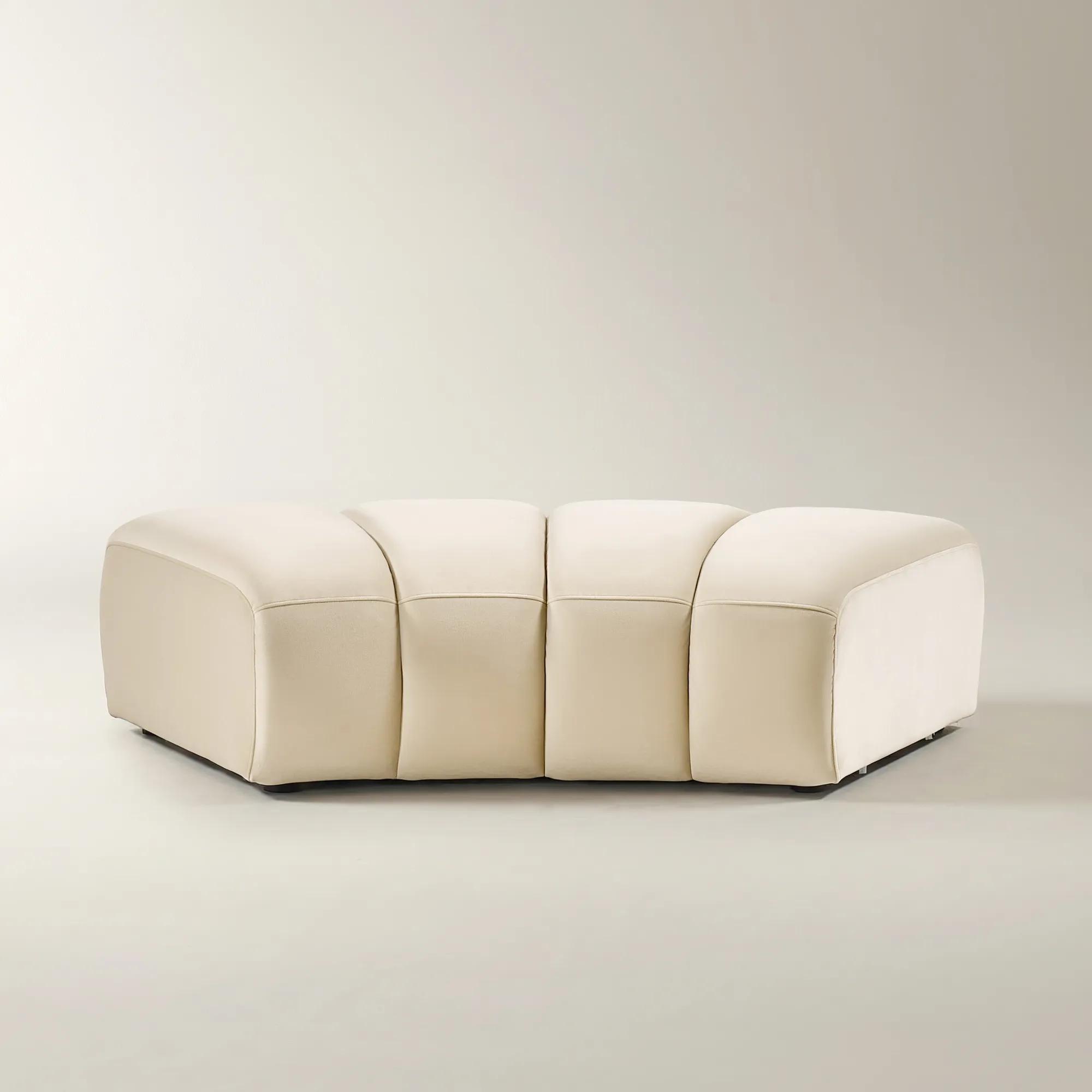
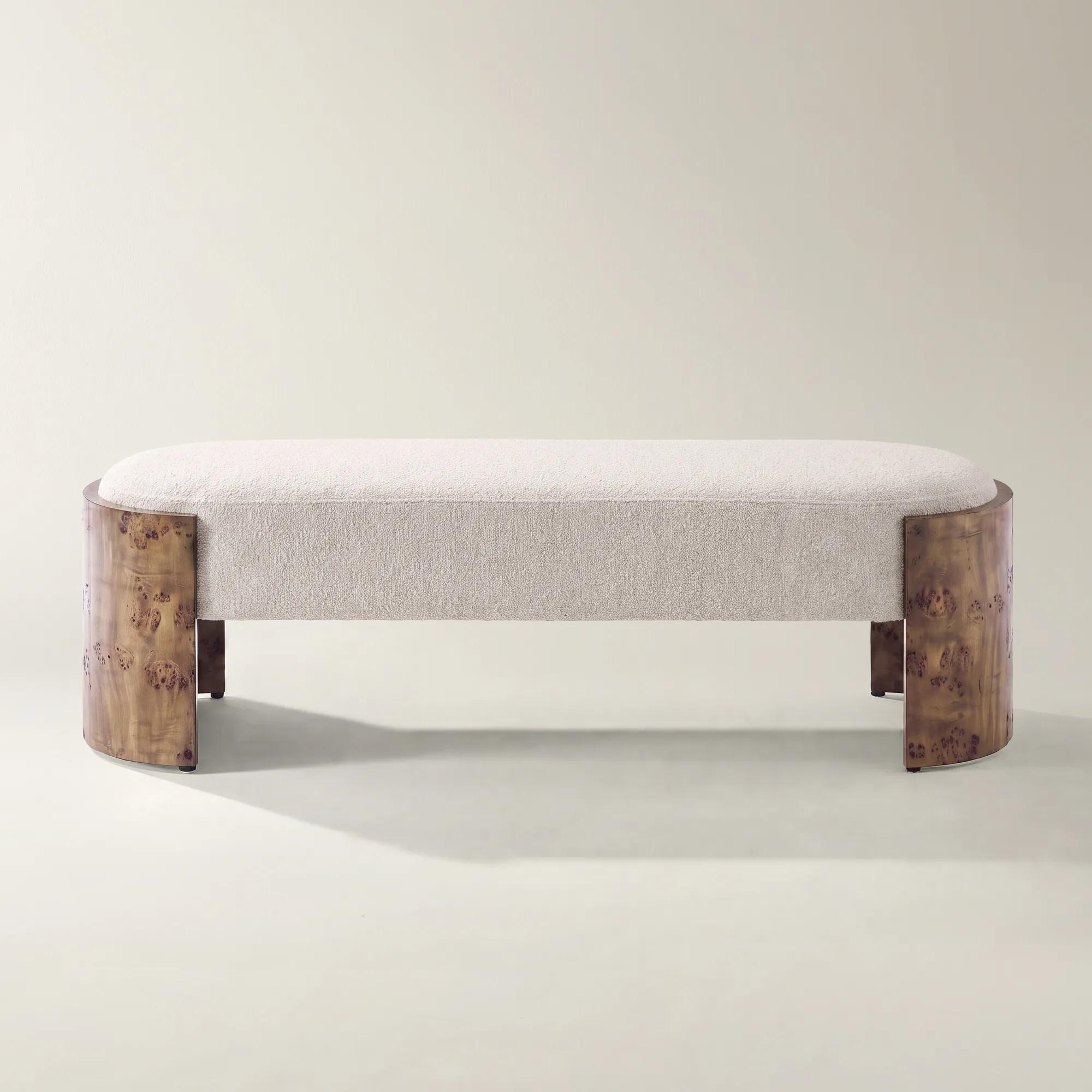 Cora Ivory Performance Boucle With Ash Wood Bench (60.6")$999
A sculpted ivory performance bouclé bench with curved bookmatched ash burl panels and supportive foam cushioning.
Add To Cart -
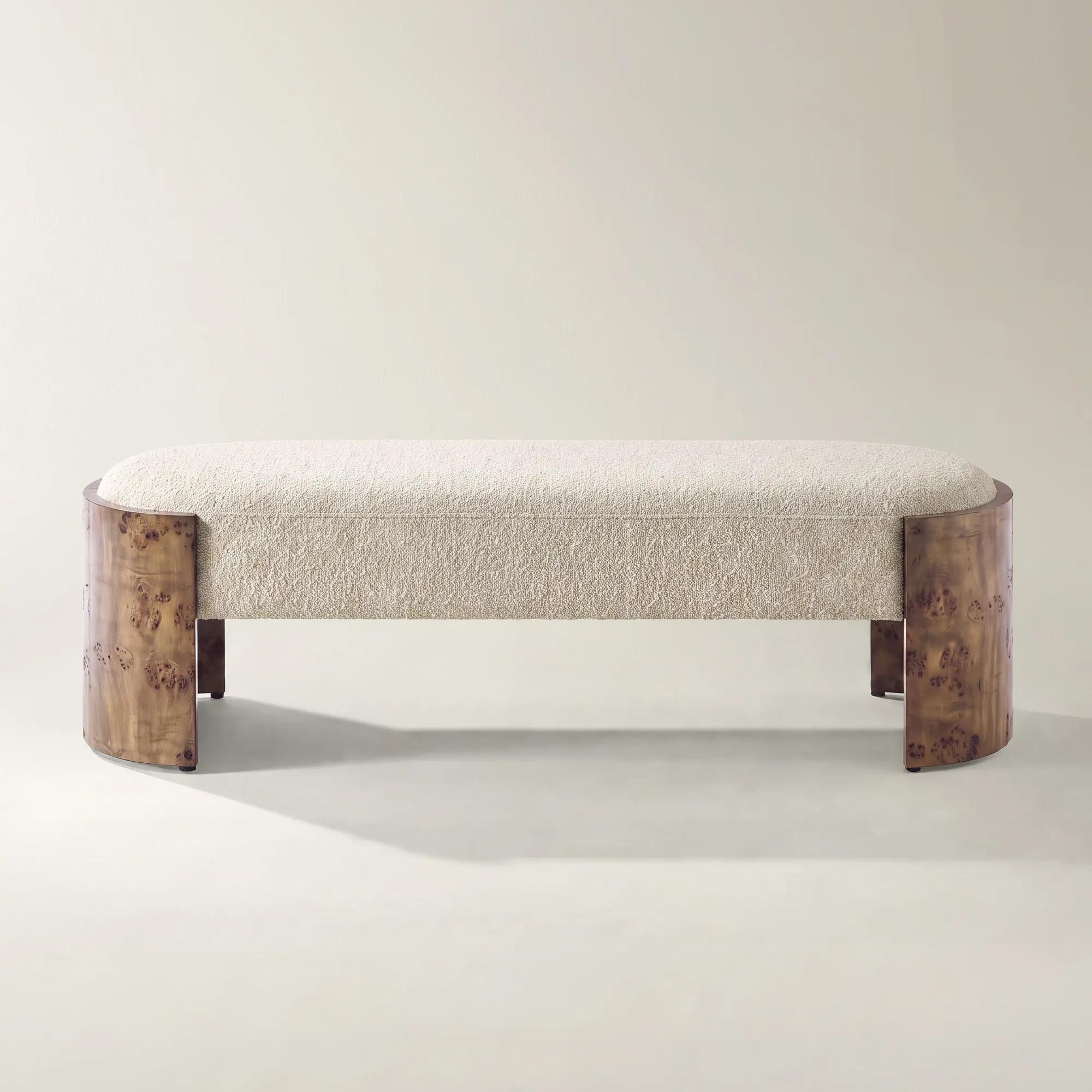 Cora Ivory Performance Boucle With Ash Wood Bench (60.6")$999
An ivory performance boucle bench with curved bookmatched ash burl panels and supportive foam cushioning.
Add To Cart -
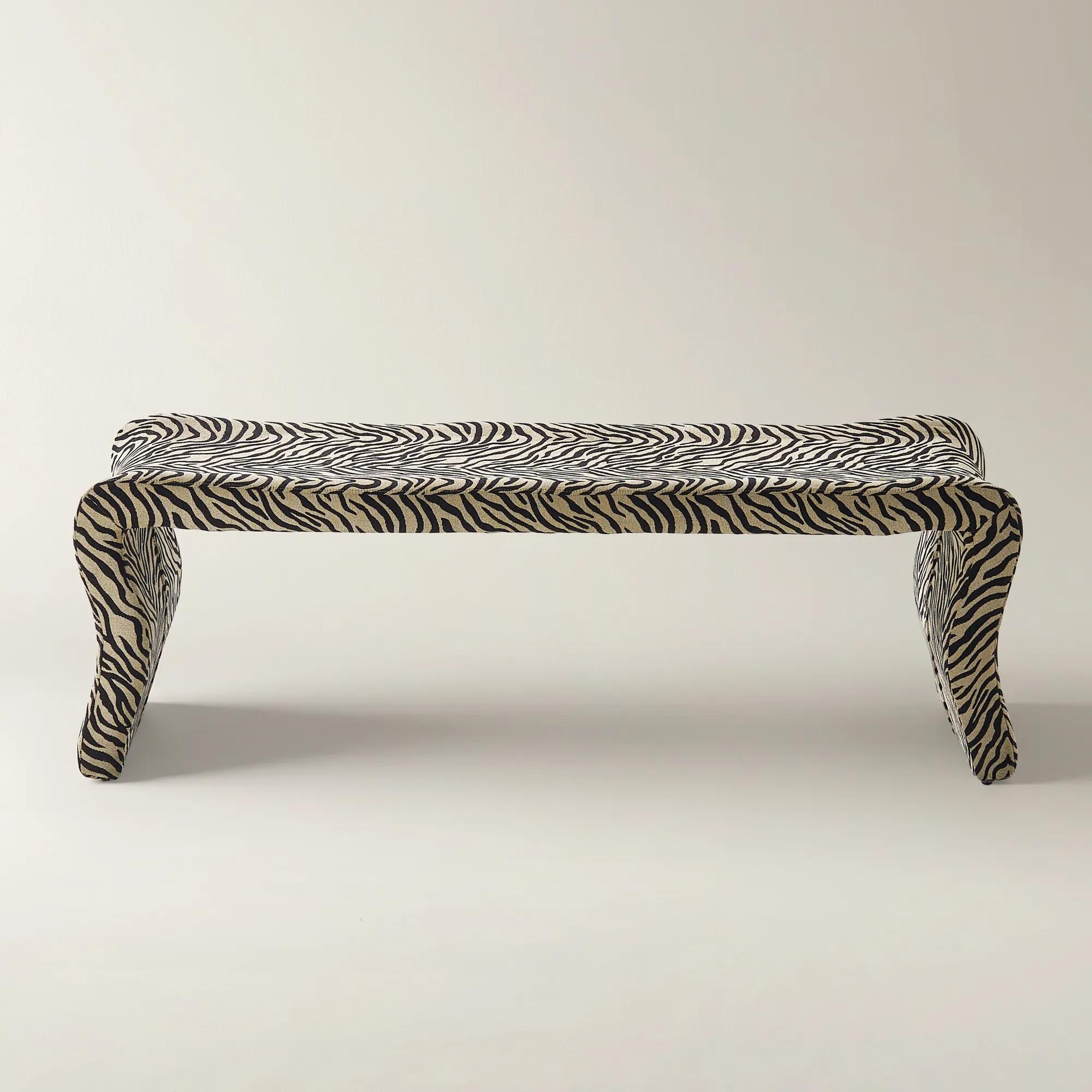 Romy Zebra Performance Chenille Bench (61.5")$899
A sculptural bench wrapped in zebra-patterned performance chenille with a wave-like silhouette and full foam construction.
Add To Cart -
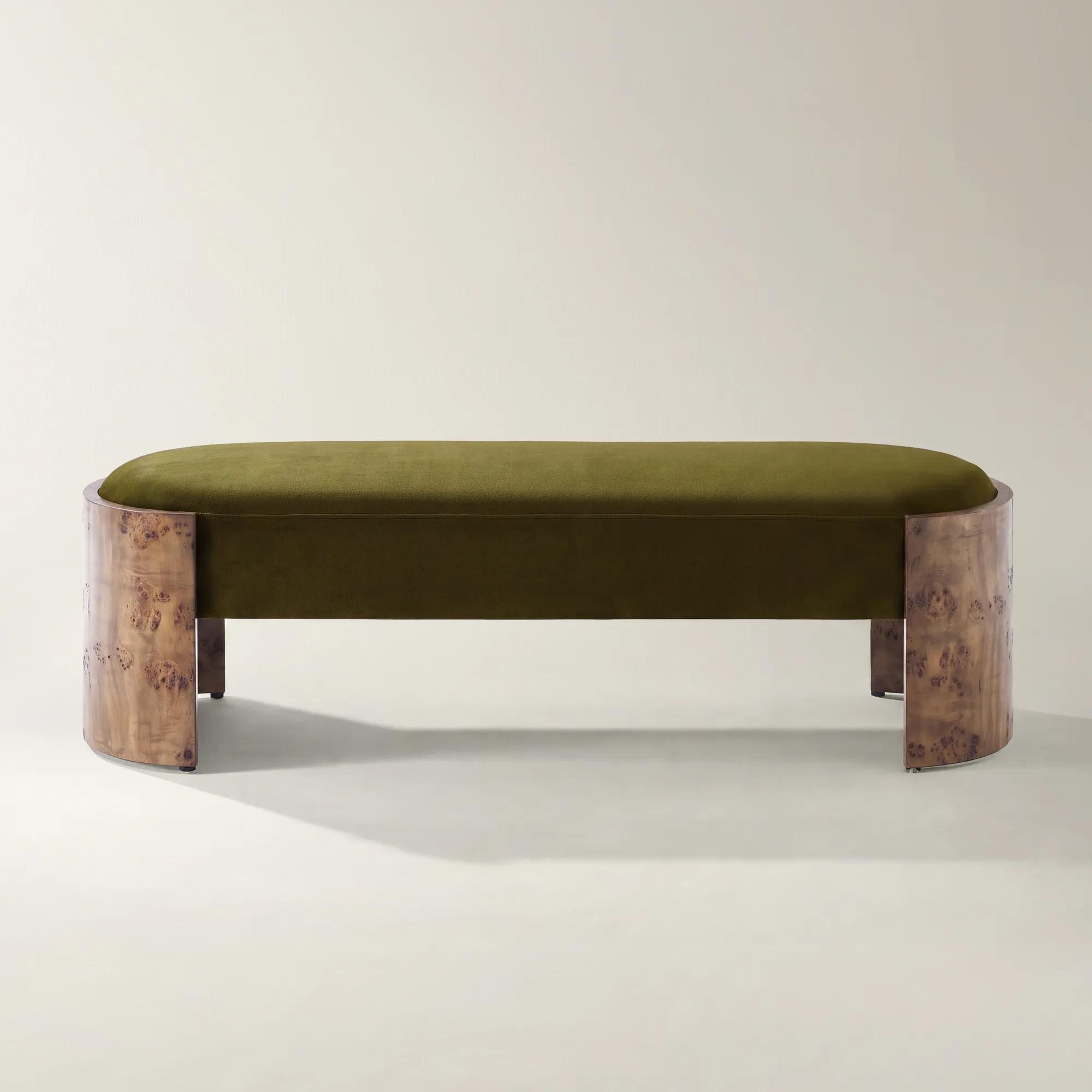 Cora Deep Olive Velvet With Ash Wood Bench (60.6")$999
A sculpted deep olive velvet bench featuring curved ash burl end panels and supportive foam cushioning.
Add To Cart -
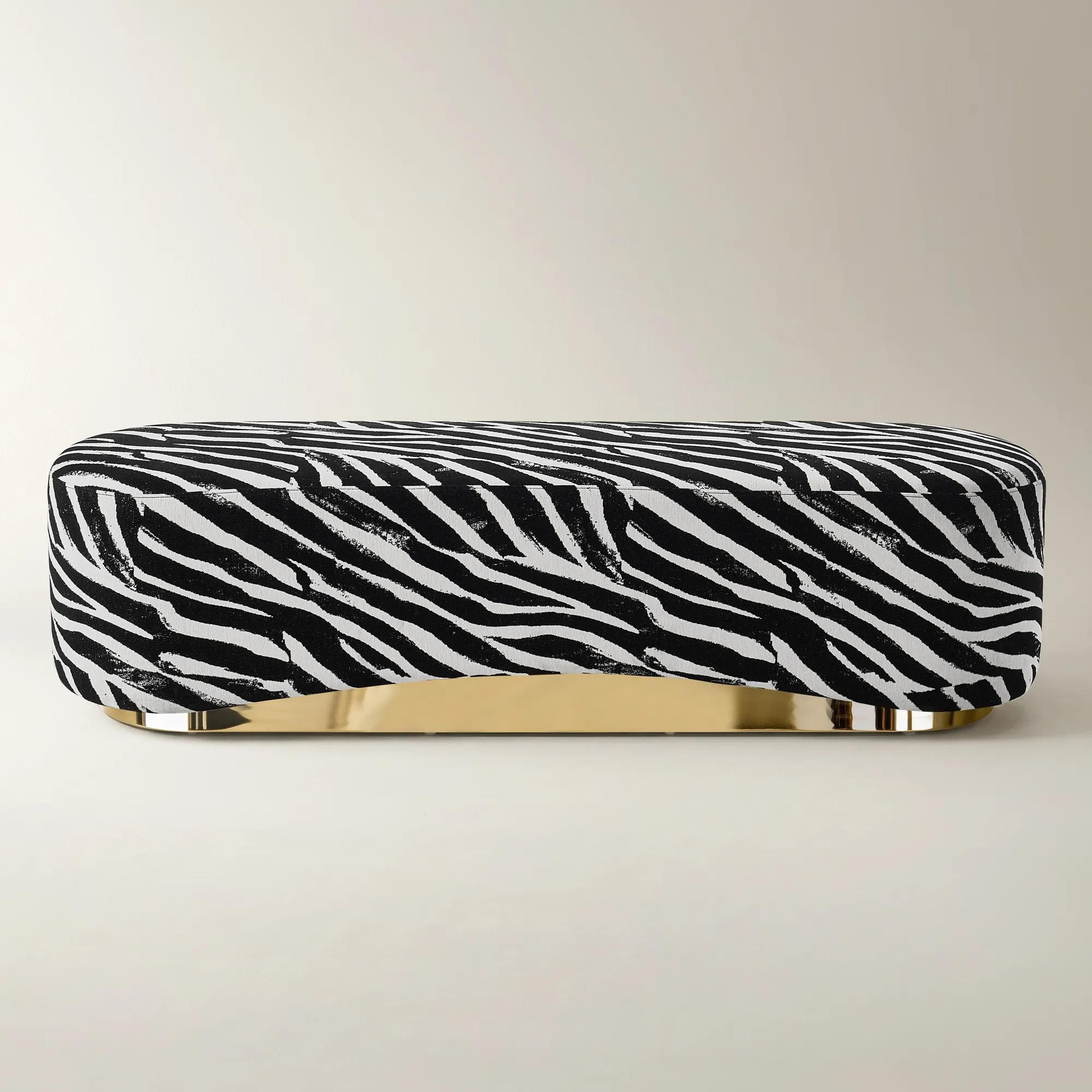
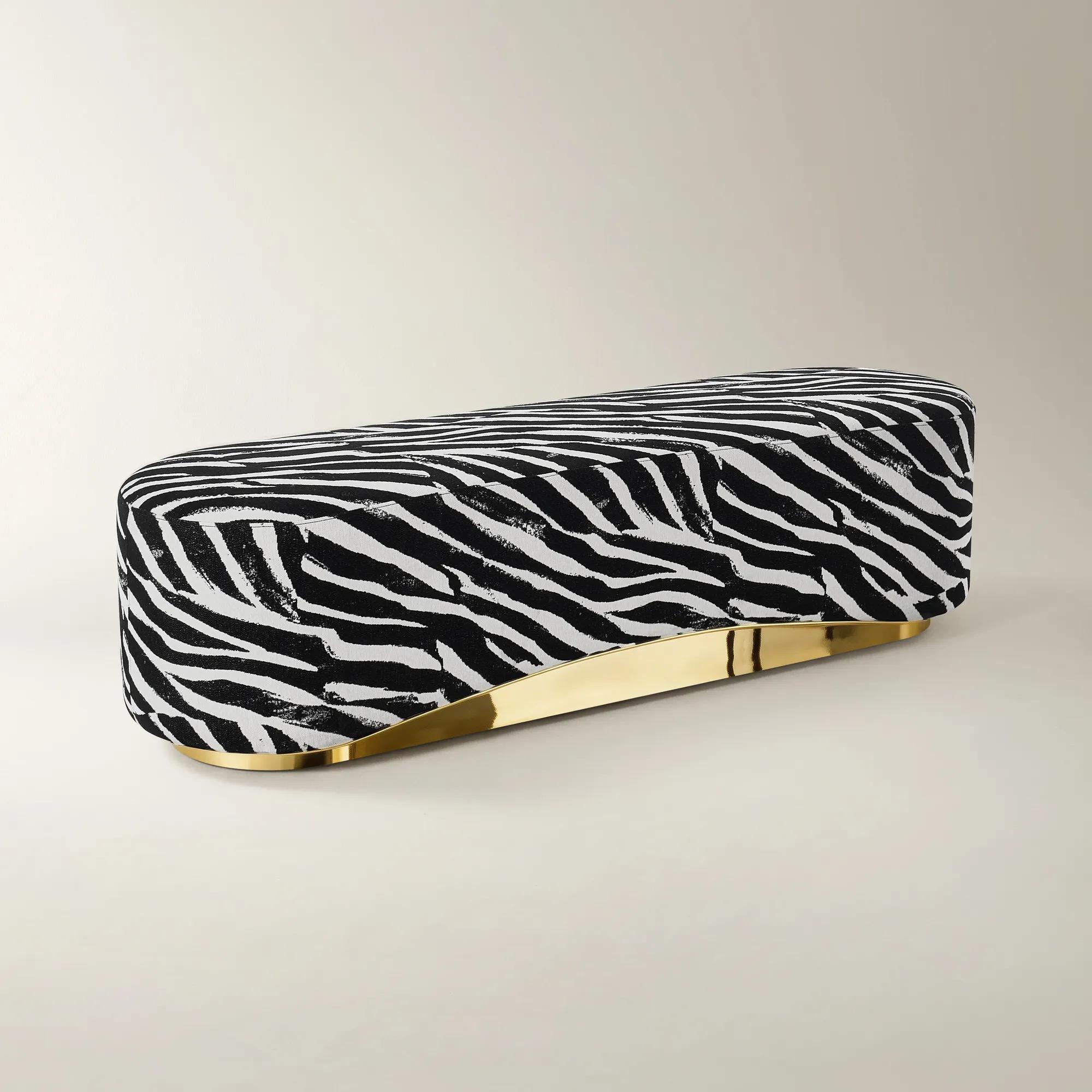 Kendra White/Black Performance Chenille Bench (70.47")$799
An elongated oval bench upholstered in white and black performance chenille with a polished gold stainless steel base.
Add To Cart -
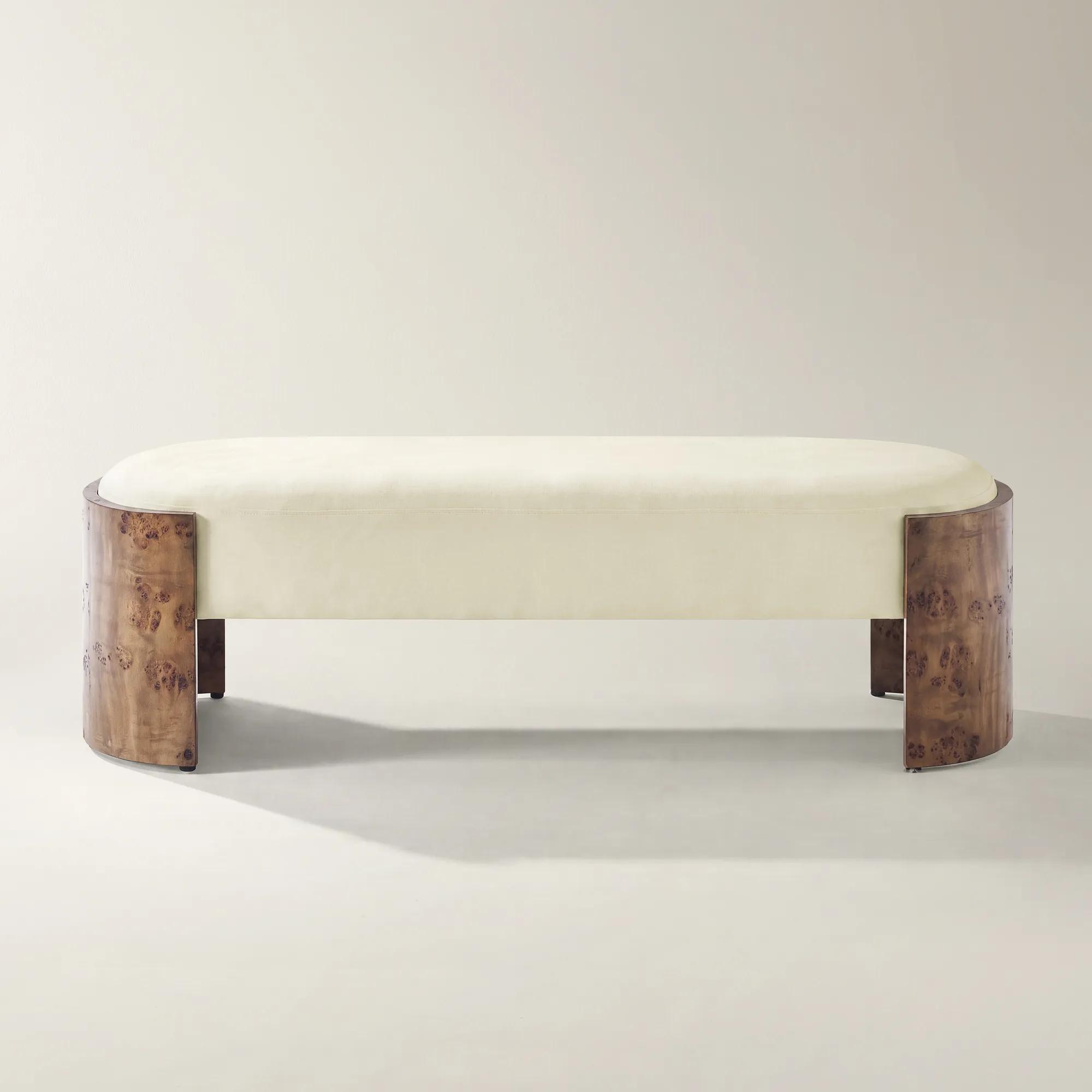 Cora Cloud Velvet With Ash Wood Bench (60.6")$999
A cloud velvet bench with bookmatched ash burl panels and supportive foam cushioning.
Add To Cart -
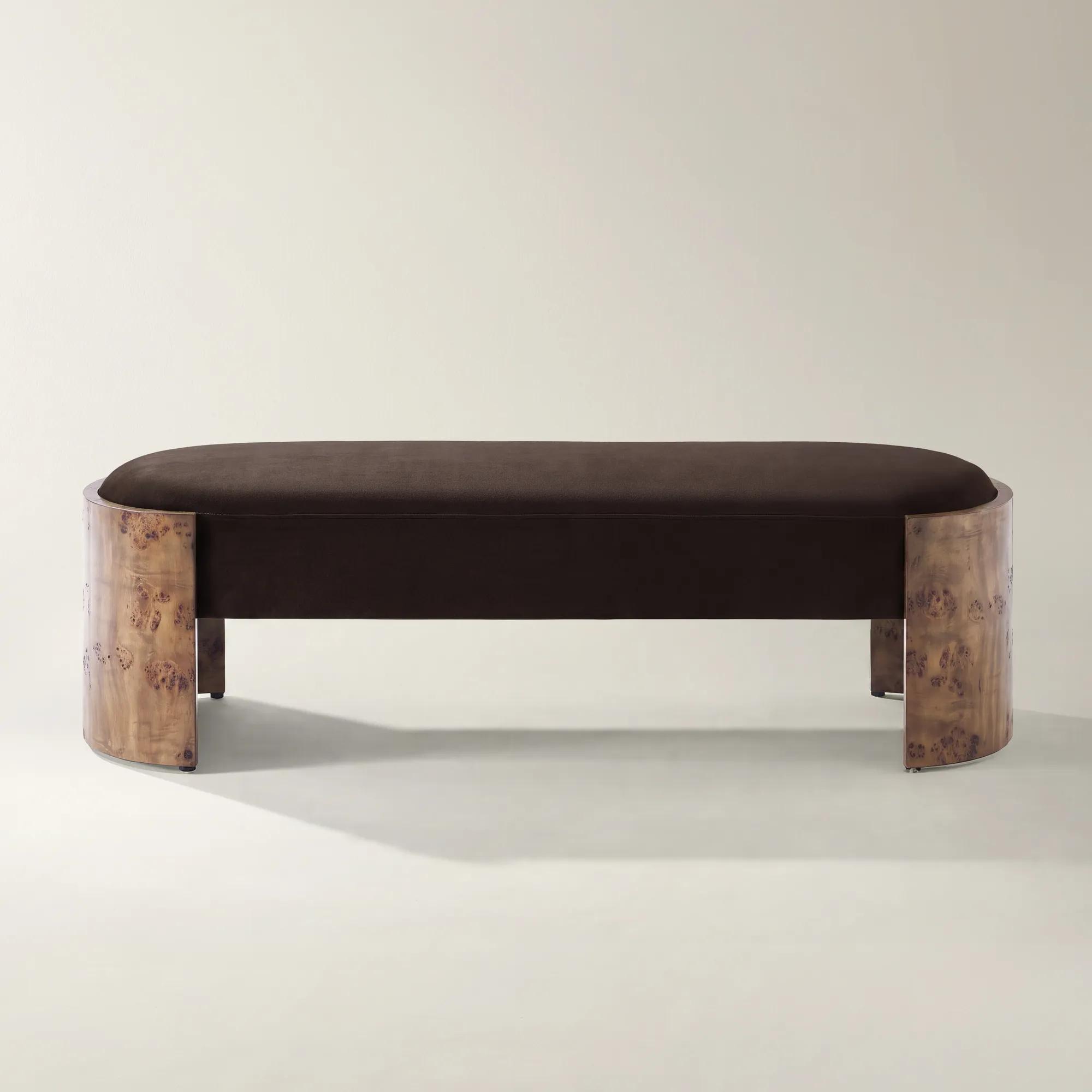 Cora Dark Chocolate Velvet With Ash Wood Bench (60.6")$999
A dark chocolate velvet bench with sculpted bookmatched ash burl end panels and high-resiliency foam cushioning.
Add To Cart -
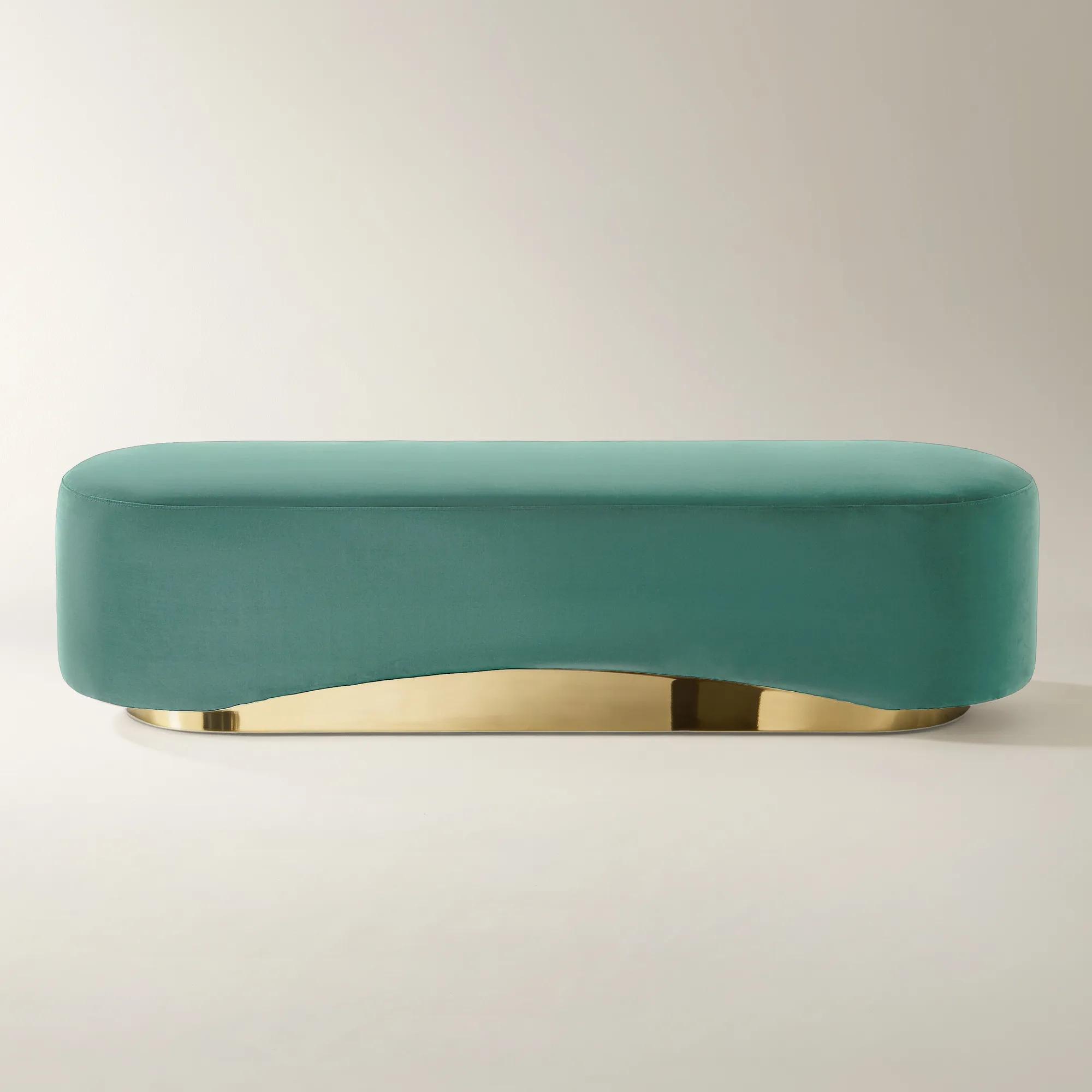 Kendra Ocean Teal Velvet Bench (70.47")$799
An elongated oval bench in ocean teal velvet with a plush seat and polished gold stainless steel base.
Add To Cart -
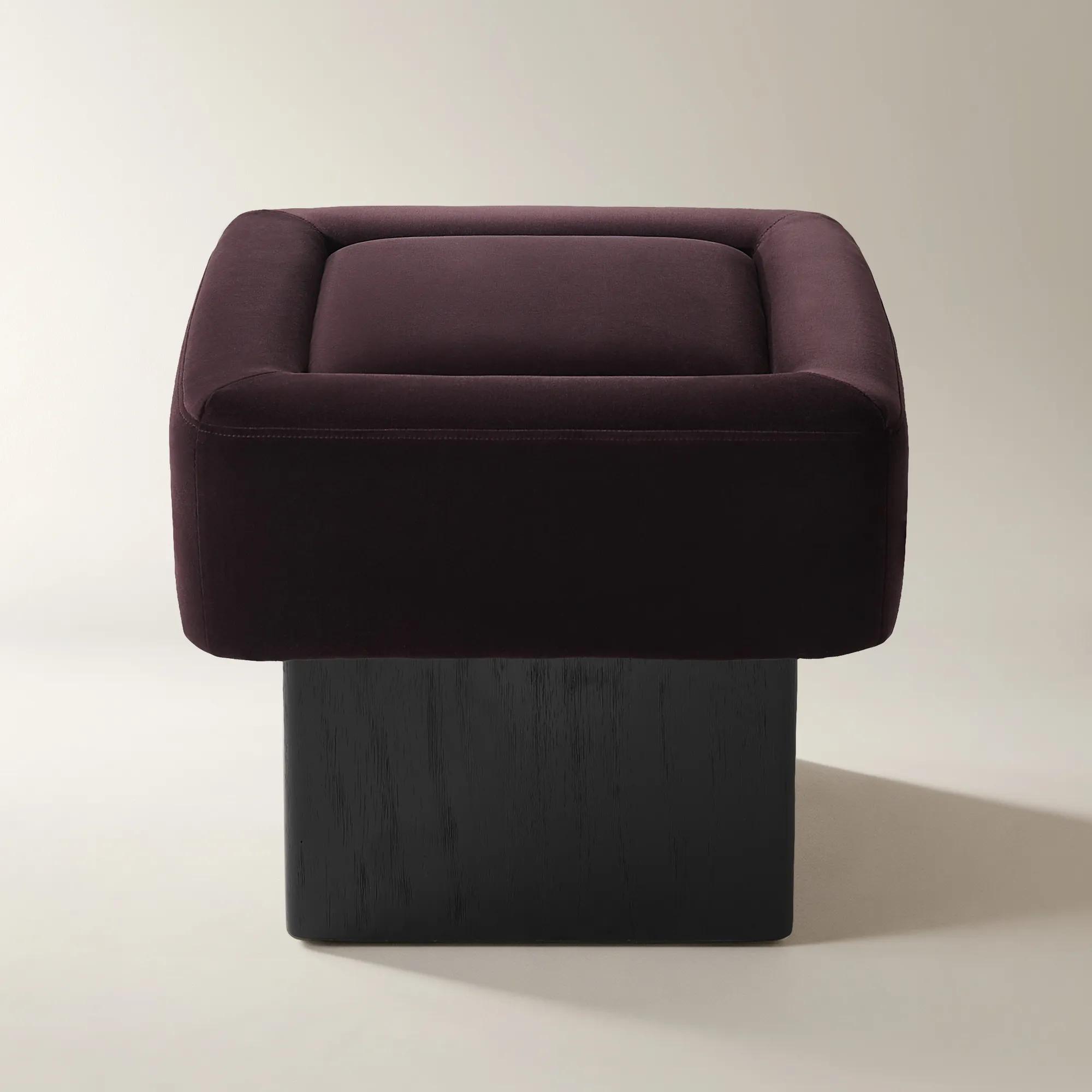
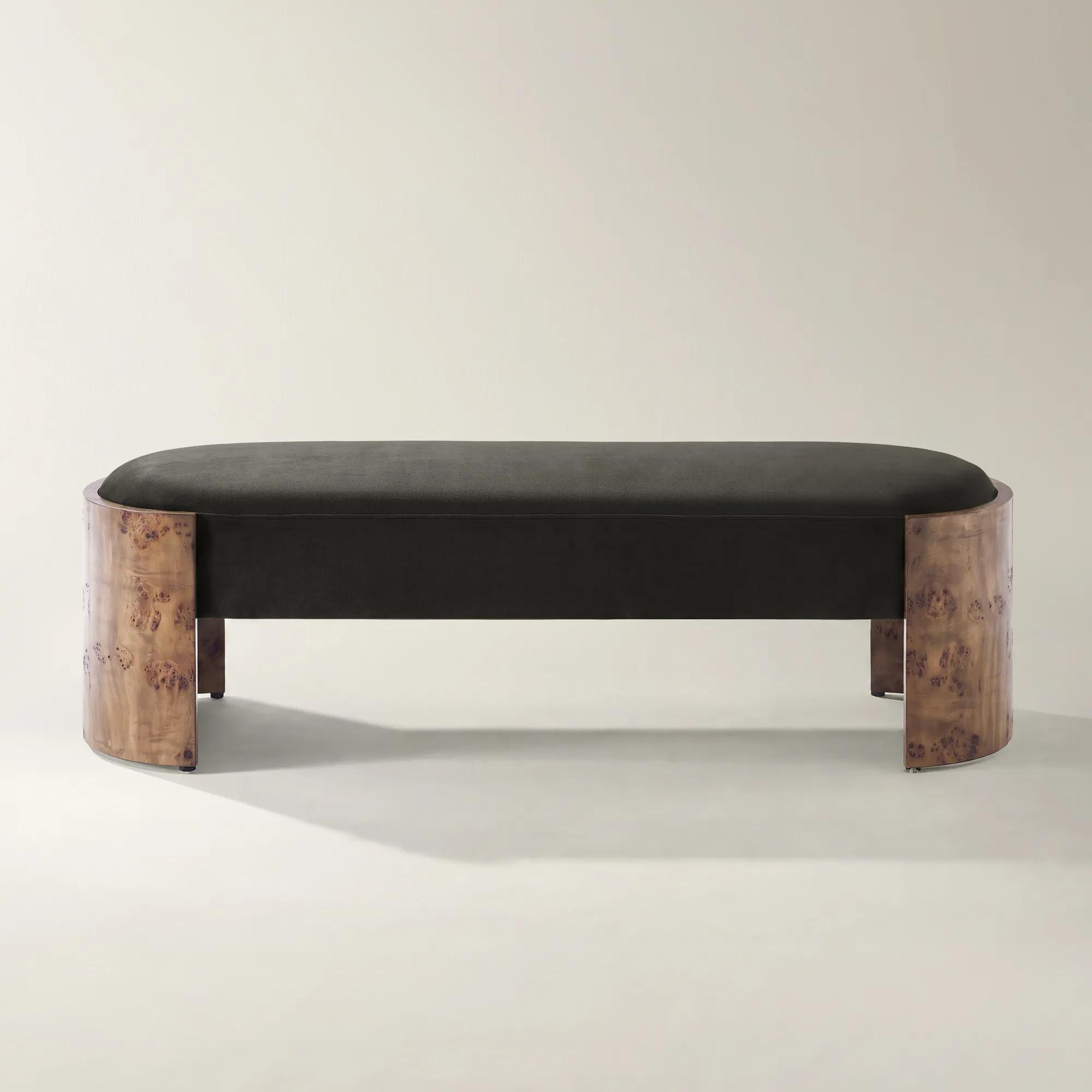 Cora Charcoal Velvet With Ash Wood Bench (60.6")$999
A sculpted charcoal velvet bench with curved bookmatched ash burl panels and supportive foam cushioning.
Add To Cart -
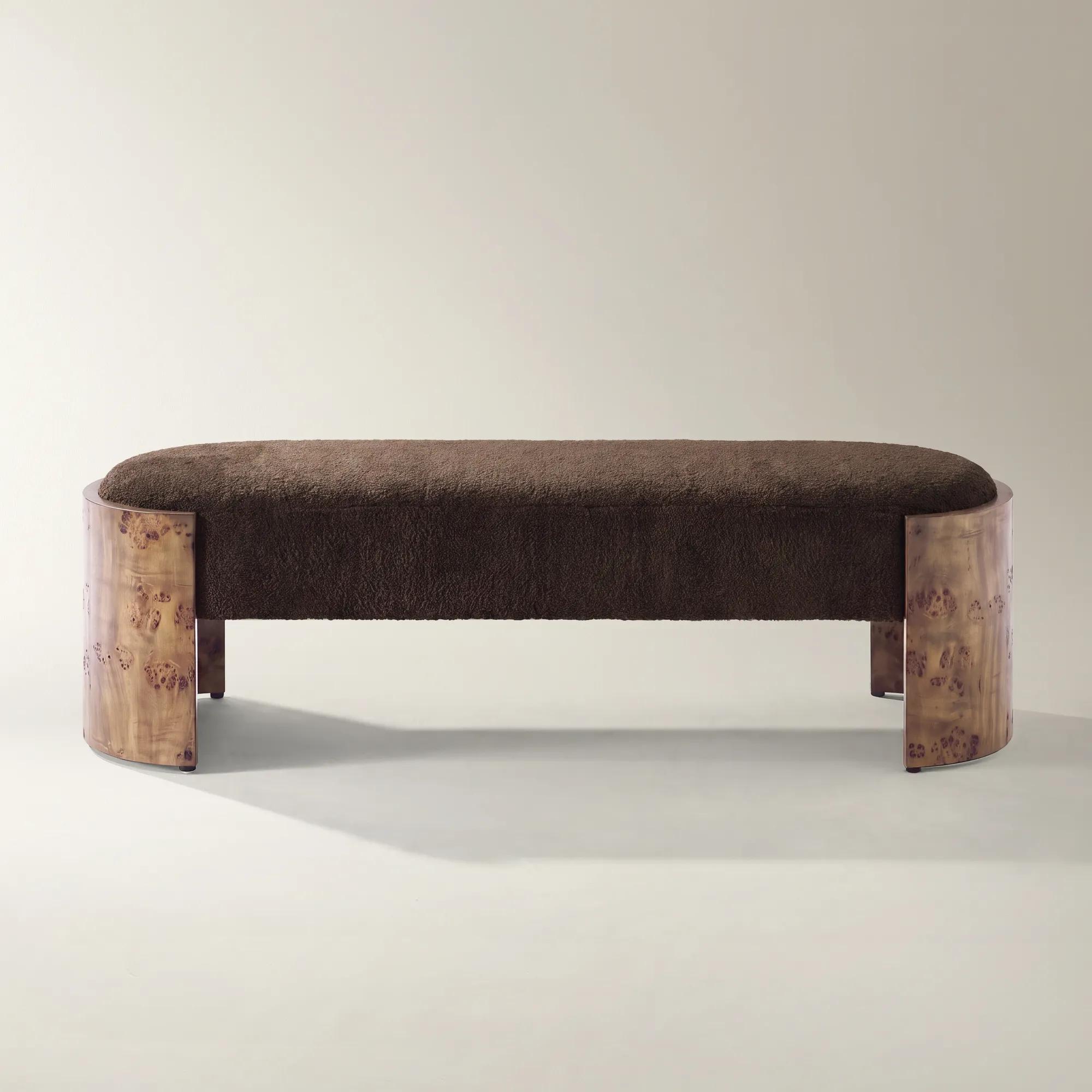 Cora Dark Chocolate Chenille With Ash Wood Bench (60.6")$999
A sculpted dark chocolate chenille bench with curved ash burl end panels and supportive foam cushioning.
Add To Cart -
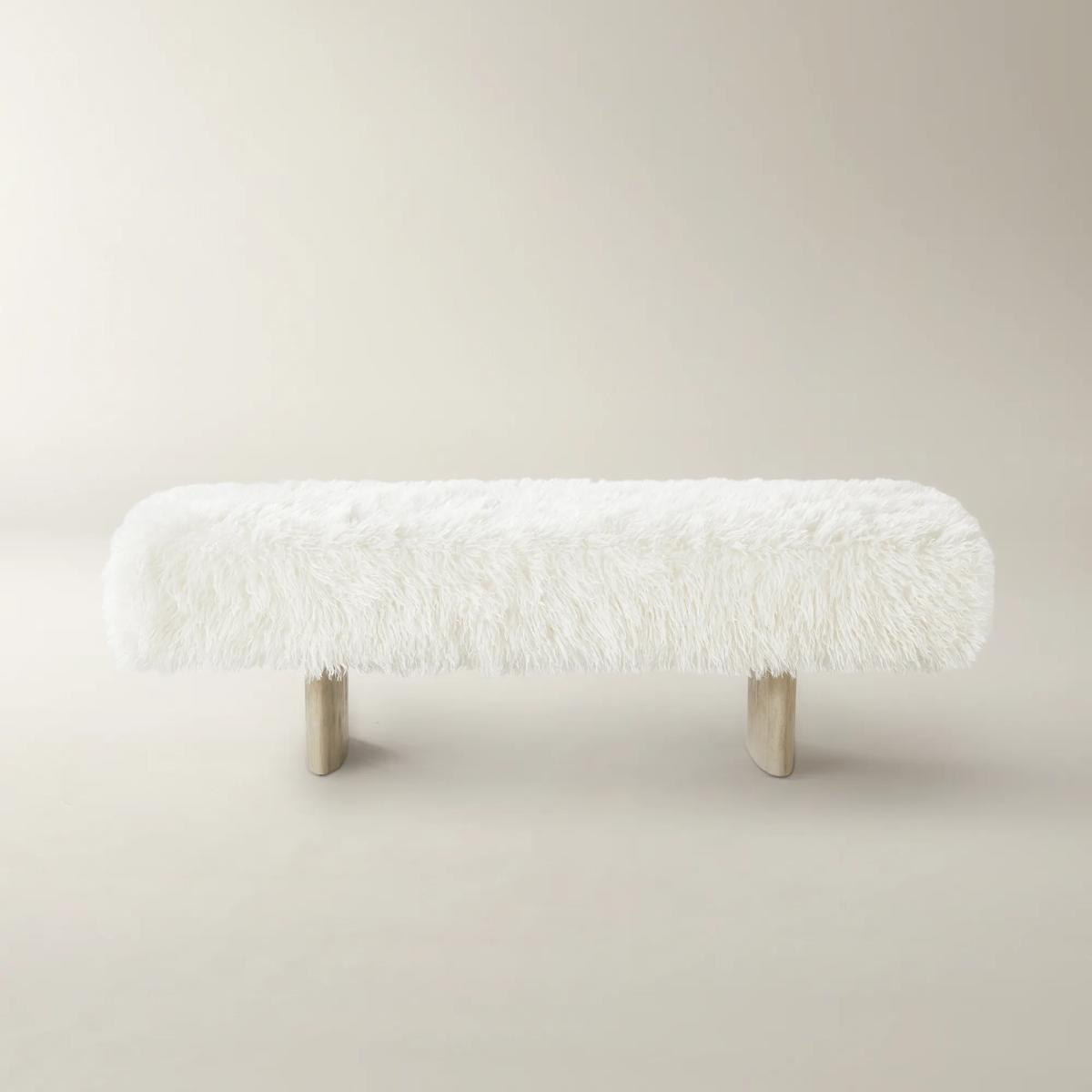 Micah Ivory Mongolian Faux Fur Bench With Rubberwood Legs (62.6")$699
An ivory faux Mongolian fur bench with high-density foam and sculptural solid rubberwood base for modern coziness.
Add To Cart -
 Micah Tan Mongolian Faux Fur Bench With Rubberwood Legs (62.6")$699
A light brown faux fur bench with a curved rubberwood base and plush high-density foam cushion.
Add To Cart -
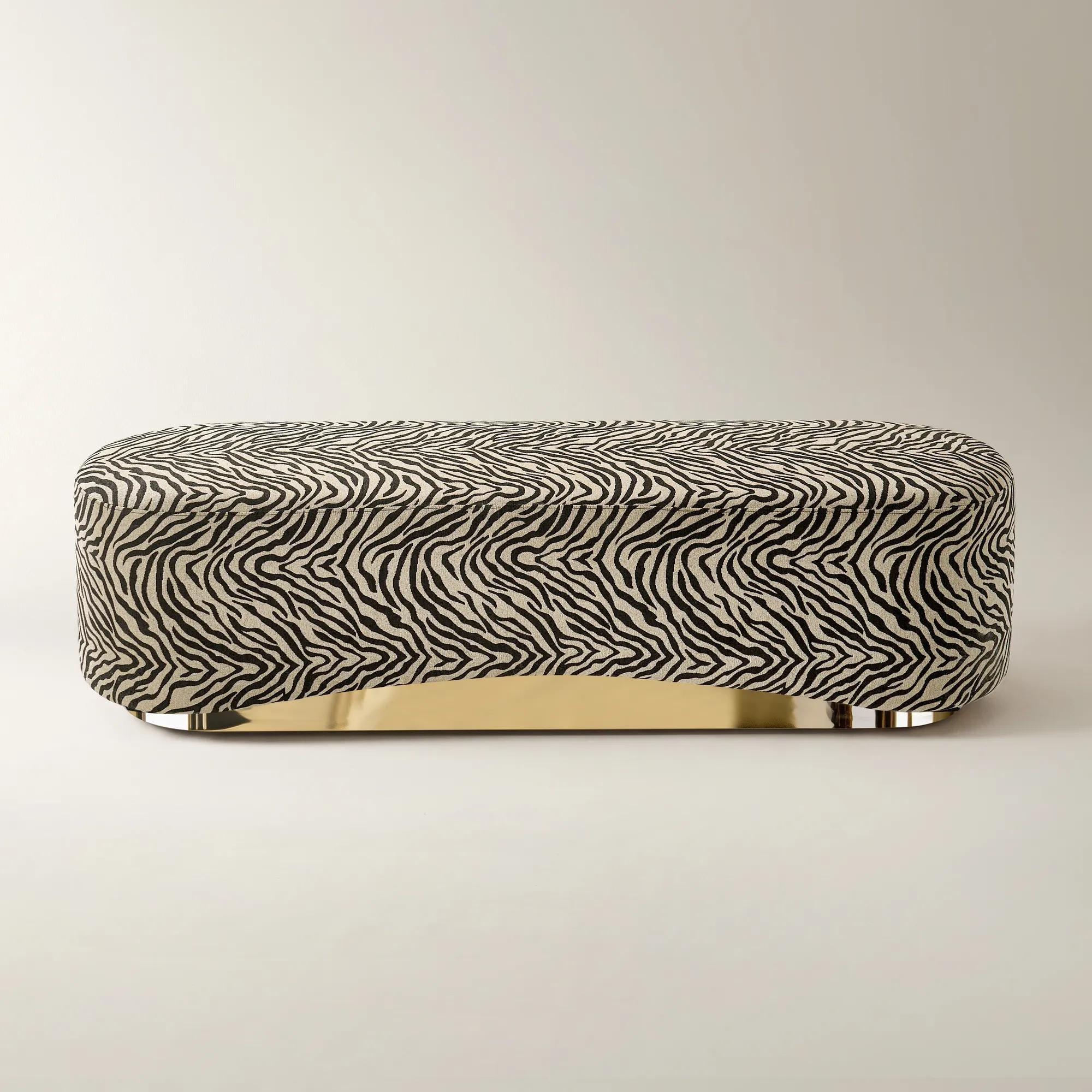
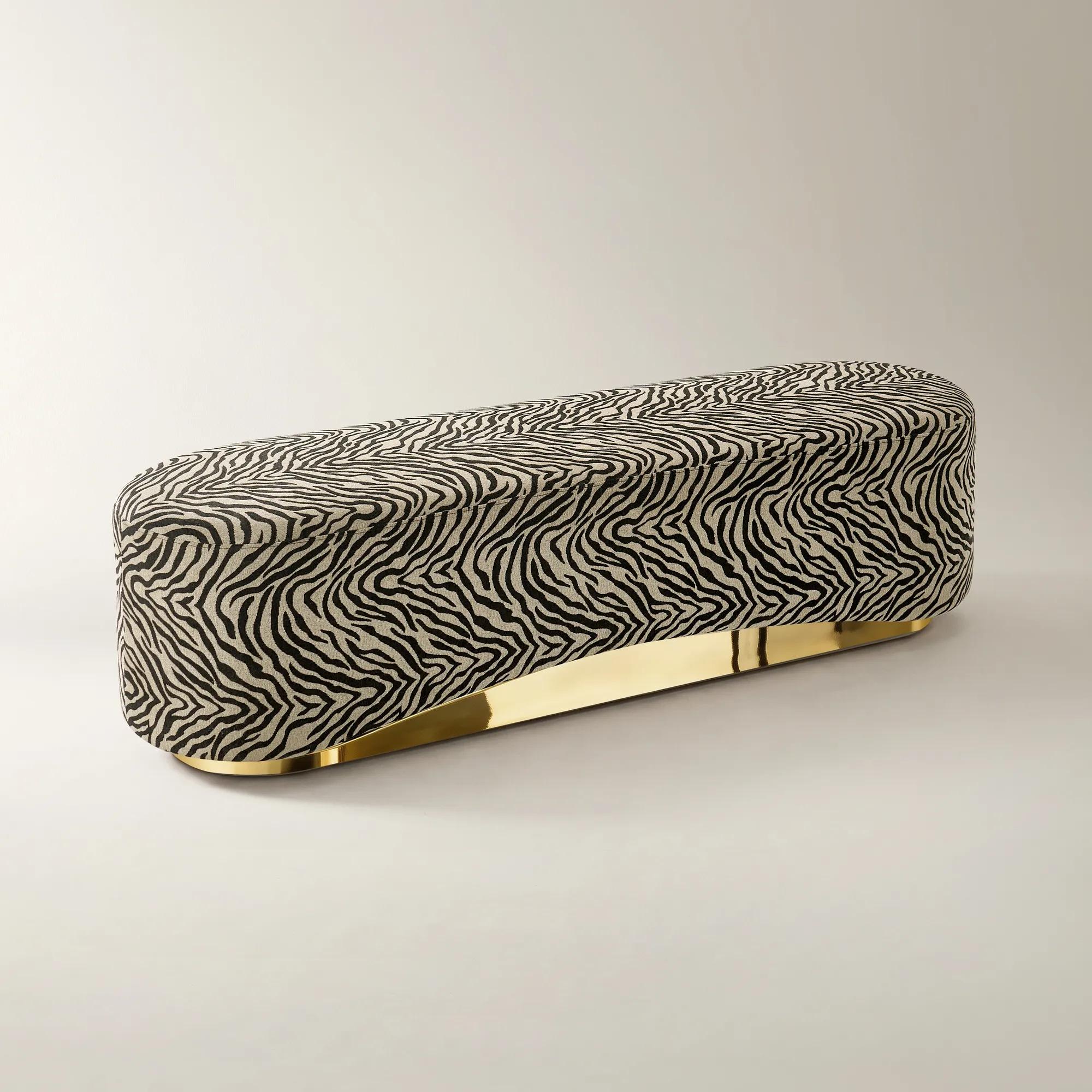 Kendra Zebra Performance Chenille Bench (70.47")$799
An elongated oval bench upholstered in textured zebra-pattern chenille with a polished gold stainless steel base.
Add To Cart -
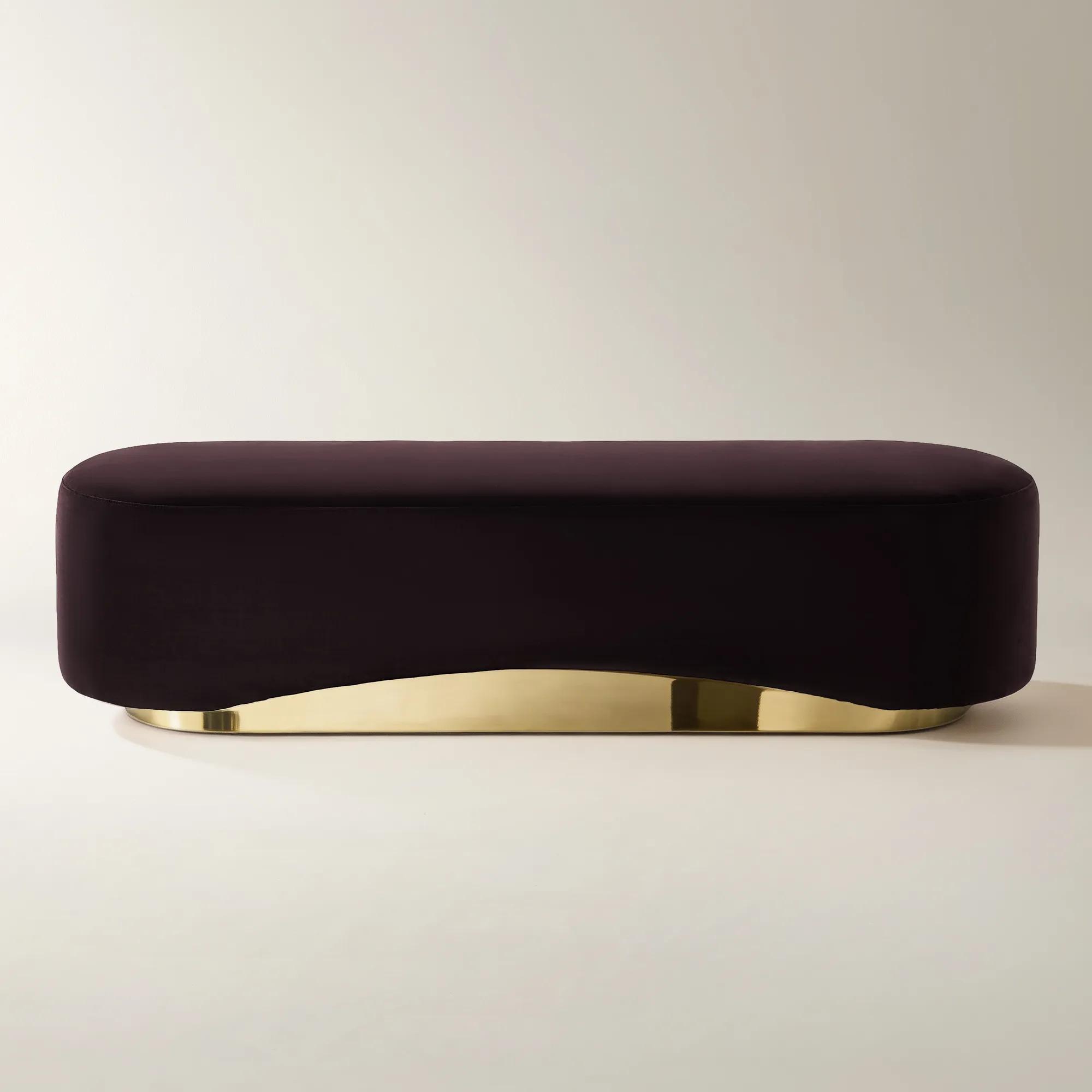 Kendra Fig Velvet Bench (70.47")$799
A plush fig velvet bench with an elongated oval silhouette and a polished gold stainless steel base.
Add To Cart -
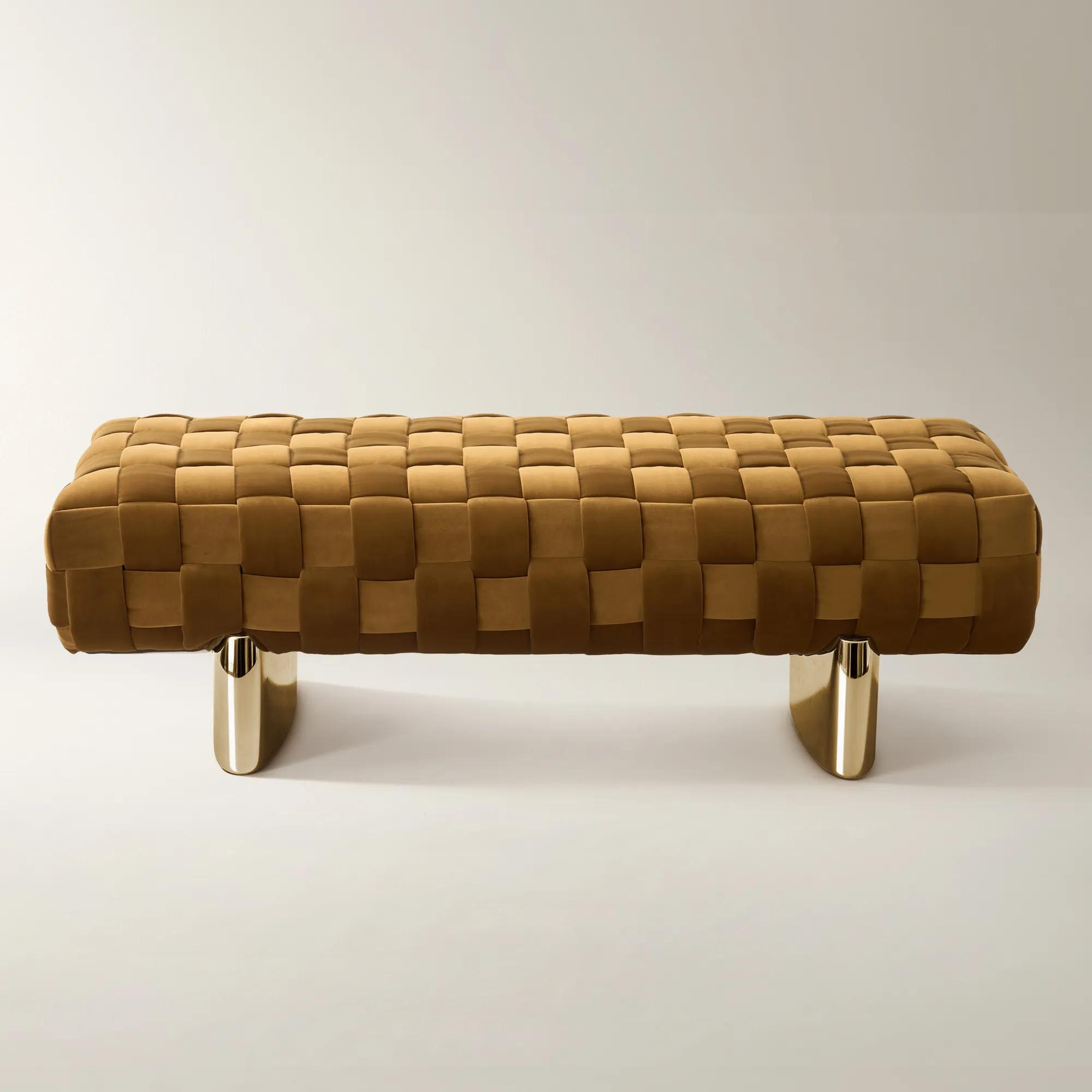
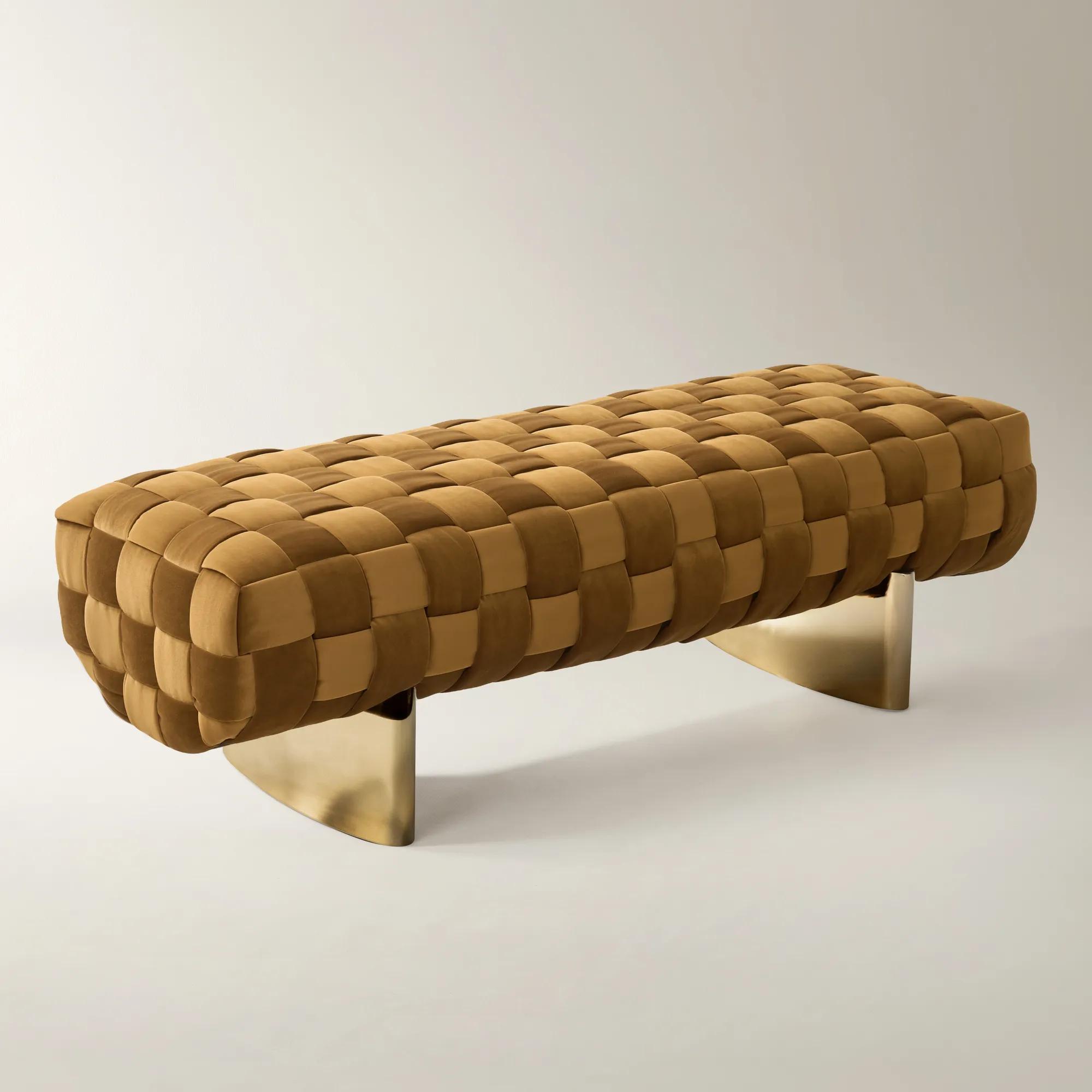 Dexter Woven Roasted Pecan Velvet Bench (64.2")$999
A woven roasted pecan velvet bench featuring plush upholstery and polished gold stainless steel legs for modern elegance.
Add To Cart -
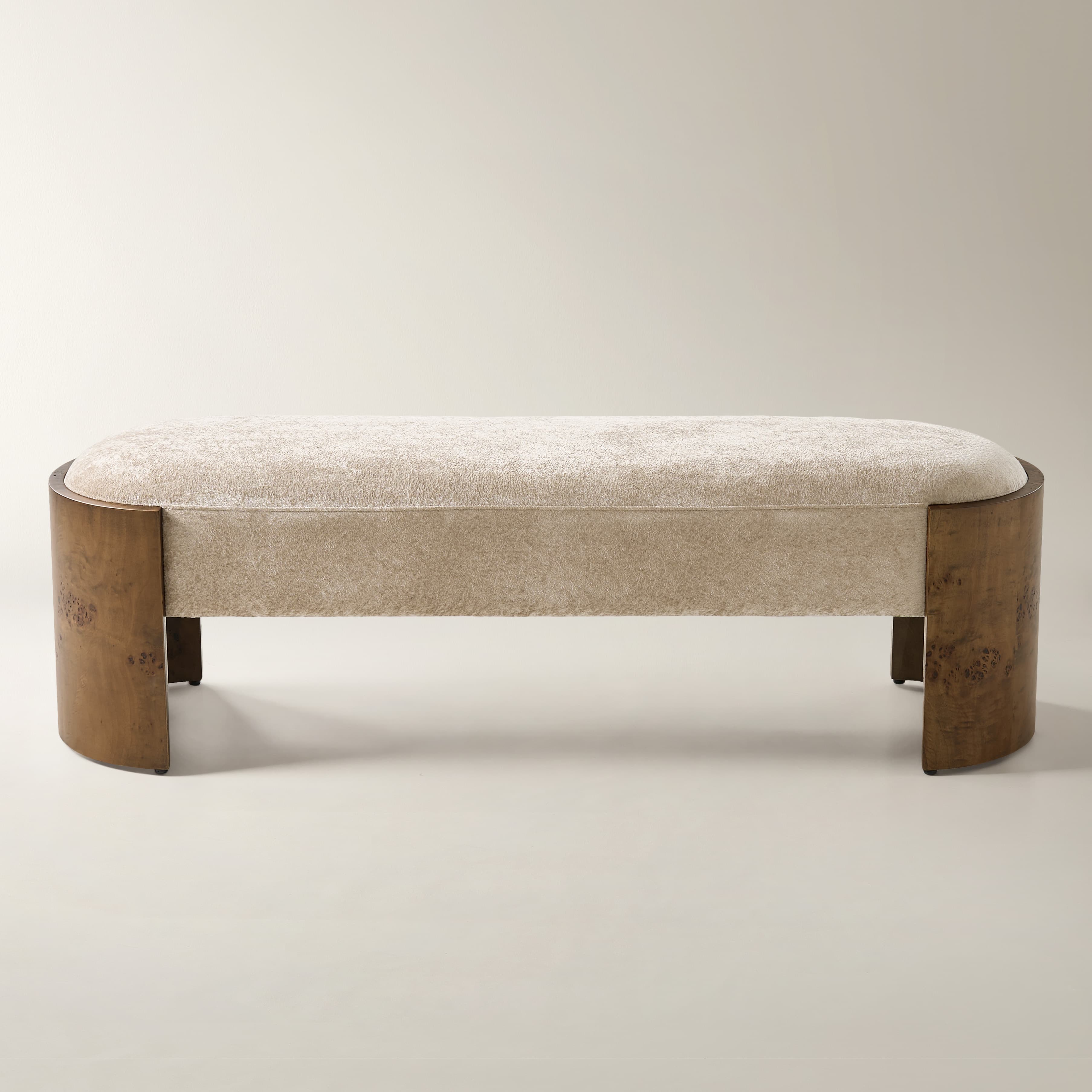 Cora Light Brown Chenille With Ash Wood Bench (60.6")$999
A light brown chenille bench with curved ash burl veneer panels, blending plush comfort and organic artistry.
Add To Cart

Upholstered Benches For Breakfast Nooks
Upholstered benches for breakfast nooks invite a sense of curated comfort and effortless elegance to the heart of your home. Here, mornings are transformed into moments of indulgence—where plush seating beckons you to linger over coffee, sunlight spills across sumptuous fabrics, and every meal feels like an occasion. Designed to infuse your dining alcove with both style and sanctuary, these benches become more than just a place to sit—they are the exclamation point on your breakfast nook’s story, blending artistry and allure in every tailored detail.
Upholstered benches for breakfast nooks bring cushioned comfort to casual dining, pairing the shared seating of a bench with the softness and decorative presence of upholstery. Set beside a kitchen table or tucked into a window-lined corner, they give an everyday gathering place the character of a thoughtfully composed room. A straight bench creates a tailored line along one side of the table, while an L-shaped banquette follows adjoining walls to define a more enveloping dining area. Modular seating can accommodate different layouts when its individual sections are designed to connect, and a freestanding bench offers flexibility without the permanence of built-in millwork. The distinction matters in a breakfast nook: a compact apartment may benefit from a slim, armless silhouette, while a generous eat-in kitchen can carry a high upholstered back, sculptural legs, or a richly textured seat. Backless designs keep sightlines open beneath a window; backed benches provide a more supported place to linger over coffee and conversation. Neither needs to disappear into the architecture. Ivory upholstery against dark wood creates crisp contrast, jewel-toned velvet introduces sumptuous depth, and a softly woven neutral can balance a dramatic stone tabletop or gleaming pendant. Channel tufting lends a rhythmic, architectural finish, while a smooth upholstered seat allows the fabric and silhouette to command attention. Decorative details deserve consideration alongside daily habits: deep button tufting creates beautiful dimension but also adds recesses where crumbs can settle. For households that gather around breakfast, homework, and relaxed dinners in the same space, an upholstered dining bench can make the nook feel connected to the rest of the home rather than treated as a purely functional corner. The most compelling arrangement balances visual drama with an easy invitation to sit, making room for both a carefully styled table and the familiar rituals that unfold around it.
Proportion determines how comfortably that atmosphere translates into daily use. A breakfast nook bench needs to relate to the table’s height, underside clearance, base, and usable seating length—not simply the width of the wall behind it. Many dining tables stand approximately 28 to 30 inches high, with dining seats commonly around 17 to 19 inches high; roughly 10 to 12 inches between the seat and the underside of the tabletop is a useful starting point, adjusted for an apron and the way cushions compress. An especially thick cushion or low-hanging table apron can reduce thigh room even when the overall measurements seem compatible. Bench legs should also clear the table base so diners can sit close enough without bracing their feet against a stretcher. A pedestal table can simplify access beside a corner banquette, although its base still needs sufficient room for feet. Allowing about 24 inches of usable bench width per adult provides an initial sense of capacity, with additional room offering a more relaxed experience; arms, corner sections, and contoured cushions can reduce the space available. The inside corner of an L-shaped bench should not automatically count as a full dining position. Seat depth matters just as much: a deep lounge-style bench may look luxurious but leave someone reaching toward the table, particularly if its back cushions push the body forward unevenly. Dining-oriented proportions and supportive cushioning are better suited to upright meals. Around the nook, circulation needs to account for people entering, leaving, and passing through, not just furniture placement. Approximately 36 inches of clear passage is a helpful planning reference where space allows, with more room useful along busy routes. A long bench positioned tightly between walls can also make the middle seat harder to reach. Storage benches add another layer of function, but lift-up seats require accessible lids, unobstructed opening space, and hardware intended for repeated operation. They are most practical when stored linens or occasional table accessories can be reached without rearranging the entire nook.
Fabric, construction, and care shape how an upholstered breakfast nook bench performs long after its first beautifully set table. Tightly woven upholstery generally offers a smoother surface for everyday dining, while velvet brings a luminous finish that shifts with the direction of its pile. Linen and linen blends contribute expressive texture, though their care requirements and resistance to spills vary by composition and treatment. Performance upholstery may offer stain resistance or easier cleaning, but the term does not mean stainproof, waterproof, or suitable for every cleaning product. Fabric specifications and the manufacturer’s care instructions remain essential, especially in homes where juice, coffee, or frequent family meals are part of the routine. Leather and leather-look upholstery create a different visual effect, often emphasizing the bench’s clean lines; each requires care appropriate to its particular finish rather than a universal wiping solution. Beneath the upholstery, a well-constructed frame, secure joints, stable legs, and resilient cushioning contribute to dependable seating. Solid wood, engineered wood, and metal can all serve different structural roles, so the construction details and stated weight capacity are more informative than a material name alone. Foam that feels indulgently soft at first may not provide the upright support preferred for dining, while firmer cushioning can offer comfort without excessive sinking. Regular vacuuming with a suitable upholstery attachment helps remove crumbs from seams, and prompt blotting with a clean cloth can limit the spread of a spill; rubbing or saturating the cushion may worsen the mark. Removable covers should only be washed when their care label permits it. For related seating arrangements, Upholstered Benches For Kitchen Tables offers another way to consider the relationship between upholstered seating and the dining surface. Whether the setting is an intimate nook for two or a lively family breakfast corner, thoughtful proportions and tactile materials give everyday dining a distinctly expressive backdrop.
FAQs
Upholstered benches for breakfast nooks are often crafted with luxurious fabrics such as velvet, linen, or performance textiles that resist stains and wear. These materials are selected not only for their tactile appeal but also for their ability to elevate the aesthetic of your space. The bench frames are typically constructed from sturdy hardwoods or metal, ensuring both beauty and durability.
An upholstered bench brings a layer of softness and sophistication to a breakfast nook, transforming it into a welcoming retreat. The plush cushioning invites guests to linger, while tailored details—like tufting, piping, or sculptural legs—add visual interest and a sense of curated style. This blend of comfort and artistry creates a space where everyday moments feel effortlessly elevated.
Absolutely. Many upholstered benches are designed with family life in mind, featuring performance fabrics or easy-to-clean surfaces that withstand the rigors of daily use. Their generous seating can accommodate children and guests alike, making them a practical yet stylish choice for households that cherish both beauty and functionality.
Upholstered benches are remarkably versatile, complementing a wide range of design aesthetics. For a touch of glamor, consider benches with metallic accents or rich jewel-toned fabrics. Modern spaces benefit from clean lines and minimalist details, while traditional homes can be enhanced with tufted or rolled-arm benches. The key is to select a bench that harmonizes with your existing decor while making a distinctive statement.
Certainly. While upholstered benches are a natural fit for breakfast nooks, their versatility allows them to shine in entryways, bedrooms, or living rooms as well. They provide additional seating, a place to display decorative accents, or a cozy spot to pause and unwind, making them a transformative addition to any space.