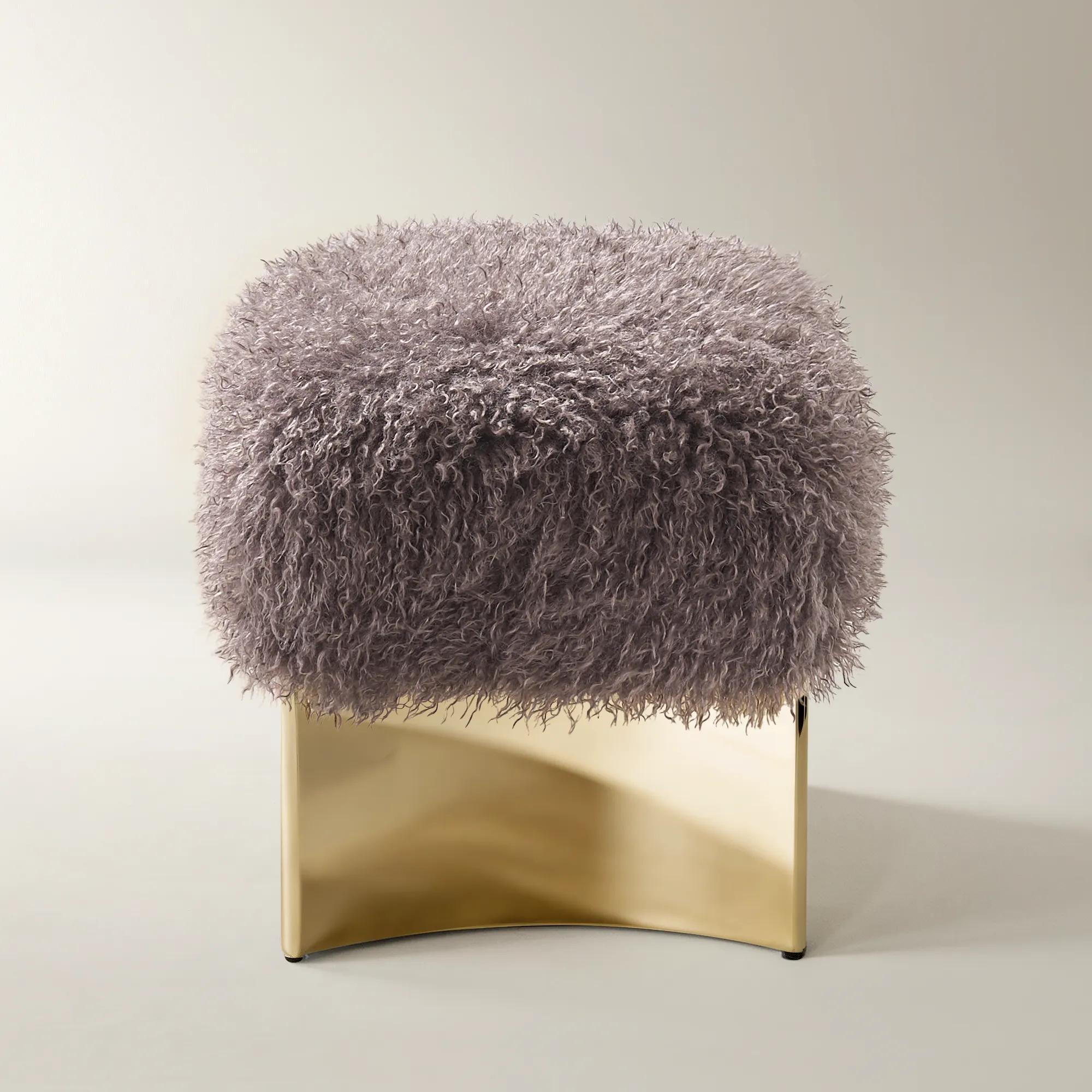
Upholstered Benches For Reading Nooks
Upholstered Benches For Reading Nooks
-
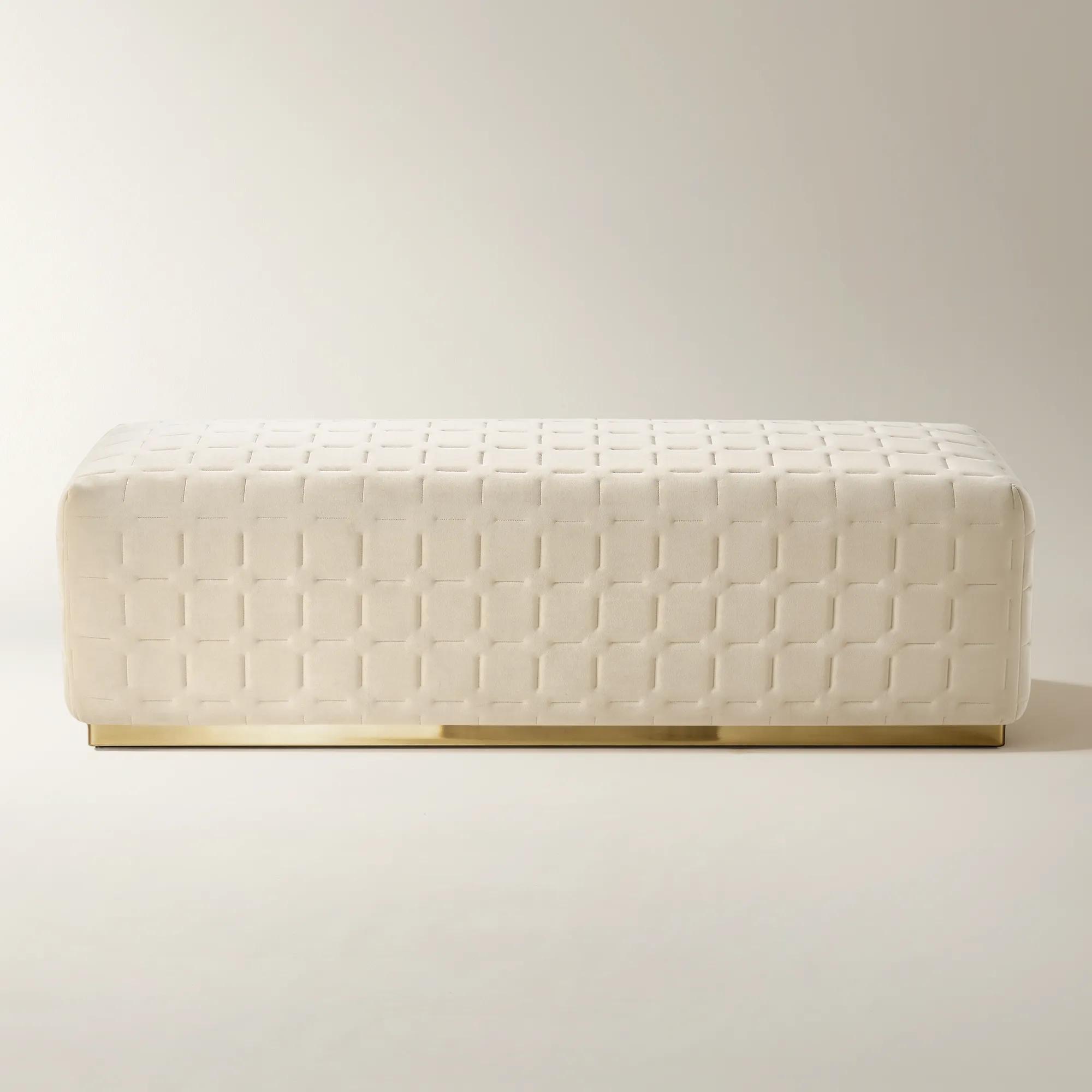
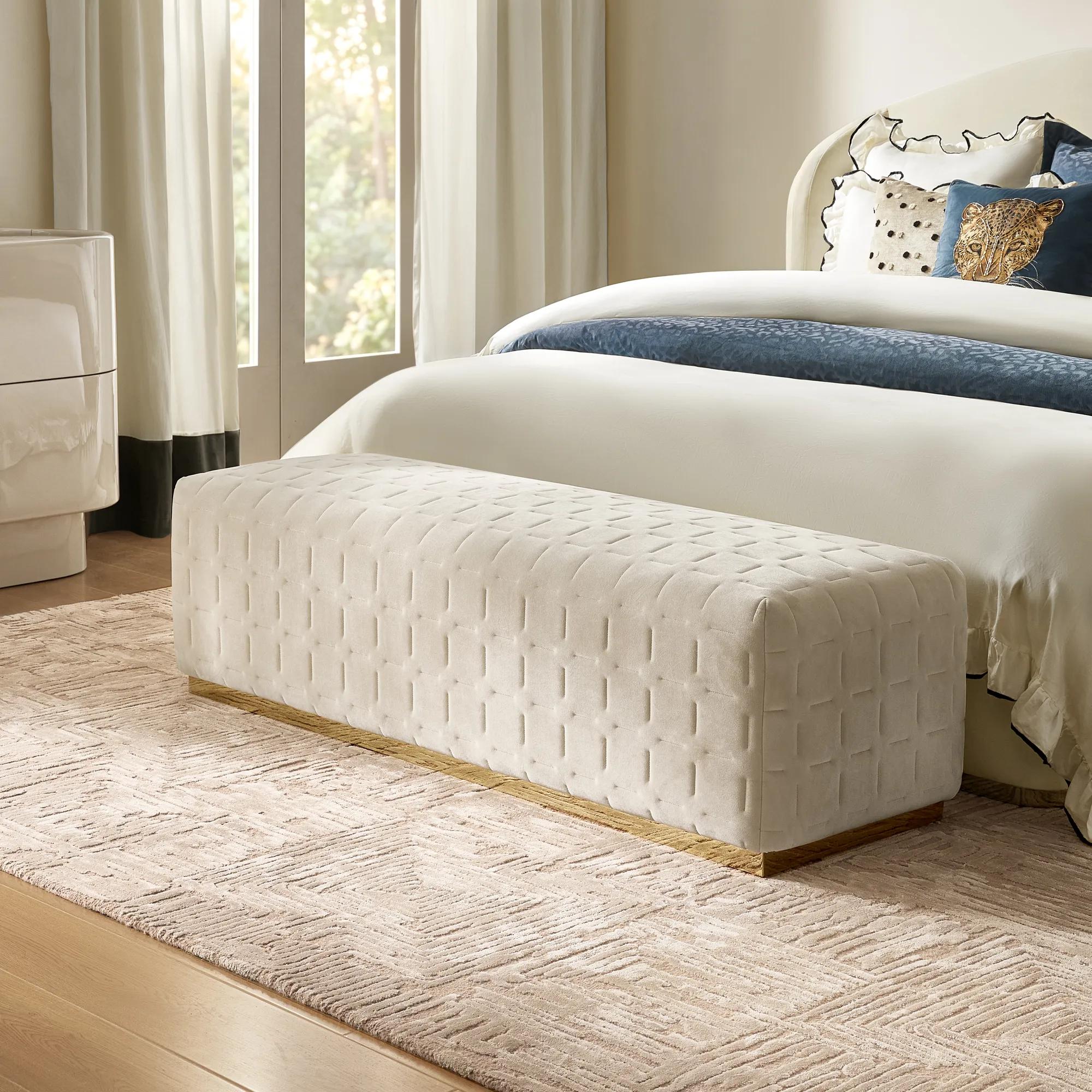 Vanta Quilted Oatmeal Velvet Bench (64.6")$899
A plush oatmeal velvet bench featuring checker quilted tufting and a sleek gold stainless steel base.
Add To Cart -
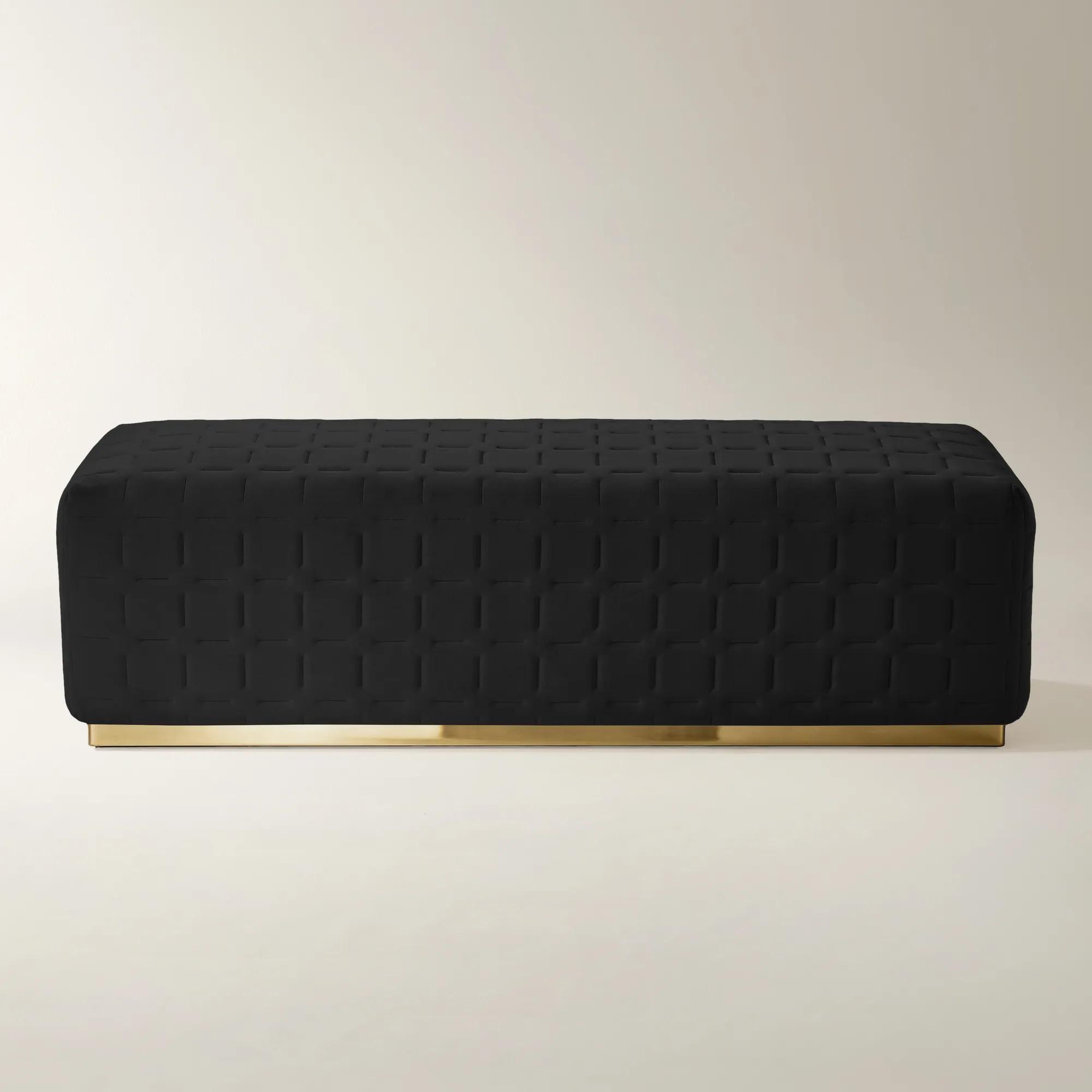 Vanta Quilted Charcoal Velvet Bench (64.6")$899
A charcoal velvet bench featuring checker quilted tufting and a gold stainless steel base for modern elegance.
Add To Cart -
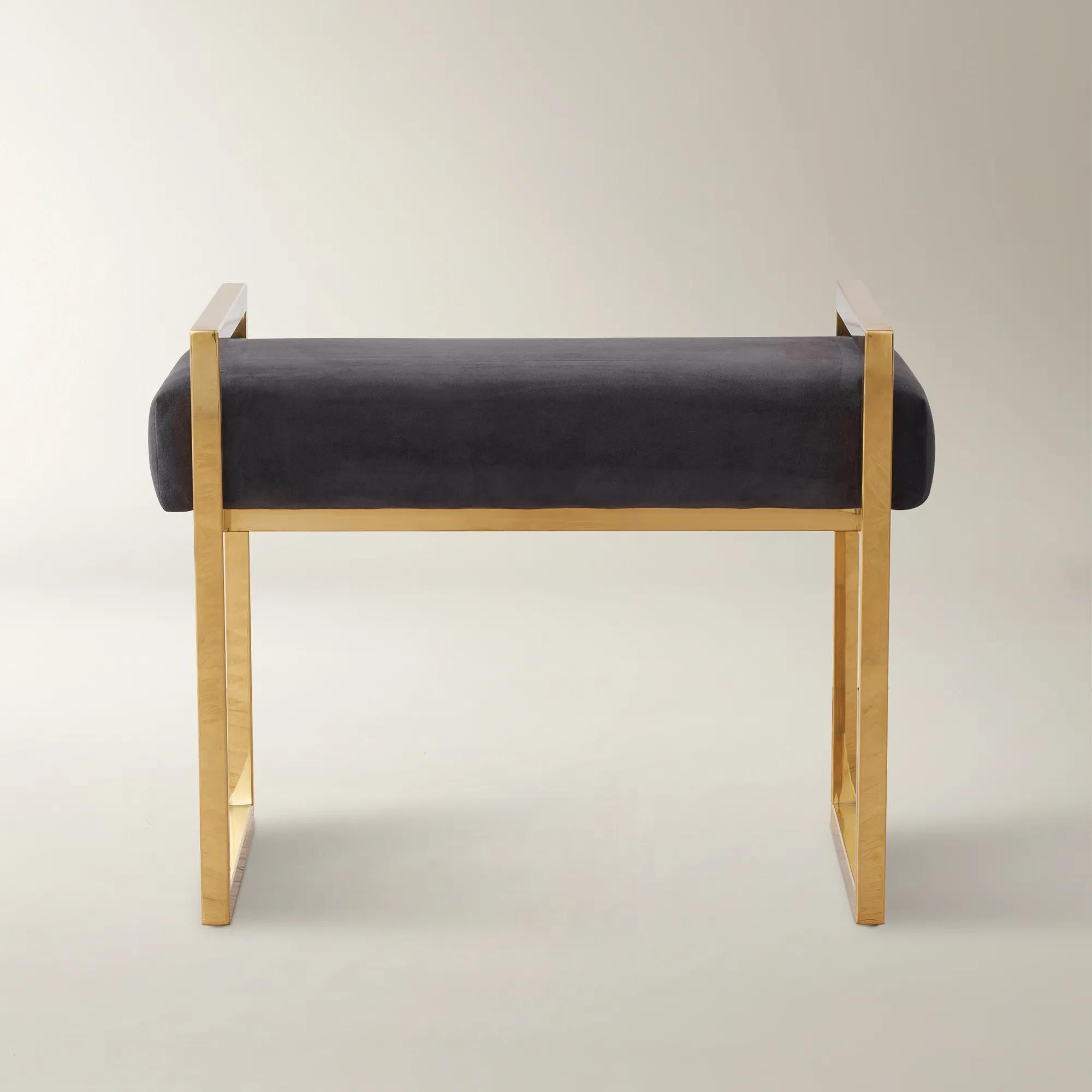
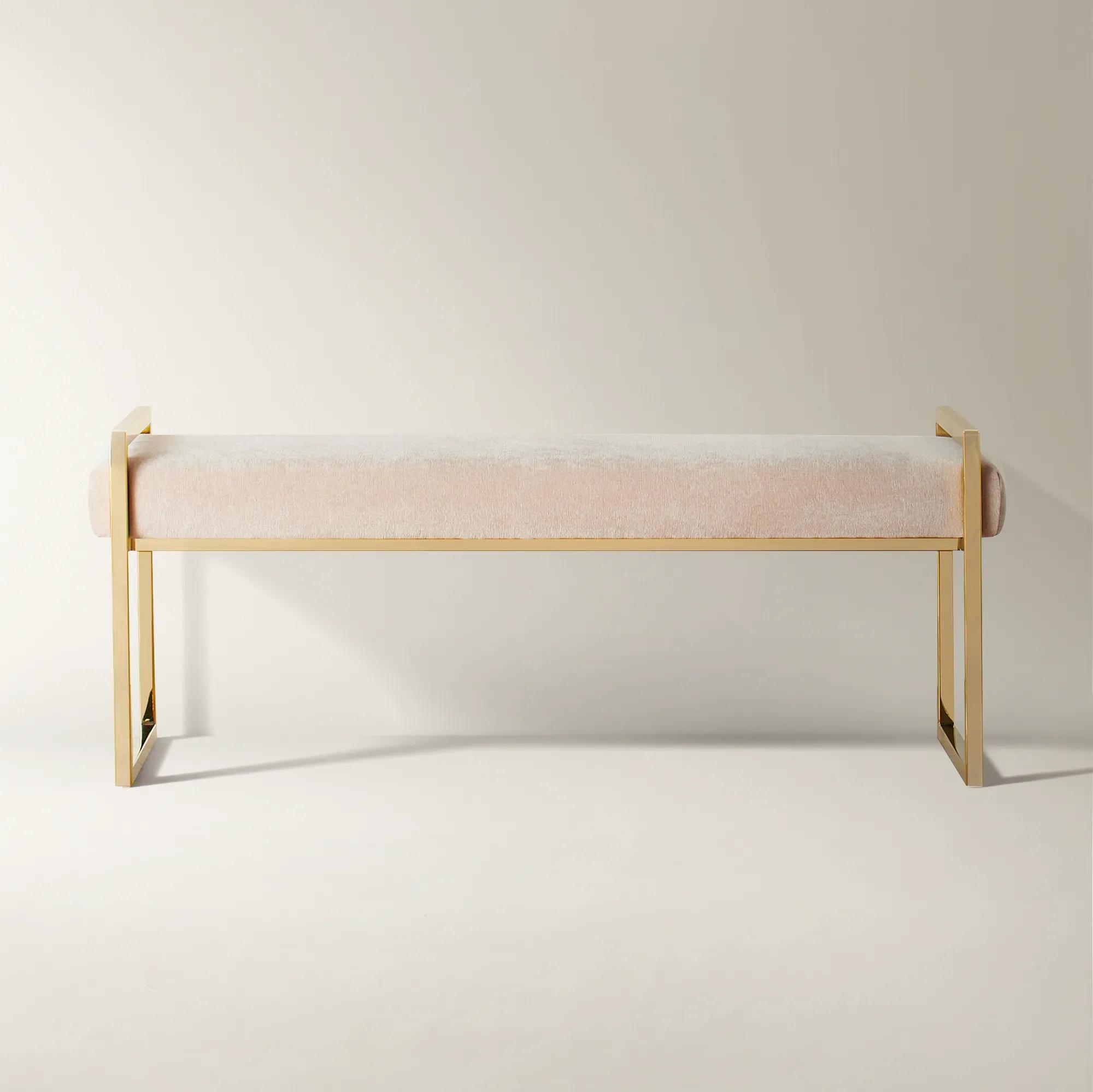 Clara Bench$699
A plush upholstered bench with a high-density foam seat and polished gold metal legs for modern elegance.
Add To Cart -
 Micah Tan Mongolian Faux Fur Bench With Rubberwood Legs (62.6")$699
A light brown faux fur bench with a curved rubberwood base and plush high-density foam cushion.
Add To Cart -
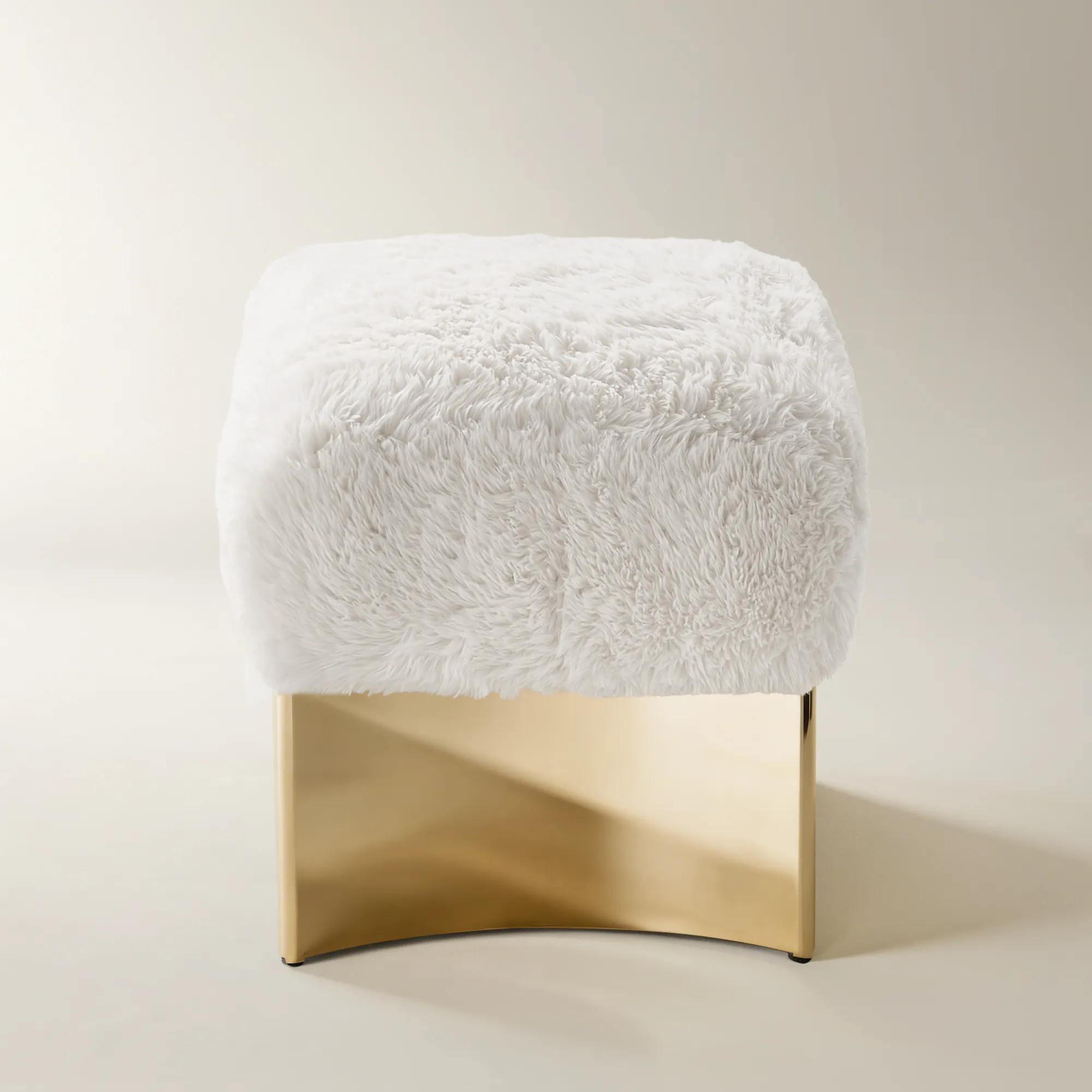
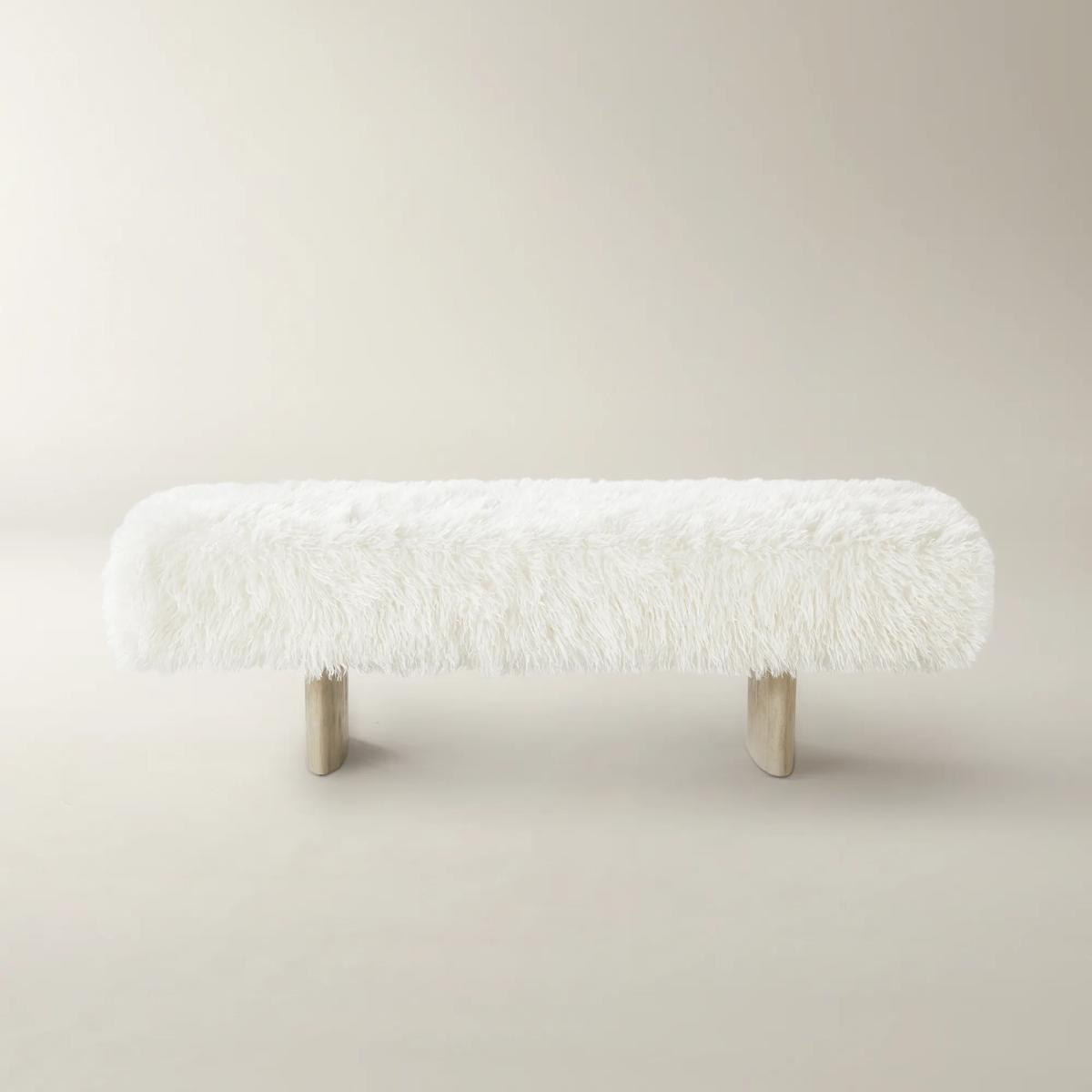 Micah Ivory Mongolian Faux Fur Bench With Rubberwood Legs (62.6")$699
An ivory faux Mongolian fur bench with high-density foam and sculptural solid rubberwood base for modern coziness.
Add To Cart -
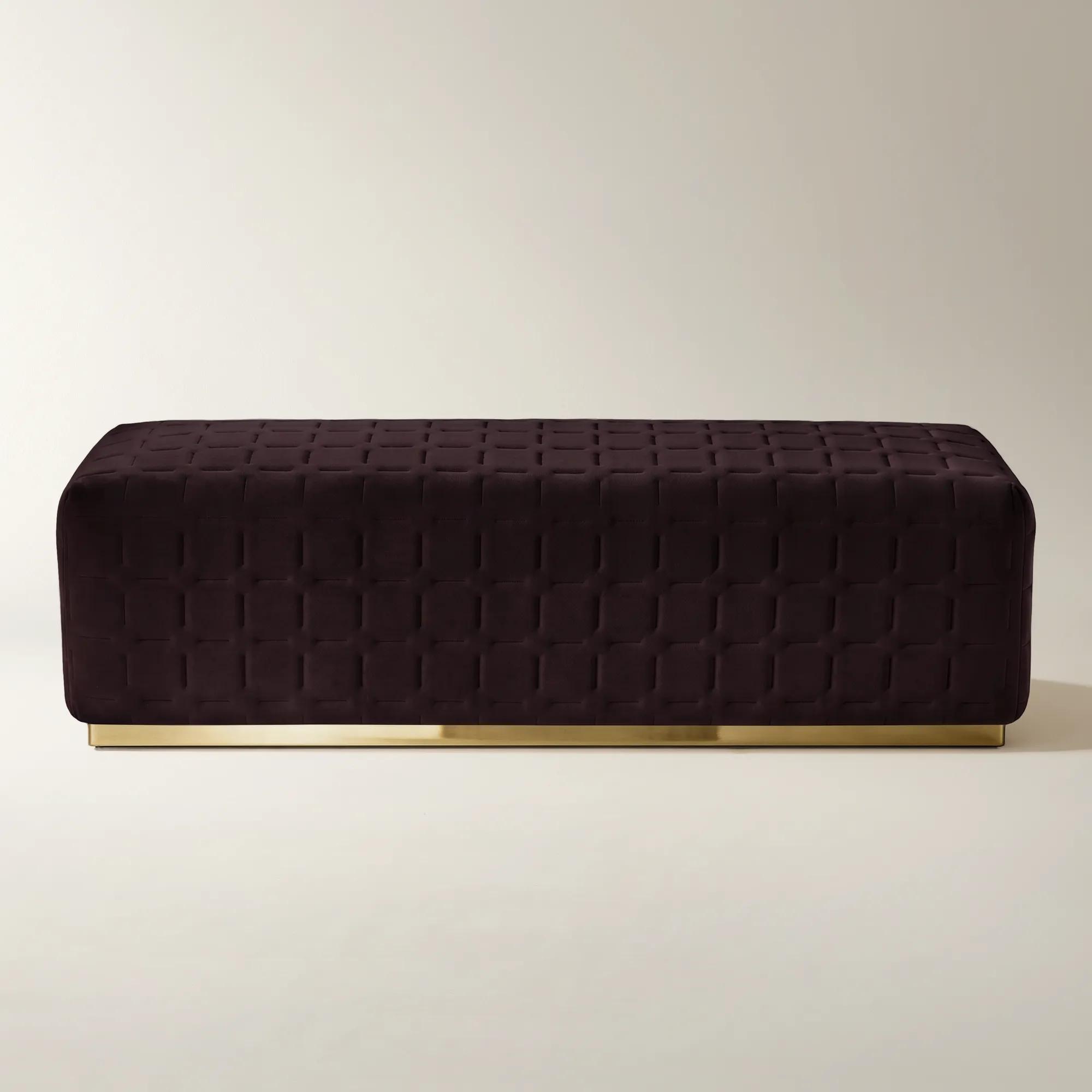
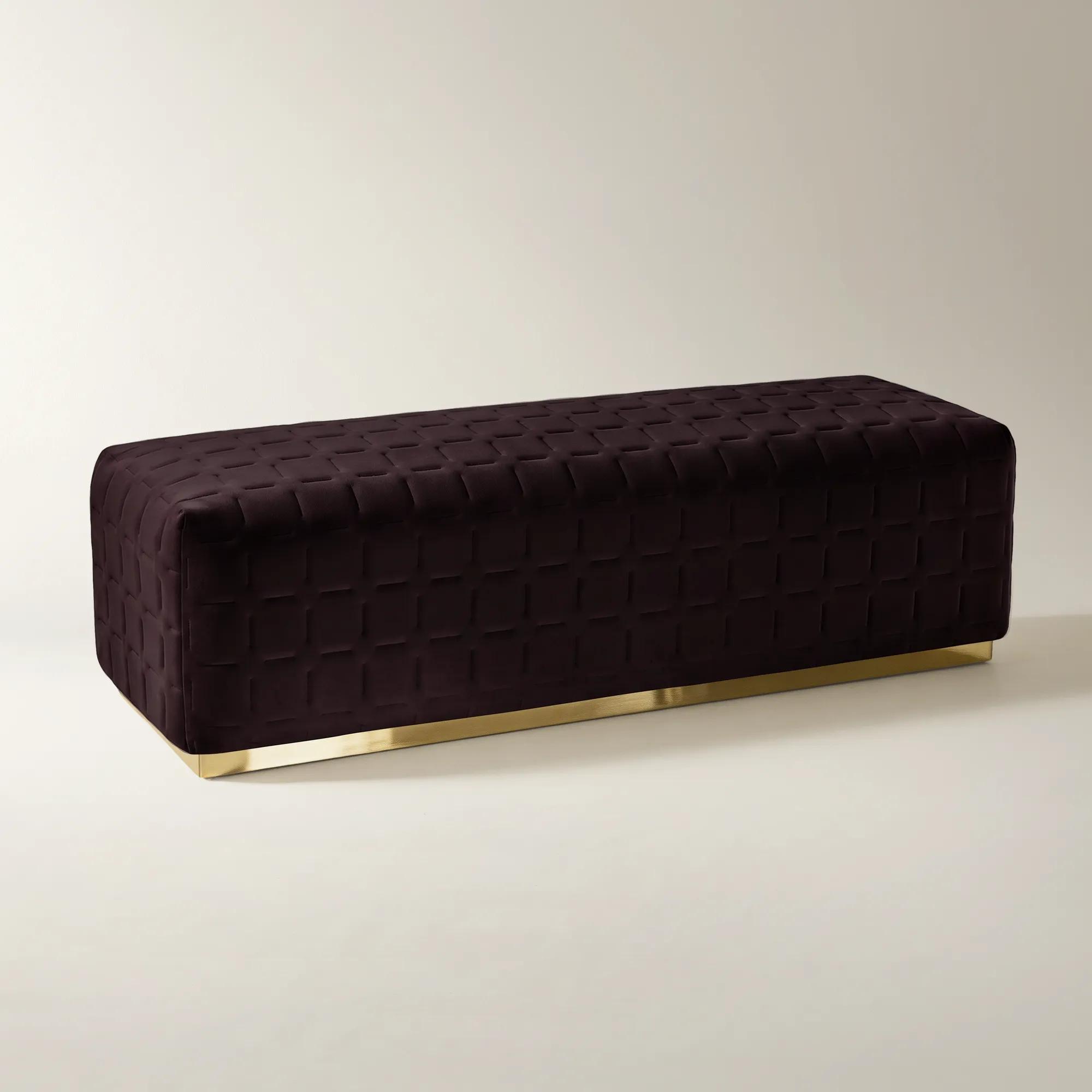 Vanta Quilted Fig Velvet Bench (64.6")$899
A plush fig velvet bench featuring checker quilted tufting and a sleek gold stainless steel base.
Add To Cart -
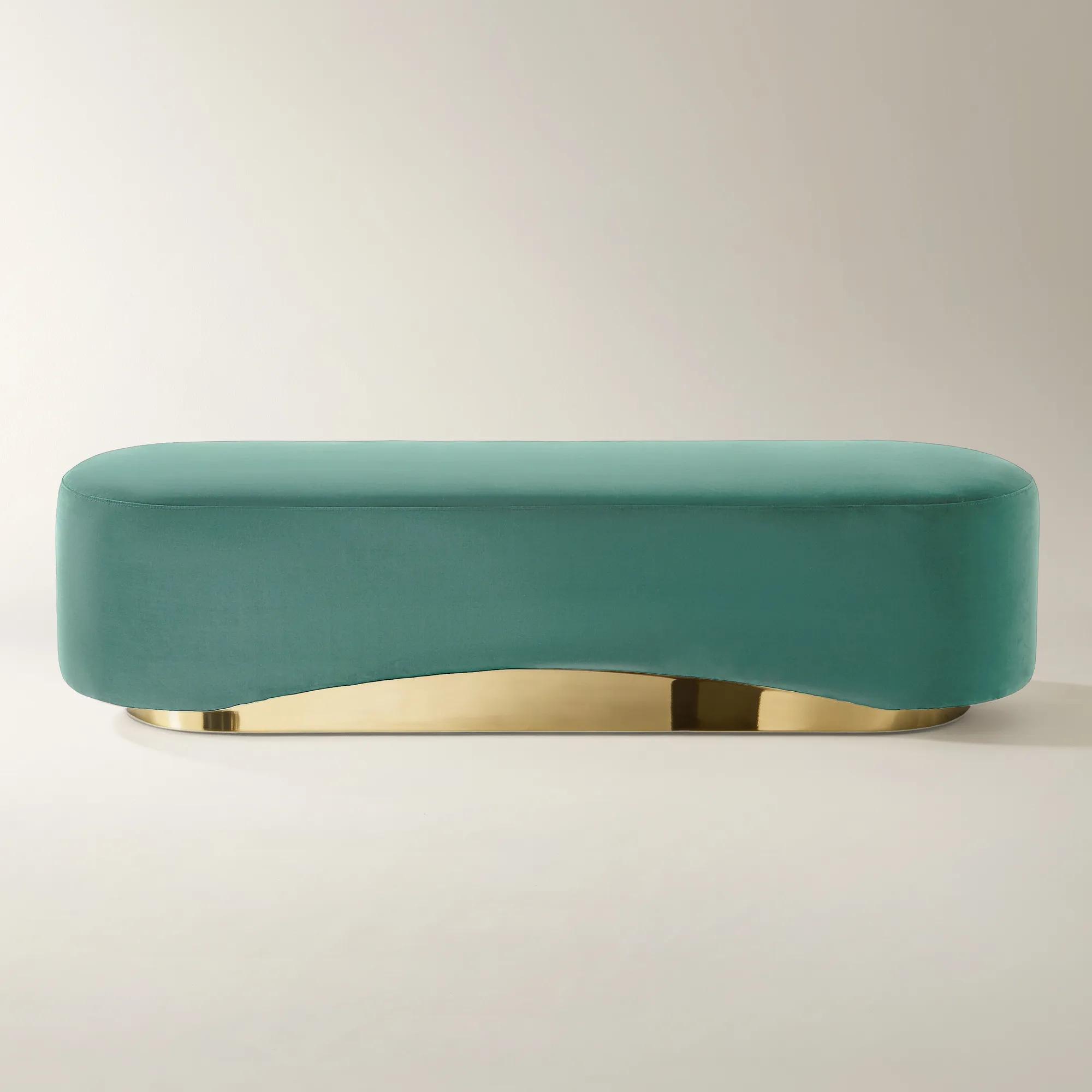 Kendra Ocean Teal Velvet Bench (70.47")$799
An elongated oval bench in ocean teal velvet with a plush seat and polished gold stainless steel base.
Add To Cart -
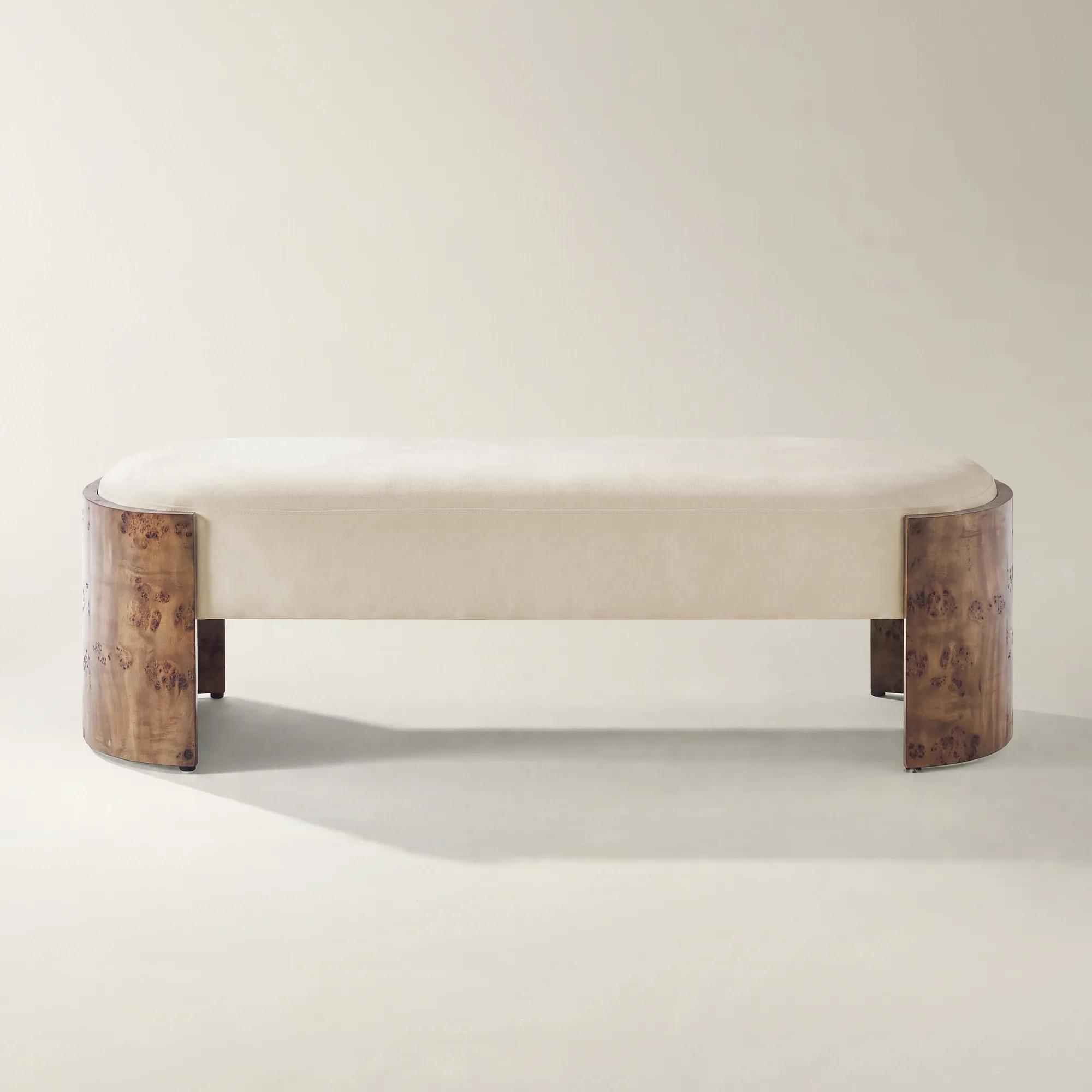
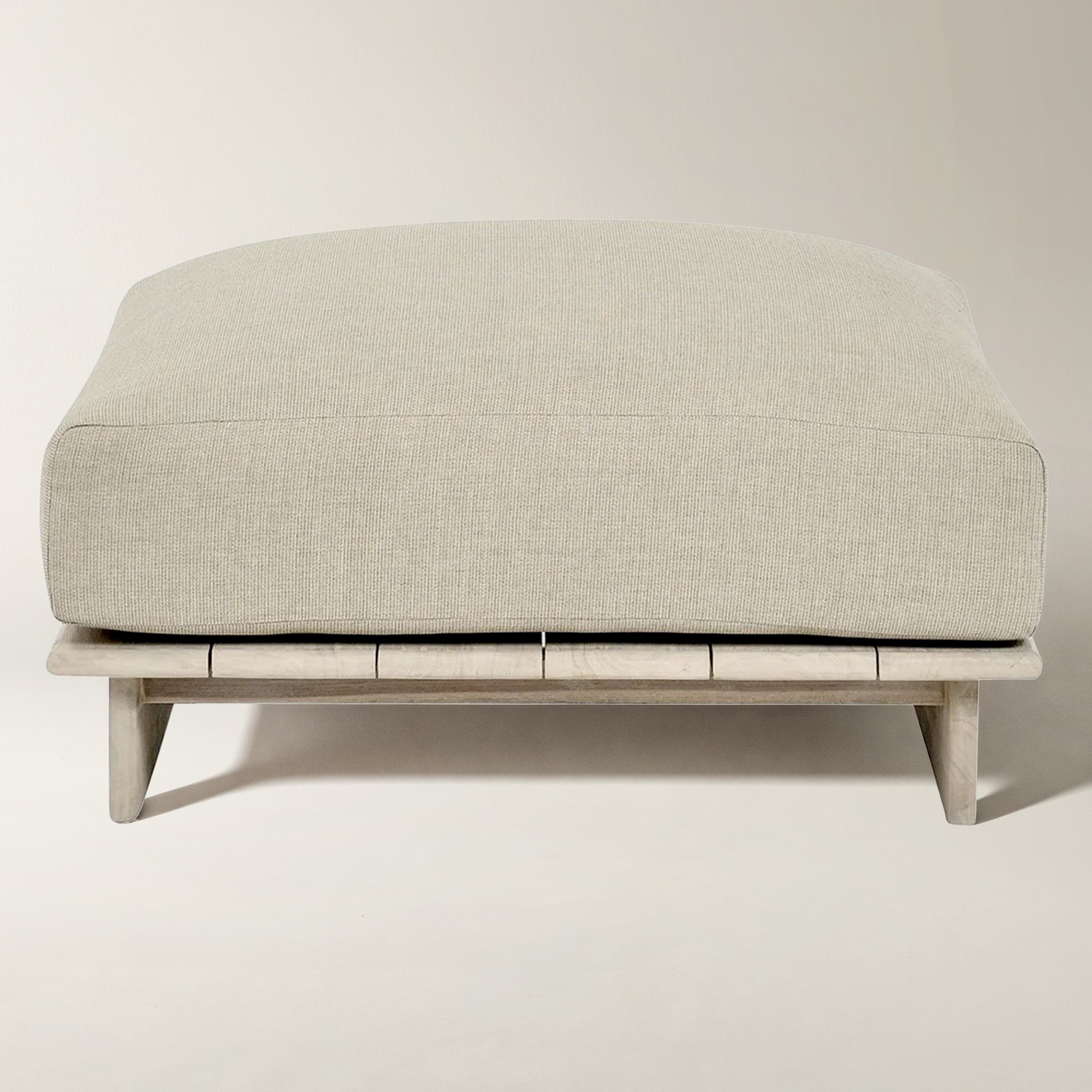
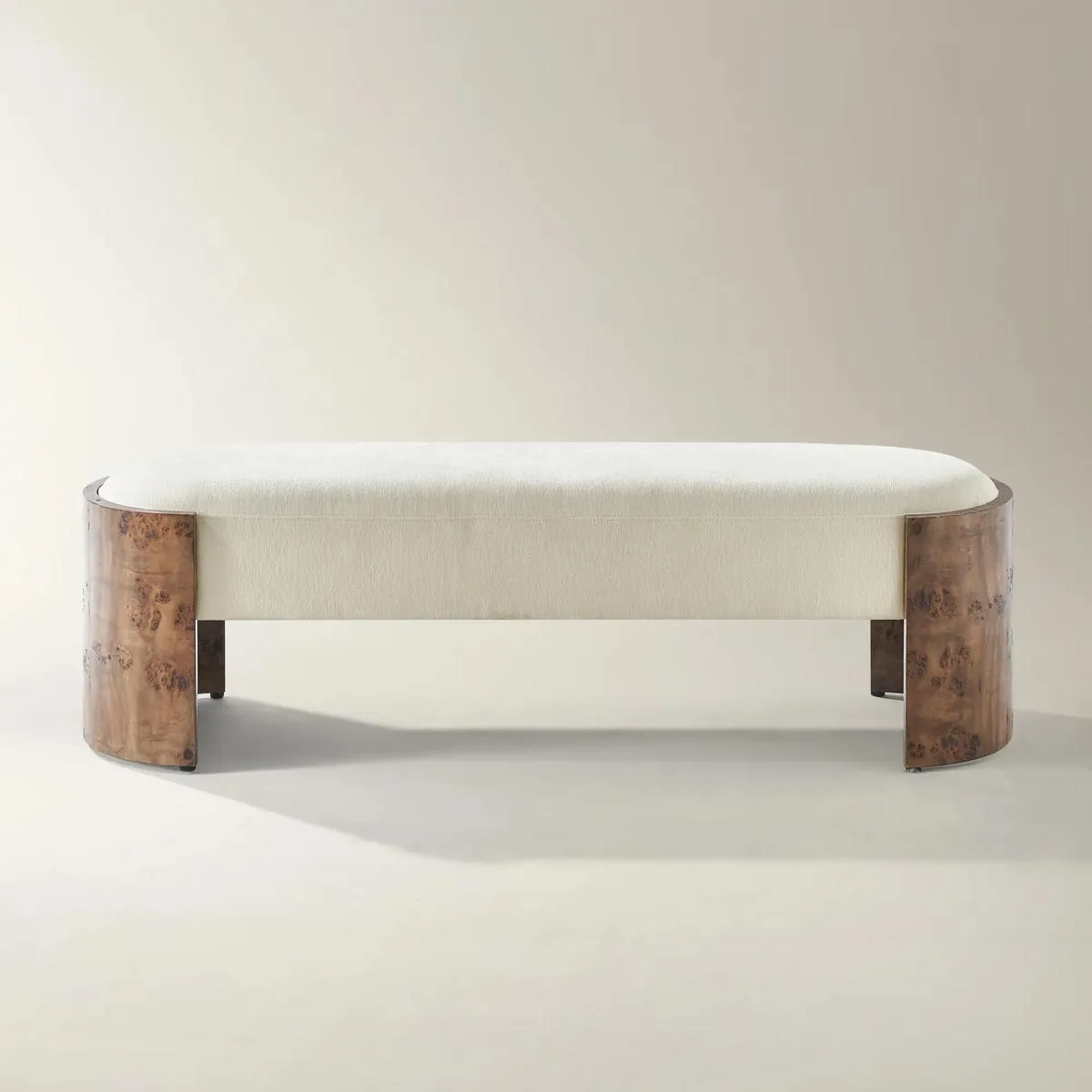 Cora Oatmeal Velvet With Ash Wood Bench (60.6")$999
A sculptural oatmeal velvet bench with curved ash burl wood panels and supportive foam cushioning.
Add To Cart -
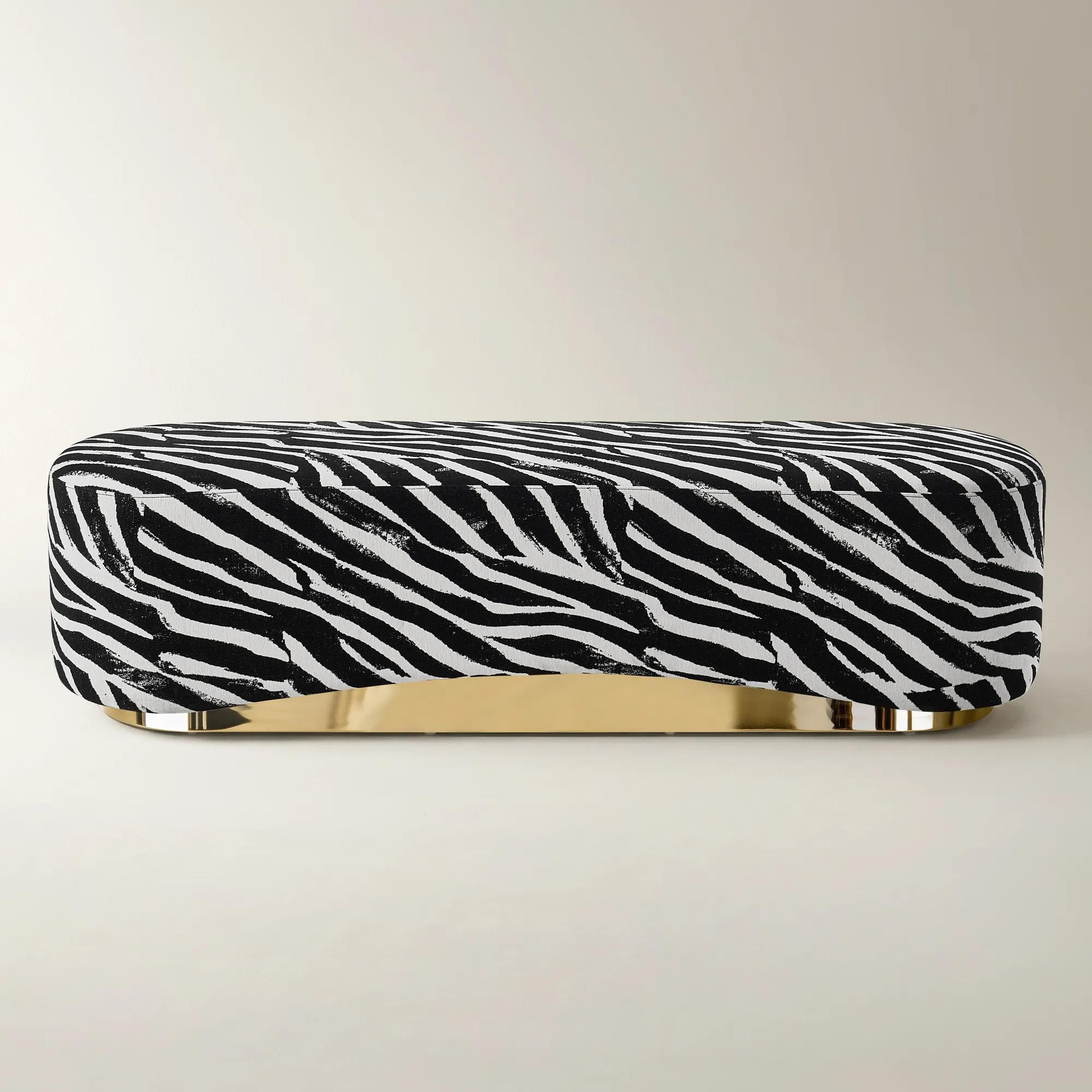
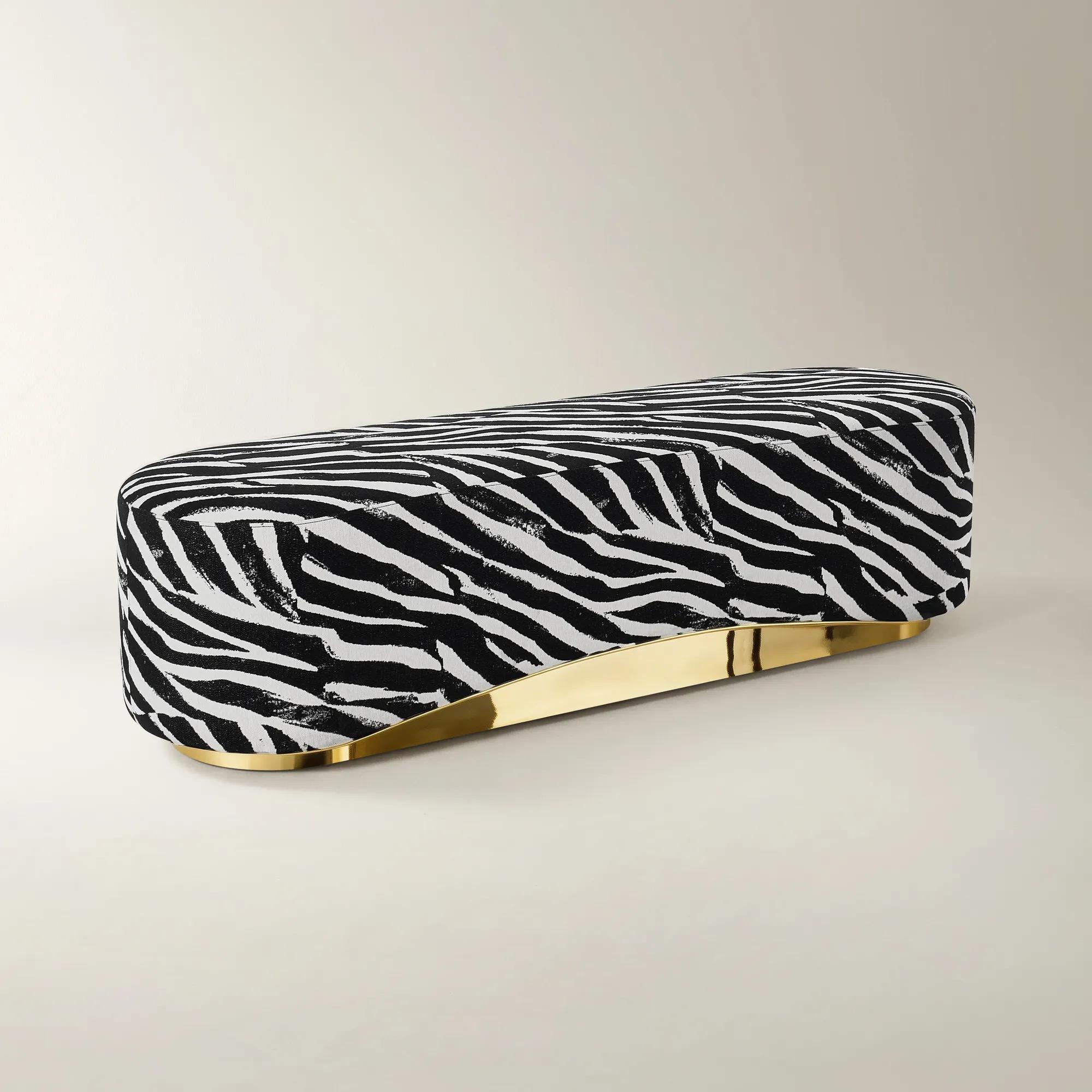 Kendra White/Black Performance Chenille Bench (70.47")$799
An elongated oval bench upholstered in white and black performance chenille with a polished gold stainless steel base.
Add To Cart -
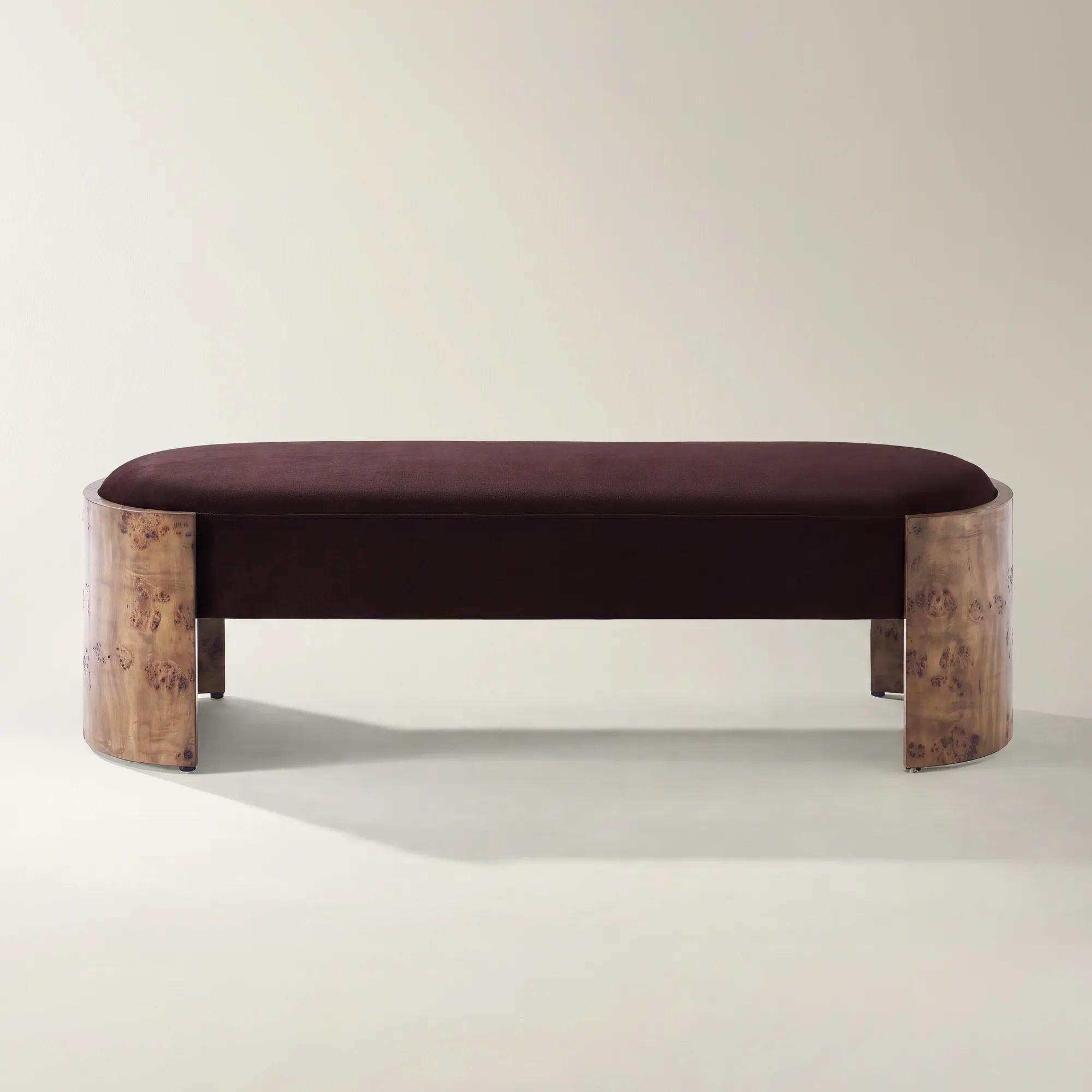 Cora Fig Velvet With Ash Wood Bench (60.6")$999
A sculptural bench with fig velvet upholstery, bookmatched ash burl panels, and supportive high-resiliency foam cushioning.
Add To Cart -
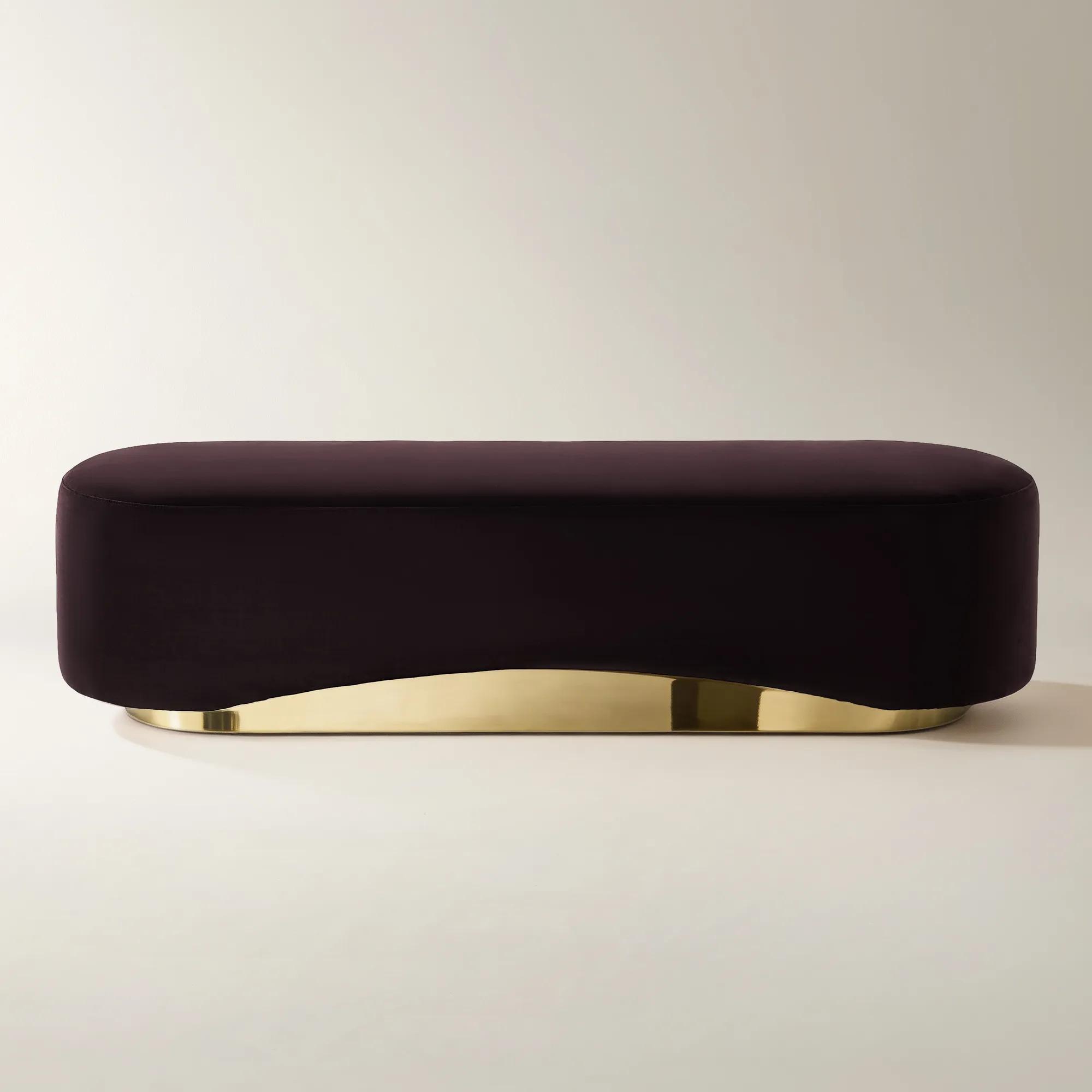 Kendra Fig Velvet Bench (70.47")$799
A plush fig velvet bench with an elongated oval silhouette and a polished gold stainless steel base.
Add To Cart -
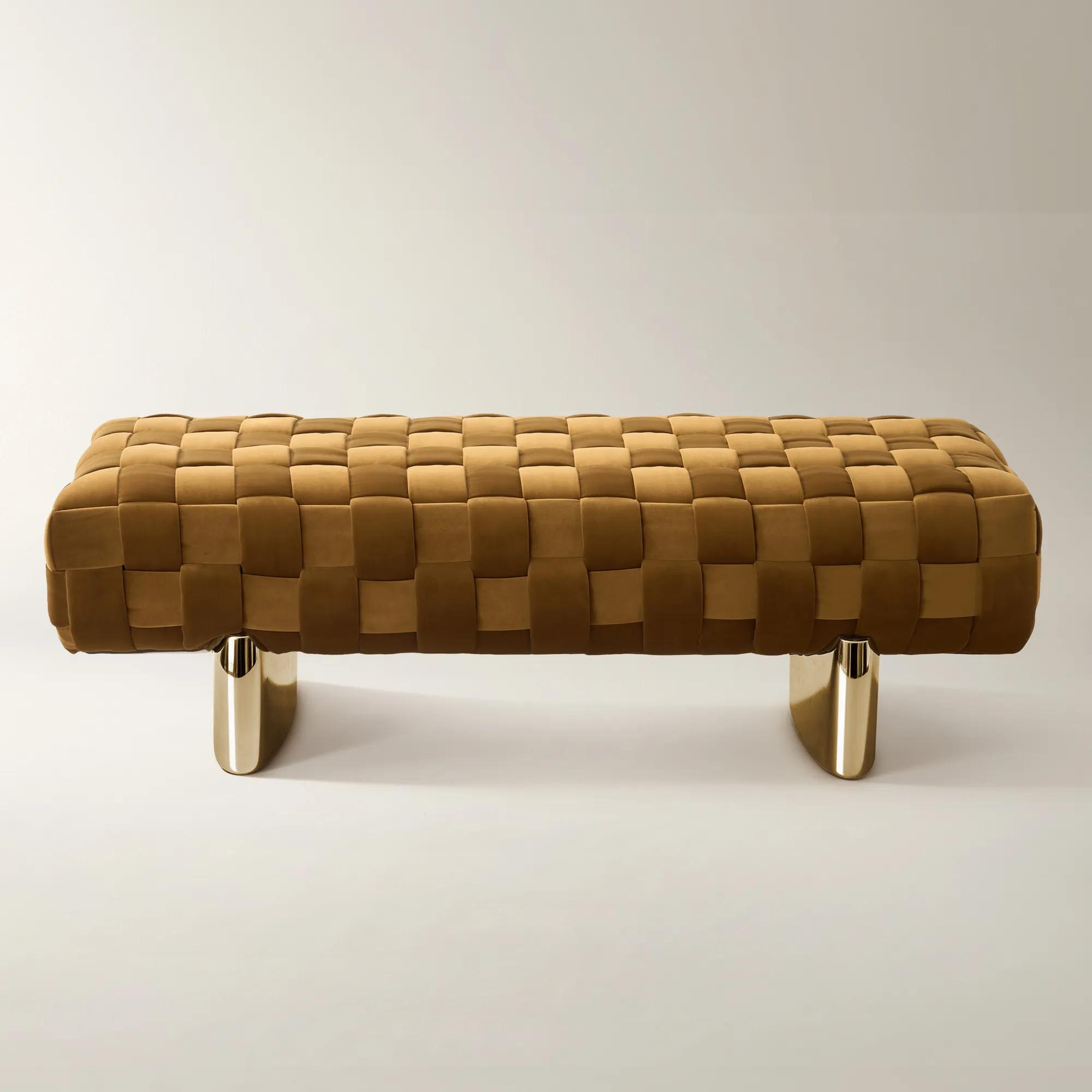
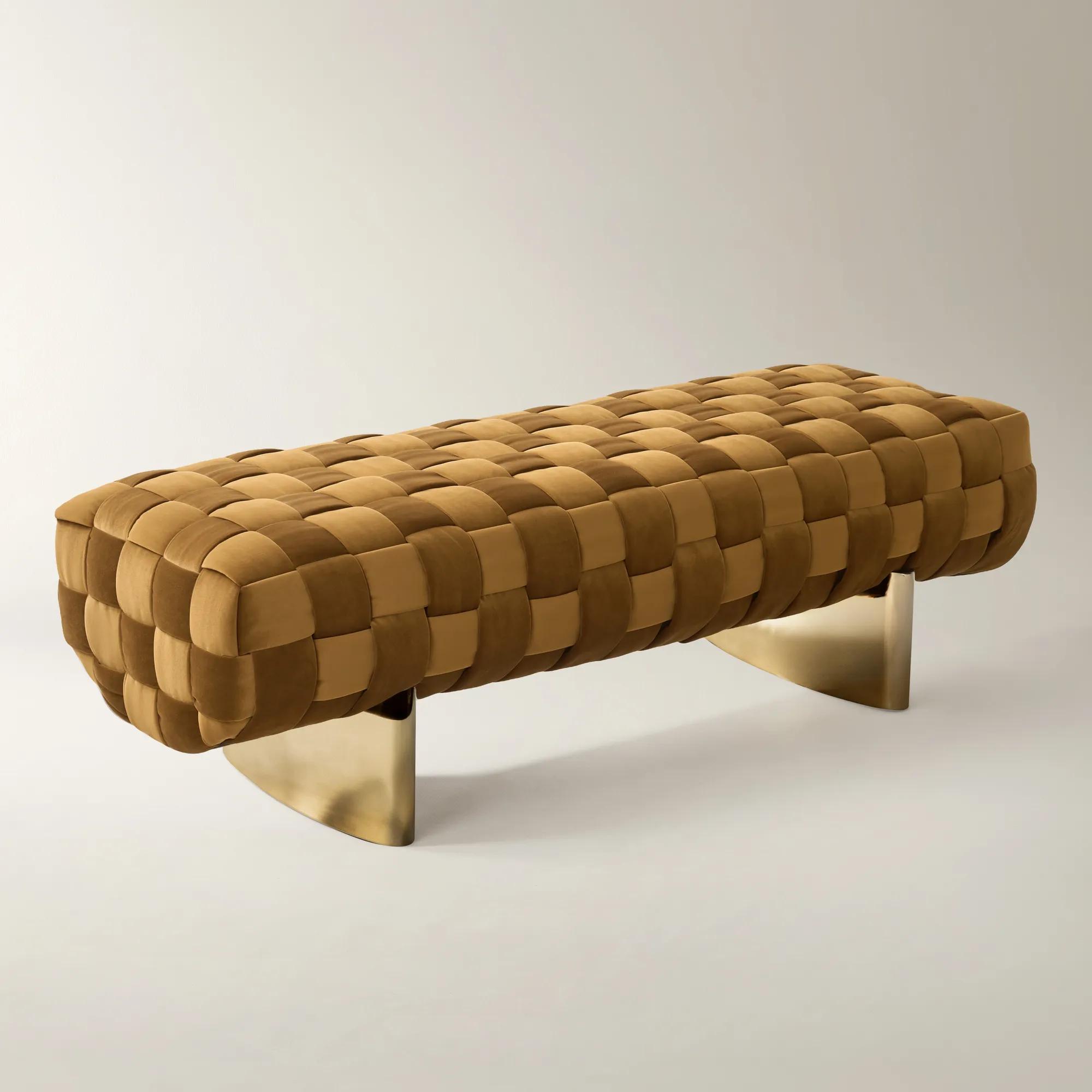 Dexter Woven Roasted Pecan Velvet Bench (64.2")$999
A woven roasted pecan velvet bench featuring plush upholstery and polished gold stainless steel legs for modern elegance.
Add To Cart -
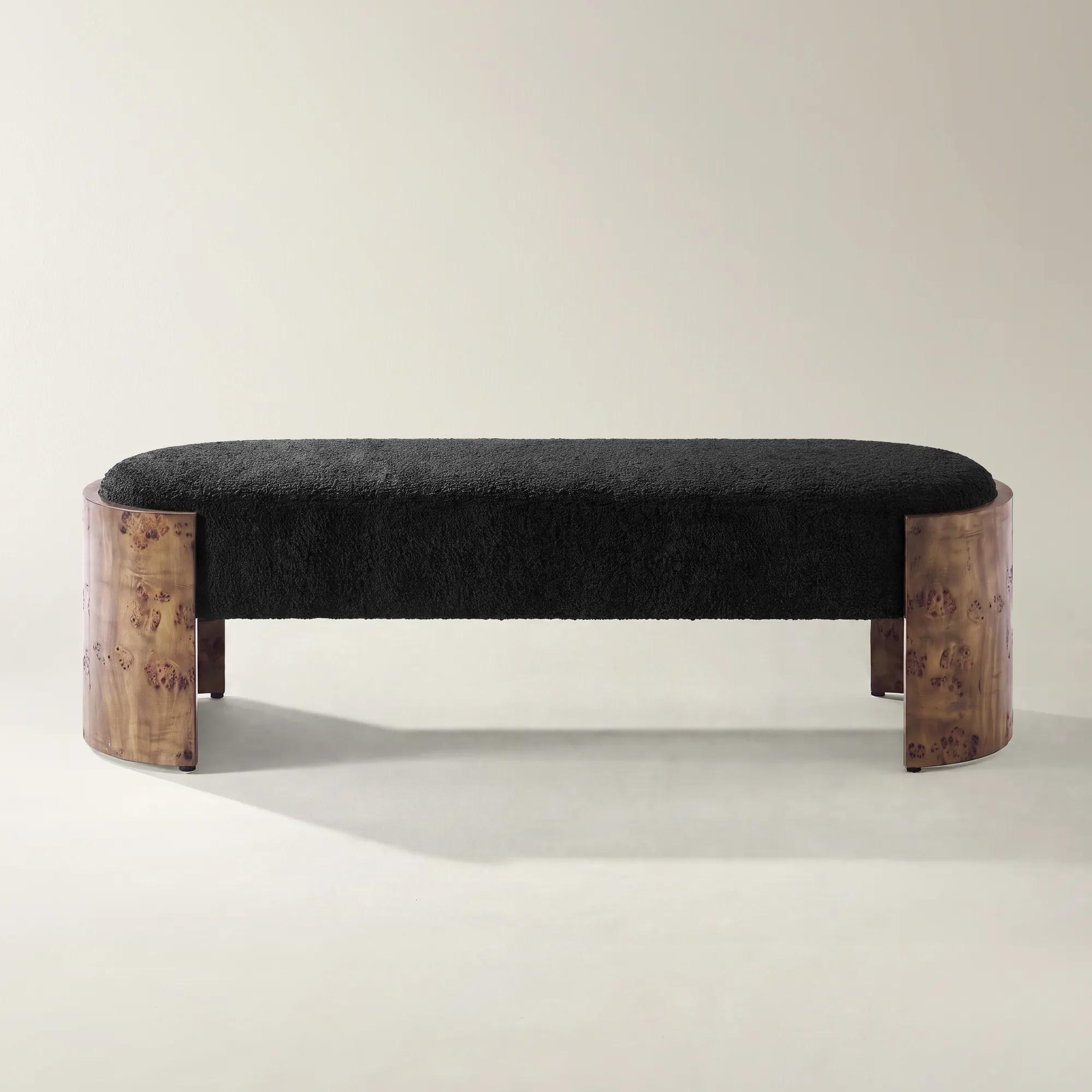 Cora Black Chenille With Ash Wood Bench (60.6")$999
A sculpted charcoal chenille bench featuring curved bookmatched ash burl panels and supportive foam cushioning.
Add To Cart -
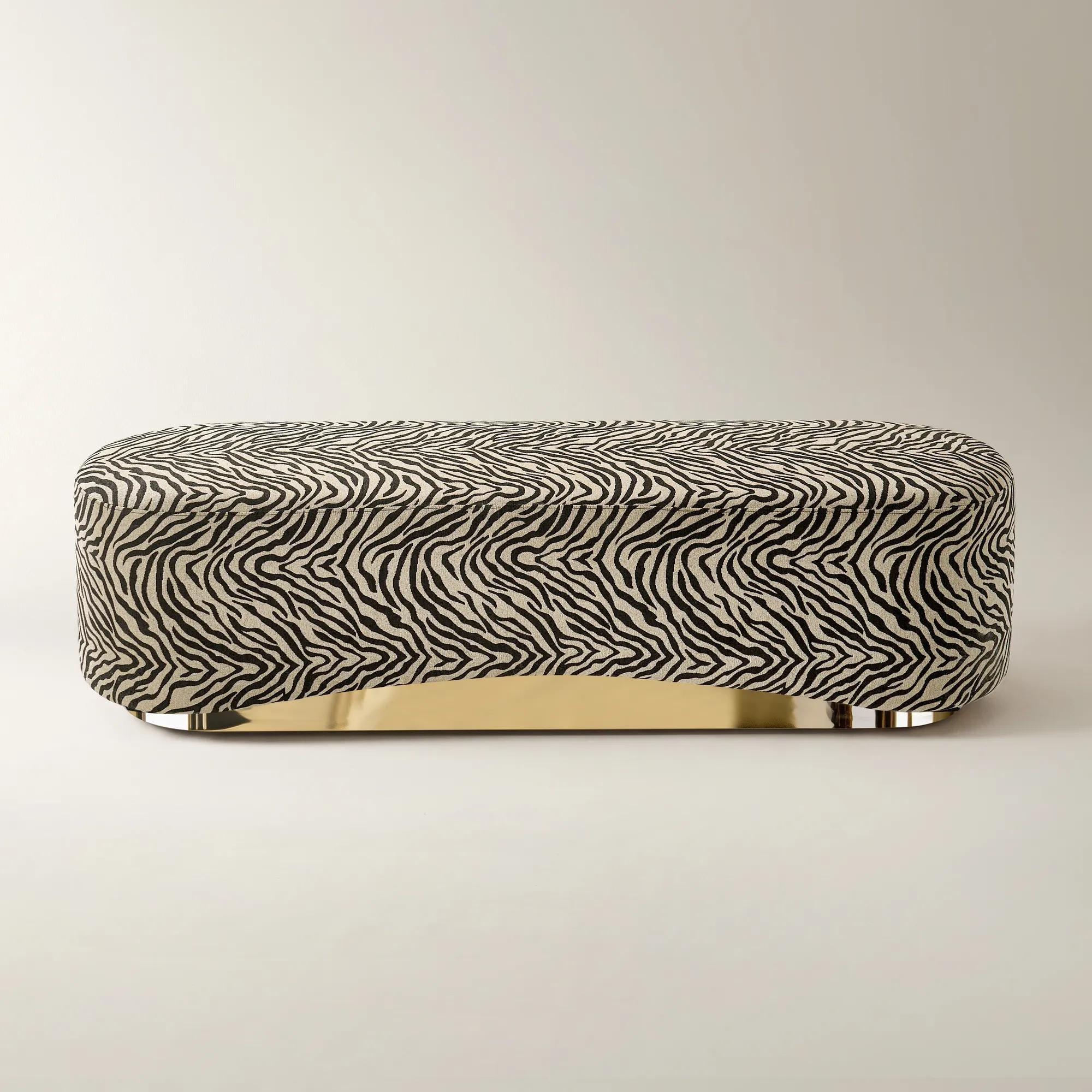
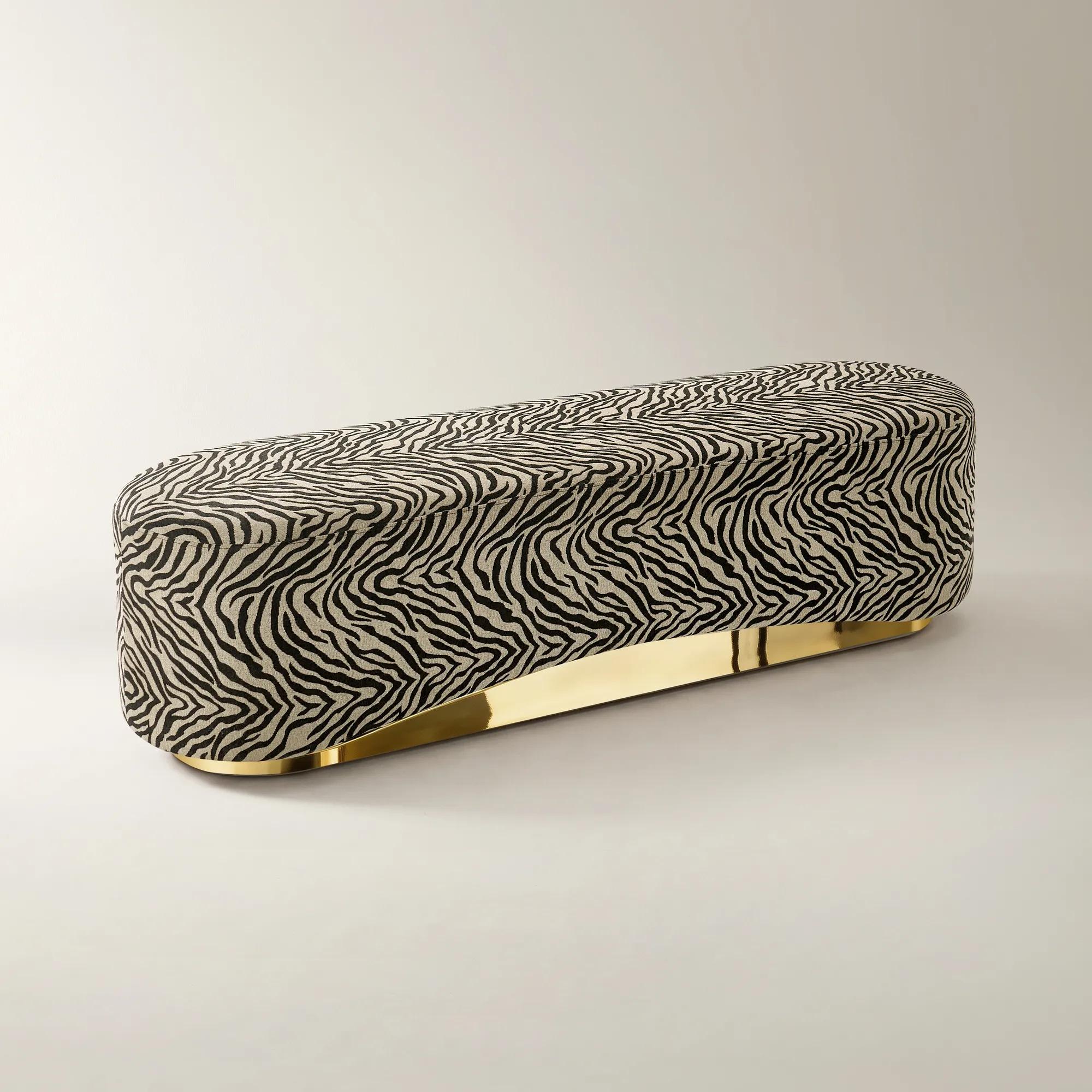 Kendra Zebra Performance Chenille Bench (70.47")$799
An elongated oval bench upholstered in textured zebra-pattern chenille with a polished gold stainless steel base.
Add To Cart -
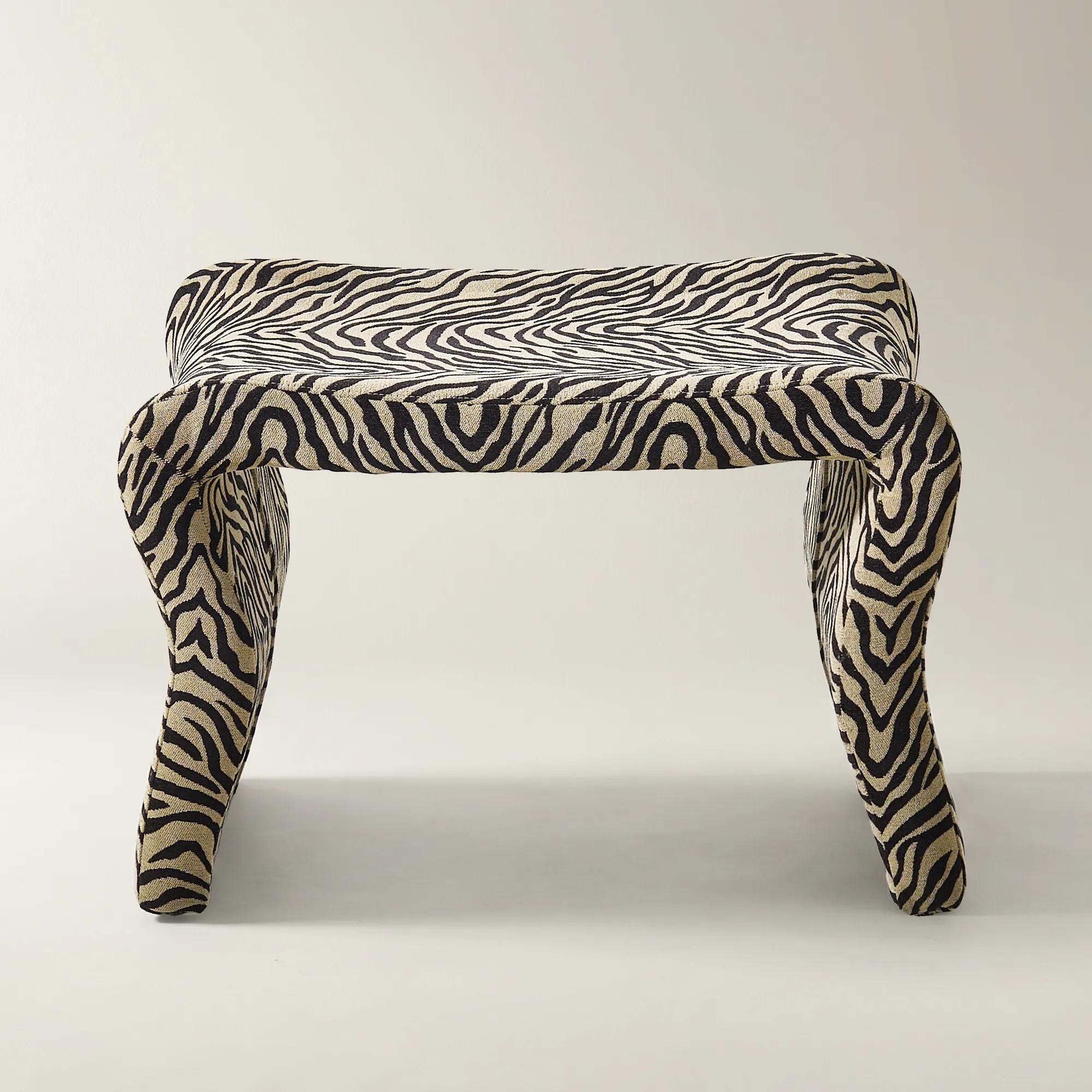
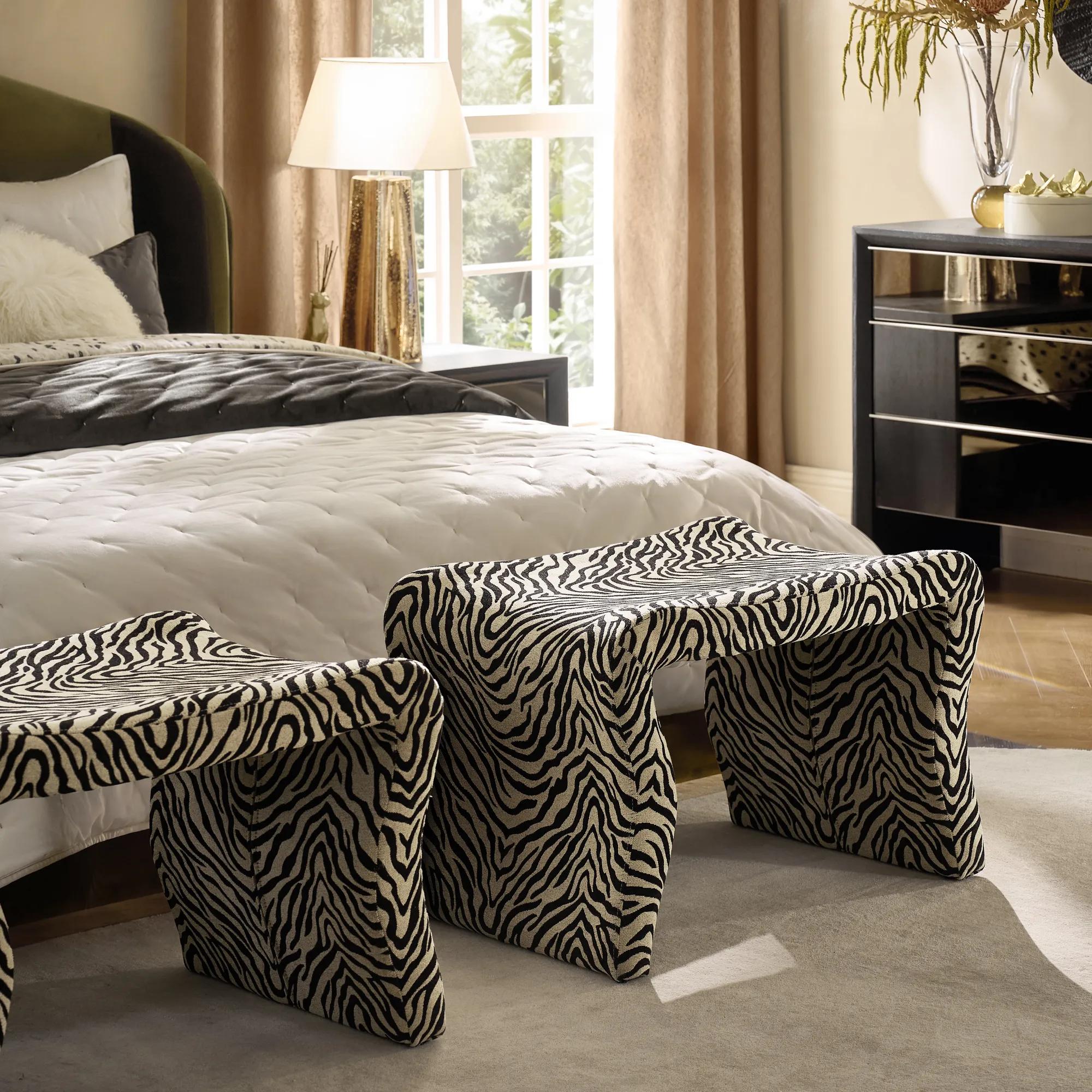 Romy Zebra Performance Chenille Bench (30.75")$499
A sculptural bench wrapped in zebra-patterned performance chenille with a wave-like silhouette and full foam construction.
Add To Cart -
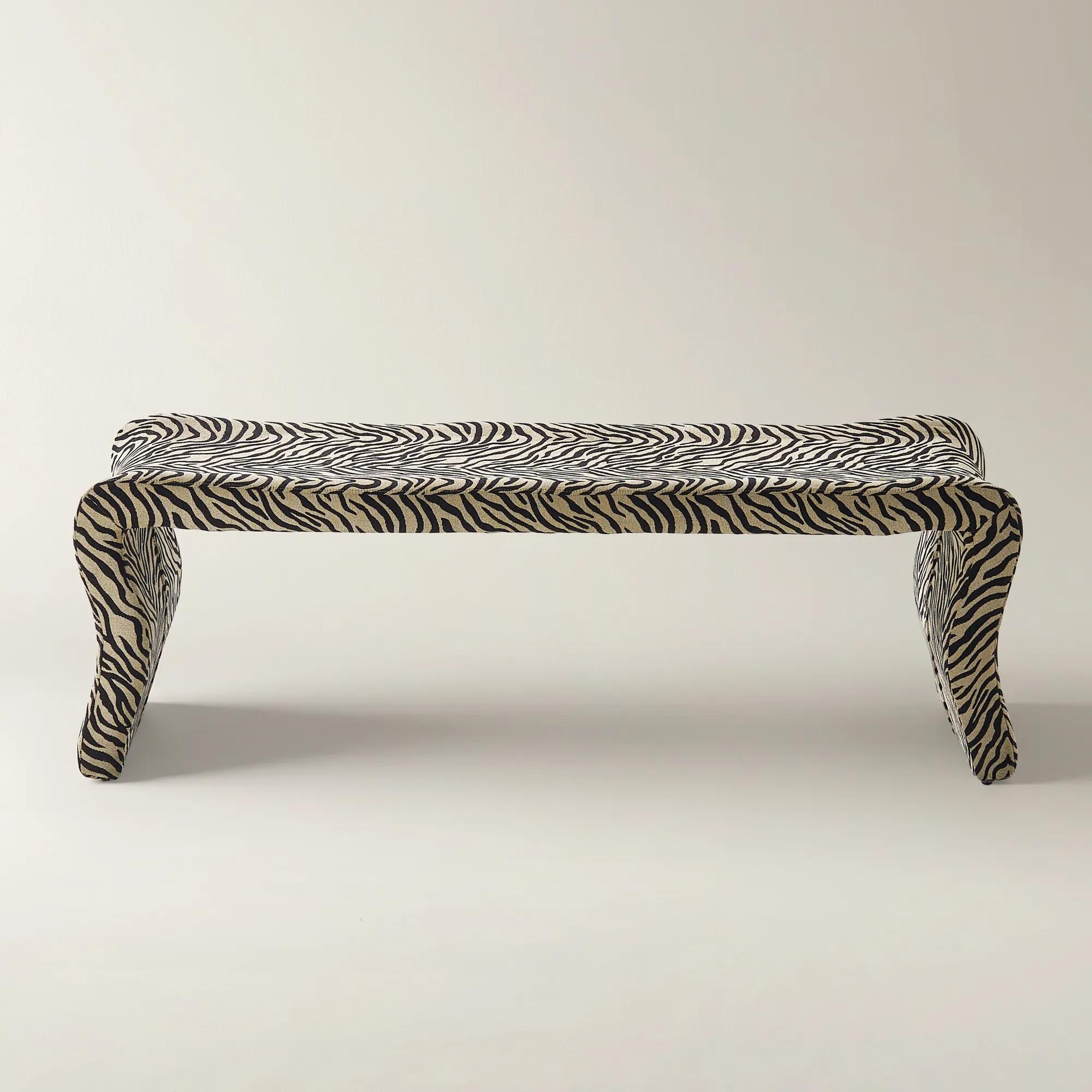 Romy Zebra Performance Chenille Bench (61.5")$899
A sculptural bench wrapped in zebra-patterned performance chenille with a wave-like silhouette and full foam construction.
Add To Cart -
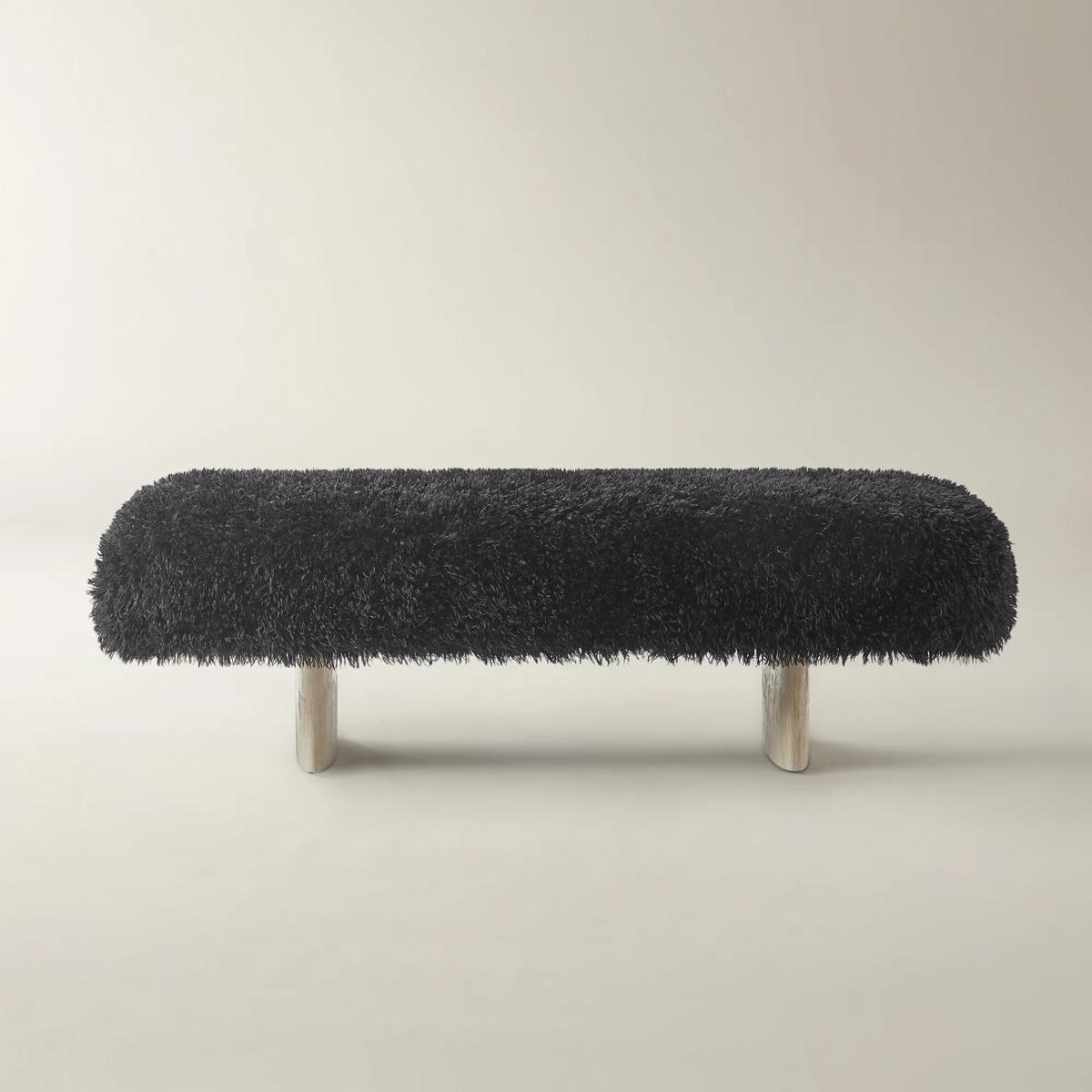 Micah Black Mongolian Fur Bench With Rubberwood Legs (62.6")$699
A striking black faux Mongolian fur bench with solid rubberwood legs for plush comfort and modern edge.
Add To Cart -
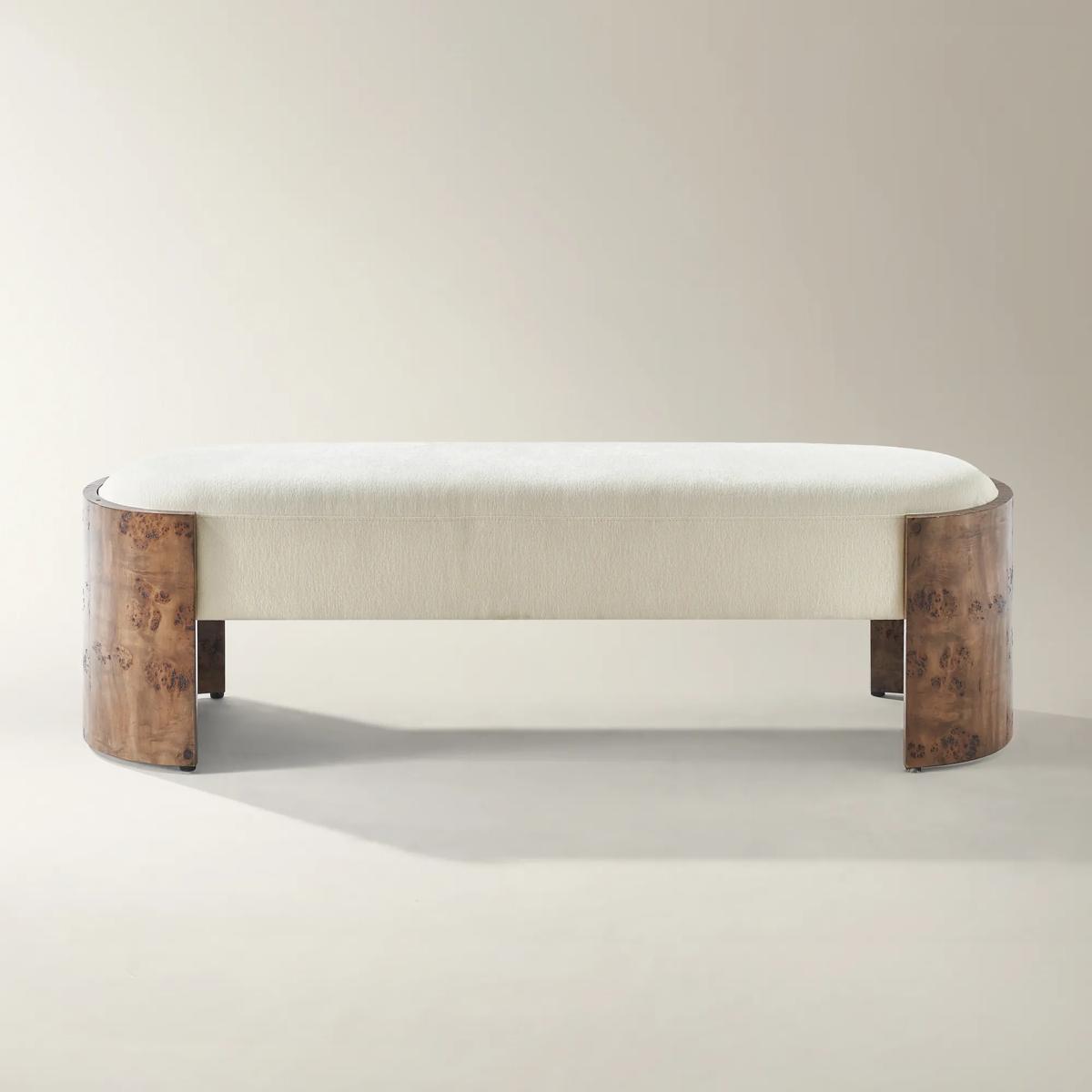 Cora Ivory Chenille With Ash Wood Bench (60.6")$999
An ivory chenille bench with curved ash burl veneer panels, blending plush comfort with striking wood artistry.
Add To Cart -
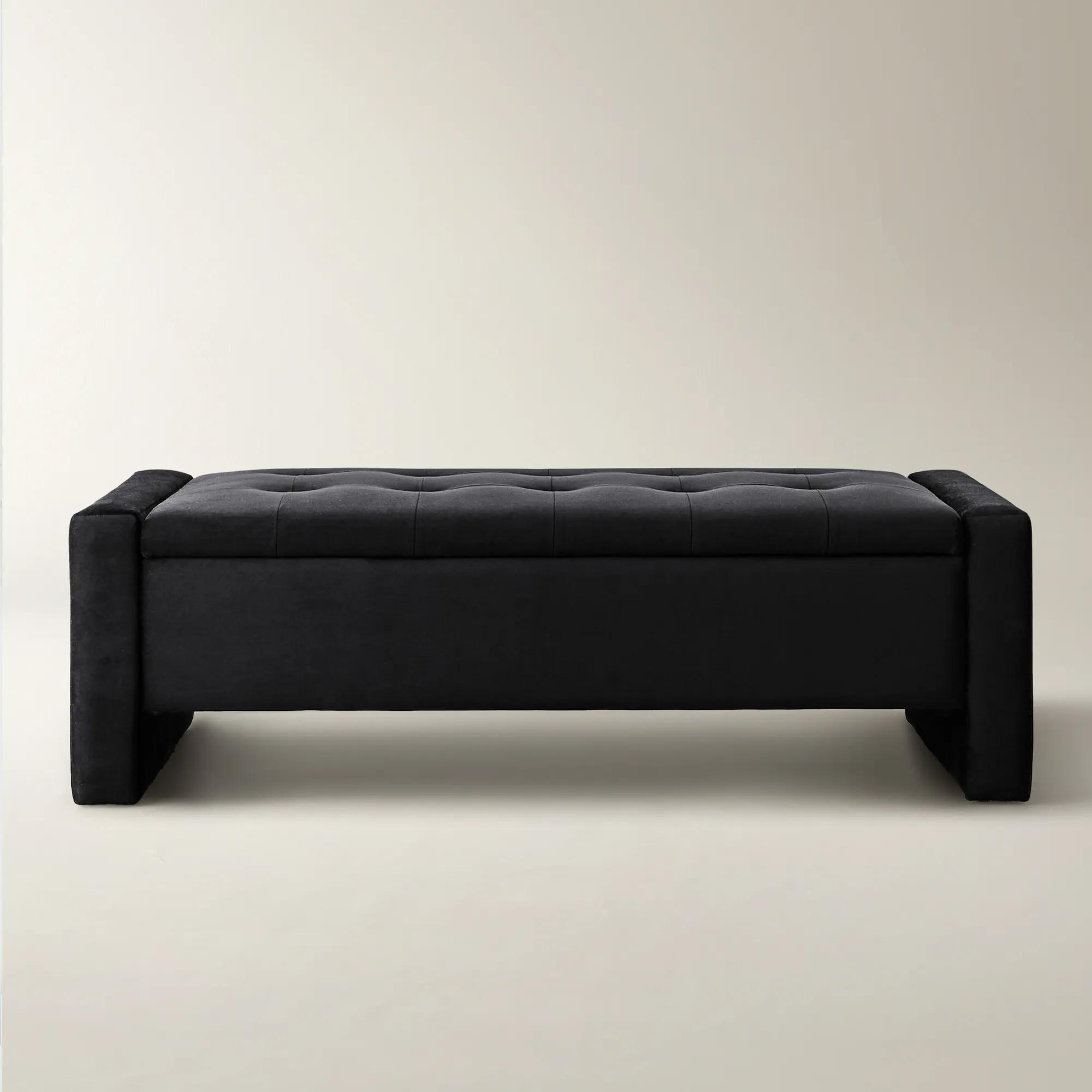
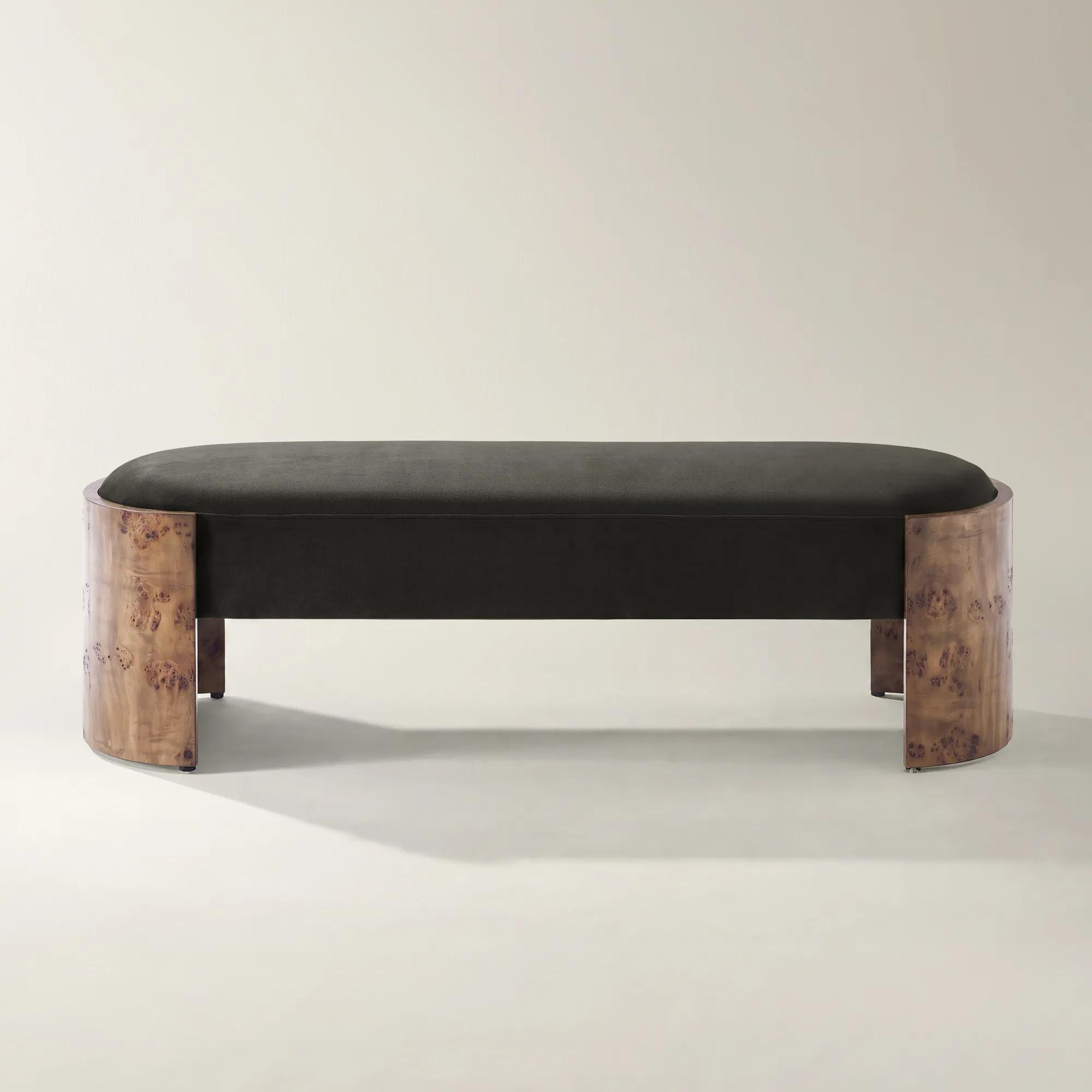 Cora Charcoal Velvet With Ash Wood Bench (60.6")$999
A sculpted charcoal velvet bench with curved bookmatched ash burl panels and supportive foam cushioning.
Add To Cart -
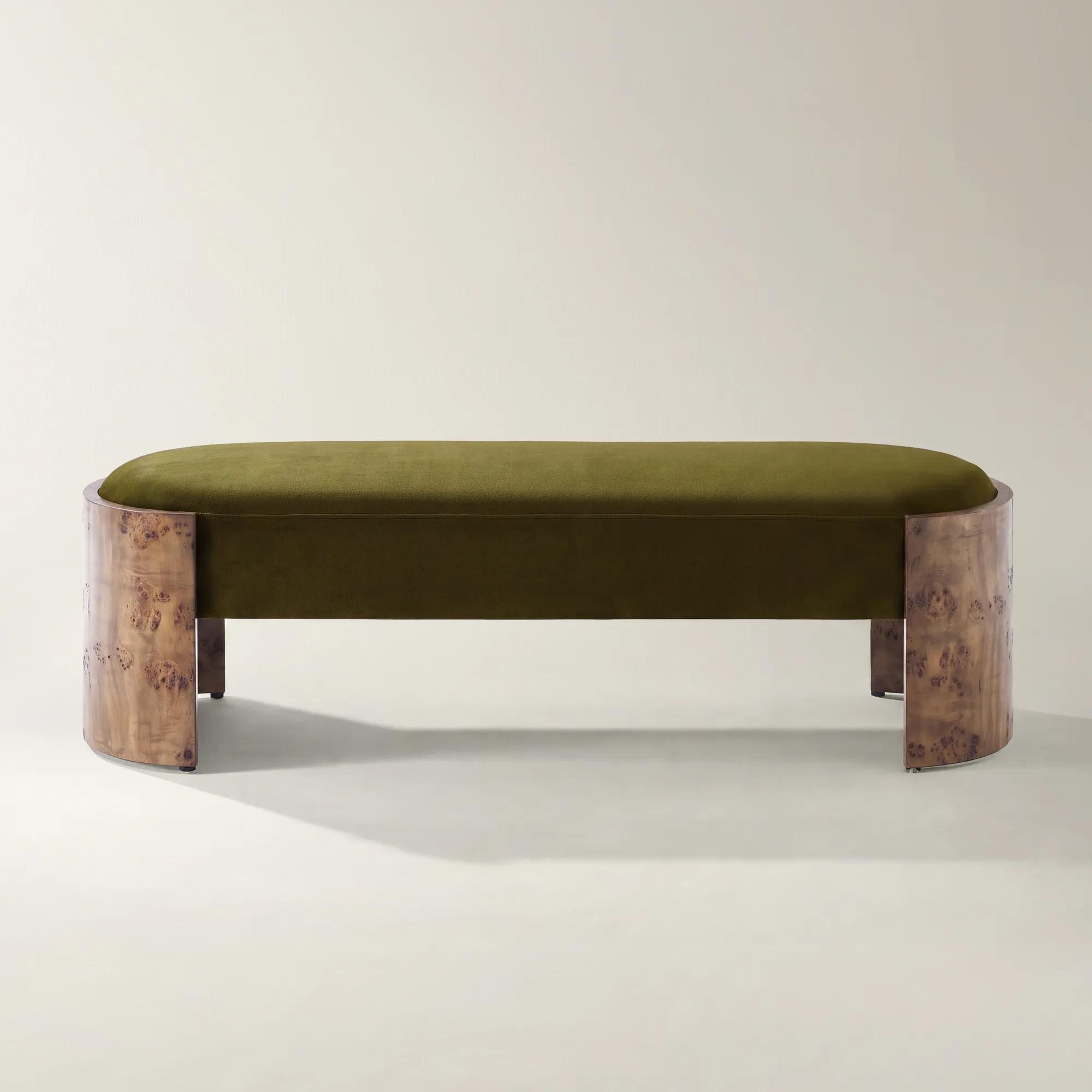 Cora Deep Olive Velvet With Ash Wood Bench (60.6")$999
A sculpted deep olive velvet bench featuring curved ash burl end panels and supportive foam cushioning.
Add To Cart -
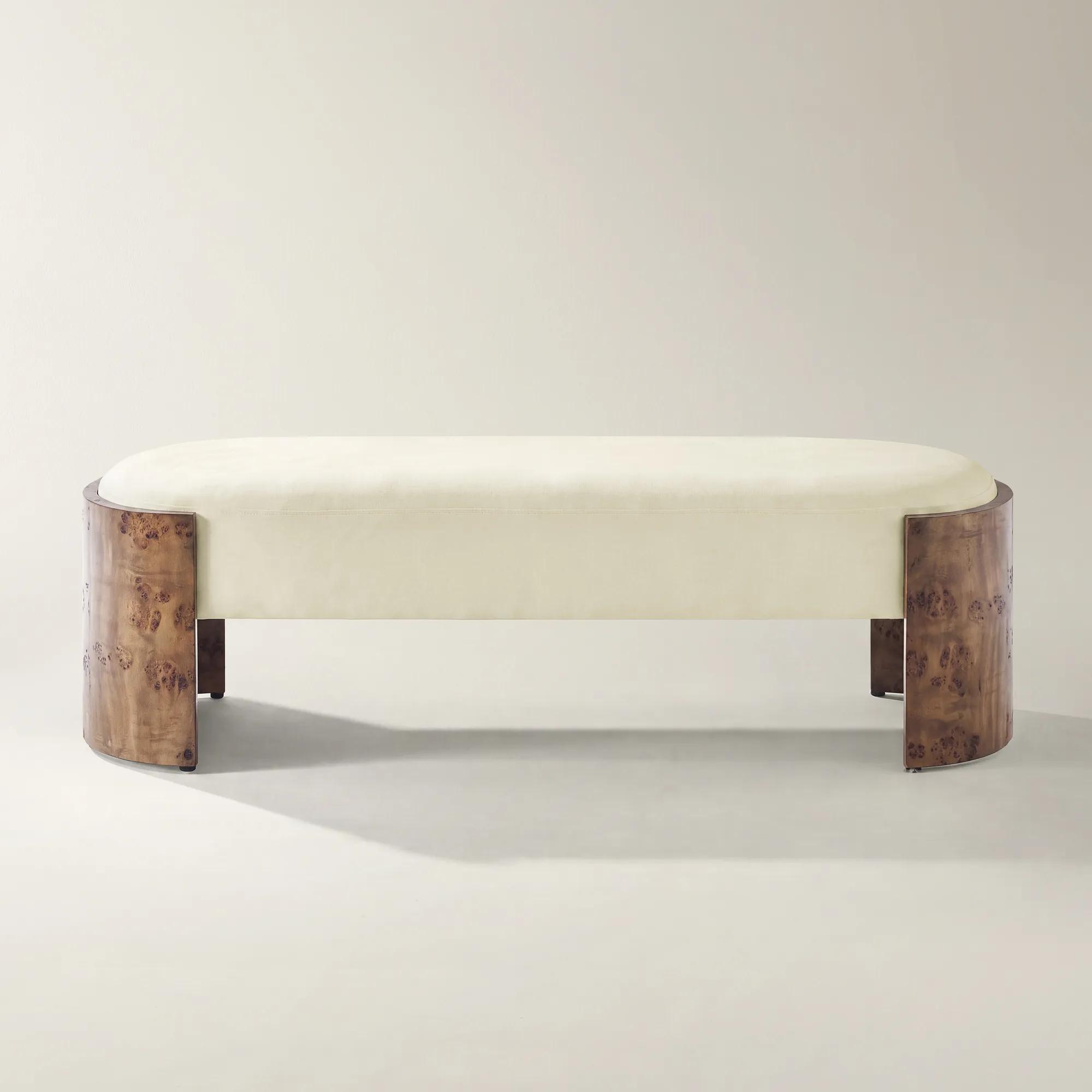 Cora Cloud Velvet With Ash Wood Bench (60.6")$999
A cloud velvet bench with bookmatched ash burl panels and supportive foam cushioning.
Add To Cart -
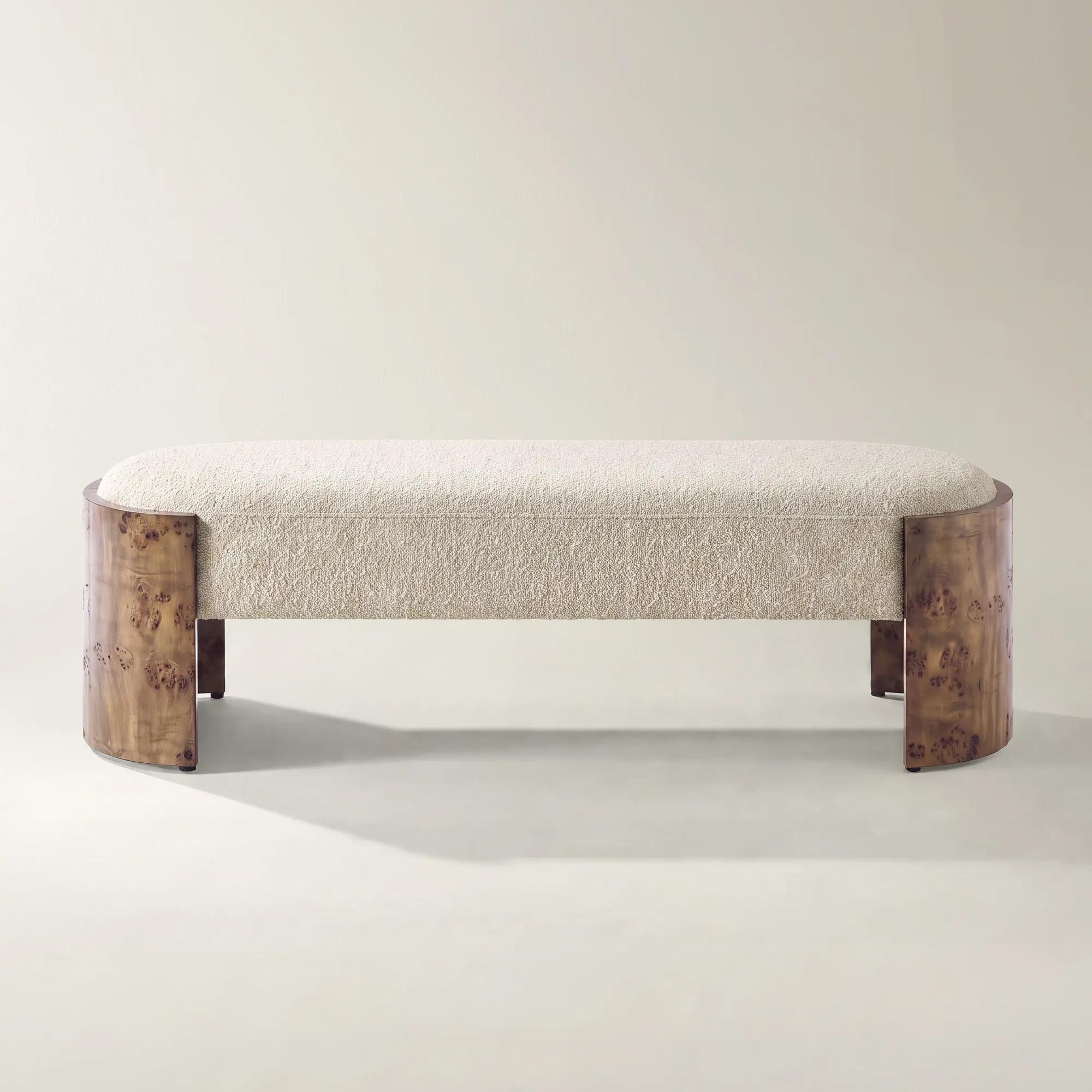 Cora Ivory Performance Boucle With Ash Wood Bench (60.6")$999
An ivory performance boucle bench with curved bookmatched ash burl panels and supportive foam cushioning.
Add To Cart -
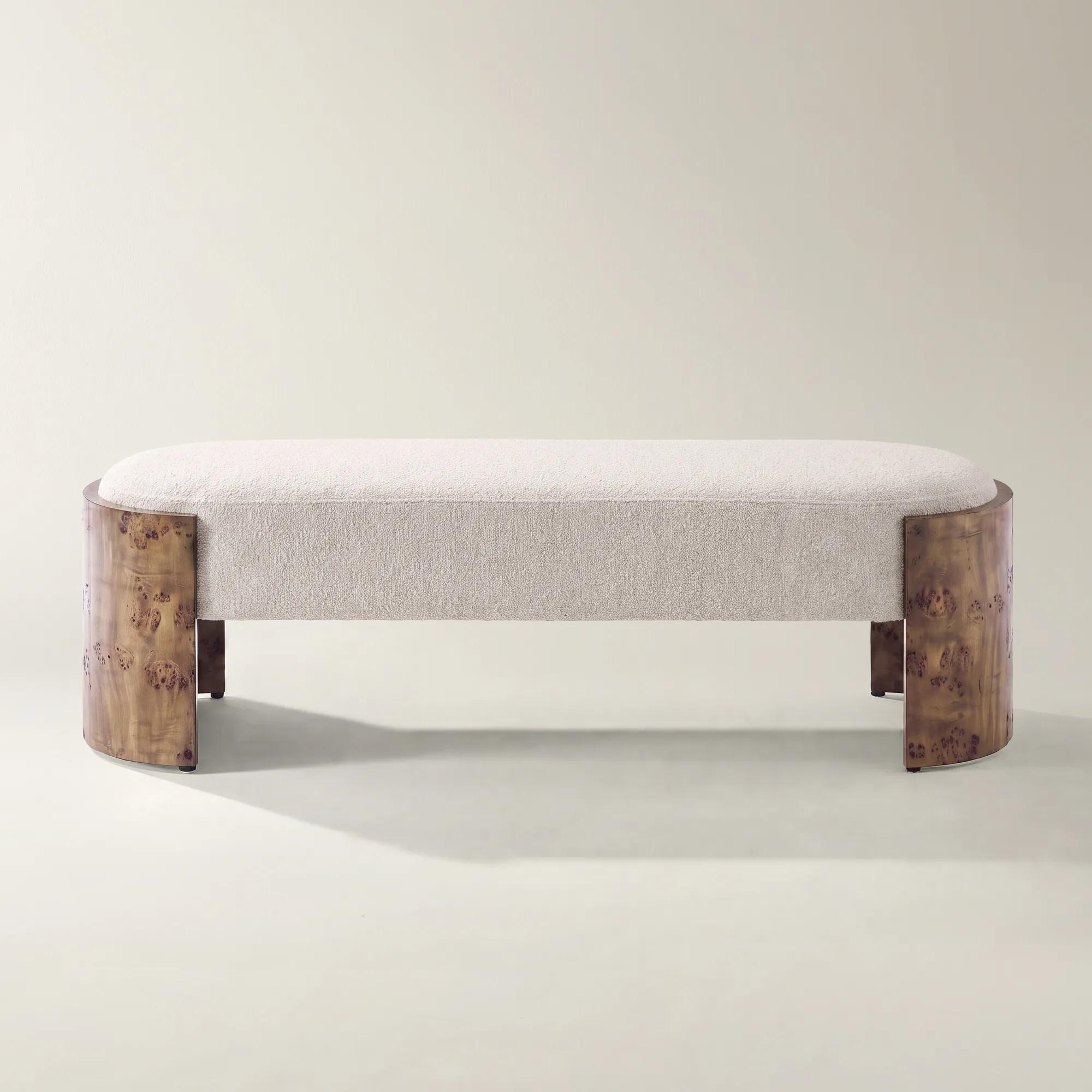 Cora Ivory Performance Boucle With Ash Wood Bench (60.6")$999
A sculpted ivory performance bouclé bench with curved bookmatched ash burl panels and supportive foam cushioning.
Add To Cart -
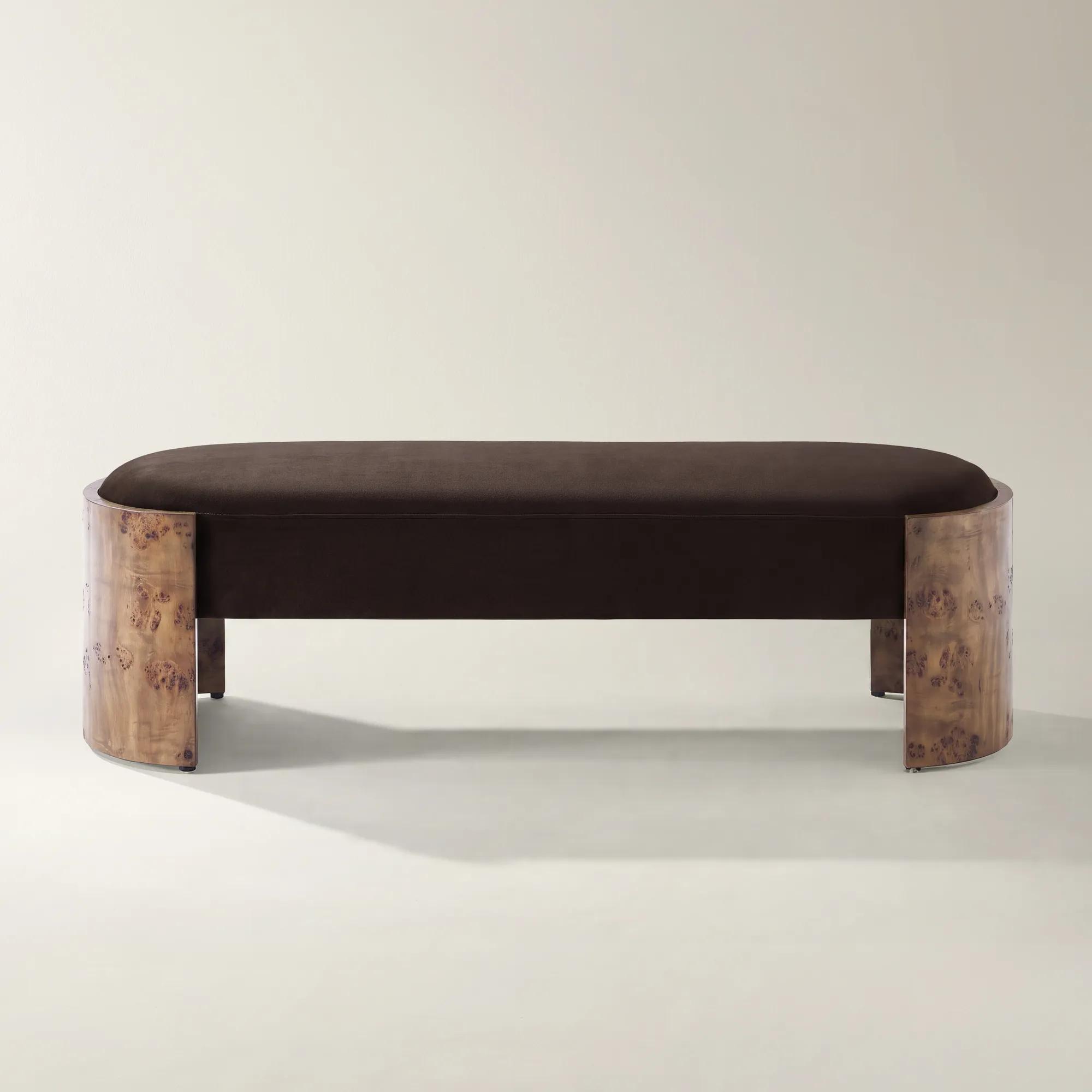 Cora Dark Chocolate Velvet With Ash Wood Bench (60.6")$999
A dark chocolate velvet bench with sculpted bookmatched ash burl end panels and high-resiliency foam cushioning.
Add To Cart

Upholstered Benches For Reading Nooks
Upholstered benches for reading nooks invite you to linger in the lap of luxury, transforming quiet corners into sumptuous retreats. Each bench is a celebration of comfort and artistry, designed to cradle you in plush softness as you escape into your favorite novel. With sculpted silhouettes and tactile fabrics, these pieces set the stage for moments of reflection, creativity, and repose. Elevate your bookish sanctuary with an upholstered bench that turns every page—of your story and your space—into an experience worthy of admiration.
Upholstered benches for reading nooks bring a tailored softness to spaces devoted to books, conversation, and a little uninterrupted time. A cushioned seat, supportive wood or metal frame, and upholstery suited to regular use create a comfortable foundation, while the bench’s silhouette gives the nook its visual character. Deep tufting introduces sculptural dimension; a smooth, tightly upholstered seat feels architectural; curved arms lend a sense of enclosure without the bulk of a full sofa. Beneath a window, beside a bookcase, or along an unused bedroom wall, an upholstered reading bench can turn a narrow stretch of floor into a distinctly personal retreat. Its proportions matter as much as its presence. Seat heights around 17 to 19 inches from the floor and usable seat depths around 17 to 20 inches are common starting points for upright sitting, although comfort depends on the reader’s height, posture, and preferred position. Finished seat height should include the cushion, and usable depth should account for any back cushions or pillows. Someone who reads with both feet on the floor may prefer a shallower seat with firm support, while a reader who likes to sit sideways may need additional width and depth. A backless bench has an elegant, open profile, but extended reading often feels better with a stable upholstered back or a secure placement against a wall, softened with a supportive pillow. Decorative cushions add visual richness, yet should leave enough room to sit comfortably rather than push the reader toward the edge. The surrounding space deserves equal consideration: a bench should fit without crowding a doorway, blocking access to shelves, or interrupting a natural walking path. A nearby surface for a book and reading glasses, paired with a lamp that directs light onto the page, completes the setting without overwhelming it. The result is intimate rather than isolated—a place for a solitary chapter, a shared picture book, or a quiet pause within a larger living room.
Upholstery determines both the mood of a reading nook and how gracefully the bench responds to everyday life. Velvet gives color unusual depth, catching light across its pile so that a jewel-toned seat can become the room’s most expressive accent. Chenille offers a plush, textured surface, while linen and linen blends introduce a more relaxed, softly tailored finish. Tightly woven fabrics can provide a smooth sitting surface, but fiber content, construction, and the manufacturer’s care information are more useful indicators of suitability than appearance alone. Performance upholstery may be designed to resist certain stains or withstand frequent use; those qualities vary by fabric and should not be assumed to mean waterproof, scratchproof, or maintenance-free. In a household where children gather for story time or pets claim the nearest cushion, fabric durability and straightforward care may be just as important as color. Textured or subtly patterned upholstery can make small marks less conspicuous, although loose loops and pronounced weaves may be vulnerable to snagging. Beneath the fabric, dense, resilient foam helps a seat hold its shape, but density and firmness are different characteristics: a higher-density cushion is not necessarily a harder cushion. Comfort also depends on foam thickness, suspension, and the support beneath it. A well-constructed frame, secure joints, stable legs, and neatly finished seams contribute to a bench that feels composed under regular use. Published weight limits offer a clearer measure of intended capacity than the apparent sturdiness of a silhouette. Care is best guided by the upholstery label, with gentle vacuuming using an appropriate attachment helping remove dust from seams and tufting. Spills should be blotted promptly rather than rubbed, and cleaning solutions should follow the fabric’s specified method, with testing in an inconspicuous area when appropriate. Direct sunlight can fade some textiles, especially in a window-side nook. Removable cushions, where provided, may benefit from rotation according to the care instructions, helping distribute wear across a favorite seat.
Storage adds another dimension to upholstered reading benches, especially where a nook shares space with the rest of the home. A lift-top compartment can conceal extra throws, spare pillows, and books that are not needed every day, preserving the quiet visual rhythm of the room. Open shelves and cubbies keep favorite volumes within easy reach and invite a more curated arrangement: a short stack of art books, a woven basket, or a few beautifully bound editions can become part of the composition. Each format has practical implications. An open shelf needs enough clearance for the books it will hold, while a storage compartment should have suitable interior dimensions and an appropriate weight capacity. Lift-top designs also need space to open fully without striking a wall, windowsill, or nearby furniture. Where children use the nook, lid supports or soft-close mechanisms can help reduce the risk of a lid falling unexpectedly, but the manufacturer’s safety guidance and adult supervision remain important. A storage bench should never be treated as a toy chest or play enclosure unless it is specifically designed and approved for that use. Beyond storage, the bench’s finish and scale can connect a reading corner to the surrounding room. Gleaming metal legs echo a sculptural lamp; a richly finished wood base brings visual depth beneath pale upholstery; a restrained profile allows expressive artwork or a dramatic rug to take the lead. Readers furnishing a home library may favor generous seating, while apartment dwellers often benefit from a compact bench that offers both a reading perch and occasional seating for visitors. A bench can also be a considered housewarming gift when the recipient’s measurements and upholstery preferences are known. Related spaces, including Upholstered Benches For Breakfast Nooks, share the appeal of cushioned seating, though dining introduces different requirements for table clearance and spill care. In a reading nook, the defining luxury is more personal: supportive comfort, inviting texture, and a beautifully proportioned place to settle into the next page.
FAQs
Upholstered benches for reading nooks often feature high-quality fabrics such as plush velvet, durable linen, or performance textiles designed to resist stains and fading. The frame is typically crafted from solid wood or metal for lasting strength, while high-density foam cushions ensure a luxurious, supportive seat ideal for extended reading sessions.
An upholstered bench adds both comfort and visual drama to a reading nook, transforming an ordinary corner into a personalized retreat. The tactile richness of the fabric, combined with thoughtful details like tufting or sculptural legs, creates a sense of intimacy and artistry—inviting you to unwind, reflect, or lose yourself in a favorite book.
Yes, many upholstered reading benches are designed with versatility in mind. Some feature built-in storage cubbies or lift-up seats, perfect for tucking away books, throws, or board games. Others offer modular designs that allow you to pair them with matching chairs or ottomans for a cohesive, layered look.
A reading bench makes a thoughtful and luxurious gift for anyone who cherishes quiet moments—whether it’s a friend moving into a new home, a parent seeking a cozy reading spot, or a couple designing their dream space. It’s a gesture that celebrates relaxation, creativity, and the art of living well.
To create a cozy reading nook, layer your upholstered bench with sumptuous pillows, a textured throw, and a nearby side table for tea or coffee. Position it near natural light—such as a bay window or beneath a statement lamp—and add personal touches like a stack of favorite books or an artful tray to complete the inviting atmosphere.