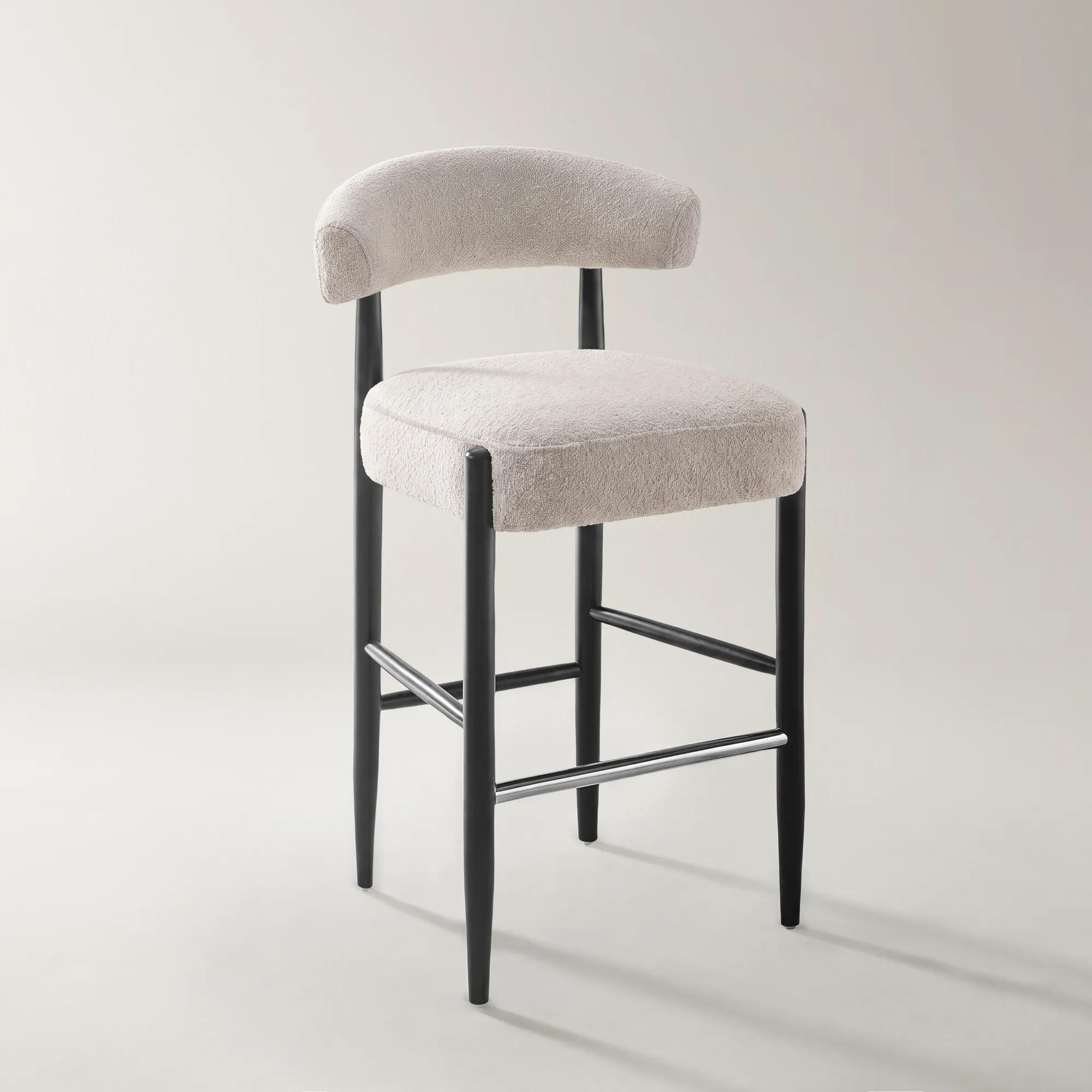
Furniture For Breakfast Nooks
Furniture For Breakfast Nooks
-
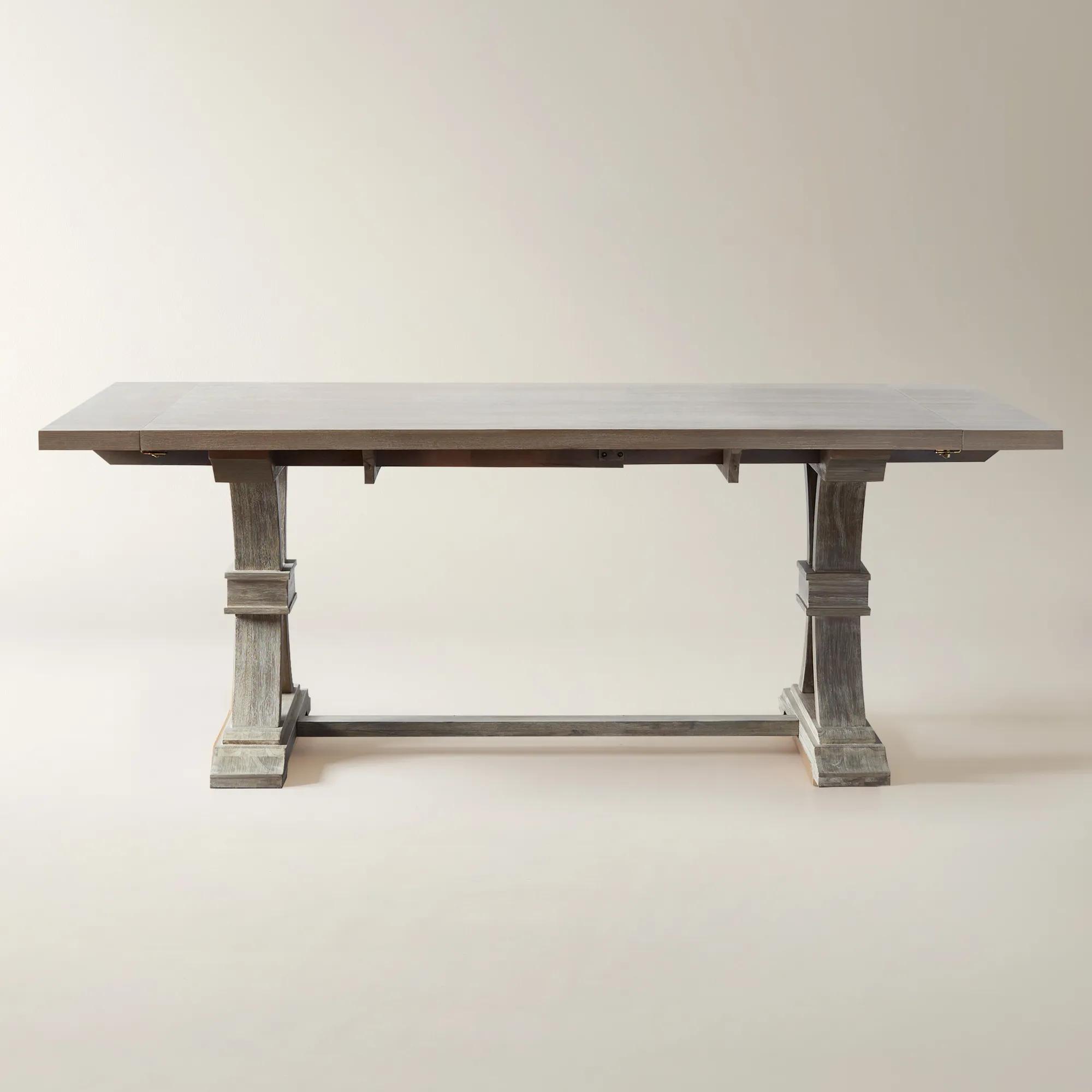 Archer Rectangular Grey Acacia Wood Extending Dining Table (78" - 110")$2499
A weathered grey acacia wood dining table with removable leaves and a kiln-dried hardwood frame.
Add To Cart -
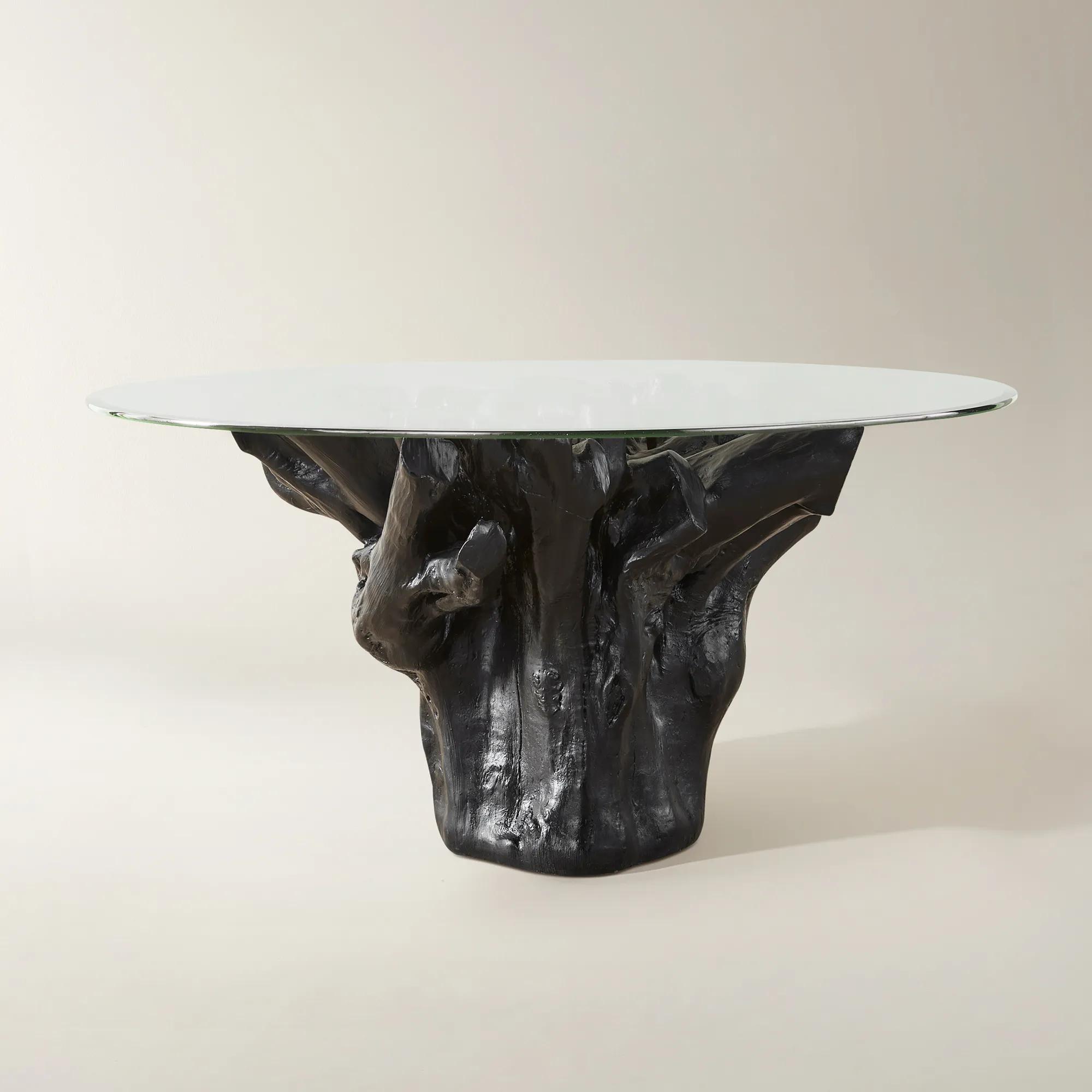 Sequoia Black Resin Dining Table With Glass Top (60")$2299
A sculptural black resin base with real stone fragments supports a round tempered glass top for organic elegance.
Add To Cart -
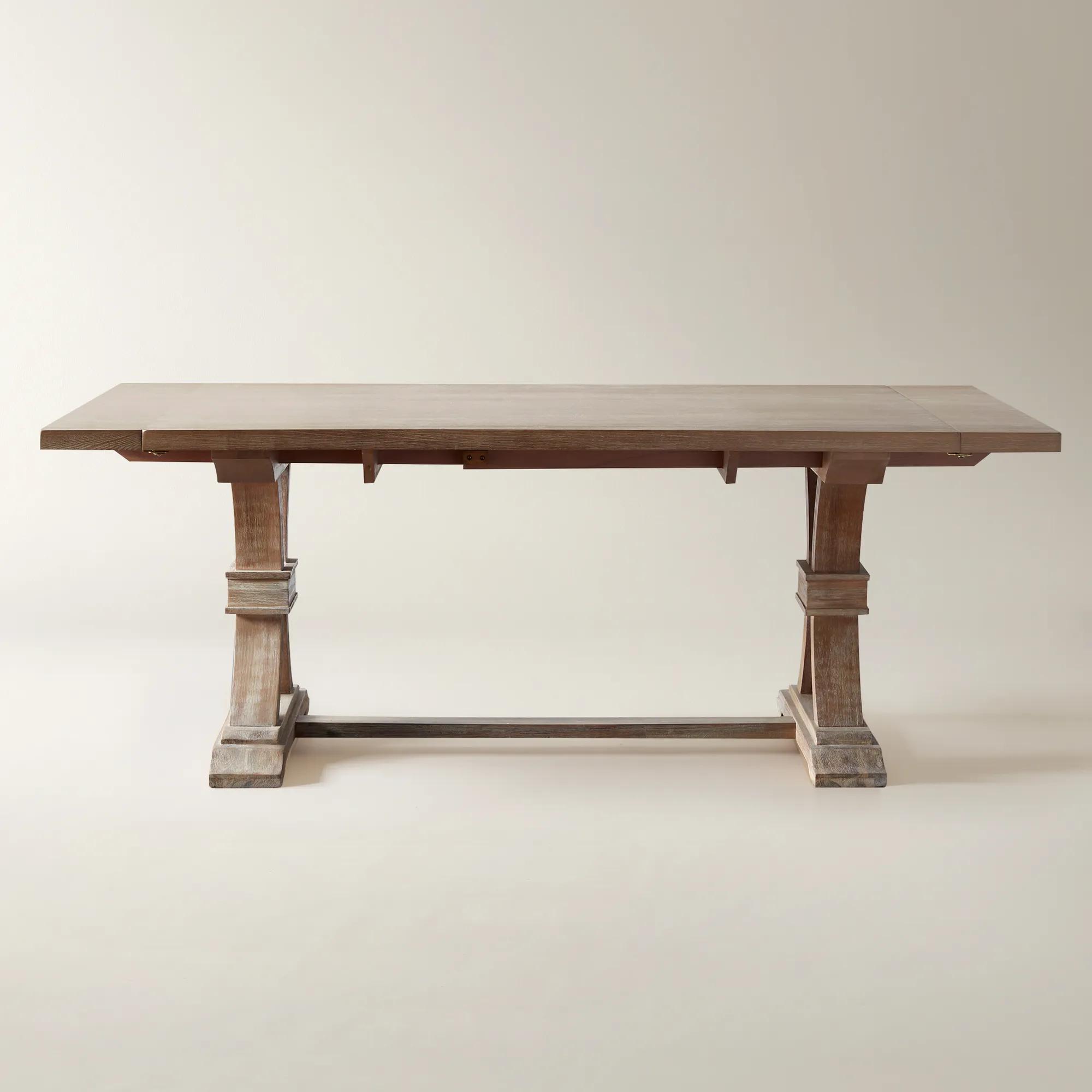 Archer Rectangular Whitewashed Acacia Wood Extending Dining Table (78" - 110")$2499
An extending dining table crafted from kiln-dried hardwood with a whitewashed oak finish and acacia veneer.
Add To Cart -
.jpg?w=1200&h=1200) Harrison Cream Chenille Dining Chair$449
Harrison Cream Chenille Dining Chair$449A fully upholstered cream chenille chair with high-density foam cushioning for exceptional comfort and contemporary style.
Add To Cart -
.jpg?w=1200&h=1200)
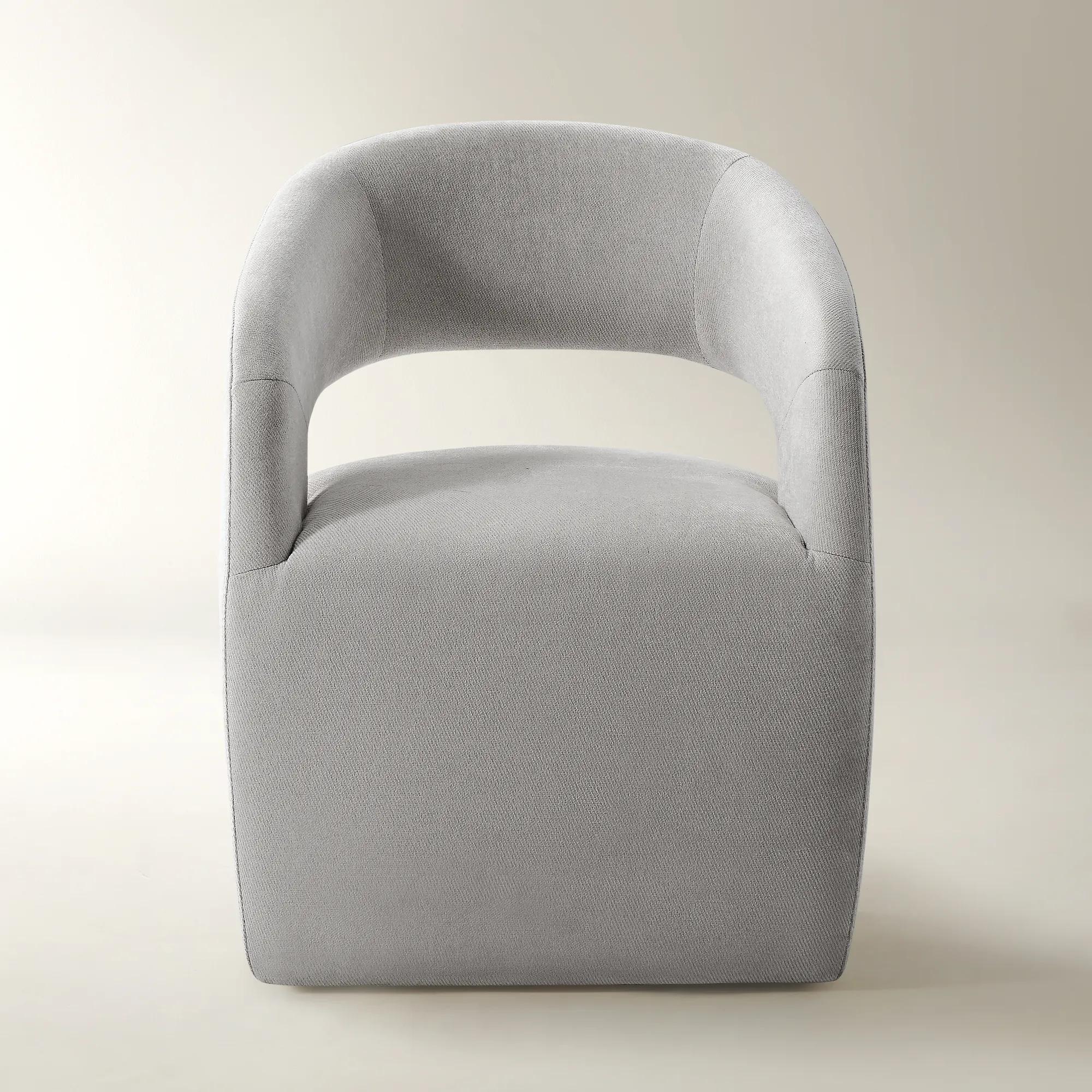 Harrison Flint Chenille Dining Chair$449
A fully upholstered flint chenille dining chair with high-density foam cushioning for superior comfort and style.
Add To Cart -
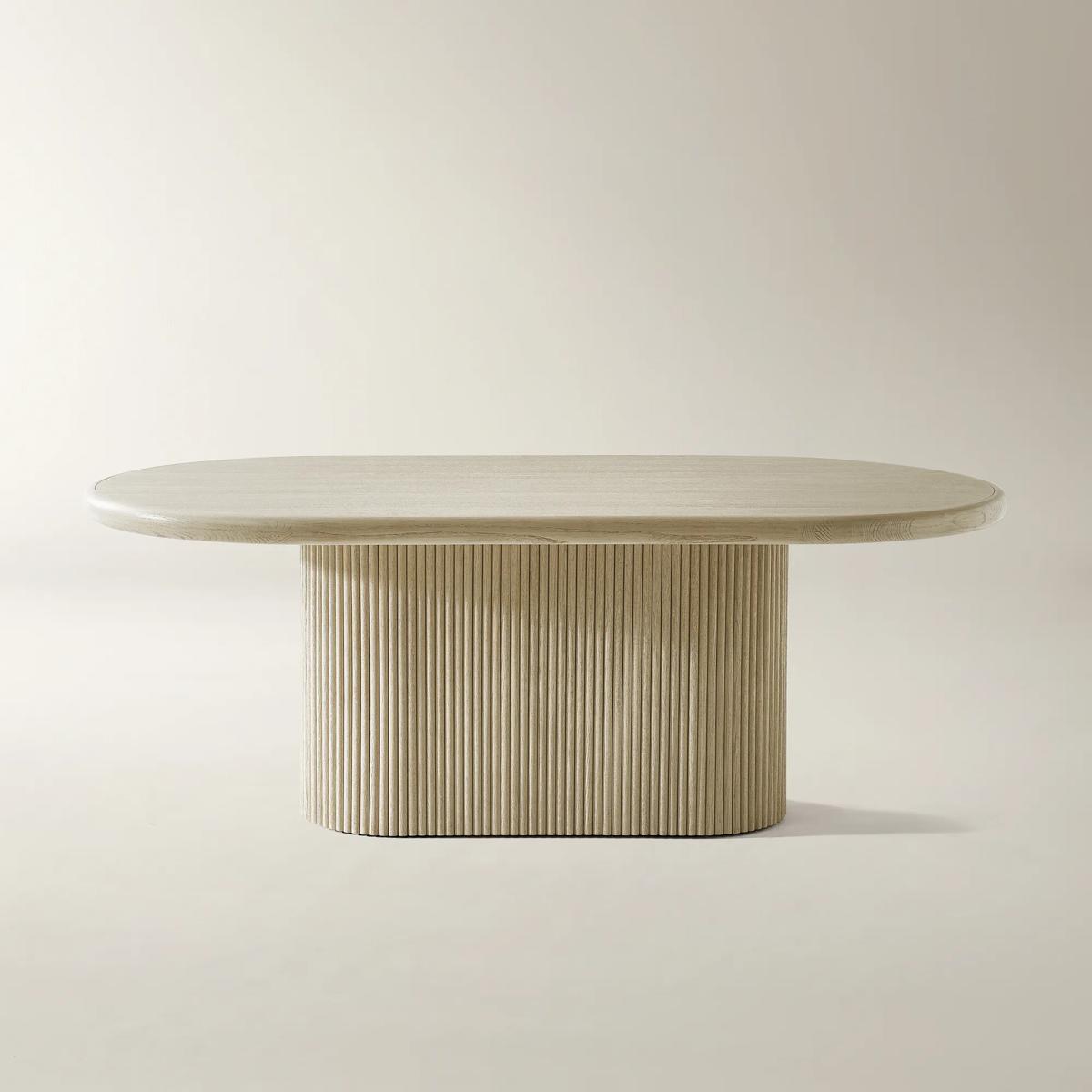
.jpg?w=1200&h=1200) Stria Oval Reeded White Oak Dining Table (82")$1999
Stria Oval Reeded White Oak Dining Table (82")$1999A sculptural oval dining table featuring reeded oak, a single pedestal base, and gold-plated steel trim.
Add To Cart -
.jpeg?w=1200&h=1200)
.jpg?w=1200&h=1200) Matera Rectangular White Marble Dining Table With Stainless Steel Base (86.61")$2499
Matera Rectangular White Marble Dining Table With Stainless Steel Base (86.61")$2499A modern dining table featuring a white marble top and polished stainless steel base for timeless elegance.
Add To Cart -
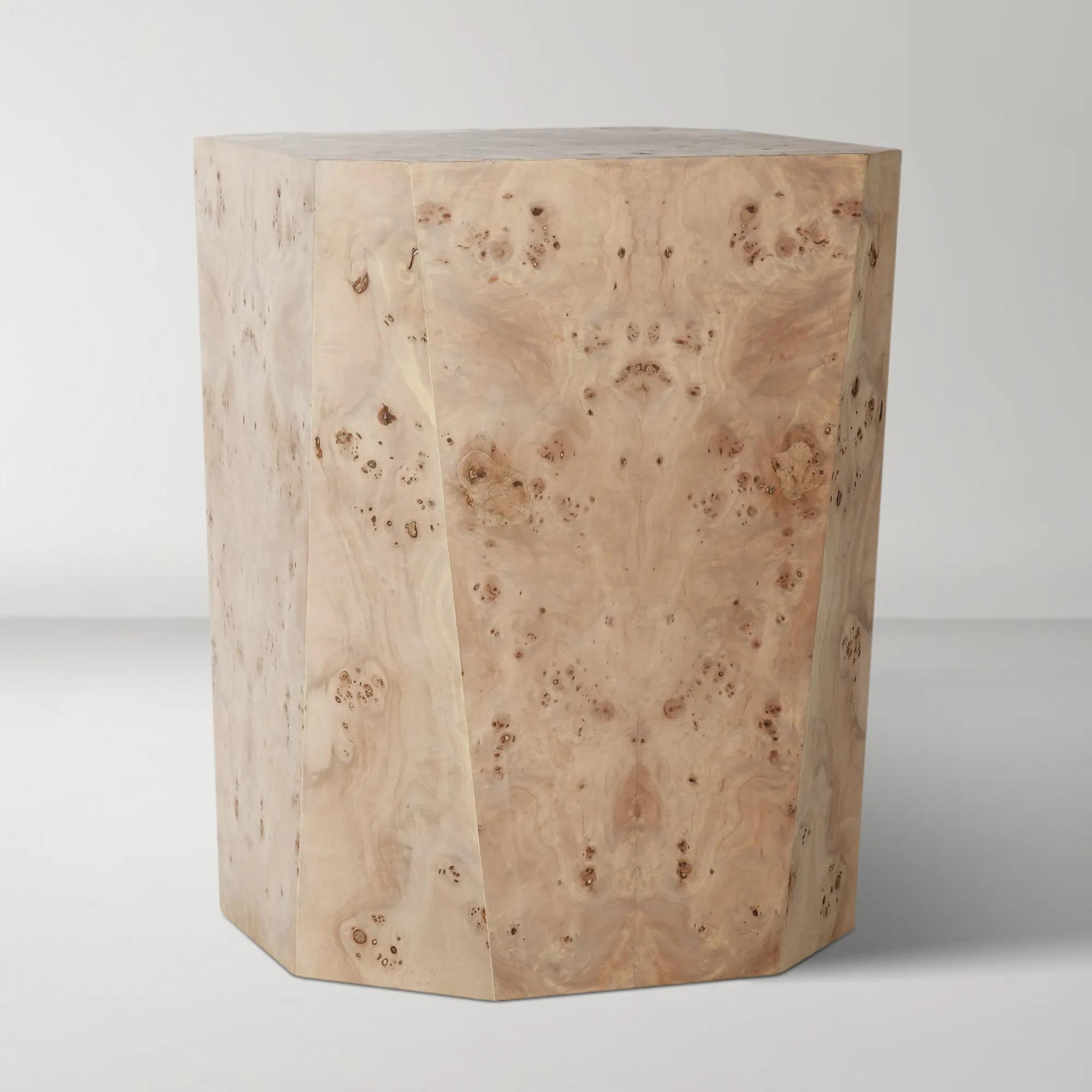
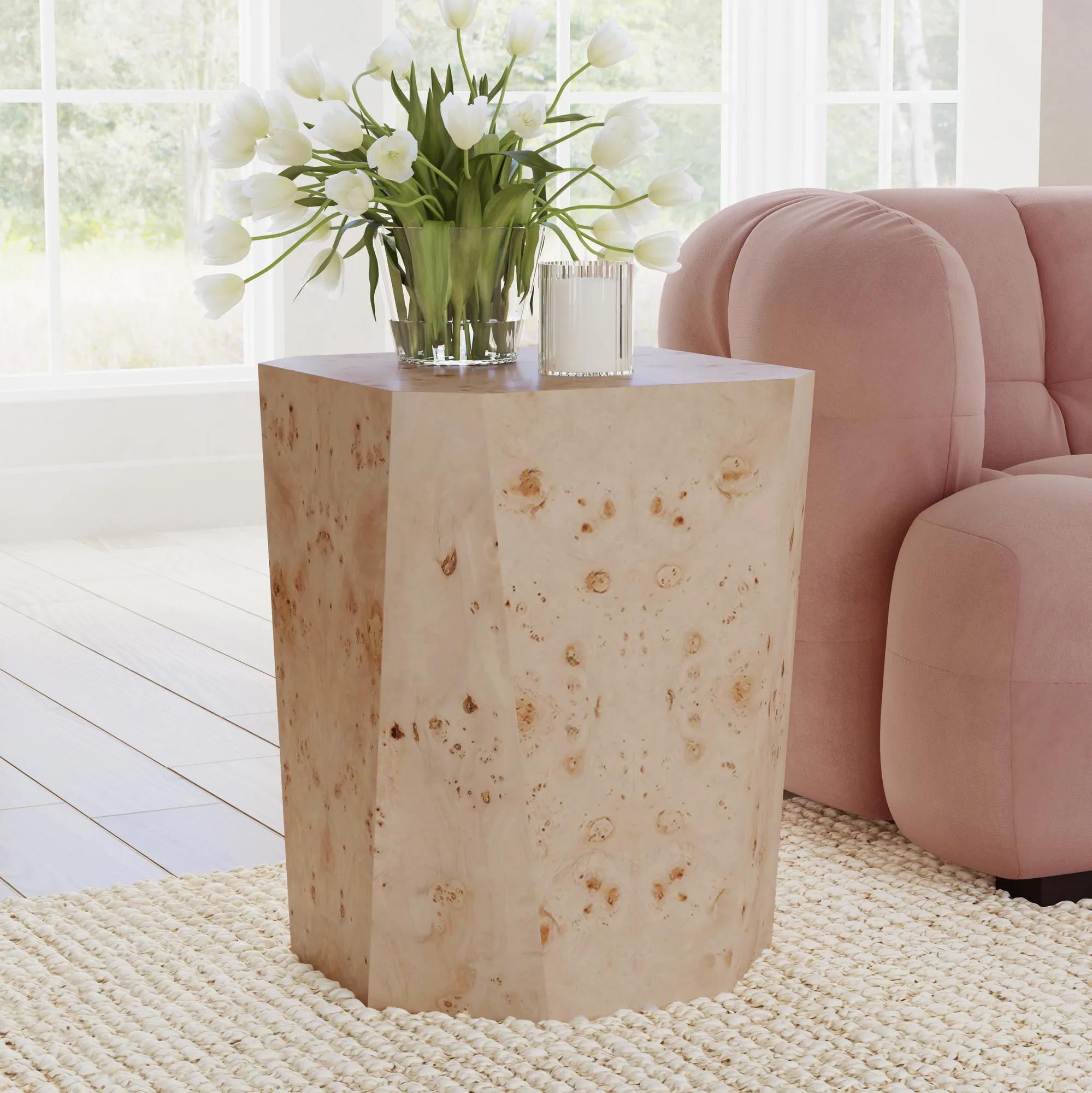 Avena Square Natural Burl Wood End Table (17.75")$699
A striking end table featuring natural burl wood veneer with unique swirling grain and warm, organic tones.
Add To Cart -
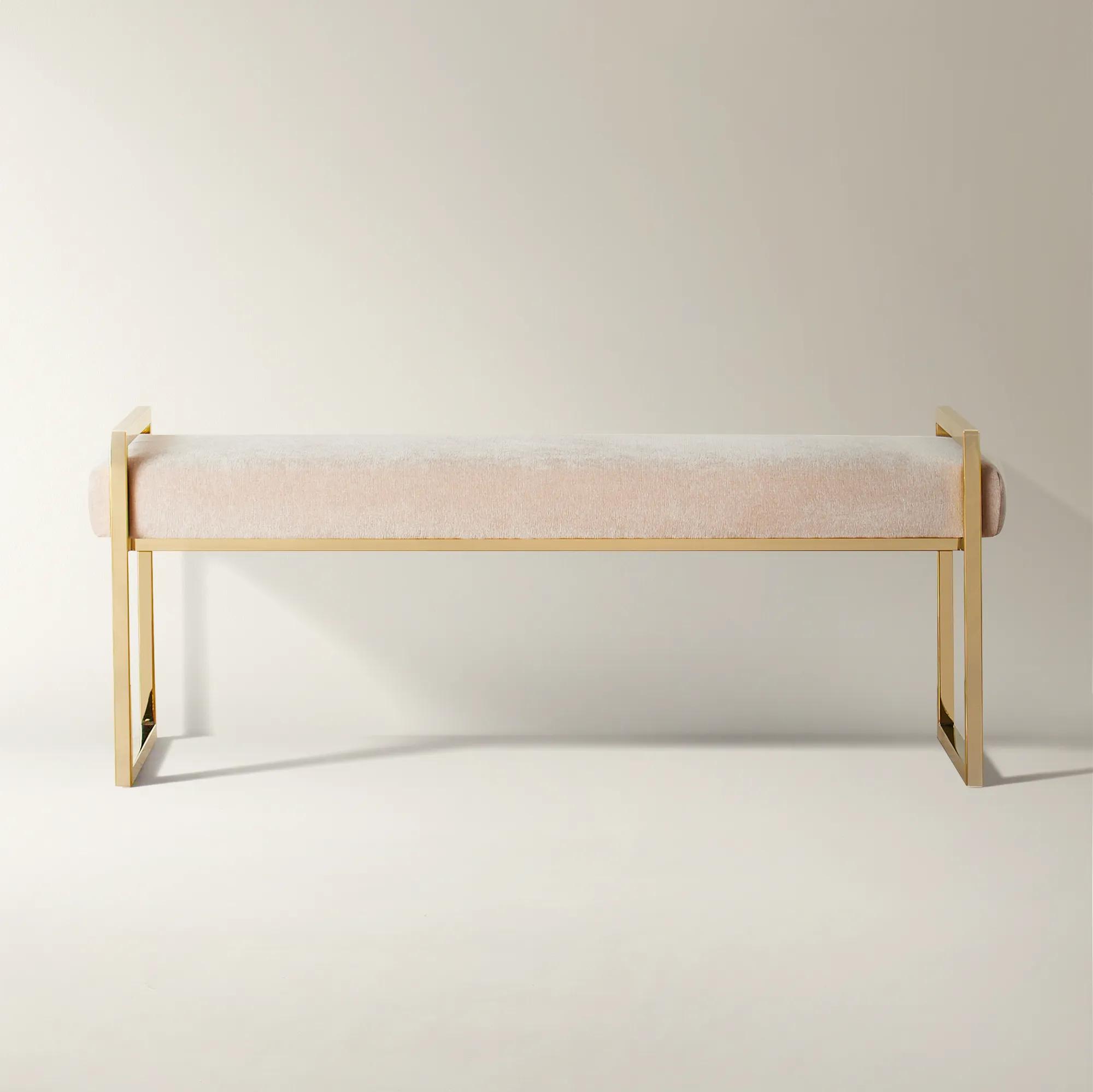 Clara Bench$699
A chic bench featuring a plush upholstered seat and polished gold metal legs for modern elegance.
Add To Cart -
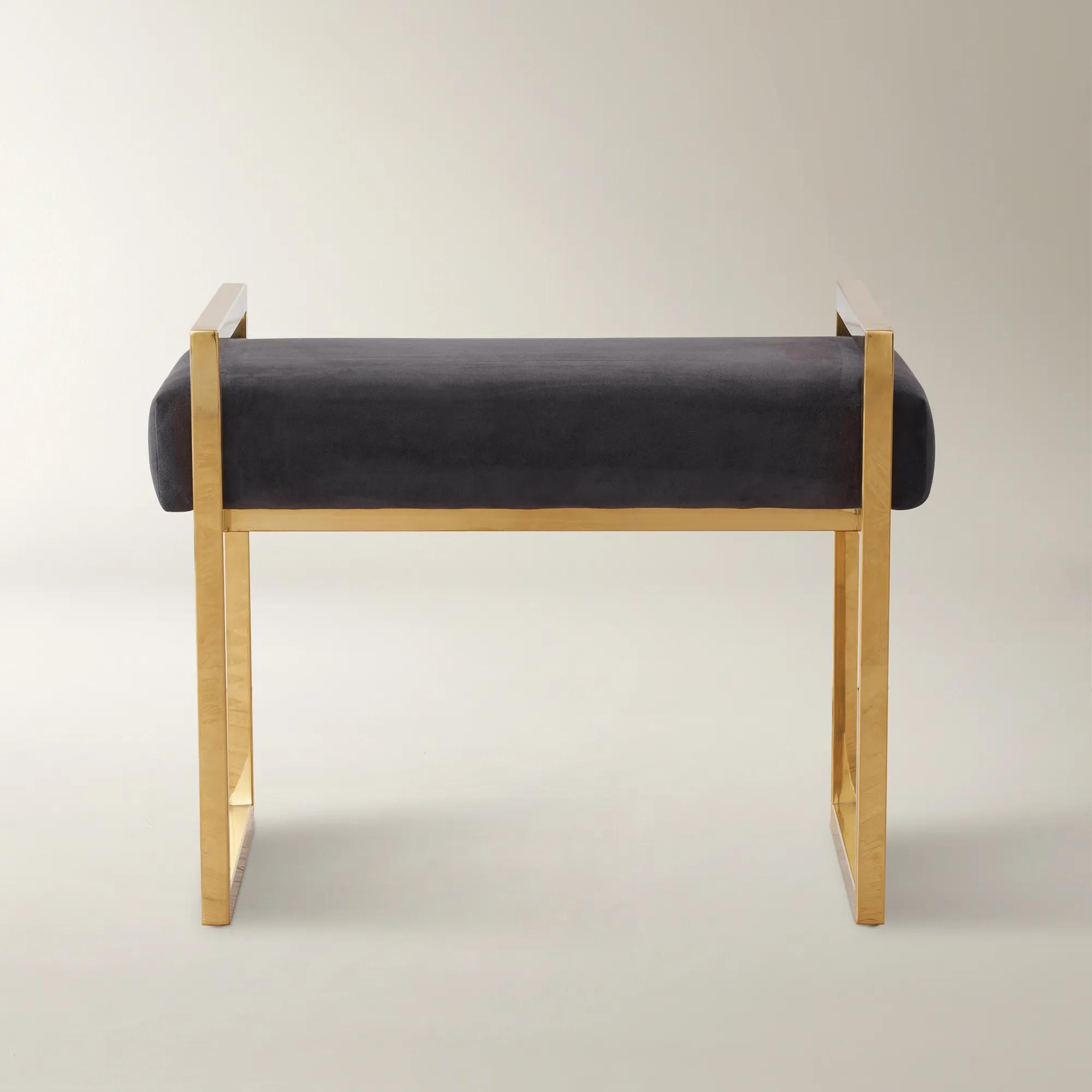
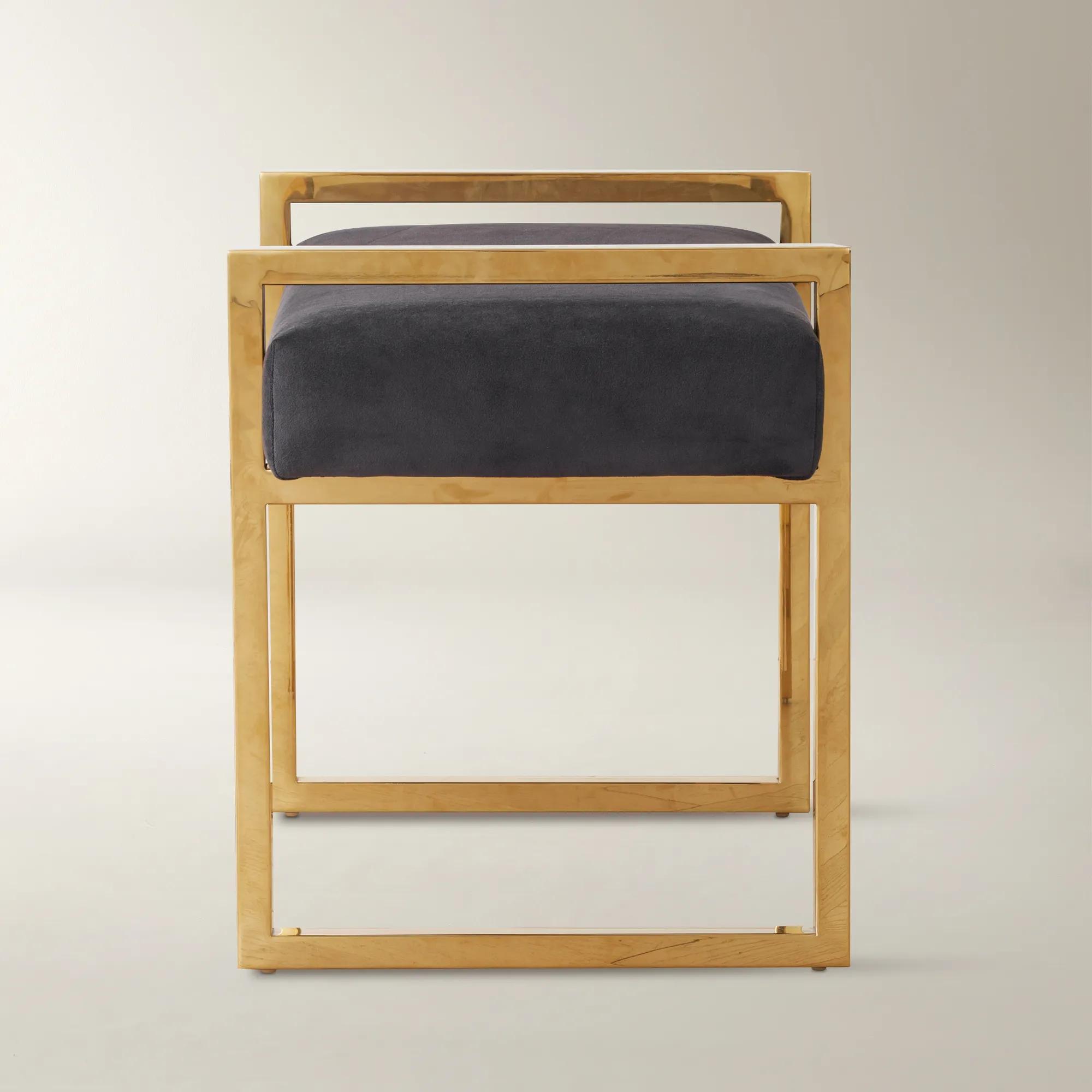 Clara Accent Stool$449
A chic accent stool featuring a plush black velvet seat and polished gold metal legs for modern flair.
Add To Cart -
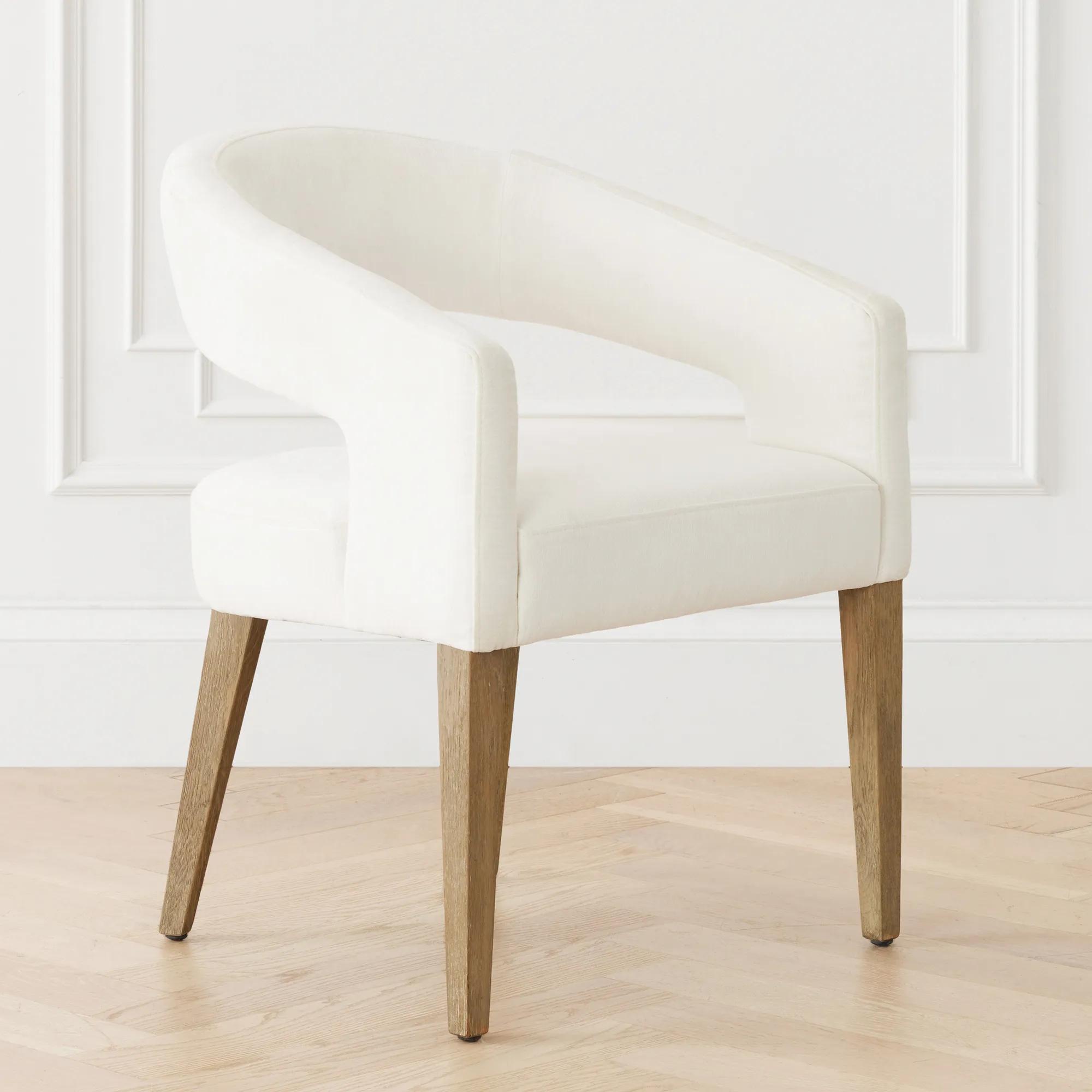 Philippa Dining Chair - Natural Grey$699
A modern dining chair featuring a curved silhouette, natural grey legs, and tailored chenille upholstery.
Add To Cart -
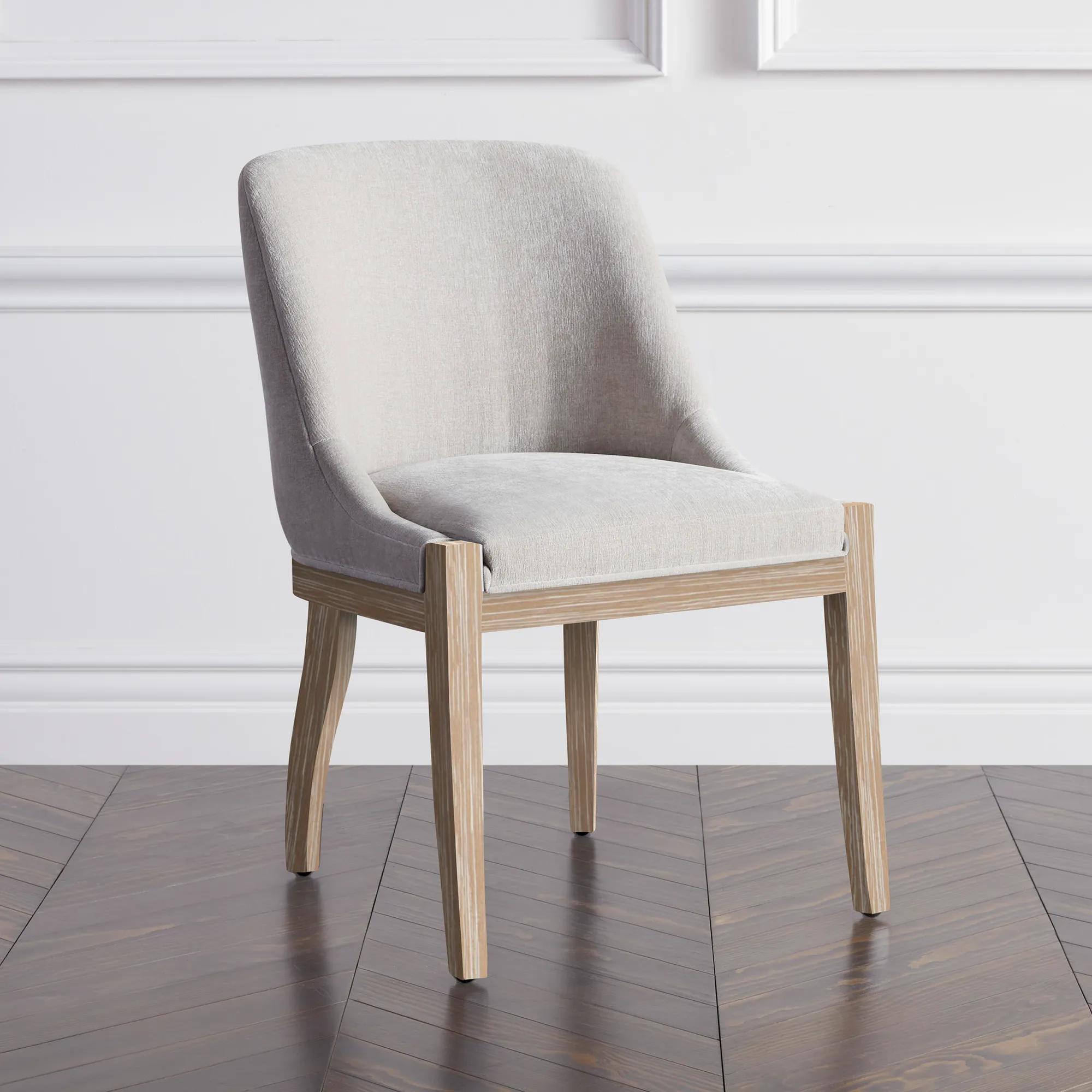
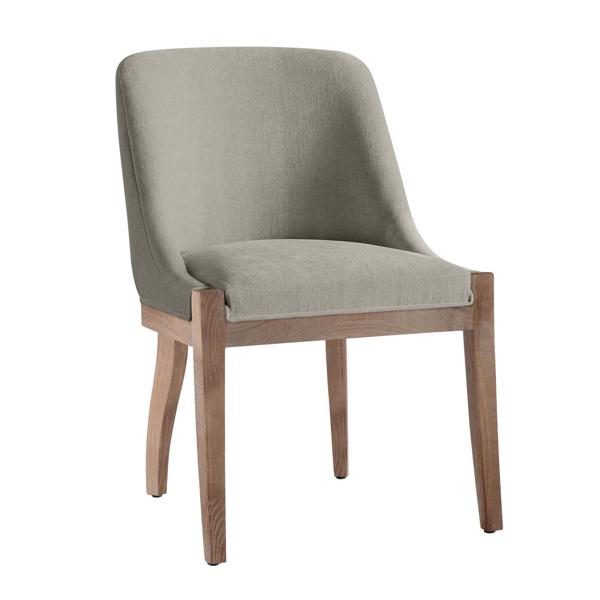 Lily Dining Chair - Wash Oak$649
A modern dining chair with a kiln-dried hardwood frame, wash oak legs, and plush tailored upholstery.
Add To Cart -
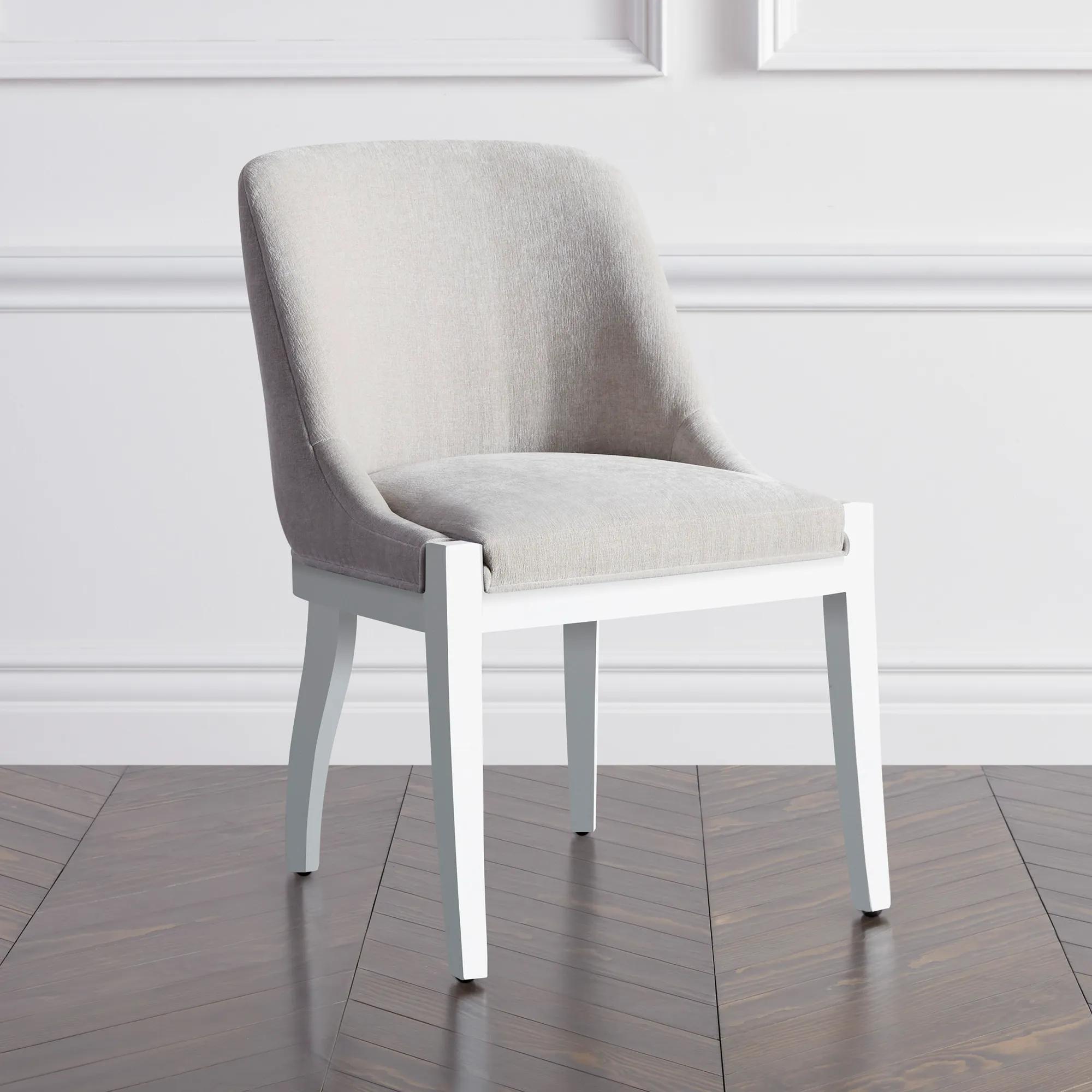
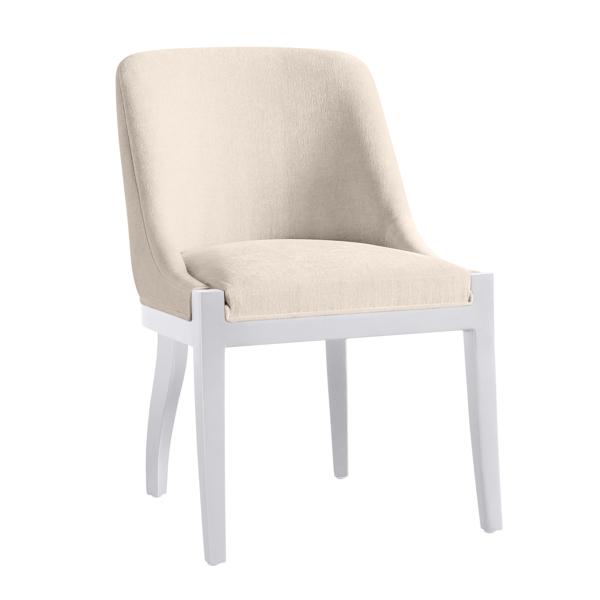 Lily Dining Chair - High Gloss White$649
A modern dining chair featuring kiln-dried hardwood, high-gloss white legs, and neatly tailored upholstery.
Add To Cart -
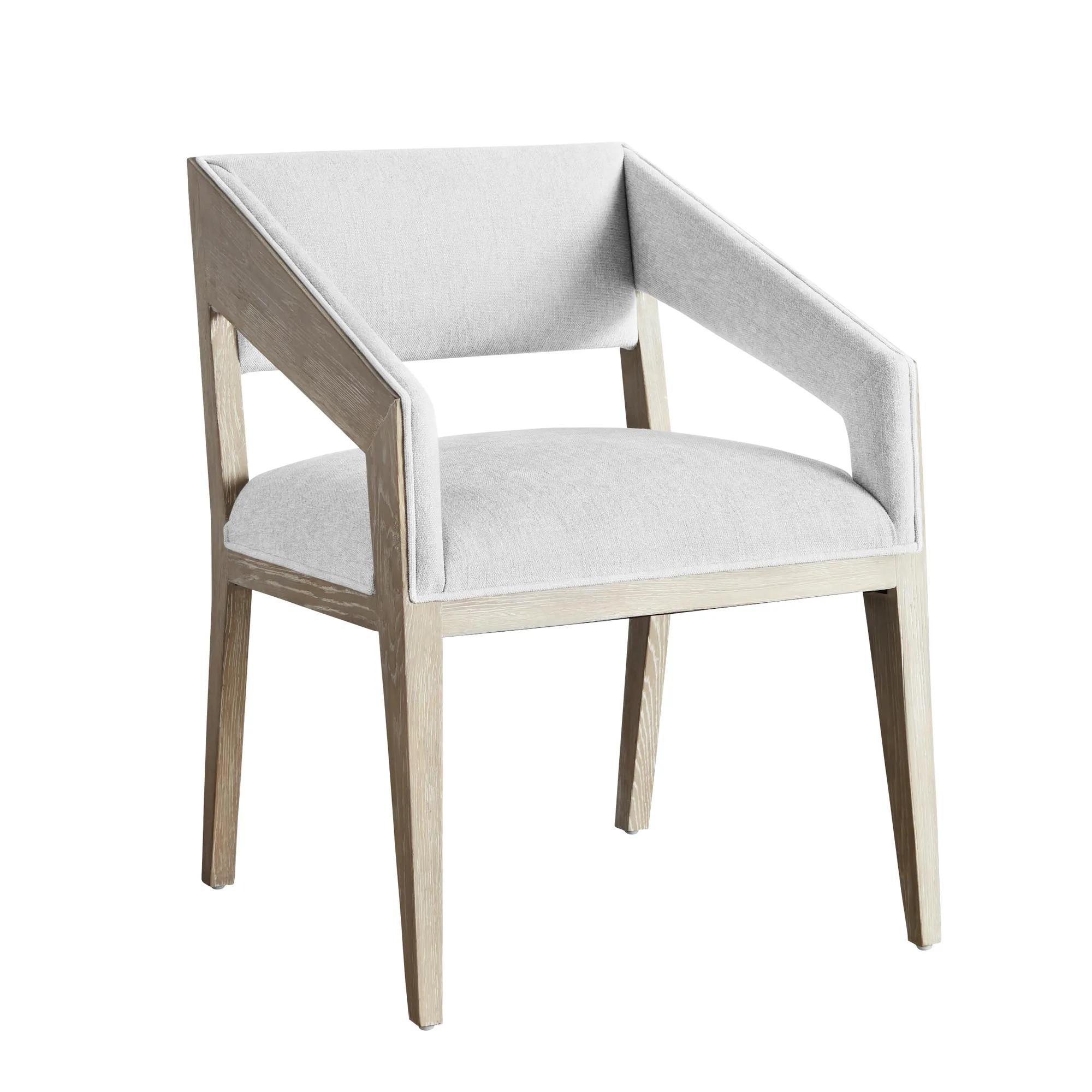
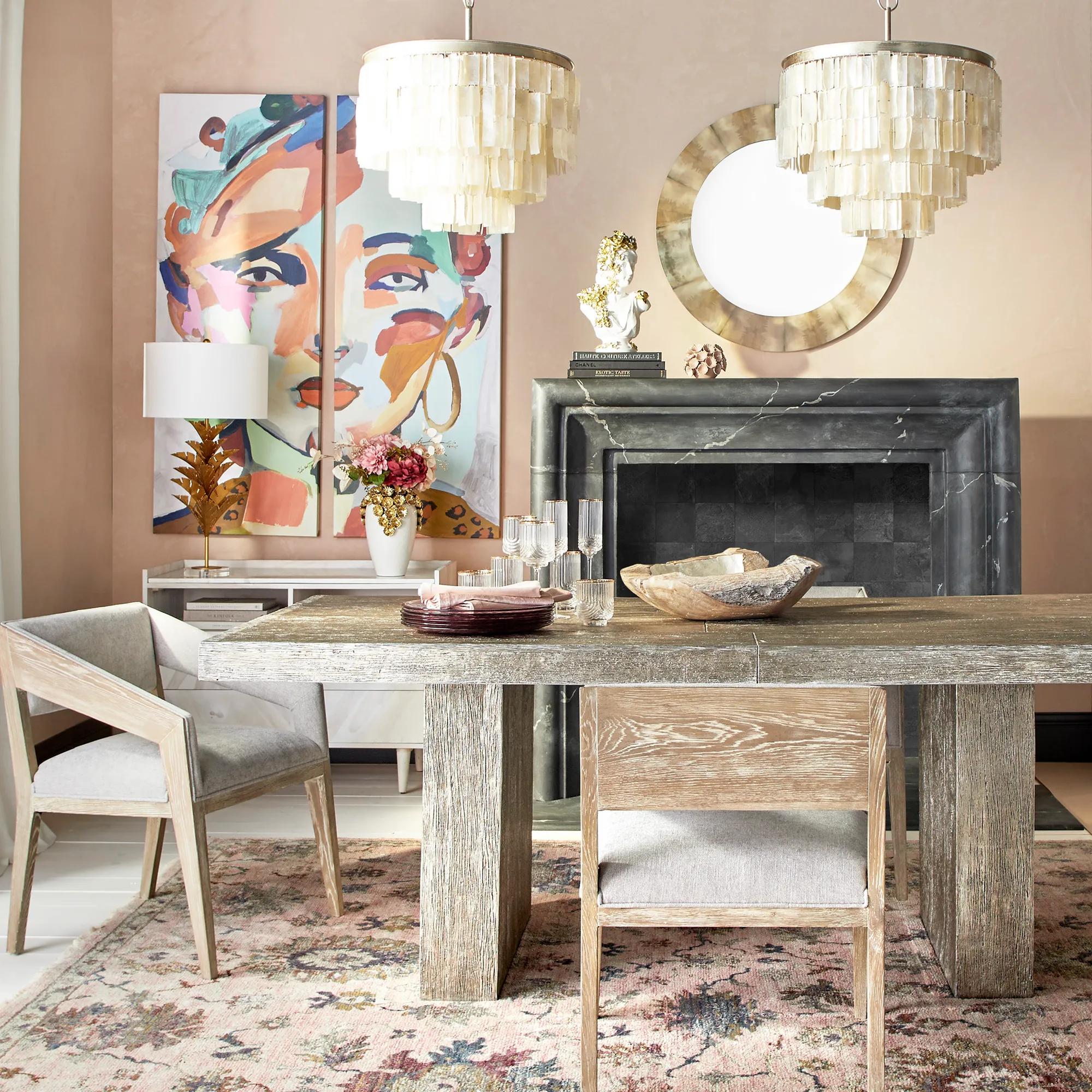 Alric Dining Arm Chair$699
A modern armchair featuring solid oak framing, natural grey finish, and neatly tailored pearl grey upholstery.
Add To Cart -
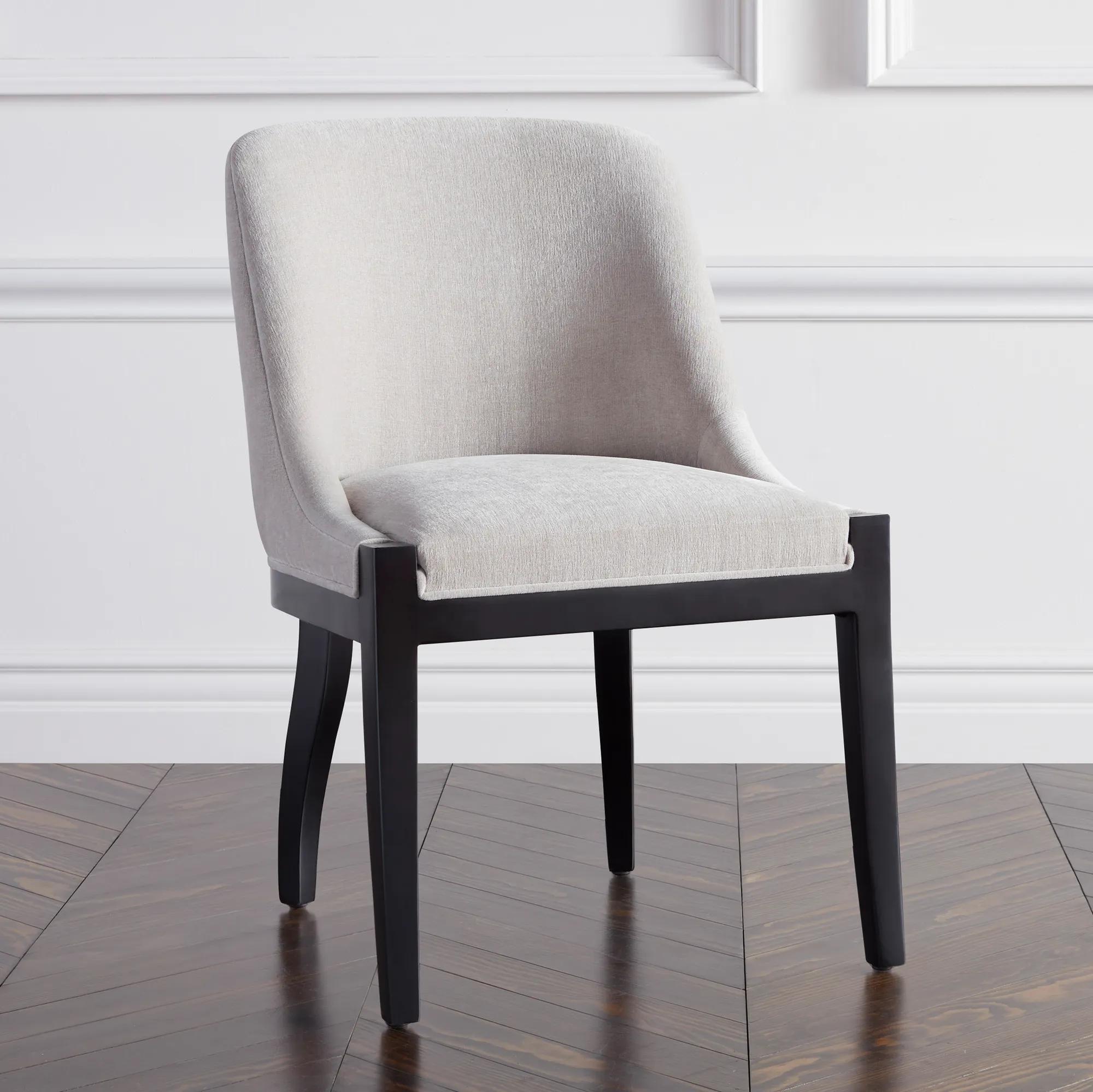 Lily Dining Chair - Matte Black$649
A modern dining chair featuring a kiln-dried hardwood frame and matte black legs with tailored upholstery.
Add To Cart -
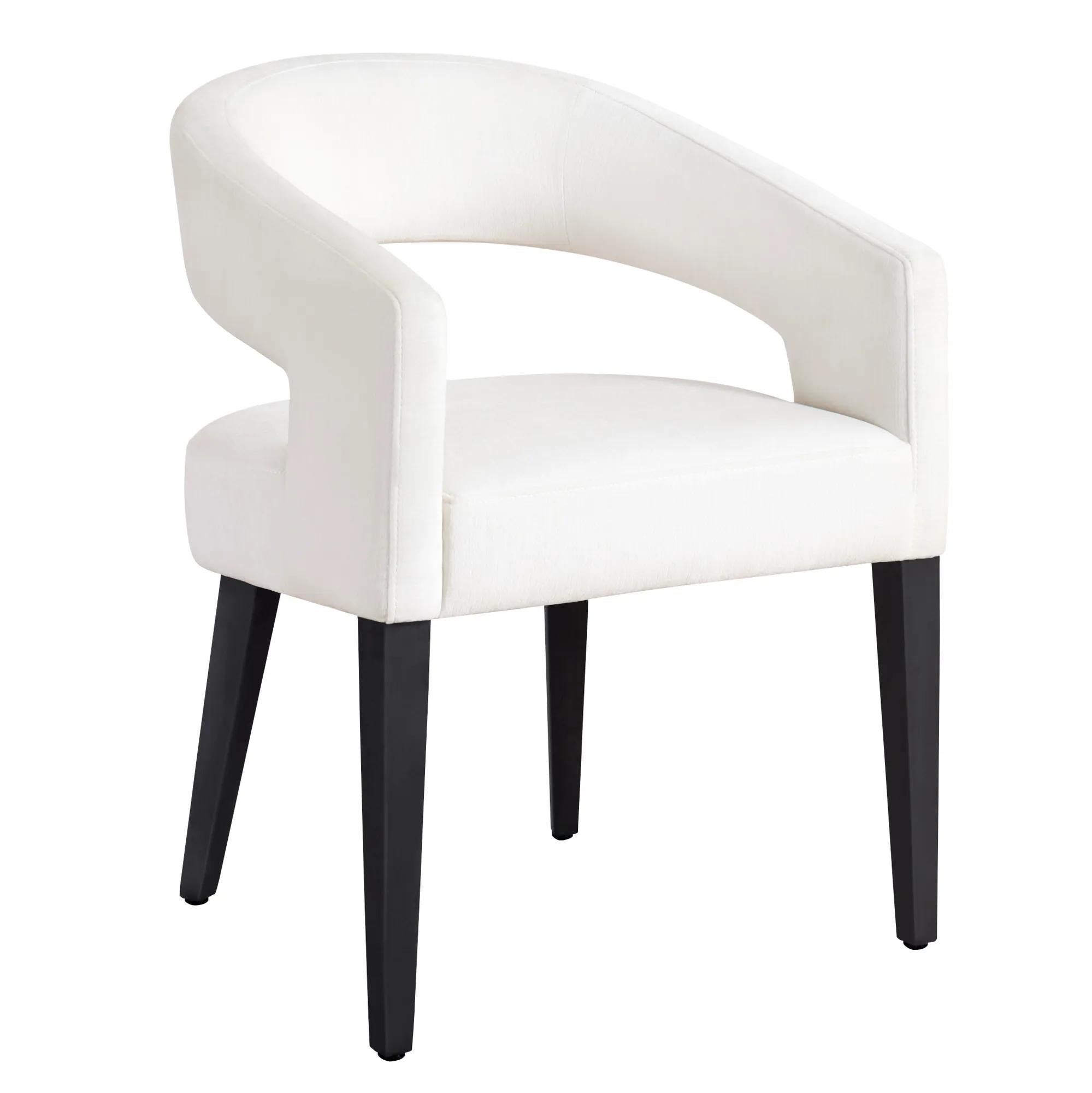
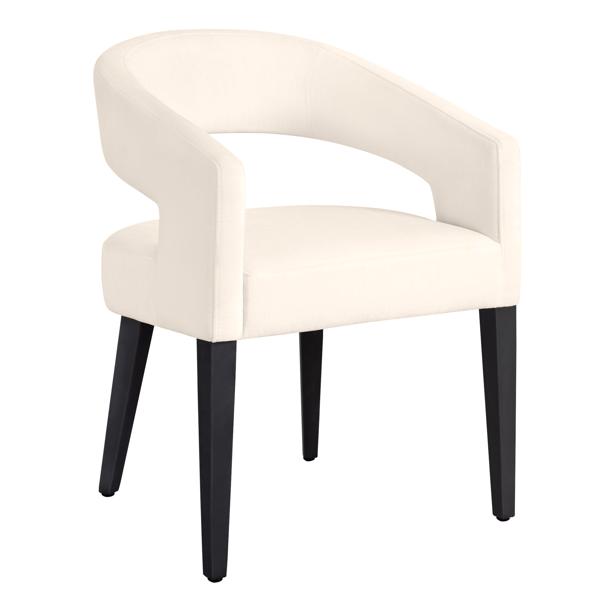 Philippa Dining Chair - Matte Black$599
A modern dining chair featuring a curved silhouette, matte black legs, and neatly tailored upholstery.
Add To Cart -
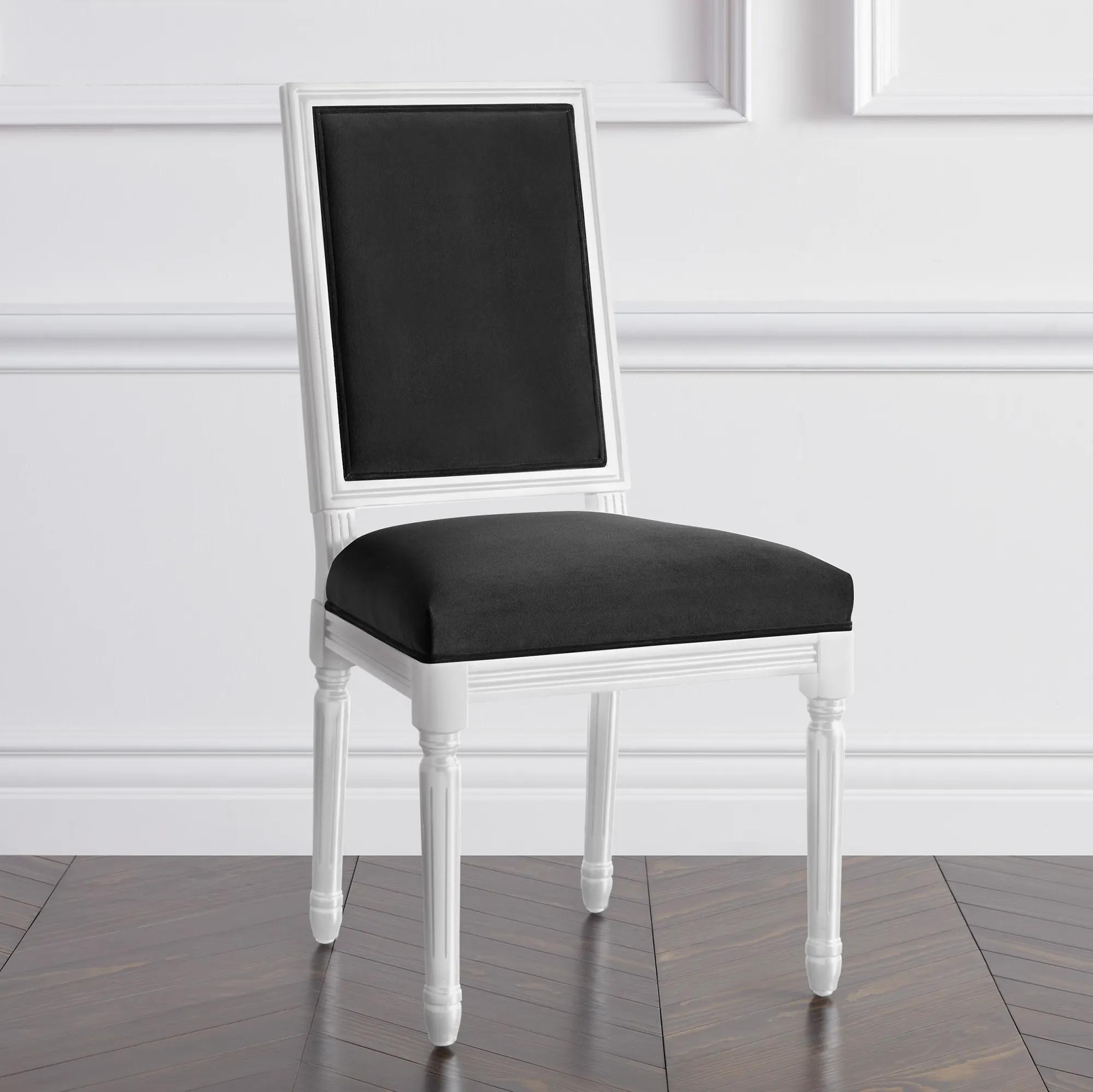
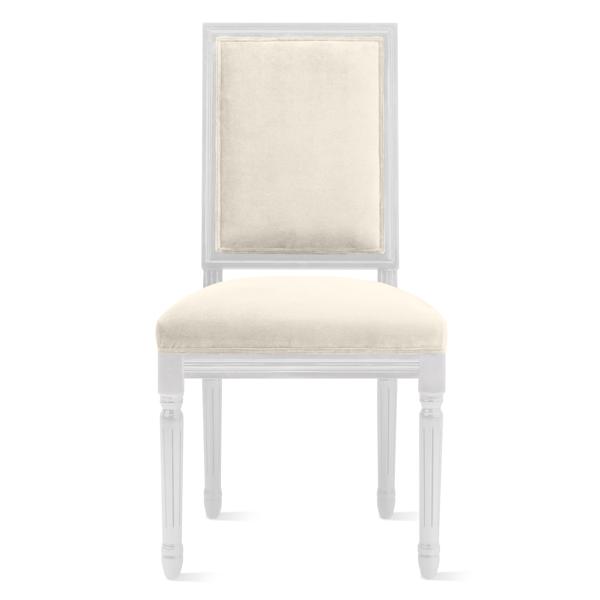 Callan Dining Chair - High Gloss White$599
A handcrafted dining chair featuring a high-gloss white finish, kiln-dried hardwood frame, and plush upholstery.
Add To Cart -
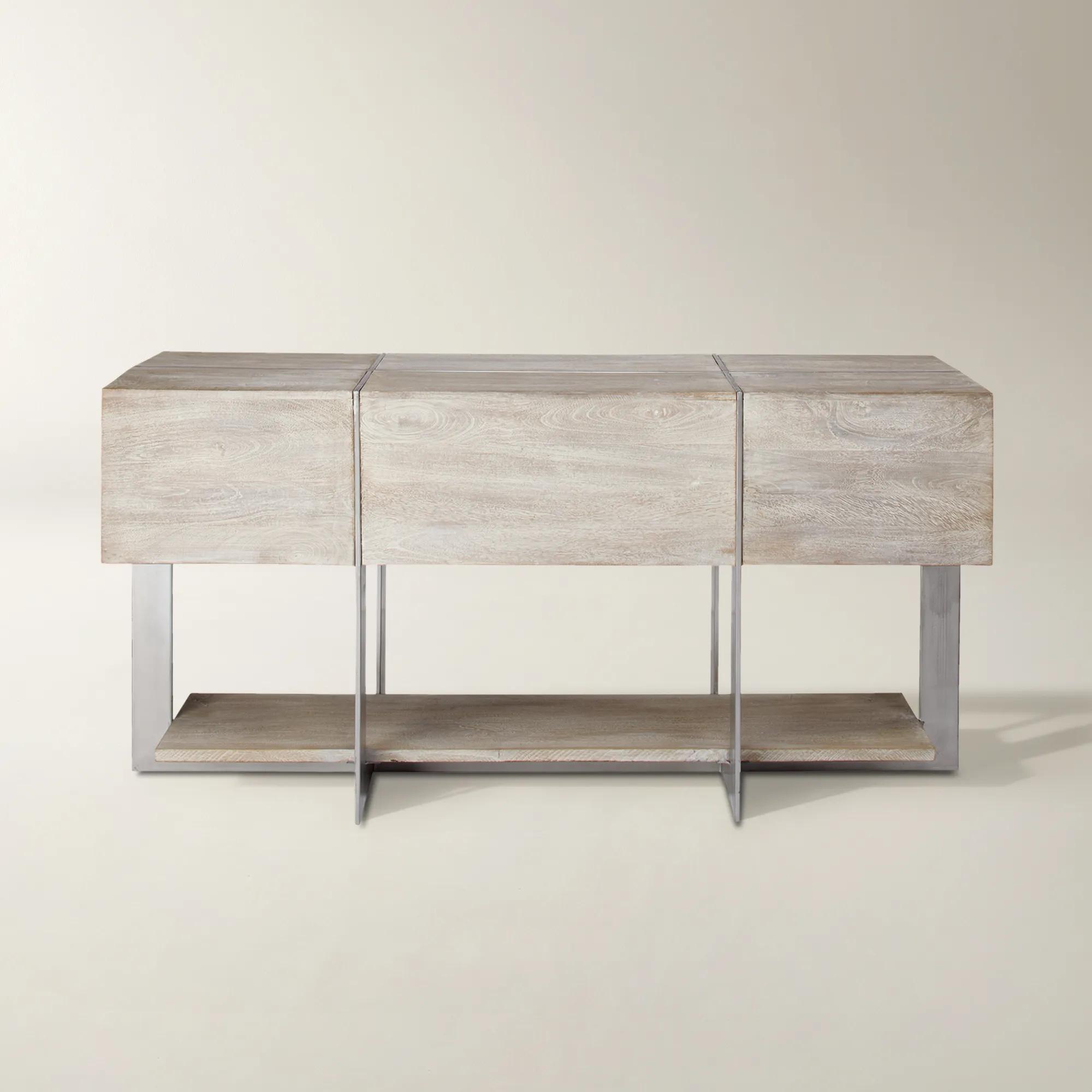
.jpg?w=1200&h=1200) Clifton Rectangular Natural Mango Wood Console Table (60")$1399
Clifton Rectangular Natural Mango Wood Console Table (60")$1399A handcrafted mango wood console table with a whitewashed finish and antiqued silver iron legs.
Add To Cart -
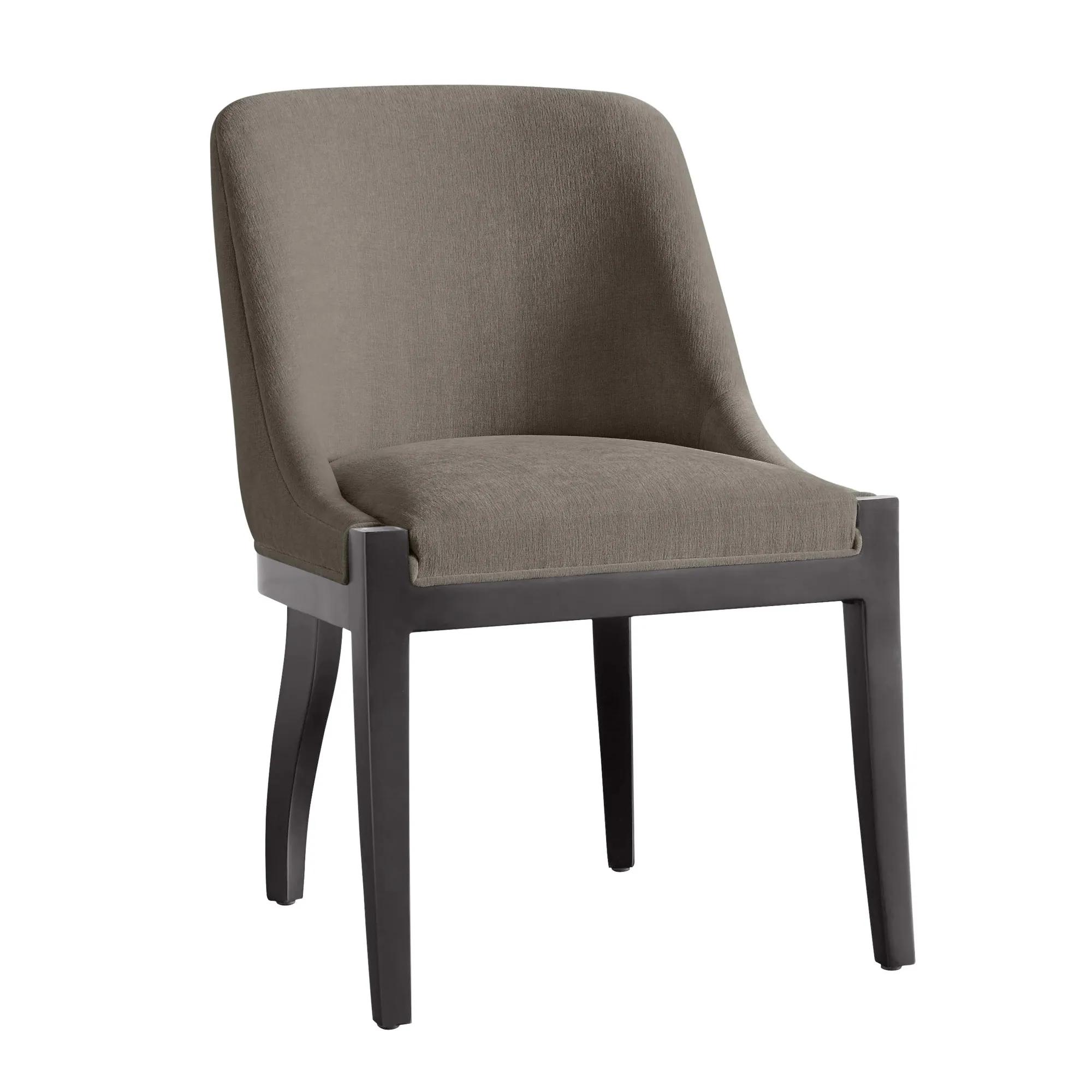
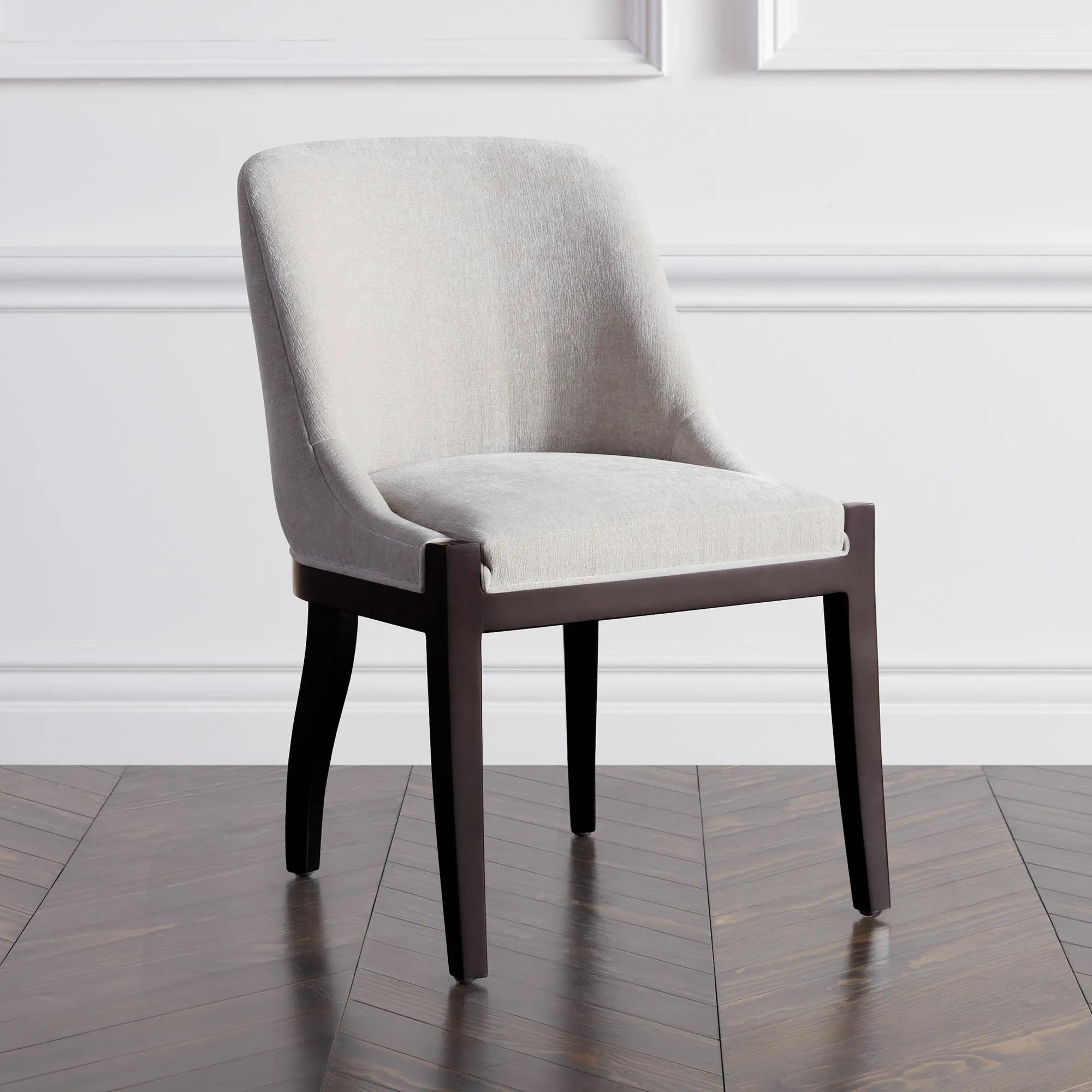 Lily Dining Chair - Espresso$649
A modern dining chair featuring espresso-finished hardwood, curvaceous silhouette, and plush tailored upholstery.
Add To Cart -
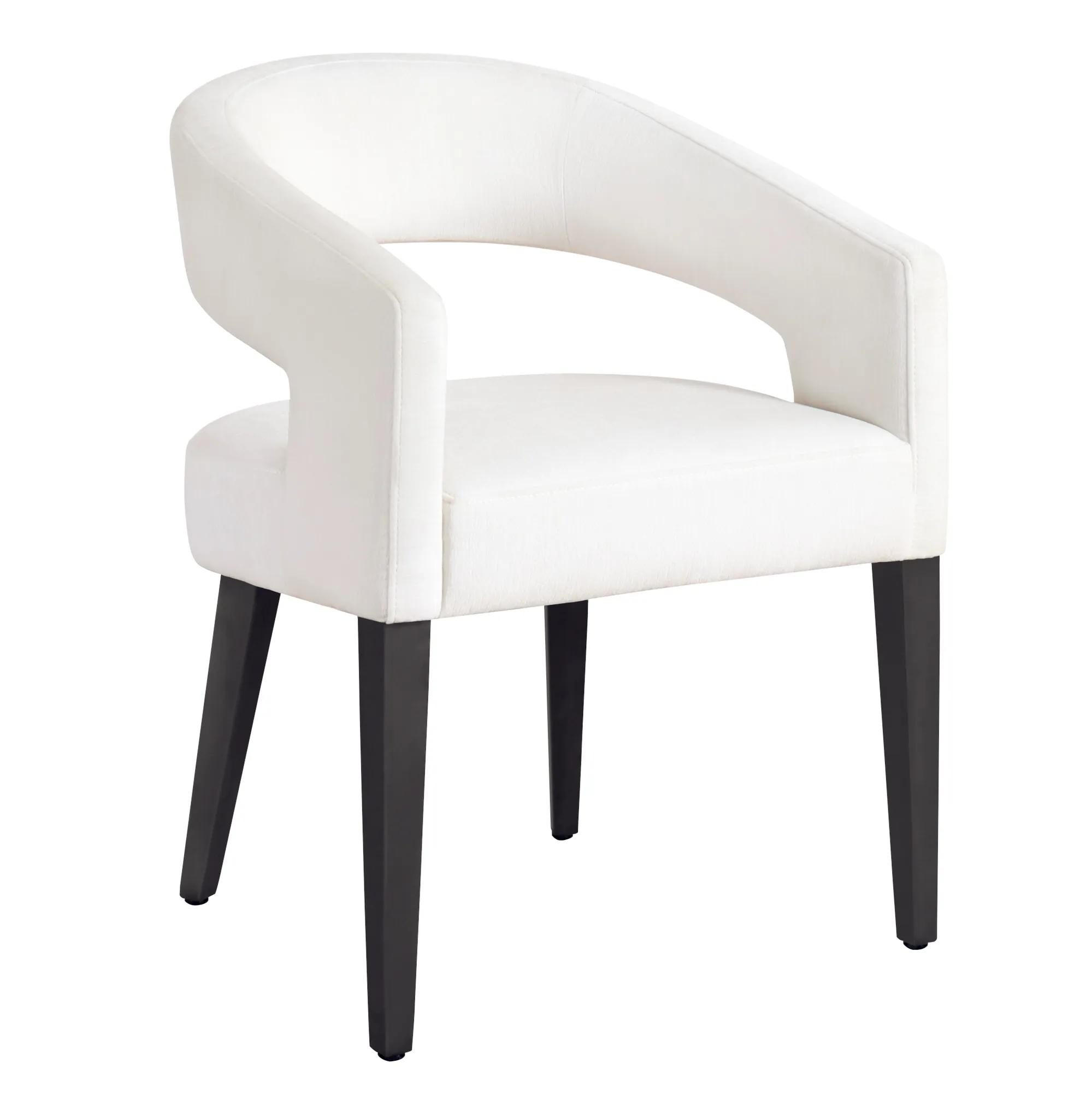
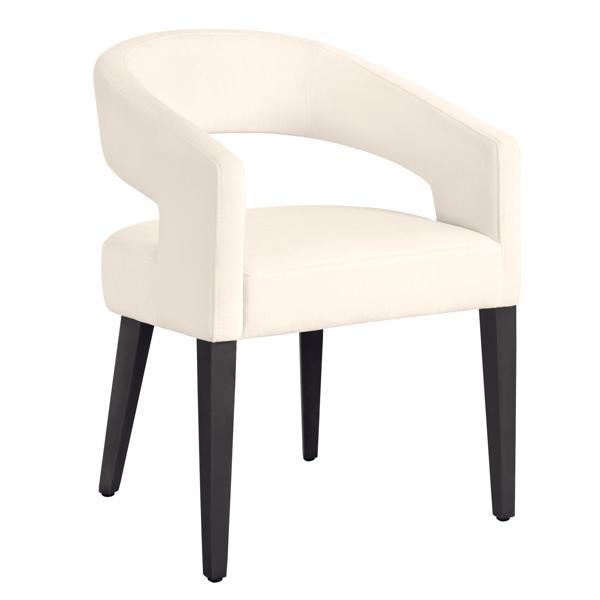 Philippa Dining Chair - Espresso$649
A modern dining chair featuring a curved silhouette, espresso legs, and neatly tailored chenille upholstery.
Add To Cart -
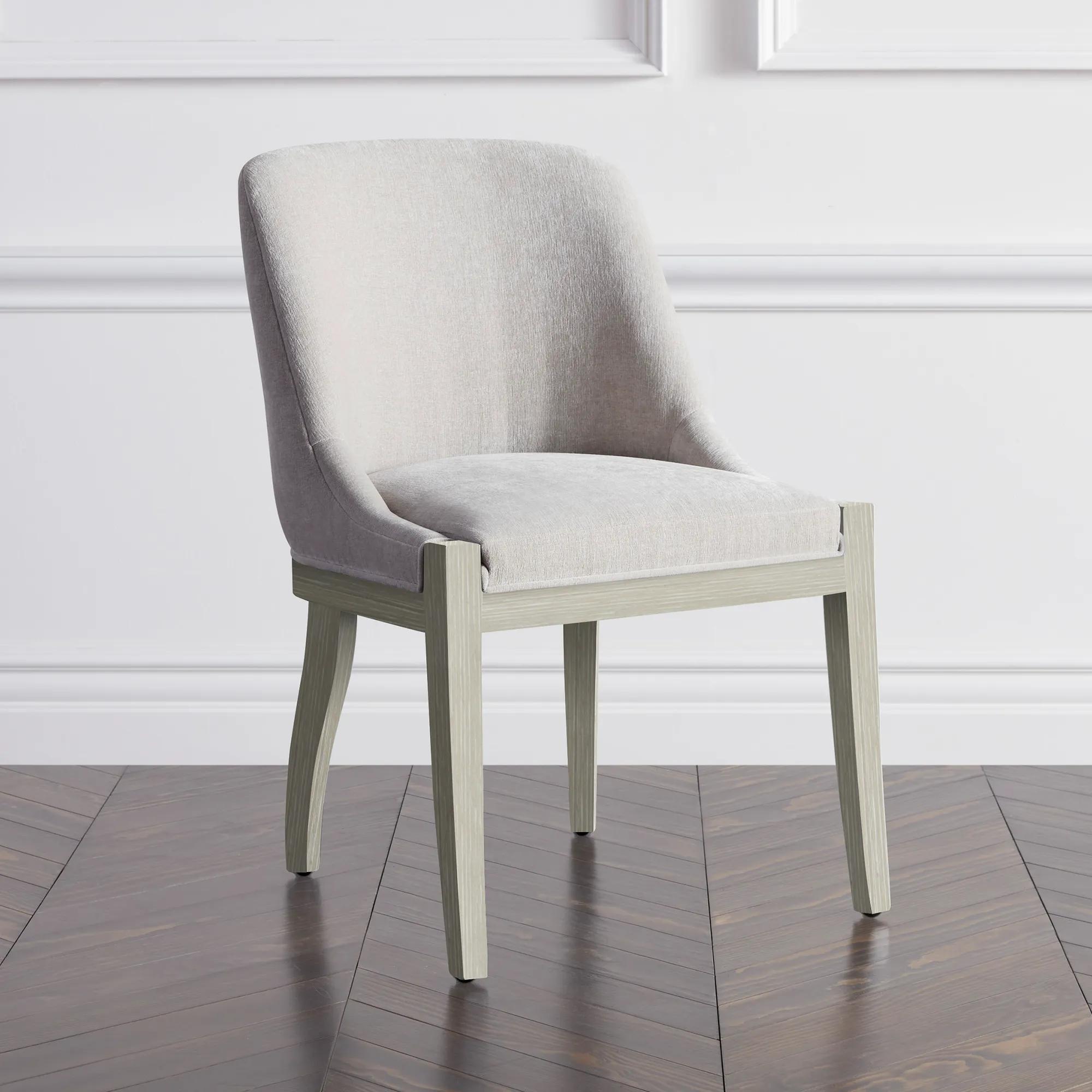 Lily Dining Chair - Natural Grey$649
A modern dining chair featuring kiln-dried hardwood, natural grey upholstery, and plush foam cushioning for comfort.
Add To Cart -
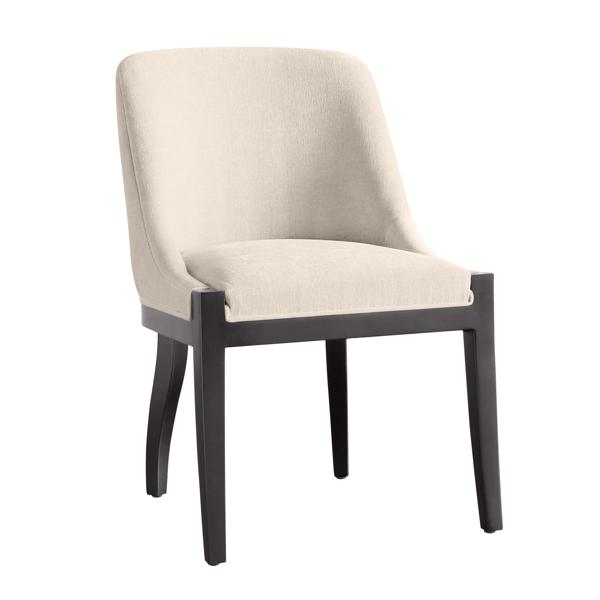 Lily Dining Chair - Espresso$749
A modern dining chair with espresso-finished hardwood frame and plush, tailored upholstery for lasting comfort.
Add To Cart -
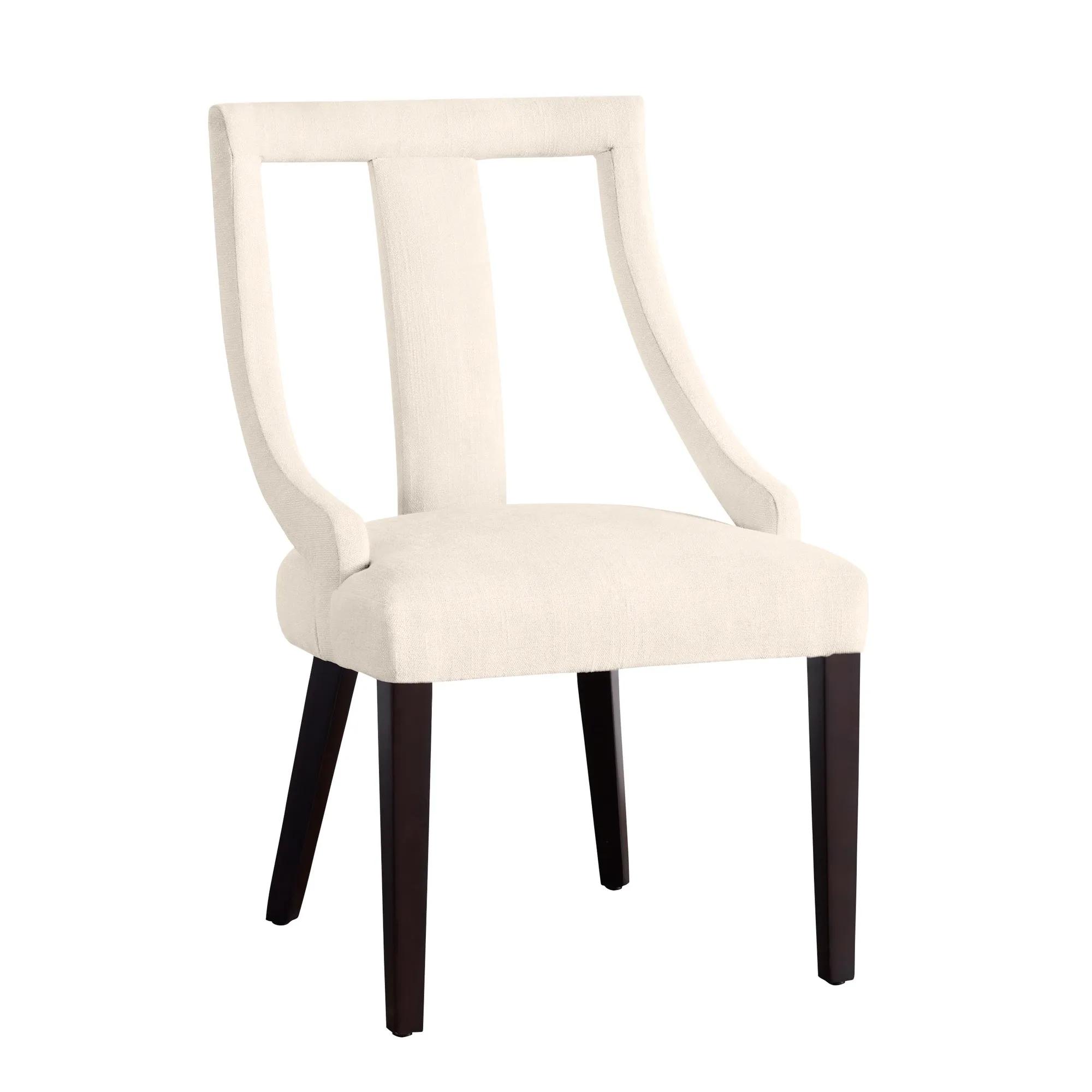
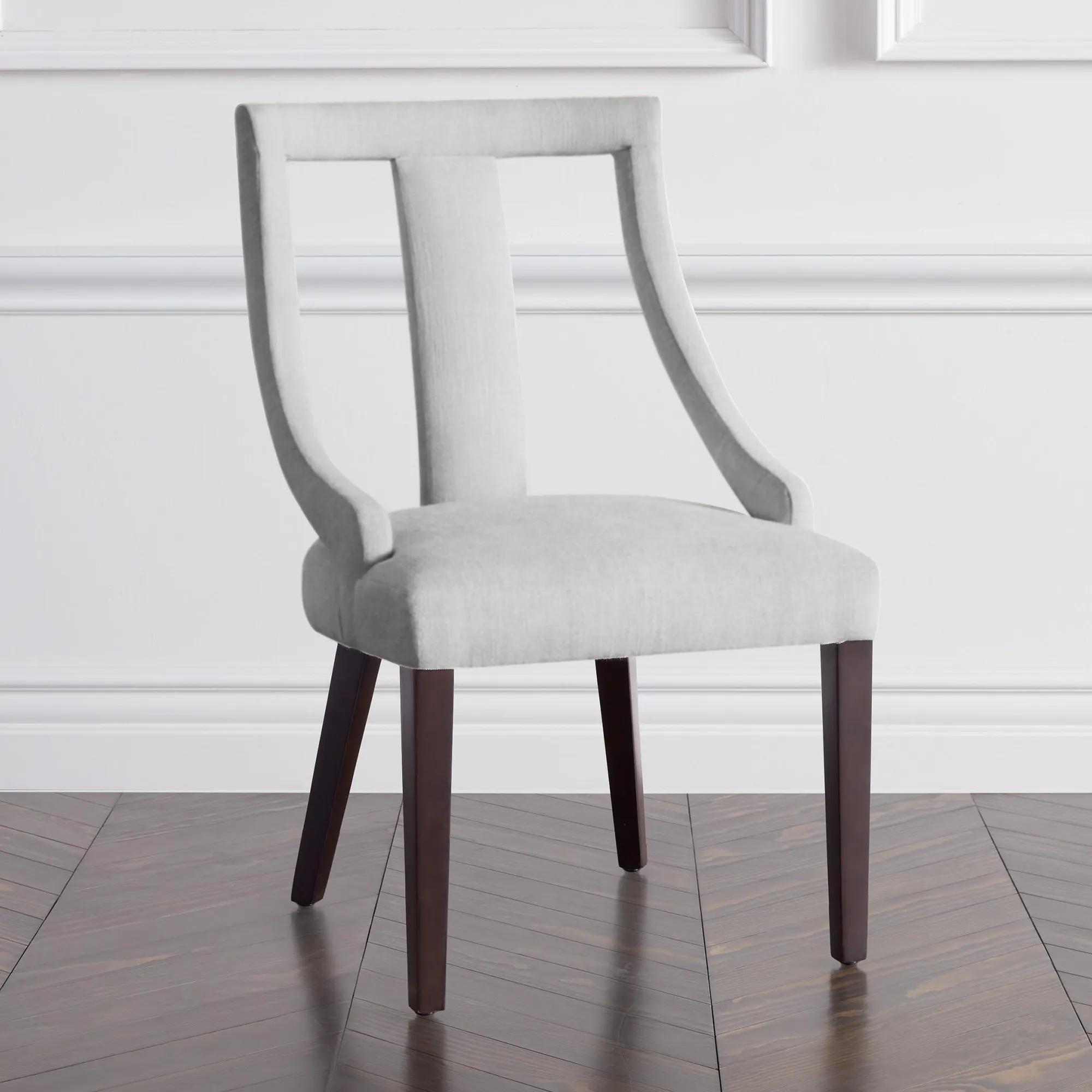 Jade Dining Chair - Espresso$649
A modern dining chair featuring a cutout back, espresso legs, and plush velvet upholstery for lasting comfort.
Add To Cart -
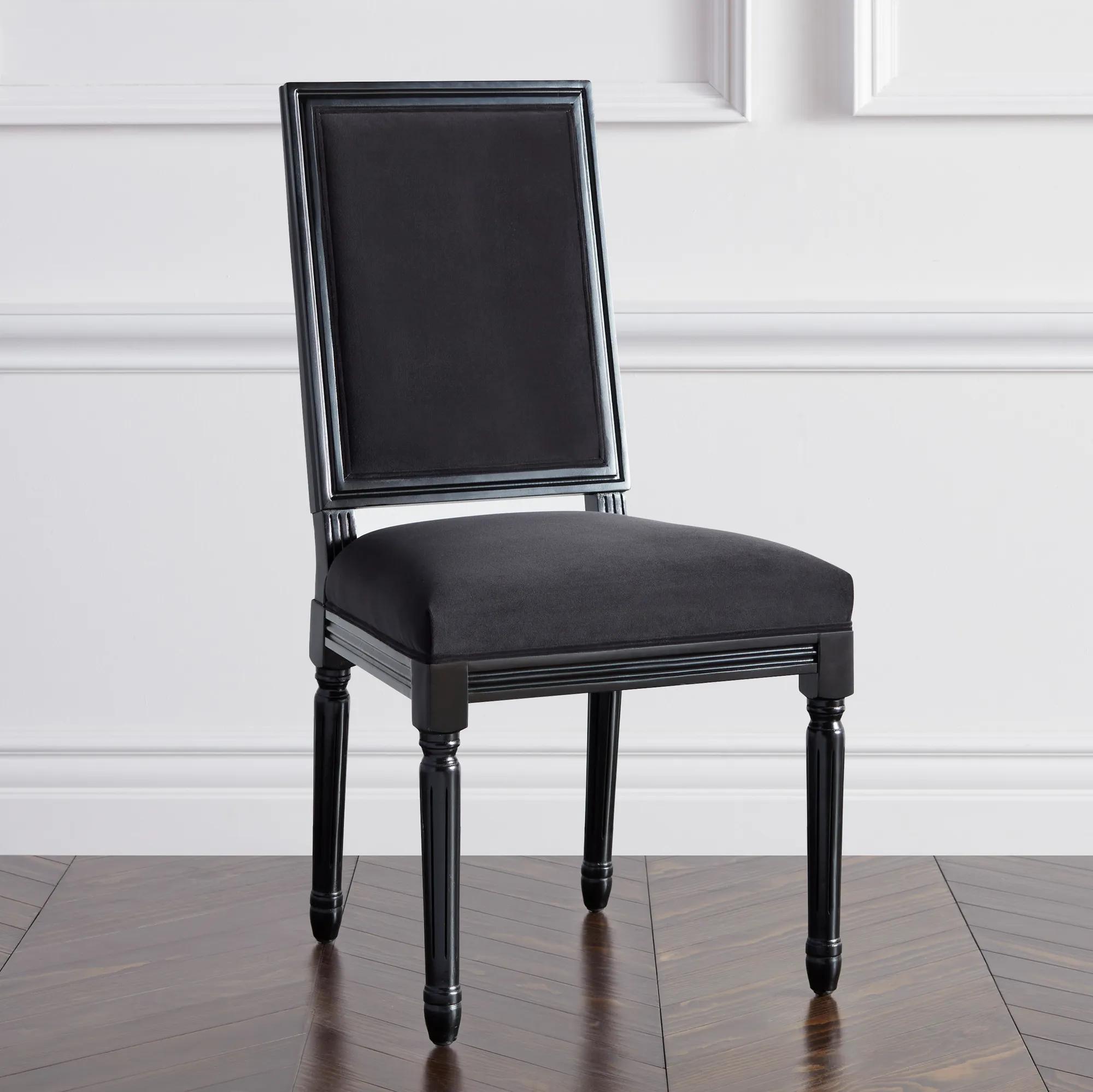
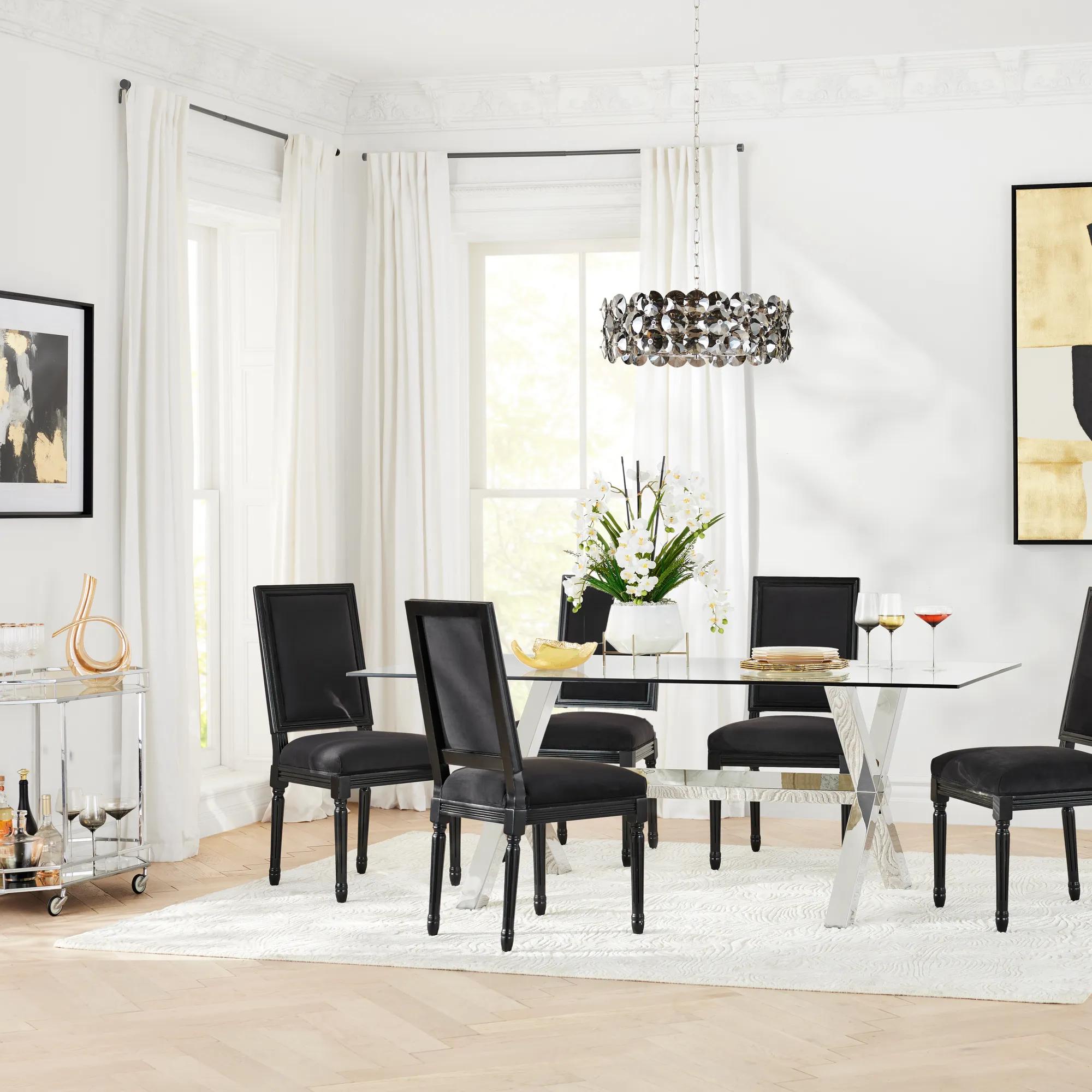 Callan Dining Chair - High Gloss Black$699
A handcrafted dining chair featuring high-gloss black Bella Velvet upholstery, fluted legs, and a squared back.
Add To Cart

Furniture For Breakfast Nooks
Transform your mornings into a daily celebration of style with Furniture for Breakfast Nooks that turns every sunrise into a scene worth savoring. Imagine sunlight streaming across sculptural silhouettes, plush seating inviting you to linger over coffee, and artful accents setting the tone for inspired beginnings. Whether nestled in a cozy alcove or commanding attention in an open-concept space, these pieces don’t simply furnish your breakfast nook—they orchestrate an atmosphere where elegance greets you at dawn and every detail whispers luxury. Paint your mornings boldly; let your breakfast nook become the heart of your home’s story.
Furniture for breakfast nooks brings dining tables, chairs, benches, and banquette seating into a compact kitchen corner or adjoining alcove, creating an intimate place for everyday meals and unhurried conversation. Unlike a separate dining room, a breakfast nook sits close to the rhythm of the kitchen, making it equally suited to morning espresso, a casual lunch, or a handwritten note composed over tea. The most compelling arrangements give this hardworking space a distinct personality: a sculptural pedestal table framed by curved chairs, an upholstered bench beneath a window, or an L-shaped banquette that turns two adjoining walls into a beautifully composed dining area. Corner breakfast nook furniture can make purposeful use of an awkward footprint, while freestanding pieces offer more flexibility when the room needs to evolve. A round table encourages conversation and eliminates projecting corners; a rectangular table often aligns more comfortably with a long wall or bench. An oval silhouette offers an elongated dining surface with softer ends, although its suitability still depends on the surrounding clearance. Pedestal bases can simplify seating around a compact table, but the base itself should leave comfortable room for feet. For a solo apartment dweller, two generously proportioned chairs may create a more inviting setting than a crowded arrangement intended for four. For a household gathering over breakfast, a banquette paired with movable chairs can balance a tailored appearance with everyday accessibility. Seating capacity depends on usable seat width, table dimensions, and leg placement rather than the shape of the nook alone. Upholstery introduces softness and depth, wood brings expressive grain, and polished metal adds a gleaming accent without requiring a large footprint. A restrained palette can still feel lavish through contrast: creamy seating against dark wood, for example, or a richly textured bench beside a smooth tabletop. The result is not simply another place to eat, but a small, distinctive room within the room, furnished with the same attention given to a formal entertaining space.
Scale determines whether breakfast nook furniture feels gracious or cramped, especially where dining shares space with cabinet doors, appliances, and busy kitchen pathways. The relevant measurements include more than the open floor area: window heights, baseboards, door swings, and the distance needed to pull out a chair all influence fit. About 36 inches between a table edge and a wall or other obstruction is a common starting point for movable seating, with additional clearance useful where people regularly walk behind occupied chairs. Banquette layouts work differently because the seat remains stationary; table placement needs to allow diners to slide in comfortably without stretching forward throughout a meal. Standard dining tables are often approximately 28 to 30 inches high, and many dining chairs have seats around 18 inches high, but the actual relationship between the two matters more than either measurement alone. Cushions compress, table aprons reduce thigh clearance, and chair arms may prevent seating from tucking beneath the tabletop. A deep lounge-style bench can look sumptuous yet leave diners too far from their plates, so dining-height seating with supportive backs and appropriate seat depth is generally a better match for regular meals. Armless chairs can ease movement in a narrow alcove, while a curved back offers an enveloping silhouette without necessarily demanding an oversized seat. An L-shaped bench can define a corner beautifully, though the innermost seat may be less convenient for someone who needs to get up frequently. Storage benches add another layer of utility, keeping table linens or placemats close at hand; lift-top designs need unobstructed opening space and hardware suited to repeated use. A compact cabinet can serve a similar purpose where there is sufficient clearance outside the seating area. For a more formal expression, furniture for upscale kitchen nooks extends the same intimate dining concept through distinctive silhouettes and considered finishes. Whatever the aesthetic, a successful arrangement preserves an easy route from countertop to table and gives each diner enough space to settle in without negotiating the furniture.
Materials and construction shape how a breakfast nook looks, feels, and holds up to daily use. Solid wood offers natural variation and substantial character, while wood veneers can achieve expressive grain patterns over a stable core; neither description alone establishes quality, which also depends on construction, finish, and appropriate care. Well-fitted joints, secure table bases, and seating that remains steady on a level floor matter in a space used several times a day. Glass tabletops create visual openness and allow a sculptural base to remain part of the composition, although fingerprints and crumbs tend to be more apparent on their surfaces. Stone brings striking movement and depth, but care varies by material: some natural stones are porous, and acidic spills can damage certain surfaces. Coasters, placemats, and prompt attention to spills help protect a tabletop, while abrasive cleaners and unapproved treatments can compromise its finish. Metal frames contribute crisp definition, from slender legs to bold geometric supports, and their finishes should be cleaned according to the manufacturer's directions rather than treated as interchangeable. Upholstered breakfast nook seating deserves equally careful consideration. Velvet lends a plush, light-catching quality, woven fabrics introduce tactile dimension, and leather offers a distinctive surface that develops character differently depending on its finish. Fabric labeled for performance use may offer helpful resistance to stains or wear, but its stated properties and cleaning instructions remain essential; no upholstery should be assumed impervious to coffee, cooking splashes, or repeated friction. Removable covers can simplify care when they are designed to be cleaned, while seams, tufting, and deep channels may require more attention where crumbs collect. Regular vacuuming with an appropriate attachment, gentle blotting rather than rubbing, and cleaners approved for the material help maintain the seating's appearance. In households with children, smooth edges and readily cleaned surfaces may take precedence; for lingering meals with guests, supportive cushioning and an inviting backrest can carry more weight. A breakfast nook may also host homework or an occasional laptop session, making a stable surface and comfortable dining posture valuable beyond mealtime. With well-proportioned furniture and finishes chosen for real routines, this intimate kitchen setting can feel expressive and composed, down to the chair pulled out for the next conversation.
FAQs
Banquette seating and corner benches are beloved for their ability to maximize space and evoke a cozy, intimate vibe. Freestanding benches, plush upholstered chairs, and even counter-height stools can add a tailored touch, while window seats create a charming retreat that bathes in natural light. Mixing seating styles allows for both comfort and versatility, ensuring your breakfast nook feels both inviting and unique.
Many breakfast area furniture pieces elegantly conceal storage within their design. Benches with lift-up tops or under-seat drawers offer hidden compartments for linens, dishware, or seasonal décor, keeping your space both organized and visually pleasing. Opt for pieces with luxe finishes and thoughtful details to ensure storage solutions feel seamlessly integrated into your overall aesthetic.
Breakfast furniture often features solid woods—like pine or oak—for their durability and timeless appeal. Painted finishes can add a pop of color or a sleek, modern touch, while upholstered cushions provide comfort and a sense of luxury. Glass tabletops, metallic accents, and sculptural details can further elevate the look, transforming your nook into a true design statement.
Layering textures and adding warm accents can instantly transform your breakfast nook into a cozy winter retreat. Think plush throws, velvet cushions, and ambient lighting that bathes the area in a golden glow. Seasonal centerpieces, such as candle arrangements or decorative bowls, add a festive touch, making your nook the perfect spot for lingering over coffee on frosty mornings.
Breakfast area furniture makes a thoughtful and lasting gift for new homeowners, newlyweds, or anyone who takes pride in creating a welcoming home. It’s especially meaningful for those who love to entertain or cherish daily rituals, as a beautifully furnished breakfast nook becomes a cherished setting for shared meals and memorable moments.