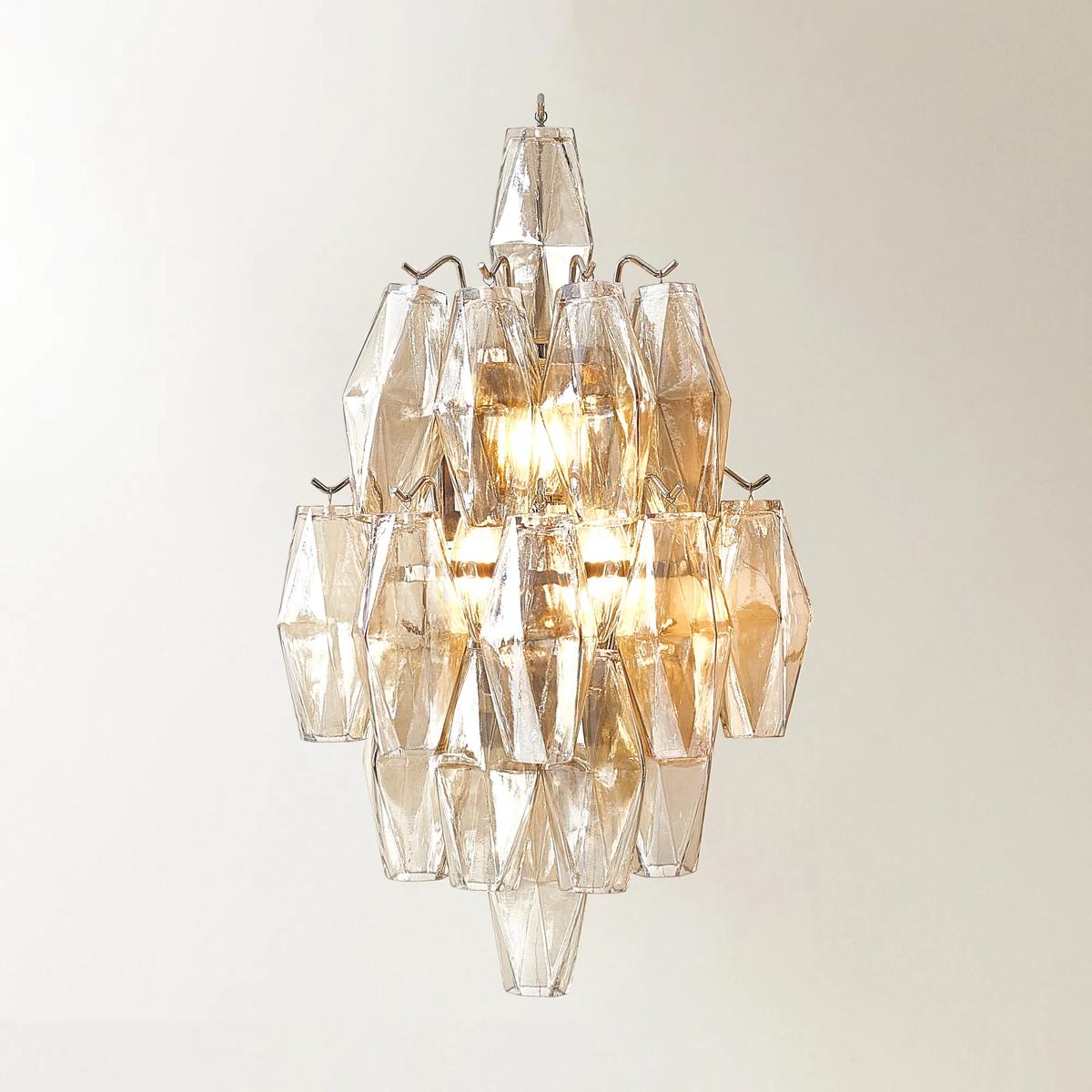
Three-Way Table Lamps For Living Rooms
Three-Way Table Lamps For Living Rooms
-
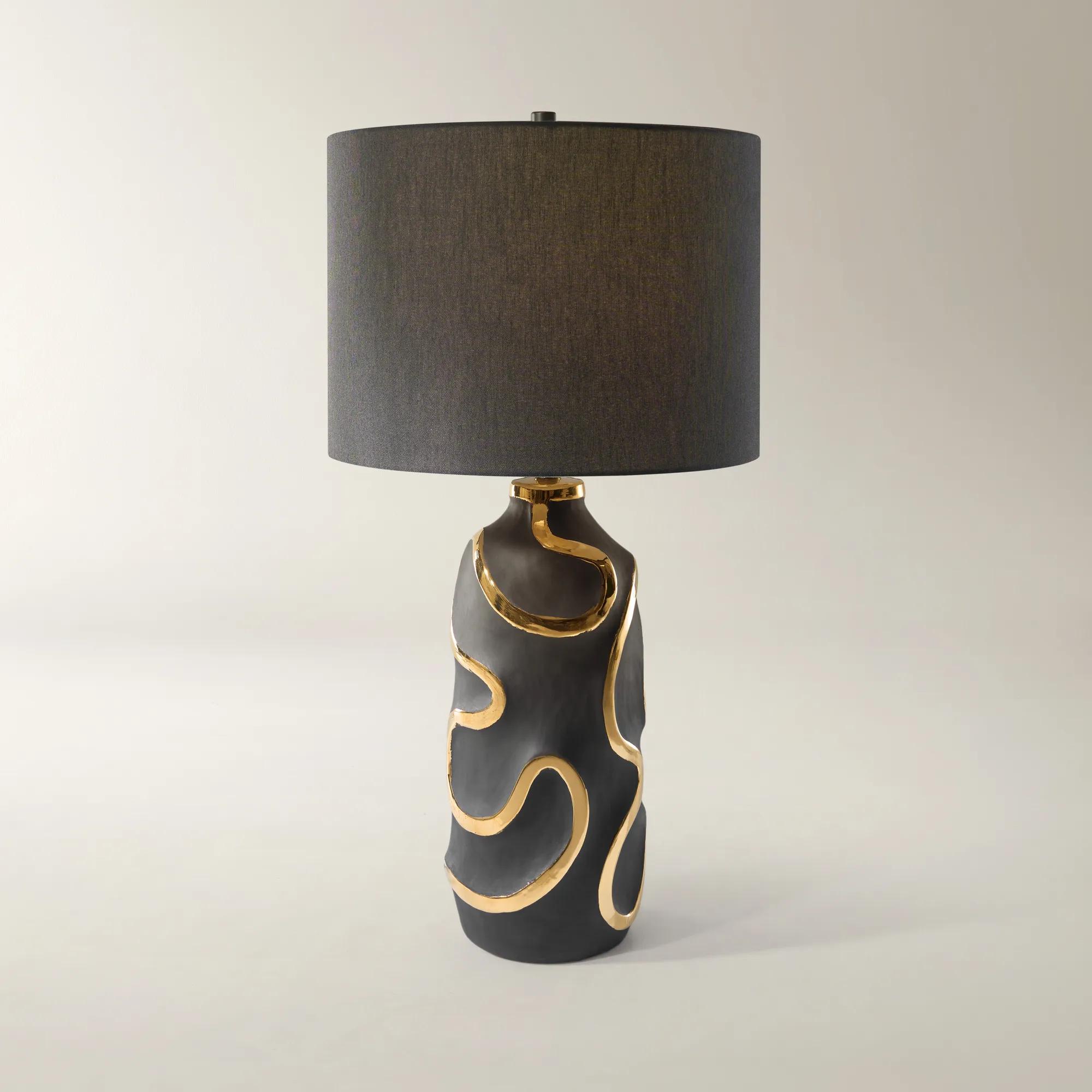 Seraphina Black/Gold Ceramic Table Lamp 32"$249
A matte black ceramic lamp with electroplated gold loops and adjustable three-level lighting.
Add To Cart -
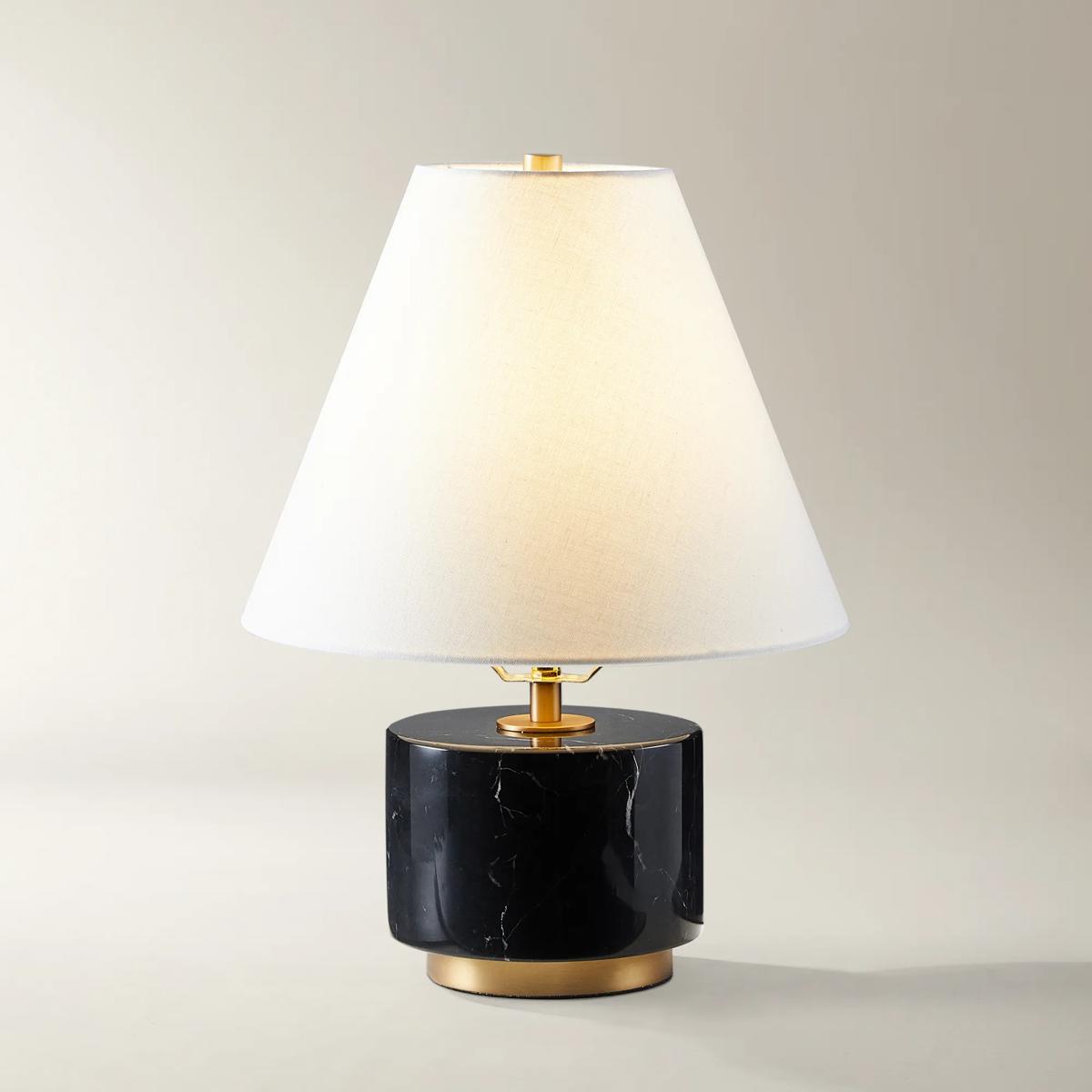
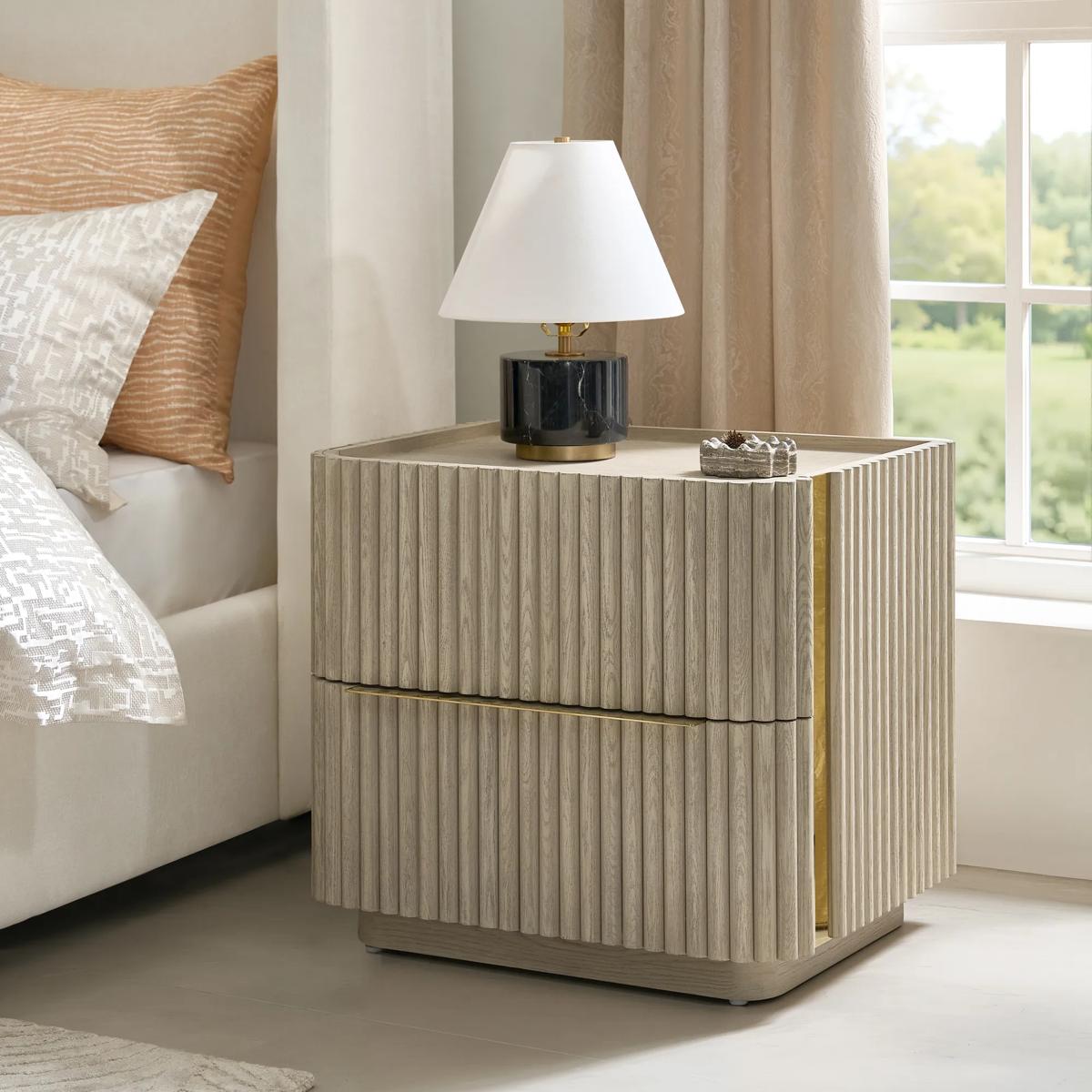 Arden Black Marble Table Lamp 14"$249
A sculptural black marble lamp with brushed brass accents and a warm white linen tapered shade.
Add To Cart -
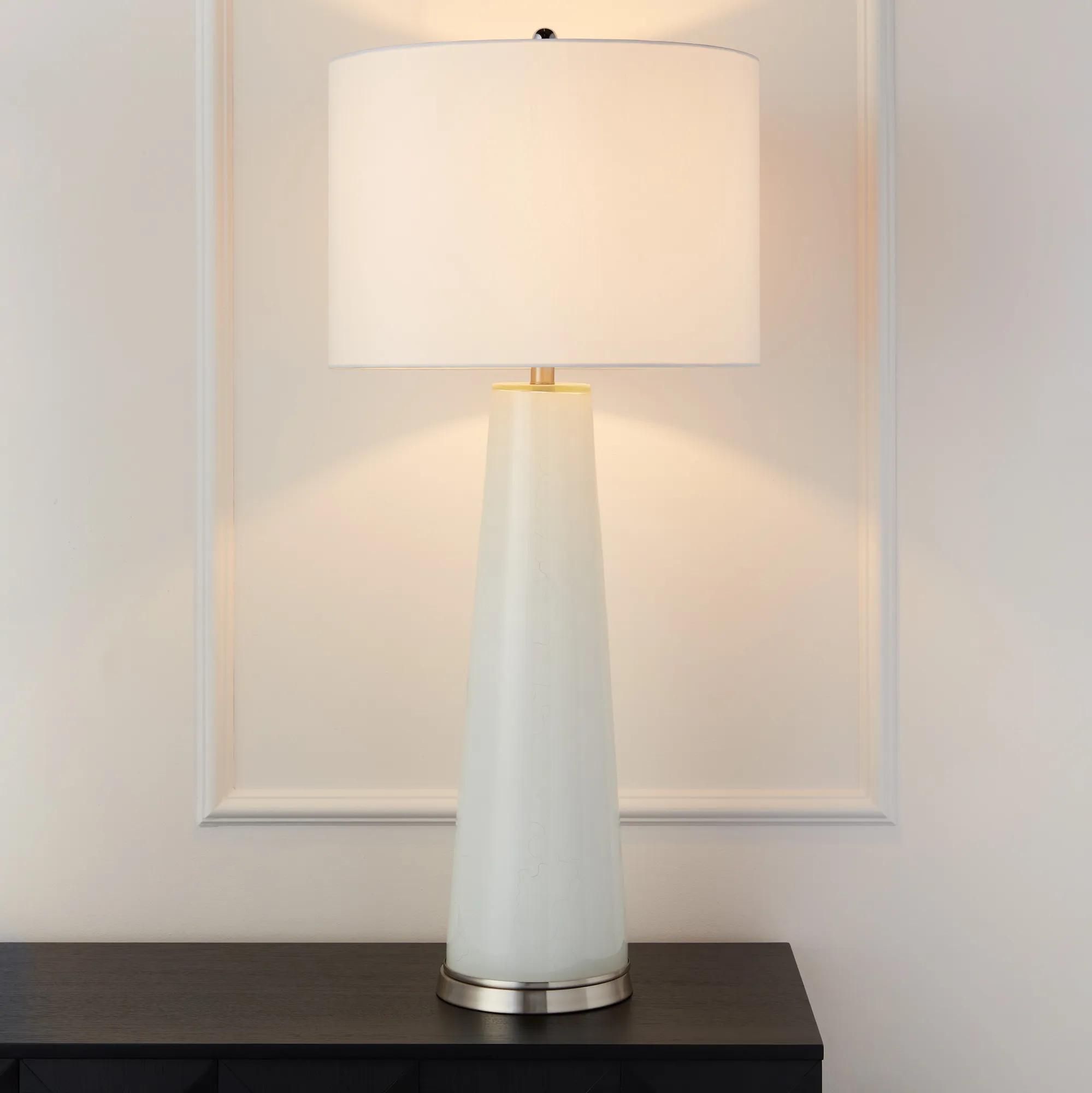 Century White Glass High Gloss Table Lamp 40"$299
A modern glass lamp with a high-gloss white interior and a crisp white drum shade.
Add To Cart -
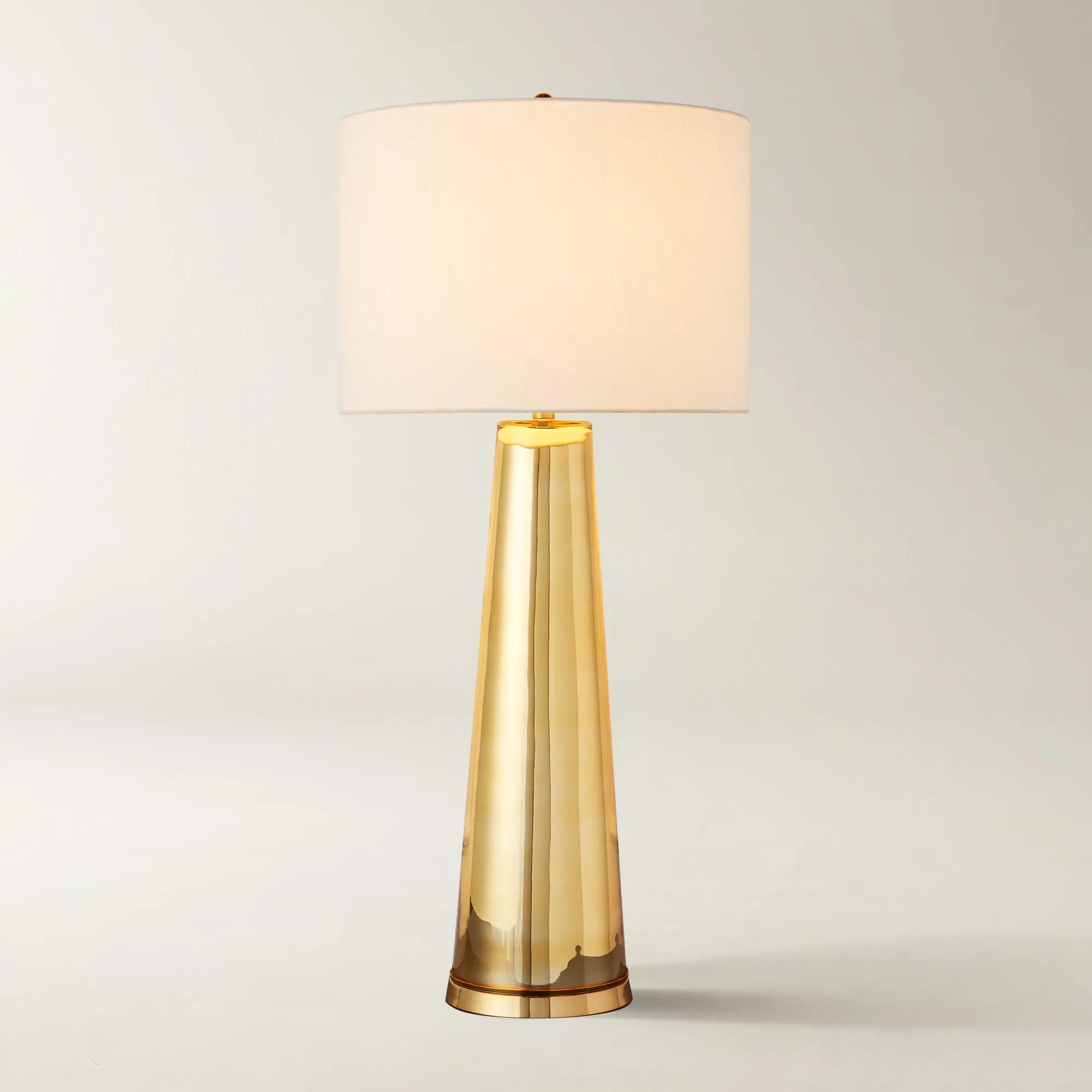
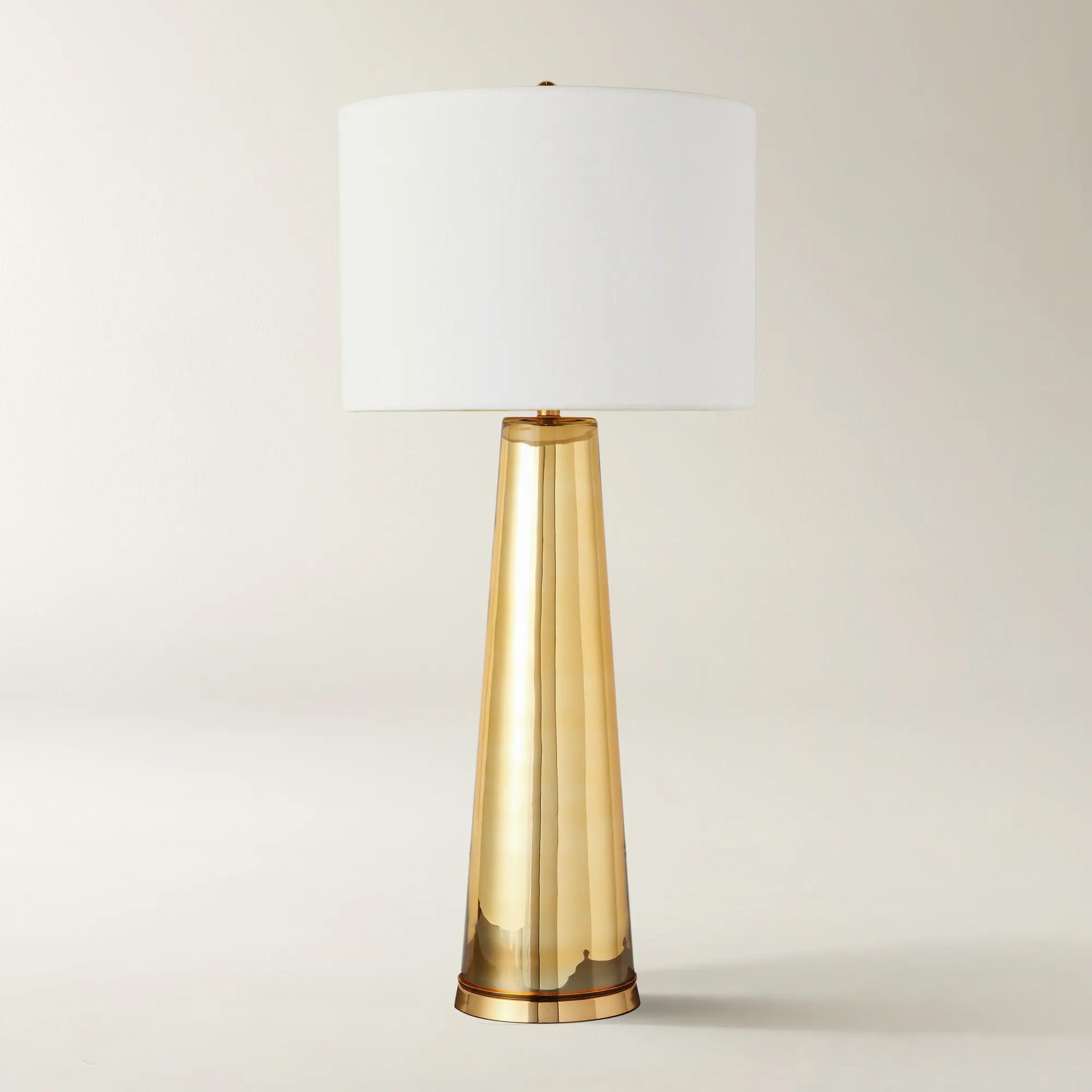 Century Gold Mirrored Glass Table Lamp 40"$299
A modern lamp featuring a mirrored glass base and white drum shade, accented with gold or silver details.
Add To Cart

Three-Way Table Lamps For Living Rooms
Three-way table lamps bring sculptural presence and flexible illumination to your living room. With a compatible three-way bulb, they transition from a soft glow for conversation to brighter light for reading. Choose a silhouette that complements your sofa or sectional, giving your lounging space a distinctive finishing touch without overwhelming the tabletop.
Three-way table lamps for living rooms provide three distinct brightness levels—low, medium, and high—so a single lamp can support conversation, reading, and a softer ambient glow. At the lowest setting, light settles around a sofa or accent chair, giving the room intimacy without asking an overhead fixture to carry the entire atmosphere. A medium setting brings comfortable illumination to everyday conversation, while the highest setting can provide stronger light for a novel, needlework, or another close-up activity, depending on the bulb’s output and the lamp’s placement. That versatility makes these lamps especially useful in living rooms that serve several purposes throughout the day. Their appeal is both practical and expressive: a beautifully proportioned base anchors an end table even before the light comes on, then becomes part of the room’s evening composition. Unlike a continuously adjustable dimmer, a traditional three-way lamp cycles through preset levels using a compatible three-way bulb and socket. A standard single-output bulb will not provide all three brightness levels, and an LED labeled simply “dimmable” is not necessarily a three-way bulb. A compatible three-way LED offers the stepped operation intended for a traditional three-way socket; lamps with integrated LEDs may instead use their own built-in controls. The lamp’s specifications determine which arrangement applies. Switch placement also matters in daily use, particularly beside a deep sofa where a control tucked beneath the shade may require a longer reach. For a household with different reading habits or a shared seating area, independently controlled lamps allow light to follow the activity rather than dictate it. One person can settle into a brightly lit chair while another enjoys a gentler pool of light across the room. The result feels considered rather than uniformly illuminated, with brighter and quieter areas giving the living room depth.
Materials give that flexibility its visual character. A glazed ceramic base can introduce saturated color, a tactile surface, or a sculptural contour that stands confidently against tailored upholstery. Clear or tinted glass lends visual lightness to an end table, while faceted glass and crystal can catch surrounding light and bring a jewel-like accent to the arrangement. Metal bases offer another range of expression, from slender, architectural profiles to broad, substantial forms. Polished finishes create crisp reflections; brushed surfaces produce a more restrained luster and may make everyday fingerprints less conspicuous. Wood adds grain and warmth, especially when its organic character contrasts with a smooth shade or gleaming metal detail. For an even stronger emphasis on shape, sculptural table lamps for living rooms bring artistic presence to the same intimate, eye-level setting. Across these material choices, scale determines whether a lamp feels beautifully integrated or visually crowded. Overall height includes both base and shade, while the shade’s widest point often determines how much room the lamp occupies beside a sofa. A generous drum shade needs space to breathe without extending awkwardly into a walkway or competing with a neighboring chair. On a compact end table, a narrower silhouette can preserve room for a glass and a book without sacrificing presence. The relationship to seated eye level matters, too: a shade that conceals the bulb from normal sitting positions helps limit direct glare. Translucent fabric shades diffuse light through their sides, while more opaque shades tend to concentrate illumination above and below. Pale fabric generally creates a softer, more expansive glow; darker or densely lined shades can produce a more contained, dramatic effect. Matching lamps establish symmetry around a sofa, but coordinated silhouettes in different materials can feel equally intentional when their proportions, finishes, or shade colors share a visual connection.
Light quality completes the composition. Three-way describes the number of brightness settings, not the color of the light or how bright each setting will be. Lumen ratings indicate light output, while watts describe energy use, so the three lumen values on a compatible bulb offer a clearer picture of its range. Warm-white light around 2700K to 3000K often complements a living room’s relaxed atmosphere, bringing a gentle richness to upholstery, wood, and metallic accents. Consistent color temperature across nearby lamps helps the room feel cohesive, while bulbs with strong color rendering can reveal more nuance in artwork and textiles. Whatever the desired effect, the bulb must remain within the lamp manufacturer’s stated wattage, bulb-type, and size limits. Everyday durability depends on construction as well as material: a secure socket, sound shade attachment, and stable base matter in a frequently used seating area. Glass and ceramic deserve placement away from busy table edges, and cords belong outside walking paths where they will not be pulled or caught. Care should follow the finish rather than a single cleaning routine. A soft, dry cloth is often suitable for routine dusting of a base, but abrasive cleaners can damage plated metal, painted details, or protective coatings. Fabric shades benefit from gentle dust removal with a method approved for their material; delicate trims and textured surfaces need particular care. Switching the lamp off, unplugging it, and allowing the bulb to cool before cleaning or changing it keeps maintenance straightforward. As a housewarming or wedding gift, a three-way table lamp can combine decorative significance with everyday usefulness, especially when its proportions suit the recipient’s room and its finish echoes details they already love. For personal spaces, the same balance holds: expressive design earns its place through a welcoming glow, comfortable function, and a silhouette that makes the surrounding furniture feel more complete.
FAQs
A three-way table lamp uses a compatible socket, switch, and bulb to offer three distinct light levels. Its control cycles through those settings, giving you a choice of illumination rather than a single on-or-off setting.
To access all three light levels, use a bulb specifically labeled three-way that matches the lamp’s stated requirements. A standard bulb or one labeled only as dimmable does not provide the same three-way operation. Check the individual lamp’s bulb specifications before choosing.
Not necessarily. A three-way lamp selects among three preset light levels, while a dimmable lamp uses a compatible dimming control to adjust brightness across a range. The terms describe different control systems and should not be treated as interchangeable.
Matching lamps create a poised, symmetrical composition, but a sectional can also suit an expressive mix. For a collected look, connect different lamps through a shared finish, shade color, or design detail rather than making every element identical.
Give the lamp visual breathing room, then add a restrained supporting detail, such as a decorative object or a small stack of books. Keep part of the surface open for everyday use, allowing the lamp’s silhouette to command attention without a crowded arrangement.