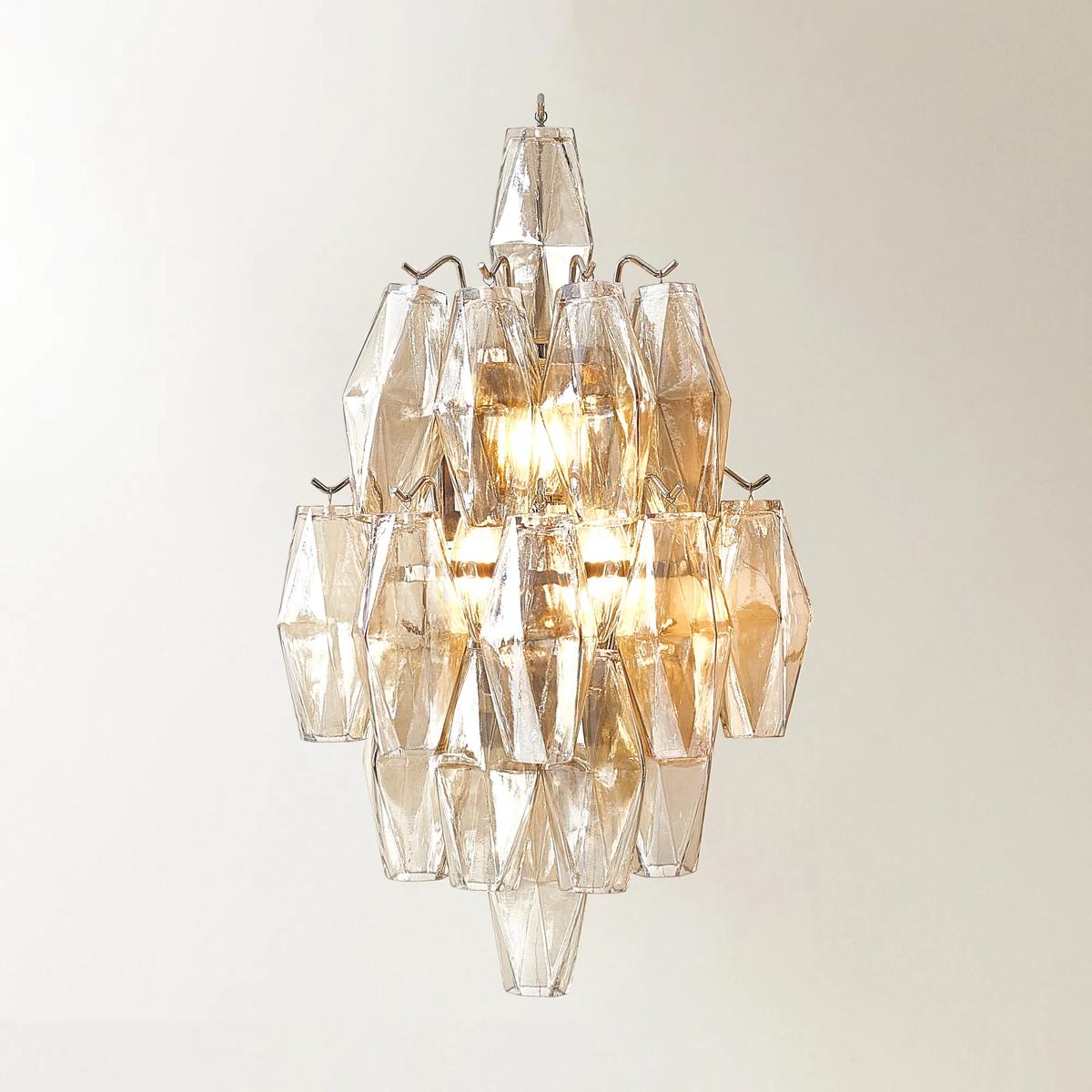
Table Lamps For Elegant Dining Rooms
Table Lamps For Elegant Dining Rooms
-
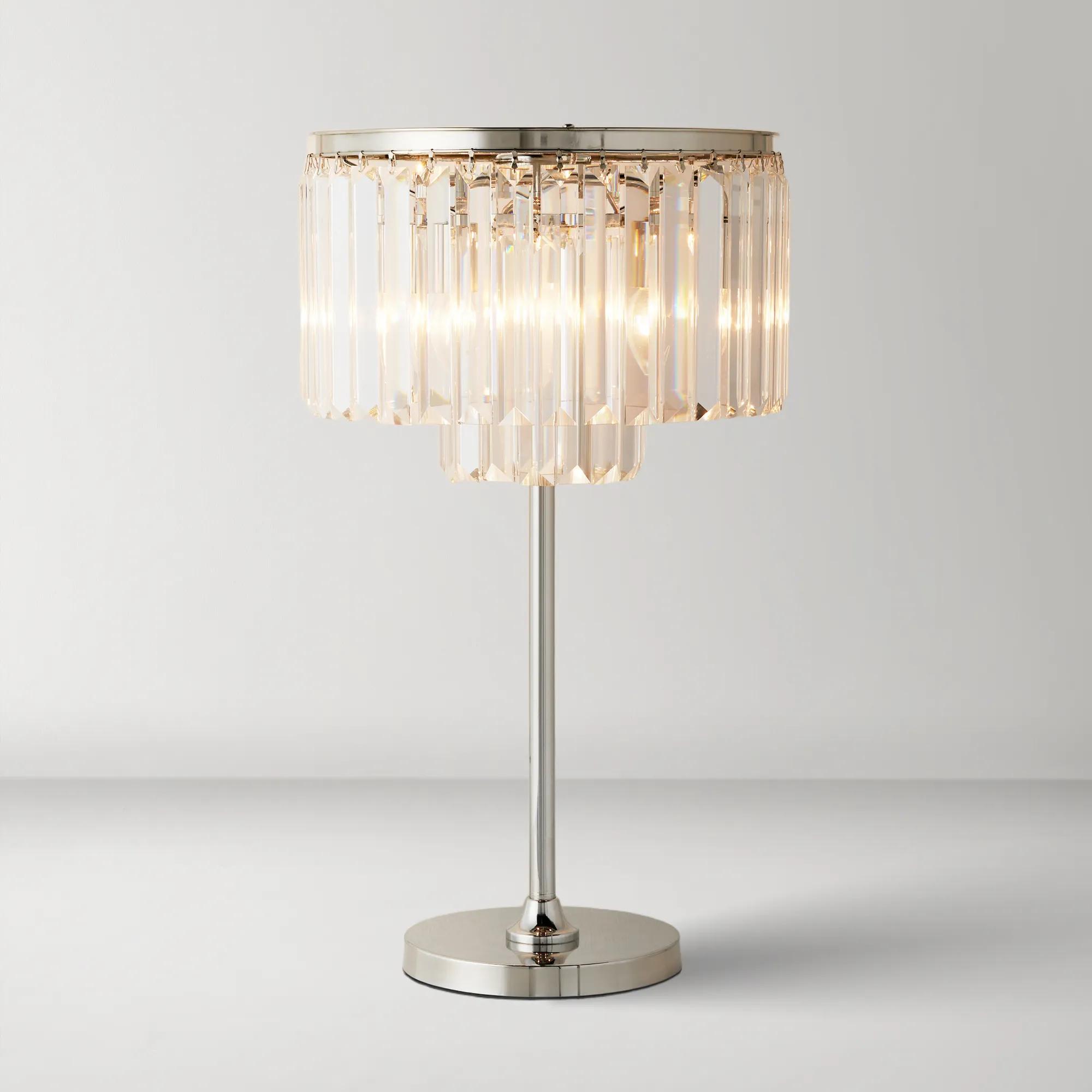
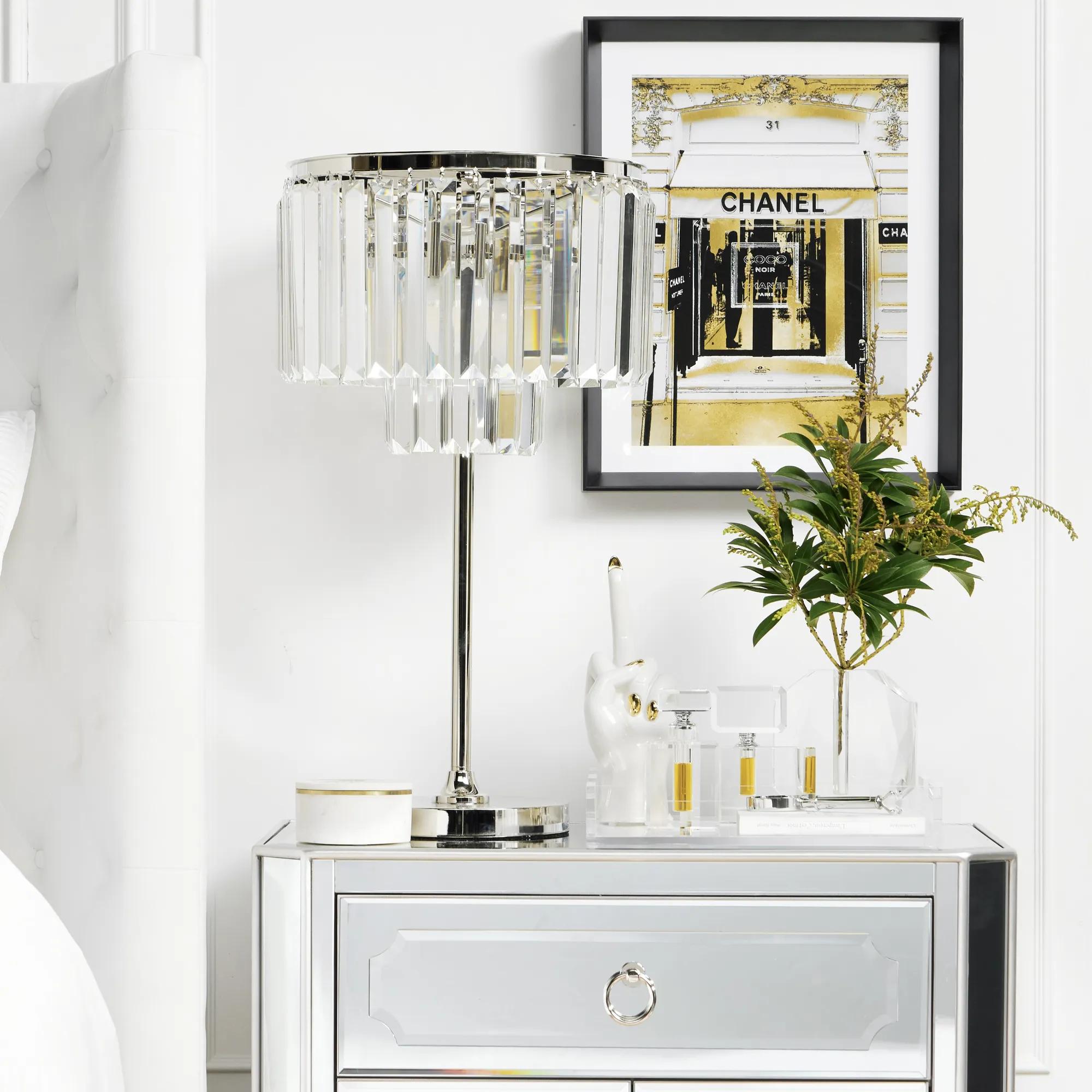 Luxe Table Lamp$499
A sophisticated table lamp featuring faceted ocular glass prisms and a nickel-plated iron frame.
Add To Cart -
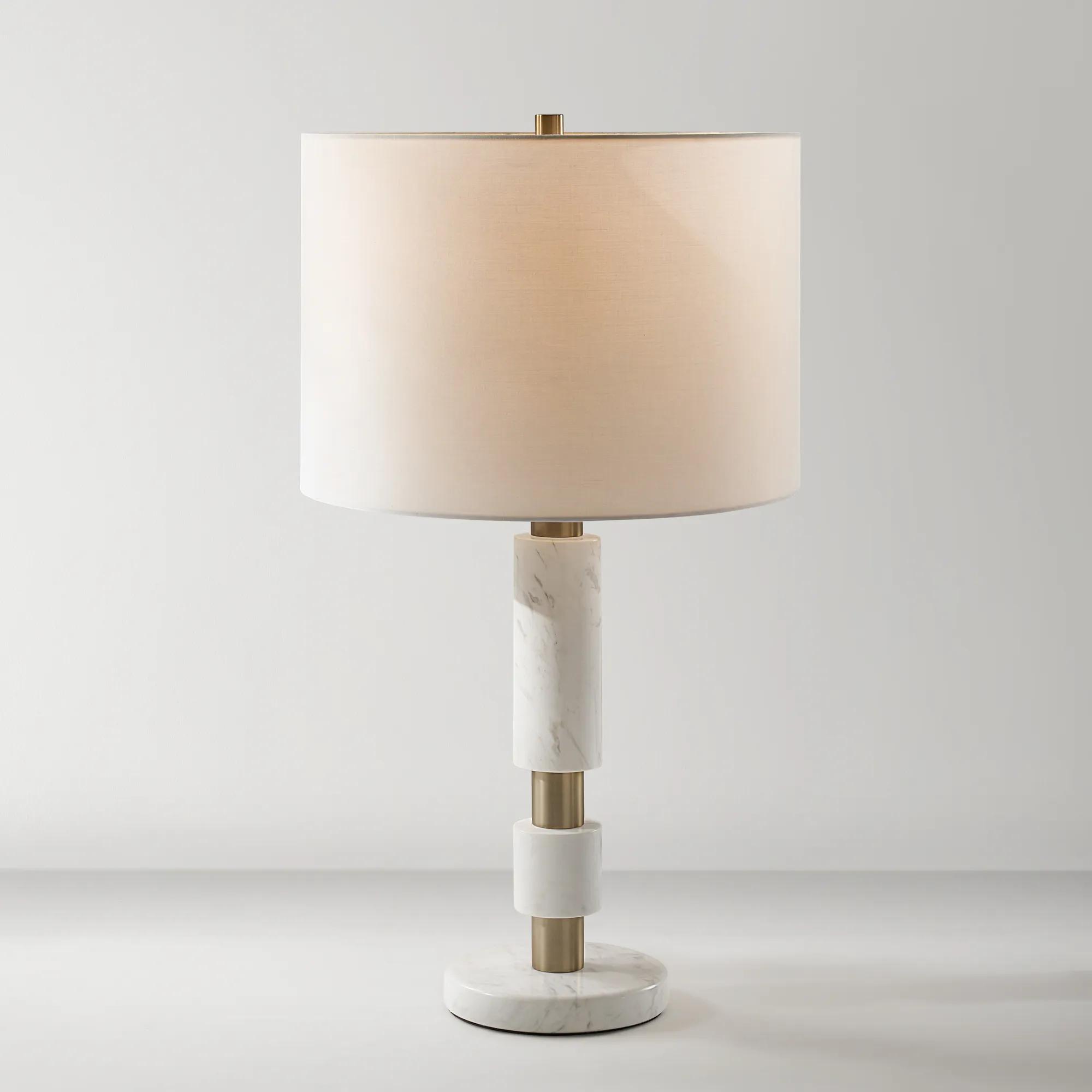 Thea Table Lamp$379
A luxurious table lamp featuring a white marble base, champagne metal accents, and a crisp cotton drum shade.
Add To Cart -
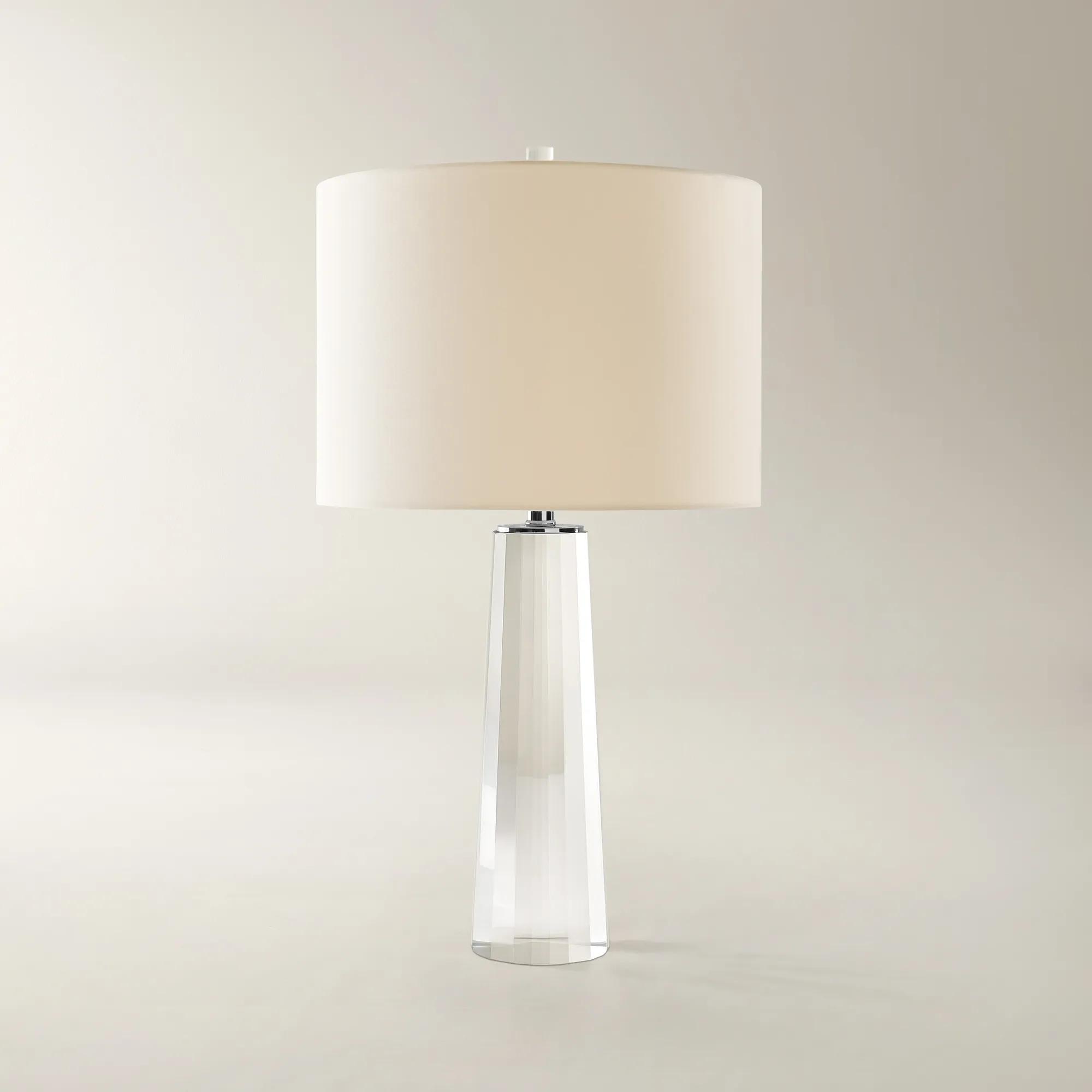
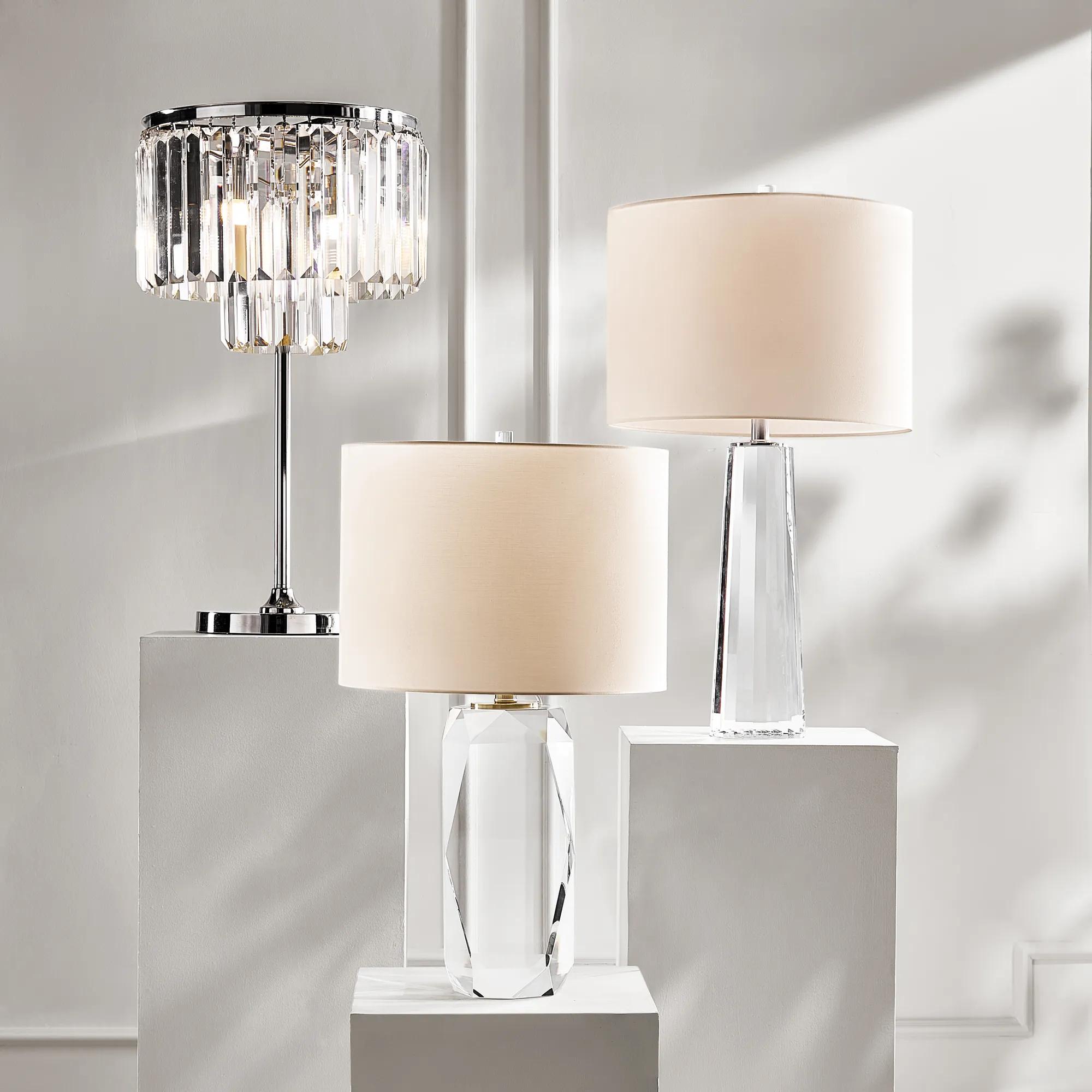 Sasha Faceted Clear K9 Crystal Table Lamp 28"$499
A refined table lamp featuring a clear crystal base, white drum shade, and polished nickel accents.
Add To Cart -
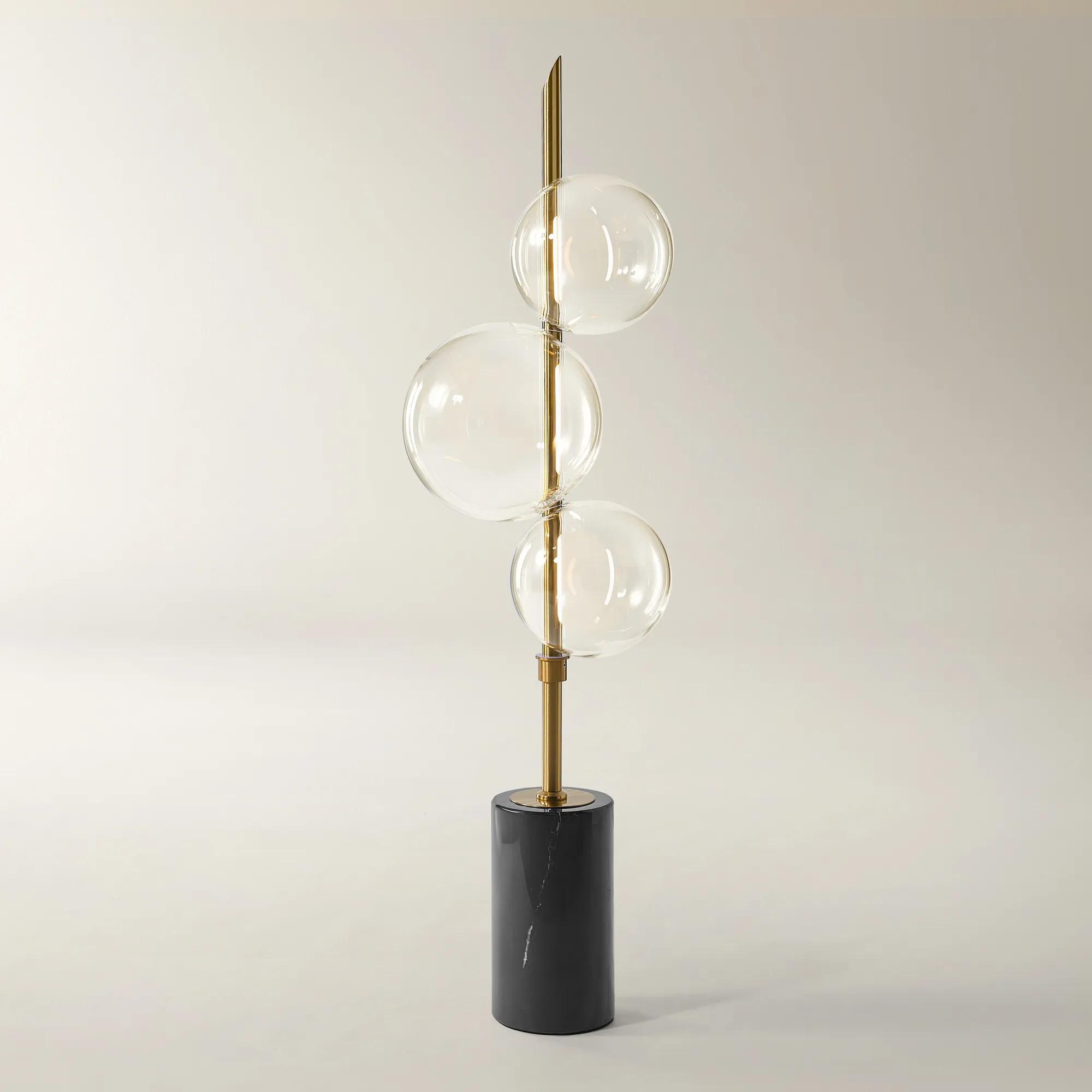
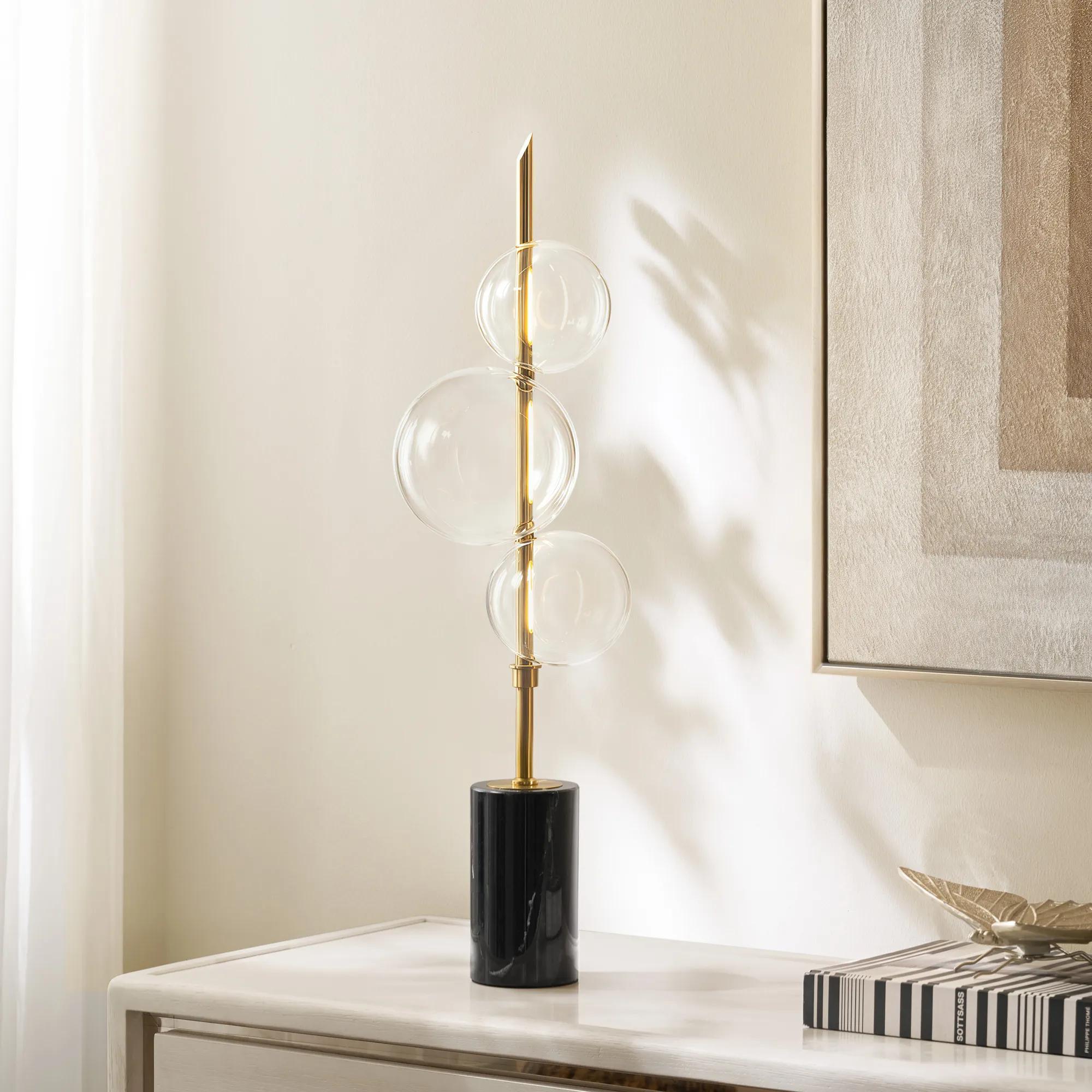 Bolla LED Hand-Blown Glass Bubble And Stone Table Lamp 31.5"$249
A sculptural table lamp featuring clear hand-blown glass bubbles, brass and stone accents, and integrated LED lighting.
Add To Cart -
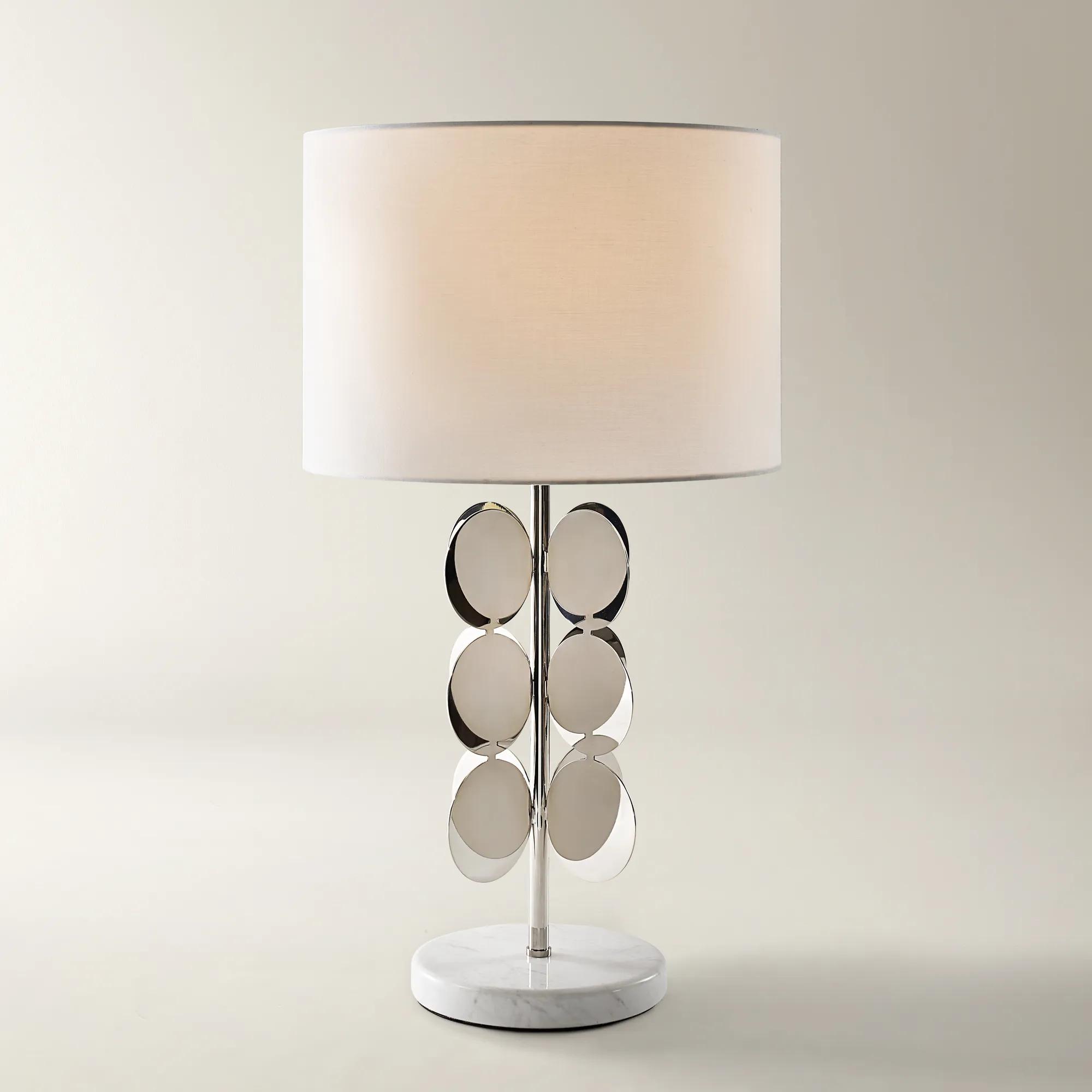 Orion Table Lamp$329
A polished nickel iron lamp with a white marble base and crisp white cotton drum shade.
Add To Cart -
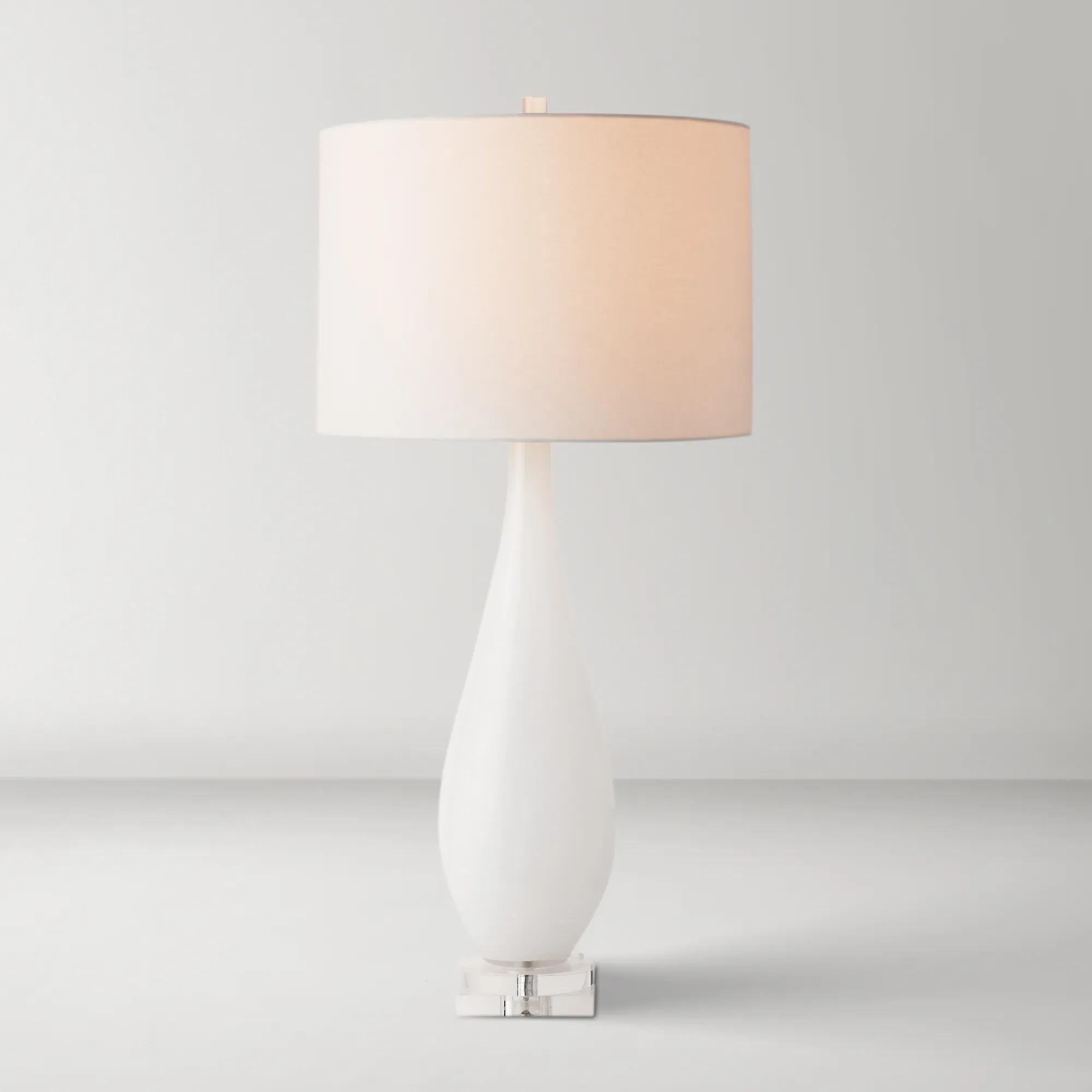
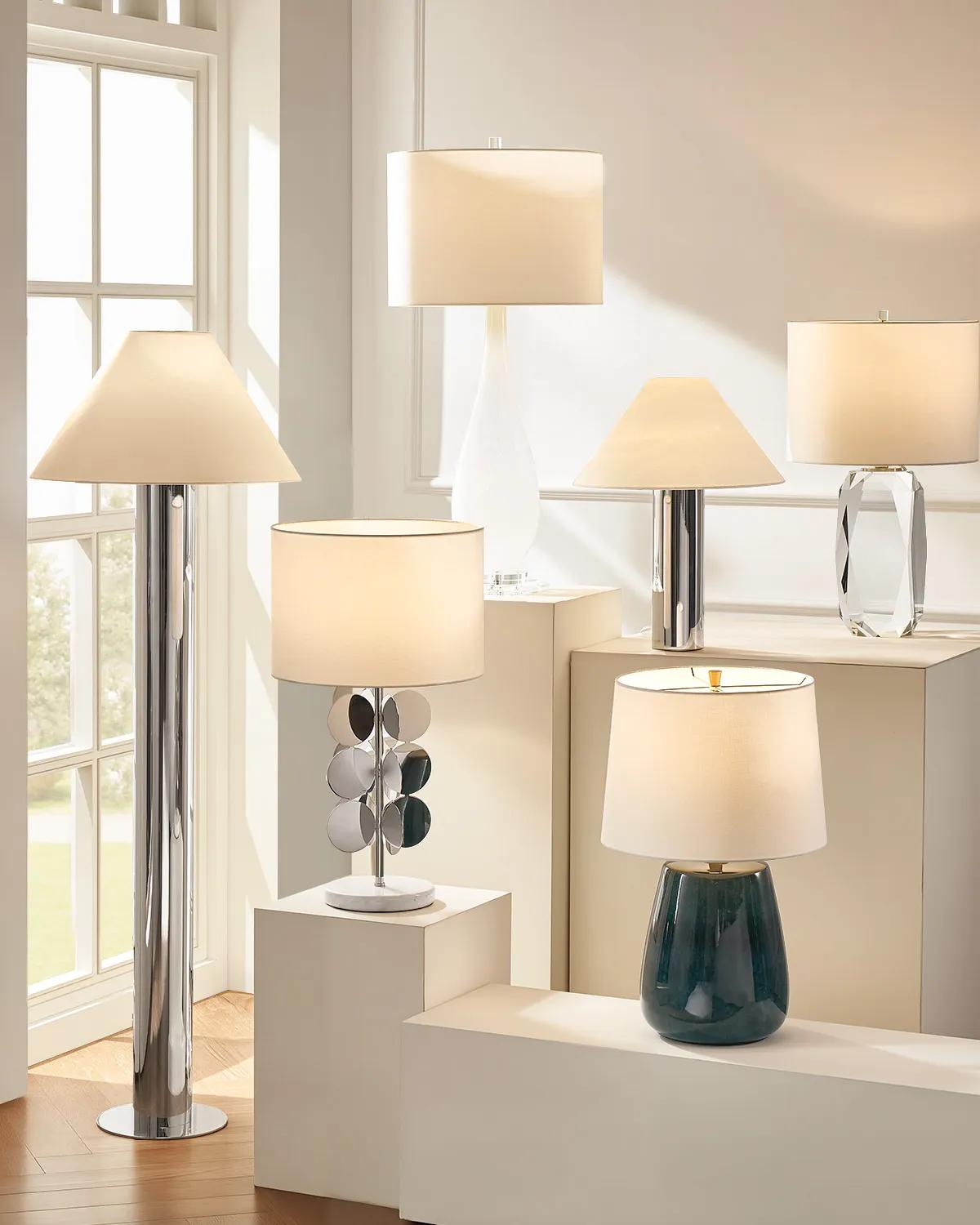 Serena Table Lamp$299
A chic table lamp featuring a handblown glass body, crystal base, and monochromatic white finish.
Add To Cart -
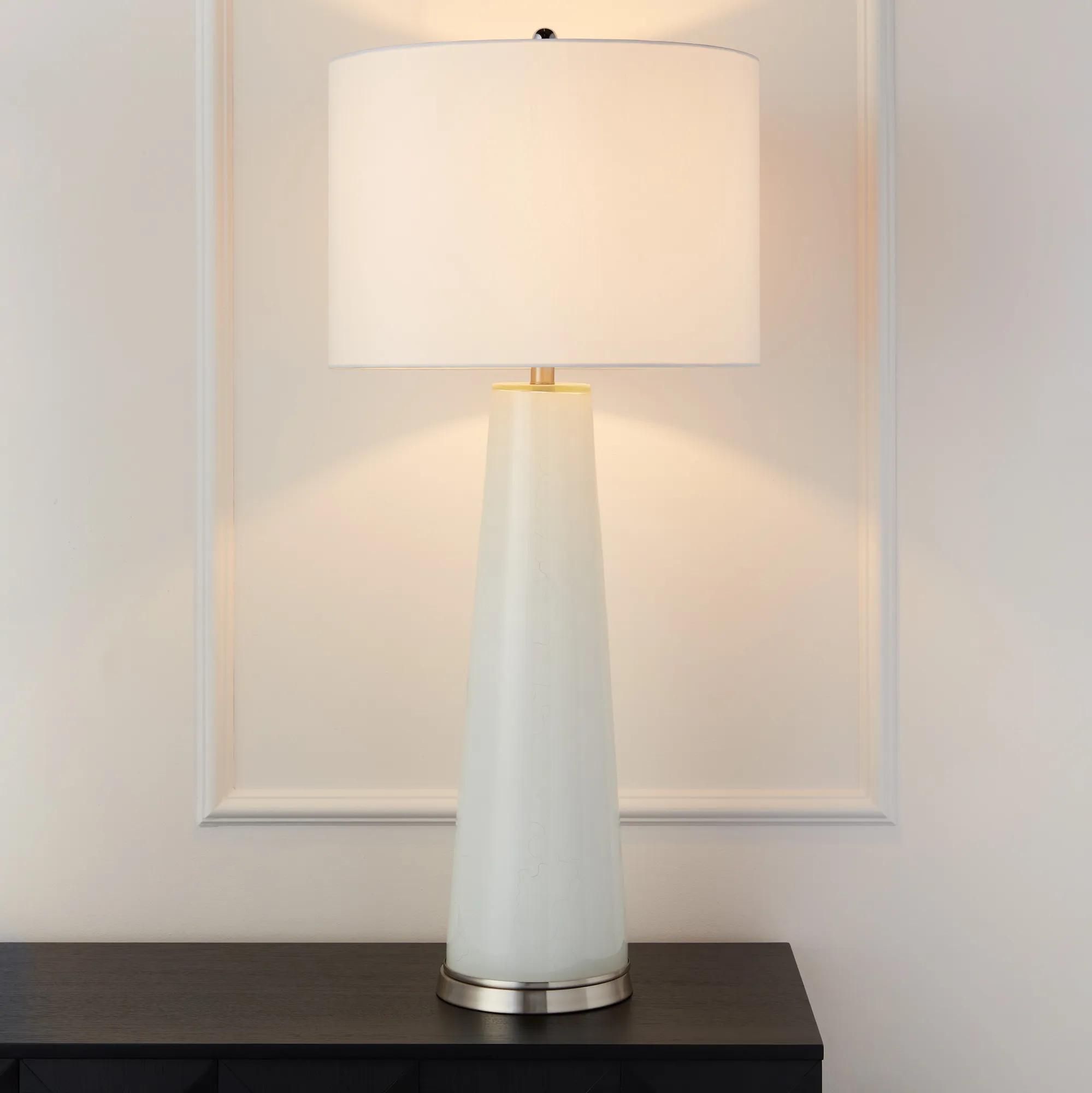 Century White Glass High Gloss Table Lamp 40"$299
A modern glass lamp with a high-gloss white interior and a crisp white drum shade.
Add To Cart -
 Blair Mouth Blown Tortoise Brown Glass Table Lamp 25"$229
A mouth-blown glass lamp in a brown tortoise finish with antique brass accents and an ivory linen shade.
Add To Cart -
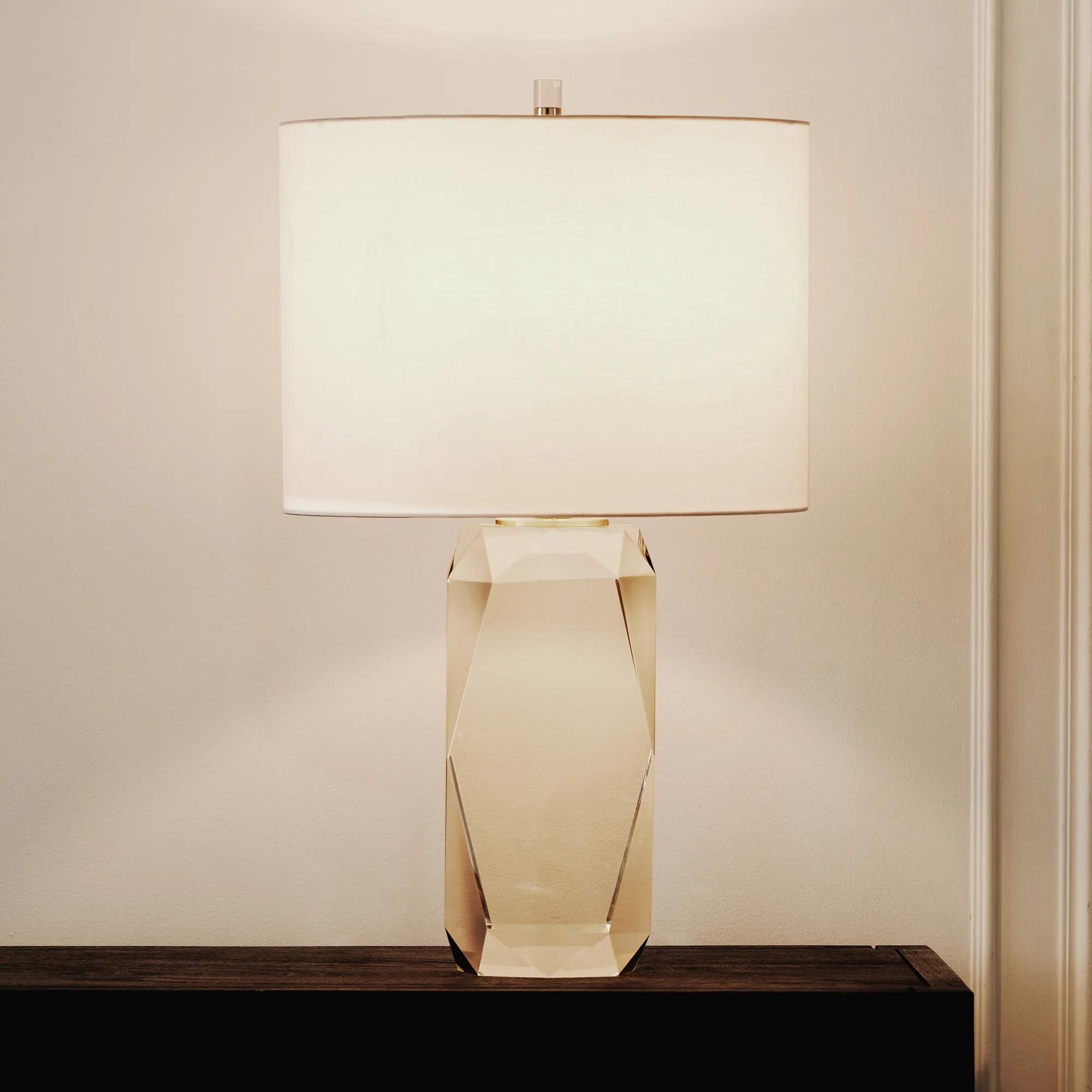 Bianca Faceted Clear K9 Crystal Table Lamp 24"H$499
A clear crystal table lamp with a white drum shade and soft brass hardware for elegant illumination.
Add To Cart -
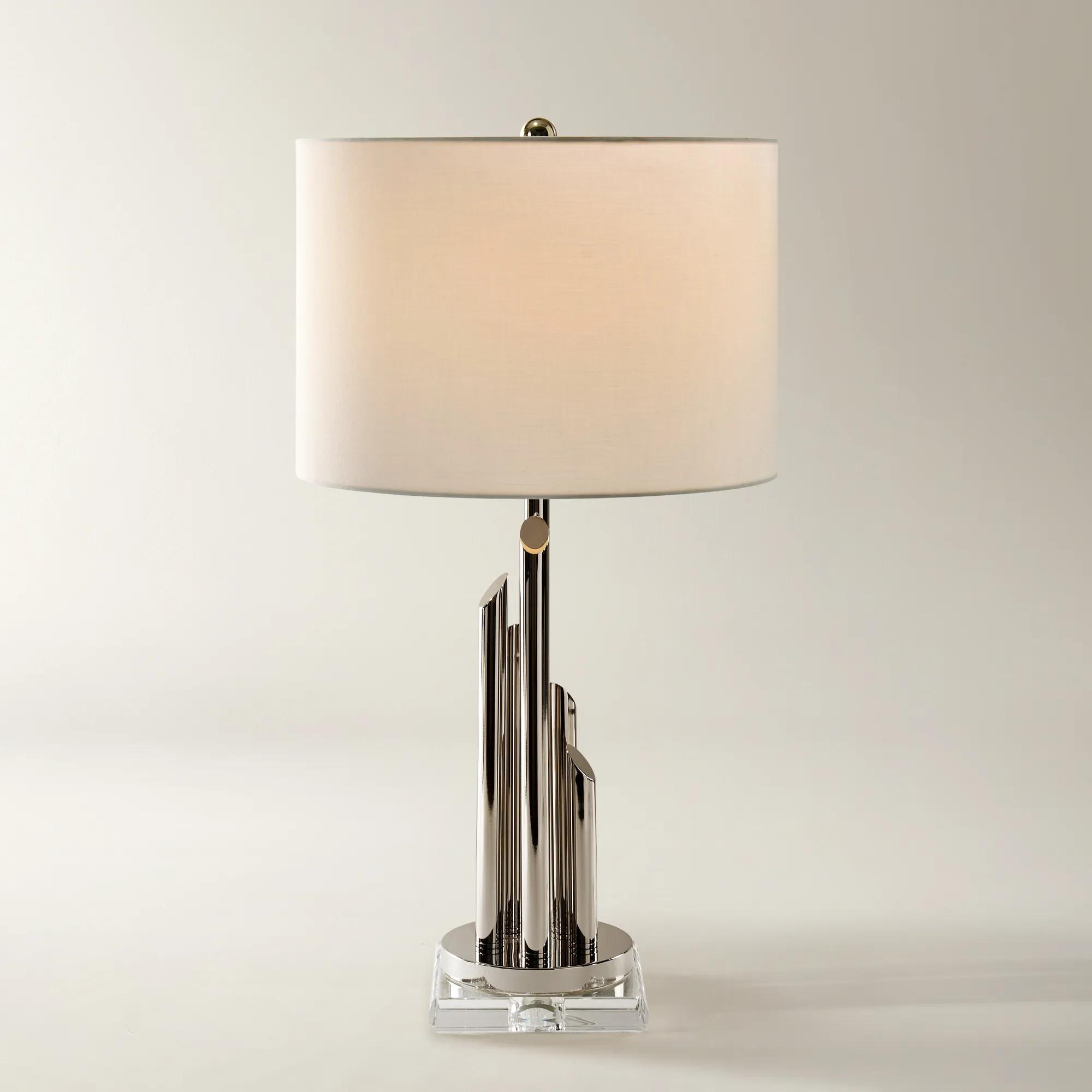
 Jagger Table Lamp$329
A modern table lamp featuring a polished nickel iron frame, clear crystal base, and white cotton drum shade.
Add To Cart -
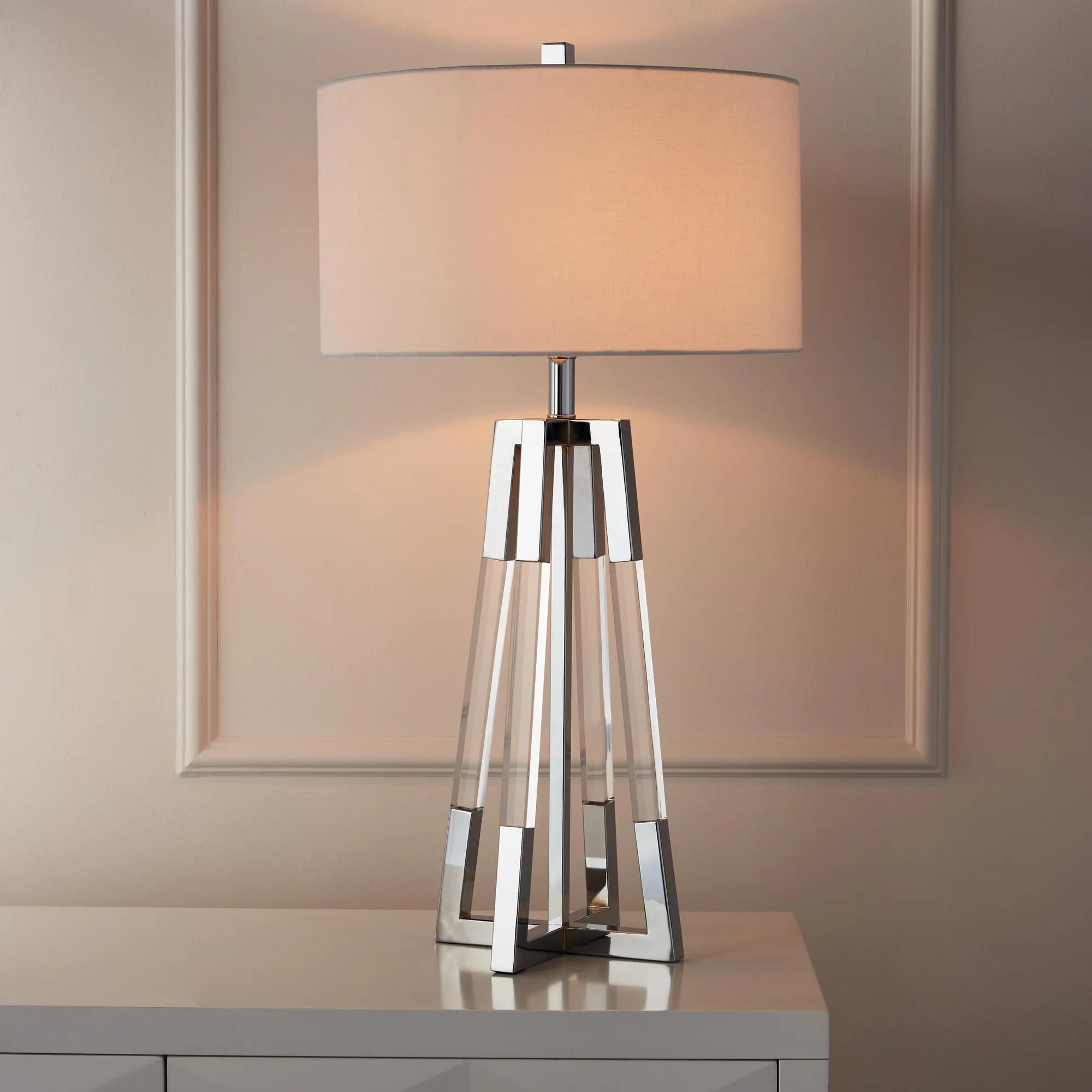 Rollins Table Lamp$439
A sophisticated table lamp featuring clear acrylic and polished nickel accents with a crisp white shade.
Add To Cart -
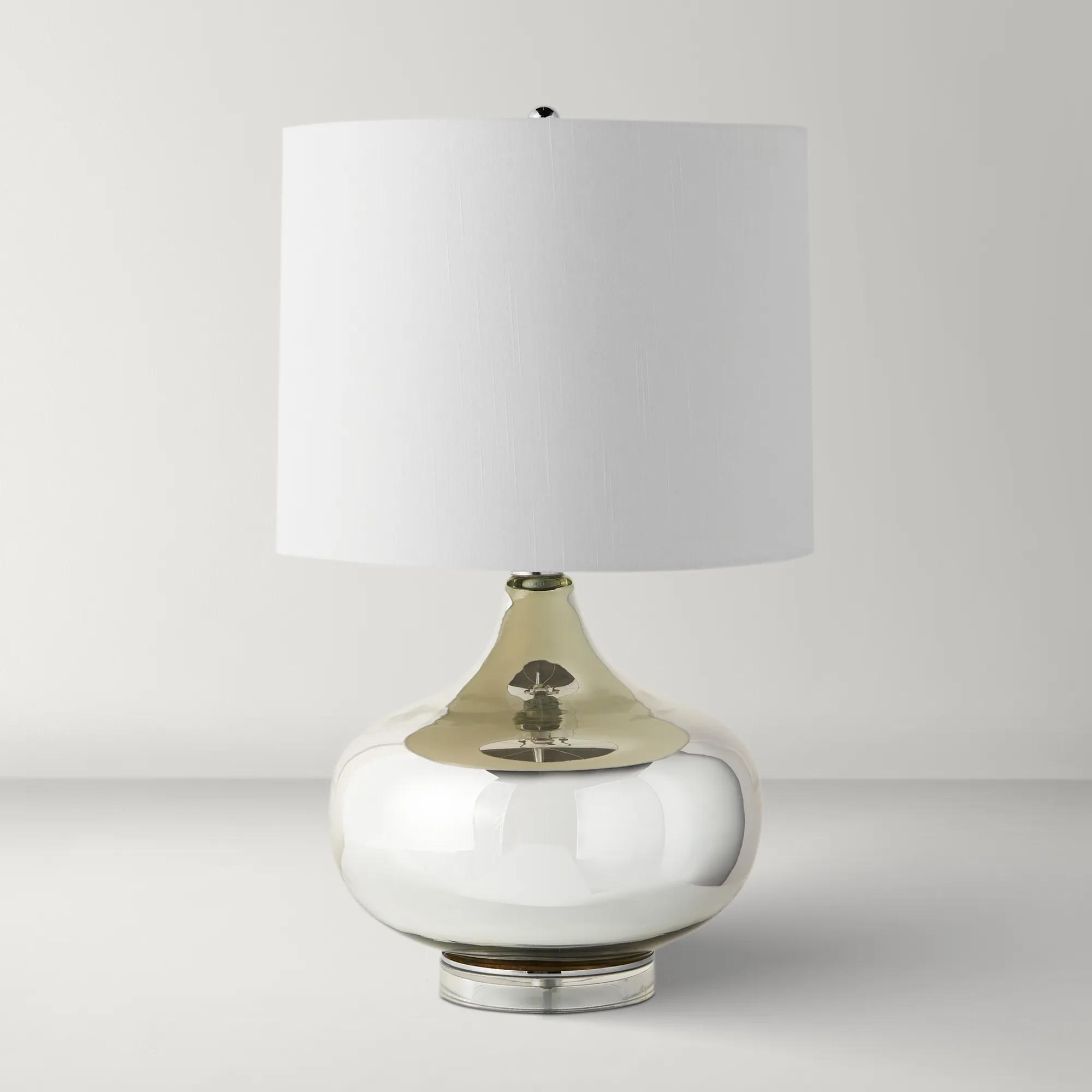 Sabrina Mirrored Silver Glass Table Lamp 27.5"$199
A contemporary lamp featuring a silver mirrored glass base, clear acrylic accents, and a white fabric shade.
Add To Cart -
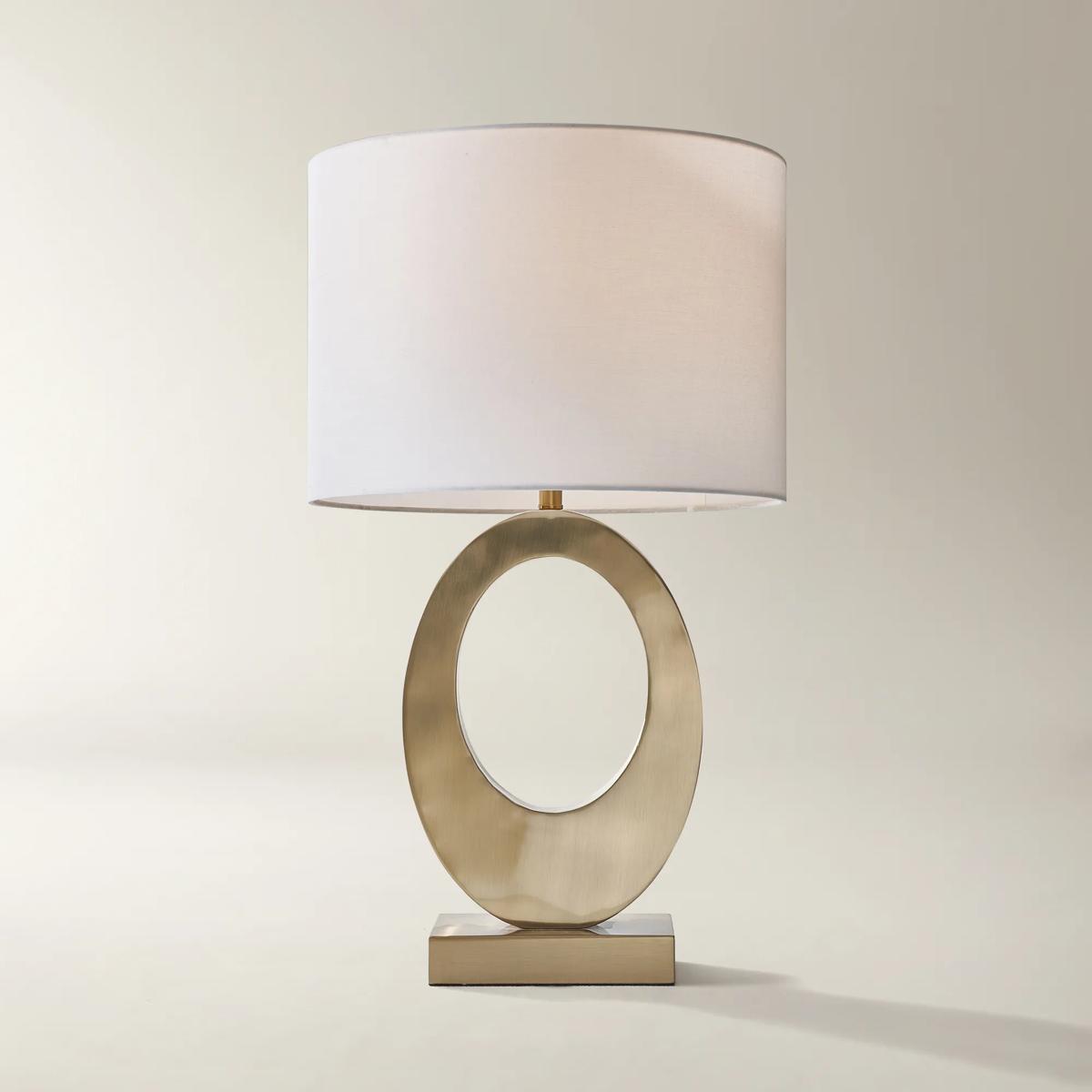 Loop Champagne Gold Metal Table Lamp 26.25"$399
A sculptural iron lamp in champagne gold with a beige cotton drum shade for warm, diffused lighting.
Add To Cart -
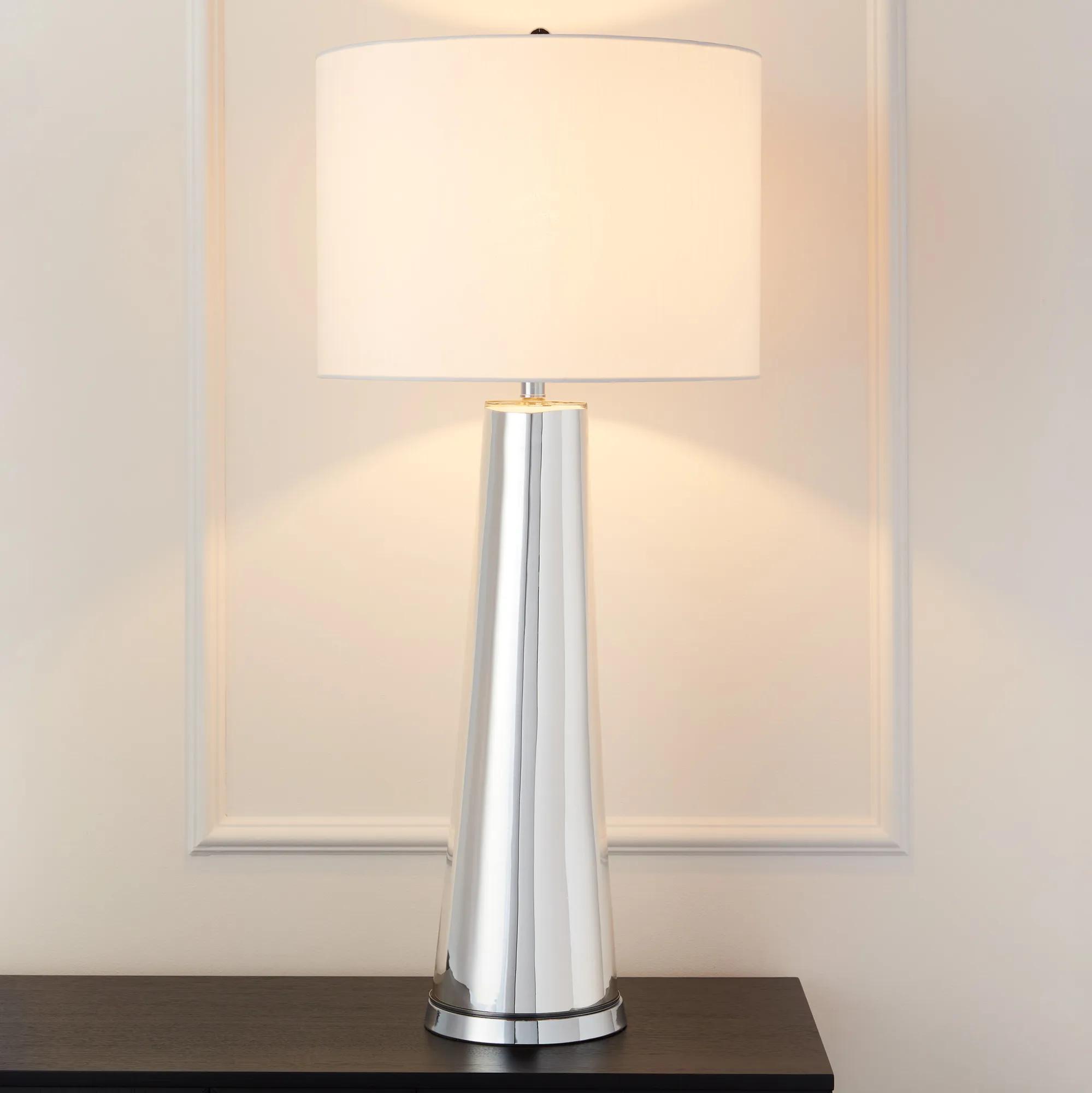 Century Silver Mirrored Glass Table Lamp 40"$299
A modern table lamp featuring a mirrored glass base and white drum shade with brushed chrome accents.
Add To Cart -
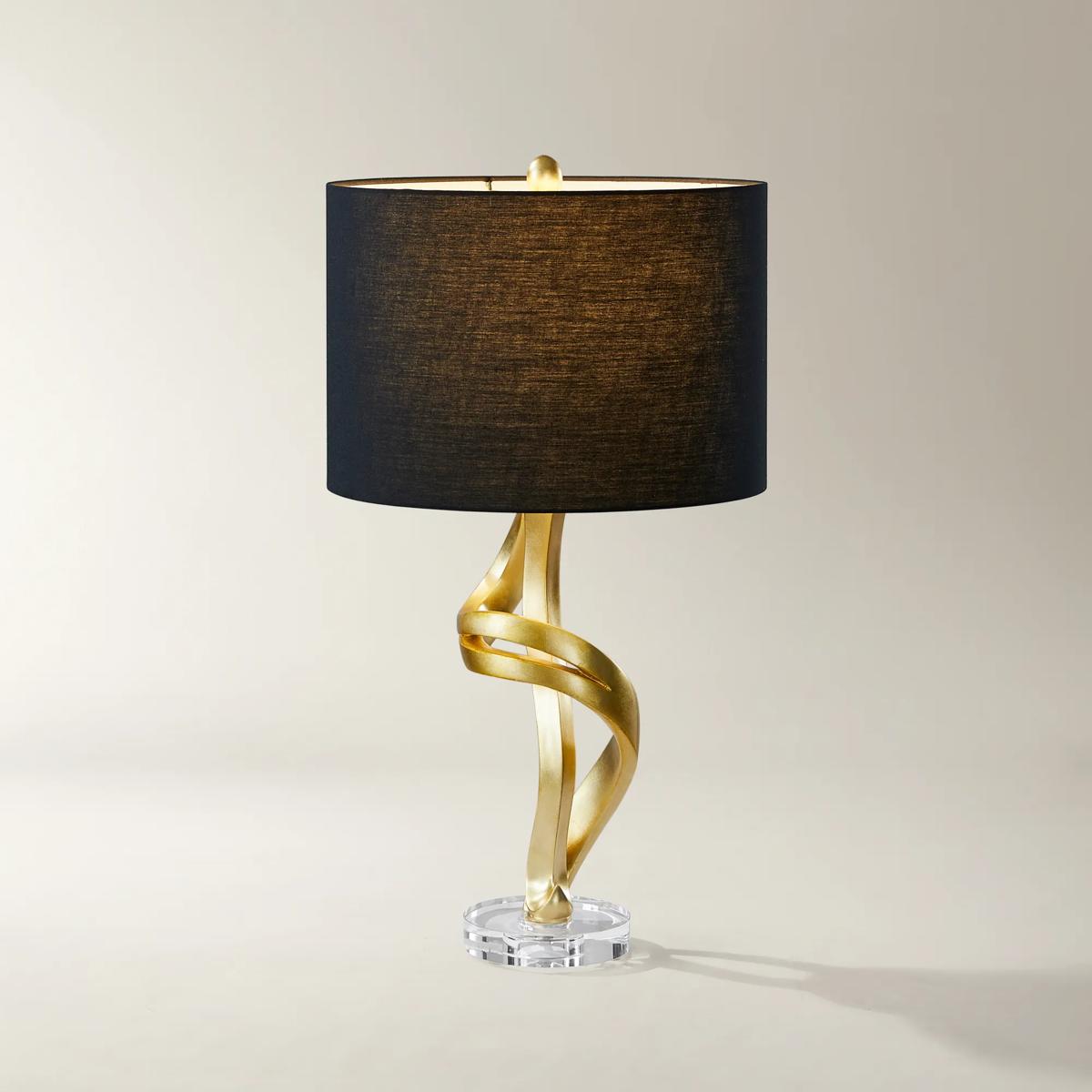
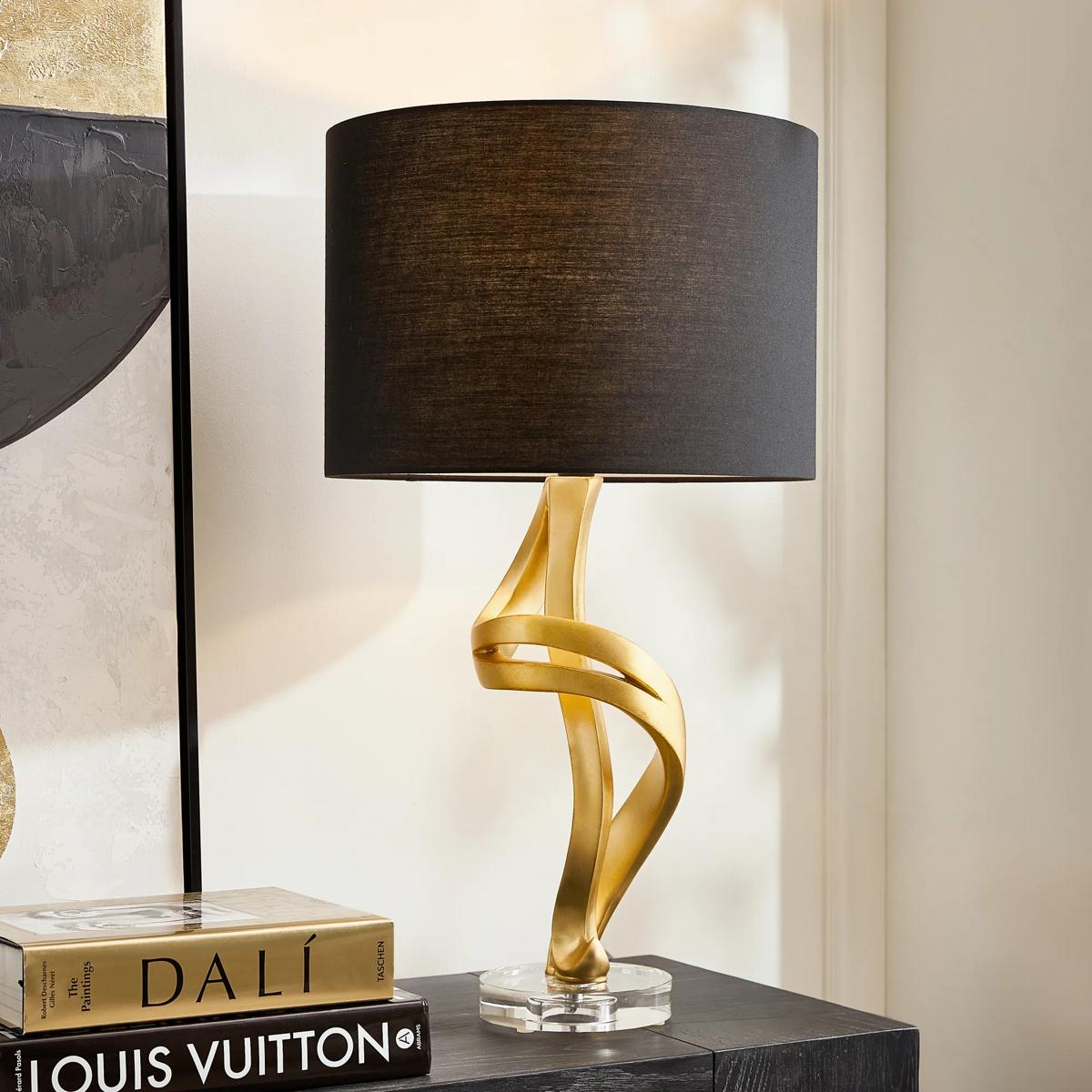 Nisa Sculptural Champagne Resin Table Lamp 28.25"$399
A sculptural resin lamp in champagne gold with a black cotton drum shade and clear acrylic base.
Add To Cart -
 Rumi Reflective Glass Table Lamp$199
A sleek reflective glass table lamp that adds modern elegance and ambient illumination to contemporary interiors.
Add To Cart -
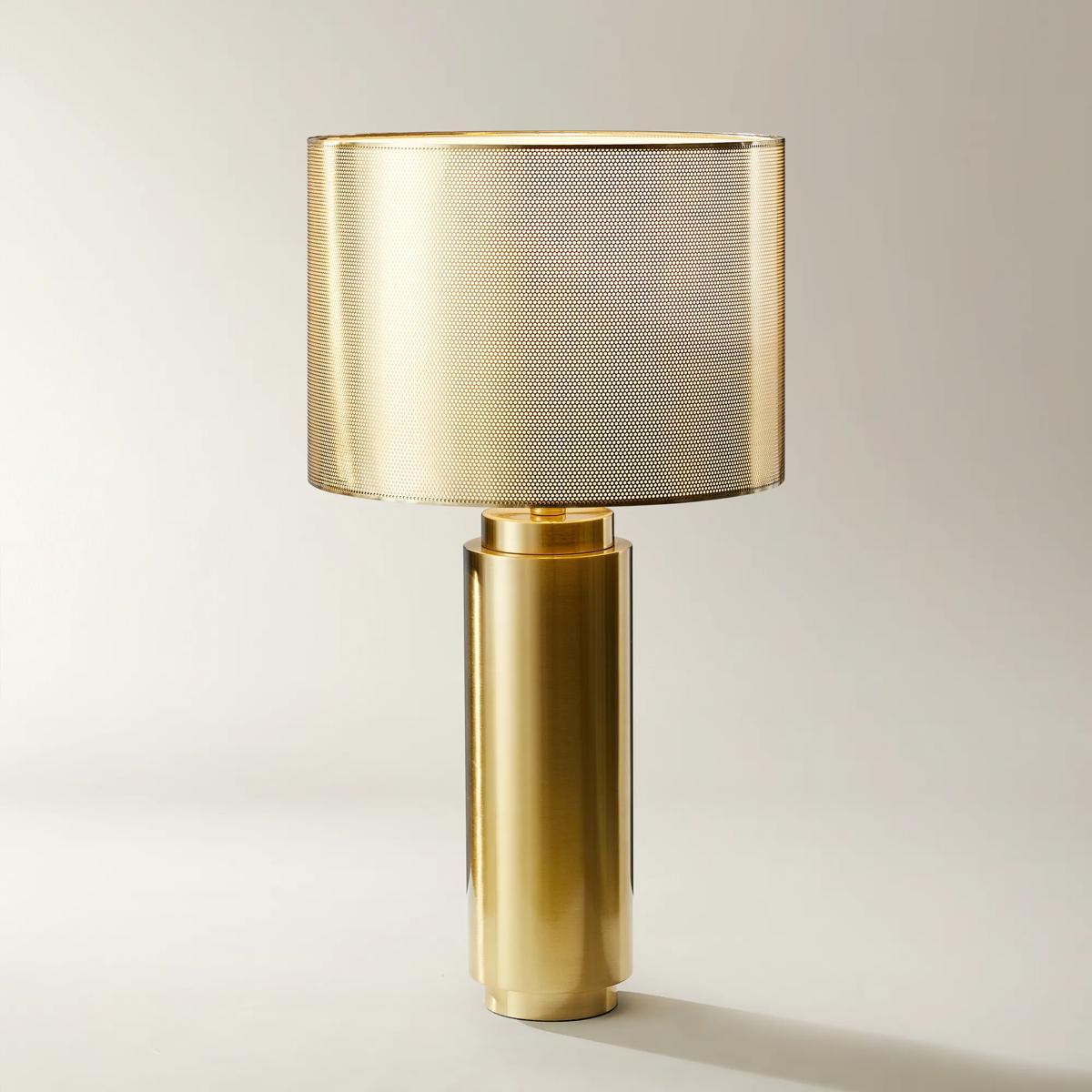
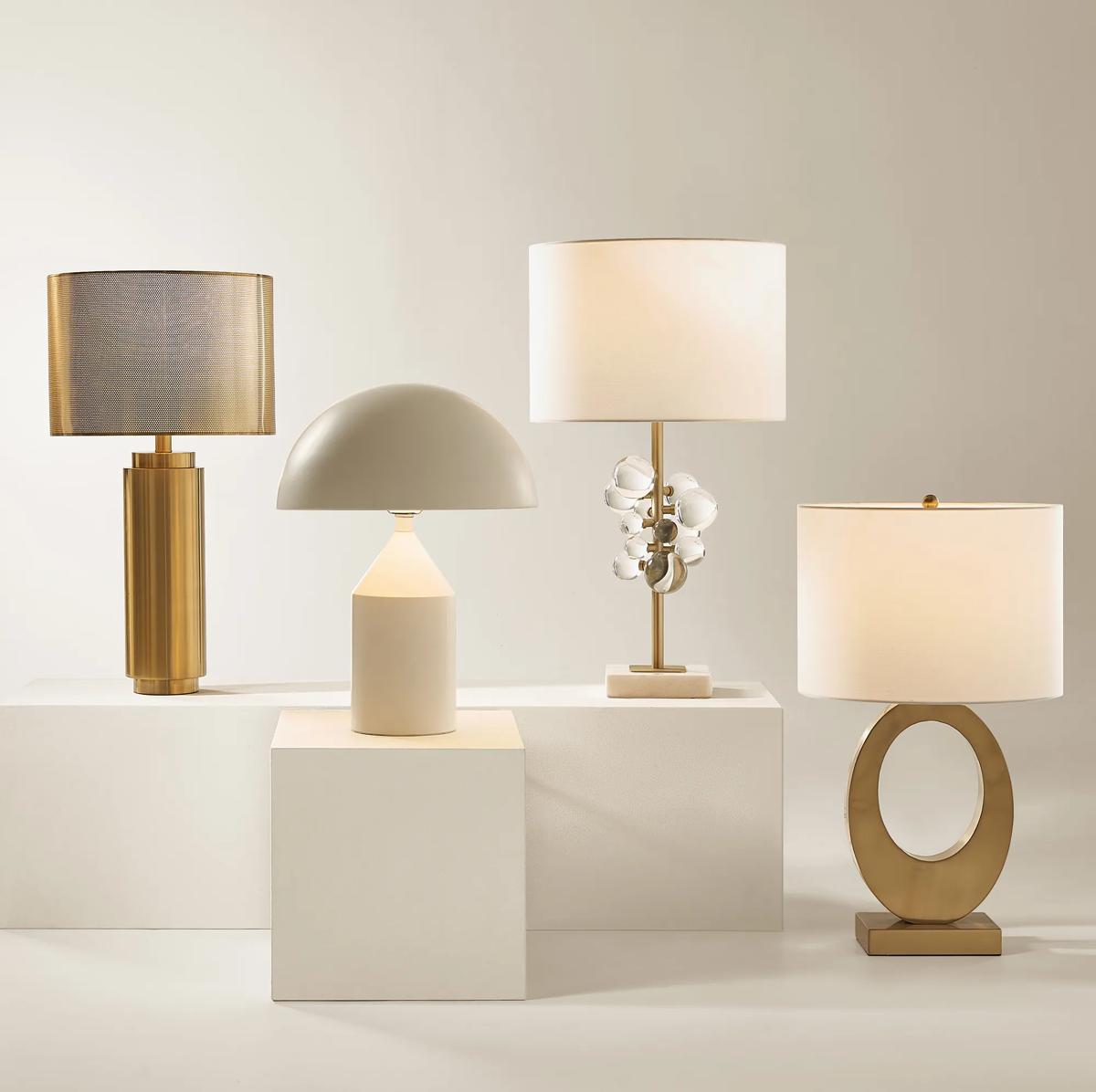 Sibyl Metal Aged Brass Finish Table Lamp 26"$399
A modern table lamp featuring an aged brass iron base and a perforated metal-over-cotton shade.
Add To Cart -
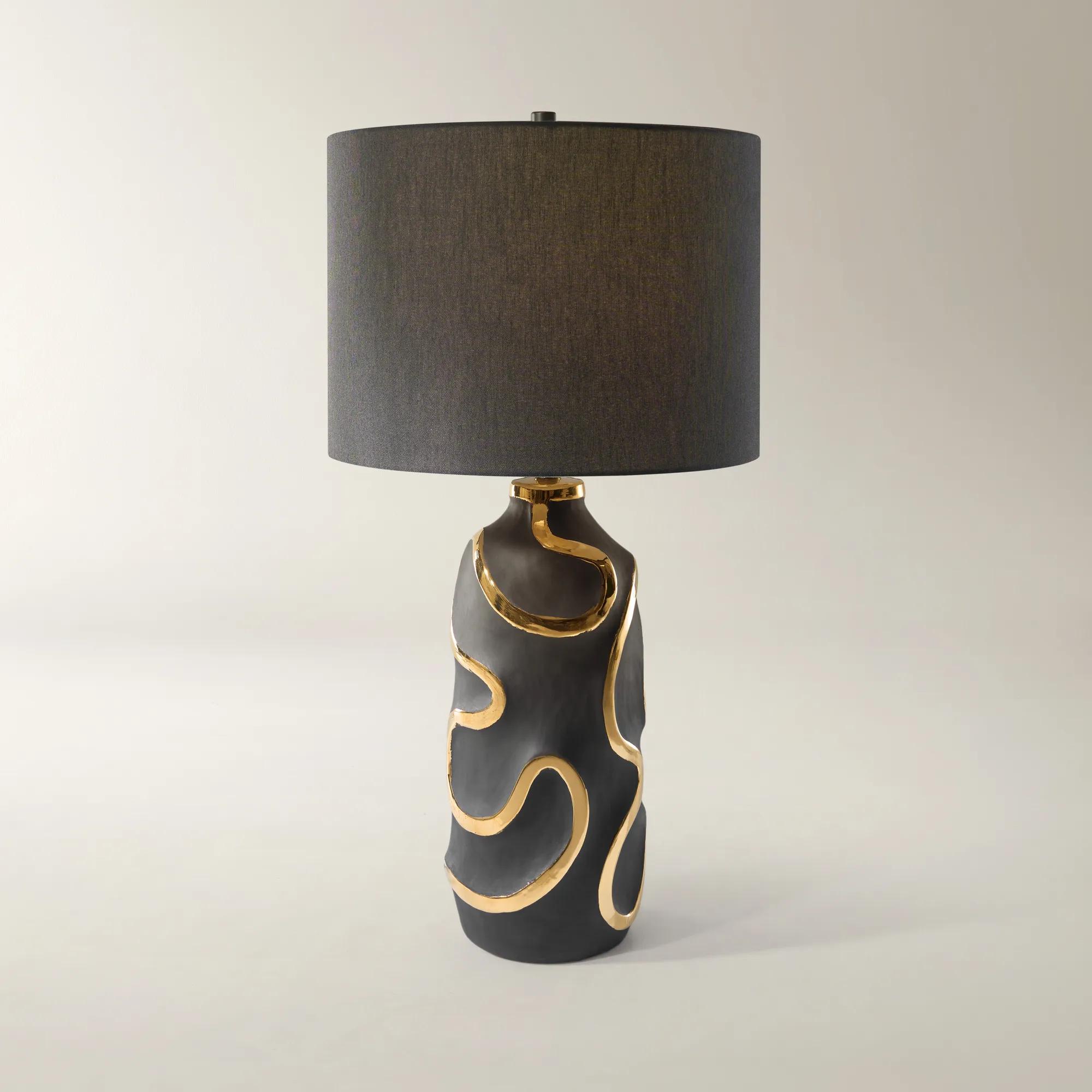 Seraphina Black/Gold Ceramic Table Lamp 32"$249
A matte black ceramic lamp with electroplated gold loops and adjustable three-level lighting.
Add To Cart -
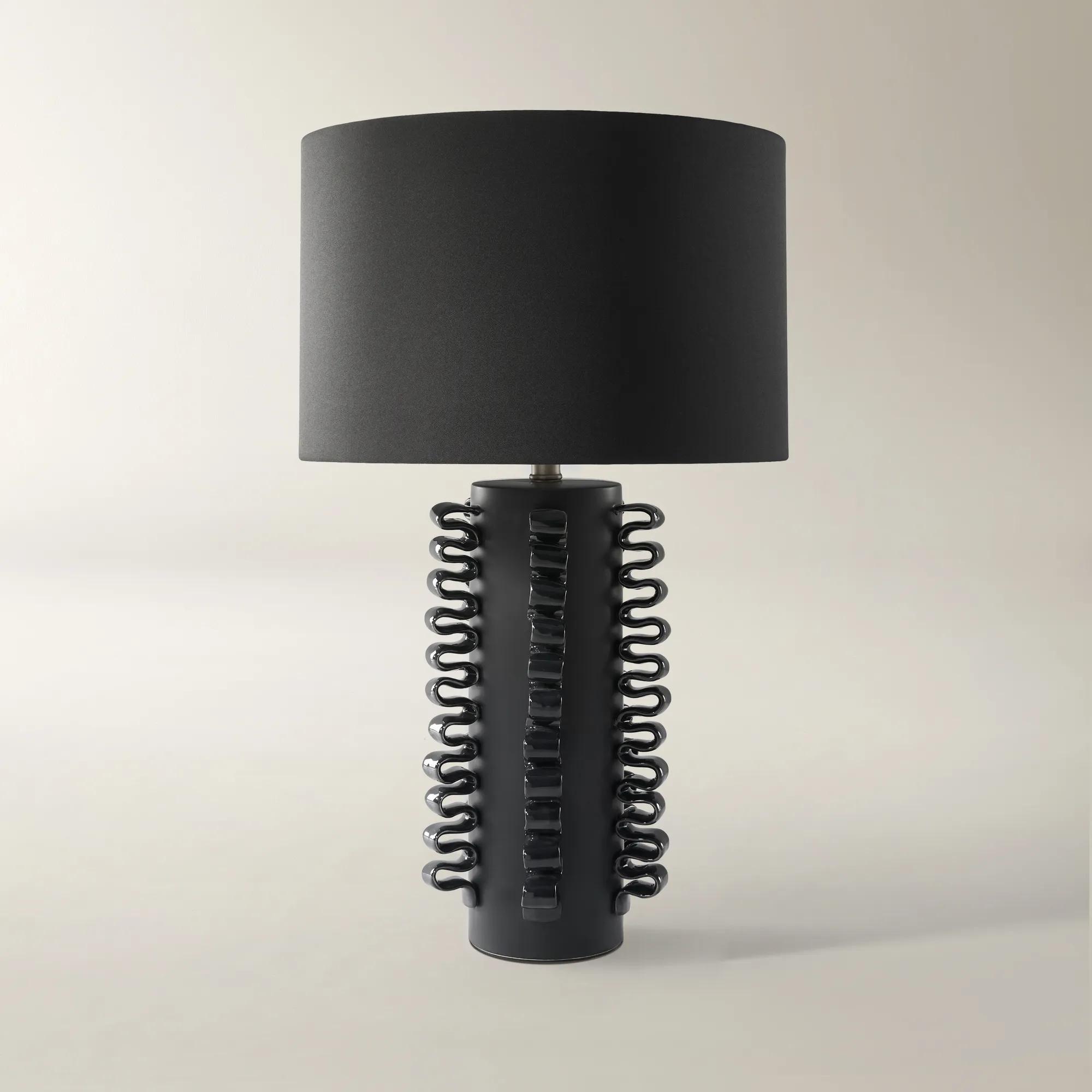
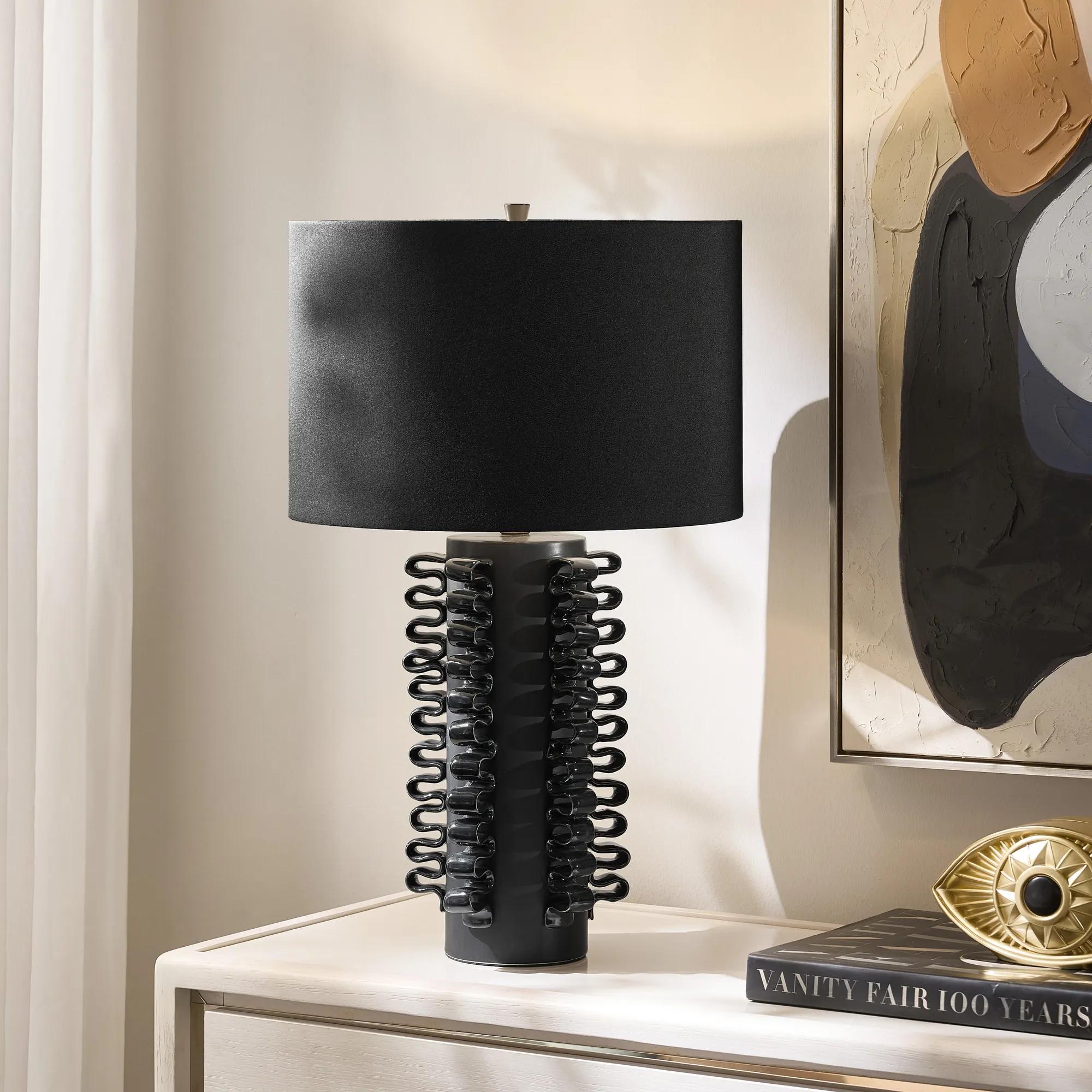 Anello Ruffle Black Ceramic Table Lamp 27"$249
A sculptural matte black ceramic lamp with glazed ribbon accents and a matching black cotton shade.
Add To Cart -
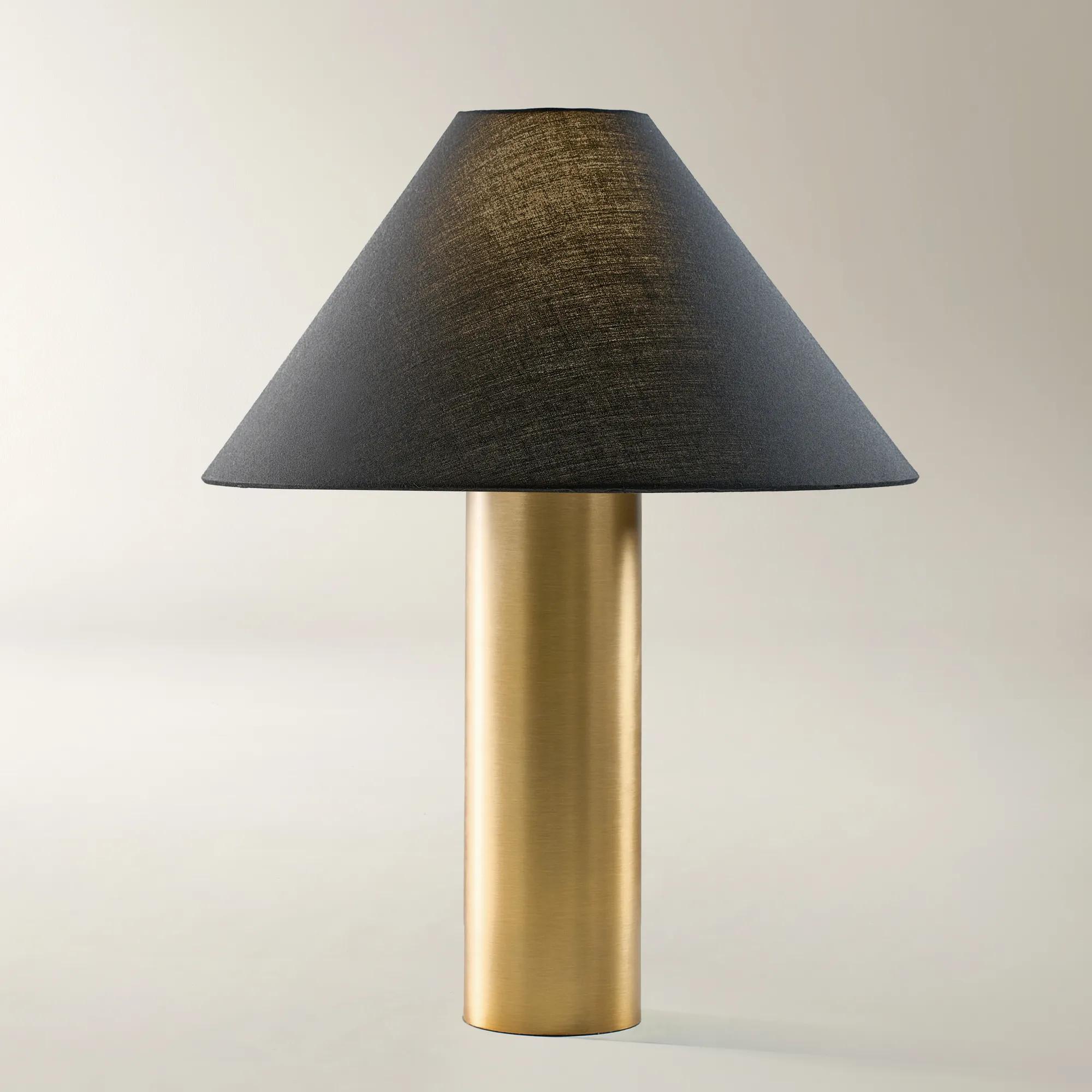 Tova Brushed Brass/Black Table Lamp 20.5"$249
A sculptural brushed brass iron base pairs with a tailored black cotton shade for bold, modern contrast.
Add To Cart -
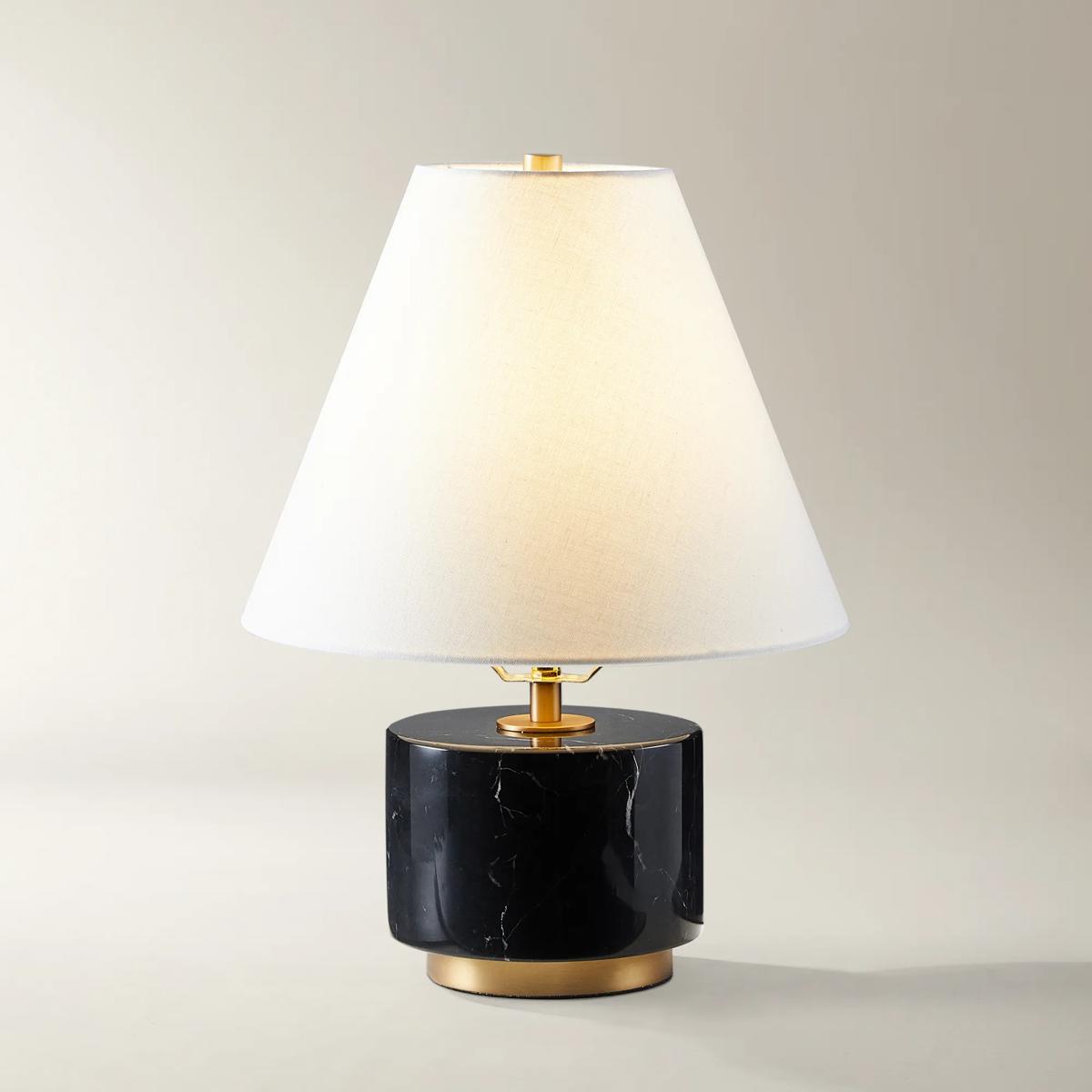
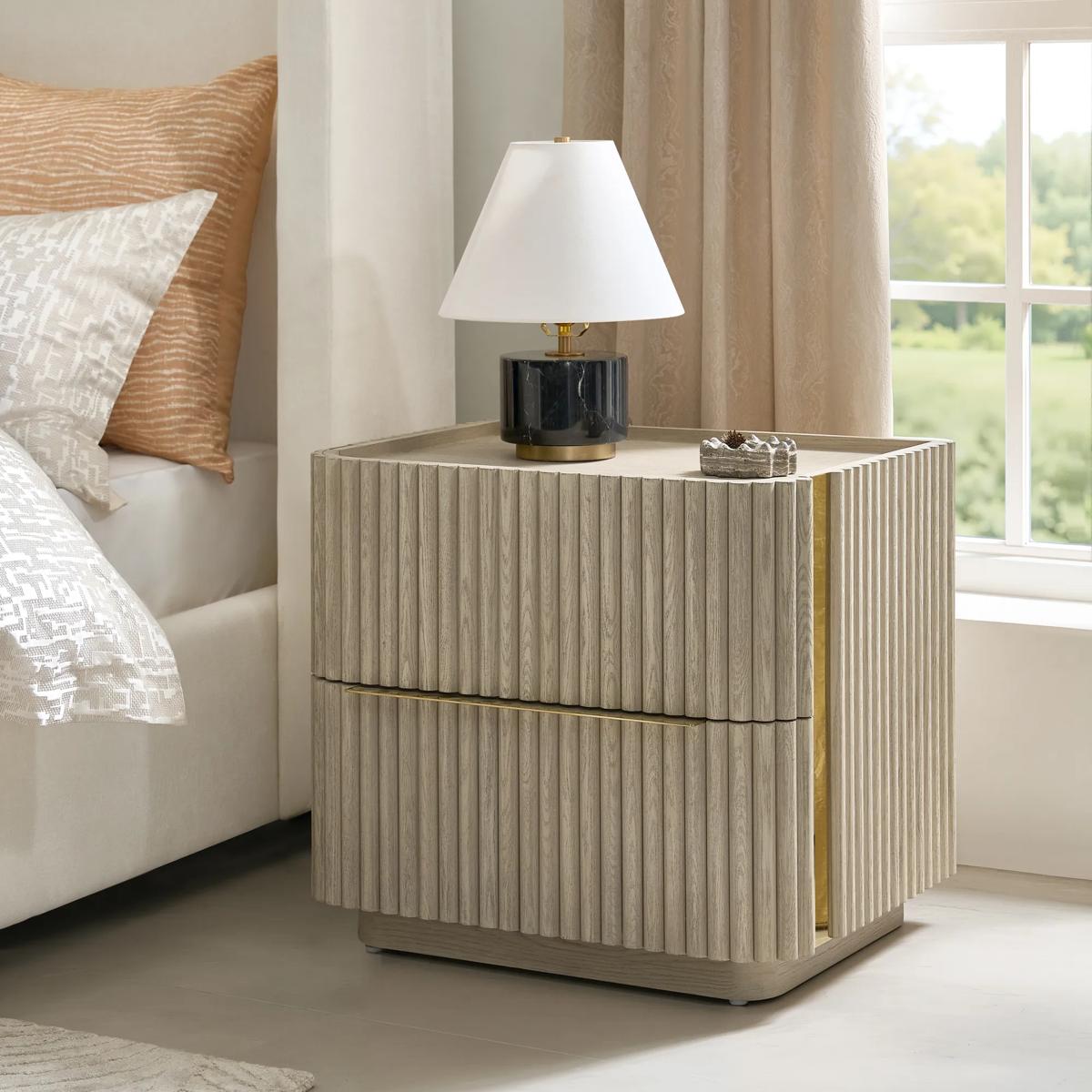 Arden Black Marble Table Lamp 14"$249
A sculptural black marble lamp with brushed brass accents and a warm white linen tapered shade.
Add To Cart -

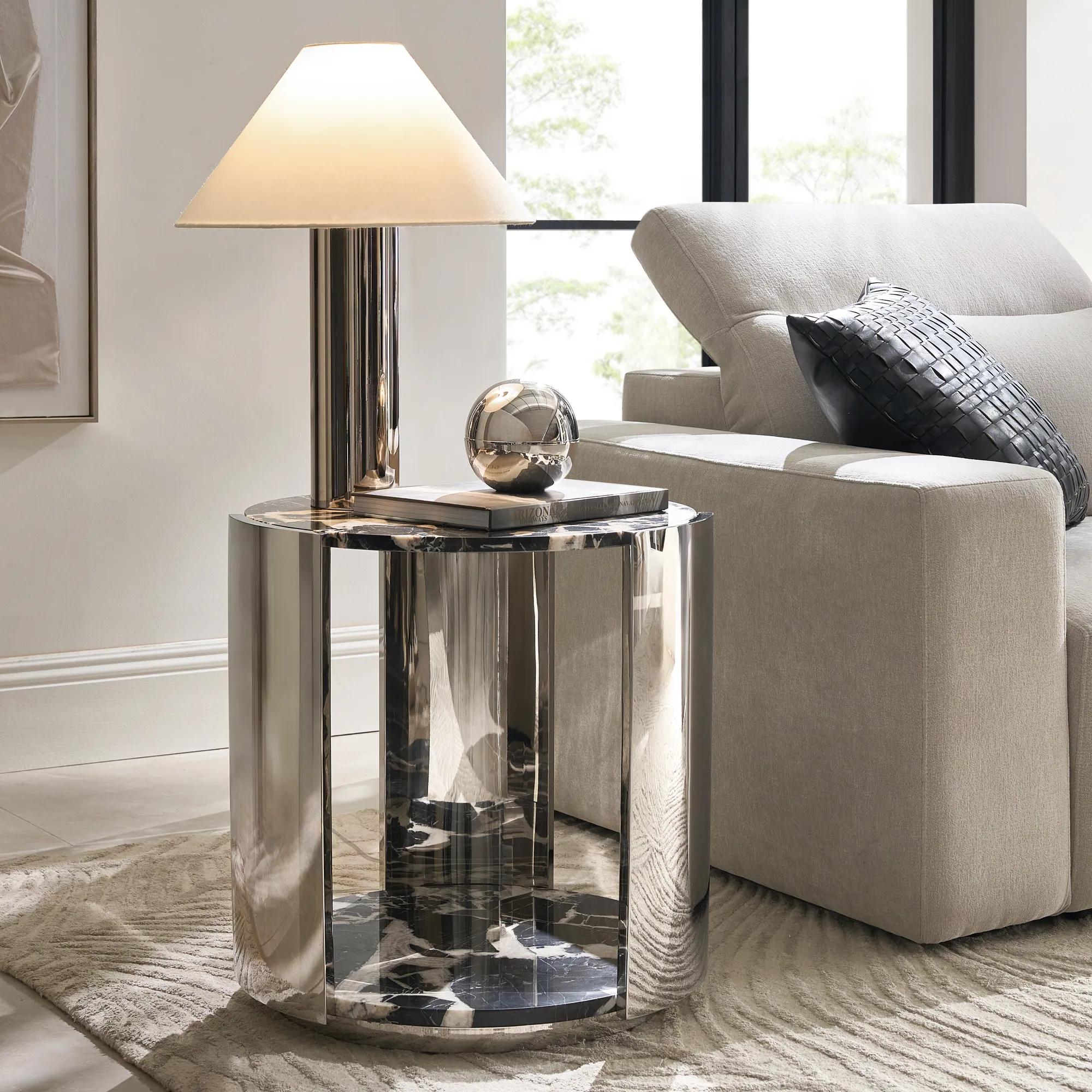 Tova Polished Nickel/White Table Lamp 20.5"$249
A polished nickel iron lamp with a white cotton tapered shade brings sleek, modern style to any room.
Add To Cart -

 Blair Mouth Blown Sea Glass Blue Glass Table Lamp 25"$229
A mouth-blown glass lamp in soft blue sea glass with antique brass accents and an ivory linen shade.
Add To Cart -
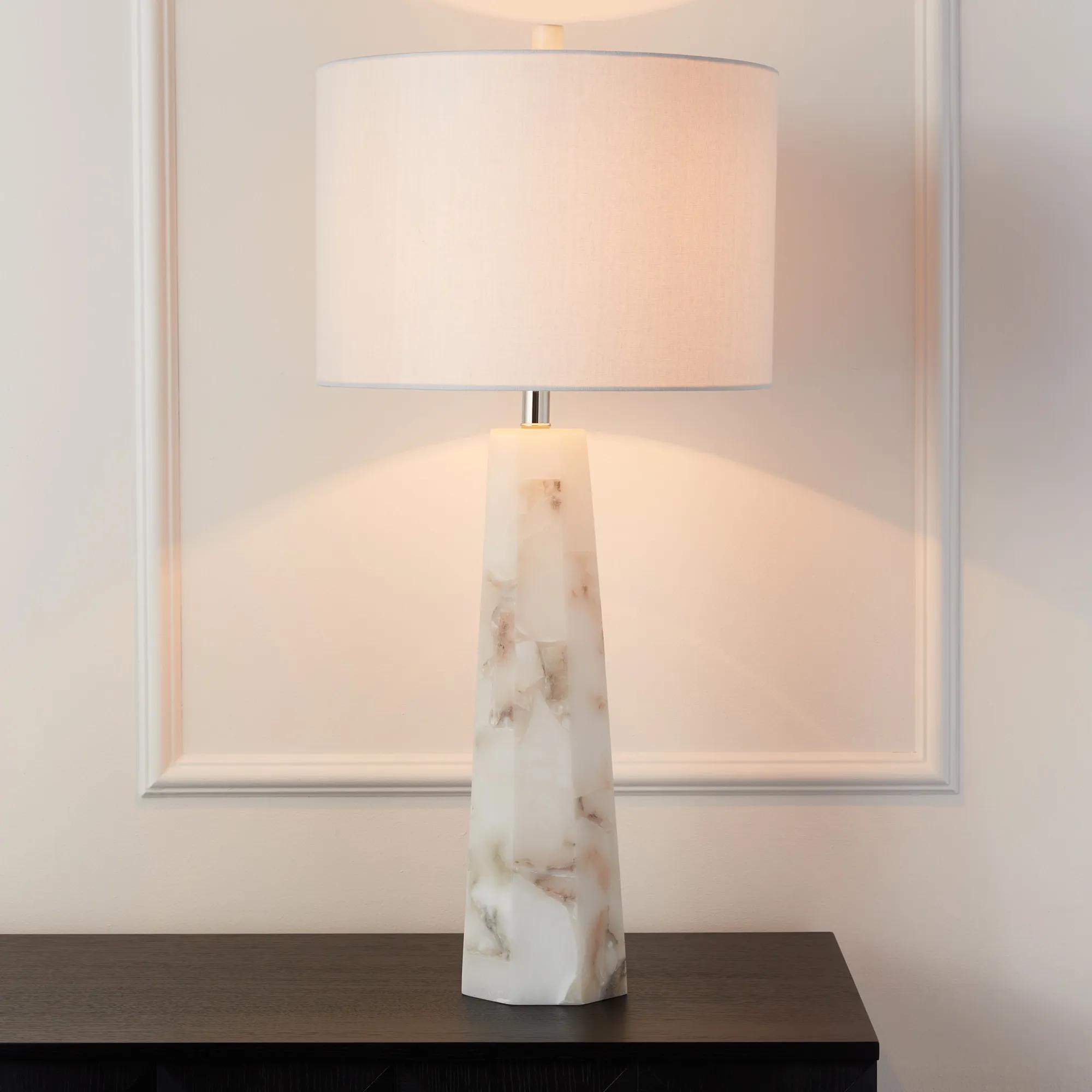 Aurora Alabaster Table Lamp 34"$499
An alabaster stone lamp with a tapered silhouette, white linen shade, and matching alabaster finial.
Add To Cart

Table Lamps For Elegant Dining Rooms
Table Lamps For Elegant Dining Rooms are the secret ingredient for cultivating luminous allure and refined drama at every tablescape. Imagine sculpted silhouettes casting an inviting glow over polished surfaces, transforming each meal into a celebration of artistry and ambiance. Whether your aesthetic leans toward gilded glamour or modern intrigue, these table lamps become more than mere accents—they are the jewelry of the dining room, elevating every gathering with a touch of radiance and theatrical poise. Illuminate your space with pieces that invite admiration and turn every evening into an occasion worth savoring.
Table lamps for elegant dining rooms bring a softer layer of light to sideboards, credenzas, and consoles, enriching the atmosphere without relying entirely on an overhead fixture. Their glow draws attention to the room’s edges, gives artwork and decorative objects a more intimate setting, and lends a sense of occasion to even a simple dinner. A chandelier may establish the grand gesture, but a shaded lamp introduces light at a more personal scale, illuminating the space around a dining table rather than concentrating every visual detail above it. Paired buffet lamps create a composed frame for a mirror or painting, while a single sculptural lamp gives an asymmetrical arrangement a confident focal point. The effect can be polished and architectural or richly expressive, depending on the silhouette, finish, and shade. On a long sideboard, slender bases preserve room for serving pieces; on a compact console, a substantial but carefully proportioned lamp can provide presence without overwhelming the surface. Fit depends on more than overall height. The shade should sit comfortably within the furniture’s depth, with enough clearance from the wall, nearby artwork, and passing guests. A lamp beside a frequently used serving area also needs space around its base so a platter can be set down without brushing the shade. From a seated position, the bulb should remain comfortably concealed rather than shining directly into diners’ eyes. These relationships matter most in rooms where the sideboard sits close to the table or chairs pull back toward a console. A balanced arrangement leaves the lamp visually connected to the furniture beneath it while preserving practical room for entertaining. With cords routed discreetly toward an accessible outlet and away from walking paths, the composition feels intentional from every angle. The resulting light is especially inviting for leisurely meals, conversation after dessert, and intimate gatherings where the room should feel dressed but never theatrical at the expense of comfort.
Materials give dining room table lamps much of their expressive character. Clear glass allows a lamp to hold visual height without appearing heavy, an appealing quality beside an ornate mirror or an intricately grained wood sideboard. Faceted glass and crystal introduce brighter reflections, catching surrounding light and adding sparkle even when the lamp itself is switched off. Ceramic bases offer a different kind of richness: a glossy glaze can create a jewel-like accent, while a softly textured surface brings depth to an otherwise sleek arrangement. Metal finishes contribute definition, whether through the warmth of a brushed golden tone or the crisp gleam of polished silver. Stone bases lend visual weight and distinctive veining, though their physical weight deserves consideration on delicate furniture. No material determines durability on its own; sound construction, a stable base, secure fittings, and appropriate care all contribute to lasting performance. Shade materials are equally influential. An opaque or densely woven shade generally directs more light upward and downward, creating defined pools of illumination, while a lighter, more translucent fabric can distribute a broader ambient glow. Shade shape changes the composition, too. A drum silhouette offers a clean counterpoint to carved furniture, while a tapered shade can echo the graceful lines of a more traditional dining room. Repeating one finish from a chandelier, cabinet pull, or chair detail helps establish continuity without requiring every surface to match. A clear glass base might sit beautifully beside a lacquered tray, for example, while a textured ceramic lamp can soften a highly reflective console. Restraint in the surrounding accessories allows an expressive base to retain its sculptural impact. A low bowl, a small stack of books, or a single decorative vessel can complete the vignette without crowding it. In rooms with patterned wallpaper or oversized art, a quieter lamp silhouette gives the eye somewhere to rest; against a restrained backdrop, an adventurous form can become the detail that defines the room.
Light quality completes the experience. Warm-white bulbs, often in the 2700K to 3000K range, tend to create an inviting dining atmosphere, while brightness should suit the shade, room size, and other light sources. The fixture’s specified bulb type and maximum wattage remain essential considerations; an LED bulb should be selected by its actual compatibility and light output rather than assumptions based on its appearance. Where both lamp and bulb support dimming, adjustable brightness allows a sideboard to shift from practical illumination during setup to a gentler glow once guests are seated. A dimmer must also be compatible with the bulb and lamp, since not every combination performs smoothly. Easy-to-reach switches make a difference when a lamp stands behind decorative objects, and a stable position helps protect it from a passing sleeve or the movement of a dining chair. On the dining table itself, a lamp is best reserved for arrangements with ample room, safe cord management, and clear sightlines between guests; sideboards and consoles usually offer greater flexibility. Everyday care protects both the finish and the furniture beneath it. Lamps should be switched off, unplugged, and allowed to cool before cleaning, with care instructions taking precedence over general advice. A soft, dry cloth is often appropriate for routine dusting, while abrasive cleaners and excess moisture can damage decorative finishes. Fabric shades may need gentle dusting with a soft brush, depending on their construction. Felt or another suitable protective layer beneath a base can help prevent scratches on a finished tabletop. For a housewarming or wedding gift, a table lamp can be a lasting expression of the recipient’s style, especially when its proportions and finish suit an established dining space. In open-plan interiors, complementary floor lamps for elegant lighting can extend the atmosphere into an adjoining seating area. Together, thoughtfully placed light sources create depth across the room, allowing gleaming finishes, sumptuous textures, and the dining table itself to share the spotlight.
FAQs
Table lamps introduce layers of light that elevate the dining experience, casting a warm, inviting glow that highlights your décor and creates an intimate ambiance. Their sculptural forms and luxurious finishes act as both functional lighting and artistic focal points, transforming every meal into a visually stunning occasion.
Elegant dining rooms often feature table lamps crafted from polished marble, antique brass, mercury glass, or textured ceramics. These materials lend a sense of timeless sophistication, while metallic and mirror-finish accents amplify the room’s drama and reflect the glow of candlelight or chandeliers.
While traditional styling places table lamps on sideboards or console tables to frame the dining area, cordless and compact designs—such as a table chandelier lamp—can be styled directly on the dining table for a dramatic, contemporary centerpiece. The key is to balance scale and ensure the lamp complements your overall tablescape.
A table lamp from Z Gallerie makes a thoughtful and luxurious gift for anyone who loves to entertain, appreciates interior design, or is celebrating a milestone such as a housewarming or anniversary. Its artistry and function ensure it will be cherished for years, making every gathering feel special.
For a cohesive look, consider echoing the finishes or shapes of your chandelier or pendant lights in your table lamp selection. Pairing drum or tapered shades with similar metallic tones creates visual harmony, while mixing textures—like glass with metal—adds depth and interest to your dining room’s lighting story.