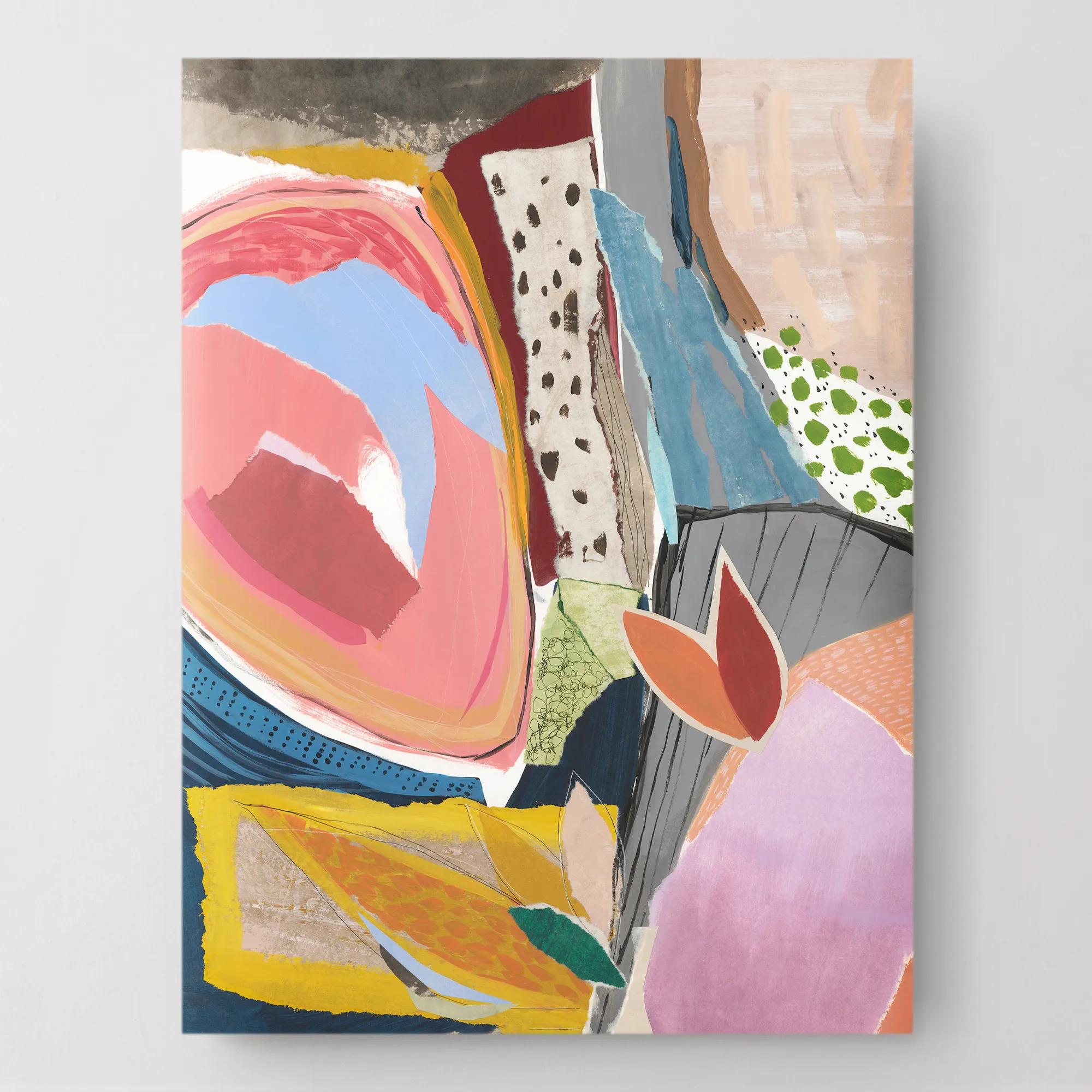
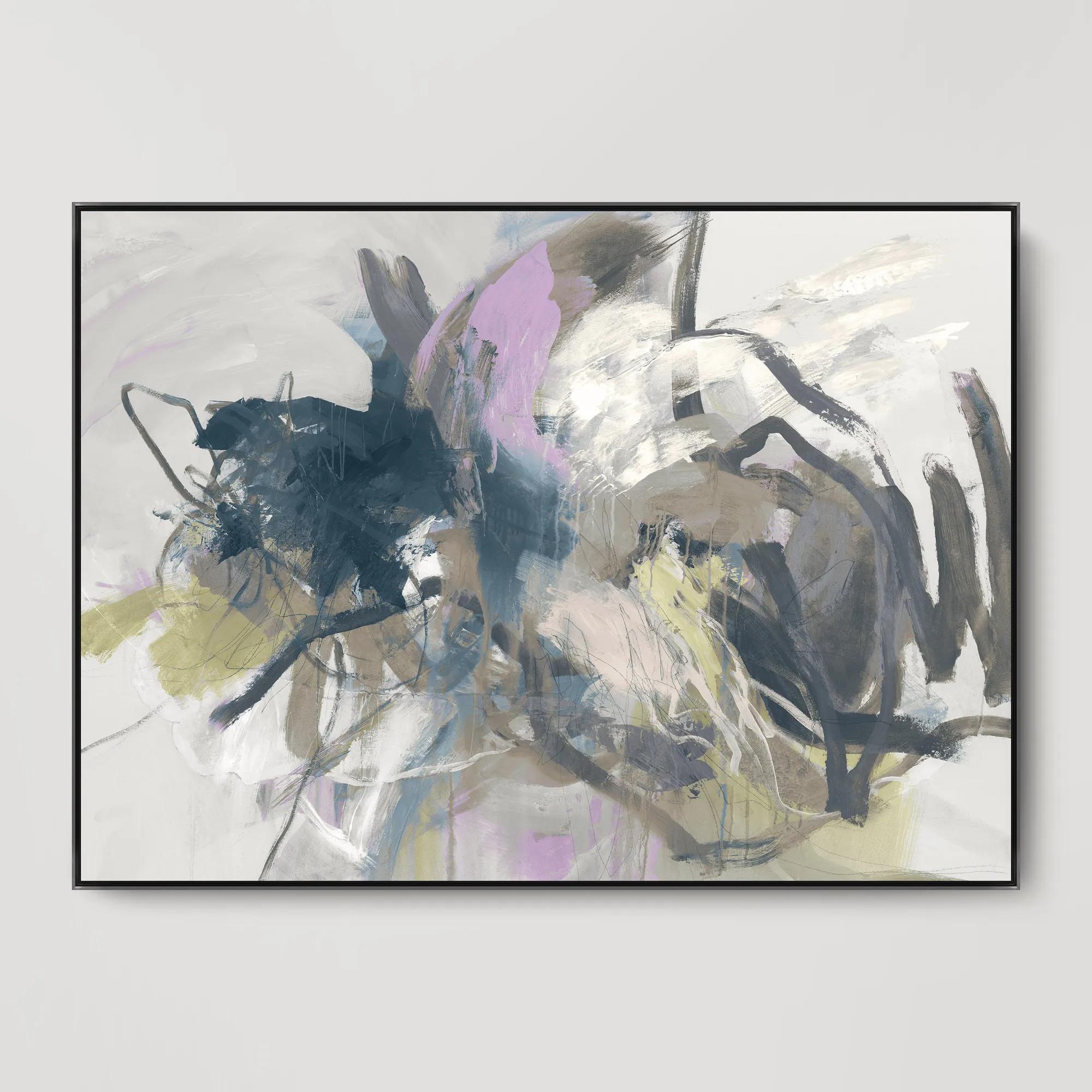
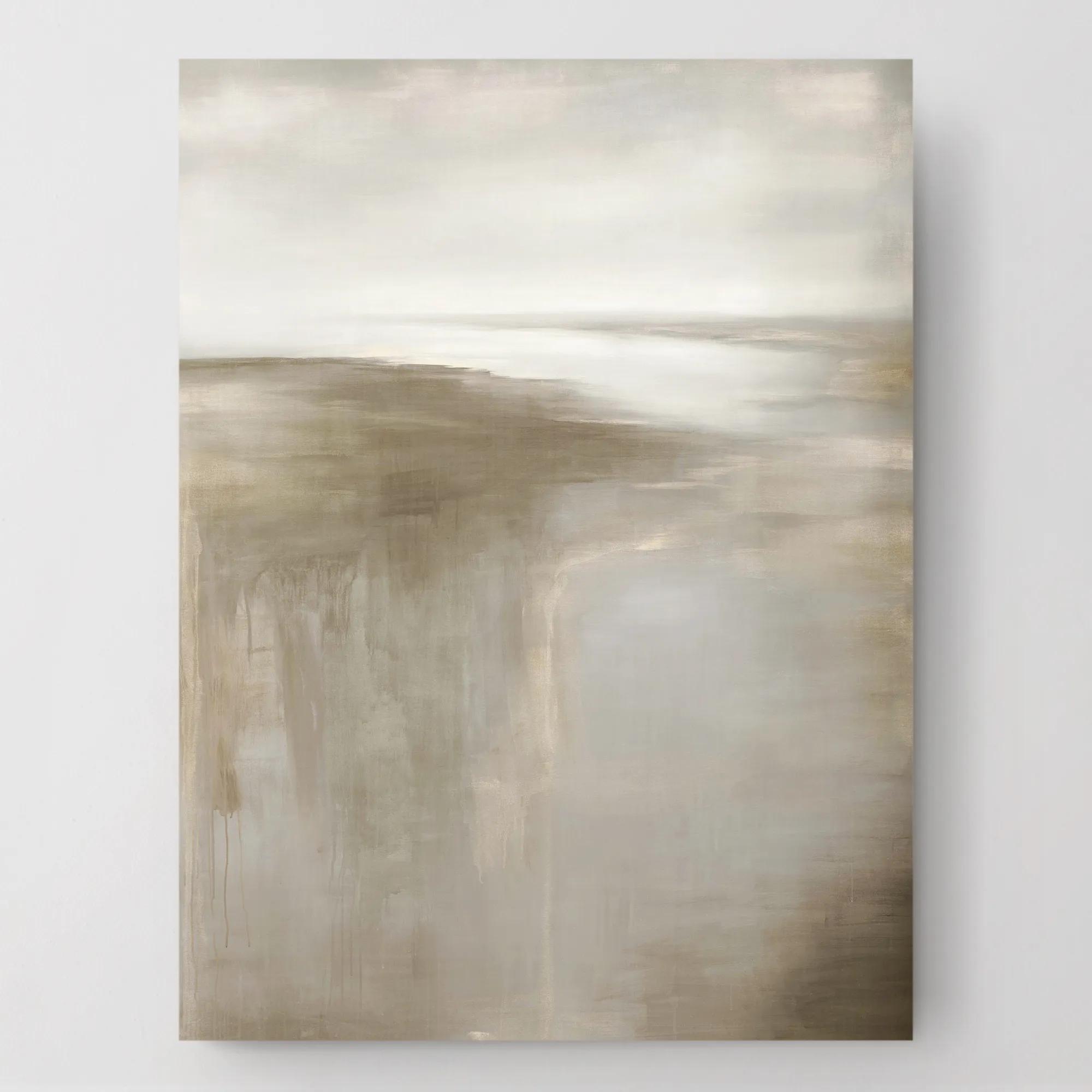
Textured Hand Painted Canvas Paintings
Textured Hand Painted Canvas Paintings
-
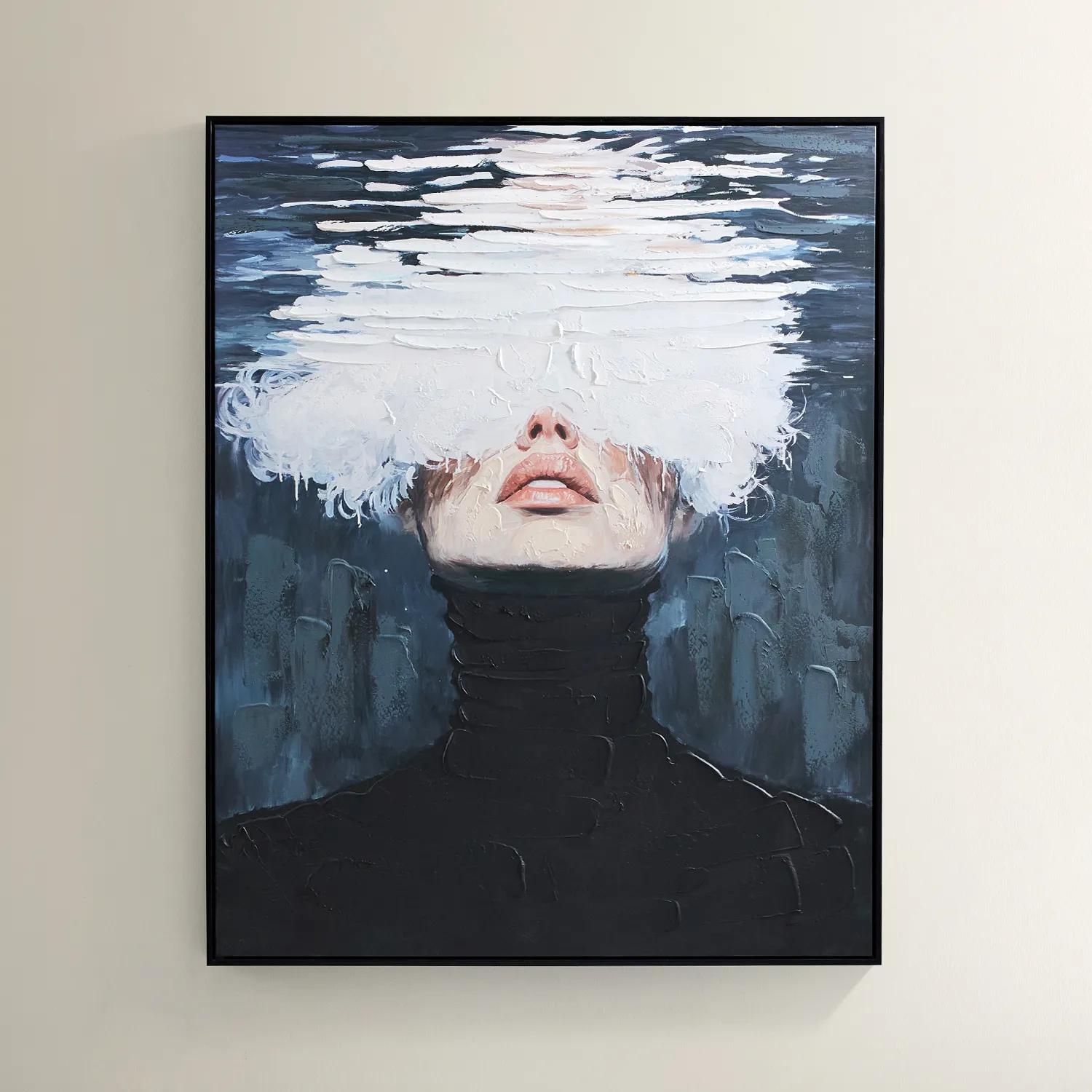
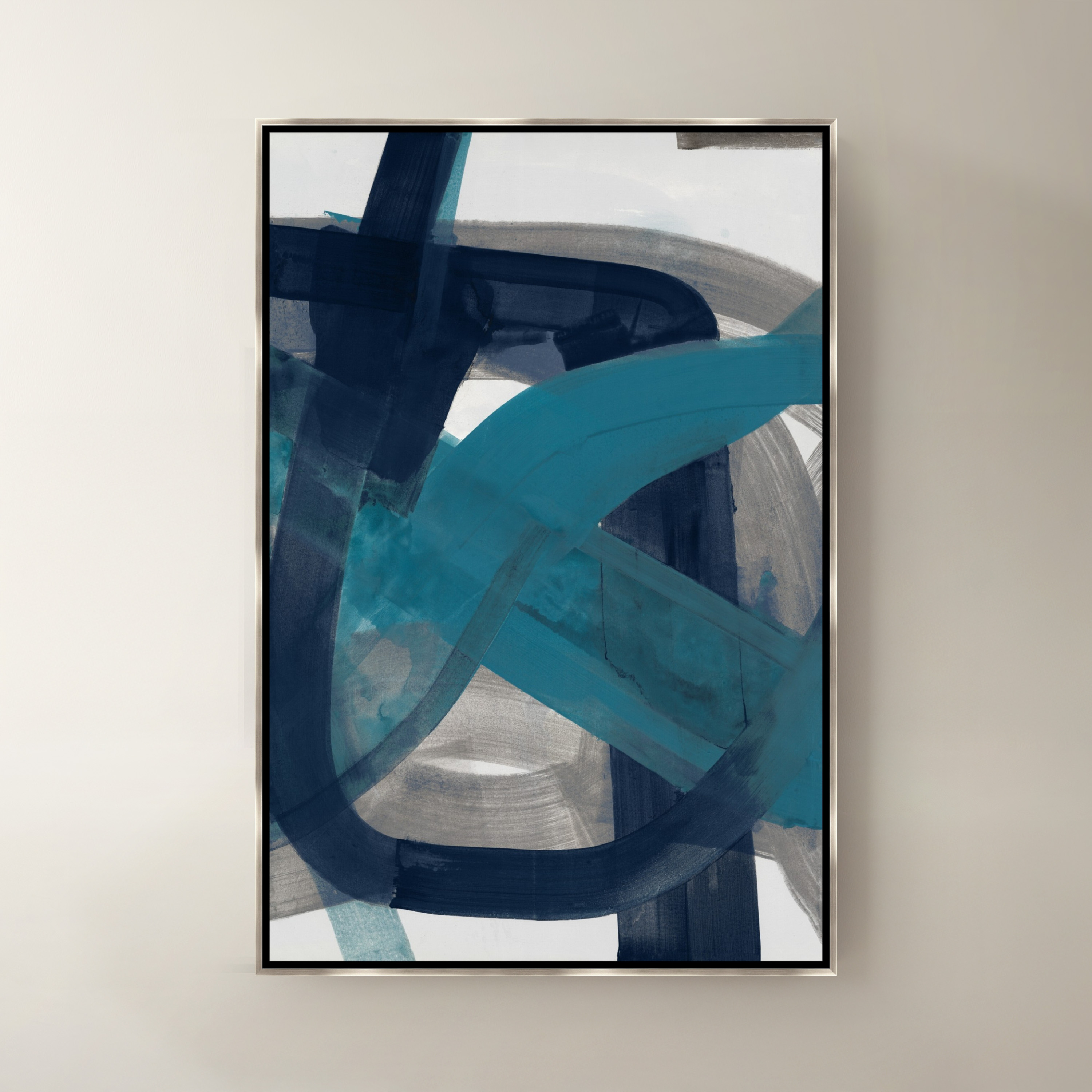
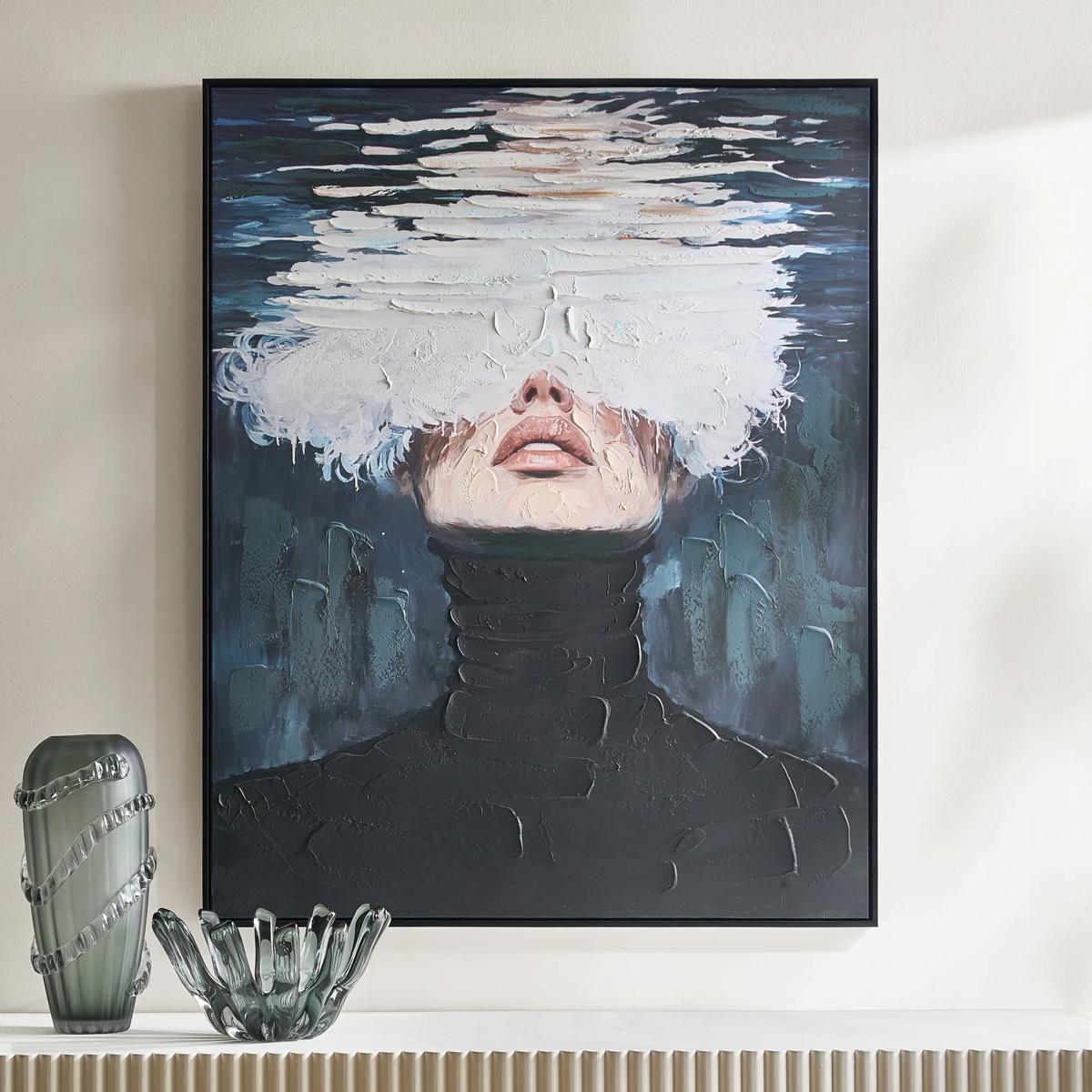 Submerged Framed Painted Wall Art 40" x 50"$599
A hand-painted canvas featuring a surreal portrait in black, blue, and white with a black floater frame.
Add To Cart -
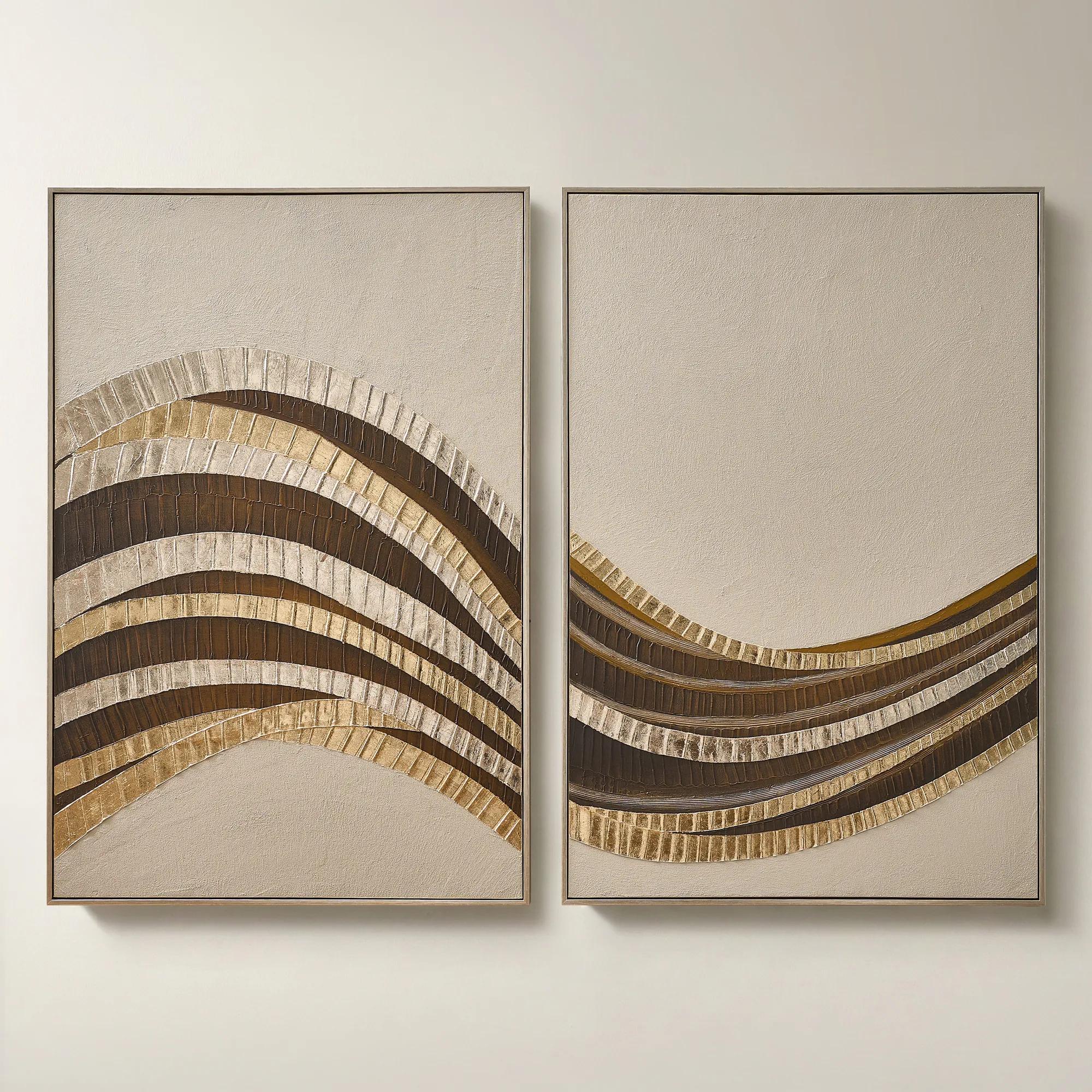 Stillness in Motion Framed Gold Leaf Painted Wall Art 40" x 60" Set of 2$899
A hand-painted abstract diptych with gold leaf accents, textured surface, and brushed champagne frames.
Add To Cart -
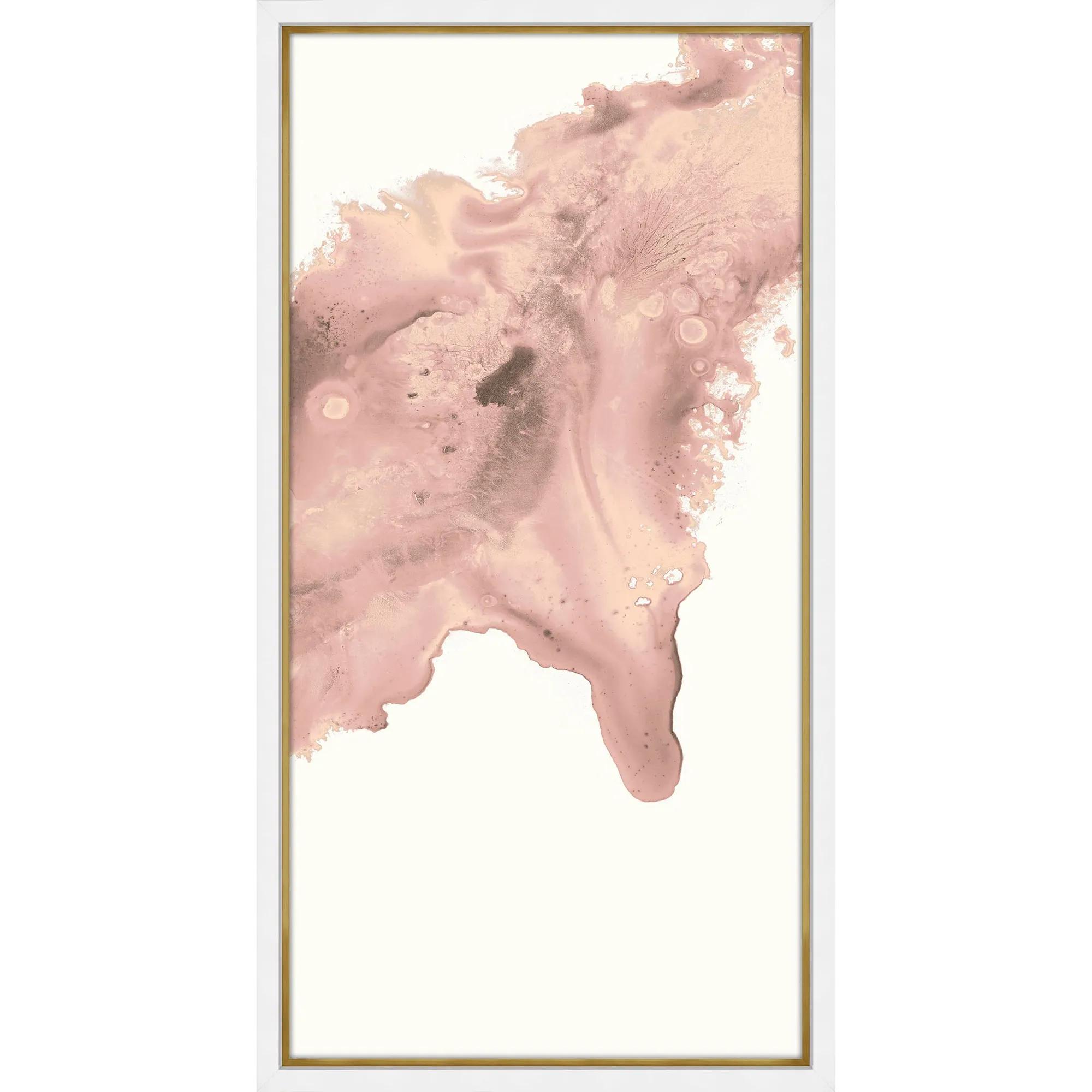
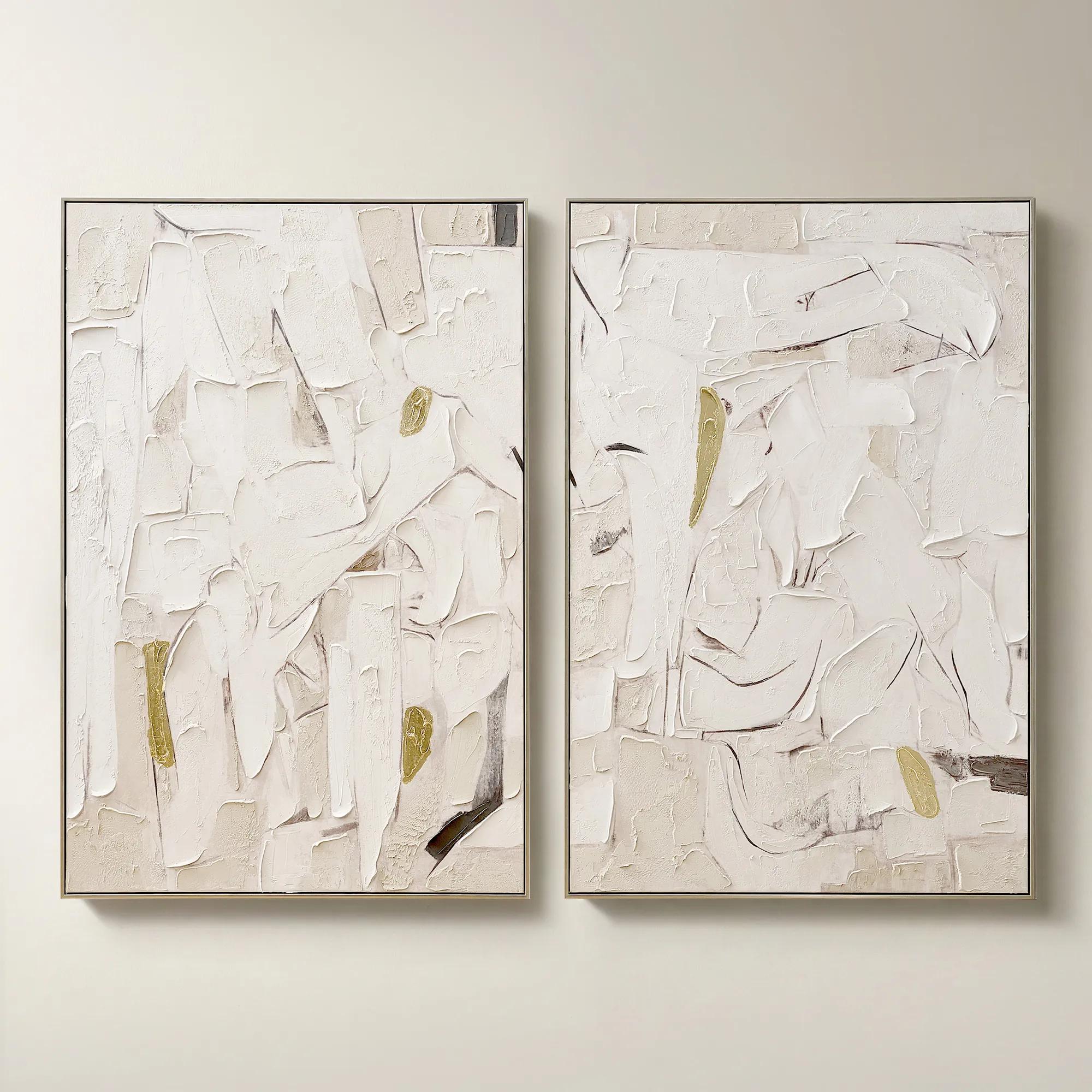 Beneath the Surface Framed Gold Leaf Painted Wall Art 40" x 60" Set of 2$799
A hand-painted abstract diptych featuring gold detailing and layered texture in alabaster and tawny hues.
Add To Cart -
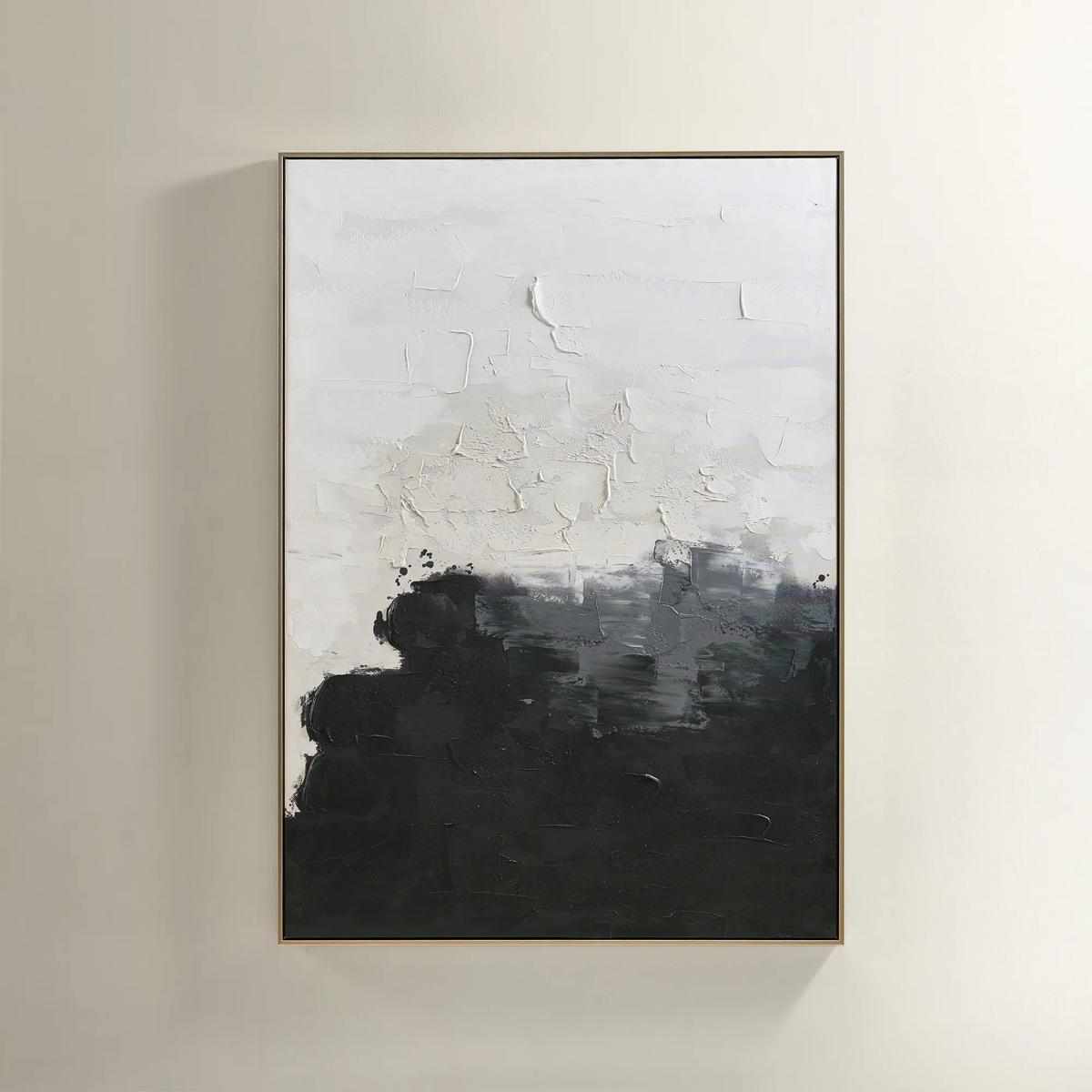
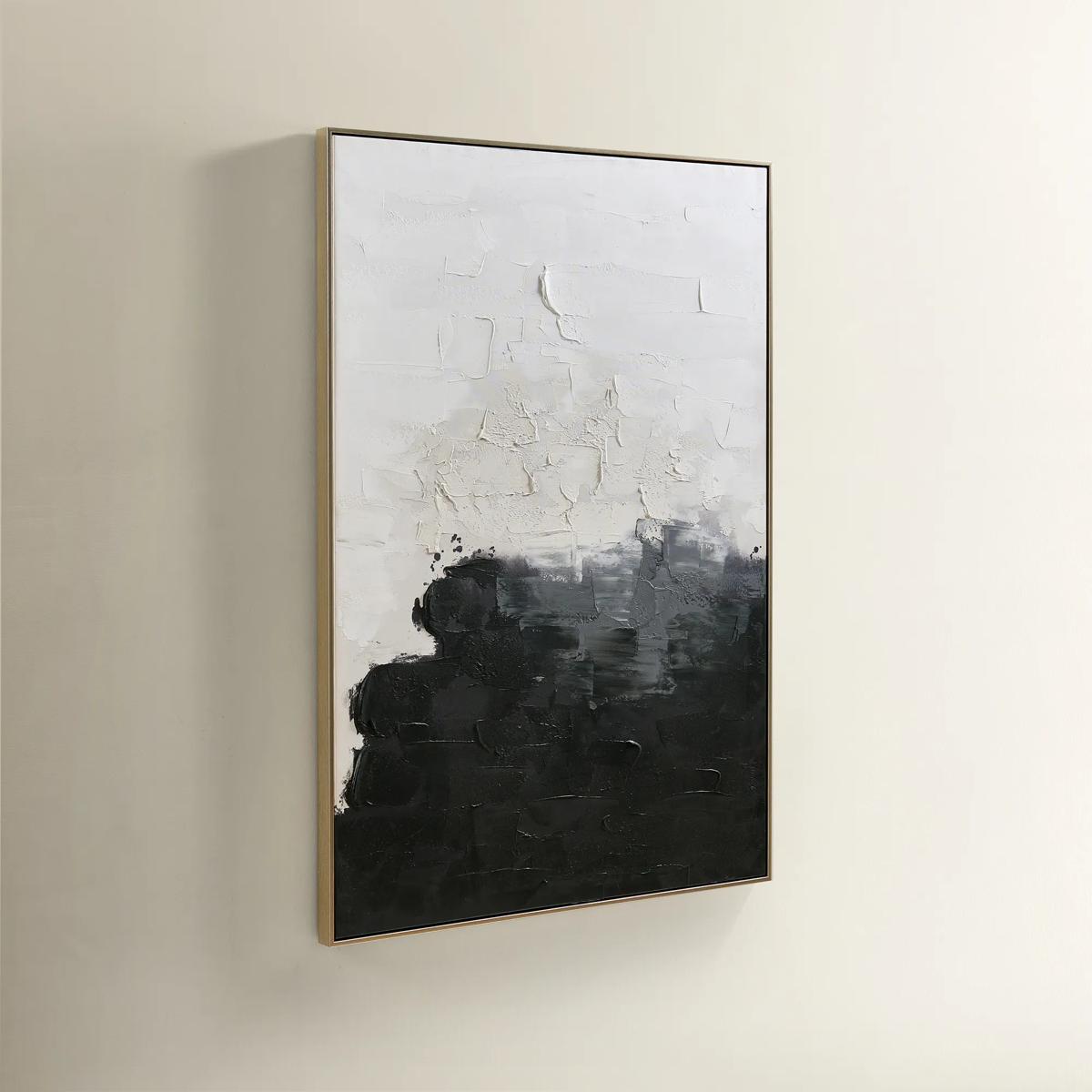 No Rush Painted Wall Art 39.25" x 55"$499
A hand-painted canvas featuring textured strokes of white, ivory, and charcoal in a natural wood frame.
Add To Cart -
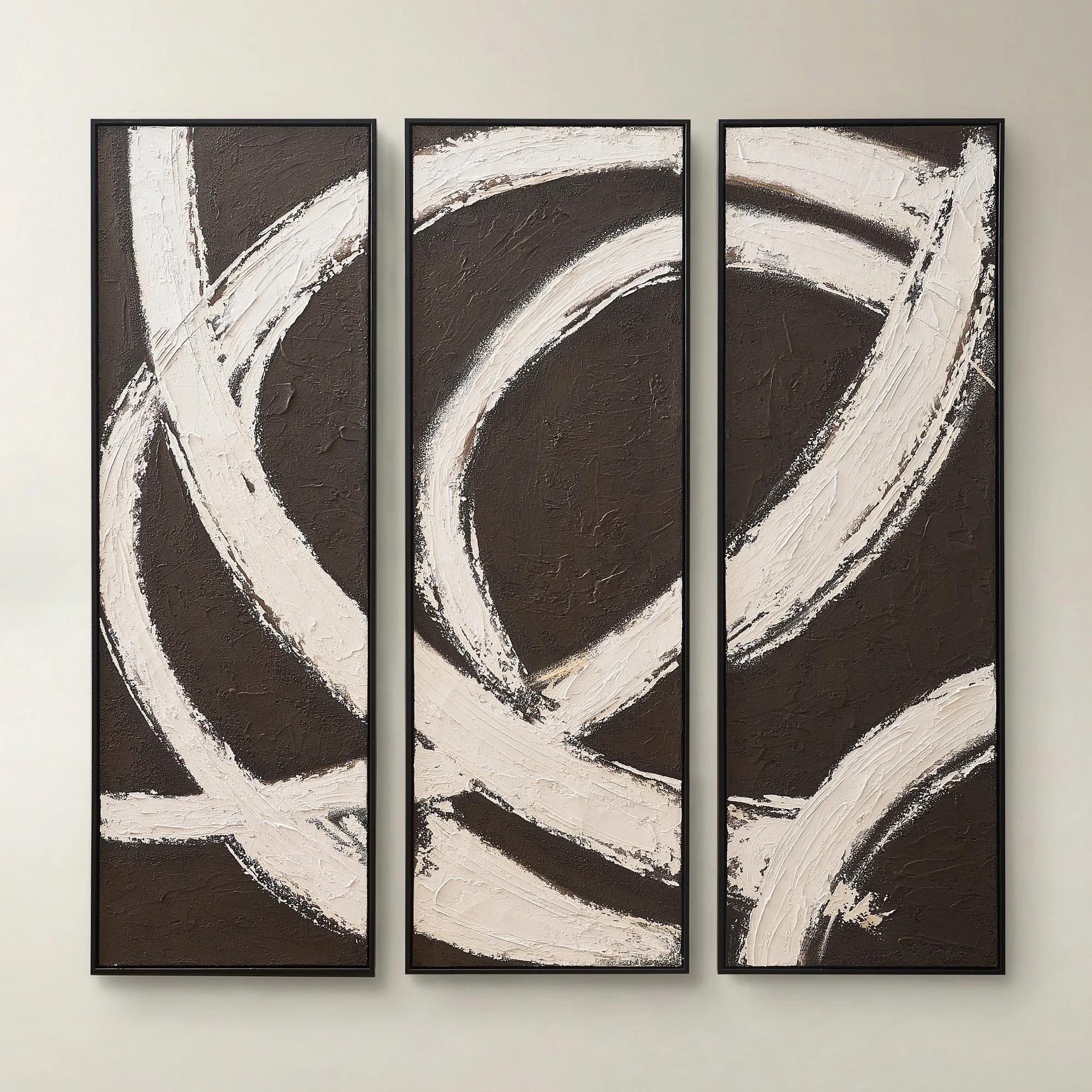
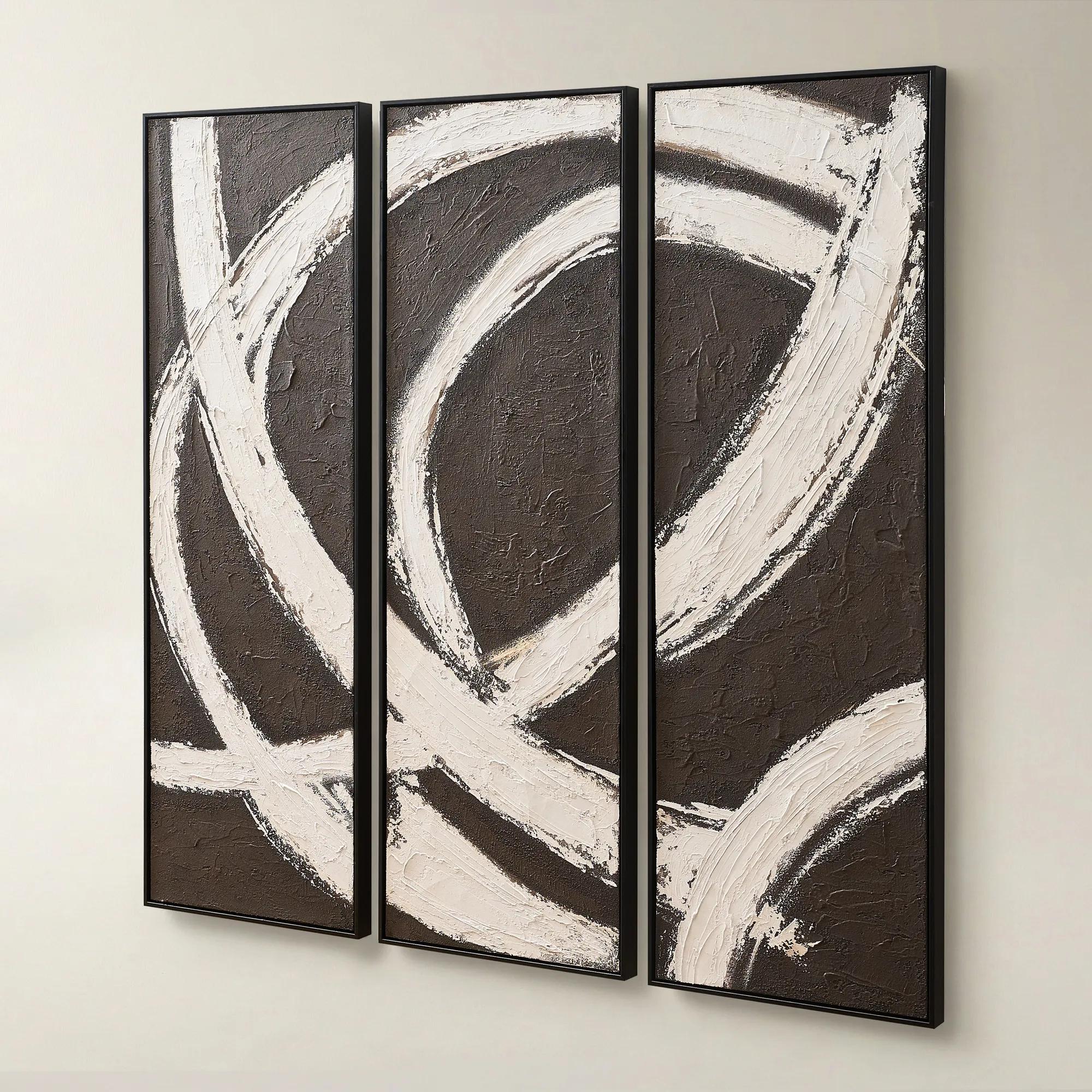 Spun in Coco Framed Painted Wall Art 20" x 60" Set of 3$499
A hand-painted triptych featuring dark chocolate and alabaster tones with rich texture and modern contrast.
Add To Cart -

 Shift Framed Painted Wall Art 39.4" x 59"$499
A hand-painted canvas featuring bold black and beige contrasts with textured layers in a sleek black frame.
Add To Cart -
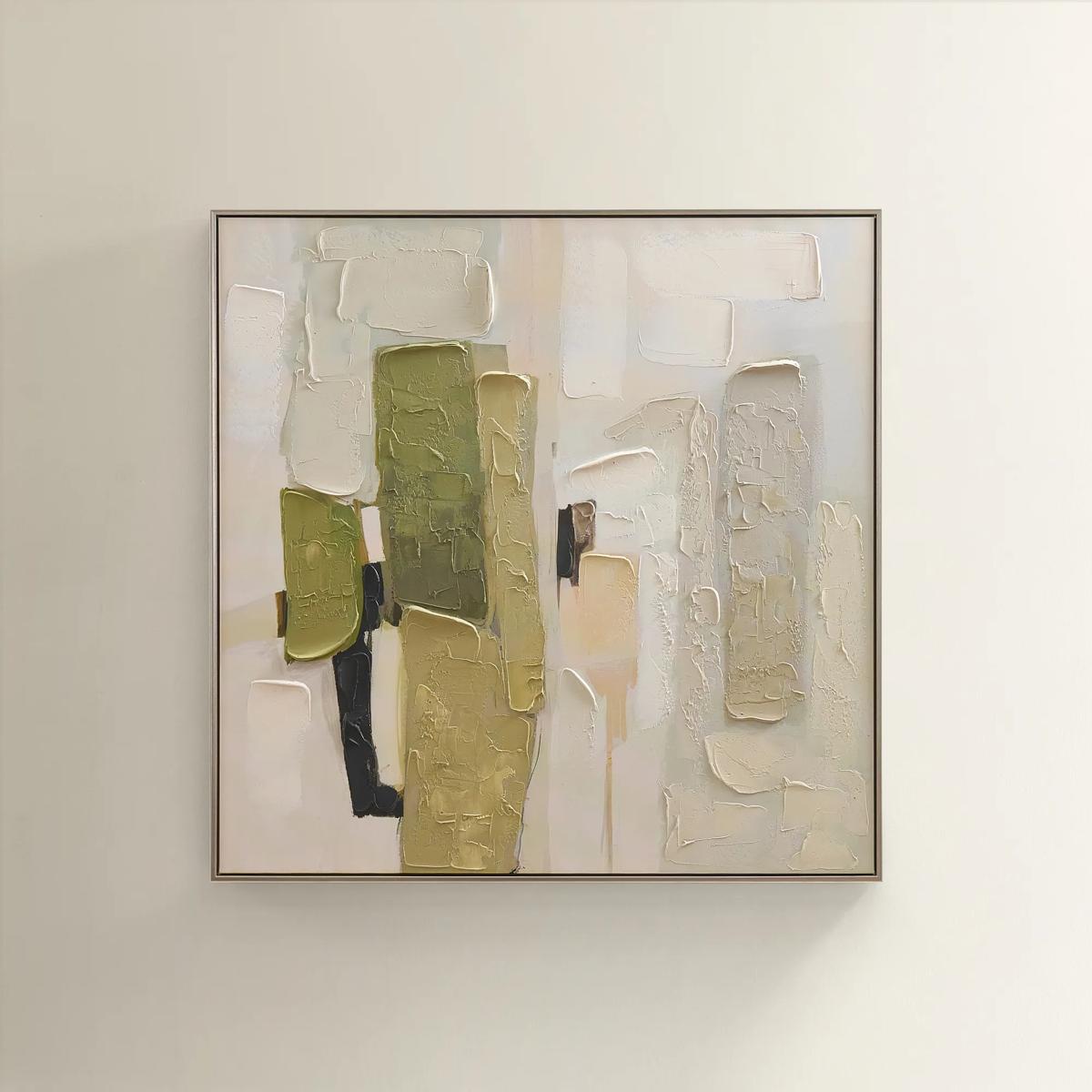 Verde Crush Framed Painted Wall Art 39.25" x 39.25"$349
A hand-painted abstract canvas featuring rich green tones, layered neutrals, and a champagne floater frame.
Add To Cart -

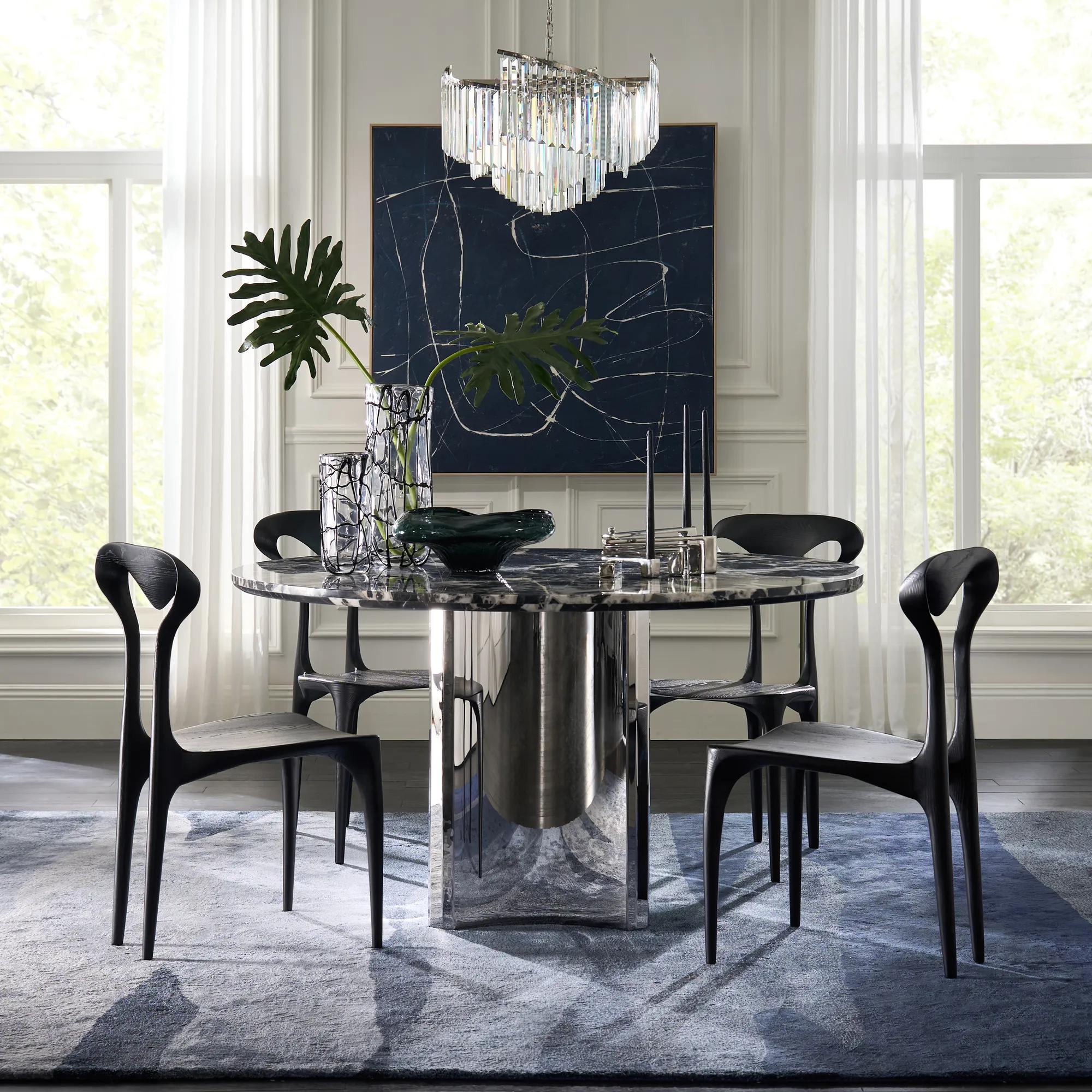 Almost Midnight Painting - Blue$439
A hand-painted canvas featuring bold blue and black tones with delicate white lines in a light wood frame.
Add To Cart -
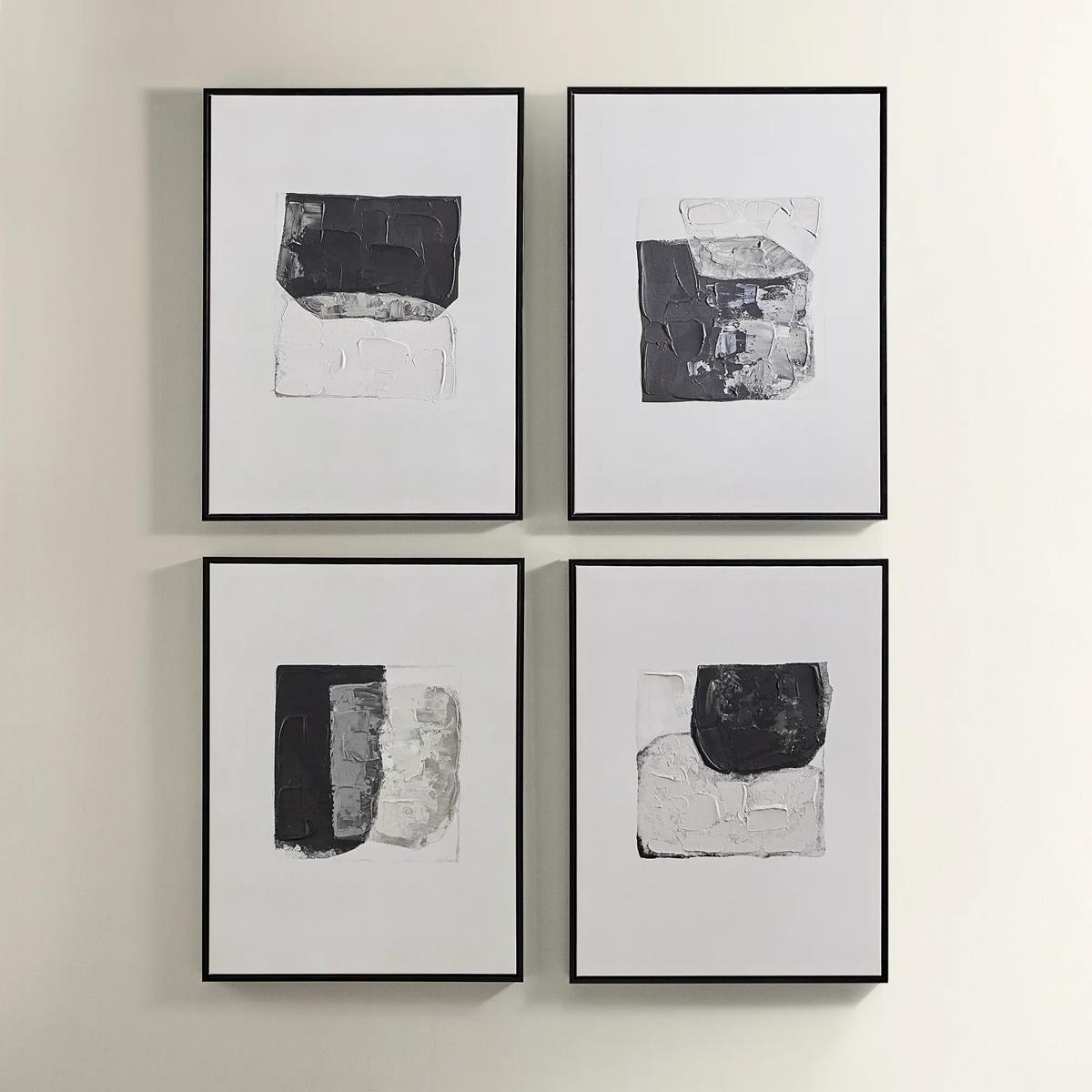
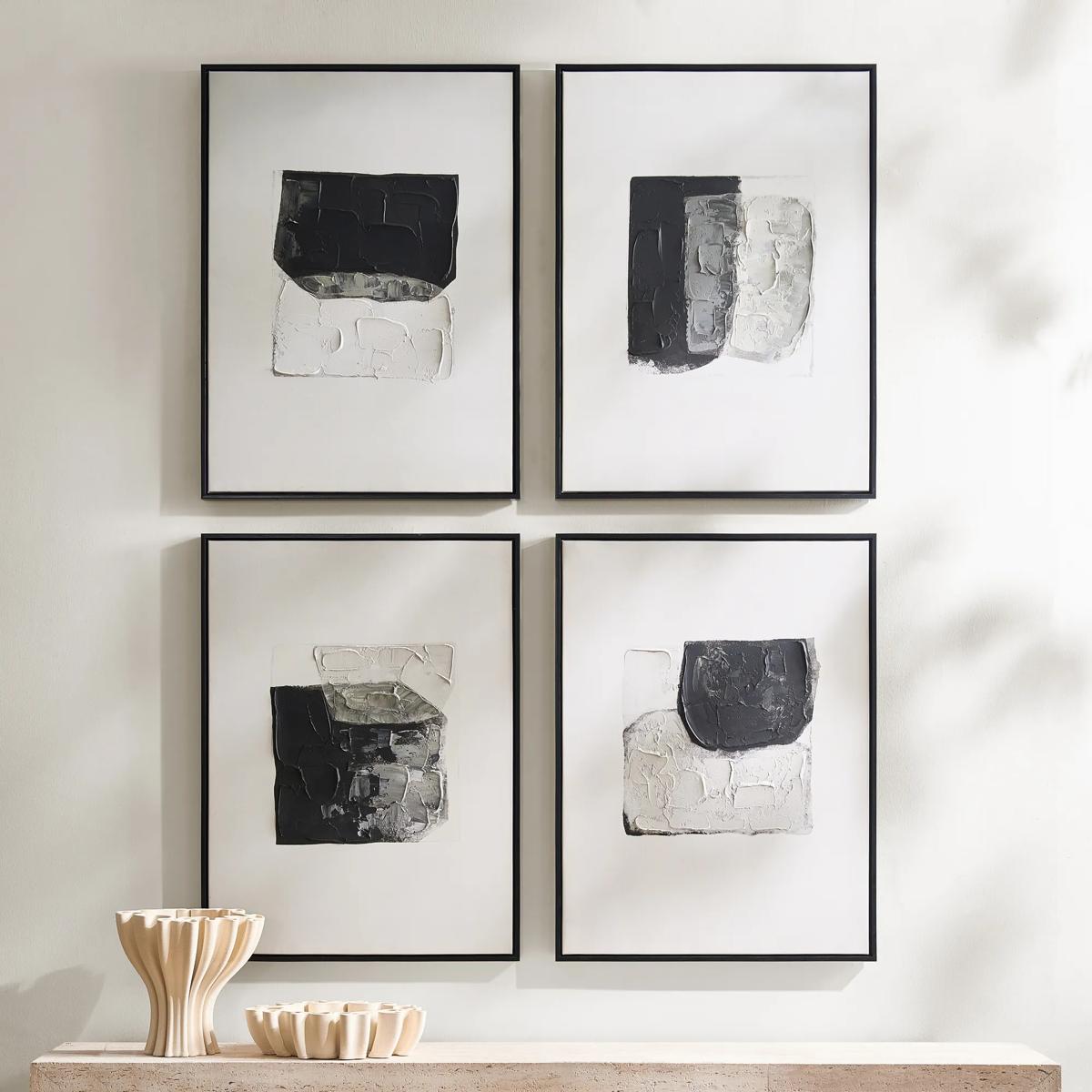 Shadows Framed Painted Wall Art Set of 4$299
A set of four hand-painted abstract canvases featuring black, white, and gold accents in black frames.
Add To Cart -
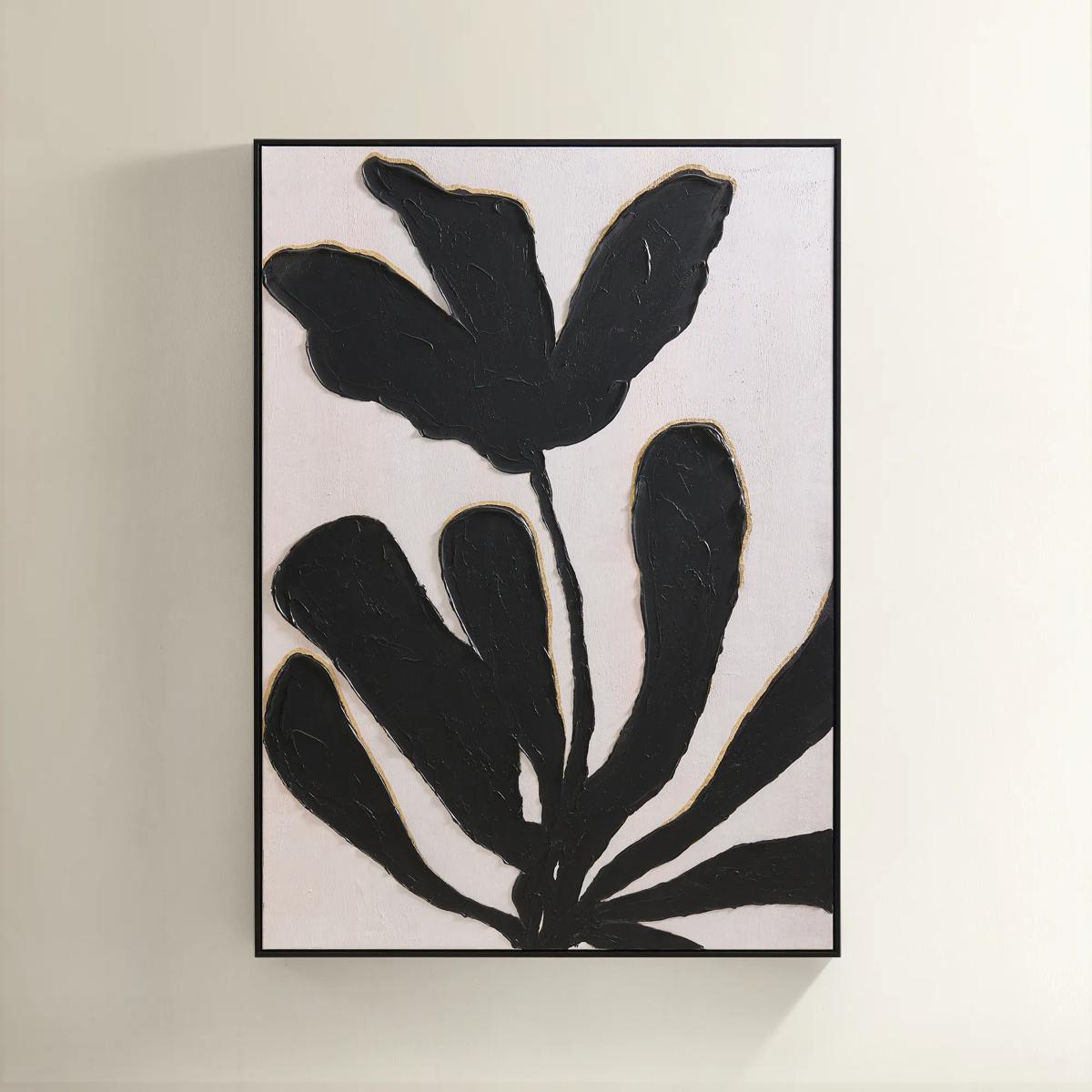
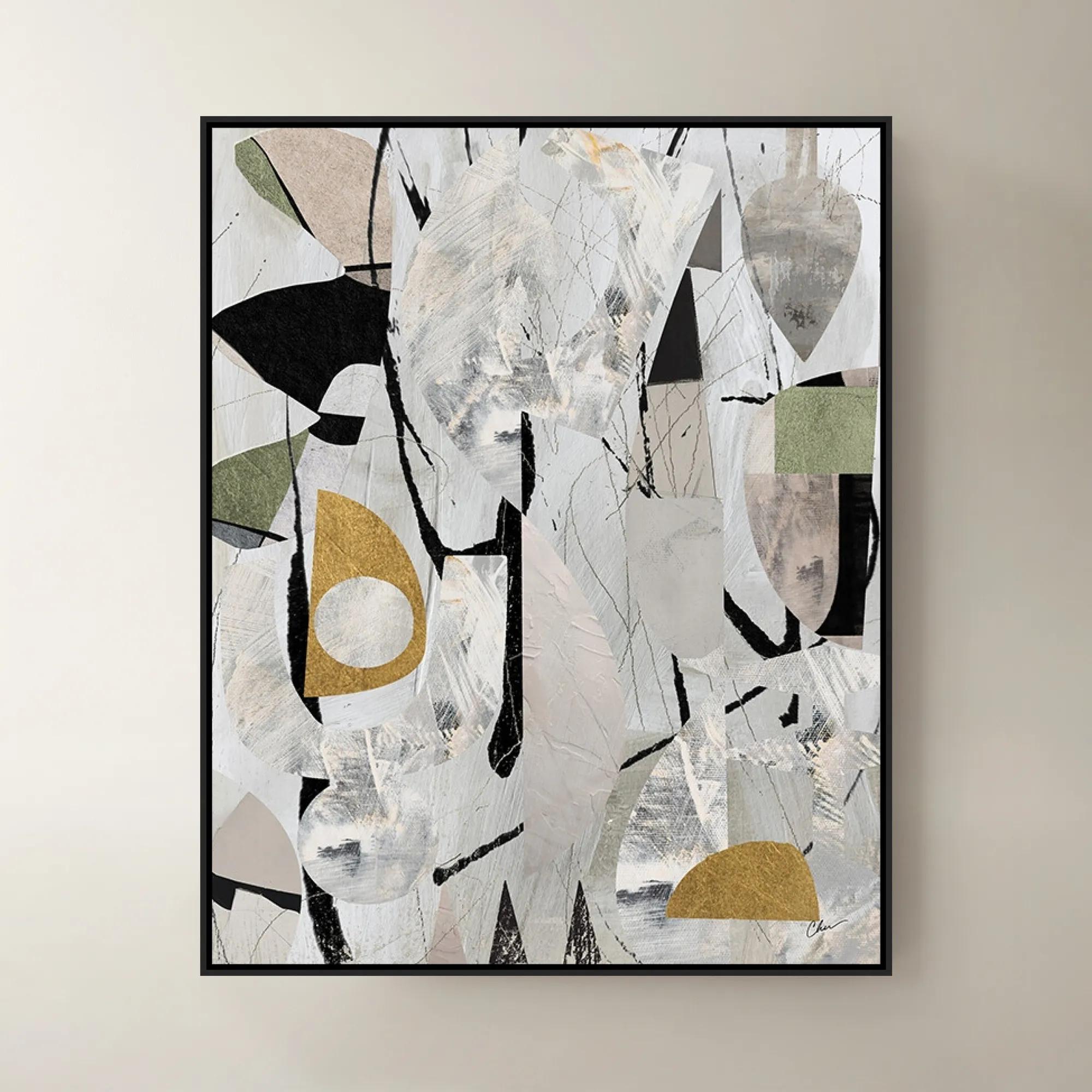
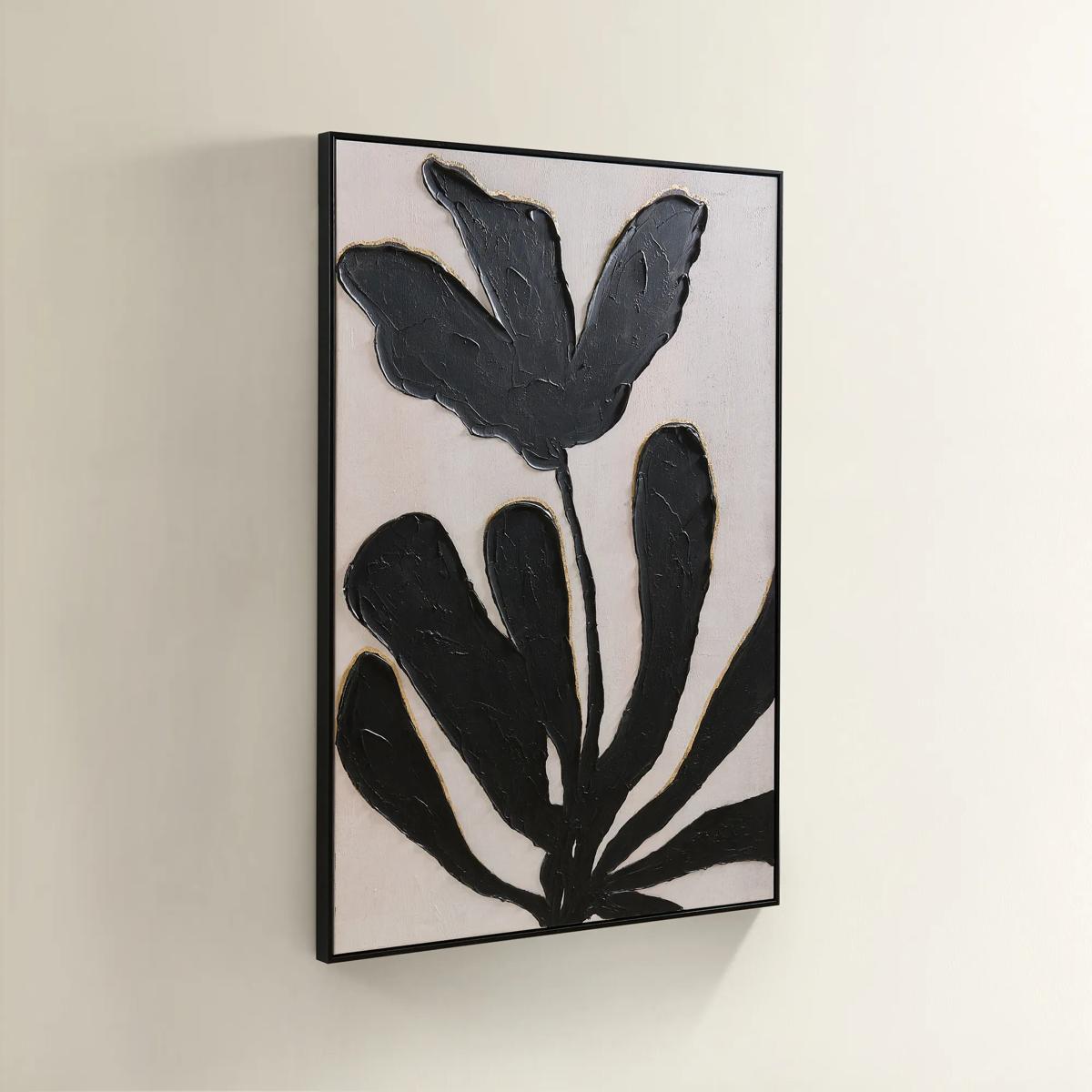 First Bloom Framed Painted Wall Art 39.25" x 55"$499
A hand-painted canvas featuring black abstract leaves and gold leafing on an ivory background in a black frame.
Add To Cart -
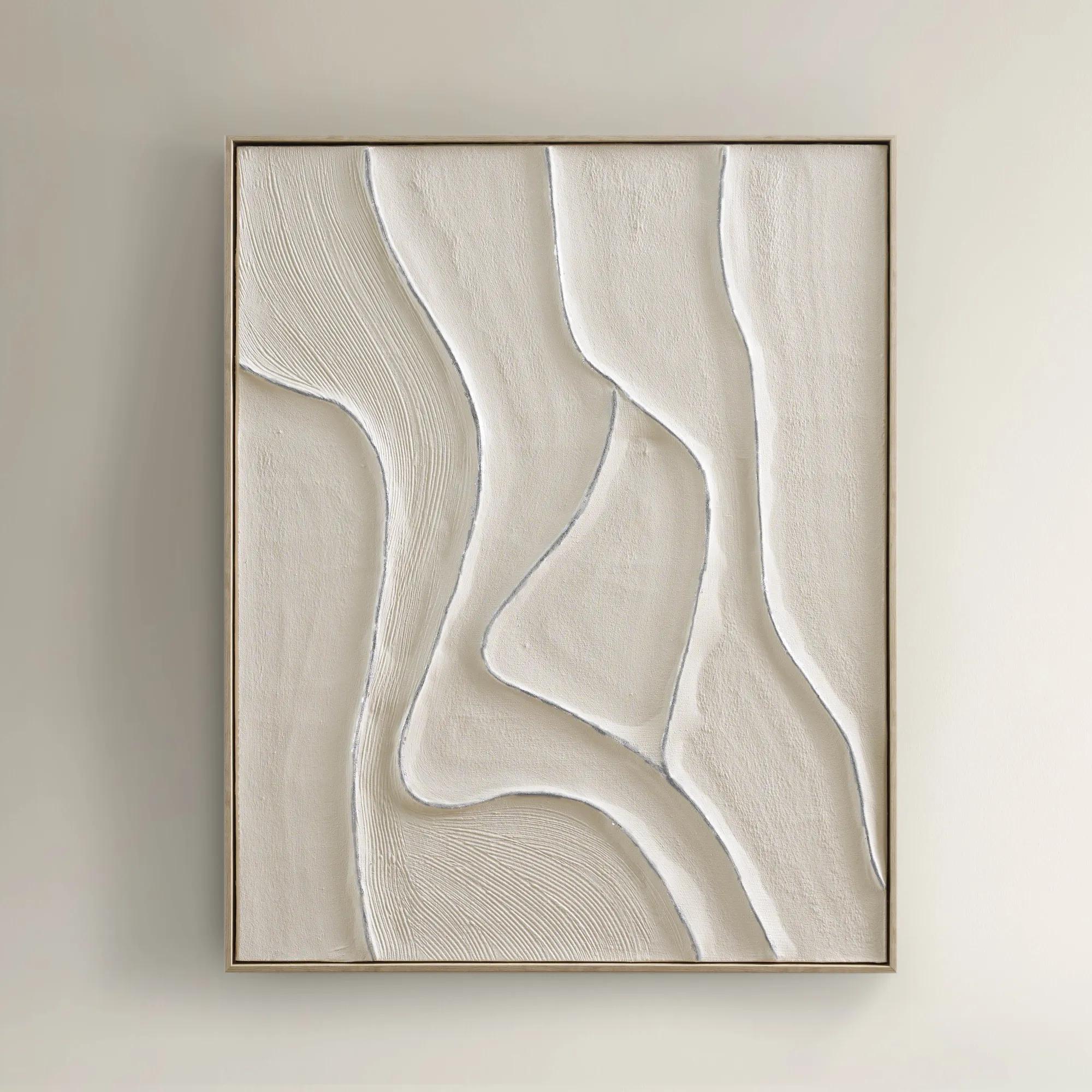
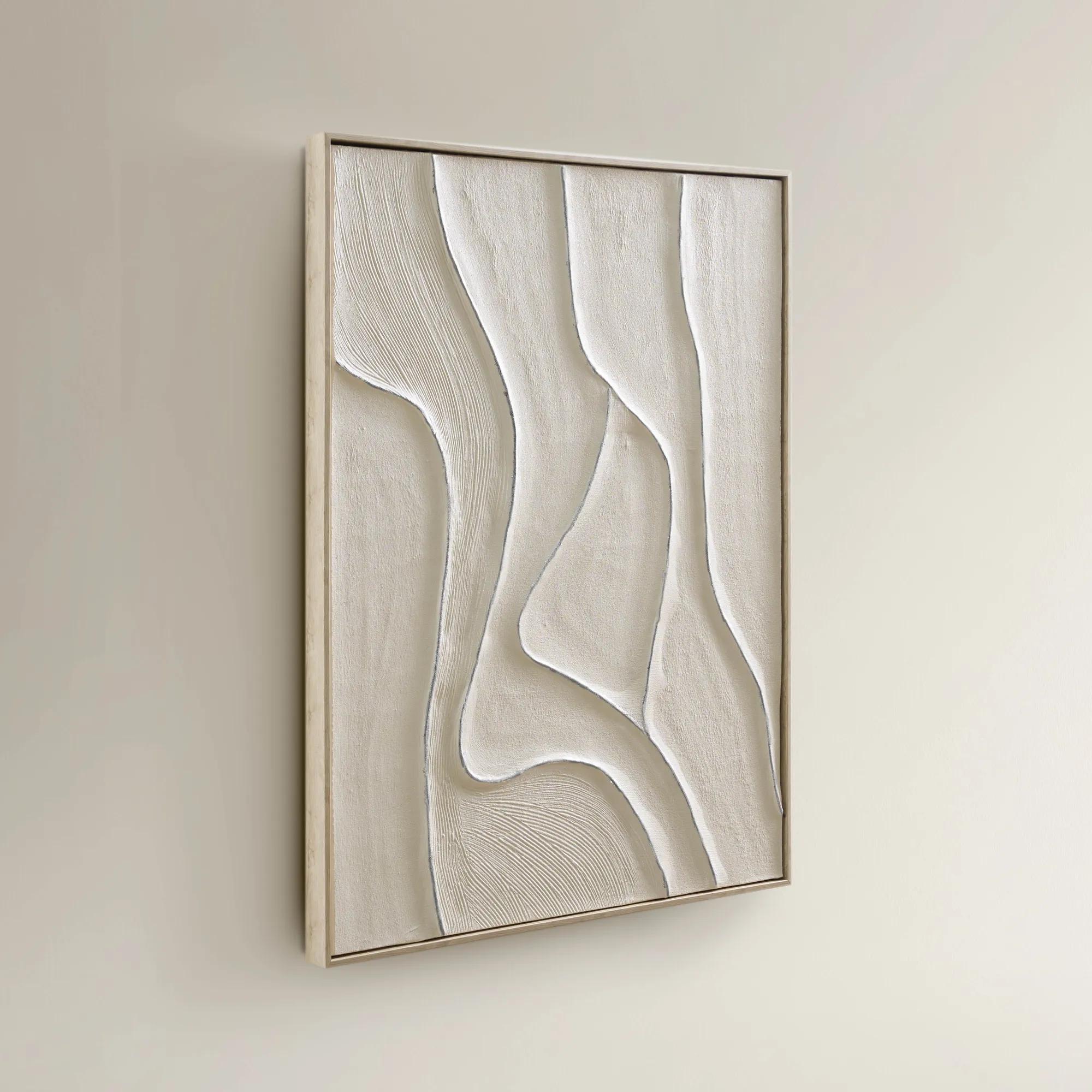 Vivre Framed Silver Leaf Painted Wall Art 39.25" x 31.5"$199
A hand-painted canvas featuring tranquil beige hues and flowing lines in a warm whitewash floater frame.
Add To Cart -
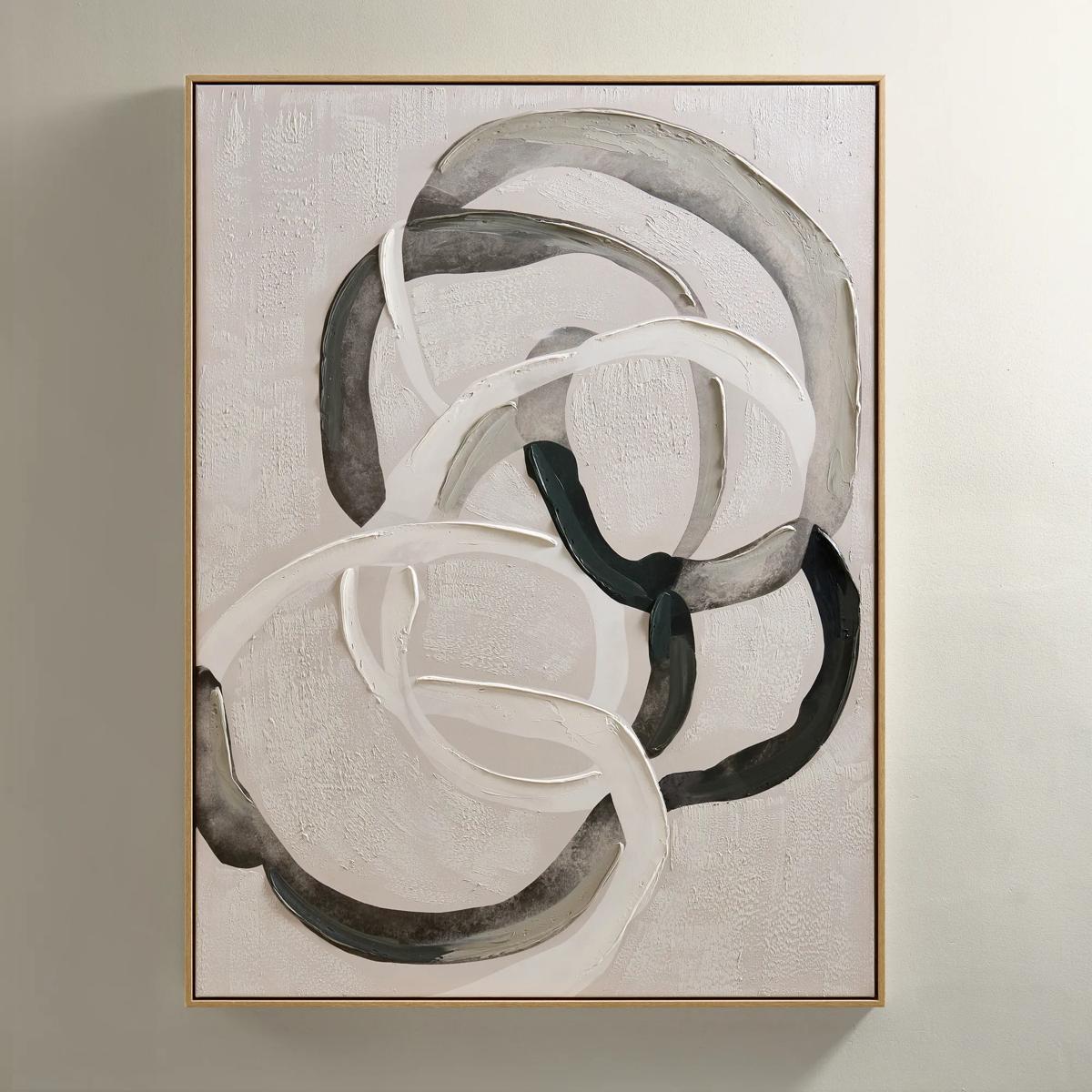
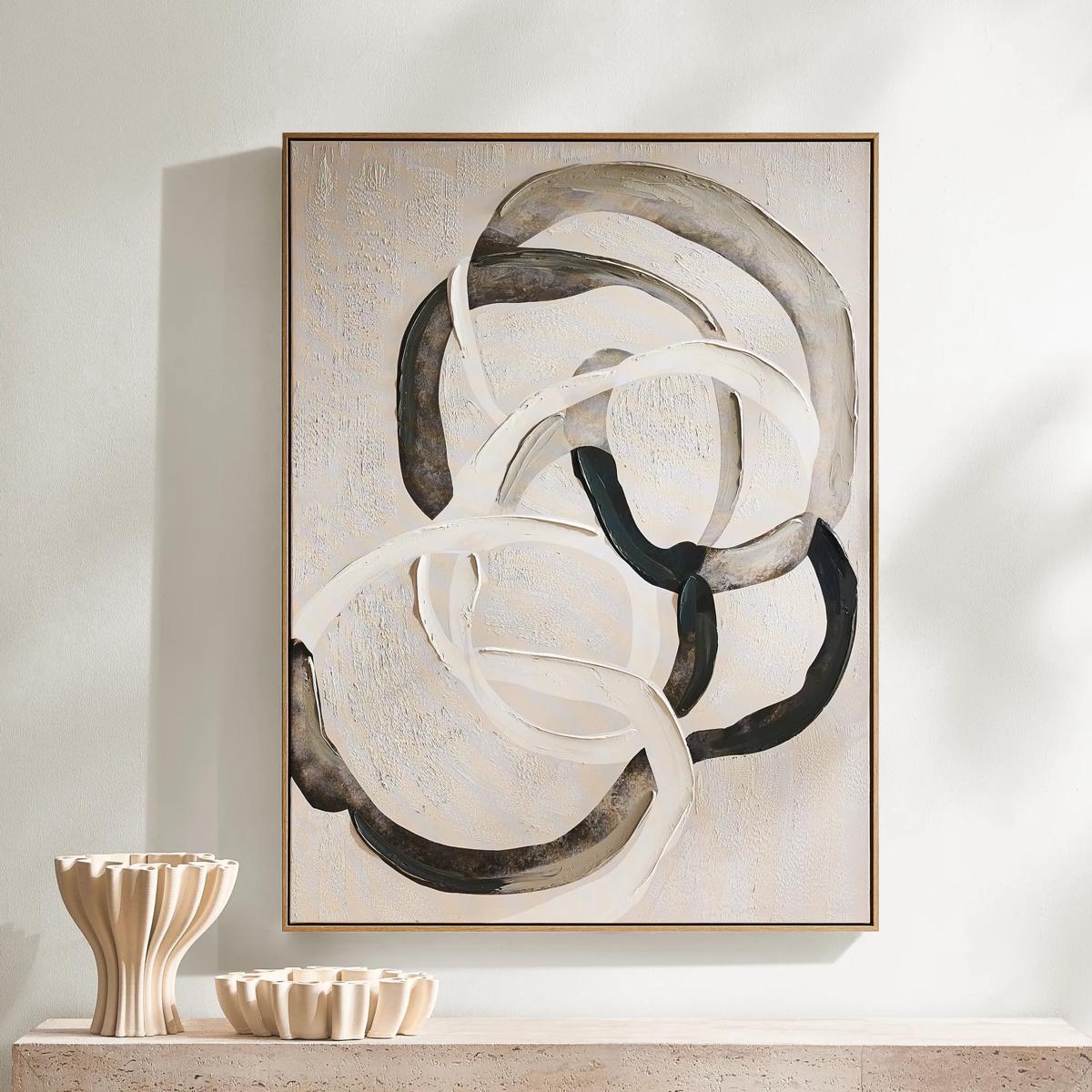 Round About Framed Painted Wall Art 35.25" x 47.25"$349
An abstract hand-painted canvas with tonal whites, charcoals, and taupes in a light wood floater frame.
Add To Cart -
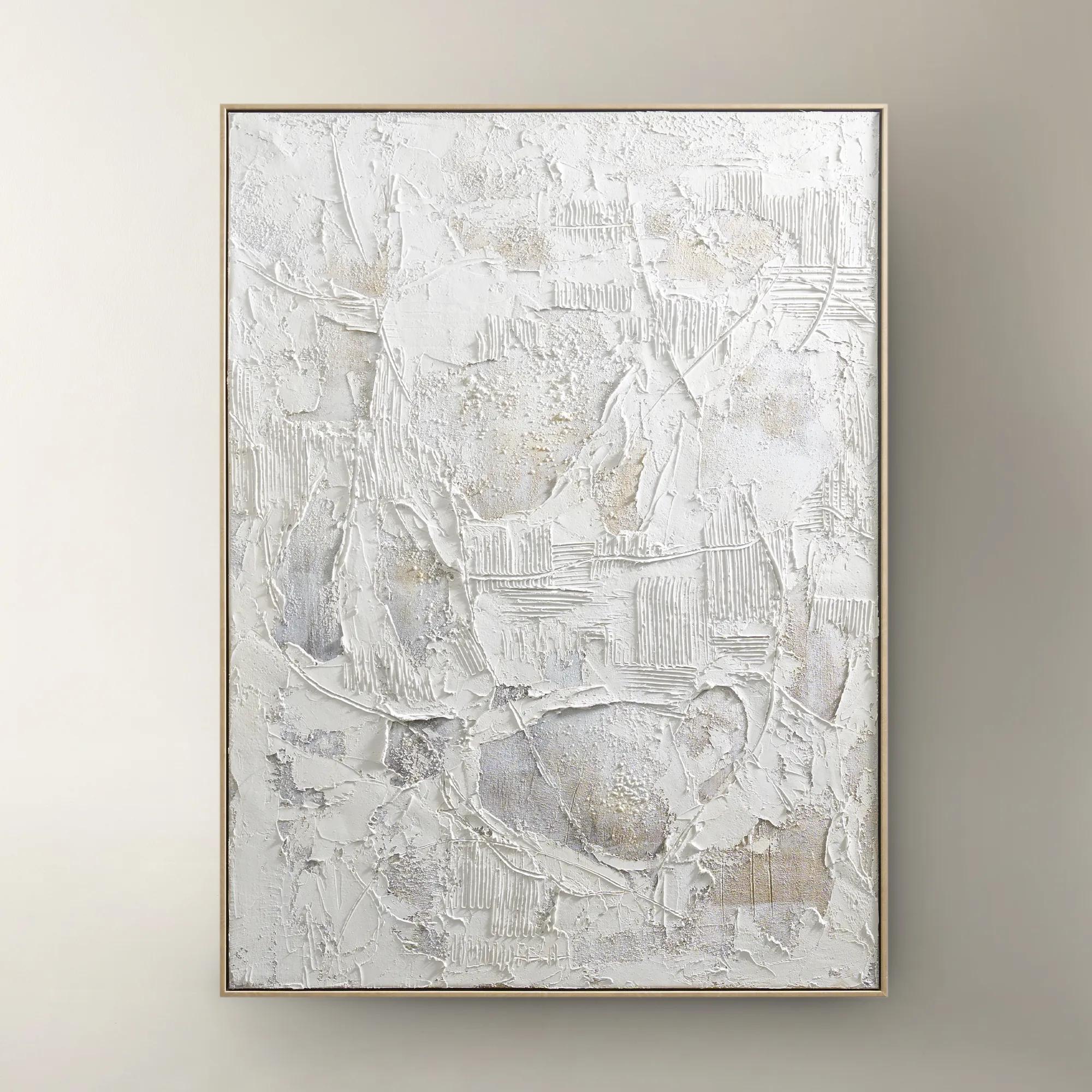 Stone Heritage Painting$399
A hand-painted canvas featuring textured white tones, elegantly framed in warm beech wood for refined appeal.
Add To Cart -
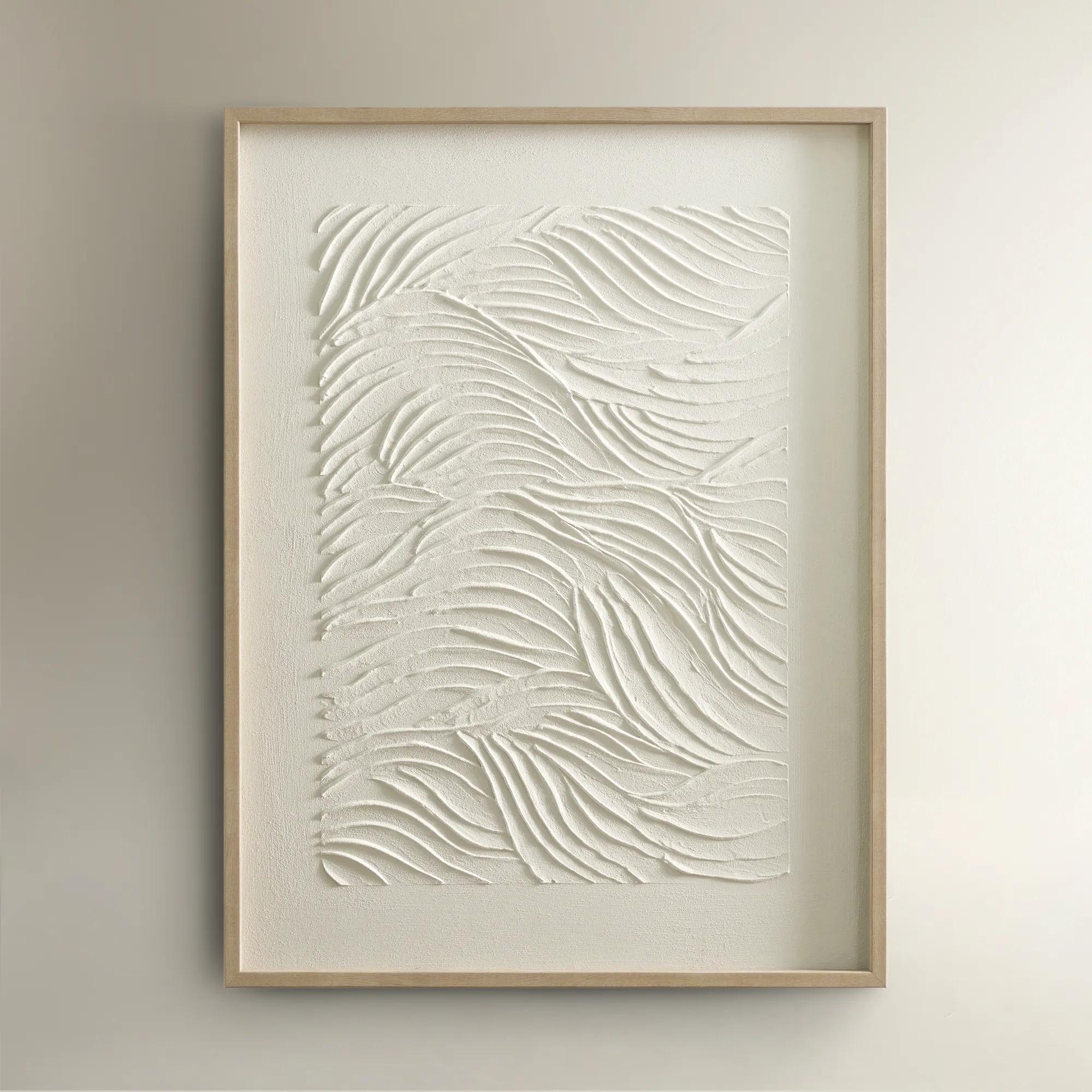
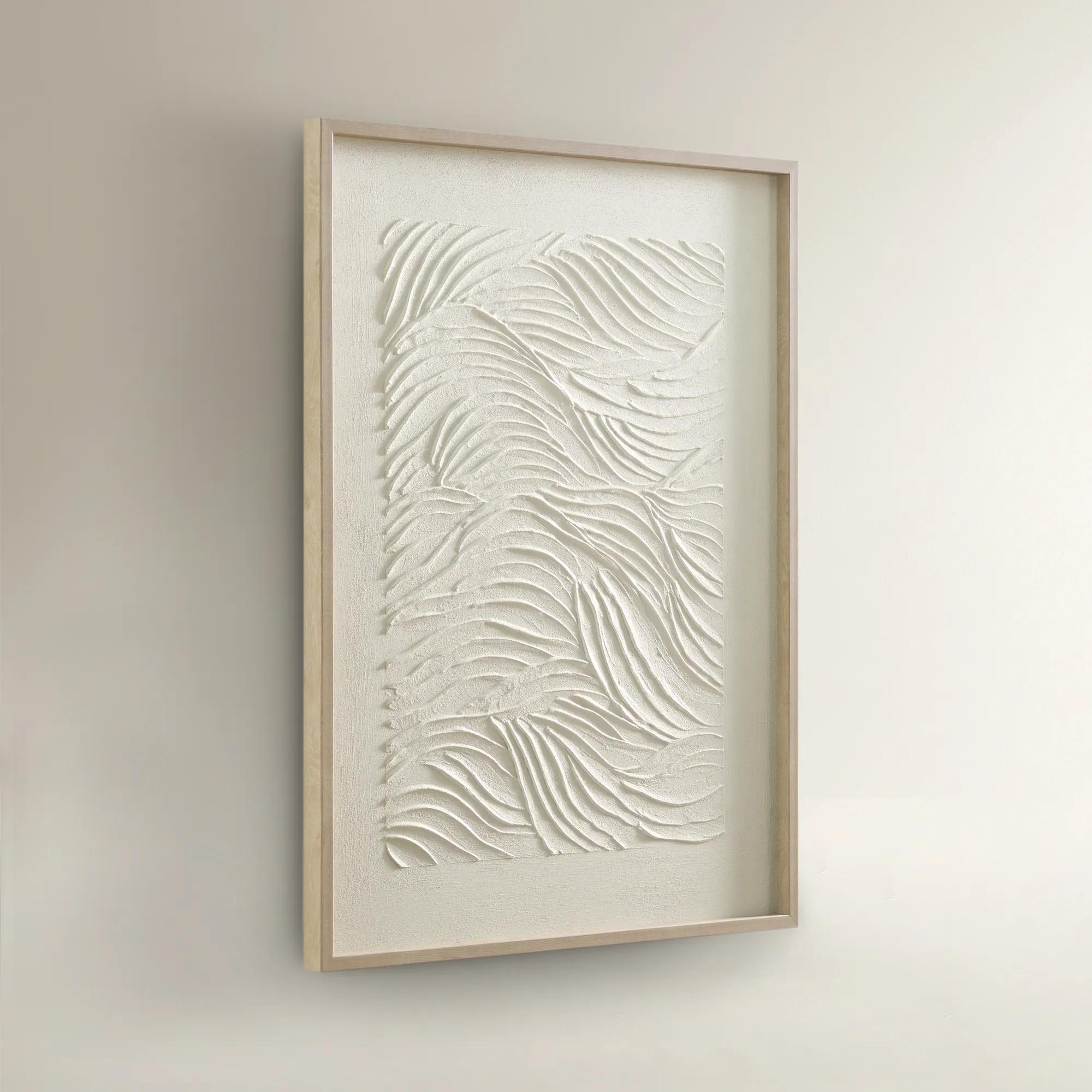 Sonnet Framed Painted Wall Art 23.5" x 31.5"$99
A hand-painted canvas featuring textured white shades and a warm blonde wood frame for elegant depth.
Add To Cart -
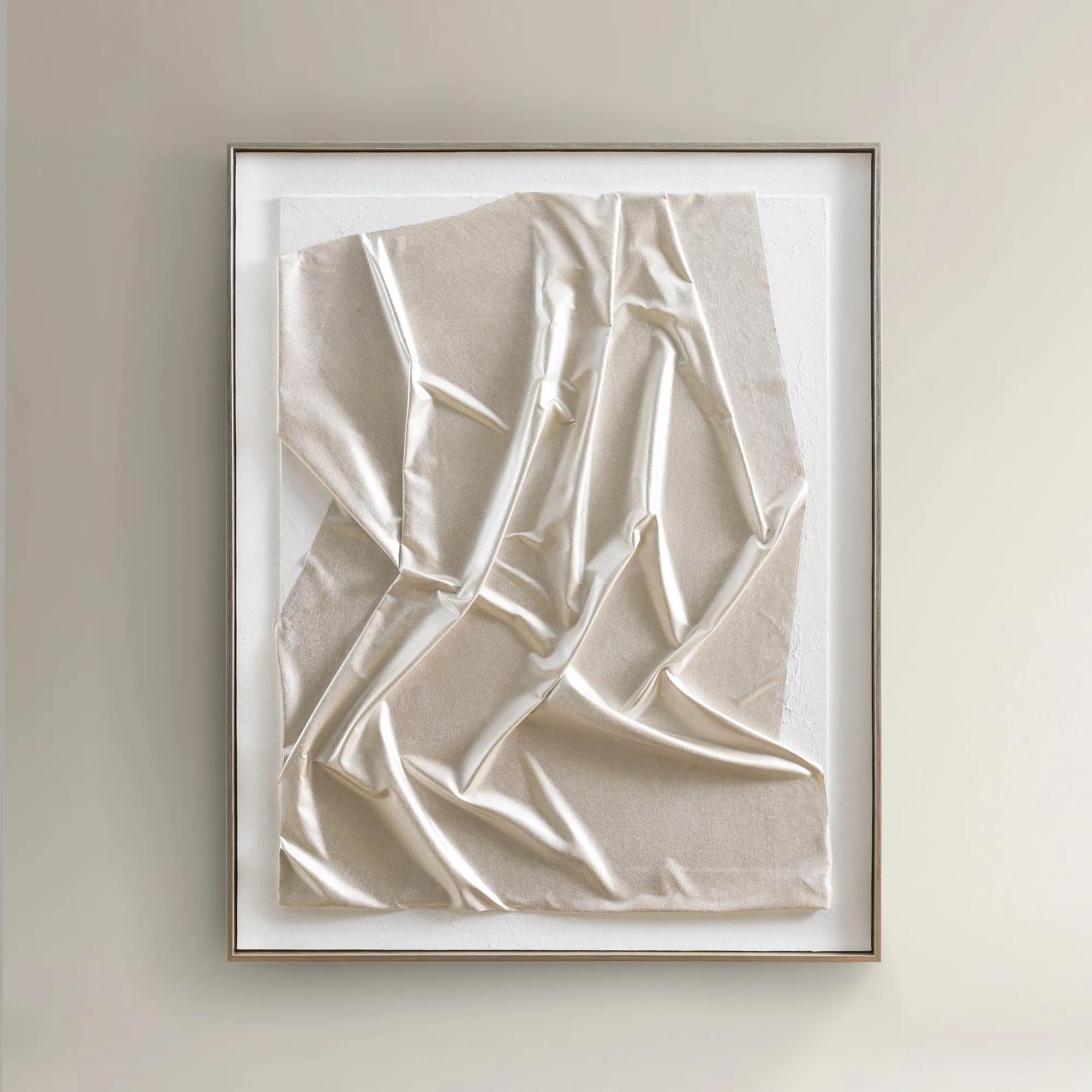
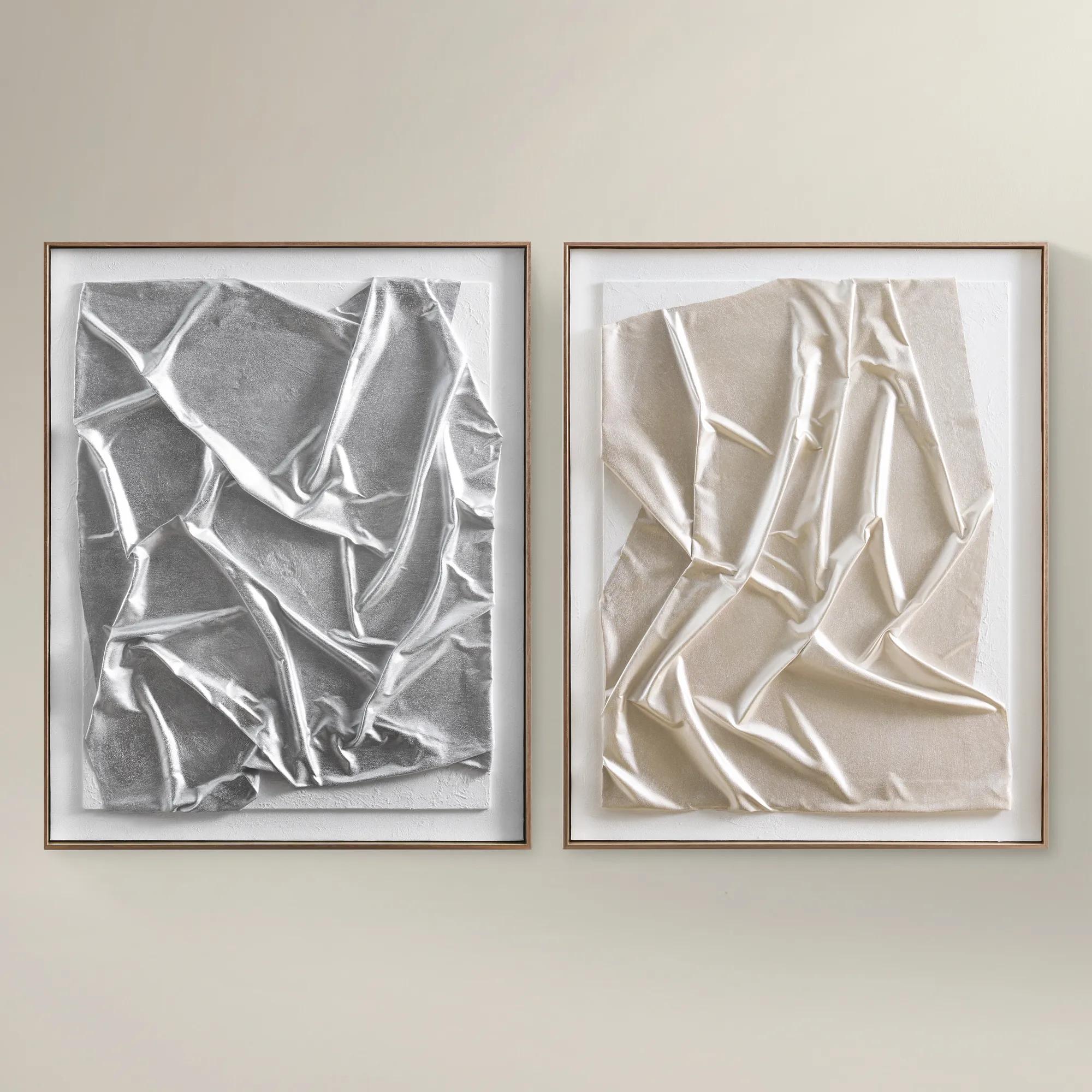 In the Mood Framed Painted Wall Art 31.5" x 39.5"$199
A hand-painted gold canvas artwork featuring textured surfaces and fluid forms in a champagne floater frame.
Add To Cart -
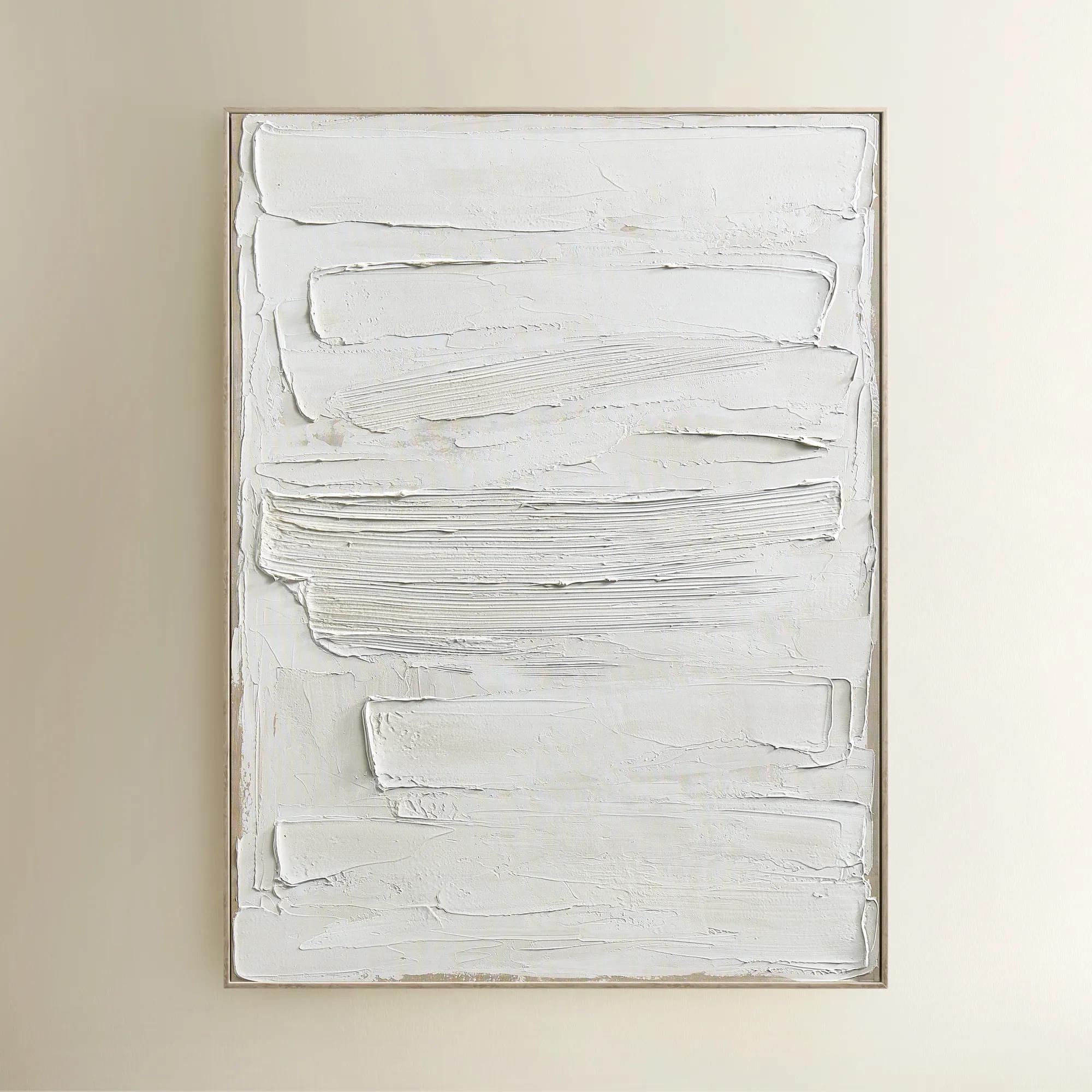
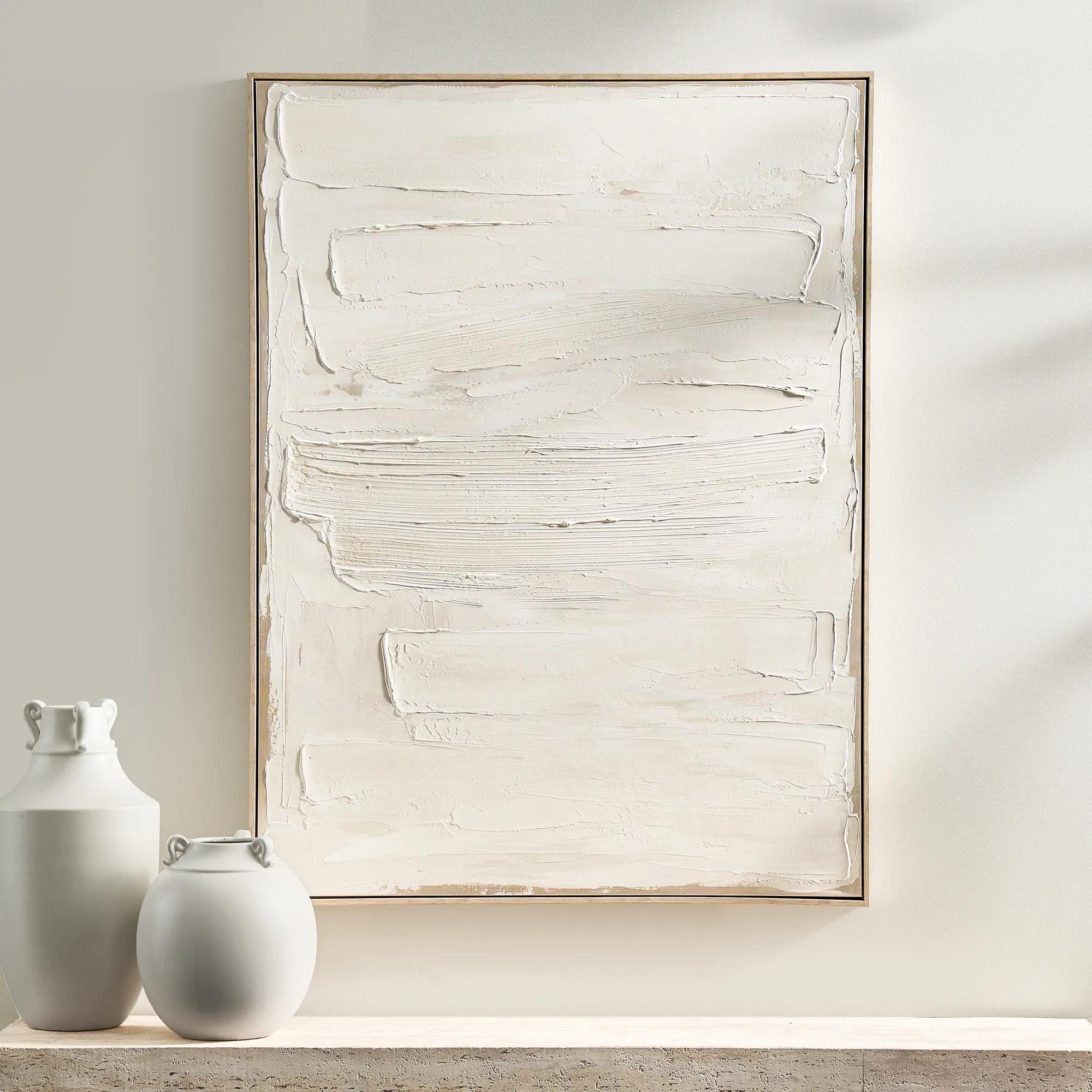 Monotype Canvas 1$399
A hand-painted abstract canvas featuring layered white tones and textured paint in a whitewashed wood frame.
Add To Cart -
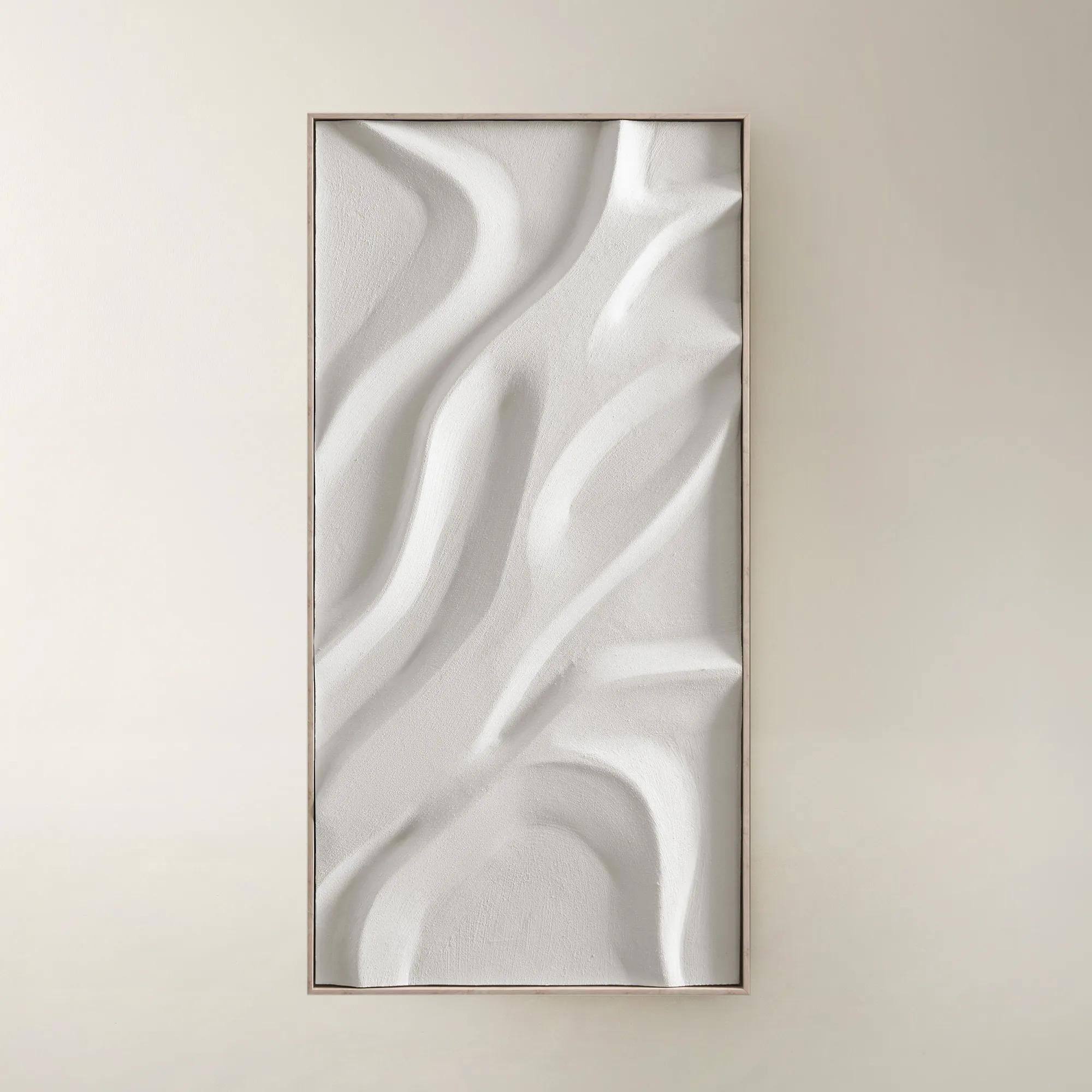
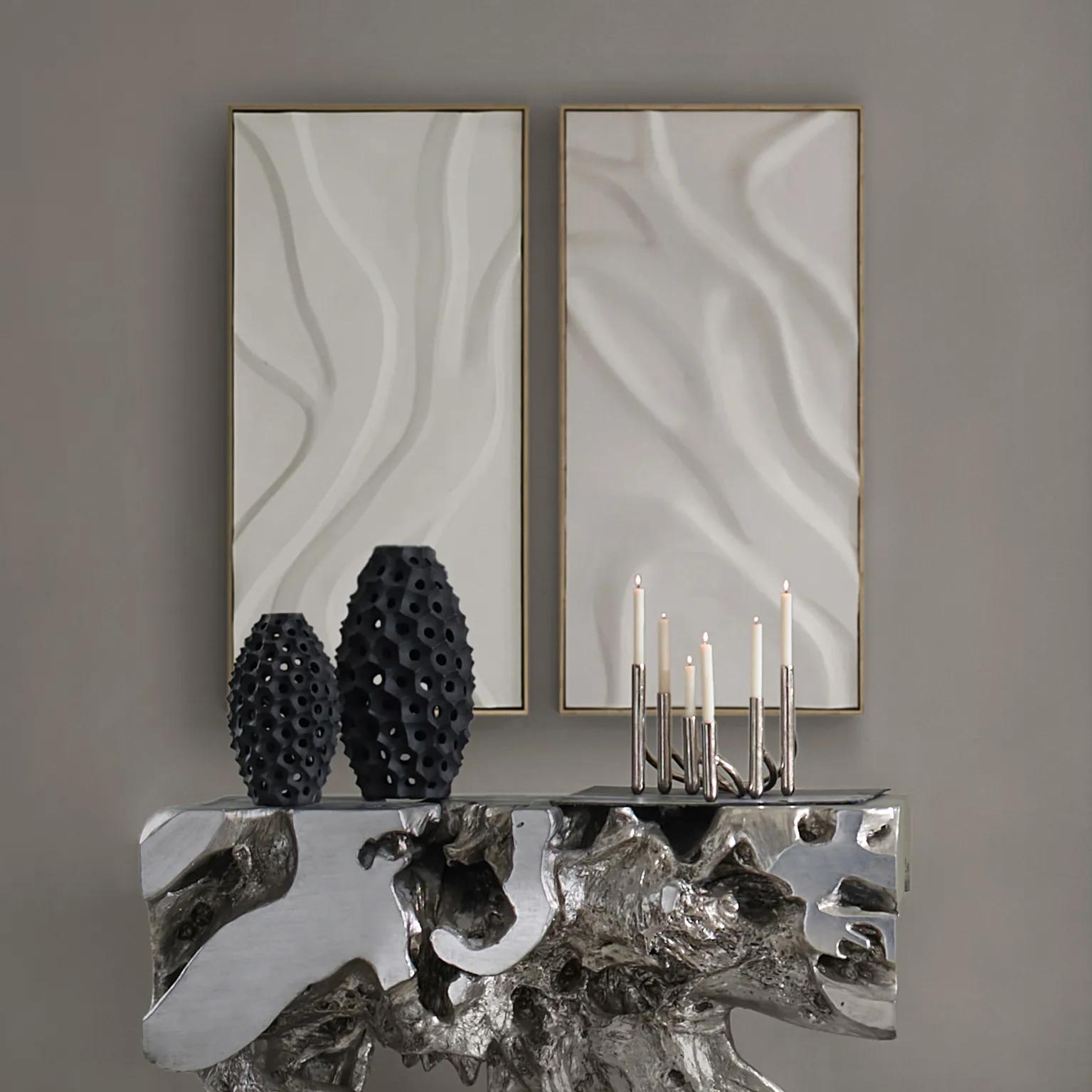 Au Lait Framed Painted Wall Art II 47.2" x 23.6"$199
A serene hand-painted canvas in beige, set in a warm whitewash floater frame for modern interiors.
Add To Cart -
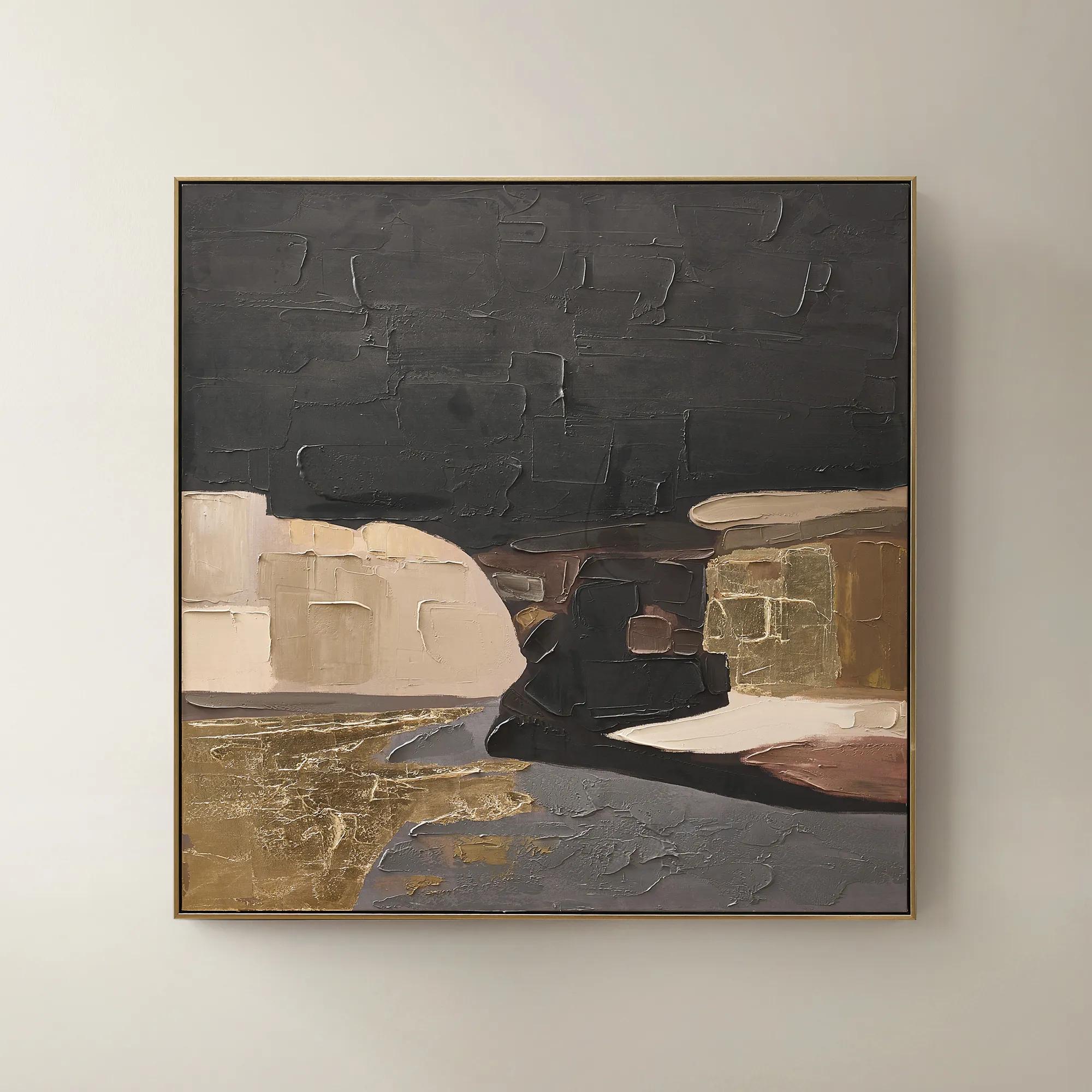 Obscured Light Framed Gold Leaf Painted Wall Art 48" x 48"$499
A hand-painted canvas with gold leaf accents and a black-gold frame in dramatic neutral tones.
Add To Cart -
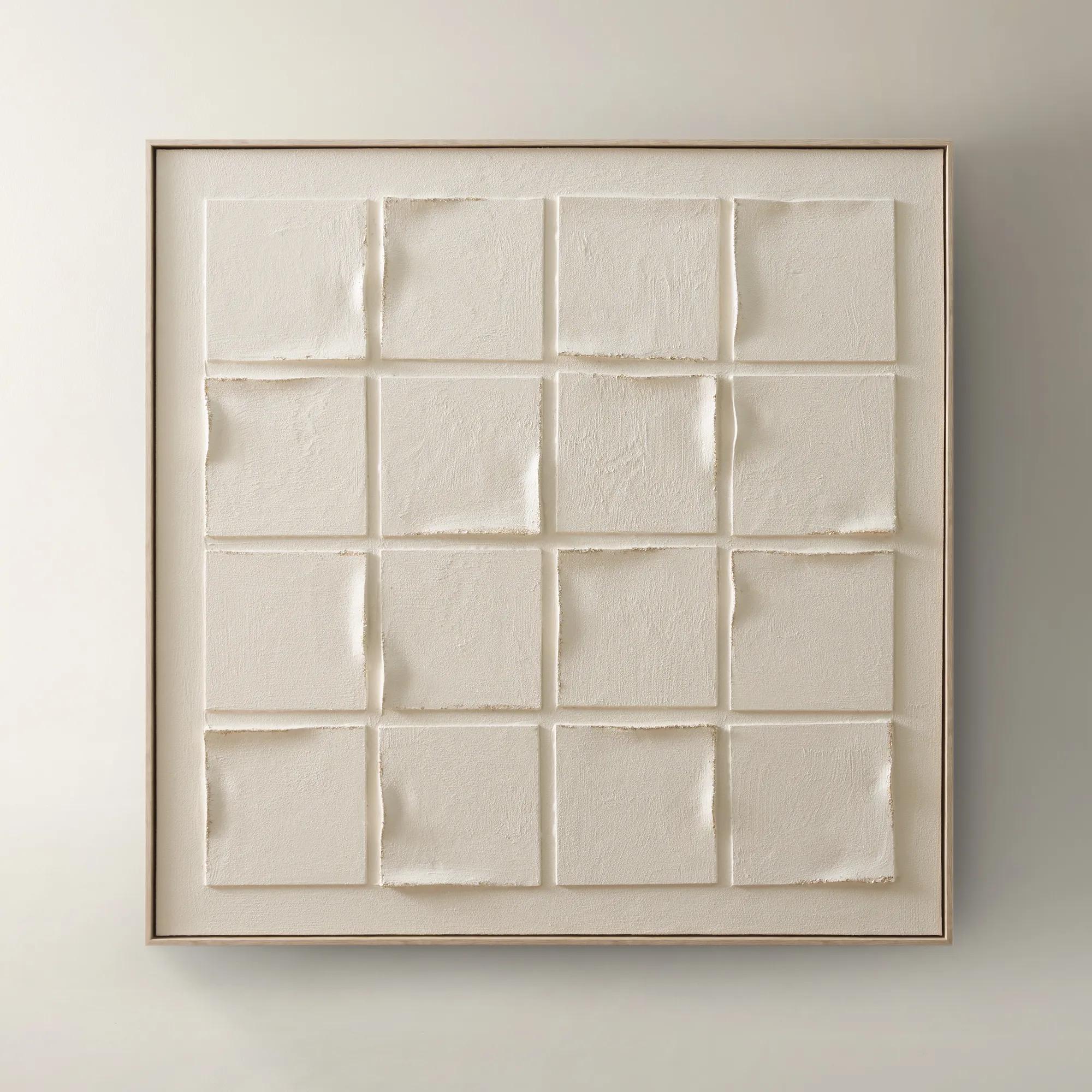 Gaze Framed Painted Wall Art 39.4" x 40"$329
A hand-painted canvas featuring subtle beige tones and textured depth in a warm whitewash floater frame.
Add To Cart -
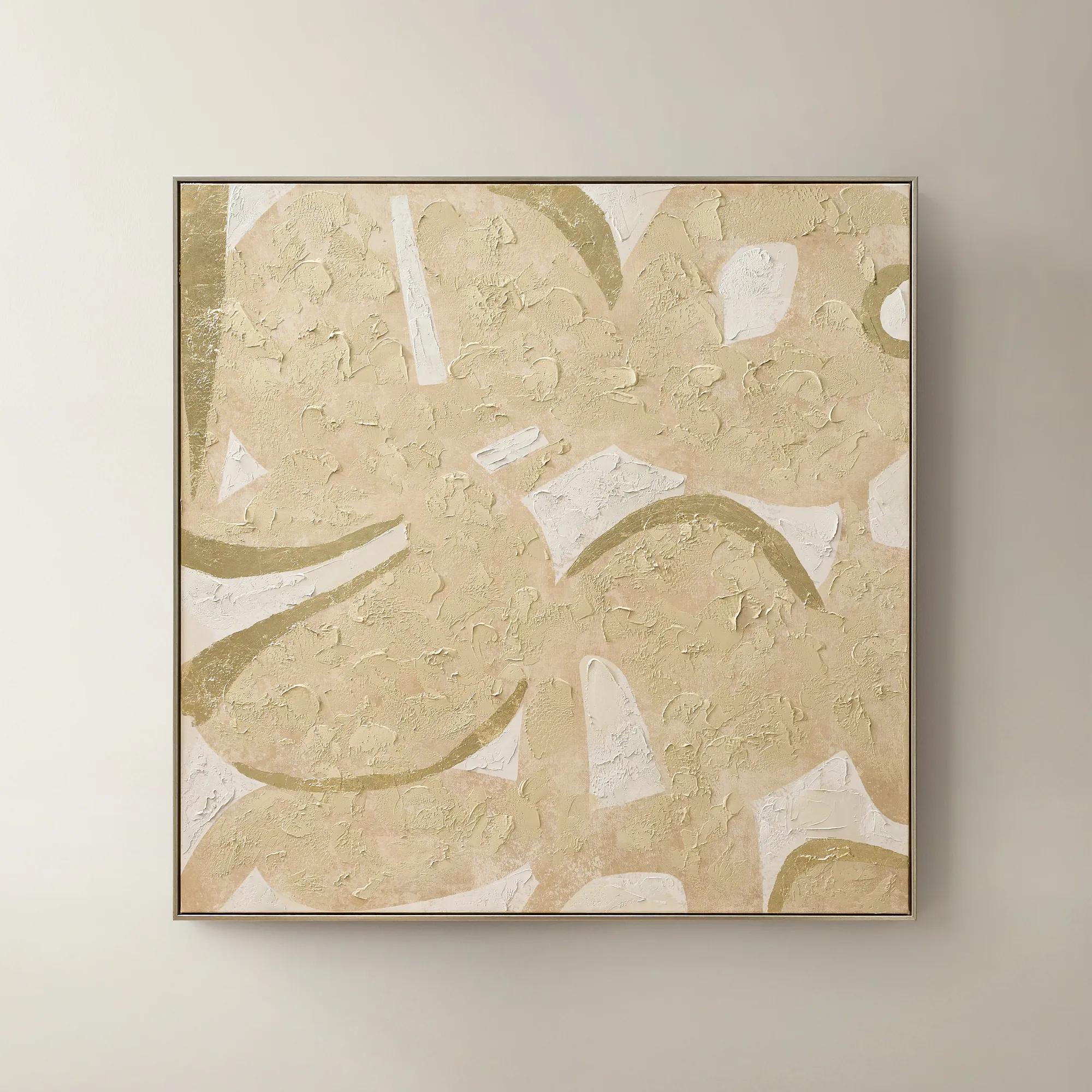
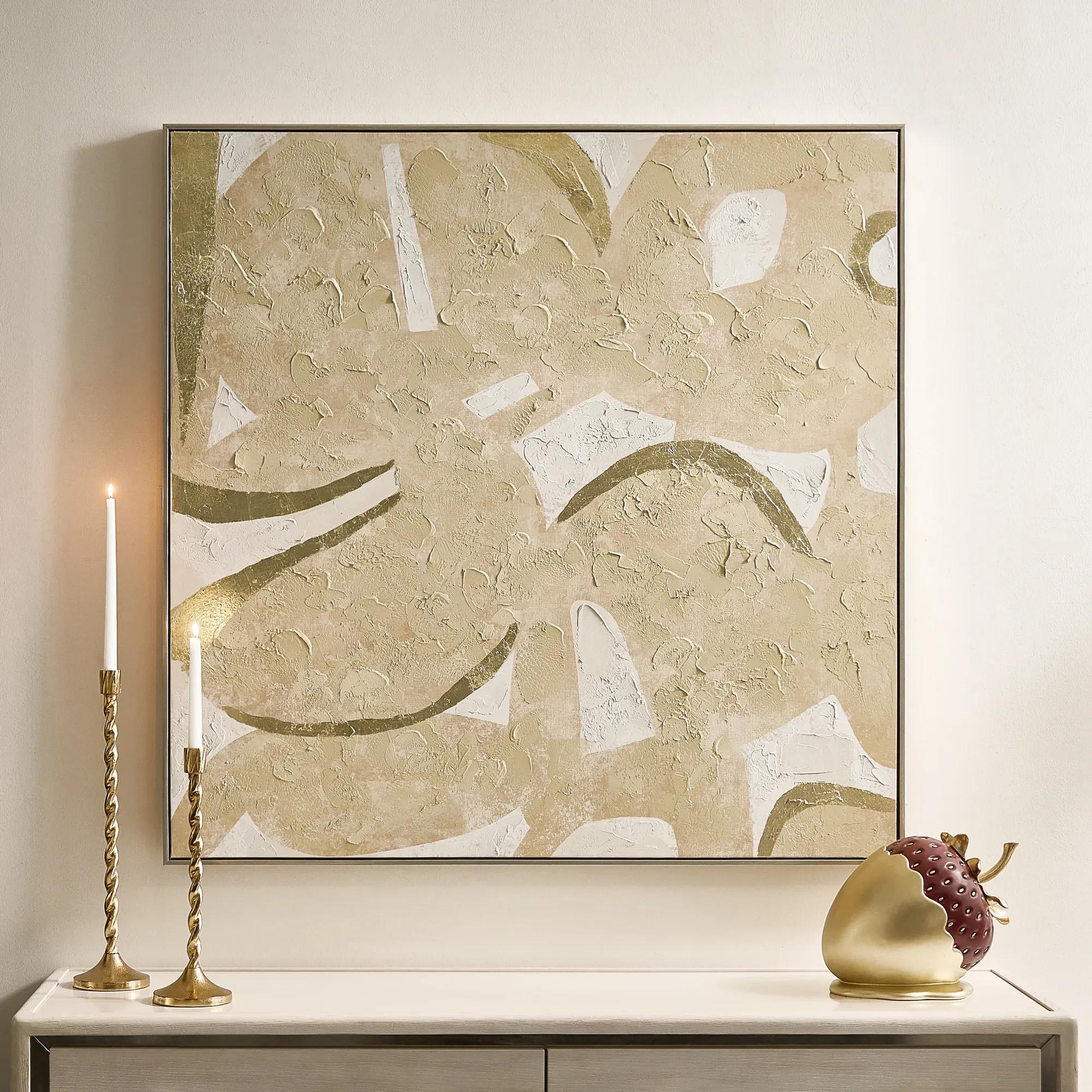 Golden Maize Framed Painted Wall Art 48" x 48"$399
A hand-painted canvas with champagne leafing and butter cream tones adds warmth and modern sophistication.
Add To Cart -
 Espresso Framed Painted Wall Art 31.5" x 31.5"$149
A bold abstract artwork featuring rich brown hues on hand-painted canvas in a light wood floater frame.
Add To Cart -
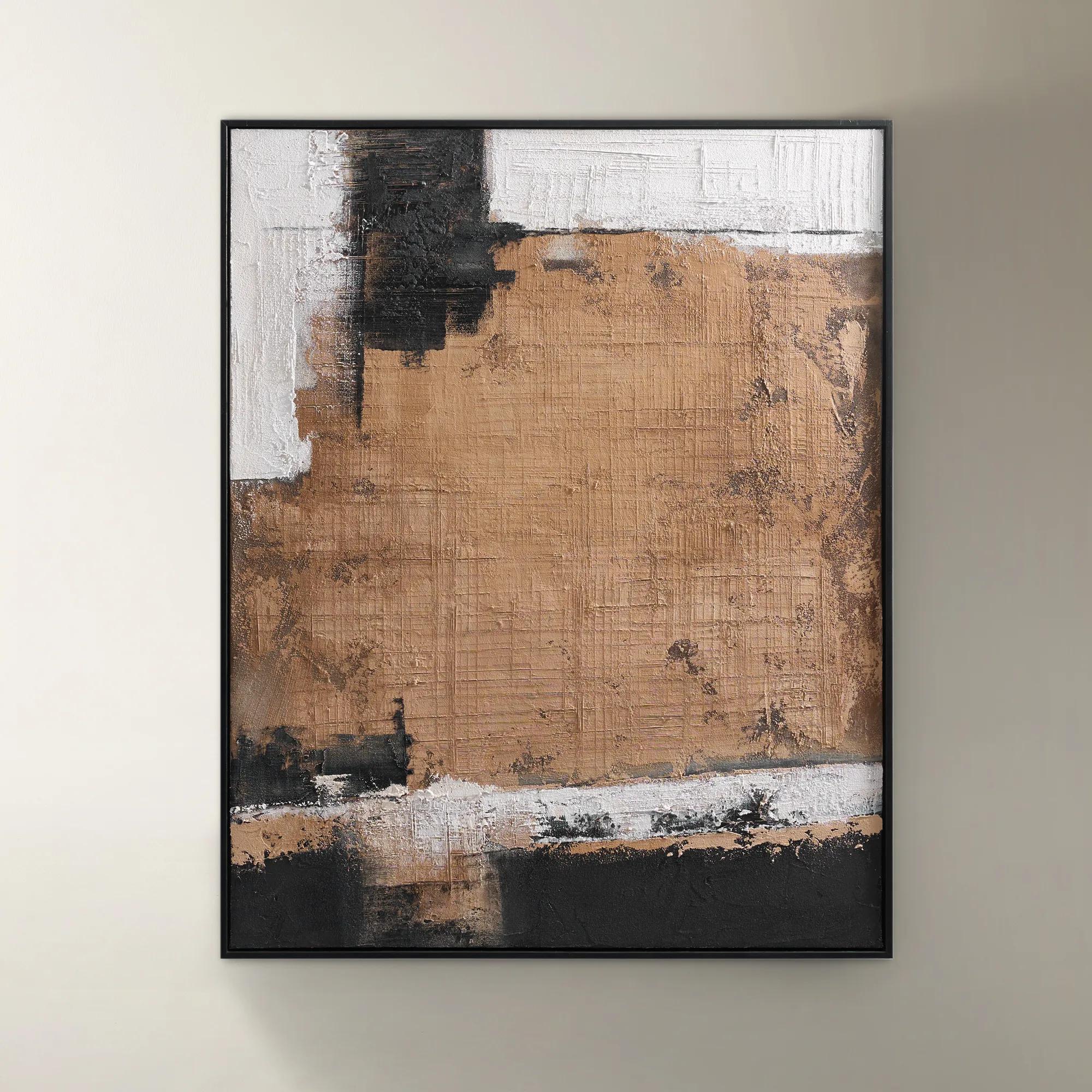
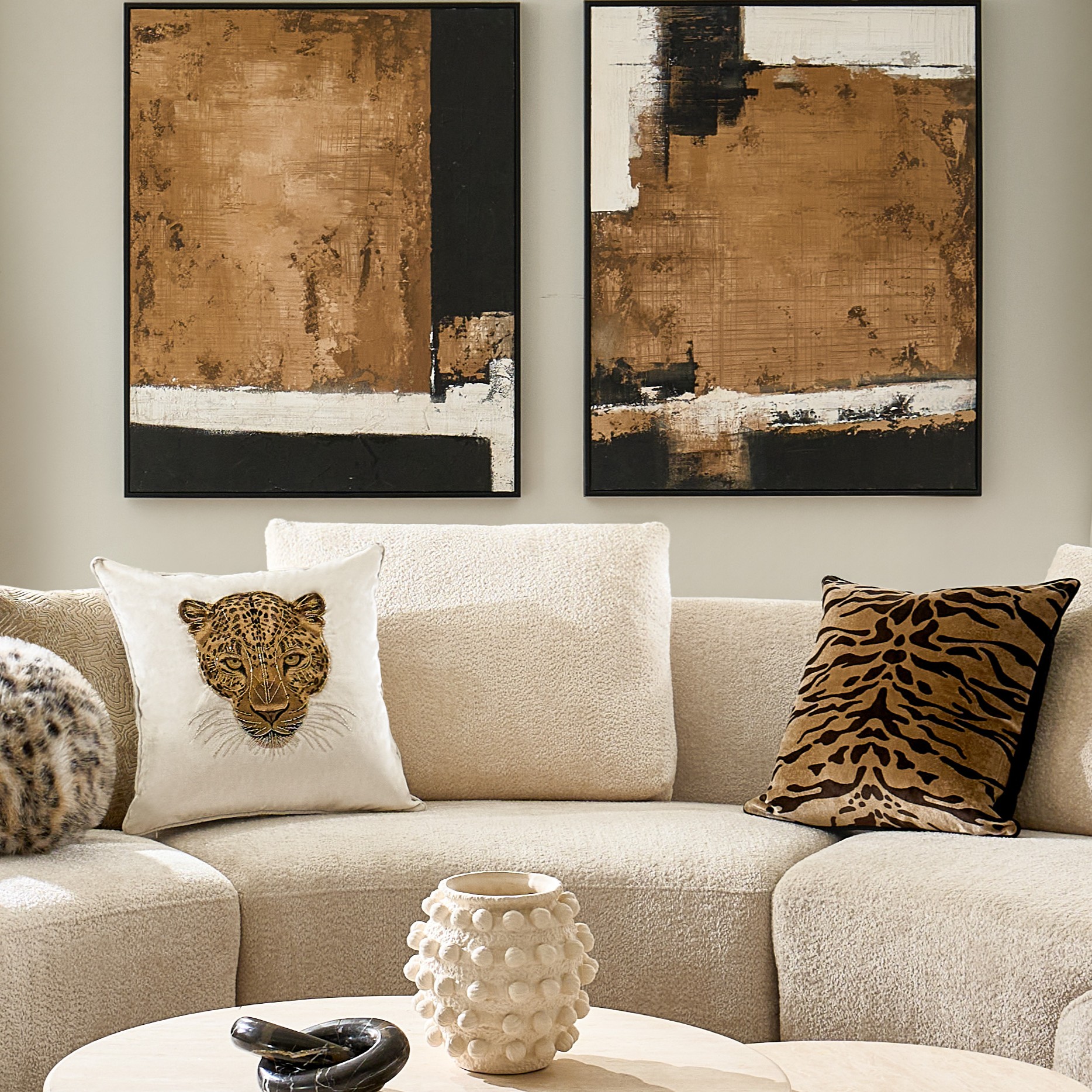 Drift Framed Painted Wall Art II 39.4" x 31.5"$299
A hand-painted canvas in brown, featuring bold texture and color interplay within a sleek black floater frame.
Add To Cart -
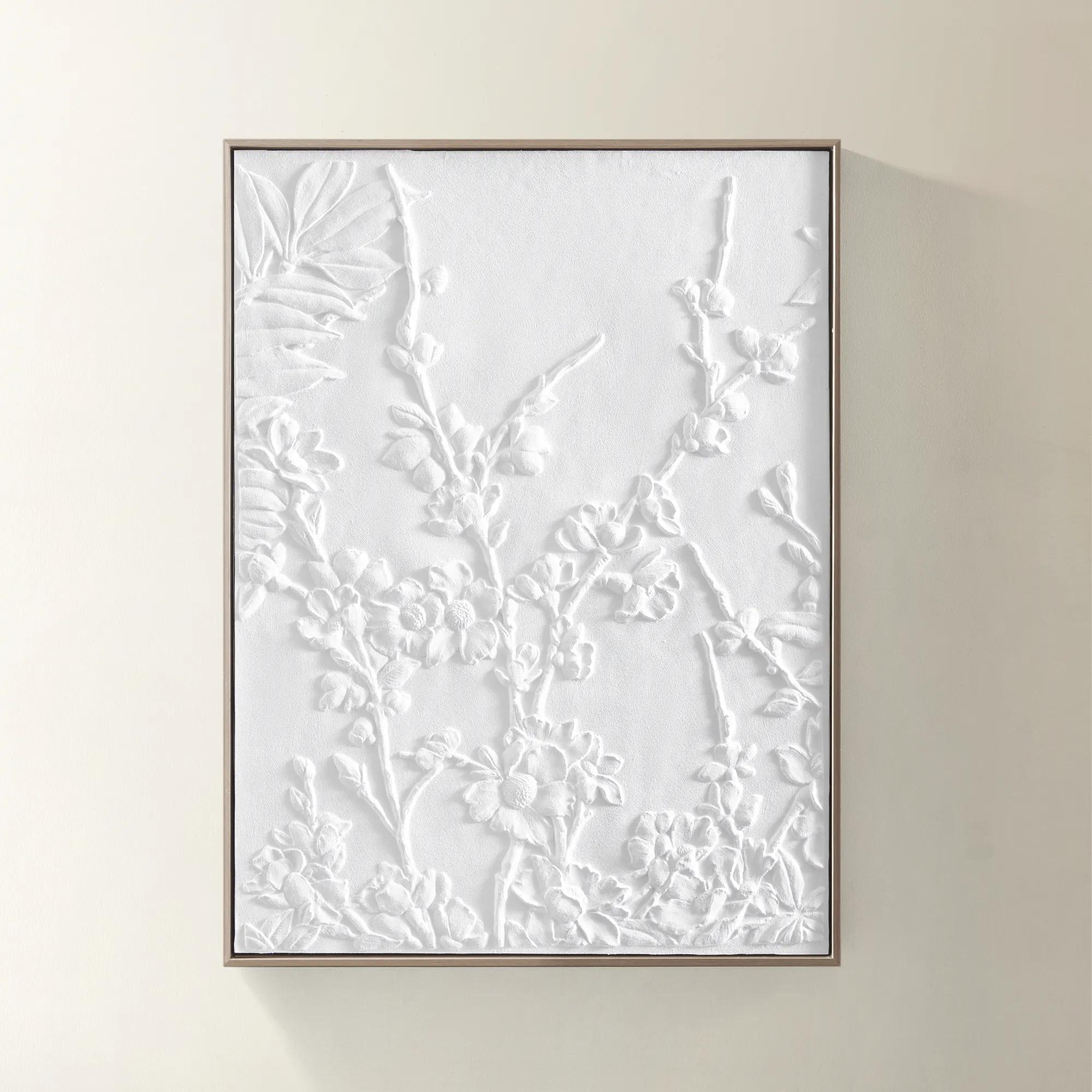
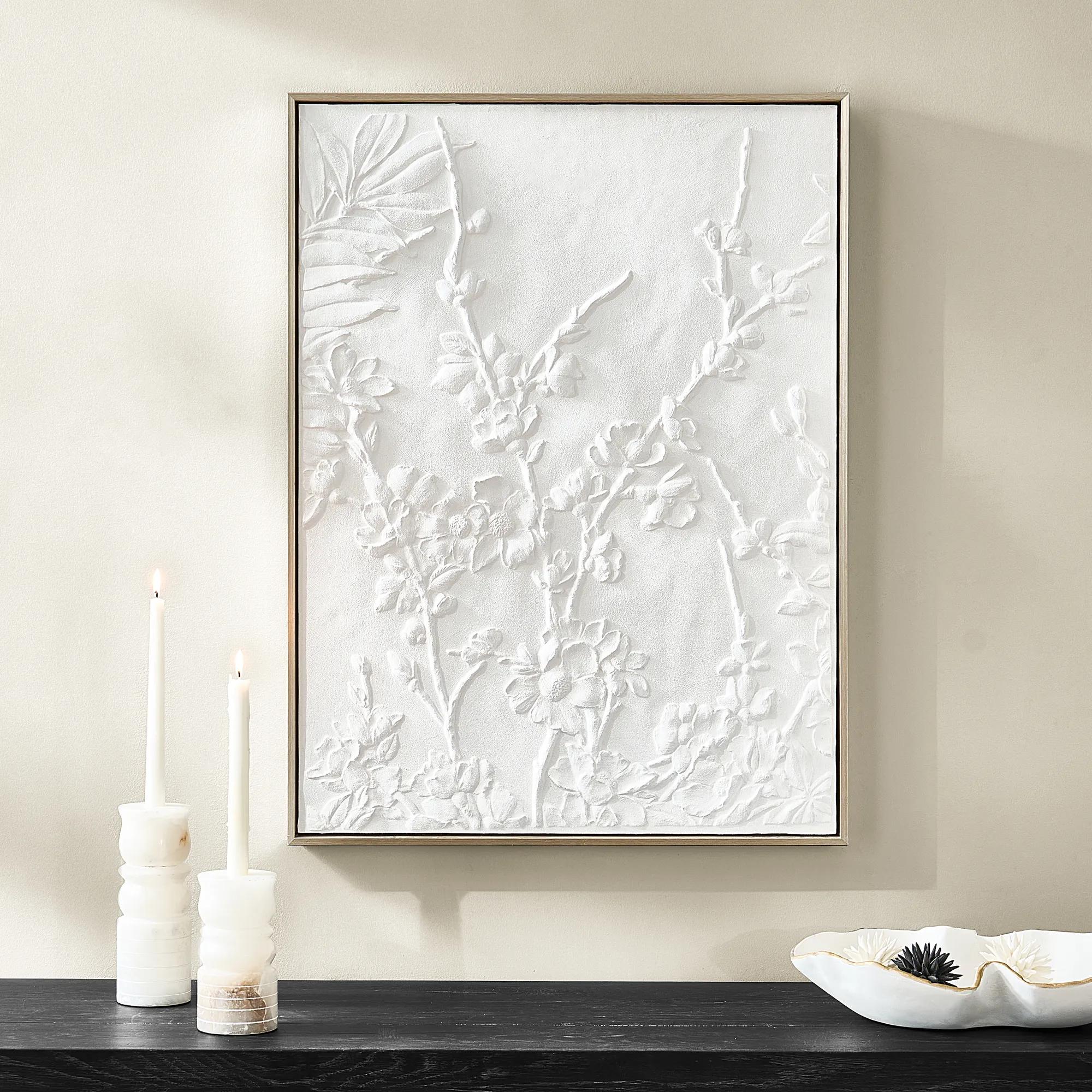 Allegro Framed Painted Wall Art 31.5" x 23.6"$109
A hand-painted canvas featuring textured floral motifs, framed in a warm champagne finish for subtle sophistication.
Add To Cart -
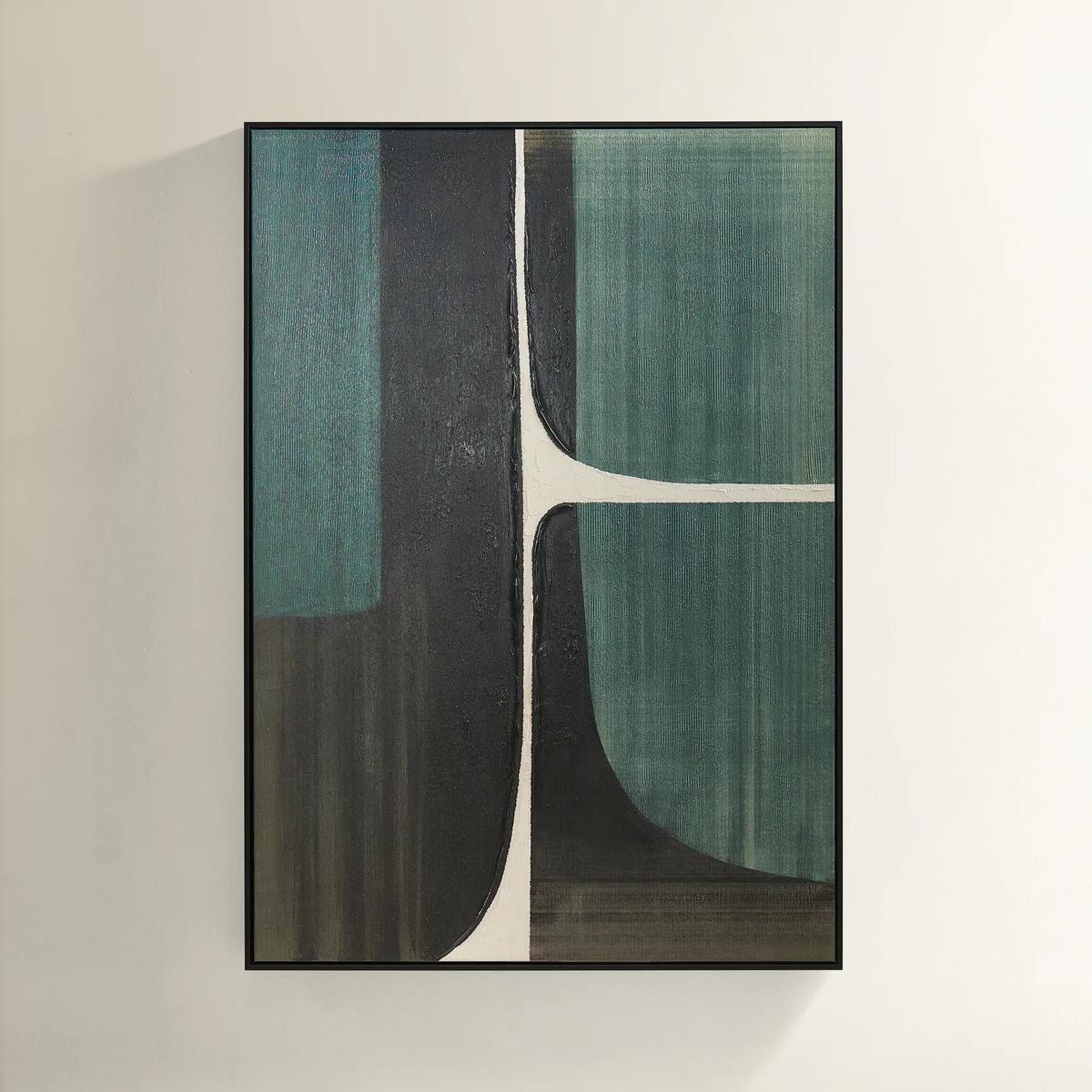 Plains Framed Painted Wall Art 39.25" x 55"$499
A hand-painted abstract canvas in forest green, ivory, and black with a sleek black floater frame.
Add To Cart

Textured Hand Painted Canvas Paintings
Textured Hand Painted Canvas Paintings transform blank walls into immersive works of art, inviting you to indulge in a world where every brushstroke tells a story. Each piece is a celebration of depth and dimension—layered, sculptural, and brimming with tactile allure. Whether you’re curating a gallery-worthy statement or seeking an unexpected focal point, these canvases infuse your space with drama and artistry. Elevate your interiors with Textured Hand Painted Canvas Paintings that ignite the senses and turn every room into a masterpiece of self-expression.
Textured hand-painted canvas paintings create a dimensional surface through raised brushwork, thick applications of paint, modeling paste, or mixed-media elements layered onto canvas. Unlike an image defined only by color and line, textured canvas art introduces physical relief: ridges catch the light, recessed areas hold shadow, and sweeping strokes give the composition a sense of movement. The effect can be quietly atmospheric or boldly sculptural, from delicate tonal layers that resemble weathered stone to expressive impasto marks that stand visibly above the surface. Impasto refers to paint applied thickly enough to retain the marks of a brush or palette knife, while modeling paste can build additional depth beneath or alongside painted details. Depending on the work, acrylic paint, oil paint, or compatible mixed-media materials may contribute different levels of sheen, opacity, and relief. Canvas is commonly made from cotton or linen and stretched over a supporting frame, although construction varies; material descriptions help distinguish the painted surface, support, and decorative framing. Hand-applied layers can introduce subtle variations in strokes, edges, and surface depth, giving the artwork an individual character without requiring an elaborate subject. A field of ivory and taupe becomes more expressive when the paint rises into irregular crests. Charcoal gestures across a pale ground can feel architectural, while metallic accents introduce flashes of brilliance as the viewing angle changes. For interiors built around velvet, polished stone, glass, or gleaming metal, that tactile presence offers a compelling contrast. In a quieter room, texture supplies visual richness without demanding a saturated palette. These paintings suit anyone drawn to art that feels materially present rather than purely graphic, whether the desired mood is contemplative, dramatic, or somewhere between the two. The appeal extends beyond the first impression: from across the room, the composition establishes its presence; closer inspection reveals the handwork, layered color, and small irregularities that give the surface its depth. That balance of broad impact and intimate detail makes textured wall art especially effective in spaces designed to be experienced, not simply furnished.
Scale and proportion shape how textured canvas paintings relate to a room. A broad horizontal composition above a sofa can establish a generous focal point, while a tall vertical canvas can lend presence to a narrow wall beside a console. As a starting proportion, artwork spanning roughly two-thirds to three-quarters of the width of the furniture below often feels balanced, though the surrounding architecture and the painting’s visual weight matter just as much. A pale composition with delicate relief may sit comfortably at a larger scale; dense dark marks or pronounced texture can command attention within a smaller footprint. Overall dimensions should include any frame, and deeper profiles deserve particular consideration in hallways or other close-clearance spaces. Gallery-wrapped canvas can emphasize the painted object itself when the edges are finished for display, while a floating frame introduces a slender reveal that visually separates the artwork from the wall. Neither treatment is inherently more polished; the distinction lies in how the edge supports the composition and surrounding furnishings. In a dining room, a restrained palette with sculptural brushwork can complement reflective tableware without competing with it. Above an upholstered headboard, softened lines and layered neutrals can create a composed backdrop. An entryway allows for a more assertive gesture, where a bold stroke or contrasting plane establishes the character of the home immediately. For compositions centered on gesture, shape, and color rather than recognizable subjects, Hand-Painted Abstract Canvas Art offers a closely related direction. Lighting also changes the experience of relief. Gentle illumination from an angle can reveal raised passages and subtle shadows, whereas strong frontal light may make the same surface appear flatter. Diffused room light or a carefully positioned art light can celebrate the texture without excessive glare. Repeating one understated tone from the painting in a cushion, vessel, or rug creates continuity, leaving the artwork free to carry the drama rather than requiring every surrounding detail to compete.
The beauty of dimensional paint deserves thoughtful placement and care. Textured hand-painted canvas paintings are generally intended for indoor display, with longevity influenced by the paint medium, surface preparation, supporting structure, protective finish if present, and the conditions of the room. A substantial-looking surface is not necessarily resistant to pressure: raised passages may be vulnerable to rubbing, impact, or abrasion, particularly where the relief is pronounced. Handling a painting by its frame or supporting edges, rather than pressing against the painted face, helps protect both the texture and the tension of the canvas. Secure installation matters as well, with hanging hardware and wall anchors appropriate to the artwork’s weight and the wall material. Direct sunlight can contribute to fading or material deterioration over time, and damp locations, strong heat sources, or frequent changes in humidity can place stress on canvas and painted layers. A living room, bedroom, dining area, or home office with stable indoor conditions is typically a more suitable setting than an area exposed to steam or splashes. Care instructions should always reflect the particular materials and finish. Avoid household cleaners, wet wiping, and rubbing across raised paint; even a seemingly gentle cloth can catch on delicate surface details. Dust the frame carefully, and use a soft artist’s brush on the painted surface only if the maker’s care instructions permit it. Preserving the relief allows light and shadow to continue defining the composition as intended. As a gift, textured canvas art is especially personal for a housewarming, wedding, or meaningful milestone when the recipient’s taste and available wall space are well understood. A tonal work may appeal to someone who favors layered, understated interiors, while an energetic composition can suit a collector of expressive decorative objects. More than a finishing accessory, a thoughtfully proportioned painting can establish the visual rhythm of an entire room, bringing artistry to the wall and giving the surrounding space a confident, distinctive point of view.
FAQs
A hand-painted canvas is created by an artist using traditional techniques, resulting in unique textures, brushwork, and depth that cannot be replicated by machine printing. Each stroke is intentionally placed, giving the piece a one-of-a-kind character and a tactile quality that elevates the art from mere decoration to a true statement piece.
Textured hand-painted canvases bring dimension and visual intrigue to a space, catching light and creating shadows that shift throughout the day. Their rich surfaces invite closer inspection and add a sense of artistry and warmth, making any room feel more curated and expressive.
Absolutely. A fine art canvas hand painted by highly skilled artisans makes a memorable and meaningful gift for occasions such as housewarmings, weddings, anniversaries, or milestone birthdays. The personal touch and unique artistry of each piece make it a cherished addition to any home.
Textured hand-painted canvases are remarkably versatile, complementing a range of styles from modern and contemporary to eclectic and glam. Whether used as a bold focal point in a minimalist setting or as part of a layered, maximalist gallery wall, these artworks adapt beautifully to diverse aesthetics.
Consider the mood and color palette you wish to evoke, as well as the existing textures and finishes in your room. Opt for pieces that resonate emotionally and visually, and don’t be afraid to mix sizes or layer multiple works for added drama. Trust your instincts and let your personal style guide your selection.