Hand Embellished Canvas Wall Art
Hand Embellished Canvas Wall Art
-
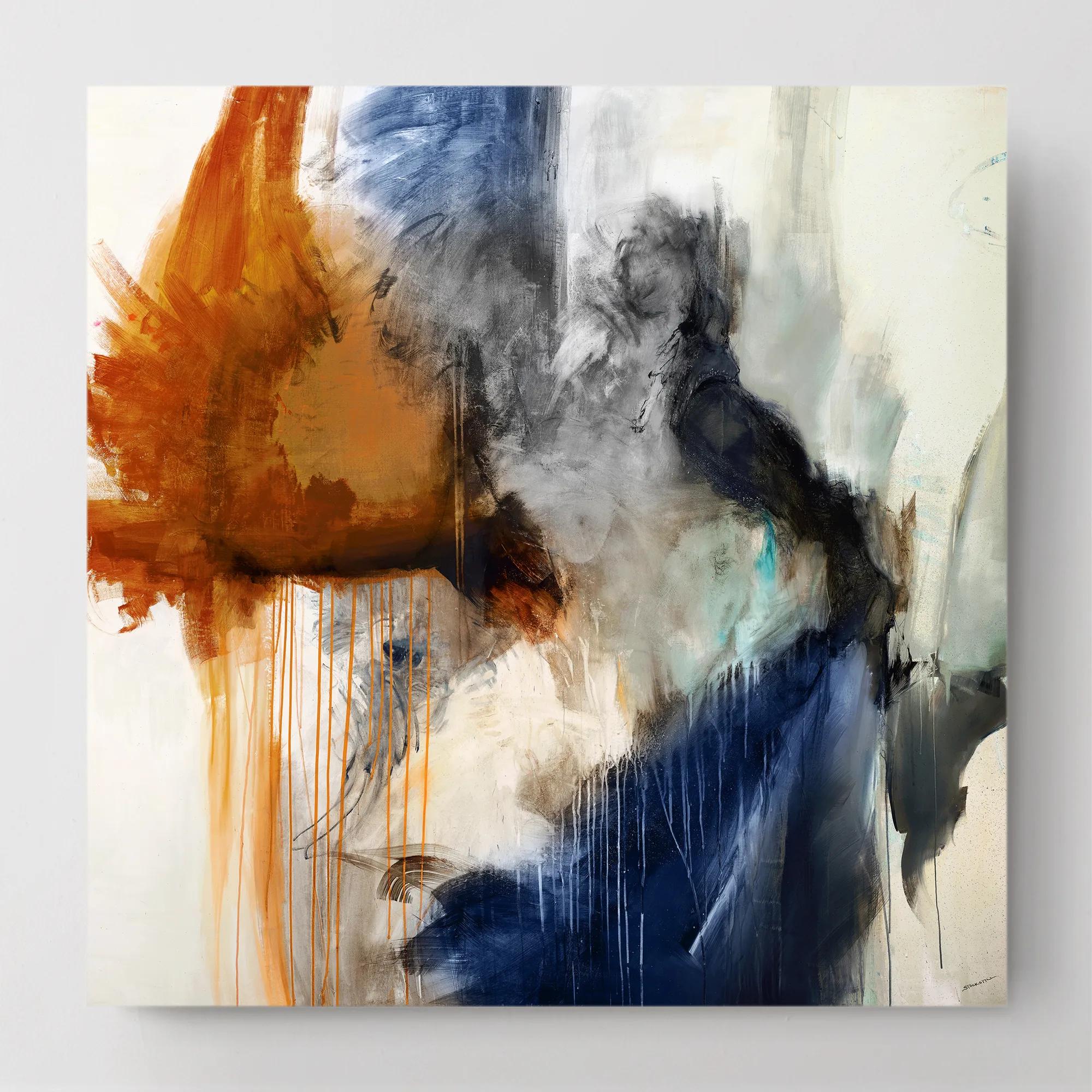
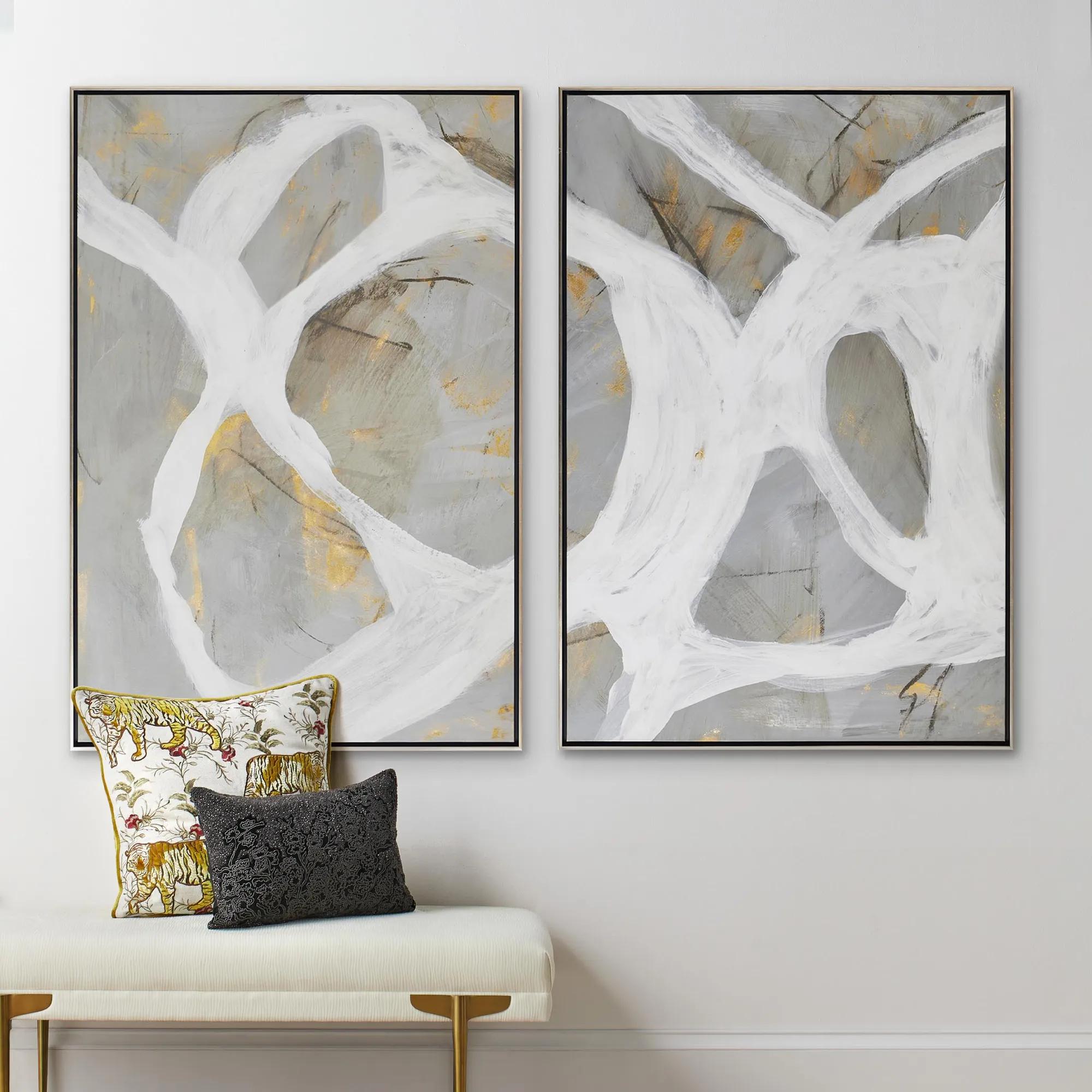 Les Series Framed Painted Wall Art II 61" x 41"$1099
An abstract canvas artwork featuring bold brushstrokes, hand-applied gold accents, and a silver floater frame.
Add To Cart -
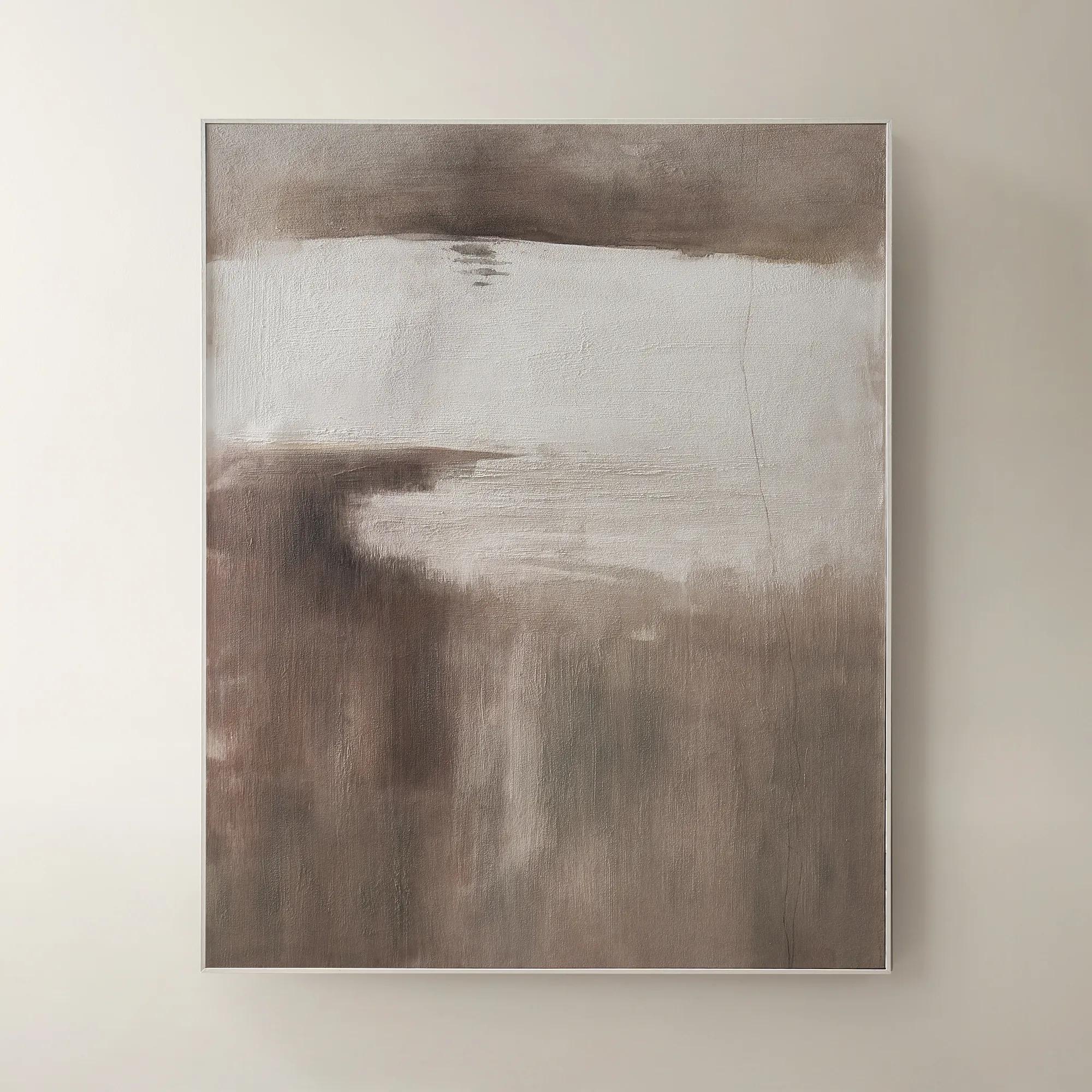
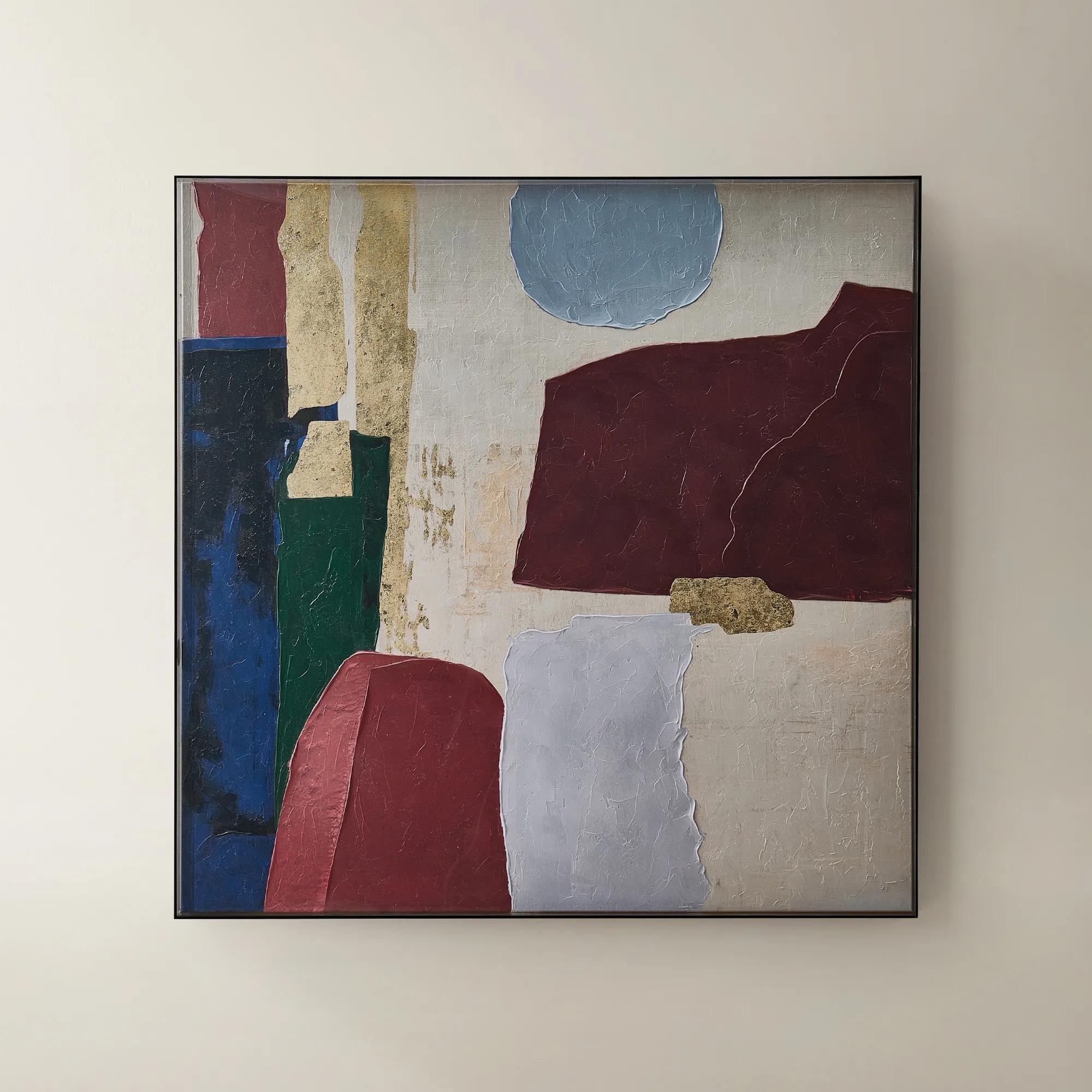
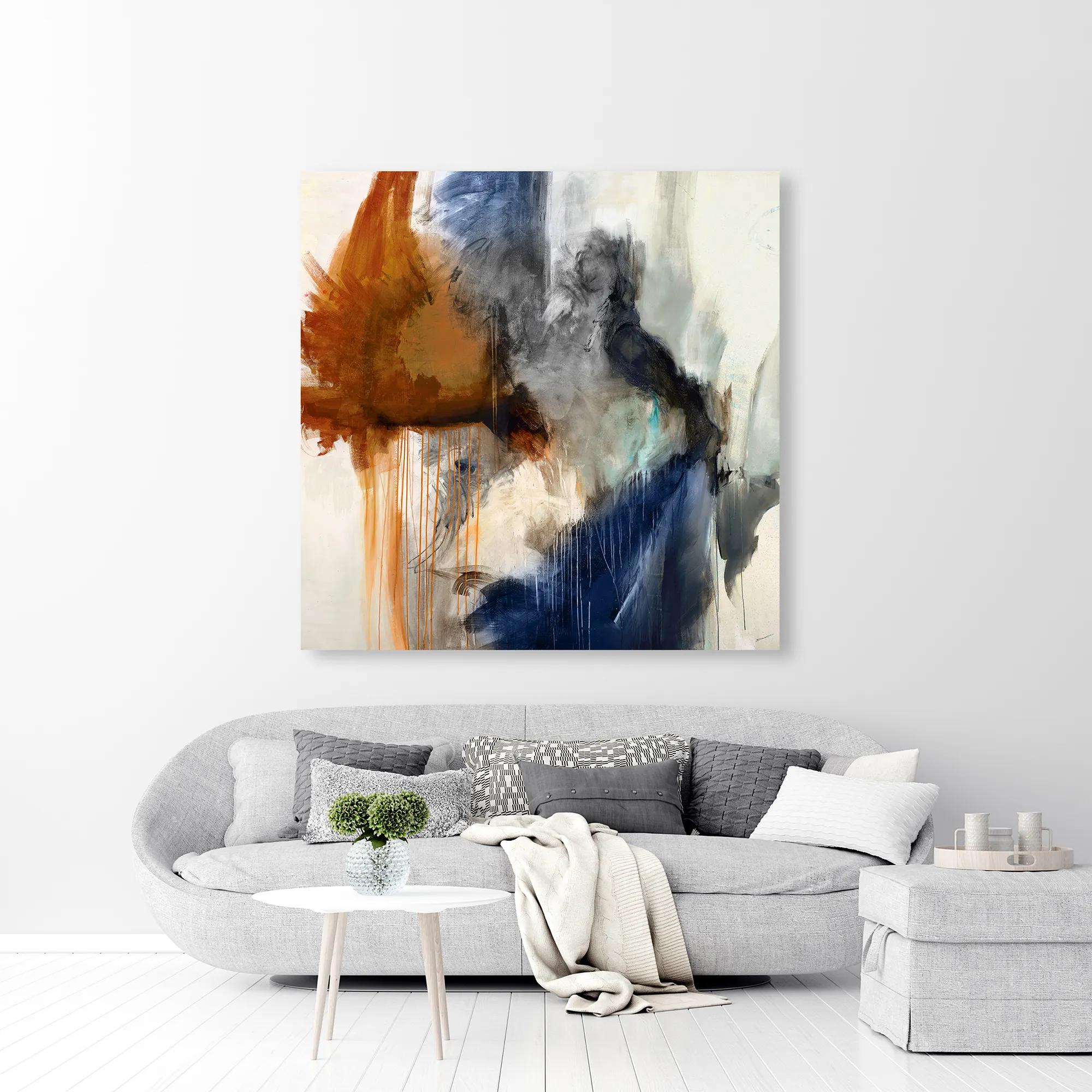 Swoon 6 Wall Art 54" x 54"$899
A gallery-wrapped canvas featuring a hand-applied image brush gel finish for a textured, artistic look.
Add To Cart -
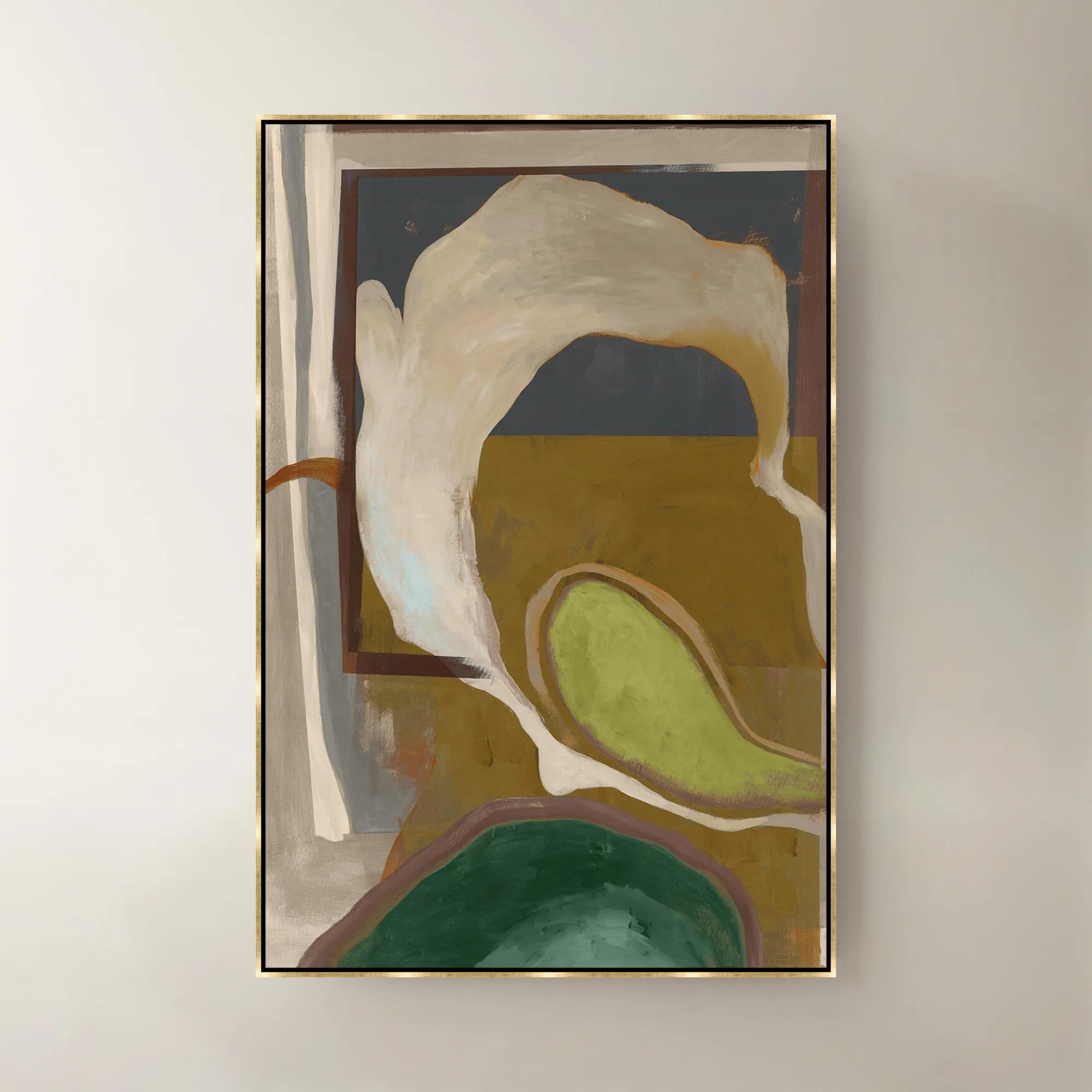
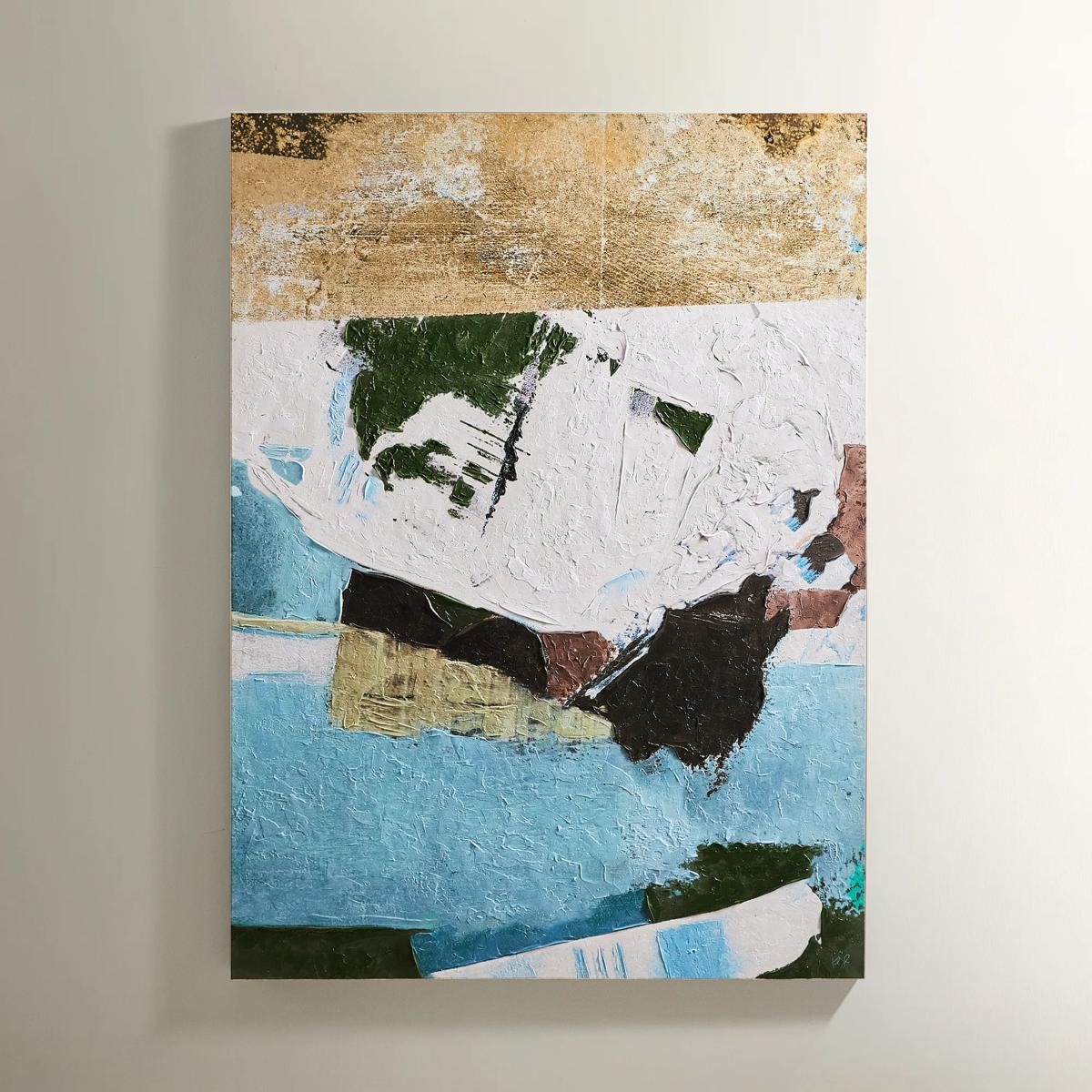 Cadence Painting$599
A hand-embellished canvas artwork featuring textured olive, gold, and ivory strokes in a black and gold frame.
Add To Cart -
.jpeg?w=1200&h=1200)
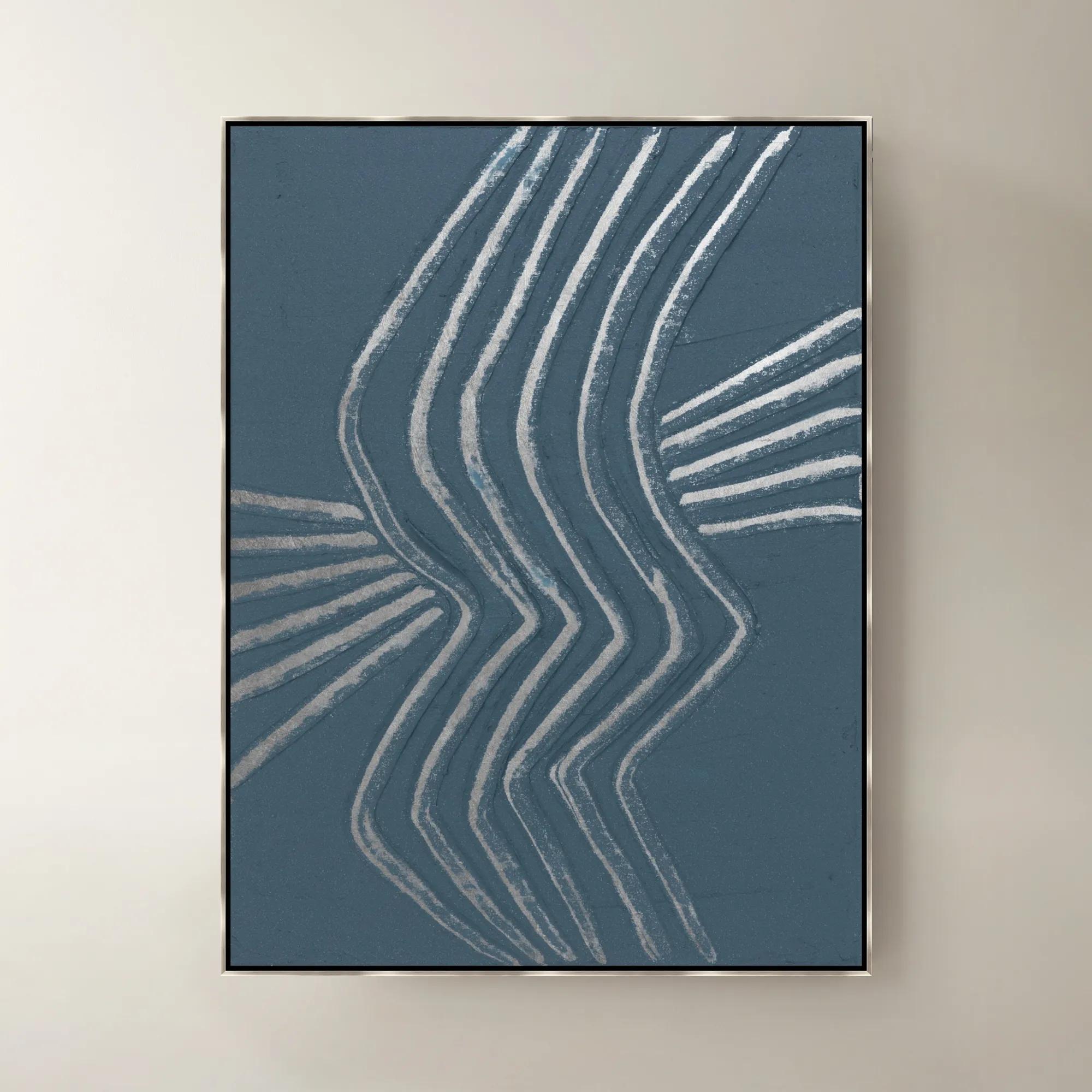
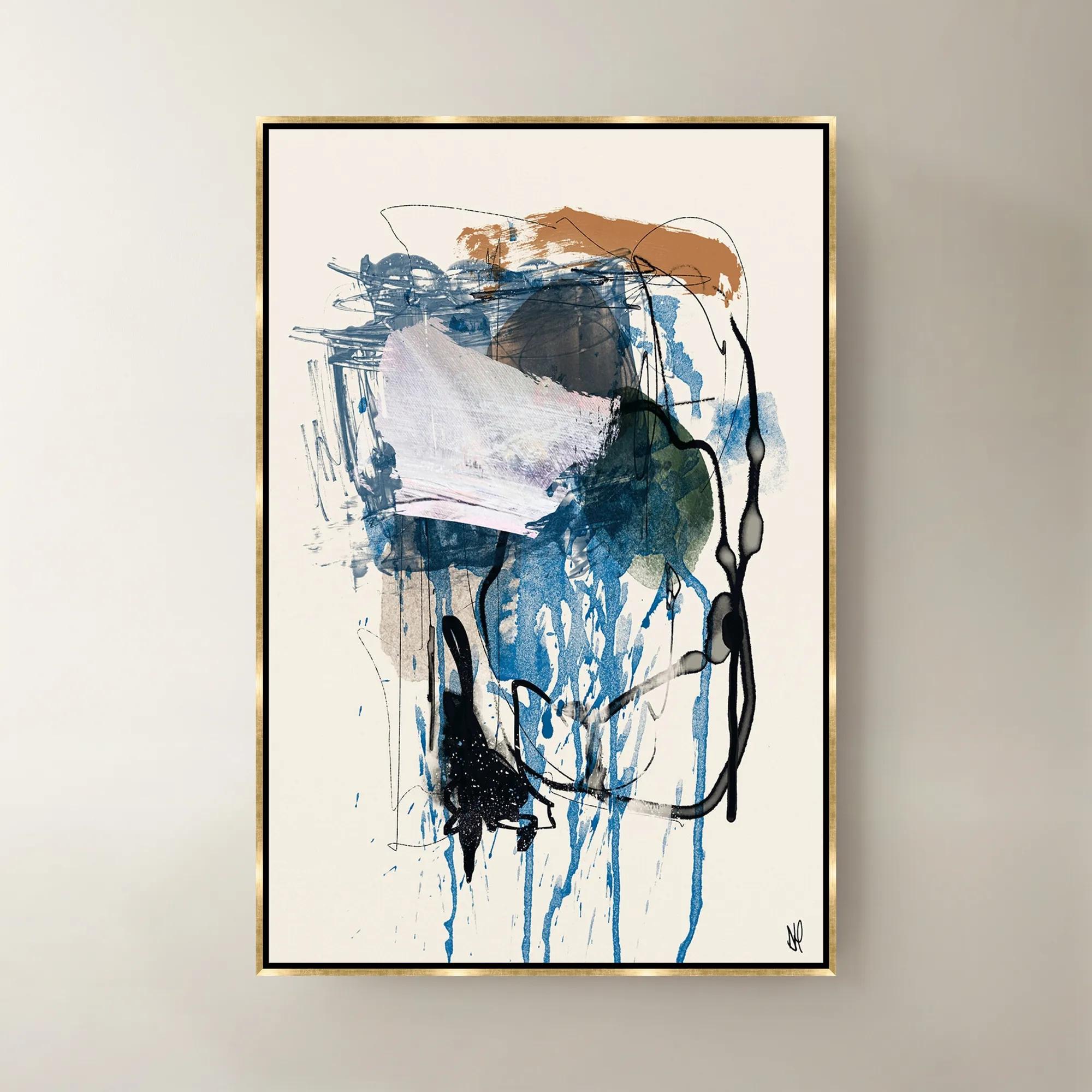
 Almost Midnight Painting - Blue$439
A hand-painted canvas featuring bold blue and black tones with delicate white lines in a light wood frame.
Add To Cart -
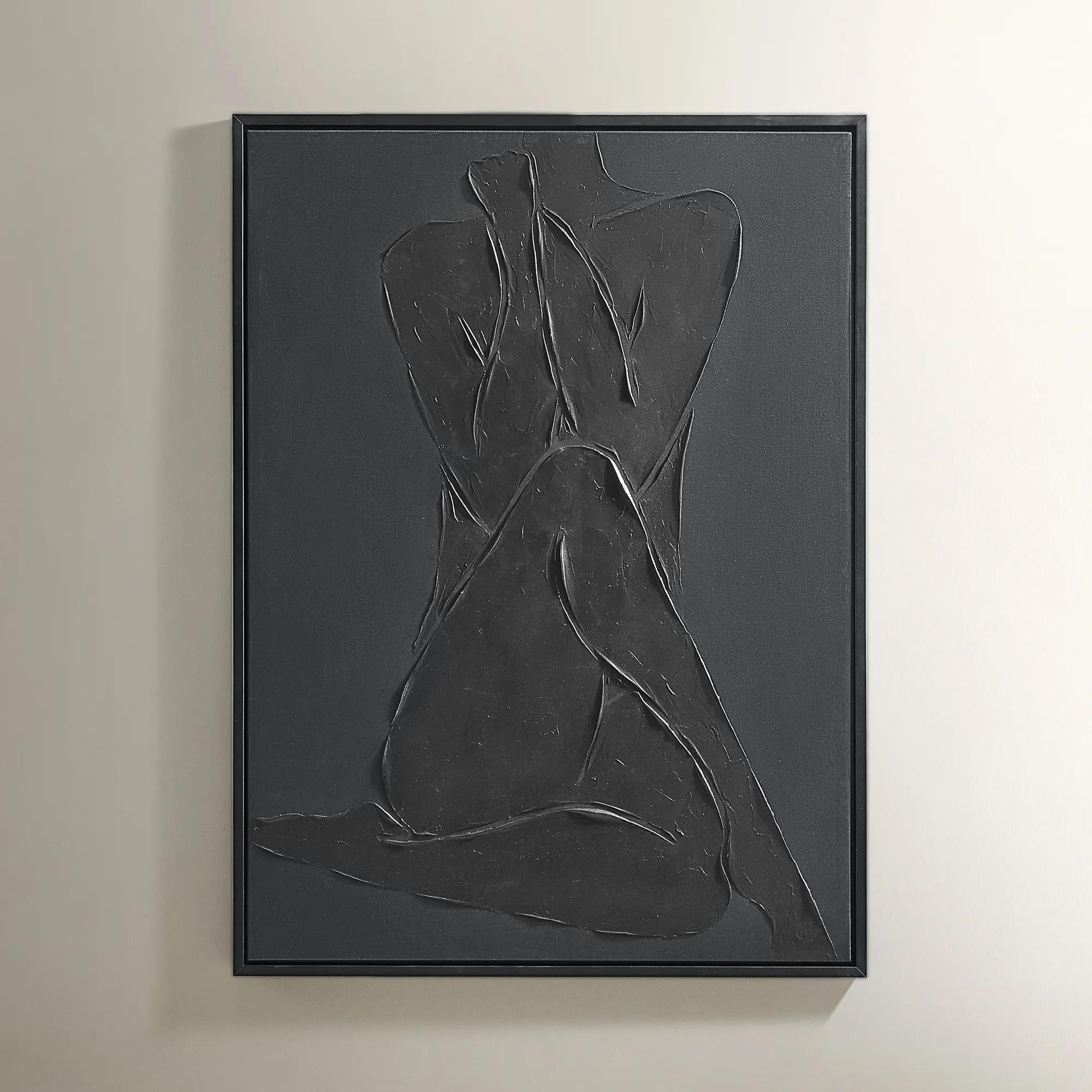 Modern Elegance Nude Black Framed Painted Wall Art 35.5" x 47.25"$599
A hand-embellished canvas artwork featuring textured strokes and vibrant hues in a black and gold Art Deco frame.
Add To Cart -
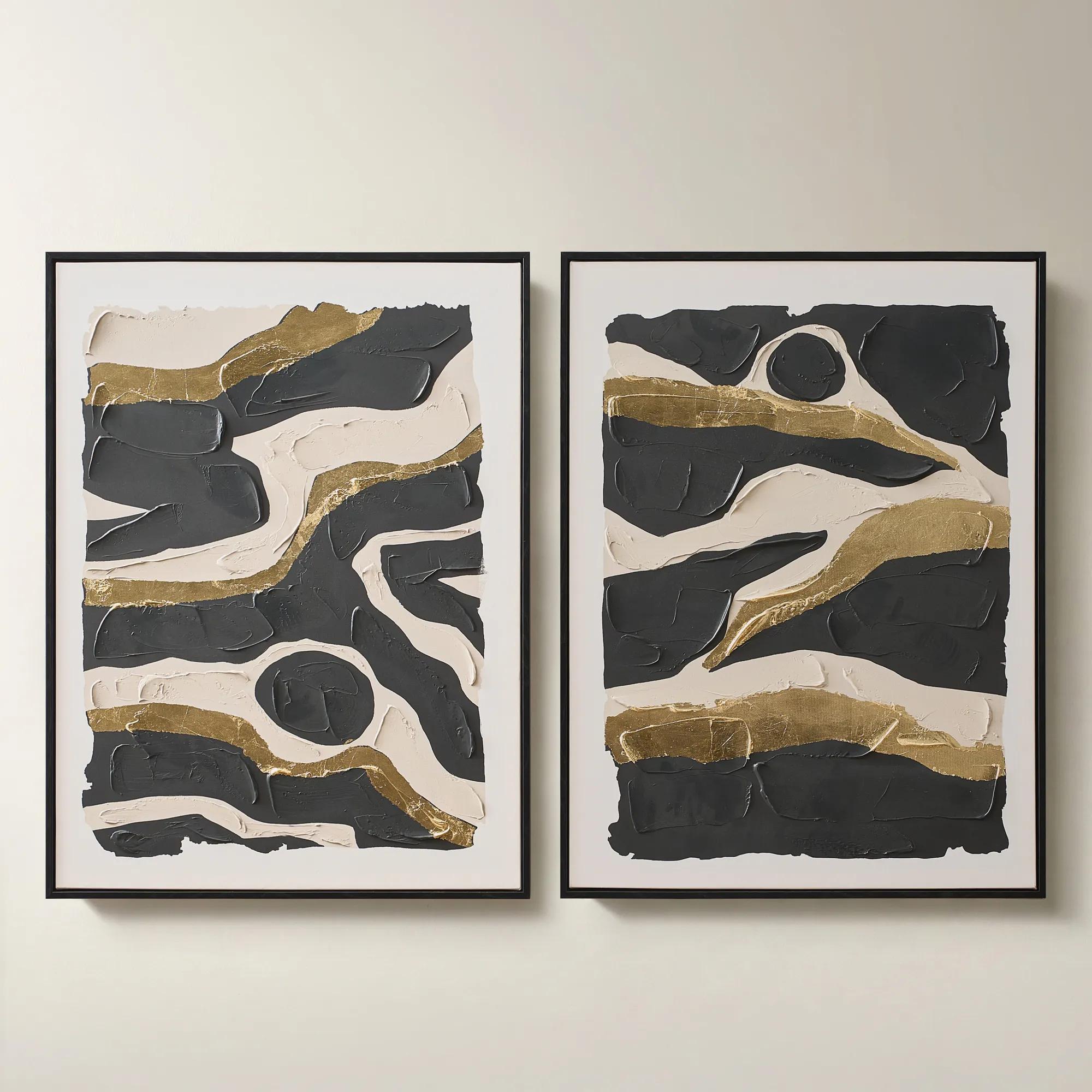
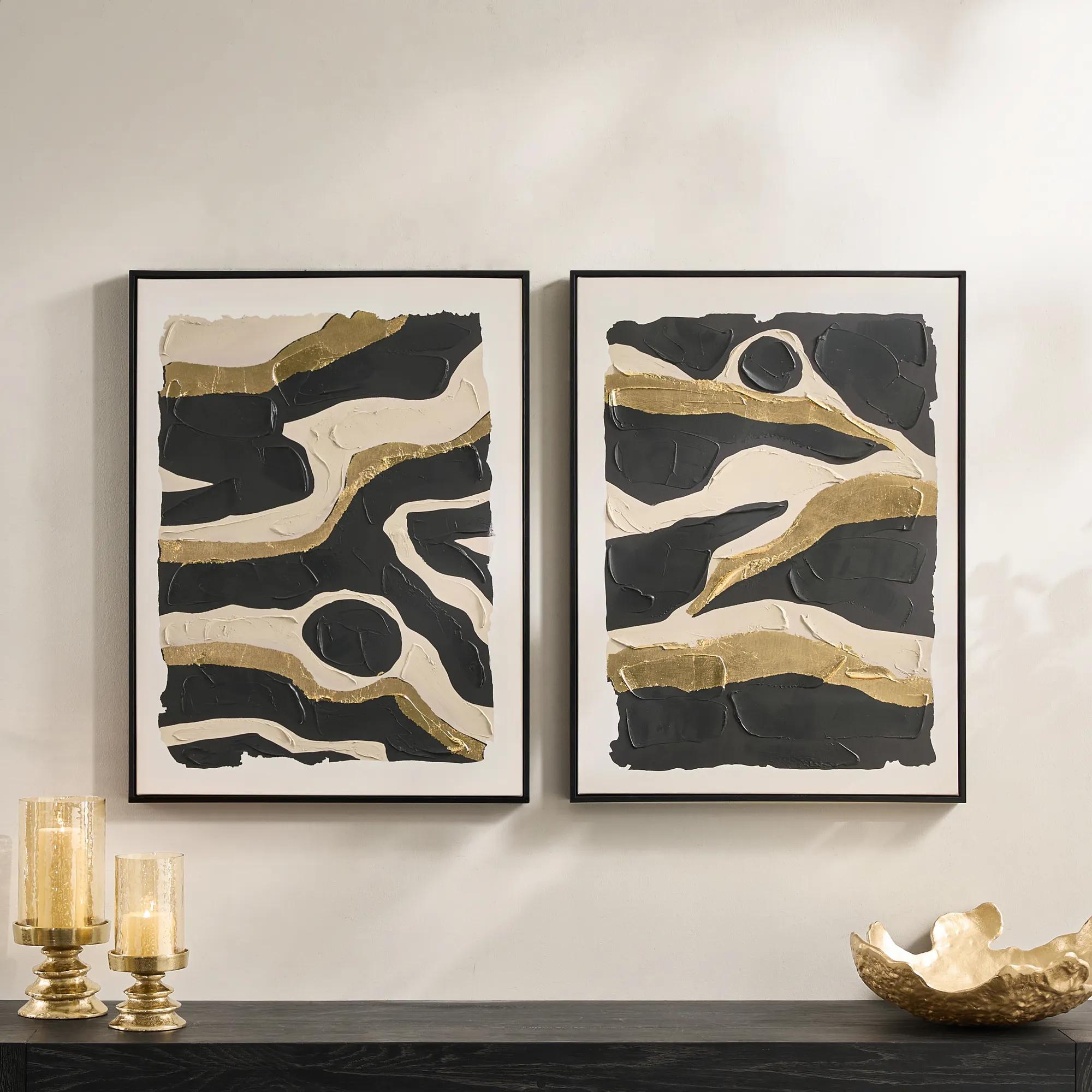 Untamed Framed Gold Leaf Painted Wall Art 24" x 32" Set of 2$199
A hand-painted diptych featuring abstract black and gold canvas art with expressive, gallery-inspired energy.
Add To Cart -
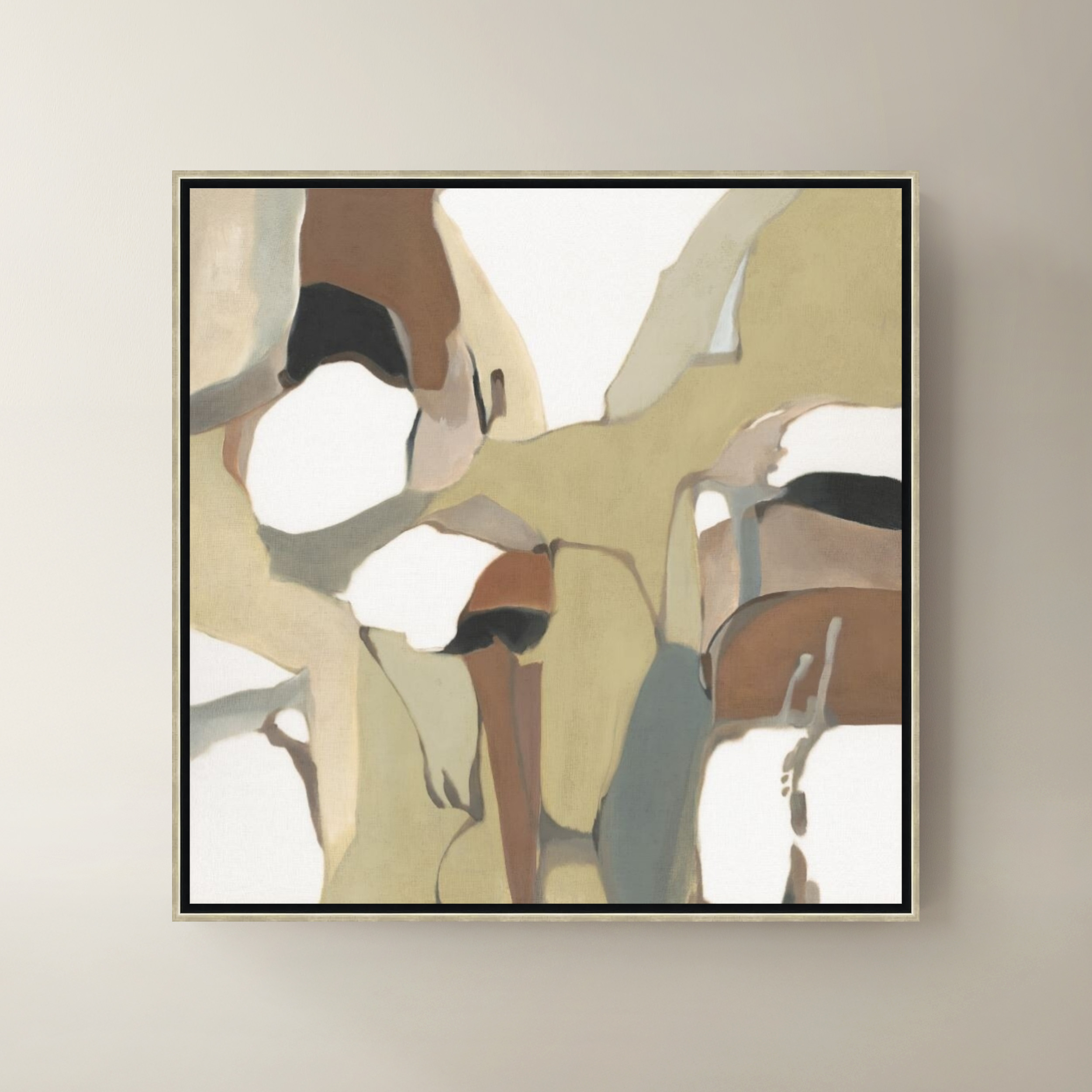
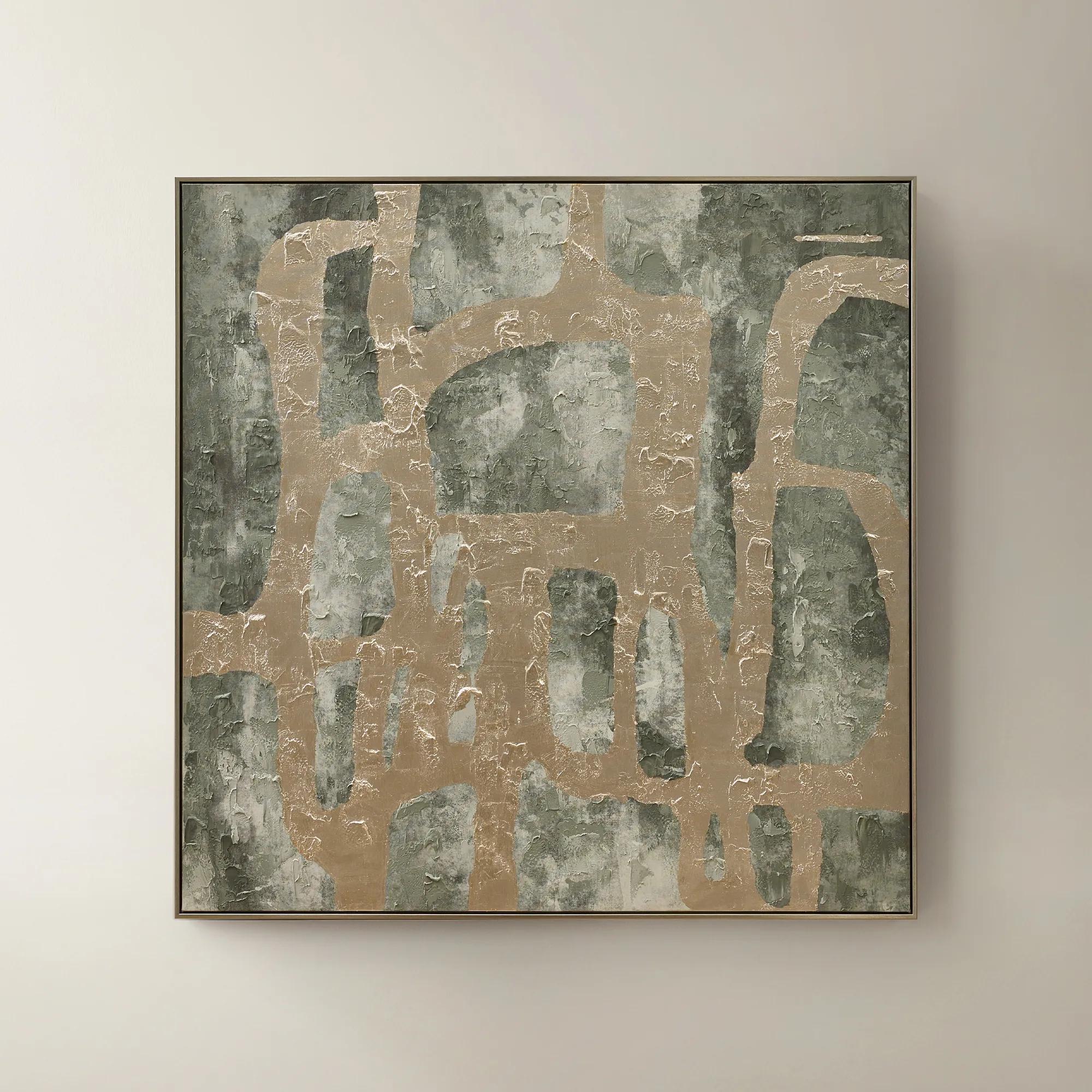 Illusions Framed Painted Wall Art 50" x 50"$599
A hand-painted canvas in sage and champagne tones with textural embellishments for modern, artful depth.
Add To Cart -
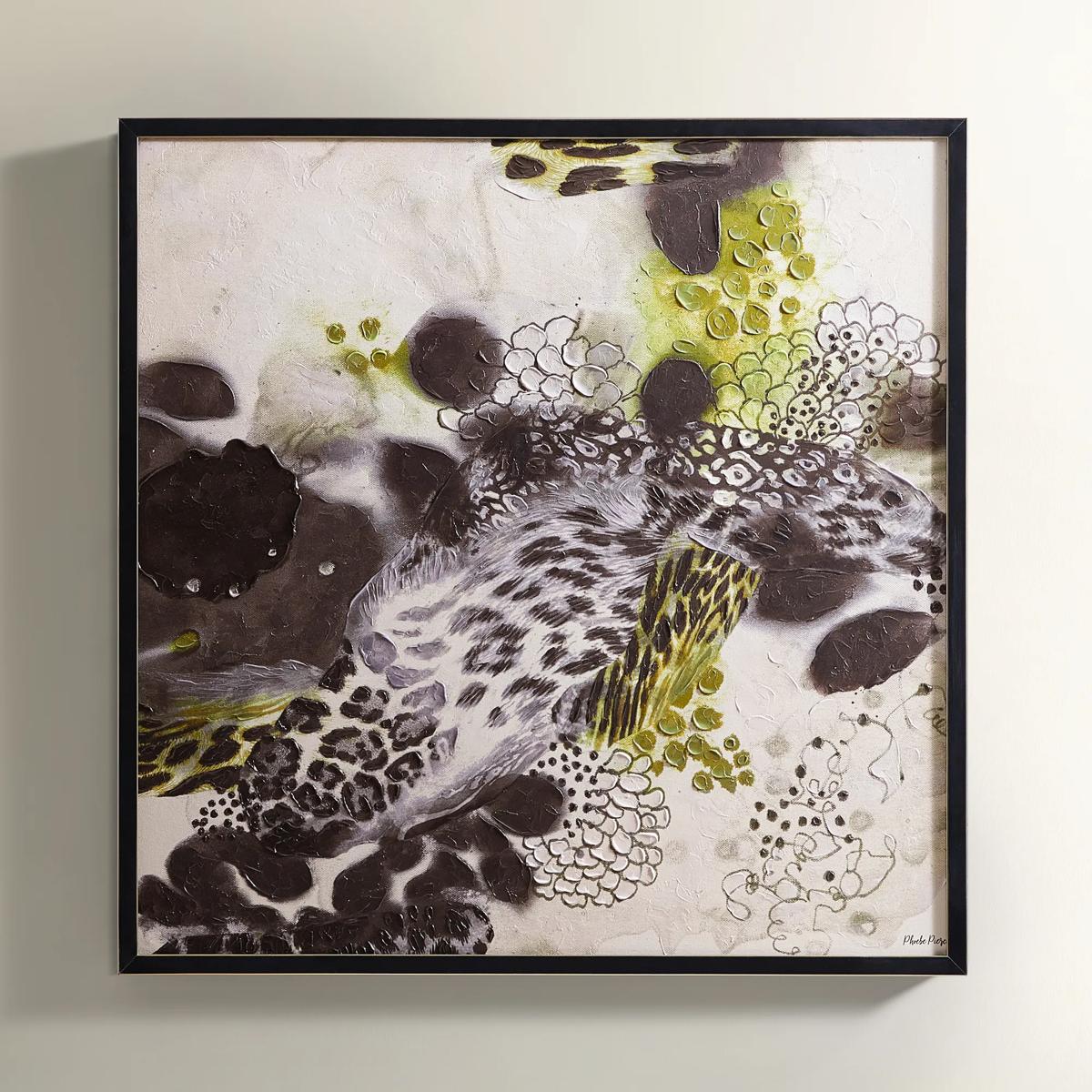
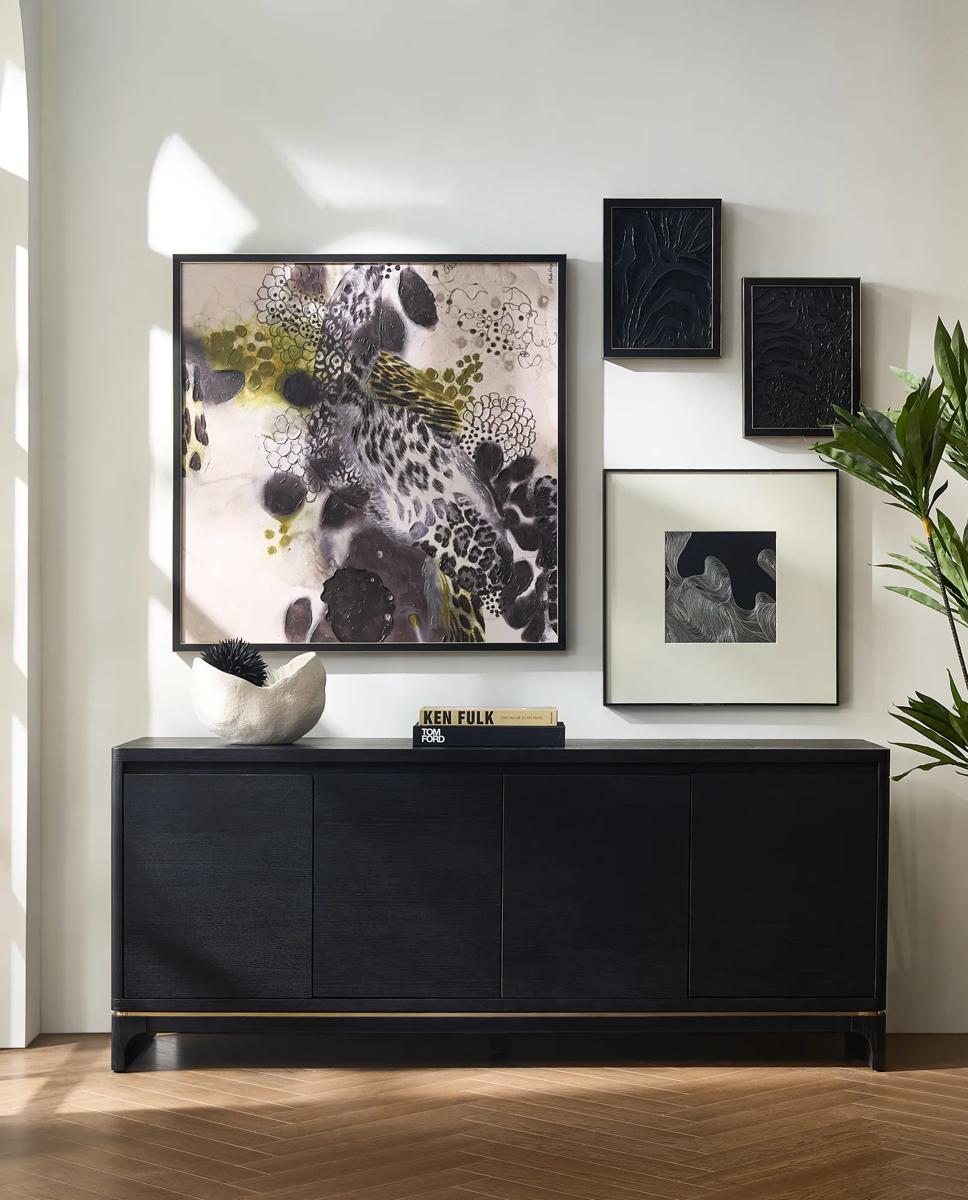 In the Wild$399
A hand-embellished canvas artwork featuring textured strokes in black, chartreuse, and sand, framed in ornate wood.
Add To Cart -

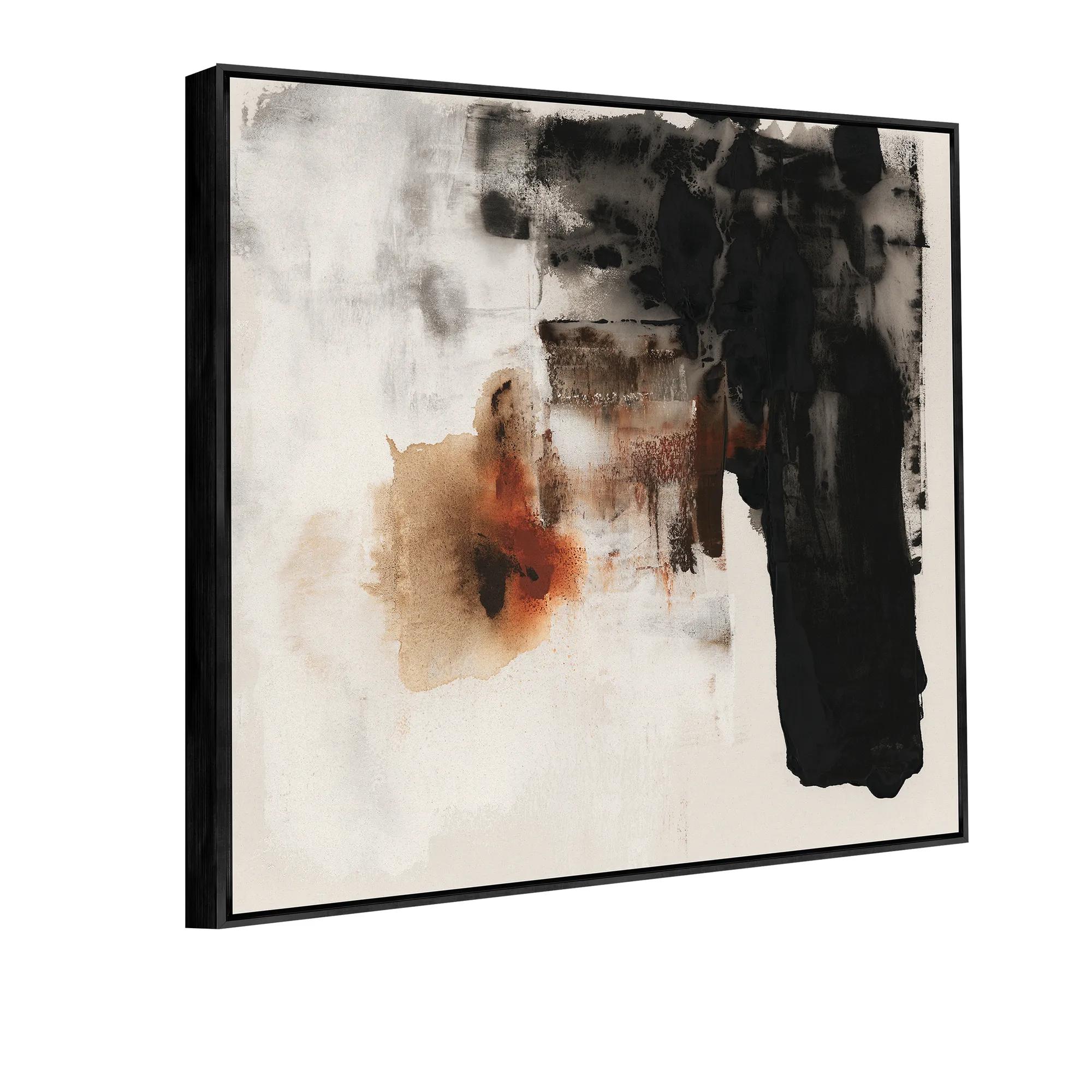 Burning for You II Framed Wall Art 40" x 40"$799
A gallery-wrapped canvas artwork with hand-applied brush gel, set in a sleek black floater frame.
Add To Cart -
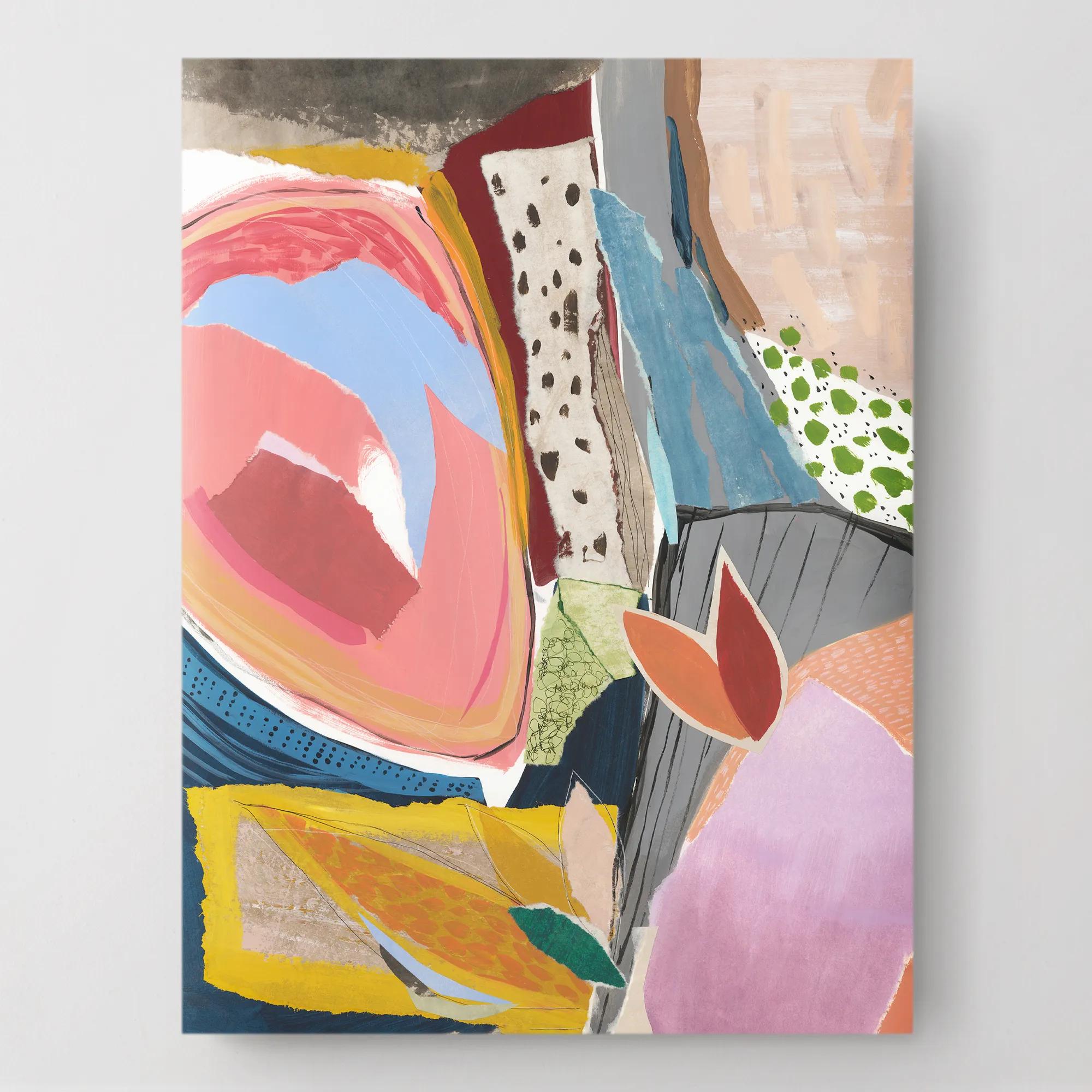
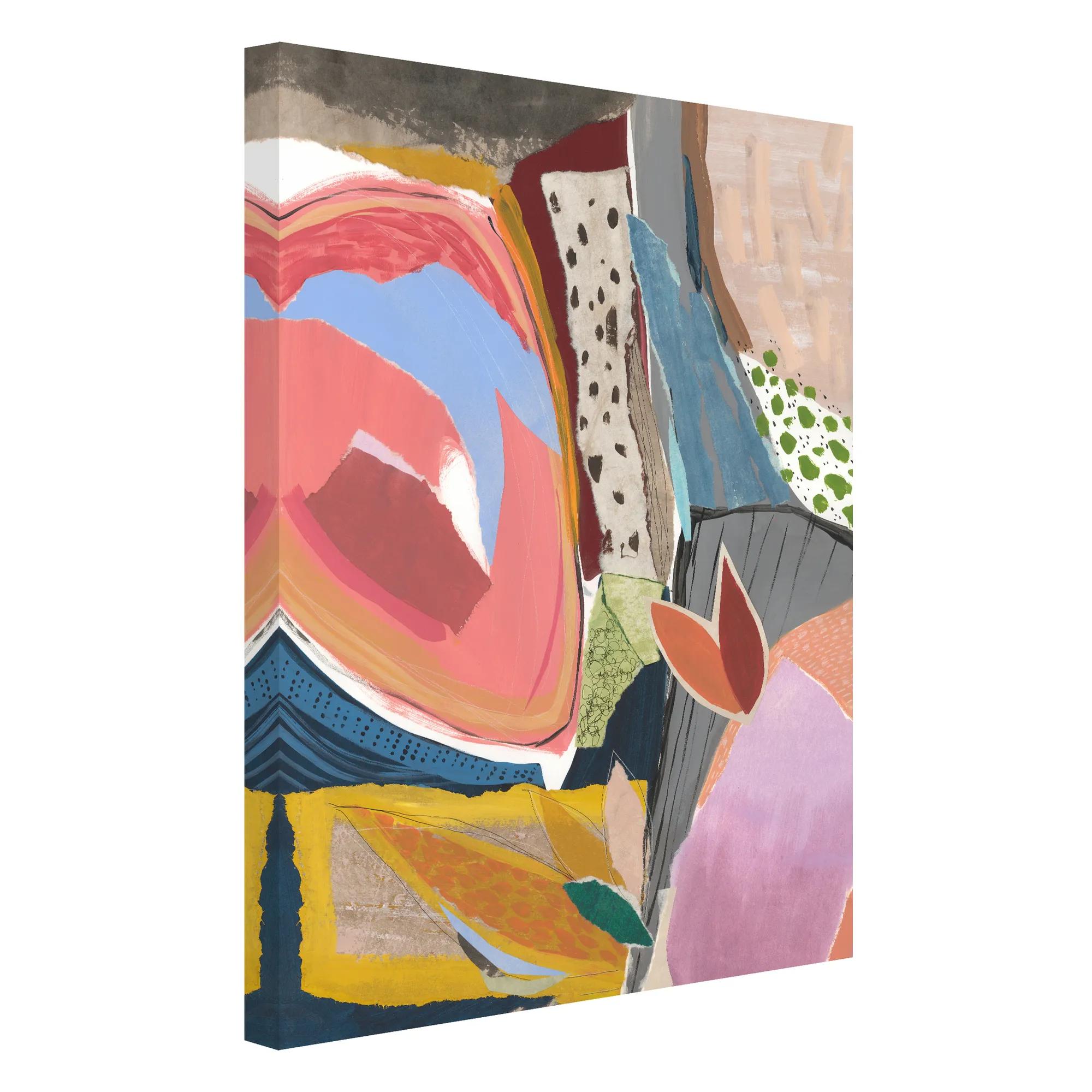 Sunday Vibes 1 Wall Art 30" x 40"$449
A gallery-wrapped canvas artwork featuring a hand-applied image brush gel finish for a textured look.
Add To Cart -
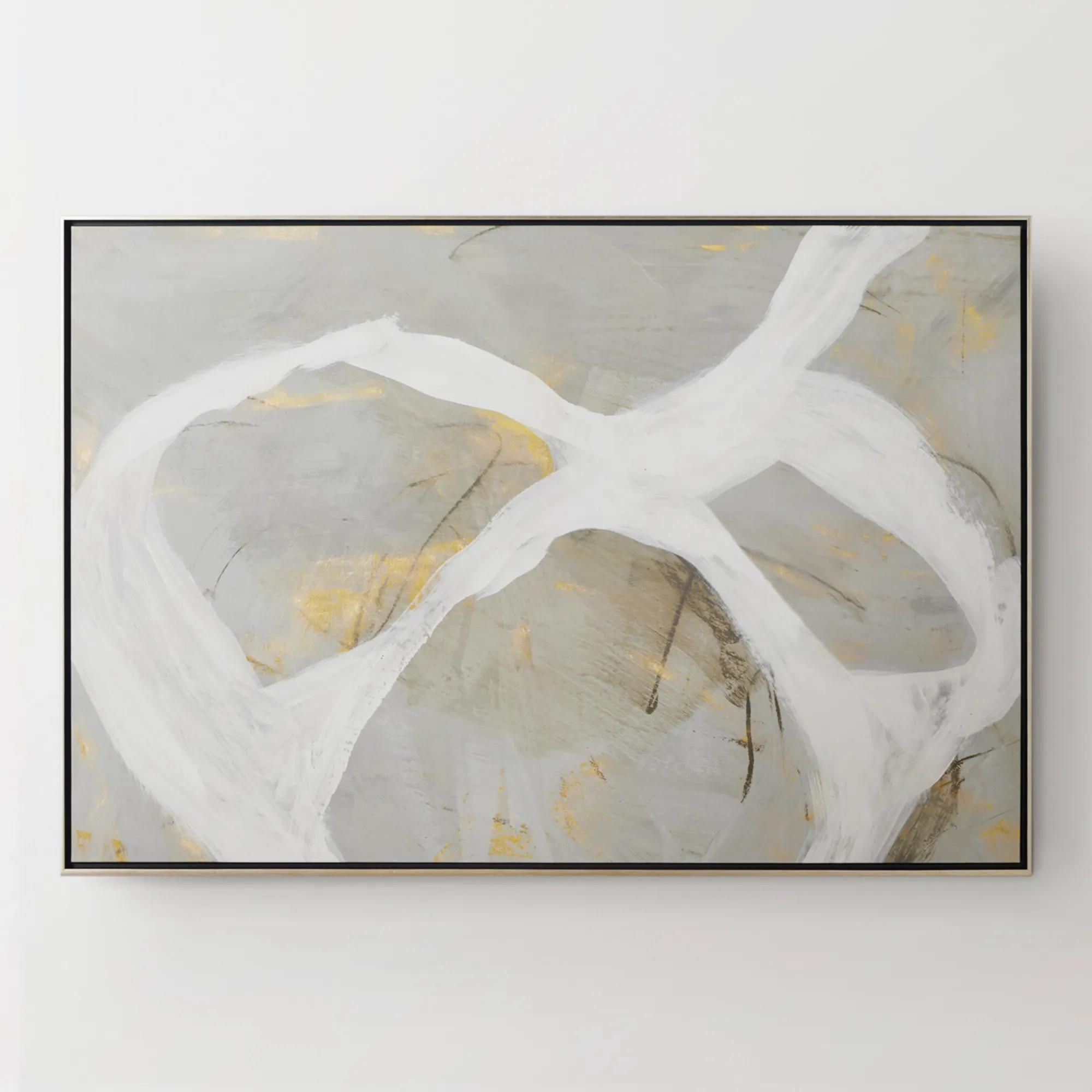
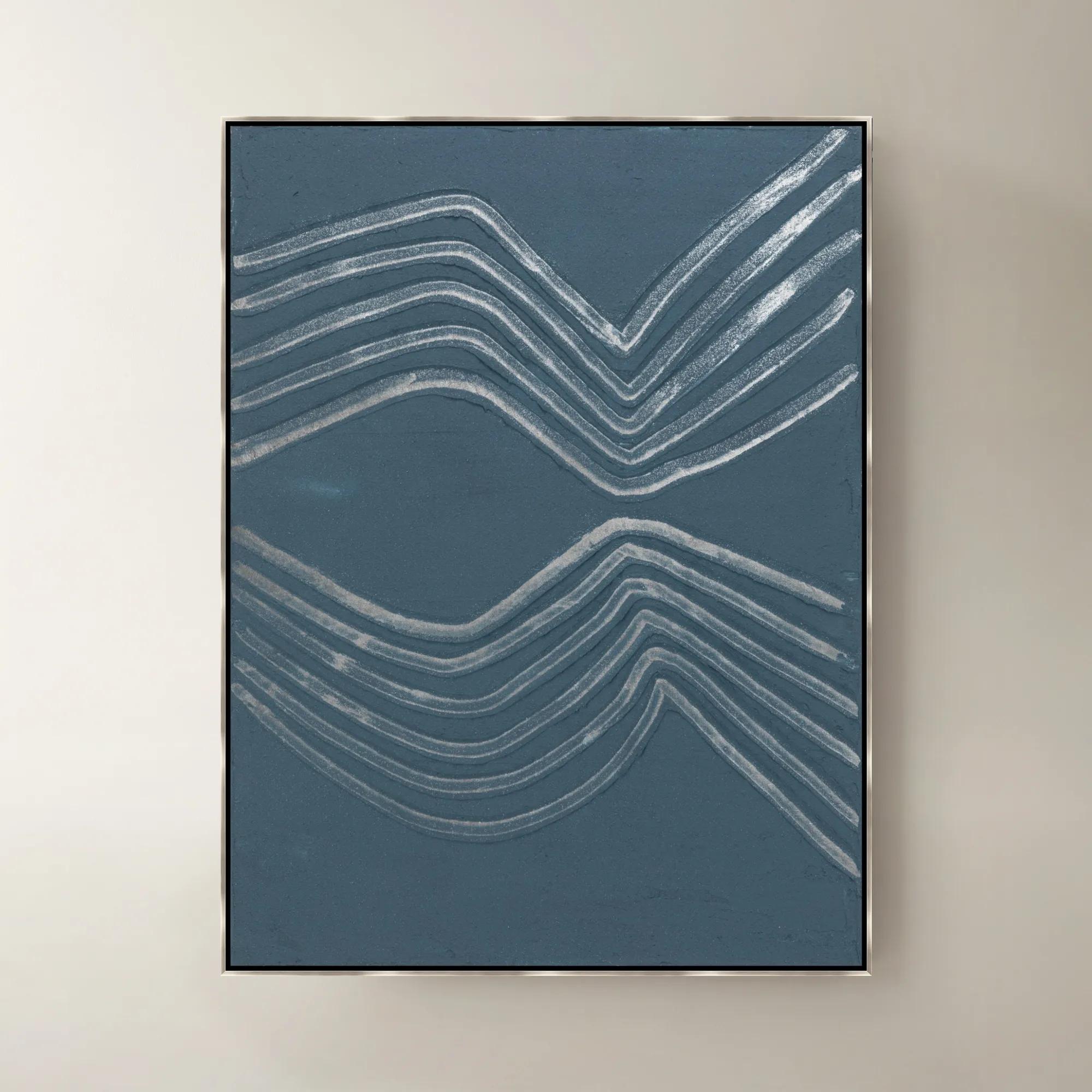
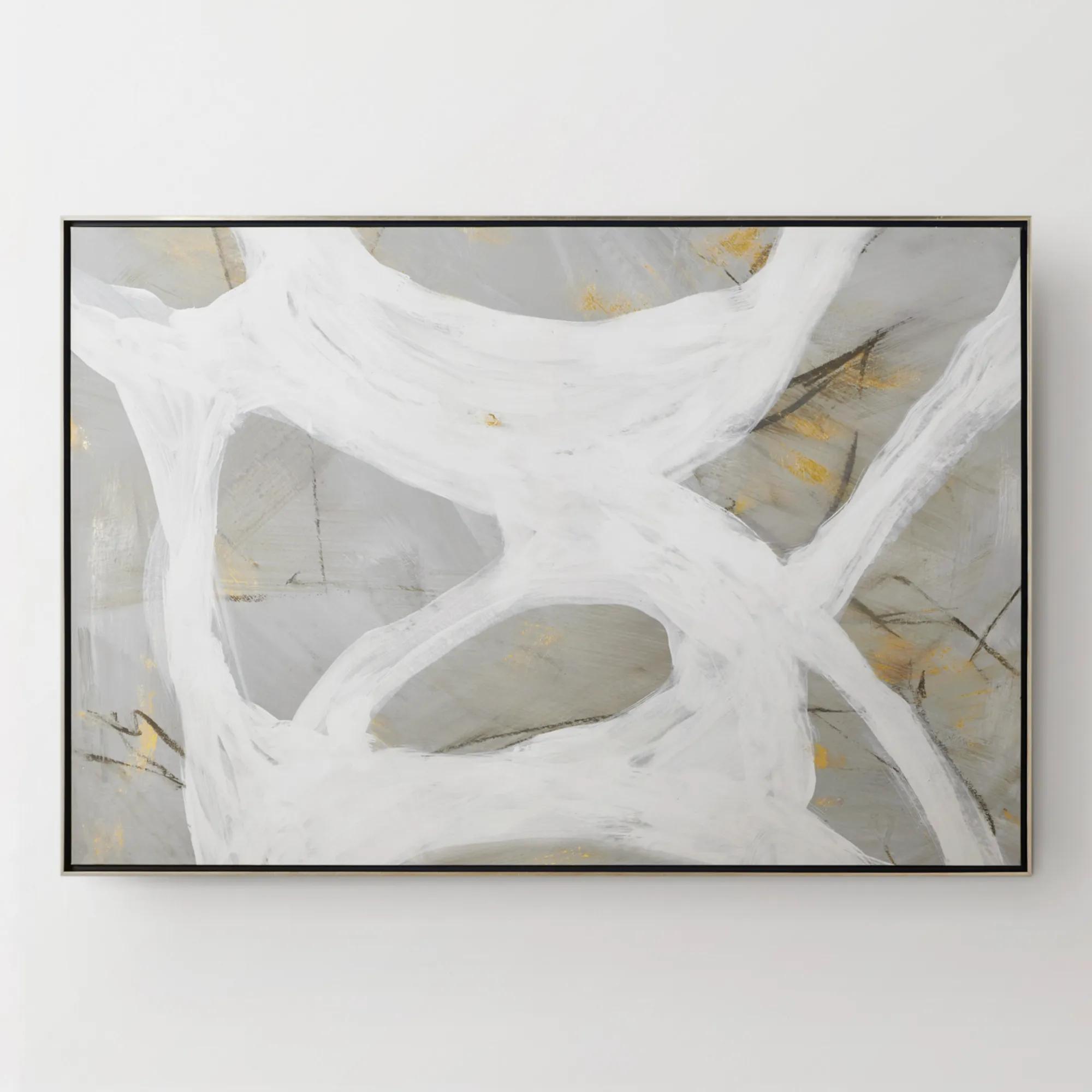
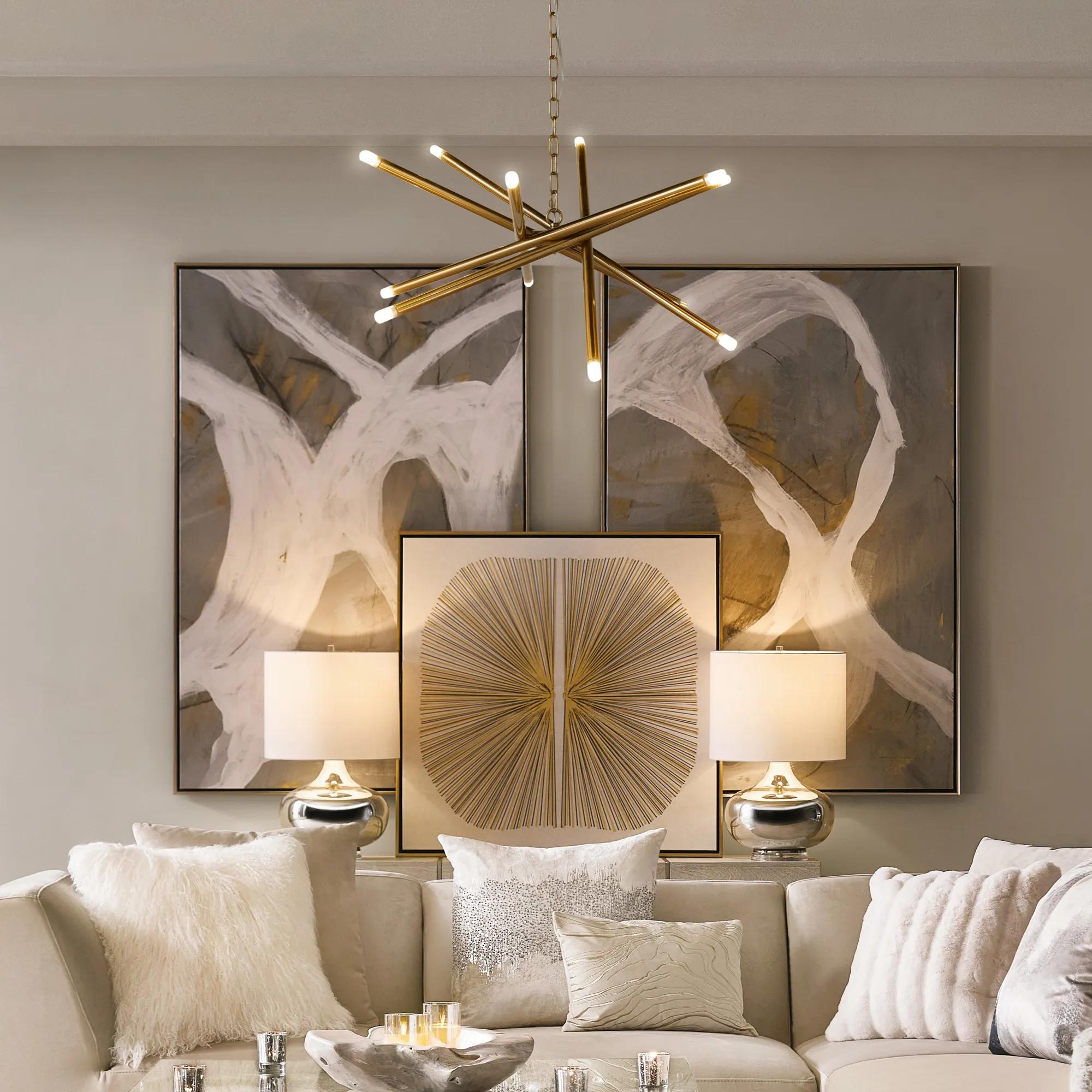 Les Series Framed Painted Wall Art I 61" x 41"$1099
An abstract canvas artwork featuring bold brushstrokes, hand-applied gold accents, and a silver floater frame.
Add To Cart -
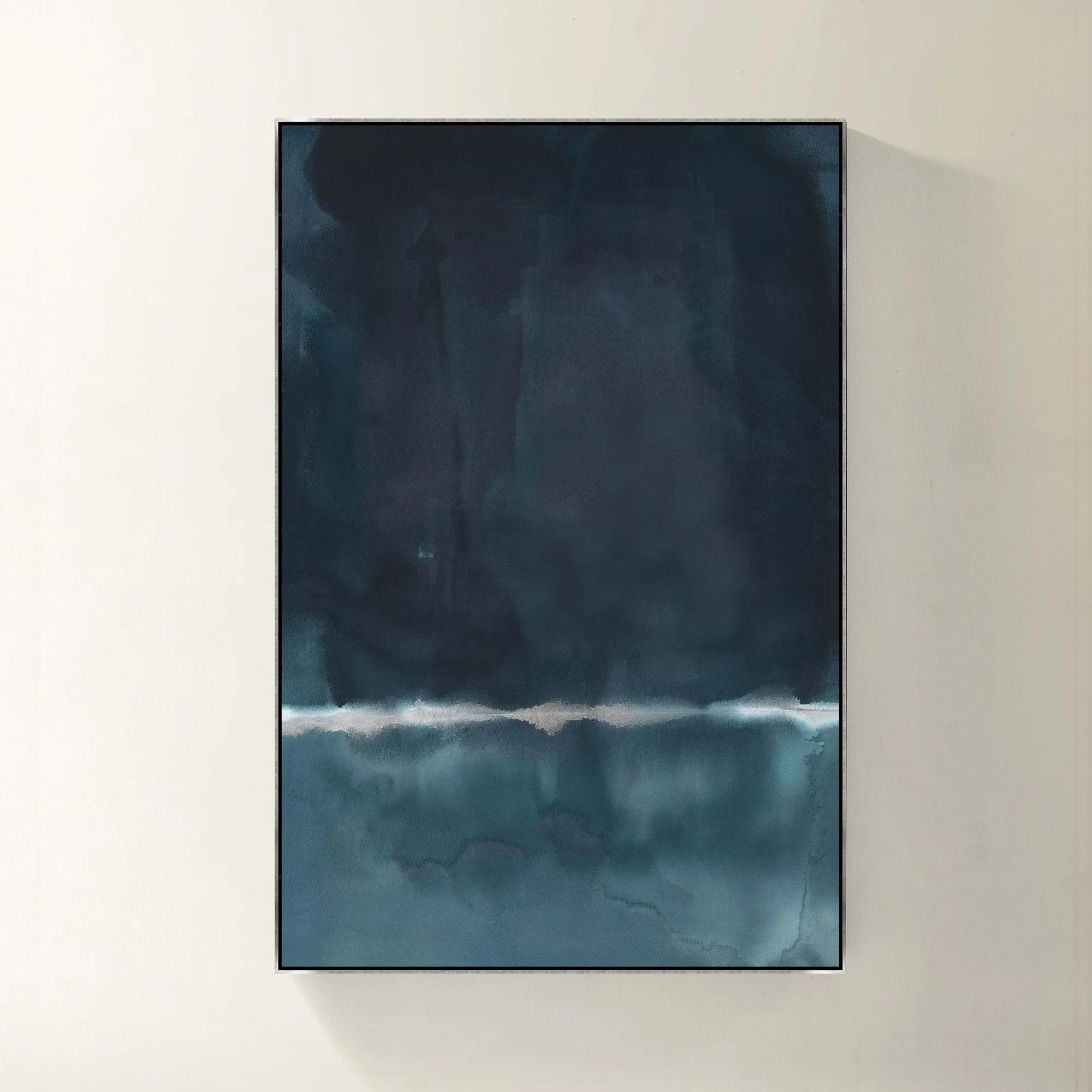 Blue Monday Framed Wall Art 40" x 60"$1119
A gallery-wrapped blue canvas with hand-embellished silver accents in a sleek silver floater frame.
Add To Cart -
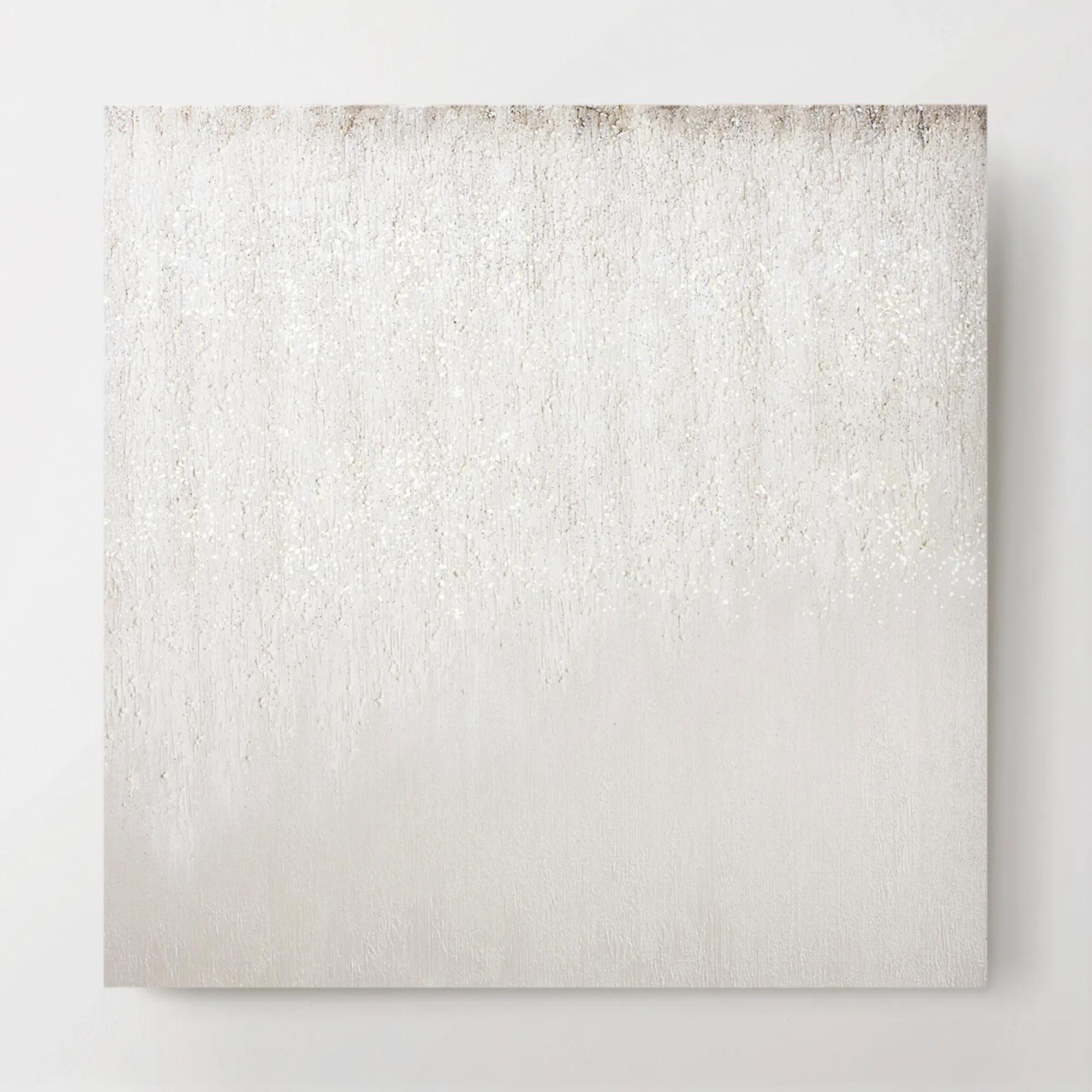 Je T'aime Glitter Painted Wall Art 30" x 30"$499
A hand-painted canvas artwork featuring ethereal hazy brushstrokes and subtle glitter embellishments.
Add To Cart -
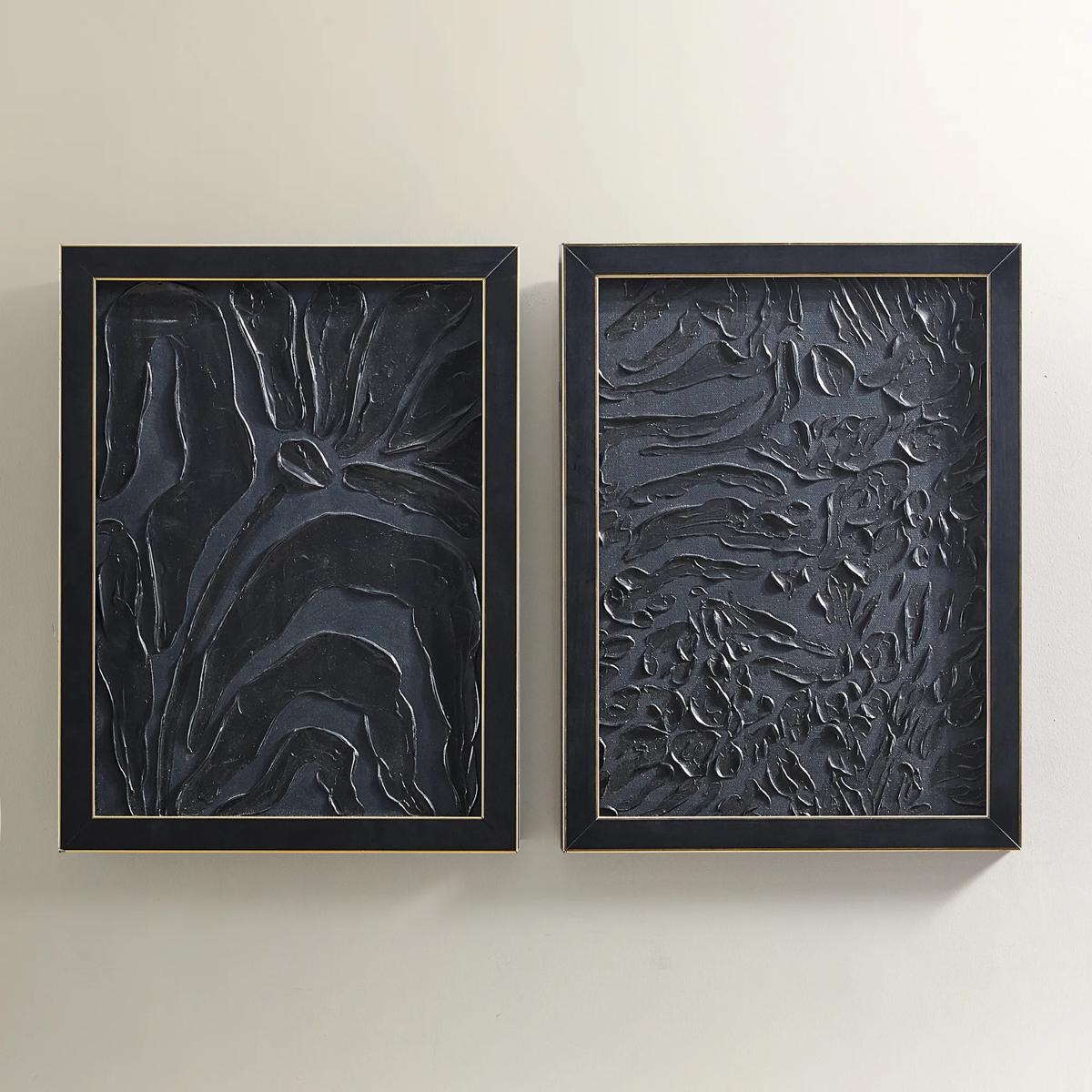
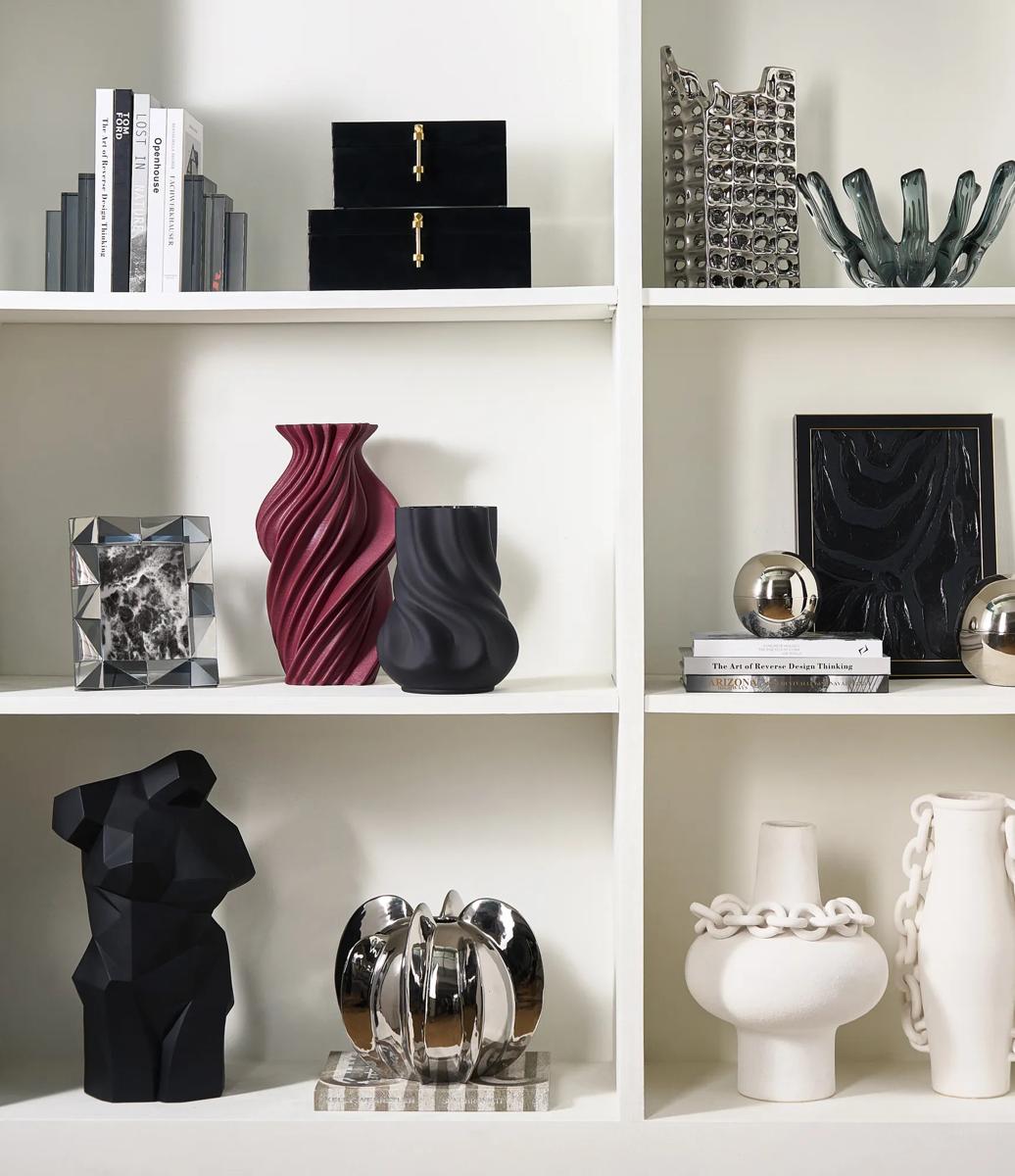 Midnight Animal Painting - Set of 2$119
A set of hand-embellished canvas artworks in black and gold frames, adding depth and warmth to interiors.
Add To Cart -
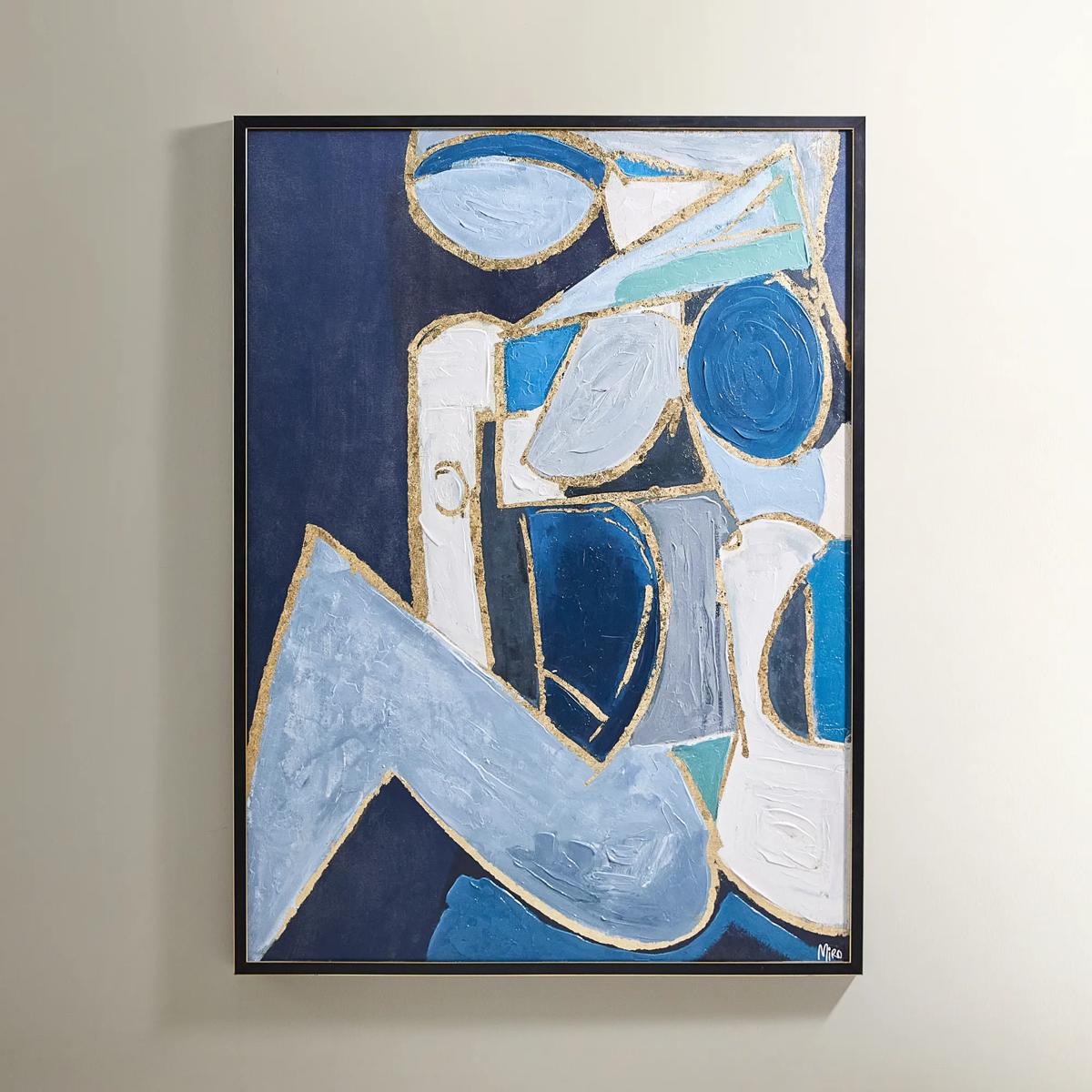
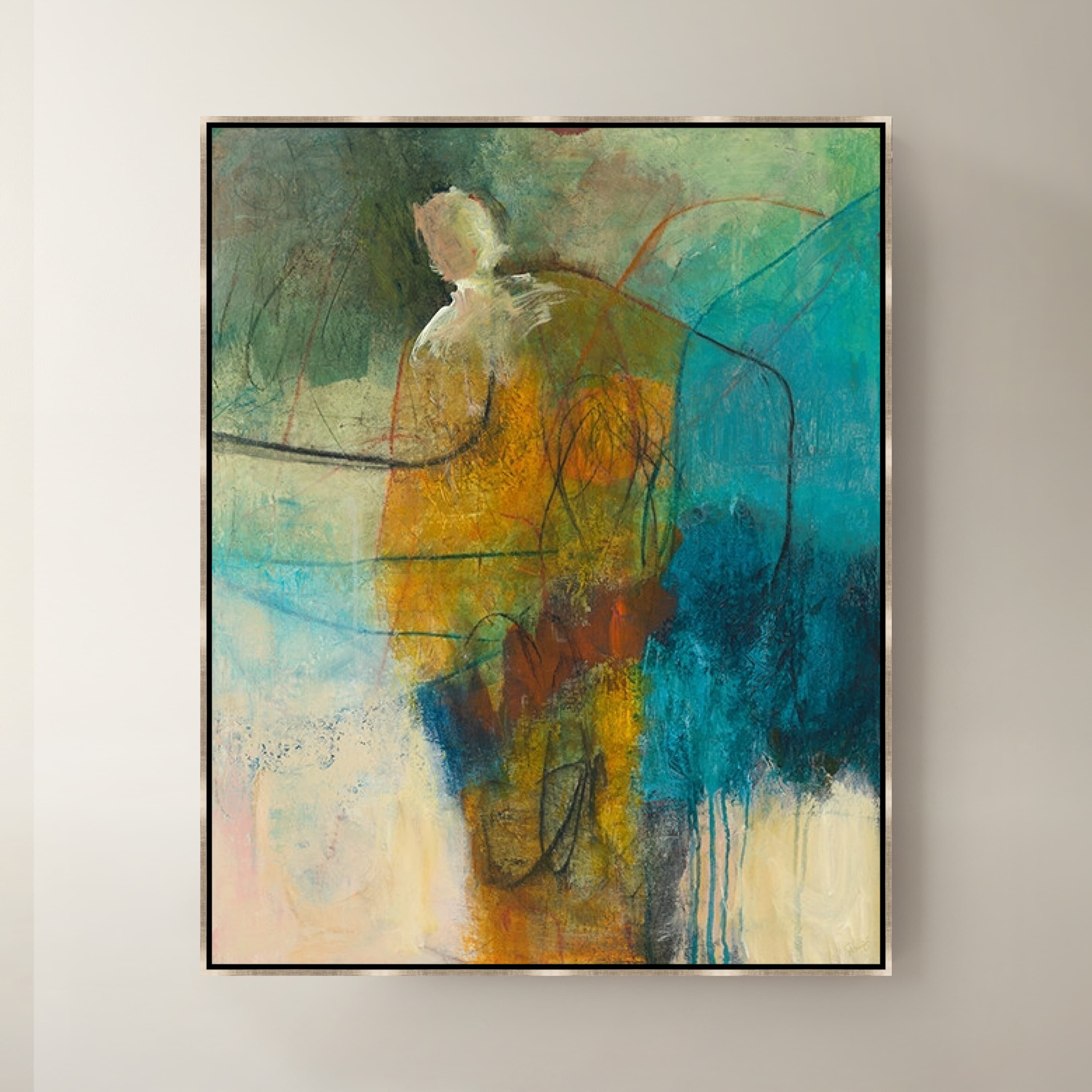
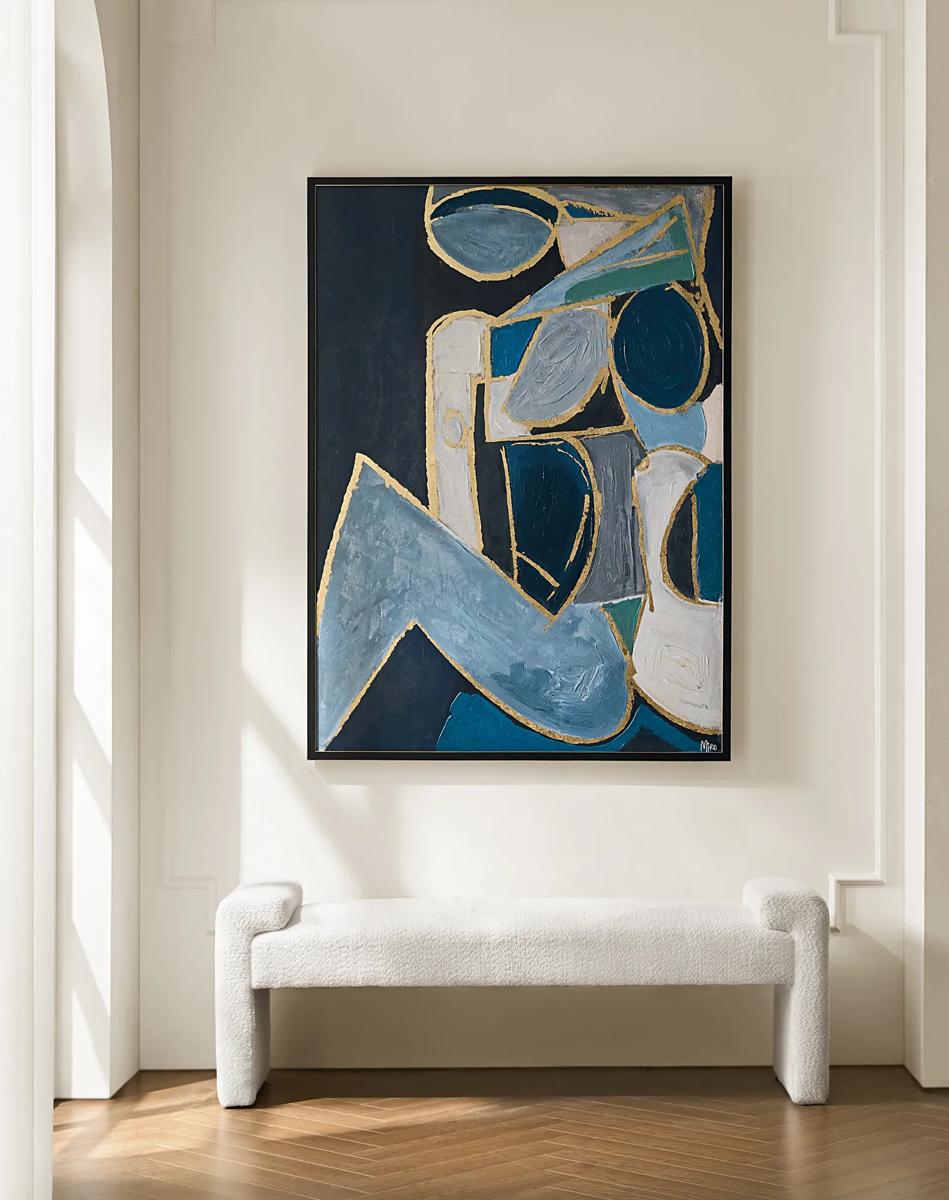 Figure in Cubism Painting$599
A hand-embellished canvas artwork featuring blue, gold, and white hues with elegant silver foil accents.
Add To Cart -
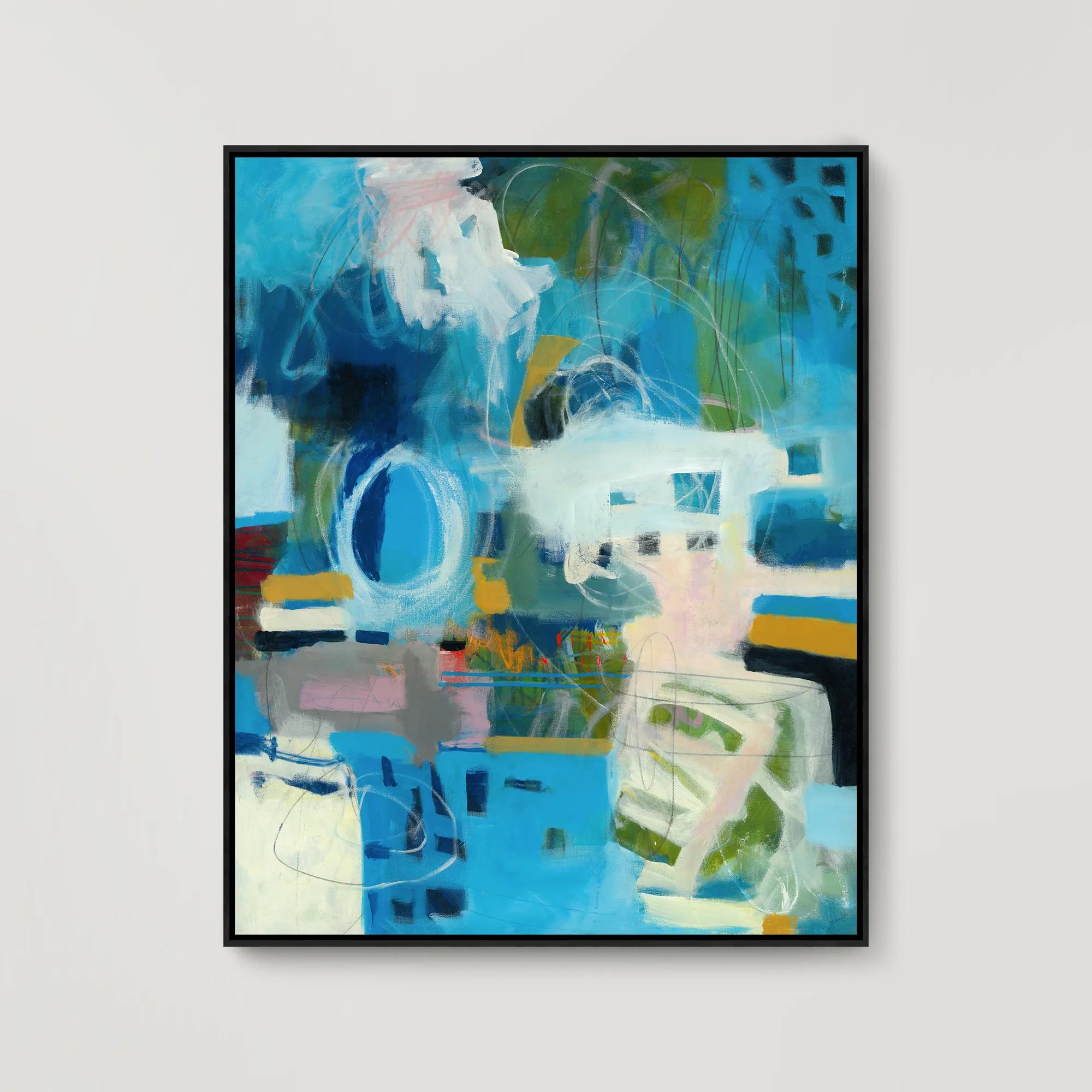
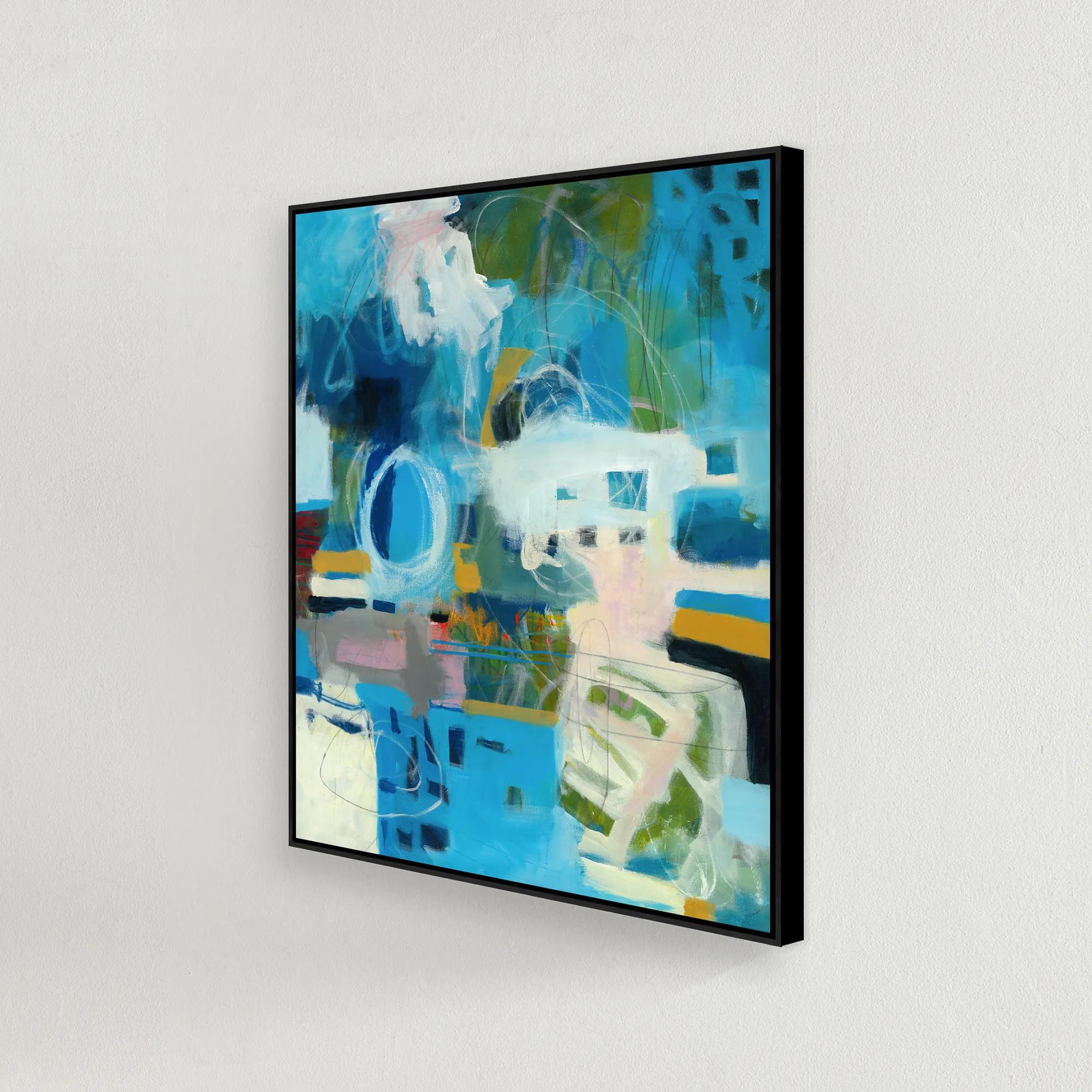 Just Across the Boarder Framed Wall Art 37.5" x 46.5"$749
A gallery-wrapped canvas artwork with hand-applied gel finish, set in a sleek black floater frame.
Add To Cart -

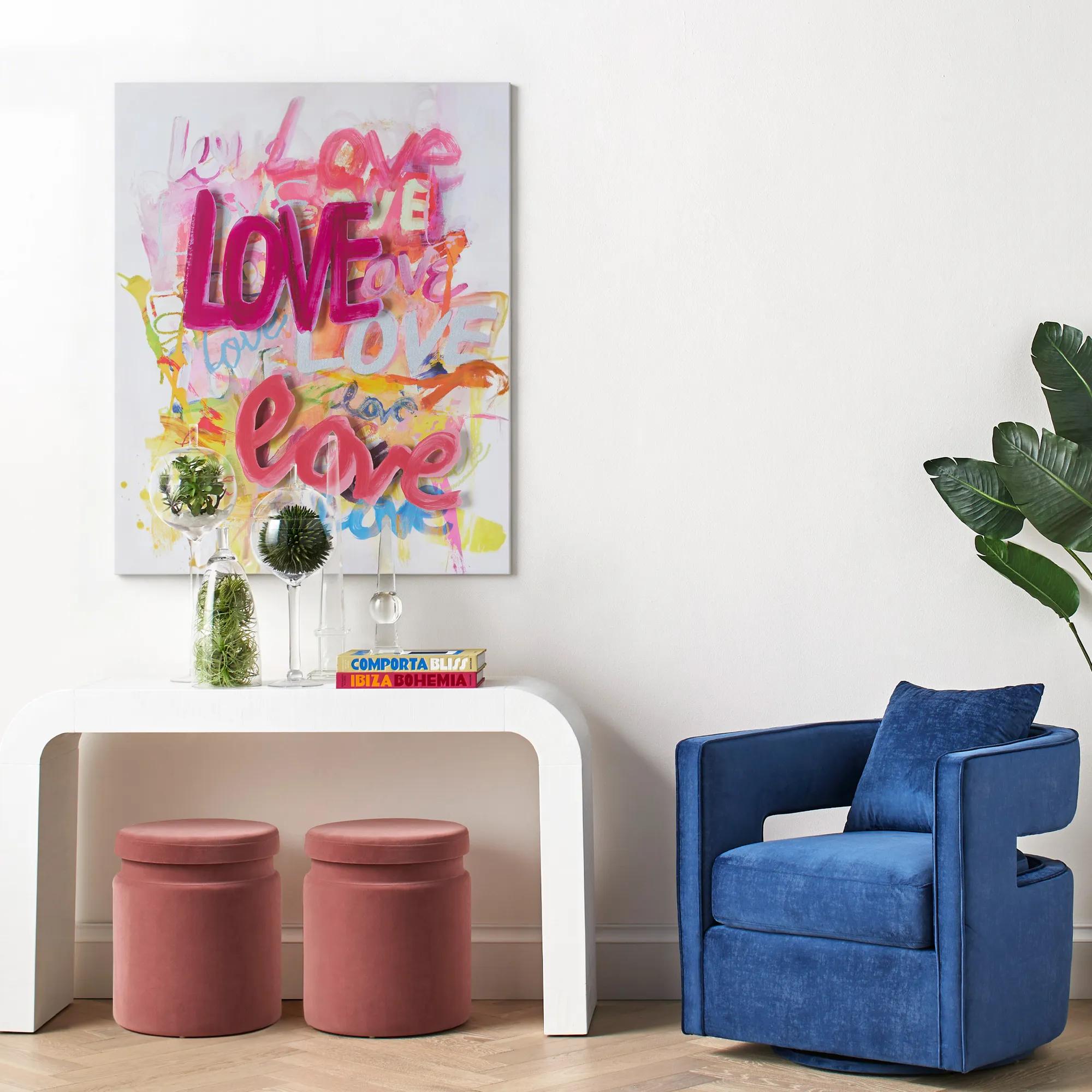 Love Is In The Air Wall Art 40" x 50"$1399
A vibrant giclee canvas print featuring hand-applied silver gilding and dimensional acrylic "Love" lettering.
Add To Cart -
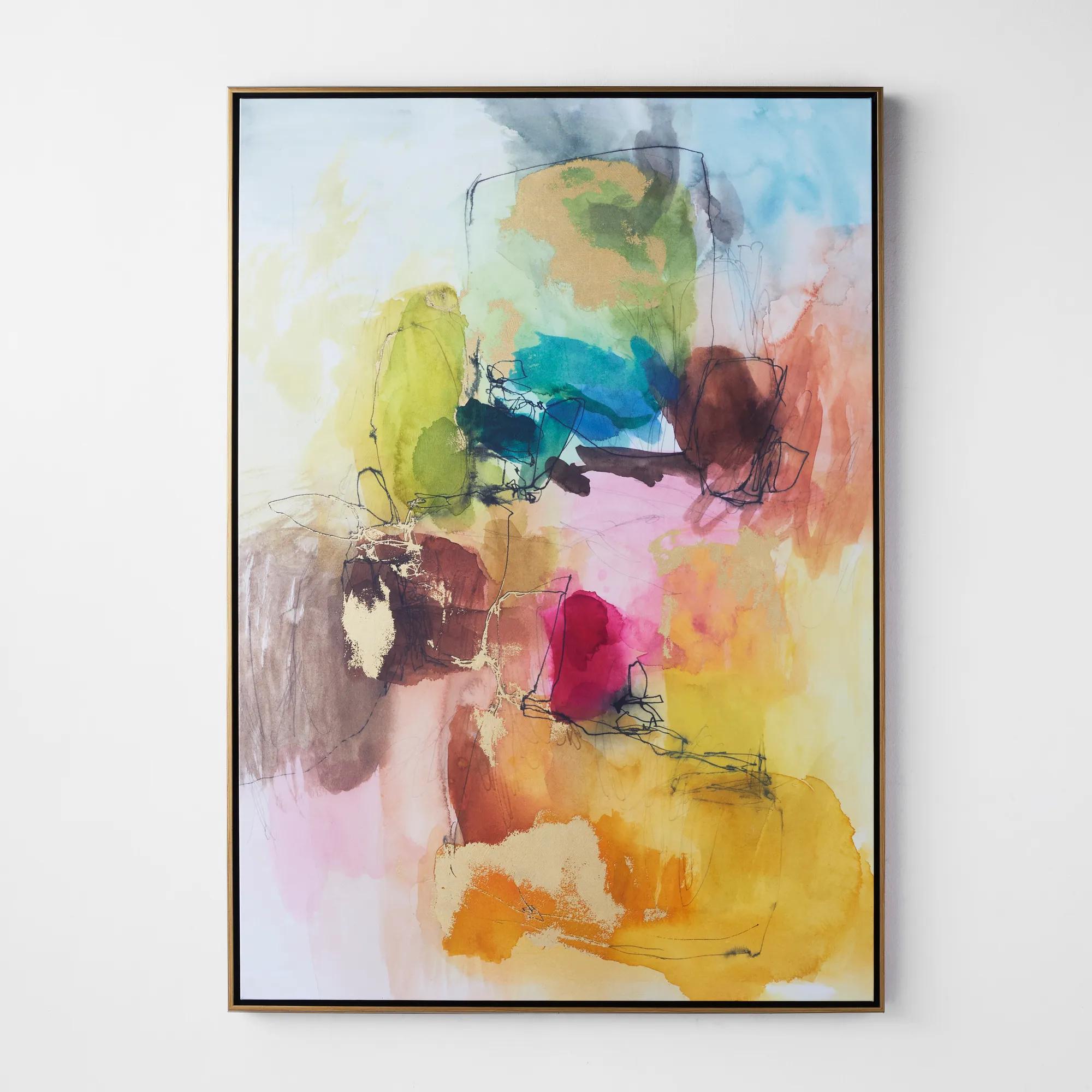 Apricity 3 Framed Wall Art 41" x 58"$899
A vibrant giclee on canvas featuring hand-applied gold gilding and a gold floater frame.
Add To Cart -
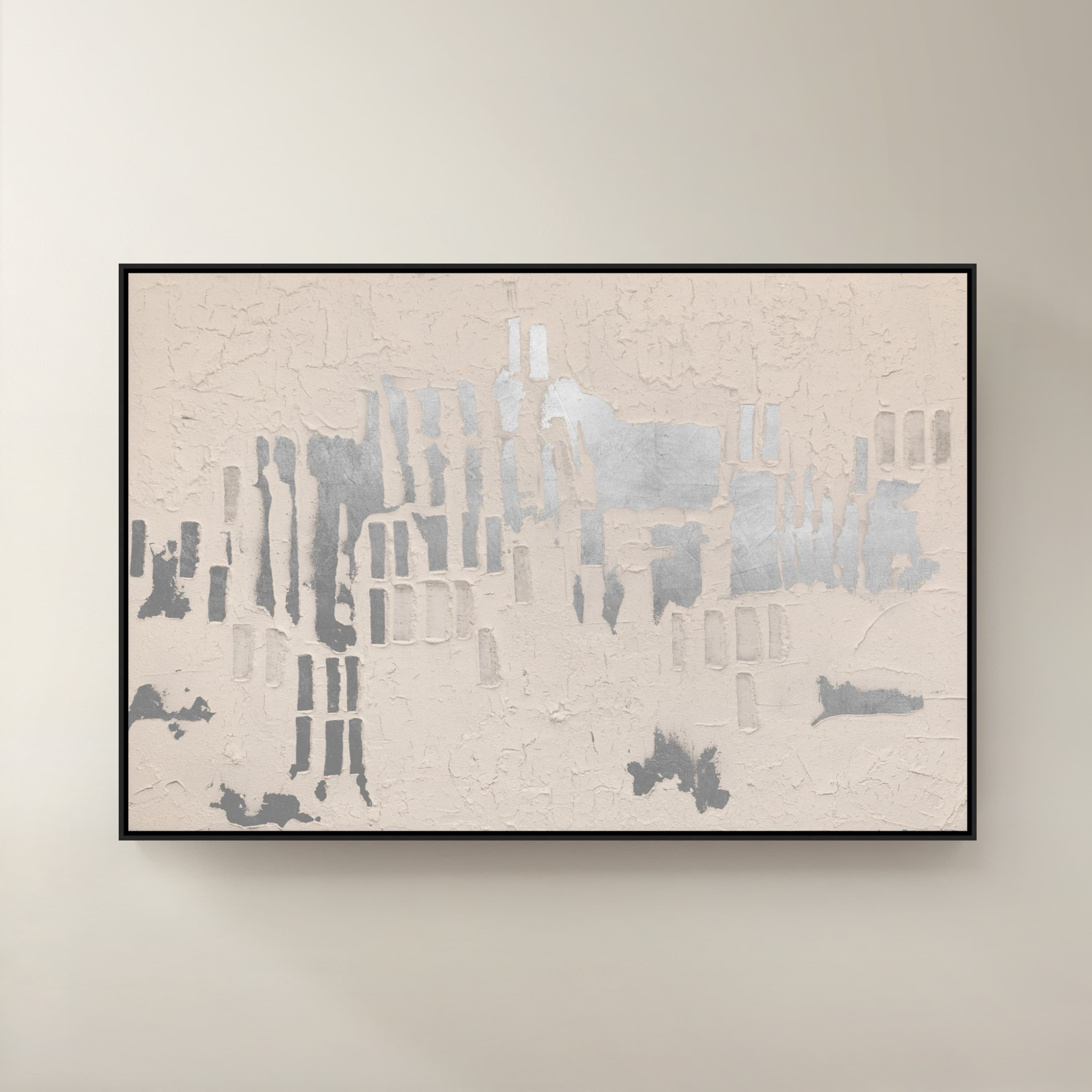
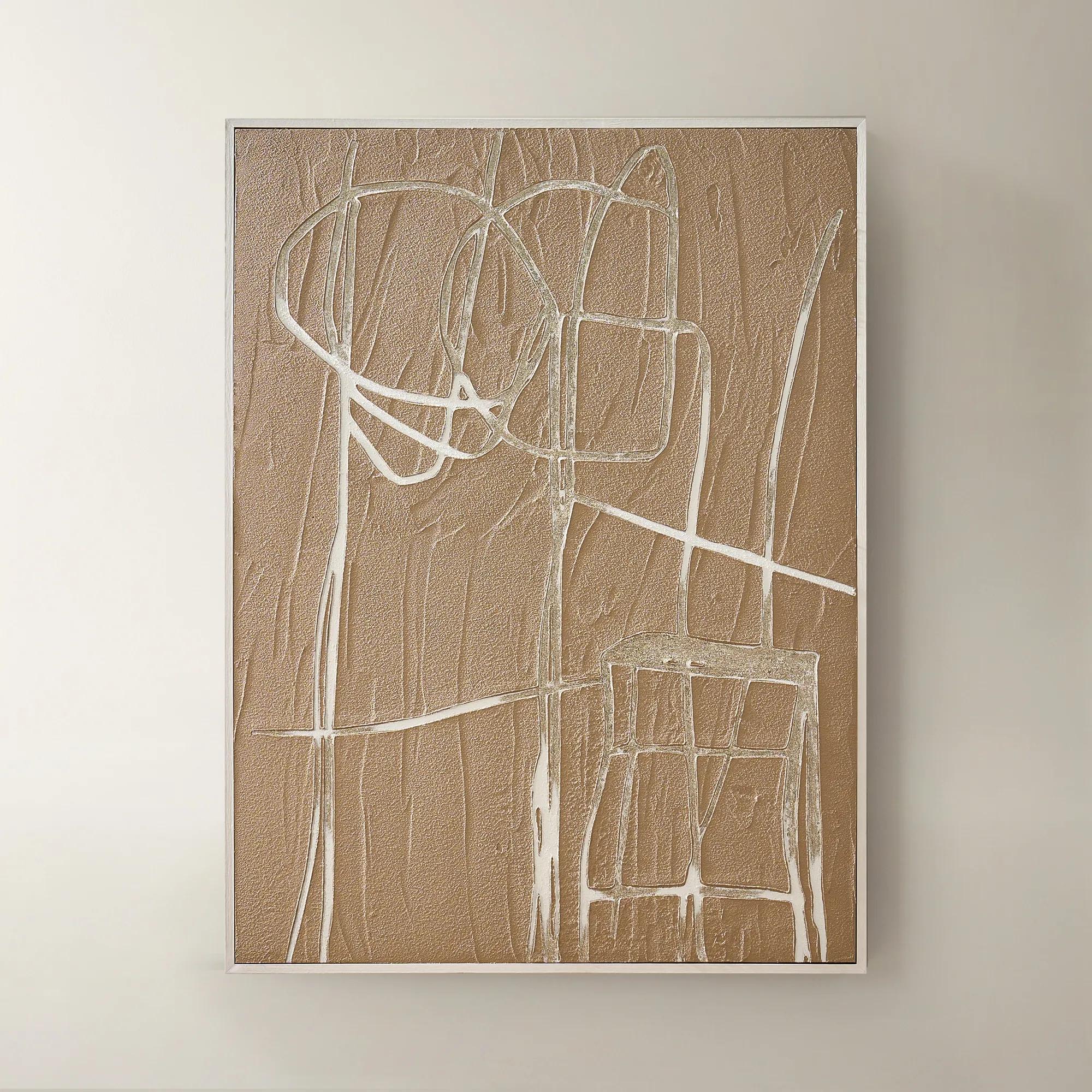
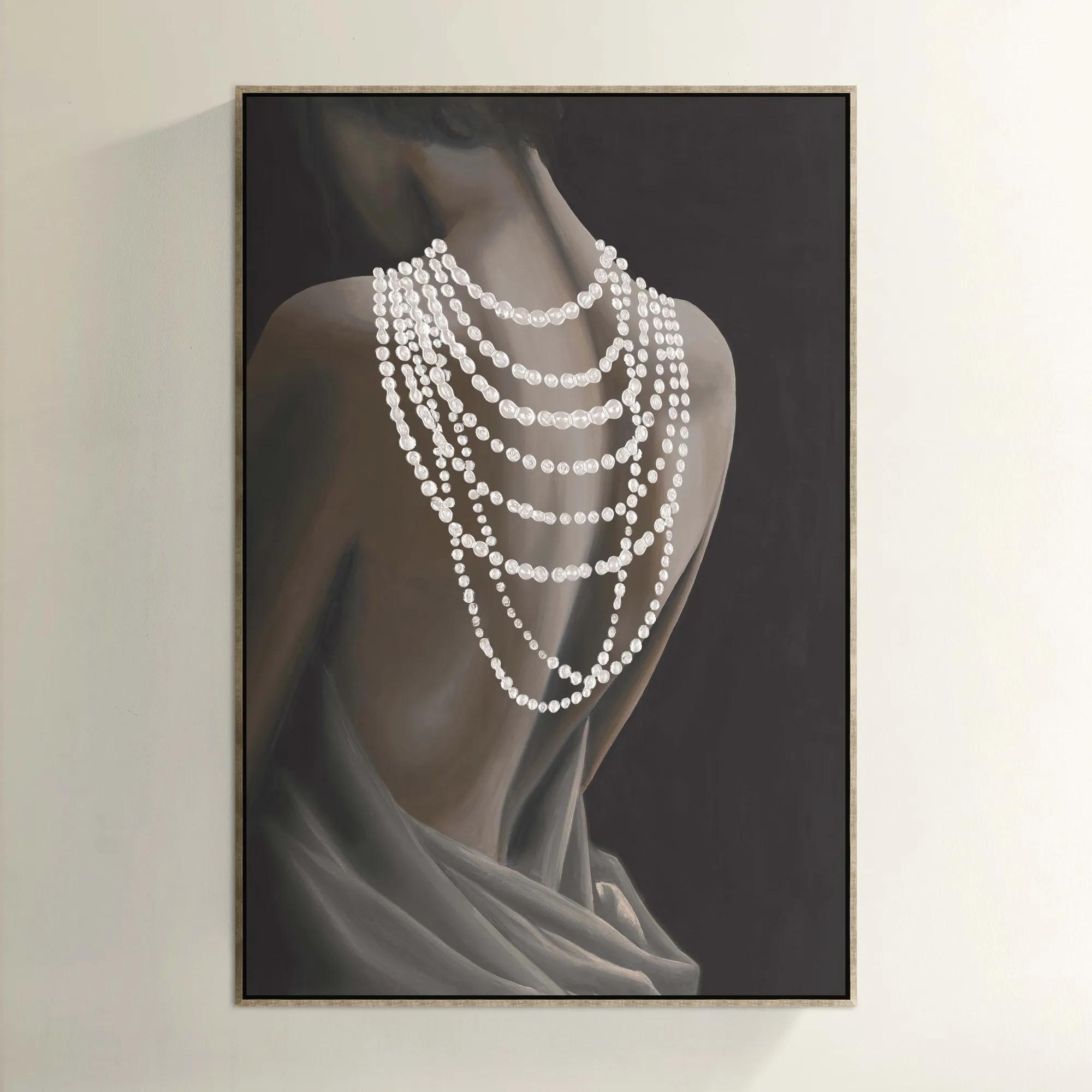 Luminescent Pearls Framed Wall Art 40" x 60"$1119
A hand-embellished canvas artwork featuring textured brush gel, set in a sleek silver floater frame.
Add To Cart -
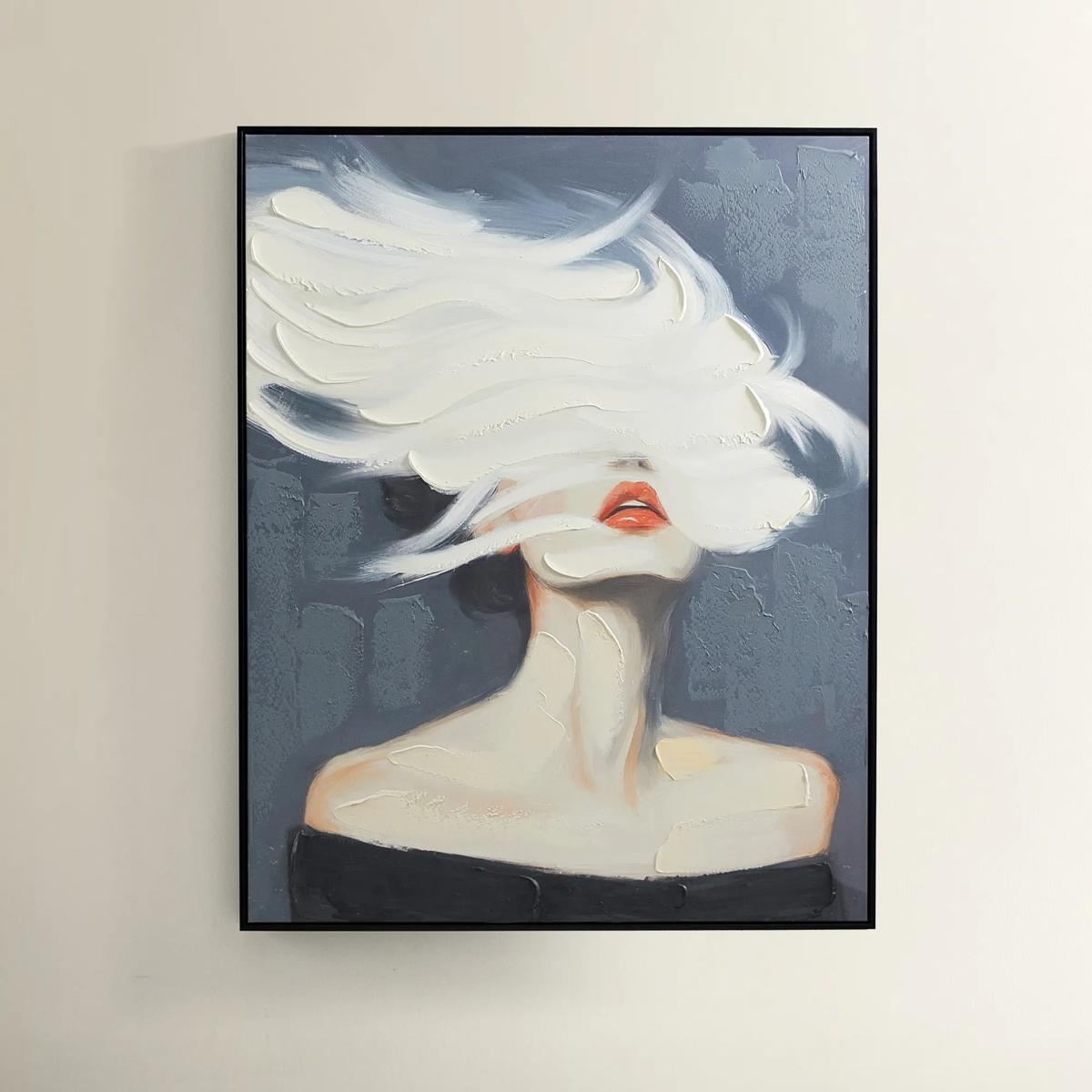
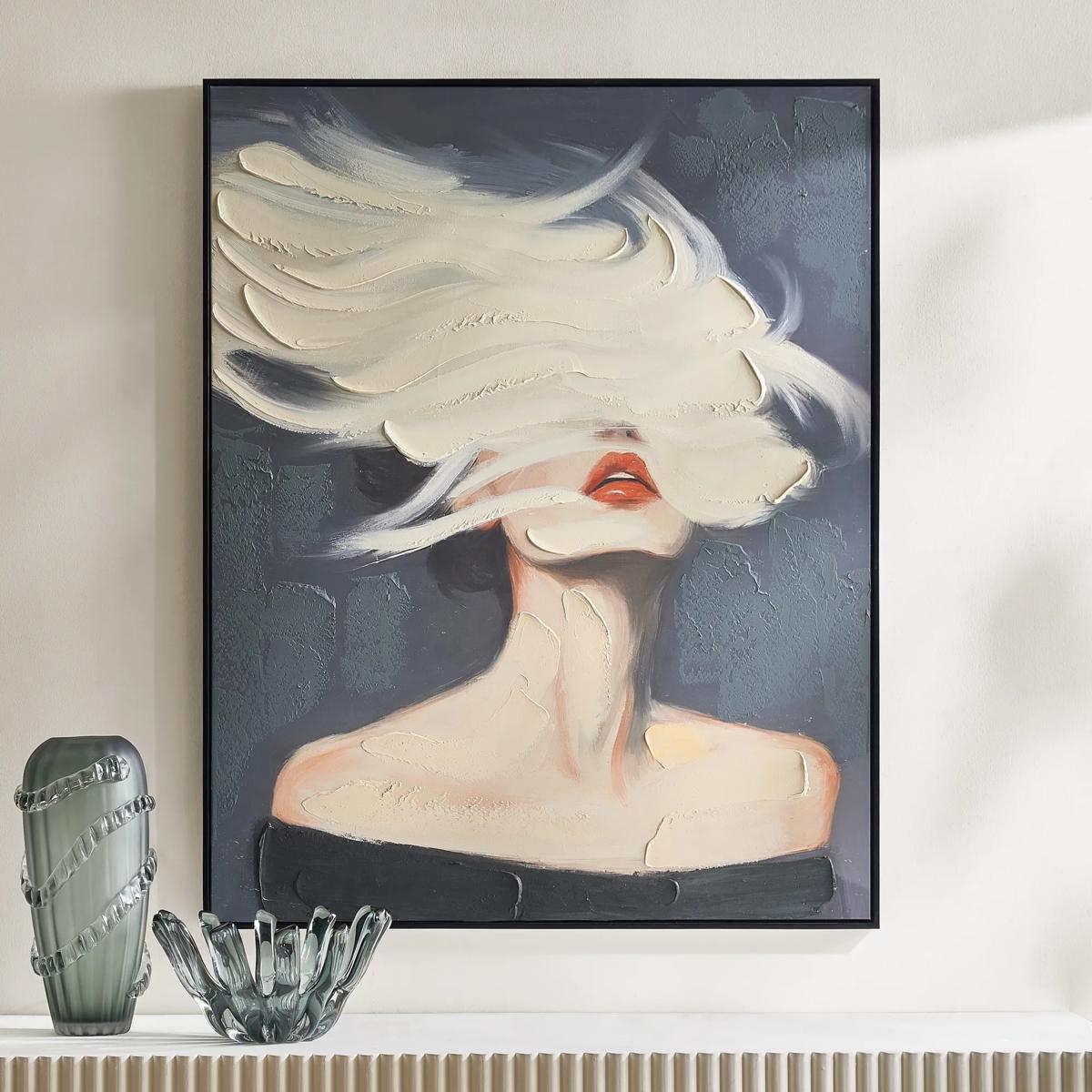 Daydreamer Painting$599
A hand-painted canvas portrait with sculptural white brushstrokes, bold red lips, and a sleek black frame.
Add To Cart -
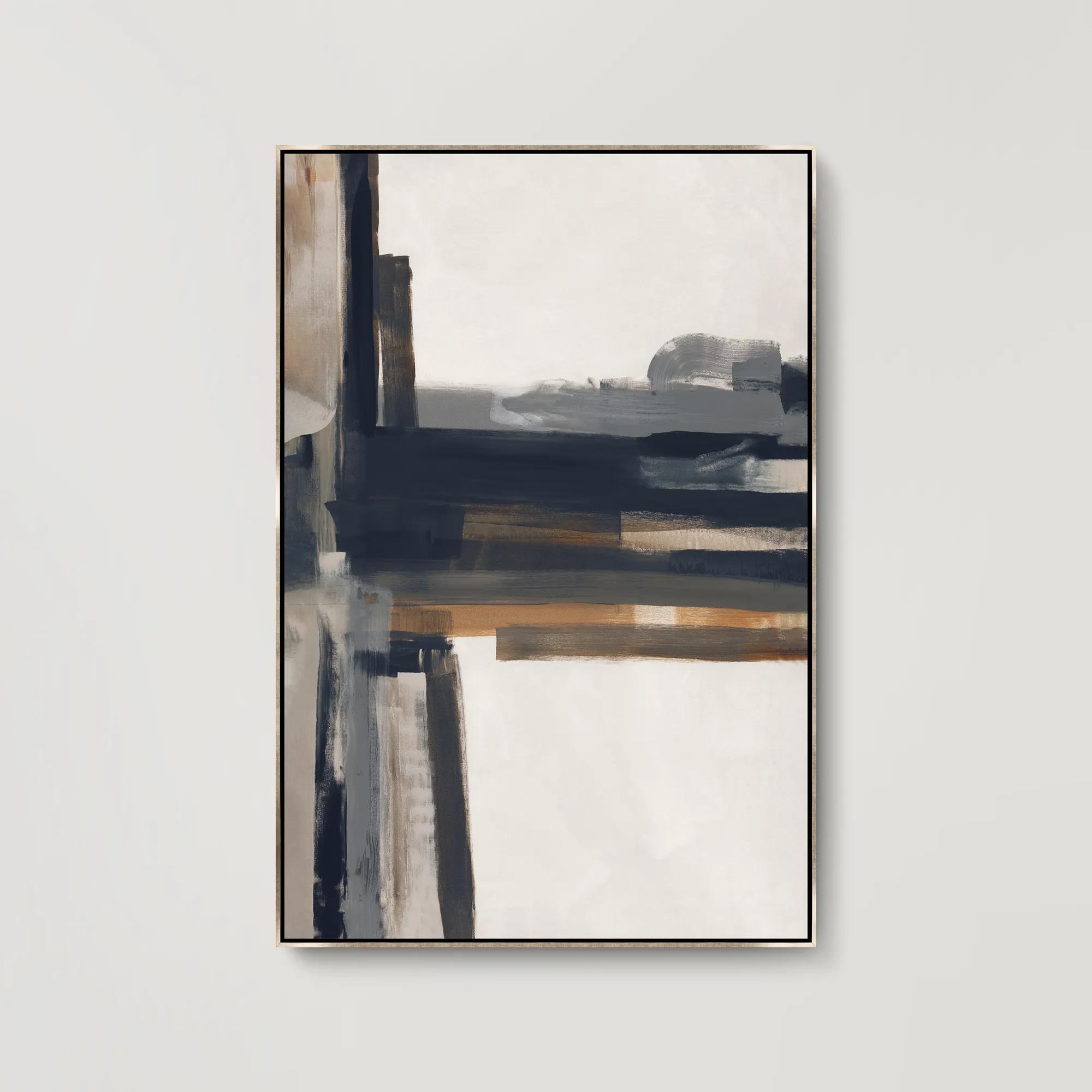
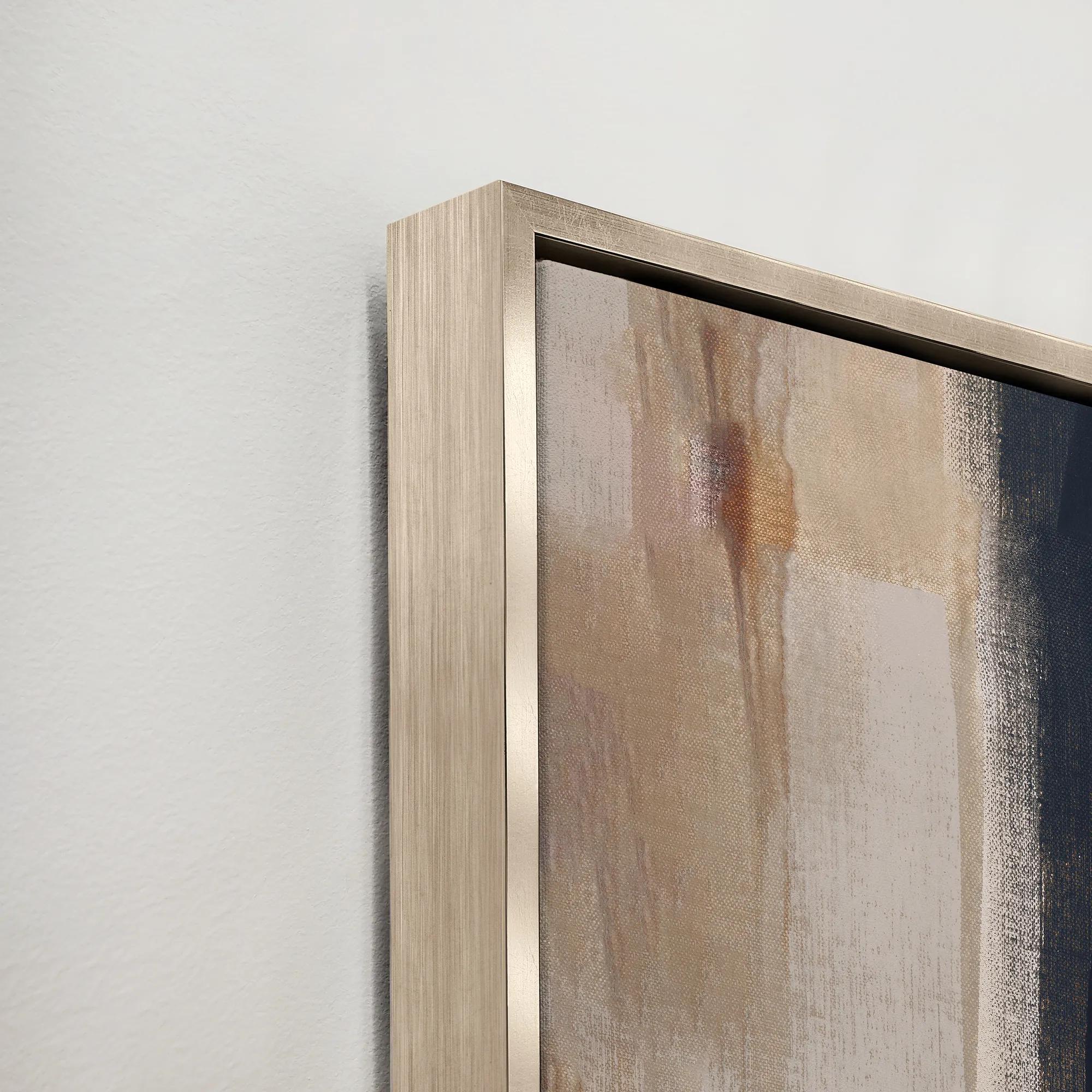 Imposing Construct I Framed Wall Art 41.5" x 61.5"$949
A gallery-wrapped abstract canvas featuring hand-applied brush gel and set in a sleek silver floater frame.
Add To Cart -
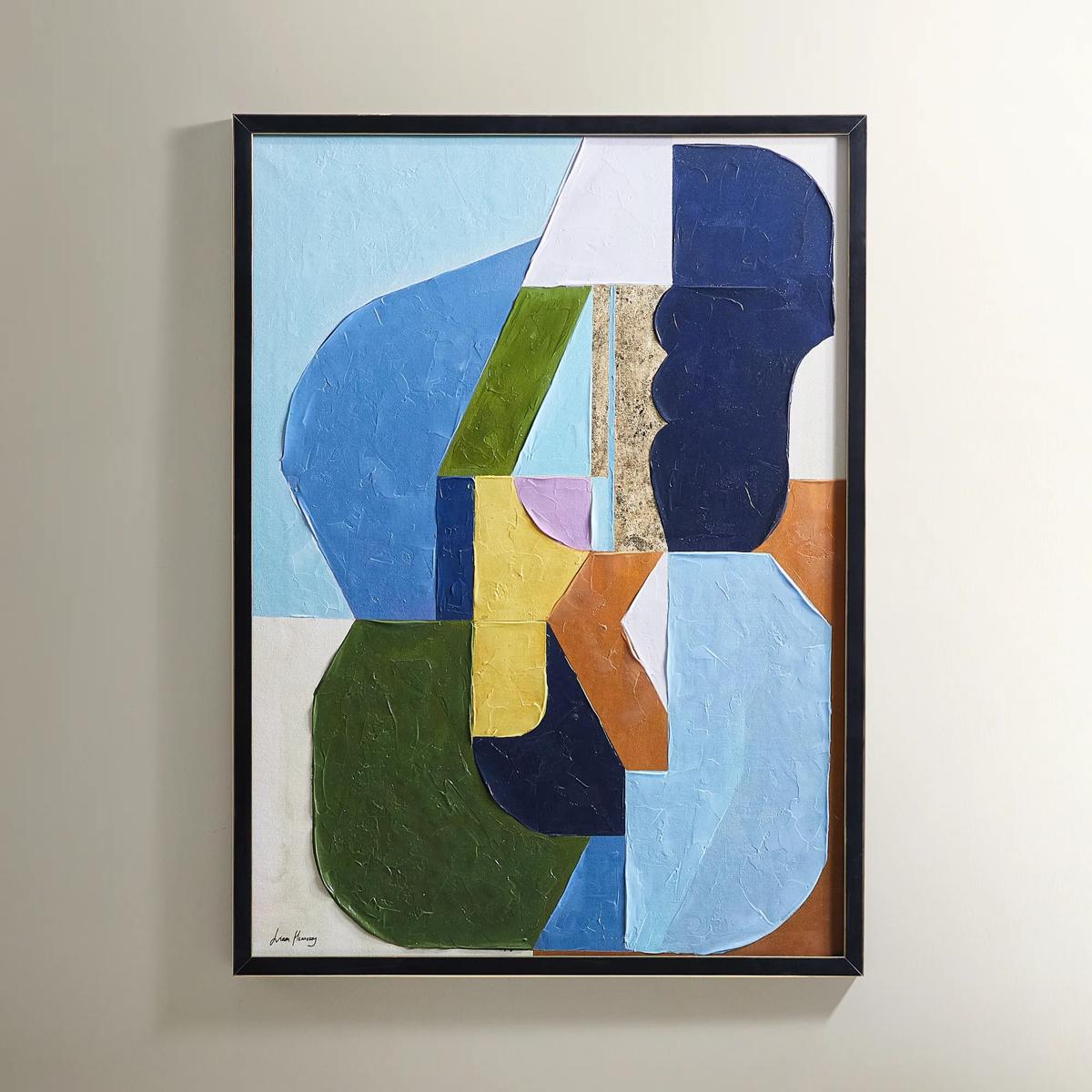
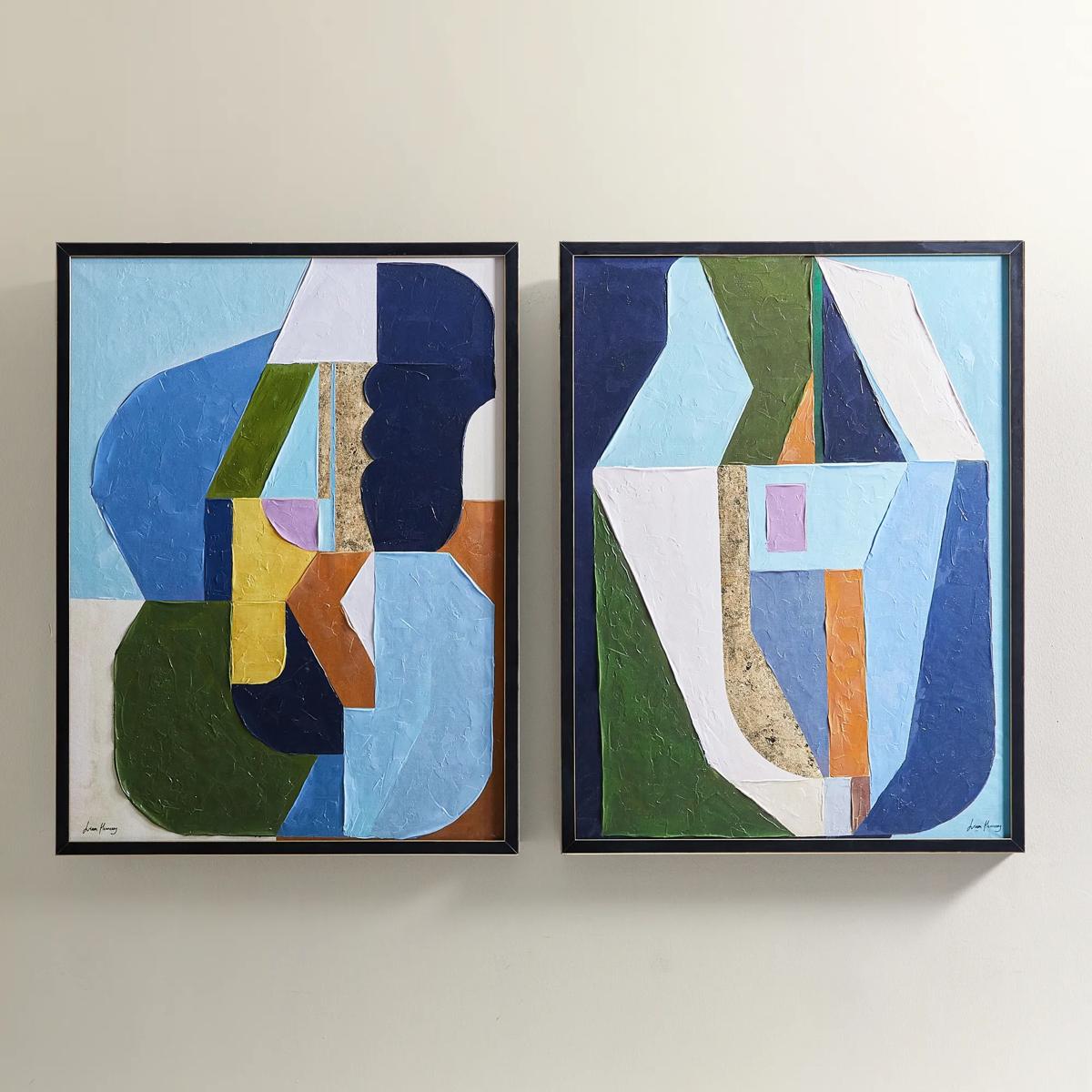 Thought Provoking Painting 1$249
A hand-embellished canvas artwork featuring textured strokes in deep blue, olive green, and gold accents.
Add To Cart -
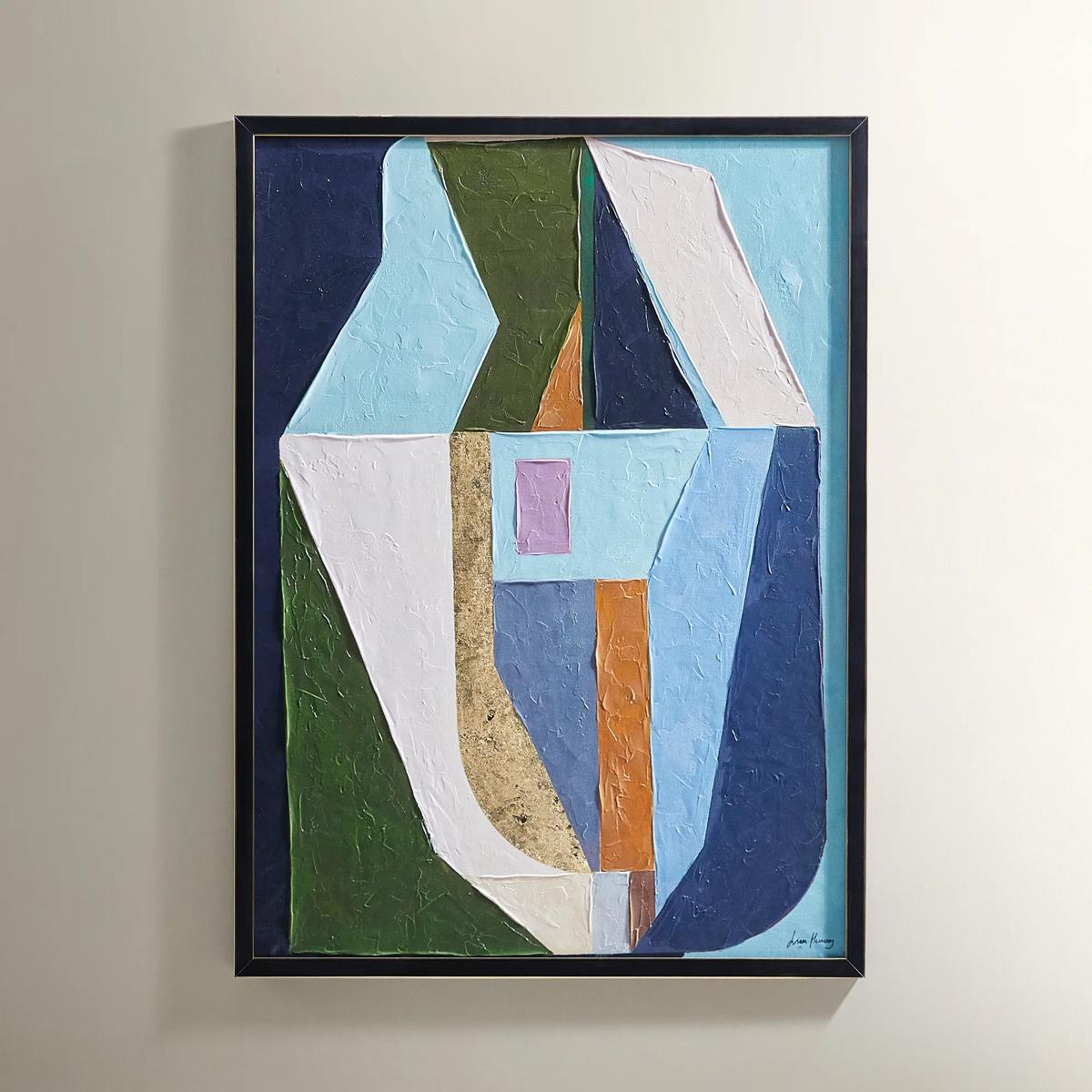 Thought Provoking Painting 2$249
A hand-embellished canvas artwork featuring textured strokes in deep blue, olive green, and gold accents.
Add To Cart -
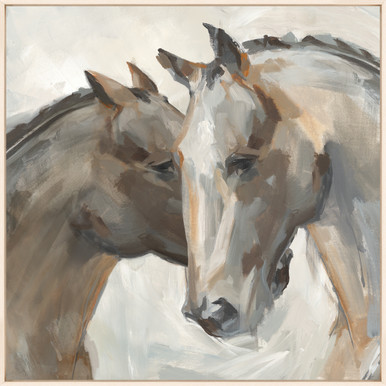
 Equine Duo Framed Wall Art 40" x 40"$699
A gallery-wrapped canvas featuring hand-applied brush gel and set in a natural floater frame.
Add To Cart

Hand Embellished Canvas Wall Art
Hand embellished canvas wall art transforms blank walls into breathtaking showcases of artistry and allure. Each piece is a celebration of texture, dimension, and painterly drama—inviting you to indulge in the luxury of detail and the magic of handcrafted expression. Whether you’re curating a gallery-inspired living room or composing an intimate bedroom retreat, these works of art promise to elevate every moment with their luminous presence. Let your home become a canvas for bold imagination, where hand embellished canvas wall art sets the stage for stories as unique and captivating as you are.
Hand embellished canvas wall art brings a tactile dimension to a room, giving color and composition a presence that a flat image alone cannot achieve. Across the canvas, raised brushwork, layered pigment, or selectively applied decorative finishes can draw attention to a sweeping gesture, illuminate a quiet passage of color, or give an abstract form sculptural depth. The effect is especially compelling in spaces where texture already plays a leading role: a sumptuous velvet sofa, a gleaming console, or a richly grained dining table becomes part of a conversation with the artwork above it. Hand embellishment generally refers to details applied by hand to an existing image or surface, which may include a printed canvas; it does not necessarily mean that the entire composition is an original painting. That distinction allows the appeal of the medium to come into focus: an established image gains physical texture and expressive finishing touches, with subtle variations possible wherever the artist’s hand meets the surface. Depending on the piece, embellishments may take the form of painted accents, translucent layers, textured mediums, or metallic details that respond differently to light. A pale composition can feel quietly lavish when its surface reveals ridges and tonal shifts up close, while a high-contrast canvas can command an entire seating area with a single decisive sweep of black. For those drawn to luminous finishes and dimensional surfaces, Hand Embellished Wall Art Pieces offers another perspective on this expressive approach to decorating. The appeal reaches beyond any one aesthetic. These works can lend depth to a tailored interior, reinforce the exuberance of a layered room, or introduce a painterly counterpoint to crisp architectural lines. Seen from across the room, the composition establishes mood; approached closely, the embellishment rewards attention. That interplay gives canvas art its distinctive intimacy, balancing the impact of a statement wall with the pleasure of discovering a detail that was not immediately apparent.
Scale, palette, and placement determine how that artistry lives within a space. Above a sofa, a broad canvas can anchor the seating arrangement and establish a visual connection between upholstery, accent pillows, and surrounding finishes. A useful starting point is artwork that spans roughly two-thirds to three-quarters of the furniture’s width, adjusted for the room’s proportions and any neighboring objects. Too little space around a canvas can make even a beautiful composition feel compressed; generous breathing room lets its gestures register. In a dining room, a large abstract work can bring movement to a wall without competing with the silhouette of a chandelier. In an entryway, a vertical canvas above a narrow console creates an elegant pause, especially when a sculptural vessel echoes one of the painting’s curves. A bedroom may call for softer tonal transitions and gentler contrasts, though restful does not have to mean restrained: layered ivory, charcoal, and champagne hues can feel richly atmospheric without overwhelming the space. Color need not match every surrounding fabric. Repeating one undertone or accent is often enough to make the artwork feel connected, while an unexpected hue can give a familiar room a more personal signature. Frame treatment matters as well. An unframed, gallery-wrapped canvas may carry the image or a finished color around its sides, while a framed canvas adds another outline and material to the composition. A floating frame creates a visible gap around the canvas, allowing its depth to remain part of the presentation. Check the overall dimensions, including the frame, rather than relying on the image size alone. For a grouping, consider the combined width and the intervals between works as one arrangement. Lighting completes the relationship: gentle, indirect illumination can reveal raised details, while a carefully positioned picture light may emphasize texture without producing distracting glare. Metallic accents deserve particular attention, since their appearance can shift with the viewing angle and surrounding light. The most successful placement feels intentional both from the doorway and from the seat where the artwork will be enjoyed most often.
Materials and construction deserve the same consideration as the image itself, particularly when selecting hand embellished canvas art for a room used every day. Canvas may be made from cotton, linen, synthetic fibers, or blends, with different weaves contributing to the character of the surface. Many works are stretched over a supporting frame, while others use a different backing or mounting method; individual descriptions should clarify the construction, applied finishes, and hanging requirements. A taut surface, sound support, and a well-fitted frame help preserve the intended presentation, but durability also depends on where the artwork is displayed and how it is handled. Raised paint and decorative applications can be more vulnerable to abrasion than a smooth printed surface, making placement away from narrow walkways, swinging doors, and frequently moved furniture a thoughtful choice. These pieces are generally intended for indoor decorative use, and spaces exposed to steam, splashes, or persistent humidity may be unsuitable unless the artwork is expressly designed for those conditions. Avoid prolonged direct sunlight and placement immediately above a heat source, which can affect pigments, coatings, canvas, or framing materials over time. Follow the care instructions provided for the individual work; when light dusting is permitted, a clean, soft, dry brush used with a delicate touch may be appropriate, while textured or loosely applied finishes may require more specialized care. Household cleaners, wet cloths, and vigorous rubbing can disturb the surface and should not be treated as routine cleaning methods. When moving a canvas, support it by its frame or structural edges rather than pressing against the painted face, and select wall hardware appropriate to its weight and the wall’s construction. Such practical attention protects the very qualities that make embellished art compelling. As a gift, it is especially meaningful for a housewarming, a wedding, or someone establishing a more personal interior, provided the recipient’s taste and available wall space are considered. A generous abstract canvas might suit a devoted entertainer’s dining room, while a smaller, richly textured work could bring distinction to a reading corner or home office. Chosen with attention to both artistry and setting, hand embellished canvas wall art gives a room a lasting point of view: expressive in scale, nuanced in detail, and unmistakably personal.
FAQs
Hand embellished canvas wall art is elevated by the artist's personal touch—think textured brushstrokes, metallic leafing, and dimensional accents that create a sense of depth and movement. Unlike traditional prints, each piece in an artisan hand embellished curated collection is subtly unique, offering a one-of-a-kind statement that brings artful drama and tactile intrigue to your space.
Embellished art is a thoughtful gift for anyone who cherishes creativity and self-expression. It’s especially cherished by new homeowners, newlyweds, art enthusiasts, or anyone looking to infuse their environment with a sense of luxury and personality. Gifting a hand embellished canvas signals both sophistication and genuine care, marking memorable occasions with a lasting impression.
To create a striking focal point, display hand embellished art above a mantel, bed, or entryway console where it can be admired up close. Layer it with other pieces from an august living hand embellished art collection for an eclectic gallery wall, or let a single, dramatic canvas stand alone for a bold, editorial look. Consider lighting and placement to accentuate the unique textures and finishes.
Embellished canvas wall art often features a blend of high-quality acrylic or oil paints, metallic foils, hand-applied crystals, and textured gels. Artisans may use palette knives, brushes, and even their hands to create raised details and intricate layering. These techniques result in a multi-dimensional surface that catches the light and enlivens any room.
Absolutely. The richness and variety of materials in embellished art allow it to transcend style boundaries. A sleek, abstract piece can infuse a modern space with a sense of artistry, while a more ornate, textured canvas can add depth and glamour to classic or eclectic interiors. The key is to select a piece whose palette and mood resonate with your personal vision.