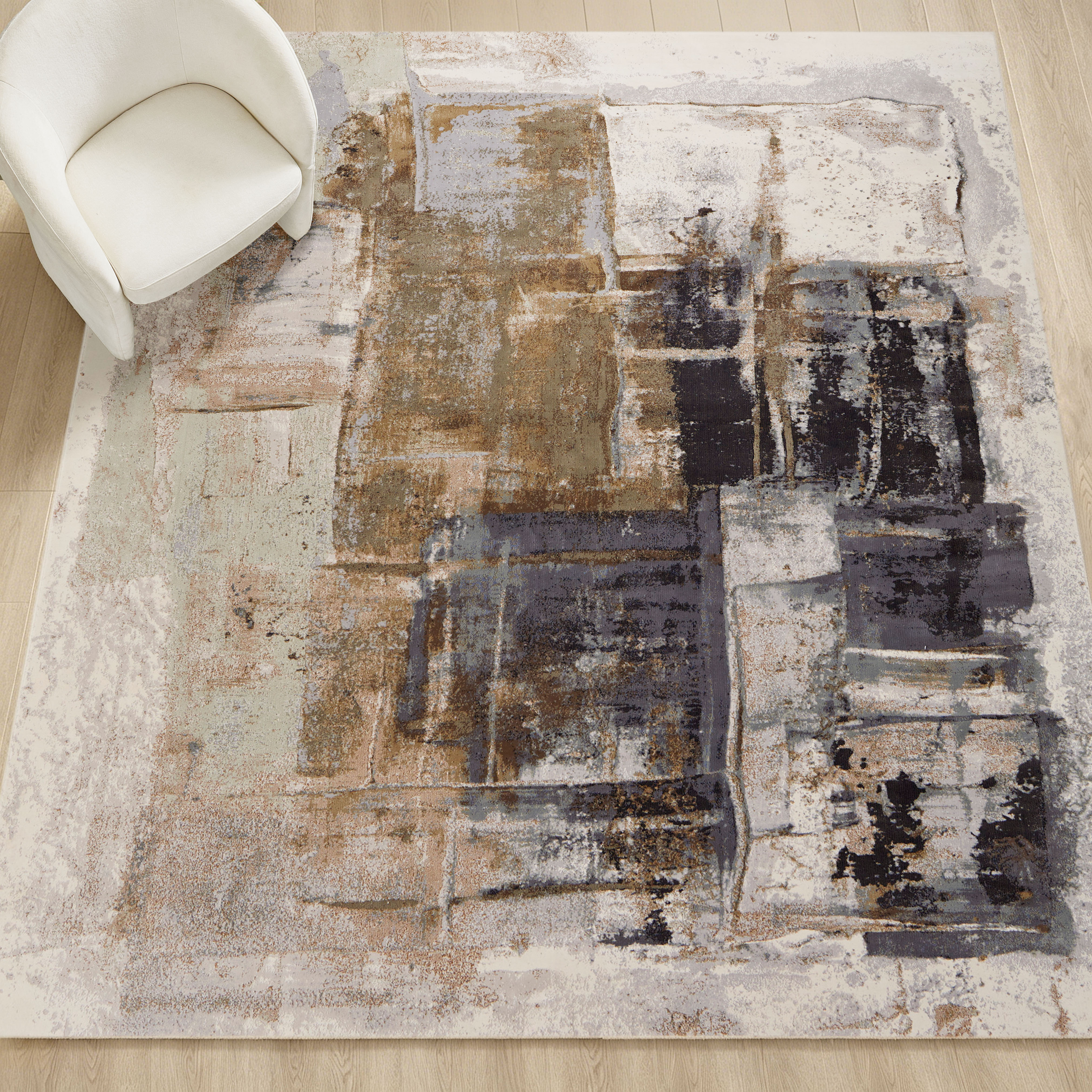
Statement Area Rugs
Statement Area Rugs
-
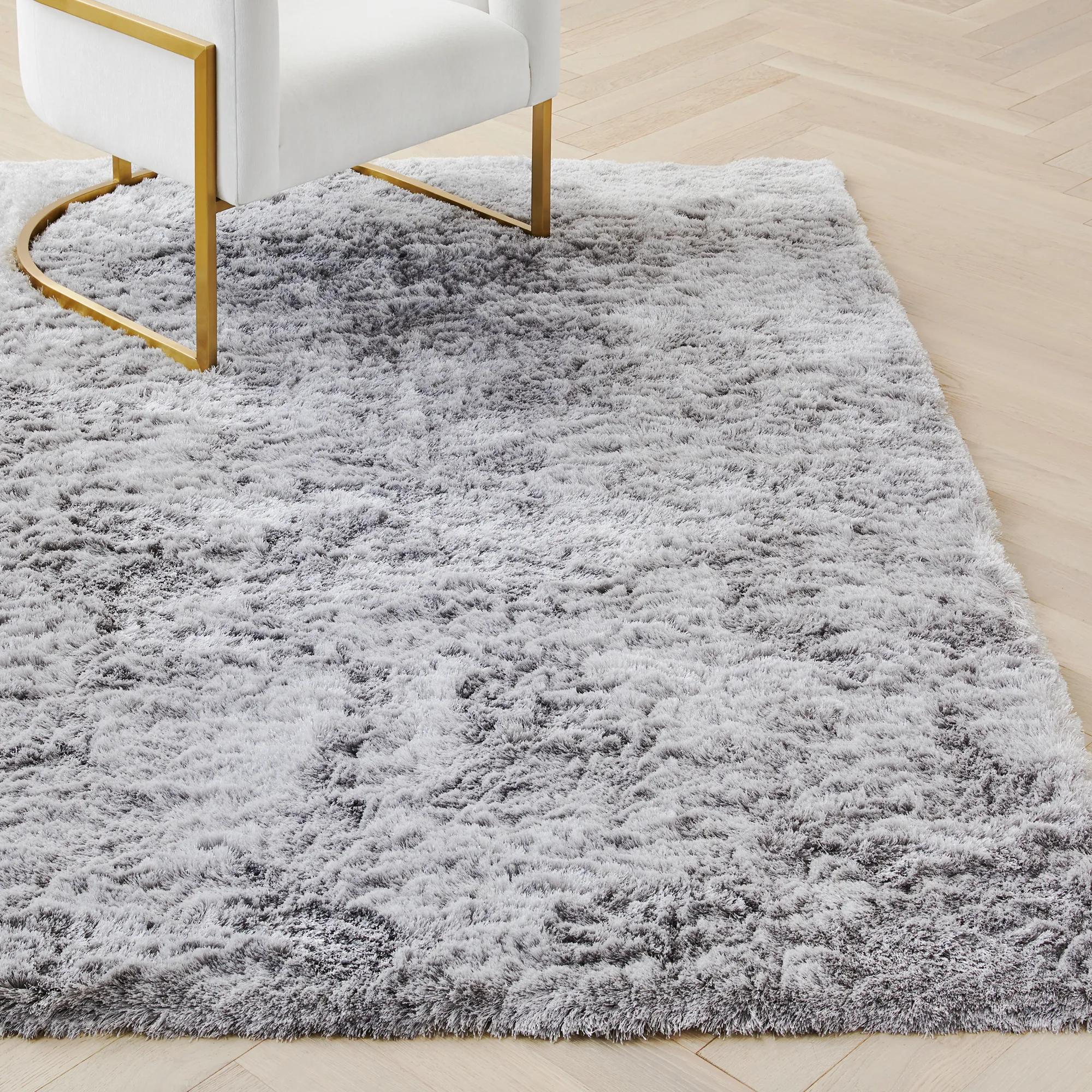 Indochine Shag Platinum Rug$399
A platinum-toned shag rug with a subtle sheen and plush 1.5" polyester pile for luxurious texture.
Add To Cart -
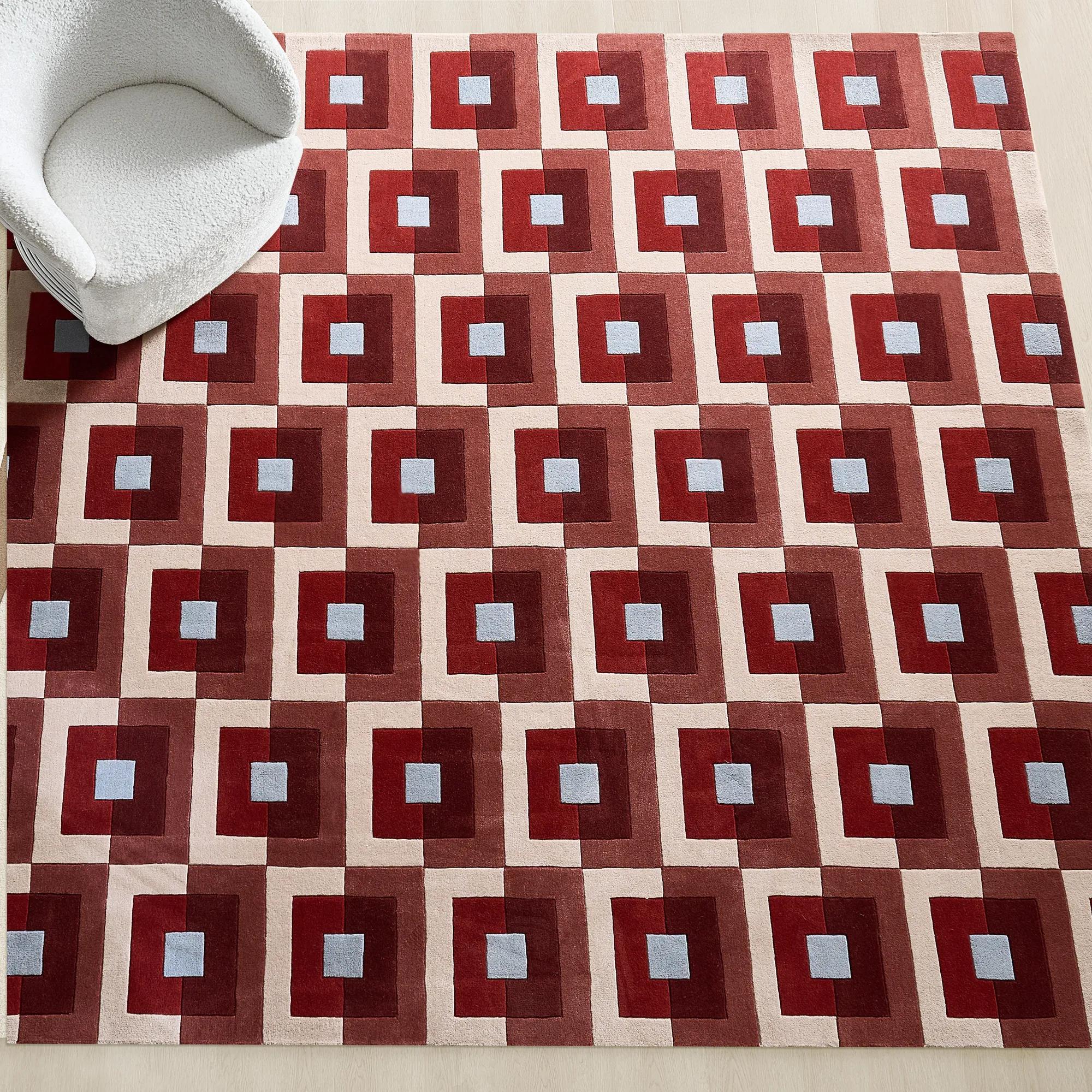
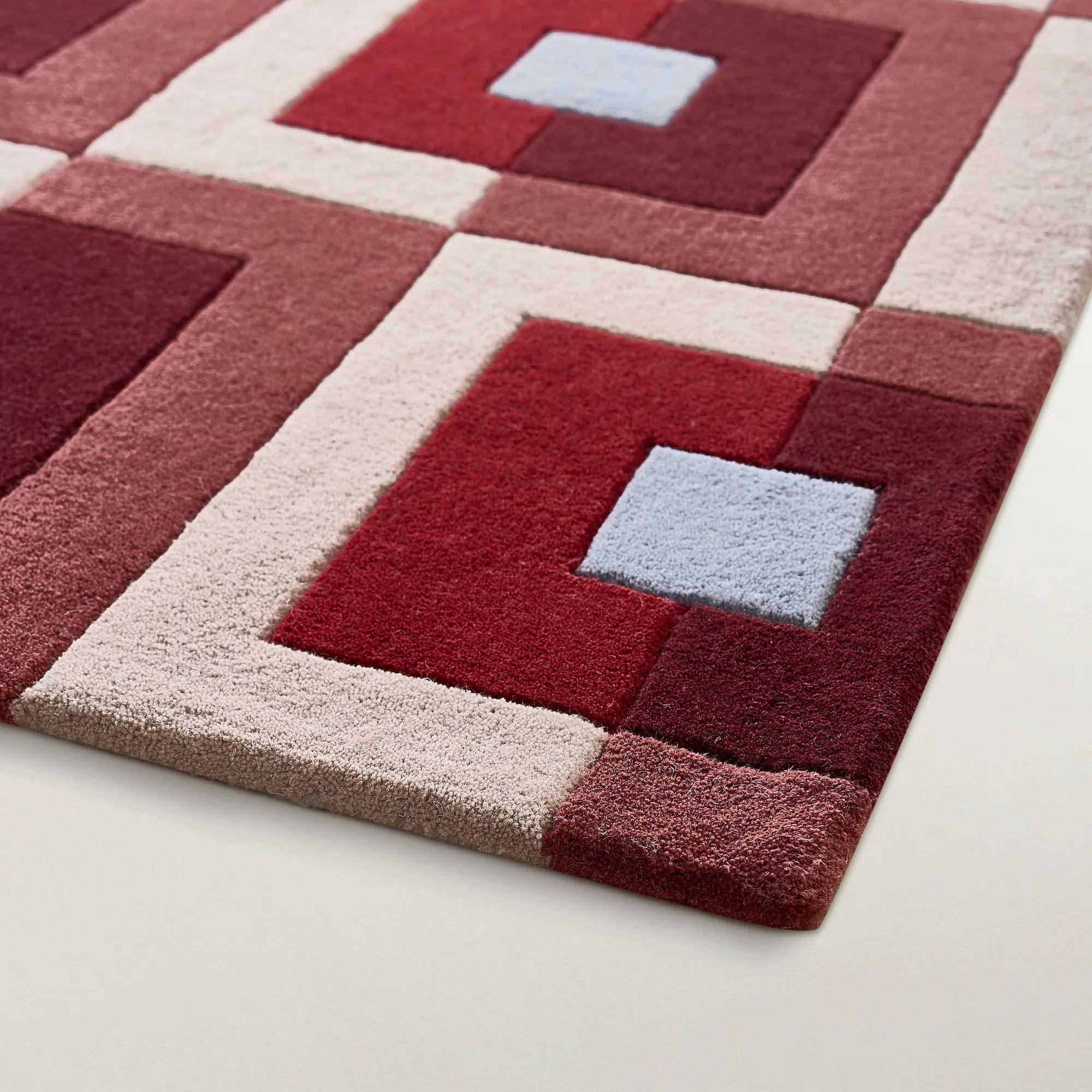 Geo Pop Wool Rug - Oxblood Red/Airy Blue$599
A geometric wool rug combining oxblood red and airy blue for a bold, modern statement.
Add To Cart -
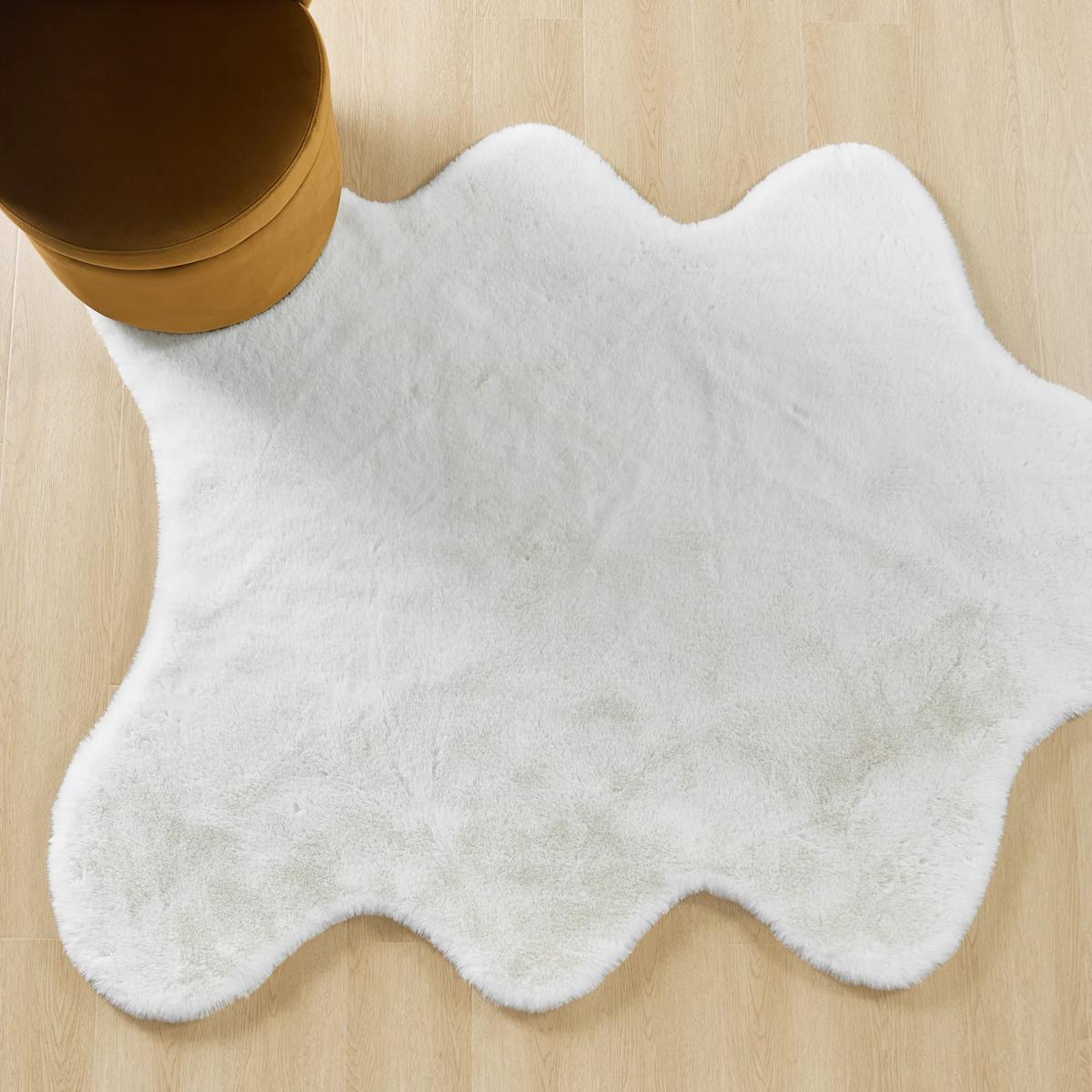
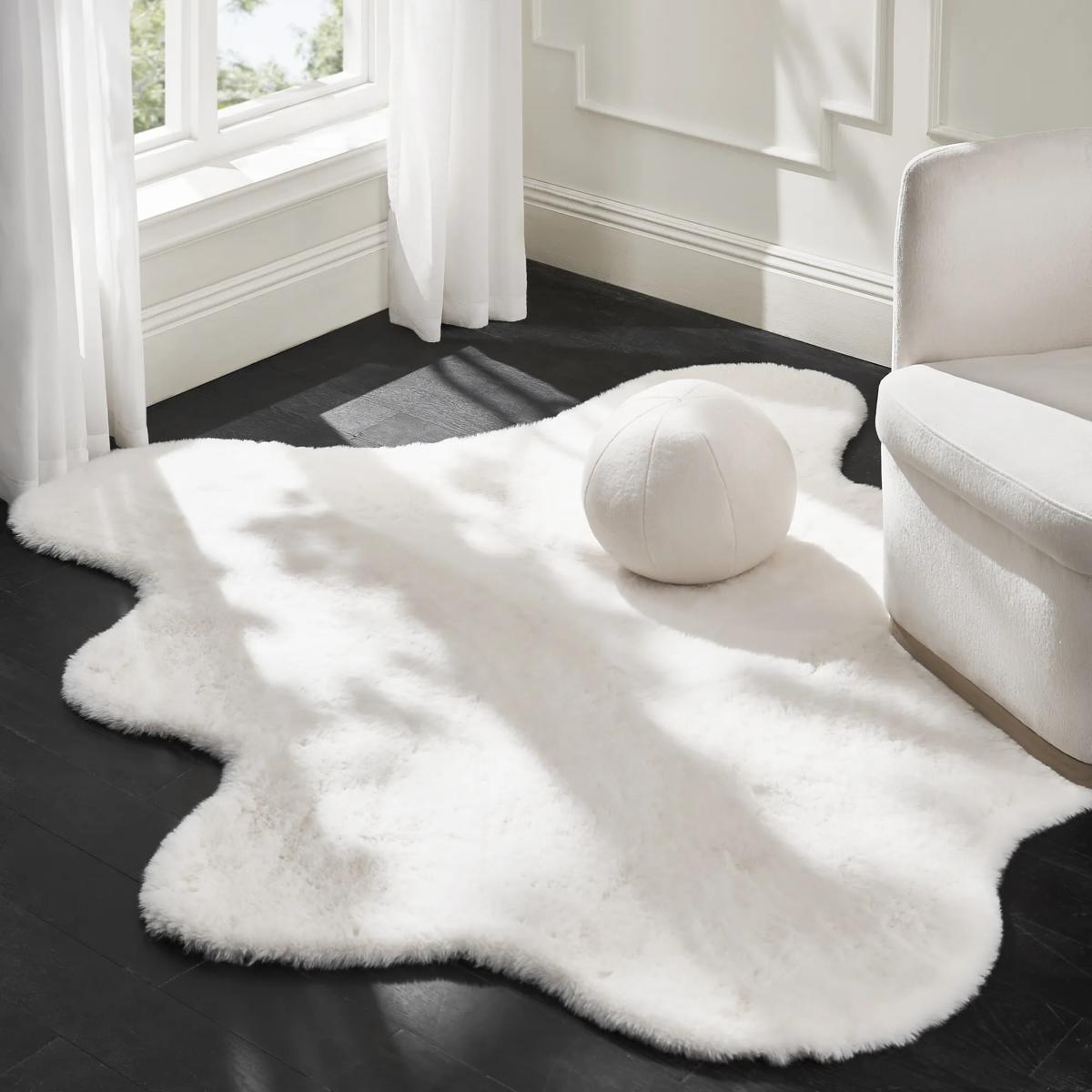 Odin Faux Fur White Shaped Rug 5' x 6'$249
A plush, cloud-shaped white rug with ultra-soft polyester pile and a practical non-slip backing.
Add To Cart -
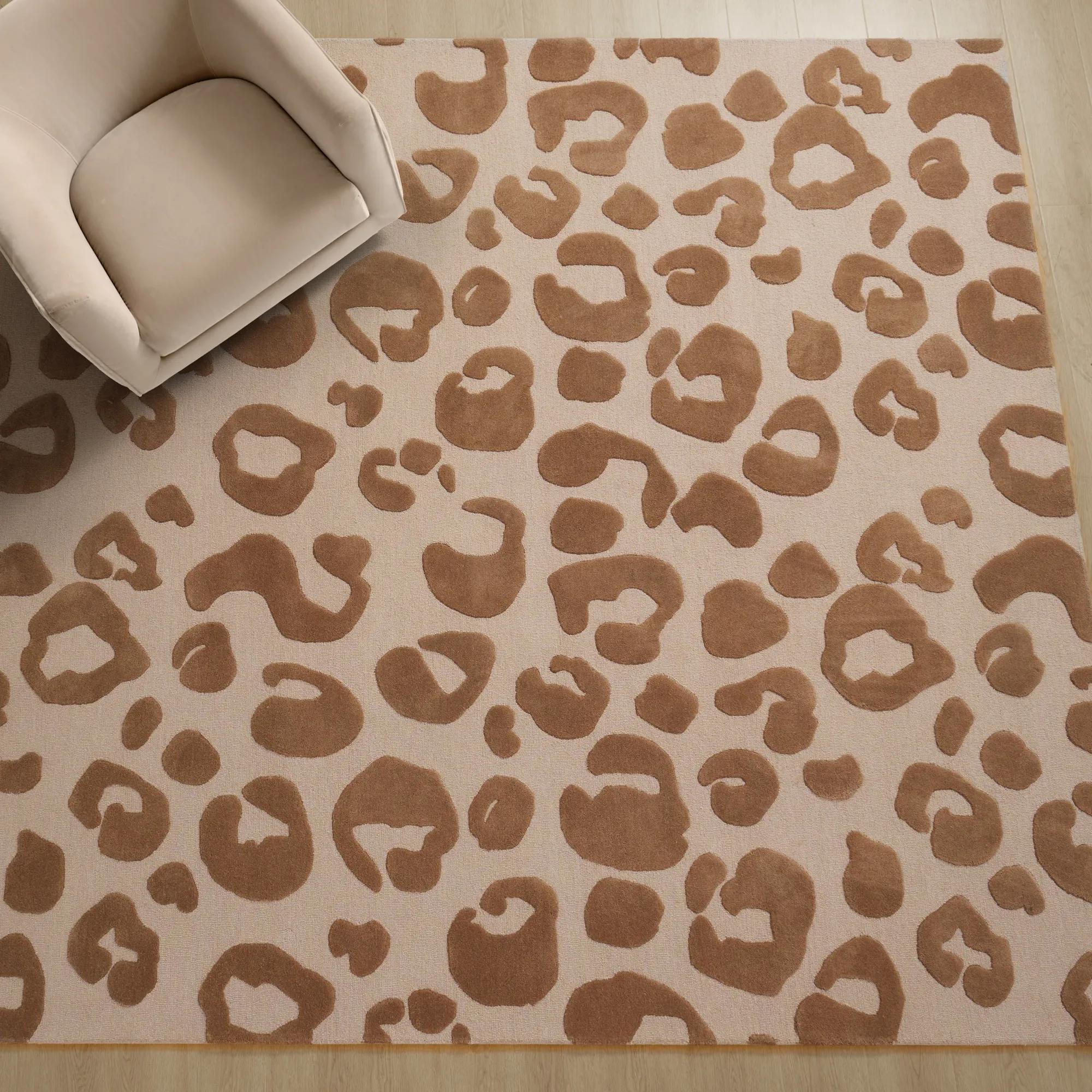 Pounce Hand-Tufted Tawny Brown Leopard Print Wool Rugs$499
A hand-tufted pure wool rug featuring a bold tawny brown leopard print and sculptural high-low texture.
Add To Cart -
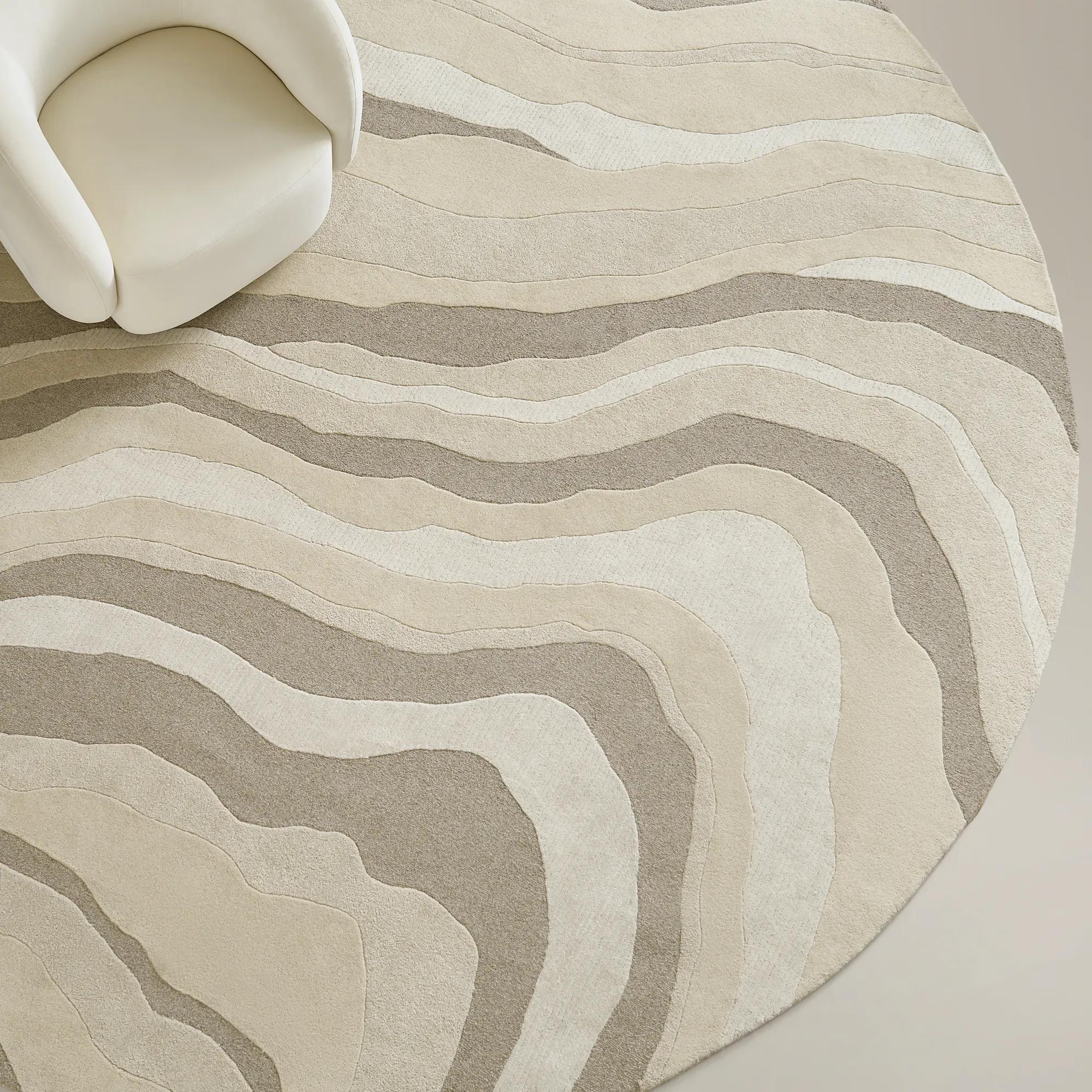 Kadence Hand-Tufted White/Ivory/Tan Wool Round Rug 12"$1799
A hand-tufted round rug in white, ivory, and tan, crafted from 100% wool for natural warmth.
Add To Cart -
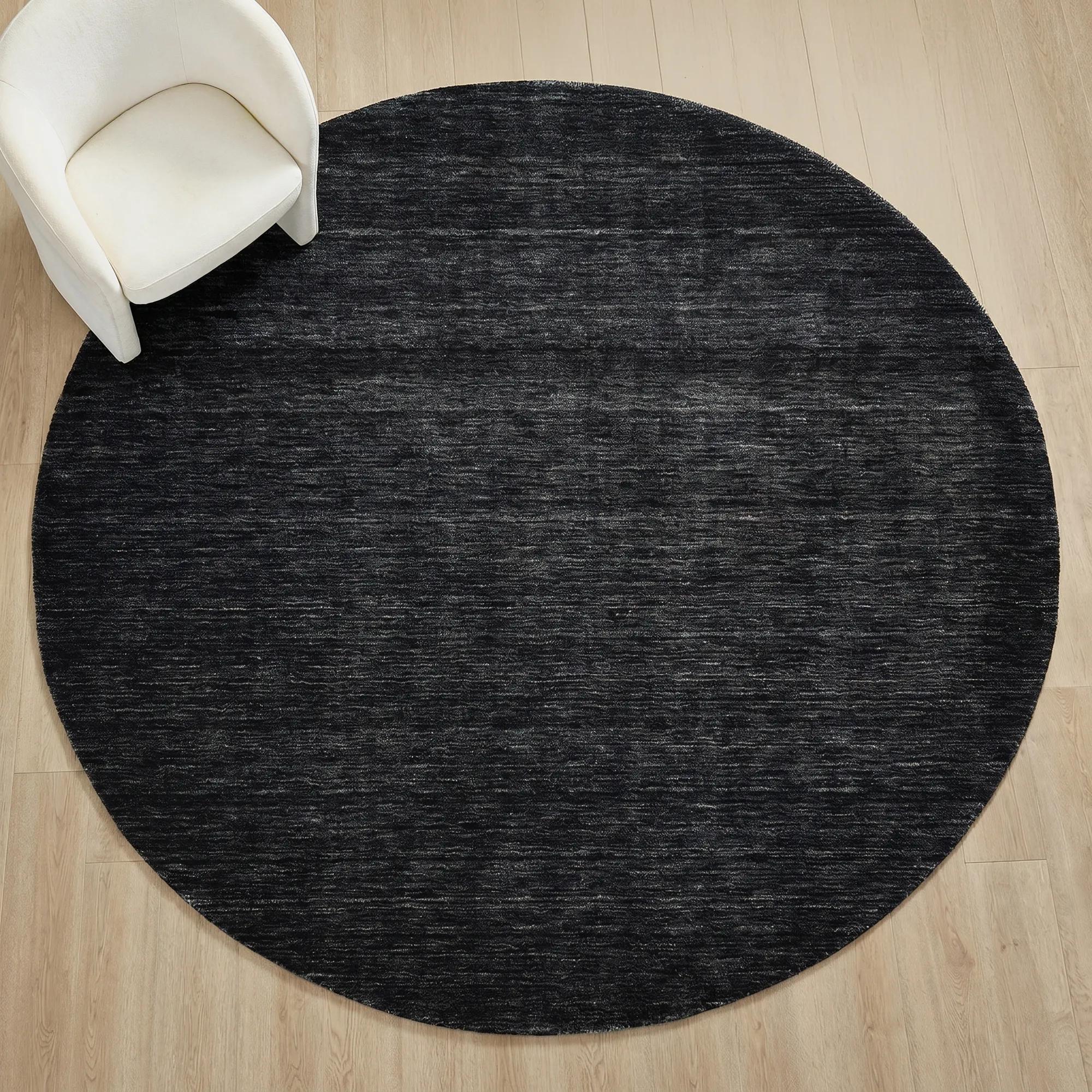 Juni Hand Woven Heathered Black Rug$799
A handwoven round wool rug in heathered black, offering durable texture and moody, contemporary style.
Add To Cart -
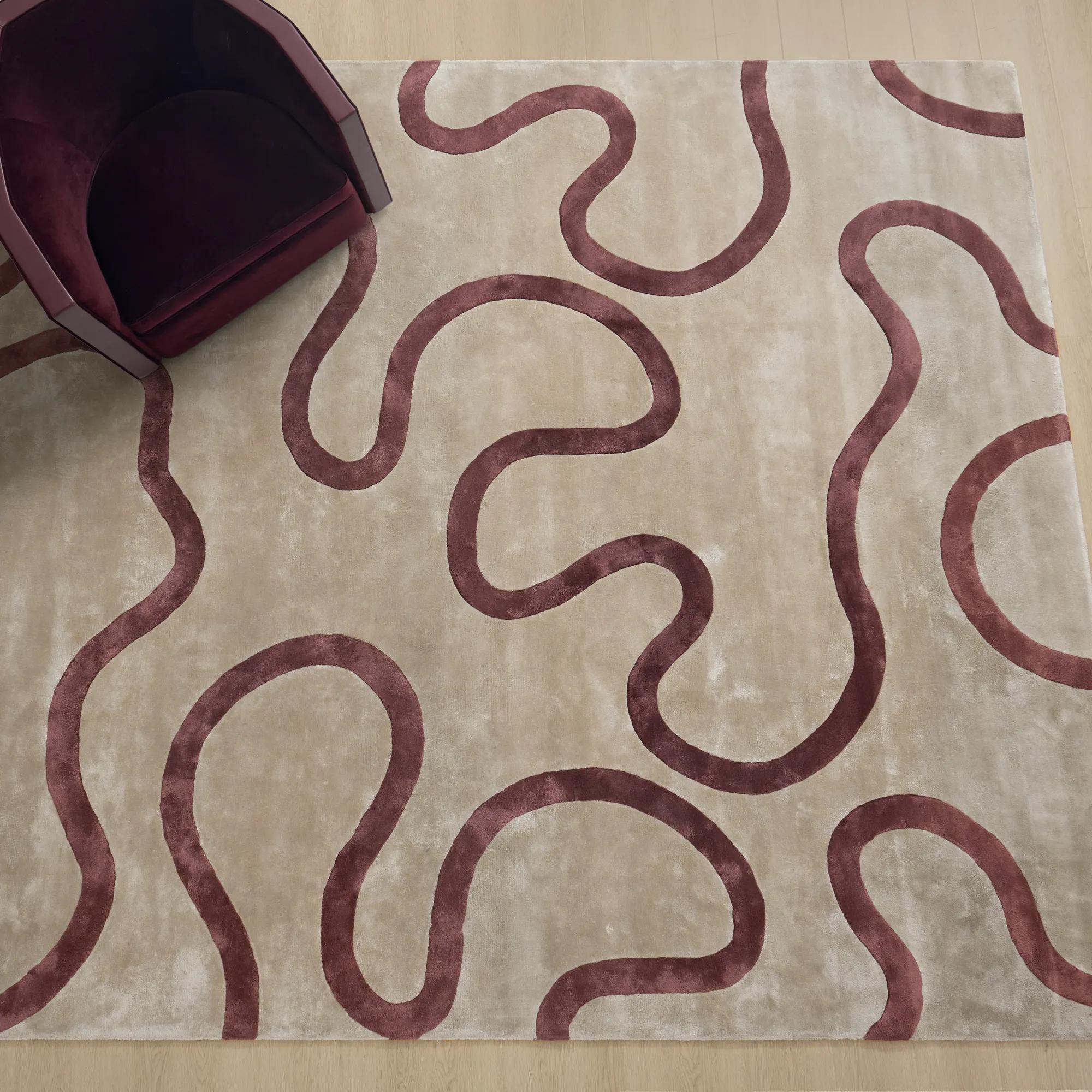 Seraphine Hand-Tufted Fig/Taupe Viscose Loop Rugs$1799
A hand-tufted wool rug featuring bold fig and taupe loops for a graphic, Deco-inspired statement.
Add To Cart -
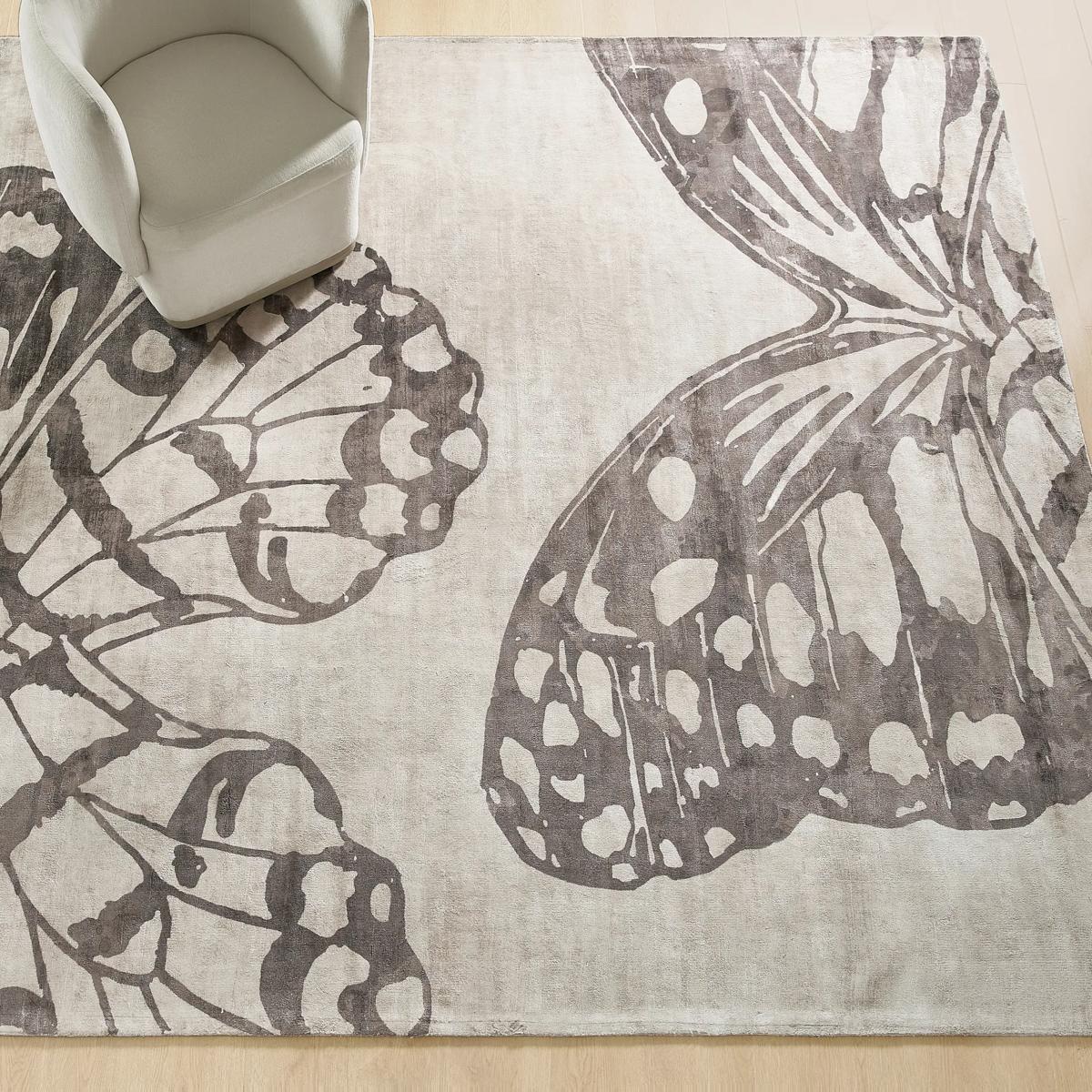
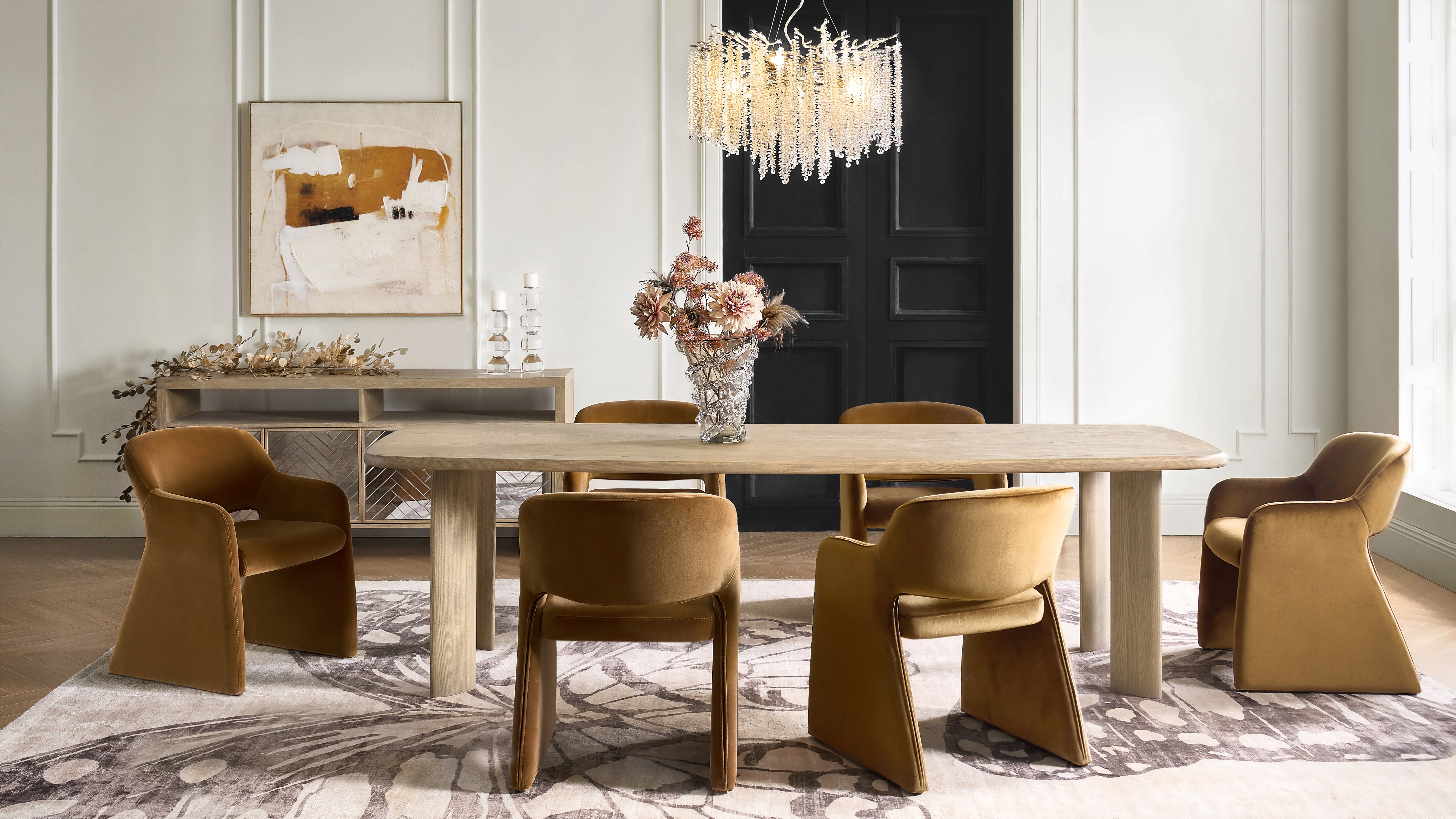 Mariposa Rug - Ivory/Dusty Mauve$999
A hand-loomed viscose rug featuring oversized butterfly motifs in soft ivory and dusty mauve tones.
Add To Cart -
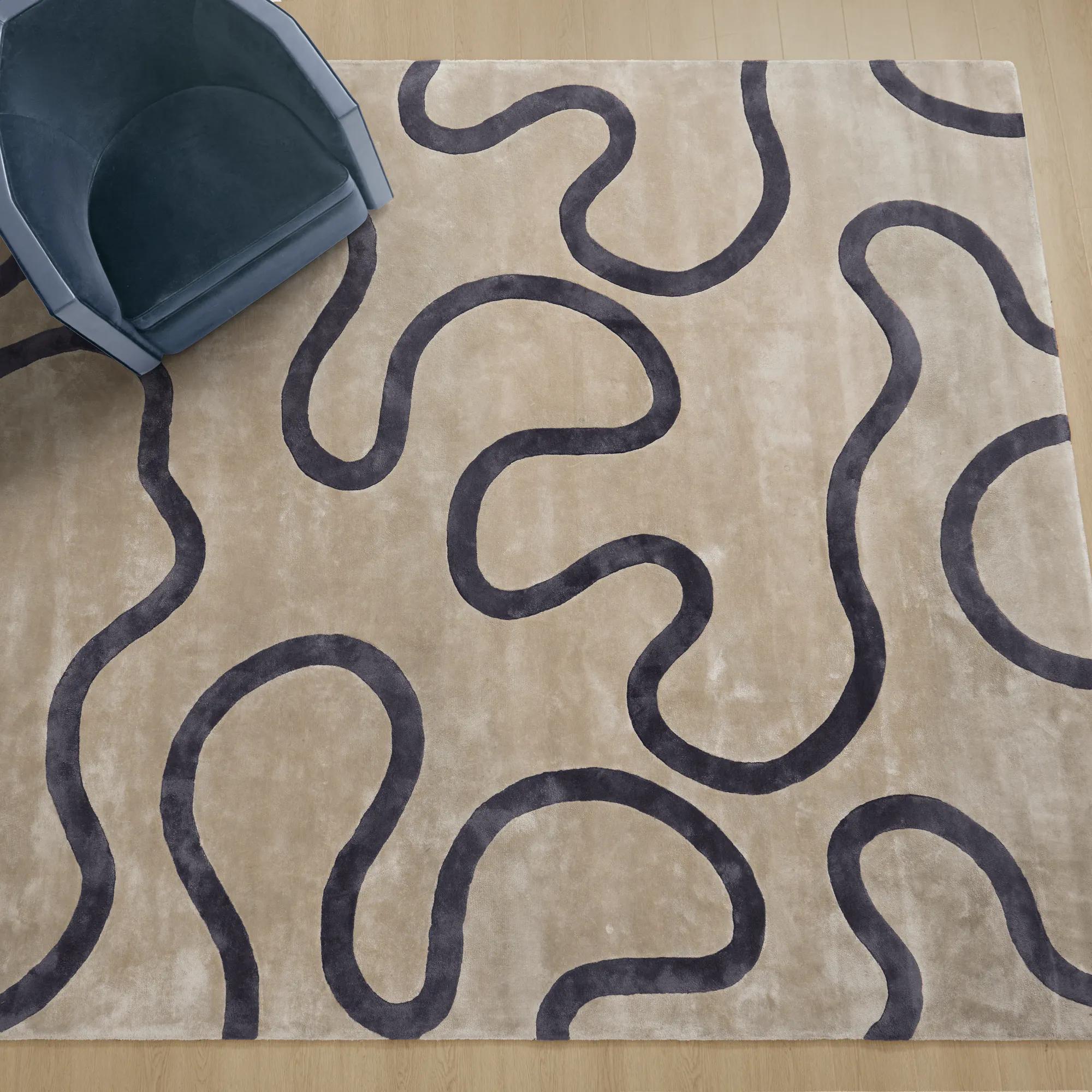 Seraphine Hand-Tufted Smoked Pearl/Taupe Viscose Loop Rugs$1799
A hand-tufted viscose rug in smoked pearl and taupe with bold Deco-inspired loop patterns and subtle sheen.
Add To Cart -
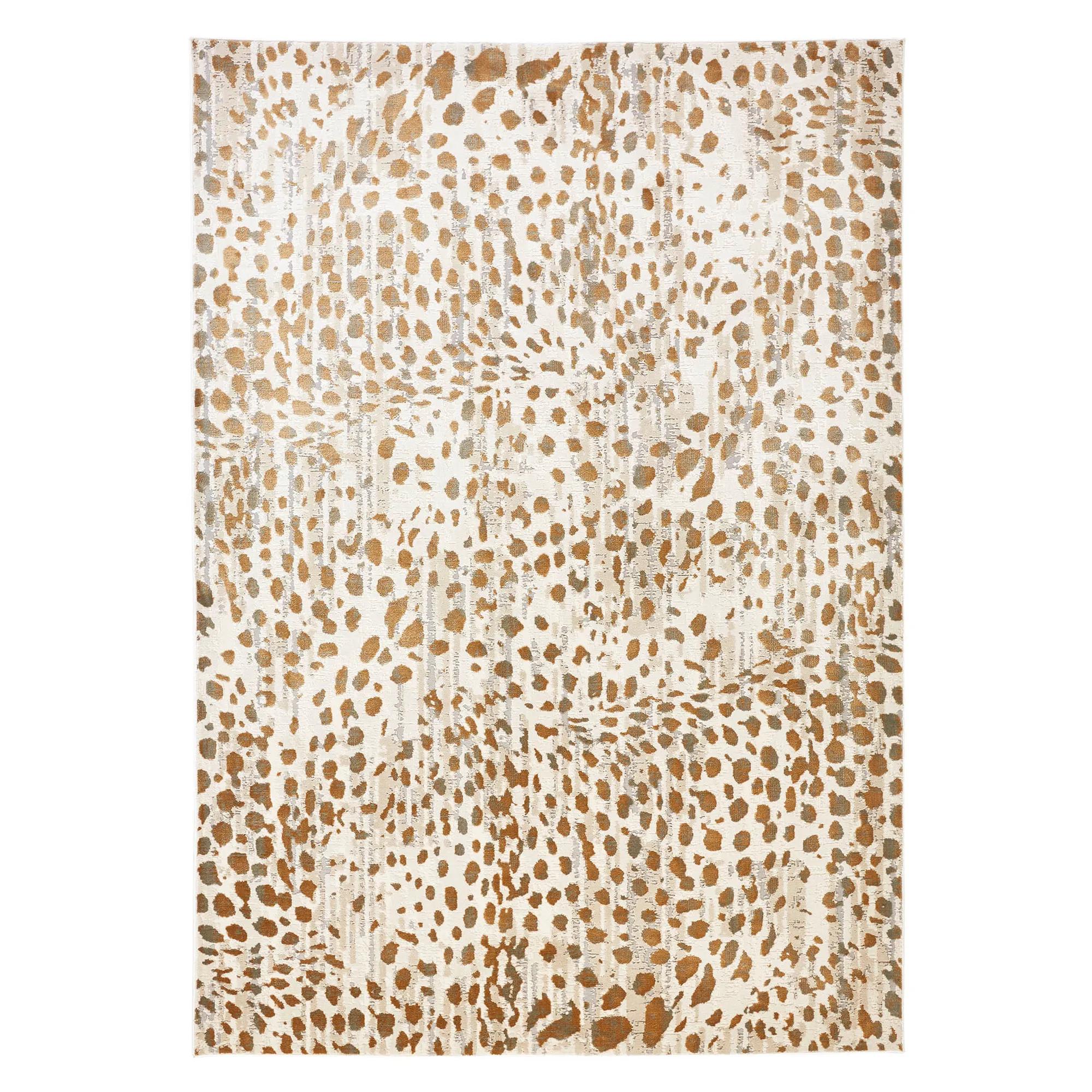
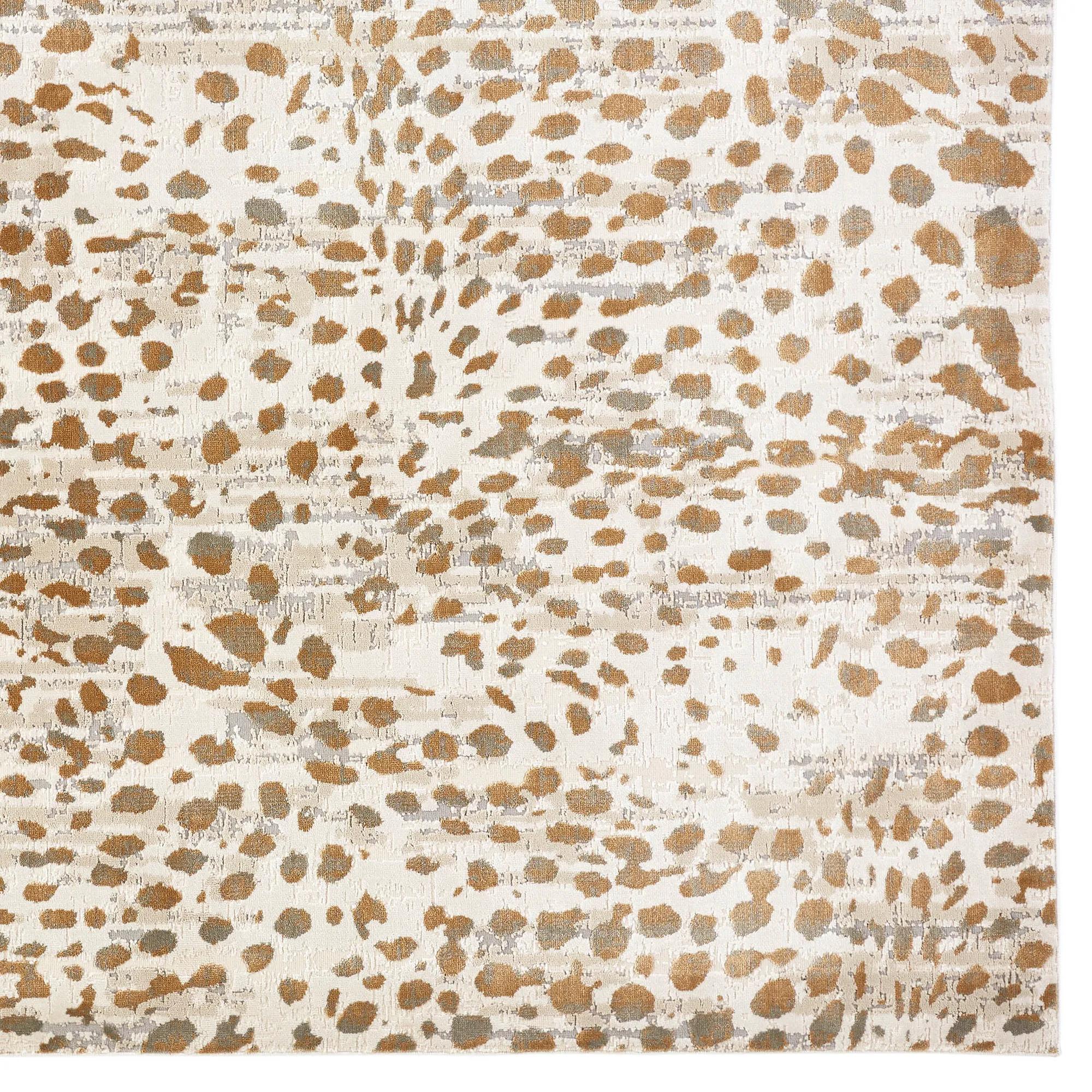 Amur Ivory/Natural Animal Print Power-Loomed Rug$399
A hand-tufted wool and viscose rug featuring a gold chain link design on neutral grey.
Add To Cart -
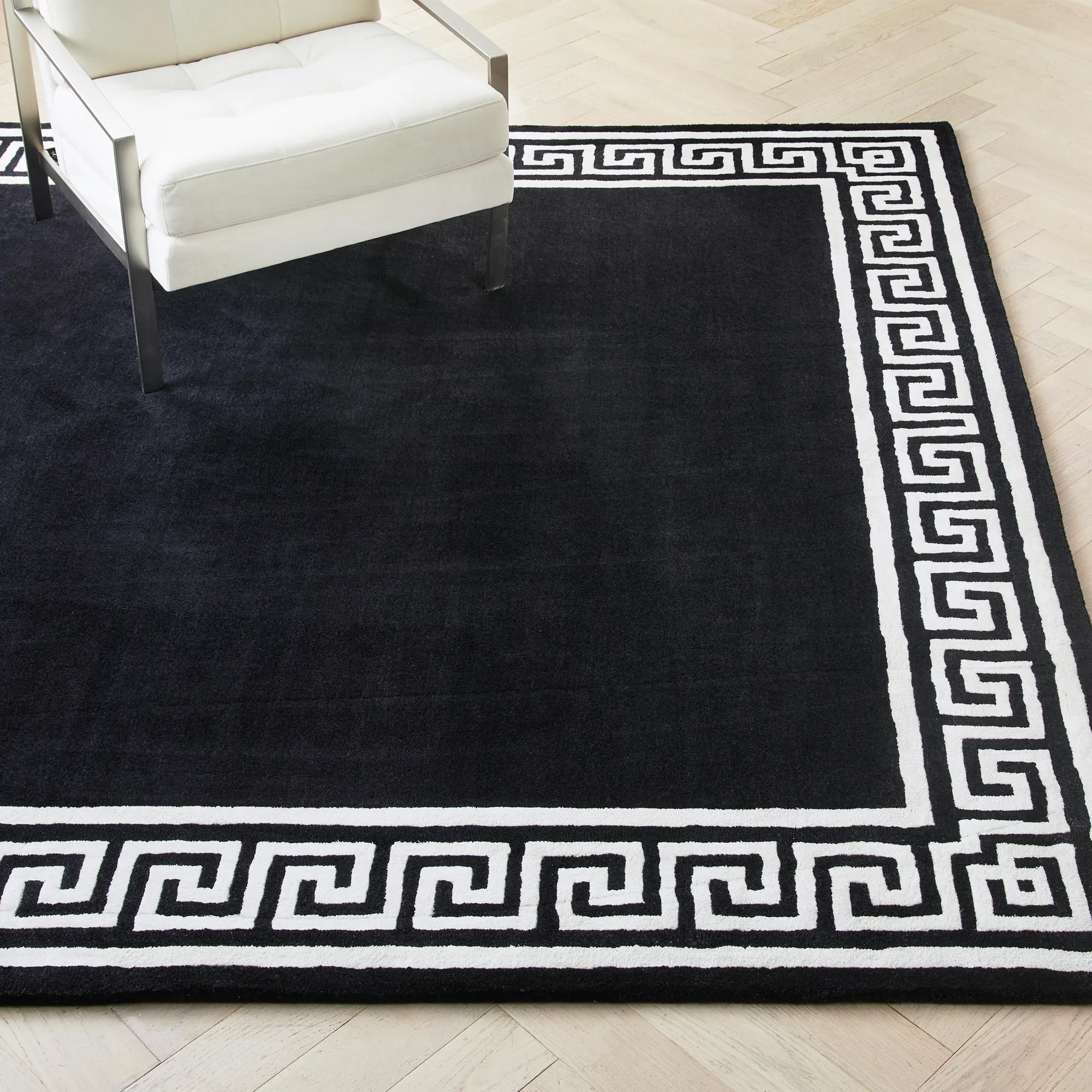
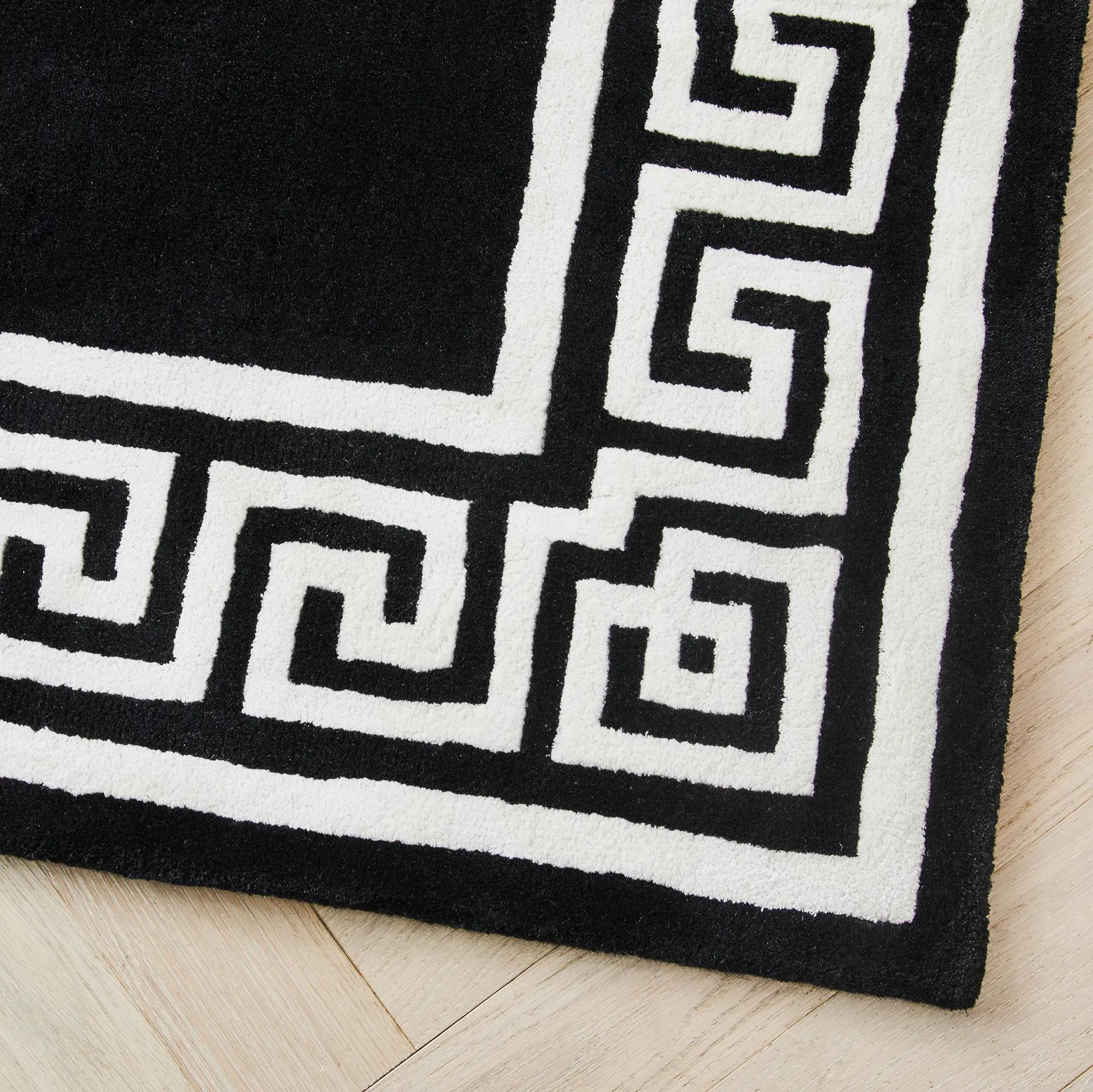 Greek Key Rug - Black/Ivory$1199
A hand-tufted black and ivory rug featuring a classic Greek key pattern in wool and viscose.
Add To Cart -
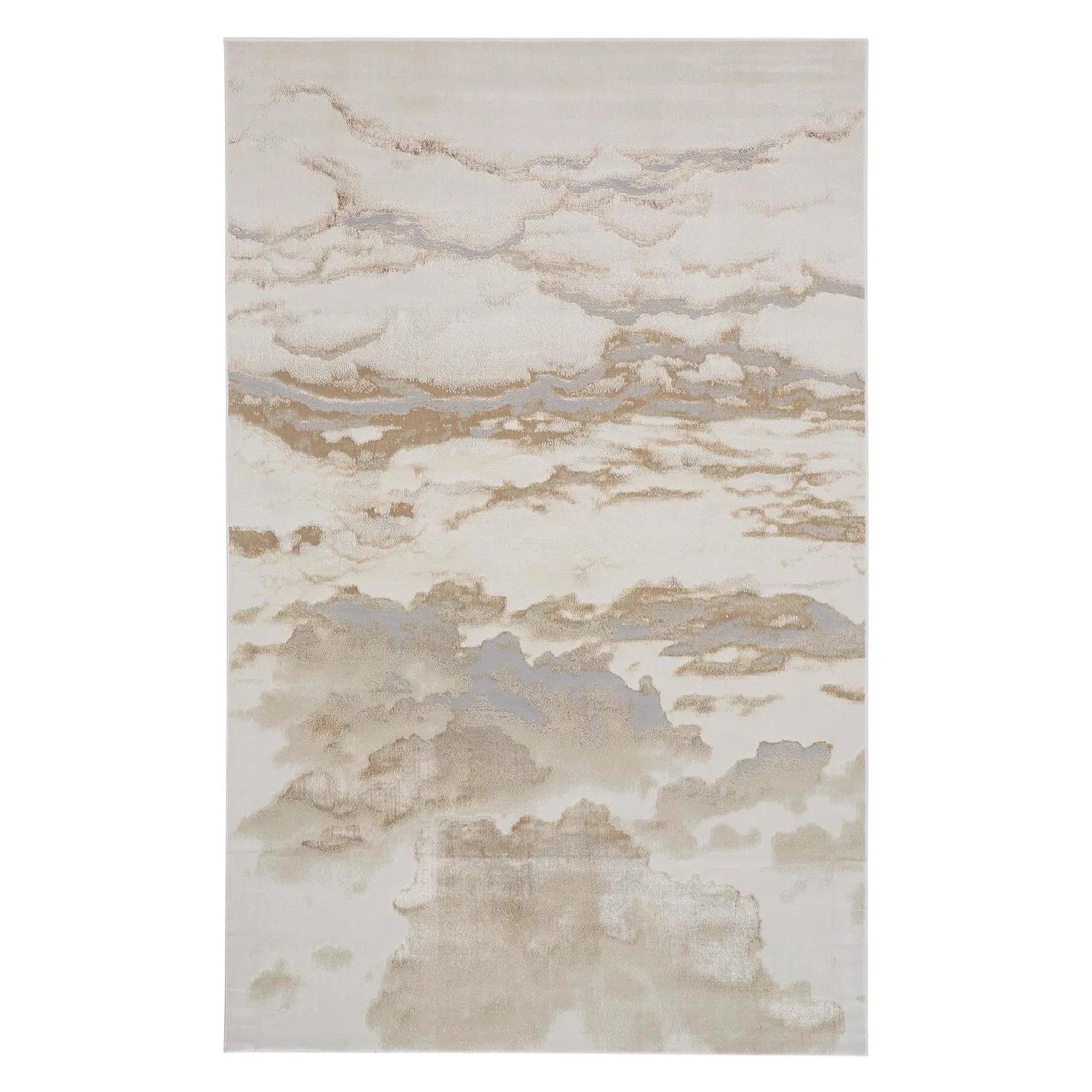
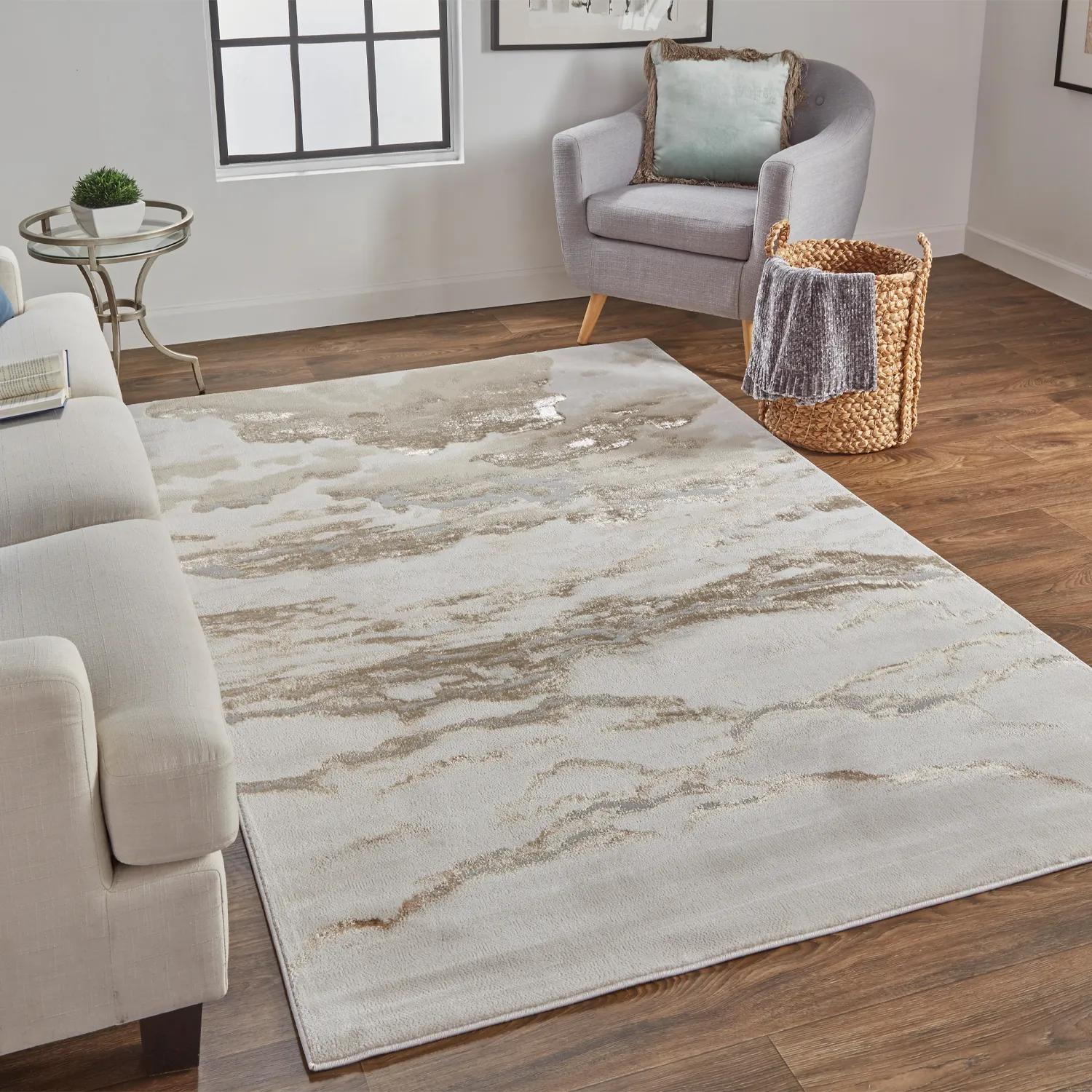 Tide Power-Loomed Beige/Gold/Ivory Rug$449
A machine-made rug in beige and gold, crafted from ultra-soft polyester and polypropylene for elegant appeal.
Add To Cart -
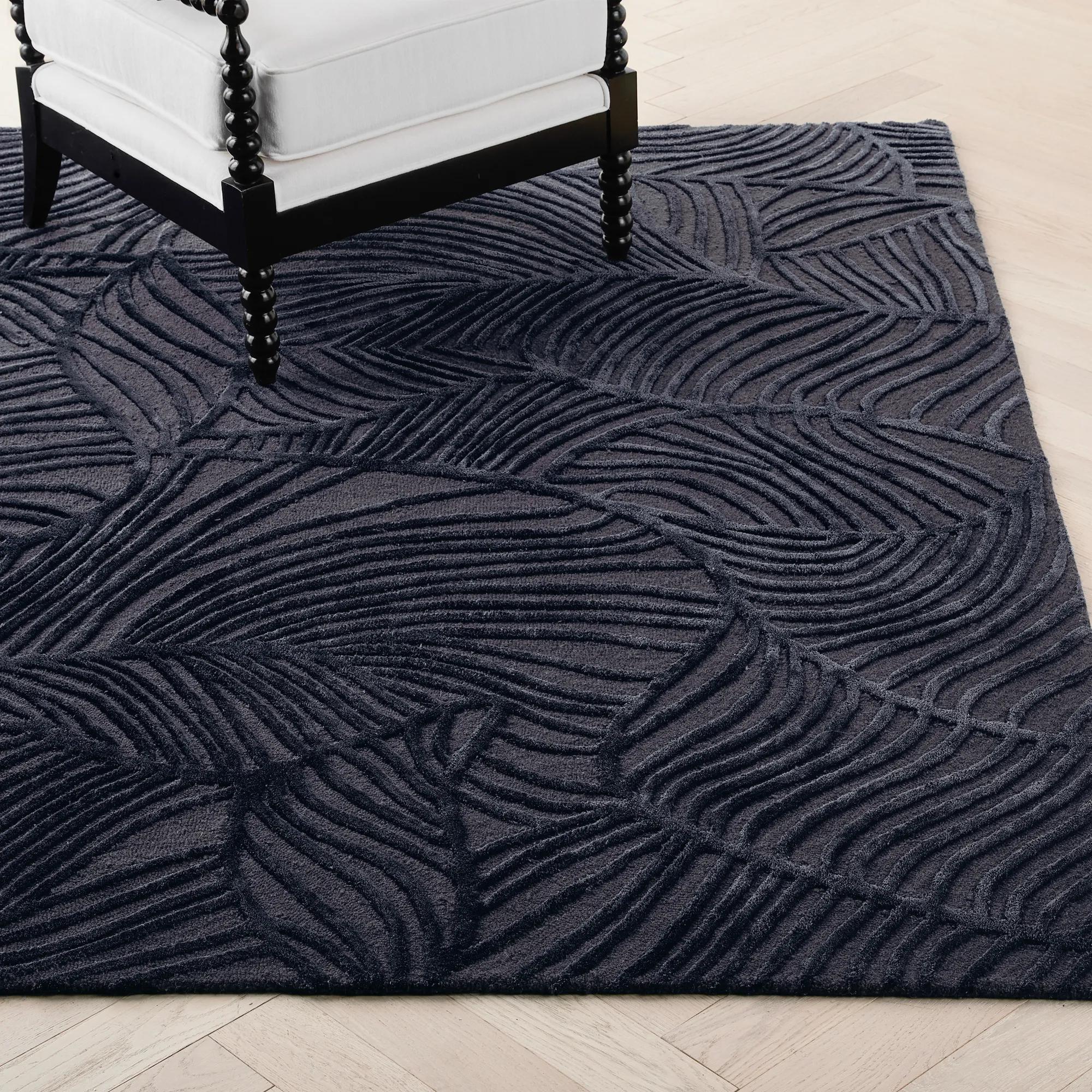
 Palm Rug - Charcoal$1499
A charcoal rug featuring a dynamic palm-leaf design with a textured high-low viscose and wool pile.
Add To Cart -
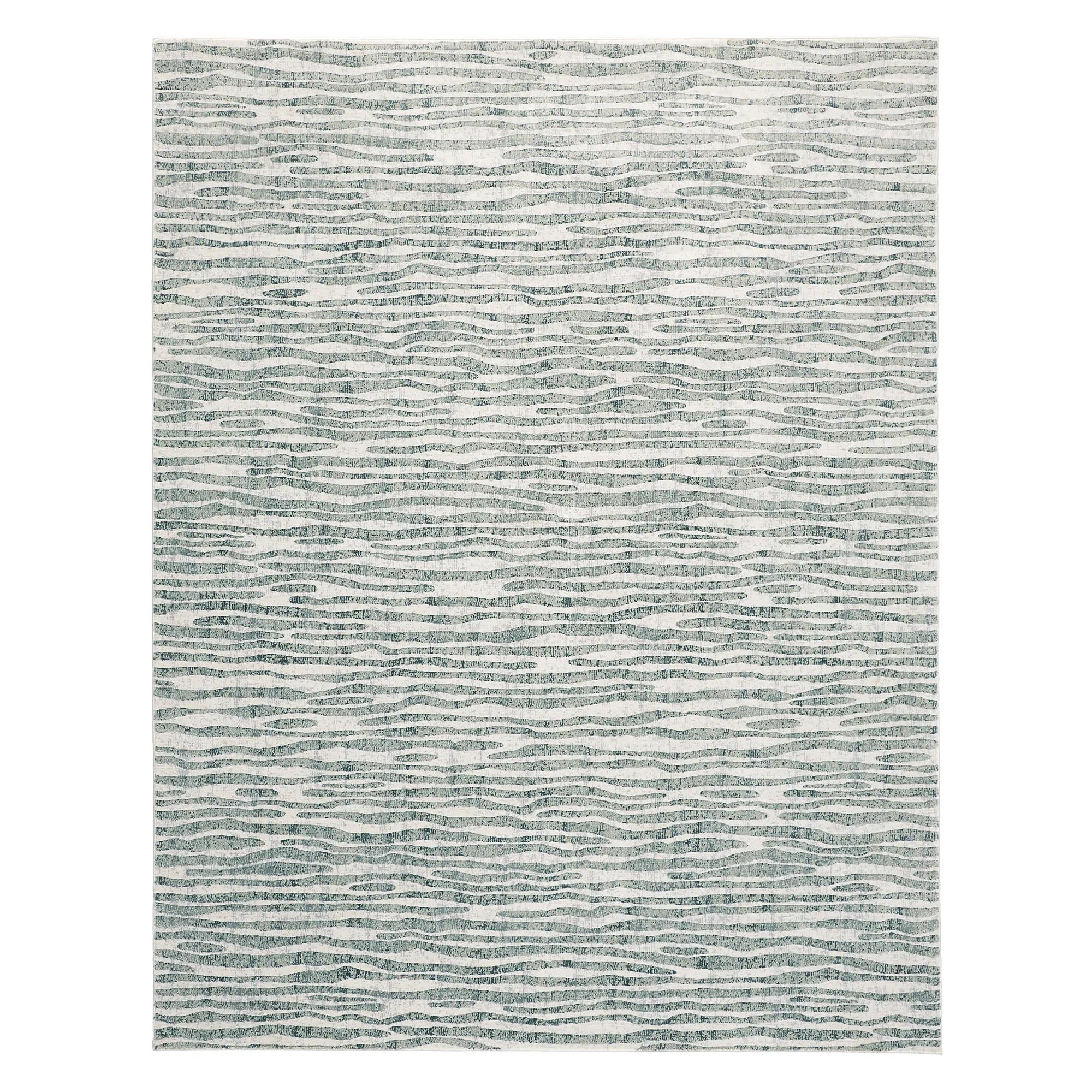 Samantha Power-Loomed Aqua/Grey Rug$719
A machine-woven rug featuring silvery-aqua and green accents on an ivory and grey polypropylene base.
Add To Cart -
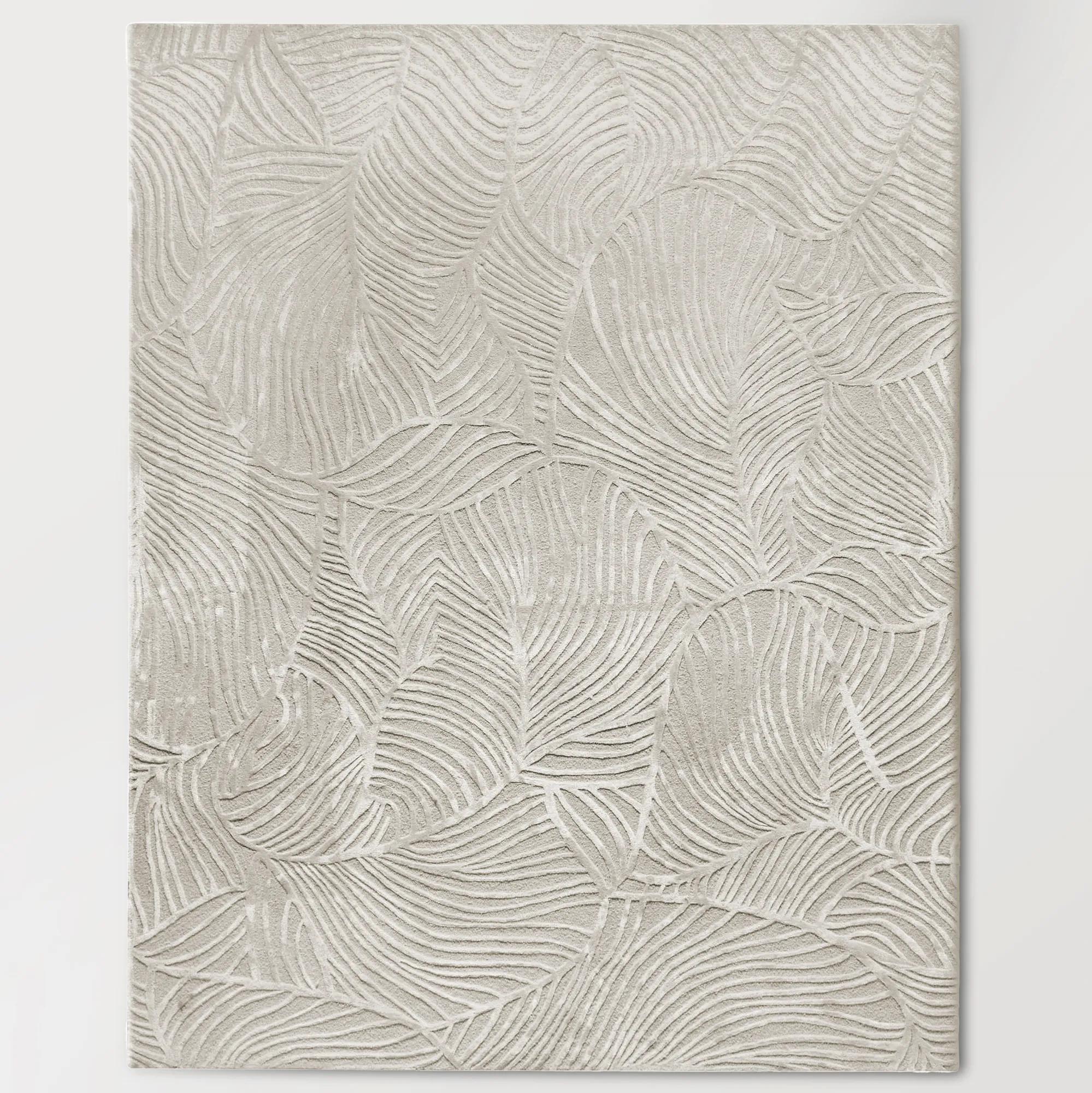 Palm Hand-Tufted Ivory Wool Blend Rug$999
An ivory rug featuring a dynamic palm-leaf design with high-low pile in viscose and wool.
Add To Cart -
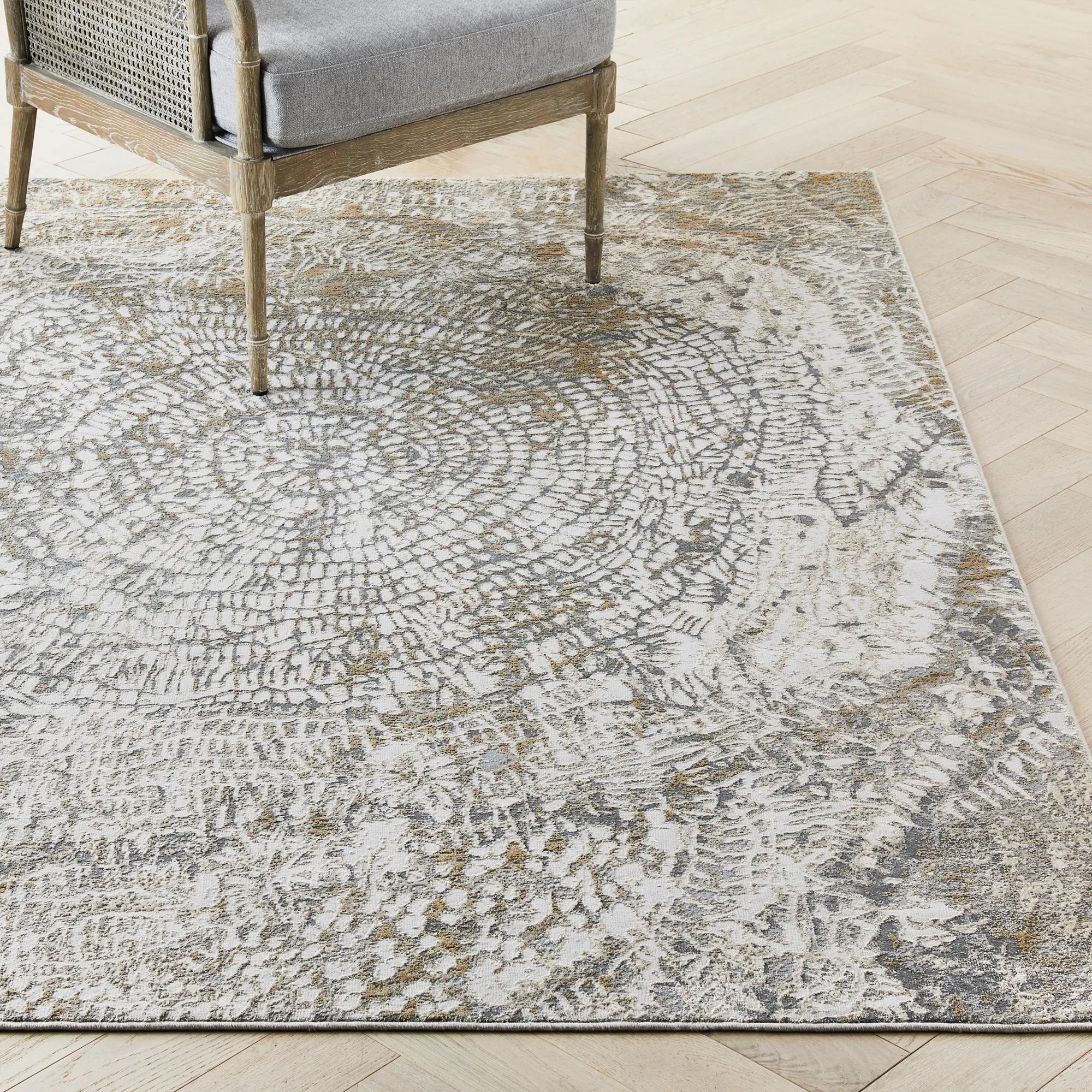 Nautilus Power-Loomed Silver/Grey/Natural Rug$449
A machine-woven ivory rug featuring subtle tree ring-inspired patterns in durable polypropylene and viscose.
Add To Cart -
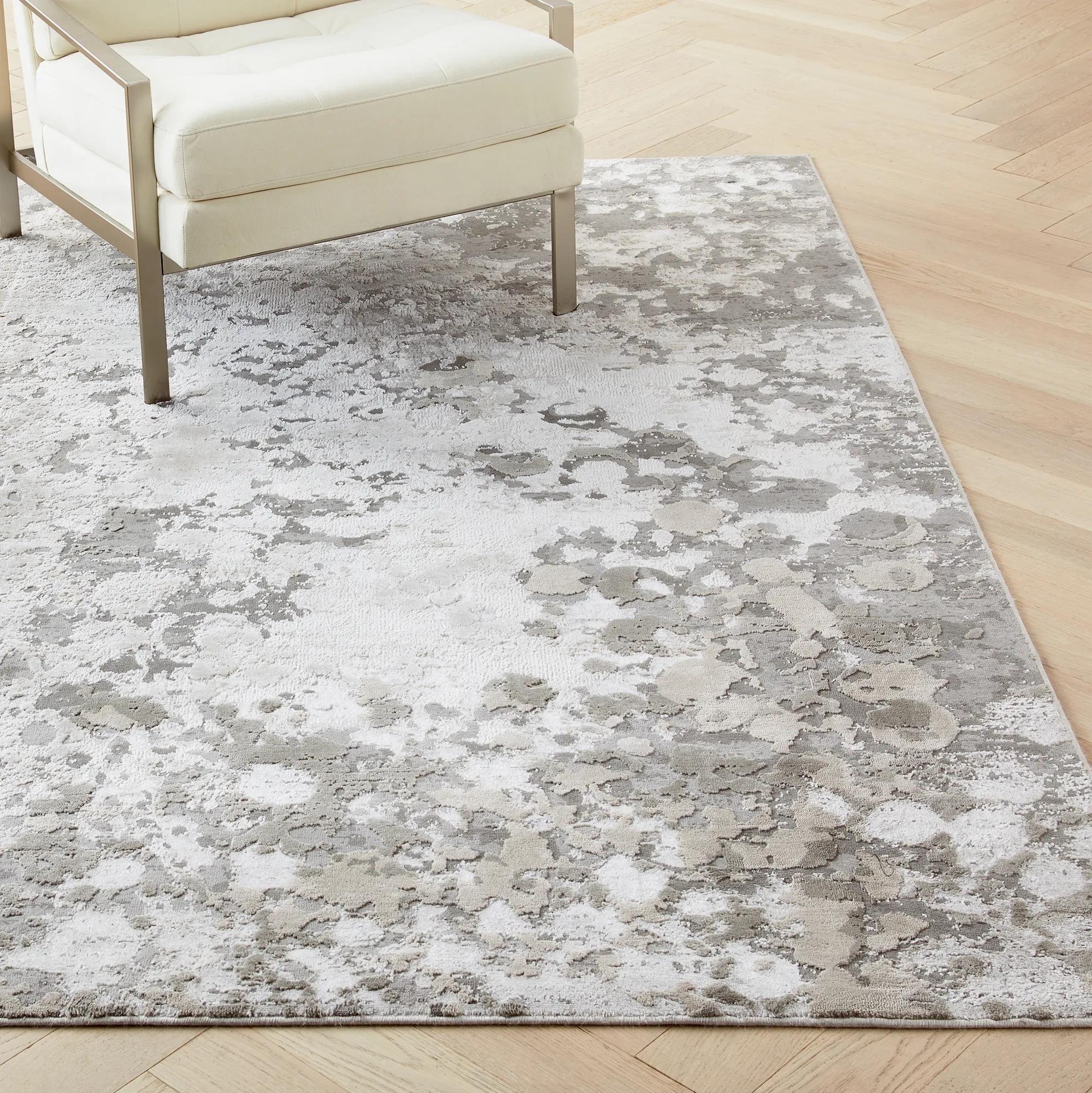 Mercury Power-Loomed Silver/Grey/Beige Rug$449
A neutral floor covering featuring a silver, grey, and beige palette with a soft, textured polyester blend.
Add To Cart -
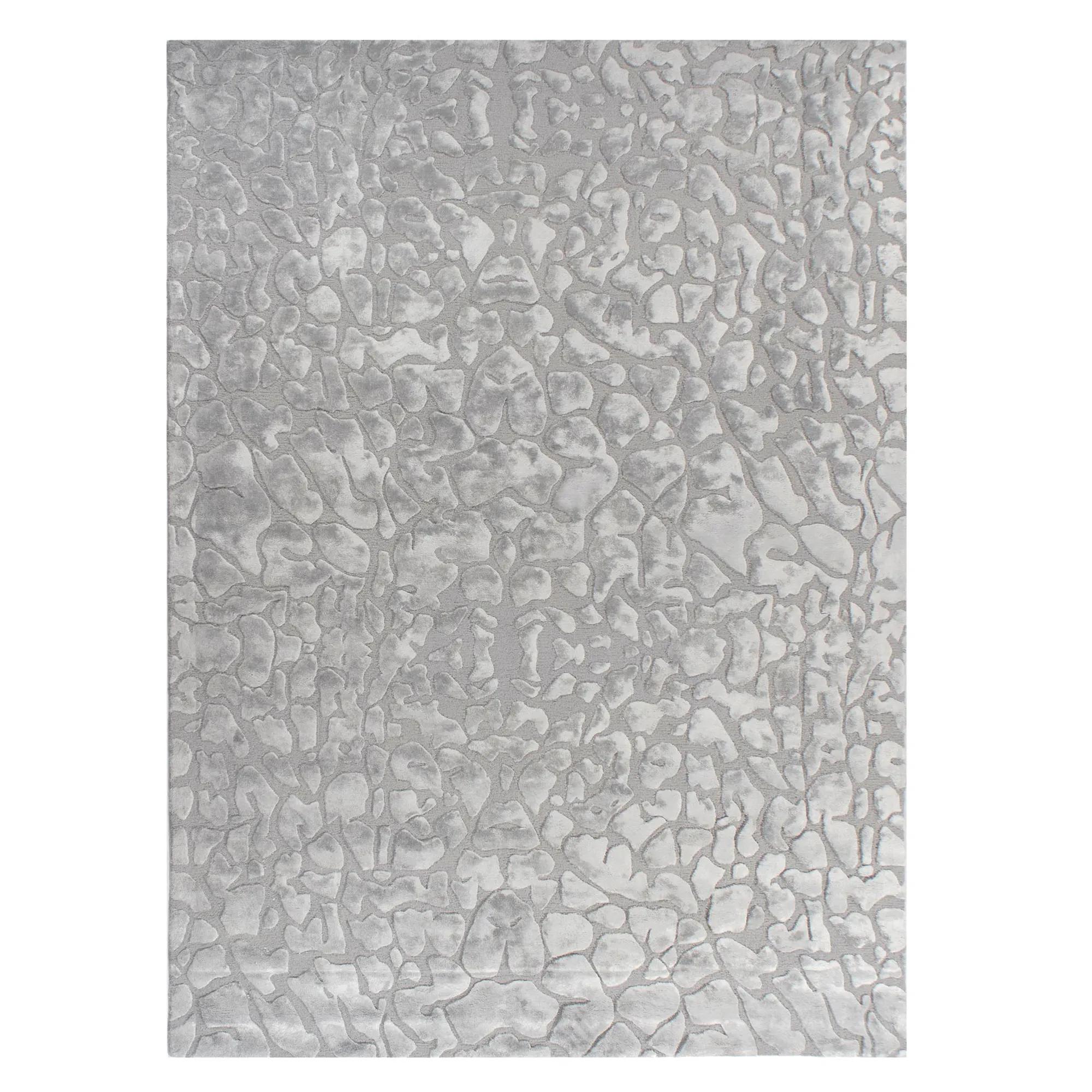
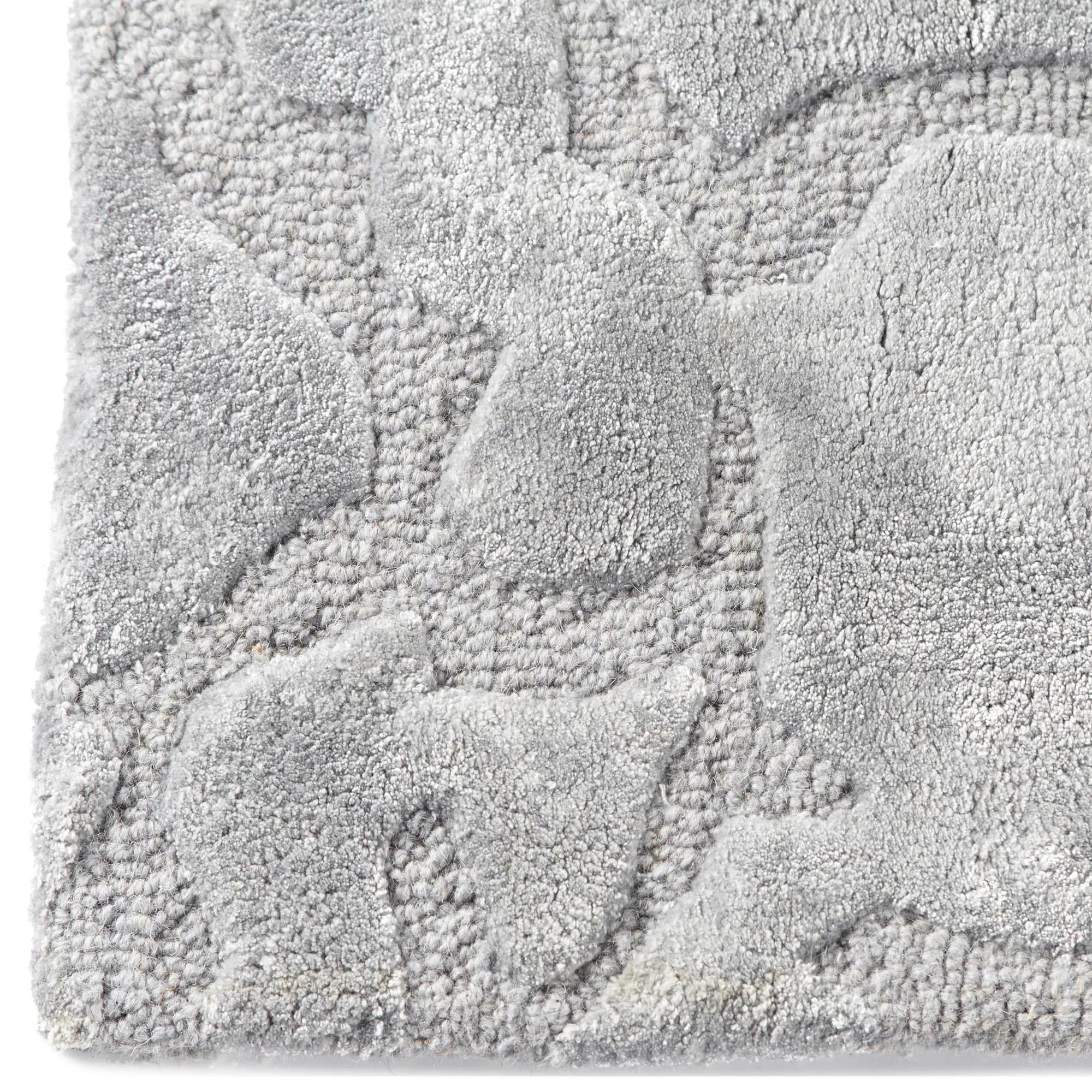 Nola Hand-Tufted Cool Grey Wool Blend Rug$849
A hand-tufted silver rug with contrasting pile heights, crafted from wool and viscose for plush texture.
Add To Cart -
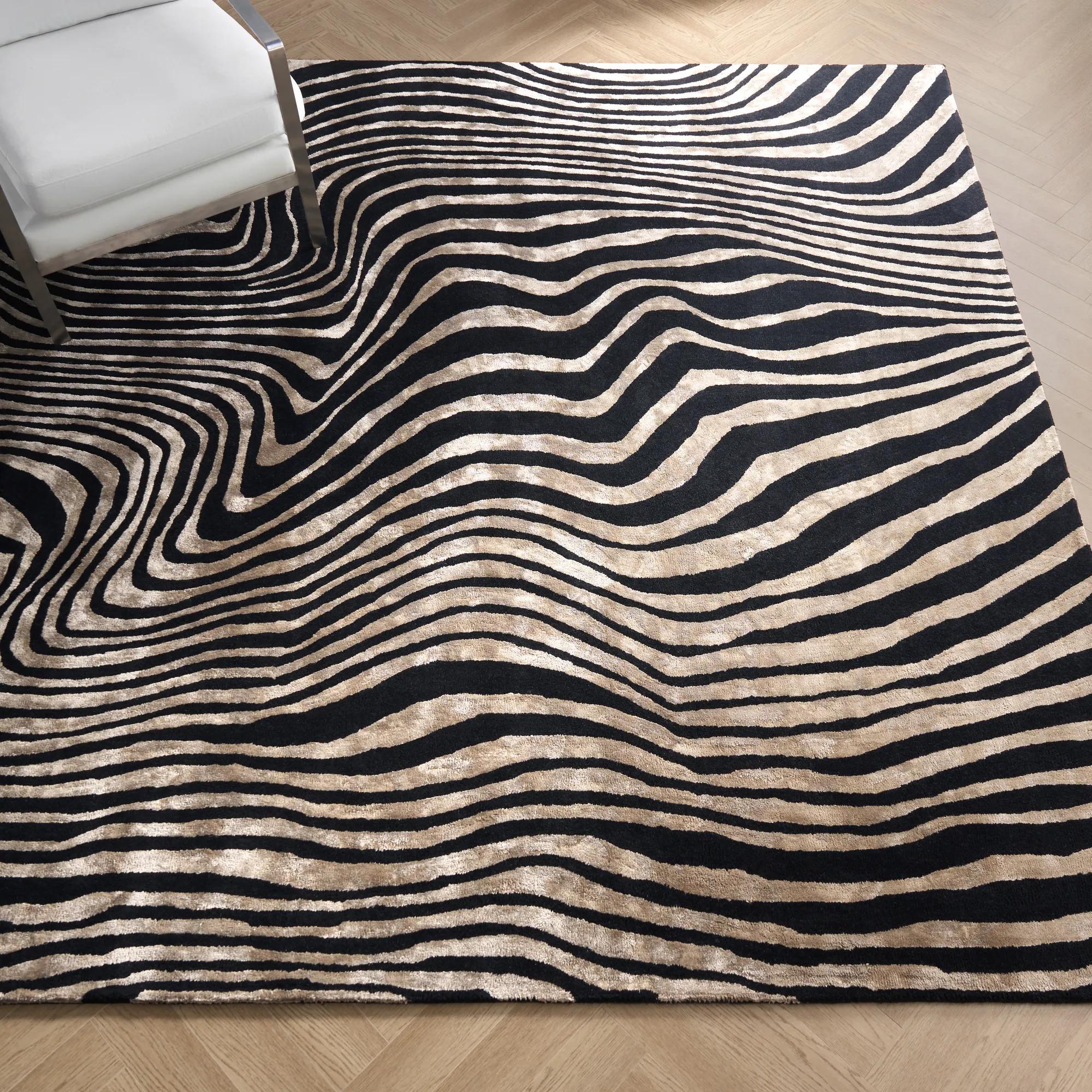
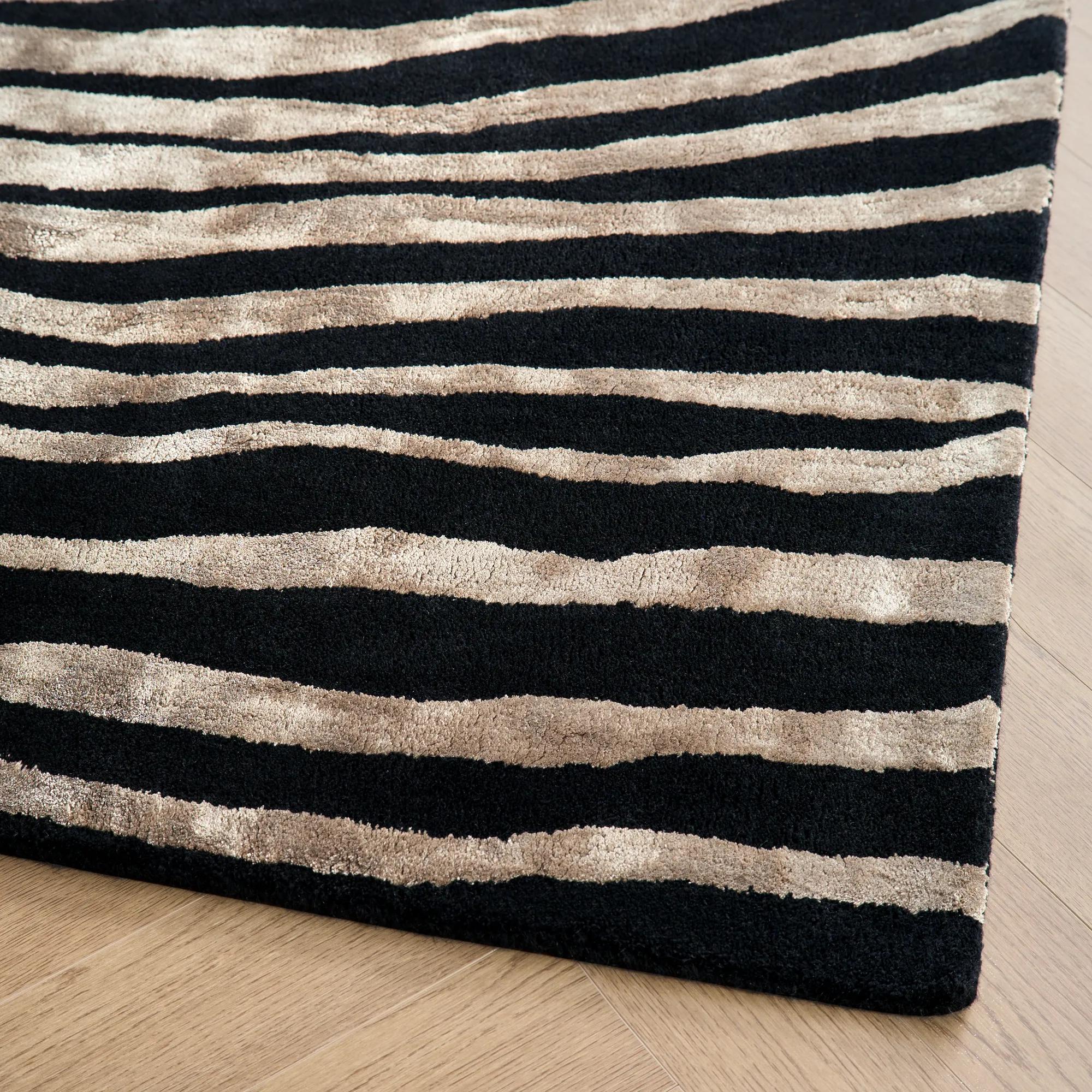 Abstract Zebra Hand-Tufted Black/Taupe Wool Blend Rug$599
An artisan hand-tufted rug in black and taupe wool-viscose, featuring a striking abstract zebra pattern.
Add To Cart -
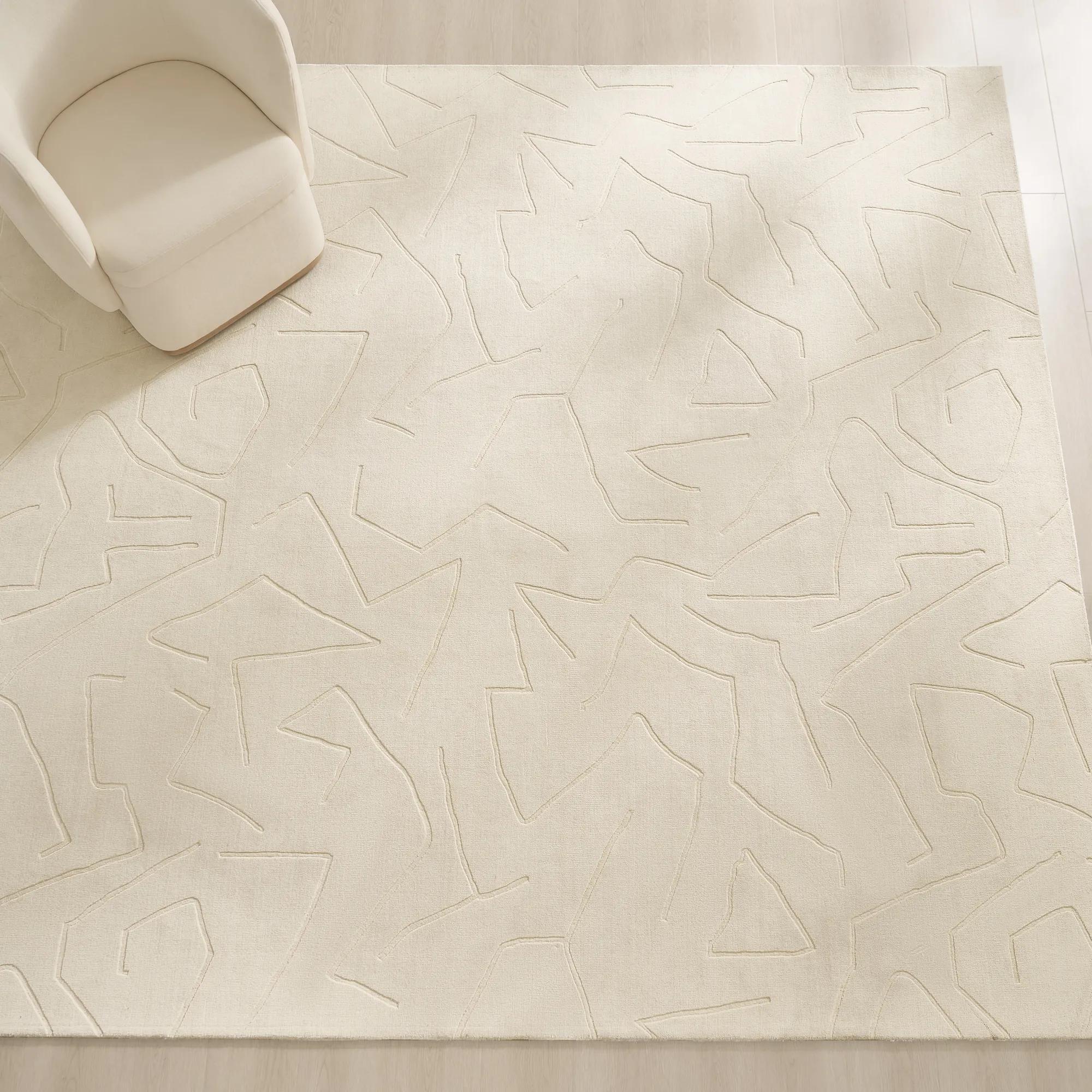 Carved Maze Ivory Hand-Loomed Wool Blend Rug$1399
A hand-loomed ivory wool-blend rug featuring a carved maze pattern for modern textural appeal.
Add To Cart -
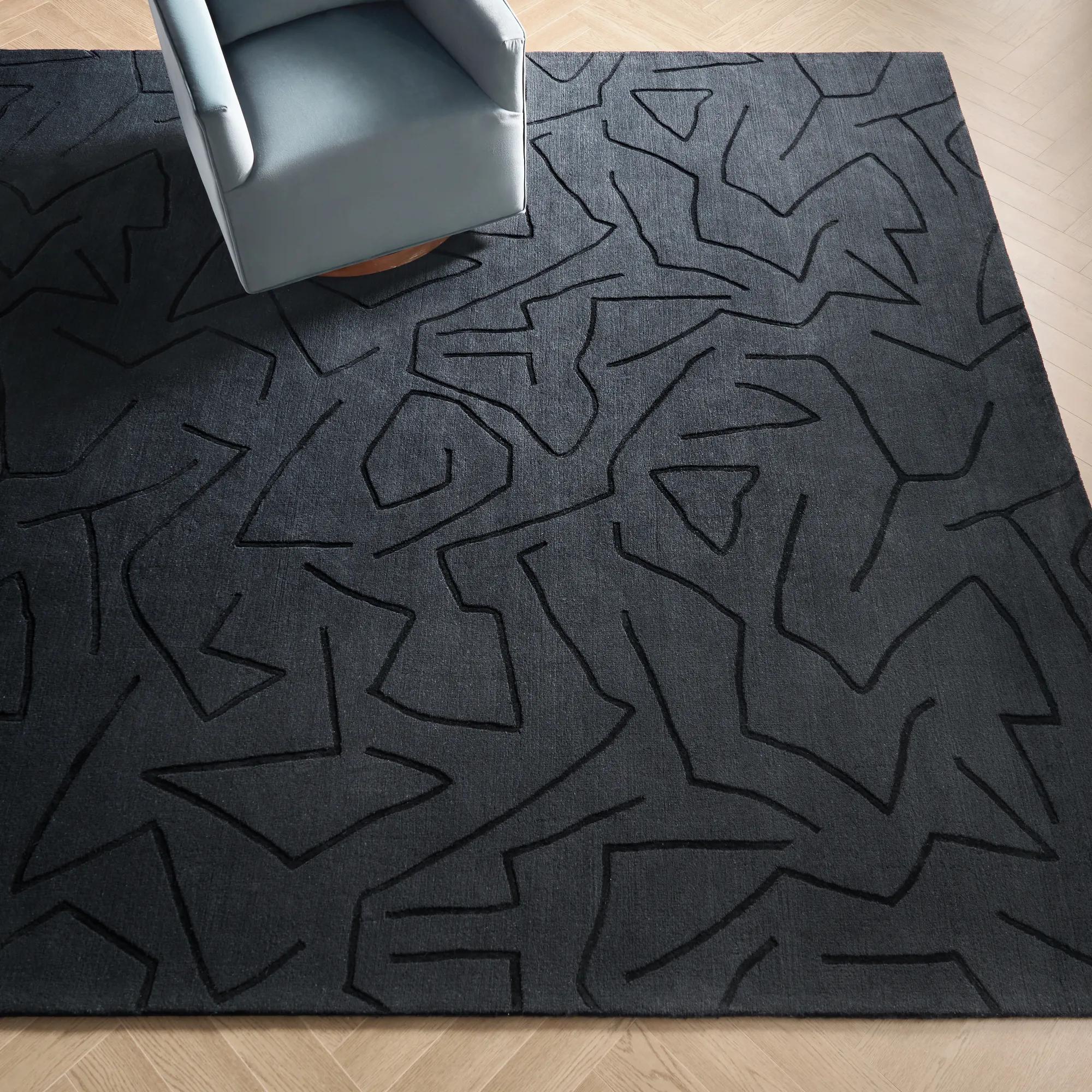 Carved Maze Rug$699
A hand-loomed black rug crafted from wool and viscose, featuring a carved maze design for added texture.
Add To Cart -
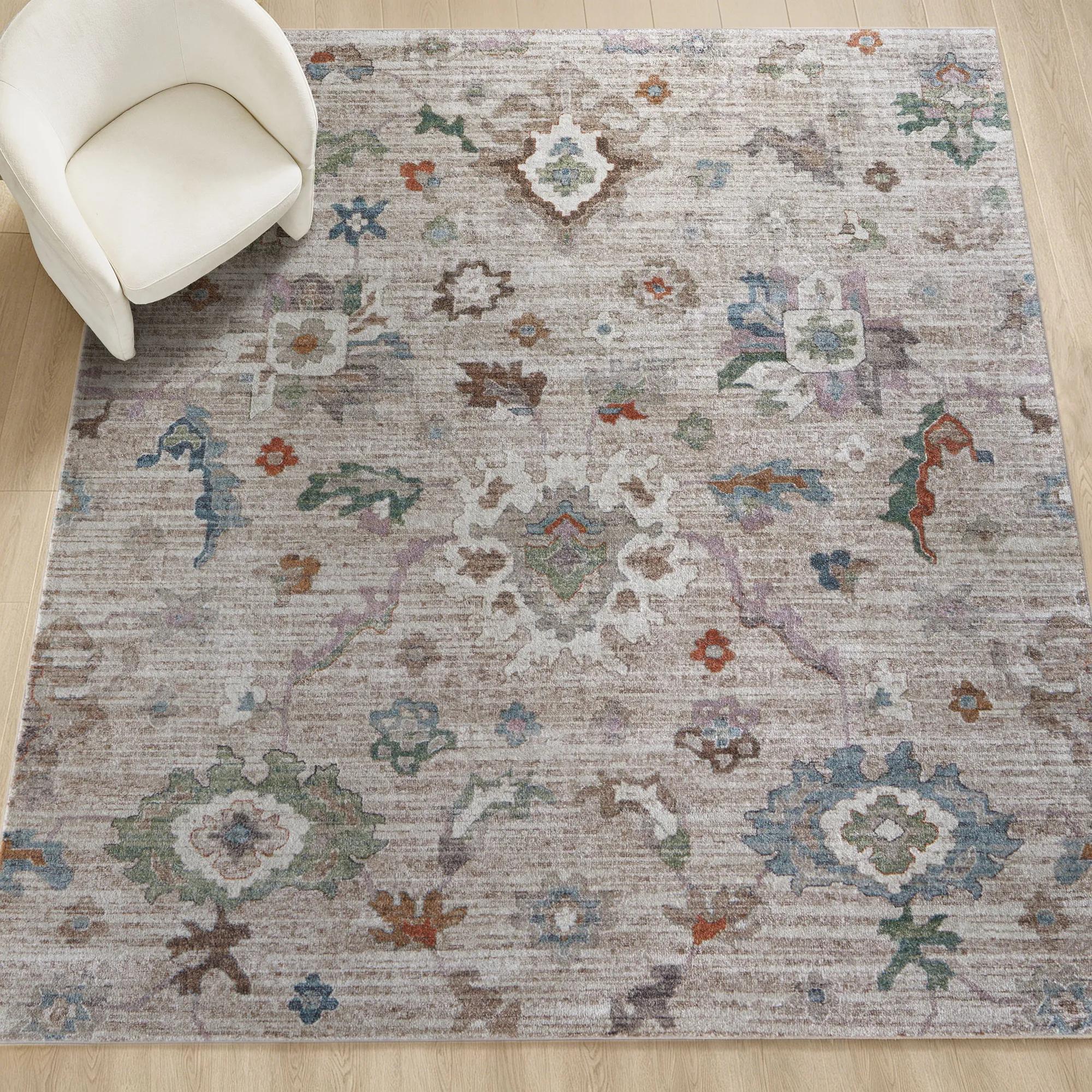
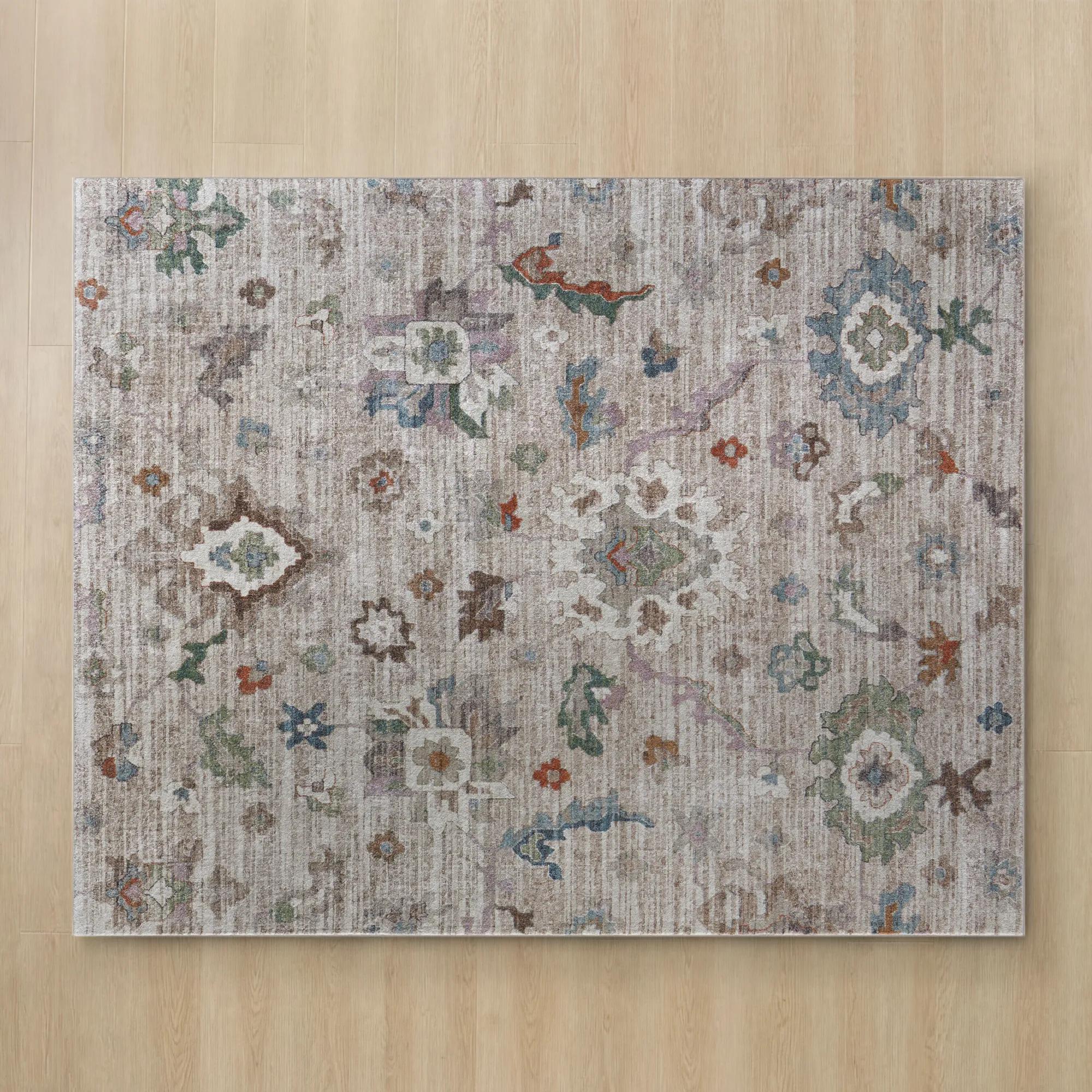 Ariella Floral Taupe/Ivory/Beige/Blue/Green Performance Power Loomed Rug$1399
A Persian-inspired rug in taupe, ivory, beige, blue, and green with a plush, power-loomed polypropylene pile.
Add To Cart -
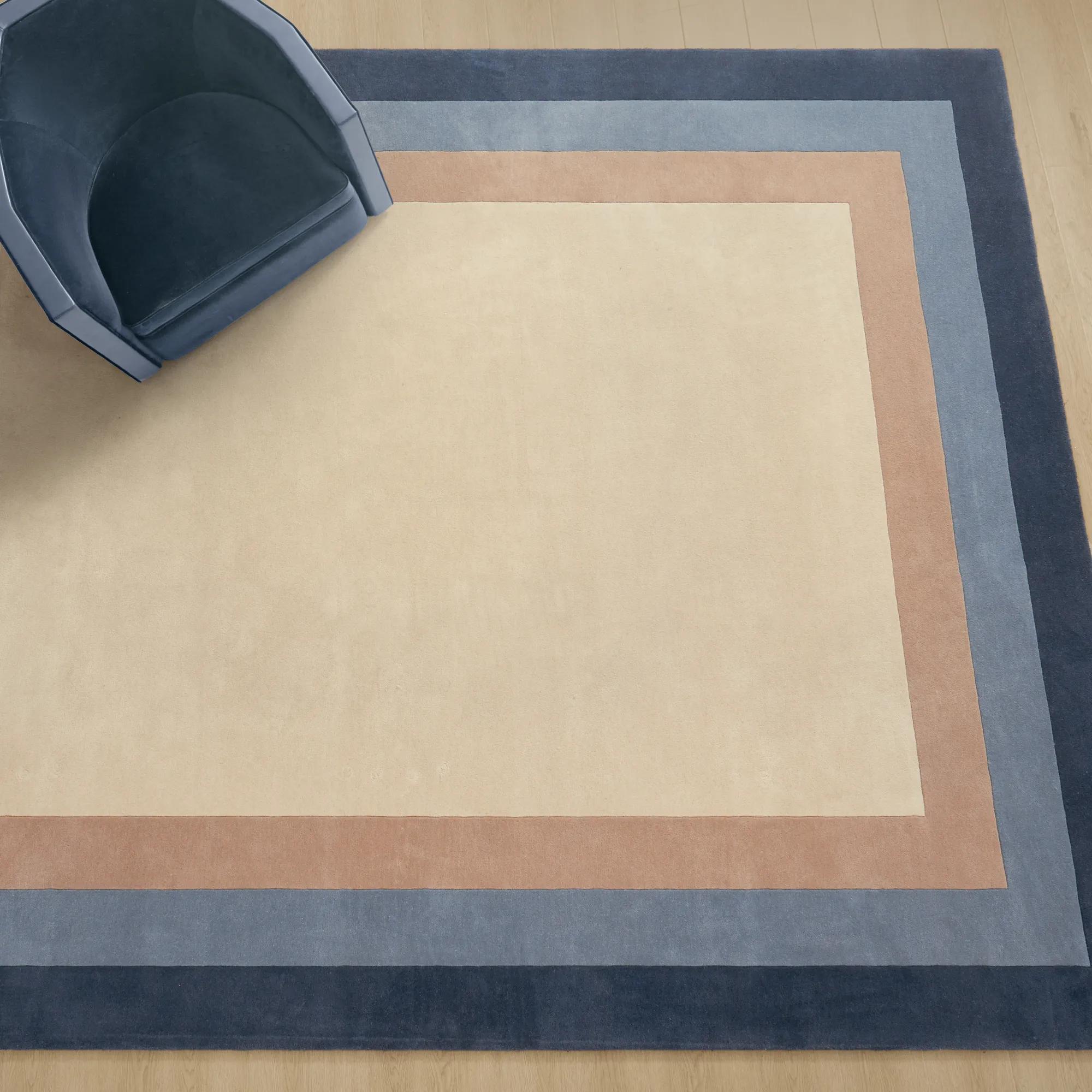 Bastien Hand-Tufted Blue/Taupe/Ivory Wool Border Rugs$1499
A hand-tufted wool rug featuring a bold color-blocked border in dusty blue, taupe, and ivory tones.
Add To Cart -
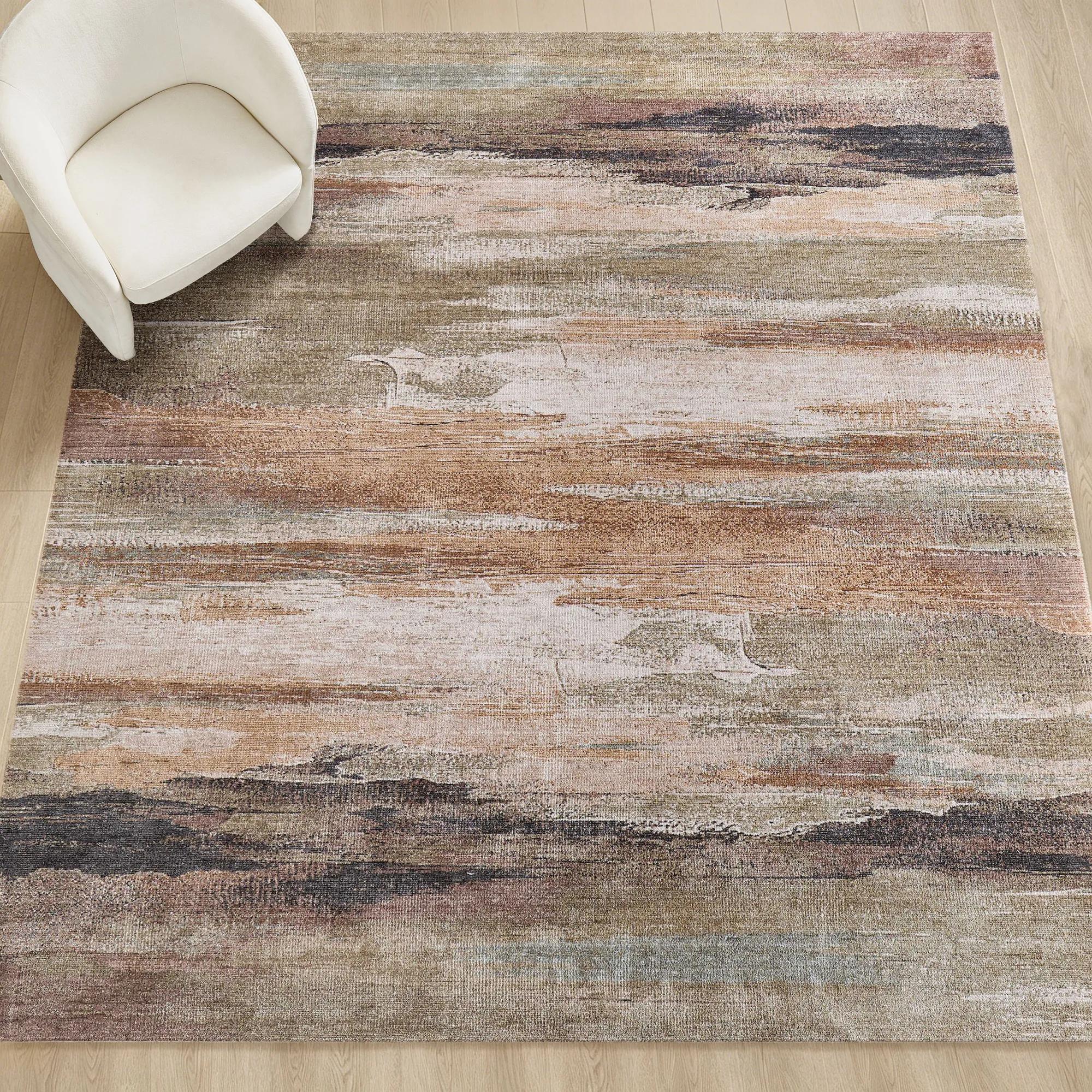
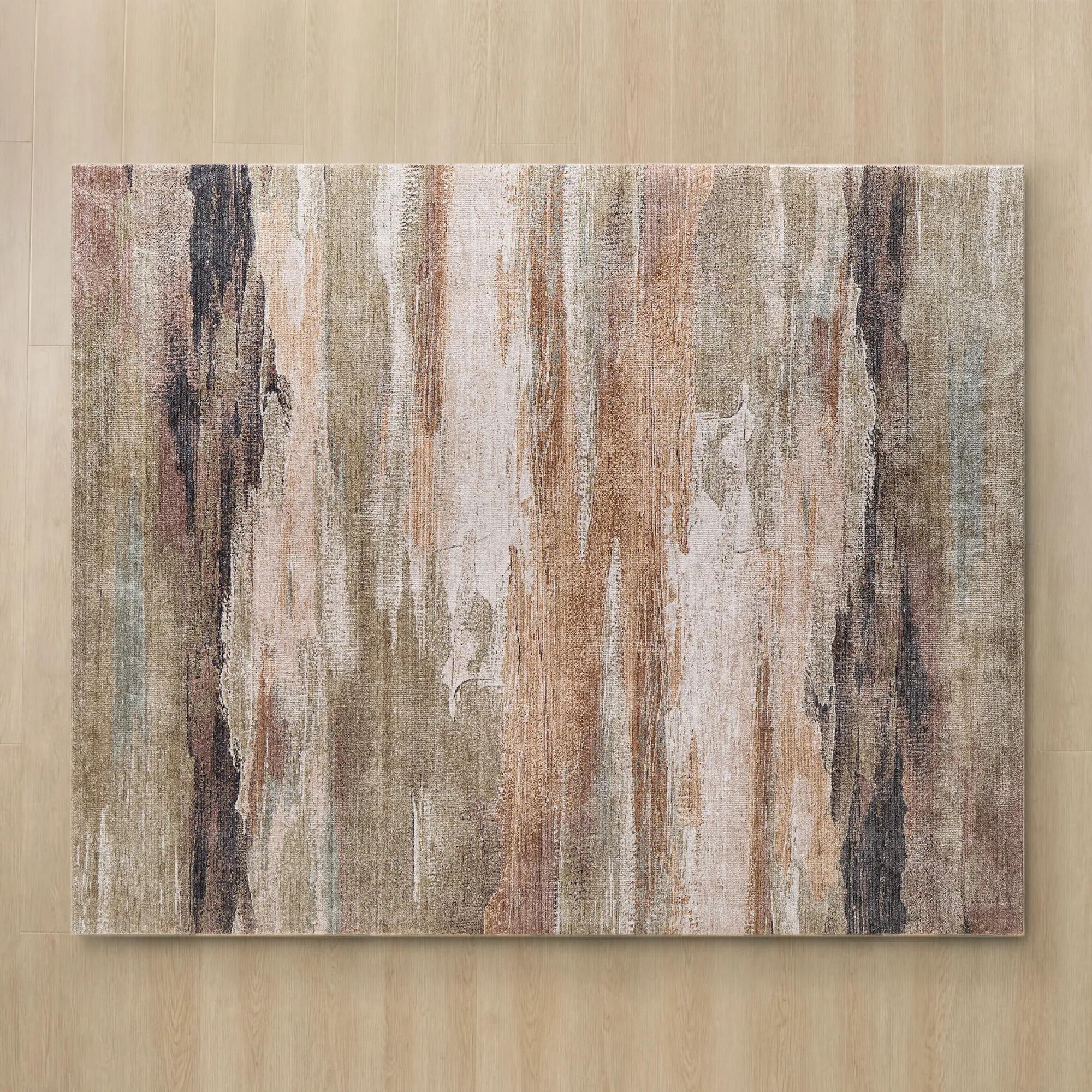 Sedona Rust/Beige/Moss Green/Charocal/Blue Performance Power Loomed Rug$1499
A power-loomed polyester rug featuring a rich abstract pattern in rust, beige, moss green, charcoal, and blue.
Add To Cart

Statement Area Rugs
Explore statement area rugs that give your room a bold visual anchor. Expressive designs turn the floor into a focal point, setting the tone for the furniture and accents around them. Consider your room’s proportions, furniture layout, and color palette to choose a rug that feels dramatic yet thoughtfully balanced.
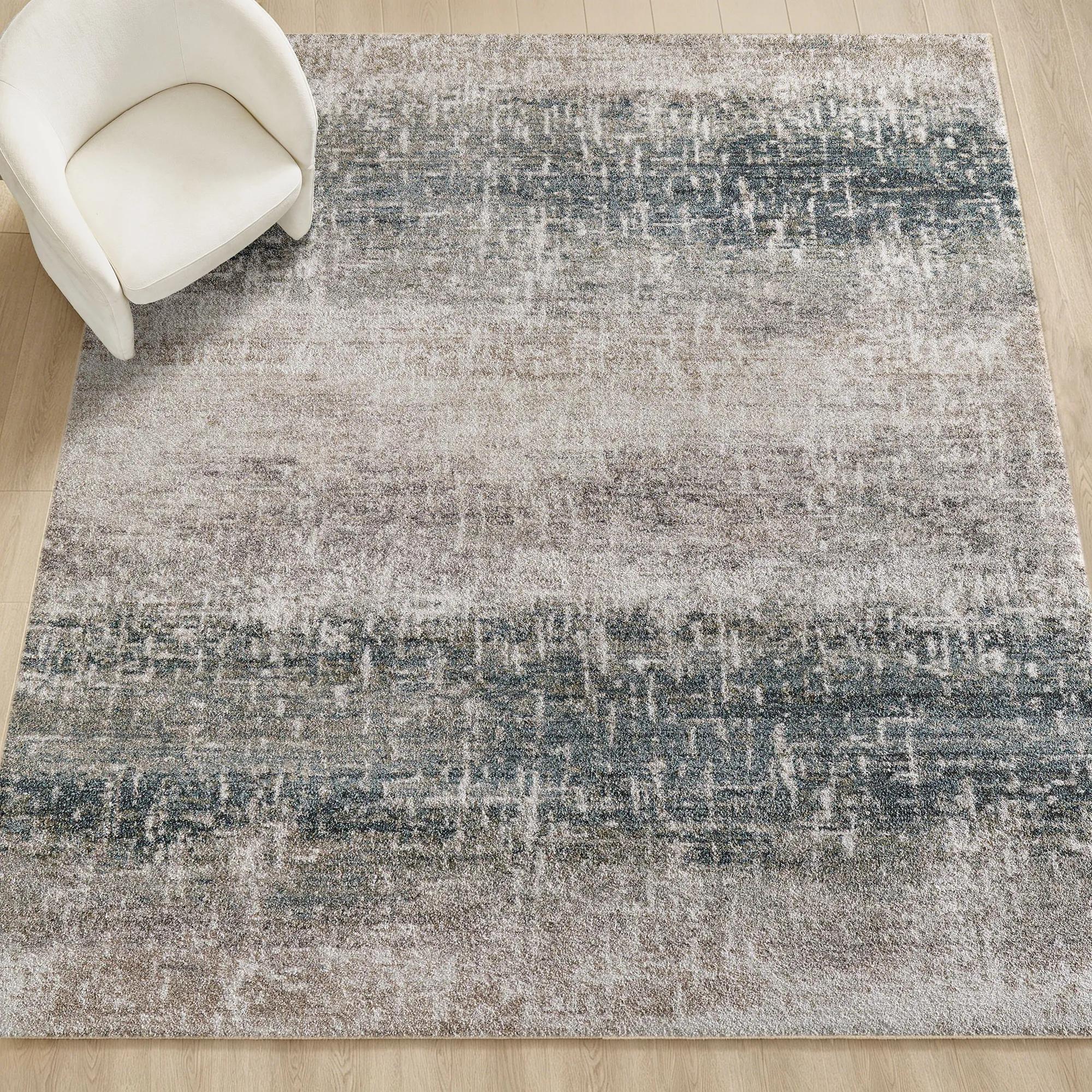
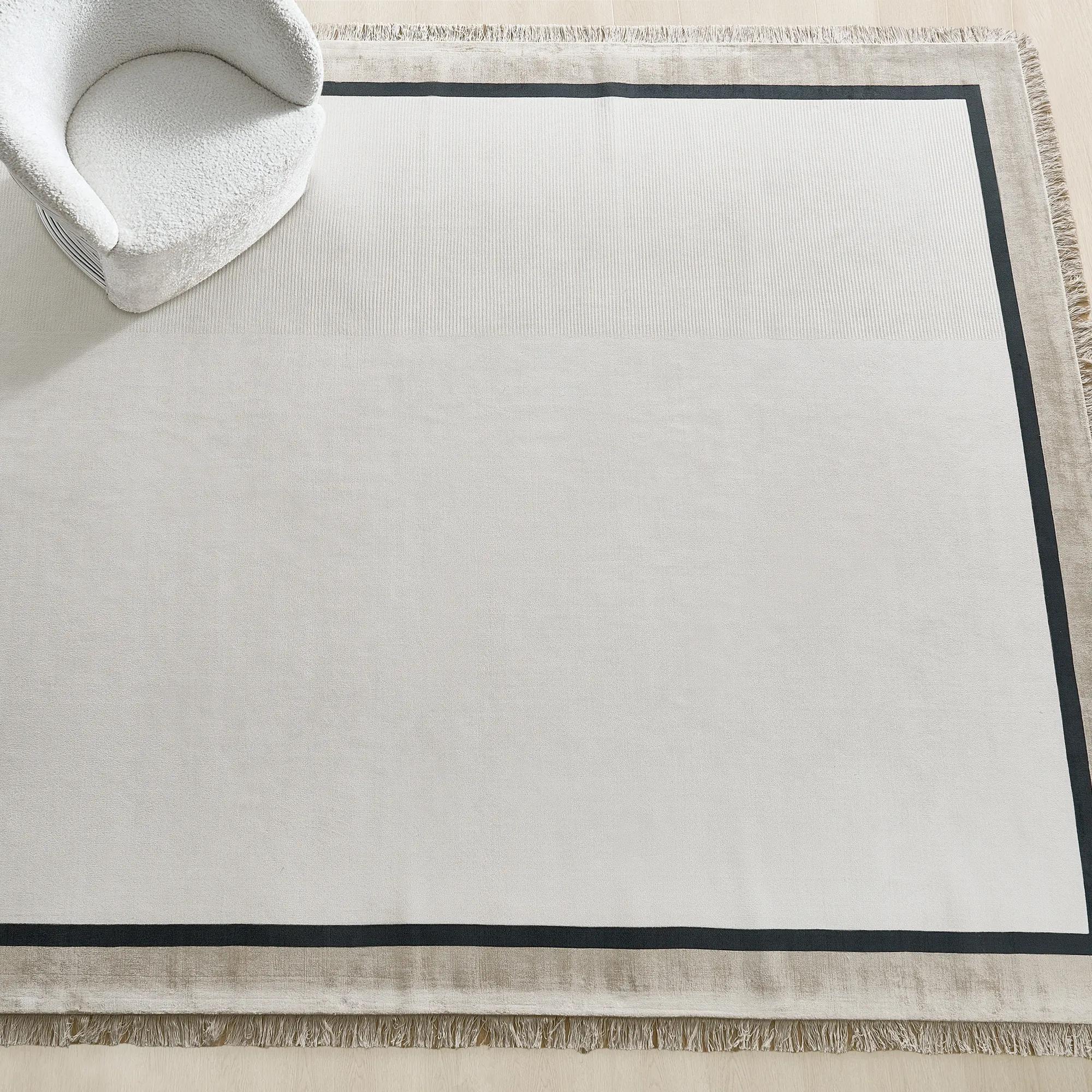
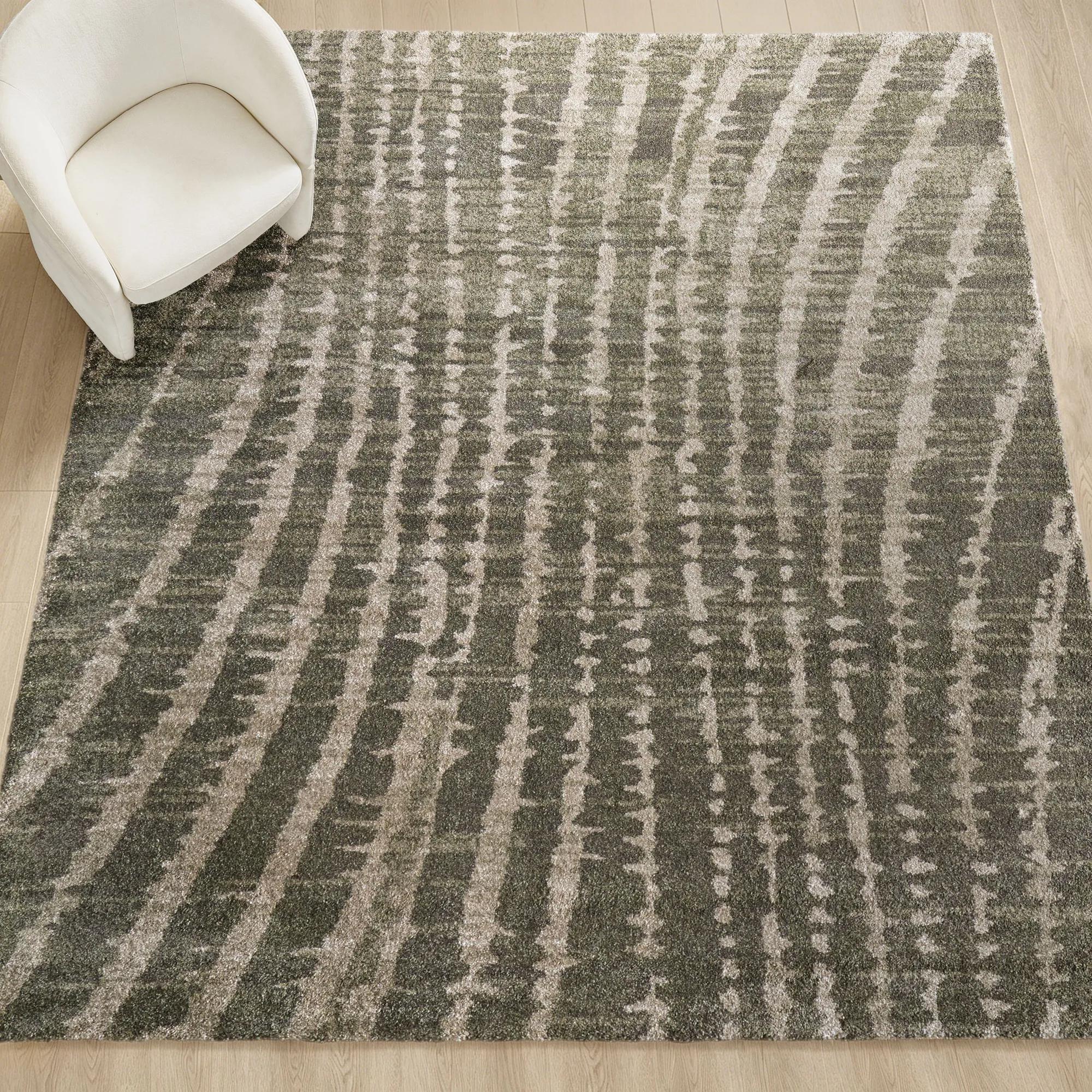
Statement area rugs are decorative floor coverings that create a room’s visual focal point through expressive color, distinctive pattern, sculptural texture, or an unexpected shape. More than a finishing layer, they anchor furniture, define gathering spaces, and give an interior its artistic direction. A sweeping abstract design can bring movement to a tailored living room, while a bold geometric pattern lends structure to curved upholstery and fluid silhouettes. Oversized motifs feel especially dramatic when enough of the design remains visible around a coffee table or between seating pieces. In an open floor plan, a substantial rug establishes the living area without interrupting sightlines, creating a sense of intimacy within a larger space. Color shapes that experience just as powerfully: ivory and charcoal offer graphic contrast, jewel tones create depth, and tonal neutrals draw attention through variations in weave and pile. A statement does not have to mean saturated color. A dimensional cream rug beneath a dark sofa can command attention through contrast alone, especially when light catches its raised pattern. For interiors built around sapphire, indigo, or softer blue accents, Blue Rugs For Statement Floors offers a focused way to explore an expressive color family. The strongest compositions give the rug a clear relationship to the room without repeating every detail. A trace of bronze in an abstract pattern might echo a sculptural lamp; a smoky gray ground can connect a velvet sectional with metallic accent tables. Rather than matching every accessory, repeating one or two tones allows the floor to feel intentional while leaving room for personality. These rugs suit spaces where design is part of daily life: a living room arranged for conversation, a bedroom with a generous upholstered bed, or a home office that deserves the same visual confidence as the rest of the home. Each setting gives pattern and texture a different role, from framing a quiet reading corner to setting the scale for an expansive seating arrangement.
The character of a statement rug comes from its construction as much as its surface design. Wool offers natural resilience and a substantial feel underfoot, making it a compelling material for lived-in rooms where comfort and lasting appearance matter. Some shedding can occur, particularly with new wool rugs, and the amount depends on fiber quality and construction. Cotton often appears in lighter woven designs and rug foundations; a cotton rug is not necessarily machine washable, so its care label remains essential. Synthetic fibers such as polypropylene and polyester can offer practical advantages for busy households, including varying degrees of stain resistance, color retention, and ease of maintenance. Those benefits differ by fiber, weave, and finish rather than applying equally to every rug. Viscose and similar lustrous fibers create a light-reflective surface with a silk-like appearance, but they can be sensitive to moisture, crushing, and aggressive cleaning. Their luminous effect may be better suited to a quieter sitting room or bedroom than the area beneath a frequently used dining table. Pile height also changes how a rug lives in a space. A lower pile allows dining chairs and desk chairs to move more freely, while a deeper pile adds softness beside a bed or beneath a lounge arrangement. High-low designs combine raised and recessed areas to give a restrained palette sculptural presence, though their contours may require extra attention when removing dust and debris. For homes with pets, tightly constructed surfaces can be easier to maintain than loose loops that may catch claws, although no construction is entirely snag-proof. Households with children or frequent guests may appreciate multitone patterns that make everyday lint and small marks less conspicuous. Texture should serve the room’s activities as beautifully as it serves its mood: plush where bare feet land, streamlined where chairs move, and resilient where people gather. A compelling choice balances the pleasure of the surface with the realities of the household, allowing the design to remain an everyday presence rather than something too delicate to enjoy.
Scale gives a statement area rug the authority to hold a room together. In a living room, a rug large enough to sit beneath at least the front legs of the principal seating usually creates a more connected composition than one floating beneath the coffee table alone. An 8-by-10-foot or 9-by-12-foot format may suit many arrangements, but the furniture footprint and room dimensions matter more than a familiar size designation. Measuring the proposed outline on the floor helps reveal whether the border will feel generous, whether a doorway will clear the pile, and how much pattern will remain visible once furniture is in place. In a dining room, allowing roughly 24 to 30 inches of rug beyond each side of the table often helps chairs remain on the surface when pulled out, provided the room offers enough clearance. Bedrooms benefit from a rug that extends beyond the sides and foot of the bed, creating a visible frame rather than disappearing beneath the mattress. Round and organically shaped rugs can soften angular architecture or distinguish a compact seating area, while rectangular designs often reinforce the lines of a long room. A compatible rug pad adds cushioning, helps limit movement, and can reduce friction against the floor; its material should be appropriate for both the rug and the flooring finish. Preserving the drama requires thoughtful, consistent care rather than aggressive cleaning. Regular vacuuming according to the manufacturer’s instructions helps remove abrasive grit, and delicate fibers, fringe, or raised details may require suction-only settings or specialized handling. Spills should be blotted promptly with a clean, absorbent cloth rather than rubbed, with cleaning products used only as directed for the fiber. Periodic rotation can distribute foot traffic and light exposure more evenly, while professional cleaning may be appropriate for delicate materials or persistent stains. With proportion, construction, and care considered together, a statement rug becomes a lasting part of the room’s identity: expressive enough to lead the design, comfortable enough to live with, and distinctive from every angle.
FAQs
A statement area rug commands attention through expressive color, striking pattern, or dimensional texture. More than a backdrop, it gives the room an artistic point of view. Think sweeping abstract motifs, dramatic contrasts, or sculptural-looking designs that turn the floor into a canvas.
Start with the mood you want to create. Jewel tones bring richness and drama, while high-contrast neutrals feel graphic and polished. Pull a color from artwork or upholstery for a cohesive connection, or introduce an unexpected hue and echo it in a few carefully chosen accents.
Abstract patterns lend a painterly quality, geometric motifs introduce crisp architectural rhythm, and fluid, organic designs soften angular furnishings. For a glamorous interior, look for a pattern with depth and contrast that holds its own alongside gleaming accents and expressive silhouettes.
Yes—layering patterns can create a richly composed room. Let the rug establish the leading motif, then introduce contrasting patterns in pillows, artwork, or window treatments. Connect them through a shared color, and vary the visual rhythm: a sweeping abstract rug can pair beautifully with tailored stripes.
Give the rug a clear role in the room’s composition. Furniture with clean, sculptural lines lets an expressive pattern take focus, while textured upholstery adds richness without competing. Repeat select rug colors in decorative accents, then leave moments of visual restraint so each dramatic detail feels intentional.