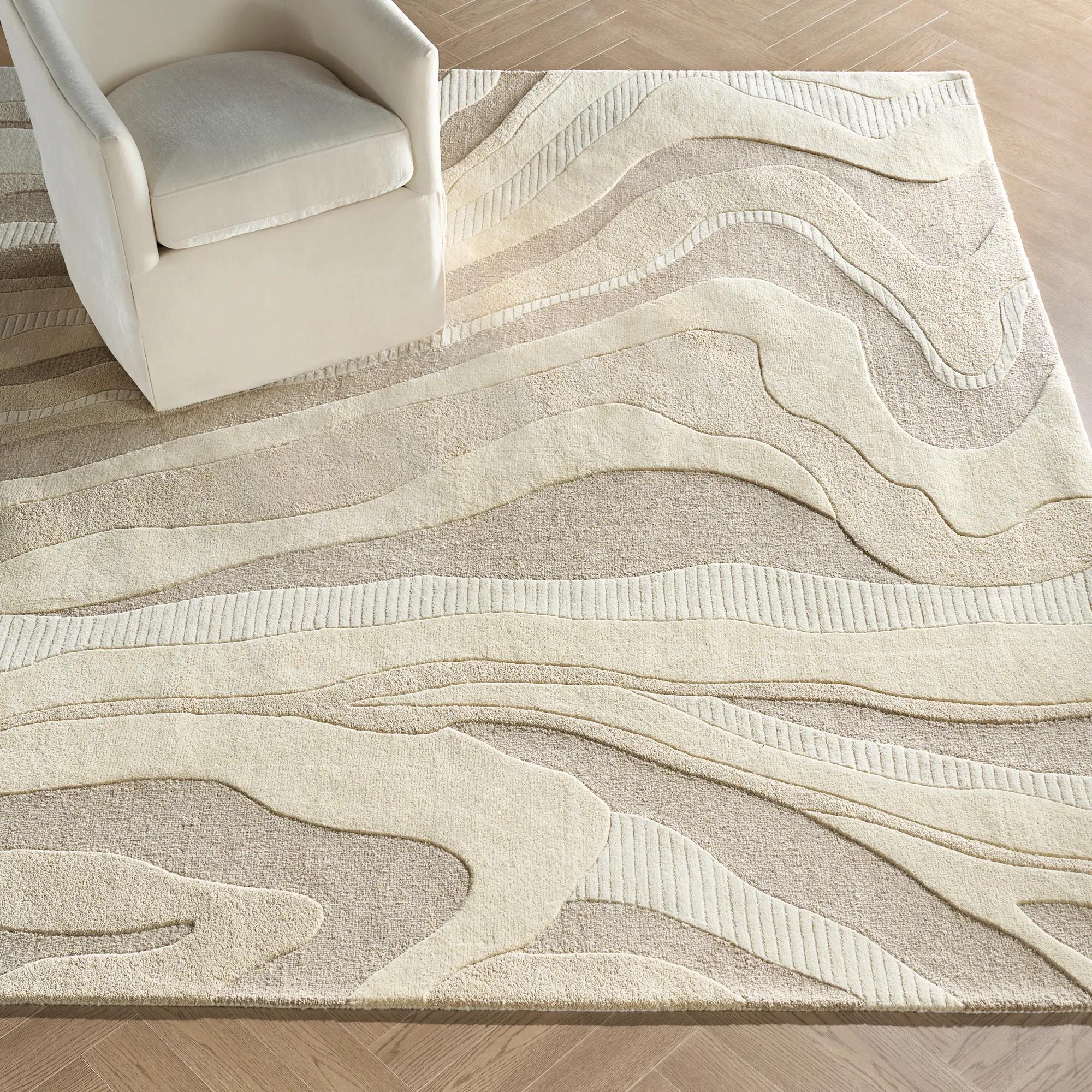
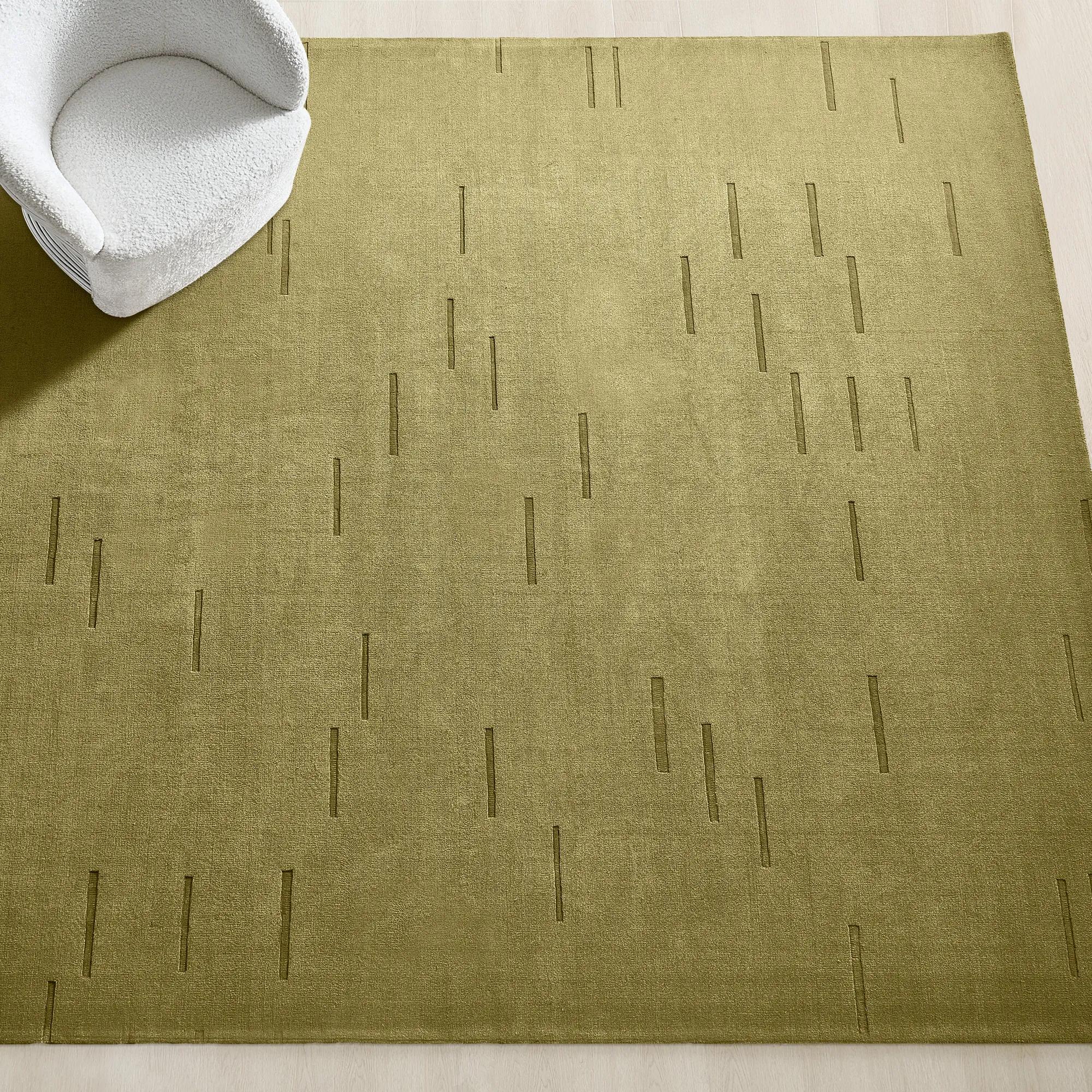
Versatile Pattern Area Rugs
Versatile Pattern Area Rugs
-
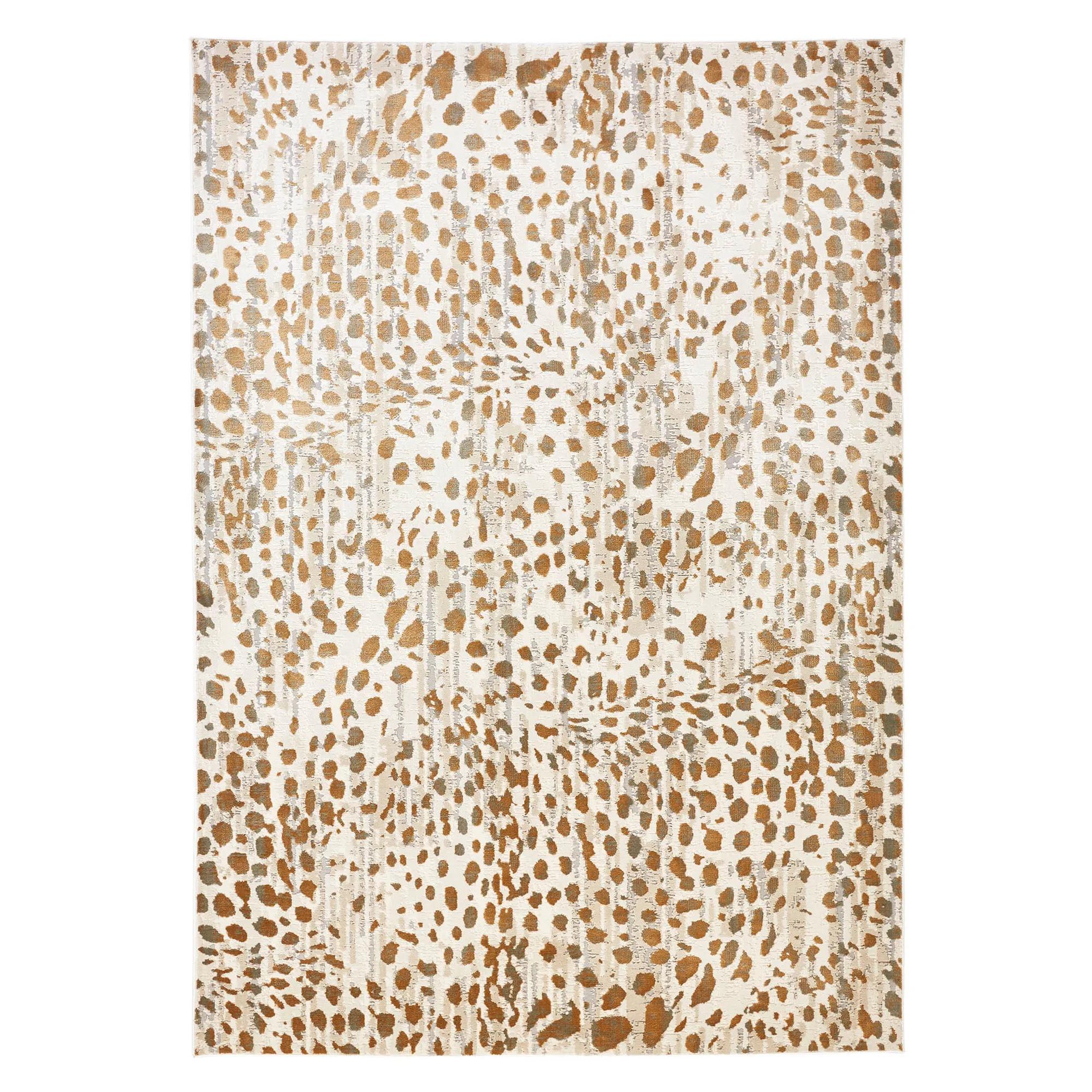
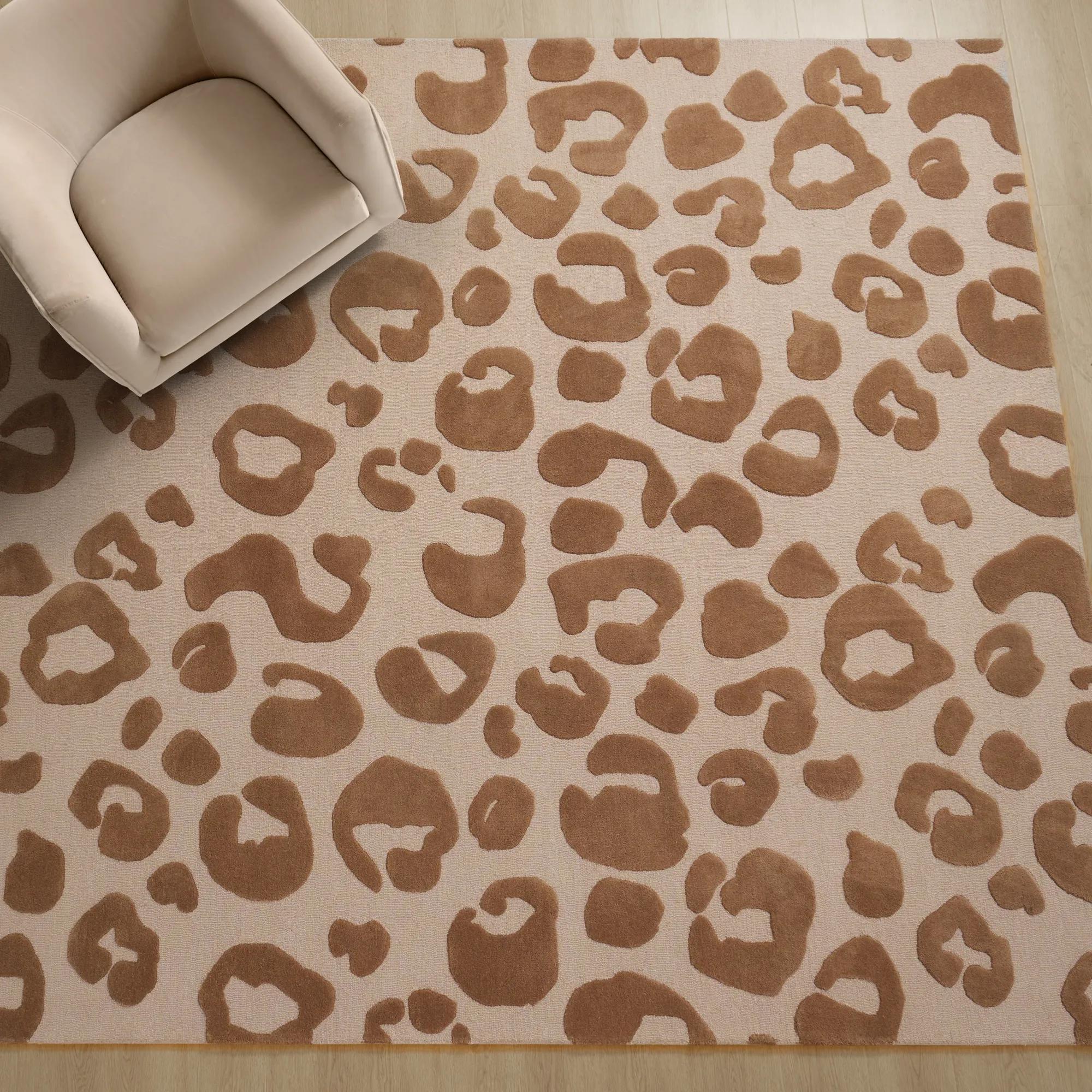
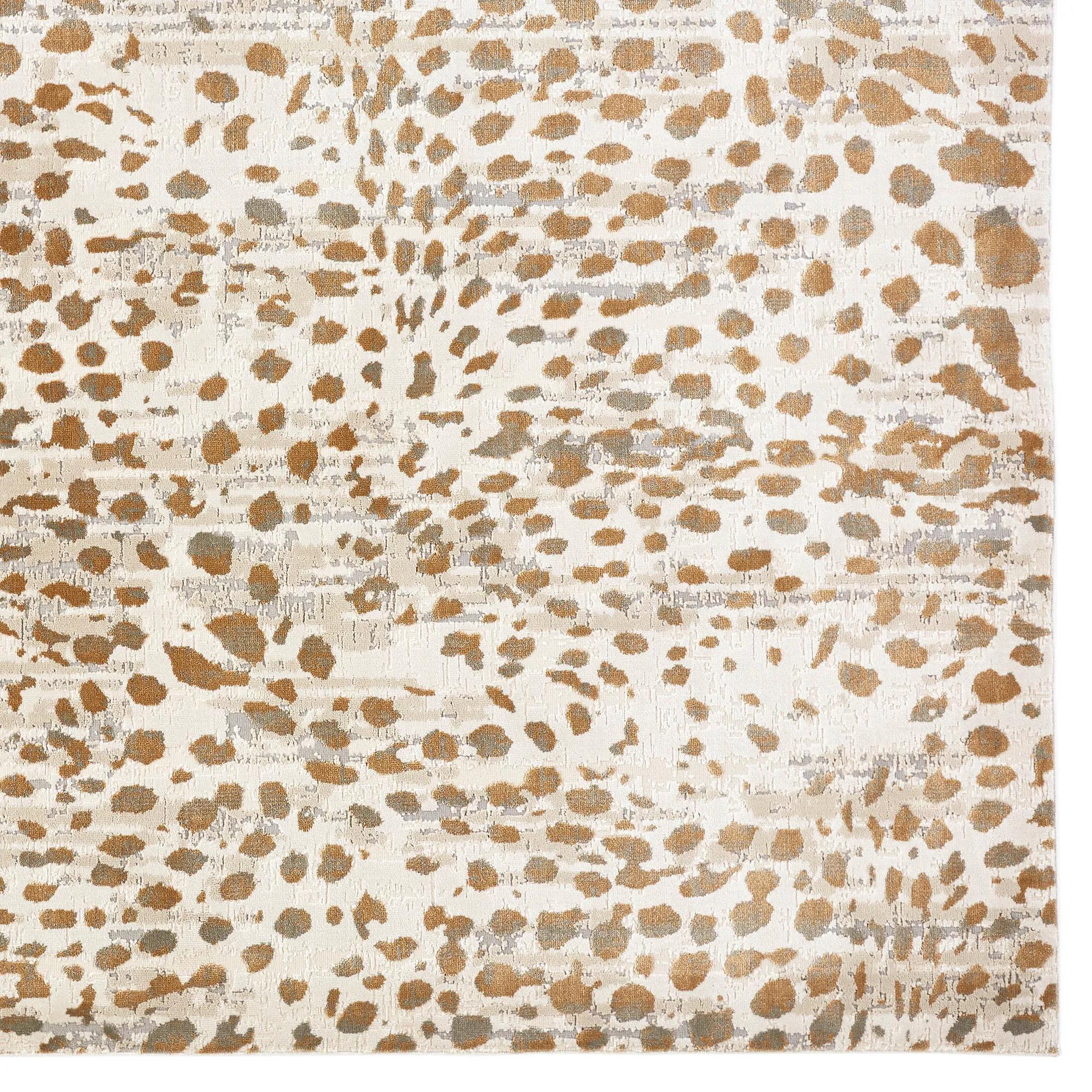 Amur Ivory/Natural Animal Print Power-Loomed Rug$399
A hand-tufted wool and viscose rug featuring a gold chain link design on neutral grey.
Add To Cart -
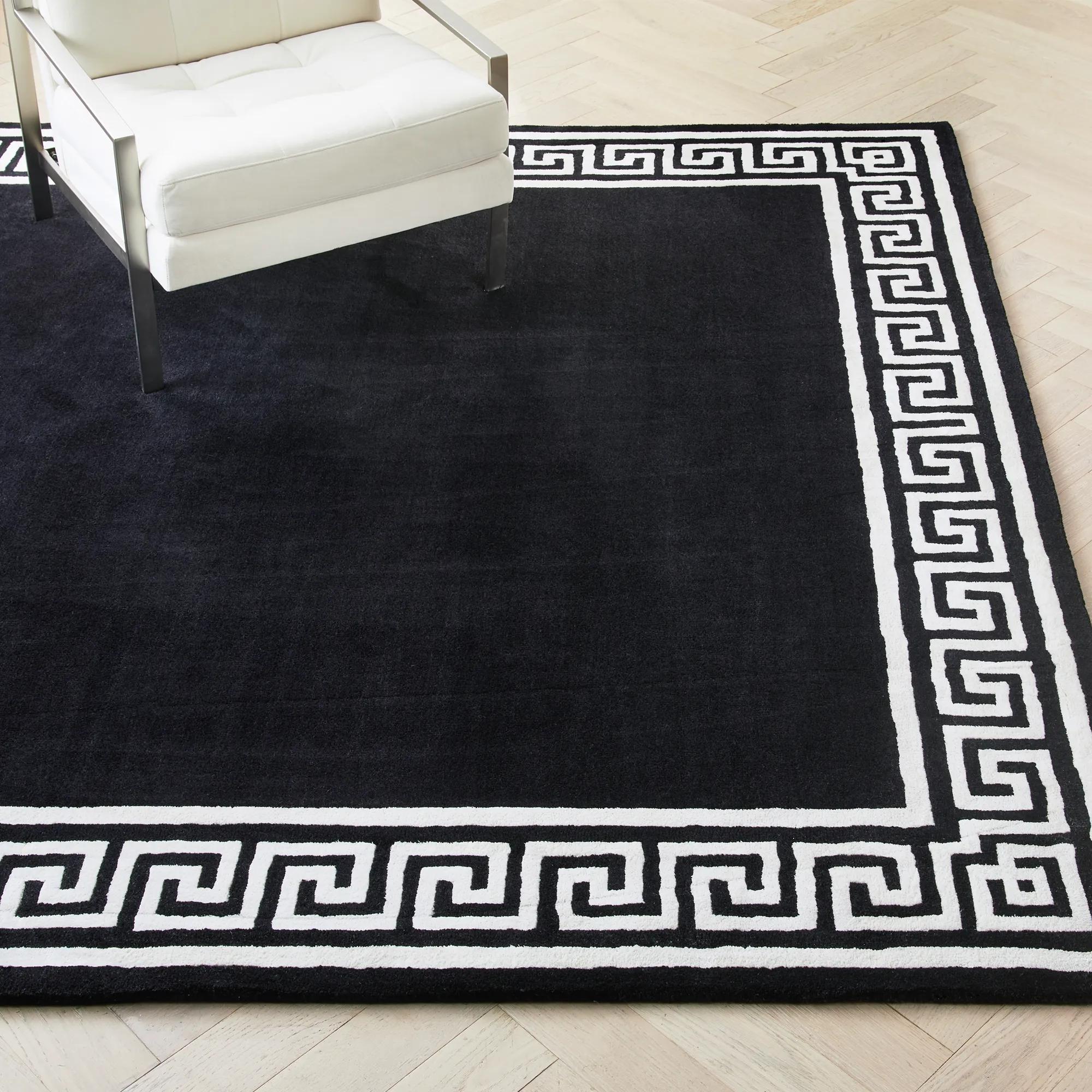
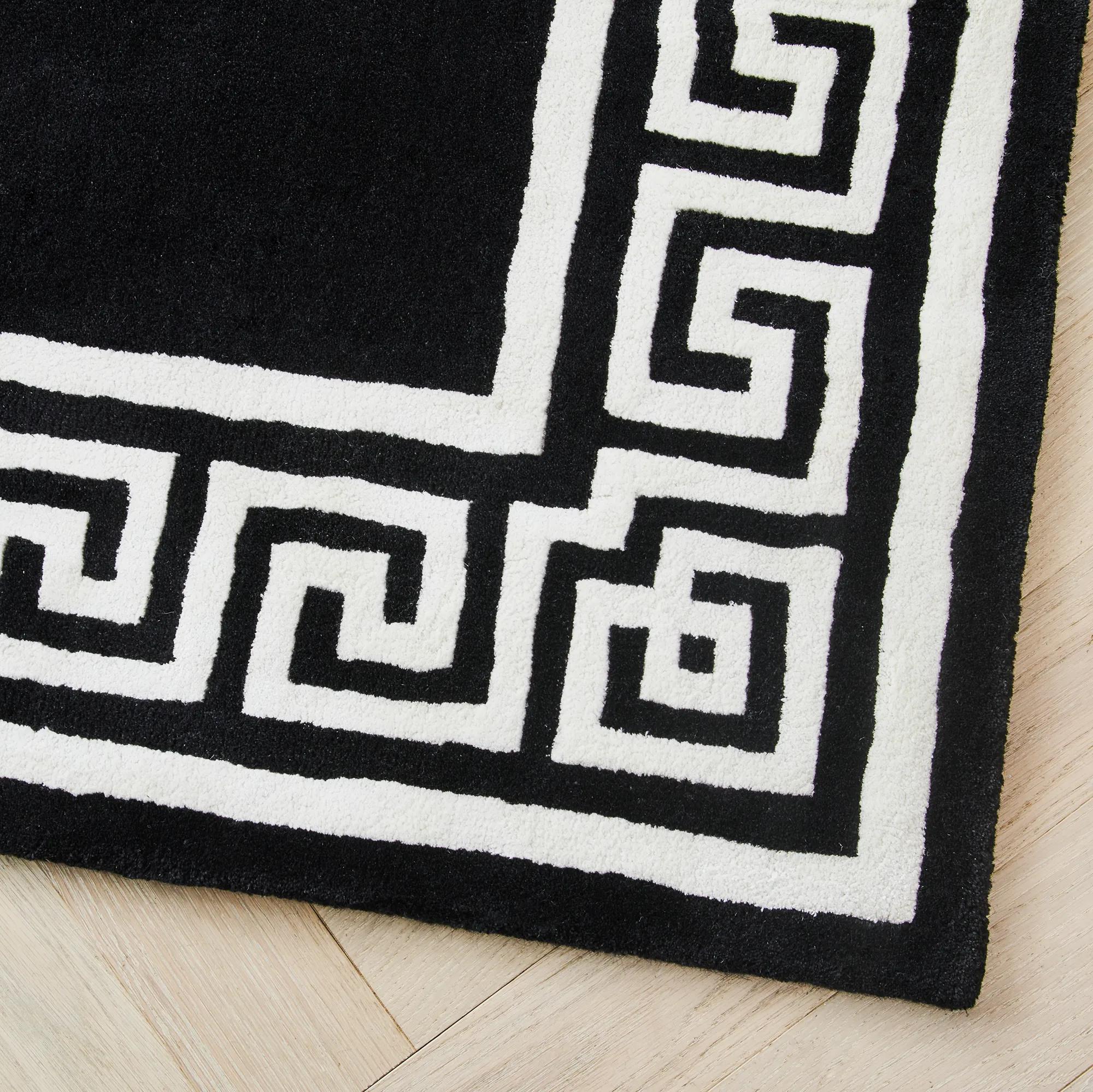 Greek Key Rug - Black/Ivory$1199
A hand-tufted black and ivory rug featuring a classic Greek key pattern in wool and viscose.
Add To Cart -
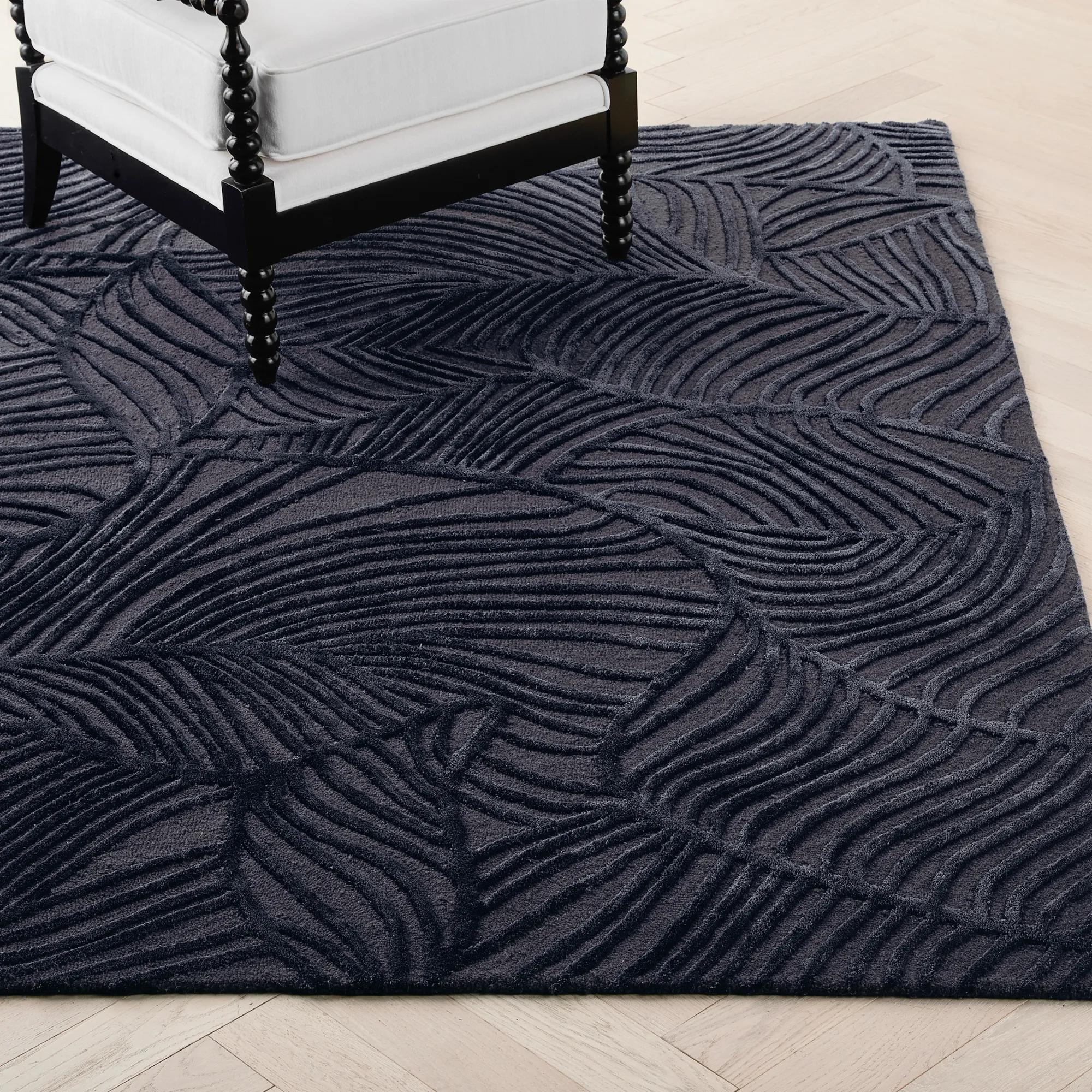
 Palm Rug - Charcoal$1499
A charcoal rug featuring a dynamic palm-leaf design with a textured high-low viscose and wool pile.
Add To Cart -
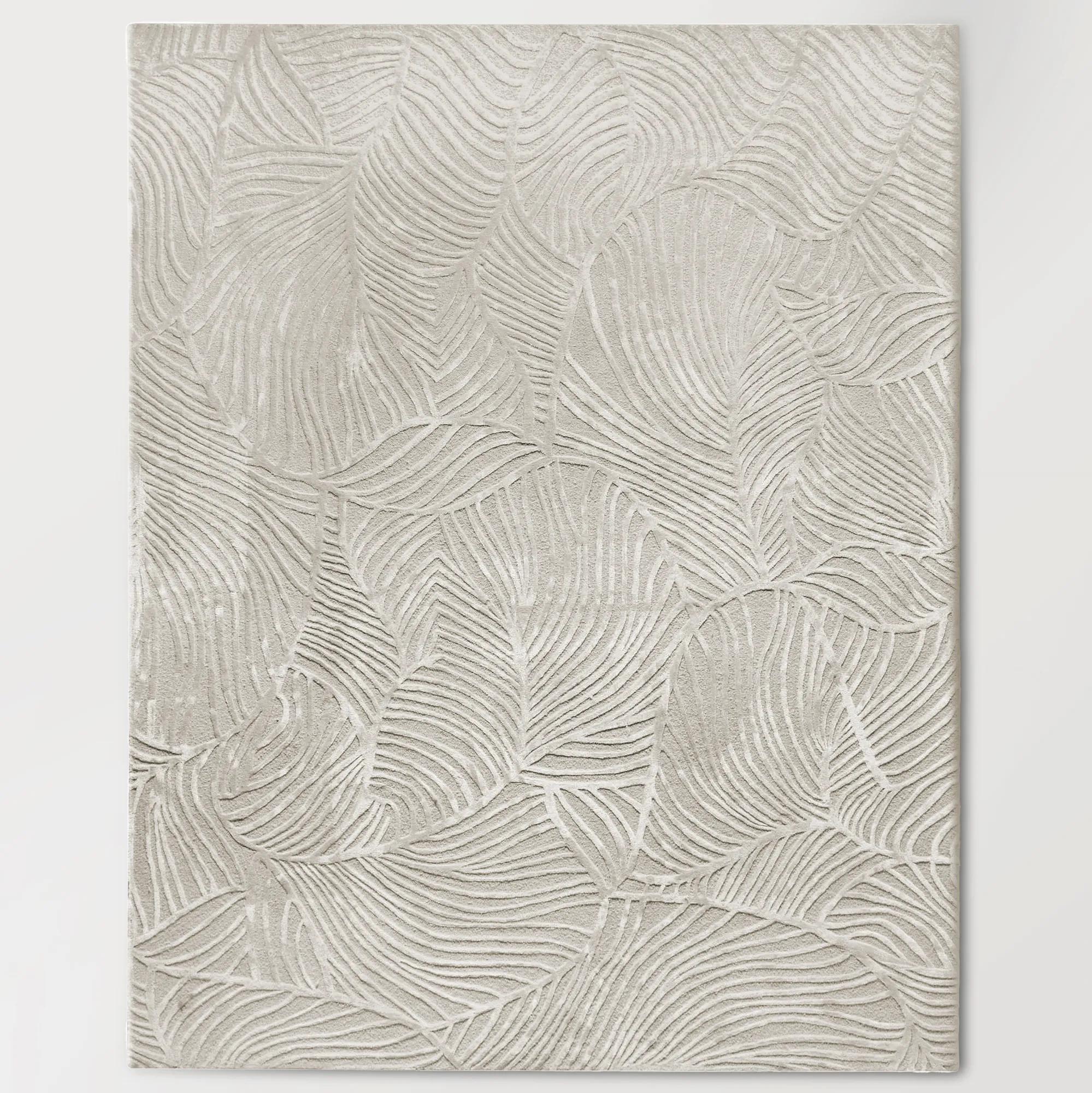 Palm Hand-Tufted Ivory Wool Blend Rug$999
An ivory rug featuring a dynamic palm-leaf design with high-low pile in viscose and wool.
Add To Cart -
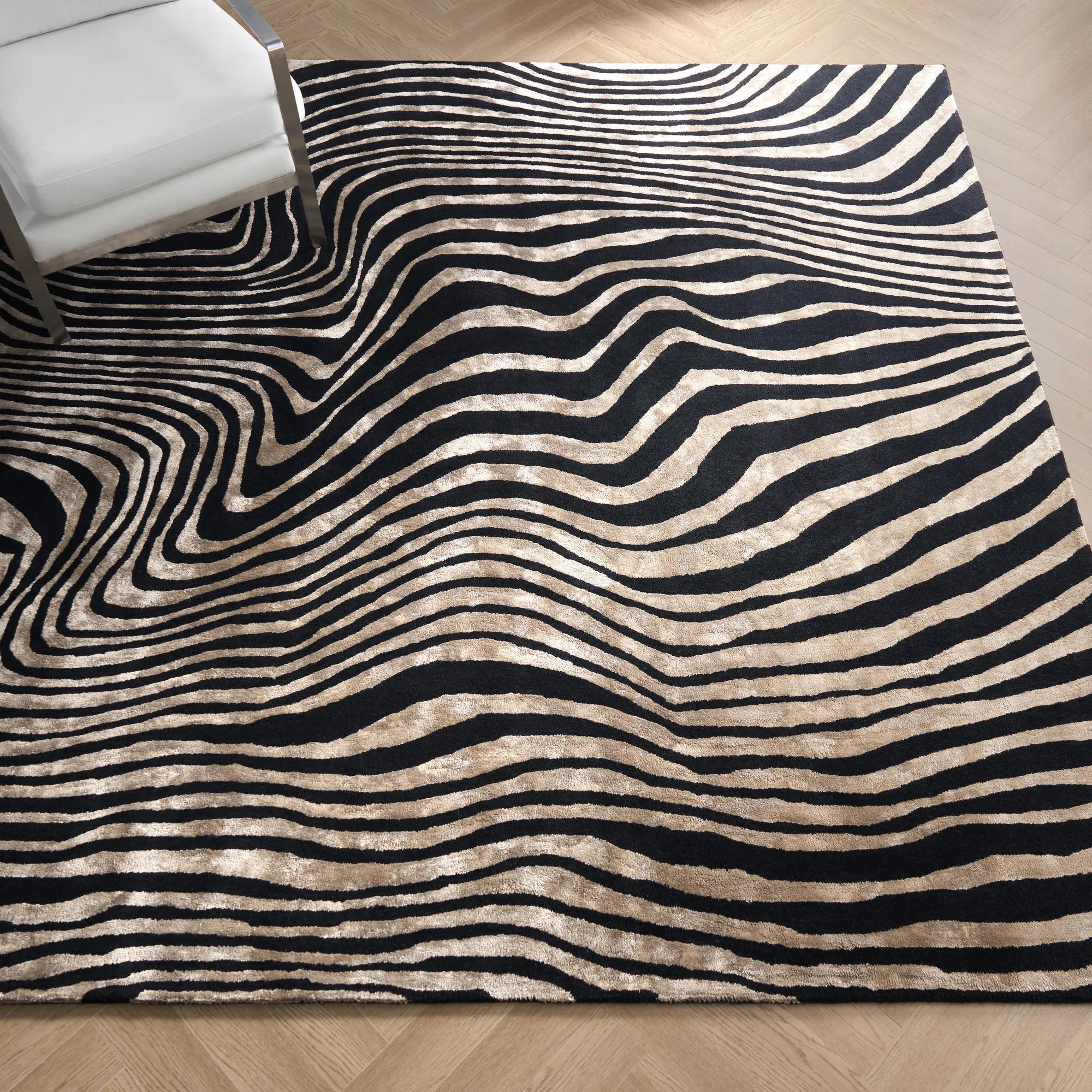
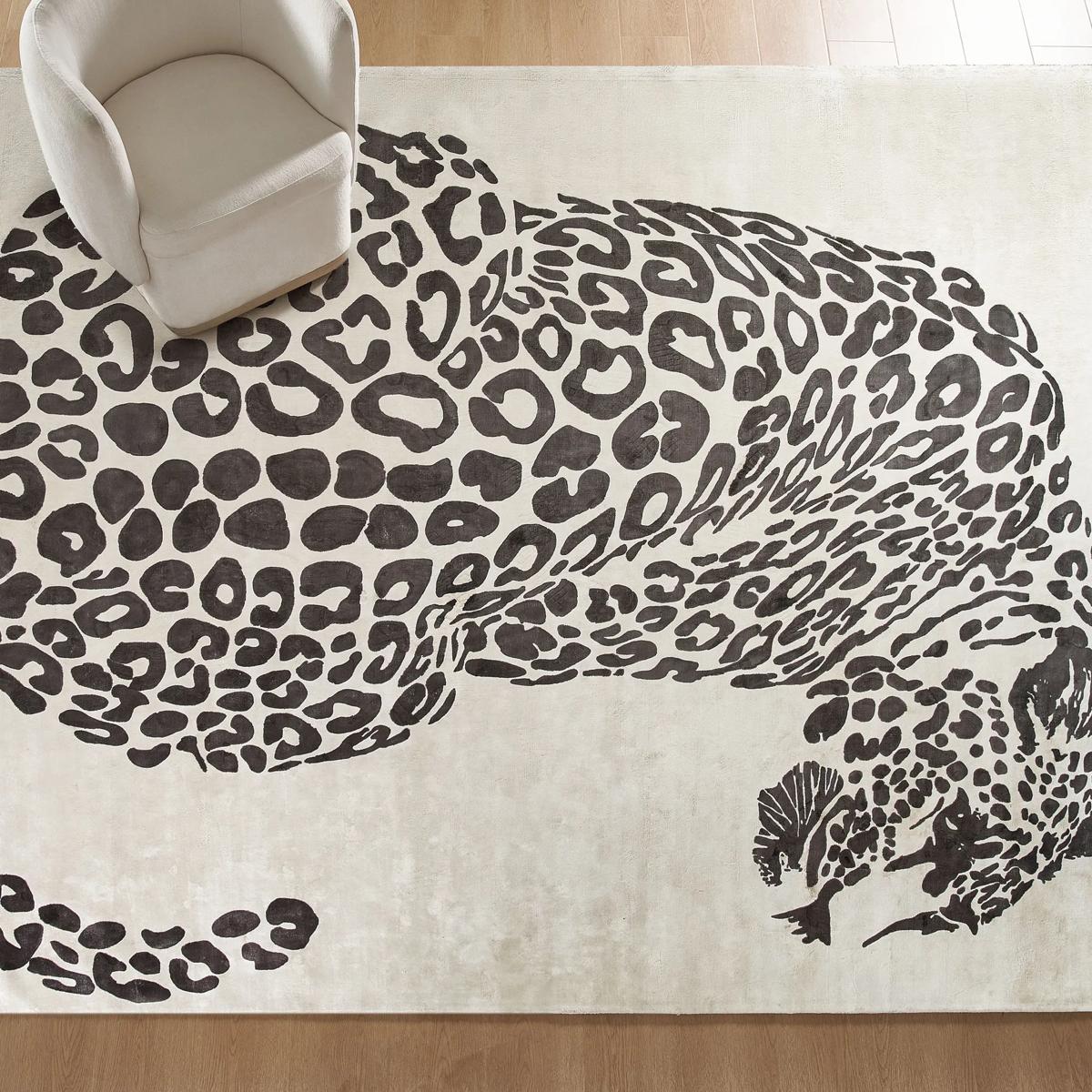
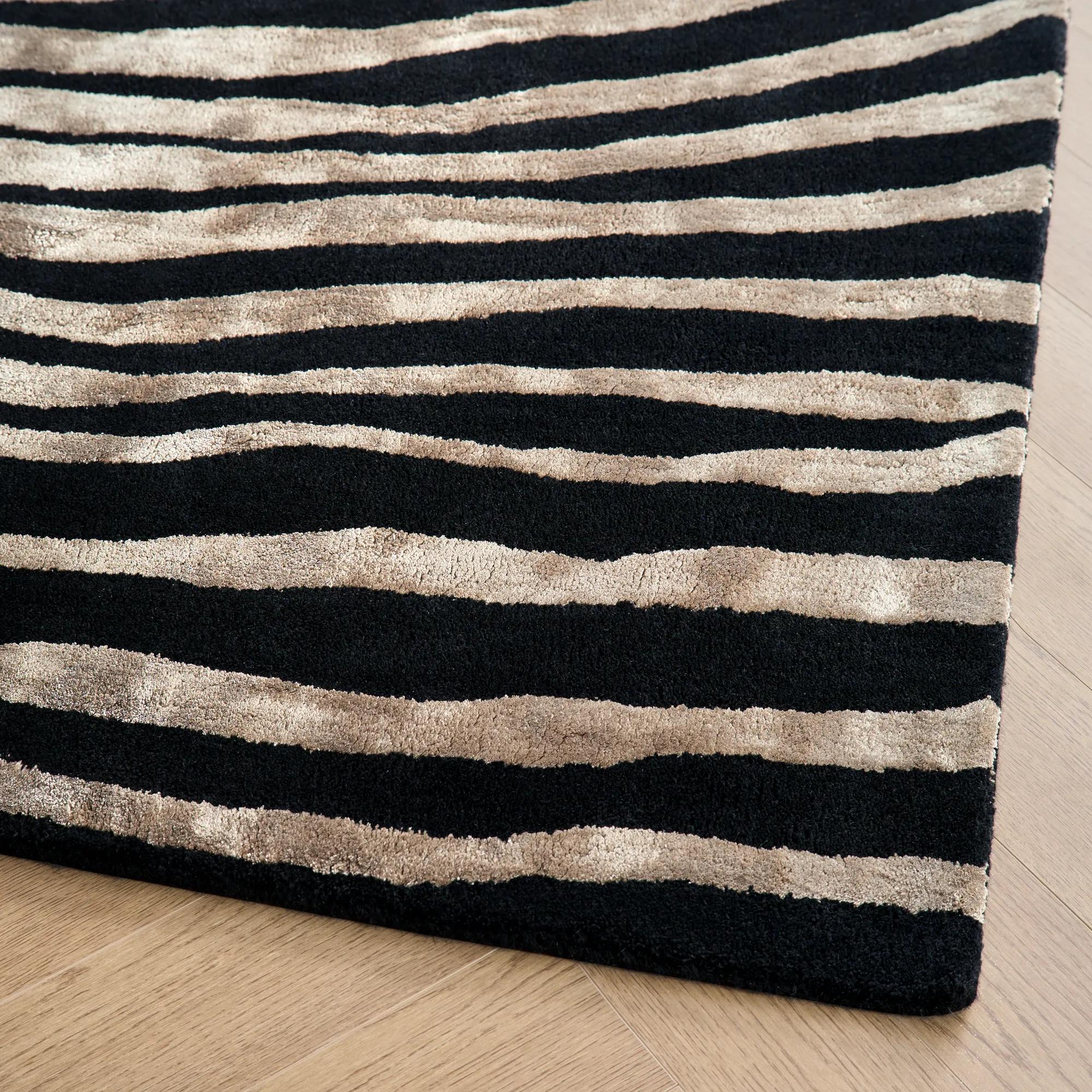 Abstract Zebra Hand-Tufted Black/Taupe Wool Blend Rug$599
An artisan hand-tufted rug in black and taupe wool-viscose, featuring a striking abstract zebra pattern.
Add To Cart -
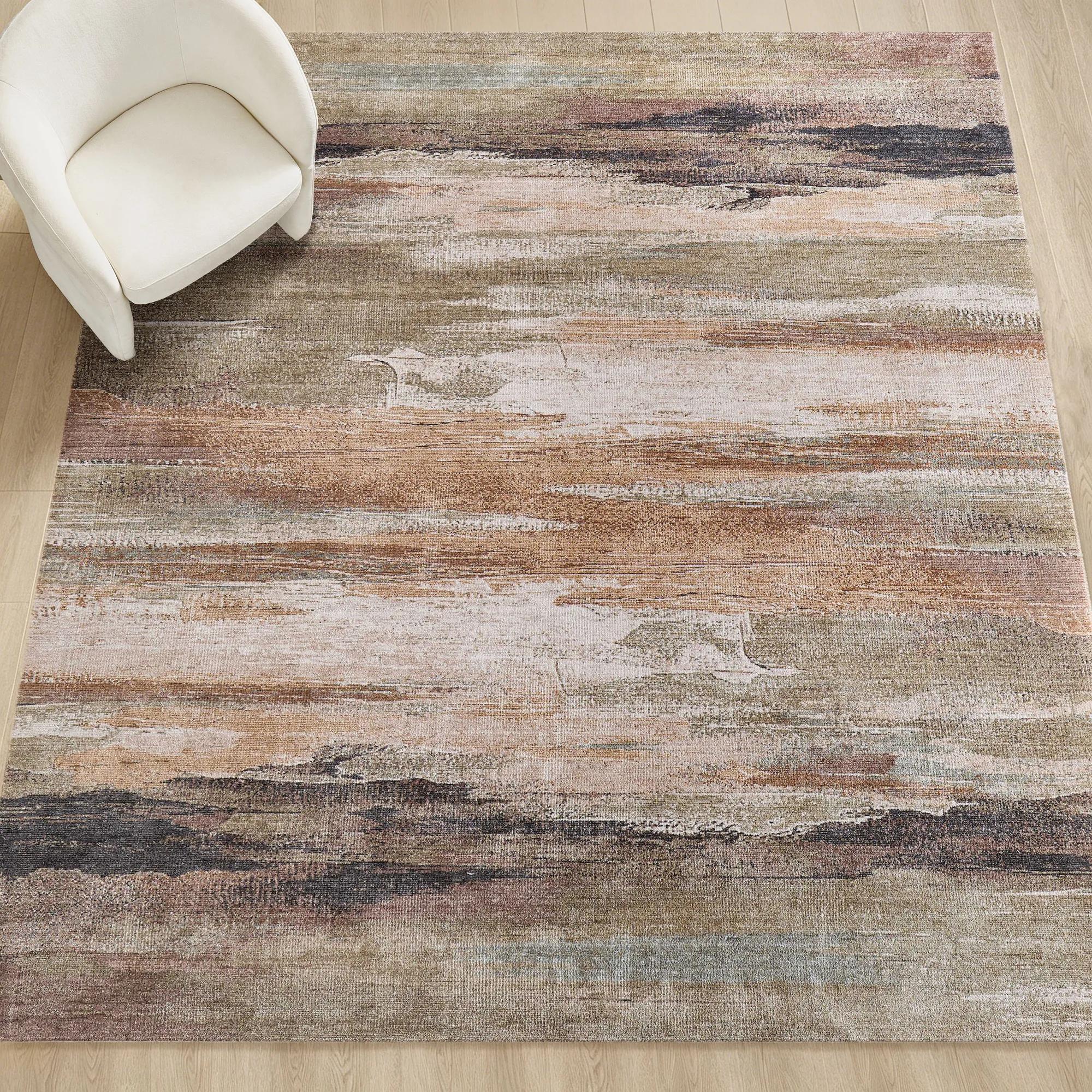
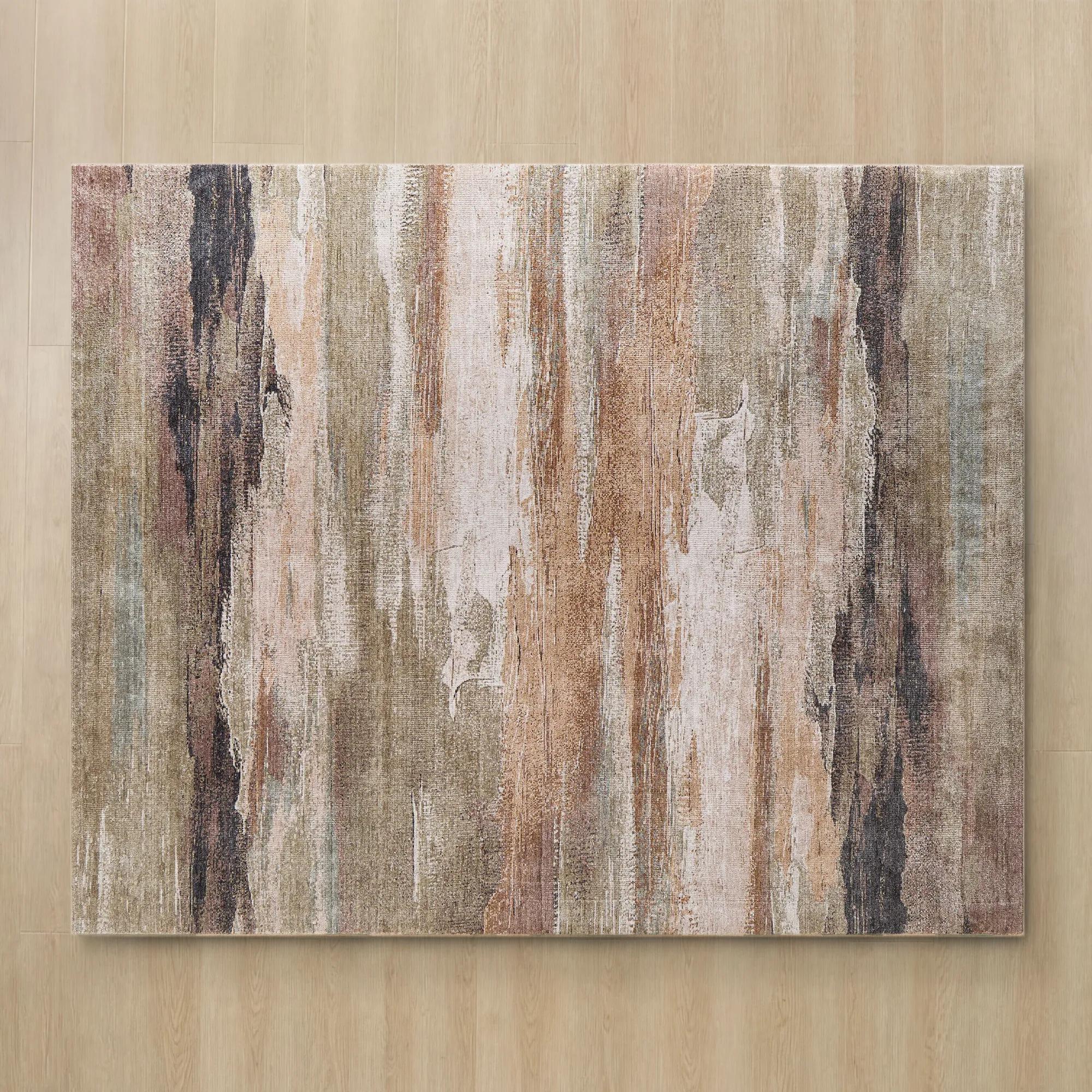 Sedona Rust/Beige/Moss Green/Charocal/Blue Performance Power Loomed Rug$1999
A power-loomed polyester rug featuring a rich abstract pattern in rust, beige, moss green, charcoal, and blue.
Add To Cart -
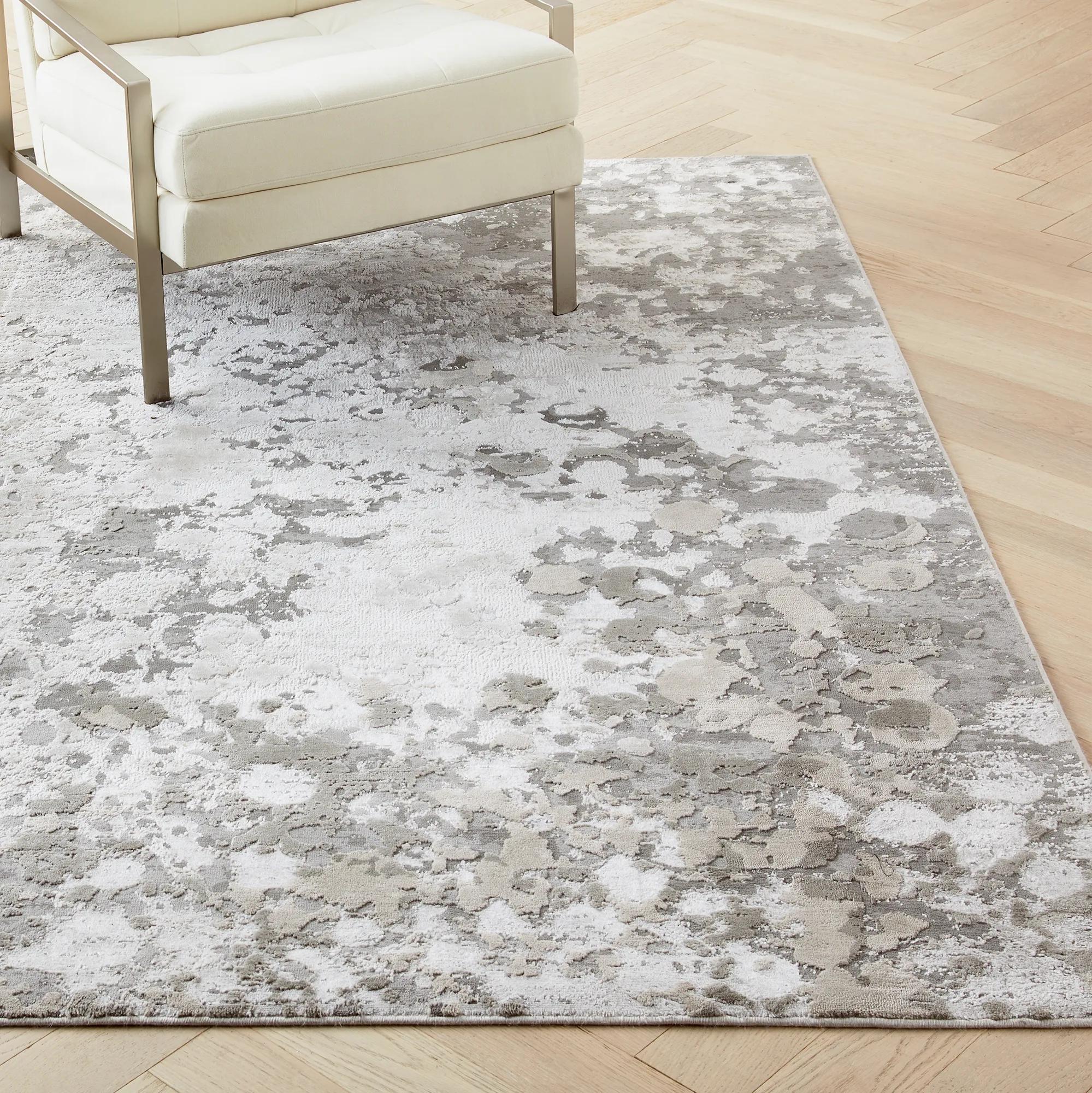
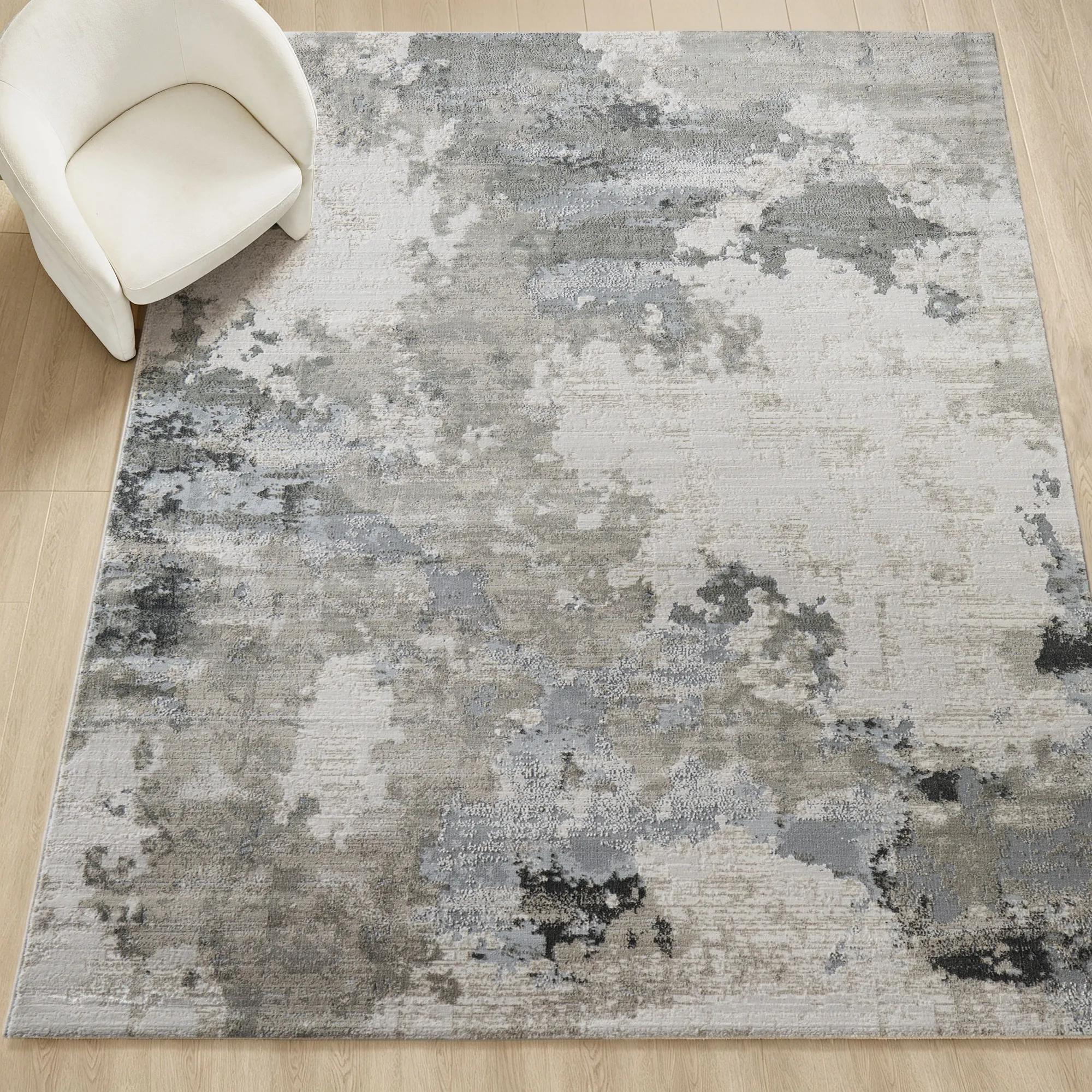 Alarion Abstract Grey/Muted Blue/Ivory Performance Power Loomed Rug$1499
A power-loomed rug featuring a distressed abstract pattern in grey, muted blue, and ivory with stain resistance.
Add To Cart -
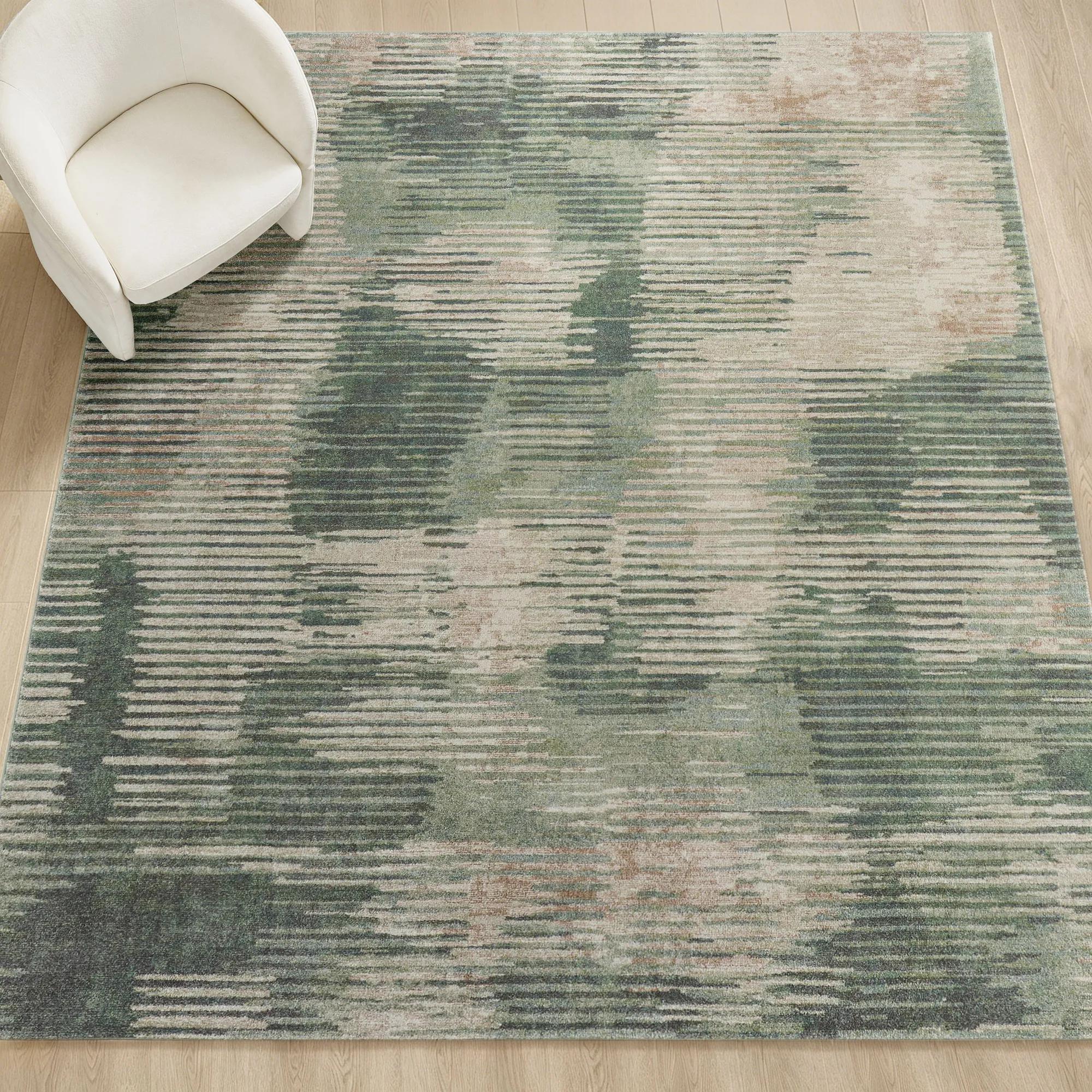
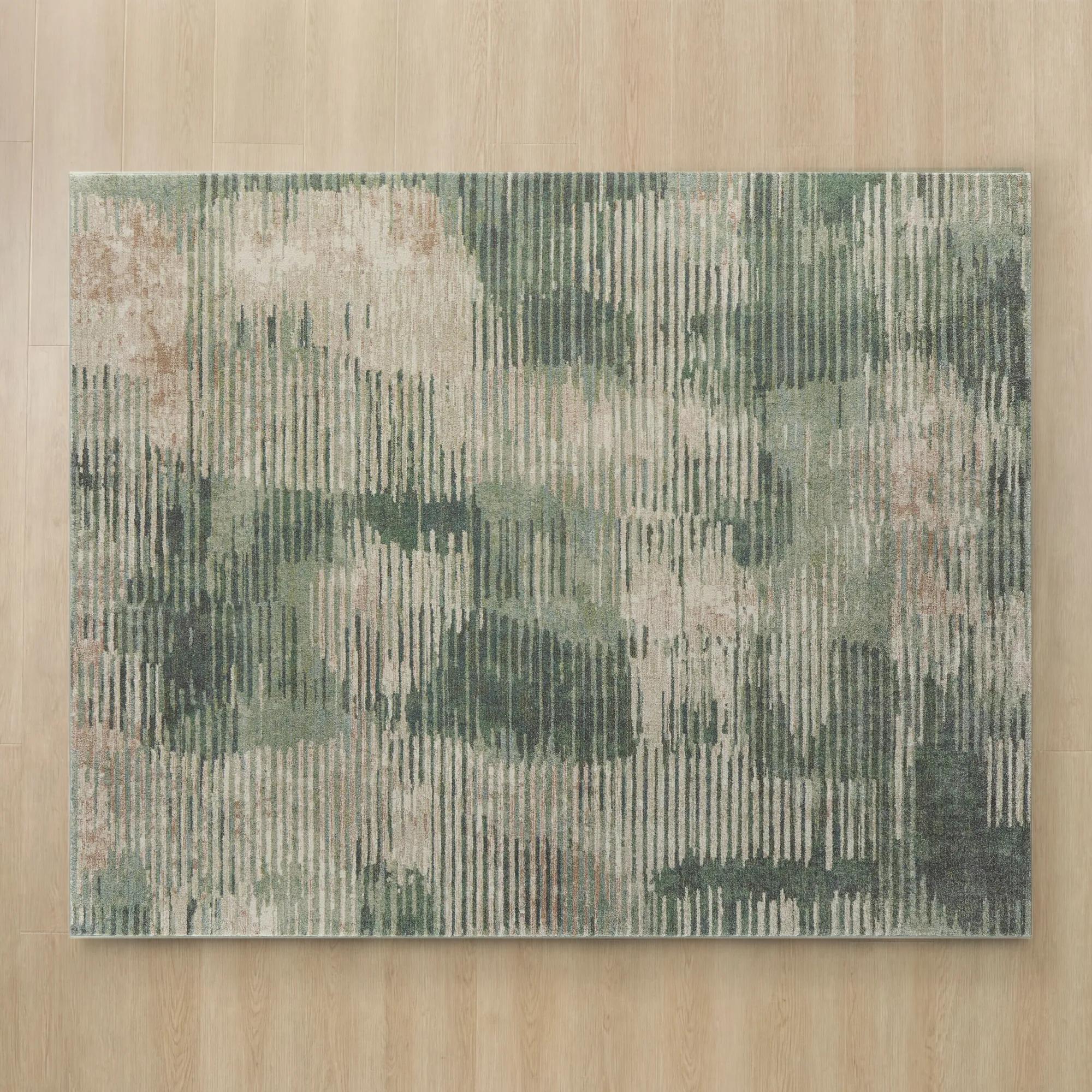 Sylvan Green/Beige Power Loomed Rug$689
A contemporary rug featuring a smoked olive green and beige organic pattern with a soft, power-loomed polypropylene pile.
Add To Cart -
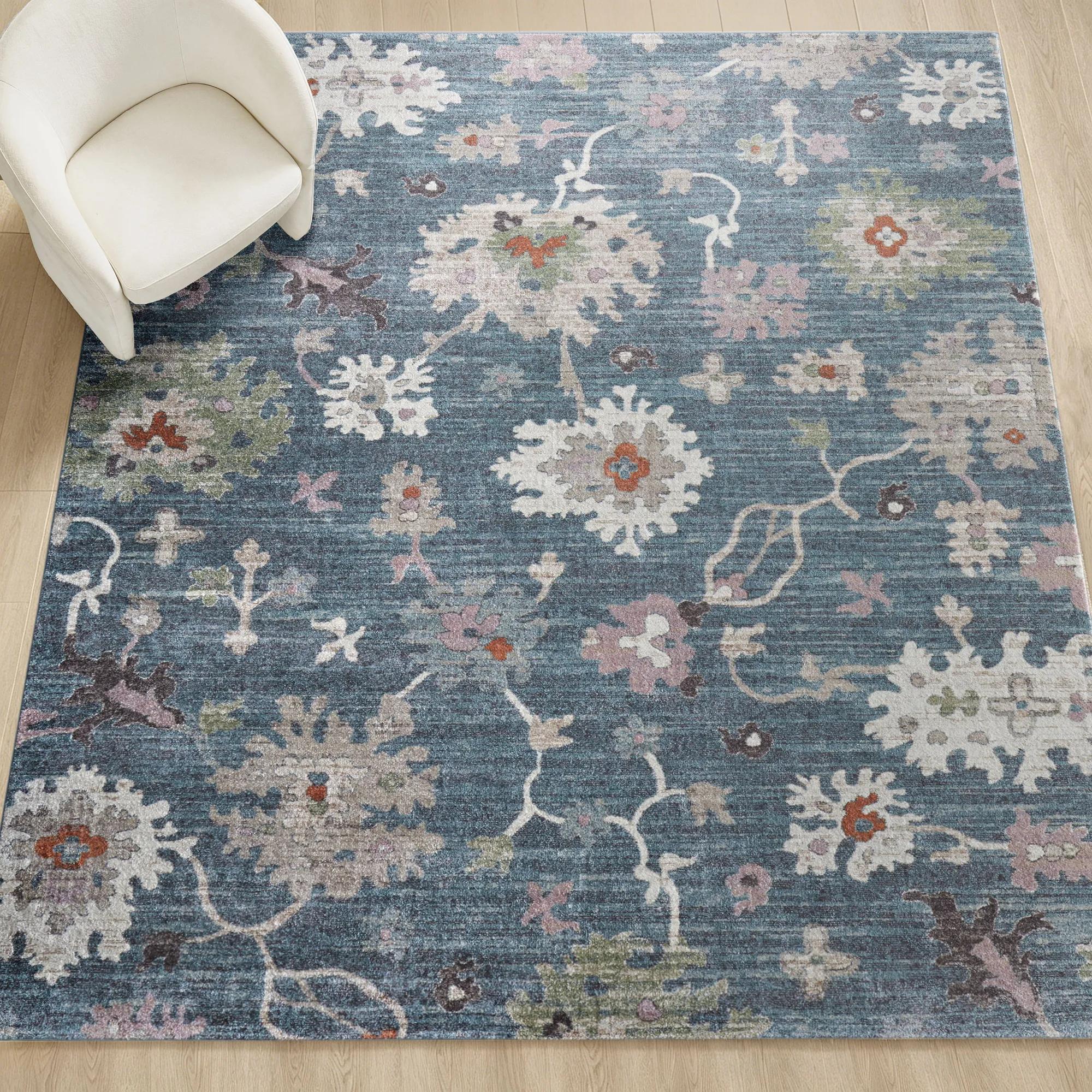
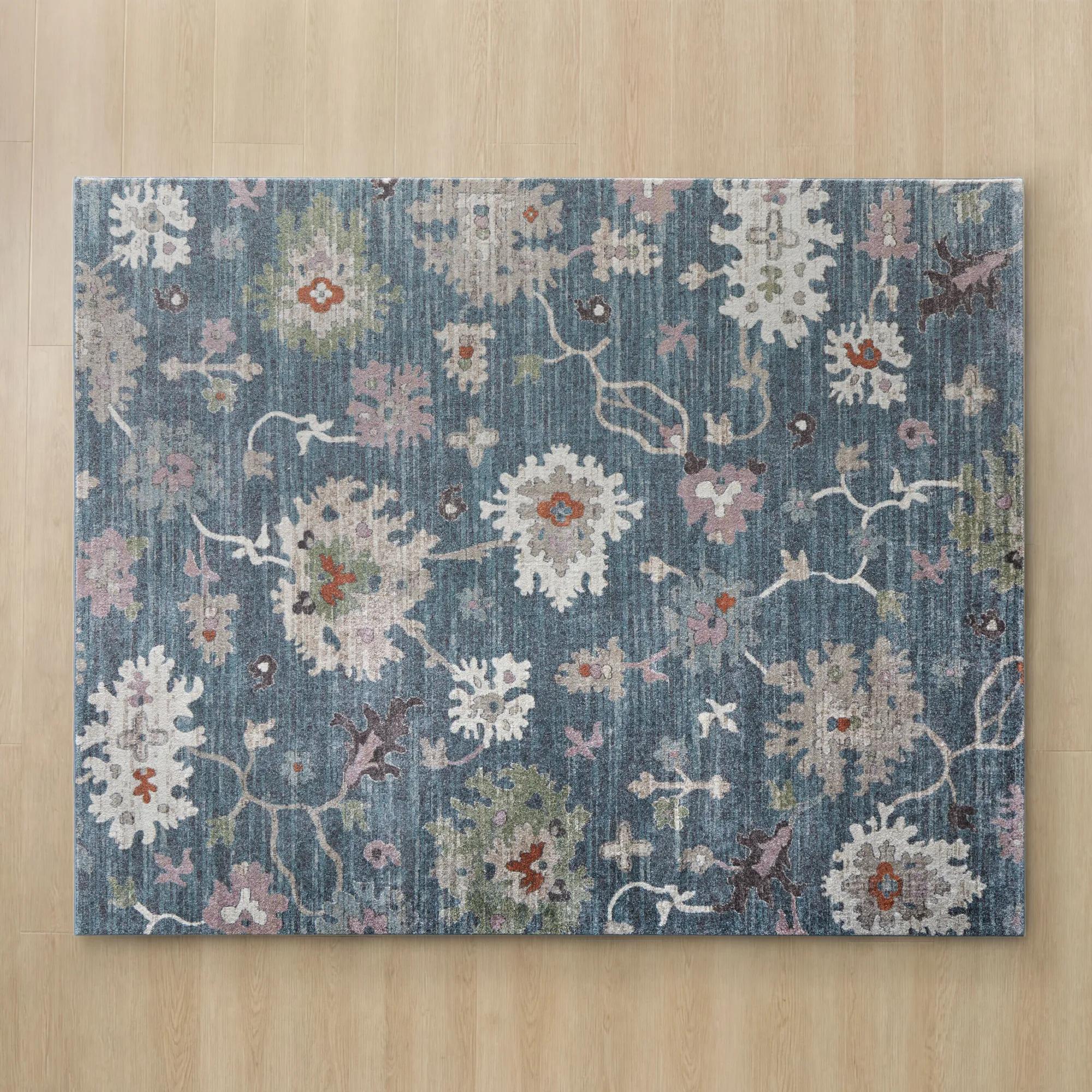 Ariella Floral Blue/Ivory/Beige/Green/Rose Dust Performance Power Loomed Rug$1499
A Persian-inspired rug in blue, ivory, beige, green, and rose dust with plush, stain-resistant polypropylene.
Add To Cart -
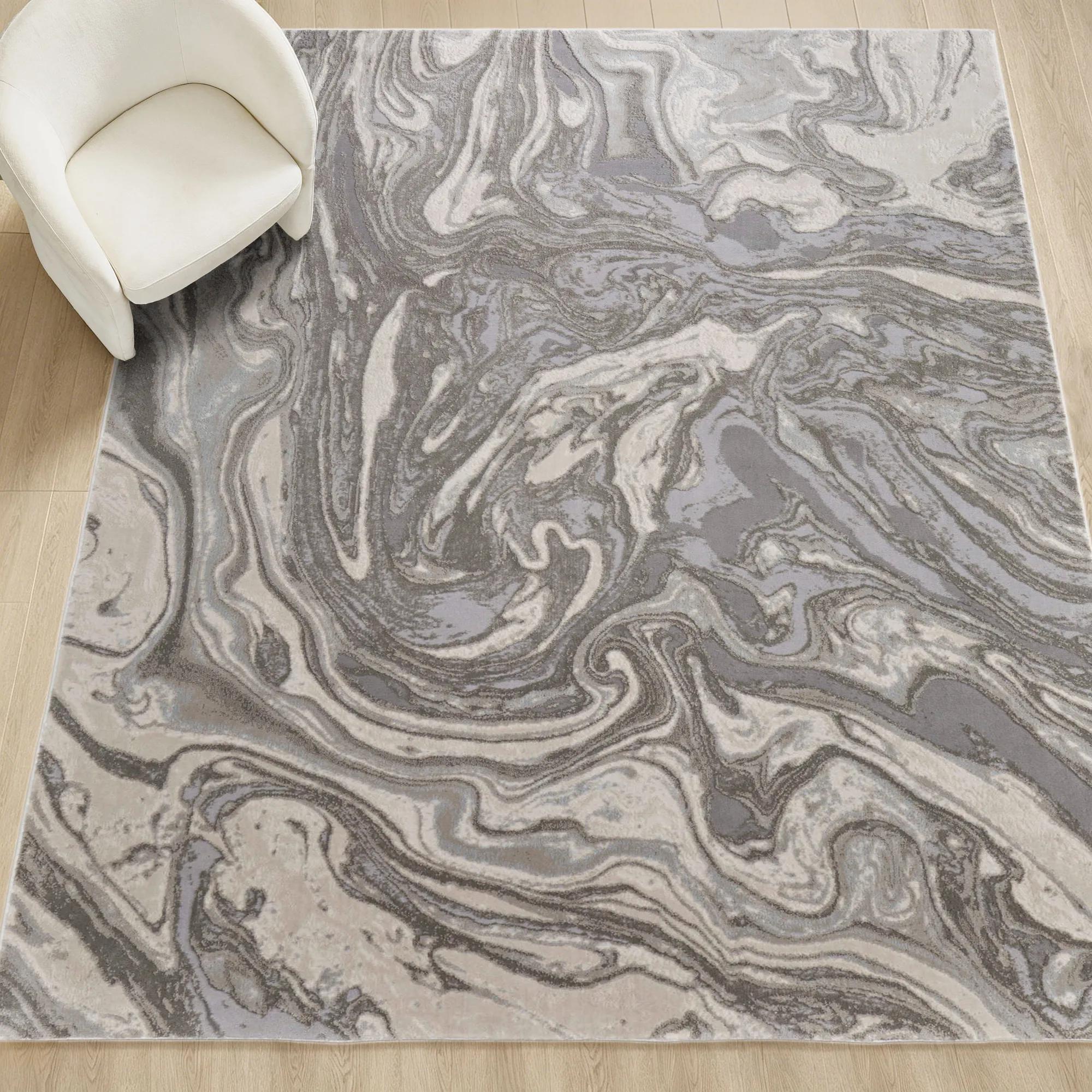
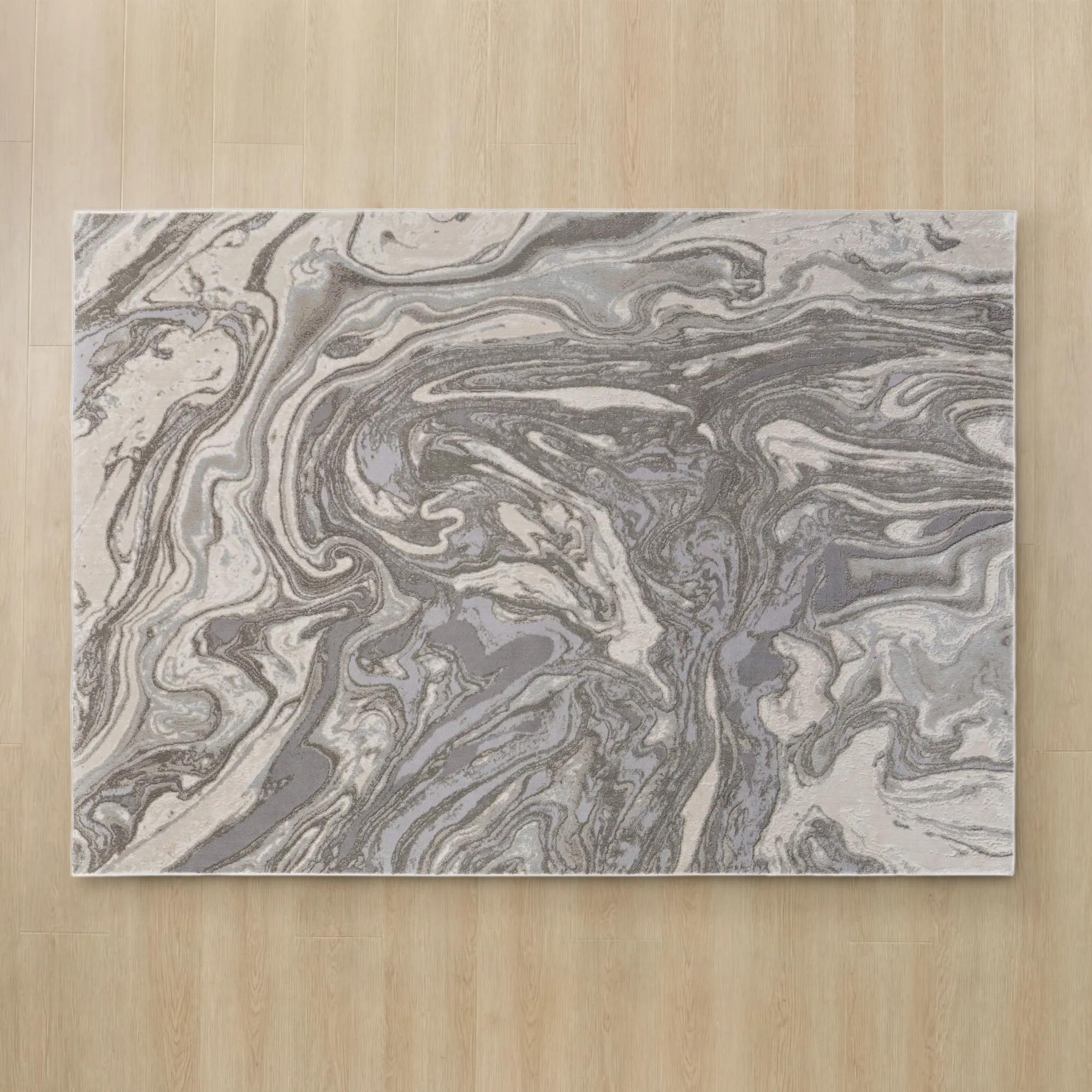 Marbre Marbled Grey/Taupe/Powder Blue Performance Power Loomed Rug$1499
A softly marbled rug in grey, taupe, and powder blue with a textured, stain-resistant performance blend.
Add To Cart -
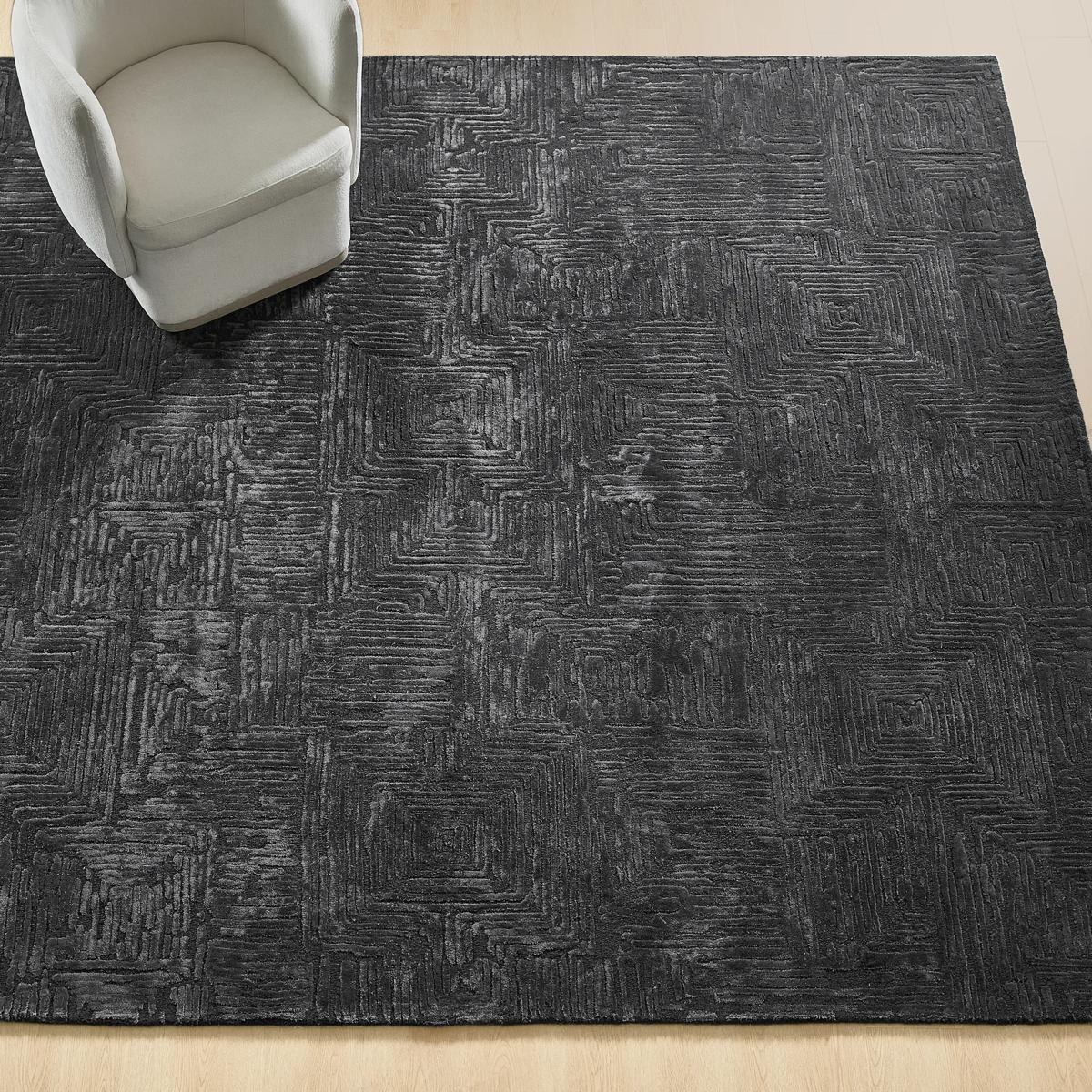
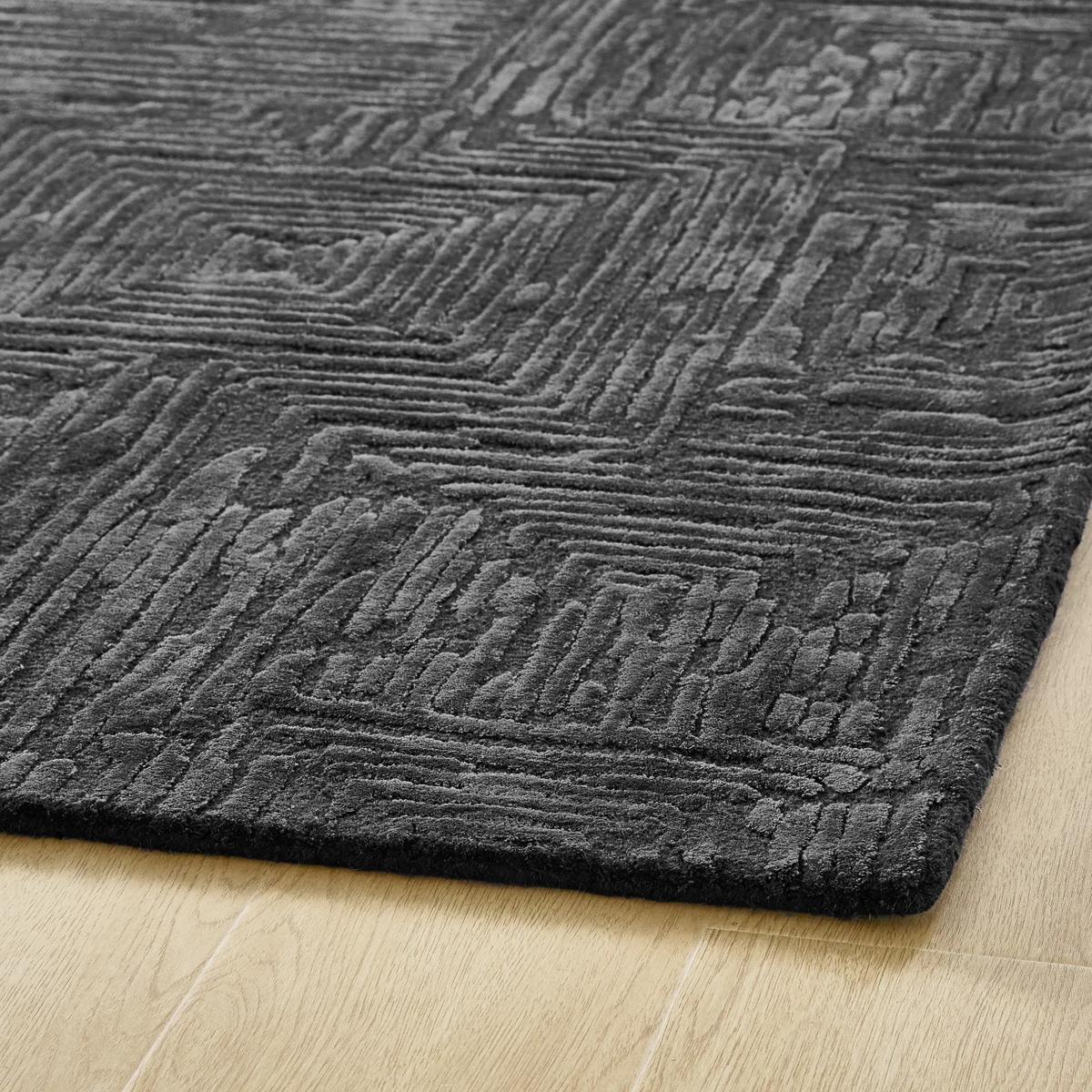 Andra Charcoal Hand-Tufted Wool Blend Dimensional Rug$1499
A hand-tufted viscose-wool rug in rich charcoal with a sculptural, dimensional pattern and plush texture.
Add To Cart -
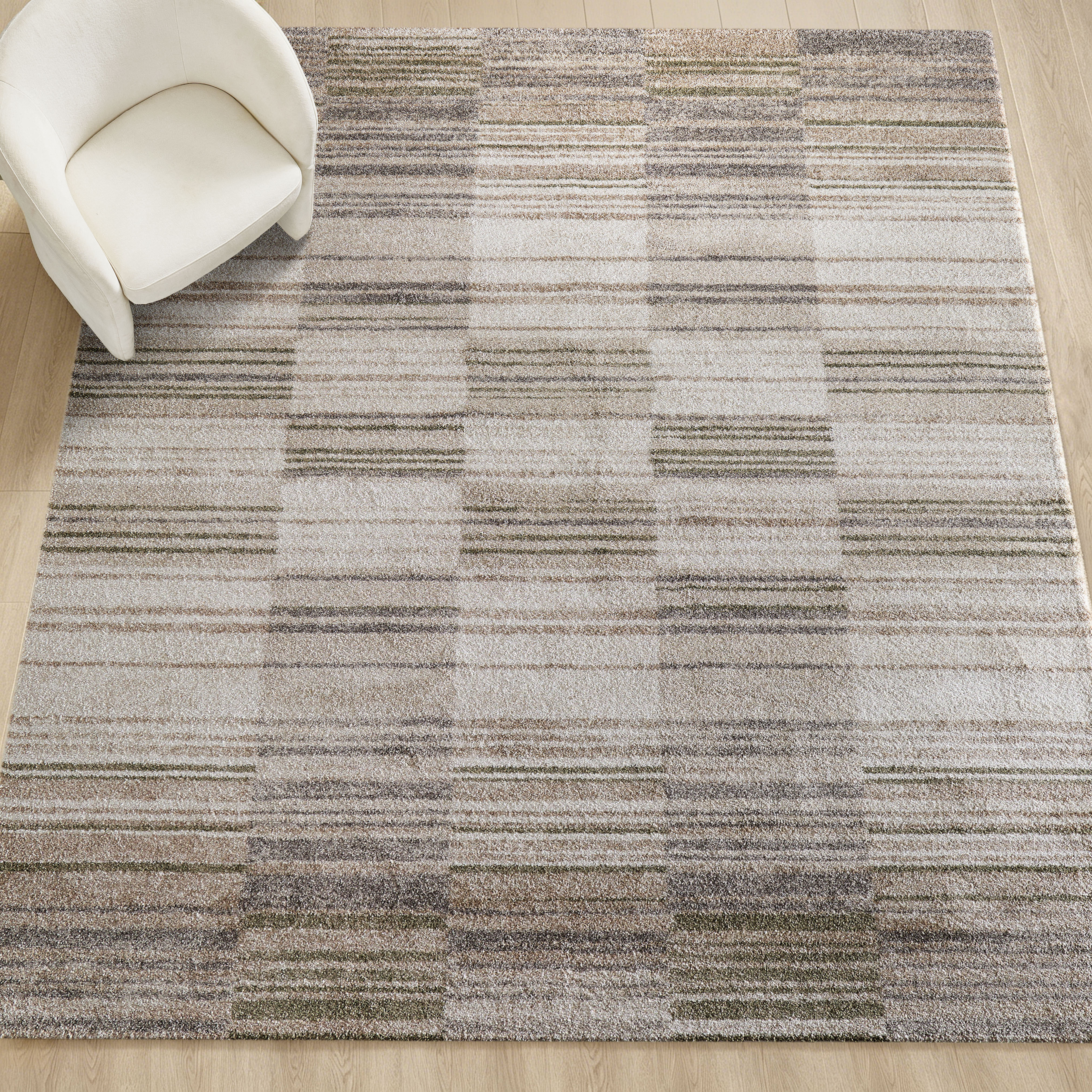
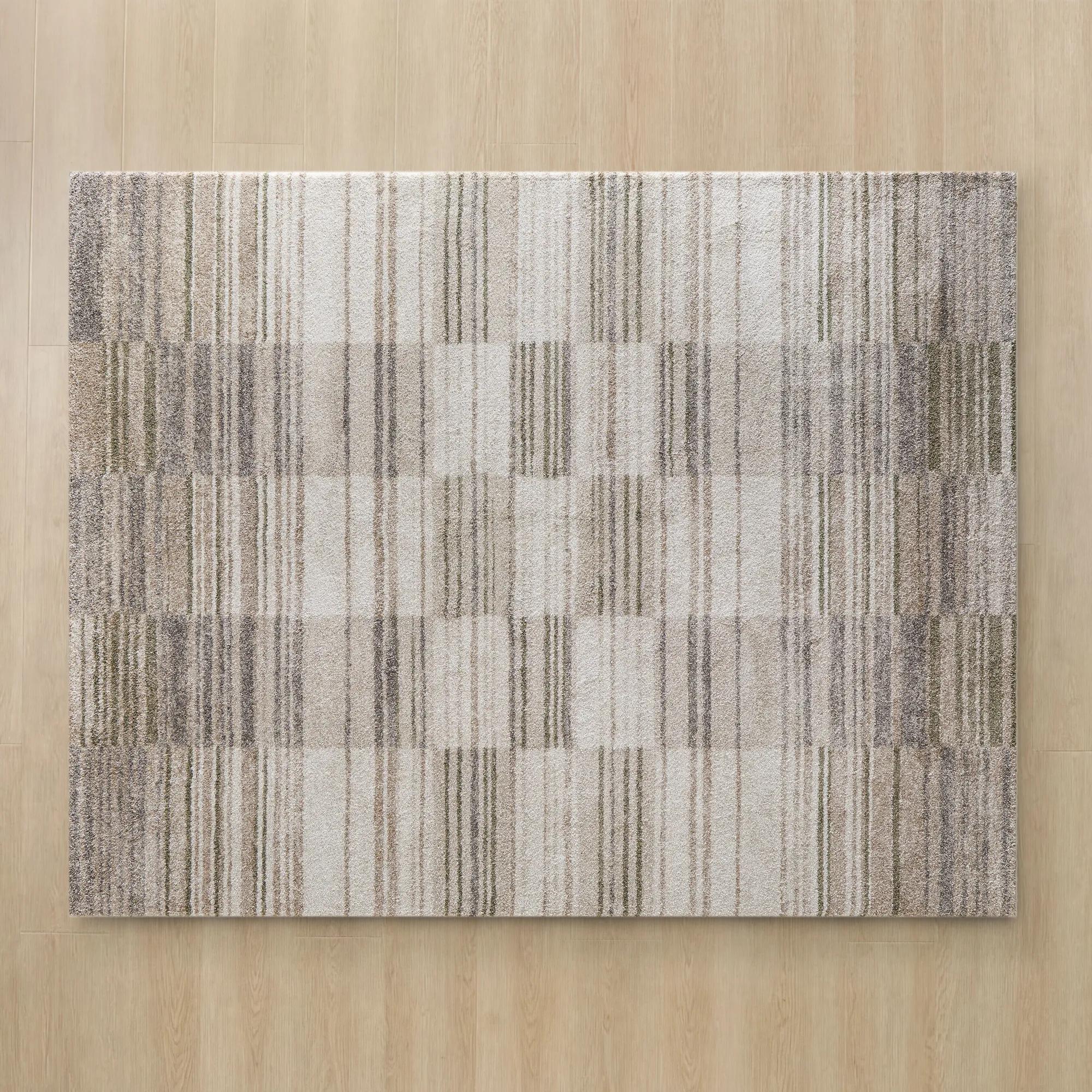 Checka Grey/Tan/Ivory/Soft Green Performance Power Loomed Rug$399
A plush, power-loomed rug featuring a soft check pattern in grey, tan, ivory, and green.
Add To Cart -
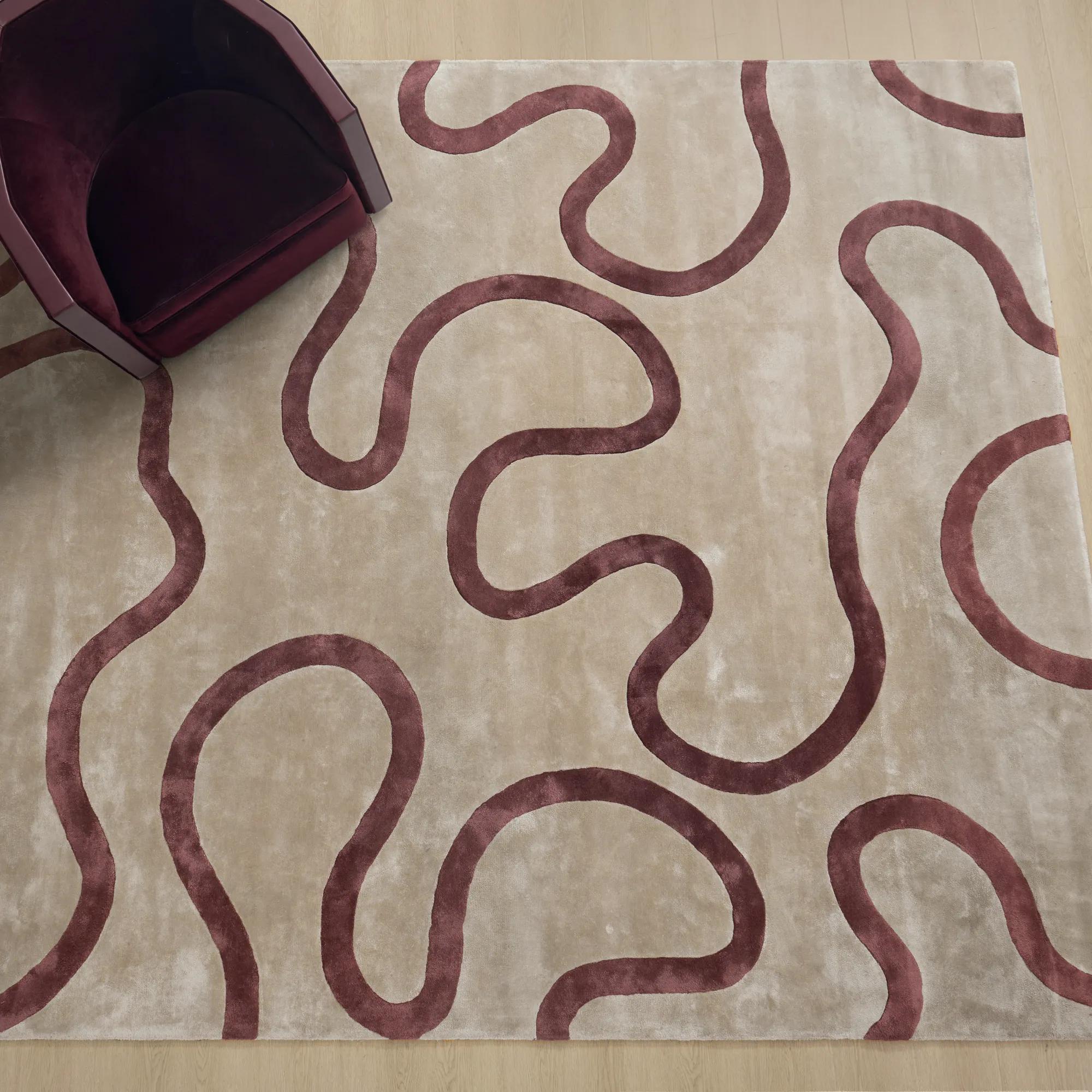 Seraphine Hand-Tufted Fig/Taupe Viscose Loop Rugs$599
A hand-tufted wool rug featuring bold fig and taupe loops for a graphic, Deco-inspired look.
Add To Cart -
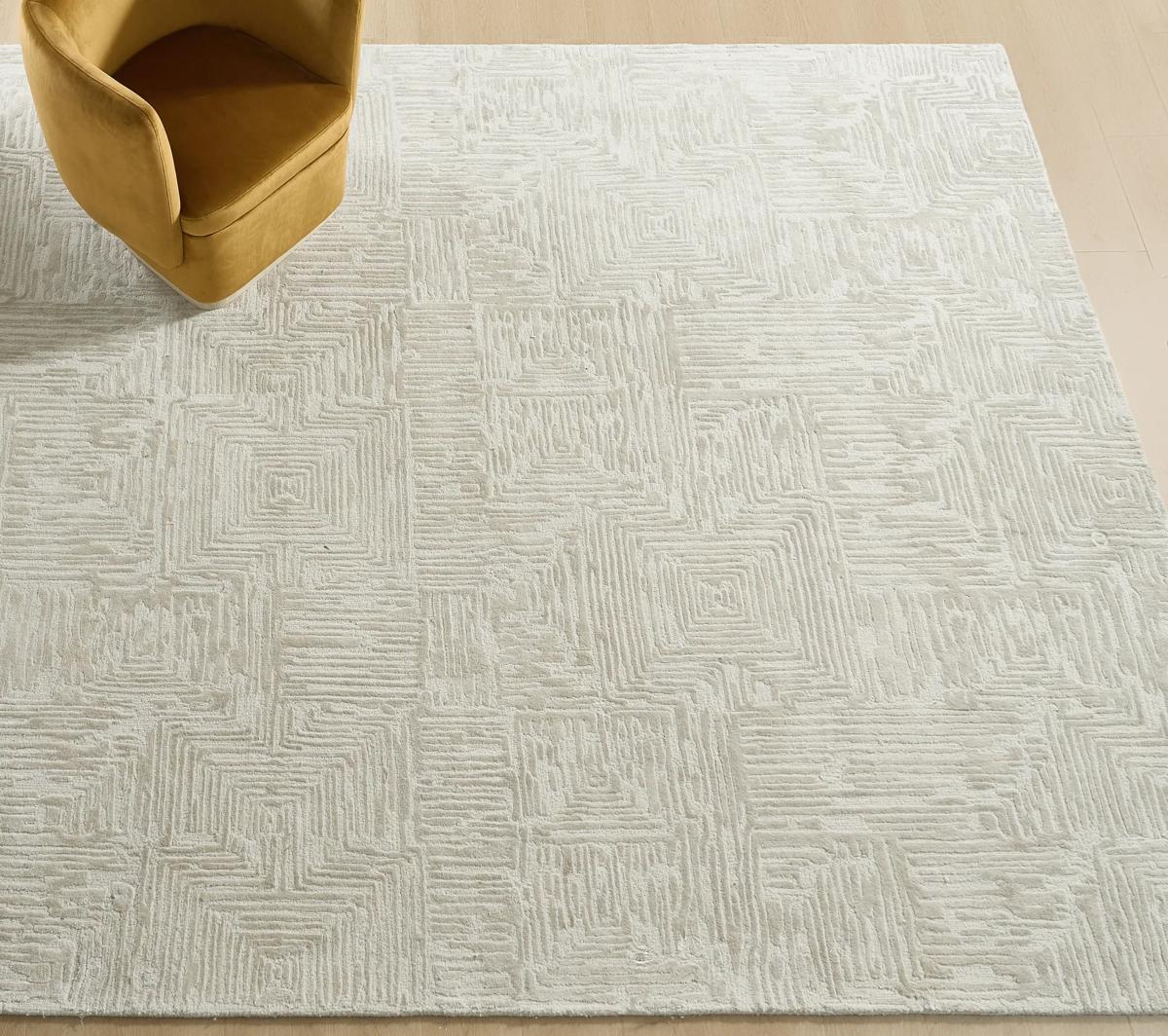 Andra Ivory Hand-Tufted Wool Blend Dimensional Rug$1499
A hand-tufted ivory rug in a viscose-wool blend with raised detailing and a subtle sheen.
Add To Cart -
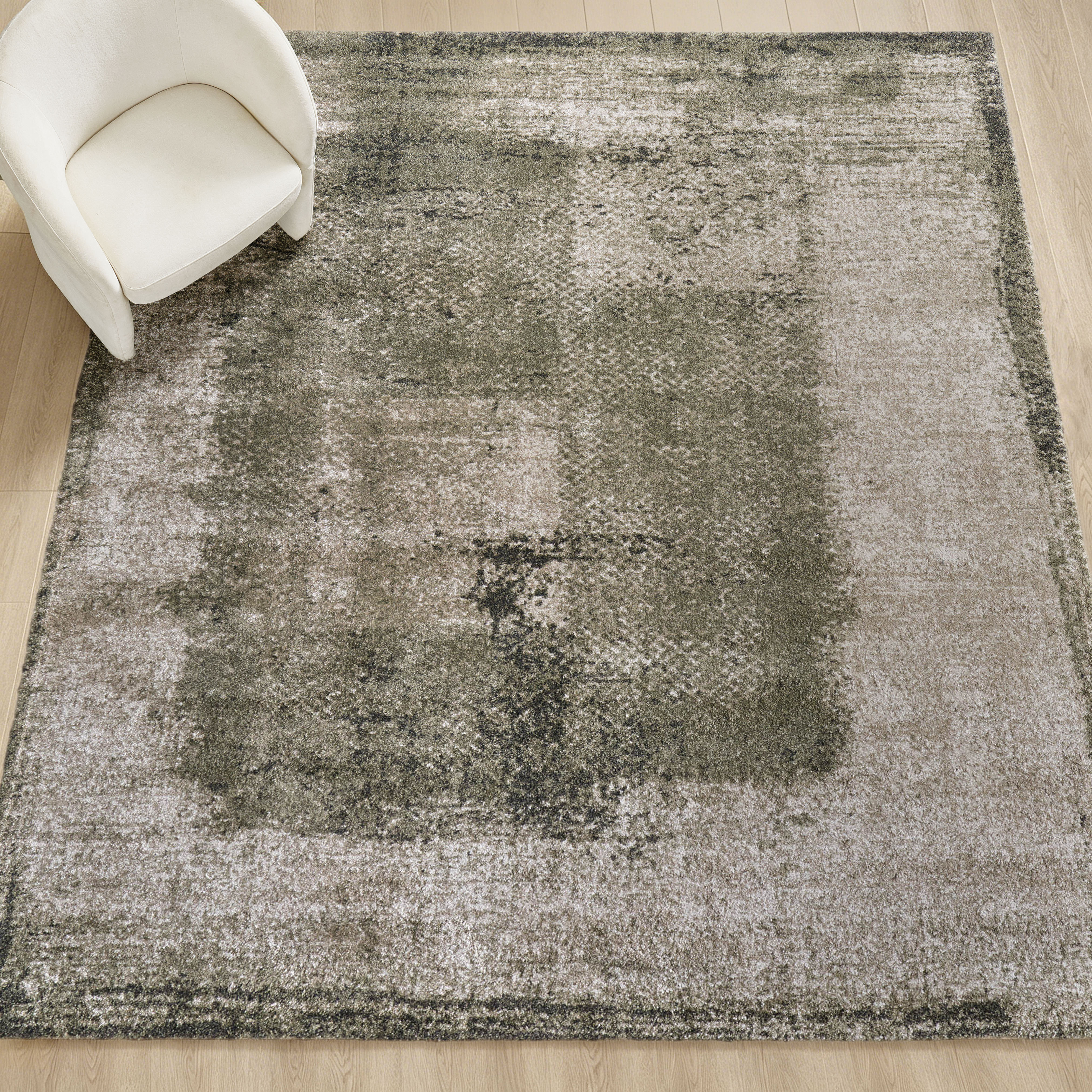
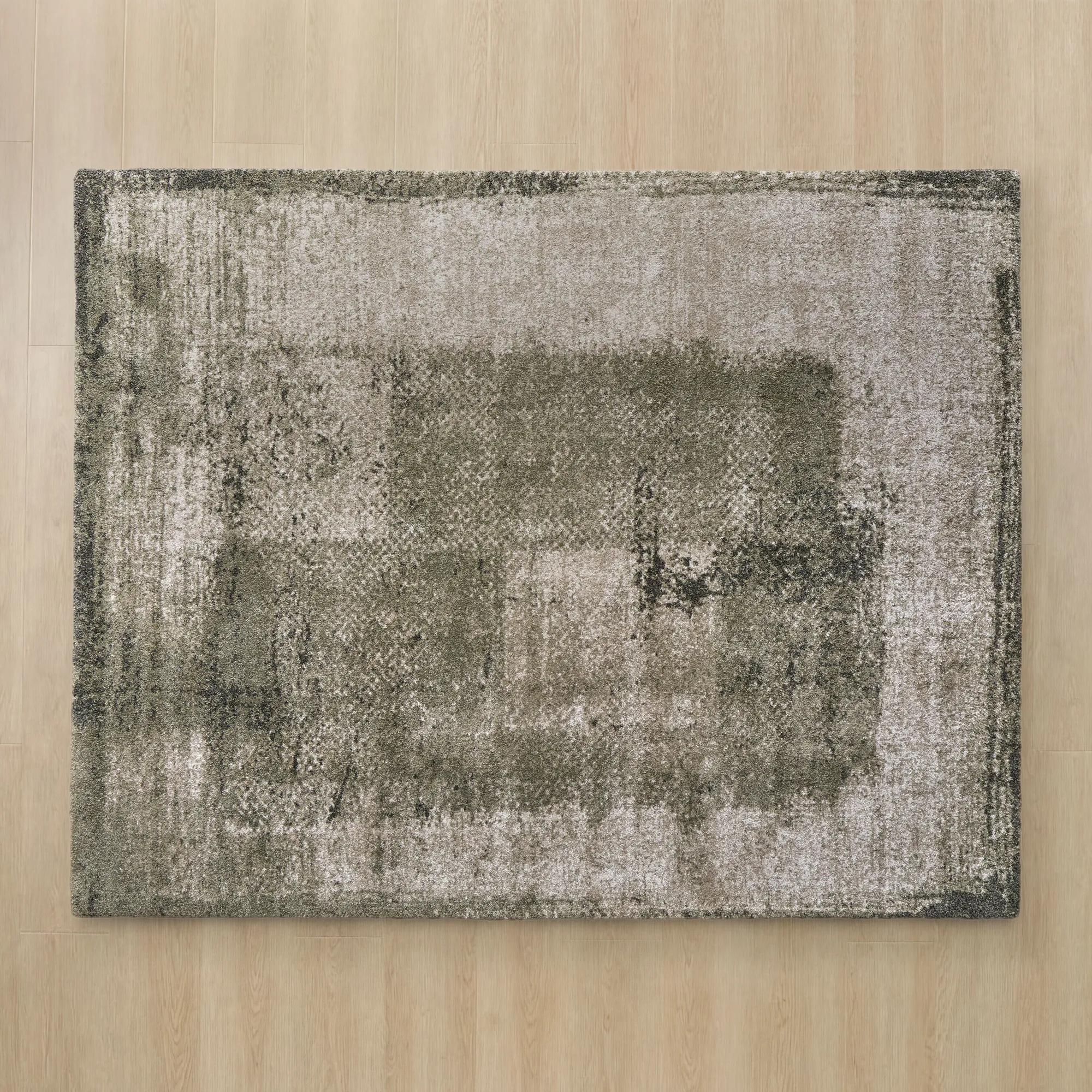 Irving Abstract Moss Green/Beige/Grey Performance Power Loomed Rug$849
An abstract rug in moss green, beige, and grey with plush, durable power-loomed polypropylene and polyester.
Add To Cart -
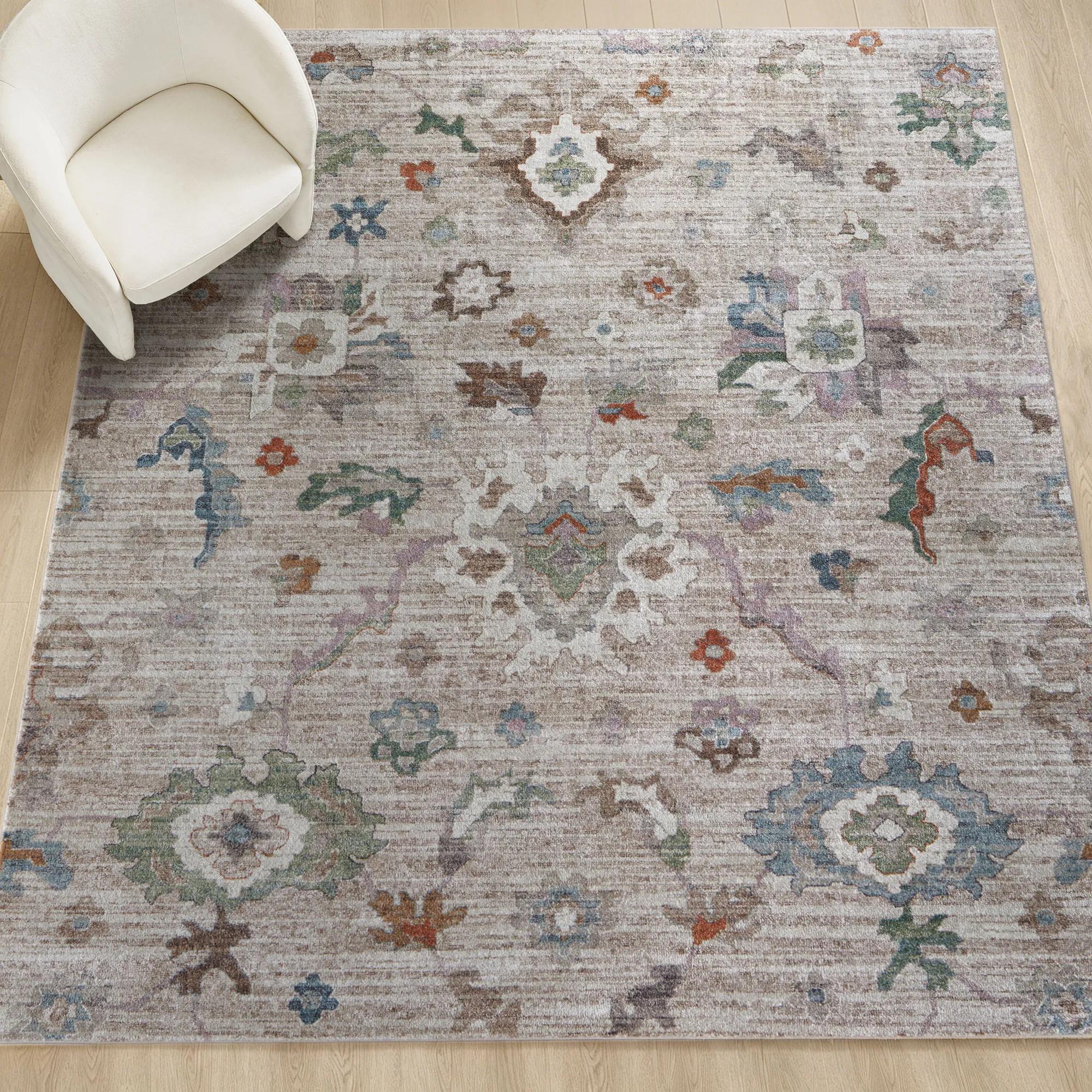
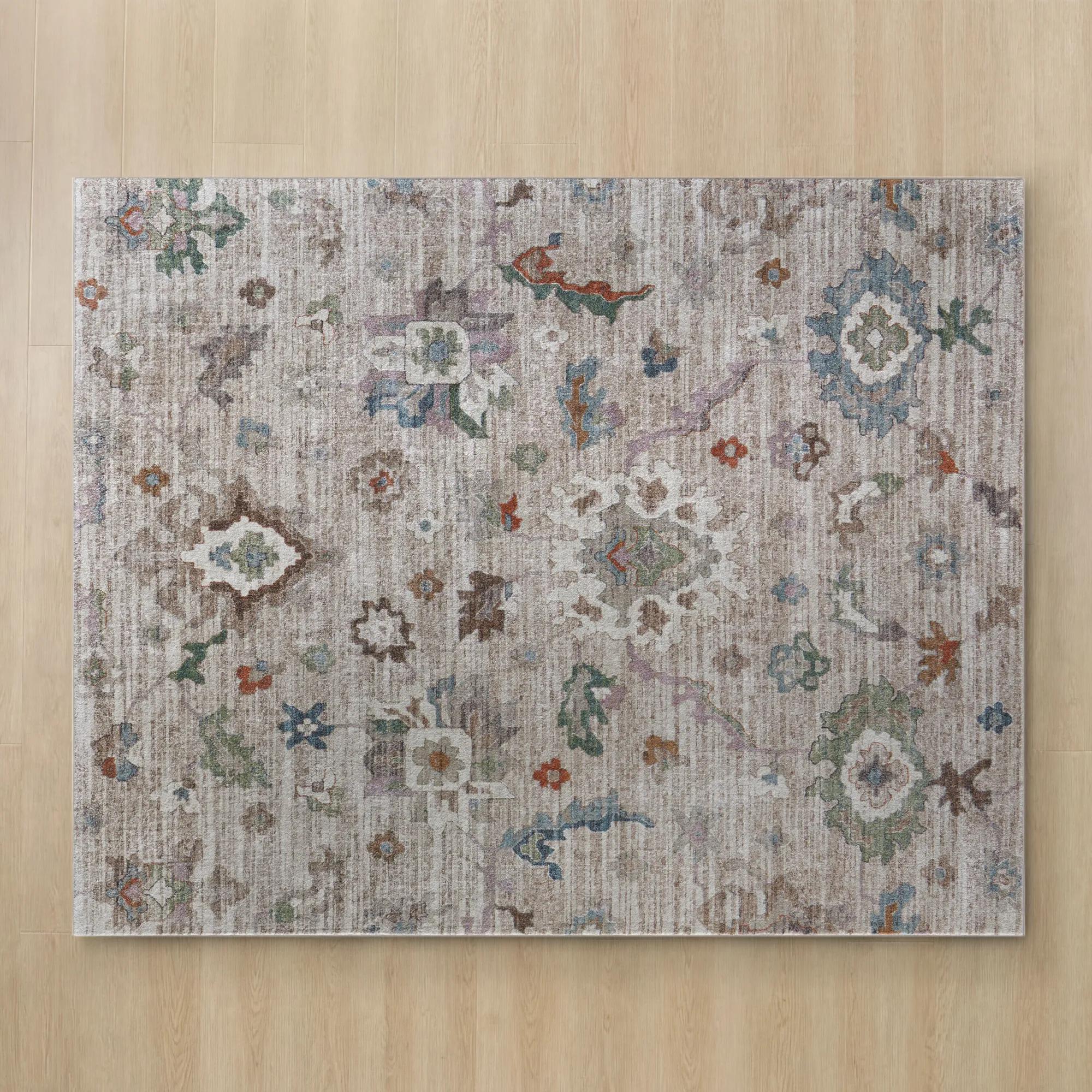 Ariella Floral Taupe/Ivory/Beige/Blue/Green Performance Power Loomed Rug$349
A Persian-inspired rug in taupe, ivory, beige, blue, and green with a plush, power-loomed polypropylene pile.
Add To Cart -
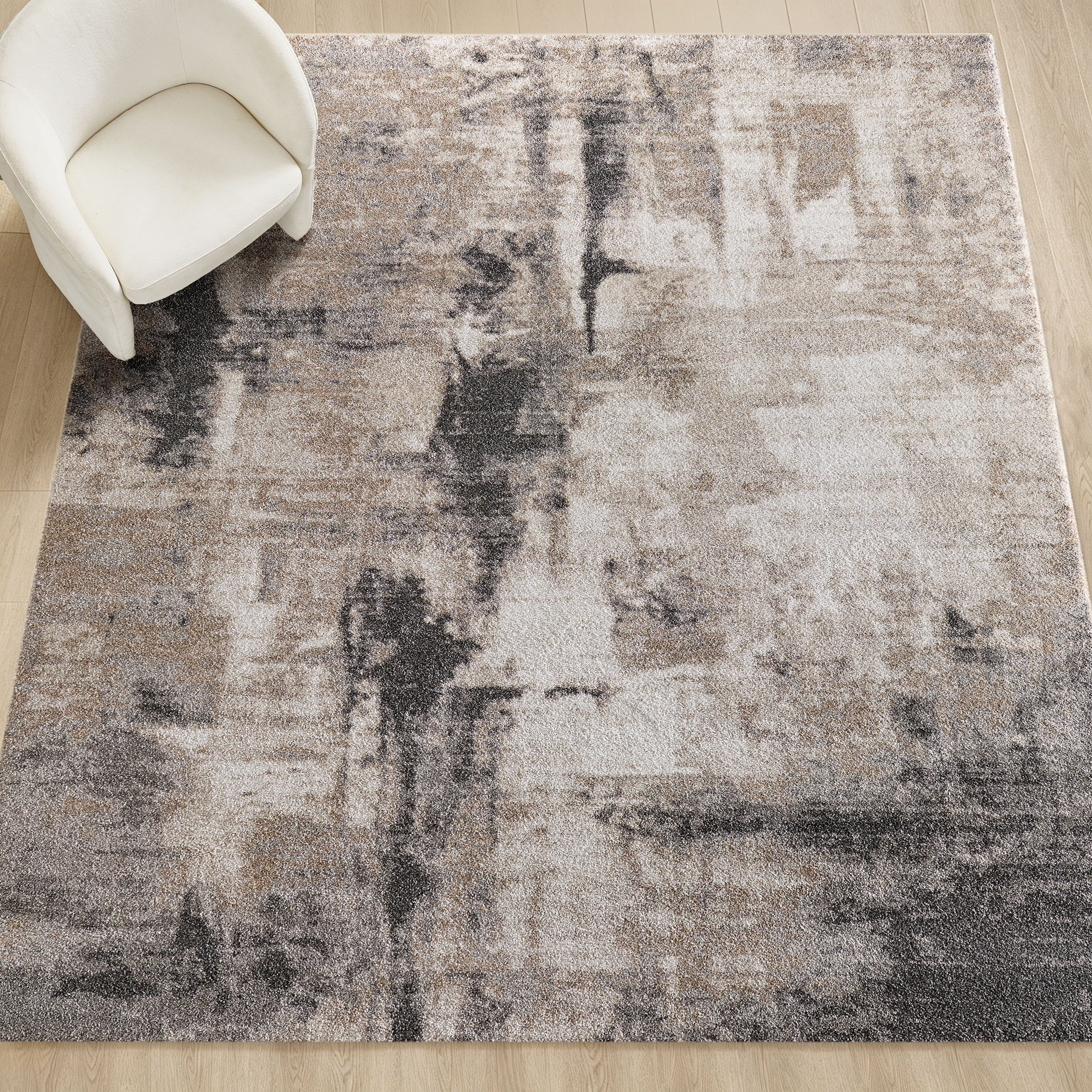
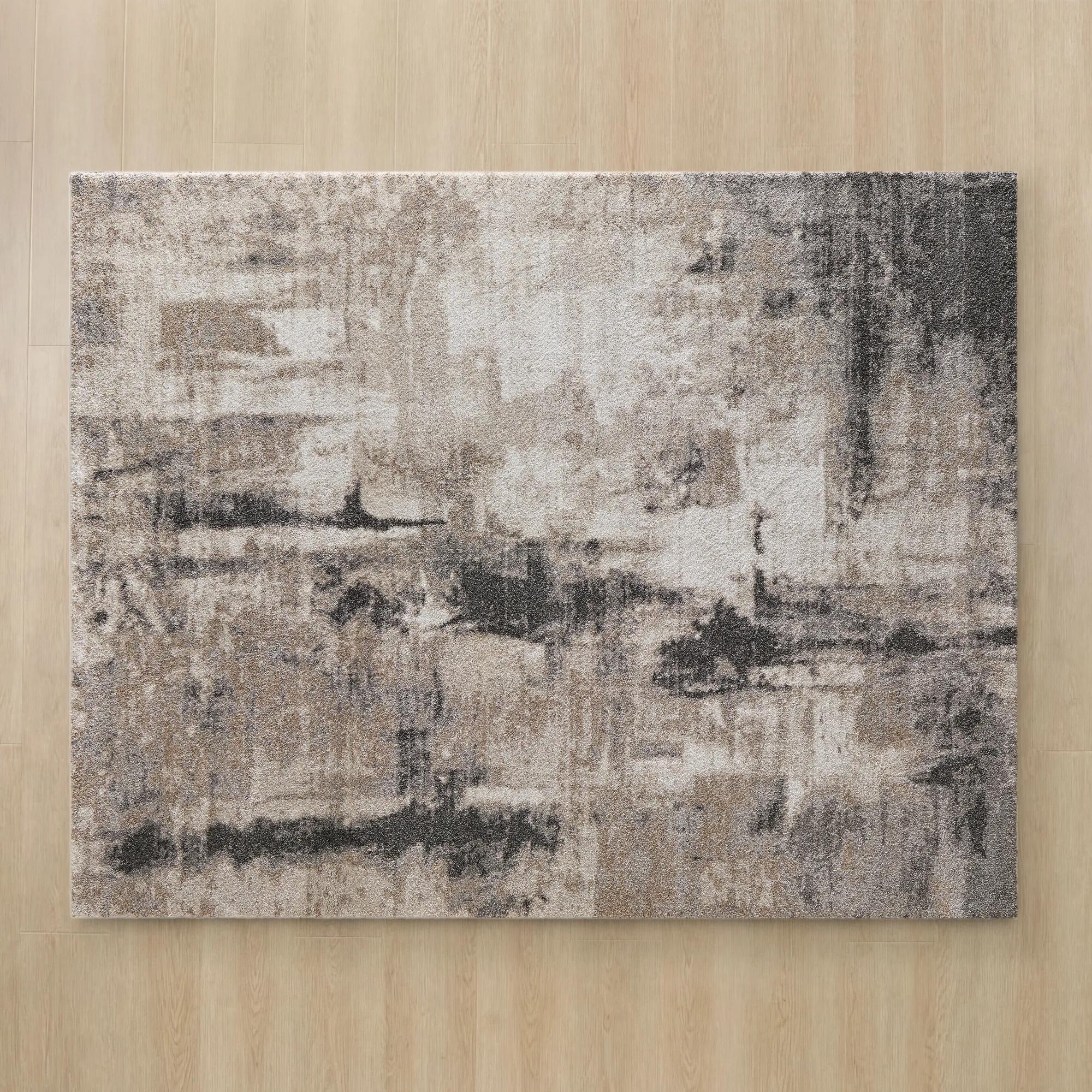 Atlas Abstract Grey/Taupe/Ivory/Charcoal Performance Power Loomed Rug$399
An abstract rug in grey, taupe, ivory, and charcoal with a plush, stain-resistant polypropylene blend.
Add To Cart -
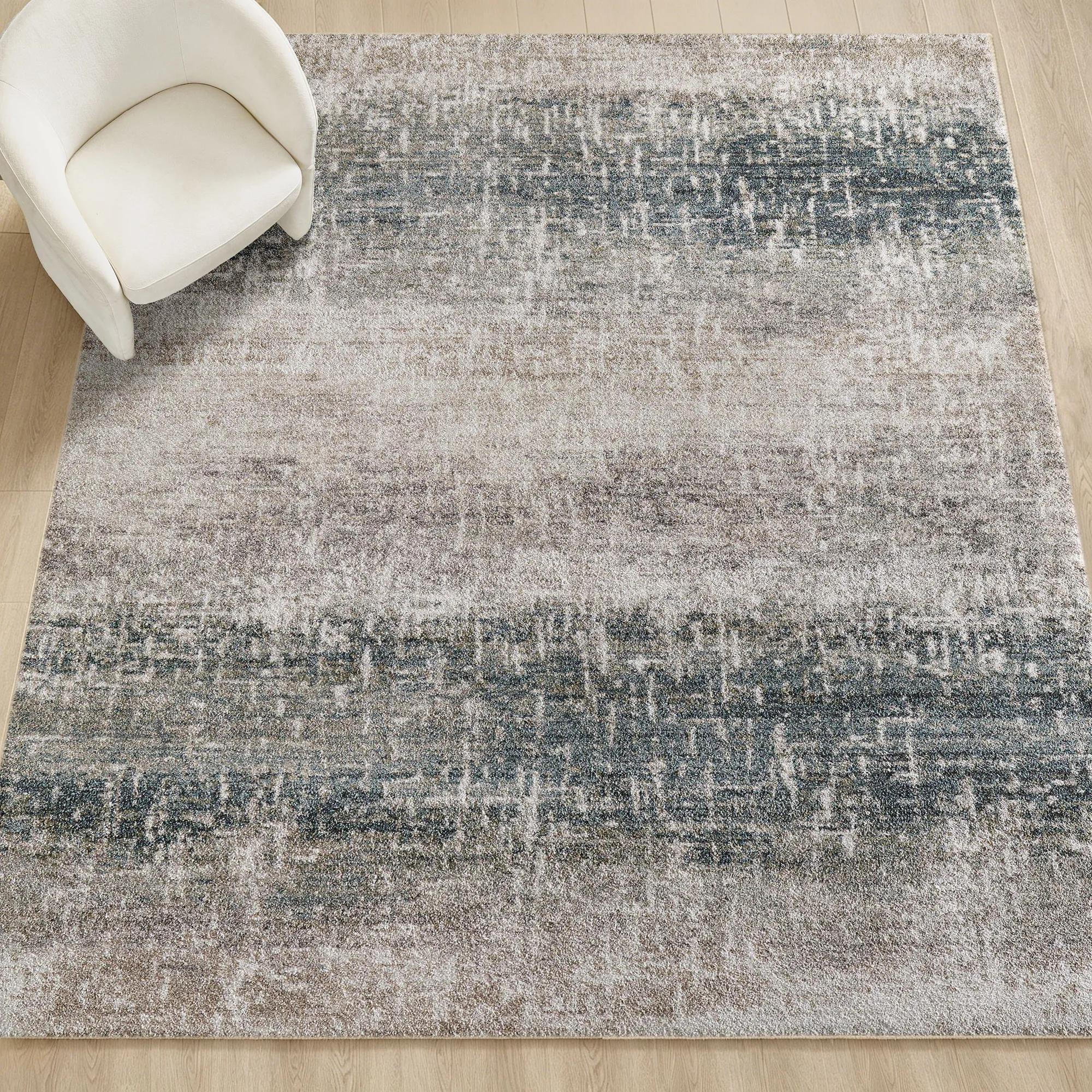
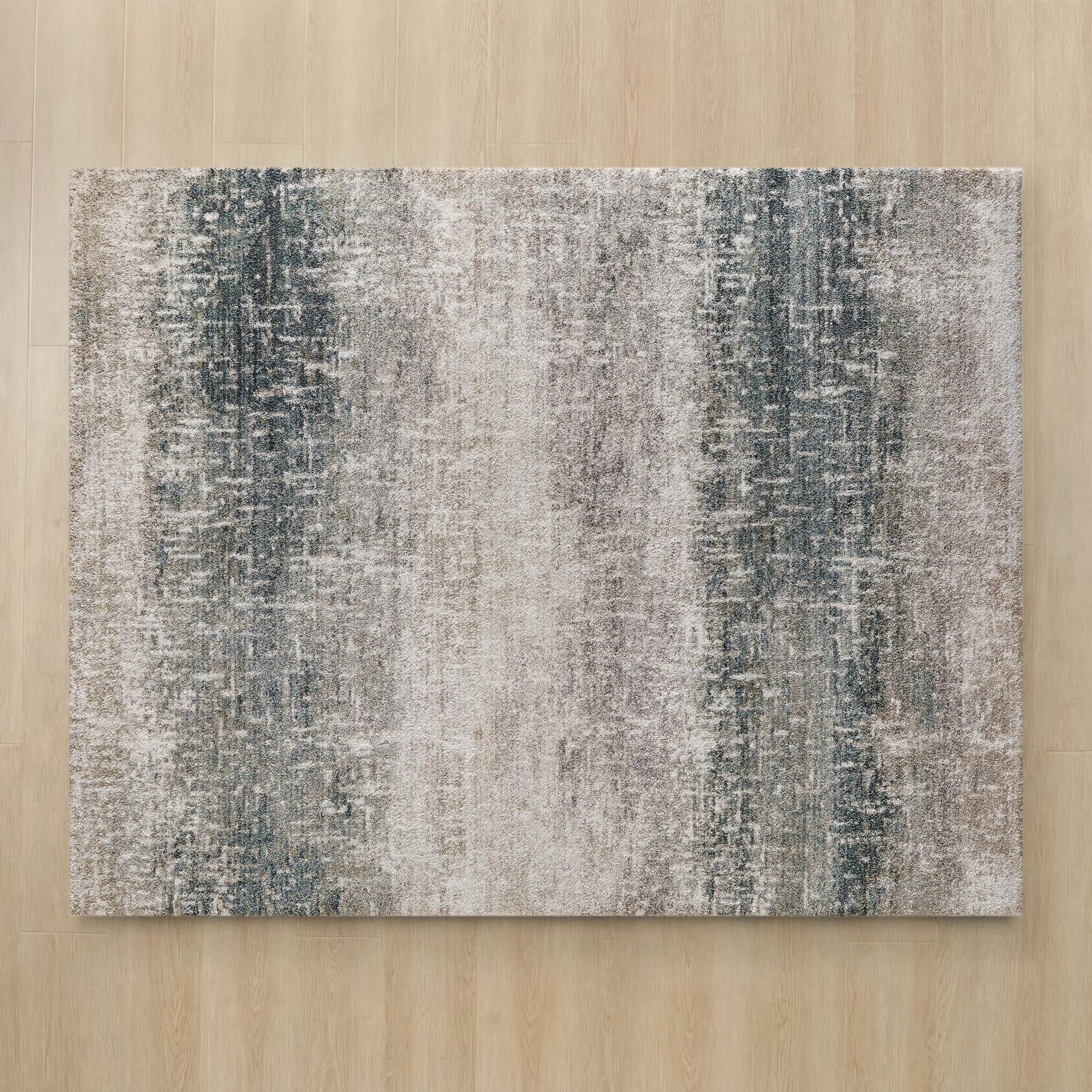 Collier Taupe/Grey/Blue/Green Performance Power Loomed Rug$1649
An abstract rug in taupe, grey, blue, and green with a plush pile and durable, easy-care blend.
Add To Cart -
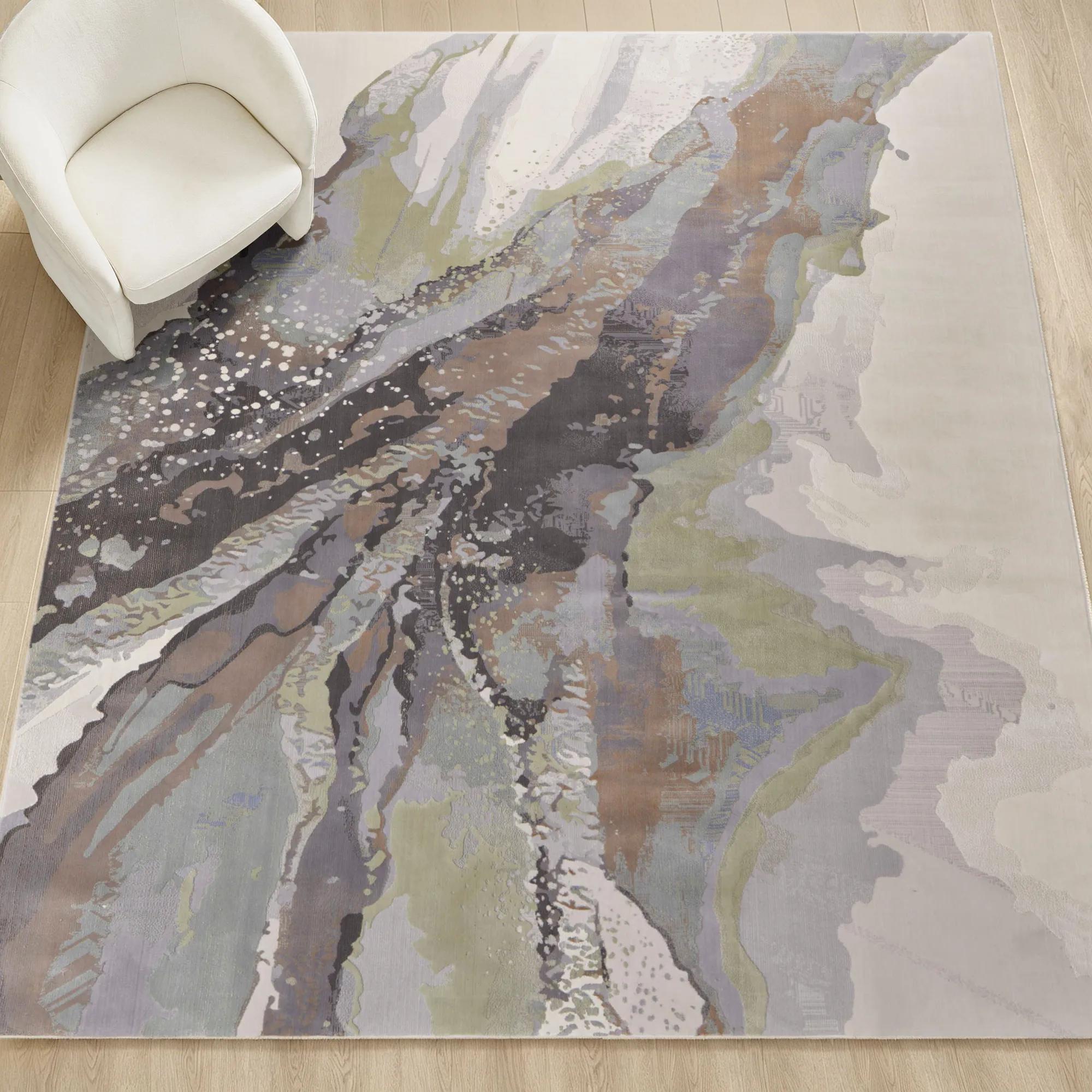
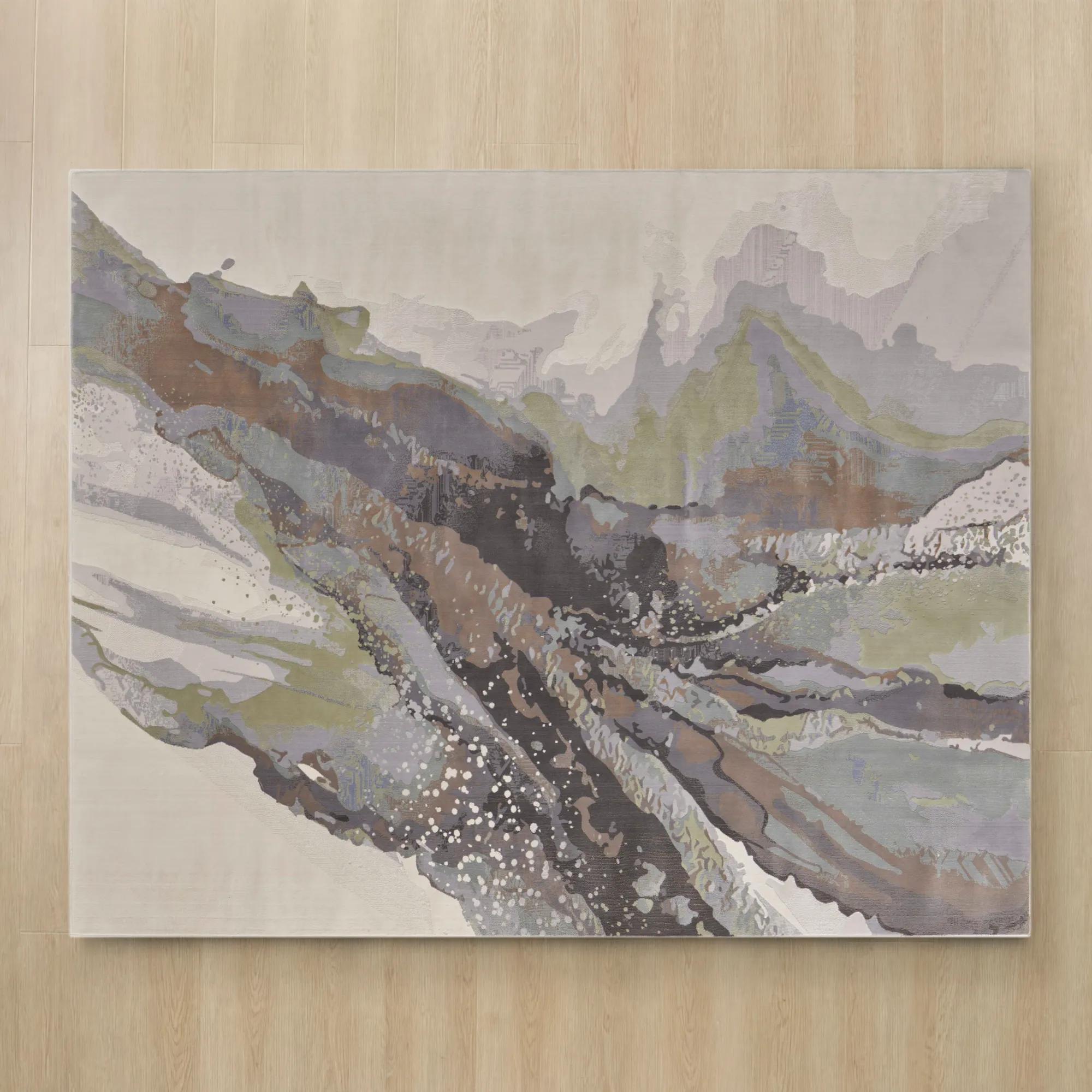 Nerissa Abstract Ivory/Grey/Blue/Green Performance Power Loomed Rug$449
An abstract rug in ivory, grey, blue, and green with a textured, stain-resistant polypropylene-polyester blend.
Add To Cart -
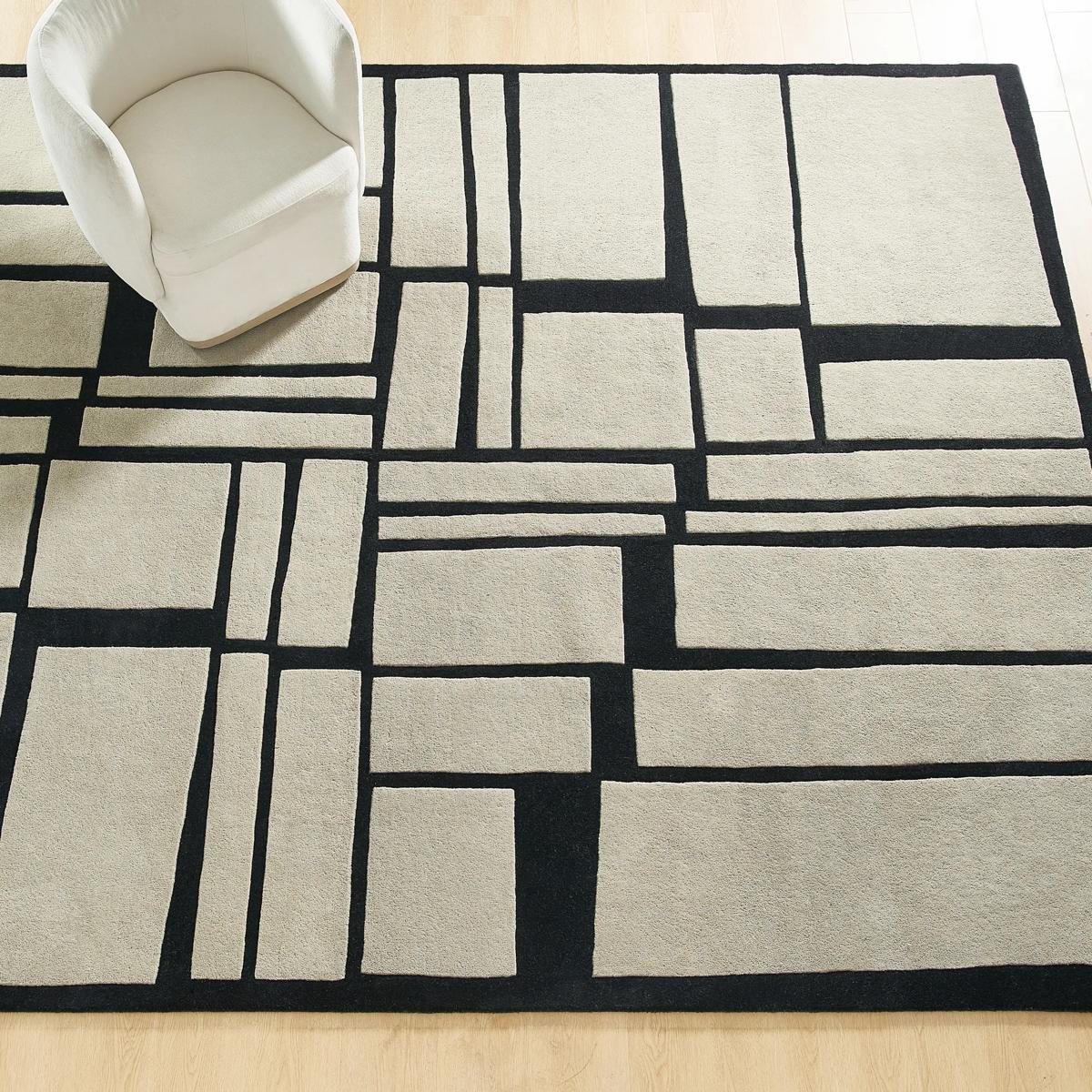 Novak Hand-Tufted Natural/Black Wool Rug$949
A hand-tufted wool rug featuring a bold black and natural grid design for modern, graphic appeal.
Add To Cart -
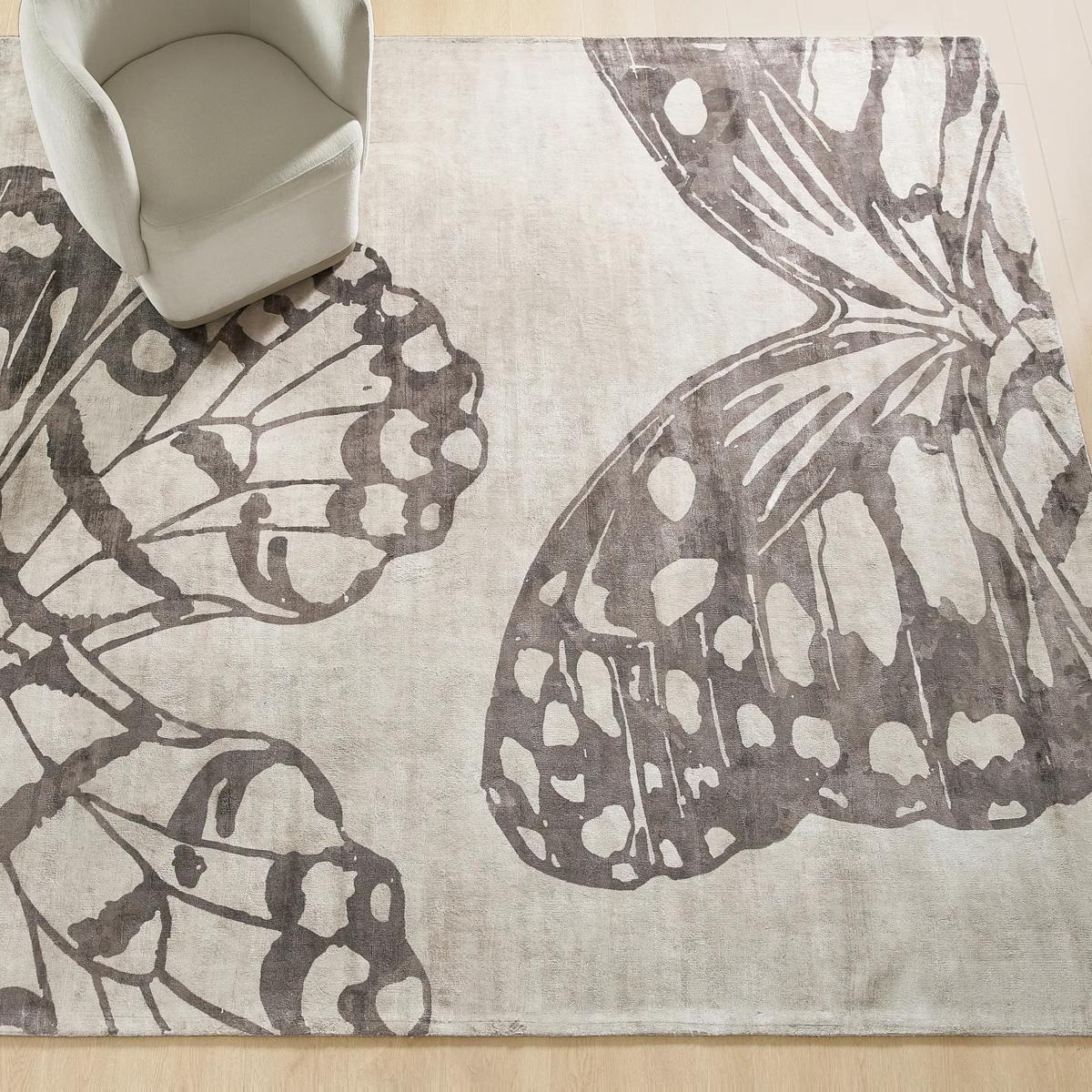
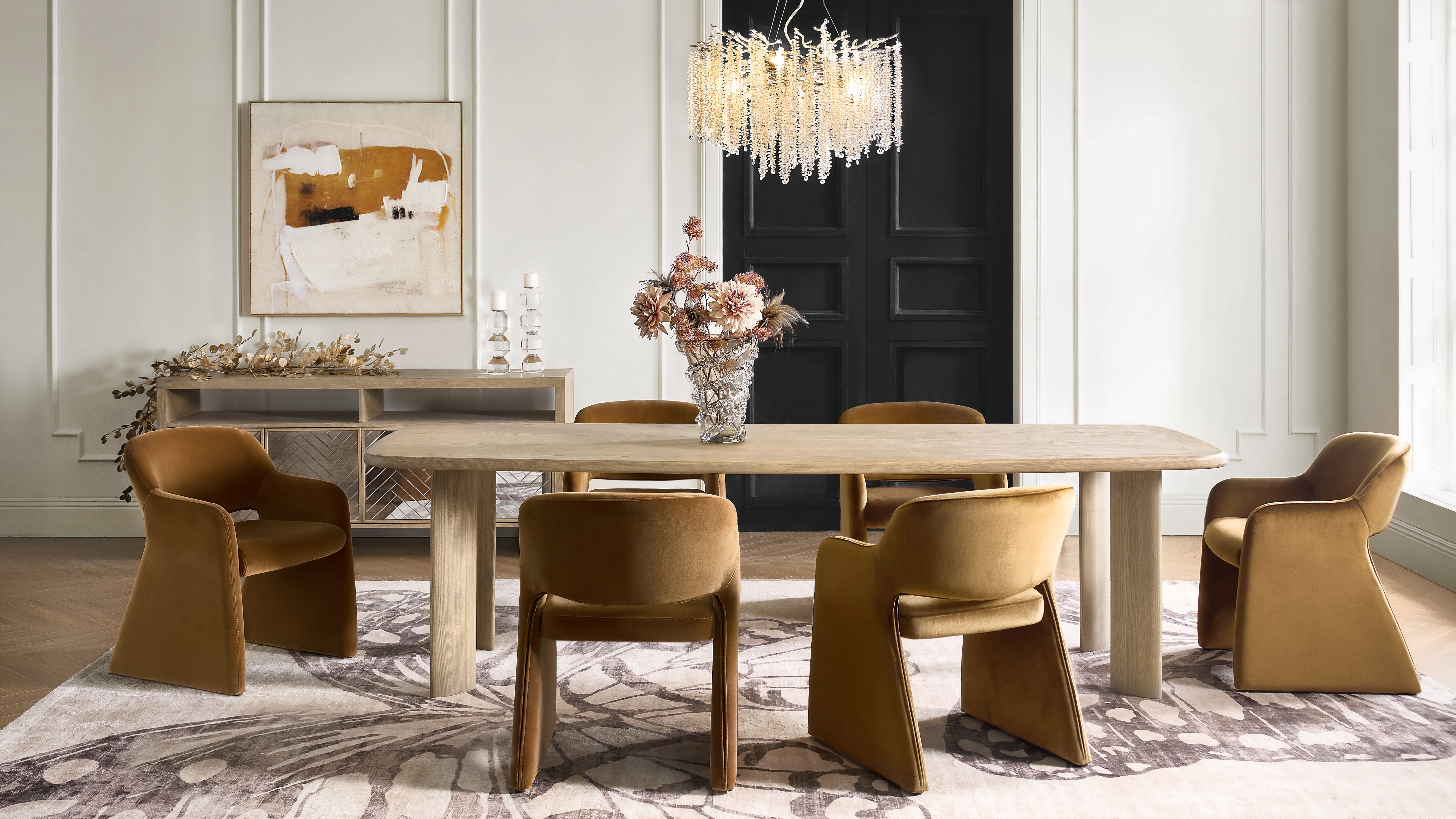 Mariposa Rug - Ivory/Dusty Mauve$999
A hand-loomed viscose rug featuring oversized butterfly motifs in soft ivory and dusty mauve tones.
Add To Cart -
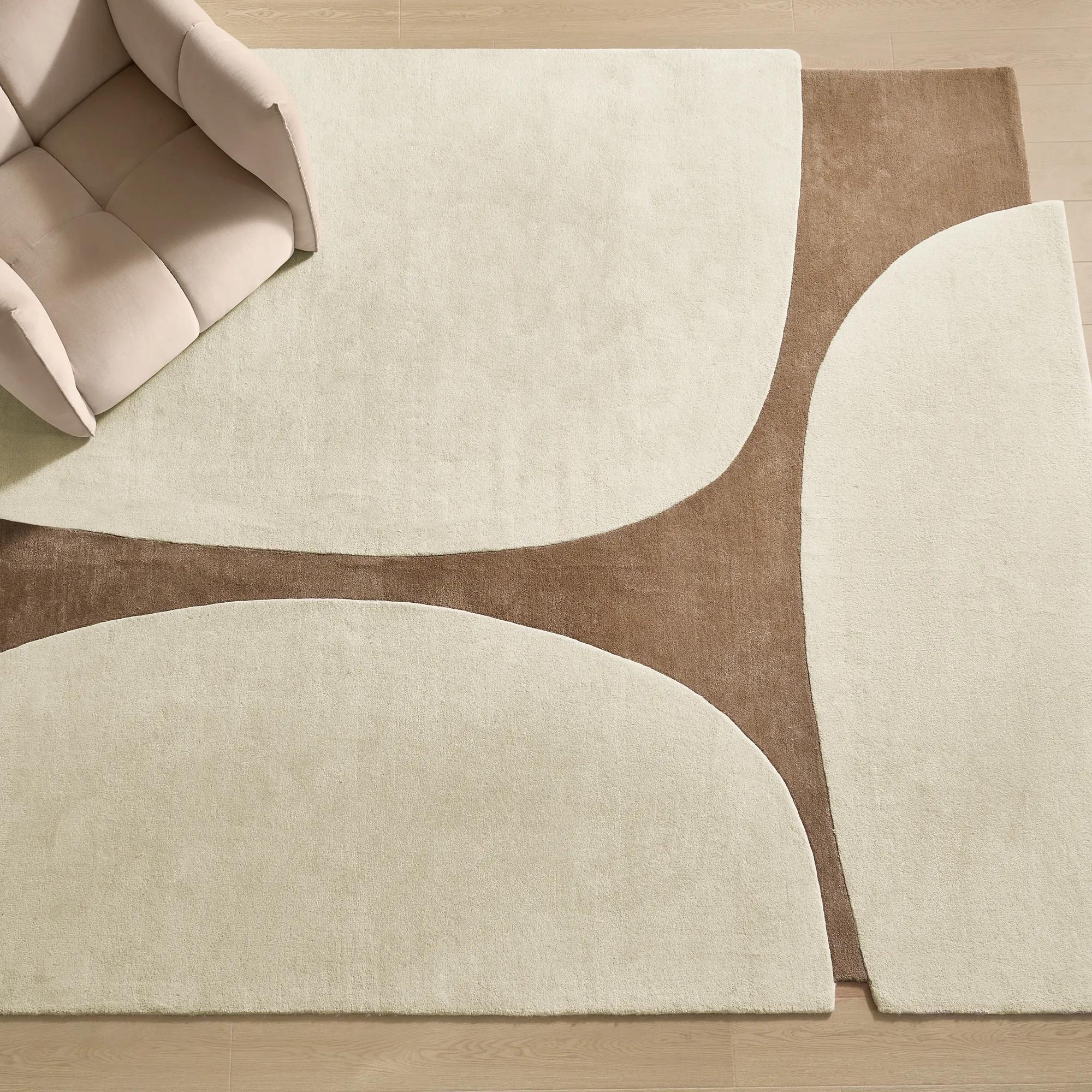
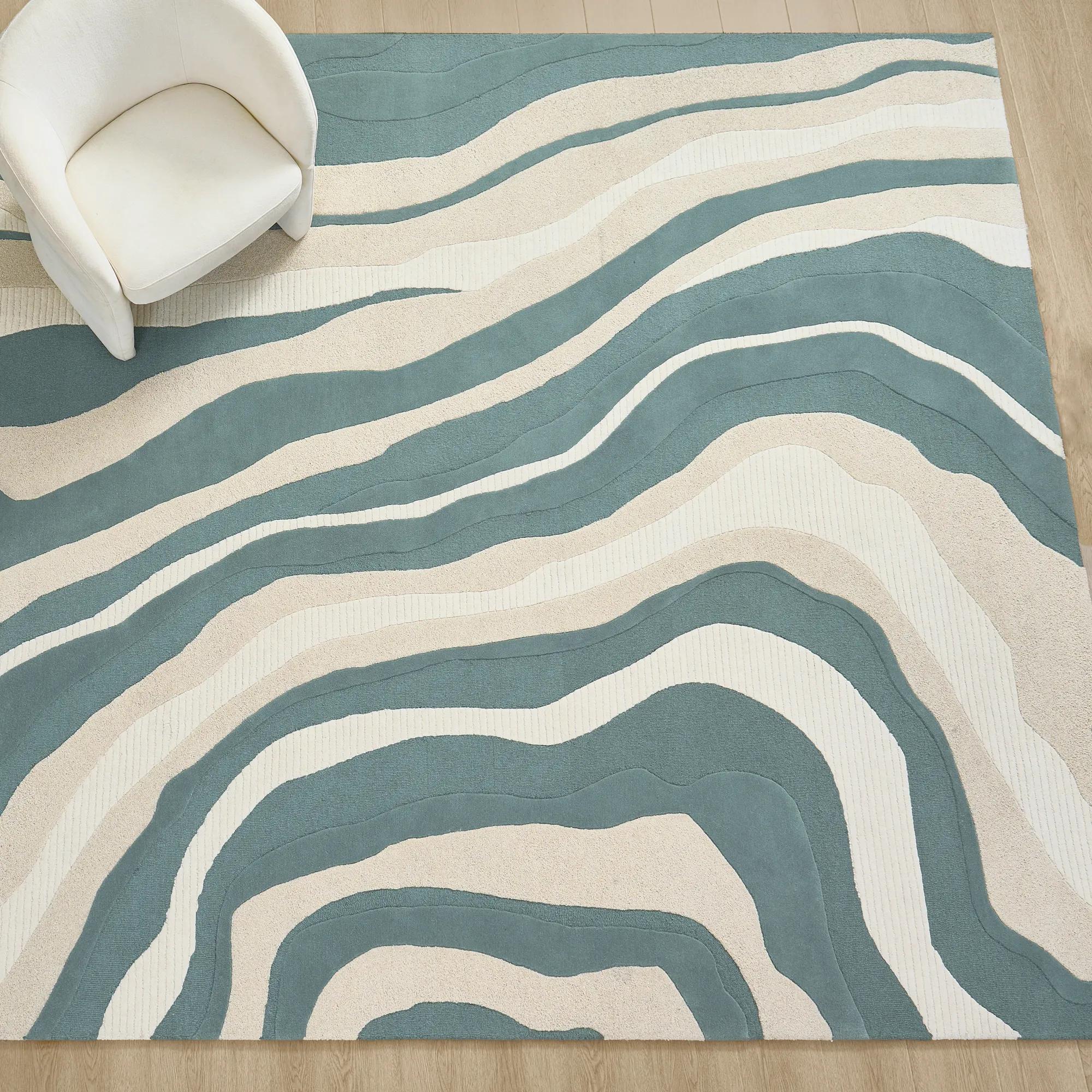 Kadence Hand-Tufted Sage Green/Ivory Wool Rugs$1499
A hand-tufted wool rug in deep sage green and ivory with a sculptural high-low abstract wave pattern.
Add To Cart -
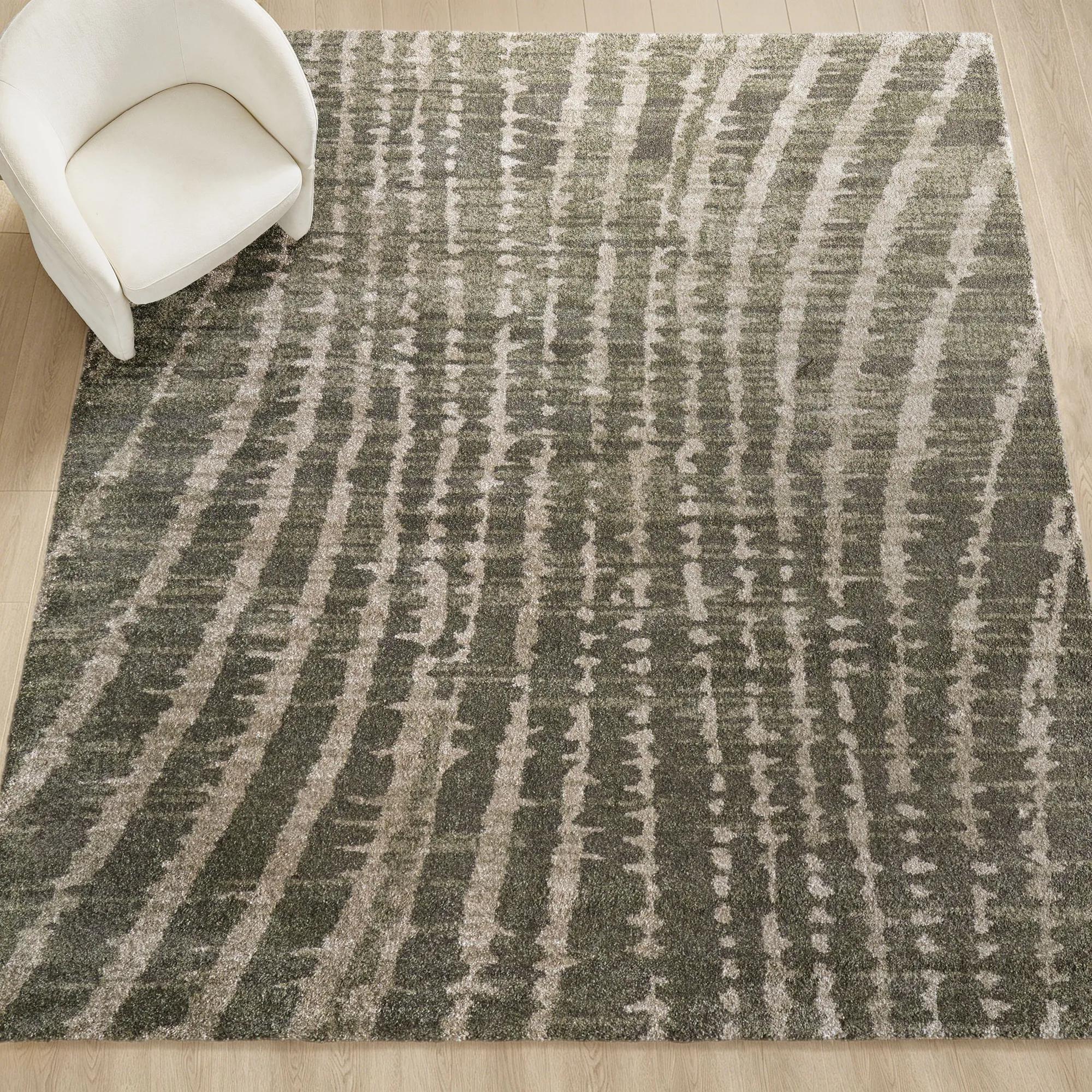
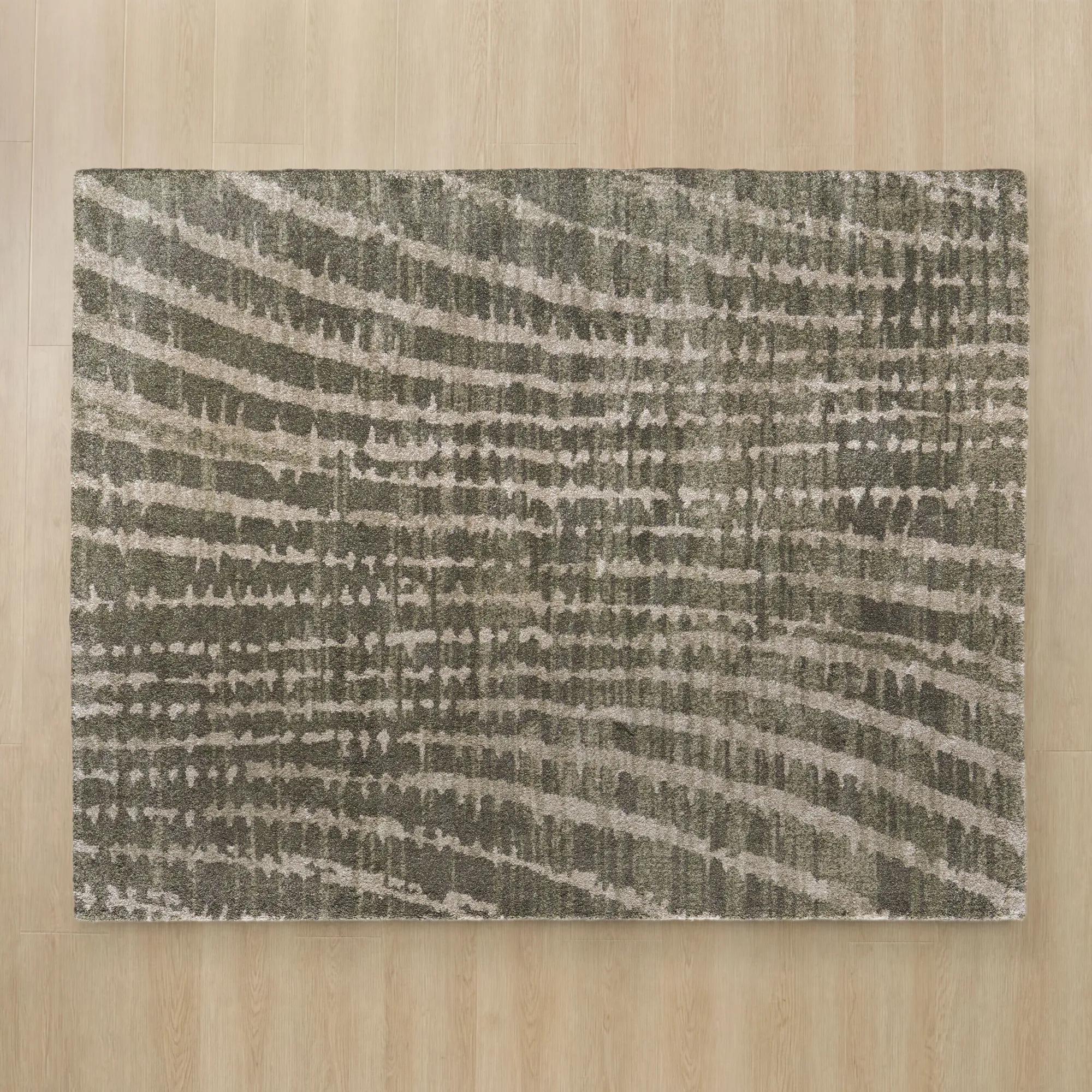 Tempo Green/Grey/Beige Performance Power Loomed Rug$399
An abstract charcoal grey and beige rug with plush cut pile and durable, stain-resistant polypropylene-polyester blend.
Add To Cart -
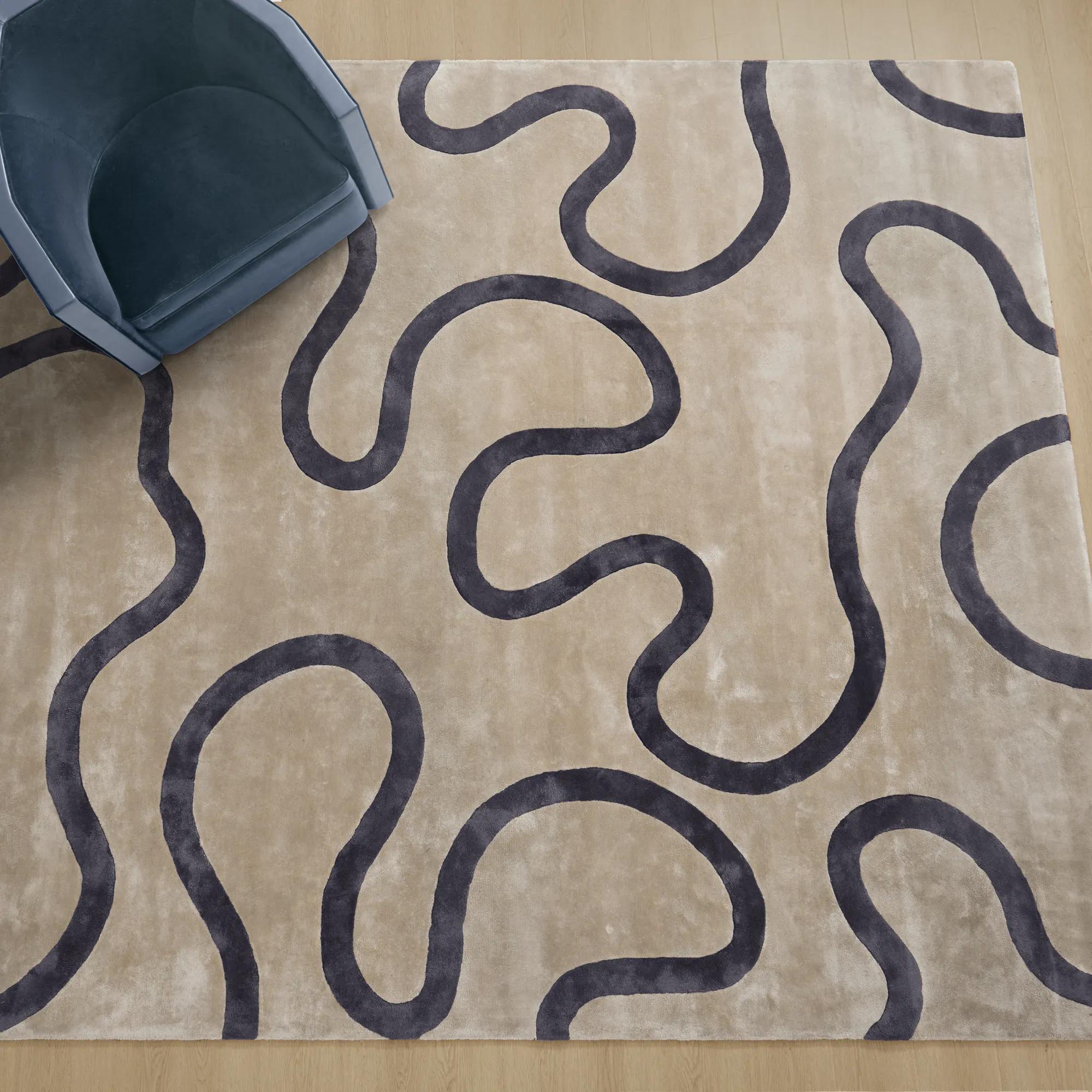 Seraphine Hand-Tufted Smoked Pearl/Taupe Viscose Loop Rugs$1799
A hand-tufted viscose rug in smoked pearl and taupe with bold Deco-inspired loop patterns and subtle sheen.
Add To Cart

Versatile Pattern Area Rugs
Versatile Pattern Area Rugs are the secret to transforming any room into a vibrant canvas of self-expression. With every intricate motif and artful weave, these rugs become more than just a foundation—they’re the statement-makers that set the stage for drama, depth, and personality. Whether you crave a touch of modern glamour or an eclectic burst of energy, each piece invites you to play with color, texture, and pattern, anchoring your space in luxurious style. Elevate your interiors with rugs that don’t just complement your décor—they complete your story.
Versatile pattern area rugs bring visual rhythm to a room while leaving room for personal expression. Their defining quality is adaptability: an abstract wash, softened geometric motif, or layered tonal design can connect different furniture silhouettes, finishes, and accent colors without making every element match. A rug threaded with ivory, charcoal, and muted gold, for example, can complement a pale upholstered sofa, a dark wood cocktail table, and gleaming brass lighting with equal assurance. The pattern becomes a shared language for the space, creating a foundation that feels intentional rather than prescribed. For a serene interior with a dramatic edge, closely related tones offer movement without sharp contrast; for a more expressive setting, crisp lines and richly contrasting shapes give the floor its own artistic presence. Pattern scale matters as much as color. Smaller, closely spaced motifs often read as texture from across the room, while broad gestures create a more expansive visual statement. Explore Large Scale Pattern Area Rugs when sweeping forms and generous repeats suit the proportions of the space. Neither approach requires an entirely new decorating scheme. Repeating one or two rug colors in pillows, artwork, or decorative objects can establish continuity, while a contrasting accent keeps the composition from feeling overly coordinated. In a room with patterned upholstery or expressive wallpaper, a restrained tonal rug gives the eye somewhere to rest. Against solid upholstery, a more animated design introduces depth and character without competing with the furniture. Limiting the main palette to two or three colors can help a bold pattern feel composed, although variations in shade and texture allow considerable richness within that framework. This flexibility makes patterned area rugs especially appealing to anyone who enjoys refreshing accessories, rearranging furniture, or combining collected pieces with contemporary design. A thoughtfully chosen pattern supports those changes while preserving the room’s sense of identity.
Size and placement determine whether an area rug truly anchors a room or simply occupies the floor. In a living room, generous coverage allows the seating arrangement to feel connected: placing at least the front legs of the sofa and surrounding chairs on the rug usually creates a more cohesive composition than centering a small rug beneath the coffee table alone. An 8-by-10-foot rug can work well for many seating groups, while a larger arrangement may need a 9-by-12-foot size or more; the furniture footprint, not the room label, should decide. Marking the intended outline with painter’s tape makes it easier to see how the rug will relate to side tables, walking paths, and exposed flooring. Leave a deliberate border of visible floor where the layout permits, rather than squeezing the rug against every wall. In an open-plan space, separate patterned rugs can define conversation and dining areas without interrupting the architecture. Related colors can connect those zones even when the patterns differ, such as a fluid abstract design beside a measured geometric repeat. Under a dining table, allow roughly 24 to 30 inches of rug beyond each edge so chairs remain supported when pulled out, checking the actual chair depth and room clearance before selecting a size. A low pile generally makes dining chairs easier to move and reduces the pronounced tracks that deeper piles may show. In a bedroom, a rug extending about 18 to 24 inches beyond the sides of the bed offers a comfortable landing and frames the bed with softness. Entryways and home offices call for particular attention to door swing, rug thickness, and chair movement. A flatter construction can suit these spaces, though office chair casters may require a compatible protective mat. Pattern placement deserves a final look, too: a central medallion may disappear beneath a large table, while an allover motif or asymmetrical composition can retain its visual interest even when furniture covers part of the design.
Materials and construction shape the daily experience of a patterned rug as much as its appearance. Wool is valued for its natural resilience, substantial feel, and ability to recover from compression, though shedding can occur, particularly with newer rugs, and appropriate cleaning remains essential. Cotton offers a softer, often lighter construction, but its care requirements and resistance to wear vary; washability should never be assumed without checking the label. Synthetic fibers such as polypropylene, polyester, and nylon offer different balances of softness, stain resistance, and durability. Polypropylene generally absorbs little moisture, polyester can deliver rich color and a lustrous surface, and nylon is known for resilience, but fiber content alone does not determine performance. Pile density, backing, construction, and finishing also influence how a rug holds up. Viscose and similar lustrous fibers can create a beautifully light-reflective effect, yet they tend to be more sensitive to moisture and abrasion, making them better suited to carefully maintained settings than busy dining areas or frequently used entrances. For households with children or pets, a dense, lower-pile design with a forgiving multitone pattern can be a practical foundation without sacrificing sophistication. Patterns may disguise minor crumbs or everyday marks between cleanings, but they do not make a rug stain-proof. Looped textures also warrant consideration around pets whose claws could catch the surface. A properly fitted rug pad, selected for both the rug and the flooring beneath it, helps limit shifting and adds cushioning; confirm compatibility with the floor manufacturer’s recommendations. Regular vacuuming according to the care label, periodic rotation to distribute wear and light exposure, and prompt attention to spills help preserve the design’s definition. Blot spills rather than rubbing, test any permitted cleaning solution in an inconspicuous area, and follow fiber-specific guidance for professional cleaning. For a first apartment, a thoughtfully furnished family home, or a room devoted to entertaining, the right patterned area rug balances expressive design with the realities of daily use. Its lasting appeal comes from that balance: a floor rich with detail, a furniture arrangement that feels complete, and a space unmistakably shaped by the person who lives there.
FAQs
A versatile pattern area rug seamlessly adapts to a variety of design aesthetics, from modern minimalism to eclectic maximalism. Its ability to complement different color palettes, furniture styles, and room functions makes it a foundational piece that evolves with your décor. The right pattern can anchor a space, introduce visual interest, and serve as an artistic focal point, ensuring your home feels curated and cohesive season after season.
Start by considering the mood you wish to evoke. Abstract and geometric patterns lend a contemporary, dynamic feel, while florals and traditional motifs offer warmth and timeless elegance. Pull accent colors from your furniture or artwork to create harmony, or use the rug as a statement piece to introduce a bold new hue. Layering patterns is encouraged—just balance scale and color intensity for a collected, designer look.
Absolutely. Many versatile rugs are crafted from durable, easy-care materials that stand up beautifully to daily life with pets and children. Patterned designs are particularly forgiving, naturally camouflaging minor spills or paw prints. Look for low-pile options and resilient fibers for spaces that see extra activity, so style and practicality go hand in hand.
Yes, a patterned area rug is an elegant solution for defining zones within open-concept layouts. By anchoring furniture groupings—such as a seating area or dining nook—you create visual boundaries that organize the space without the need for walls. The artistry of the pattern adds depth and character, helping each zone feel intentional and inviting.
To keep your patterned rug looking radiant, vacuum regularly using a brushless attachment to preserve the fibers. Rotate the rug seasonally to ensure even wear and protect it from prolonged sun exposure, which can fade colors over time. Promptly blot spills with a clean cloth, and consider professional cleaning for deeper refreshes. With thoughtful care, your rug will remain a stunning centerpiece for years to come.