Patterned Viscose Area Rugs
Patterned Viscose Area Rugs
-
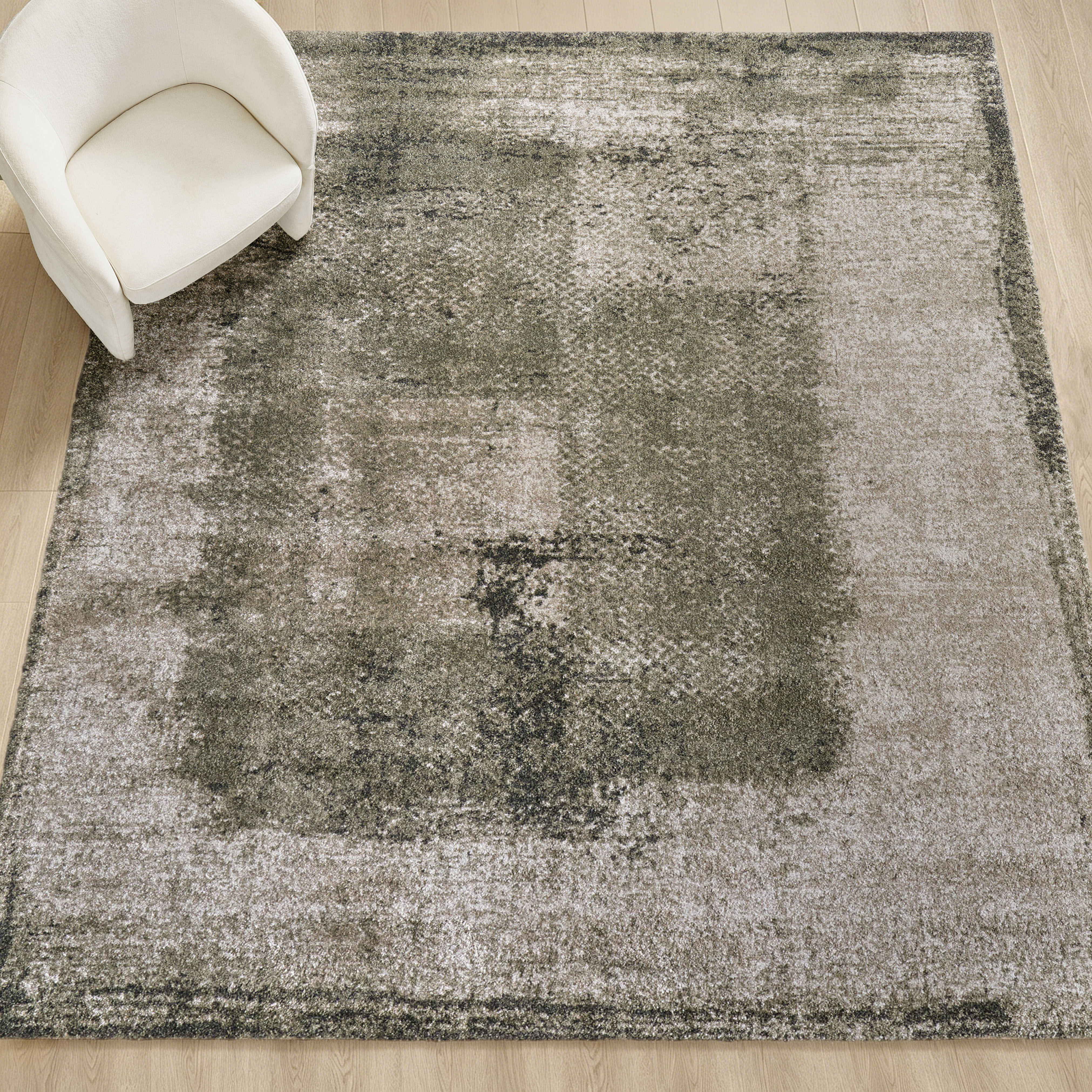
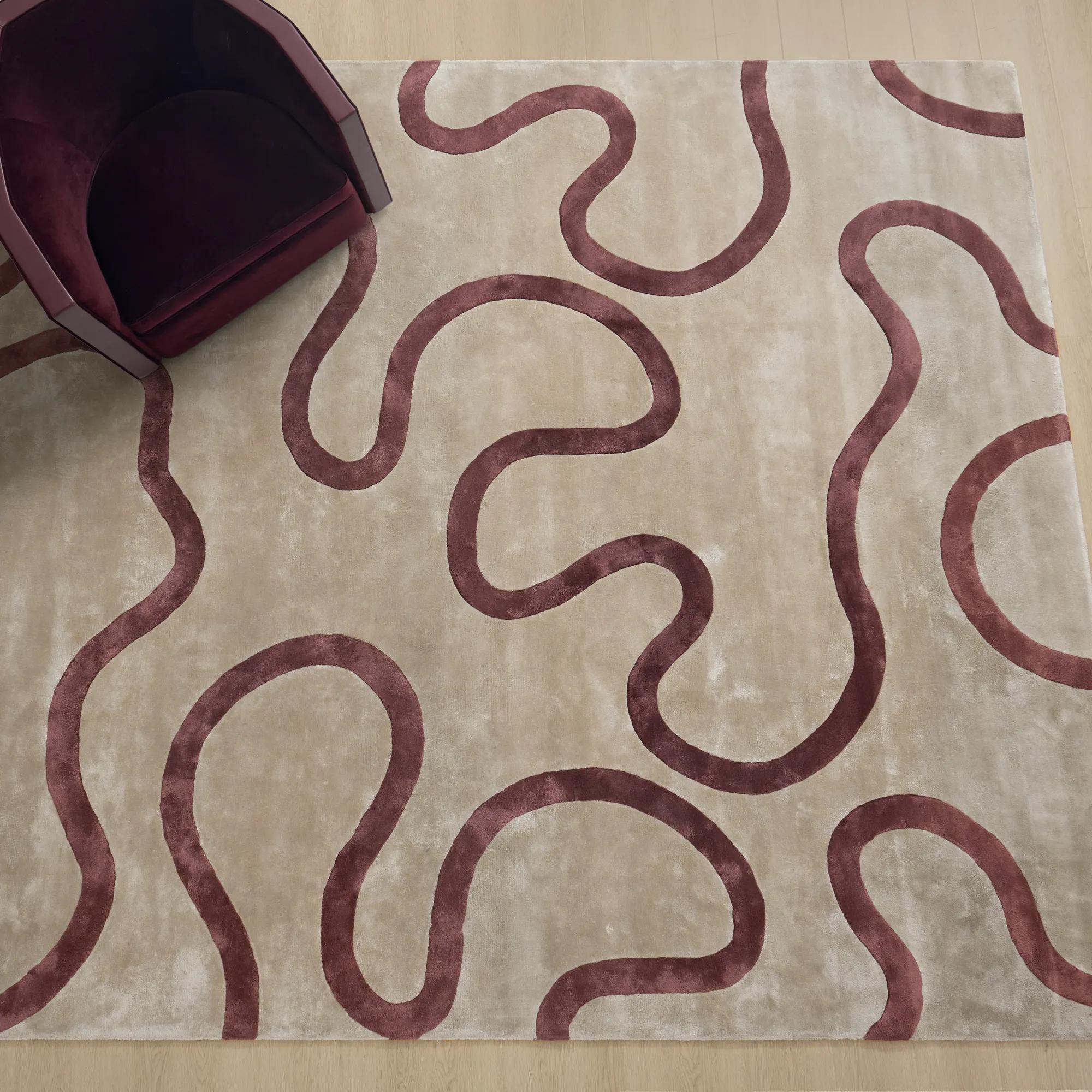 Seraphine Hand-Tufted Fig/Taupe Viscose Loop Rug$1799
A hand-tufted viscose rug featuring high-contrast loops in a luminous fig-and-taupe palette.
Add To Cart -
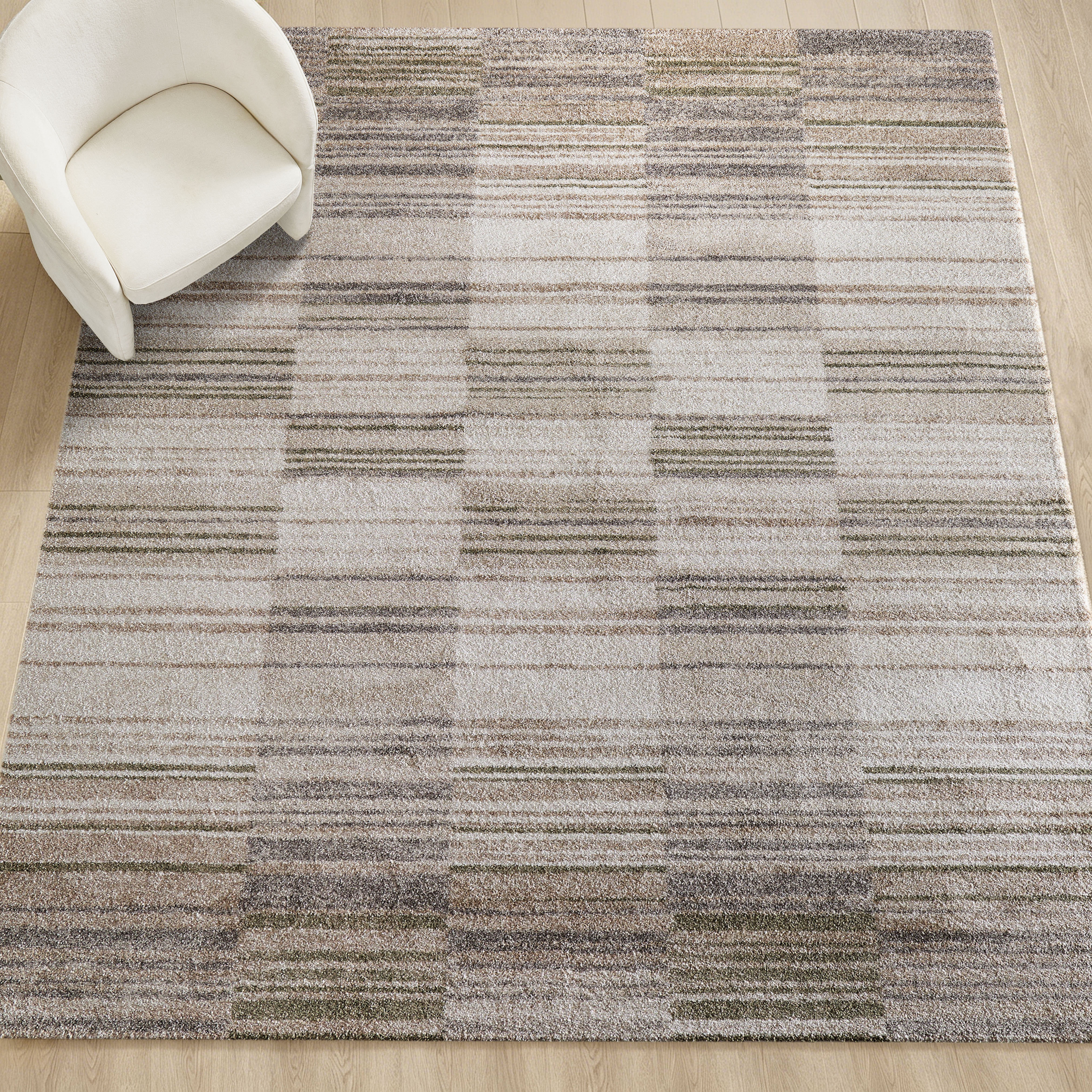
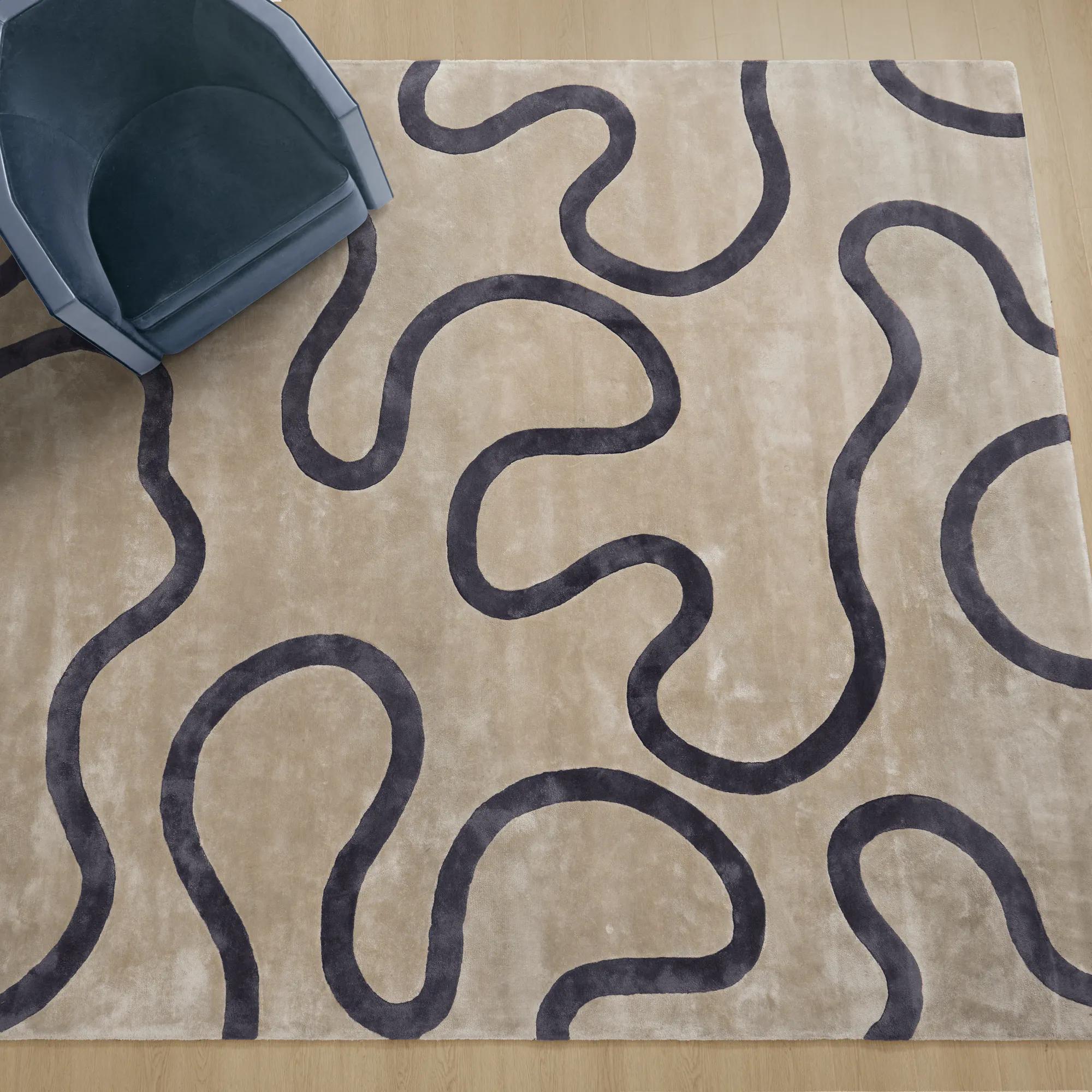 Seraphine Hand-Tufted Smoked Pearl/Taupe Viscose Loop Rug$1799
A hand-tufted viscose rug with high-contrast loops in smoked pearl and taupe, adding Deco-inspired dimension.
Add To Cart -
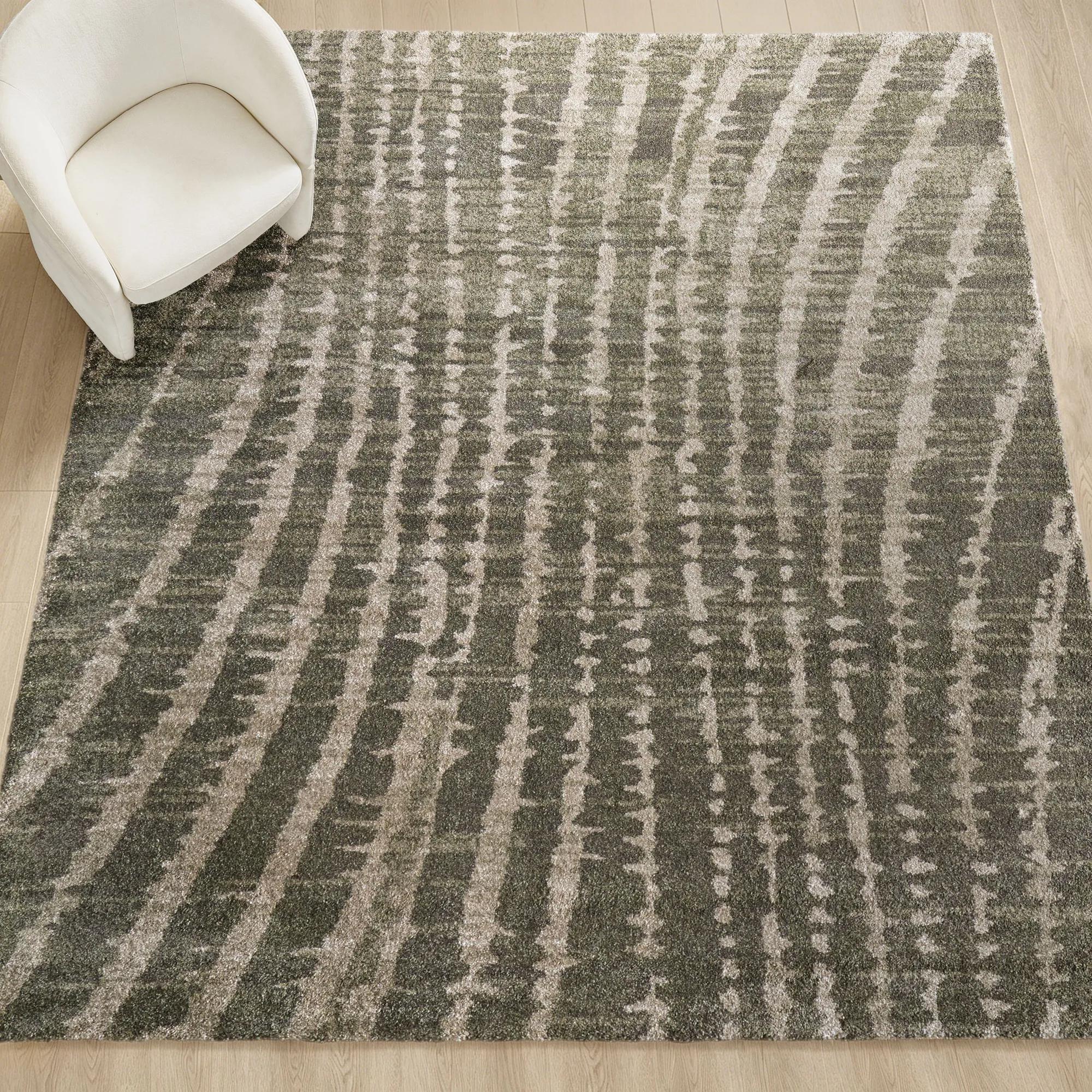
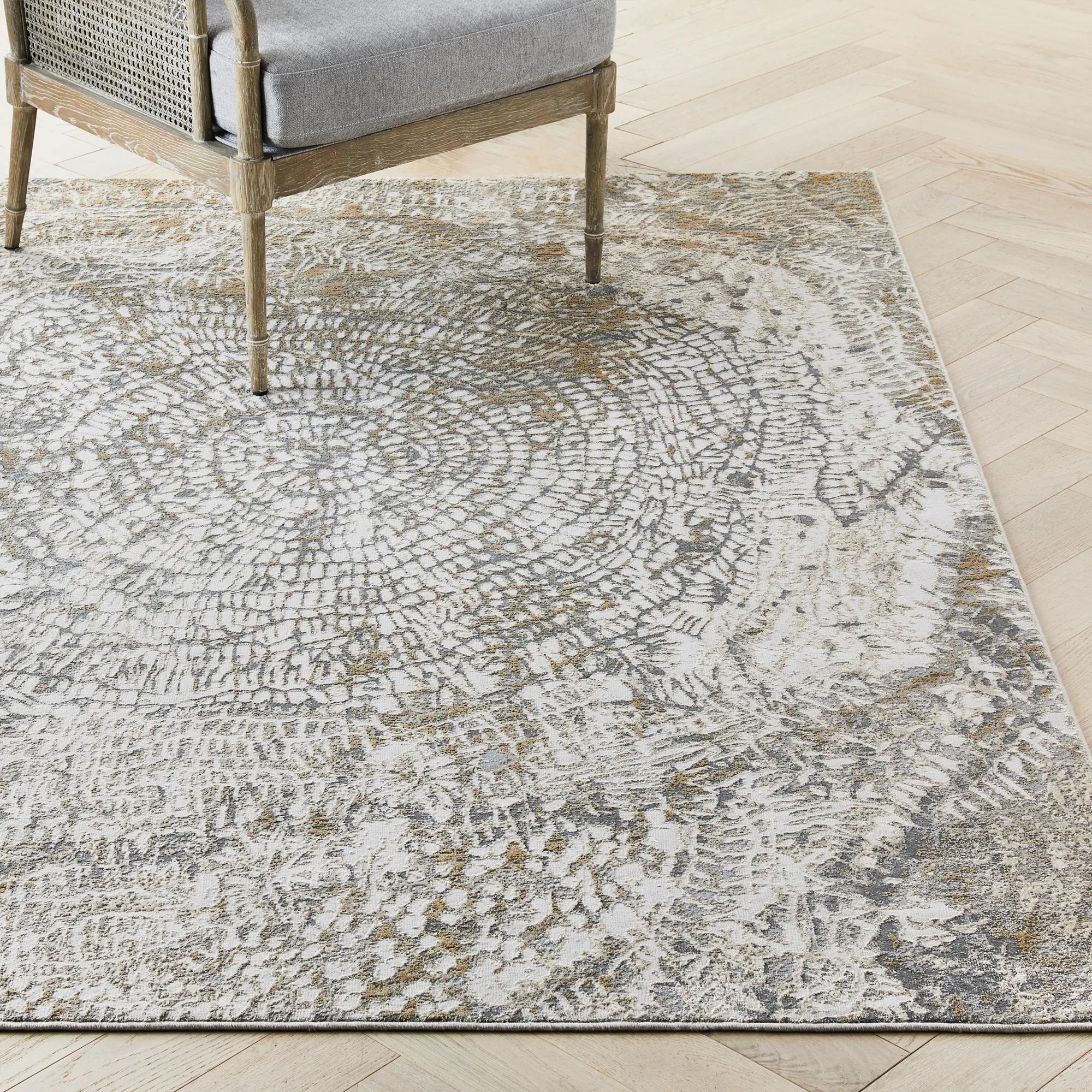 Nautilus Power-Loomed Silver/Grey/Natural Rug$449
A machine-woven ivory rug featuring subtle tree ring-inspired patterns in durable polypropylene and viscose.
Add To Cart -
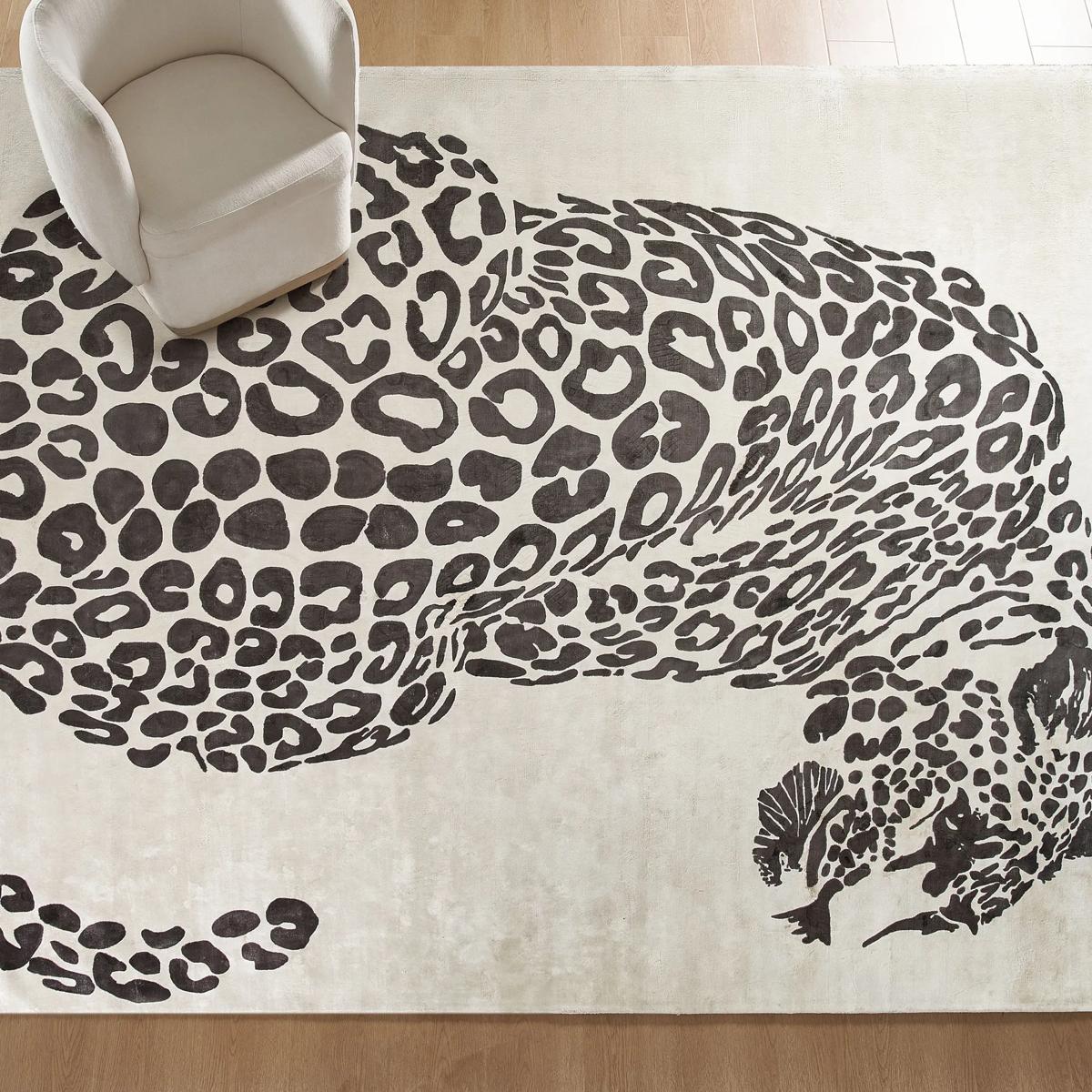 Pardus Leopard Hand-Loomed Ivory/Black Rug$499
An artful ivory and black viscose rug featuring a bold leopard motif and a smooth, silky texture.
Add To Cart -
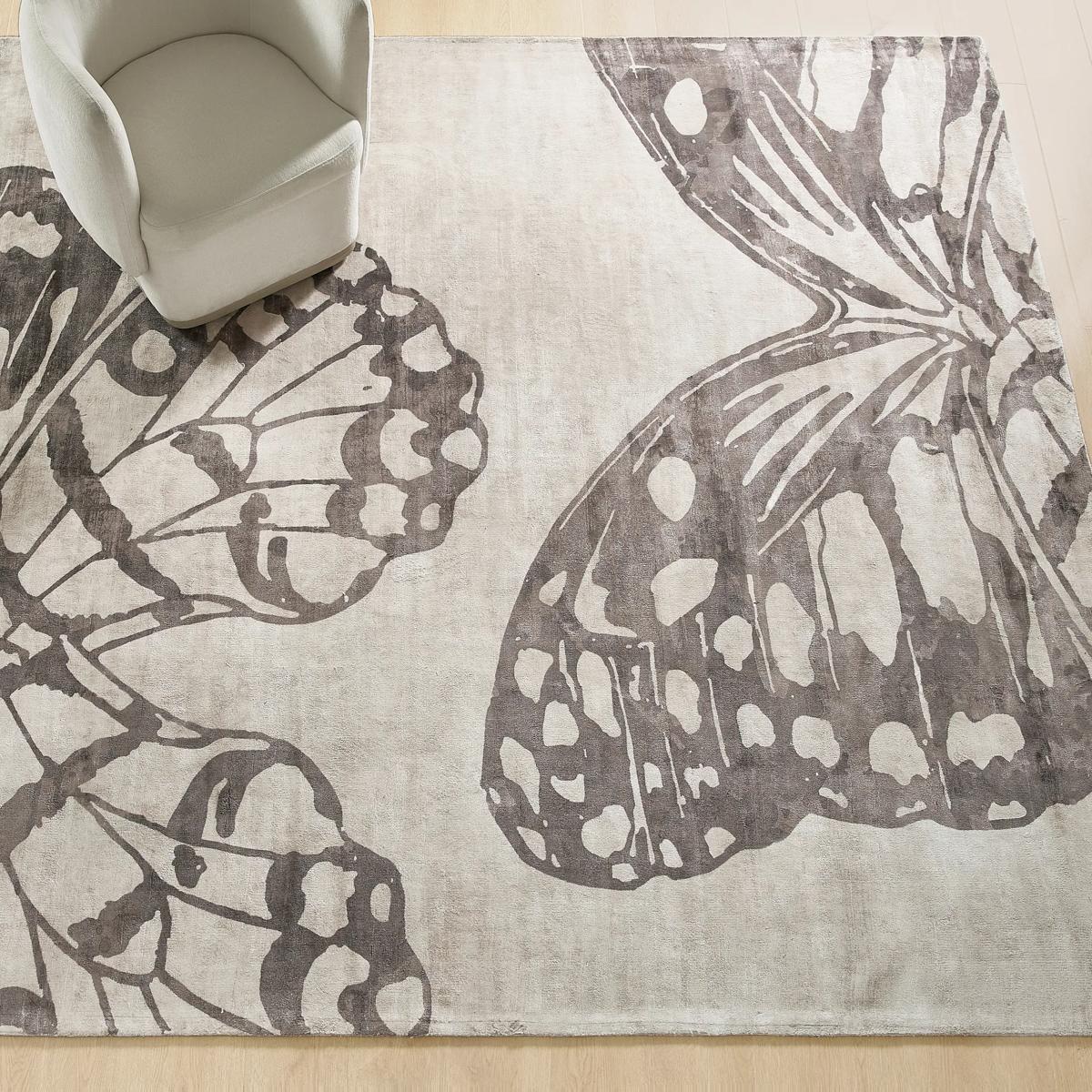
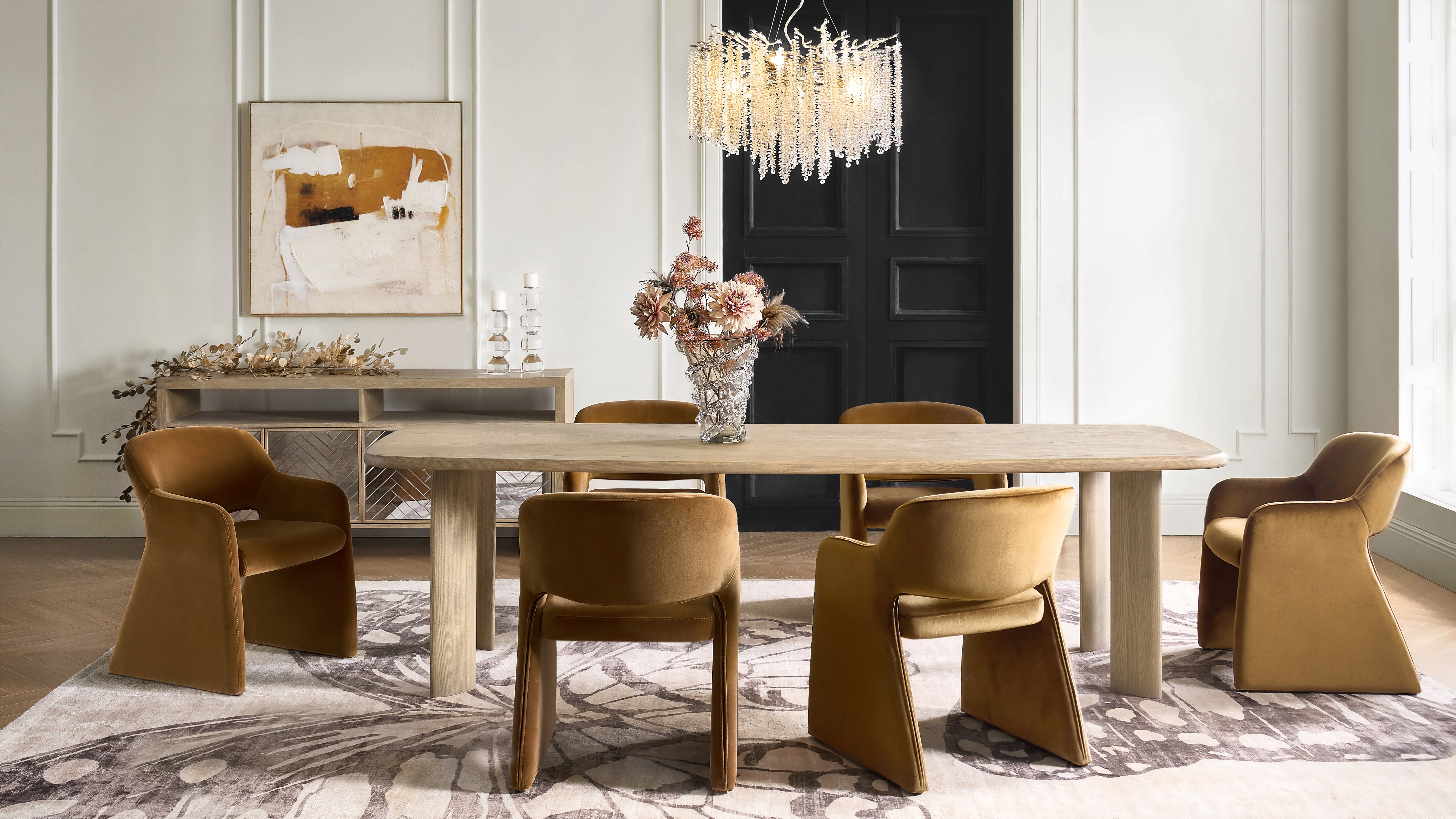 Mariposa Rug - Ivory/Dusty Mauve$499
A hand-loomed viscose rug featuring oversized butterfly motifs in soft ivory and dusty mauve tones.
Add To Cart -
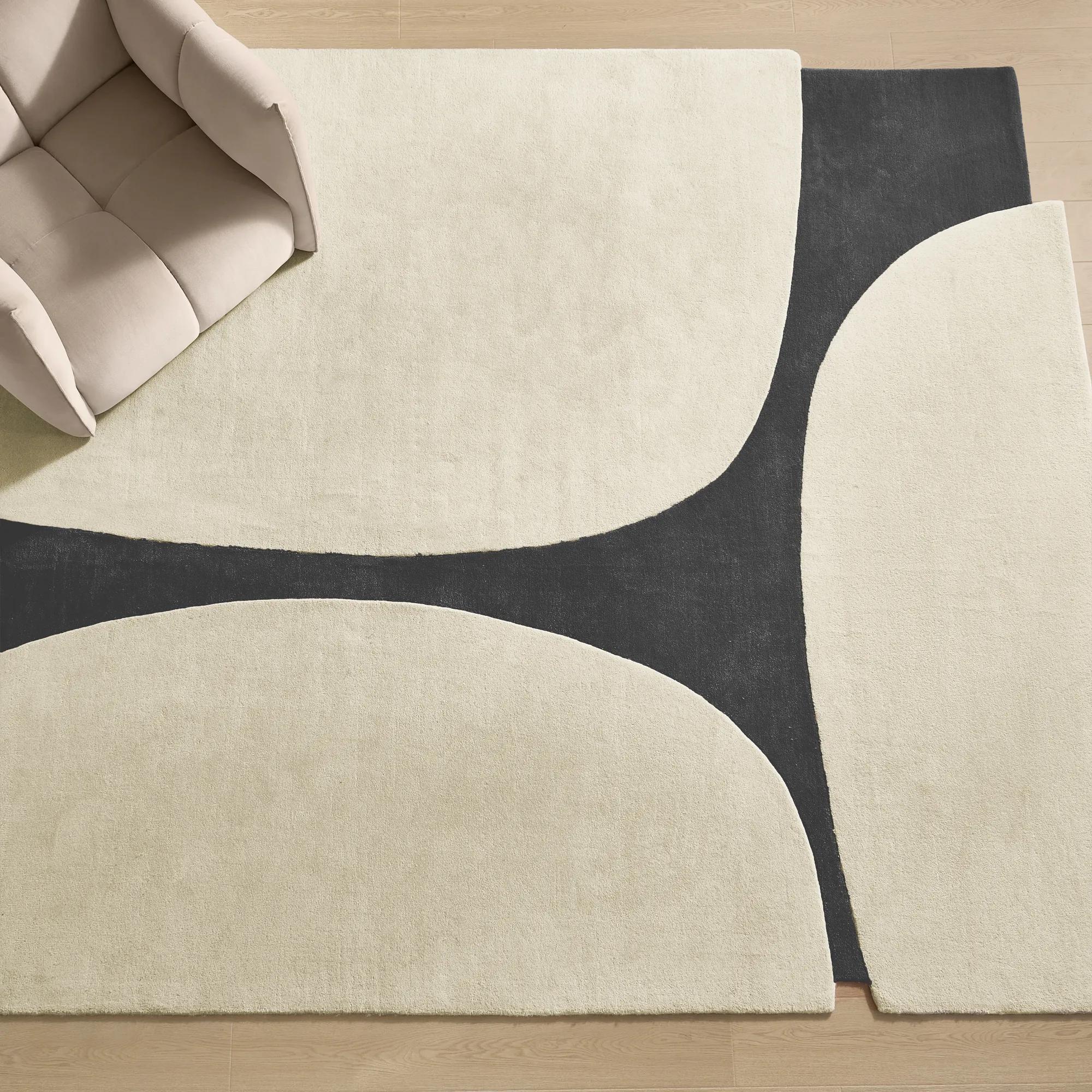 Contour Hand-Tufted Ivory/Charcoal Wool & Viscose Rug$1499
A hand-tufted wool-viscose rug with an organic edge, sculptural high-low texture, and ivory-charcoal pattern.
Add To Cart -
 Fiona Hand-Tufted Ivory/Beige/Black Border Fringe Rug$1099
A hand-tufted ivory, beige, and black rug featuring a framed border and decorative fringe.
Add To Cart -
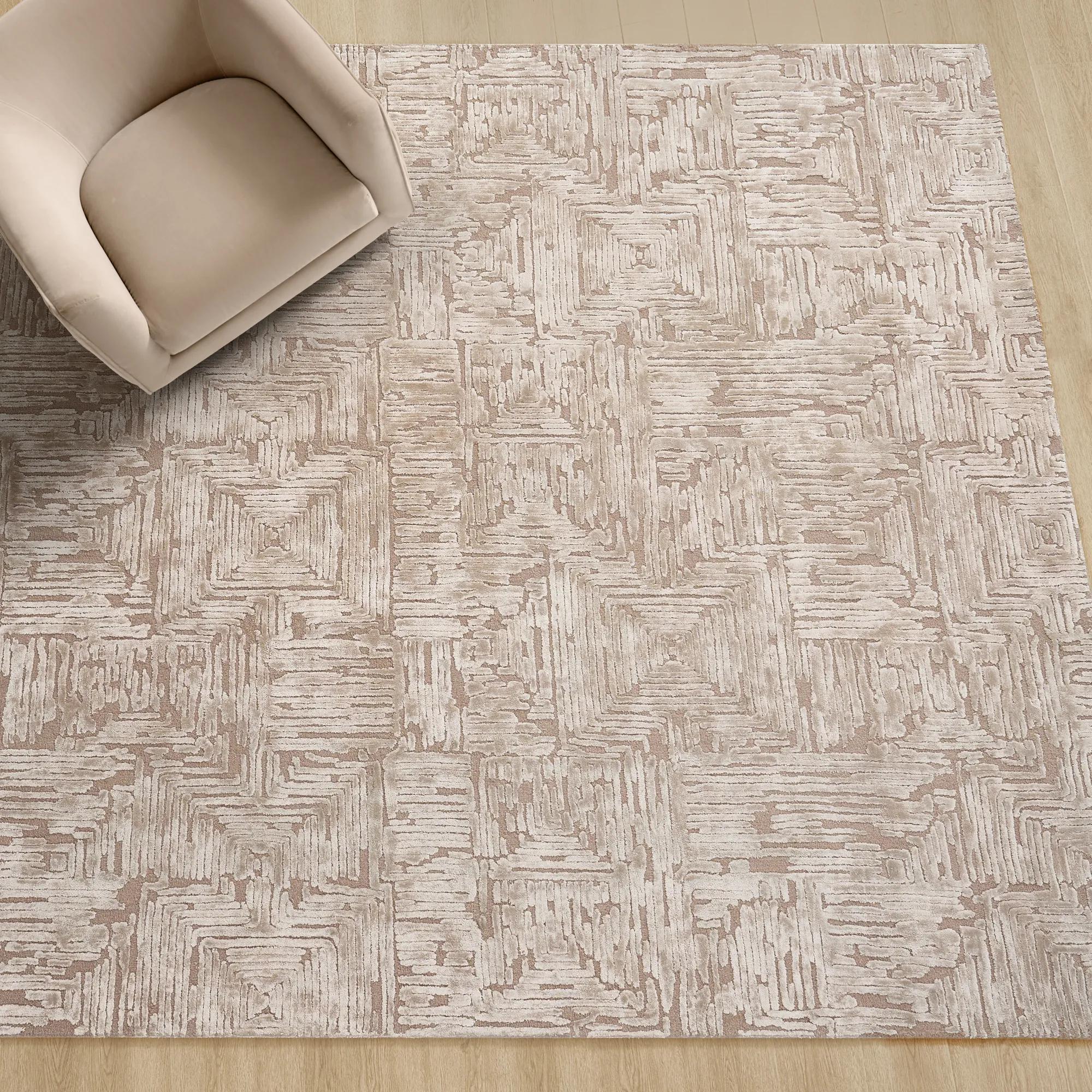
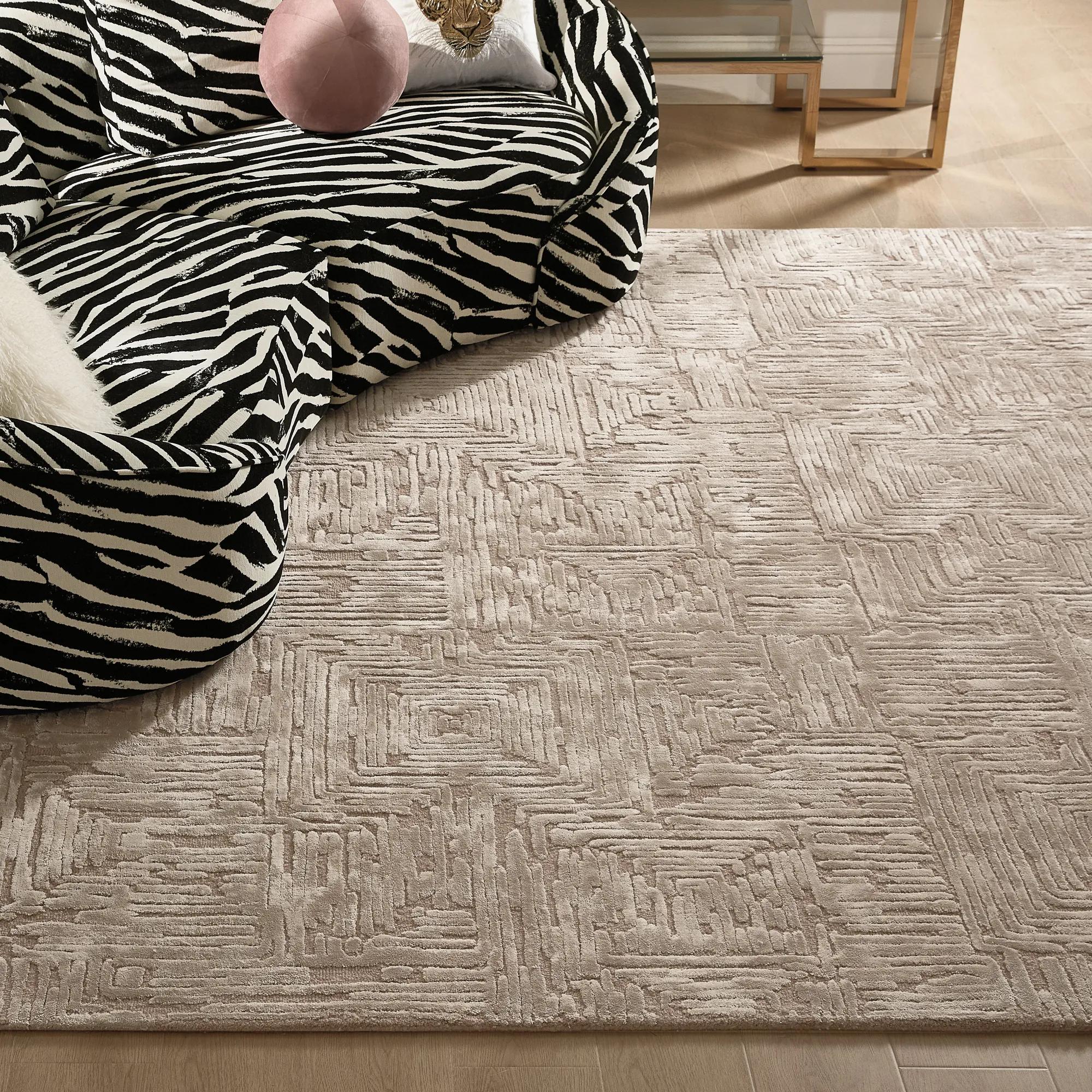 Andra Hand-Tufted Mocha Rose Viscose & Wool Dimensional Rug$499
A hand-tufted viscose-wool rug in mocha rose with a broken geometric pattern and dimensional high-low texture.
Add To Cart -
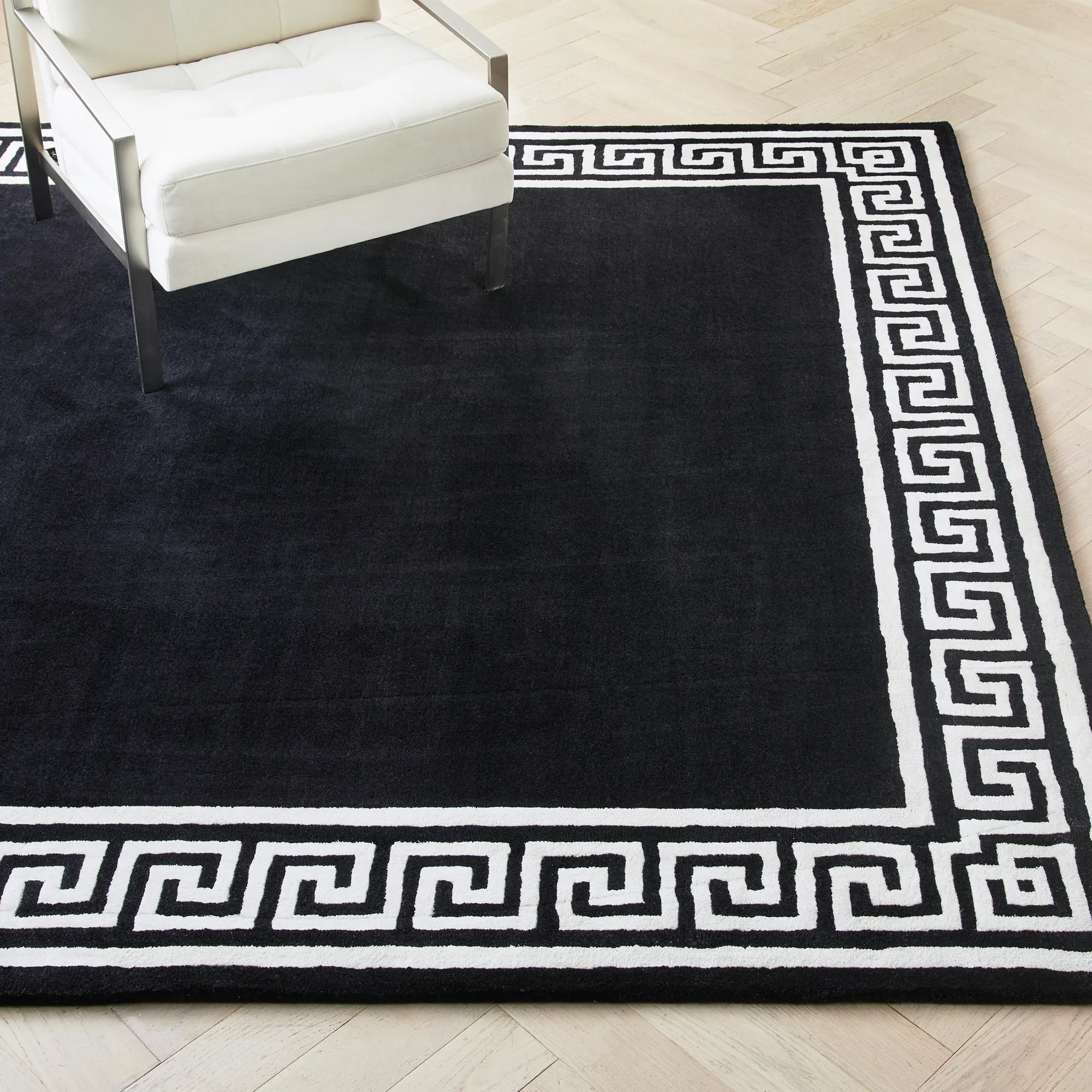
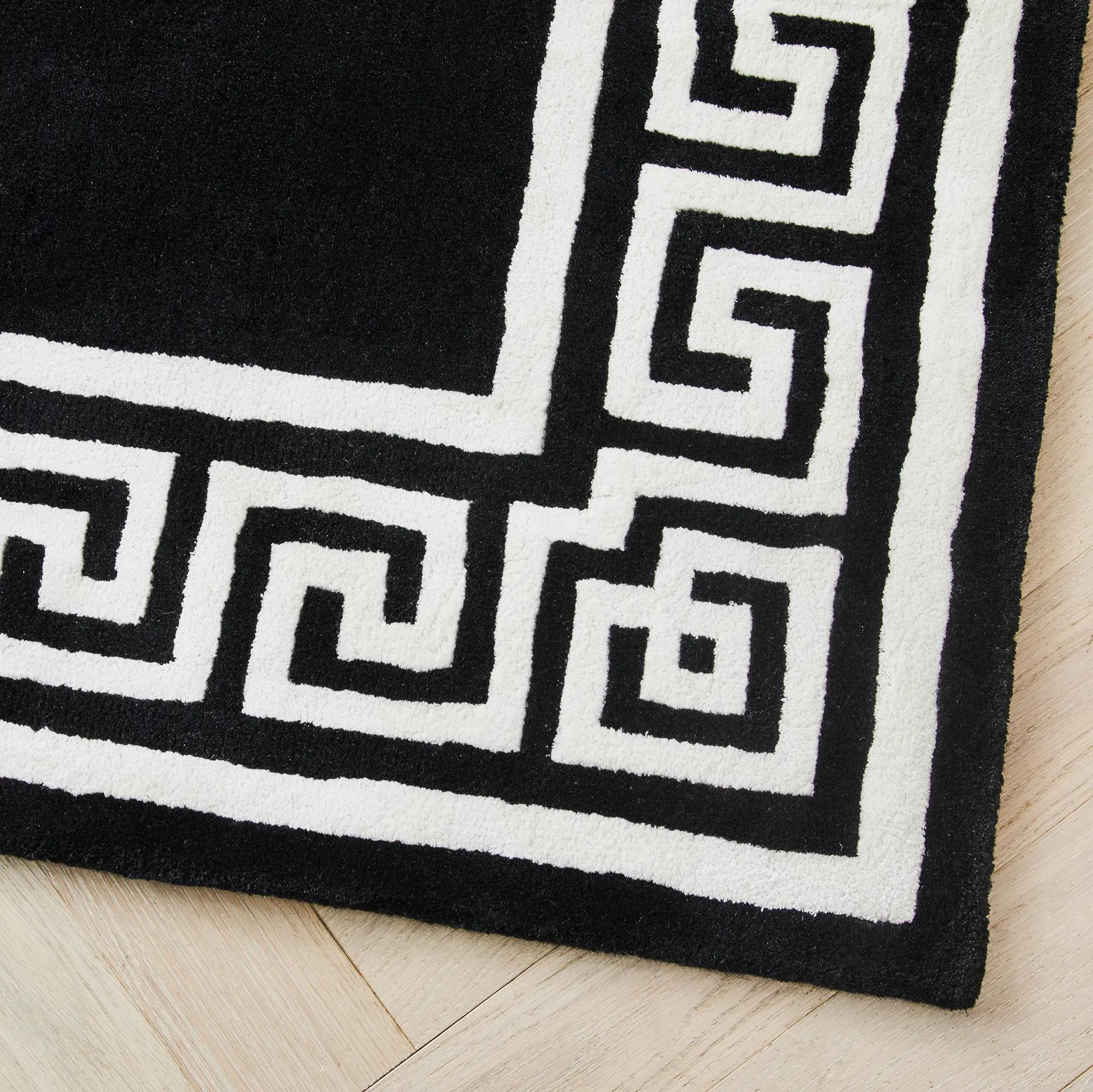 Greek Key Rug - Black/Ivory$1799
A hand-tufted black and ivory rug featuring a classic Greek key pattern in wool and viscose.
Add To Cart -
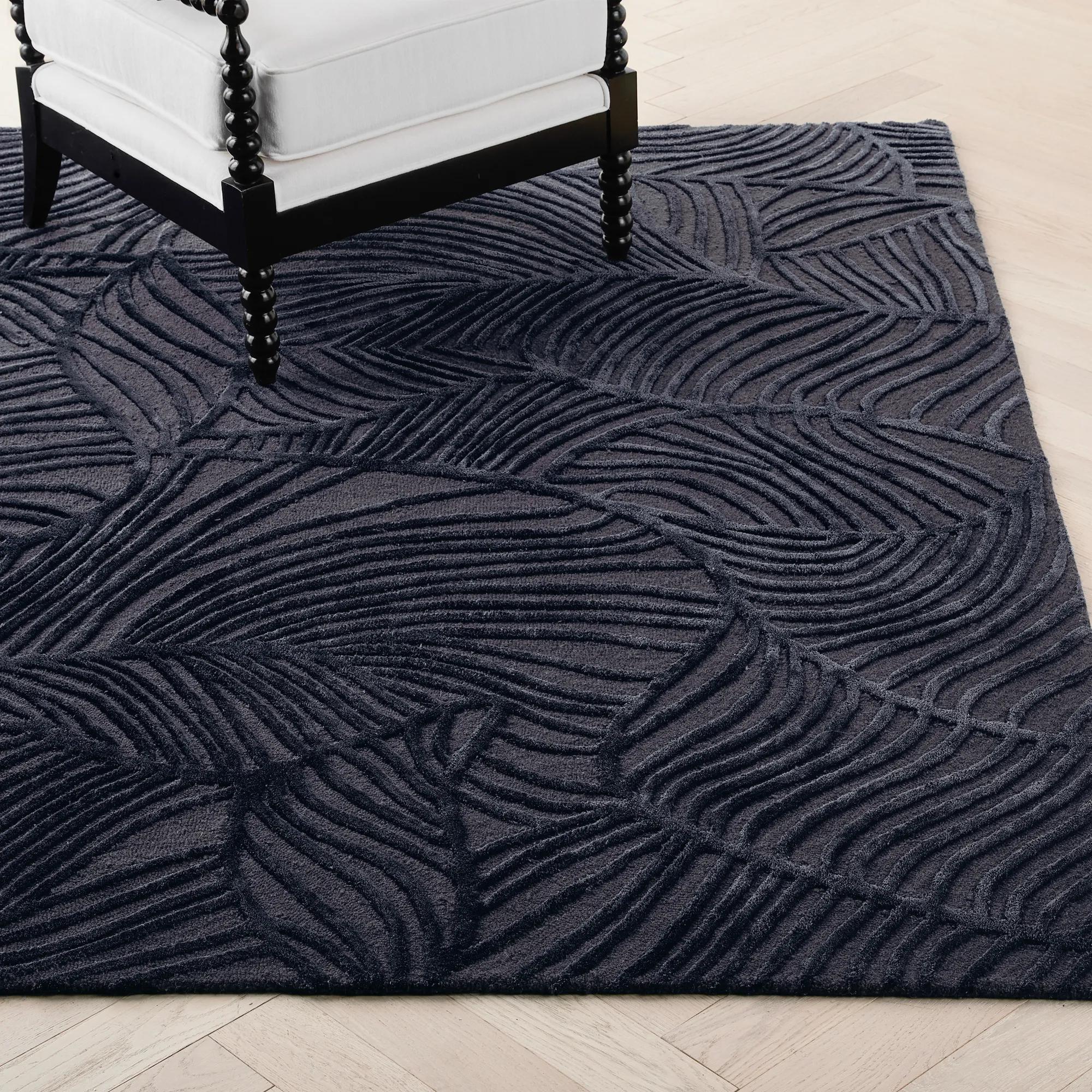
 Palm Rug - Charcoal$1499
A charcoal rug featuring a dynamic palm-leaf design with a textured high-low viscose and wool pile.
Add To Cart -
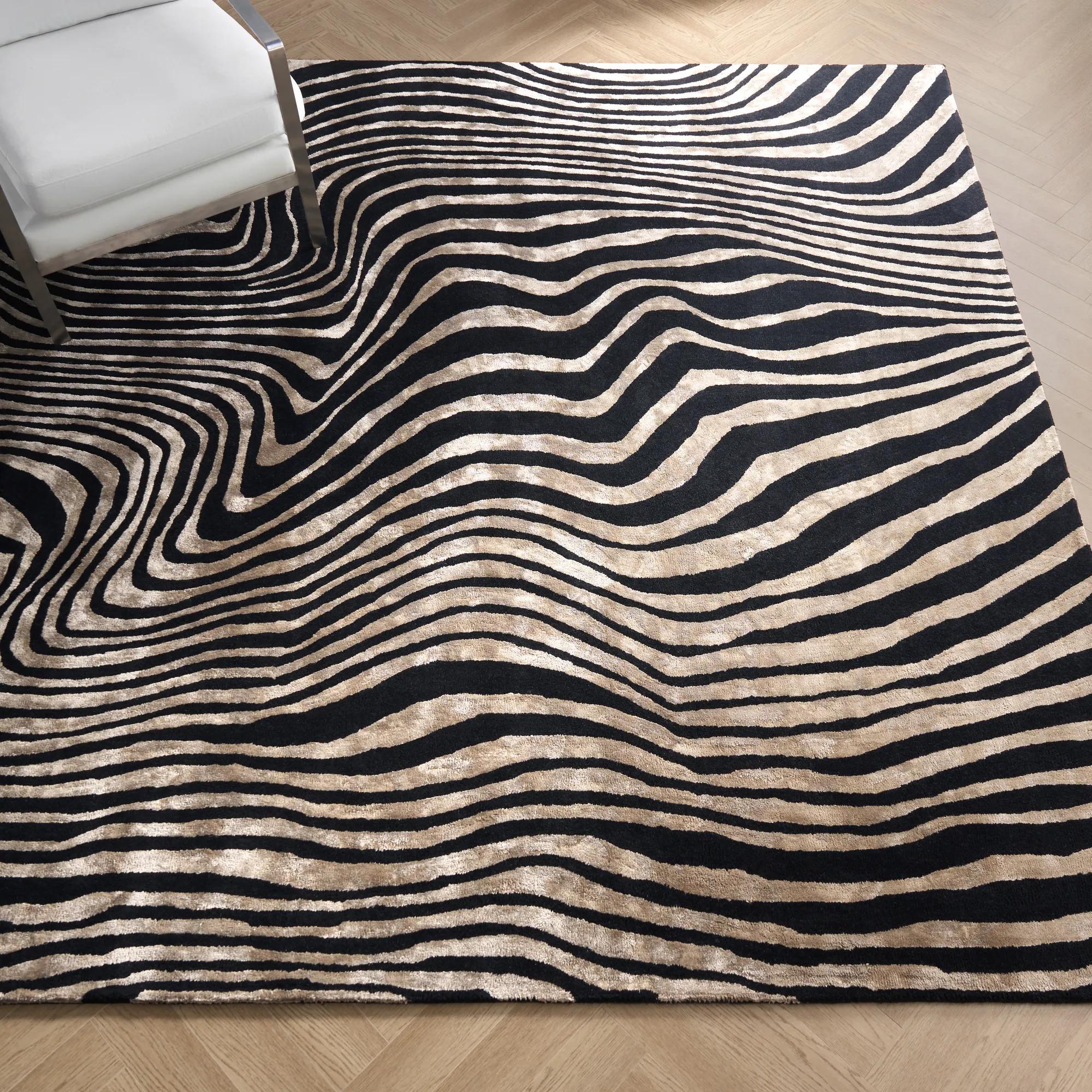
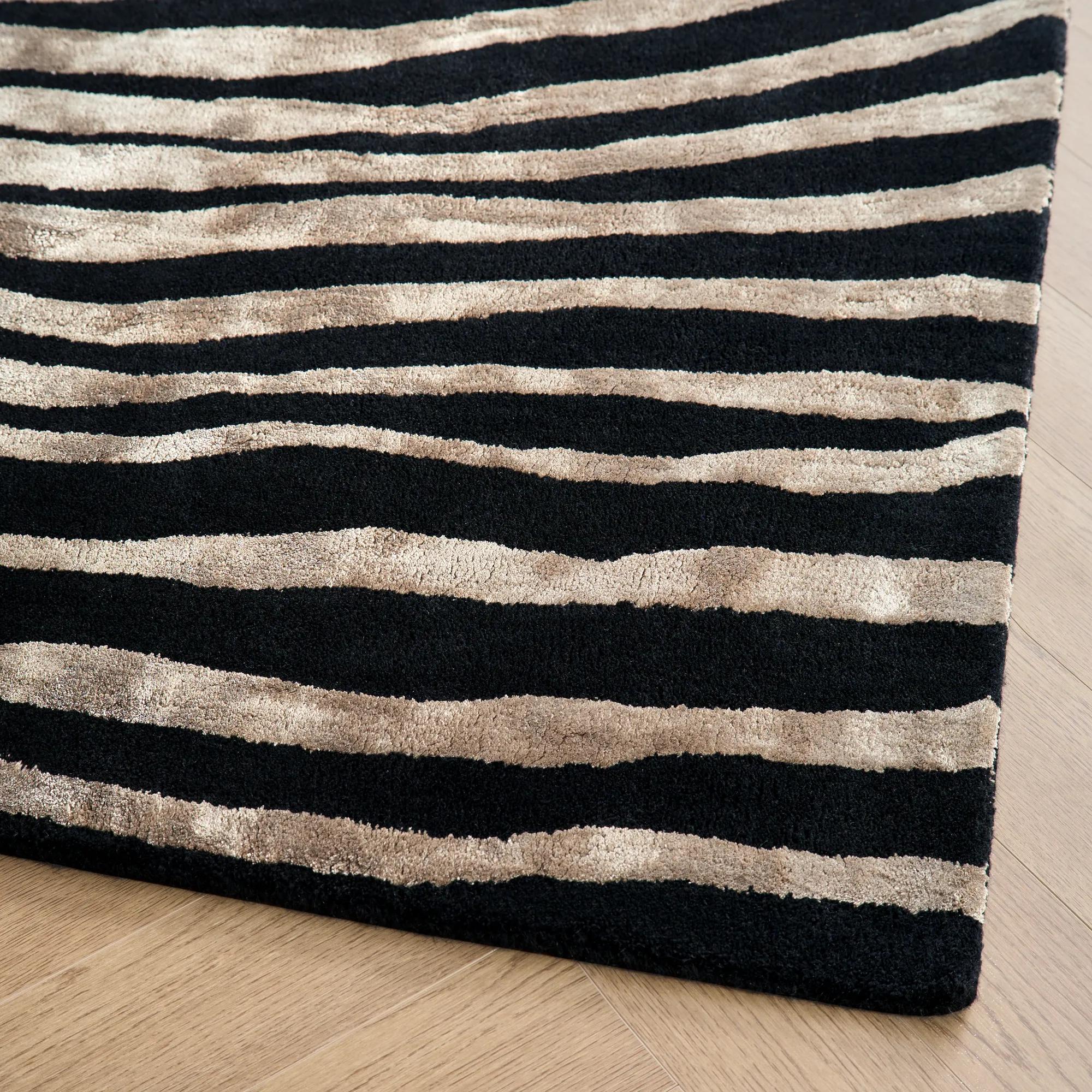 Abstract Zebra Hand-Tufted Black/Taupe Wool Blend Rug$1099
An artisan hand-tufted rug in black and taupe wool-viscose, featuring a striking abstract zebra pattern.
Add To Cart -
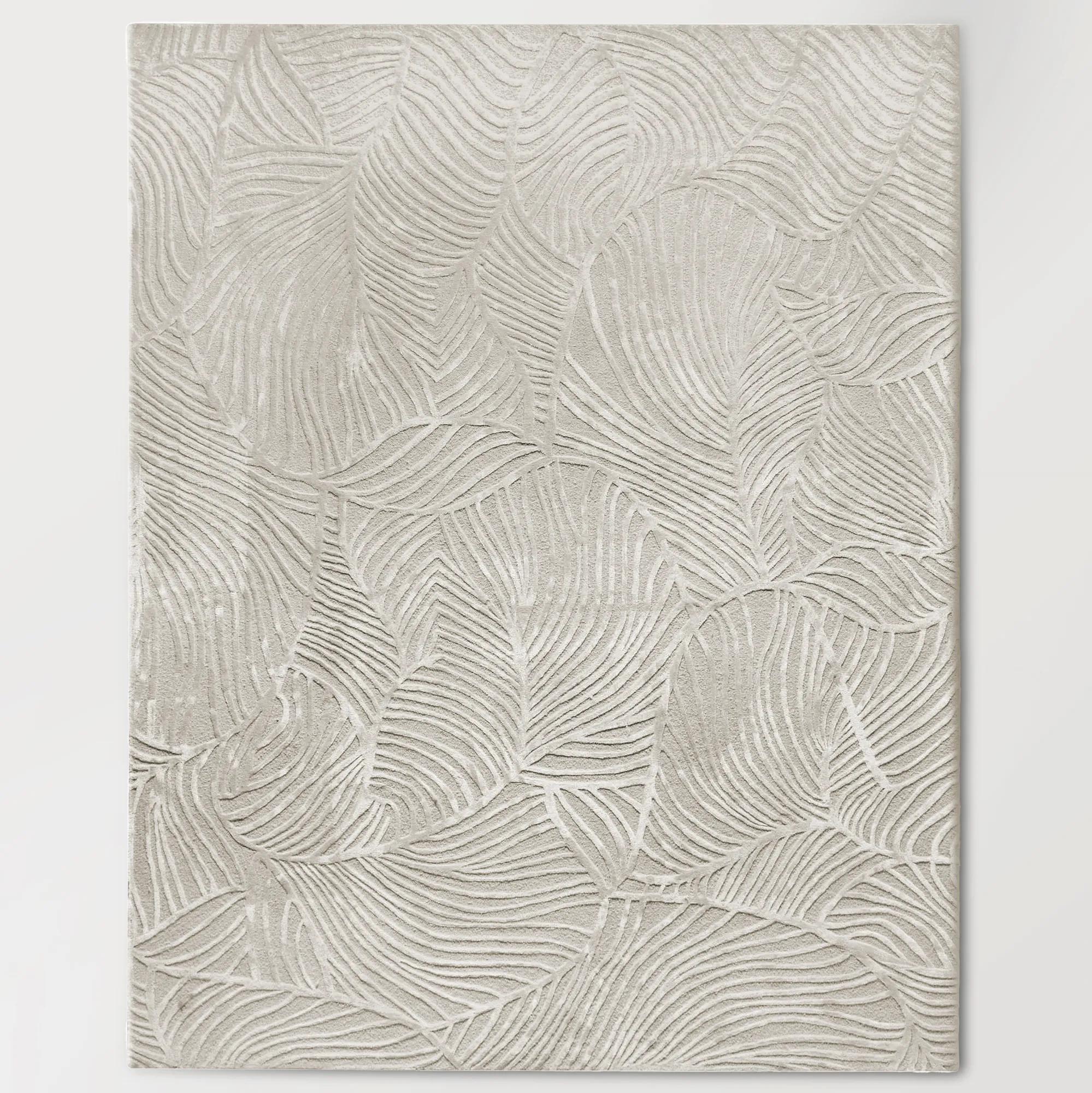 Palm Hand-Tufted Ivory Wool Blend Rug$999
An ivory rug featuring a dynamic palm-leaf design with high-low pile in viscose and wool.
Add To Cart -
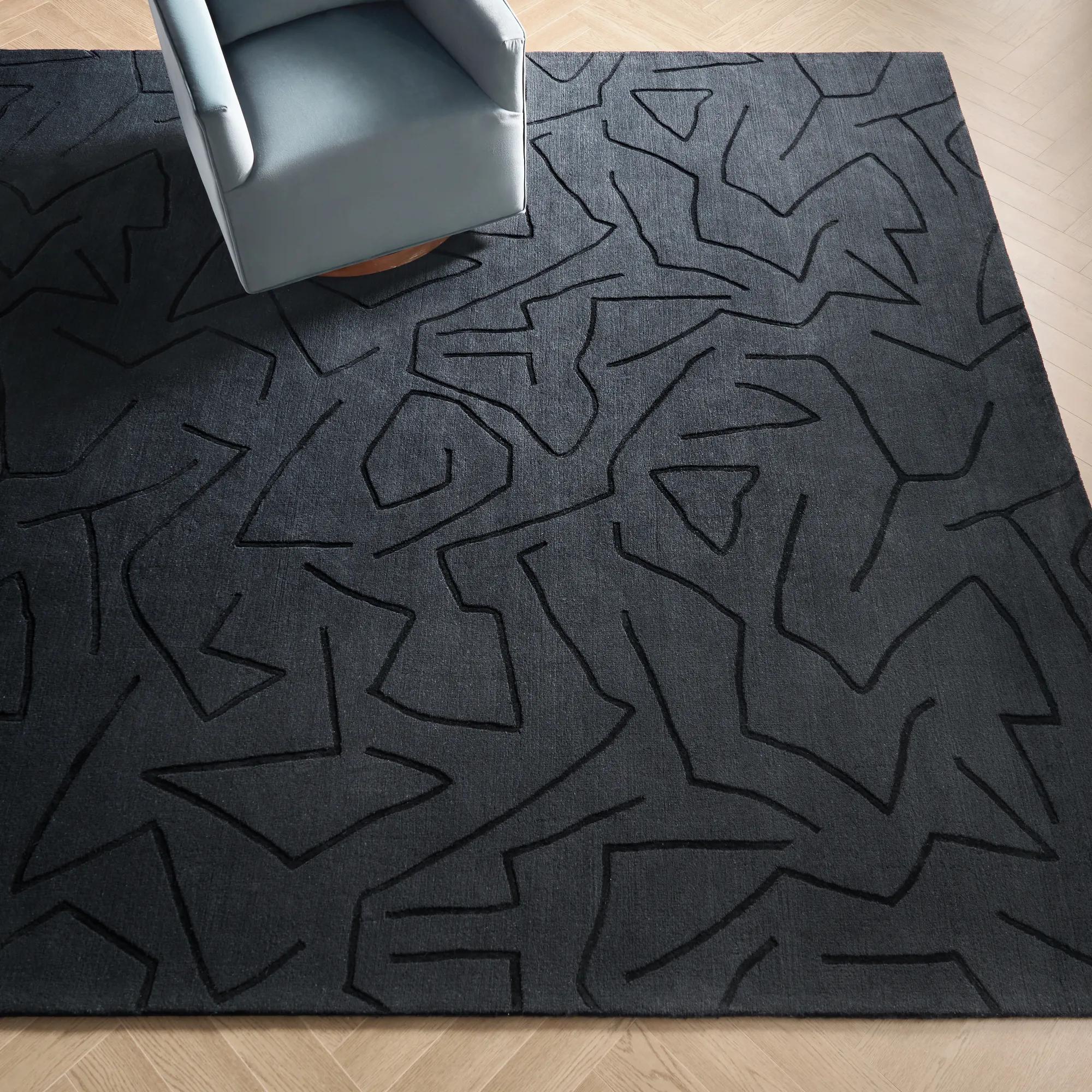 Carved Maze Rug$1399
A hand-loomed black rug crafted from wool and viscose, featuring a carved, textured maze design.
Add To Cart -
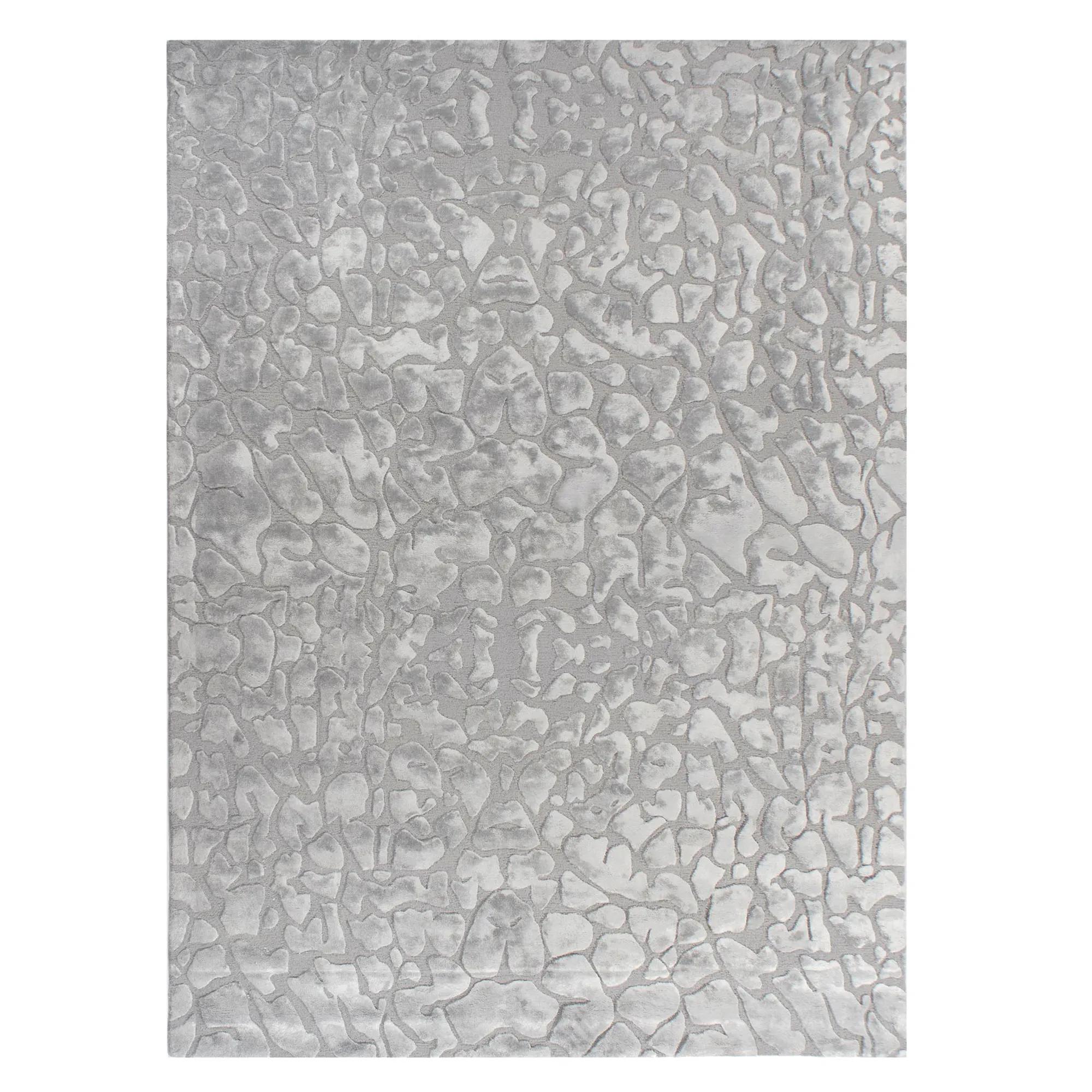
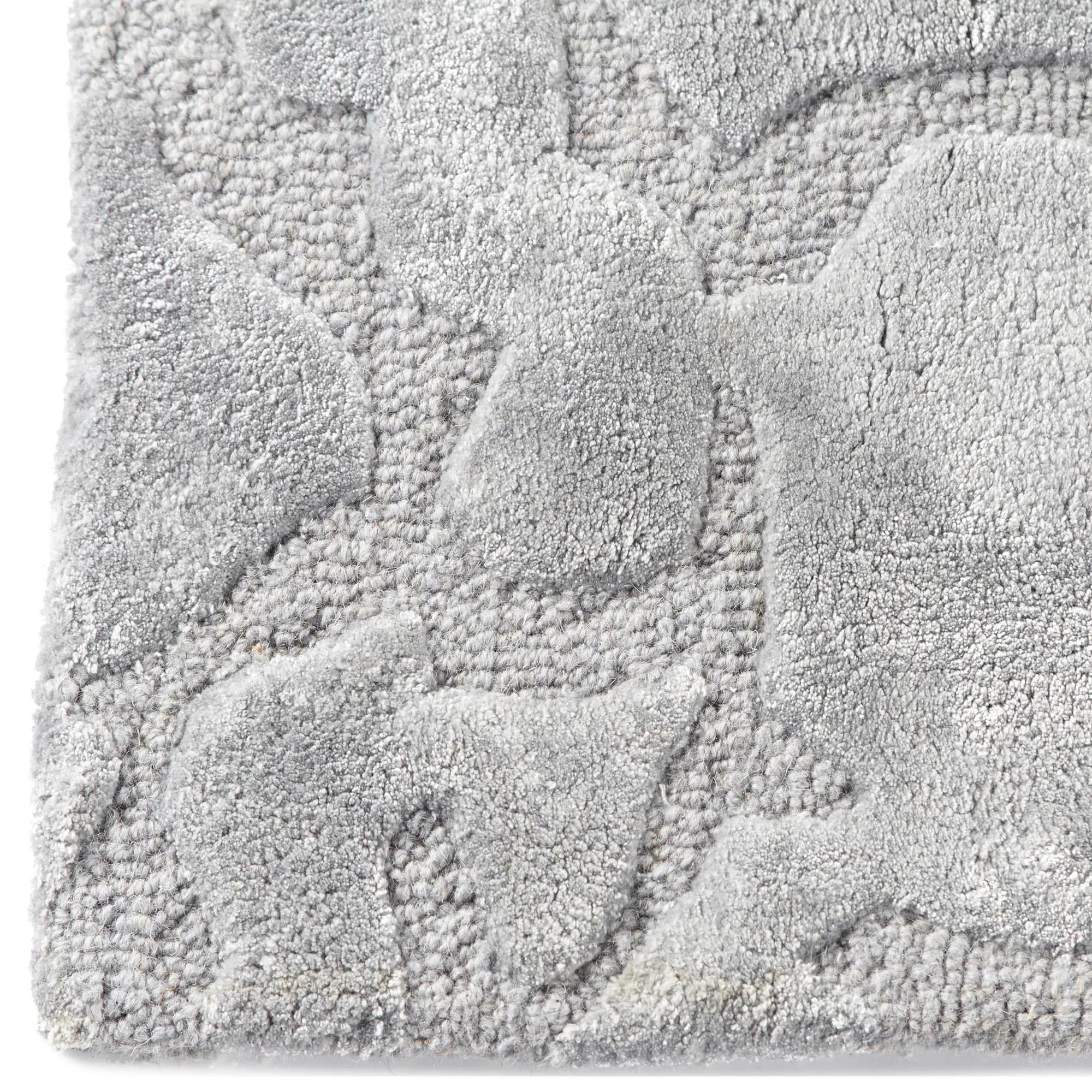 Nola Hand-Tufted Cool Grey Wool Blend Rug$849
A hand-tufted silver rug with contrasting pile heights, crafted from wool and viscose for plush texture.
Add To Cart -
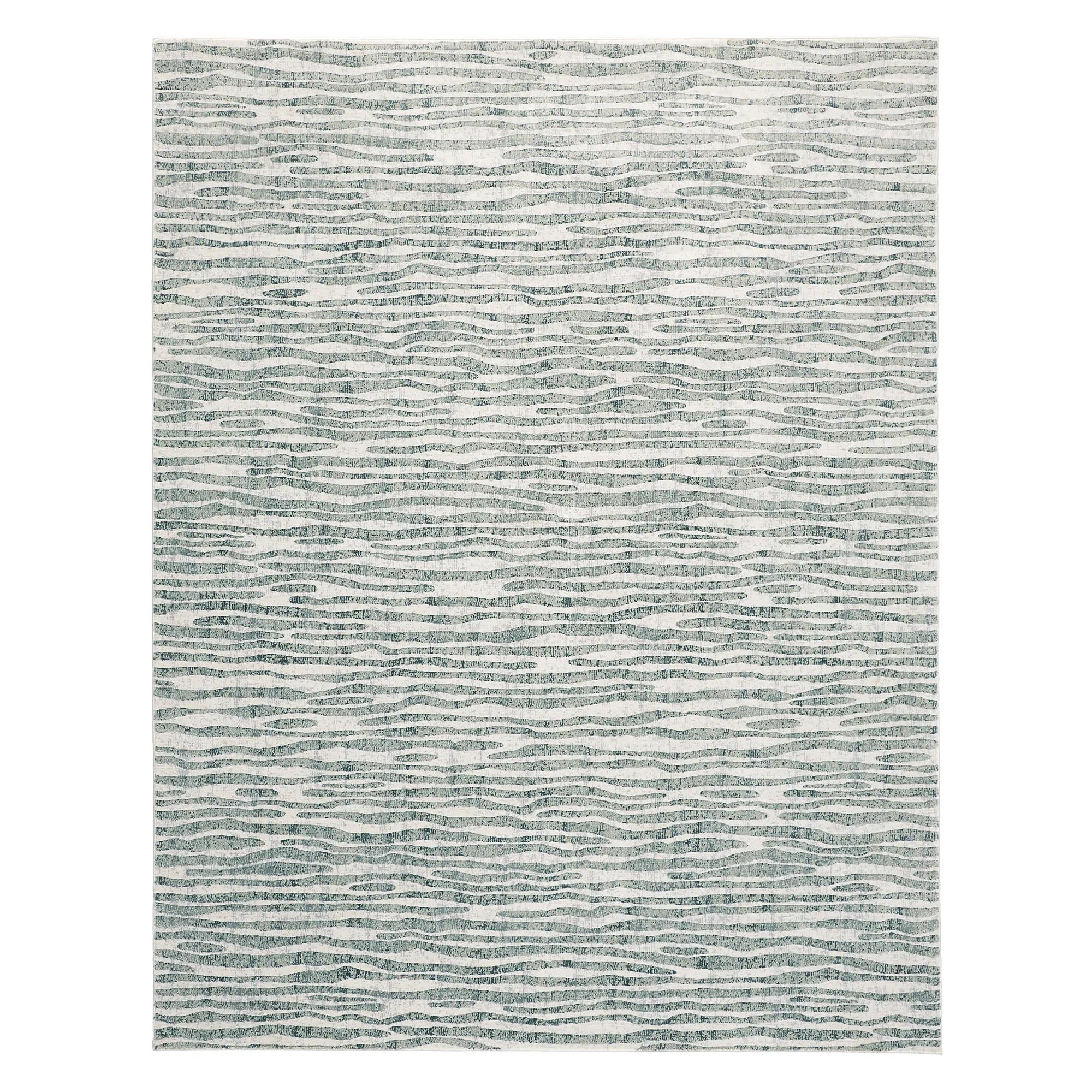 Samantha Power-Loomed Aqua/Grey Rug$719
A machine-woven rug featuring silvery-aqua and green accents on an ivory and grey polypropylene base.
Add To Cart -
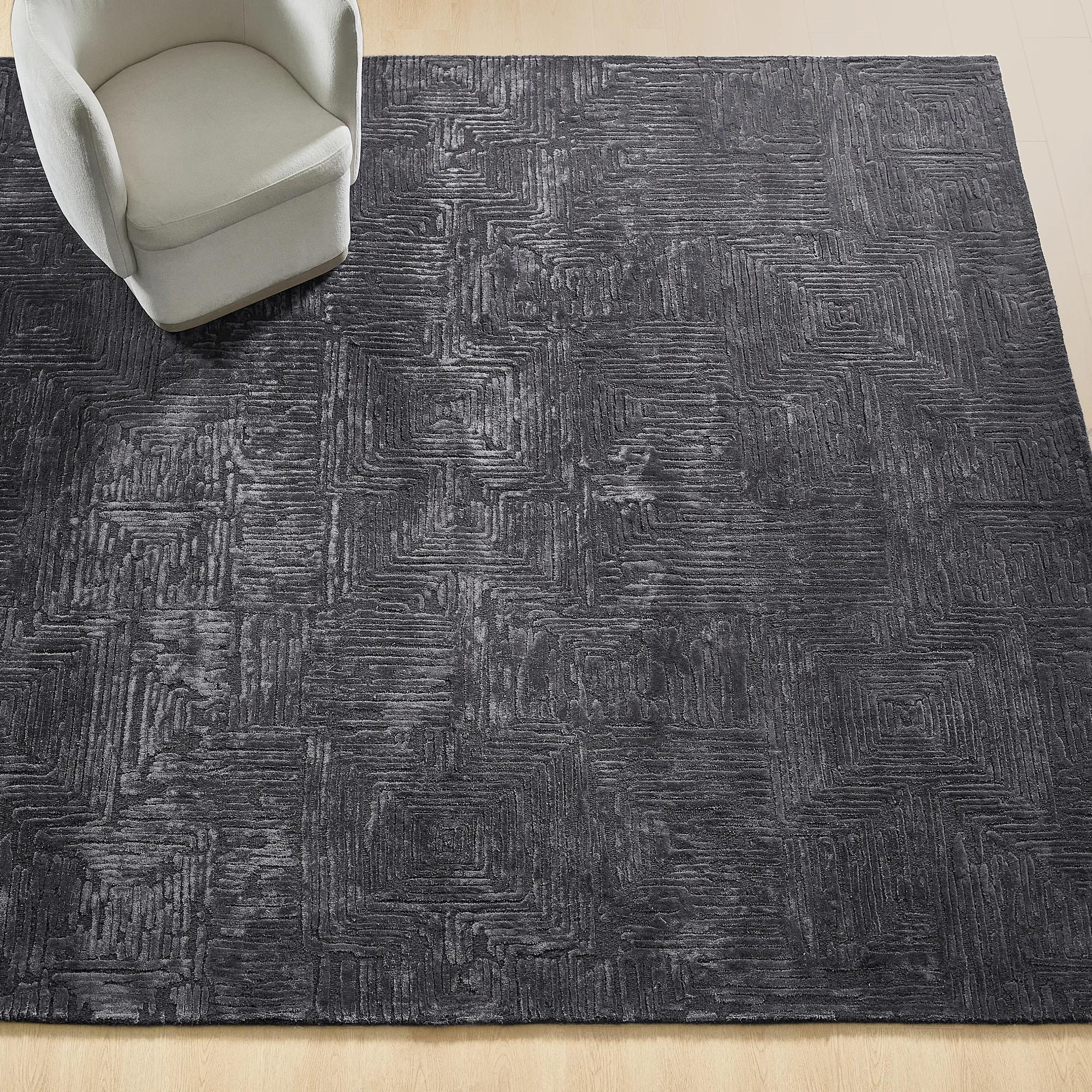
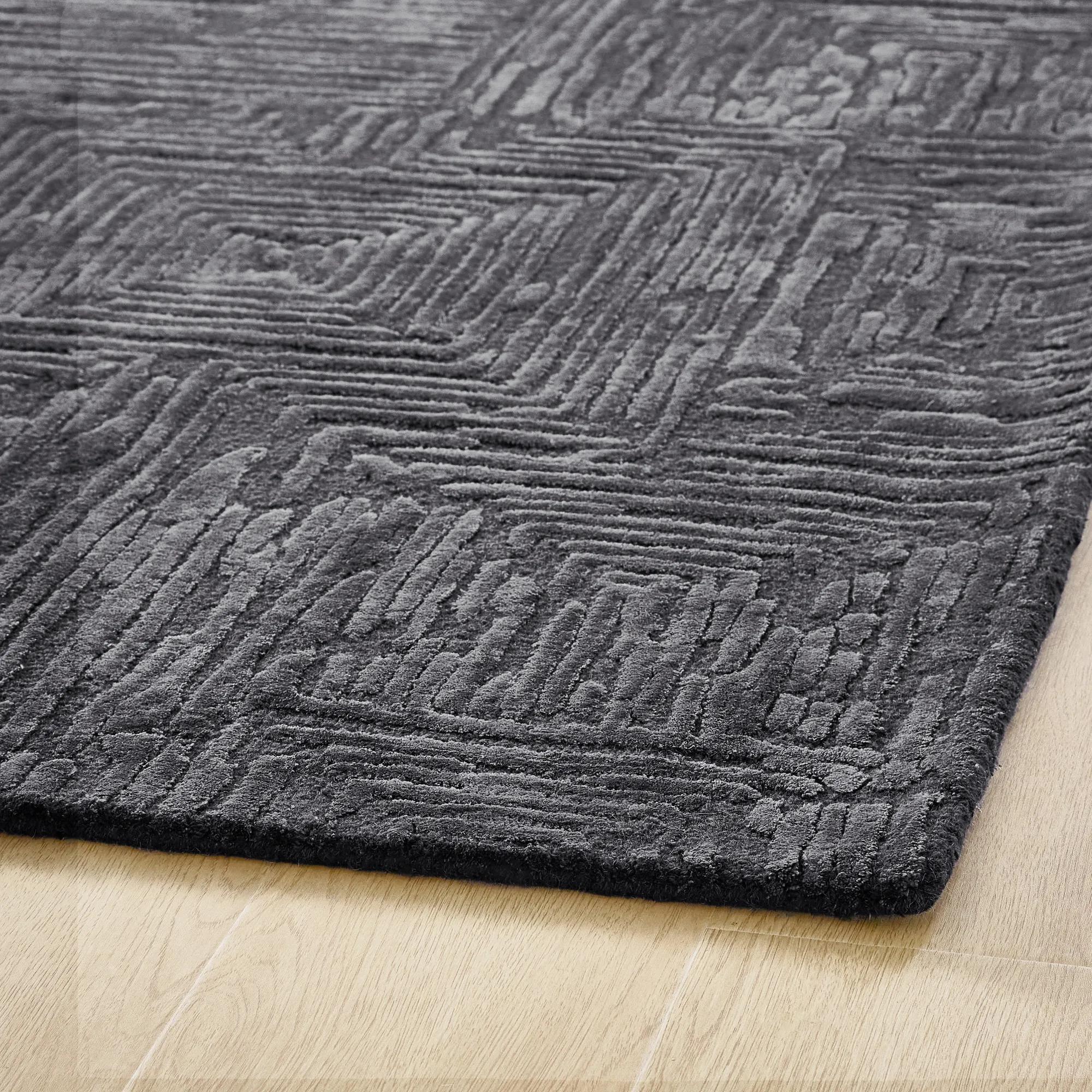 Andra Charcoal Hand-Tufted Wool Blend Dimensional Rug$1499
A hand-tufted viscose-wool rug in rich charcoal with a sculptural, dimensional pattern and plush texture.
Add To Cart -
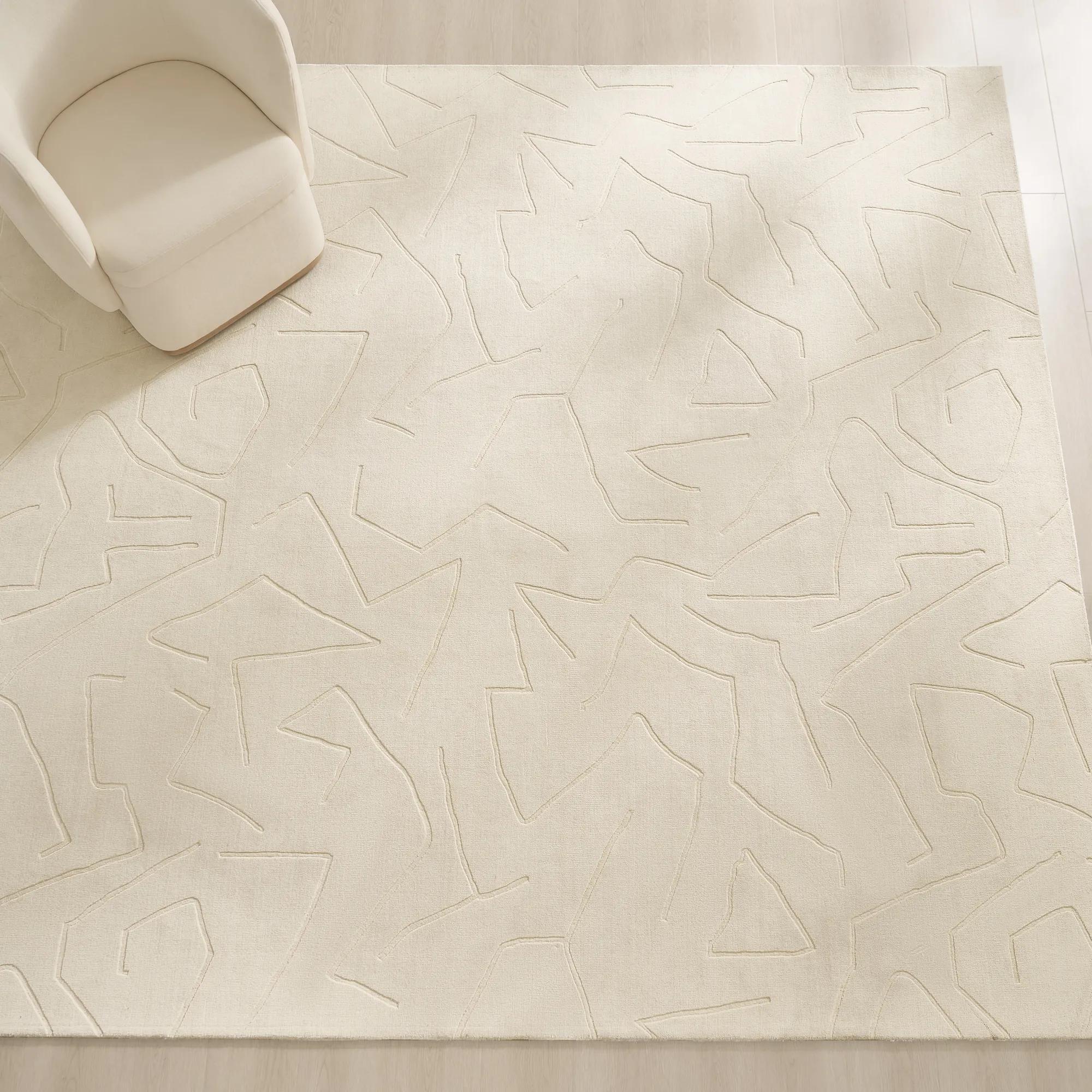 Carved Maze Ivory Hand-Loomed Wool Blend Rug$699
A hand-loomed ivory wool-blend rug featuring a carved maze pattern for modern, textural appeal.
Add To Cart -
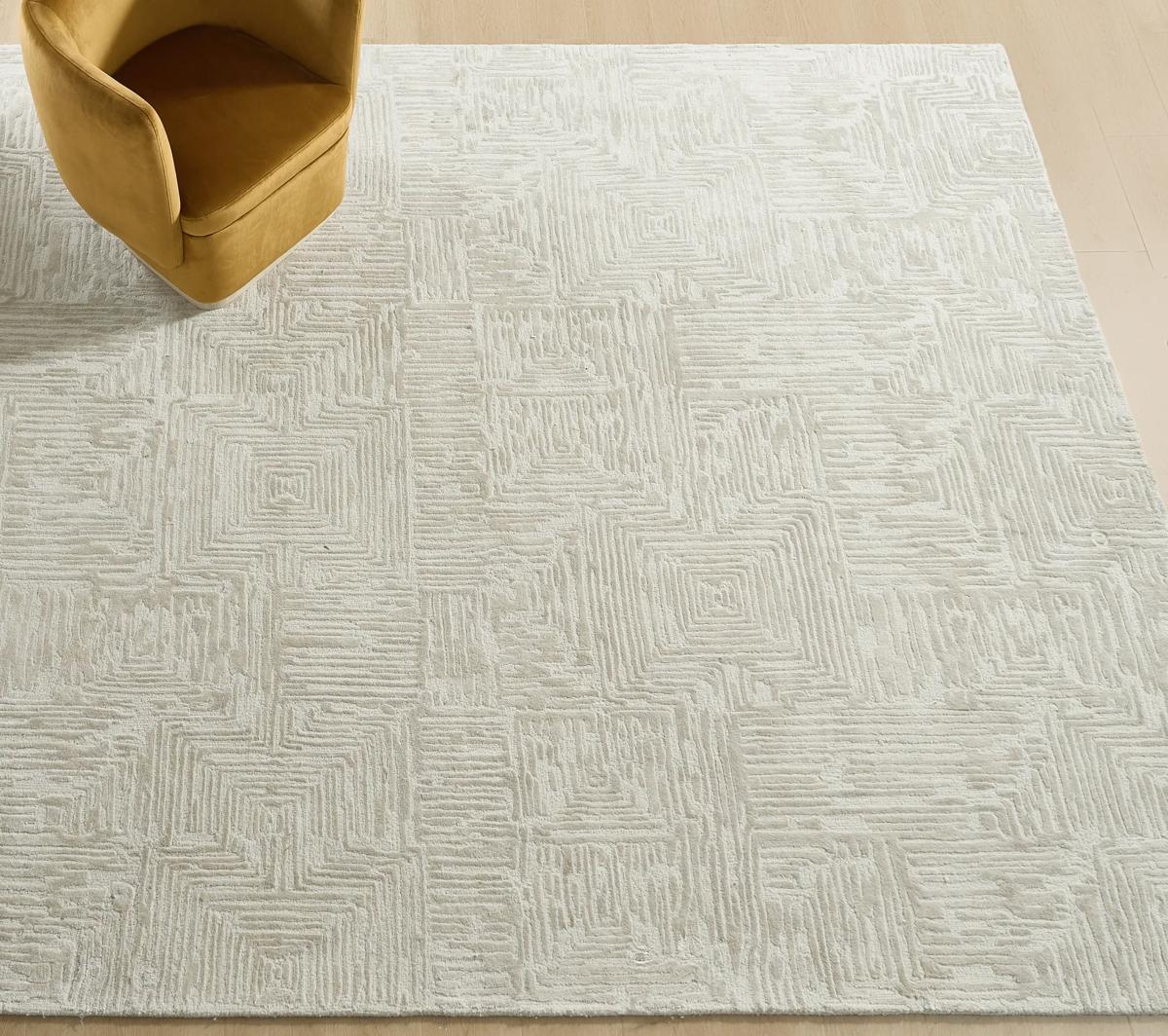 Andra Ivory Hand-Tufted Wool Blend Dimensional Rug$499
A hand-tufted ivory rug in a viscose-wool blend with raised textural detailing and subtle sheen.
Add To Cart -
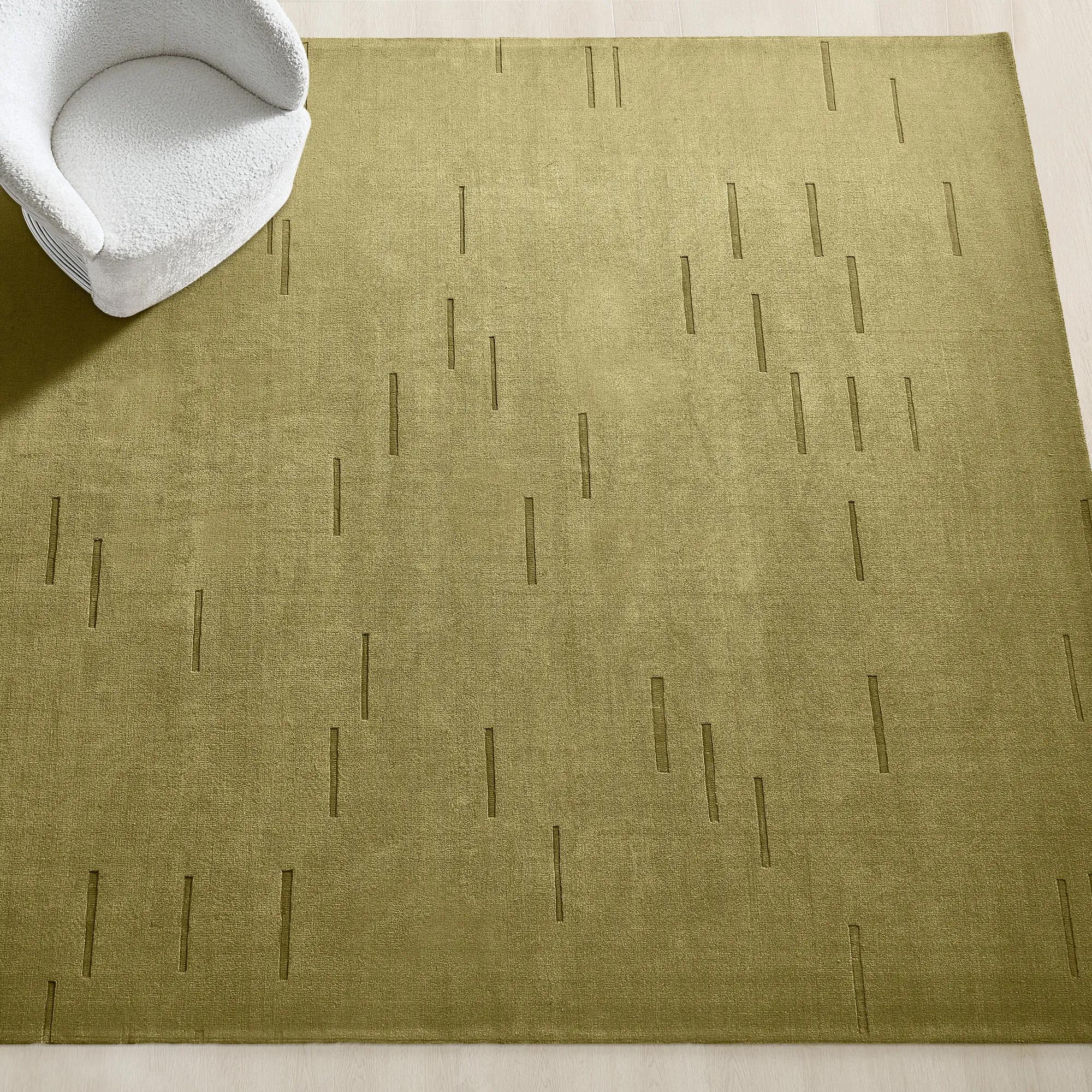
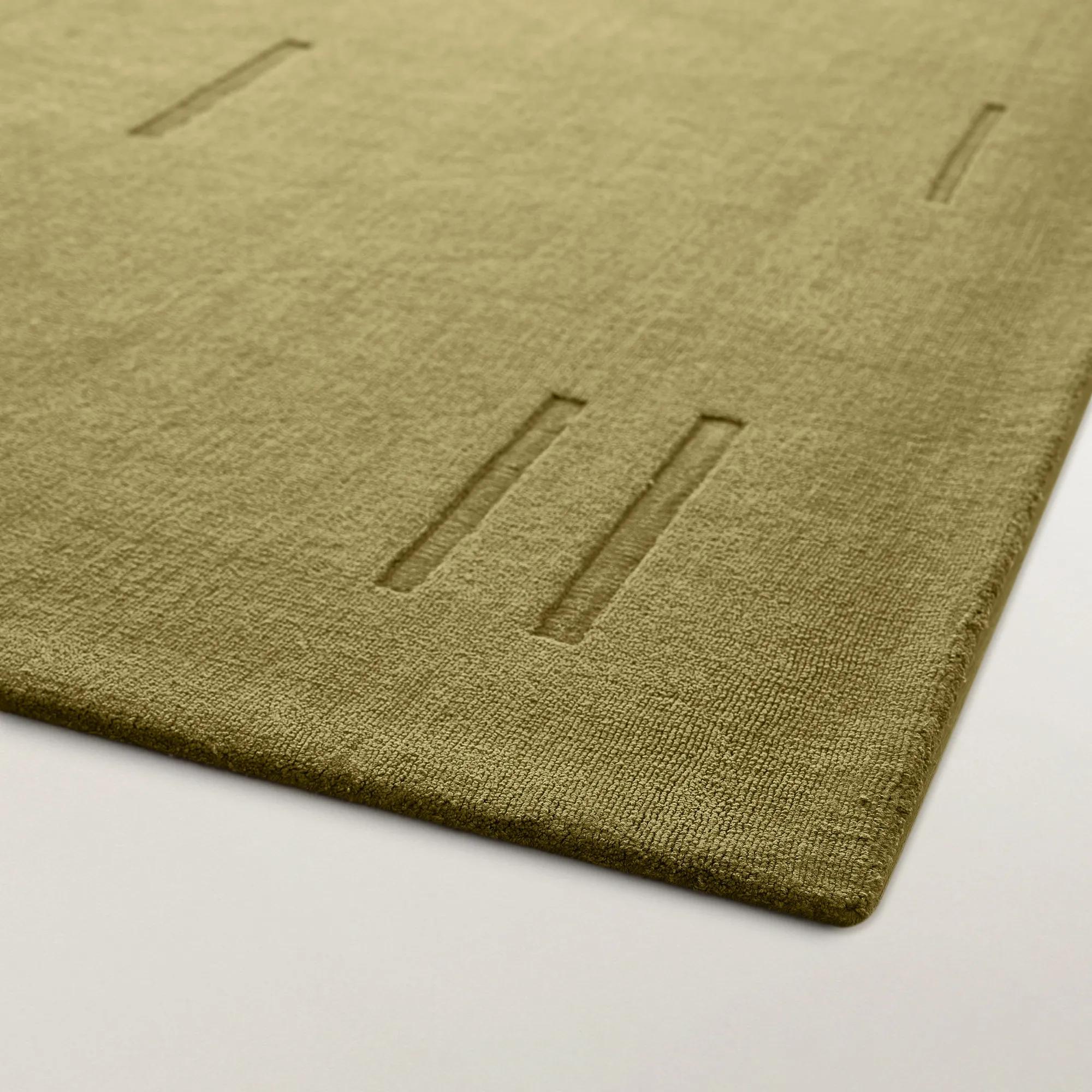 Lamita Muted Olive Green Wool Blend Rug$1999
A muted olive green wool-blend rug bringing soft texture and understated warmth to modern interiors.
Add To Cart -
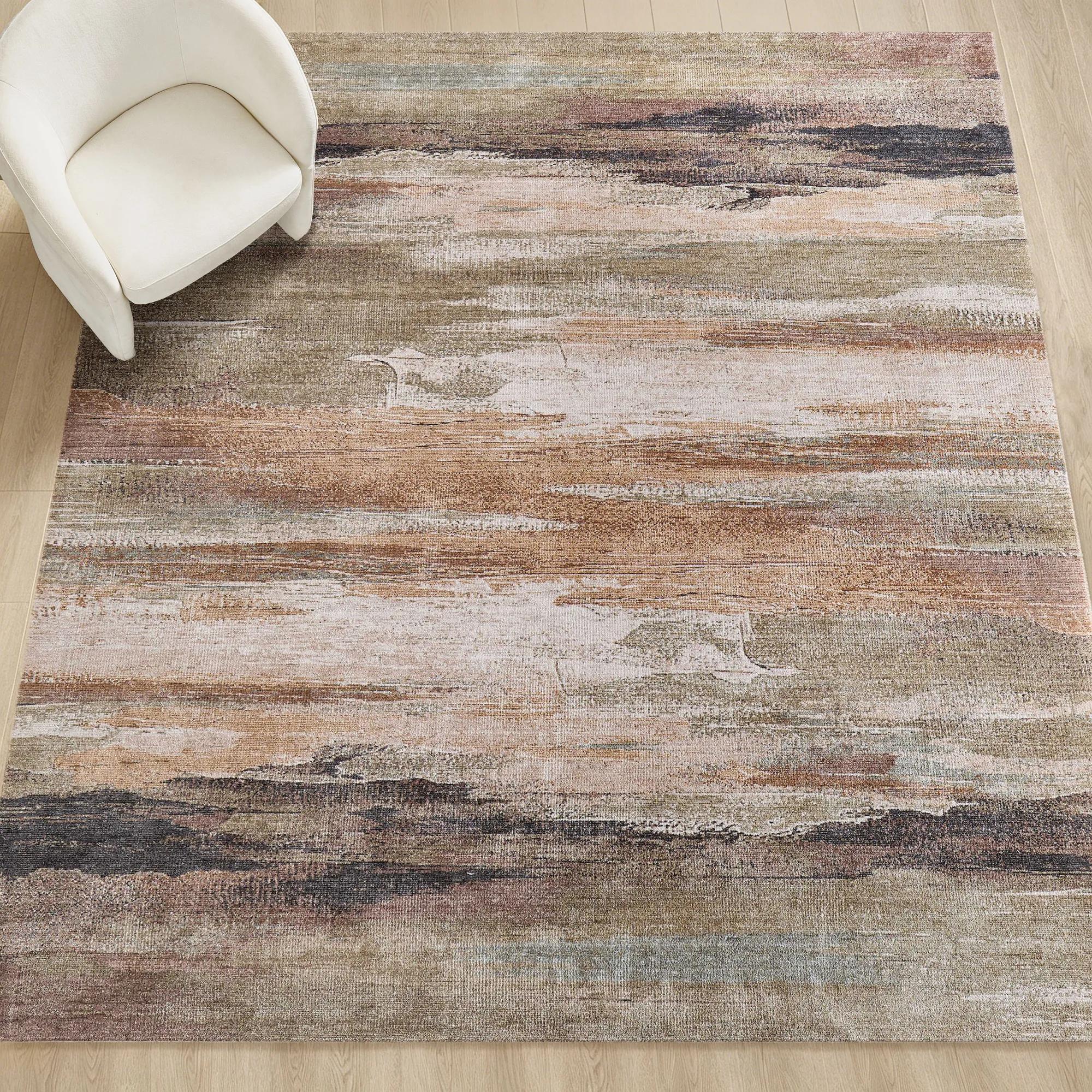
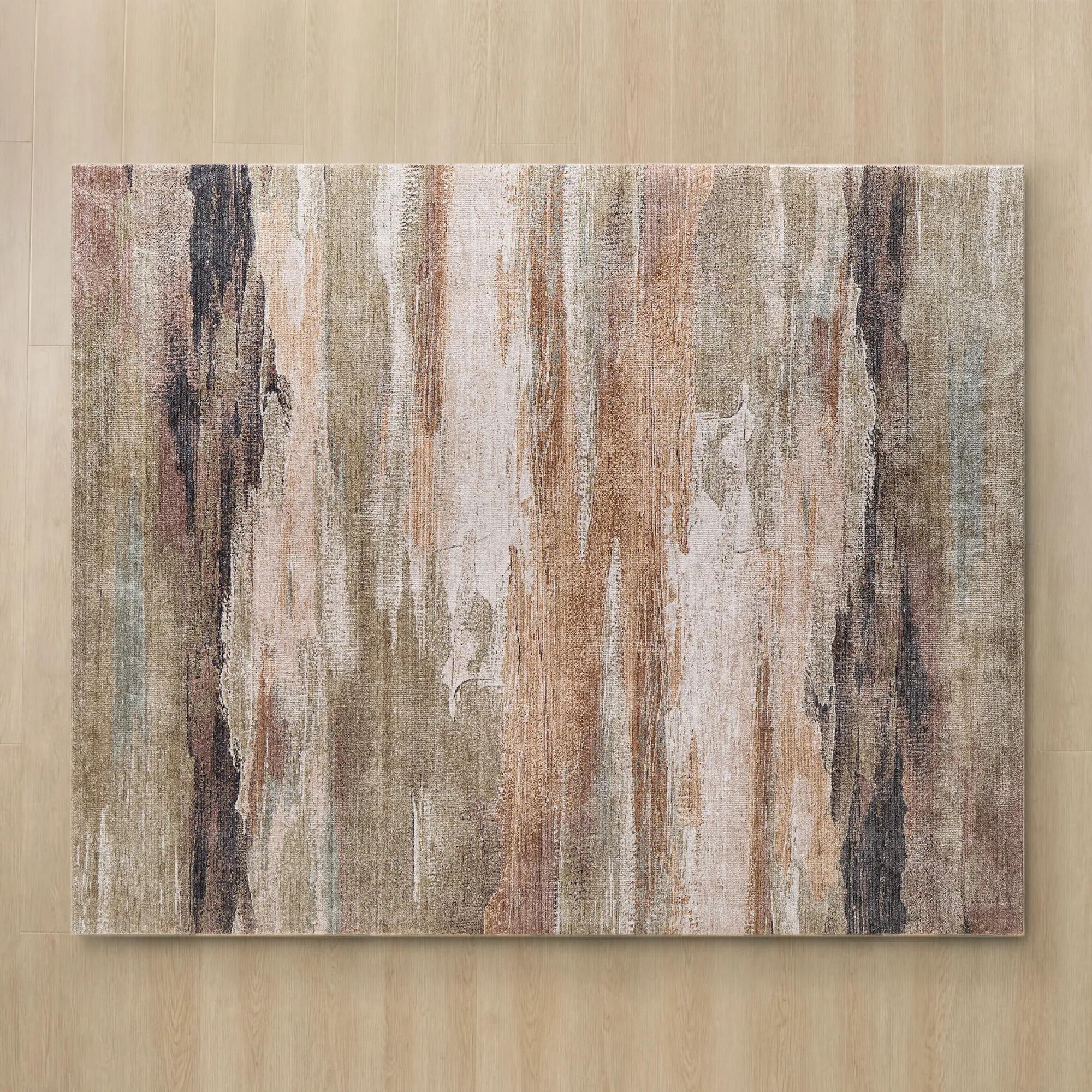 Sedona Rust/Beige/Moss Green/Charocal/Blue Performance Power Loomed Rug$1999
A power-loomed polyester rug featuring a rich abstract pattern in rust, beige, moss green, charcoal, and blue.
Add To Cart -
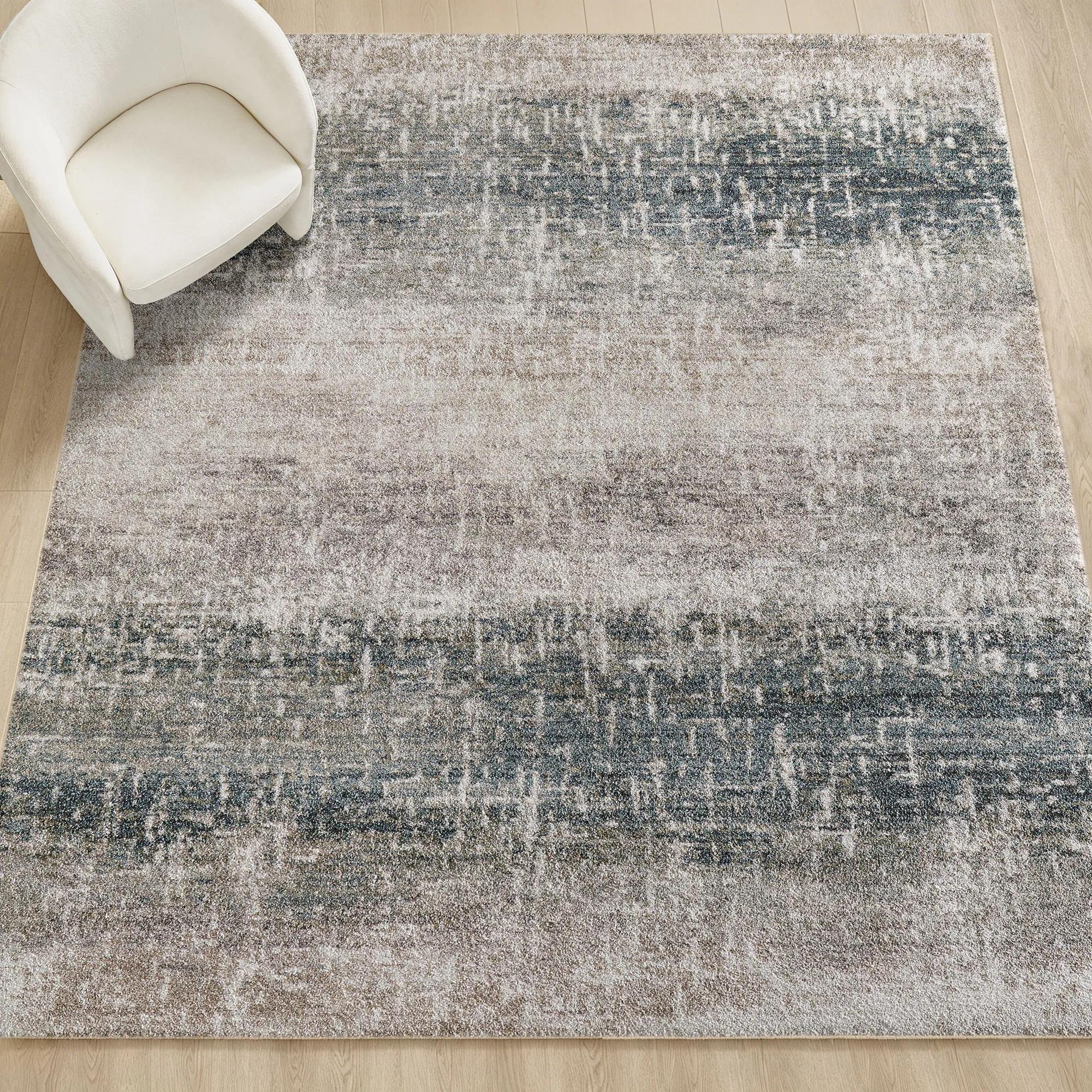
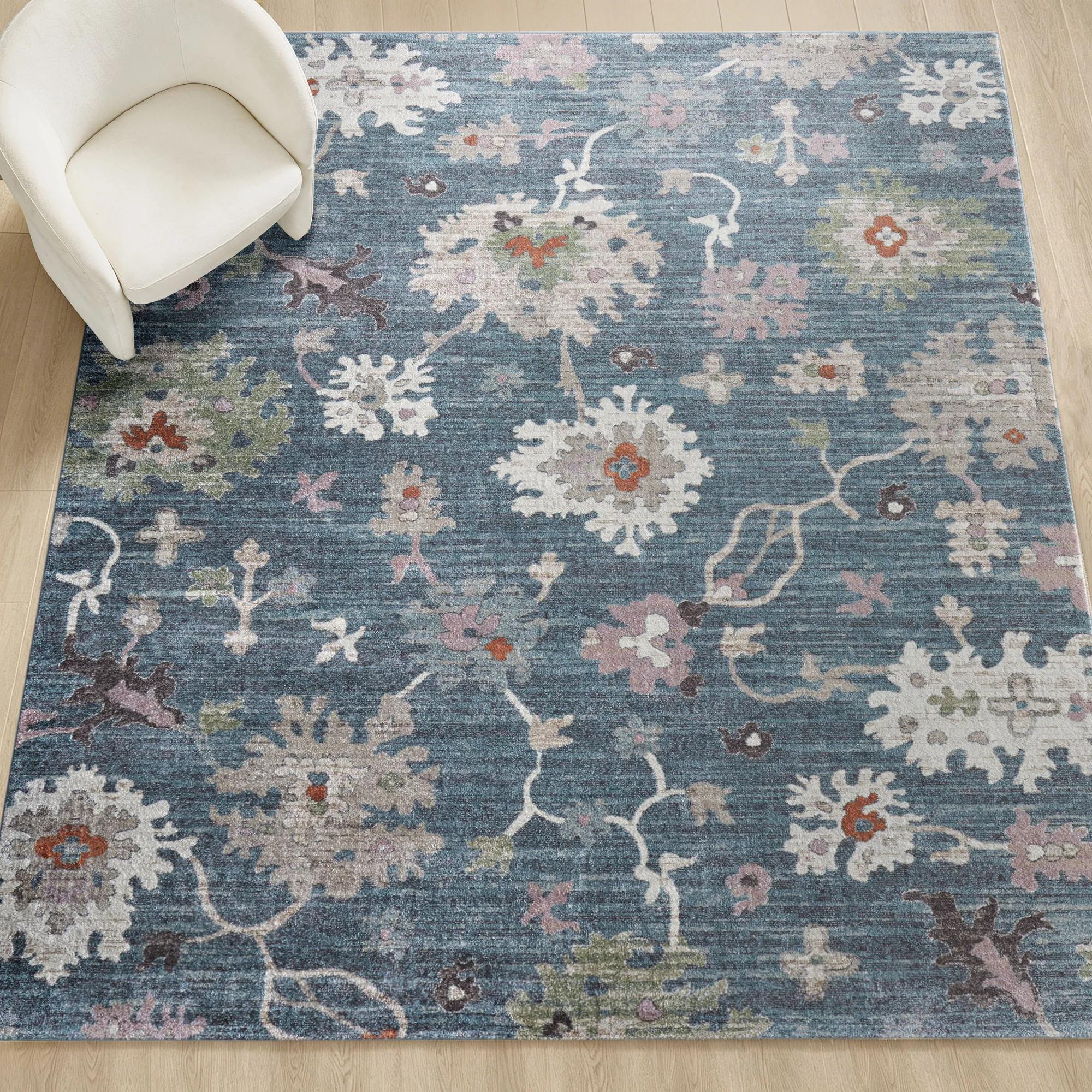
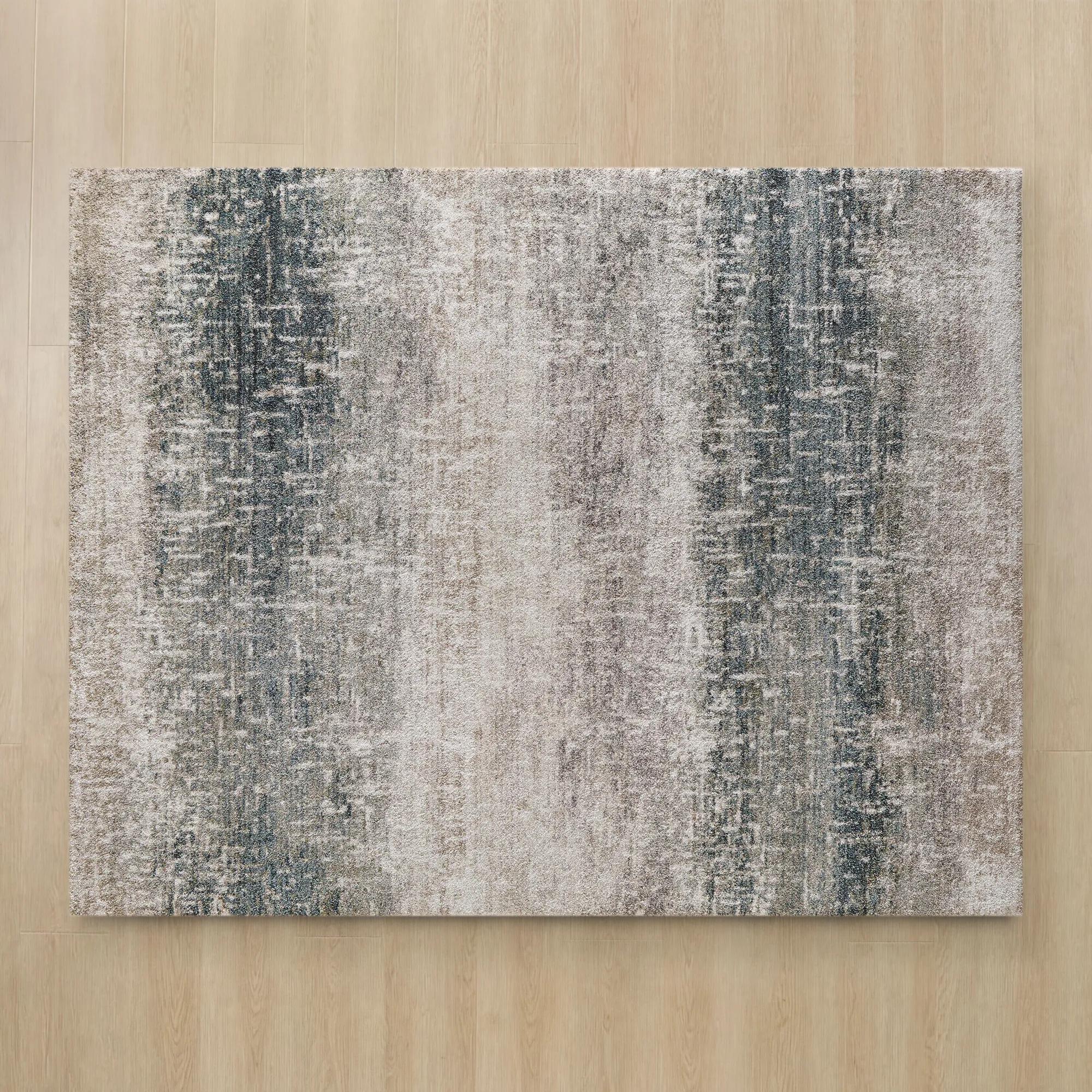 Collier Taupe/Grey/Blue/Green Performance Power Loomed Rug$1349
An abstract rug in taupe, grey, blue, and green with a plush, durable, and easy-care performance blend.
Add To Cart -
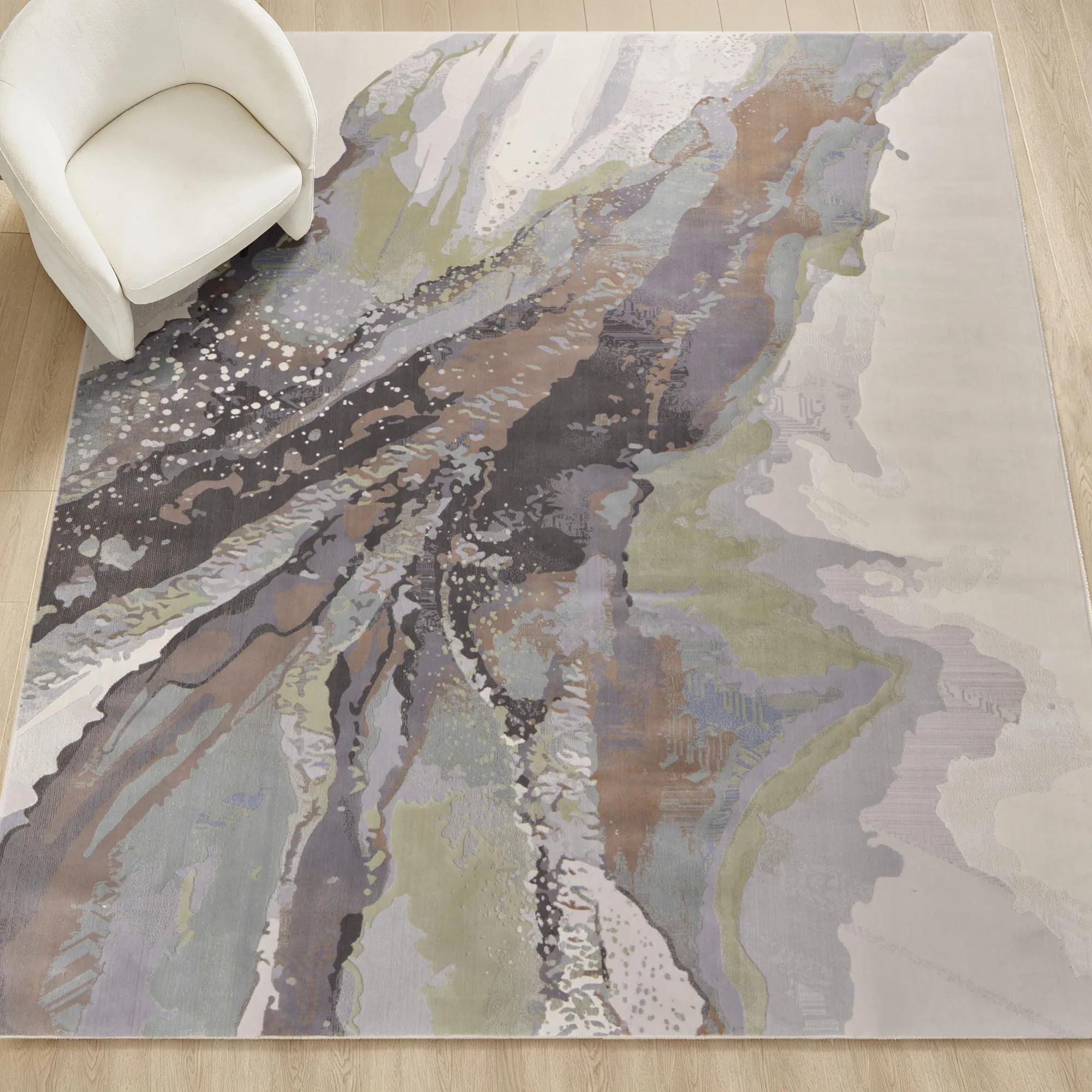
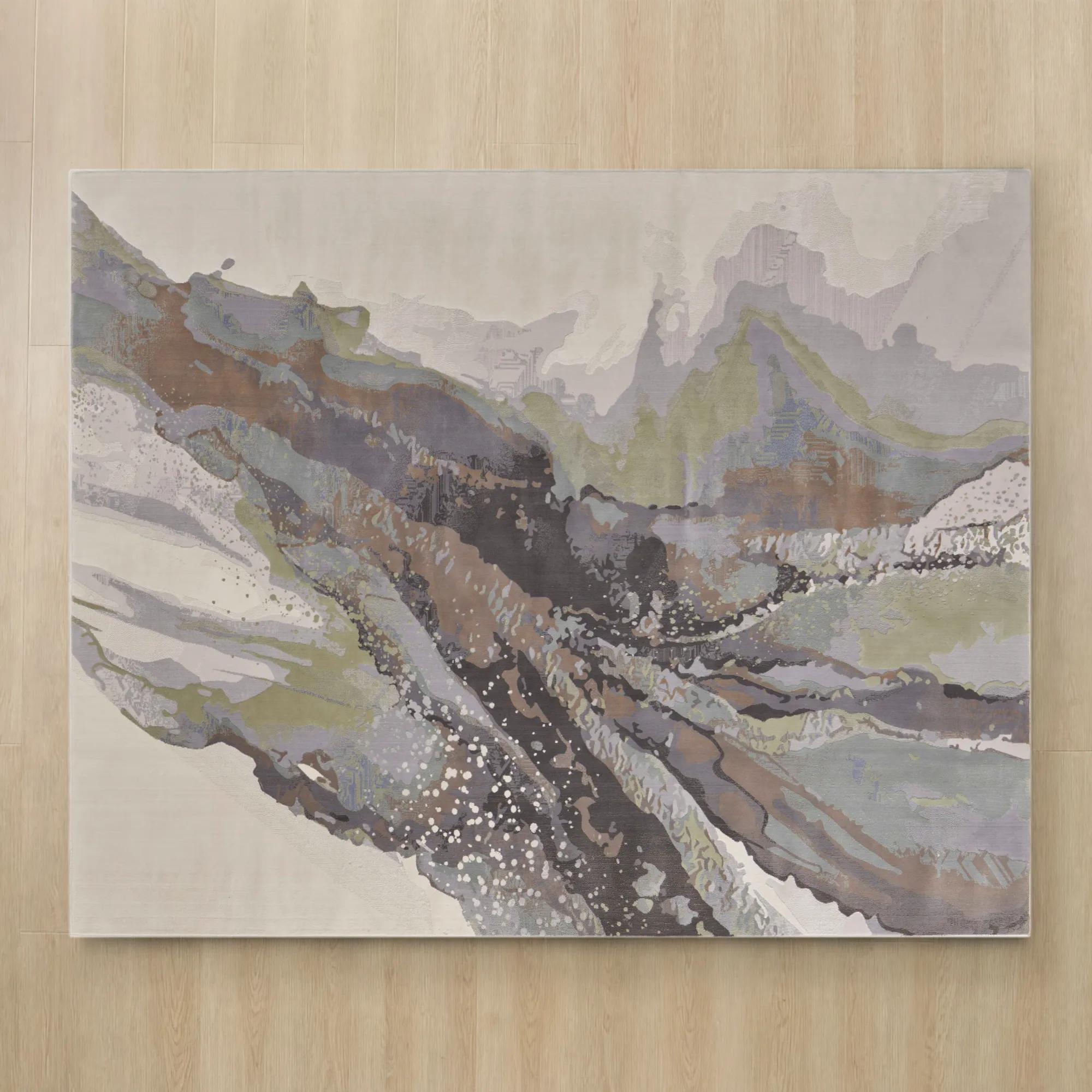 Nerissa Abstract Ivory/Grey/Blue/Green Performance Power Loomed Rug$949
An abstract rug in ivory, grey, blue, and green with a textured, stain-resistant polypropylene-polyester blend.
Add To Cart -
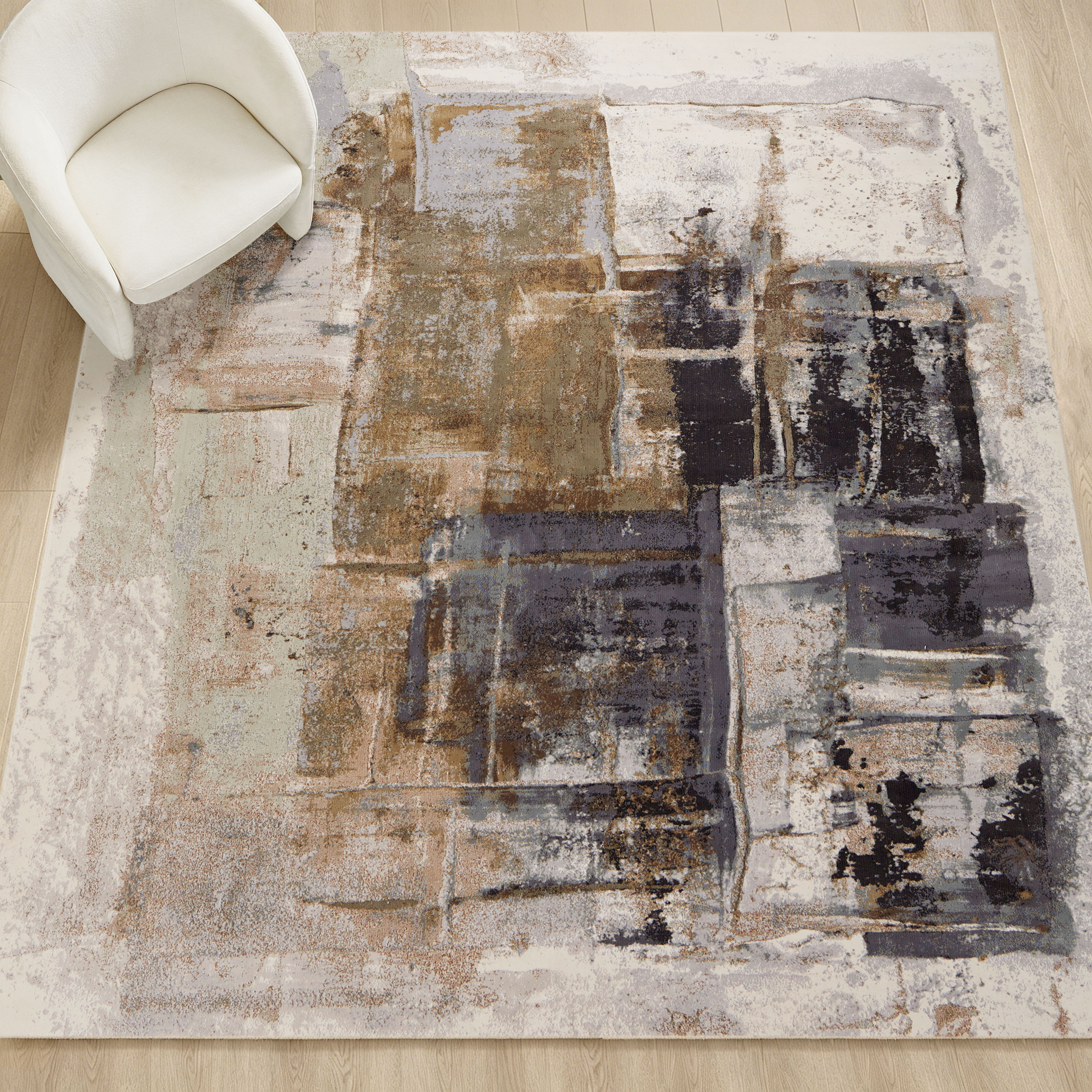
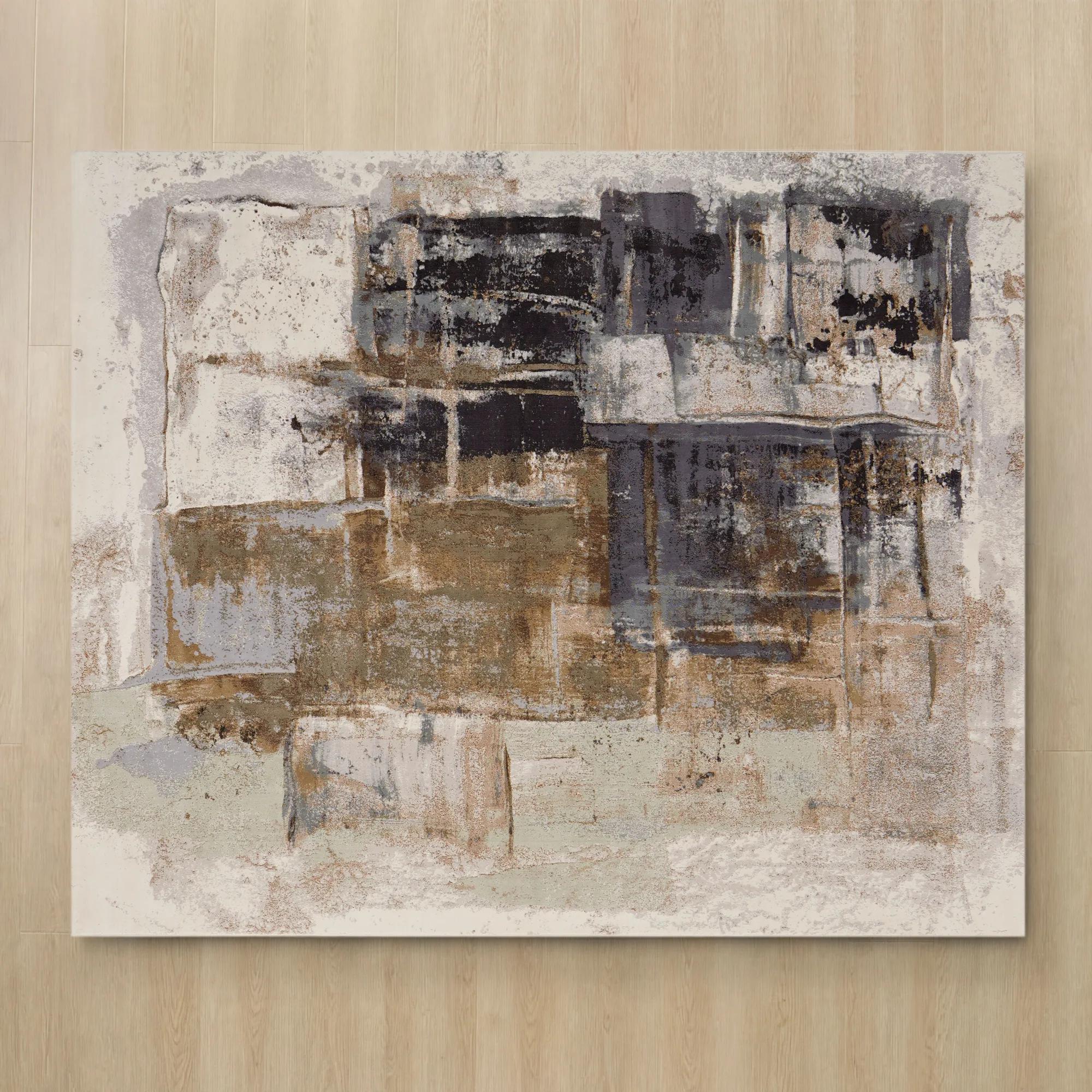 Gaia Abstract Grey/Charcoal/Ivory/Gold/Blue Performance Power Loomed Rug$449
An abstract rug in grey, charcoal, ivory, gold, and blue with a soft, stain-resistant performance blend.
Add To Cart -
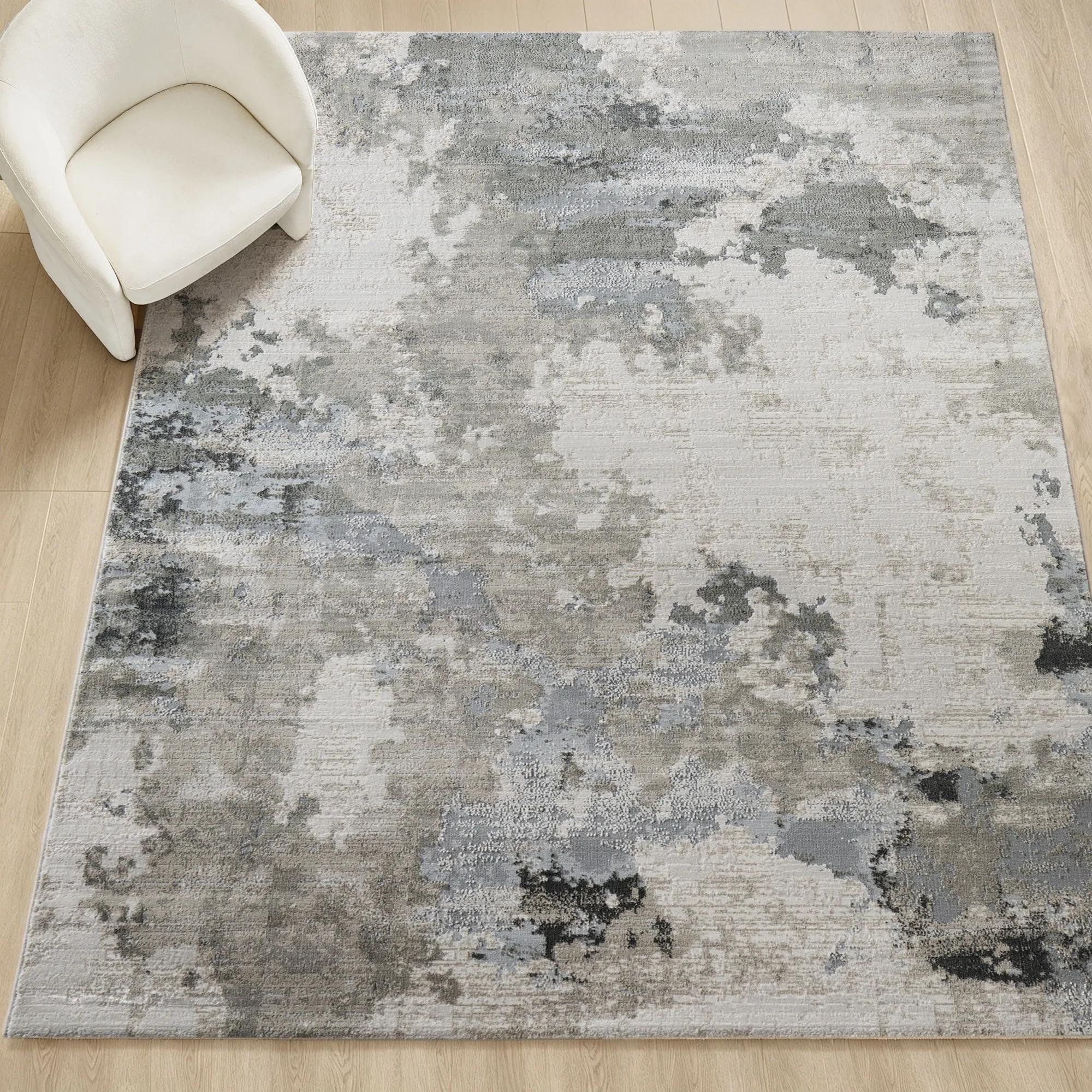 Alarion Abstract Grey/Muted Blue/Ivory Performance Power Loomed Rug$379
A power-loomed rug featuring a grey, muted blue, and ivory abstract pattern with stain-resistant durability.
Add To Cart

Patterned Viscose Area Rugs
Patterned viscose area rugs are the ultimate invitation to indulge your space with artistry and allure. Each design is a masterstroke, weaving together luminous threads and expressive motifs to create a foundation that captivates the eye and enlivens any room. With their silky sheen and intricate patterns, these rugs transform floors into galleries of modern glamour—effortlessly elevating your home’s narrative with every step. Let your imagination wander: from bold geometrics to whisper-soft florals, patterned viscose area rugs offer a tactile canvas for those who believe every detail deserves its own spotlight.
Patterned viscose area rugs combine decorative motifs with a silky, light-reflective surface, bringing intricate detail and luminous dimension to a room. Viscose is a regenerated cellulose fiber, commonly made from wood pulp, that is valued for its smooth feel and silk-like sheen. In an area rug, that sheen gives pattern an expressive quality: an abstract sweep can appear softly washed from one angle and richly defined from another, while an ornate border gains depth as the pile catches the light. Designs can range from Persian-inspired medallions and botanical flourishes to architectural geometrics and painterly compositions. Each creates a different visual rhythm. A generous, open pattern lends movement without overwhelming sculptural furniture, while a finely detailed motif introduces ornament beneath a tailored sofa or beside a beautifully dressed bed. Color is equally atmospheric. Ivory, silver, and taupe can create a luminous foundation for gleaming metal accents; charcoal and deeper jewel tones lend definition to pale upholstery and polished surfaces. Because viscose reflects light directionally, the same rug may look lighter or darker depending on where it is viewed and how its fibers lie. That variation is part of the material’s character, rather than necessarily a difference in dye color. Patterned viscose rugs are especially compelling for interiors where softness and visual drama matter more than heavy-duty performance. Their appeal lies in the contrast between an intricate surface and an almost liquid glow, giving a seating arrangement a sense of composition rather than simply covering the floor. Against velvet upholstery, the effect is richly layered; beside glass, lacquer, or brushed metal, the soft pile introduces a tactile counterpoint. A restrained palette can still feel richly expressive when the pattern has scale, movement, and subtle tonal variation, making these rugs an expressive choice for spaces that favor detail over excess color.
The most successful placement gives the pattern enough space to register and the furniture a clear relationship to its borders. In a living room, a rug that extends beneath at least the front legs of the main seating pieces can draw separate furnishings into one cohesive arrangement. A smaller rug floating beneath only the coffee table may make a generous seating area feel fragmented, particularly when its border competes with several surrounding furniture edges. Measuring the full arrangement, including side tables and nearby walkways, helps establish a proportion that feels intentional. In a bedroom, a broad expanse of patterned pile beside and beyond the foot of the bed creates a sumptuous landing and allows the design to remain visible around the bedding. Large-scale abstract motifs can hold their own beneath substantial furniture, while smaller repeated patterns often read as texture from across the room. A pronounced central medallion deserves particular attention to placement, since a large table or bed may conceal the detail that gives the rug its character. Low-traffic living rooms, bedrooms, and quiet sitting areas generally suit viscose better than entryways, busy family rooms, or spaces where spills are routine. Households with active pets or young children may prefer to reserve its delicate luster for a more protected setting. Fiber blends offer another dimension to the selection: Wool Viscose Patterned Rugs pair wool’s natural texture and resilience with viscose’s luminous finish, although performance still depends on fiber percentages, construction, and care. A blend should not be assumed to be stain-resistant or suitable for heavy traffic simply because it contains wool. Pile height and construction also influence how the rug feels underfoot, how easily doors clear its surface, and how furniture rests on it. A compatible rug pad adds cushioning, helps limit movement, and reduces friction against the floor; its material should suit the flooring beneath it and remain slightly inside the rug’s edges for a clean outline.
Viscose’s beauty comes with a need for thoughtful care. The fiber loses strength when wet and can develop water marks, discoloration, or changes in texture after spills or improper cleaning. It is therefore best treated as a decorative luxury material rather than an easy-care performance fiber. Kitchens, bathrooms, damp areas, and locations near frequently used exterior doors are generally poor settings for viscose area rugs. Even a patterned surface that visually softens minor marks does not make the underlying fibers more resistant to staining. Routine maintenance should follow the rug’s care label, with gentle suction and no rotating brush or beater bar unless the manufacturer specifically permits one. Aggressive brushing can disturb the pile, while repeated pressure from chair casters or dragging furniture can damage the surface. Lifting furniture during rearrangement and using appropriate furniture cups beneath heavy legs can help protect the rug’s appearance. Occasional rotation can distribute foot traffic and light exposure more evenly, especially in a room where one side receives stronger sunlight. If a spill occurs, promptly blot with a clean, dry, white absorbent cloth rather than rubbing or saturating the area. Avoid experimenting with household stain removers, steam cleaners, or water-based treatments; a professional cleaner experienced with viscose rugs can assess the fiber and the appropriate response. Professional cleaning may also be the safest choice when a rug’s overall appearance needs refreshing, since excess moisture can leave lasting changes. Some shedding, shading, or visible footprints may occur depending on construction, and a directional pile can show the path of a vacuum even when the rug is clean. For someone who appreciates a softly evolving surface, these nuances contribute to its tactile appeal. With a dry, considered placement and a gentle maintenance routine, a patterned viscose area rug brings something distinctive to an interior: ornament that feels fluid, color with depth, and a luminous foundation that connects the room’s most expressive details.
FAQs
Patterned viscose area rugs are celebrated for their silk-like luster and velvety touch. The viscose fibers catch and reflect light, giving the patterns a dynamic, almost iridescent quality that shifts throughout the day. This luxurious texture enhances intricate designs, making each rug a striking focal point that elevates the mood and artistry of any room.
Patterned viscose area rugs are best suited for low-traffic, adult-oriented spaces due to their delicate fibers, which can be sensitive to moisture and wear. If you have pets or young children, consider placing these rugs in rooms where spills and heavy activity are less likely, such as a formal sitting area or a private bedroom retreat.
The pattern of a viscose rug can dramatically shape the ambiance of your space. Geometric designs add modern structure and energy, while florals or orientals introduce softness and timeless elegance. The interplay of color and motif can either anchor a bold statement or provide a subtle backdrop for curated furnishings and art.
Viscose runner rugs bring a sense of refinement and continuity to transitional spaces like hallways and entryways. Their luminous finish and intricate patterns create a welcoming path, guiding guests with understated glamour and tying together the design narrative from one room to the next.
Absolutely. Viscose area rugs can be layered over hardwood, tile, or even neutral sisal for added depth and dimension. Pairing a patterned viscose rug with complementary textures or colors can enrich your space, highlighting the rug’s artistry while enhancing the overall sense of luxury and cohesion in your home.