
Soft Neutral Window Panels
Soft Neutral Window Panels
-
.jpeg?w=1200&h=1200) Mabel Natural Velvet Swirl Window Curtain Panel$99
Mabel Natural Velvet Swirl Window Curtain Panel$99A warm neutral velvet curtain with a tonal swirl pattern, offering room-darkening privacy and versatile hanging options.
Add To Cart -
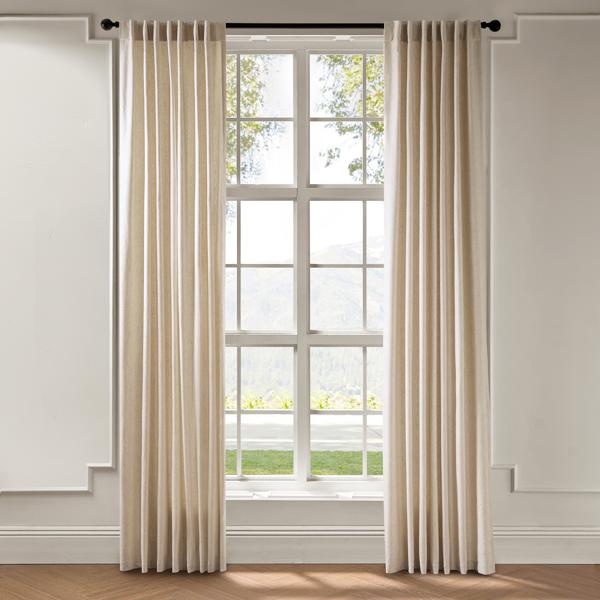
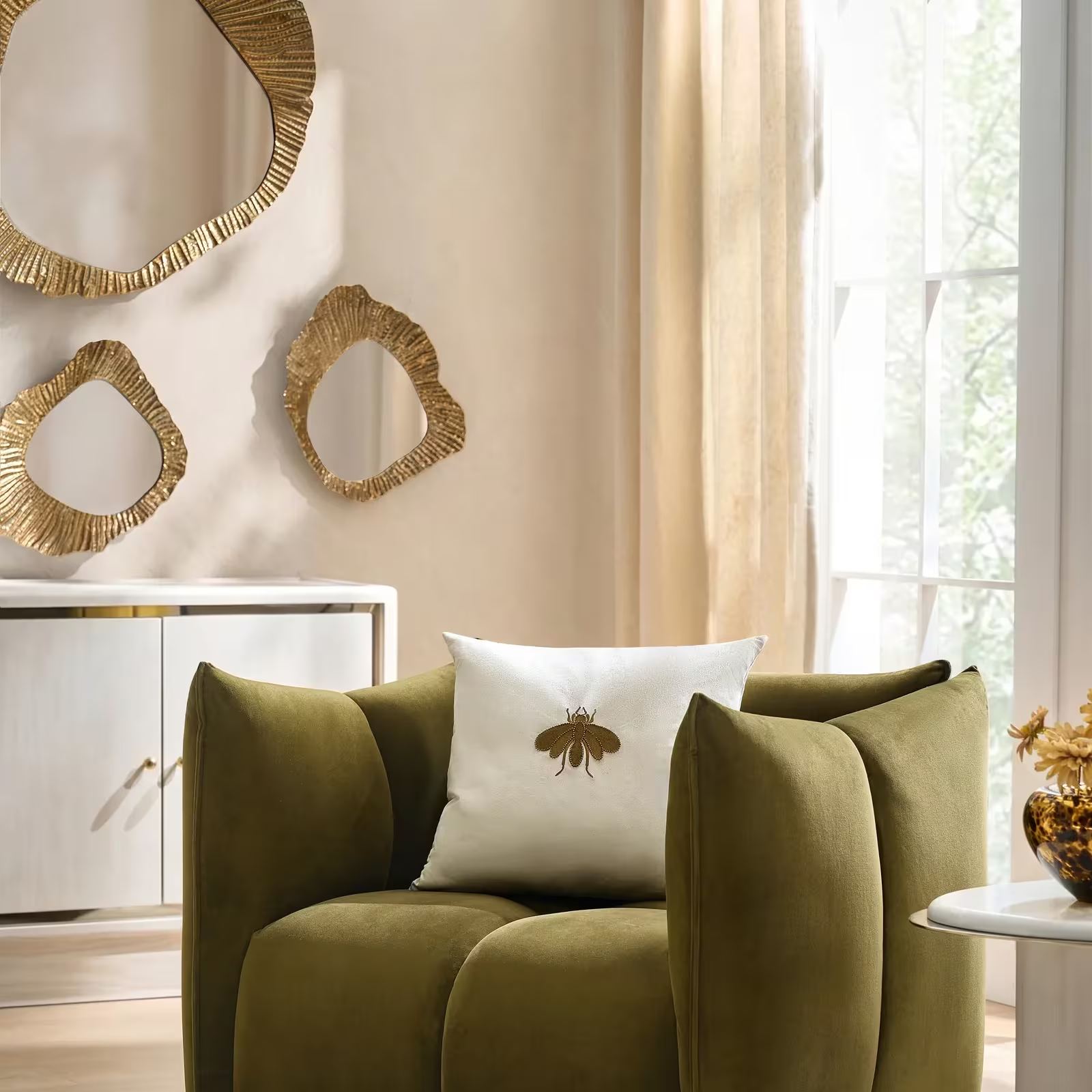 Anson Ivory Textured Window Curtain Panel$109
An elegant ivory curtain with a crushed, light-reflective texture and versatile dual hanging options.
Add To Cart -
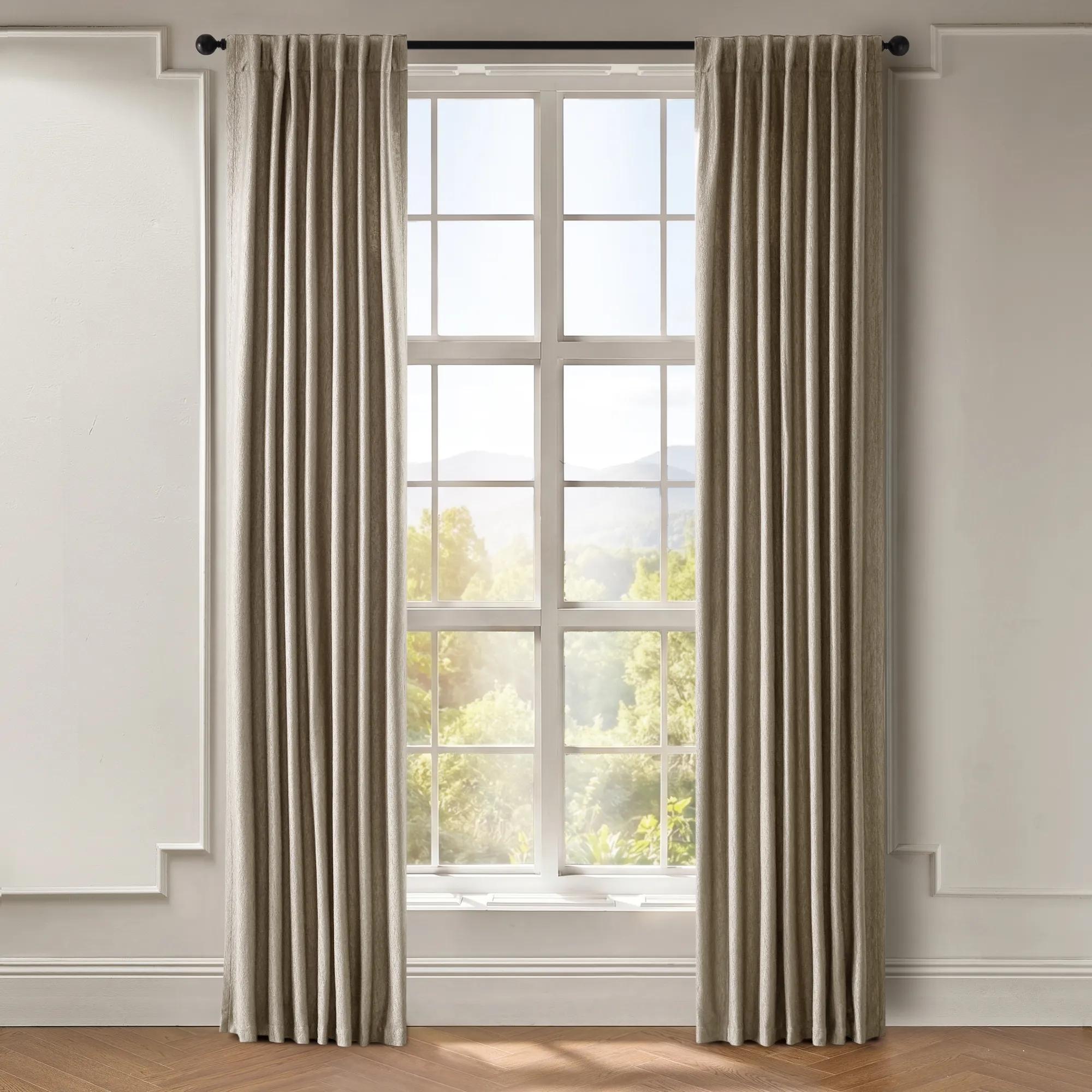
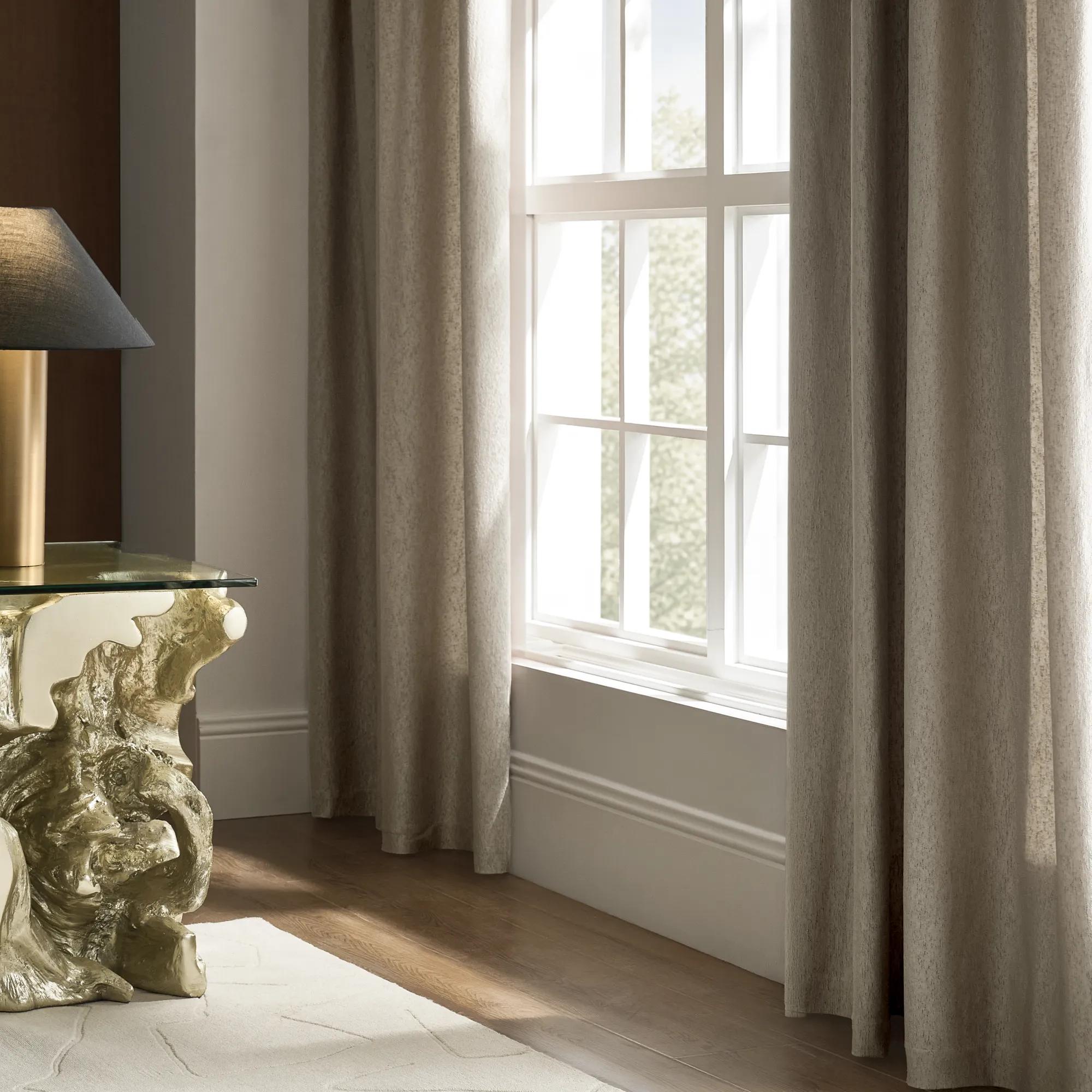 Anson Taupe Textured Window Curtain Panel$89
A taupe polyester curtain panel featuring a crushed sheen texture and room-darkening, dual hanging design.
Add To Cart -
.jpeg?w=1200&h=1200)
 Adair Sand Solid Velvet Window Curtain Panel$79
Adair Sand Solid Velvet Window Curtain Panel$79A room-darkening sand velvet curtain with dual hanging options for a soft, tailored finish.
Add To Cart -
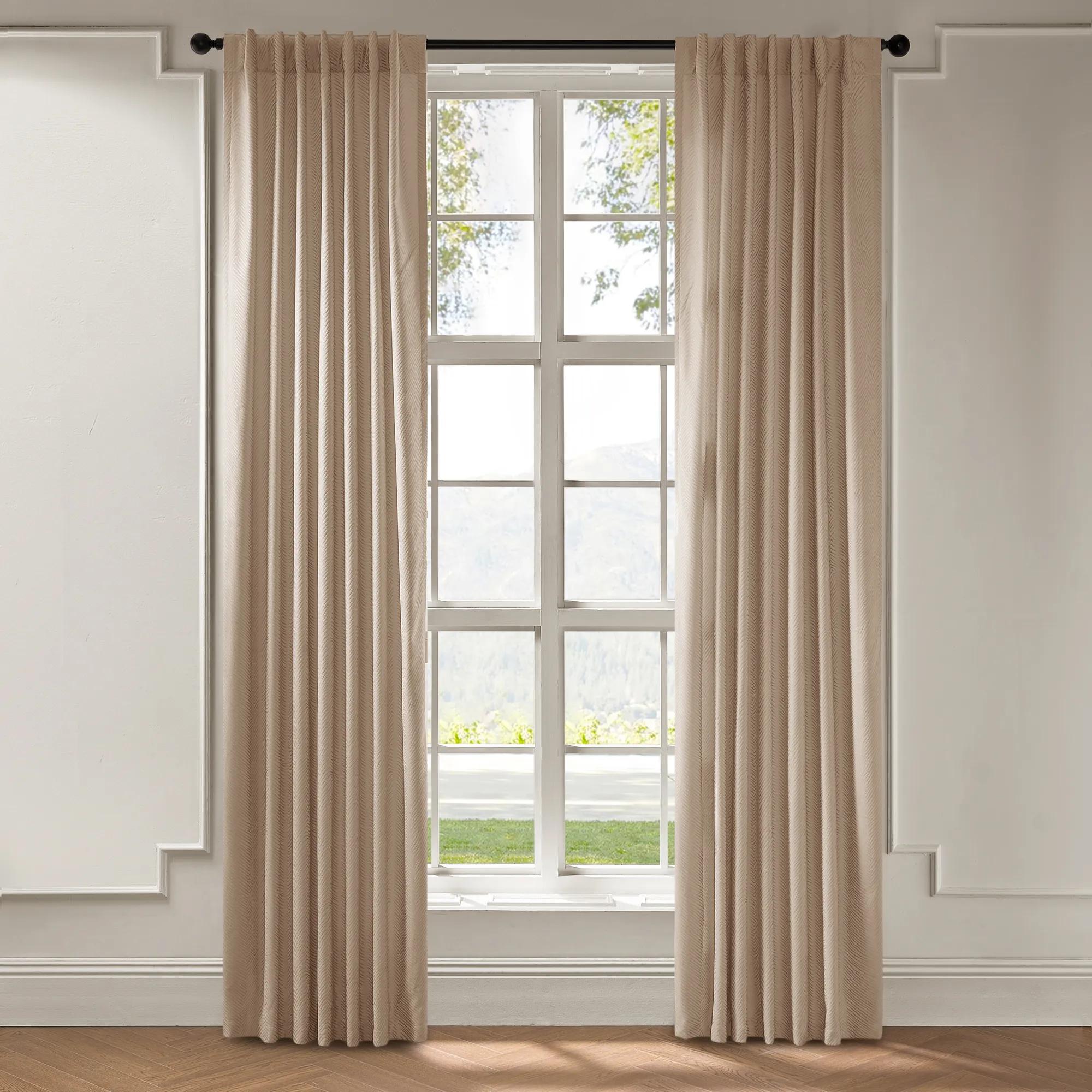 Kenzo Jacquard Beige Chenille Window Curtain Panel$129
A warm beige chenille jacquard curtain with a subtle sheen and versatile rod pocket or back tab hanging.
Add To Cart -
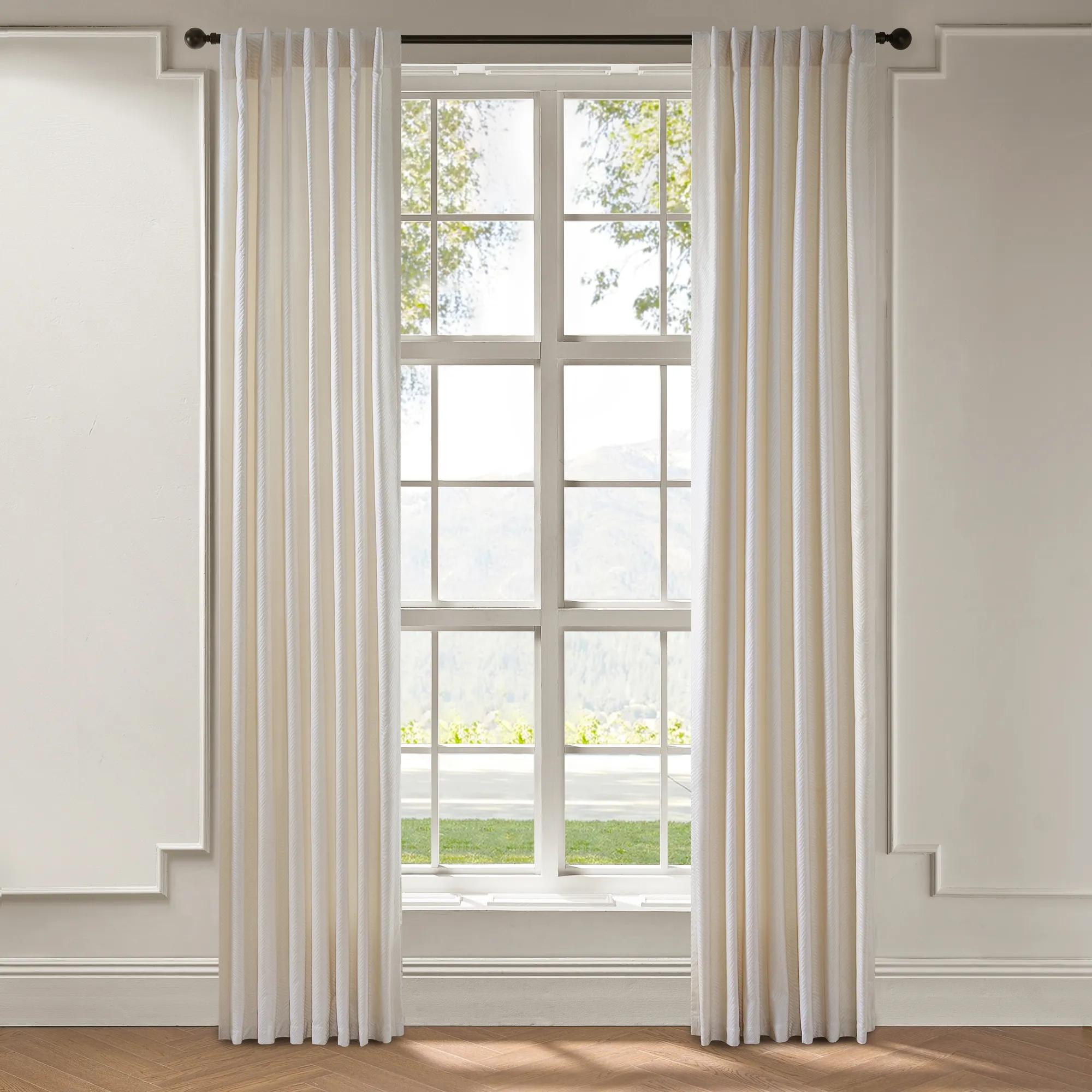
.jpeg?w=1200&h=1200) Kenzo Chenille Curtain - White$139
Kenzo Chenille Curtain - White$139A luxe white chenille jacquard curtain featuring a subtle high-contrast pattern and versatile dual construction.
Add To Cart -
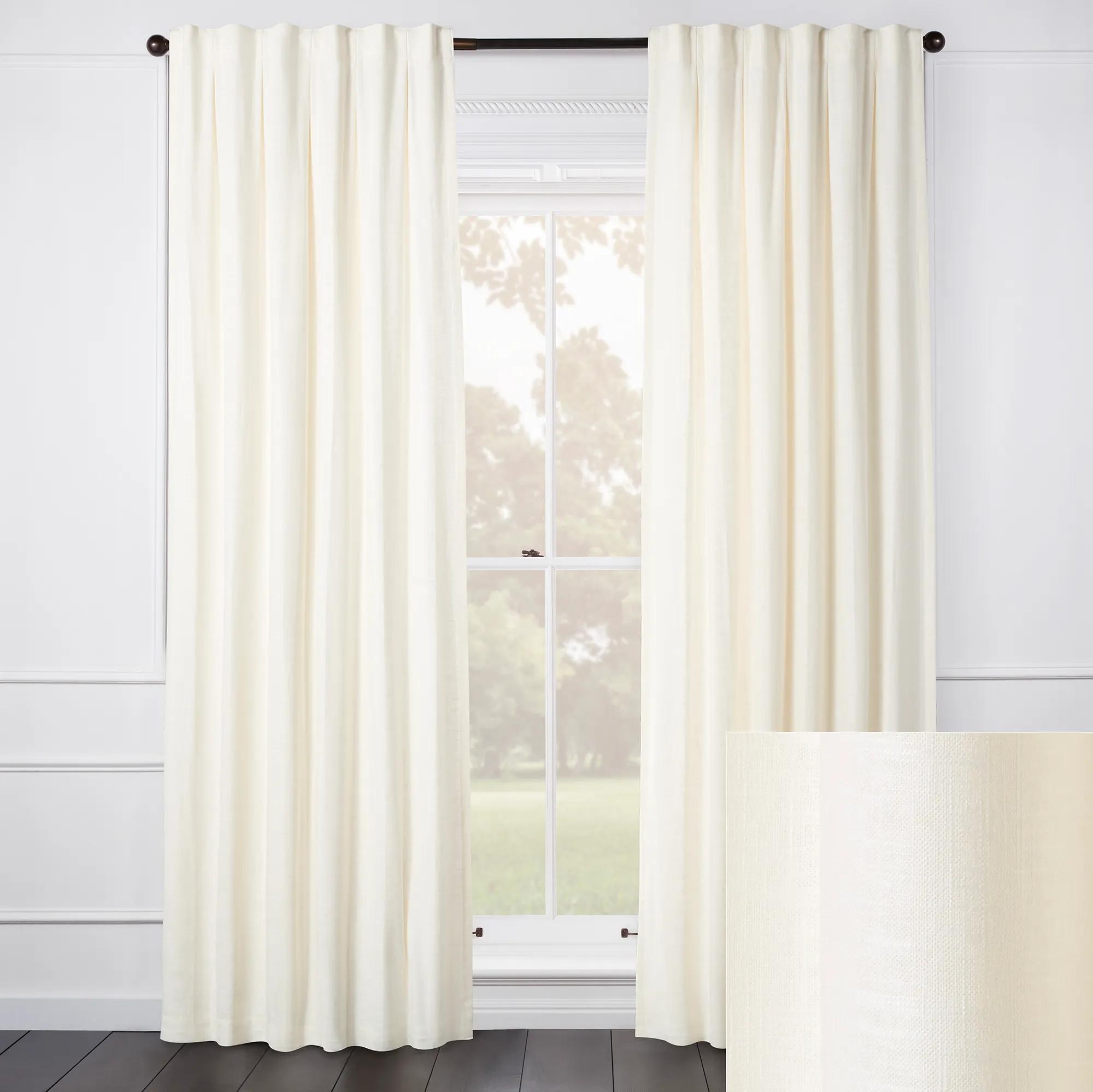
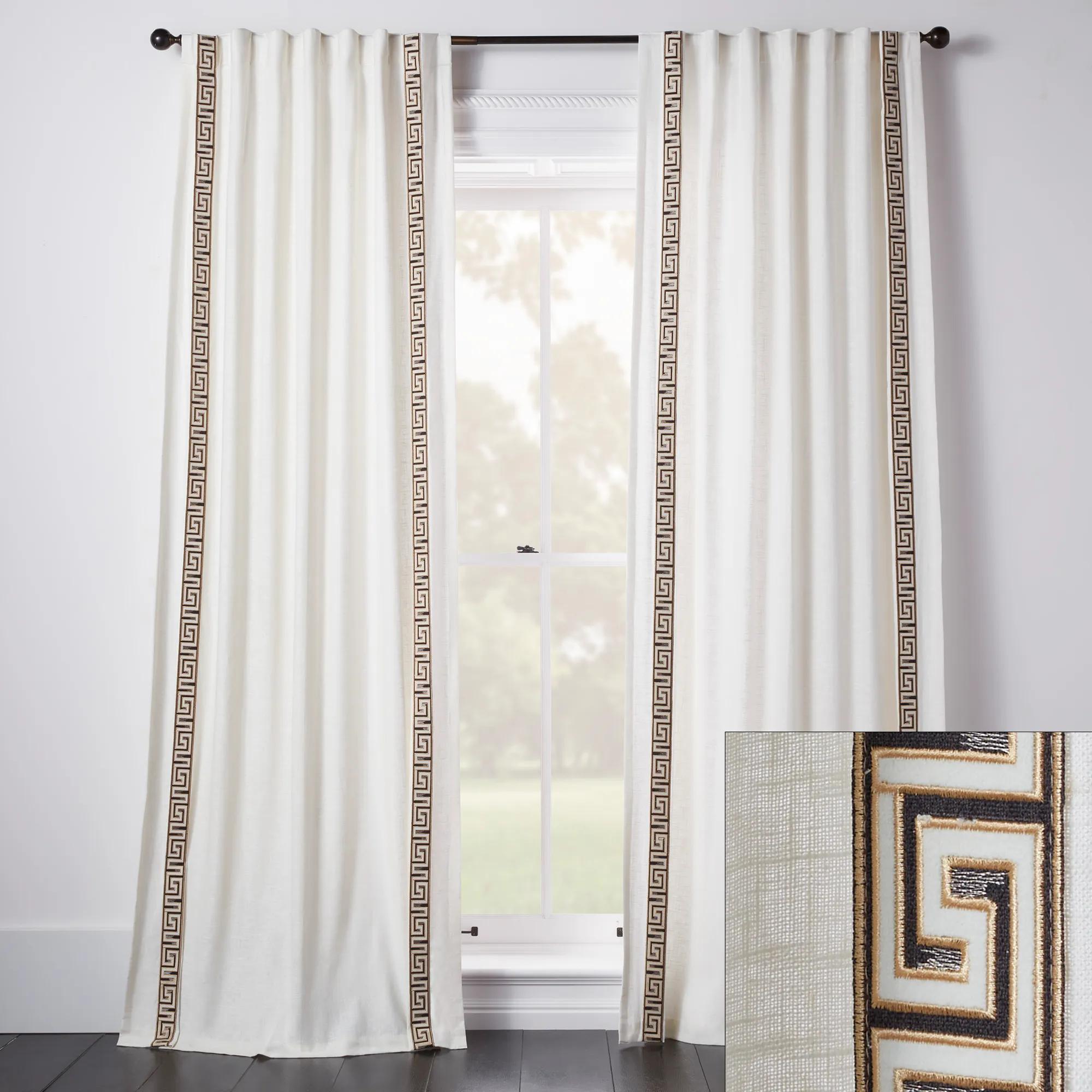
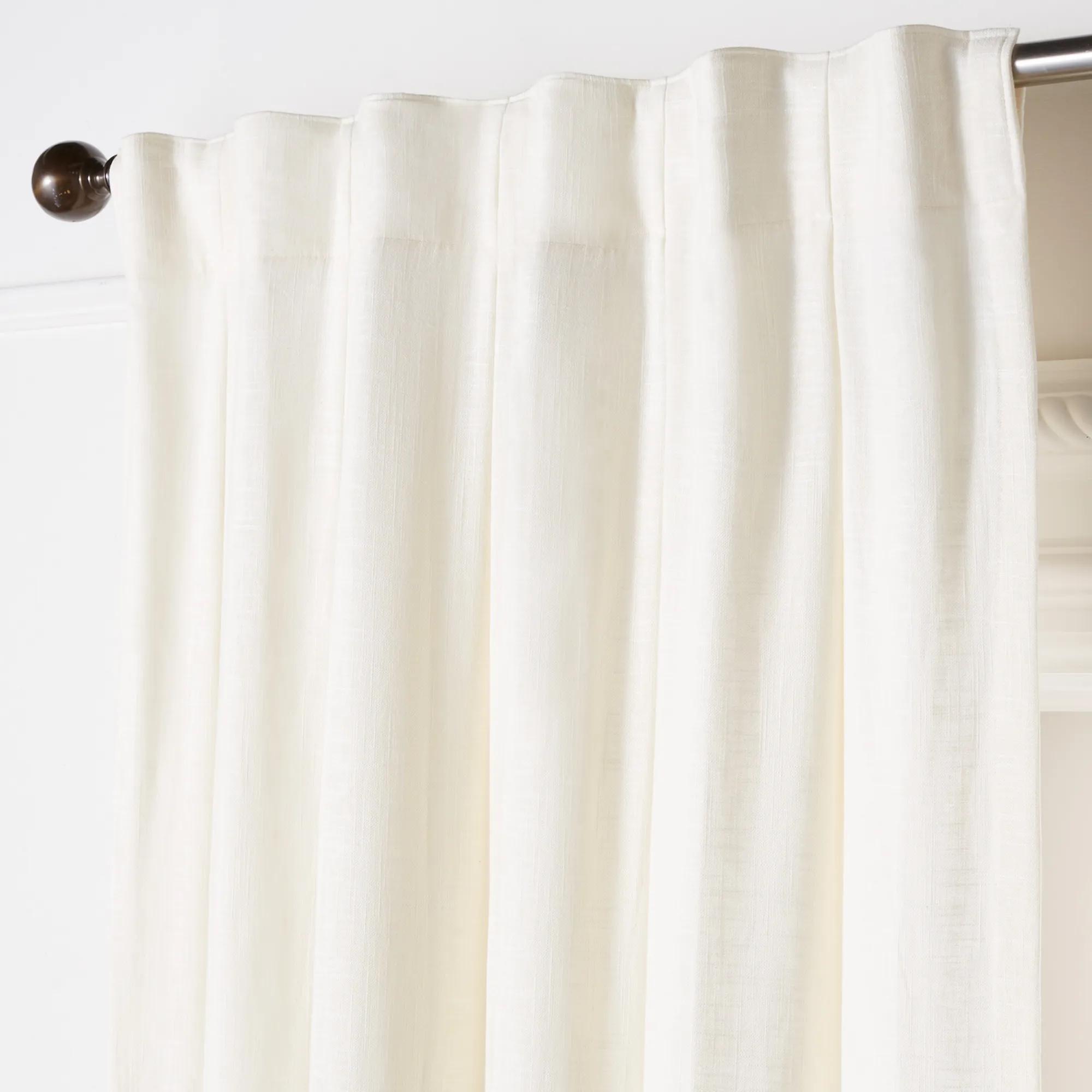 Audrey Linen Ivory Curtain - Custom$269
An ivory linen-blend curtain panel with lining, offering customizable lengths and two elegant header styles.
Add To Cart -
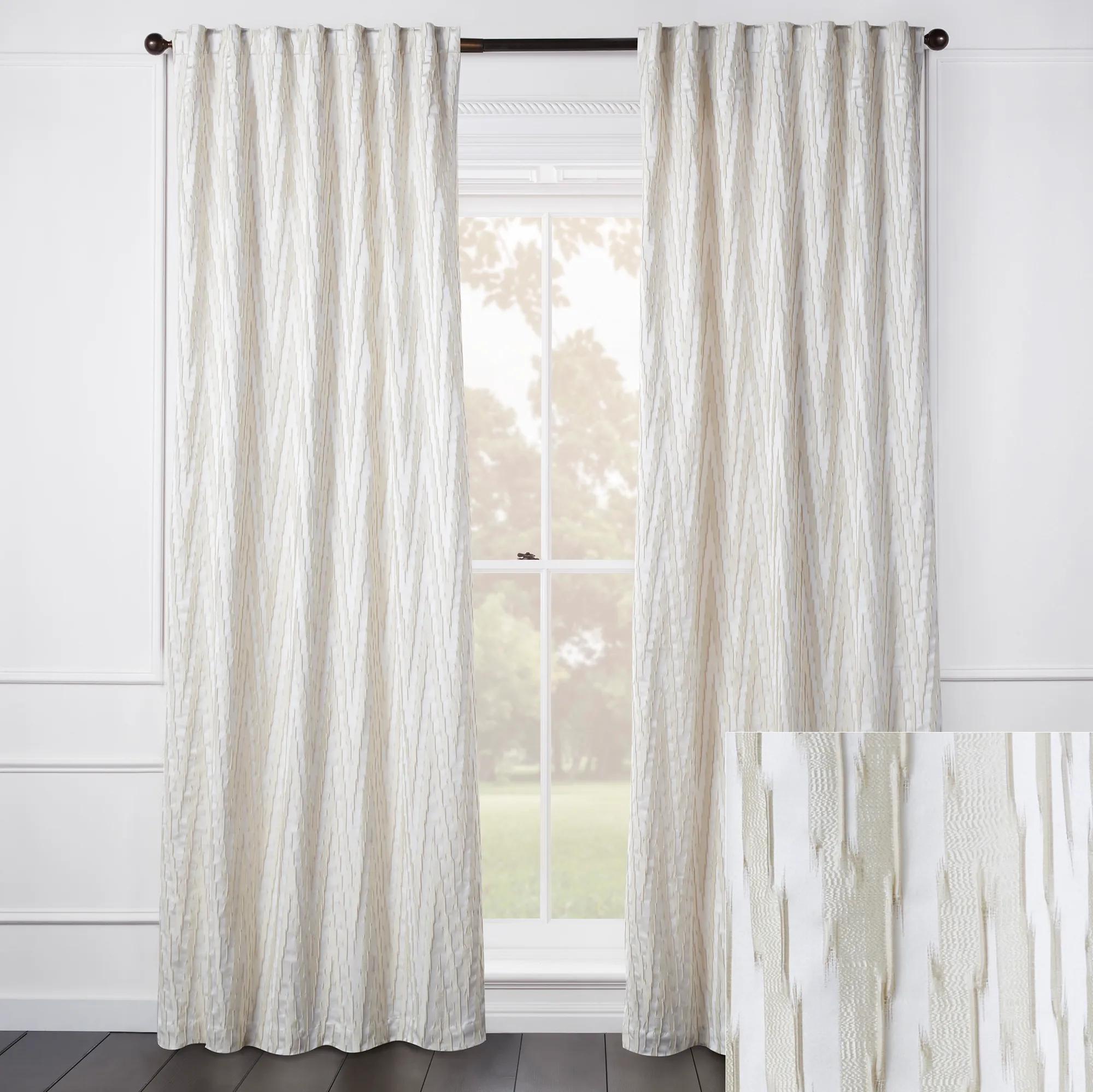
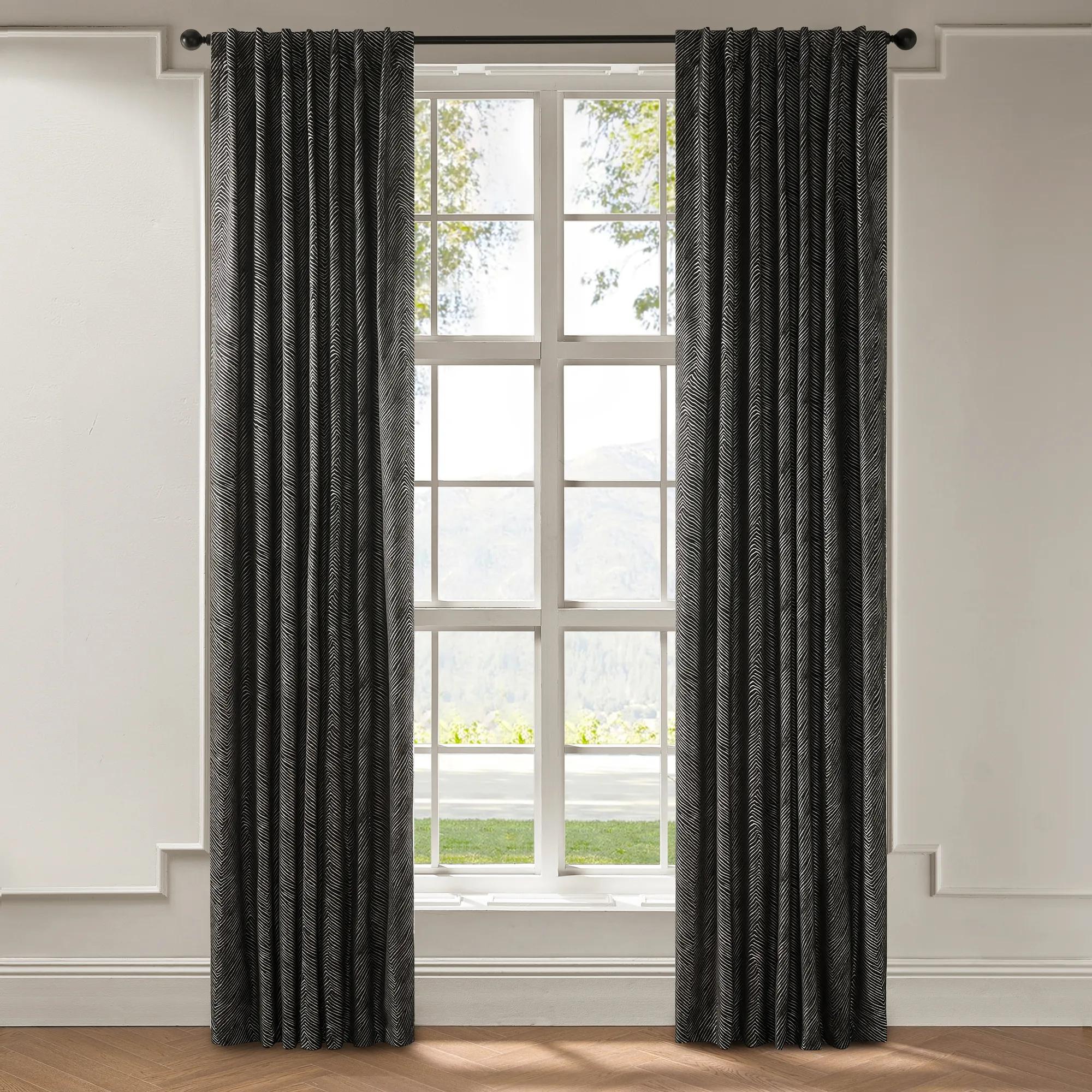
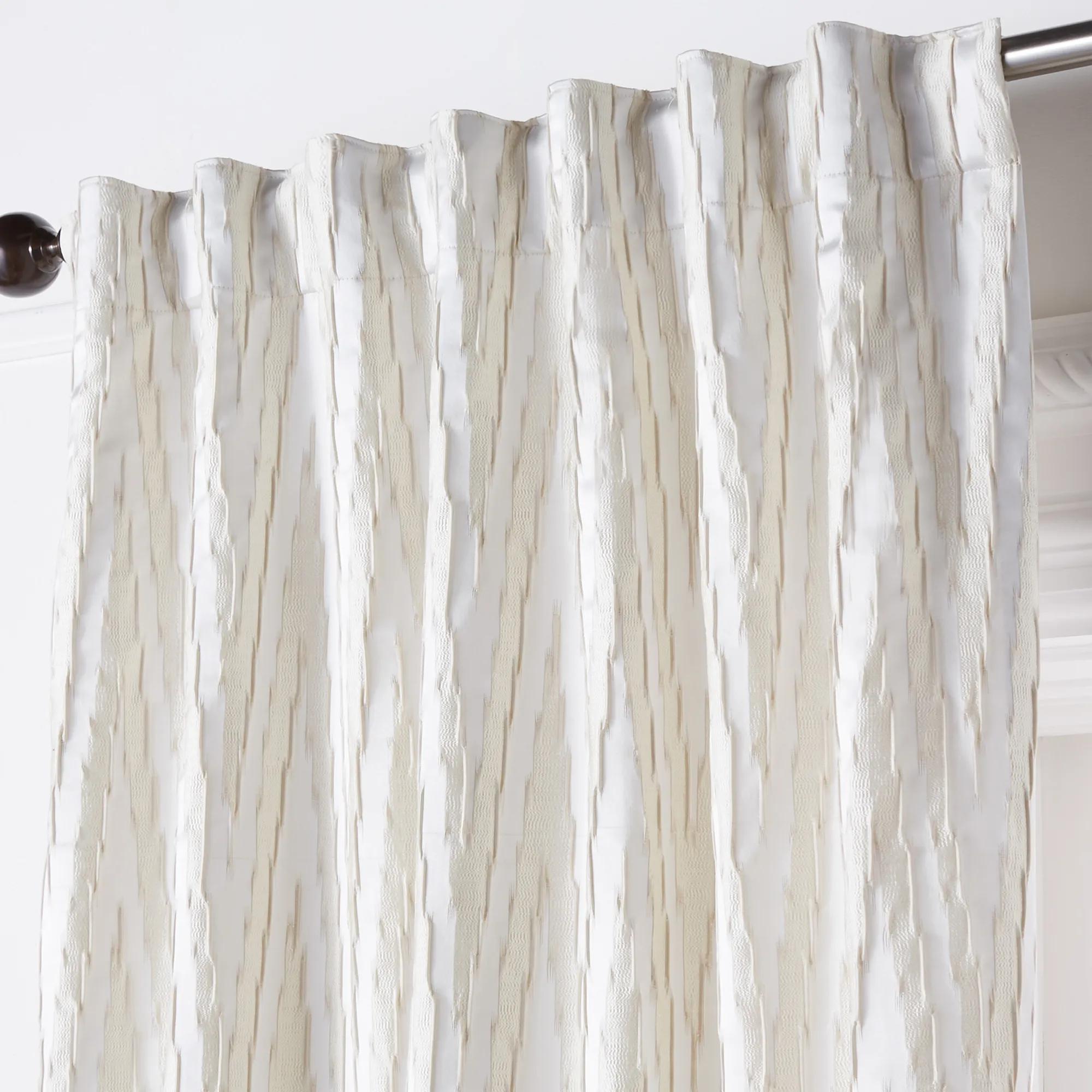 Minka Jacquard Pearl Window Curtain Panel Custom$239
A highly textured chevron curtain panel in pearl, grey, or natural, crafted from soft polyester blend.
Add To Cart -
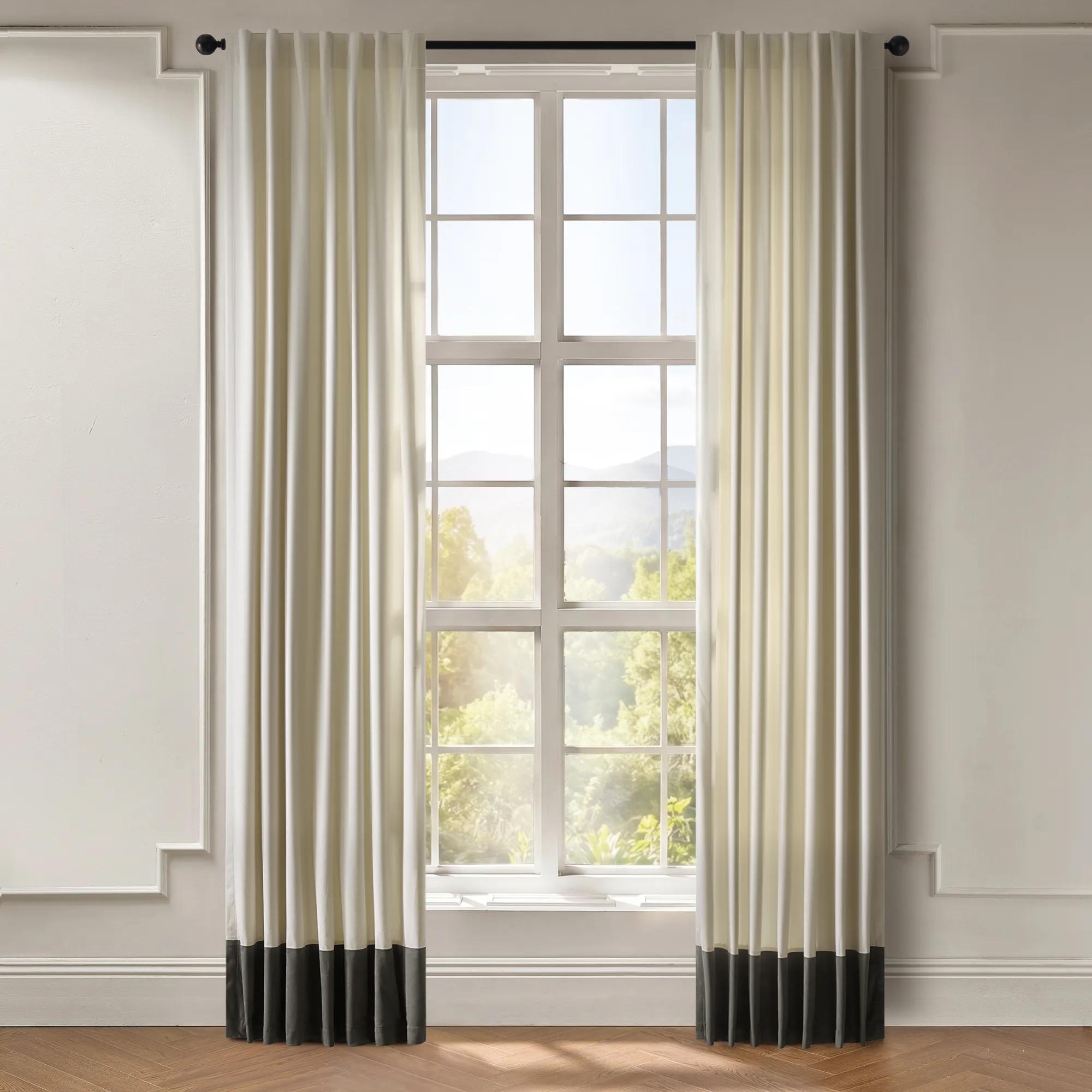
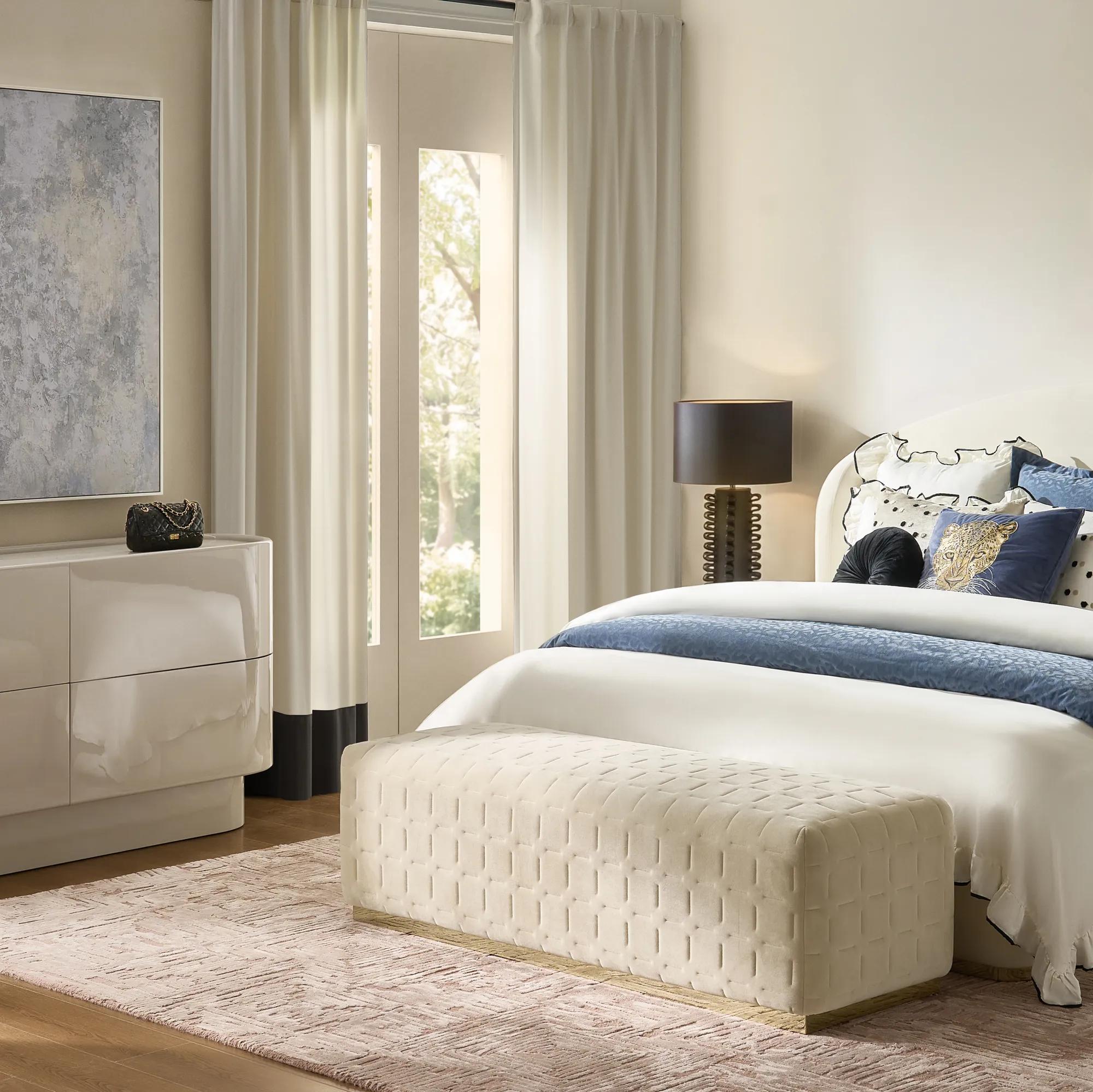 Bastien Ivory/Graphite Velvet Border Window Curtain Panel$99
A two-tone ivory and graphite velvet curtain panel with room-darkening design and versatile hanging options.
Add To Cart -
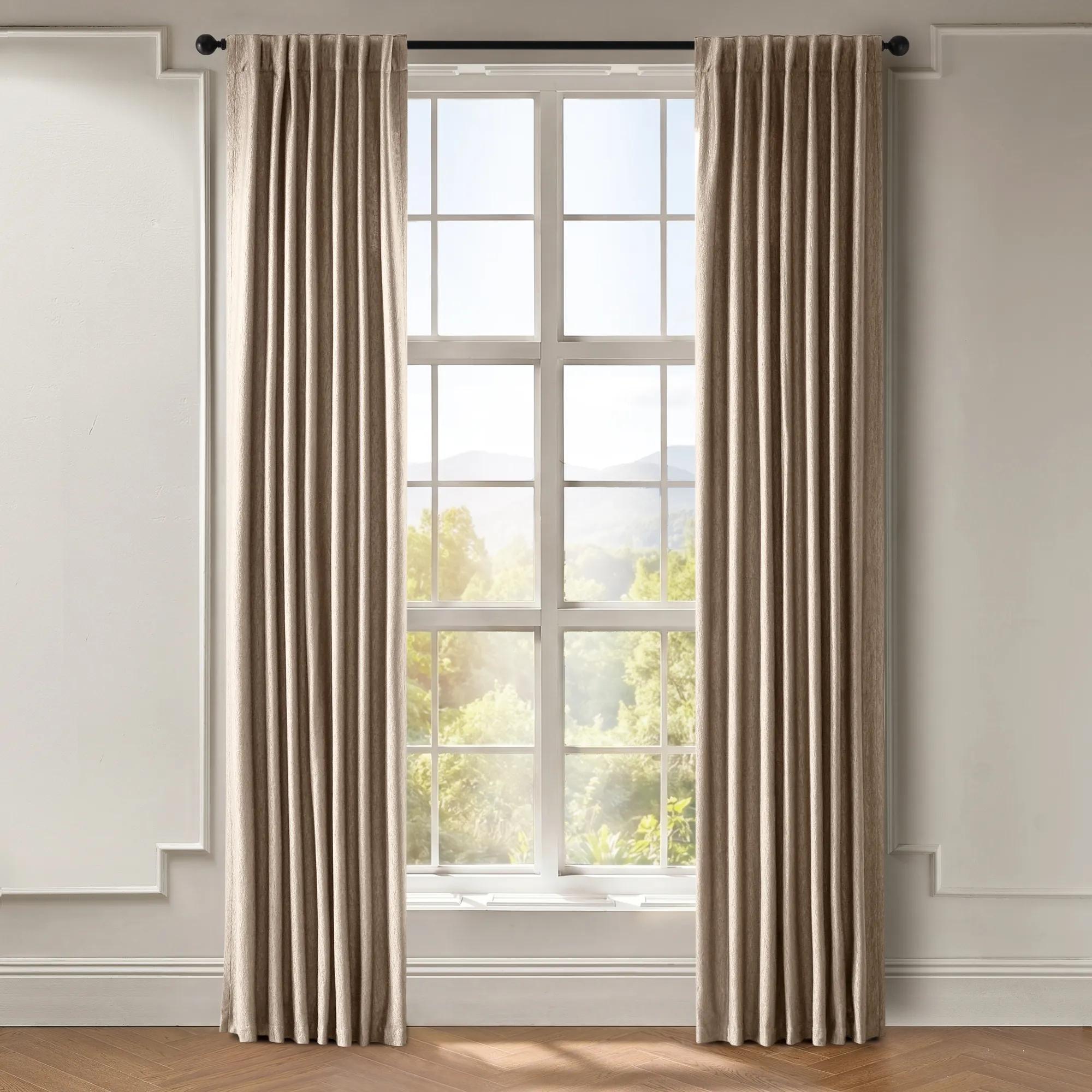 Anson Mocha Rose Textured Window Curtain Panel$89
A light mocha rose curtain panel with crushed sheen texture and room-darkening, dual hanging design.
Add To Cart -
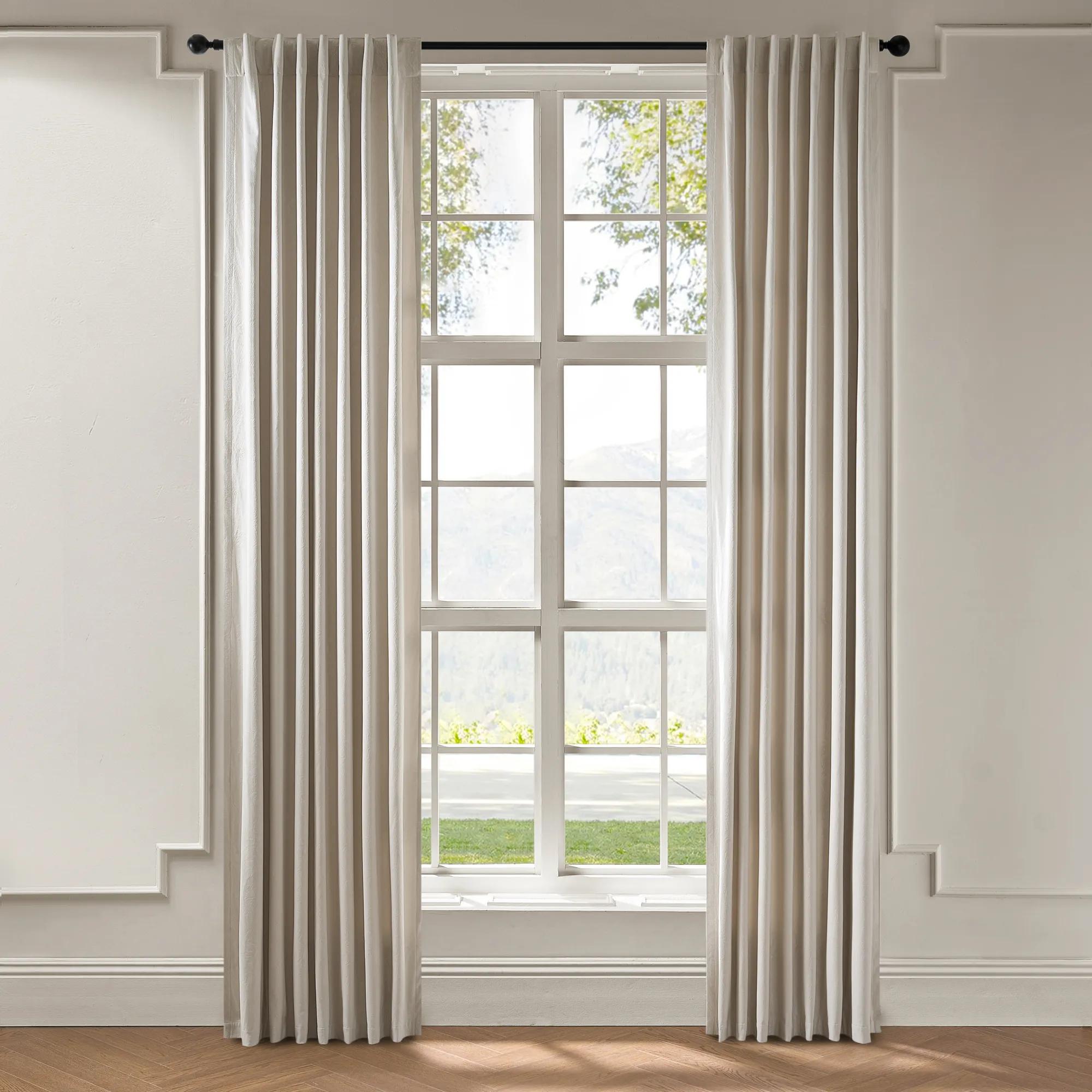
.jpeg?w=1200&h=1200) Mabel White Velvet Swirl Window Curtain Panel$109
Mabel White Velvet Swirl Window Curtain Panel$109A crisp white velvet curtain featuring a tonal swirl texture and versatile dual hanging options.
Add To Cart

Soft Neutral Window Panels
Soft neutral window panels invite tranquility and elegance into every room, transforming sunlight into a gentle, luminous cascade. These whisper-soft draperies create an ethereal backdrop, blending seamlessly with any palette while elevating the mood with understated sophistication. Whether framing a dramatic view or softening the edges of a curated space, soft neutral window panels evoke a sense of calm refinement—perfect for those who believe that true luxury lies in the artful balance of subtlety and style. Let your windows become canvases for serenity, where every fold and finish speaks to an elevated sensibility.
Soft neutral window panels bring a composed sense of calm to the room while allowing natural light to become part of the design. In shades of ivory, cream, beige, taupe, oatmeal, greige, and soft gray, they create a quiet backdrop for expressive furnishings, sculptural lighting, and richly layered accessories. Unlike stark white treatments, these nuanced tones add warmth and dimension without overwhelming the architecture, making them especially appealing in living rooms, bedrooms, dining spaces, home offices, and nurseries. A softly gathered panel can make a window feel taller and more graceful, particularly when mounted above the frame and allowed to skim or lightly pool at the floor. During the brighter stretch of the year, sheer and semi-sheer fabrics diffuse sunlight into a gentle glow, tempering glare while preserving an airy connection to the outdoors. As the weather cools, heavier woven or lined panels lend the room a more enveloping atmosphere, helping windows feel finished and inviting. Texture is central to the appeal: linen and flax-inspired weaves introduce organic irregularity, voile and sheer fabrics create an almost weightless veil, while cotton blends offer a cleaner structure and practical ease. Crushed, slubbed, nubby, or subtly ribbed surfaces can catch the light throughout the day, giving a neutral palette the visual richness it needs. For rooms with warm white walls, ivory and cream panels echo the existing undertones and create a luminous, tonal effect. Beige and taupe pair beautifully with walnut, oak, caramel leather, woven baskets, and earthy stone, while soft gray complements cooler walls, polished metal, mirrored accents, and contemporary silhouettes. If you are drawn to a layered look, explore Neutral Tone Window Drapes for additional tonal inspiration that can help shape a more dimensional window story.
Choosing the right soft neutral window panels begins with the mood, light level, and function of the space. Sheer panels are ideal when the goal is to welcome abundant daylight and soften the view without making the room feel enclosed; they are especially effective in entertaining spaces, breakfast areas, and bedrooms where an ethereal finish matters more than complete privacy. Light-filtering panels offer a balanced middle ground, reducing harsh brightness and creating a more restful interior while still maintaining a bright, open feeling. For bedrooms, media rooms, street-facing windows, or spaces that receive intense afternoon sun, consider lined or blackout construction for greater privacy, light control, and a cocooning atmosphere. Fabric weight matters as much as color. A fine voile appears delicate and fluid, while linen-look or woven panels feel more grounded and relaxed. A substantial fabric can frame a dramatic window with presence, whereas a lightweight panel is often the better choice for a small room or narrow window where visual volume should remain restrained. Pay close attention to measurements before purchasing. Record the full window width, the desired rod placement, and the distance from the rod to the floor; extending the rod beyond the frame can make the window appear wider, and positioning it higher can lend a sense of architectural height. For fuller pleats and a more luxurious drape, the combined panel width should exceed the window width rather than merely cover it. Decide whether the panels should break at the floor, brush it cleanly, or create a relaxed puddle, keeping in mind the care requirements and the amount of everyday traffic in the room. Easy-care cotton blends may suit busy households, guest rooms, and family spaces, while linen-inspired materials are prized for their softly lived-in texture and natural variation. Before settling on a shade, view fabric near the actual window and alongside the room’s flooring, wall color, upholstery, and metal finishes; neutral tones shift subtly in morning light, afternoon sun, and lamplight after dark.
Soft neutral window panels are made for anyone who wants a room to feel more polished without losing warmth or personality. They are a natural choice for the design enthusiast building a layered, tonal interior, the new homeowner looking for versatile finishing pieces, or the host preparing a guest room that feels serene and thoughtfully appointed. They can also make a considered housewarming, wedding, or home renovation gift when the recipient’s style leans refined, relaxed, or modern; neutral window treatments are useful enough for everyday life yet expressive enough to transform the atmosphere of a space. In a living room, panels can frame a conversation area and soften the contrast between a bold rug, gleaming table, and architectural seating. In a bedroom, they filter the first light of morning and create a more restful retreat, especially when paired with layered bedding and softly reflective accents. In a dining room, their subtle movement adds elegance around the table, allowing candlelight or chandelier glow to shimmer across the fabric during evening gatherings. Even a home office benefits from the visual quiet and moderated daylight these panels provide, creating a more focused setting without resorting to severe or overly formal treatments. Their versatility makes them particularly useful in open-concept homes, where a consistent neutral tone can connect adjoining spaces while varied textures keep the overall design from feeling flat. Use them as a foundation rather than an afterthought: pair cream with champagne metals for luminous glamour, taupe with charcoal and espresso for tailored drama, or soft gray with silver, glass, and cool marble for a sleek, gallery-inspired mood. With thoughtful scale, considered fabric, and the right level of light control, soft neutral window panels do more than cover glass. They frame the view, temper the daylight, add softness to hard architectural lines, and give the entire room a finished sense of intention.
FAQ List
Soft neutral window panels are remarkably versatile, complementing a wide range of design aesthetics. They bring a sense of serenity to modern and contemporary spaces, add understated elegance to traditional interiors, and create a harmonious backdrop in eclectic or transitional rooms. Their subtle tones and gentle textures allow bold furnishings or art pieces to shine, while still offering an inviting, cohesive look.
Layering is a beautiful way to add depth and dimension to your windows. Start with a sheer or lightweight base panel to softly filter daylight, then add a heavier drapery panel in a coordinating neutral shade for drama and privacy. Mixing textures—like airy linen with plush velvet—creates a tactile, curated look that feels both intentional and indulgent.
Absolutely. Soft neutral drapery panels are timeless and adaptable, making them ideal for bedrooms, living rooms, dining areas, and even serene home offices. Their calming palette enhances relaxation in bedrooms, provides a sophisticated frame for living spaces, and brings a refined touch to entertaining areas.
Yes—soft neutral window panels act as the perfect canvas for vibrant accent hues. Their understated elegance allows you to introduce bold pillows, rugs, or artwork without overwhelming the space. The result is a balanced, curated environment where color and texture coexist in harmony.
Soft neutral drapery panels are often crafted from luxurious materials such as linen, cotton, silk, or velvet. Each fabric brings its own character: linen offers an airy, organic feel; cotton provides a crisp, tailored look; silk adds a touch of shimmer and sophistication; and velvet delivers plushness and drama. These premium materials ensure both beauty and longevity in your window treatments.
.jpeg?w=4130&h=4130)
.jpeg?w=4130&h=4130)
.jpeg?w=4130&h=4130)


