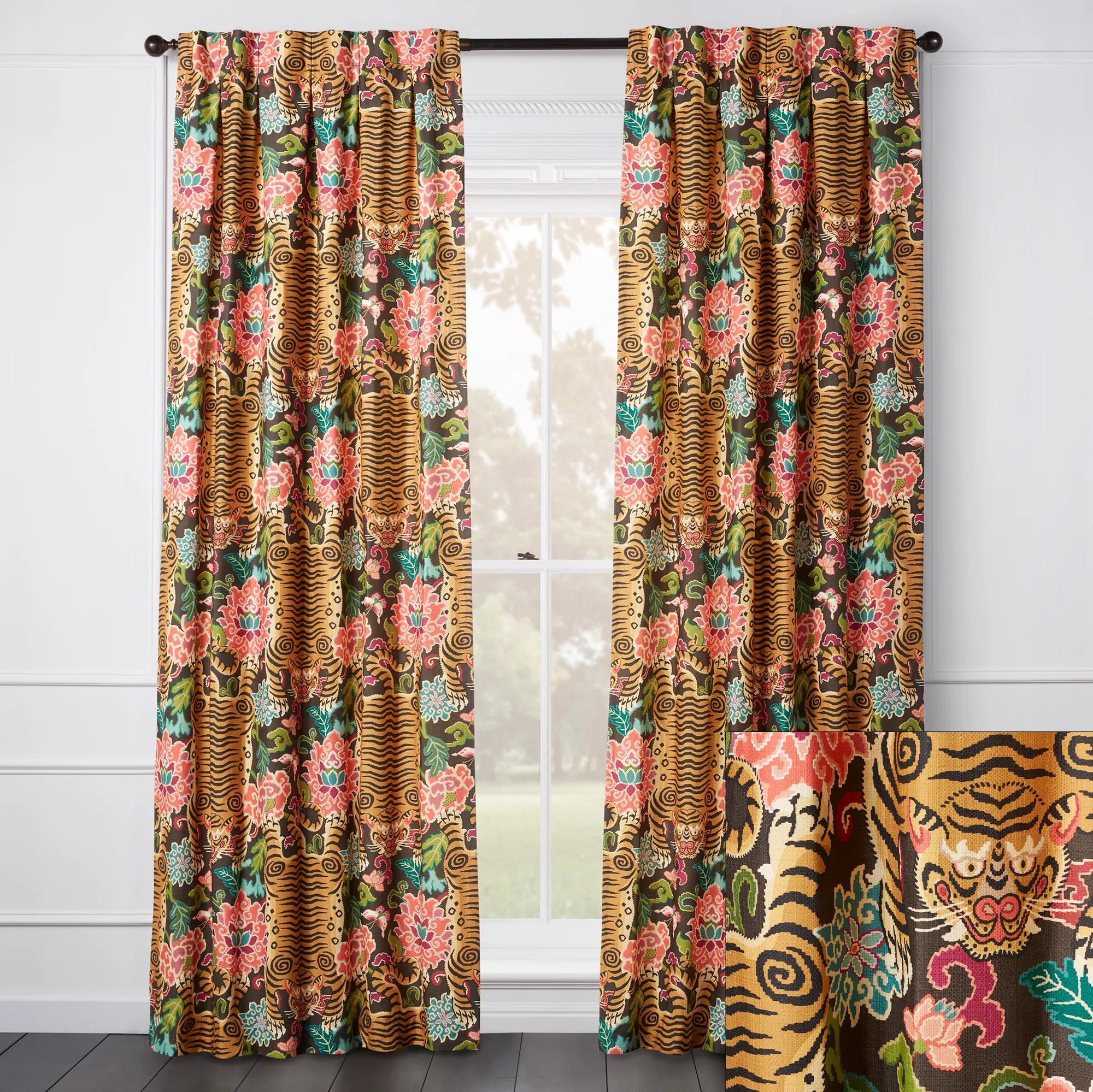
Neutral Tone Window Drapes
Neutral Tone Window Drapes
-
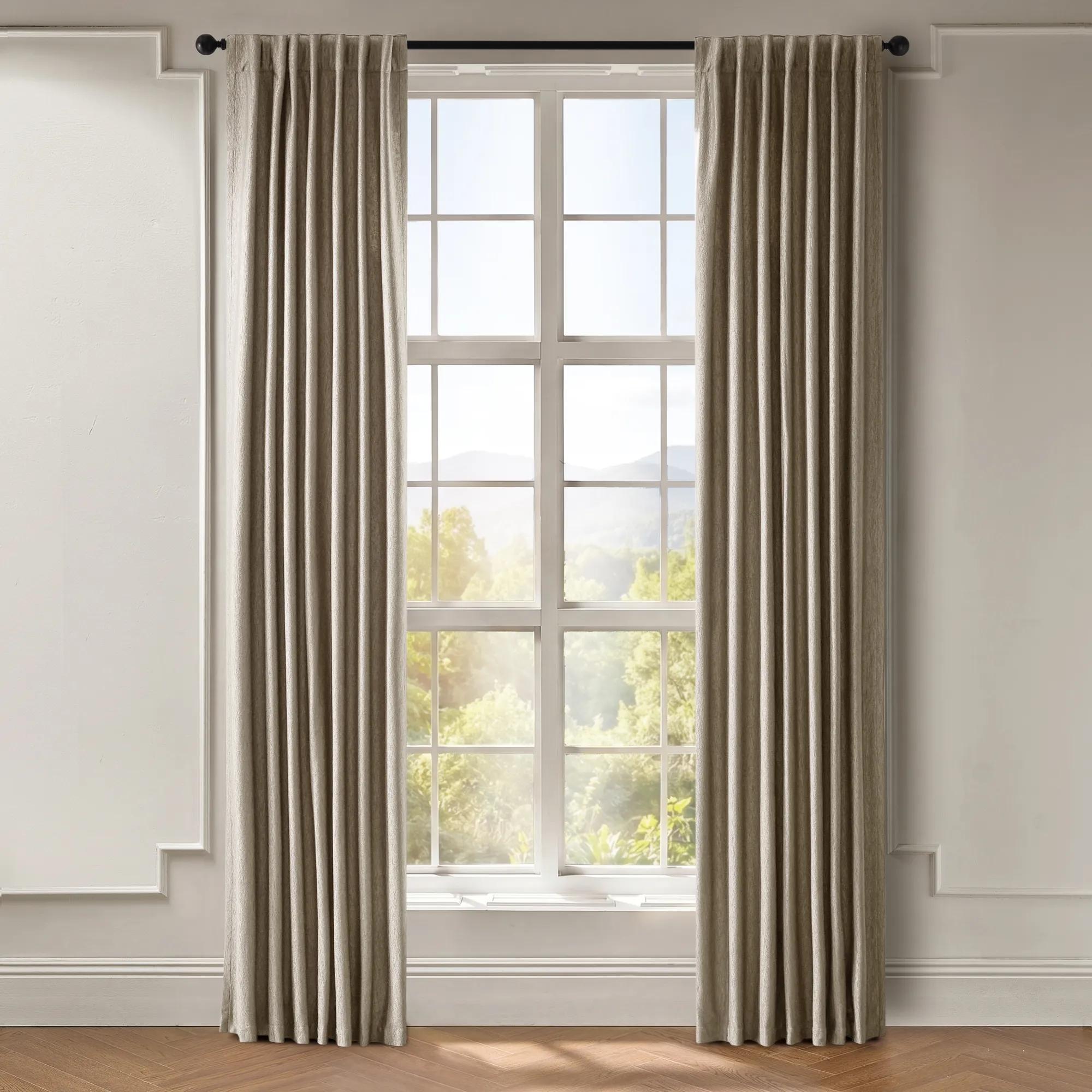
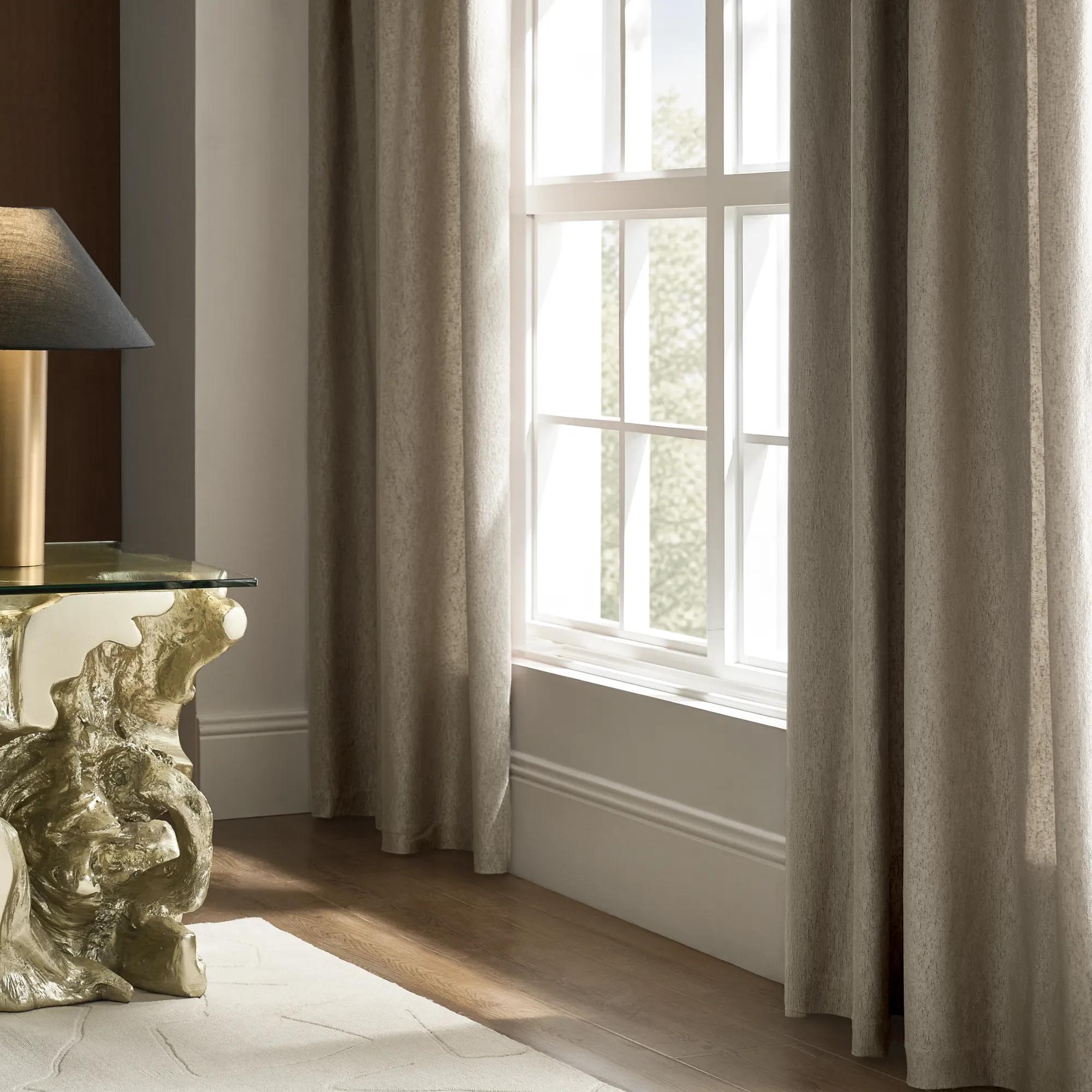 Anson Taupe Textured Window Curtain Panel$89
A taupe polyester curtain panel featuring a crushed sheen texture and room-darkening, dual hanging design.
Add To Cart -
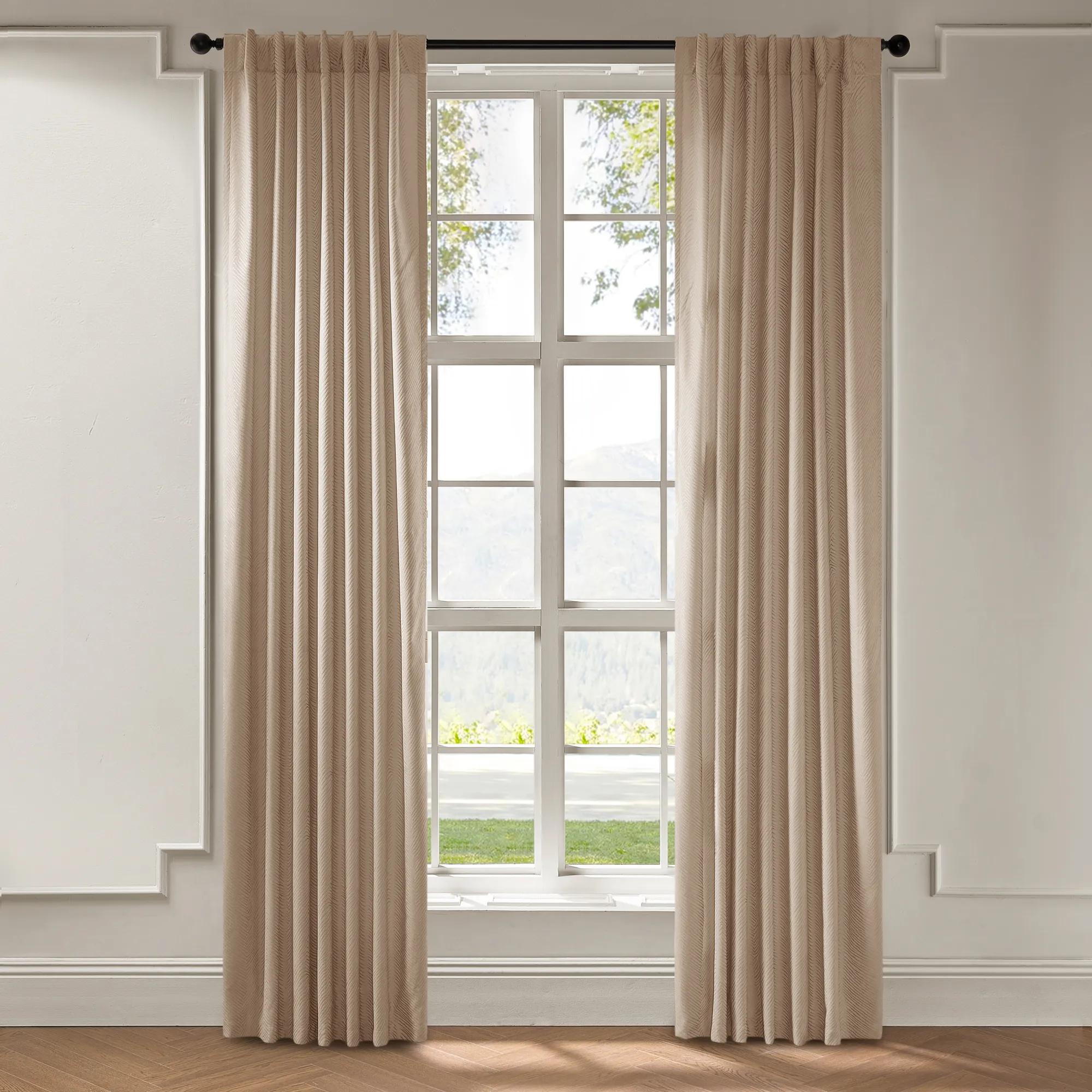 Kenzo Jacquard Beige Chenille Window Curtain Panel$129
A warm beige chenille jacquard curtain with a subtle sheen and versatile rod pocket or back tab hanging.
Add To Cart -

 Mabel Natural Velvet Swirl Window Curtain Panel$89
A warm neutral velvet curtain with a tonal swirl pattern, offering room-darkening privacy and versatile hanging options.
Add To Cart -
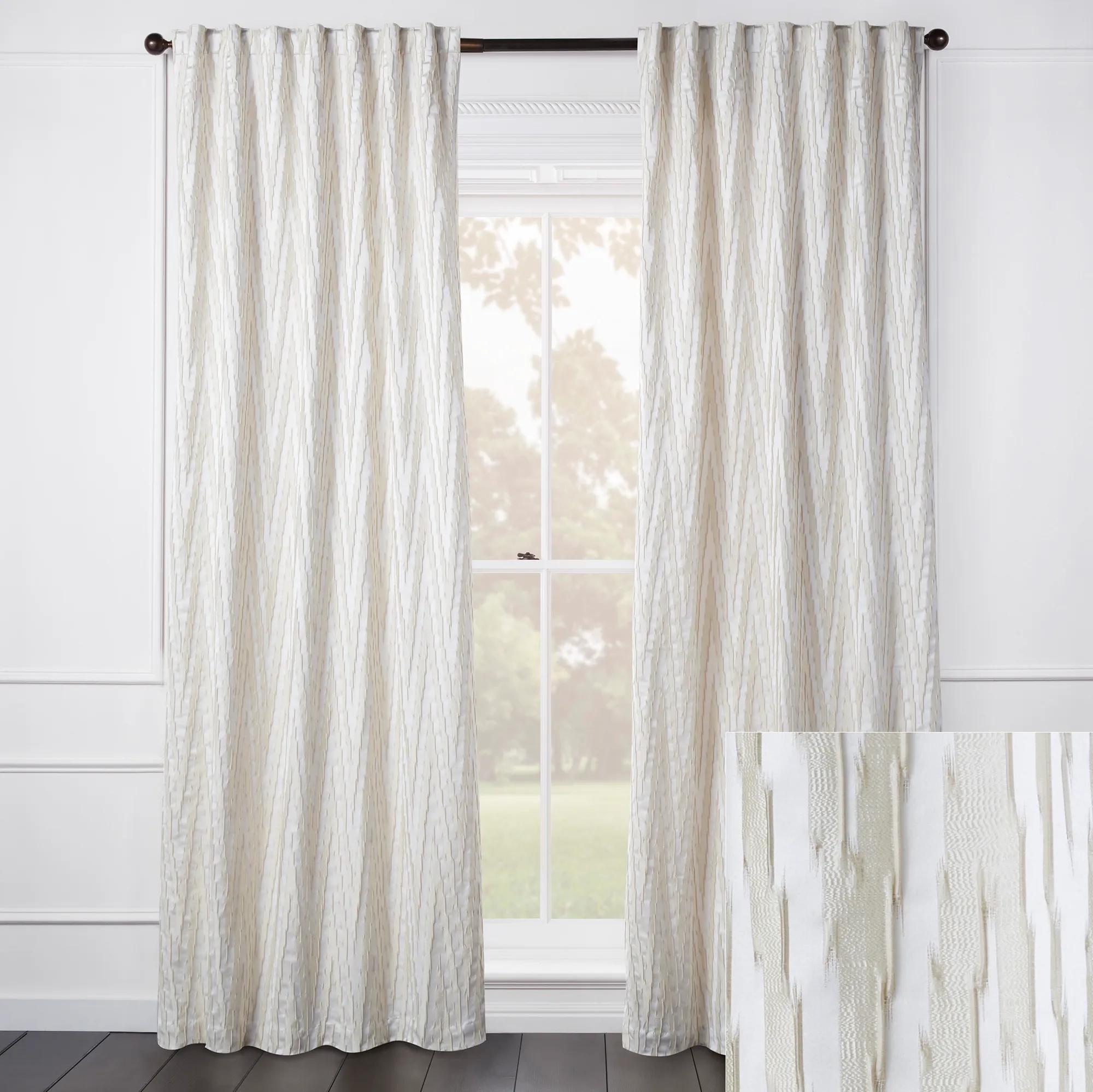
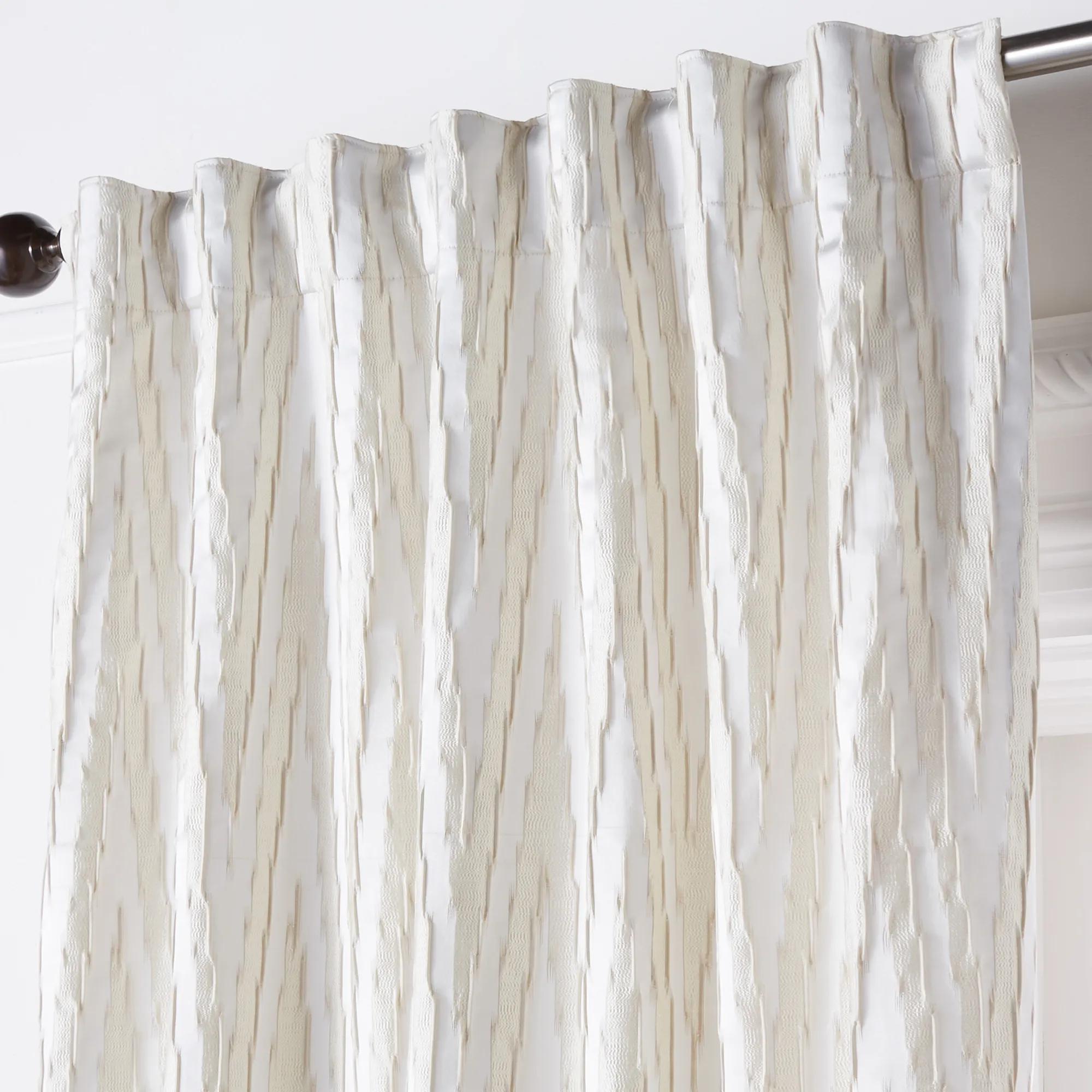 Minka Jacquard Pearl Window Curtain Panel Custom$289
A highly textured chevron curtain panel in pearl, grey, or natural polyester with customizable hanging options.
Add To Cart -
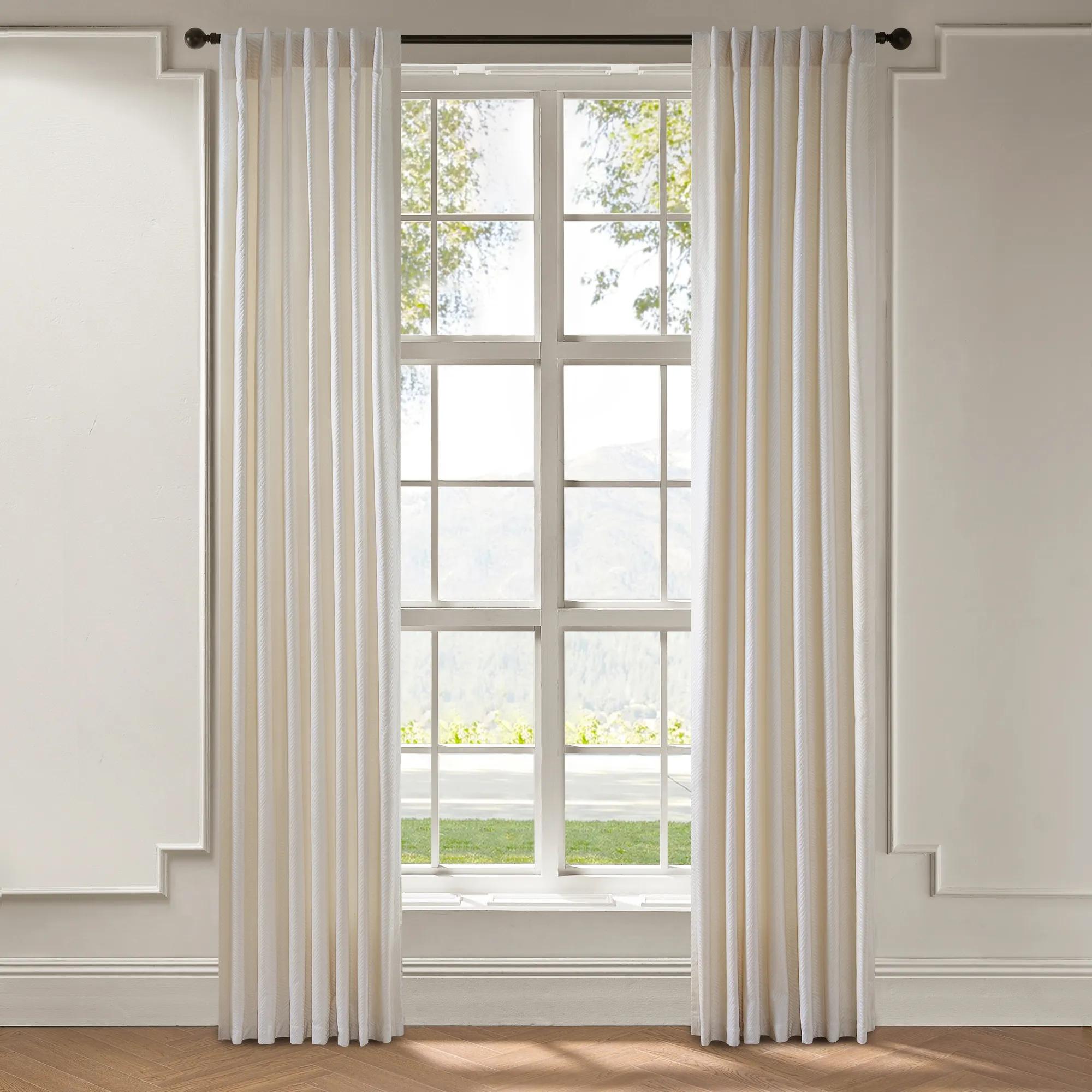
 Kenzo Chenille Curtain - White$119
A white chenille jacquard curtain featuring a subtle high-contrast pattern and soft, room-darkening texture.
Add To Cart -

 Adair Sand Solid Velvet Window Curtain Panel$69
A sand-colored velvet curtain offering room-darkening privacy and versatile hanging options for refined interiors.
Add To Cart -
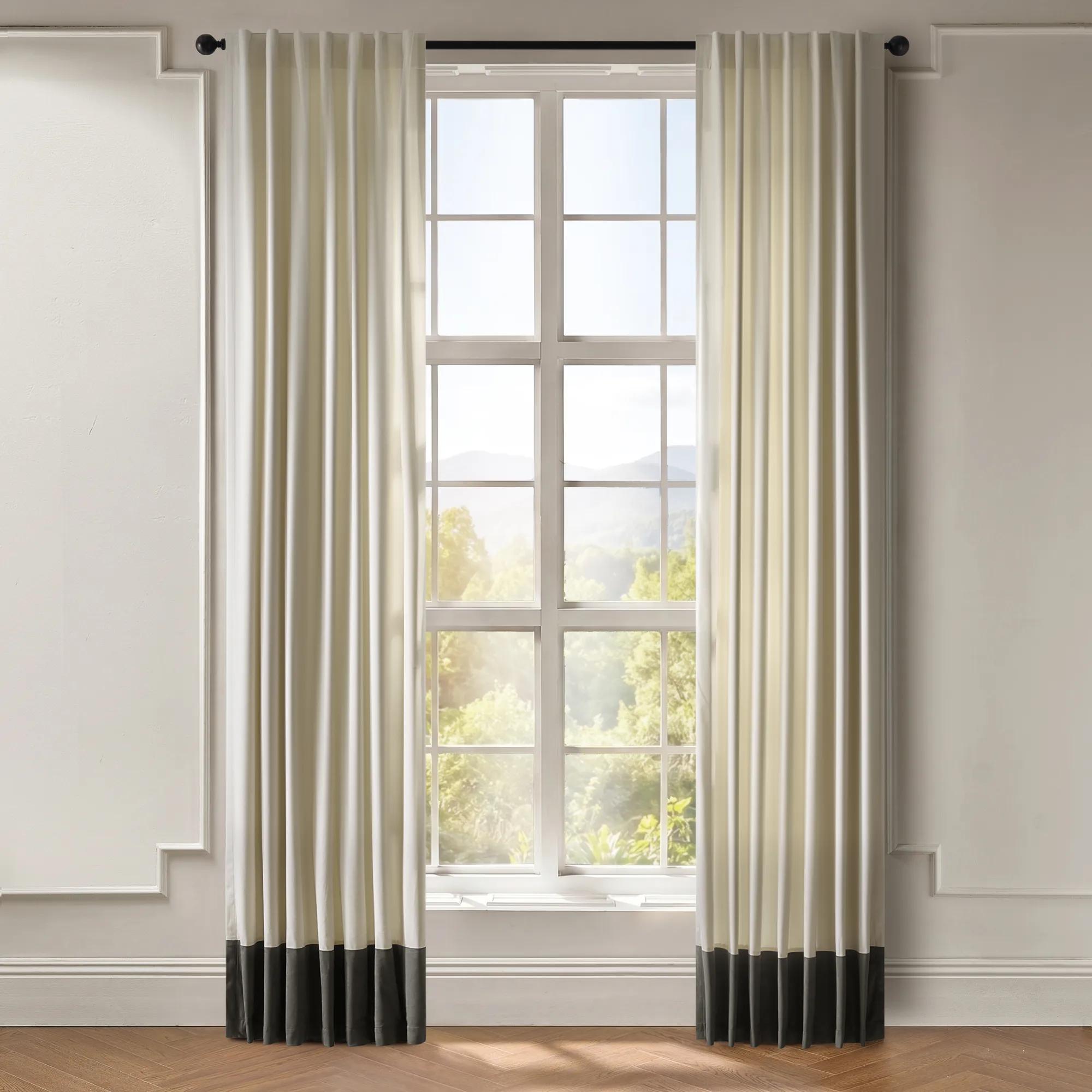
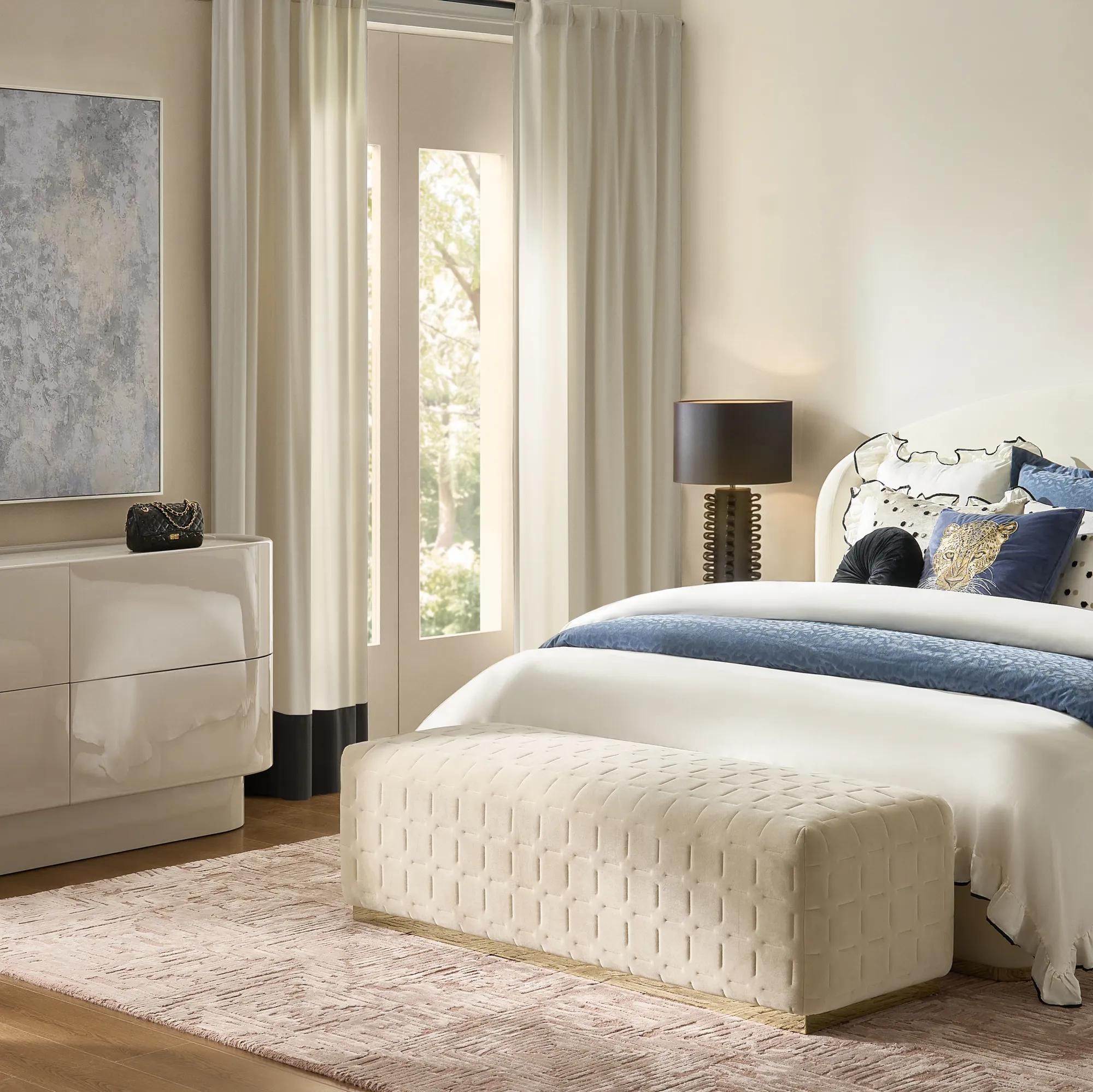 Bastien Ivory/Graphite Velvet Border Window Curtain Panel$89
A two-tone ivory and graphite velvet curtain panel with room-darkening design and versatile hanging options.
Add To Cart -

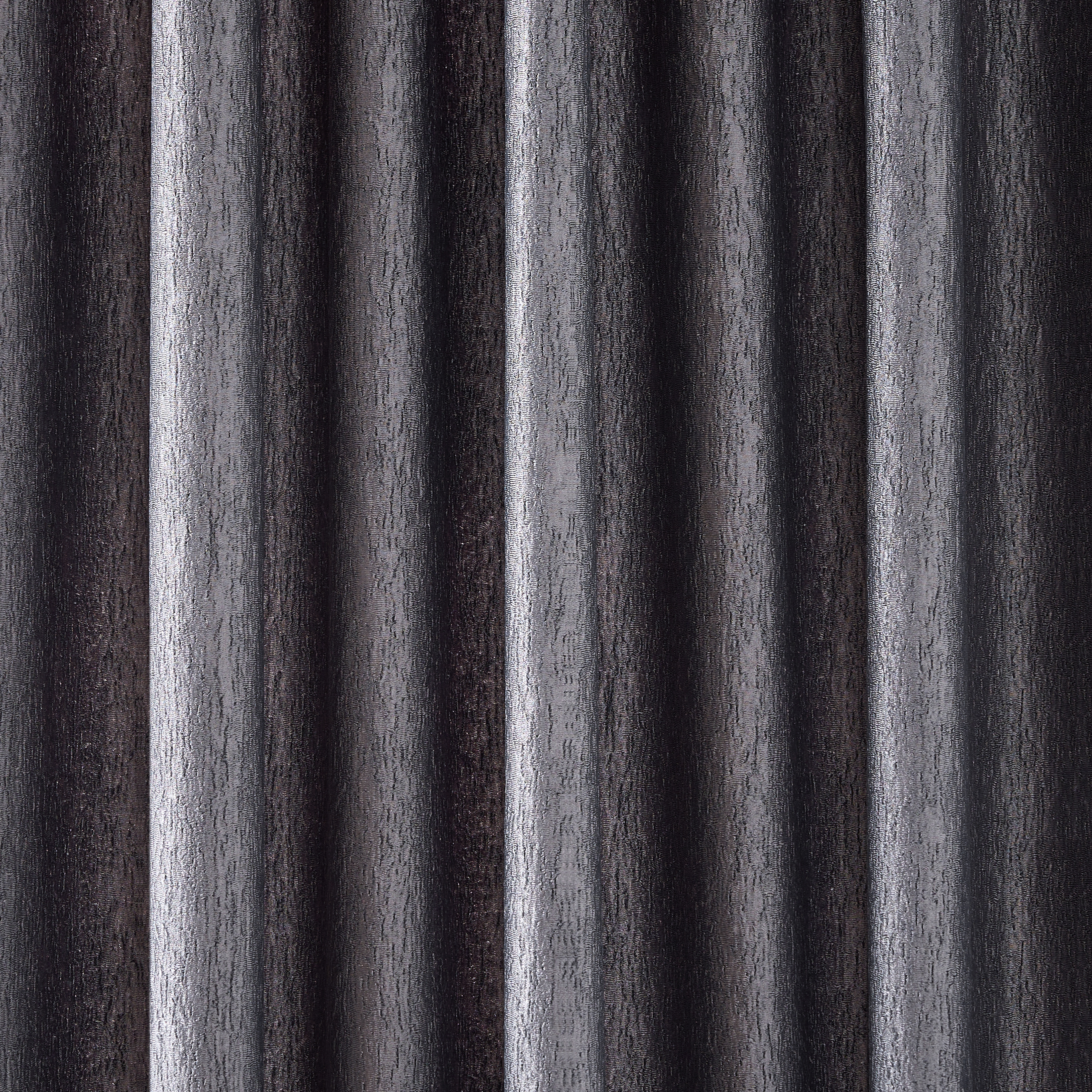 Anson Charcoal Textured Window Curtain Panel$89
A moody charcoal curtain with crushed polyester texture and subtle sheen for stylish, room-darkening appeal.
Add To Cart -
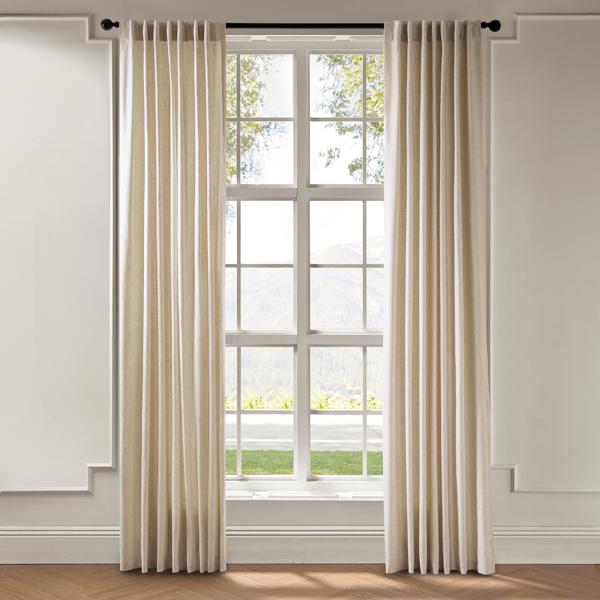
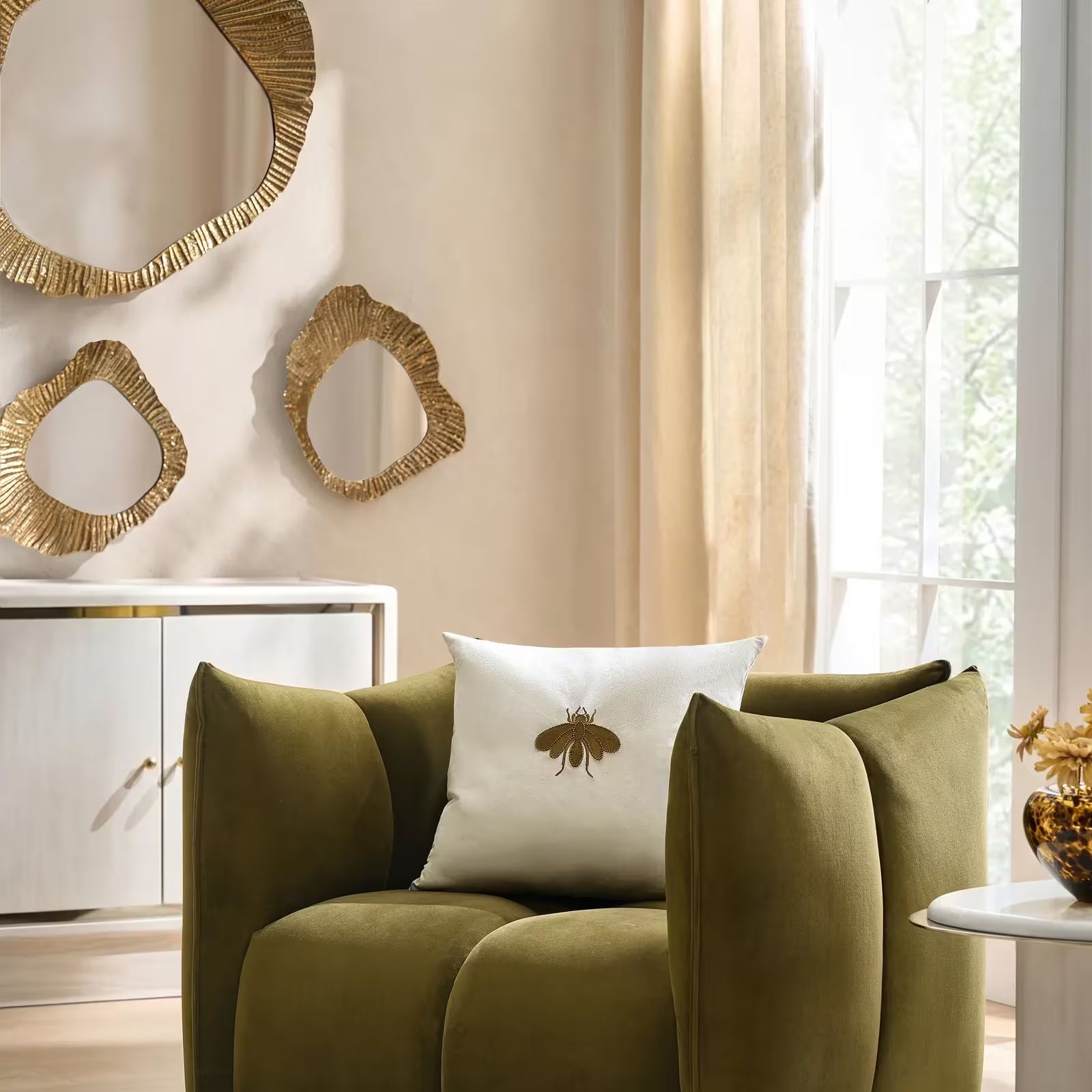 Anson Ivory Textured Window Curtain Panel$89
An ivory polyester curtain with a crushed, light-reflective texture for elegant, room-darkening style.
Add To Cart -
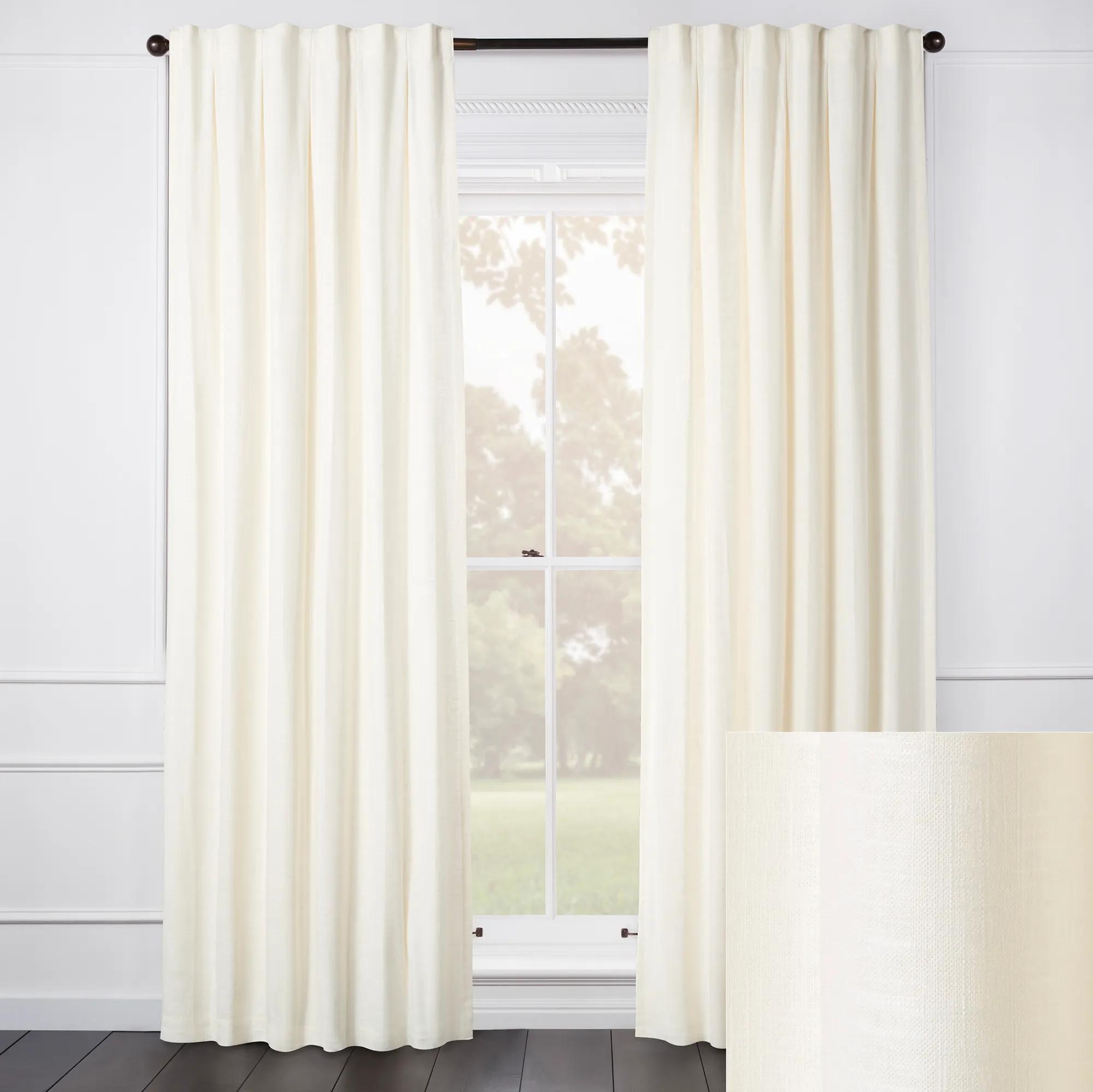
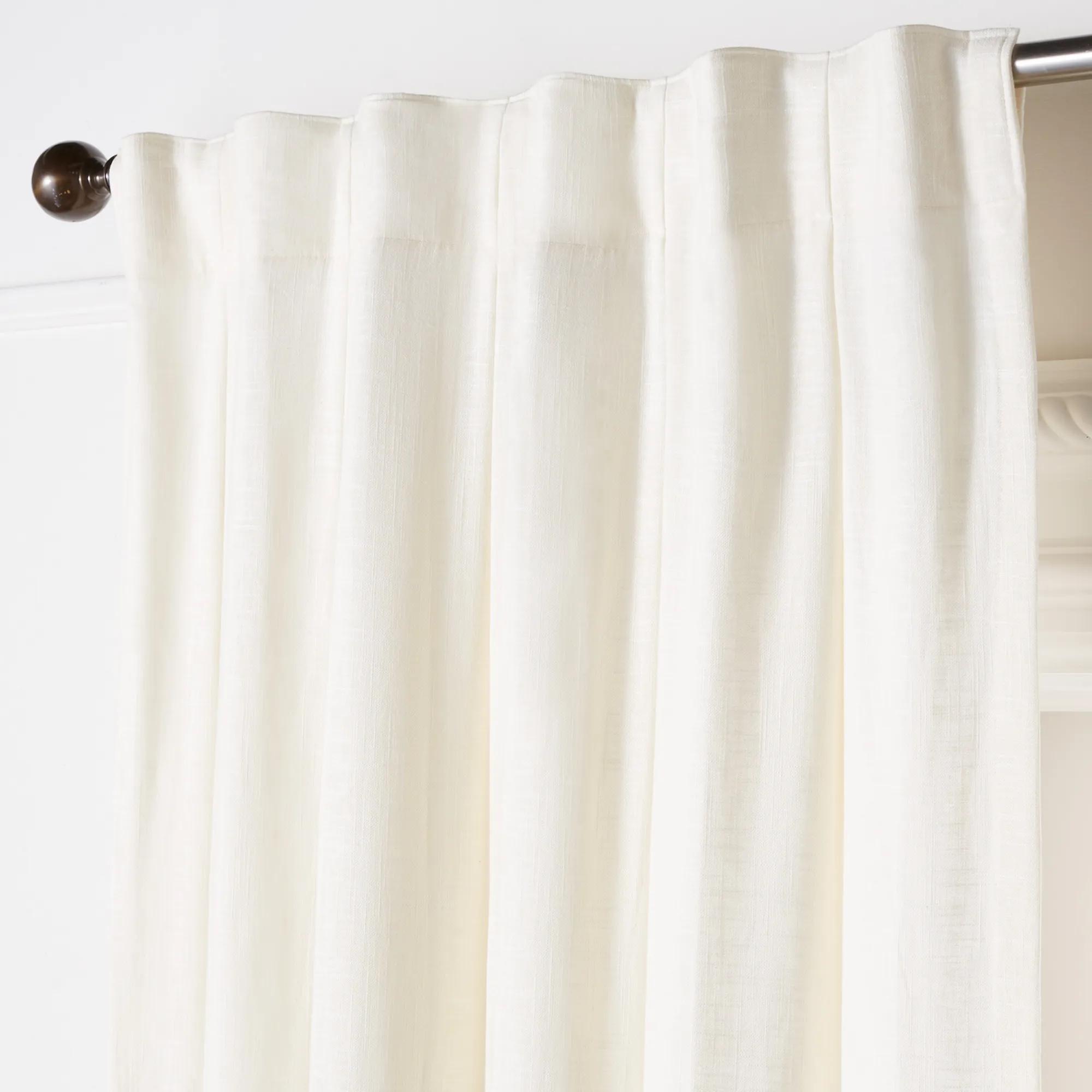 Audrey Linen Ivory Curtain - Custom$269
An ivory linen-blend curtain panel with lining, offering customizable lengths and two elegant header styles.
Add To Cart -
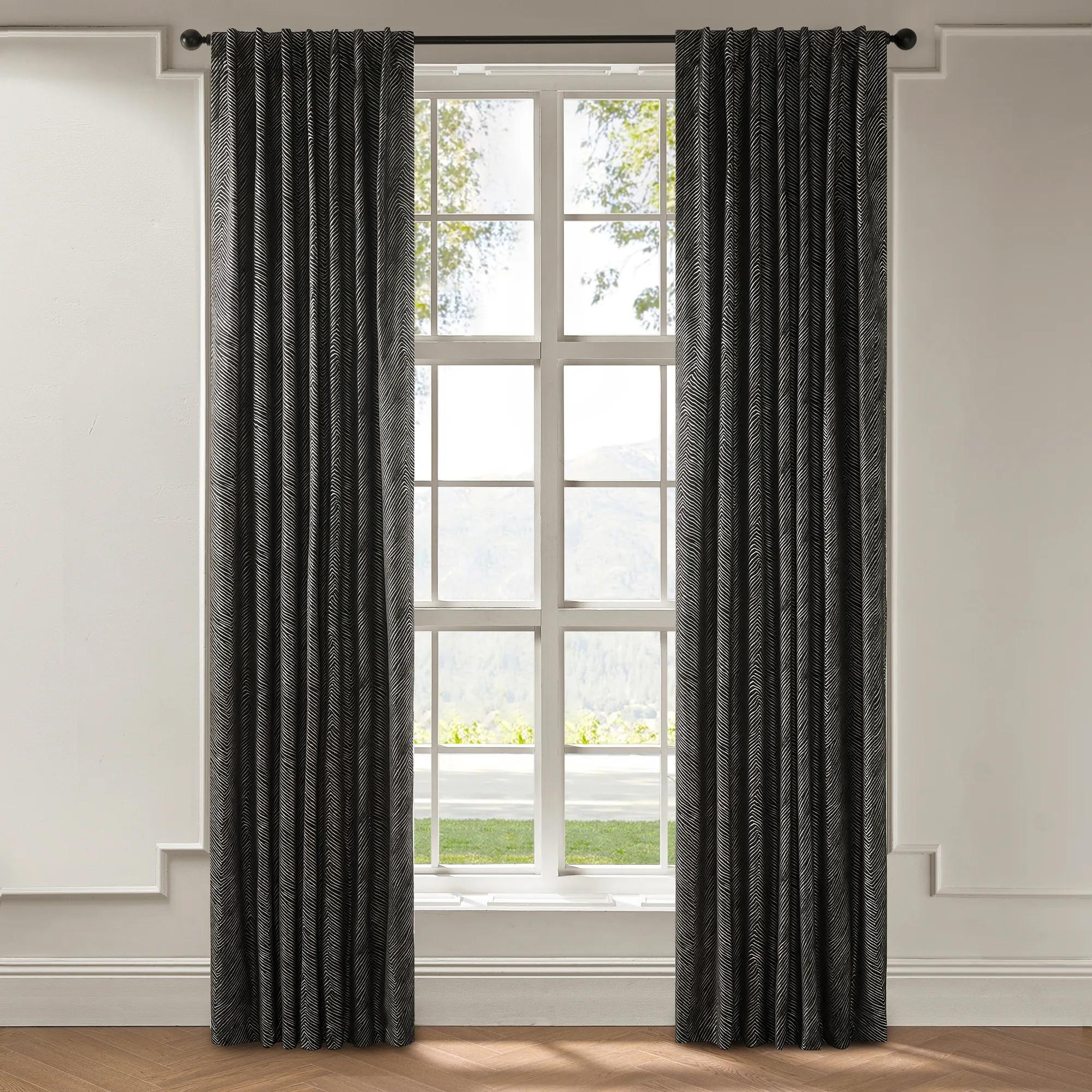
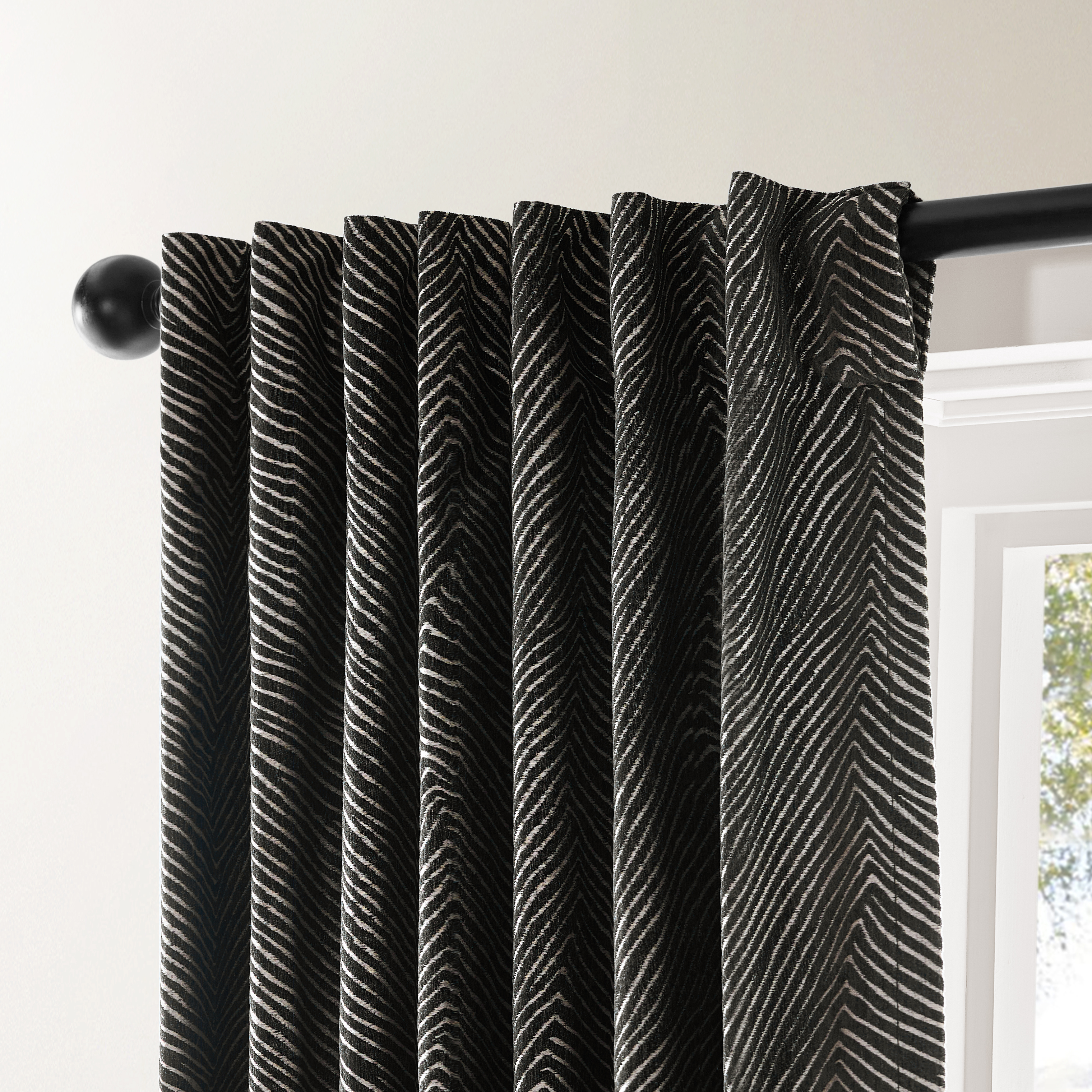 Kenzo Black Chenille Window Curtain Panel$139
A black chenille jacquard curtain with a room-darkening finish and versatile dual hanging options.
Add To Cart -
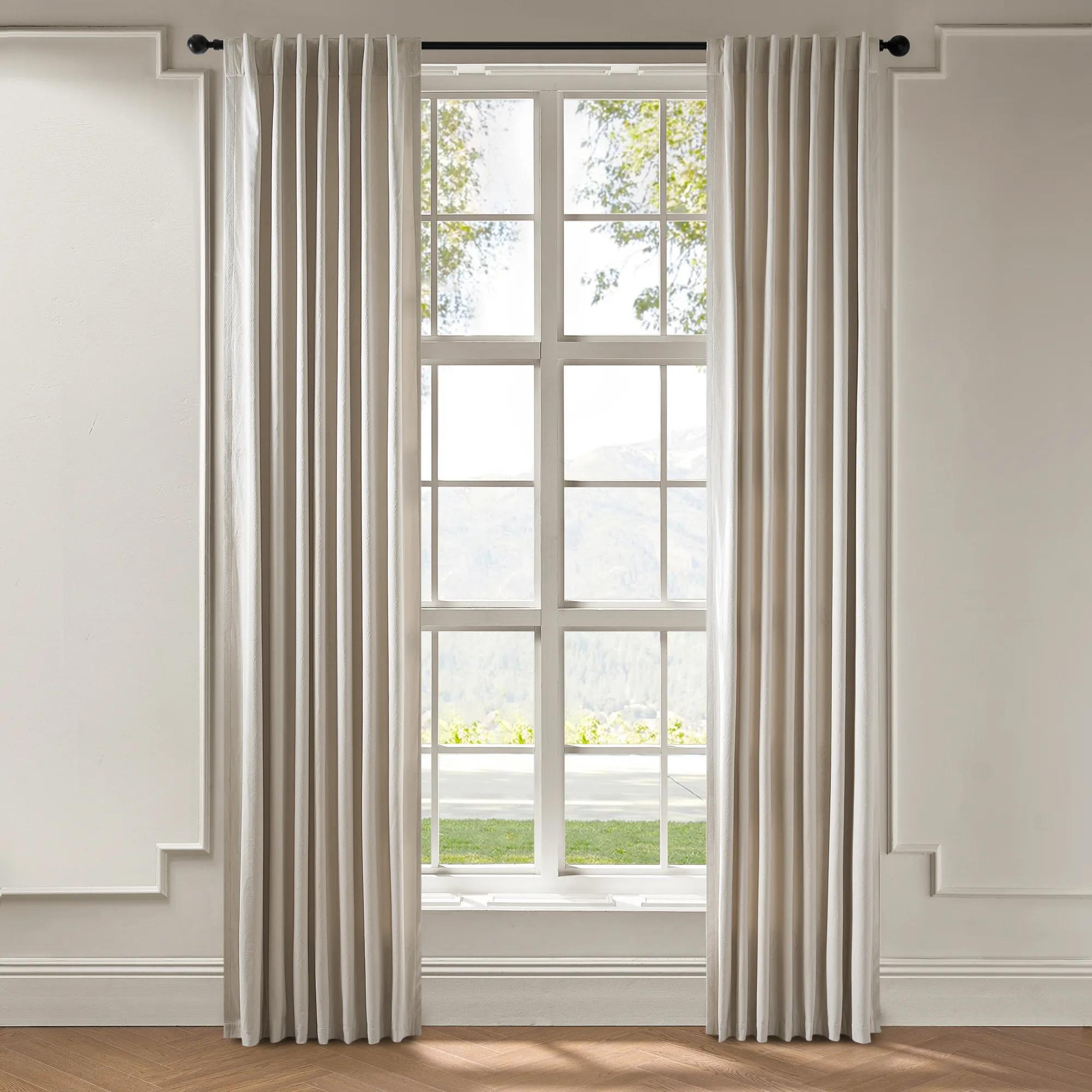
 Mabel White Velvet Swirl Window Curtain Panel$99
A crisp white velvet curtain featuring a tonal swirl texture and versatile dual hanging options.
Add To Cart -

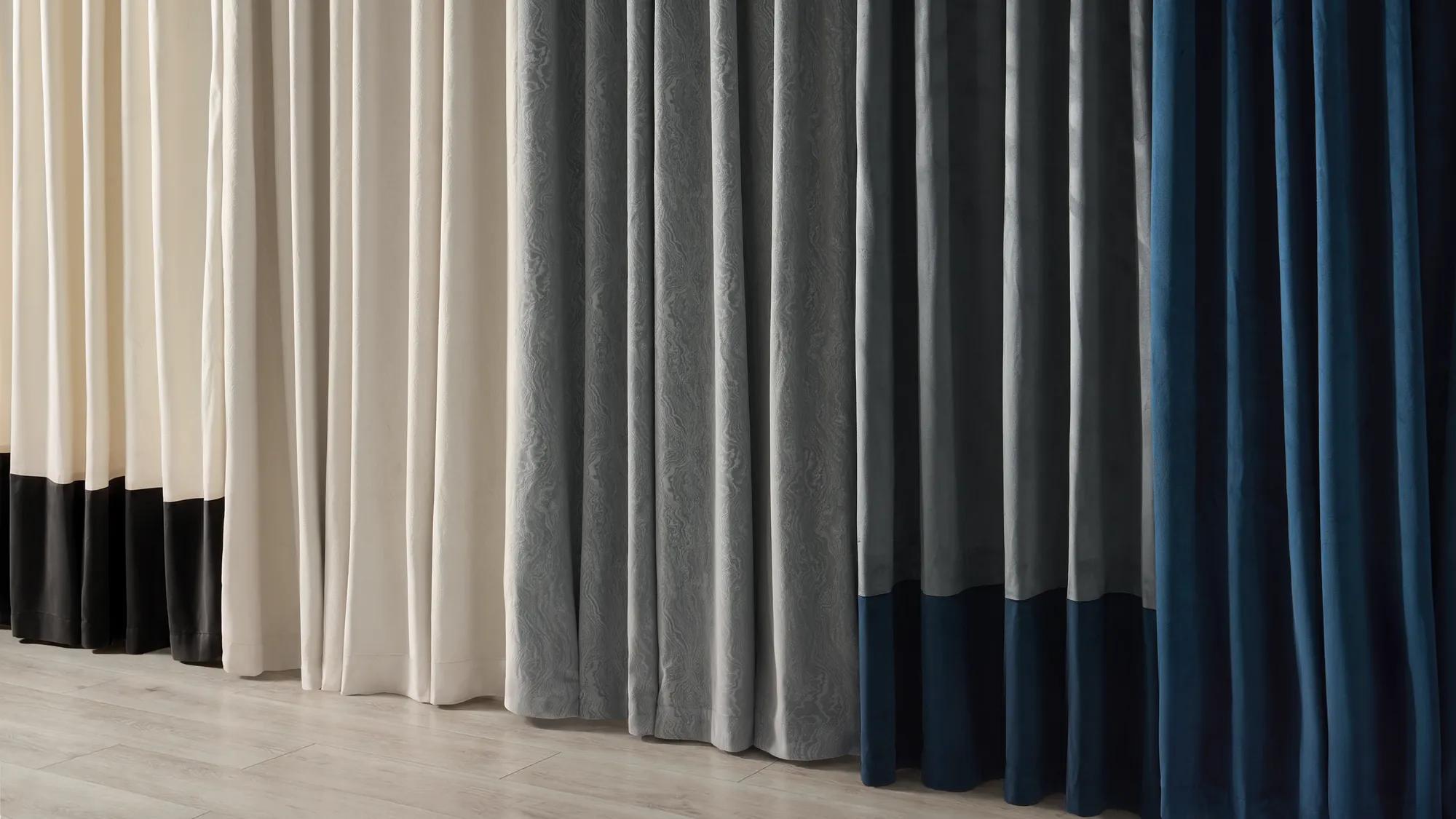 Mabel Velvet Swirl Curtain - Grey Blue$99
A grey blue velvet curtain featuring a tonal swirl pattern and versatile dual hanging options.
Add To Cart -
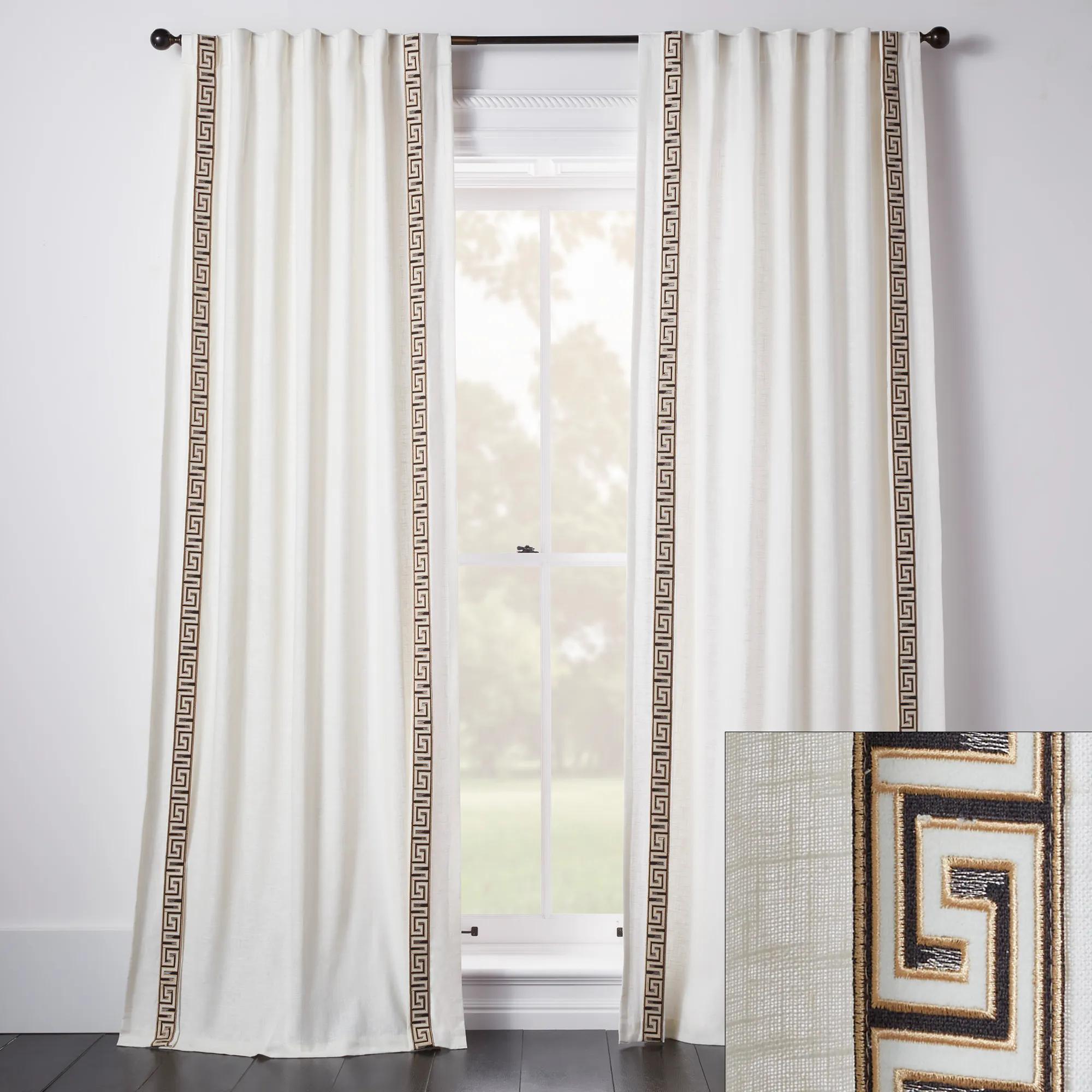 Chole Greek Key Border Velvet Widow Curtain Panels Custom$299
A white linen-blend curtain panel featuring a black and gold embroidered velvet Greek key border.
Add To Cart -

 Adair Midnight Blue Solid Velvet Window Curtain Panel$69
A sumptuous midnight blue velvet curtain that adds elegance, depth, and room-darkening style to any space.
Add To Cart -
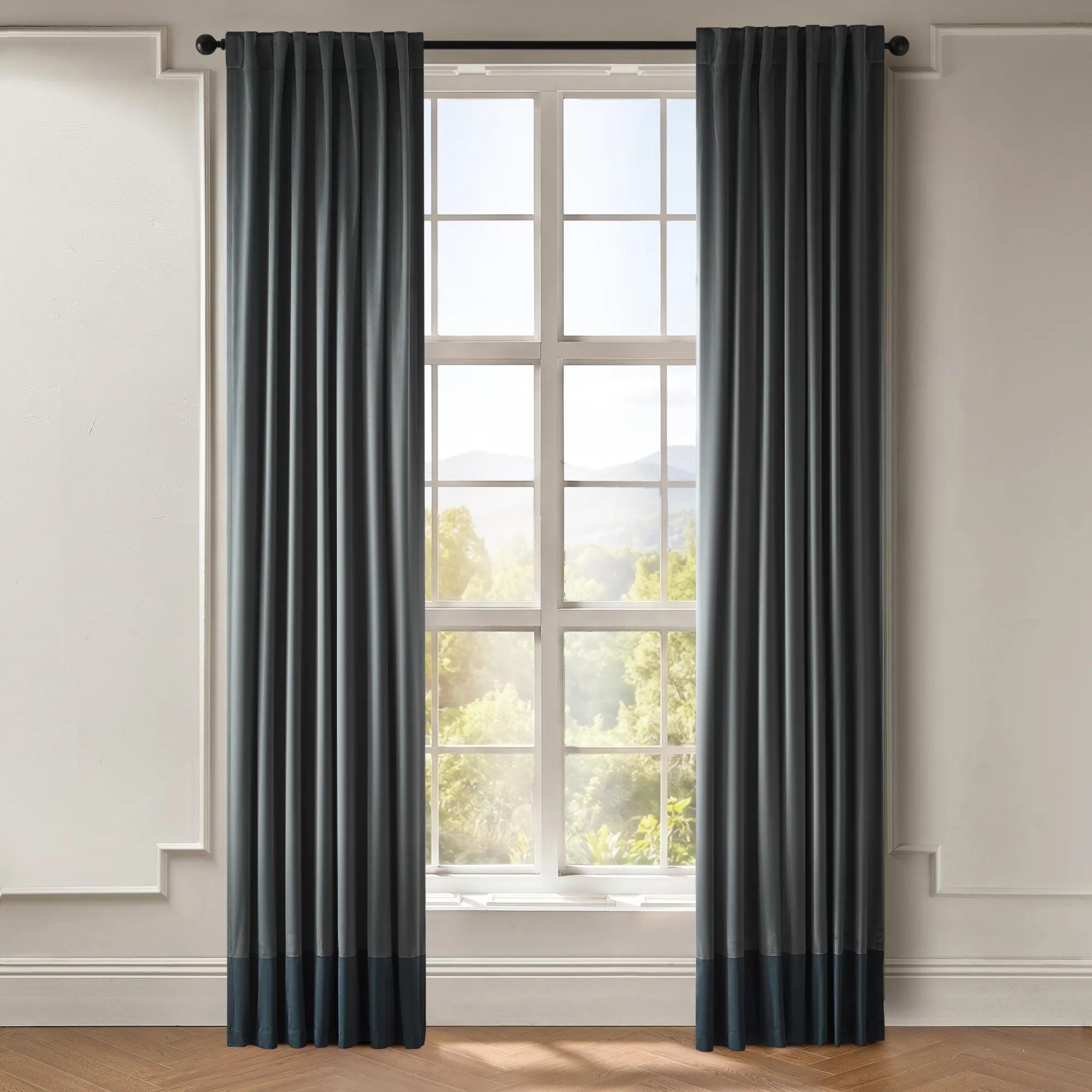
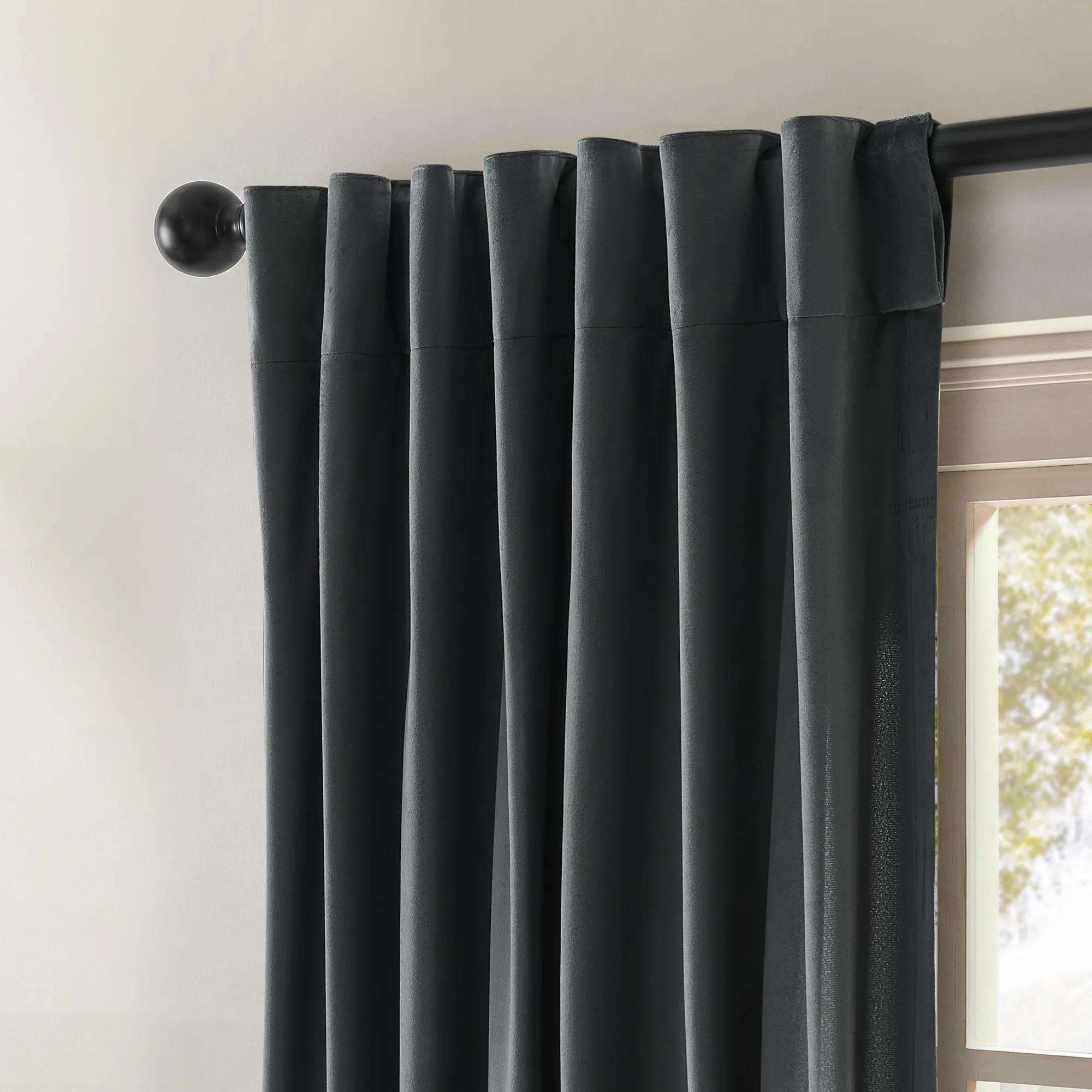 Bastien Blue/Midnight Velvet Border Window Curtain Panel$89
A two-tone dusty and midnight blue velvet curtain panel with a Deco-inspired border and room-darkening design.
Add To Cart

Neutral Tone Window Drapes
Transform your space into a sanctuary of subtle sophistication with neutral tone window drapes—where soft hues and understated elegance set the stage for inspired living. These drapes are more than mere window coverings; they are the finishing touch that invites calm, filters light with poetic grace, and elevates every moment with their serene palette. Whether you crave the gentle glow of morning or a tranquil retreat at dusk, neutral tone window drapes create an atmosphere where texture, artistry, and effortless refinement converge. Let your windows become a canvas for timeless style, framing your home in quiet luxury.
Neutral tone window drapes bring a room into focus through color, texture, and the graceful architecture of their folds. Ivory, cream, beige, oatmeal, taupe, and soft gray create a versatile foundation, but each shade has a distinct presence. Cream and oatmeal draw out the richness of walnut furniture and brushed brass, while pale gray can echo the cool gleam of chrome, glass, and marble. Taupe bridges warm and cool finishes, making it especially compelling in rooms where different materials share the spotlight. These hues are far from interchangeable: a beige with a golden undertone feels different from one with a pink cast, and an ivory panel can appear brighter against charcoal walls than against white trim. Fabric samples viewed beside the wall color, flooring, and upholstery help reveal those relationships under both daylight and the room’s own lighting. The result can be quietly luminous or deliberately dramatic. Full-length ivory drapes framing a dark accent wall create a striking outline; textured oatmeal panels beside a sculptural sofa introduce depth without competing with its silhouette. In a bedroom, pale neutral folds soften the visual weight of a large upholstered headboard. In a dining room, tailored taupe fabric can provide a composed backdrop for an expressive chandelier and richly layered table. The restrained palette of Soft Neutral Window Panels lends itself to this interplay of subtle color and distinctive furnishings. Matching drapes closely to the wall produces a continuous sweep of tone, while choosing a slightly deeper or lighter shade gives the window a more defined frame. Pattern also has a place within a neutral palette: a tonal stripe, woven geometric motif, or understated jacquard introduces artistry without making the room feel visually crowded. For homes with open living and dining areas, related neutral shades can connect adjoining spaces while allowing each room to retain its own character.
Fabric gives neutral window drapes much of their personality. Linen has an expressive weave and a relaxed, dimensional surface; cotton can range from crisp and tailored to softly textured, depending on its construction. Linen-look fabrics, often made with synthetic fibers or blends, can capture a similar visual texture, though their drape, weight, and care requirements vary. Velvet brings a different kind of richness, gathering light across its pile and forming substantial folds that make even a pale shade feel opulent. A cream velvet panel and a cream sheer may share a color family, yet they create entirely different moods. Sheer drapes soften incoming light and preserve an airy view, but they generally do not provide dependable nighttime privacy when interior lights are on. Light-filtering fabrics offer more coverage while allowing some daylight through; the degree of privacy depends on the weave, fabric density, and any lining. Room-darkening drapes reduce incoming light, while blackout drapes are designed to block light through the fabric more completely. Neither label alone guarantees a dark room, since gaps above, below, and beside the panels can still admit light. For a bedroom used by a daytime sleeper, fabric construction and coverage around the window matter as much as color. In a living room with an expansive view, a sheer layer beneath heavier neutral drapes allows the atmosphere to change from softly illuminated to more private without altering the room’s palette. Separate rods or a double rod make those layers independently usable. Lining can add body, improve the way a panel hangs, and help shield the face fabric from direct sunlight, although fading resistance varies by material and exposure. Heavier fabrics also require rods, brackets, and fasteners suited to their weight. The strongest combination is not necessarily the thickest fabric; it is the one that delivers the desired light control, movement, and texture while remaining proportionate to the window and the surrounding furnishings.
Scale and finishing details turn neutral drapes into an intentional part of the room. Length is especially visible in a restrained palette, where the eye notices the line from rod to hem. Panels that just skim the floor create a polished silhouette and are generally easier to manage in frequently used spaces than fabric that pools underfoot. A small puddle can look sumptuous in a formal setting, but it also collects dust and may be impractical near a busy walkway, an opening door, or pets. Mounting a rod above the window frame can emphasize height; four to six inches above the frame is a common starting point when ceiling clearance and architectural details allow. Extending the rod beyond the sides of the frame gives open panels room to gather without covering as much glass. Width deserves equal attention. For many drapery styles, a combined fabric width of roughly one and a half to two times the rod width creates pleasing fullness, though pleated headings and other tailored constructions may have different requirements. Grommets produce broad, rhythmic folds, rod pockets create a gathered effect, and rings or hooks can support a more structured presentation. Dimensions should be checked carefully to determine whether they describe one panel or a pair, and length should be measured from the actual hanging point for the chosen header. Durability depends on more than fiber content: fabric density, secure seams, well-finished hems, and reinforced attachment points all contribute to how panels handle repeated opening and closing. Care should follow the fabric’s label rather than assumptions about its appearance. Some panels are washable, while others require professional cleaning; linings, trims, and velvet pile can change what treatment is appropriate. Gentle dust removal with a suitable vacuum attachment, when permitted, helps maintain the surface between deeper cleanings. In a primary bedroom, a formal sitting room, or a thoughtfully furnished apartment, well-proportioned neutral drapes give expressive interiors a composed frame, letting beautiful materials and distinctive objects remain fully in view.
FAQs
Neutral color drapes offer enduring appeal by creating a versatile foundation that complements any decor style, from classic elegance to contemporary chic. Their understated palette allows for easy layering with bold accents, rich textures, or statement art, ensuring your space feels both balanced and luxuriously curated season after season.
2 tone drapes bring subtle drama and depth to your windows by artfully blending complementary shades. This sophisticated contrast can highlight architectural features, draw the eye upward, or add a tailored finish to minimalist spaces, making them an inspired choice for those who appreciate nuanced detail in their home.
Absolutely. Neutral drapes transcend trends, seamlessly integrating into both modern and traditional settings. Their adaptable hues and luxurious fabrics can soften contemporary lines or add polish to classic silhouettes, making them a go-to option for any design vision.
Z Gallerie drapes are crafted from sumptuous materials such as velvet, linen blends, and textured weaves. Velvet adds a sense of opulence and warmth, linen brings a breezy, organic elegance, and woven fabrics offer tactile richness—each material shaping the ambiance and tactile experience of your space.
Yes, layering neutral drapes with sheers, roman shades, or decorative valances can create a multidimensional look that feels both intentional and inviting. This approach allows you to play with light, texture, and privacy, while maintaining the serene and sophisticated allure that neutral tones provide.