Seating Options For Home Offices
Seating Options For Home Offices
-
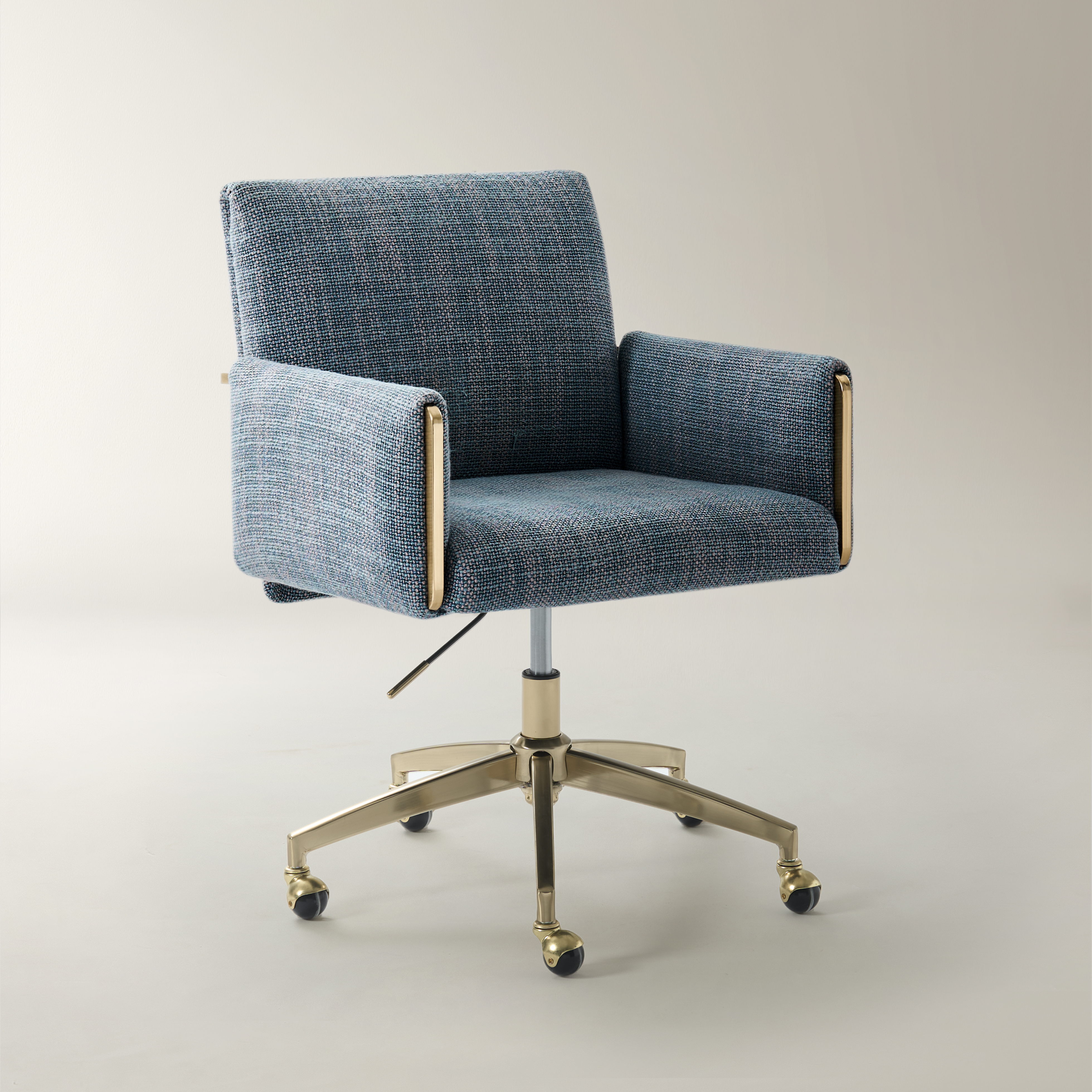
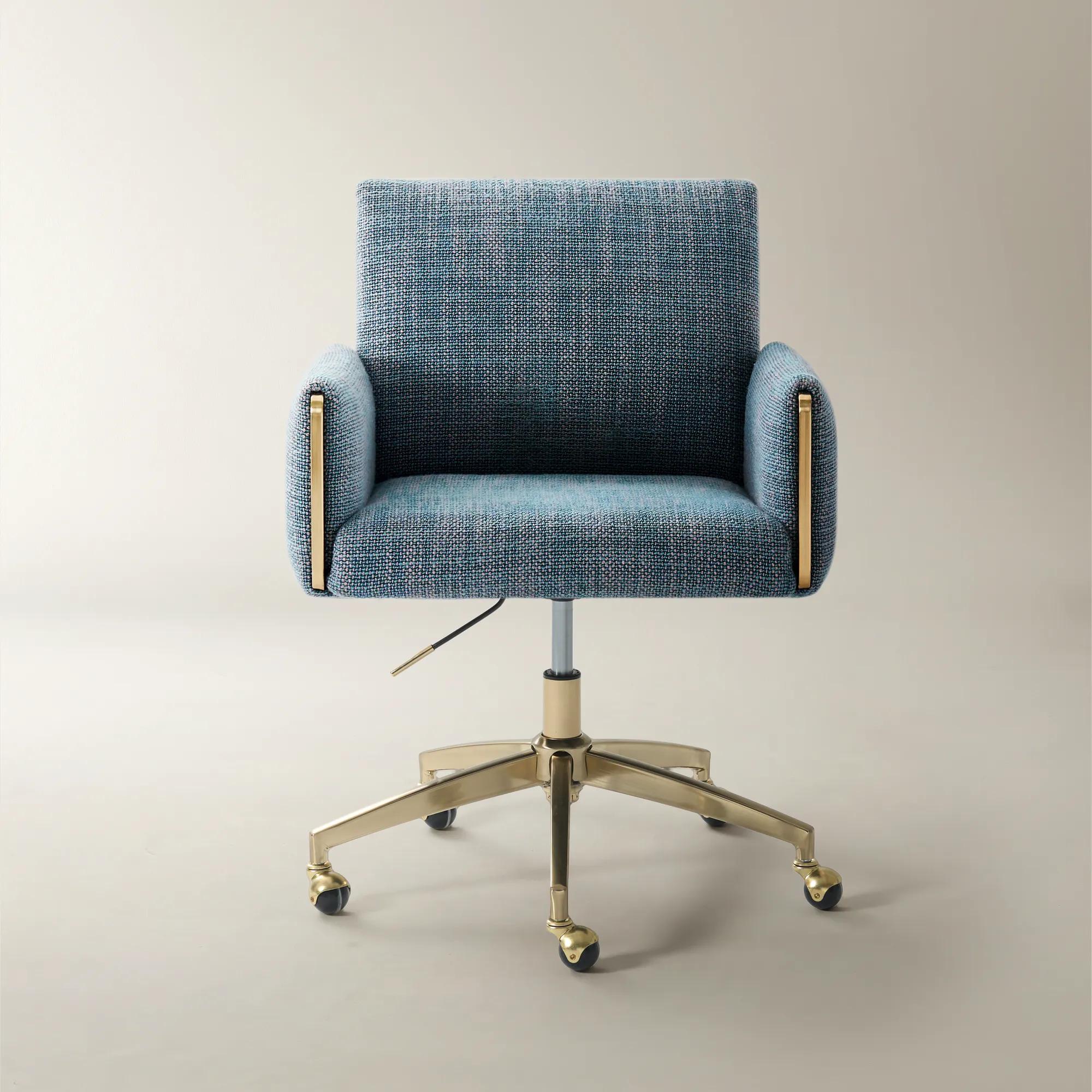 Lucia Peacock Performance Chenille Swivel Desk Chair$499
A peacock blue desk chair featuring textured polyester upholstery, brass-plated metal base, and adjustable comfort.
Add To Cart -
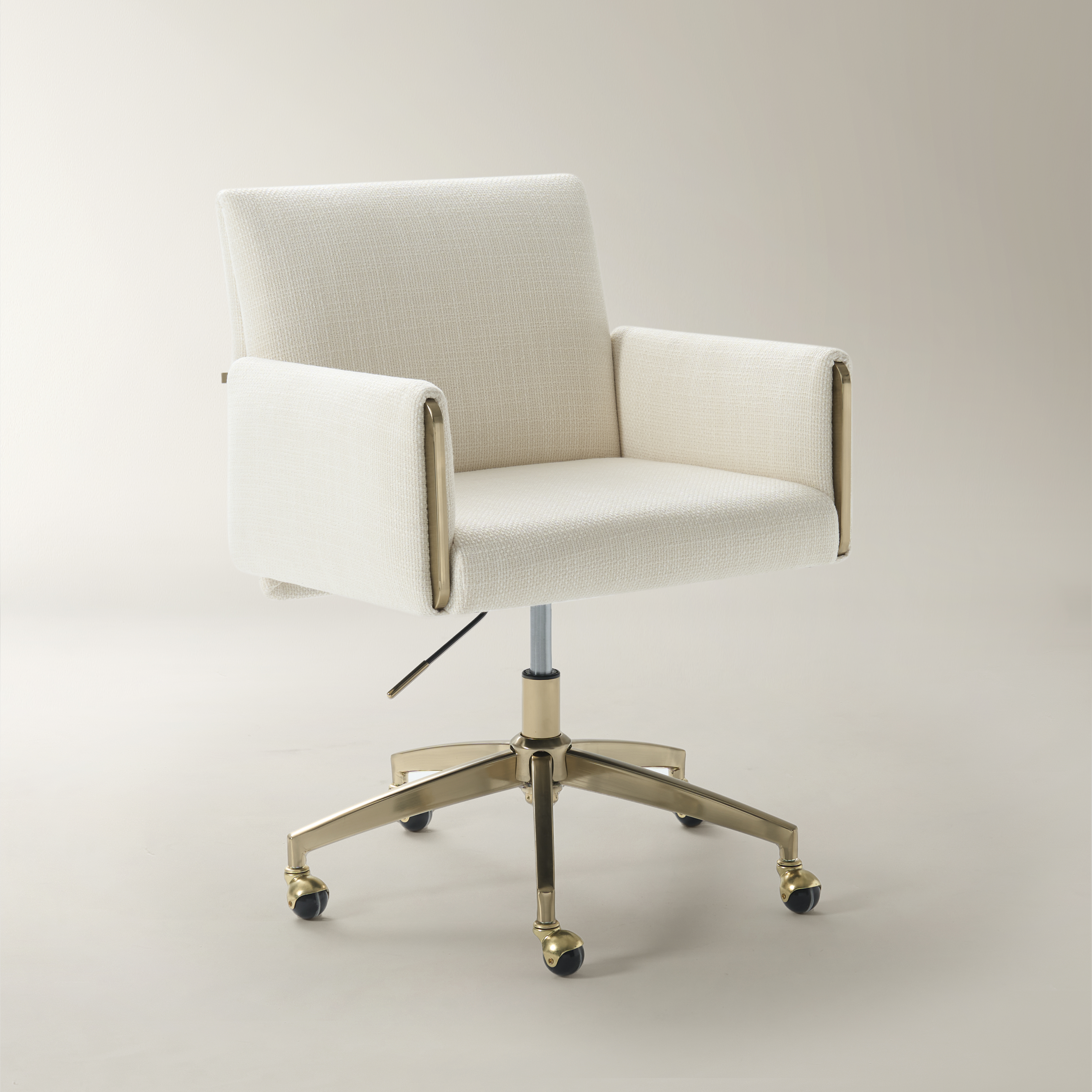 Lucia Ivory Performance Chenille Swivel Desk Chair$499
A beige texture weave desk chair featuring a brass-plated metal base and adjustable gas lift for comfort.
Add To Cart -
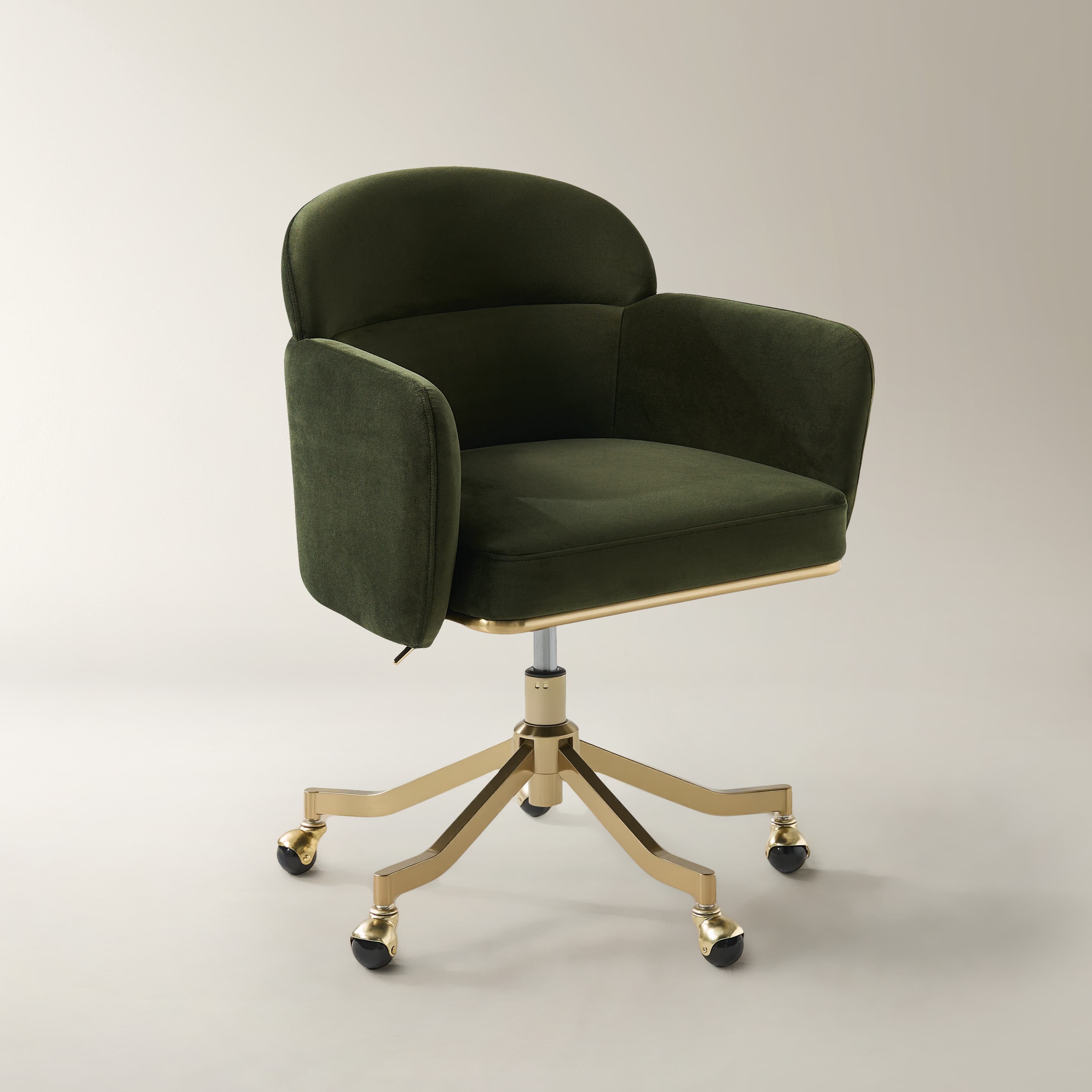
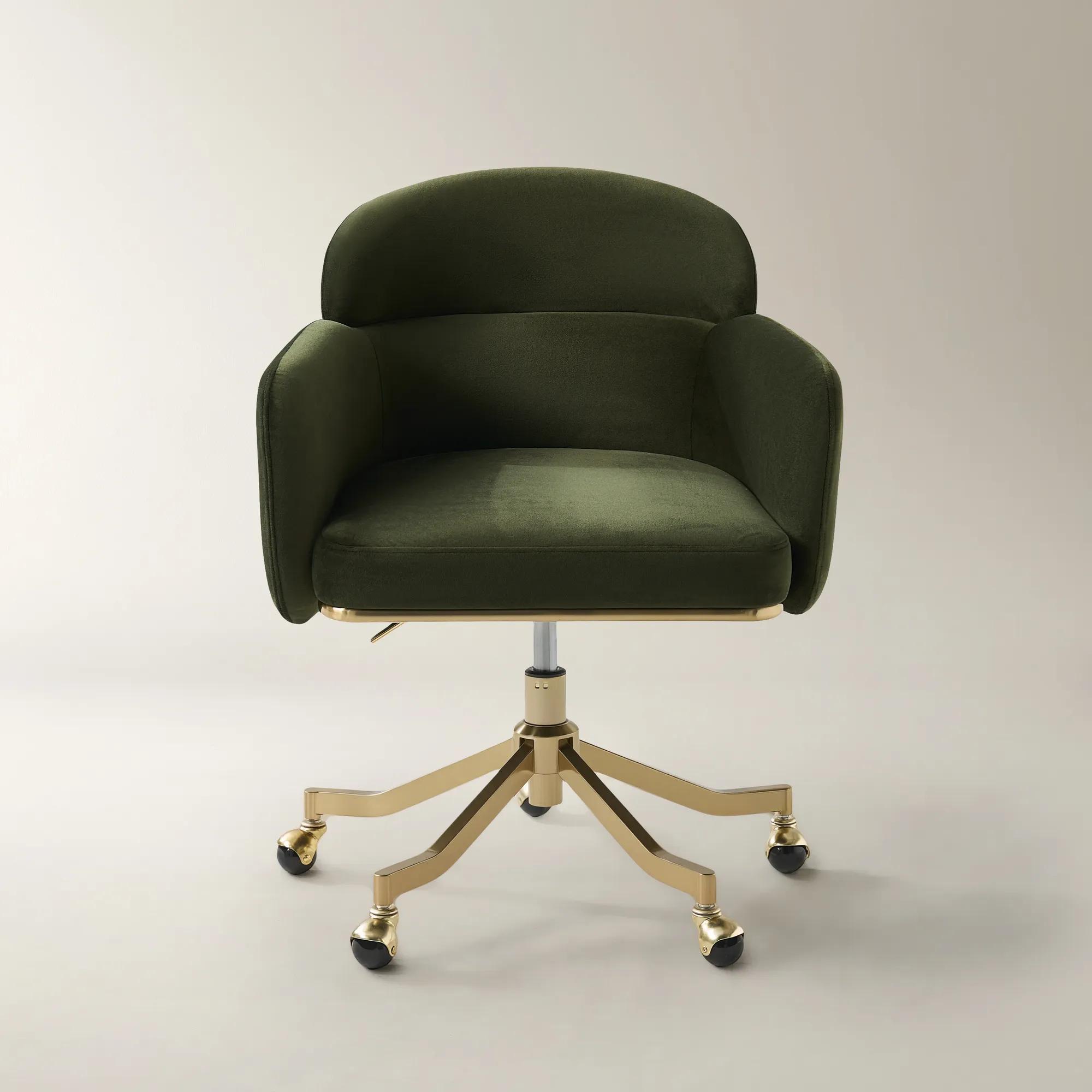 Paige Jade Green Velvet Swivel Desk Chair$399
A jade green velvet swivel chair featuring ergonomic design, adjustable height, and a glossy metal base with casters.
Add To Cart -
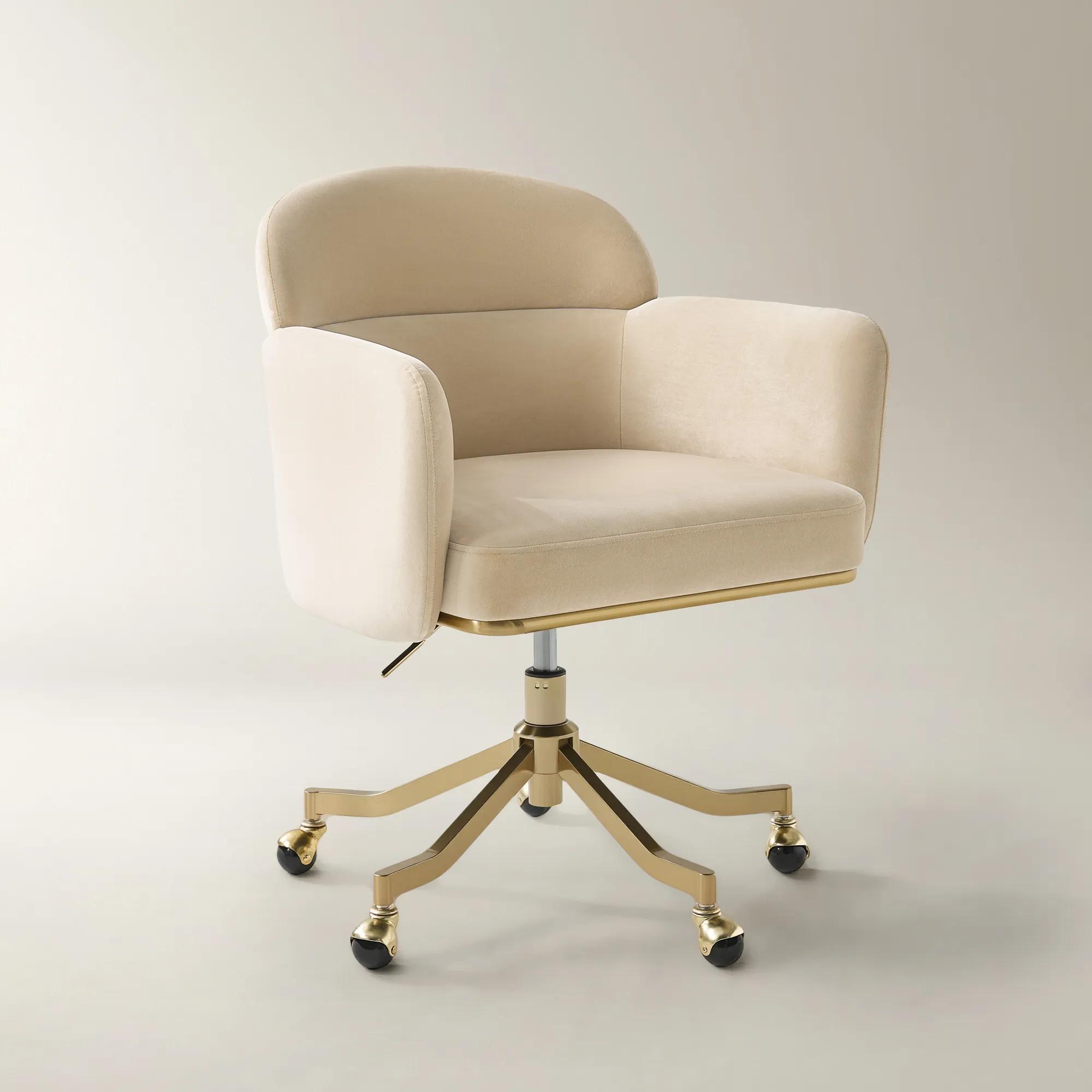 Paige Oatmeal Velvet Swivel Desk Chair$399
An oatmeal velvet swivel chair with adjustable height, ergonomic design, and a polished metal base with casters.
Add To Cart -
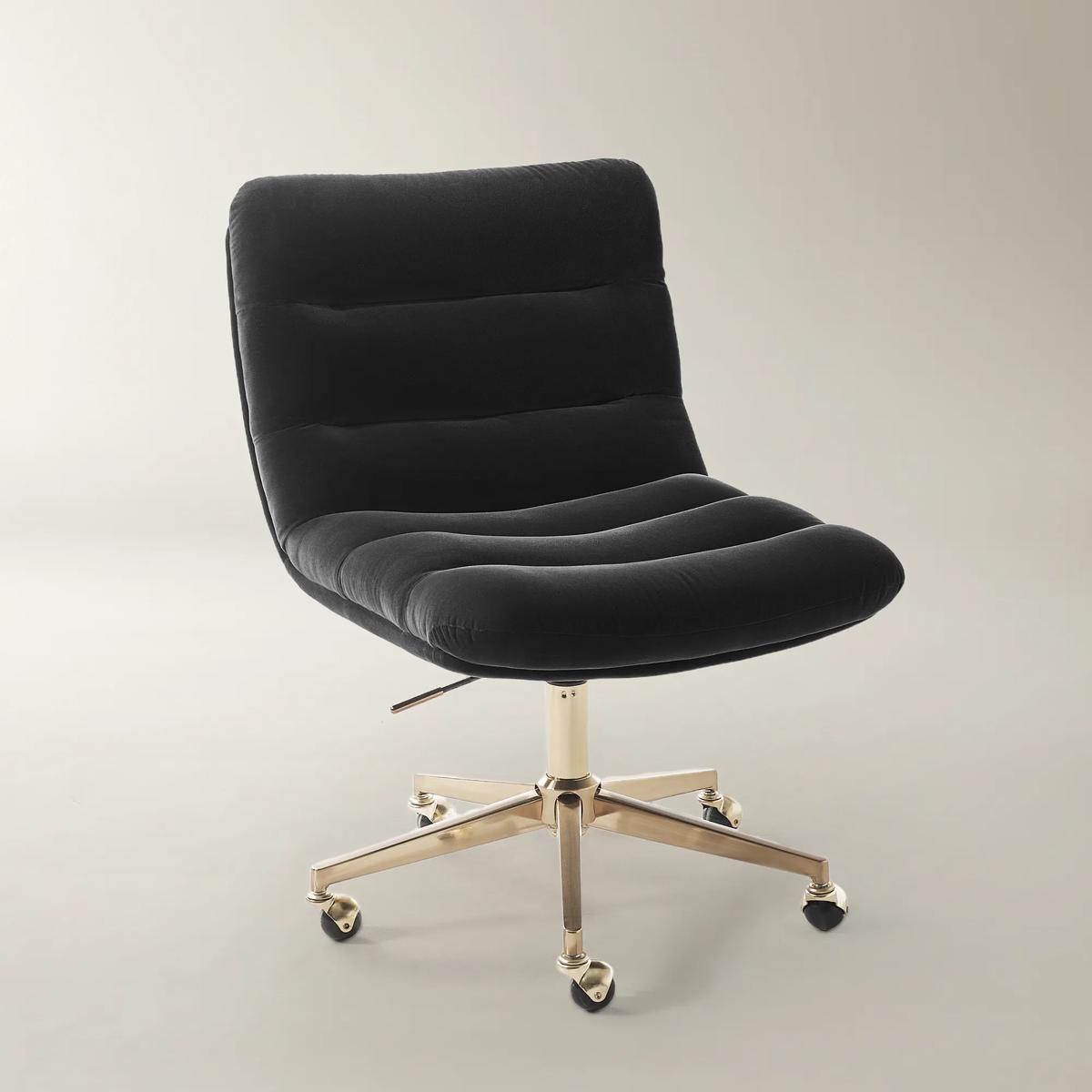 Serena Charcoal Velvet Swivel Desk Chair$399
A charcoal velvet office chair with plush foam cushioning, brass-plated metal base, and adjustable swivel design.
Add To Cart -
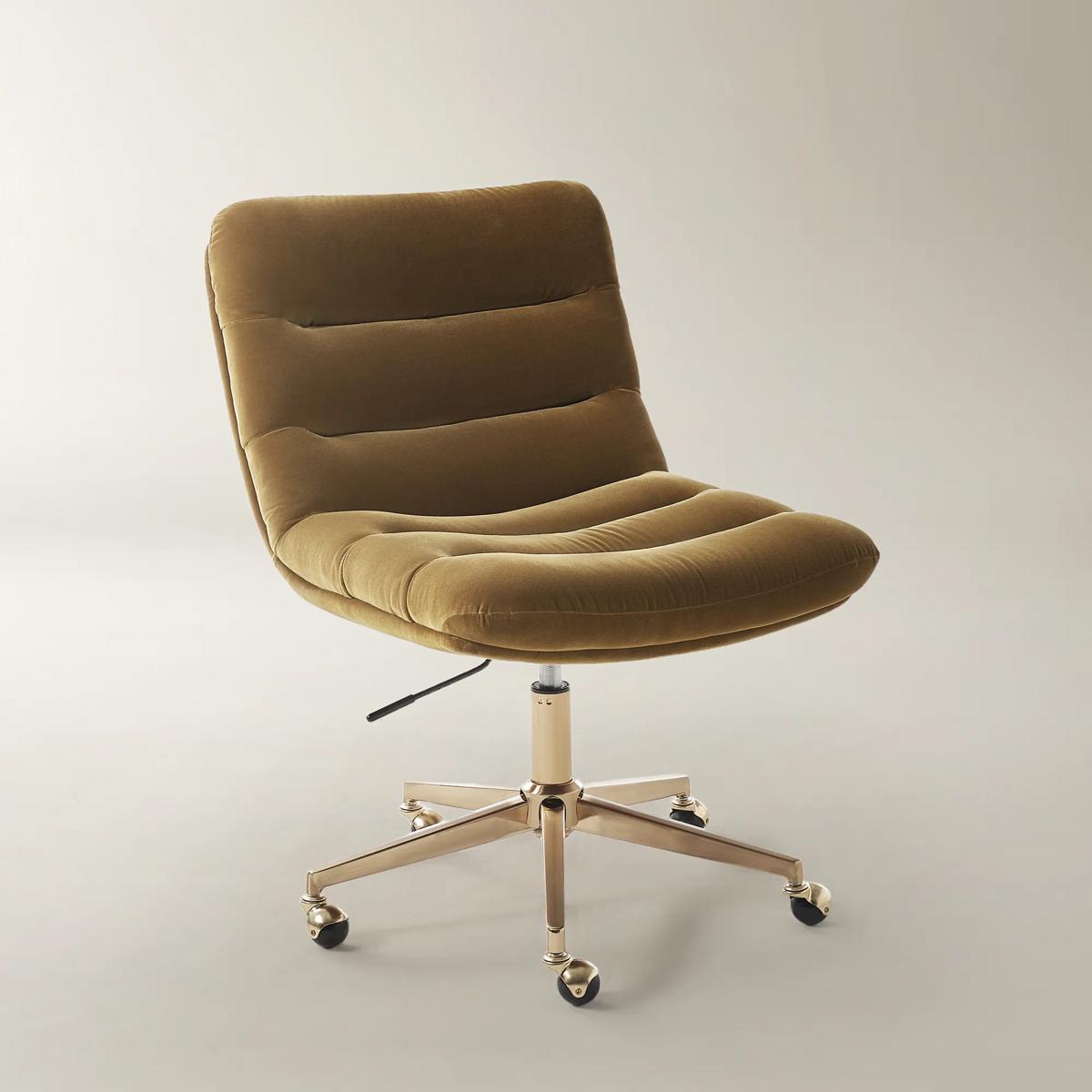
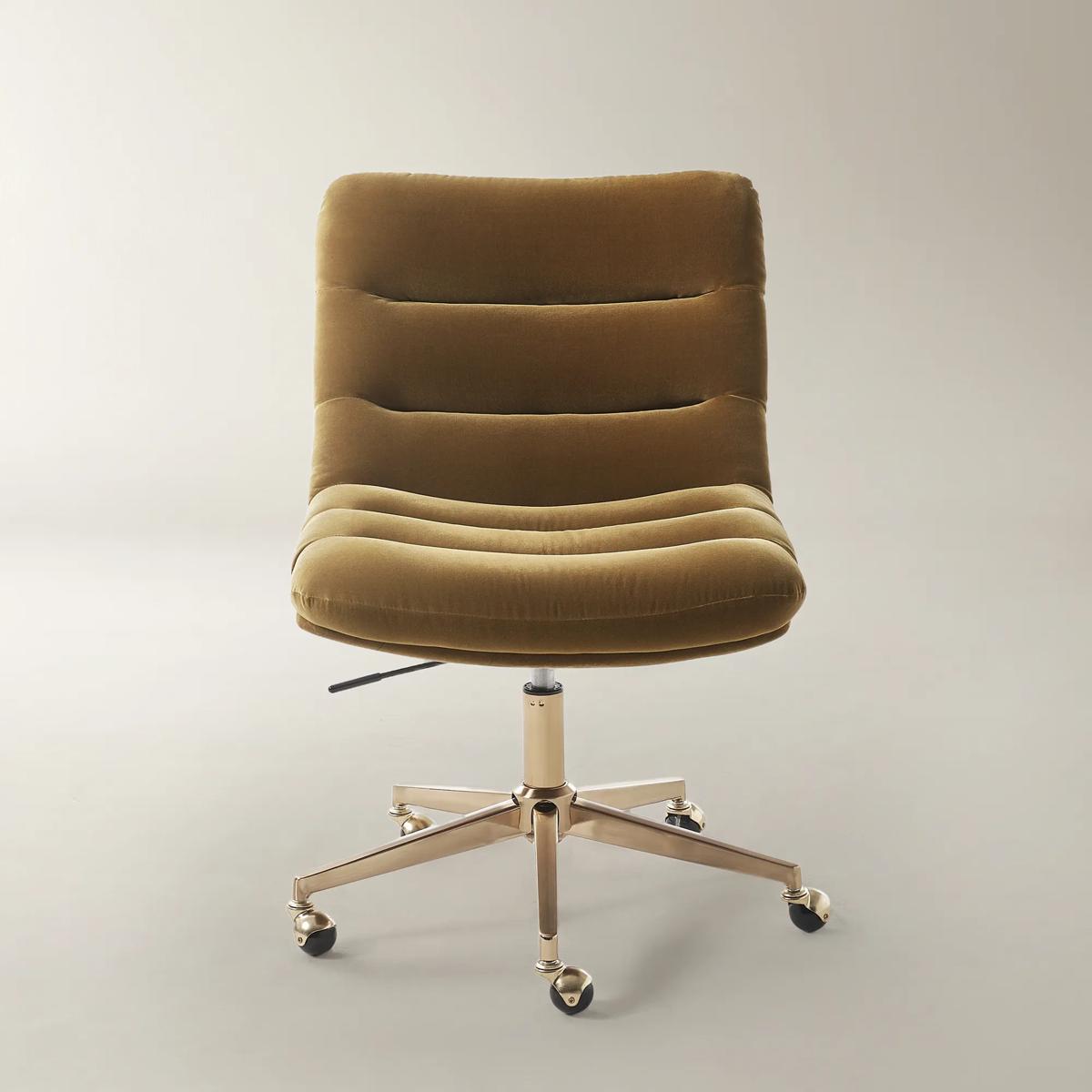 Serena Roasted Pecan Velvet Swivel Desk Chair$399
A brown velvet desk chair featuring adjustable tilt, brass-plated base, and smooth swivel wheels for comfort.
Add To Cart -
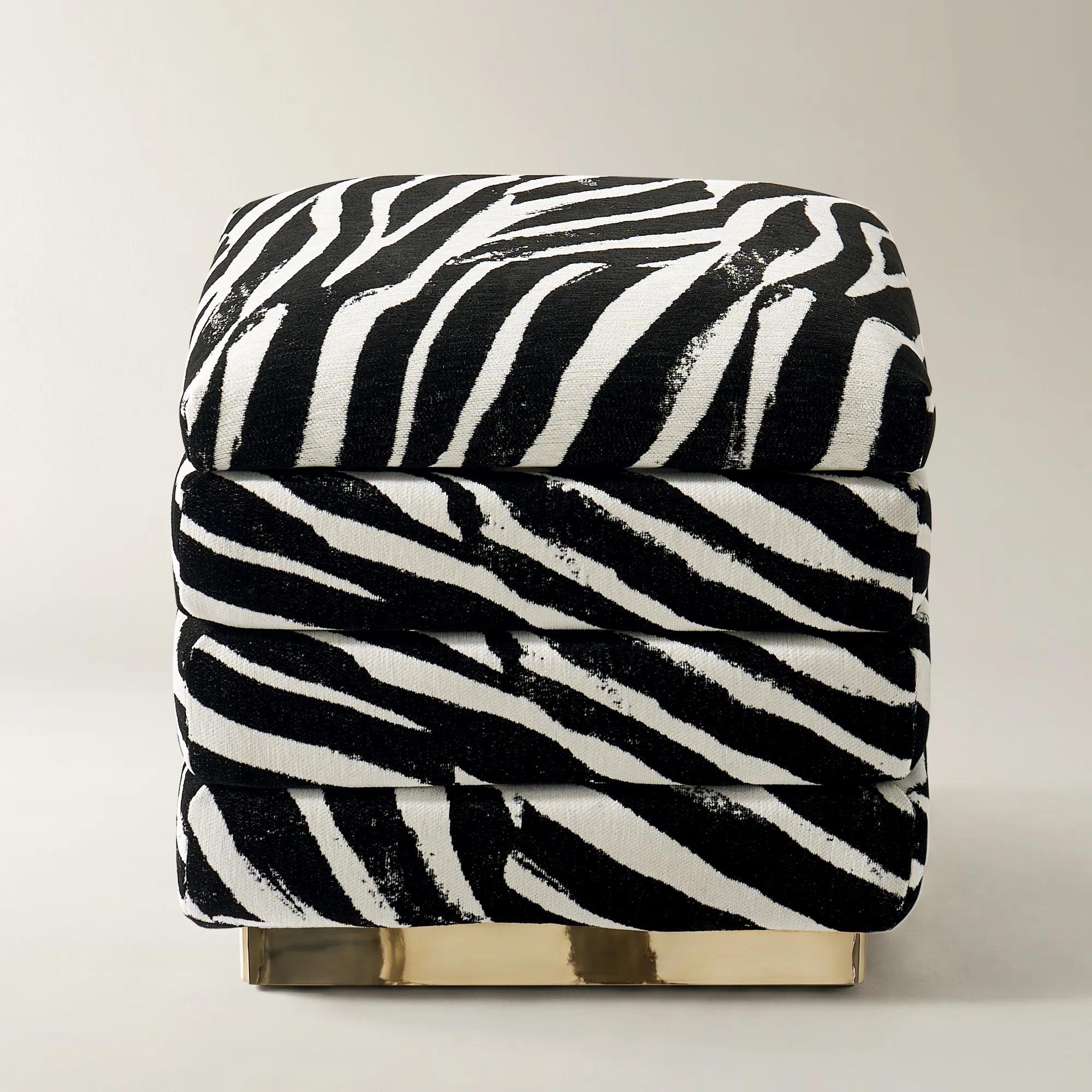
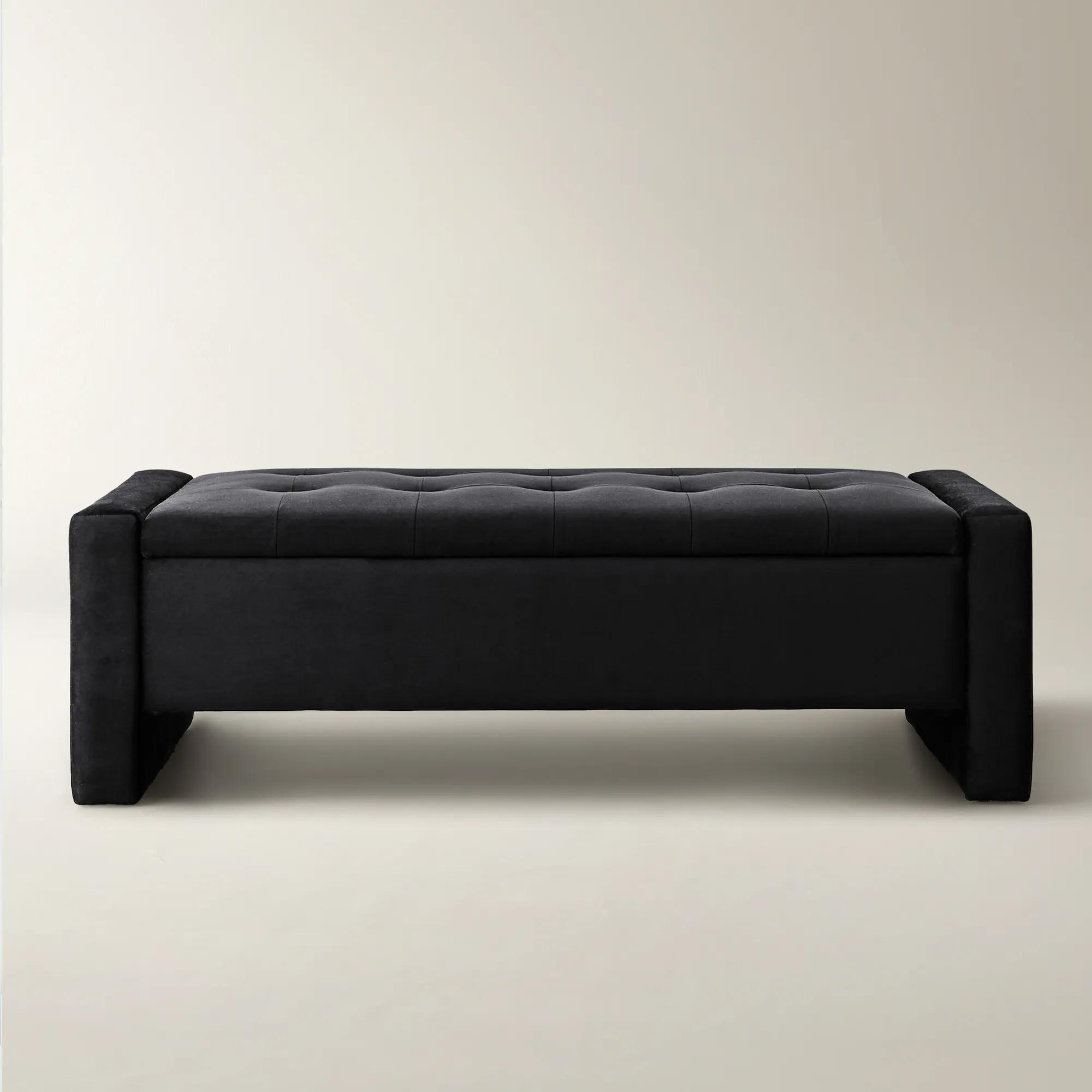
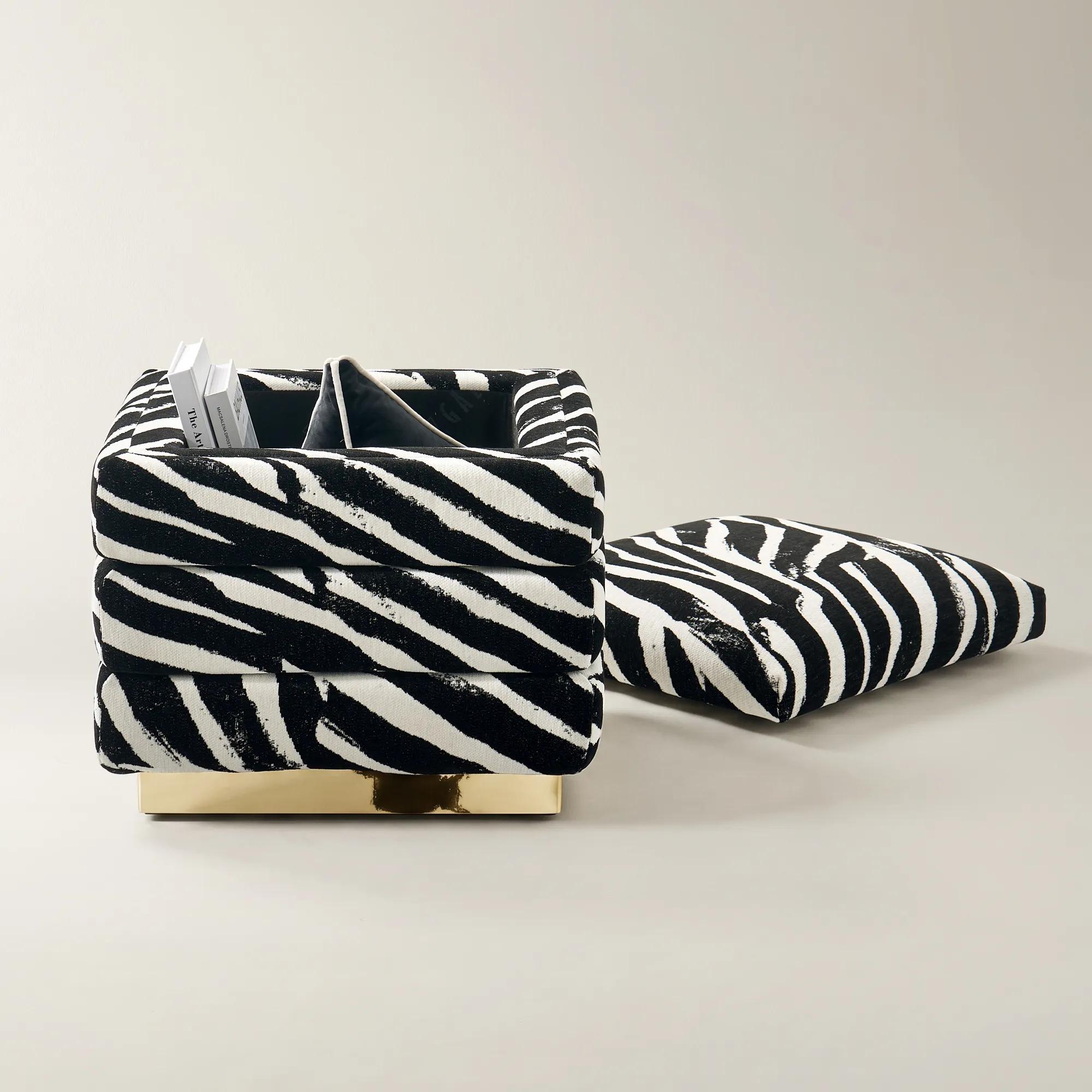 Gable White/Black Performance Chenille Stool$399
A plush white and black chenille stool with hidden storage and a polished gold stainless steel base.
Add To Cart -
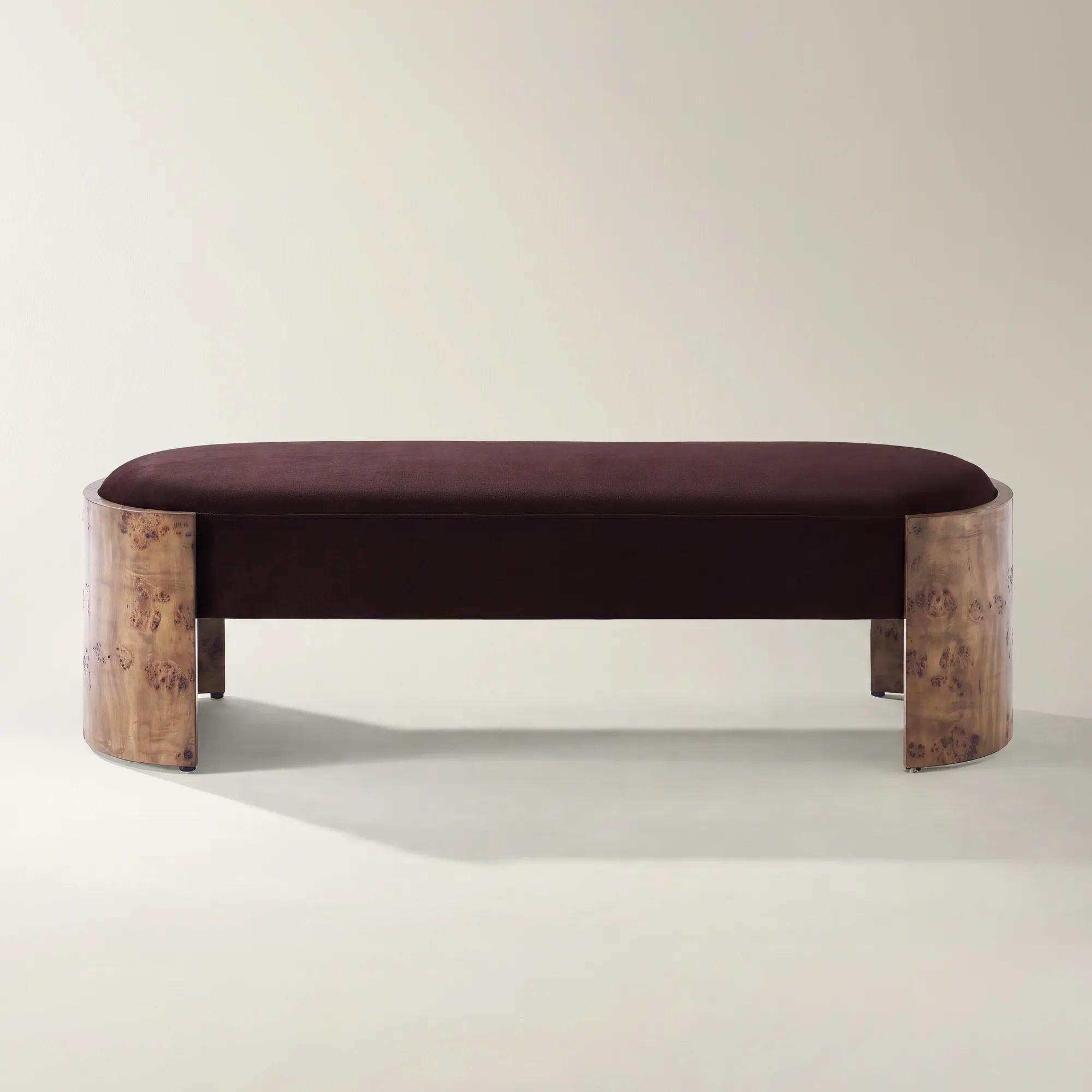
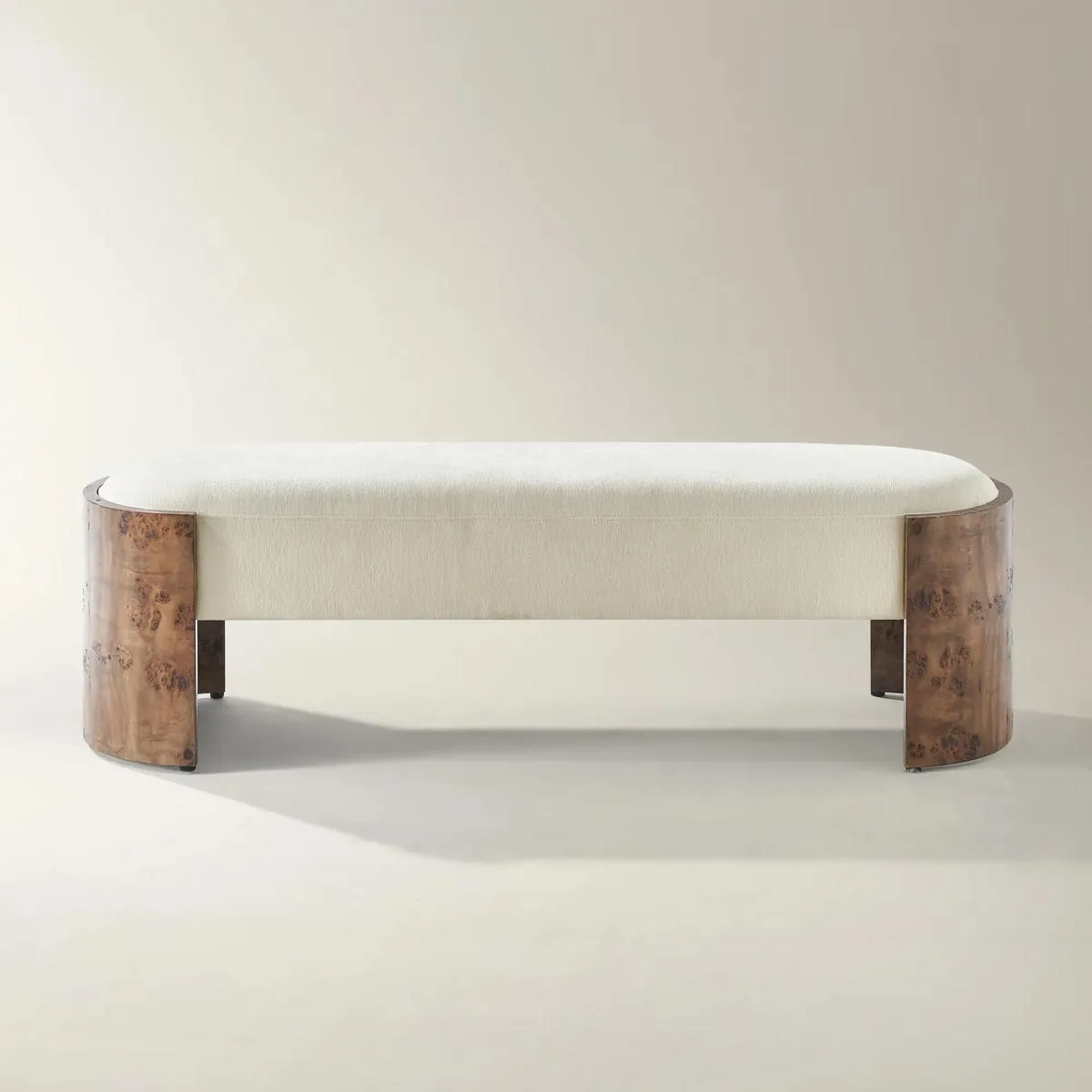 Cora Fig Velvet With Ash Wood Bench (60.6")$999
A sculptural bench with fig velvet upholstery, bookmatched ash burl panels, and supportive high-resiliency foam cushioning.
Add To Cart -
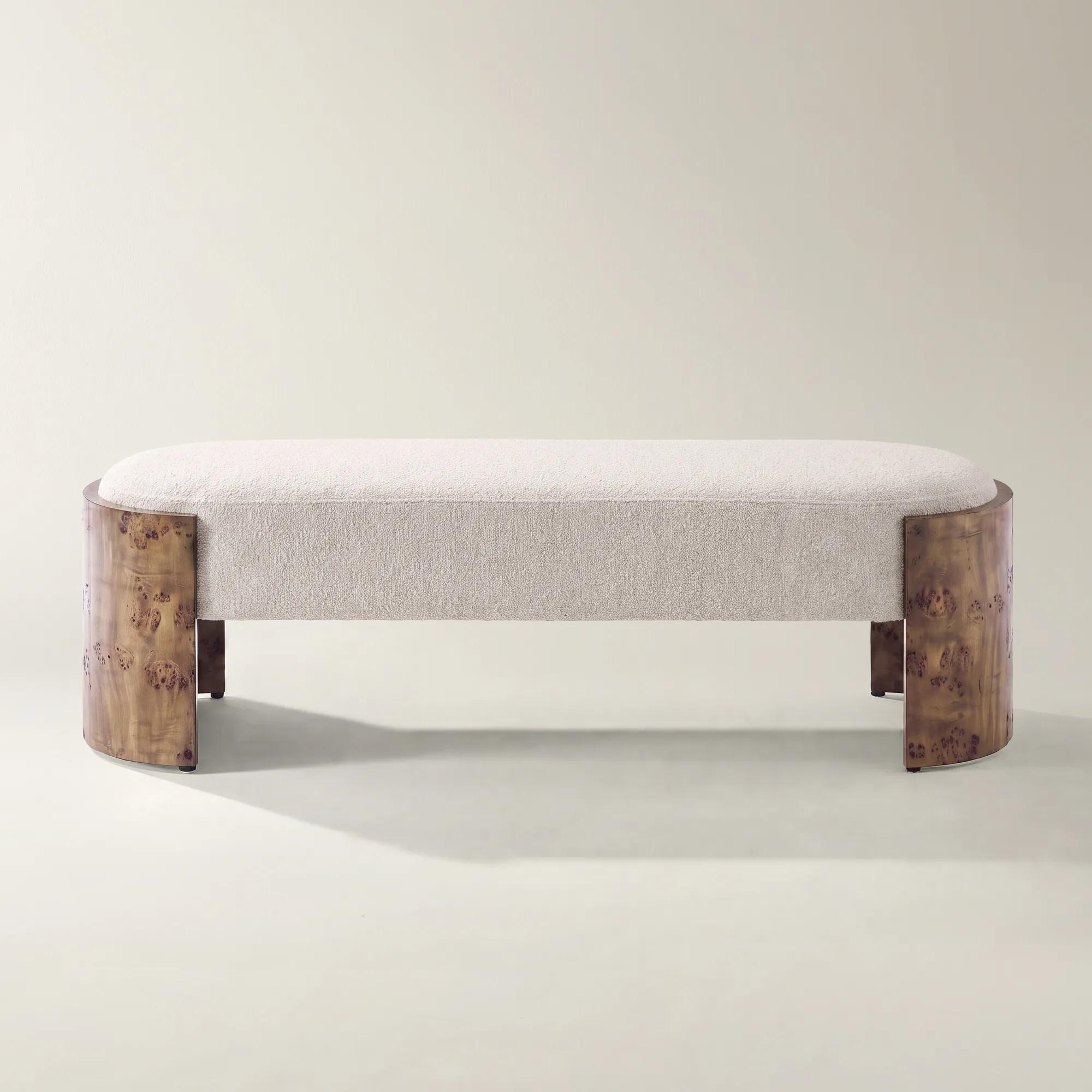 Cora Ivory Performance Boucle With Ash Wood Bench (60.6")$999
A sculpted ivory performance bouclé bench with curved bookmatched ash burl panels and supportive foam cushioning.
Add To Cart -
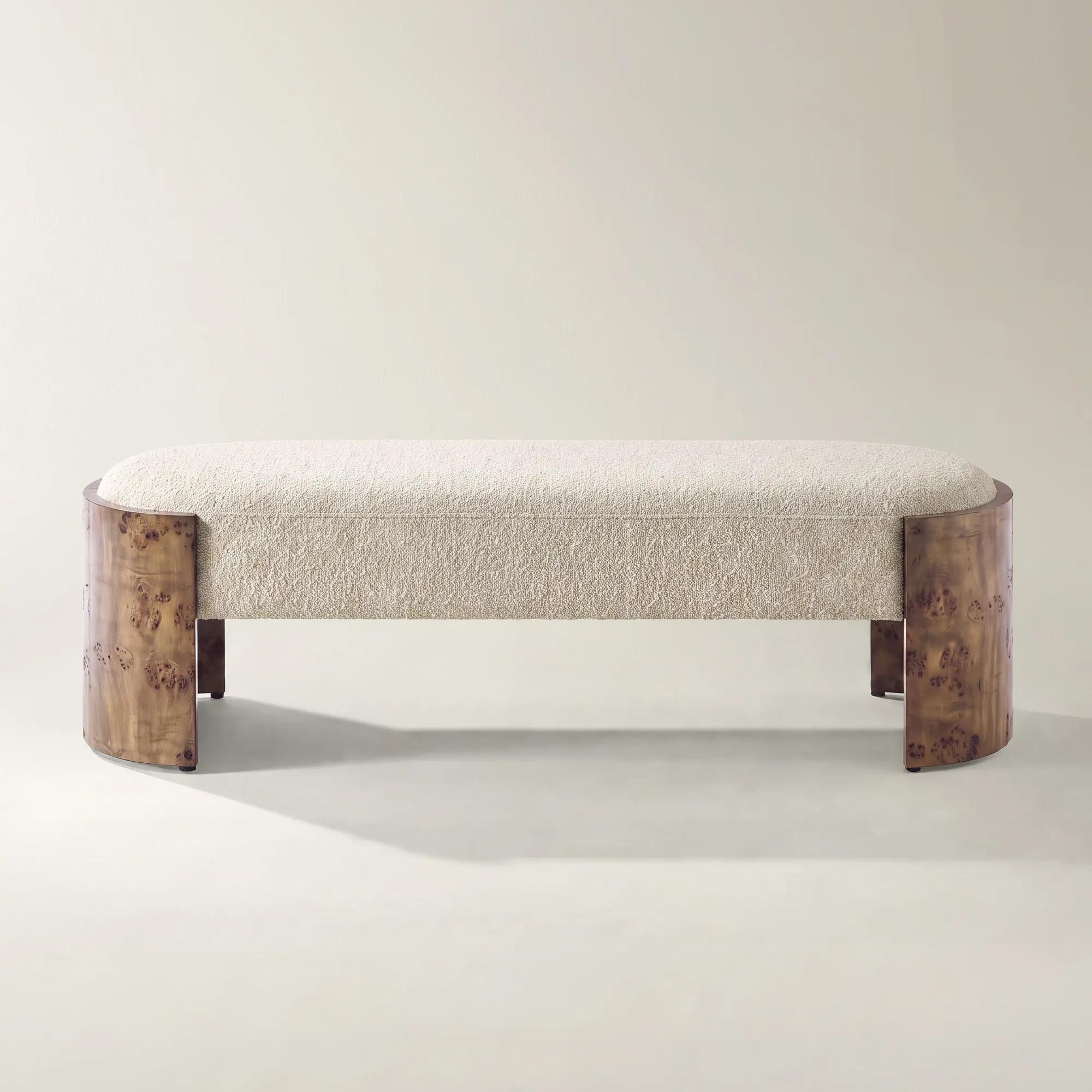 Cora Ivory Performance Boucle With Ash Wood Bench (60.6")$999
An ivory performance boucle bench with curved bookmatched ash burl panels and supportive foam cushioning.
Add To Cart -
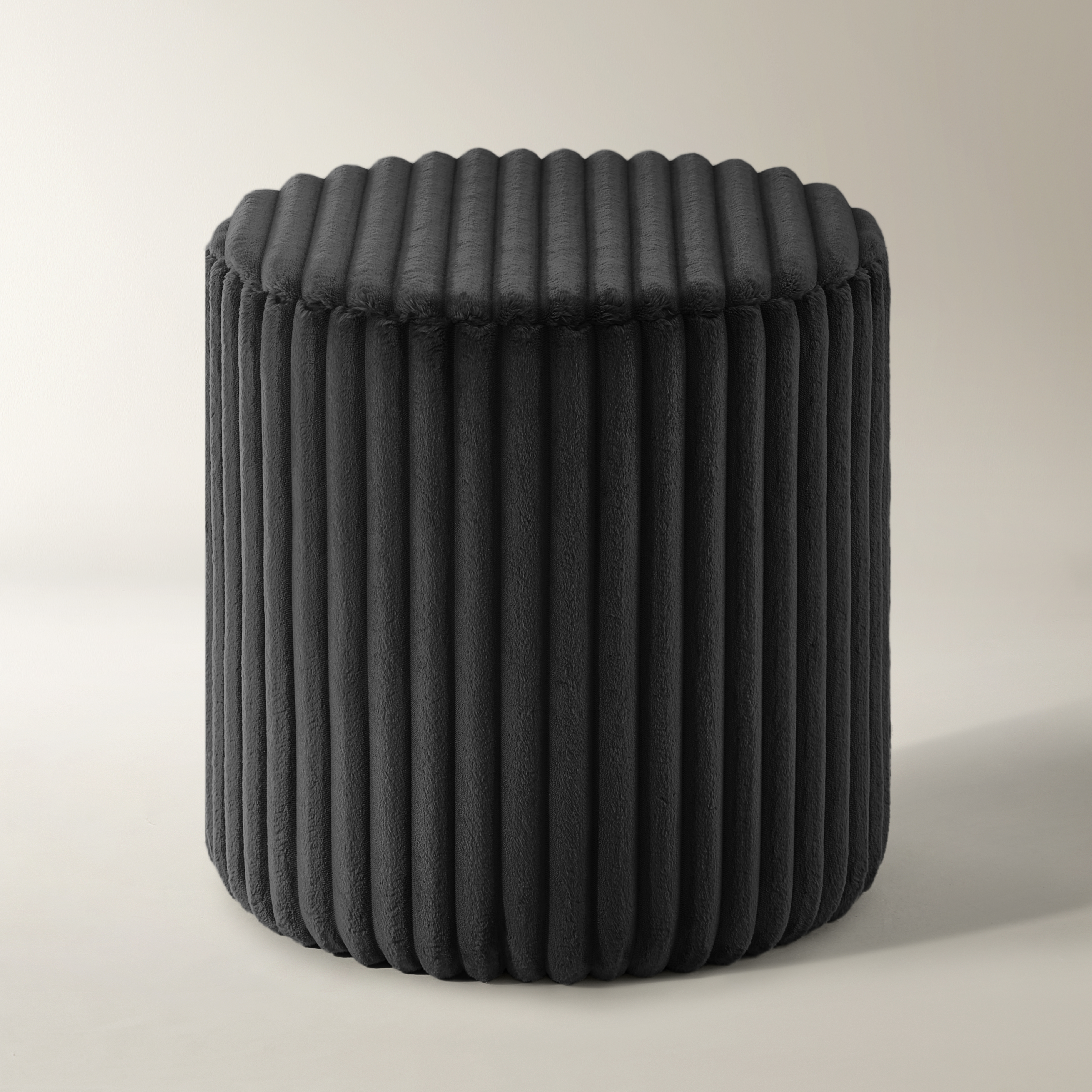
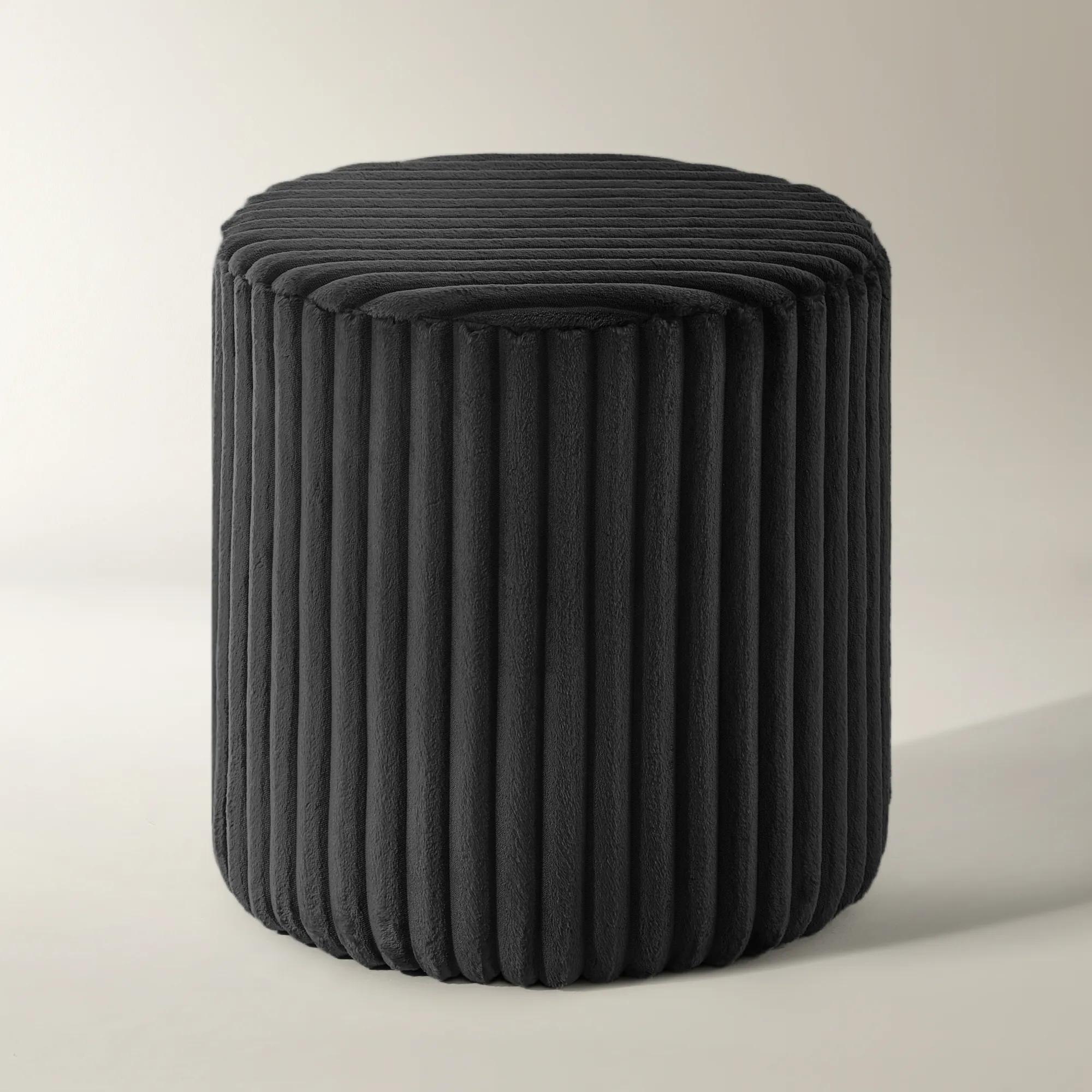 Fleece Fluted Black Velvet Stool (15.55'')$229
A plush black ribbed velvet stool offering versatile seating and cozy texture for any modern space.
Add To Cart -
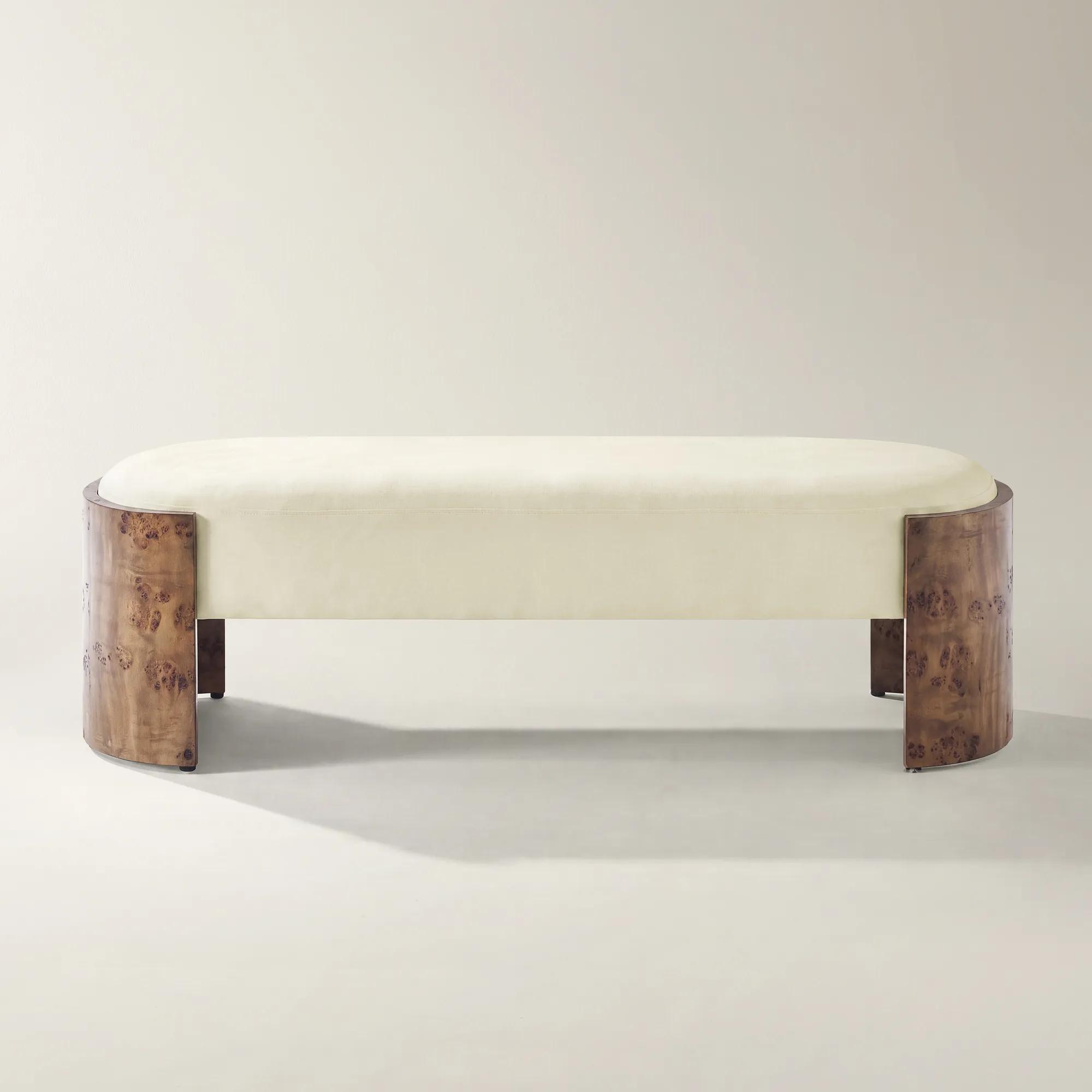 Cora Cloud Velvet With Ash Wood Bench (60.6")$999
A cloud velvet bench with bookmatched ash burl panels and supportive foam cushioning.
Add To Cart -
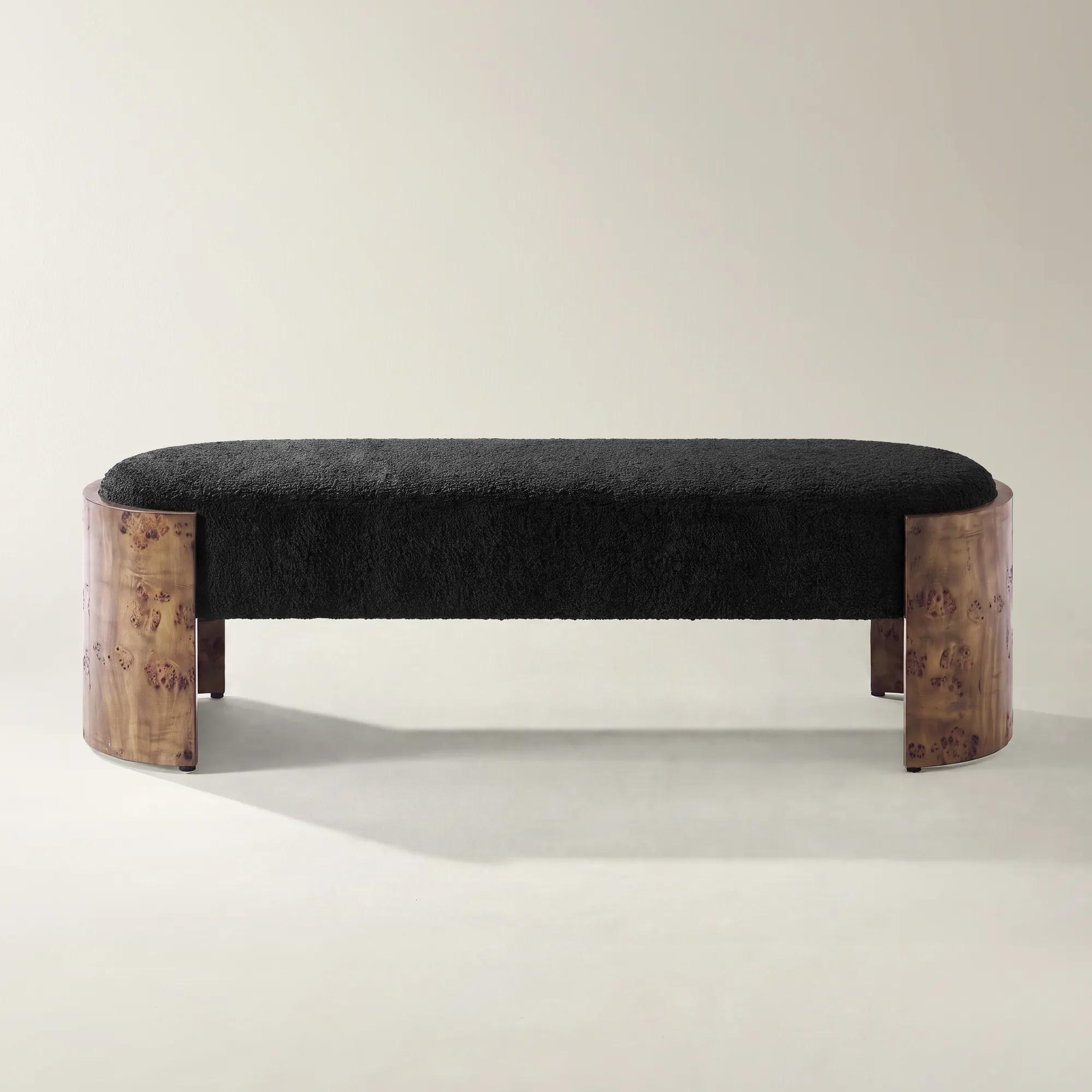 Cora Black Chenille With Ash Wood Bench (60.6")$999
A sculpted charcoal chenille bench featuring curved bookmatched ash burl panels and supportive foam cushioning.
Add To Cart -
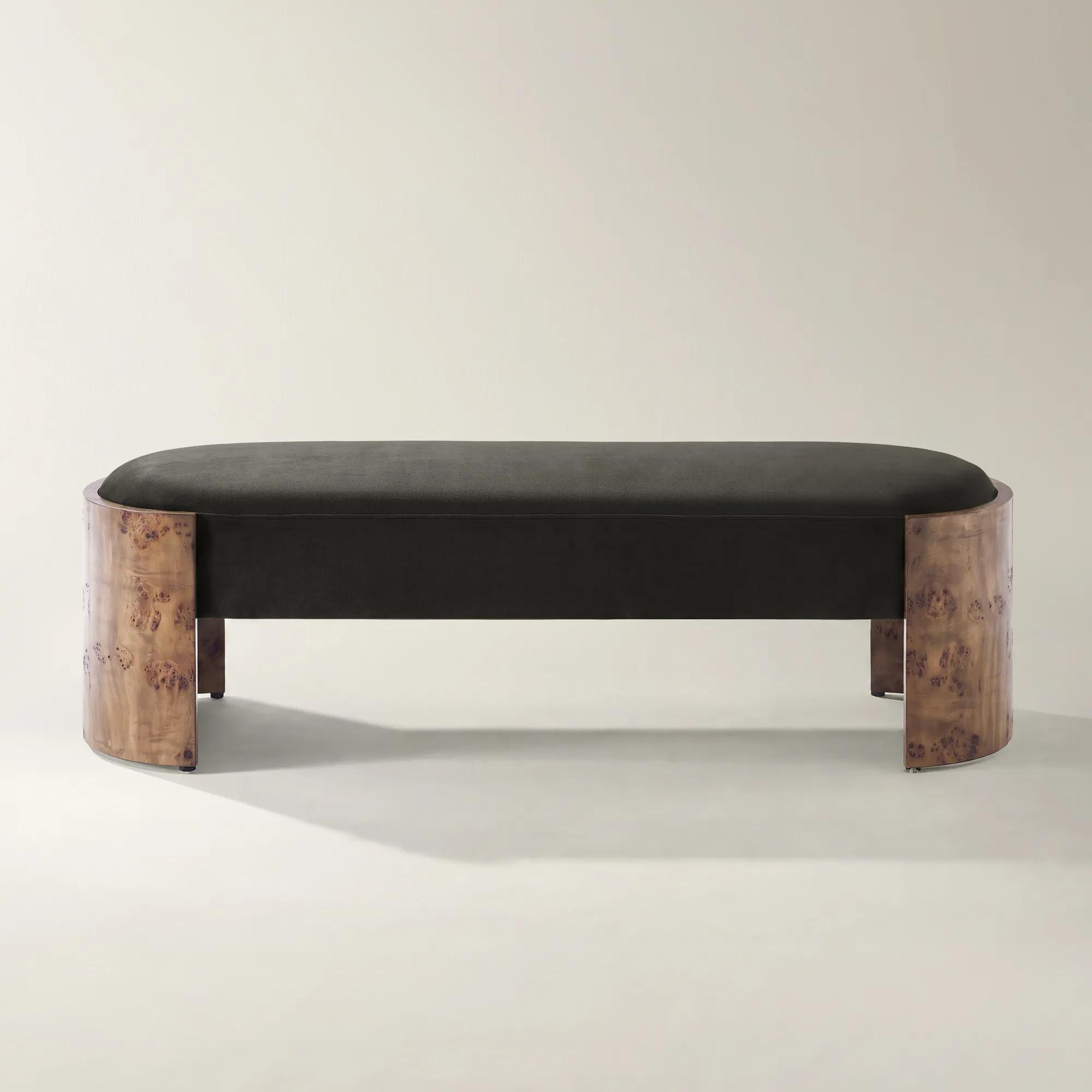 Cora Charcoal Velvet With Ash Wood Bench (60.6")$999
A sculpted charcoal velvet bench with curved bookmatched ash burl panels and supportive foam cushioning.
Add To Cart -
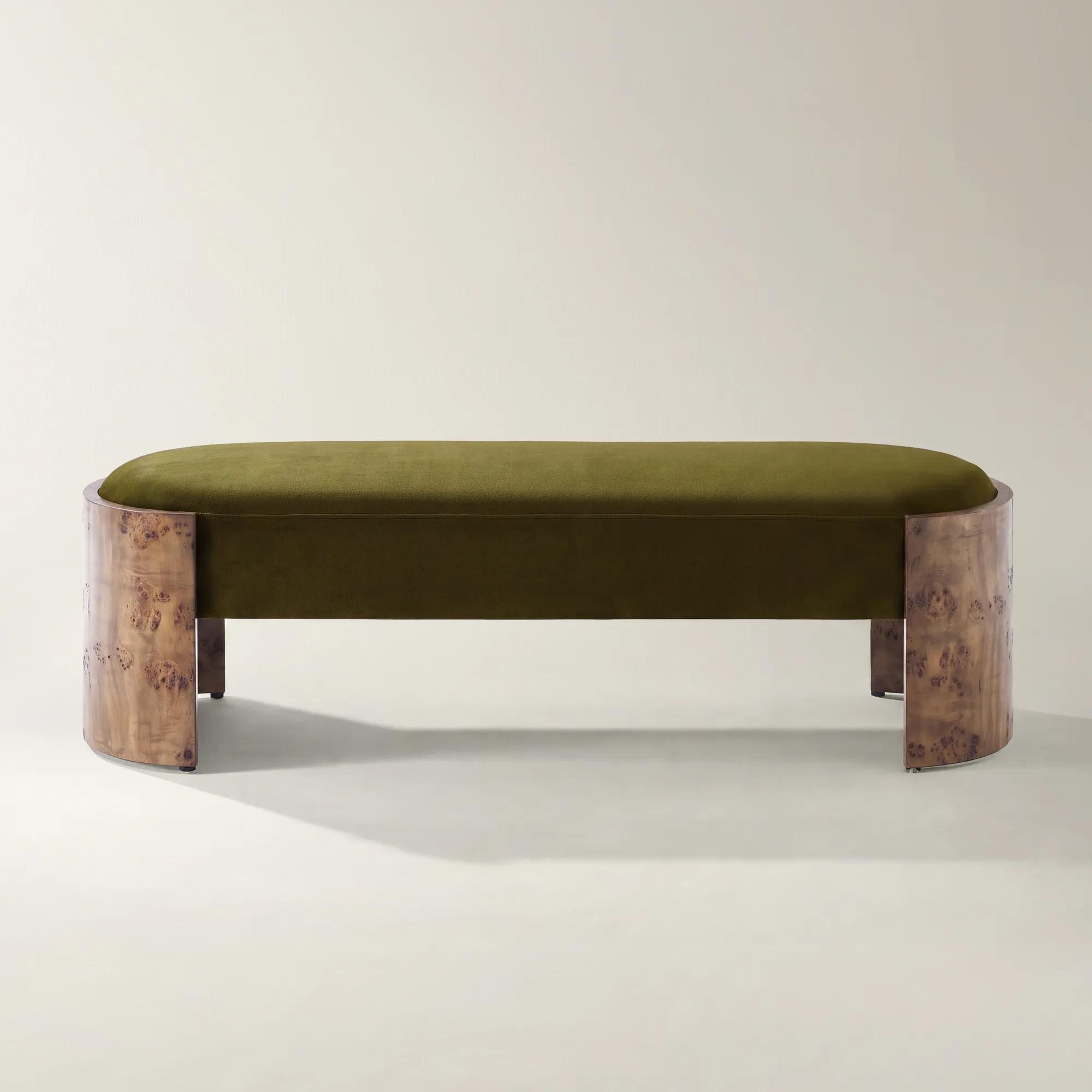 Cora Deep Olive Velvet With Ash Wood Bench (60.6")$999
A sculpted deep olive velvet bench featuring curved ash burl end panels and supportive foam cushioning.
Add To Cart -
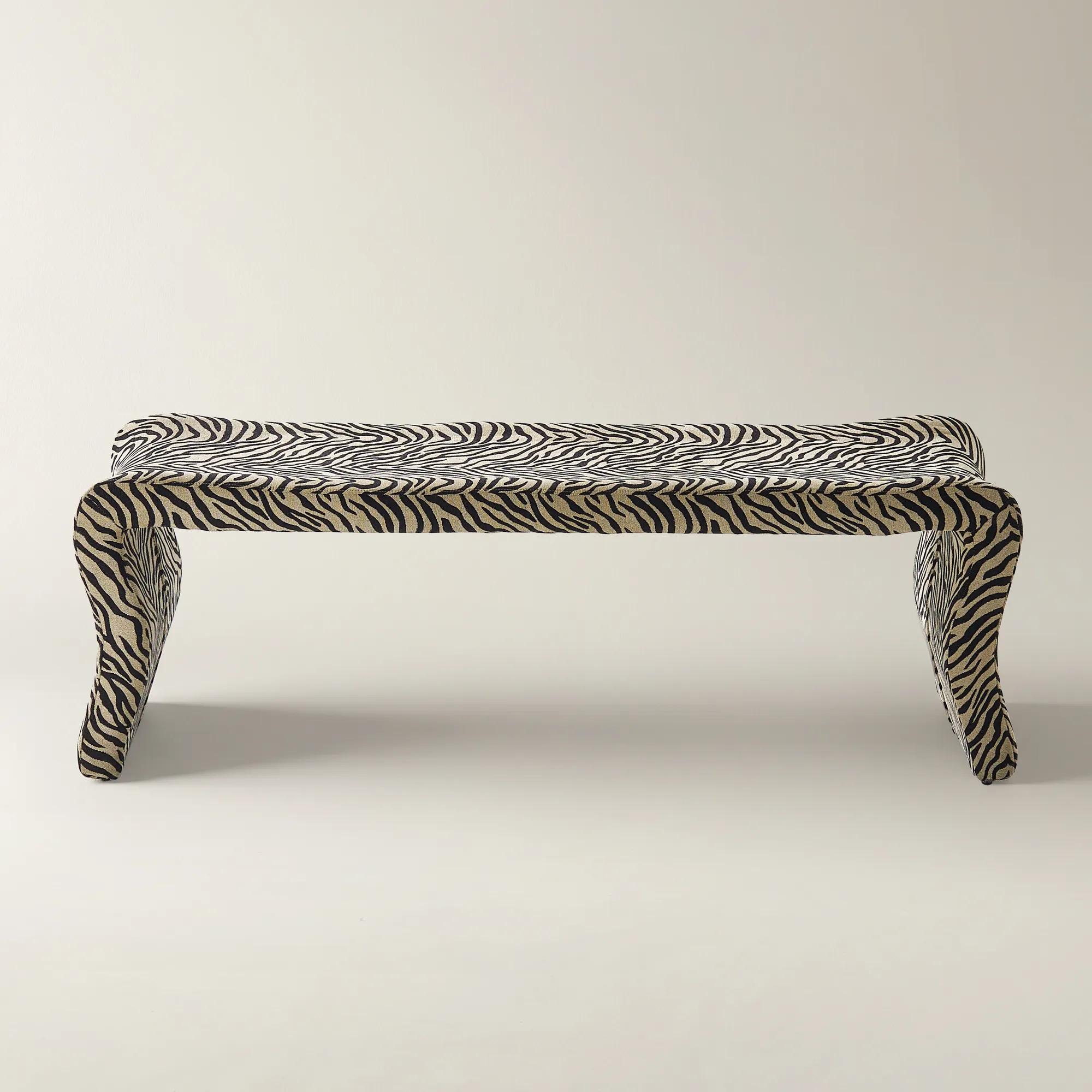
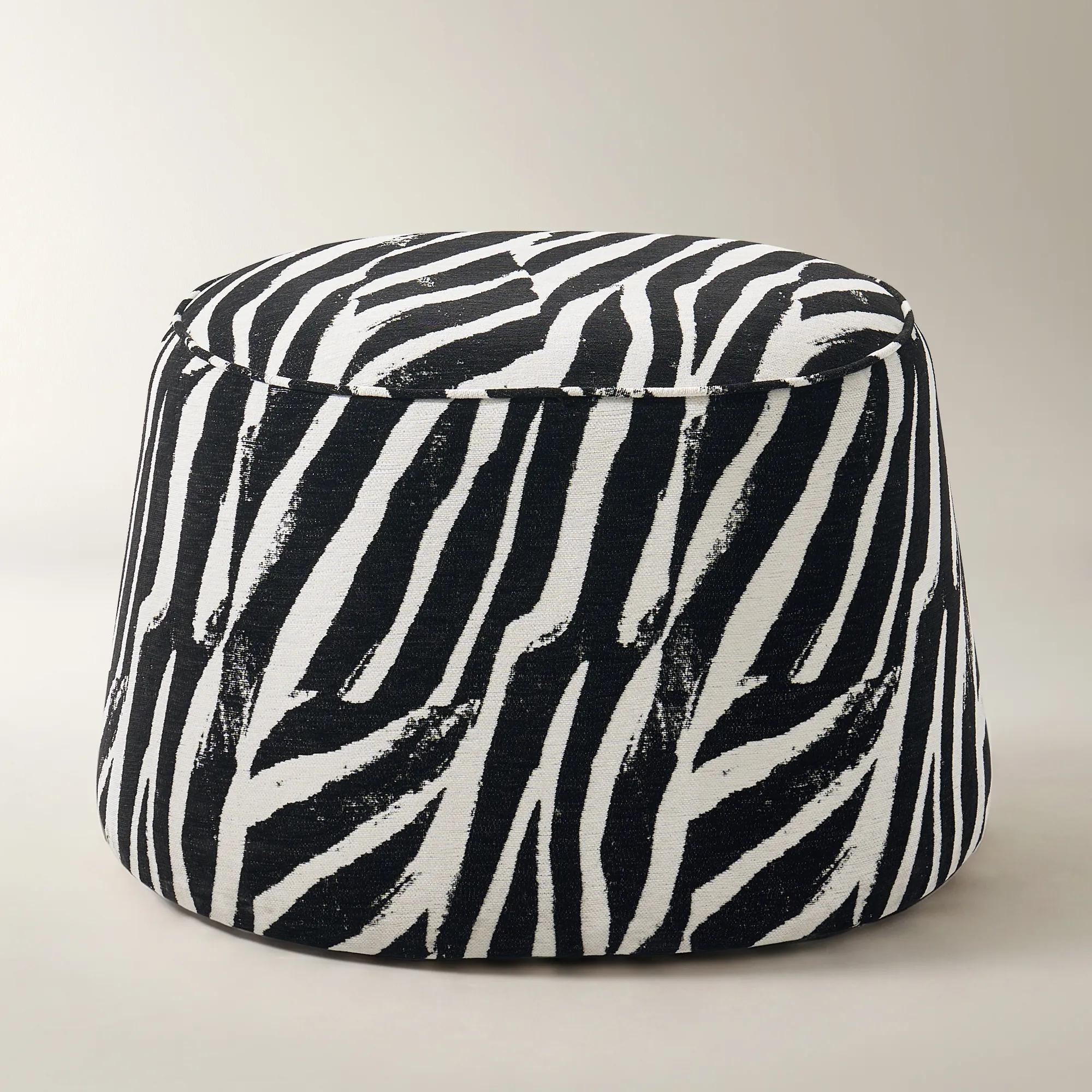 Avery White/Black Performance Chenille Stool$399
A sculpted drum accent stool in black and white performance chenille with an animal-inspired pattern.
Add To Cart -
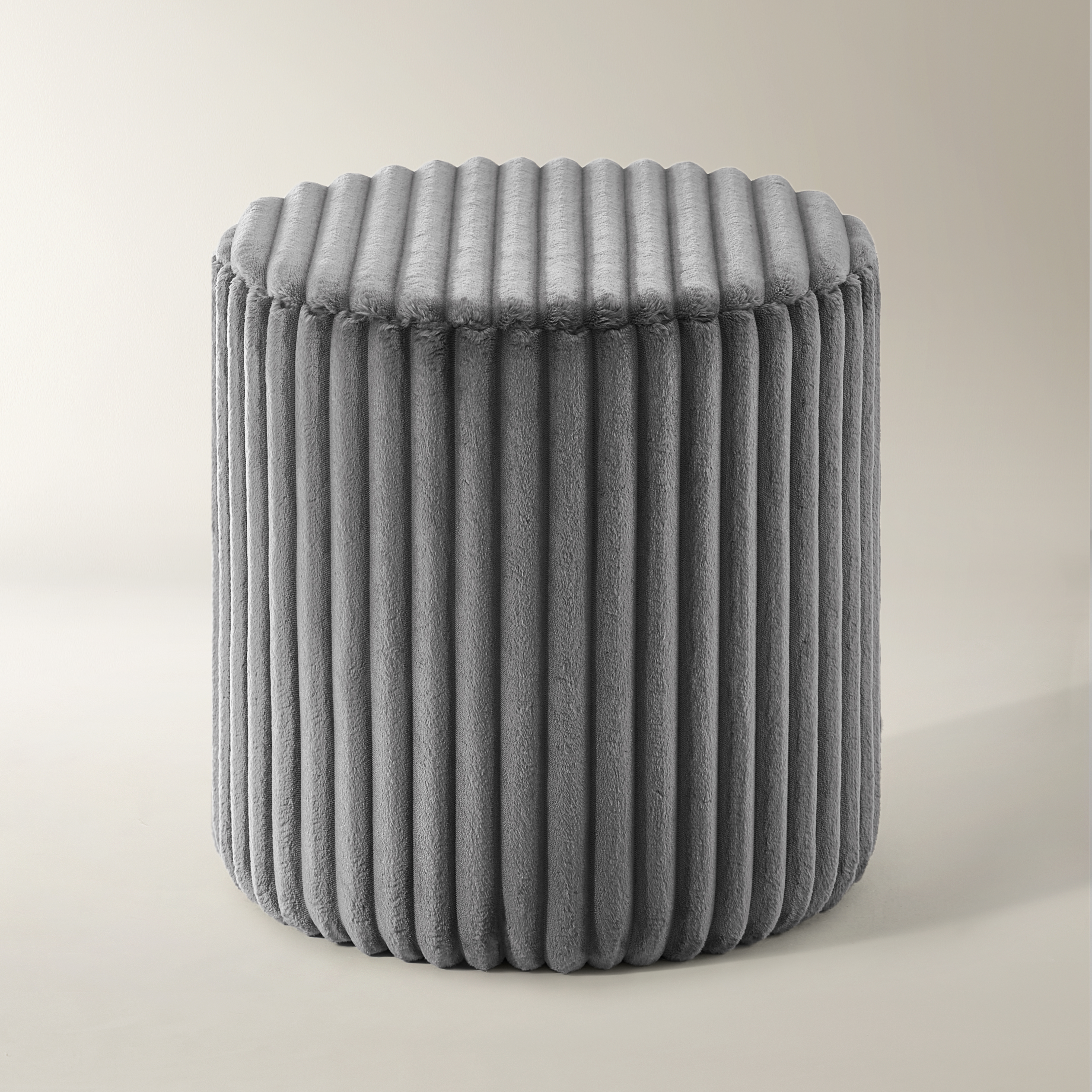 Fleece Fluted Gray Velvet Stool (15.55'')$229
A plush grey velvet stool with a unique ribbed texture, perfect for versatile, cozy seating or decor.
Add To Cart -
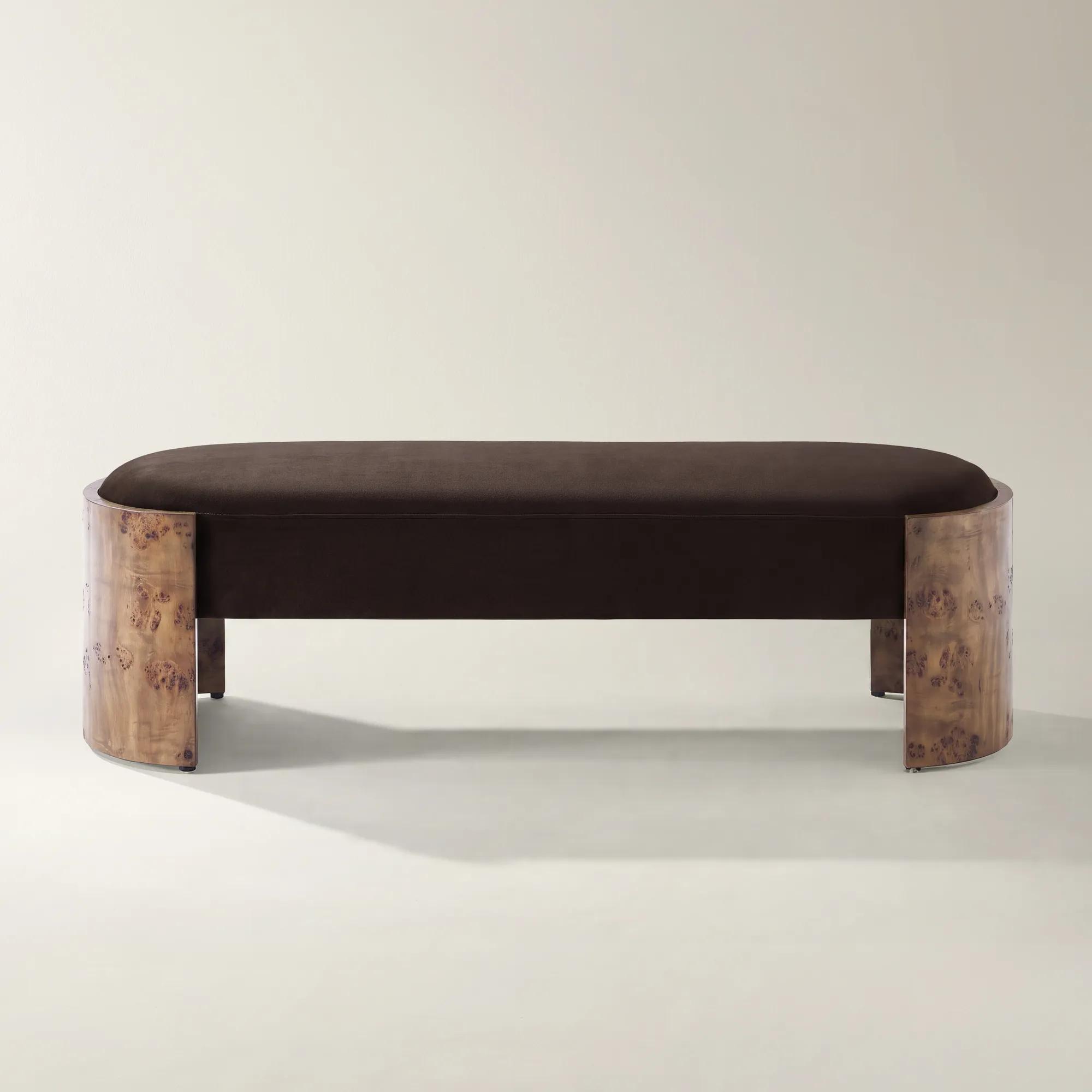 Cora Dark Chocolate Velvet With Ash Wood Bench (60.6")$999
A dark chocolate velvet bench with sculpted bookmatched ash burl end panels and high-resiliency foam cushioning.
Add To Cart -
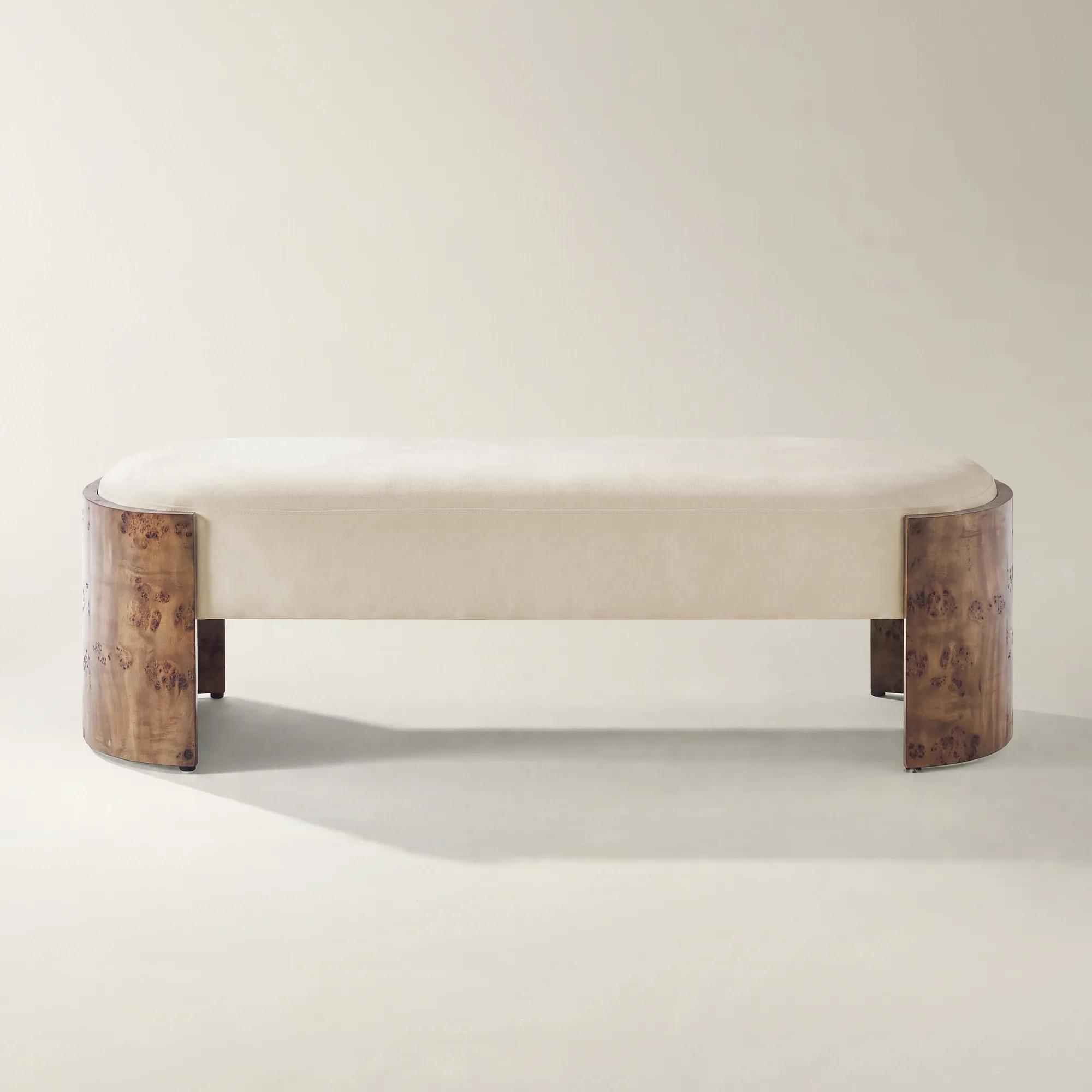 Cora Oatmeal Velvet With Ash Wood Bench (60.6")$999
A sculptural oatmeal velvet bench with curved ash burl wood panels and supportive foam cushioning.
Add To Cart -
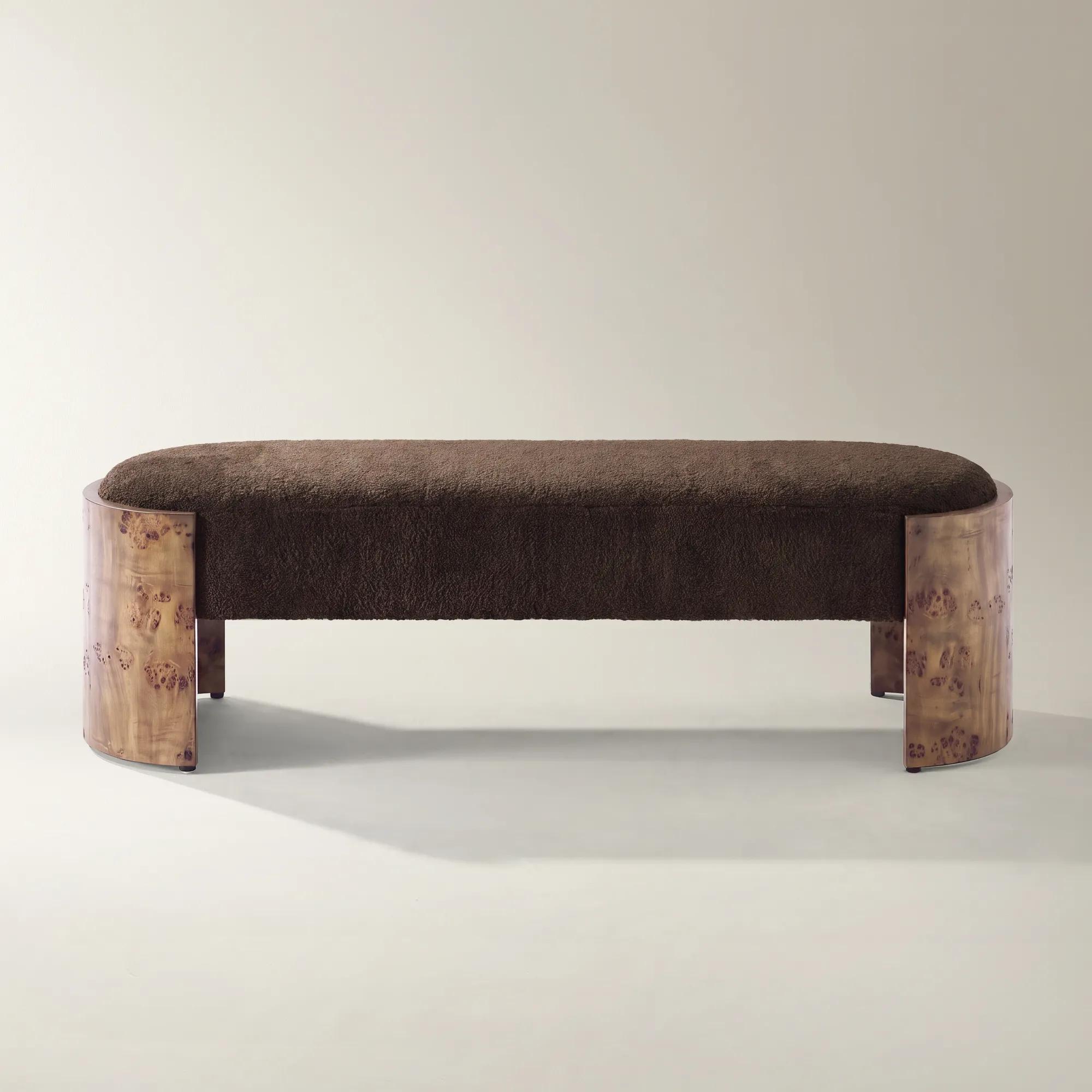 Cora Dark Chocolate Chenille With Ash Wood Bench (60.6")$999
A sculpted dark chocolate chenille bench with curved ash burl end panels and supportive foam cushioning.
Add To Cart -
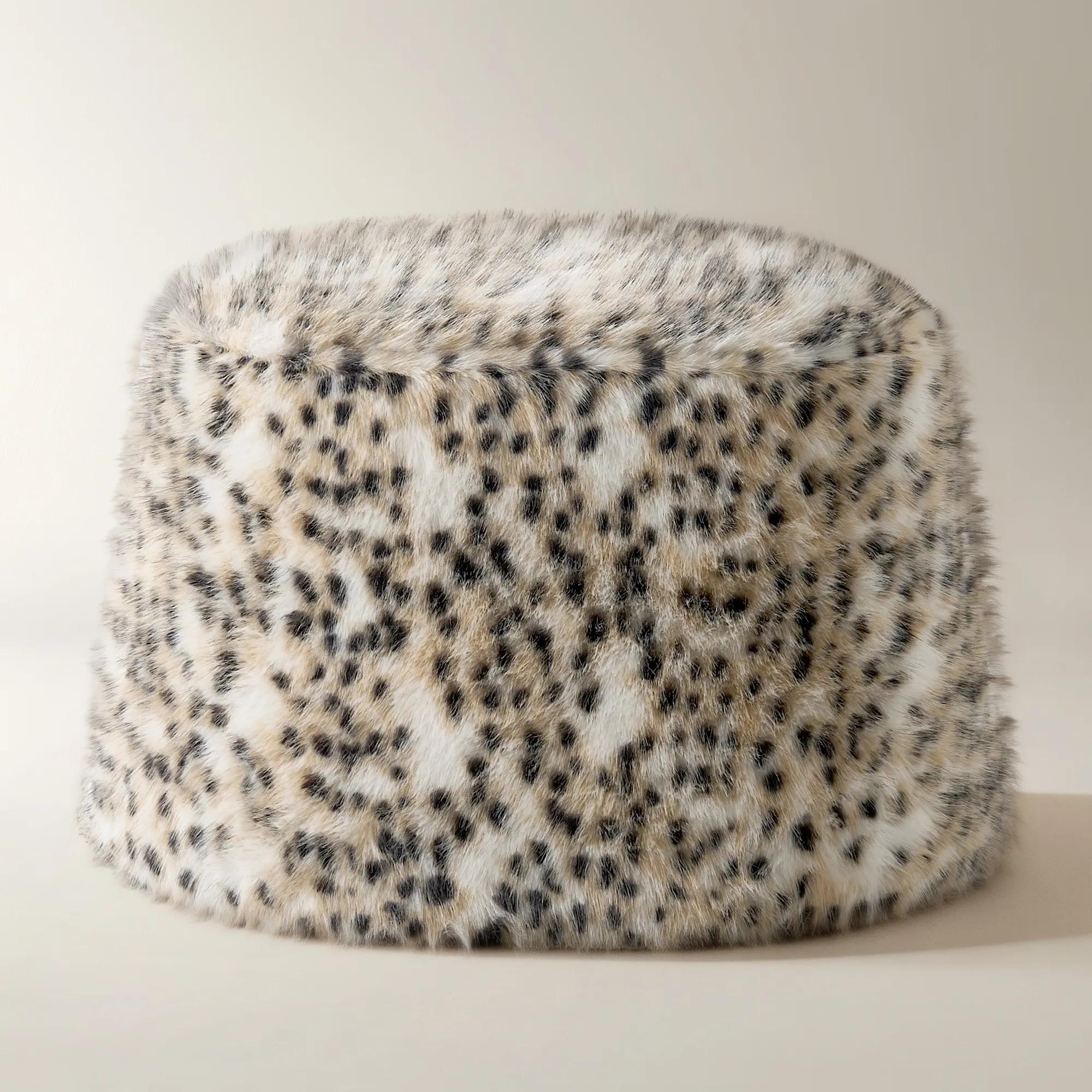
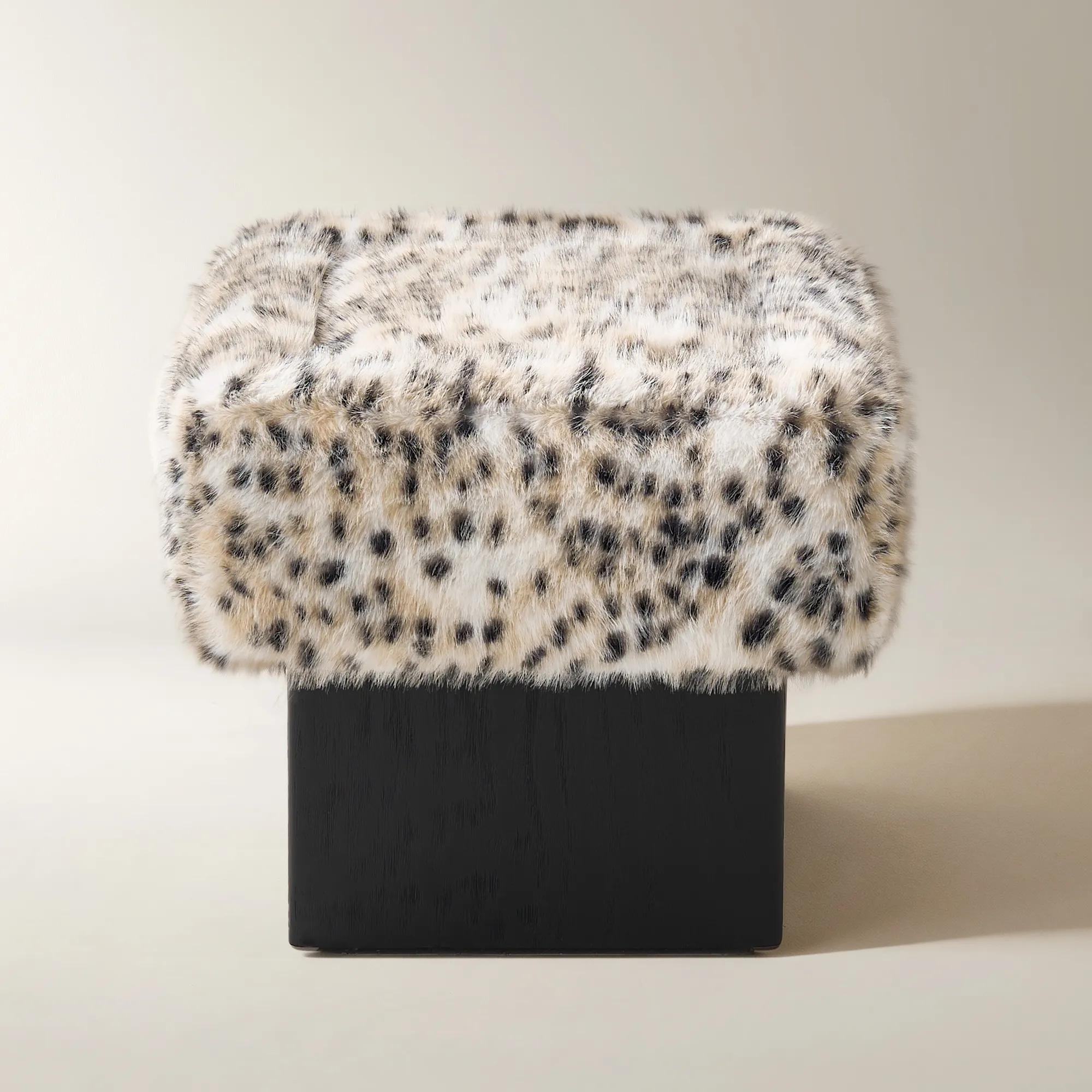
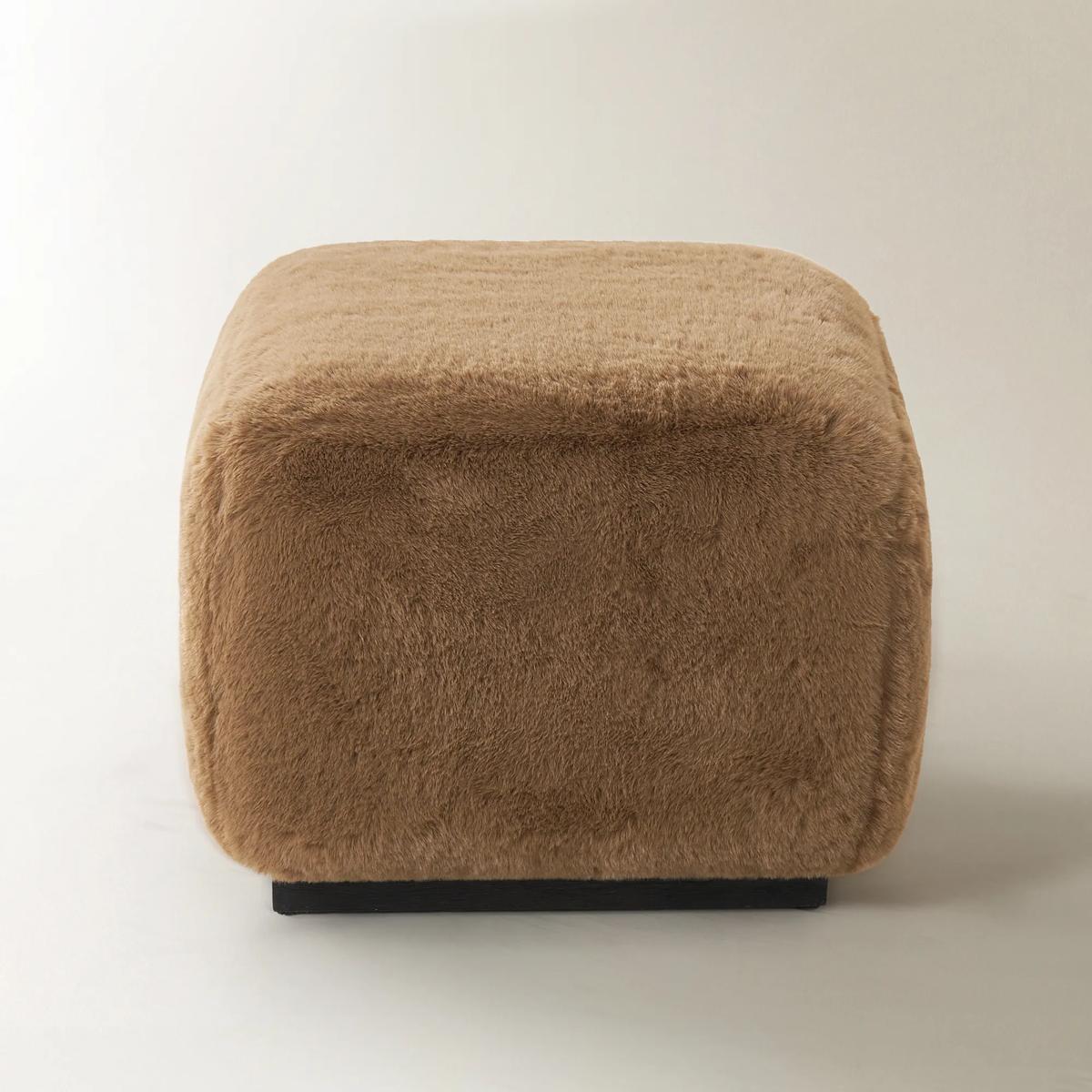
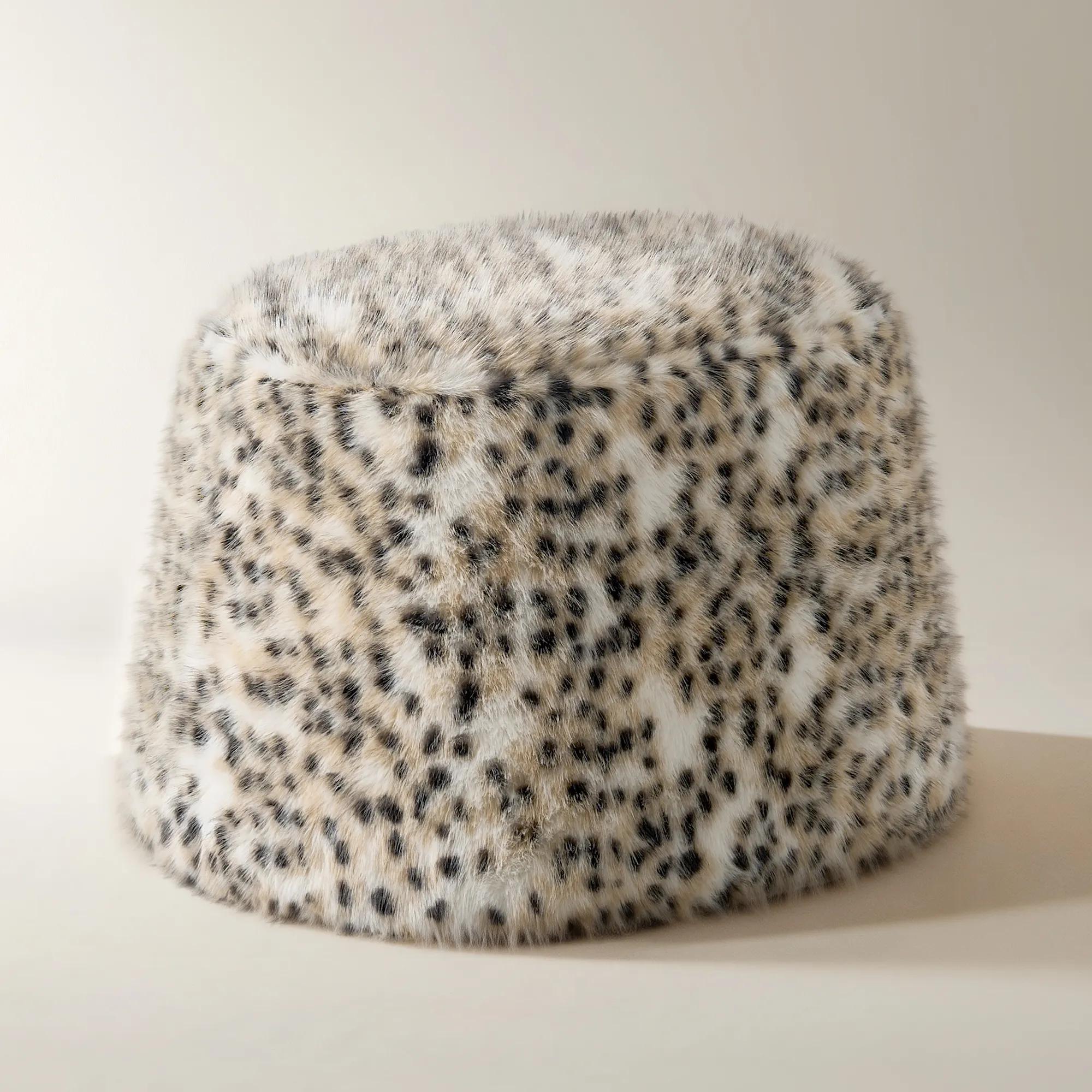 Avery Spotted Faux Fur Stool$399
A sculpted drum stool wrapped in plush spotted faux fur for bold, modern accent seating.
Add To Cart -
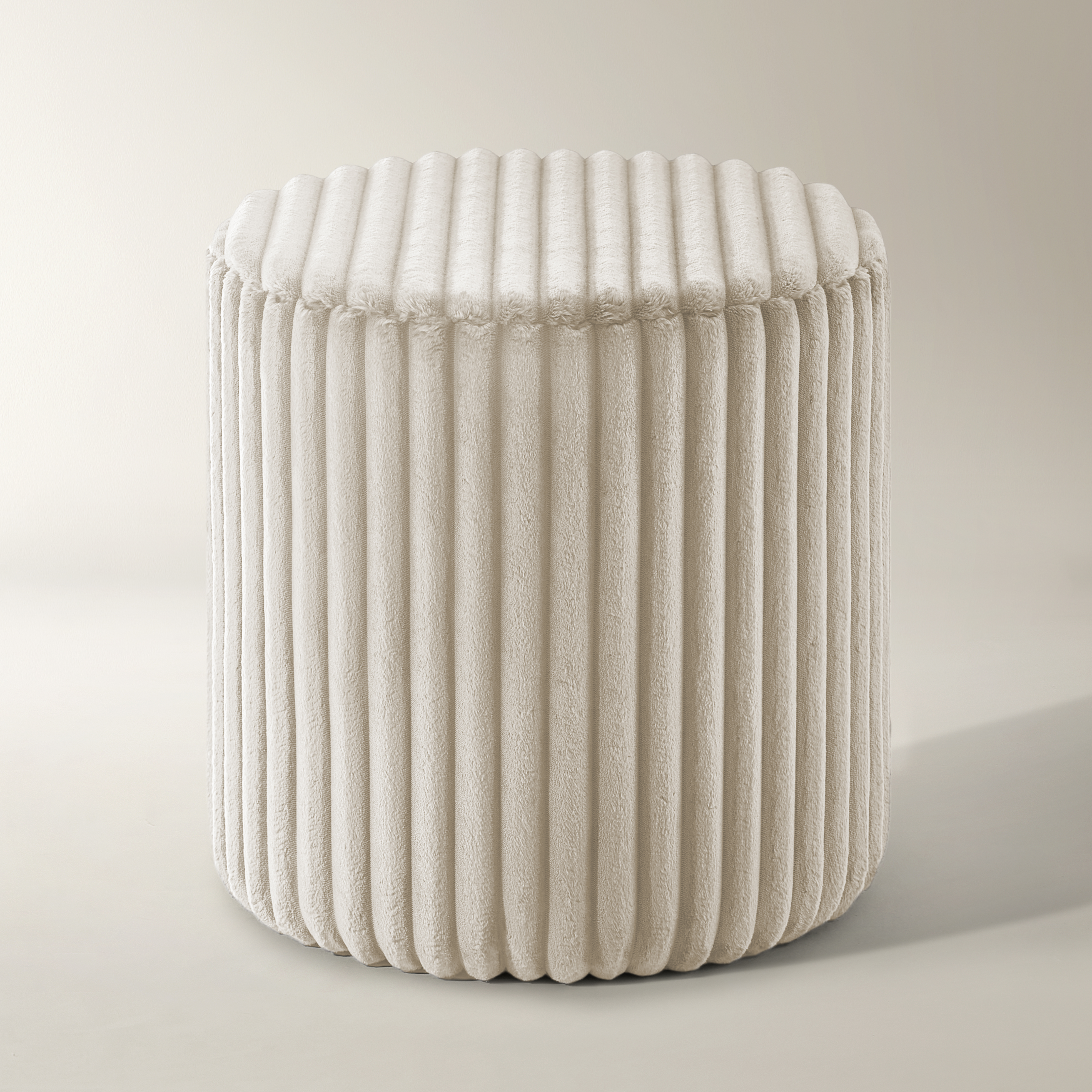
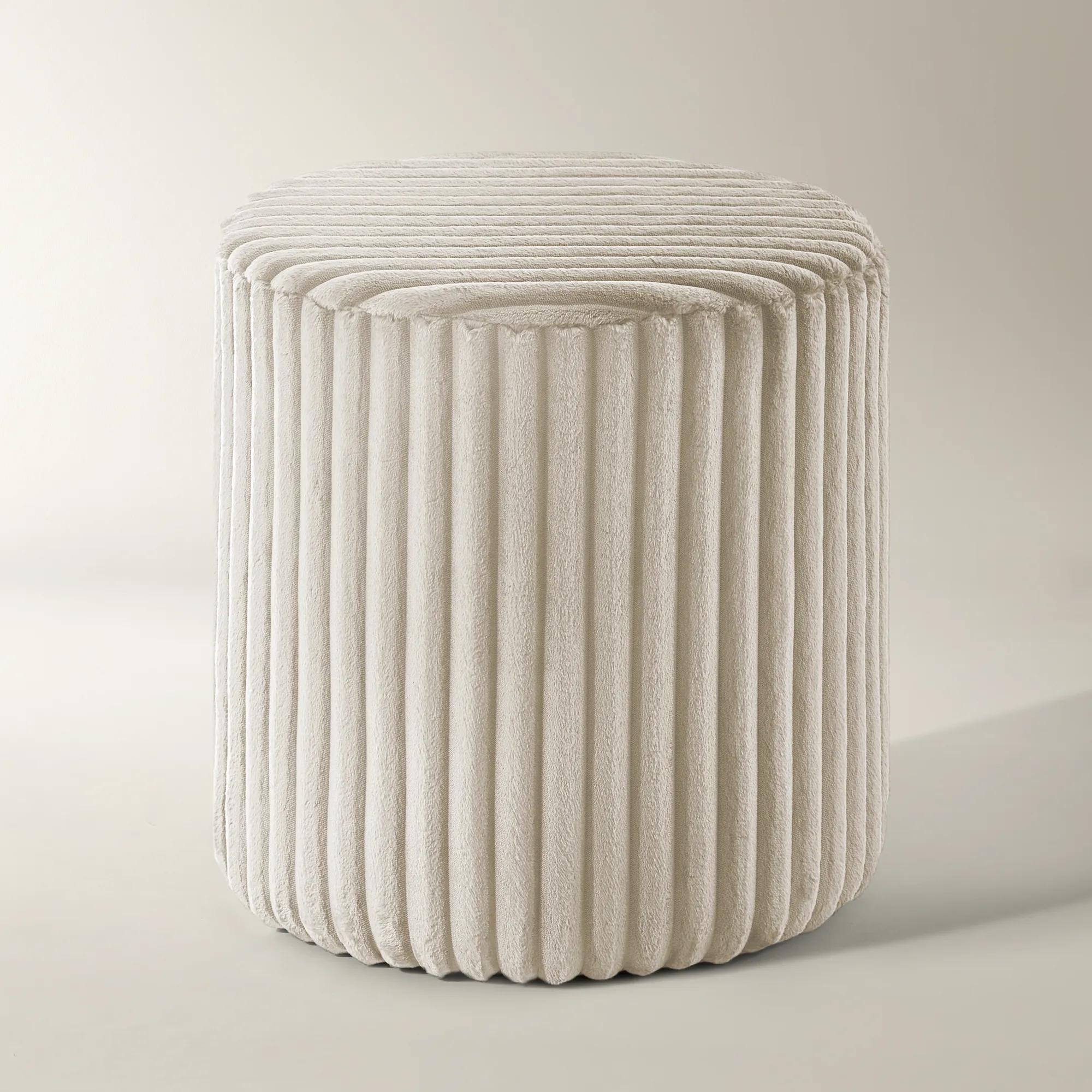 Fleece Fluted Ivory Velvet Stool (15.55'')$229
An ivory ribbed velvet stool offering cozy softness and versatile use as seating, footrest, or accent table.
Add To Cart -
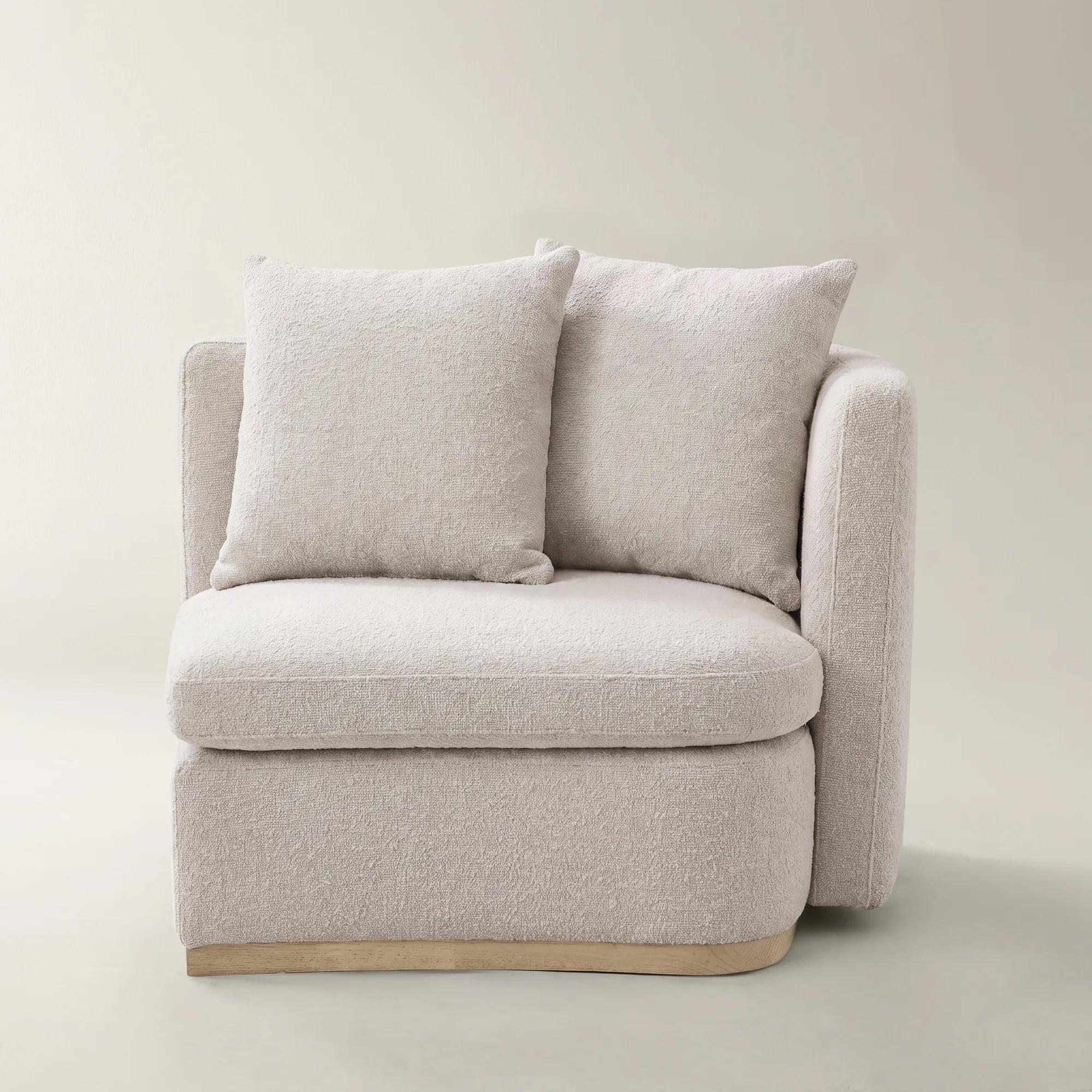 Stria Ivory Performance Boucle Right-Arm Chair$1199
A sculptural ivory performance boucle chair with layered foam-and-down cushioning and a kiln-dried wood frame.
Add To Cart -
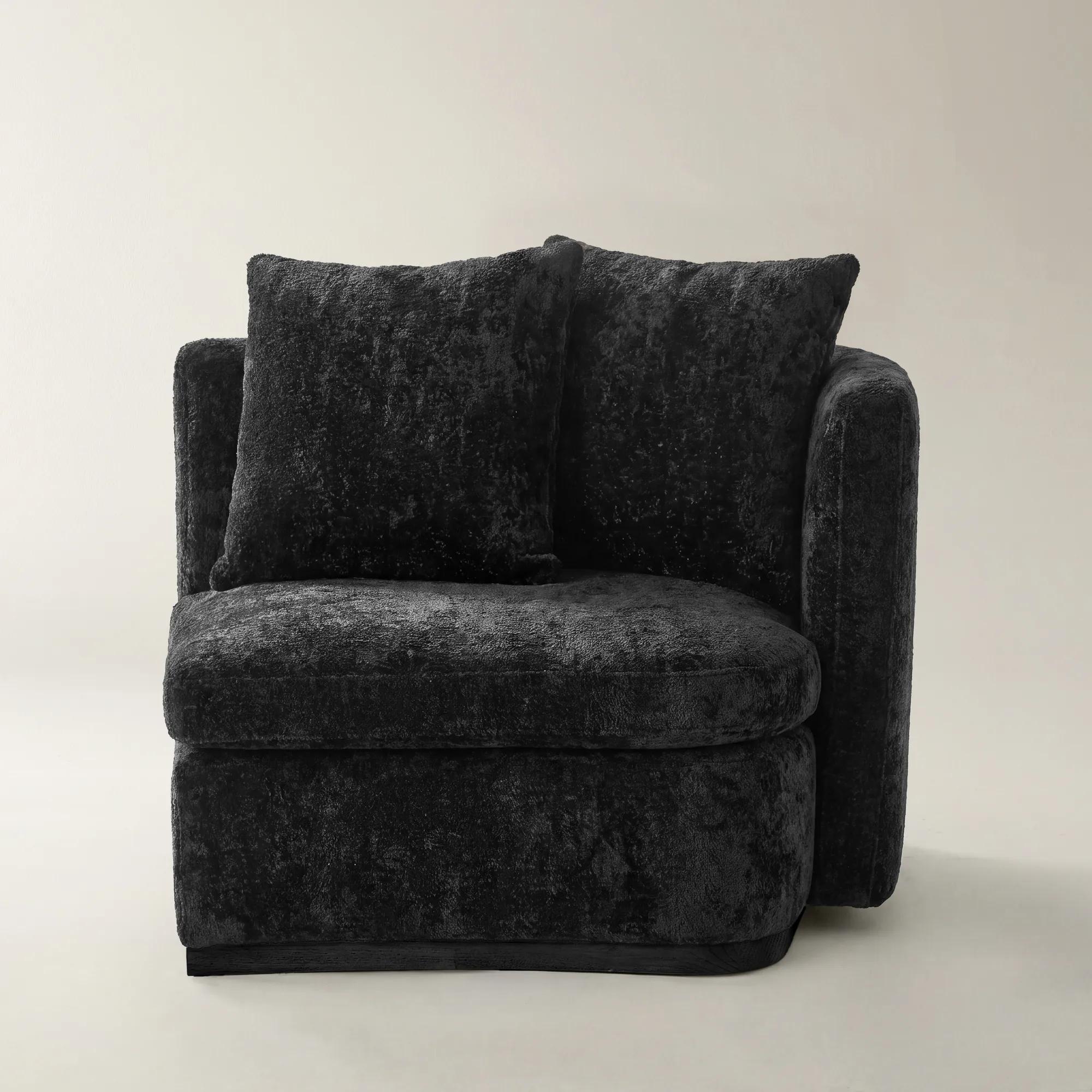 Stria Black Chenille Right-Arm Chair$1199
A sculptural black chenille chair featuring a flowing silhouette, layered foam-and-down cushioning, and modular connectors.
Add To Cart

Seating Options For Home Offices
Seating options for home offices transcend mere function—they are the foundation of creativity, confidence, and comfort in your personal workspace. Transform the everyday task into an experience of elegance, where sculptural silhouettes and sumptuous textures invite inspiration at every turn. Whether you crave sleek sophistication or a touch of drama, discover seating that doesn’t just support your ambitions—it elevates them. With seating options for home offices that blend artistry and intention, your workspace becomes a stage for bold ideas and unapologetic style.
Home office seating brings together three essentials: support for the way you work, proportions that suit your space, and a design presence that makes the room feel intentional. For extended desk work, an adjustable task chair or ergonomic office chair generally offers more flexibility than a stationary accent chair, especially when seat height, back support, and arm position can be tailored to the person using it. For reading, reviewing presentations, or welcoming a client, an upholstered armchair creates a more relaxed setting with an equally polished point of view. The distinction matters: a sculptural chair may make a striking impression beside a writing desk, but its silhouette alone does not determine whether it suits hours at a keyboard. A comfortable fit allows feet to rest on the floor or a footrest, leaves a little clearance behind the knees, and positions the body close enough to the work surface without shoulders lifting to reach it. Adjustable lumbar support and seat depth can help accommodate different proportions, while a swivel base makes it easier to turn between a desk and nearby storage. Armrests should support the forearms without preventing the chair from moving close to the desk. In a shared home office, these adjustments become particularly valuable because one fixed position rarely suits every user. A compact armless chair can tuck neatly beneath a narrow writing surface, while a broader executive-style silhouette introduces visual authority in a dedicated study. Neither scale is inherently better; the strongest choice balances the room’s dimensions with the sitter’s needs. Beyond the desk, a lounge chair can establish a distinct place for concentrated reading, and a small bench can offer occasional seating without the visual weight of another full-size chair. Together, these seating options let a home office move gracefully between focused work, creative thought, and conversation, with each seat serving a clear purpose rather than simply occupying an empty corner.
Materials give home office chairs much of their character, but their appeal extends beyond appearance. Velvet introduces depth and a sumptuous hand, catching light across a curved back or tailored seat; woven upholstery brings texture that can soften the crisp geometry of shelving and desks. Leather lends a rich, substantial presence, with wear and maintenance requirements that vary by finish, while faux leather offers a similar visual direction with its own cleaning and durability considerations. Mesh seating has a lighter, more technical expression and permits airflow through the back, making it a distinct alternative to fully upholstered designs. For an office visible from a living room or bedroom, upholstery can connect the work area to the surrounding furnishings: an ivory seat against dark wood, a charcoal chair beside gleaming metal, or a saturated jewel tone anchoring an otherwise restrained palette. Texture deserves as much attention as color. A deep velvet pile may show pressure marks or shifts in shading, while an open weave may be more susceptible to snagging from pet claws or jewelry. Durability depends on more than fabric alone; frame construction, secure joints, base stability, cushion quality, and the chair’s stated weight capacity all deserve consideration. For daily use, upholstery testing information, when provided, can offer useful context about resistance to abrasion, though no single rating predicts every household’s experience. Care should follow the manufacturer’s directions for the specific upholstery and finish. Regular gentle vacuuming with a suitable attachment helps lift dust from seams and crevices, and spills are best addressed promptly using the recommended method rather than an improvised cleaner. Wood and metal components also benefit from cleaning products appropriate to their finishes, without abrasive pads that can dull a polished surface. Direct sunlight can alter some fabrics and finishes over time, so placement is part of preservation. These practical details protect the visual richness that makes a chair feel special, allowing decorative distinction and everyday function to share the same seat.
The most compelling seating arrangements also account for everything around the chair. Desk height, drawer placement, rug thickness, and the clearance behind a seat influence how comfortably the office functions. Measuring the chair’s full footprint, including its base and arms, provides a clearer picture than seat width alone, particularly in a bedroom workspace or an office carved out of an open living area. A chair needs room to pull back without striking a cabinet, and a generously curved back should not interrupt a frequently used walkway. Casters should be appropriate for the flooring, with a compatible protective mat considered where needed; a stationary chair may make more sense where rolling movement is unnecessary. In a room used for video calls, a beautifully finished chair back becomes part of the setting, adding shape and texture without demanding a crowded arrangement of accessories. A separate accent chair offers somewhere to step away from the screen, while an ottoman can accompany a reading seat when space permits, rather than substitute for supportive desk seating. For remote professionals, students, creative freelancers, and households managing paperwork in a shared space, the right combination depends on how much time is spent at each activity. Seating can also be a meaningful gift for someone establishing a workspace, provided the recipient’s measurements, preferences, and room layout inform the choice. Ideas gathered through Furniture Gifts for Home Office Seating can help connect that gesture to a clear purpose, whether it is a dedicated reading corner or a more expressive desk setting. A successful choice feels personal without sacrificing fit: a tactile fabric the recipient loves, a silhouette that complements existing furniture, and proportions suited to daily routines. With that balance, home office seating becomes more than a finishing touch. It gives the room structure, introduces a confident design signature, and makes space for the full rhythm of working at home.
FAQs
Modern home office seating often features a blend of sumptuous materials such as velvet, leather, boucle, and breathable mesh. Each material brings its own personality—velvet offers a touch of drama and richness, leather delivers timeless sophistication, boucle provides tactile intrigue, and mesh ensures comfort during long hours. The choice of material not only defines the look of your workspace but also enhances the sensory experience of your daily routine.
Accent seating, such as a sculptural lounge chair or a boldly upholstered guest chair, can instantly transform your home office into a curated, expressive space. Choose pieces with striking silhouettes or vibrant colors to create a focal point, or opt for luxurious textures that invite touch. Accent chairs are perfect for reading, hosting visitors, or simply adding an artistic flourish to your workspace, ensuring your office reflects your unique sense of style.
Multi-functional seating allows your home office to evolve with your needs—whether you’re hosting a meeting, taking a break, or switching from work to leisure. Chairs that double as reading nooks, ottomans that provide extra surface space, or benches that tuck elegantly under a desk all add versatility and visual interest. This flexibility is ideal for those who see their workspace as a dynamic, ever-changing canvas.
Home office seating makes a thoughtful and inspired gift for anyone who values both comfort and design in their workspace. Whether it’s a loved one setting up a new home office, a friend who enjoys creative pursuits, or a colleague seeking a more luxurious work environment, a beautifully crafted chair or accent seat is a gift that elevates their daily experience and celebrates their personal style.
To achieve a seamless flow between your home office and lounge areas, select seating that shares complementary colors, materials, or design motifs. For example, pairing a velvet desk chair with a matching lounge chair or ottoman creates visual harmony, while metallic finishes or consistent upholstery details tie the spaces together. Explore curated collections like our <a href="https://zgallerie.com/o/seating-for-home-office-lounge-areas">Seating For Home Office Lounge Areas</a> for inspiration and to find pieces that effortlessly blend style and comfort across your home.