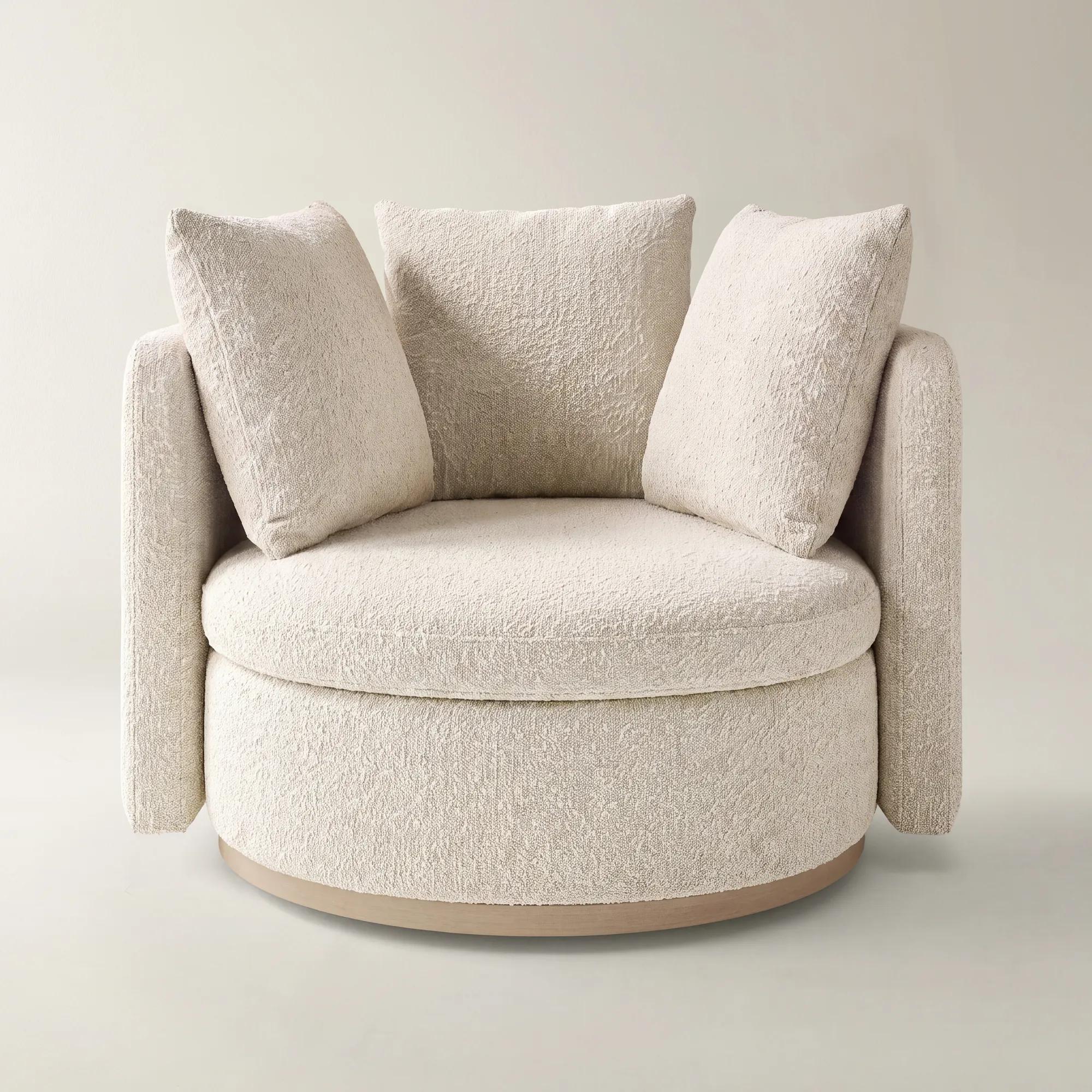
Comfortable Seating For Home Offices
Comfortable Seating For Home Offices
-
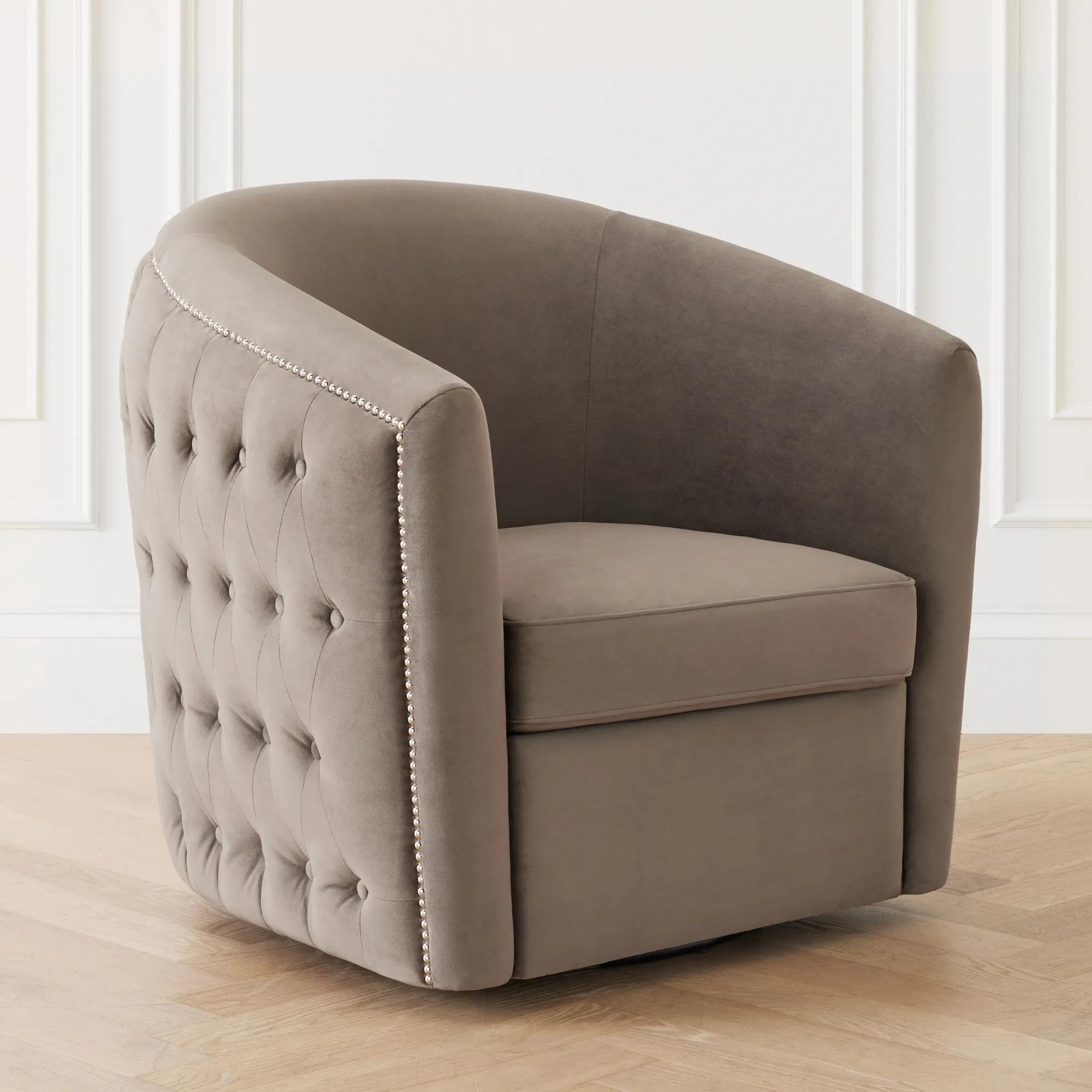
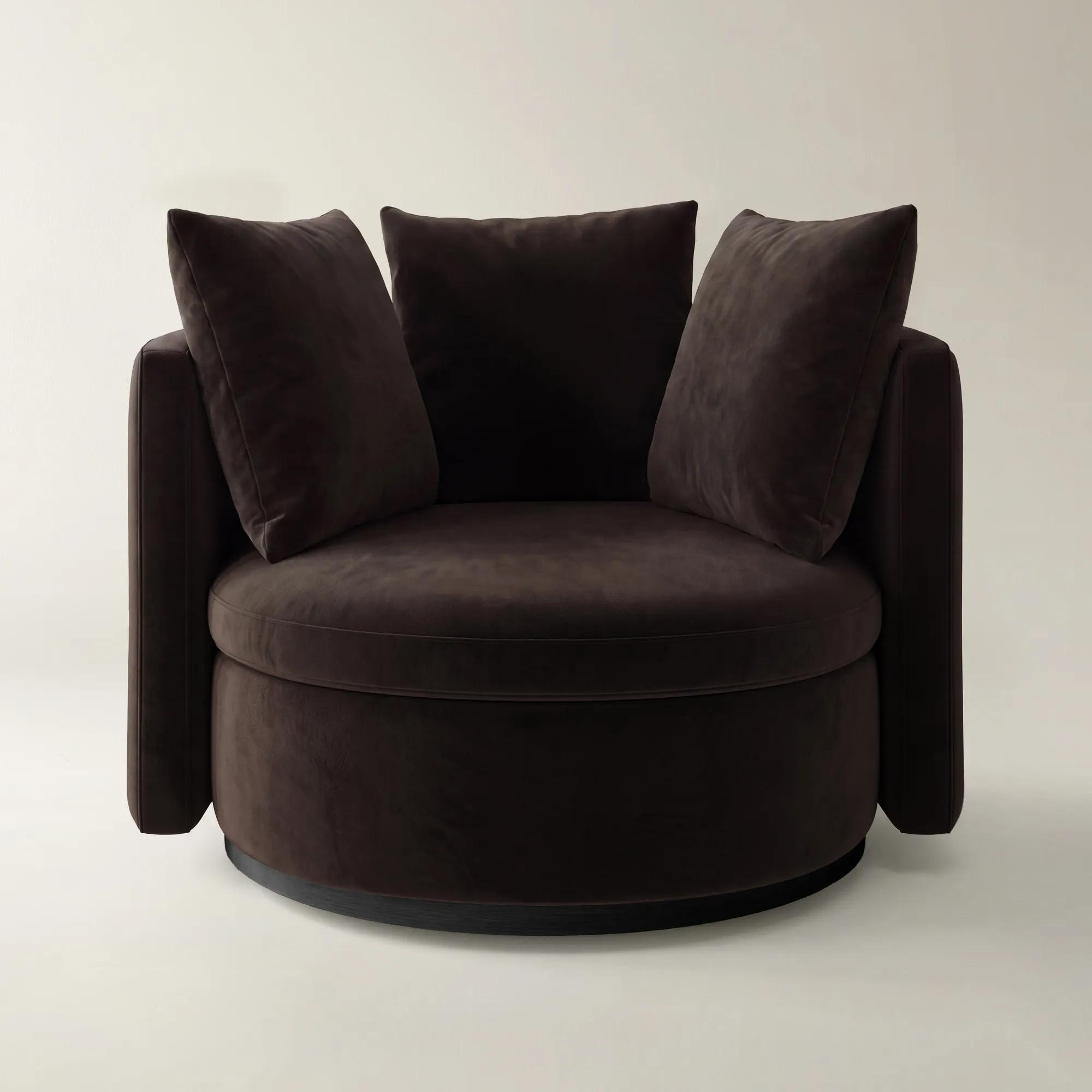
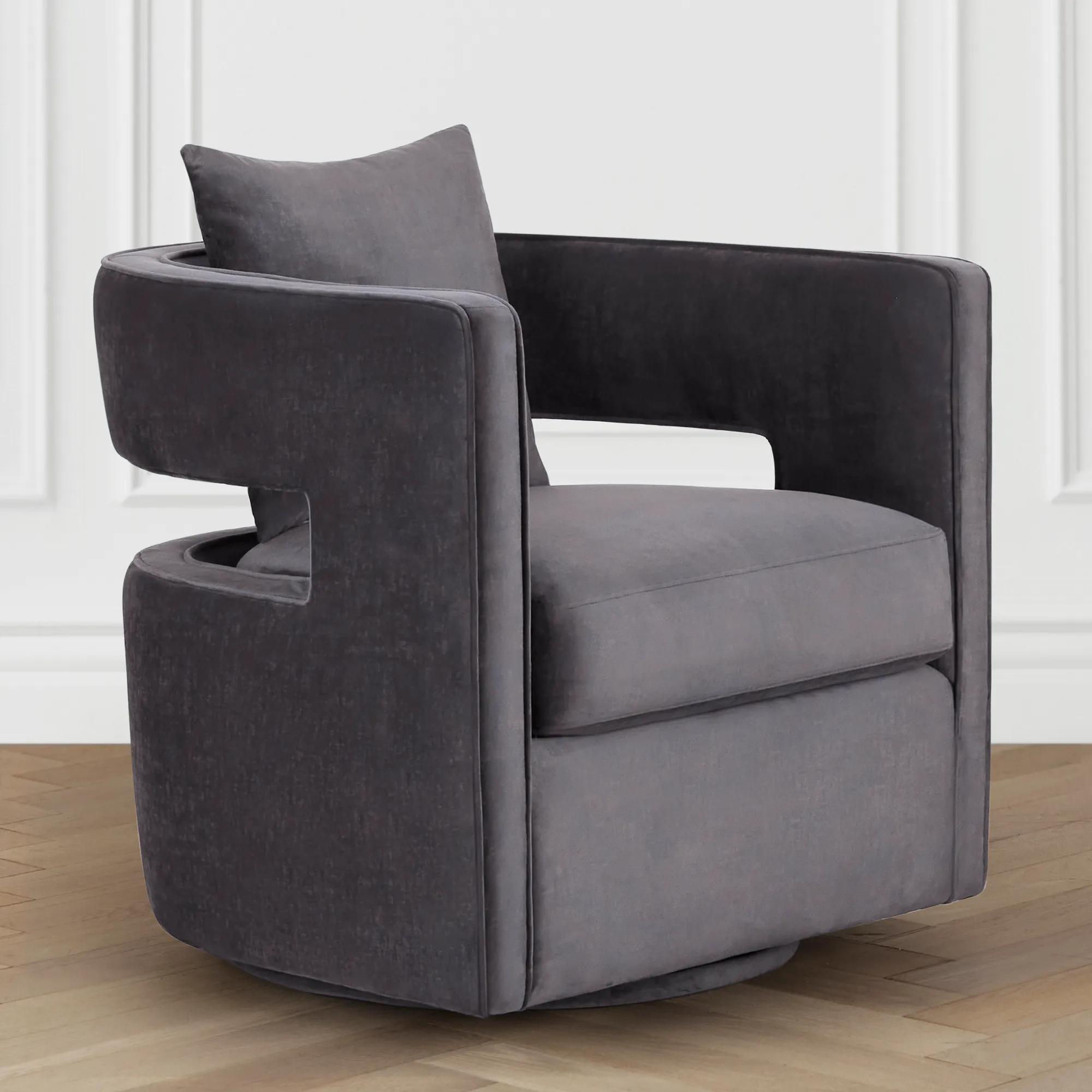 Lottie Grey Velvet Swivel Accent Chair$999
A glamorous grey velvet swivel chair featuring a barrel back, cutout arms, and plush foam cushioning.
Add To Cart -
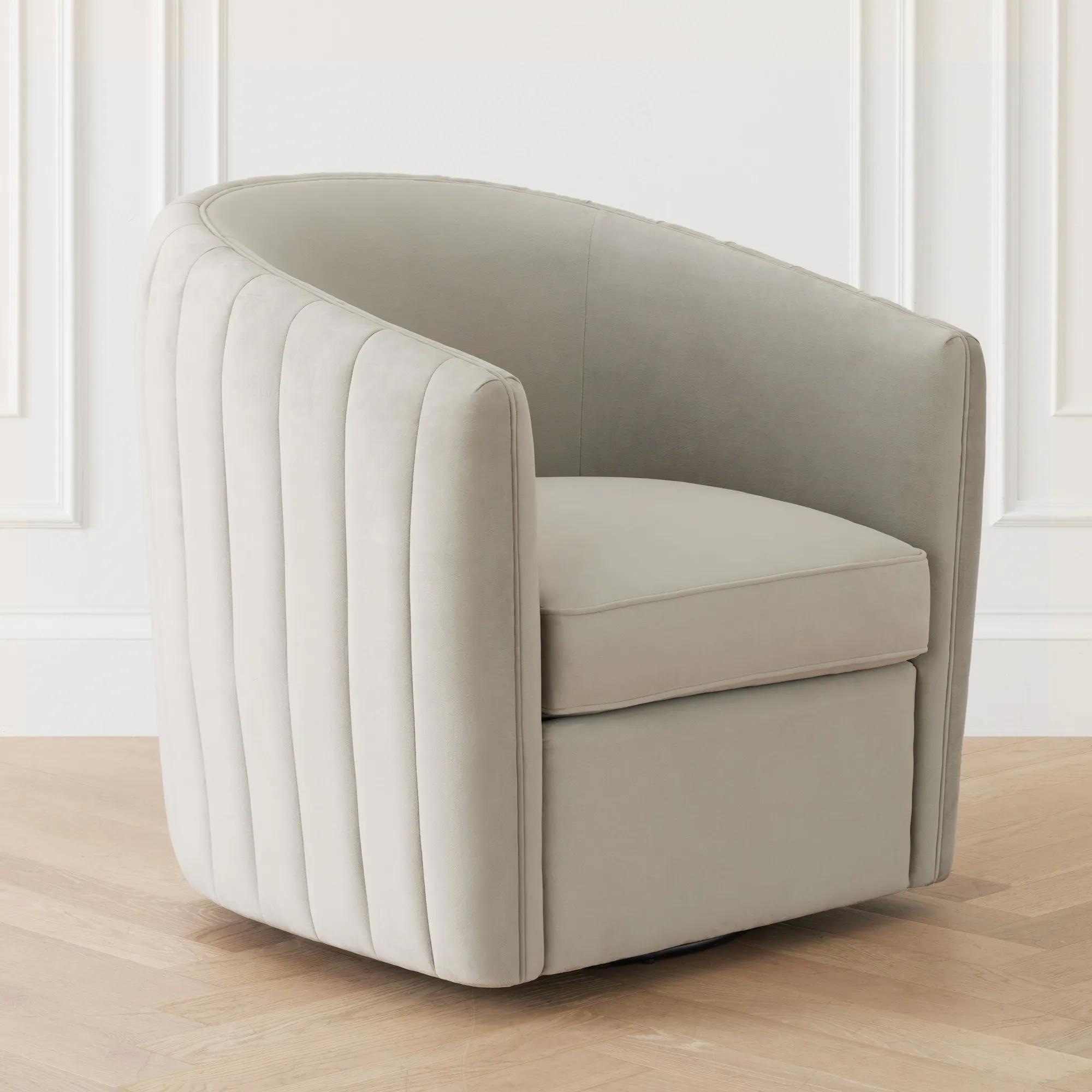
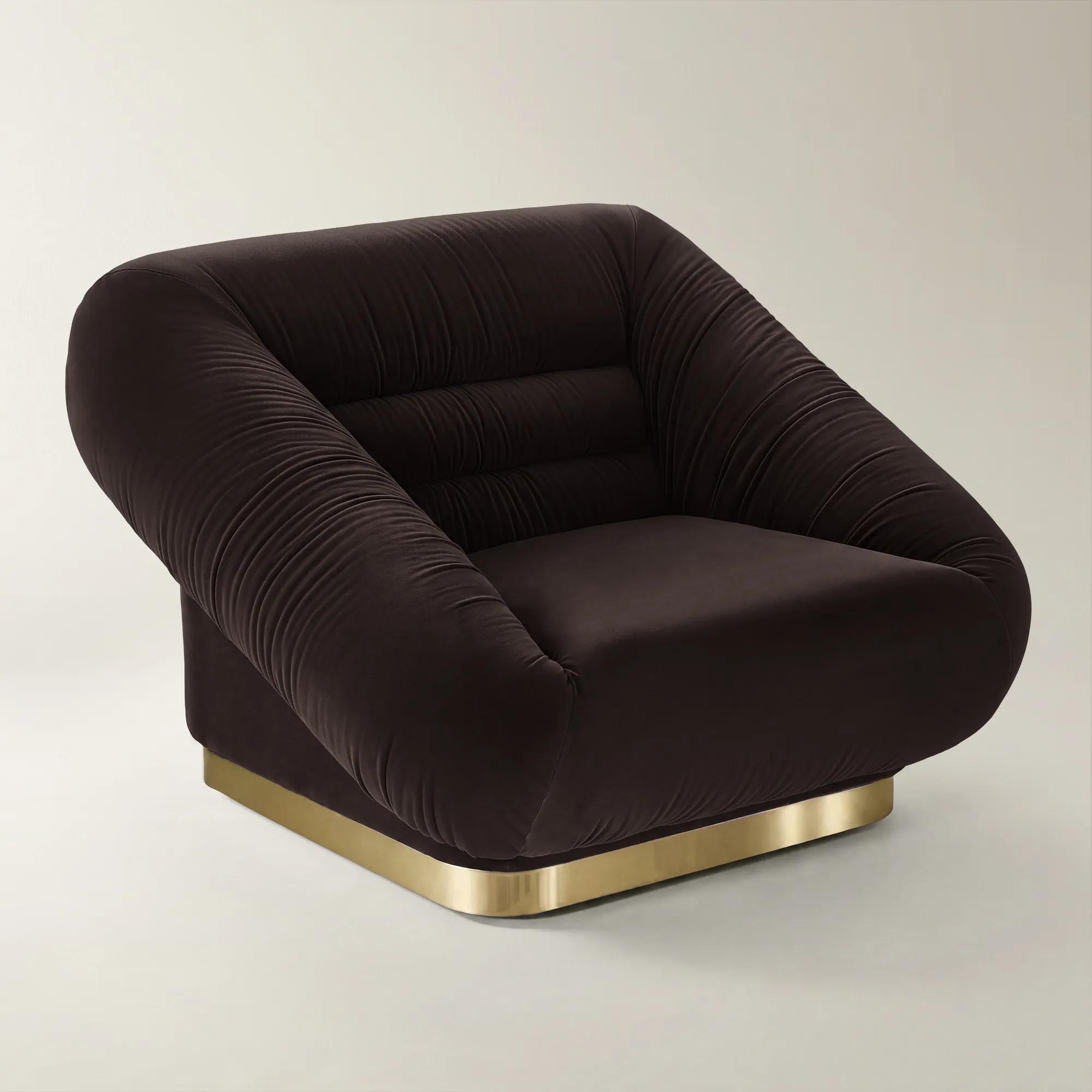
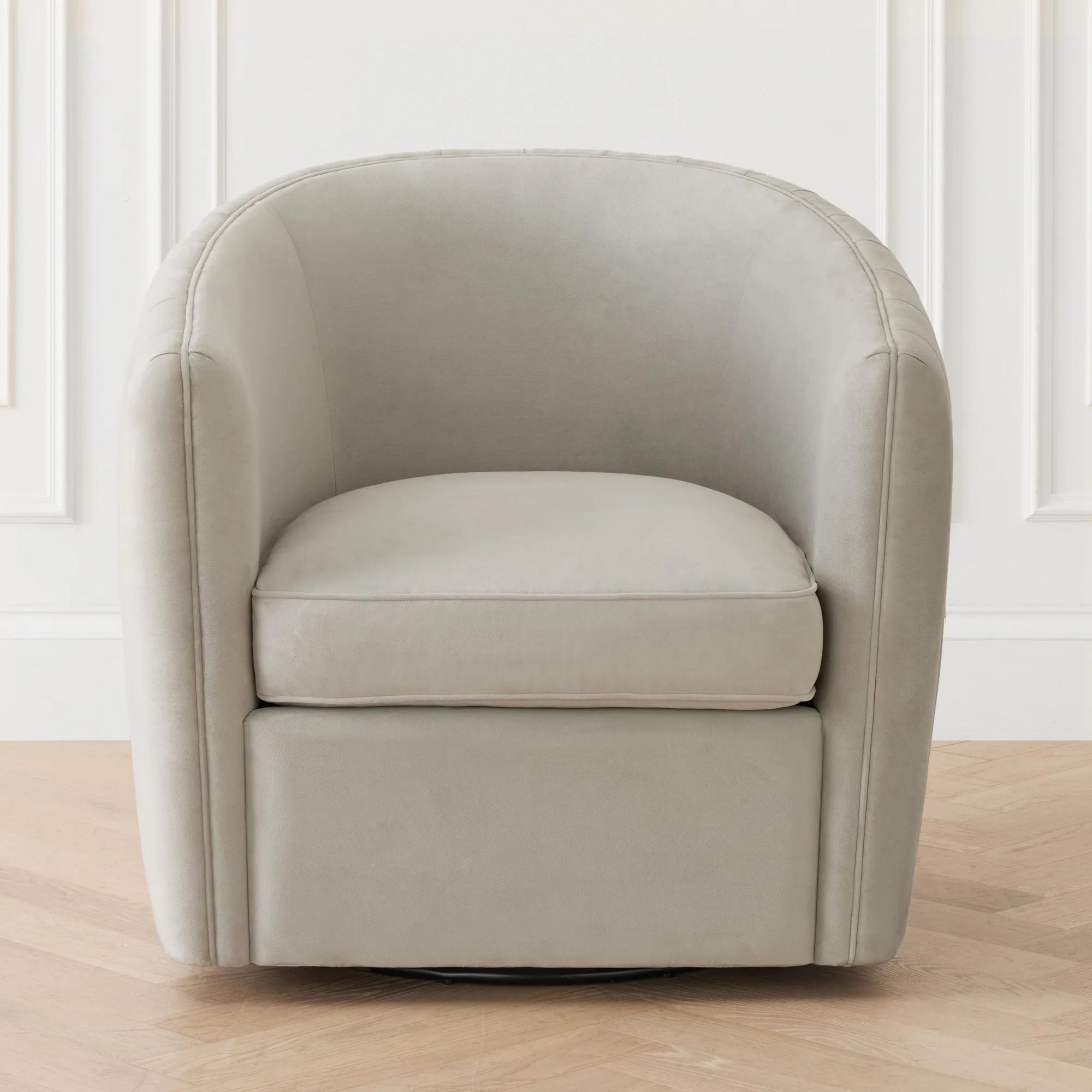 Aria Channeled Swivel Chair$1299
A modern barrel chair in kiln-dried hardwood with channeled velvet upholstery and a smooth swivel base.
Add To Cart -

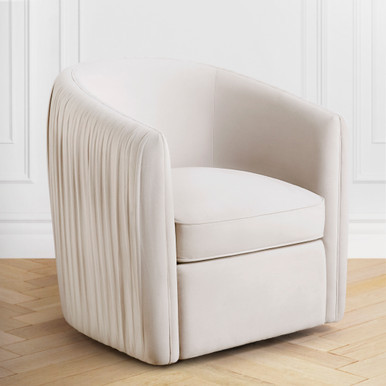
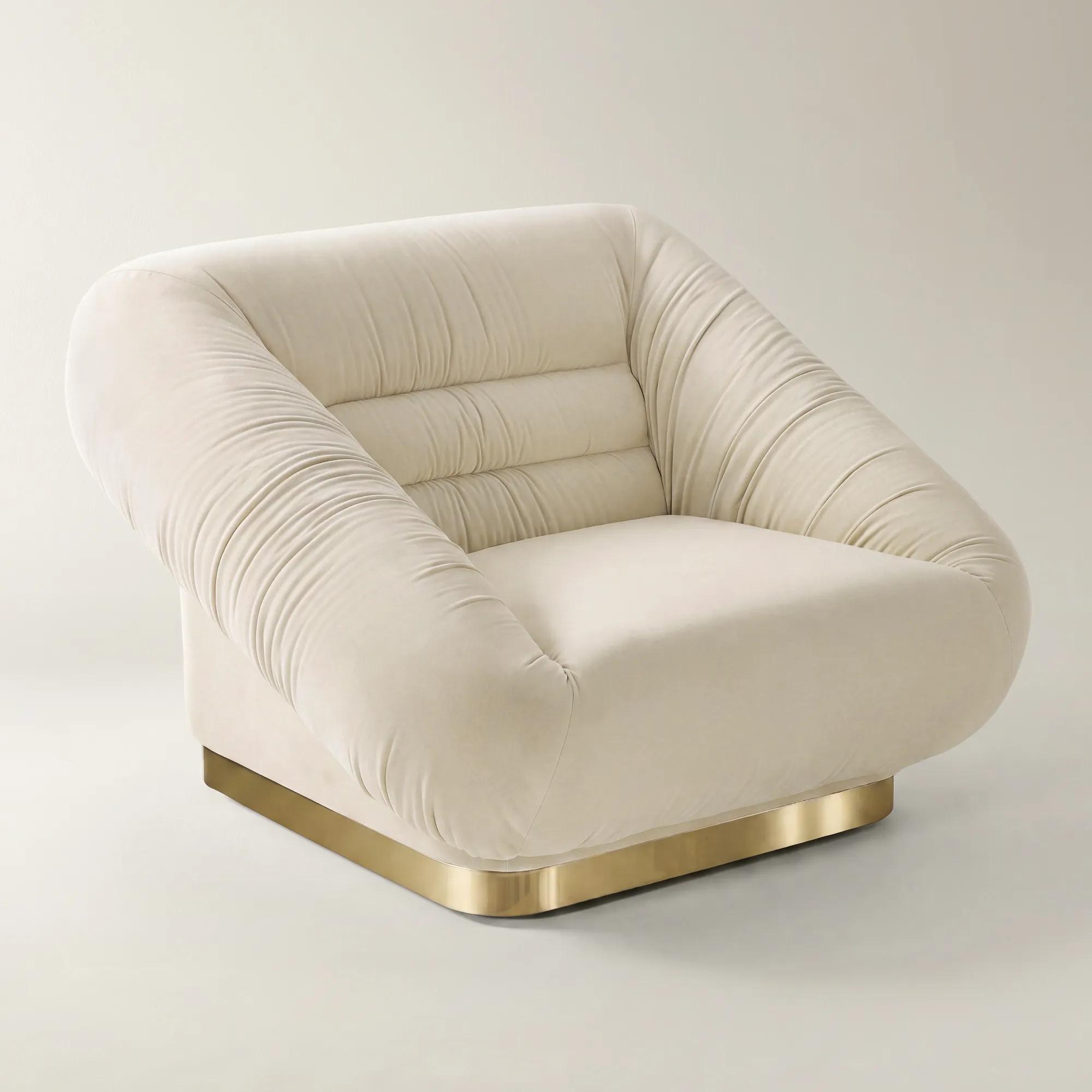
 Aria Pleated Swivel Chair$1349
A barrel-style swivel chair in kiln-dried hardwood, shown in Bella Velvet Pearl with pleated tailoring.
Add To Cart -
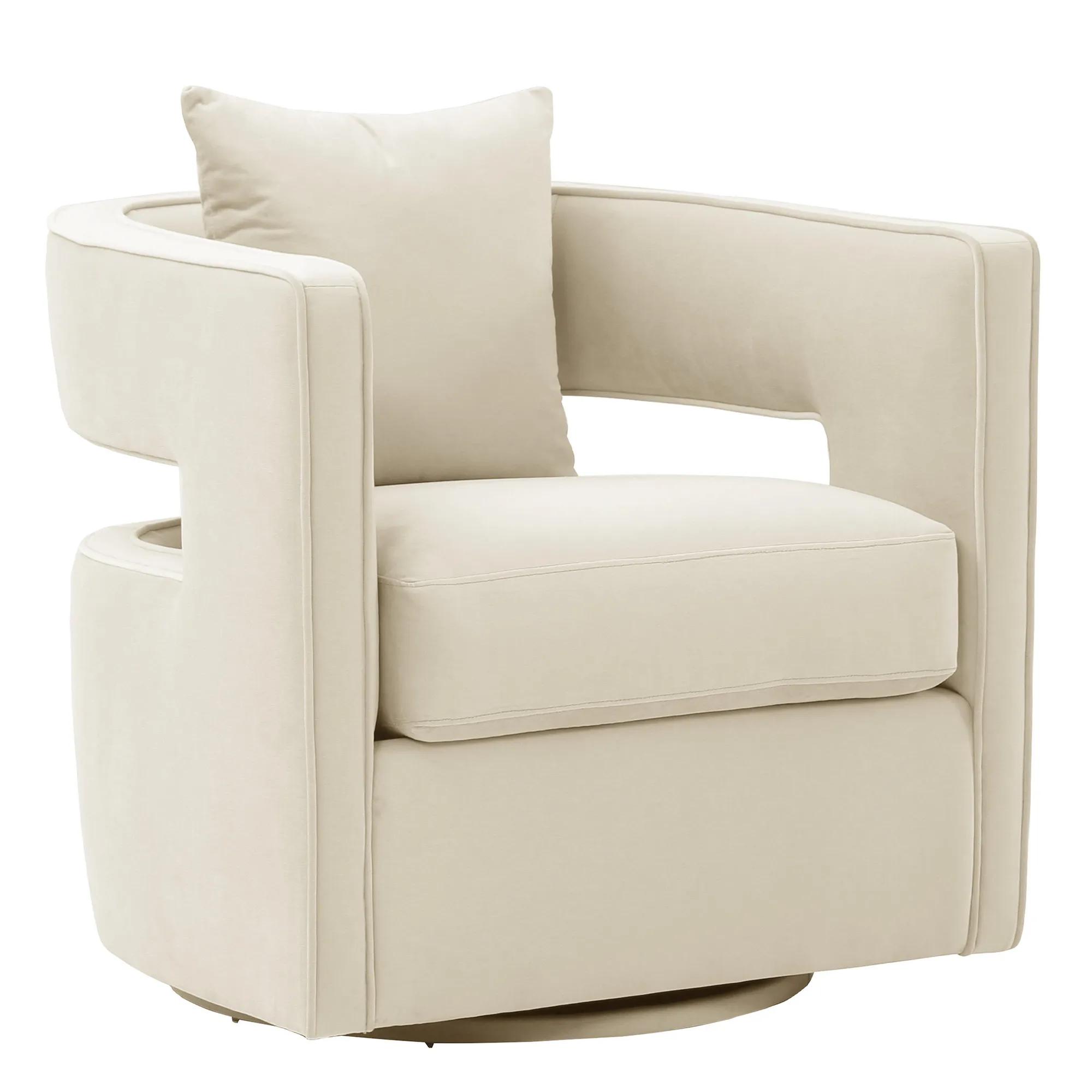
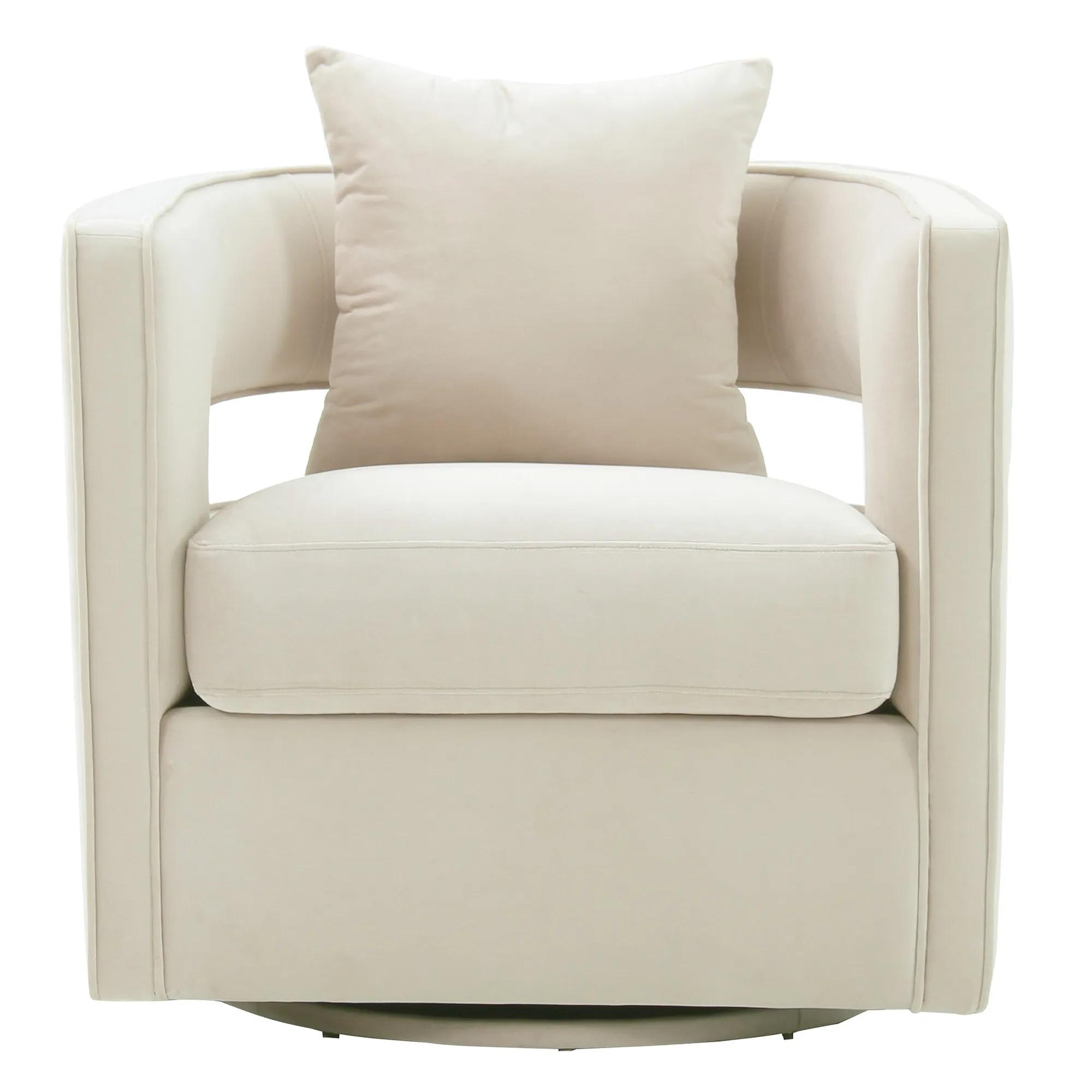 Lottie Cream Velvet Swivel Accent Chair$999
A glamorous cream velvet swivel chair featuring a barrel back, cutout arms, and plush foam cushioning.
Add To Cart -
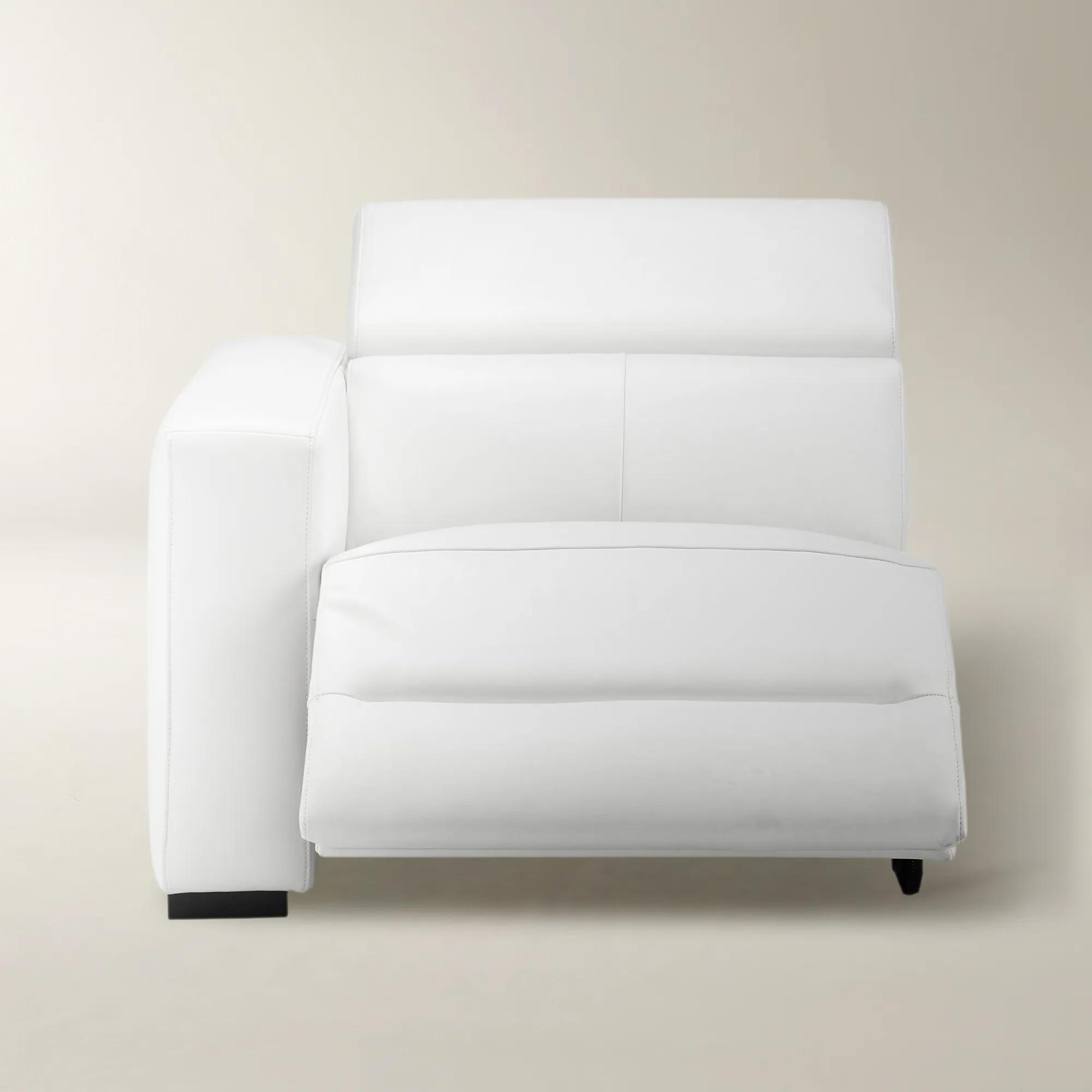
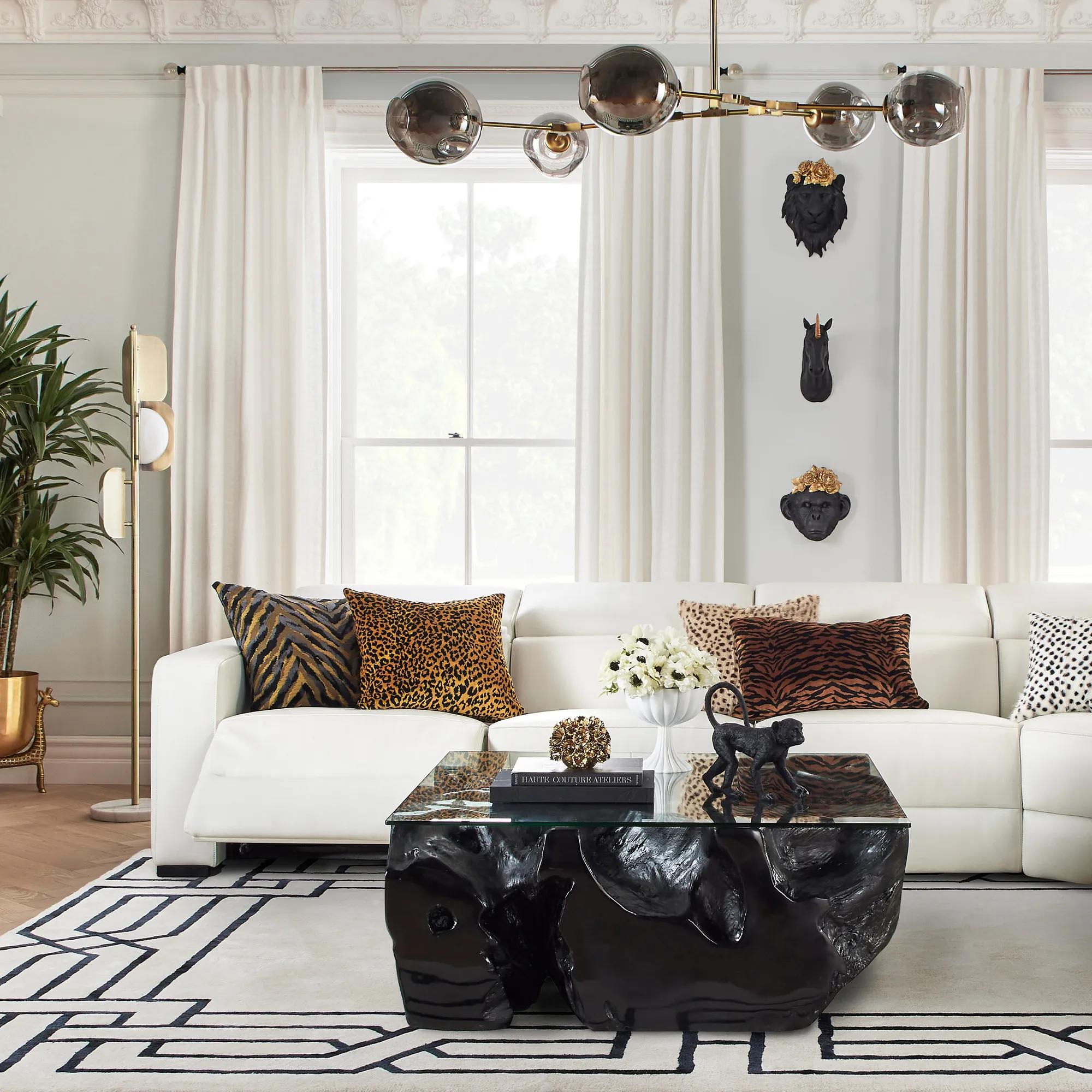 Verona Reclining White Leather Left Arm Chair With Power$1499
A modern white sectional upholstered in supple semi-aniline leather with adjustable headrests and power-reclining seats.
Add To Cart -
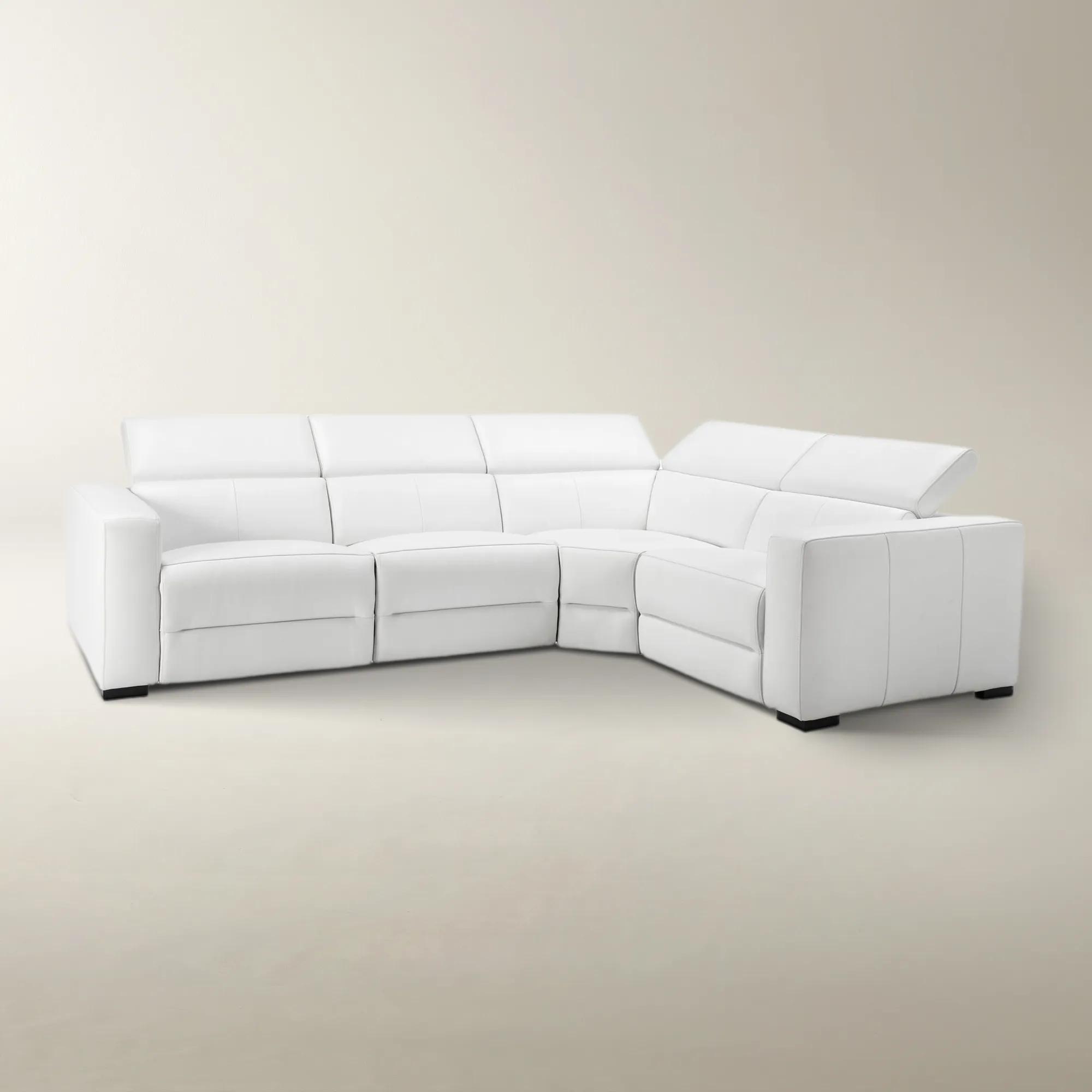
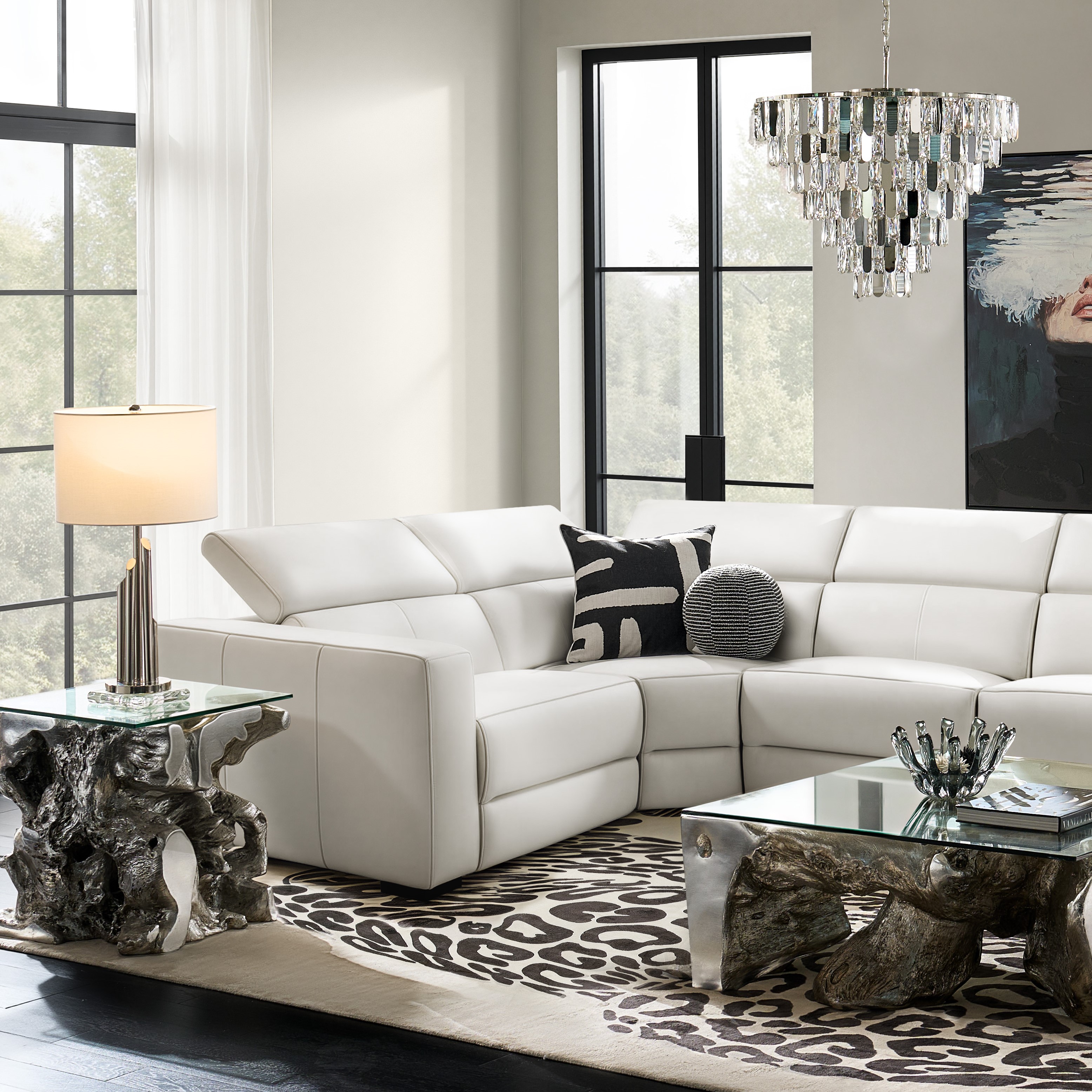 Verona 4-Piece L-Shaped Reclining White Leather Sectional Sofa With Right-Arm$5499
A modern sectional upholstered in supple white semi-aniline leather with adjustable headrests and power-reclining seats.
Add To Cart -
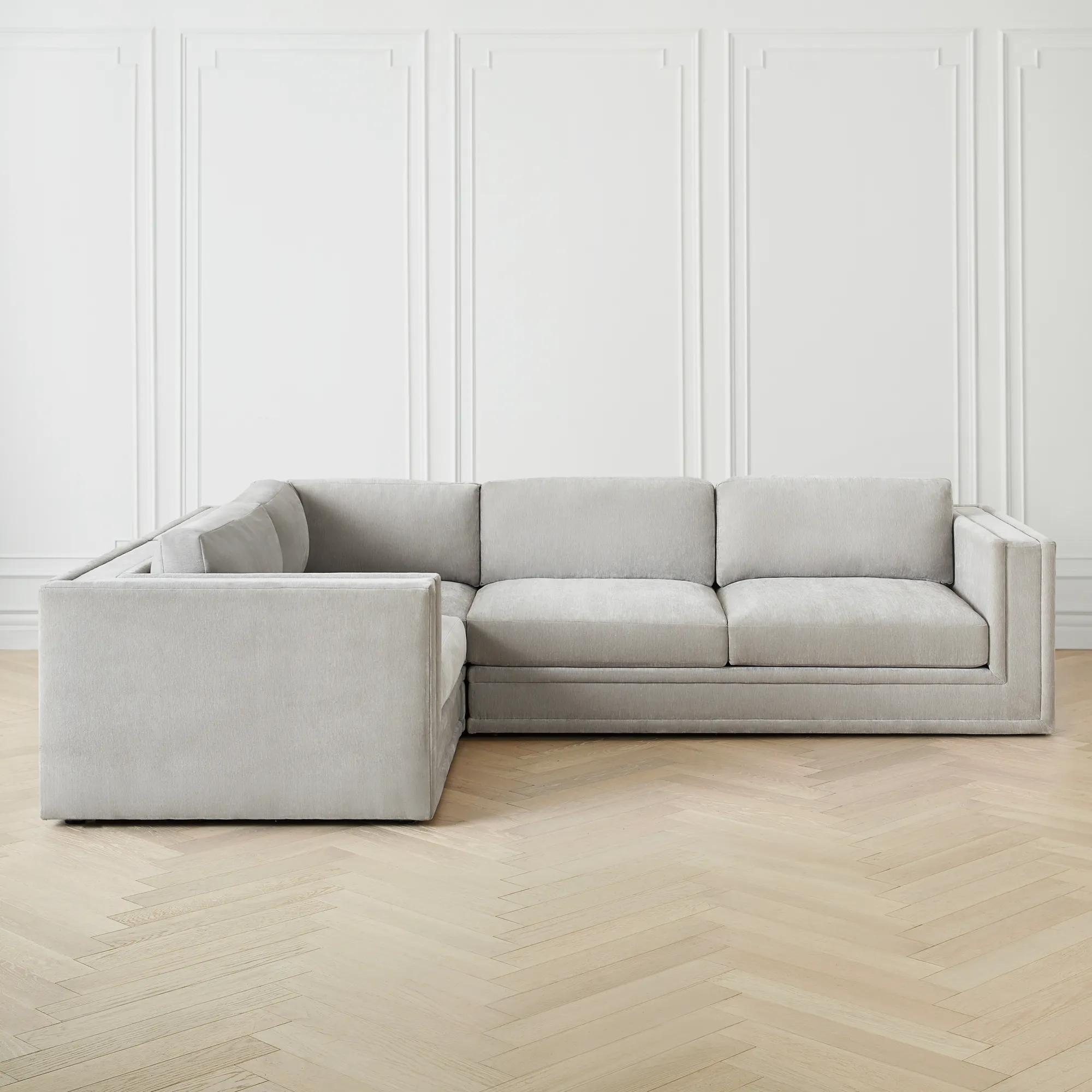 Luka Sectional - 3 PC$4599
A modern sectional featuring deep seating, high-density foam cushions, and hand-upholstered velvet in pearl.
Add To Cart -
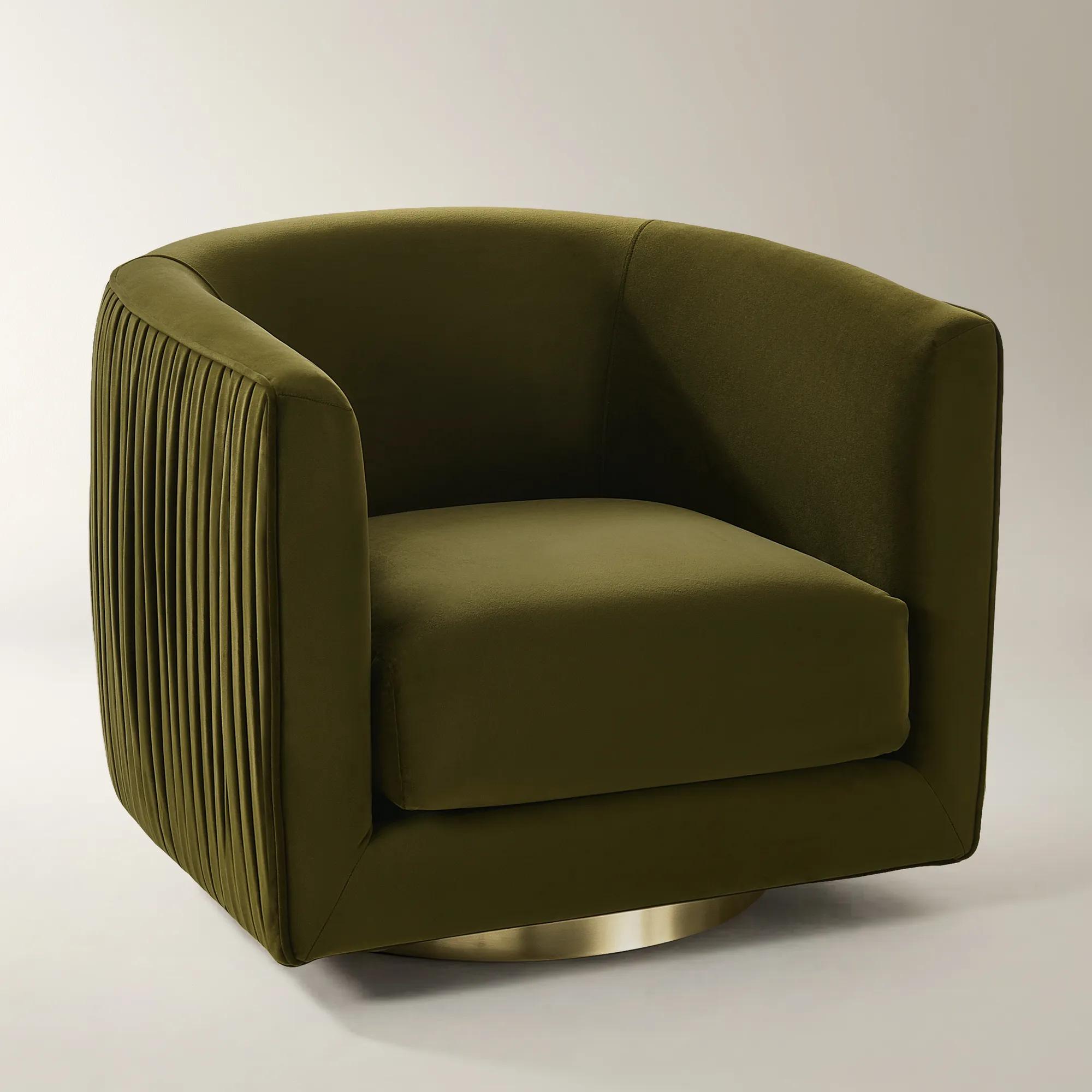
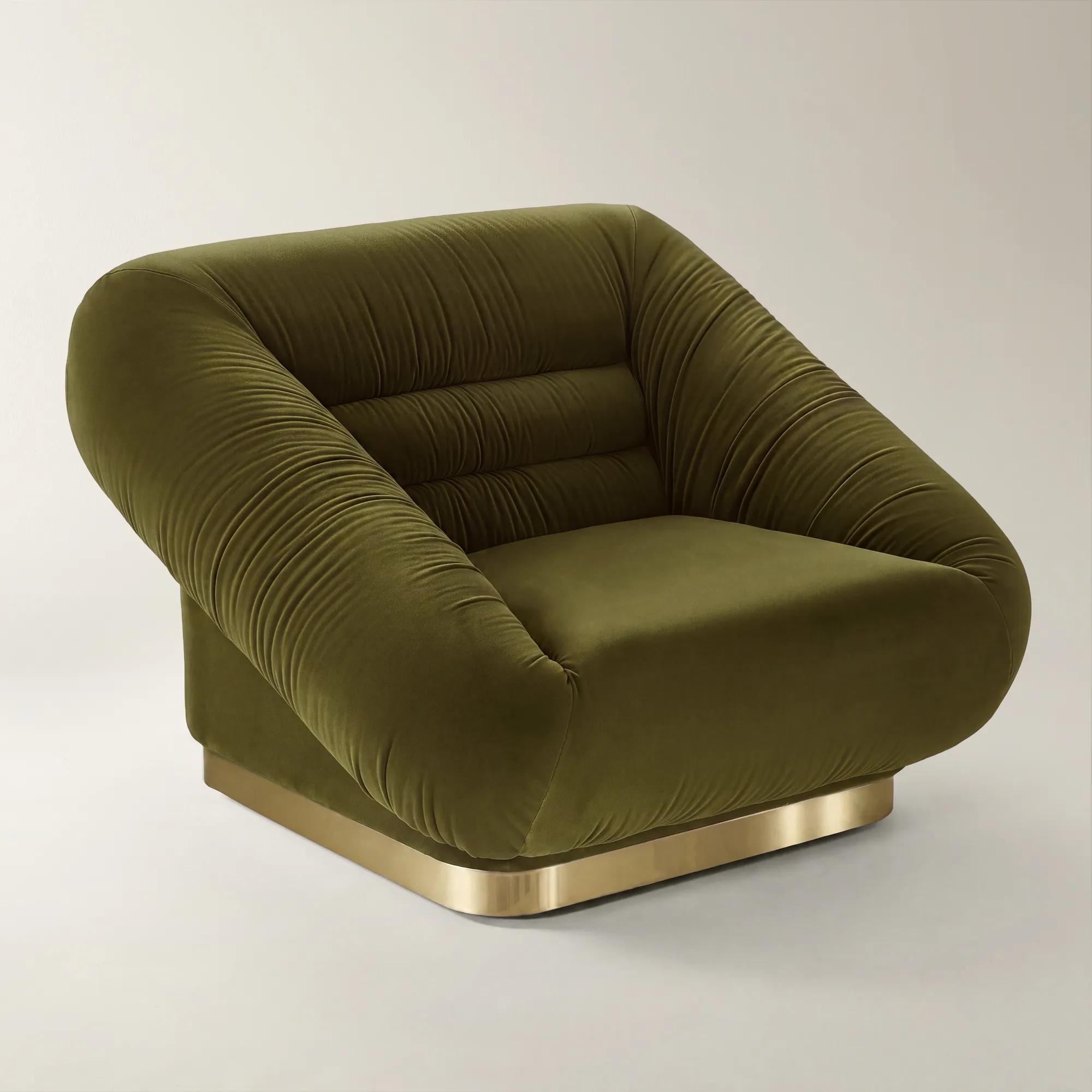
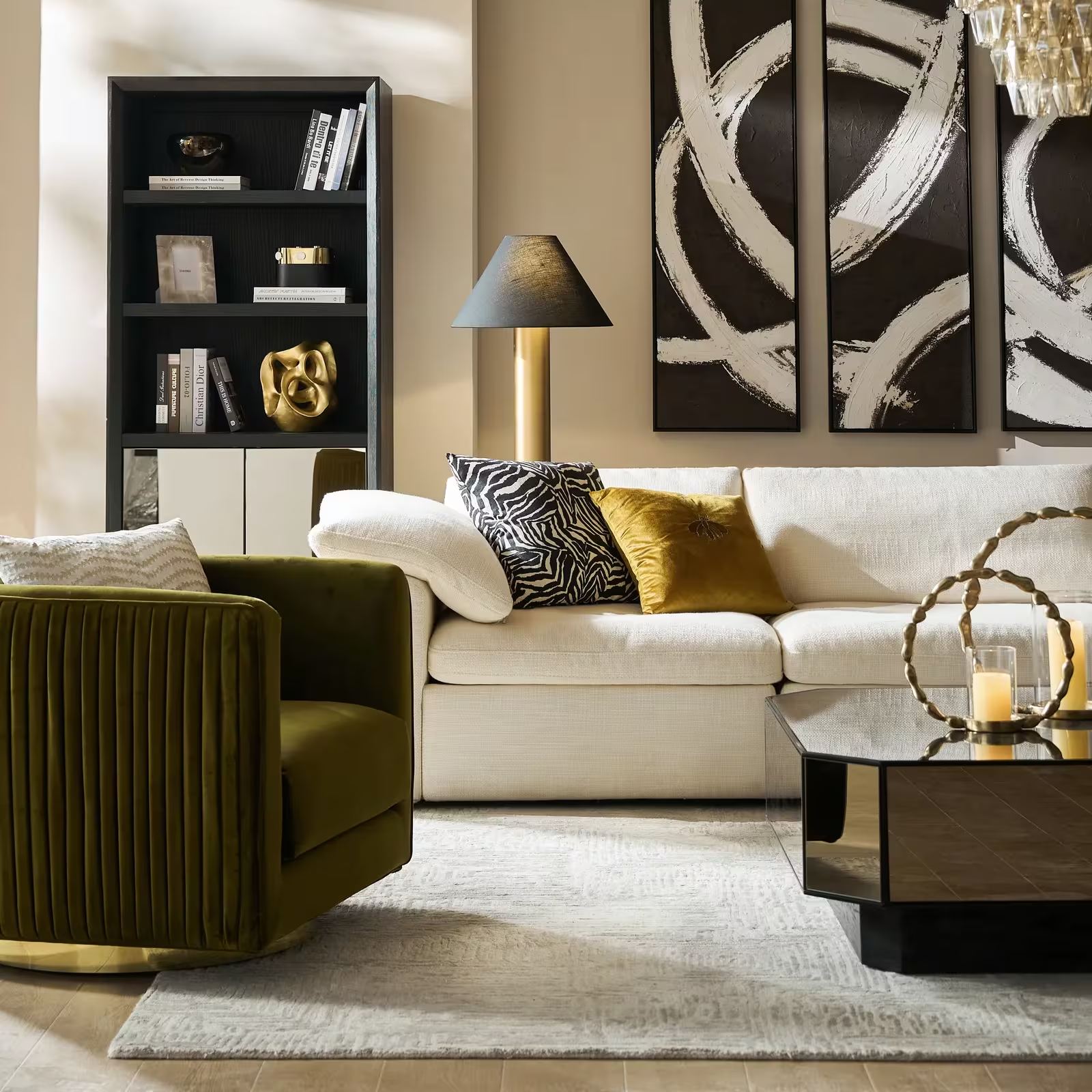 Lyssa Pleated Deep Olive Velvet Swivel Accent Chair$1099
A deep olive green velvet accent chair featuring pleated panels, smooth curves, and a 360-degree swivel base.
Add To Cart -
.jpg?w=1200&h=1200) Lucia Ivory Performance Chenille Swivel Desk Chair$399
Lucia Ivory Performance Chenille Swivel Desk Chair$399A beige texture weave desk chair featuring a brass-plated metal base and adjustable gas lift for comfort.
Add To Cart -
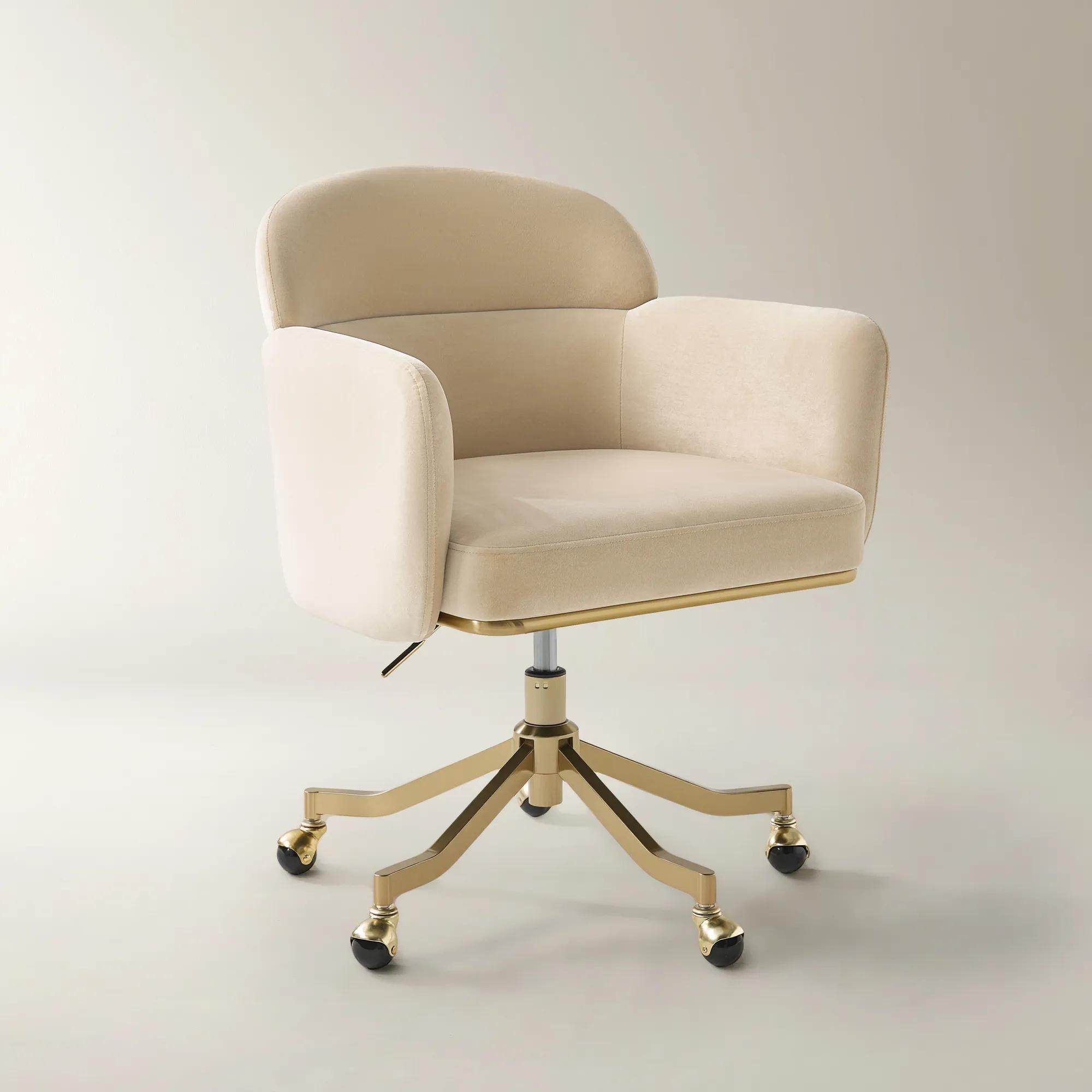 Paige Oatmeal Velvet Swivel Desk Chair$349
An oatmeal velvet swivel chair with adjustable height, ergonomic design, and a polished metal base with casters.
Add To Cart -
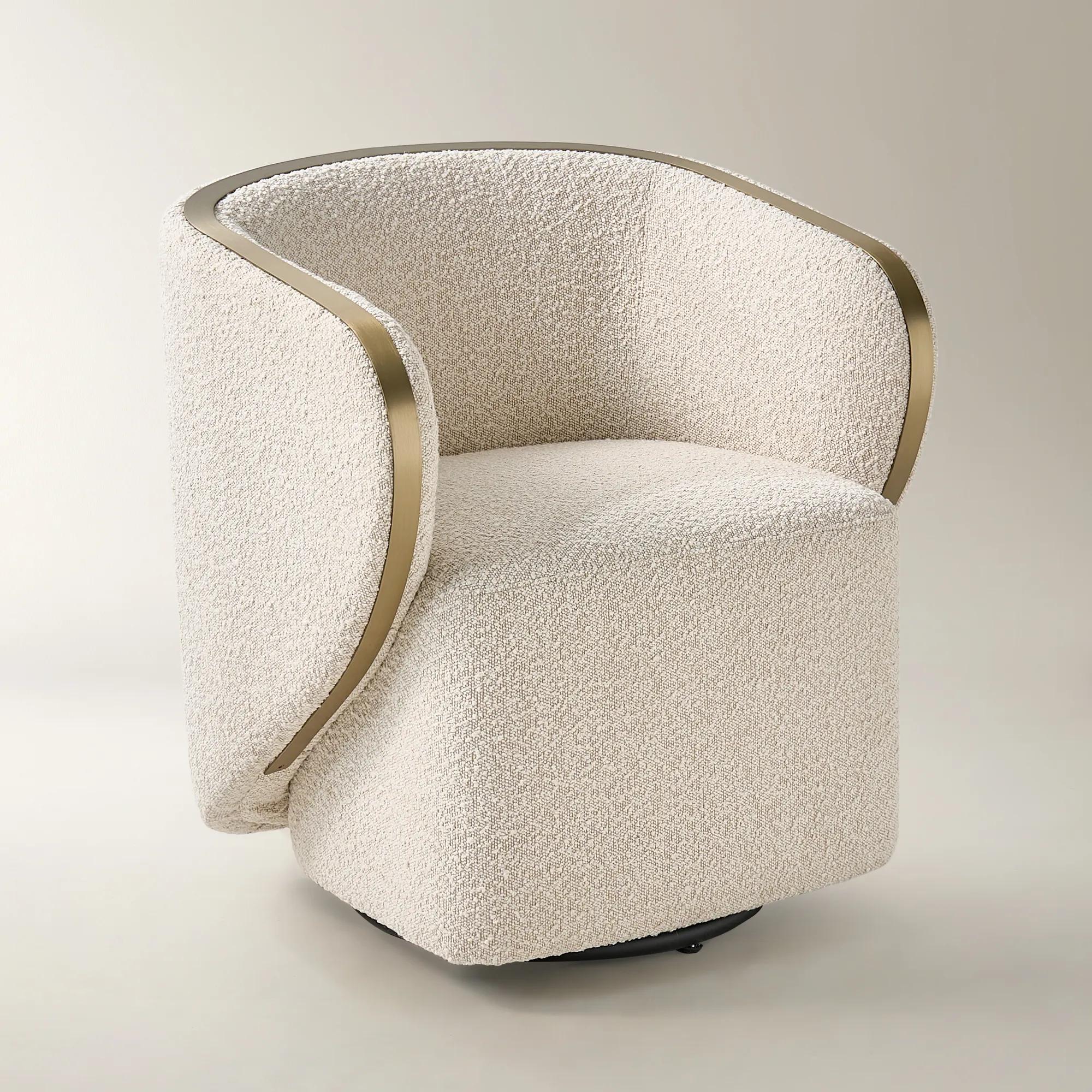 Nova Ivory Performance Boucle Swivel Dining Chair$599
An ivory boucle swivel chair featuring a sculptural wraparound silhouette and elegant metallic trim accents.
Add To Cart -
.jpg?w=1200&h=1200)
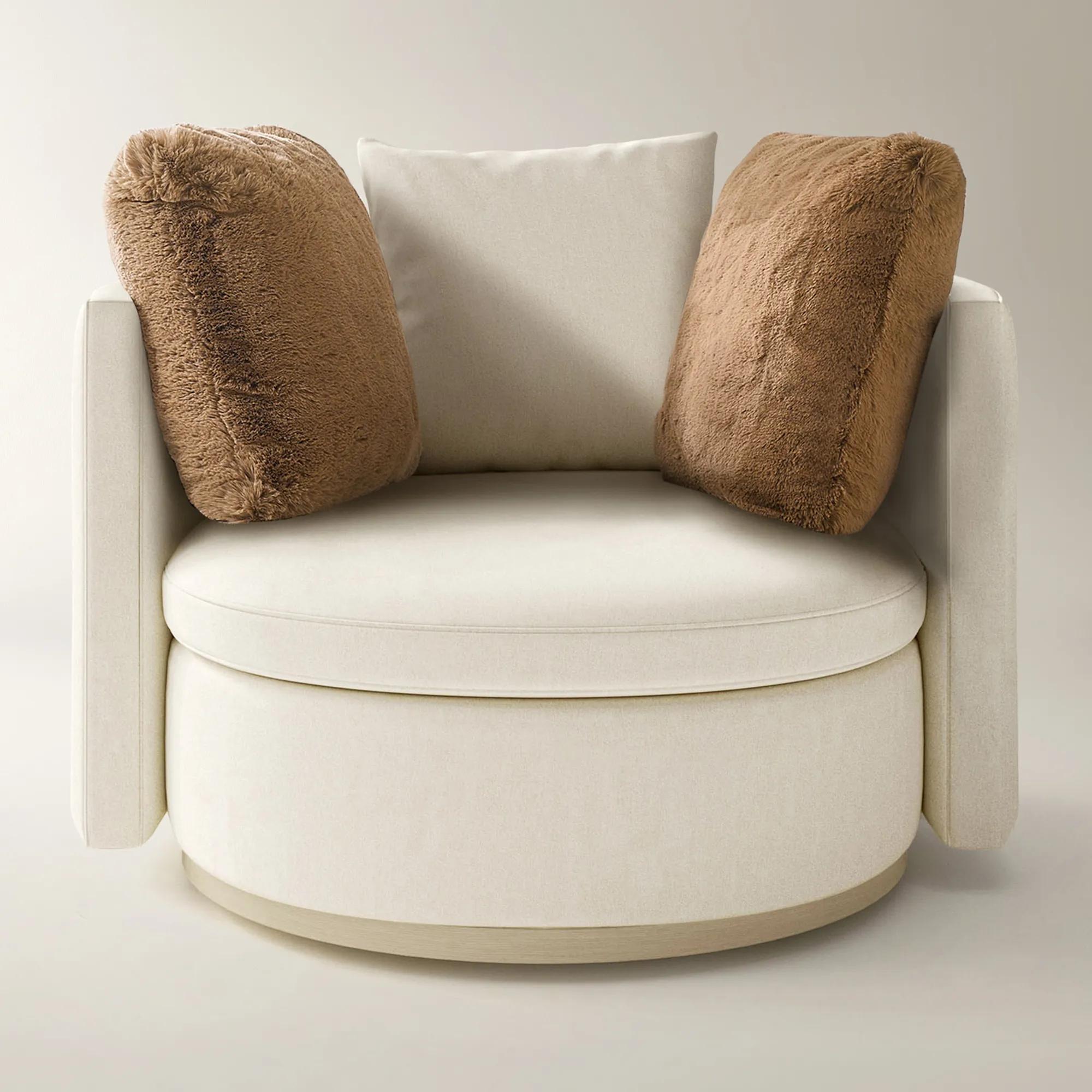 Stria Ivory Chenille Swivel Accent Chair$1399
An ivory chenille accent chair with triple-layer cushioning, ergonomic curves, and a smooth 360-degree swivel.
Add To Cart -
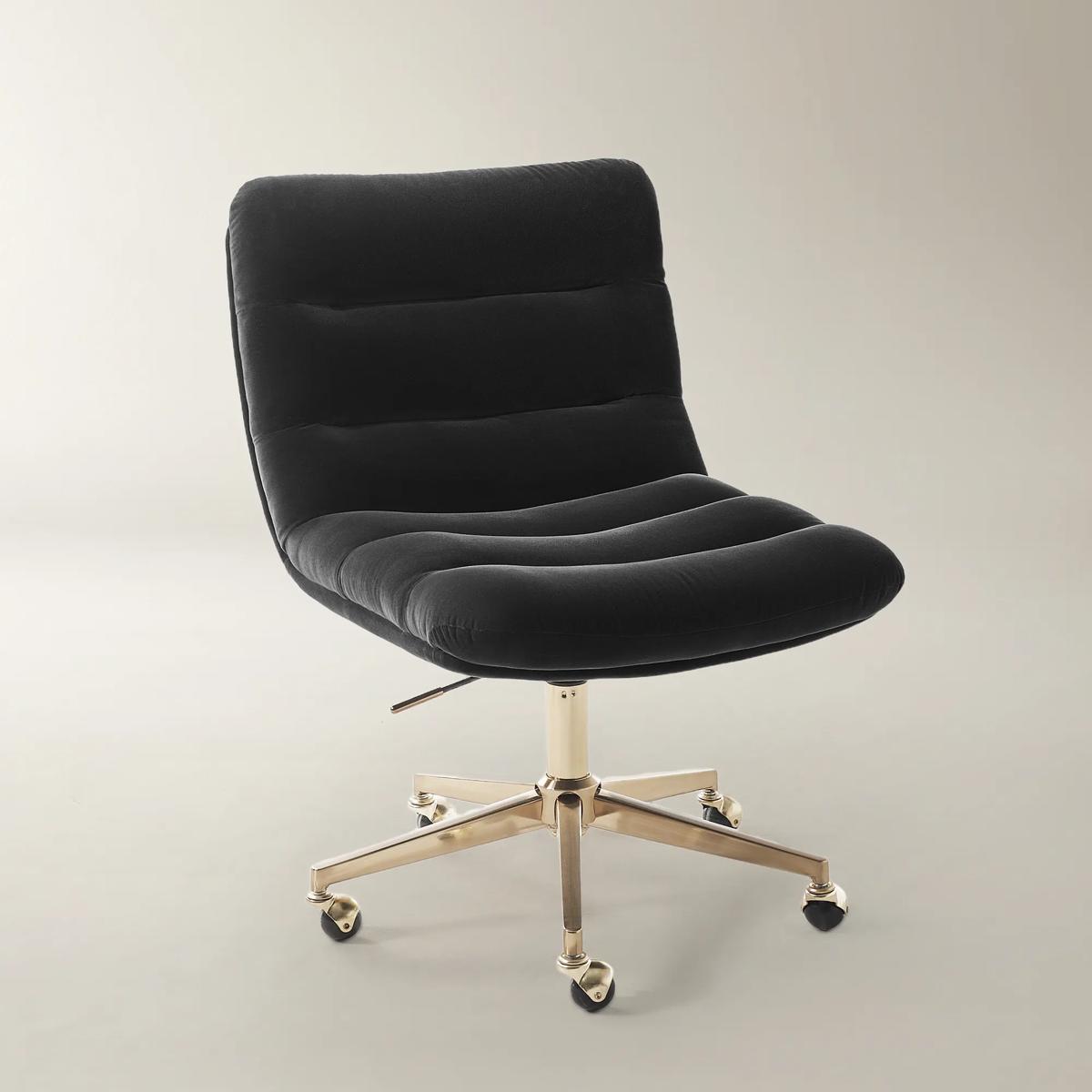 Serena Charcoal Velvet Swivel Desk Chair$399
A charcoal velvet office chair with plush foam cushioning, brass-plated metal base, and adjustable swivel design.
Add To Cart -
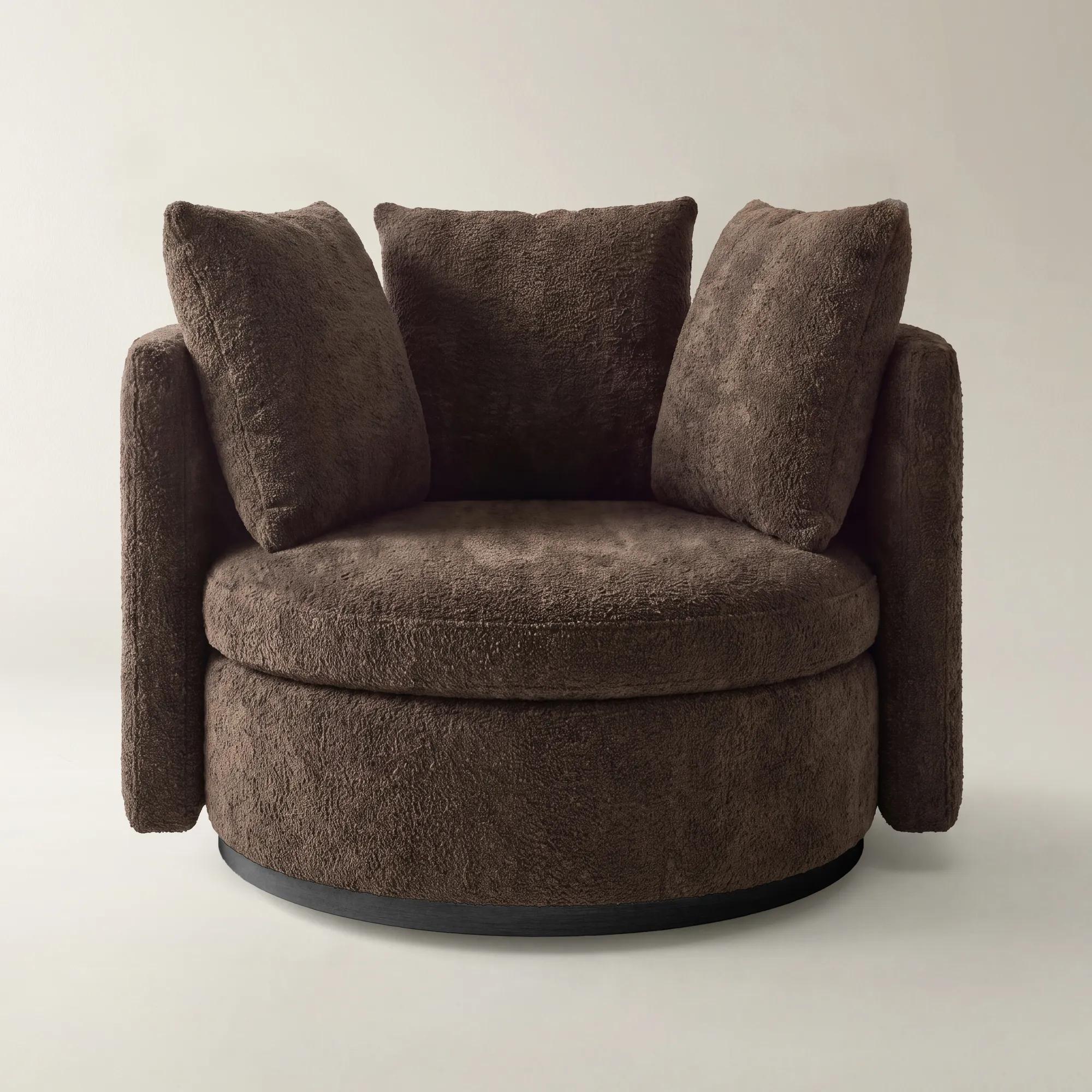
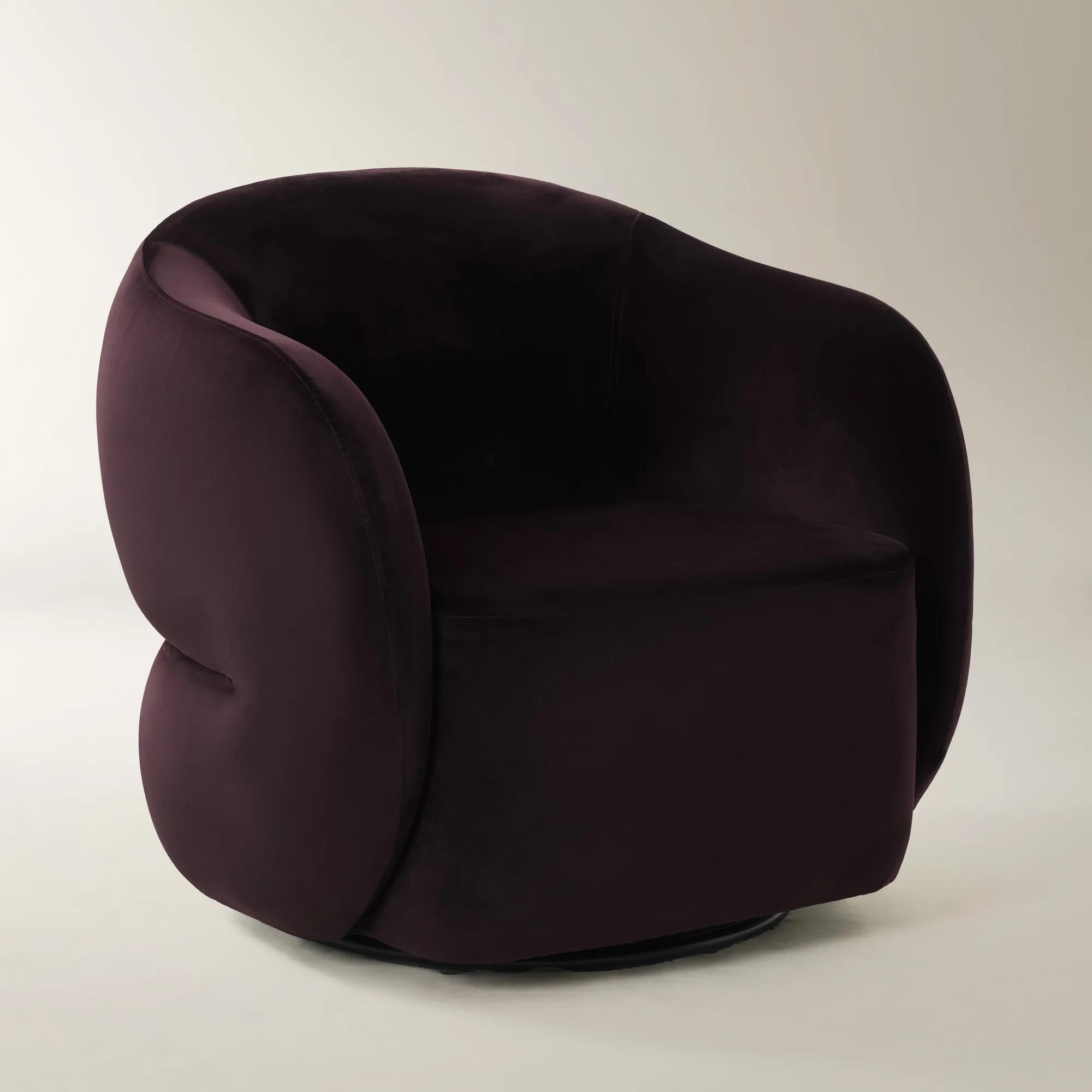 Sierra Fig Velvet Swivel Accent Chair$799
A modern accent chair in plush fig velvet with a wraparound back and smooth 360° swivel base.
Add To Cart -
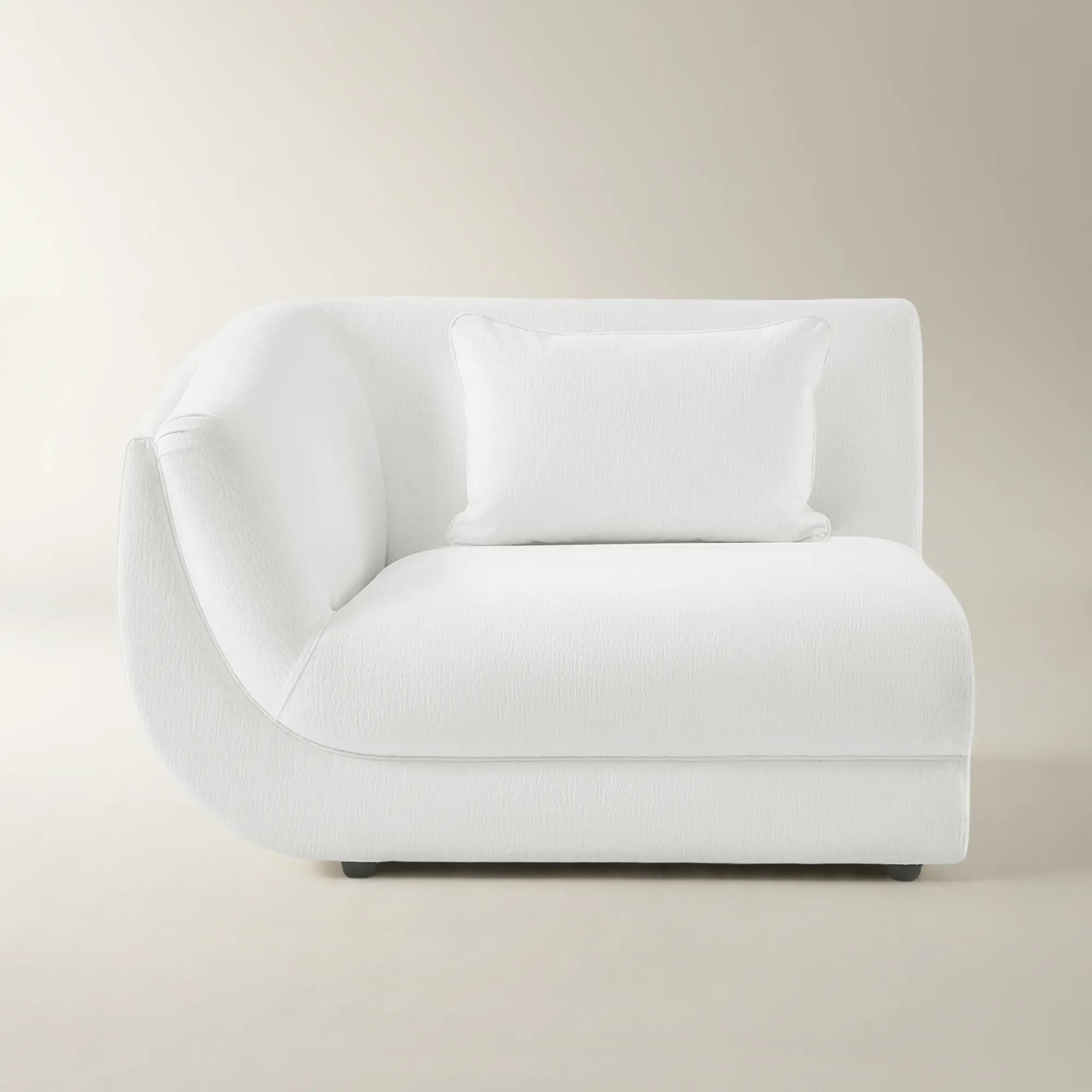 Curvia White Performance Chenille Indoor/Outdoor Left-Arm Chair$1349
A sculptural white chenille chair with plush cushioning, moisture-resistant backing, and indoor/outdoor versatility.
Add To Cart -
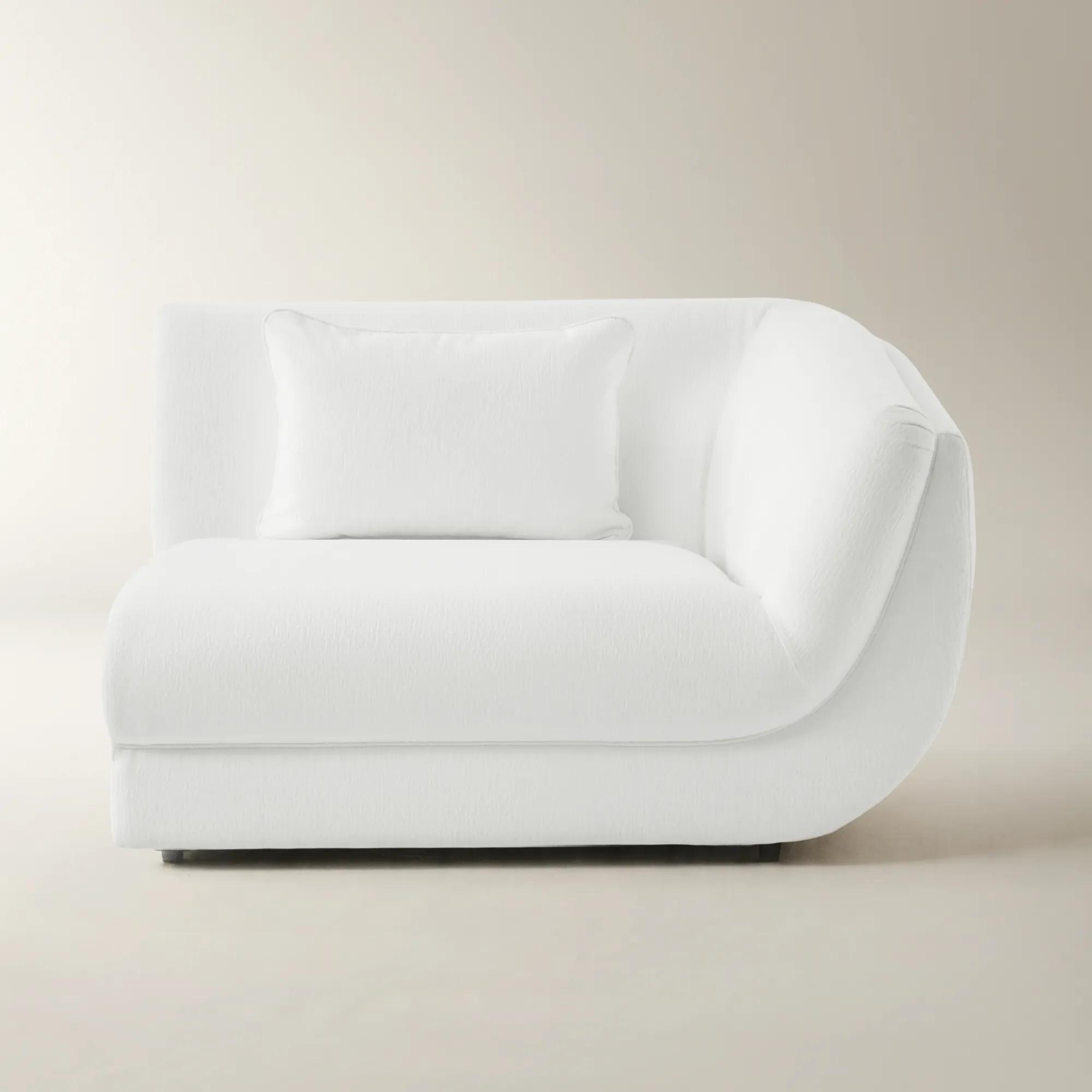 Curvia White Performance Chenille Indoor/Outdoor Right-Arm Chair$1349
A sculptural right-arm chair in white performance chenille, designed for plush comfort indoors or outdoors.
Add To Cart -
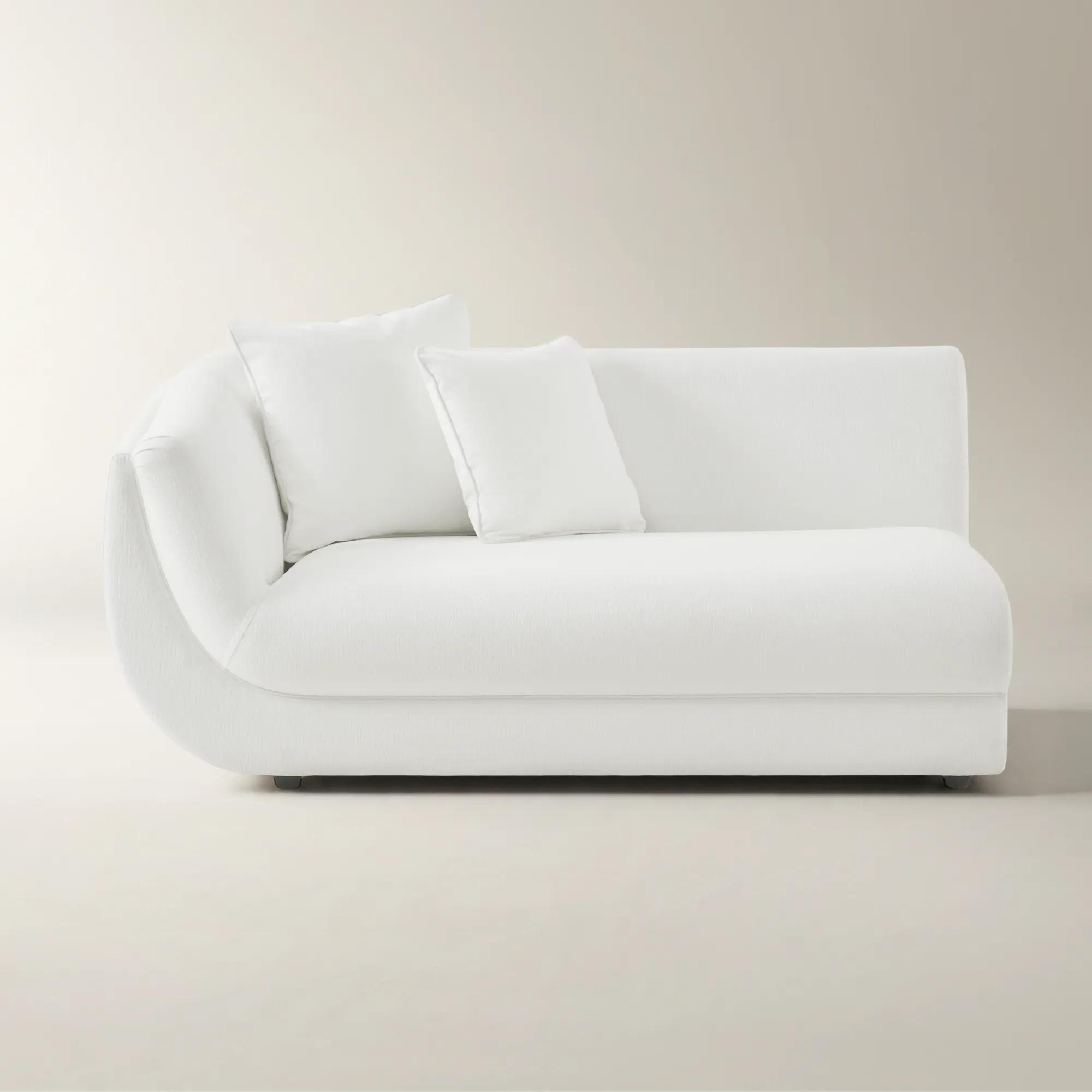
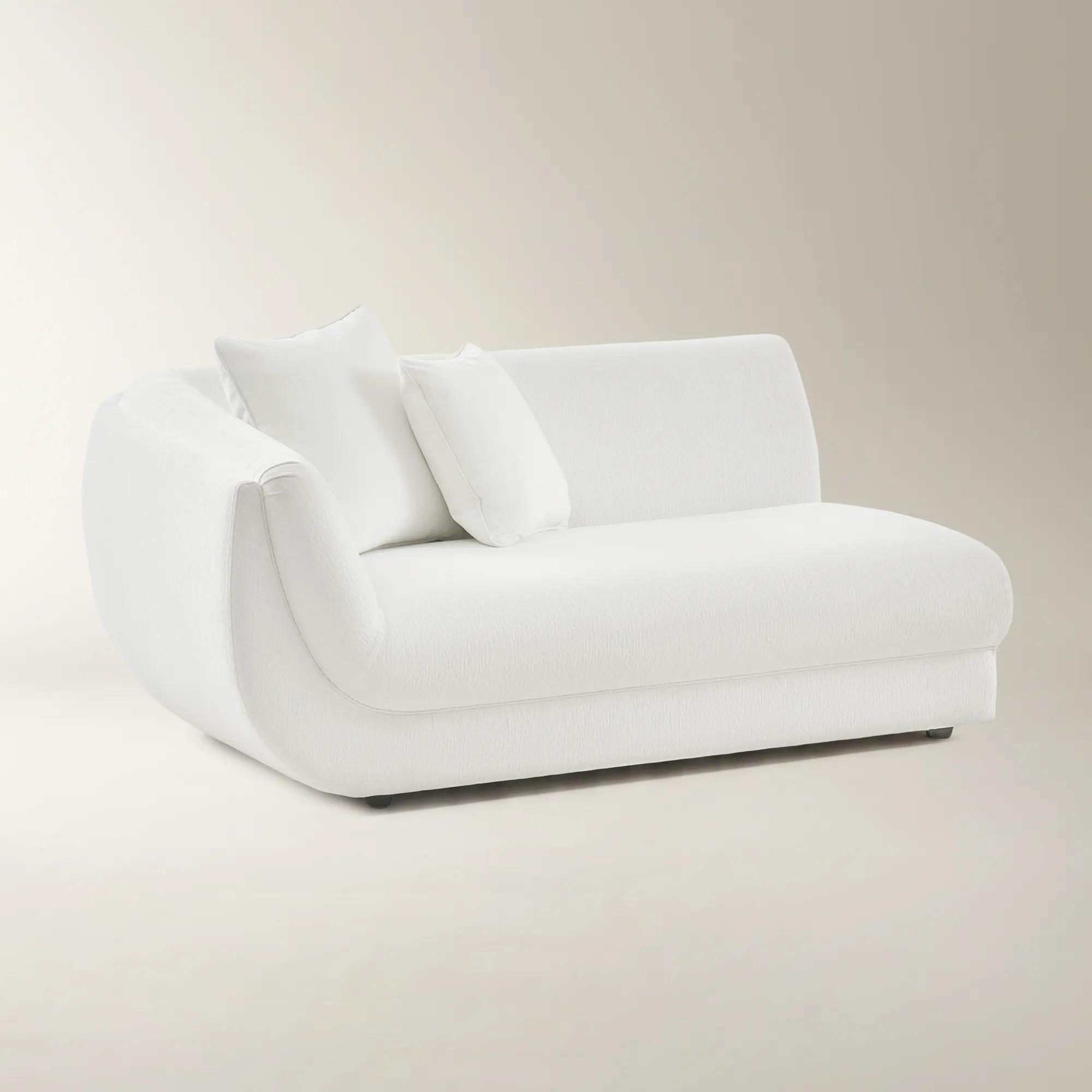 Curvia White Performance Chenille Indoor/Outdoor Grand Left-Arm Chair$1449
A sculptural left-arm chair in white performance chenille, designed for indoor or outdoor lounging comfort.
Add To Cart -
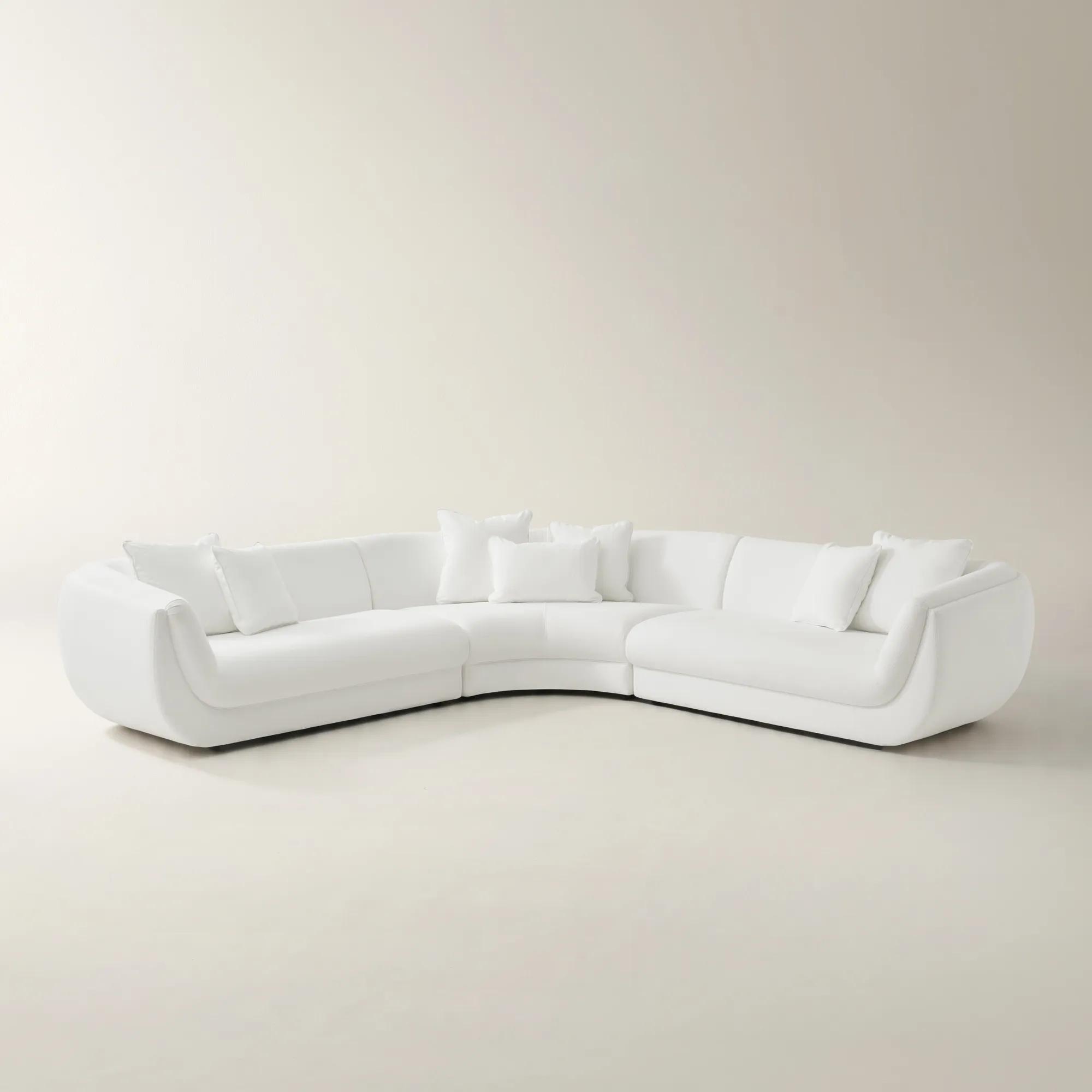 Curvia 3-Piece White Performance Chenille Indoor/Outdoor Sectional Sofa$4299
A sculptural white sectional sofa wrapped in performance chenille for luxurious indoor and outdoor lounging.
Add To Cart -
-compressed.jpg?w=1200&h=1200)
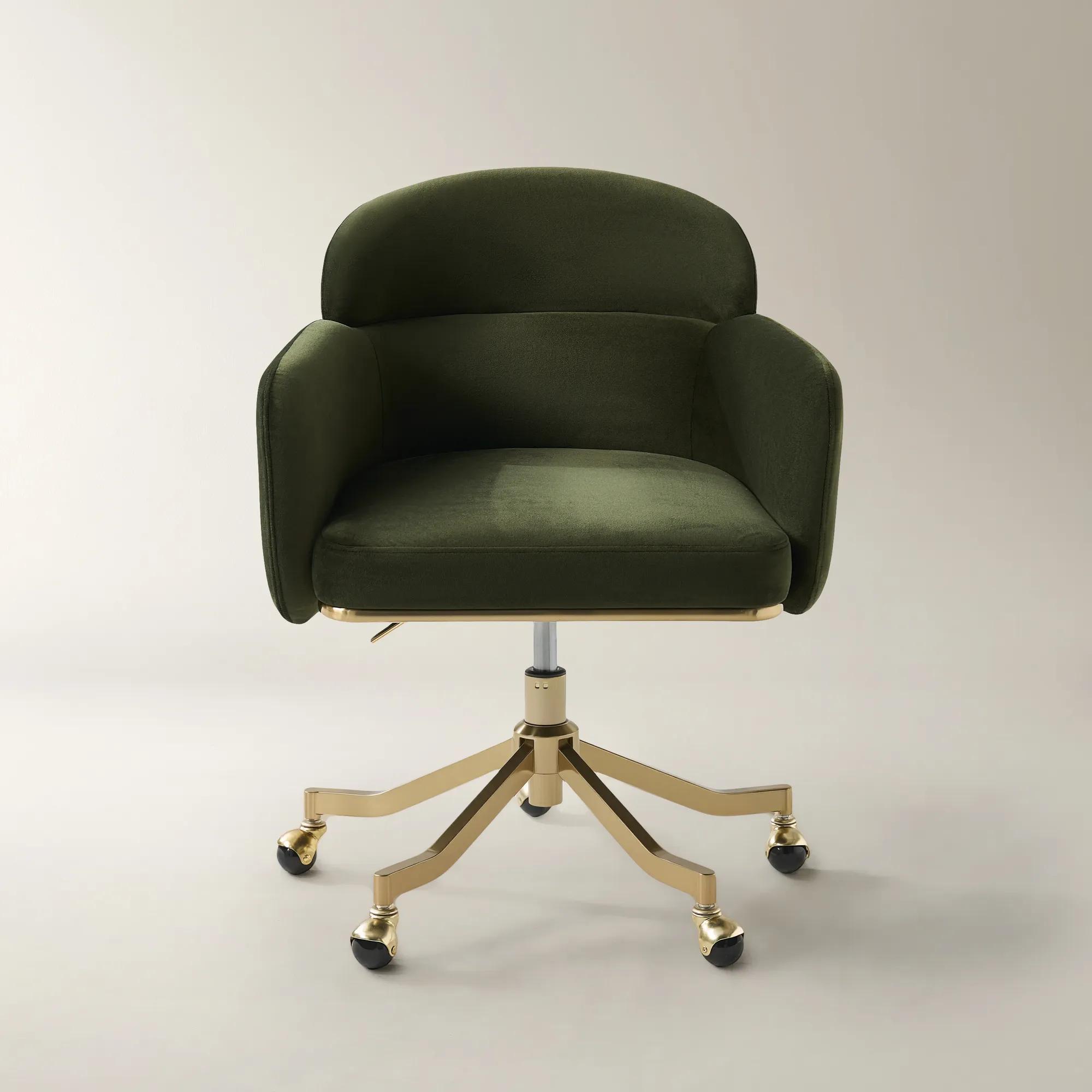 Paige Jade Green Velvet Swivel Desk Chair$349
A jade green velvet swivel chair featuring ergonomic design, adjustable height, and a glossy metal base with casters.
Add To Cart -
.jpg?w=1200&h=1200)
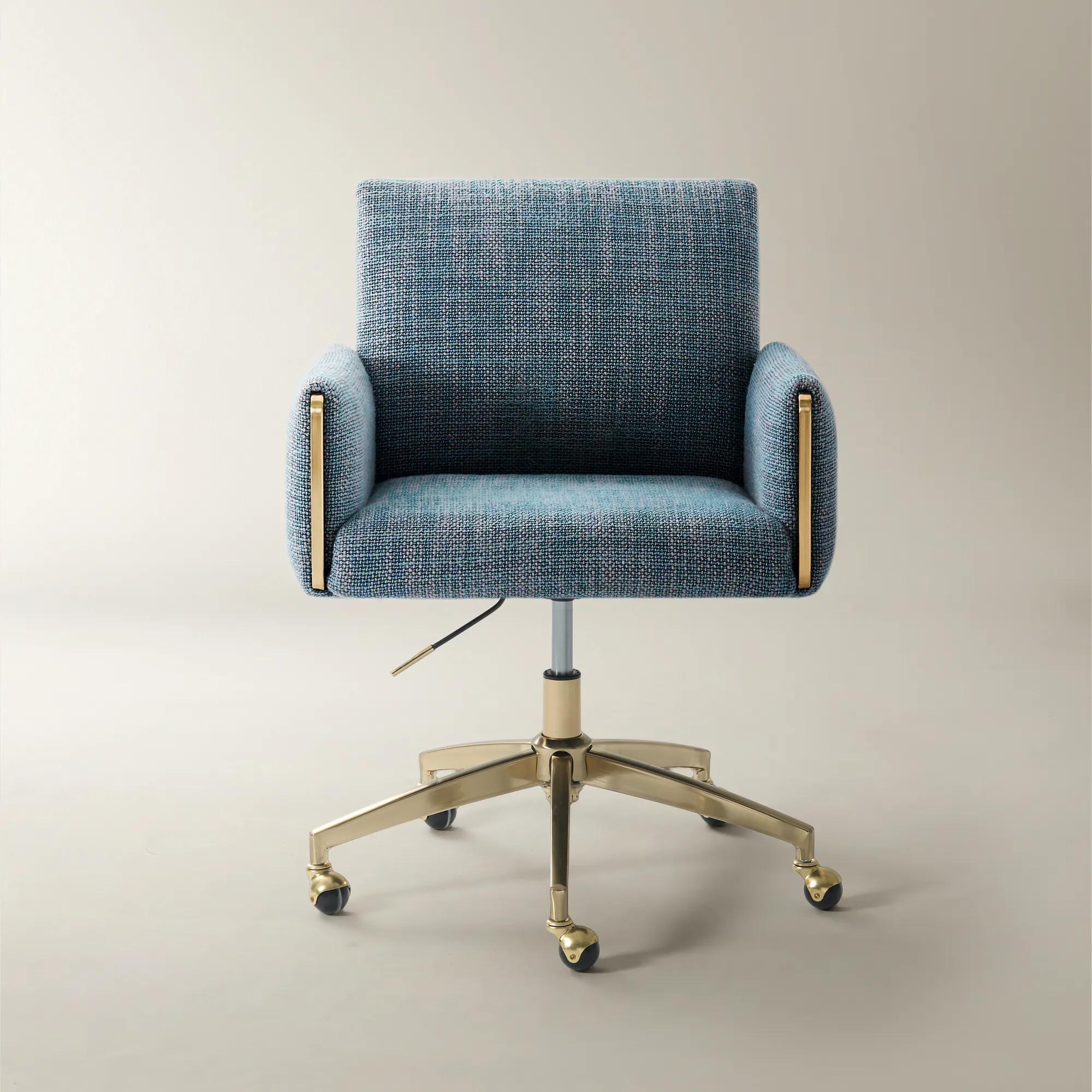 Lucia Peacock Performance Chenille Swivel Desk Chair$399
A peacock blue desk chair featuring textured polyester upholstery, brass-plated metal base, and adjustable comfort.
Add To Cart -
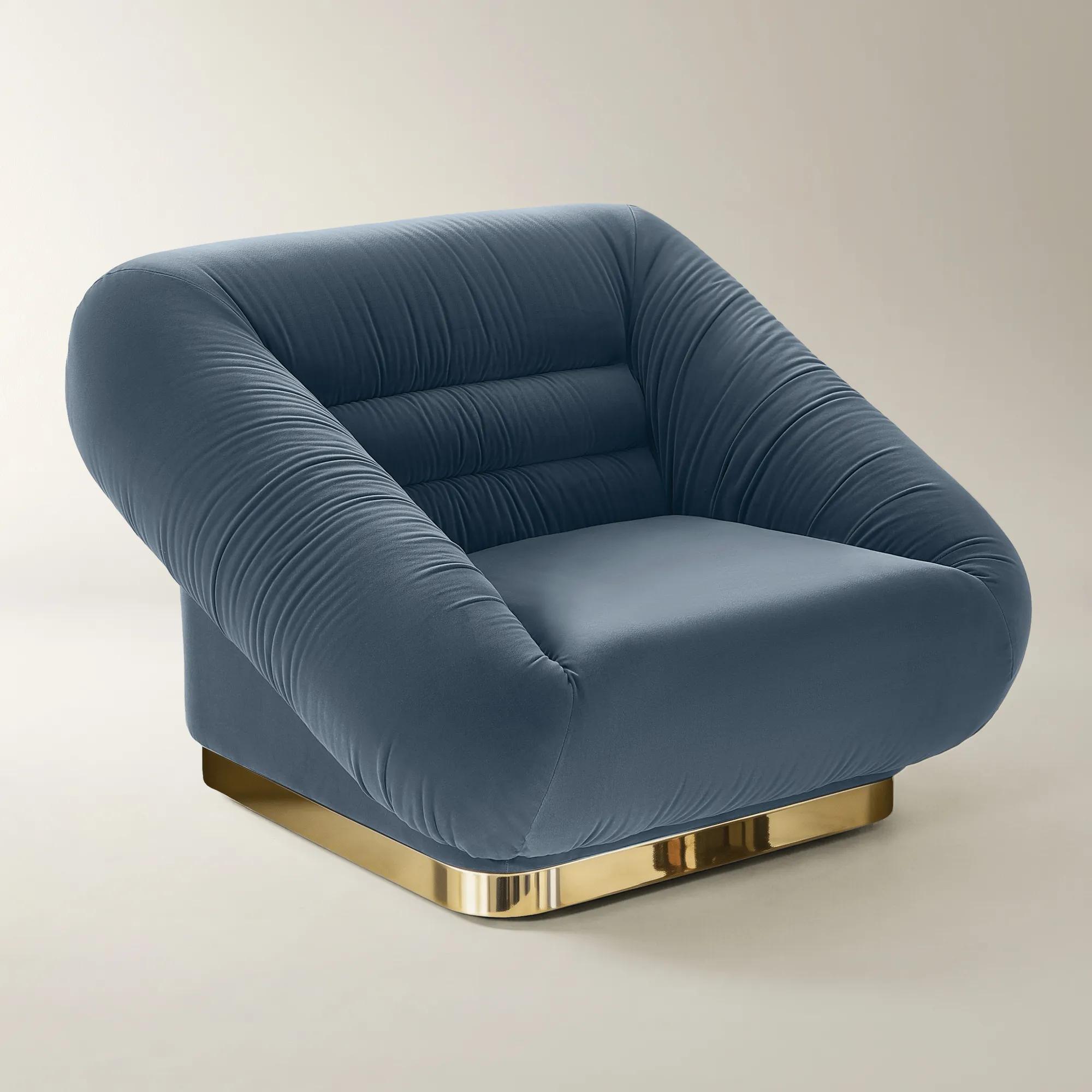 Dover Dusty Blue Velvet Swivel Accent Chair$1299
A sculptural blue velvet accent chair featuring soft gathered upholstery, gold-trimmed base, and smooth 360° swivel.
Add To Cart -
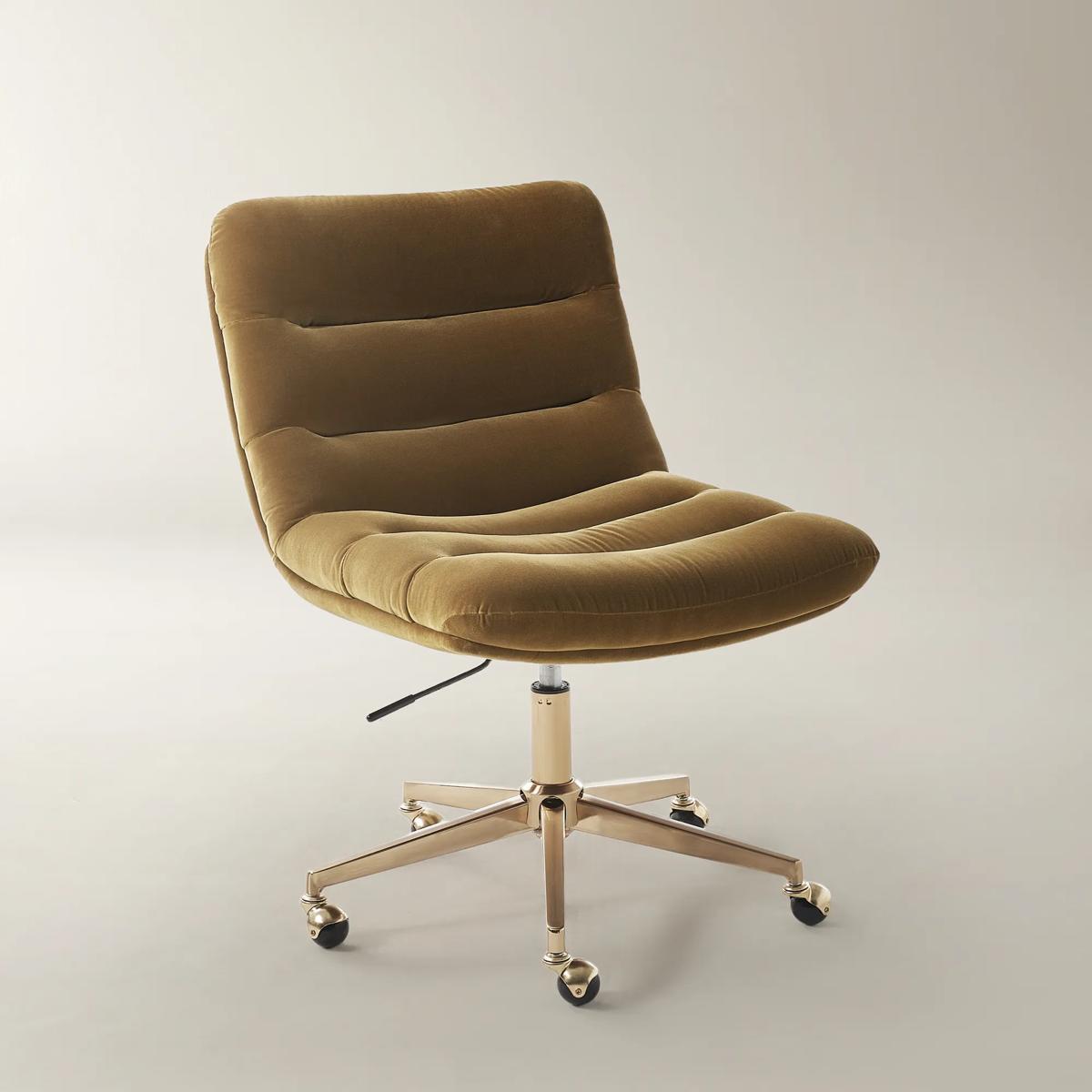
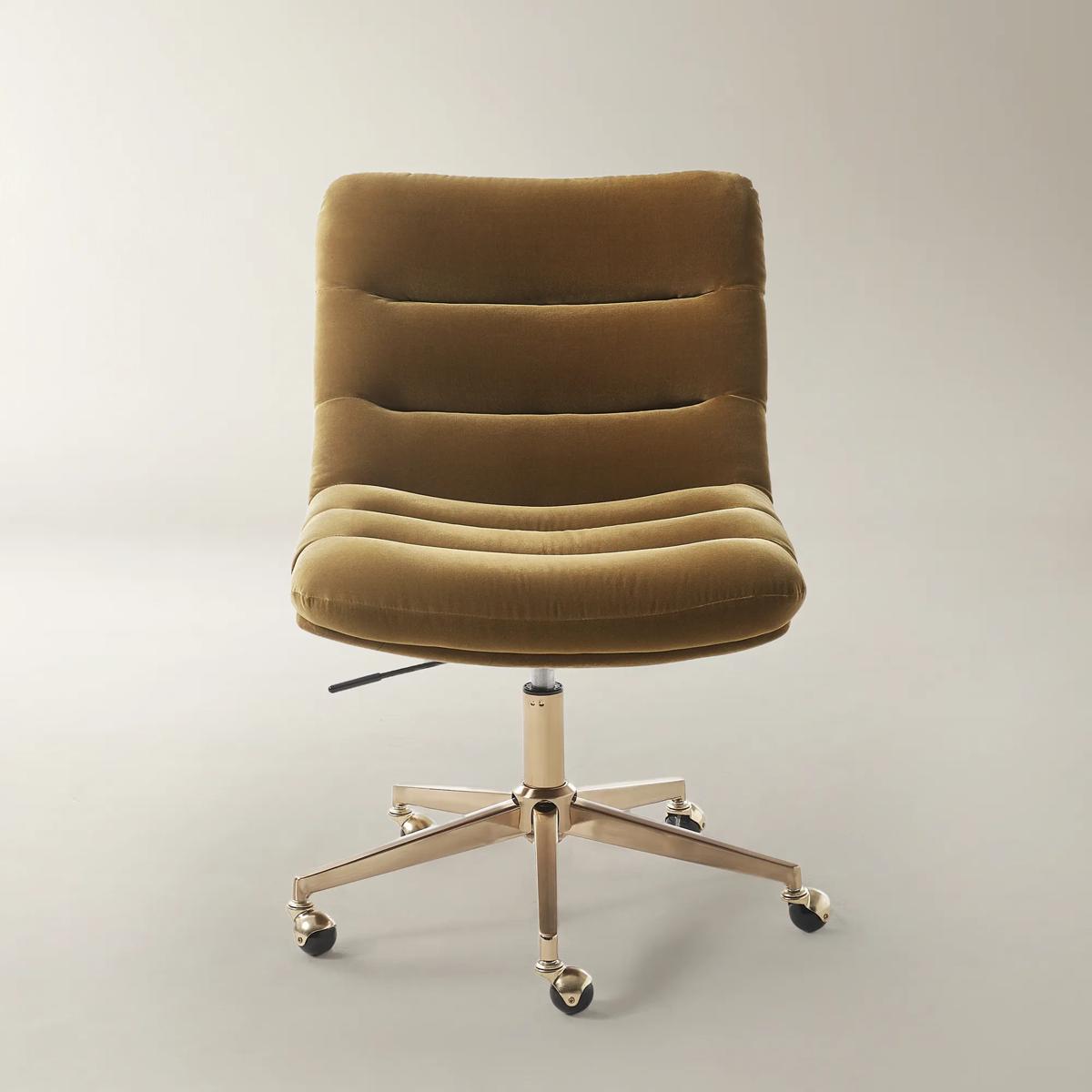 Serena Roasted Pecan Velvet Swivel Desk Chair$399
A brown velvet desk chair featuring adjustable tilt, brass-plated base, and smooth swivel wheels for comfort.
Add To Cart -
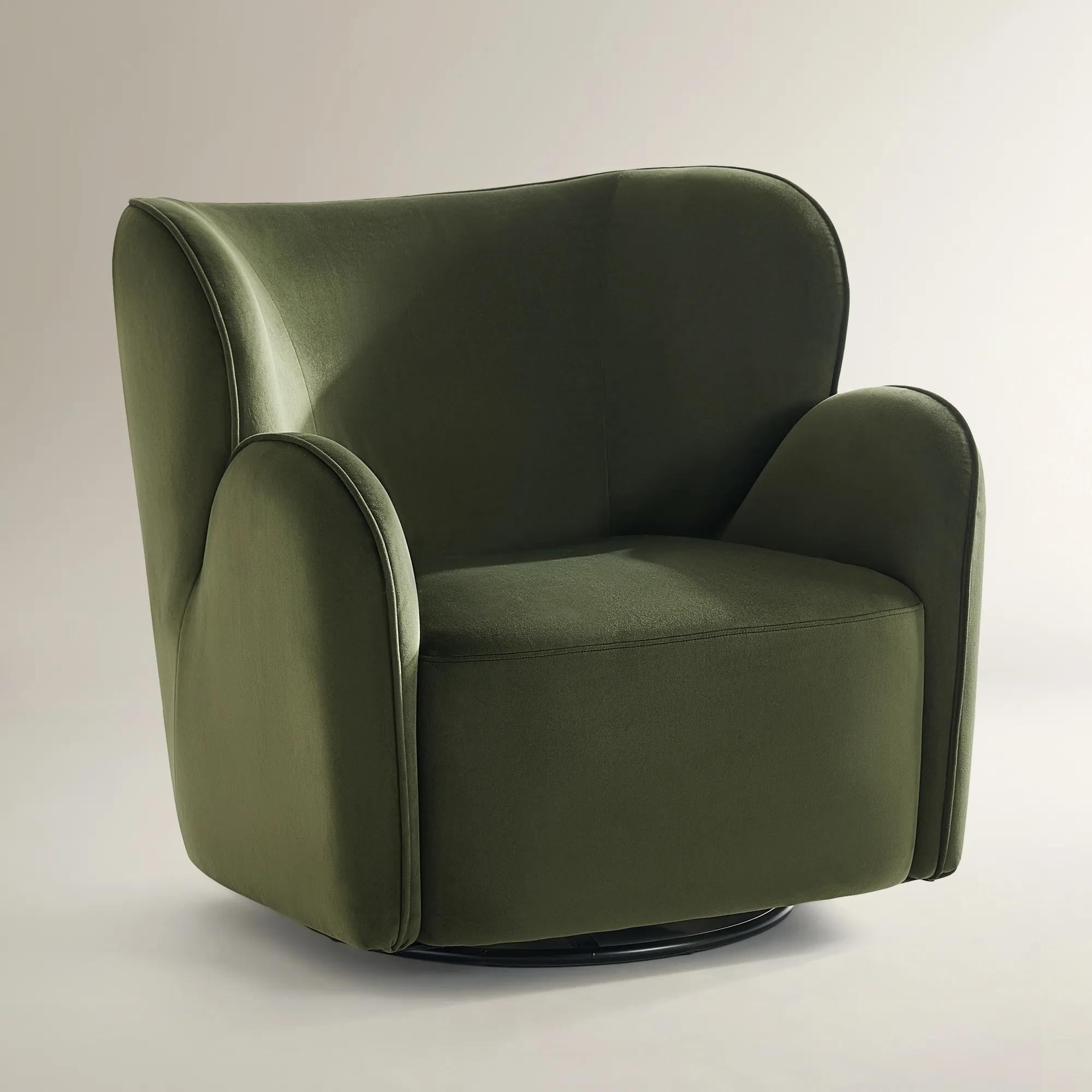
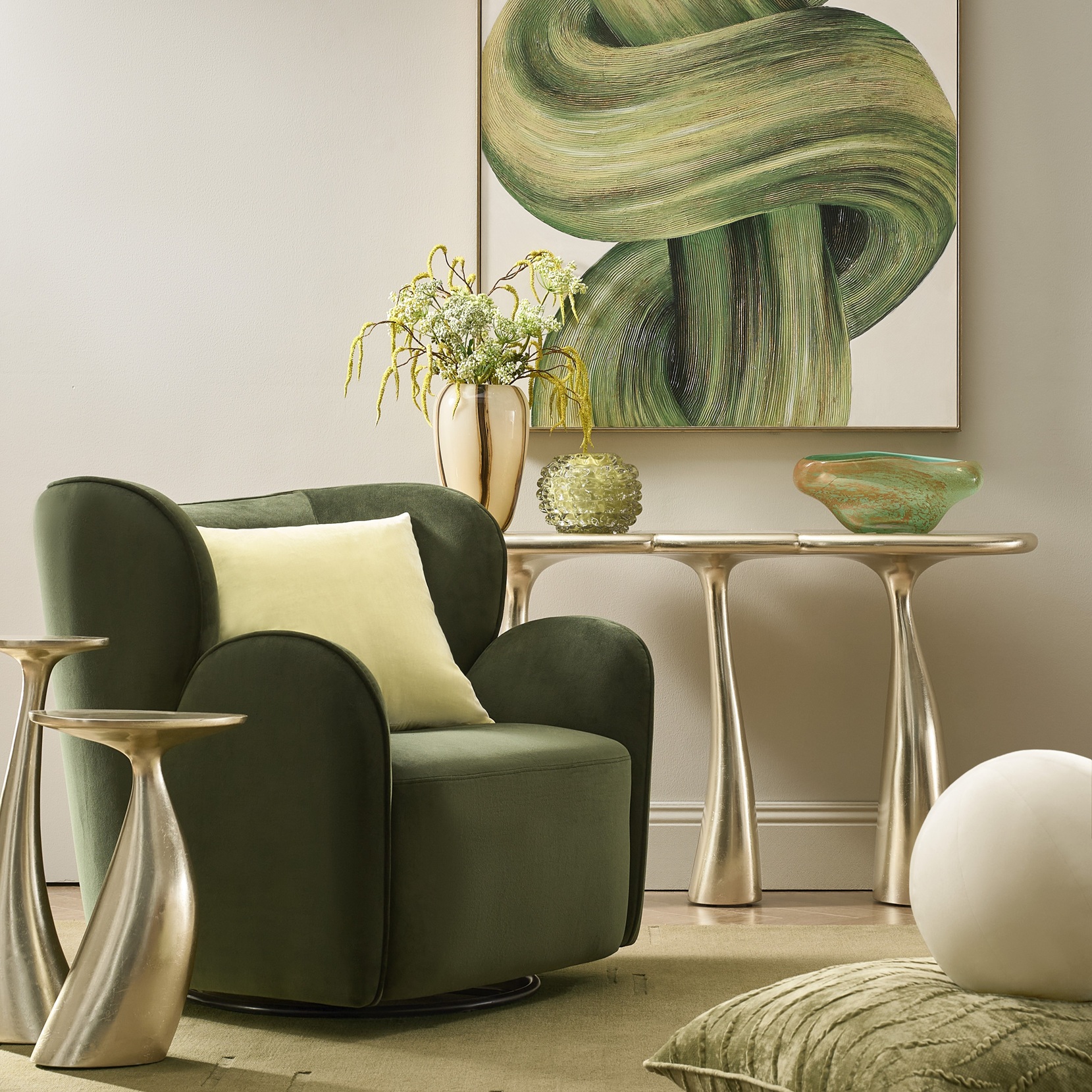 Ceres Jade Green Velvet Swivel Accent Chair$799
A plush jade green velvet chair with a curved silhouette, 360° swivel, and supportive foam cushioning.
Add To Cart -
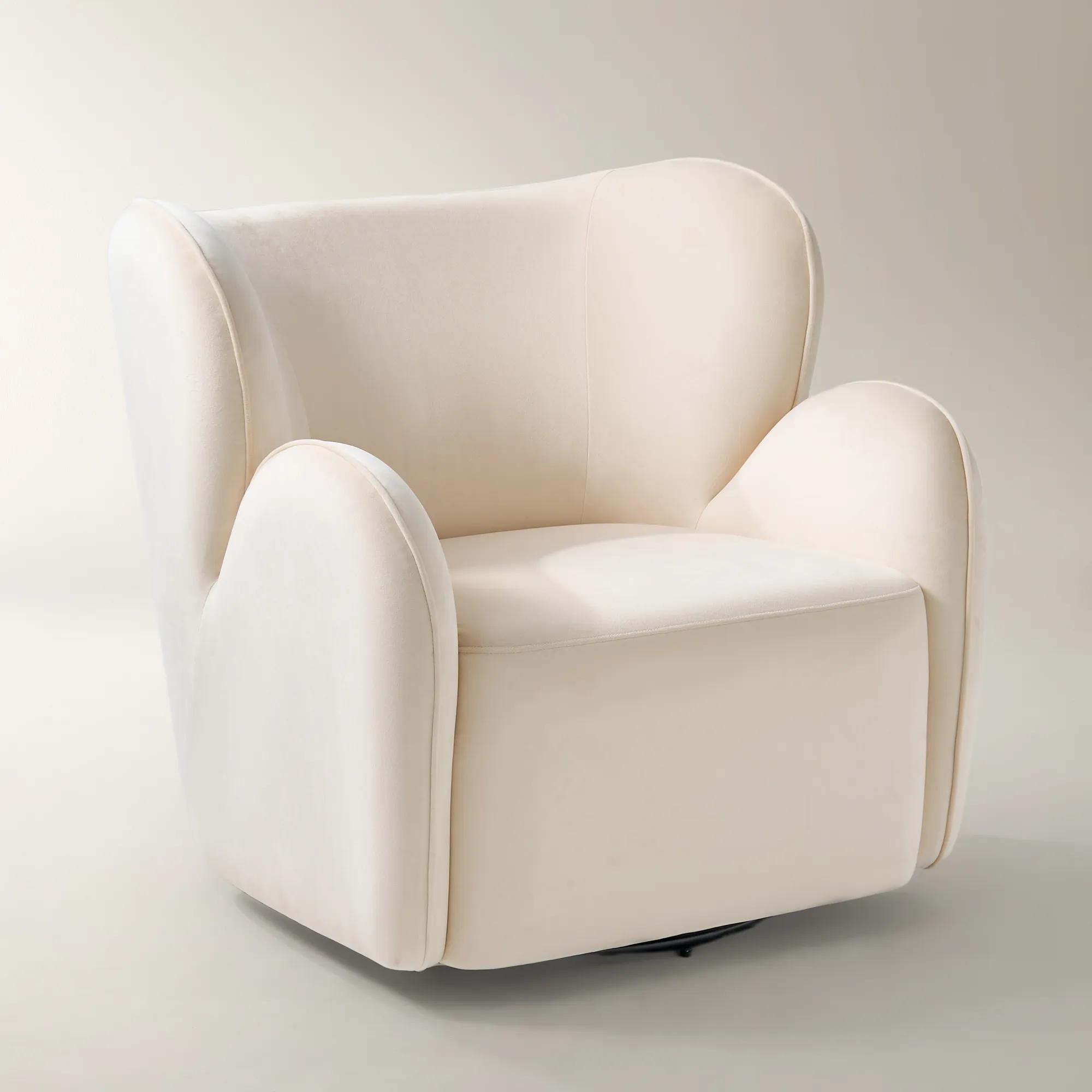
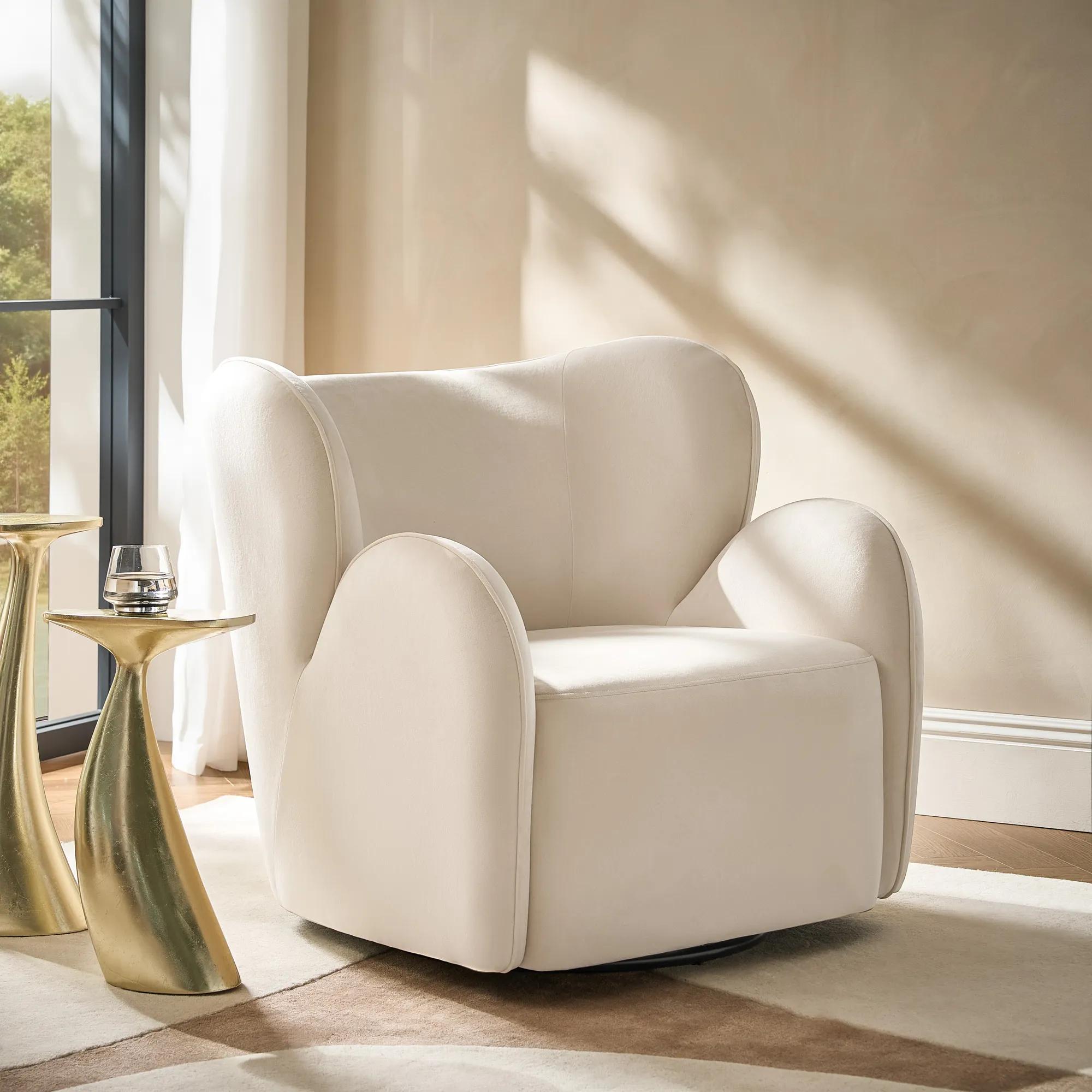 Ceres Ivory Velvet Swivel Accent Chair$799
An ivory velvet accent chair featuring a curved silhouette, 360° swivel, and plush, supportive cushioning.
Add To Cart

Comfortable Seating For Home Offices
Comfortable seating for home offices transforms the ordinary workspace into a sanctuary of inspiration and productivity. Imagine settling into a chair that not only supports your vision but elevates your daily routine—where sumptuous textures and sculptural silhouettes invite you to linger, create, and conquer every task with confidence. Each piece is thoughtfully designed to marry artistry with indulgence, ensuring your office becomes more than just a place to work—it becomes a stage for bold ideas and expressive style. Let your home office seating speak volumes about your taste, ambition, and love for the extraordinary.
Comfortable seating for home offices brings together supportive proportions, inviting materials, and a silhouette that gives the workspace its own presence. For extended desk work, the most useful features are adjustable seat height, appropriate lower-back support, a seat depth suited to the sitter, and armrests that allow the shoulders to stay relaxed. Those practical details can coexist with sculptural curves, sumptuous upholstery, and a gleaming base that makes a desk feel like a deliberate part of the home. An upholstered office chair can soften the crisp geometry of a writing desk, while a streamlined task chair creates visual balance beside expressive artwork or richly textured cabinetry. The distinction lies in intended use: a chair for several hours of computer work needs a different level of adjustability than seating reserved for reviewing mail, sketching ideas, or welcoming a visitor. Ergonomic office seating is designed to accommodate the body during work, but an ergonomic label alone does not establish comfort; the chair’s dimensions and adjustments must suit the person using it. A supportive fit generally allows feet to rest flat on the floor or a footrest, with a small gap between the seat edge and the backs of the knees. The backrest should support a natural seated position without forcing the torso forward, and the work surface should allow relaxed shoulders and comfortable elbow placement. In a shared home office, adjustable seating becomes especially valuable because different users may need different heights, arm positions, and back support. For a dedicated workspace, the chair can feel more personal: a tailored profile for a polished study, a softly rounded back for an art-filled studio, or a substantial executive silhouette for a room with architectural drama. The strongest choices make the workspace feel composed without asking the sitter to compromise on everyday ease. Comfort is individual, and even a beautifully fitted chair works best alongside regular changes in position and breaks from sitting.
Materials give home office seating much of its character, shaping both the room’s atmosphere and the experience of settling in to work. Velvet lends upholstery depth and a subtle play of light, turning a curved back or generous seat into a richly dimensional focal point. Woven fabrics bring texture that can harmonize with patterned rugs and lacquered surfaces, while leather offers a distinctive hand and a tailored appearance that develops differently depending on its finish. Faux leather provides another smooth-surfaced option, though its care requirements and aging characteristics differ from those of genuine leather. Mesh backs allow airflow and introduce a lighter visual profile, particularly useful when a chair sits in front of shelving or shares space with a living area. Beneath the upholstery, cushion construction matters as much as surface softness. A deeply padded seat may feel inviting at first, but sustained desk comfort depends on how the cushion supports the sitter over time; excessive sinking can make it harder to maintain a comfortable working position. Foam density, seat suspension, frame construction, and the quality of adjustment mechanisms all contribute to performance, so product specifications deserve attention beyond the fabric description. Weight capacity is another essential fit consideration, not a substitute for checking seat width and depth. Durability also depends on matching the material to the room’s daily rhythm. A frequently used workspace may benefit from upholstery with documented abrasion testing or clearly stated performance properties, although no fabric should be assumed to resist every stain or scratch. Regular care preserves the chair’s presence: vacuum fabric gently with a suitable attachment, blot spills promptly rather than rubbing, and follow the upholstery’s cleaning code before applying any cleaner. Leather and faux leather require their own manufacturer-approved methods, and prolonged direct sunlight can affect many upholstery finishes. Casters, swivel mechanisms, and fasteners also benefit from periodic checks according to the care instructions. These details help preserve not only the chair’s appearance but also the reassuring solidity that makes well-considered seating a pleasure to use.
Scale determines whether a home office chair feels integrated or imposed. In a compact writing nook, a visually open base and a back that sits comfortably below surrounding artwork can keep the arrangement elegant, while a larger study may welcome a more enveloping silhouette. Actual measurements matter more than appearance alone: seat height should work with the desk, armrests should clear the underside when the chair is tucked away, and the space behind the desk should accommodate pulling out, swiveling, and moving through the room. A desk apron or shallow drawer can reduce knee clearance even when the overall desk height seems suitable. Armless seating may tuck neatly into tighter spaces and allow freedom of movement, but it does not provide the forearm support some people prefer during computer work. Likewise, a wide seat offers room to shift position, yet width alone does not make a chair appropriate for long working sessions. Rolling bases make it easier to move between nearby work surfaces, provided the casters are suitable for the flooring; a compatible protective mat may help protect the floor and support smoother movement. Stationary chairs bring a more anchored, furniture-like presence and can be particularly effective for occasional desk use or guest seating. Beyond the desk, a separate place to read, think, or hold a conversation gives the office a more layered purpose. The silhouettes associated with Seating For Home Office Lounge Areas can introduce a relaxed counterpoint to the primary workstation, creating a distinct setting for reviewing a presentation or discussing a project away from a screen. Lounge seating generally sits lower and deeper than task seating, making it better suited to those moments than to sustained typing at a standard desk. For remote professionals, students, creative entrepreneurs, and households sharing a workspace, the most satisfying arrangement reflects how the room is actually used. A beautifully upholstered chair beside a reading lamp, a supportive desk seat framed by expressive art, and enough room to move create an office with both working purpose and unmistakable personality.
FAQs
When selecting seating for your home office, prioritize pieces that offer ergonomic support, adjustable features, and premium materials. Look for chairs with adjustable lumbar support, armrests, and seat height to ensure personalized comfort. Breathable fabrics or supple leather add a touch of luxury, while plush cushioning and sculptural silhouettes enhance both comfort and style, creating a workspace that inspires productivity and self-expression.
A home office couch introduces a layer of sophistication and versatility to your workspace. It creates a welcoming spot for brainstorming sessions, reading breaks, or collaborative meetings, all while elevating the visual drama of the room. The addition of a couch invites relaxation and can help delineate distinct zones within your office, transforming it into a true retreat for both work and rejuvenation.
During the winter season, opt for seating upholstered in sumptuous fabrics like velvet, chenille, or performance textiles that feel warm and inviting to the touch. These materials not only provide a cozy, tactile experience but also add a layer of richness and visual interest to your office. Pairing these with plush cushioning ensures you remain enveloped in comfort, even as temperatures drop.
Comfortable home office seating makes a thoughtful and luxurious gift for anyone who spends significant time working, studying, or creating from home. It's especially meaningful for remote professionals, students, entrepreneurs, or anyone seeking to elevate their daily environment. Gifting a beautifully designed chair or lounge seat is a way to honor their ambitions and support their wellbeing.
To achieve a cohesive and stylish home office, select seating that complements your existing décor and reflects your personal aesthetic. Consider the color palette, materials, and shapes present in your space, and choose pieces that either harmonize or offer a bold contrast. Layering textures and finishes—such as pairing a sleek, modern chair with a plush, dramatic rug—can add depth and visual intrigue, resulting in a workspace that feels curated and uniquely yours.