Comfortable Seating For Long Work Hours
Comfortable Seating For Long Work Hours
-
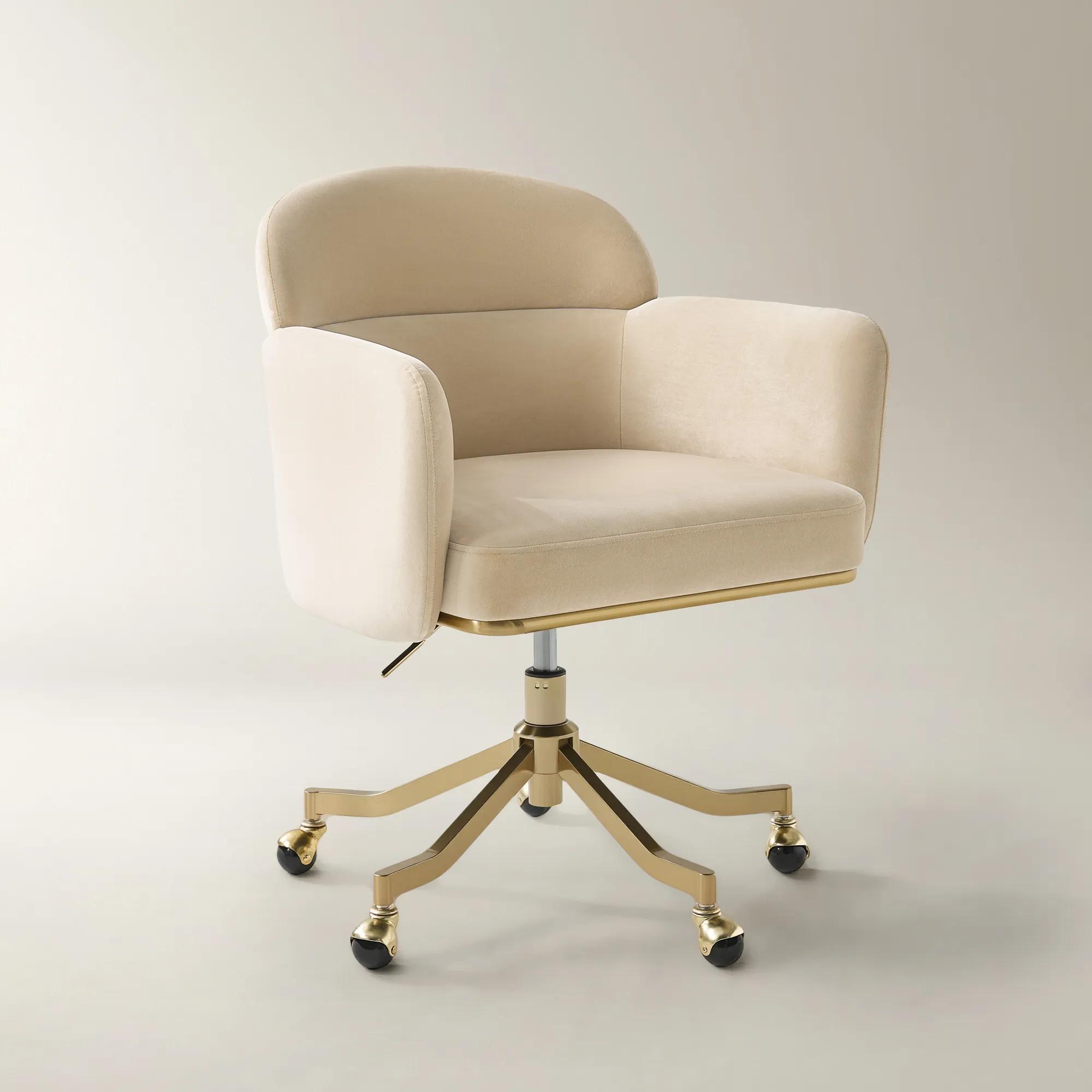 Paige Oatmeal Velvet Swivel Desk Chair$399
An oatmeal velvet swivel chair with adjustable height, ergonomic design, and a polished metal base with casters.
Add To Cart -

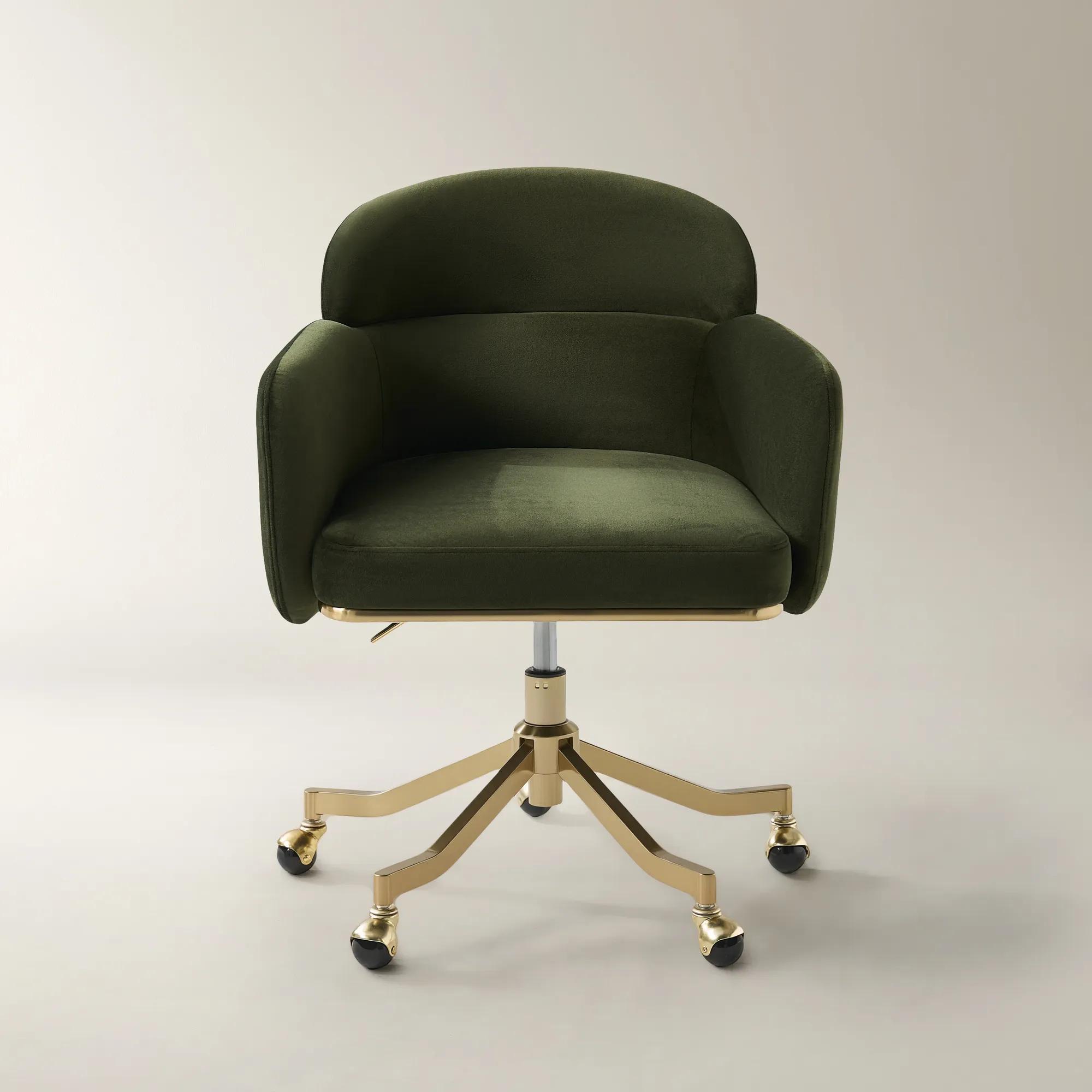 Paige Jade Green Velvet Swivel Desk Chair$399
A jade green velvet swivel chair featuring ergonomic design, adjustable height, and a glossy metal base with casters.
Add To Cart -
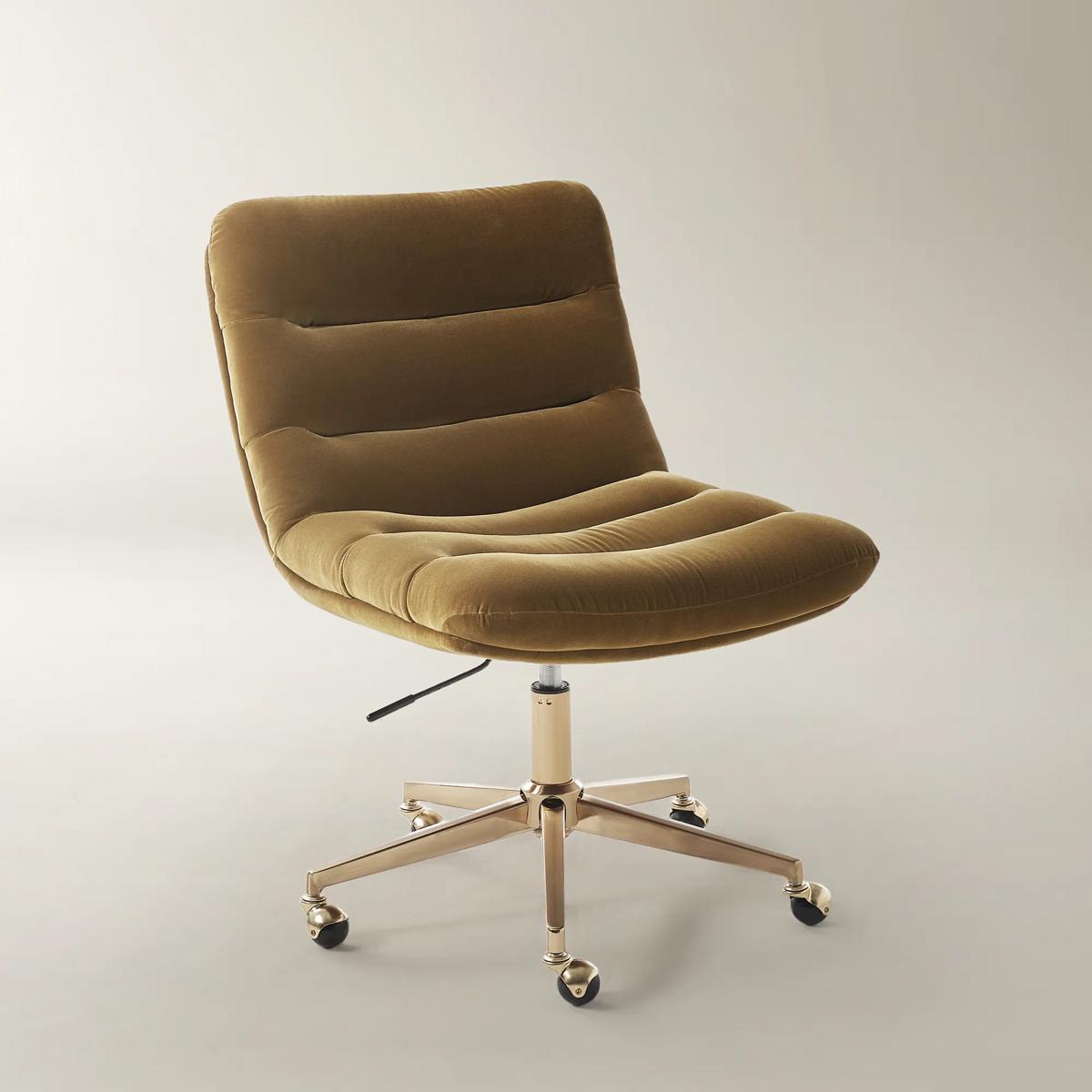
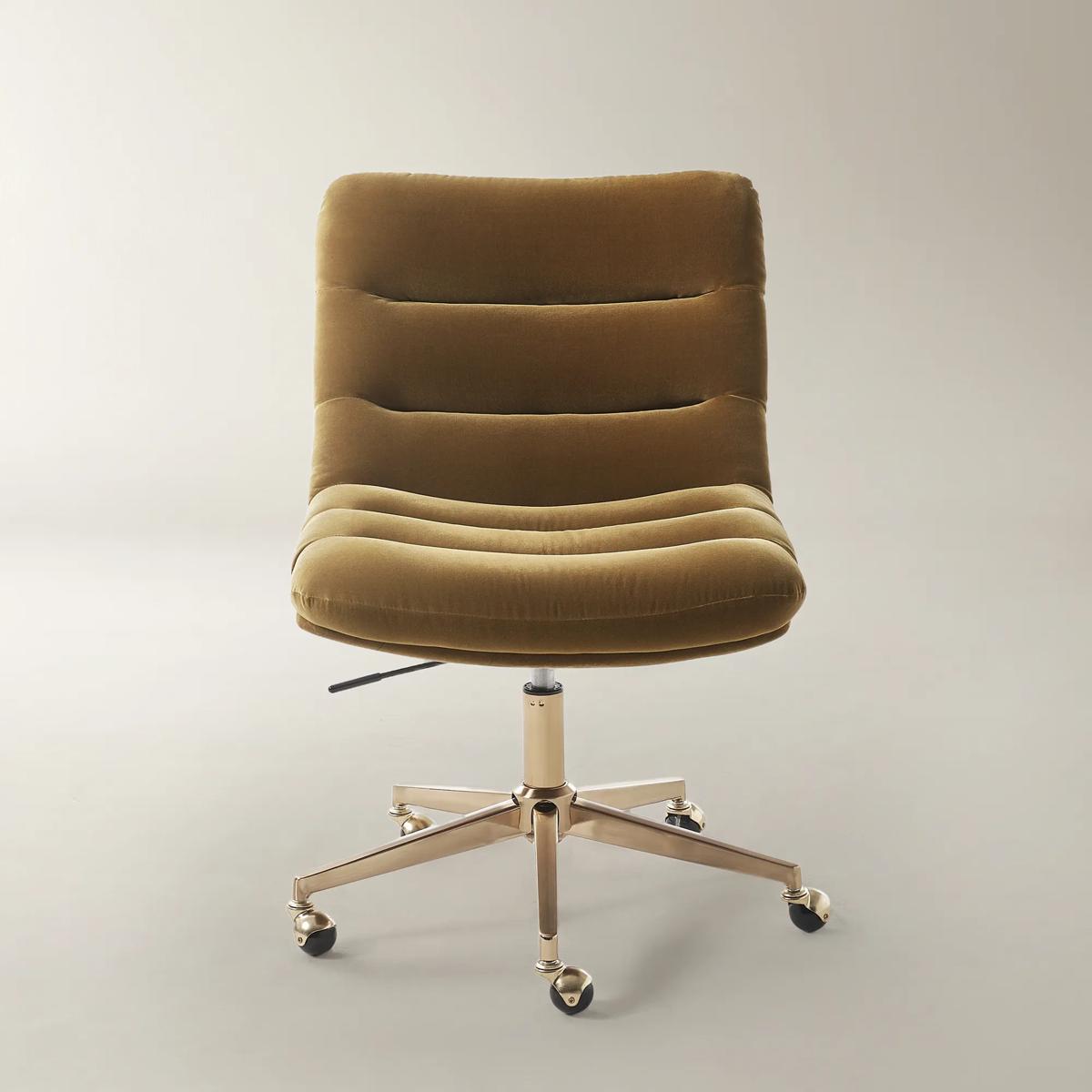 Serena Roasted Pecan Velvet Swivel Desk Chair$399
A brown velvet desk chair featuring adjustable tilt, brass-plated base, and smooth swivel wheels for comfort.
Add To Cart -
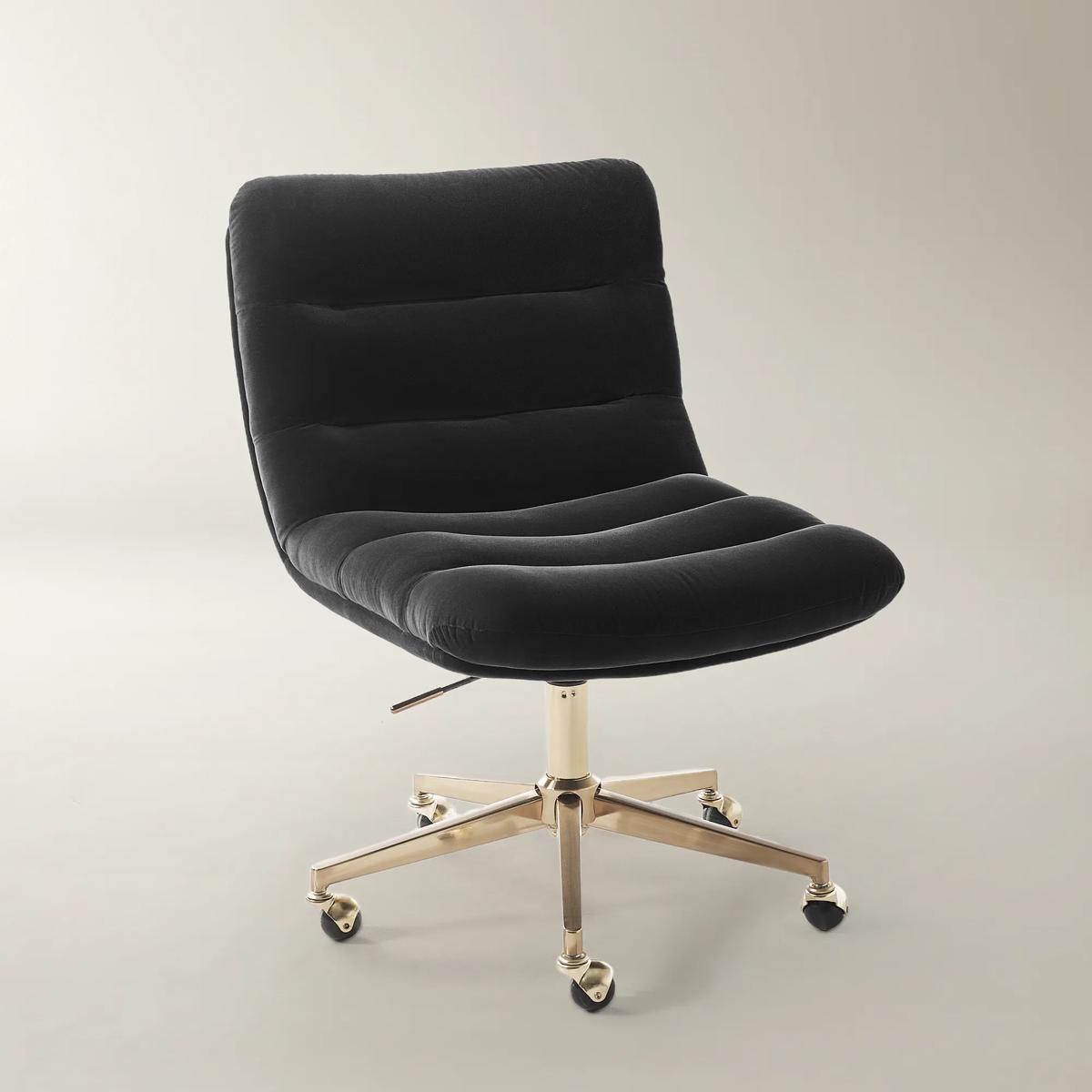 Serena Charcoal Velvet Swivel Desk Chair$399
A charcoal velvet office chair with plush foam cushioning, brass-plated metal base, and adjustable swivel design.
Add To Cart -

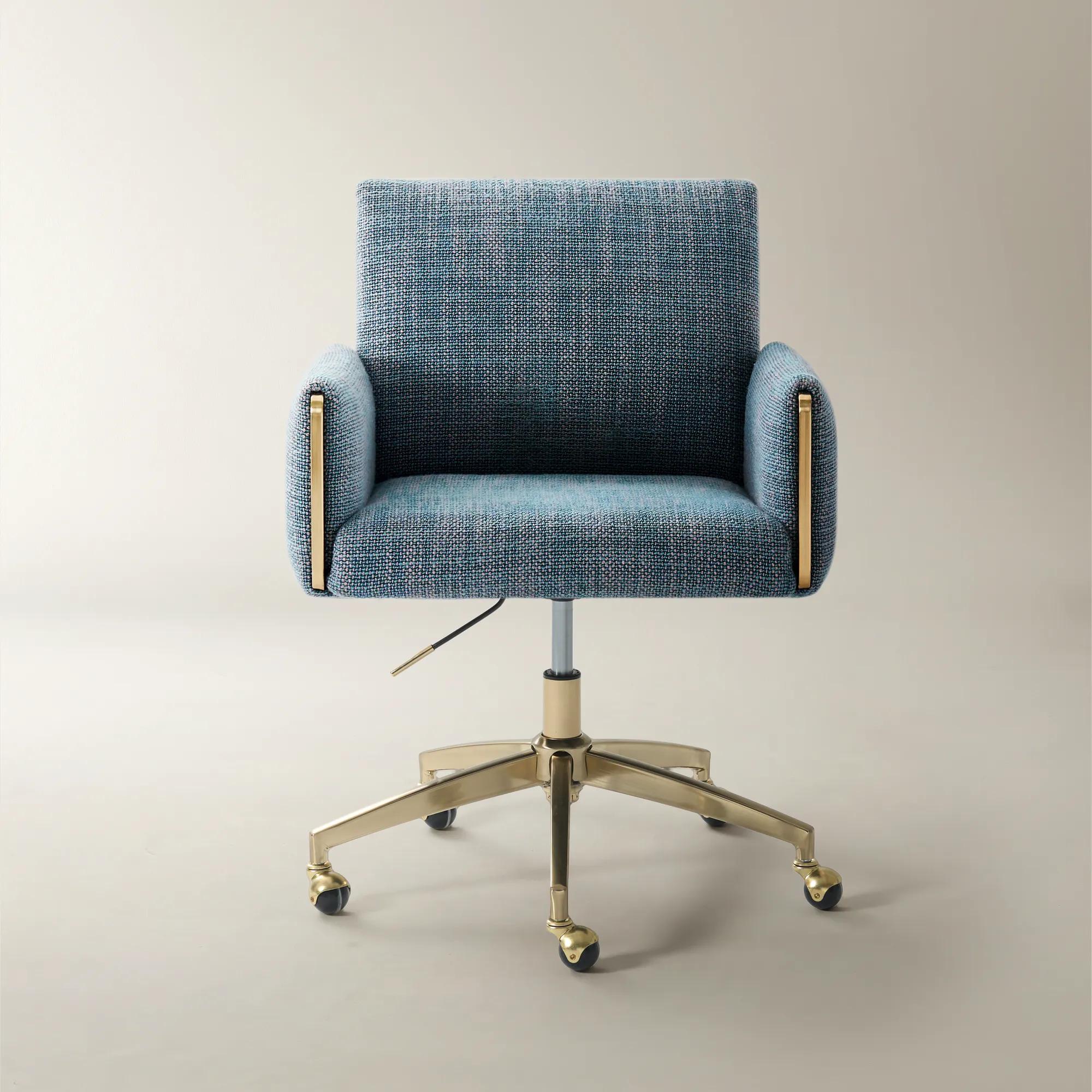 Lucia Peacock Performance Chenille Swivel Desk Chair$499
A peacock blue desk chair featuring textured polyester upholstery, brass-plated metal base, and adjustable comfort.
Add To Cart -
 Lucia Ivory Performance Chenille Swivel Desk Chair$499
A beige texture weave desk chair featuring a brass-plated metal base and adjustable gas lift for comfort.
Add To Cart -
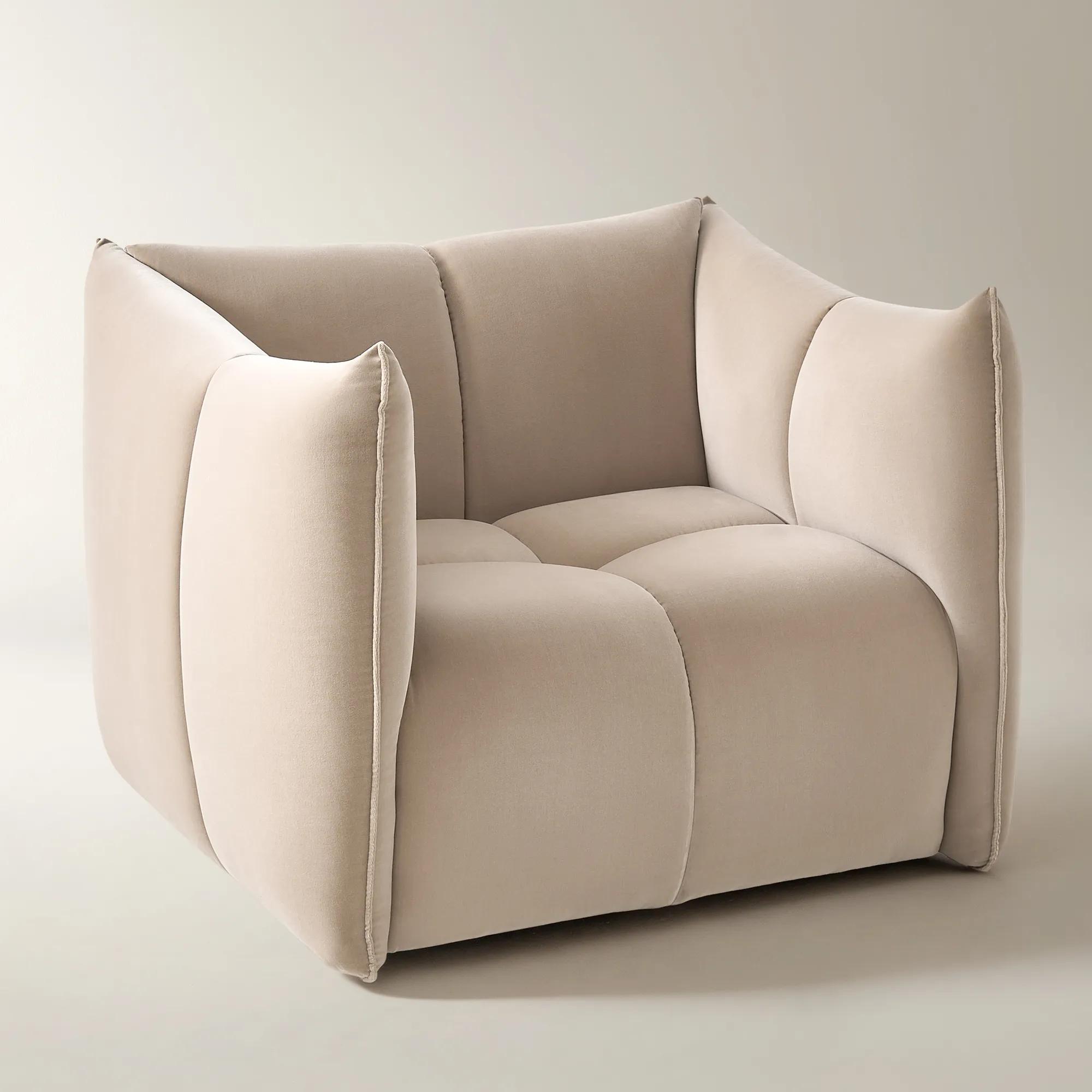 Reina Tufted Simply Taupe Velvet Swivel Chair$1099
A plush taupe velvet swivel chair featuring blocked channel tufting and an architectural winged silhouette.
Add To Cart -
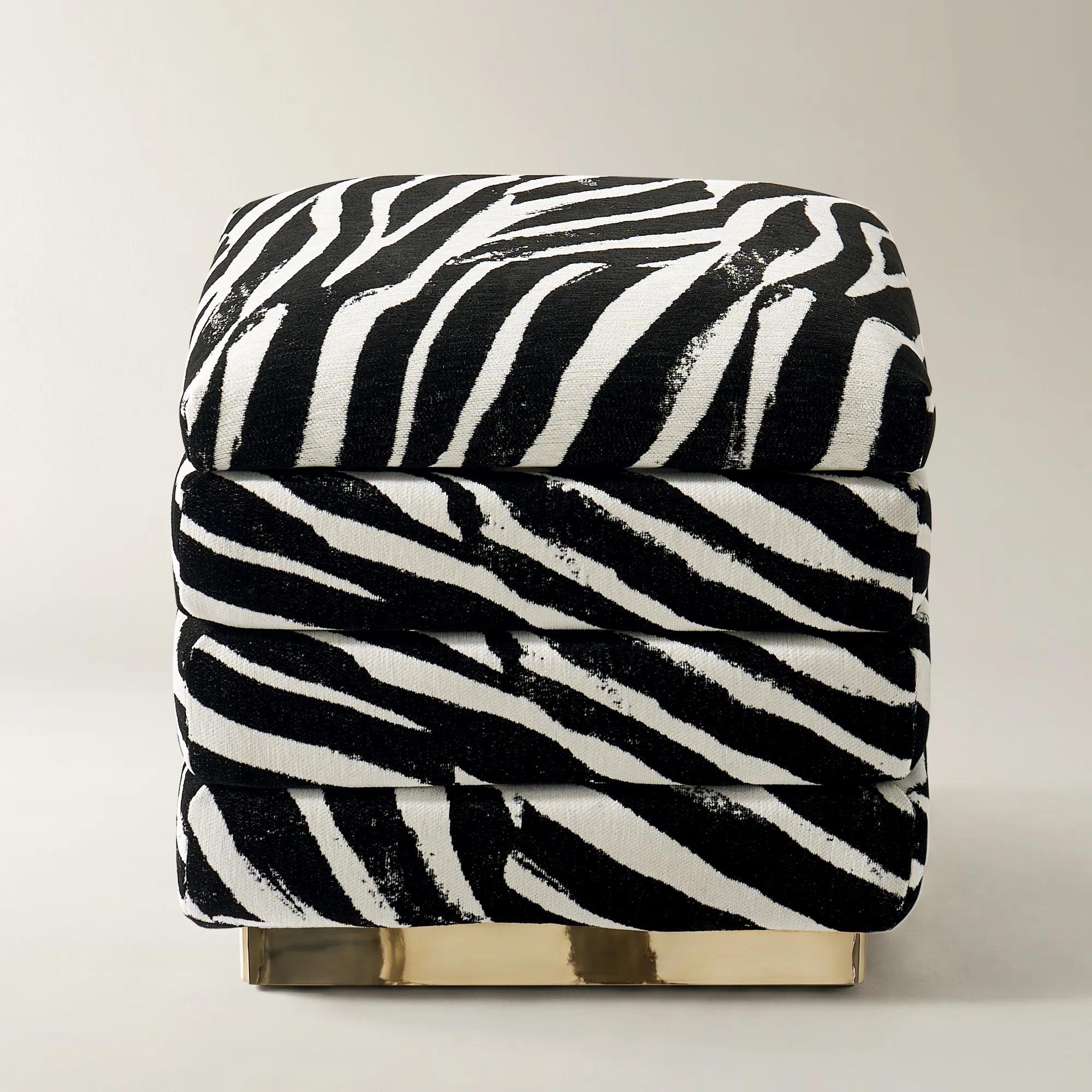
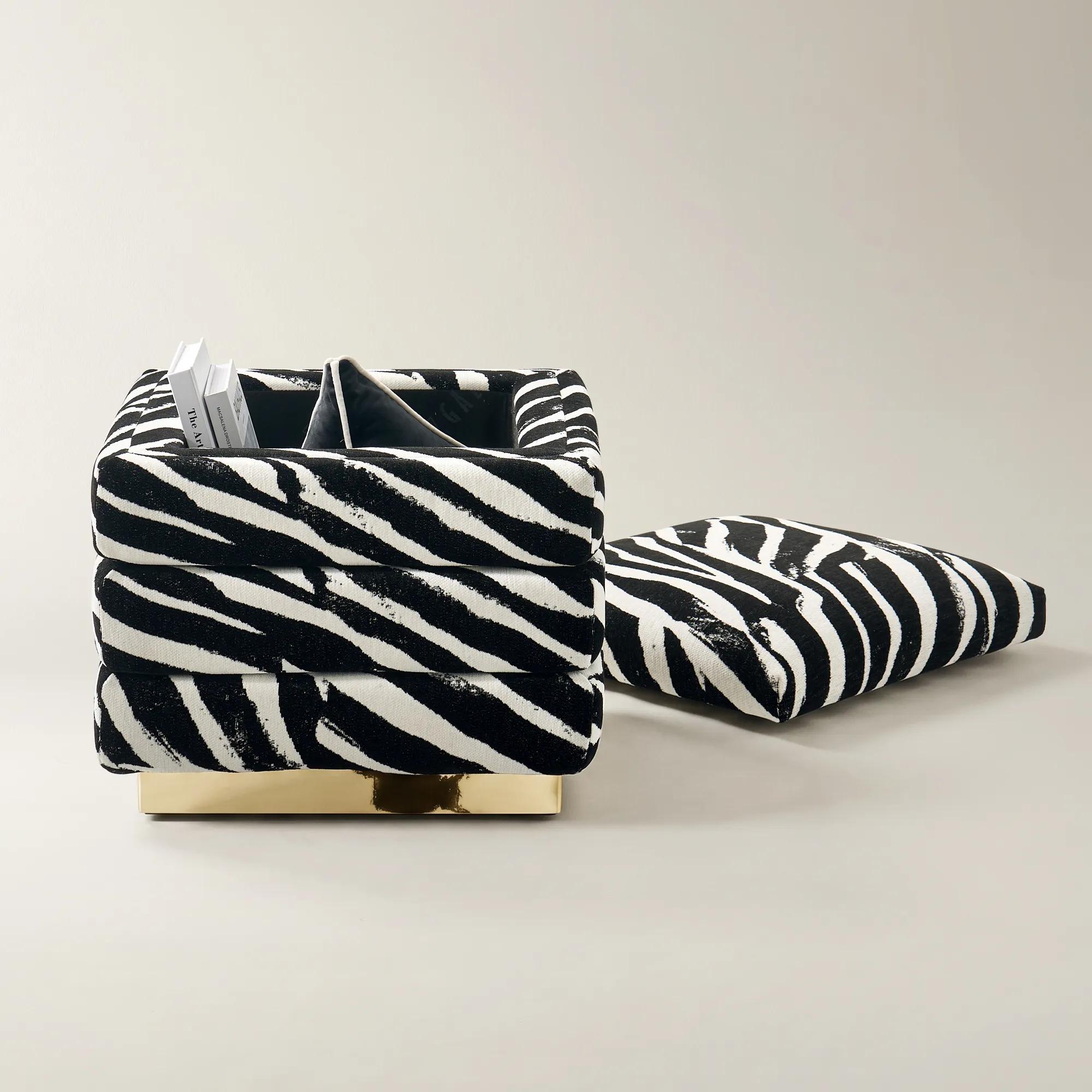 Gable White/Black Performance Chenille Stool$399
A plush white and black chenille stool with hidden storage and a polished gold stainless steel base.
Add To Cart -
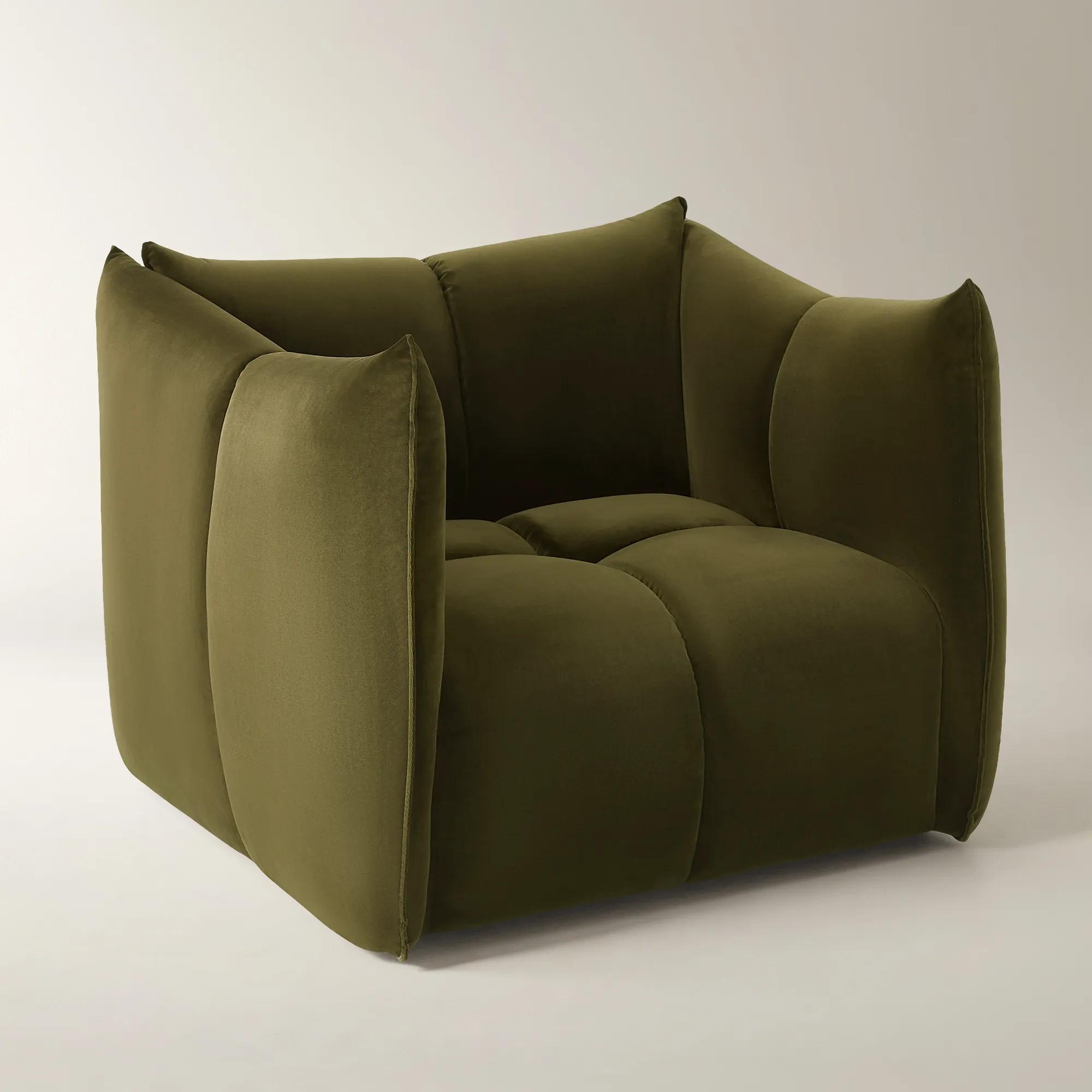 Reina Tufted Deep Olive Velvet Swivel Chair$1099
A deep olive green velvet swivel chair featuring blocked channel tufting and an architectural winged profile.
Add To Cart -
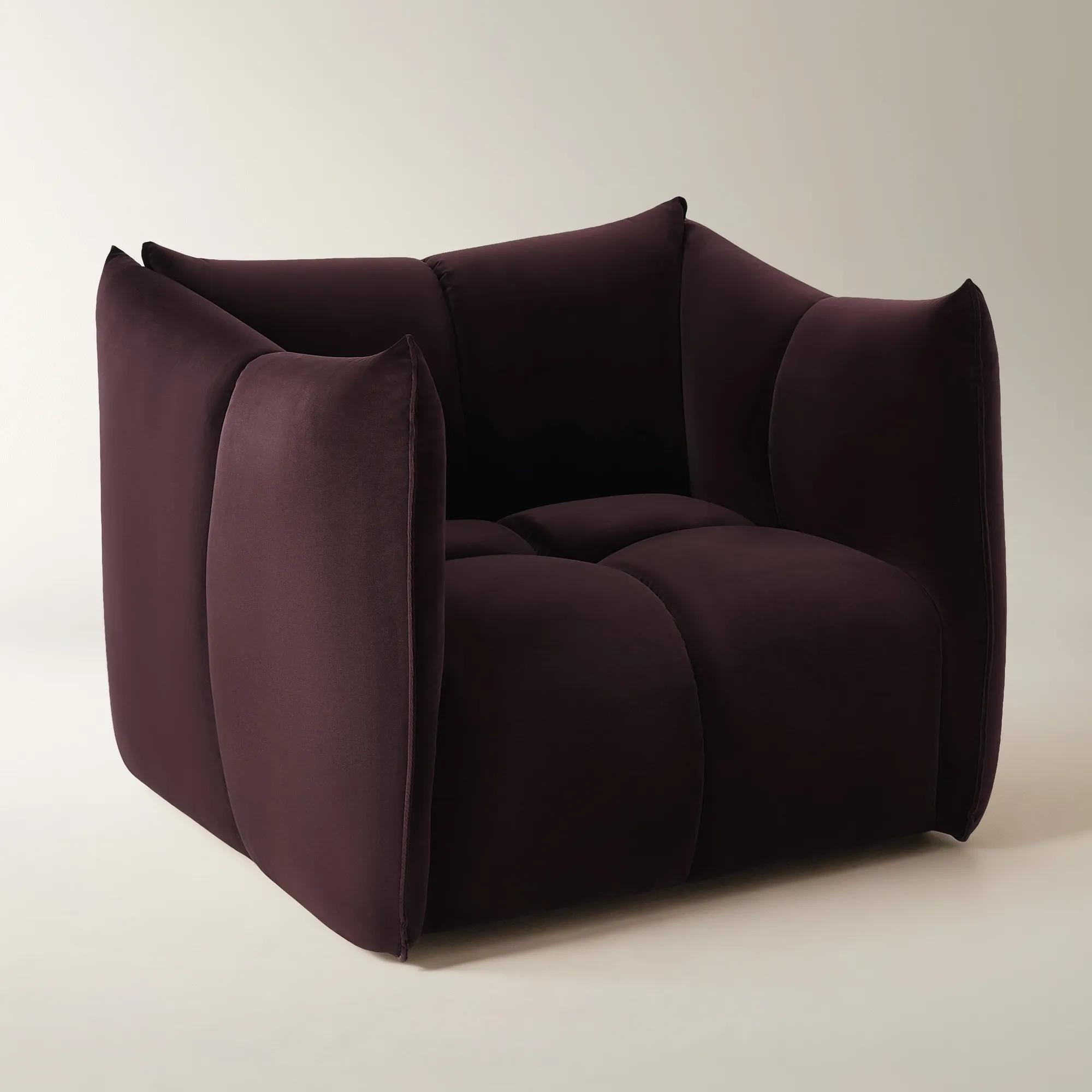 Reina Tufted Fig Velvet Swivel Chair$1099
A plush fig velvet swivel chair featuring blocked channel tufting and an architectural winged profile.
Add To Cart -
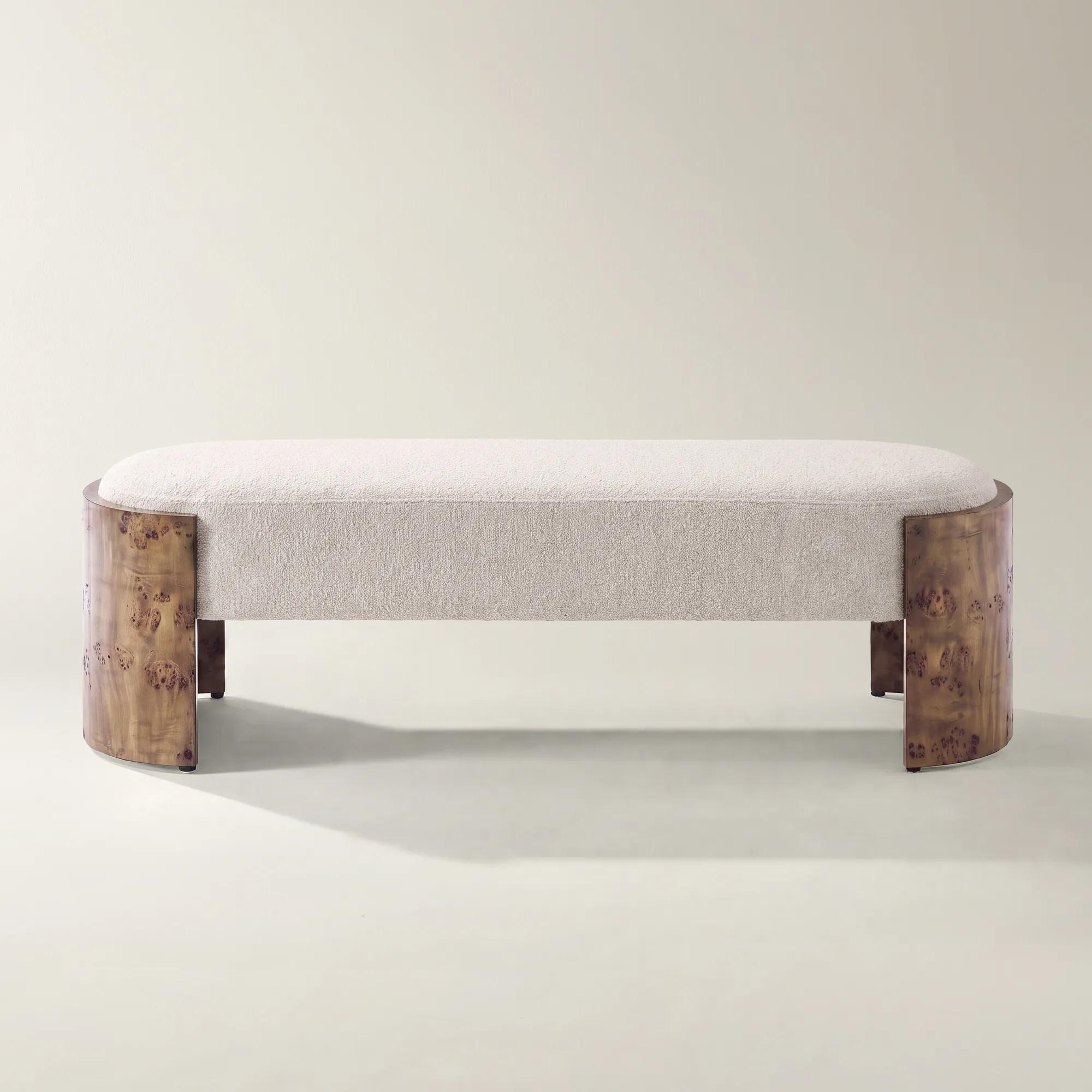
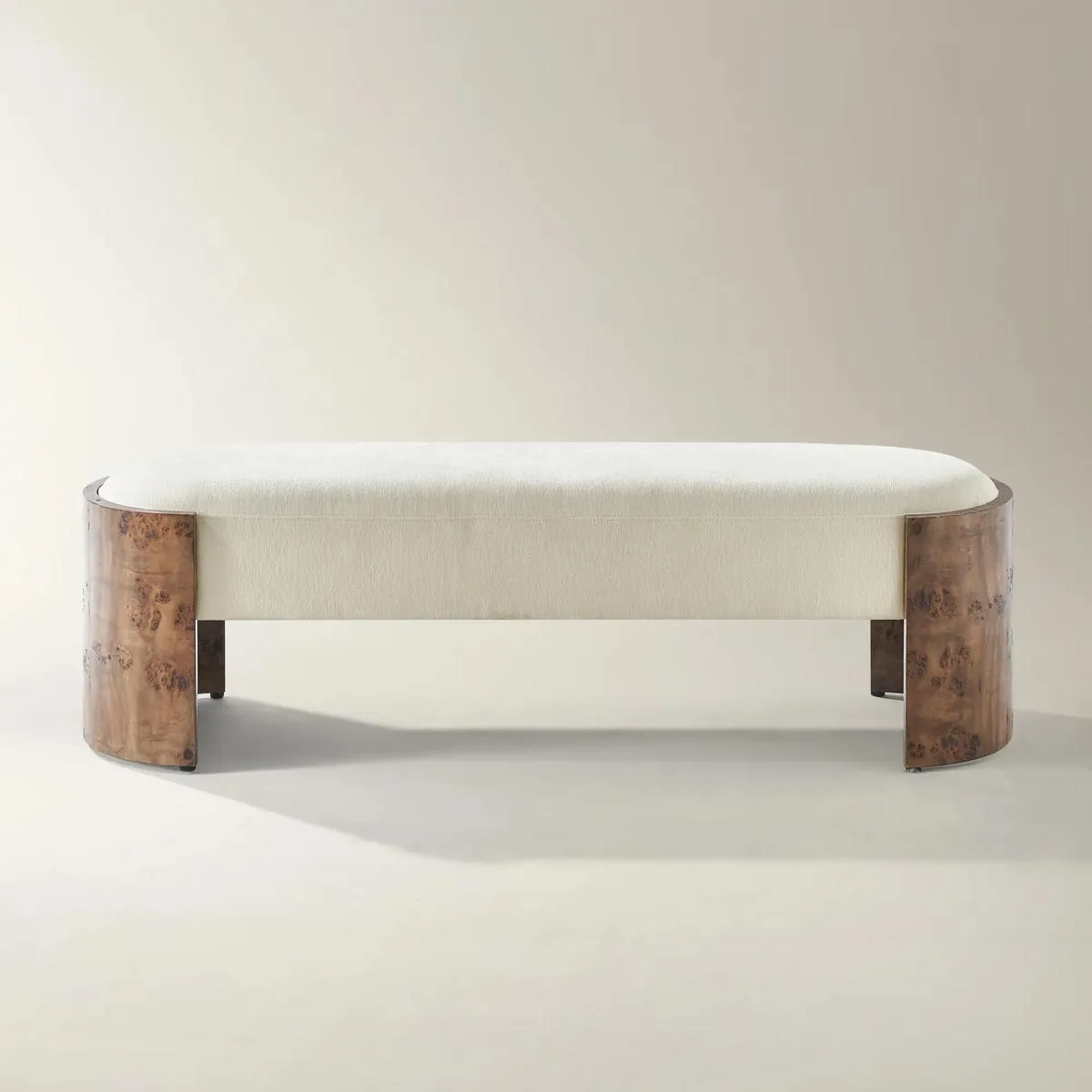 Cora Ivory Performance Boucle With Ash Wood Bench (60.6")$899
A sculpted ivory performance bouclé bench with curved bookmatched ash burl panels and supportive foam cushioning.
Add To Cart -
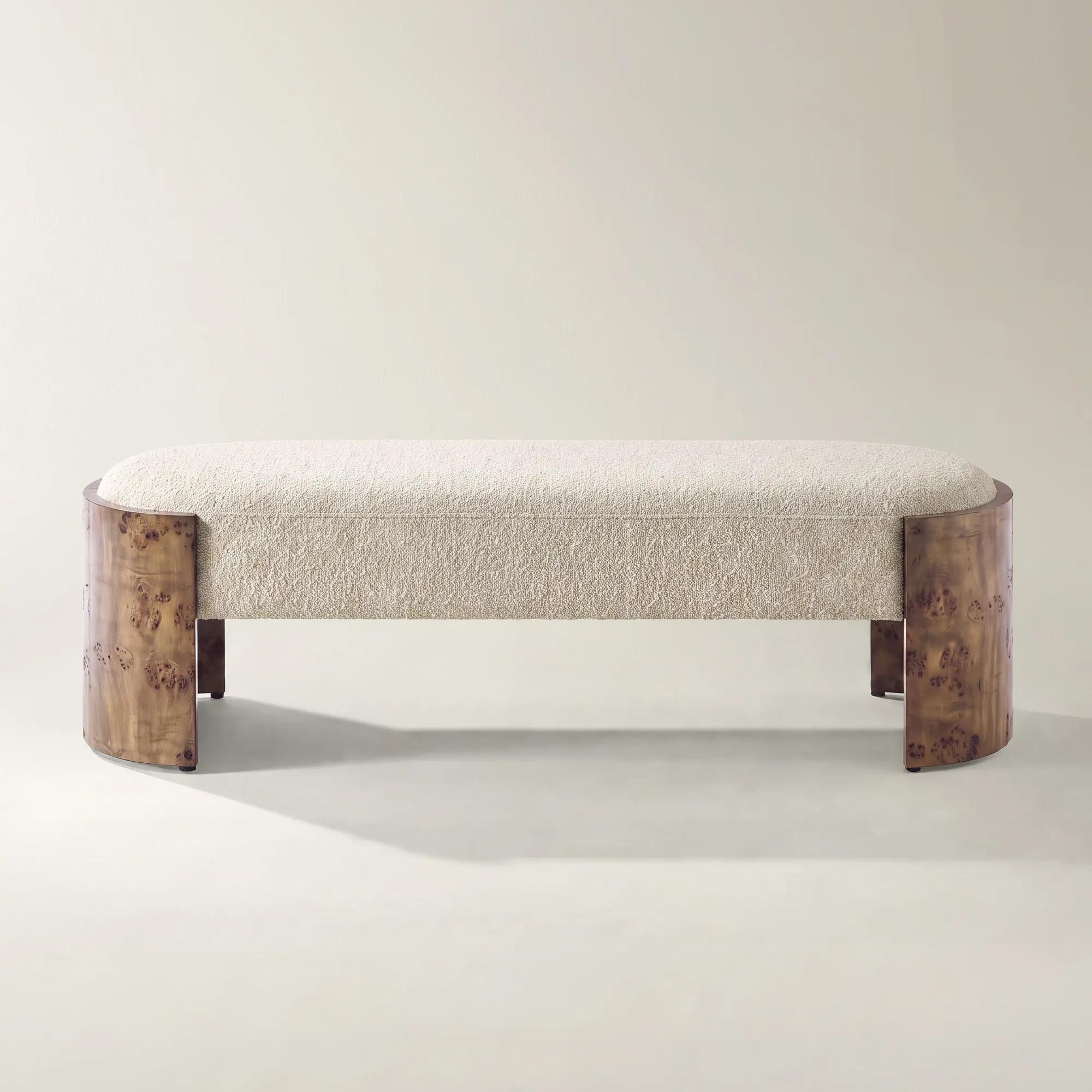 Cora Ivory Performance Boucle With Ash Wood Bench (60.6")$899
An ivory performance boucle bench with curved bookmatched ash burl panels and supportive foam cushioning.
Add To Cart -
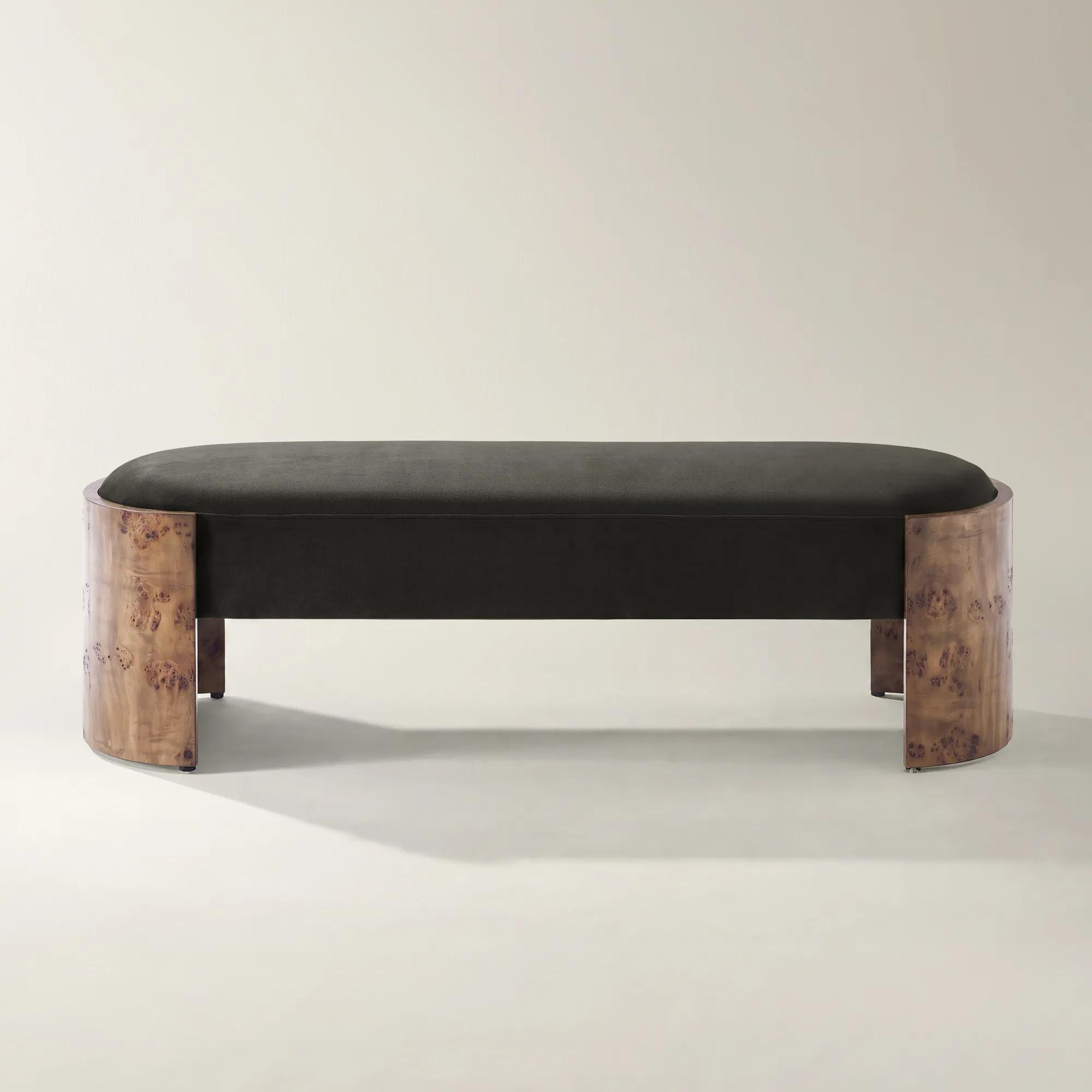 Cora Charcoal Velvet With Ash Wood Bench (60.6")$899
A sculpted charcoal velvet bench with curved bookmatched ash burl panels and supportive foam cushioning.
Add To Cart -
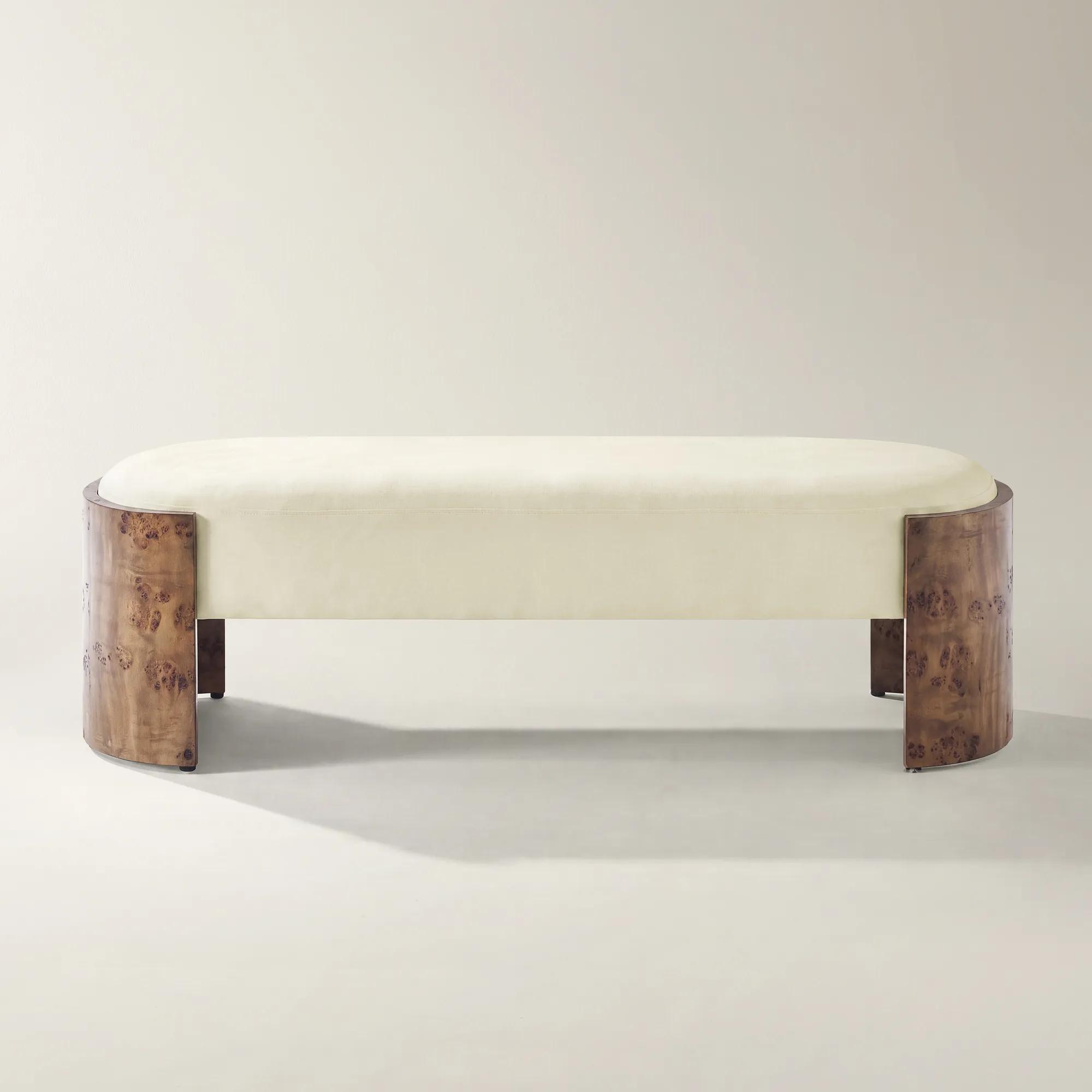 Cora Cloud Velvet With Ash Wood Bench (60.6")$899
A cloud velvet bench with bookmatched ash burl panels and supportive foam cushioning.
Add To Cart -
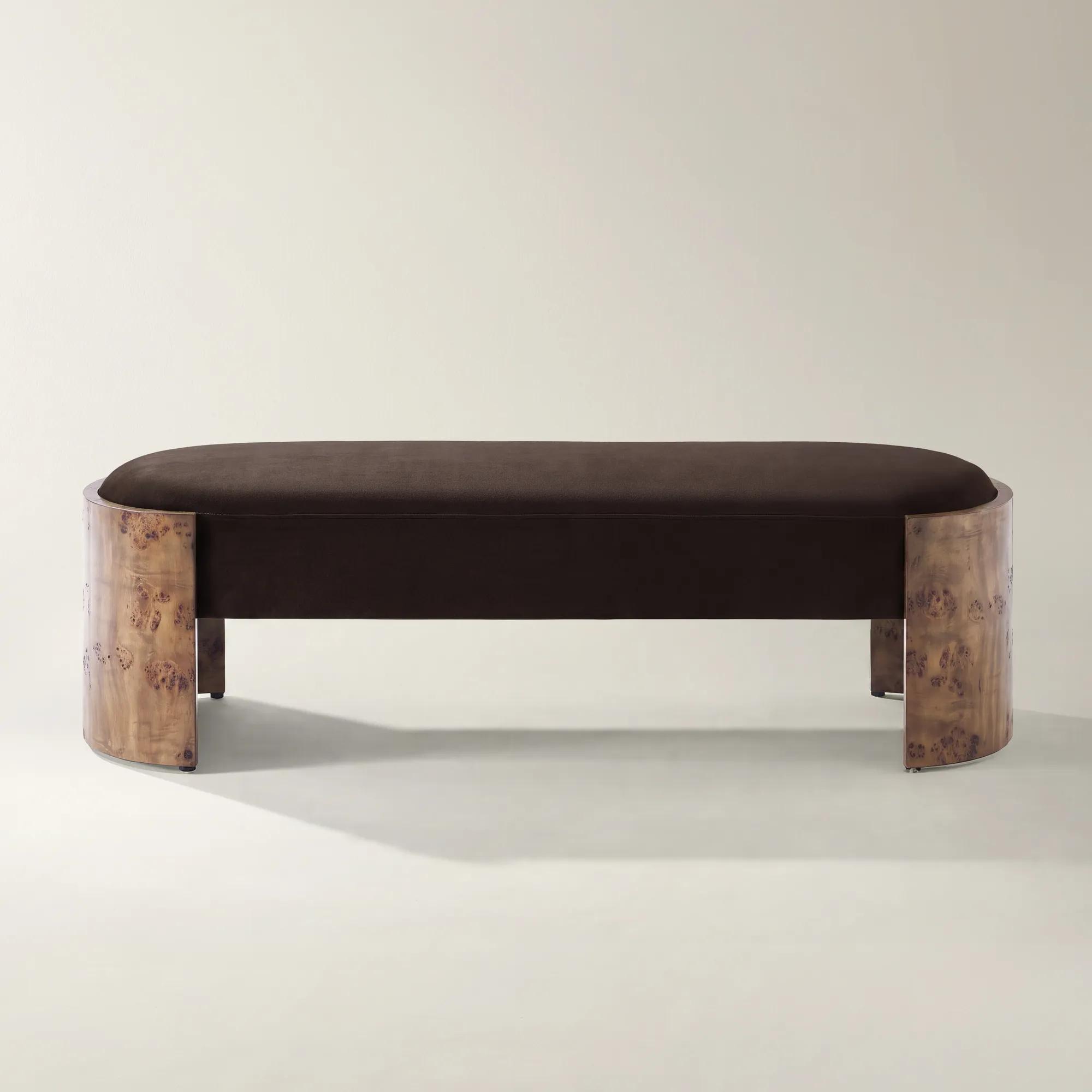 Cora Dark Chocolate Velvet With Ash Wood Bench (60.6")$899
A dark chocolate velvet bench with sculpted bookmatched ash burl end panels and high-resiliency foam cushioning.
Add To Cart -
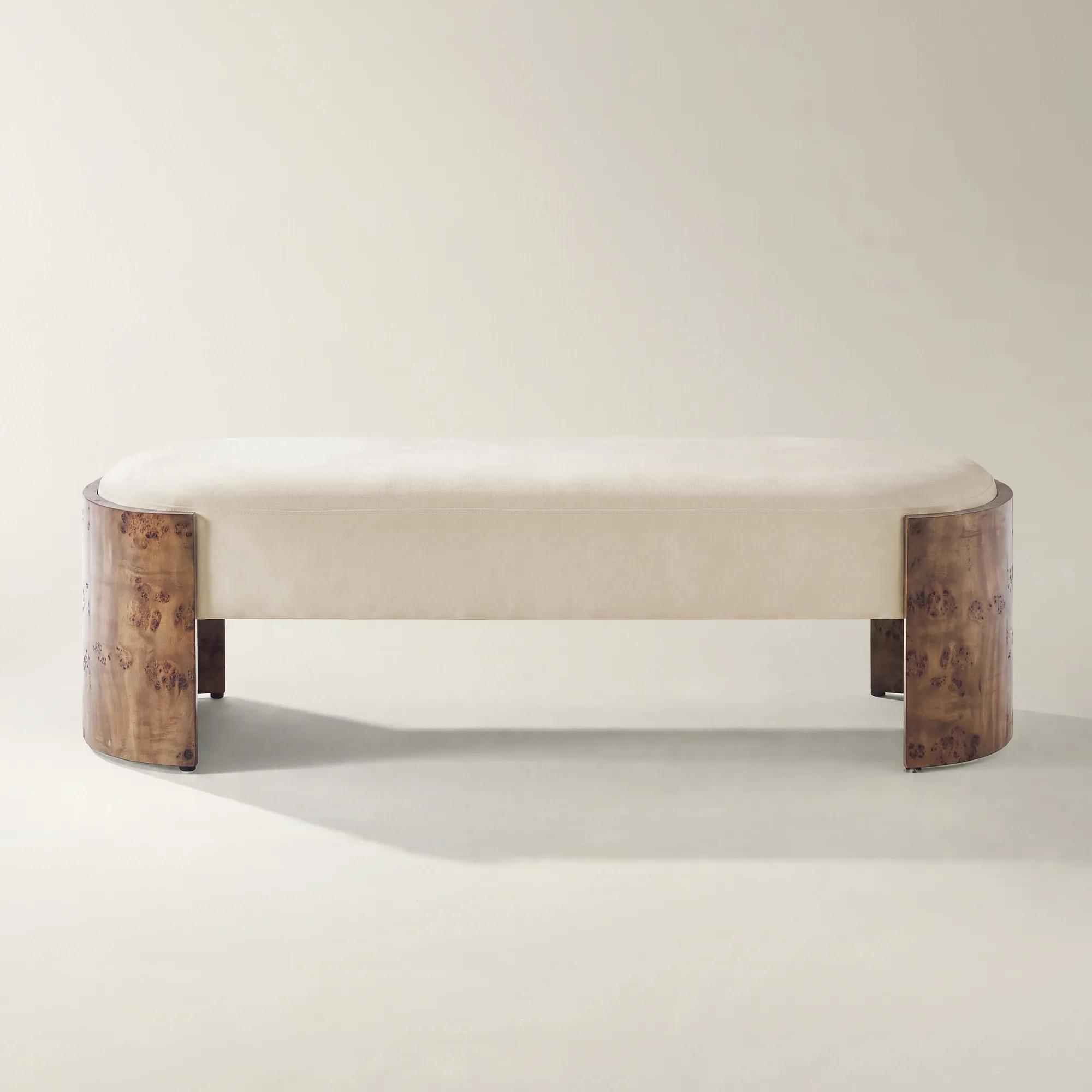 Cora Oatmeal Velvet With Ash Wood Bench (60.6")$899
A sculptural oatmeal velvet bench with curved ash burl wood panels and supportive foam cushioning.
Add To Cart -
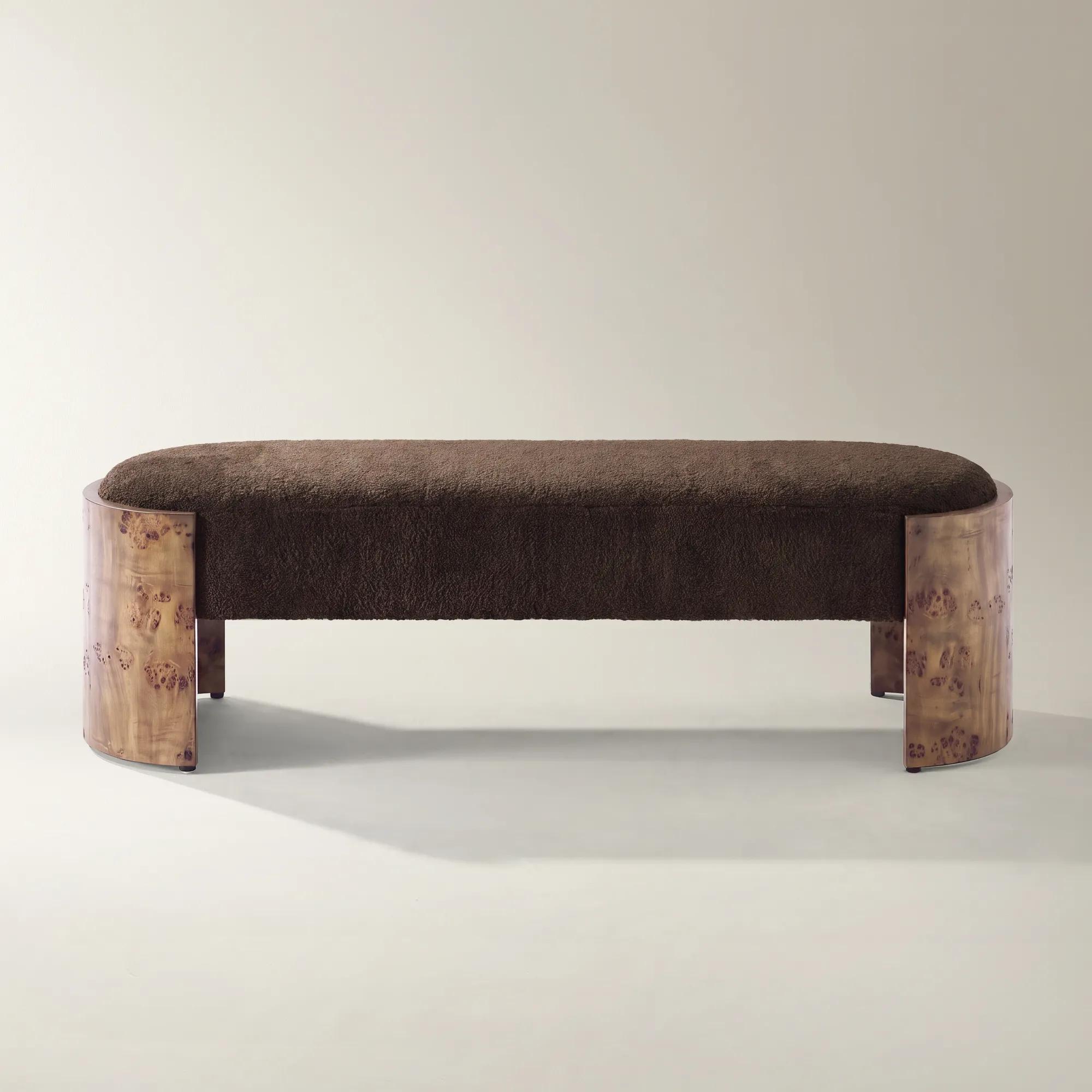 Cora Dark Chocolate Chenille With Ash Wood Bench (60.6")$899
A sculpted dark chocolate chenille bench with curved ash burl end panels and supportive foam cushioning.
Add To Cart -
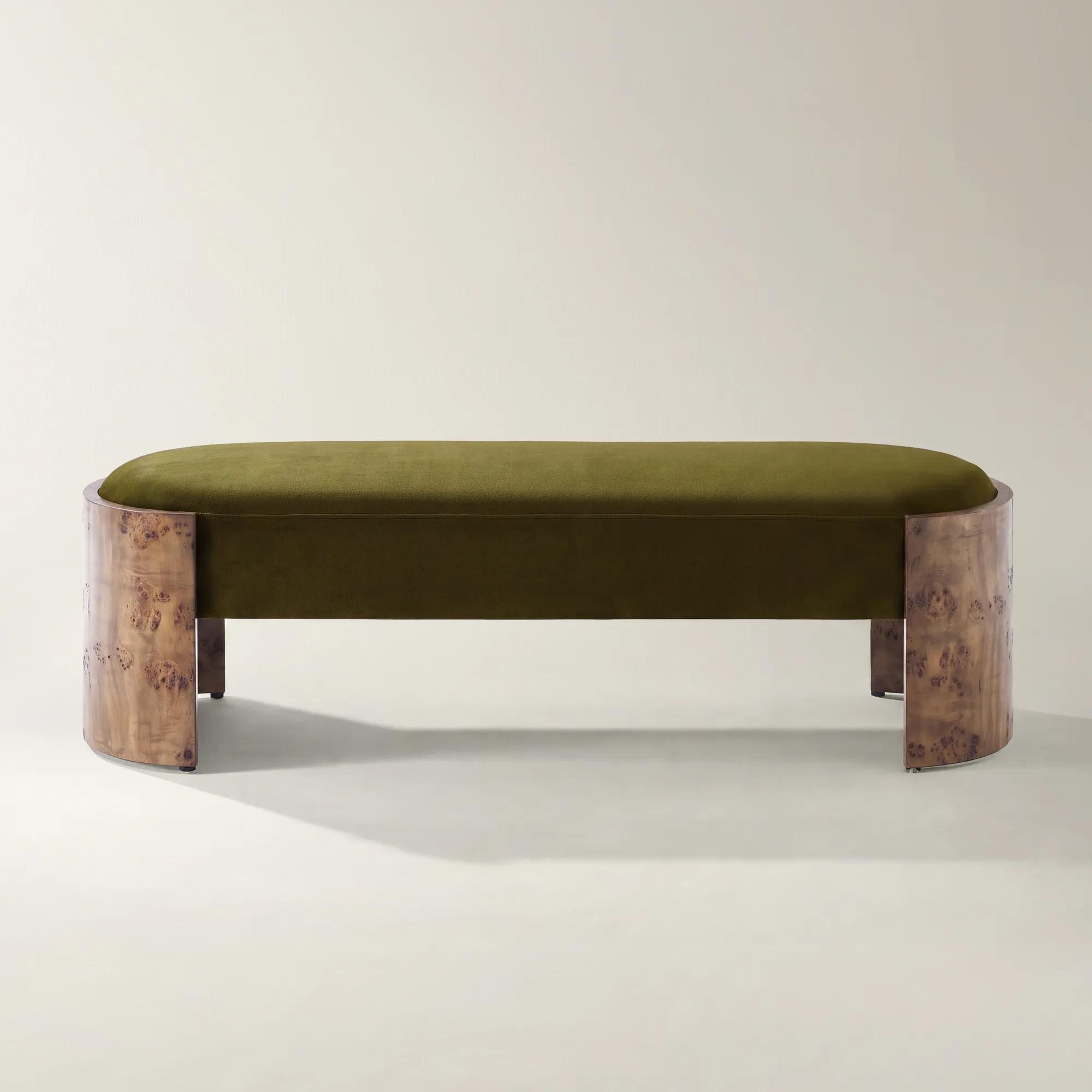 Cora Deep Olive Velvet With Ash Wood Bench (60.6")$899
A sculpted deep olive velvet bench featuring curved ash burl end panels and supportive foam cushioning.
Add To Cart -
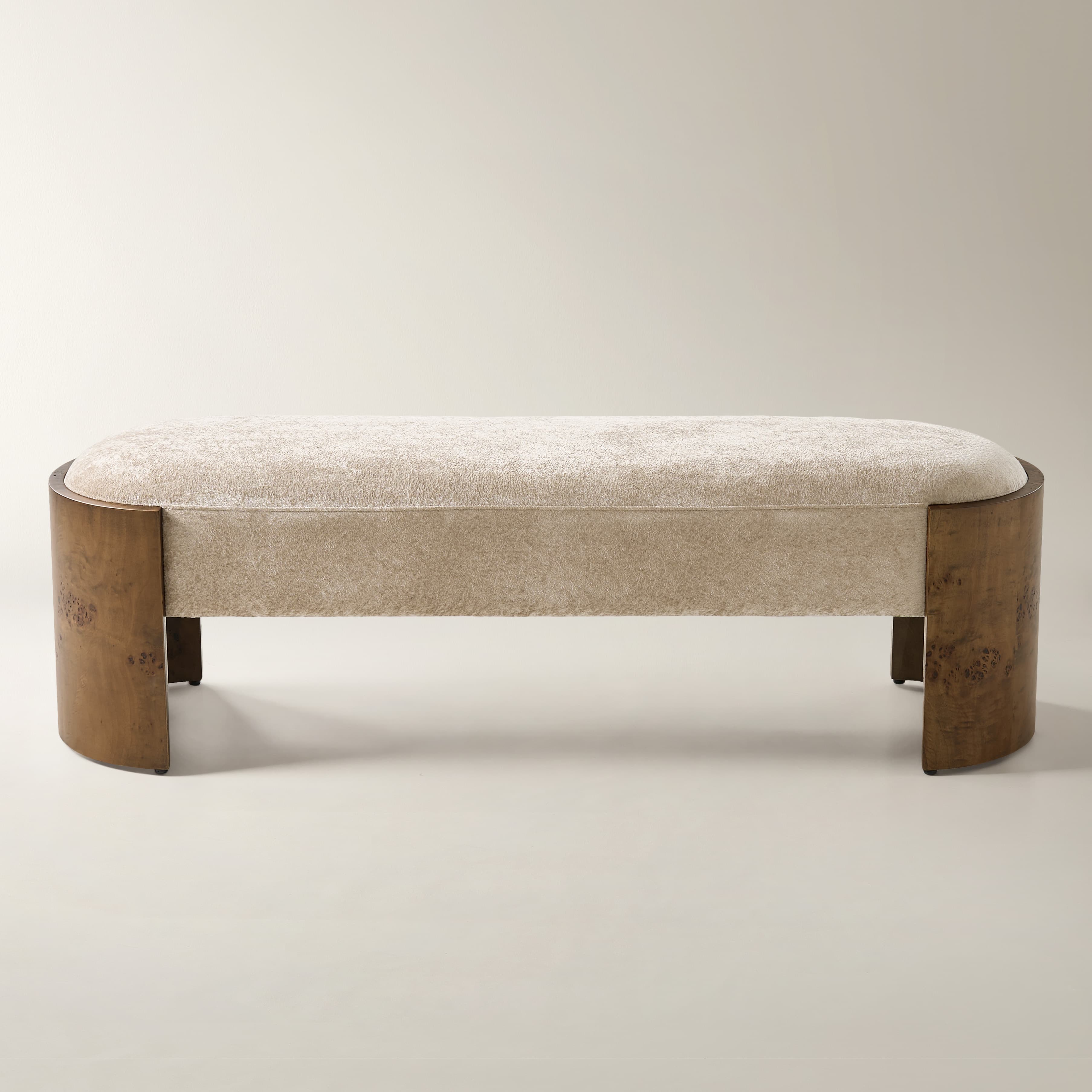 Cora Light Brown Chenille With Ash Wood Bench (60.6")$999
A light brown chenille bench with curved ash burl veneer panels, blending plush comfort and organic artistry.
Add To Cart -
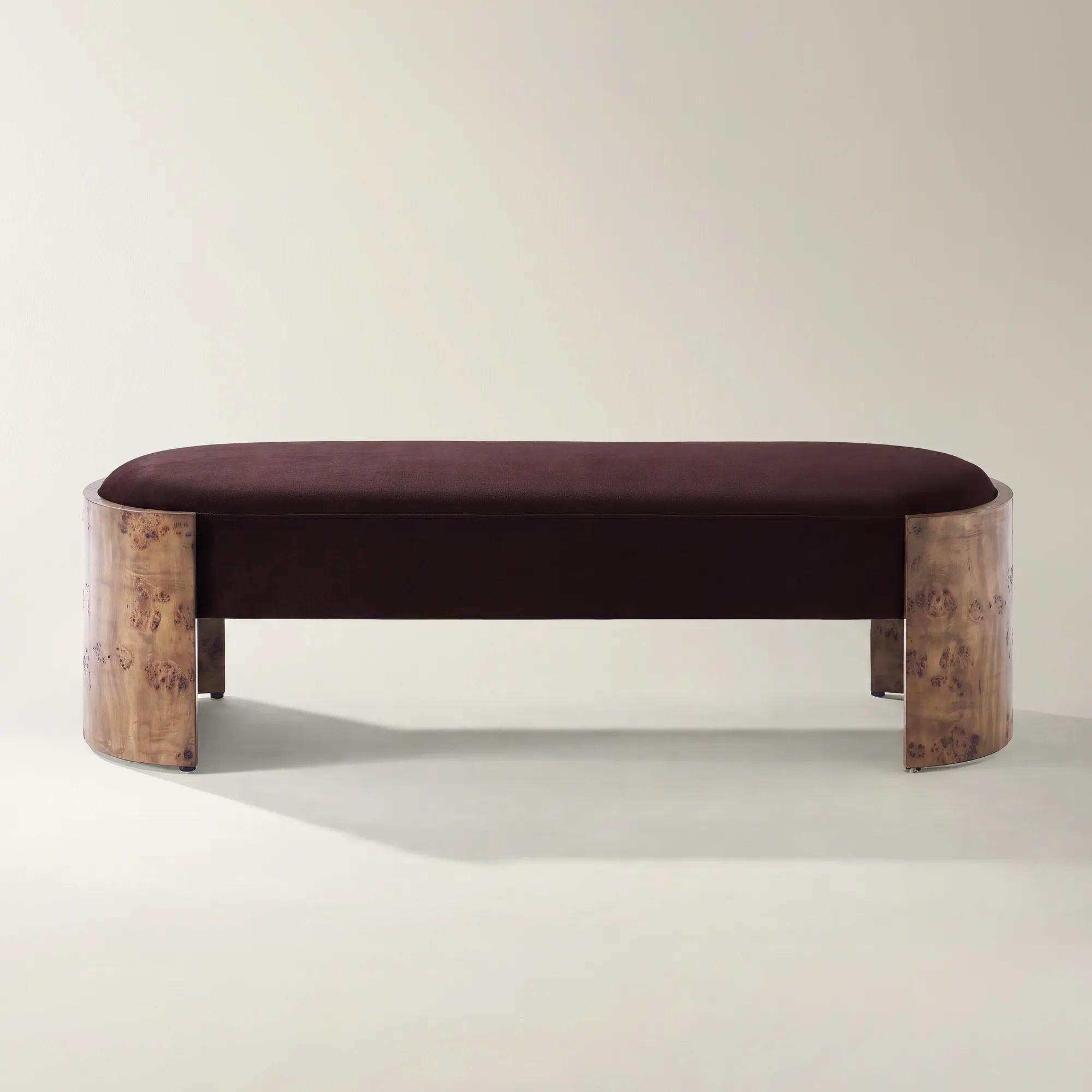 Cora Fig Velvet With Ash Wood Bench (60.6")$899
A sculptural bench with fig velvet upholstery, bookmatched ash burl panels, and supportive high-resiliency foam cushioning.
Add To Cart -
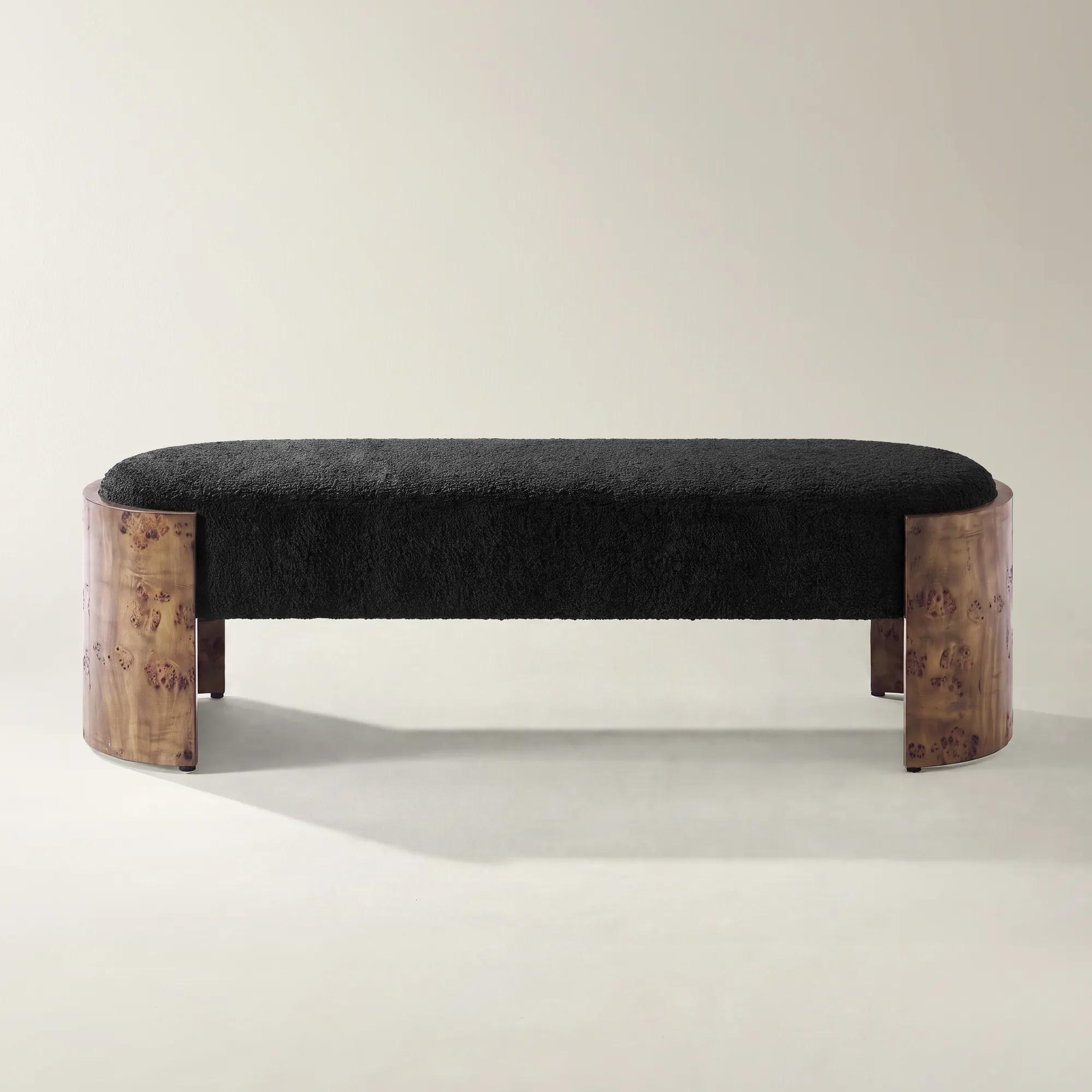 Cora Black Chenille With Ash Wood Bench (60.6")$899
A sculpted charcoal chenille bench featuring curved bookmatched ash burl panels and supportive foam cushioning.
Add To Cart -
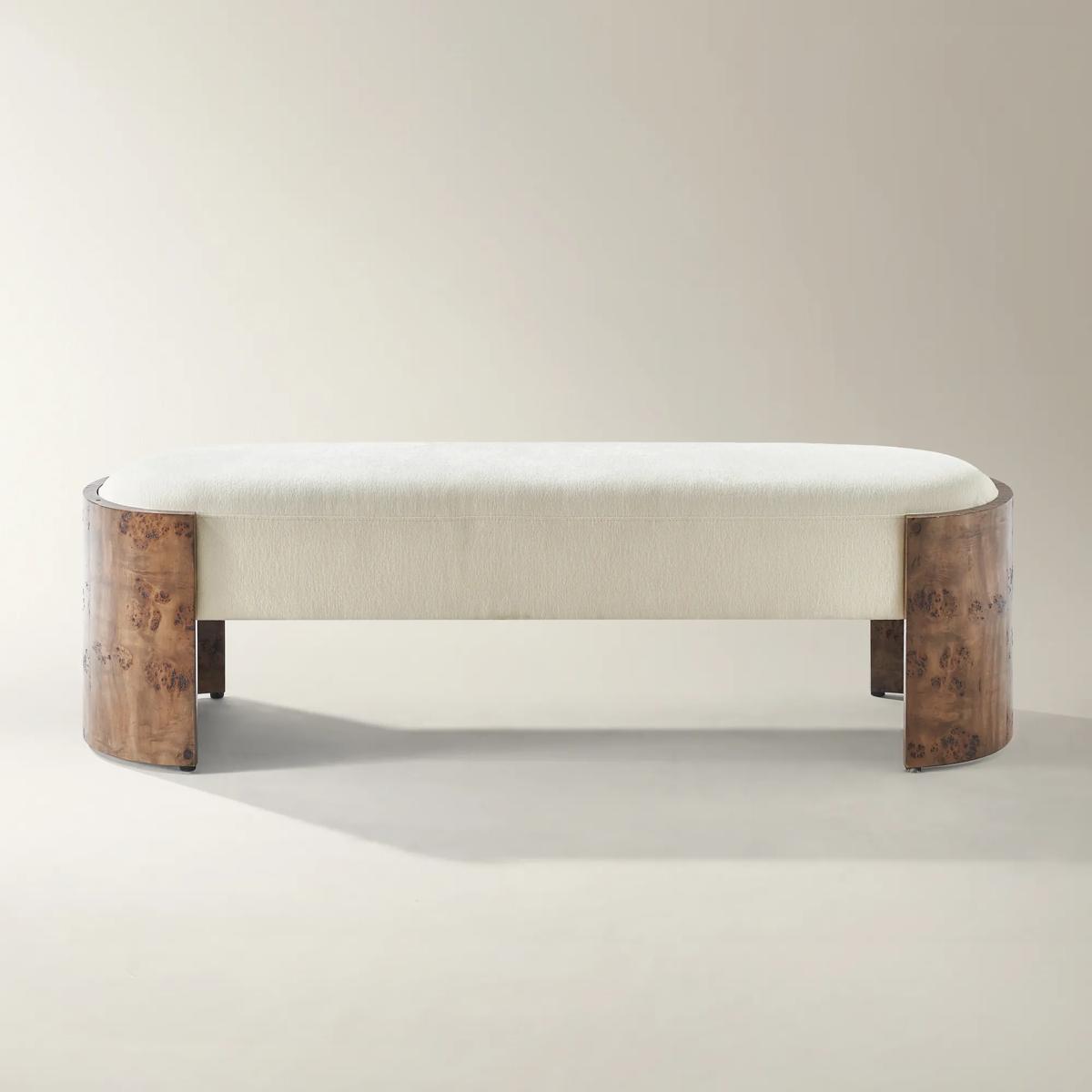 Cora Ivory Chenille With Ash Wood Bench (60.6")$999
An ivory chenille bench with curved ash burl veneer panels, blending plush comfort with striking wood artistry.
Add To Cart -
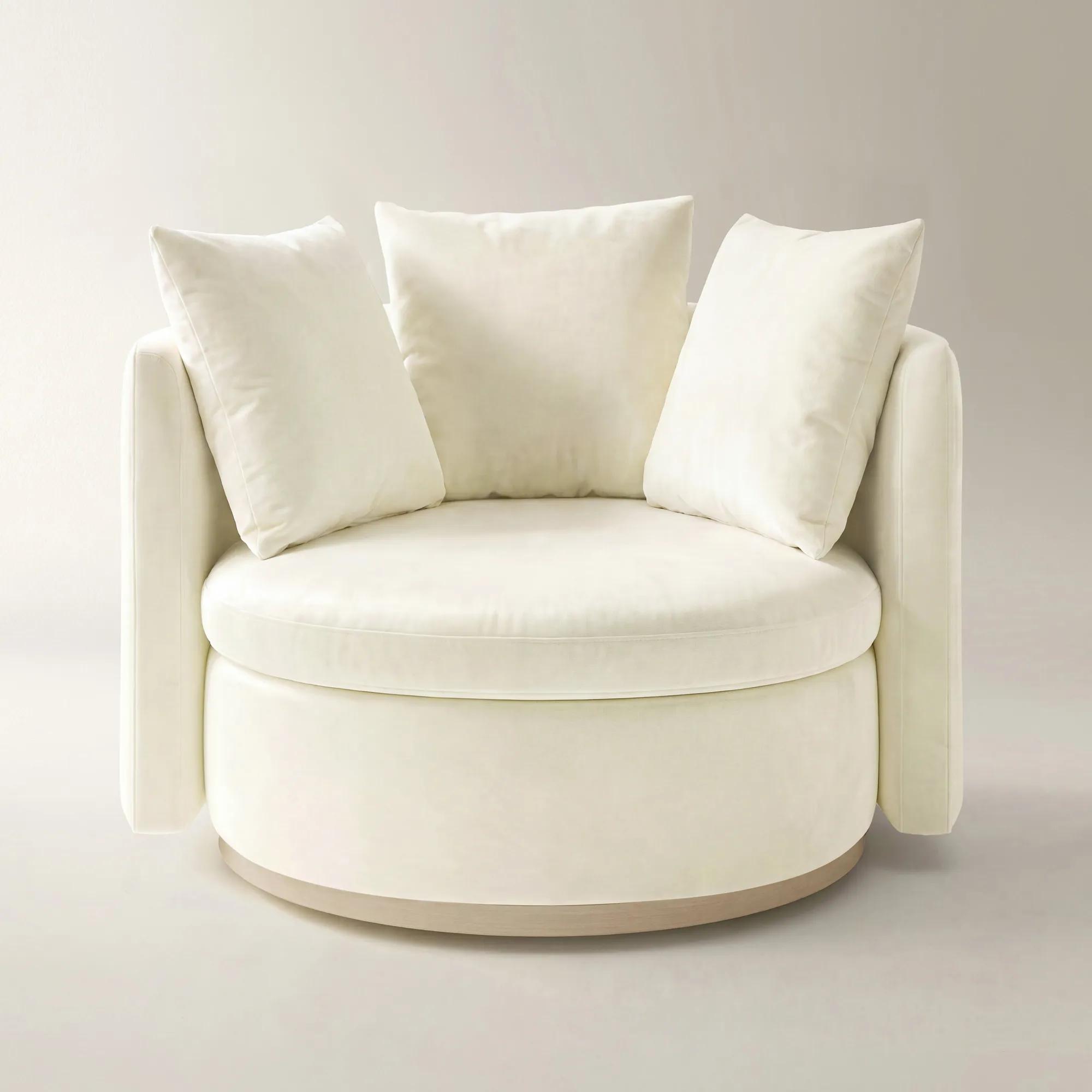
 Stria Cloud Velvet Swivel Accent Chair$1299
A sculptural cloud-velvet accent chair with enveloping curves, layered cushioning, and a concealed 360-degree swivel base.
Add To Cart -

 Aria Pleated Swivel Chair$1349
A barrel-style swivel chair in kiln-dried hardwood, shown in Bella Velvet Pearl with pleated tailoring.
Add To Cart

Comfortable Seating For Long Work Hours
Comfortable seating for long work hours transforms the daily grind into a ritual of luxury and inspiration. Imagine settling into sculptural silhouettes that cradle you in support, where every curve and contour is designed to elevate both your posture and your mood. Whether you’re commanding the boardroom from home or curating a creative studio, these pieces invite you to linger in style—infusing your workspace with an air of sophistication and artistry. Because when comfort meets bold design, productivity becomes not just possible, but irresistible.
Comfortable seating for long work hours brings together supportive construction, a considered fit, and design that gives a workspace its own presence. The most useful features for extended desk work are adjustable seat height, a backrest that supports the natural curve of the lower back, cushioning that remains supportive under sustained use, and enough flexibility to change position throughout the day. Comfort is personal: a chair that feels generous to a taller person may leave someone with a shorter frame sitting too far from the backrest. Ergonomic office seating earns its place through that relationship between the body, the chair, and the desk—not through a plush appearance alone. In a dedicated study, a sculptural silhouette and richly textured upholstery can anchor the room with the confidence of a statement piece. In a living area that also accommodates a desk, a tailored profile creates continuity with the surrounding furniture, making the workspace feel intentional rather than borrowed. Remote professionals, students, designers, and anyone whose projects require sustained concentration benefit from seating selected for the way they actually work. Hours spent typing call for a different balance of support and mobility than occasional reading or brief video meetings. A generously padded accent chair can be inviting for reviewing a presentation, but a fixed seat without suitable back support or height adjustment may not be the strongest choice for a full day at a computer. Likewise, an impressive high back does not automatically provide well-positioned lumbar support. The essential distinction is between softness on first contact and comfort that holds up as the workday unfolds. Supportive foam, thoughtful seat contours, and a stable base can create a composed foundation, while a graceful back and refined detailing bring expressive character to an otherwise task-focused space. Seating should accommodate both the person and the room, offering a place to concentrate without allowing the desk area to lose its decorative point of view.
Fit gives comfortable desk seating its substance. An appropriate seat height allows feet to rest flat on the floor or on a supportive footrest, with knees bent comfortably and thighs approximately level. Seat depth should allow the back to meet the backrest while leaving a small gap—often about two to three finger widths—between the seat edge and the backs of the knees. A seat that is too deep can encourage perching; one that is too shallow may offer insufficient thigh support. Width matters just as much, particularly when armrests define the usable sitting area. The lower back should meet the lumbar contour naturally, rather than needing to arch or slide forward to find it. Adjustable lumbar support can help accommodate different heights and body proportions, while a well-matched fixed contour may suit someone whose fit is already right. Armrests are most useful when they support the forearms without lifting the shoulders or preventing the chair from approaching the desk. For detailed keyboard work, that clearance makes a tangible difference: elbows can remain near the body instead of reaching across an unnecessary gap. Height-adjustable arms offer flexibility, although an armless design may move more neatly beneath a narrow desktop. Swivel movement and suitable casters can make it easier to turn toward a second screen or reach a nearby drawer without repeatedly twisting from the waist. A controlled recline offers another position for reading and conversation, provided its tension feels manageable and the chair remains stable. These features are especially relevant in shared workspaces, where more than one person needs a comfortable fit. Overall dimensions deserve equal attention; a sweeping chair back may look magnificent but needs room to move without striking shelving or restricting a walkway. Desk aprons, drawer units, and tabletop height all influence how closely seating can tuck in. Even a beautifully fitted chair works best alongside changes of position and regular movement breaks, rather than as an invitation to remain seated without interruption.
Materials establish both the sensory appeal and the everyday character of long-hour seating. Velvet lends a desk area visual depth, catching the light across a curved back or tailored seat, while textured woven upholstery introduces a layered finish that sits comfortably beside wood, glass, and gleaming metal. Breathable mesh allows airflow and can offer a visually lighter expression, though its comfort depends on tension, edge construction, and the support beneath it. Leather has a distinctive hand and can develop character with use, but its care requirements vary by finish; faux leather has different maintenance needs and should not be treated as interchangeable. Performance upholstery may offer useful resistance to certain spills or wear, yet the designation does not mean every fabric is stainproof or suitable for every cleaning method. For a desk that hosts coffee, notebooks, and a constant rotation of projects, the upholstery’s stated care instructions are as important as its color. Regular vacuuming with an appropriate attachment helps remove dust from fabric and seams, while spills generally deserve prompt attention using the manufacturer’s recommended method. Aggressive rubbing, excess moisture, and unapproved cleaners can damage a finish or alter the surface of a textile. Cushion construction also deserves scrutiny: density and resilience influence how foam supports weight and recovers, while thick padding alone says little about lasting comfort. Durability extends beyond upholstery to the frame, base, adjustment mechanisms, and suitability for the intended daily use. Published weight limits, dimensional specifications, and any stated usage ratings provide a more meaningful basis for comparison than appearance alone. Casters should be appropriate for the flooring, with a compatible protective mat considered where needed; a rolling base suited to carpet may behave differently on a smooth surface. For rooms that combine focused work with reading or conversation, Comfortable Seating Solutions offers a broader seating perspective beyond the desk. A cohesive palette can connect those different zones without asking one chair to perform every role. The result is a workspace with substance and style: supportive where the body needs it, durable enough for its intended routine, and expressive enough to belong to the home around it.
FAQs
For extended work sessions, seek out chairs with adjustable lumbar support, seat height, and armrests to accommodate your posture throughout the day. Breathable materials, such as mesh or high-quality fabric, keep you comfortable, while a contoured seat and adaptive tilt mechanism encourage healthy movement and circulation.
A thoughtfully designed chair helps reduce physical fatigue and discomfort, allowing you to stay engaged and focused for longer periods. Ergonomic features support your natural alignment, so you can immerse yourself in creative tasks or strategic planning without distraction.
Absolutely. Gifting a luxurious, supportive chair shows you value their comfort and well-being, especially during busy seasons or career milestones. It’s a meaningful gesture that elevates their workspace and daily experience.
Look for chairs crafted from breathable mesh, supple leather, or plush, high-resilience fabrics that balance comfort and durability. These materials help regulate temperature and provide lasting support, making them ideal for prolonged use.
Choose a chair that not only supports your body but also complements your interior style. Modern silhouettes, luxe upholstery, and artful details can transform a functional piece into a statement that elevates your workspace and reflects your personal taste.