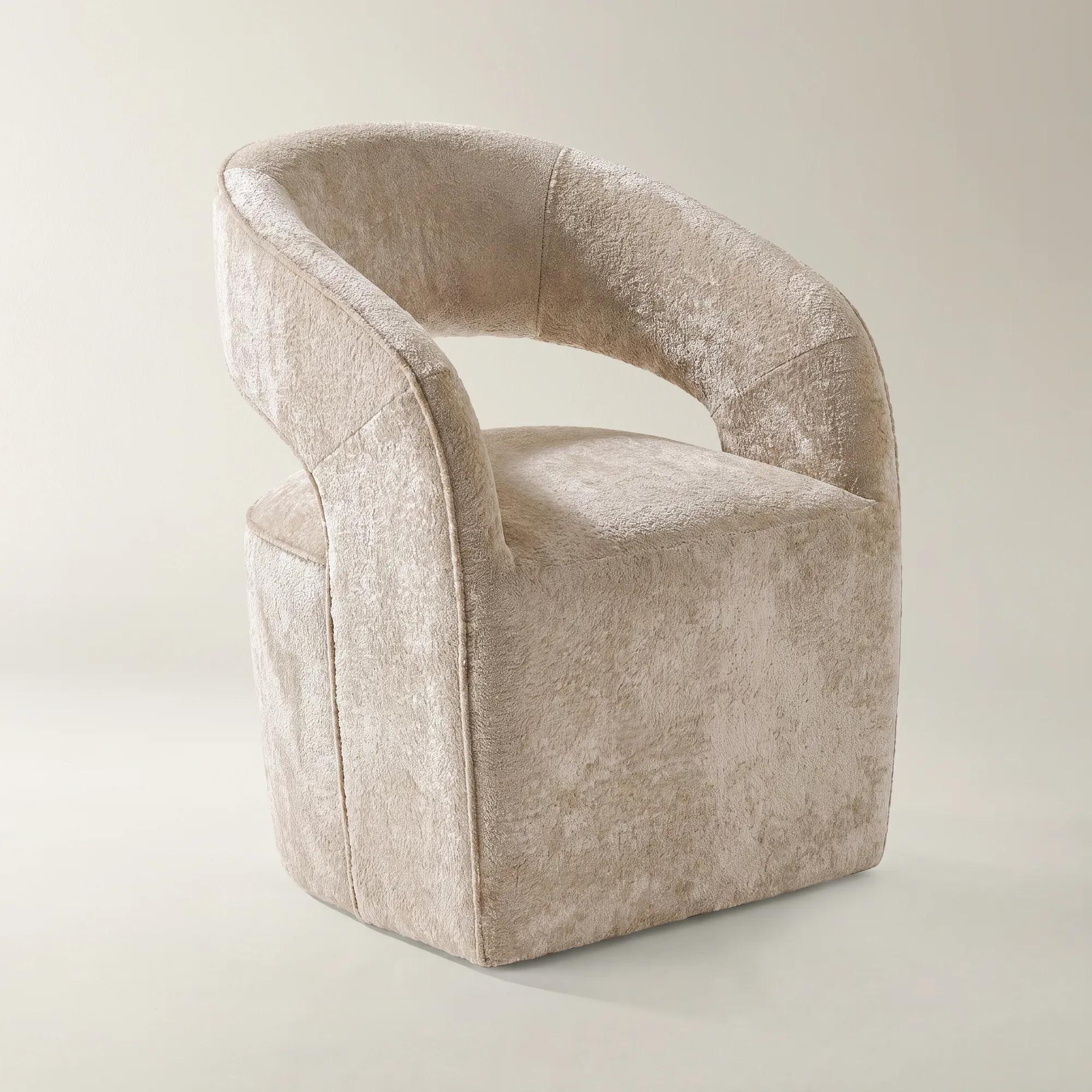
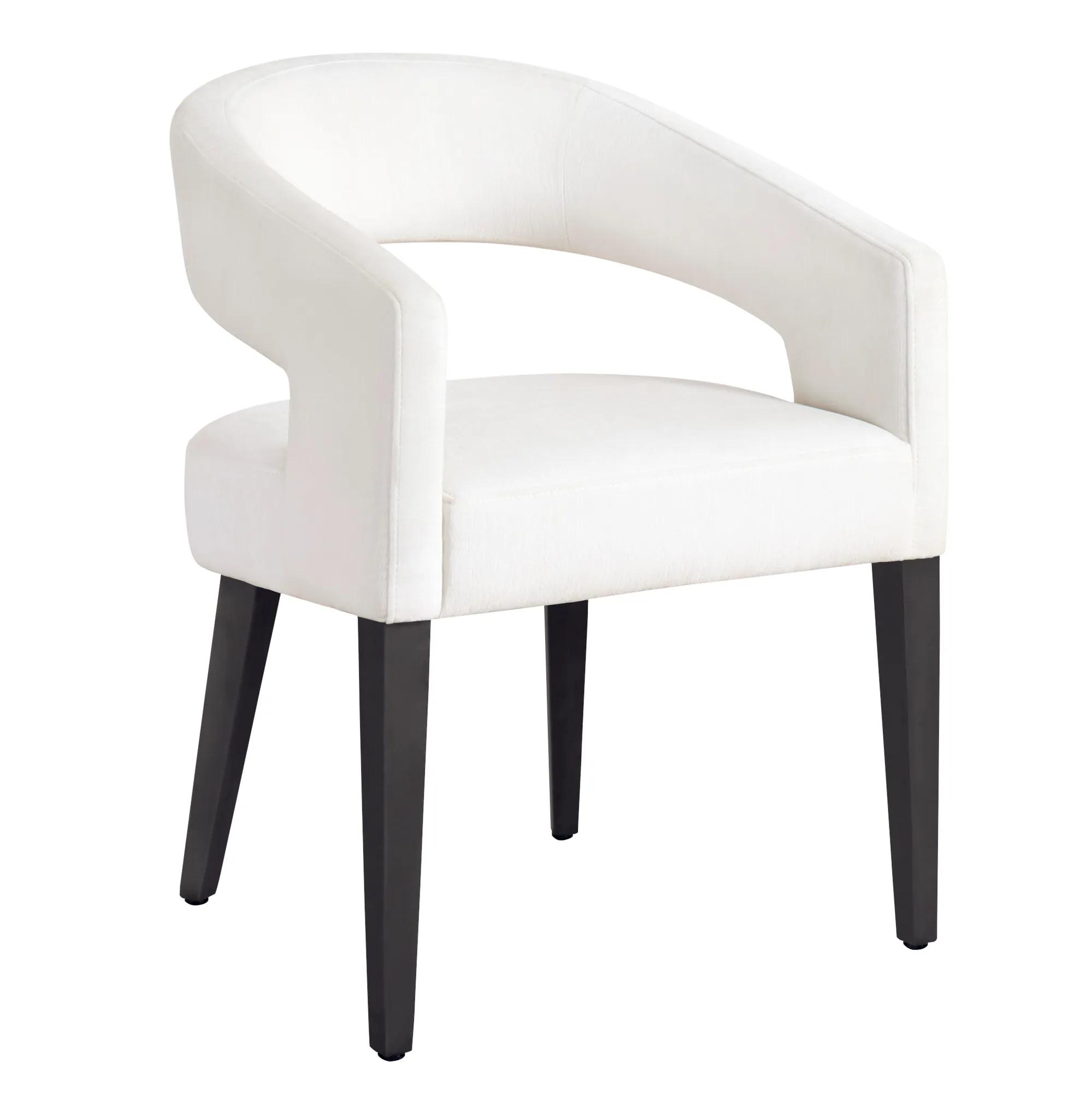
Seating For Stylish Kitchens
Seating For Stylish Kitchens
-
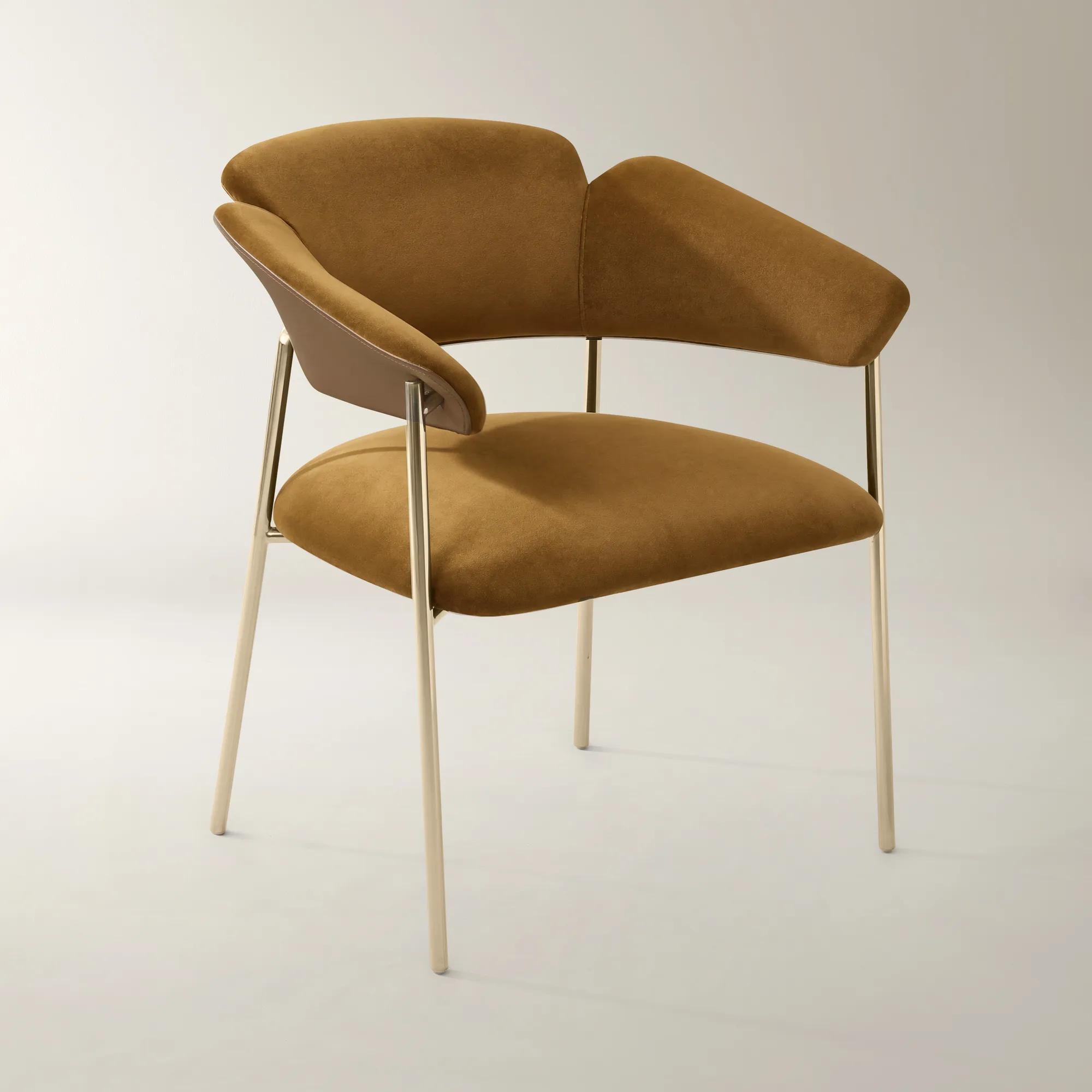 Odette Roasted Pecan Velvet Dining Chair$499
A sculptural dining chair featuring roasted pecan velvet, tonal faux leather accents, and gold stainless steel legs.
Add To Cart -
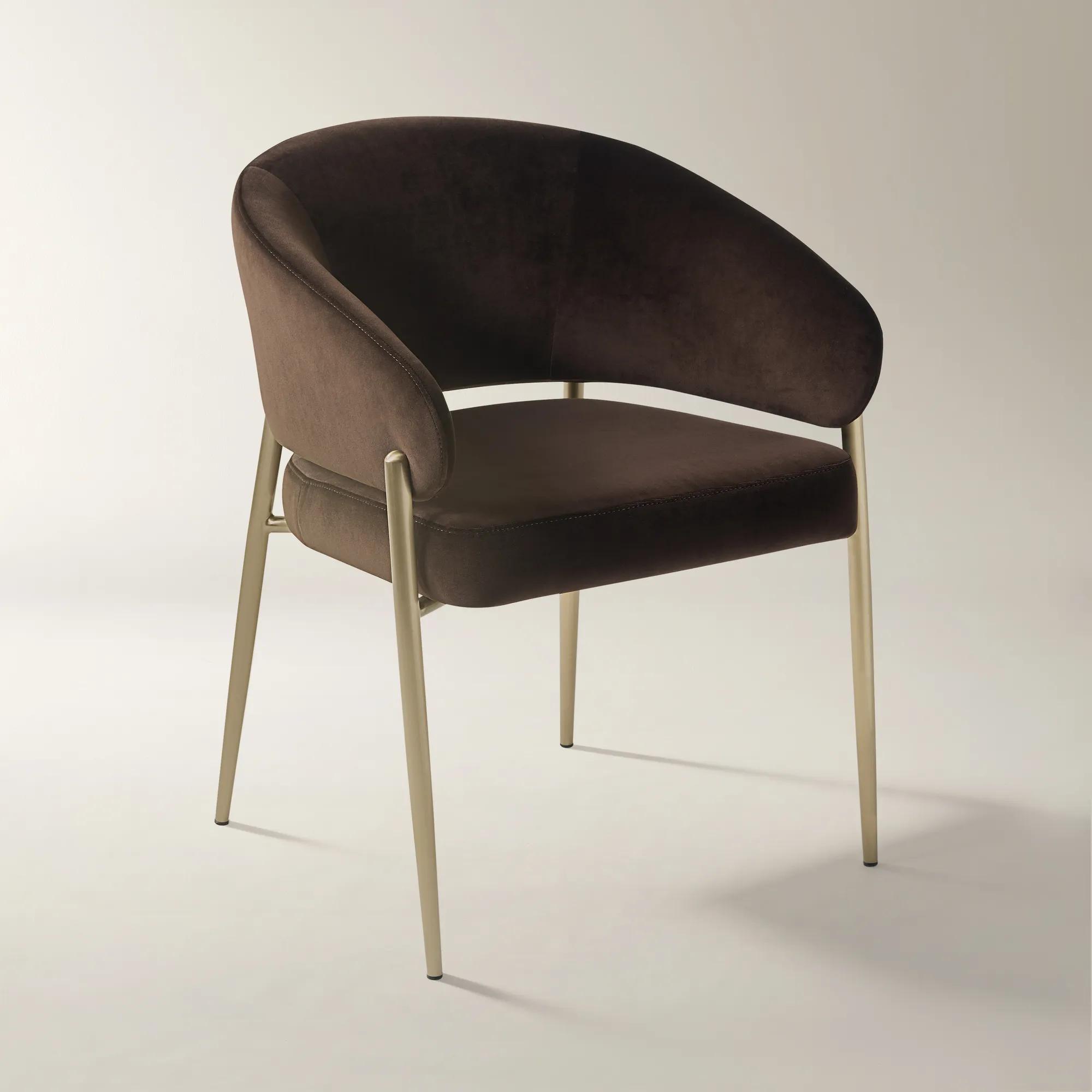 Nara Dark Chocolate Velvet Dining Chair Set Of 2$599
A pair of dark chocolate velvet chairs with curved backs and brushed brass stainless-steel legs for modern elegance.
Add To Cart -
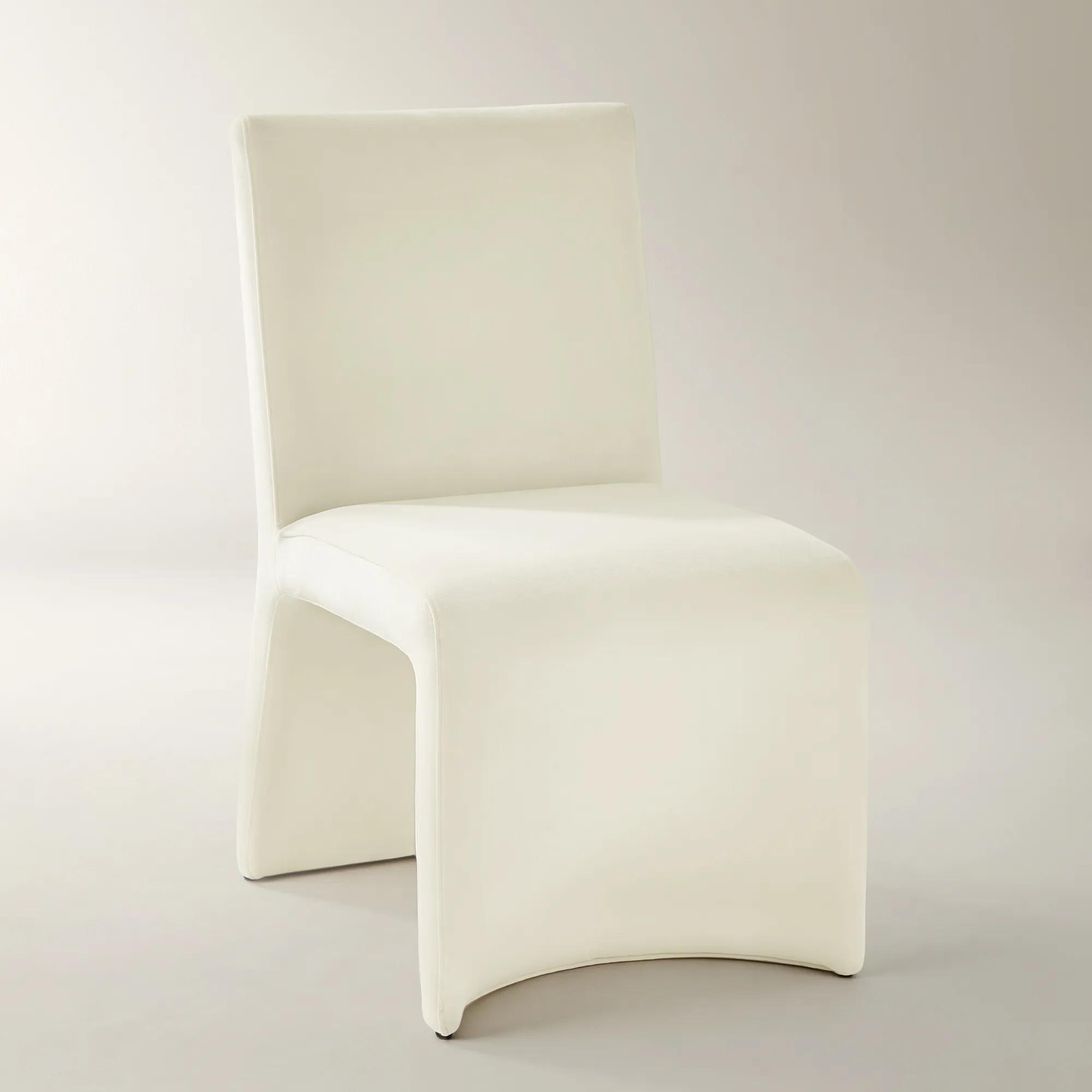 Elara Cloud Velvet Dining Chair Set Of 2$799
A set of two dining chairs featuring plush velvet upholstery, a seamless curved silhouette, and a sturdy steel frame.
Add To Cart -
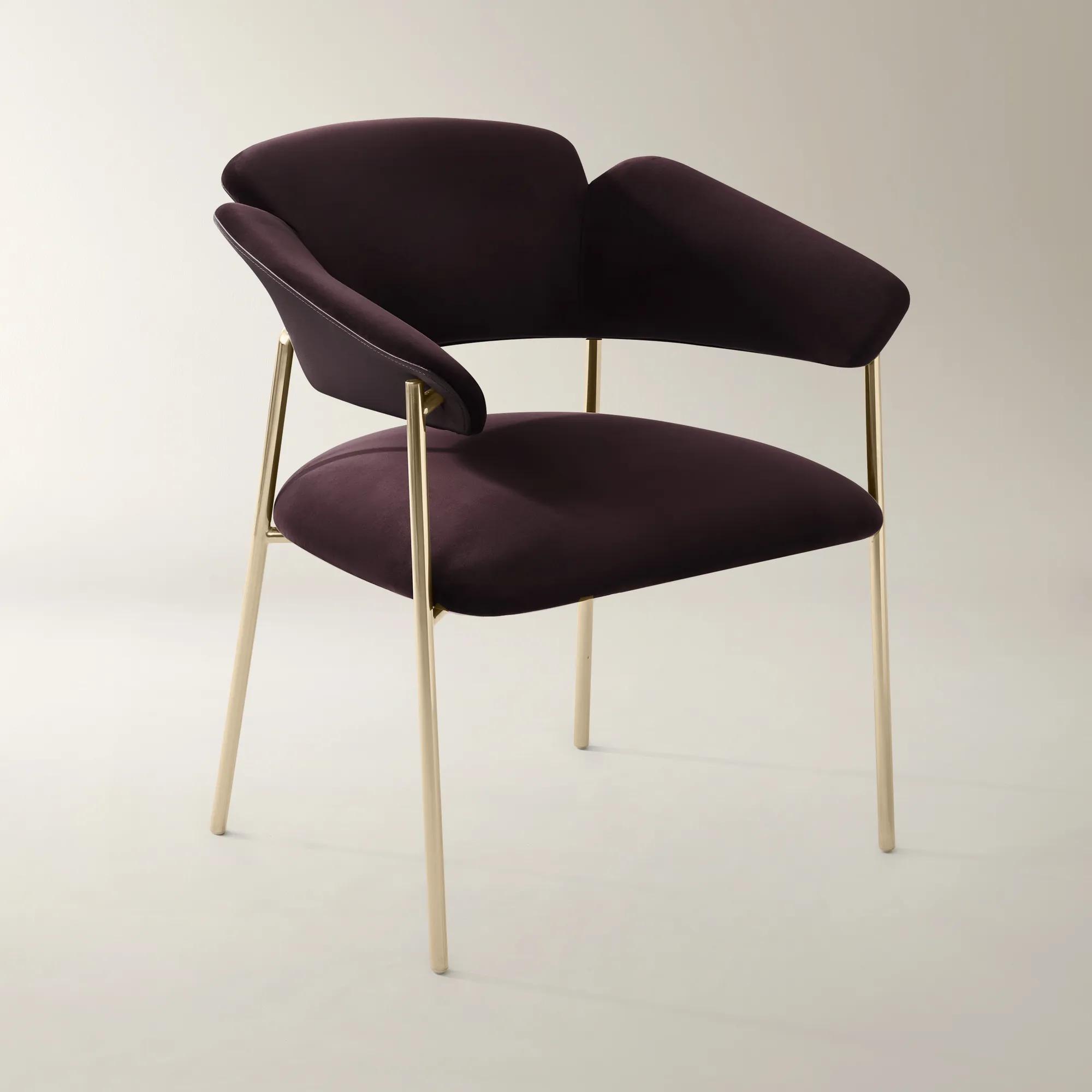 Odette Fig Velvet Dining Chair$499
A sculptural dining chair featuring fig velvet, tonal faux leather accents, and slender gold-finished metal legs.
Add To Cart -
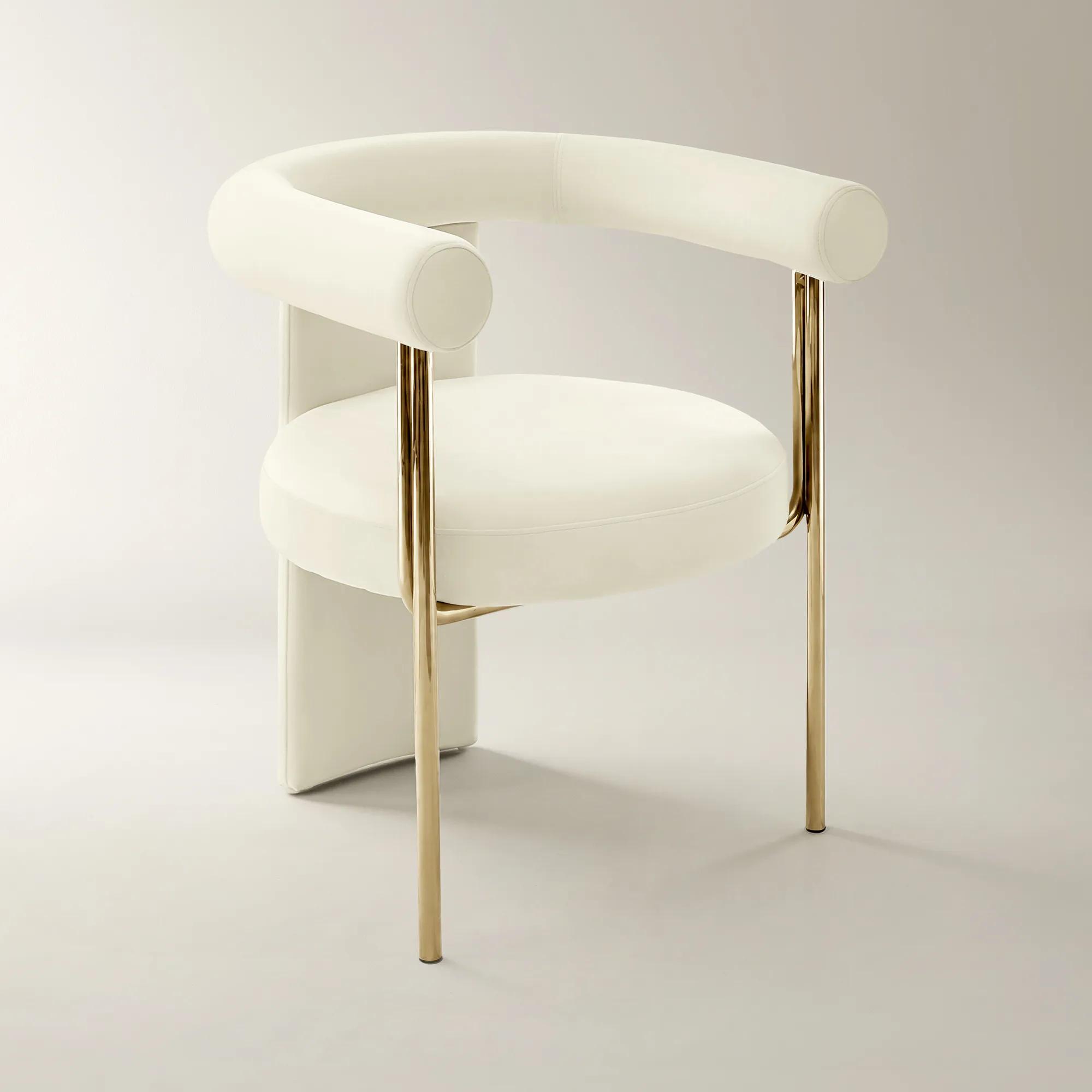 Davina Cloud Velvet Dining Chair Set Of 2$899
A set of two dining chairs featuring plush cloud velvet upholstery and a sculptural gold metal frame.
Add To Cart -
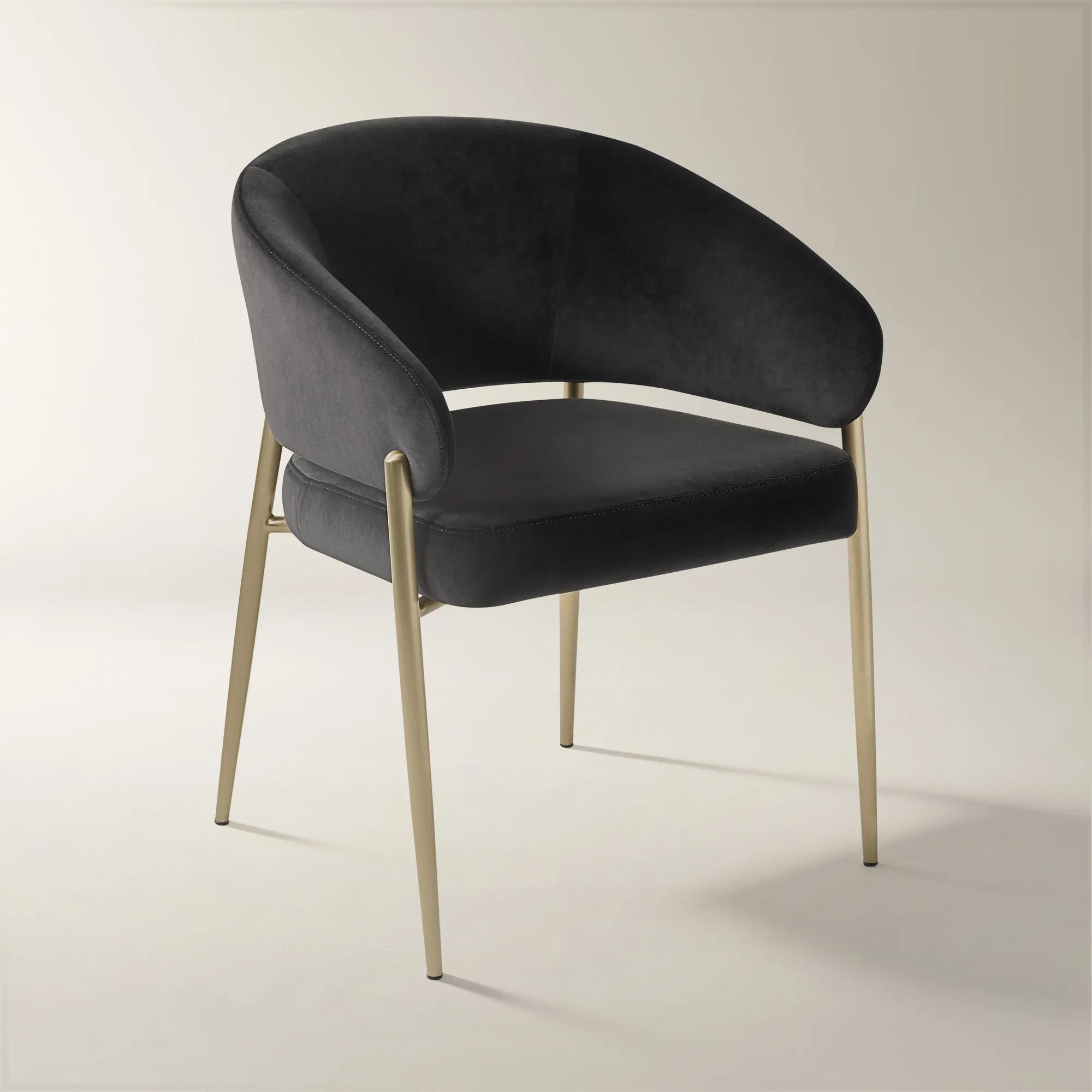 Nara Charcoal Velvet Dining Chair Set Of 2$599
A set of two charcoal velvet chairs featuring curved backs, plush upholstery, and brushed brass metal legs.
Add To Cart -
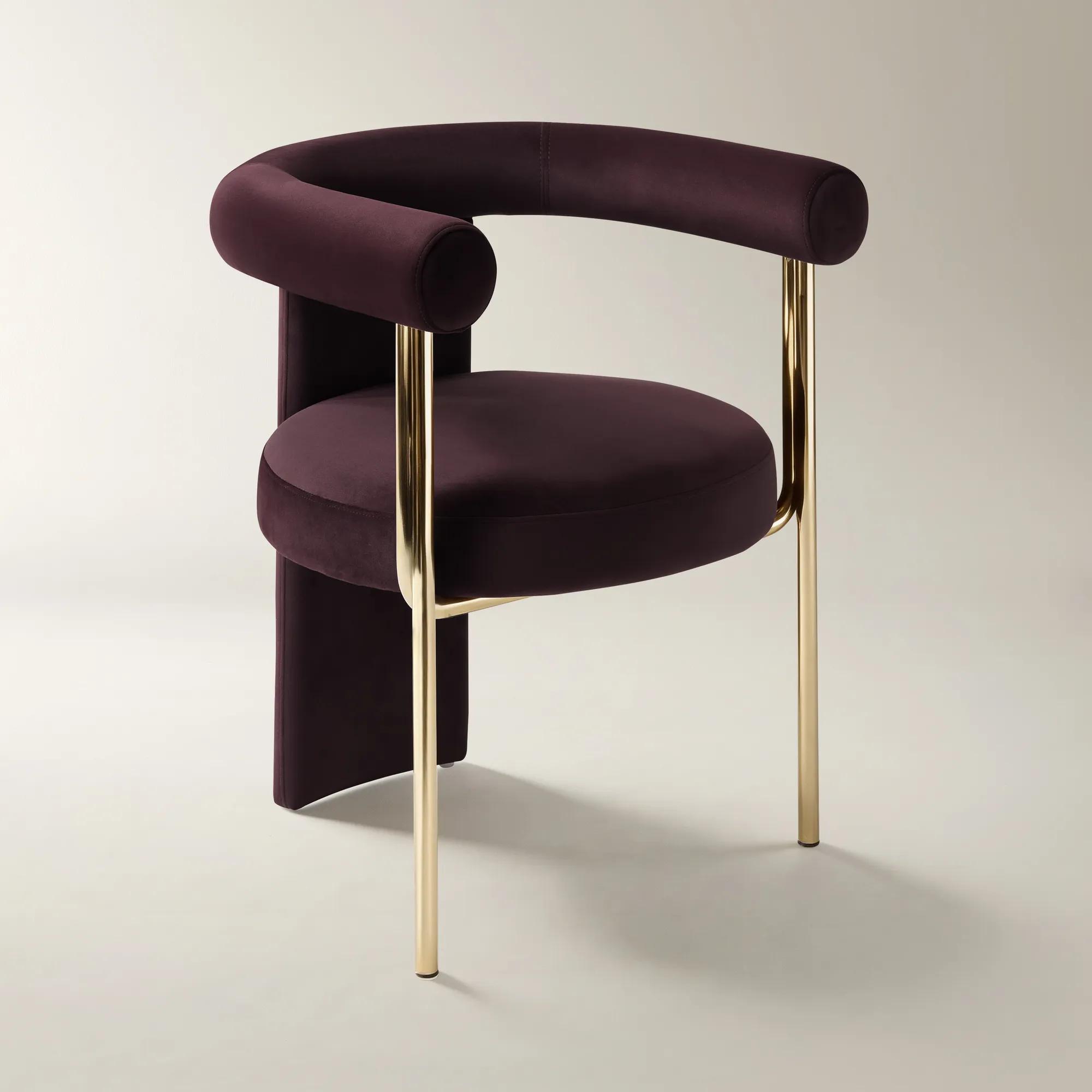 Davina Fig Velvet Dining Chair Set Of 2$899
A set of two dining chairs featuring plush fig velvet upholstery and a sleek gold-finished metal frame.
Add To Cart -
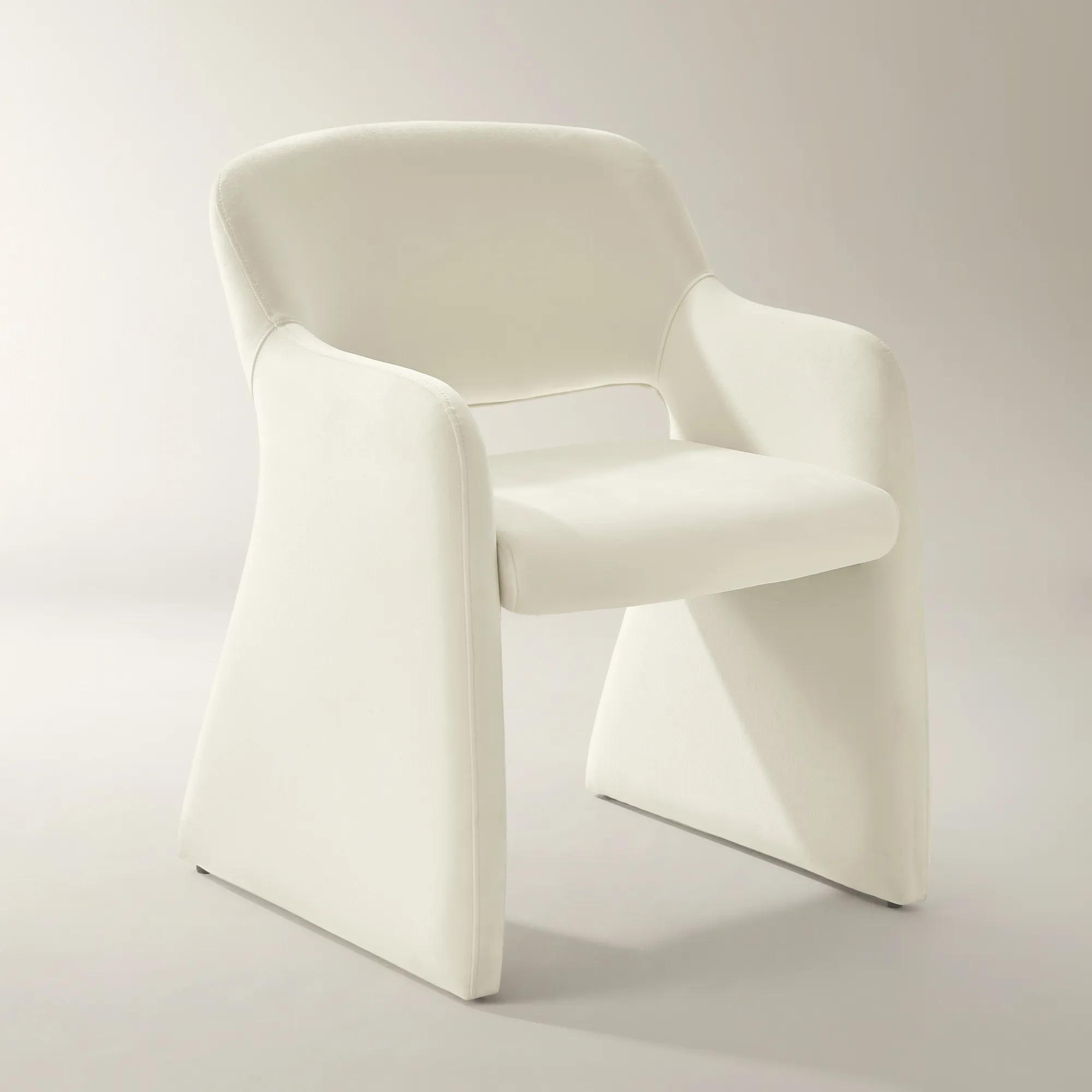 Elara Cloud Velvet Dining Chair$449
A plush velvet dining chair featuring a seamless wraparound silhouette and supportive carbon steel frame.
Add To Cart -
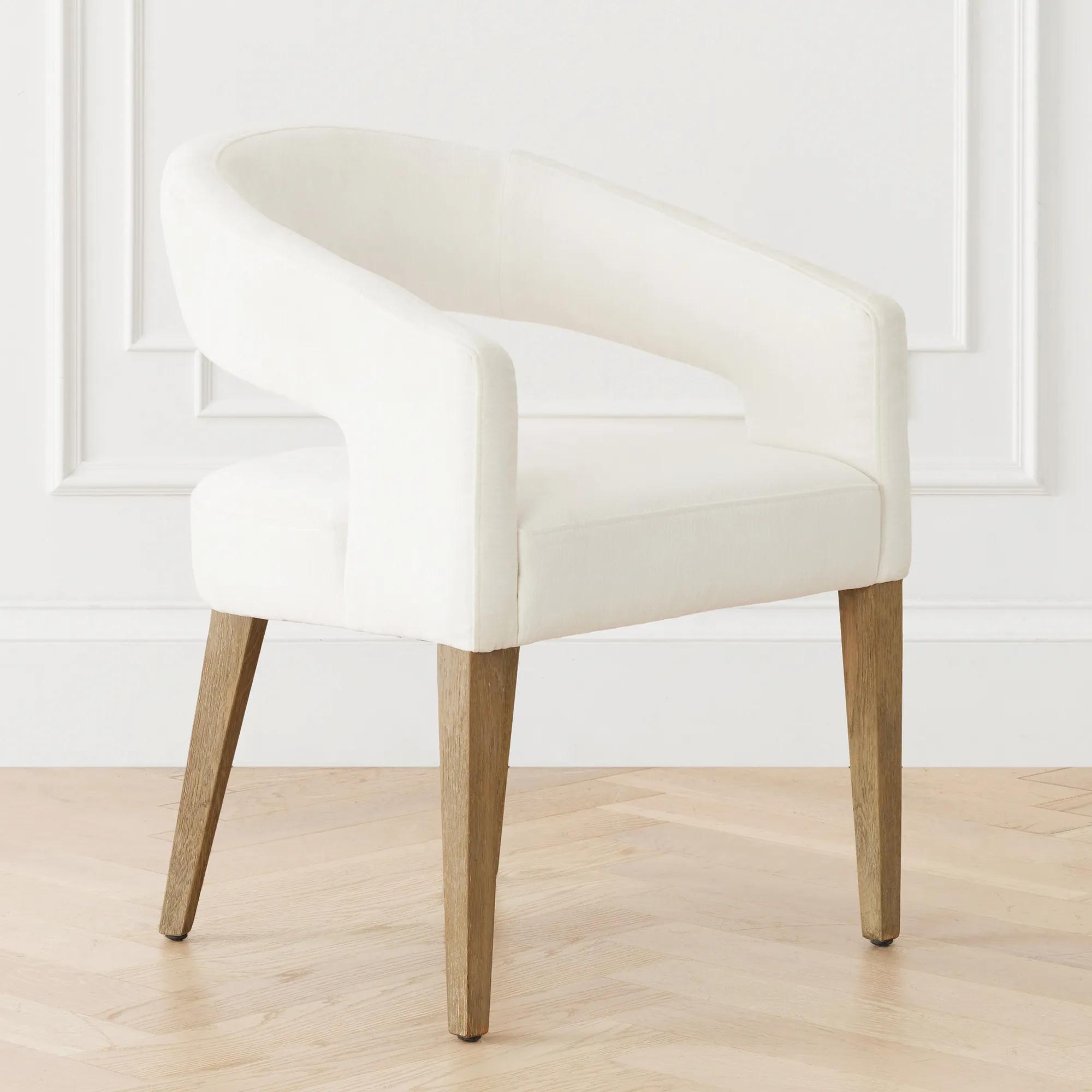
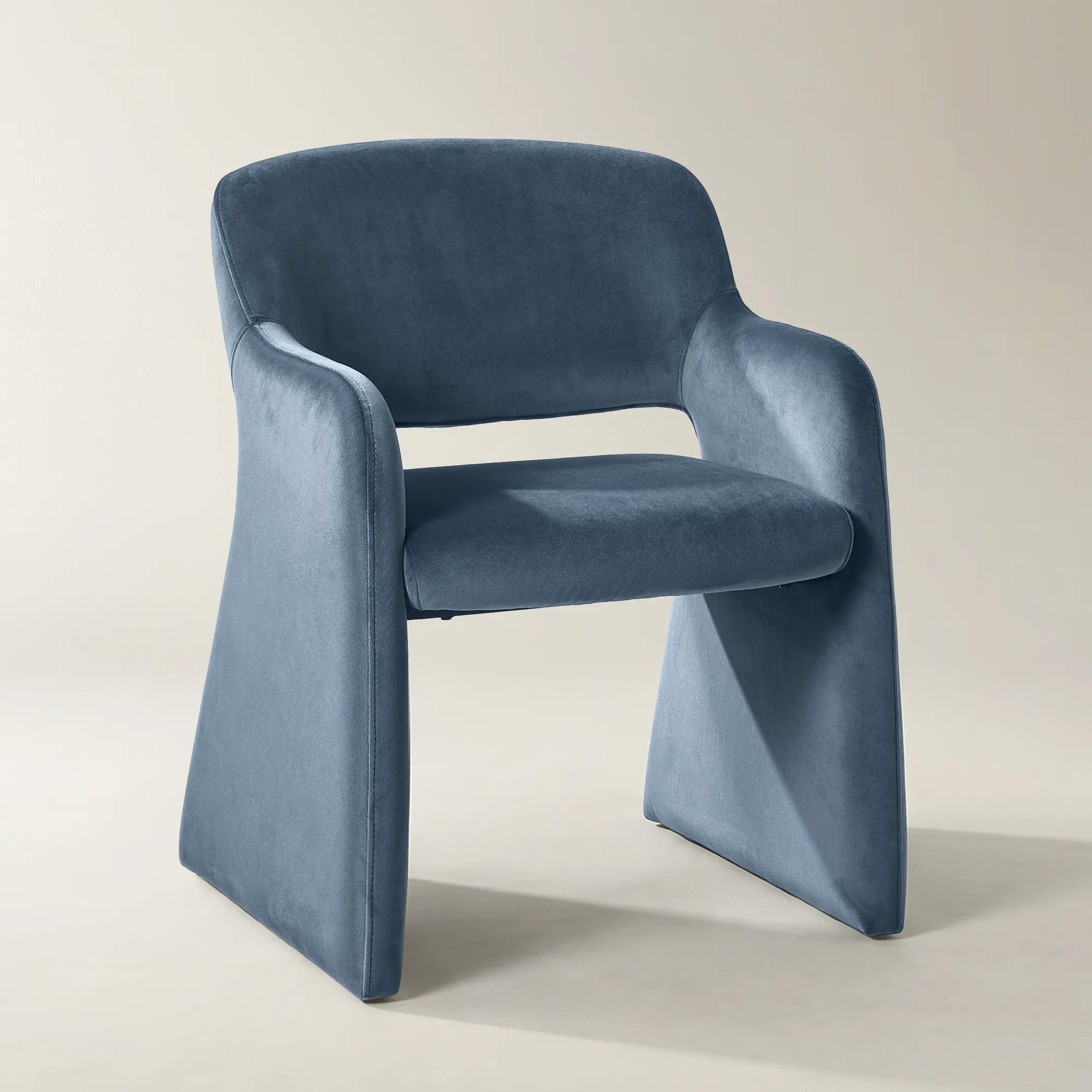 Elara Dusty Blue Velvet Dining Chair$449
A graceful dining chair featuring dusty blue velvet upholstery, integrated arms, and a seamless cantilevered silhouette.
Add To Cart -
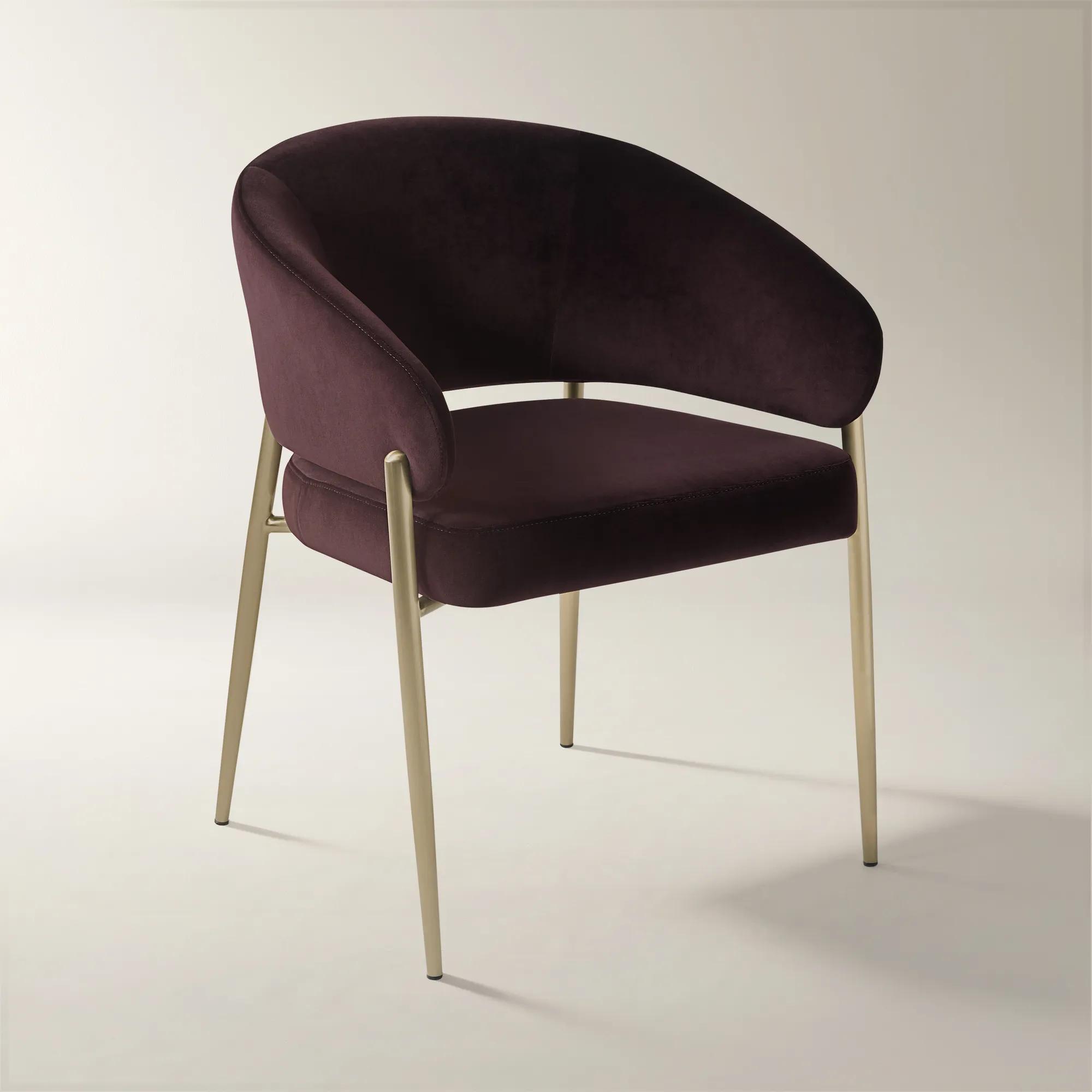 Nara Fig Velvet Dining Chair Set Of 2$599
A set of two dining chairs featuring plush fig velvet upholstery and brushed brass stainless-steel legs.
Add To Cart -
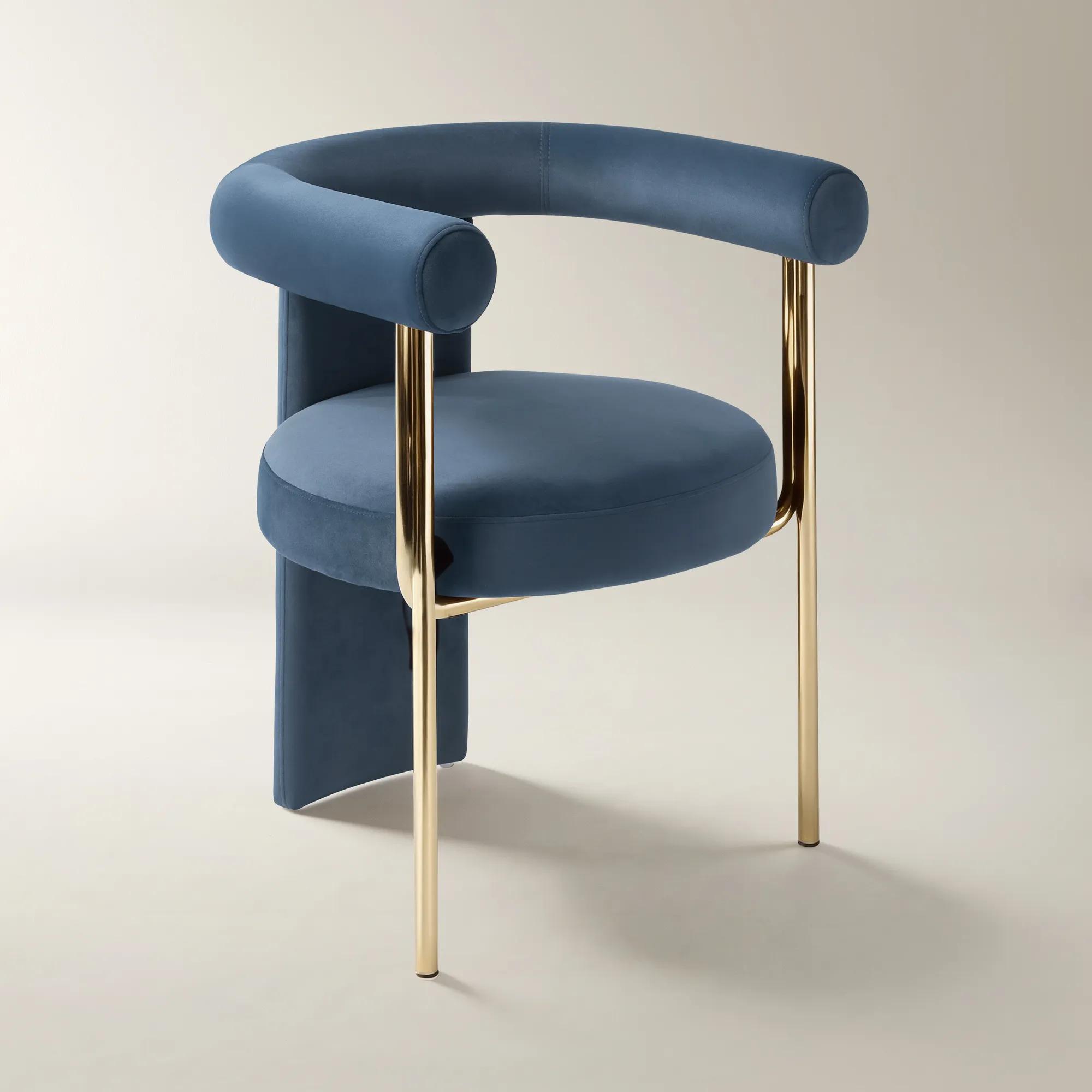 Davina Dusty Blue Velvet Dining Chair Set Of 2$899
A set of two dining chairs featuring dusty blue velvet upholstery and a polished gold metal frame.
Add To Cart -
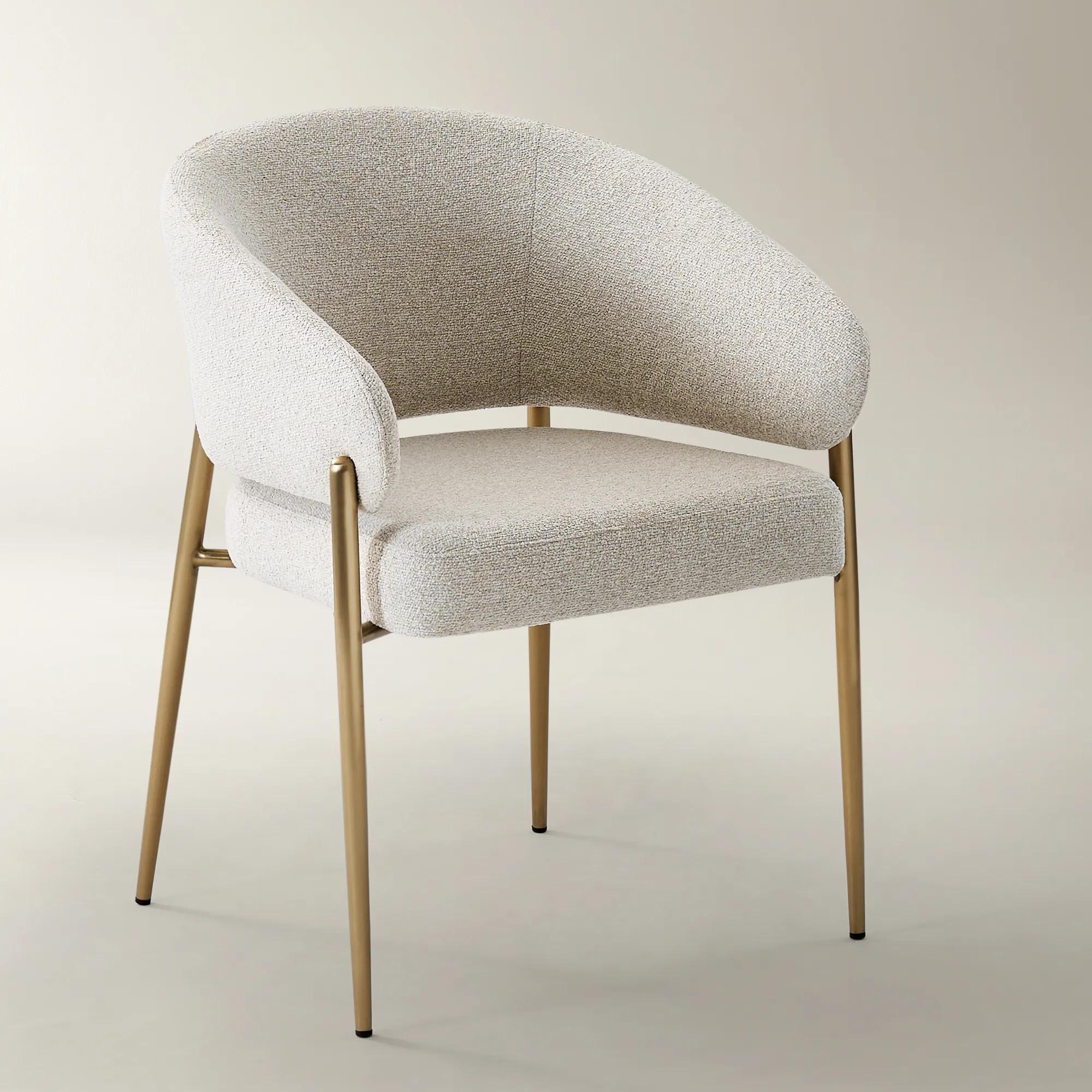
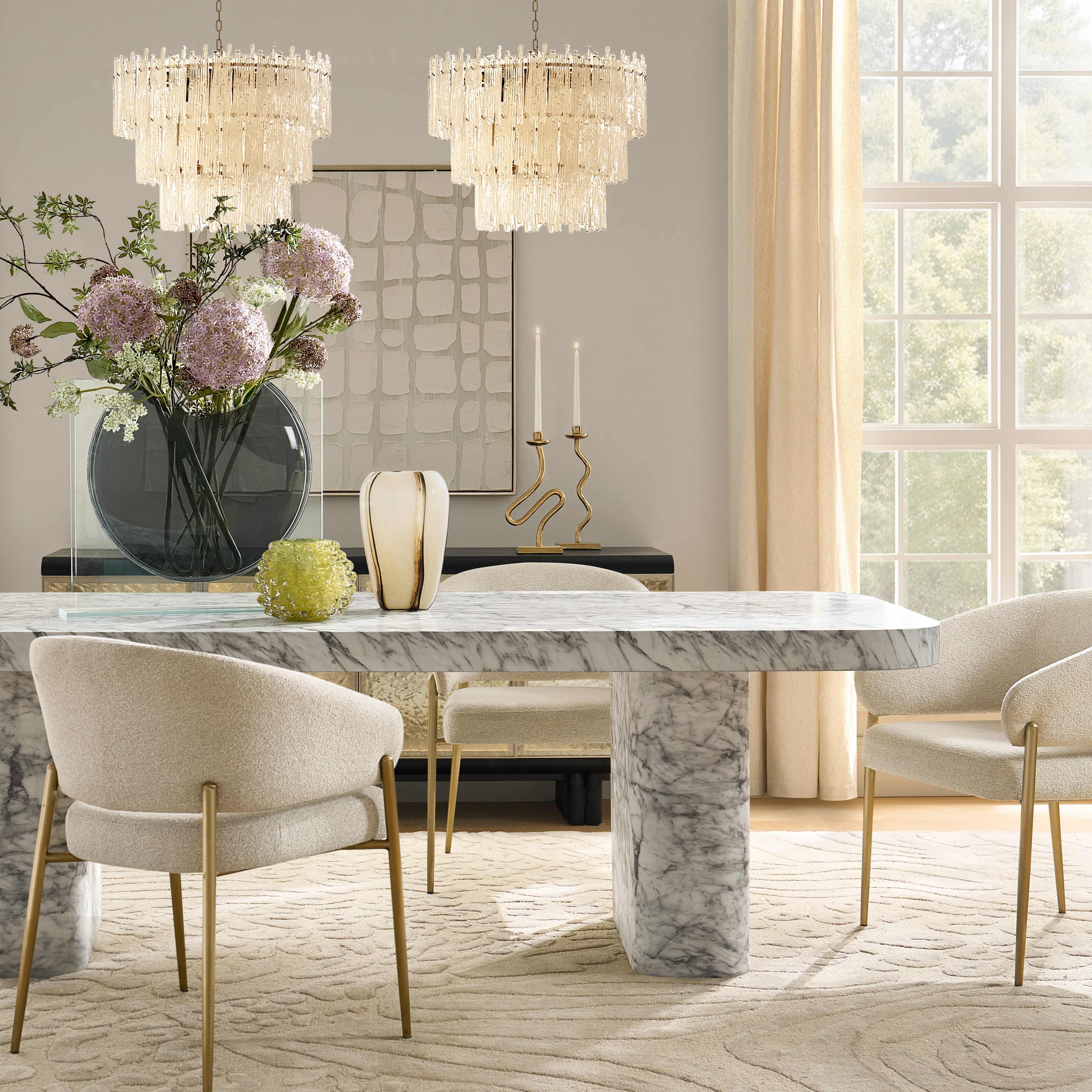 Nara Ivory Boucle Dining Chair Set Of 2$599
An ivory boucle dining chair set with a curved backrest and brushed stainless steel frame for modern elegance.
Add To Cart -
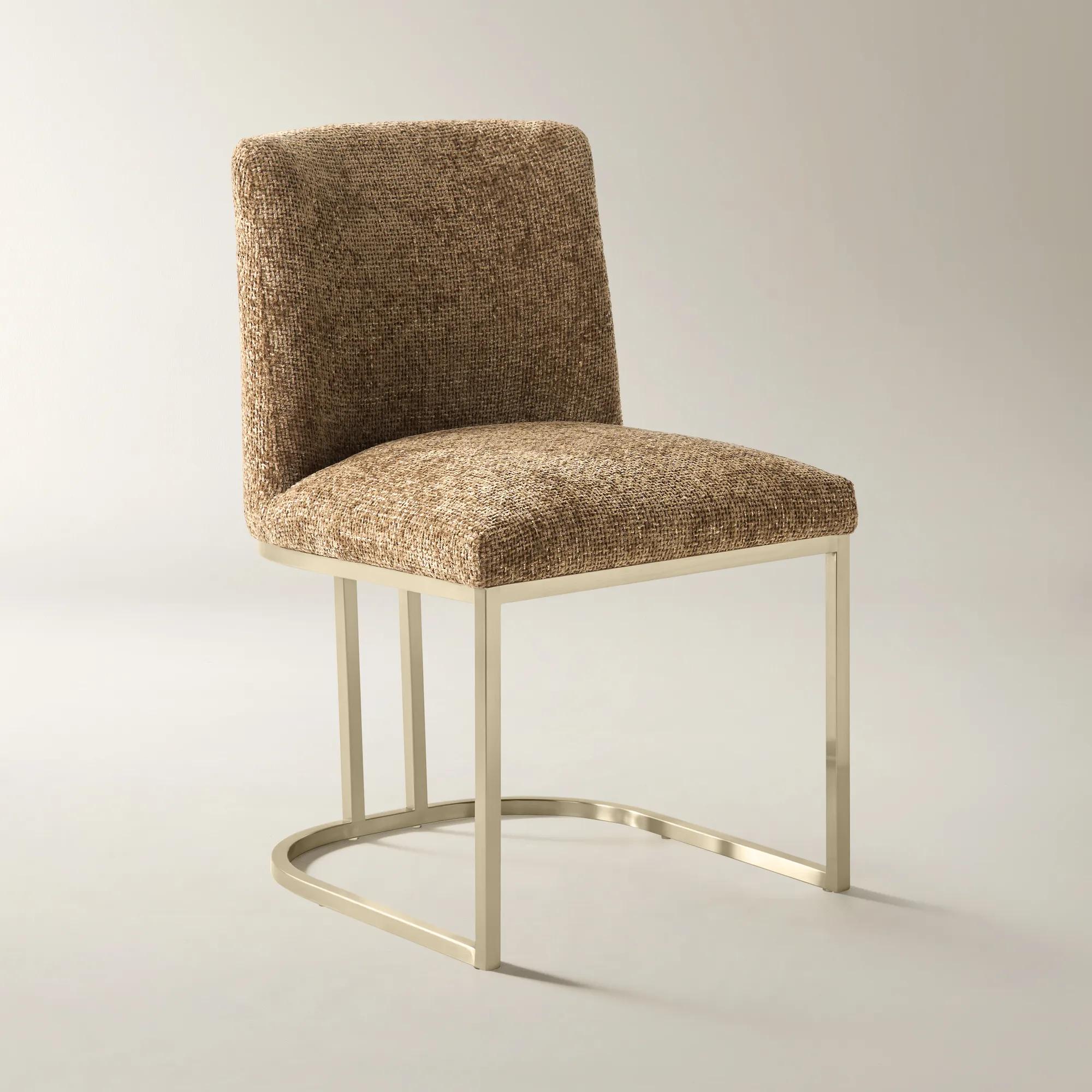 Bergen Bronze Chenille Dining Chair Set Of 2$549
A set of two dining chairs featuring bronze chenille upholstery and a sculptural brushed gold metal base.
Add To Cart -
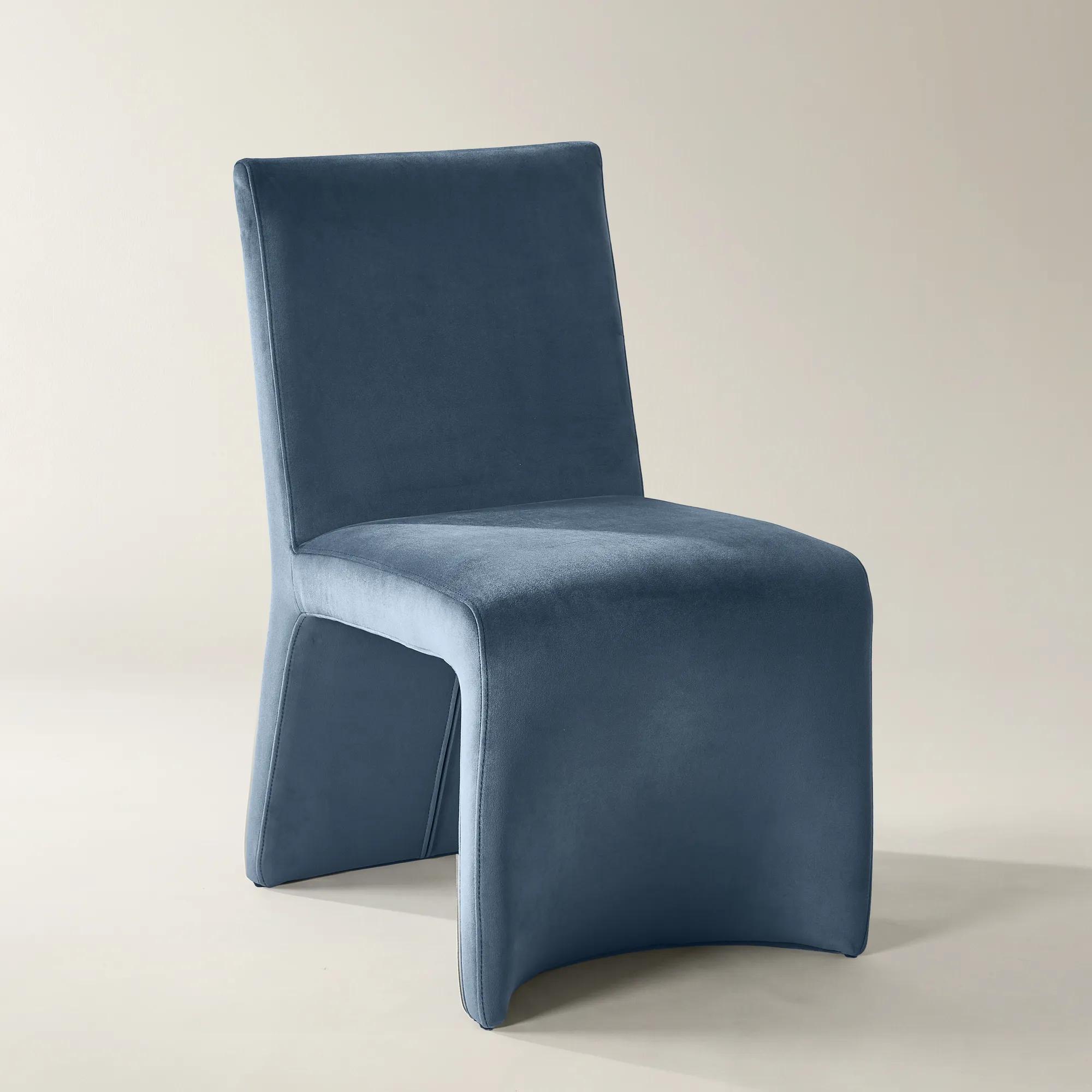 Elara Dusty Blue Velvet Dining Chair Set Of 2$799
A set of two dining chairs featuring plush dusty blue velvet upholstery and a seamless, artful silhouette.
Add To Cart -
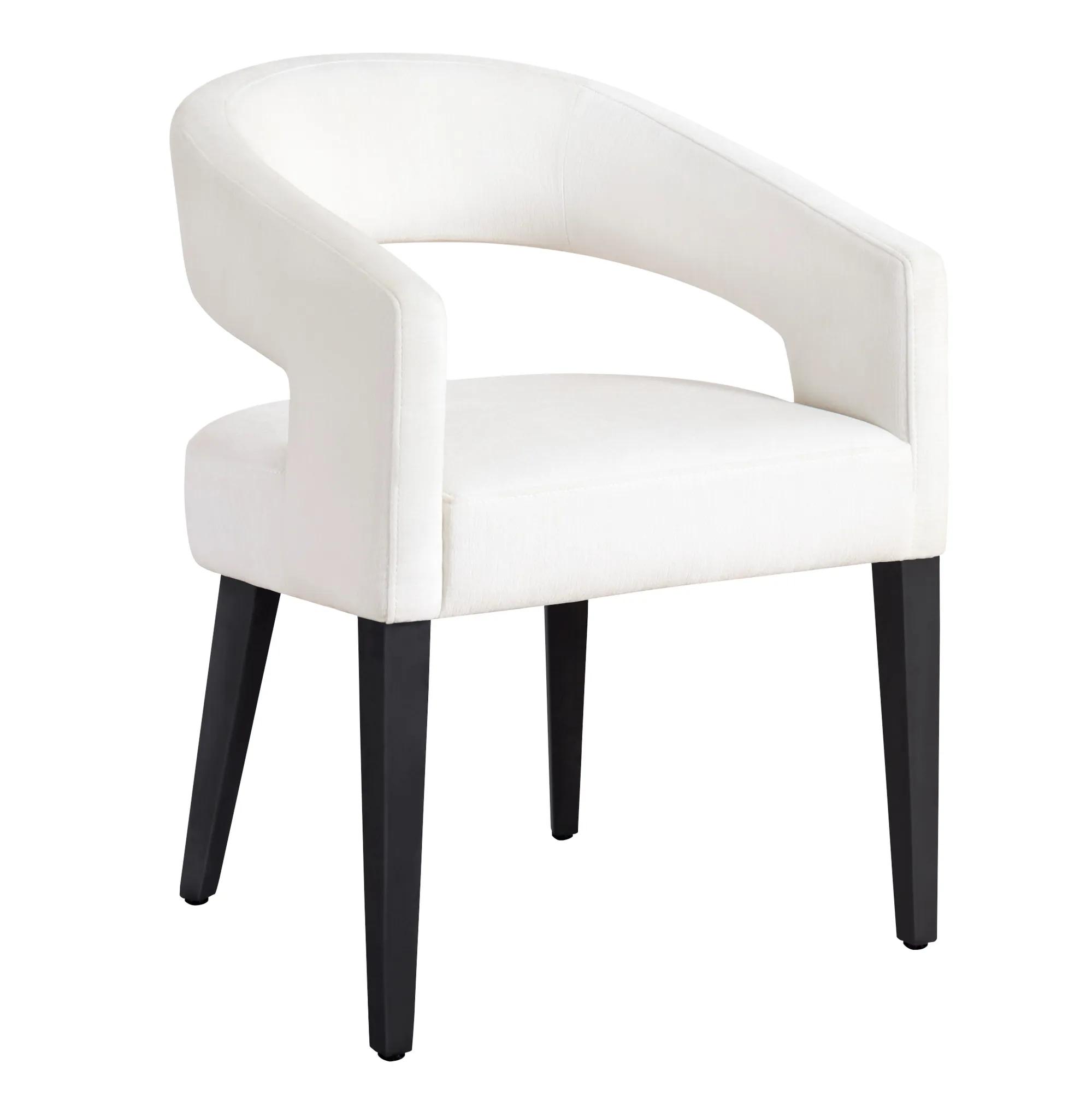
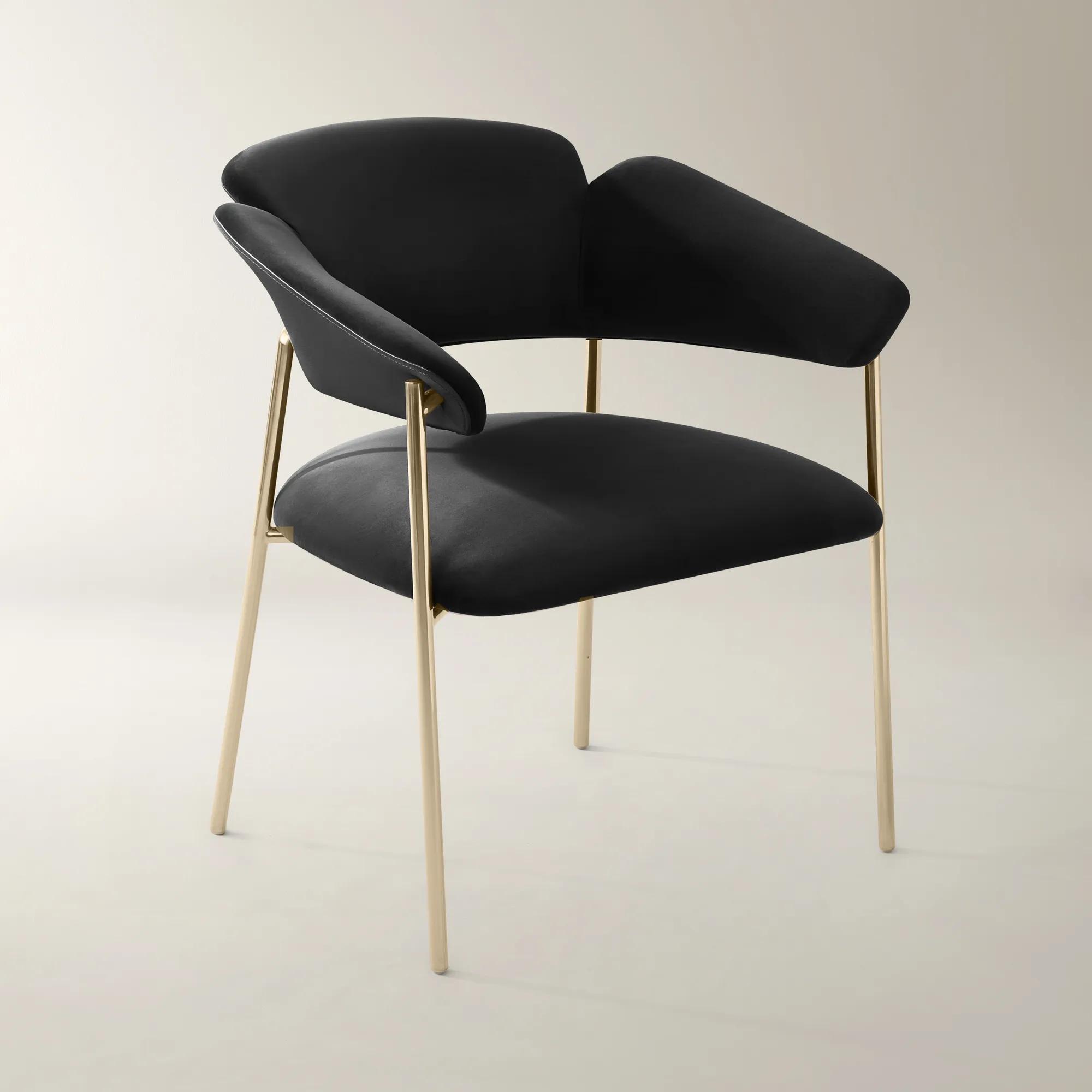 Odette Charcoal Velvet Dining Chair$499
A charcoal velvet chair featuring a wraparound open-back design, tonal faux leather accents, and gold metal legs.
Add To Cart -
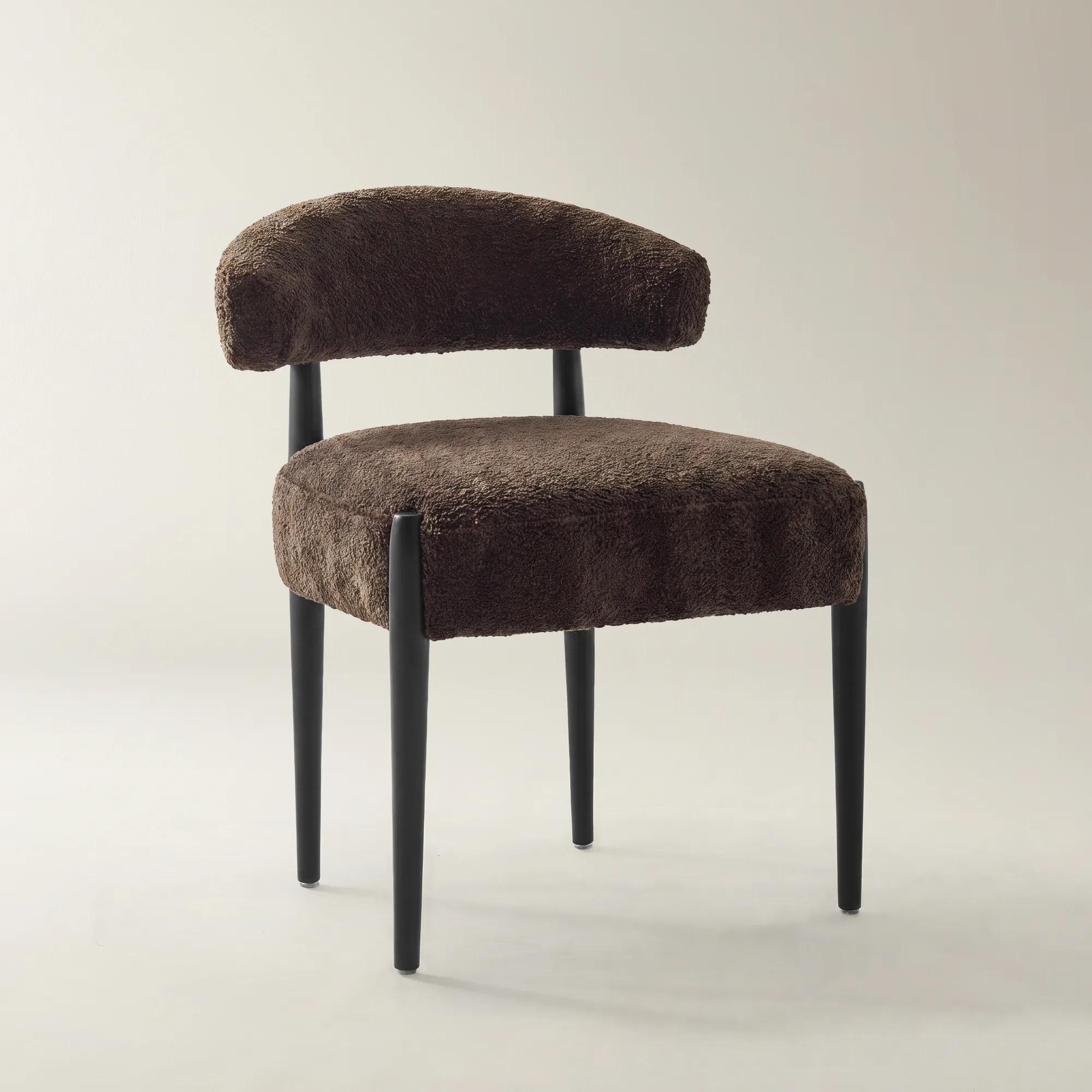
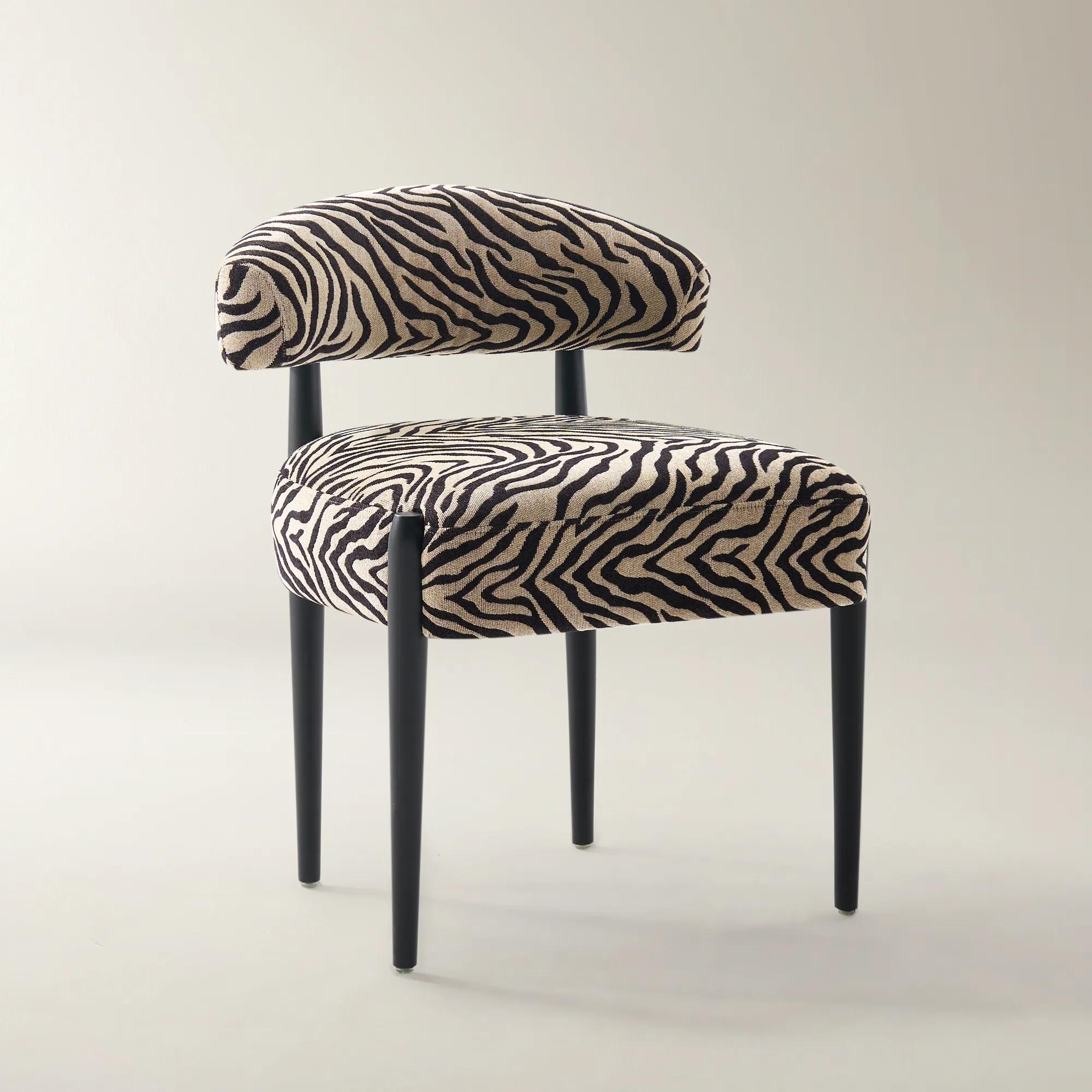 Anna Dark Chocolate Chenille Dining Chair Set of 2$699
A dark chocolate chenille chair pair featuring tailored curved backs, high-density foam, and solid rubberwood legs.
Add To Cart -
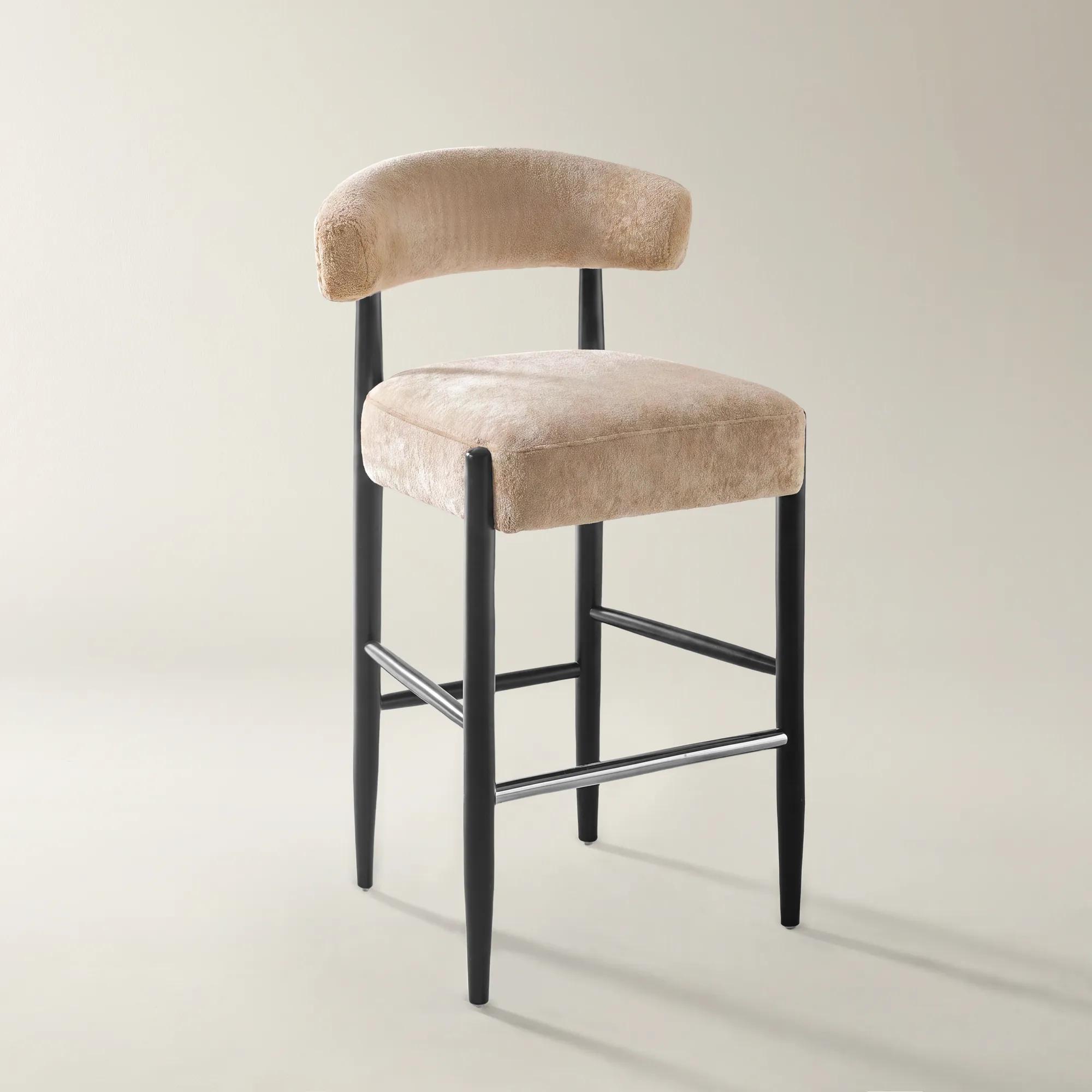
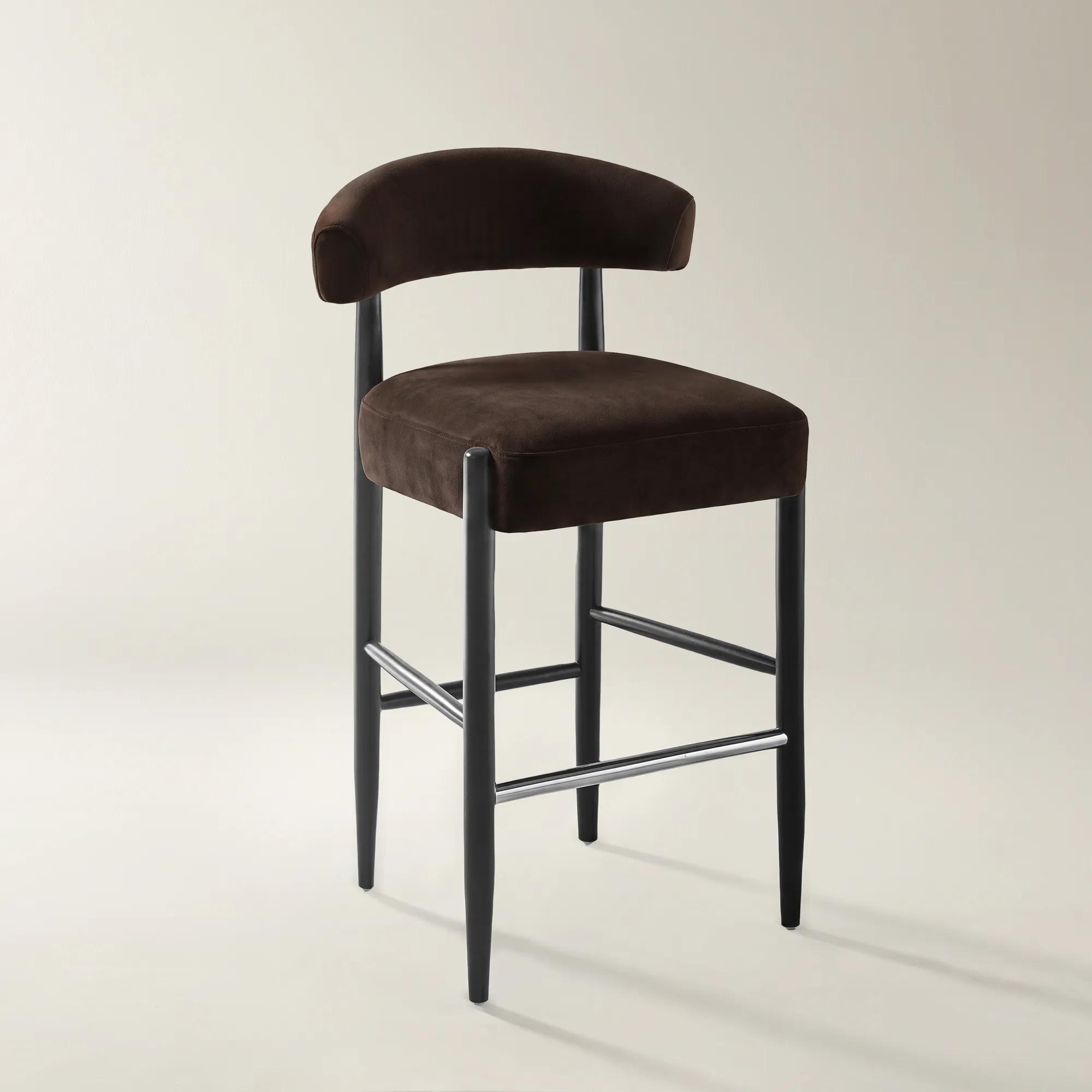 Anna Dark Chocolate Velvet Bar/Counter Stool$449
A dark chocolate velvet counter stool with a sculpted back, padded seat, and tapered solid-rubberwood legs.
Add To Cart -
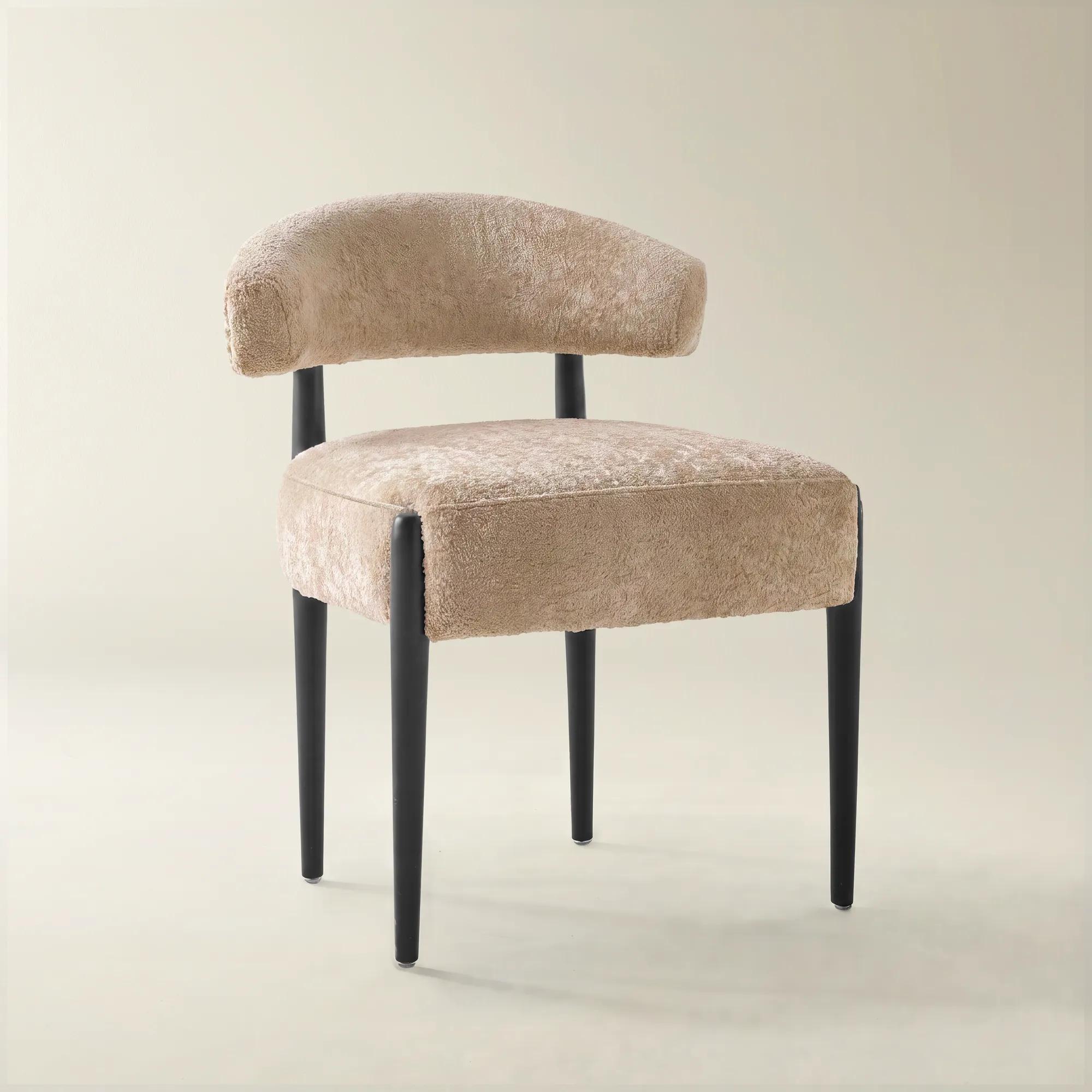 Anna Light Brown Chenille Dining Chair Set of 2$699
A light brown chenille chair set featuring arched backs, high-density foam cushioning, and solid rubberwood legs.
Add To Cart -
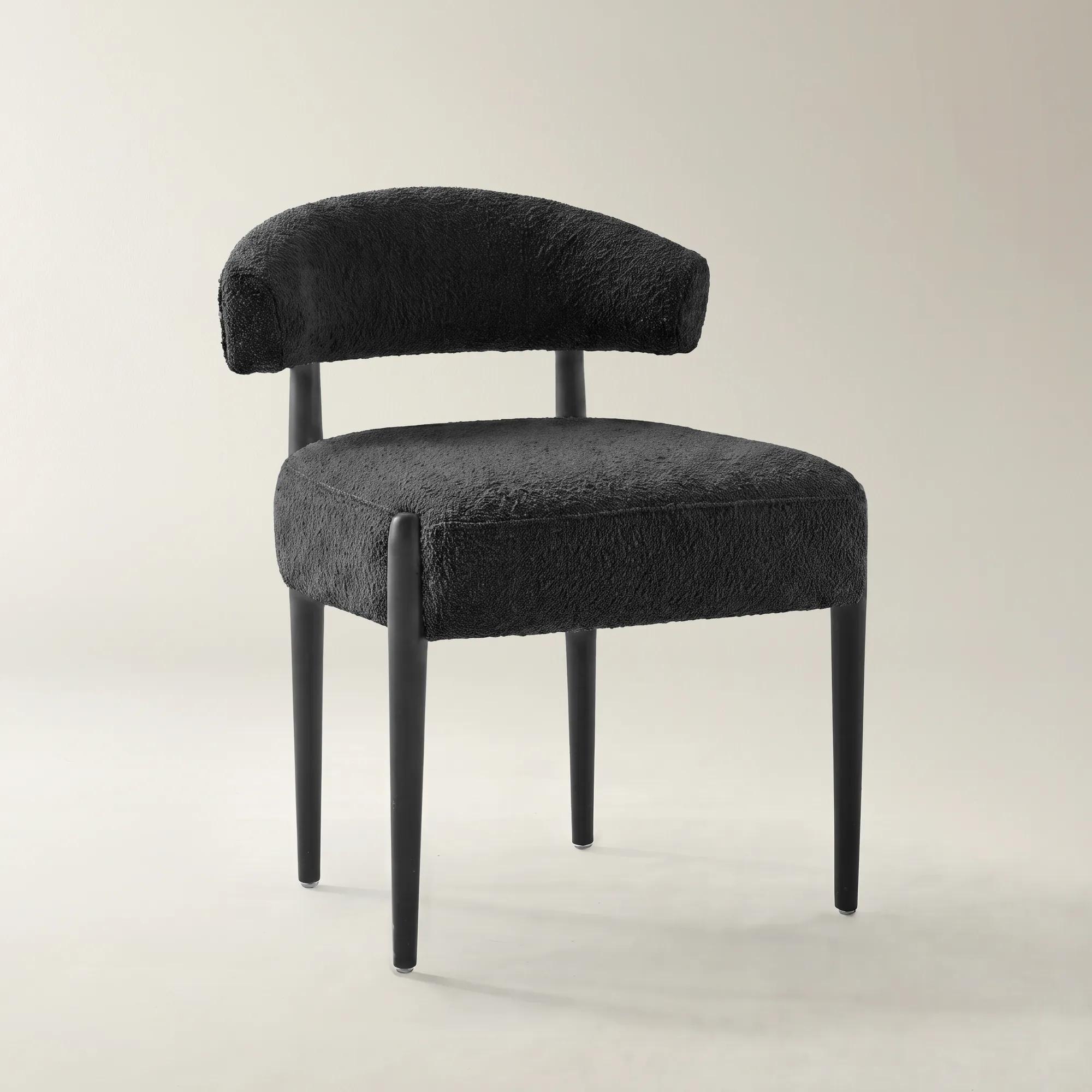 Anna Black Chenille Dining Chair Set of 2$699
A charcoal chenille dining chair set with curved backs, high-density foam cushioning, and rubberwood legs.
Add To Cart -
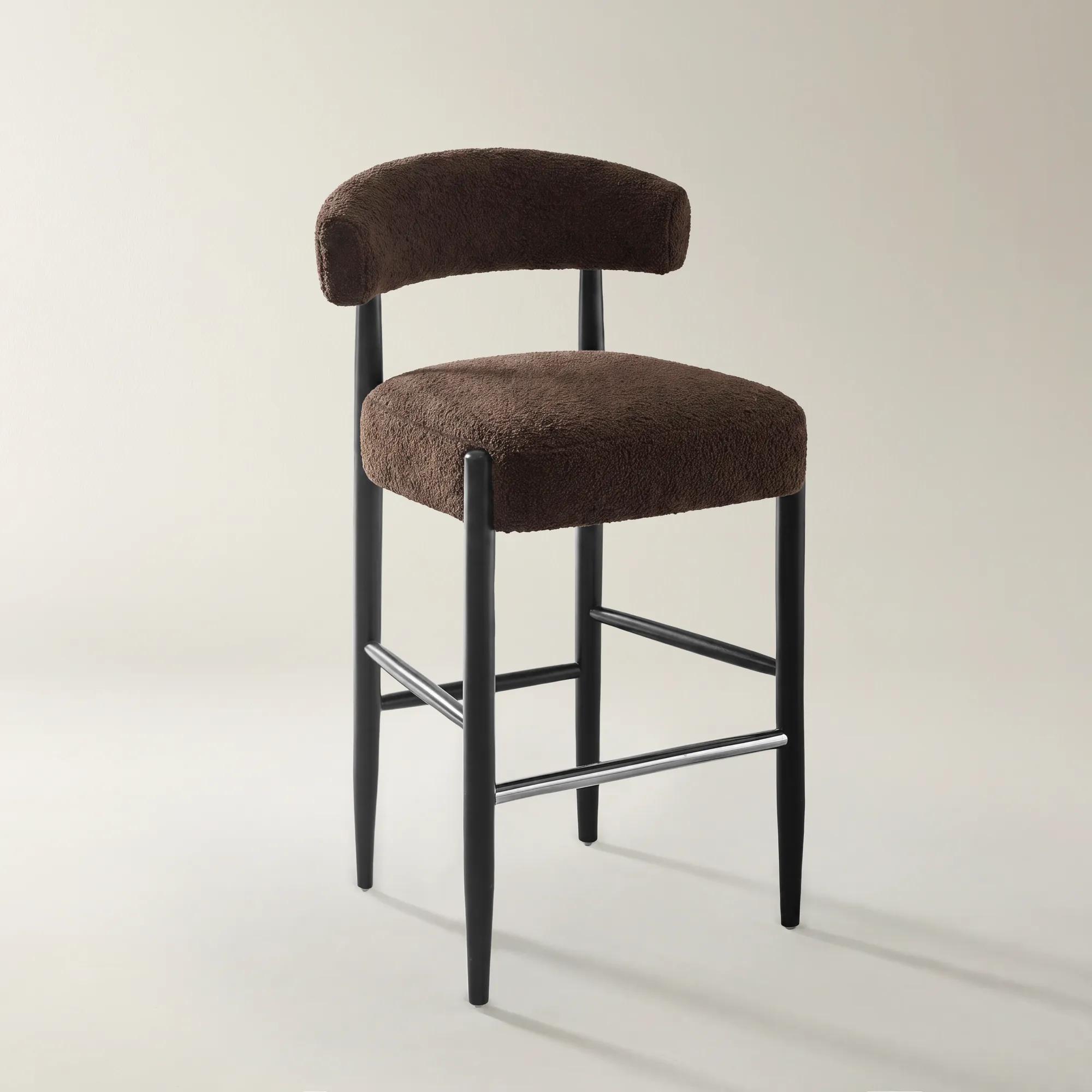 Anna Dark Chocolate Chenille Bar/Counter Stool$449
A dark chocolate chenille counter stool with a sculpted padded seat and solid rubberwood legs.
Add To Cart -
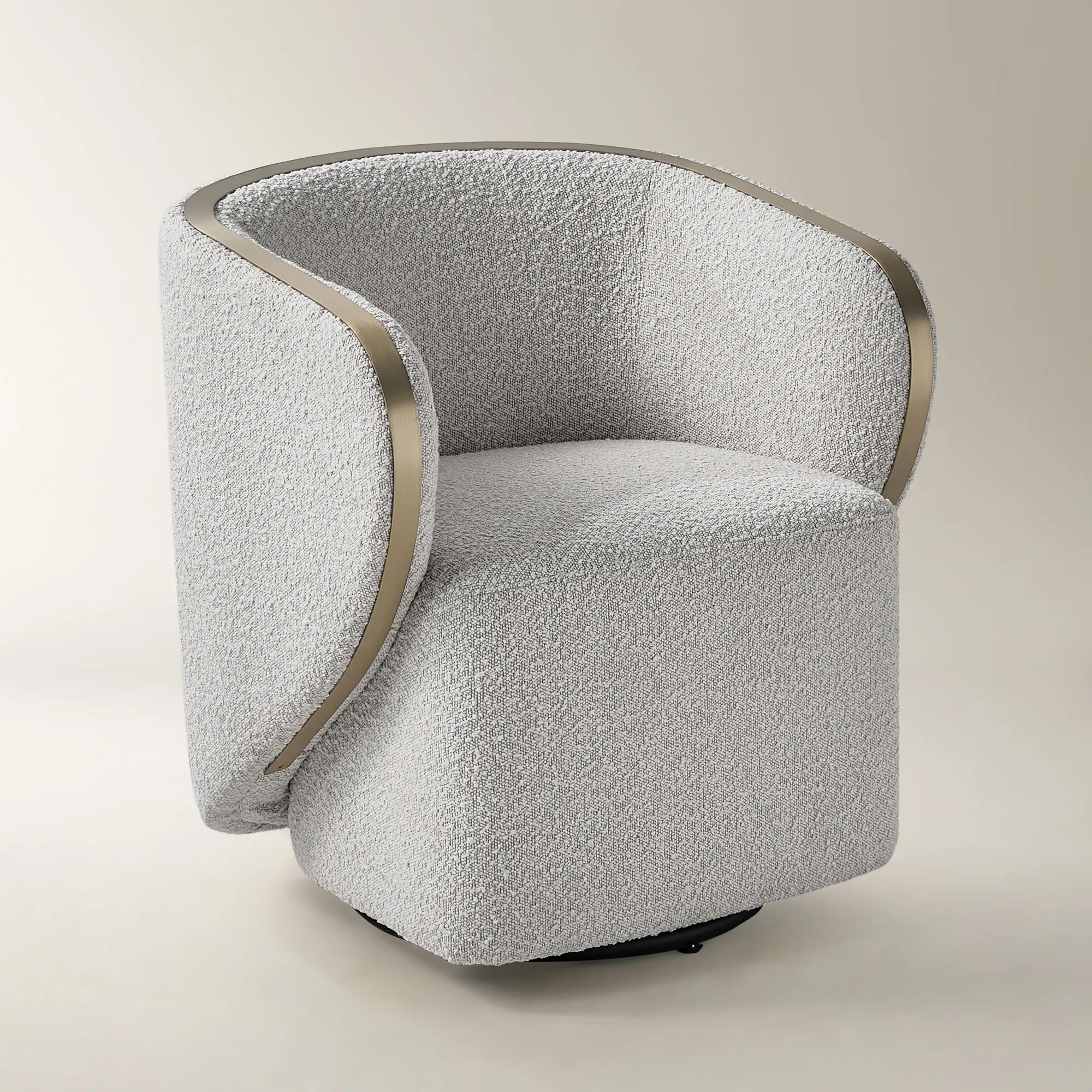 Nova Light Grey Performance Boucle Swivel Dining Chair$699
A sculptural light grey chair in water-repellent boucle with metallic trim and a smooth 360° swivel base.
Add To Cart -
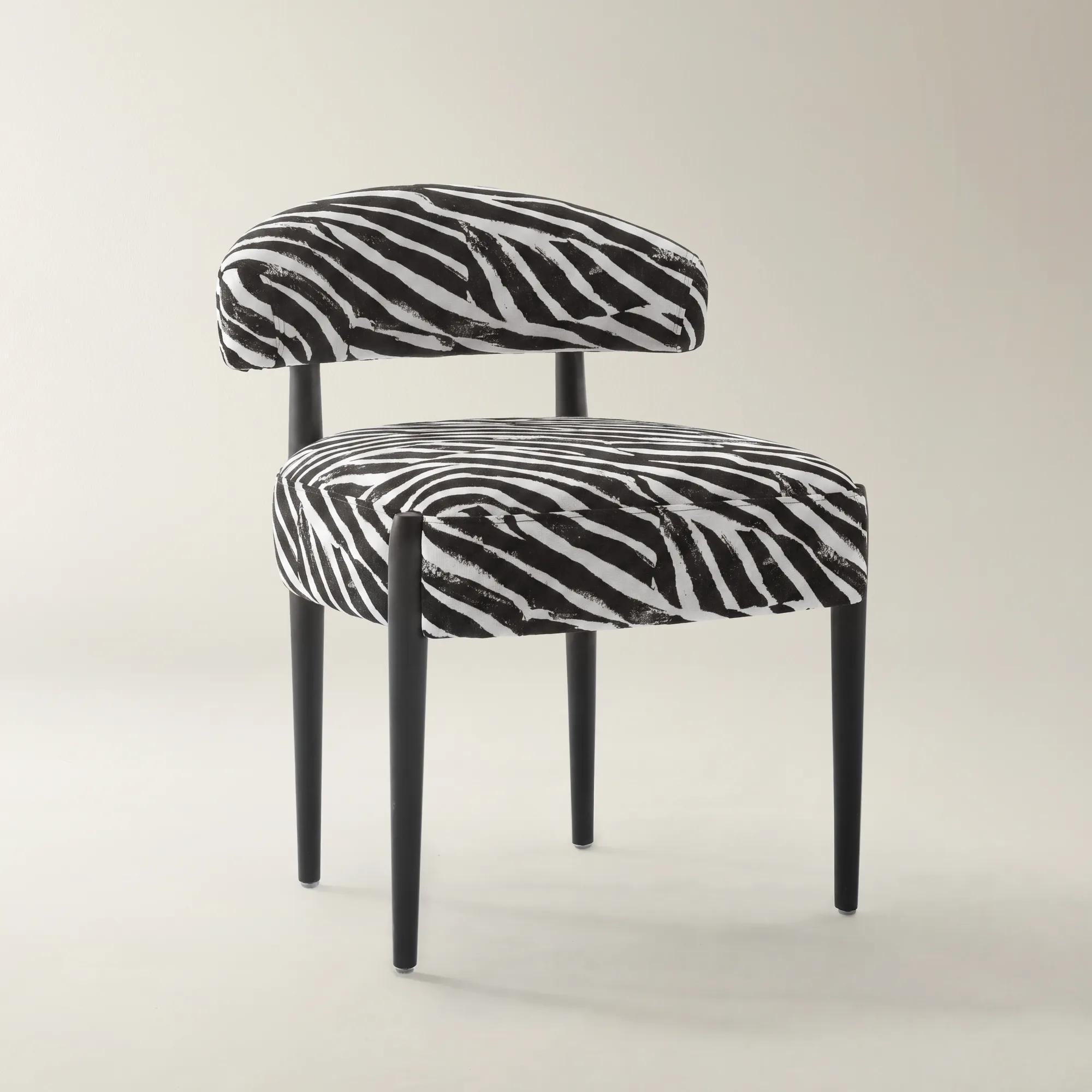 Anna White/Black Performance Chenille Dining Chair Set of 2$699
A black-and-white performance chenille chair set with arched backs, high-density foam, and solid rubberwood legs.
Add To Cart -
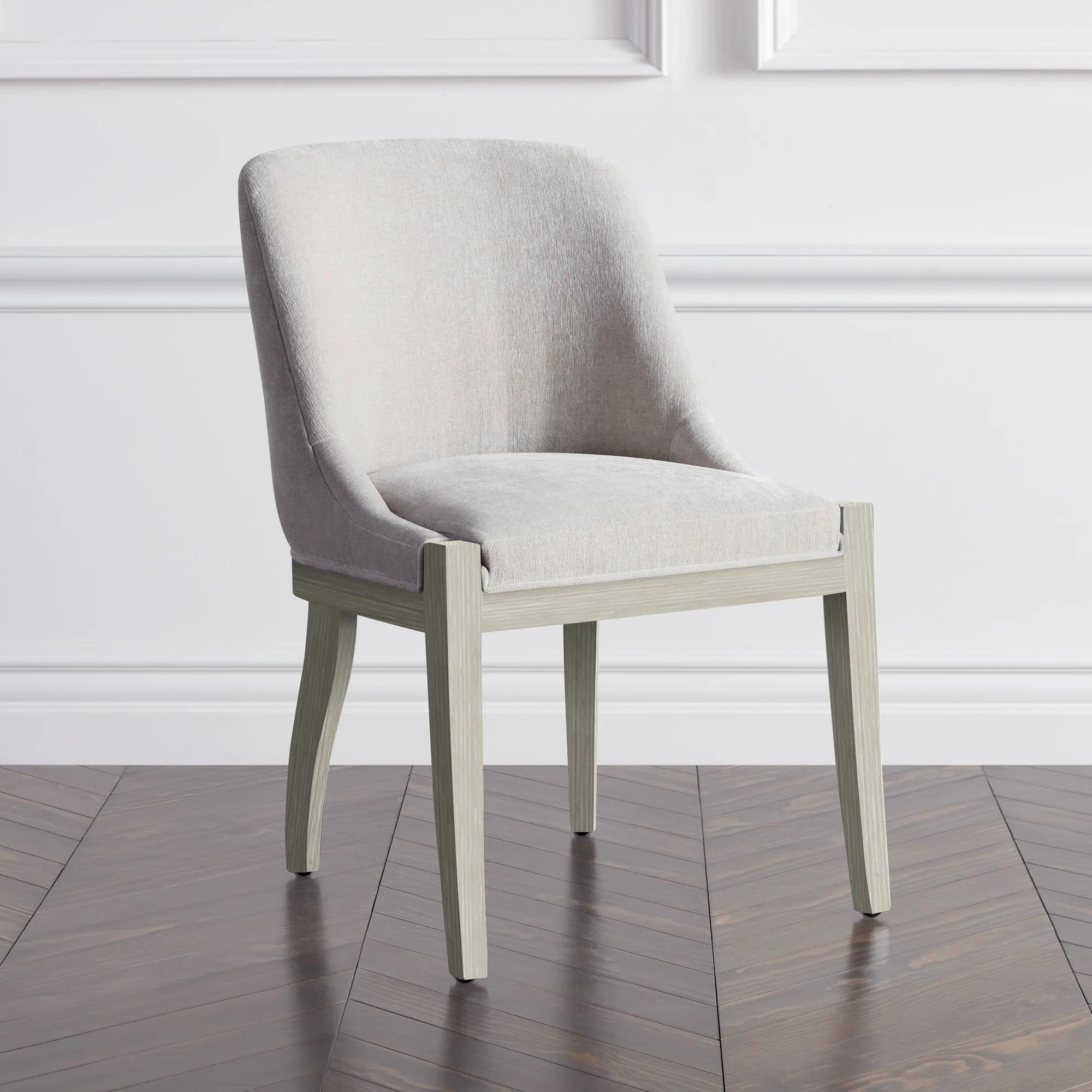
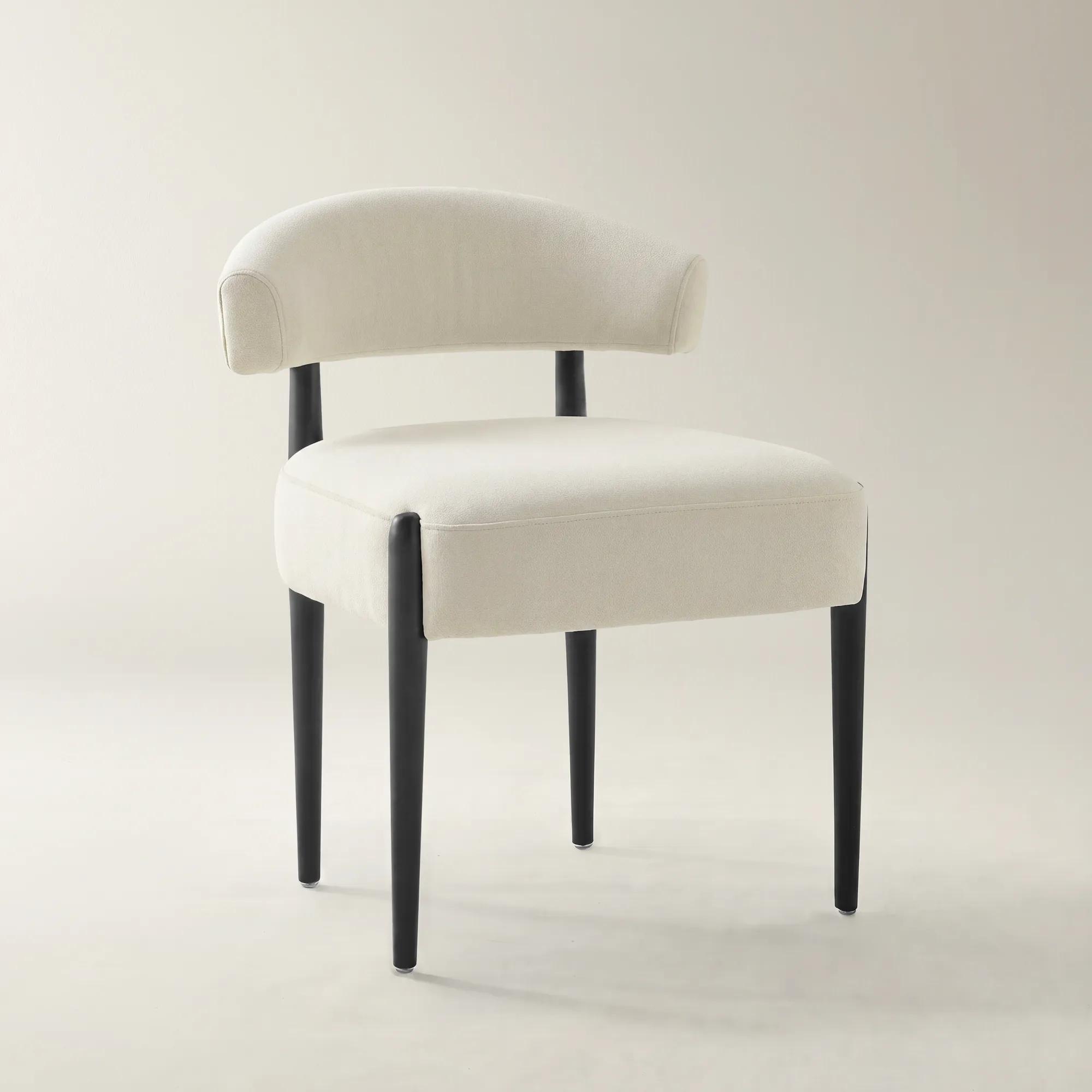 Anna Ivory Performance Chenille Dining Chair Set of 2$699
An ivory performance chenille chair pair featuring curved backs, high-density foam, and solid rubberwood legs.
Add To Cart -
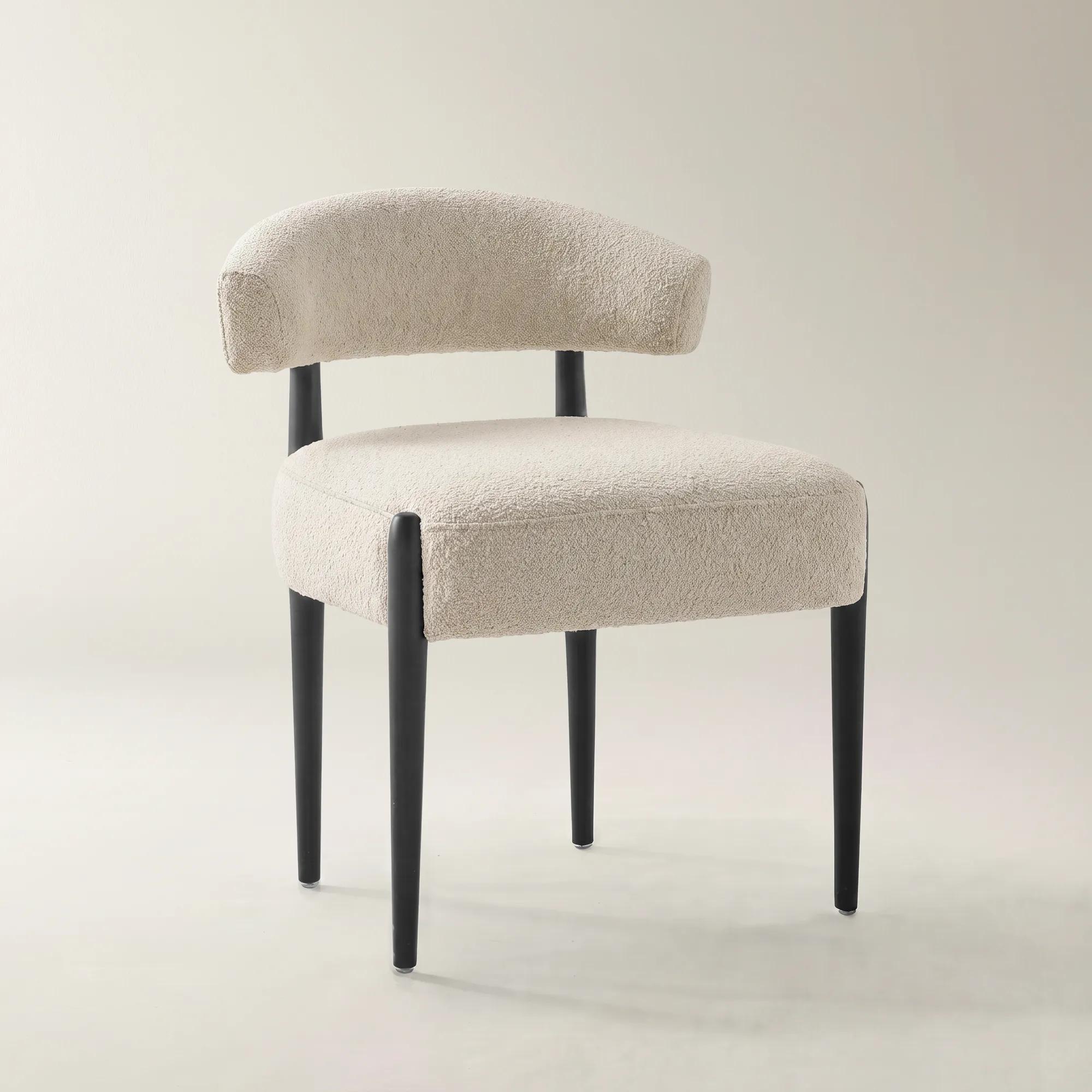 Anna Utopia Sand Chenille Dining Chair Set of 2$699
A sand chenille dining chair set featuring tailored armless curves, high-density cushioning, and solid rubberwood legs.
Add To Cart

Seating For Stylish Kitchens
Seating For Stylish Kitchens is where culinary artistry meets high design, transforming everyday moments into extraordinary experiences. Imagine sculptural silhouettes and sumptuous textures inviting conversation and creativity around your kitchen island or breakfast nook. Here, each piece is chosen not just to complement your space, but to command attention—balancing comfort with undeniable flair. Elevate the heart of your home with seating that celebrates bold expression, turning casual gatherings into occasions and every meal into a masterpiece.
Seating for stylish kitchens combines sculptural design, inviting comfort, and materials suited to everyday living. Counter stools, bar stools, dining chairs, and upholstered benches each create a different kind of gathering place, from a polished island lined with curved silhouettes to a breakfast nook softened by generous cushions. The most compelling arrangements give the kitchen a sense of occasion without making daily routines feel formal. A supportive back welcomes a lingering conversation over coffee; a gleaming metal frame catches the light beneath a pendant; a richly textured seat brings depth to sleek cabinetry and stone. Proportion gives that drama its polish. Counter-height stools typically have seats about 24 to 26 inches high and generally suit counters around 36 inches tall, while bar-height stools commonly measure 28 to 30 inches at the seat and suit surfaces about 40 to 42 inches high. Actual dimensions matter more than category names, particularly when a counter has a thick edge, a low apron, or limited knee space. Approximately 9 to 12 inches between the seat and the underside of the surface usually allows comfortable legroom, though cushion compression and individual preferences can affect the fit. Width deserves equal attention: spacing stools roughly 26 to 30 inches apart, measured from seat center to seat center, is a useful starting point, with wider or armed designs often needing more room. That breathing space keeps an island from feeling crowded and lets the lines of each seat remain visible. Backless stools can disappear beneath an overhang when dimensions allow, preserving views across the kitchen, while taller backs establish a more pronounced architectural rhythm. In a breakfast area, dining-height chairs offer a familiar, relaxed posture around a table. A bench or banquette can define a nook with an intimate, tailored presence, provided its seat height, depth, and clearance work with the table. Every silhouette should leave room for the life around it: opening a dishwasher, passing behind a seated guest, or carrying a serving platter from counter to table.
Materials give kitchen seating its personality, but their performance is just as important as their appearance. Upholstery introduces softness against hard surfaces, making an island feel more connected to the living spaces beyond it. Velvet can create a luminous, dimensional effect as its pile catches the light, while a textured woven fabric offers a more nuanced backdrop for sculptural frames. Performance fabrics may provide added resistance to staining or wear, but those qualities vary by textile and treatment; they do not make a seat immune to spills. Leather brings a supple surface and natural variation, with some finishes developing a visible patina over time. Faux leather can offer a smooth, tailored look, although its cleaning requirements and resistance to abrasion depend on its construction. Wood adds warmth and grain, whether expressed through a curved back, a substantial leg, or a slender frame. Metal introduces definition, from the soft glow of a brushed finish to the sharper reflection of polished surfaces. In a kitchen used for frequent meals, homework, and conversation, durability comes from the entire construction rather than a single material. Secure joints, a stable base, appropriate weight capacity, and upholstery suited to the expected level of use all contribute to lasting comfort. Footrests are particularly valuable on elevated seating, supporting a more settled posture rather than leaving feet suspended. Swivel seats can ease conversation between the island and an adjoining room, though their turning radius needs clearance from counters, walls, and neighboring seats. Arms provide a comfortable resting place but may prevent a stool from sliding beneath the counter. Care should follow the furniture’s specific instructions: prompt attention to spills, suitable upholstery-cleaning methods, and gentle cleaning of frames help preserve the finish. Abrasive pads and harsh cleaners can damage decorative surfaces, while excessive moisture can affect wood and some upholstery. Floor-safe glides, kept clean and checked for wear, help protect flooring as seats move. These practical details allow expressive seating to remain part of everyday life rather than something reserved for company.
A cohesive kitchen does not require every finish to match. Seating often looks more considered when it draws out one element of the room and introduces another. A warm wood frame can temper glossy cabinetry; an ivory upholstered seat can soften a dark island; a slender metallic base can echo the glow of cabinet hardware without repeating it exactly. Against boldly veined stone, a restrained silhouette lets the surface retain its presence, while a quieter kitchen can support a more dramatic back, a saturated fabric, or an elegantly curved profile. Repetition creates rhythm across a long island, but scale determines whether that rhythm feels graceful or crowded. Several generous stools with distinct space around them can make a stronger statement than an uninterrupted row squeezed beneath the counter. In an open-plan home, the backs of chairs and stools become part of the view from the sofa, entry, or dining area, so their shape and finish deserve as much attention as the seat itself. The broader composition comes into focus through Stylish Furniture for Open Kitchens, where the relationship between gathering spaces matters as much as any individual silhouette. A shared color, a related curve, or a recurring metal finish can connect those spaces without making them feel identical. Comfort also changes with the occasion. A compact backless stool may suit a quick espresso, while a padded seat with lumbar support better accommodates a leisurely meal or an evening spent talking with the cook. Households with young children may place greater value on stable bases, approachable seat heights, and straightforward care; frequent hosts may favor supportive backs and generous spacing. For anyone who treats the kitchen as a place to gather rather than simply prepare food, seating is a defining layer. Its texture, proportion, and presence turn a working surface into an invitation, giving everyday rituals a setting with unmistakable character.
FAQs
To create a luxurious kitchen atmosphere, opt for seating with sculptural silhouettes, rich upholstery, and metallic accents. Banquettes with plush cushions, velvet or leather bar stools with gleaming finishes, and curved benches all add a sense of drama and sophistication, transforming everyday dining into an elevated experience.
Mixing seating types—such as pairing upholstered banquettes with statement stools or adding a window seat alongside freestanding chairs—creates visual interest and a collected, designer feel. Unify the look by echoing colors, finishes, or materials across pieces, and incorporate layers of texture for added depth and comfort.
Enhance your kitchen island decor by selecting stools with dramatic backs, luxe fabrics, or metallic details. Arrange them in a way that invites conversation and highlights the island as a centerpiece. Incorporate decorative throws, accent pillows, or even a chic tray with fresh flowers to complete the scene and make the space feel inviting.
Stylish kitchen seating makes a memorable gift for new homeowners, newlyweds, or anyone who loves to entertain. A pair of elegant stools or a distinctive accent chair adds both beauty and utility, making it a thoughtful gesture for housewarmings, anniversaries, or milestone celebrations.
Infuse personality into your kitchen by choosing seating in bold colors, rich velvets, or textured fabrics. Layer with decorative pillows or throws in contrasting hues for added dimension. These details not only draw the eye but also create an inviting, artful atmosphere that reflects your sense of style.