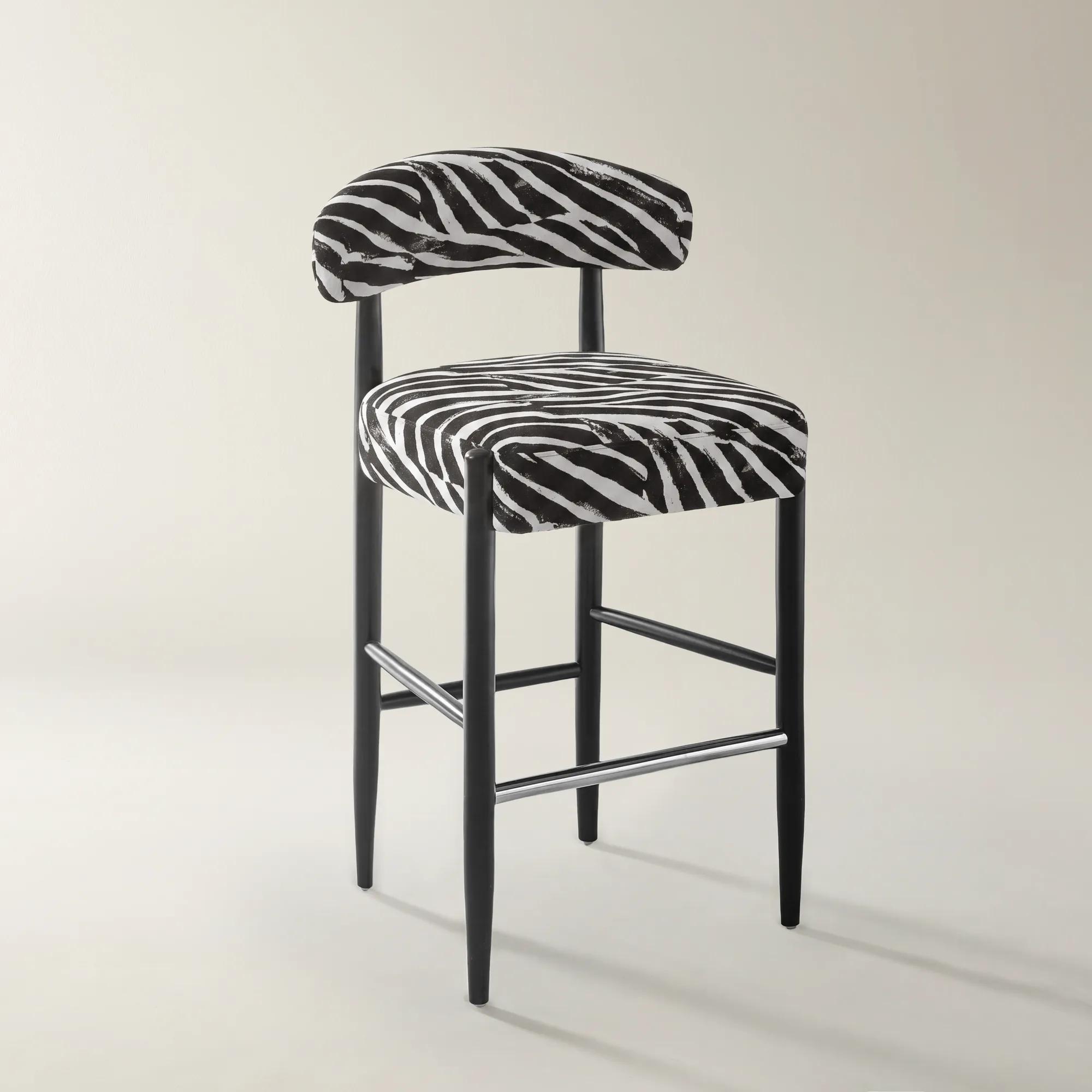
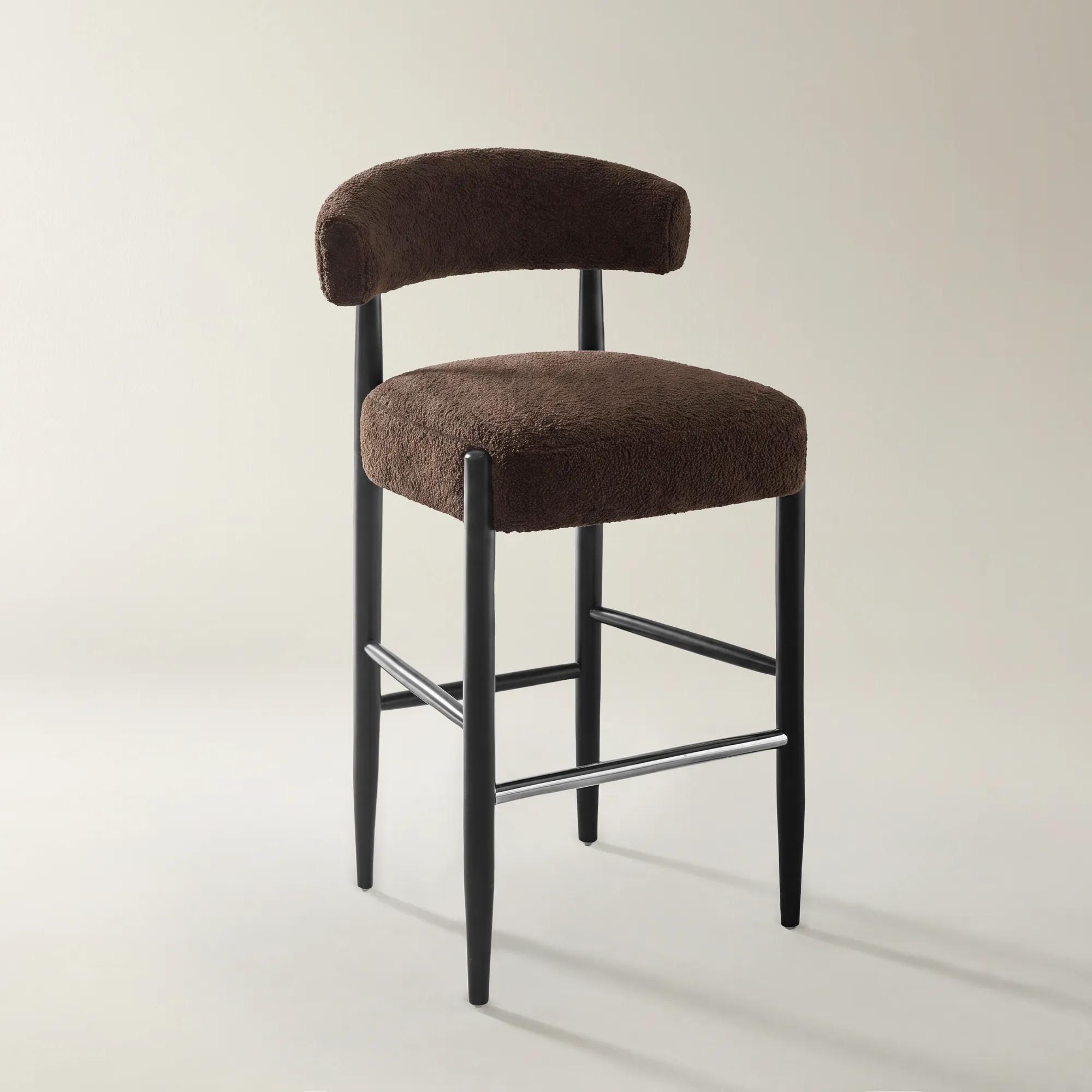
Kitchen Seating For Family Gatherings
Kitchen Seating For Family Gatherings
-
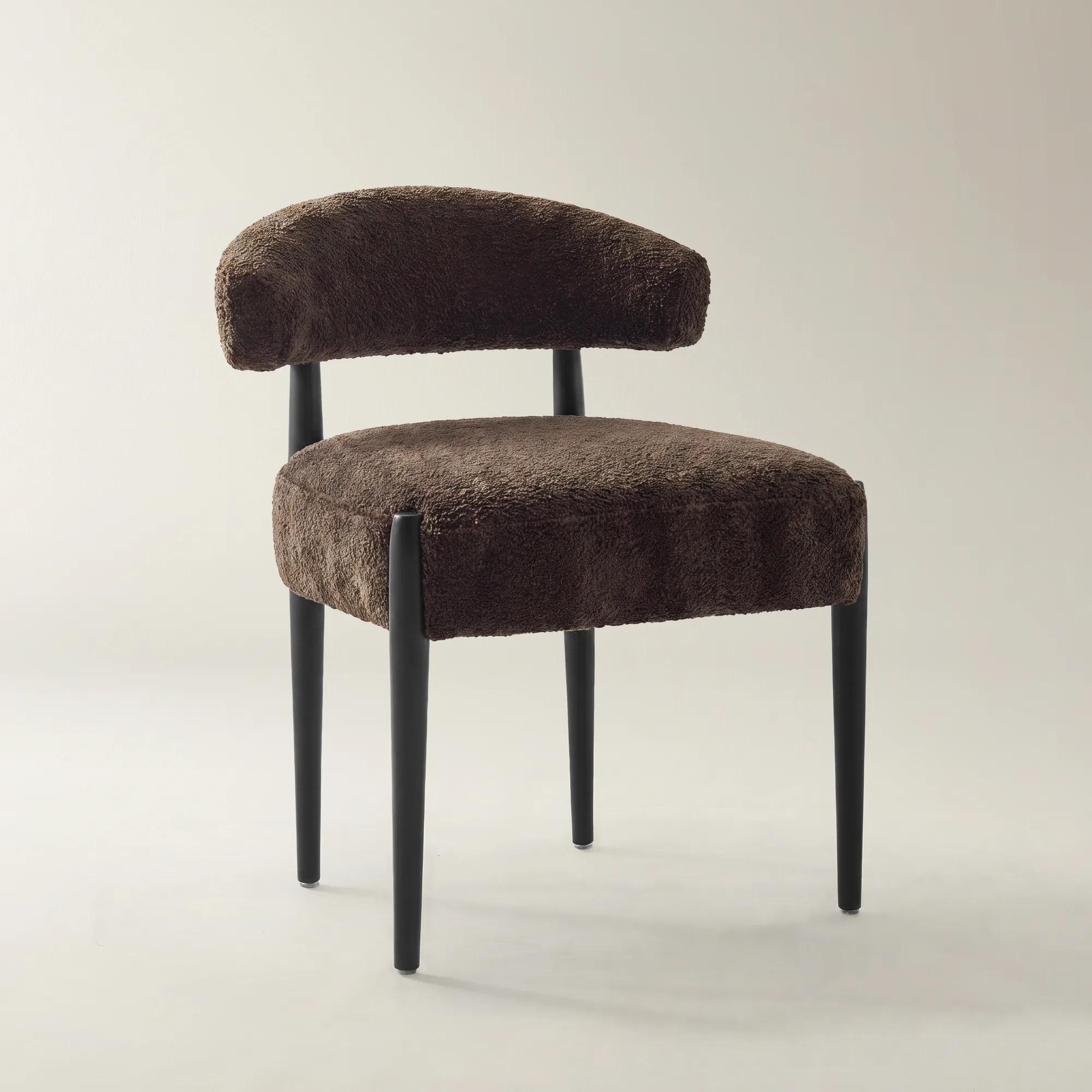
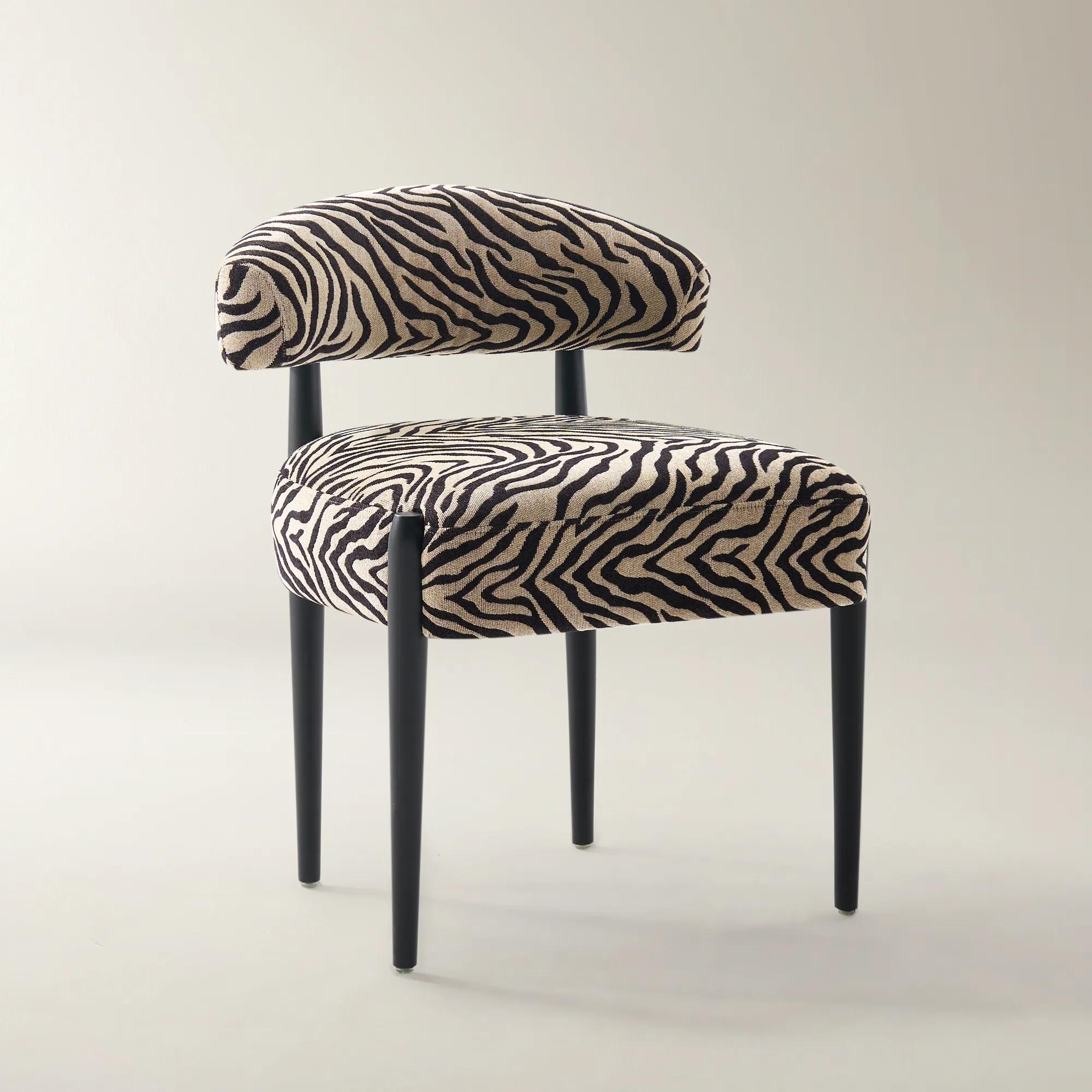 Anna Dark Chocolate Chenille Dining Chair Set of 2$699
A dark chocolate chenille chair pair featuring tailored curved backs, high-density foam, and solid rubberwood legs.
Add To Cart -
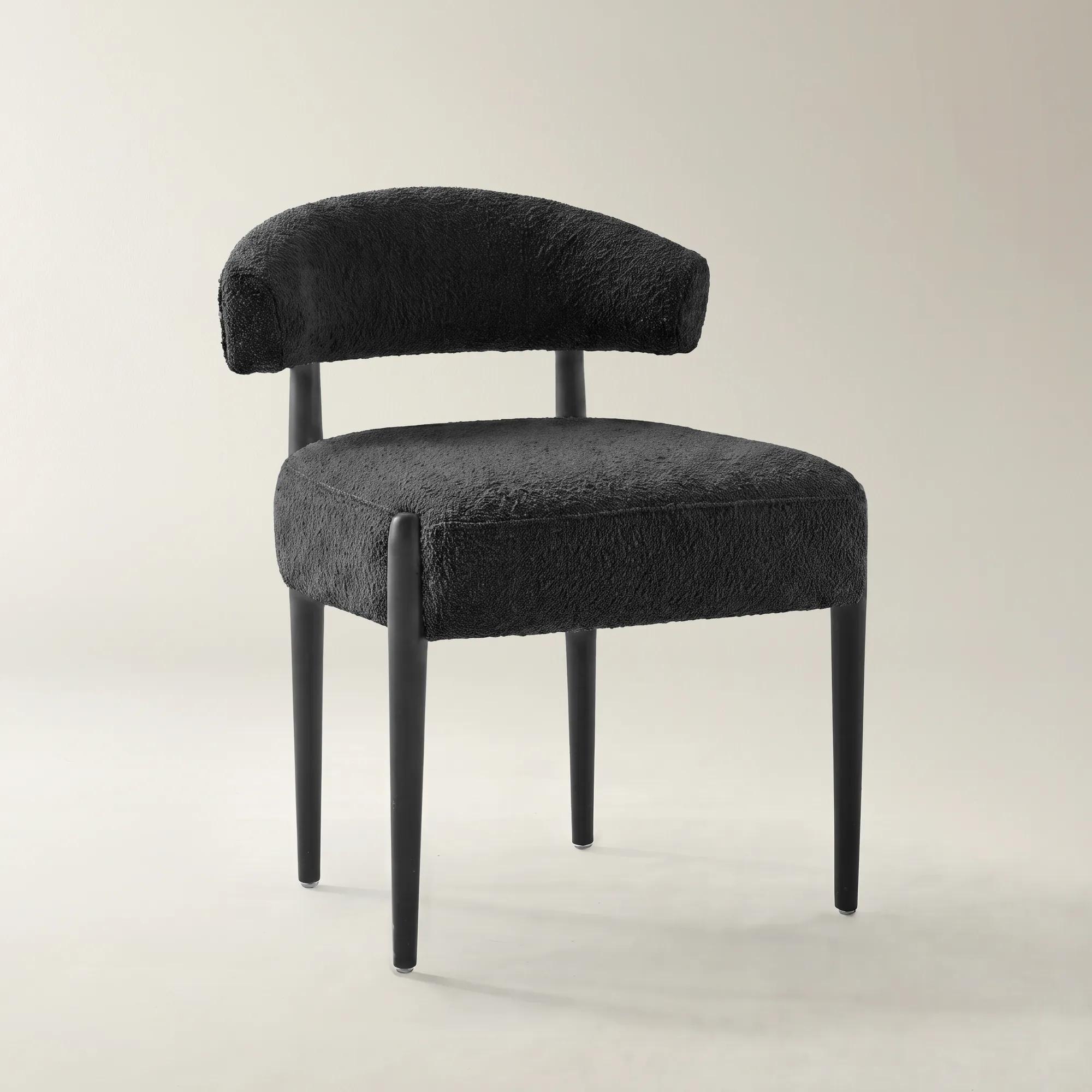 Anna Black Chenille Dining Chair Set of 2$699
A charcoal chenille dining chair set with curved backs, high-density foam cushioning, and rubberwood legs.
Add To Cart -
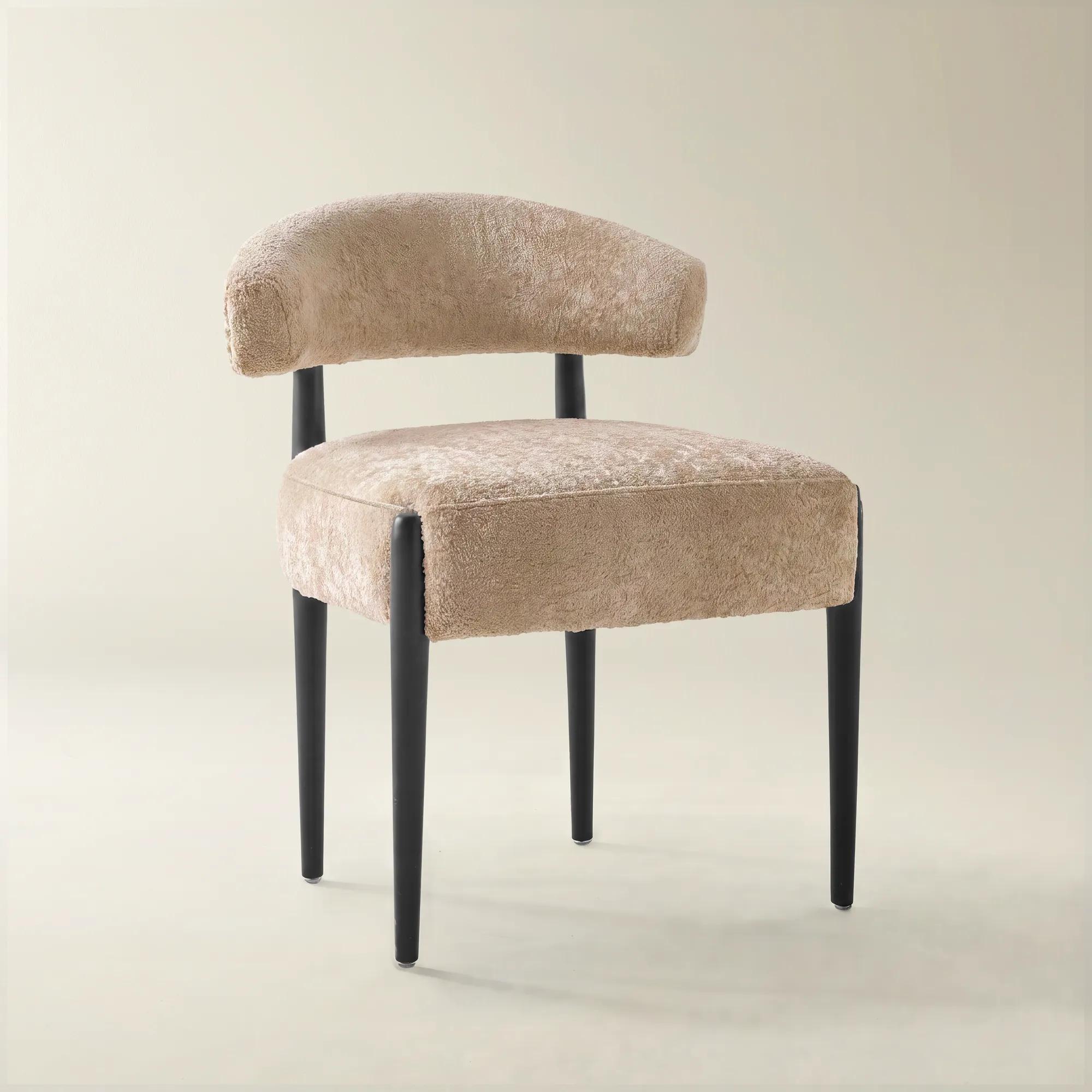 Anna Light Brown Chenille Dining Chair Set of 2$699
A light brown chenille chair set featuring arched backs, high-density foam cushioning, and solid rubberwood legs.
Add To Cart -
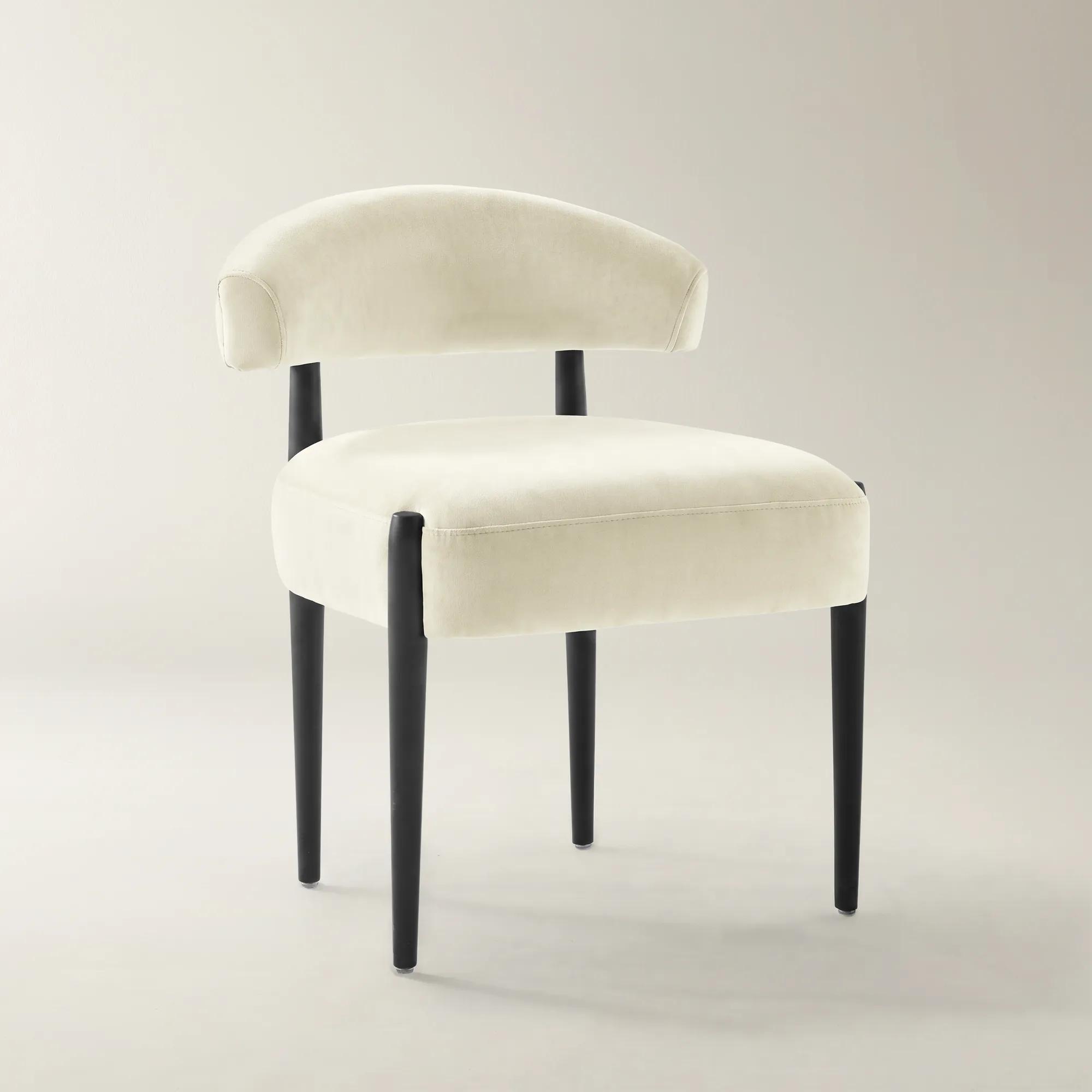 Anna Cloud Velvet Dining Chair Set of 2$699
A hand-upholstered Cloud velvet chair set featuring curved backs, high-density foam, and solid rubberwood legs.
Add To Cart -
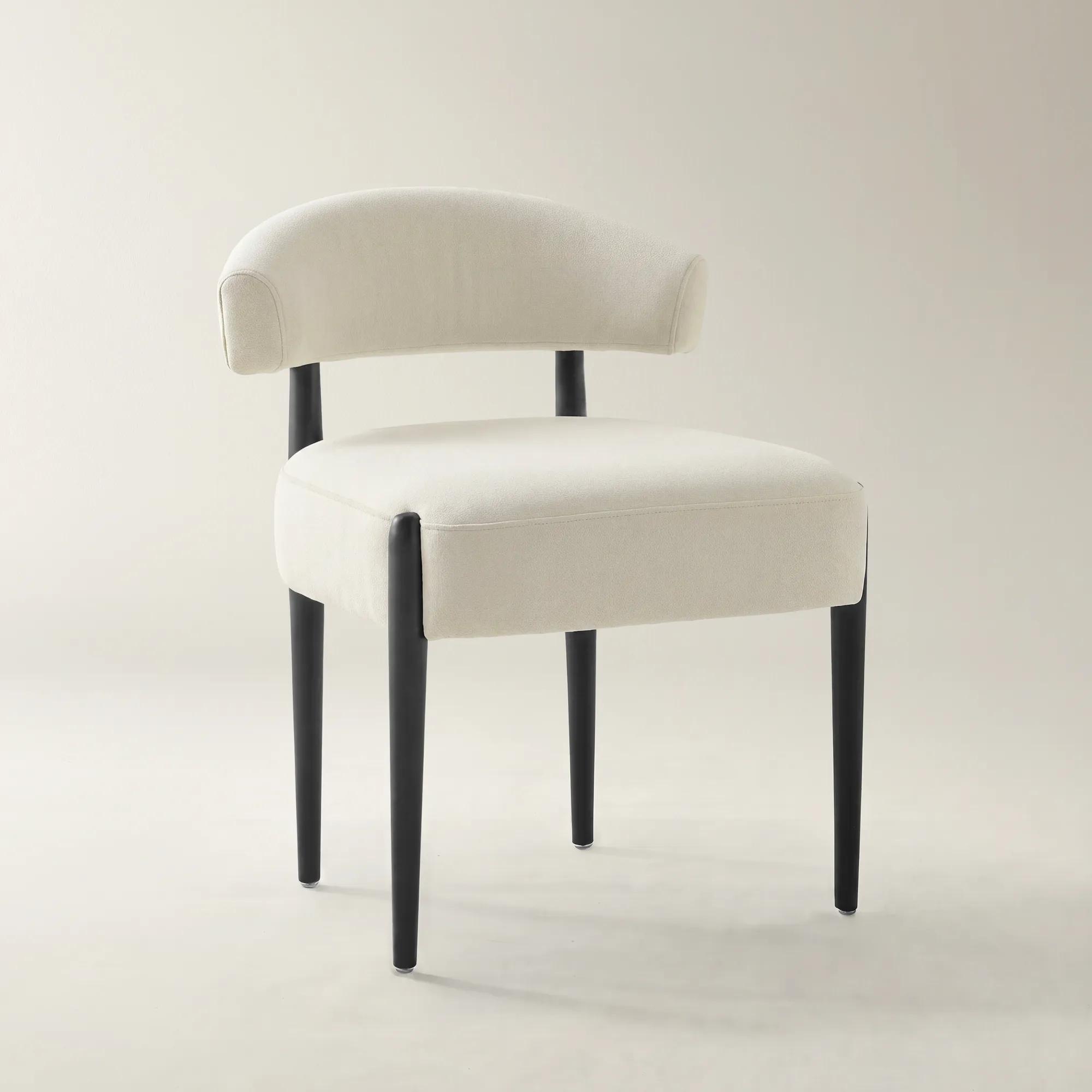 Anna Ivory Performance Chenille Dining Chair Set of 2$699
An ivory performance chenille chair pair featuring curved backs, high-density foam, and solid rubberwood legs.
Add To Cart -
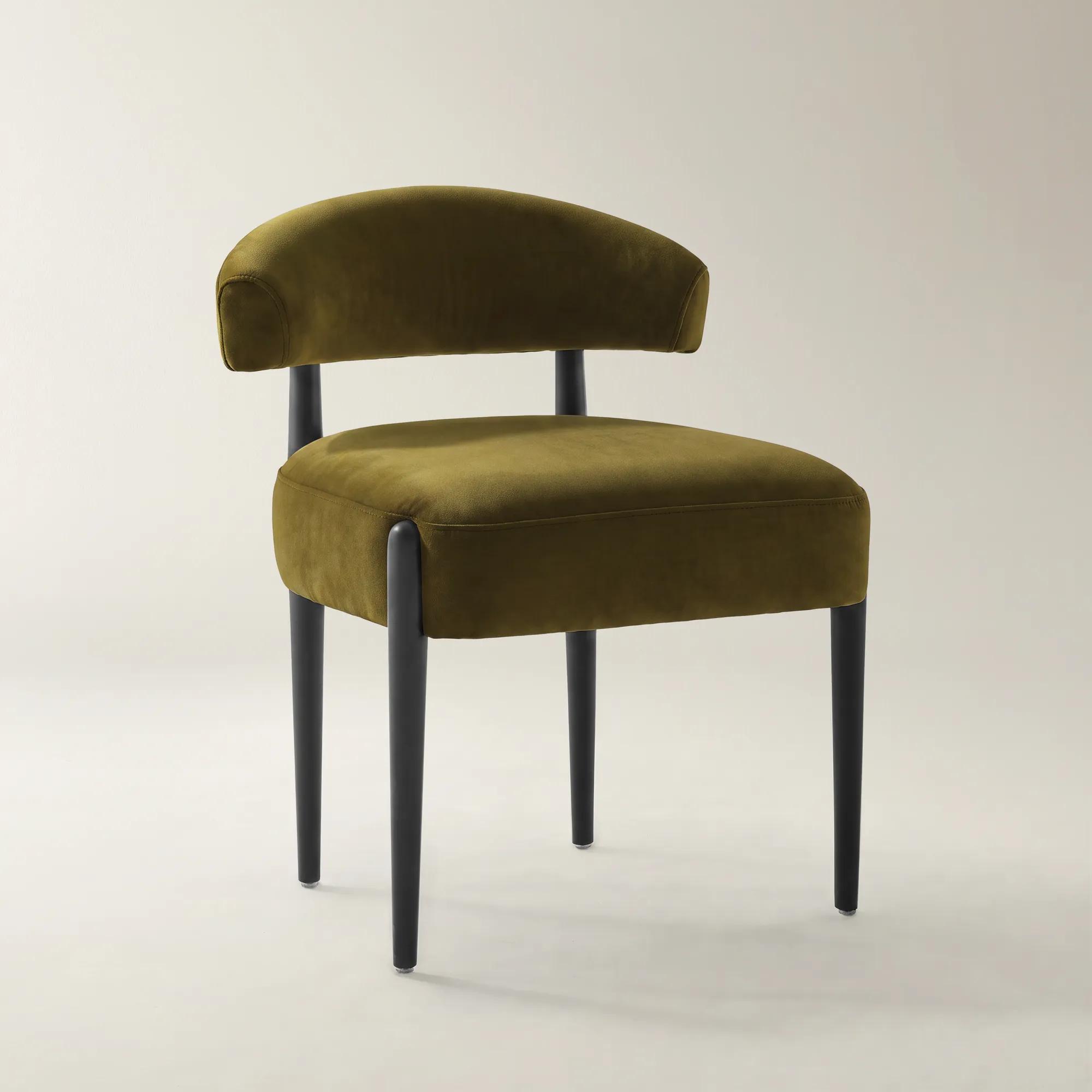 Anna Deep Olive Velvet Dining Chair Set of 2$699
A deep olive velvet dining chair with a tailored curved back, high-density cushioning, and solid rubberwood legs.
Add To Cart -
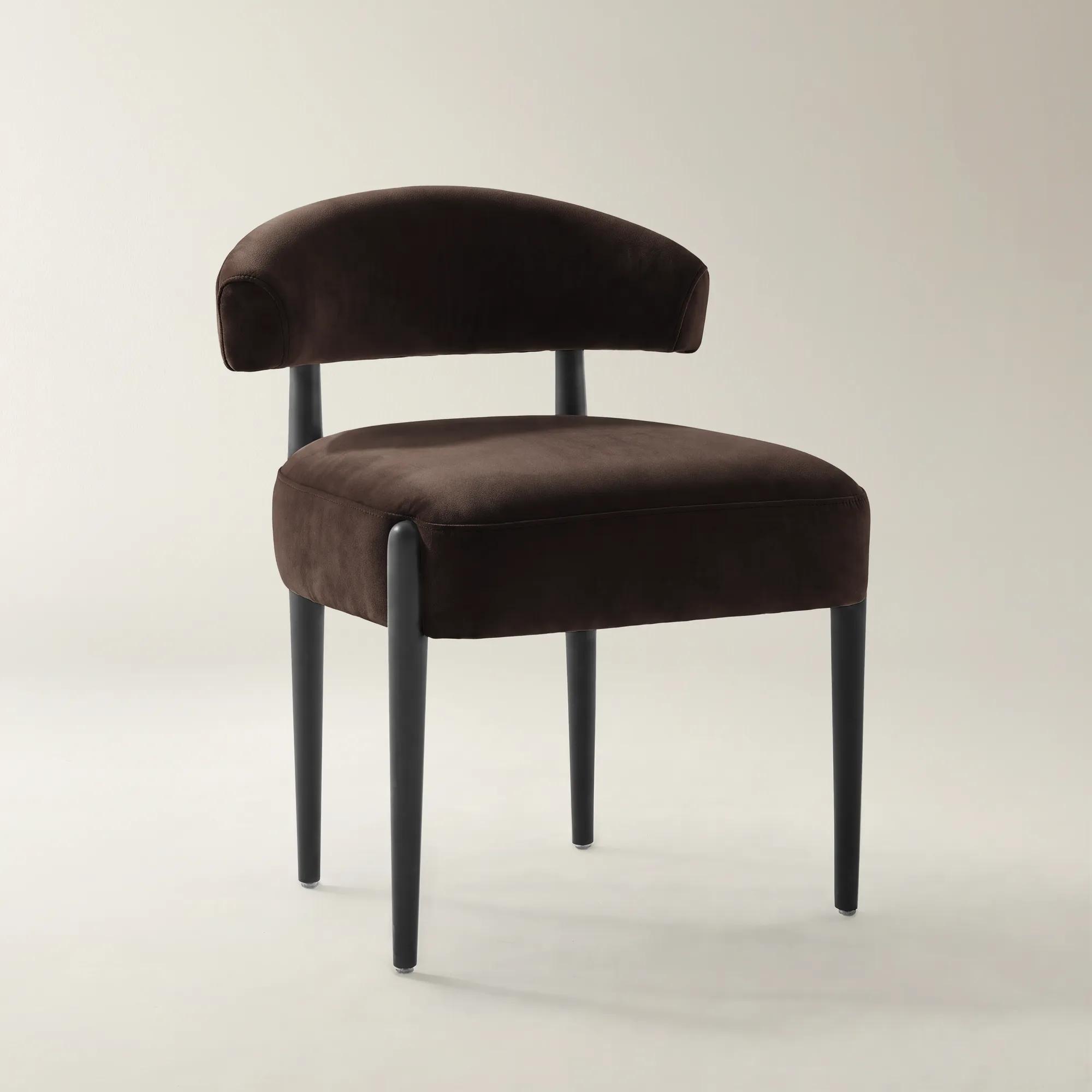 Anna Dark Chocolate Velvet Dining Chair Set of 2$699
A dark chocolate velvet dining chair set featuring an arched back, high-density foam, and solid wood construction.
Add To Cart -
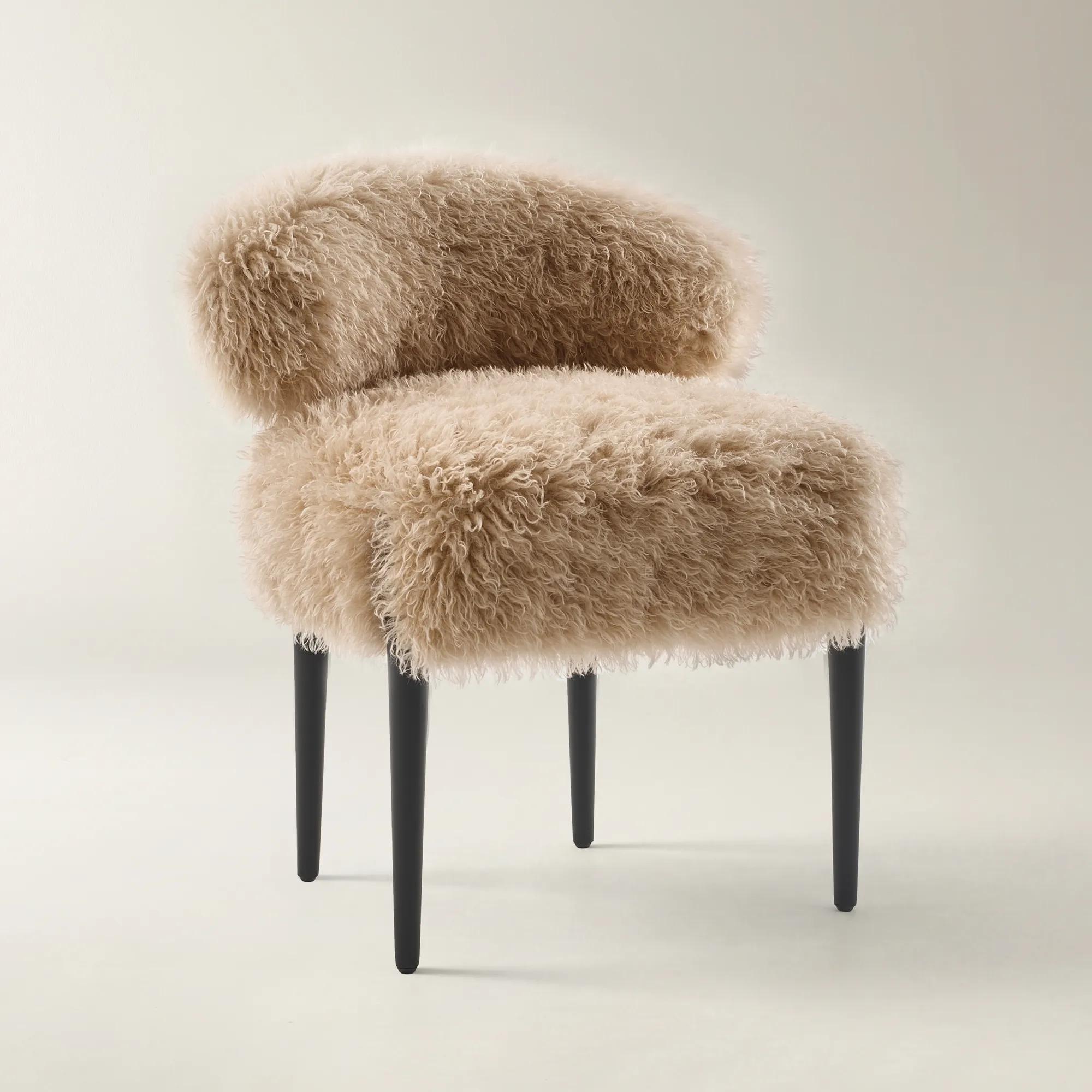 Anna Tan Faux Fur Dining Chair Set of 2$799
A tan faux fur dining chair set with curved backs, cushioned comfort, and solid rubberwood legs.
Add To Cart -
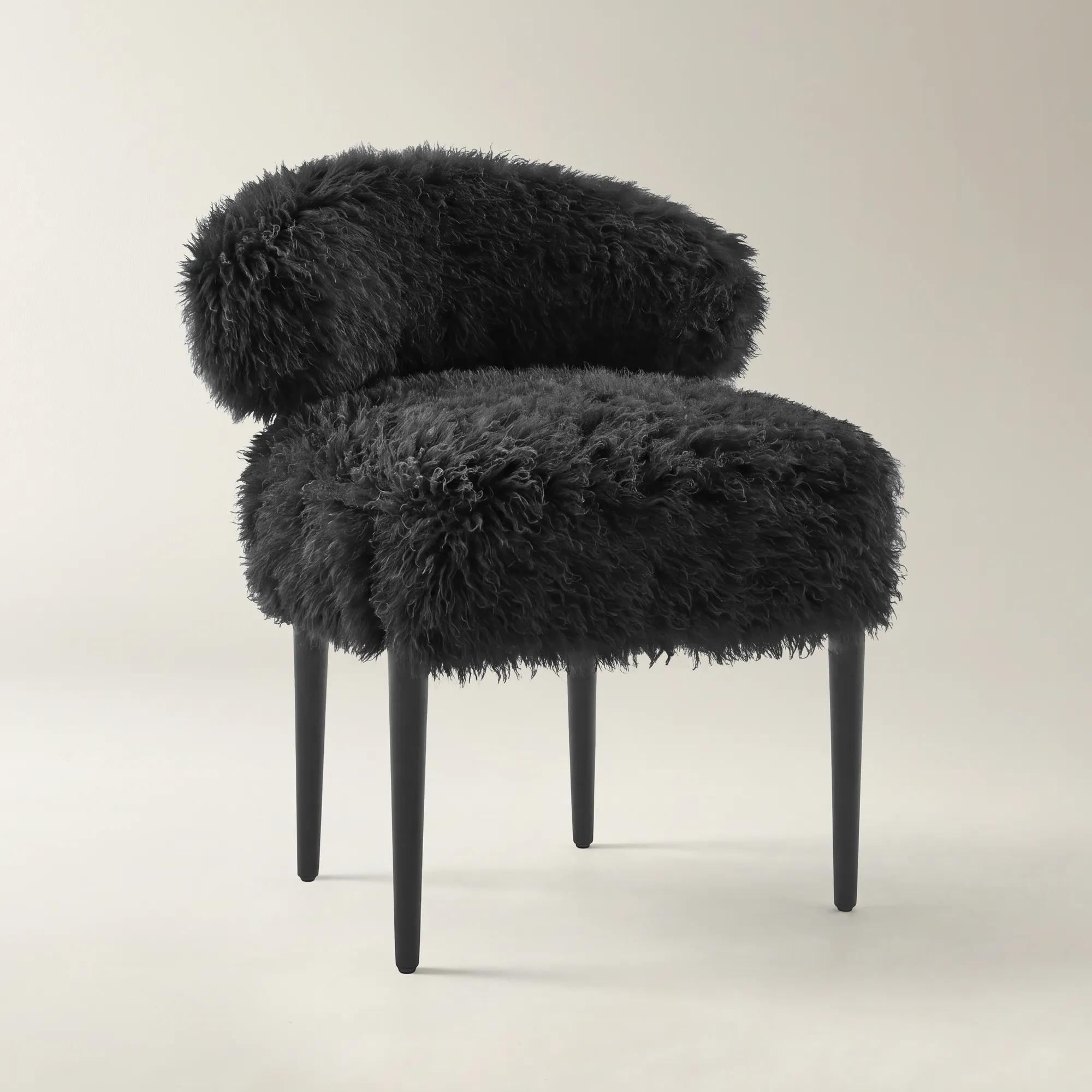 Anna Black Faux Fur Dining Chair Set of 2$799
A black faux fur chair set with arched backs, foam cushioning, and solid wood legs.
Add To Cart -
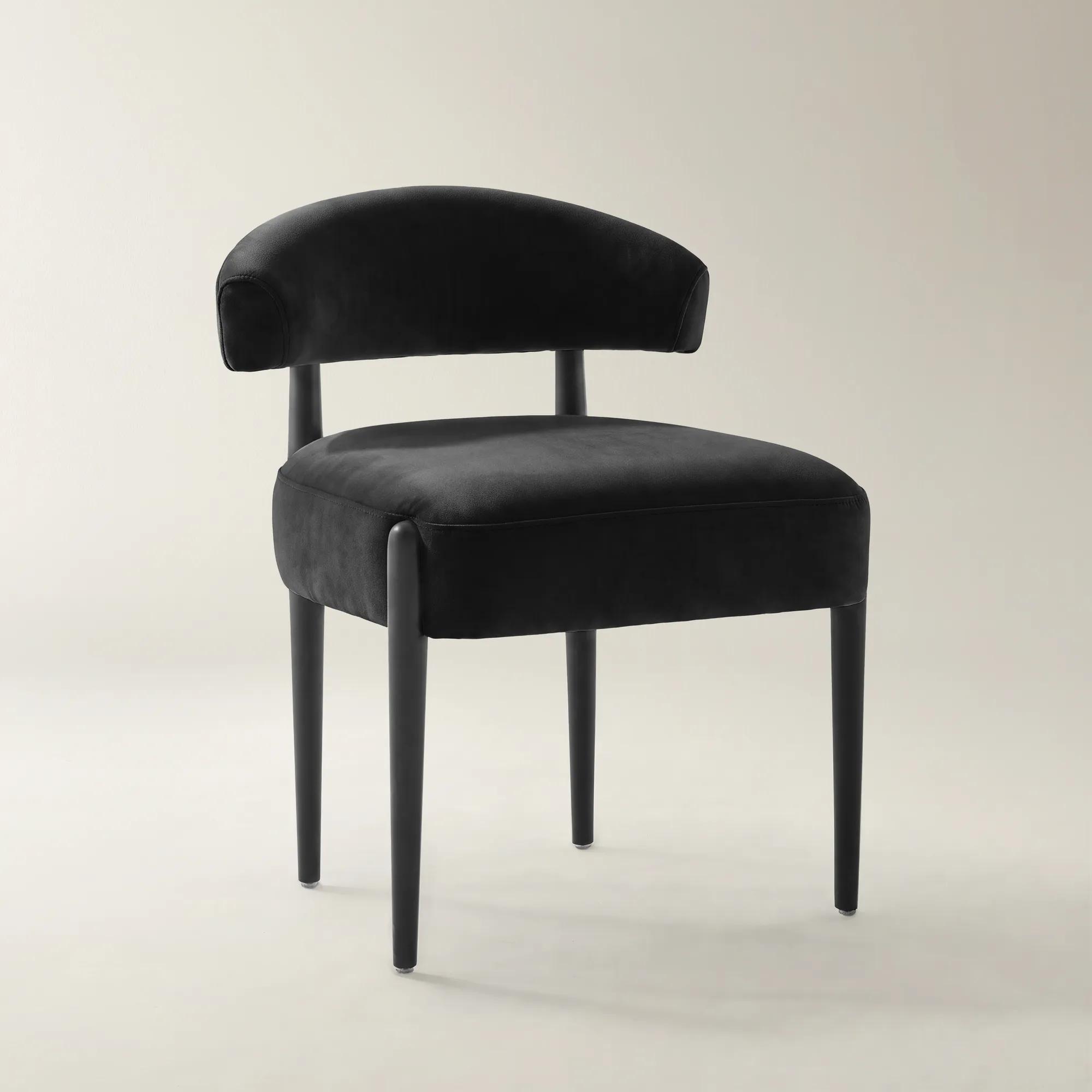 Anna Charcoal Velvet Dining Chair Set of 2$699
A charcoal velvet dining chair with an arched back, supportive foam cushioning, and solid rubberwood legs.
Add To Cart -
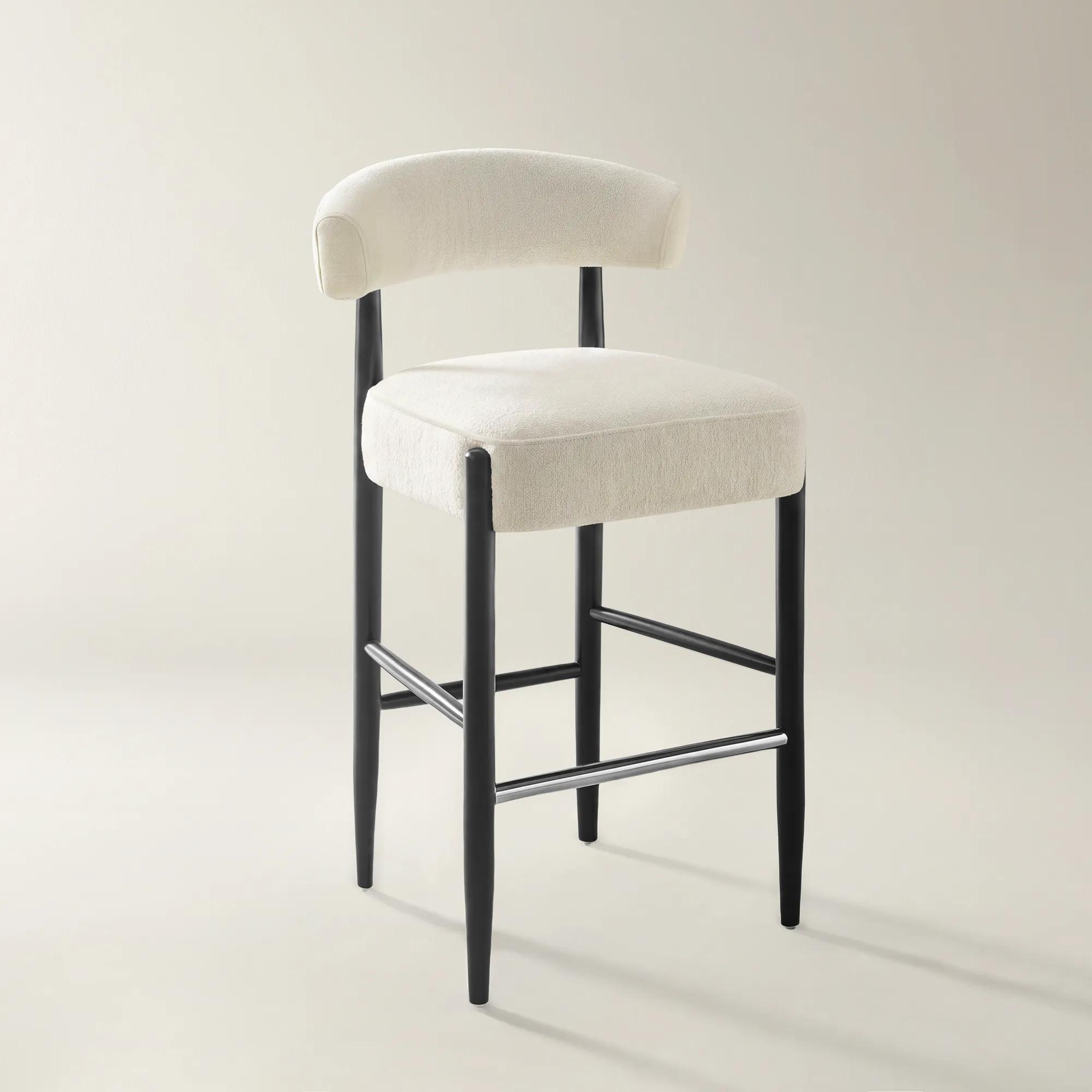
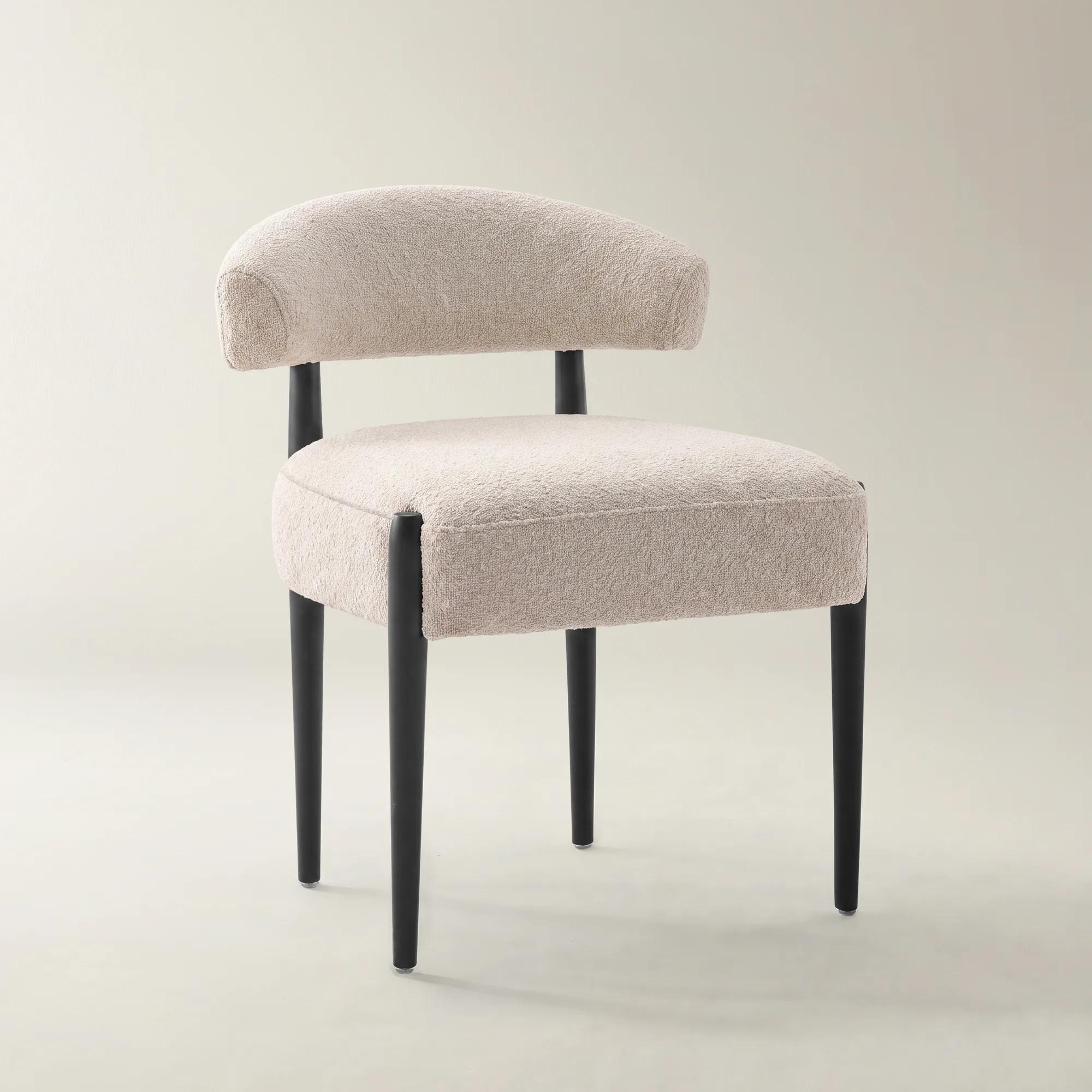 Anna Ivory Performance Boucle Dining Chair Set of 2$699
An ivory performance bouclé dining chair set with arched backs, high-density foam, and solid wood construction.
Add To Cart -
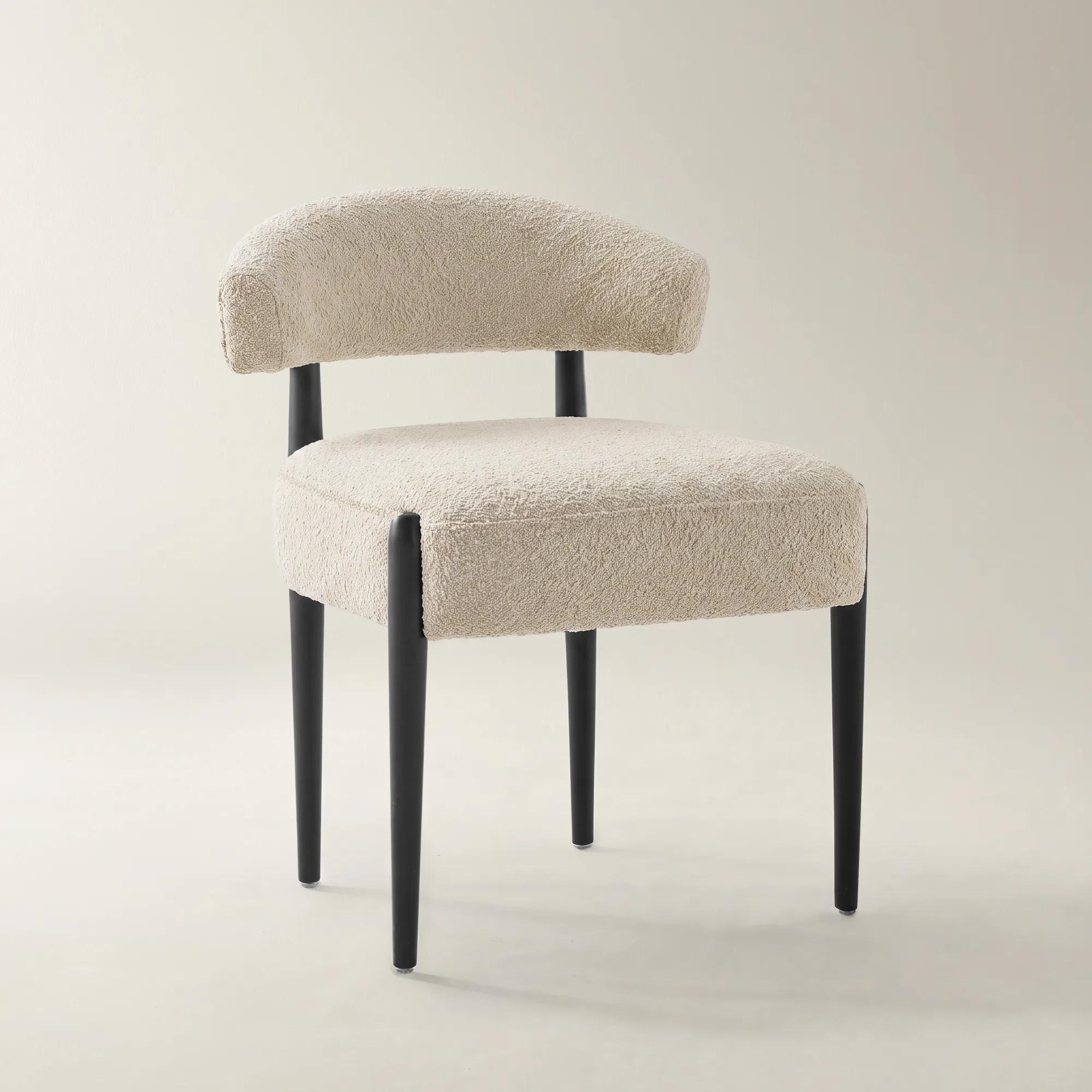 Anna Ivory Performance Boucle Dining Chair Set of 2$699
A pair of ivory performance boucle chairs with curved backs, cushioned comfort, and solid wood frames.
Add To Cart -
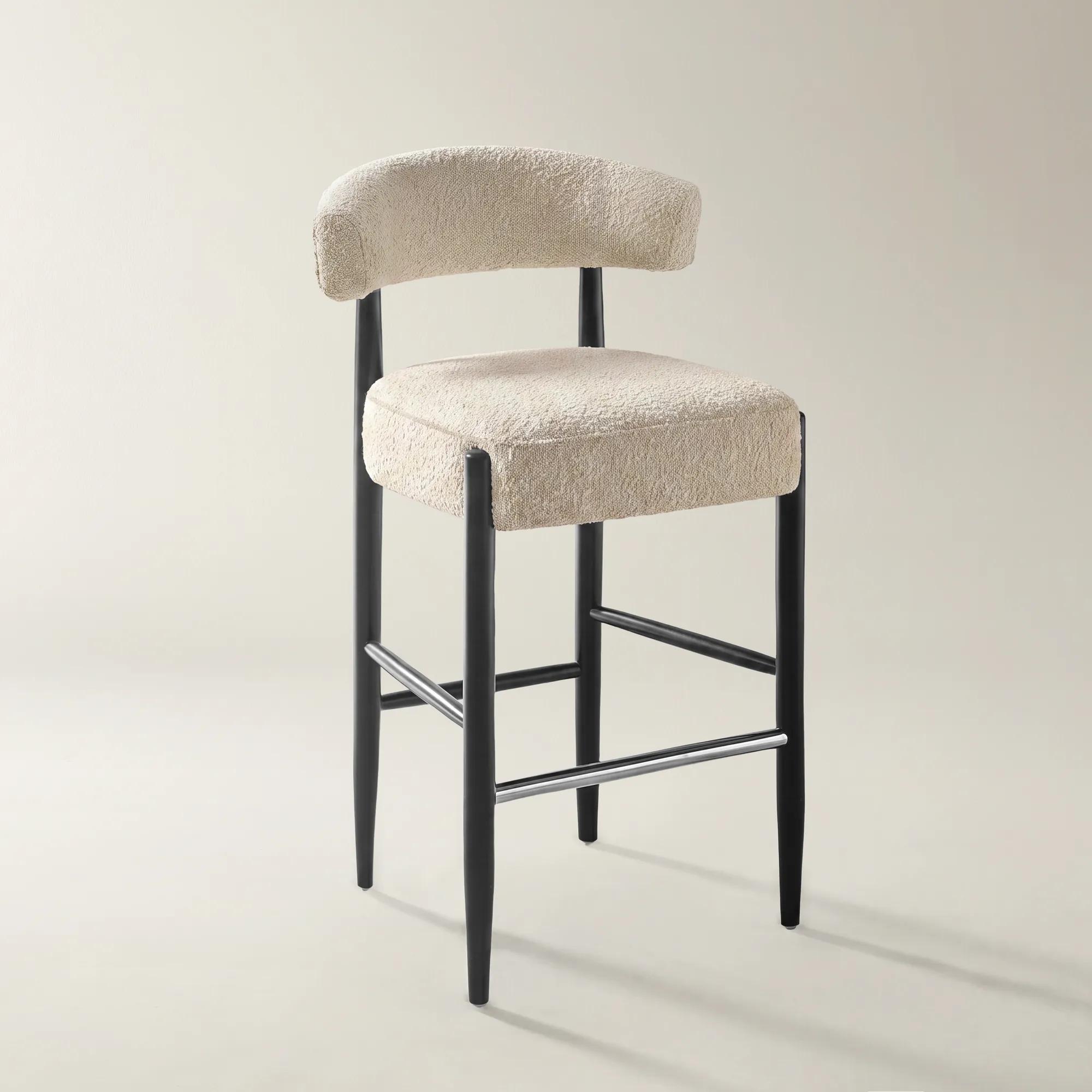
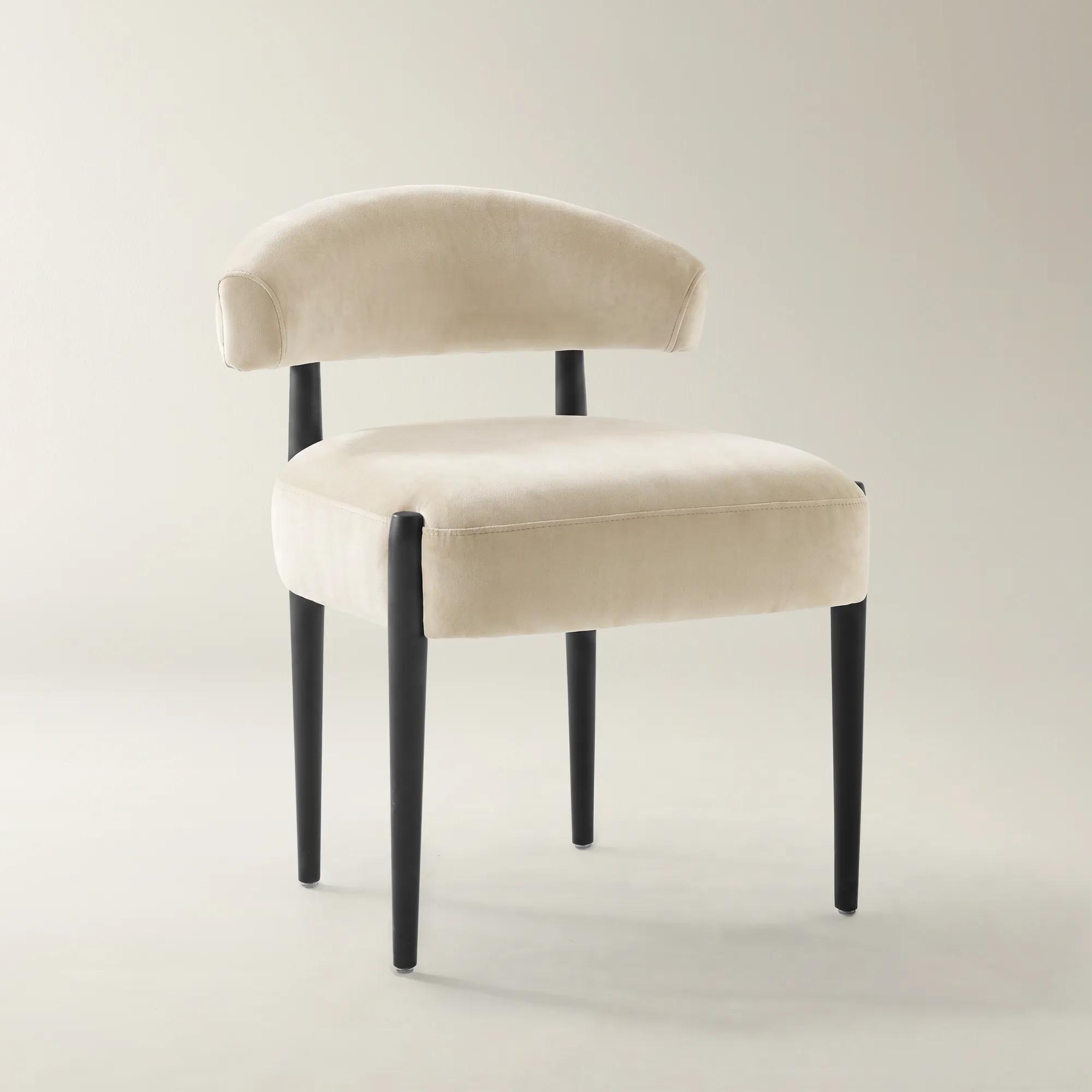 Anna Oatmeal Velvet Dining Chair Set of 2$699
A pair of oatmeal velvet dining chairs with arched backs, supportive foam cushioning, and rubberwood legs.
Add To Cart -
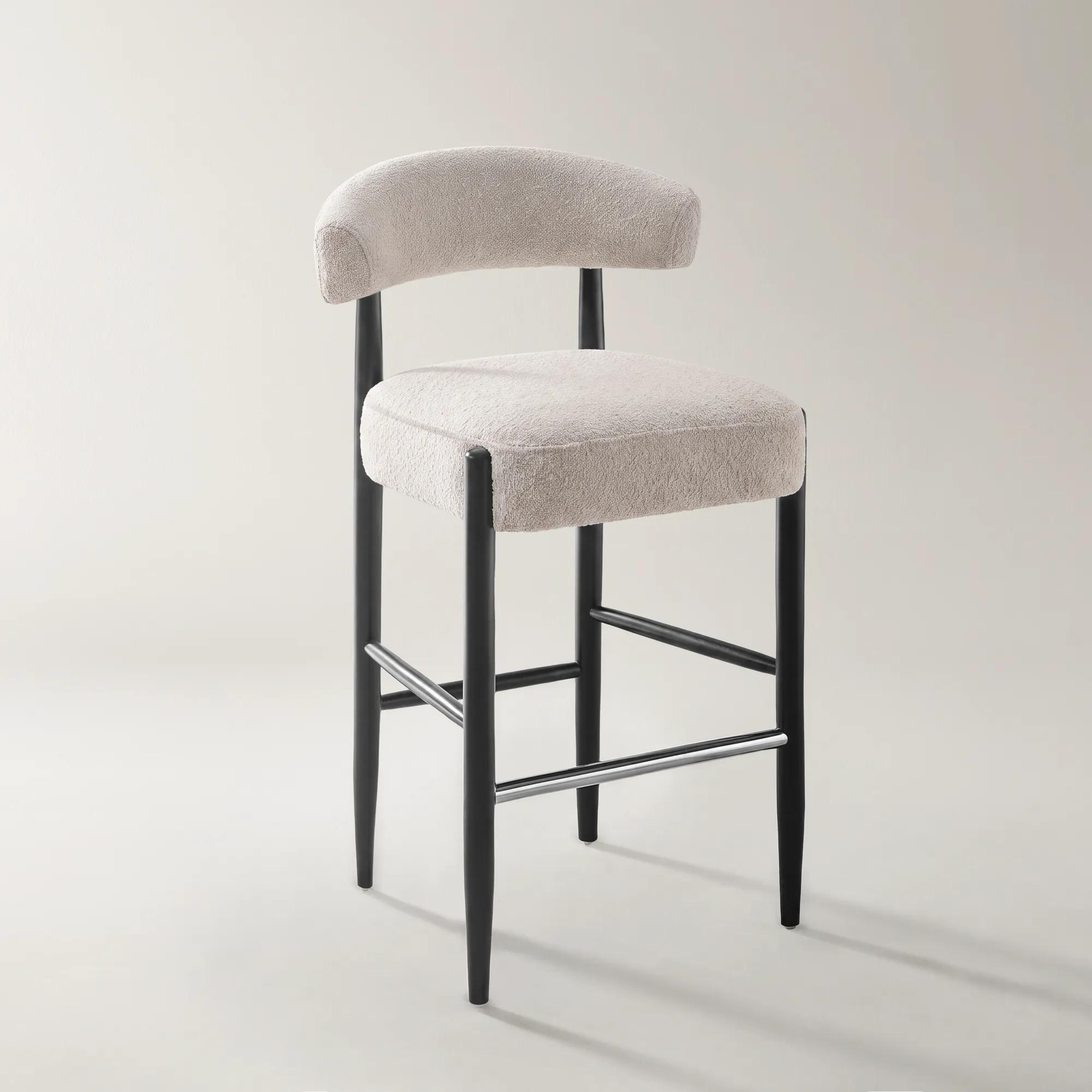
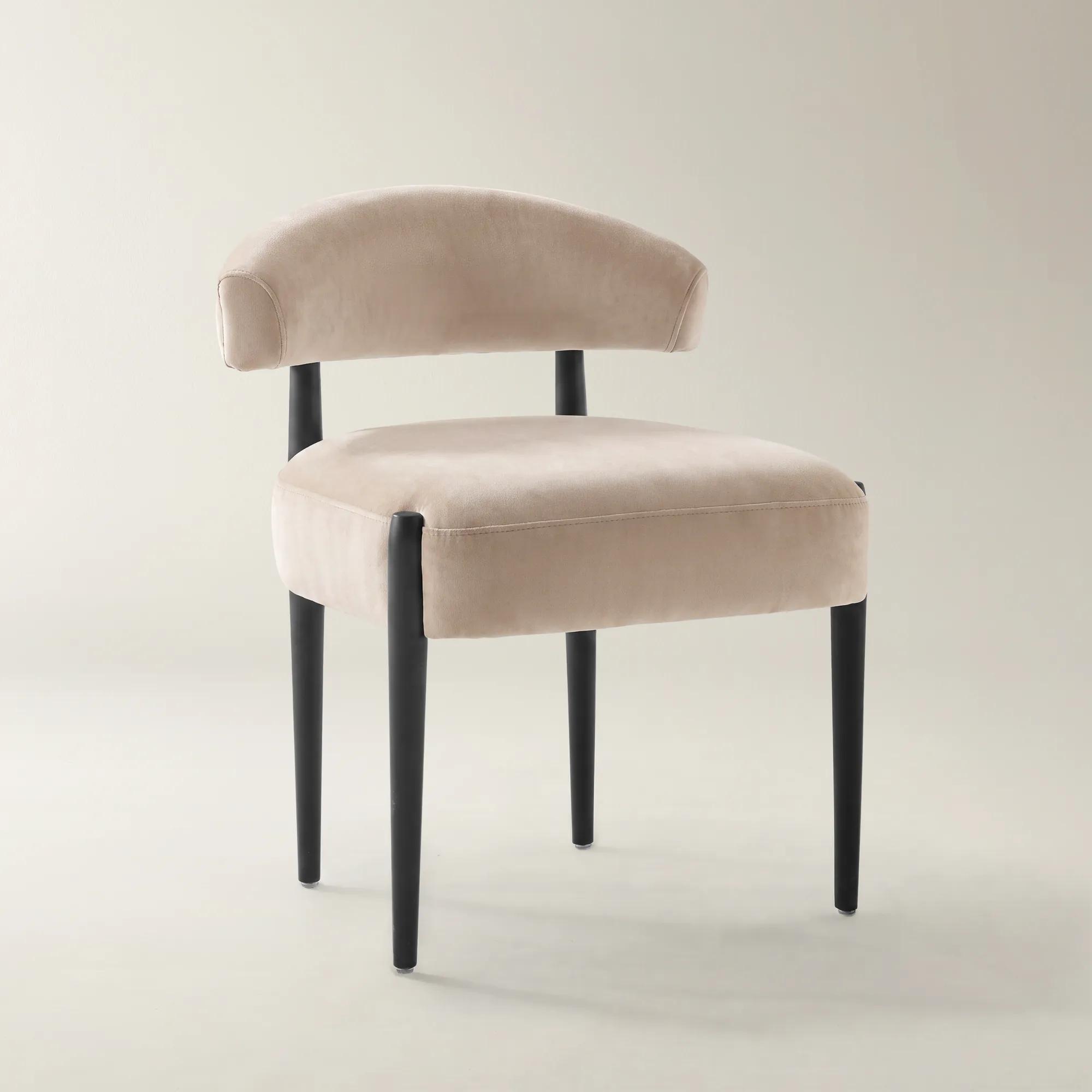 Anna Simply Taupe Velvet Dining Chair Set of 2$699
A taupe velvet dining chair featuring a tailored arched back, high-density foam cushioning, and rubberwood legs.
Add To Cart -
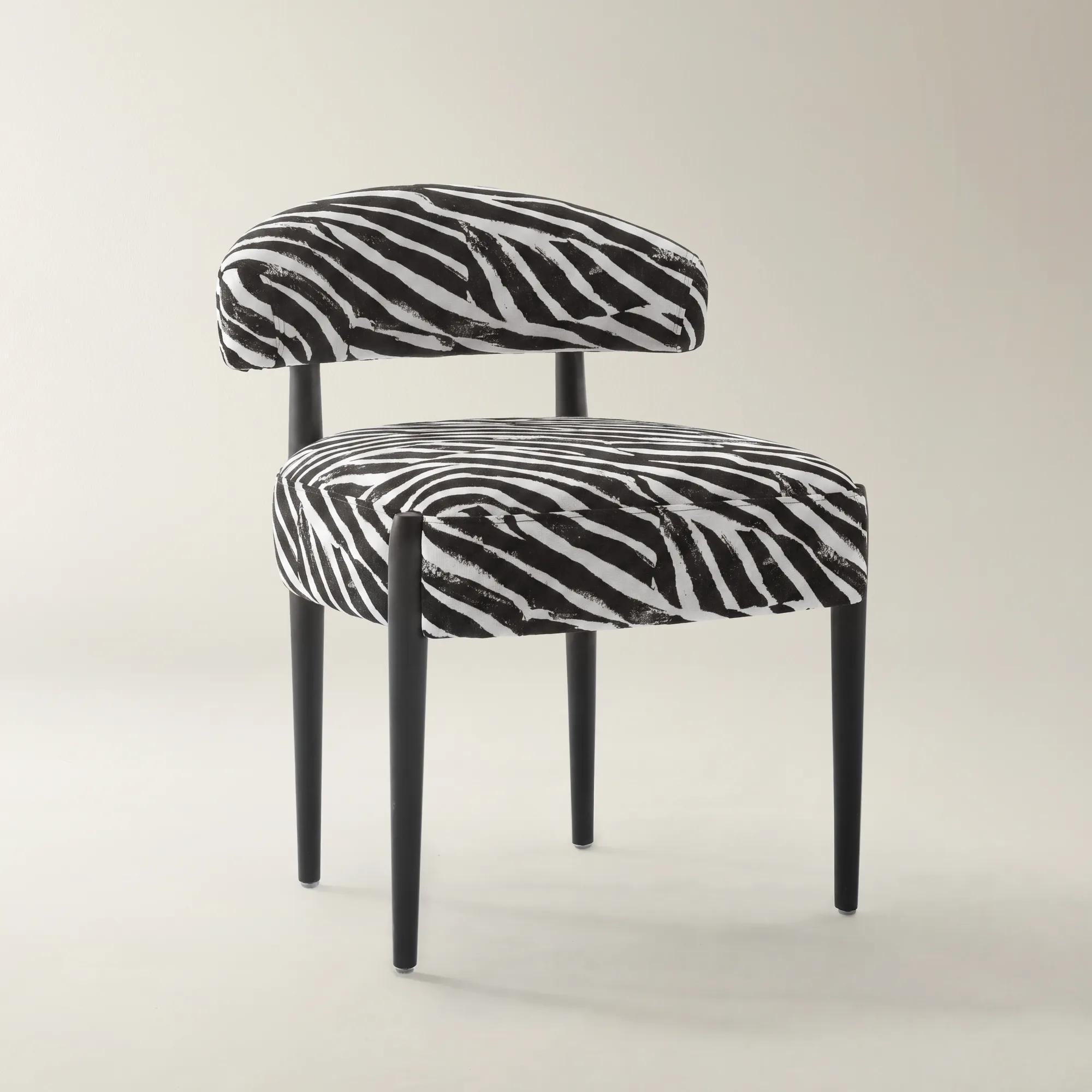 Anna White/Black Performance Chenille Dining Chair Set of 2$699
A black-and-white performance chenille chair set with arched backs, high-density foam, and solid rubberwood legs.
Add To Cart -
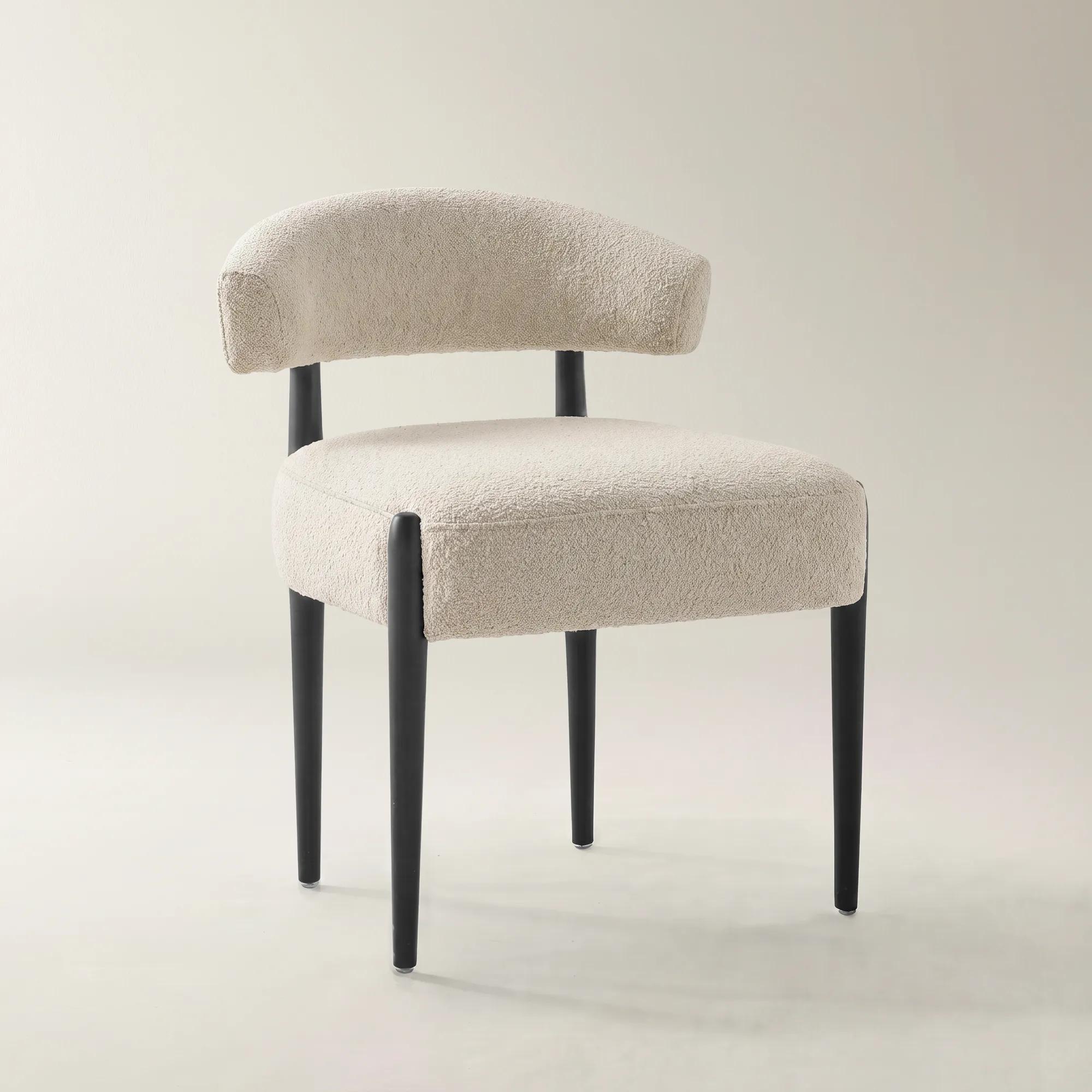 Anna Utopia Sand Chenille Dining Chair Set of 2$699
A sand chenille dining chair set featuring tailored armless curves, high-density cushioning, and solid rubberwood legs.
Add To Cart -
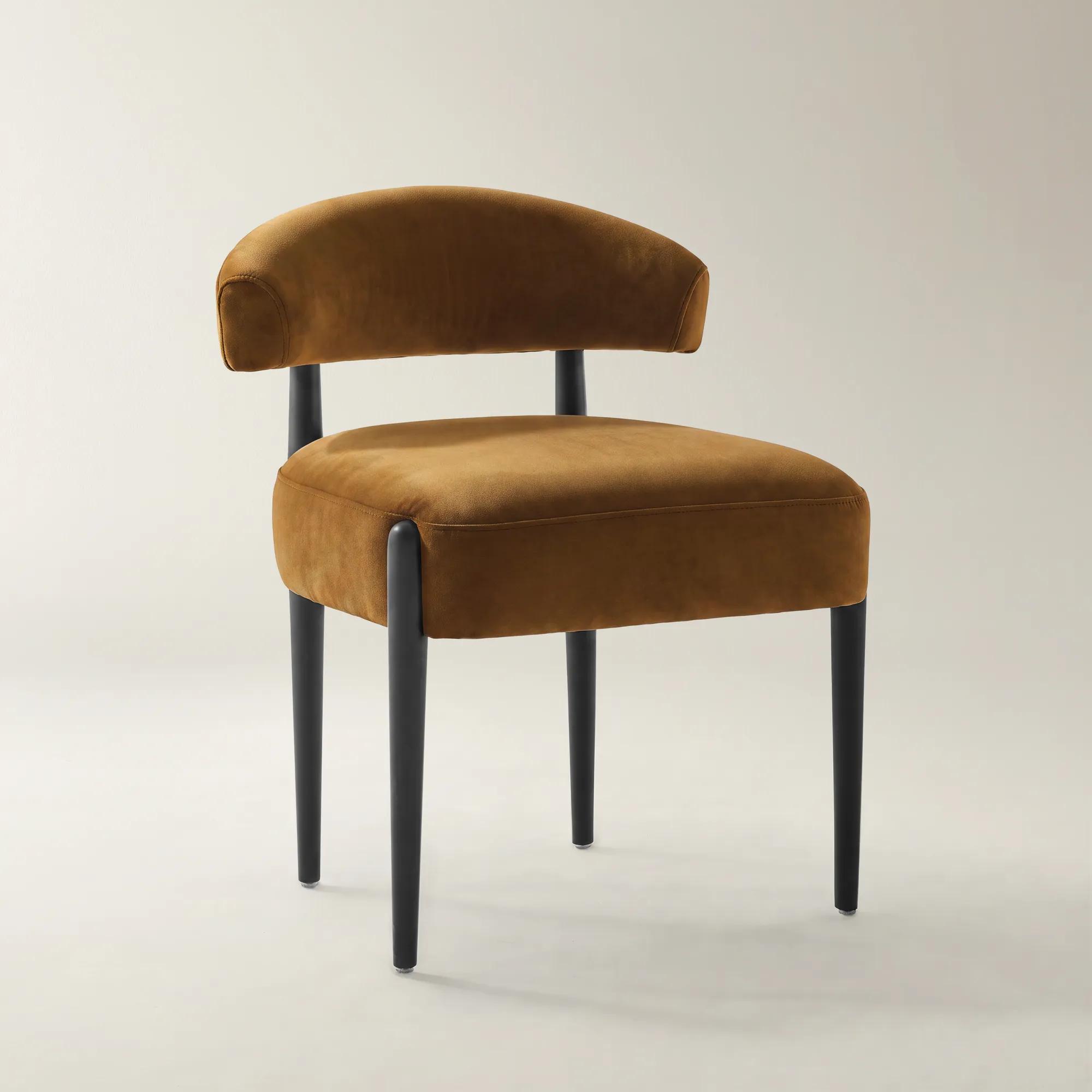 Anna Roasted Pecan Velvet Dining Chair Set of 2$699
A roasted pecan velvet dining chair set featuring a tailored curved back and high-density foam cushioning.
Add To Cart -
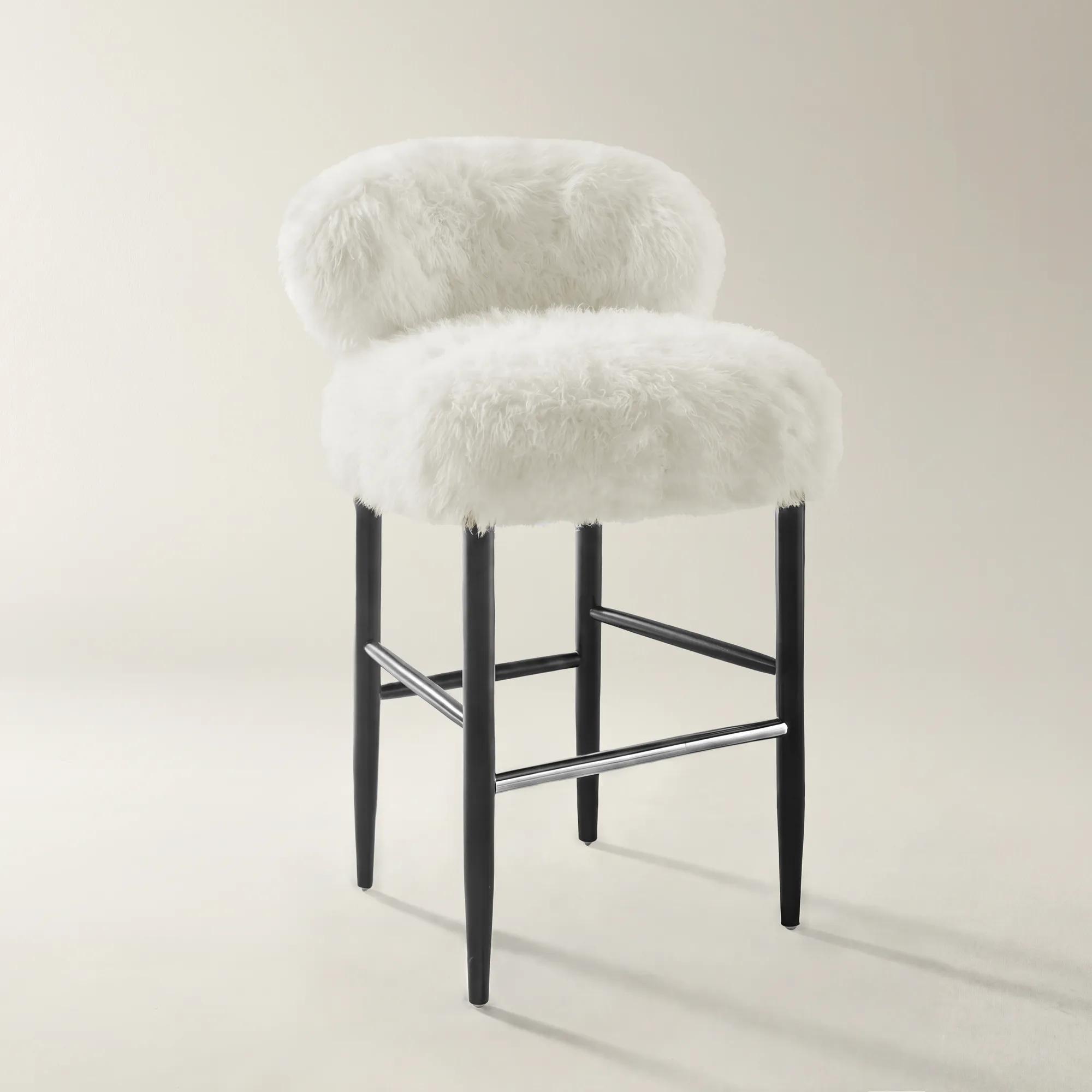
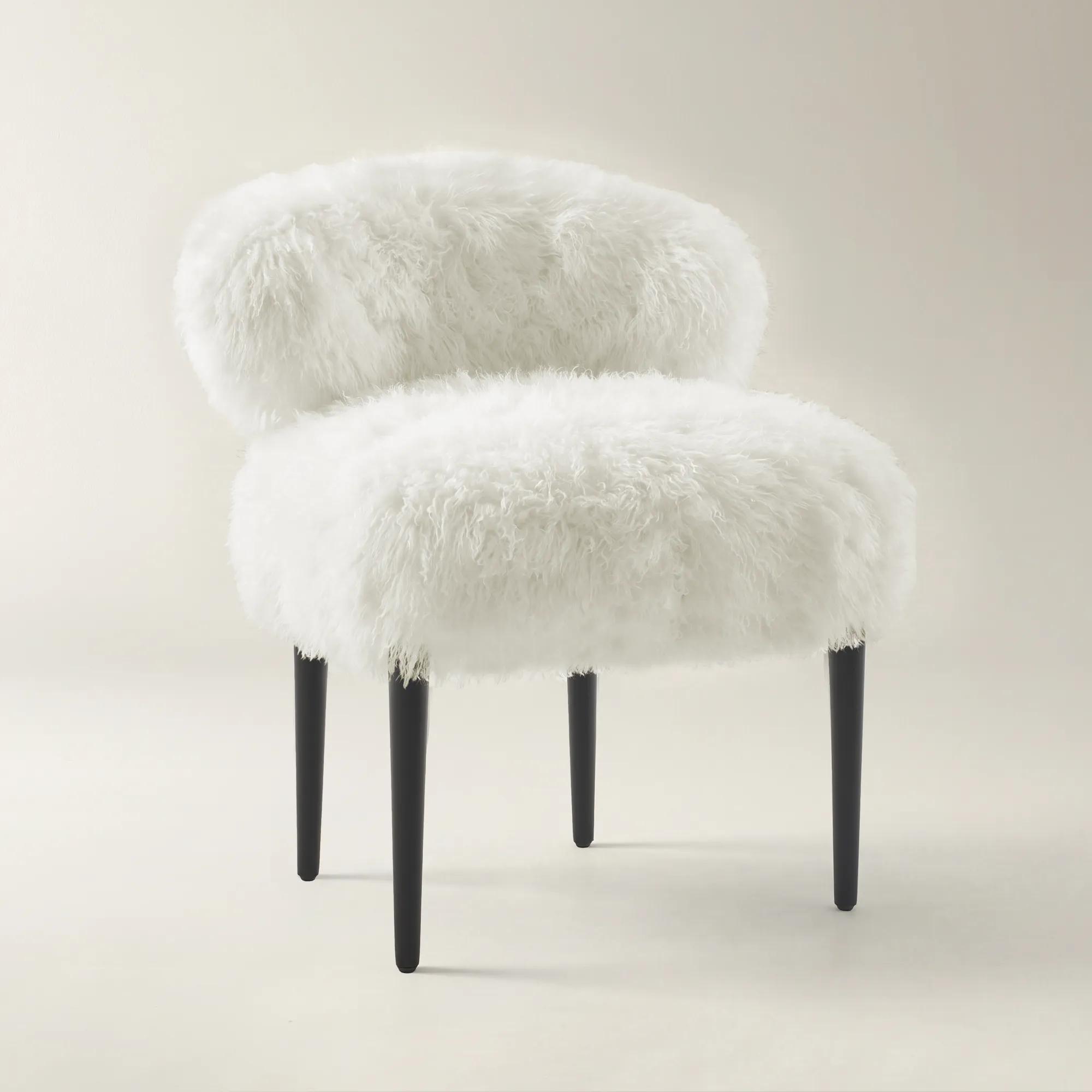 Anna Ivory Faux Fur Dining Chair Set of 2$799
A hand-upholstered ivory faux fur dining chair with a curved back, high-density foam cushioning, and rubberwood legs.
Add To Cart -
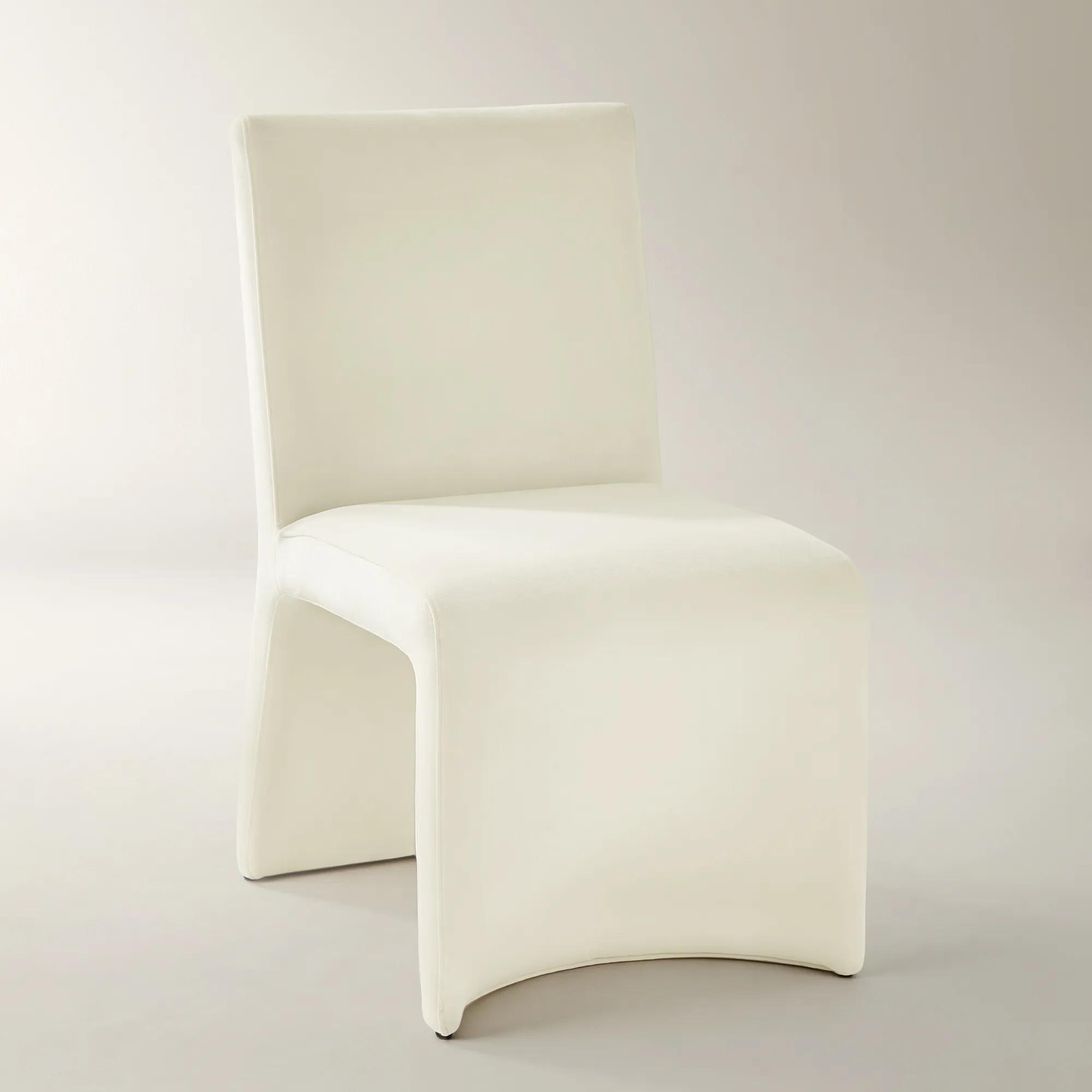 Elara Cloud Velvet Dining Chair Set Of 2$799
A set of two dining chairs featuring plush velvet upholstery, a seamless curved silhouette, and a sturdy steel frame.
Add To Cart -
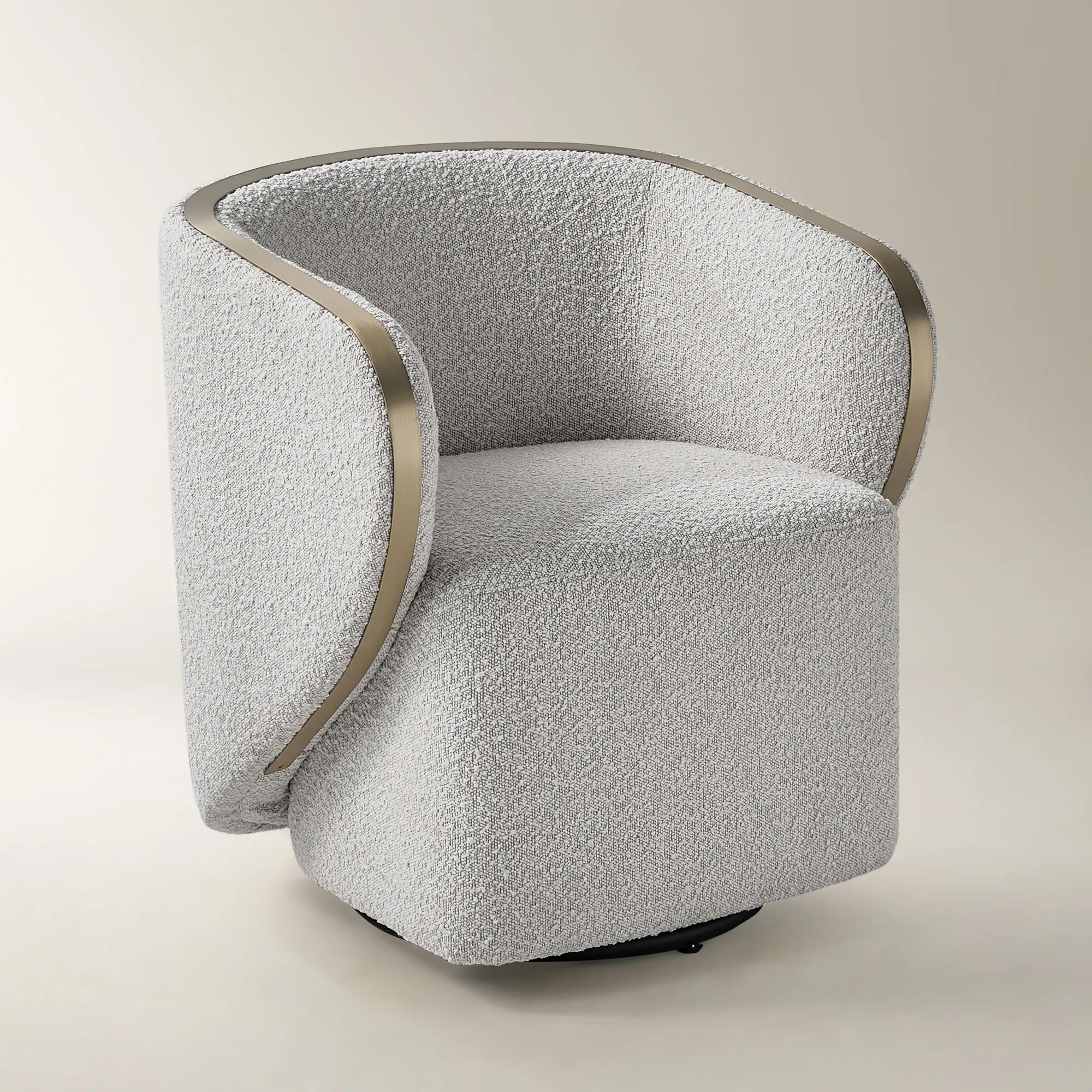 Nova Light Grey Performance Boucle Swivel Dining Chair$699
A sculptural light grey chair in water-repellent boucle with metallic trim and a smooth 360° swivel base.
Add To Cart -
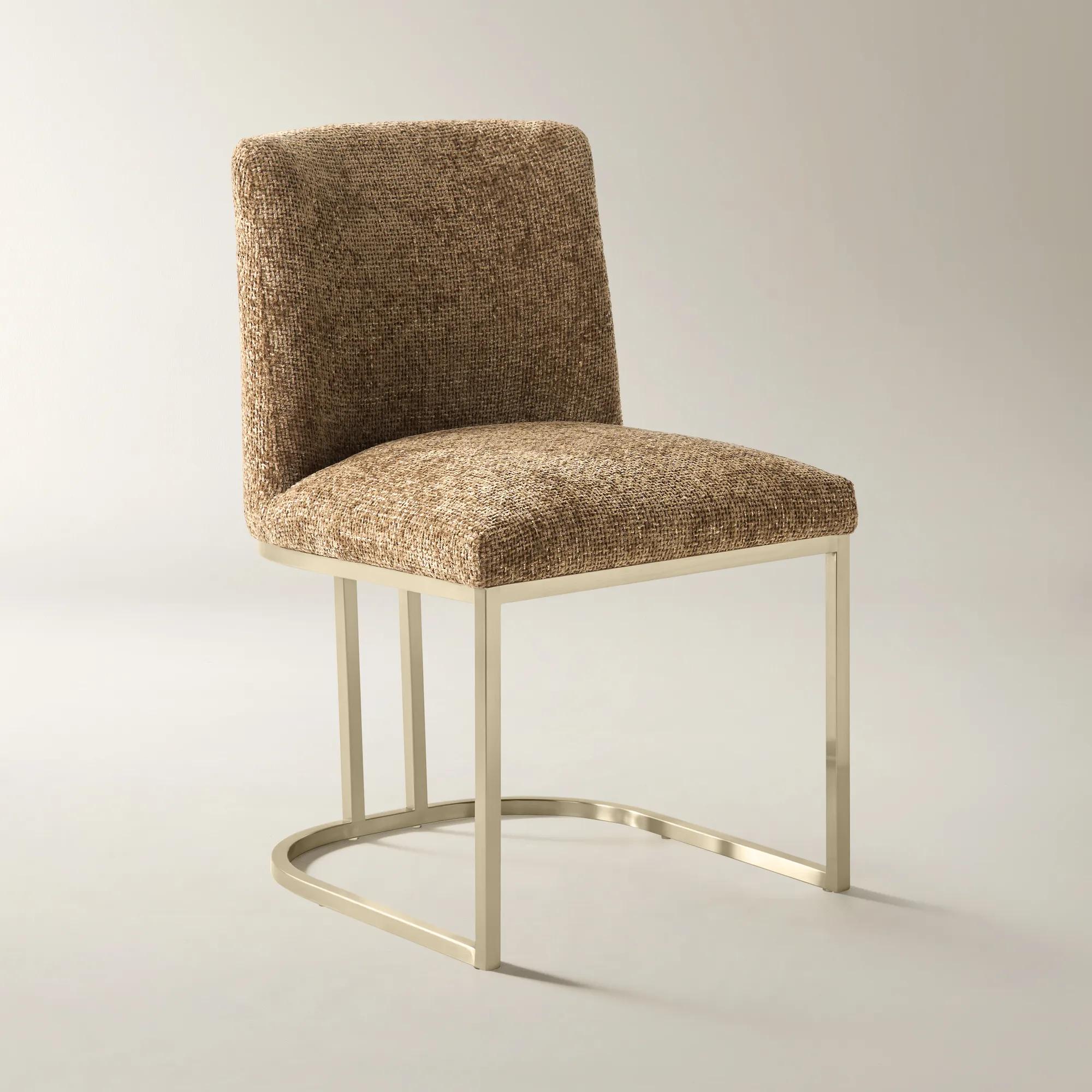 Bergen Bronze Chenille Dining Chair Set Of 2$549
A set of two dining chairs featuring bronze chenille upholstery and a sculptural brushed gold metal base.
Add To Cart -
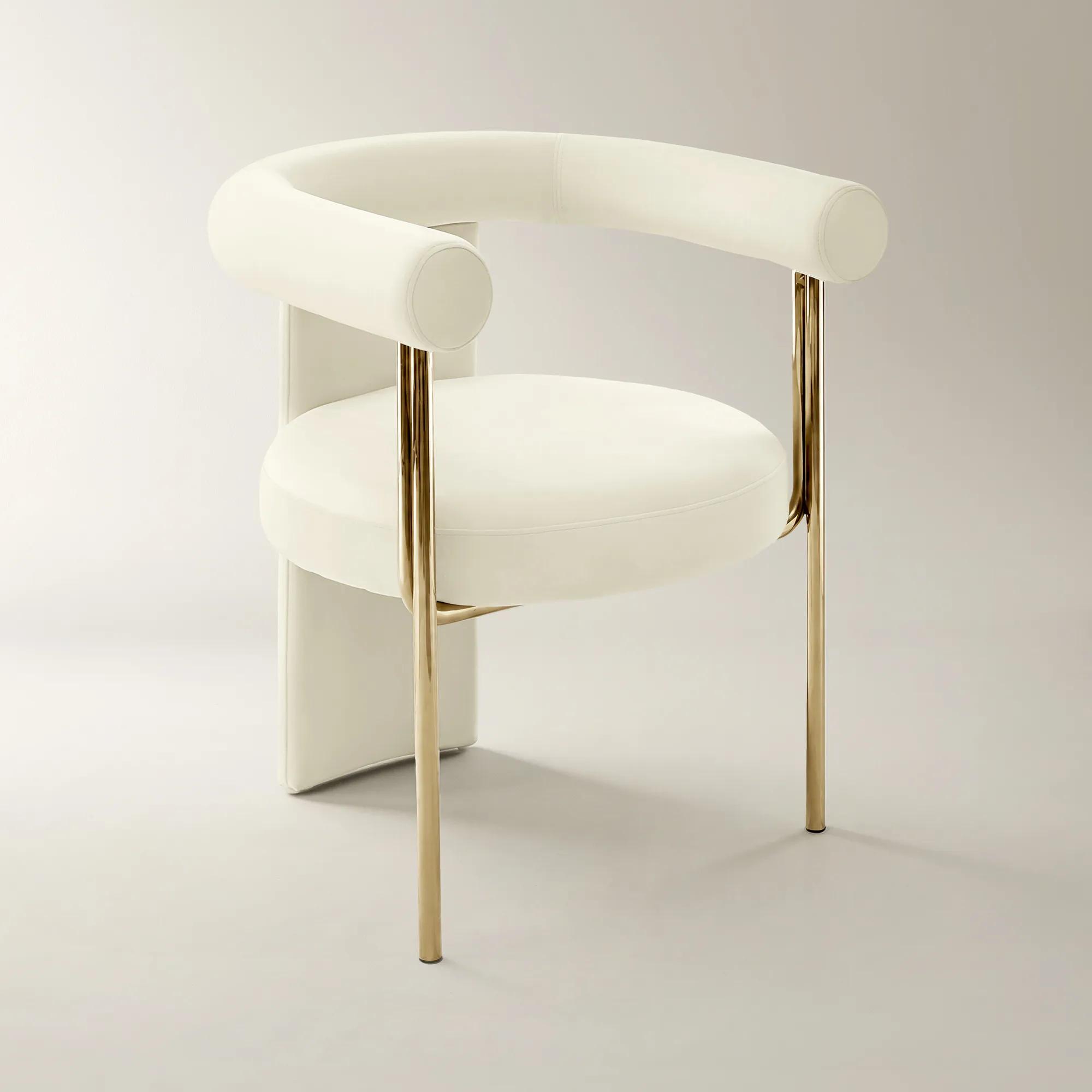 Davina Cloud Velvet Dining Chair Set Of 2$899
A set of two dining chairs featuring plush cloud velvet upholstery and a sculptural gold metal frame.
Add To Cart -
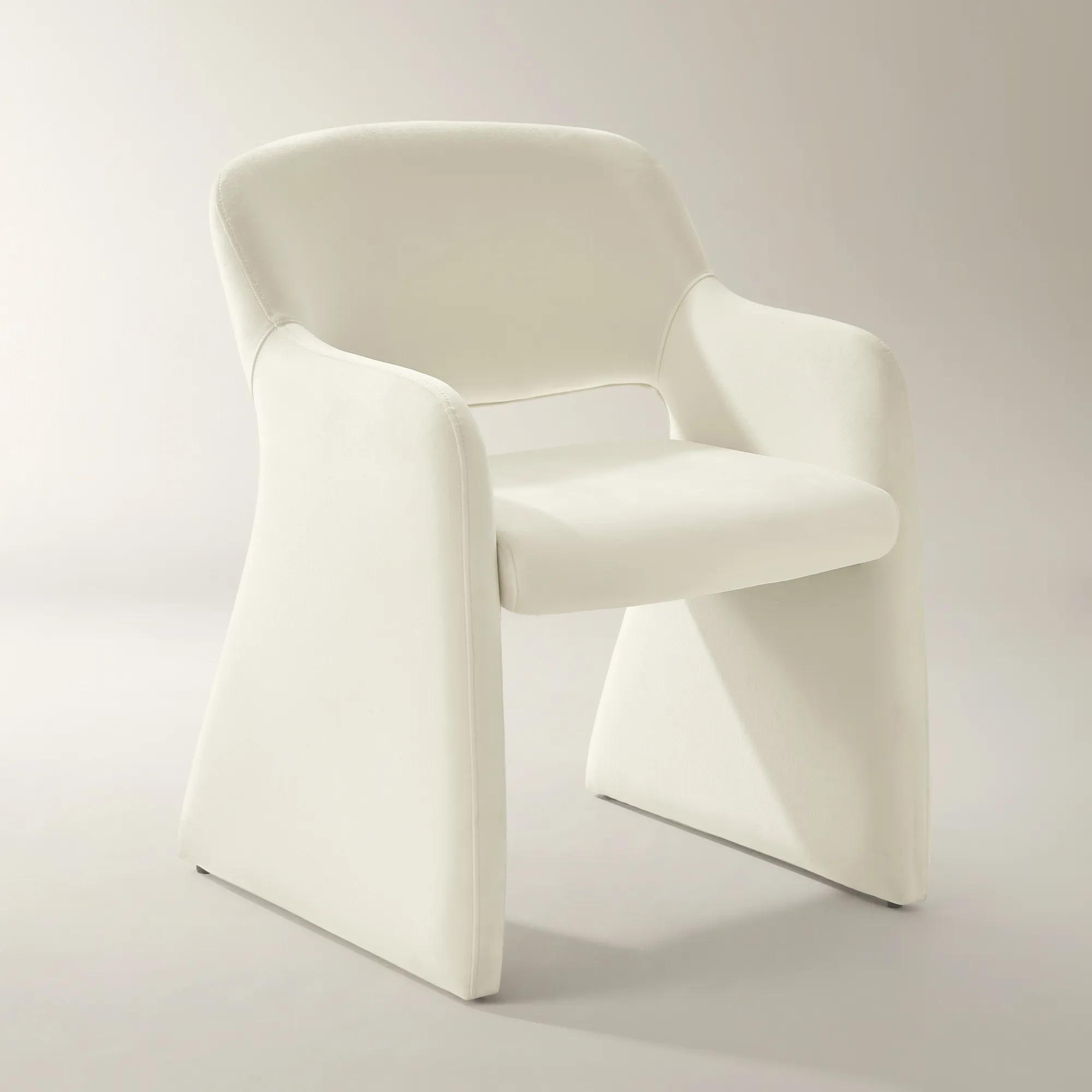 Elara Cloud Velvet Dining Chair$449
A plush velvet dining chair featuring a seamless wraparound silhouette and supportive carbon steel frame.
Add To Cart -
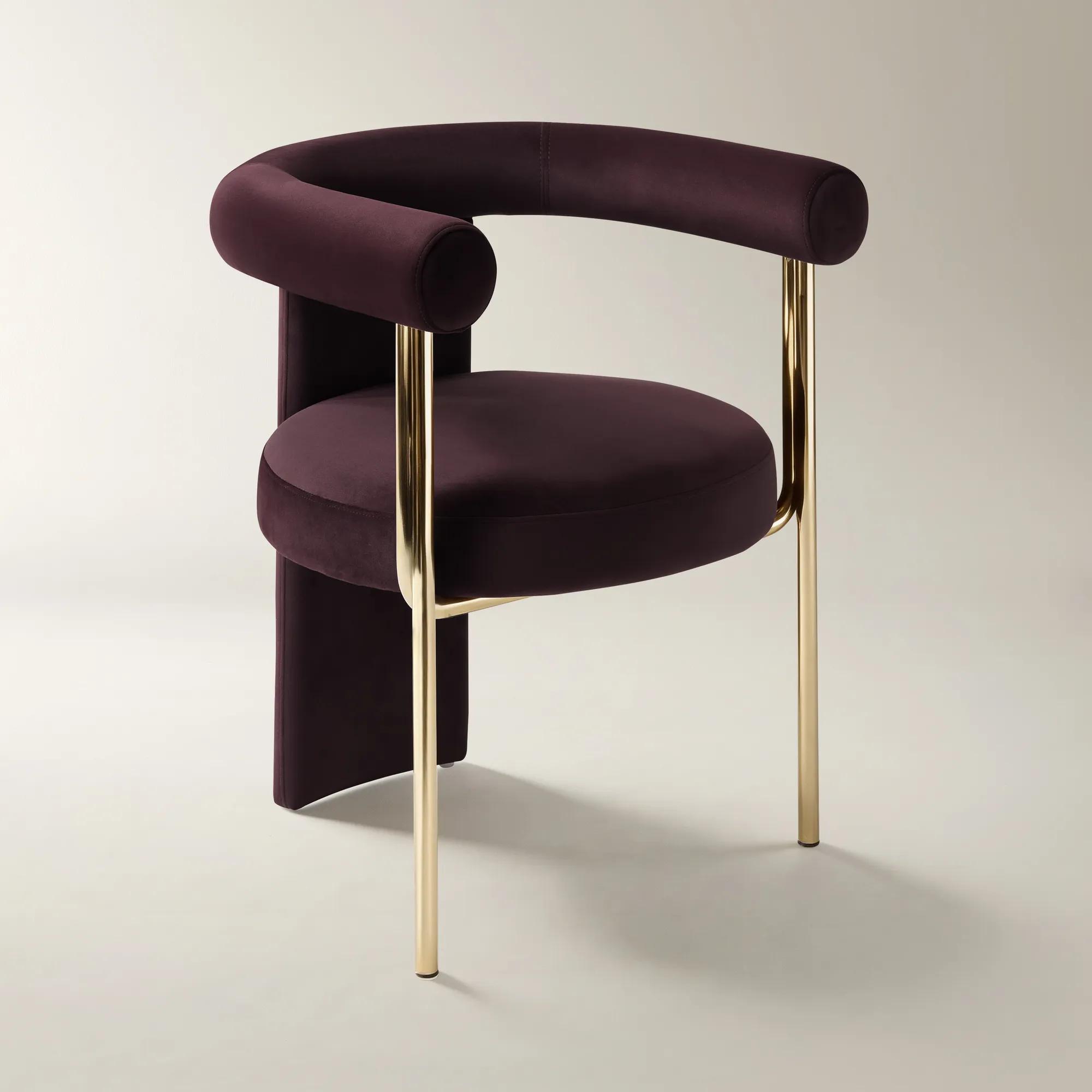 Davina Fig Velvet Dining Chair Set Of 2$899
A set of two dining chairs featuring plush fig velvet upholstery and a sleek gold-finished metal frame.
Add To Cart

Kitchen Seating For Family Gatherings
Kitchen seating for family gatherings transforms every meal into a celebration of connection and style. Imagine plush chairs and sculptural stools inviting loved ones to linger, laughter echoing over gleaming surfaces as stories are shared. Here, your kitchen becomes the heart of the home—a stage set for unforgettable moments, where every seat is an invitation to indulge in comfort, conversation, and the art of togetherness. Let your space reflect the grandeur of your hospitality, turning each gathering into a dazzling affair worthy of applause.
Kitchen seating for family gatherings brings comfort, generous proportions, and expressive design to the place where everyone naturally comes together. Dining chairs anchor the kitchen table, benches make room for shared seating, and counter stools draw guests toward the island without interrupting the conversation. Each serves a different rhythm of family life: breakfast before a busy day, an afternoon spent rolling dough, or a long dinner that continues well after the plates are cleared. Upholstered dining chairs lend softness and a sense of occasion, while wood or metal frames introduce structure and a sculptural silhouette. A bench can make efficient use of one side of a rectangular table, especially when it tucks beneath the tabletop between meals. Backed counter stools offer a more supportive place to linger than backless styles, while compact stools can preserve sightlines in an open kitchen. The right combination depends on the gathering space rather than the number of seats alone. About 24 inches of table edge per person is a useful starting point, with additional room for wider chairs, substantial arms, or guests who appreciate more space. Actual chair width and the position of table legs determine how comfortably seating fits. Counter-height and bar-height stools are not interchangeable; matching the seat height to the surface helps prevent cramped knees or an awkward reach. For many counters, approximately 10 to 12 inches between the seat and the underside of the surface provides comfortable legroom, though aprons and other structural details can reduce that clearance. Chairs also need room to pull out without blocking a frequently used doorway, appliance, or route through the kitchen. In a kitchen shared by several generations, a mix of seating can feel especially welcoming: supportive chairs for those who prefer a full back, an accessible end seat that does not require sliding along a bench, and island seating positioned so conversation can flow toward the table. The result is a gathering area that feels composed without making anyone feel confined.
Materials give kitchen seating its character, but their everyday performance matters just as much as their appearance. Velvet upholstery brings depth and a light-catching richness to a dining nook, creating a sumptuous contrast with a stone tabletop or gleaming metal base. Textured woven fabrics offer a softer visual rhythm, while smooth leather or leather-look upholstery can create a tailored finish; cleaning requirements and resistance to staining vary by material and construction. Performance fabrics may be designed for easier maintenance, but the specific care instructions remain essential, particularly around sauces, oils, and colorful drinks. Wood contributes warmth through its grain and finish, whether the surrounding kitchen is crisp and architectural or layered with decorative detail. Metal seating can introduce polished brilliance or a quieter brushed sheen, with joints, protective finishes, and floor contact points all contributing to long-term use. Durability depends on more than a substantial-looking frame. Sound connections, appropriate weight capacity, resilient cushioning, and upholstery suited to frequent use help seating remain comfortable through repeated meals and daily movement. In a family kitchen, the most convincing luxury is a seat that feels as considered after an hour of conversation as it does at first glance. A supportive back, a seat deep enough to settle into without pressing behind the knees, and a well-positioned footrest on a stool all shape that experience. Arms can offer welcome support, but their height should clear the tabletop or counter when the seat is tucked in. Swivel stools make it easier to turn toward a conversation, though they need space to rotate without striking adjacent cabinetry. Care is equally tied to the material: blotting spills promptly, removing crumbs with an appropriate upholstery attachment, and using only recommended cleaners help protect the finish and fabric. Abrasive pads and unapproved cleaning solutions can damage even a beautifully finished surface. Floor protectors suited to both the seating and the flooring can reduce scraping as chairs move throughout the day, preserving the room’s polished impression.
A memorable kitchen gathering space balances these practical details with a distinct point of view. A row of sculptural stools can give a broad island an elegant cadence, while richly upholstered chairs soften the geometry of cabinetry and bring a dining-room sense of ceremony into the kitchen. Matching every seat is not essential to a cohesive arrangement. Repeated colors, related frame finishes, or a shared curve in the backs can connect different silhouettes without making the room feel overly coordinated. For an open-plan home, the forms and finishes associated with seating for modern kitchens can help establish a visual relationship between the island, breakfast area, and adjacent living space. A luminous metal detail might echo a pendant light, while a deep upholstery tone can pick up a color in nearby artwork. Scale keeps those choices grounded: tall, heavily upholstered backs create a different presence from low, open frames, even when both occupy a similar footprint. In a smaller kitchen, visually lighter profiles can keep the table from overwhelming the room; in a generous gathering area, substantial chairs can hold their own beside a large surface. Intended use should remain part of that composition. A breakfast nook used for homework and everyday meals benefits from comfortable backs and straightforward care, while stools reserved for brief visits may prioritize a compact profile. An extended family dinner calls for seats that can be reached easily, not simply squeezed into every available gap. Benches work especially well for guests comfortable sharing a continuous seat, but individual chairs offer more independence when someone needs to leave the table. For households with young children, adult kitchen stools are not substitutes for age-appropriate child seating, and stable placement matters around busy counters. Thoughtful seating leaves space for all of these realities while still expressing a confident aesthetic. Beautiful proportions, tactile upholstery, and considered finishes turn the kitchen into more than a place to serve a meal: they create a setting where family members feel invited to settle in, pass another plate, and stay for the conversation.
FAQs
Seating styles that foster easy conversation include round tables, which allow everyone to face each other, and built-in banquettes or breakfast nooks that create a cozy, communal atmosphere. Counter height dining at kitchen islands with stools also encourages mingling, letting guests and family members interact freely while sharing meals or working on projects together.
Mixing and matching kitchen seating is a wonderful way to express your unique style. Pair sleek, modern stools at your island with upholstered chairs around a nearby table, or combine metallic accents with plush textures for added depth. Consider using a cohesive color palette or repeating materials to tie the look together, ensuring the space feels curated yet harmonious.
For extended gatherings, comfort is key. Look for seating with supportive backs, plush cushions, and ergonomic contours. Upholstered options add a layer of softness, while thoughtfully placed footrests on stools and benches provide additional support. Adjustable or swivel stools can also enhance comfort and flexibility, making it easy for guests to settle in and stay awhile.
Lighting plays a pivotal role in setting the mood for family gatherings. Pendant lights above an island or dining area can cast a warm, inviting glow, while dimmable fixtures allow you to adjust the ambiance for different occasions. Layering in task lighting with decorative sconces or under-cabinet lights ensures both functionality and a sense of drama, making each meal feel like a special event.
Absolutely. Kitchen seating is a meaningful gift that brings both style and function to the heart of the home. It’s ideal for new homeowners, newlyweds, or anyone who loves to entertain, as it encourages connection and helps create a welcoming space for making memories. Choose versatile, timeless pieces that can adapt to a variety of gatherings and décor styles.