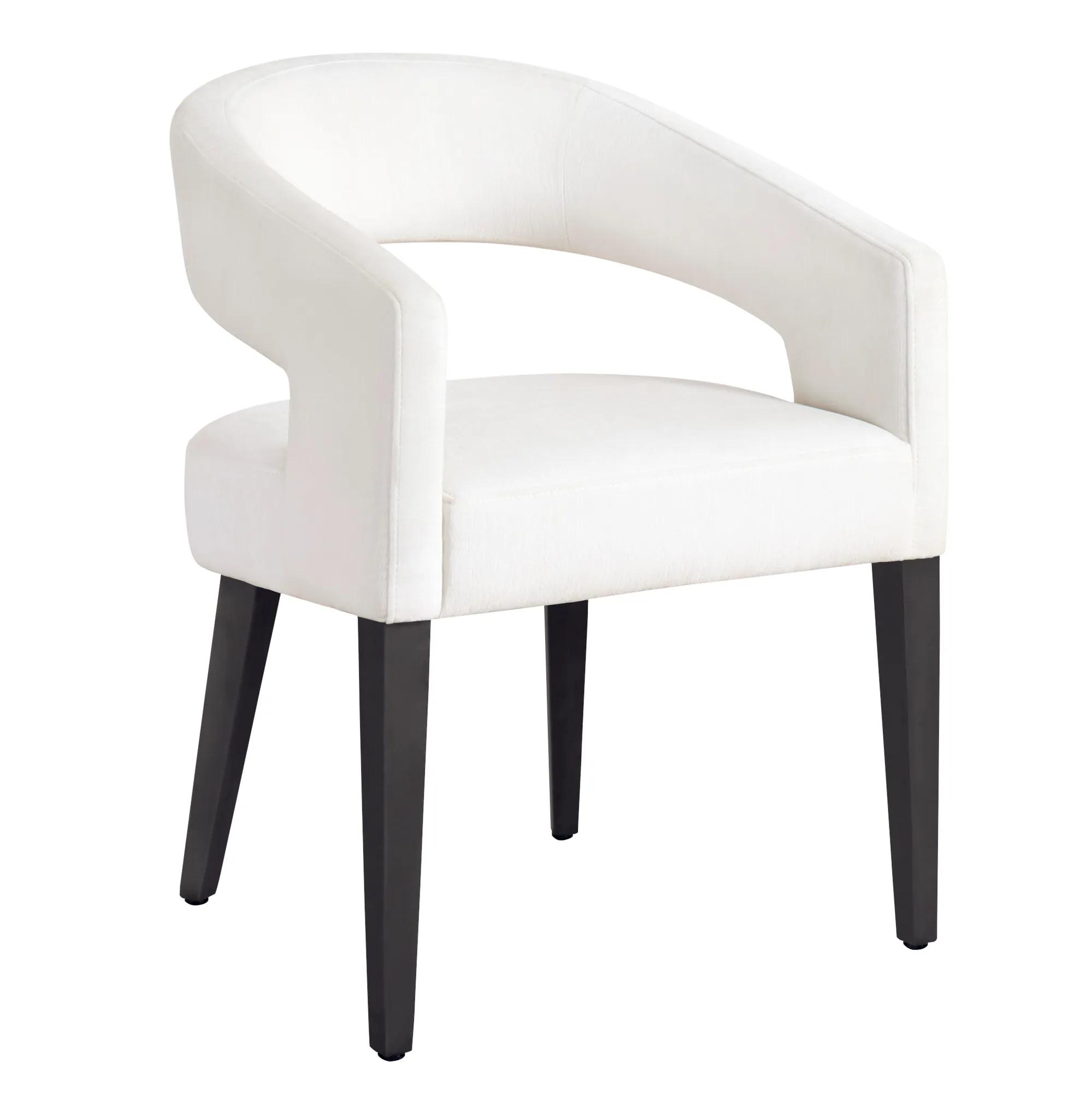
Seating For Small Gathering Spaces
Seating For Small Gathering Spaces
-

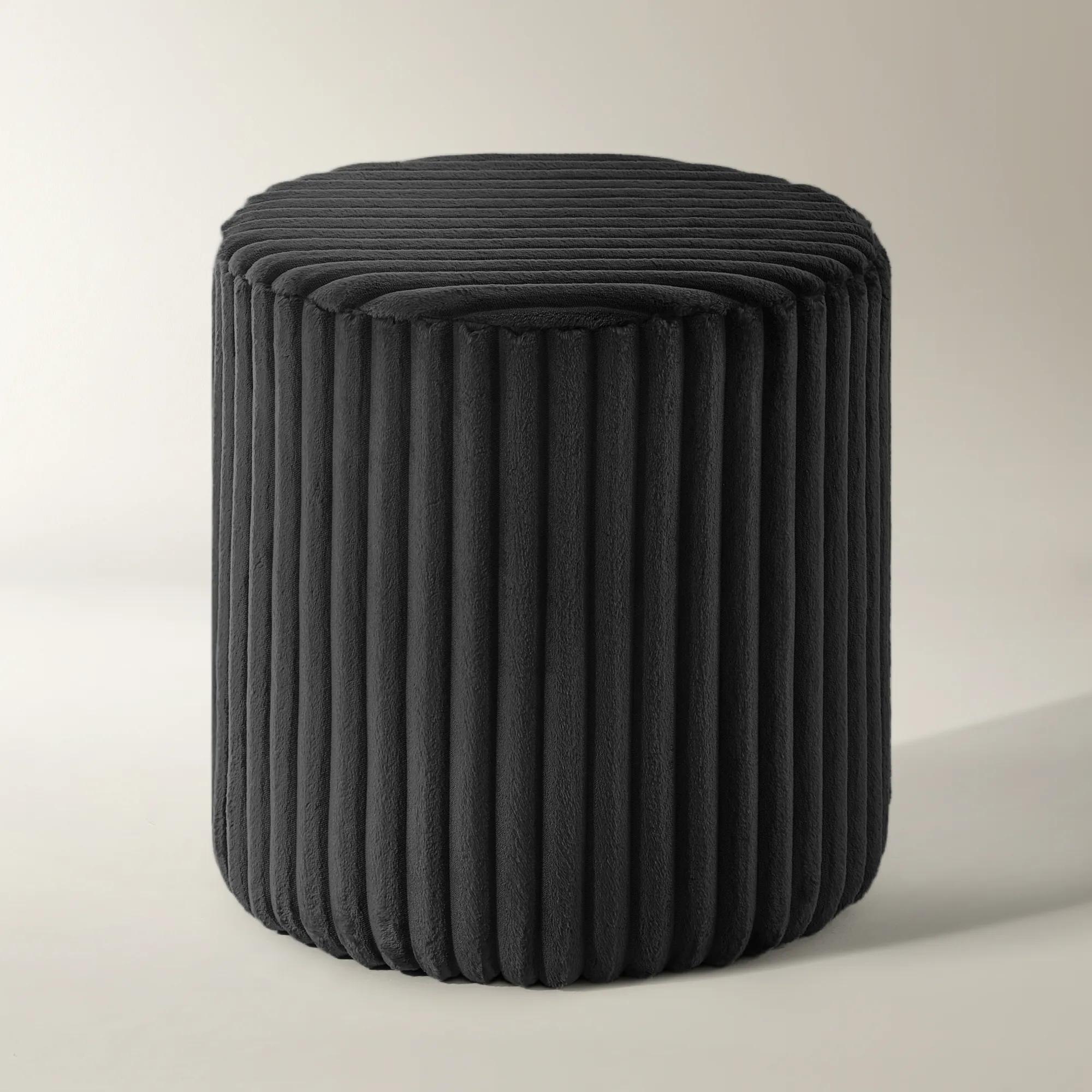 Fleece Fluted Black Velvet Stool (15.55'')$229
A plush black ribbed velvet stool offering versatile seating and cozy texture for any modern space.
Add To Cart -
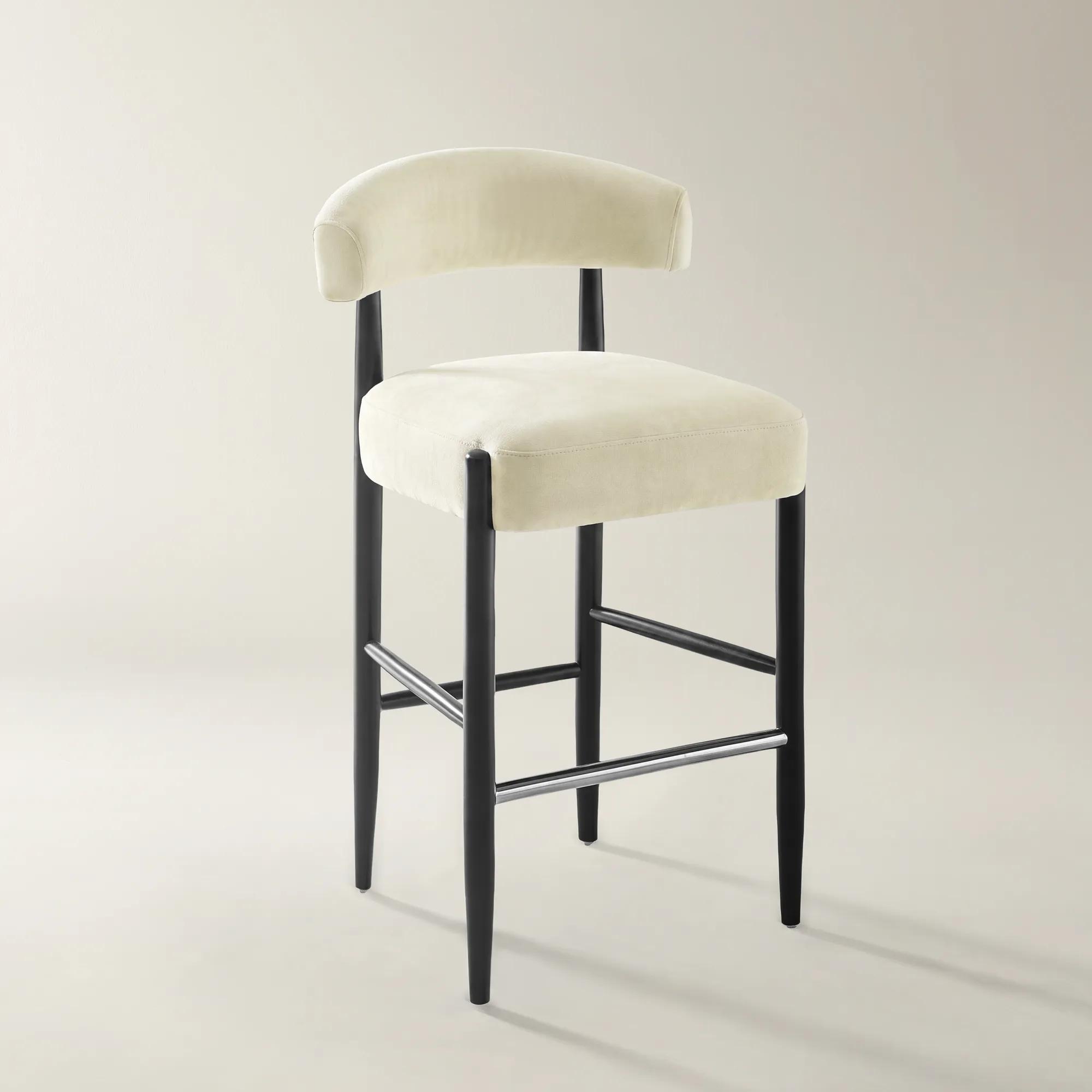 Anna Cloud Velvet Bar/Counter Stool$449
A cloud velvet counter stool with sculpted padded support and tapered solid-rubberwood legs.
Add To Cart -
 Fleece Fluted Gray Velvet Stool (15.55'')$229
A plush grey velvet stool with a unique ribbed texture, perfect for versatile, cozy seating or decor.
Add To Cart -

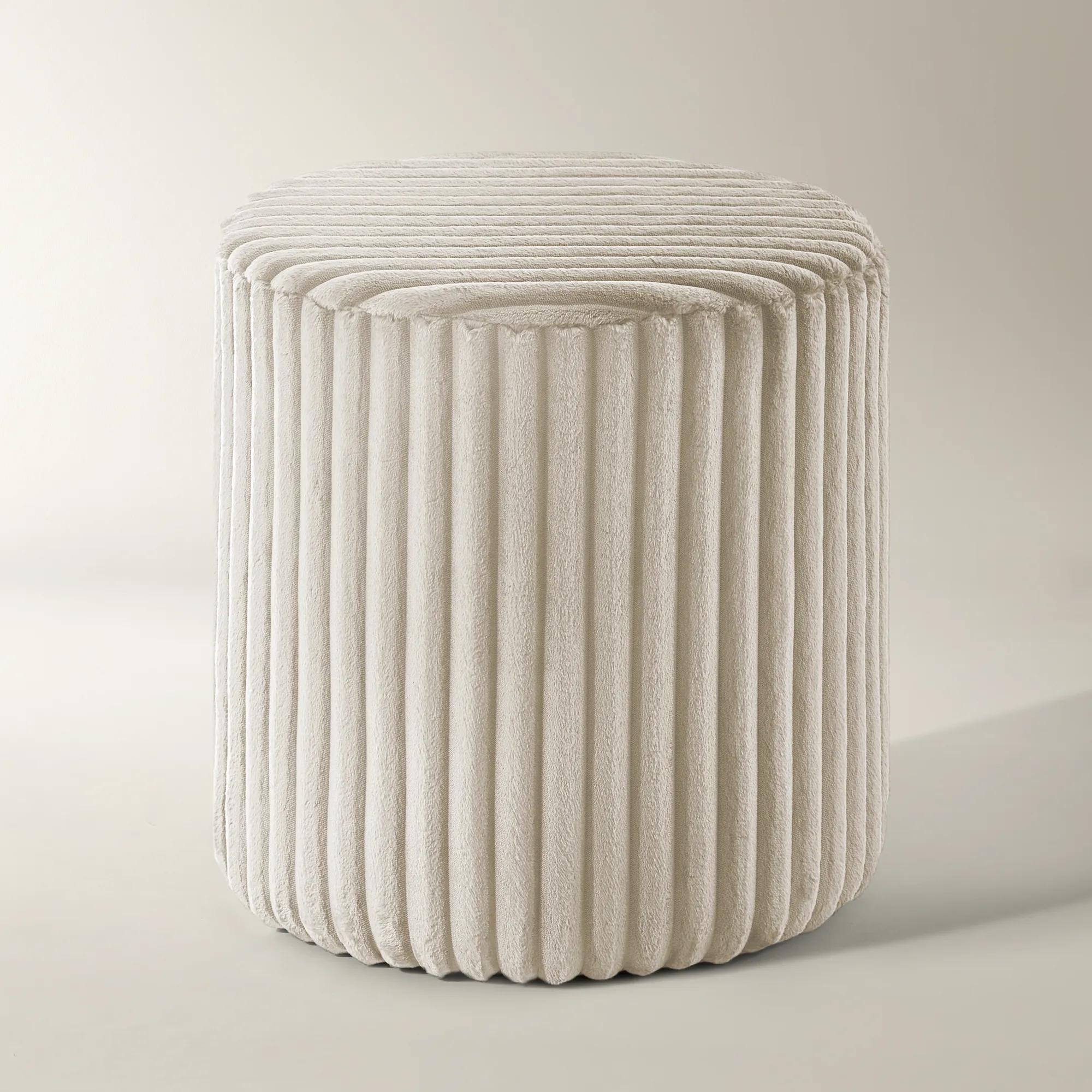 Fleece Fluted Ivory Velvet Stool (15.55'')$229
An ivory ribbed velvet stool offering cozy softness and versatile use as seating, footrest, or accent table.
Add To Cart -
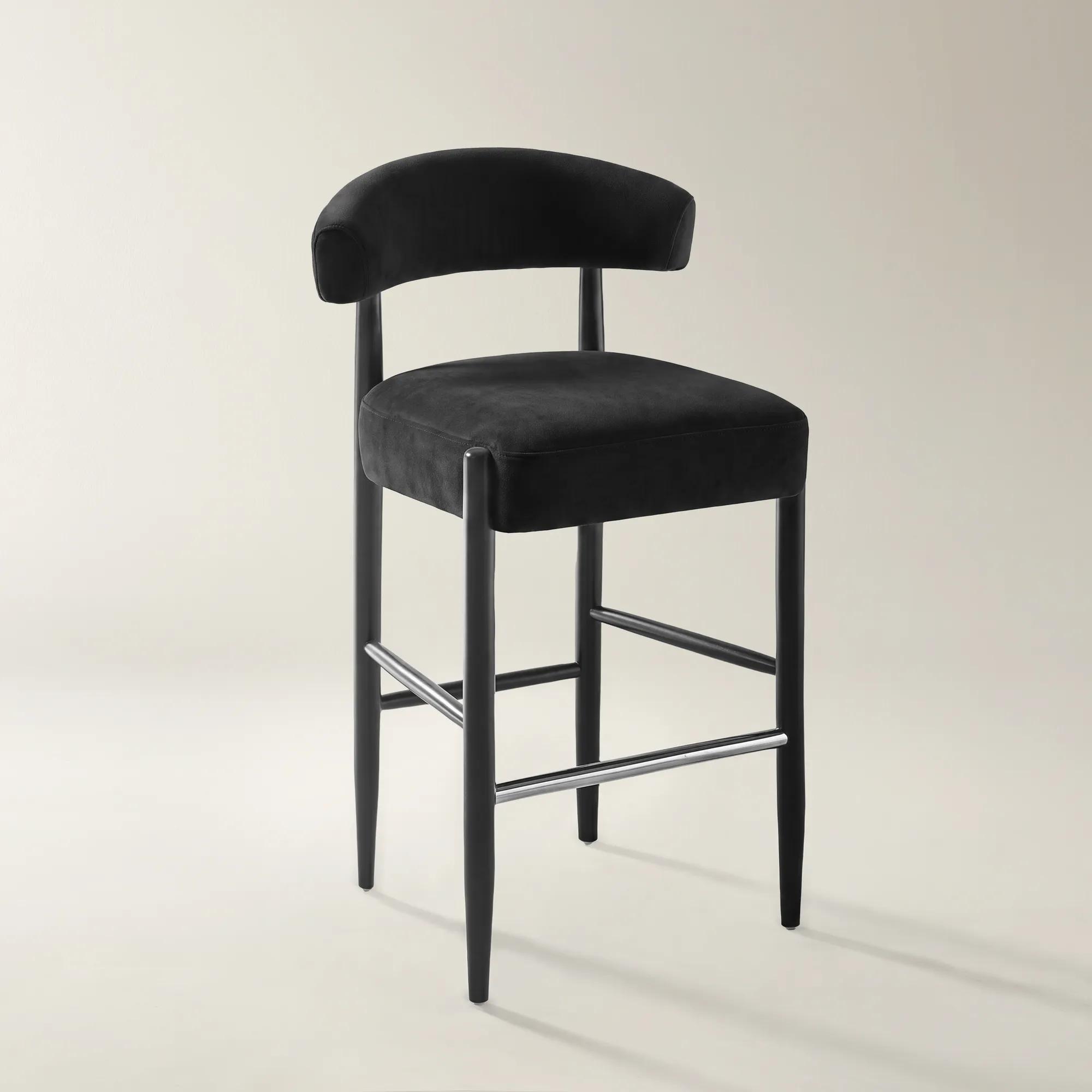 Anna Charcoal Velvet Bar/Counter Stool$449
A charcoal velvet bar stool with a sculpted padded seat and solid rubberwood legs.
Add To Cart -
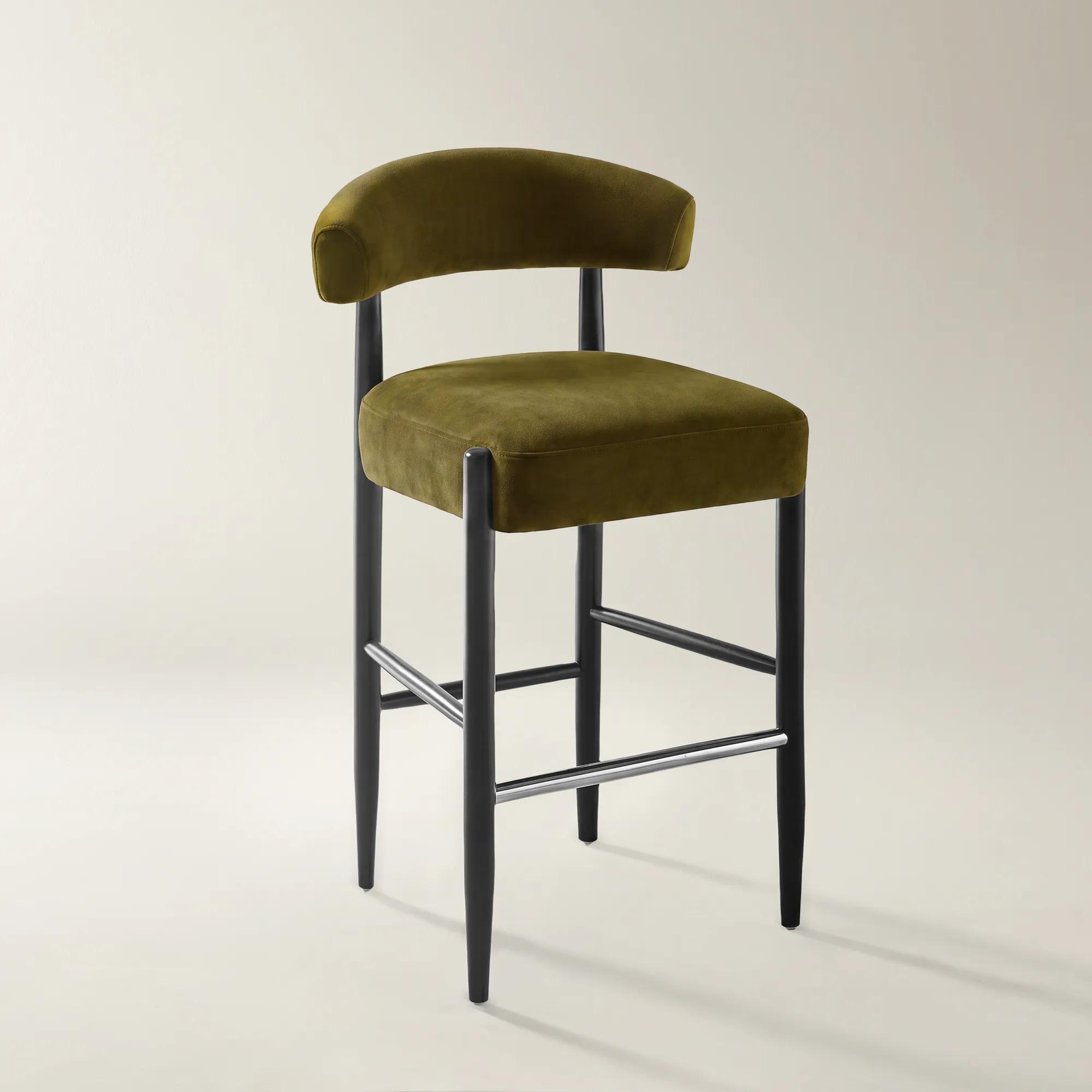 Anna Deep Olive Velvet Bar/Counter Stool$449
A green velvet bar stool with a sculpted padded seat, tailored upholstery, and tapered solid-rubberwood legs.
Add To Cart -
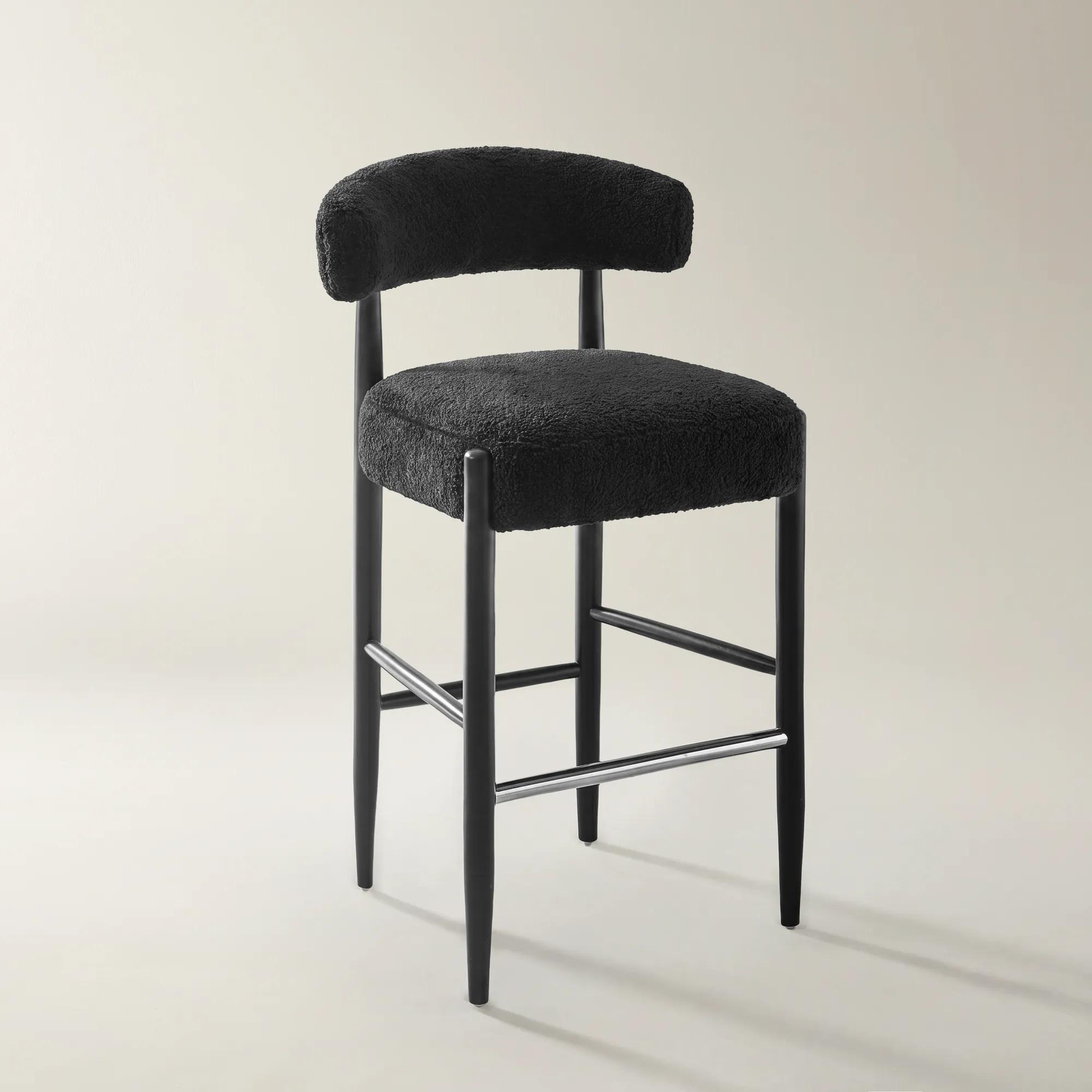 Anna Black Chenille Bar/Counter Stool$449
A black chenille counter stool with a sculpted padded seat and solid rubberwood legs.
Add To Cart -
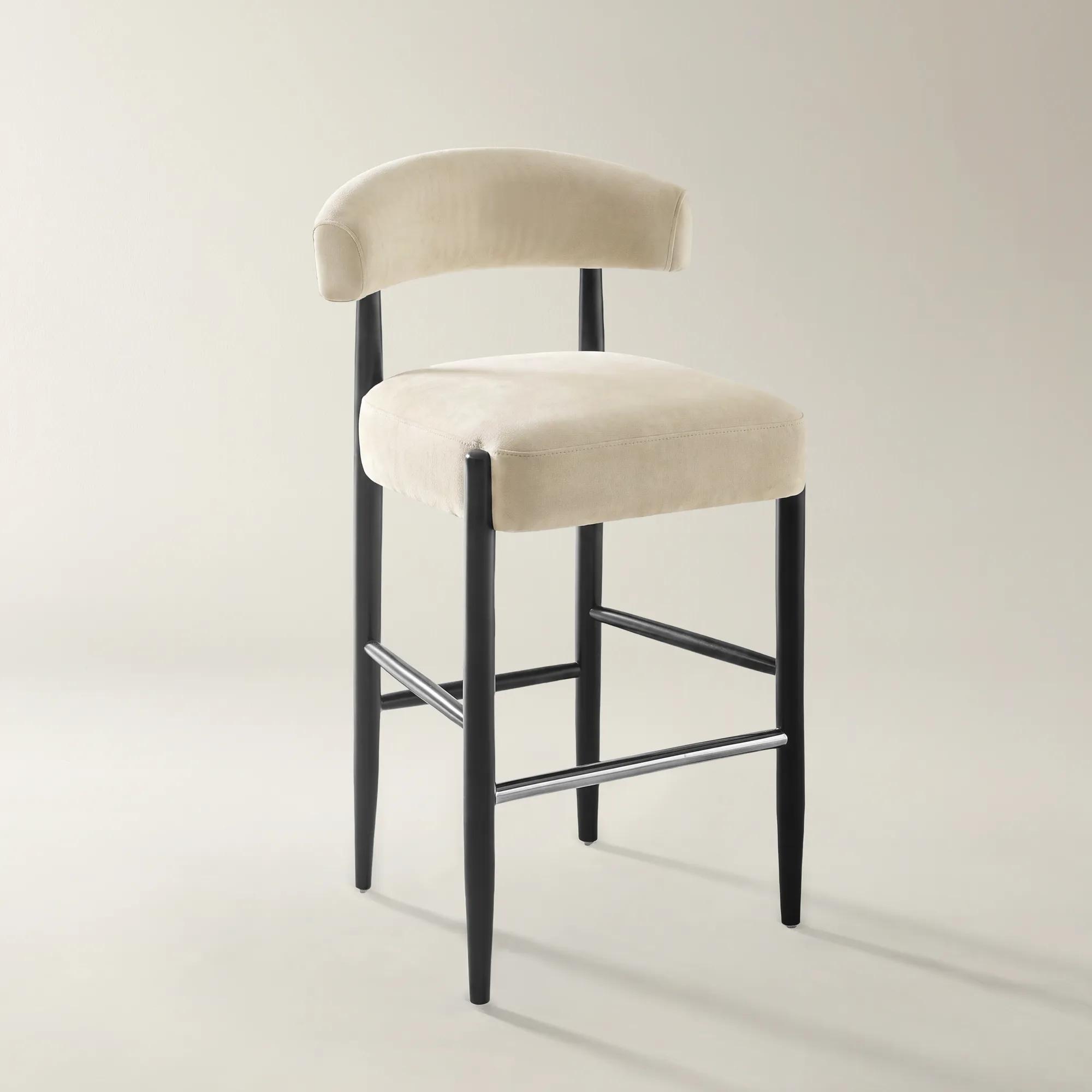 Anna Oatmeal Velvet Bar/Counter Stool$449
A counter stool with oatmeal velvet upholstery, sculpted back, padded seat, and solid rubberwood legs.
Add To Cart -
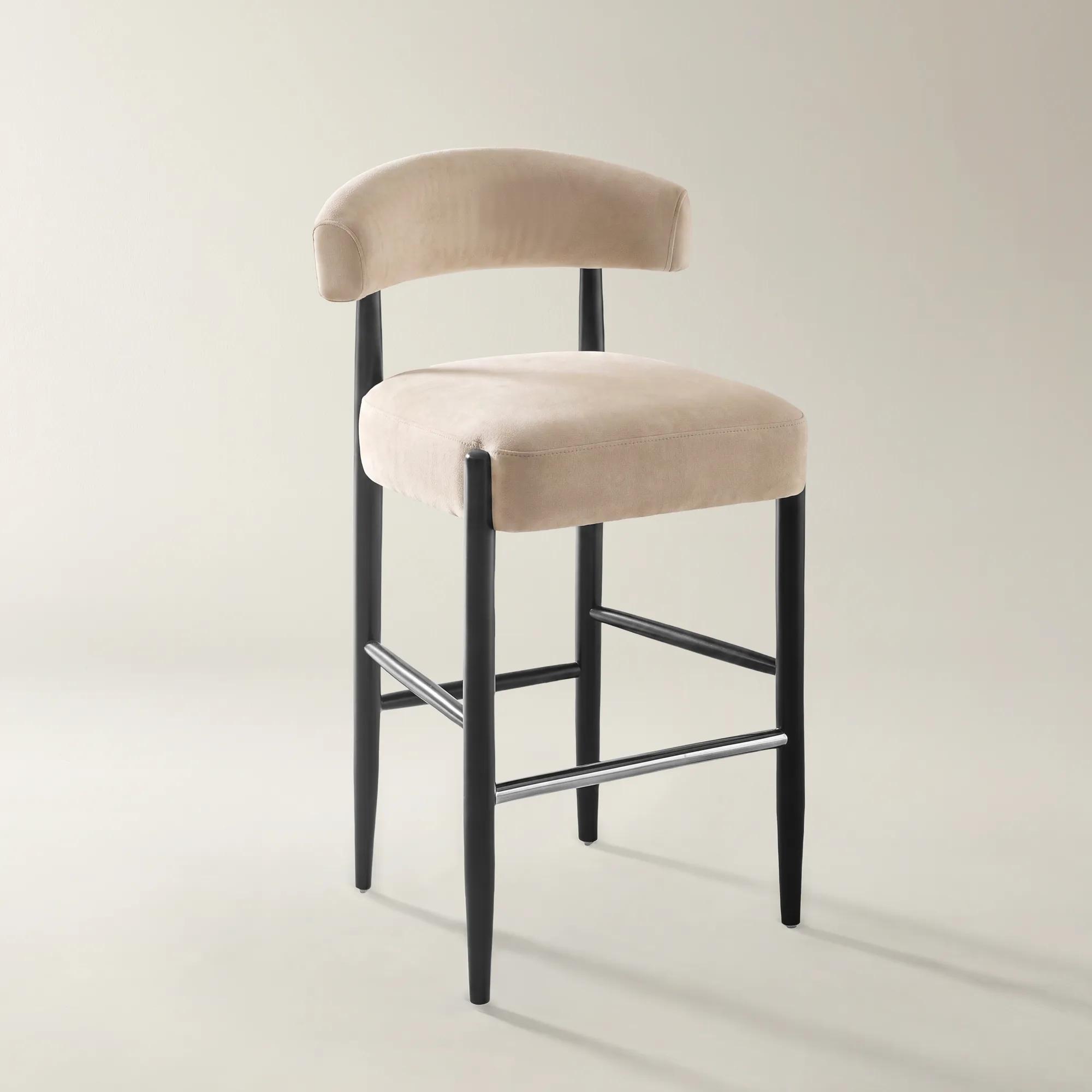 Anna Simply Taupe Velvet Bar/Counter Stool$449
A taupe velvet counter stool with a sculpted back, padded seat, and tapered solid-rubberwood base.
Add To Cart -
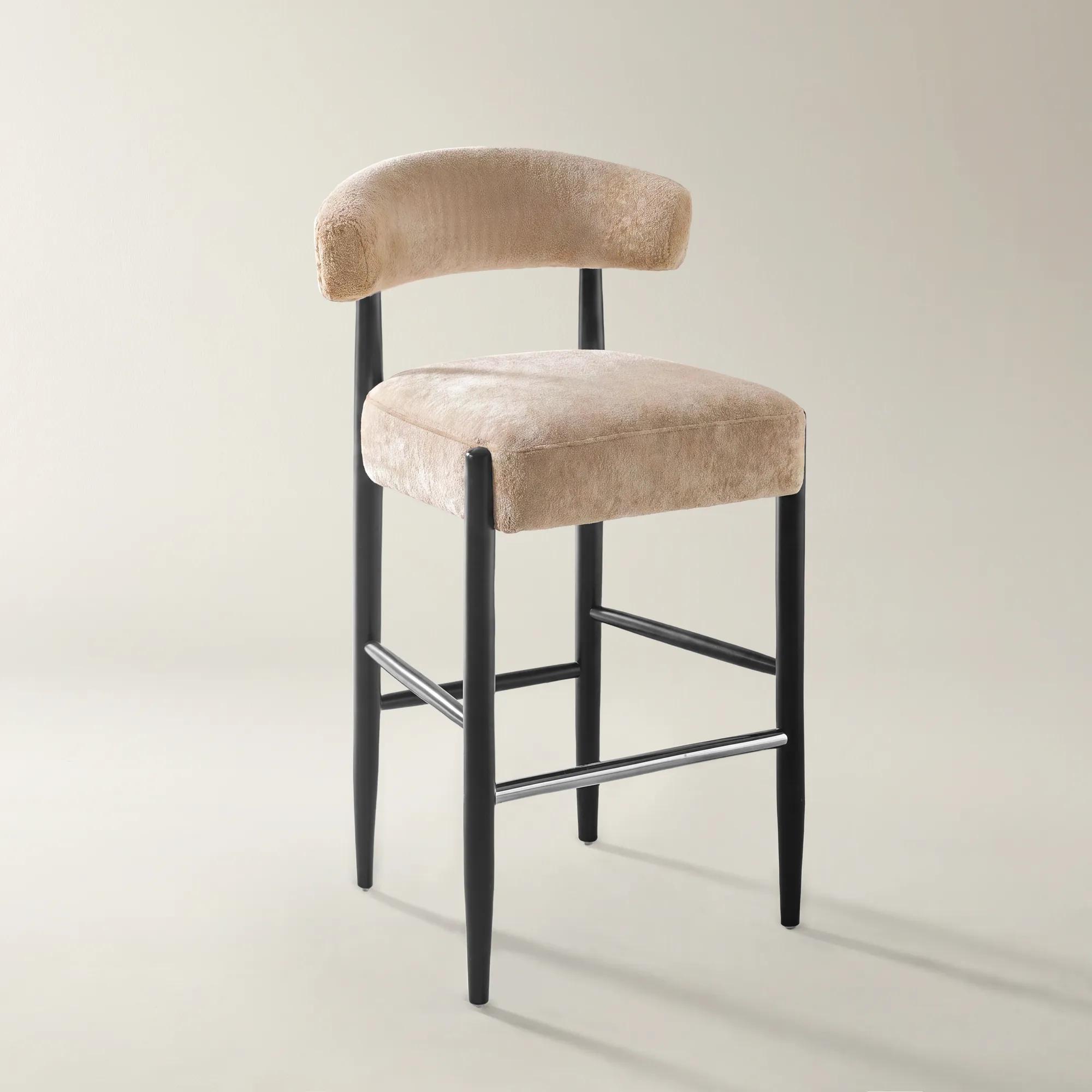 Anna Light Brown Chenille Bar/Counter Stool$449
A brown chenille counter stool with a sculpted back, padded seat, and tapered solid-rubberwood legs.
Add To Cart -
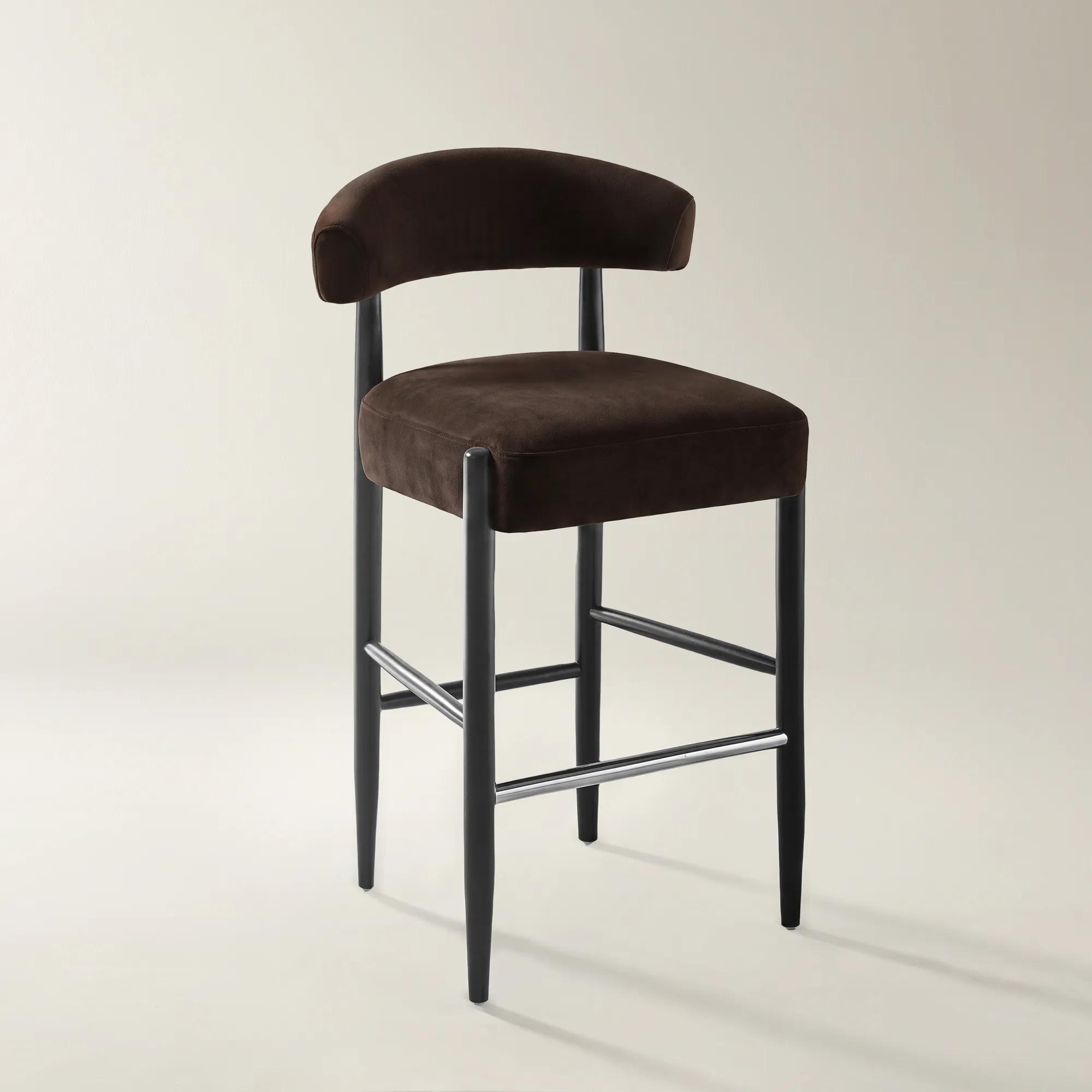 Anna Dark Chocolate Velvet Bar/Counter Stool$449
A dark chocolate velvet counter stool with a sculpted back, padded seat, and tapered solid-rubberwood legs.
Add To Cart -
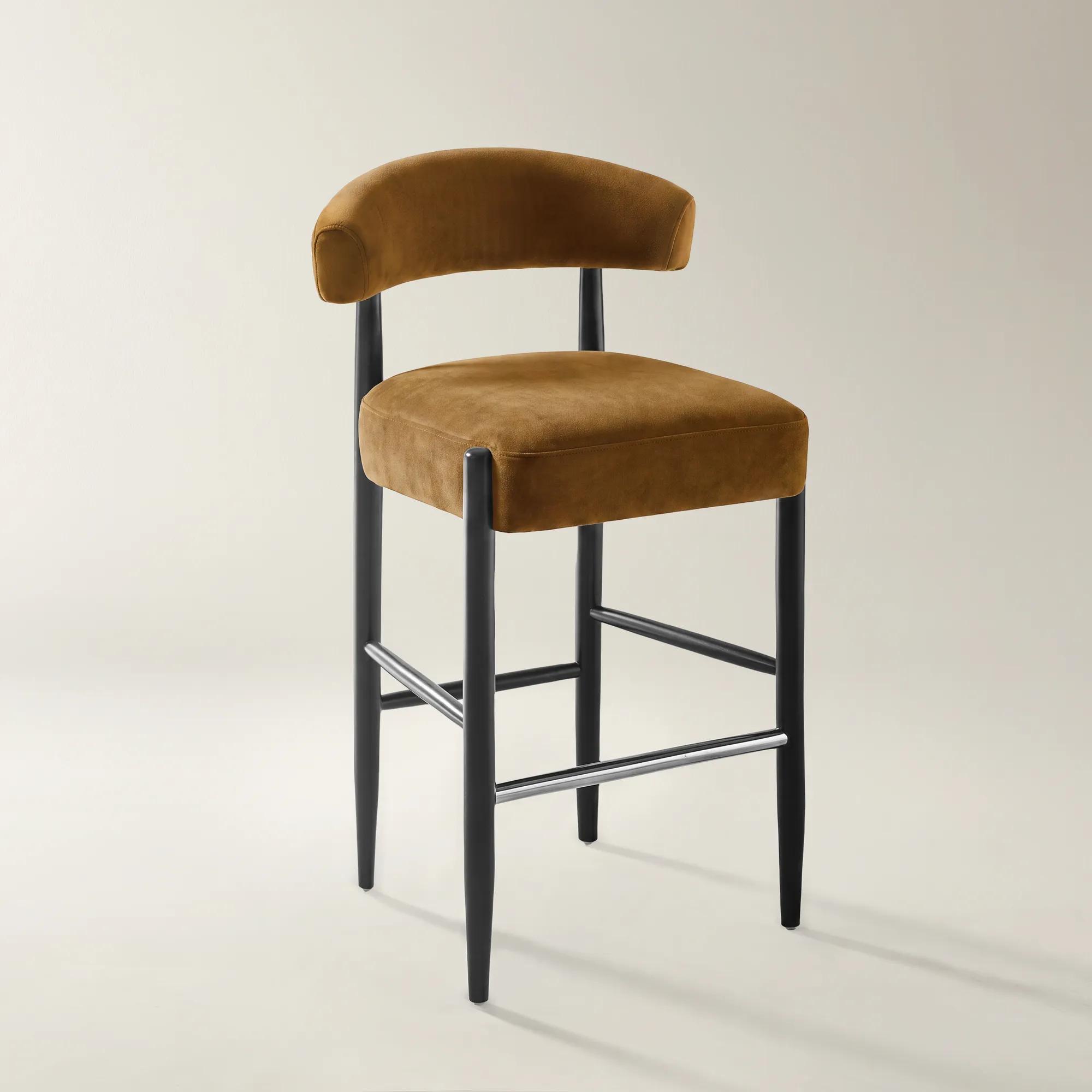 Anna Roasted Pecan Velvet Bar/Counter Stool$449
A roasted pecan velvet bar stool with a sculpted padded back, custom upholstery, and tapered solid-rubberwood legs.
Add To Cart -
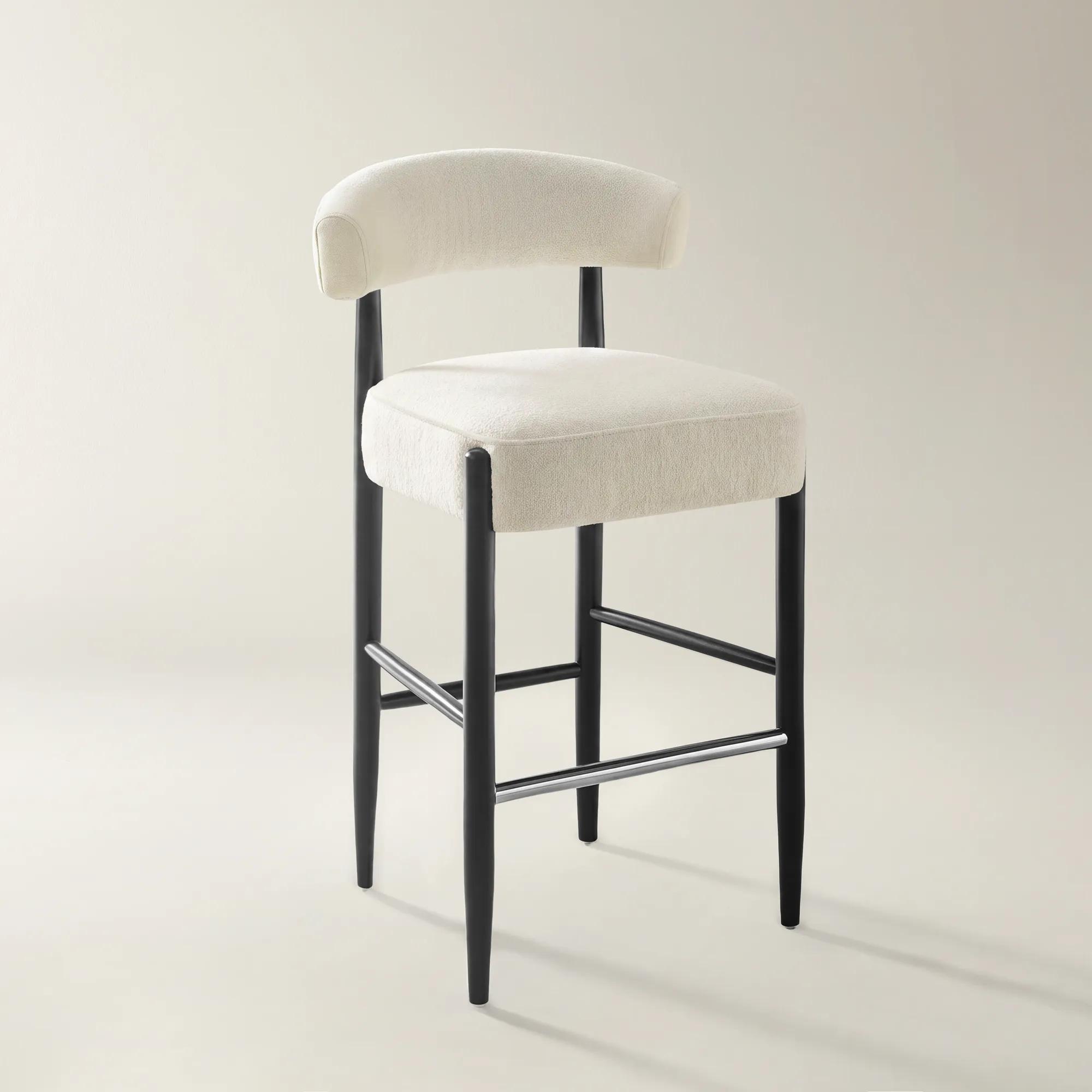 Anna Ivory Performance Chenille Bar/Counter Stool$449
An ivory performance-chenille bar stool with a sculpted back, padded seat, and tapered solid-rubberwood legs.
Add To Cart -
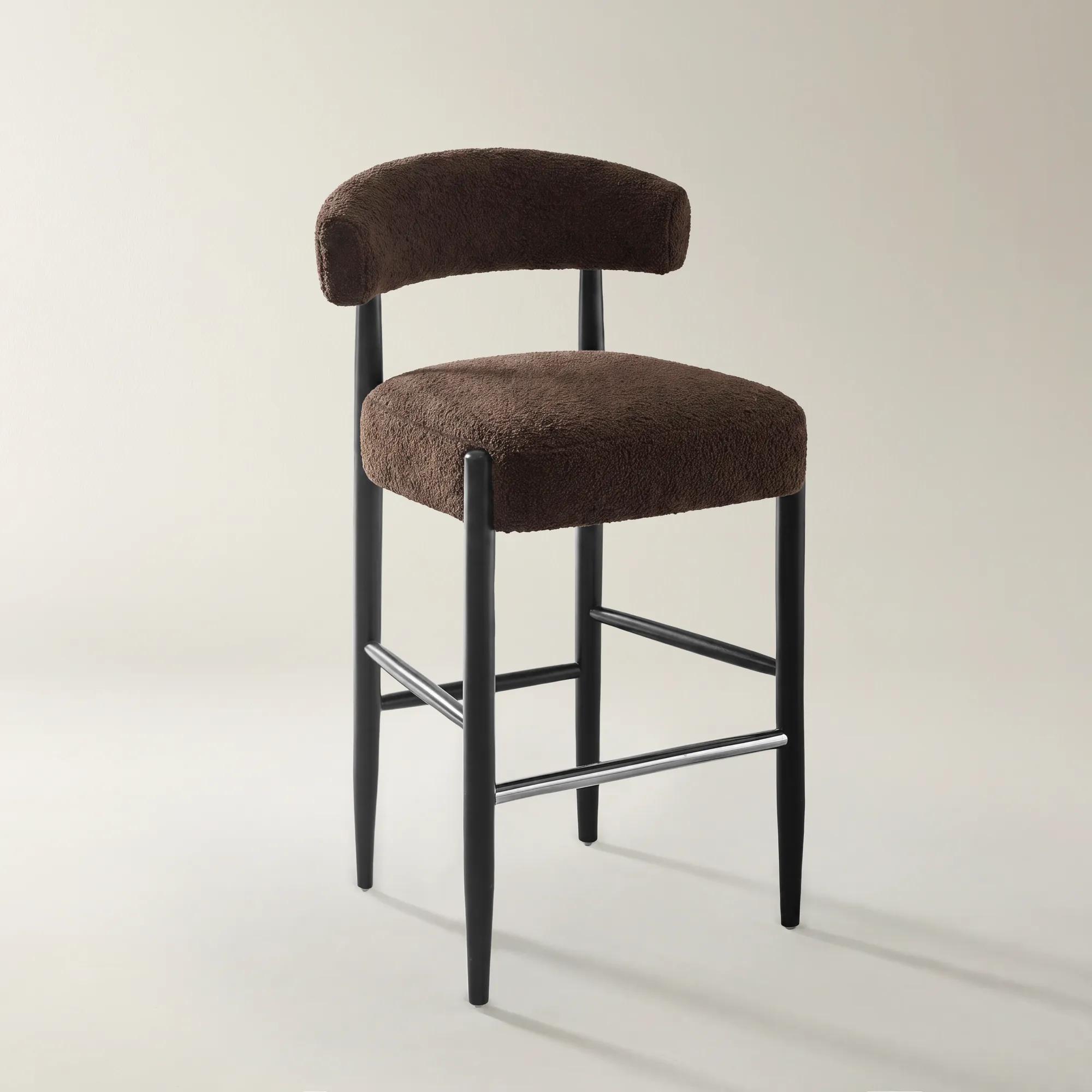 Anna Dark Chocolate Chenille Bar/Counter Stool$449
A dark chocolate chenille counter stool with a sculpted padded seat and solid rubberwood legs.
Add To Cart -
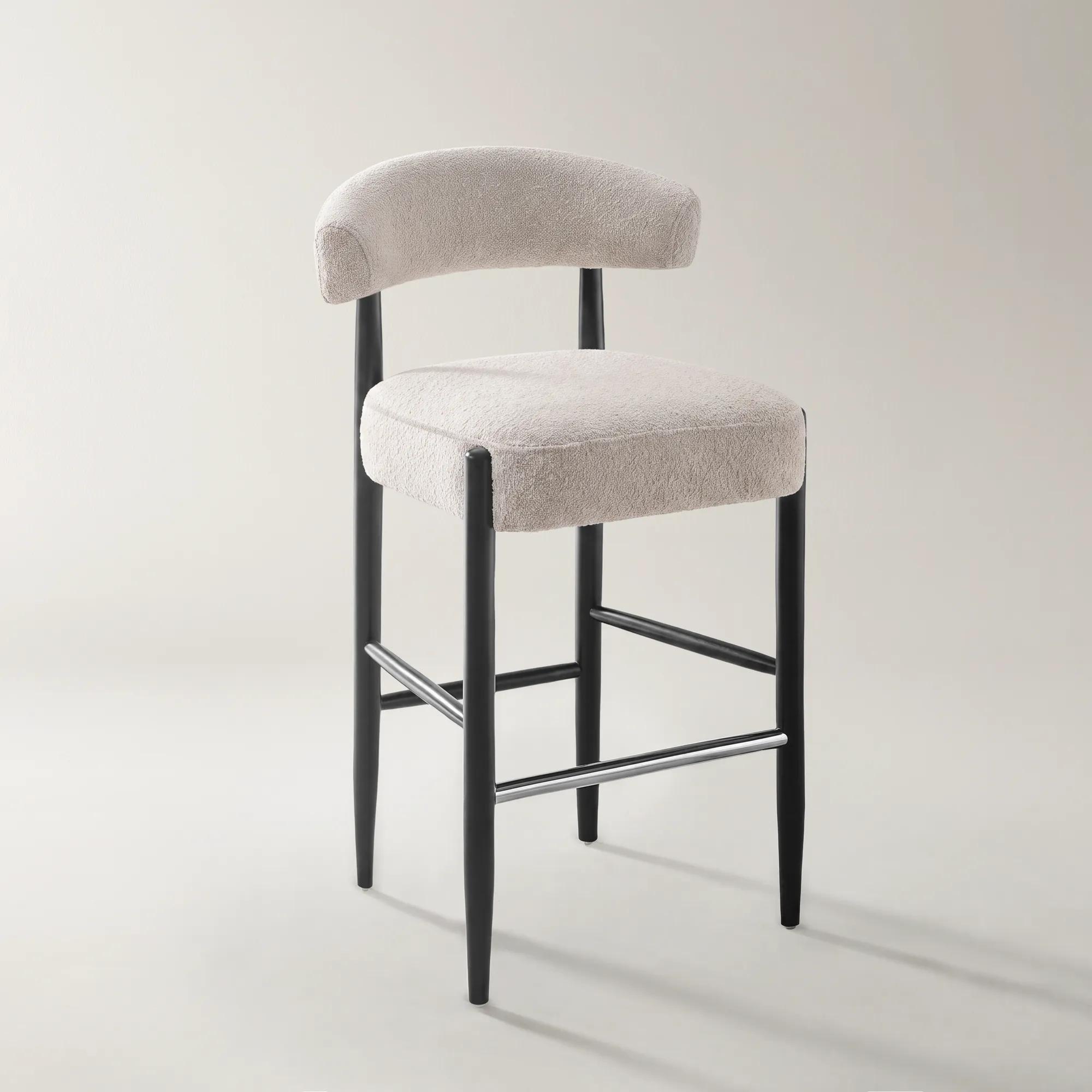 Anna Ivory Performance Boucle Bar/Counter Stool$449
An ivory performance-bouclé bar stool with sculpted padded support and tapered solid-rubberwood legs.
Add To Cart -
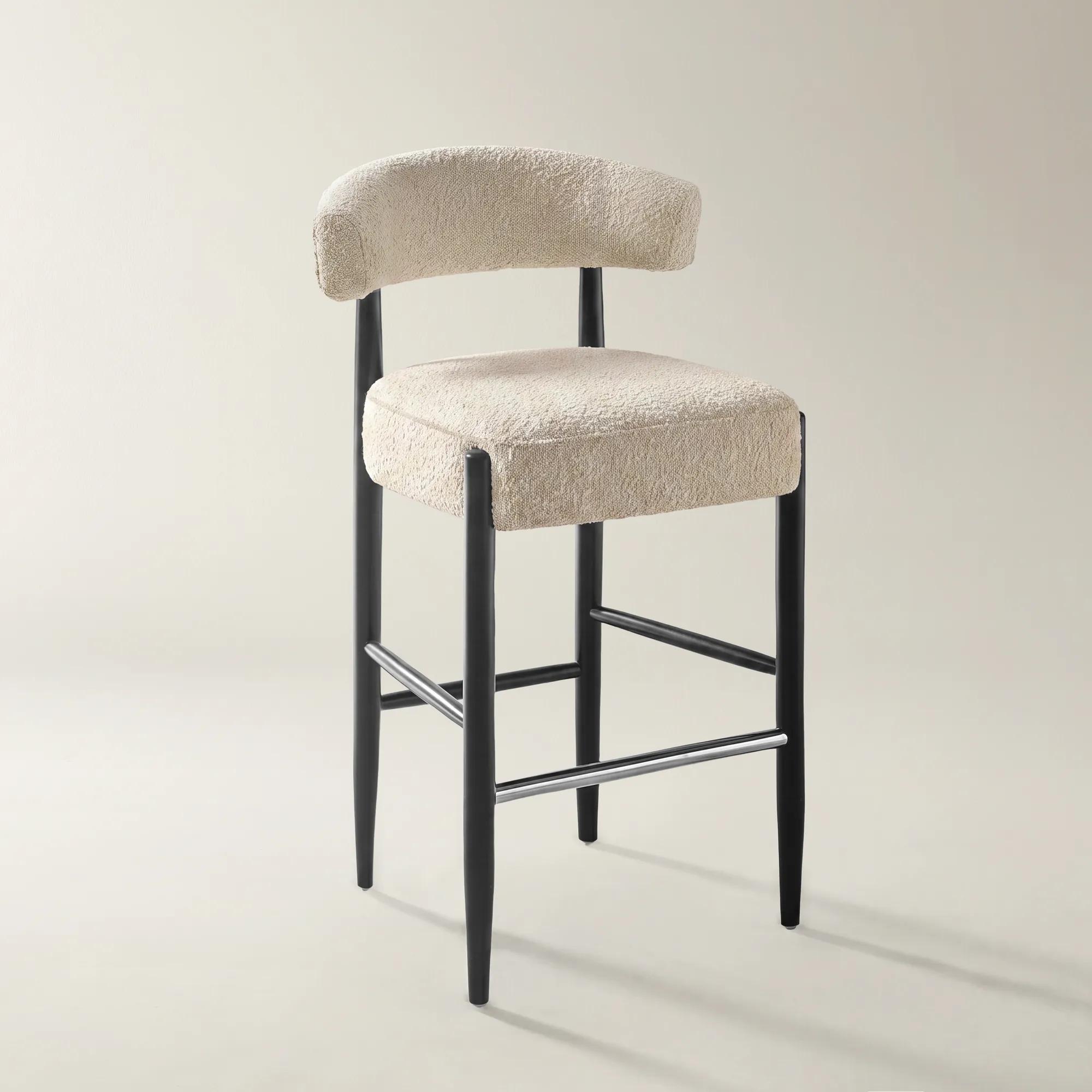 Anna Ivory Performance Boucle Bar/Counter Stool$449
A counter stool with ivory performance boucle upholstery, sculpted support, and tapered solid rubberwood legs.
Add To Cart -
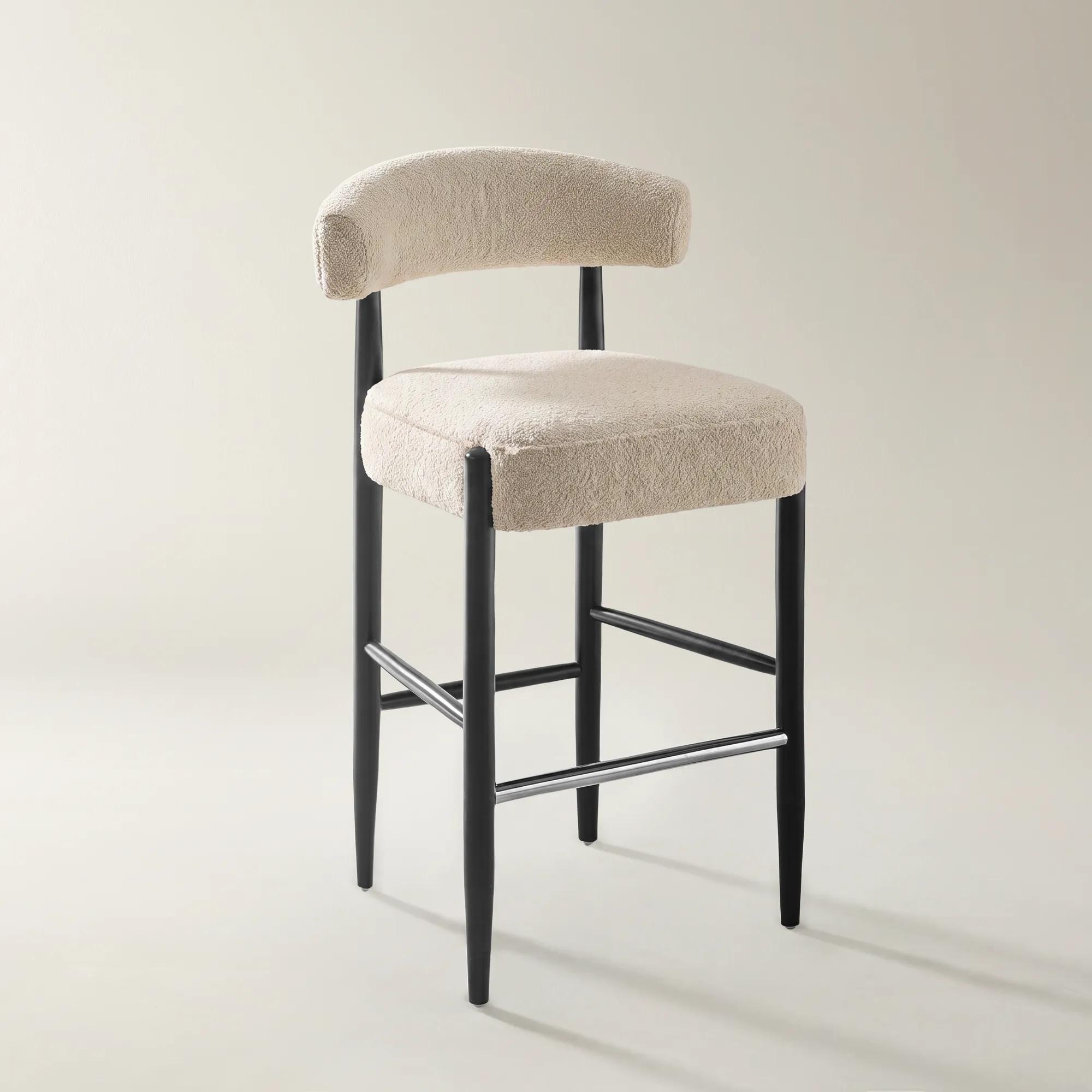 Anna Utopia Sand Chenille Bar/Counter Stool$449
A chenille bar stool with a sculpted padded seat, kiln-dried hardwood frame, and solid rubberwood legs.
Add To Cart -
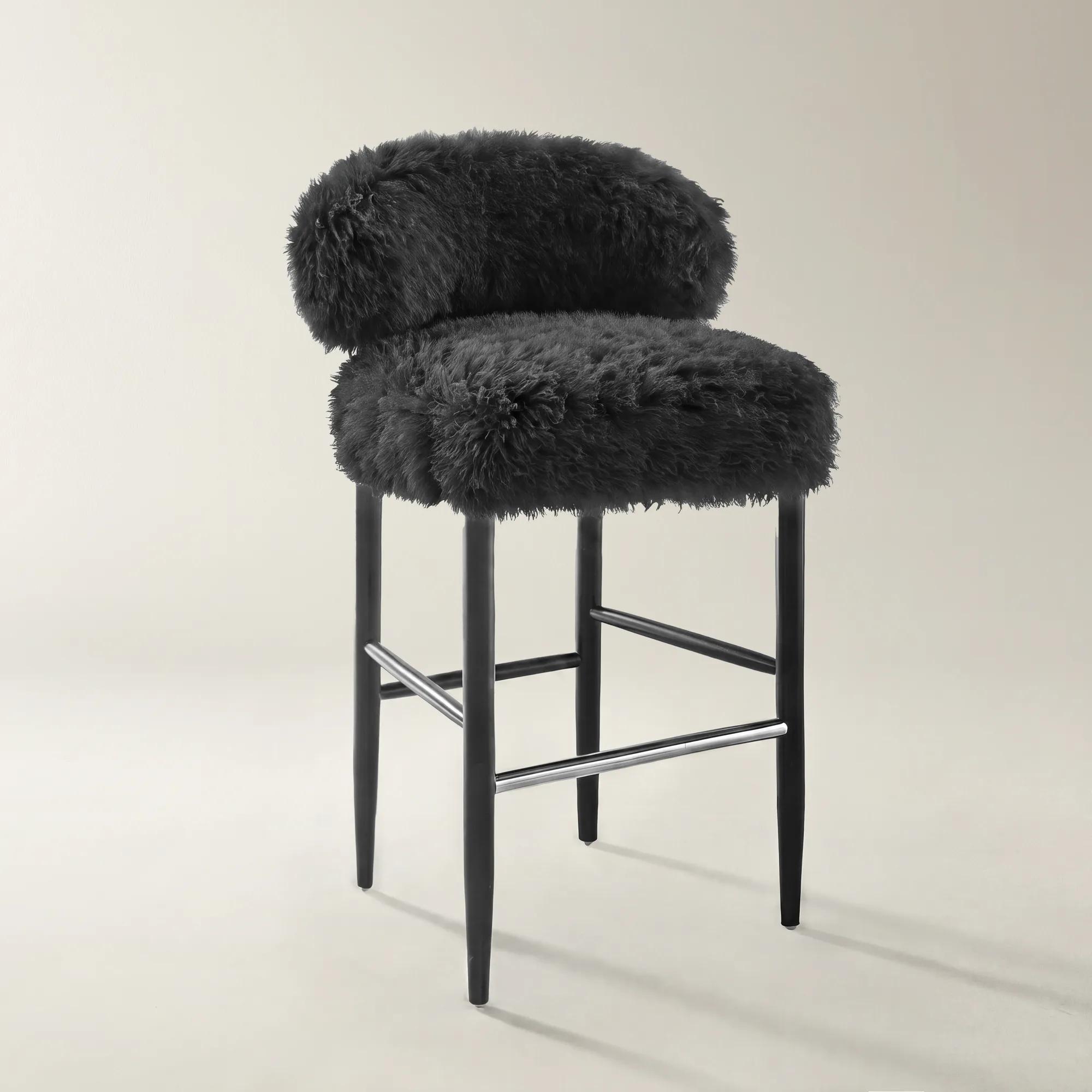 Anna Black Faux Fur Bar/Counter Stool$549
A black faux-fur bar stool with a sculpted back, padded seat, and solid rubberwood legs.
Add To Cart -
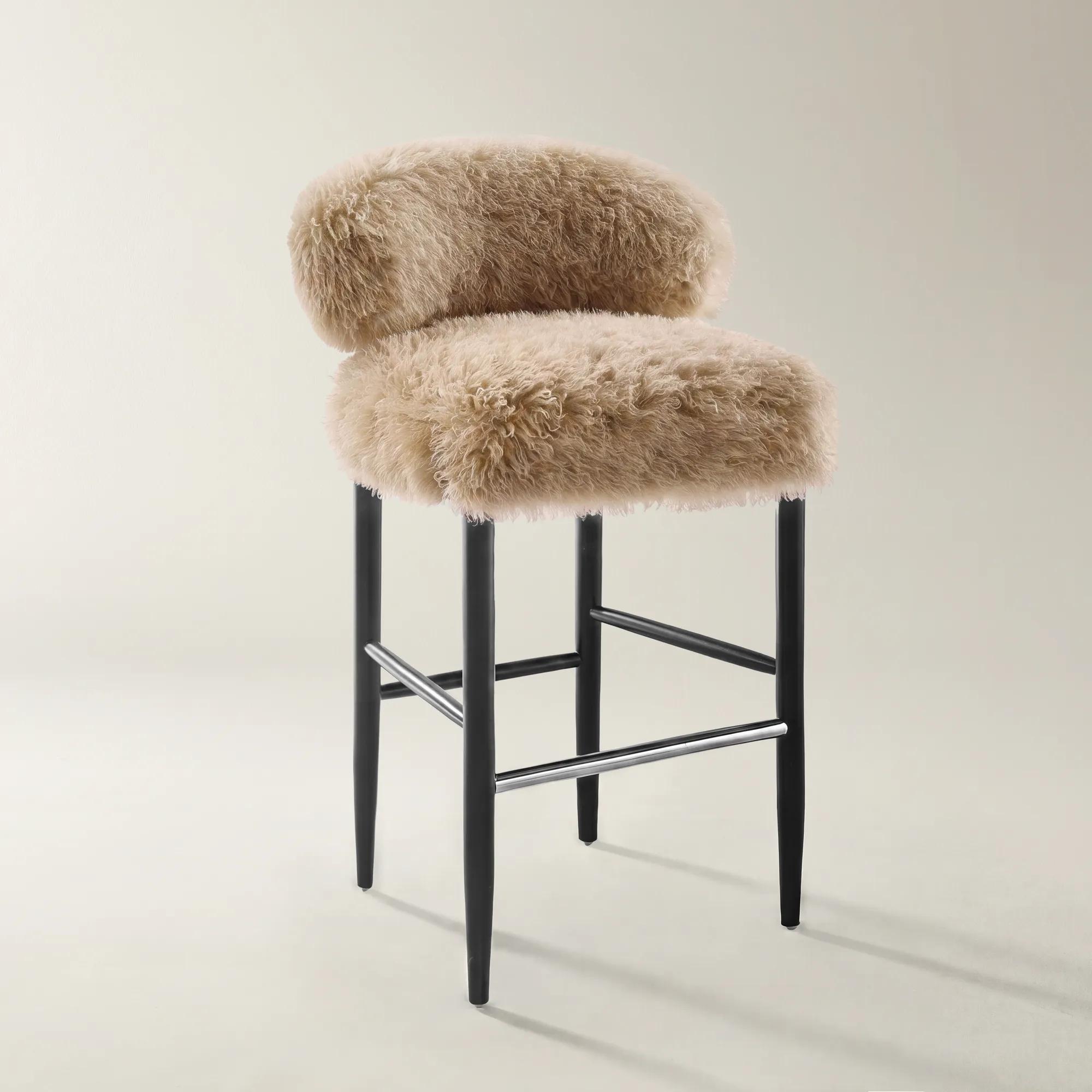 Anna Tan Faux Fur Bar/Counter Stool$549
A tan faux-fur bar stool with a sculpted padded seat and tapered solid-rubberwood legs.
Add To Cart -
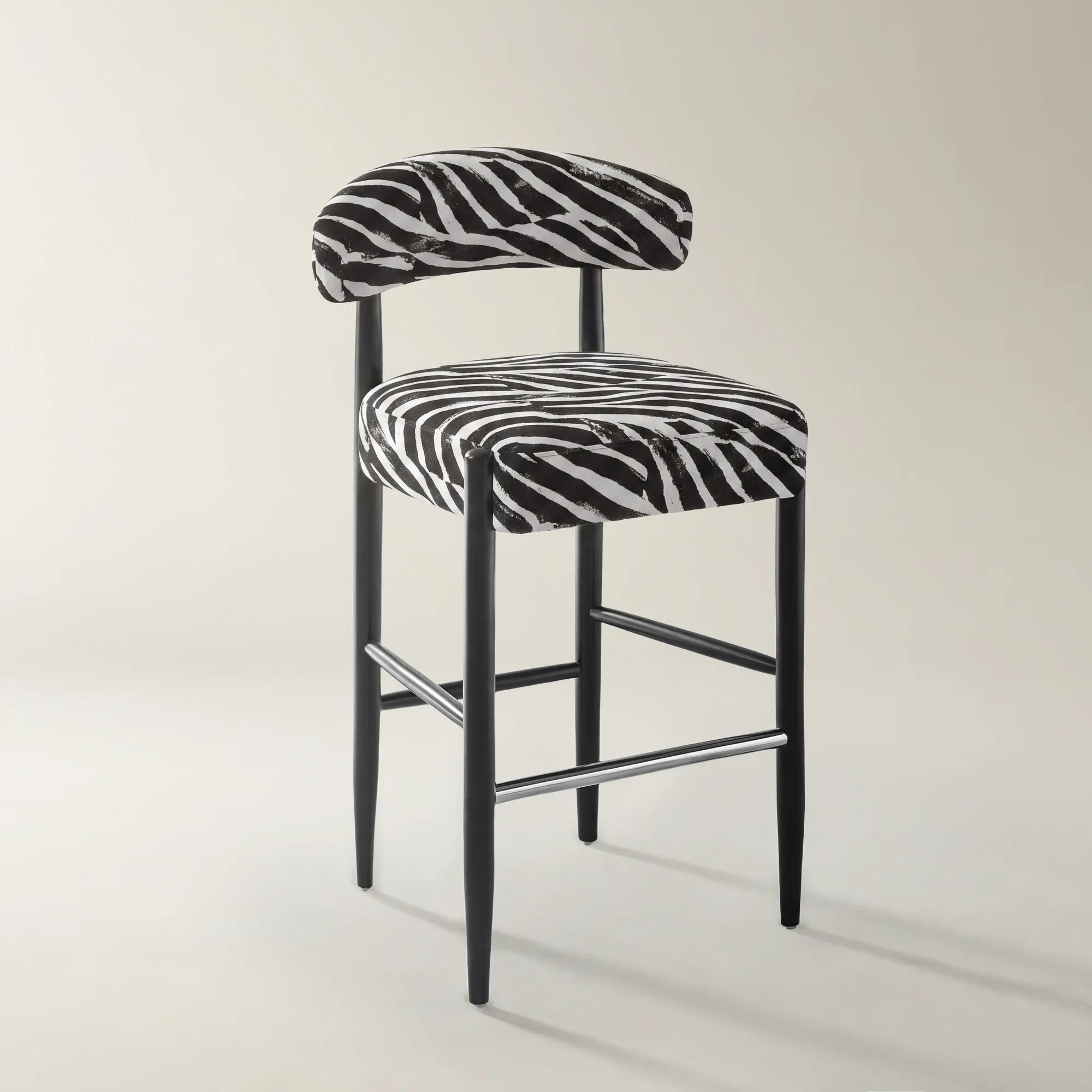 Anna White/Black Performance Chenille Bar/Counter Stool$449
A black-and-white chenille bar stool with a sculpted back, padded seat, and tapered solid rubberwood legs.
Add To Cart -
 Jocelyn Channel-Tufted Oatmeal Velvet Armless Chair$1399
An armless chair upholstered in oatmeal velvet with deep channel tufting and a flowing, curved silhouette.
Add To Cart -
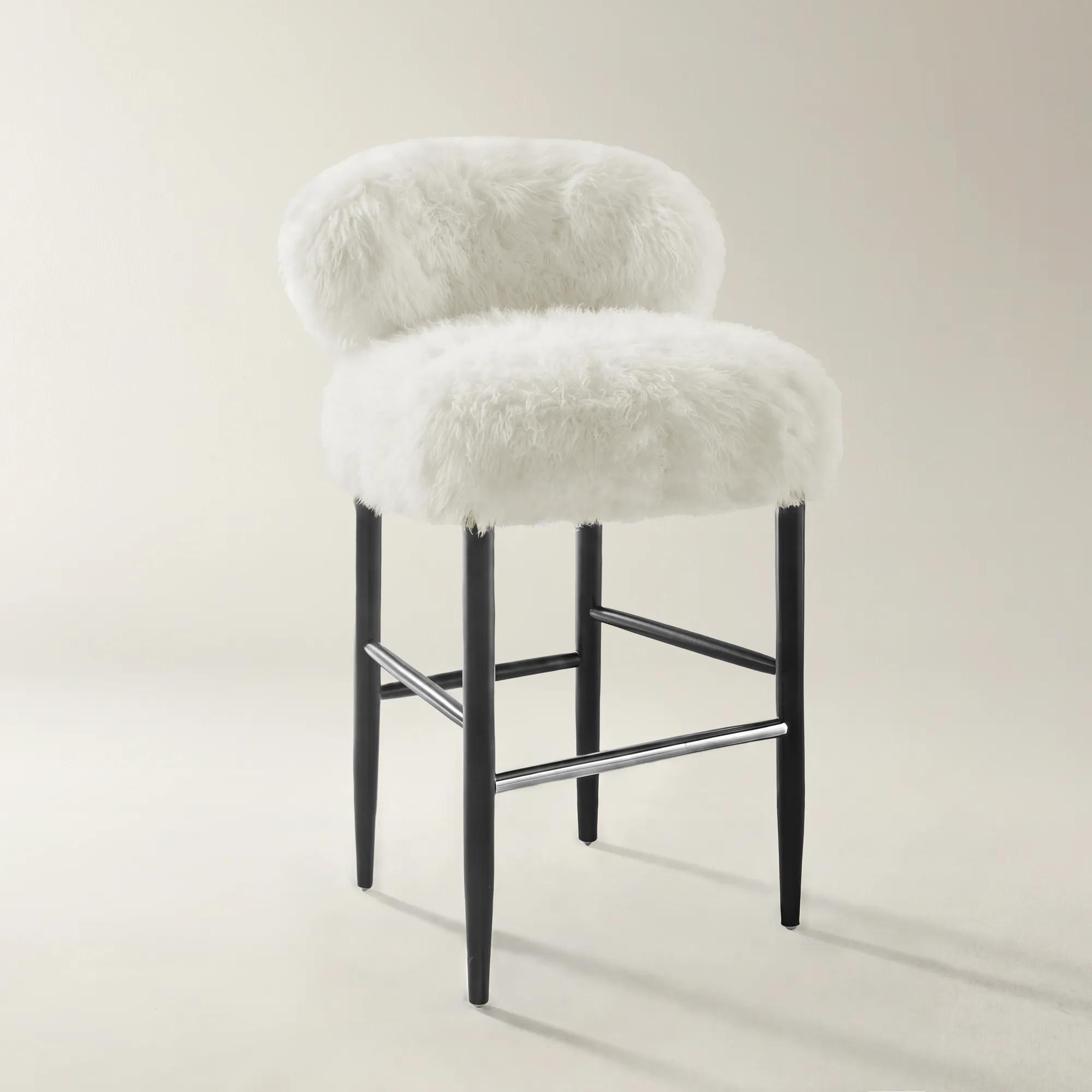 Anna Ivory Faux Fur Bar/Counter Stool$549
An ivory faux-fur counter stool with sculpted support, padded seating, and tapered solid-rubberwood legs.
Add To Cart -
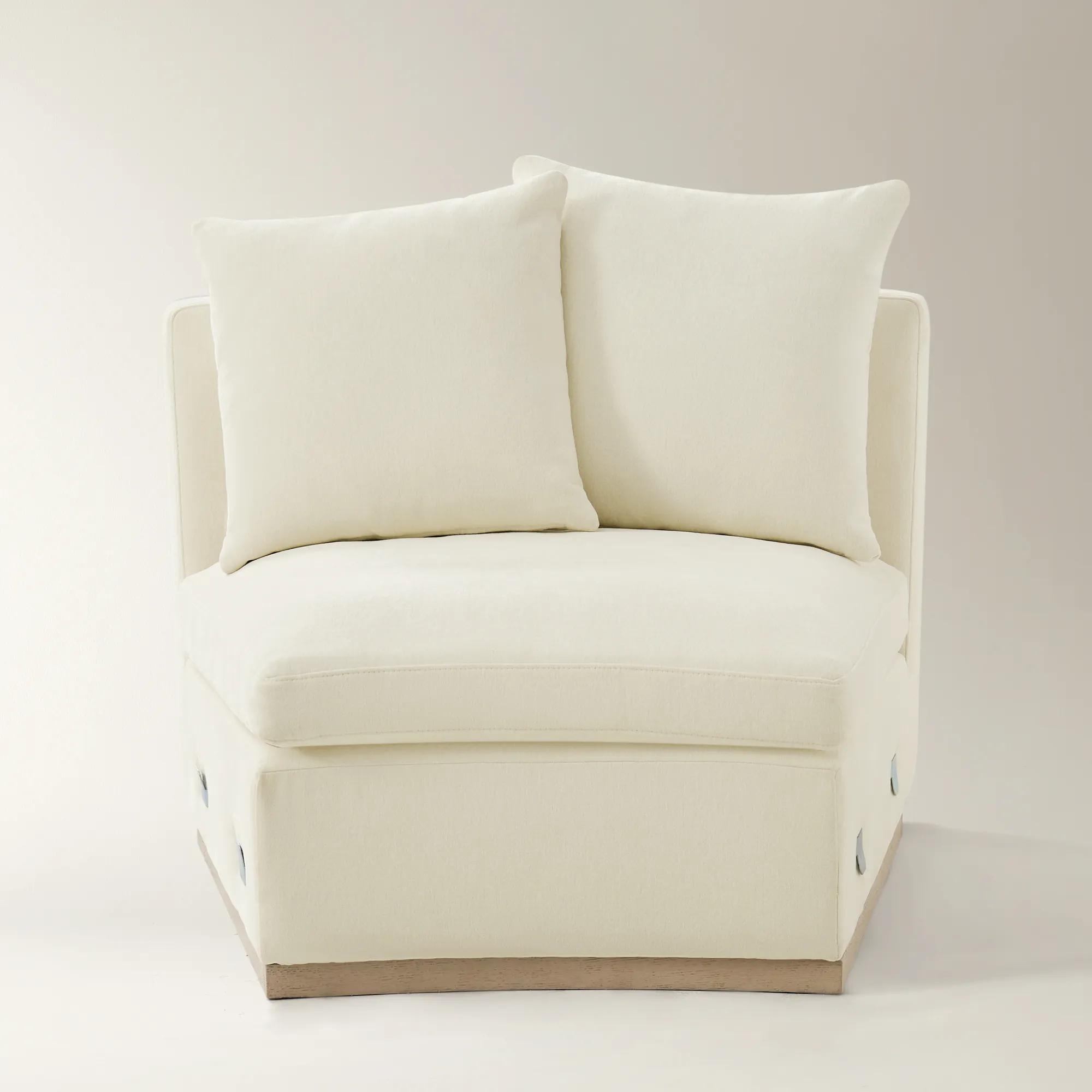
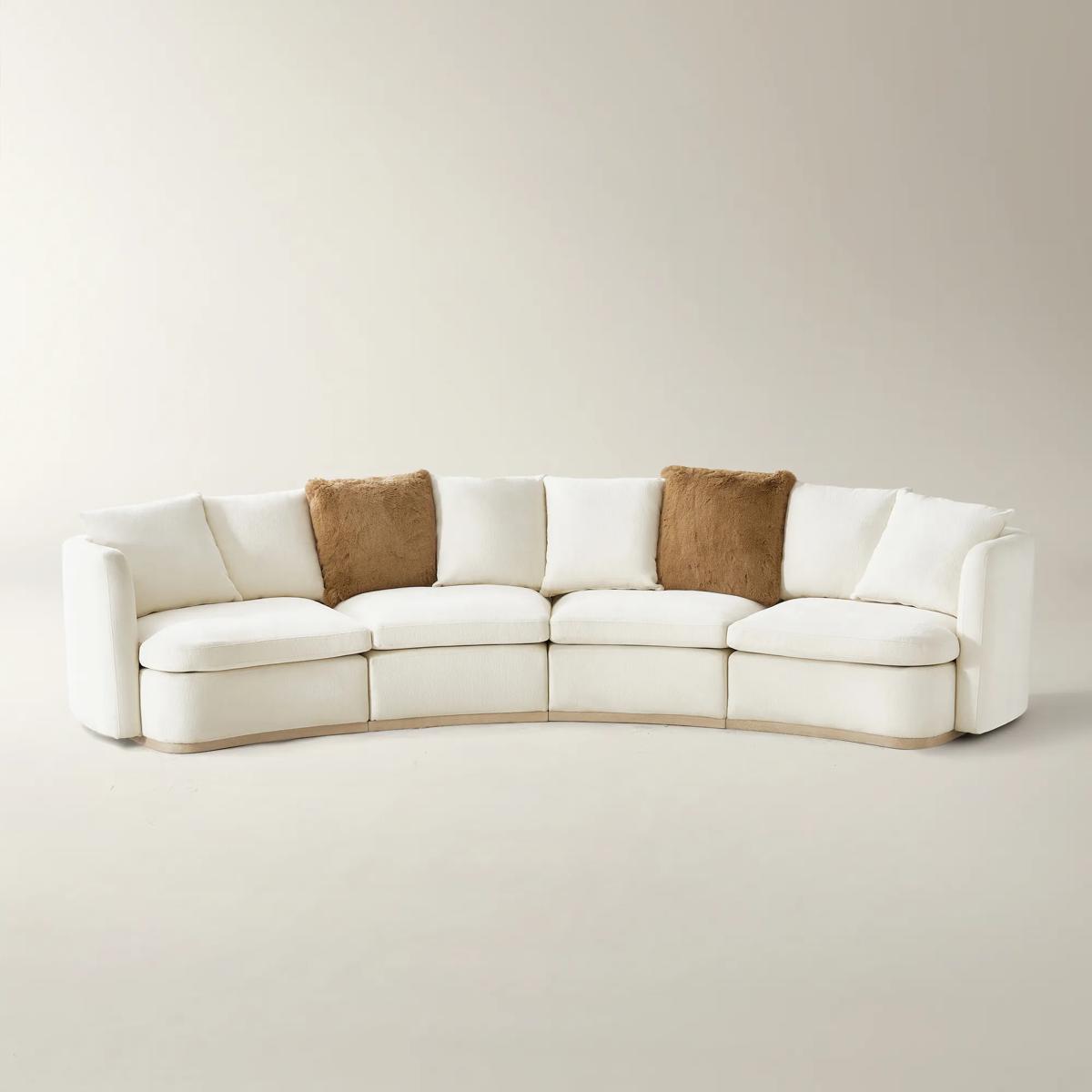 Stria Cloud Velvet Armless Chair$1099
A sculptural cloud velvet armless chair featuring layered foam-and-down cushioning and a solid oak base.
Add To Cart -
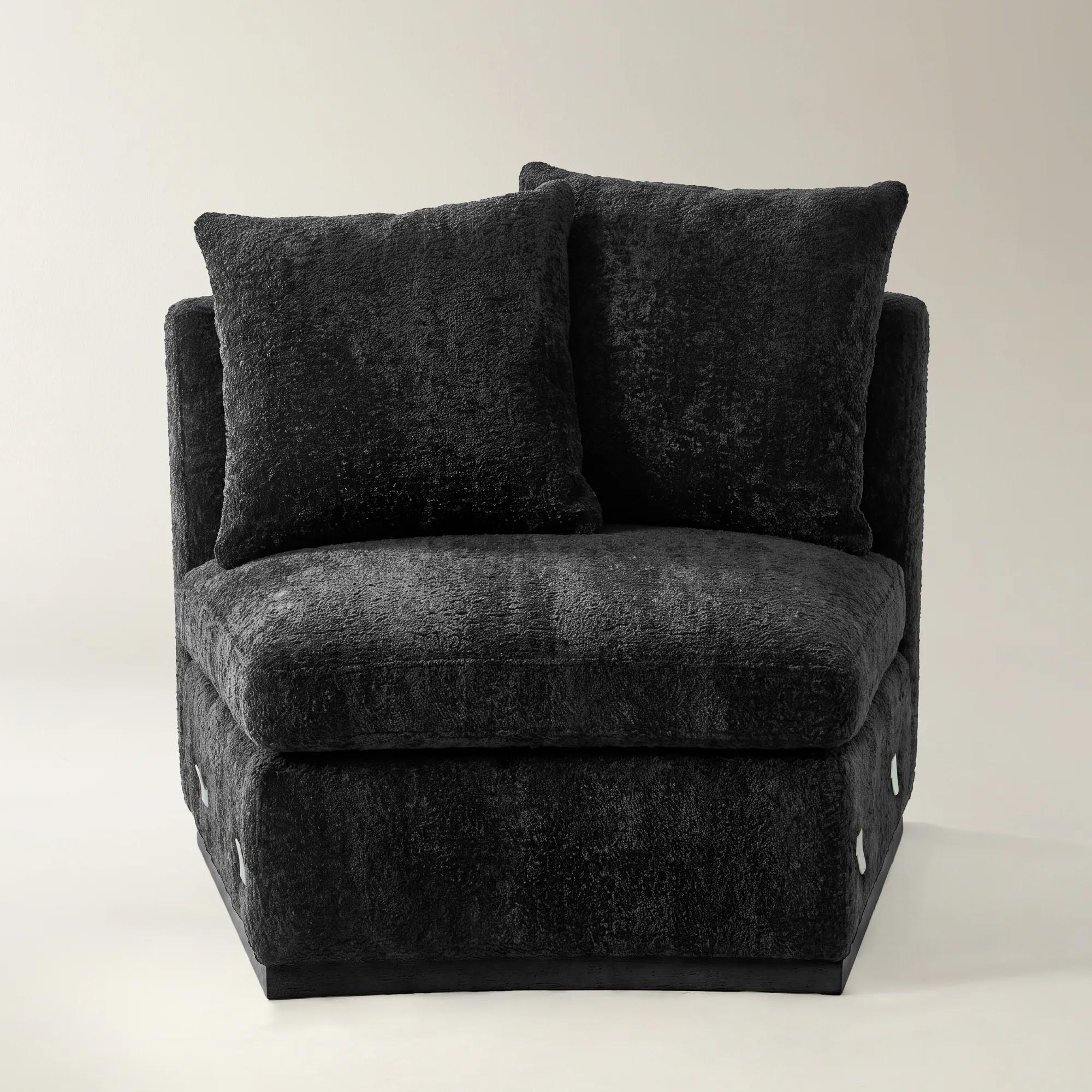 Stria Black Chenille Armless Chair$1099
A sculptural black chenille armless chair with kiln-dried wood construction, solid oak base, and layered cushioning.
Add To Cart

Seating For Small Gathering Spaces
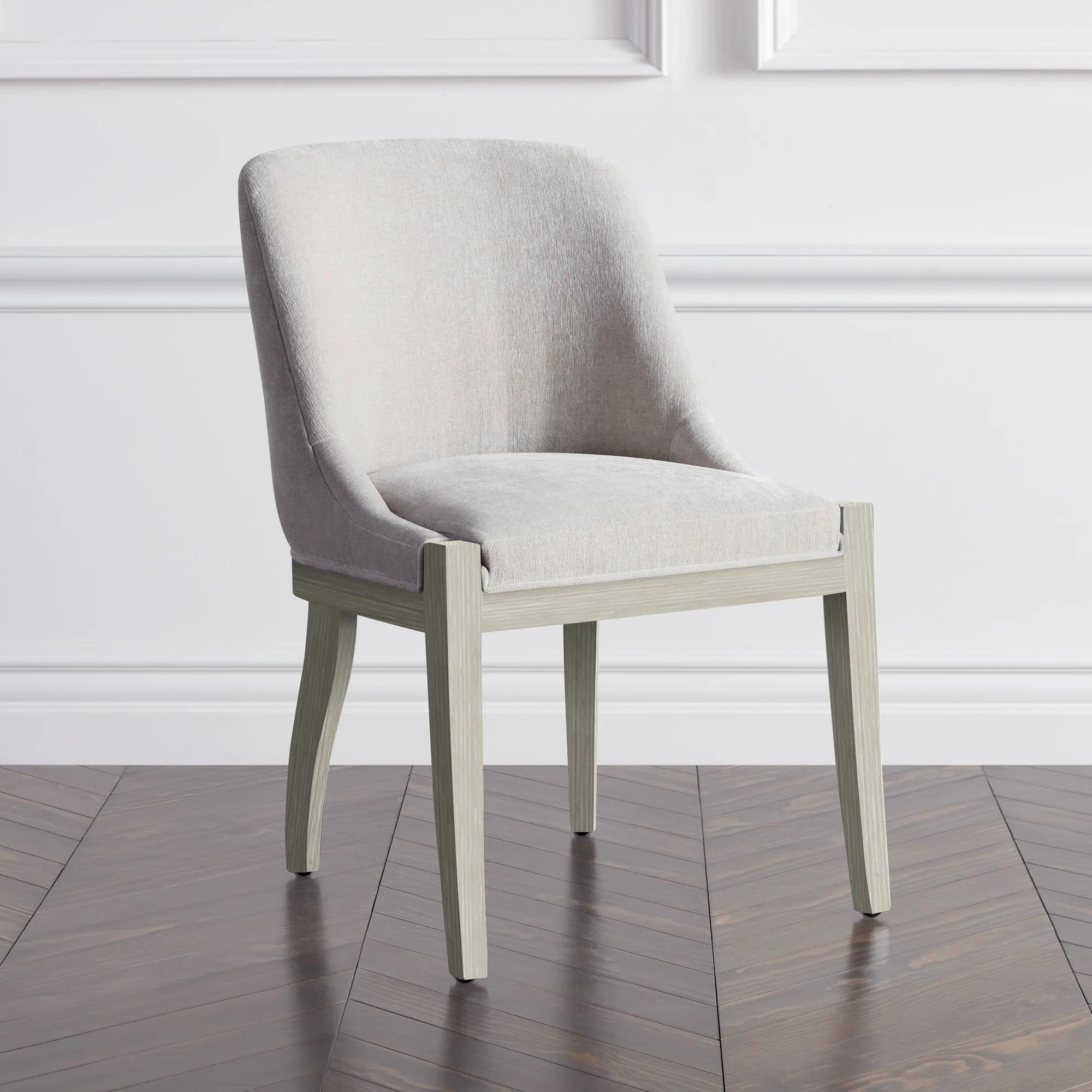
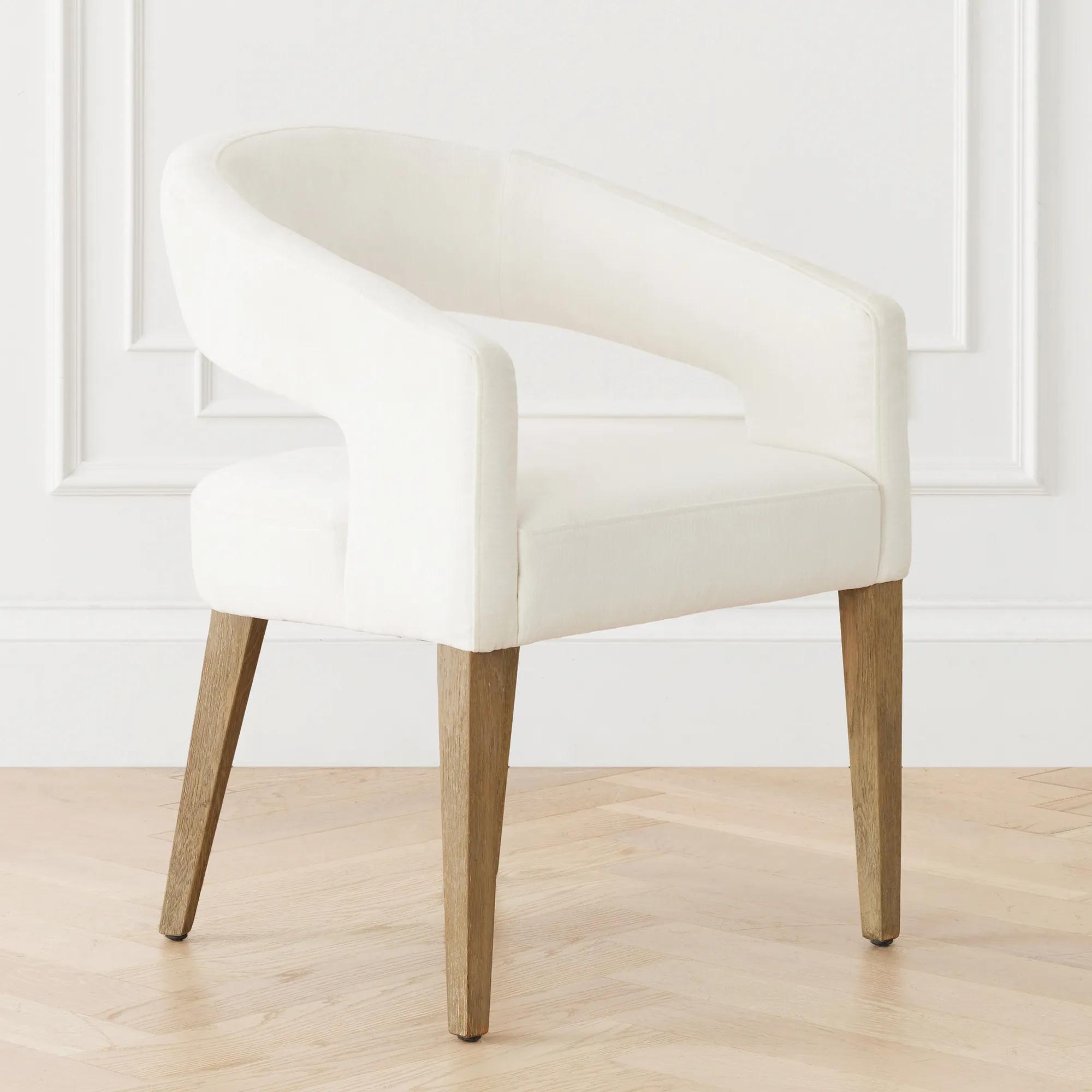
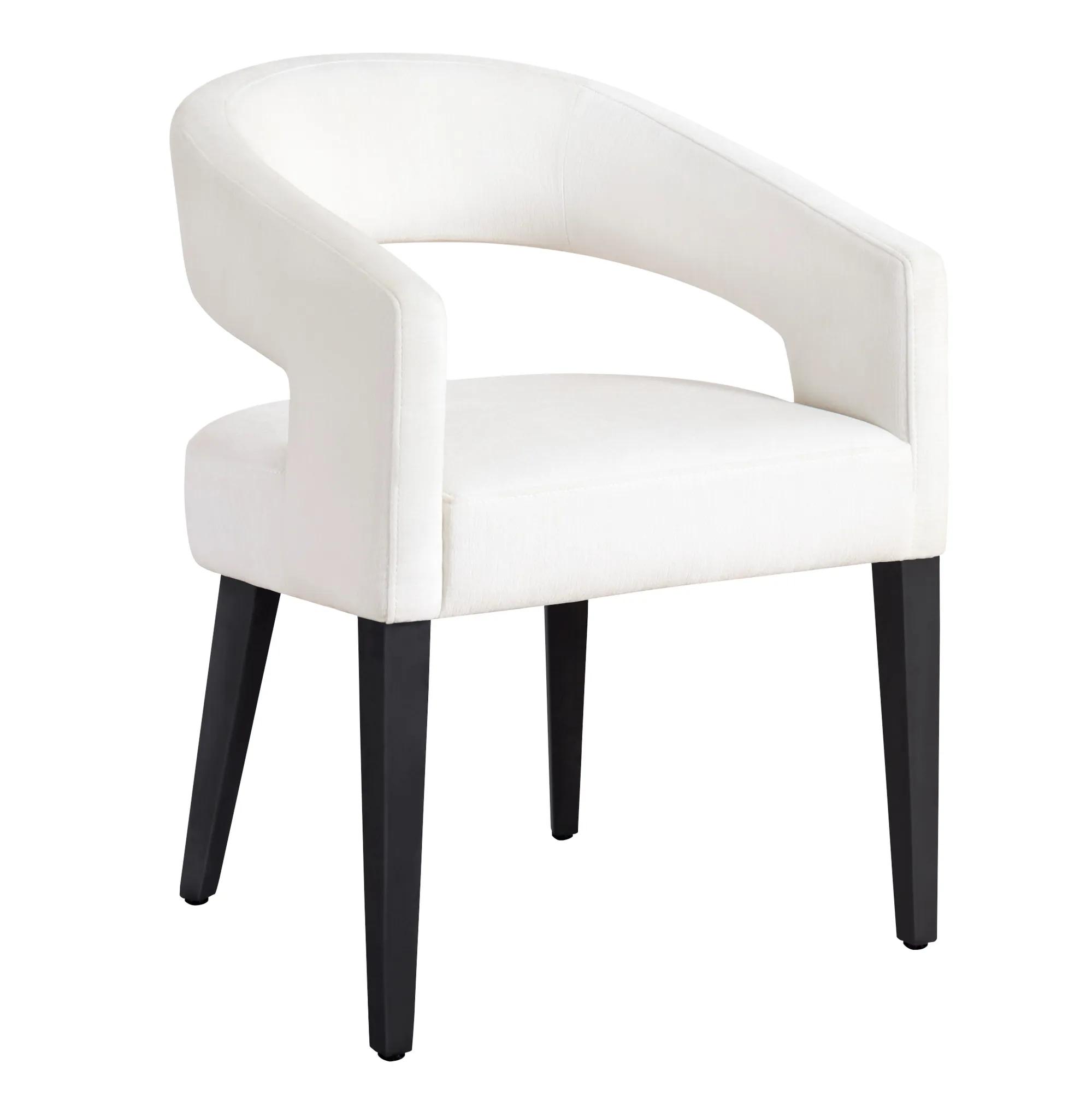
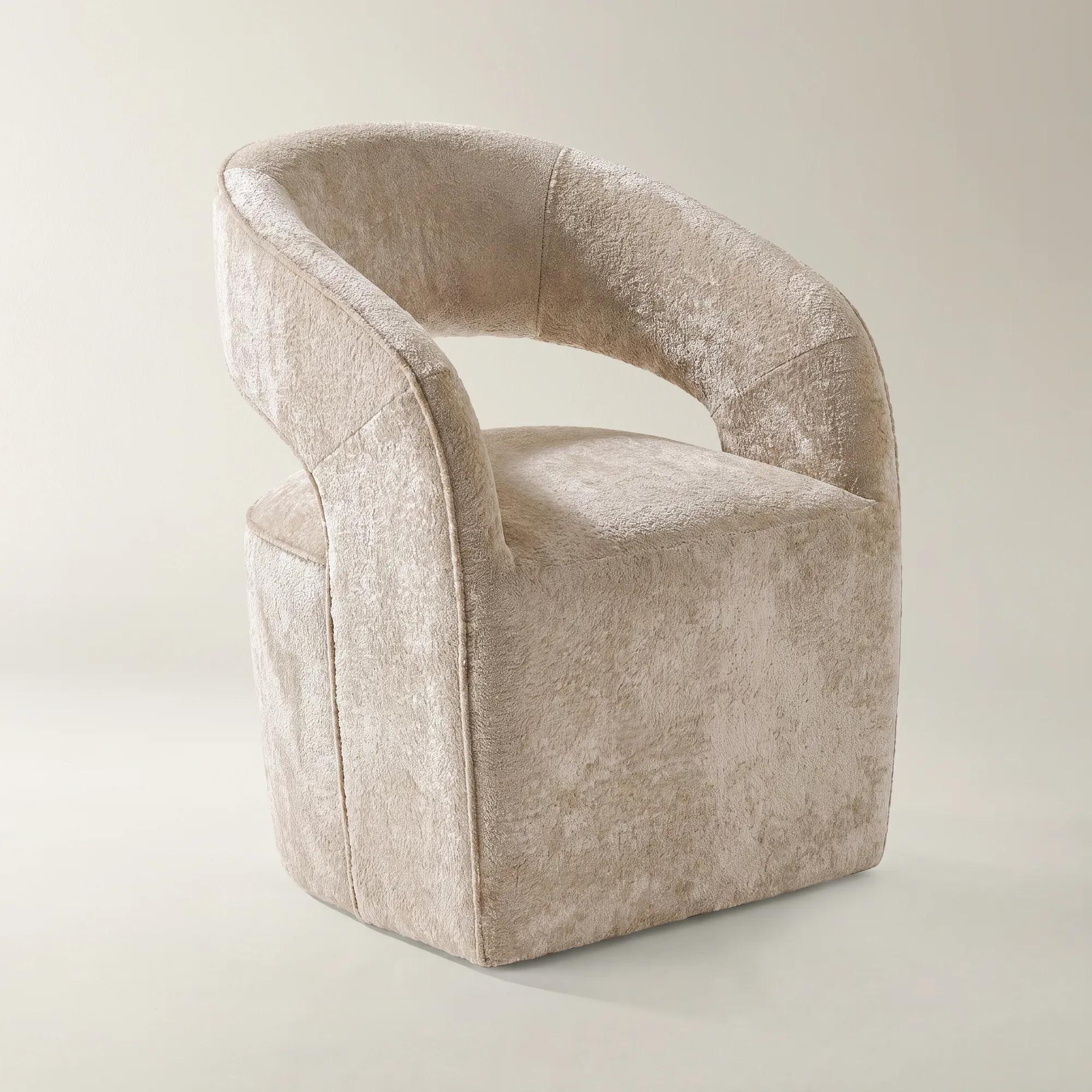
Seating for Small Gathering Spaces is an invitation to curate intimacy with style. Here, every piece is designed to transform the art of entertaining in compact quarters—think jewel-box living rooms, sunlit nooks, or chic city lofts. Each seat becomes a statement, elevating conversation and connection while maximizing every precious inch. Discover silhouettes that dazzle and finishes that captivate, all thoughtfully chosen to ensure your space feels both grand and inviting, no matter its footprint. With Z Gallerie’s eye for drama and detail, even the smallest gathering finds its moment in the spotlight.
Seating for small gathering spaces brings people into conversation without allowing furniture to overwhelm the room. Compact sofas, loveseats, accent chairs, benches, and upholstered ottomans each offer a different balance of comfort, flexibility, and visual presence. The most successful arrangements account for the room’s dimensions, the number of people who gather regularly, and whether additional seats need to move between spaces. In an apartment living room, a streamlined loveseat paired with two sculptural chairs can create an intimate setting for conversation while preserving a clear path to the kitchen. In a narrow sitting area, a bench against a wall introduces another place to perch without the depth of a second sofa. Small-scale seating does not have to mean timid design: a curved back, a gleaming metal base, or sumptuous upholstery can give a compact piece remarkable presence. Proportion matters more than a single measurement. A chair with slender arms may offer generous sitting room within a modest footprint, while a broad, deeply cushioned silhouette can occupy more space than its seat width suggests. Overall width, depth, and height all influence how furniture fits, as do the clearance needed for a swivel base and the position of nearby doors, drawers, and tables. Delivery routes deserve equal attention, especially in apartments with tight stairways, elevators, or narrow entries. Within the room, seating should allow guests to settle in without repeatedly shifting furniture or squeezing past knees. A low-profile back can preserve a sightline across an open living area, while exposed legs reveal more of the floor and lend an arrangement visual lightness. Neither feature changes the actual footprint, but both can soften the impression of density. For hosts who regularly welcome a few close friends, a balanced combination of everyday seating and movable accent pieces makes the room feel composed rather than crowded. Each seat earns its place through comfort, useful scale, and a silhouette that contributes something distinctive to the setting.
Materials give small-space seating its character, but their appeal extends beyond the first impression. Velvet lends depth to jewel tones and reflects light across curved upholstery, creating a richly layered effect even when the furniture itself is compact. Its directional pile may show shading or pressure marks, so a pristine, uniform appearance should not be assumed. Textured woven upholstery offers a different expression, bringing dimension to neutral palettes and a tactile counterpoint to polished tables or mirrored accents. Looped fabrics have pronounced texture, although their suitability for homes with pets depends on the weave and the likelihood of snagging. Leather can introduce a tailored finish, with maintenance and resistance to marking varying by leather type and protective treatment. Performance upholstery may be worth considering where guests frequently carry drinks or where seating also serves a busy family living area, but stain resistance, cleaning methods, and other properties depend on the individual fabric specifications. Durability also rests beneath the surface: frame construction, joint quality, cushion support, and intended weight capacity all matter alongside upholstery. A firm, supportive cushion can suit an accent chair used for conversation, while a more relaxed seat may feel inviting for extended lounging. Seat height, usable depth, back support, and arm placement affect comfort as much as softness, particularly when guests have different mobility needs. Dining-height seating and low lounge seating serve different purposes, even when their silhouettes share the same glamorous finish. Care should follow the manufacturer’s instructions and the upholstery cleaning code rather than a universal cleaning method. Routine vacuuming with an appropriate attachment can help remove surface debris where permitted; spills call for prompt attention without vigorous rubbing. Strong sunlight can affect some fabrics and finishes, and compatible floor protectors can help limit marks when chairs are moved. Thoughtful material choices allow a room to feel indulgent while remaining suited to the people who actually gather there.
Flexible seating is especially valuable when one room carries several roles. A living area may be a quiet reading retreat most evenings, then become the setting for an intimate dinner’s opening conversation or an afternoon of board games. An accent chair placed beside a bookcase can turn toward the sofa when company arrives, provided its size and base allow comfortable movement. A swivel chair offers that change of orientation without requiring the entire piece to be repositioned, though its turning radius still needs room. Upholstered stools and ottomans can introduce occasional seating with a smaller visual footprint, but only designs intended to support a seated person should serve that purpose. Backless seats are often better suited to brief visits than leisurely evenings, while supportive chairs give guests a place to linger. In a compact dining nook, a banquette-style bench can establish a defined gathering area; the relationship between seat height, cushion thickness, and tabletop clearance determines whether the arrangement feels comfortable in use. These practical distinctions sit naturally alongside expressive design. A pair of chairs in the same fabric can create rhythm, while contrasting silhouettes feel connected through a shared undertone or metal finish. A restrained footprint leaves room for a more daring color, a sweeping curve, or upholstery with a luminous surface. The approach extends to modern seating for small spaces, where clean proportions and distinctive details can work together without sacrificing personality. Nearby tables should be reachable from the seats they serve, with enough surface for a glass rather than a precarious balancing act on an upholstered arm. Lighting beside a reading chair can give it purpose between gatherings, while a rug large enough to visually connect the arrangement helps separate a conversation area from surrounding activity. The result is seating that belongs to daily life as much as entertaining: welcoming for two, adaptable for a few more, and expressive enough to make a small gathering feel like an occasion.
FAQs
For an inviting ambiance in small gathering spaces, opt for plush ottomans, upholstered benches, and layered floor cushions. These pieces introduce texture and warmth, encouraging guests to relax and linger. Mixing seating styles—such as pairing sculptural accent chairs with soft poufs—adds visual interest and creates distinct zones for conversation.
Choose seating with bold silhouettes, luxe fabrics, or gleaming metallic accents to infuse your space with personality. Arranging chairs at slight angles and incorporating statement pieces, like a velvet bench or a mirrored stool, draws the eye and elevates the overall mood. Don’t be afraid to mix materials and colors for a layered, editorial look.
Yes, many benches and ottomans are designed with hidden storage compartments. These multi-functional pieces are perfect for stowing away throws, board games, or extra pillows, allowing your space to remain both stylish and uncluttered—ideal for spontaneous gatherings or everyday living.
Round or oval seating arrangements naturally draw guests inward, fostering intimacy and open dialogue. Benches and modular sectionals can be positioned to create flow between zones, while accent chairs angled toward each other help maintain open sightlines and an inviting atmosphere.
Absolutely. Chic poufs, elegant benches, or a pair of accent chairs make memorable gifts for housewarmings, weddings, or anyone starting a new chapter in a cozy home. These pieces offer both beauty and practicality, serving as a daily reminder of your thoughtfulness and their own unique style.