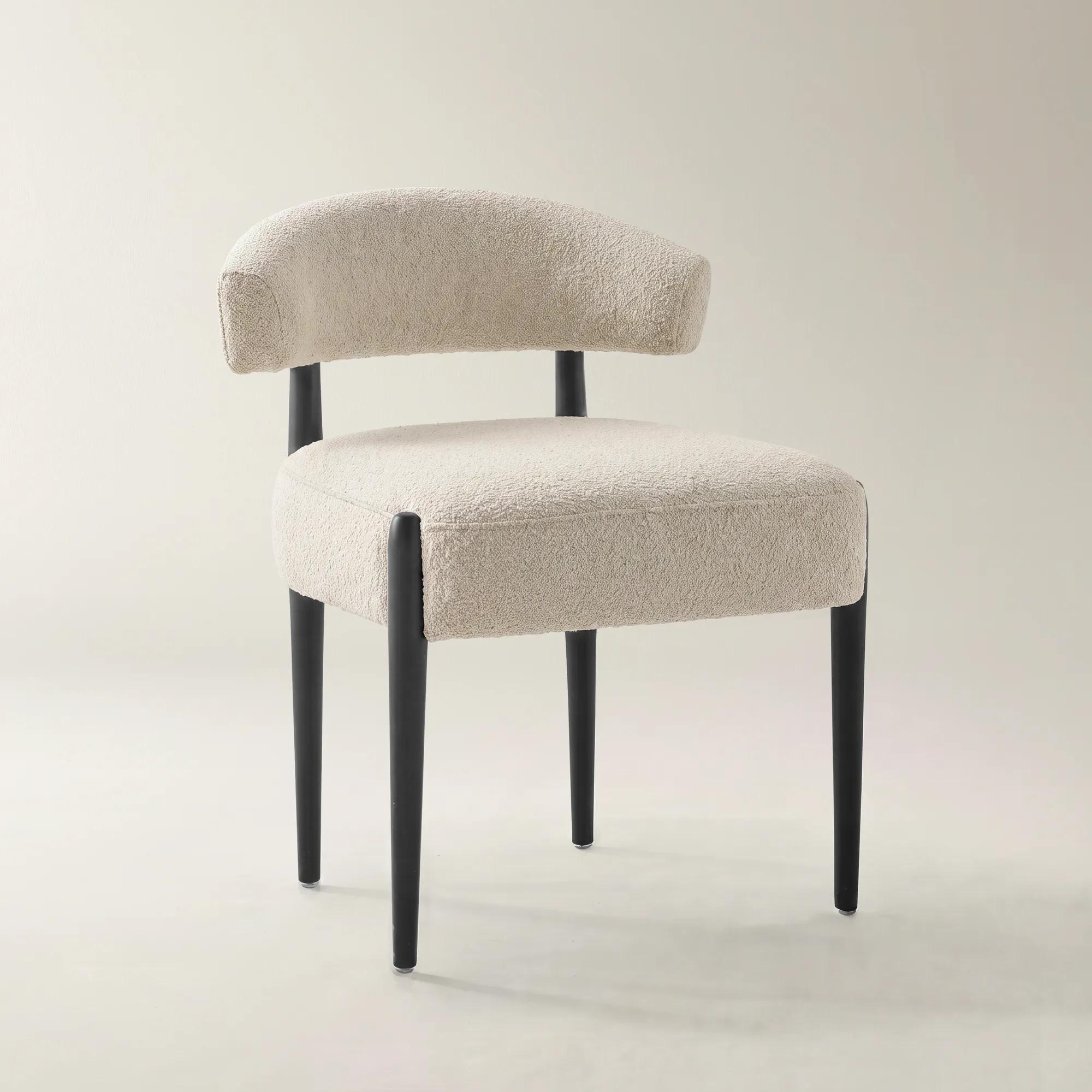
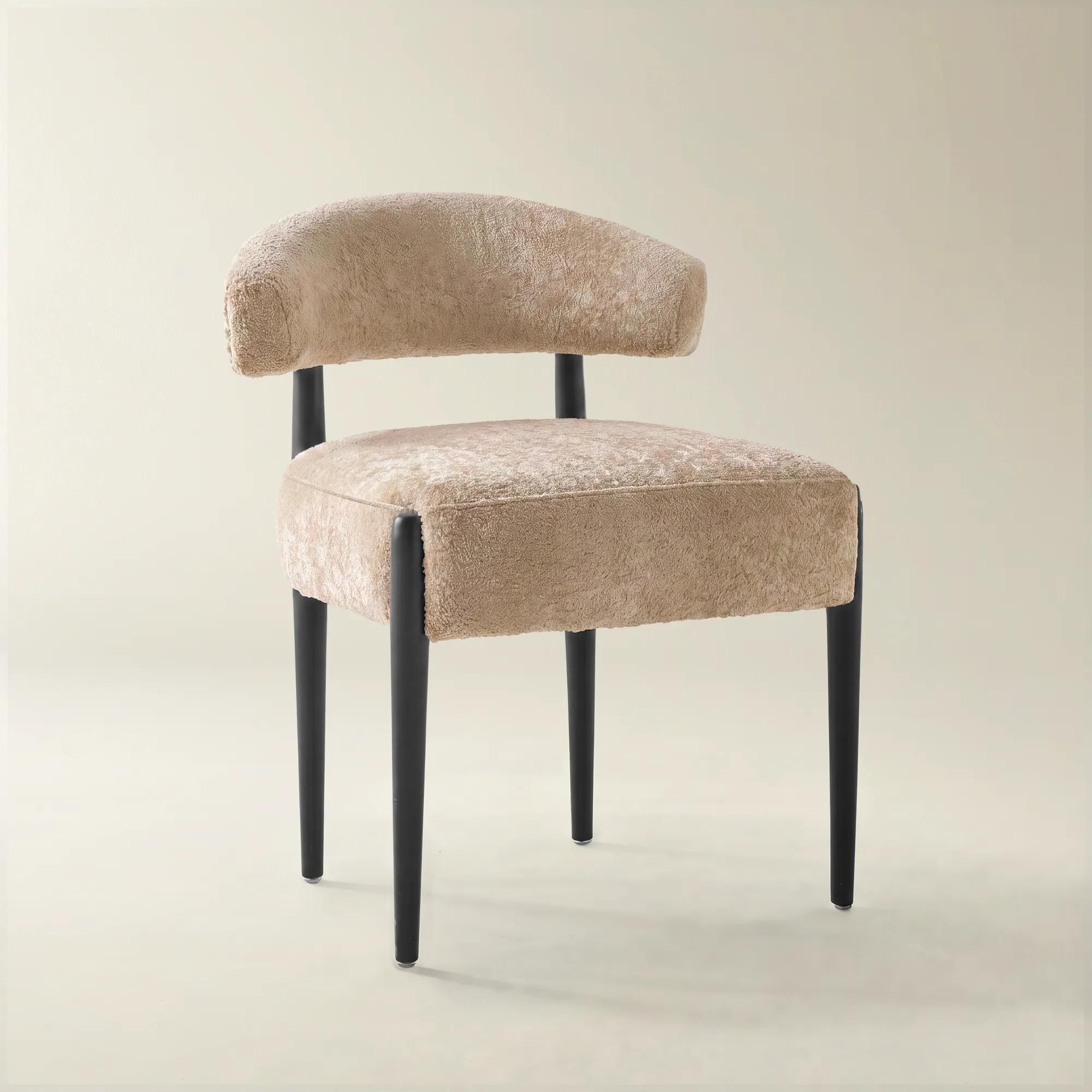
Seating For Modern Kitchens
Seating For Modern Kitchens
-
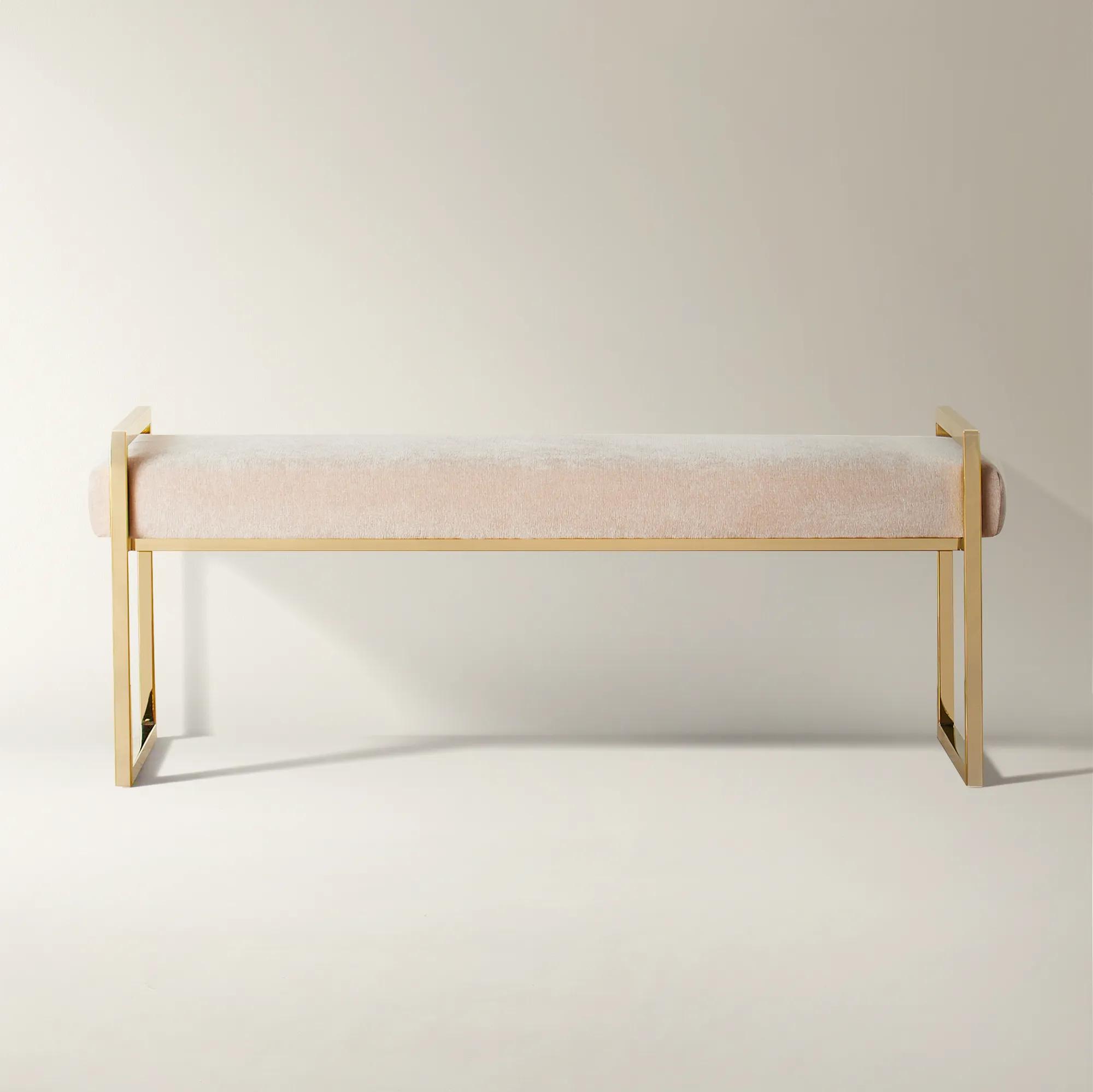 Clara Bench$699
A plush upholstered bench with a high-density foam cushion and polished gold metal legs for modern elegance.
Add To Cart -
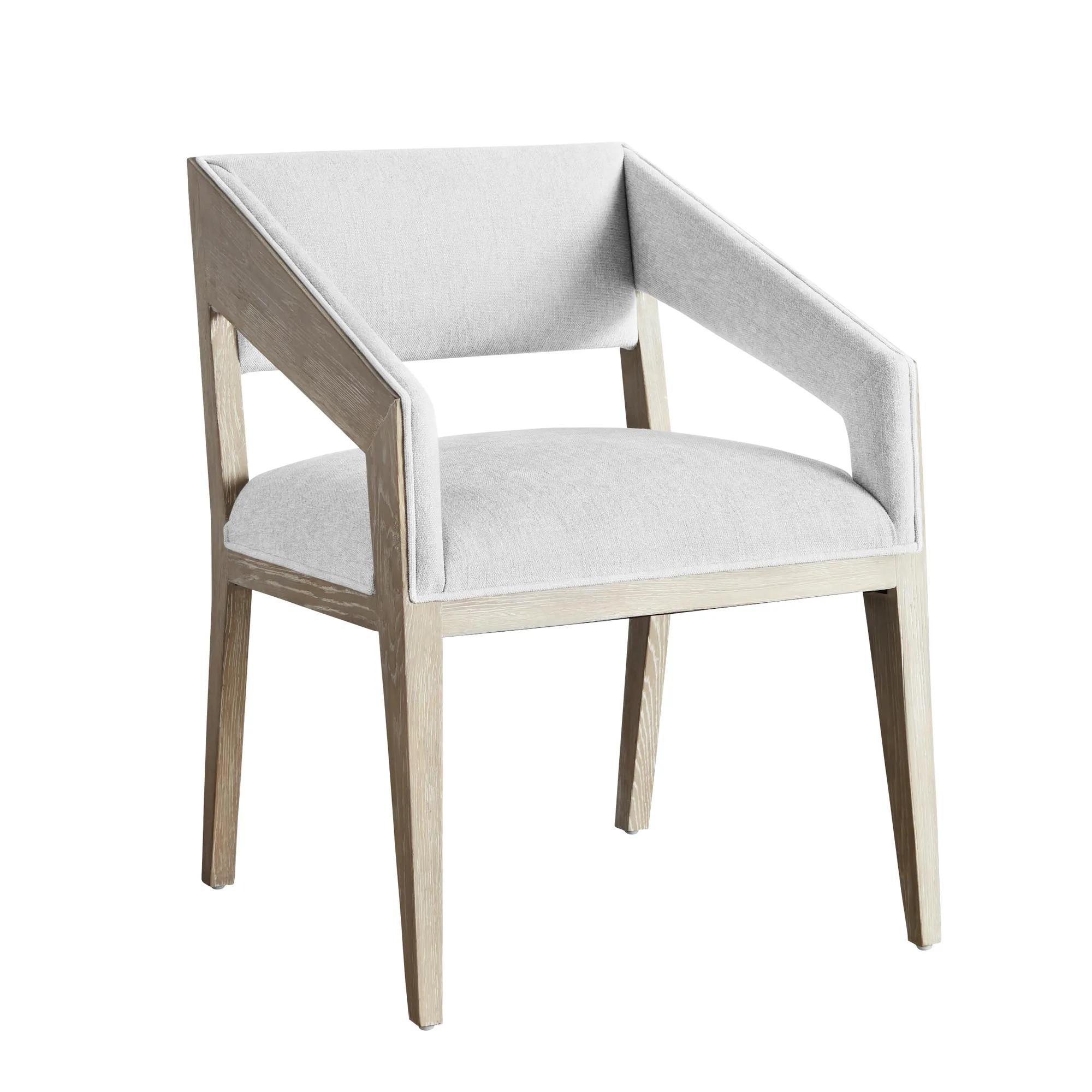
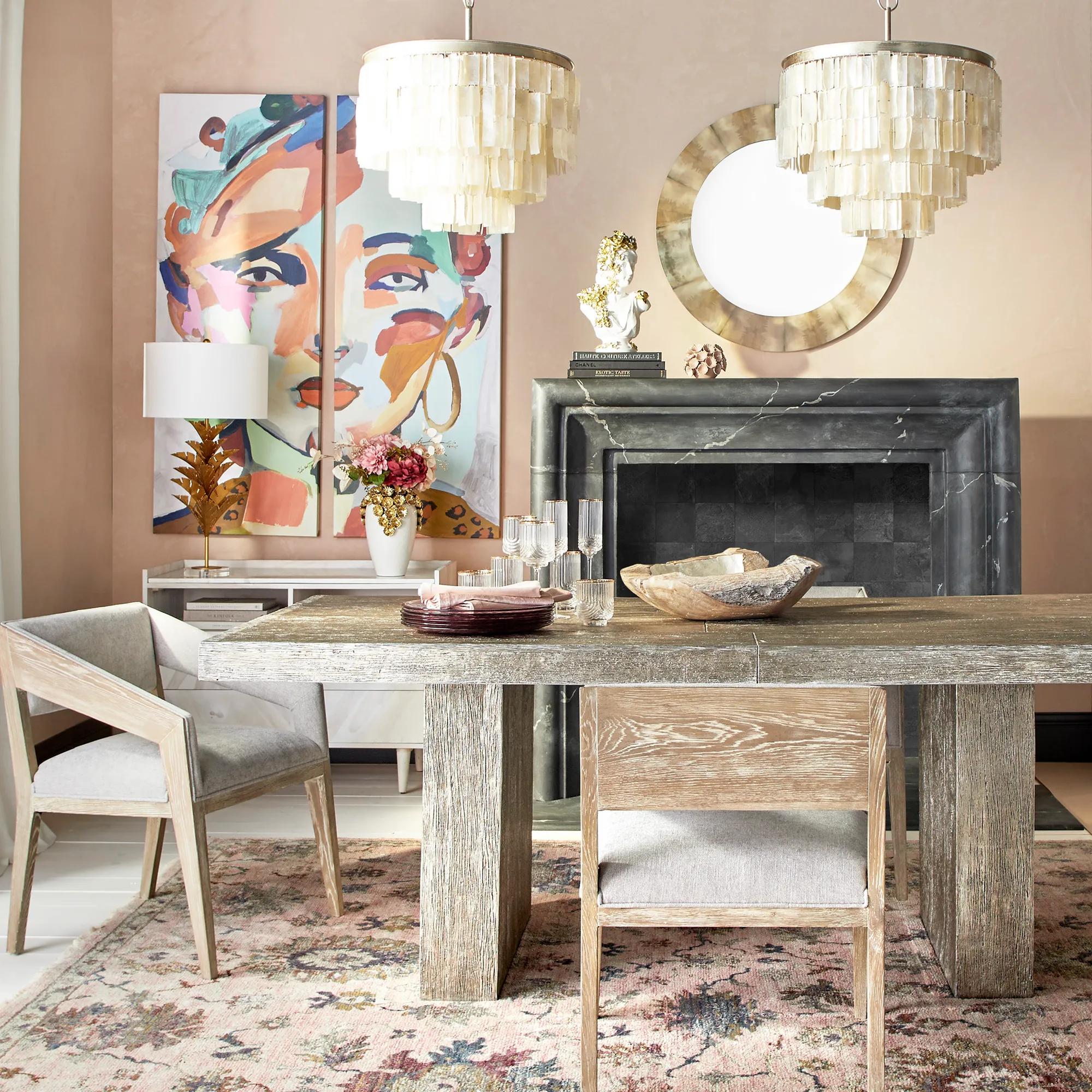 Alric Dining Arm Chair$699
A modern armchair featuring solid oak framing, natural grey finish, and neatly tailored pearl grey upholstery.
Add To Cart -
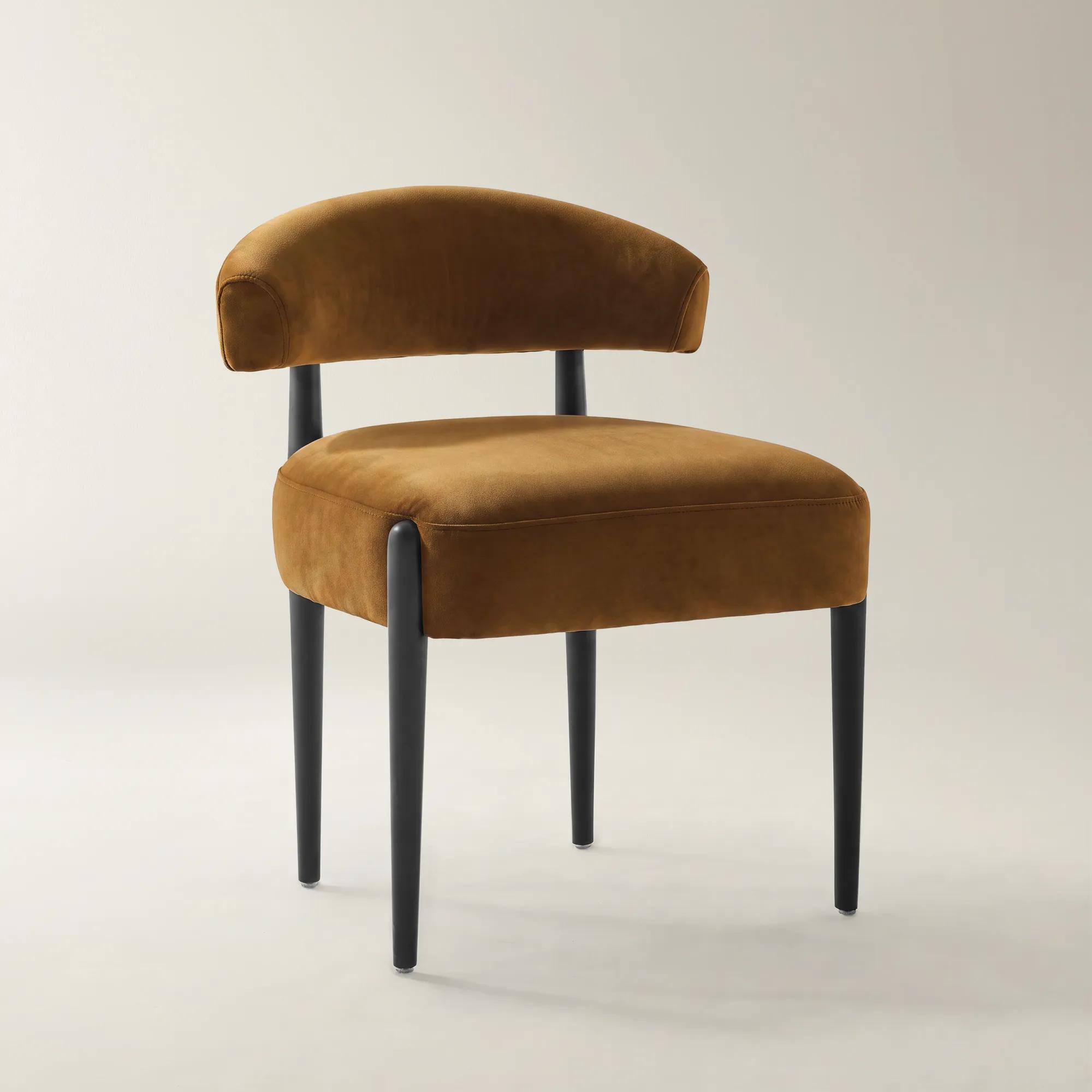
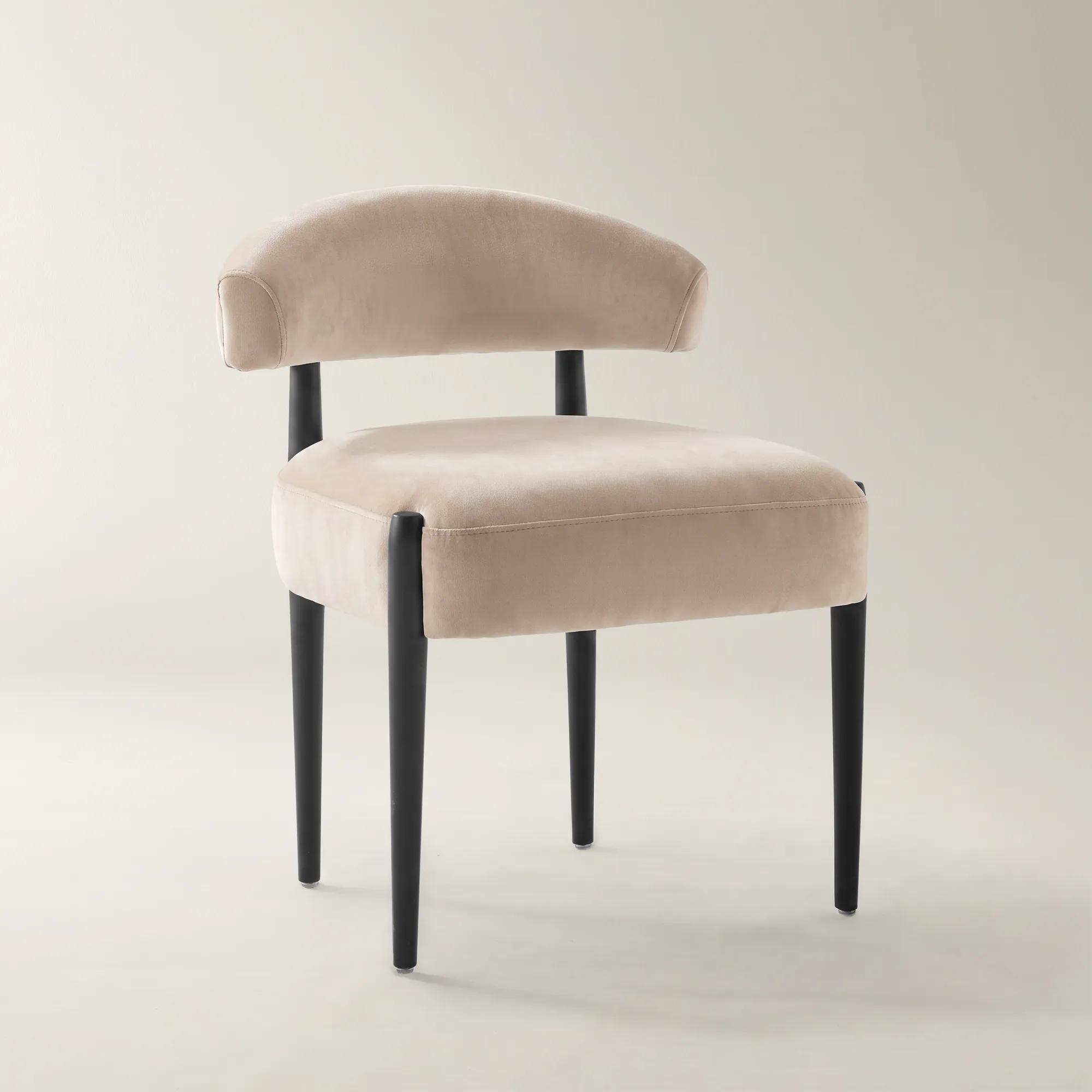
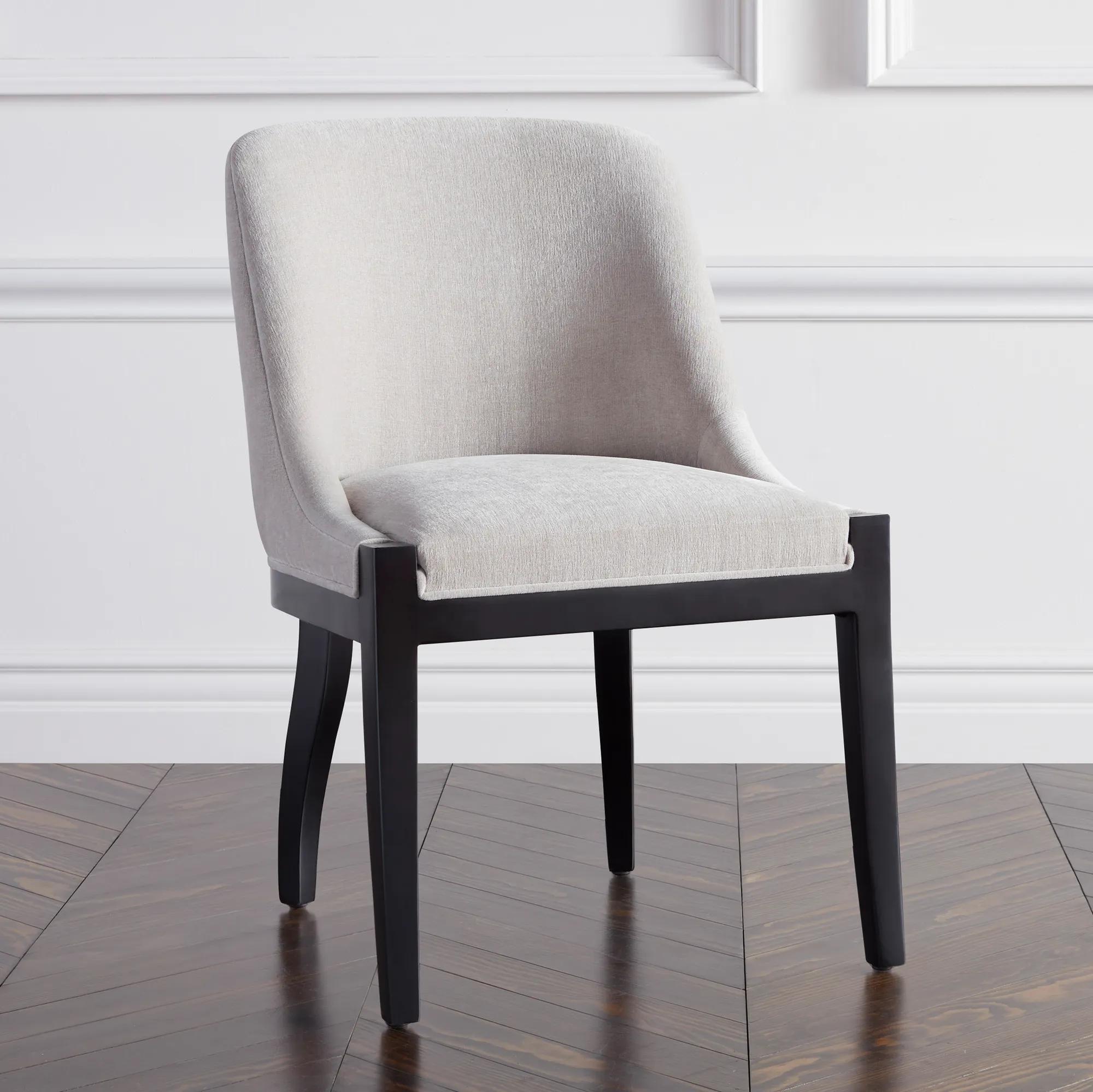 Lily Dining Chair - Matte Black$599
A modern dining chair featuring a kiln-dried hardwood frame and plush, tailored upholstery in matte black.
Add To Cart -
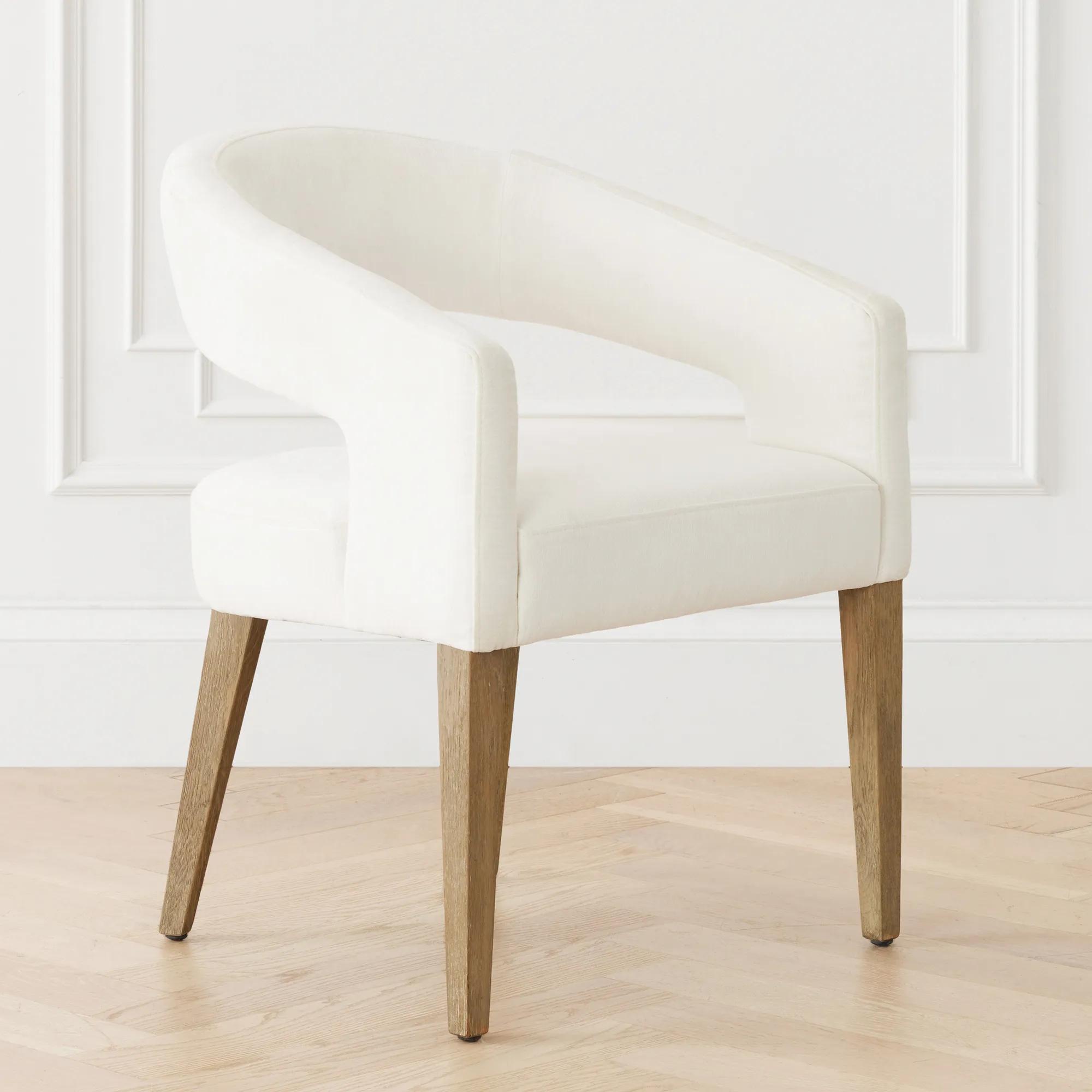 Philippa Dining Chair - Natural Grey$749
A modern dining chair featuring a curved silhouette, grey upholstery, and a kiln-dried hardwood frame.
Add To Cart -
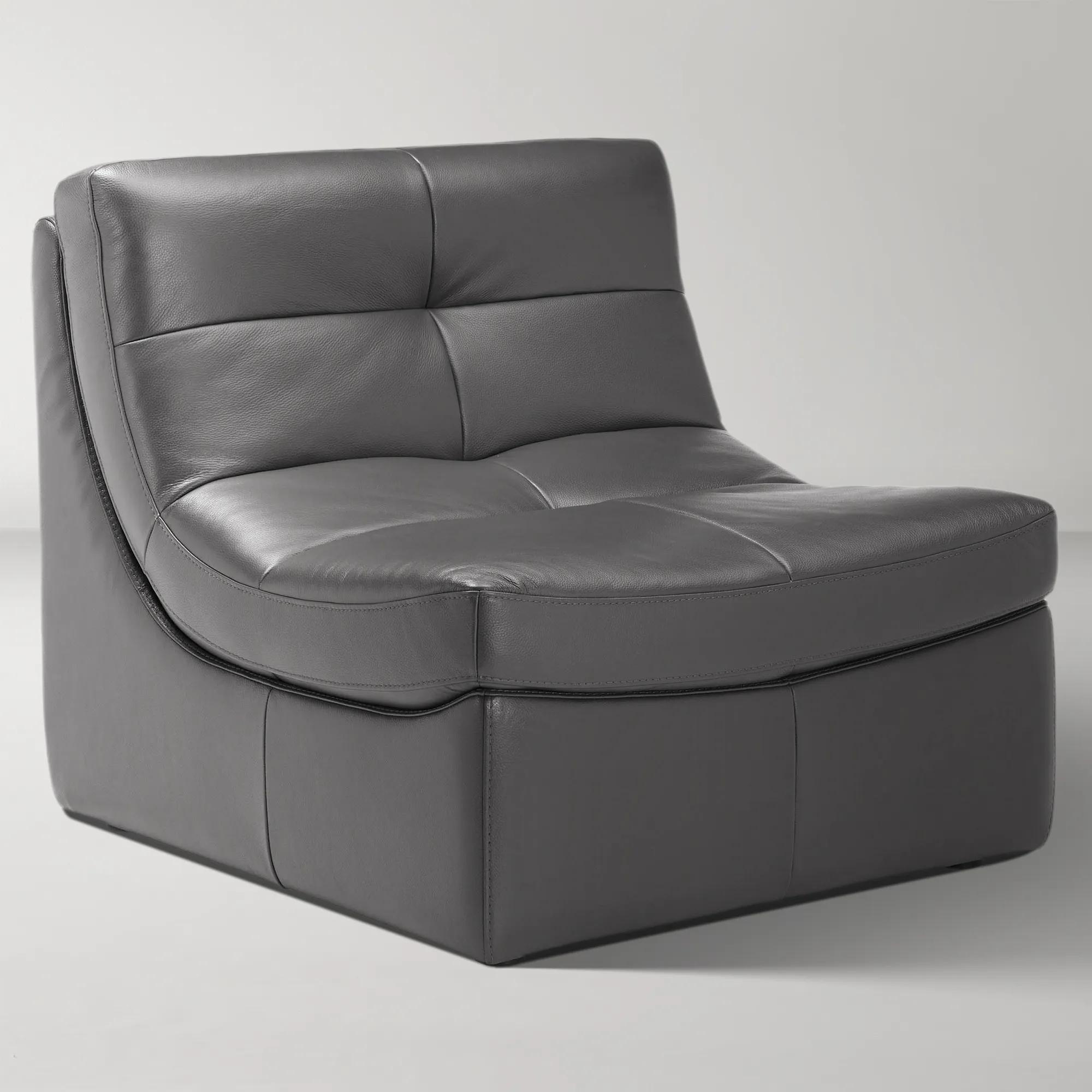
.jpg?w=1200&h=1200) Convo Leather Sectional - Build Your Own$1199
Convo Leather Sectional - Build Your Own$1199A modular sectional with kiln-dried hardwood frame and charcoal semi-aniline leather upholstery for modern versatility.
Add To Cart -
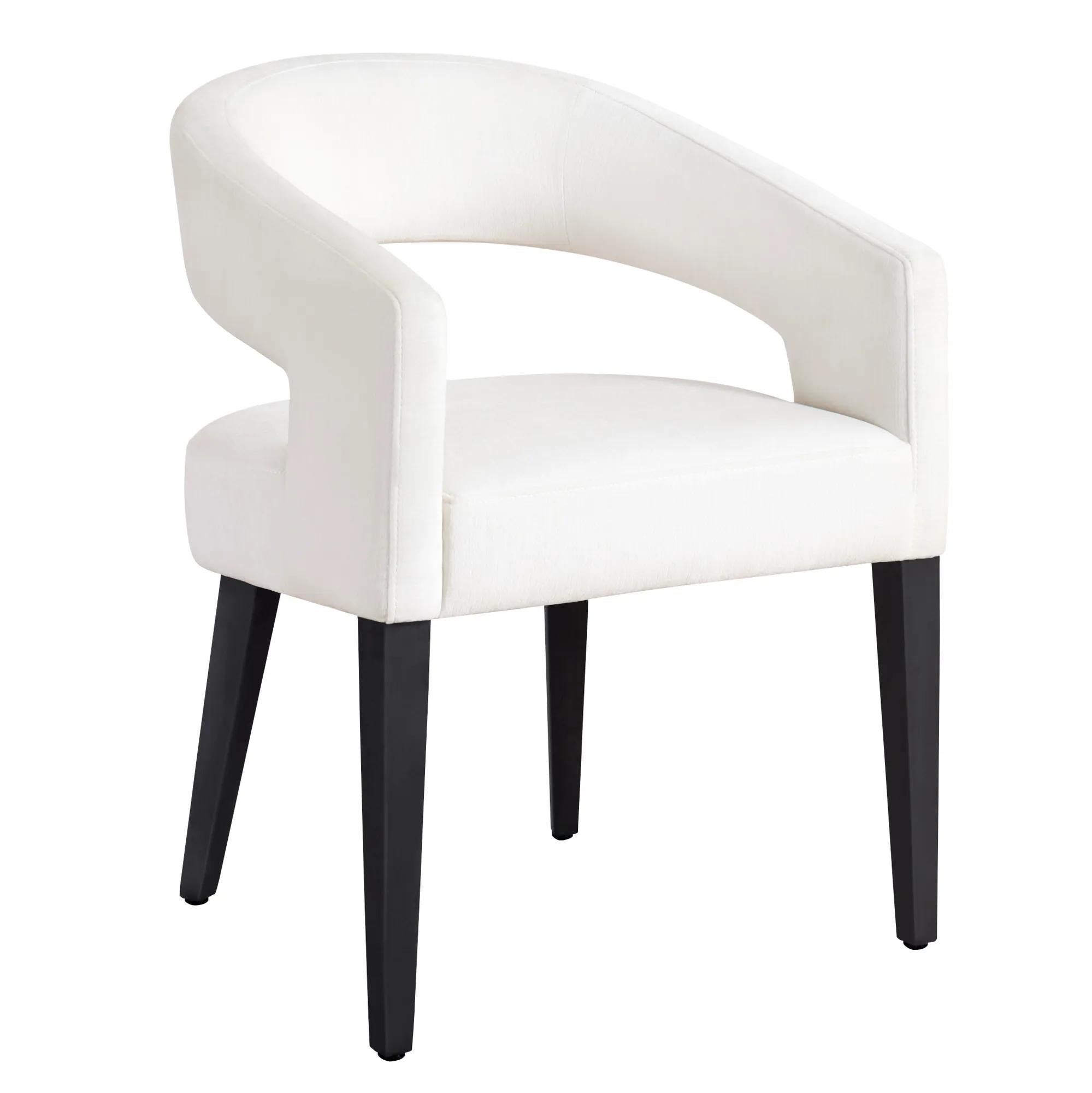
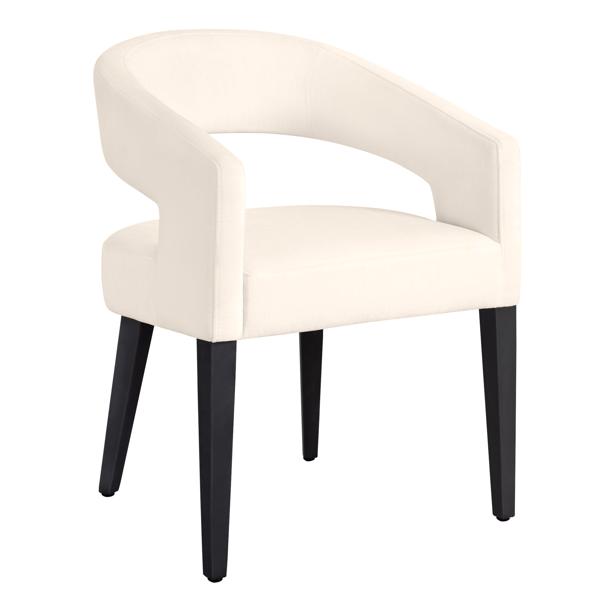 Philippa Dining Chair - Matte Black$699
A modern dining chair featuring a curved silhouette, tailored upholstery, and matte black legs for contemporary appeal.
Add To Cart -
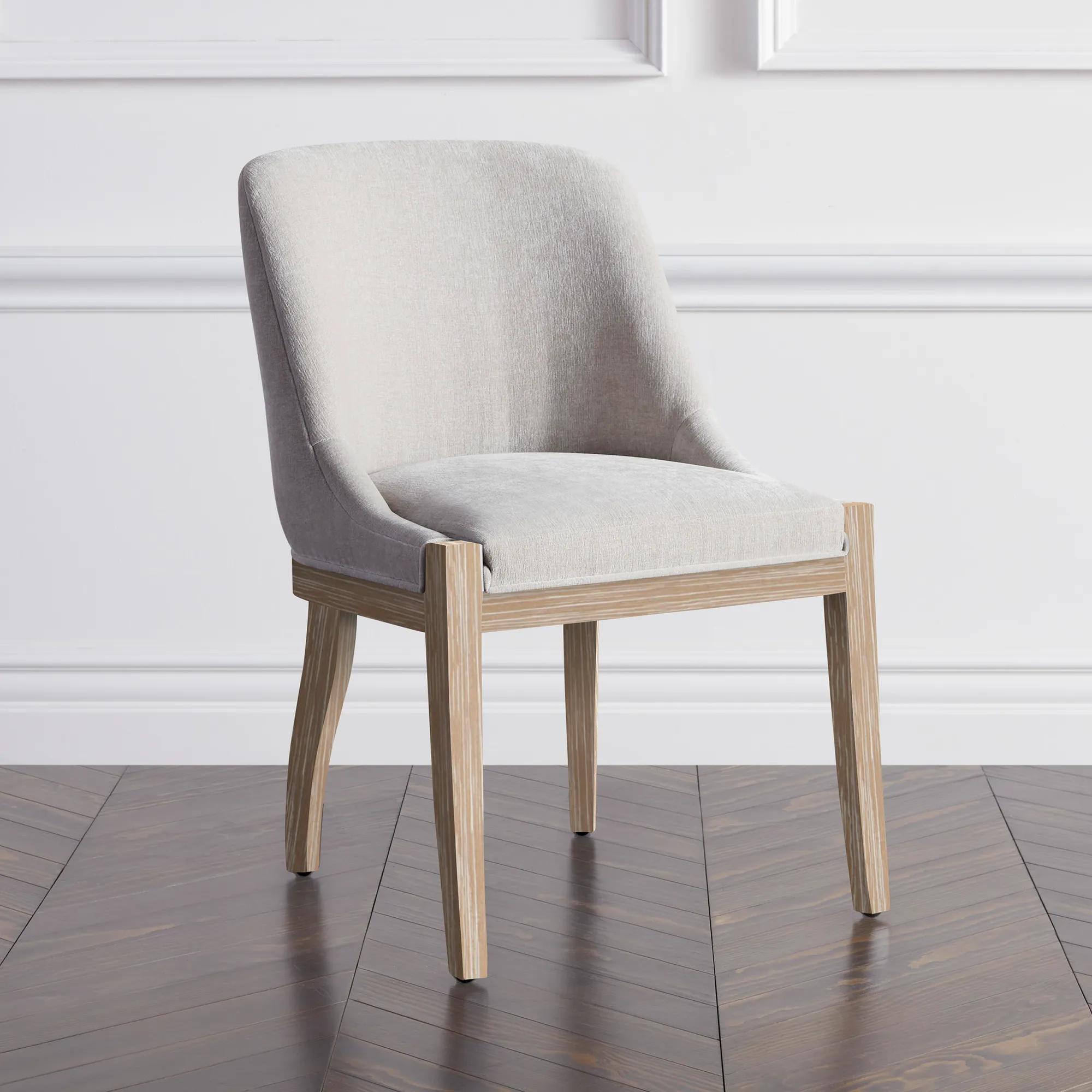
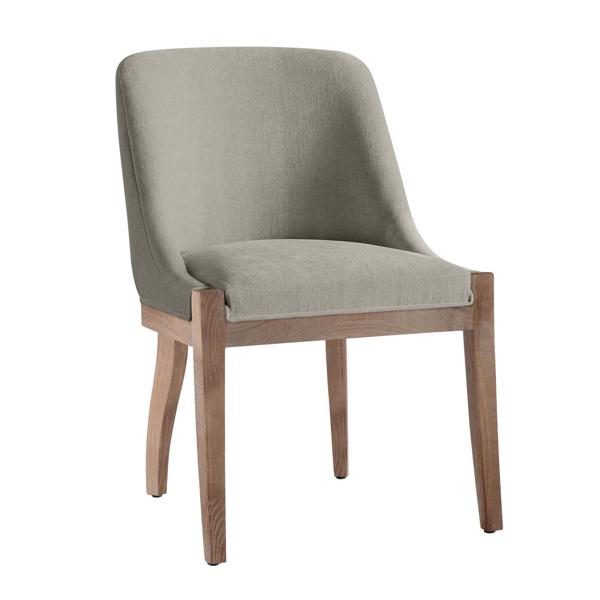 Lily Dining Chair - Wash Oak$649
A modern dining chair featuring a kiln-dried hardwood frame, wash oak legs, and tailored chenille upholstery.
Add To Cart -
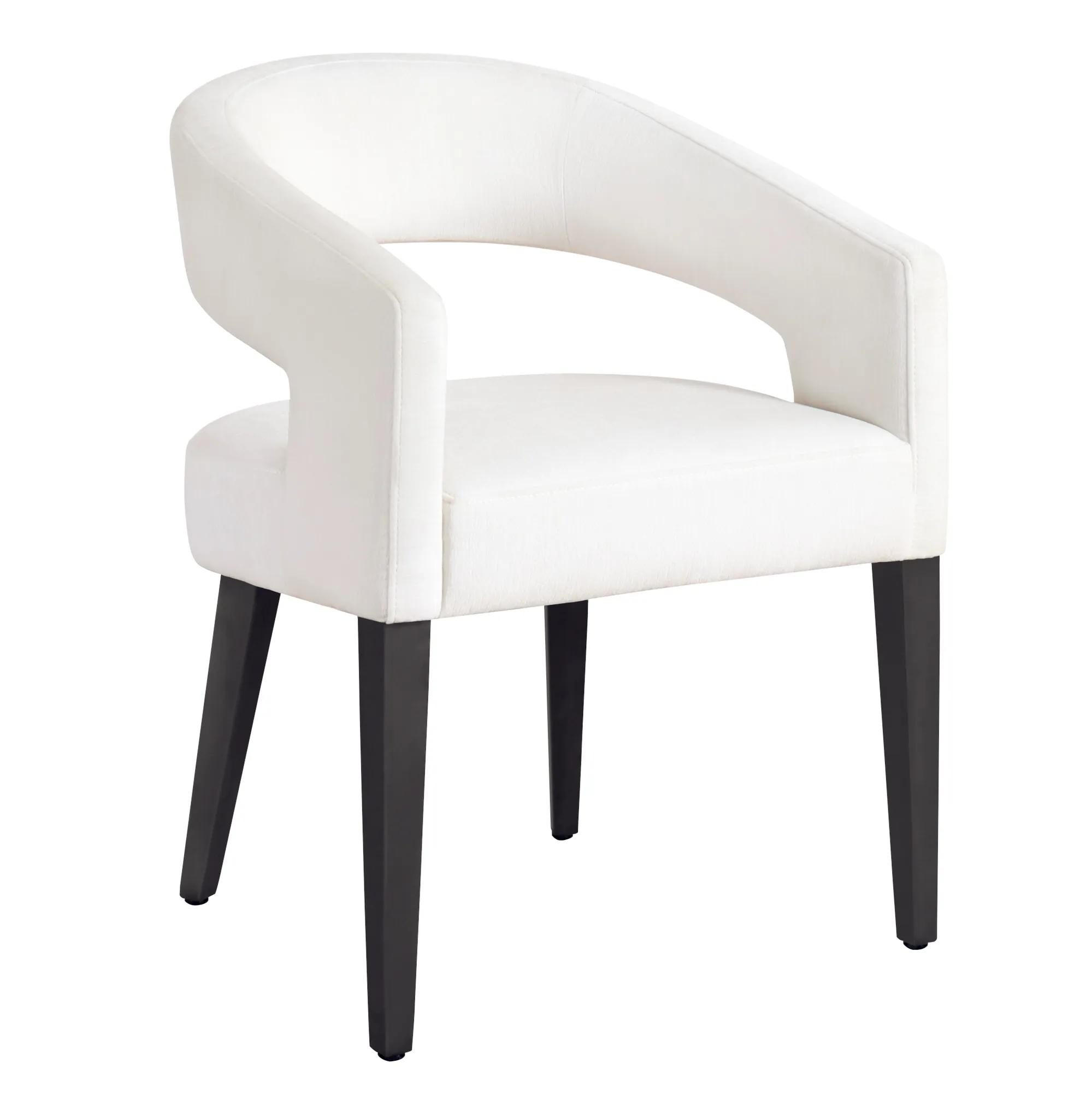
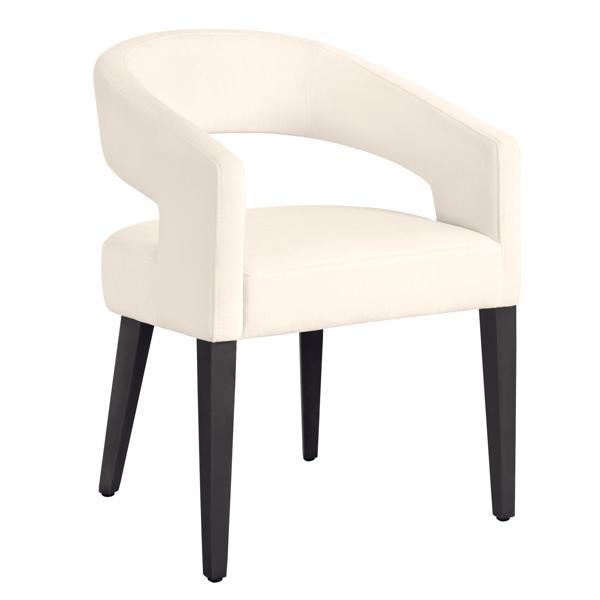 Philippa Dining Chair - Espresso$599
A modern dining chair featuring a curved silhouette, tailored upholstery, and espresso-finished legs.
Add To Cart -
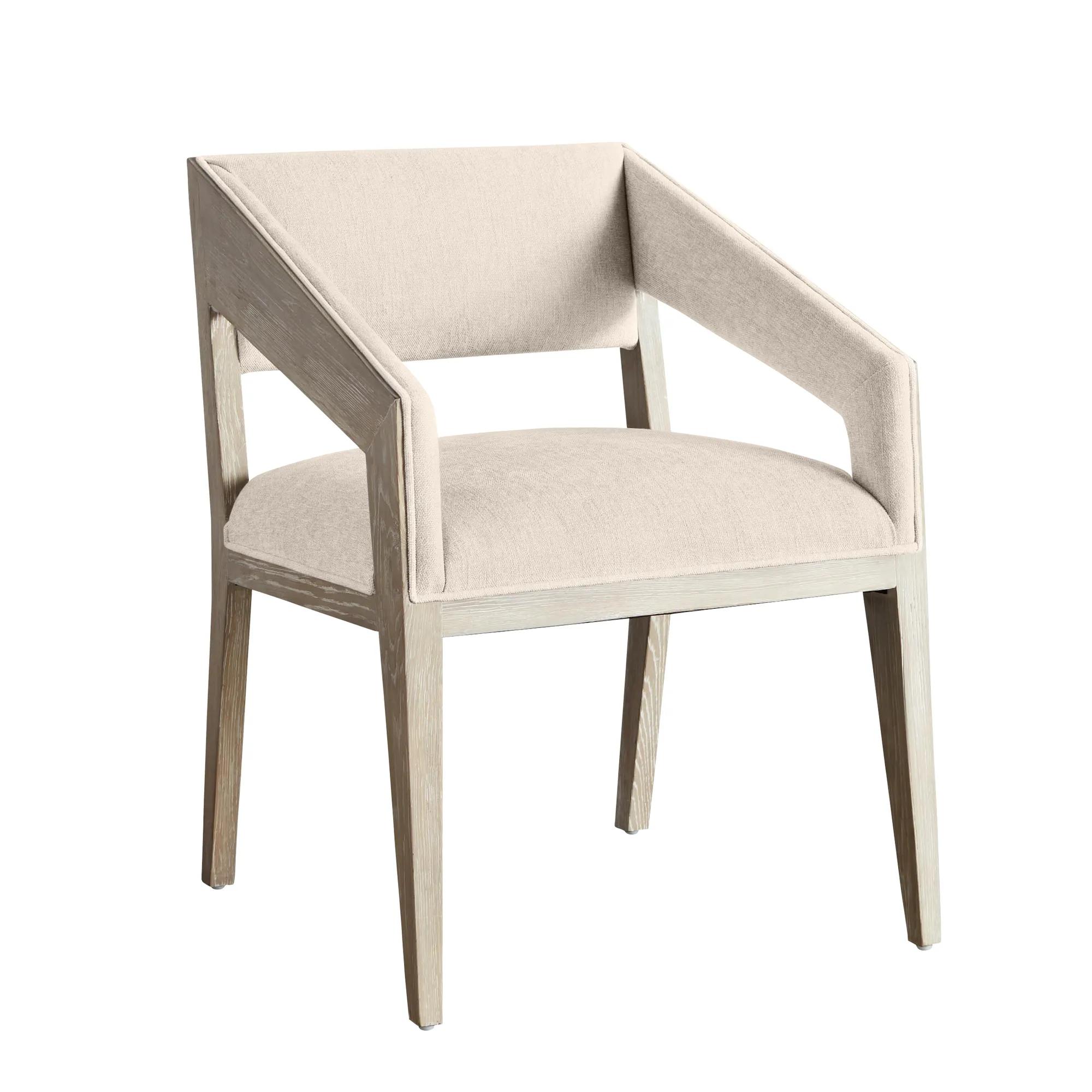 Alric Dining Arm Chair$699
A modern armchair featuring solid oak frame, natural grey finish, and neatly tailored pearl grey linen upholstery.
Add To Cart -
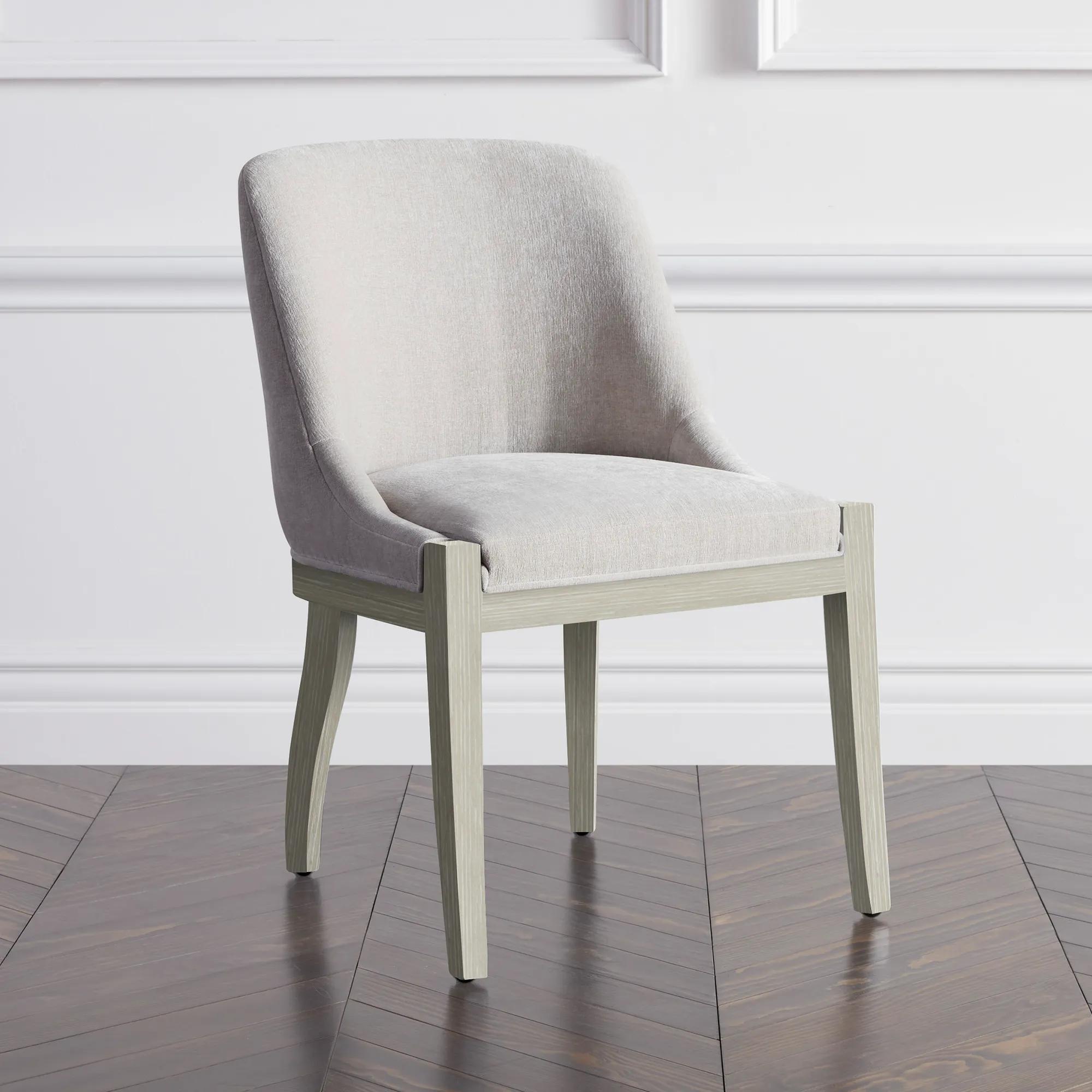 Lily Dining Chair - Natural Grey$799
A modern dining chair featuring natural grey upholstery, kiln-dried hardwood frame, and plush foam cushioning.
Add To Cart -
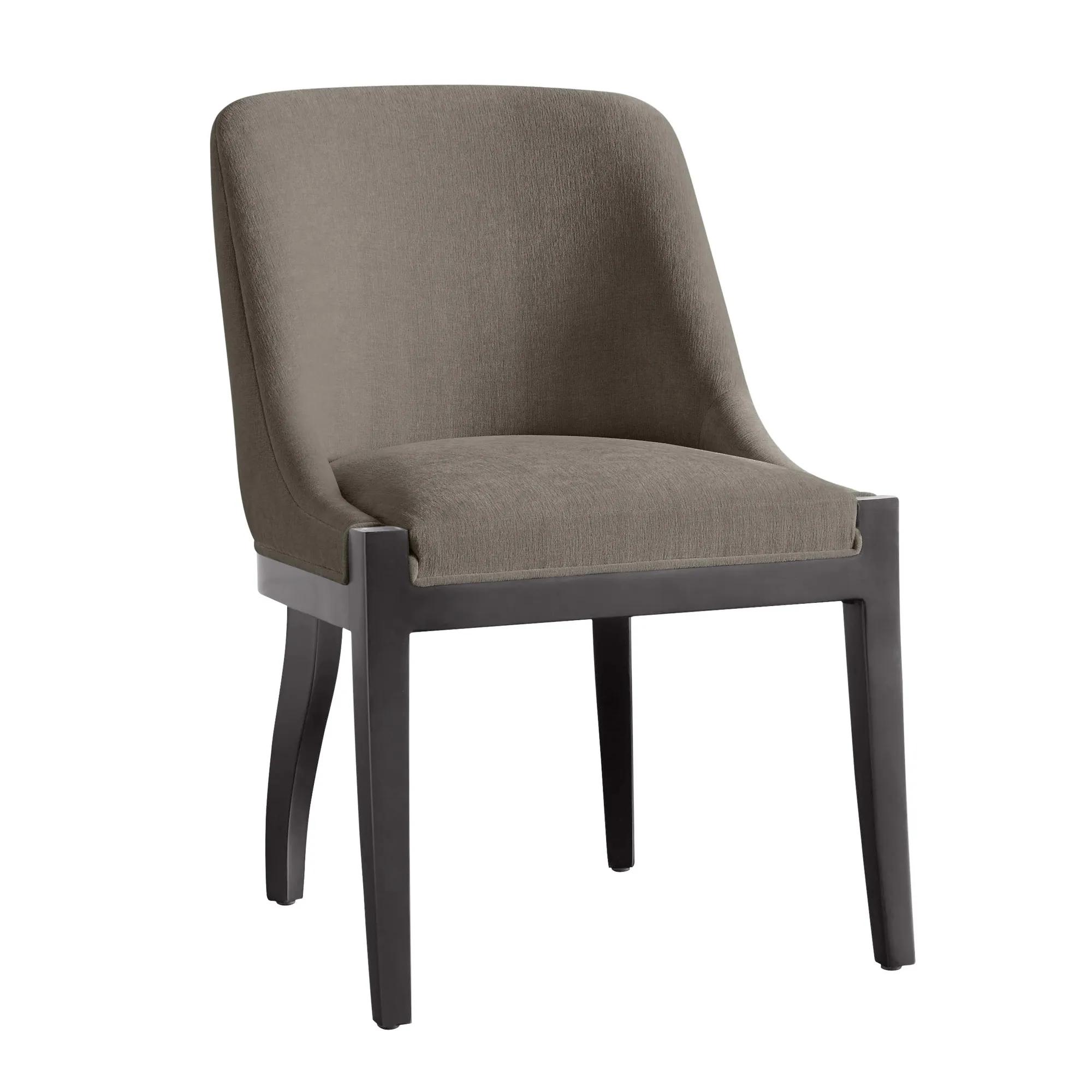
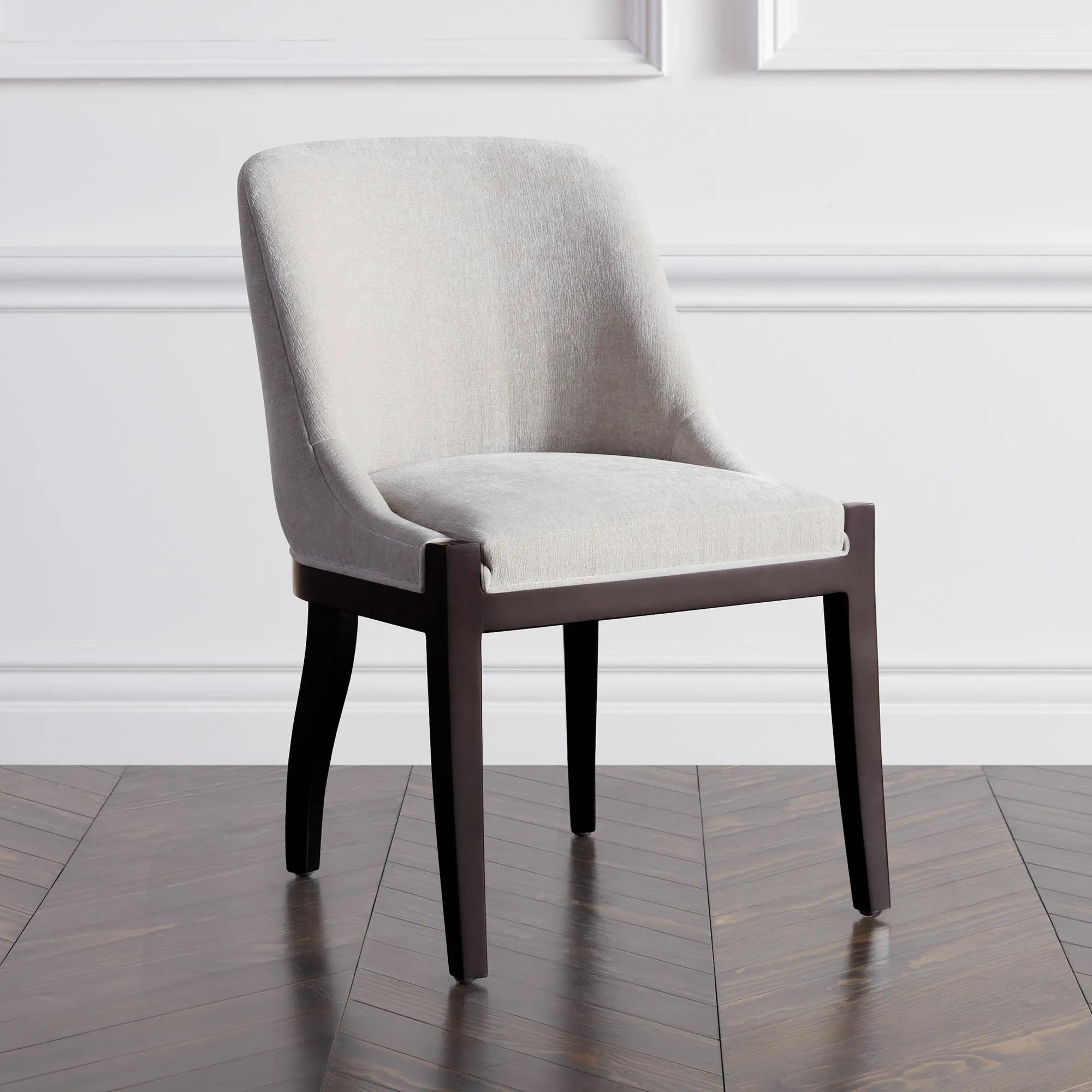 Lily Dining Chair - Espresso$649
A modern dining chair featuring espresso-finished hardwood, curvaceous silhouette, and plush tailored upholstery.
Add To Cart -
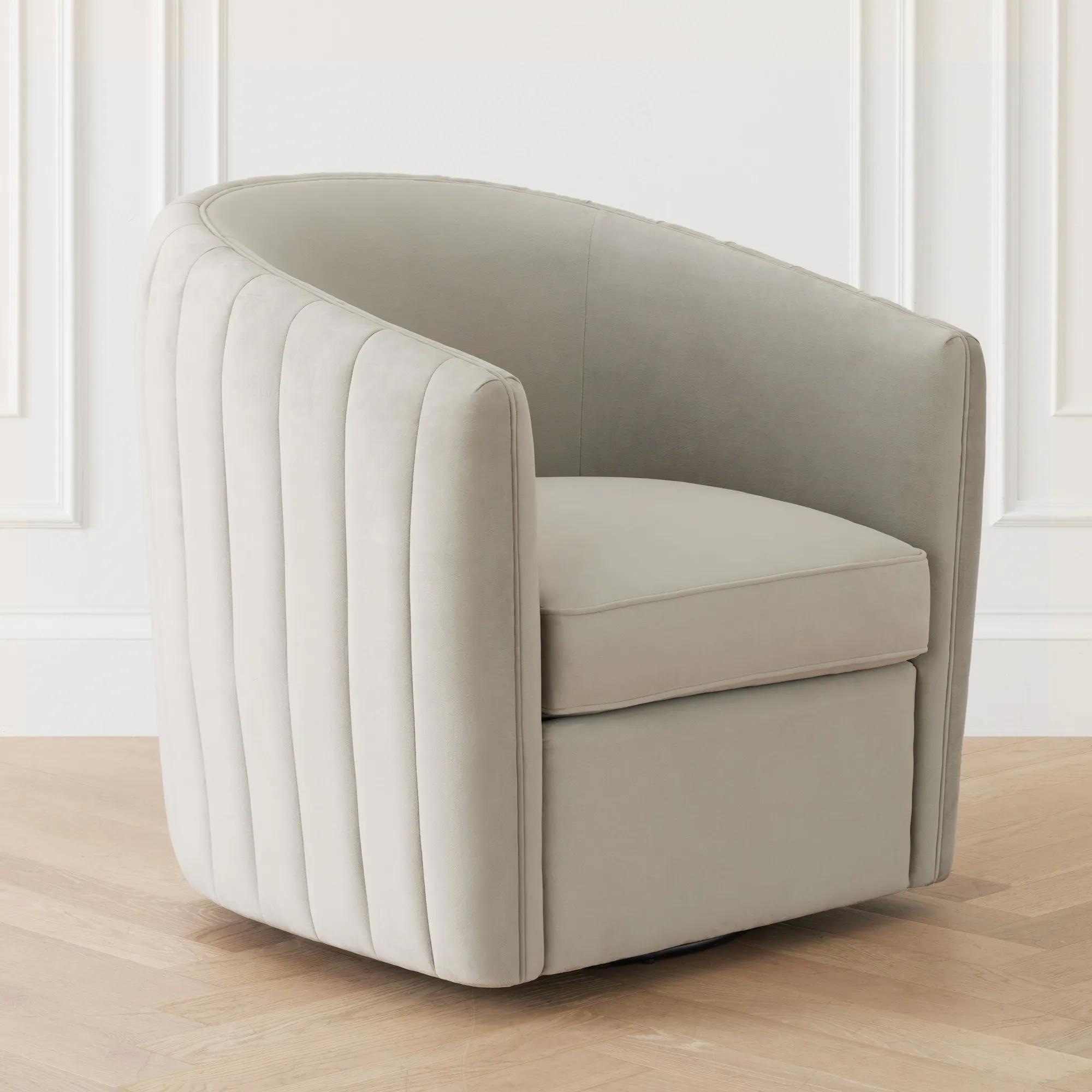
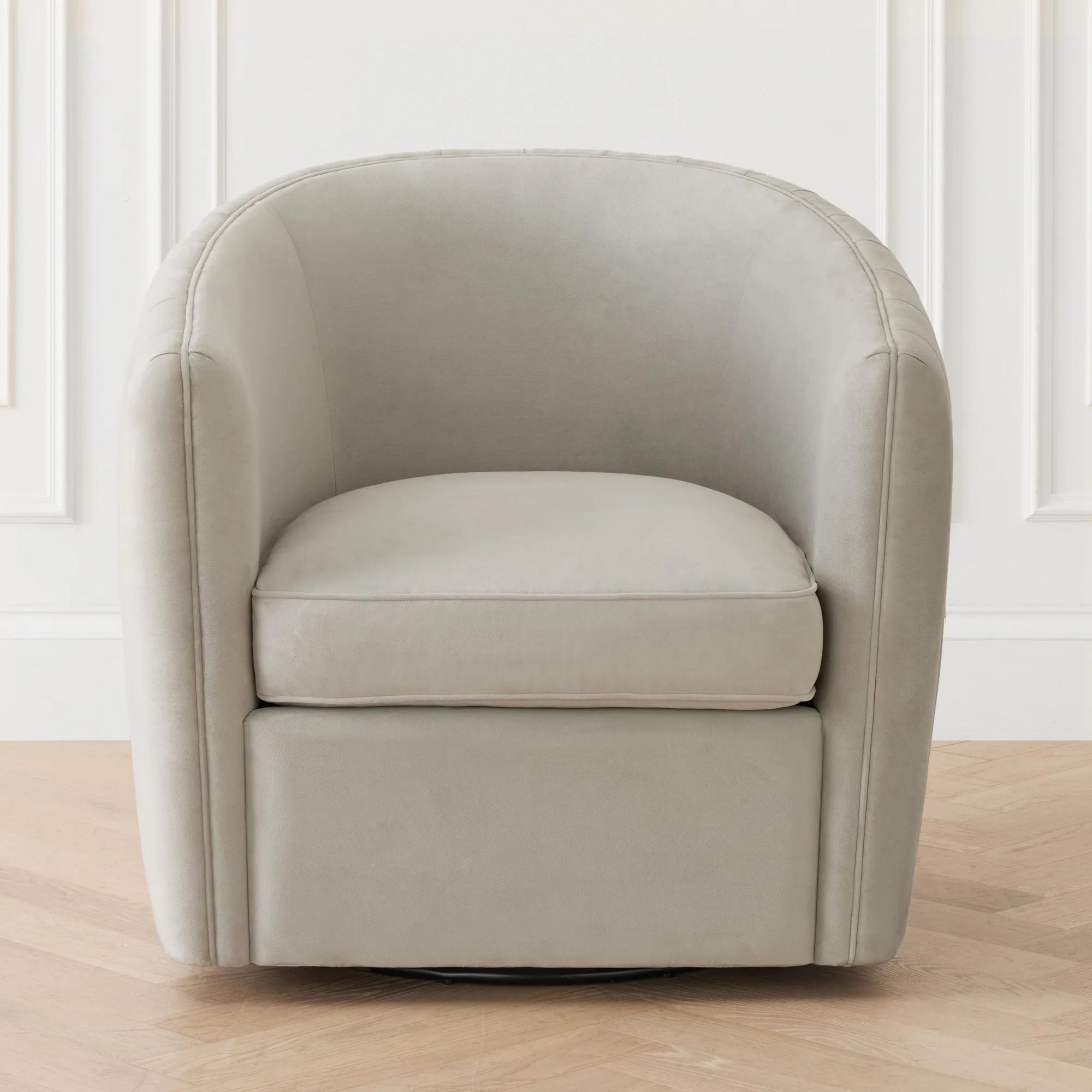 Aria Channeled Swivel Chair$1599
A modern barrel chair in kiln-dried hardwood with channeled velvet upholstery and a smooth swivel base.
Add To Cart -
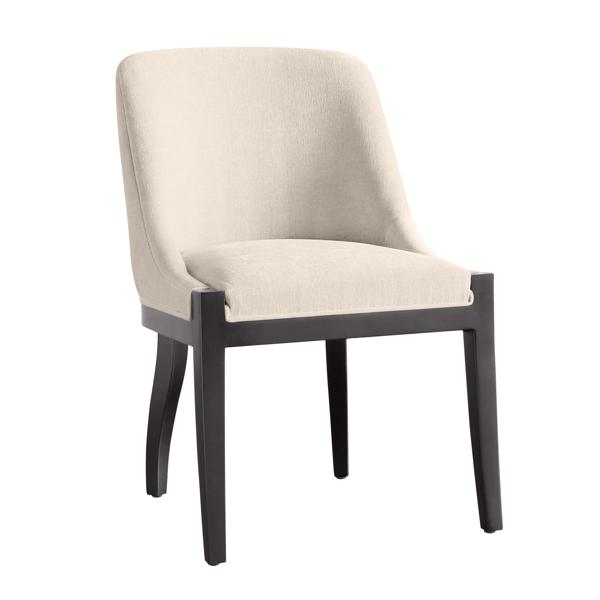 Lily Dining Chair - Espresso$599
A modern dining chair with espresso-finished hardwood frame and plush, tailored upholstery for lasting comfort.
Add To Cart -
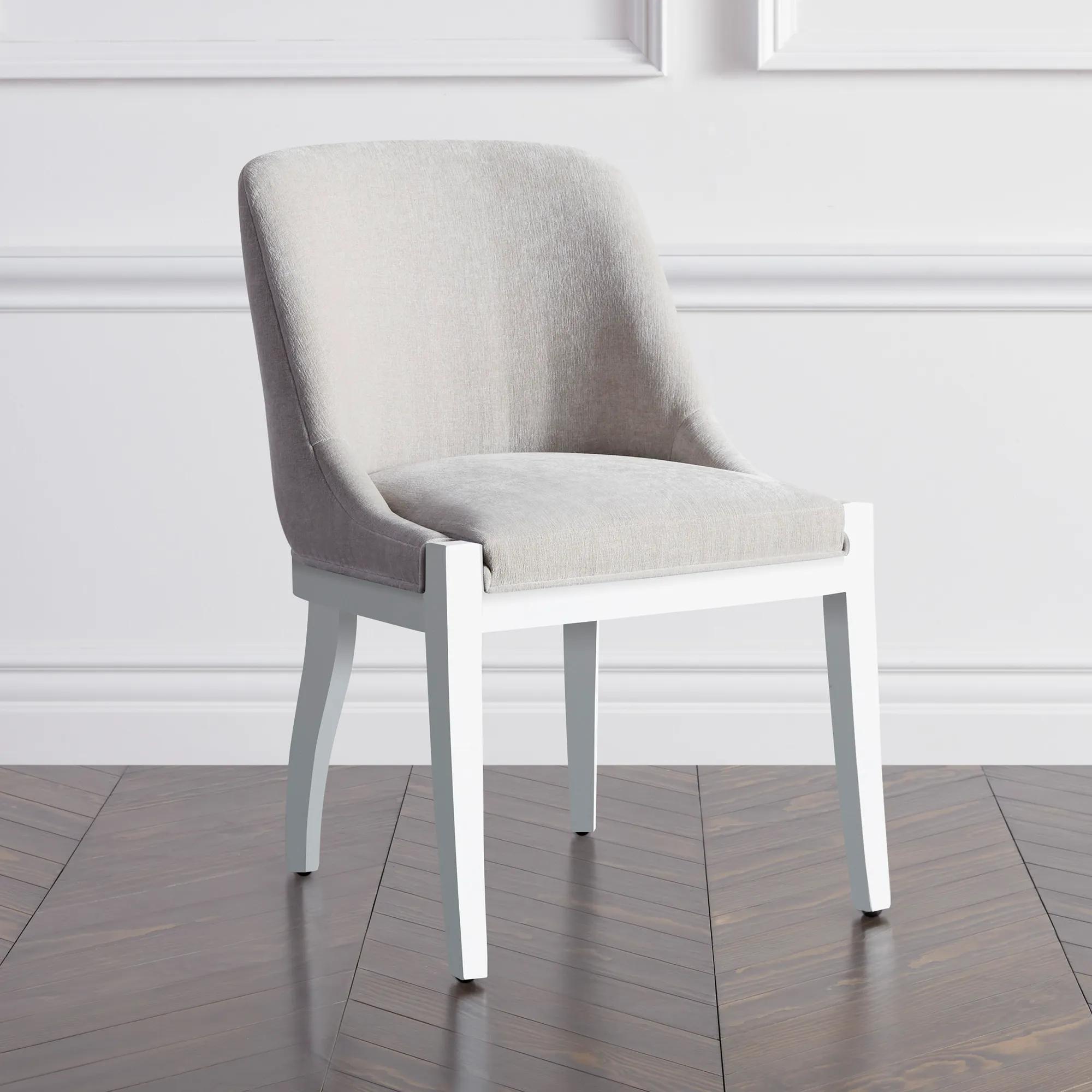
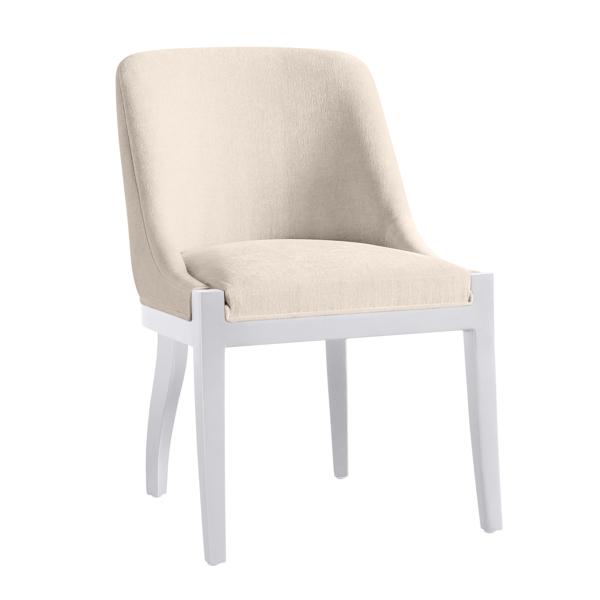 Lily Dining Chair - High Gloss White$649
A modern dining chair with a kiln-dried hardwood frame and high gloss white finish for lasting elegance.
Add To Cart -
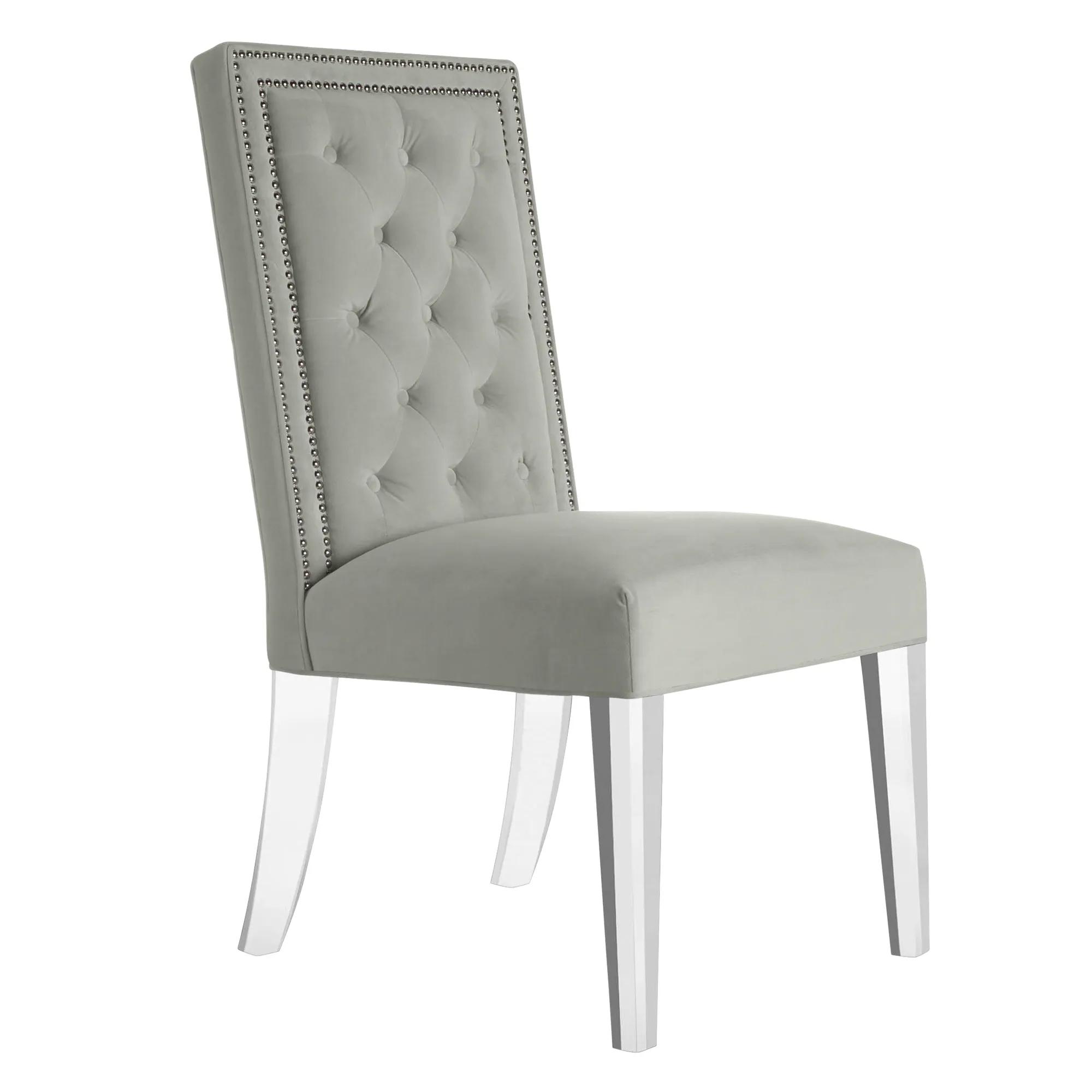
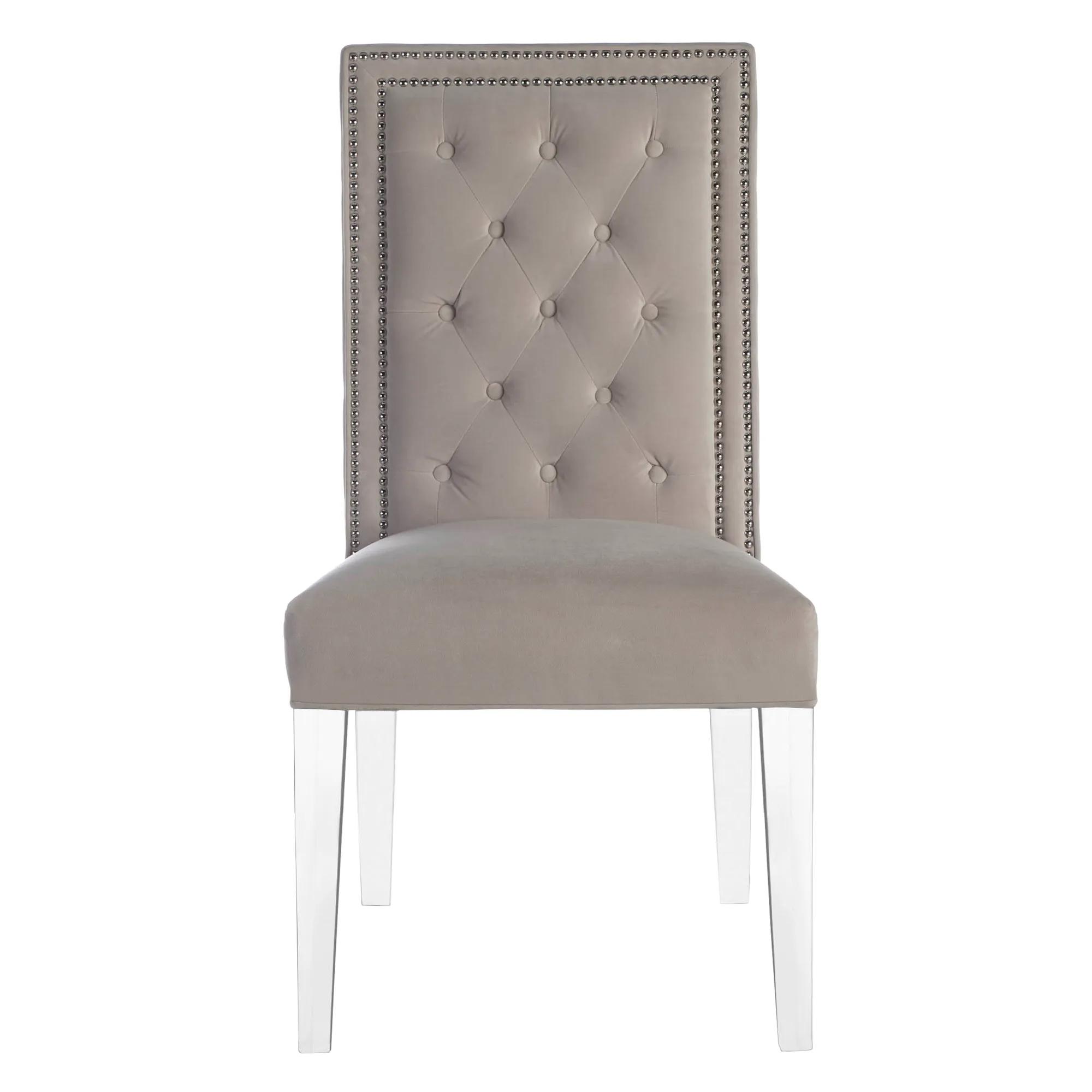 Maxwell Dining Chair With Nailheads - Acrylic$699
A modern tufted dining chair featuring velvet upholstery, hand-applied nailheads, and clear acrylic legs.
Add To Cart -
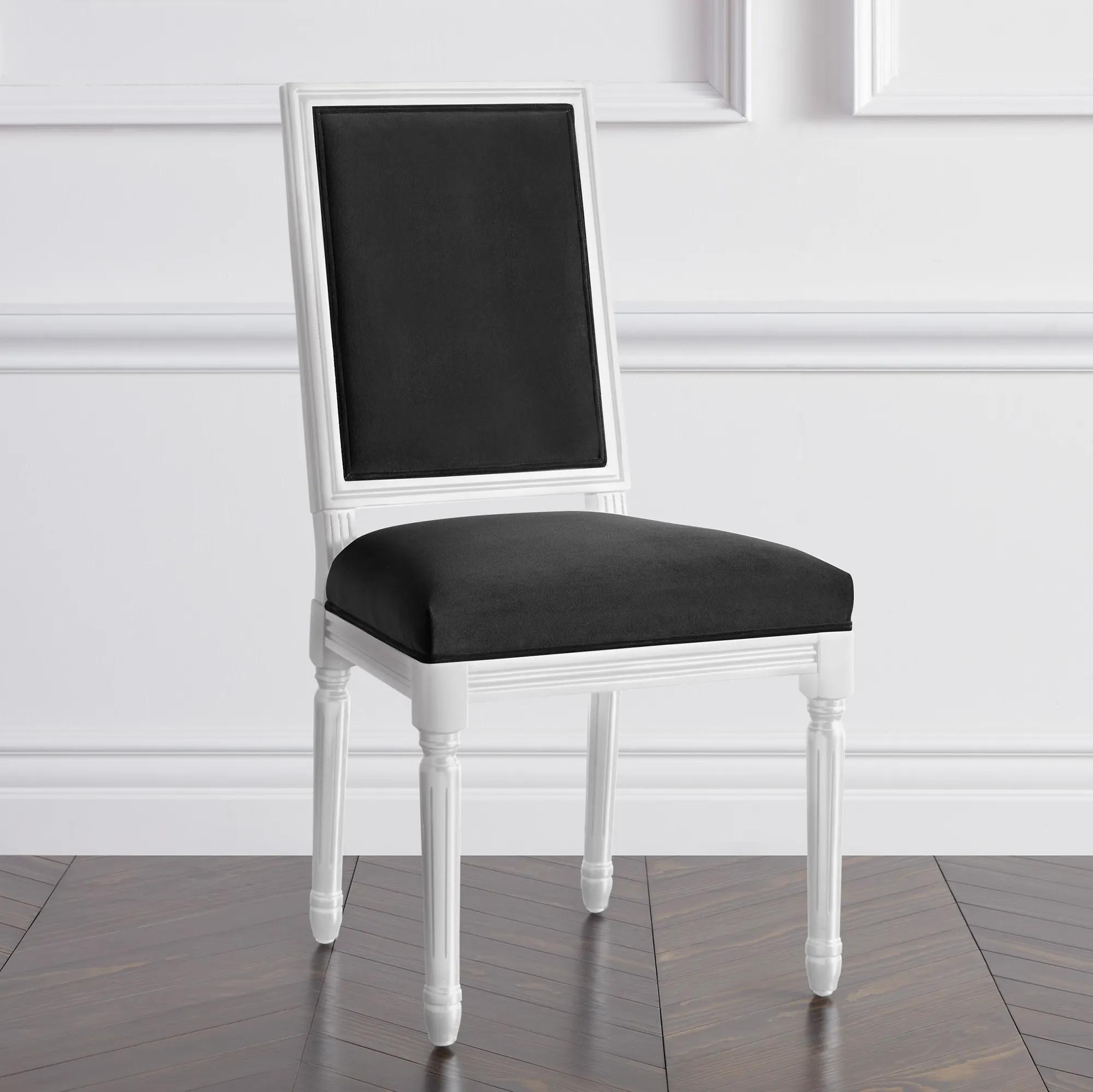
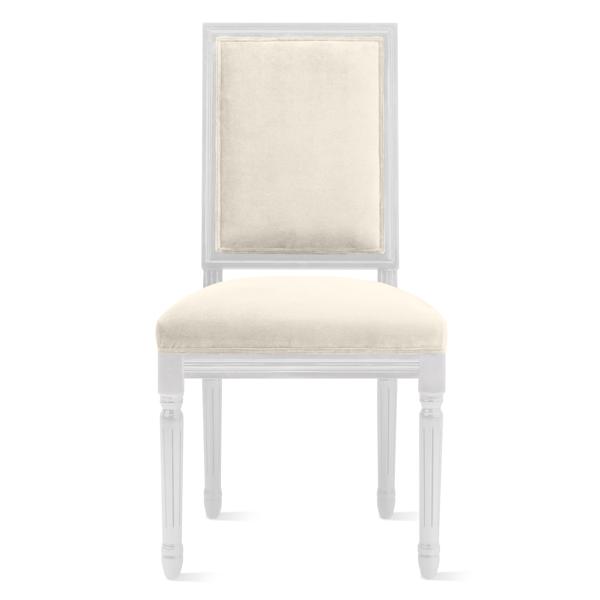 Callan Dining Chair - High Gloss White$599
A handcrafted dining chair featuring high-gloss white finish, kiln-dried hardwood frame, and plush velvet upholstery.
Add To Cart -
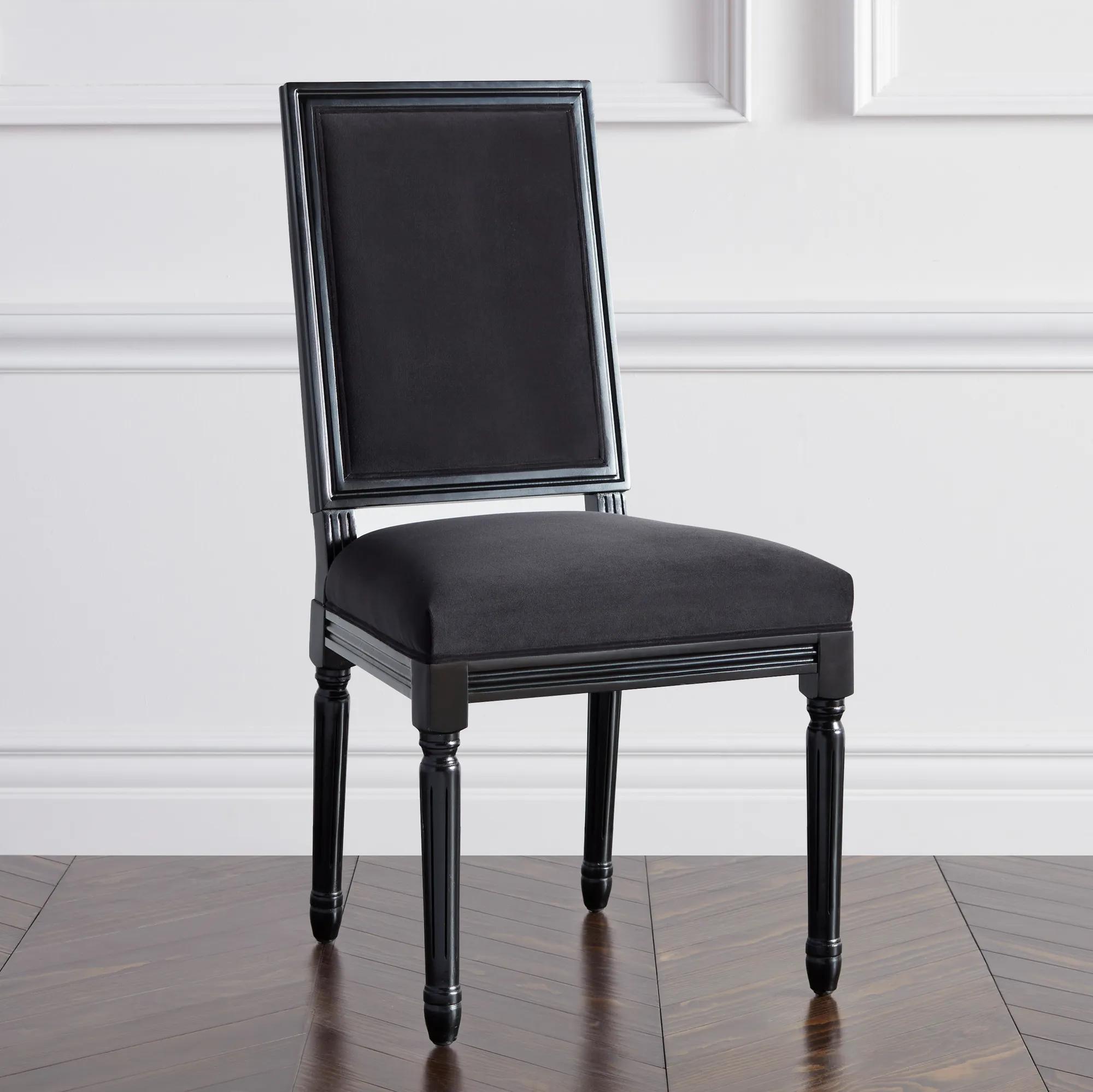
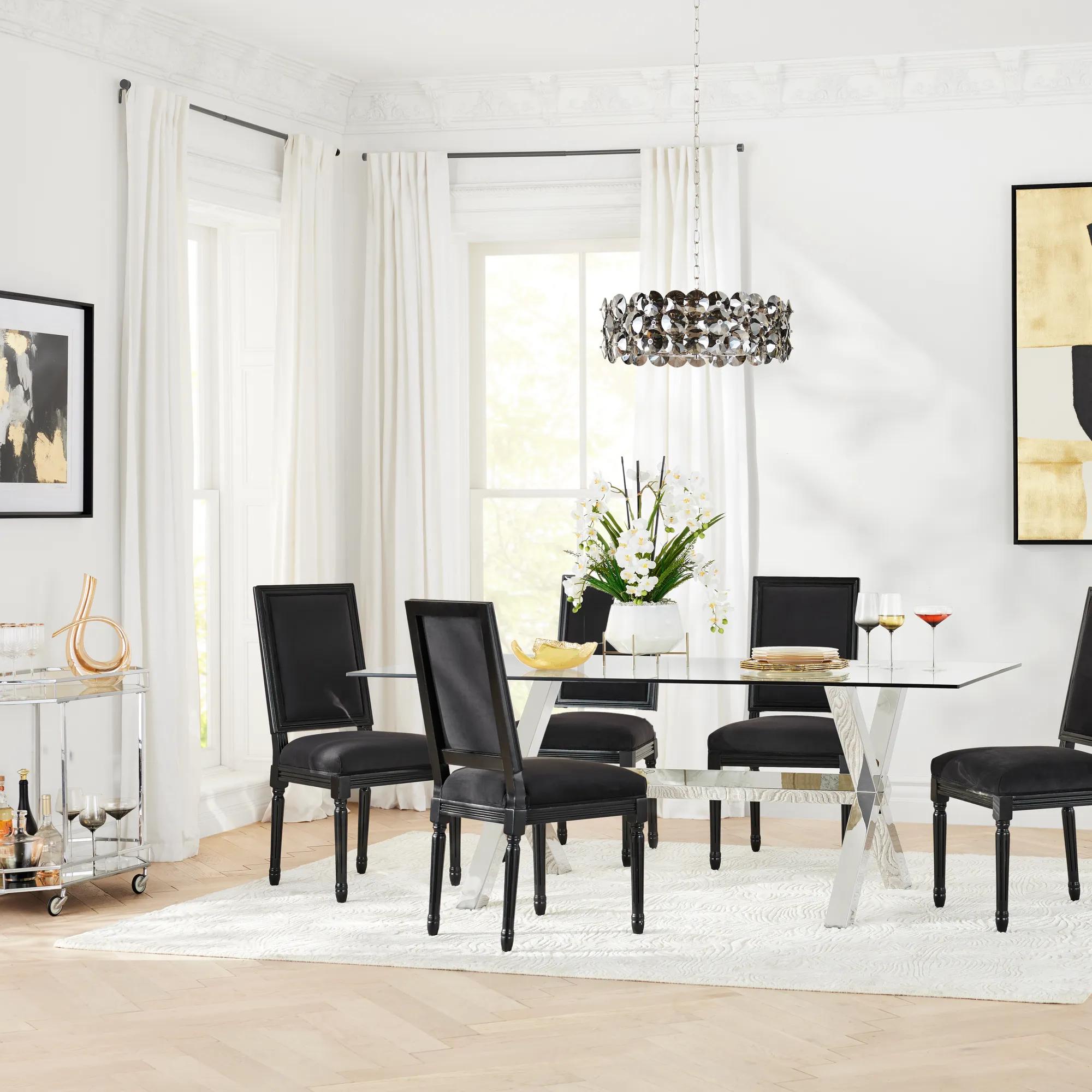 Callan Dining Chair - High Gloss Black$599
A handcrafted dining chair featuring high-gloss black velvet upholstery, fluted legs, and a squared back.
Add To Cart -
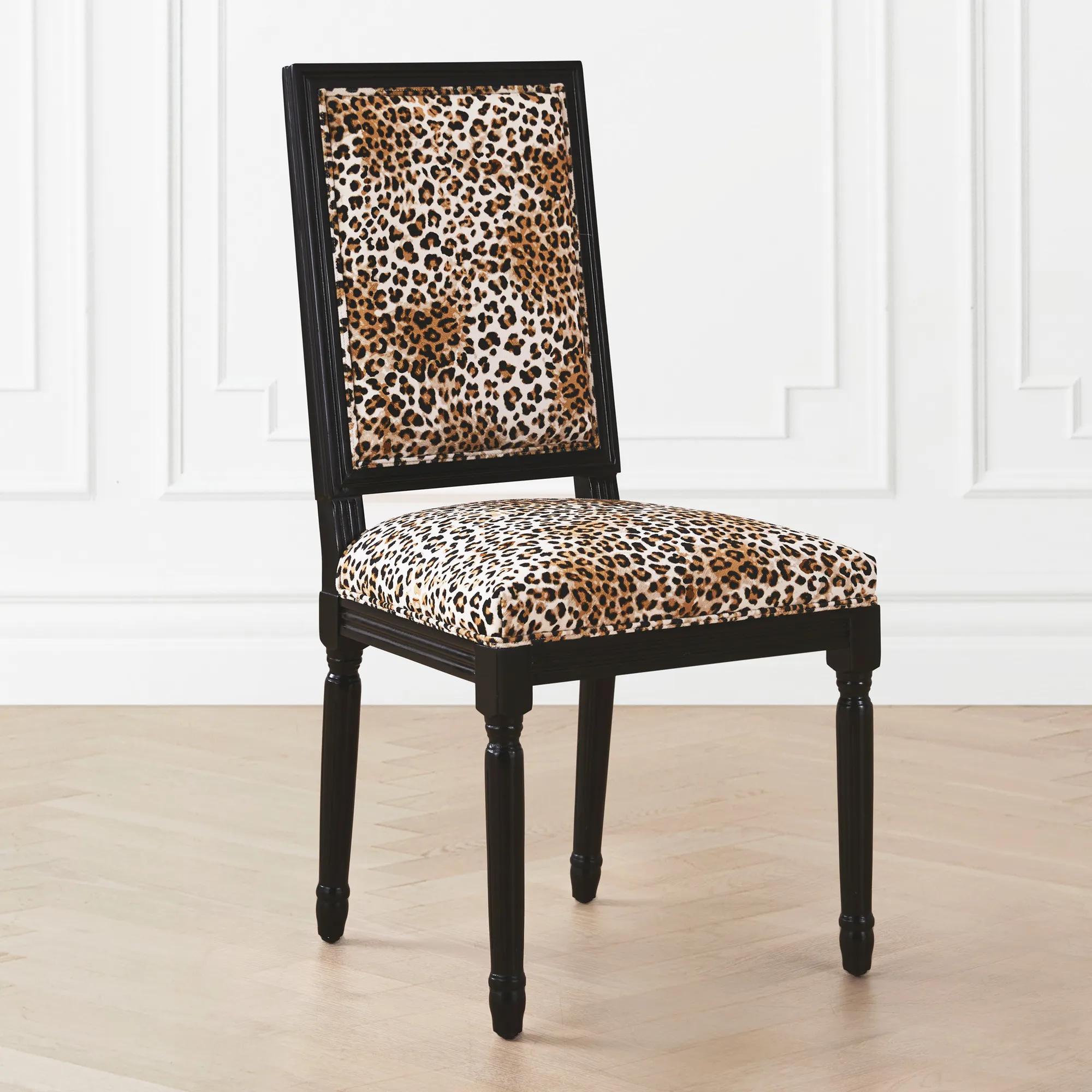
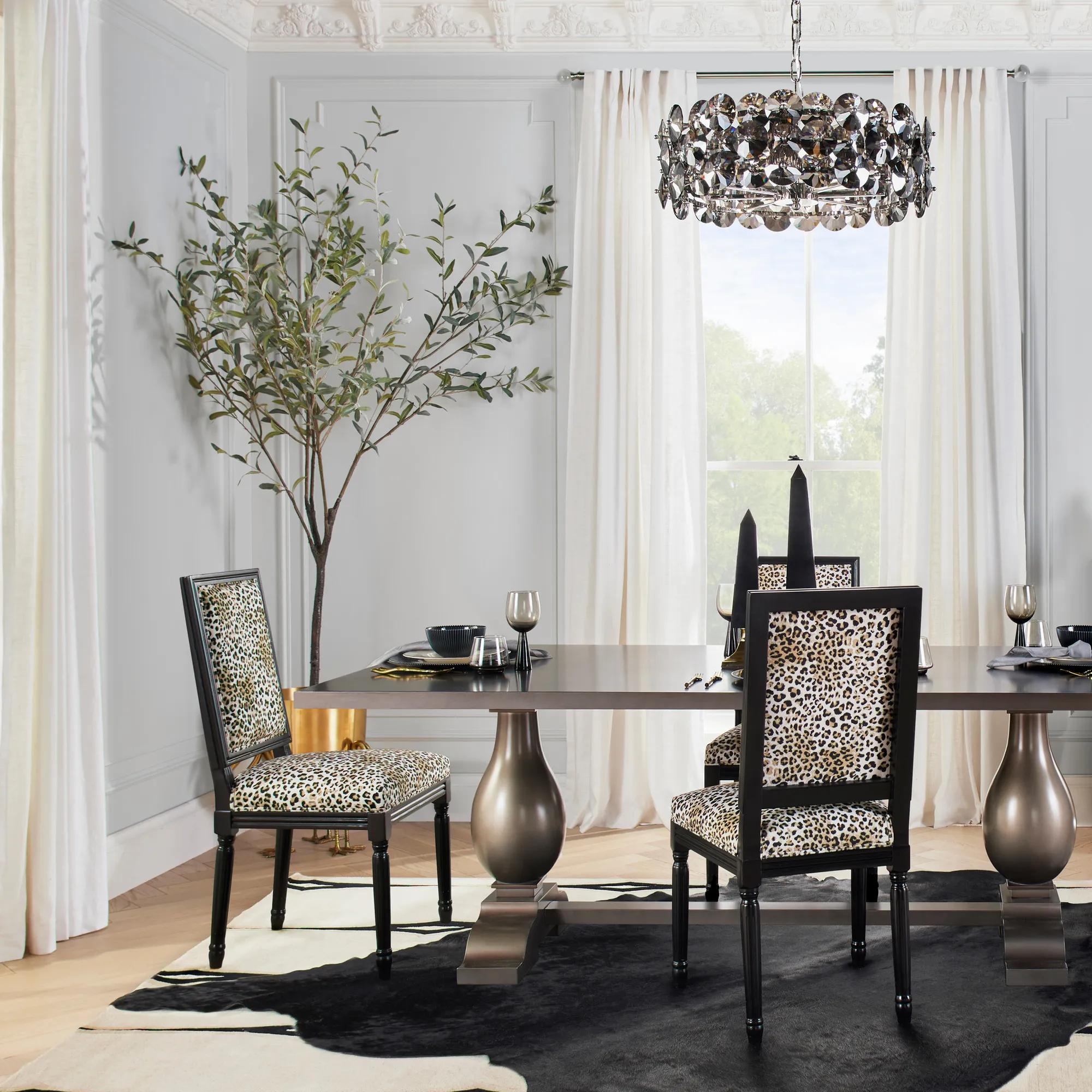 Callan Dining Chair$599
A handcrafted modern chair featuring classic upholstery, squared back, fluted legs, and high-gloss finish.
Add To Cart -
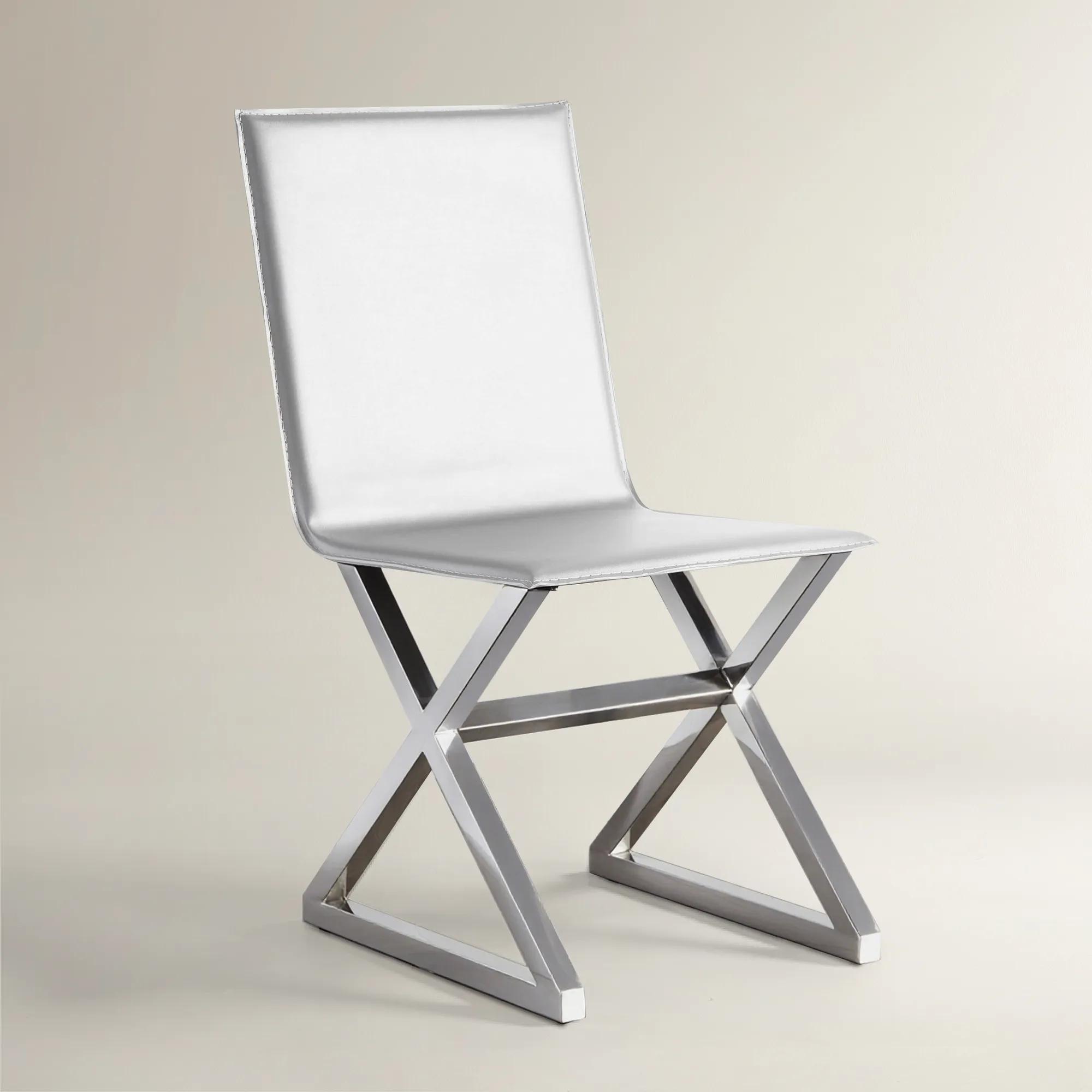
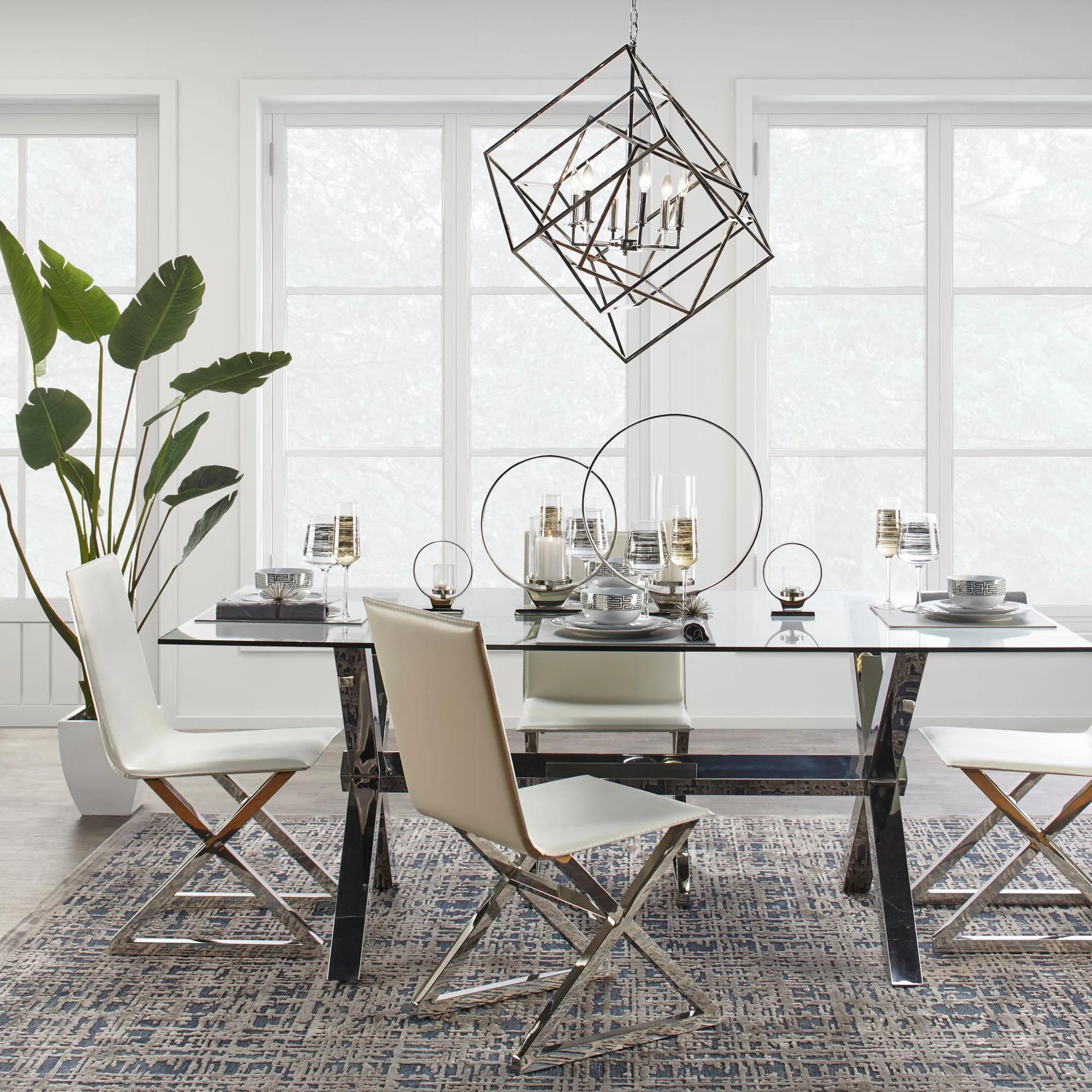 Axis Dining Chair - Set of 2$399
A contemporary chair set featuring white bonded leather upholstery and a polished stainless steel base.
Add To Cart -
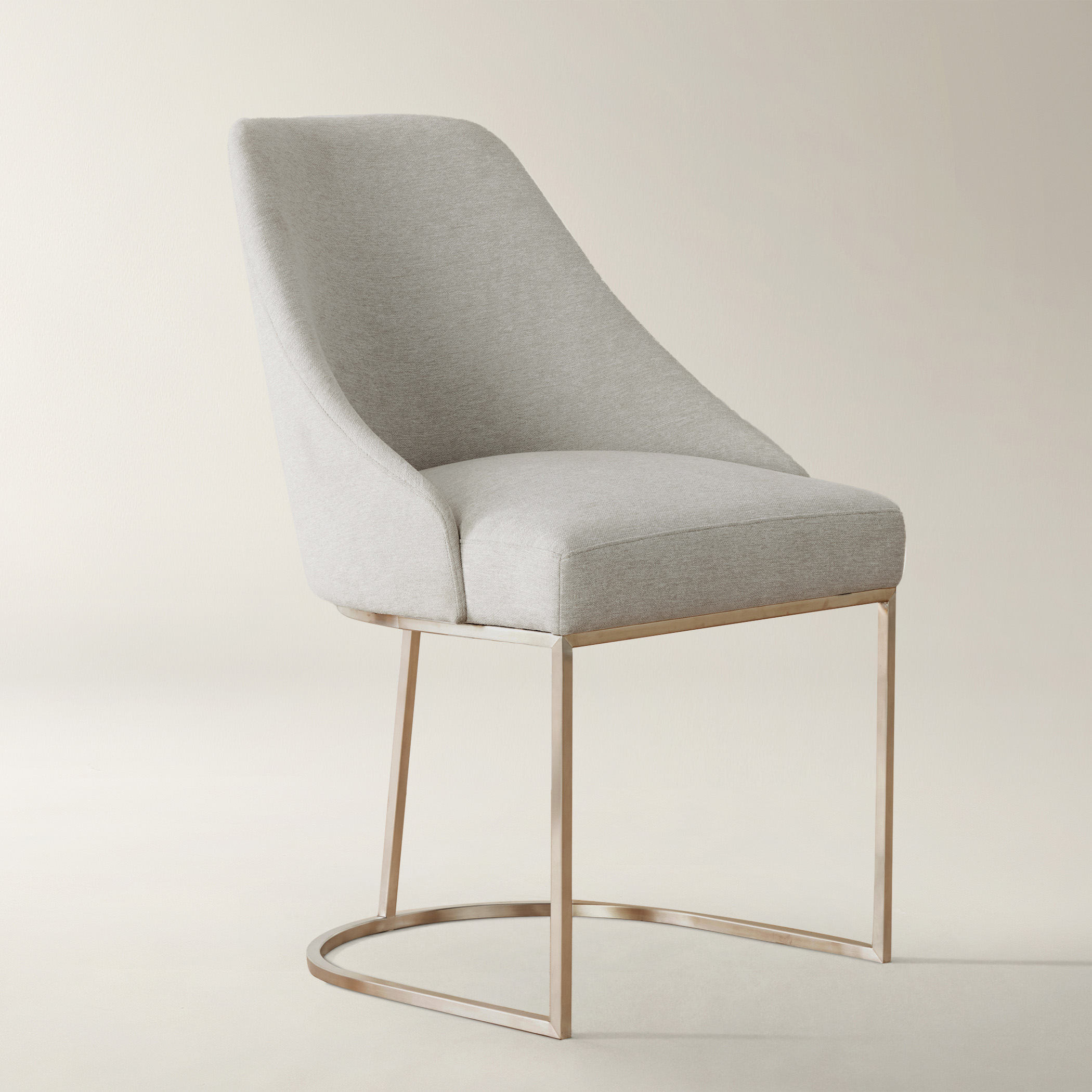
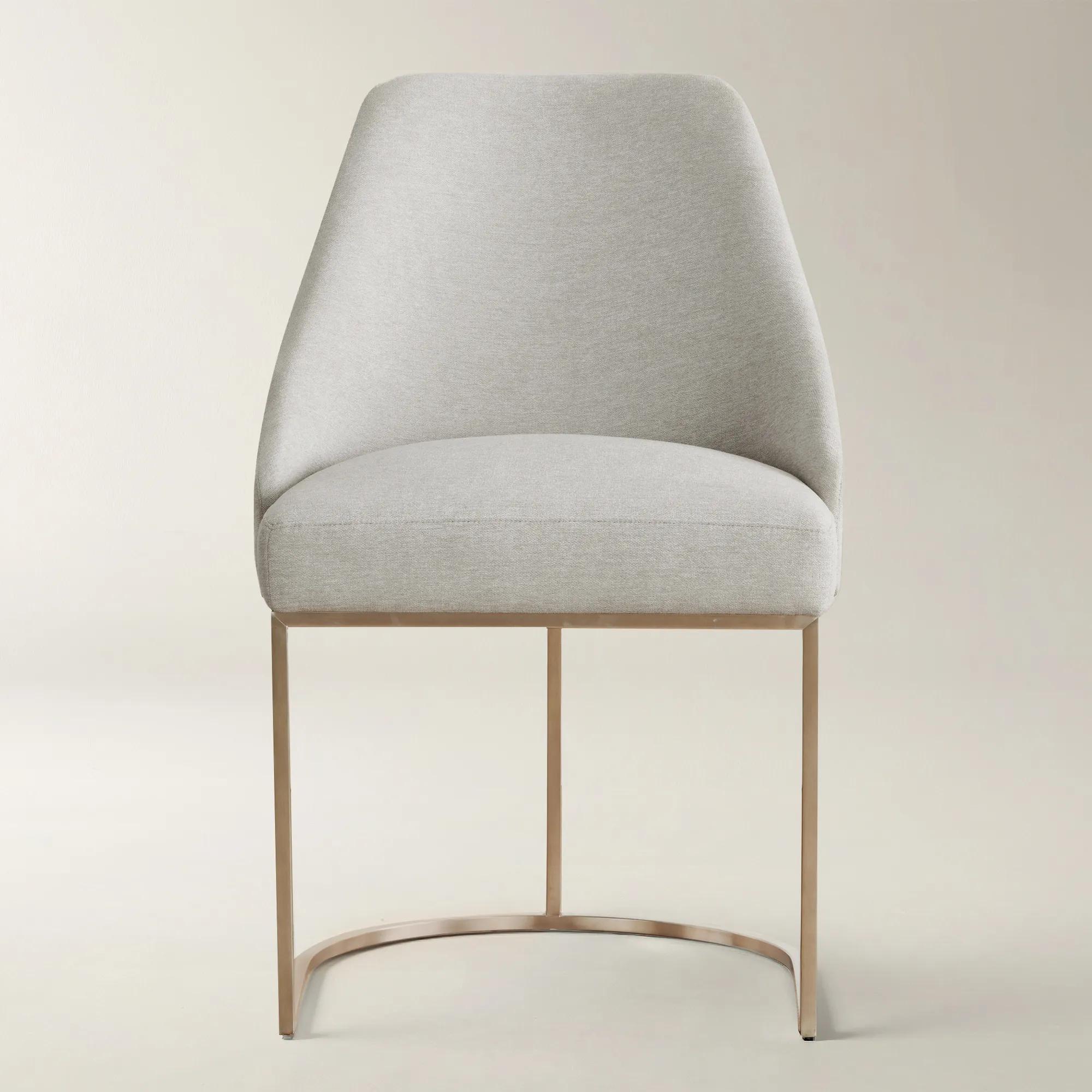 Rowan Ivory Fabric Dining Chair$599
A modern chair featuring brushed stainless steel legs and stain-resistant, water-repellent Roxboro Frost fabric.
Add To Cart -
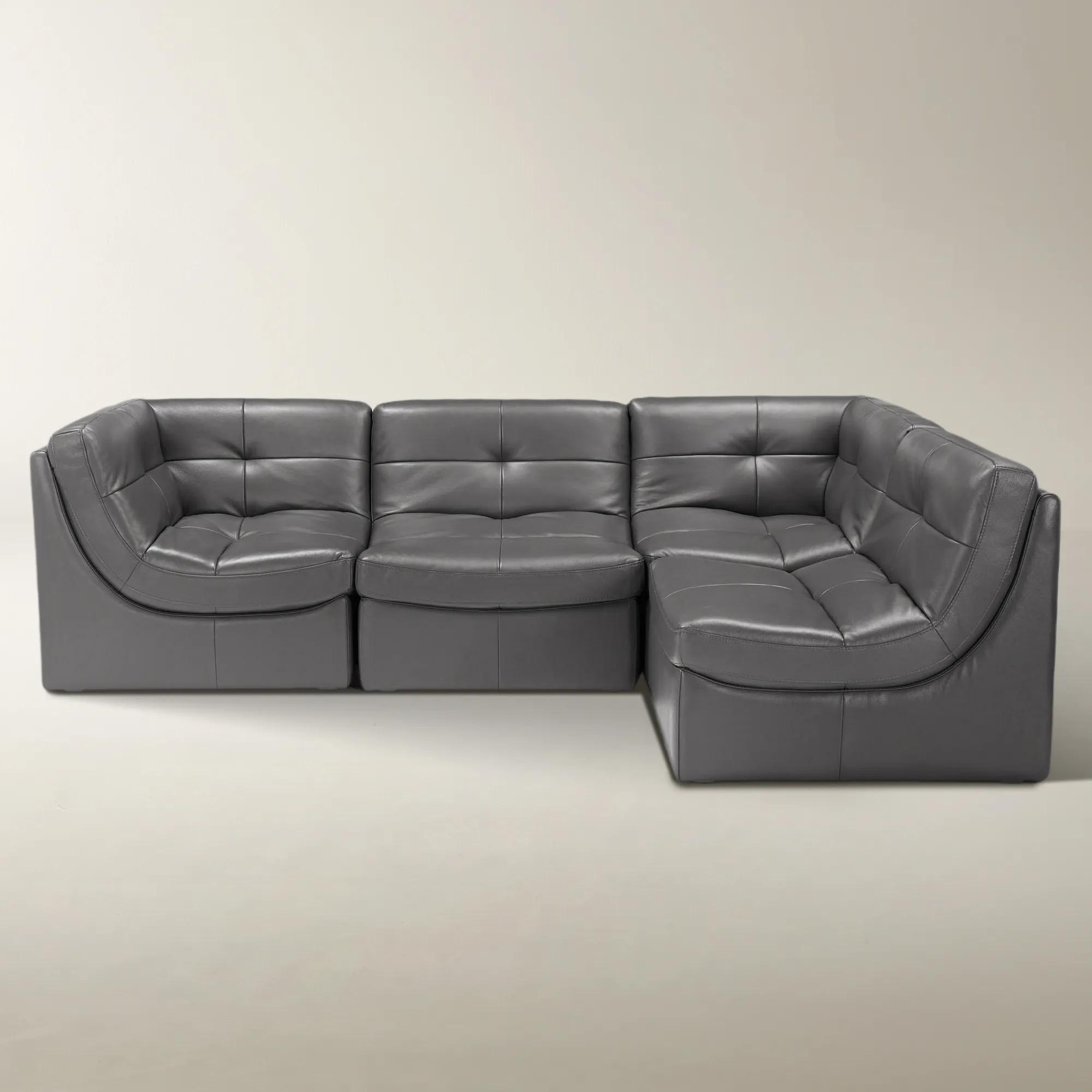 Convo Leather Sectional$7249
A modular charcoal leather sectional with kiln-dried hardwood frame and gently curved, blind-tufted seats.
Add To Cart -
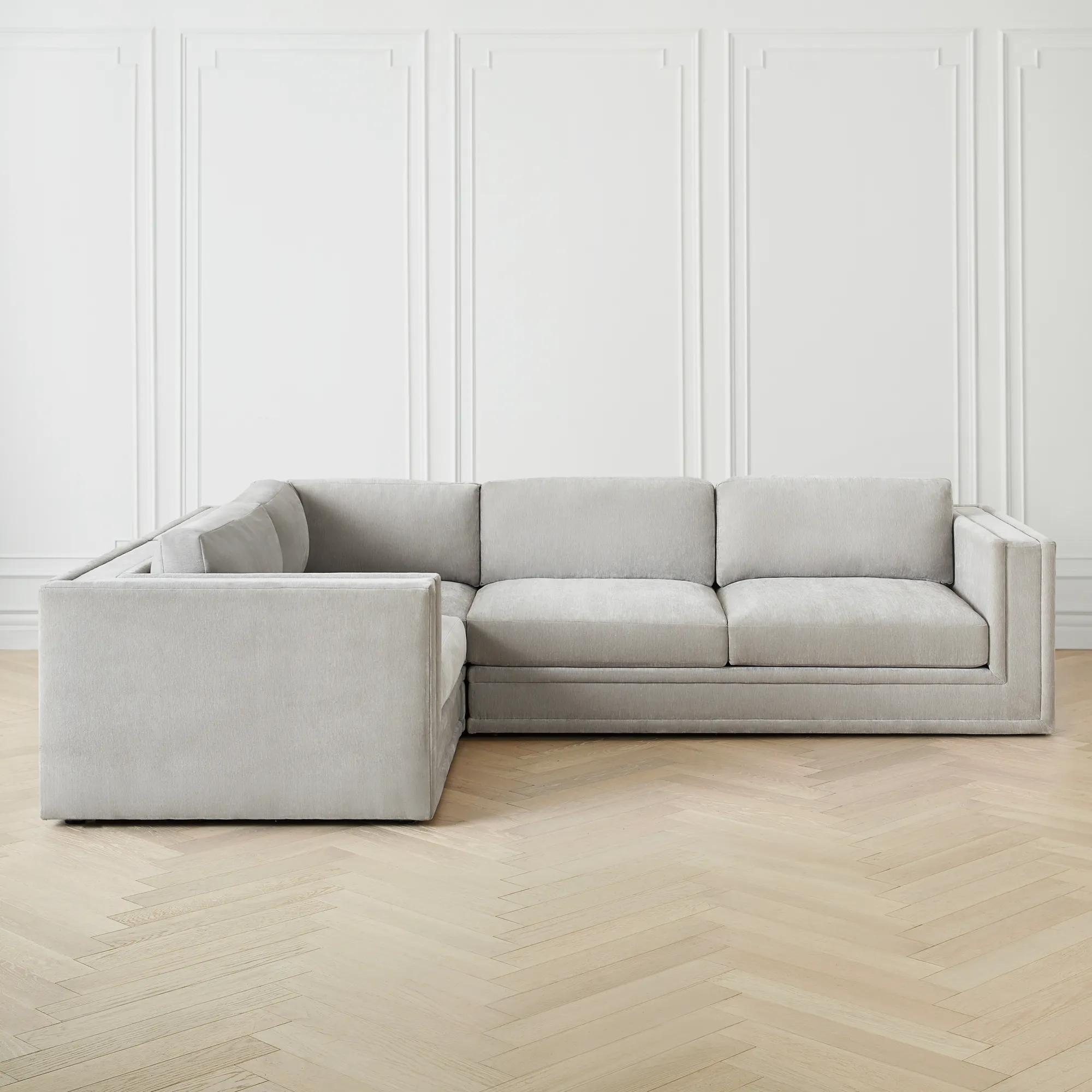 Luka Sectional - 3 PC$4599
A modern sectional featuring deep seating, high-density foam cushions, and hand-upholstered velvet in pearl.
Add To Cart -
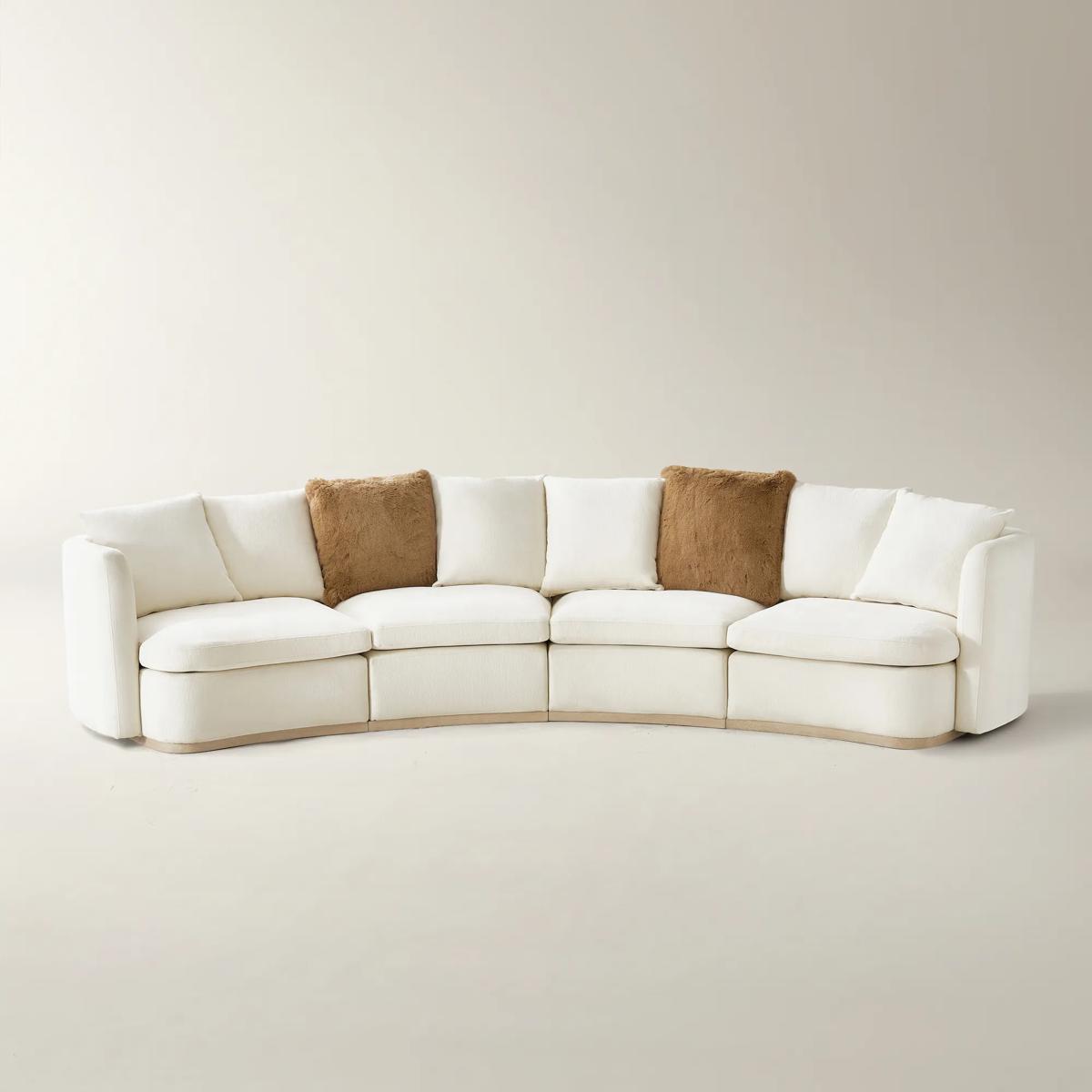
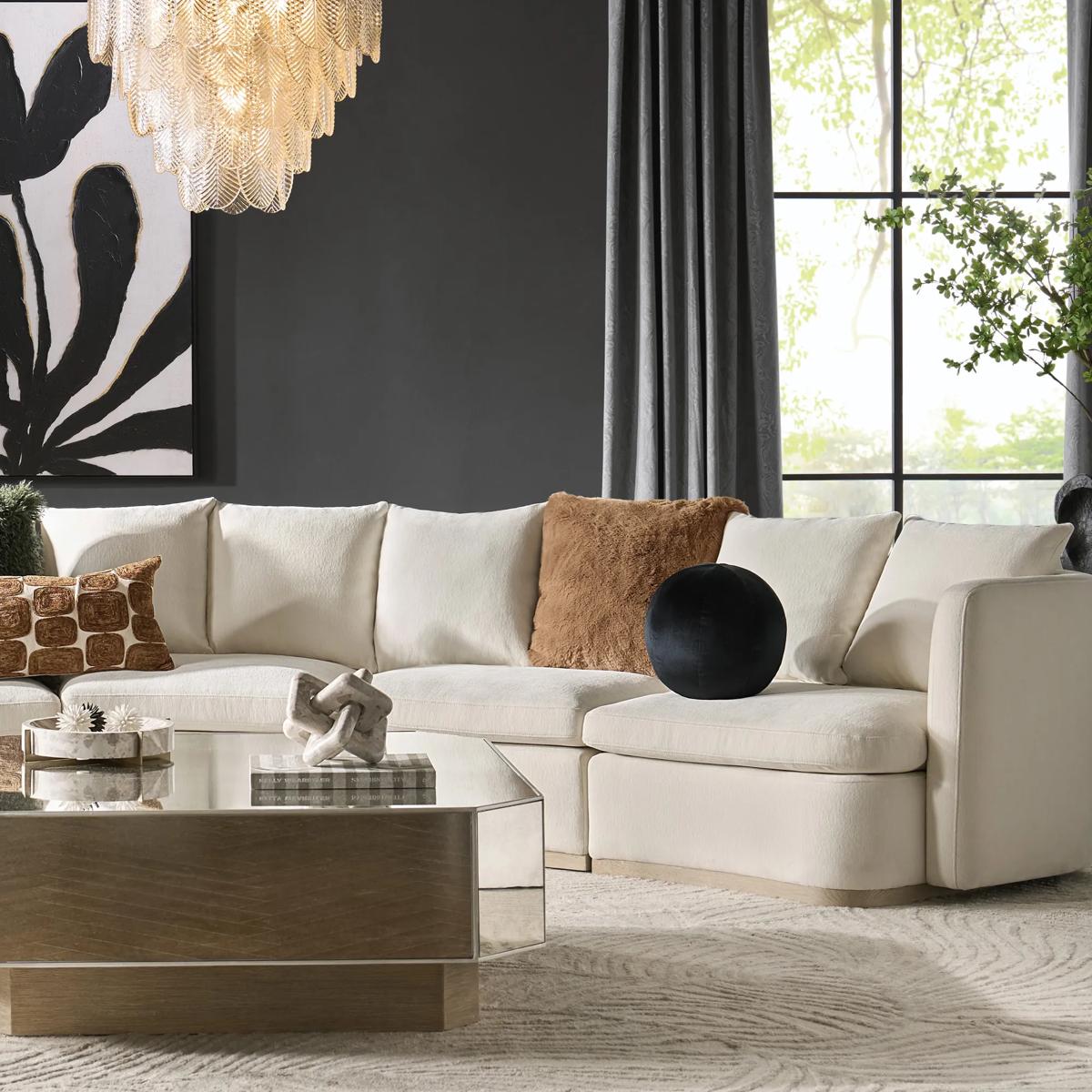 Stria 4-Piece Ivory Chenille Sectional Sofa$4099
An elegantly curved ivory chenille sectional with triple-layer cushioning and a kiln-dried solid oak frame.
Add To Cart -
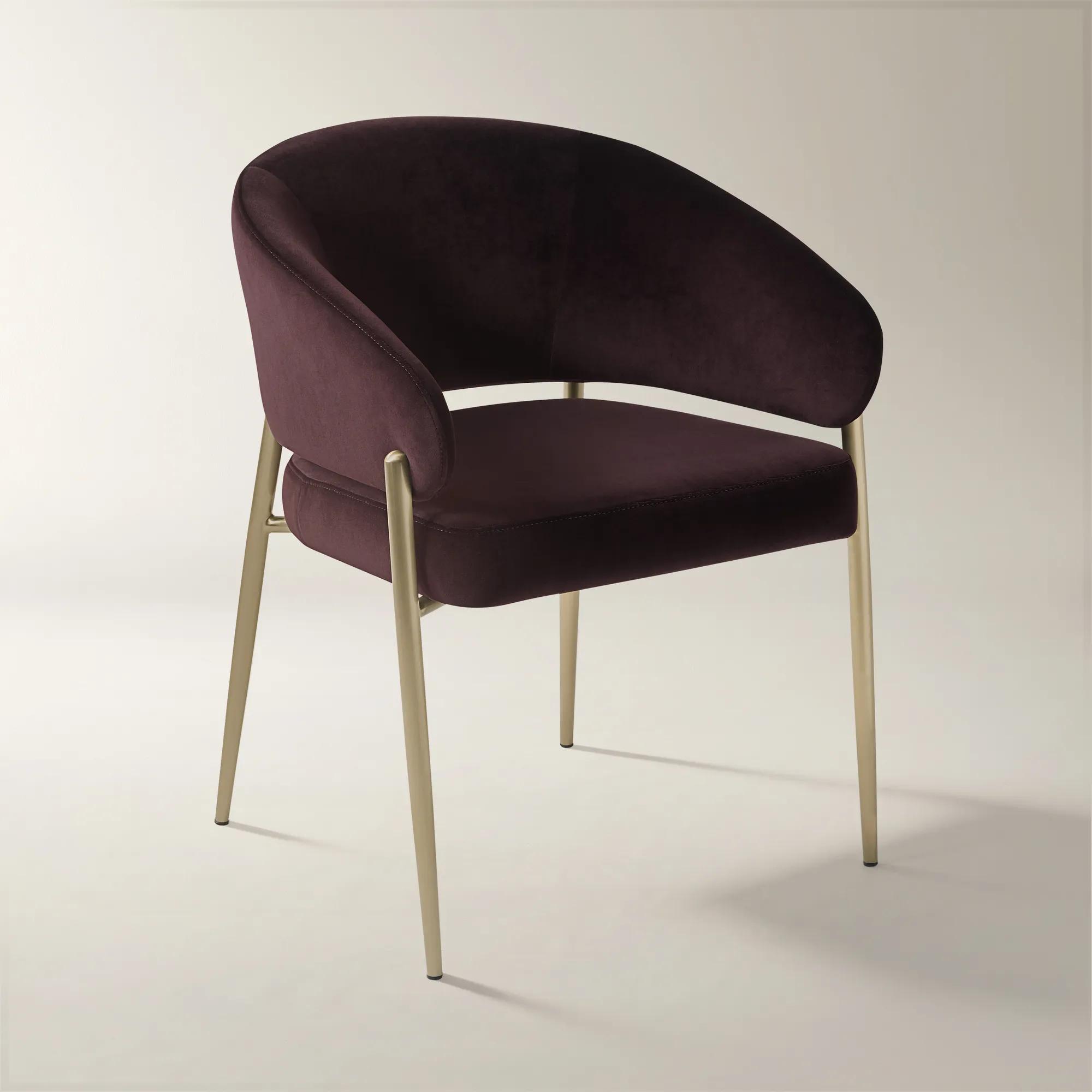 Nara Fig Velvet Dining Chair Set Of 2$599
A set of two dining chairs featuring plush fig velvet upholstery and brushed brass stainless-steel legs.
Add To Cart

Seating For Modern Kitchens
Seating for modern kitchens is more than a practical necessity—it’s an invitation to linger, laugh, and luxuriate in style. Imagine sculptural silhouettes and sumptuous textures transforming your kitchen into the heart of the home, where every stool and chair becomes a statement piece. Here, functionality meets artistry, infusing your daily rituals with a sense of occasion. Whether you’re savoring morning espresso or hosting midnight soirées, seating for modern kitchens sets the stage for bold moments and unforgettable gatherings—because every seat deserves its spotlight.
Seating for modern kitchens brings style and purpose together in one of the most expressive rooms in the home. An island or peninsula is rarely reserved for meal preparation alone; it becomes the place for morning coffee, homework, casual dinners, recipe consultations, and conversations that stretch long after the dishes are cleared. The right seating helps define that rhythm while giving the kitchen a polished, intentional finish. Look for silhouettes that complement the architecture of the room, whether that means streamlined stools tucked neatly beneath a waterfall island, sculptural seats that introduce artistic contrast, or dining chairs that soften a sleek table with inviting texture. Clean lines, refined proportions, and considered materials create a contemporary foundation, while details such as channel tufting, a curved back, gleaming metal, rich wood grain, or sumptuous upholstery bring dimension to the composition. Seating for modern kitchens can also make a thoughtful housewarming gift for a design-minded host, a newly renovated household, or anyone creating a more welcoming place for family and friends. A pair of striking counter stools can transform an overlooked overhang into a destination, while a coordinated set can give an entire kitchen the composed, editorial look of a beautifully finished interior.
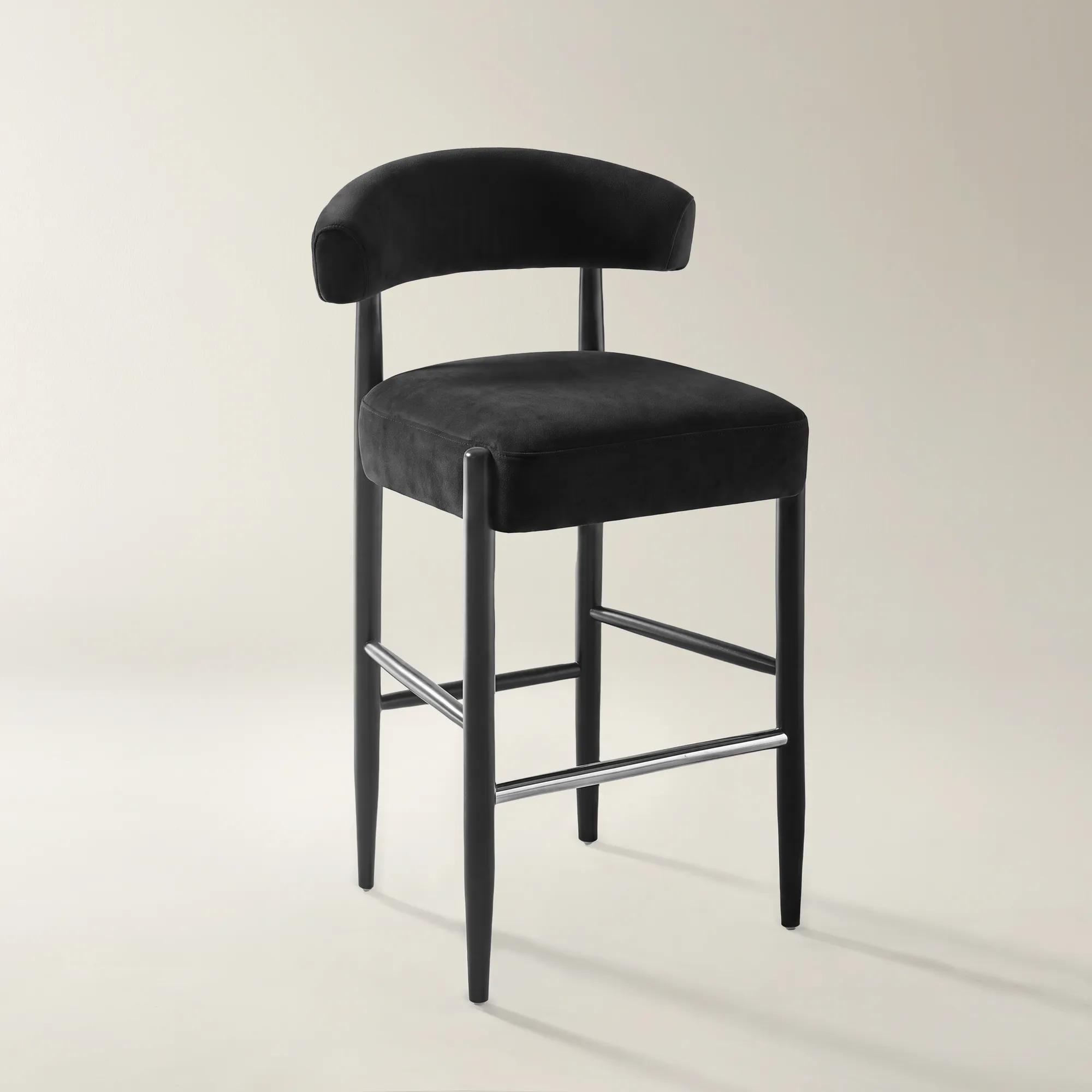
Scale is the first consideration when choosing seating for a kitchen island or counter. Begin by measuring from the floor to the underside of the surface, then compare that measurement with the seat height rather than relying on appearance alone. A standard counter is typically about 36 inches high and generally pairs with seating around 24 to 26 inches high, leaving comfortable room for knees and movement. A bar-height surface is often close to 42 inches and usually calls for seating around 30 inches high. Adjustable designs can offer flexibility when a space serves several purposes, but a fixed height with the proper proportions often feels more tailored and visually composed. Allow approximately 24 inches of linear island or table space per person so each guest has room to sit comfortably, dine, and move without bumping elbows. In a compact kitchen, backless seating or slim profiles can slide fully beneath the counter, preserving an open sightline and making the floor plan feel more generous. Where comfort and lingering matter most, consider supportive backs, generous seat depth, and a footrest that encourages relaxed posture. Swivel functionality can make it easier to join a conversation or move between the kitchen and adjoining living spaces, while a gently curved form can soften the sharper geometry common to modern cabinetry and stone surfaces. A set of counter-height stools can create an intimate perch for quick breakfasts; taller bar-height seating establishes a more elevated setting for entertaining. For open-plan homes, coordinate the finish or upholstery with nearby furnishings without making every piece identical. A touch of contrast often gives the room its most memorable note.
Material selection matters just as much as height, particularly in a kitchen where spills, crumbs, sunlight, and daily activity are part of the atmosphere. Performance fabrics, treated upholstery, vegan leather, and other wipe-clean surfaces are practical choices for households with children, frequent guests, or enthusiastic home cooks, while still offering the tactile richness expected of elevated interiors. Smooth finishes can be quickly refreshed with a soft cloth, and darker tones may bring dramatic depth to pale cabinetry, while lighter upholstery can brighten a moody palette when used with appropriate care. Metal introduces a sleek, architectural edge; wood adds warmth and organic character; molded forms deliver contemporary ease; and plush upholstery creates a welcoming counterpoint to hard surfaces such as marble, quartz, or polished concrete. Think about the visual weight of the seating as well. Airy frames can keep a smaller kitchen from feeling crowded, while substantial, upholstered forms can anchor a broad island and make it feel like the heart of the home. Built-in banquettes and upholstered benches are especially effective in corners, using otherwise underused wall space to create a cozy dining nook with a tailored, furniture-like presence. Pairing a bench with individual chairs can maximize flexibility and give the arrangement a collected, designer-inspired character. During the cooler months, this kind of seating invites lingering over warm meals and candlelit gatherings; as the weather warms, it transitions effortlessly to casual breakfasts, iced drinks, and open-door entertaining. For homes with a more compact footprint, explore Seating For Modern Apartments for similarly thoughtful ways to make every square foot feel considered. Whether your kitchen is a grand entertaining space or a refined corner for two, the right seating completes the scene with comfort, proportion, and unmistakable personality.
FAQ List
Modern kitchen seating often features a captivating mix of materials, from sleek metals and polished chrome to rich woods and sumptuous upholstery like velvet or faux leather. These materials not only enhance the visual appeal but also bring tactile contrast, adding depth and sophistication to contemporary kitchens.
To complement your kitchen’s design, look for seating that echoes its key elements—such as matching metal finishes to your fixtures or selecting upholstery that harmonizes with your cabinetry. Sculptural silhouettes and bold textures can serve as statement pieces, while neutral tones and clean lines offer versatility for evolving styles.
Absolutely. Many modern kitchen seating options are designed for versatility, seamlessly transitioning from casual breakfasts to elegant evening gatherings. Swivel stools, adjustable heights, and plush, supportive backs ensure comfort and adaptability, making them perfect for both everyday use and special occasions.
Features like contoured seats, padded cushions, supportive backs, and integrated footrests elevate comfort for longer gatherings. Upholstered designs with breathable fabrics or ergonomic curves invite guests to linger, transforming the kitchen into an inviting hub for conversation and relaxation.
Definitely. In open-concept layouts, kitchen seating often defines the transition between spaces and sets the mood for the entire room. Opt for dramatic finishes, bold colors, or unique shapes to create a focal point that draws the eye and expresses your distinctive style.