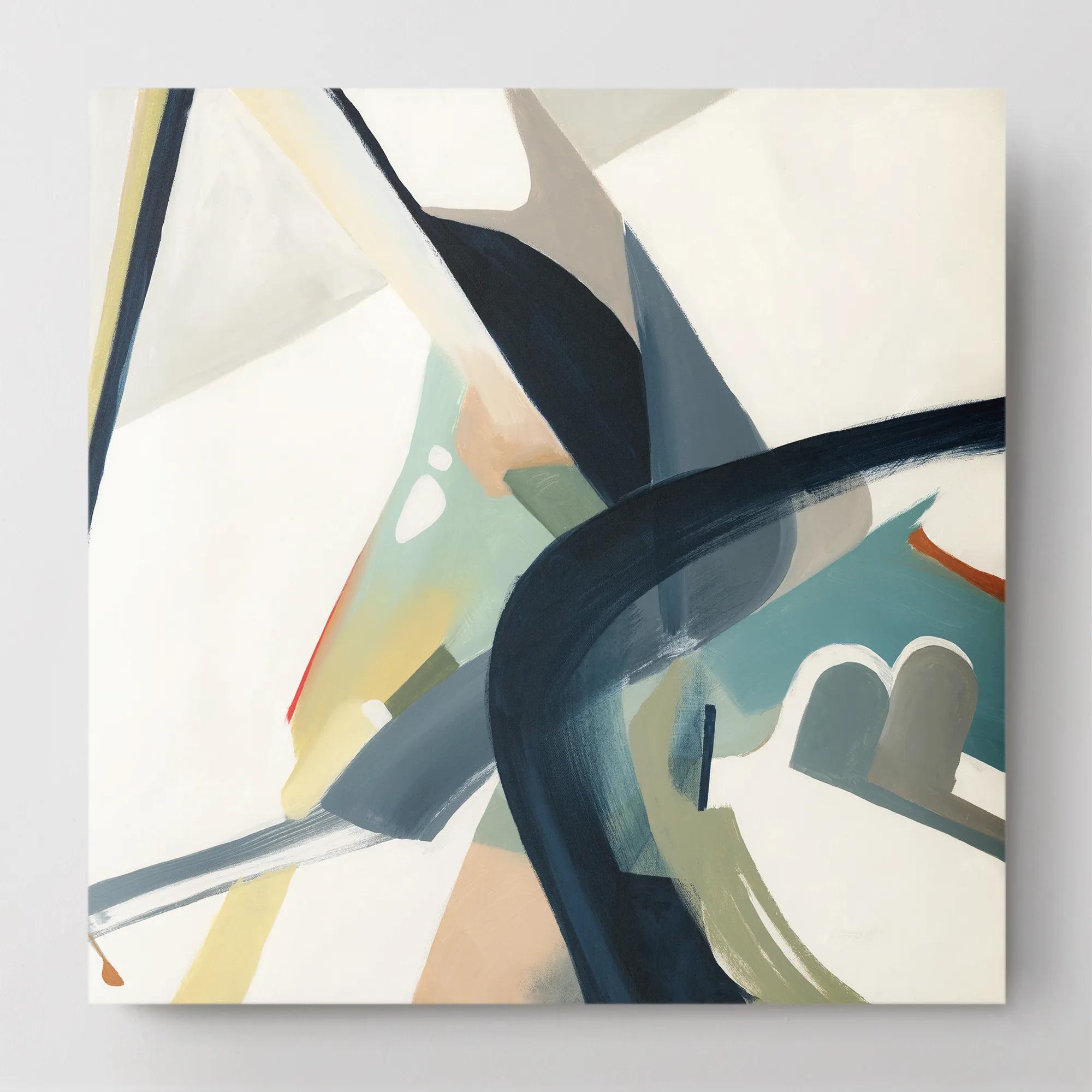
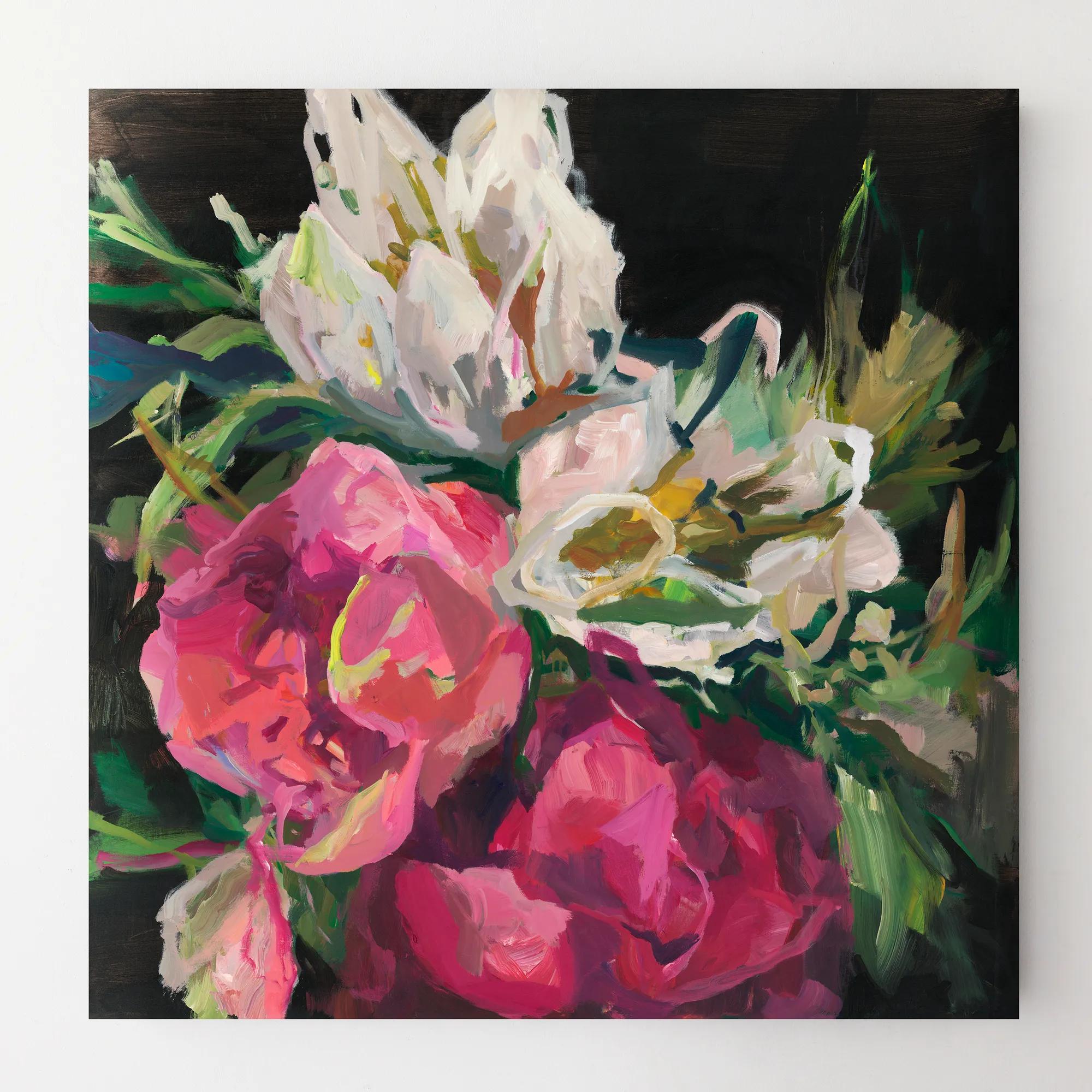
Premium Framed Geometric Artworks
Premium Framed Geometric Artworks
-
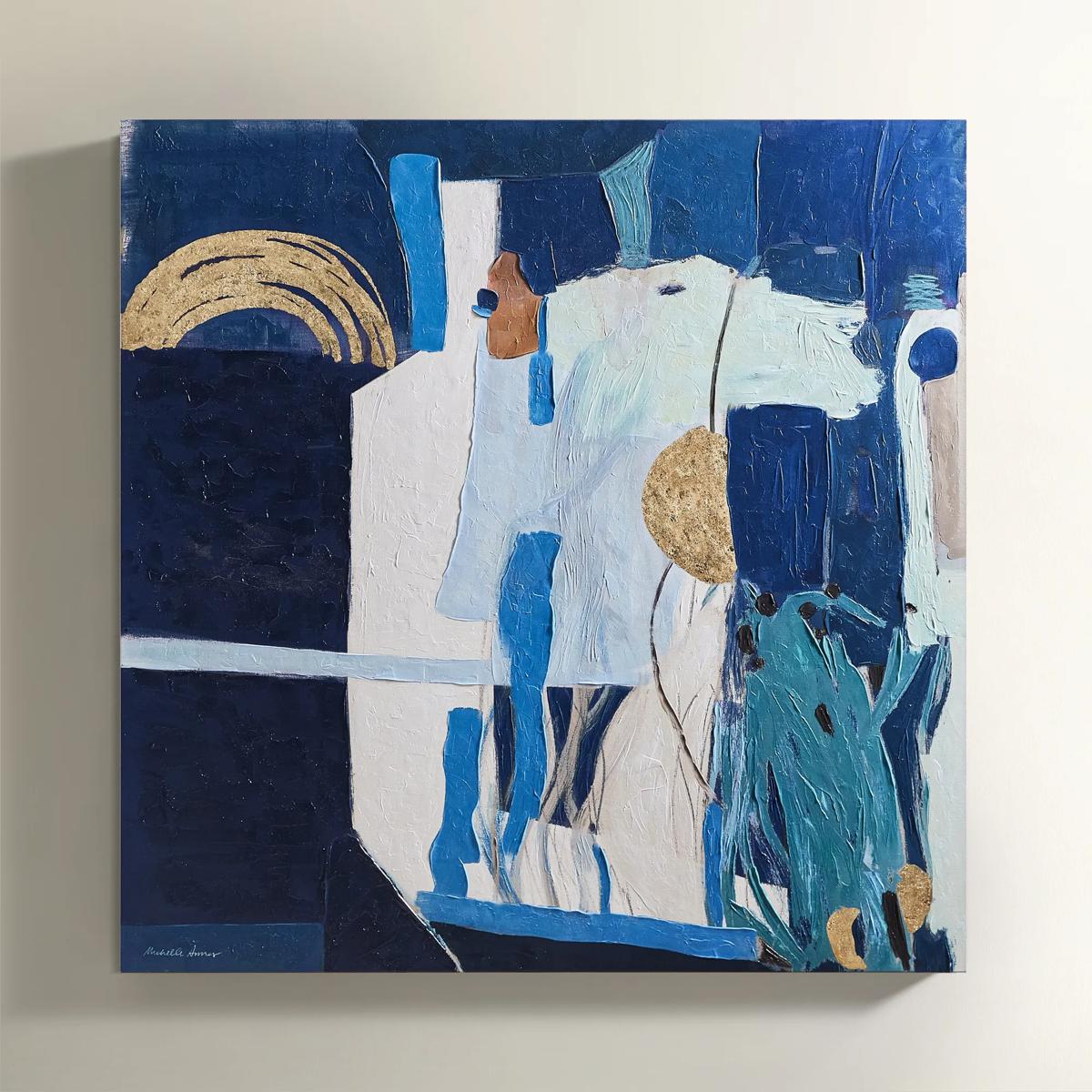
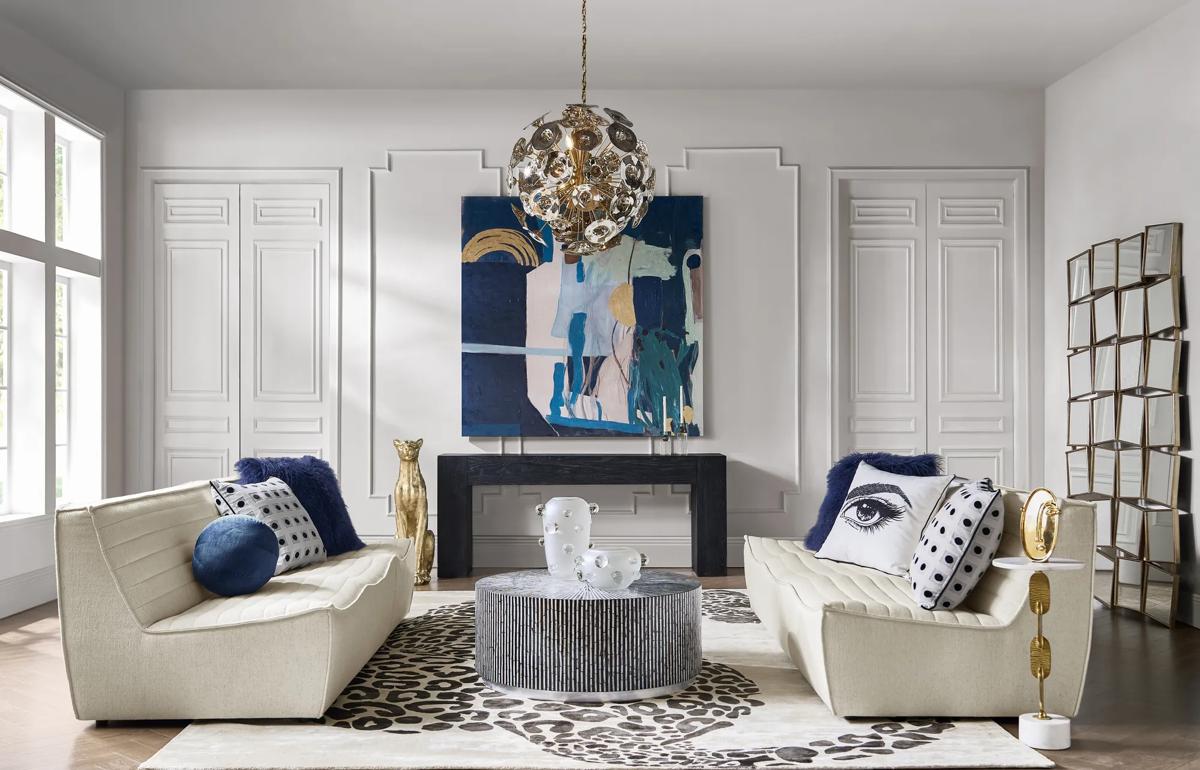 In Flux Painting$699
A hand-embellished canvas artwork featuring deep teal, green, ivory, and gold in a black Art Deco frame.
Add To Cart -
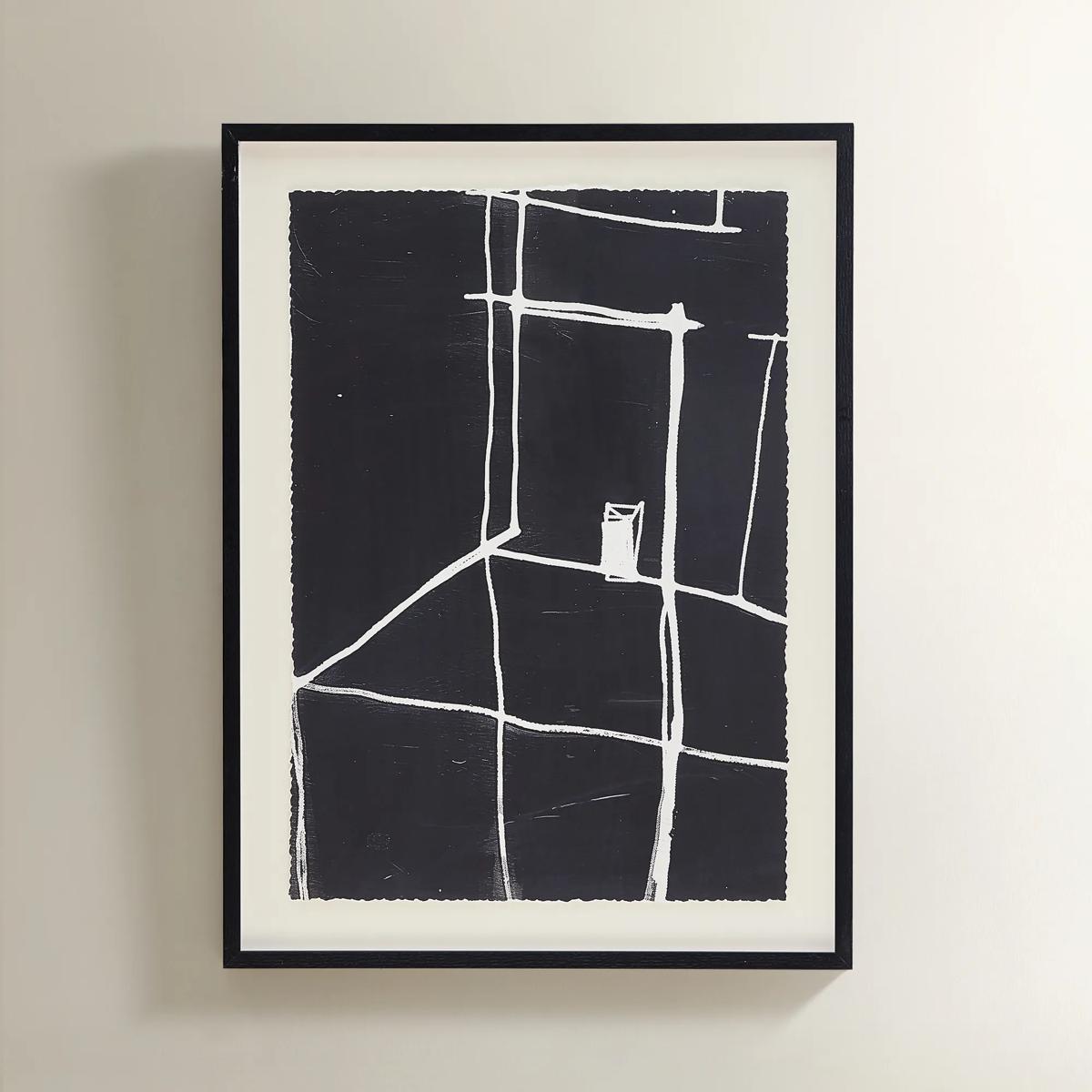 Solitude Art$269
A minimalist black-and-white abstract print featuring bold white lines in a sleek black polyresin frame.
Add To Cart -
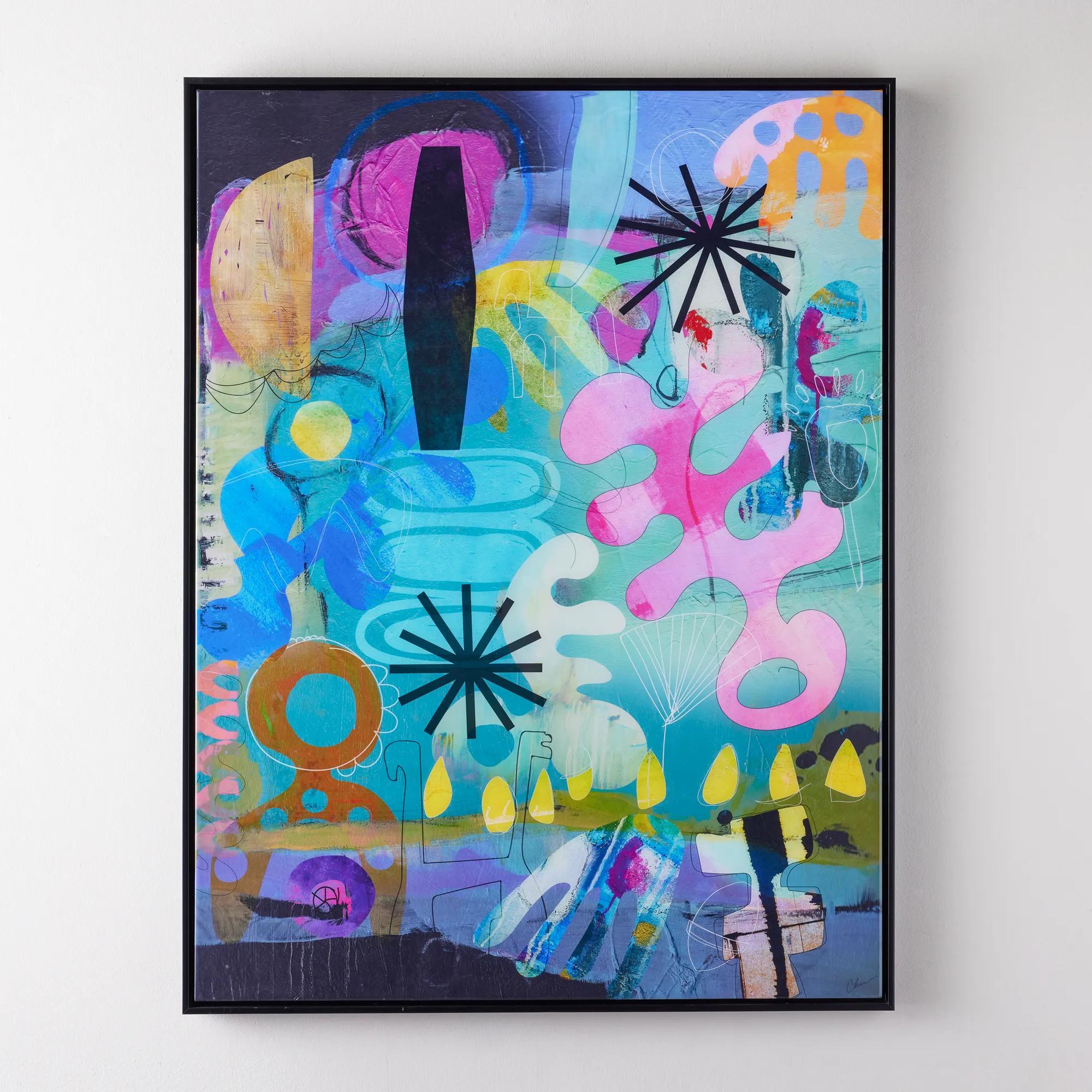
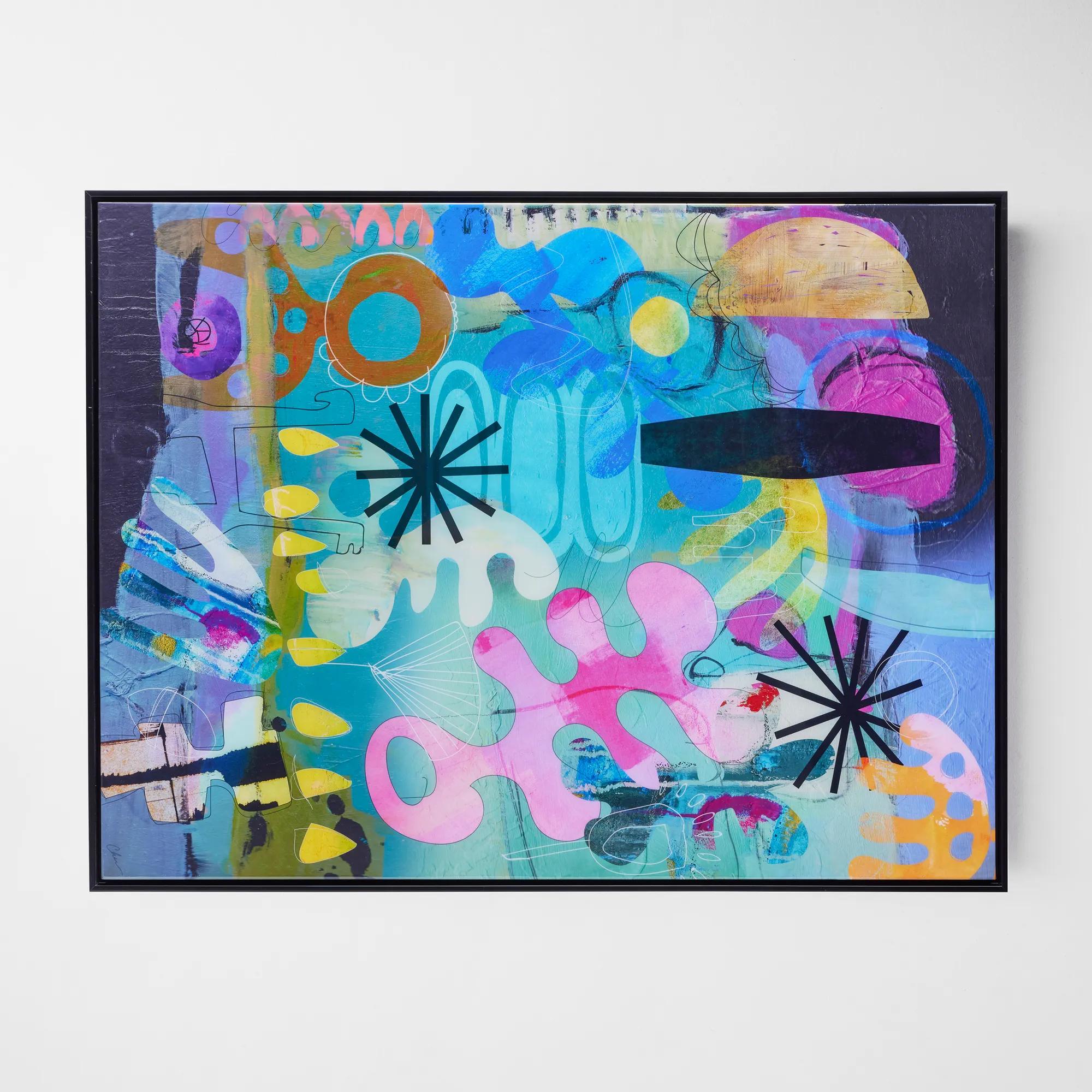 Nikki Chu Detailed Vision Framed Wall Art 54" x 41"$1099
A vibrant, high-gloss artwork with a black frame, designed to hang vertically or horizontally.
Add To Cart -
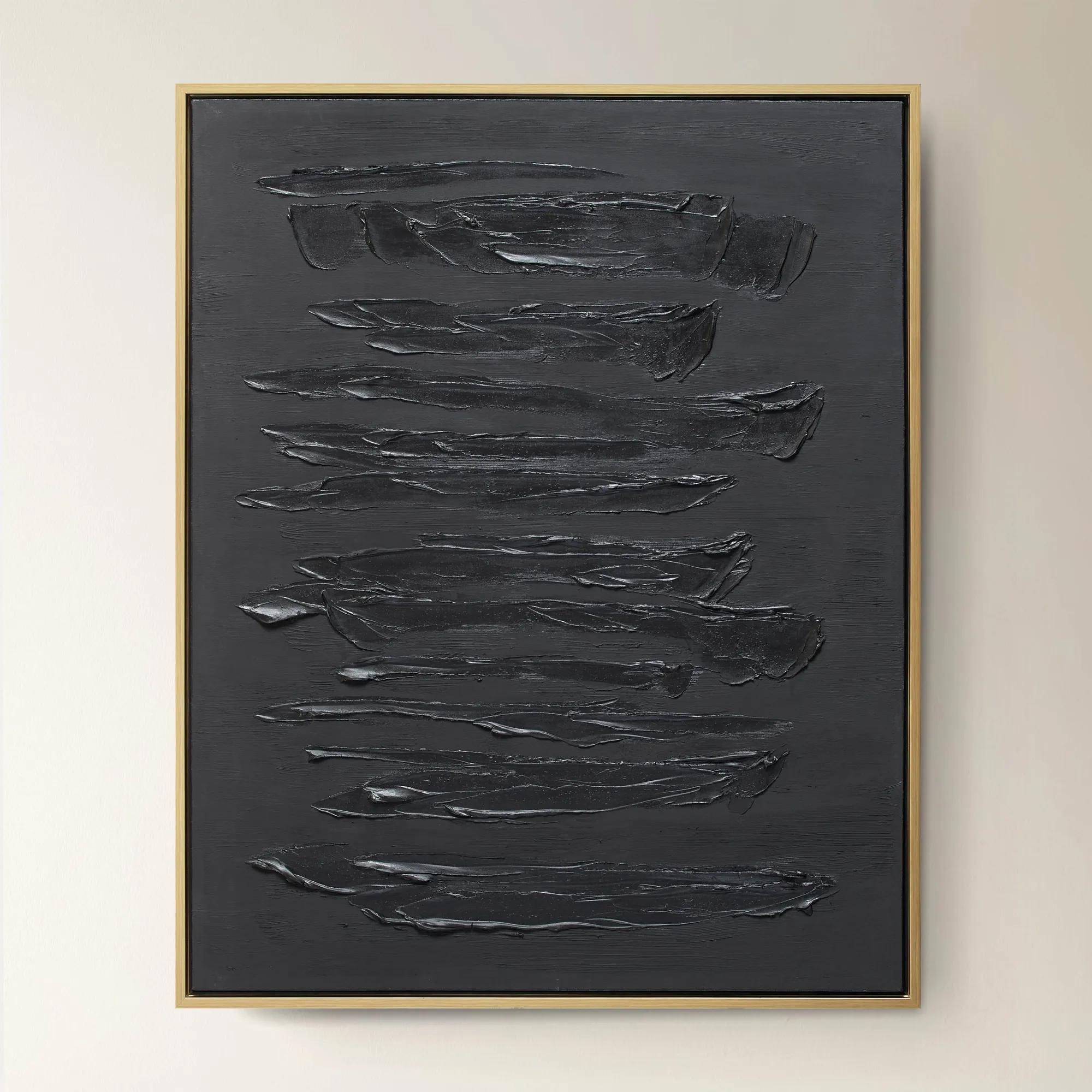
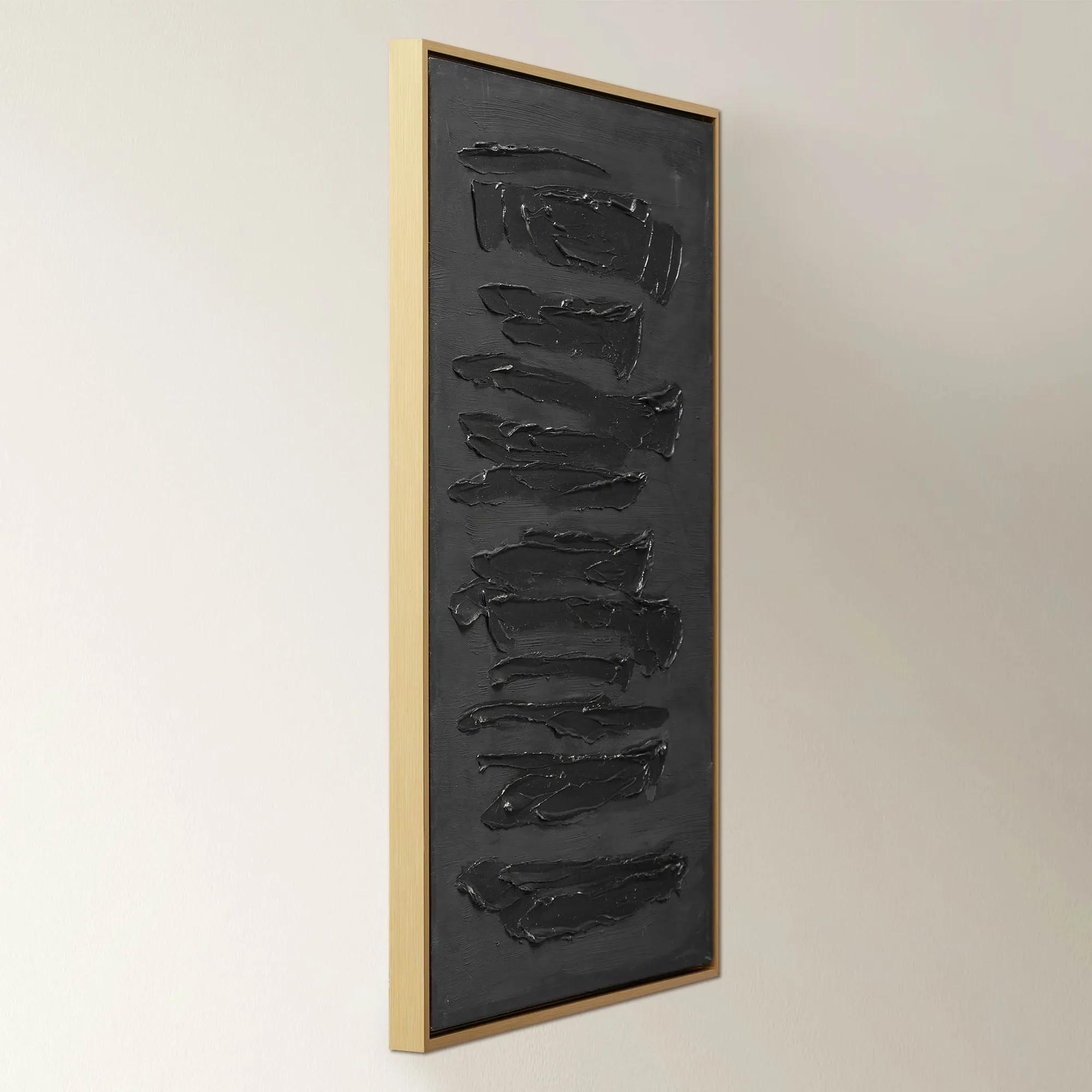 Nocturne$599.95
A dramatic abstract artwork featuring bold, dark brushstrokes on hand-painted canvas in a gold floater frame.
Add To Cart -
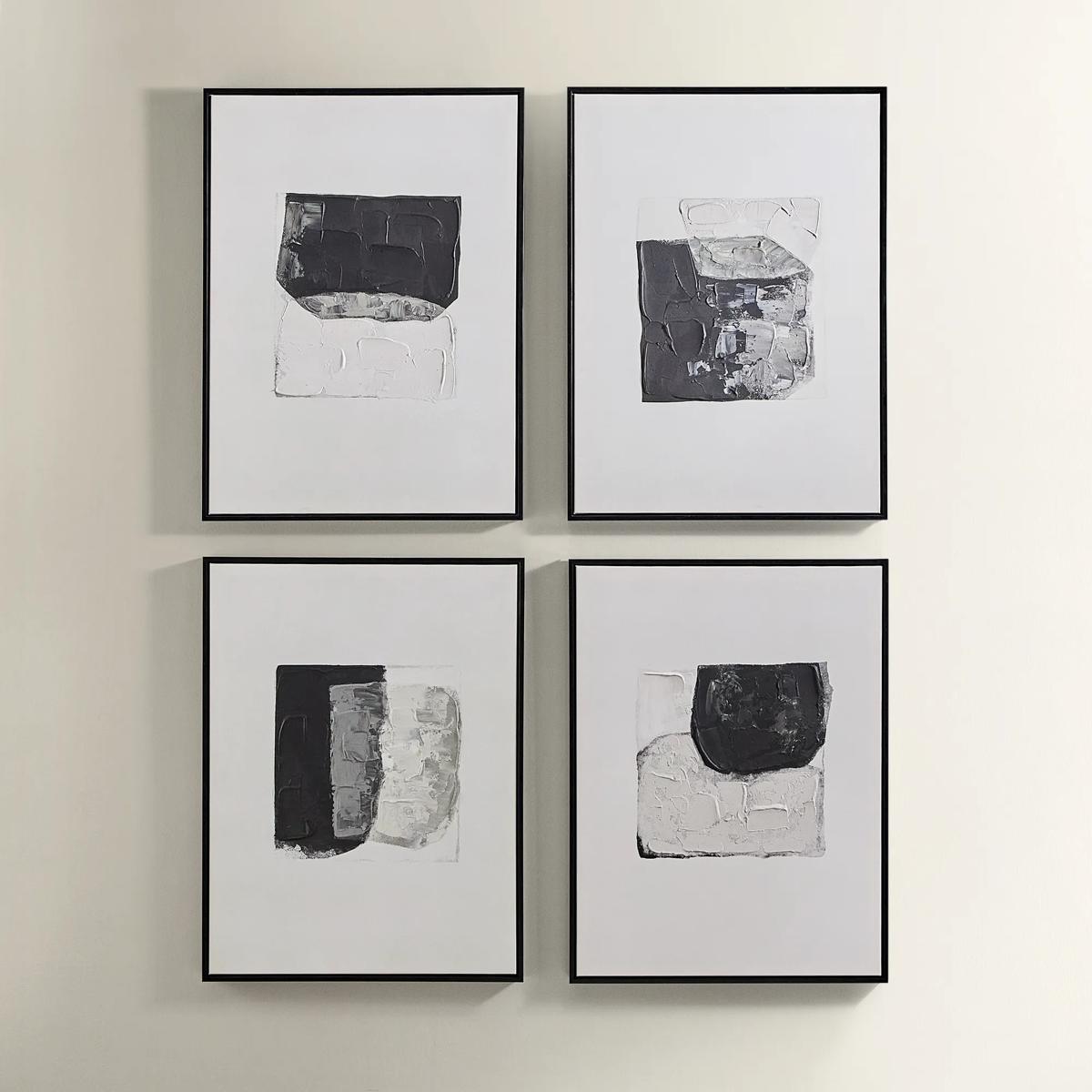
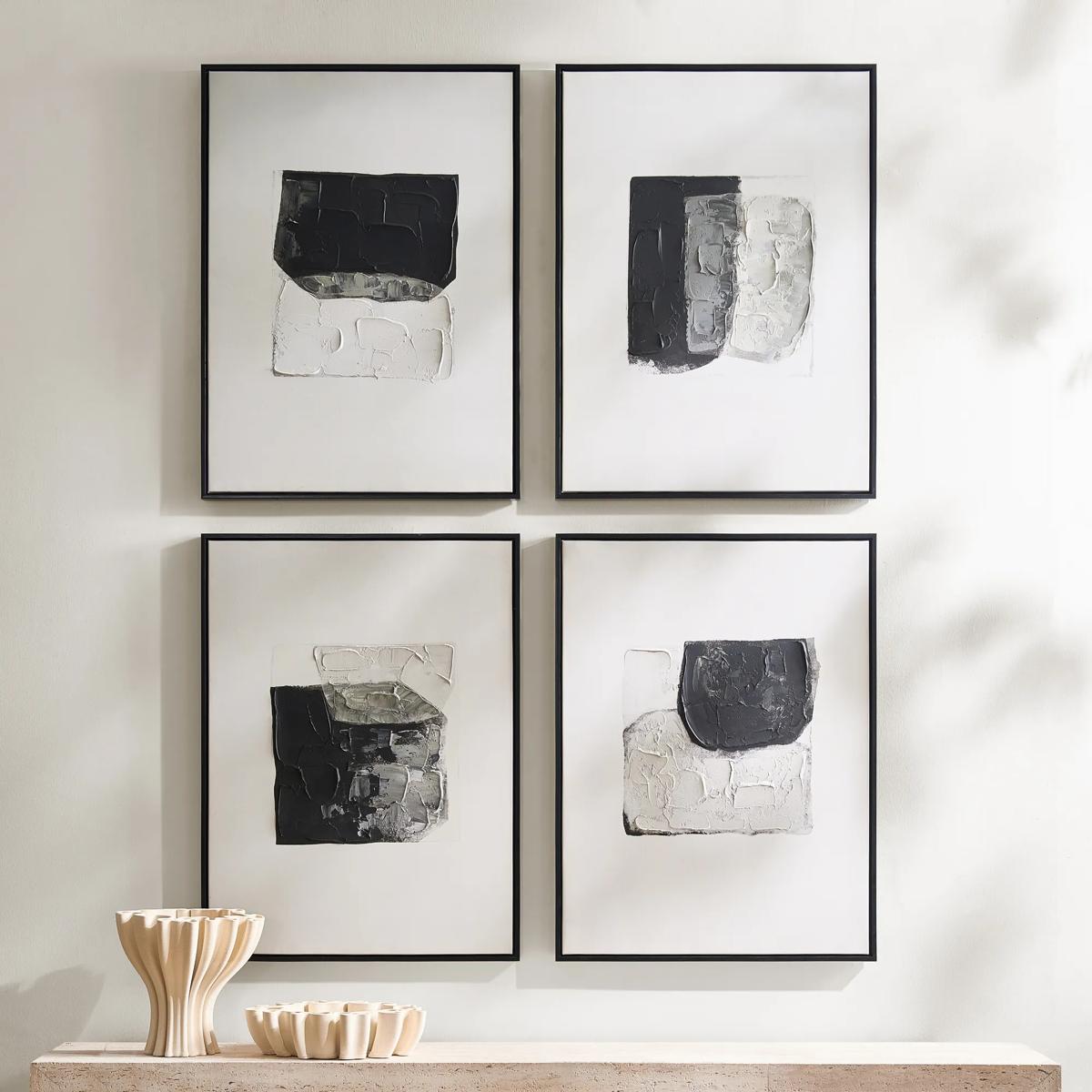 Shadows Framed Painted Wall Art Set of 4$299
A set of four hand-painted abstract canvases featuring black, white, and gold accents in black frames.
Add To Cart -
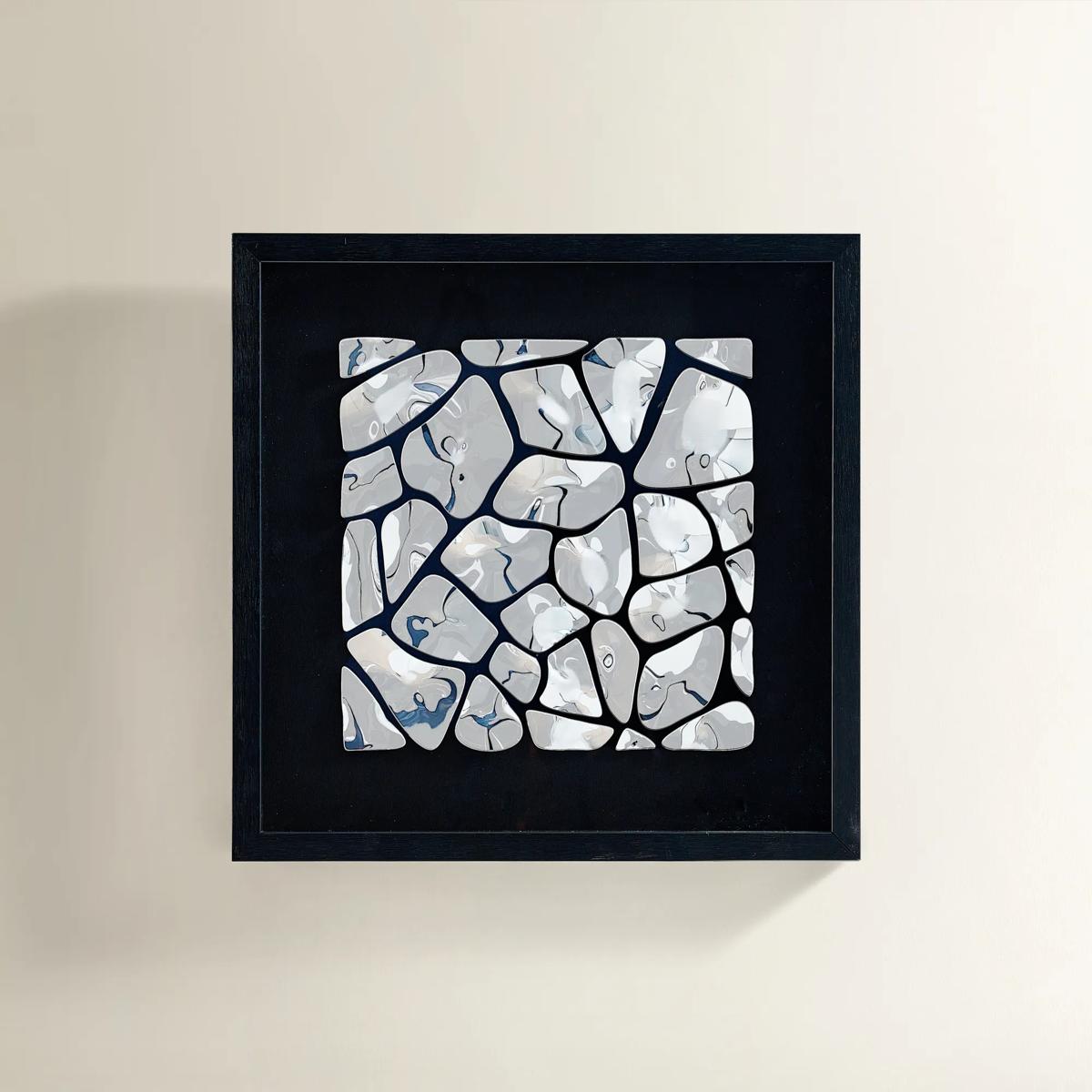 Reflect Silver And Black Shadowbox Art I$189
A dimensional metal wall art piece featuring polished silver and black forms in a sleek black frame.
Add To Cart -
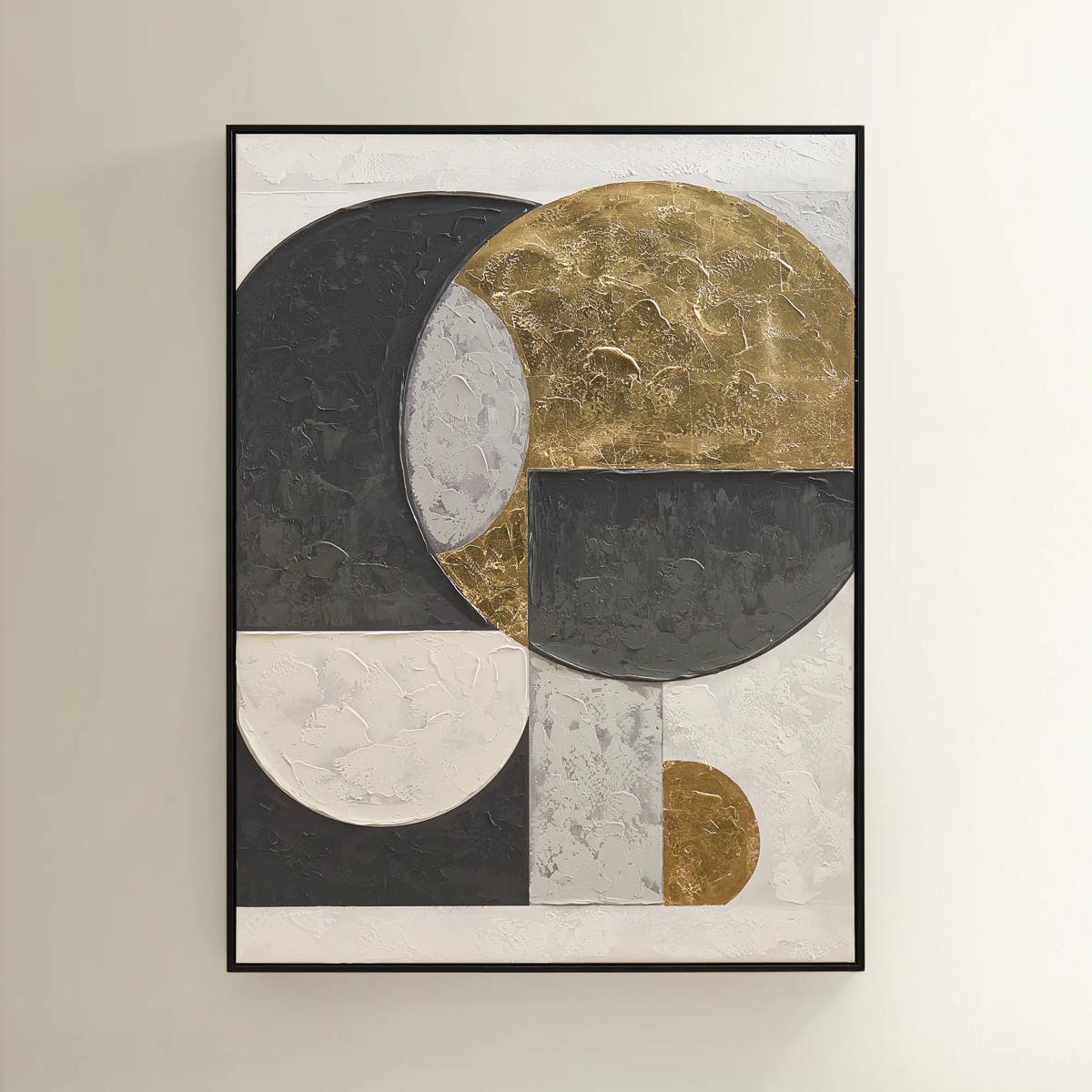
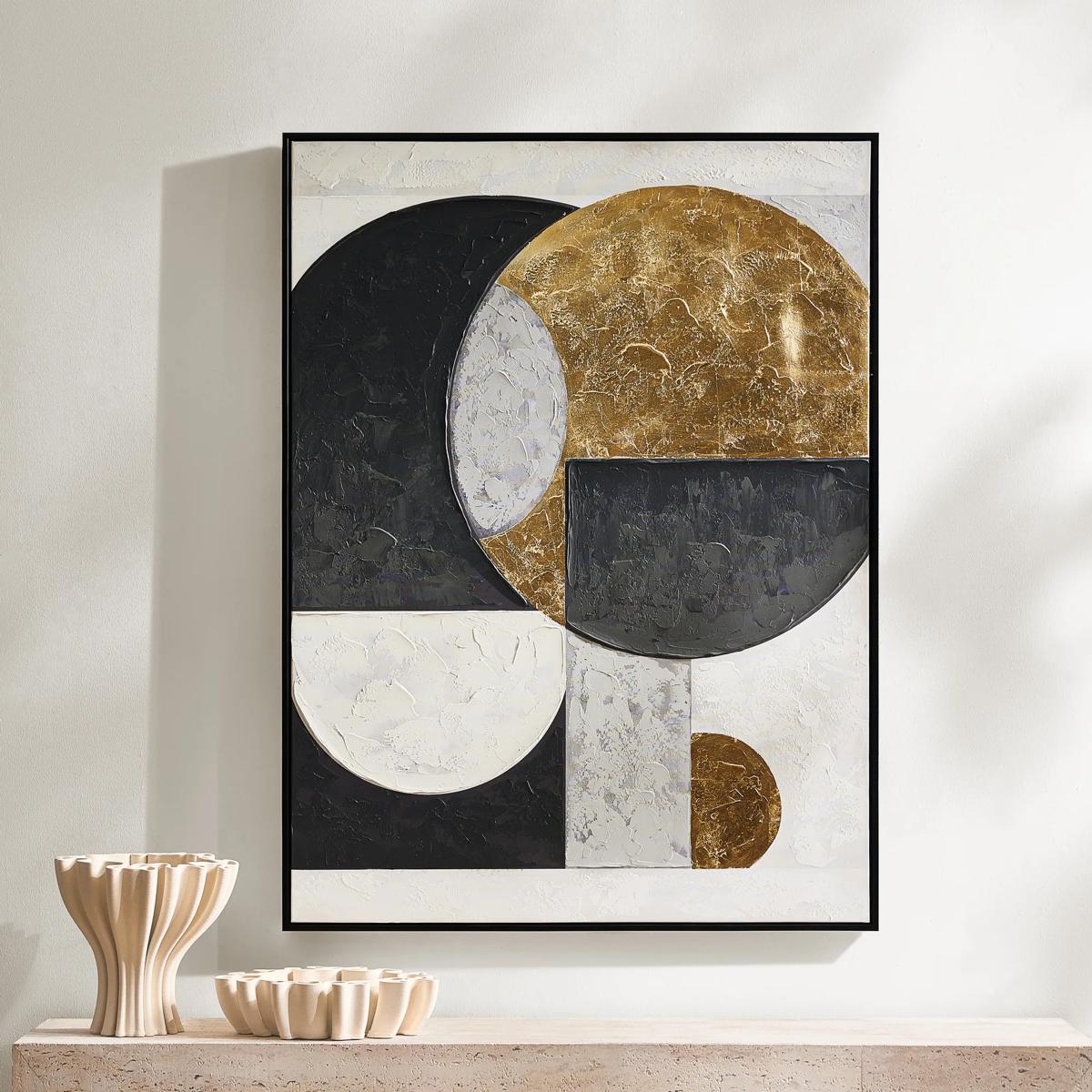 Eclipse Framed Gold Leaf Painted Wall Art 35.25" x 47.25"$449
A hand-painted canvas featuring bold black, grey, and gold geometric shapes with shimmering gold leaf accents.
Add To Cart -
-compressed.jpg?w=1200&h=1200) Etched in Gold$229
Etched in Gold$229A hand-carved gold copper artwork set in a sleek black alloy frame for modern contrast.
Add To Cart -
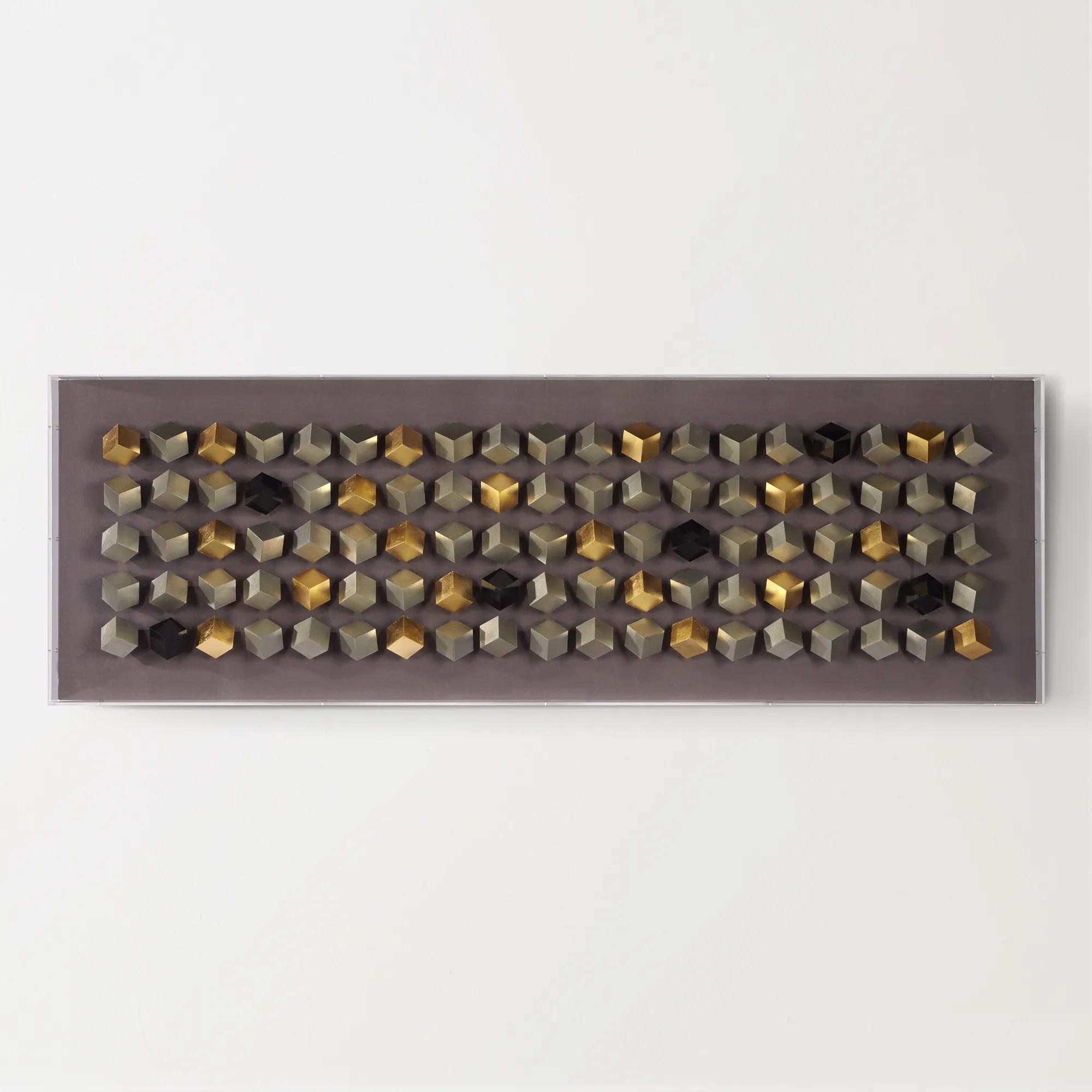
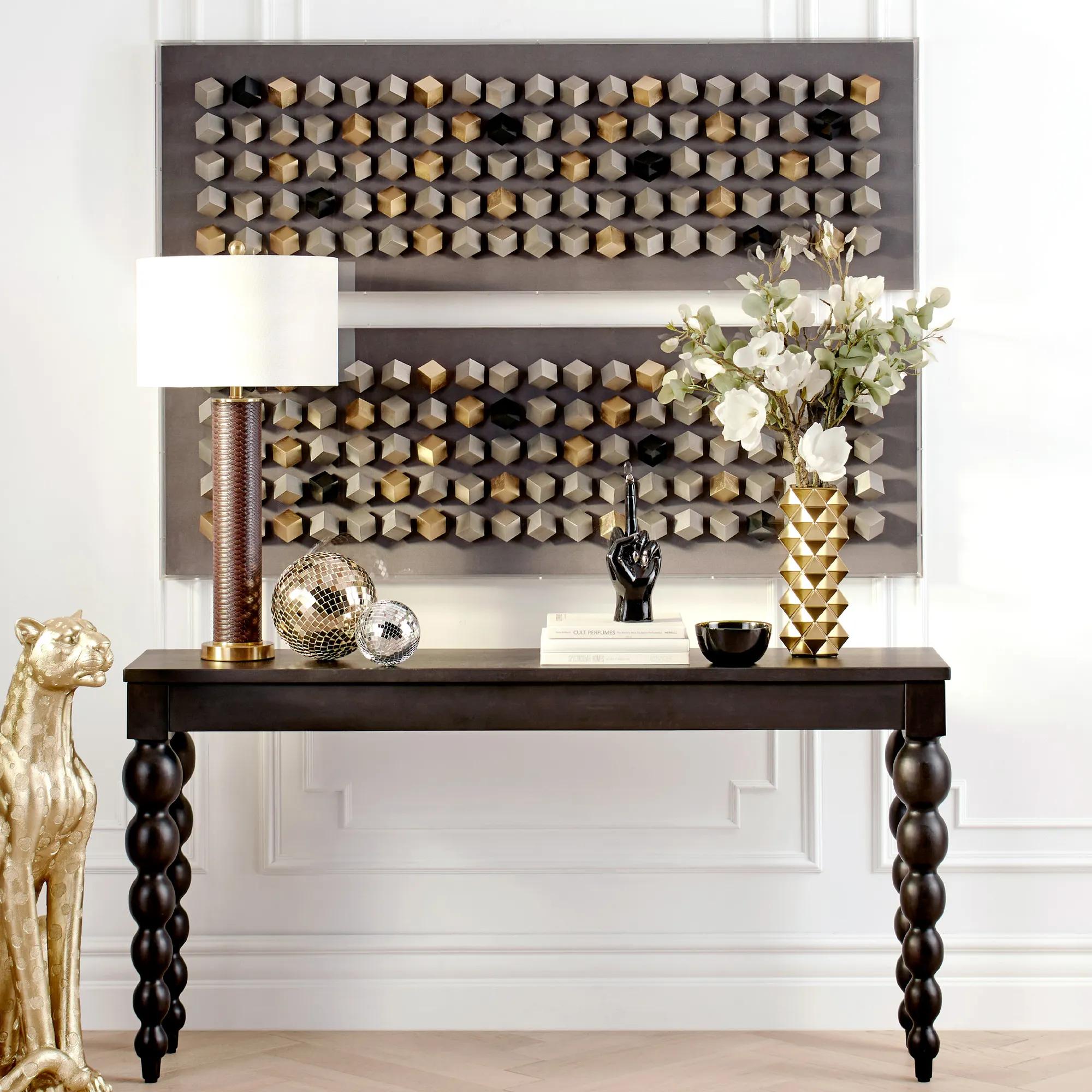 Cubic Array Dimensional Wall Decor in Acrylic 59" x 19.75"$599
A striking shadowbox wall art featuring a cubic, dimensional design with a tri-tone metallic finish.
Add To Cart -
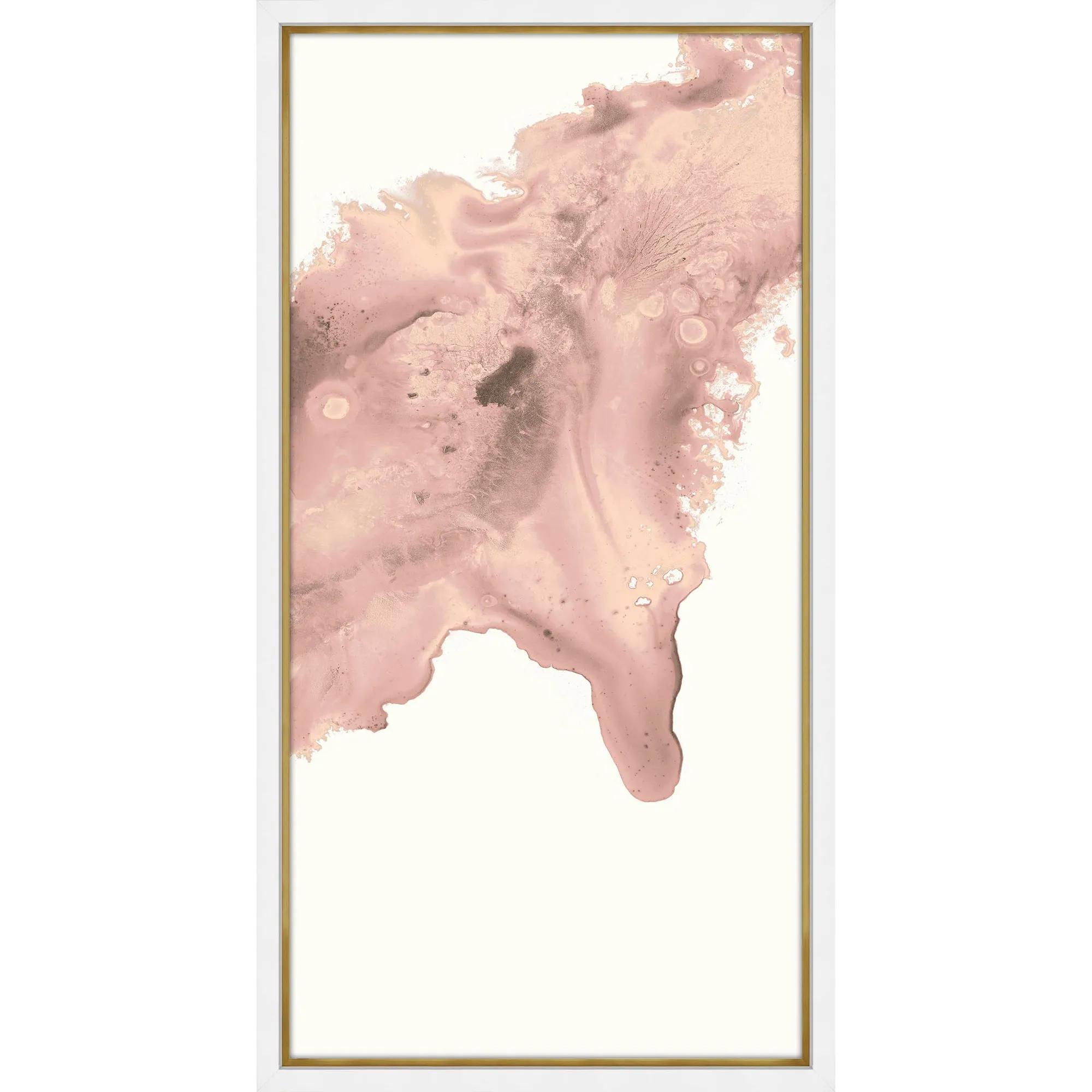
 Blush Conduit 2 Framed Wall Art 24" x 48"$849
A striking abstract print on pearl paper, elegantly framed in gold and matte white for modern appeal.
Add To Cart -
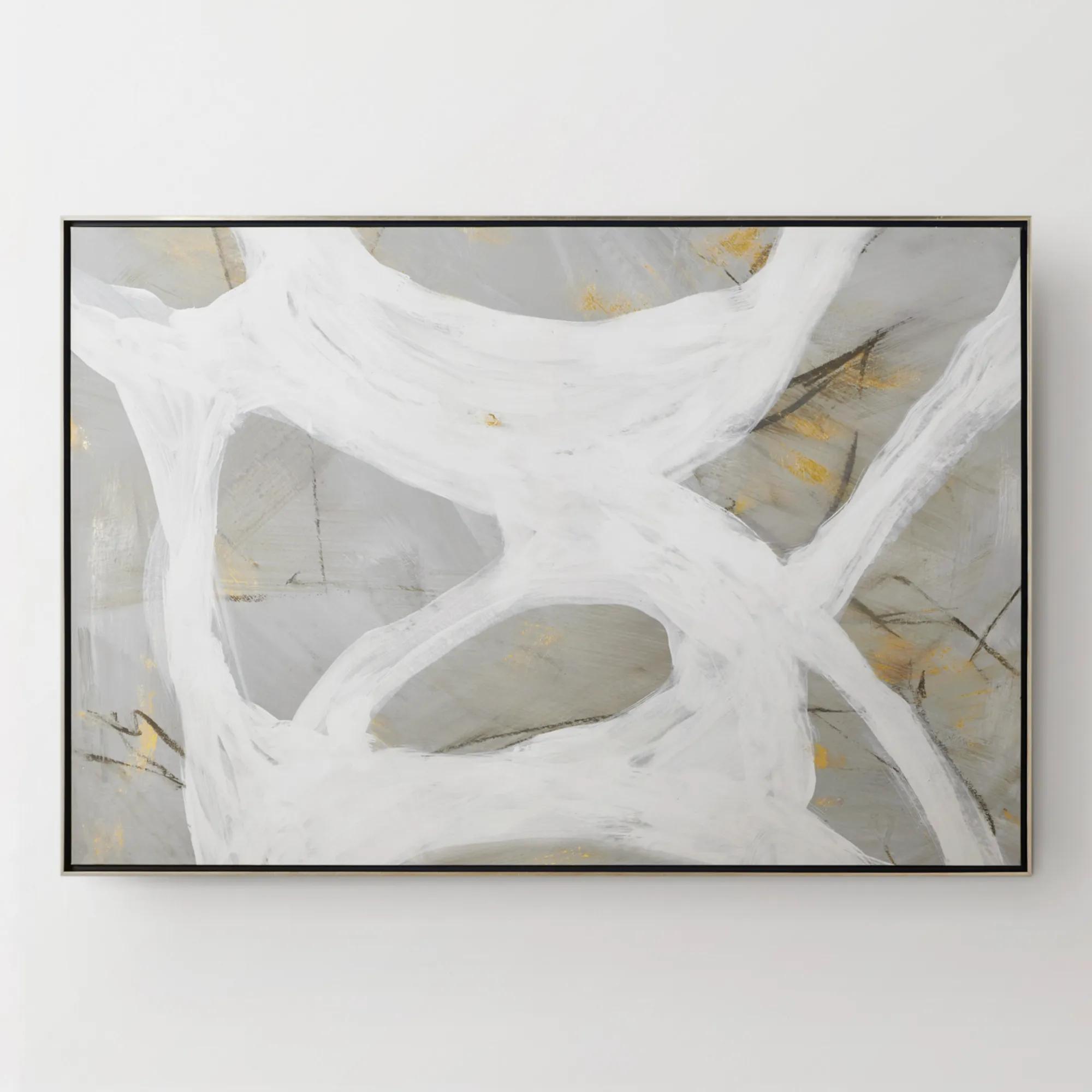
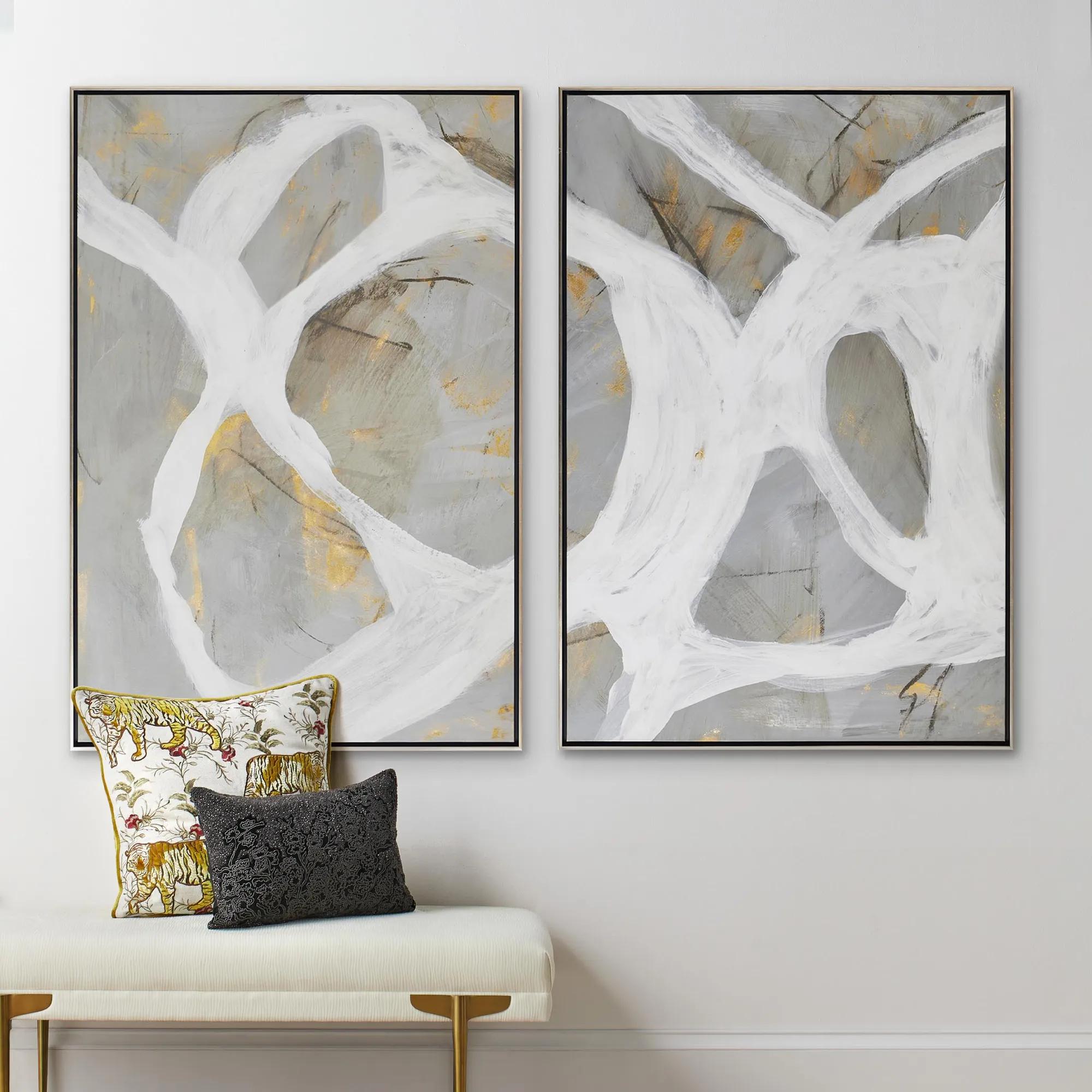 Les Series Framed Painted Wall Art II 61" x 41"$1099
An abstract canvas artwork featuring bold brushstrokes, hand-applied gold accents, and a silver floater frame.
Add To Cart -
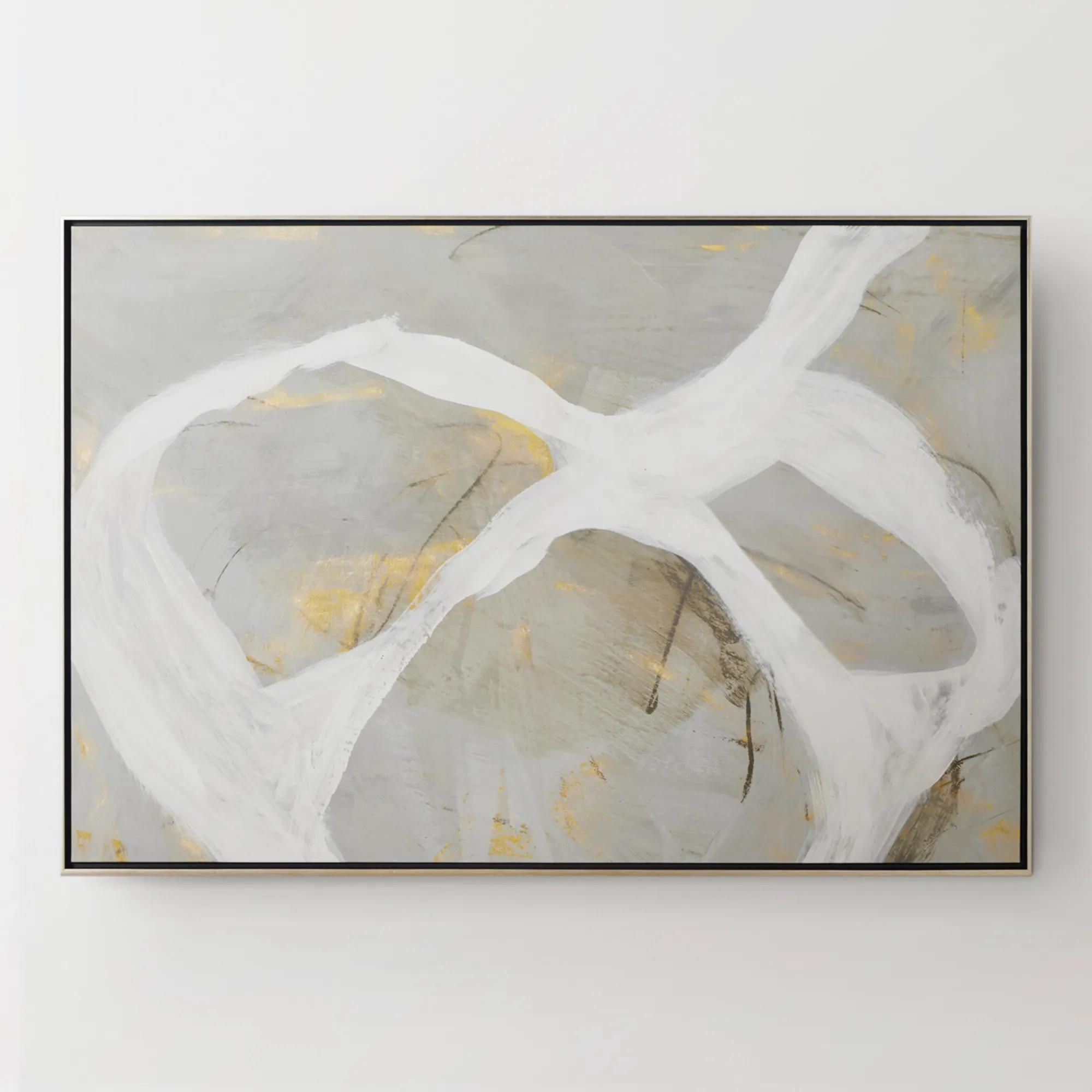
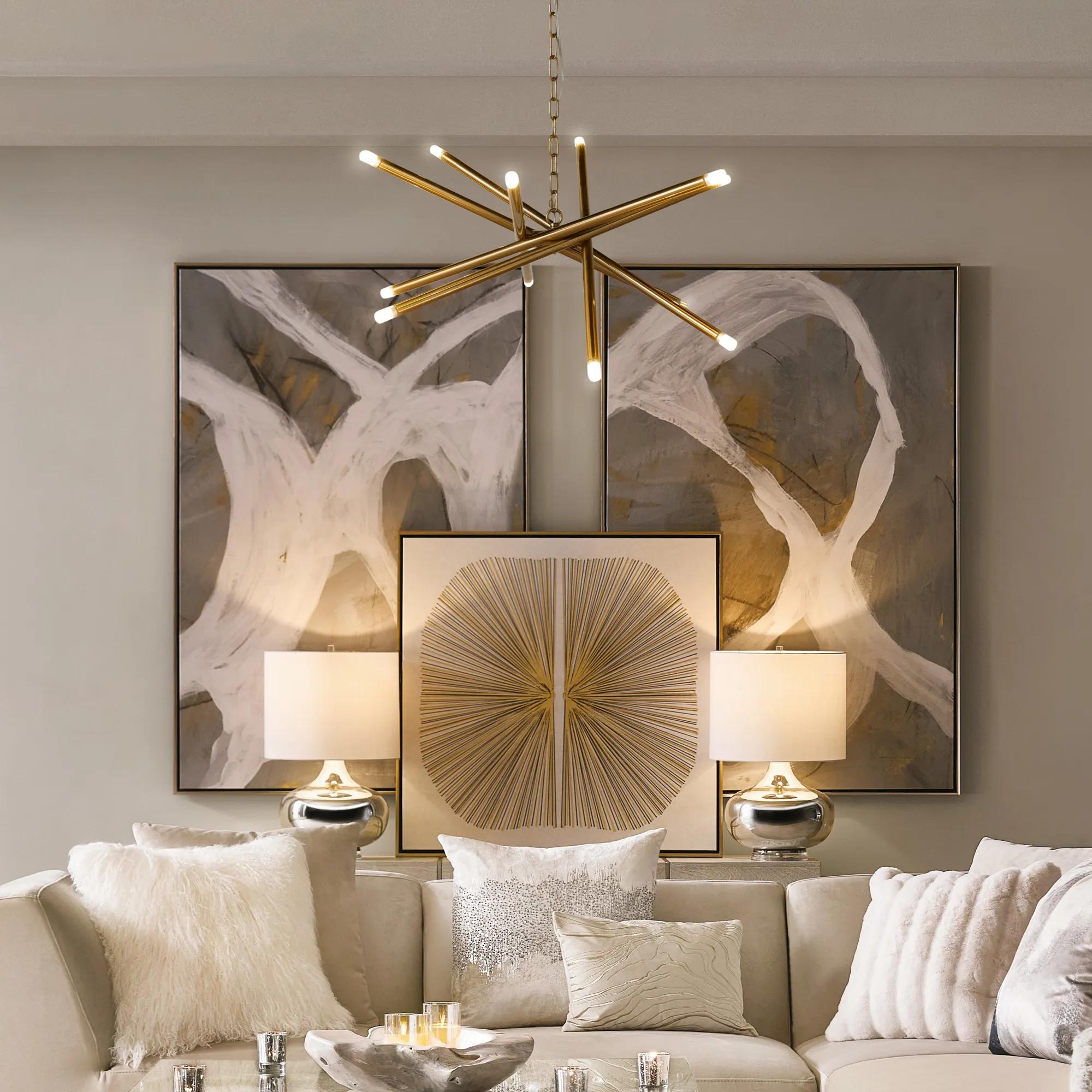 Les Series Framed Painted Wall Art I 61" x 41"$1099
An abstract canvas artwork featuring bold brushstrokes, hand-applied gold accents, and a silver floater frame.
Add To Cart -
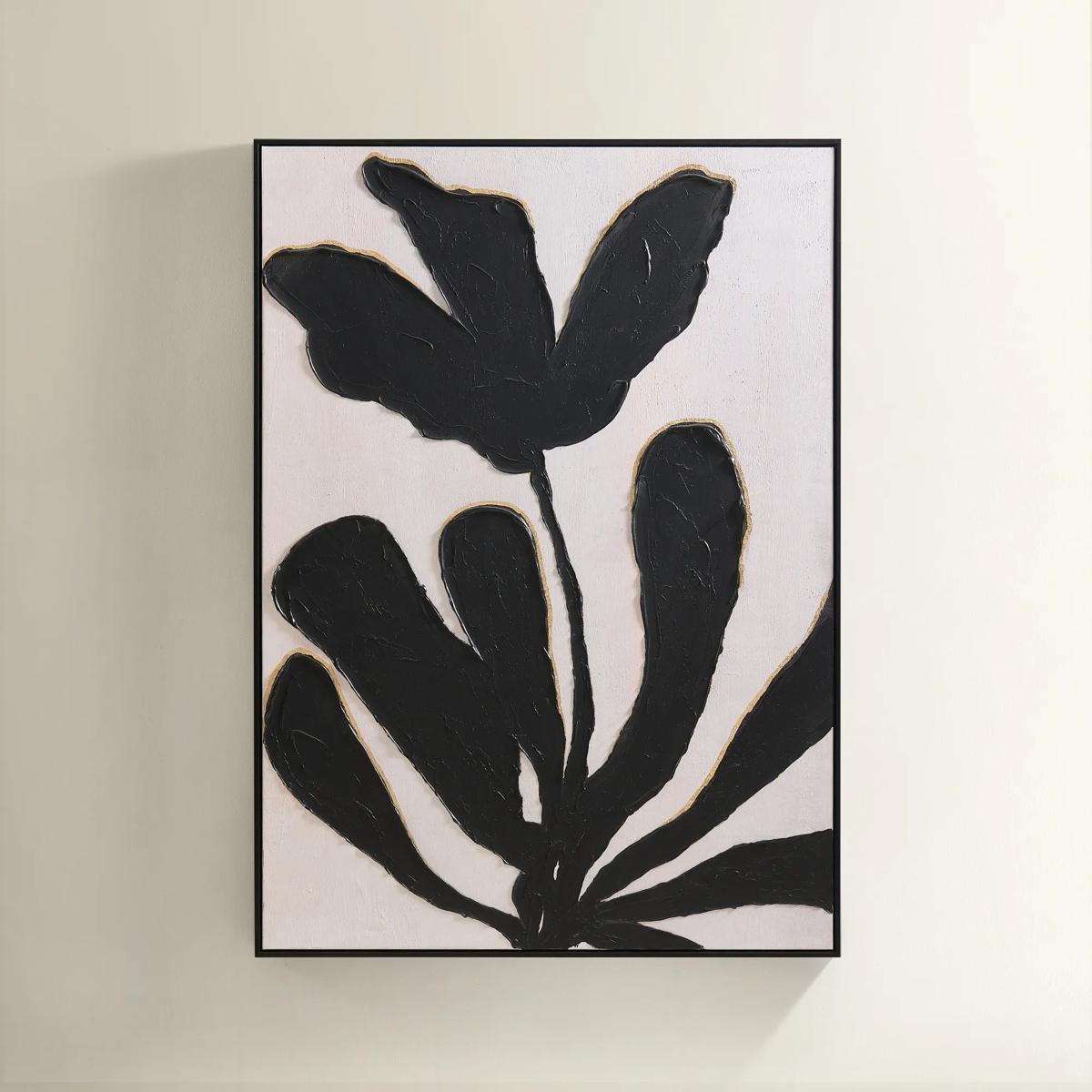
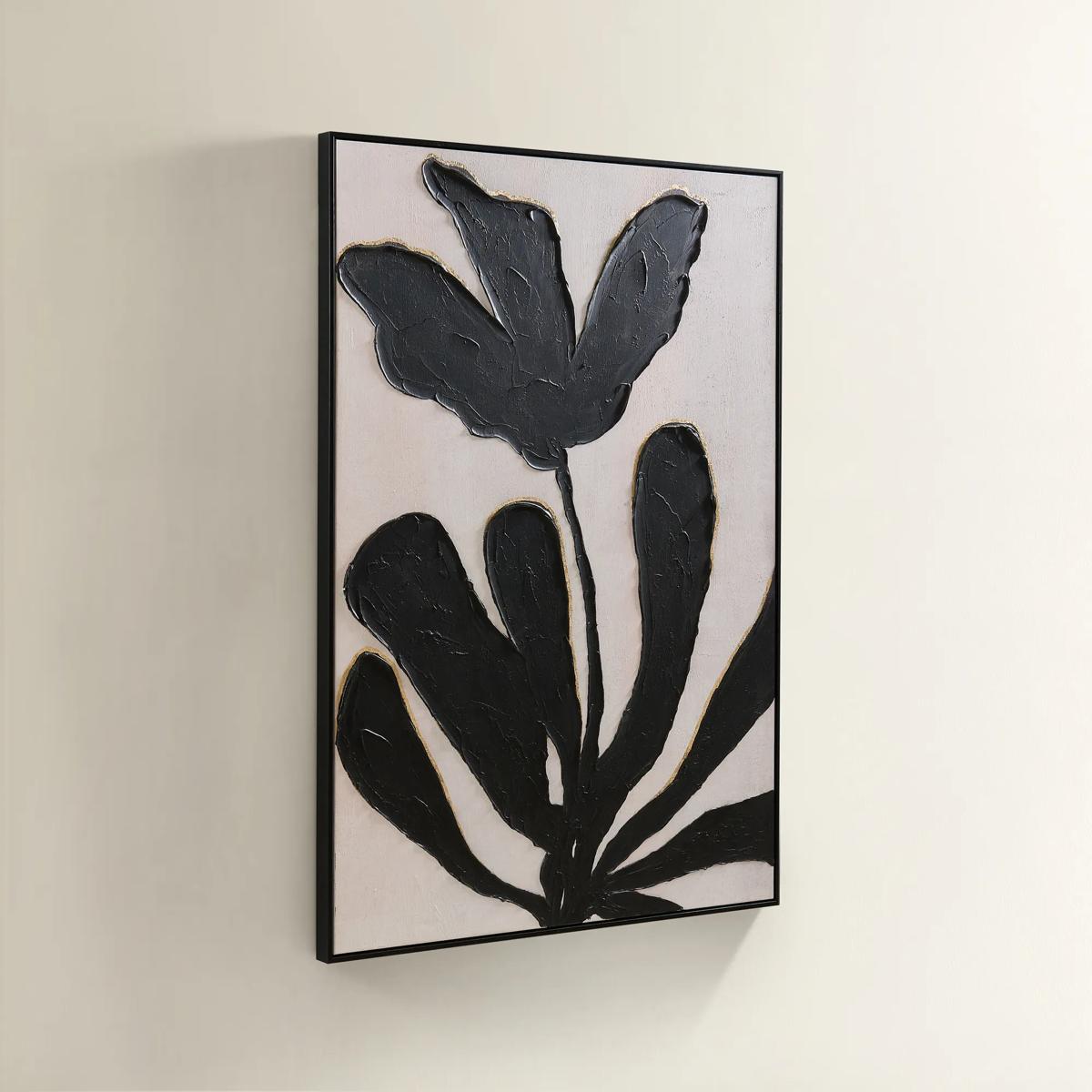 First Bloom Framed Painted Wall Art 39.25" x 55"$499
A hand-painted canvas featuring black abstract leaves and gold leafing on an ivory background in a black frame.
Add To Cart -
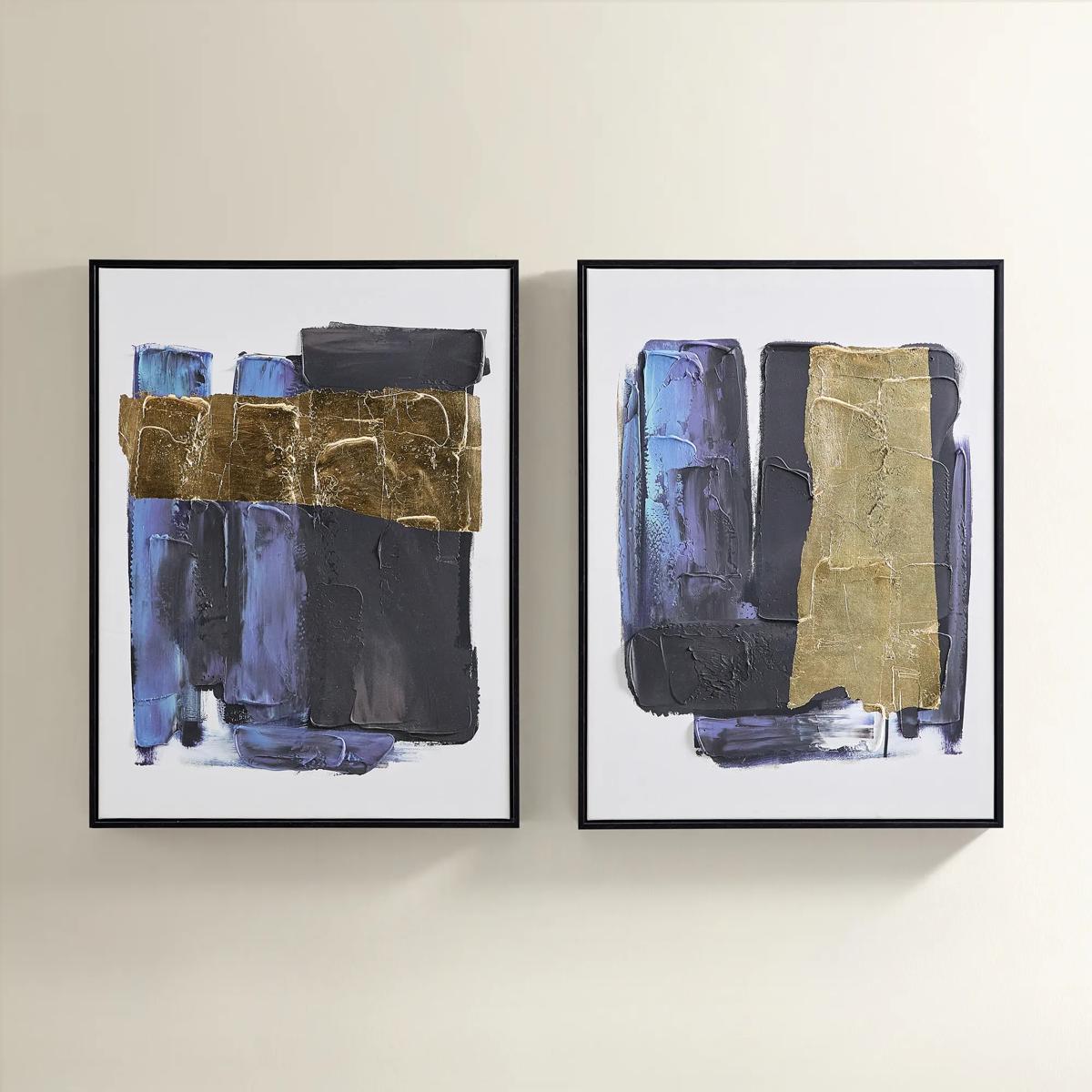
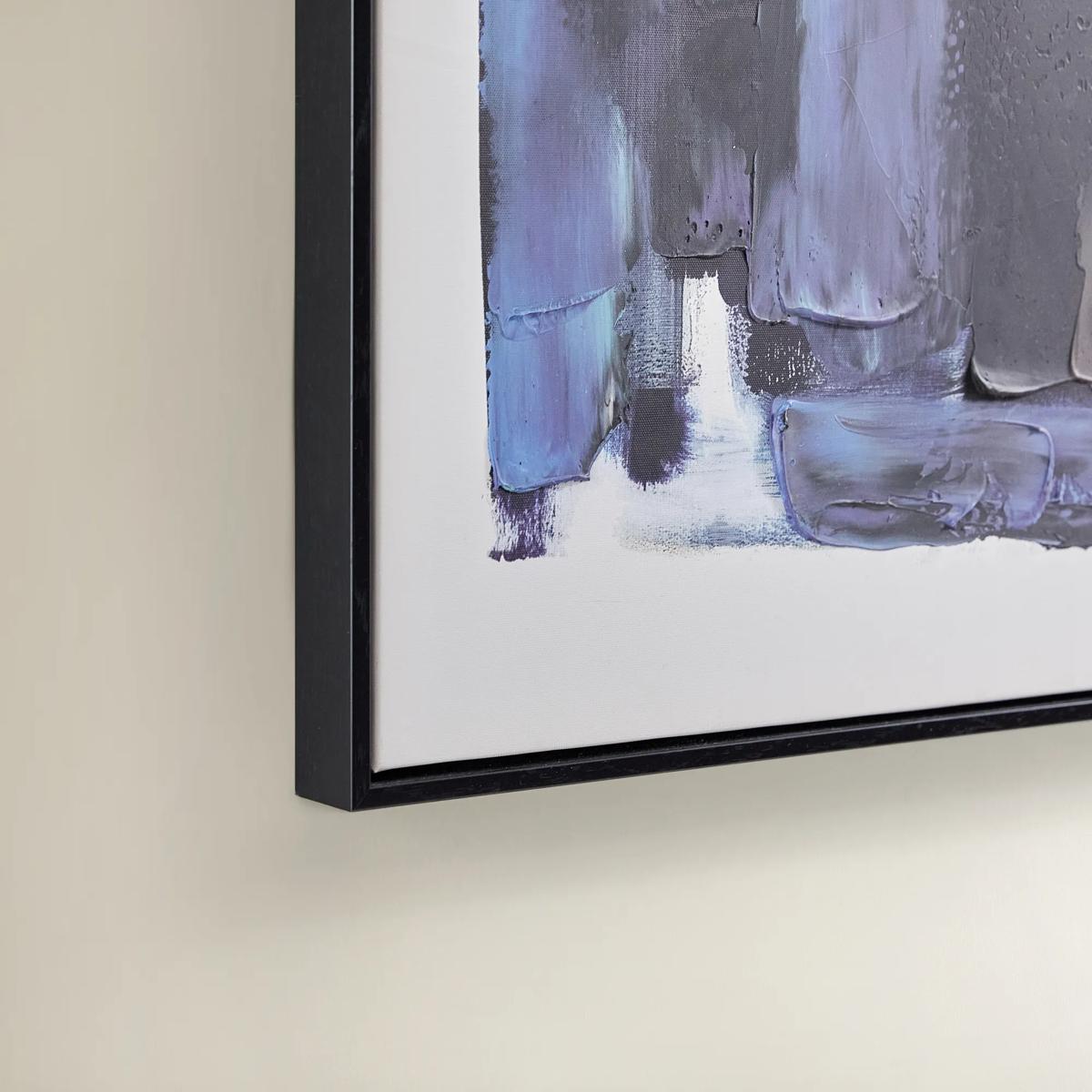 Deep Thoughts Gold Leaf Painted Wall Art Set of 2$199
A set of two hand-painted abstract canvases in blue and gold leaf, framed in sleek black.
Add To Cart -
.jpeg?w=1200&h=1200)
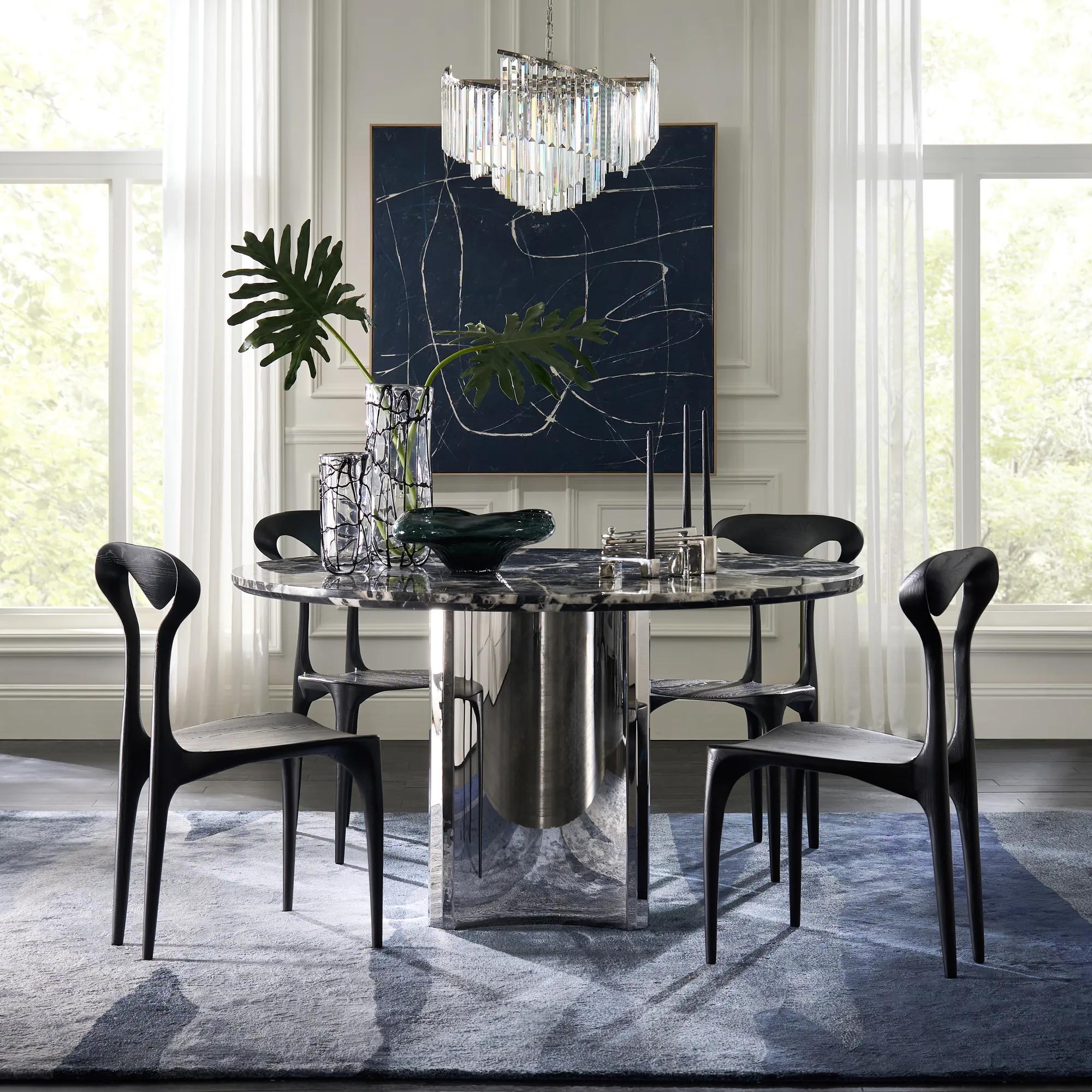 Almost Midnight Painting - Blue$439
A hand-painted canvas featuring bold blue and black tones with delicate white lines in a light wood frame.
Add To Cart -
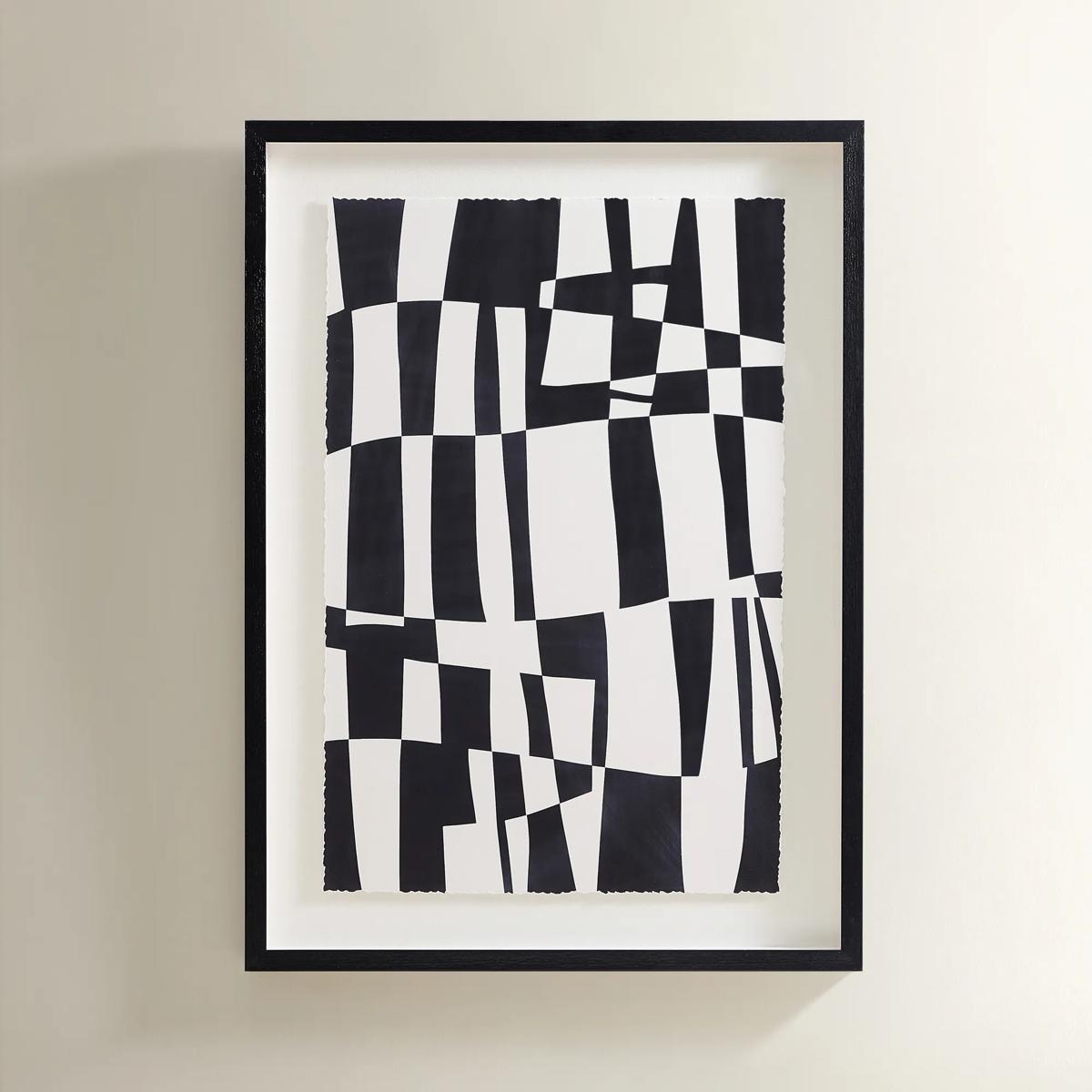 Matrix Art$369
A striking black and white abstract grid print set in a sleek black polyresin frame.
Add To Cart -
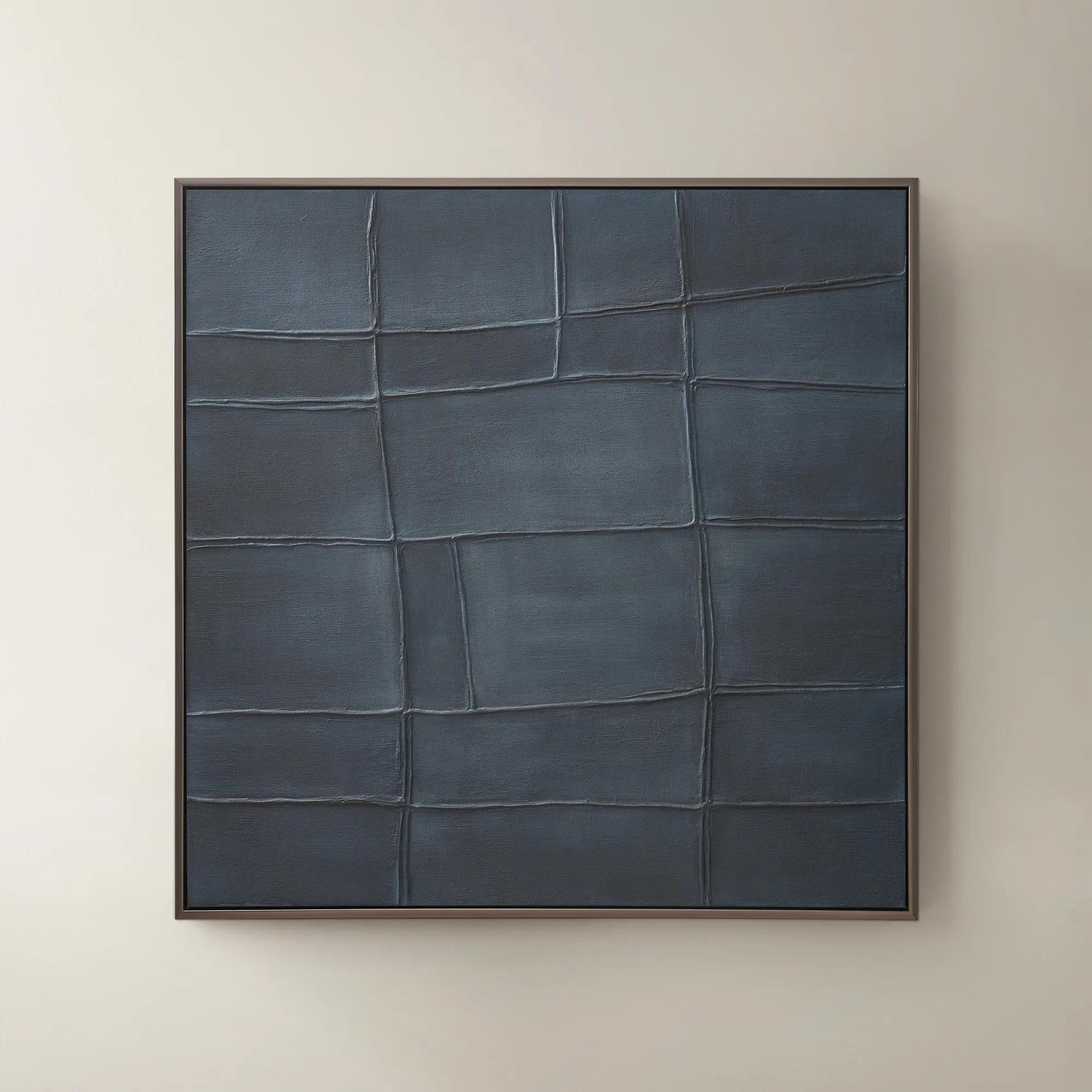
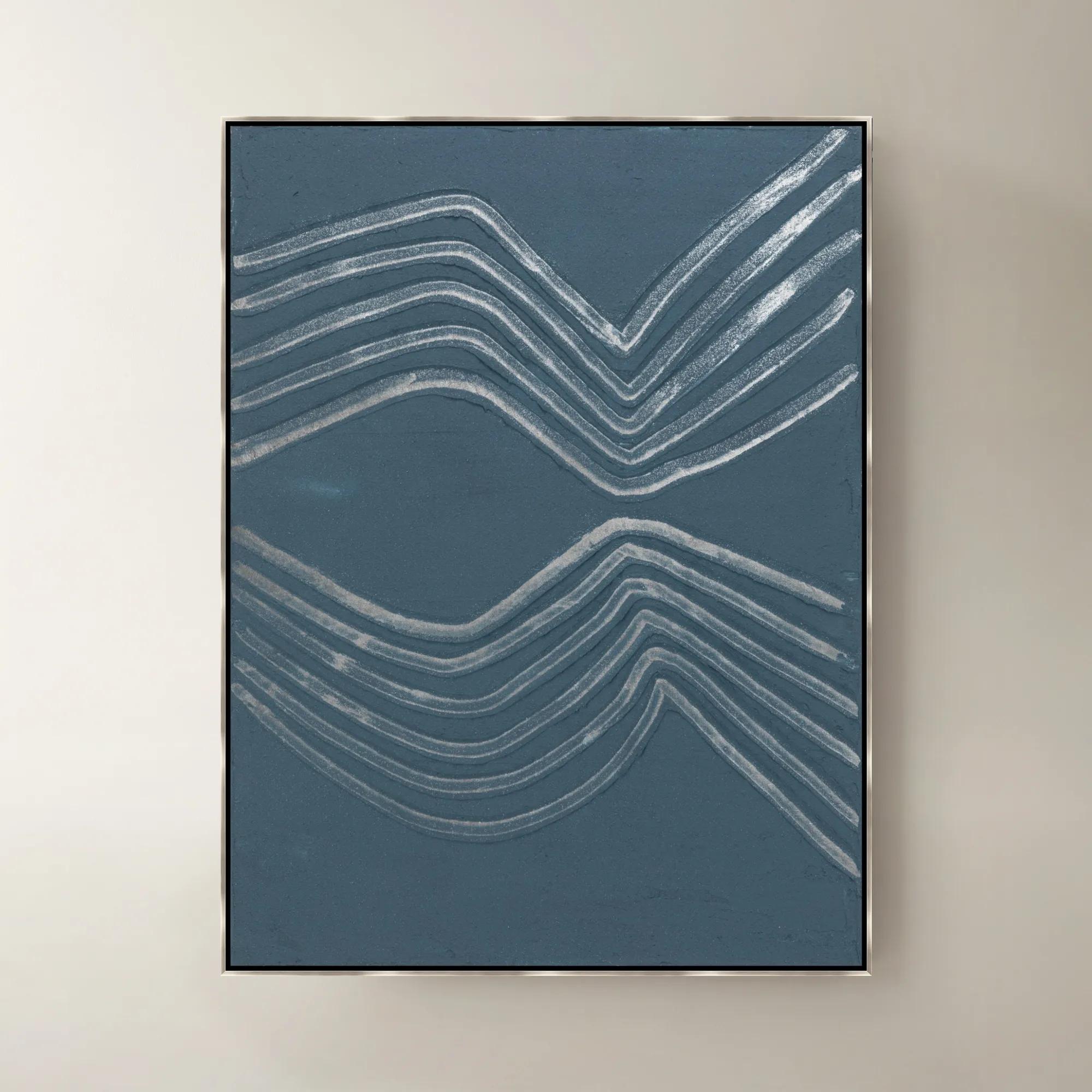
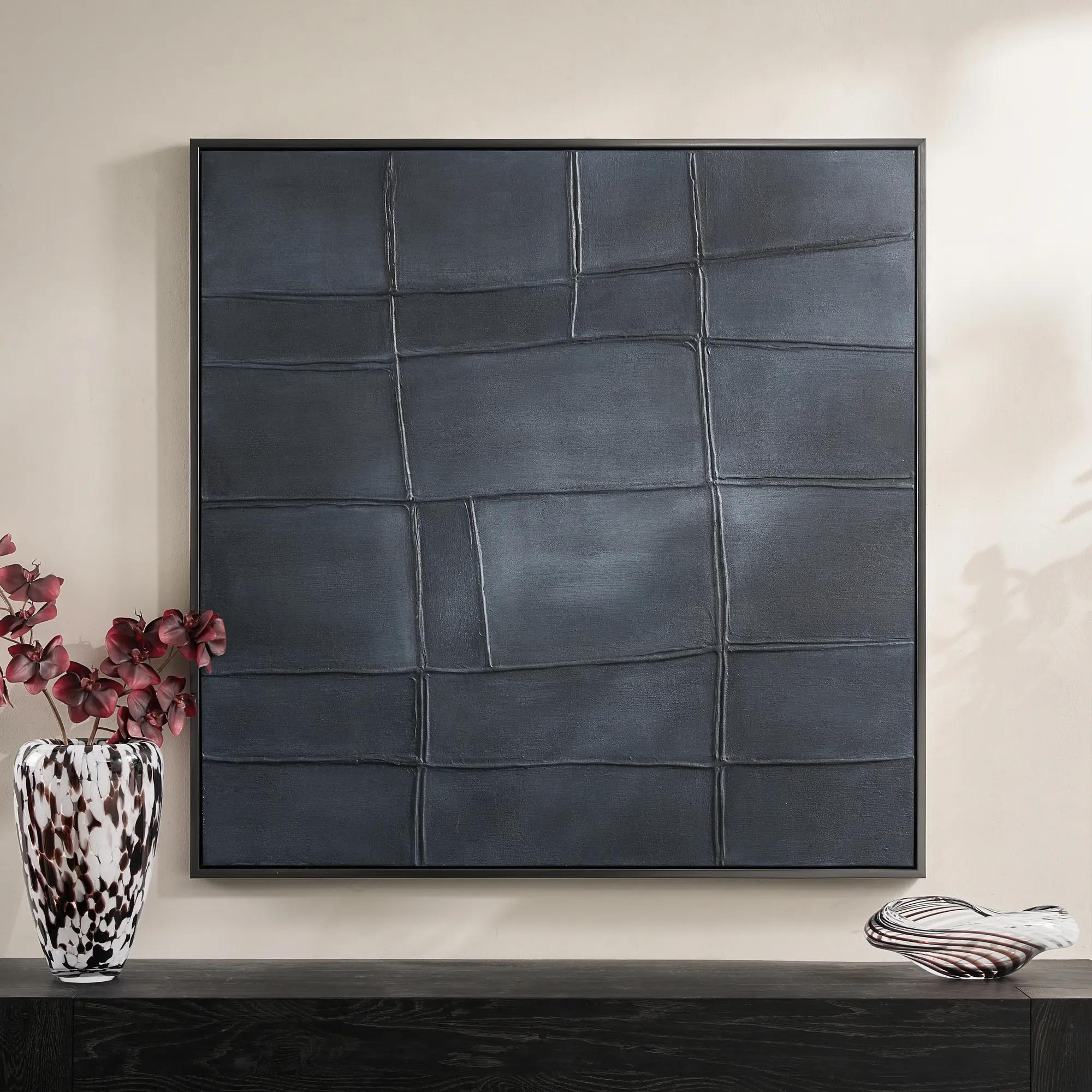 Ink Blue Interval Framed Painted Wall Art 48" x 48"$599
A hand-painted abstract canvas in deep ink blue, finished with a sleek gunmetal frame for modern appeal.
Add To Cart -
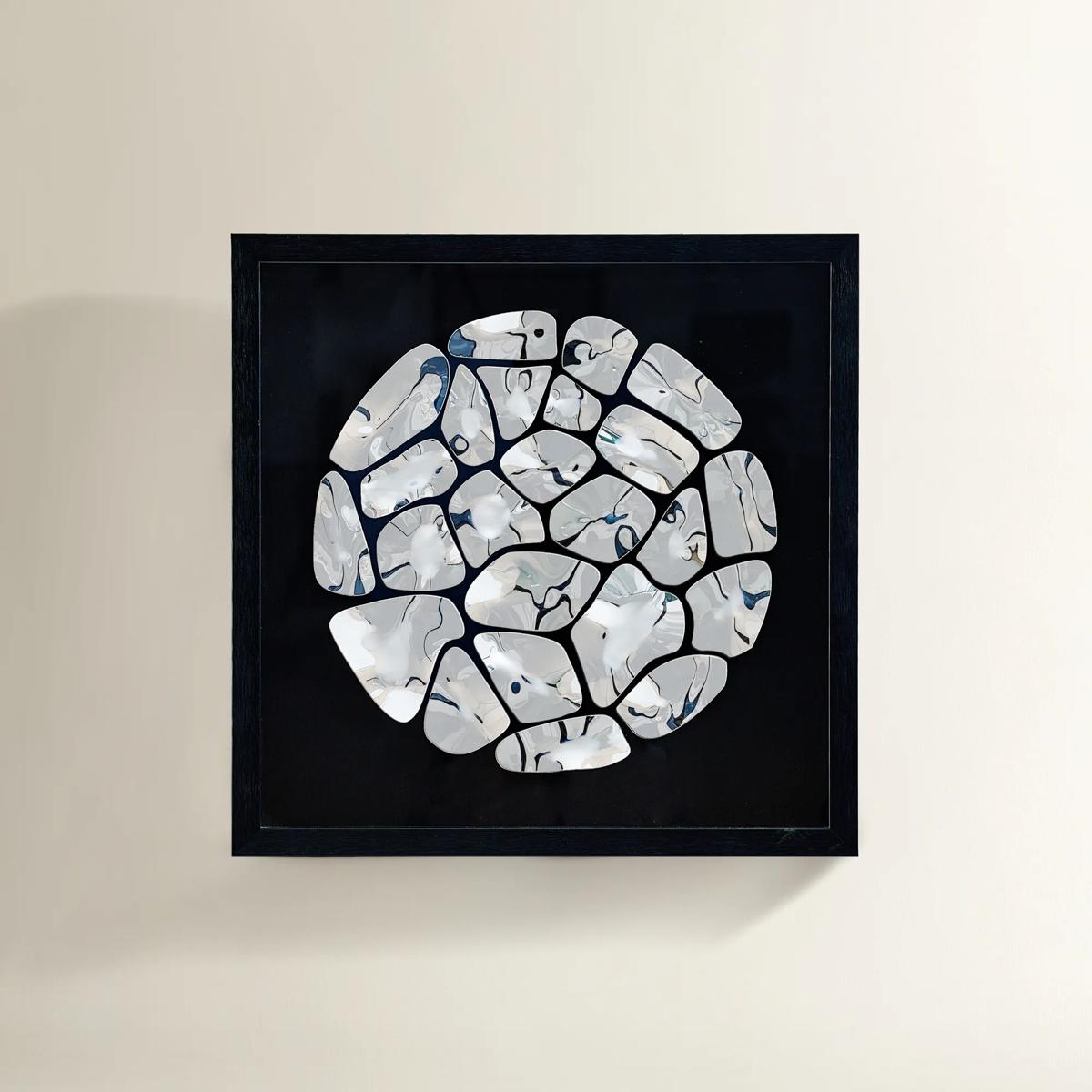
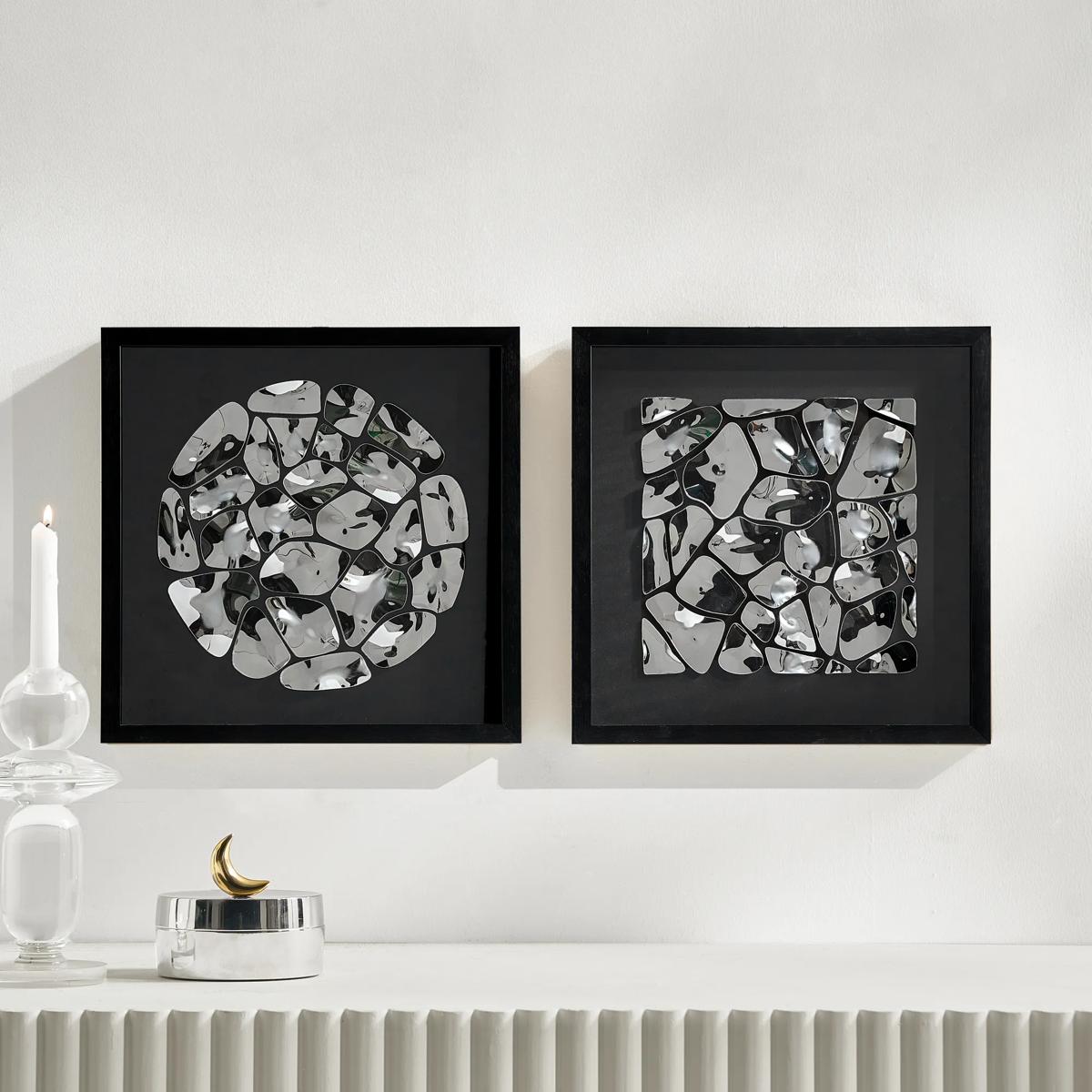 Reflect Silver And Black Shadowbox Art II$189
A dimensional metal wall art piece featuring polished silver and black forms in a sleek black frame.
Add To Cart -
-compressed.jpg?w=1200&h=1200) Etched in Silver$229
Etched in Silver$229An abstract hand-carved aluminum wall art featuring shimmering silver tones in a modern black alloy frame.
Add To Cart -
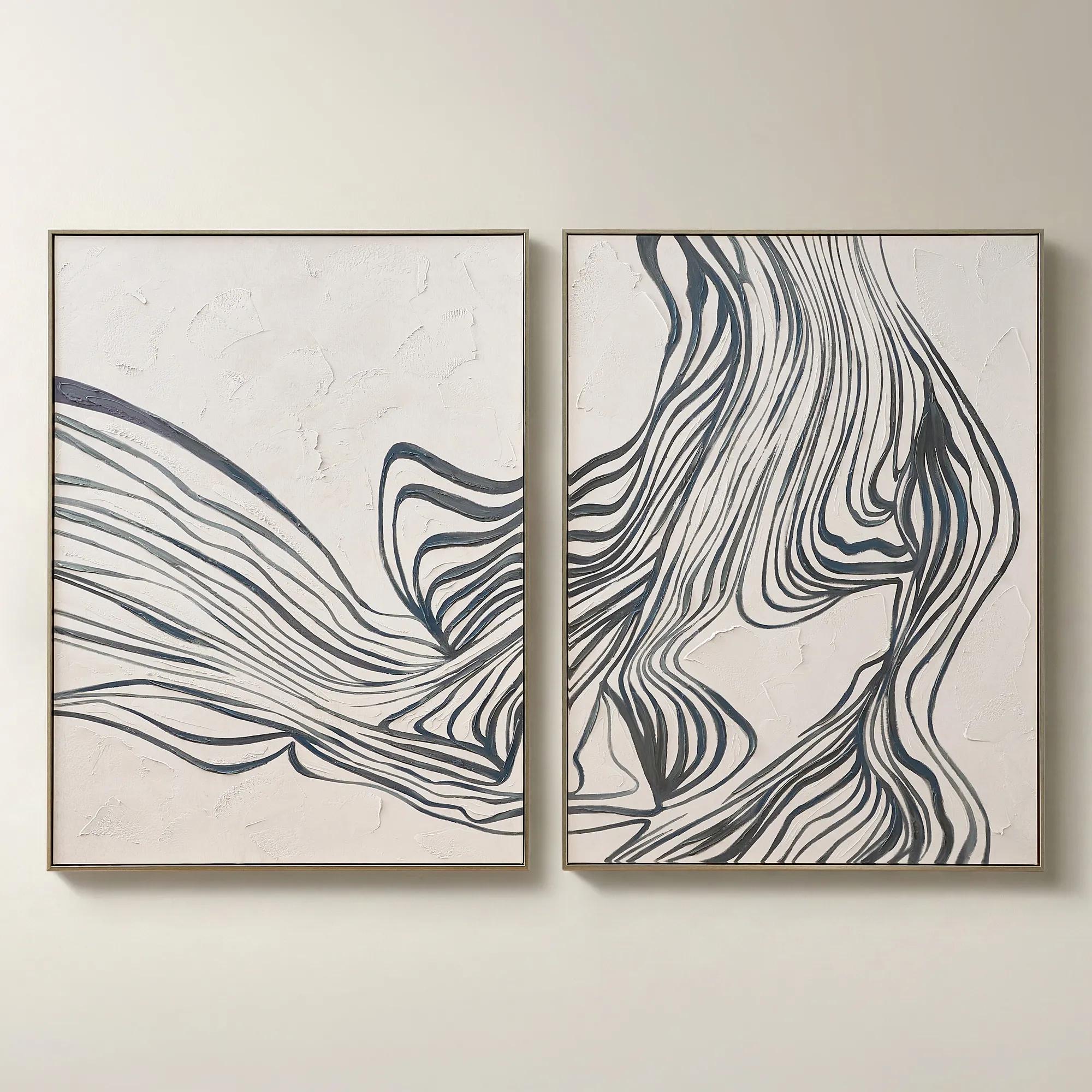
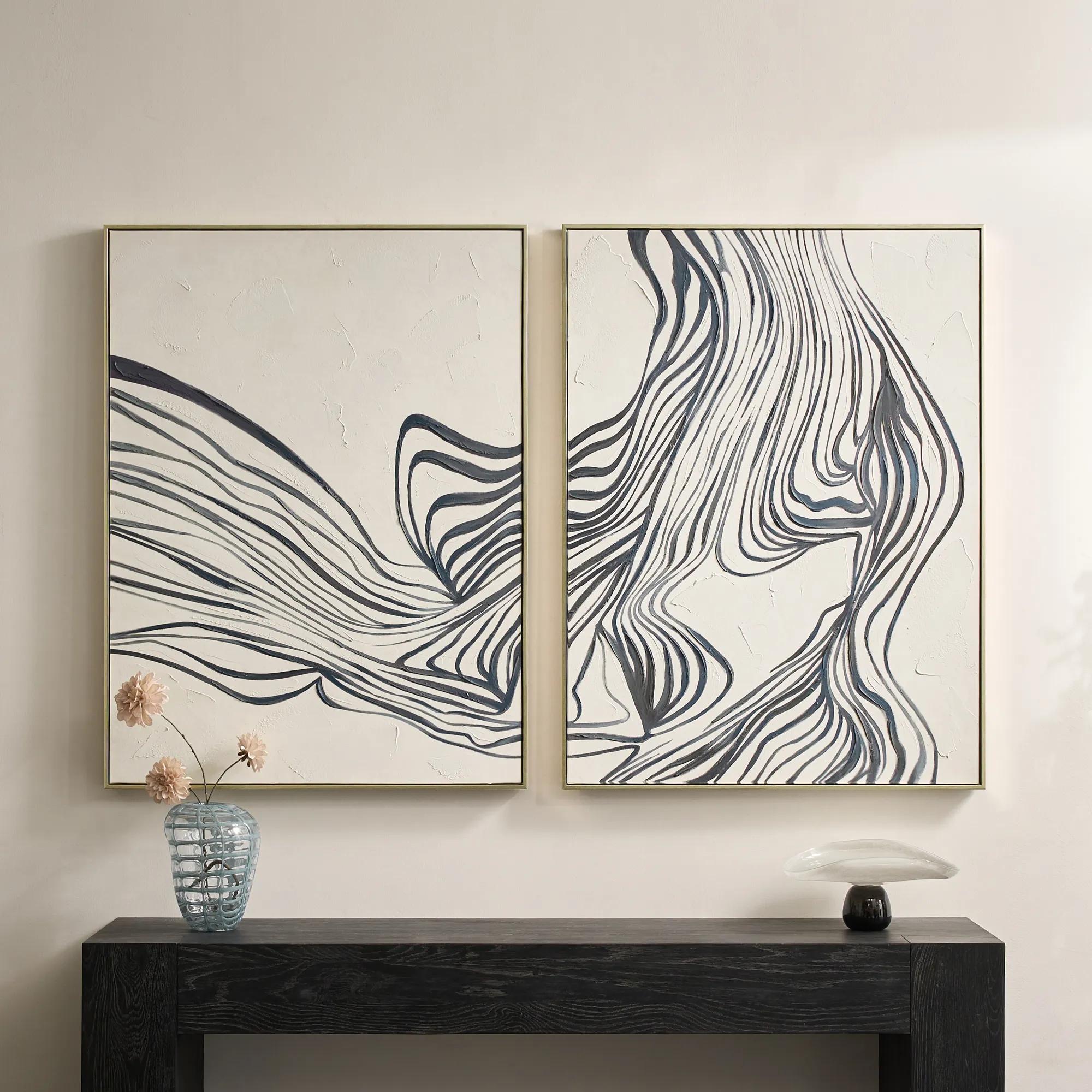 Rhythmic Framed Painted Wall Art 36" x 48" Set of 2$599
A hand-painted diptych featuring bold abstract stripes in dark slate and dusty blue with champagne frames.
Add To Cart -
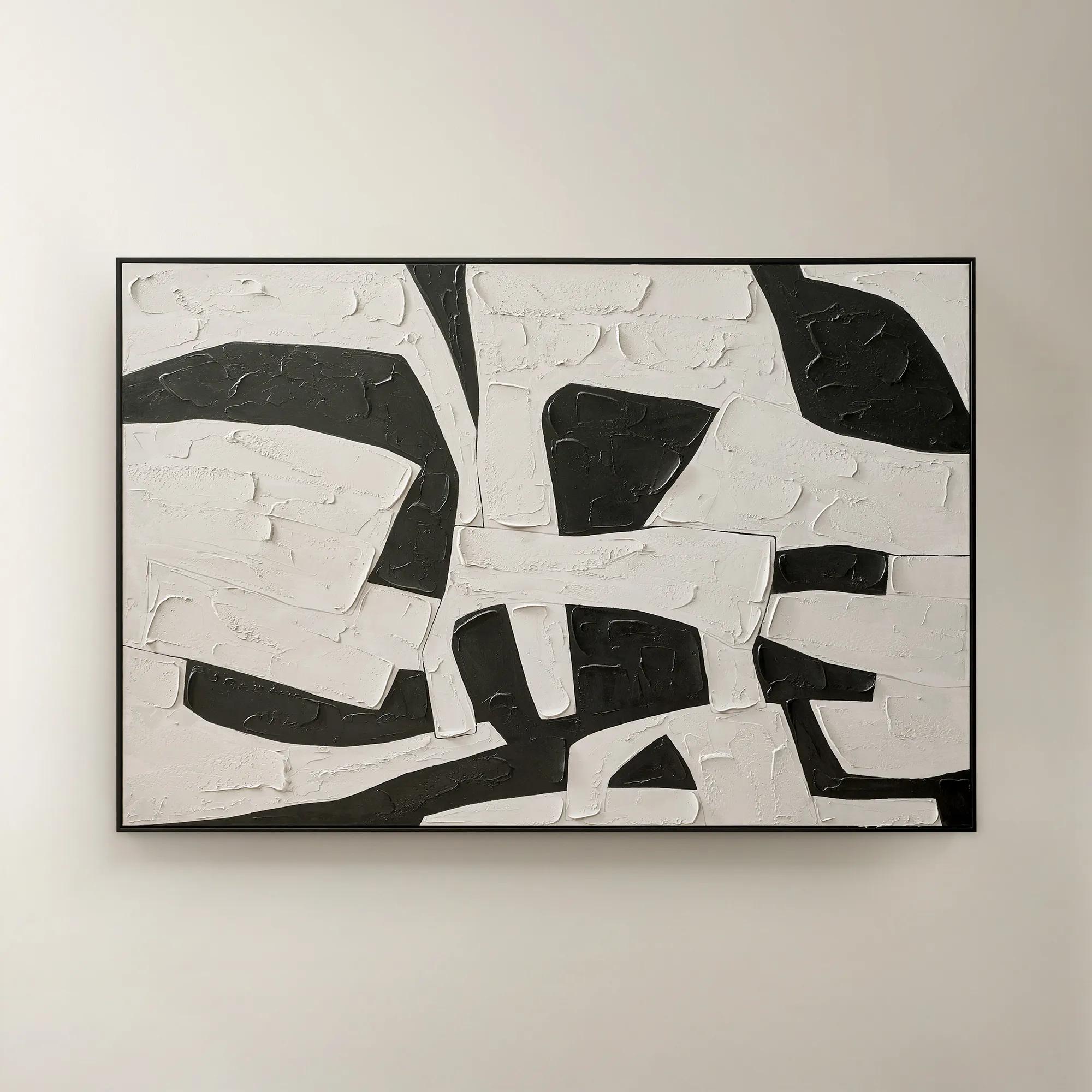 Space Between Shadows Framed Painted Wall Art 72" x 48"$799
A hand-painted abstract canvas featuring bold alabaster and black geometric forms in a sleek black frame.
Add To Cart -
.jpeg?w=1200&h=1200) Relic Framed Painted Triptych Wall Art Set of 3$399
Relic Framed Painted Triptych Wall Art Set of 3$399A hand-painted abstract triptych in deep navy and neutral tones, set in sleek black floater frames.
Add To Cart -
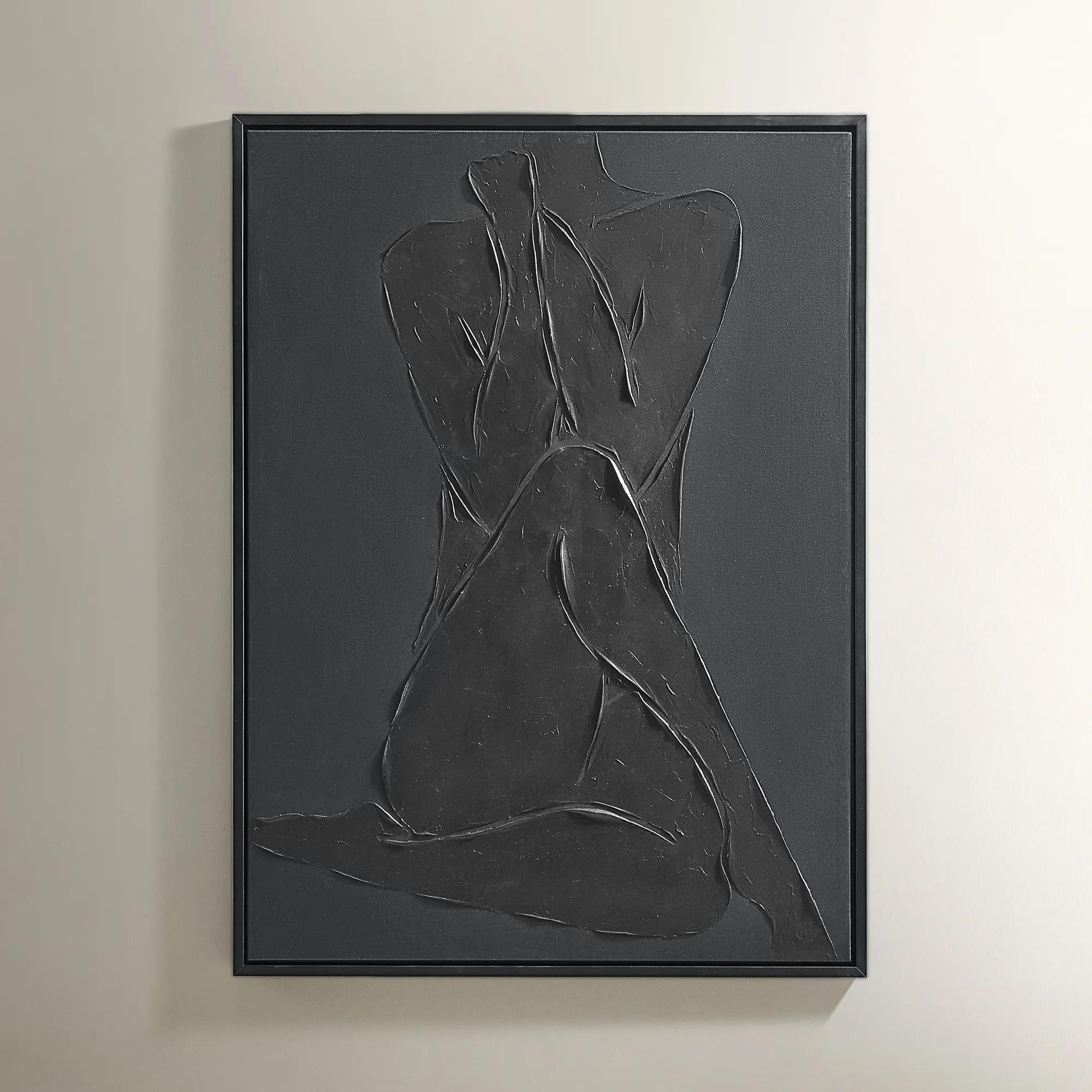 Modern Elegance Nude Black Framed Painted Wall Art 35.5" x 47.25"$599
A hand-embellished canvas artwork featuring textured strokes and vibrant hues in a black and gold Art Deco frame.
Add To Cart -
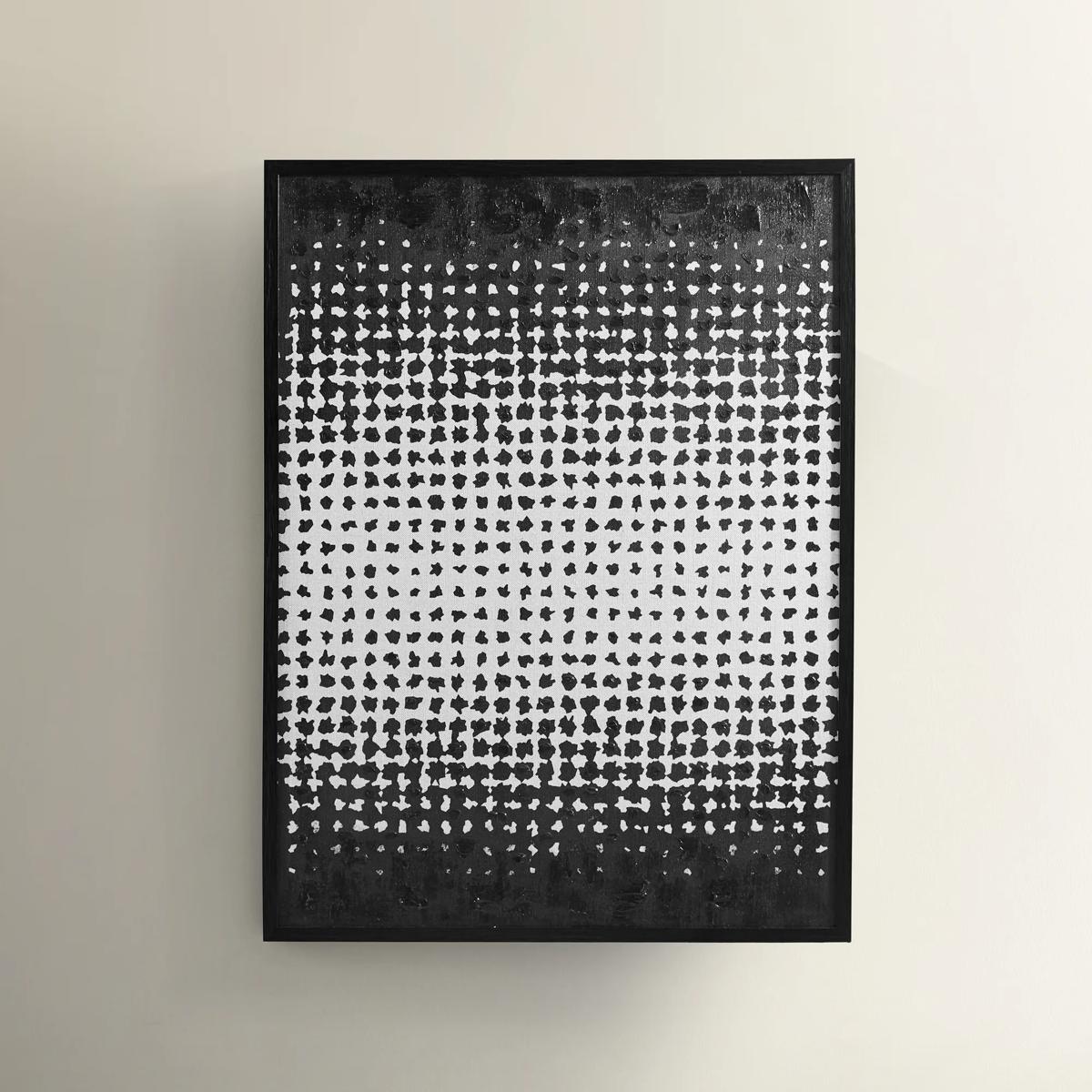
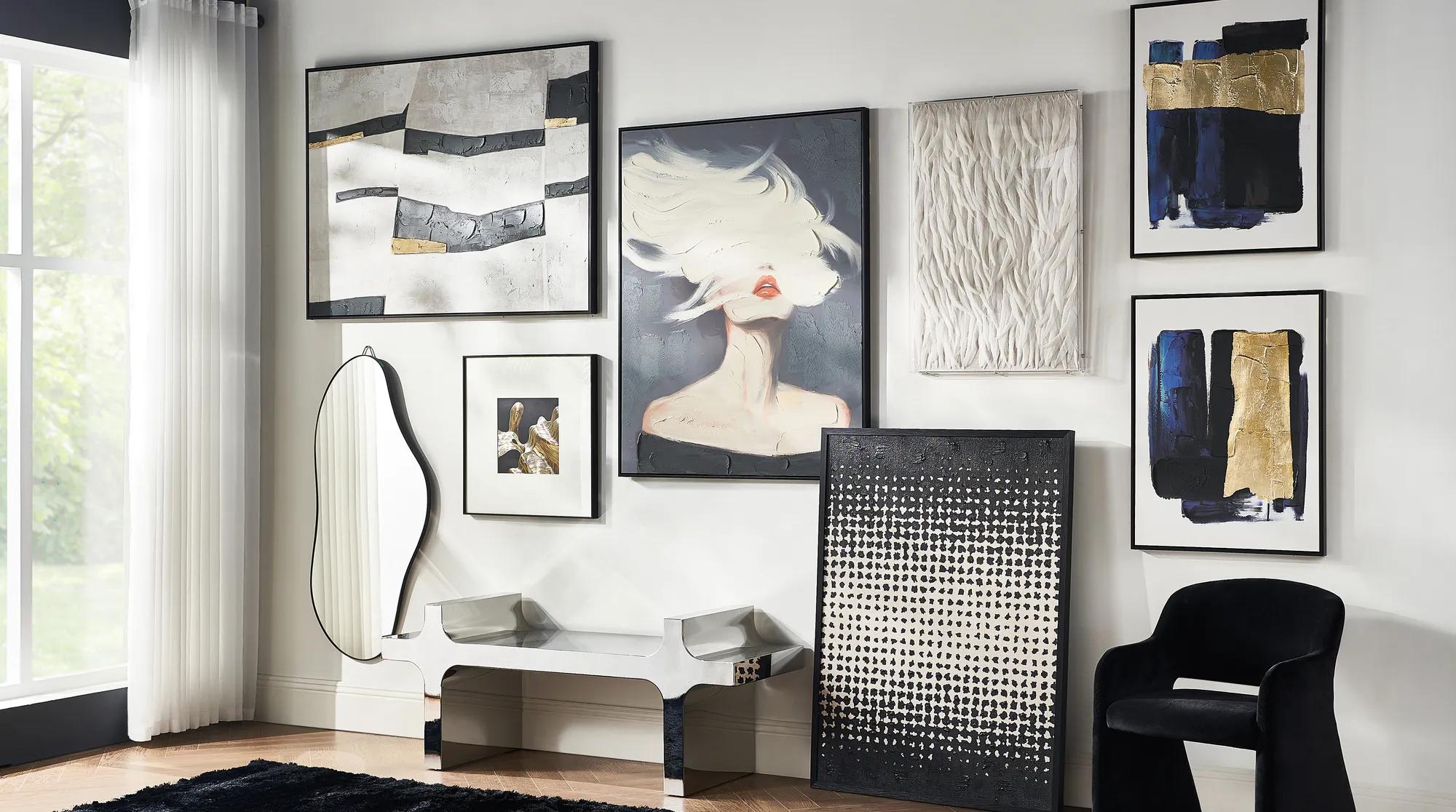 In Time Painting$399
A hand-painted linen canvas featuring cream and black dots in a modern, minimalist geometric pattern.
Add To Cart

Premium Framed Geometric Artworks
Dare to make a statement with premium framed geometric artworks—where precision meets poetry and every angle ignites intrigue. These striking pieces transform blank walls into curated galleries, infusing your space with dynamic energy and modern sophistication. Each artwork is a celebration of symmetry and bold contrast, designed to captivate the eye and spark conversation. Elevate your interiors with art that doesn’t just adorn—it commands attention, turning everyday moments into extraordinary visual experiences.
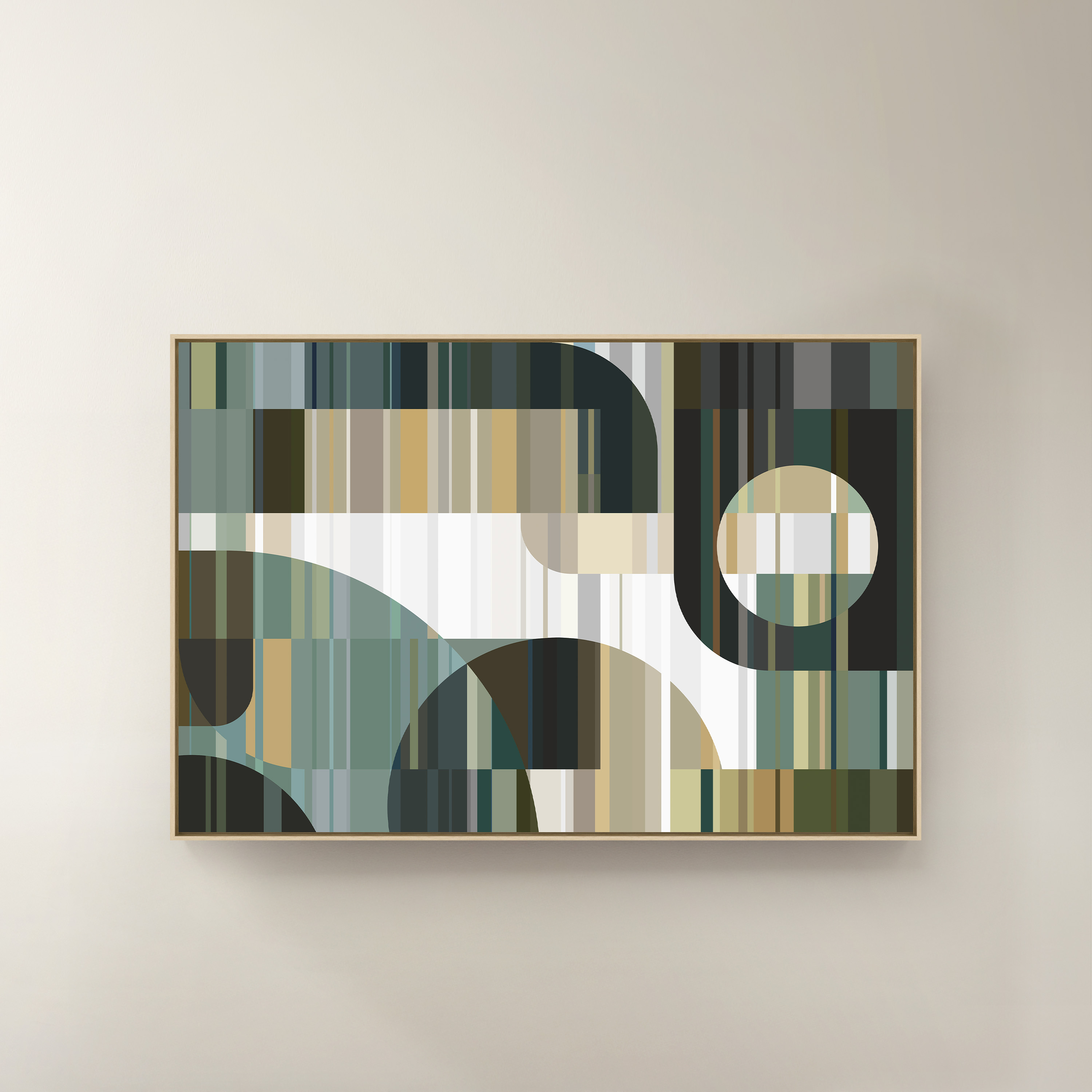
Premium framed geometric artworks bring the precision of line, shape, and proportion into expressive interiors, turning circles, grids, angles, and intersecting planes into a compelling visual statement. Defined by their use of geometric forms rather than recognizable scenes, these artworks can feel architectural, rhythmic, or unexpectedly fluid, depending on their composition. A series of overlapping arcs suggests movement; a sharply divided field of color creates tension; a luminous circle against a deep background draws the eye with quiet authority. The frame completes that expression, establishing a deliberate boundary between the artwork and the room. Together, image and frame can anchor a seating arrangement, give an entryway a memorable focal point, or lend a dining room the atmosphere of a private gallery. Geometric wall art spans a wide aesthetic range, from restrained black-and-white linework to saturated color blocking and compositions enriched with metallic accents. Bauhaus-influenced designs emphasize the relationship between primary shapes and color, while mid-century-inspired arrangements often introduce asymmetry, warm neutrals, and playful shifts in scale. More intricate abstract grids reward a closer look, revealing layers and relationships that are less apparent from across the room. Color determines much of the mood: ivory and charcoal feel graphic and composed, jewel tones introduce richness, and gold or silver accents can echo the gleam of decorative objects nearby. In a room with sumptuous upholstery and sculptural furniture, a disciplined geometric composition offers a striking counterpoint without diminishing the drama. Against tailored furnishings, expansive curves or fractured planes bring a more expressive energy. Repeating one color from the artwork in a pillow, vessel, or rug creates a subtle connection, while allowing the remaining palette to stand apart keeps the room from feeling overly coordinated. For interiors that combine precise geometry with looser gestures, Framed Abstract Art Prints offer a complementary direction, pairing structured compositions with sweeping marks, atmospheric color, and less defined forms.
Materials and framing choices shape how geometric artwork looks at close range, how it responds to light, and how well it holds its presence over time. Common formats include prints on fine art paper and artwork printed or painted on stretched canvas, each with a distinct surface character. Smooth paper can emphasize crisp contours and sharply separated color fields, while textured paper introduces a tactile dimension that softens the geometry without obscuring it. Cotton rag paper is often chosen for fine art printing, although longevity also depends on the inks, mounting materials, and display conditions. Canvas has a visible weave that can lend broad shapes and tonal transitions a more dimensional appearance. When stretched over a wooden support and set within a floating frame, it appears suspended inside a narrow reveal, adding depth and a sculptural shadow around the image. Paper artwork is commonly presented behind glass or acrylic glazing, sometimes with a mat that gives the composition generous breathing room. Glass offers clarity and surface hardness; acrylic is lighter and more resistant to shattering, though it scratches more easily and requires appropriate cleaning. UV-filtering glazing can help reduce light-related fading, but it does not make artwork immune to prolonged sun exposure. Frame construction matters as much as the finish: secure corners, suitable backing, and mounting methods appropriate to the artwork support a polished, lasting presentation. Solid wood, wood composite, and metal frames each offer different profiles and visual effects, so the material specification deserves attention alongside the color. A slender black frame sharpens graphic contrast, a warm wood finish adds richness, and a metallic finish introduces a gleaming outline. Wider frames give restrained compositions greater visual weight, while narrow profiles allow intricate patterns to remain the focus. Premium quality is best understood through these combined details rather than an ornate frame alone. Clear printing, intentional surface texture, well-fitted framing, and protective materials appropriate to the medium all contribute to an artwork that feels considered from edge to edge.
Scale and placement give framed geometric art its relationship to the surrounding architecture. Overall framed dimensions, rather than image dimensions alone, determine whether a piece will sit comfortably above a console, between windows, or across a broad living room wall. Above a sofa or sideboard, artwork spanning roughly two-thirds to three-quarters of the furniture’s width is a useful starting point, not a fixed rule; ceiling height, nearby lighting, and the visual density of the composition can justify a different proportion. An expansive arrangement of a few bold shapes often reads clearly from a distance, while finely drawn grids invite placement where their detail can be appreciated. A vertical format can emphasize the height of a narrow entry, and a horizontal composition can reinforce the generous sweep of a dining table. Paired artworks introduce rhythm, especially when their frames, spacing, and visual weight relate without requiring identical imagery. Before hanging, paper templates marked to the full framed size make it easier to judge placement and the negative space around each piece. Consider the view both when entering the room and when seated: a composition should engage the space rather than appear disconnected above it. Use hardware suited to the artwork’s weight and the wall construction, following the supplied hanging instructions instead of assuming every framed work uses the same mounting method. Most framed artworks are intended for indoor display, away from direct sunlight, persistent moisture, and heat sources that can affect paper, canvas, finishes, or adhesives. Gentle, regular dusting helps preserve the presentation. Apply an appropriate glazing cleaner to a soft cloth rather than spraying the frame or artwork, and follow material-specific instructions for acrylic, metallic finishes, and unglazed canvas. Avoid abrasive tools and household cleaners on exposed art surfaces. For a design enthusiast, a new homeowner, or someone refining a home office, framed geometric artwork can also make a thoughtful gift when the recipient’s palette, preferred scale, and wall space are known. Its appeal lies in the balance between personal expression and enduring visual structure: a measured arrangement of shapes that brings unmistakable character to the room.
FAQs
Premium framed geometric artworks are remarkably versatile and can elevate a range of interiors, from bold, contemporary spaces to more classic, transitional rooms. Their clean lines and dynamic forms complement minimalist settings, while their intricate patterns and luxe framing add depth to eclectic or glam-inspired environments. Whether you’re aiming for a dramatic statement or a subtle infusion of modern artistry, geometric pieces can be tailored to suit your unique vision.
Geometric artworks thrive in layered, thoughtfully curated spaces. Pair them with metallic accents, sculptural lighting, or plush textiles to create a rich, multidimensional look. Mixing geometric art with organic shapes—such as vases, plants, or curved furniture—can provide a striking contrast, highlighting the artwork’s precision and symmetry. Consider echoing colors or motifs from the art in your accessories for a cohesive, gallery-worthy effect.
Absolutely—premium framed geometric artworks make extraordinary gifts for milestones such as housewarmings, anniversaries, weddings, or professional achievements. Their timeless appeal and bold design language ensure they become cherished centerpieces in any home, symbolizing creativity and personal expression for years to come.
Z Gallerie framed art often features high-quality materials such as archival-grade paper or canvas, hand-applied metallic leaf, and sophisticated frames crafted from wood, lacquer, or gleaming metals. These materials are chosen not only for their durability but also for their ability to enhance the artwork’s visual impact and luxurious appeal.
Geometric artworks have a unique ability to set the tone of a space—bold, angular compositions can energize and invigorate, while more subtle, repetitive patterns may evoke calm and order. The interplay of color, shape, and framing draws the eye and invites contemplation, creating an atmosphere that feels both curated and inspired. These pieces transform everyday environments into sophisticated, artful sanctuaries.