Modern Frames For Art Prints
Modern Frames For Art Prints
-
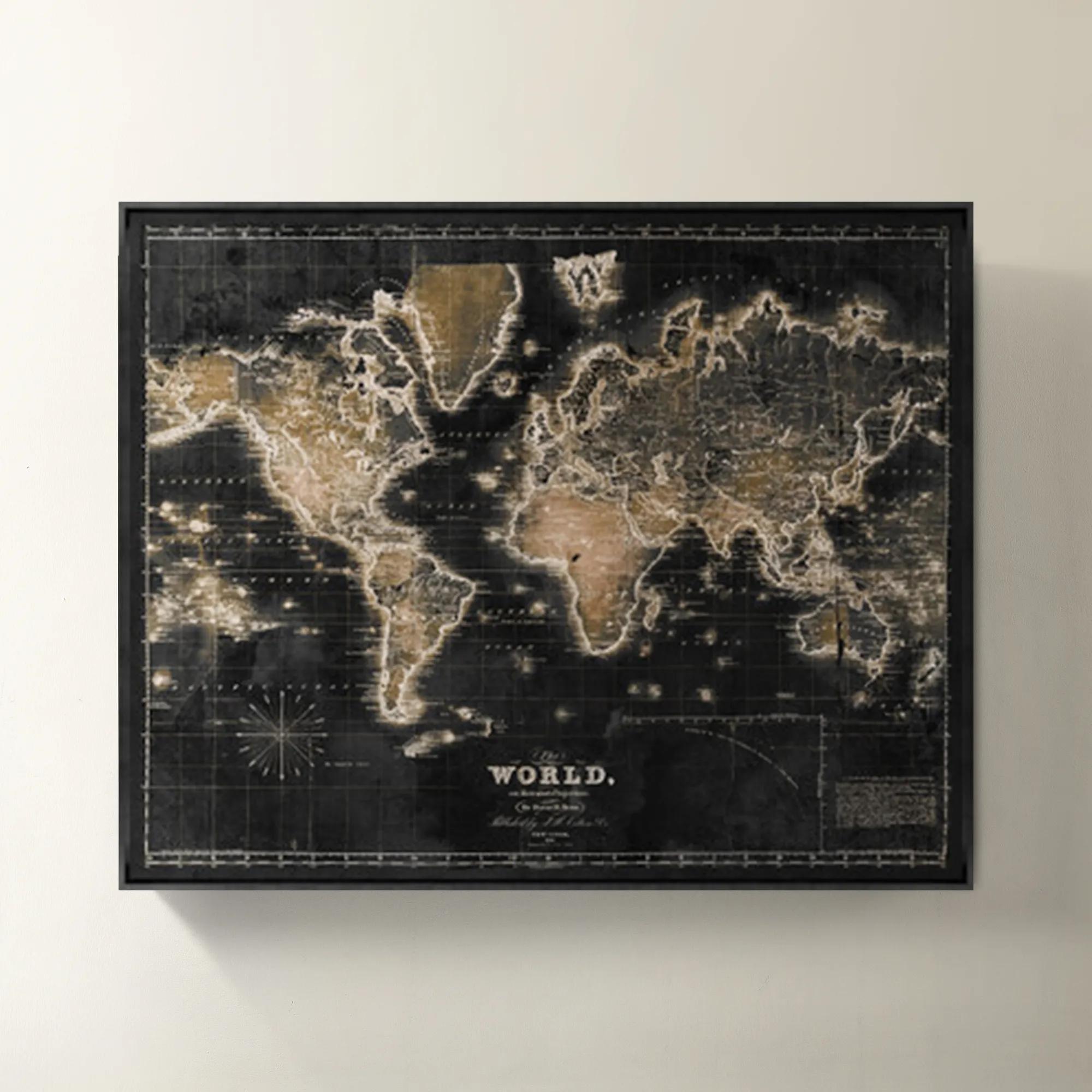
 Fossil Painting$299
A bold hand-painted abstract artwork featuring textured black shades in a sleek black floater frame.
Add To Cart -
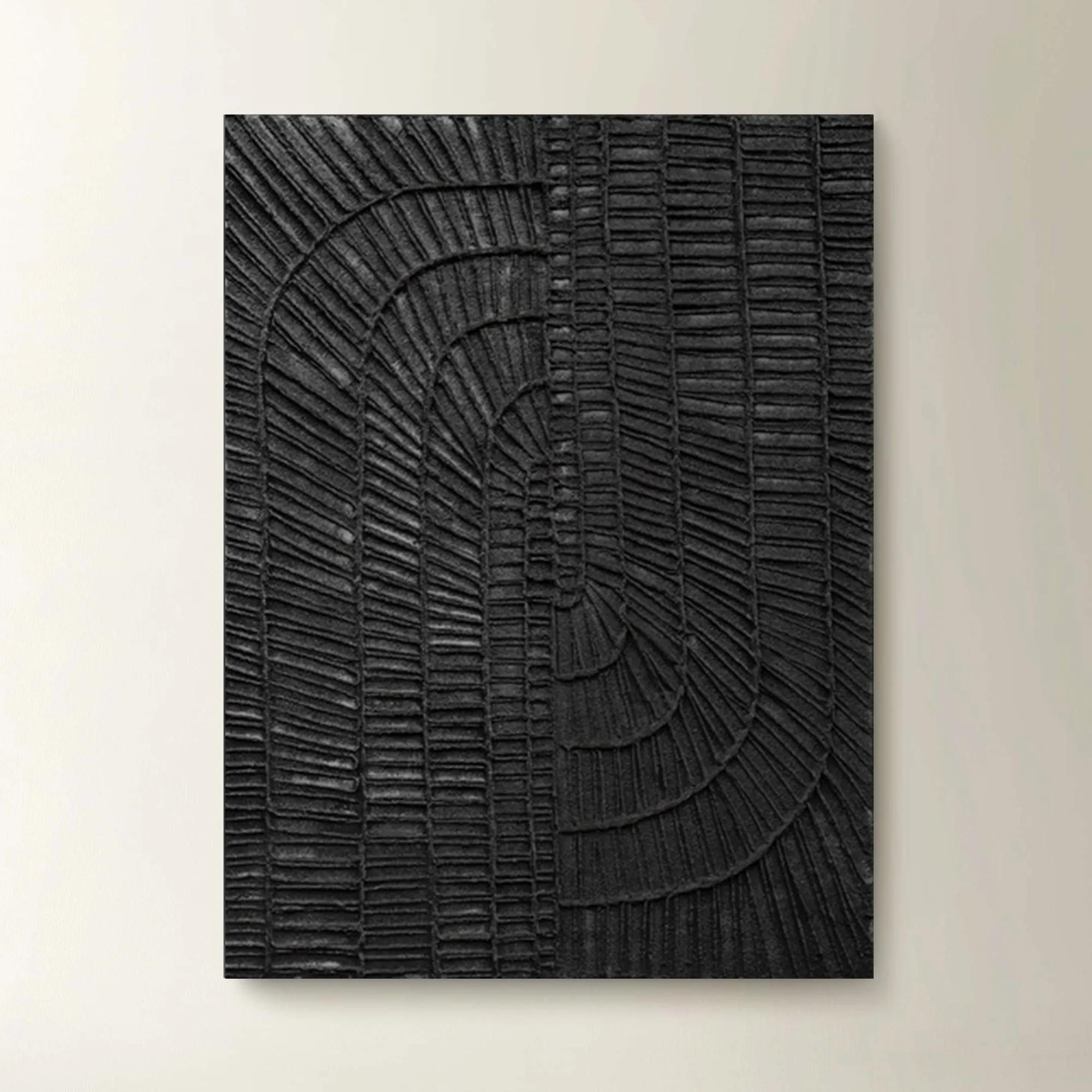
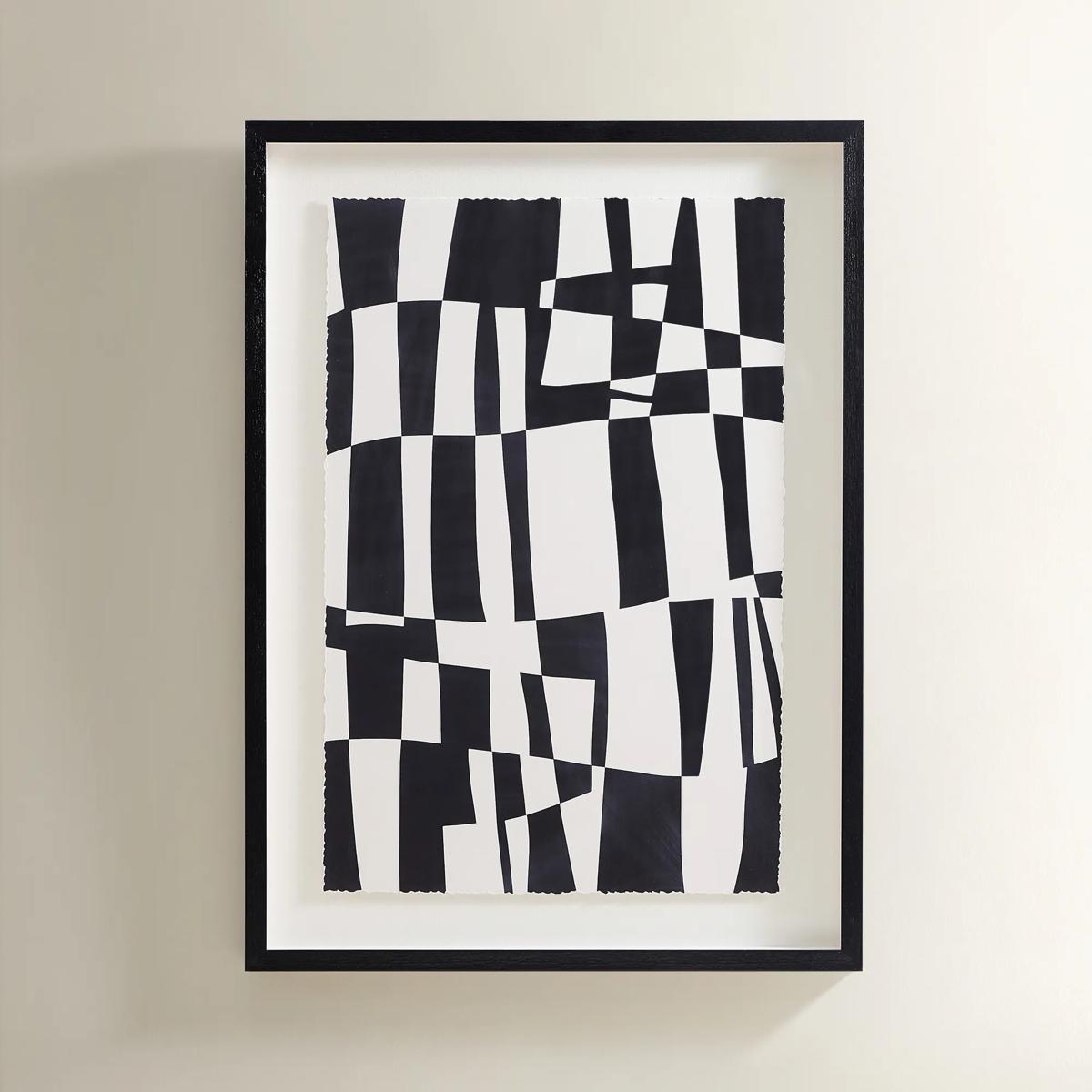 Matrix Art$369
A striking black and white abstract grid print set in a sleek black polyresin frame.
Add To Cart -
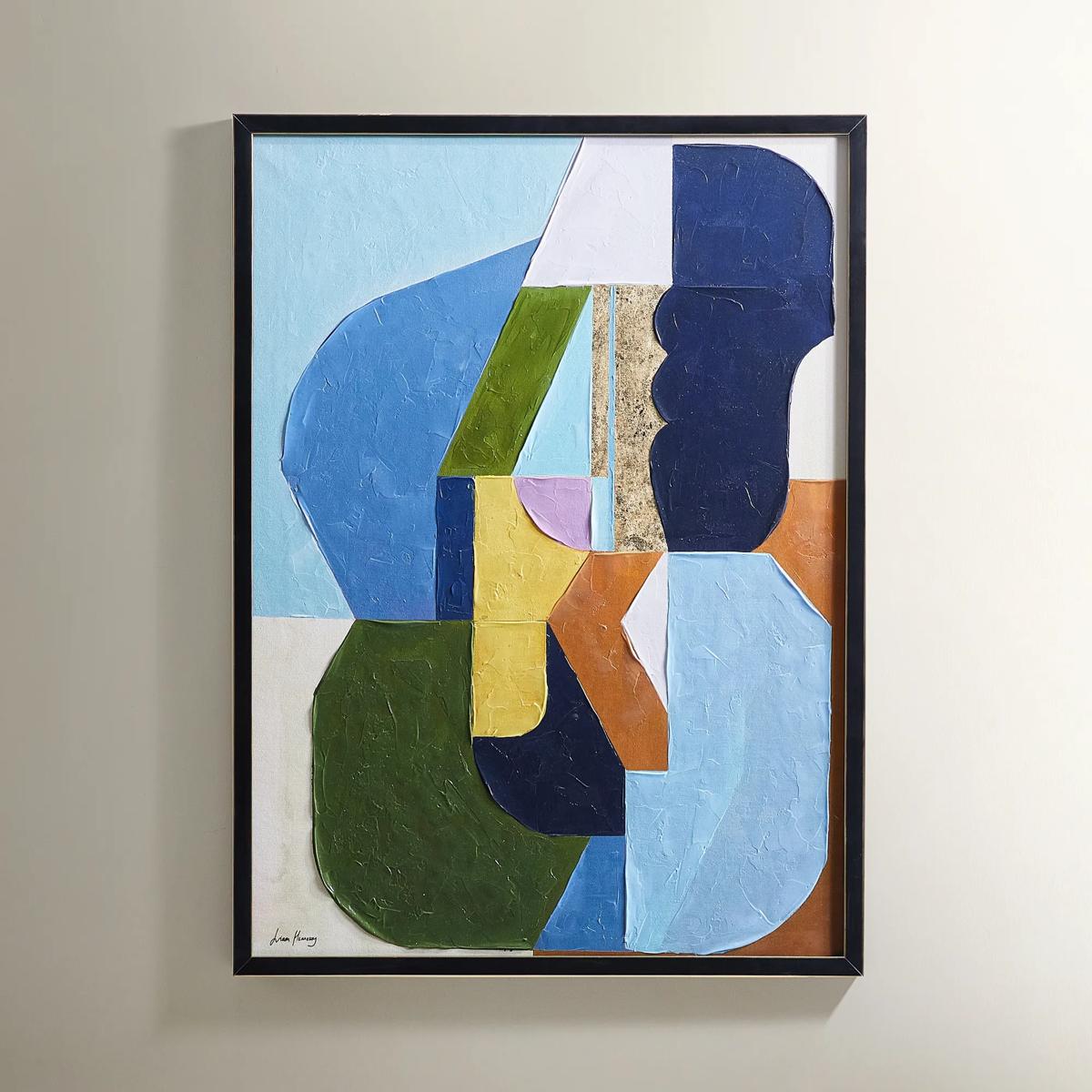
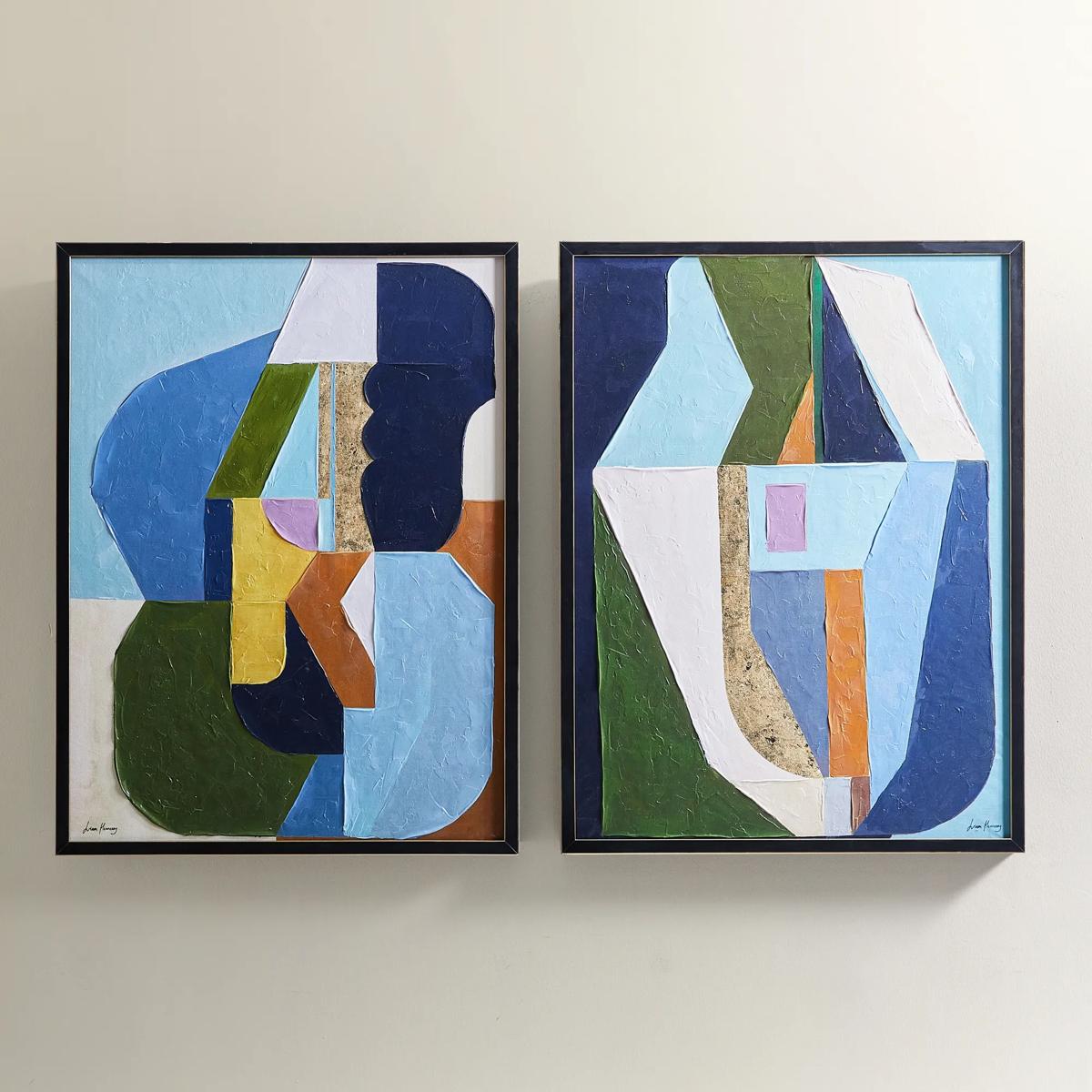 Thought Provoking Painting 1$249
A hand-embellished canvas artwork featuring textured strokes in deep blue, olive green, and gold accents.
Add To Cart -

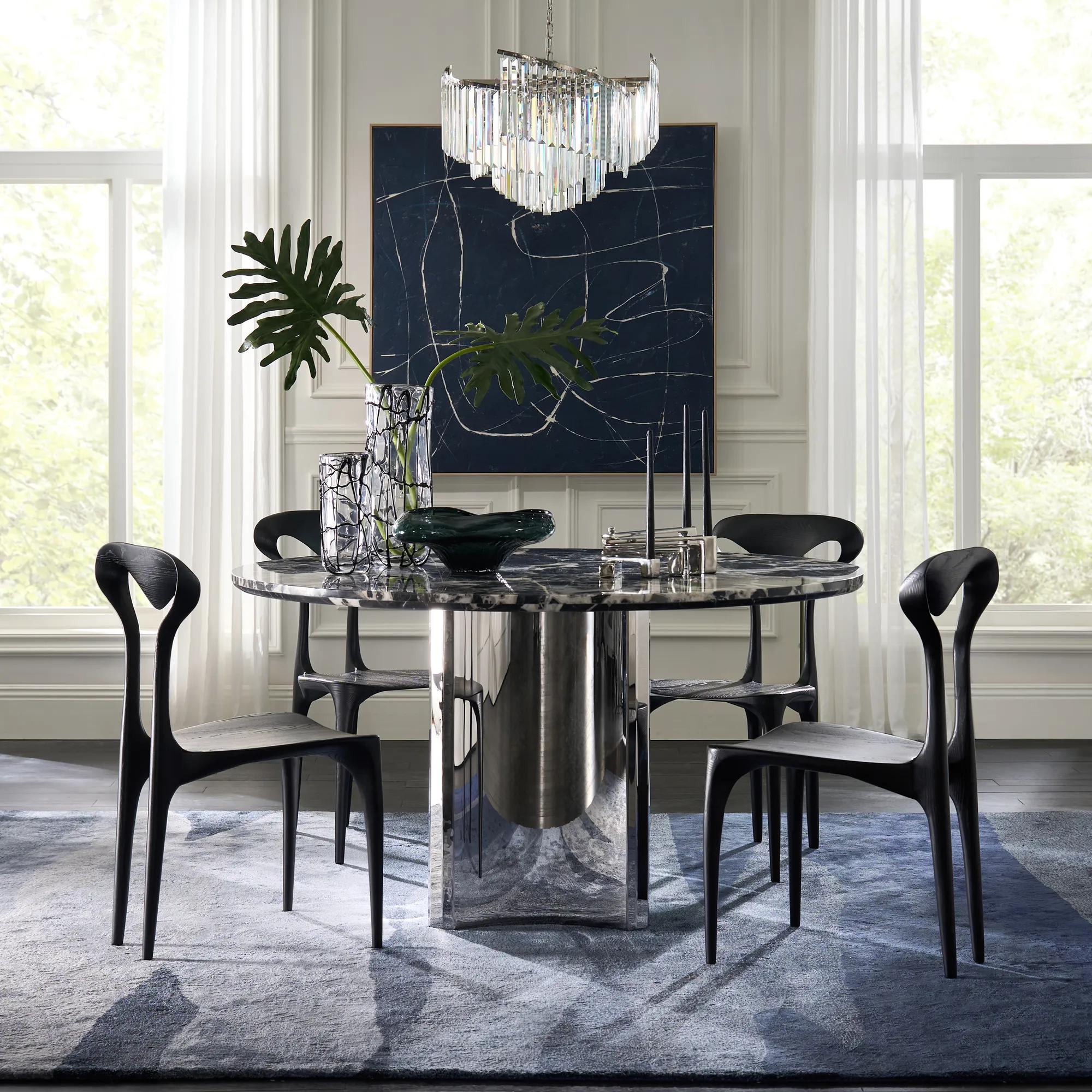 Almost Midnight Painting - Blue$439
A hand-painted canvas featuring bold blue and black tones with delicate white lines in a light wood frame.
Add To Cart -
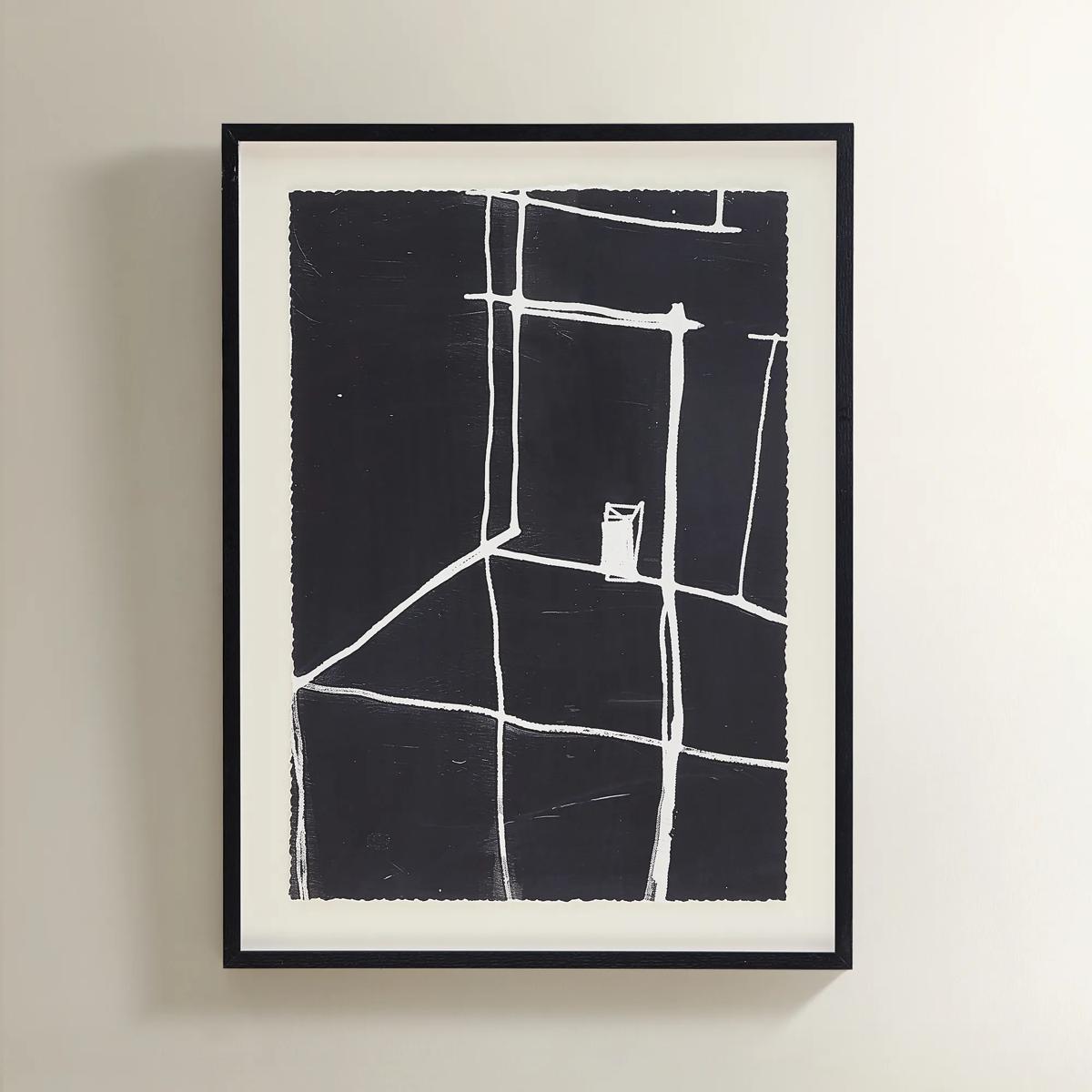 Solitude Art$269
A minimalist black-and-white abstract print featuring bold white lines in a sleek black polyresin frame.
Add To Cart -
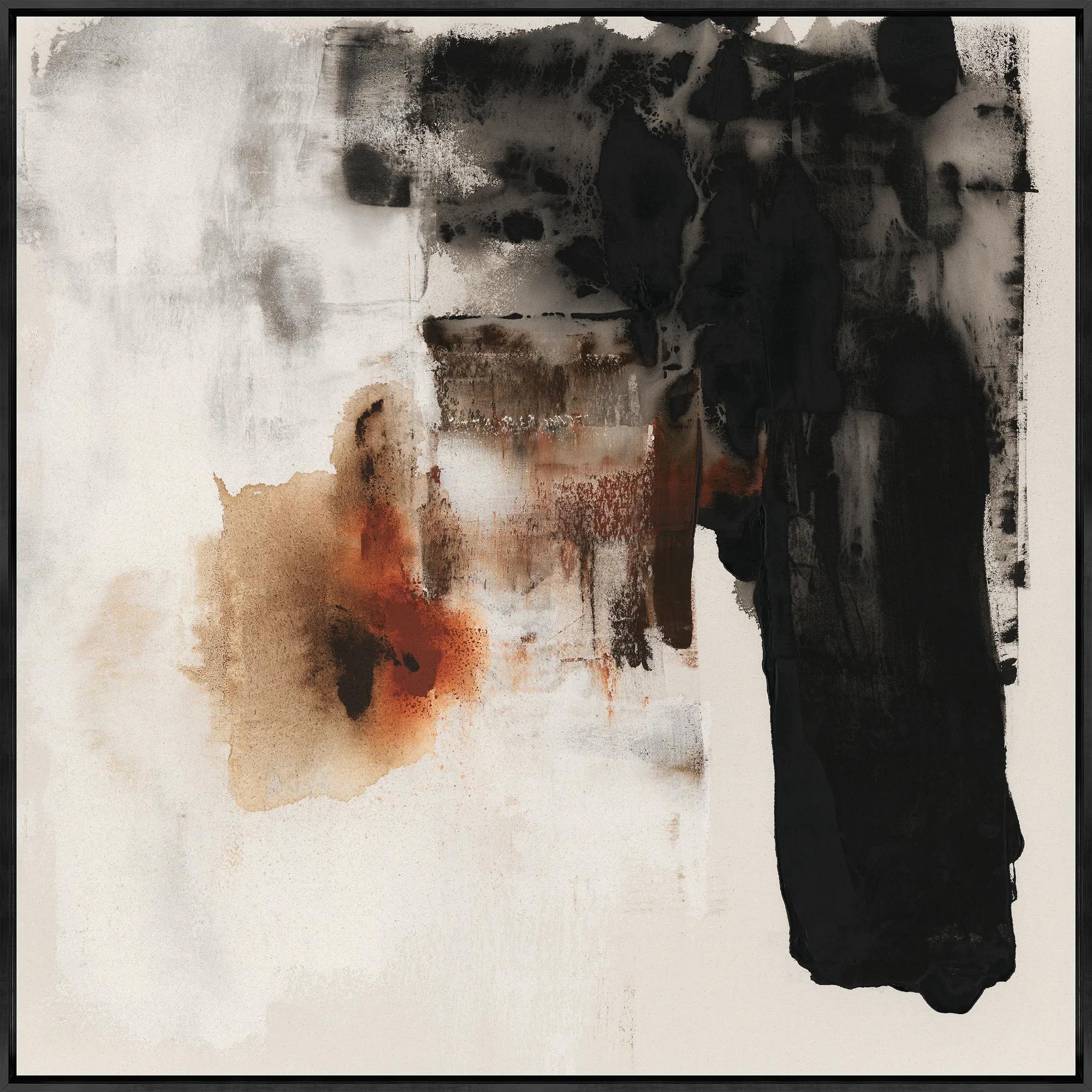
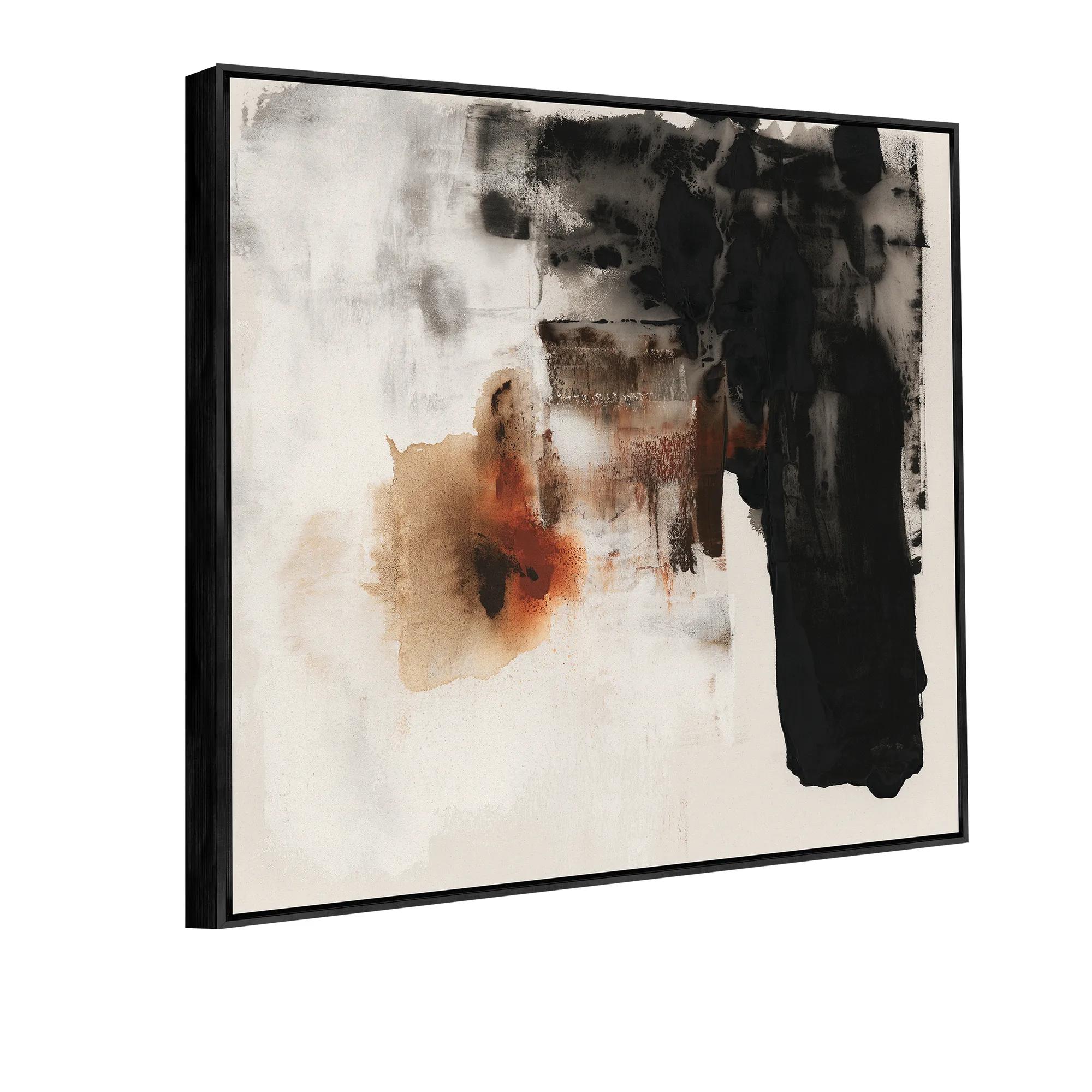 Burning for You II Framed Wall Art 40" x 40"$799
A gallery-wrapped canvas artwork with hand-applied brush gel, set in a sleek black floater frame.
Add To Cart -
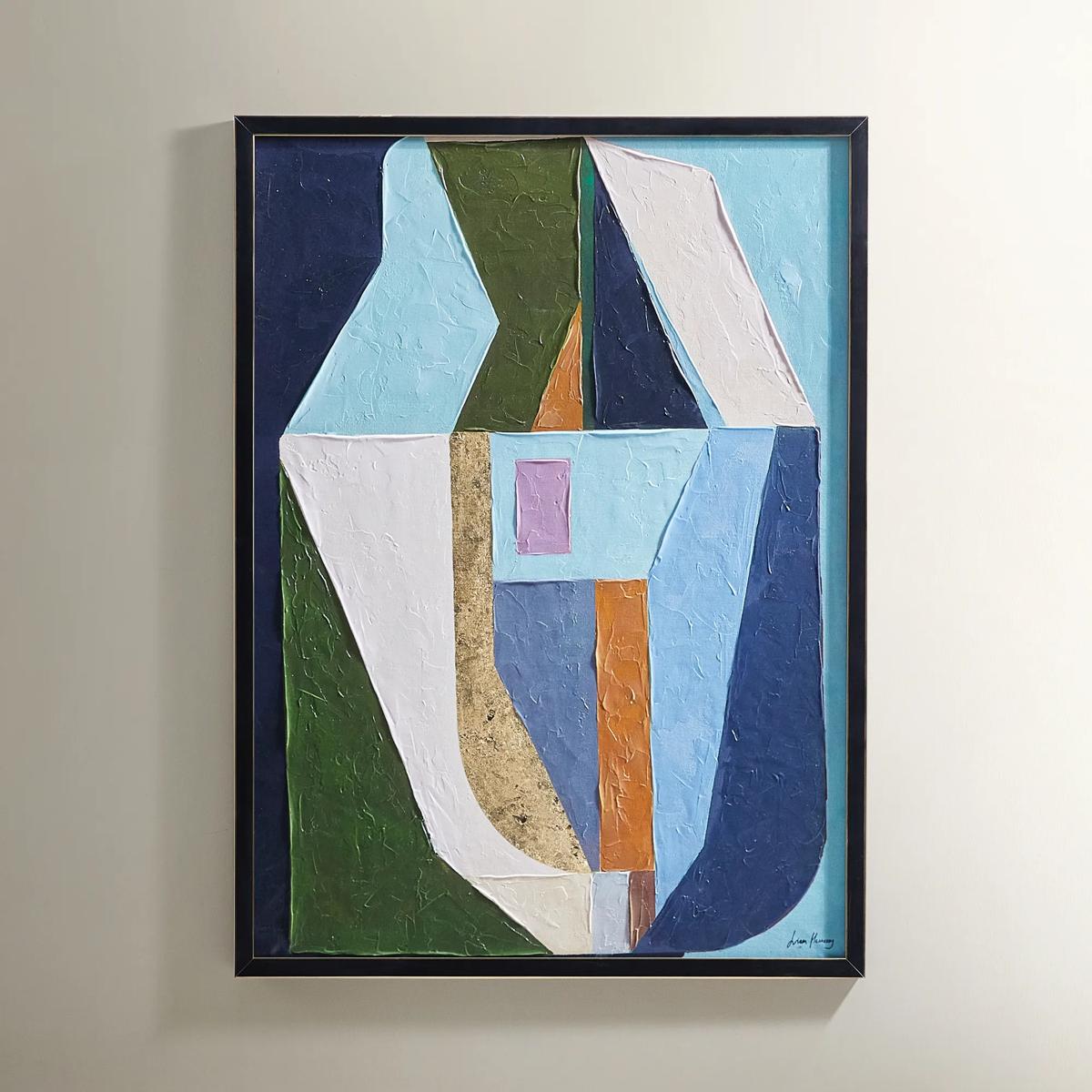 Thought Provoking Painting 2$249
A hand-embellished canvas artwork featuring textured strokes in deep blue, olive green, and gold accents.
Add To Cart -
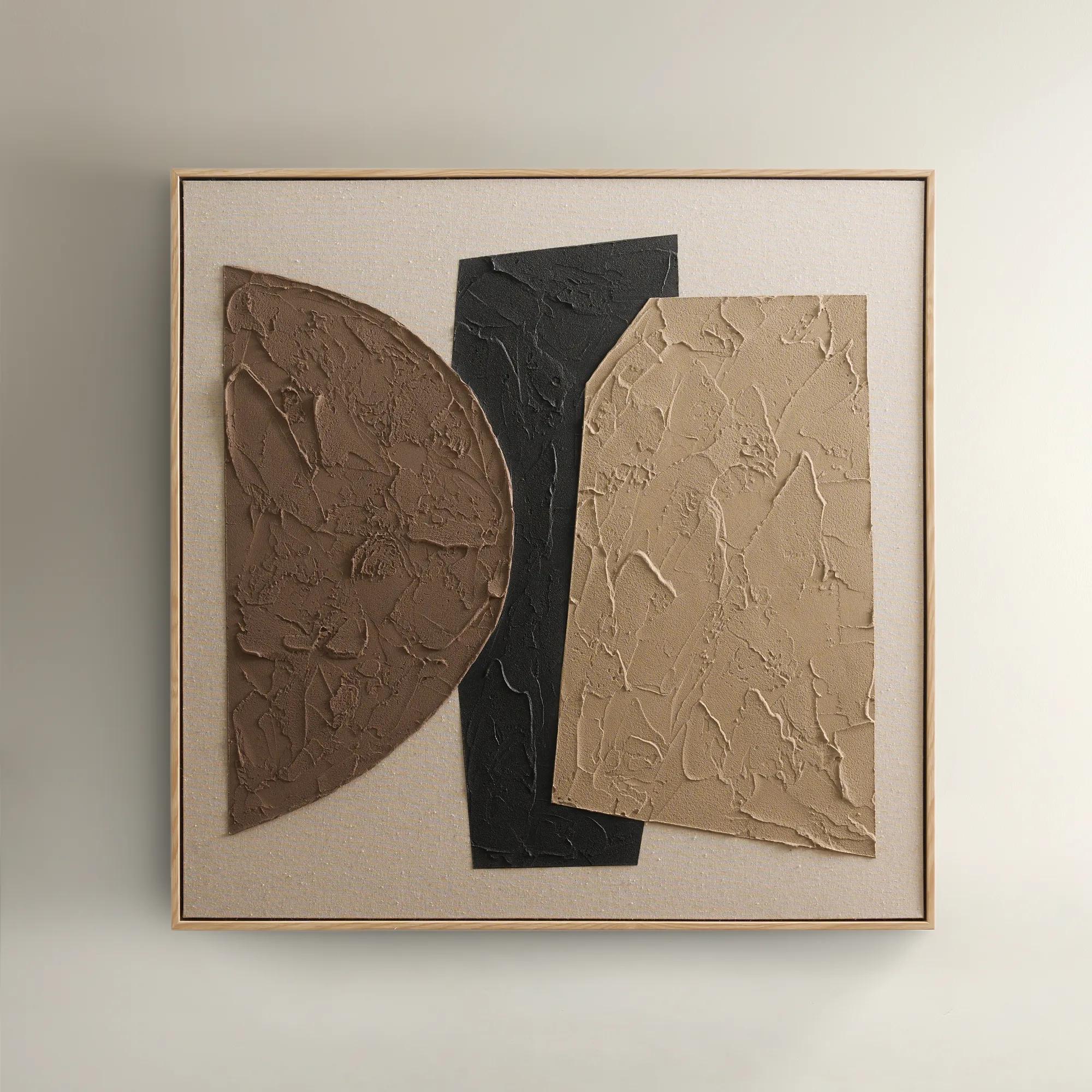
 Espresso Framed Painted Wall Art 31.5" x 31.5"$149
A bold abstract artwork featuring rich brown hues on hand-painted canvas in a light wood floater frame.
Add To Cart -
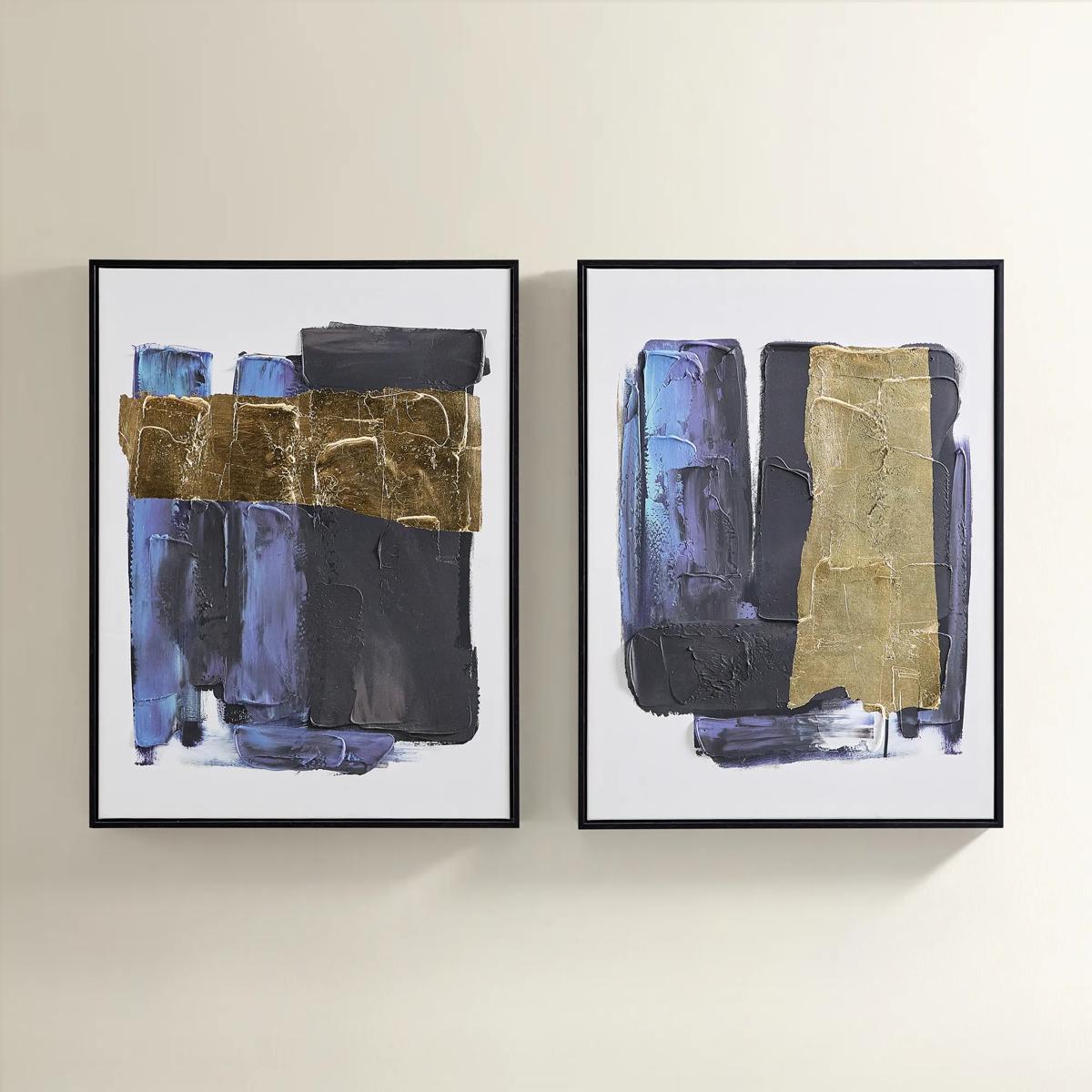
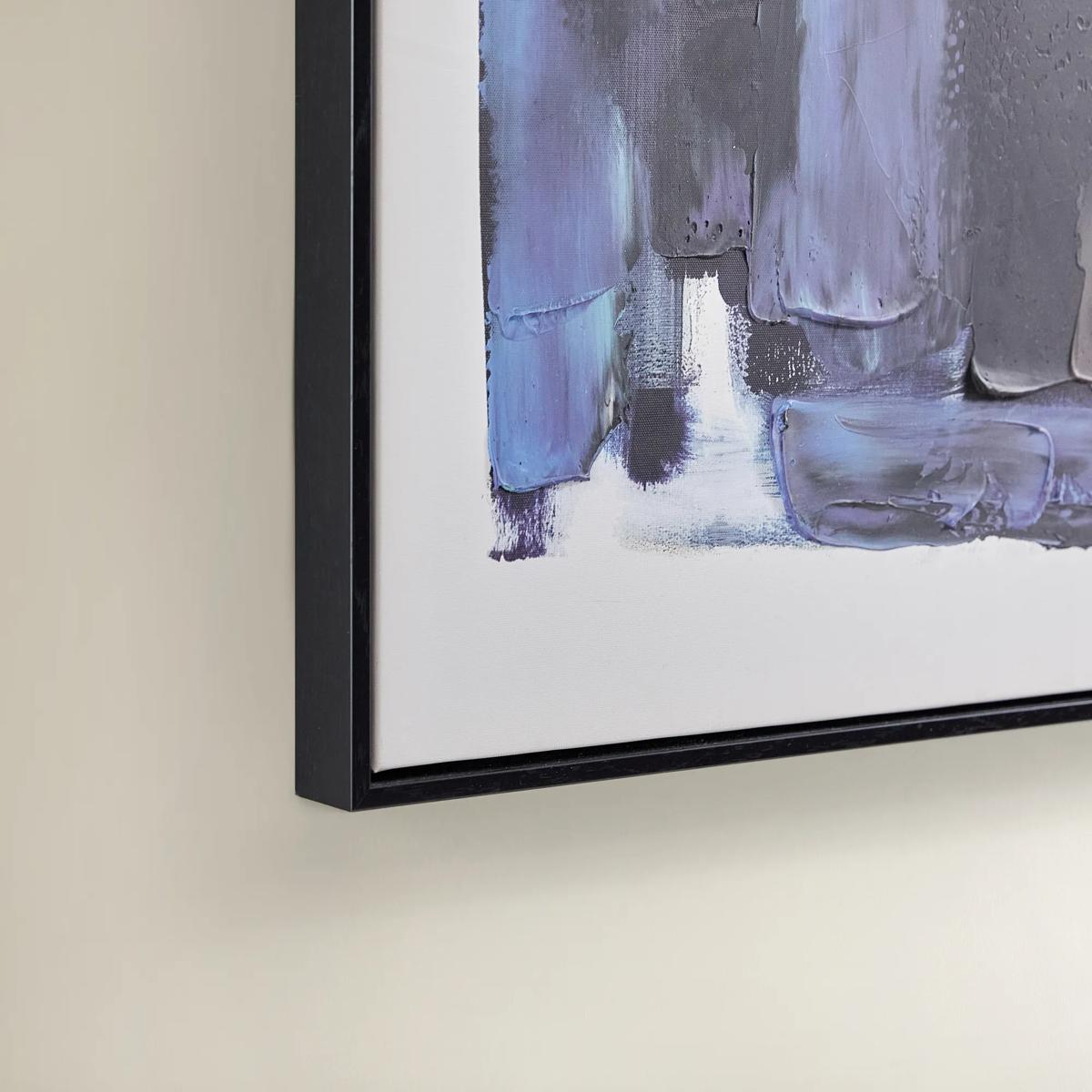 Deep Thoughts Gold Leaf Painted Wall Art Set of 2$199
A set of two hand-painted abstract canvases in blue and gold leaf, framed in sleek black.
Add To Cart -
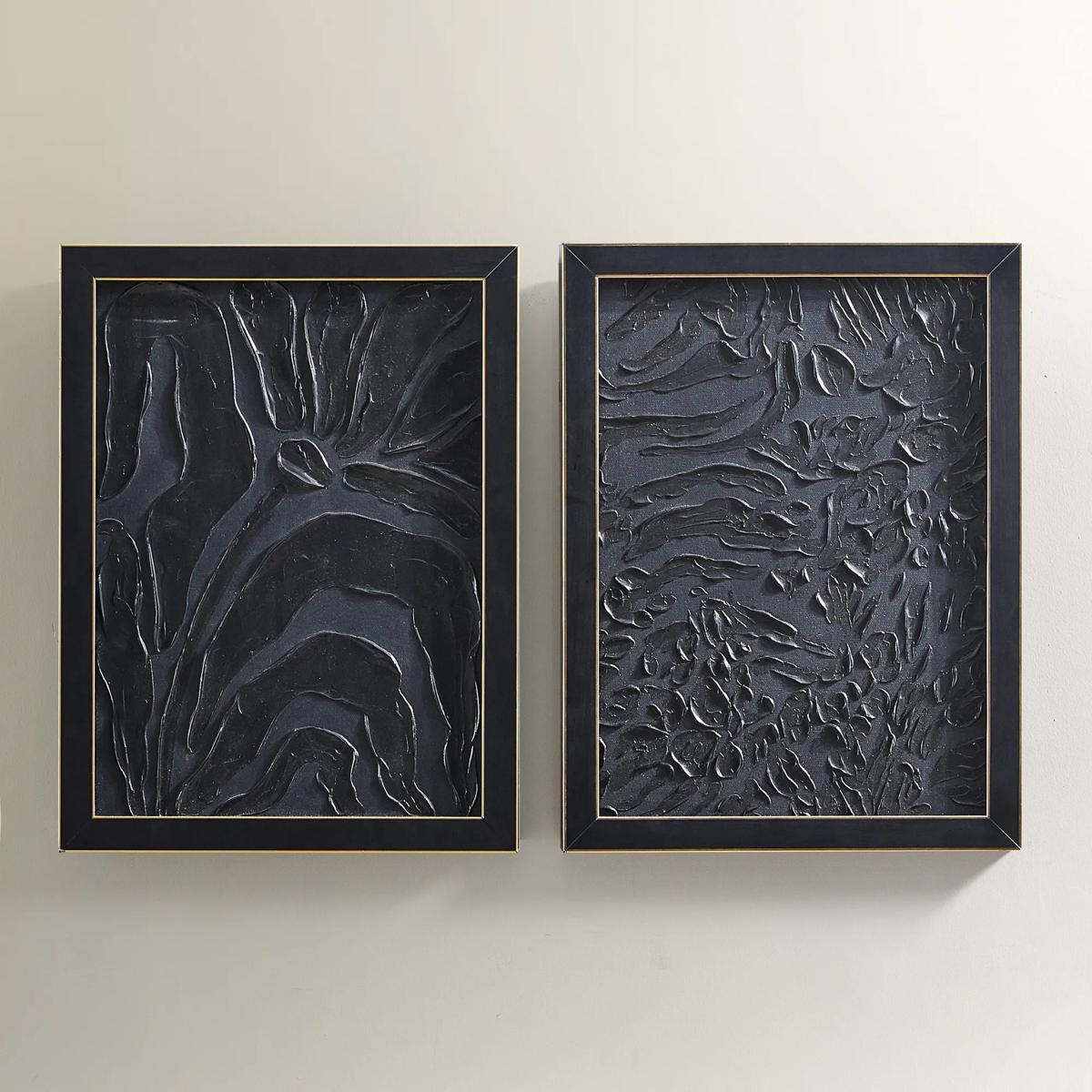
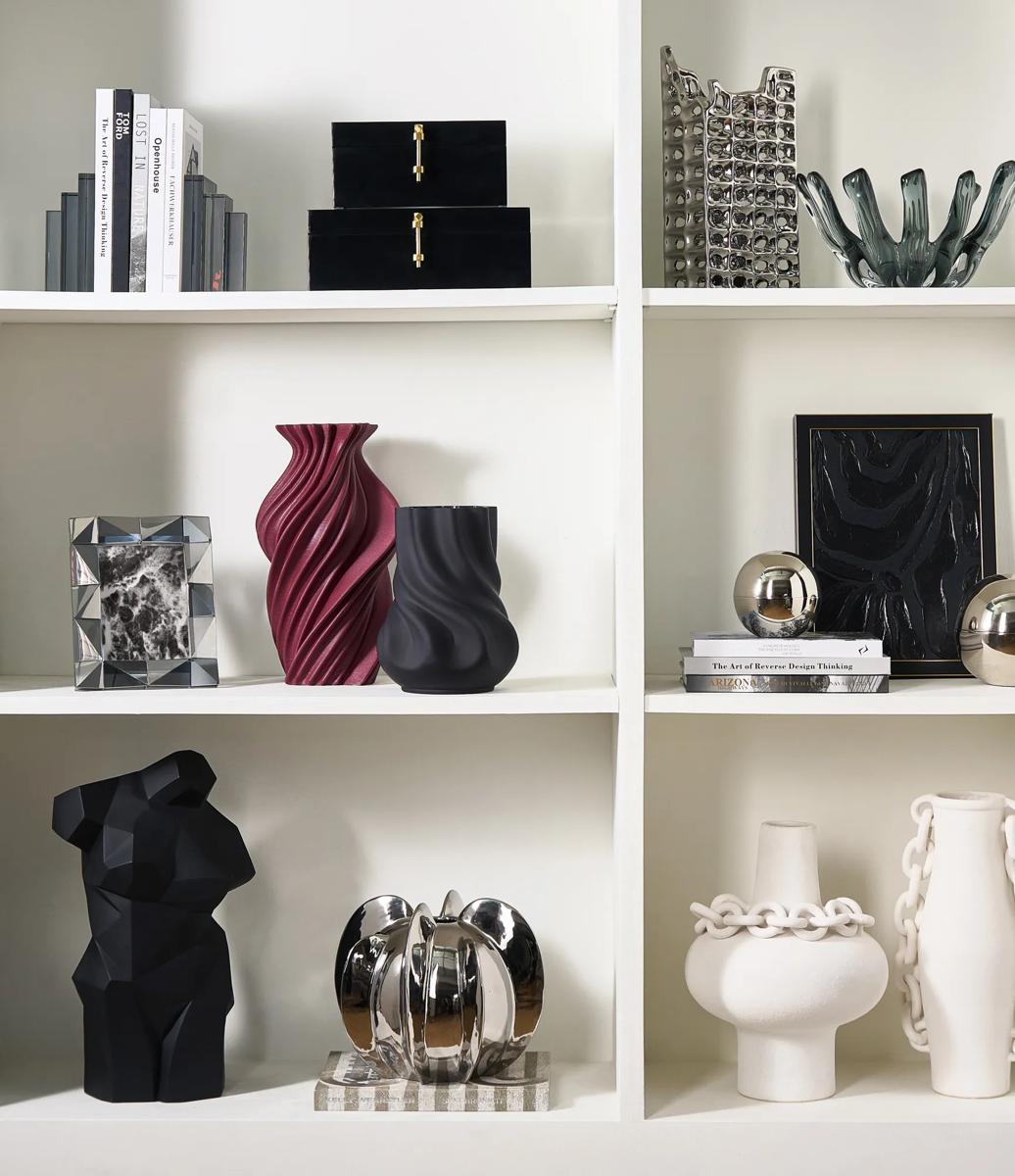 Midnight Animal Painting - Set of 2$119
A set of hand-embellished canvas artworks in black and gold frames, adding depth and warmth to interiors.
Add To Cart -

 Sand Storm Framed Gold Foil Wall Art 32" x 47"$329
A refined abstract artwork with gold foil accents, sand and charcoal tones, framed in solid wood.
Add To Cart -

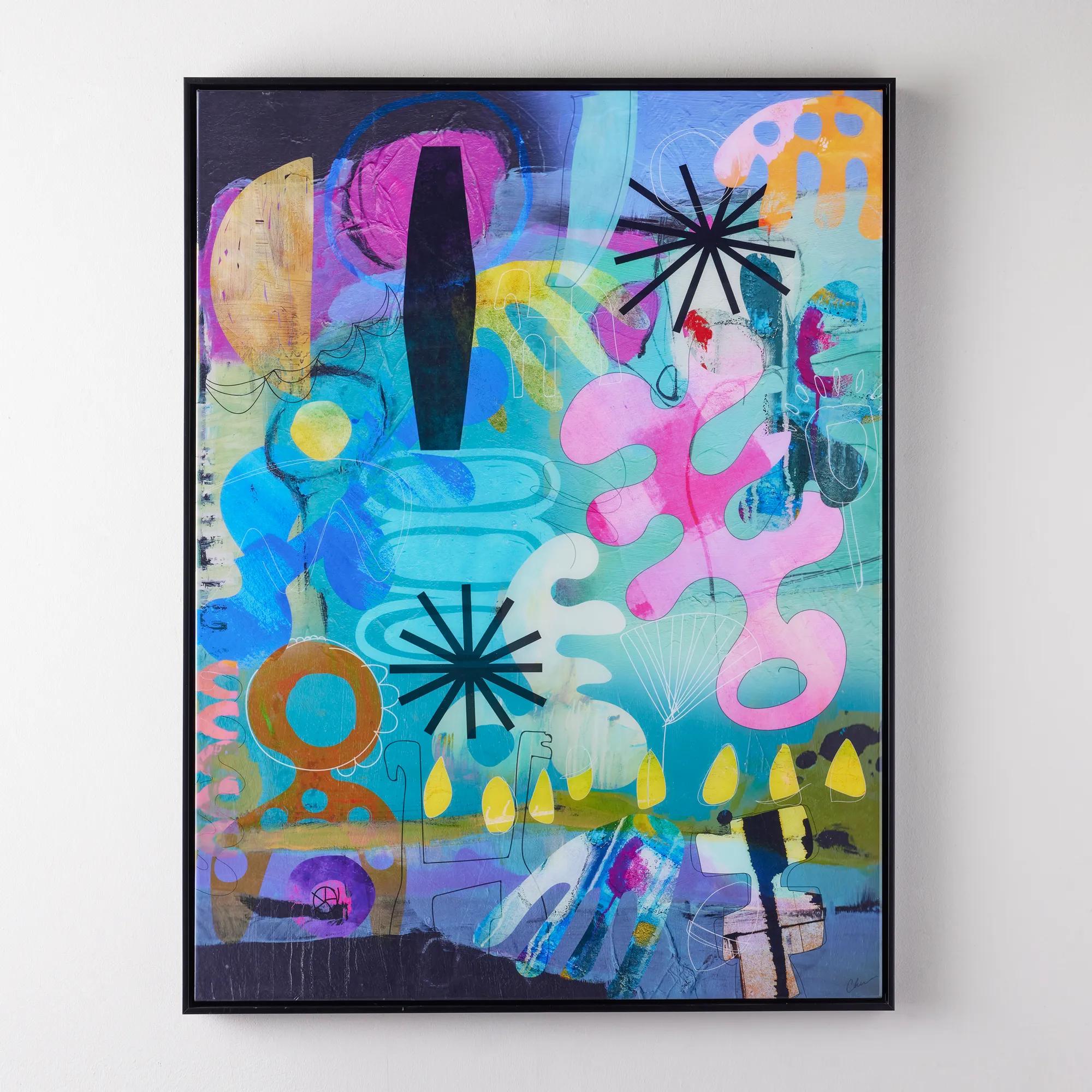
 Tribe V Framed Wall Art 24" x 28"$599
A striking contemporary art piece designed by acclaimed interior designer Nikki Chu.
Add To Cart -
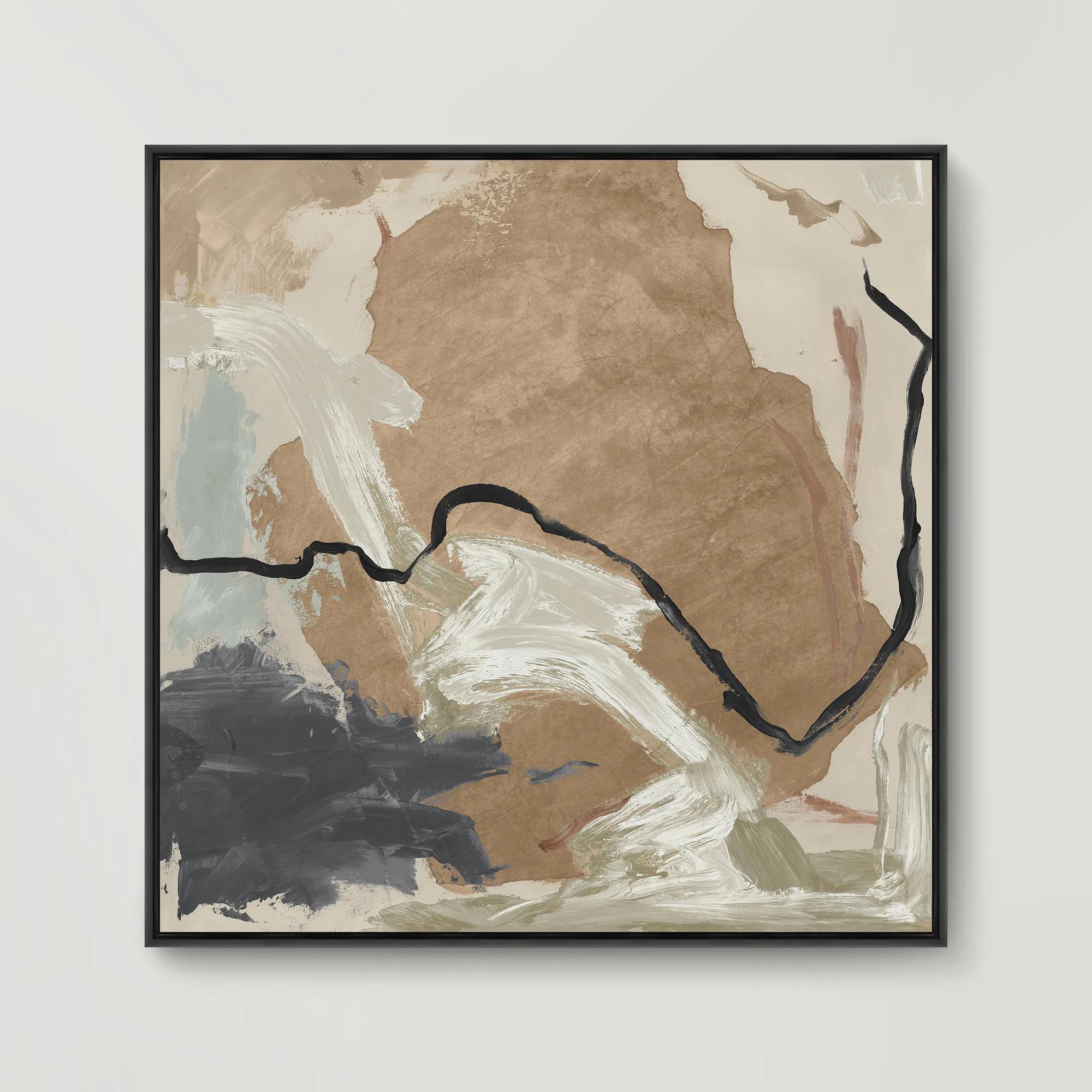 Borderlands III Framed Wall Art 31.5" x 31.5"$499
A gallery-wrapped canvas artwork with hand-applied brush gel finish, set in a sleek gray floater frame.
Add To Cart -
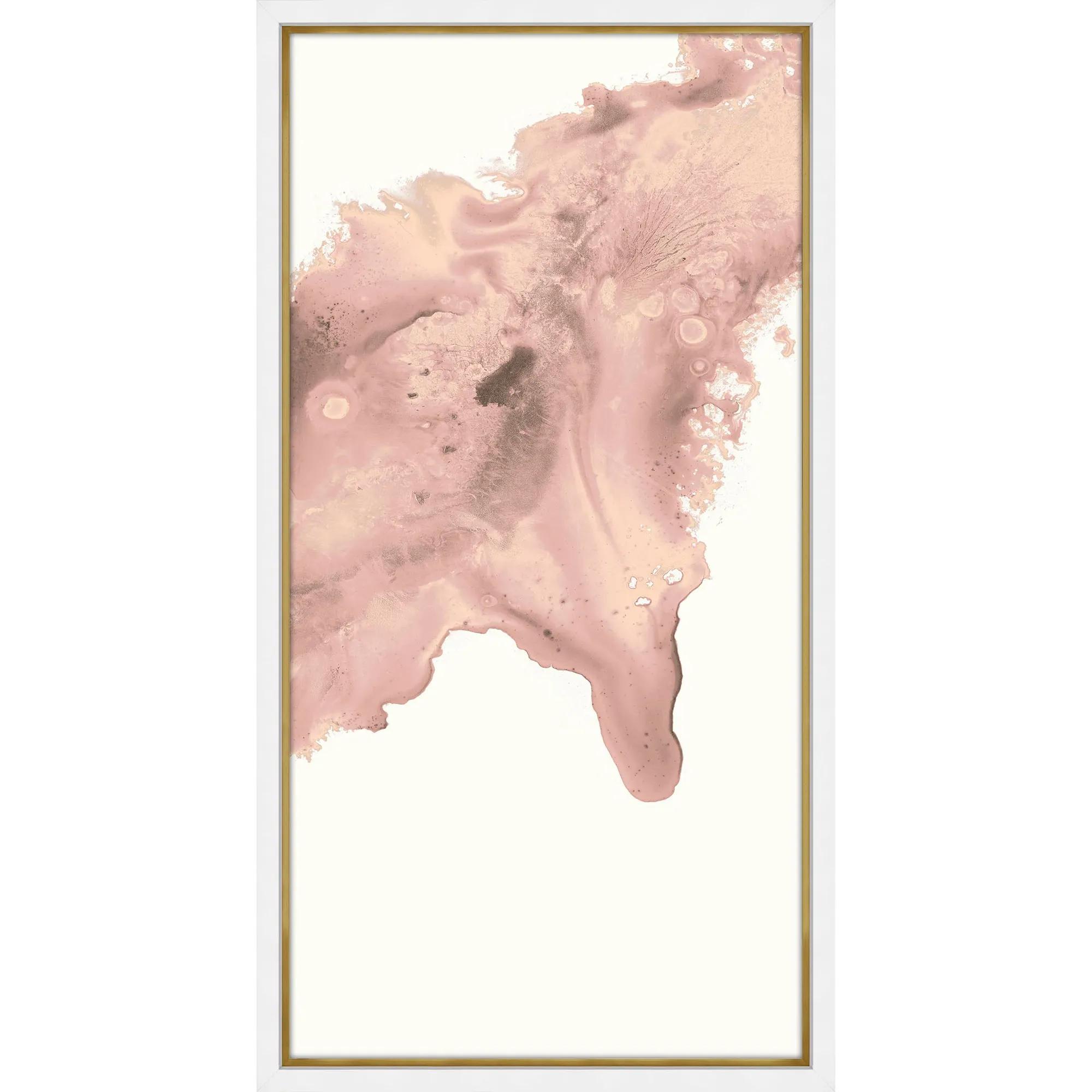
 Blush Conduit 2 Framed Wall Art 24" x 48"$849
A striking abstract print on pearl paper, elegantly framed in gold and matte white for modern appeal.
Add To Cart -
 Jet Frame$119
A geometric crystal glass frame featuring faceted detailing for a modern, sculptural display of photos.
Add To Cart -
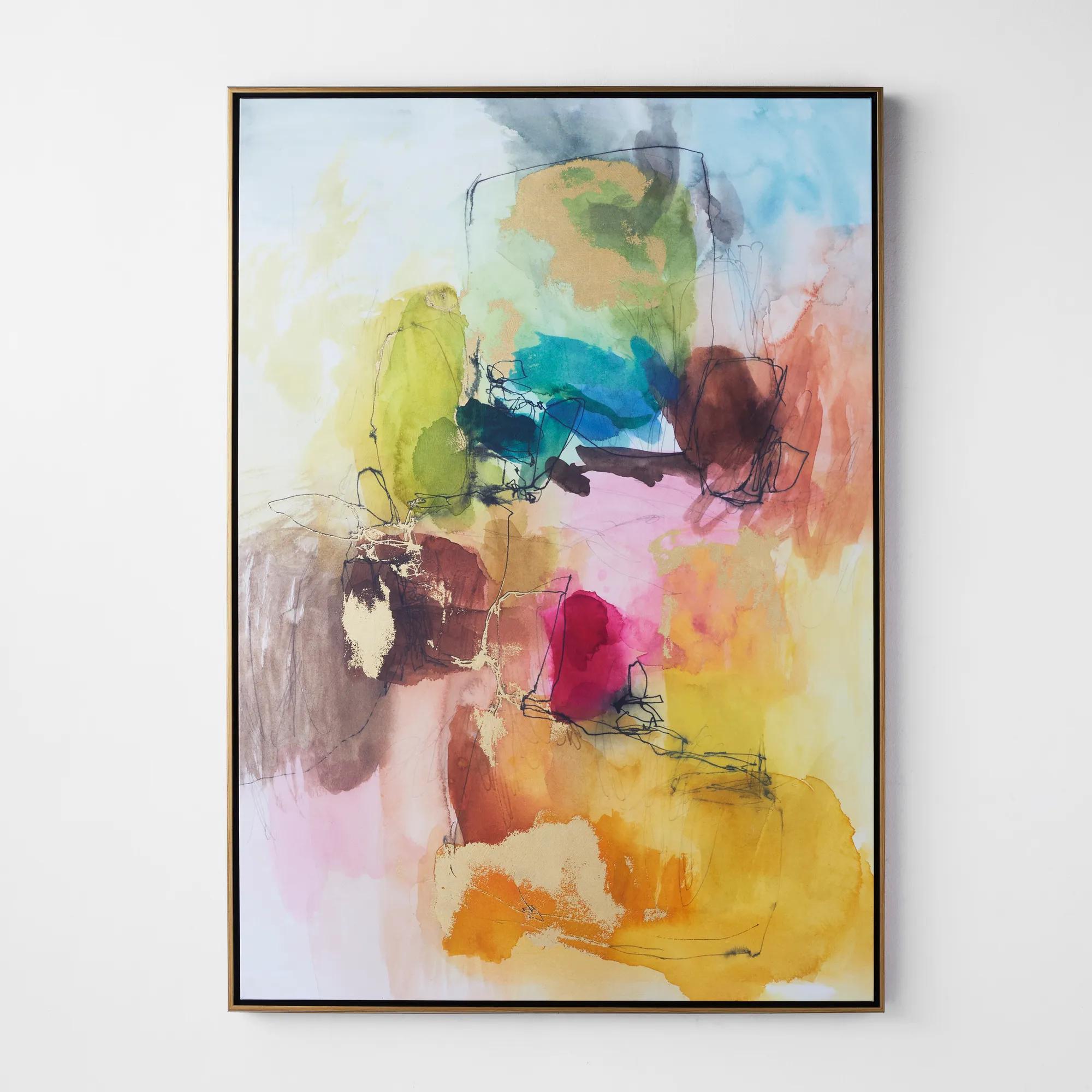 Apricity 3 Framed Wall Art 41" x 58"$899
A vibrant giclee on canvas featuring hand-applied gold gilding and a gold floater frame.
Add To Cart -
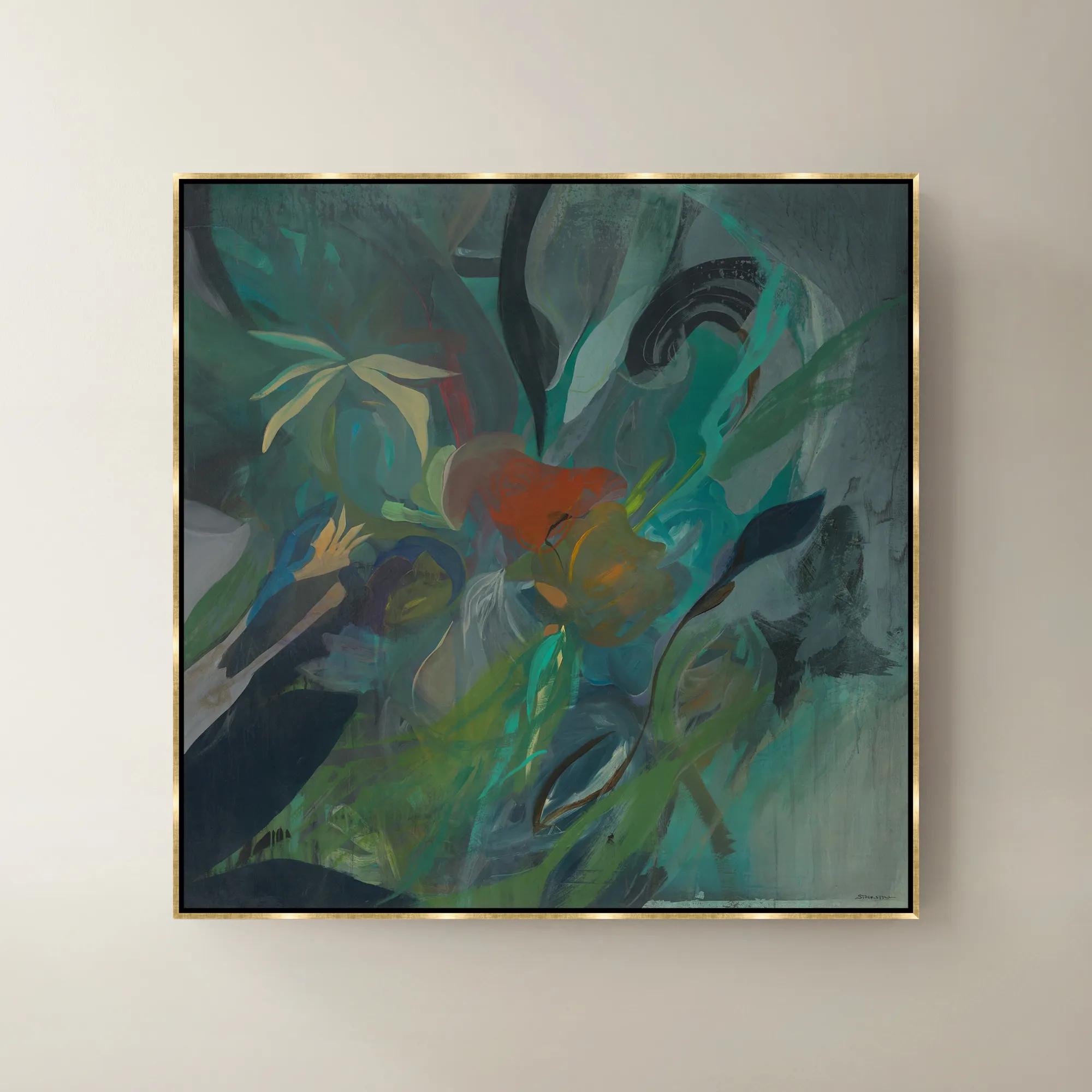
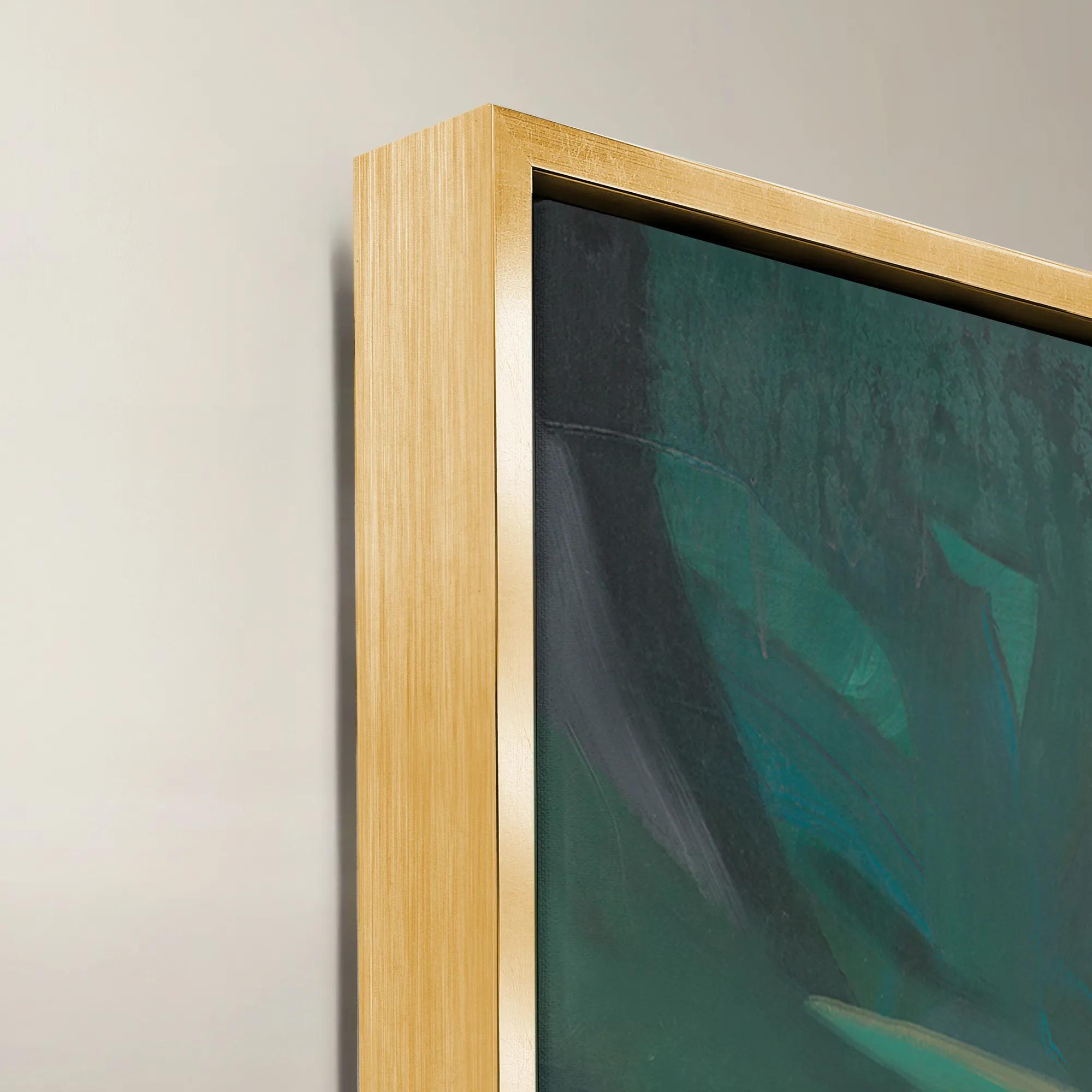 Fresh Places Framed Wall Art 47" x 47"$1199
A vibrant green canvas wall artwork with a sophisticated framed finish, bringing contemporary character to interiors.
Add To Cart -
 Relic Framed Painted Triptych Wall Art Set of 3$399
A hand-painted abstract triptych in deep navy and neutral tones, set in sleek black floater frames.
Add To Cart -

 Escape Path III Framed Wall Art 30" x 50"$799
A captivating blue and purple canvas artwork adding contemporary movement and layered dimension to your walls.
Add To Cart -
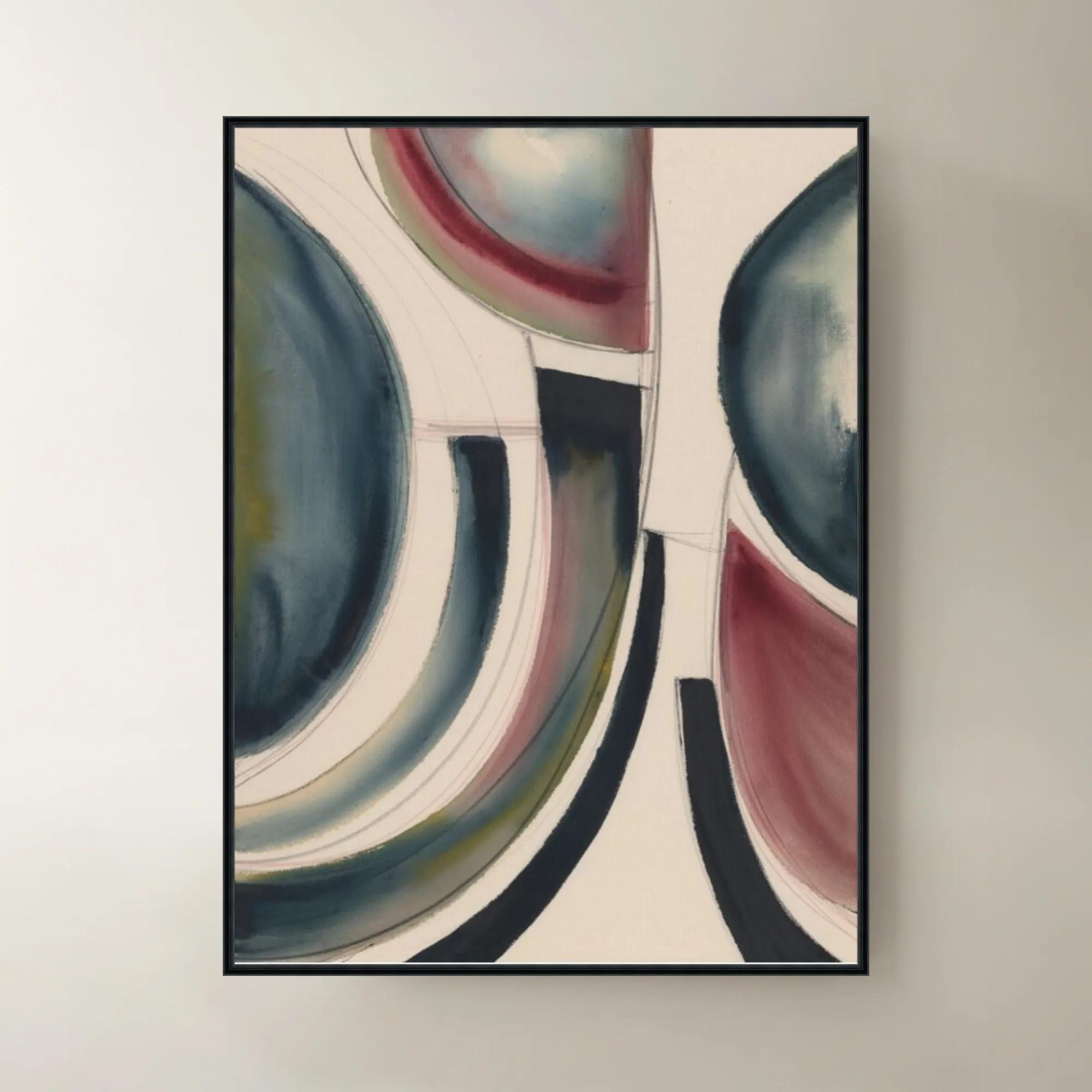
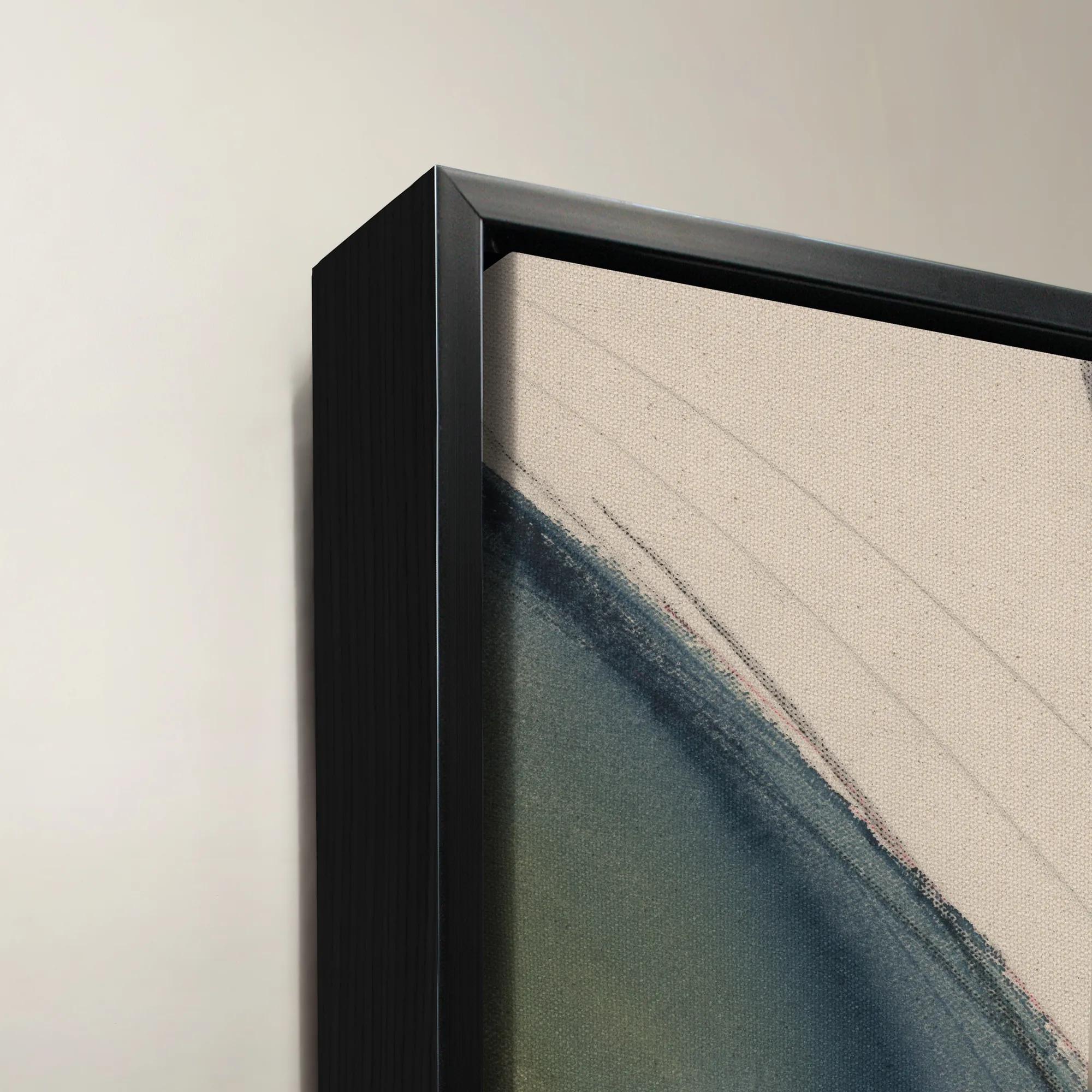 Dreamsicle Framed Wall Art 40" x 54"$1199
A vibrant multicolored canvas wall artwork presented in an elegant frame for contemporary interiors.
Add To Cart -

 Hint of Spring Framed Painted Wall Art 48" x 48"$599
A framed, multicolored painted canvas artwork that brings a vibrant, artistic touch to contemporary interiors.
Add To Cart -

 Broadway Mirrored Frame$59
A sleek mirrored frame that beautifully reflects light to highlight your favorite photographs or artwork.
Add To Cart -
 Gilded Wings Feather Shadowbox 30" x 40"$399
A striking display of hand-painted feathers on black linen, elegantly framed in a gold shadowbox.
Add To Cart -
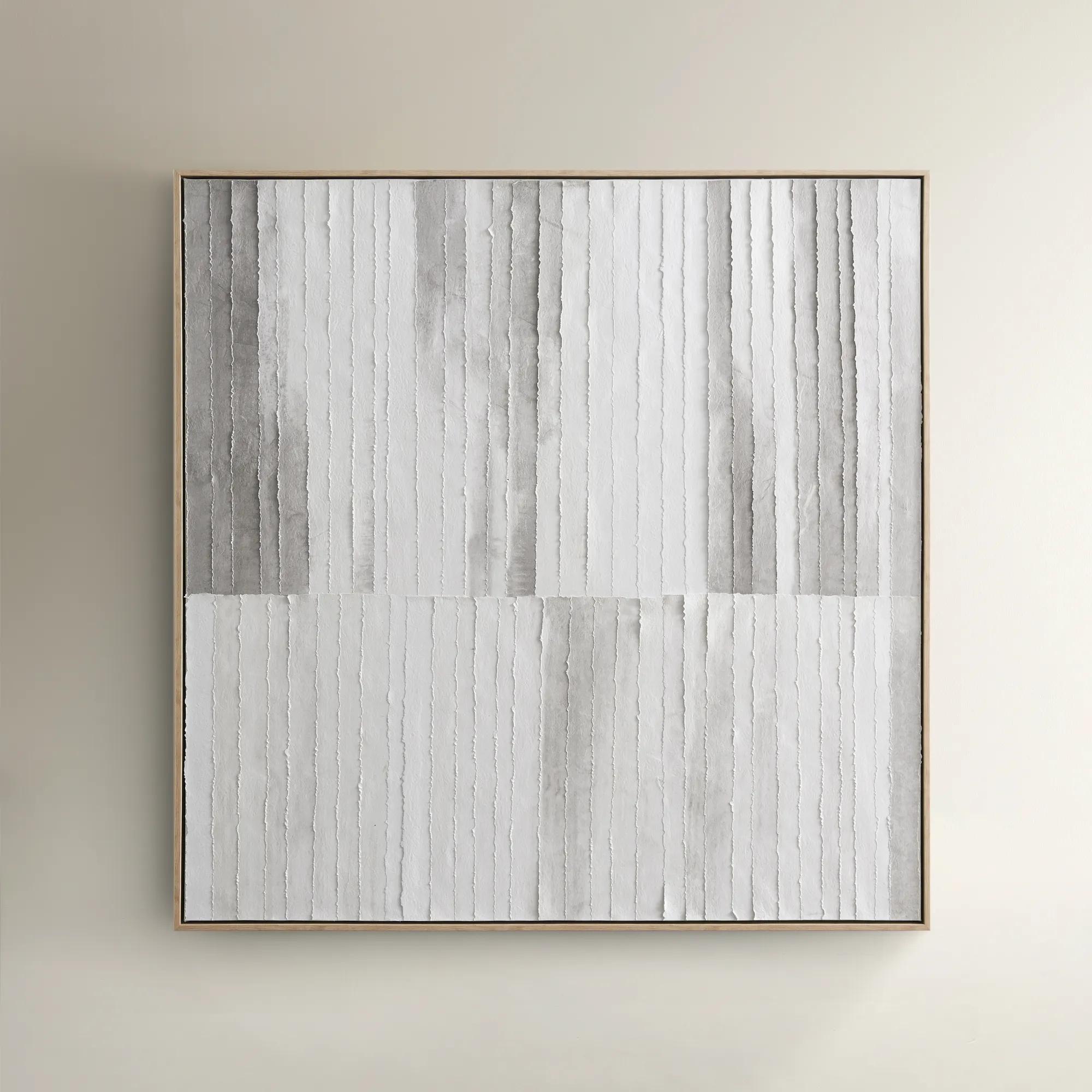
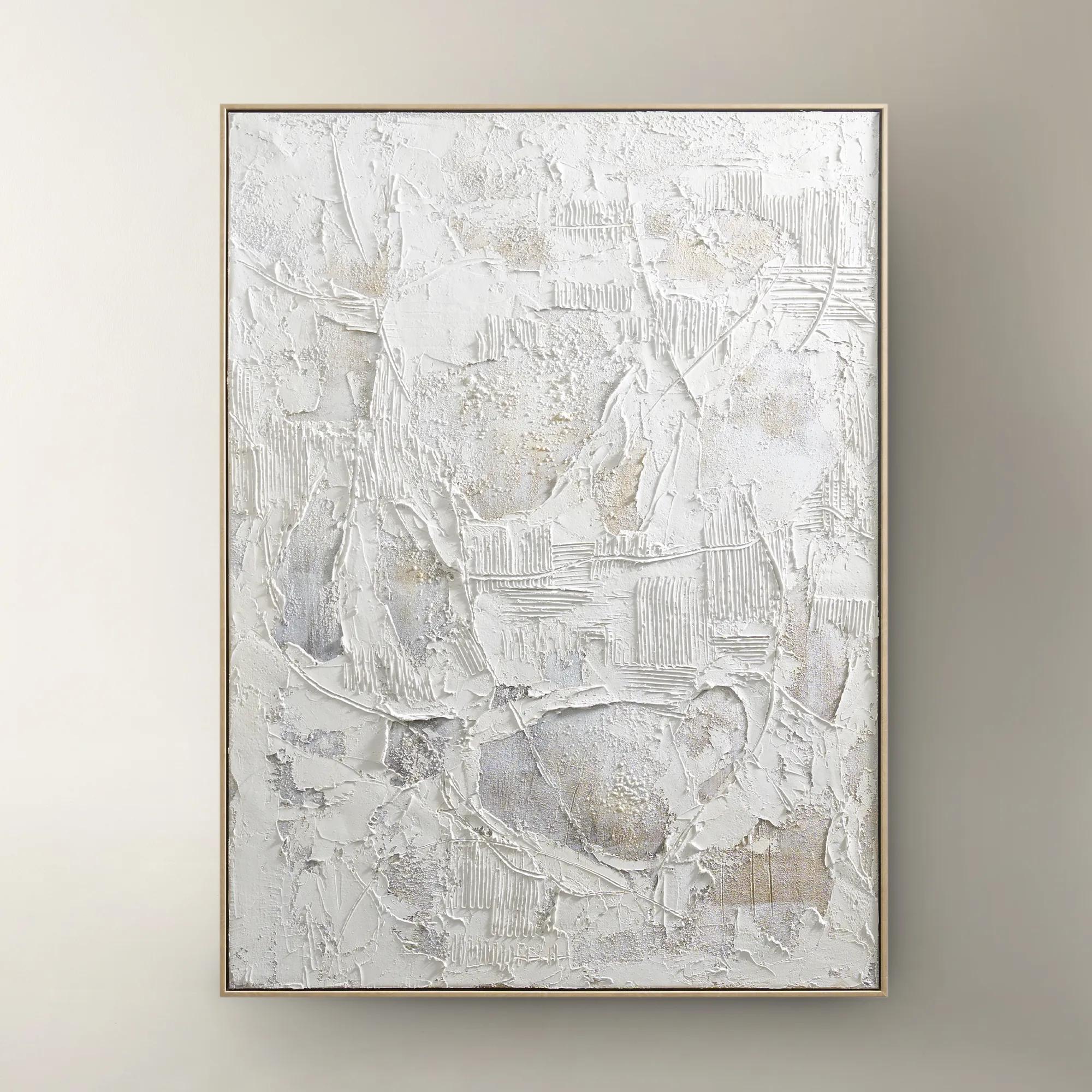
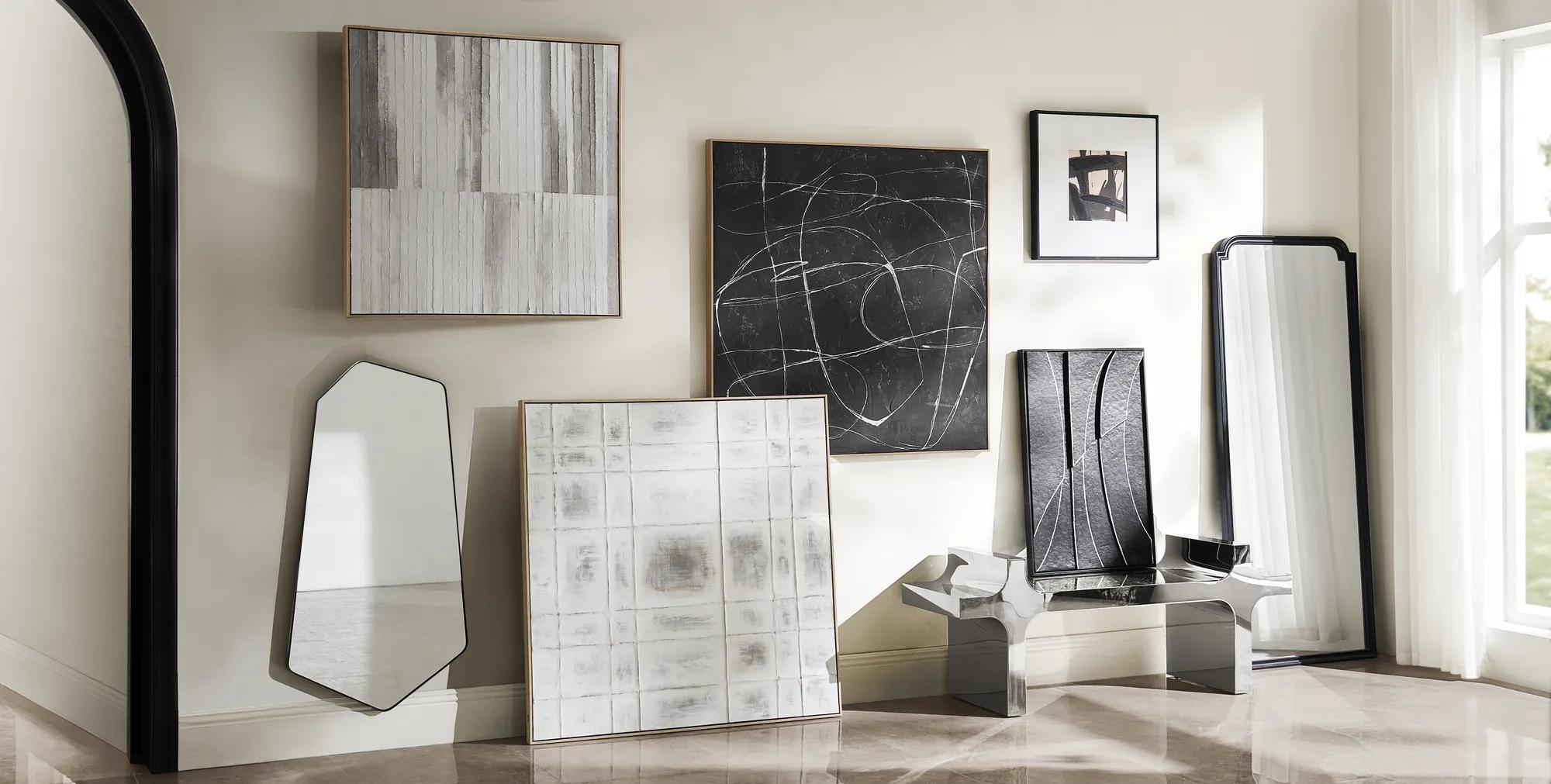 Morning Mist Paper Art$329
A hand-painted canvas featuring rhythmic grey lines in a textured, whitewashed floater frame for serene style.
Add To Cart

Modern Frames For Art Prints
Modern frames for art prints are more than finishing touches—they are the architectural accents that elevate your favorite works from mere decoration to undeniable focal points. Each frame is a statement, sculpted to amplify artistry and invite admiration, transforming blank walls into curated galleries of personal expression. With clean lines, bold profiles, and a whisper of glamour, modern frames for art prints set the stage for your creativity to take center stage, ensuring every masterpiece is showcased in its most captivating light.
Modern frames for art prints give an image architectural presence, shaping how its color, movement, and detail live within a room. A slender black border can sharpen a sweeping abstract; a luminous metallic finish can echo the gleam of a sculptural lamp; a generous white mat can give an intricate composition room to breathe. The most compelling frame feels connected to the artwork without disappearing into the background or competing for attention. Common materials include solid wood, engineered wood, and metal, each bringing a different character to the finished piece. Wood introduces natural grain and depth, with pale oak or maple offering a softer counterpoint to saturated color and darker finishes lending richness to monochromatic imagery. Engineered wood can offer a consistent profile beneath painted or decorative finishes, while aluminum delivers crisp lines with relatively little visual weight. Matte black frames create definition around graphic prints and photography, while white frames can make pale compositions feel expansive against a contrasting wall. Brushed gold, silver, and other metallic finishes add a polished accent, especially where the room already includes reflective furniture, decorative objects, or statement lighting. Finish matters as much as color: a matte surface absorbs light quietly, while a polished edge catches it and gives the artwork a more dramatic outline. Profile width changes the impression, too. Narrow molding keeps attention on the image, whereas a broader border gives a small print greater visual authority. Above a console, a substantial frame can hold its own beside tall branches and an oversized vessel; in a layered gallery arrangement, slimmer profiles let several compositions share the wall without becoming visually crowded. Modern framing does not require every finish in a room to match. A black frame beside warm metal accents can feel deliberate when its dark outline repeats another detail, such as a table base or the lines within the artwork itself.
A beautiful presentation begins with a frame that fits the print, its mat, and its protective layers correctly. Frame sizes generally refer to the artwork or glazing dimensions they accommodate, rather than the outside measurements of the molding, so those two measurements serve different purposes when planning a wall arrangement. A mat increases the overall size needed: an 8-by-10-inch print, for example, may sit within an 11-by-14-inch frame when paired with a suitably sized mat. The visible opening is often slightly smaller than the paper to hold its edges behind the mat, an important consideration when a signature, printed border, or detail near the edge should remain visible. Frame depth also matters because the recess must accommodate the glazing, matting, artwork, and backing without pressure. For paper art prints, a mat or appropriate spacer helps keep the image from resting directly against glass or acrylic. Glass offers a clear, substantial surface, while acrylic is lighter and more resistant to shattering, making it a practical consideration for larger framed pieces. Acrylic can scratch more readily, so its care requirements differ from those of glass. Glazing described as UV-filtering can help reduce exposure to damaging ultraviolet light, but it does not make artwork immune to fading or eliminate the need for thoughtful placement. Anti-reflective options can improve visibility where reflections would otherwise distract from the image; their appearance and performance vary by treatment. Acid-free mats and conservation-quality backing are worthwhile considerations for prints with sentimental or collectible value because materials touching the paper affect its condition over time. Canvas prints have different framing needs. A floater frame surrounds a stretched canvas with a narrow, visible gap, creating the impression that the artwork is suspended within its border, typically without glazing. That construction is intended for supported canvas rather than an unmounted paper print. These distinctions give modern picture frames their purpose as well as their polish: the right construction supports the medium while allowing the composition to remain the focal point.
On the wall, proportion turns a framed print into part of the room’s composition. A generous piece above a sofa can establish a focal point, while a pair of smaller works brings rhythm to a dining area or a narrow stretch of wall. Measuring the frame’s outside dimensions, including its mat and molding, gives a more accurate sense of its presence than considering the image size alone. Paper templates can make spacing easier to judge before hardware is installed, particularly when several pieces will hang together. In a gallery grouping, a shared finish creates continuity across varied subjects, while a mixture of profiles feels cohesive when spacing and color relationships remain deliberate. The sweeping gestures and layered palettes of Framed Abstract Art Prints pair naturally with modern framing, whether the desired effect is a crisp black outline or a softly gleaming metallic border. Placement also influences longevity. Direct sunlight, persistent moisture, and proximity to heat sources can affect paper, finishes, and backing materials, even when the frame feels substantial. Hanging hardware should suit both the total framed weight and the wall construction; larger pieces may require more support than their streamlined appearance suggests. For routine care, a soft, dry cloth removes surface dust from most frames, while glazing benefits from a cleaner appropriate to its material, applied to the cloth rather than sprayed toward the artwork. Gentle handling helps preserve polished edges, delicate finishes, and scratch-sensitive acrylic. For a new homeowner, a newly married couple, or an art lover celebrating a personal milestone, a thoughtfully framed print can become an enduring gift. Its appeal lies in the connection between image and recipient: a bold composition for someone who loves expressive interiors, or a restrained study for a favorite reading corner. With considered materials, a precise fit, and a finish that speaks to the space, a modern frame gives art a distinctly personal presence.
FAQs
Modern frames for art prints often feature materials that emphasize clean lines and sophisticated finishes. Light woods such as oak or maple are favored for their organic warmth and subtle grain, while metals in gold, silver, or matte black create a refined, gallery-inspired look. For those seeking texture and a touch of the unexpected, natural materials like bamboo or rattan offer a fresh, contemporary edge.
Selecting a frame color is all about enhancing the artwork’s impact while harmonizing with your space. Consider picking a frame that echoes a dominant color in the print for a cohesive look, or opt for a contrasting hue to create dramatic visual interest. Black and white frames are timeless choices that suit bold graphics and photography, while natural wood or metallic finishes can highlight subtle tones and add depth to abstract or landscape pieces.
For a gallery wall that feels curated and cohesive, thin-profile frames in consistent finishes—such as matte black, white, or light wood—are ideal. Mixing materials like metal and wood can add dimension, but maintaining similar proportions ensures the display feels intentional rather than chaotic. Incorporating mats can also help unify diverse artworks, providing negative space and focusing attention on each piece.
Absolutely. Framed art prints, especially when paired with a thoughtfully chosen modern frame, make memorable and personal gifts for housewarmings, weddings, or special milestones. The frame elevates the art, turning it into a polished, ready-to-hang treasure that reflects both the giver’s taste and the recipient’s style.
Modern frames act as both a setting and a statement, shaping the atmosphere of any room. Sleek metal frames bring a sense of urban glamor, while light wood or natural finishes infuse spaces with warmth and tranquility. The right frame can amplify the drama of bold artwork or lend a sense of calm to minimalist prints, ensuring that your décor always feels intentional and expressive.