Ottomans For Versatile Living Rooms
Ottomans For Versatile Living Rooms
-
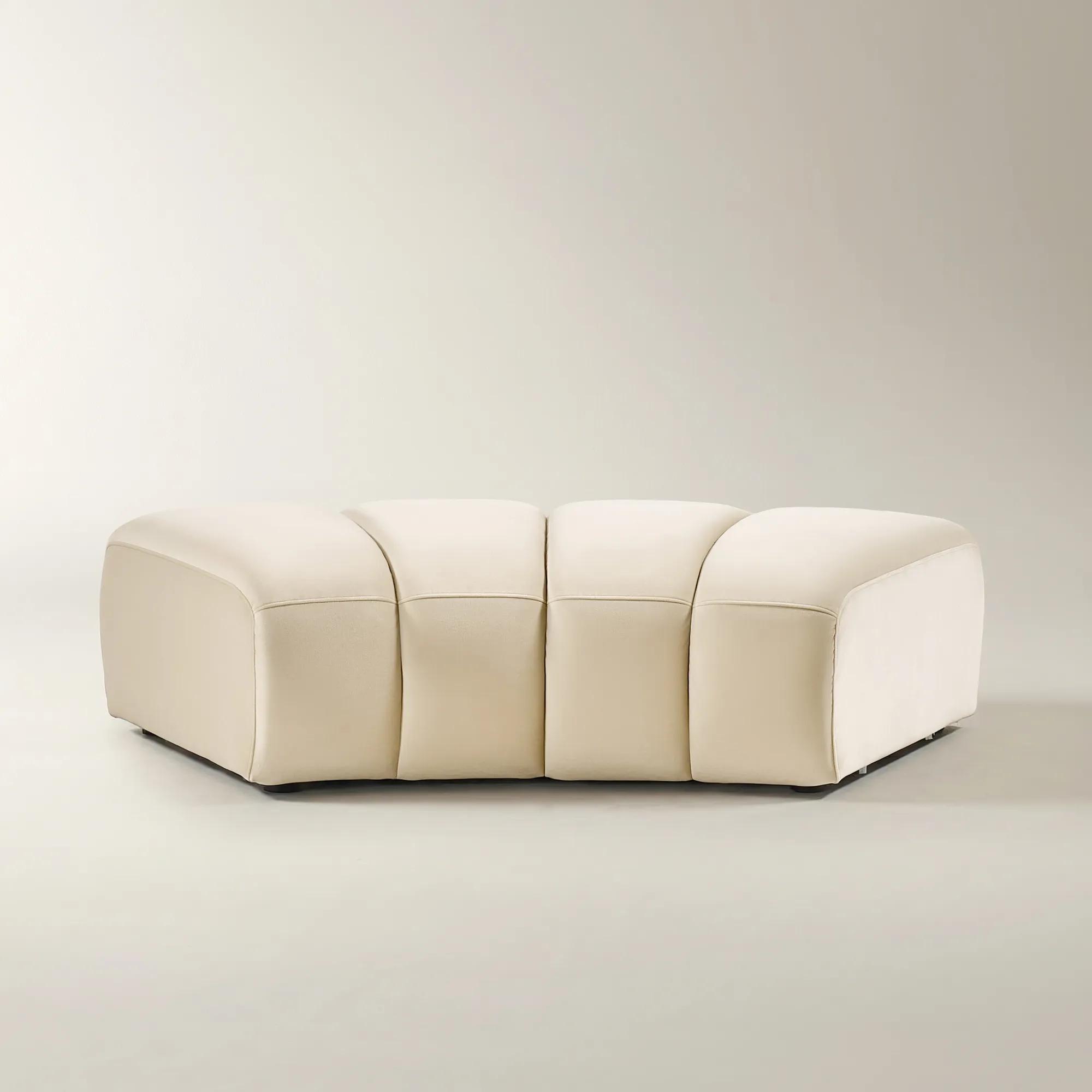 Jocelyn Channel-Tufted Oatmeal Velvet Ottoman$999
An oatmeal velvet ottoman featuring deep channel tufting, curved silhouette, and kiln-dried wood construction.
Add To Cart -
 Leopard Camel/Black Cow Hide Ottoman (18'')$799
A genuine cowhide pouf in camel and black leopard print with a removable cover and hidden zipper.
Add To Cart -
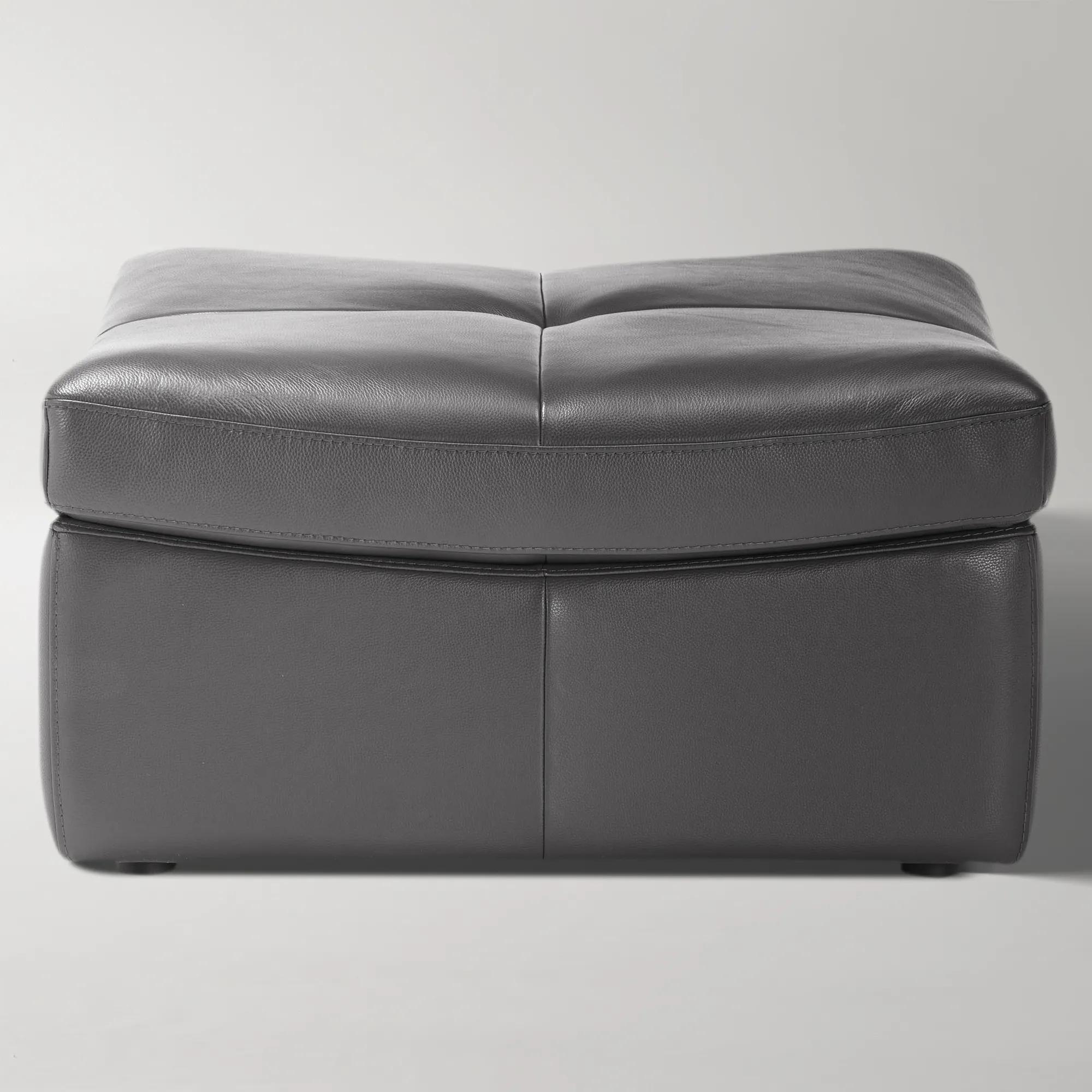 Convo Charcoal Leather Ottoman$849
A modular sectional in charcoal semi-aniline leather with kiln-dried hardwood frames and gently curved seats.
Add To Cart -
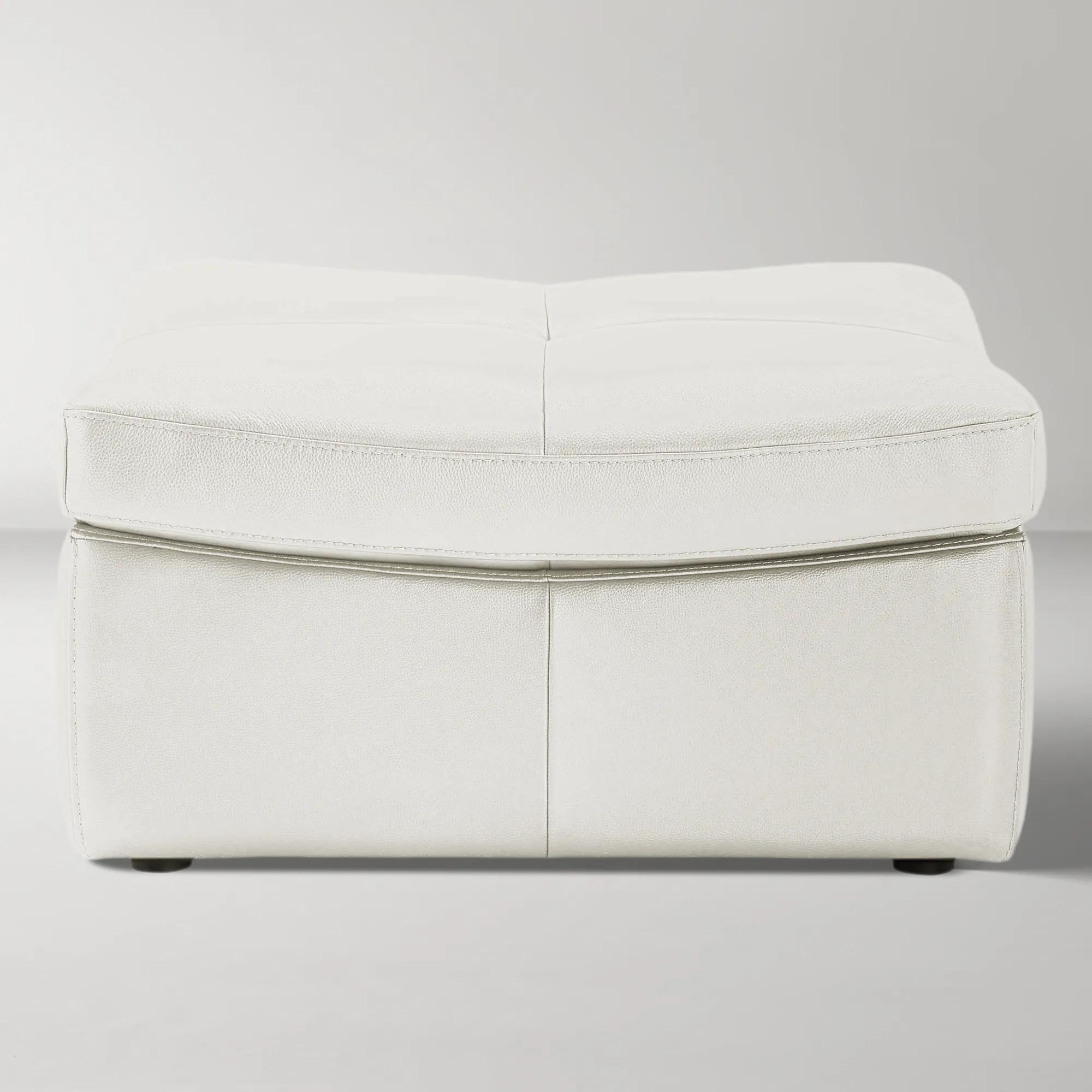 Convo White Leather Ottoman$849
A modular sectional with kiln-dried hardwood frame and charcoal semi-aniline leather upholstery for modern versatility.
Add To Cart -

 Livia Taupe Outdoor Ottoman$1999
A taupe outdoor ottoman offering versatile comfort and contemporary style for relaxed lounging.
Add To Cart -
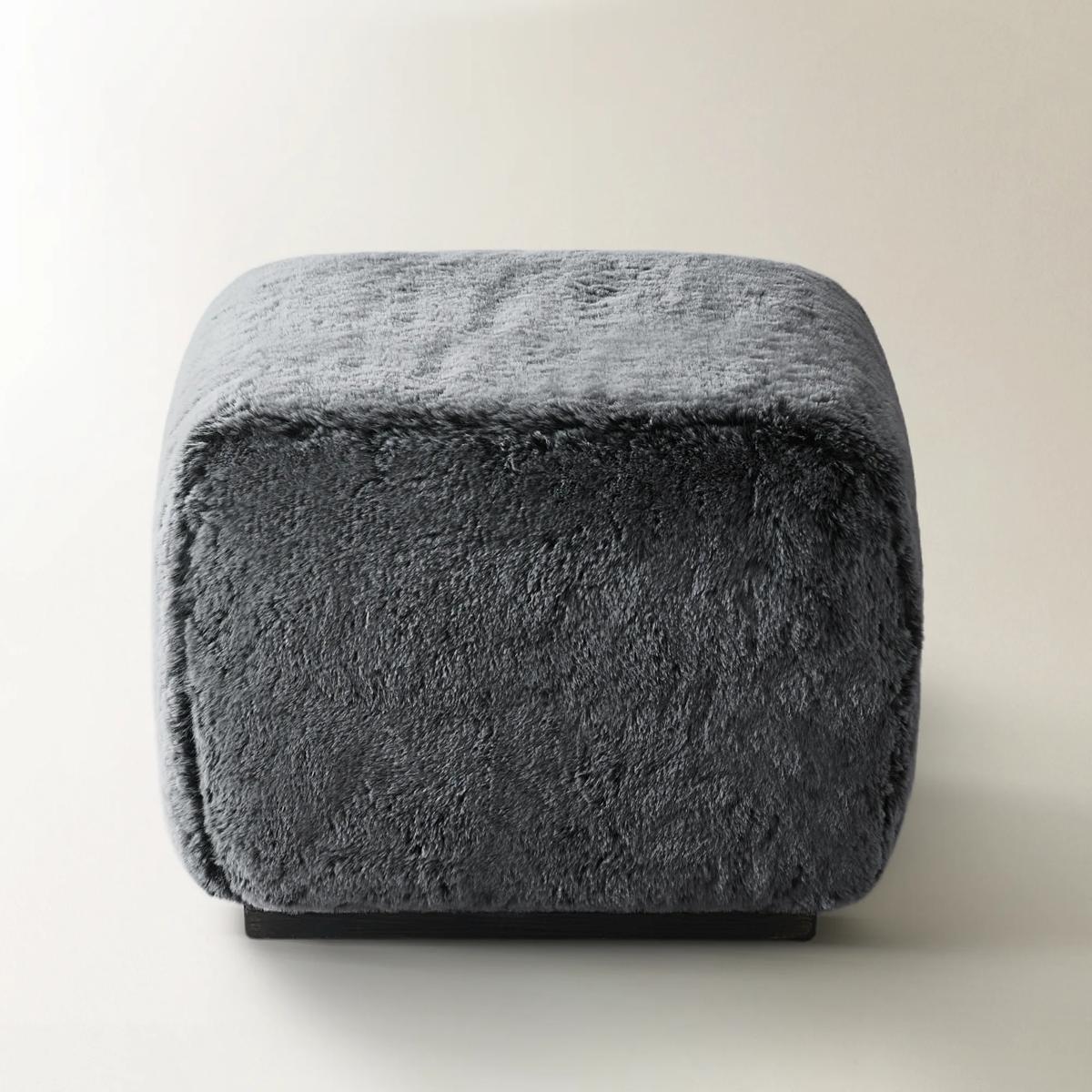
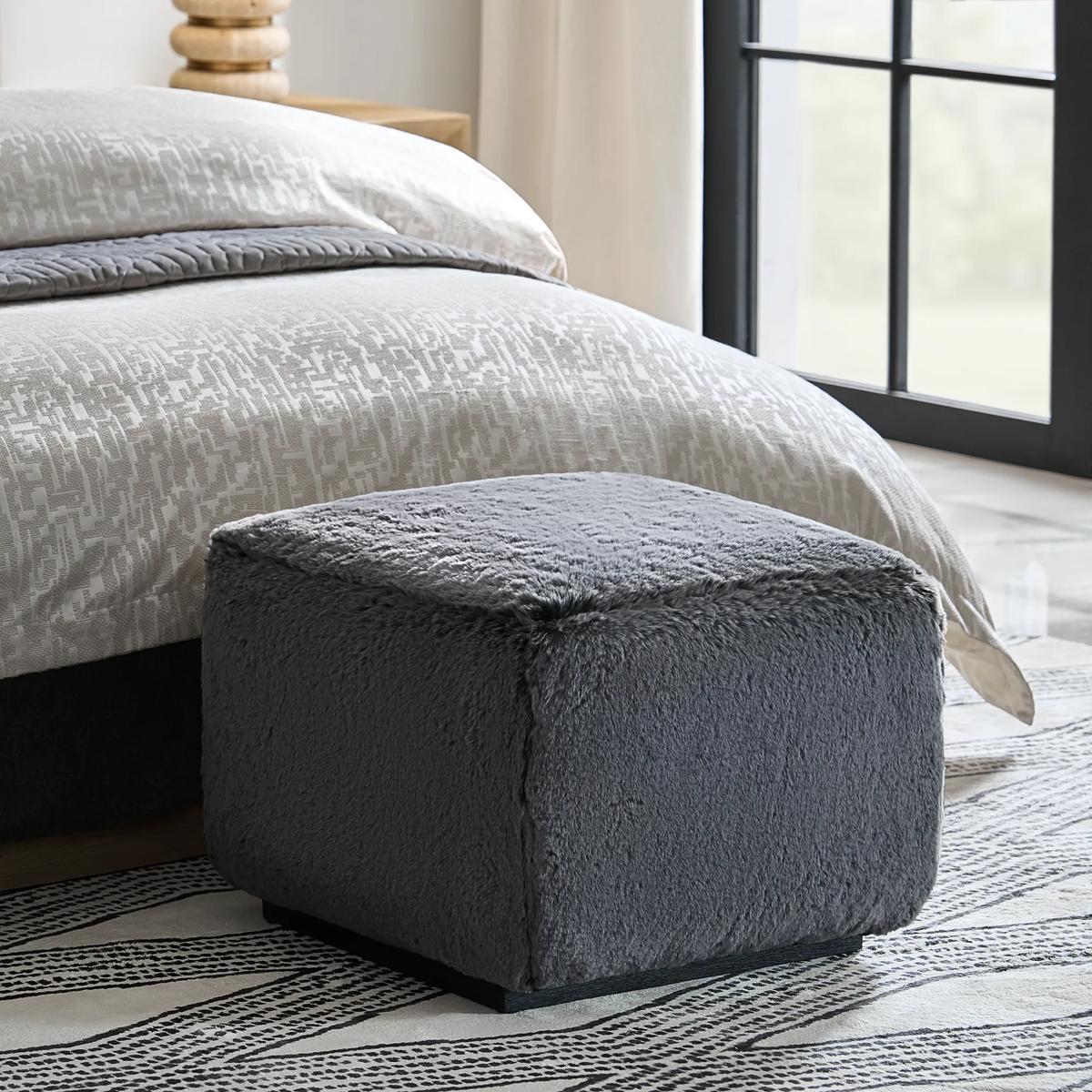 Lris Grey Faux Fur Stool (21")$299
A charcoal grey faux fur pouf with high-density foam and a sturdy rubberwood base for modern comfort.
Add To Cart -
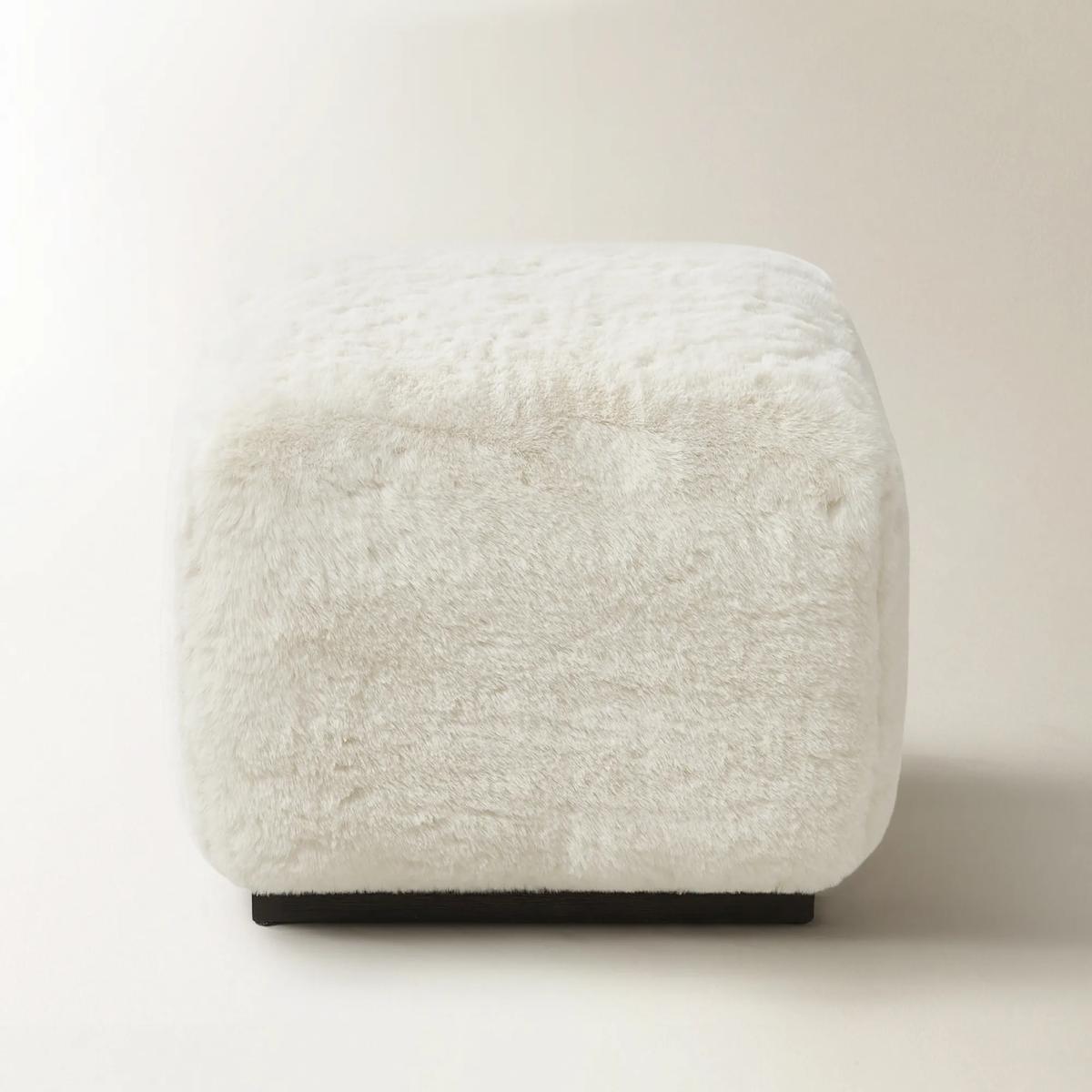
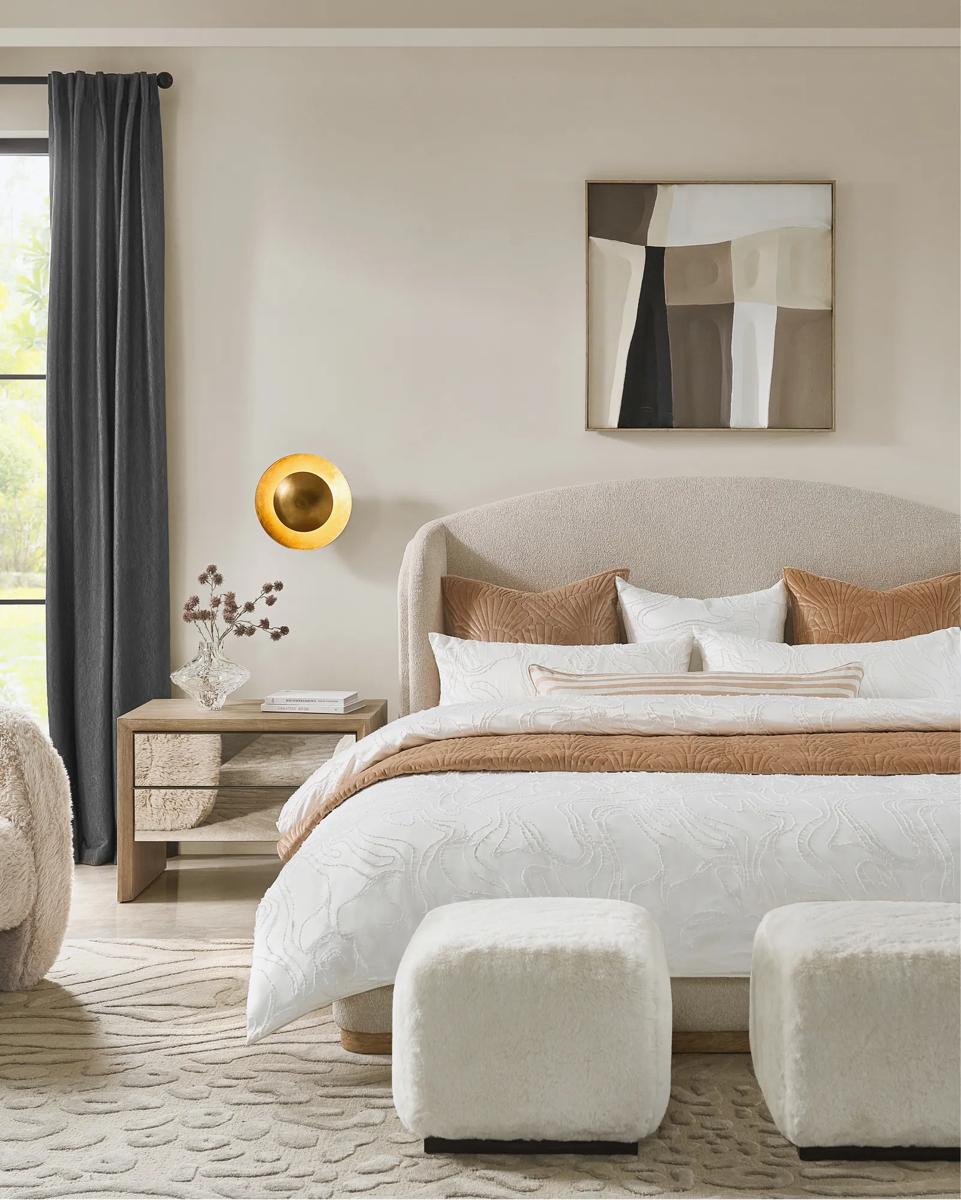 Lris Ivory Faux Fur Stool (21")$299
An ivory faux fur pouf with plush high-density foam and a sturdy, eco-friendly rubberwood base.
Add To Cart

Ottomans For Versatile Living Rooms
Ottomans for versatile living rooms are the secret ingredient of a truly expressive space—where artistry meets utility and every detail makes a statement. Imagine sculptural silhouettes that invite conversation, plush textures that beckon you to linger, and bold designs that turn practical seating into a moment of pure drama. Whether anchoring a sumptuous lounge or adding a touch of unexpected glamour, these ottomans transform your living room into a stage for style and self-expression. Elevate your décor with pieces that adapt as effortlessly as your imagination, redefining what it means to live—and lounge—in luxury.
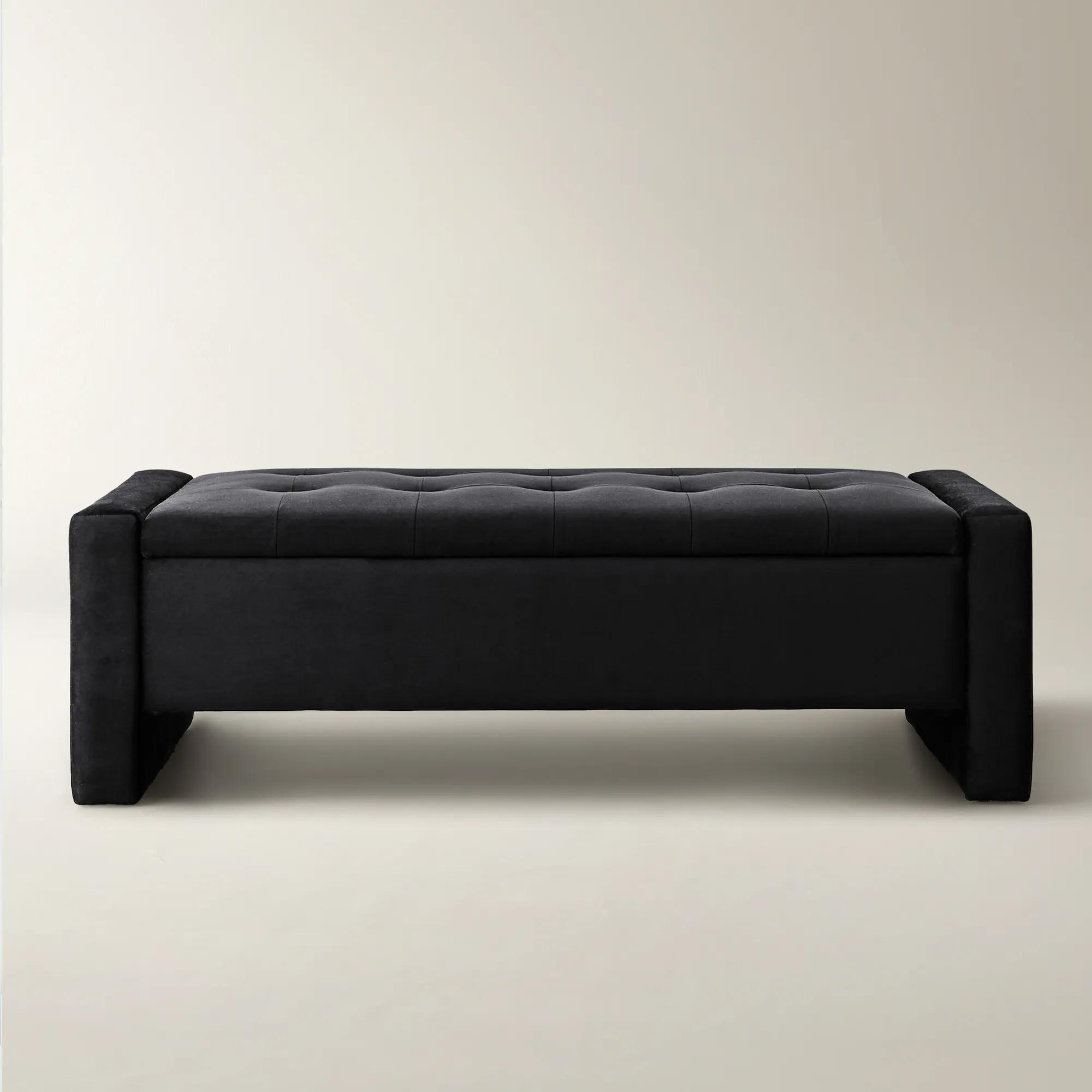
Ottomans bring flexible seating, a comfortable footrest, and a softer alternative to a traditional coffee table into a living room; designs with concealed compartments also add storage. That versatility gives an upholstered ottoman a distinctive role: it can anchor the seating arrangement without making the room feel fixed in place. Picture a generously scaled square ottoman centered beneath a sculptural chandelier, its tailored upholstery balancing the gleam of a metallic tray. By day, it holds a stack of art books; later, with the tray removed, it becomes a place to stretch out beside the sofa. When guests gather, an ottoman designed and rated for seating can provide an additional perch without the visual weight of another armchair. Round ottomans introduce curves among angular furniture and soften the outline of a compact conversation area. Rectangular silhouettes echo the proportions of a sofa, while smaller upholstered cubes can sit beside accent chairs and move into the conversation when needed. A pair of ottomans offers another kind of flexibility, creating two footrests that can be positioned separately rather than one broad surface that stays at the center of the room. Tufting adds depth and shadow, channel detailing lends architectural rhythm, and a smooth upholstered top delivers a clean expanse of color. Each treatment changes the mood as much as the function. For coffee table use, a rigid, stable tray helps support drinks and decorative objects, although deeply tufted or particularly soft surfaces may be less suitable for that purpose. Storage ottomans keep throws, board games, or reading materials close without leaving them in view, making them especially useful in living rooms that serve several purposes. The compartment dimensions, lid mechanism, and intended load matter as much as the exterior silhouette. These are pieces for apartment dwellers shaping a polished space, hosts who appreciate adaptable seating, and households that want everyday comfort to look as considered as the rest of the room.
Material gives an ottoman its tactile character and helps determine how comfortably it fits into daily life. Velvet brings saturated color and a shifting sheen, catching light differently across a broad top, rounded edge, or tufted panel. Its pile can show impressions and changes in direction, which are part of its visual character rather than necessarily signs of damage. Bouclé creates a sculptural, textured surface that looks especially expressive against glass, polished stone, or lacquered furniture, though its looped construction deserves consideration in homes where claws or sharp accessories may catch the fibers. Woven upholstery offers another direction, from fine, tailored textures to more pronounced weaves that give a neutral ottoman depth. Performance fabrics may suit frequently used living rooms, but stain resistance, cleaning methods, and durability vary by material; the upholstery specifications and care label remain the best reference. Leather introduces a supple surface with a distinct finish, and its aging characteristics depend on the type and treatment. Some leathers develop a patina, while others retain a more uniform appearance with appropriate care. Faux leather requires its own cleaning approach and should not be treated as interchangeable with genuine leather. Beneath the upholstery, frame construction, joints, cushioning, and the base influence stability and longevity. A firmly cushioned top generally serves occasional seating or tray placement differently from a plush footrest, so intended use should shape the selection. Exposed wood lends warmth, while metallic bases introduce a gleaming contrast; floor protectors appropriate to the flooring can help reduce marking when a piece is repositioned. Routine care preserves the effect of these details. Gentle vacuuming with a suitable upholstery attachment removes dust from seams and tufting, and prompt blotting helps keep spills from spreading. Cleaning products should match the manufacturer’s instructions, with testing in an inconspicuous area when recommended. Strong sunlight can fade some upholstery, and harsh cleaners can damage fabric or finishes. In a room used for entertaining, reading, and family movie nights, thoughtful material selection lets the ottoman remain part of the experience rather than something that requires constant vigilance.
Proportion is what makes a versatile ottoman feel integrated rather than added as an afterthought. For use as a footrest, a top close to the sofa’s seat height, often about an inch lower, is a useful starting point; cushion compression and personal comfort can change the ideal relationship. A central ottoman roughly half to two-thirds the length of the sofa often creates a balanced composition, but that guideline is less useful than checking the actual space around the piece. A deep sectional may accommodate a substantial square ottoman, while a narrow living room may feel more graceful with a slim rectangle or two smaller rounds. Approximately 14 to 18 inches between the sofa and a central ottoman can provide comfortable reach and legroom, provided the arrangement still allows people to move easily. Main walking routes generally need more generous clearance, often around 30 to 36 inches or more depending on the household and accessibility needs. Doors, drawers, reclining seats, and storage lids also need room to operate. These practical relationships support the visual ones: a low profile can preserve a view across the room, while a substantial upholstered form can give a large seating area the presence it needs. Color offers equal freedom. An ottoman in a related tone can extend the sofa’s silhouette, while a contrasting jewel tone creates a deliberate focal point against quieter upholstery. Texture can supply contrast without introducing another strong color, particularly when a tactile fabric sits beside sleek tables or a luminous rug. For an arrangement that places lounging at its center, ottomans for cozy living rooms offer a complementary expression of comfort. Versatility is not simply a matter of adding more functions; it is the ability to move naturally between them. A reading nook becomes a place to put your feet up, a conversation area gains another seat, and an upholstered centerpiece brings softness to an otherwise angular room. With the right scale, construction, and surface, an ottoman gives the living room both expressive presence and room to adapt.
FAQs
Ottomans are the unsung heroes of living room design, offering both visual intrigue and functional versatility. Whether you choose a sculptural silhouette or a plush, tufted surface, ottomans introduce texture, color, and dimension to your space. They can serve as a dramatic focal point, a subtle complement to your seating, or a playful accent that reflects your unique style. By thoughtfully selecting an ottoman that aligns with your room’s aesthetic, you elevate the entire atmosphere, transforming ordinary moments into extraordinary experiences.
Ottomans are marvels of versatility. Place a tray atop a large ottoman to create a chic coffee table, or use a pair to anchor your seating arrangement and encourage conversation. Tuck smaller poufs under a console table for impromptu extra seating, or position one beside a reading chair to craft a cozy nook. Storage ottomans can discreetly stow blankets and books, while bold designs can act as statement pieces that spark joy and conversation.
Absolutely—an ottoman is a thoughtful and luxurious gift, perfect for housewarmings, weddings, or milestone celebrations. Its blend of beauty and practicality ensures it will be cherished and used daily. Choose a style and material that reflects the recipient’s taste, and you’ll be giving a gift that transforms their living space and creates lasting memories.
Selecting the ideal material depends on your lifestyle and desired ambiance. Velvet ottomans infuse the room with opulence and warmth, while leather offers timeless sophistication and durability. For a tactile, inviting feel, consider boucle or woven fabrics. The right material not only sets the mood but also stands up to the rhythms of daily life, making your ottoman both a visual delight and a practical choice for versatile living.
Yes, ottomans excel at adapting to the flow of gatherings, large or small. Use them as extra seats when guests arrive, or cluster a few in the center of the room to encourage mingling and conversation. Their mobility allows you to reconfigure your space with ease, ensuring every event feels both welcoming and effortlessly chic.