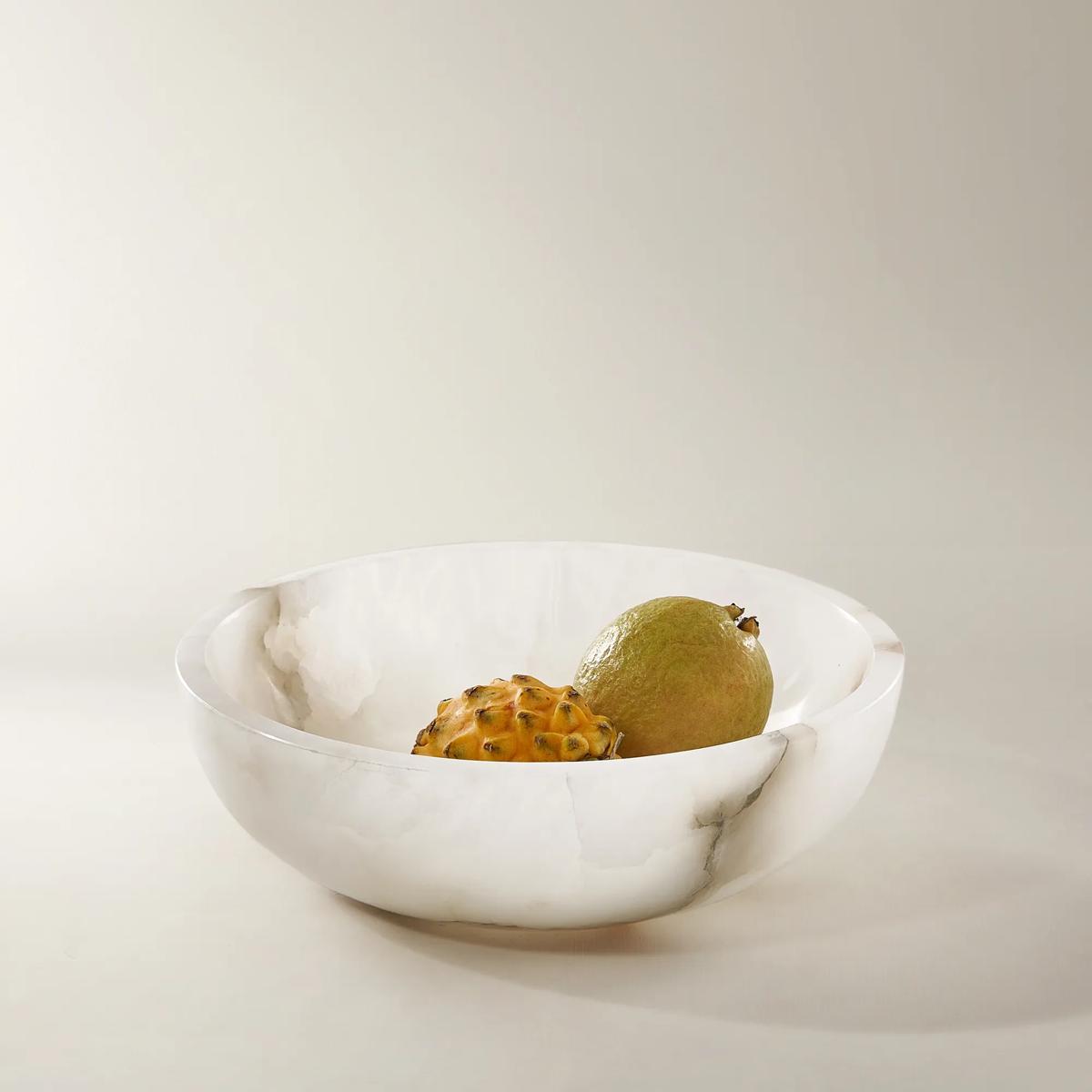
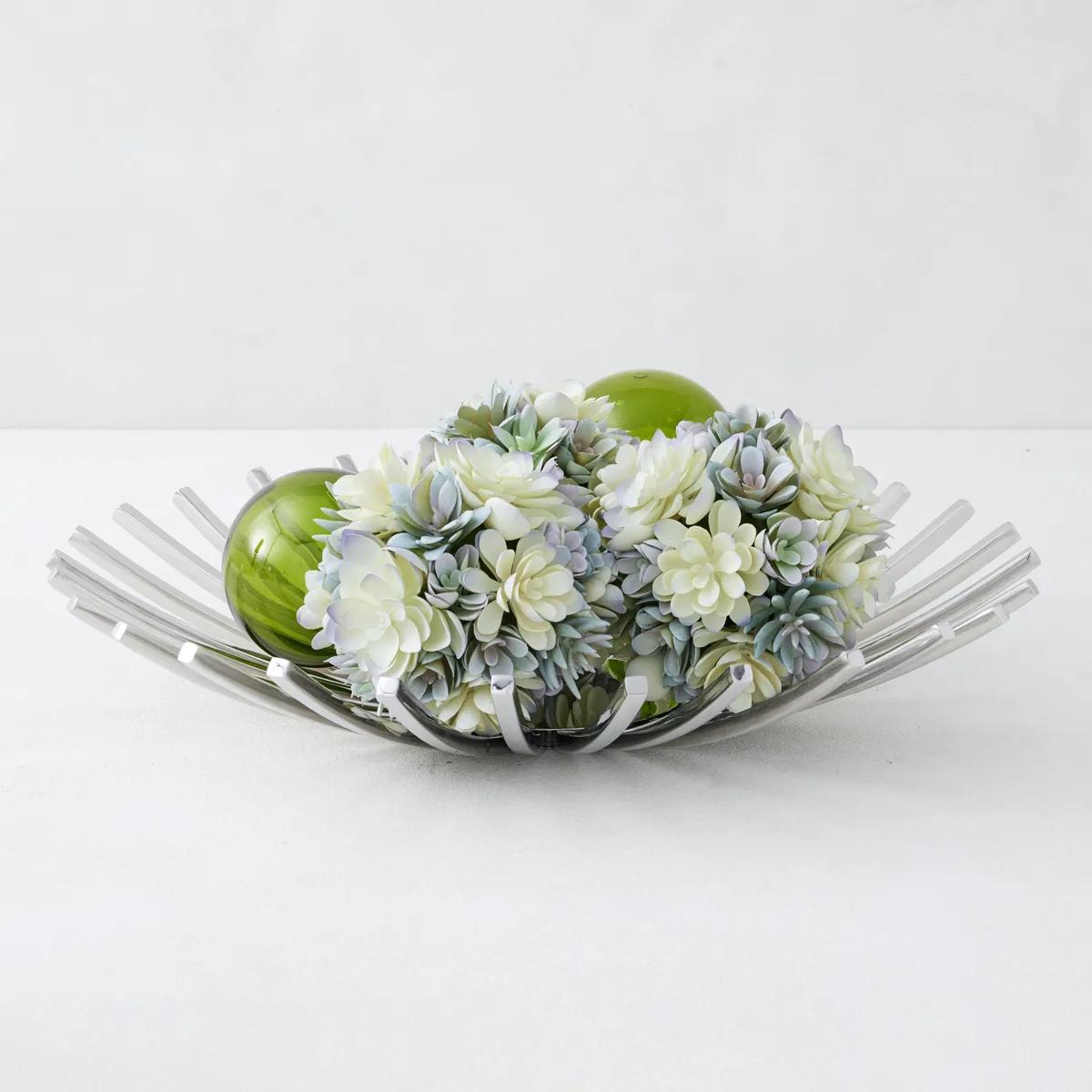
Organic Shape Decorative Bowl Sets
Organic Shape Decorative Bowl Sets
-
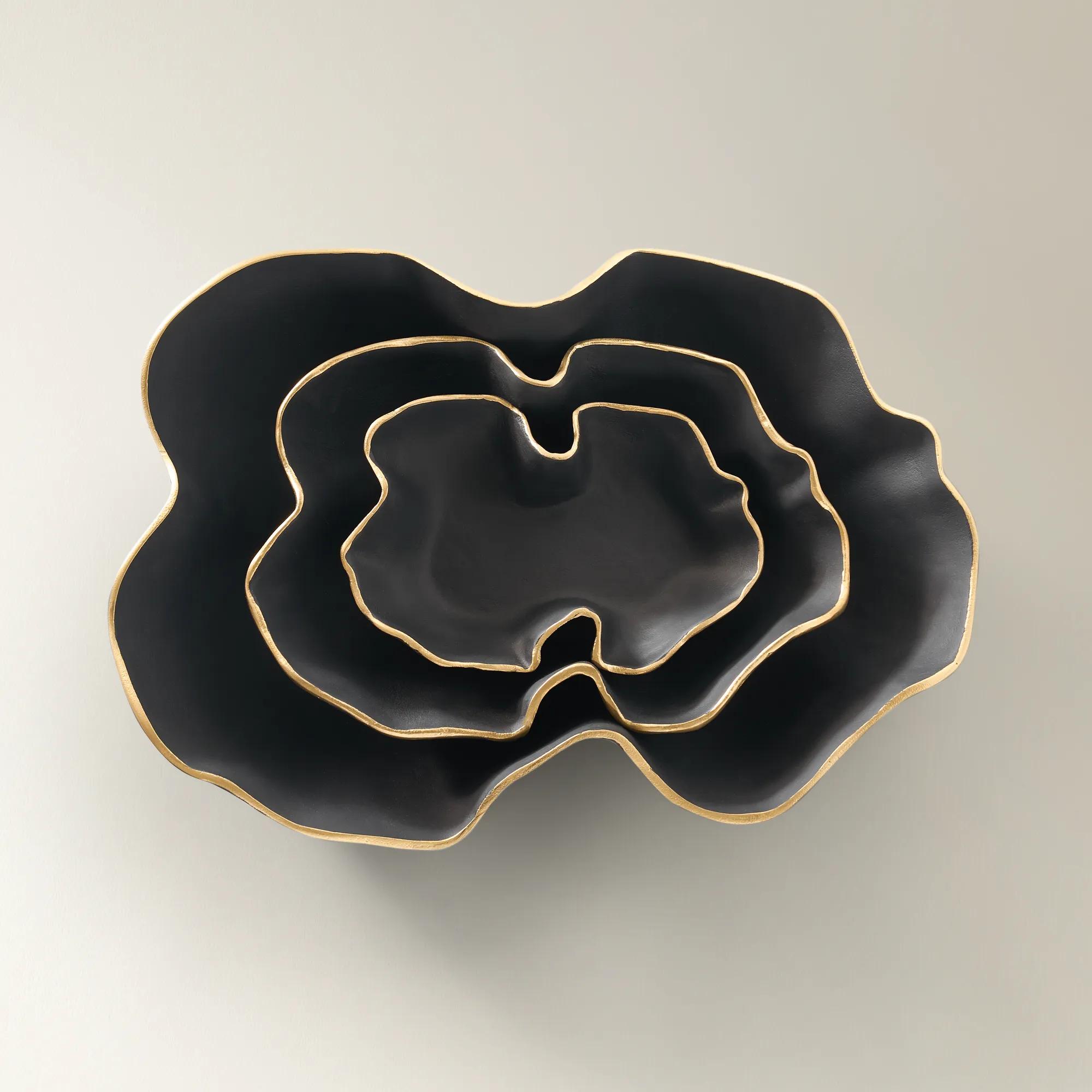 Lava Black Gold Aluminum Decorative Nesting Bowls$99
A deep black aluminum bowl with golden edges, featuring an organic shape inspired by volcanic rock.
Add To Cart -
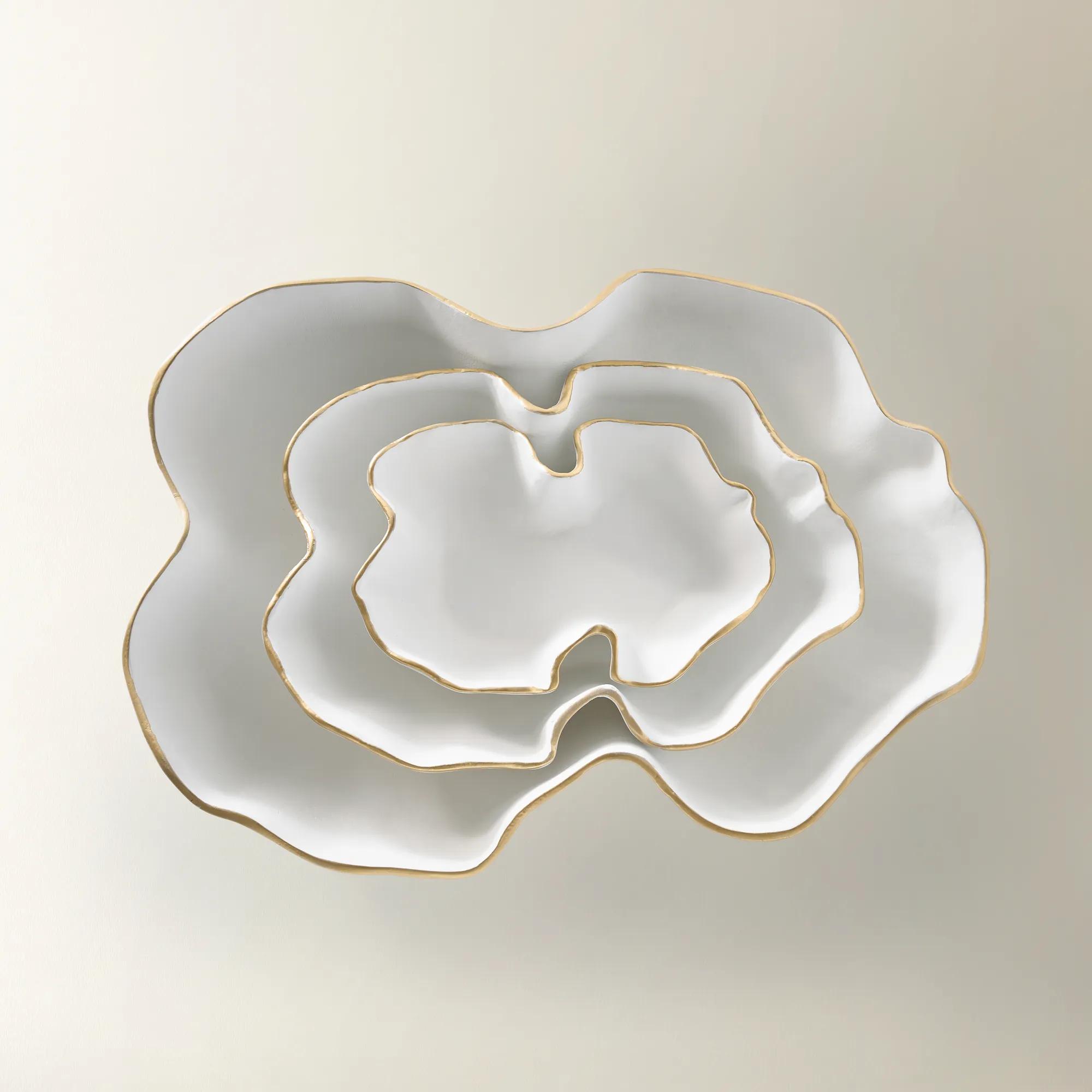 Lava White Gold Aluminum Decorative Nesting Bowls$99
A glossy white aluminum bowl with a golden rim, offering modern elegance for decorative display.
Add To Cart -
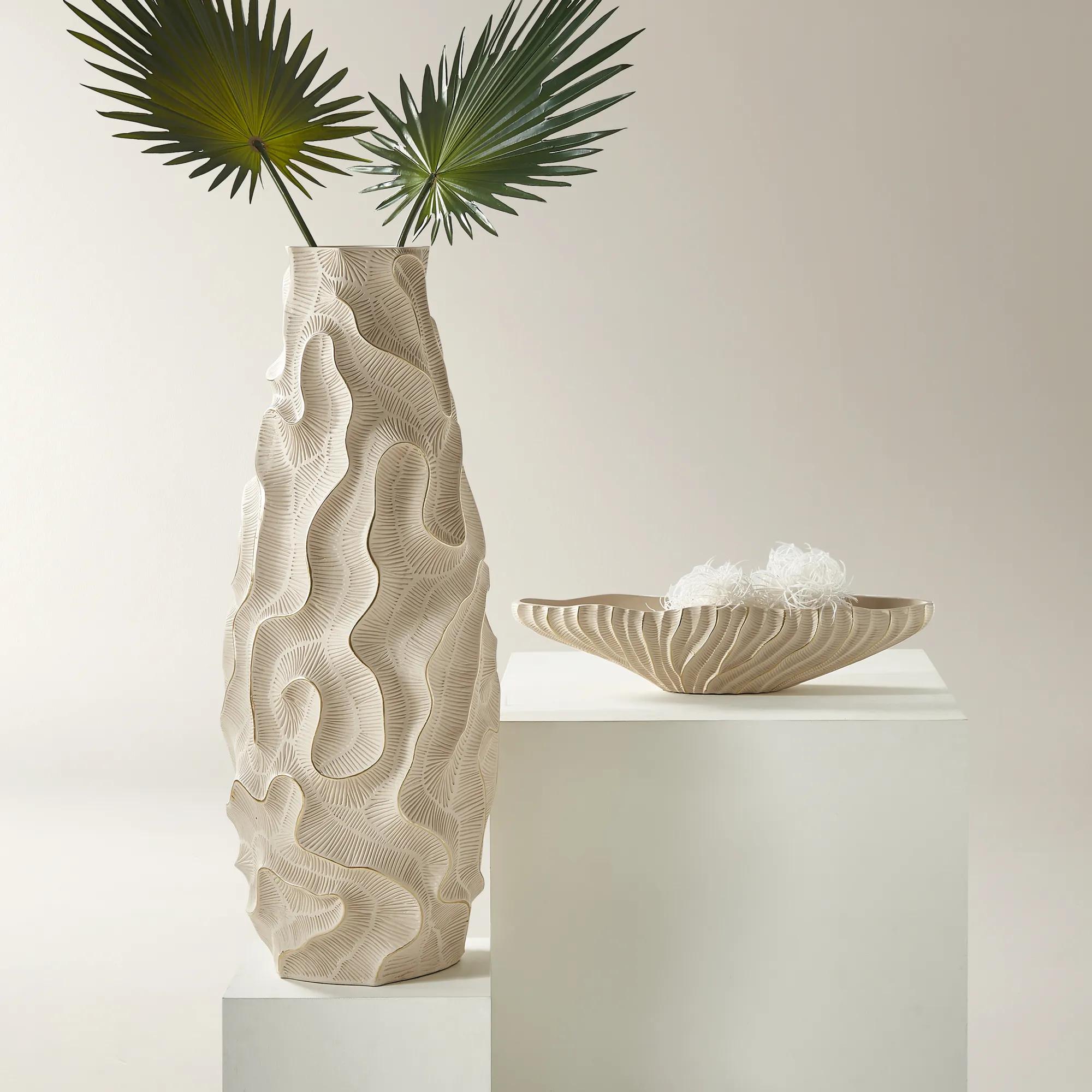
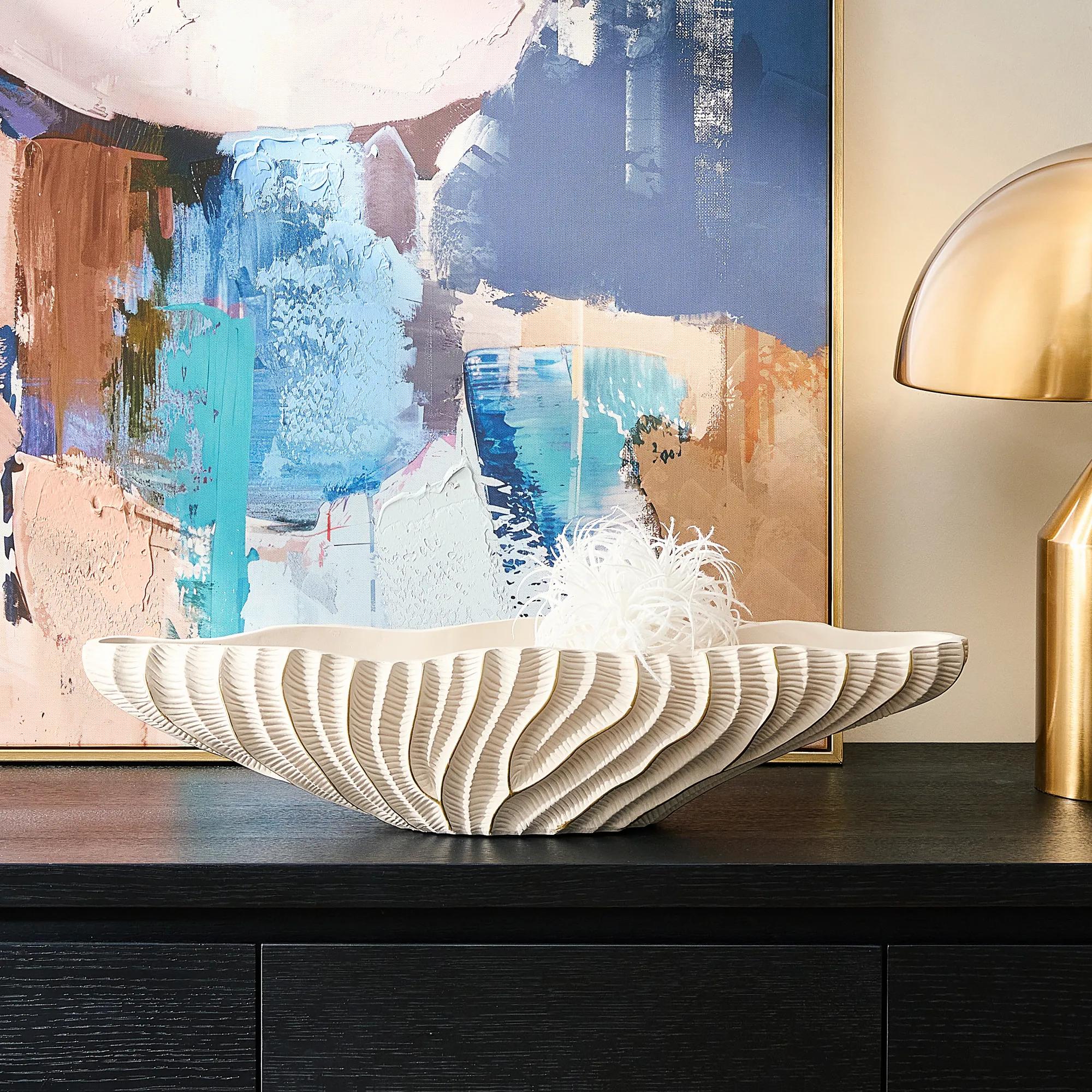 Rouche Ivory And Gold Etched Resin Floor Vase & Bowl$79
A decorative resin vase and bowl set with organic forms, ivory surfaces, and elegant gold etching.
Add To Cart -

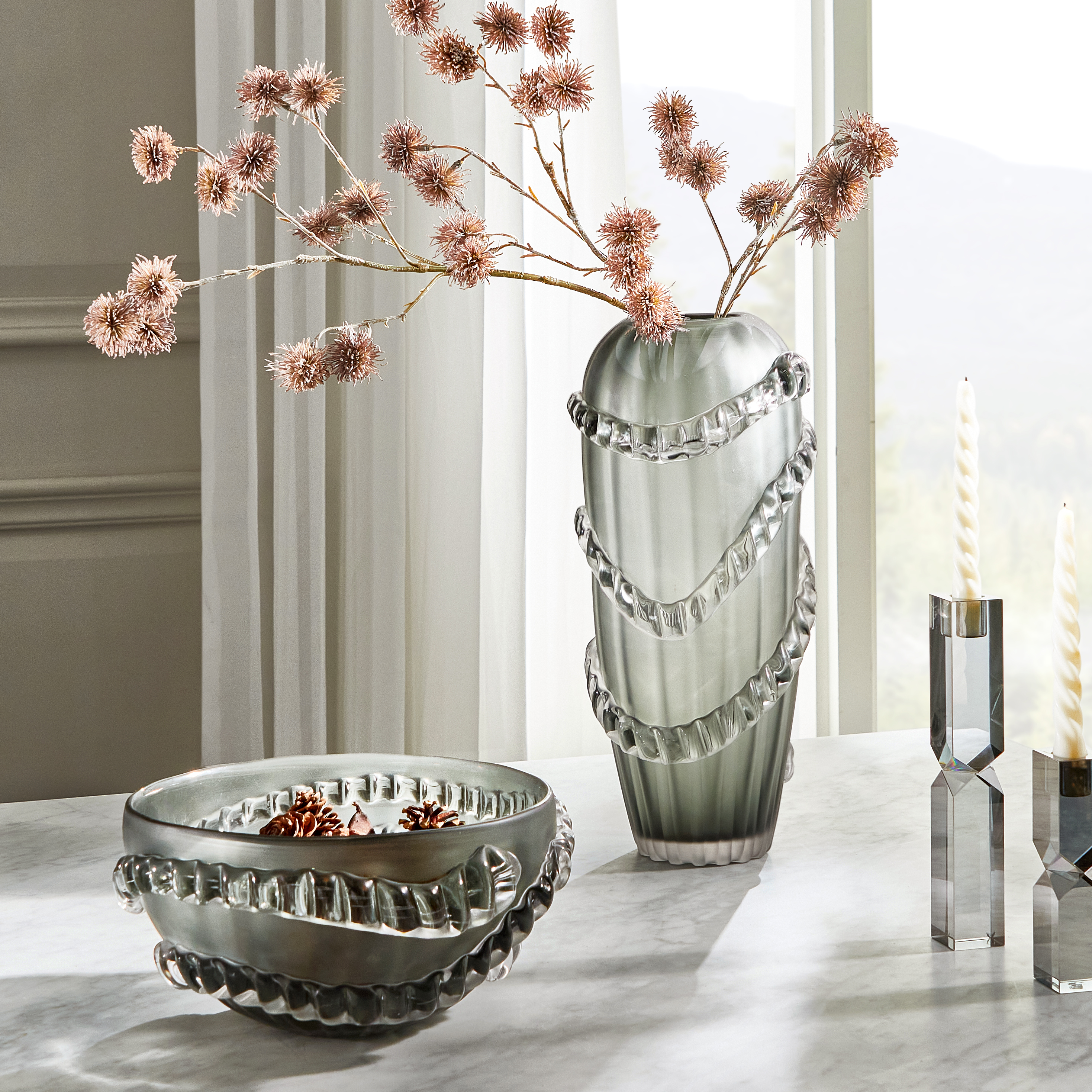 Helix Glass Collection$129
A hand-blown dark gray glass piece featuring fluted bodies and rippling sculptural ribbons for modern elegance.
Add To Cart -
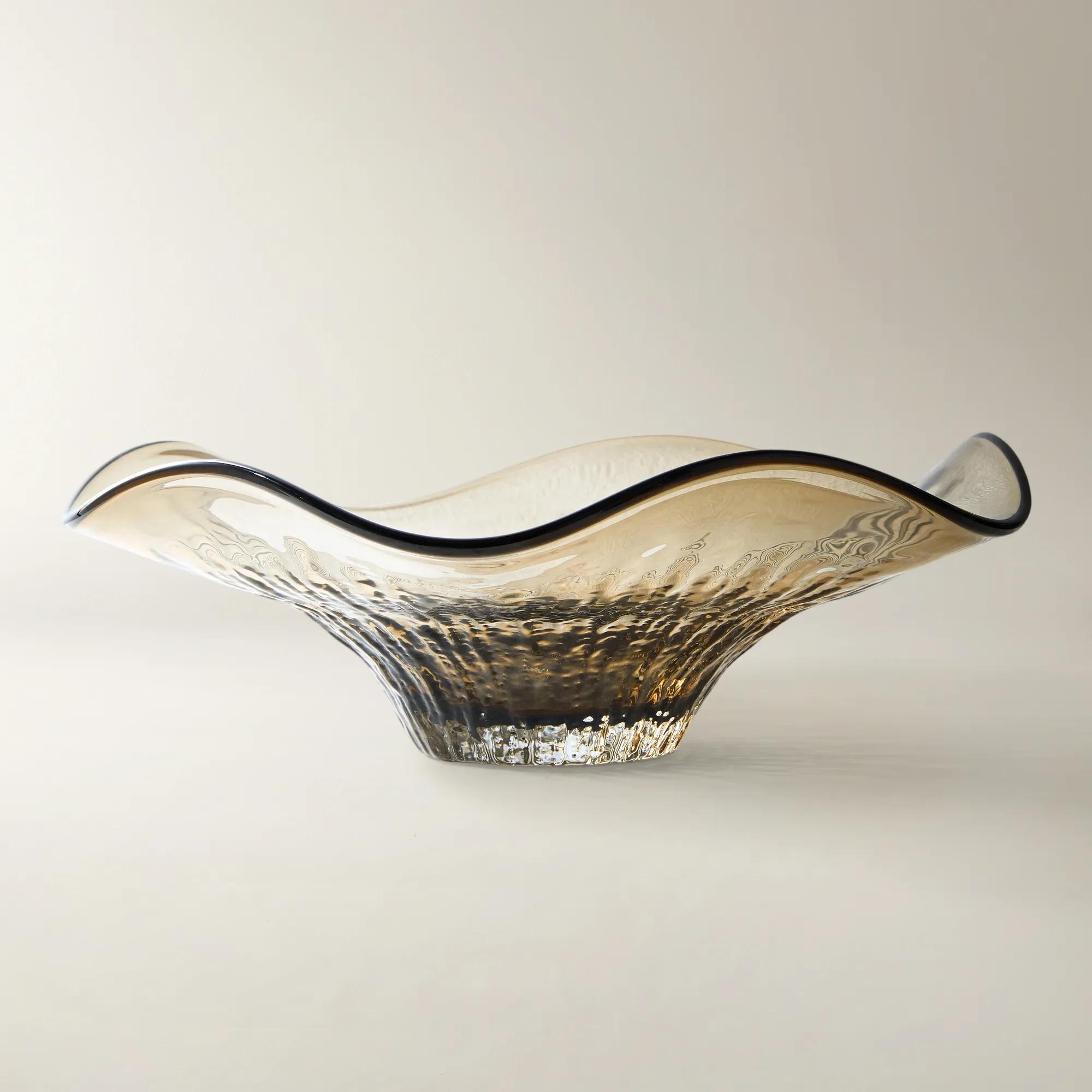 Corsi Brown Handblown Glass Decorative Bowl 15.35" x 5.1"$99
A hand-blown glass bowl in warm amber with organic shape and intricate textural details.
Add To Cart -
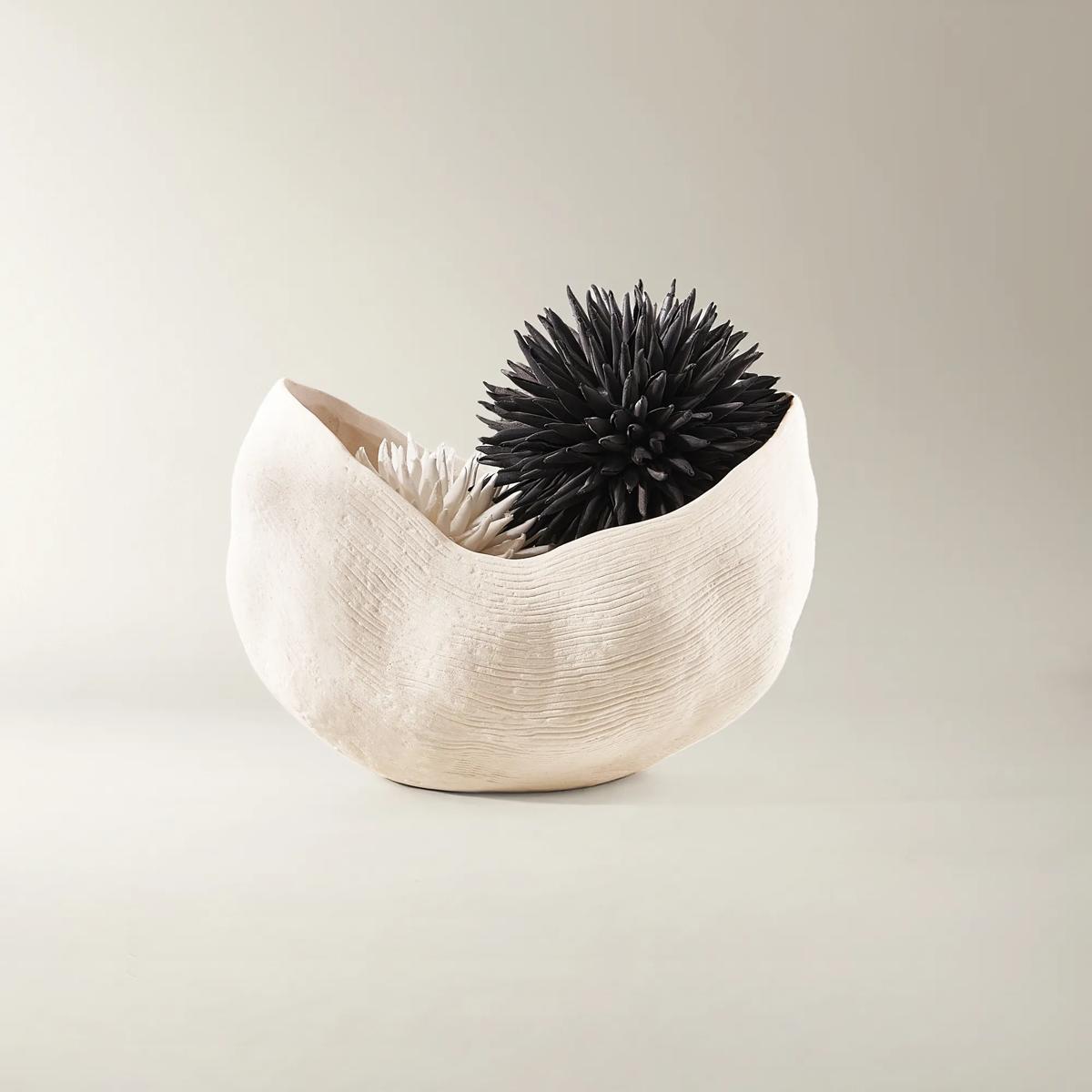 Baz Ivory Porcelain Bowl$119
A sculptural ivory porcelain bowl with a matte, textured finish and organic, free-flowing silhouette.
Add To Cart -
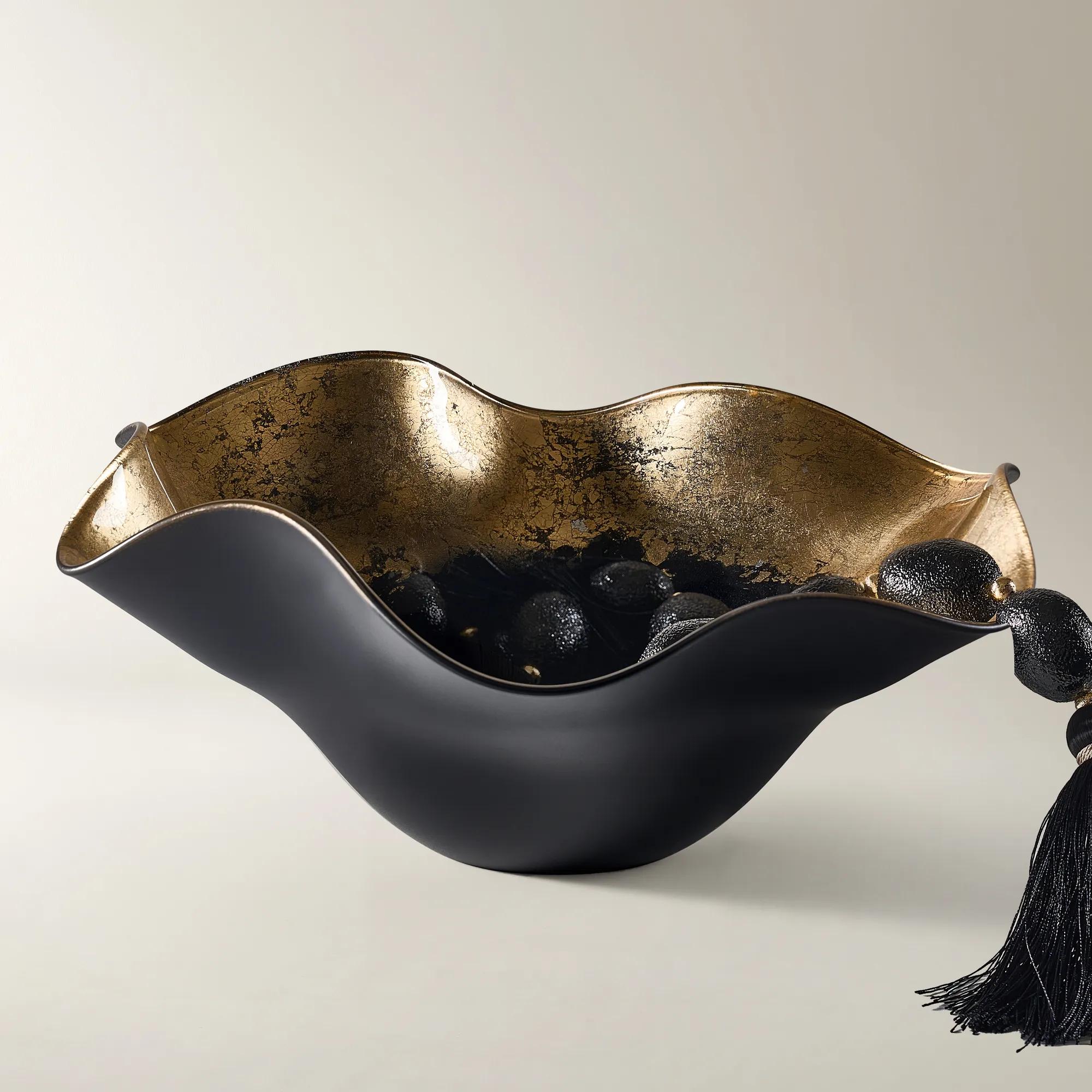
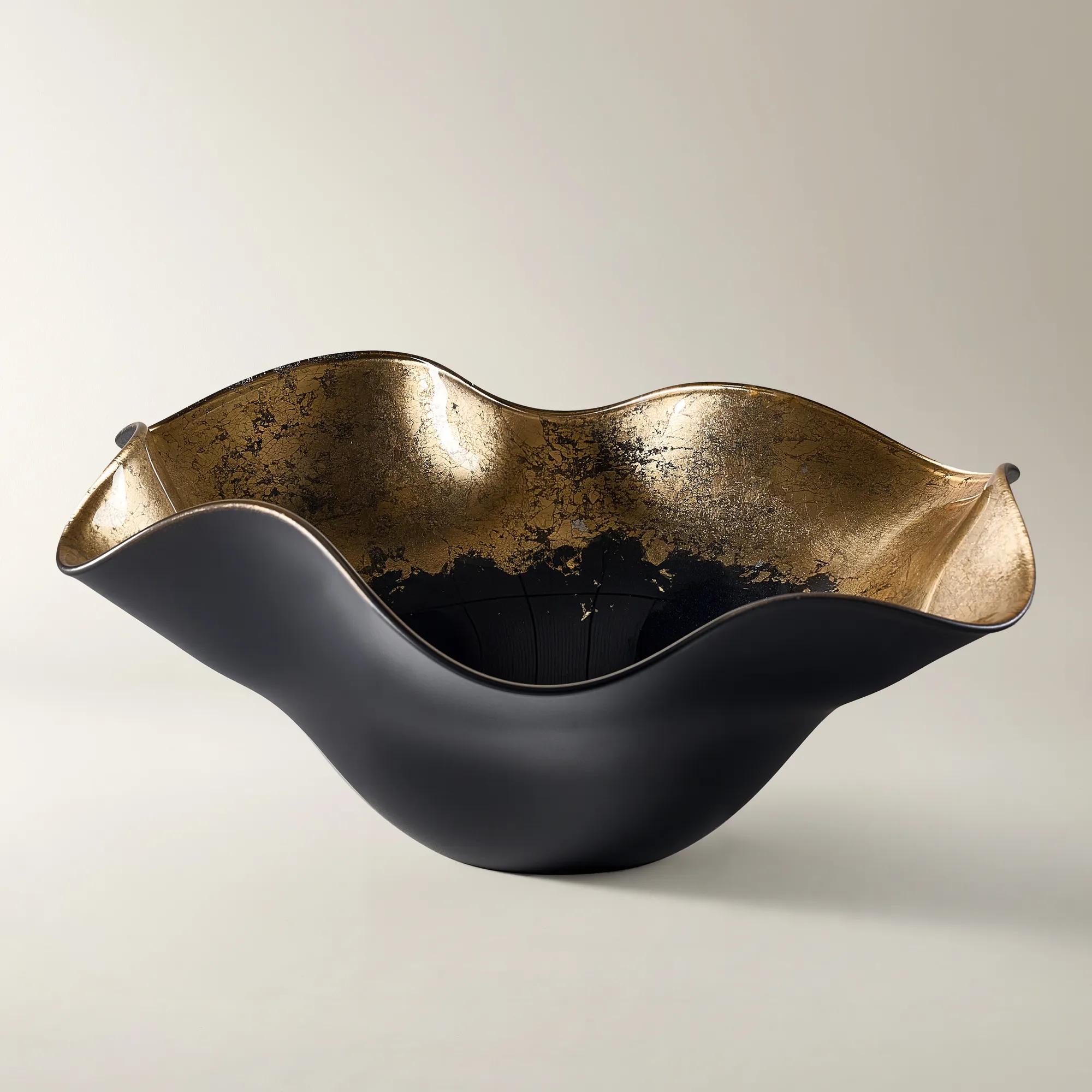 Goldie Mouth Blown Gold Black Glass Decorative Bowl 15.5" x 8.75"$199
A handblown glass bowl in soft gold and black with an organic, sculptural silhouette for modern decor.
Add To Cart -
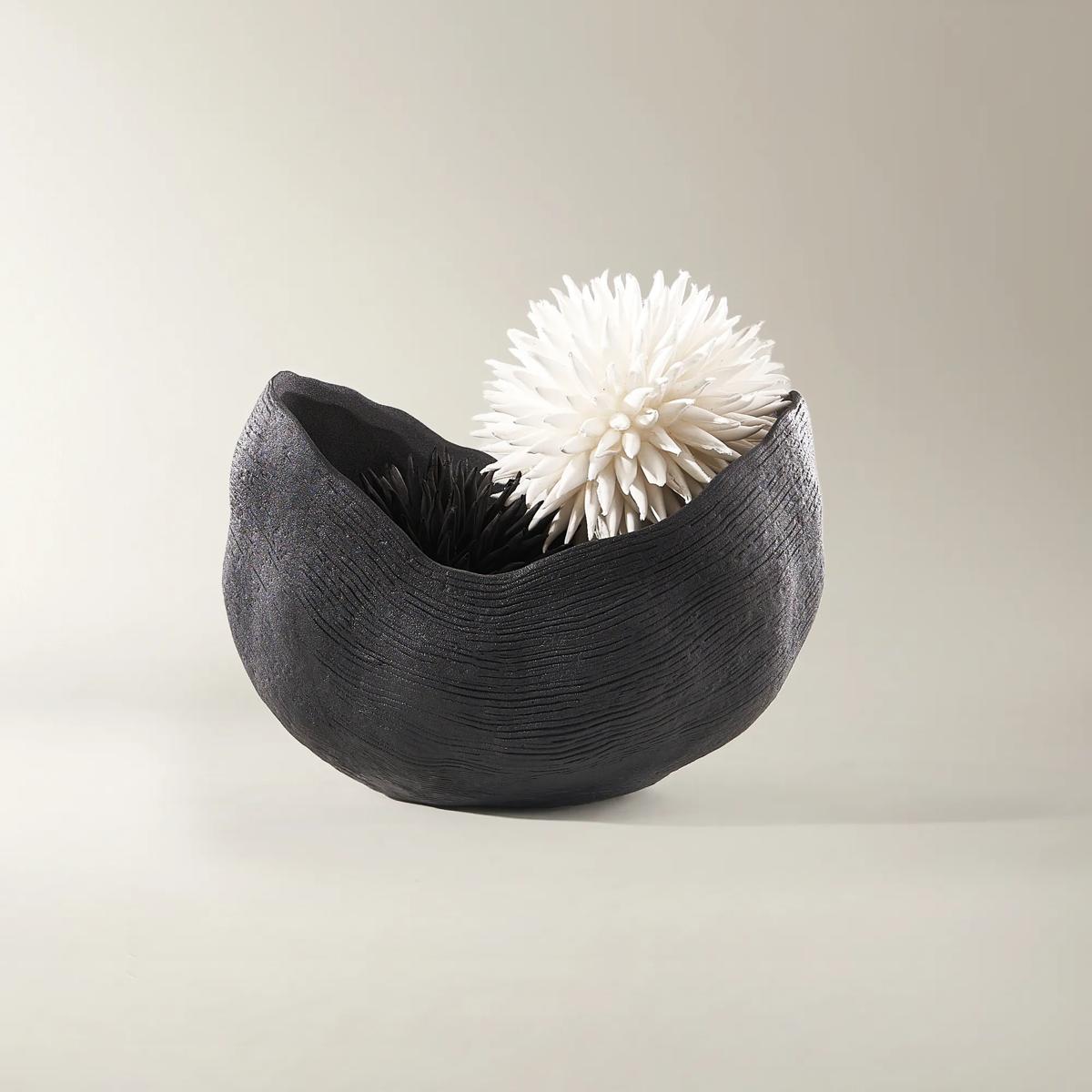 Baz Bowl - Black$119
A sculptural black porcelain bowl with a matte, ridged texture for bold, modern decor accents.
Add To Cart -
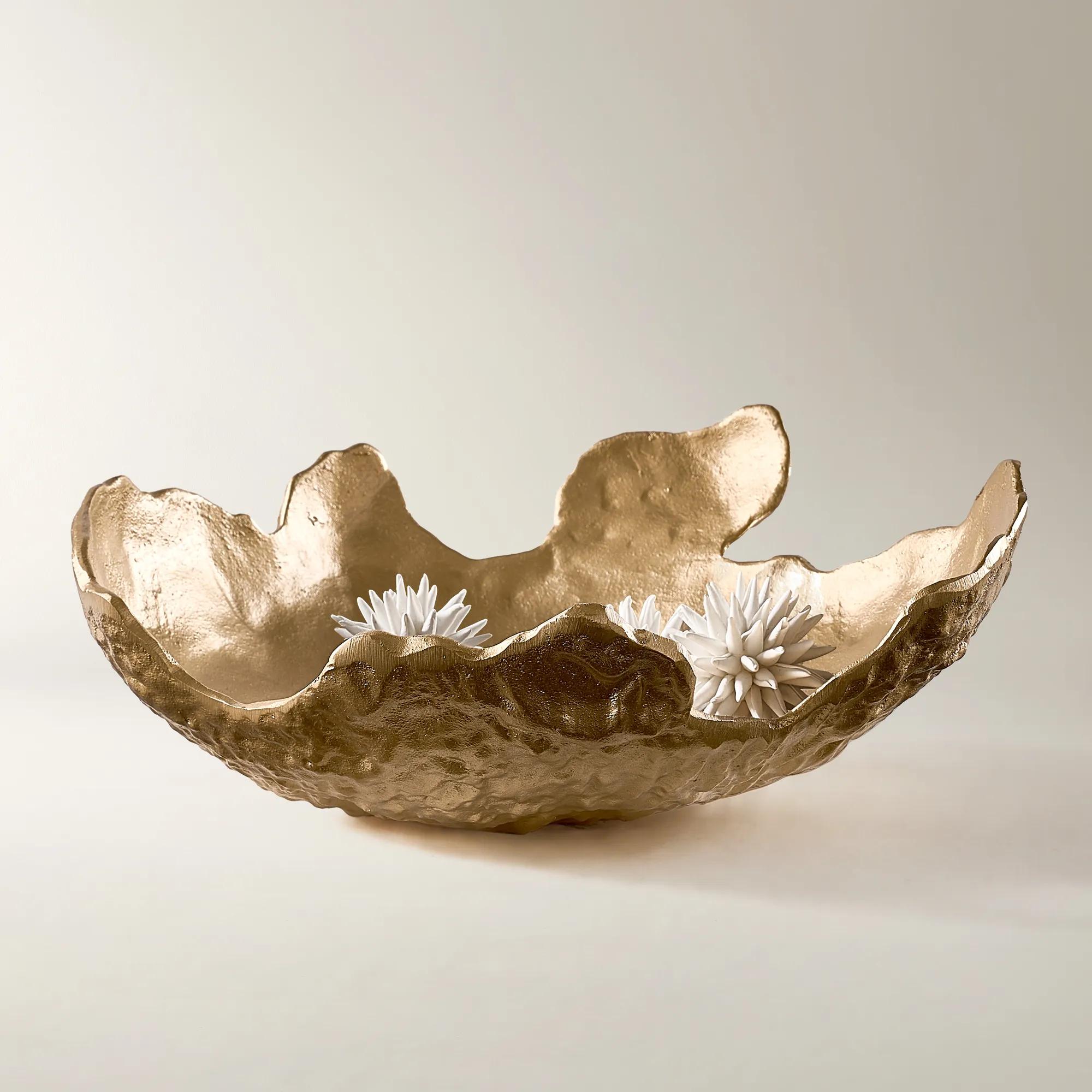 Crush Gold Aluminum Decorative Bowl 16" x 5.75"$169
A sculptural aluminum bowl with a soft gold finish and organic, crushed silhouette for modern decor.
Add To Cart -

 Coral Ivory Porcelain Vase & Bowl$139
An ivory porcelain accent featuring flowing, coral-inspired curves for a modern, gallery-worthy display.
Add To Cart -
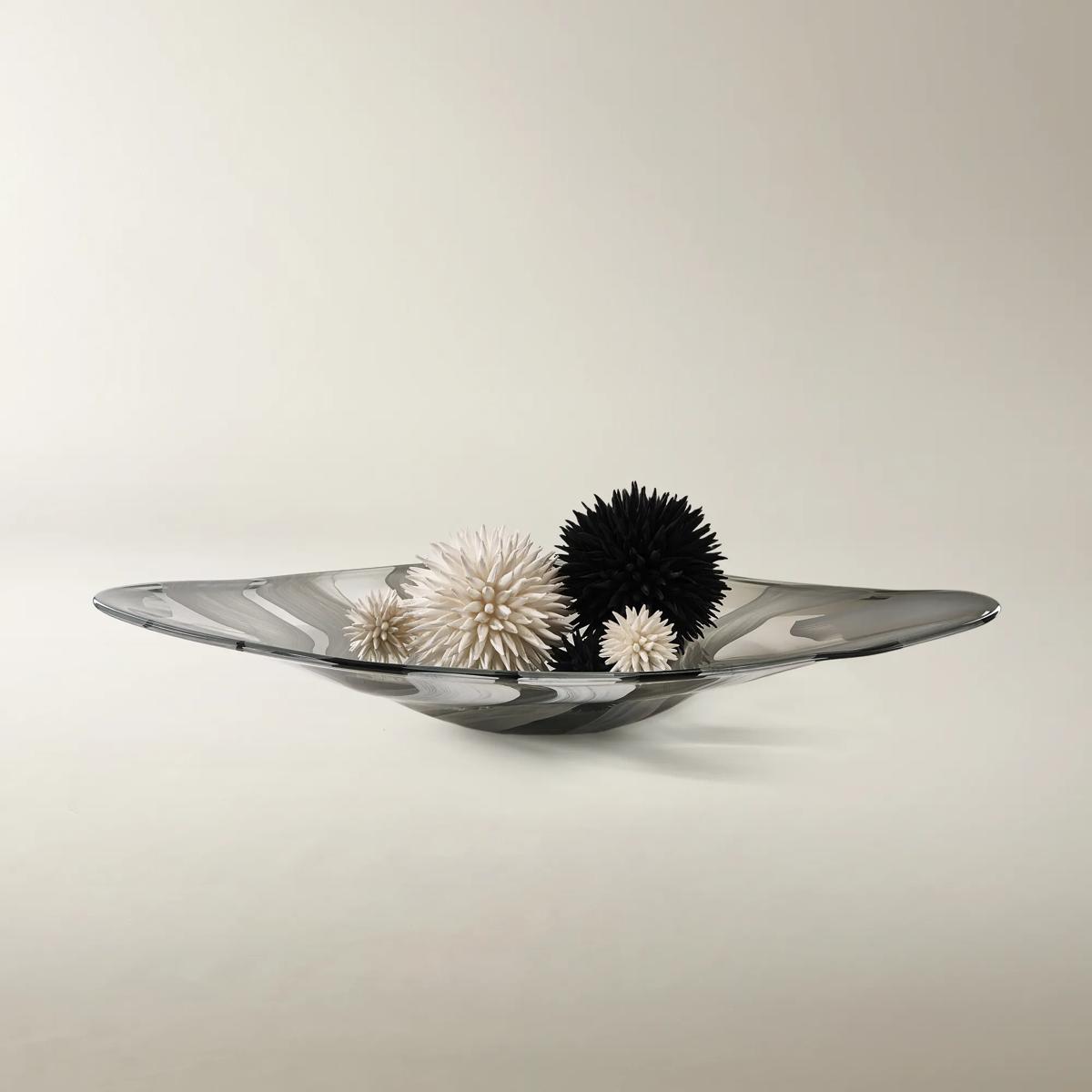
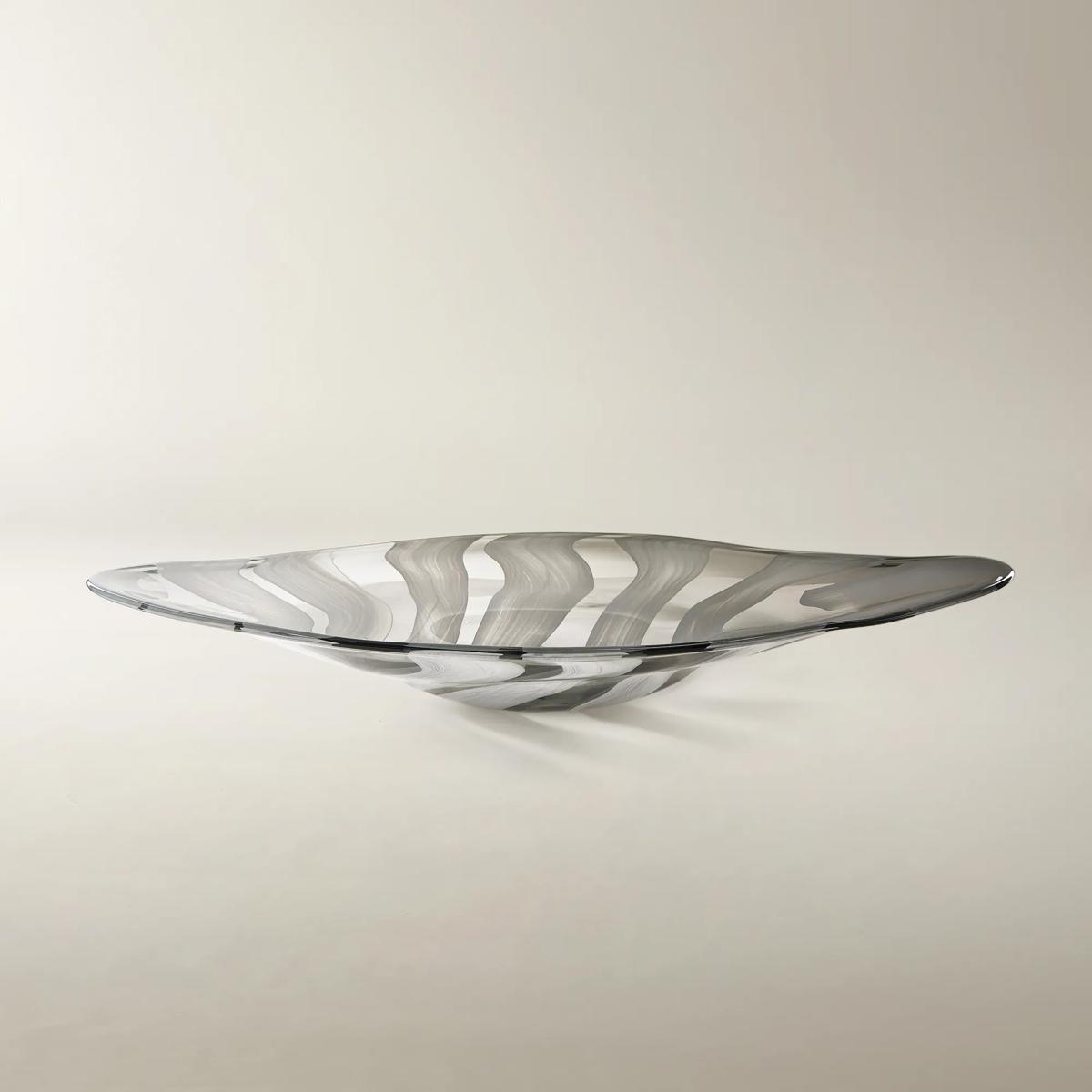 Zoya Glass Bowl$349
A hand-blown grey glass bowl with a marbled pattern and organic silhouette for modern decor.
Add To Cart -
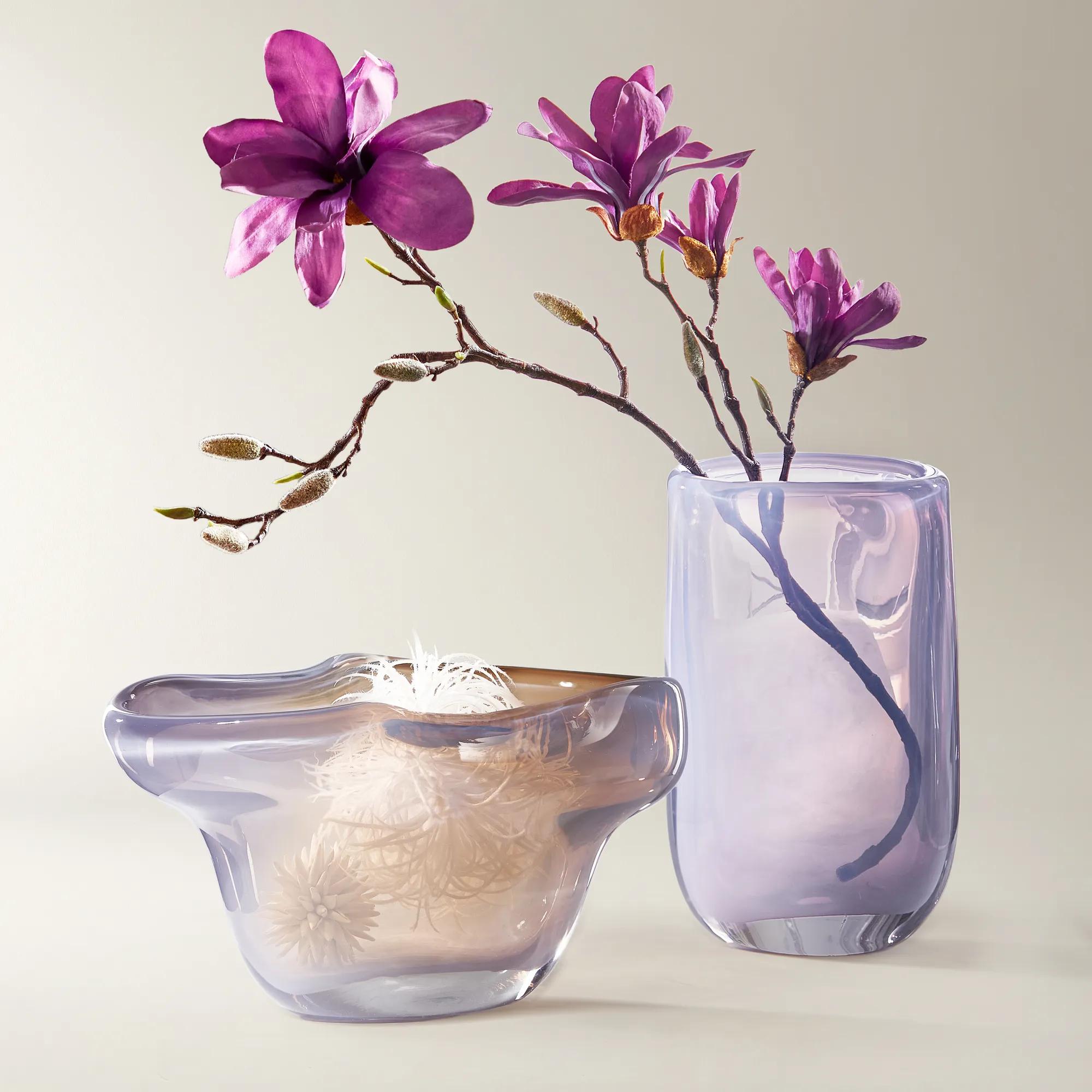
 Aura Collection$149
A hand-blown glass accent in dreamy lavender, showcasing fluid curves and modern sculptural artistry.
Add To Cart -
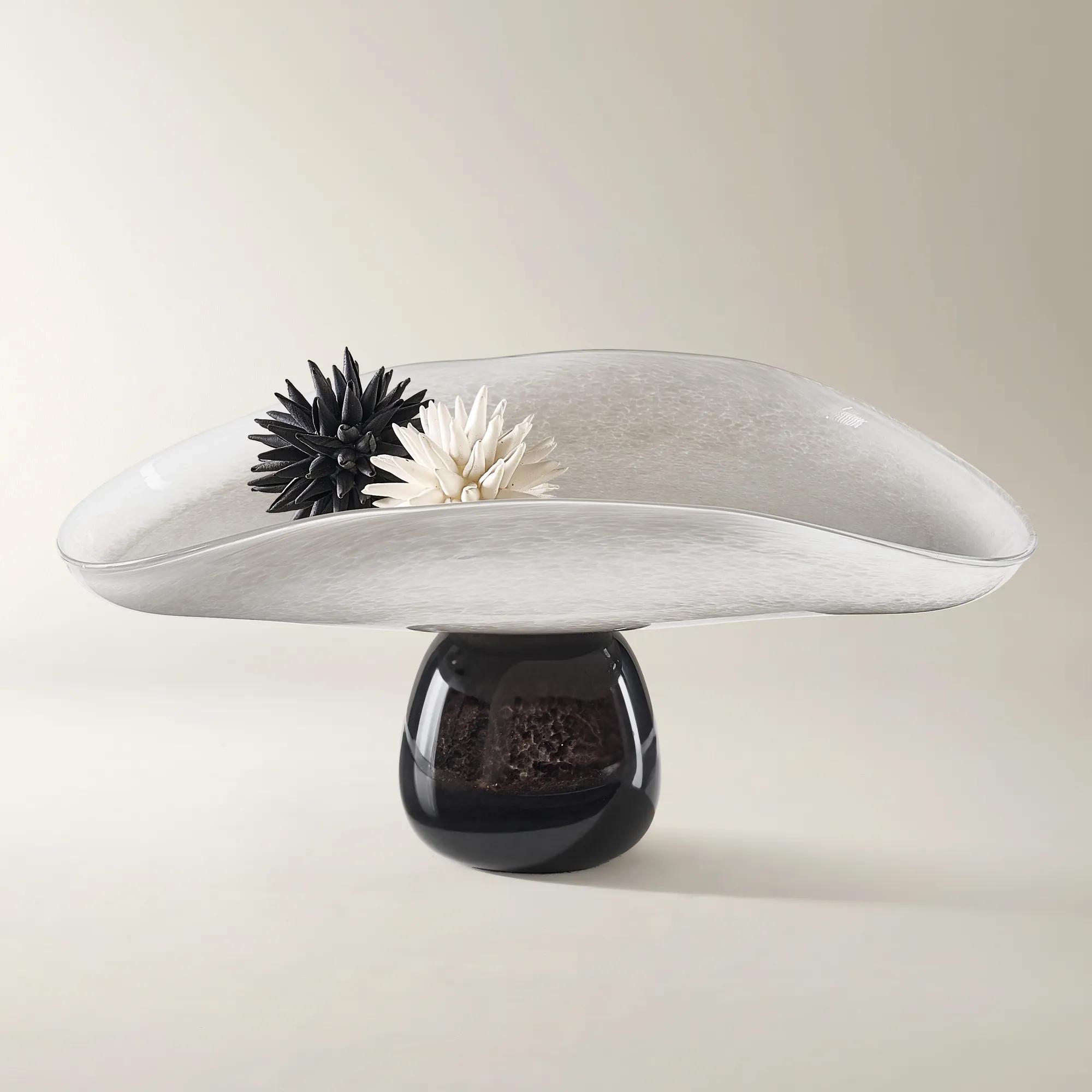 Elois Mouth Blown White Black Pedestal Bowl 14.5" x 7"$149
A handblown glass pedestal bowl featuring striking black and white contrast for a sculptural, modern accent.
Add To Cart -
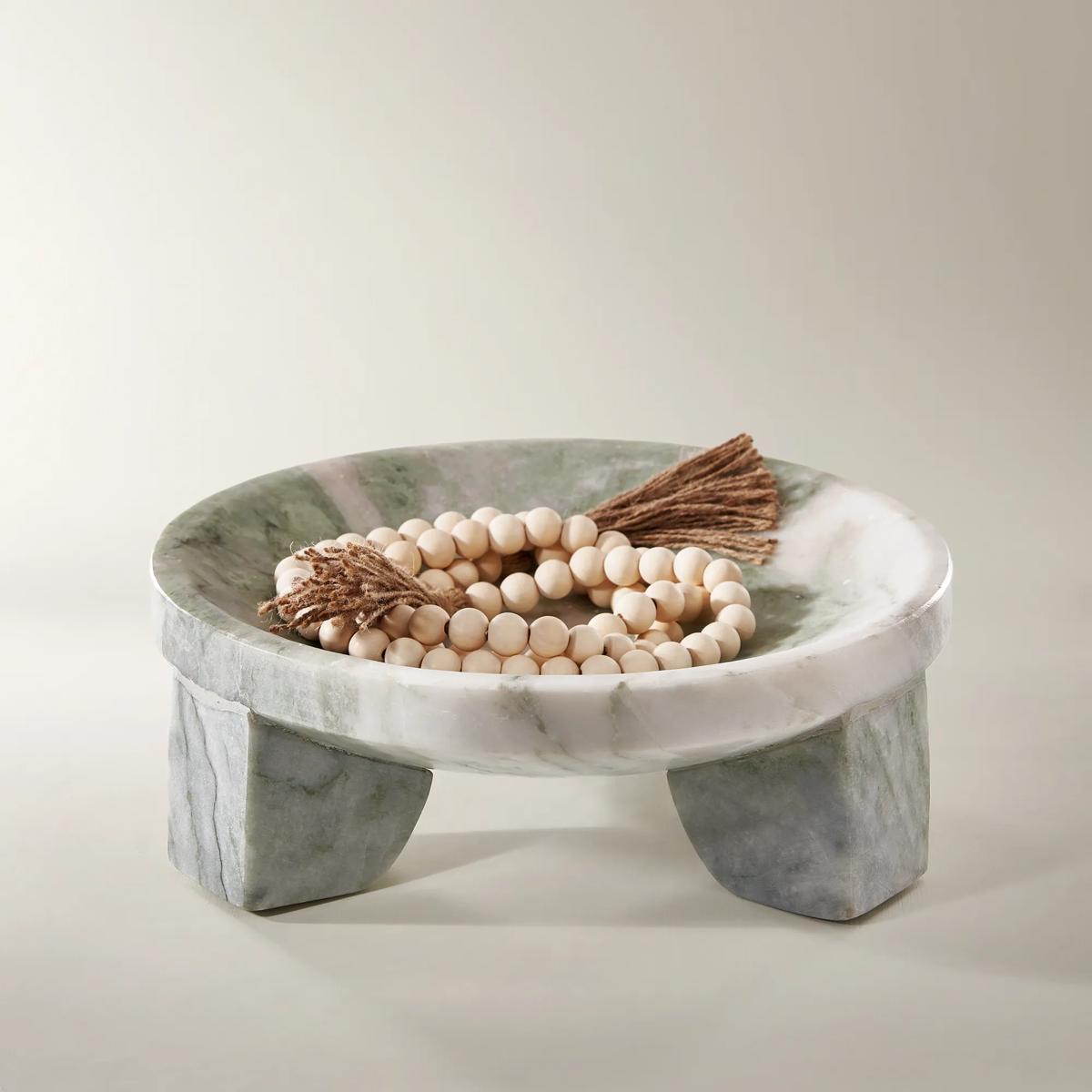
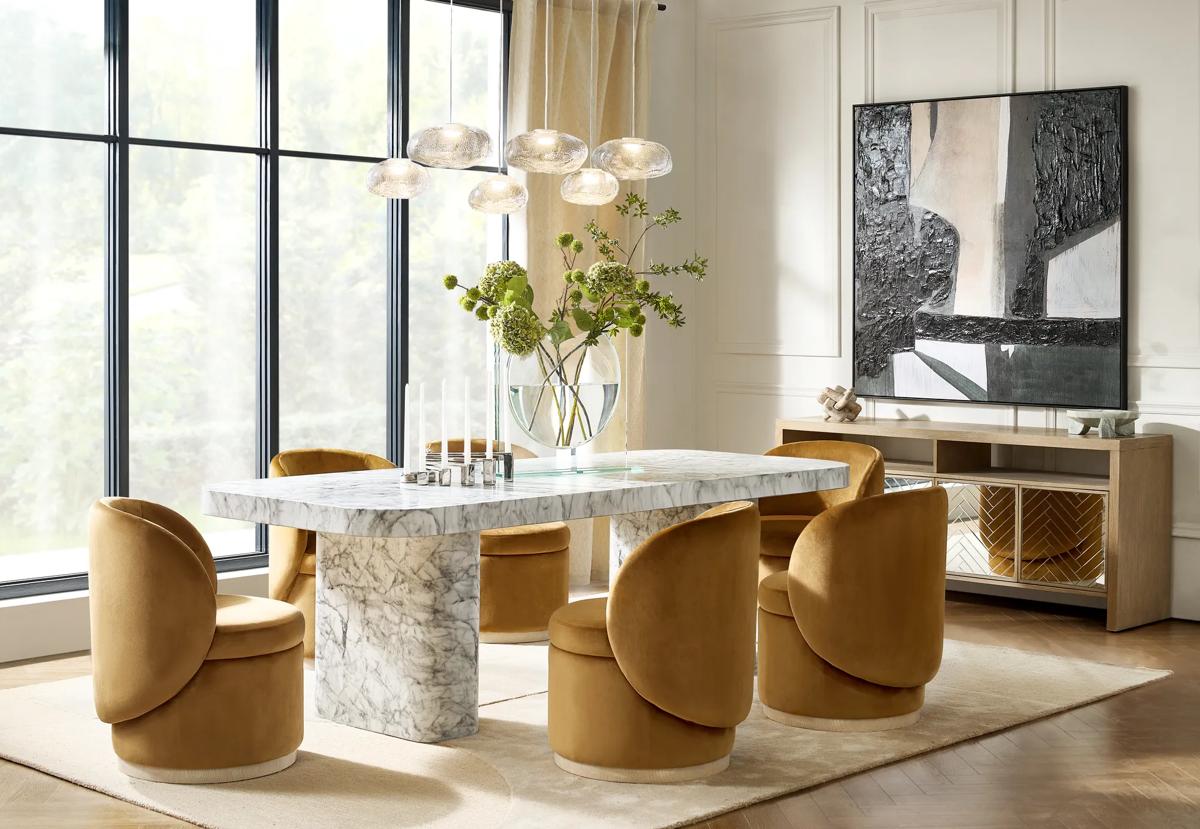 Light Green Marble Footed Bowl$199
A hand-carved onyx bowl featuring soft green marbling and sculptural feet for organic elegance.
Add To Cart -
 Calla Mouth Blown Blue Glass Decorative Bowl 15.35" x 5.7"$79
A handblown blue glass bowl featuring unique curves and translucent artistry for striking decorative appeal.
Add To Cart -
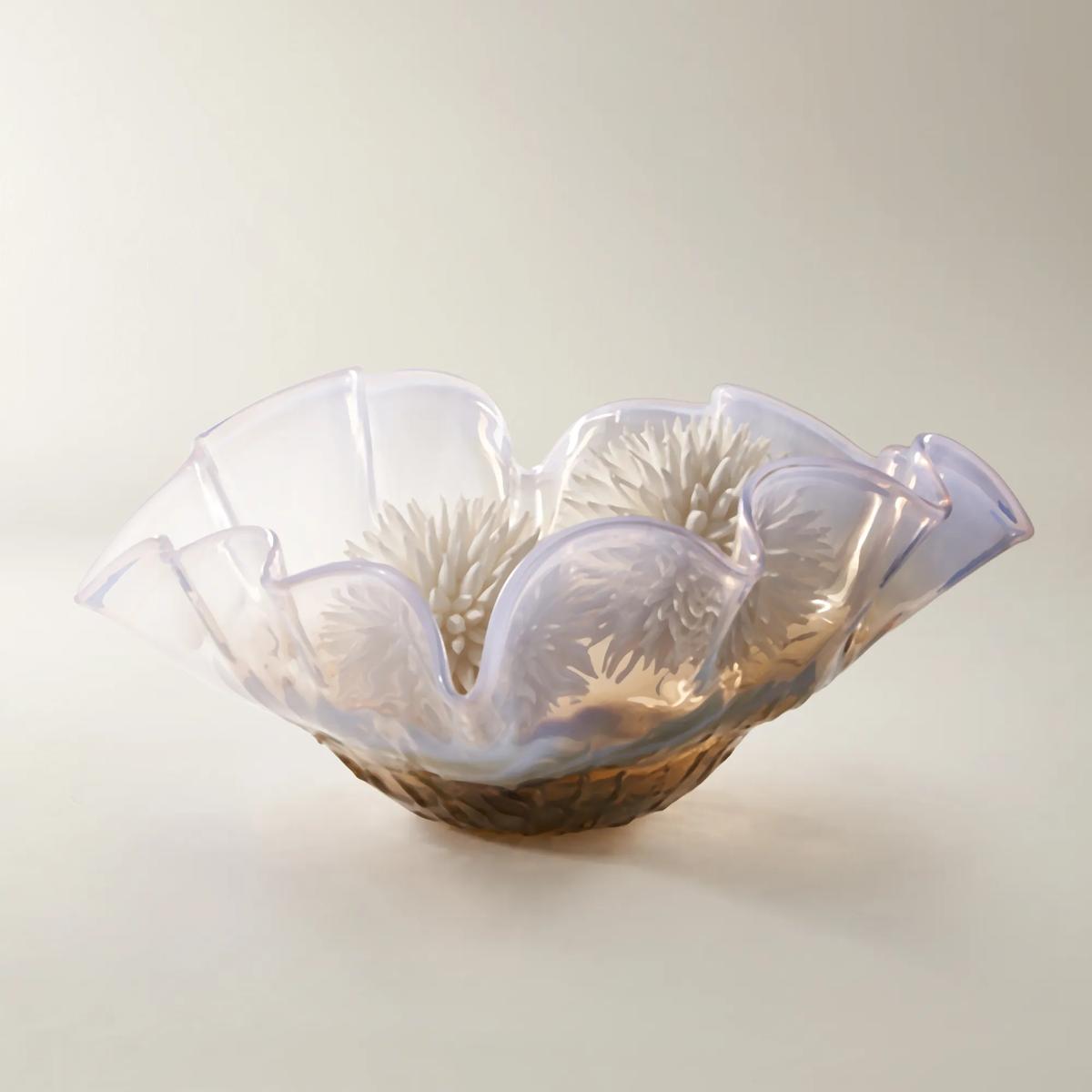
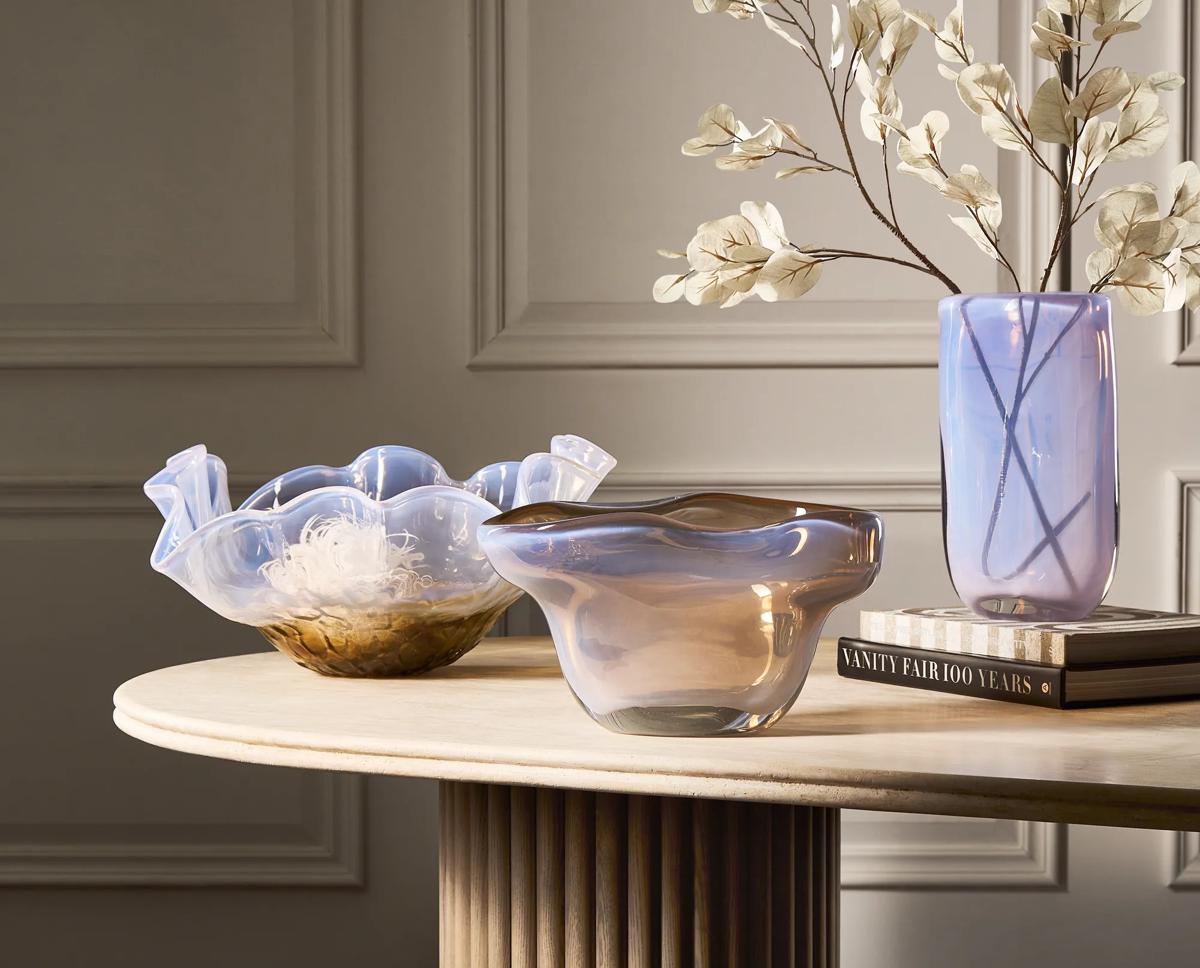 Glacier Glass Bowl$269
A hand-blown glass bowl featuring scalloped edges and swirling lavender and amber hues for artistic elegance.
Add To Cart -
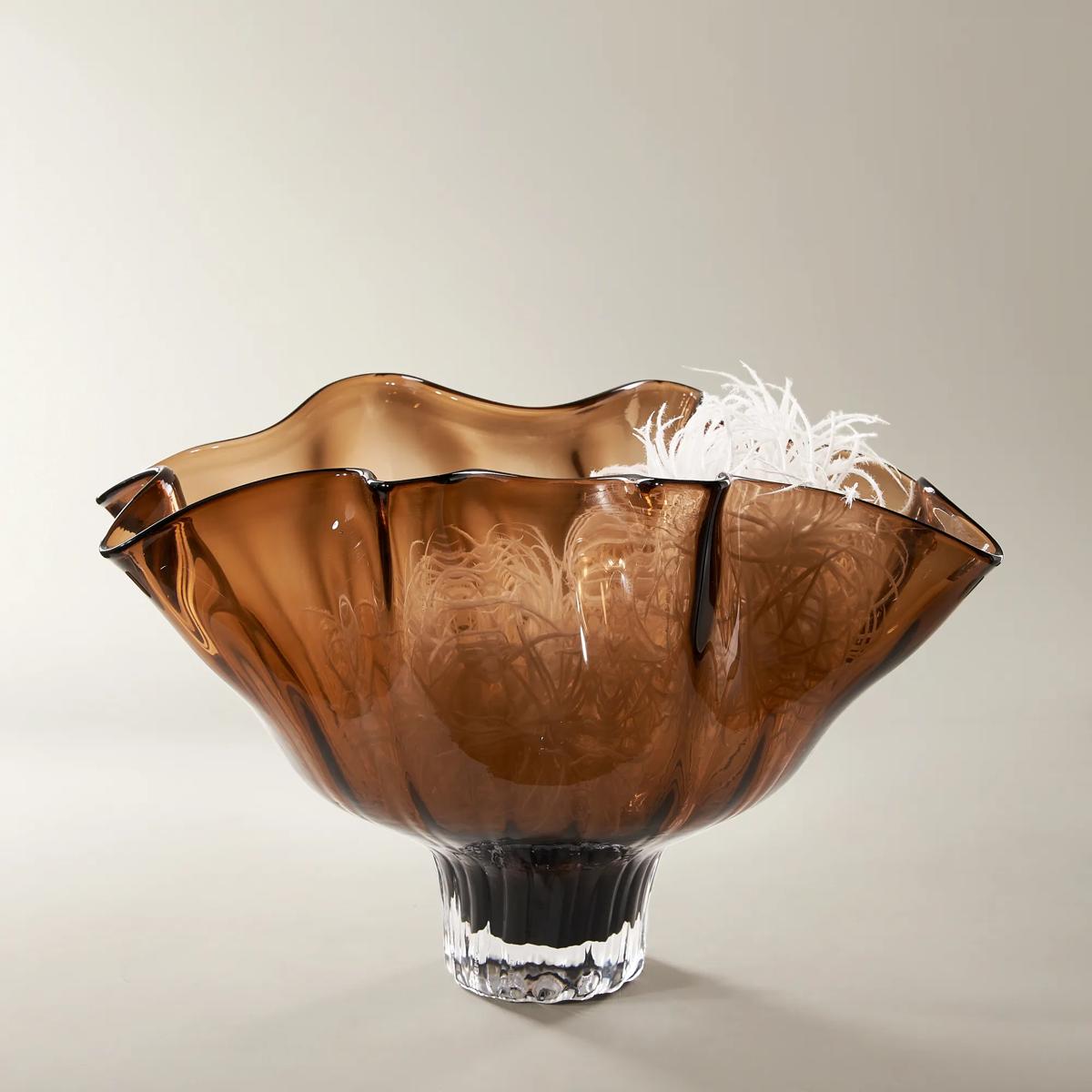
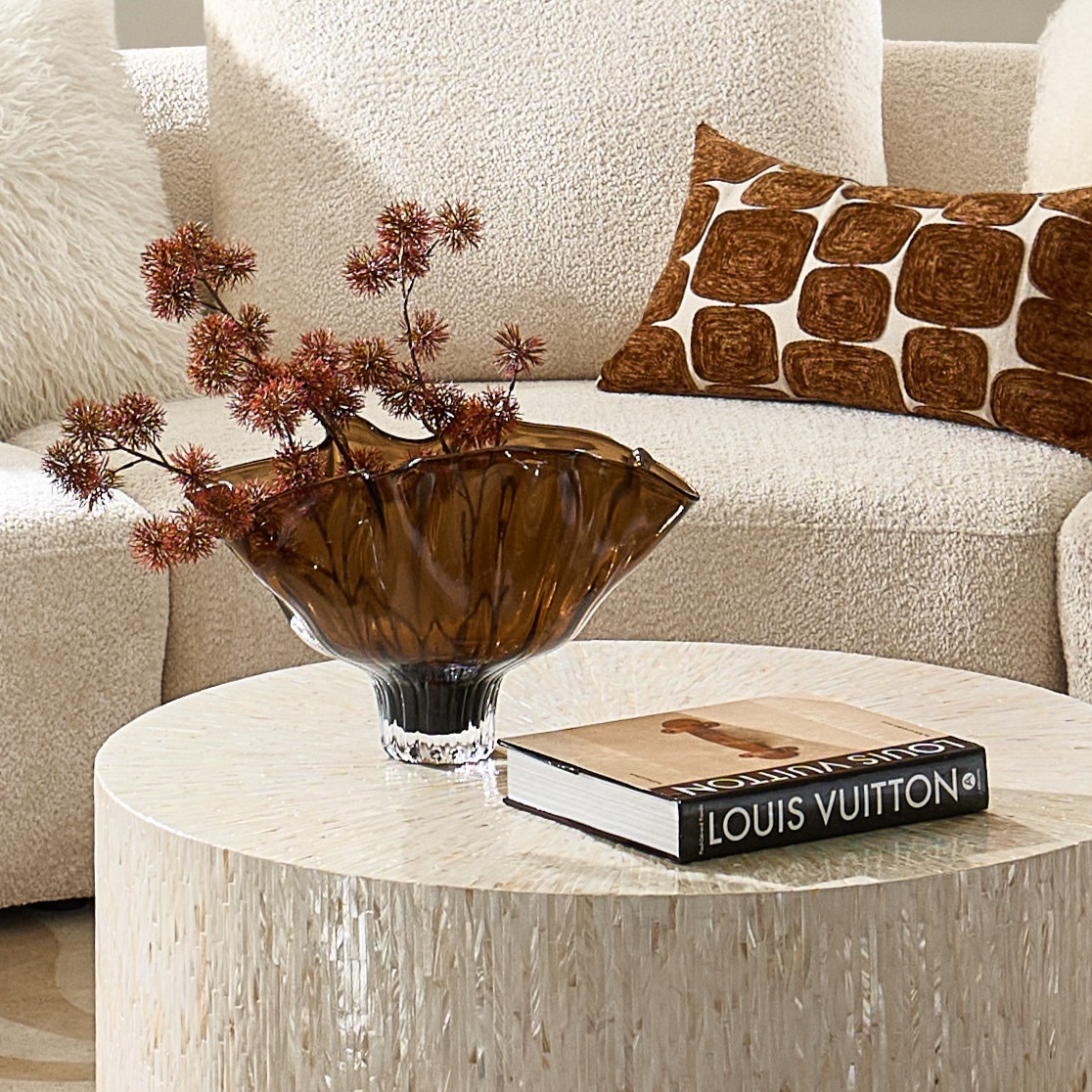 Coco Mouthblown Brown Glass Bowl 17" x 9.75"$139
A hand-blown brown glass bowl with an undulating rim and clear tapered base for sculptural elegance.
Add To Cart -
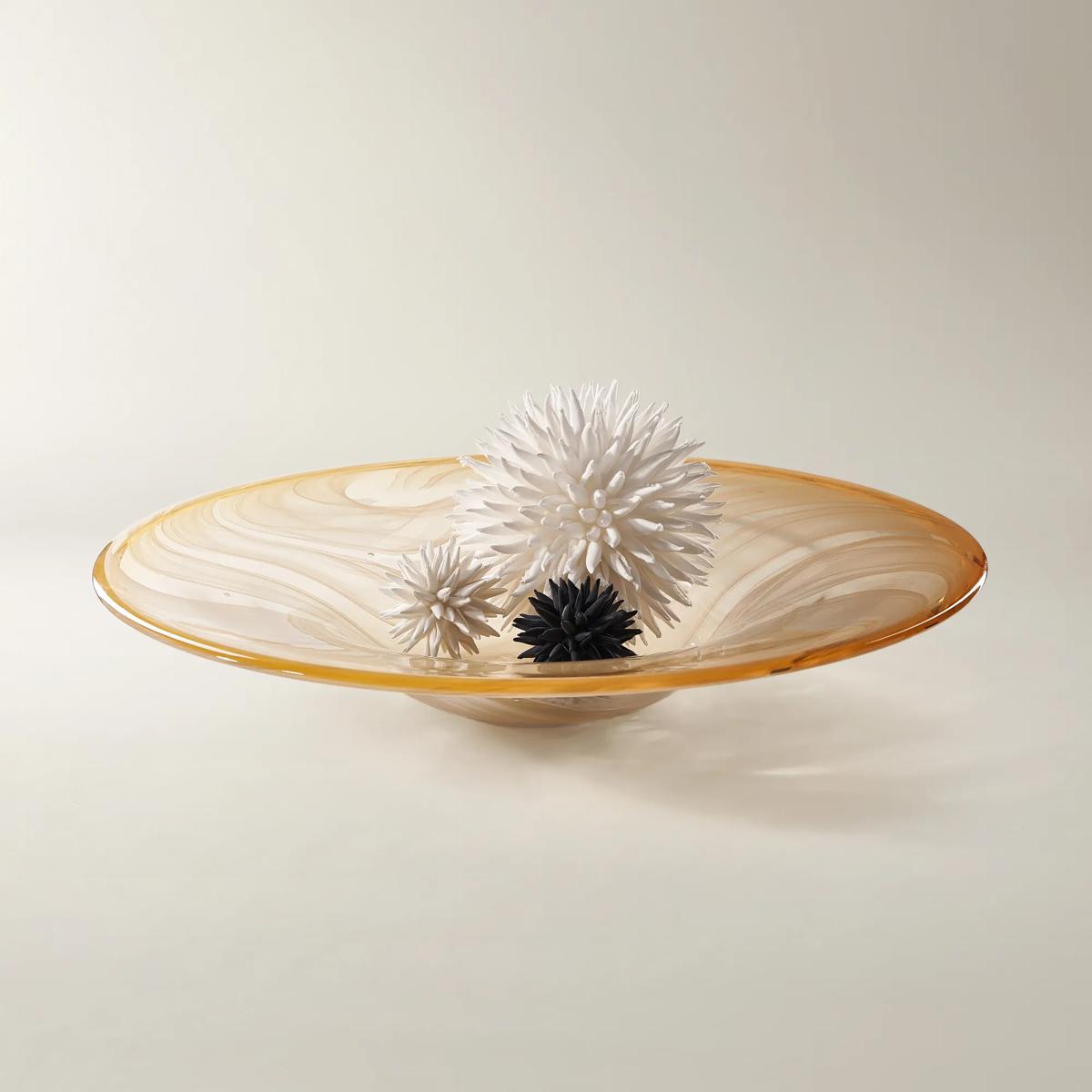
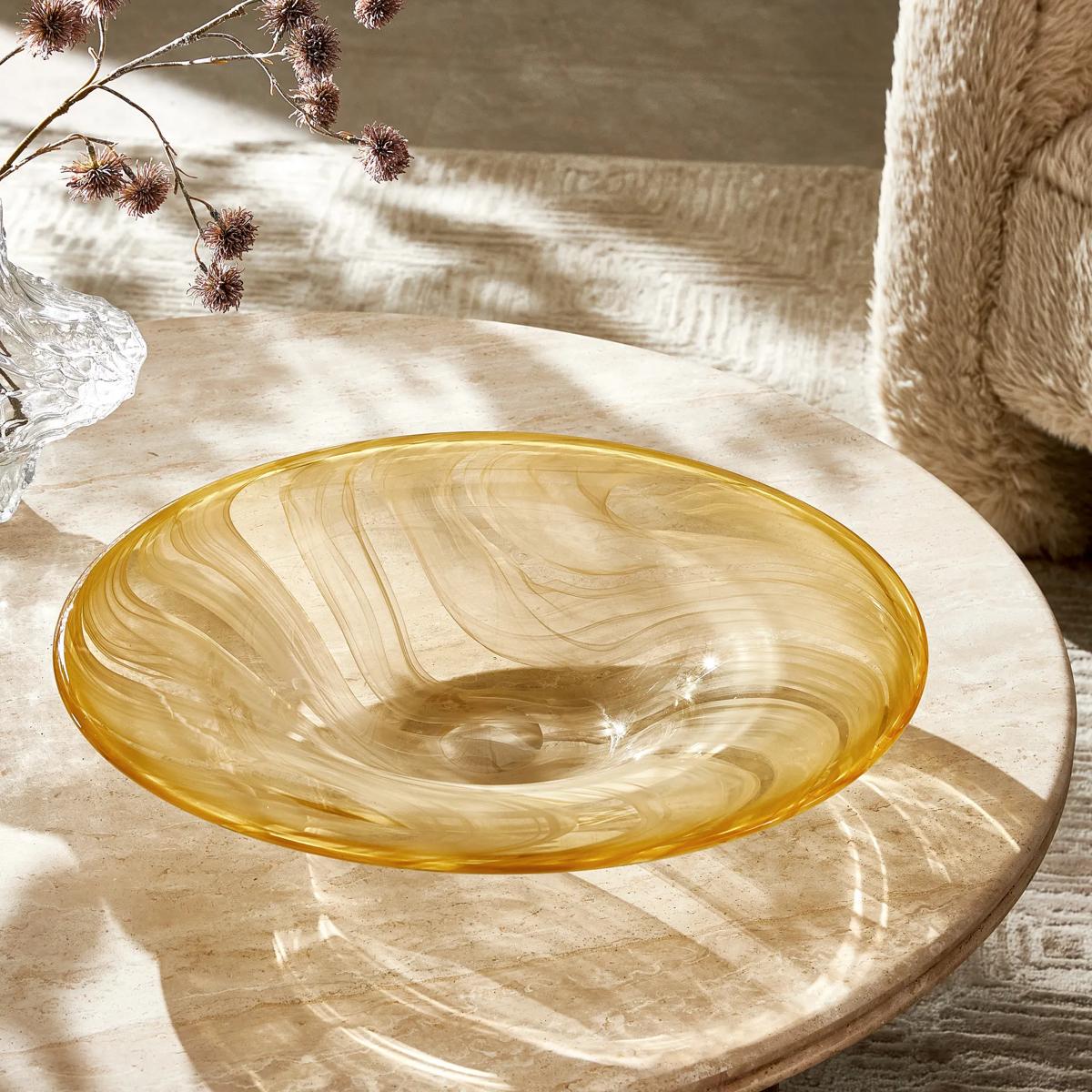 Paradis Glass Plate$239
A hand-blown amber glass plate featuring a swirling, organic design for a radiant decorative accent.
Add To Cart -
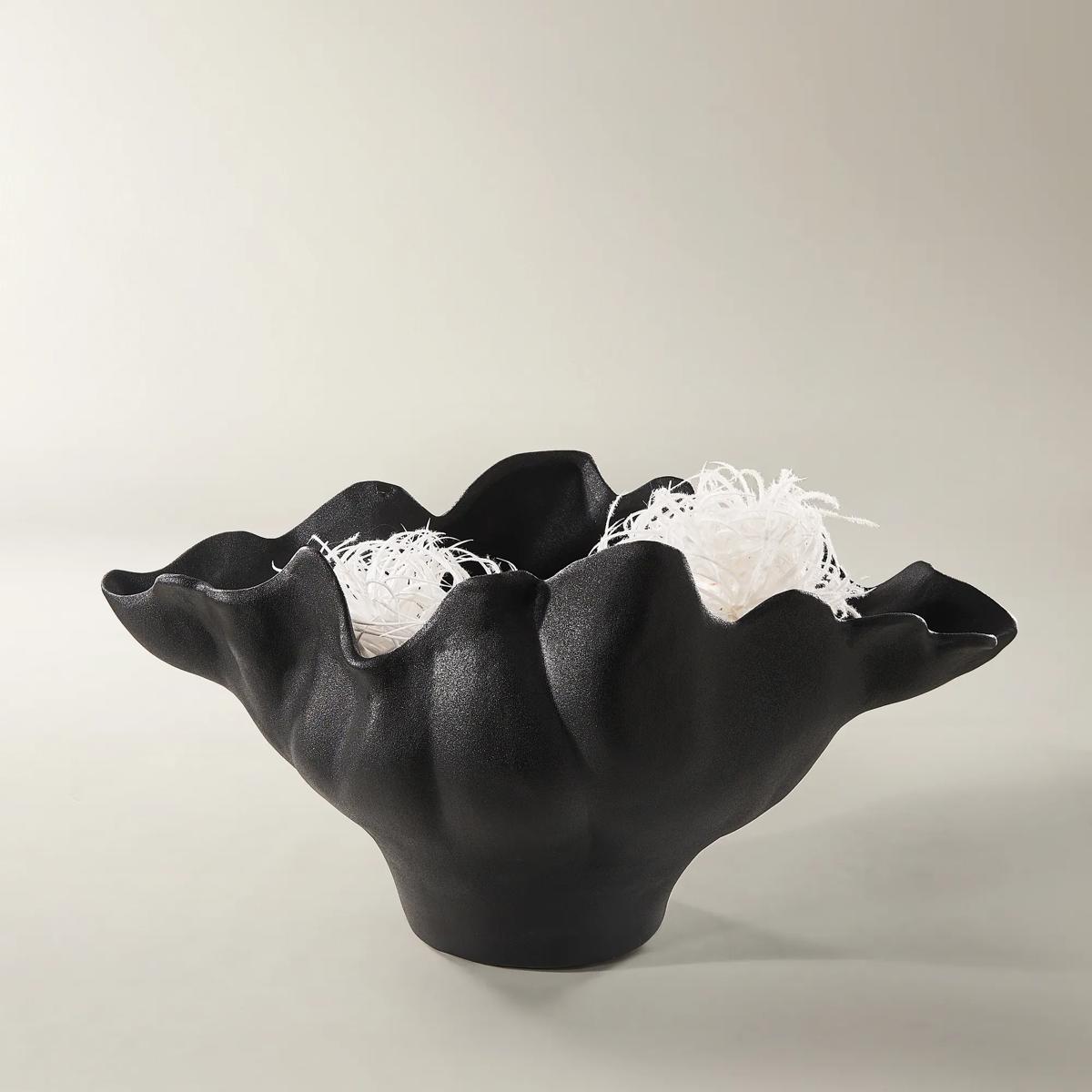
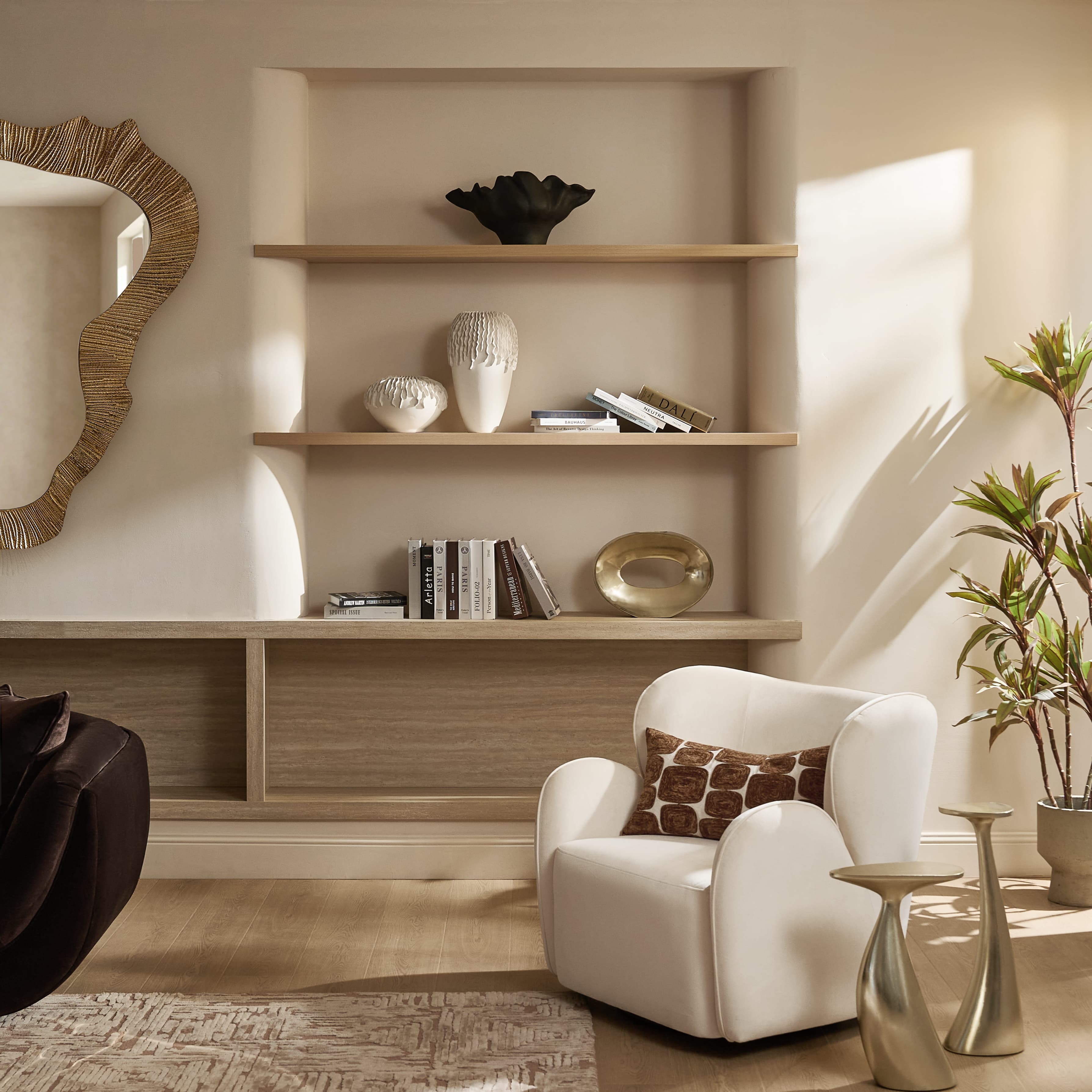 Ebba Black Porcelain Decorative Bowl 20.25" x 10.25"$199
A sculptural matte black porcelain bowl with undulating petal-like edges for bold, artistic elegance.
Add To Cart -
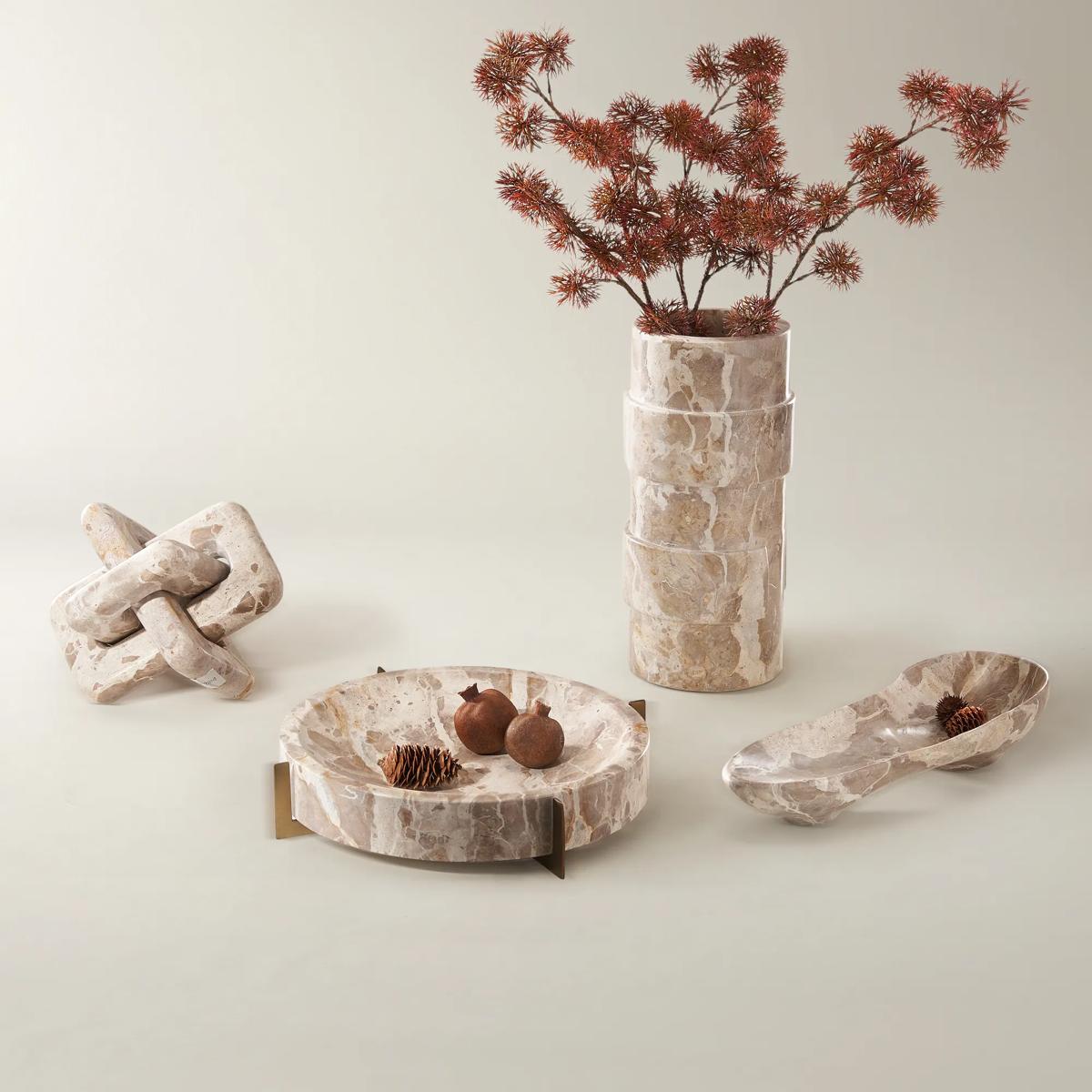
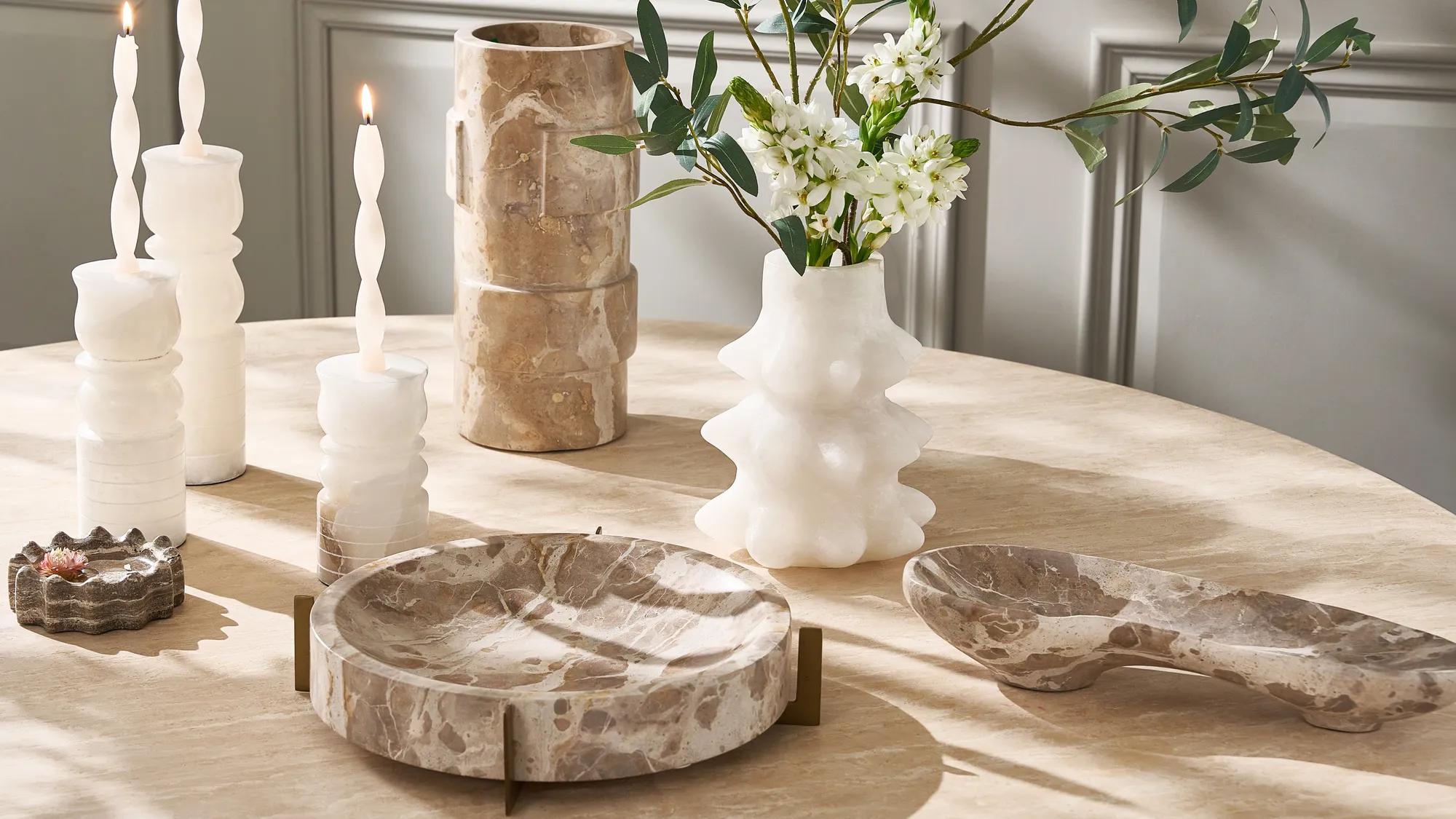 Neutral Marble Collection$129
A handcrafted marble decor collection featuring unique veining, natural neutral tones, and elegant metal accents.
Add To Cart -
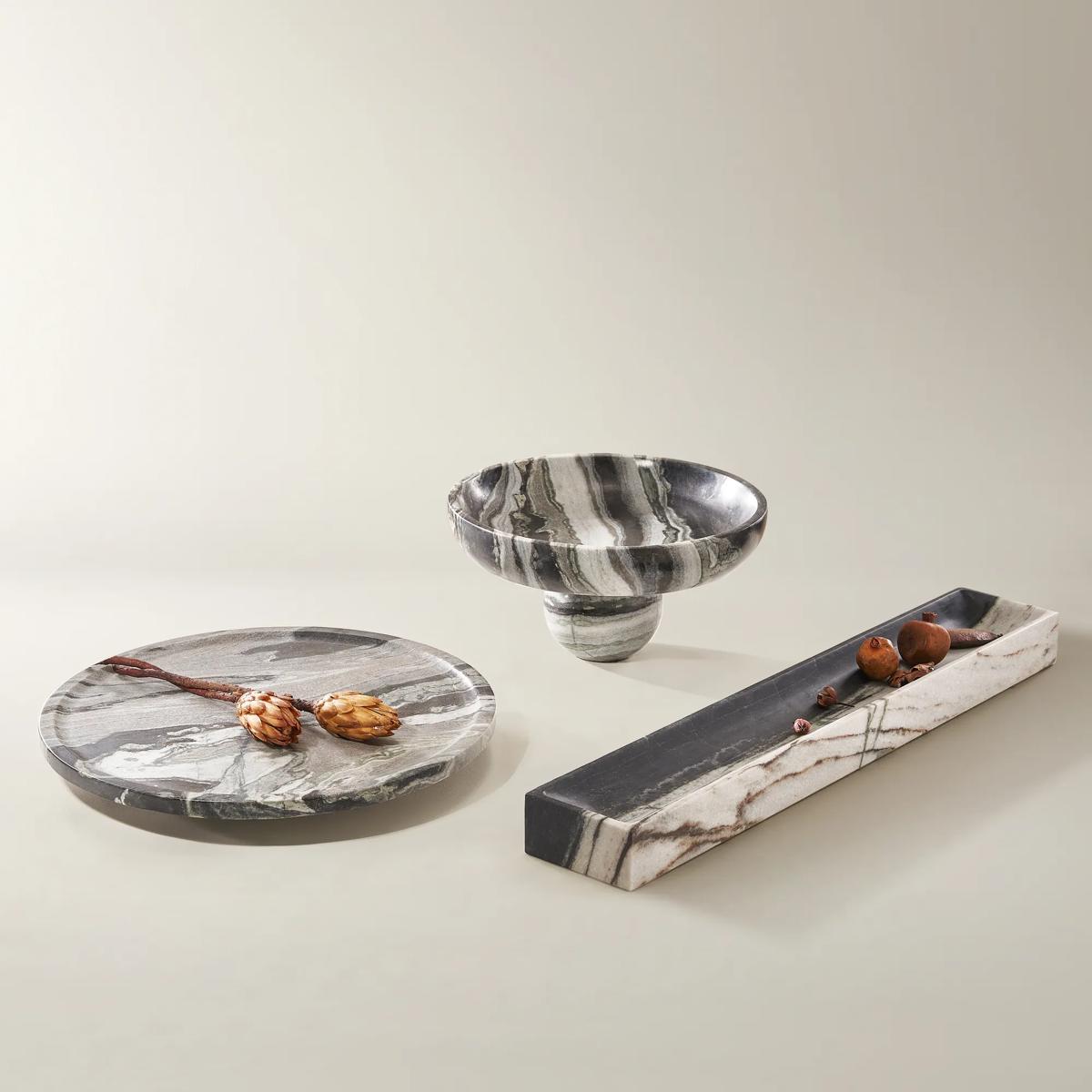
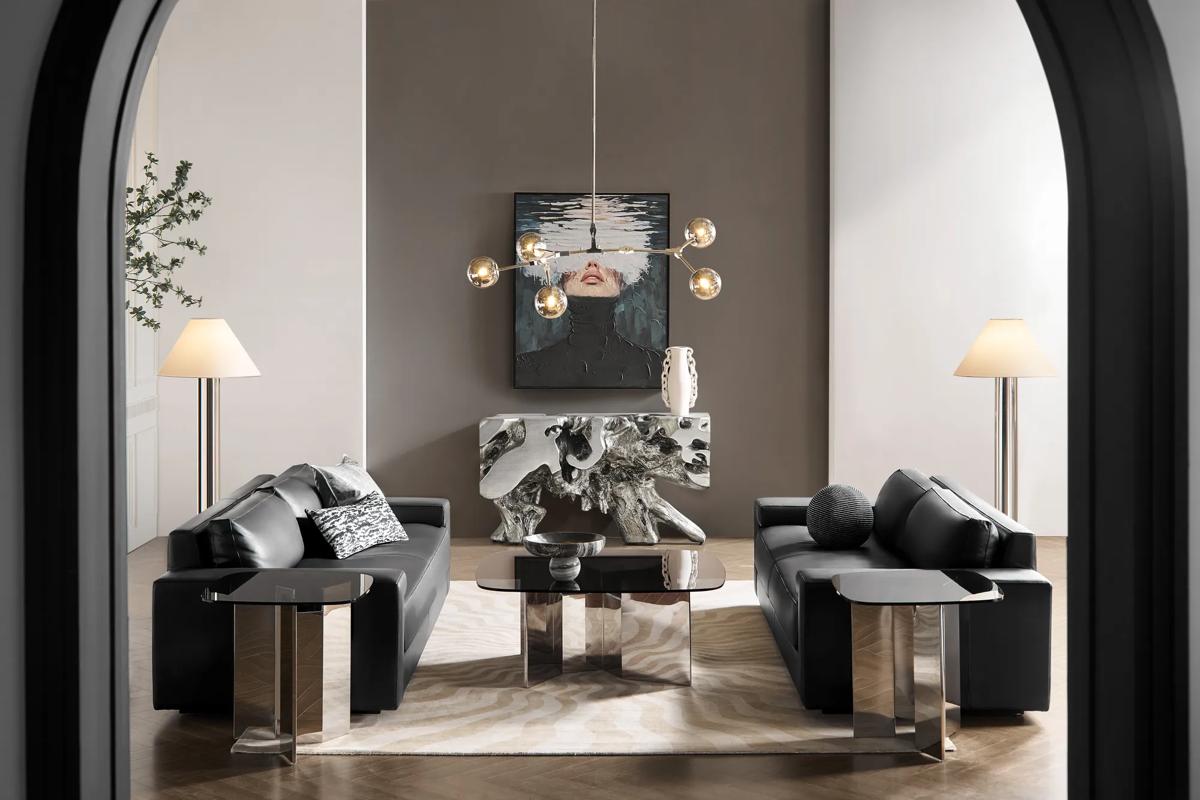 Luxe Marble Collection$119
A striking black marble decor collection featuring unique veining and elegant footed bowl, tray, and riser.
Add To Cart -
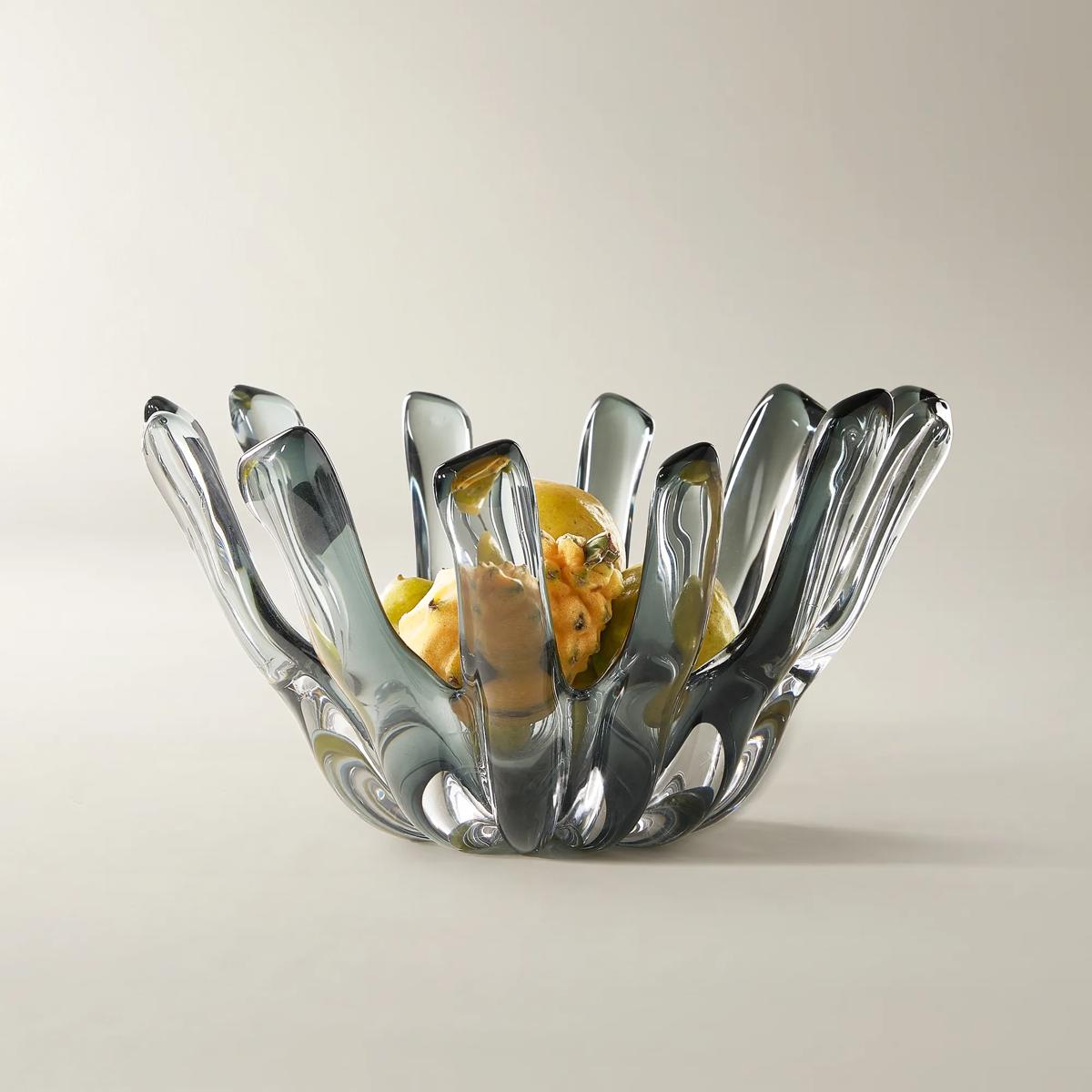
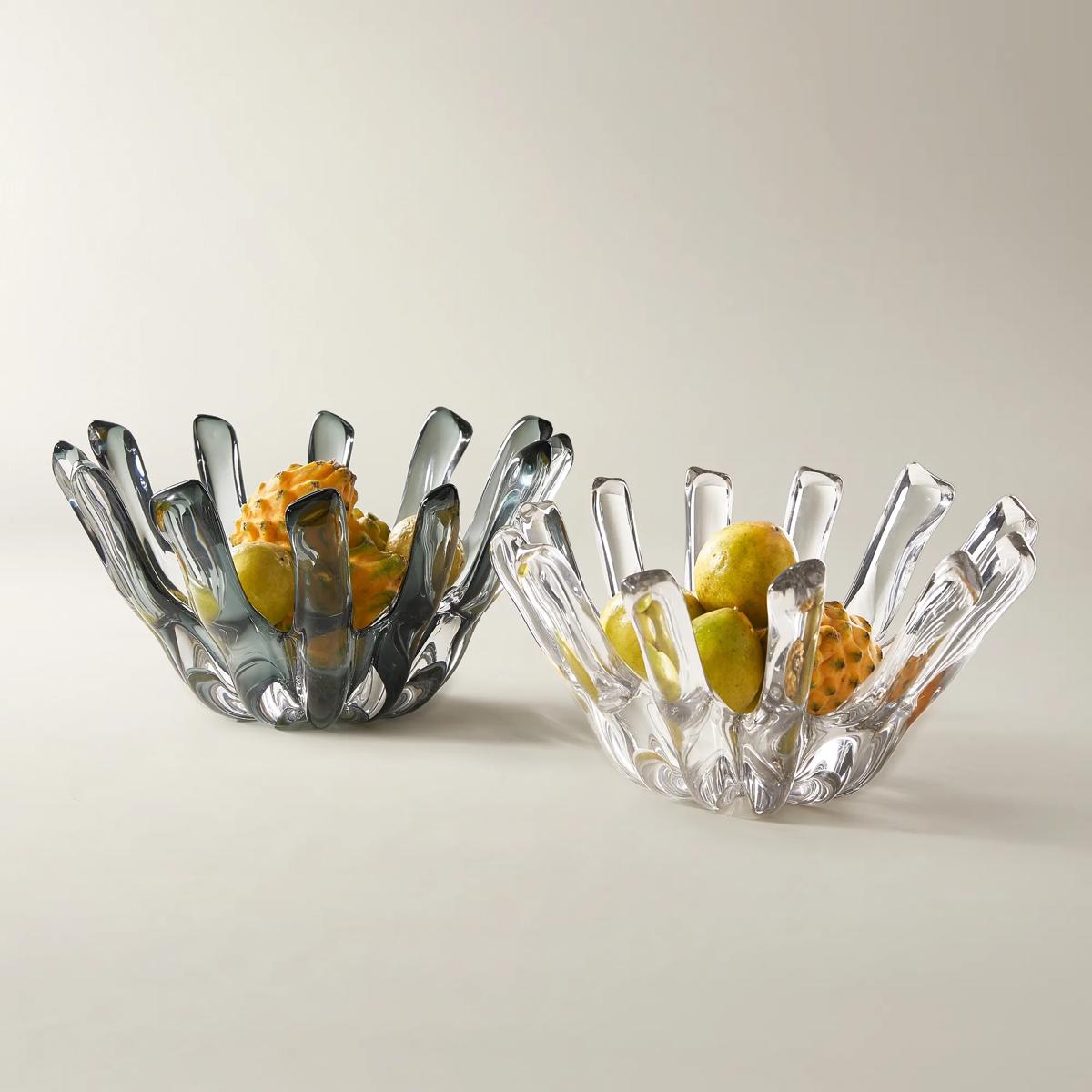 Bossa Smoke Handblown Glass Decorative Bowl 13" x 7"$129
A hand-blown smoky grey glass bowl featuring an expressive, sculptural design for modern decorative displays.
Add To Cart -
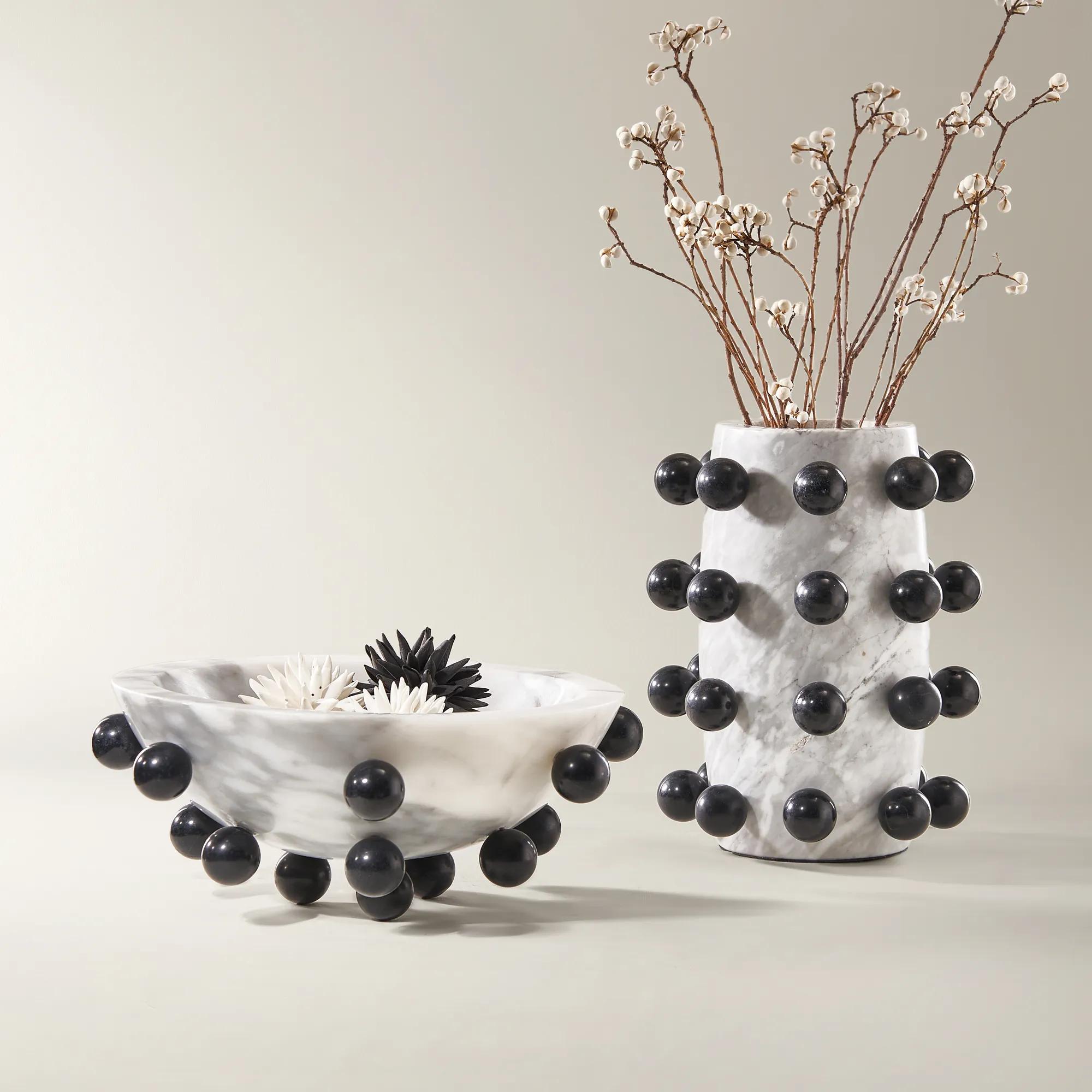 Borra Grey Black Marble Vase & Bowl$219
A sculptural grey marble accent featuring bold black orbs and unique natural veining for modern drama.
Add To Cart -
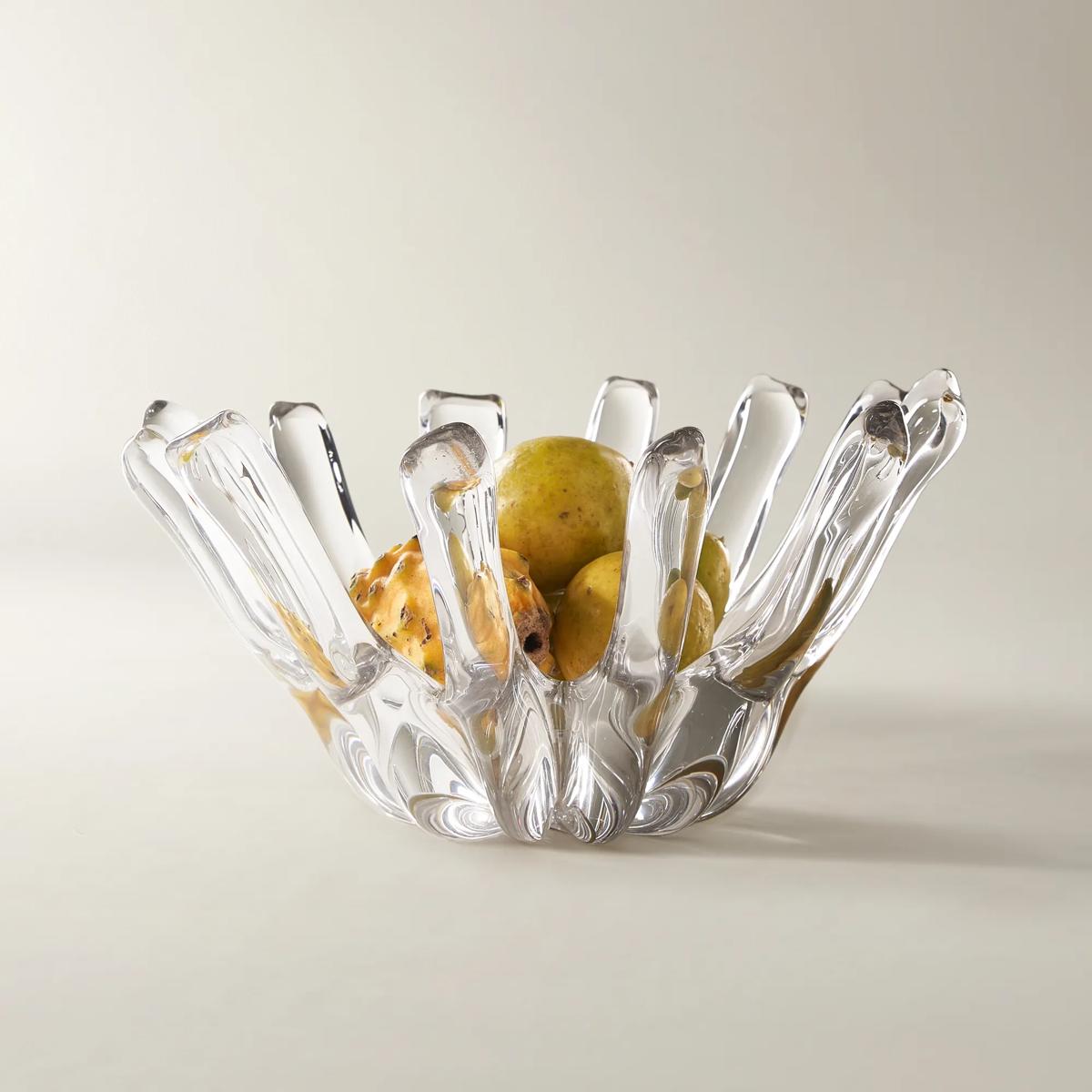 Bossa Clear Handblown Glass Decorative Bowl 13" x 7"$129
A hand-blown clear glass bowl featuring an expressive, sculptural form for modern decorative displays.
Add To Cart

Organic Shape Decorative Bowl Sets
Unleash the art of the unexpected with organic shape decorative bowl sets—where fluid curves and sculptural silhouettes transform every surface into a curated masterpiece. These captivating vessels blur the line between function and form, evoking the elegance of nature’s own handiwork. Whether clustered as a dramatic centerpiece or displayed solo for maximum impact, each bowl invites intrigue and conversation, infusing your space with movement, texture, and a sense of effortless luxury. Elevate your décor with pieces that celebrate individuality and turn everyday moments into extraordinary expressions of personal style.
Organic shape decorative bowl sets pair complementary vessels with fluid contours, asymmetrical rims, and silhouettes inspired by natural forms. Rather than relying on perfect circles or rigid symmetry, these decorative accents draw their presence from sweeping curves, gentle folds, and edges that rise and fall like a sculpted landscape. The effect is expressive without feeling overly formal: a low, rippling bowl can soften the geometry of a rectangular coffee table, while a deeper companion adds dimension to a console beneath an expansive mirror. “Organic shape” describes the design, not necessarily the material or how it was produced; these forms can appear in ceramic, glass, metal, wood, and stone. Sets may feature graduated sizes, related profiles, or a shared finish that connects distinctly shaped pieces. That relationship gives a room continuity without demanding identical arrangements. Displayed together, the bowls create an interplay of height, shadow, and open space; placed separately, they carry a subtle visual thread from an entryway to a living room. Their appeal lies as much in the empty interior as in the exterior silhouette. Light catches a curved lip, settles into a textured basin, and reveals details that a straight-sided vessel might conceal. A pale, softly irregular bowl introduces relief against dark furniture, while a lustrous metallic surface brings a more theatrical note to richly grained wood or lacquer. Organic decorative bowls are particularly compelling in rooms that balance tailored furniture with expressive accessories, giving precise architectural lines a softer counterpoint. They can stand alone as sculptural objects or frame a restrained arrangement of decorative spheres or other dry accents when the finish permits. Leaving a bowl unfilled can be equally striking, especially when its interior carries distinctive texture or color. For a composed display, the surrounding surface matters: enough clear space around each silhouette allows its irregular outline to remain visible rather than disappearing among competing accessories.
Material and finish determine how an organic bowl feels in a room, how it catches the light, and how it should be handled. Ceramic and porcelain can give flowing shapes a smooth, luminous character, while stoneware often brings a more substantial visual presence. A glossy glaze emphasizes every bend through reflected light; a matte surface shifts attention toward contour and texture. Glass introduces transparency or translucent color, allowing the surface beneath it to become part of the composition, though delicate rims require careful handling. Metal bowls can range from softly brushed to highly reflective, with hammered or cast textures adding depth to otherwise simple arrangements. Aluminum may offer a lighter alternative to denser metals, but weight, stability, and resistance to wear depend on the individual construction and finish. Wood contributes grain and warmth, while stone lends weight and natural variation that can make even a quiet silhouette feel architectural. Neither an irregular edge nor a textured surface, however, establishes that a bowl is handmade; craftsmanship and production details should be confirmed in the product description. For lasting beauty, care instructions deserve the same attention as appearance. Unless the maker directs otherwise, a soft, dry cloth is a sensible starting point for dusting, with moisture or mild cleansers used only when approved for that material and finish. Abrasive pads can scratch polished surfaces, and prolonged soaking may harm wood, porous materials, or decorative coatings. Stone can be vulnerable to acidic substances, while metallic finishes may react poorly to harsh cleaners. Decorative bowls should not be assumed suitable for food, dishwashers, microwaves, or outdoor exposure. Food contact requires an explicit food-safe designation, and a decorative finish may limit use even when the underlying material is familiar from dinnerware. Protecting the furniture beneath the bowl is equally important: check the base for rough areas, use an appropriate surface protector where needed, and lift rather than slide heavier pieces. When storing a nesting set, separate the bowls with soft material unless their care instructions specify another method.
The strongest arrangements begin with proportion. A broad, shallow bowl can give a generous dining table a sculptural focal point without creating the visual barrier of a tall centerpiece, while smaller companions suit a narrow console, a bedside chest, or an open shelf with limited depth. Because organic forms often extend unevenly, the widest exterior measurement matters more than the opening alone. Check height as well as width and depth, particularly beneath shelving or near cabinet doors, and allow room for hands, books, and everyday movement. A piece that looks airy in a photograph may have considerable weight or a projecting rim that needs additional clearance. On a coffee table, a larger bowl can anchor one side of an arrangement while its smaller counterpart sits apart beside a stack of art books; the shared finish supplies cohesion without making the placement feel rigid. On shelving, separating the set across different levels introduces rhythm, especially when the curves contrast with upright books and rectangular frames. Nesting bowls offer a compact, layered presentation, though stacking can conceal the very contours that make them distinctive. A slightly staggered arrangement often reveals more of each rim, provided every piece rests securely. Within the wider world of Luxury Decorative Bowl Sets, organic silhouettes offer a particularly expressive balance of softness and drama. They appeal to collectors of sculptural accents, hosts who enjoy a considered tablescape, and anyone looking to bring movement to a room dominated by clean lines. As a housewarming or wedding gift, a coordinated set offers flexibility across several rooms, especially when its scale and finish reflect the recipient’s home. A muted glaze may complement layered neutrals, while a gleaming surface creates a deliberate contrast against plush upholstery and richly textured textiles. Whether gathered into one striking composition or distributed throughout a space, these bowls bring artistry to the surfaces people see and use every day, turning an overlooked tabletop or shelf into a setting with distinct character.
FAQs
Organic shape decorative bowl sets stand apart for their fluid, asymmetrical forms inspired by nature. Unlike traditional round or geometric bowls, these pieces evoke the beauty of river stones, leaves, and flowing water, adding a sense of artistry and movement to any space. Their sculptural silhouettes invite visual interest and tactile exploration, making them both functional and decorative.
Organic shape decorative bowls are remarkably versatile. In the living room, use them as dramatic centerpieces on coffee tables or sideboards, filled with seasonal botanicals or left empty to showcase their design. In the entryway, they serve as elegant catchalls for keys and small essentials. Even in bedrooms or bathrooms, a well-placed bowl can hold jewelry or personal treasures, adding a touch of sophistication to intimate spaces.
Absolutely. These bowl sets make exceptional gifts for housewarmings, weddings, anniversaries, or any occasion that calls for something distinctive and refined. Their artistic forms and luxurious finishes appeal to a wide range of tastes, making them a thoughtful choice for anyone who appreciates expressive design and quality craftsmanship.
Organic shape decorative bowl sets are often crafted from a range of premium materials, including hand-glazed ceramics, mouth-blown glass, gleaming metals like brass or aluminum, and even natural stone. Each material brings its own unique texture and character, enhancing the overall artistry and presence of the bowls.
These bowls are inherently adaptable, making them at home in both modern and classic interiors. Their natural, flowing lines soften contemporary spaces, adding warmth and dimension, while their artistic presence brings a fresh twist to more traditional rooms. Whether your style is minimalist, maximalist, or somewhere in between, organic shape decorative bowls offer a harmonious blend of function and visual intrigue.