Neutral Color Dining Tables
Neutral Color Dining Tables
-
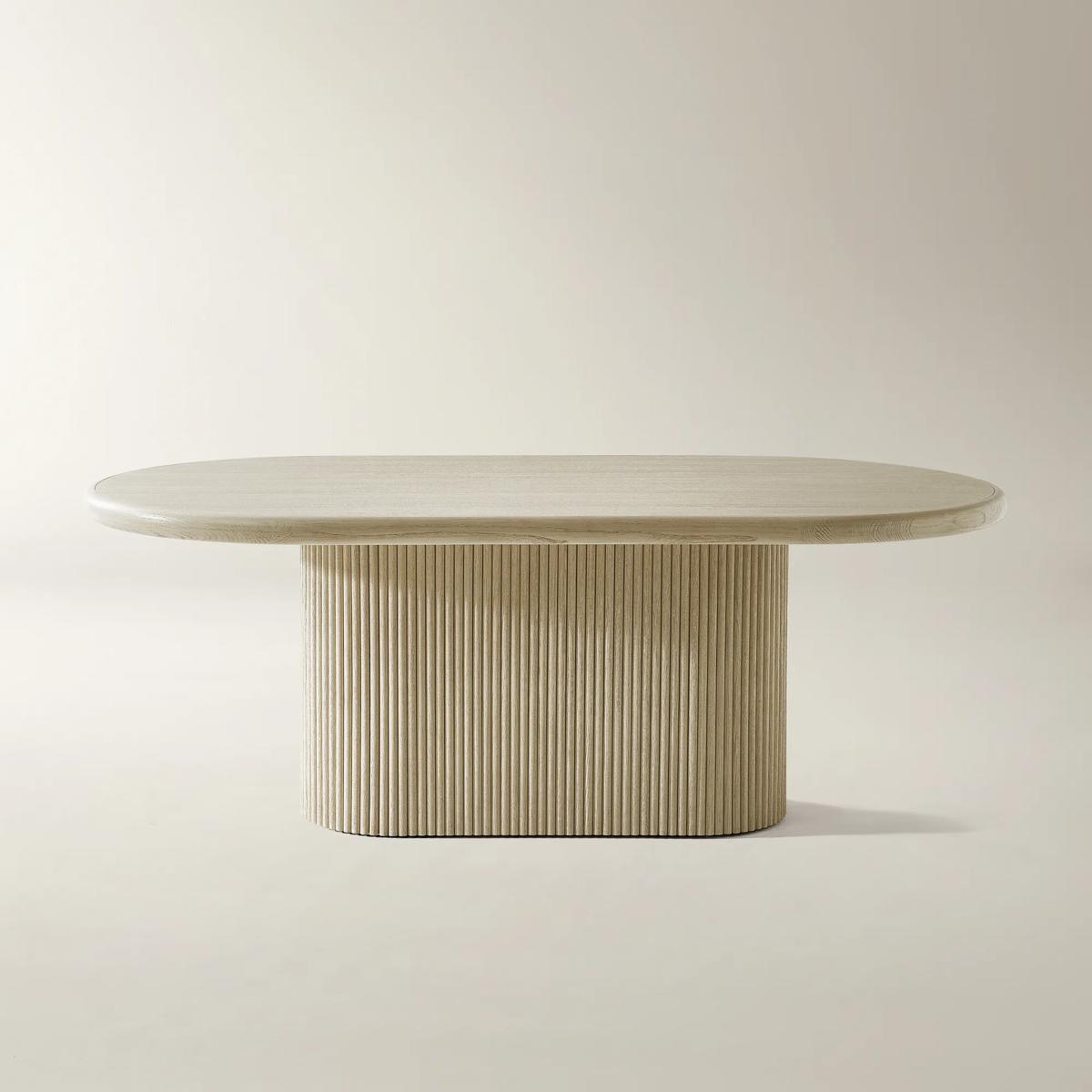
 Stria Oval Reeded White Oak Dining Table (82")$2199
A sculptural oval dining table featuring reeded oak, a single pedestal base, and gold-plated steel trim.
Add To Cart -
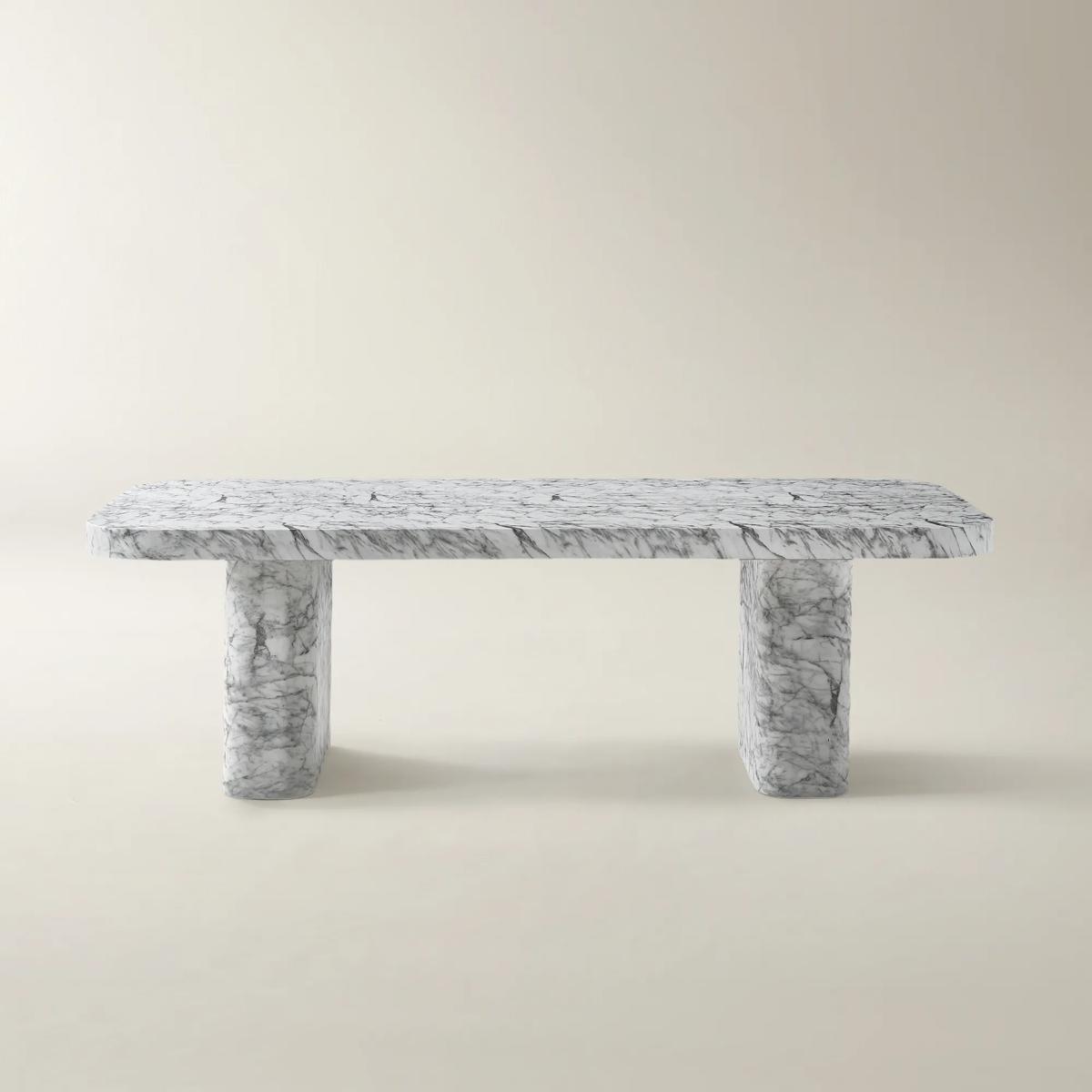
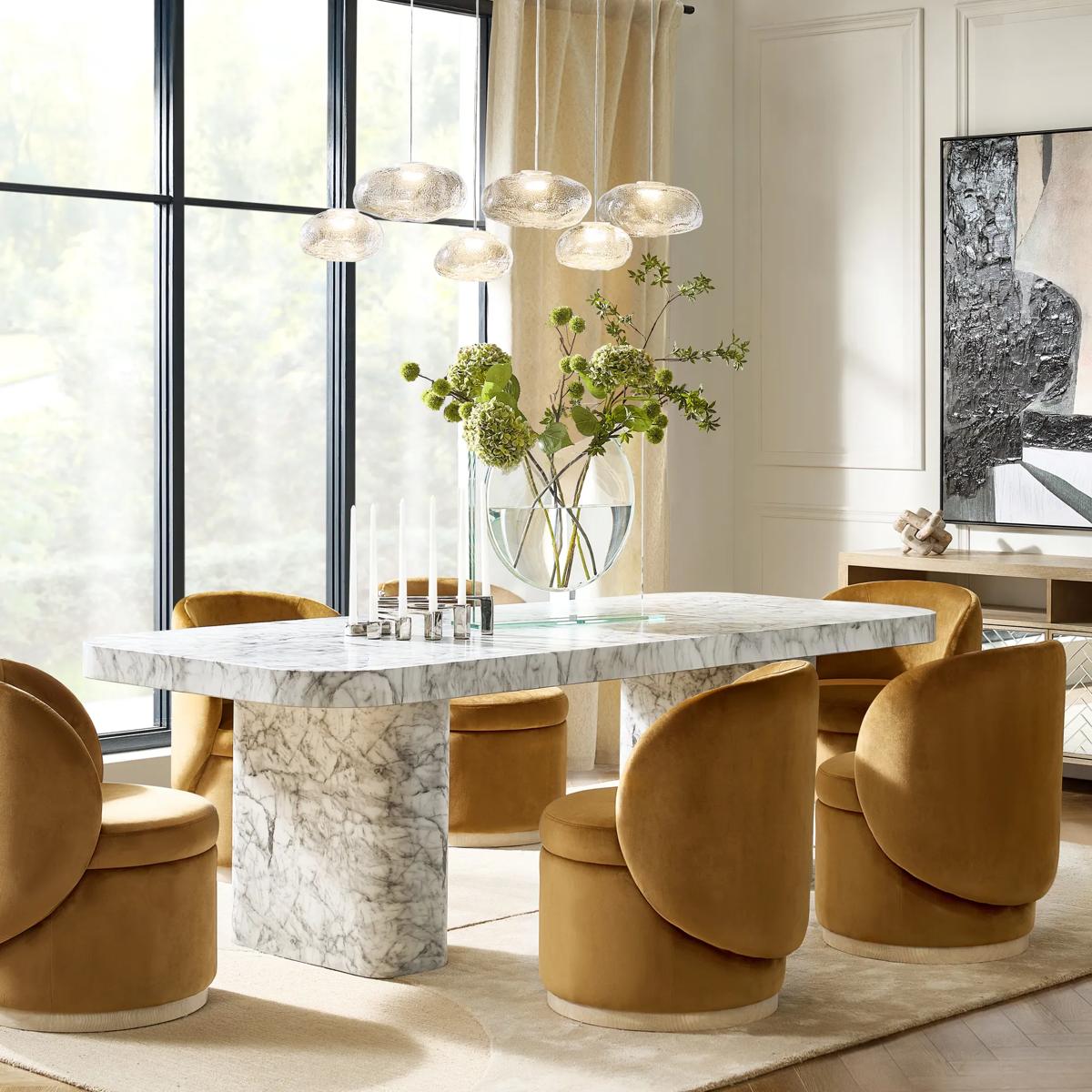 Silex Rectangular White Concrete Indoor/Out Door Dining Table (94.5")$1999
A white marble-look dining table crafted from ultra-rigid, lightweight fiber concrete for indoor or outdoor use.
Add To Cart -
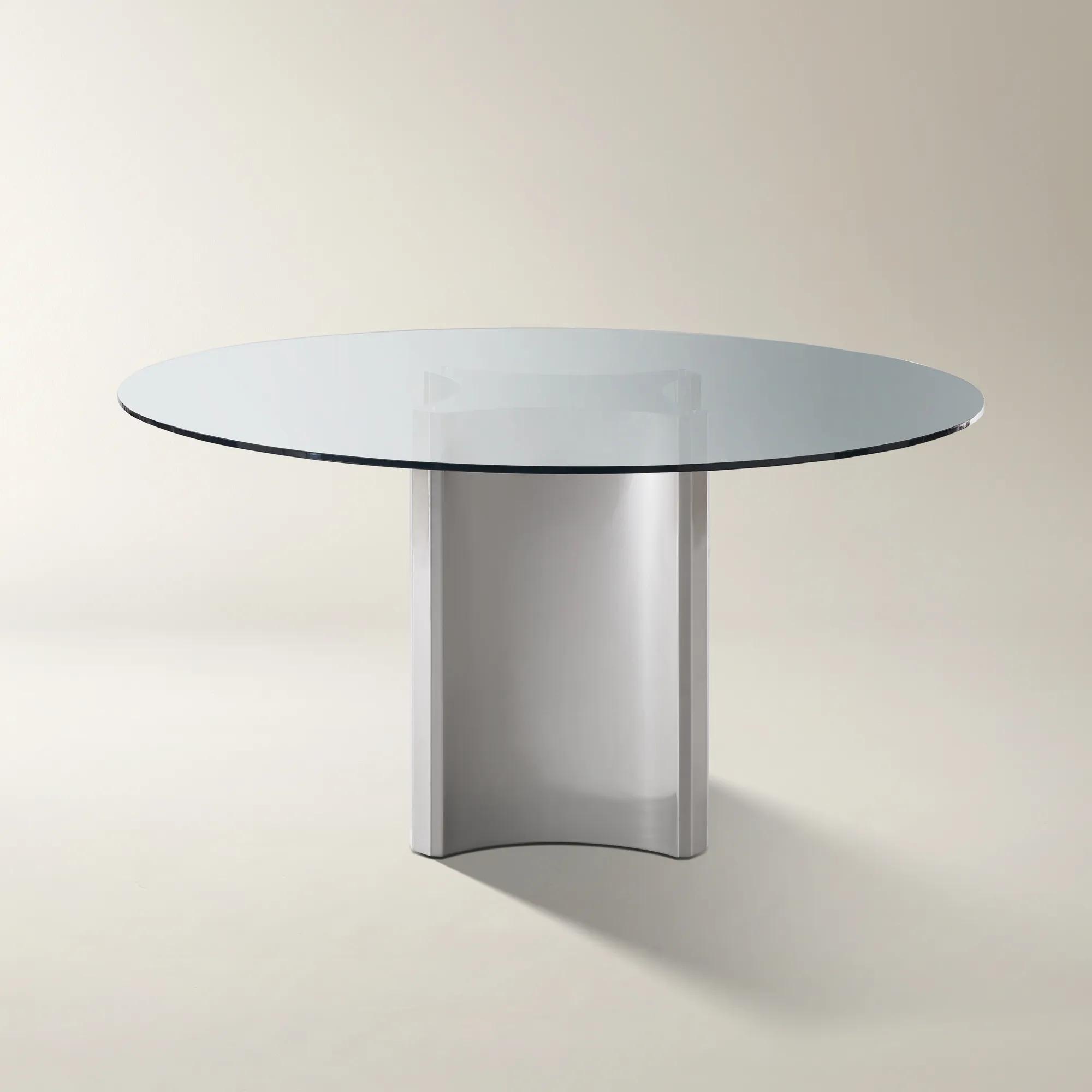
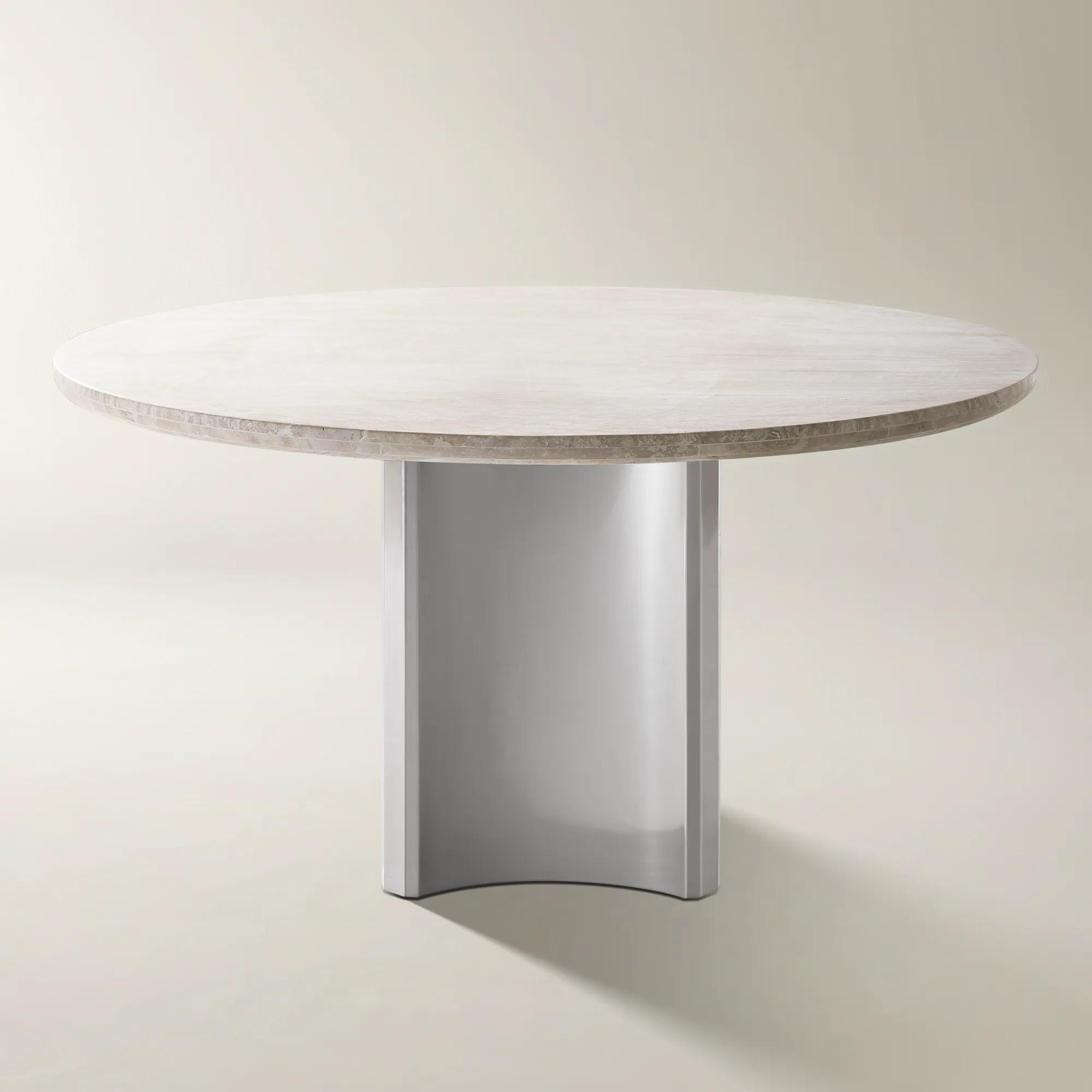 Ventane Round Tan Marble and Stainless steel Dining Table (58")$2999
A round tan travertine marble table with a polished stainless steel base for modern, elegant dining spaces.
Add To Cart -
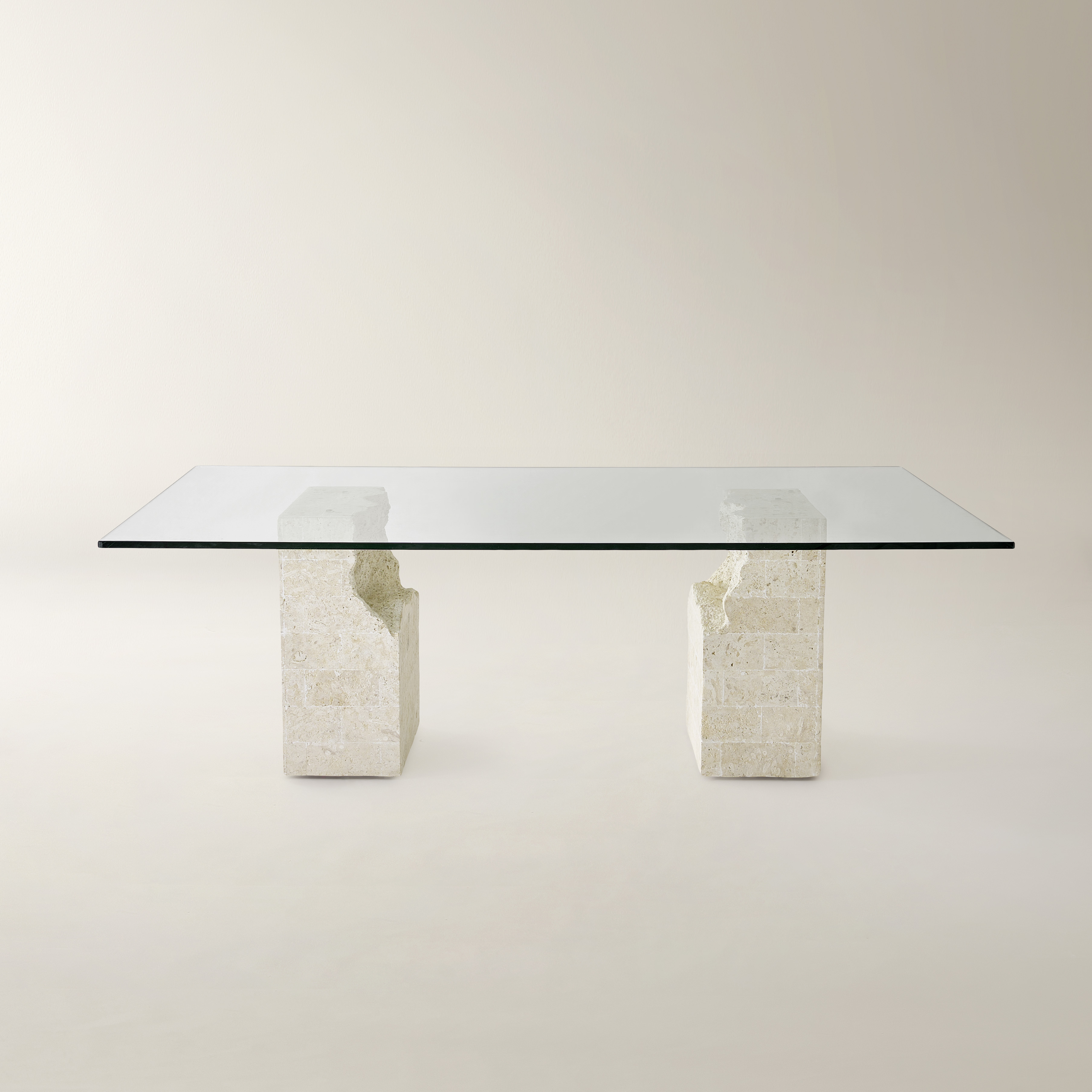 Cairo Rectangular Mactan Stone Dining Table With Glass Top (86.6")$2399
A contemporary dining table featuring a clear tempered glass top over hand-carved Mactan stone bases.
Add To Cart -
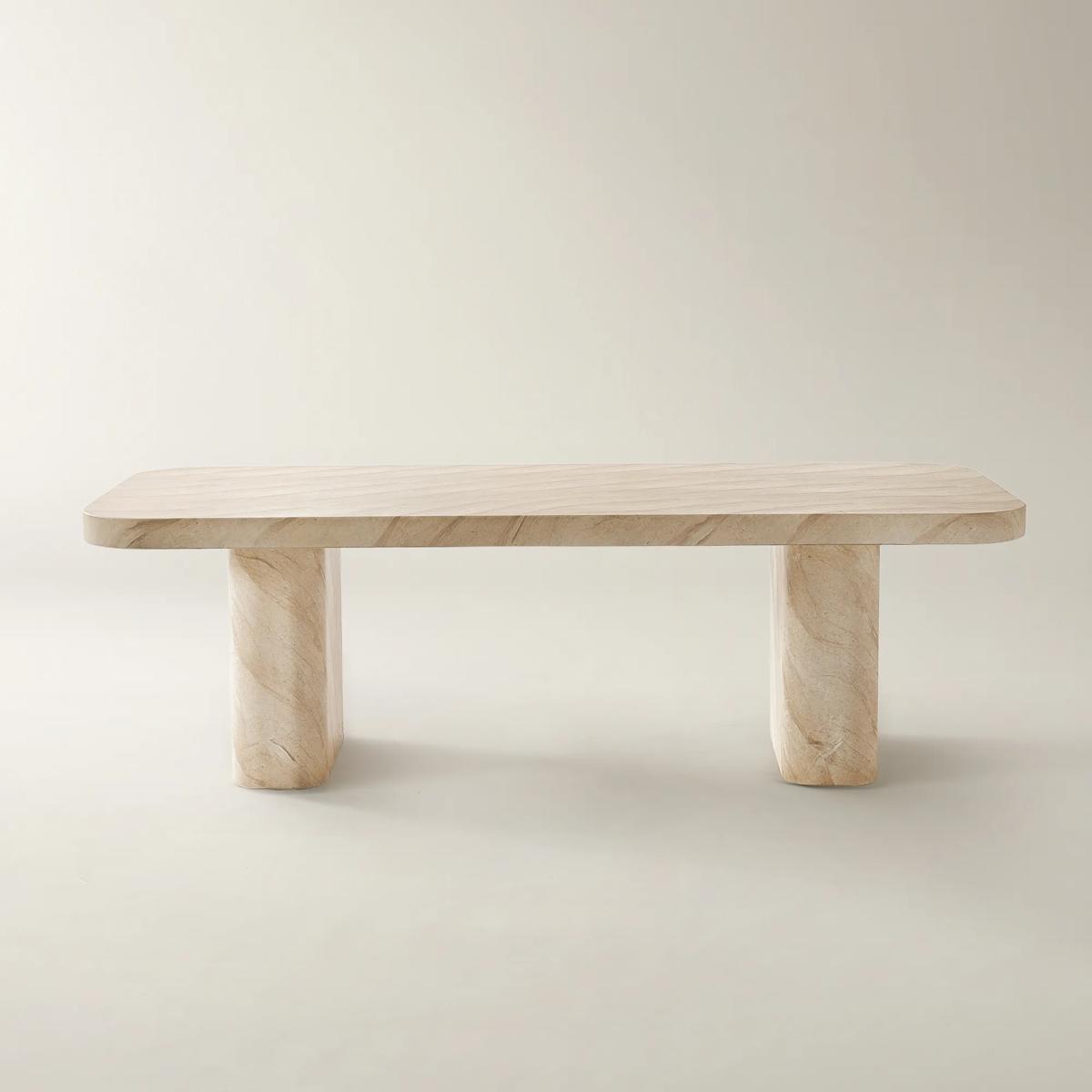 Silex Rectangular Travertine Concrete Indoor/Out Door Dining Table (94.5")$1999
A seamless travertine-look dining table crafted from ultra-rigid, water-resistant fiber concrete for indoor or outdoor use.
Add To Cart -
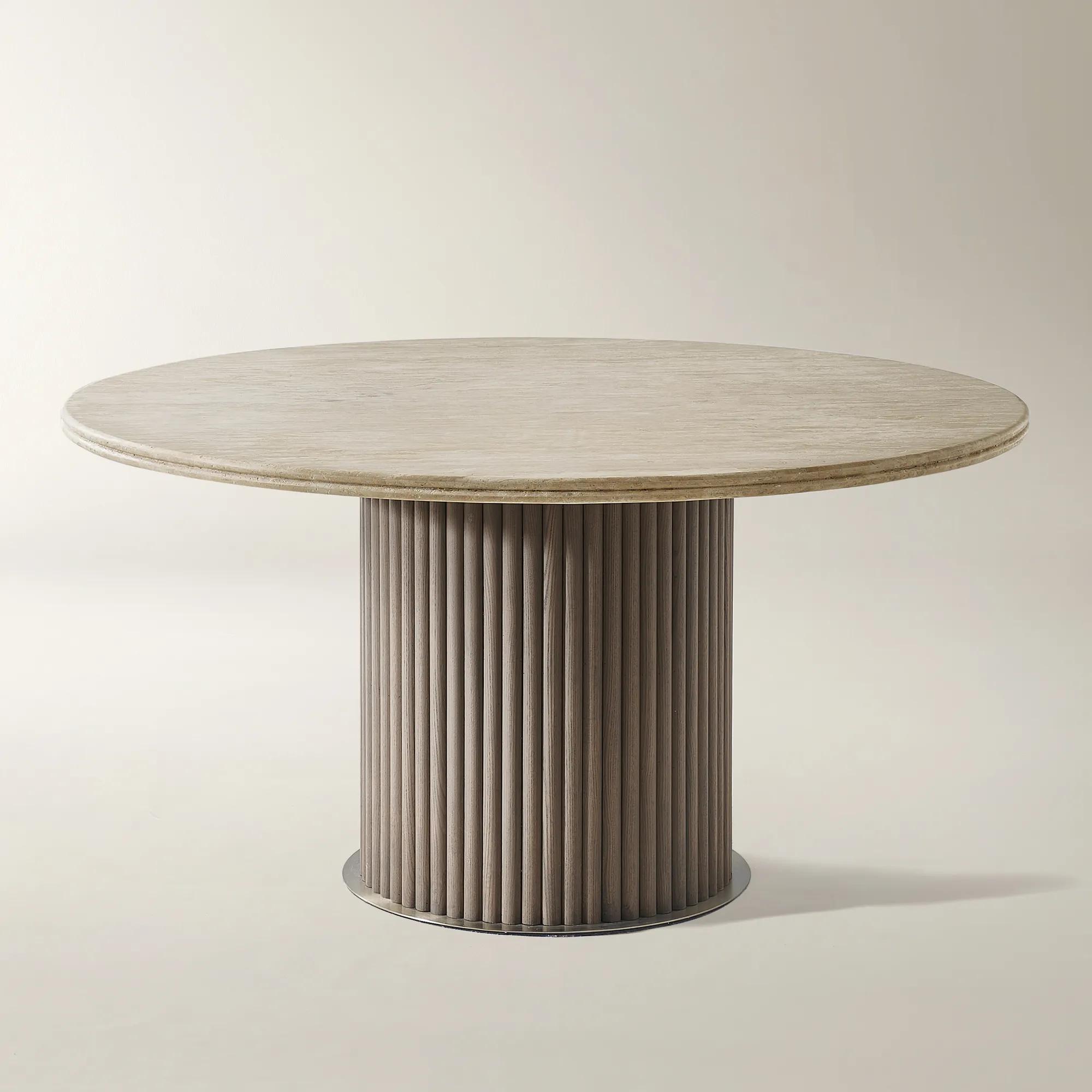 Bond Round Reeded Travertine and Wood Dining Table (59")$3499
A round dining table featuring a genuine natural travertine stone top and a fluted solid ash base.
Add To Cart -
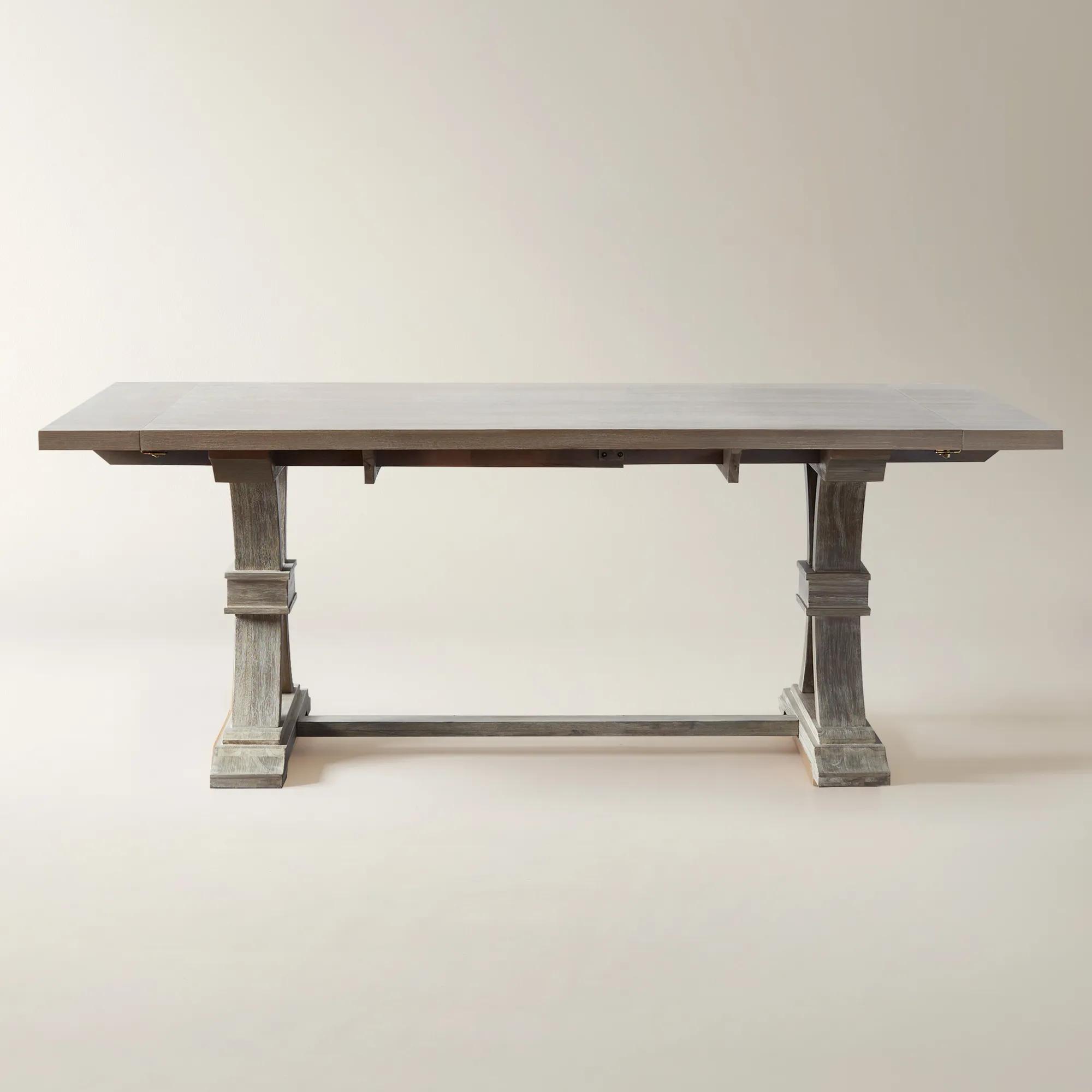 Archer Rectangular Grey Acacia Wood Extending Dining Table (78" - 110")$2499
A weathered grey acacia wood dining table with removable leaves and a kiln-dried hardwood frame.
Add To Cart -
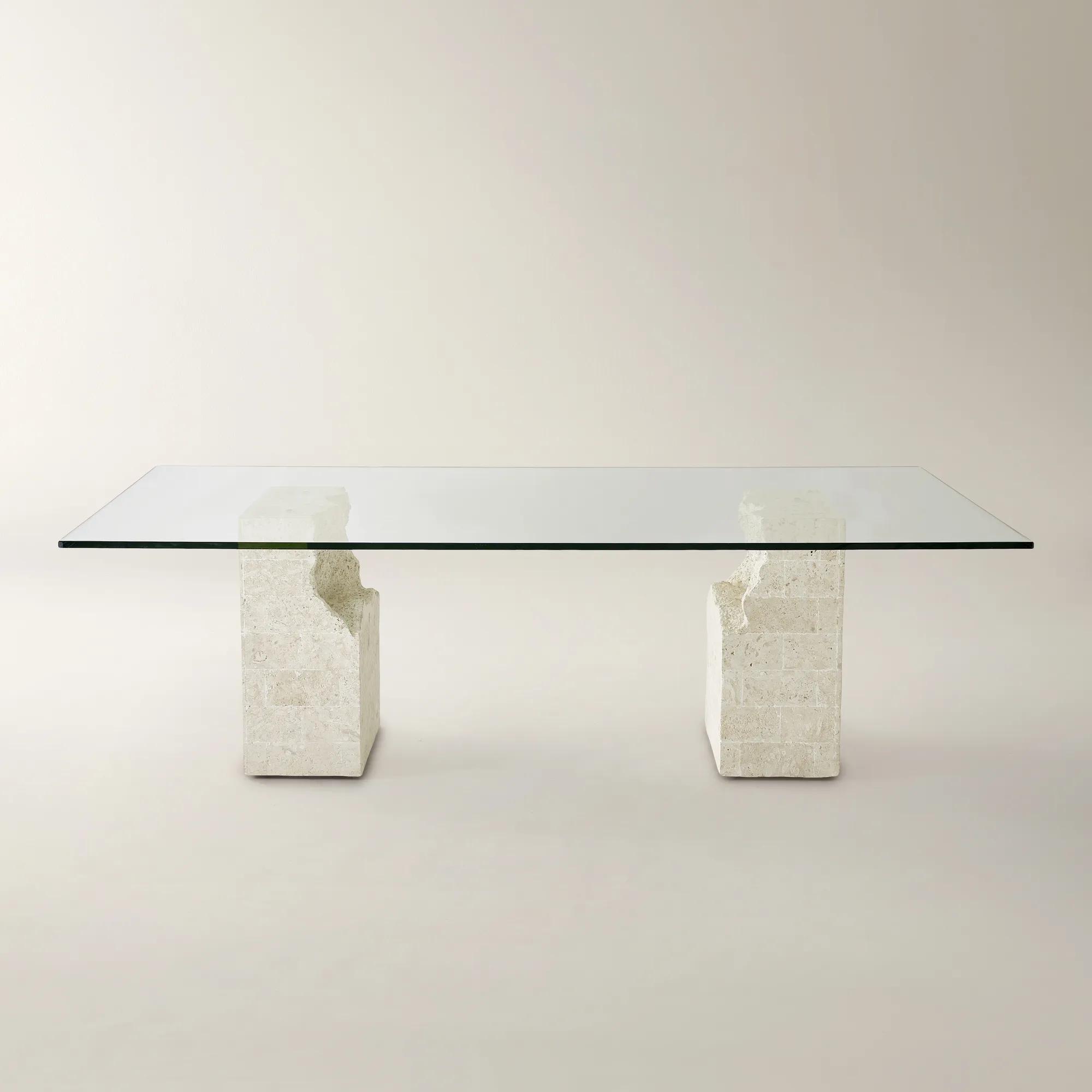 Cairo Rectangular Mactan Stone Dining Table With Glass Top (96")$2599
A contemporary dining table featuring a clear tempered glass top over hand-carved Mactan stone bases.
Add To Cart -

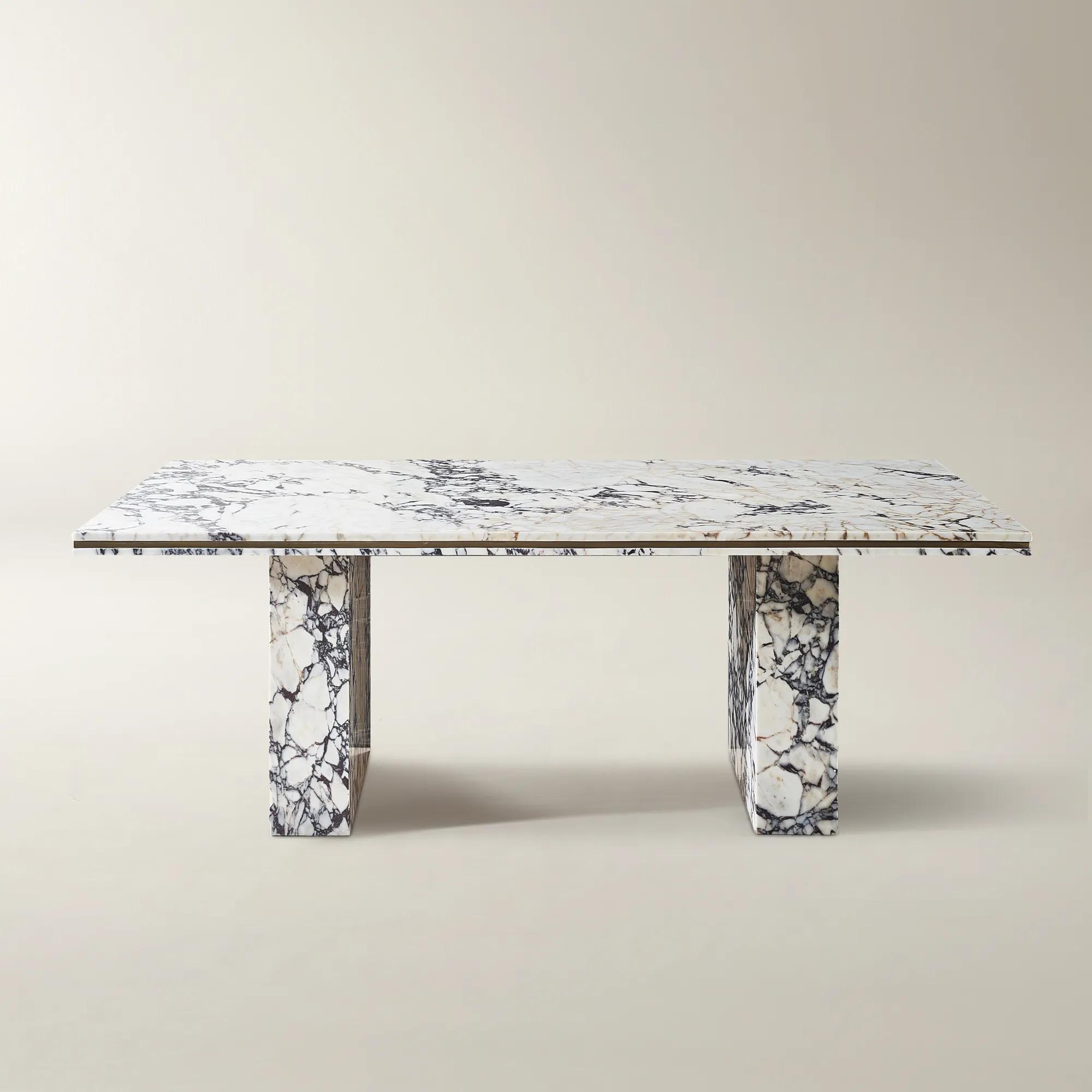
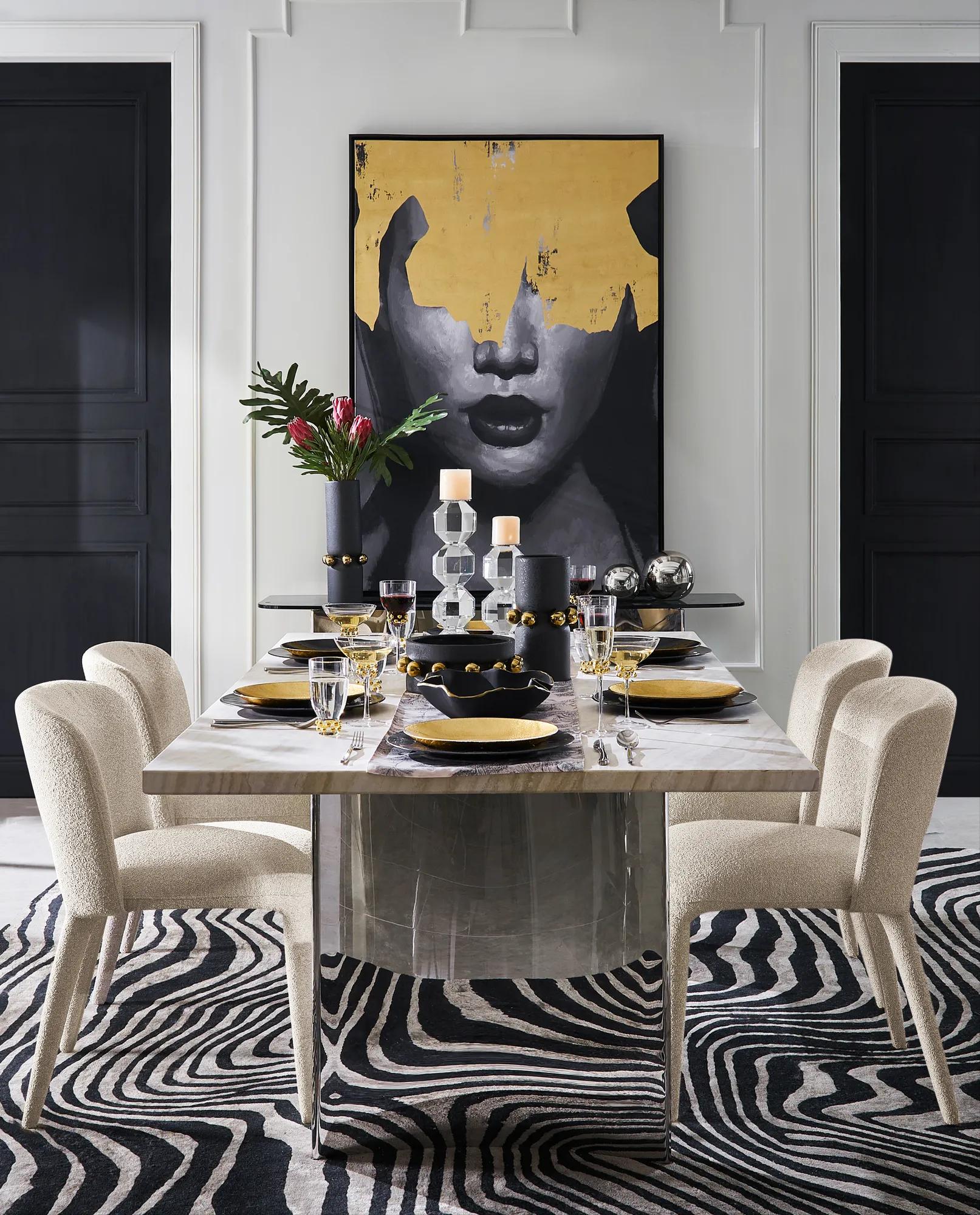 Muscat Rectangular Tan Marble Dining Table With Stainless Steel Base (84")$3099
A sophisticated dining table featuring a tan travertine marble top and polished stainless steel base.
Add To Cart -
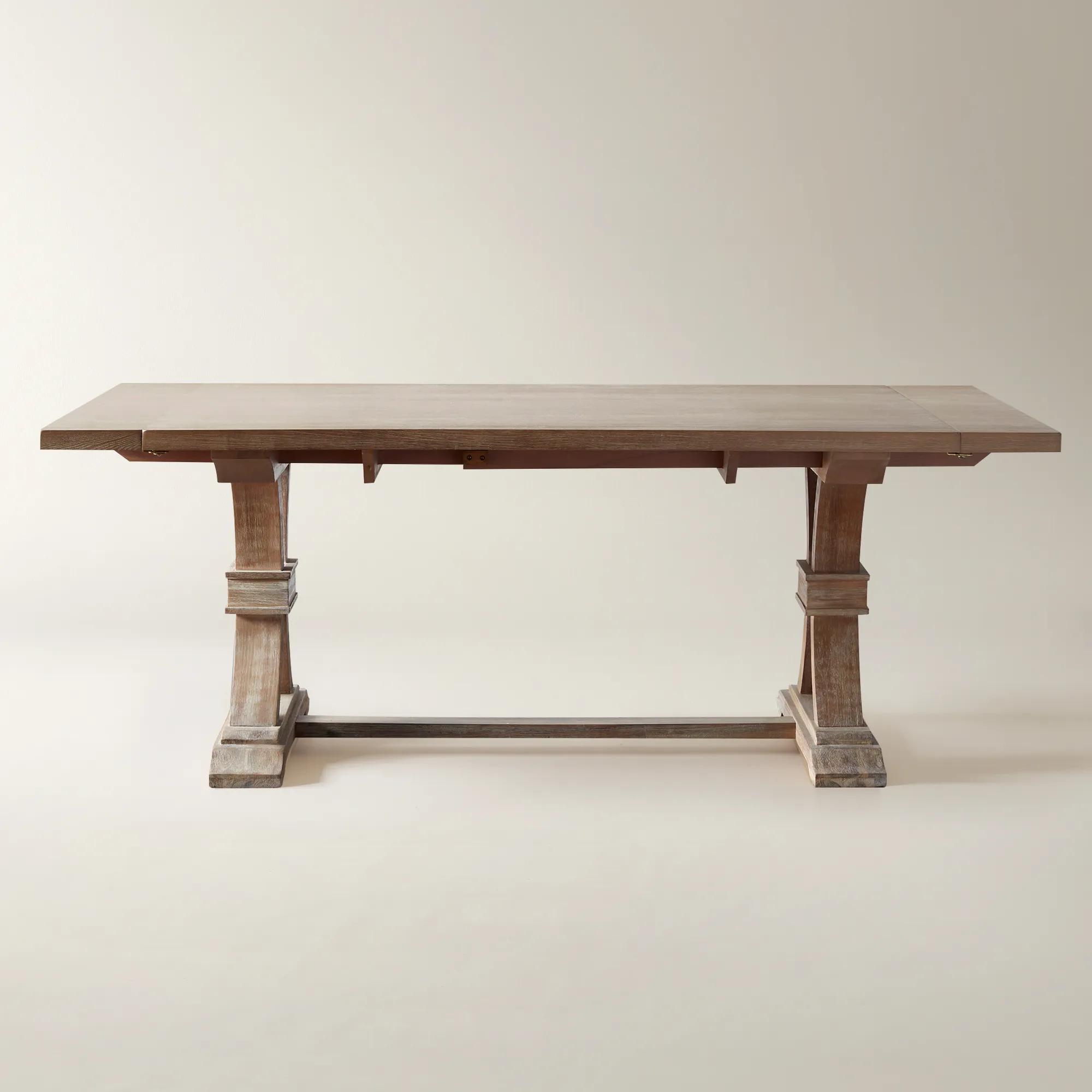 Archer Rectangular Whitewashed Acacia Wood Extending Dining Table (78" - 110")$2499
An extending dining table crafted from kiln-dried hardwood with a whitewashed oak finish and acacia veneer.
Add To Cart -

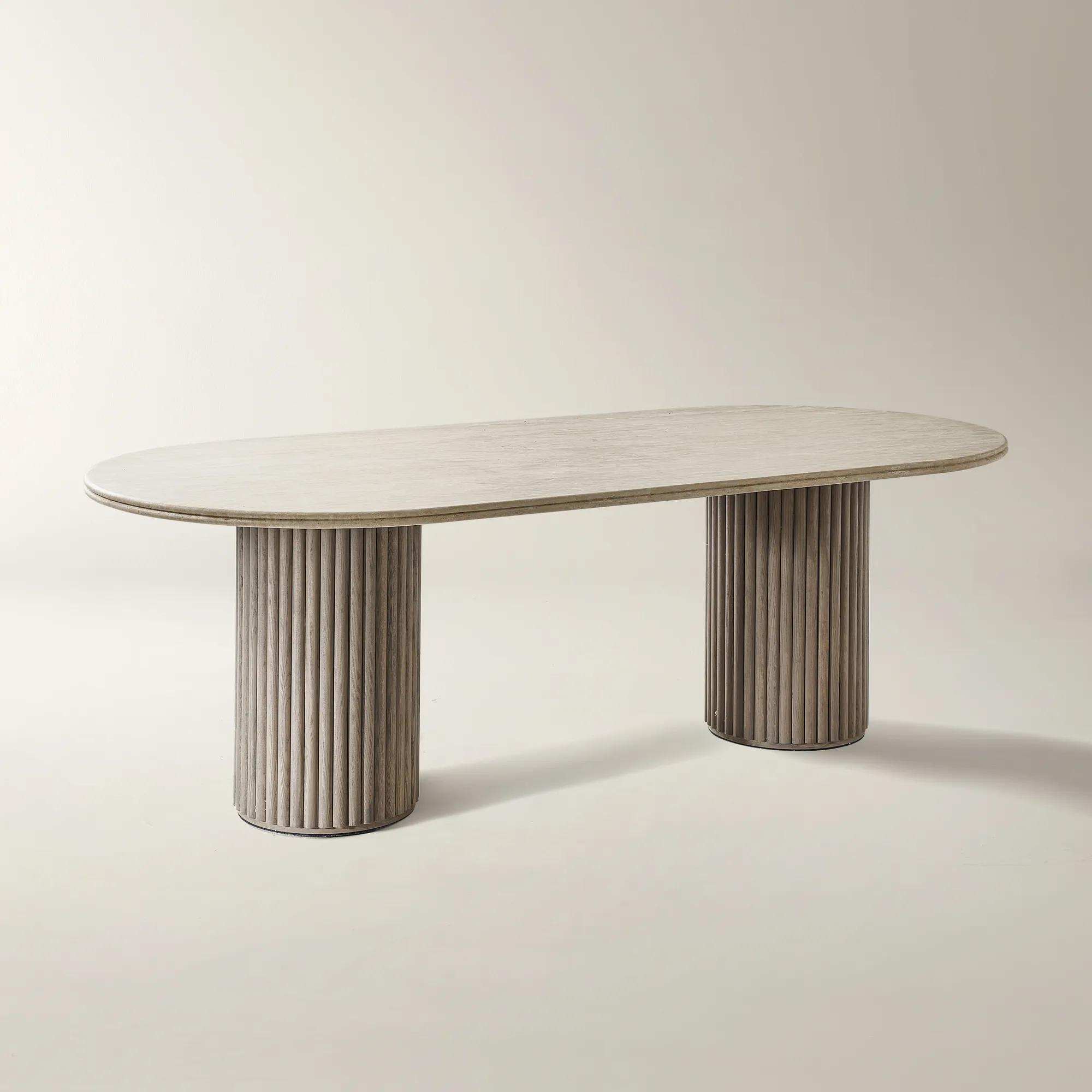 Bond Oval Reeded Travertine and Wood Dining Table (94.25")$4599
A natural travertine stone top pairs with a fluted solid ash base for refined, organic elegance.
Add To Cart -

 Matera Rectangular White Marble Dining Table With Stainless Steel Base (86.61")$2499
A modern dining table featuring a white marble top and polished stainless steel base for timeless elegance.
Add To Cart -
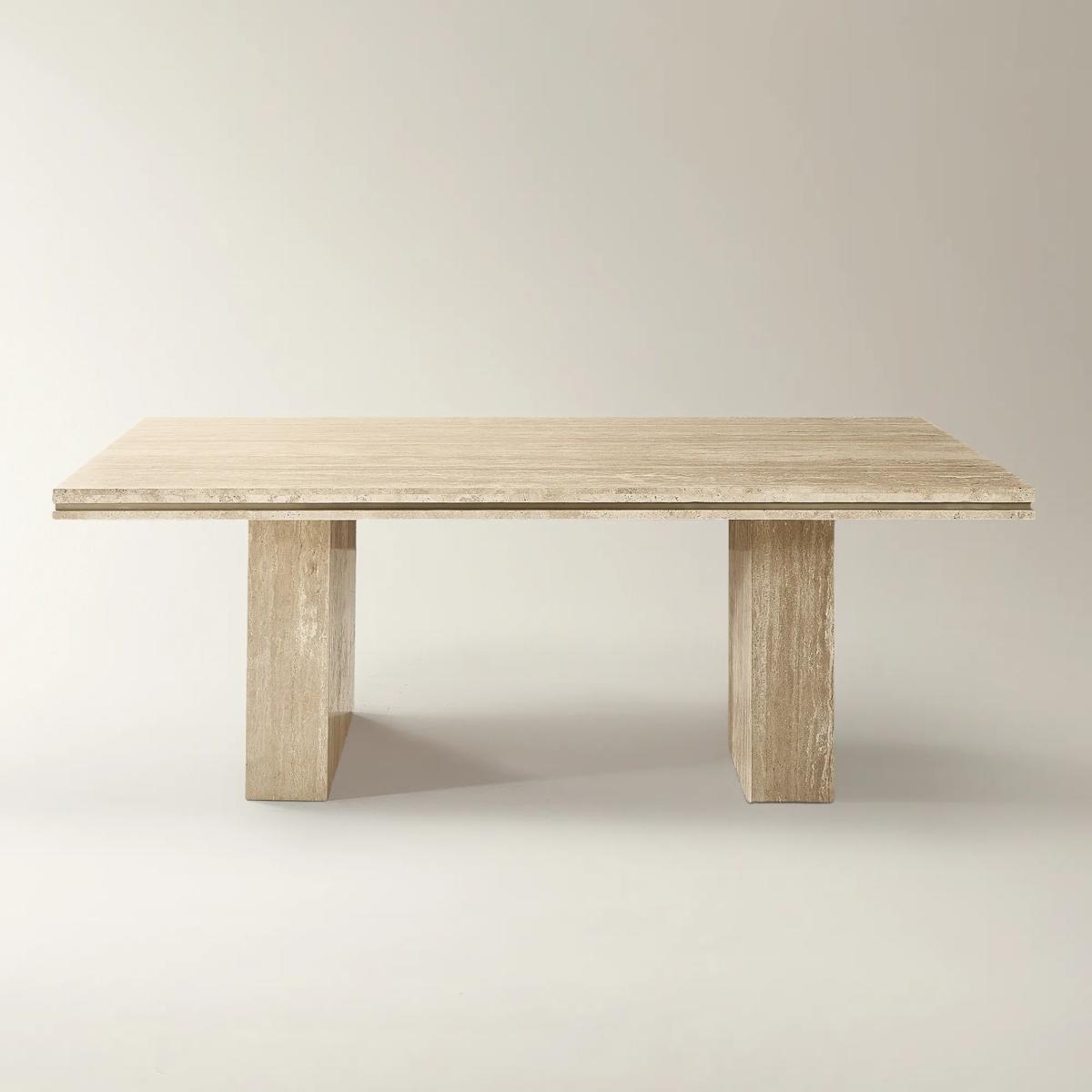 Vanta Rectangular Travertine Dining Table (84")$4199
A genuine travertine dining table with ivory-gold hues and a shimmering gold stainless steel inlay.
Add To Cart -
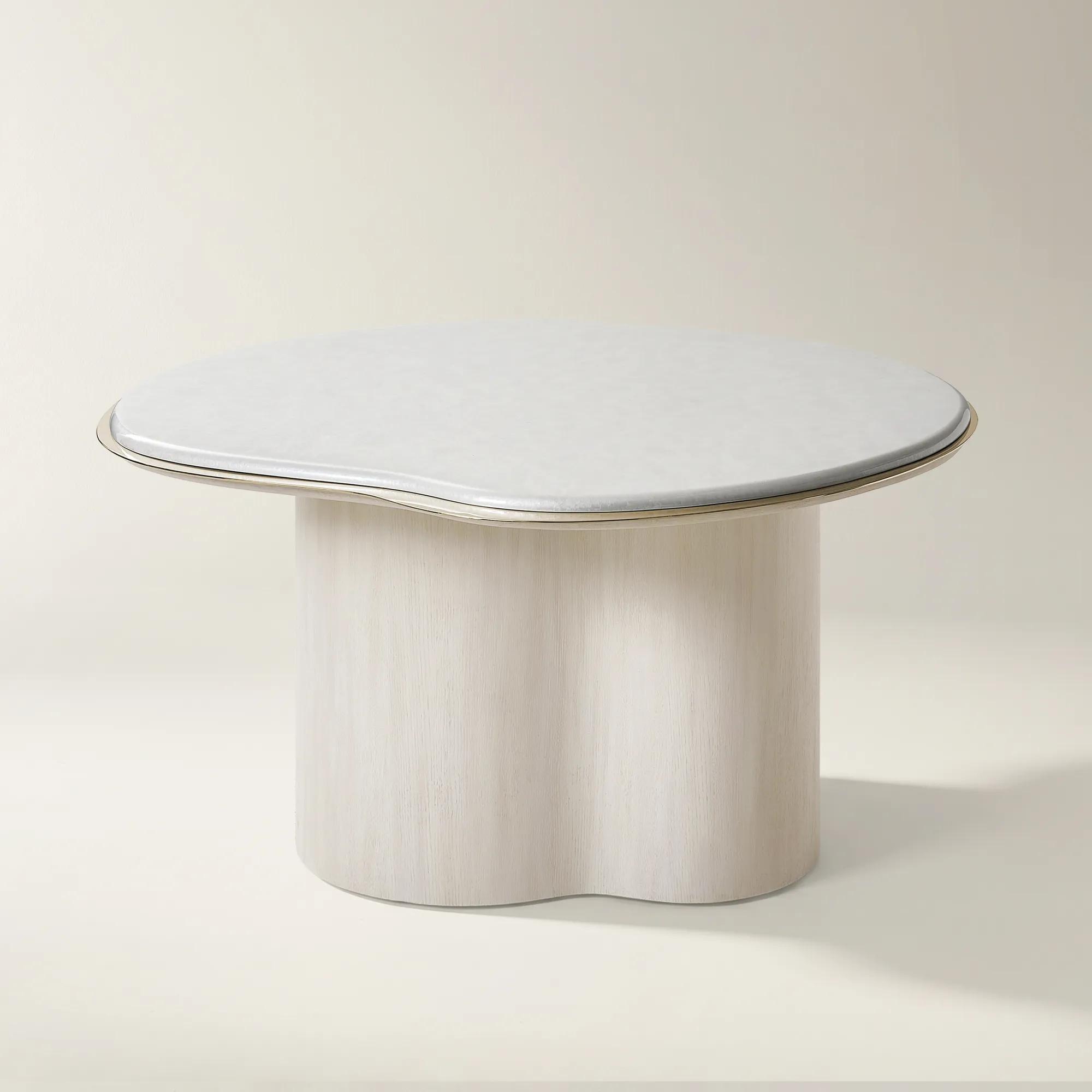 Lumina Bleached Oak Dining Table With Pearl Lacquered Top (58")$2699
A sculptural dining table featuring a pearl lacquered top, bleached oak base, and champagne gold trim.
Add To Cart -
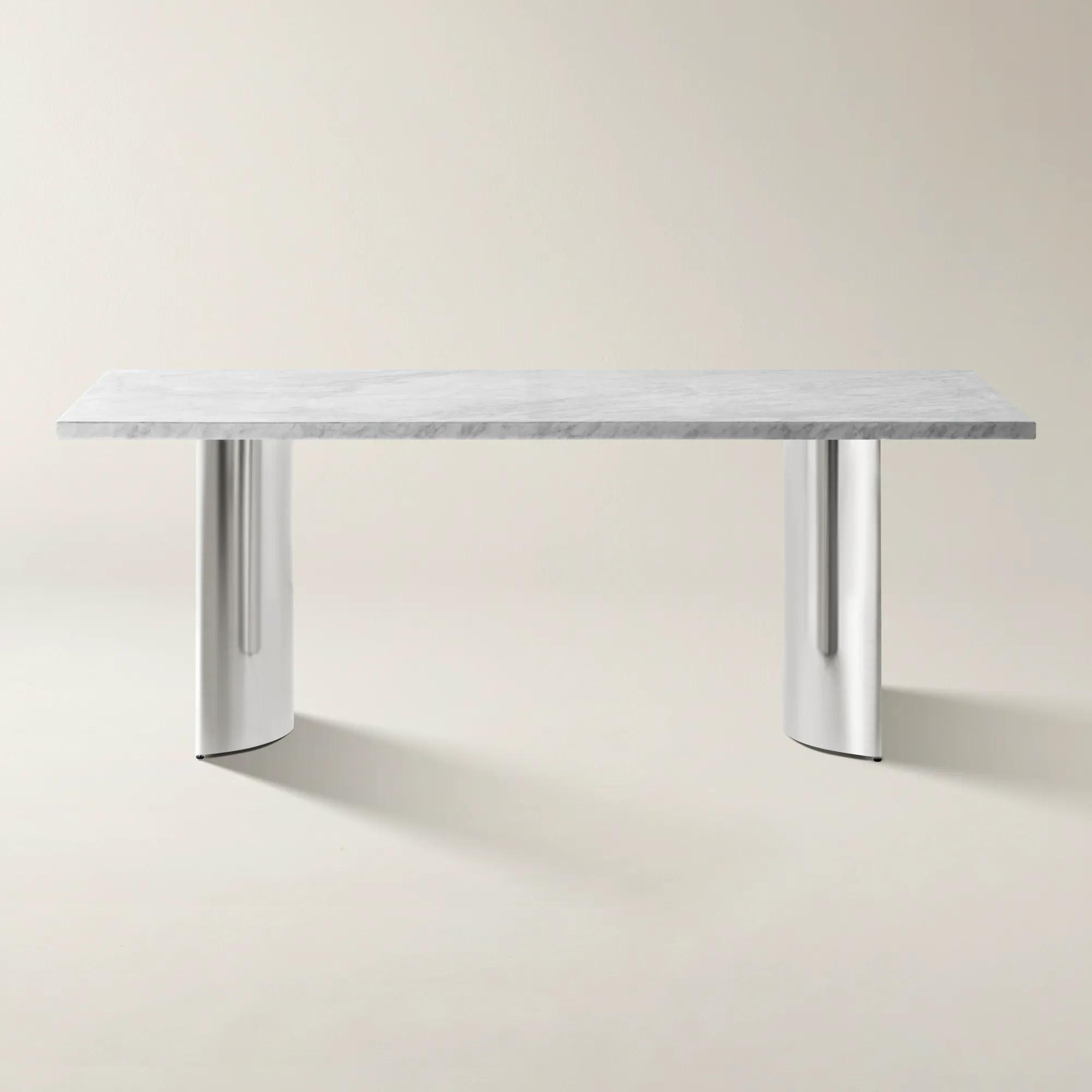 Muscat Rectangular White Marble Dining Table With Stainless Steel Base (84")$3099
A striking dining table featuring a natural white marble top with unique veining and a polished stainless steel base.
Add To Cart -
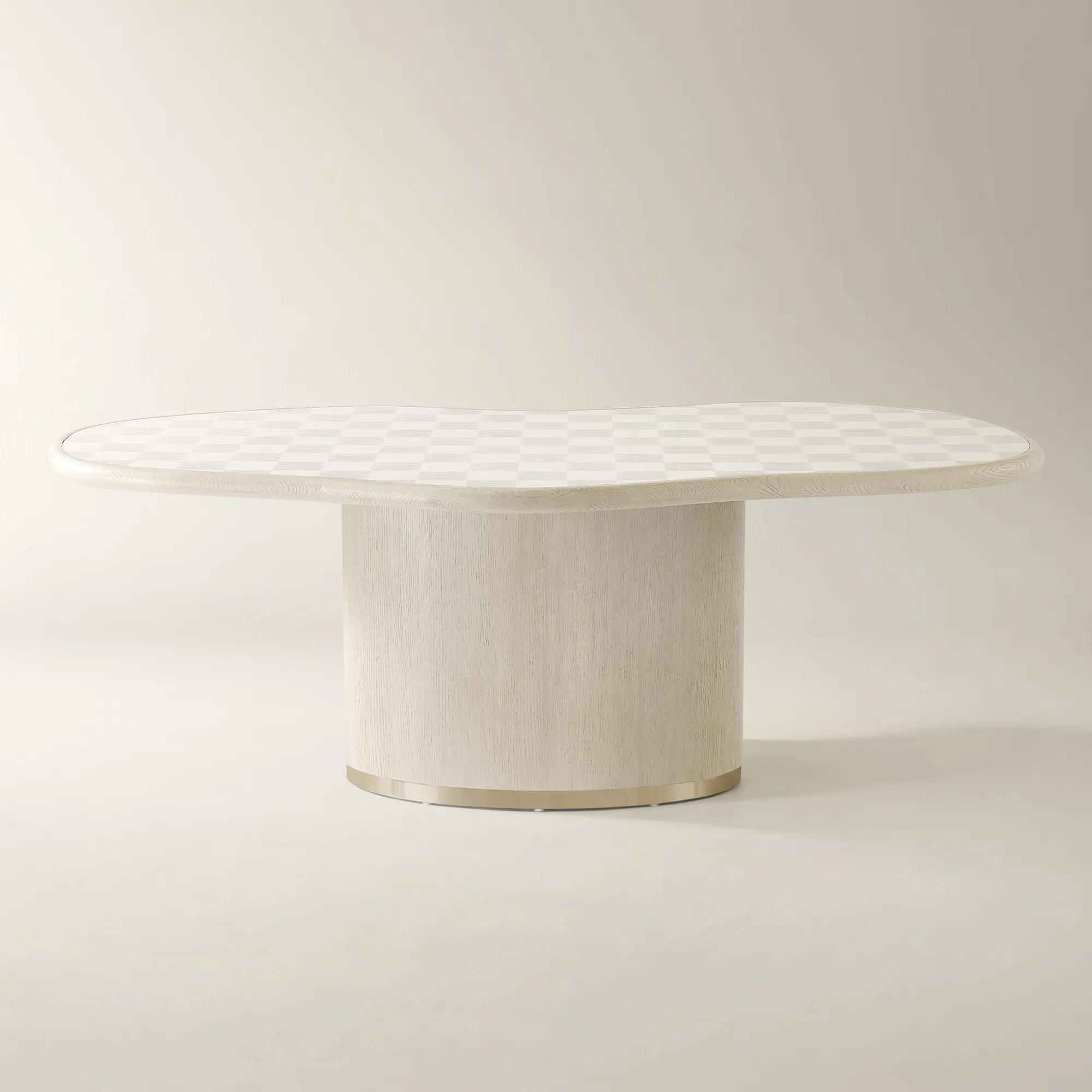 Vetra Checkerboard Oak and Maple Dining Table (84")$2399
A striking dining table featuring a hand-arranged oak and maple checkerboard veneer with soft gold accents.
Add To Cart -
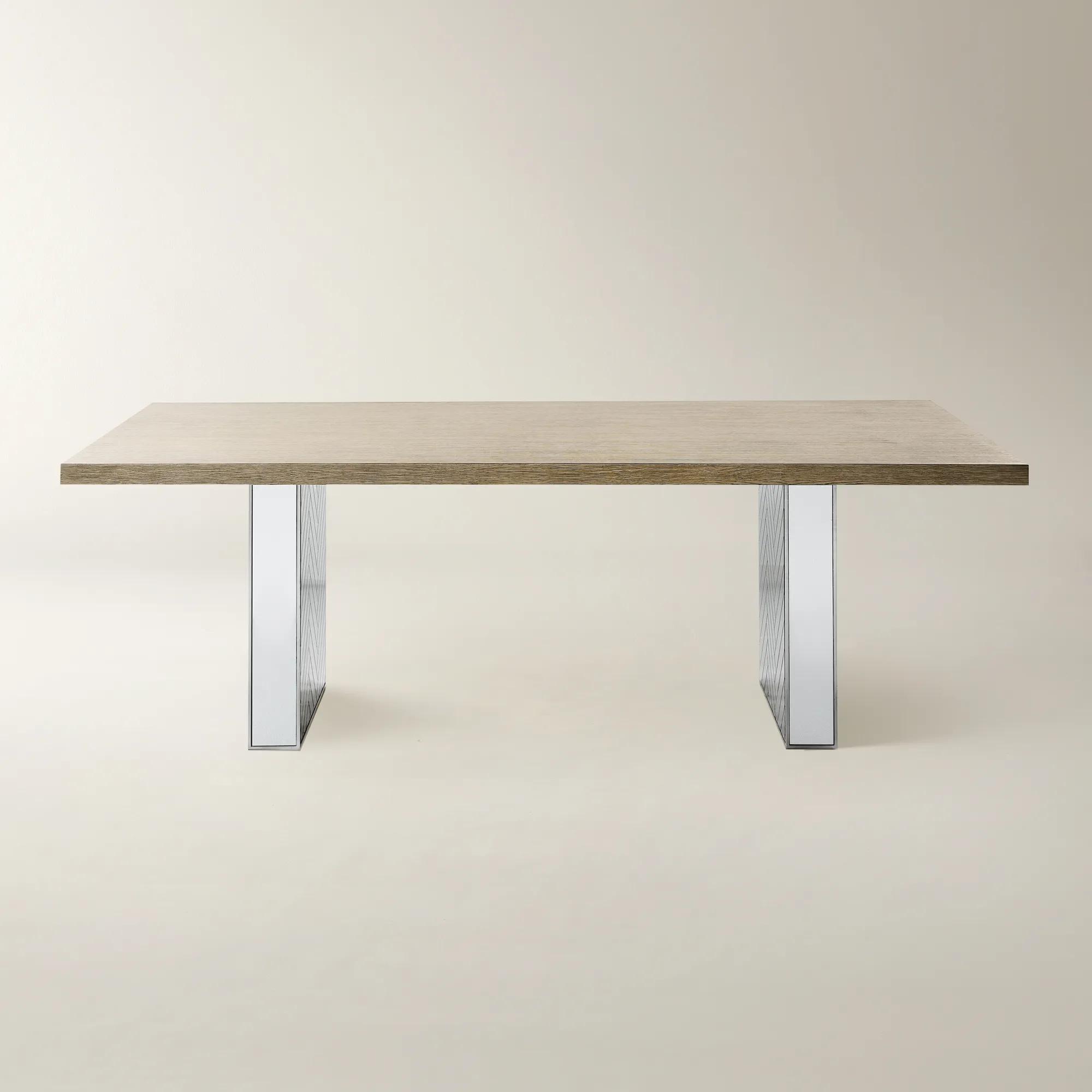
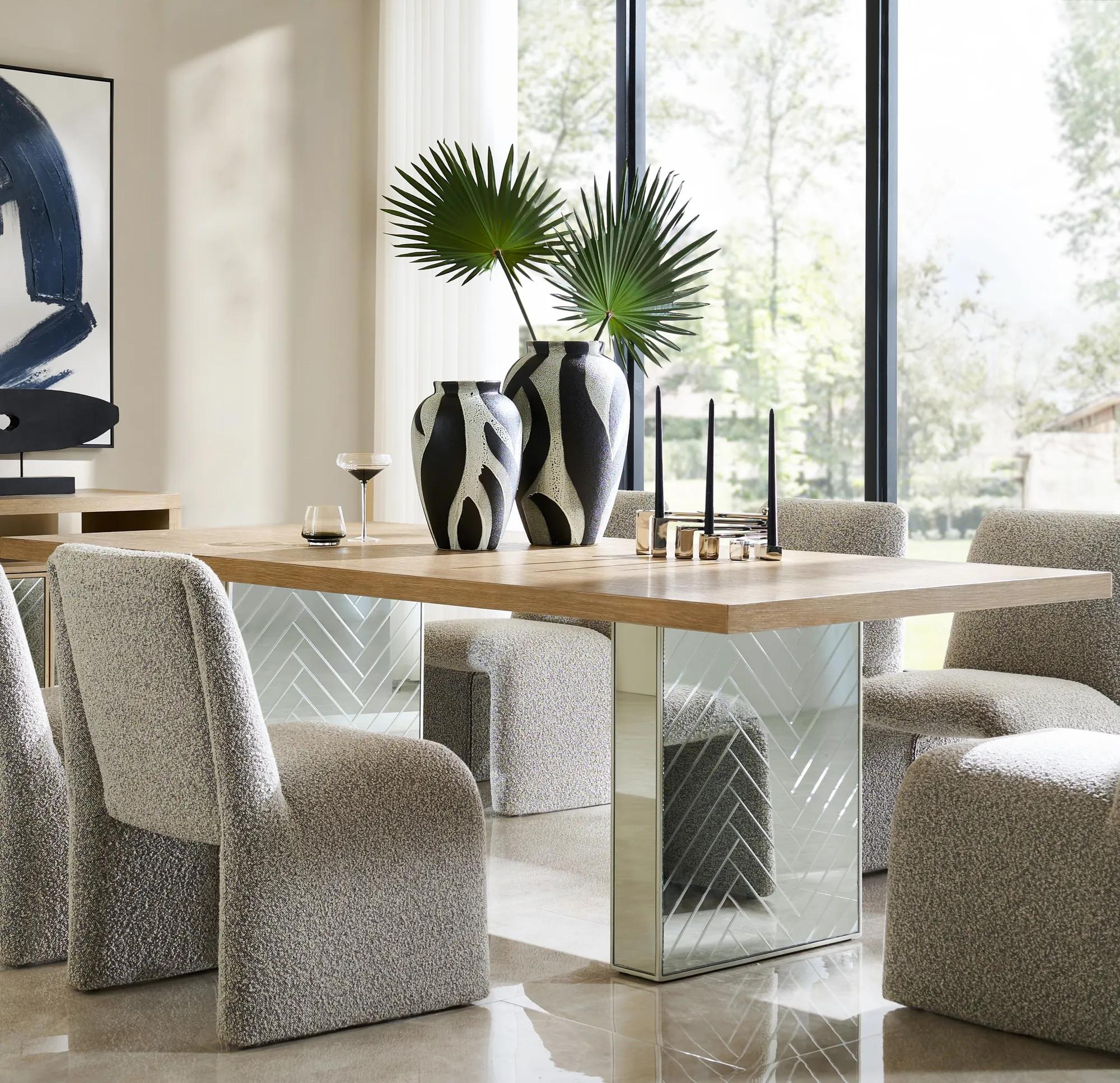 Glimmer Rectangular Seadrift Oak Dining Table With Mirrored Base (90.5")$1799
A modern dining table featuring a warm oak veneer top and a silver mirror-faced parquet base.
Add To Cart -
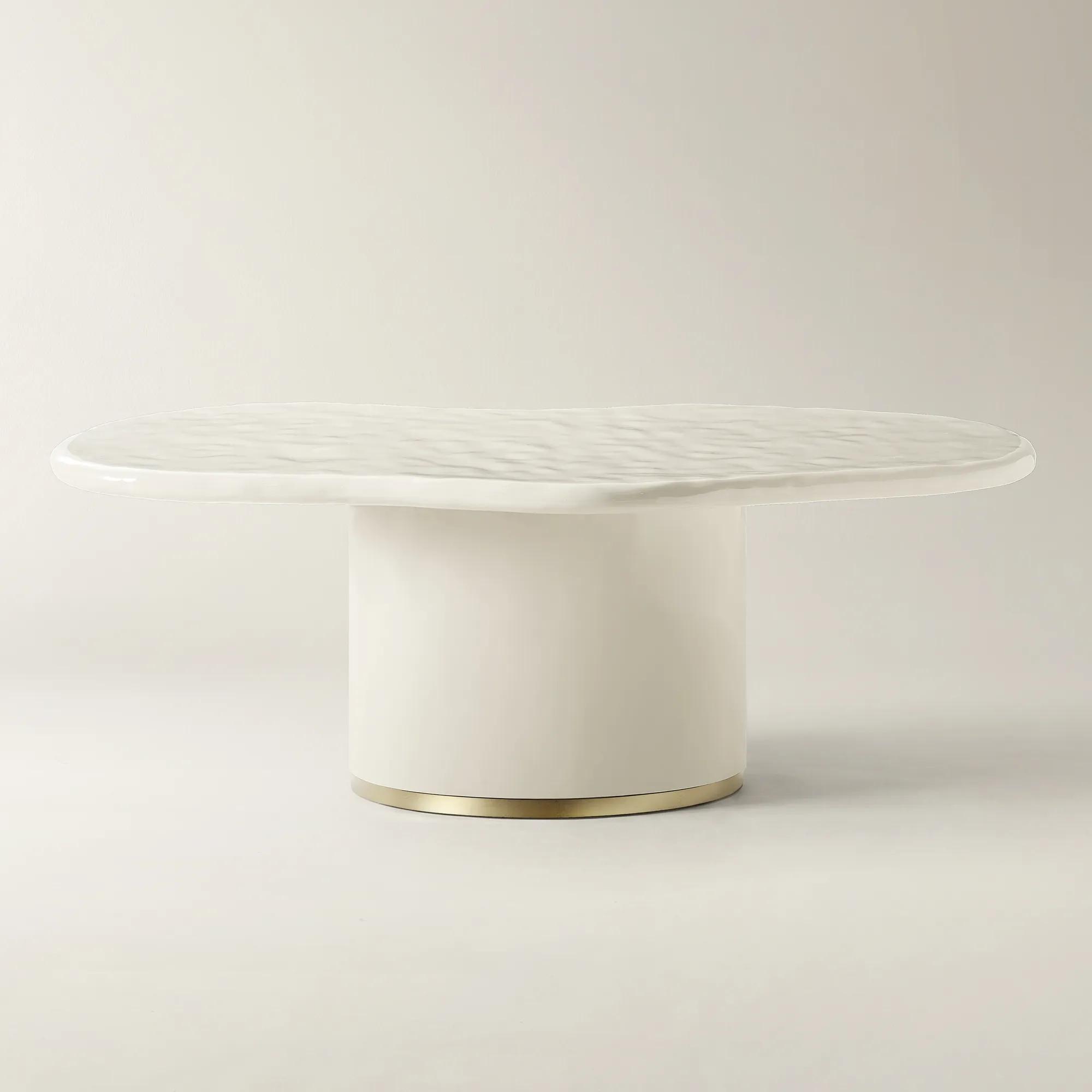 Celia Lacquered Cloud Resin Indoor/Outdoor Dining Table (84")$1999
A sculptural, high-gloss resin dining table with gold stainless steel accents for indoor or covered outdoor use.
Add To Cart -
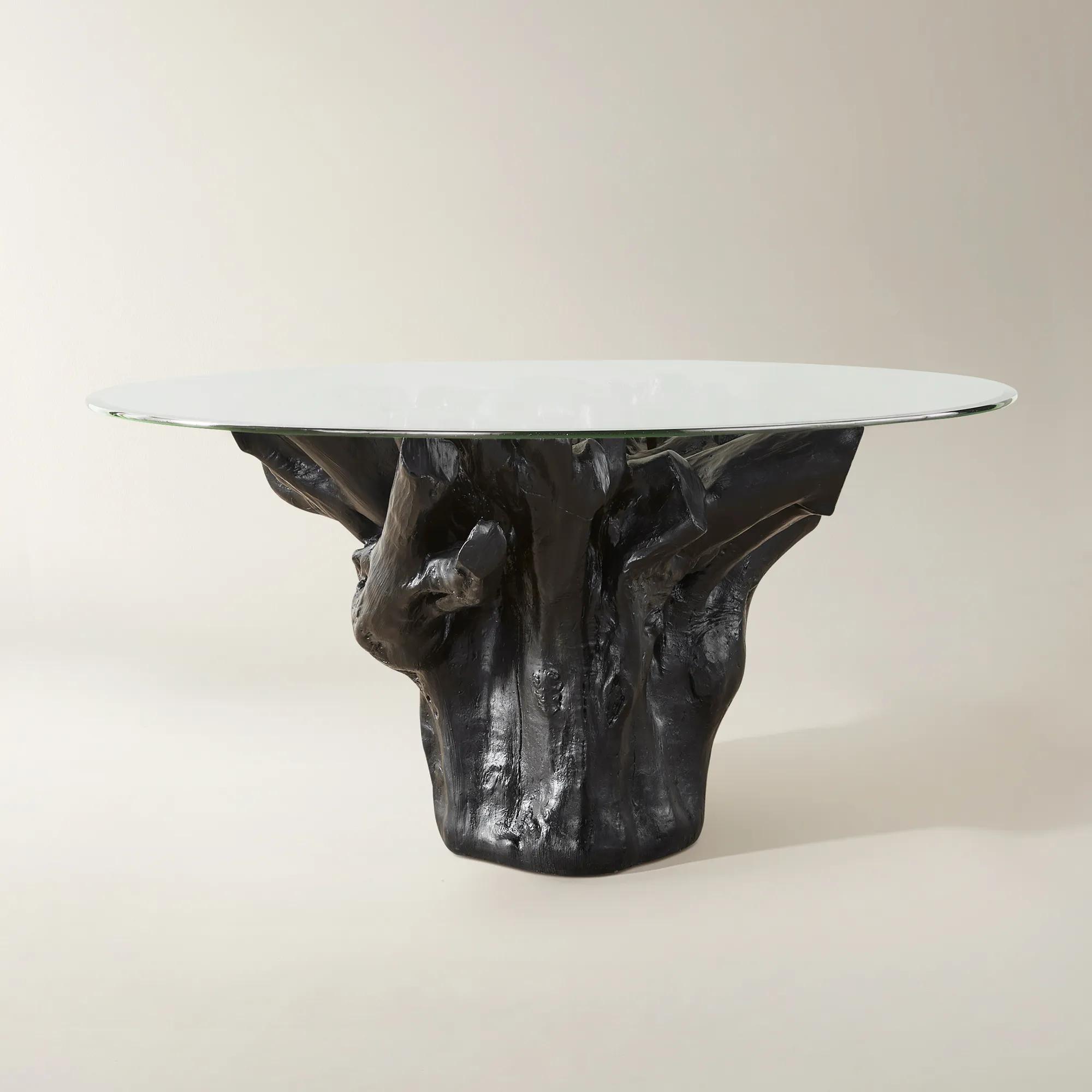 Sequoia Black Resin Dining Table With Glass Top (60")$2299
A sculptural black resin base with real stone fragments supports a round tempered glass top for organic elegance.
Add To Cart -
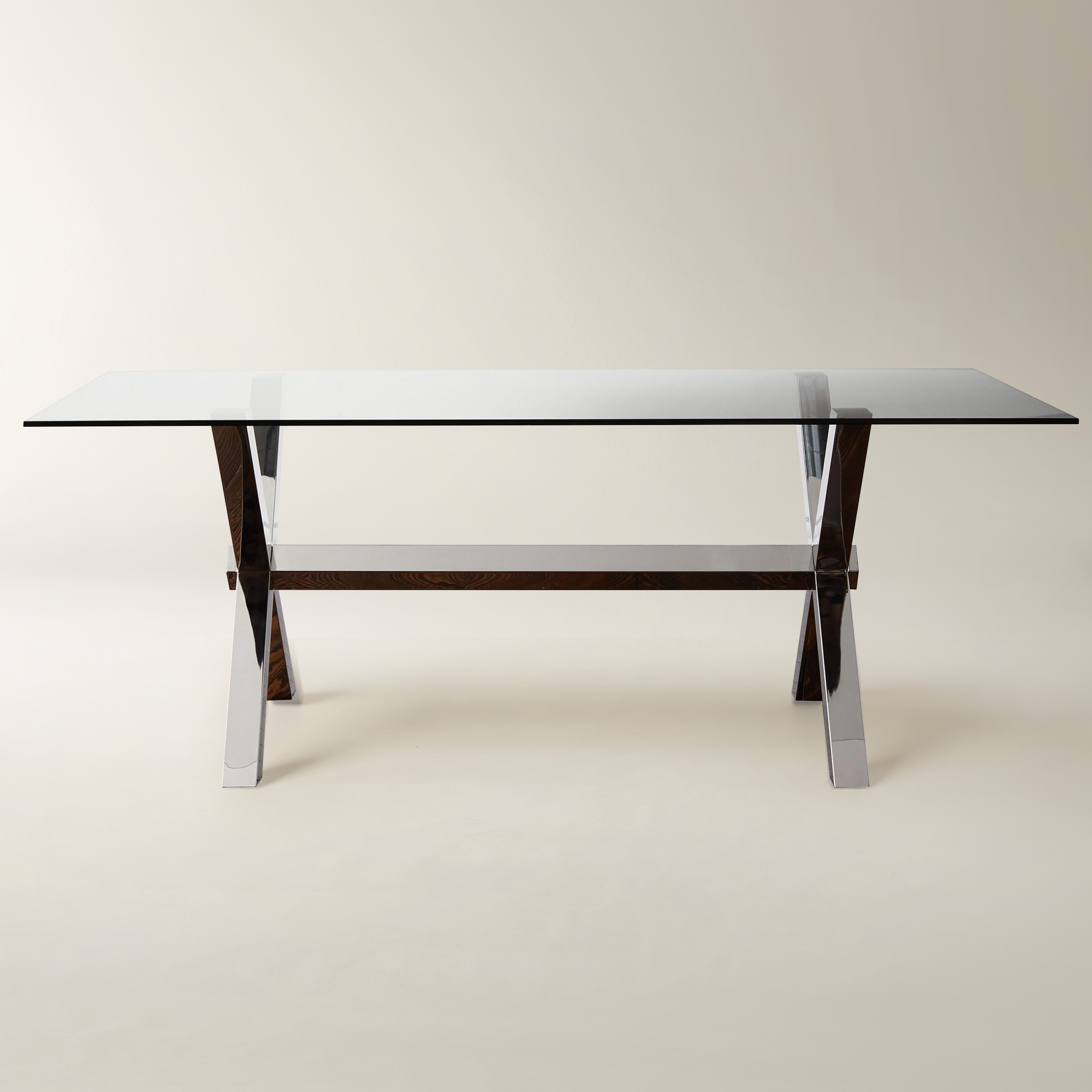
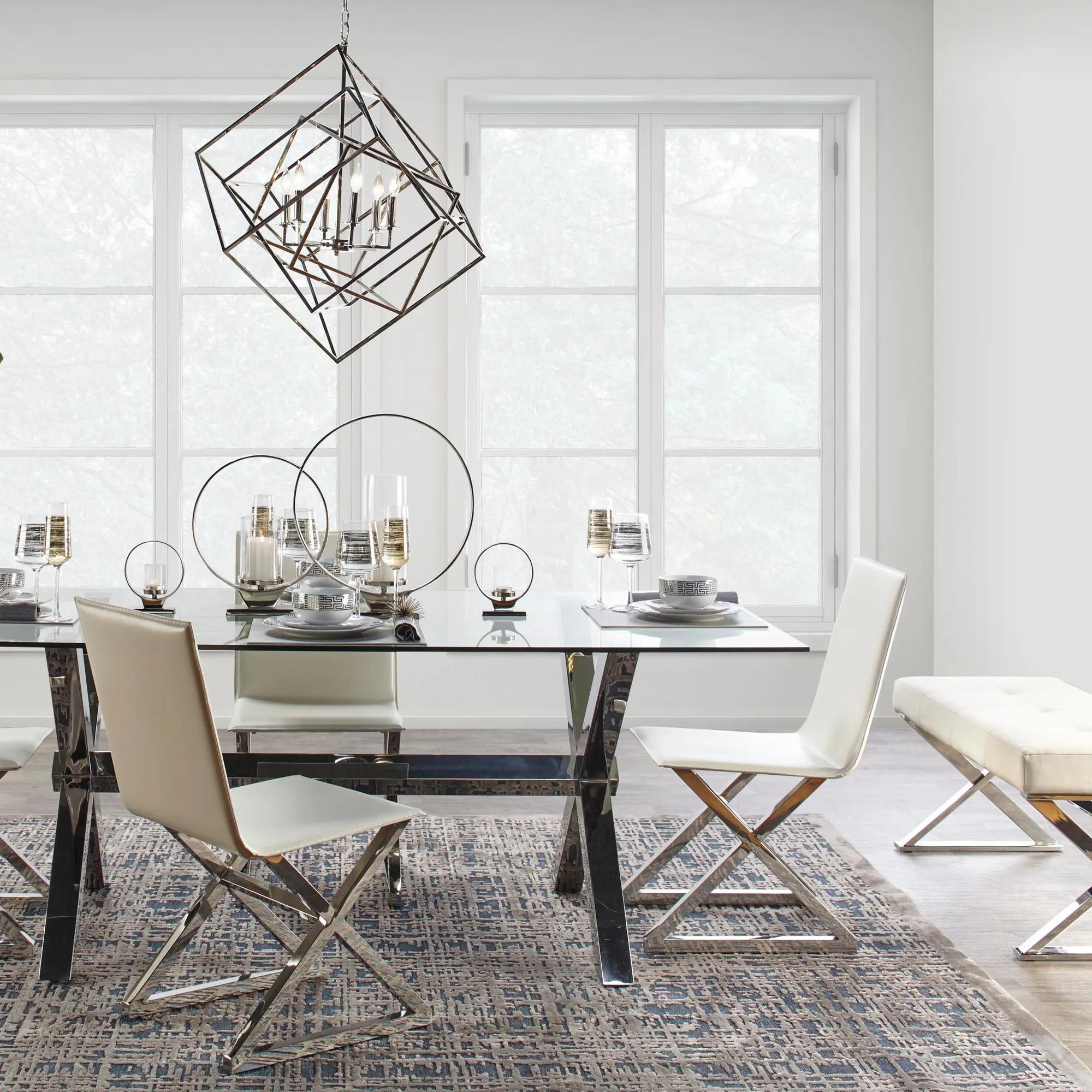 Axis Rectangular Silver Dining Table With Glass Top (78")$1199
A contemporary dining table featuring a polished stainless steel base and durable tempered glass top.
Add To Cart -

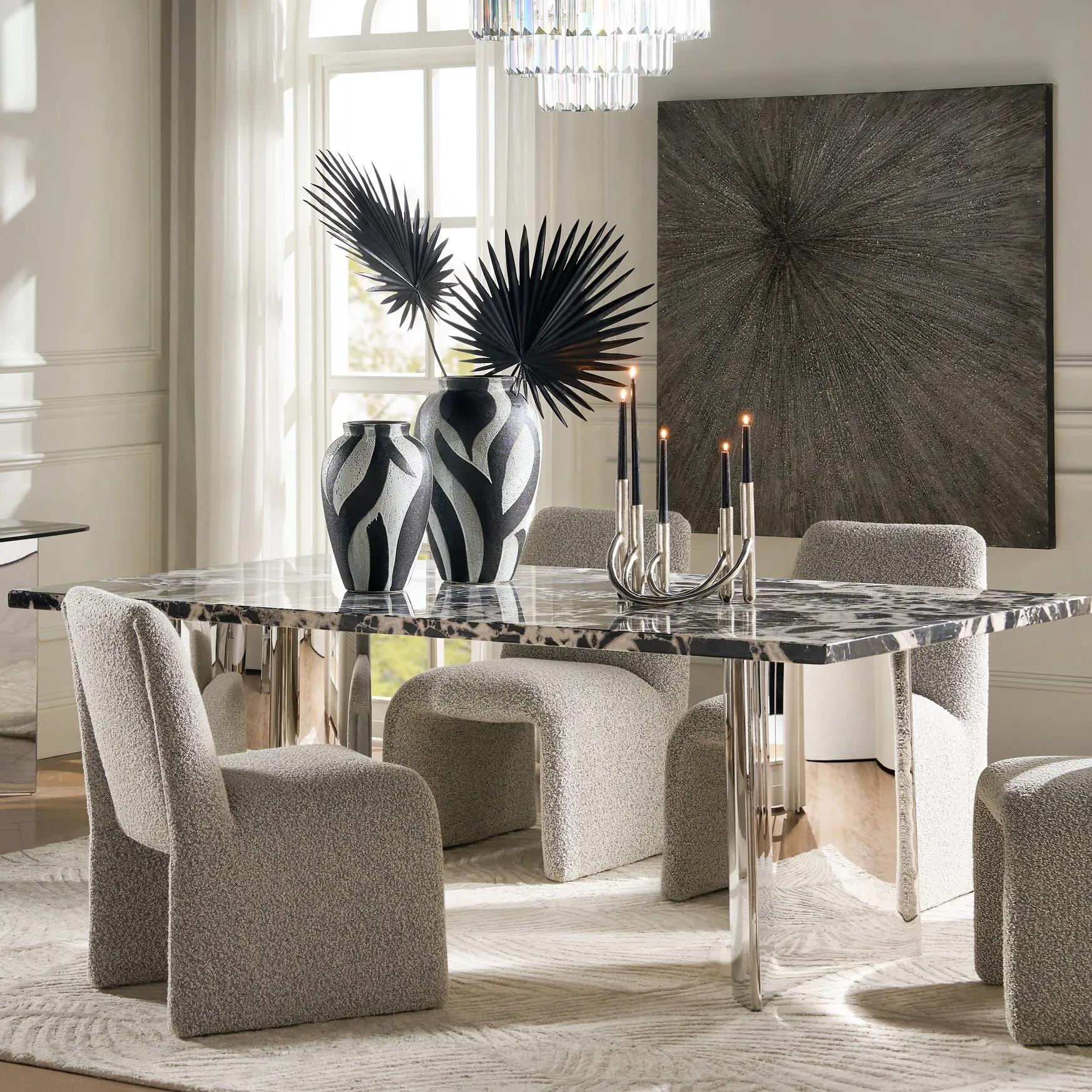 Muscat Rectangular Black Marble Dining Table With Stainless Steel Base (84")$3099
A dramatic black marble dining table with unique veining and a polished stainless steel base.
Add To Cart -
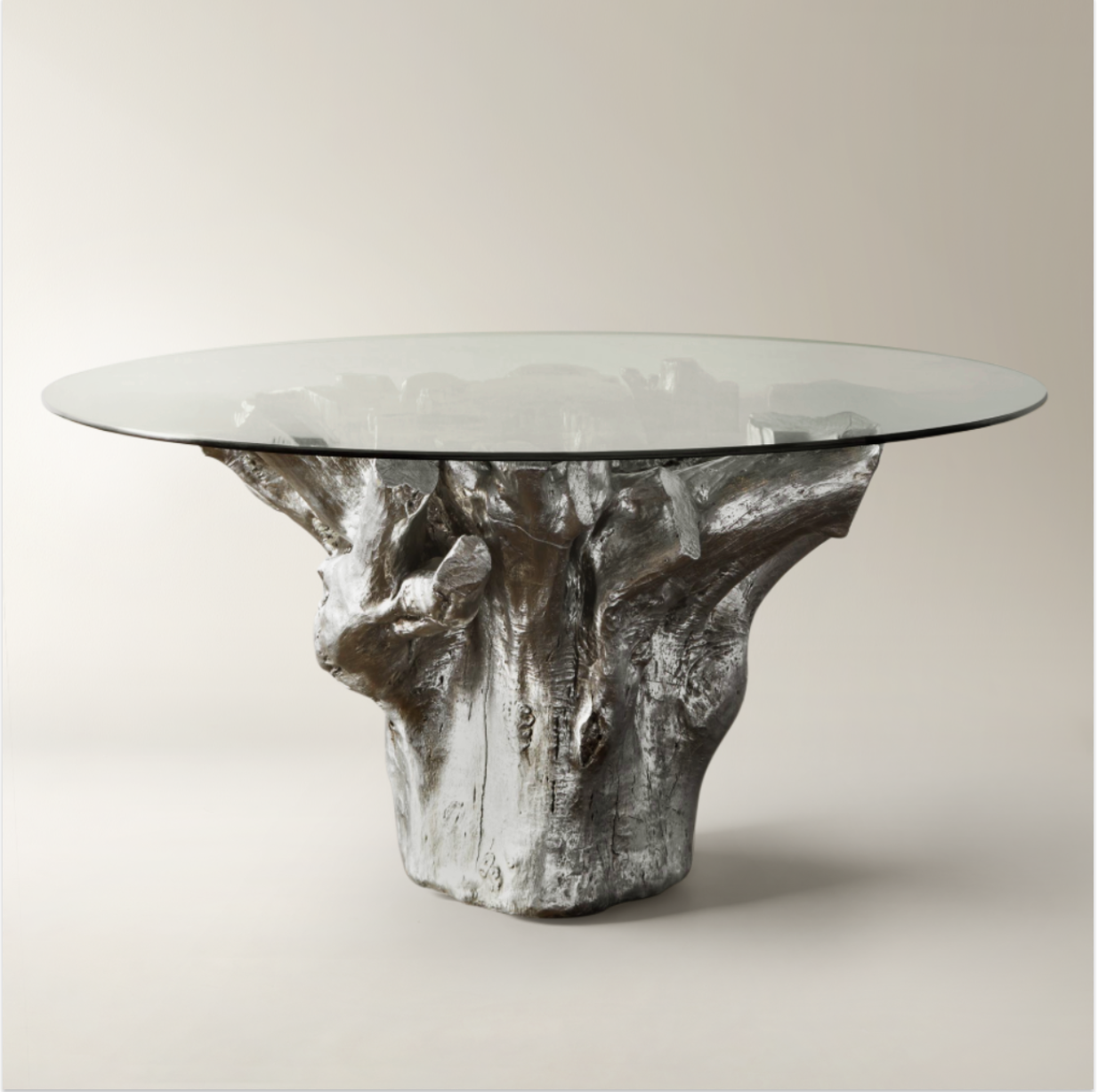 Sequoia Silver Resin Dining Table With Glass Top (60")$2199
A sculptural resin base with hand-applied silver leaf supports a round tempered glass top for modern elegance.
Add To Cart -
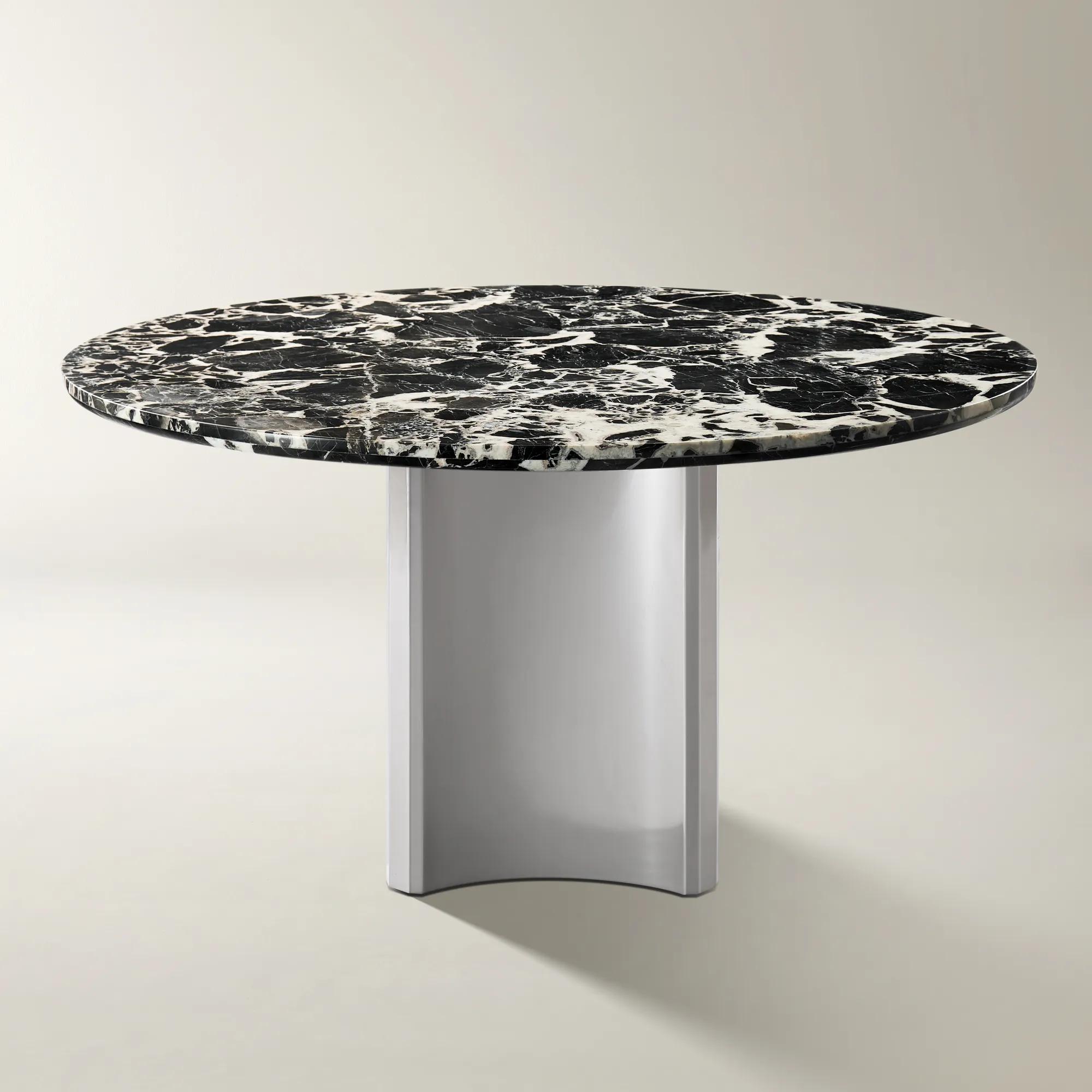
 Ventane Round Black Marble and Stainless steel Dining Table (58")$2999
A dramatic round dining table featuring a natural black marble top and polished stainless steel base.
Add To Cart -
 Paulina Round White Outdoor Table (31”)$999
A white outdoor round counter table offering stylish functionality for elevated alfresco dining.
Add To Cart

Neutral Color Dining Tables
Neutral color dining tables set the stage for unforgettable gatherings, where understated elegance takes center stage. Each piece is a masterclass in refined simplicity, blending seamlessly with any décor while elevating the ambiance with quiet sophistication. Whether your style leans modern and sculptural or classic and timeless, neutral color dining tables offer a versatile foundation—inviting you to layer textures, play with accent hues, and create a dining space that feels both curated and effortlessly chic. Let your table be the canvas for culinary artistry and lively conversation, where every meal becomes an occasion to savor.
Neutral color dining tables bring together ivory, cream, beige, taupe, gray, and natural wood tones in a palette that gives a dining room presence without overwhelming its surroundings. Their appeal lies in the balance between visual calm and expressive design: a pale tabletop can emphasize a sweeping silhouette, while a warm wood finish draws attention to grain, texture, and craftsmanship. These versatile foundations suit intimate breakfast areas, open-plan living spaces, and formal dining rooms where the table anchors a more dramatic arrangement of seating, lighting, and art. Neutral does not have to mean understated. A sculptural pedestal, generously proportioned top, or richly veined stone surface can make a compelling statement while keeping the room’s palette cohesive. Color undertones shape that effect. Cream and beige tend to complement golden accents, camel upholstery, and warmer wood flooring; cooler gray shades often sit comfortably alongside silver finishes, charcoal accents, and crisp architectural details. Taupe can bridge warm and cool elements, though its appearance will vary with surrounding colors and lighting. Material adds another layer of distinction. Natural wood offers visible grain and tonal variation, while wood veneer brings the character of a thin layer of real wood to a supporting core. Neither construction alone determines quality; the finish, underlying structure, and joinery all influence performance. Marble introduces distinctive veining and a polished or honed surface, with natural variations that give each slab its own character. Stone-look surfaces offer a different route to that visual effect, with care requirements determined by their actual composition. Painted and lacquered finishes create a more uniform field of color, emphasizing the table’s outline and the interplay of light across its surface. A light neutral finish can also make a substantial table feel less visually imposing, particularly against similarly toned walls or flooring. In a room filled with expressive artwork or richly textured chairs, that quieter backdrop allows each surrounding detail to remain distinct.
The right proportions give neutral dining tables their sense of ease, whether the setting is a dedicated dining room or a dining area visible from the sofa. Round tables create an intimate arrangement with shared sightlines, while oval silhouettes offer a longer dining surface with softened ends. Rectangular tables establish a strong axis beneath a chandelier and often suit elongated rooms; square tables can feel balanced in similarly proportioned spaces. Seating capacity depends on usable surface area, chair width, and the position of the base rather than shape alone. As a general starting point, allow about 24 inches of table edge per person, with additional room for wider chairs or more expansive place settings. A round tabletop approximately 42 to 48 inches across often accommodates four, but generous armchairs or a broad base may change that fit. Around the perimeter, about 36 inches between the table edge and nearby walls or furniture provides a useful baseline for pulling out chairs; 42 to 48 inches is more comfortable where people regularly walk behind seated guests. These measurements deserve attention near a buffet, doorway, or frequently used path through an open-plan room. Pedestal bases can free the corners from table legs, though the pedestal’s footprint still affects foot room and chair placement. Trestle supports and substantial sculptural bases bring architectural drama but should be considered alongside the intended seating arrangement. Table height, apron depth, and chair arms also work together: roughly 10 to 12 inches between the seat and the underside of the tabletop is a common comfort reference, with aprons potentially reducing that space. Pairing the table with Neutral Fabric Dining Chairs creates a layered palette in which woven texture, upholstery tone, and silhouette supply the contrast. Ivory beside warm taupe, or oatmeal fabric against pale wood, can feel nuanced rather than matched. For households that host larger gatherings, an extension design can offer flexibility, provided the fully extended dimensions leave comfortable circulation and the mechanism is used according to its instructions.
Everyday use brings a different kind of beauty to the dining room: the glow of a pendant across a pale surface, linen gathered beside stoneware, and chairs drawn close for a lingering conversation. A neutral color dining table can support that daily rhythm while remaining composed enough for a more elaborate setting. The most suitable material depends on how the surface will be used, especially in homes where meals share space with homework, puzzles, or occasional laptop work. A durable finish matters as much as the material beneath it, and no pale surface should be assumed stainproof, scratchproof, or heatproof. Solid wood can respond to changes in indoor humidity, while veneer requires care that protects the thin wood surface and its edges from excessive moisture or abrasion. Natural marble is vulnerable to acidic foods and drinks that may etch the surface; sealing, when recommended, can help limit staining but does not prevent etching. Engineered stone, ceramic, and other stone-look materials have distinct requirements, so care instructions should follow the actual surface rather than its appearance. Coasters, trivets, and nonabrasive placemats help protect the tabletop without concealing its character. Promptly blotting spills and using a soft cloth with a manufacturer-approved cleaner preserves the finish more reliably than harsh scrubbing or an all-purpose chemical treatment. For painted or lacquered tables, abrasive pads and unsuitable solvents can dull or damage the sheen. Styling can remain equally considered. A low vessel allows conversation to flow across a round table, while a longer arrangement can echo the proportions of an oval or rectangular top without crowding place settings. A restrained palette leaves room for sculptural candleholders, luminous glass, or deeply textured textiles to provide the drama. The result is a dining space with lasting flexibility: refined enough for a carefully composed evening and welcoming enough for the familiar rituals that make a home distinctly personal.
FAQs
Neutral color dining tables offer remarkable versatility and timeless elegance, seamlessly complementing a wide array of interior styles. Their understated hues allow you to experiment with bold centerpieces, vibrant linens, or seasonal décor without clashing. These tables create a serene, welcoming atmosphere and can effortlessly adapt as your tastes and color schemes evolve.
A neutral dining table serves as a calming anchor in your dining area, allowing natural light and surrounding textures to shine. Its subtle palette creates a sense of warmth and openness, making gatherings feel more inviting. Whether paired with dramatic lighting or layered with tactile accessories, a neutral table elevates the ambiance, making every meal feel special.
Absolutely. Neutral dining tables are a perfect foundation for mixing and matching chair styles, colors, and materials. Their versatile tones allow you to introduce statement seating, such as velvet or metallic finishes, or keep the look cohesive with options like <a href="https://zgallerie.com/o/light-neutral-dining-chairs">Light Neutral Dining Chairs</a>. The result is a curated, personalized dining area that reflects your unique sense of style.
Neutral dining tables are crafted from a variety of luxurious materials, including solid woods with natural or whitewashed finishes, stone or marble for a touch of opulence, and high-gloss lacquer for a modern, polished effect. Each material brings its own character, allowing you to choose a table that aligns with your desired mood and level of drama.
Yes, neutral dining tables are exceptionally adaptable, making them ideal for both formal dinner parties and relaxed family meals. Their understated elegance allows you to dress them up with fine china and crystal or keep things casual with artisanal ceramics and soft linens. They provide a beautiful backdrop for any occasion, effortlessly transitioning between everyday use and special celebrations.