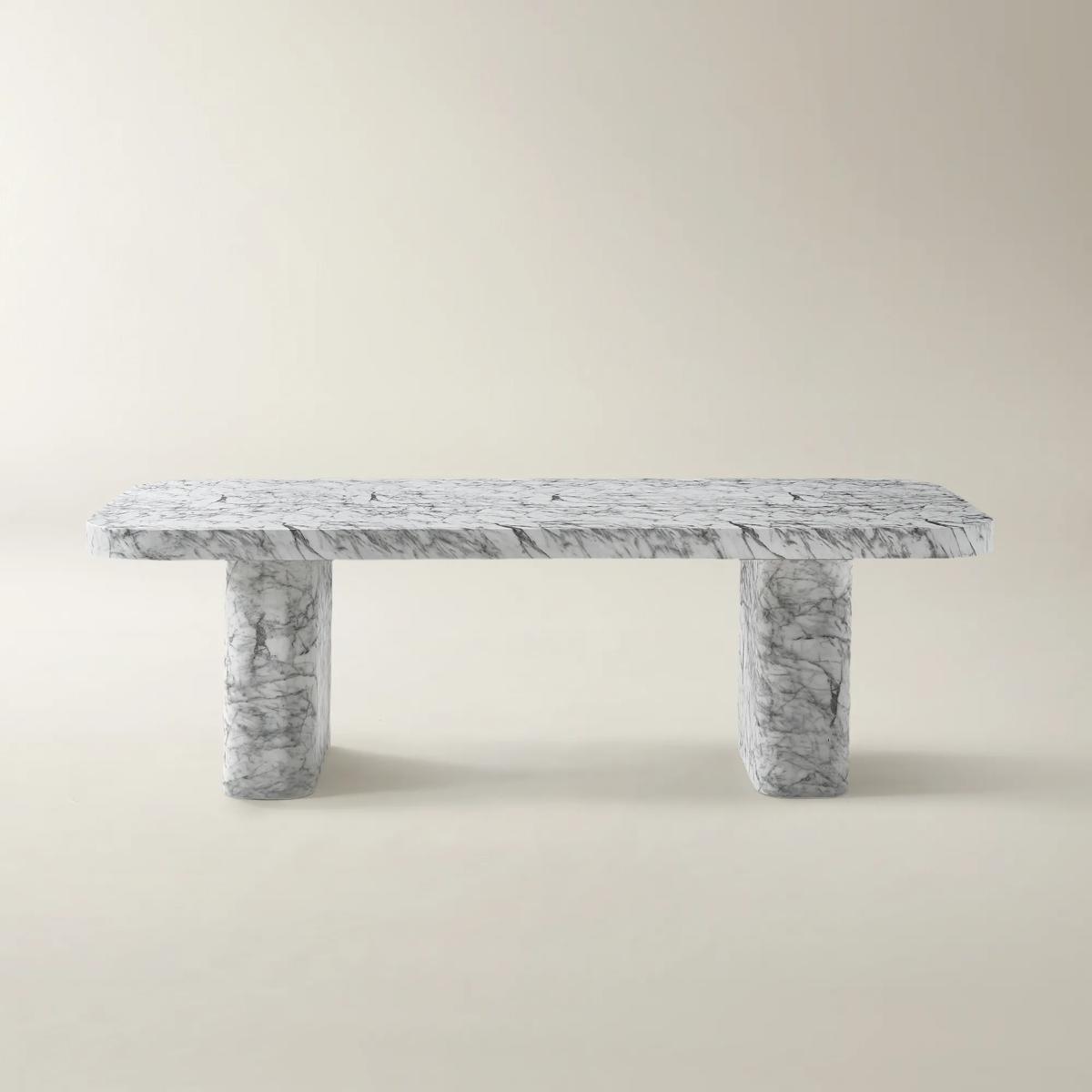
Natural Finish Dining Tables
Natural Finish Dining Tables
-
.jpg?w=1200&h=1200)
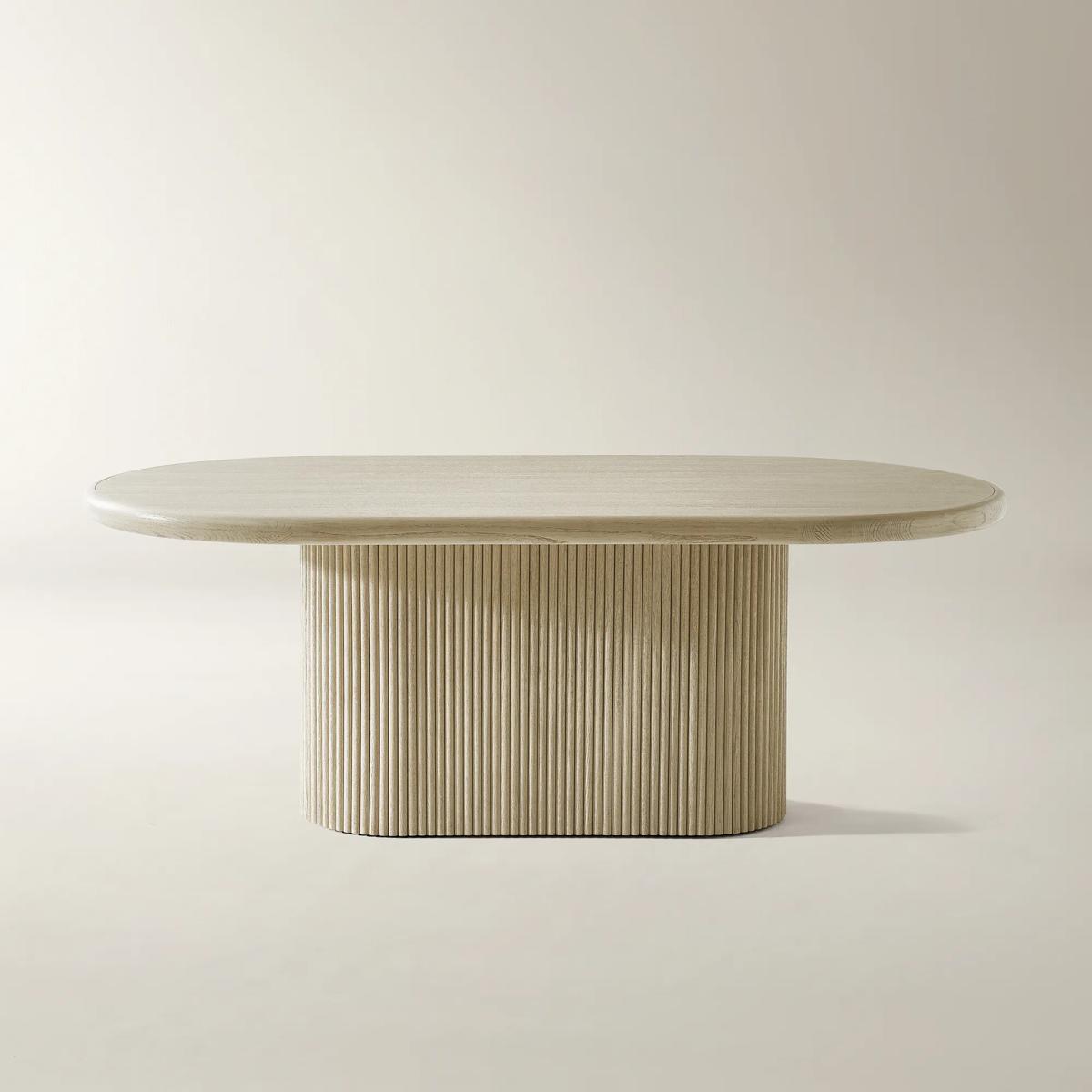
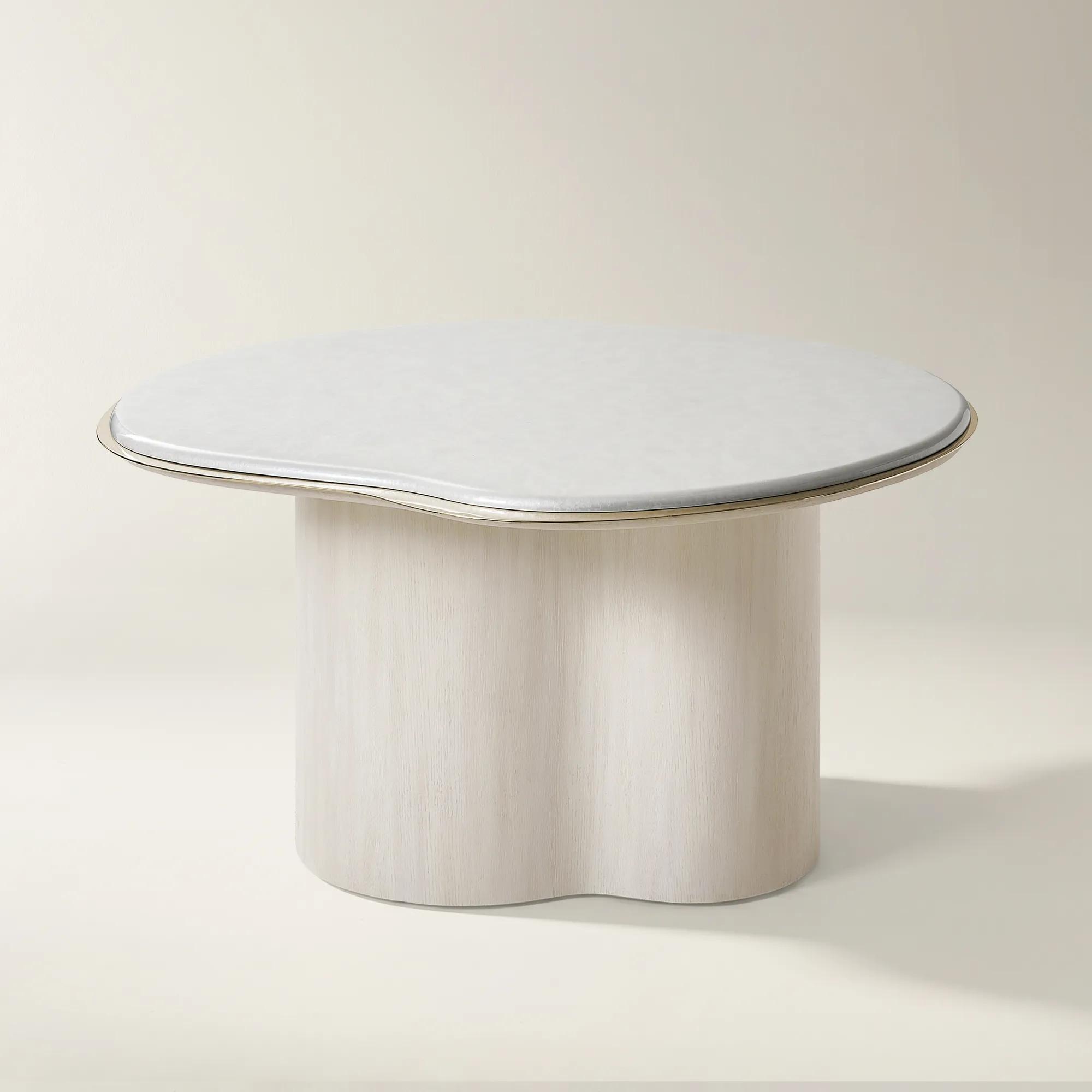
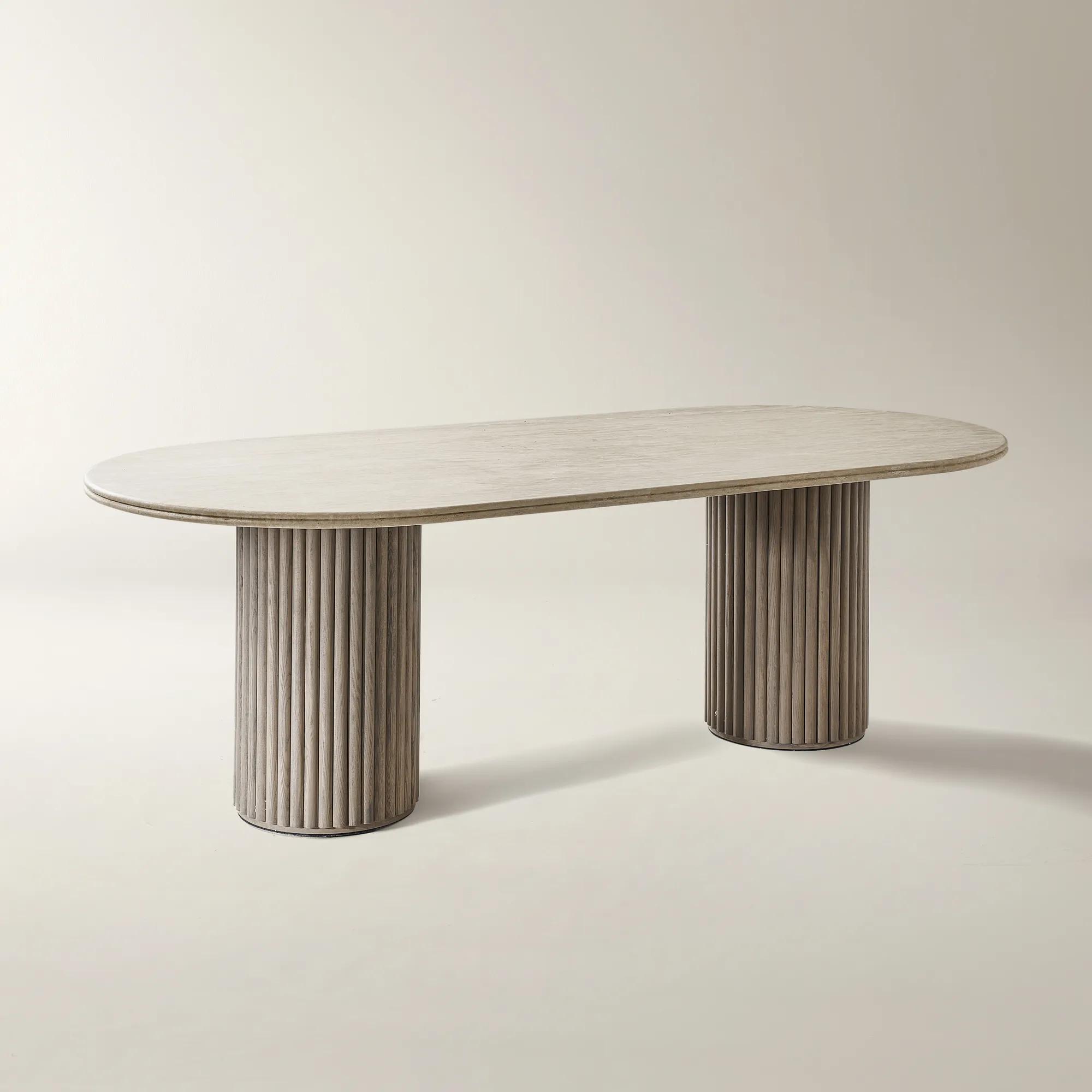 Bond Oval Reeded Travertine and Wood Dining Table (94.25")$4599
A natural travertine stone top pairs with a fluted solid ash base for refined, organic elegance.
Add To Cart -
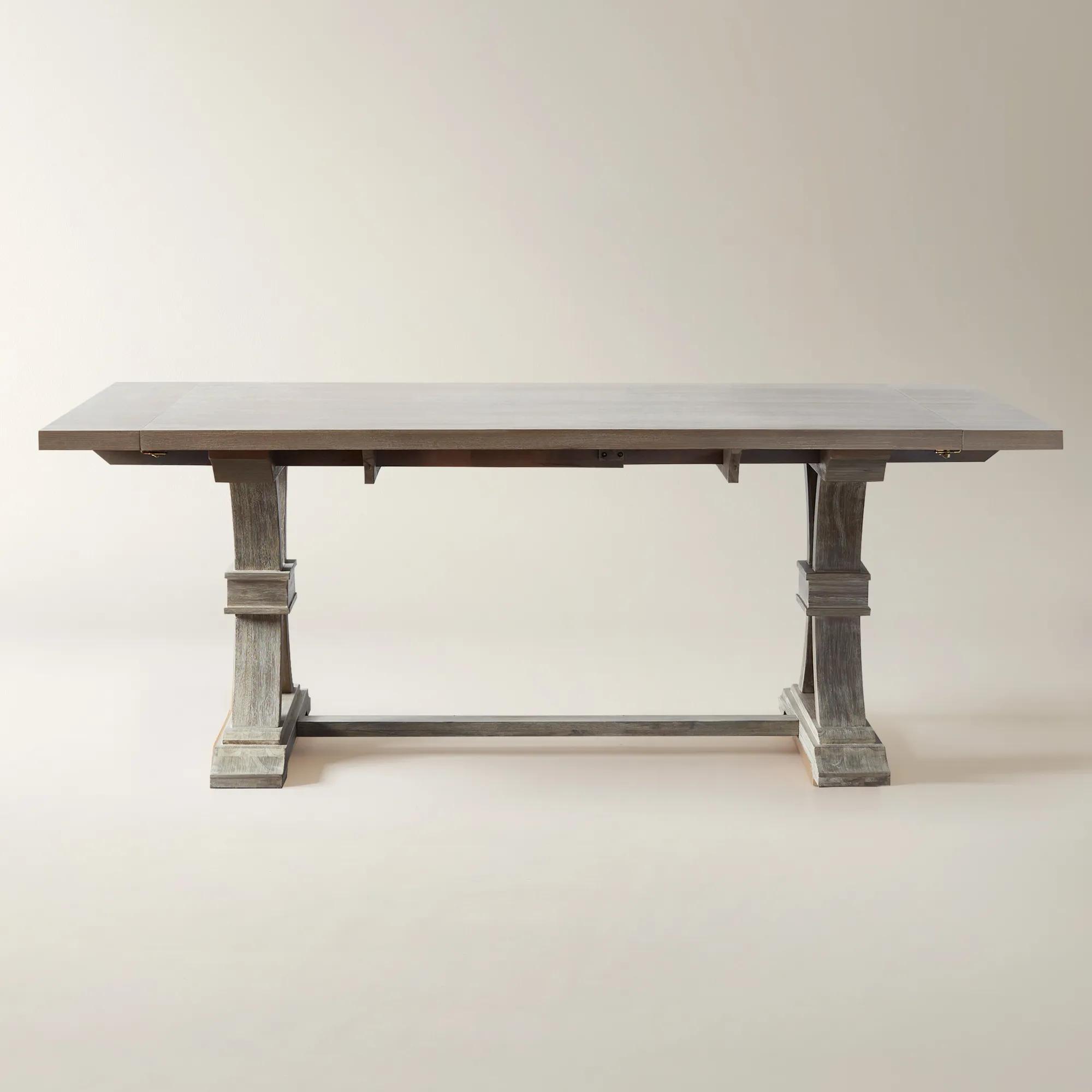 Archer Rectangular Grey Acacia Wood Extending Dining Table (78" - 110")$2499
A weathered grey acacia wood dining table with removable leaves and a kiln-dried hardwood frame.
Add To Cart -
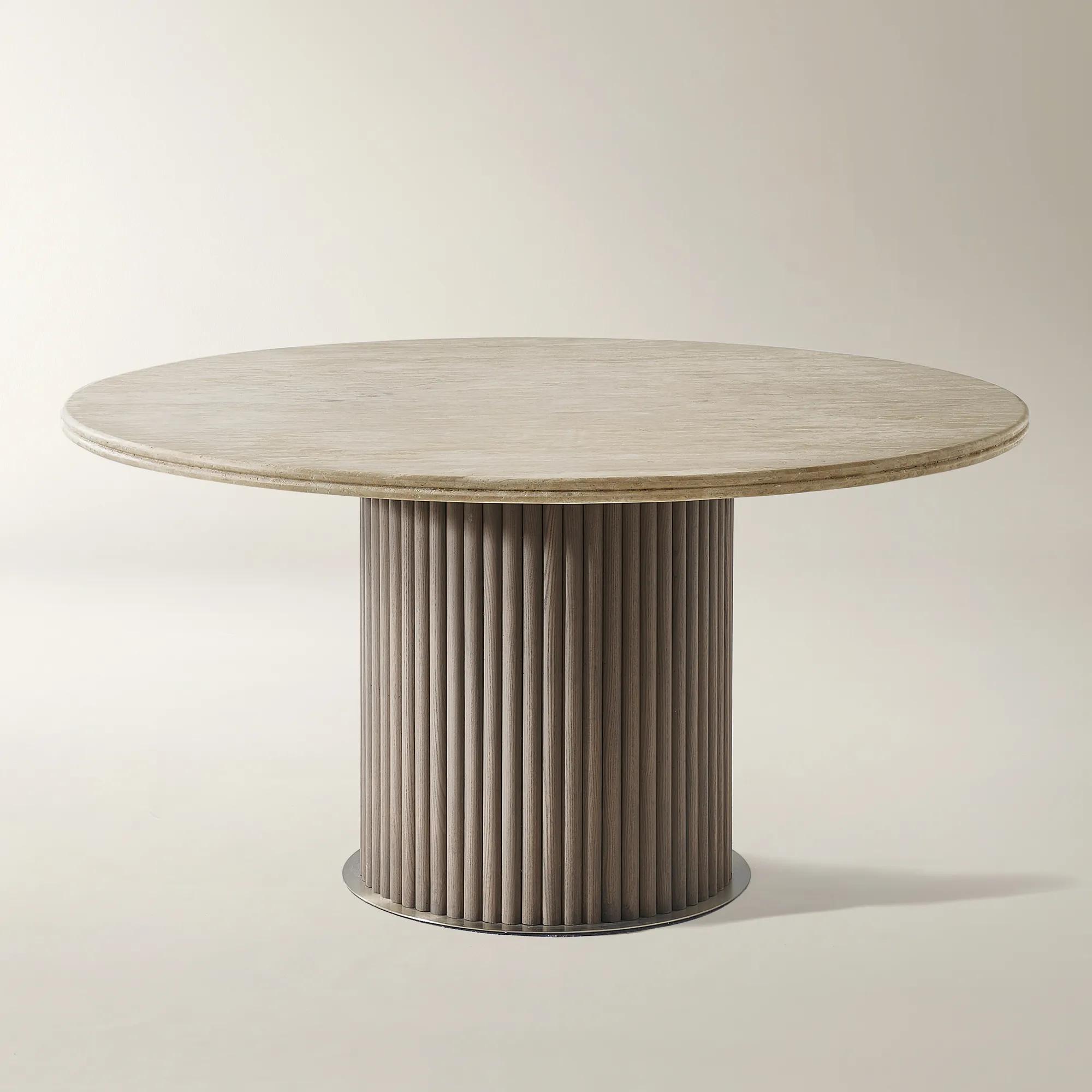 Bond Round Reeded Travertine and Wood Dining Table (59")$3499
A round dining table featuring a genuine natural travertine stone top and a fluted solid ash base.
Add To Cart -
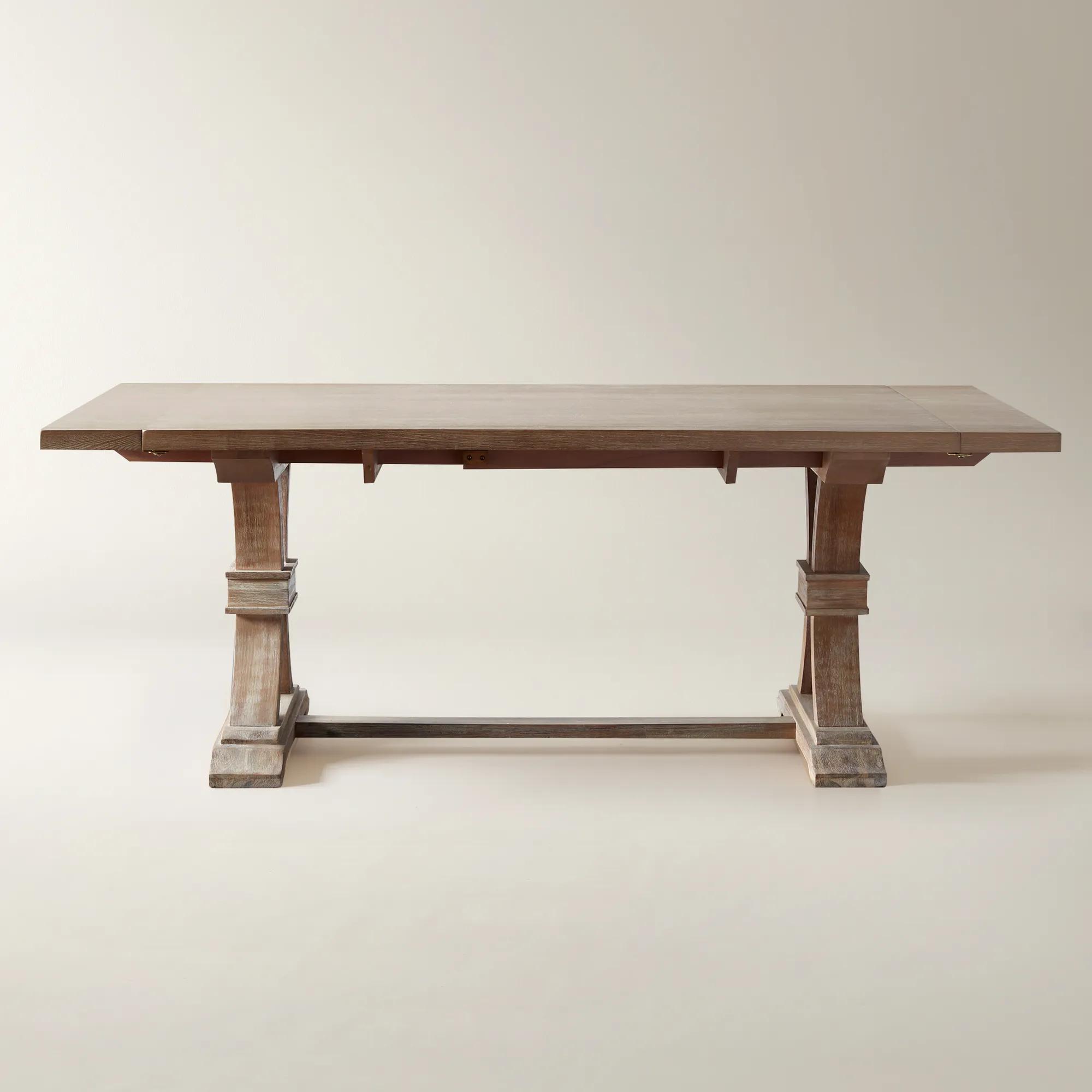 Archer Rectangular Whitewashed Acacia Wood Extending Dining Table (78" - 110")$2499
An extending dining table crafted from kiln-dried hardwood with a whitewashed oak finish and acacia veneer.
Add To Cart

Natural Finish Dining Tables
Natural finish dining tables invite the beauty of the outdoors to take center stage—each piece a celebration of organic elegance and refined simplicity. With textures that whisper of sunlit forests and silhouettes that exude quiet grandeur, these tables transform dining rooms into spaces of warmth, artistry, and connection. Whether you’re hosting lavish soirées or intimate gatherings, natural finish dining tables create a canvas where every meal feels elevated, every detail intentional, and every moment unforgettable. Embrace the art of entertaining with tables that ground your space in authenticity and timeless sophistication.
Natural finish dining tables bring the expressive beauty of wood into the center of a room, allowing grain, tonal variation, and distinctive markings to become part of the design. Rather than concealing the surface beneath opaque paint or a dramatic stain, a natural-looking finish preserves the character of the material while lending the dining space warmth and dimension. Natural finish does not necessarily mean raw, untreated, or unsealed wood; clear coatings, oils, waxes, and subtle tints can all create this appearance, with different levels of protection and maintenance. The effect can range from pale, softly brushed oak to richly shaded walnut, making these tables equally compelling in a luminous dining nook or a formal room framed by sculptural lighting. Oak typically displays pronounced grain and offers good resistance to everyday wear, while walnut brings deeper brown tones and a more fluid grain pattern. Acacia often features striking shifts between honey, amber, and brown, giving a tabletop considerable visual movement. Pine has recognizable knots and a softer surface that can develop dents more readily, a characteristic worth considering in a busy household. Wood species influences appearance and performance, but construction and the protective finish matter just as much. Solid wood offers substantial material character and may allow future refinishing, depending on the table’s design and condition. Wood veneer places a thin layer of real wood over a supporting core, creating an authentic grain surface that can be especially effective across broad, tailored silhouettes. It is not inherently a lesser choice, though its thinner surface limits sanding and refinishing. For an interior with lacquered accents, gleaming metal, or sumptuous upholstery, a natural wood dining table introduces a welcome counterpoint: organic detail that makes polished surroundings feel more layered. A pale tabletop can brighten a room with dark walls, while a deeper natural tone gives ivory seating and translucent glass a richer backdrop. The material supplies its own artistry, so even an understated place setting gains depth against the grain.
The most successful natural finish dining table feels generous without overwhelming the room, with proportions that support both daily rituals and more elaborate entertaining. A rectangular dining table creates a strong visual line in an elongated space and provides room for shared platters, flowers, and layered place settings. Round dining tables encourage conversation across the entire surface and can soften a room dominated by straight architectural lines. Oval shapes offer a similarly graceful outline with additional length, making them appealing where a rectangular footprint would feel too severe. Shape alone does not determine seating capacity; the width of the chairs, the position of the legs, and the size of the tabletop all affect how comfortably guests can gather. Allowing about 24 inches of table edge per diner is a useful starting point, with more room for broad upholstered chairs or expansive place settings. Approximately 36 inches between the table edge and a wall or nearby furniture generally leaves room to pull out a chair, while closer to 42 to 48 inches is preferable where people need to walk behind seated guests. These measurements deserve particular attention in open dining areas, where a table may share circulation space with a kitchen island or living room. Pedestal bases can reduce interference from corner legs, although the base itself still needs to leave comfortable foot room. Aprons, trestles, and cross supports should also be considered alongside chair height and arm clearance. An extension dining table can suit a household that prefers an intimate setting for everyday meals but welcomes a larger gathering during the cooler months; its expanded footprint and leaf storage needs matter as much as its closed dimensions. Visually, natural wood welcomes both tonal restraint and expressive contrast. Cream upholstery highlights golden undertones, charcoal seating sharpens a pale grain, and brass accents lend an amber surface a subtle glow. For a broader palette beyond wood-led finishes, Neutral Color Dining Tables offer another direction for creating a dining space where texture, silhouette, and statement lighting carry the composition.
Durability is especially important when a dining table serves as the setting for breakfast, evening meals, homework, and occasional laptop sessions as well as beautifully arranged dinners. A harder wood can resist dents better than a softer species, but no wood tabletop is immune to scratches, moisture, or heat. A sealed surface may make routine cleanup easier, while some oil-finished surfaces require periodic maintenance according to the manufacturer’s directions. The visible sheen is not a dependable measure of protection: a matte finish can be sealed, and a lustrous surface still needs thoughtful care. For everyday cleaning, a soft cloth and the care method specified for the finish are the safest foundation. Spills should be blotted promptly rather than left to settle around seams or edges, and excess water should never linger on the surface. Coasters help protect against condensation rings, while placemats and properly insulated trivets create a barrier against abrasion and hot serving pieces. A folded napkin is not a reliable substitute for a heat-resistant trivet beneath a hot casserole dish. Decorative bowls and vases benefit from clean, nonabrasive protective pads, particularly when arrangements are moved frequently. Oils, waxes, polishes, and household cleaners are not interchangeable; applying an unsuitable product can alter the sheen, leave residue, or interfere with an existing coating. Re-oiling is appropriate only when recommended for that particular finish, using the specified treatment rather than assuming a general-purpose oil will suit every natural-looking tabletop. Placement also plays a role in long-term appearance. Sustained direct sunlight may change wood color, and nearby heating vents or fireplaces can expose the material to drying conditions. Wood naturally responds to changes in humidity, making a reasonably stable indoor environment beneficial, especially for solid wood construction. These practical considerations preserve more than the surface. They allow a natural finish dining table to remain an inviting centerpiece for households that value material character, expressive interiors, and the pleasure of gathering. Against its patterned grain, candlelight feels warmer, linen gains texture, and even a simple dinner acquires a sense of occasion.
FAQs
Natural finish dining tables are remarkably versatile, harmonizing beautifully with a range of interior styles. They lend warmth and texture to modern, minimalist spaces, while complementing coastal, rustic, and farmhouse aesthetics with their organic charm. For a more dramatic look, pair with bold metallics and plush textiles, or embrace serene sophistication by layering neutral tones and sculptural decor.
Celebrate the shifting seasons by adorning your natural finish dining table with elements that echo nature’s palette—think linen runners, artisanal ceramics, and arrangements of autumnal branches or fresh greenery. In the cooler months, layer in candlelight and textured place settings for a cozy, inviting atmosphere that encourages guests to linger.
Absolutely. The understated elegance of a natural finish dining table allows it to transition seamlessly between formal dinner parties and everyday family meals. Dress it up with crystal stemware and sophisticated centerpieces for special occasions, or keep it relaxed with woven placemats and handcrafted pottery for daily use.
The beauty of natural finish dining tables lies in their adaptability. Pair with upholstered chairs for a touch of luxury, or opt for sleek metal or wood seating to emphasize a modern or industrial vibe. Mixing chair styles and materials can add visual interest and reflect your personal sense of artistry.
Natural finish dining tables develop a unique patina as they age, with subtle changes in tone and texture that only add to their character. Everyday use, sunlight, and the passage of time contribute to a living surface that tells the story of shared meals and cherished moments—a true heirloom in the making.
.jpeg?w=3614&h=3614)
.jpeg?w=3009&h=3009)