Modern Stone Sculptures
Modern Stone Sculptures
-
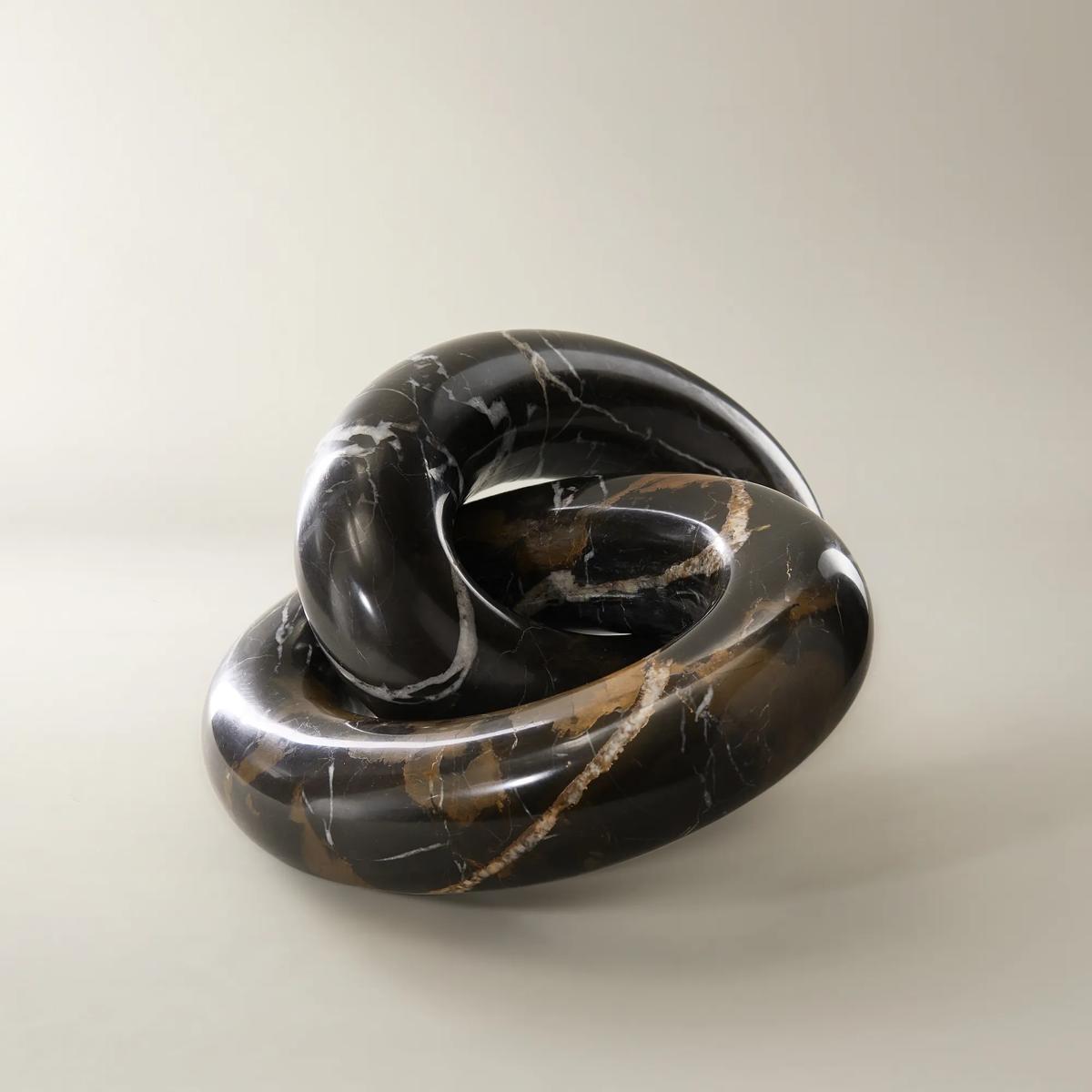 Marble Links Object - Brown$179
A sculptural accent featuring interlocking ovals carved from richly veined, one-of-a-kind brown marble.
Add To Cart -

 Stone Heart Black Marquino Marble Decorative Object 8"$199
A sculptural heart-shaped decorative object crafted from luxurious black Marquina marble.
Add To Cart -

 Hourglass Marble Object - Brown$139
A sculptural hourglass accent hand-carved from deep espresso brown marble with unique natural veining.
Add To Cart -
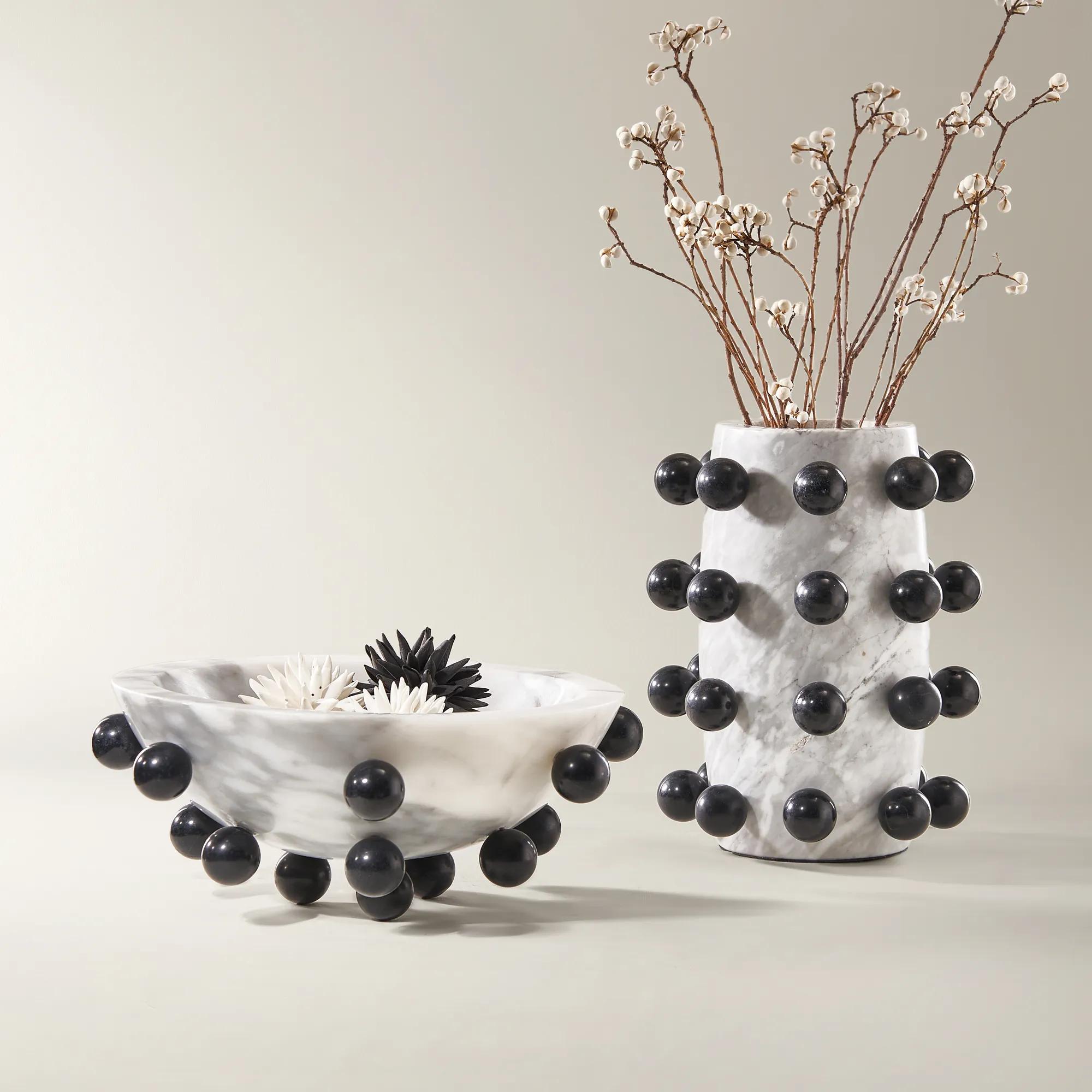 Borra Grey Black Marble Vase & Bowl$219
A sculptural grey marble accent featuring bold black orbs and unique natural veining for modern drama.
Add To Cart -
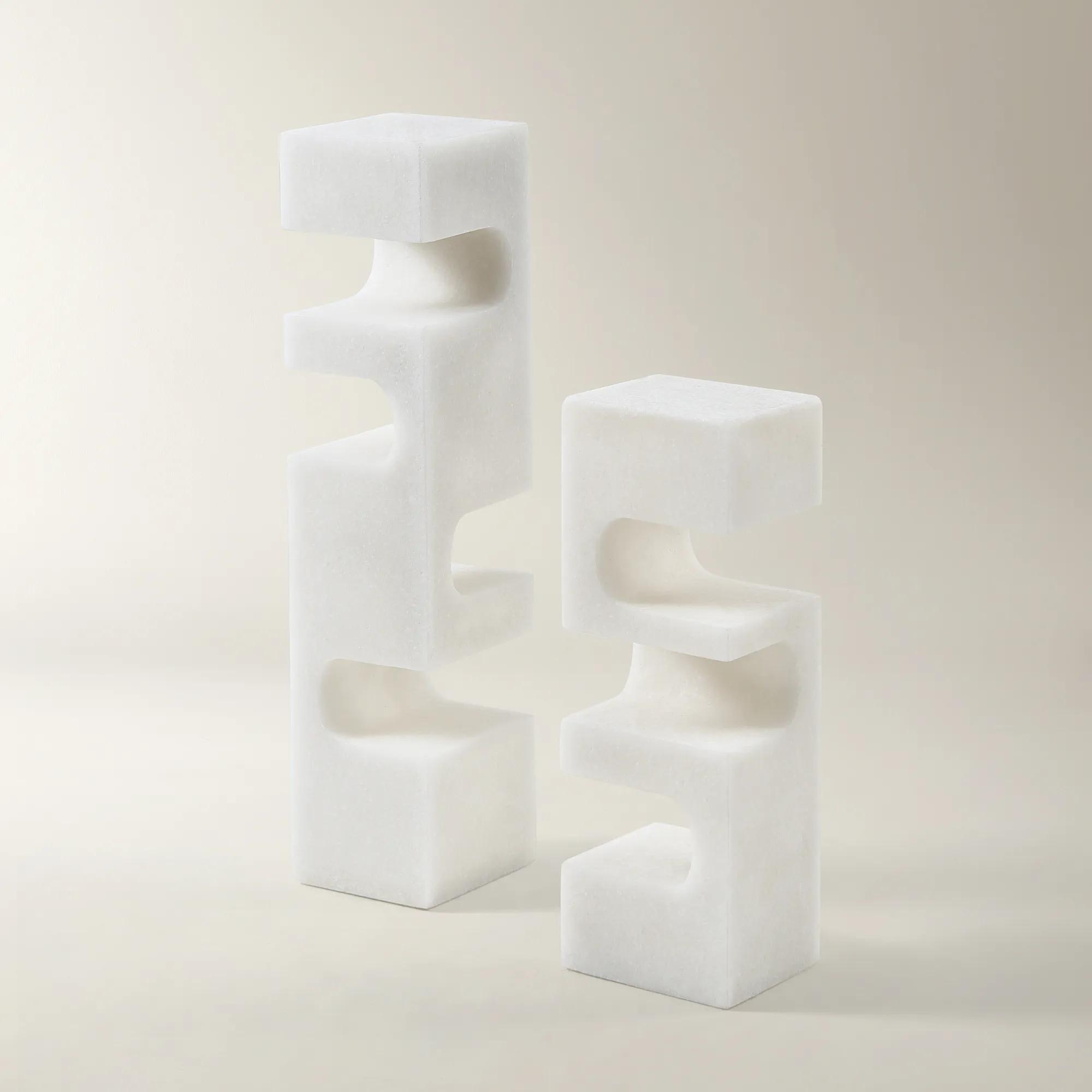
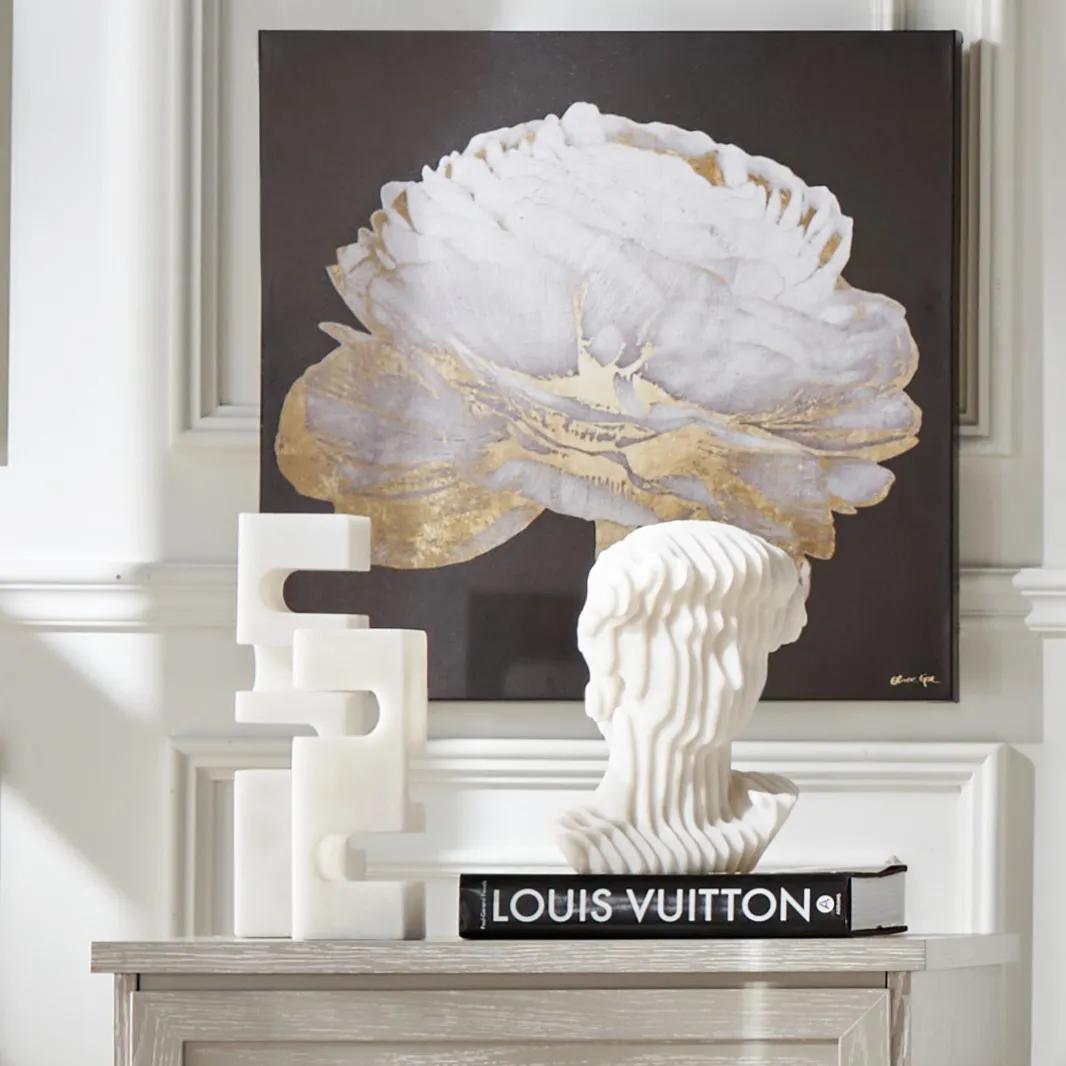 Enna Sculpture$49
A modern Cubist-inspired sculpture crafted from resin and stone powder with a textured white finish.
Add To Cart -
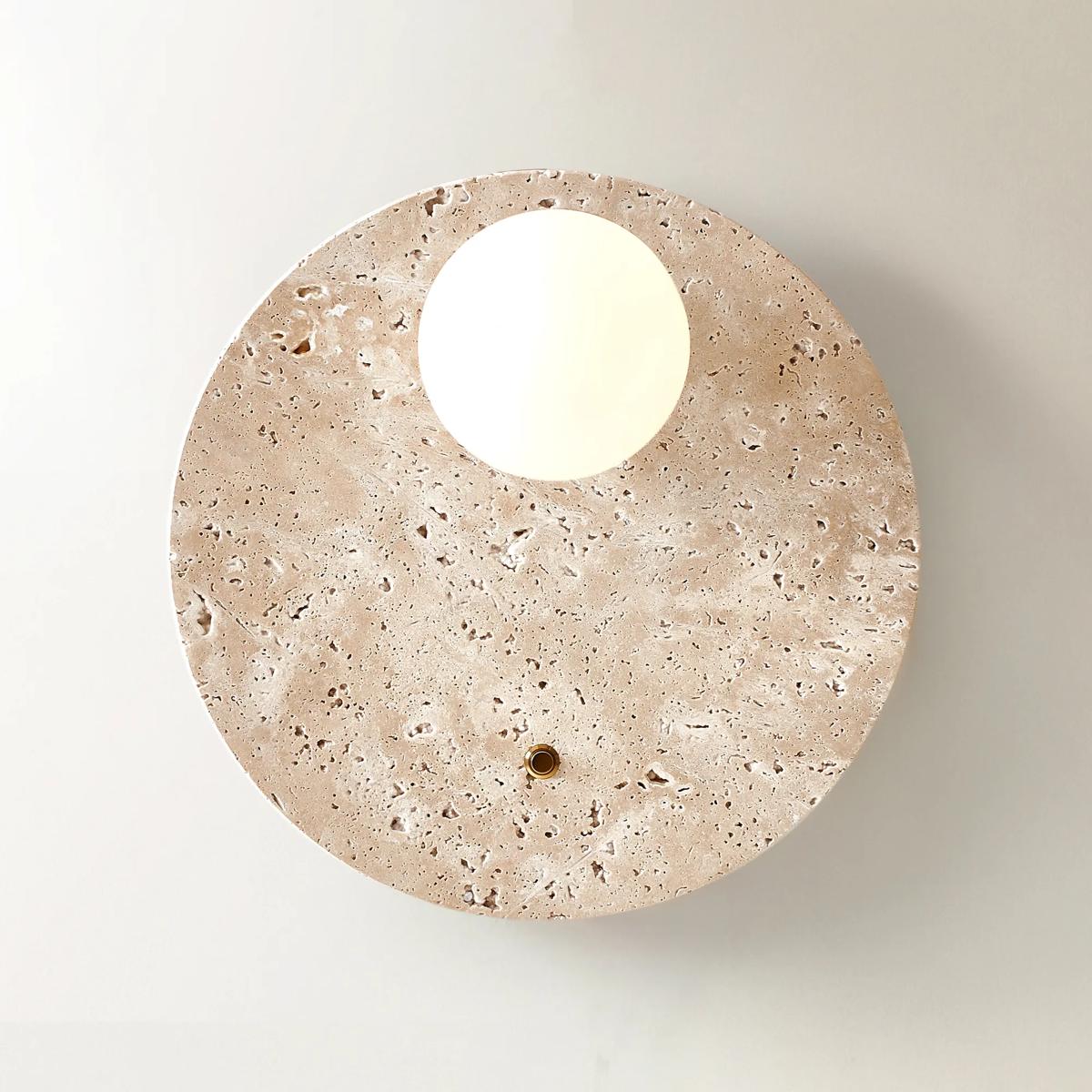
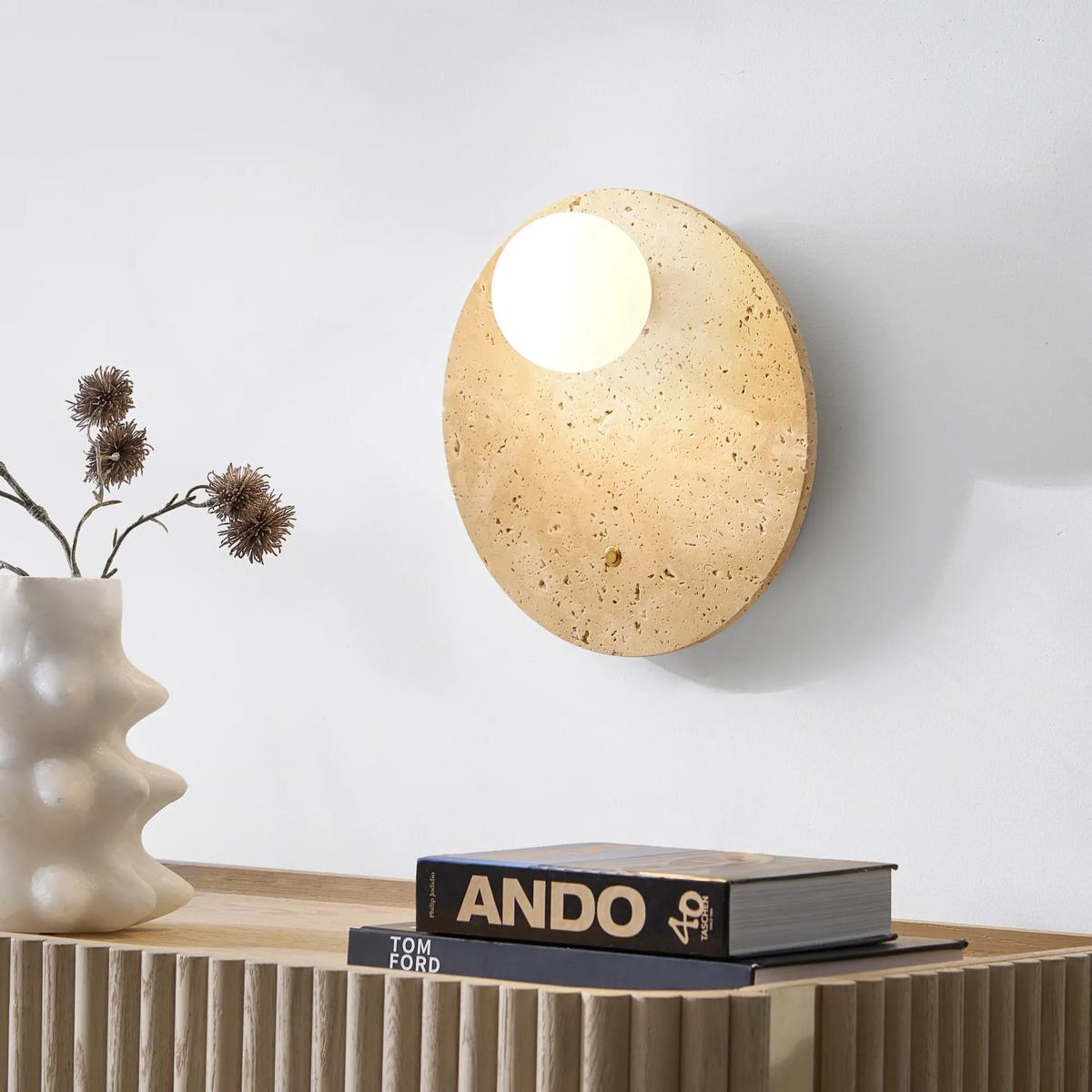 Eden Travertine Sconce 11.75"$149
A sculptural wall sconce crafted from genuine travertine and frosted glass for a softly diffused glow.
Add To Cart

Modern Stone Sculptures
Modern Stone Sculptures command attention with their striking silhouettes and tactile allure, transforming any room into a gallery of contemporary artistry. Each piece is a celebration of form and finesse, infusing your space with a sense of curated drama and refined intrigue. Whether placed atop a gleaming console or nestled within an opulent vignette, these sculptures invite you to experience the interplay of shadow and light—turning everyday moments into extraordinary displays of self-expression. Modern Stone Sculptures are more than décor; they are bold statements that elevate your home’s narrative, inviting admiration from every angle.
Modern stone sculptures bring the permanence of natural materials into expressive, contemporary forms, from sweeping curves and angular compositions to open silhouettes that make empty space part of the artwork. Their presence is unmistakable: a pale, veined form can lend a console quiet grandeur, while a dark, polished sculpture gives a room a dramatic focal point. Unlike a print or framed photograph, three-dimensional stone art changes with the viewing angle, revealing a different contour as someone moves through the room. Abstract shapes invite personal interpretation, while geometric forms echo architectural lines and offer a striking counterpoint to sumptuous upholstery. Material plays an equally important role in that effect. Marble often features distinctive veining and a refined surface; granite typically has a granular appearance and substantial weight; sandstone offers an earthy, textured character; and travertine is recognized for its naturally occurring pores and tonal variation. These qualities vary by stone, finish, and fabrication, so the material description matters as much as the silhouette. Honed stone has a softer, matte appearance, while polished surfaces reflect light and emphasize color or pattern. A rougher finish can introduce tactile contrast beside gleaming metal, glass, or lacquer. Some decorative sculptures are made from cast stone or stone-look composites rather than solid quarried stone, and those constructions can differ in weight, texture, and care requirements. Mixed-material designs may pair stone with metal supports or bases, adding a crisp architectural note to an organic surface. The attraction is not simply that stone feels substantial. Its natural markings create detail that rewards a closer look, even when the overall shape is restrained. For someone drawn to expressive interiors, a sculptural accent offers a way to introduce artistry without relying on elaborate ornament. In a richly layered room, it can provide a strong visual pause; in a more edited setting, its curves, grain, and shadow become the main event. The result is a decorative object with enough character to hold attention and enough versatility to converse with contemporary furniture, collected artwork, and treasured personal pieces.
Scale and placement determine how confidently a modern stone sculpture inhabits a room. On an entry console, a vertical form can establish a sense of arrival without occupying the entire surface; on a broad coffee table, a lower silhouette keeps the composition inviting and leaves sightlines open. A sculpture displayed on a pedestal has a more gallery-like presence, especially when there is room to appreciate it from several directions. Shelving calls for a different balance: the piece needs sufficient clearance around its highest point, a base that sits securely, and a shelf capable of supporting its actual weight. Height alone does not tell the whole story. Width, depth, base dimensions, and any projecting elements all affect whether a sculpture feels composed or crowded in its intended setting. A broad, rounded form may need more breathing room than a slender piece of similar height, while an open-center design can appear visually lighter despite its physical heft. Smaller surfaces and layered displays may also suit Modern Small Sculptures, particularly when the goal is a concentrated artistic accent rather than a dominant centerpiece. Picture a stone form beside a short stack of art books, with enough separation for its outline to remain distinct. Or consider a pair of contrasting shapes on a generous console, united by tone but varied in height. Repetition can feel intentional, yet too many similarly sized objects may blur the impact of each one. A reflective tray, a textured vessel, or a single luminous lamp can create contrast without competing for attention. Lighting deserves consideration, too: light from the side reveals shallow grooves and curved edges, while strong reflections can obscure detail on highly polished surfaces. In active living areas, place substantial sculptures away from narrow walkways and frequently bumped table edges. Protective pads appropriate to both the sculpture and furniture finish can help reduce abrasion. The most compelling arrangement feels deliberate rather than crowded, allowing the stone’s texture and silhouette to command attention while the surrounding furnishings remain part of the composition.
Stone has an enduring visual character, but durability should not be mistaken for resistance to every kind of damage. Slender projections, carved openings, and narrow connecting points can be vulnerable to impact, and a polished surface may show scratches even when the underlying material is dense. A sculpture’s construction, finish, and intended use are therefore essential considerations. Decorative stone art belongs on stable, level support, with its weight accounted for before placement; a heavy object should never rely on a delicate shelf or an unsecured pedestal. When moving a piece, support its base and substantial body rather than lifting it by a thin curve, extended arm, or attached decorative element. Routine care is usually best approached gently, beginning with a soft, dry cloth and following the maker’s instructions for any additional cleaning. Avoid abrasive pads and unapproved cleaning products. Acidic cleaners can etch marble and other calcium-based stones, while porous materials may absorb moisture, oils, or colored liquids. A nearby vase deserves particular attention: water rings and spills can affect both the sculpture and the furniture beneath it. Sealing requirements vary, and neither sealing nor a glossy finish should be assumed to make stone stainproof. Mixed-material sculptures also need care suited to their metal, adhesive, or composite components. For outdoor placement, use only pieces specifically designated for that purpose, with suitable support and the recommended maintenance; an indoor decorative sculpture is not automatically appropriate for a patio or garden. Thoughtful placement helps preserve the finish while keeping the artwork part of daily life rather than something admired only from a distance. These pieces can appeal to art enthusiasts, design-minded hosts, and anyone creating a home with a distinct visual identity. As a housewarming or wedding gift, a stone sculpture offers a lasting decorative gesture when its dimensions, weight, and aesthetic suit the recipient’s space. An abstract form in a considered palette leaves room for personal interpretation, making the gift expressive without prescribing the room around it. Whether displayed as a solitary statement or within a layered vignette, modern stone sculpture gives natural material an artistic voice, turning a familiar surface into a place worth pausing to admire.
FAQs
Modern stone sculptures are remarkably versatile and can elevate a wide range of interiors. They shine in contemporary, minimalist, or eclectic spaces, where their natural textures and sculptural forms create striking focal points. These pieces also add depth and drama to classic or transitional rooms, providing a tactile counterpoint to soft furnishings and metallic accents. Whether displayed in a sunlit entryway, on a dramatic mantel, or as part of a curated gallery wall, stone sculptures bring a sense of artistry and permanence to any setting.
Stone wall sculptures are an inspired way to introduce architectural interest and texture to your vertical spaces. Consider placing one above a console table in your foyer for a dramatic first impression, or use a series of coordinating pieces to create a dynamic gallery effect in a hallway or living room. For a more intimate touch, a single sculptural accent can add sophistication to a bedroom or study. Pairing stone wall sculptures with ambient lighting enhances their dimensionality and highlights their unique surface details.
Stone sculptures make exceptional gifts for those who appreciate art, craftsmanship, and meaningful design. Their timeless appeal and enduring materials make them ideal for marking special occasions such as housewarmings, anniversaries, or milestones. A thoughtfully chosen contemporary stone sculpture can serve as a lasting symbol of celebration, gratitude, or inspiration, becoming a treasured part of the recipient’s home for years to come.
To showcase modern stone art, consider both placement and lighting. Position sculptures where they can be admired from multiple angles—such as on a pedestal, console, or open shelving. Allow each piece enough space to breathe, so its form and texture can truly stand out. Using accent lighting or situating sculptures near natural light will enhance their visual drama, casting captivating shadows and highlighting the artistry of their surfaces.
Selecting a stone sculpture is a deeply personal process—let your instincts and aesthetic preferences guide you. Look for forms, textures, and finishes that resonate with your sense of style, whether you’re drawn to bold, abstract shapes or more organic, nature-inspired designs. Consider how the sculpture will interact with your existing décor and what emotional tone you wish to set in the space. Ultimately, the right piece will feel both distinctive and harmonious within your home.