Low Profile Beds With Nailheads
Low Profile Beds With Nailheads
-
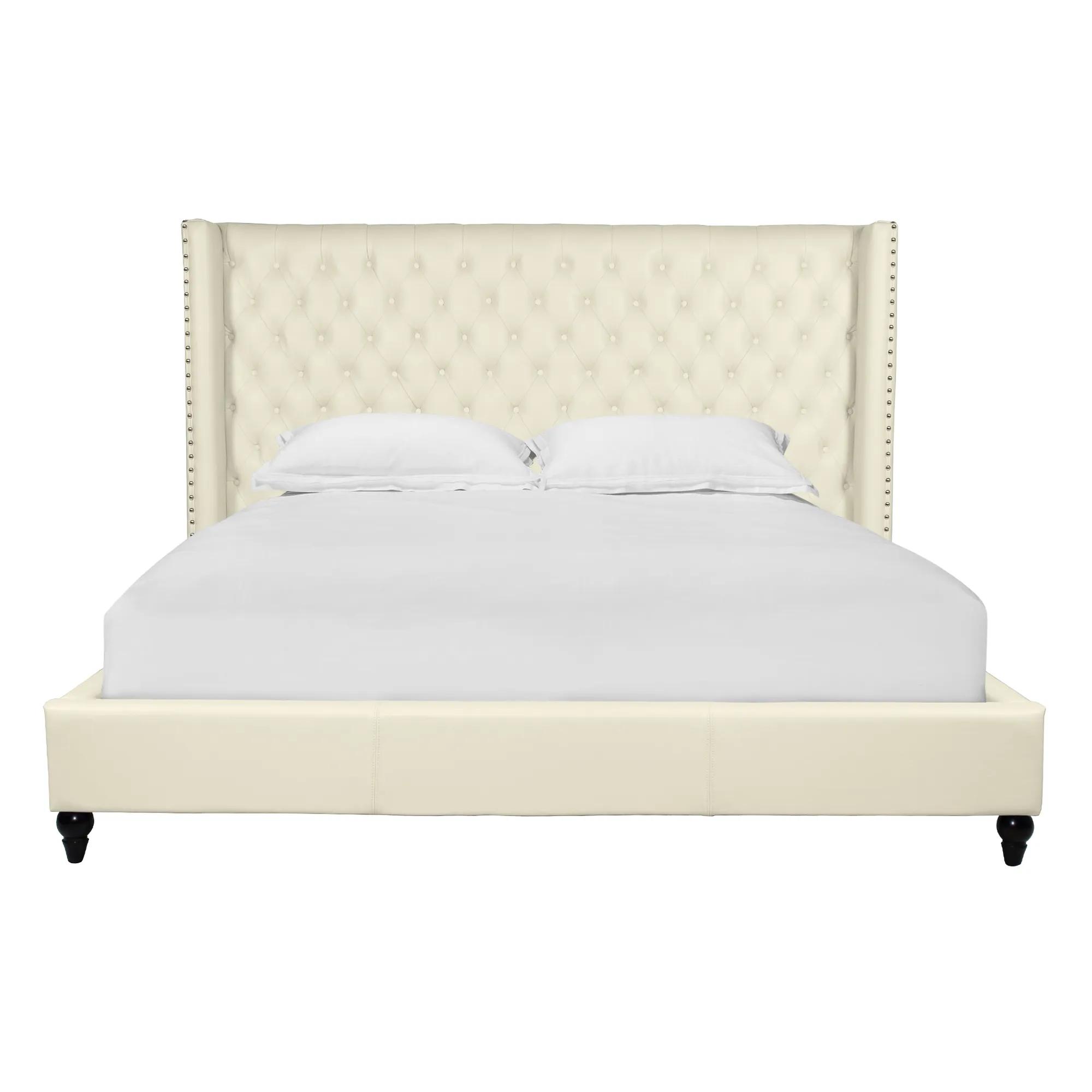
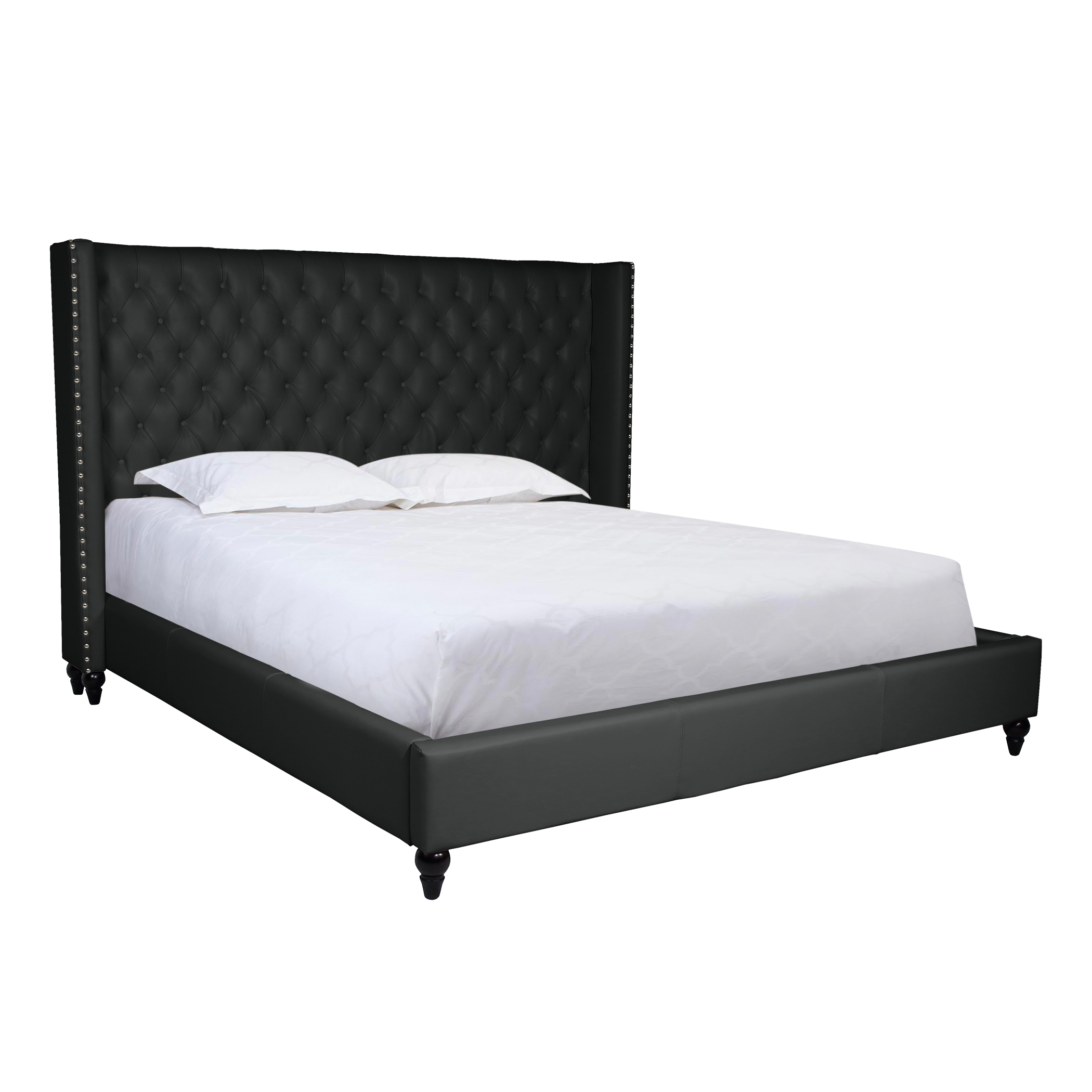 Roberto Leather Bed$3449
A stately bed featuring diamond tufting, hand-applied nailheads, and luxurious top grain leather upholstery.
Add To Cart -
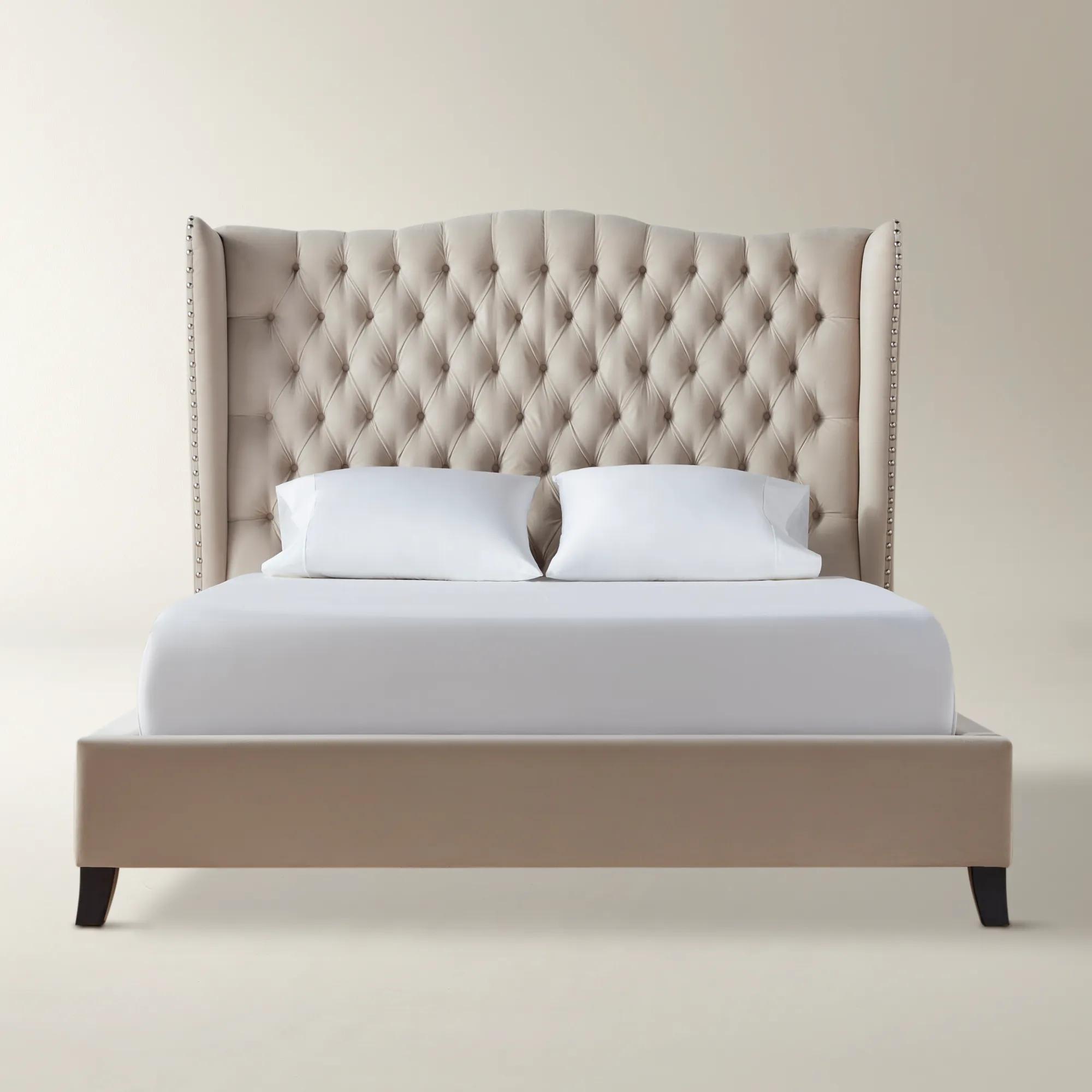
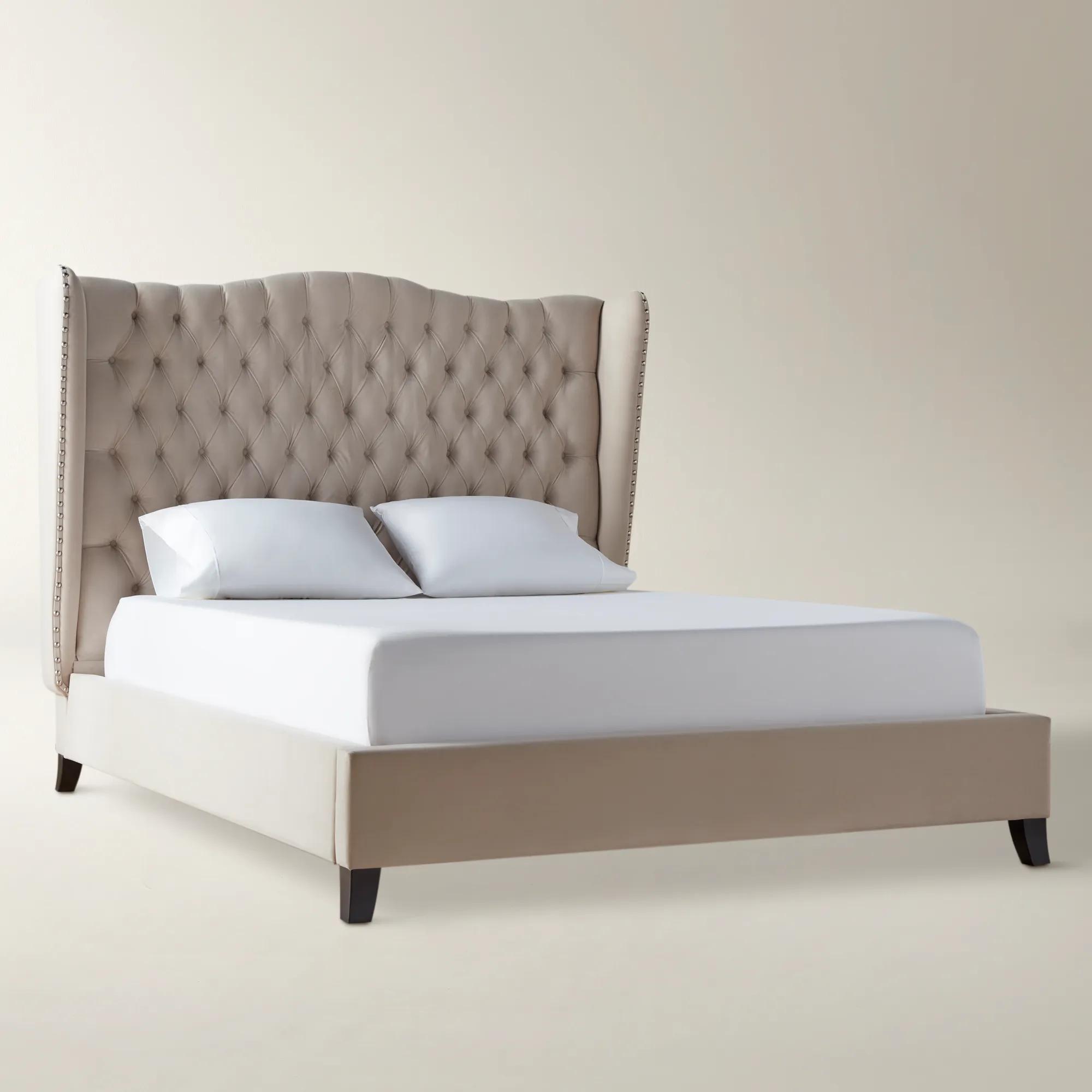 Jameson Bed$2249
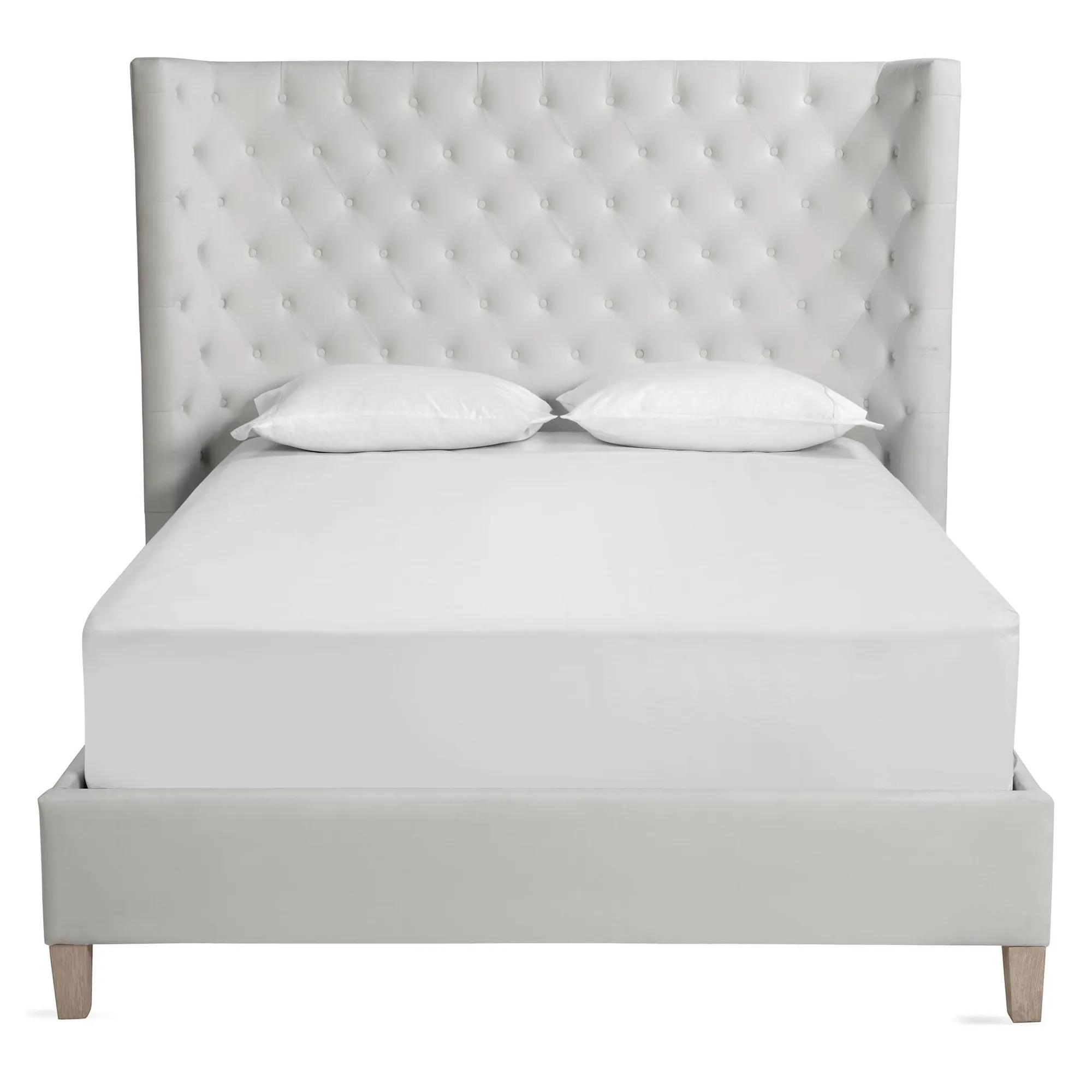
A plush camelback bed in Bella Velvet Pearl, featuring hand-applied button tufting and brushed silver nailheads.
Add To Cart -
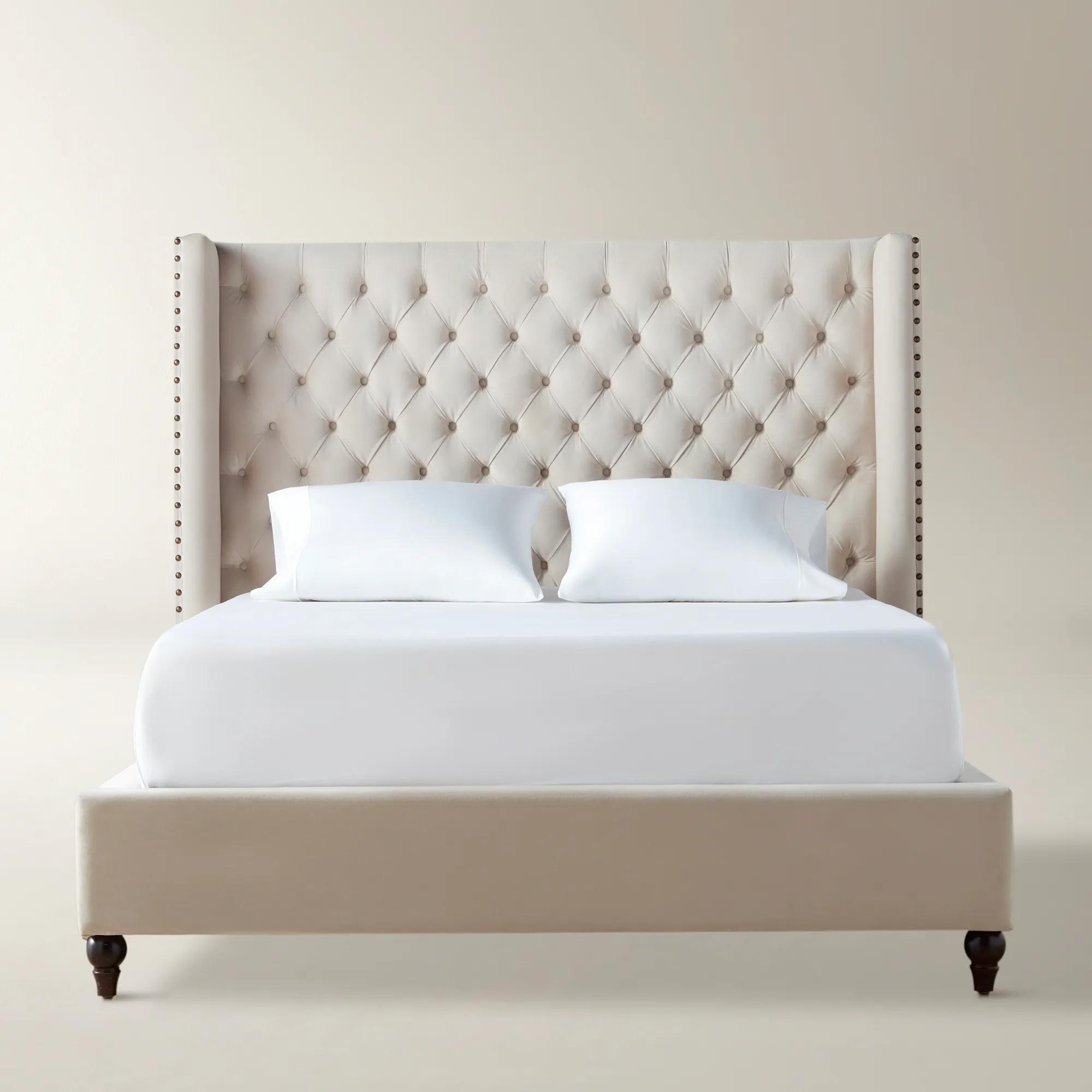
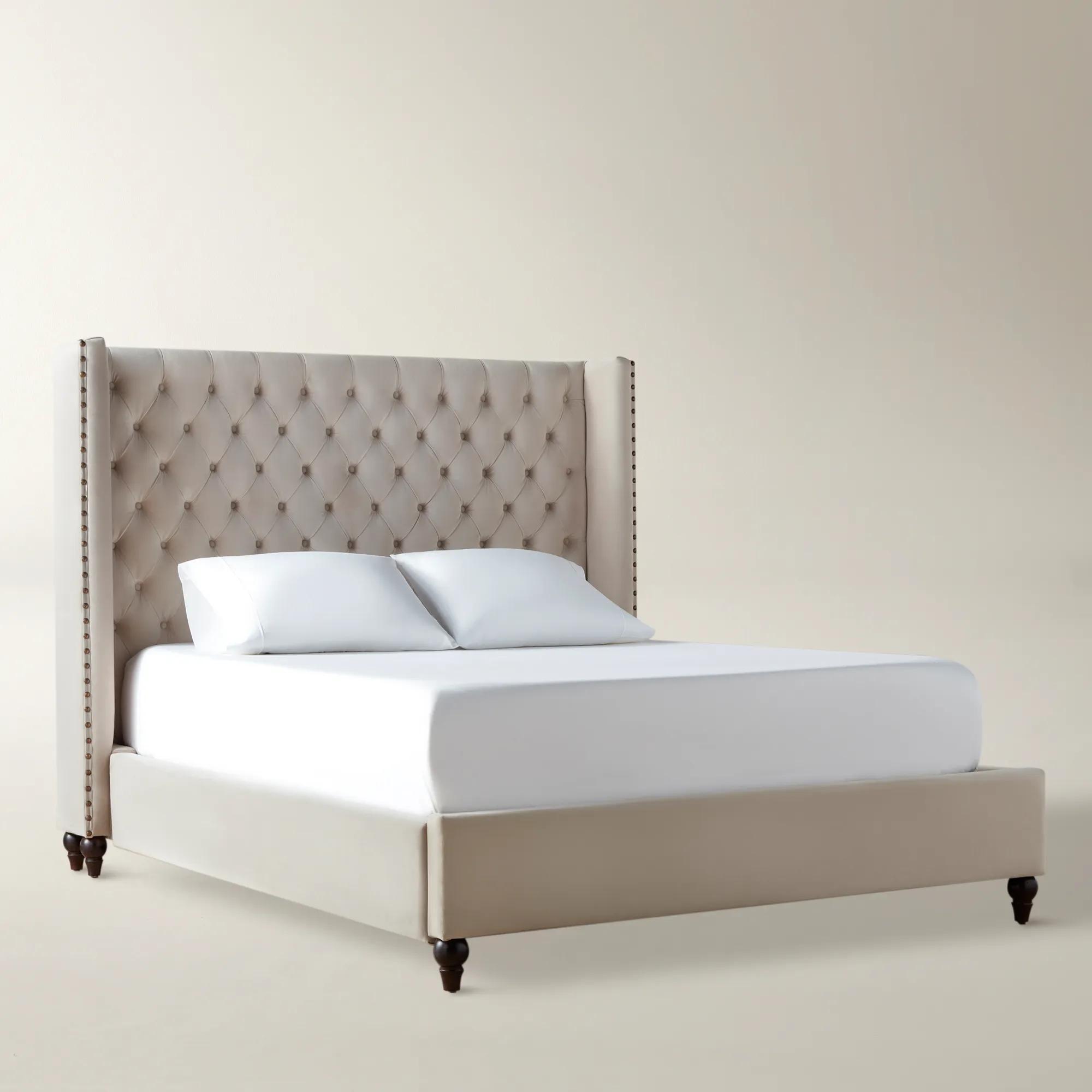 Roberto Bed$2149
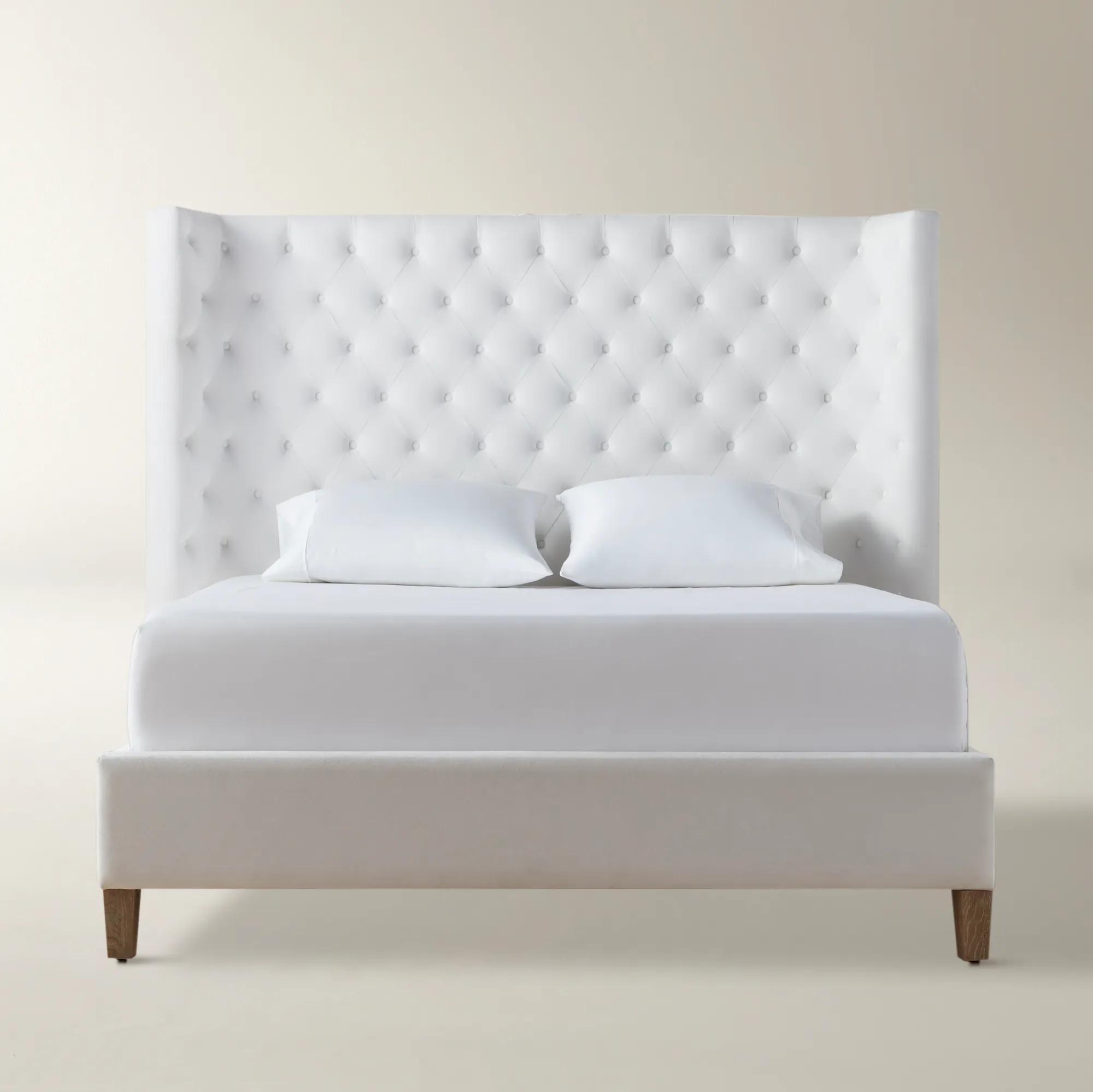
A stately bed featuring diamond tufted velvet upholstery, kiln-dried hardwood frame, and hand-applied nailhead trim.
Add To Cart -
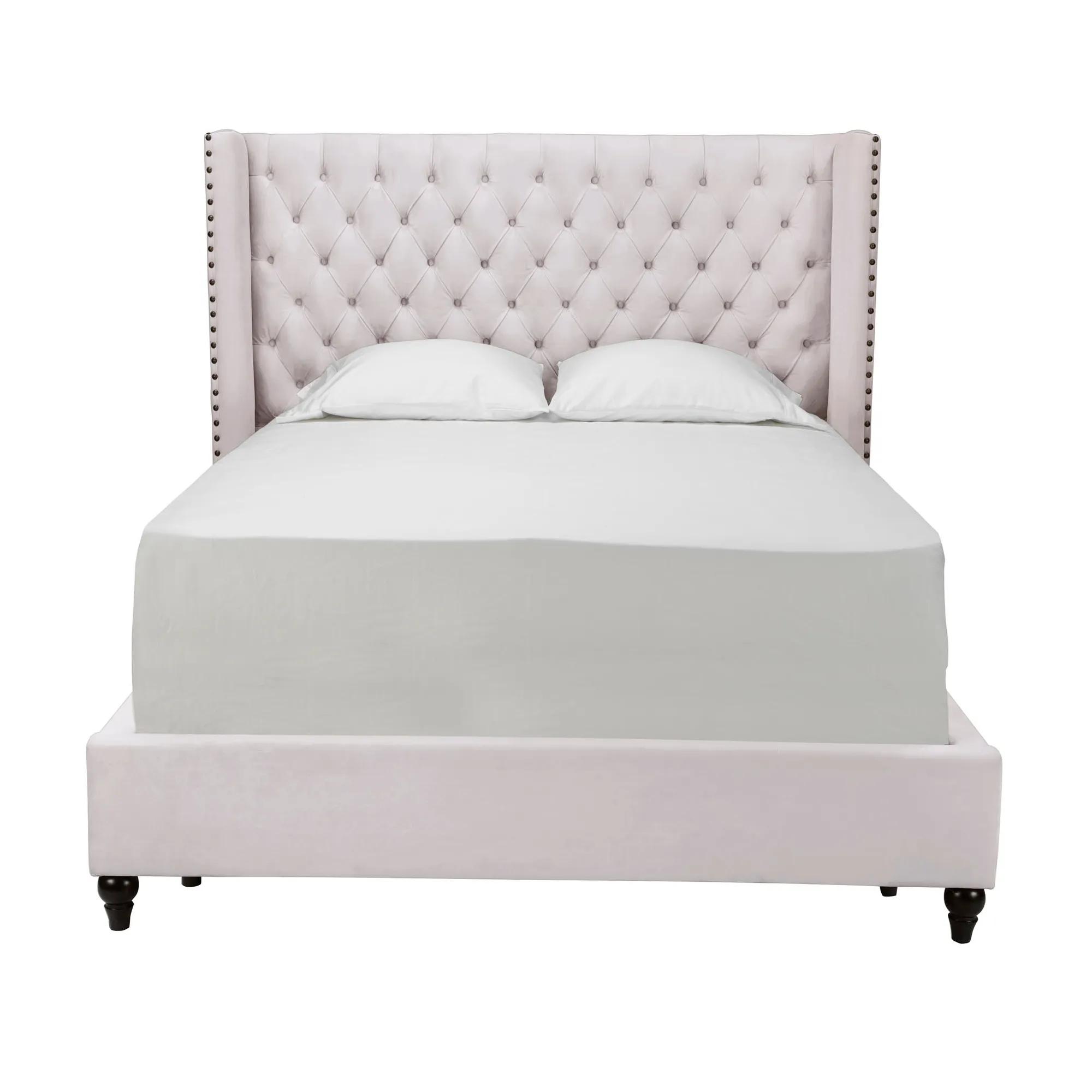
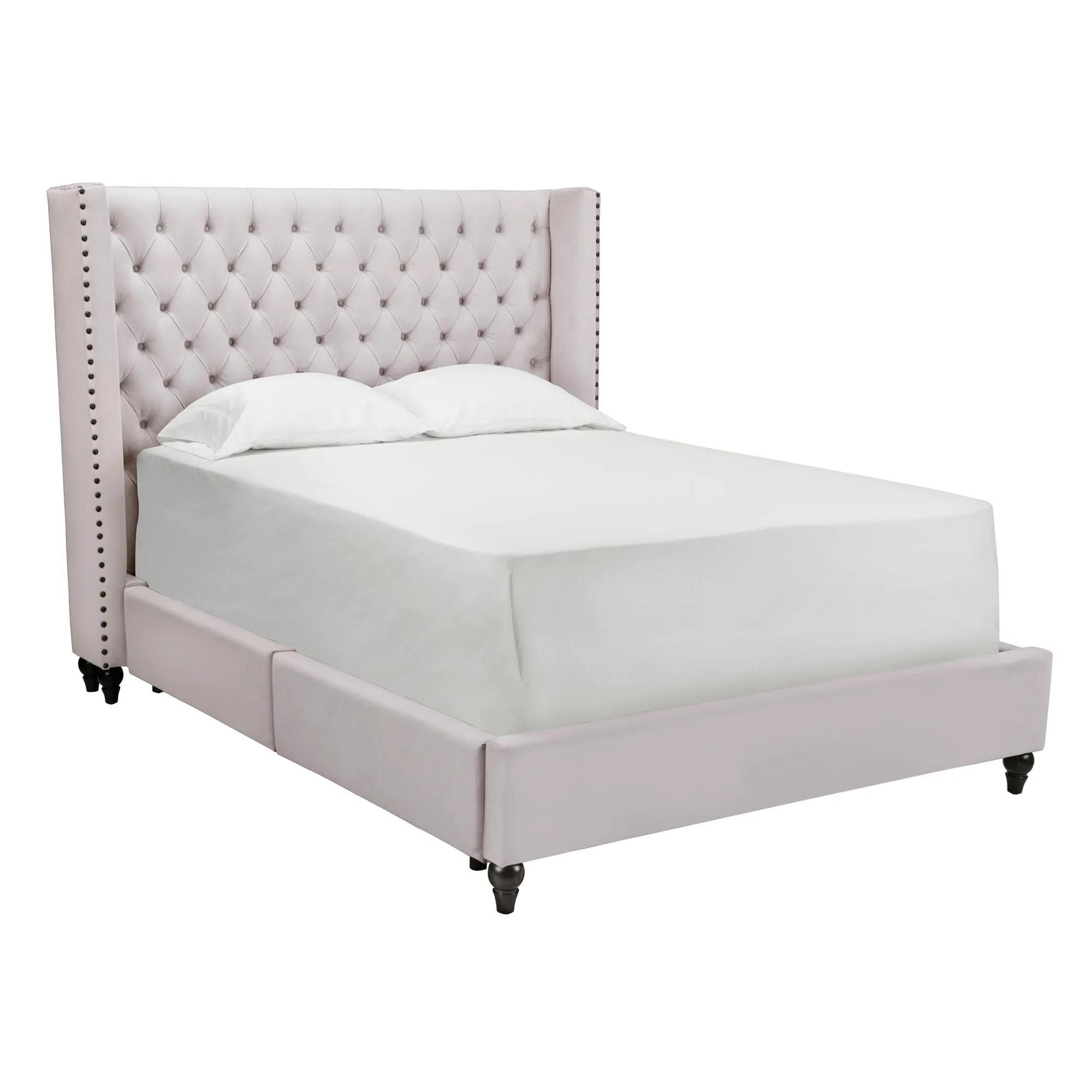 Roberto Storage Bed$3549
A handcrafted platform bed in plush velvet with diamond tufting, deep storage drawers, and antique brass nailheads.
Add To Cart -
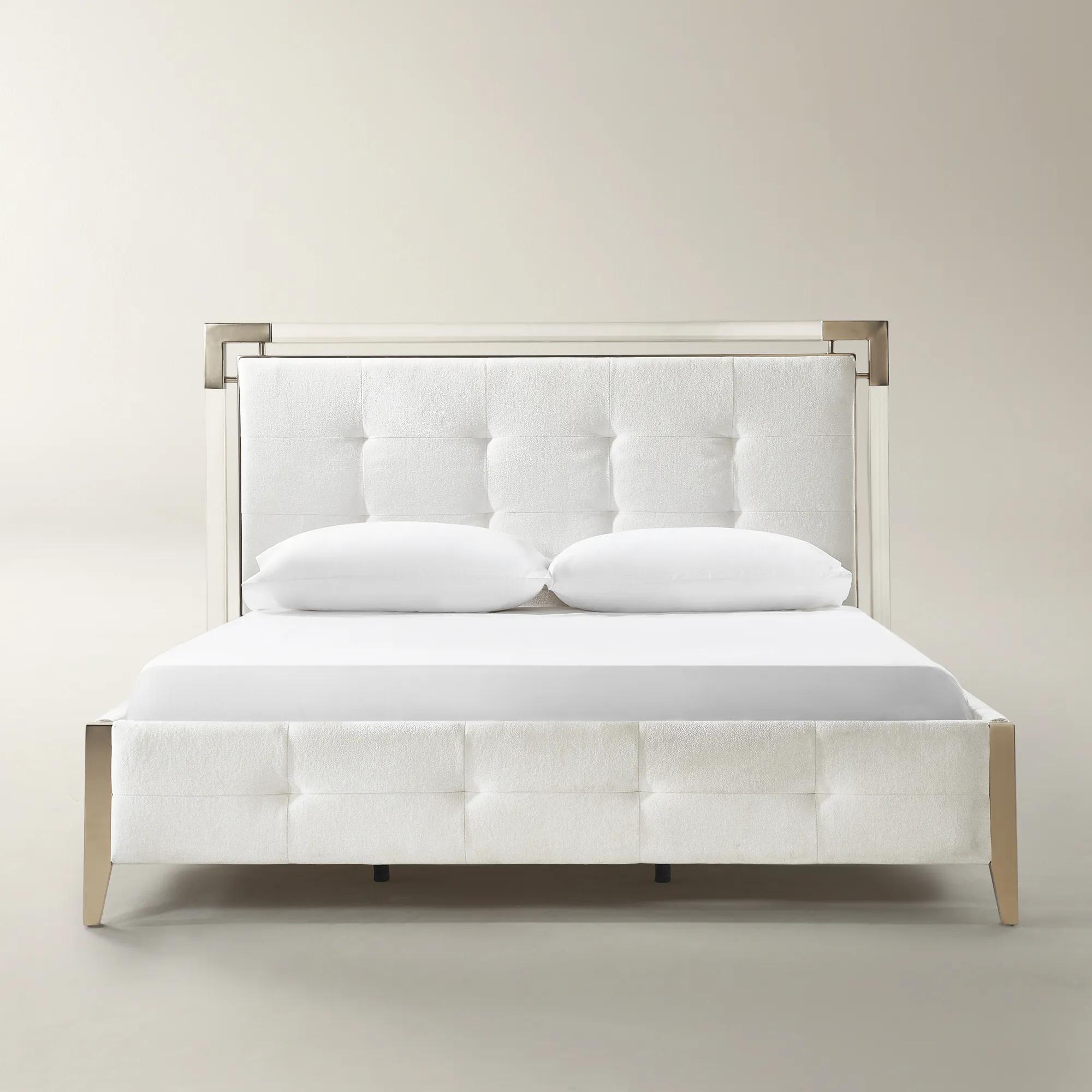
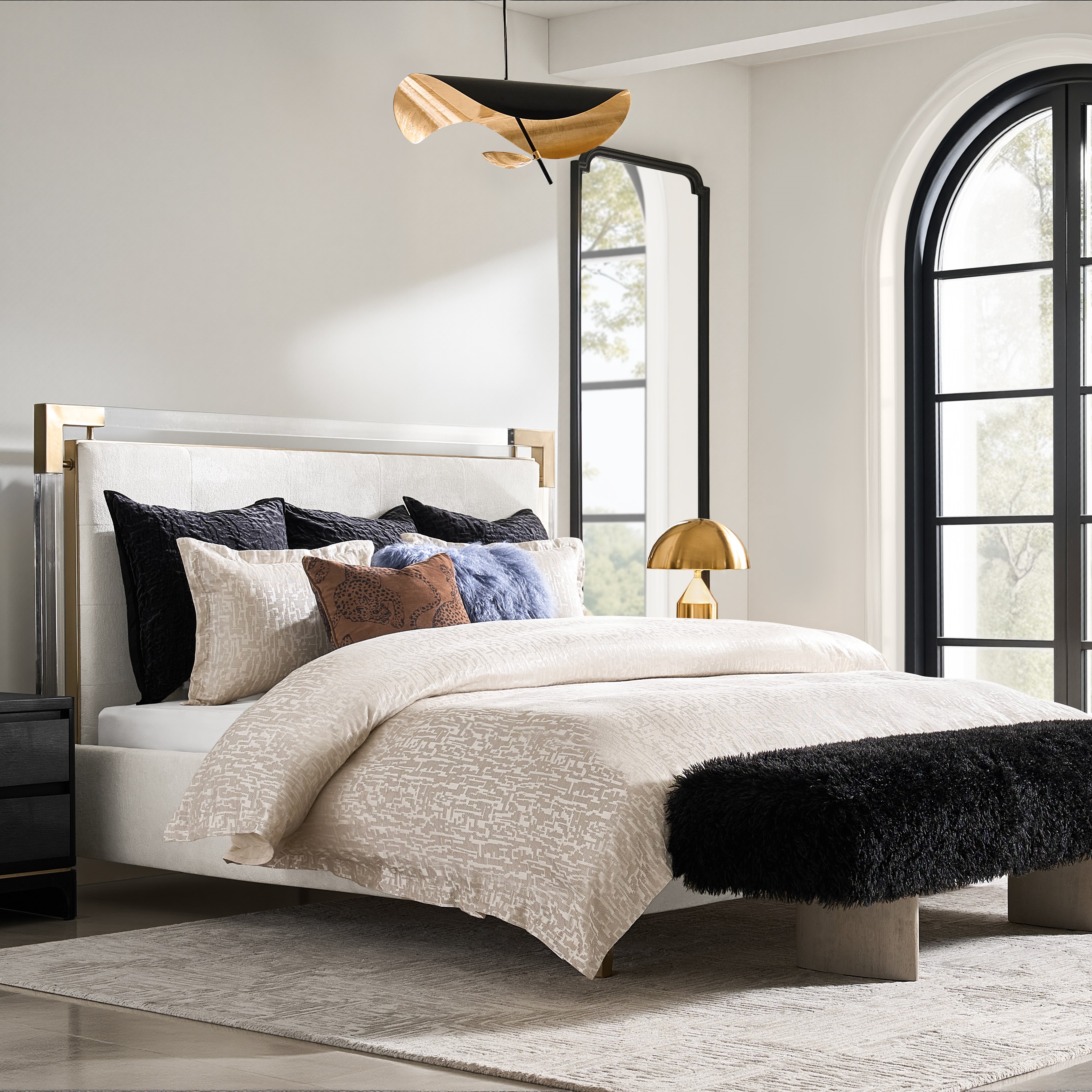 Vitrina Box-Tufted Ivory Velvet Upholstered Queen Platform Bed$2799
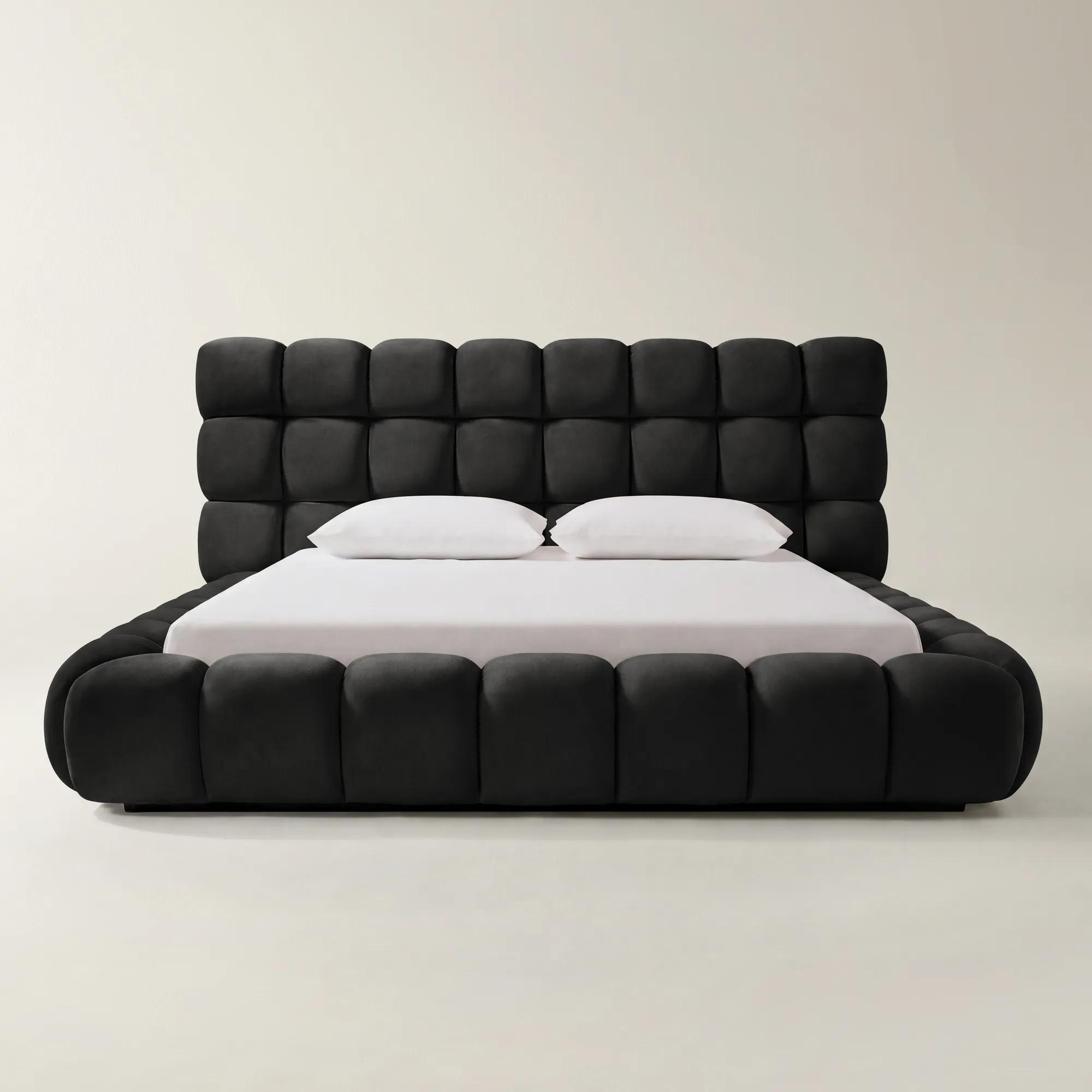
An ivory velvet upholstered bed with grid-tufted headboard, acrylic accents, and champagne-finished stainless steel details.
Add To Cart -
Vitrina Box-Tufted Ivory Velvet Upholstered King Platform Bed$2999
An ivory velvet upholstered bed featuring grid-tufted details, acrylic accents, and champagne-finished stainless steel trim.
Add To Cart

Low Profile Beds With Nailheads
Low profile beds with nailheads invite a sense of refined drama into the bedroom, transforming ordinary slumber into an act of artistry. Each silhouette is thoughtfully designed to command attention, marrying understated height with the striking allure of meticulously placed nailhead trim. The result? A harmonious fusion of modern minimalism and classic embellishment—perfect for those who crave a space that’s both sleek and opulent. With every detail echoing sophistication, low profile beds with nailheads become the centerpiece of a sanctuary where comfort meets couture, and every night feels like a grand entrance.
Low-profile beds with nailheads combine a frame that sits close to the floor with decorative metal studs tracing the headboard, side rails, or wingback edges, depending on the design. The effect is a balance of clean-lined modern furniture and traditional upholstery detail: a grounded silhouette finished with a precise, jewelry-like border. Rather than relying on an imposing footboard or elaborate carving, these beds create presence through proportion, texture, and the rhythm of the trim. A low base gives the room a more open visual flow, while an upholstered headboard brings softness to the wall behind it. Low profile describes the bed’s lower frame or overall stance, not necessarily a short headboard; a tall, dramatic headboard can rise above a beautifully restrained base. That contrast suits bedrooms where the bed should feel sculptural without overwhelming surrounding furniture. Velvet introduces a rich surface that changes with the light, lending depth to jewel tones and a luminous quality to pale neutrals. Textured woven upholstery offers a more tailored expression, with visible fibers adding dimension beside polished metal accents. Leather and leather-look upholstery, when used, bring a smoother finish that emphasizes the outline of each nailhead. The trim itself shapes the mood: warm metallic tones create a glowing accent, while cooler silver-toned finishes feel crisp against charcoal, ivory, or blue. Closely spaced nailheads read as a continuous border from across the room, then reveal their individual detail up close. On a wingback headboard, that border emphasizes the enveloping shape; on a rectangular headboard, it reinforces architectural simplicity. For a primary bedroom, the result can feel intimate and grand at once. In a guest room, the same combination gives the space a considered focal point without demanding layers of ornament. Whether styled with smooth cotton bedding or a sumptuous coverlet, the appeal lies in the tension between the bed’s quiet horizontal line and its gleaming, decorative edge.
Proportion determines how convincingly that silhouette works in a room. A queen or king mattress size identifies the sleeping surface, but upholstered rails, projecting wings, and padded corners can extend the bed’s overall footprint beyond those dimensions. In a bedroom with a dresser opposite the foot of the bed, those extra inches matter for opening drawers and moving comfortably through the space. A broad wingback headboard also needs enough wall width to sit comfortably between windows or beside nightstands. The most polished arrangement gives the trim room to be seen rather than concealing its edges behind oversized bedside furniture. Mattress thickness deserves equal attention because a low frame does not automatically create a low sleeping surface. A deep mattress, foundation, and topper can raise the finished height substantially, change how much headboard remains visible, and make a slender base look heavier. For someone who prefers an easier transition from sitting to standing, the combined height of the frame and mattress matters more than the frame height alone. Mattress support is a separate consideration from appearance. Some low-profile beds use a platform with slats or a solid support surface, while others require a foundation; the bed’s specifications and the mattress manufacturer’s requirements establish the appropriate combination. Slat spacing, center support, weight capacity, and mattress compatibility are more useful indicators than assuming every low bed is built the same way. For a related silhouette, Platform Beds With Nailhead Details connects the decorative look with a platform-style support design, although foundation requirements still depend on the individual construction. Sturdy joints, secure support legs, and a properly assembled frame contribute to everyday stability. The nailheads are ornamental rather than structural, so the beauty of their alignment should complement—not substitute for—the quality of the frame beneath the upholstery. Together, sound construction and thoughtful dimensions allow the bed to feel as assured in daily use as it looks across the room.
The most satisfying upholstery choice reflects how the bedroom is actually lived in. A headboard used for reading or watching a film benefits from a fabric whose texture feels inviting, though pillows still provide support and help protect the upholstery from hair products and skin oils. In a home with pets, fabric weave, snag resistance, and the visibility of shed hair deserve attention alongside color. Pale upholstery creates a luminous backdrop for dark bedding and metallic accessories, while deeper tones give the nailhead outline greater contrast; neither shade alone determines how easily a fabric will clean. Fiber content, finish, care instructions, and any documented performance characteristics provide a clearer picture of maintenance and durability. Routine care generally begins with gentle dust removal using an upholstery attachment where permitted, including the narrow areas where fabric meets trim. Spills call for prompt attention according to the upholstery’s cleaning code, without aggressive rubbing or an untested cleaning solution that could leave a ring, alter the pile, or affect the finish. Velvet may show pressure marks or changes in direction that are part of its distinctive appearance, and extended direct sunlight can affect many upholstery materials. Metal nailheads need similarly measured care: a soft, dry cloth is often appropriate for dusting, while abrasive polish or excess moisture may damage the surrounding fabric or decorative finish. A low frame may leave limited clearance for cleaning underneath, making that space worth considering in relation to regular housekeeping. Styling can remain expressive without competing with the bed’s defining detail. A neatly turned-back duvet keeps upholstered rails visible, while a long coverlet softens the outline for a more enveloping mood. Mirrored nightstands can echo the gleam of the trim; a textured rug and matte ceramic lamps introduce contrast. Repeating the nailhead finish in one or two accents creates cohesion without making every surface match. With its grounded stance, tactile upholstery, and deliberate metallic detail, the low-profile nailhead bed gives a bedroom a focal point that feels both personal and composed.
FAQs
Low profile beds with nailhead trim are remarkably versatile, complementing a range of interior styles from modern and transitional to classic and eclectic. Their streamlined silhouette and decorative detailing allow them to shine in glamorous master suites, sophisticated guest rooms, or even artfully layered urban lofts. Pair with rich textiles, sculptural lighting, and metallic accents to create a look that is both curated and inviting.
Nailhead details add a layer of visual intrigue and craftsmanship to a bed, framing the upholstery with a touch of metallic shimmer. Whether outlining a wingback headboard or accenting plush tufting, these hand-applied studs create a sense of depth and dimension, transforming the bed into a true focal point. The result is a tailored, bespoke appearance that elevates the entire room.
Absolutely. The low profile design helps to visually expand a space, making it ideal for smaller bedrooms or apartments. By keeping the mattress closer to the floor and emphasizing horizontal lines, these beds create an open, airy feel while still delivering a substantial design statement through their nailhead embellishments.
These beds are often upholstered in luxurious fabrics such as velvet, linen, or chenille. Each fabric offers a distinct tactile experience—velvet for sumptuous glamour, linen for crisp sophistication, and chenille for a soft, inviting touch. The nailhead trim is typically crafted from metals like antique brass, polished nickel, or chrome, each adding its own character to the overall design.
Start by letting the bed take center stage, then layer in complementary elements such as textured rugs, gleaming accent tables, and dramatic lighting. Choose bedding that highlights the bed’s upholstery—think crisp white linens for contrast or jewel-toned throws for added drama. Incorporate decorative pillows, art, and accessories that echo the metallic finishes of the nailheads to create a harmonious, thoughtfully curated retreat.