Beds With Winged Sides And Nailheads
Beds With Winged Sides And Nailheads
-
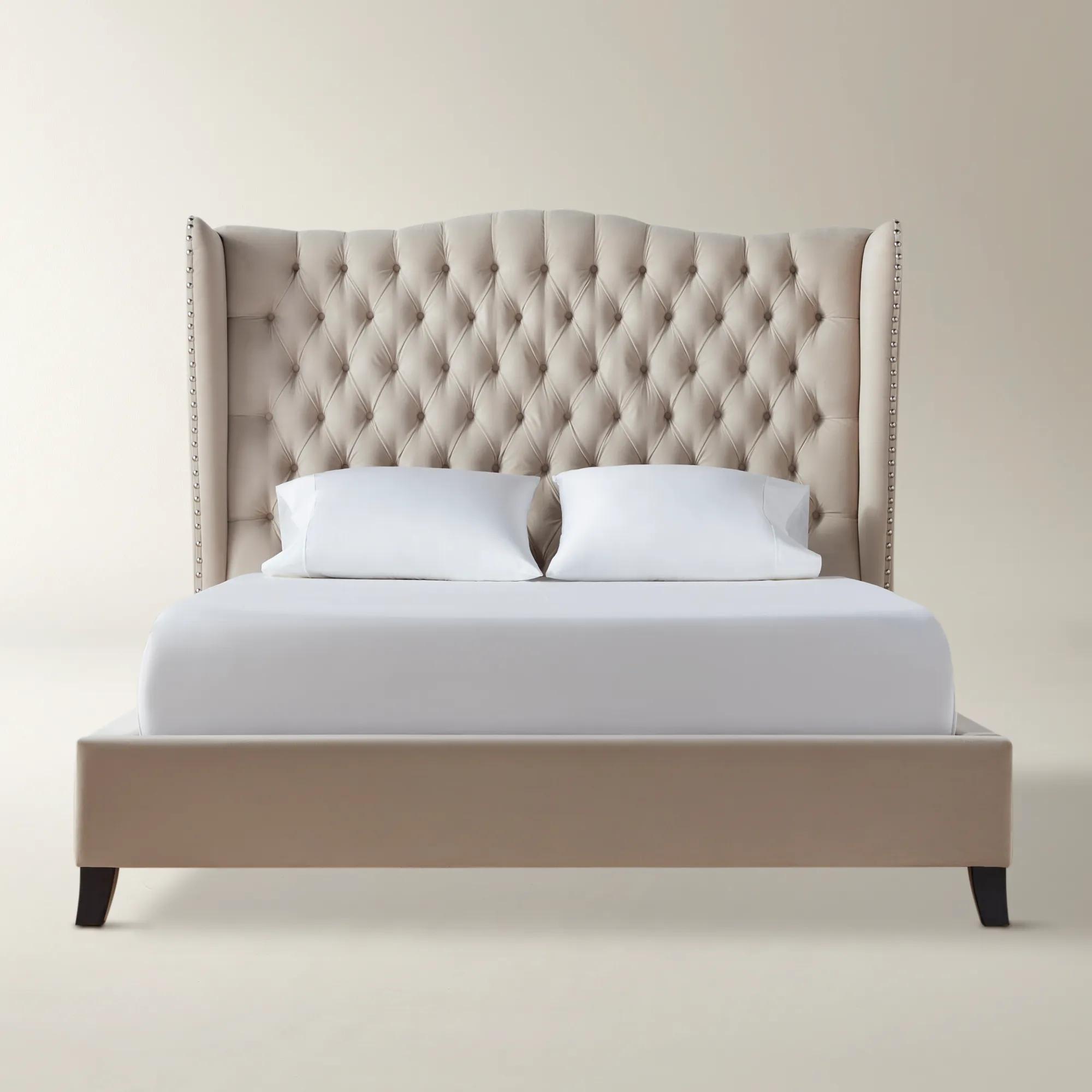
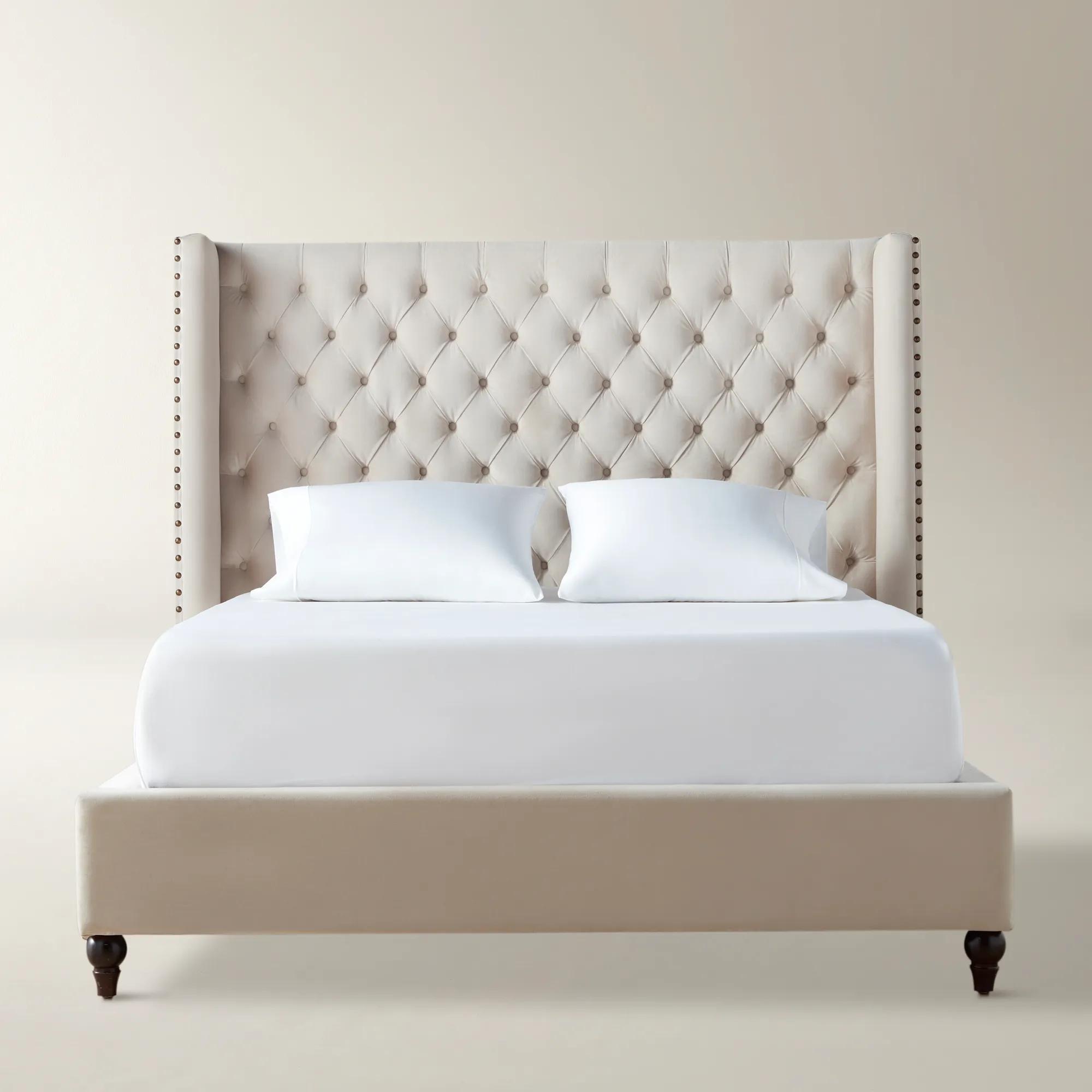
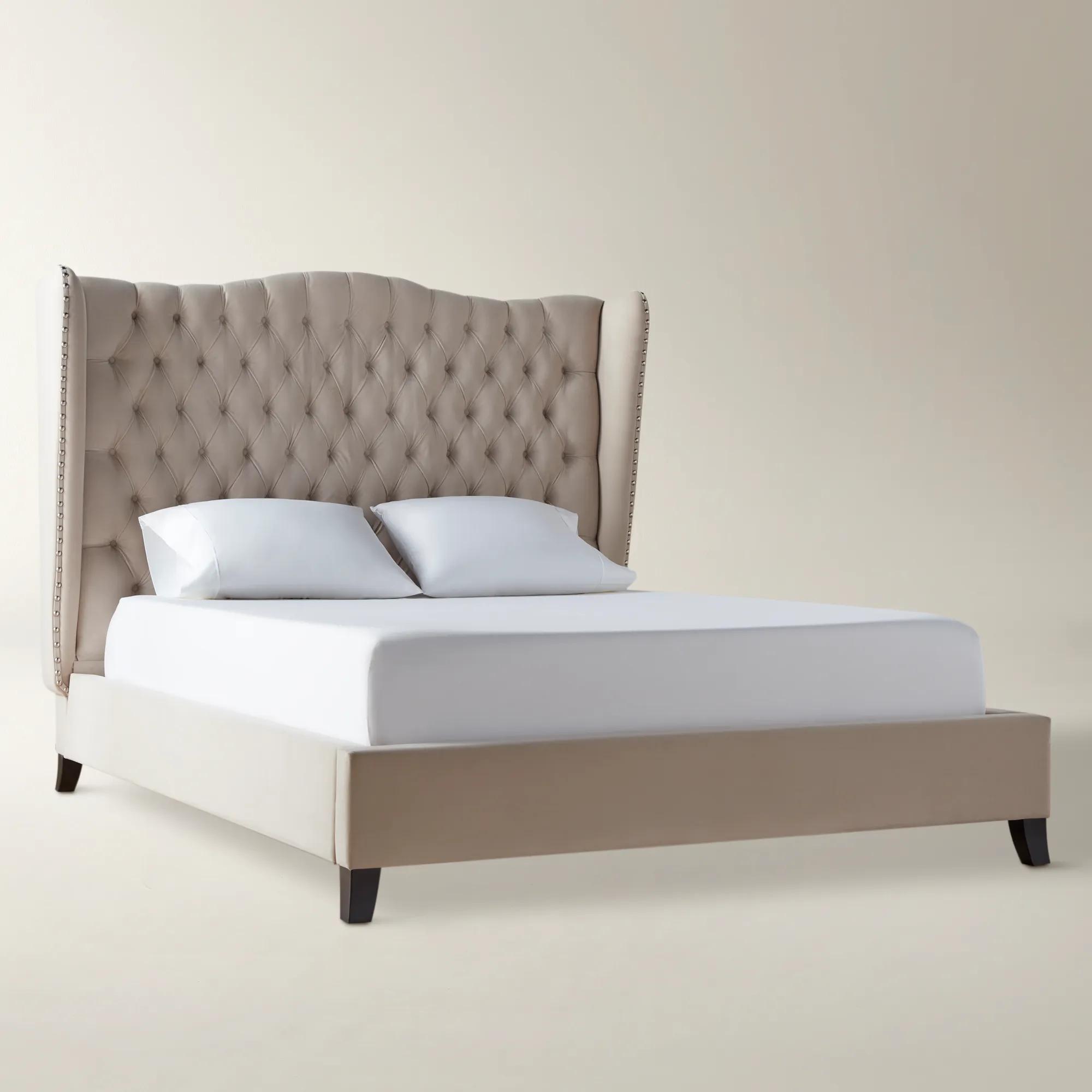 Jameson Bed$2099
A plush, velvet-upholstered bed featuring a camelback silhouette, hand-applied button tufting, and decorative nailheads.
Add To Cart -
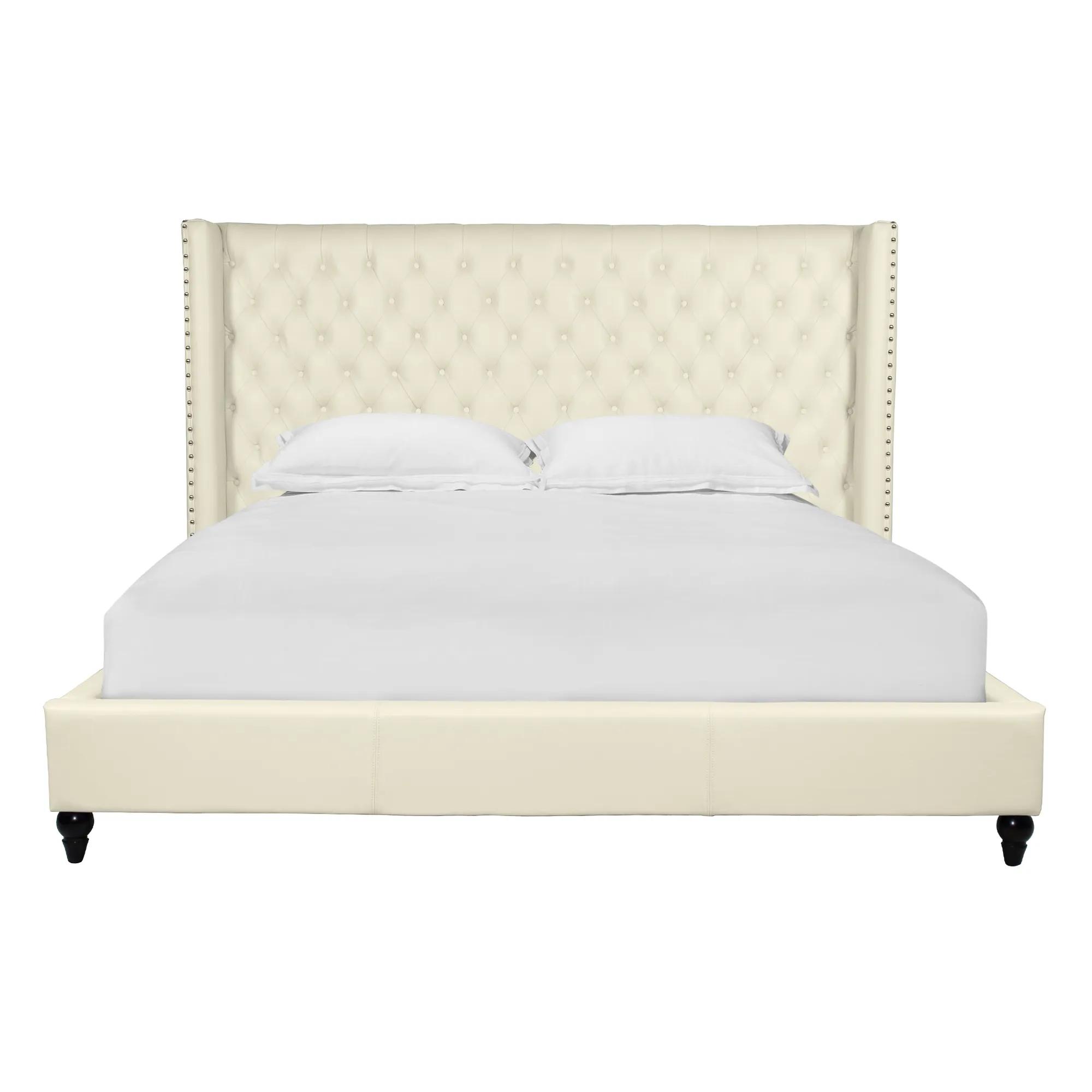
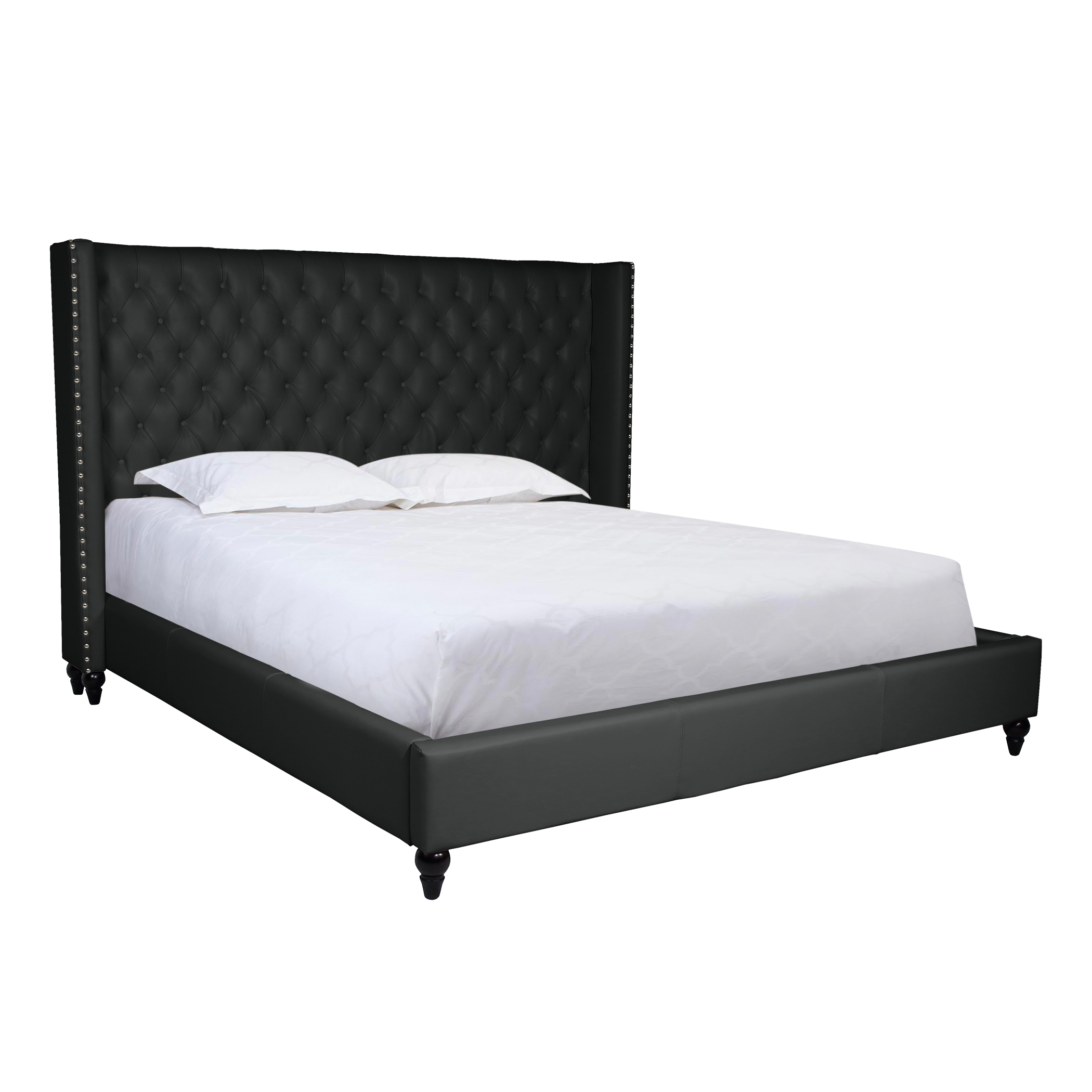 Roberto Leather Bed$3449
A stately white top-grain leather bed featuring diamond tufting, hand-applied nickel nailheads, and turned legs.
Add To Cart -
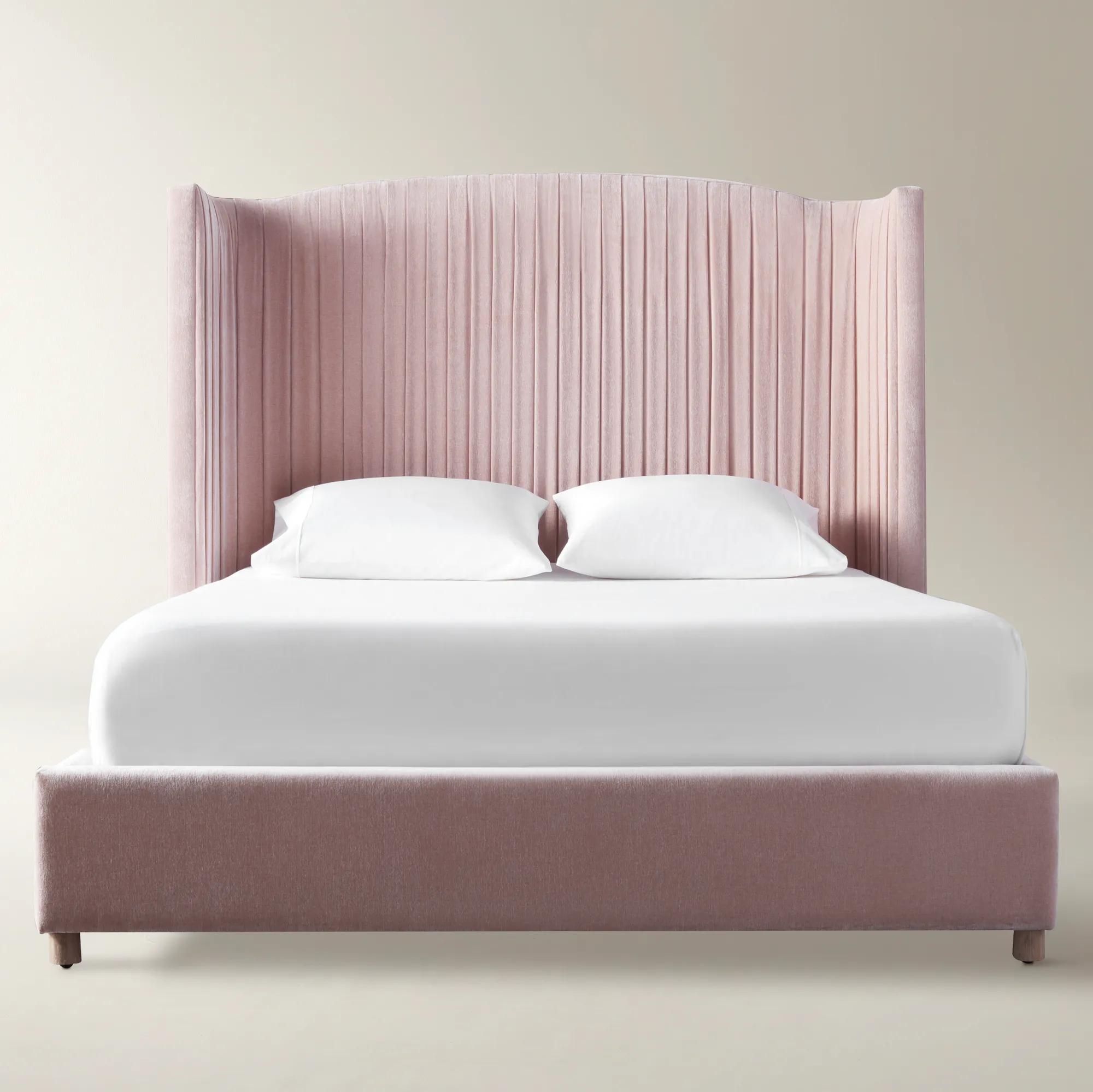
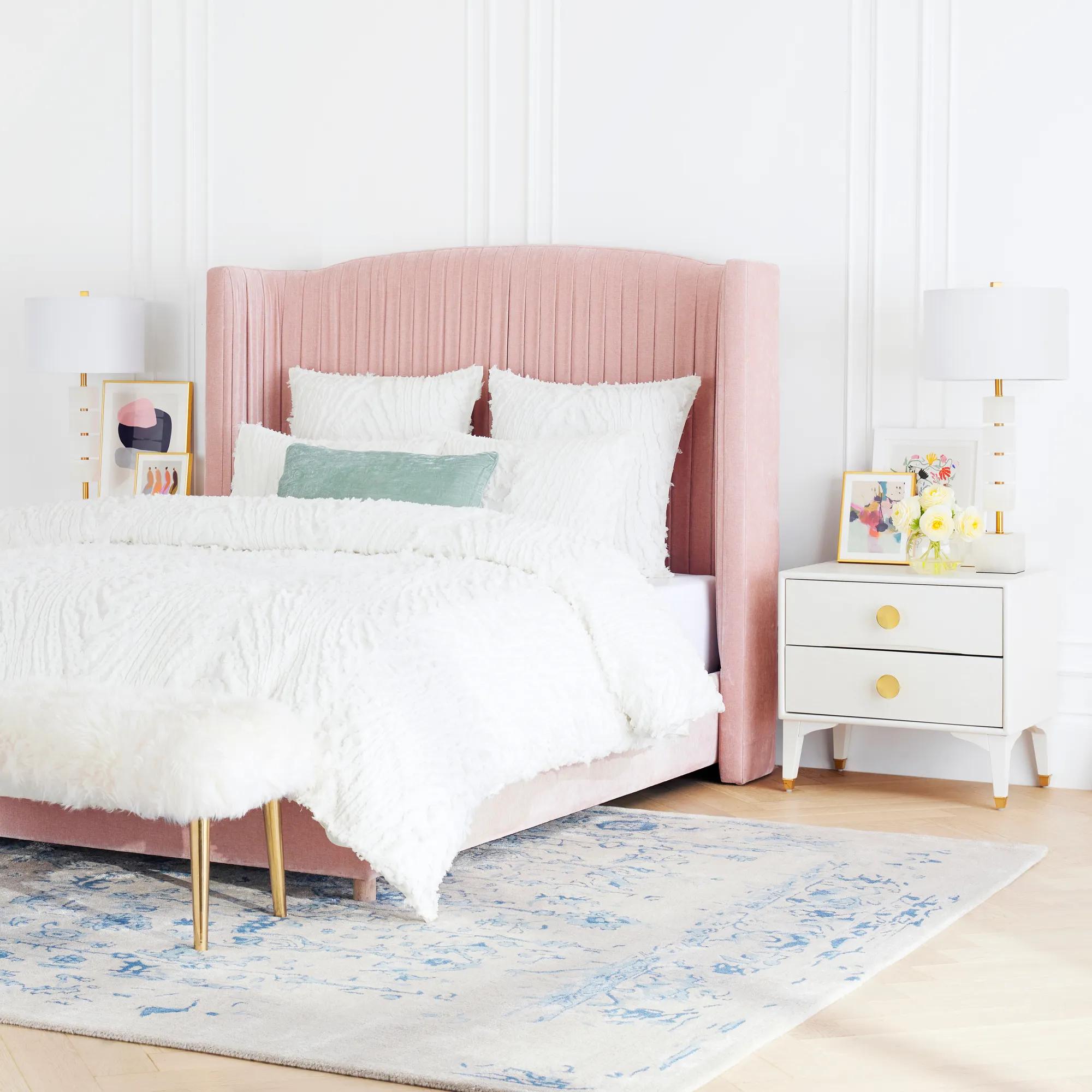 Larissa Platform Bed$2649
An elegantly curved wingback bed with hand-pleated chenille upholstery and a kiln-dried hardwood frame.
Add To Cart -
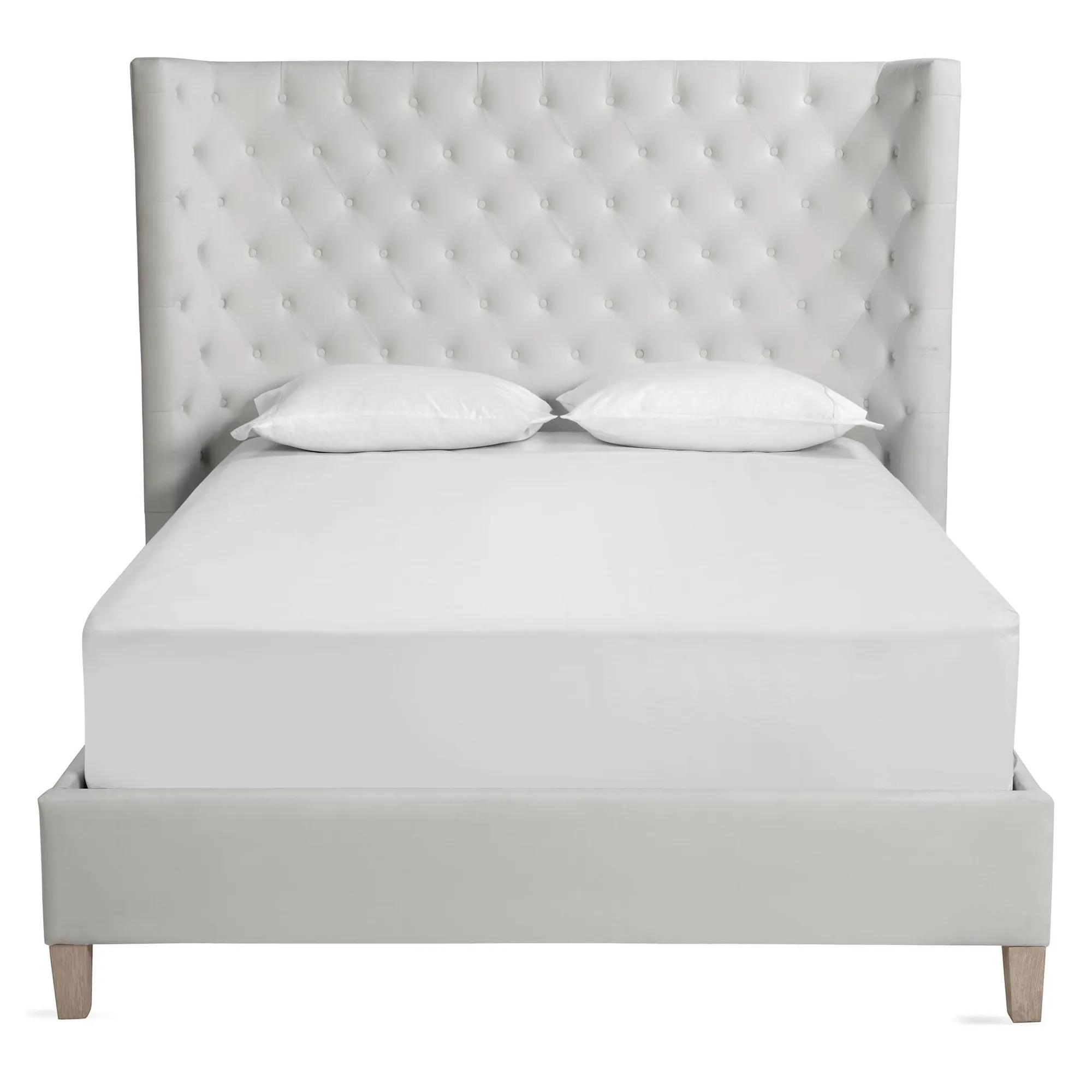
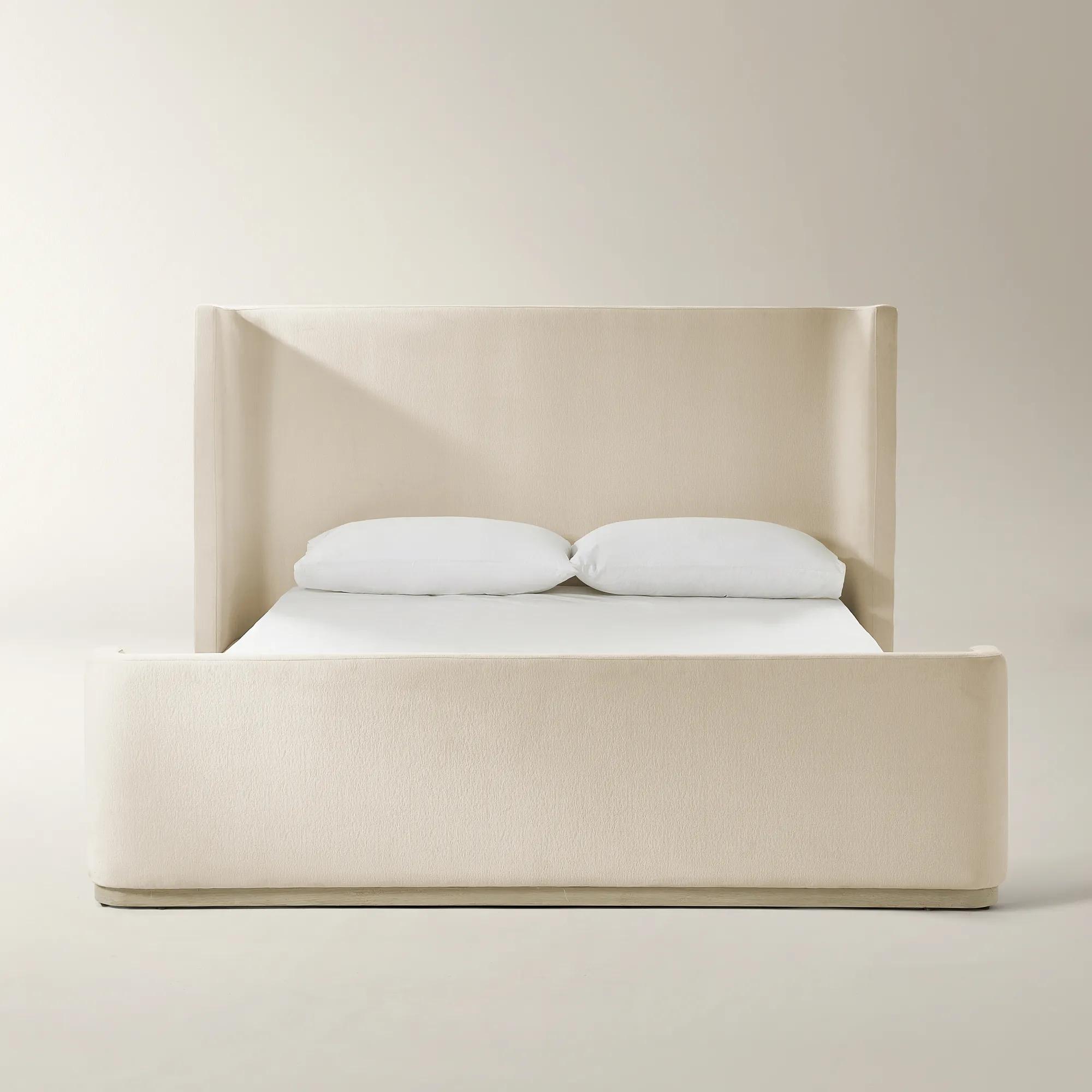 Stria Oatmeal Velvet Upholstered Queen Platform Bed$2099
A sculptural oatmeal velvet platform bed with a tall wingback headboard and FSC-certified solid oak base.
Add To Cart -
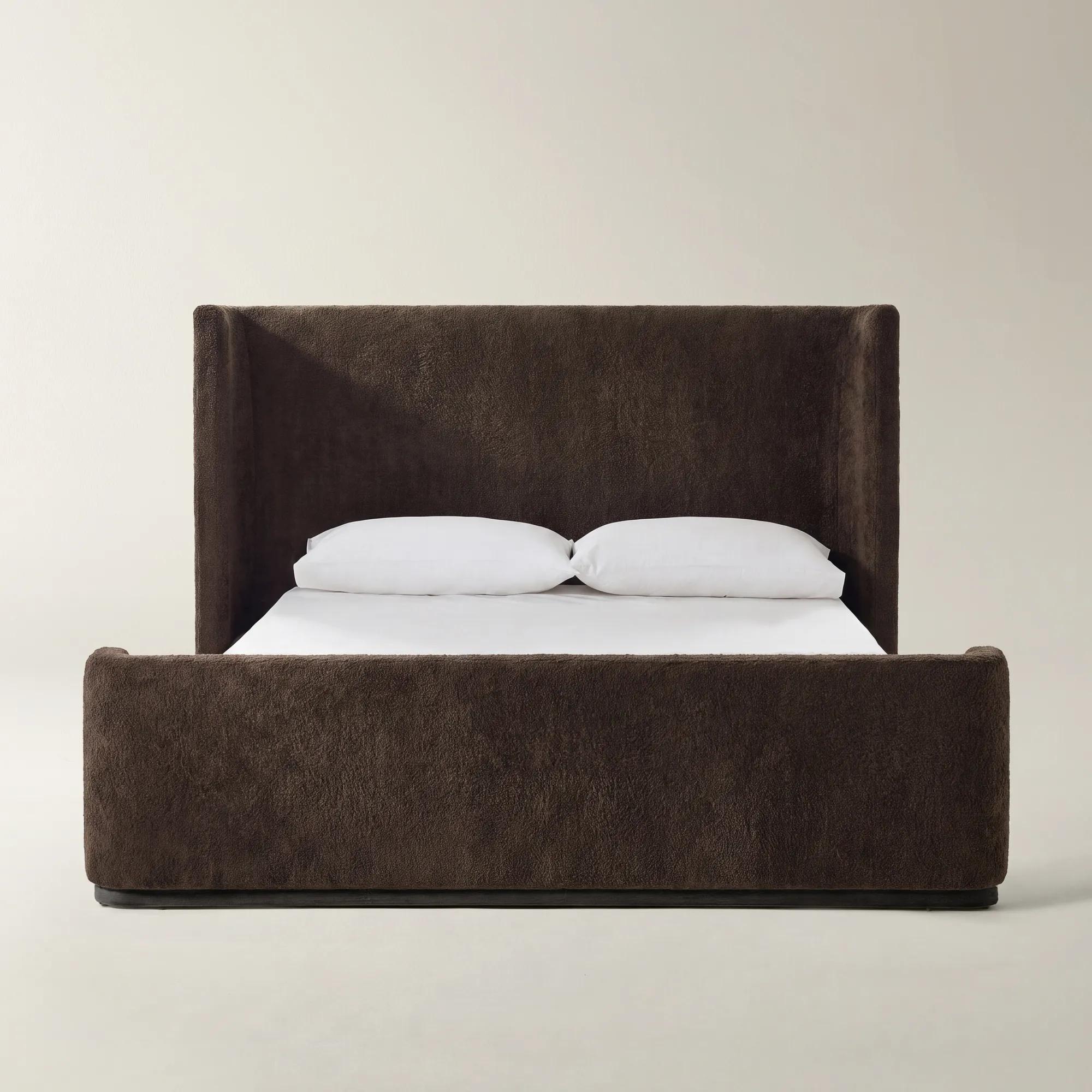
 Stria Dark Chocolate Chenille Upholstered Queen Platform Bed$2099
A dark chocolate chenille platform bed featuring a sculptural wingback headboard and FSC-certified solid oak base.
Add To Cart -
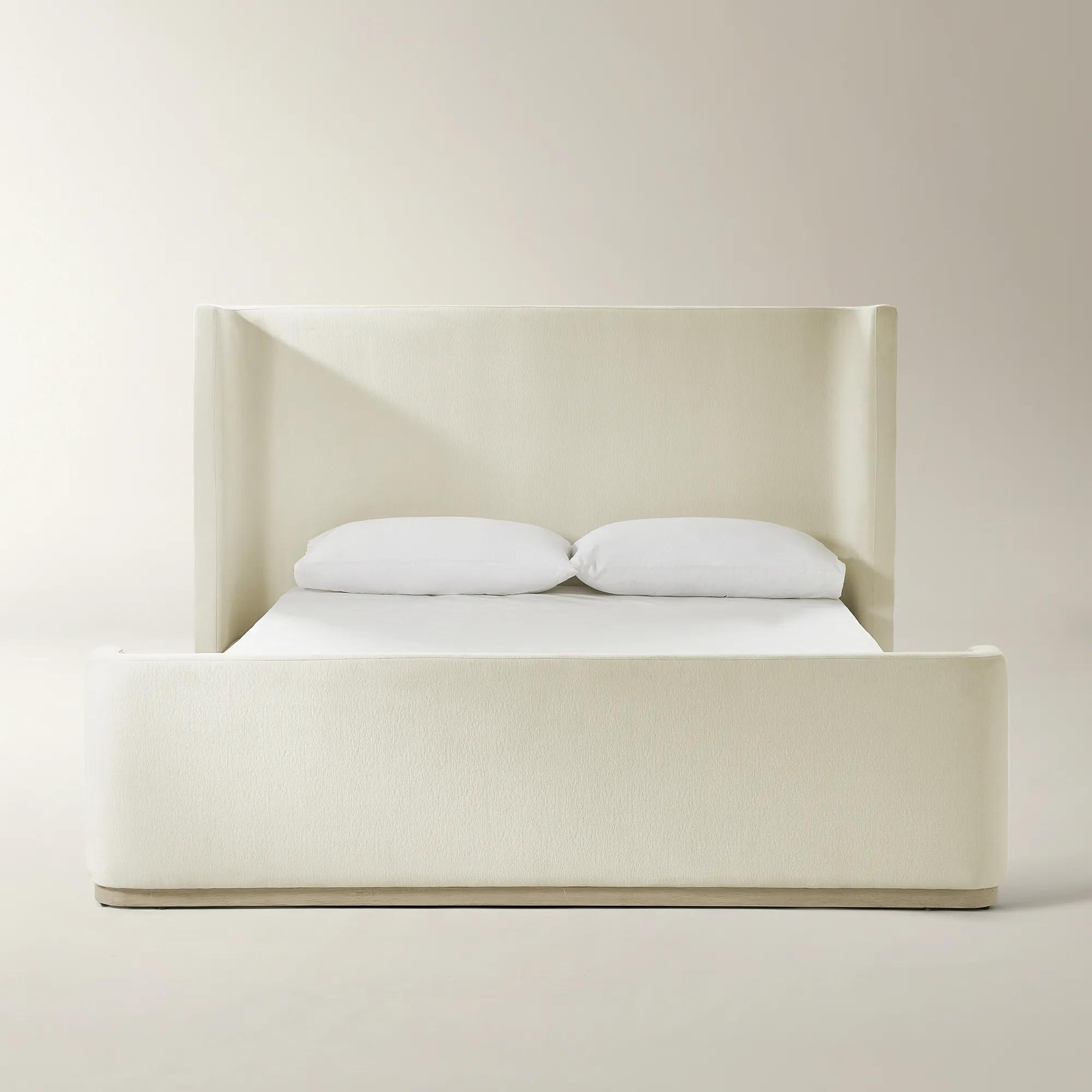 Stria Cloud Velvet Upholstered Queen Platform Bed$2099
A sculptural wingback platform bed with plush cloud velvet upholstery and an FSC-certified solid oak base.
Add To Cart -
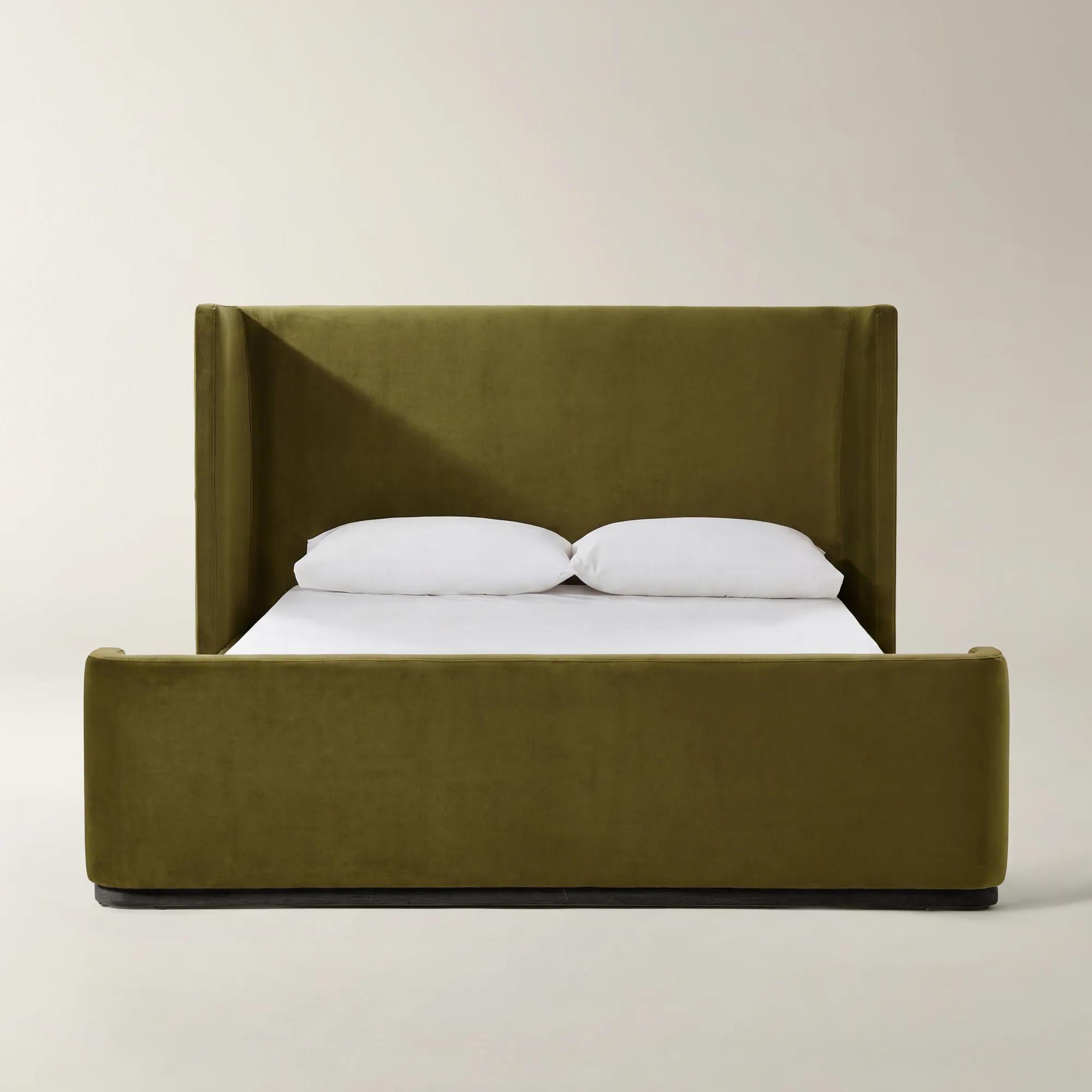 Stria Deep Olive Velvet Upholstered Queen Platform Bed$2099
A deep olive velvet bed with a sculptural wingback headboard, supportive cushioning, and FSC-certified oak base.
Add To Cart -
Stria Oatmeal Velvet Upholstered King Platform Bed$2299
A sculptural oatmeal velvet platform bed featuring a wingback headboard and FSC-certified oak base.
Add To Cart -
Stria Cloud Velvet Upholstered King Platform Bed$2299
A cloud velvet wingback platform bed with a warm FSC-certified oak base and supportive construction.
Add To Cart -
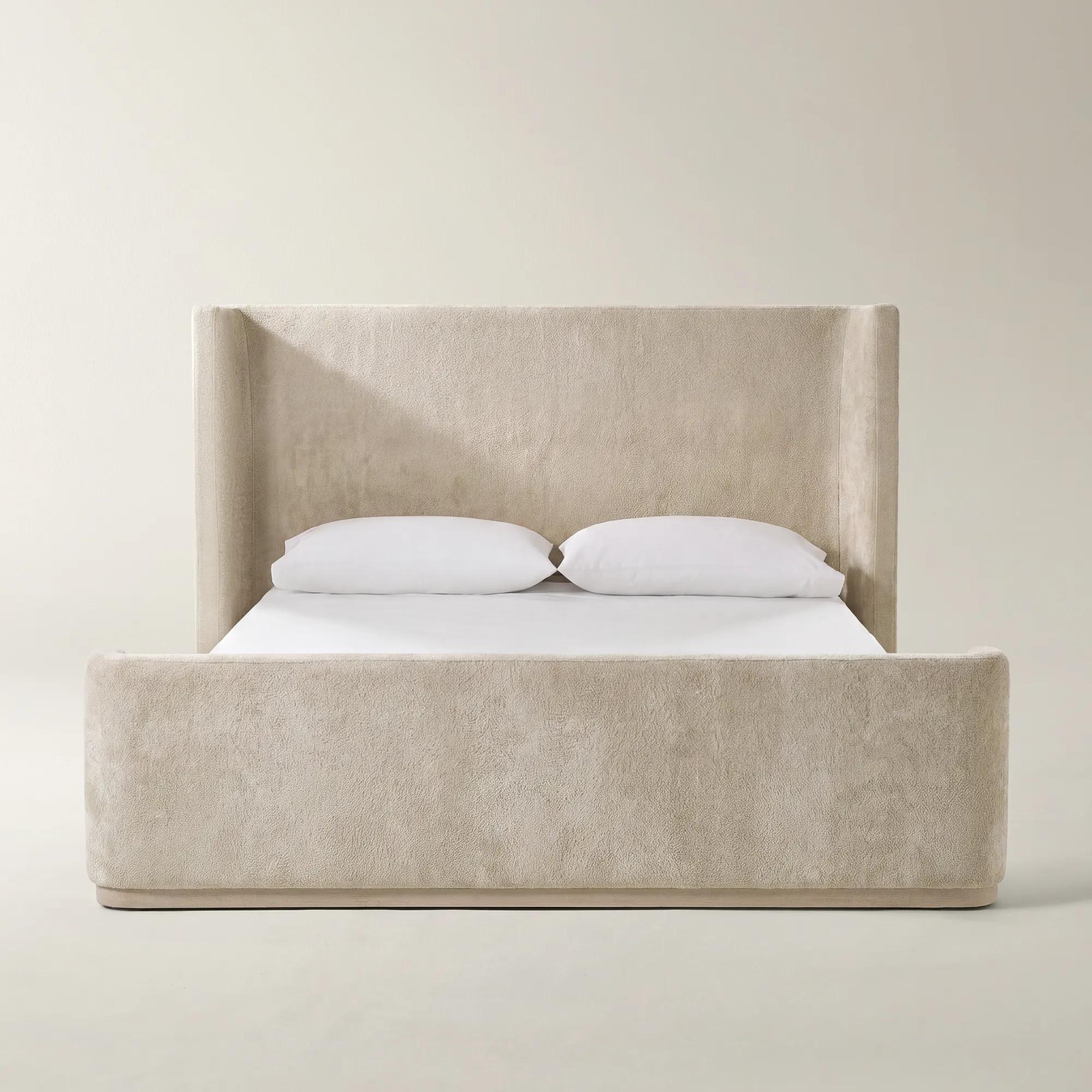 Stria Light Brown Chenille Upholstered Queen Platform Bed$2099
A light brown chenille-upholstered platform bed with a sculptural wingback headboard and FSC-certified oak base.
Add To Cart -
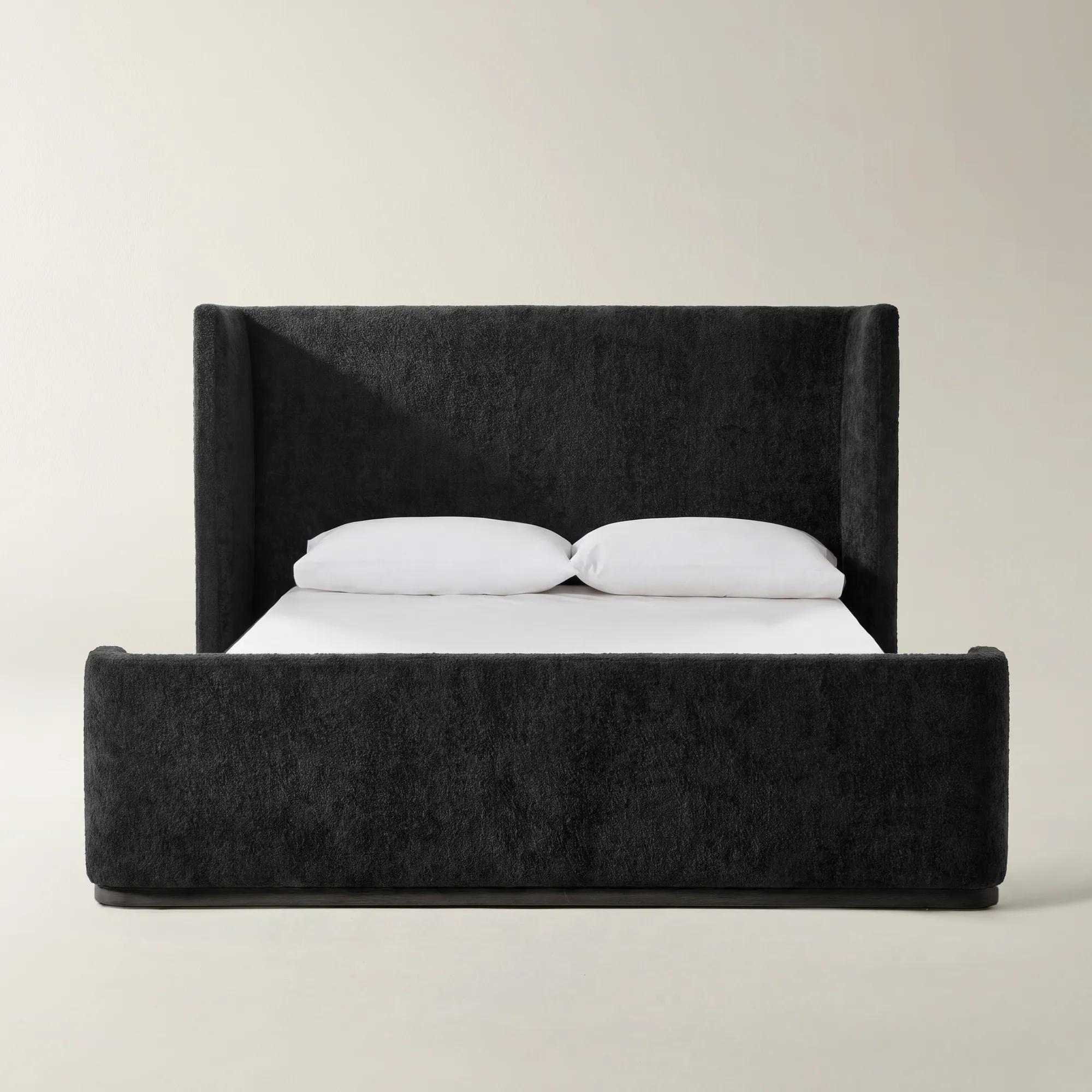 Stria Black Chenille Upholstered King Platform Bed$2299
A sculptural black chenille wingback platform bed with an FSC-certified solid oak base and supportive construction.
Add To Cart -
Stria Black Chenille Upholstered Queen Platform Bed$2099
A sculptural black chenille platform bed featuring a tall wingback headboard and FSC-certified solid oak base.
Add To Cart -
Stria Dark Chocolate Chenille Upholstered King Platform Bed$2299
A dark chocolate chenille upholstered platform bed featuring a wingback headboard and FSC-certified solid oak base.
Add To Cart -
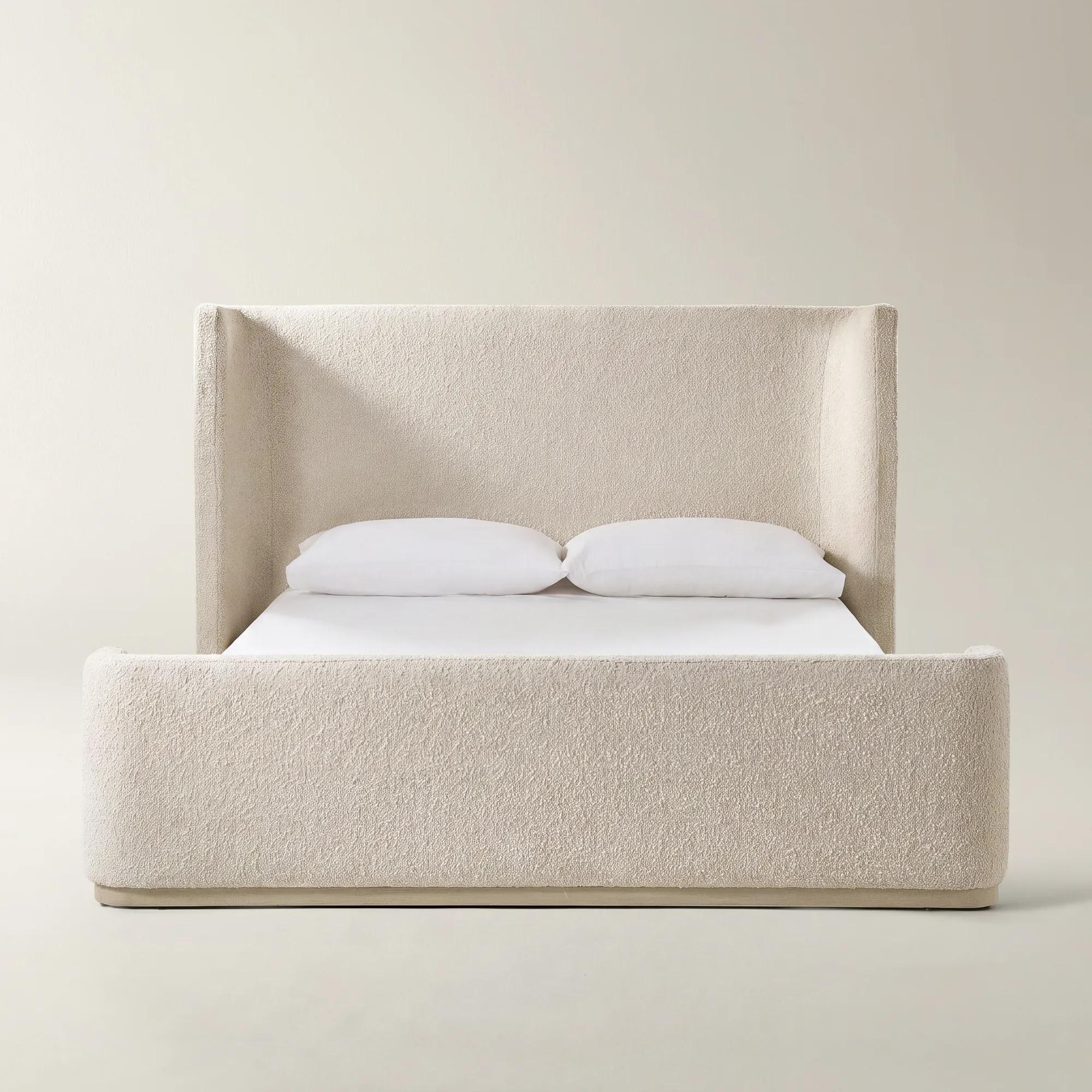 Stria Ivory Performance Boucle Upholstered King Platform Bed$2399
An ivory boucle platform bed with a wingback headboard, FSC-certified oak base, and supportive construction.
Add To Cart -
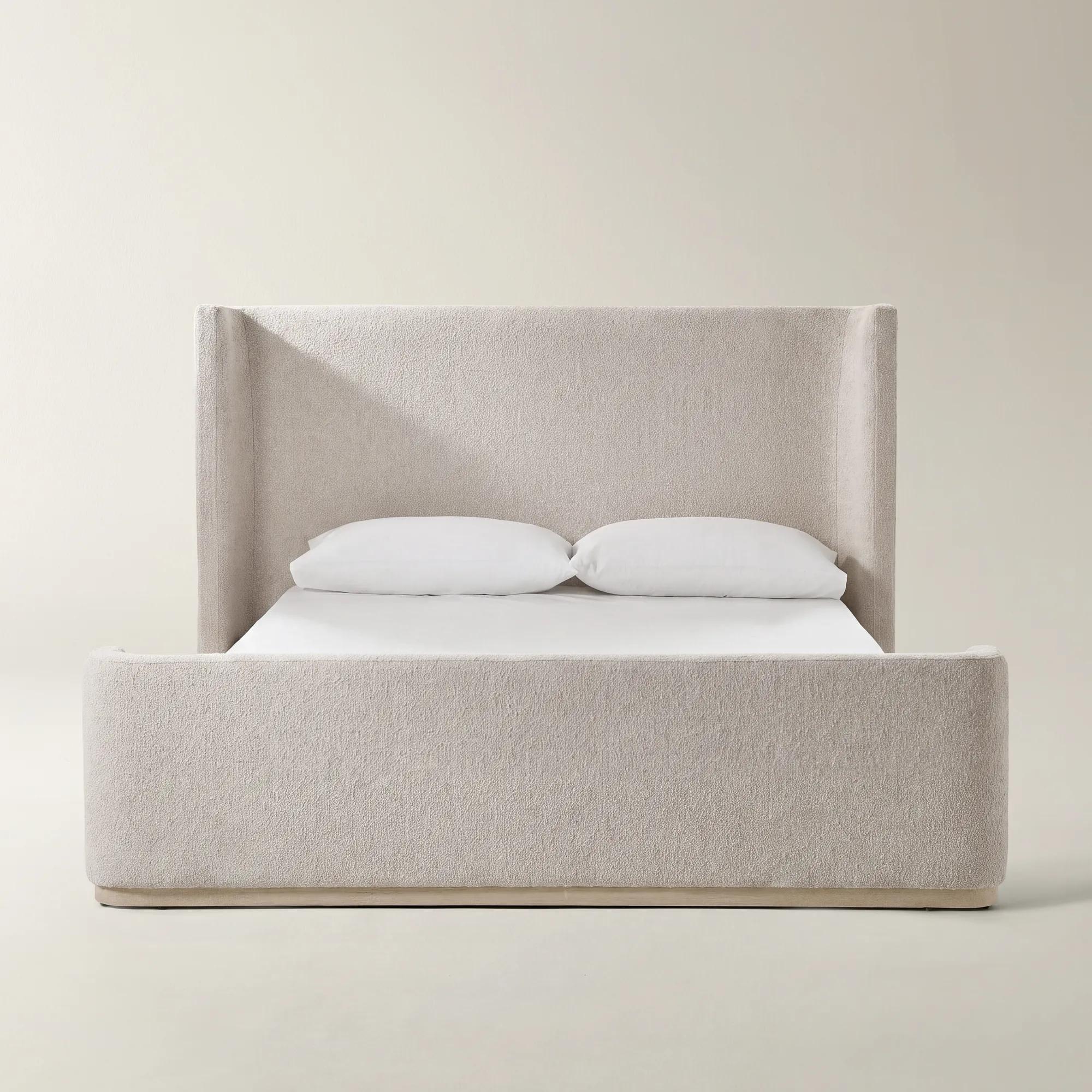 Stria Ivory Performance Boucle Upholstered King Platform Bed$2399
An ivory performance boucle platform bed with wingback headboard, FSC-certified oak base, and supportive hardwood construction.
Add To Cart -
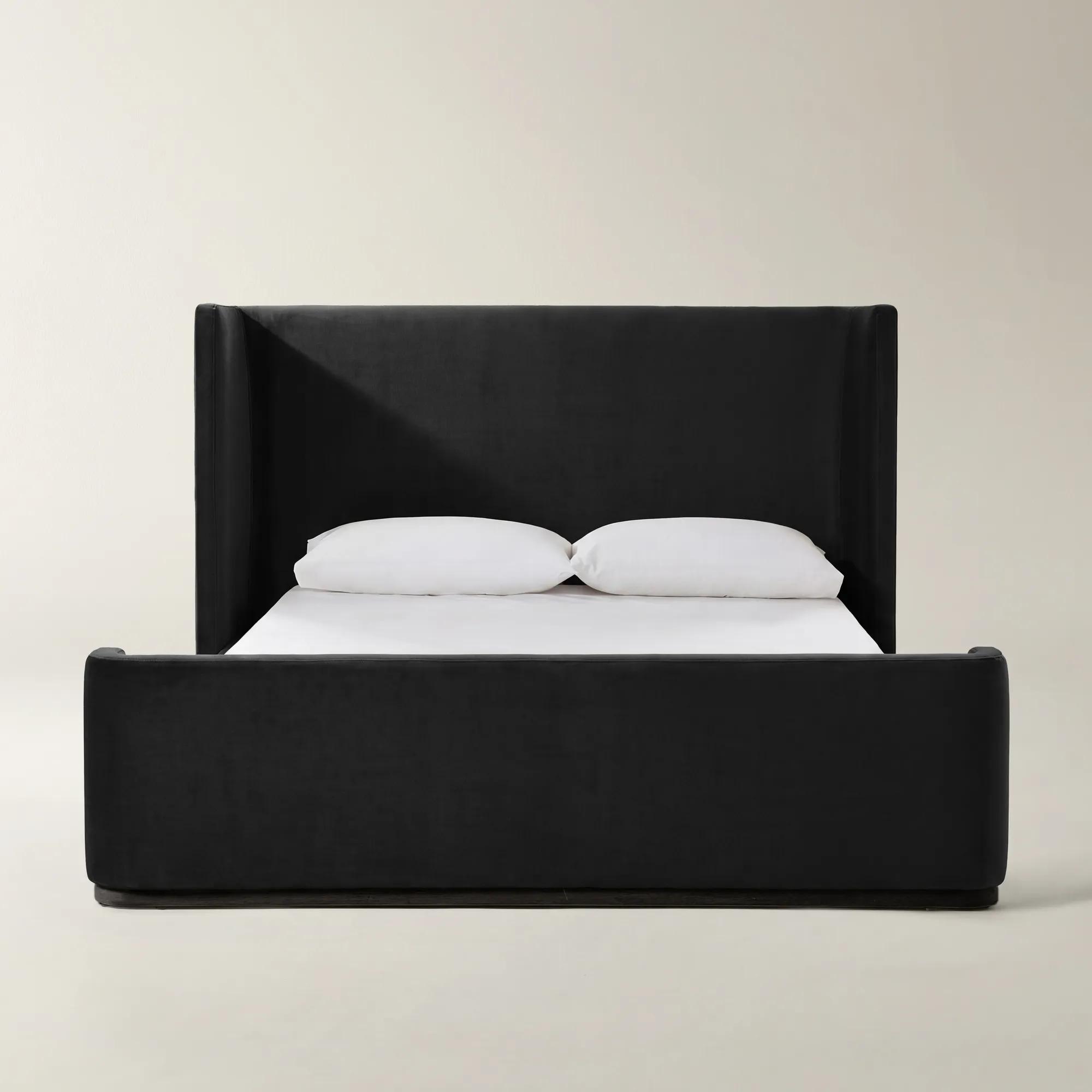 Stria Charcoal Velvet Upholstered Queen Platform Bed$2099
A charcoal velvet upholstered platform bed with a sculptural wingback headboard and FSC-certified solid oak base.
Add To Cart -
Stria Light Brown Chenille Upholstered King Platform Bed$2299
A sculptural brown chenille upholstered bed featuring a wingback headboard and FSC-certified solid oak base.
Add To Cart -
Stria Charcoal Velvet Upholstered King Platform Bed$2299
A charcoal velvet platform bed featuring a sculptural wingback headboard and FSC-certified solid oak base.
Add To Cart -
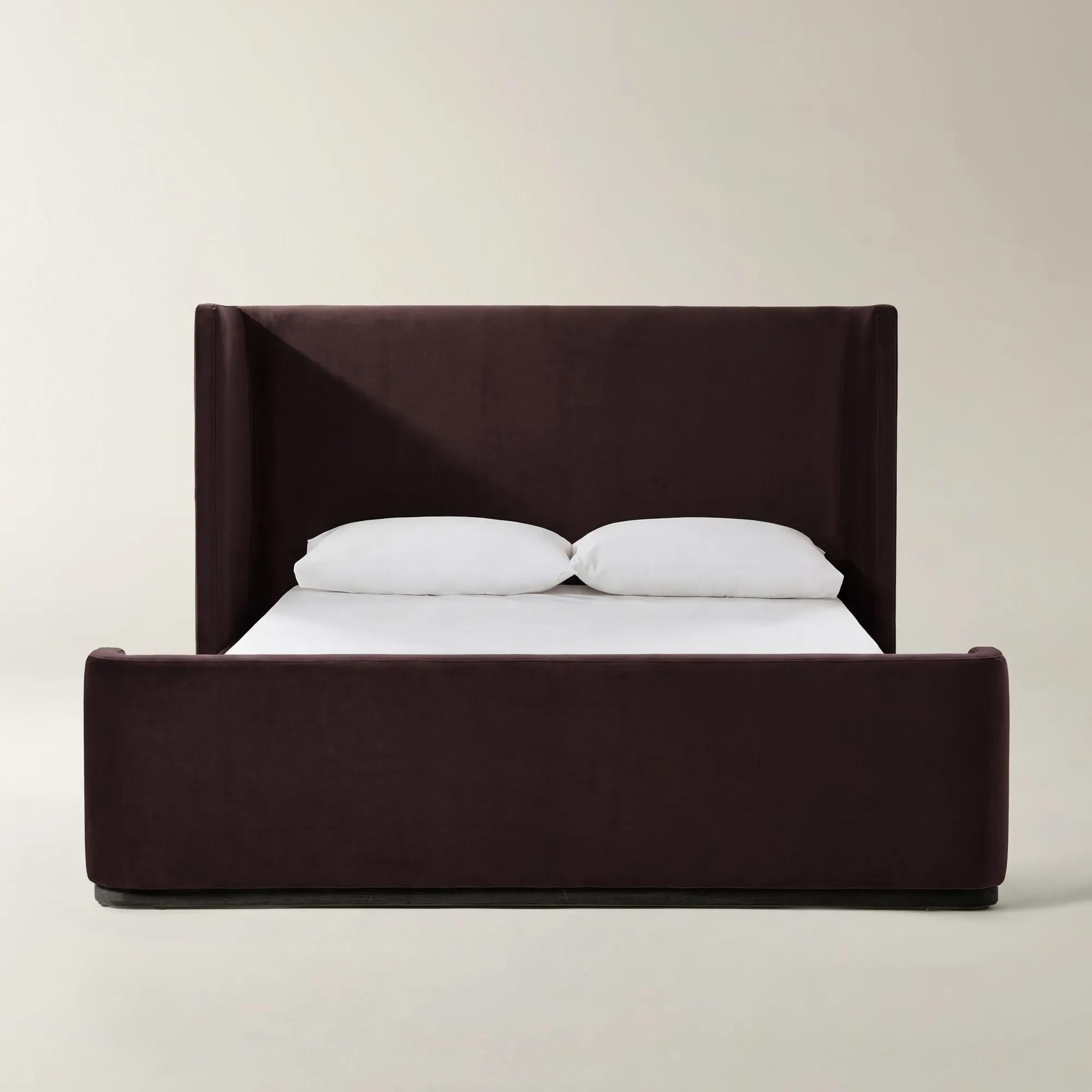 Stria Fig Velvet Upholstered King Platform Bed$2299
A sculptural fig velvet wingback platform bed with an FSC-certified solid oak base and supportive construction.
Add To Cart -
Stria Ivory Performance Boucle Upholstered Queen Platform Bed$2199
A sculptural ivory performance boucle platform bed featuring a wingback headboard and FSC-certified solid oak base.
Add To Cart -
Stria Ivory Performance Boucle Upholstered Queen Platform Bed$2199
A sculptural ivory performance bouclé platform bed featuring a wingback headboard and FSC-certified solid oak base.
Add To Cart -
Stria Fig Velvet Upholstered Queen Platform Bed$2099
A sculptural fig velvet wingback platform bed with an FSC-certified oak base and supportive foam-padded construction.
Add To Cart -
 Stria Deep Olive Velvet Upholstered King Platform Bed$2299
A deep olive velvet platform bed with a sculptural wingback headboard and FSC-certified oak base.
Add To Cart -
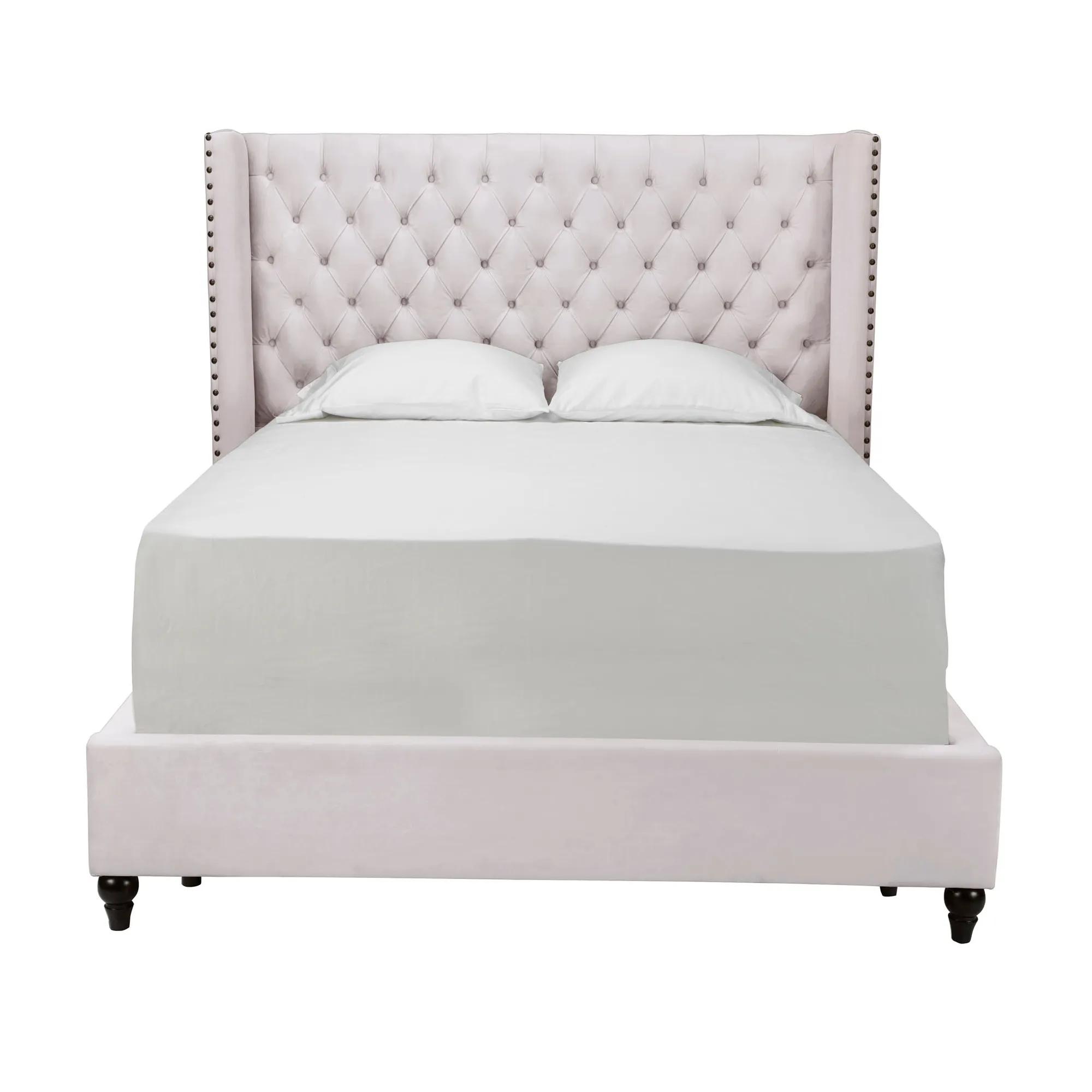
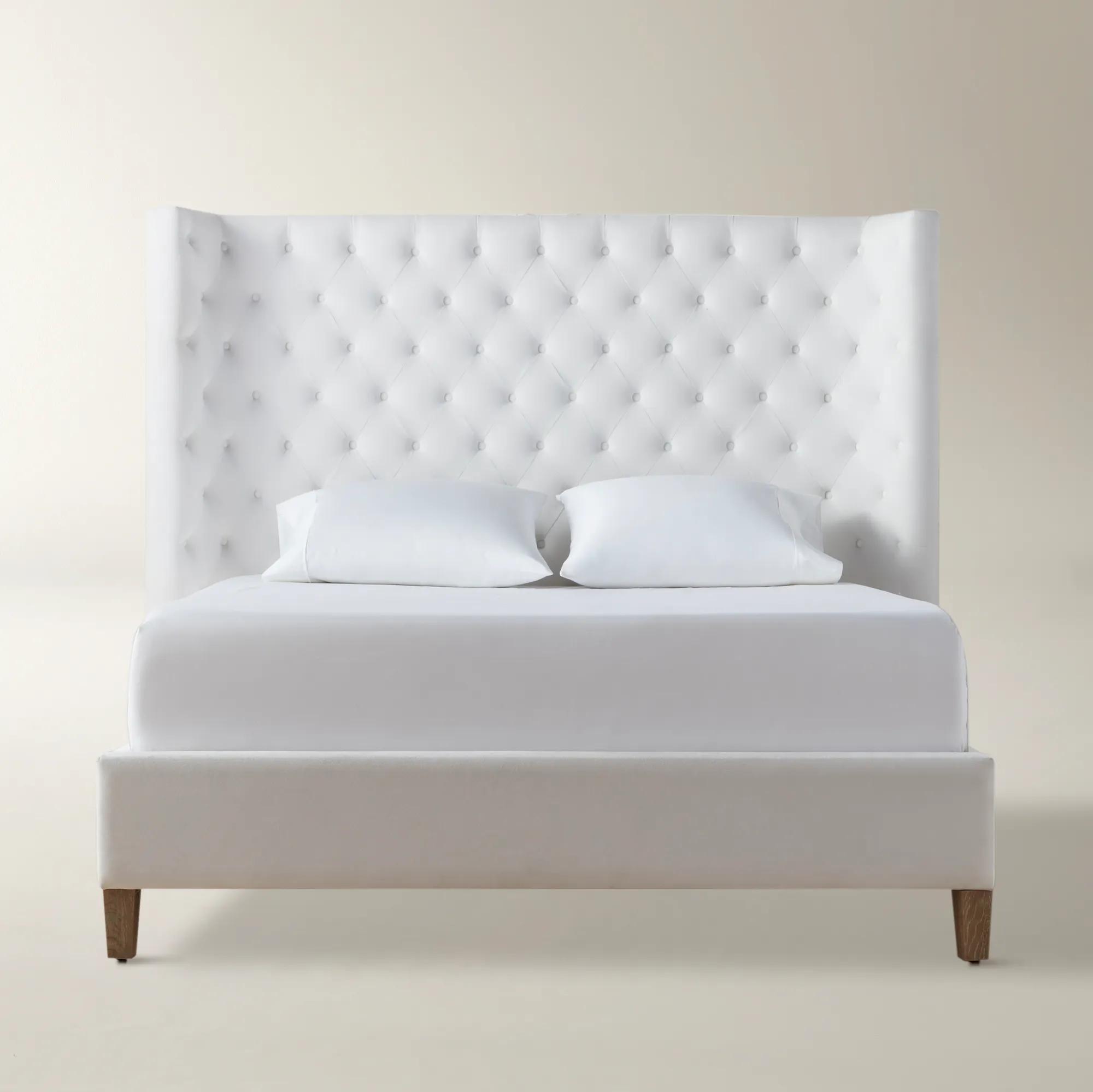 Jen Bed$1899
A glamorous wingback bed with hand-applied diamond button tufting and plush velvet upholstery in multiple colors.
Add To Cart

Beds With Winged Sides And Nailheads
Beds With Winged Sides and Nailheads transform the bedroom into a stage for sophistication, where every detail is an invitation to indulge. Dramatic silhouettes embrace you in sculptural comfort, while artfully placed nailhead trim traces each curve with glimmering precision—an ode to craftsmanship and glamour. These beds promise more than restful retreat; they anchor the room with presence and poise, turning ordinary evenings into moments of pure, expressive luxury. Elevate your sanctuary with a piece that’s as bold and unforgettable as you are—where every night feels like a grand entrance.
Beds with winged sides and nailheads, commonly called upholstered wingback beds, feature a headboard with side panels that project forward and decorative metal trim that outlines the upholstery. The wings create an enveloping silhouette, while the nailheads trace its shape with small points of light. Together, these details give the bed an architectural presence: substantial enough to anchor a bedroom, yet softened by fabric and padding. The look draws on traditional wingback seating, reinterpreted for a space where comfort and self-expression belong in equal measure. A tall, dramatically flared headboard creates a different mood from a lower profile with narrow, straight wings; the former feels grand and theatrical, while the latter offers a more tailored interpretation. Upholstery adds another layer of personality. Velvet catches light across its pile, lending depth to ivory, charcoal, jewel tones, and other richly expressive shades. Woven fabrics can bring a quieter texture that lets the headboard’s outline and metal detailing command attention. Leather-look upholstery offers a smoother visual finish, though its composition and care requirements vary by material. Nailhead finishes also influence the room’s atmosphere. Silver-toned trim introduces a cool gleam, while brass- or gold-toned accents create a warmer effect; darker or antiqued finishes lend definition without as much reflection. Depending on the design, trim may follow the outer wings, border the headboard, or continue along upholstered rails. Some beds pair these accents with a smooth upholstered surface, while others add button tufting or stitched detailing for greater dimension. For a more layered expression of this look, Tufted Beds With Nailhead Trim combine recessed upholstery details with a metallic outline. The appeal lies in that interplay of softness and structure: a generous upholstered backdrop for crisp bedding, with enough definition to make even a restrained bedroom feel deliberately composed.
Choosing a wingback bed begins with its full exterior dimensions, not just its mattress size. Upholstered wings, padded side rails, and a substantial footboard can extend beyond the sleeping surface, so compare the listed width, length, and headboard height with the room itself. A queen wingback bed can bring generous presence to a primary bedroom or guest suite, while a king offers a broader sleeping surface when the layout allows comfortable circulation. King and California king mattresses have different proportions and require matching frames; they are not interchangeable. Before ordering, mark the bed’s footprint on the floor and consider the headboard against windows, artwork, wall sconces, and ceiling slopes. Painter’s tape is especially revealing beside a nightstand: an extra-wide wing can look magnificent from across the room but make a tightly placed drawer or bedside lamp awkward to reach. Check delivery access, too, including doorways, stair turns, elevators, and whether the headboard arrives in one piece. Mattress support deserves equal attention. Some upholstered beds use a platform-style slat system designed to support a mattress without a box spring; other frames require a separate foundation or box spring. Confirm the individual bed’s requirements alongside the mattress manufacturer’s guidance, including any limits on slat spacing. Compatibility with an adjustable base also needs explicit verification rather than an assumption based on appearance. Mattress and foundation height affect both everyday comfort and how much of the decorative headboard remains visible. A deeply layered mattress can conceal lower tufting or trim, while a lower sleep surface reveals more upholstery. Beyond dimensions, compare frame construction, center supports, upholstery composition, assembly requirements, and care instructions. These details help explain differences in price more meaningfully than silhouette alone. If fabric swatches are available, view them beside your bedding in daylight and lamplight; velvet sheen and woven undertones can shift noticeably between the two. Households with pets or young children may also want to examine snag resistance and cleaning requirements, remembering that an upholstered surface is not automatically stain-resistant unless that quality is specified.
A bed with winged sides and nailhead trim is especially compelling for someone who wants the bedroom to feel furnished around a distinctive centerpiece rather than a collection of unrelated pieces. In a primary bedroom, it establishes a personal retreat with the visual richness of a beautifully appointed suite. In a guest room, an upholstered wingback silhouette creates a welcoming focal point, particularly when paired with thoughtfully placed reading lights and nightstands that give visitors somewhere to settle their essentials. Styling works best when surrounding pieces give the headboard room to be seen. Keep oversized pillows from completely concealing its outline, and choose bedside furniture whose scale holds its own without crowding the wings. A broad headboard can sit comfortably alongside substantial nightstands, while a narrower design may benefit from more slender companions. Nailheads provide a useful starting point for the room’s metal accents, but every finish need not match exactly. A shared warm or cool undertone can connect lamps, drawer pulls, and picture frames without making the space feel overly coordinated. With richly textured upholstery, smooth cotton bedding offers a crisp counterpoint; a folded quilt or sumptuous throw introduces another tactile layer during the cooler months. If the headboard is boldly tufted, a simpler duvet allows its contours to remain the focus. If the upholstery is smooth, patterned bedding or a sculptural bedside lamp can supply additional movement. For those who read before sleep, the padded headboard offers a softer surface than exposed wood or metal, though a supportive pillow still matters and comfort depends on the design. Preserve the upholstery’s character by following its cleaning instructions, using approved methods for dust removal and spills, and avoiding prolonged direct sunlight where possible. With the right proportions, fabric, and finish, these beds bring lasting visual confidence to the room—a softly framed place to unwind, edged with just enough gleam to make the everyday feel extraordinary.
FAQs
Beds with winged sides and nailhead trim are versatile showpieces that effortlessly complement a range of design aesthetics. They shine in glam, transitional, and modern classic interiors, but also add a touch of tailored drama to eclectic or Art Deco-inspired spaces. Pair with mirrored accents, rich textiles, and bold artwork to create a bedroom that’s both sophisticated and expressive.
The sweeping silhouette of a winged bed creates a sense of intimacy and grandeur, transforming your bedroom into a personal sanctuary. Nailhead trim adds a layer of visual intrigue and artisanal detail, catching the light and drawing the eye. Together, these features set a mood of luxury and comfort—perfect for unwinding or making a statement with your decor.
Absolutely. These beds are a thoughtful choice for guest rooms, offering visitors a boutique-hotel experience with their enveloping shape and elegant detailing. The dramatic presence of a winged bed instantly elevates the space, making guests feel pampered and welcomed from the moment they arrive.
You’ll often find these beds upholstered in luxurious fabrics such as velvet, linen, or performance blends. The nailhead trim is typically crafted from metal in finishes like polished nickel, antique brass, or matte black, adding both durability and decorative flair. The combination of plush upholstery and gleaming hardware creates a look that’s both inviting and refined.
Let the bed take center stage by surrounding it with complementary pieces—think sculptural lamps, textured throws, and artful mirrors. Choose bedding that enhances the bed’s color and texture, and consider layering in metallic accents or bold patterns for added drama. The result is a cohesive, luxurious retreat that reflects your personal style.