Elegant Beds With Nailhead Trim
Elegant Beds With Nailhead Trim
-
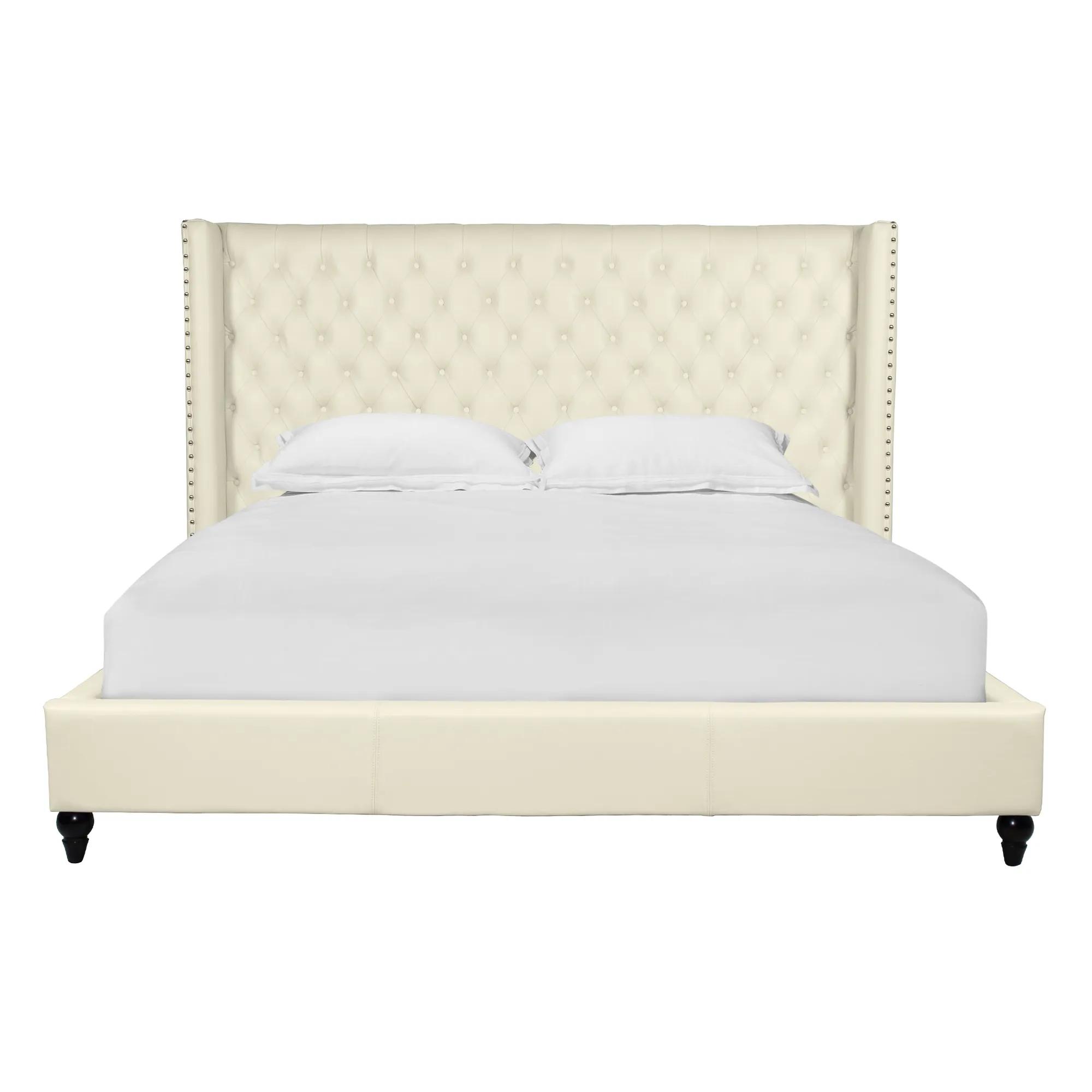
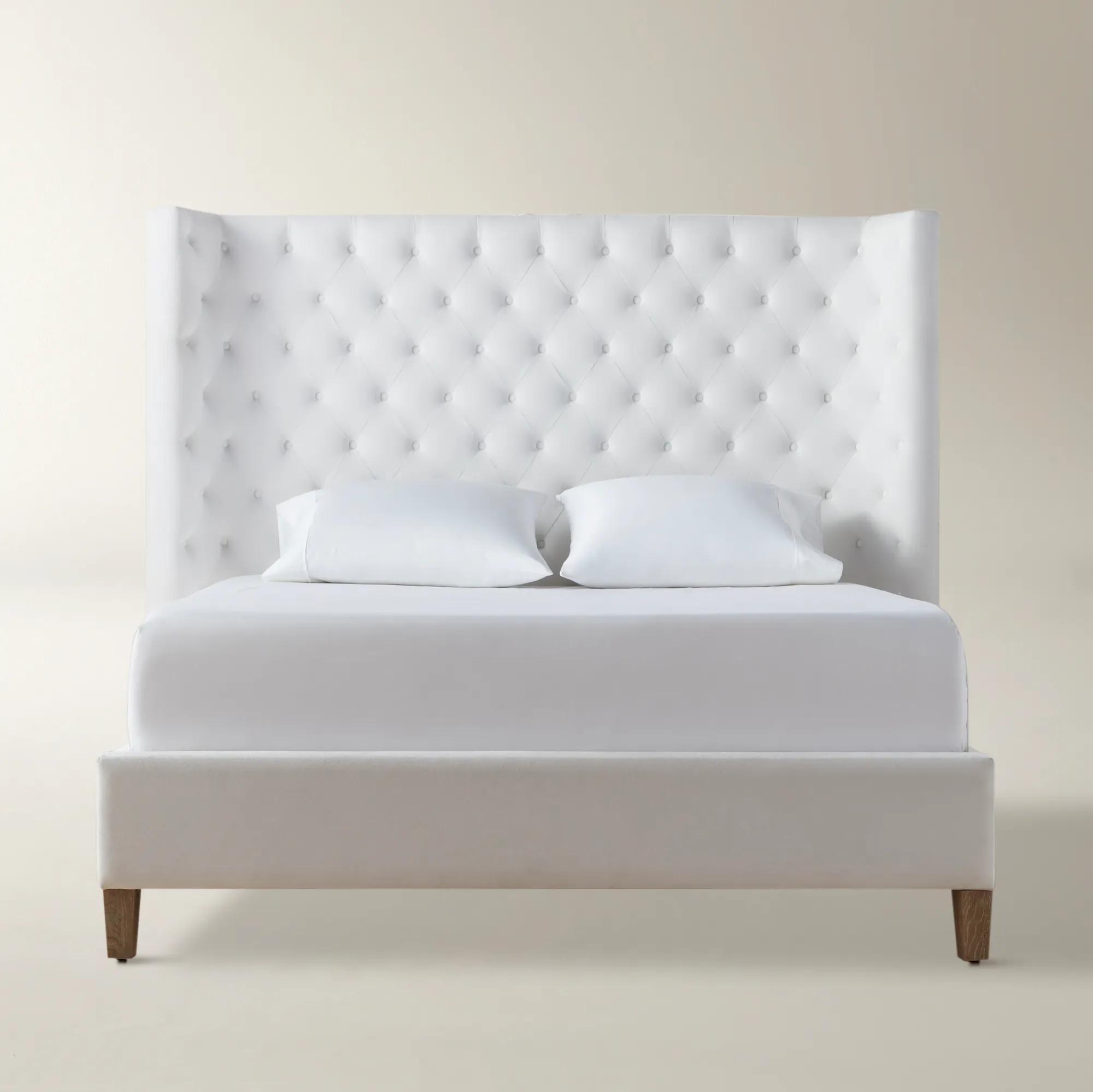
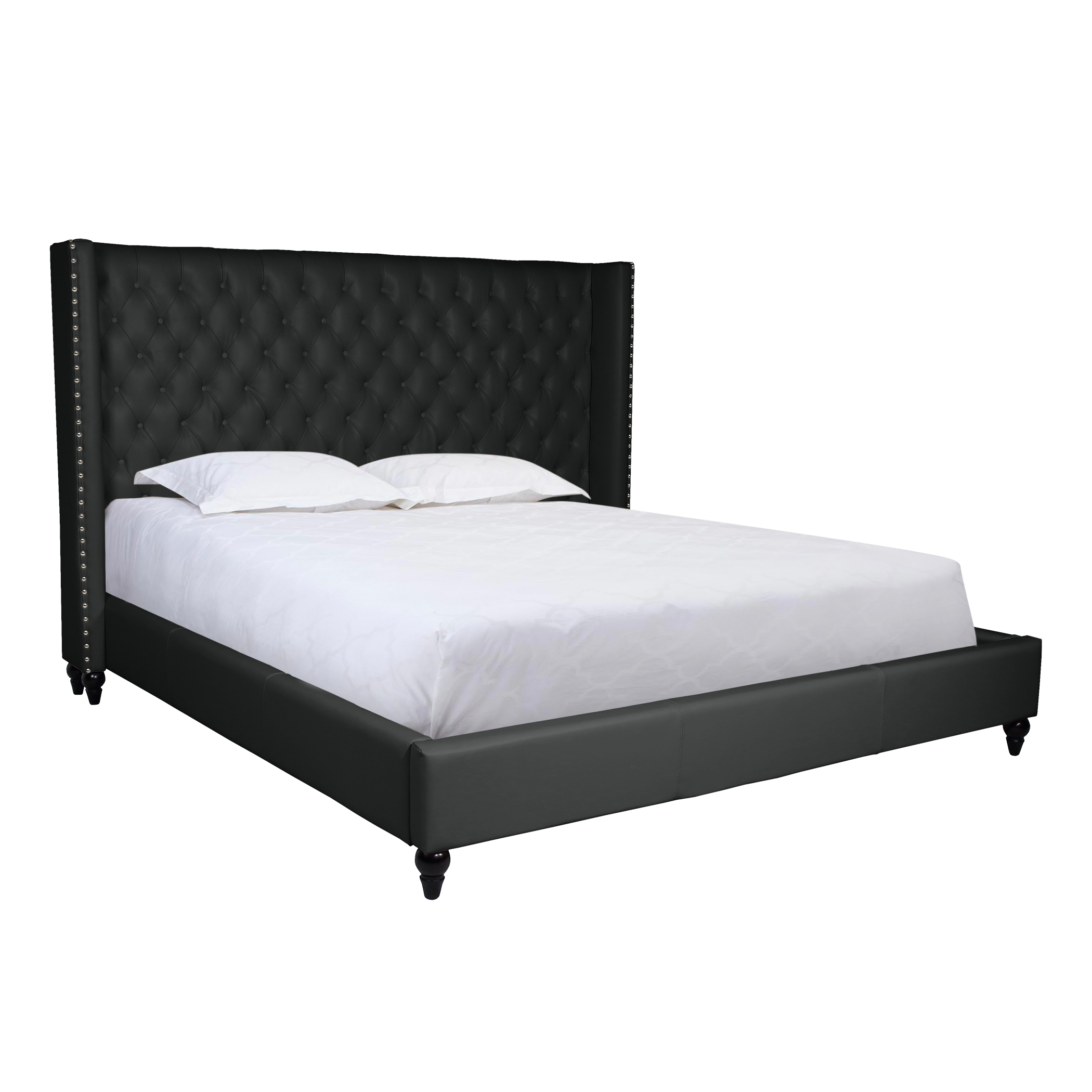 Roberto Leather Bed$3749
A stately bed featuring diamond tufting, top grain leather upholstery, and hand-applied bright nickel nailheads.
Add To Cart -
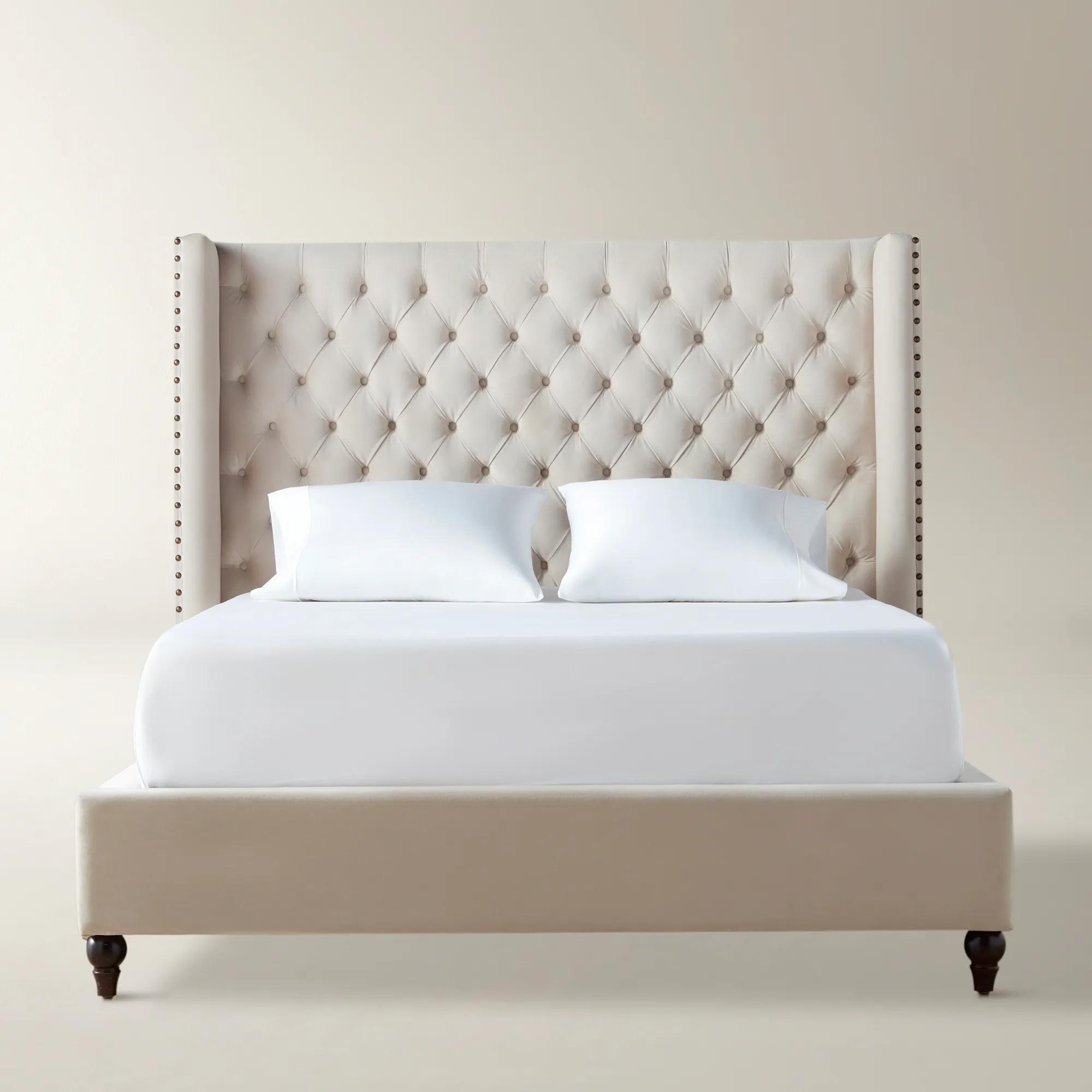
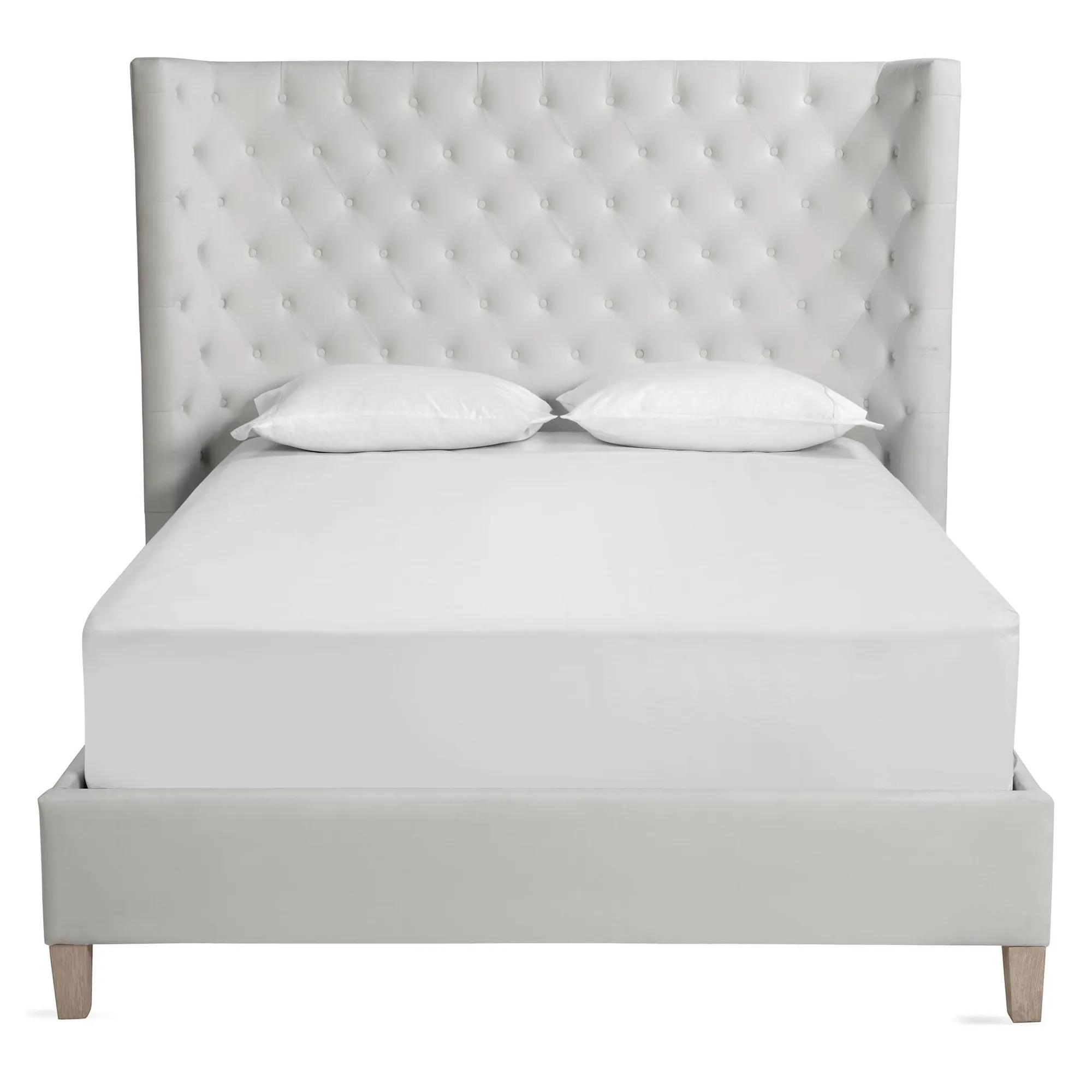
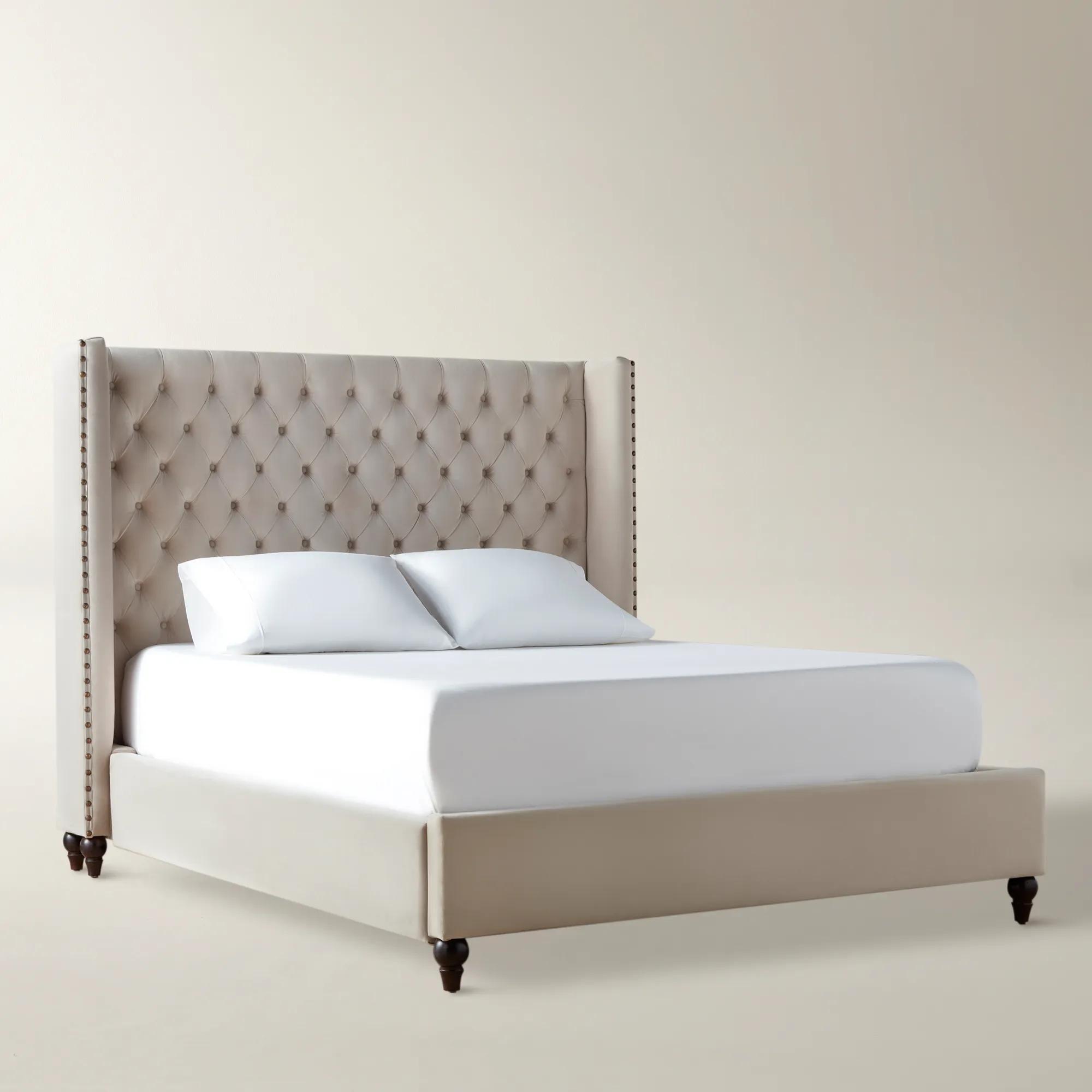 Roberto Bed$2099
A stately bed featuring hand-applied diamond tufting, plush velvet upholstery, and elegant antique brass nailheads.
Add To Cart -
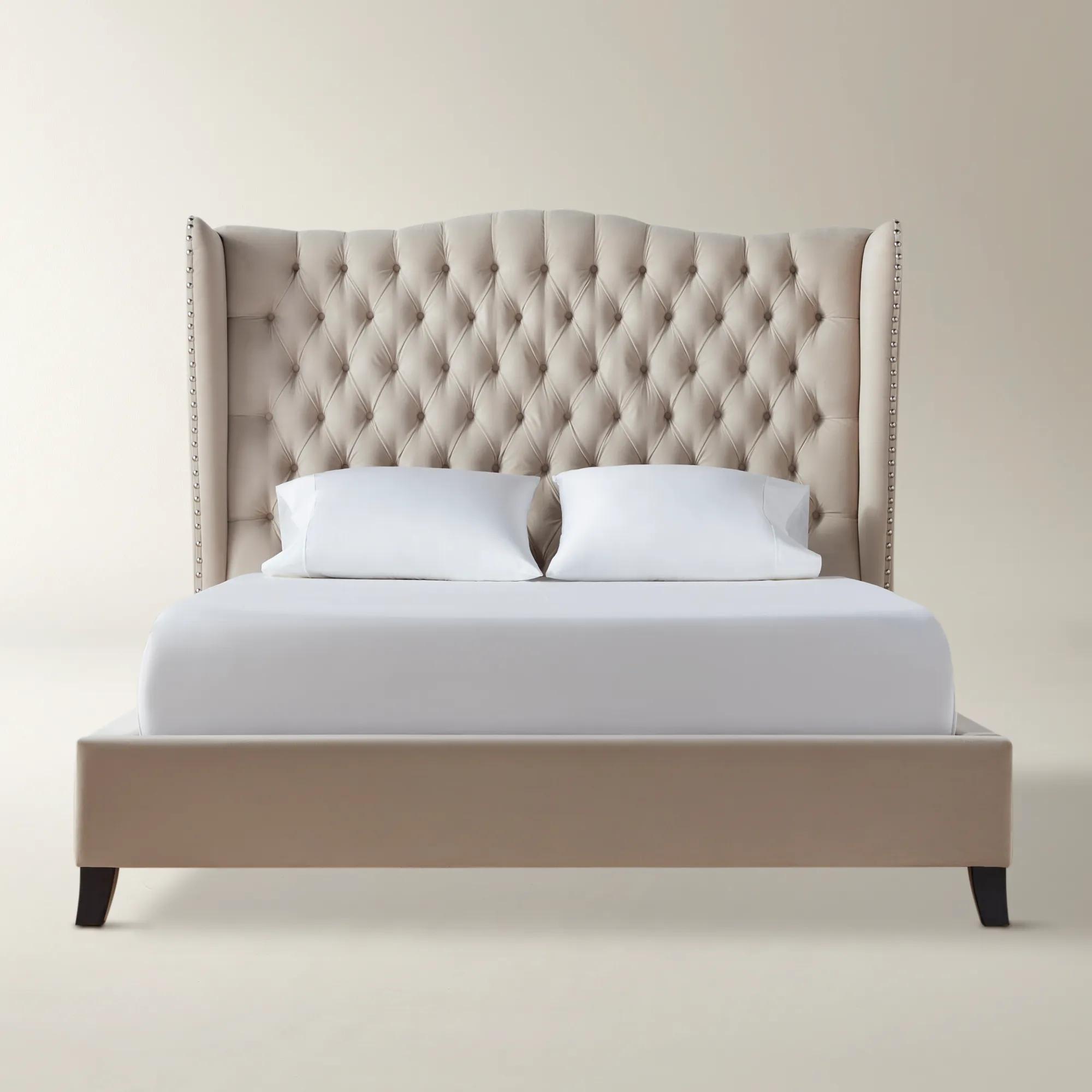
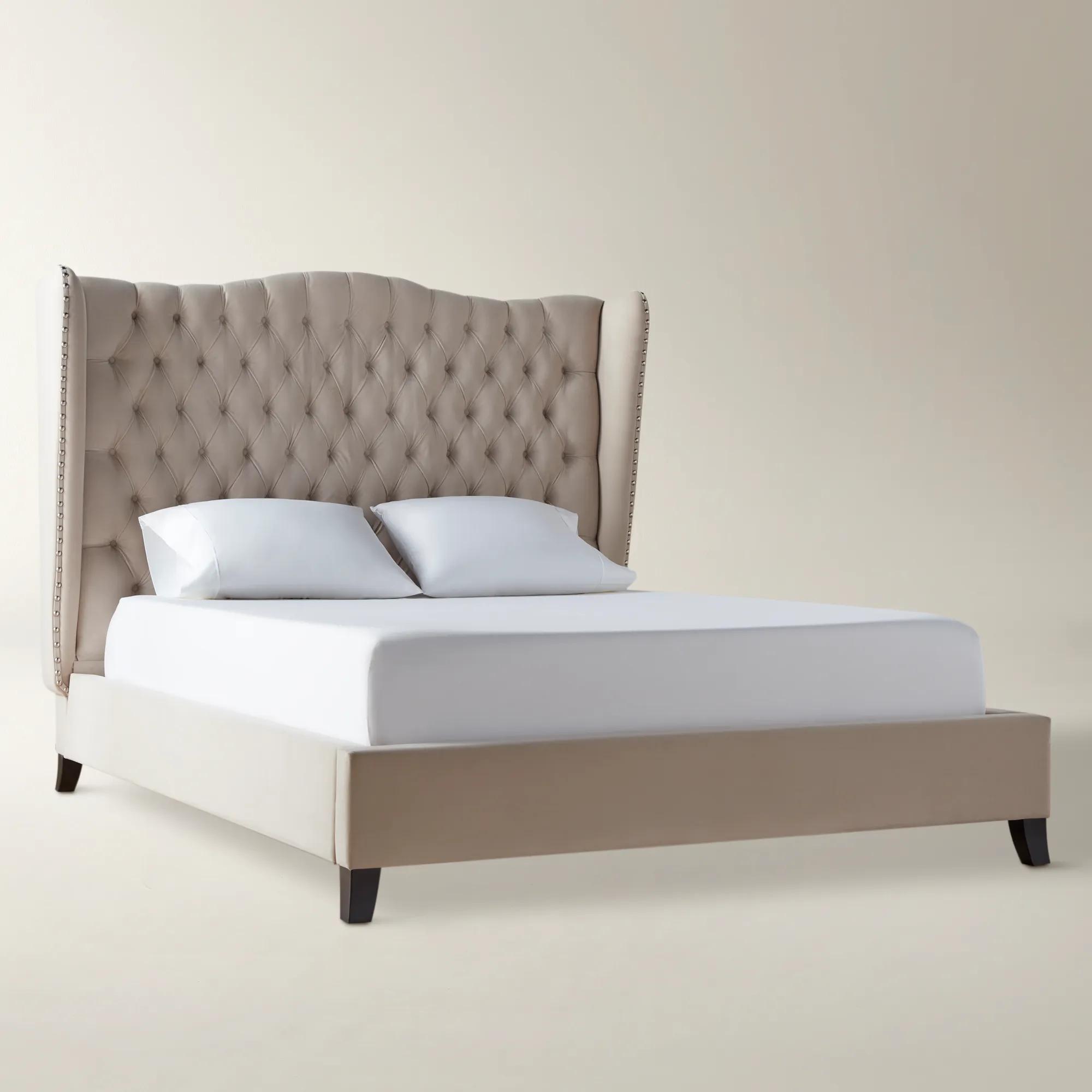 Jameson Bed$2249
A plush camelback bed in Bella Velvet Pearl, featuring hand-applied button tufting and brushed silver nailheads.
Add To Cart -
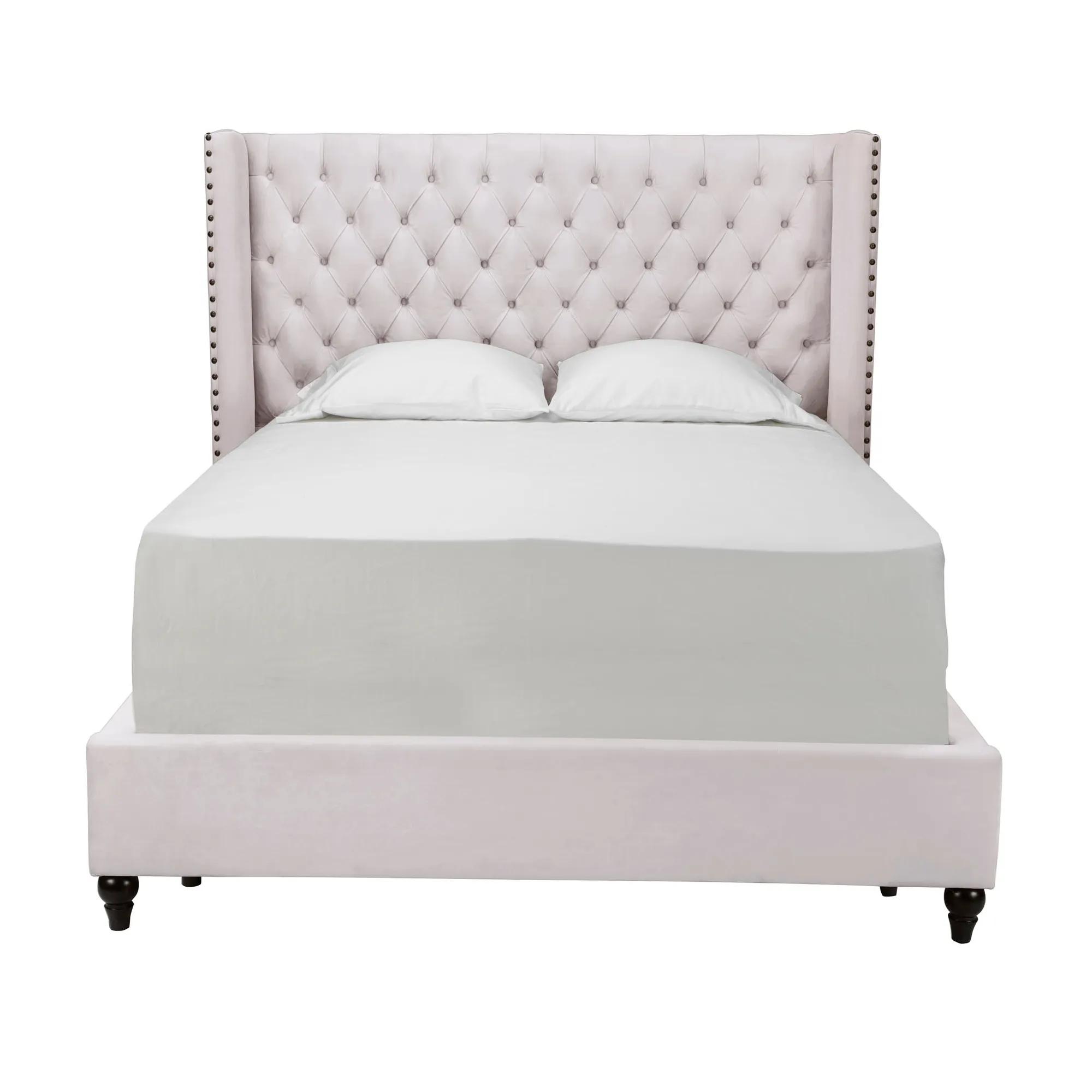
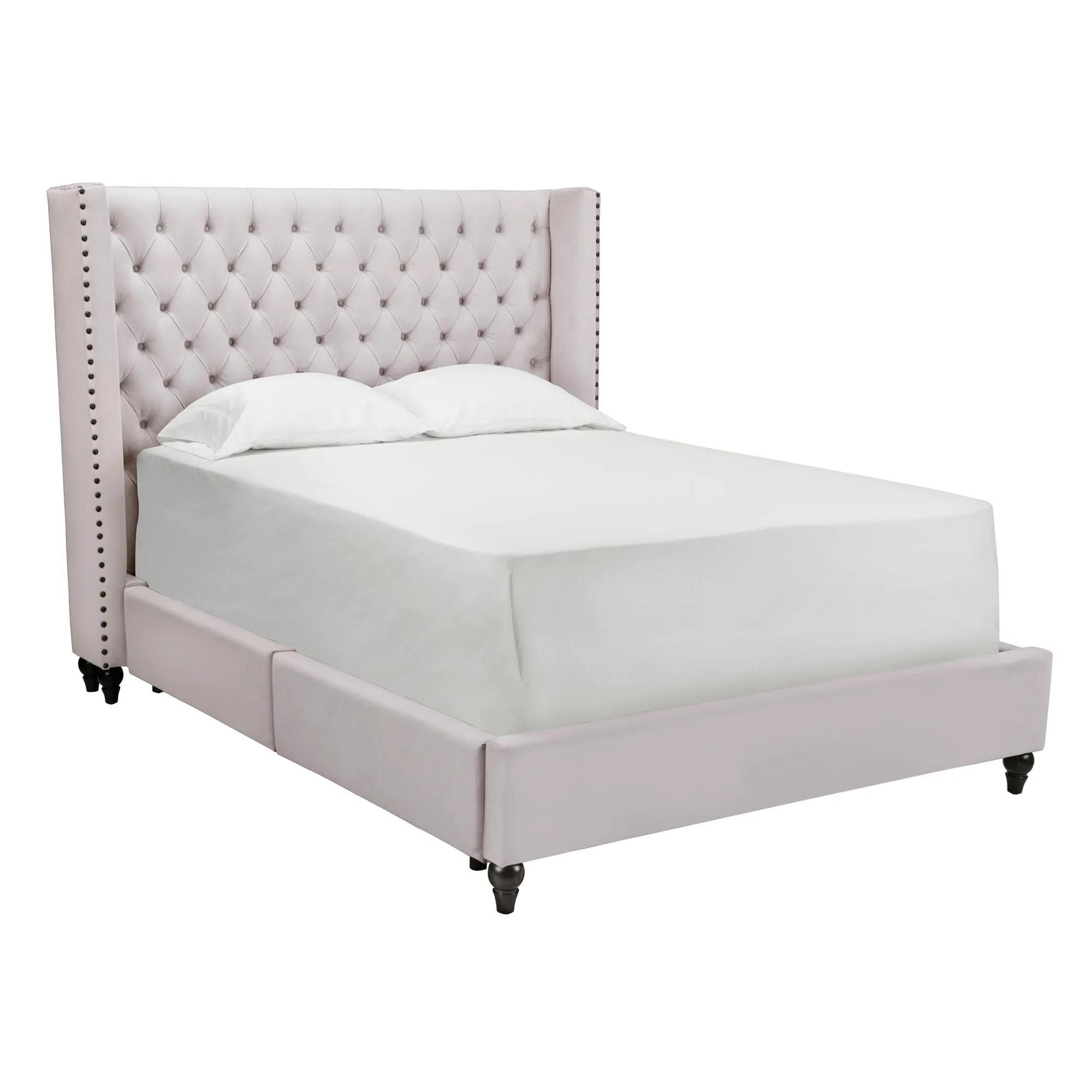 Roberto Storage Bed$3149
A handcrafted velvet-upholstered storage bed featuring diamond tufting, turned legs, and antique brass nailhead trim.
Add To Cart -
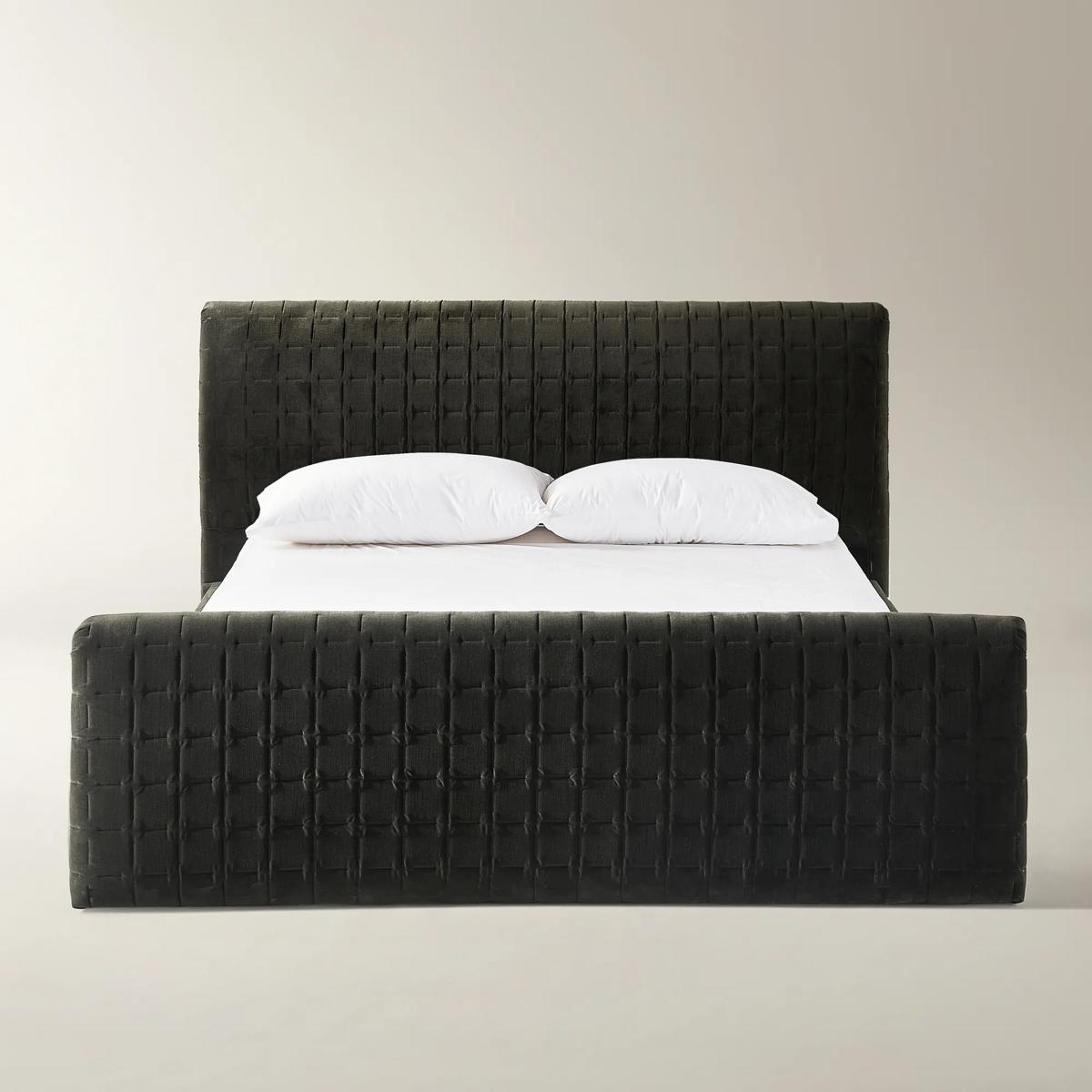 Vanta Charcoal Velvet Upholstered California King Platform Bed$2499
A charcoal velvet bed featuring hand-tufted checker quilting and stainless steel inlays for sculptural elegance.
Add To Cart -
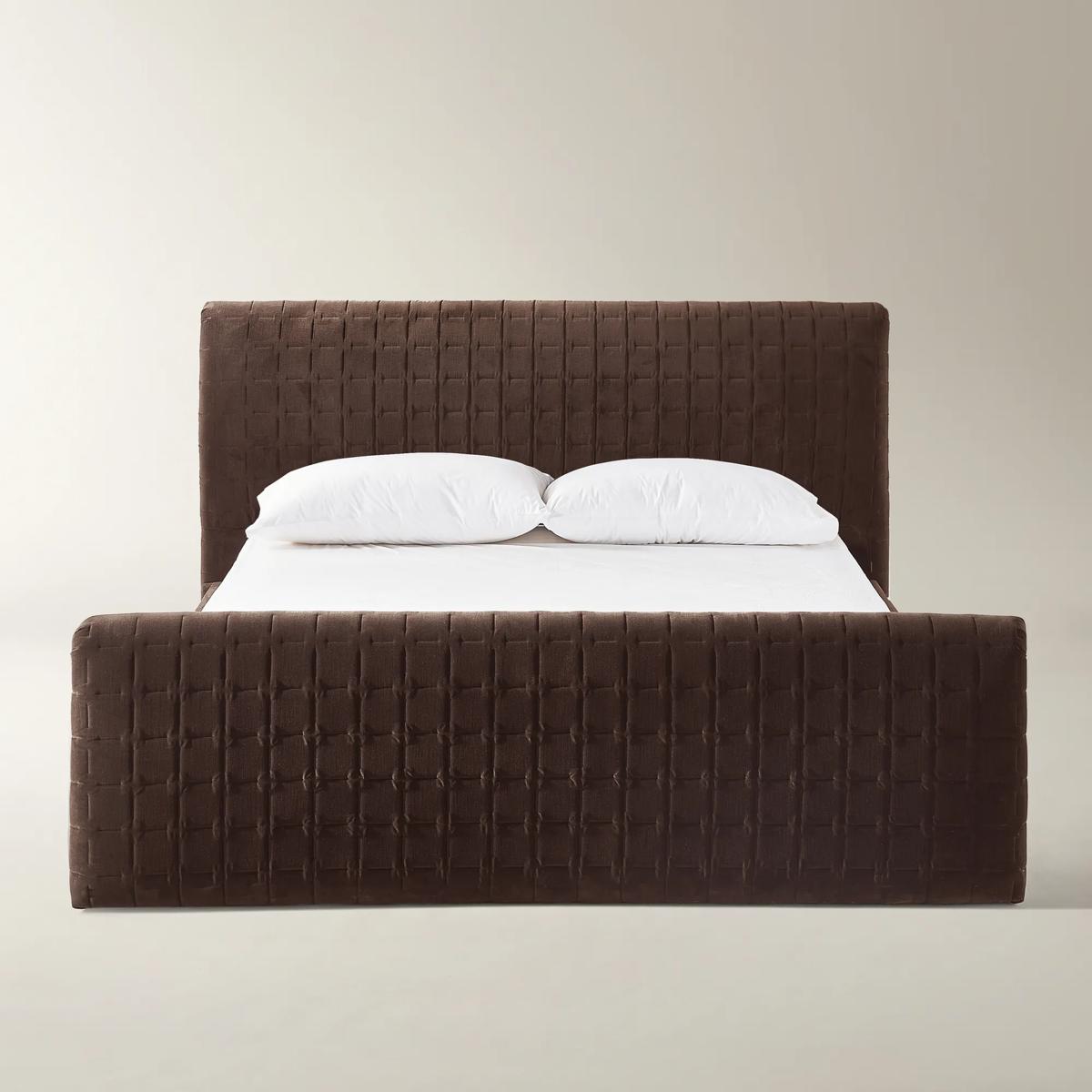
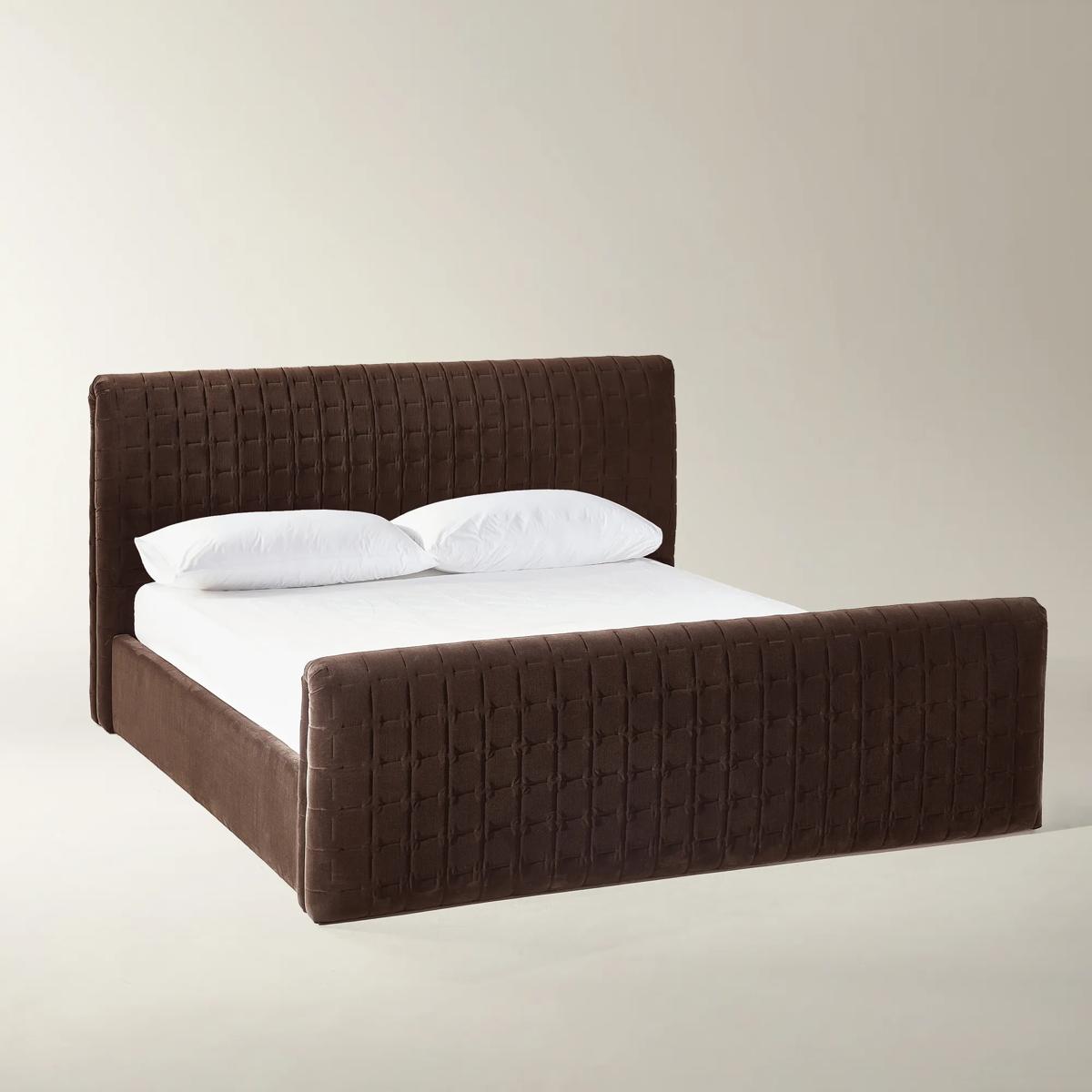 Vanta Burnt Umber Velvet Upholstered California King Platform Bed$2499
A chocolate velvet bed with hand-tufted checker quilting and brushed stainless steel inlays for modern elegance.
Add To Cart -
Vanta Charcoal Velvet Upholstered King Platform Bed$2499
A charcoal velvet bed with hand-tufted checker quilting and stainless steel inlays for modern sophistication.
Add To Cart -
Vanta Charcoal Velvet Upholstered Queen Platform Bed$2299
A sculptural bed featuring charcoal velvet upholstery, three-dimensional checker quilting, and sleek stainless steel inlays.
Add To Cart -
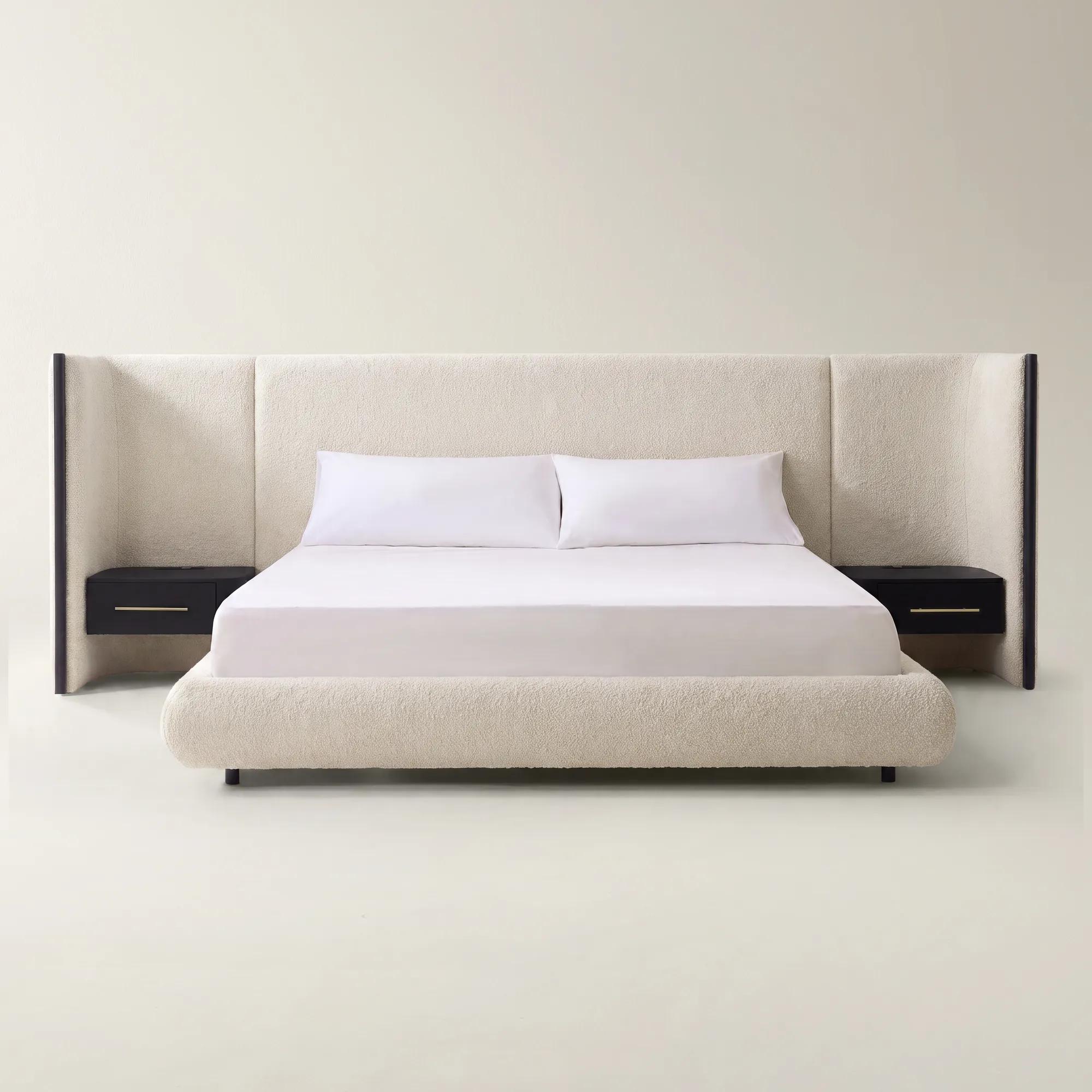 Sierra Utopia Sand Chenille Upholstered Queen Bed With Nightstands$2699
A sand chenille upholstered platform bed featuring an extended headboard, black wood trim, and floating nightstands.
Add To Cart -
Sierra Utopia Sand Chenille Upholstered King Bed With Nightstands$2899
A sand chenille upholstered platform bed featuring an extended headboard with floating nightstands and black wood trim.
Add To Cart -
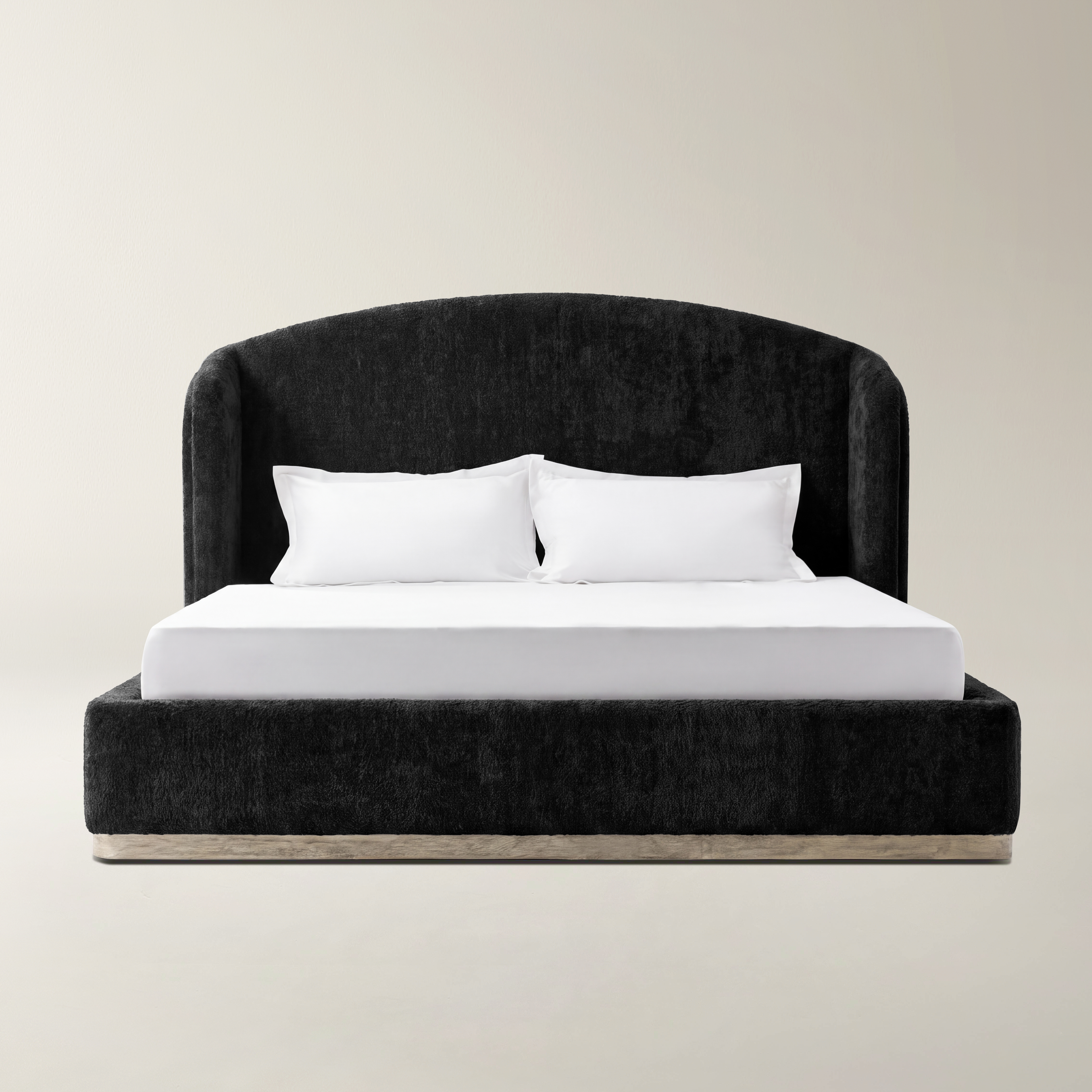
 Glimmer Black Chenille Upholstered Queen Platform Bed$1999
A charcoal chenille upholstered platform bed featuring a sculpted double-layer headboard and solid rubberwood base.
Add To Cart -
Vanta Burnt Umber Velvet Upholstered Queen Platform Bed$2299
A chocolate velvet bed with hand-tufted checker quilting and brushed stainless steel inlays for modern elegance.
Add To Cart -
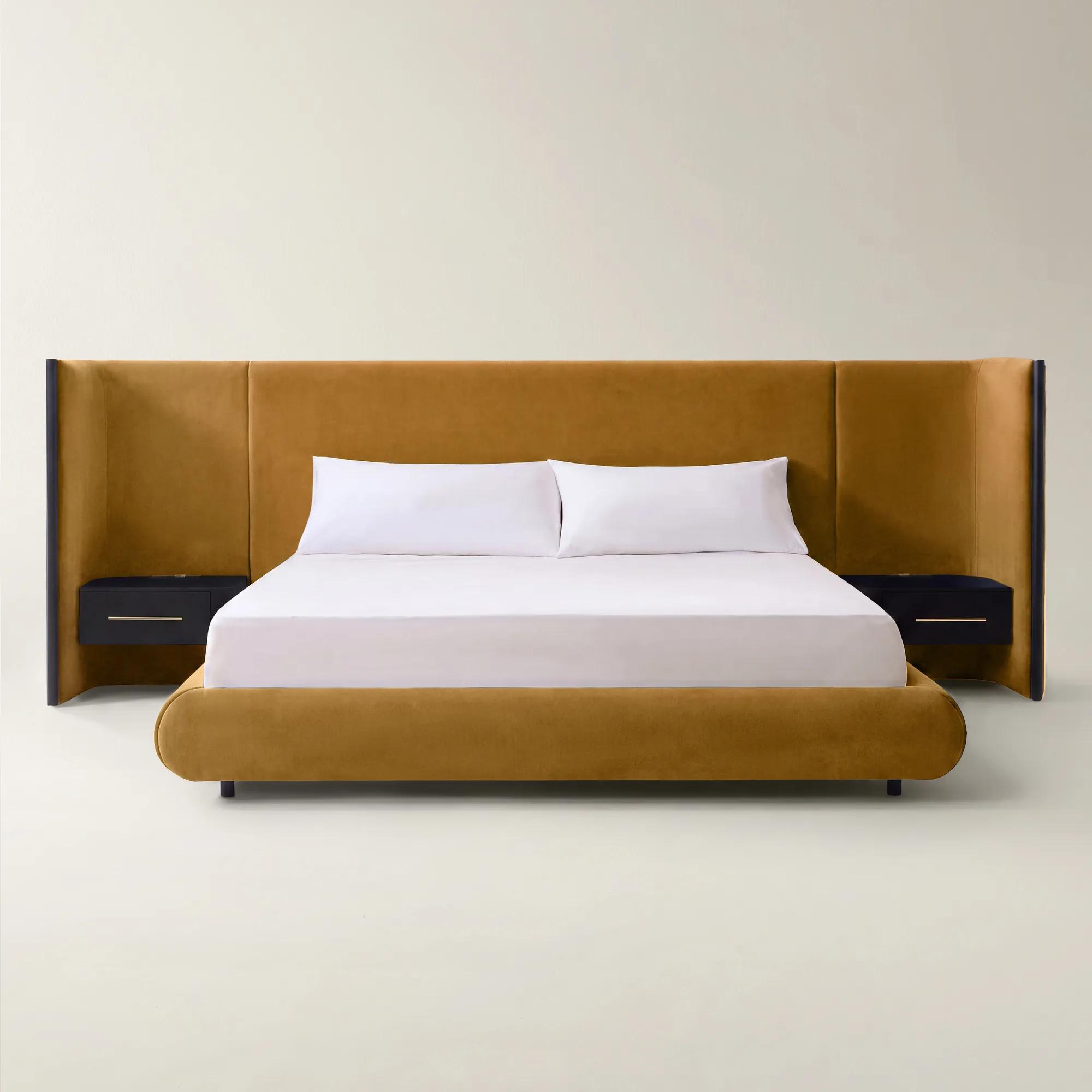
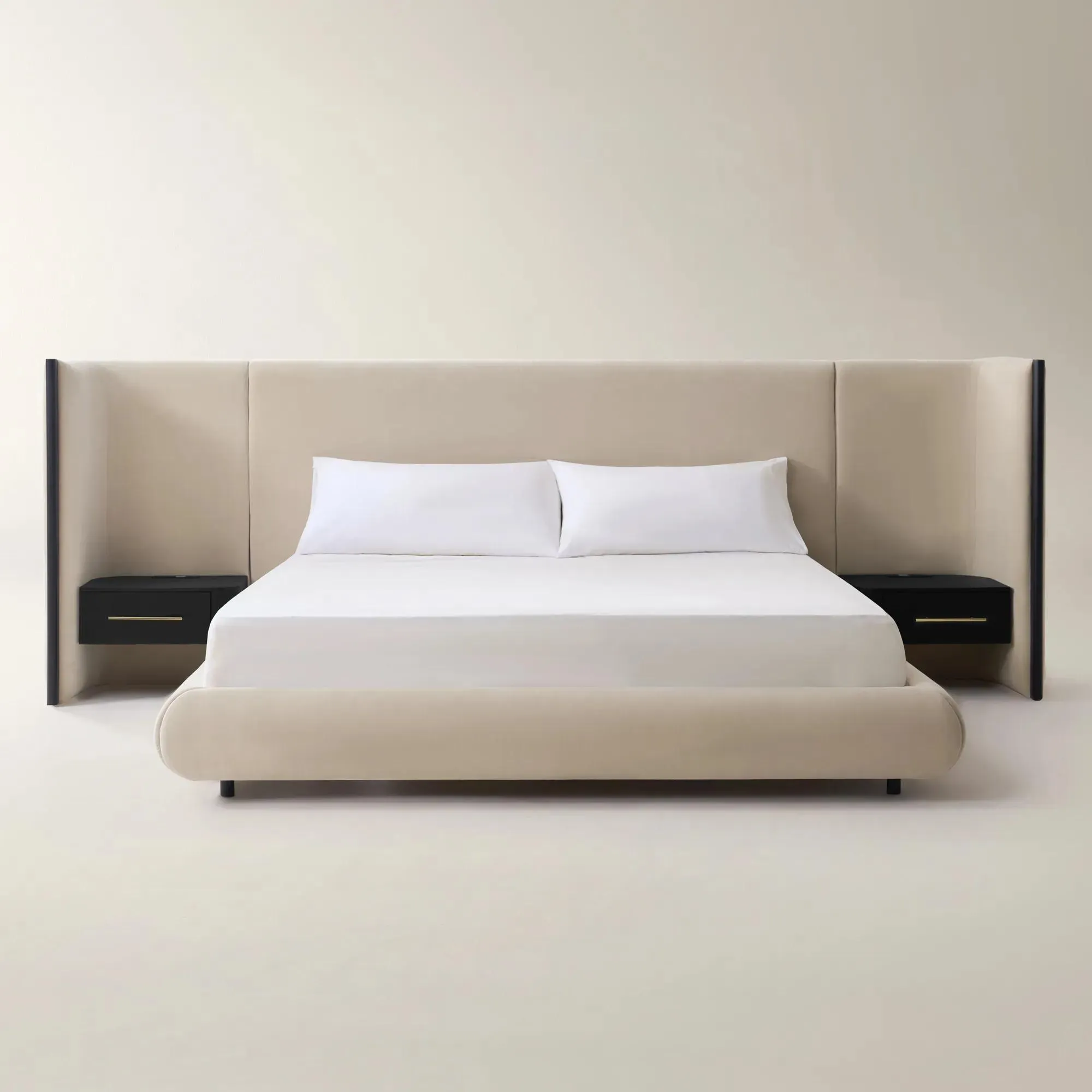 Sierra Roasted Pecan Velvet Upholstered King Bed With Nightstands$2799
A modern king platform bed in roasted pecan velvet with an extended headboard and floating nightstands.
Add To Cart -
Vanta Burnt Umber Velvet Upholstered King Platform Bed$2499
A hand-tufted chocolate velvet bed with brushed stainless steel inlays for a plush, sculptural statement.
Add To Cart -
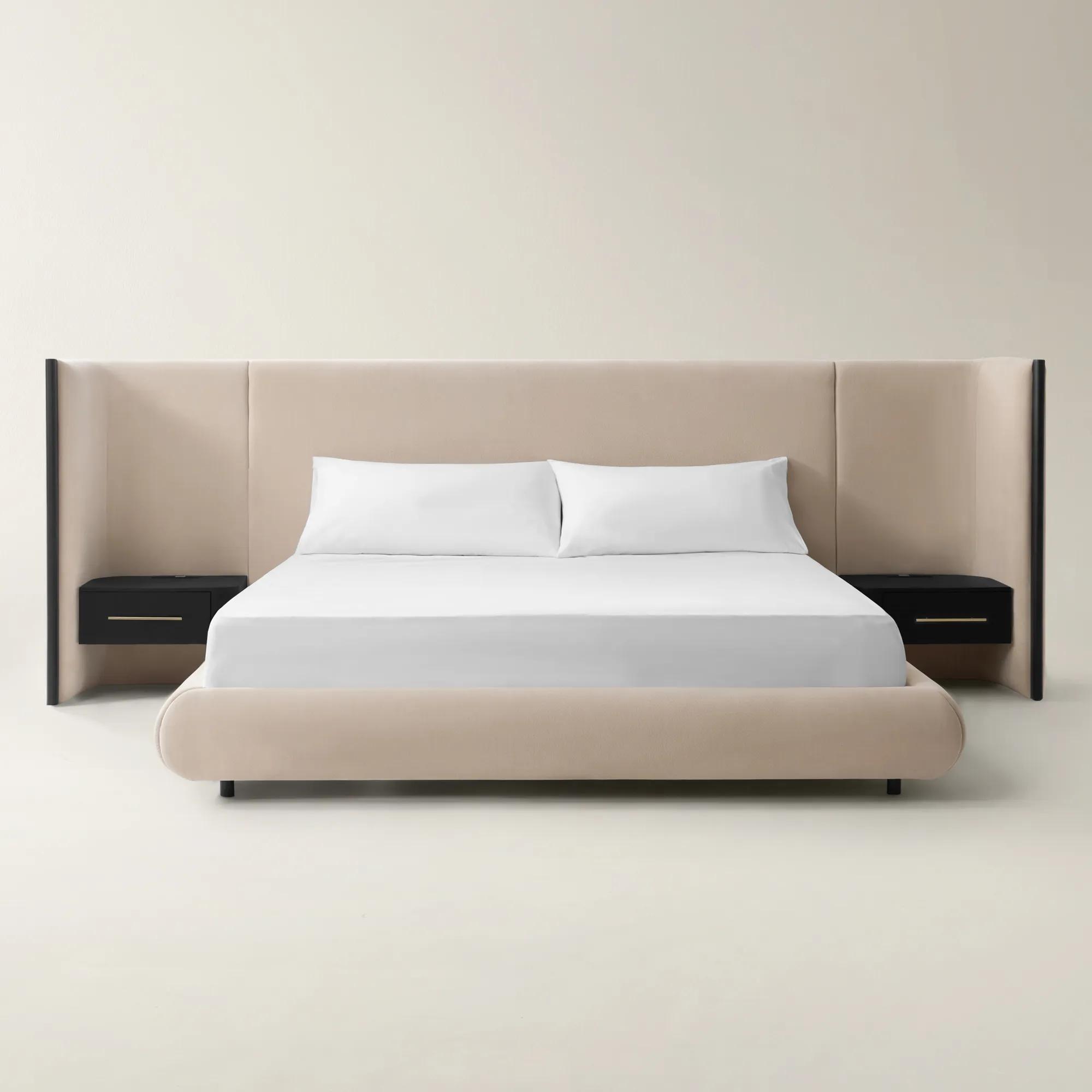 Sierra Simply Taupe Velvet Upholstered King Bed With Nightstands$2799
A taupe velvet platform bed featuring an extended headboard, floating nightstands, and integrated power access.
Add To Cart -
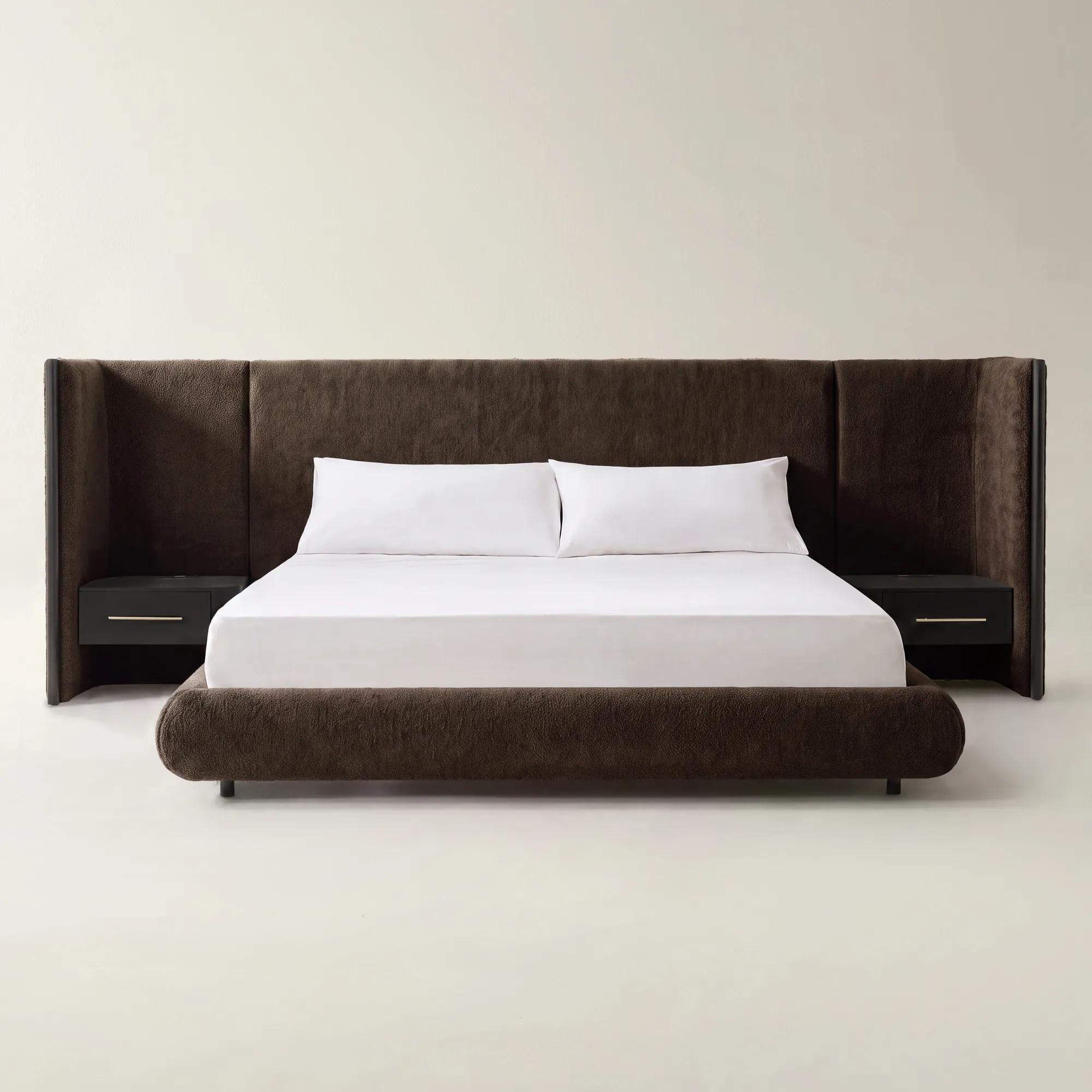 Sierra Dark Chocolate Chenille Upholstered Queen Bed With Nightstands$2699
A dark chocolate chenille platform bed featuring an extended headboard, floating nightstands, and black wood trim.
Add To Cart -
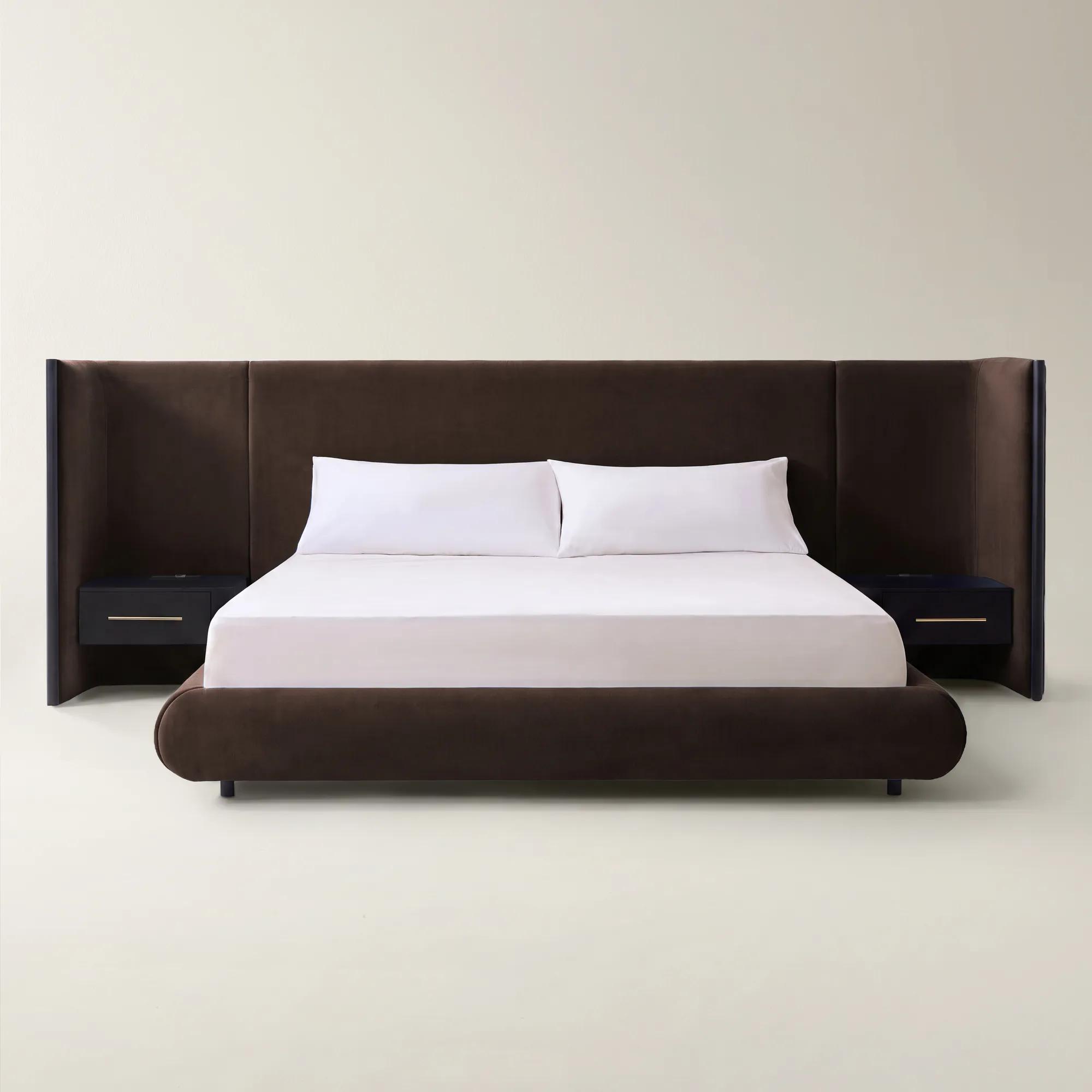 Sierra Dark Chocolate Velvet Upholstered Queen Bed With Nightstands$2599
A dark chocolate velvet platform bed featuring an extended headboard, black wood trim, and floating nightstands.
Add To Cart -
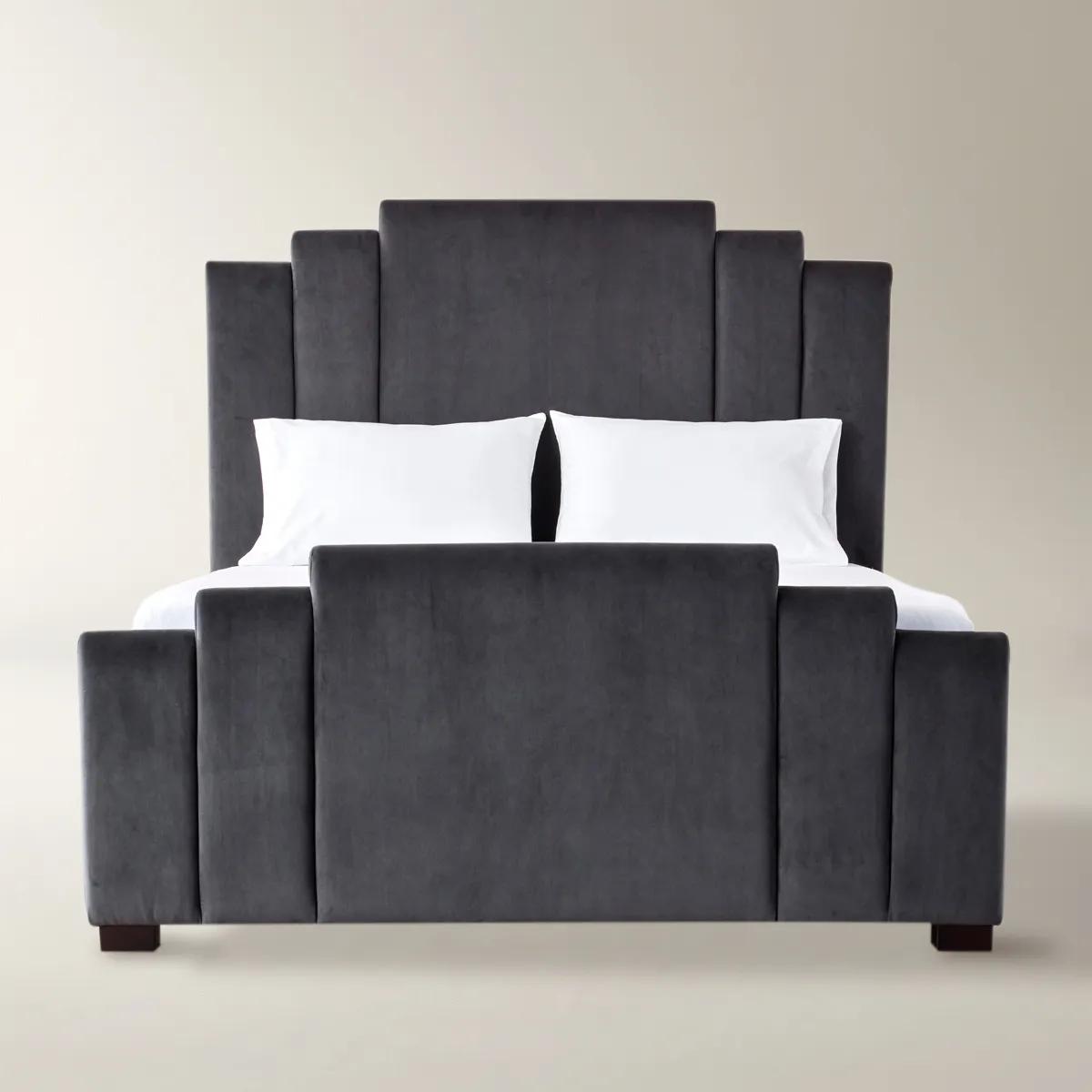 Marlow Bed$2549
A dramatic bed handcrafted from kiln-dried hardwood and plush gunmetal velvet with dimensional channel detailing.
Add To Cart -
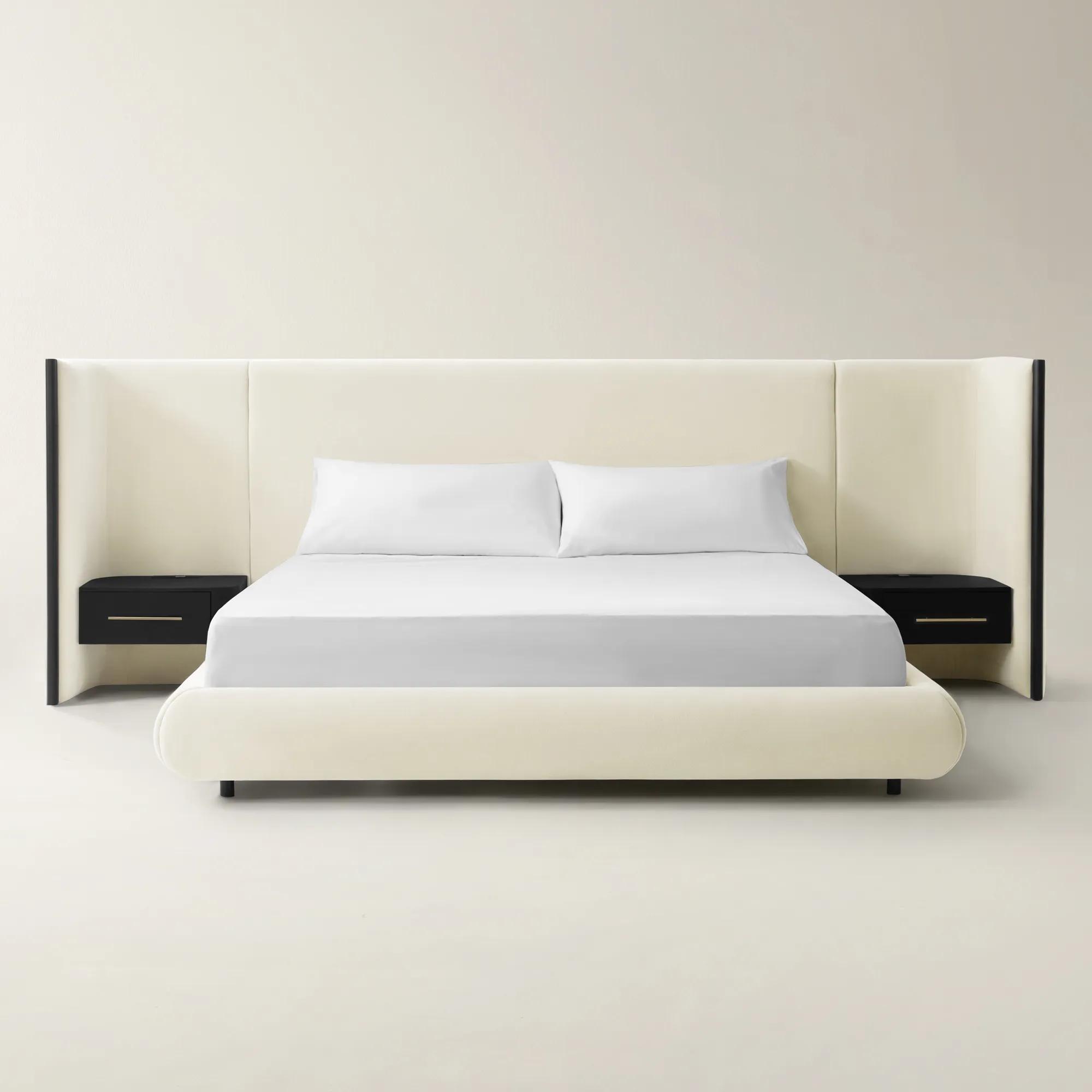 Sierra Cloud Velvet Upholstered King Bed With Nightstands$2799
A modern king platform bed featuring plush velvet upholstery, black wood trim, and integrated floating nightstands.
Add To Cart -
Sierra Simply Taupe Velvet Upholstered Queen Bed With Nightstands$2599
A taupe velvet platform bed featuring an extended headboard, black wood trim, and floating nightstands.
Add To Cart -
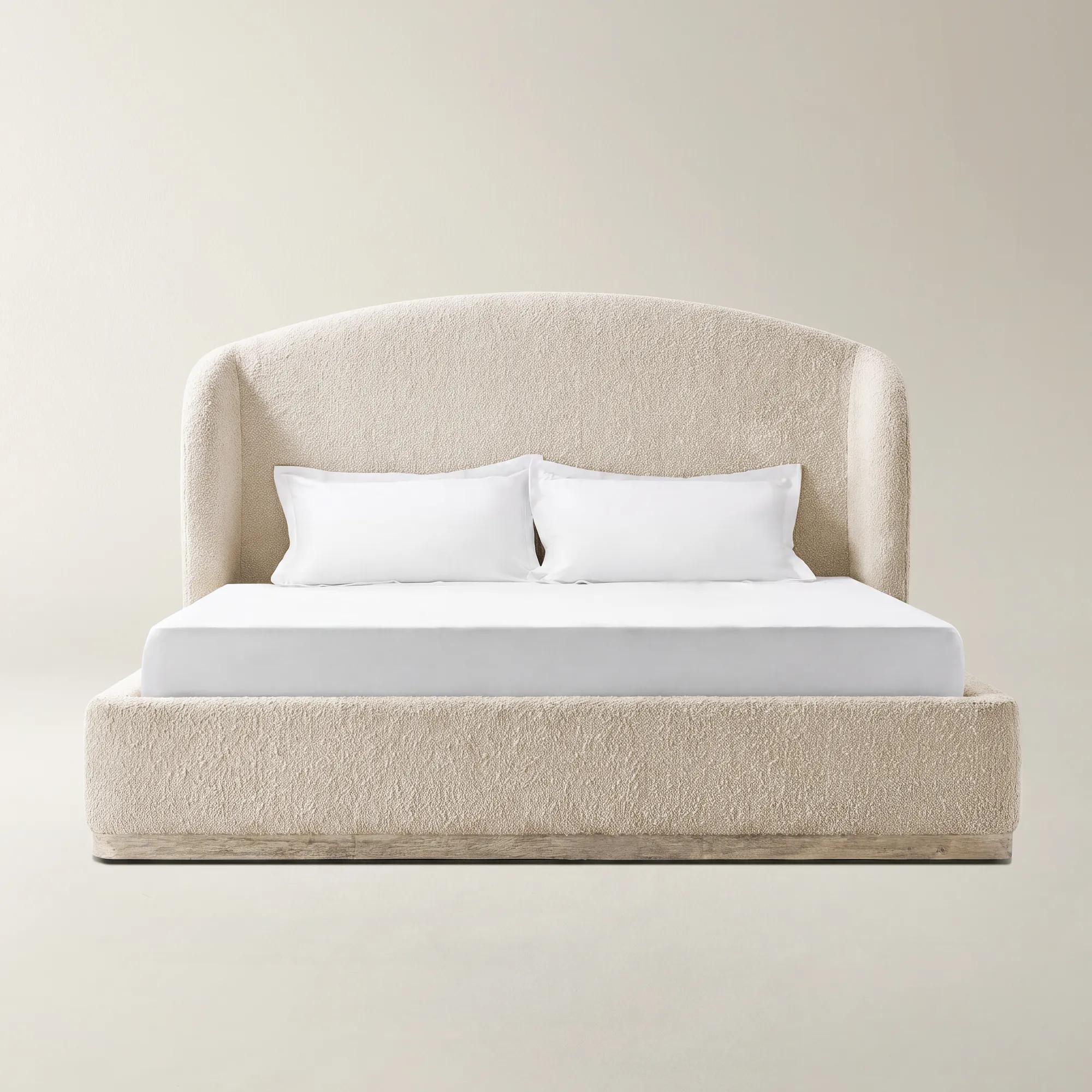 Glimmer Ivory Performance Boucle Upholstered King Platform Bed$2199
A sculptural ivory performance boucle platform bed with a double-layered headboard and solid rubberwood base.
Add To Cart -
Glimmer Black Chenille Upholstered King Platform Bed$2199
A charcoal chenille upholstered platform bed featuring a sculpted headboard, solid rubberwood base, and tailored craftsmanship.
Add To Cart -
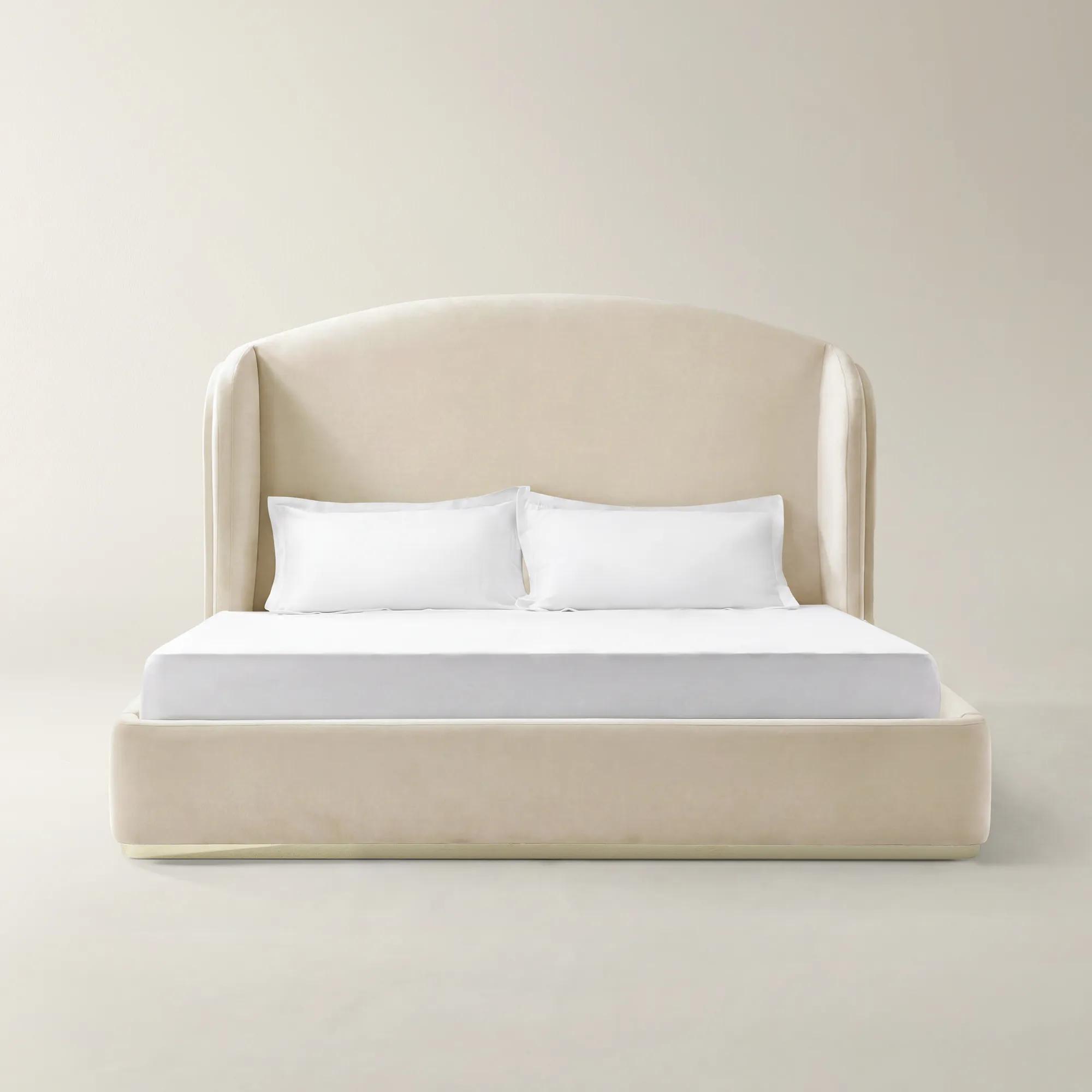
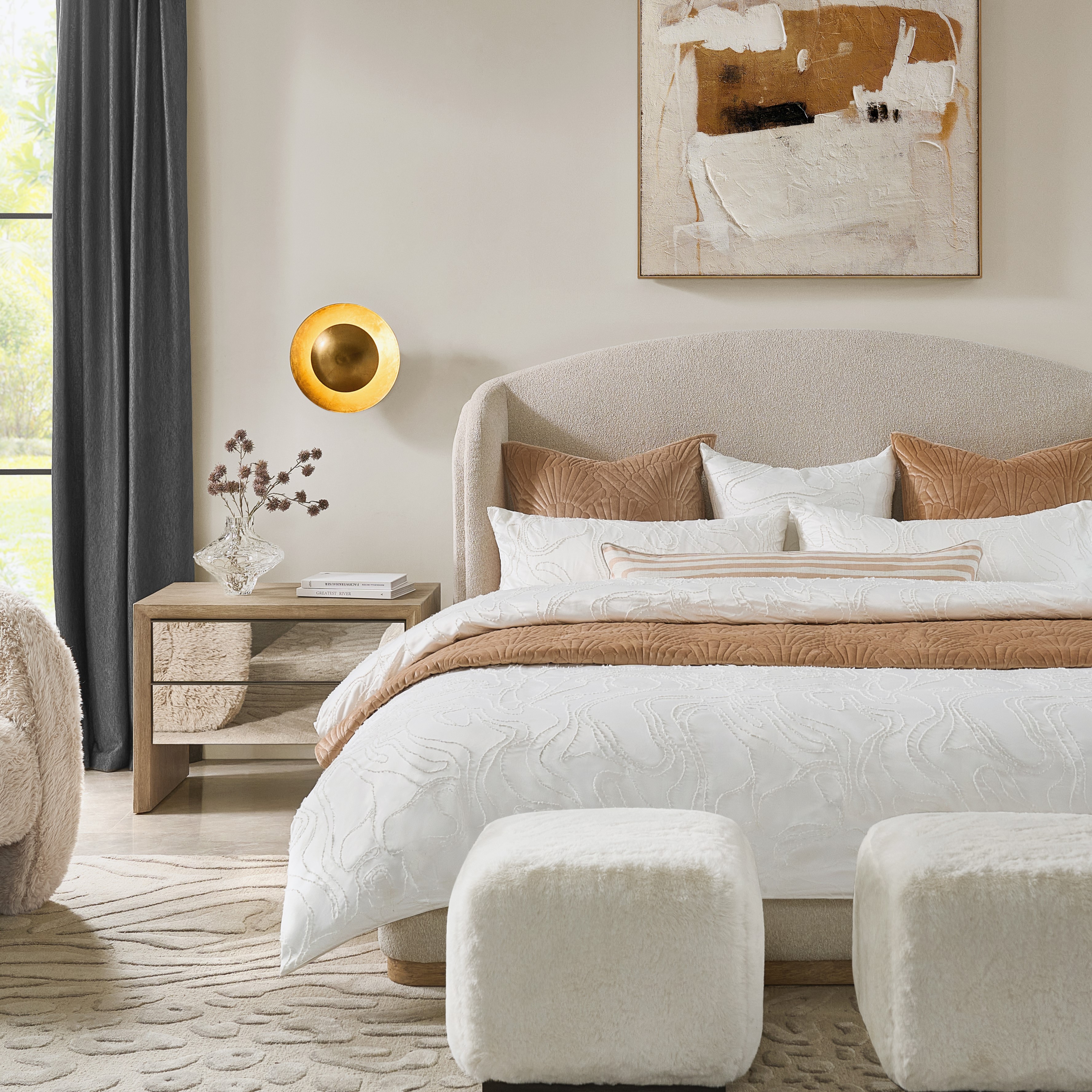 Glimmer Oatmeal Velvet Upholstered King Platform Bed$2199
A sculptural oatmeal velvet platform bed featuring a double-layered headboard, solid rubberwood base, and tailored craftsmanship.
Add To Cart -
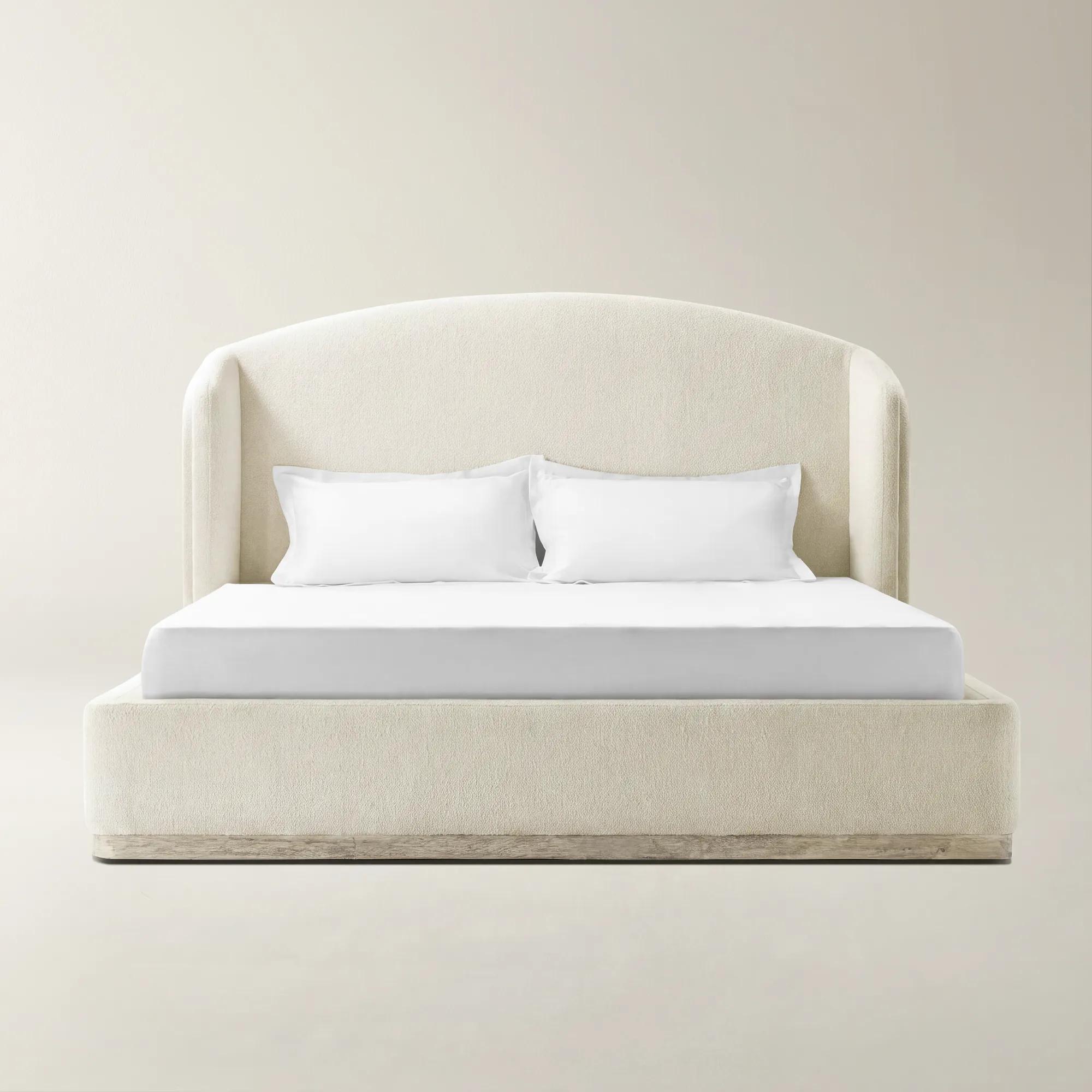 Glimmer Ivory Performance Chenille Upholstered King Platform Bed$2199
A sculptural ivory performance chenille bed with tailored upholstery, solid rubberwood base, and supportive wooden slats.
Add To Cart

Elegant Beds With Nailhead Trim
Elegant beds with nailhead trim transform the ordinary bedroom into a sanctuary of sophistication and artistry. Each silhouette is meticulously outlined with gleaming metallic studs, creating a striking interplay of texture and shine that commands attention from every angle. The result is a dramatic centerpiece—equal parts refined and daring—that celebrates both classic glamour and modern edge. For those who believe their bedroom should be as bold and beautiful as the dreams it inspires, these beds offer an invitation to indulge in opulence, elevating nightly rituals into moments of pure luxury.
Elegant beds with nailhead trim are upholstered beds accented with decorative metal studs along the headboard, side rails, or footboard, bringing a precise, jewelry-like outline to a soft silhouette. That contrast gives the style its distinctive appeal: sumptuous fabric invites relaxation, while gleaming hardware lends definition and architectural presence. Rooted in traditional upholstery detailing, nailhead trim feels equally expressive in a contemporary bedroom, especially when paired with a clean-lined frame or an oversized headboard. A straight, evenly spaced border creates a tailored effect; a curved outline emphasizes a sweeping profile; and trim tracing a wingback headboard draws attention to its enveloping shape. Some designs combine nailheads with button tufting or channels for additional dimension, while others leave the upholstery smooth so the border becomes the focal point. The metal finish shapes the mood as much as the silhouette. Silver-toned accents create a cool, luminous edge, brass tones introduce warmth, and darker or antiqued finishes offer a more subdued contrast. An ivory upholstered bed outlined in warm metal can soften a room with dark walls, while charcoal fabric with bright trim creates a striking centerpiece against a pale backdrop. These beds suit primary bedrooms designed around personal retreat, guest rooms with a polished, welcoming atmosphere, and smaller bedrooms where one expressive piece establishes the entire design direction. Their elegance comes from proportion and detail rather than ornament alone, making them compelling companions for both sculptural contemporary furniture and more traditional case pieces. Crisp bedding allows the headboard outline to remain visible, while a folded coverlet or textured throw adds depth without competing with the metalwork. For a related expression of this tailored aesthetic, Designer Beds With Nailhead Trim offers another perspective on upholstery framed by decorative metal accents. Across these varied interpretations, the defining feature remains the same: a soft, substantial bed given a deliberate finishing touch that makes the bedroom feel composed.
Upholstery determines how a nailhead-trim bed looks in changing light, feels during everyday use, and settles into the surrounding palette. Velvet brings a rich surface whose nap can reveal subtle shifts in color, giving deep jewel tones and pale neutrals a layered appearance. Linen and linen-blend fabrics create a drier, more visibly woven texture, balancing metallic detailing with an understated natural character. Textured polyester and other woven blends can deliver a similarly tailored effect, although durability and cleaning requirements depend on the actual fabric specification rather than the fiber name alone. Performance upholstery may be useful in a frequently used bedroom, but the designation does not mean every fabric resists every stain or permits the same cleaning method. Color deserves equally thoughtful consideration. Light upholstery emphasizes the outline of each stud and makes a tall headboard feel airy, while darker fabric can create a dramatic field behind white sheets and softly layered pillows. A swatch viewed beside the flooring, curtains, and bedding can reveal undertones that are less apparent on a screen, particularly under warm bedside lighting. For someone who reads or watches a film in bed, a padded headboard offers a softer surface behind supporting pillows than an exposed wood or metal frame, though comfort varies with padding, shape, and posture. A wingback profile adds visual enclosure, while a flatter headboard can feel less imposing where the bed sits near a window or a narrow passage. Beneath the upholstery, frame construction, secure connections, center supports, and the specified weight capacity matter more to everyday stability than decorative trim. Solid wood, engineered wood, and metal may appear in different combinations, each contributing to the structure according to the design. Nailheads are ornamental, not a substitute for sound joinery or proper mattress support. Even spacing, a smooth fabric surface, and neatly finished edges contribute to the tailored appearance associated with this style. In a shared bedroom, the most successful choice balances that visual refinement with the needs of both sleepers, creating a setting that feels lavish without overlooking nightly comfort.
Fit extends beyond choosing a queen or king mattress. Upholstered side rails, projecting wings, and a substantial footboard can make the overall bed noticeably larger than its named mattress size, so exterior dimensions are essential to understanding its presence in a room. A queen bed may leave more generous circulation around bedside chests, while a king can anchor a spacious primary suite when doors, drawers, and walking paths remain unobstructed. Headboard height also changes the composition: a tall silhouette creates drama against an open wall, but its relationship to windows, artwork, and sloped ceilings deserves attention. Mattress thickness and any required foundation affect both the finished sleeping height and how much upholstery remains visible above the pillows. Platform beds may support a mattress on slats without a box spring, provided the bed’s support system meets the mattress manufacturer’s requirements; other frames require a separate foundation. Slat spacing, center support, and compatibility with an adjustable base should be confirmed for the individual design rather than assumed from its appearance. Access matters, too, particularly for an upper-floor bedroom reached by a tight stairway or a hallway with sharp turns. Once the bed is in place, considered care helps preserve its distinctive mix of fabric and metal. Gentle vacuuming with an appropriate upholstery attachment removes surface dust, including along seams where it can collect beside the trim. Spills should be blotted promptly with a clean cloth, with further treatment governed by the upholstery care label; vigorous rubbing or an unsuitable cleaner can alter the surface. Velvet may show pressure marks or changes in nap, while loosely woven fabrics can be vulnerable to snagging from pet claws or sharp accessories. Metal detailing generally benefits from careful dusting with a soft, dry cloth rather than abrasive polishing, unless the manufacturer specifies otherwise. Keeping upholstery away from prolonged direct sunlight and checking frame connections as directed can help maintain its appearance and stability. With those practical details resolved, nailhead trim delivers its fullest effect: an elegant outline that catches the bedside light and gives the room a confident, beautifully finished center.
FAQs
Beds with nailhead trim are remarkably versatile, seamlessly complementing a range of interior styles. They shine in glamorous, transitional, and modern classic spaces, where their sculptural lines and metallic accents add drama and depth. For a more eclectic look, pair a nailhead bed with bold patterns and luxe accessories, or let it anchor a serene, monochromatic room for a touch of understated elegance.
Nailhead trim serves as both a decorative and architectural detail, outlining the silhouette of the bed with a gleaming border that draws the eye and adds visual intrigue. This embellishment elevates the headboard and frame, giving the bed a bespoke, tailored appearance while introducing a subtle glimmer that catches the light and accentuates the upholstery.
Nailhead beds are often upholstered in sumptuous materials such as velvet, linen, or faux leather. Velvet delivers rich color and a plush touch, perfect for creating a cozy, inviting retreat. Linen offers a natural, textured look that feels fresh and timeless, while faux leather provides a sleek, modern finish that is easy to care for and effortlessly chic.
Nailhead beds are a sophisticated choice for both primary and guest bedrooms. In a guest room, they instantly set a welcoming, luxurious tone, making visitors feel pampered and at home. In the primary bedroom, a nailhead bed becomes a striking focal point—an invitation to unwind in style and comfort.
To showcase a nailhead trim bed, layer the space with luxe bedding, textured throws, and accent pillows that echo the metallic finishes of the trim. Incorporate mirrored or metallic nightstands, dramatic lighting, and artful decor to complete the look. The bed’s bold presence allows you to play with contrast and scale, turning the room into a gallery-worthy sanctuary.