Designer Beds With Nailhead Trim
Designer Beds With Nailhead Trim
-
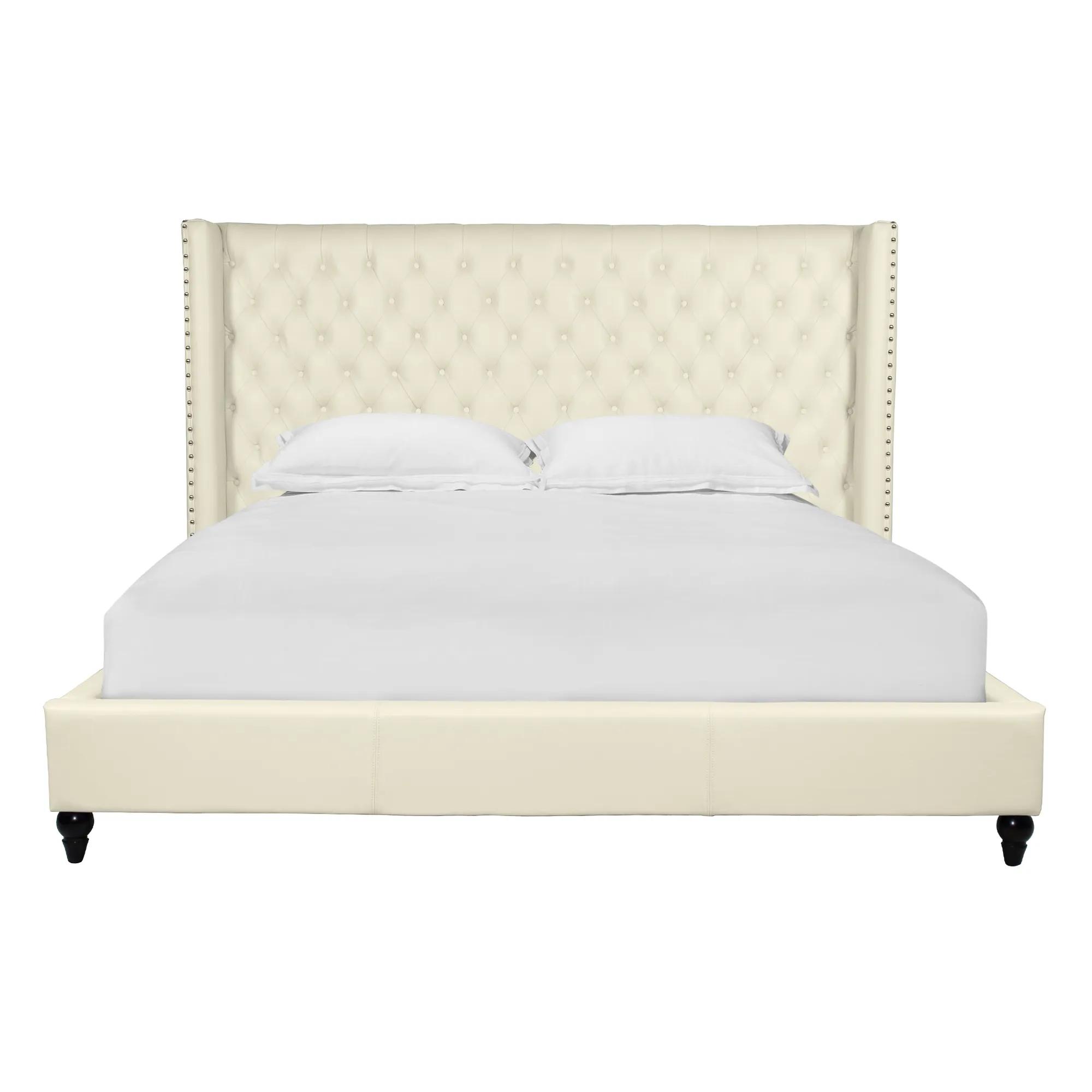
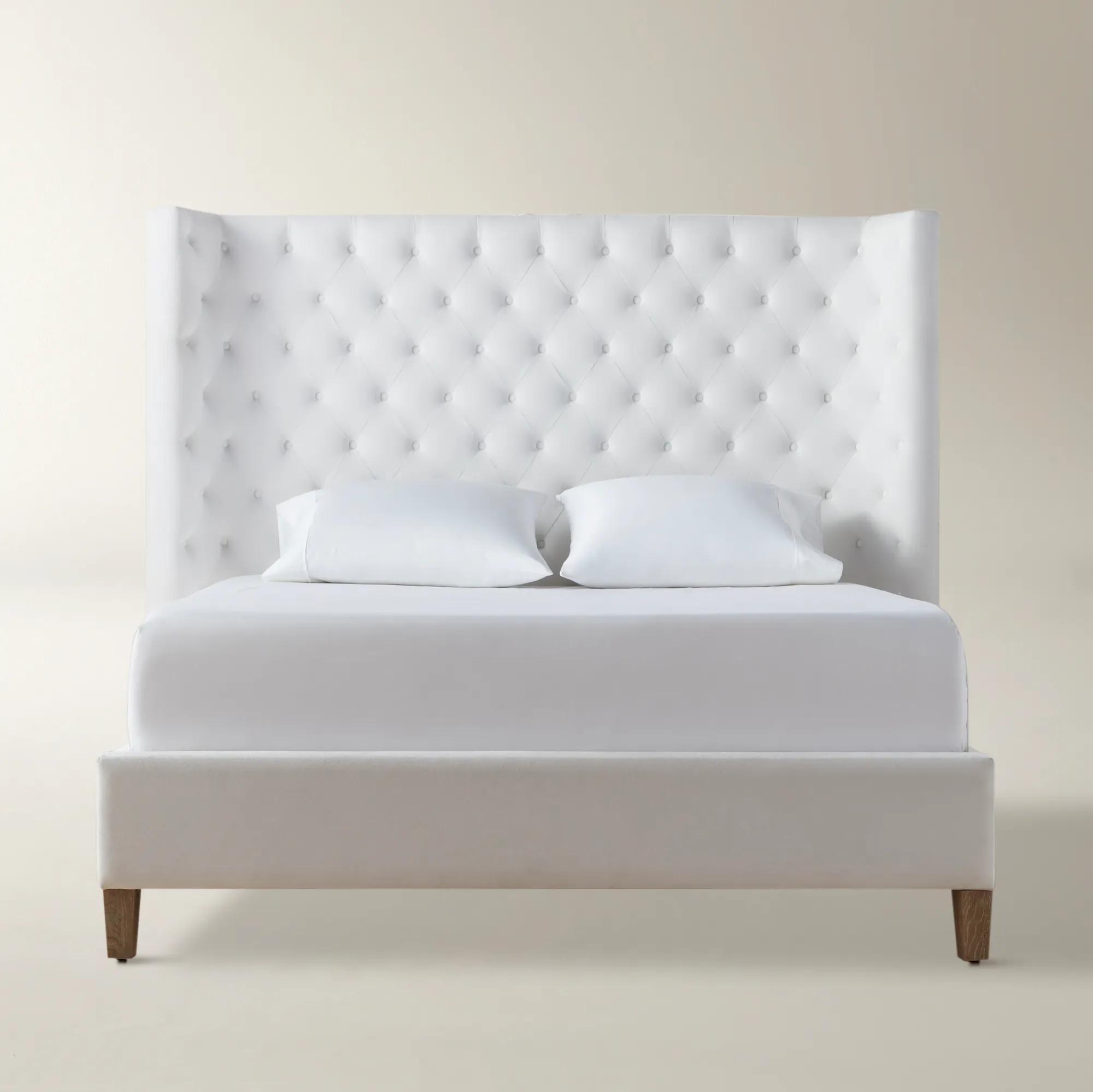
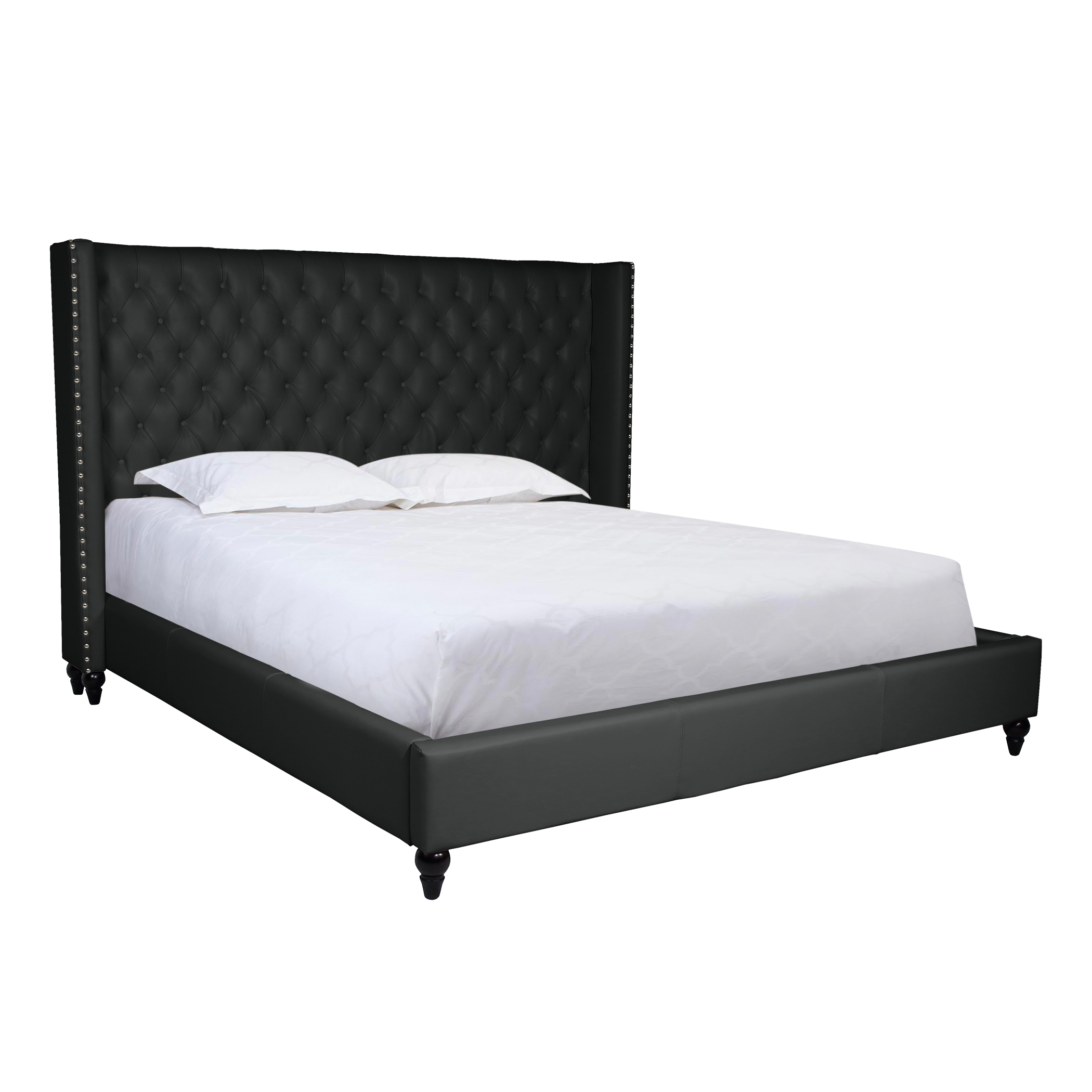 Roberto Leather Bed$3749
A stately bed featuring white top grain leather, diamond tufting, and hand-applied bright nickel nailheads.
Add To Cart -
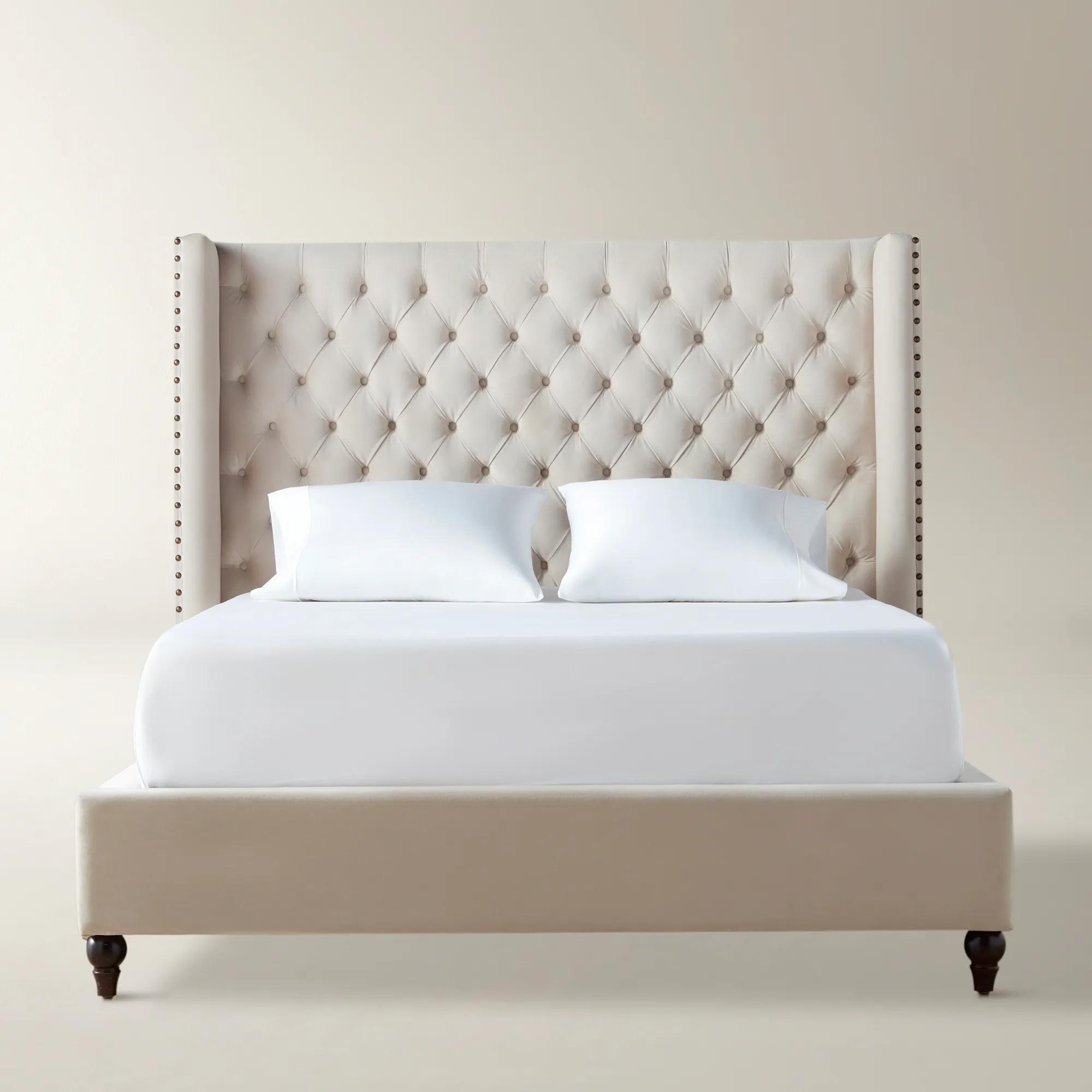
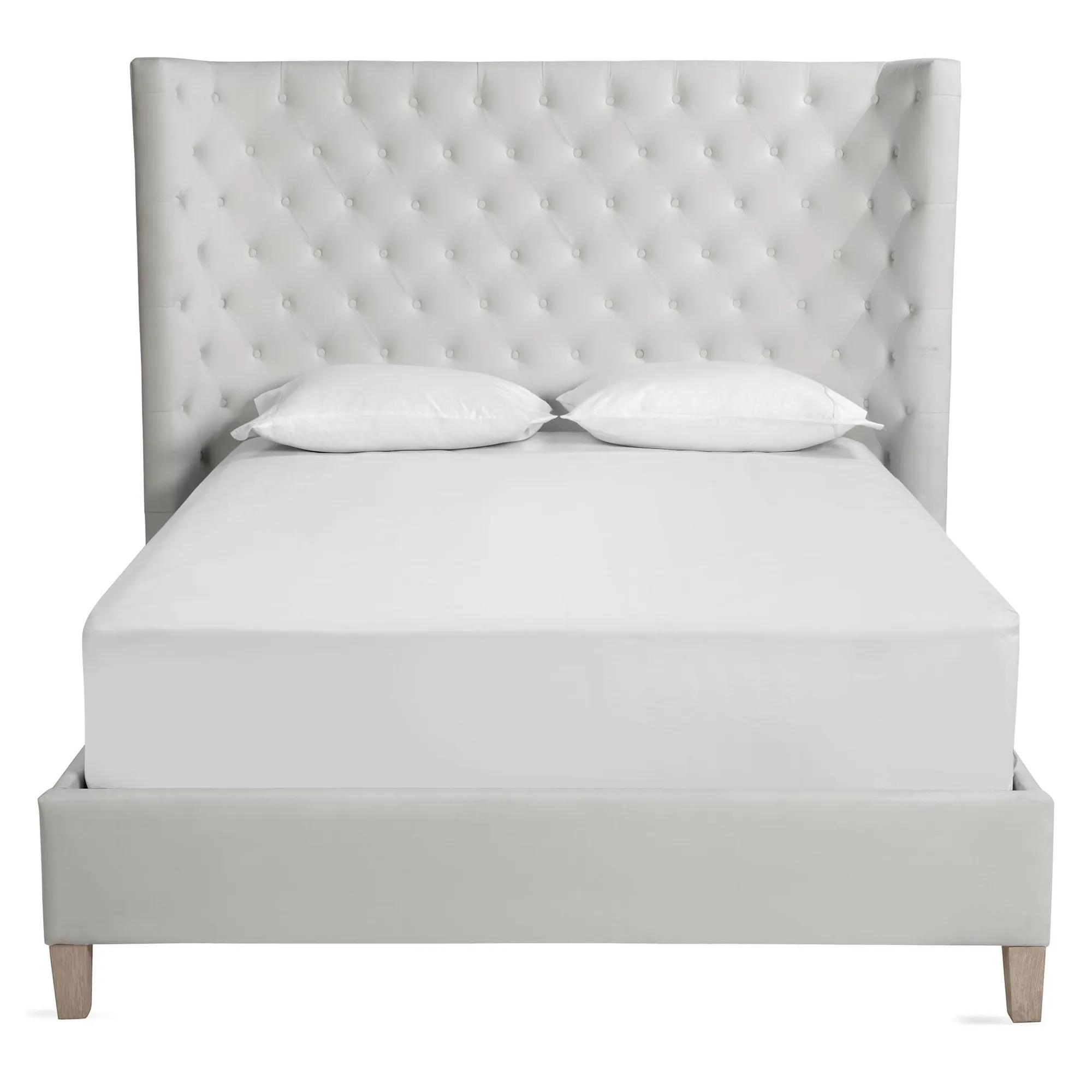
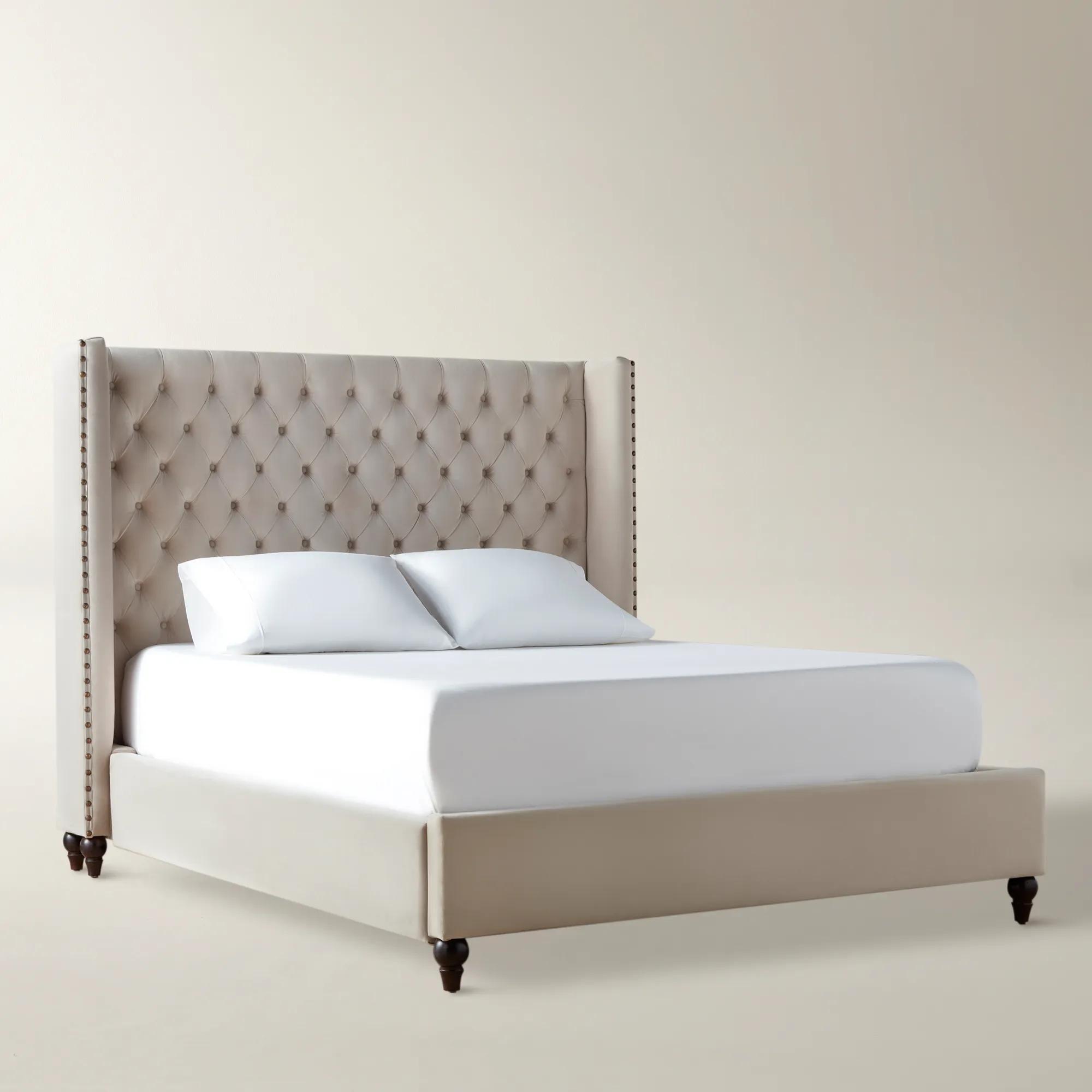 Roberto Bed$1799
A stately bed featuring diamond tufting, hand-applied nailheads, and plush Bella Velvet Pearl upholstery.
Add To Cart -
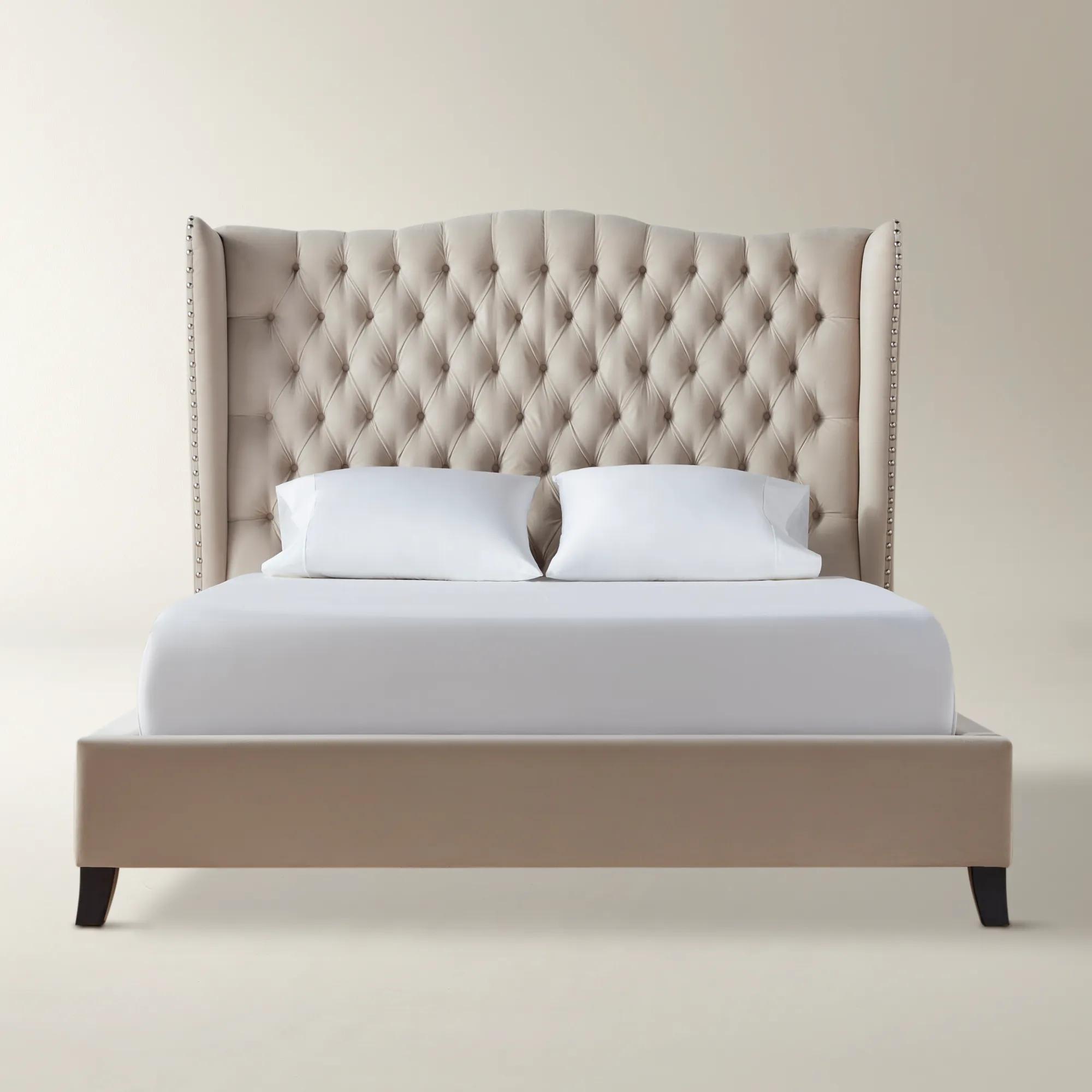
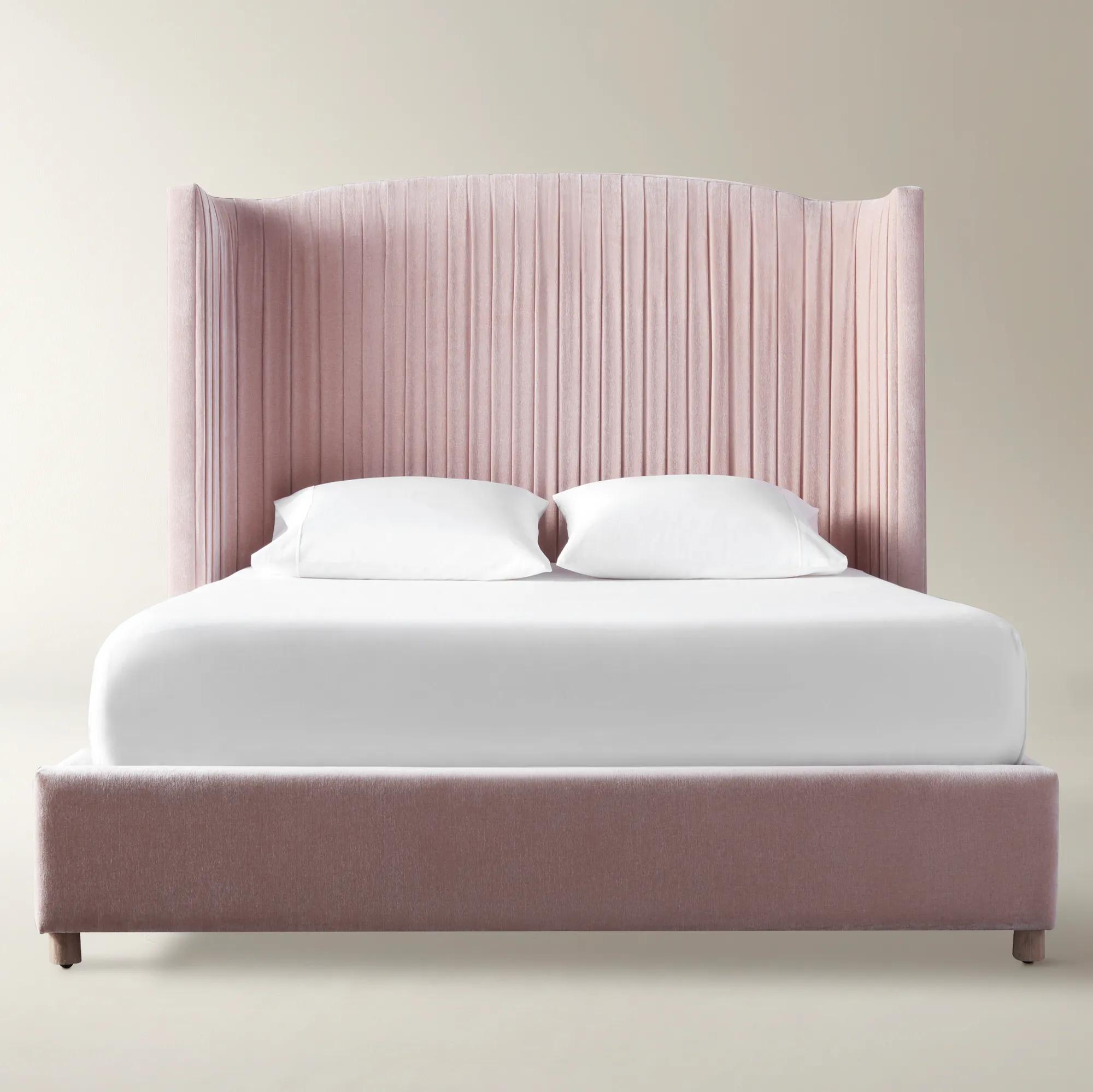
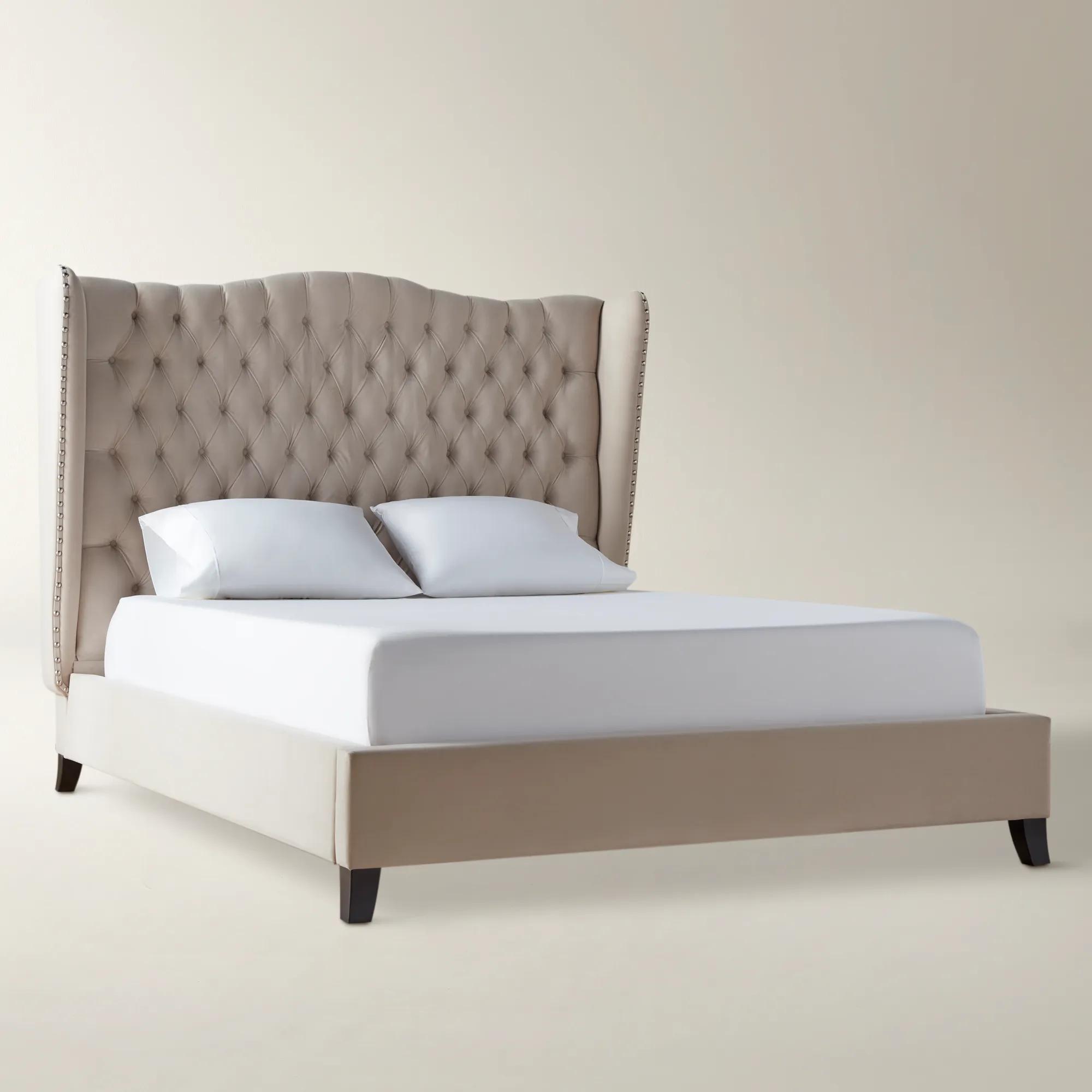 Jameson Bed$1699
A plush velvet bed with a camelback silhouette, hand-applied tufting, and decorative brushed silver nailheads.
Add To Cart -
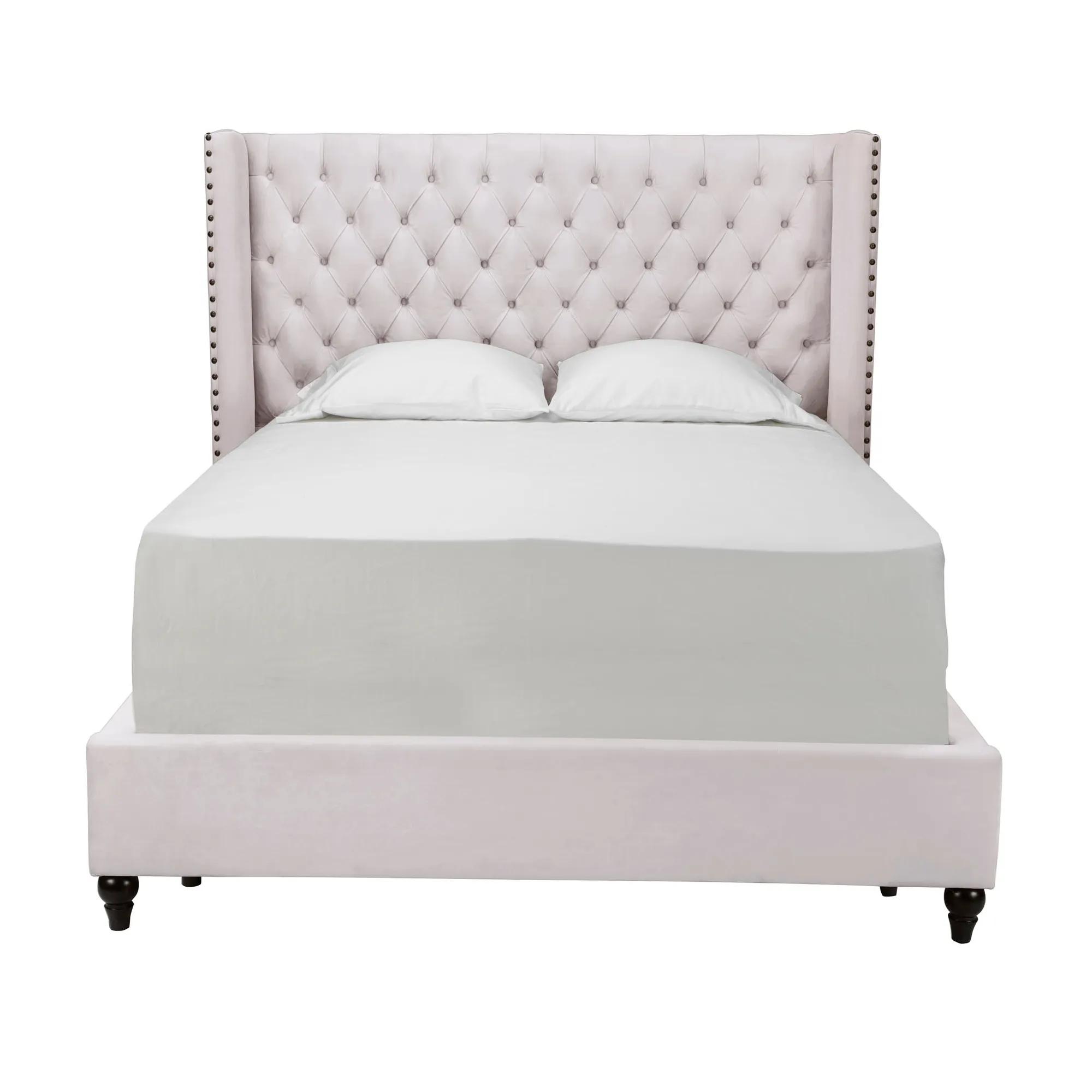
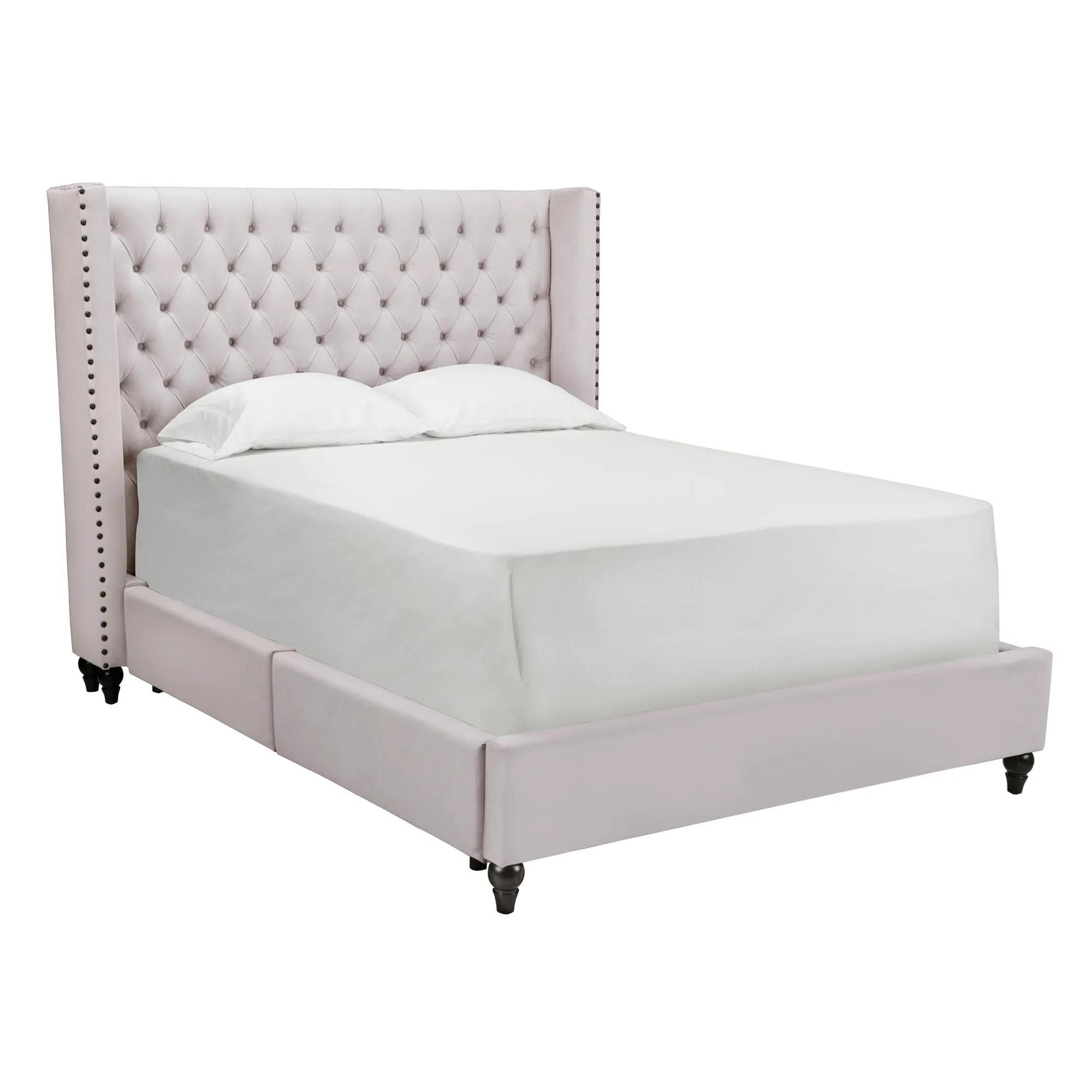 Roberto Storage Bed$4099
A handcrafted velvet-upholstered storage bed featuring diamond tufting, antique brass nailheads, and kiln-dried hardwood construction.
Add To Cart -
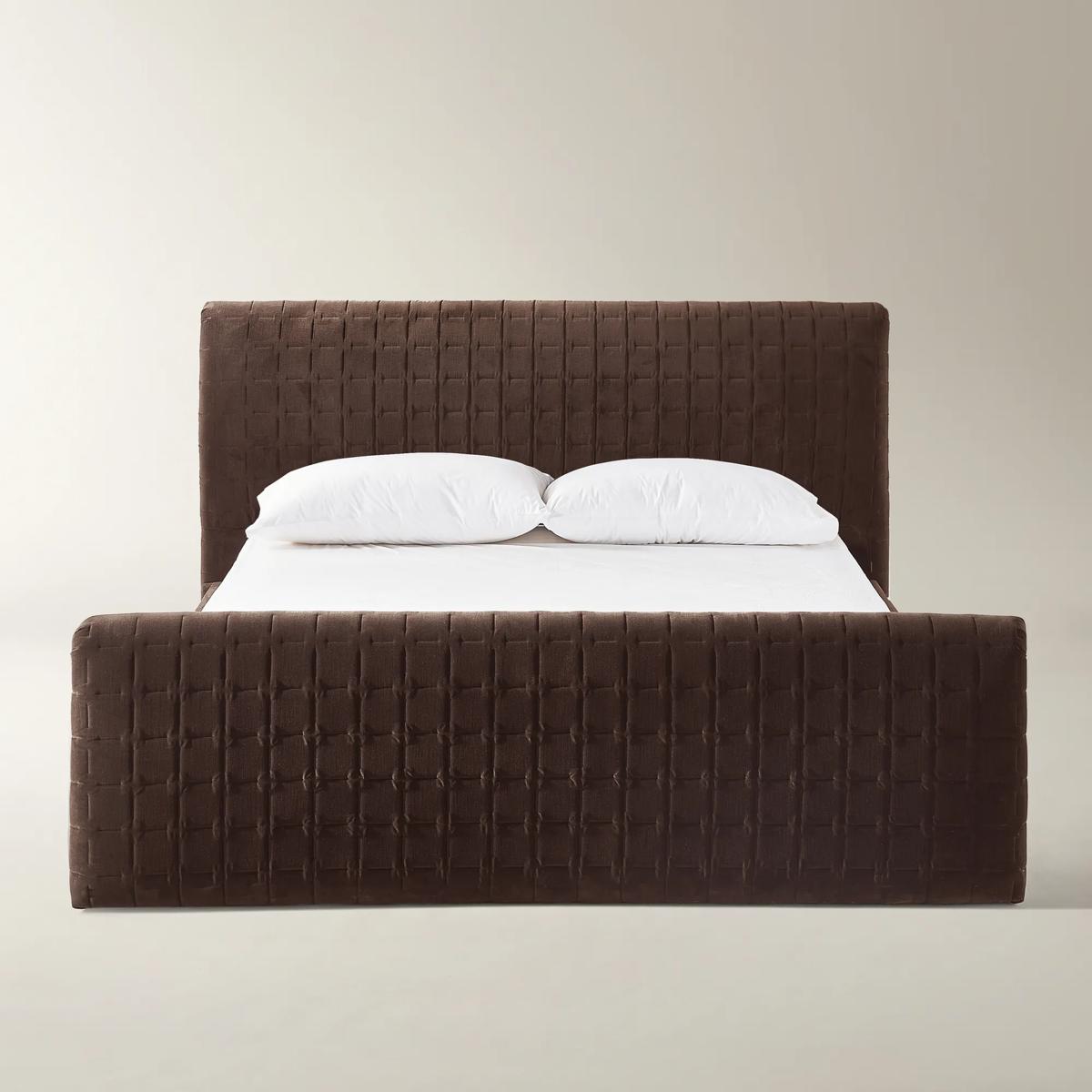
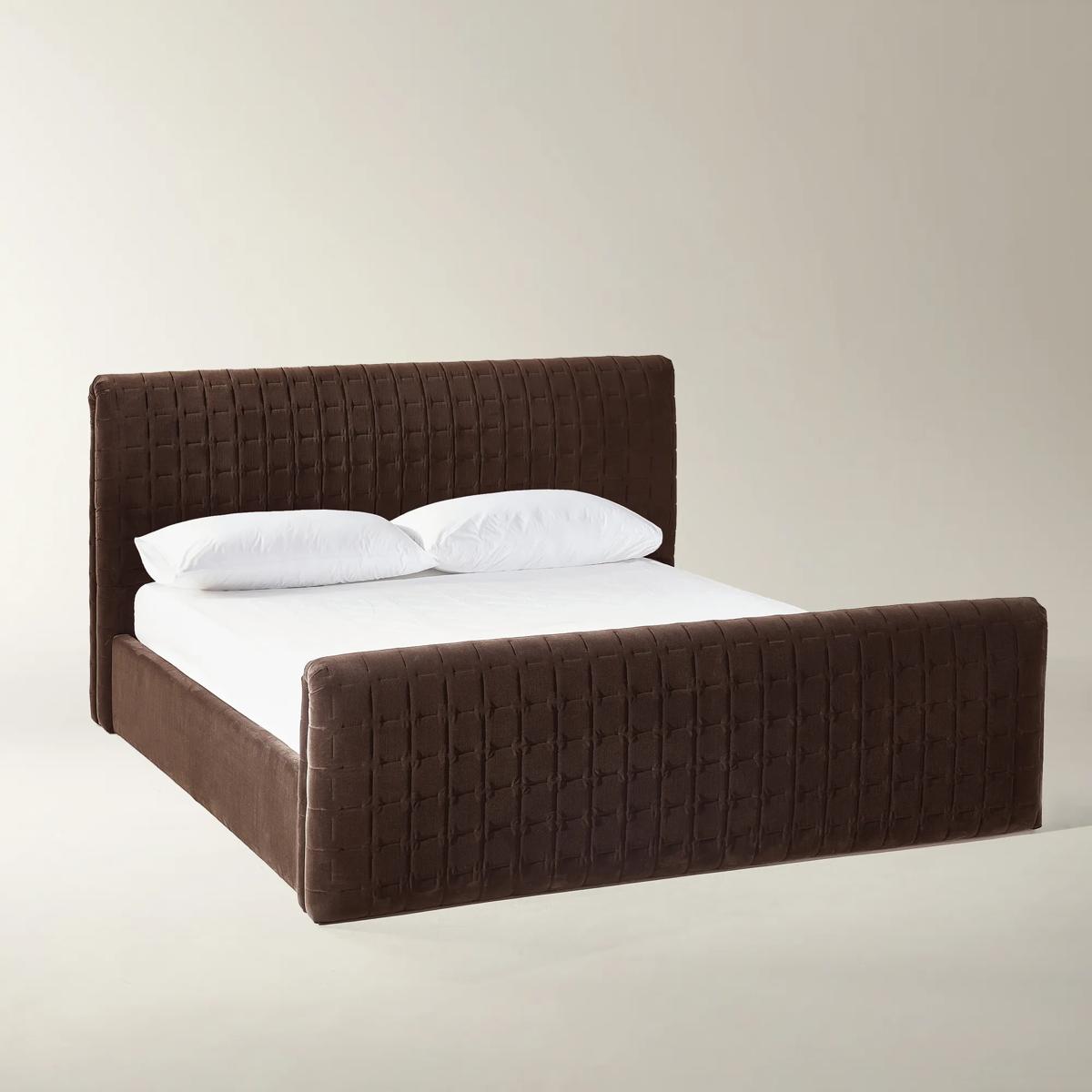 Vanta Burnt Umber Velvet Upholstered California King Platform Bed$2499
A chocolate velvet bed with hand-tufted checker quilting and brushed stainless steel inlays for modern elegance.
Add To Cart -
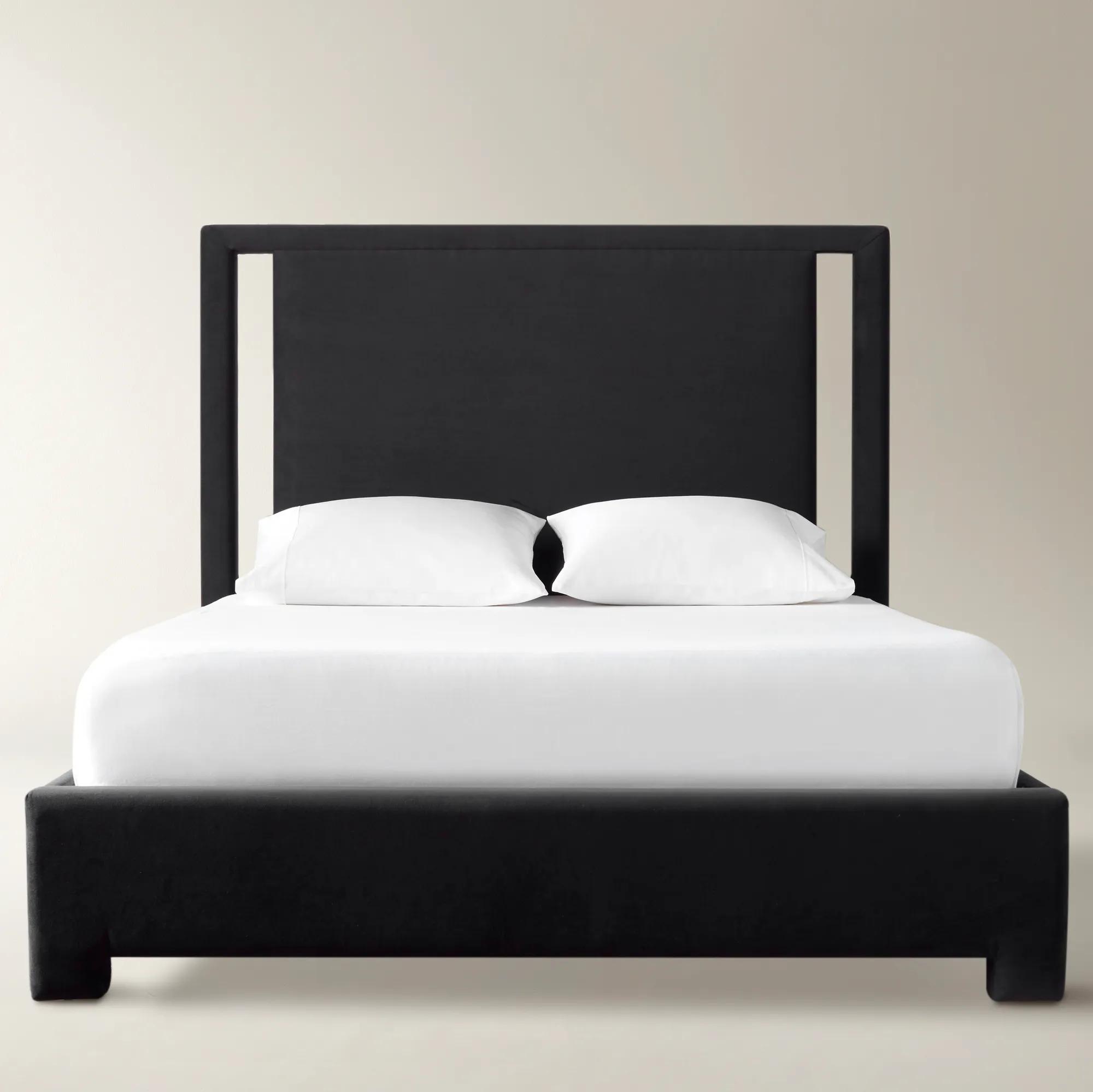
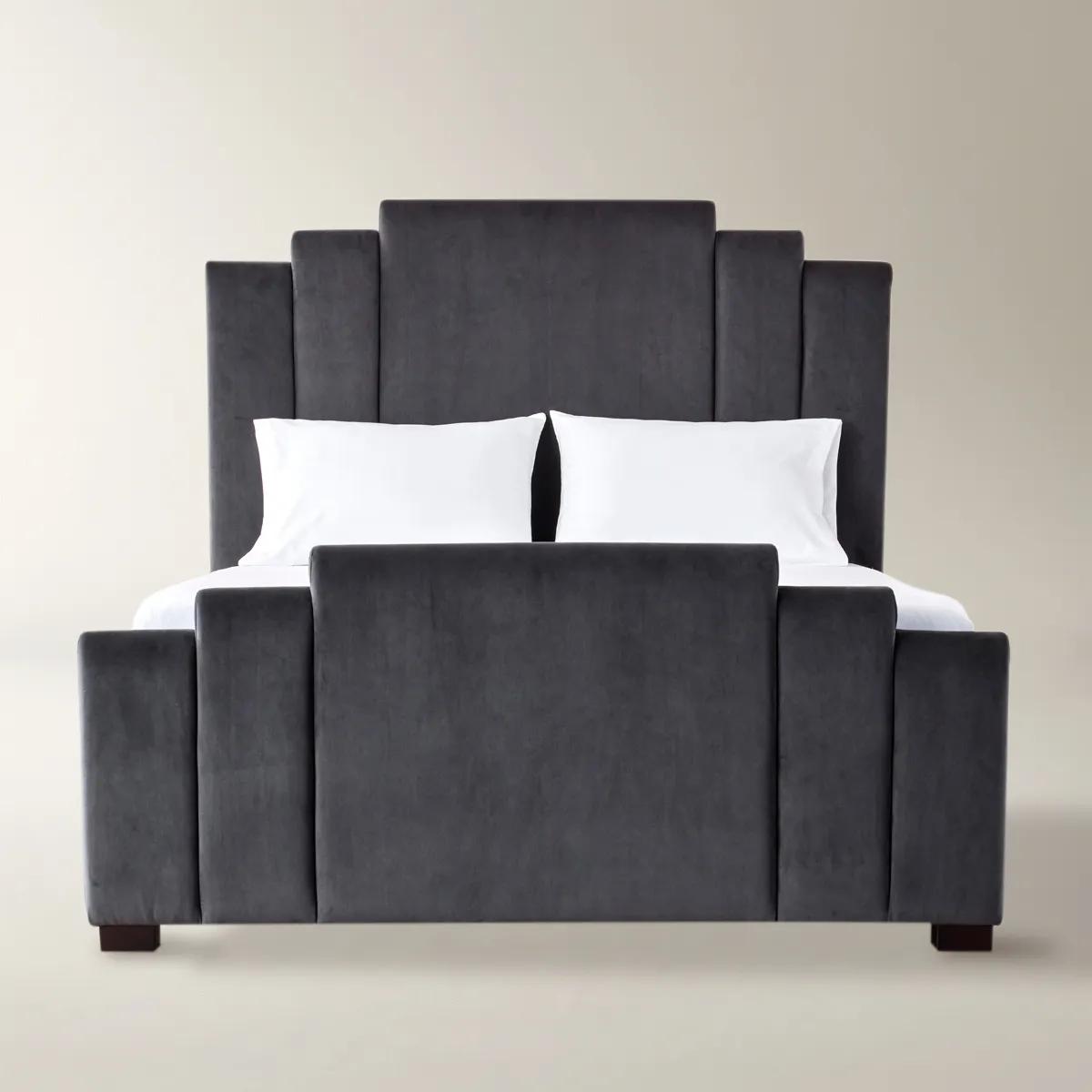 Marlow Bed$2549
A dramatic bed handcrafted from kiln-dried hardwood and plush gunmetal velvet with dimensional channel detailing.
Add To Cart -
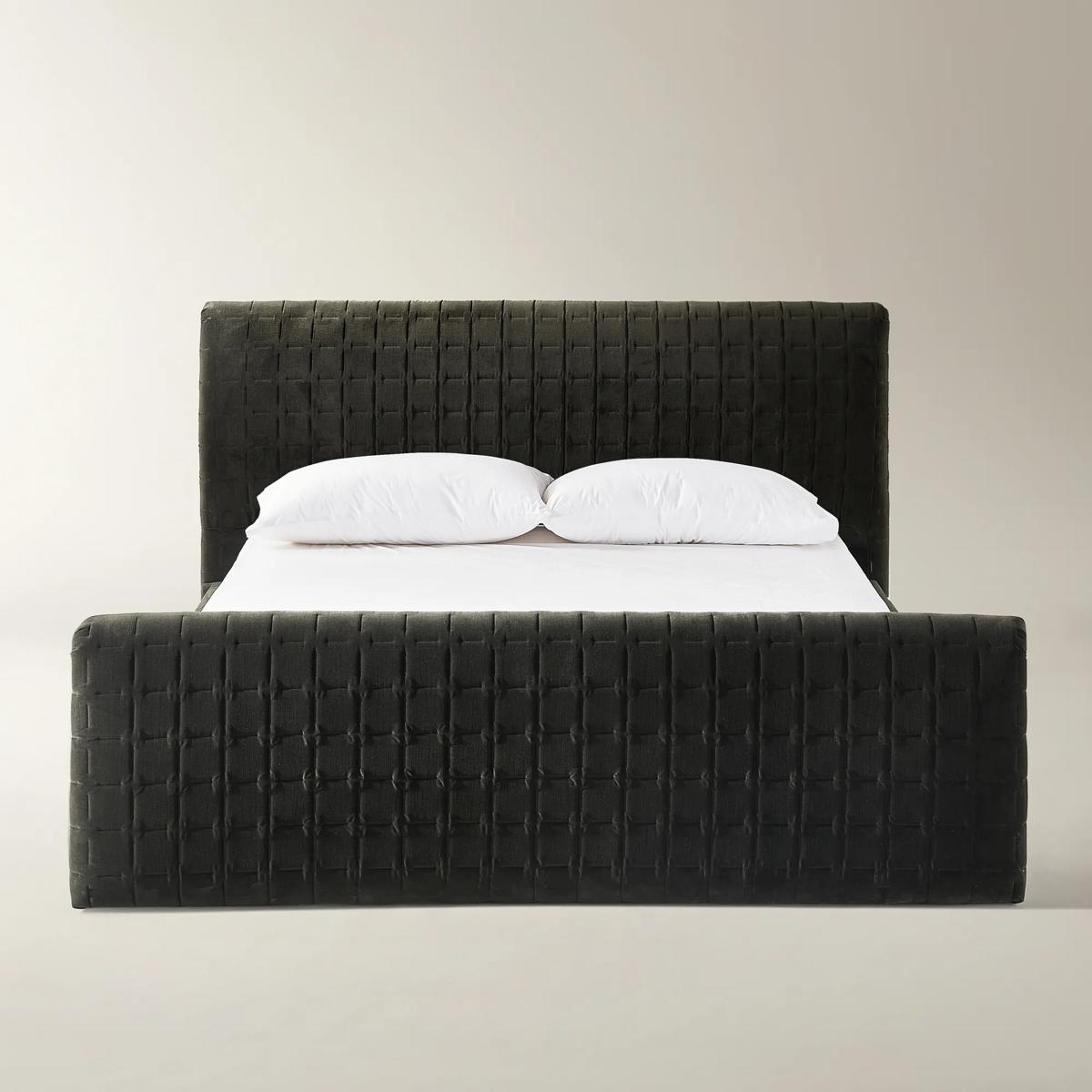 Vanta Charcoal Velvet Upholstered King Platform Bed$2499
A charcoal velvet bed with hand-tufted checker quilting and stainless steel inlays for modern sophistication.
Add To Cart -
Vanta Charcoal Velvet Upholstered Queen Platform Bed$2299
A sculptural bed featuring charcoal velvet upholstery, three-dimensional checker quilting, and sleek stainless steel inlays.
Add To Cart -
Vanta Charcoal Velvet Upholstered California King Platform Bed$2499
A charcoal velvet bed featuring hand-tufted checker quilting and stainless steel inlays for sculptural elegance.
Add To Cart -
Vanta Burnt Umber Velvet Upholstered Queen Platform Bed$2299
A chocolate velvet bed with hand-tufted checker quilting and brushed stainless steel inlays for modern elegance.
Add To Cart -
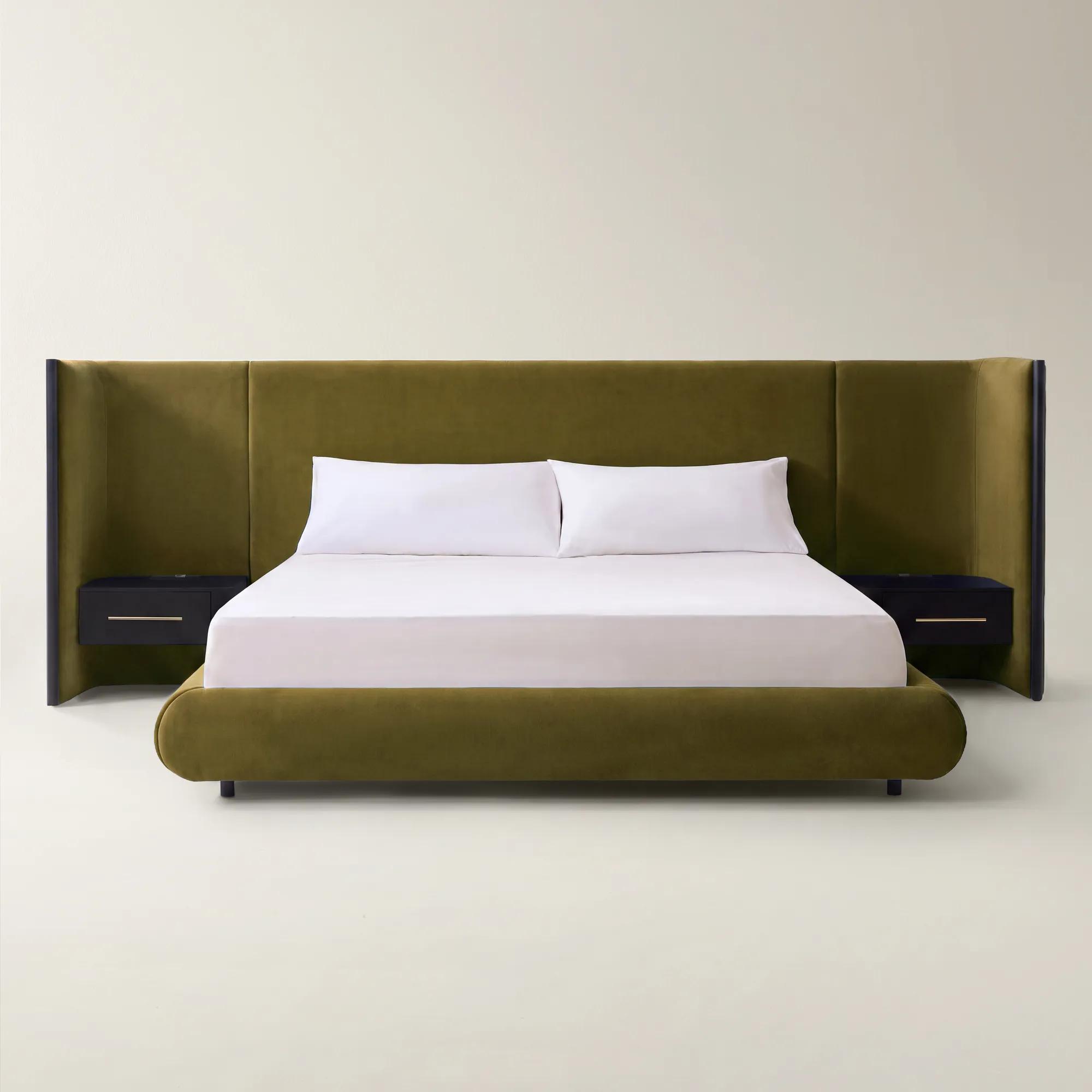
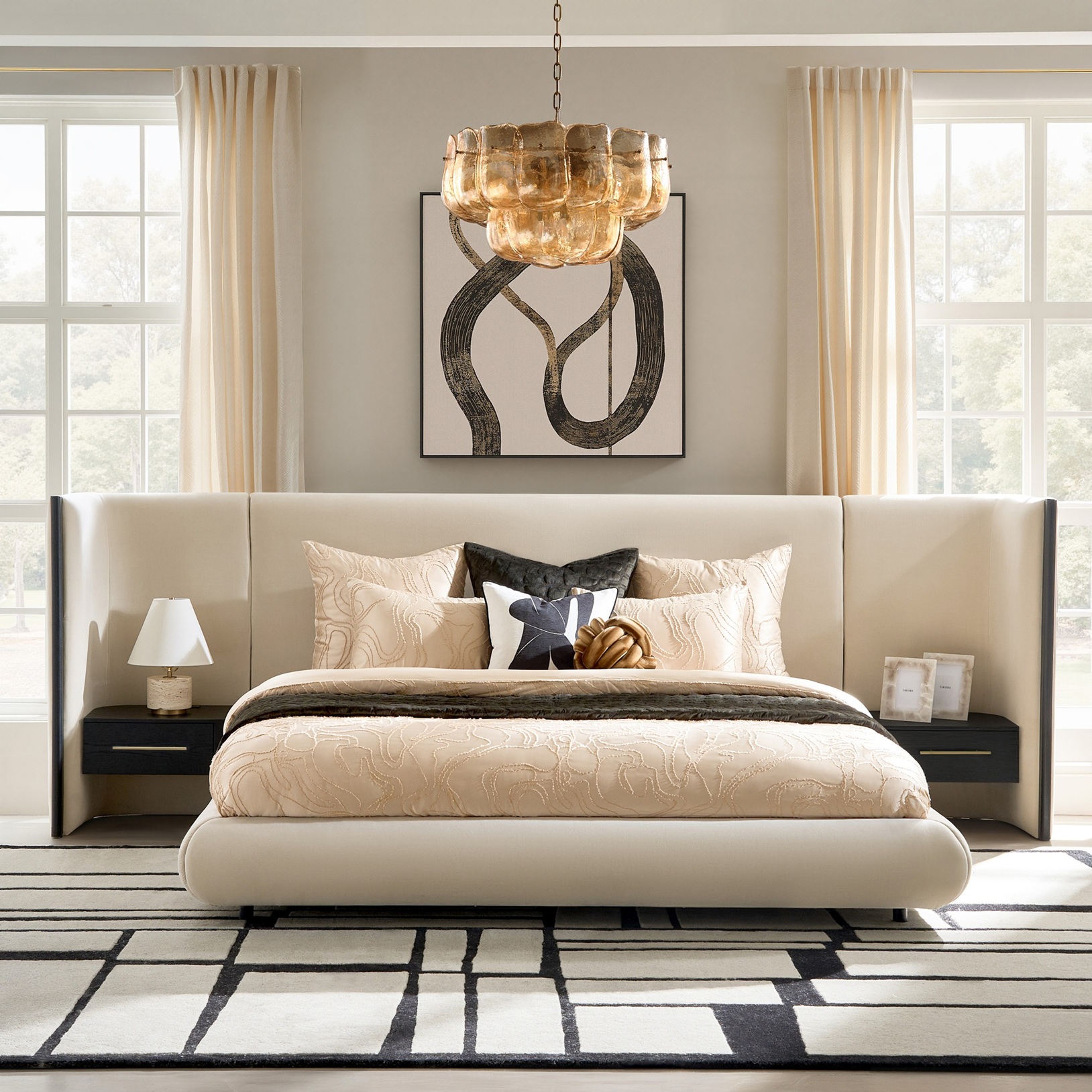 Sierra Deep Olive Velvet Upholstered Queen Bed With Nightstands$2699
A deep olive velvet platform bed featuring an extended headboard, floating nightstands, and built-in power access.
Add To Cart -
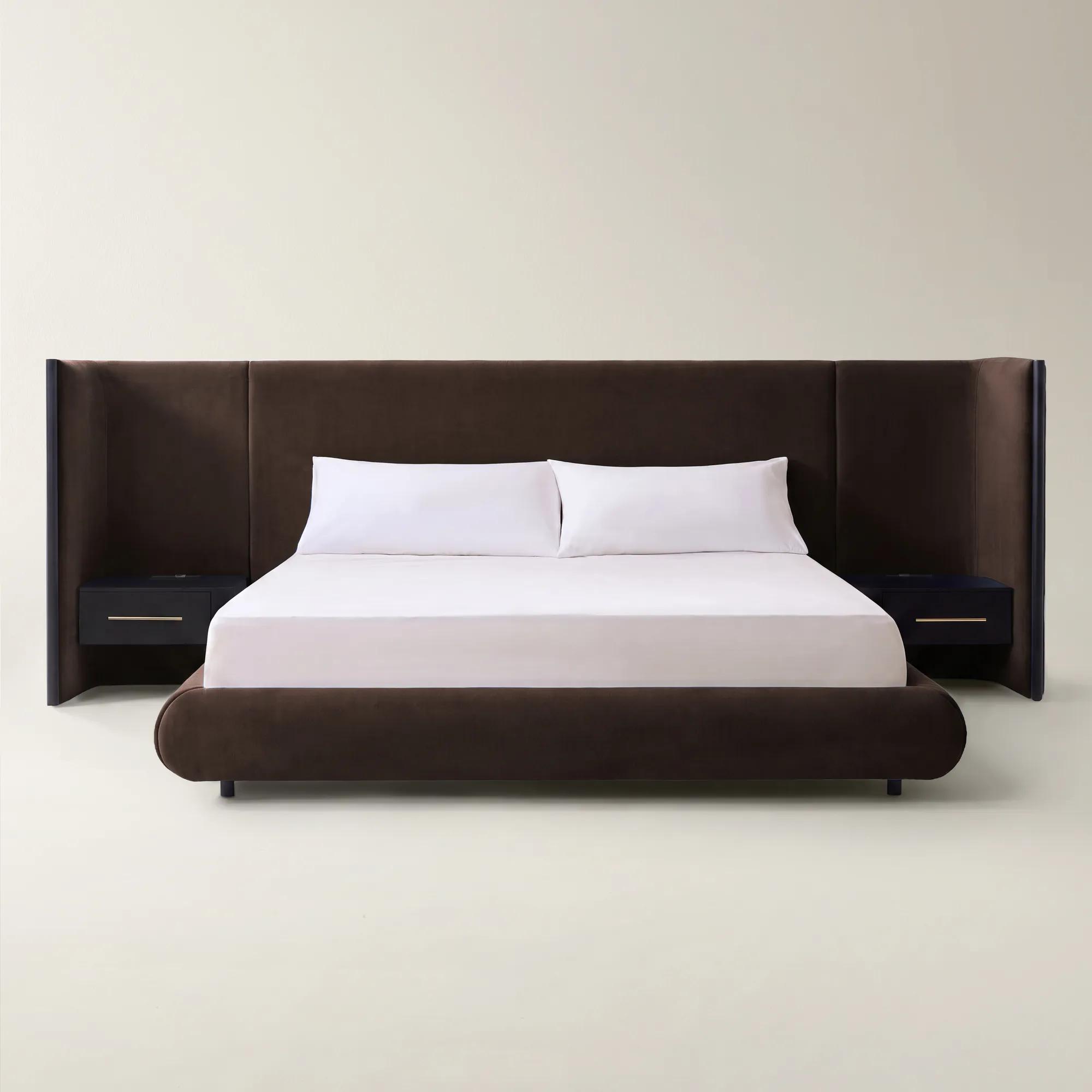
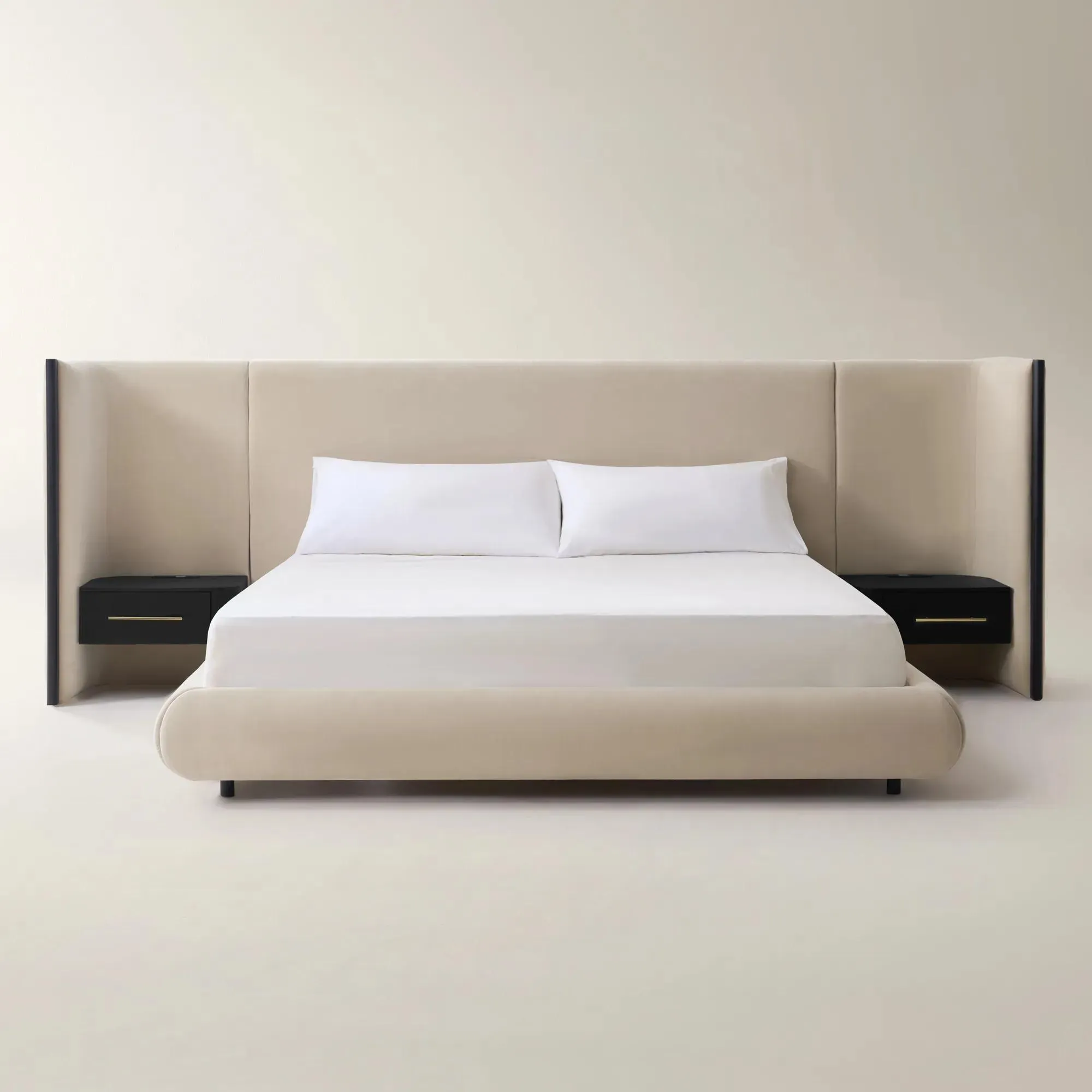 Sierra Dark Chocolate Velvet Upholstered Queen Bed With Nightstands$2699
A dark chocolate velvet platform bed featuring an extended headboard, black wood trim, and floating nightstands.
Add To Cart -
Vanta Burnt Umber Velvet Upholstered King Platform Bed$2499
A hand-tufted chocolate velvet bed with brushed stainless steel inlays for a plush, sculptural statement.
Add To Cart -
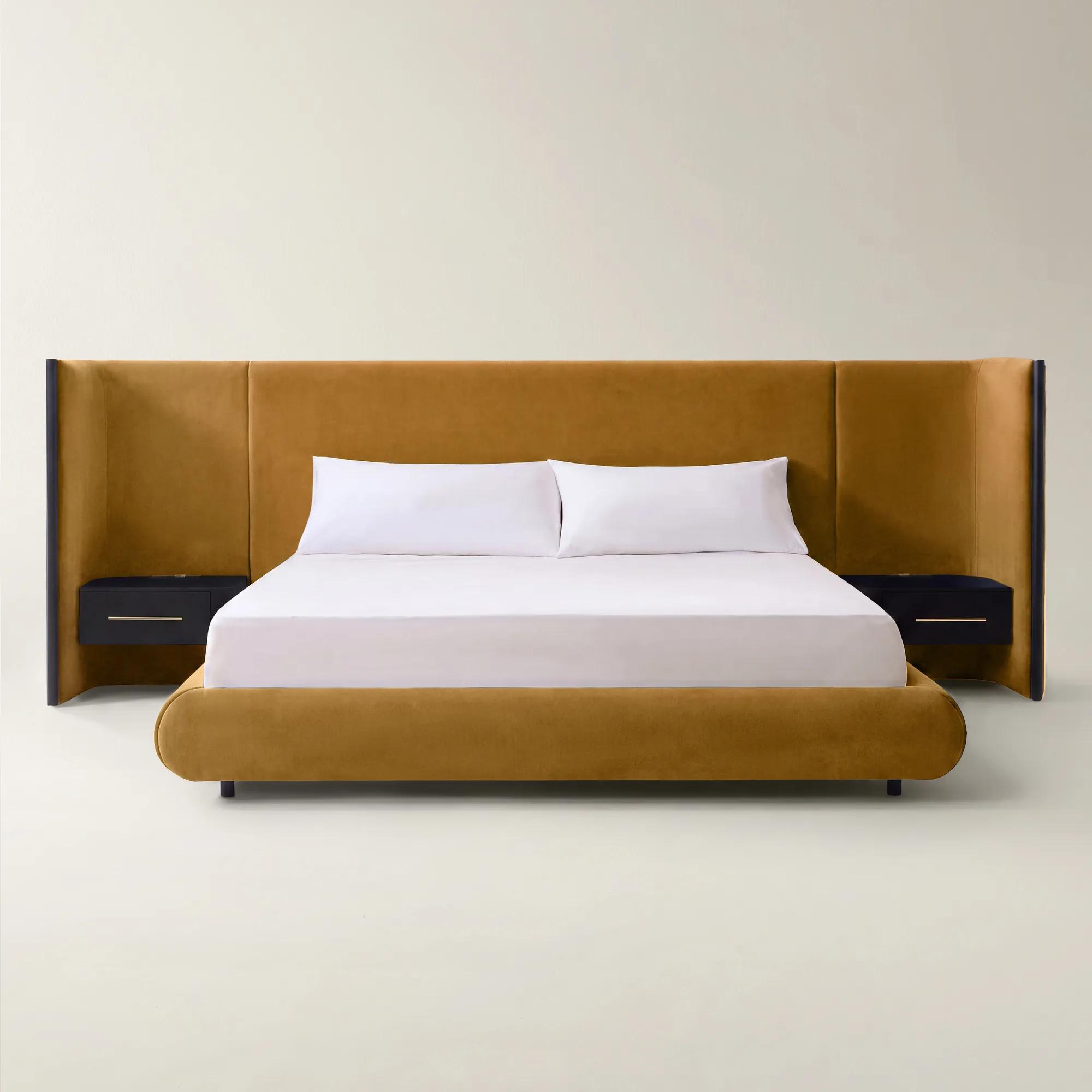 Sierra Roasted Pecan Velvet Upholstered King Bed With Nightstands$2899
A modern king platform bed in roasted pecan velvet with an extended headboard and floating nightstands.
Add To Cart -
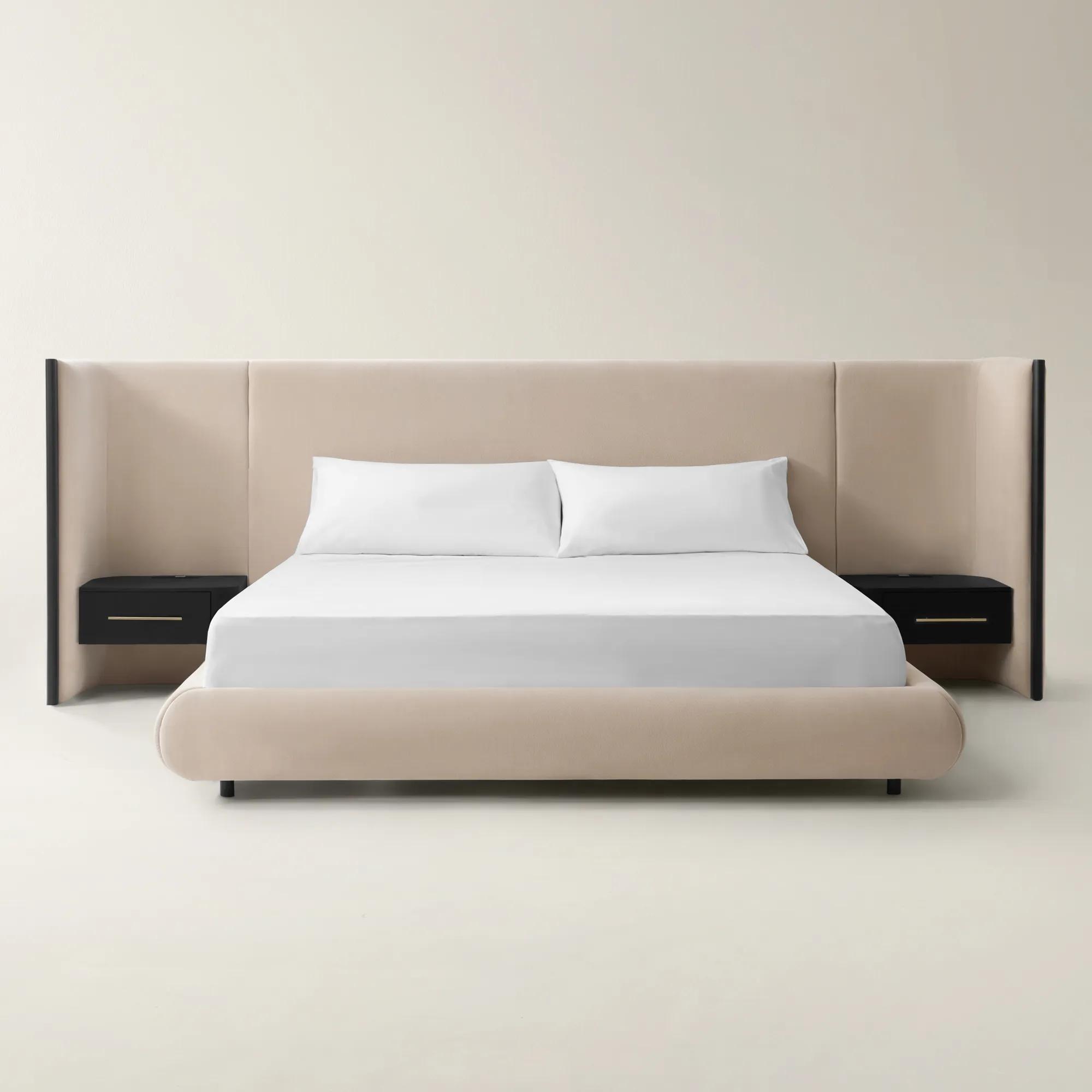 Sierra Simply Taupe Velvet Upholstered Queen Bed With Nightstands$2699
A taupe velvet platform bed featuring an extended headboard, black wood trim, and floating nightstands.
Add To Cart -
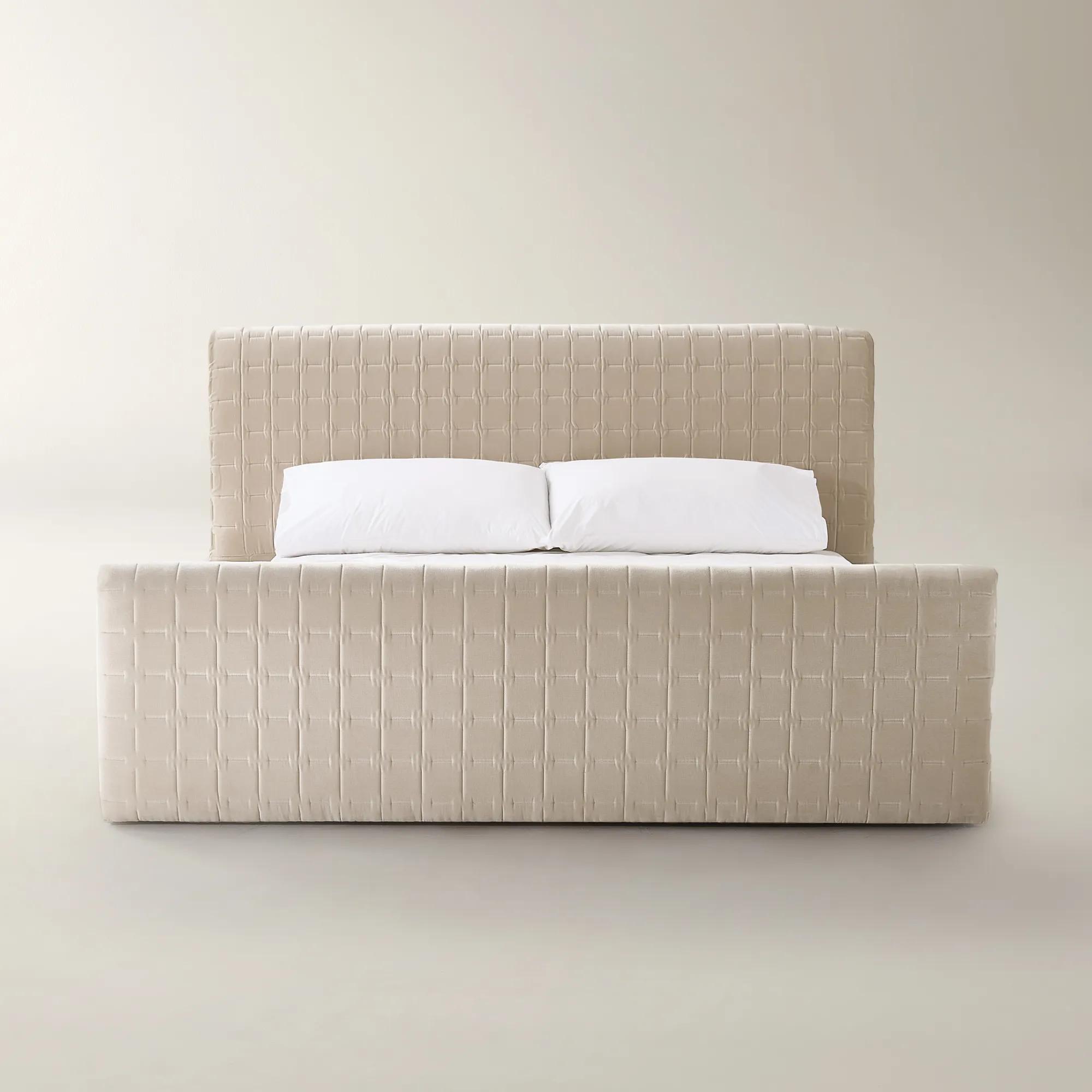
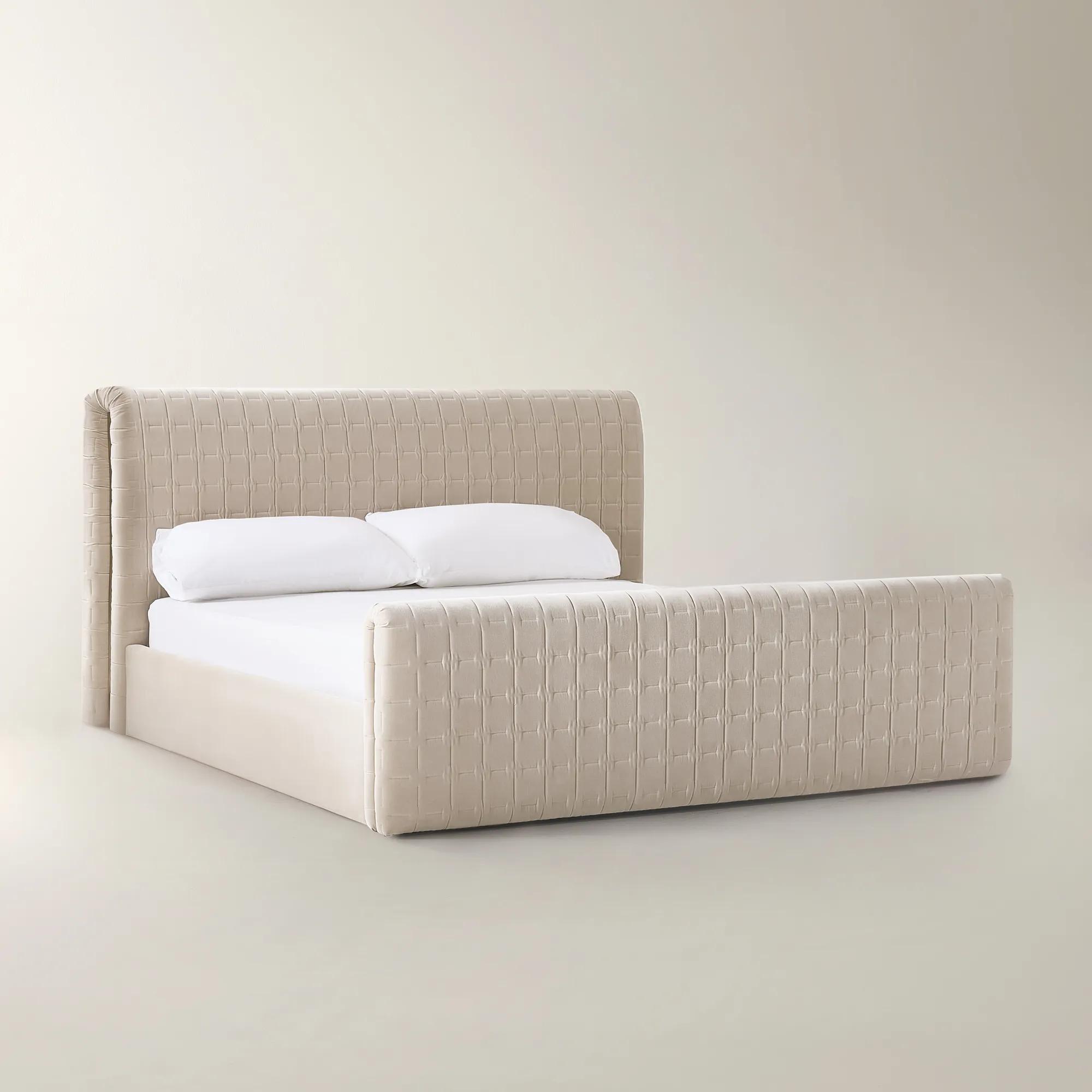 Vanta Oatmeal Velvet Upholstered King Platform Bed$2499
An oatmeal velvet-upholstered bed featuring a checker-quilted headboard and elegant gold-toned metal inlays.
Add To Cart -
Sierra Simply Taupe Velvet Upholstered King Bed With Nightstands$2899
A taupe velvet platform bed featuring an extended headboard, floating nightstands, and integrated power access.
Add To Cart -
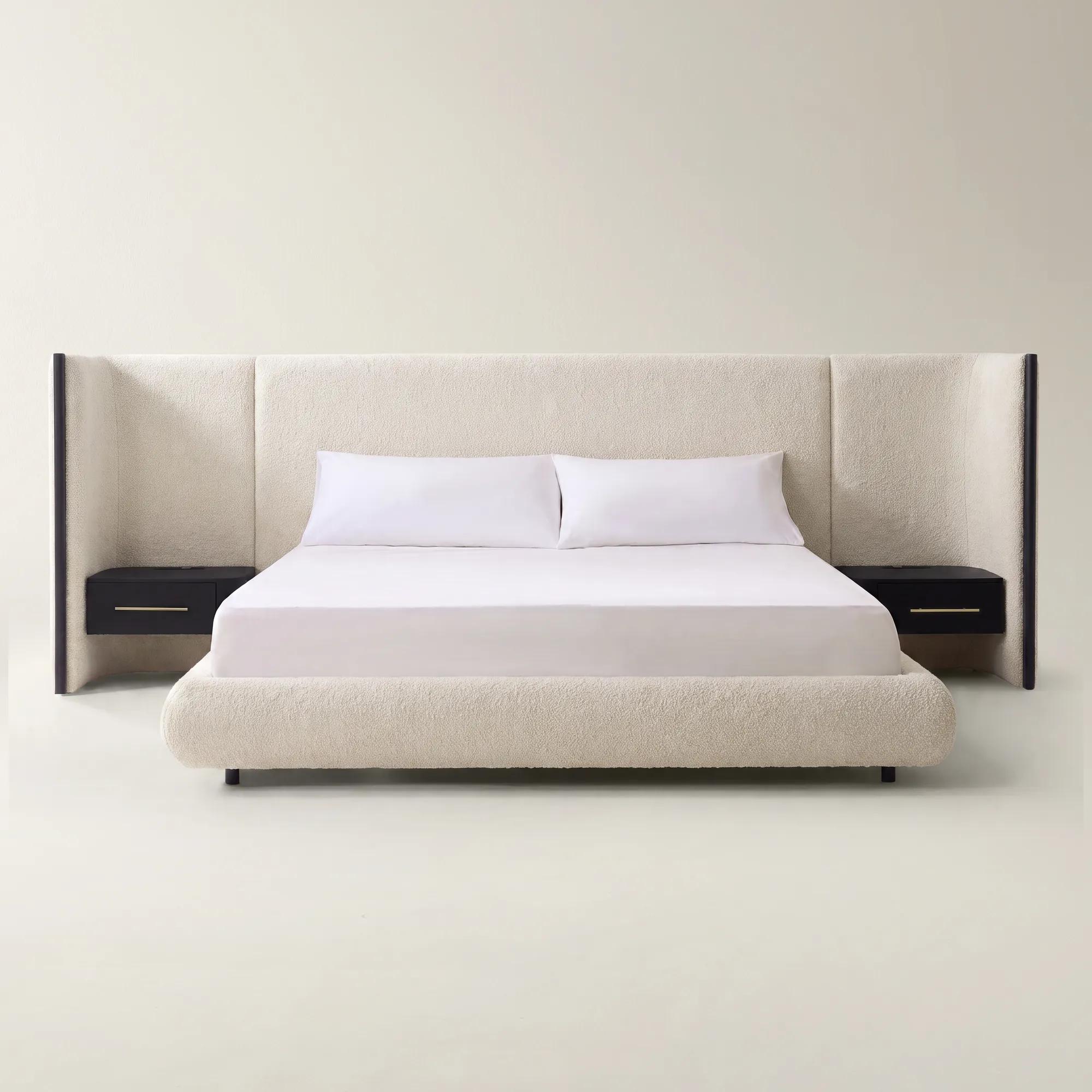 Sierra Utopia Sand Chenille Upholstered Queen Bed With Nightstands$2799
A sand chenille upholstered platform bed featuring an extended headboard, black wood trim, and floating nightstands.
Add To Cart -
Sierra Dark Chocolate Velvet Upholstered King Bed With Nightstands$2899
A dark chocolate velvet platform bed featuring an extended headboard, floating nightstands, and built-in power access.
Add To Cart -
Sierra Deep Olive Velvet Upholstered King Bed With Nightstands$2899
A deep olive velvet platform bed featuring an extended headboard, floating nightstands, and built-in power access.
Add To Cart -
Sierra Utopia Sand Chenille Upholstered King Bed With Nightstands$2999
A sand chenille upholstered platform bed featuring an extended headboard with floating nightstands and black wood trim.
Add To Cart -
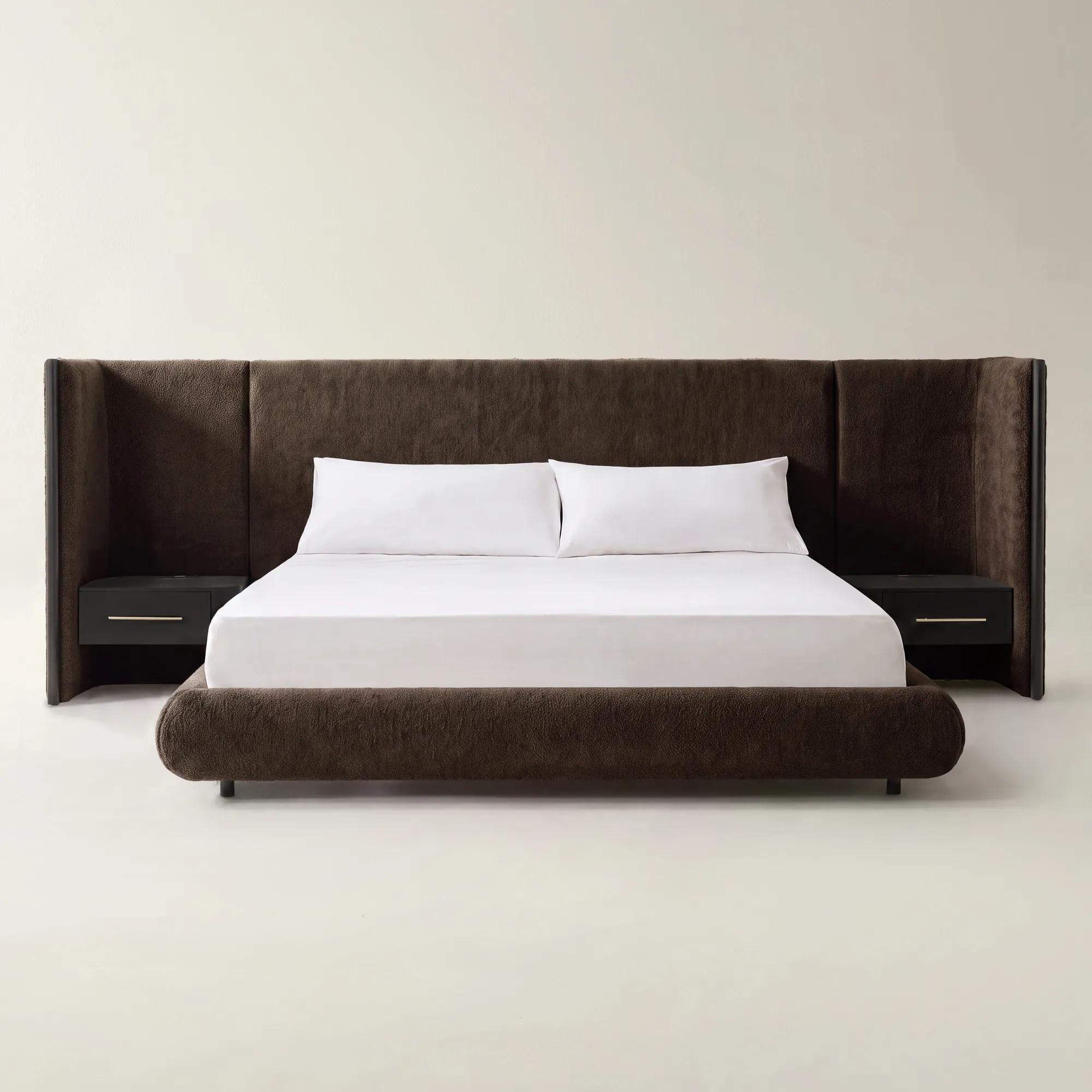 Sierra Dark Chocolate Chenille Upholstered Queen Bed With Nightstands$2799
A dark chocolate chenille platform bed featuring an extended headboard, floating nightstands, and black wood trim.
Add To Cart -
Sierra Roasted Pecan Velvet Upholstered Queen Bed With Nightstands$2699
A roasted pecan velvet platform bed featuring an extended headboard, black wood trim, and floating nightstands.
Add To Cart -
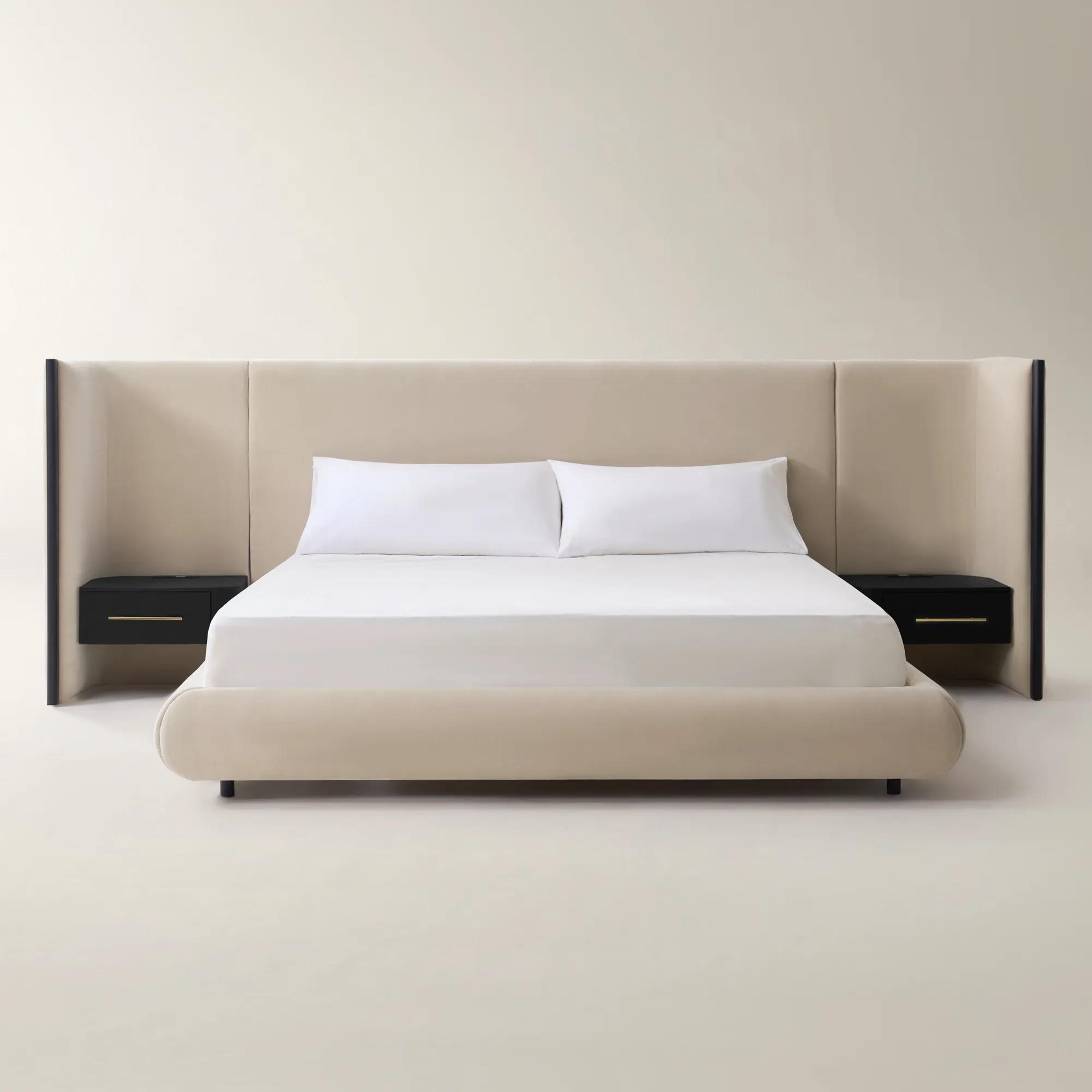 Sierra Oatmeal Velvet Upholstered Queen Bed With Nightstands$2699
A modern oatmeal velvet bed with an extended headboard, floating nightstands, and built-in power access.
Add To Cart

Designer Beds With Nailhead Trim
Designer beds with nailhead trim invite you to indulge in a world where opulence meets artistry. Each silhouette is meticulously outlined with gleaming, hand-applied accents, transforming the ordinary into the extraordinary. The interplay of sumptuous upholstery and sculptural detailing creates a sense of drama—elevating your bedroom into a sanctuary of bold self-expression. With every glint and curve, these statement pieces capture the spirit of modern glamour, promising nights wrapped in luxury and mornings awakened by style. Let your dreams unfold against a backdrop that’s as daring and distinctive as you are.
Designer beds with nailhead trim are upholstered beds defined by decorative metal studs that trace the headboard, frame, or both, creating a tailored outline against a soft fabric surface. The effect is architectural: a slender metallic border can sharpen a sweeping curve, emphasize the height of a headboard, or give a generous silhouette the precision of beautifully finished tailoring. Nailheads are primarily ornamental, rather than a substitute for the frame’s structural joinery, and their finish helps establish the mood. Polished nickel introduces a bright, reflective accent; brass and gold tones bring warmth and richness; antique bronze offers depth; and darker finishes create a more graphic edge. Against ivory upholstery, the trim can read like jewelry. Against charcoal or midnight blue, it can define the bed with a dramatic line of light. Fabric adds another dimension to that composition. Velvet has a directional pile that catches light and creates subtle variations in color, while linen and linen-blend upholstery offer visible texture and a more relaxed interpretation of luxury. Textured chenille can lend depth and a plush hand, and fabrics described as performance upholstery may offer specific resistance to staining or wear, depending on their construction and treatment. Those differences matter as much to daily living as they do to the room’s appearance. A smooth upholstered panel allows the border to command attention, while tufting introduces additional rhythm and shadow. Winged headboards create an enveloping presence; gently arched profiles soften the composition; and straight-lined frames feel crisp and architectural. The appeal of Upholstered Beds With Nailheads lies in this conversation between softness and definition. For a primary bedroom with expressive artwork or a guest room designed to feel considered, nailhead detailing gives the bed a distinct visual identity without relying on elaborate carving or an imposing wood finish. It is a detail that rewards a closer look, yet remains legible across the room, allowing the bed to anchor the entire composition.
Scale determines how convincingly that statement settles into a bedroom. A designer bed with nailhead trim should relate to the mattress, the surrounding furniture, and the room’s circulation, not simply fit within the wall dimensions. Upholstered side rails and projecting wings can make the overall frame noticeably wider or longer than its nominal mattress size, so exterior measurements are essential when placing a bed between nightstands or opposite a dresser. In a compact room, a restrained profile can preserve the tailored effect without crowding bedside pathways. In a larger suite, a taller headboard or broader upholstered surround can provide the visual weight needed to balance substantial lamps and expansive walls. Headboard height also deserves attention in relation to the finished mattress height: a deep mattress and foundation may conceal part of the upholstery or interrupt the intended proportion of the nailhead border. A complete upholstered bed typically includes a headboard, side rails, and a footboard or end rail, while a standalone headboard requires a compatible supporting frame or an appropriate mounting arrangement. Platform construction, slat spacing, center supports, and foundation requirements vary, so compatibility with the intended mattress is more important than the silhouette alone. An adjustable base likewise requires confirmation of interior clearance and attachment compatibility; an upholstered surround does not automatically accommodate its movement. These practical distinctions are especially relevant when refreshing an existing bedroom rather than furnishing an empty one. Delivery access matters, too, particularly for tall headboards moving through stairwells or narrow doorways. Intended use brings the decision into sharper focus. Someone who reads in bed may appreciate a generously padded headboard, although pillows remain useful for supported lounging. A frequently used guest room benefits from approachable proportions and upholstery suited to repeated contact. In a primary suite shared with pets, a fabric’s weave, snag resistance, and cleaning requirements may deserve more consideration than its initial sheen. Thoughtful fit allows the decorative detail to feel effortless rather than imposed.
Lasting appeal comes from the relationship between a sound frame, well-fitted upholstery, and detailing that remains secure through ordinary use. Hardwood or engineered-wood components, reinforced connections, and properly installed mattress supports each contribute to stability; no single material description tells the whole story. Upholstery should sit smoothly across the frame, and nailhead borders should appear deliberate, with consistent placement and no loose or protruding pieces. Individual studs and decorative nailhead strips can achieve different effects, so close-up details help clarify the finish and construction. Regular care preserves both the fabric and the metalwork. Gentle vacuuming with an upholstery attachment helps remove dust from seams, tufting, and the edges of the trim, where particles can collect. The fabric’s care label should govern spot cleaning: some upholstery permits water-based products, some requires solvent-based treatment, and some calls for professional cleaning. Blotting a spill rather than rubbing helps limit spreading, while testing any approved cleaner in a concealed area reduces the risk of an obvious mark. Velvet may show pressure impressions or changes in pile direction without being damaged, but brushing or steaming should only be considered when the manufacturer permits it. Metal trim generally benefits from careful dusting with a soft, dry cloth; abrasive cleaners and metal polish can harm plated finishes or stain adjacent fabric. Placement away from prolonged direct sunlight can help reduce uneven fading. Styling then gives these practical choices their expressive finish. Crisp bedding reveals the upholstered outline, while a folded coverlet introduces texture without obscuring the frame. A bedside lamp can echo the nailhead finish without requiring every metal in the room to match. When the headboard is richly tufted, quieter bedding lets its depth emerge; when the profile is spare, layered pillows and an artful accent can supply contrast. The result is a bedroom with presence, shaped by proportion, texture, and the gleam of a carefully drawn border.
FAQs
Designer beds with nailhead trim are remarkably versatile, harmonizing beautifully with a range of interior styles. They shine in glamorous, Art Deco-inspired spaces, add a tailored edge to transitional rooms, and bring a touch of drama to contemporary settings. The sculptural lines and metallic accents also complement eclectic and maximalist designs, serving as a bold focal point in any bedroom.
To keep your nailhead trim gleaming, regularly dust the metal accents with a soft, dry cloth. For deeper cleaning, use a gentle, non-abrasive cleaner suitable for the specific metal finish—such as gold or silver. Avoid harsh chemicals that could tarnish or dull the trim, and periodically check that each nailhead is secure for lasting beauty.
Absolutely. Most headboards with nailheads feature plush padding beneath their upholstery, ensuring both style and comfort. The nailhead detailing is typically set along the edges, so you can recline against the soft center for reading, relaxing, or enjoying breakfast in bed without sacrificing comfort.
Nailhead trim beds are often upholstered in luxurious fabrics such as velvet, linen, and leather. Velvet offers a rich, tactile experience and a glamorous sheen, while linen provides a crisp, tailored look. Leather brings a sleek, modern edge and is easy to maintain. Each fabric choice sets a distinct mood, allowing you to tailor the bed to your personal aesthetic.
Many designer beds with nailhead trim offer customization options, allowing you to select the fabric, color, and even the finish of the nailheads—such as classic silver, bold black, or radiant gold nailhead trim. This ensures your bed is a true reflection of your taste and complements your existing décor seamlessly.