Living Room Seating Chairs
Living Room Seating Chairs
-

 Aria Pleated Swivel Chair$1349
A barrel-style swivel chair in kiln-dried hardwood, shown in Bella Velvet Pearl with pleated tailoring.
Add To Cart -
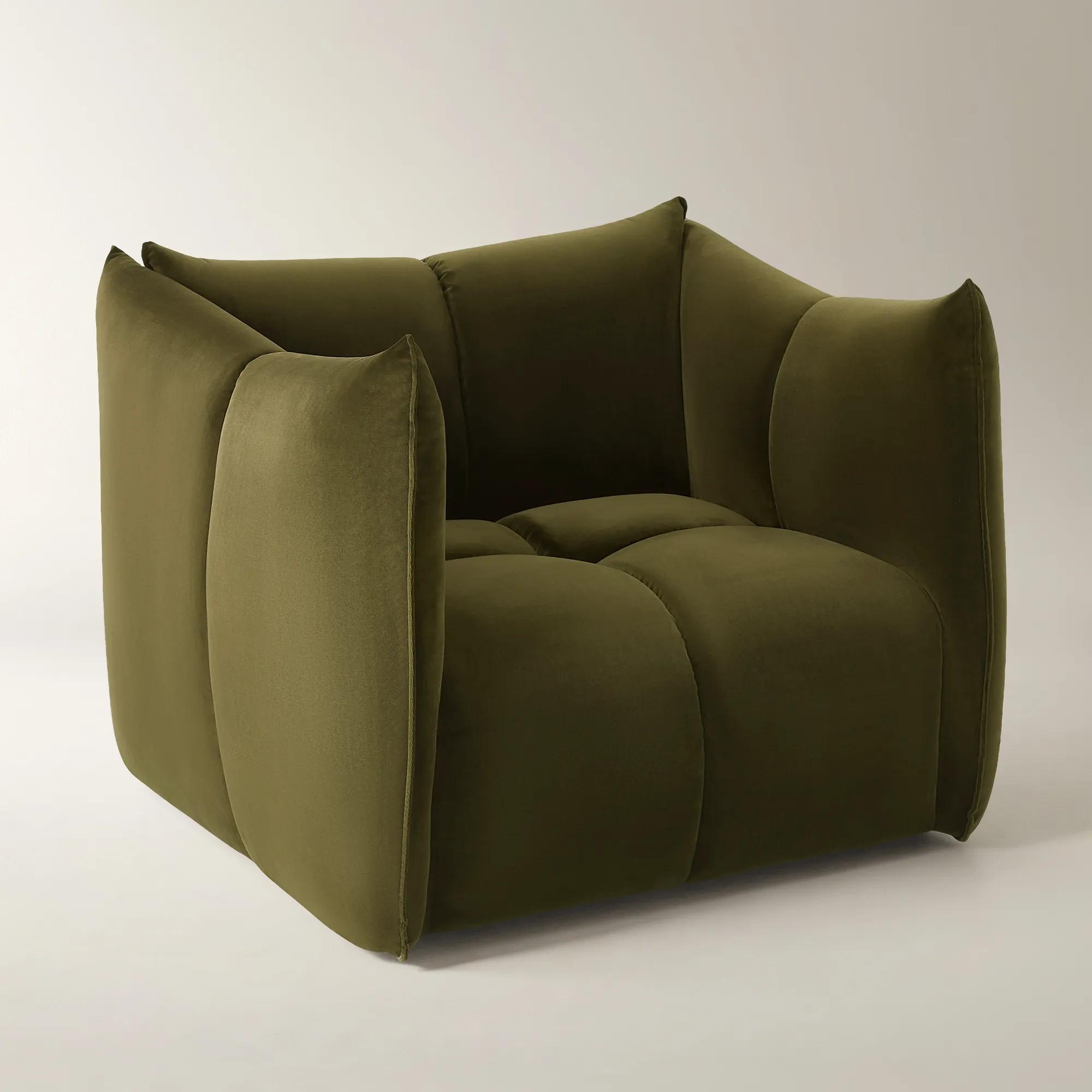 Reina Tufted Deep Olive Velvet Swivel Chair$1099
A green velvet swivel chair with channel tufting, winged architecture, and plush high-density foam comfort.
Add To Cart -
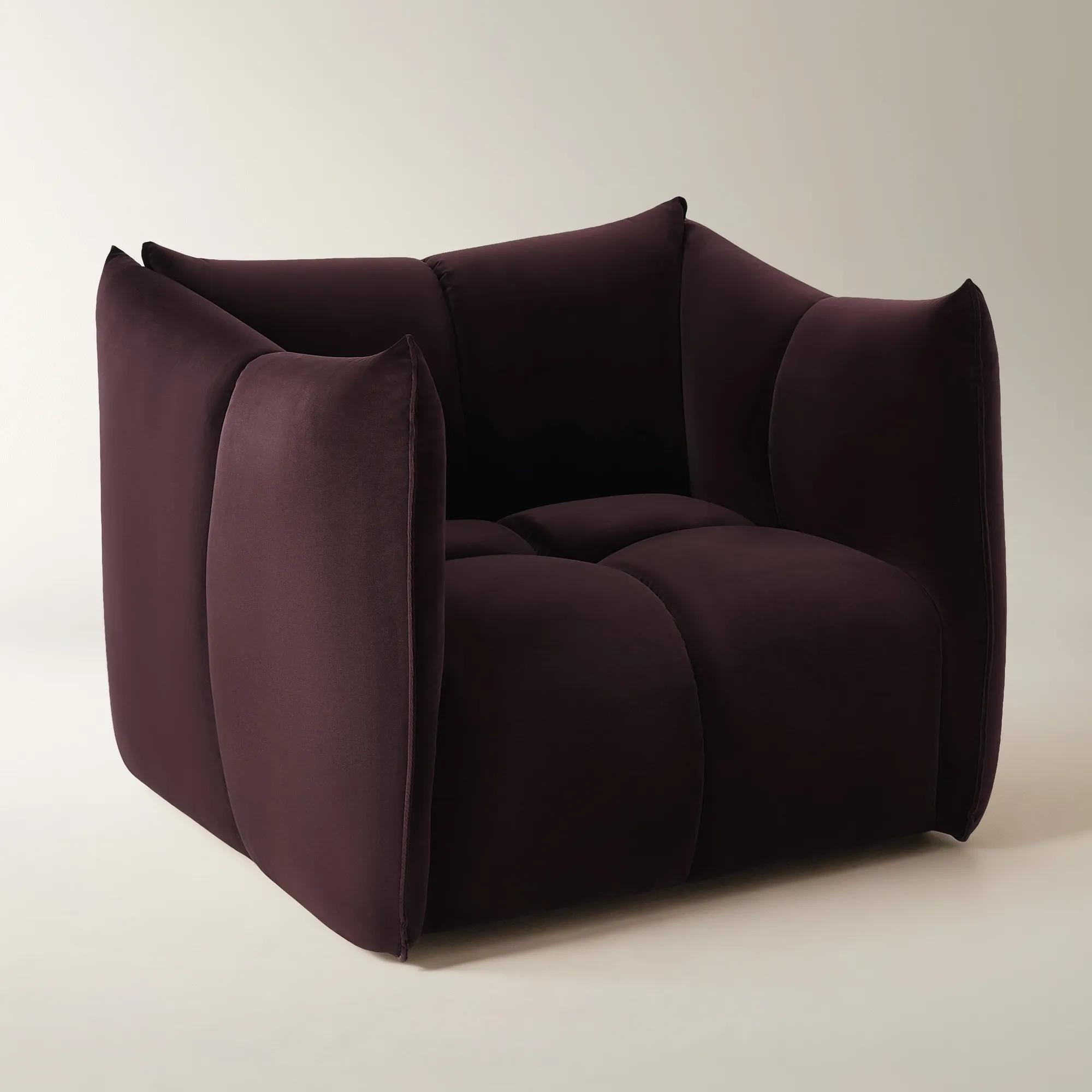 Reina Tufted Fig Velvet Swivel Chair$1099
A fig velvet swivel chair with channel tufting, a sculptural wingback profile, and plush foam cushioning.
Add To Cart -
 Reina Tufted Simply Taupe Velvet Swivel Chair$1099
A taupe velvet swivel chair with channel tufting, an architectural winged profile, and plush, sculpted comfort.
Add To Cart -
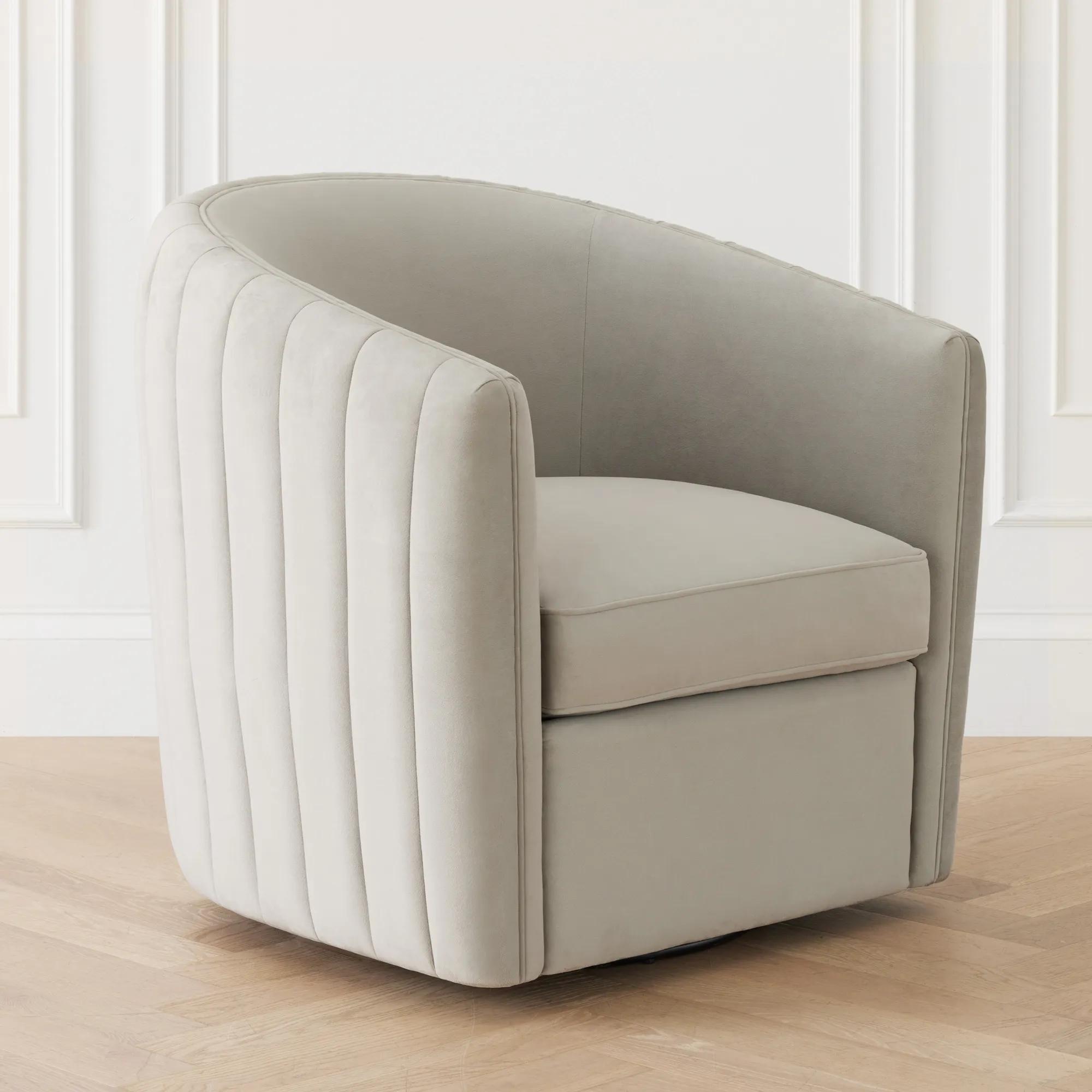
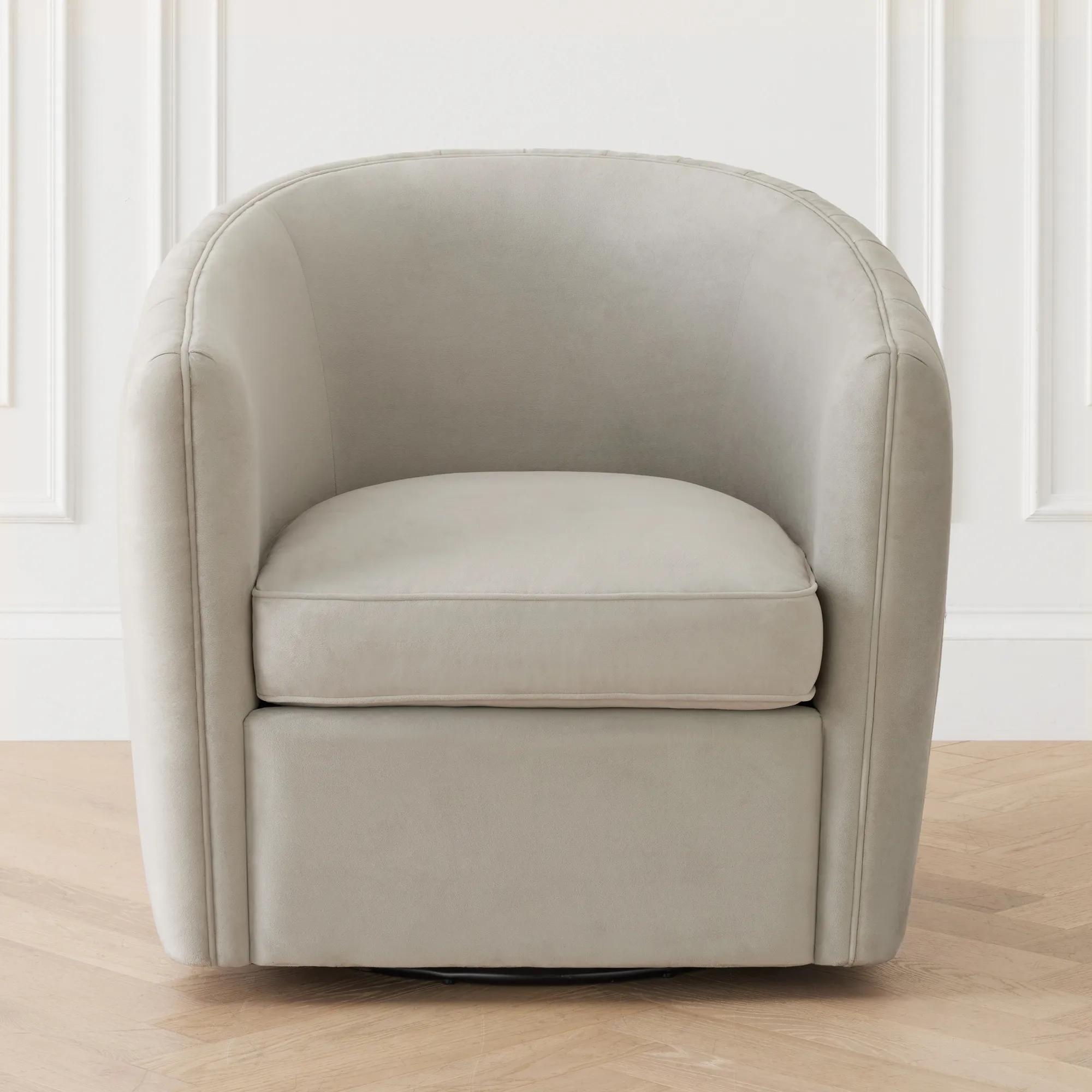 Aria Channeled Swivel Chair$1199
A modern barrel chair in kiln-dried hardwood with channeled velvet upholstery and a smooth swivel base.
Add To Cart -
 Curvia Dusty Blue Velvet Right-Arm Chair$1399
A sculptural right-arm chair wrapped in plush dusty blue velvet with deep, lounge-worthy comfort.
Add To Cart -
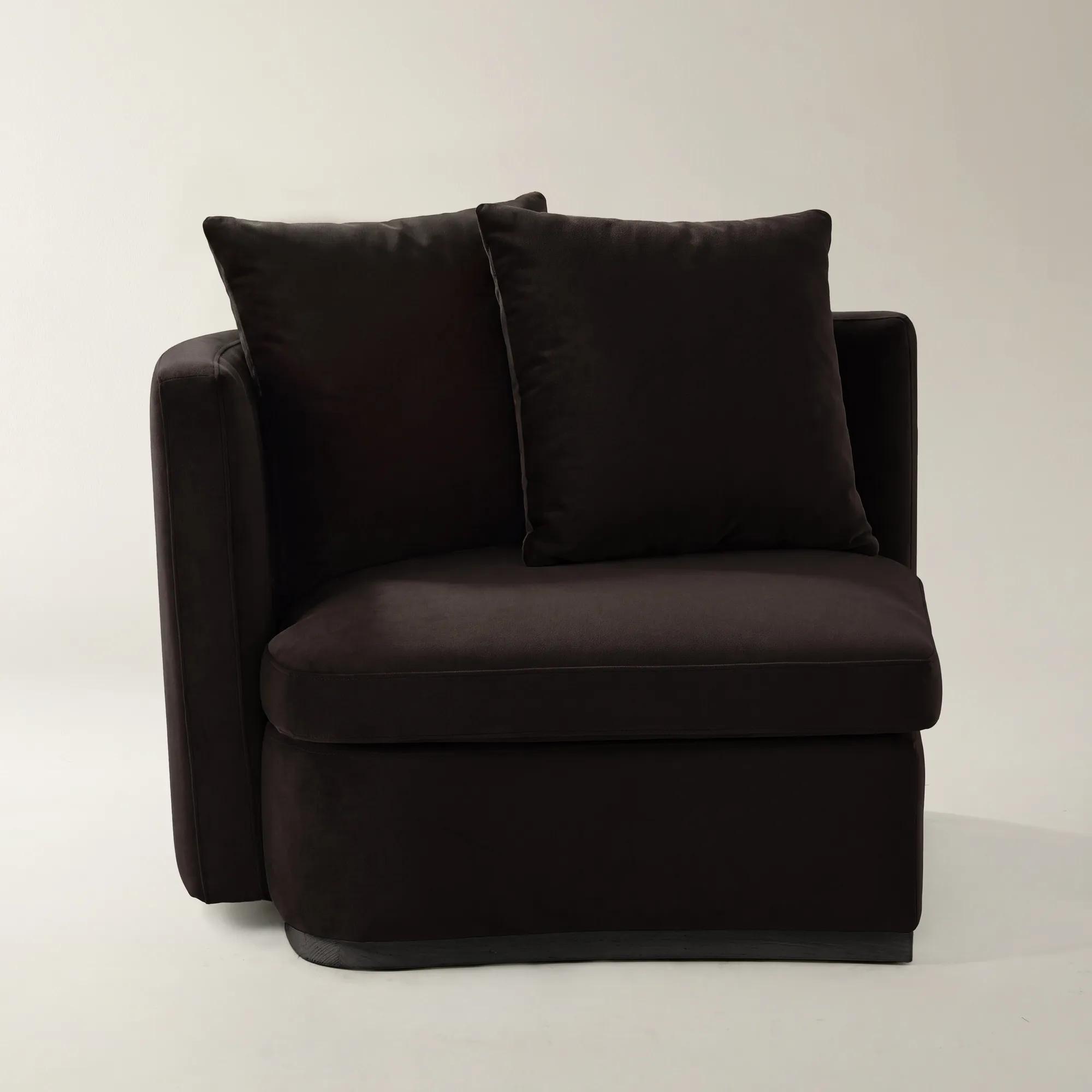
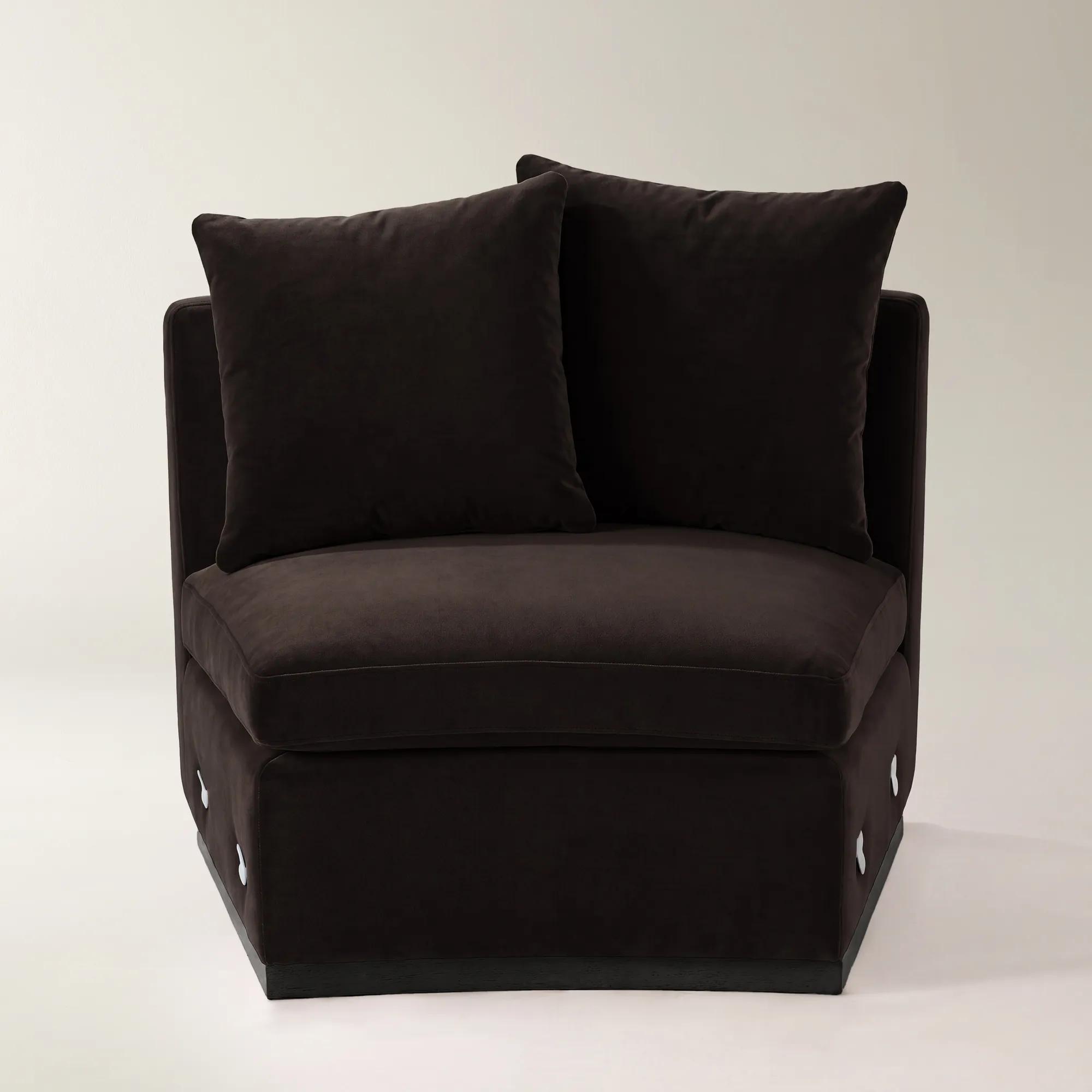
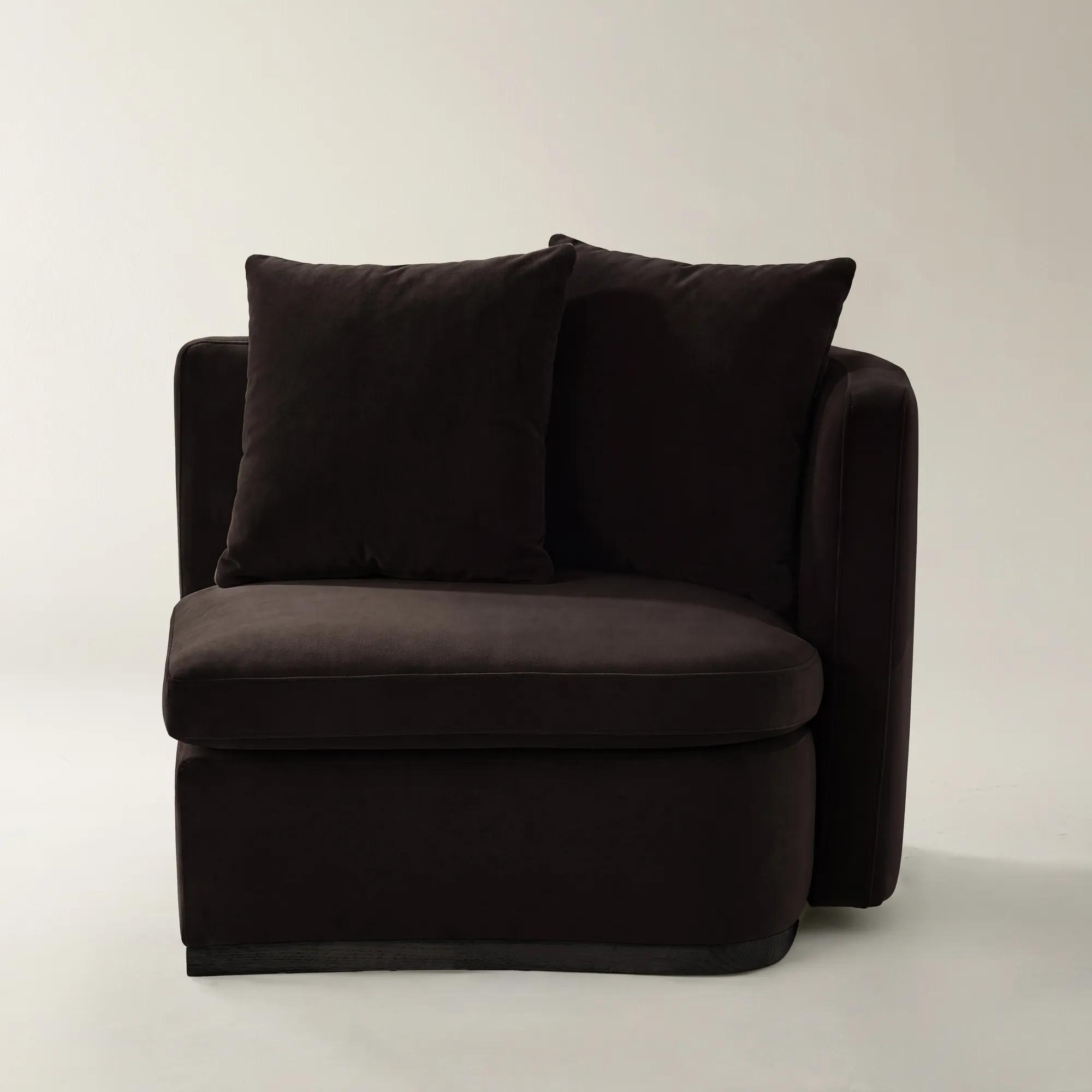
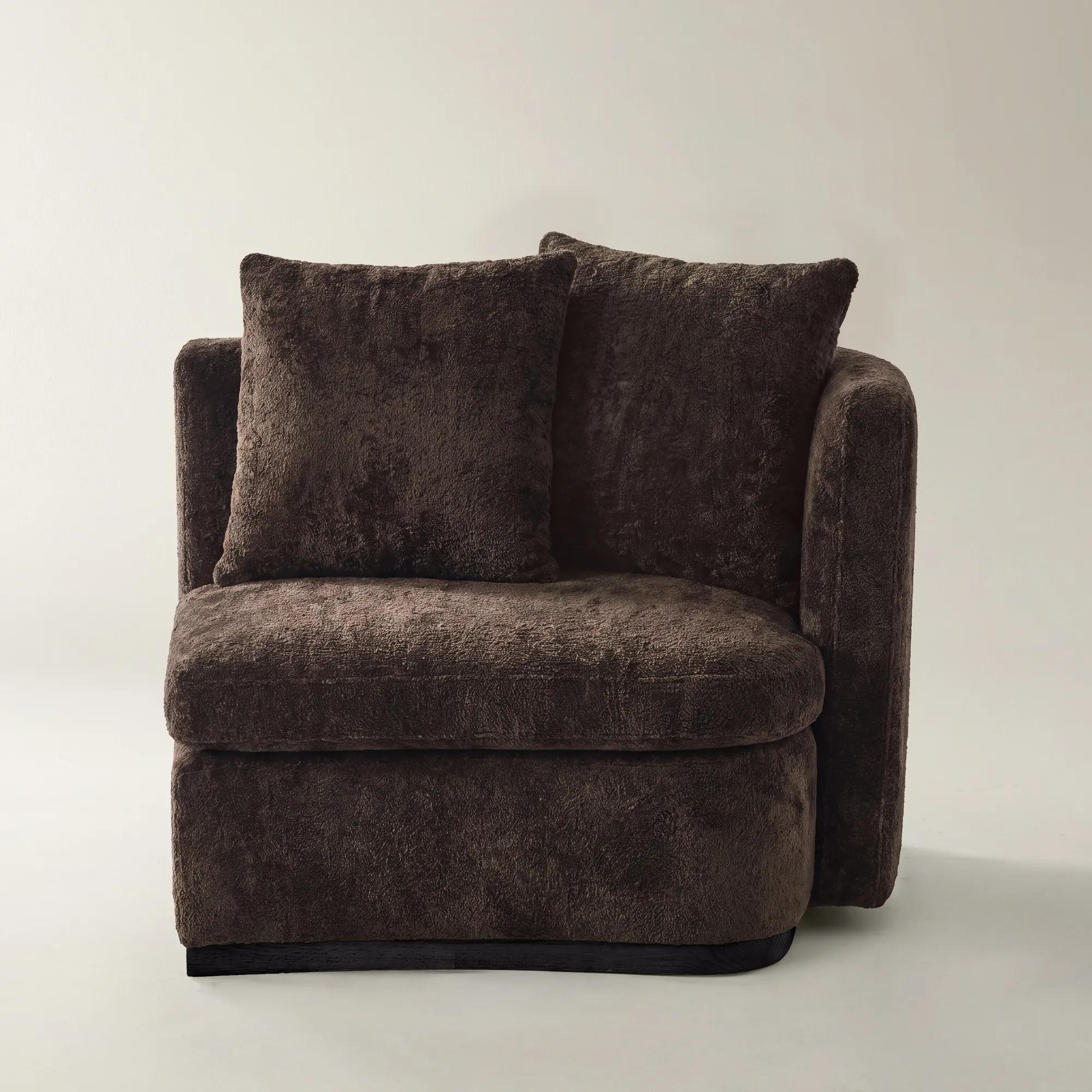 Stria Dark Chocolate Chenille Right-Arm Chair$1199
A sculptural dark chocolate chenille chair with layered cushioning, curved edges, and a supportive, sink-in seat.
Add To Cart -
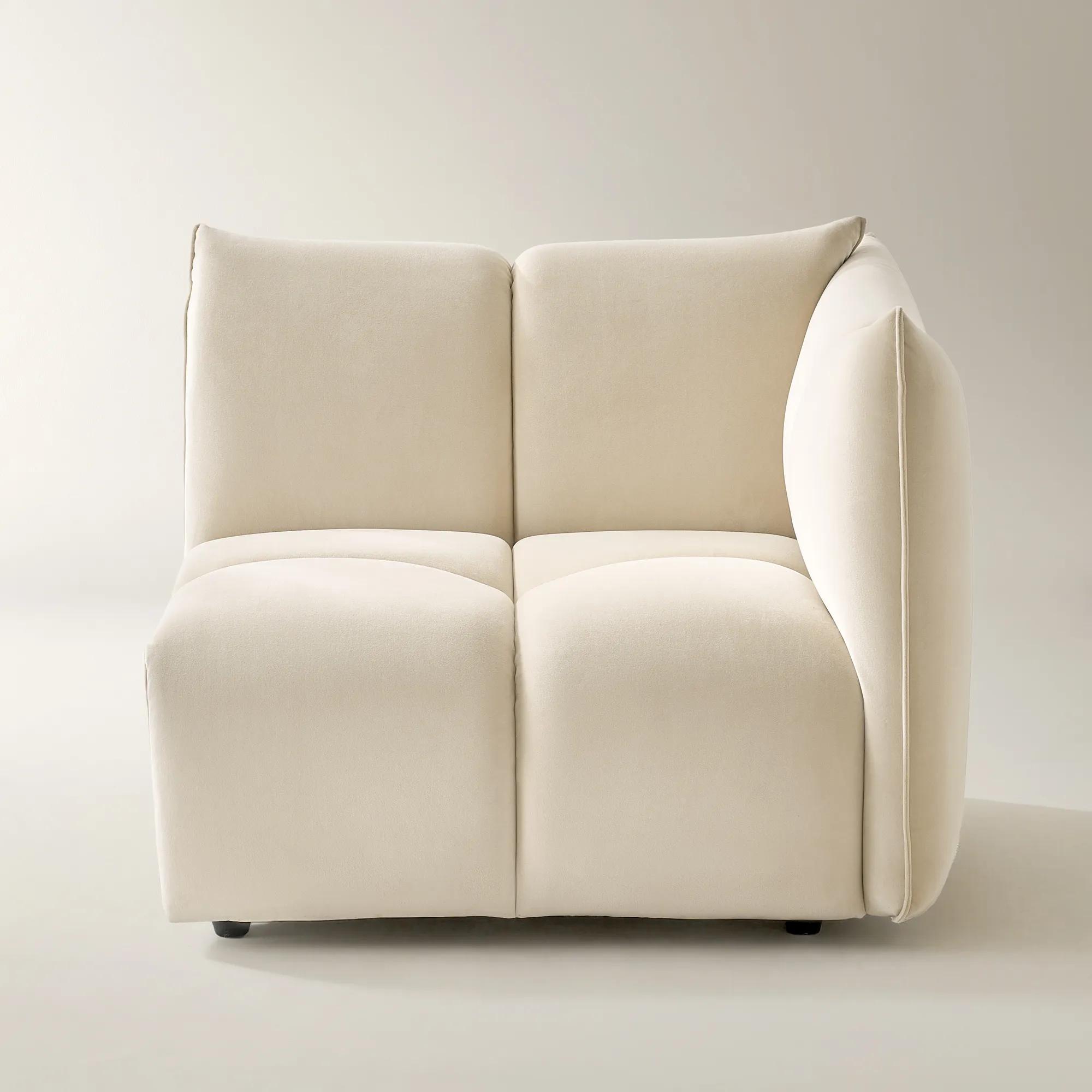
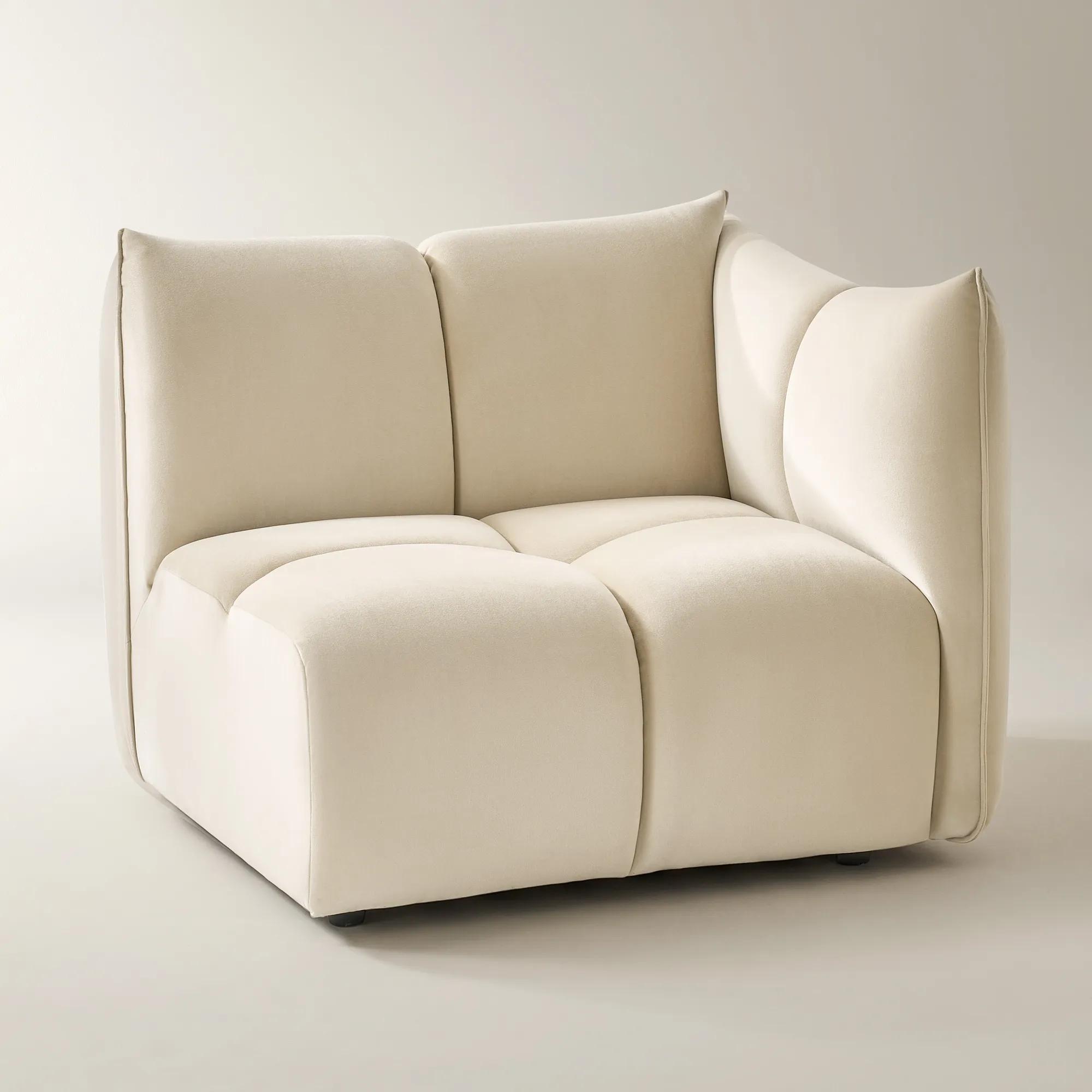 Reina Tufted Oatmeal Velvet Right-Arm Chair$899
A right-arm chair in oatmeal velvet featuring channel tufting, winged sides, and deep, plush seating.
Add To Cart -

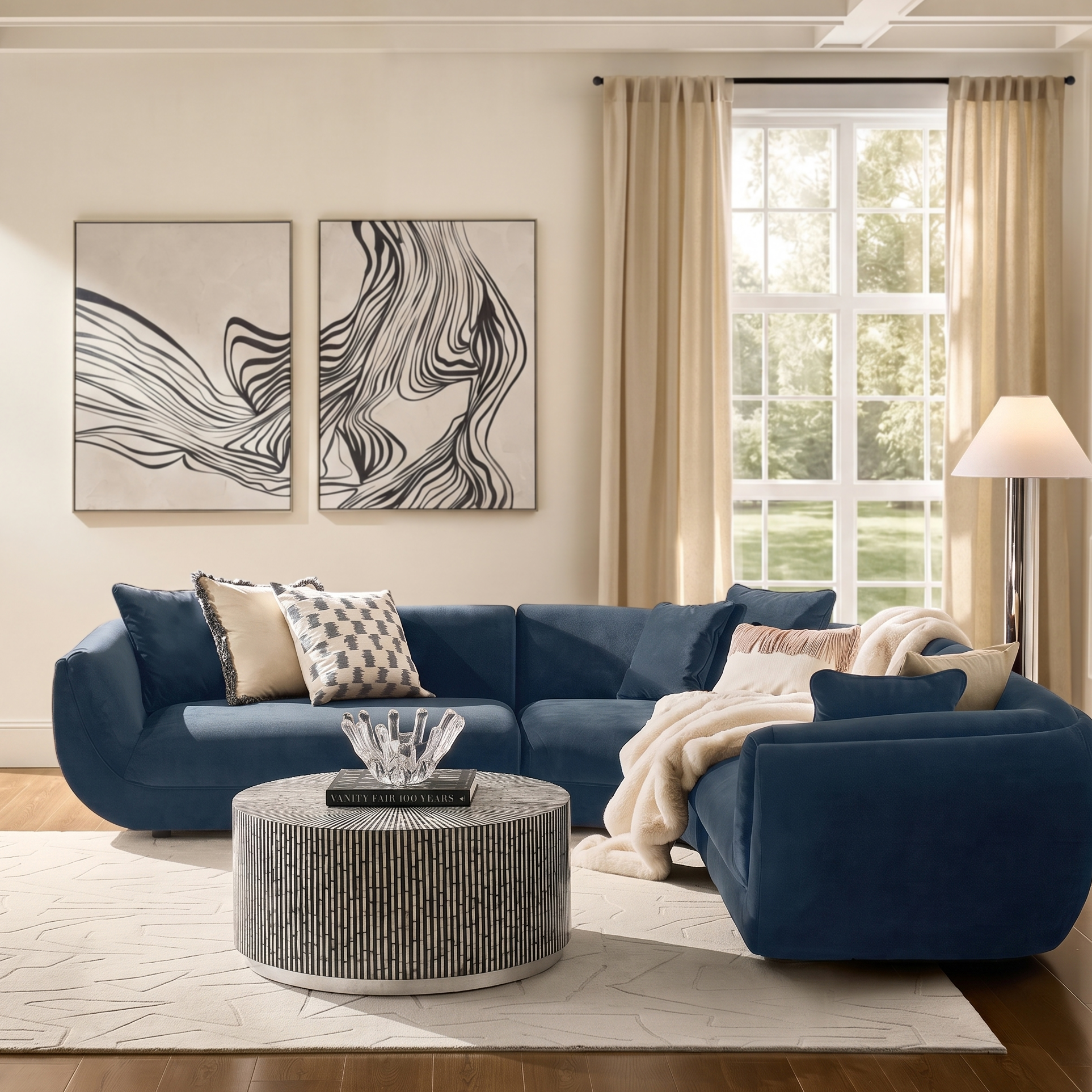 Curvia Dusty Blue Velvet Grand Right-Arm Chair$1499
A sculptural right-arm chair in plush dusty blue velvet with deep lounge comfort and modular versatility.
Add To Cart -
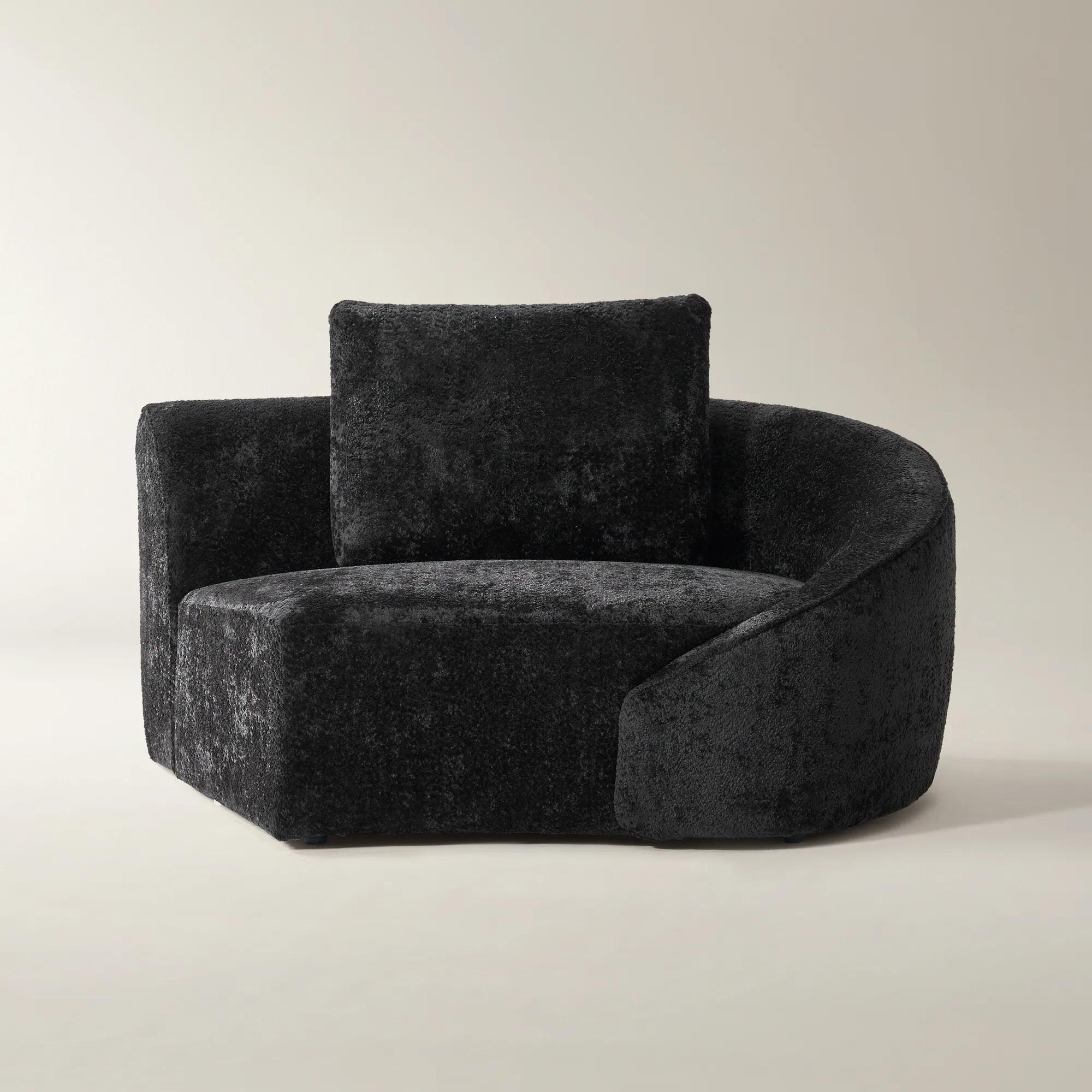
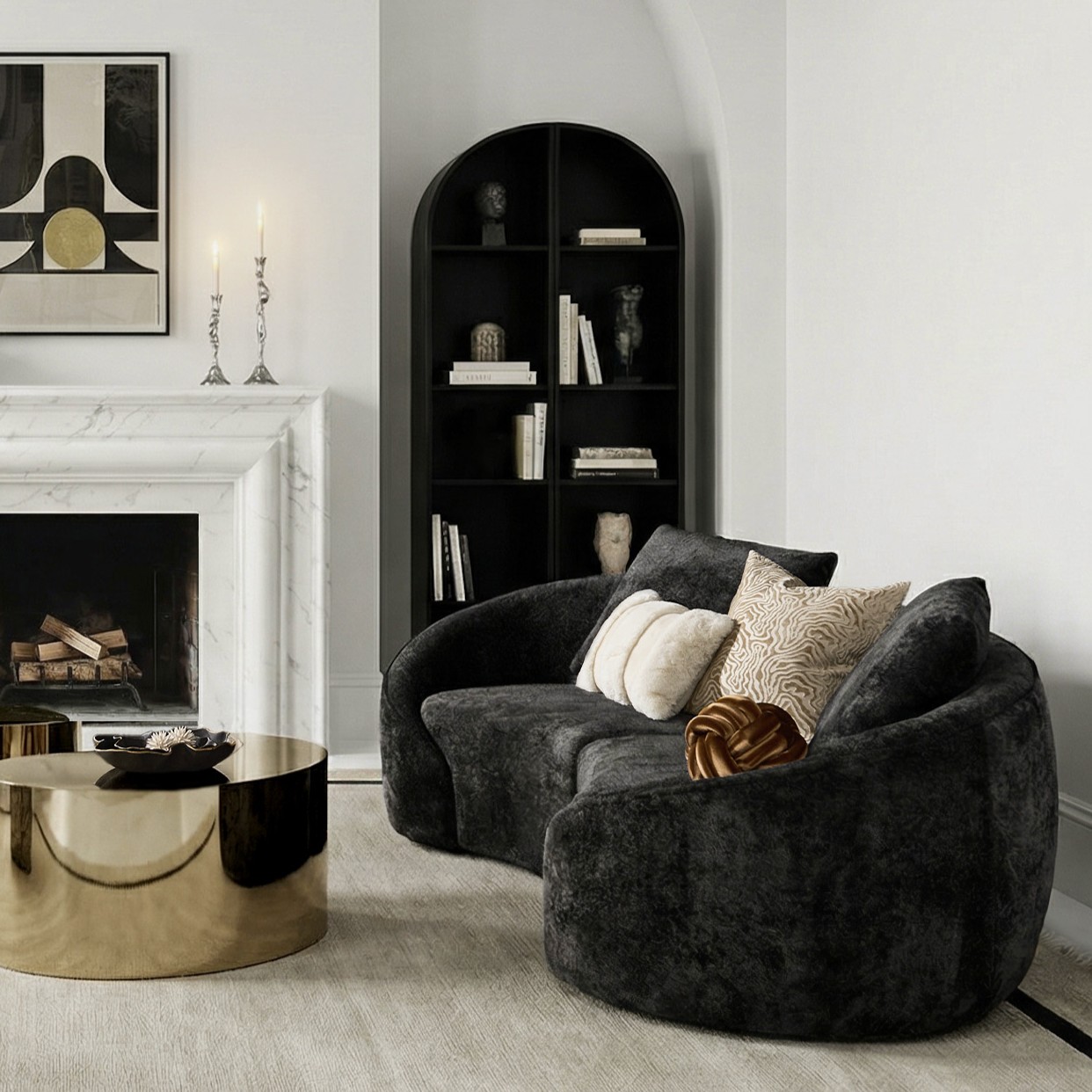 Irene Black Chenille Right-Arm Chair$1399
A customizable collection of modular living room chairs designed for personalized comfort and modern style.
Add To Cart -
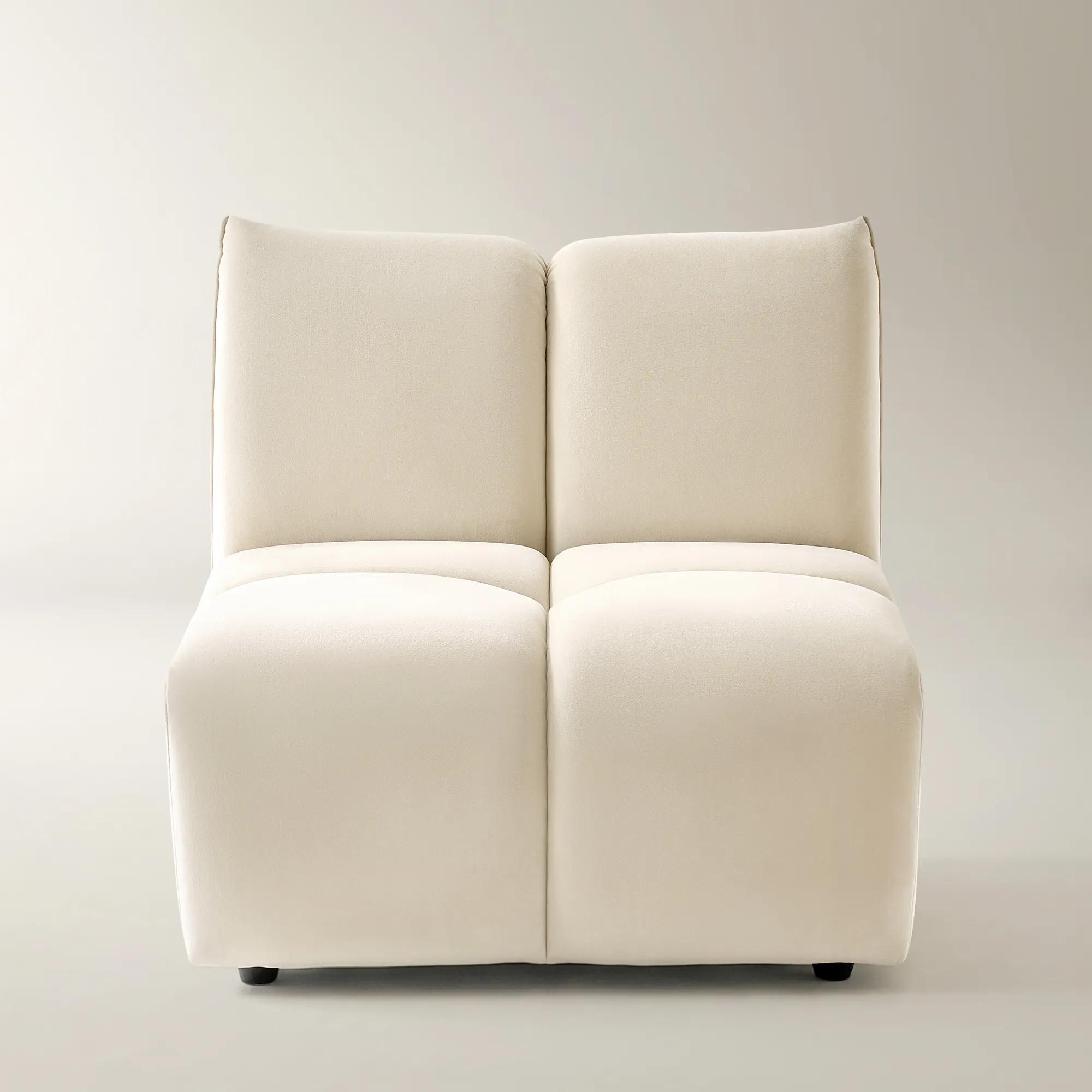
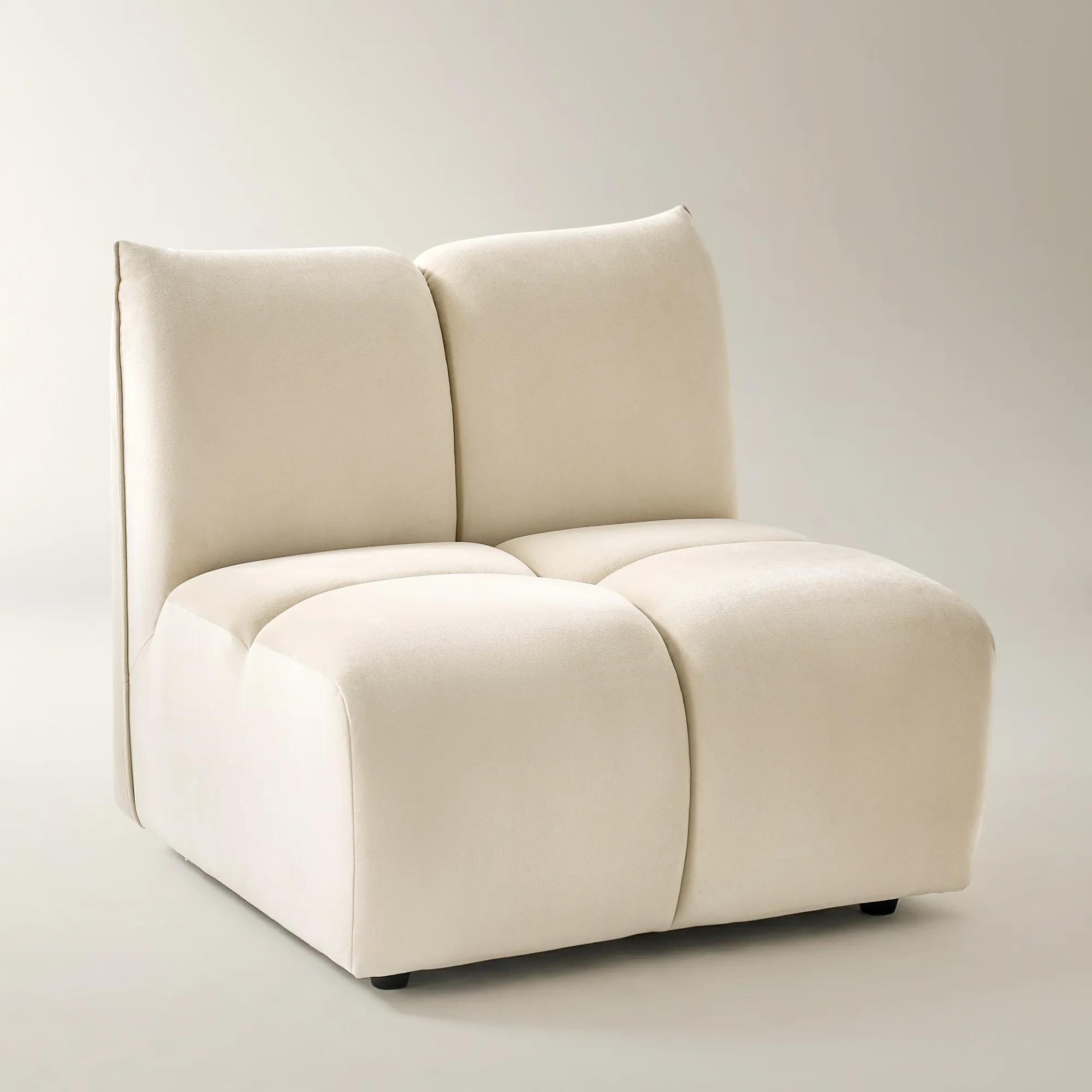 Reina Tufted Oatmeal Velvet Armless Chair$799
A plush oatmeal velvet armless chair featuring channel tufting, deep seating, and an architectural winged profile.
Add To Cart -
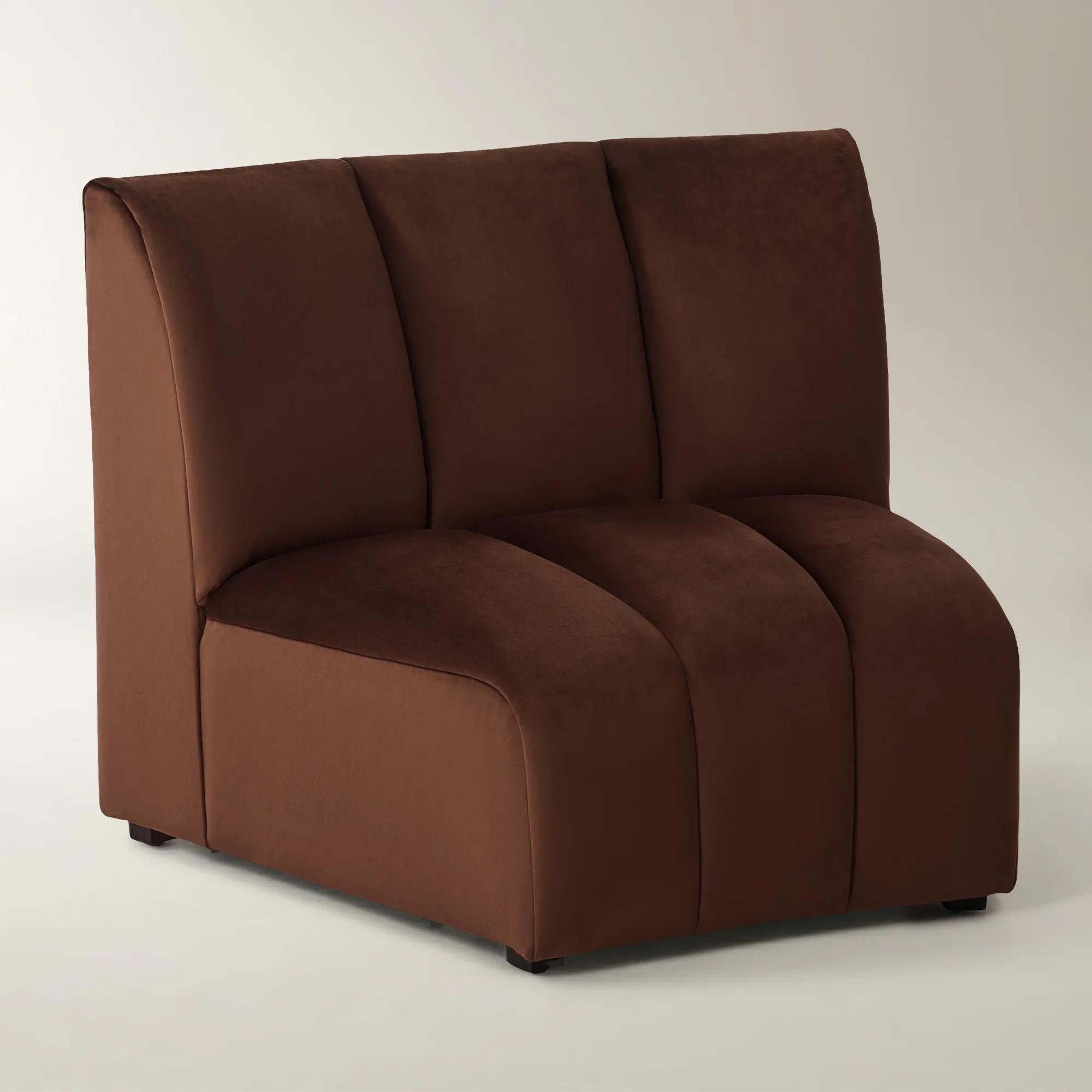
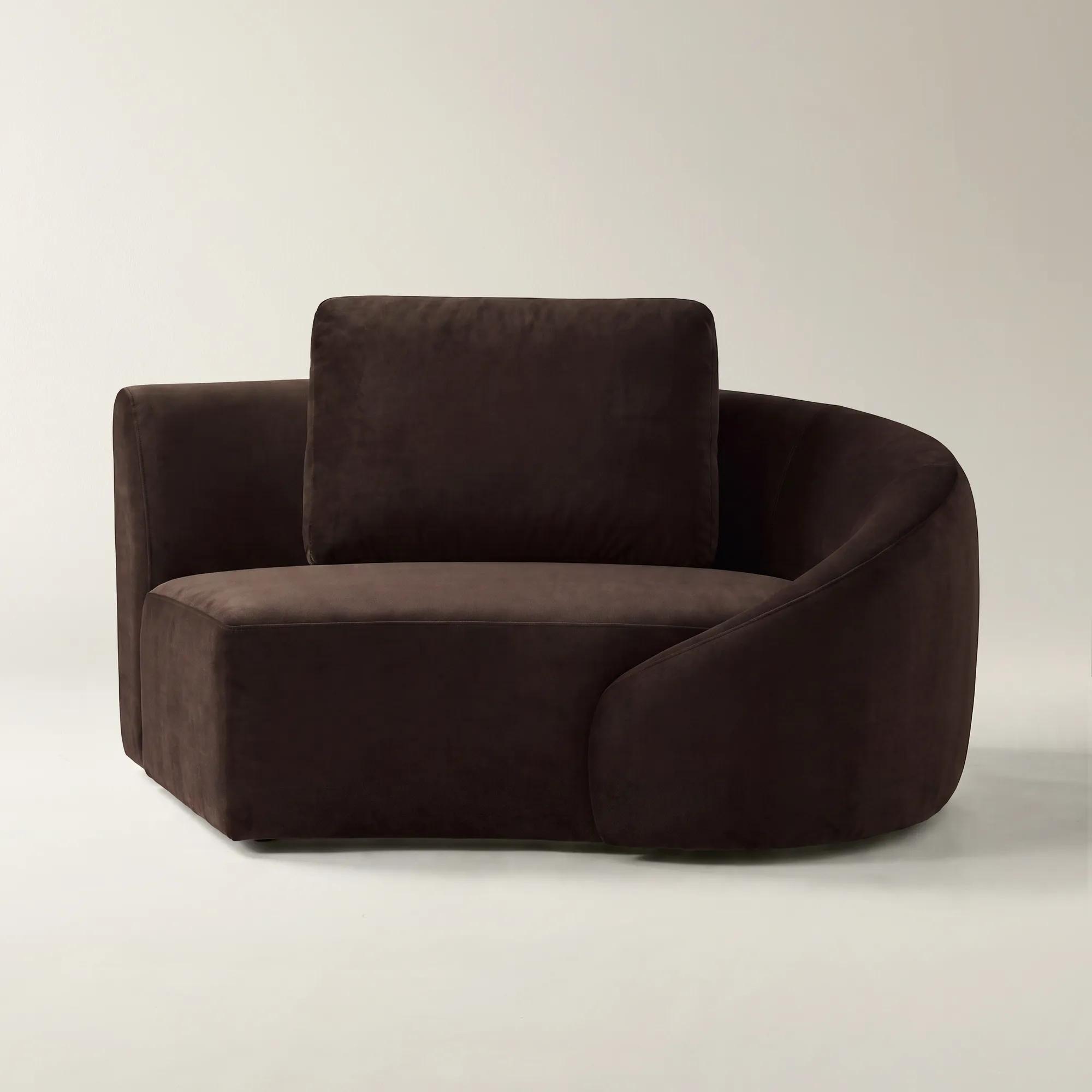
 Curvia Dark Chocolate Velvet Grand Right-Arm Chair$1499
A sculptural right-arm chair in dark chocolate velvet with plush cushioning and modular, wraparound design.
Add To Cart -
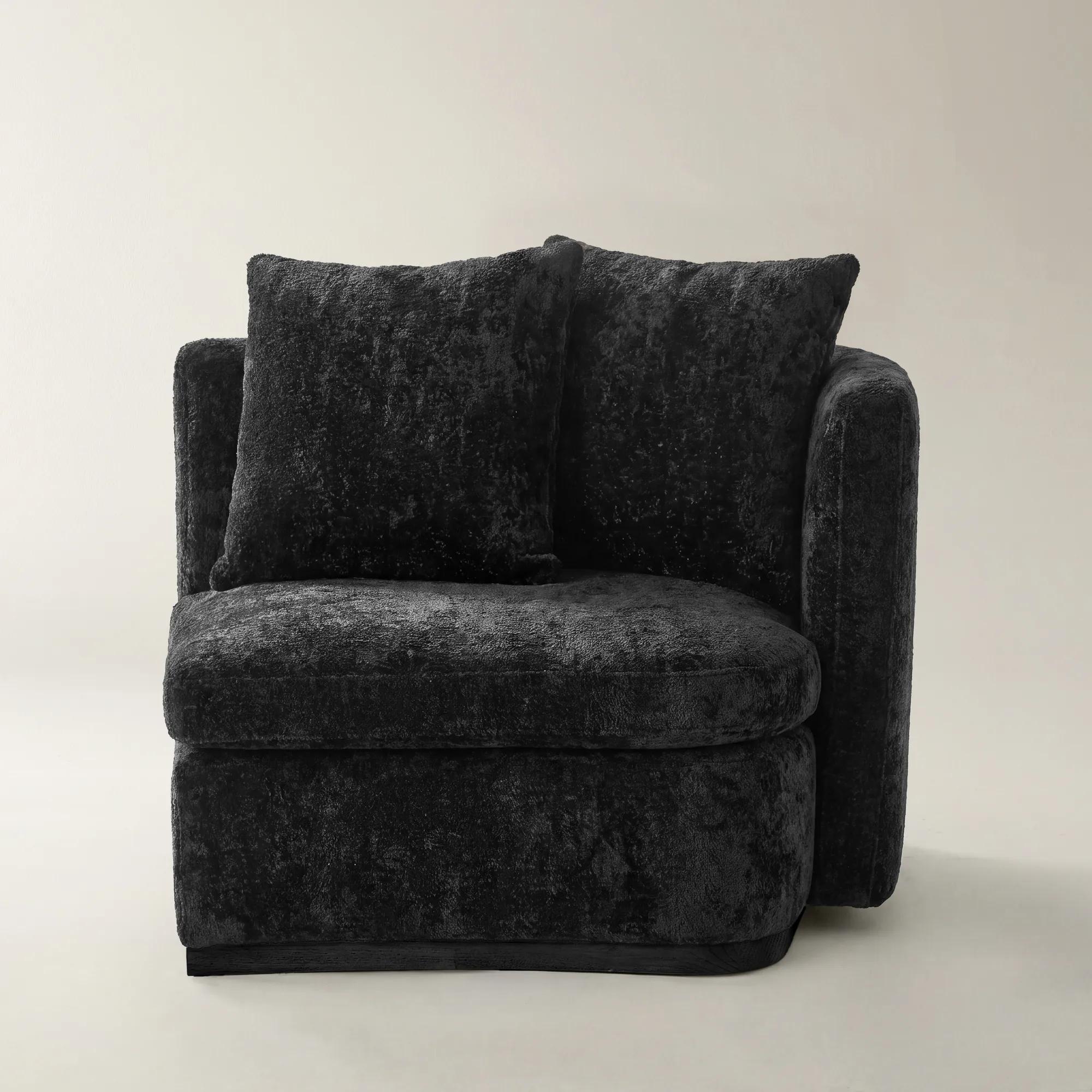 Stria Black Chenille Right-Arm Chair$1199
A sculptural black chenille chair featuring a flowing silhouette, layered foam-and-down cushioning, and modular connectors.
Add To Cart -
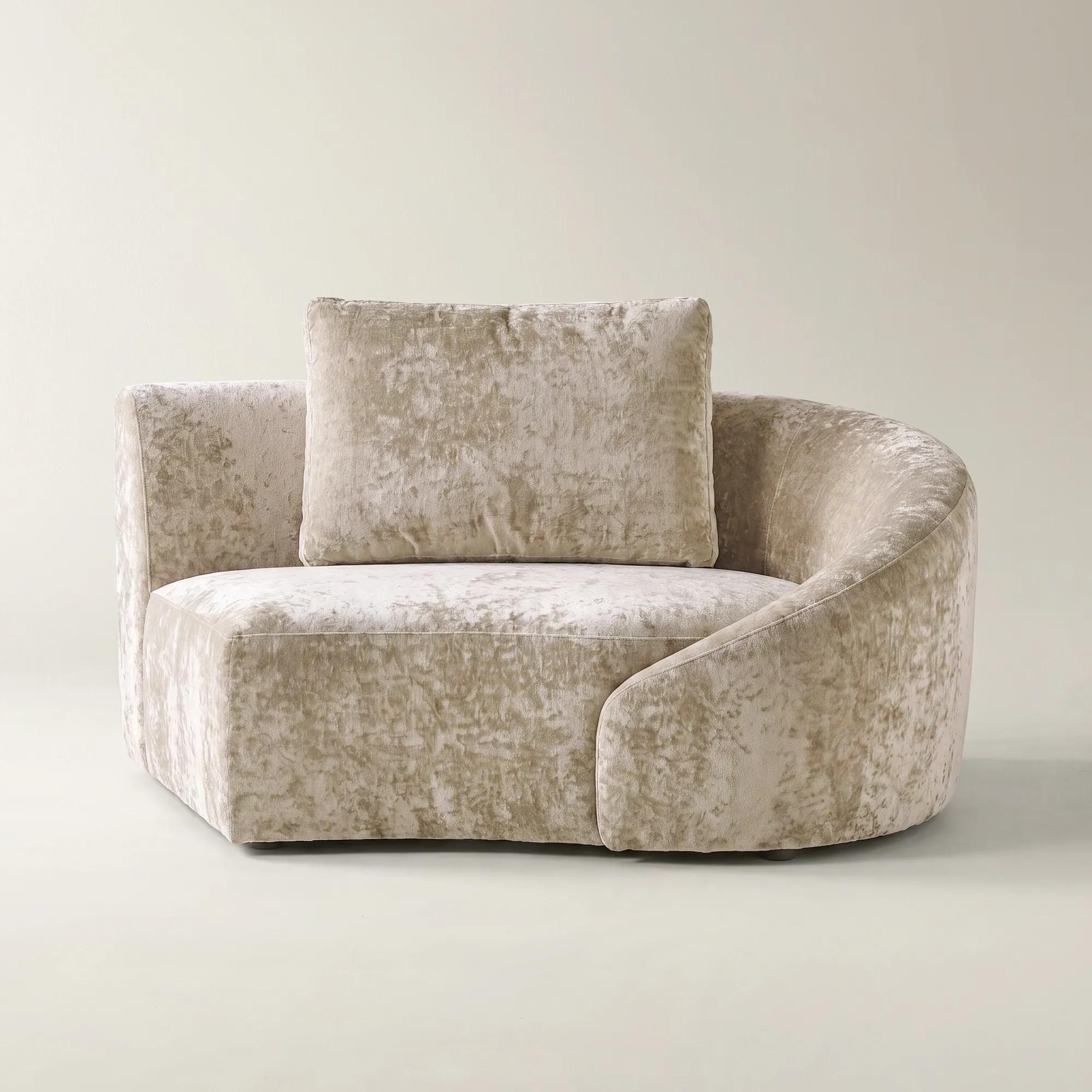
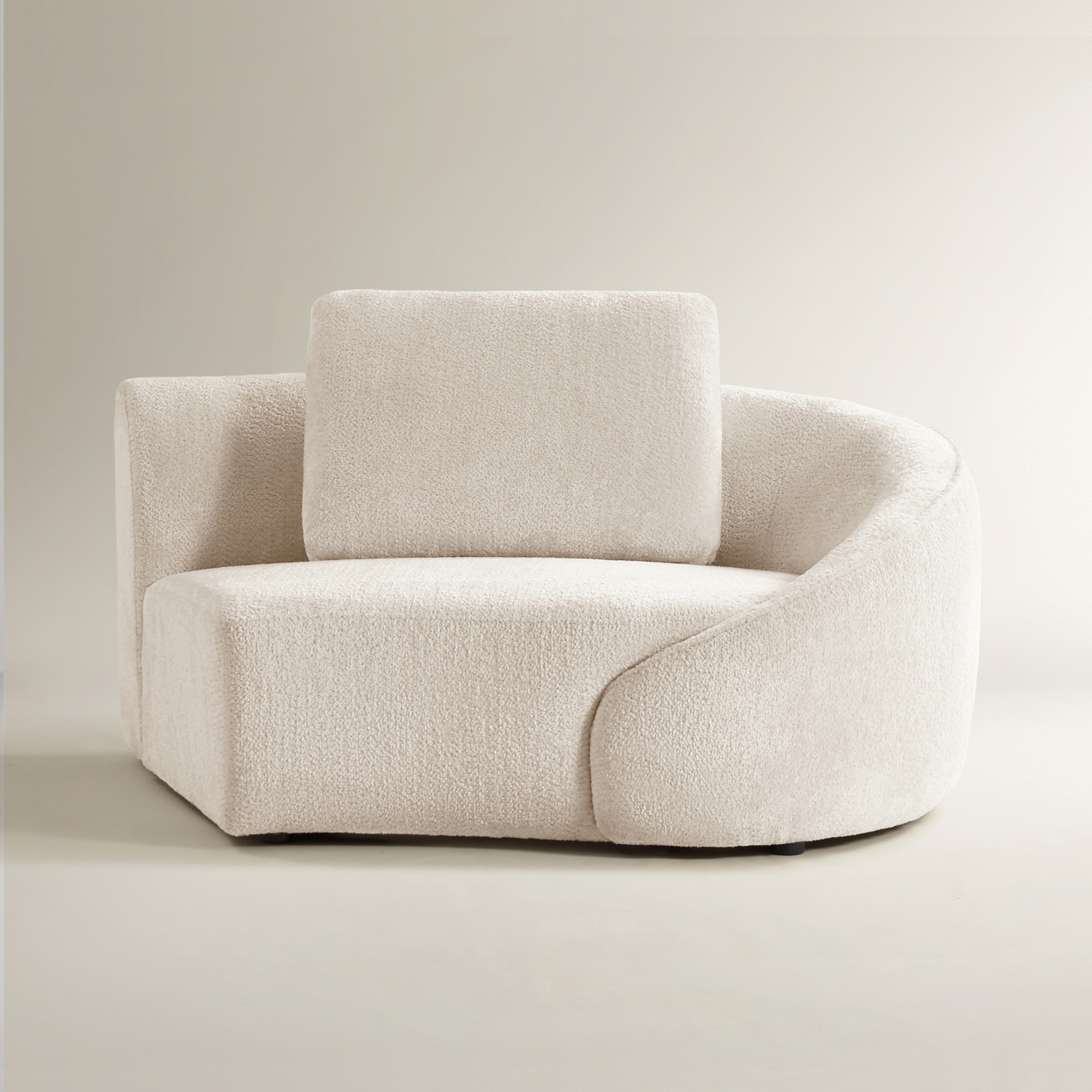 Irene Light Brown Chenille Right-Arm Chair$1399
A sculptural right-arm chair in light brown chenille with high-resiliency foam cushions and artisan detailing.
Add To Cart -
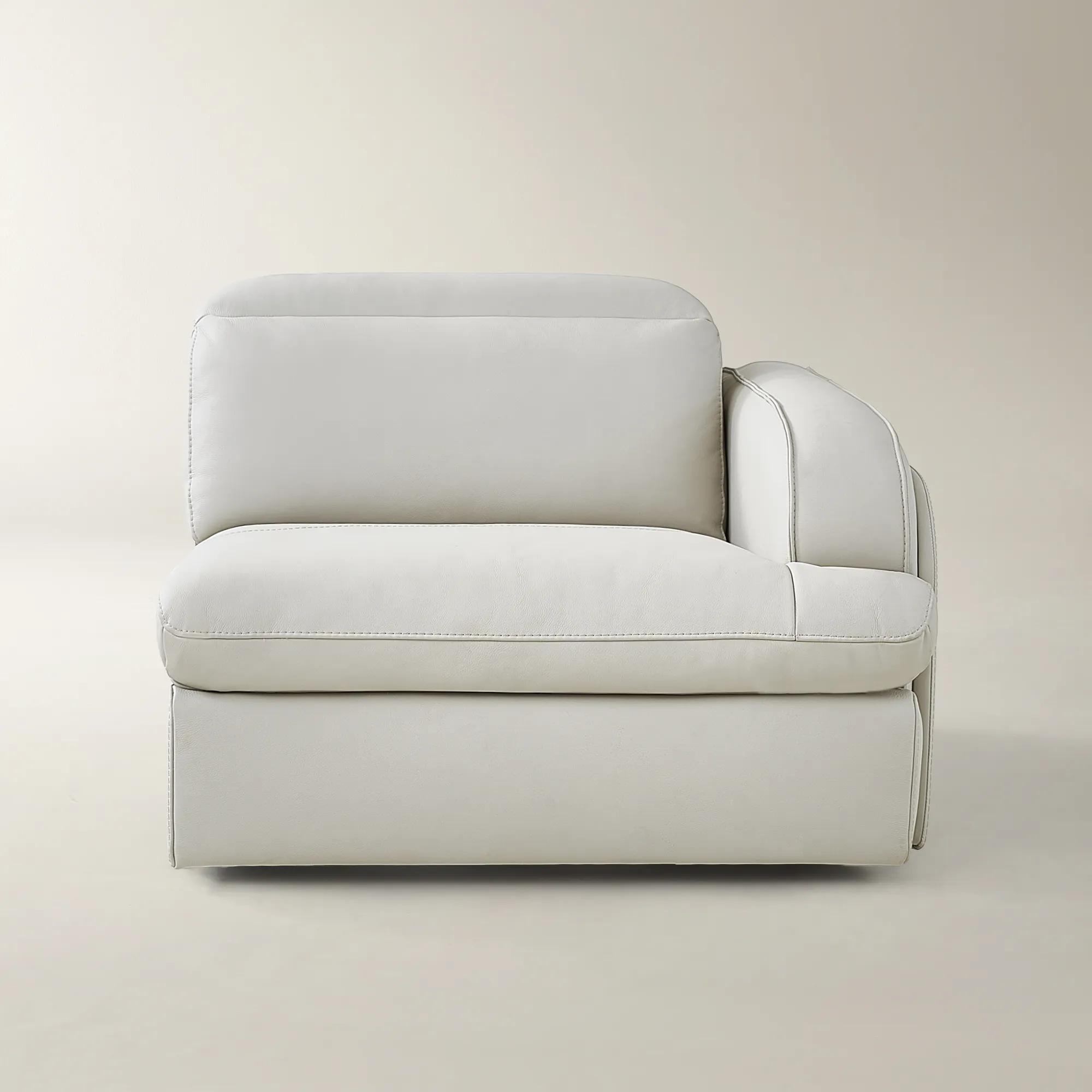
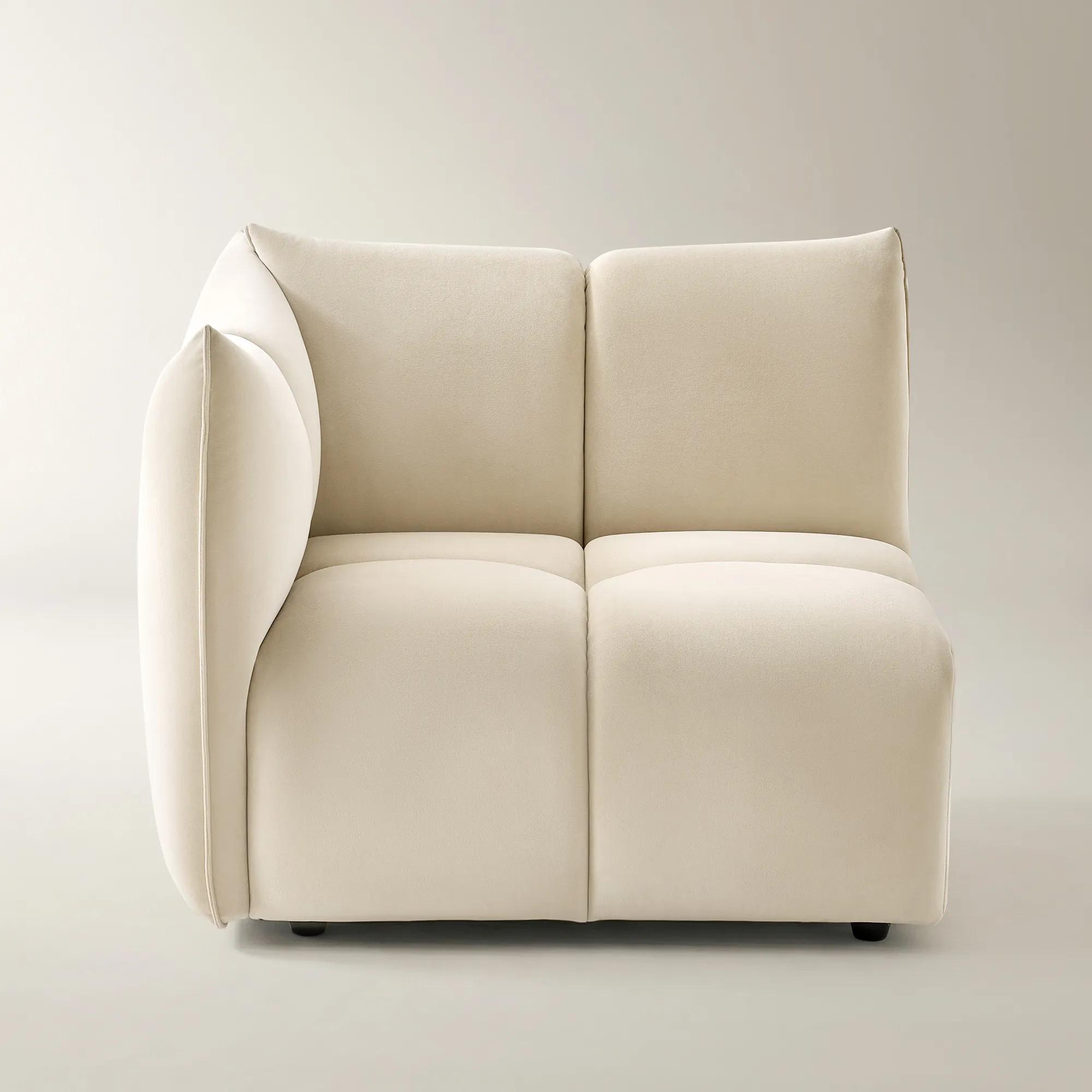 Reina Tufted Oatmeal Velvet Left-Arm Chair$899
A left-arm chair in oatmeal velvet featuring channel tufting, deep seating, and an architectural winged profile.
Add To Cart -
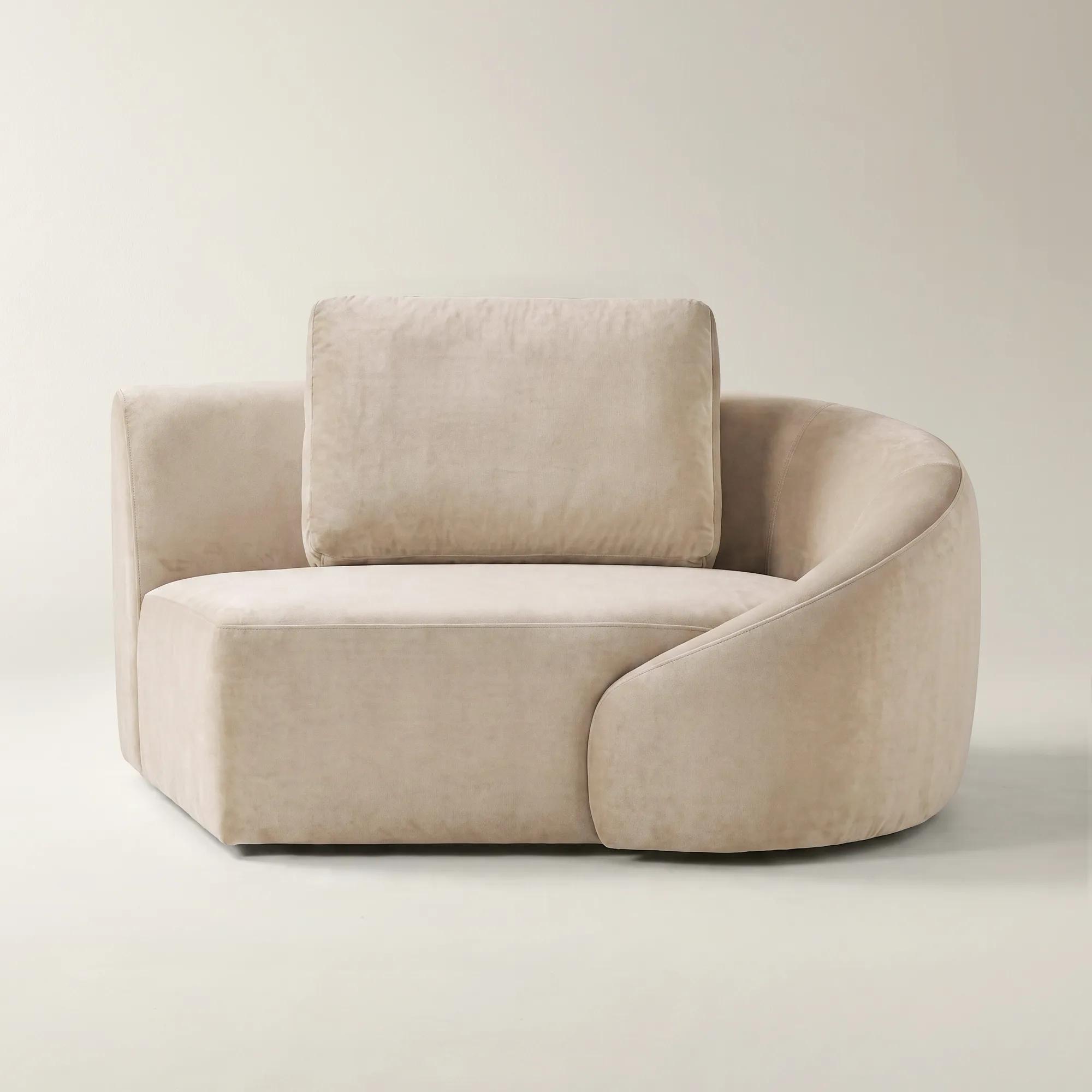 Irene Simply Taupe Velvet Right-Arm Chair$1399
A sculptural right-arm chair in simply taupe velvet with high-resiliency foam cushions and artisan detailing.
Add To Cart -
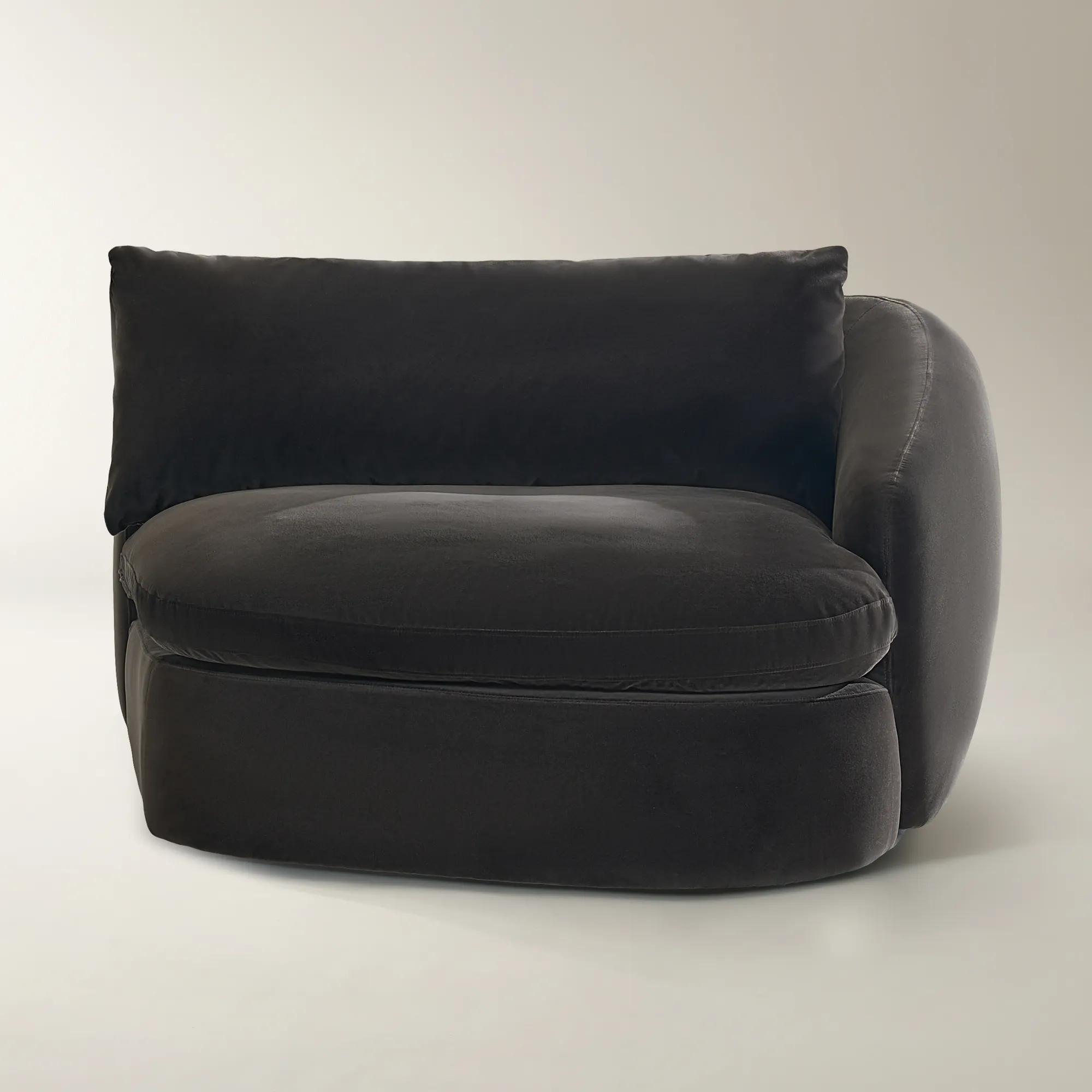 Sabrina Charcoal Velvet Right-Arm Chair$1399
A modular charcoal velvet sectional featuring curved lines, feather-blend cushions, and hand-crafted solid wood construction.
Add To Cart -
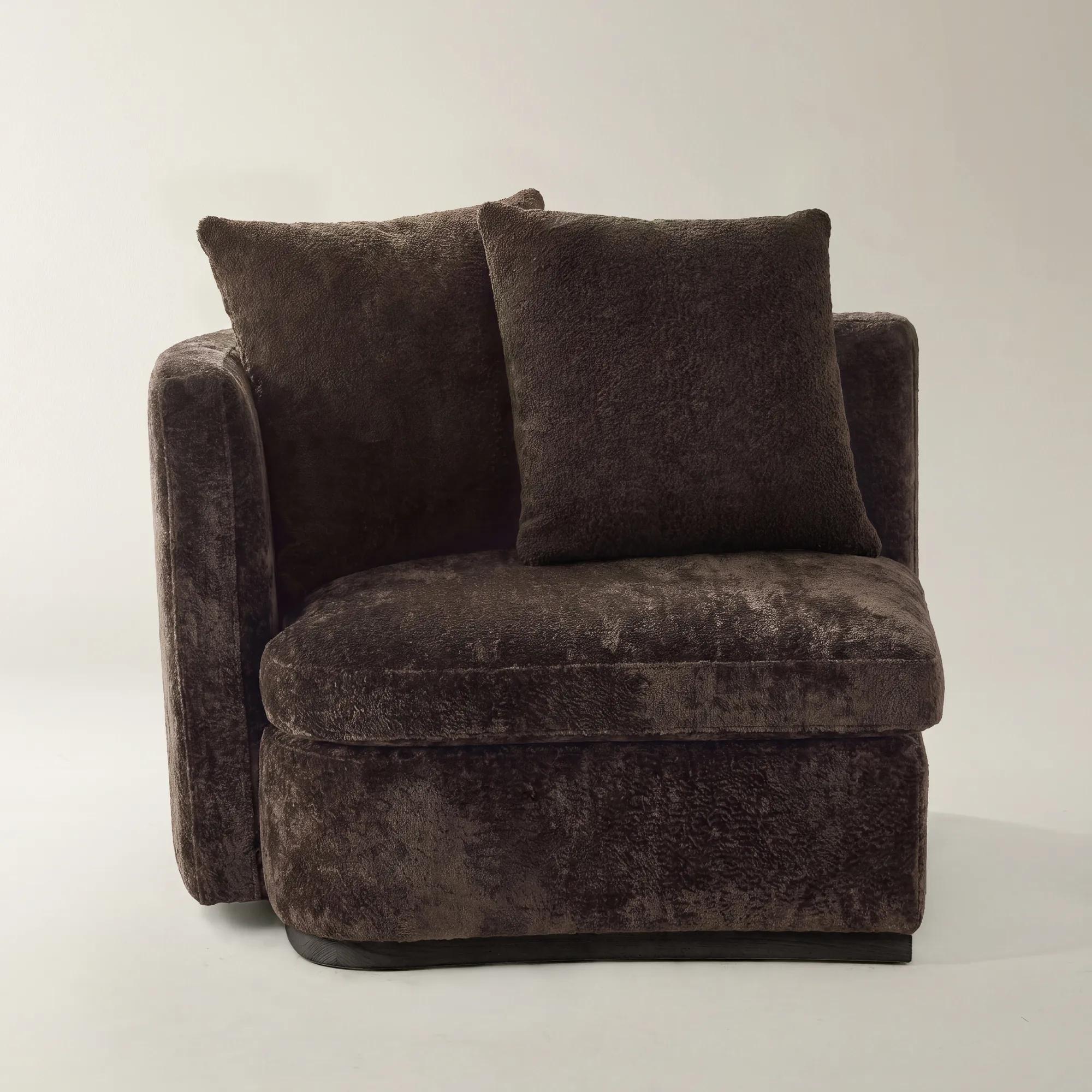 Stria Dark Chocolate Chenille Left-Arm Chair$1199
A sculptural dark chocolate chenille chair with curved edges, layered cushioning, and a kiln-dried wood frame.
Add To Cart -
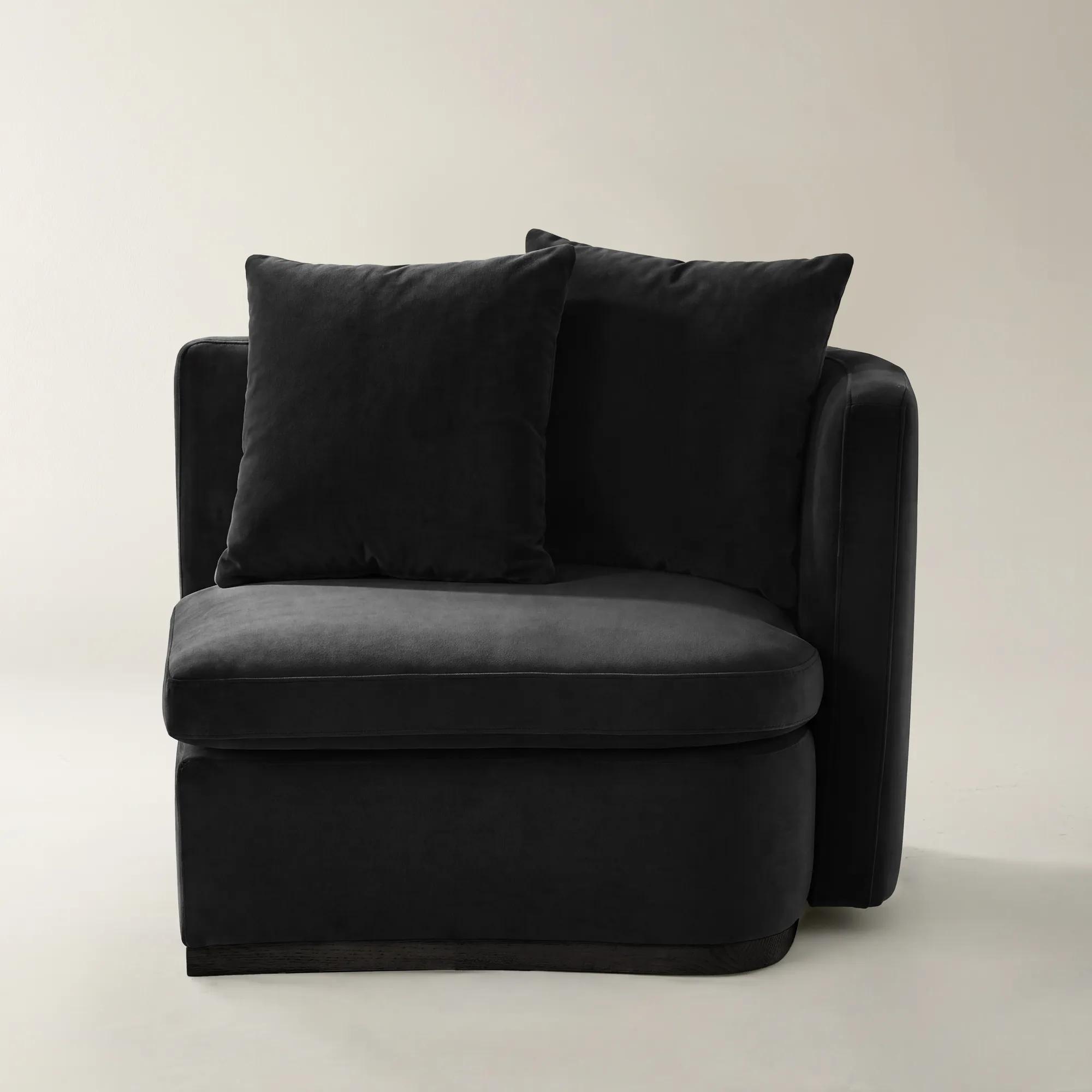 Stria Charcoal Velvet Right-Arm Chair$1199
A charcoal velvet chair featuring a kiln-dried wood frame, solid oak base, and layered down-blend cushioning.
Add To Cart -
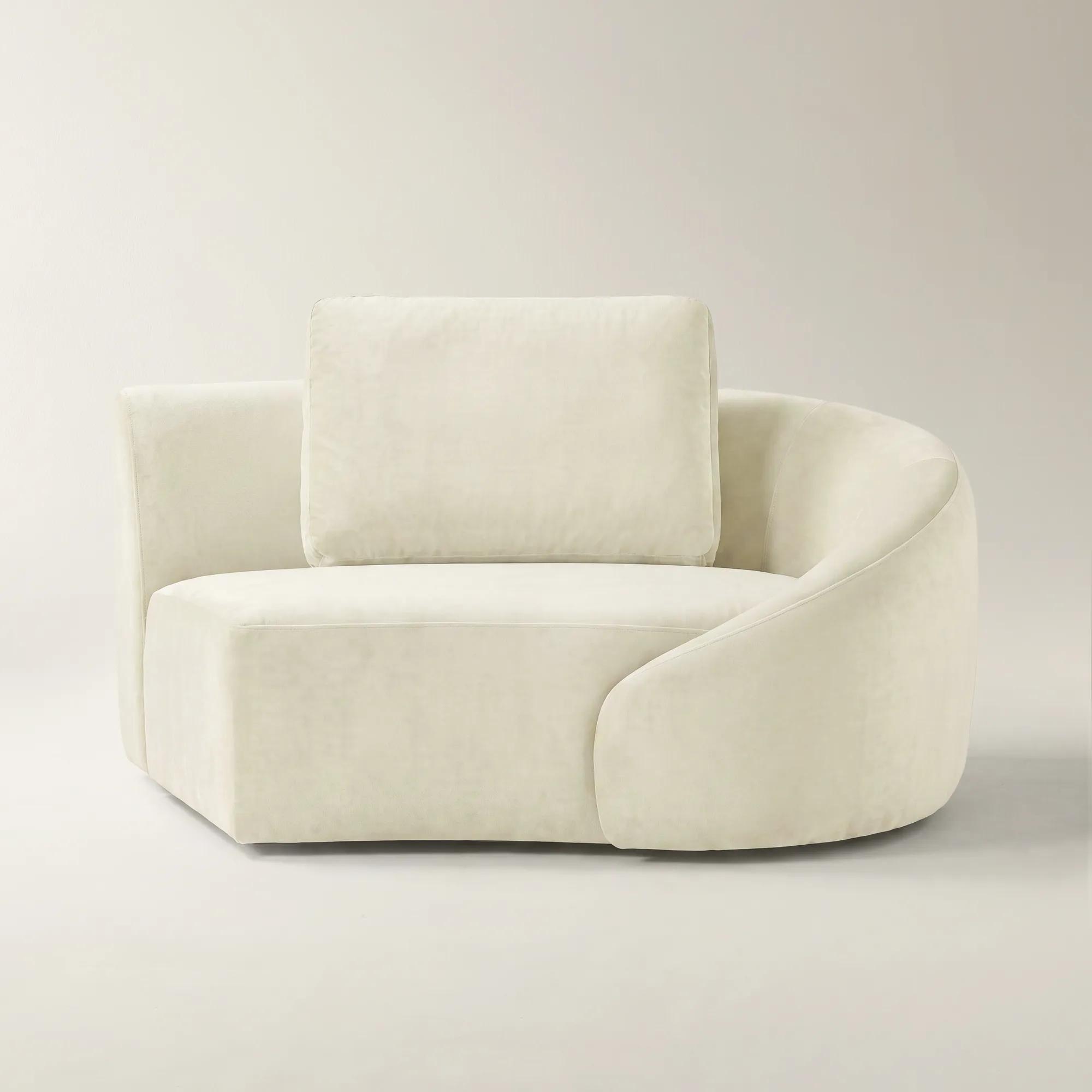 Irene Cloud Velvet Right-Arm Chair$1399
A sculptural right-arm chair upholstered in cloud velvet with high-resiliency foam cushions and artisan detailing.
Add To Cart -
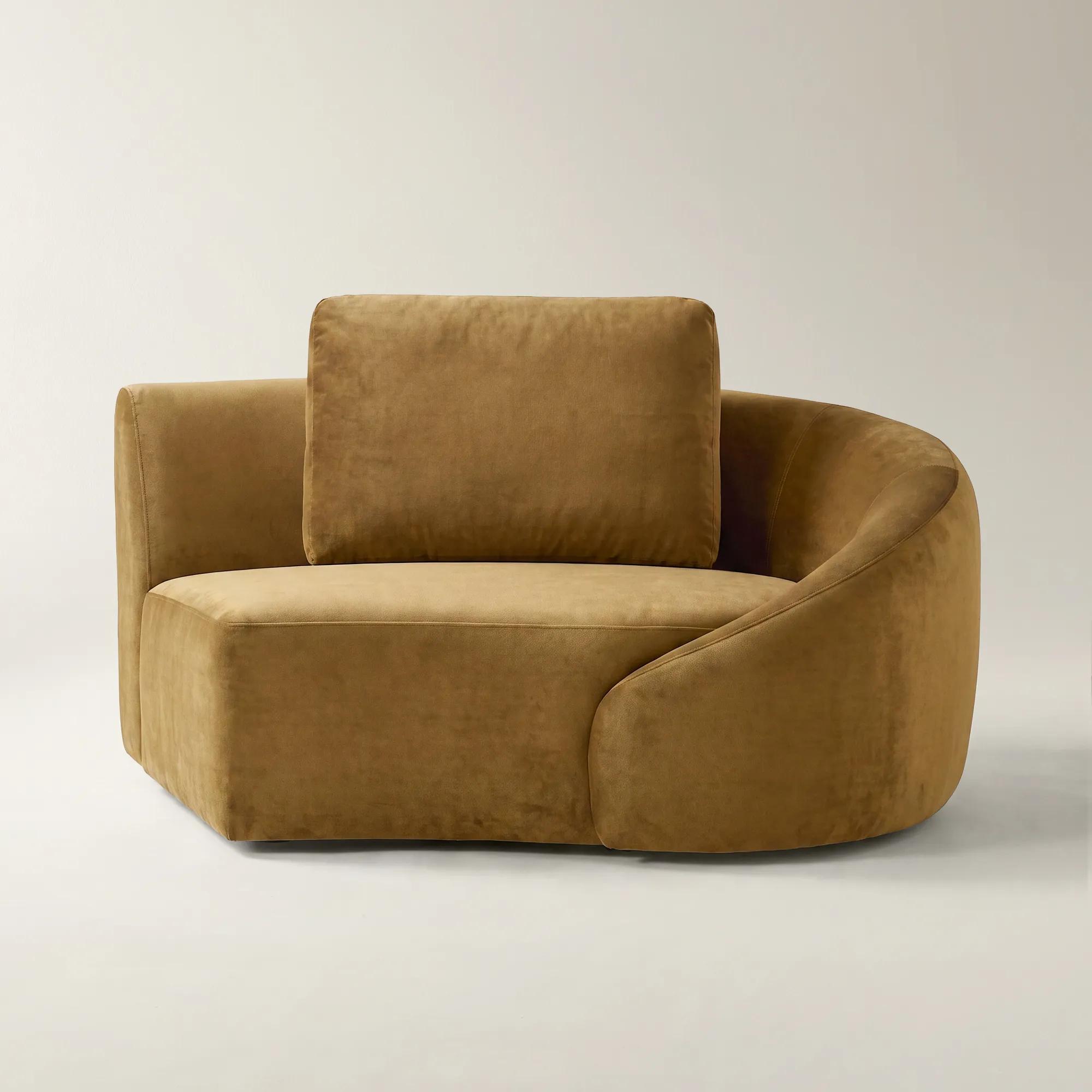 Irene Roasted Pecan Velvet Right-Arm Chair$1399
A sculptural right-arm chair in roasted pecan velvet with high-resiliency foam cushions and artisan detailing.
Add To Cart -
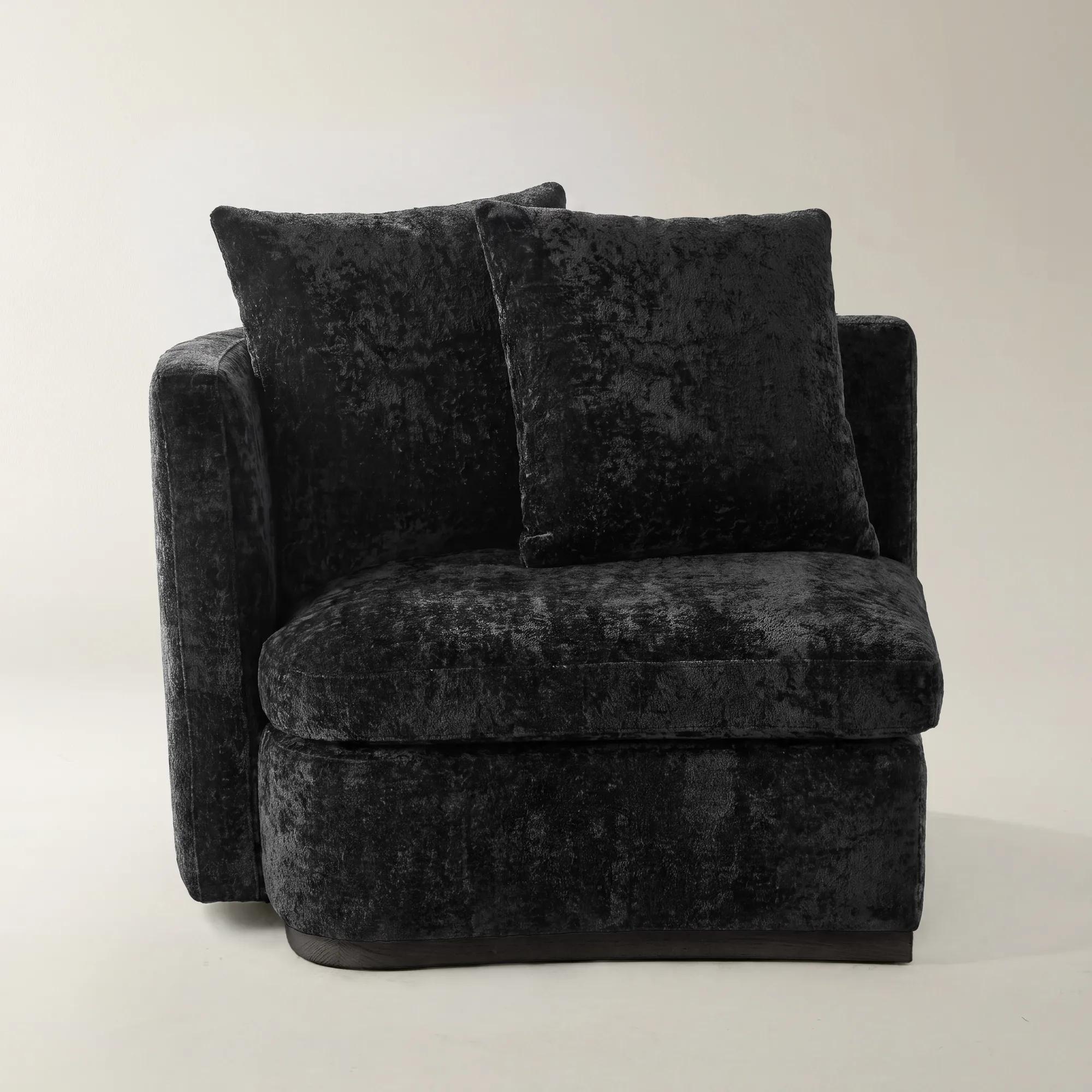 Stria Black Chenille Left-Arm Chair$1199
A sculptural black chenille chair featuring layered foam-and-down cushioning, curved edges, and a kiln-dried wood frame.
Add To Cart -
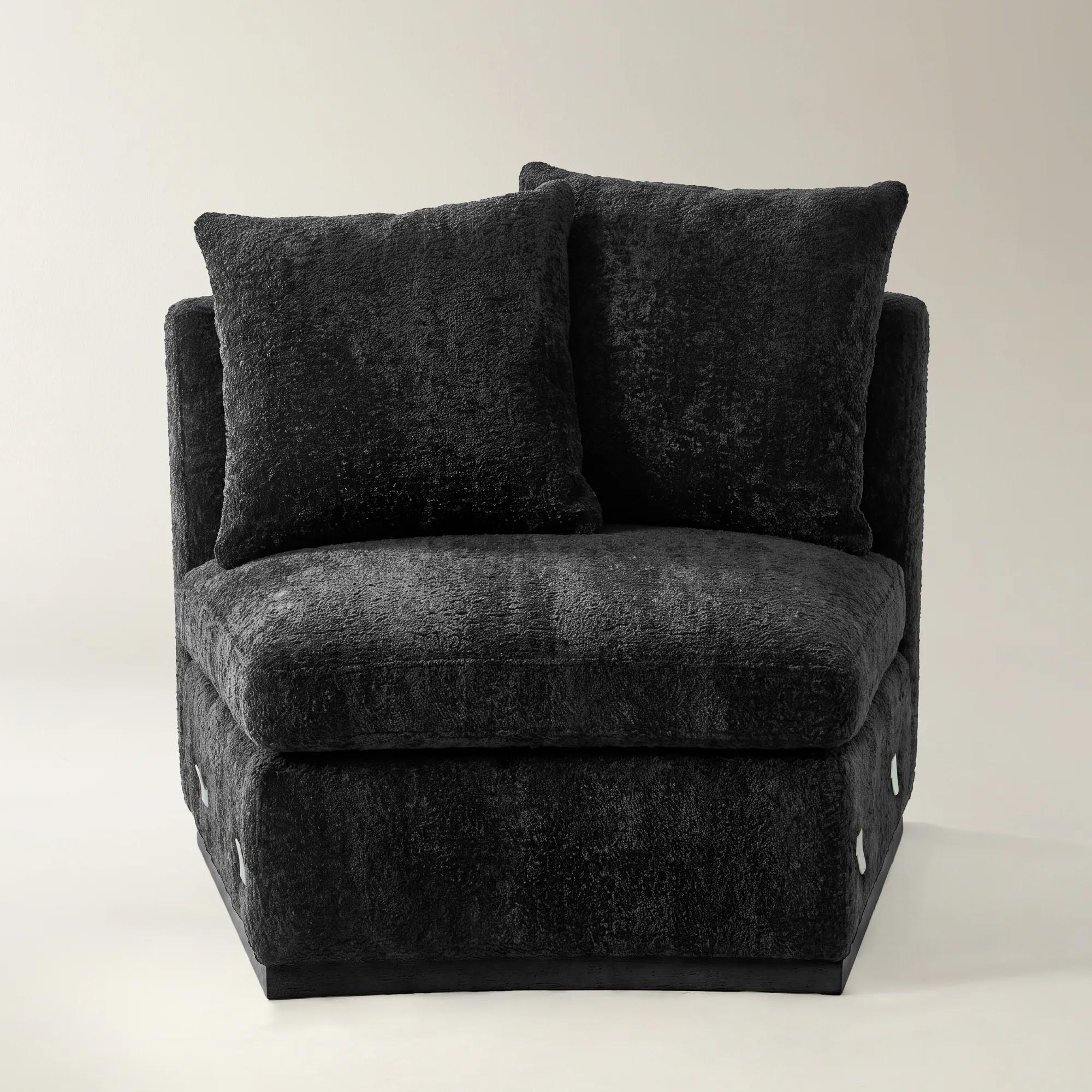
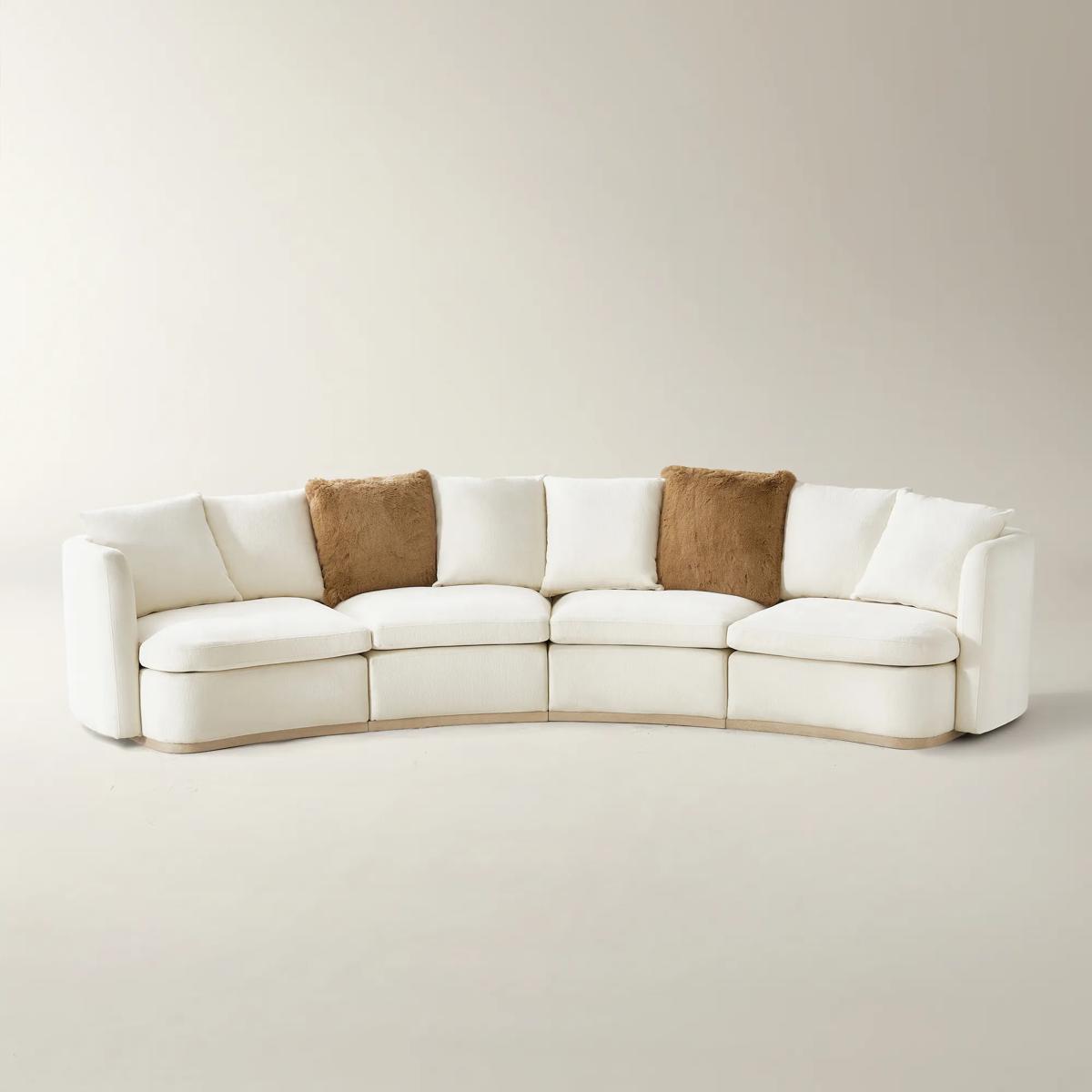 Stria Black Chenille Armless Chair$1099
A sculptural black chenille armless chair with kiln-dried wood construction, solid oak base, and layered cushioning.
Add To Cart -
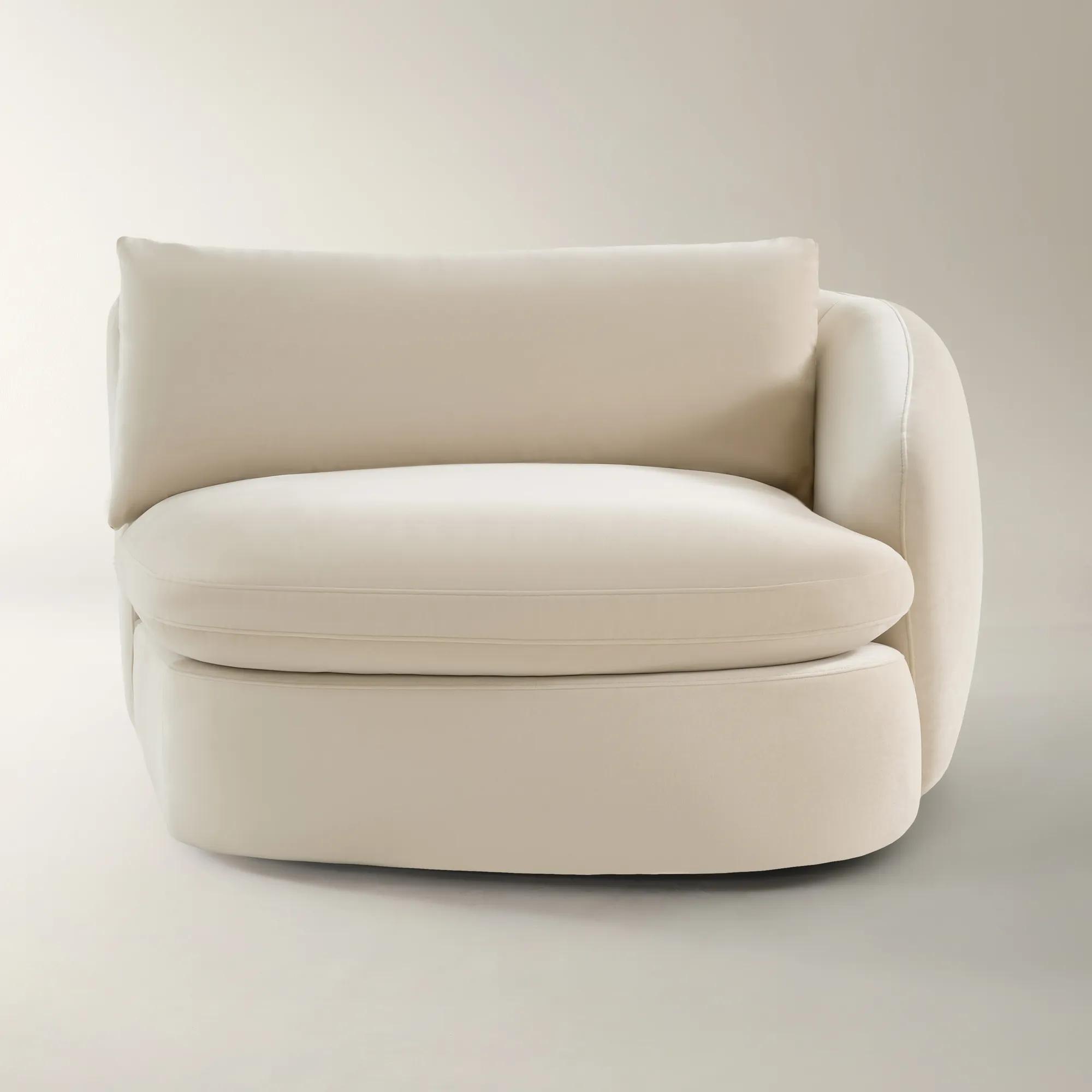
 Sabrina Oatmeal Velvet Right-Arm Chair$1399
A modular, curved seating piece in soft oatmeal velvet with plush feather-blend cushions and hand-built craftsmanship.
Add To Cart

Living Room Seating Chairs
Living room seating chairs are more than a place to perch—they’re the heartbeat of your home’s most expressive space. Each silhouette invites conversation, enveloping guests in comfort while captivating the eye with sculptural form and sumptuous detail. Whether you crave a dramatic focal point or a harmonious ensemble, these chairs transform your living room into a gallery of personal style—where every curve, texture, and finish is an invitation to indulge in luxury and live boldly.
Living room seating chairs bring individual comfort and expressive design to the space where conversation, relaxation, and everyday rituals meet. The category includes accent chairs, upholstered armchairs, lounge chairs, and swivel chairs, each offering a different balance of visual presence, support, and movement. An accent chair introduces a distinctive shape, color, or texture; an armchair provides a defined place to settle in; a lounge chair often offers a more generous, reclined posture; and a swivel chair can turn between a conversation area and another focal point without being repositioned. These roles can overlap, making the silhouette and seating experience just as important as the name. A curved back creates a graceful counterpoint to a tailored sofa, while a high-backed chair adds architectural definition beside a low console. Deep channeling, sculpted arms, and an exposed metal base can turn a single seat into the room’s most memorable detail. For a composed arrangement, a pair of matching chairs establishes symmetry across from a sofa or beside a fireplace. For a more collected look, contrasting silhouettes can share a common thread through upholstery color, leg finish, or scale. A pale, rounded chair against a dark wall has the presence of sculpture; a jewel-toned seat beside a neutral sofa creates a concentrated note of color without overwhelming the room. With Stylish Living Room Chairs as a focal point, the surrounding furnishings can feel deliberate rather than simply coordinated. The most compelling seating arrangements also reflect how the room is lived in. A chair intended for lingering over a novel benefits from supportive arms and a comfortable reading angle, while a conversation chair may have a more upright seat that makes sitting down and standing up feel effortless. In an open living area, an elegant chair back matters, too: its contours remain visible from the dining space, entryway, or kitchen, contributing to the composition from more than one direction.
Upholstery gives living room chairs much of their character, but its appeal extends beyond color. Velvet catches light across its pile, lending a seat depth and a luminous, almost liquid finish. Its surface can show shading or pressure marks as the fibers change direction, a characteristic worth understanding when imagining a pristine, uniform appearance. Bouclé brings a looped, dimensional texture that softens sculptural forms, while chenille offers a plush surface with its own distinctive sheen and hand. Tightly woven upholstery can provide a smoother, more tailored effect, and leather introduces natural variation that may develop further with use, depending on its finish. Performance fabrics are designed to address particular demands, but resistance to stains, moisture, or abrasion varies by material and treatment; the fabric’s specifications and care instructions remain essential. In a household with pets, a loose loop or open weave may be more vulnerable to catching claws than a dense, smooth textile. For seating used every day, durability depends on the whole construction: the frame, joints, suspension, cushion fill, upholstery, and quality of assembly all influence how a chair feels and wears. Resilient foam generally provides a more defined seat, while fiber or feather-blend cushioning may feel softer and require more frequent reshaping. A plush appearance does not necessarily mean a deep sink-in feel, and a streamlined profile does not necessarily mean firm seating. Care should suit the specific upholstery rather than follow a single rule for every chair. Routine dust removal with an appropriate upholstery attachment can help keep debris from settling into the surface, while spills call for prompt attention according to the manufacturer’s directions. Blotting rather than rubbing is often recommended, but water and cleaning solutions are not suitable for every fabric. Direct sunlight may fade upholstery over time, and nearby heat sources can affect certain materials. Thoughtful placement and consistent, material-appropriate care help preserve the chair’s texture, finish, and inviting presence.
Scale determines whether a living room chair feels beautifully integrated or imposingly oversized. Overall width and depth describe the space a chair occupies, while usable seat width, seat depth, and seat height reveal more about the sitting experience. Broad arms can give a chair dramatic proportions while leaving a relatively narrow seat; a compact frame with slim arms may offer more sitting room than its footprint suggests. A deeper seat can suit someone who likes to curl up, whereas a shallower seat may better accommodate an upright posture with feet resting comfortably on the floor. Higher, firmer seating and supportive arms may also make rising easier for some people, although individual needs differ. In smaller living rooms, open bases and visible legs allow more of the floor to remain in view, creating visual breathing room without sacrificing personality. Larger spaces can support generous lounge chairs, substantial upholstery, and paired seating that gives a conversation area definition. Placement needs to account for movement as well as appearance. Roughly 16 to 18 inches between a chair and a coffee table often balances reach with legroom, though the chair’s proportions and the room’s circulation may call for adjustments. A swivel base needs clearance through its intended rotation, and a reclining design requires additional space as it opens. Delivery access matters just as much as the final arrangement, particularly where narrow doorways, stair turns, or elevators are involved. Once positioned, a chair becomes more useful with a nearby surface for a glass or book and lighting suited to its purpose. An ottoman can extend a lounge setting, provided its height and placement feel comfortable with the seat. These details serve different households in different ways: a welcoming pair for frequent hosts, a quiet reading seat for an avid reader, or a versatile swivel chair for a shared living space. Rich texture, confident proportions, and genuine comfort give living room seating chairs their lasting appeal, allowing a room to feel expressive without losing its sense of ease.
FAQs
To create a dramatic focal point in your living room, opt for chairs with sculptural silhouettes, luxe upholstery such as velvet or leather, and bold finishes like gold accents or high-gloss lacquer. Designs featuring unique shapes, tufted details, or statement-making legs can instantly elevate your space and draw the eye, transforming the ordinary into the extraordinary.
Mixing and matching living room chairs is an artful way to express your personal style. Pair contrasting textures—such as a sumptuous velvet zgallerie chair with a sleek, metallic frame—with complementary color palettes. Balance bold shapes with more understated forms, and echo design elements across the room for a harmonious yet eclectic effect. The result is a layered, designer-inspired space that feels both curated and inviting.
Absolutely. A beautifully crafted chair is a gift that marries function with artistry, making it perfect for housewarmings, weddings, anniversaries, or milestone celebrations. Choose a style that reflects the recipient’s personality—perhaps a plush accent chair for the avid reader, or a chic, modern piece for the design enthusiast—to give a present that will be cherished and enjoyed for years to come.
During the winter months, living room chairs upholstered in rich fabrics and deep hues add a sense of warmth and coziness to your space. Position chairs near a fireplace or window to create intimate nooks for relaxation, conversation, or reading. Layer with throws and pillows to heighten the sense of comfort, transforming your living room into a luxurious retreat from the cold.
Accent chairs can be styled as standalone statement pieces or as part of a larger seating arrangement. Place a zgallerie chair in a corner with a side table and lamp to create a reading alcove, or pair two chairs opposite a sofa for a balanced, conversational layout. Incorporate decorative pillows, throws, and nearby artwork to further personalize the vignette and enhance the room’s visual intrigue.