Living Room Seating For Entertaining
Living Room Seating For Entertaining
-
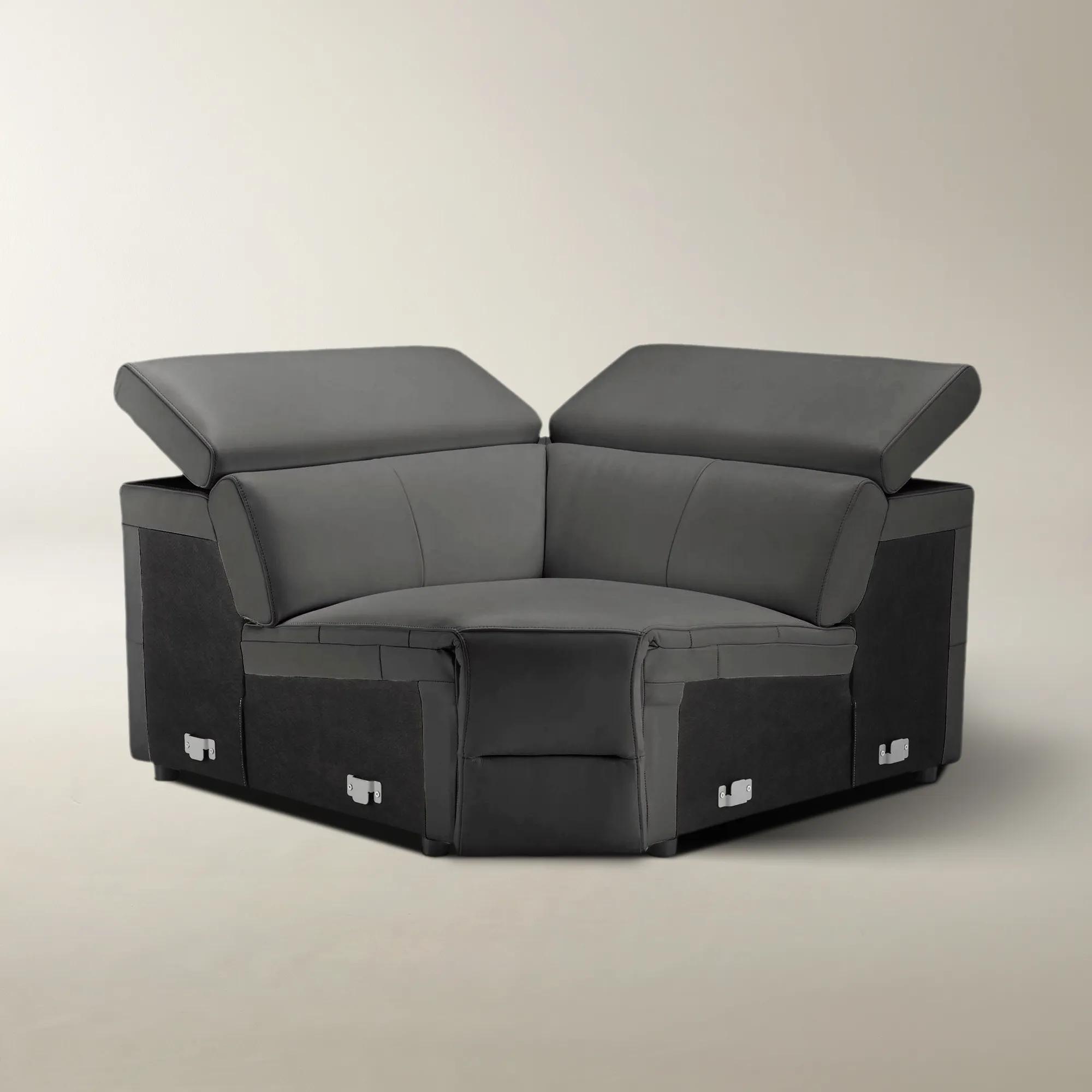
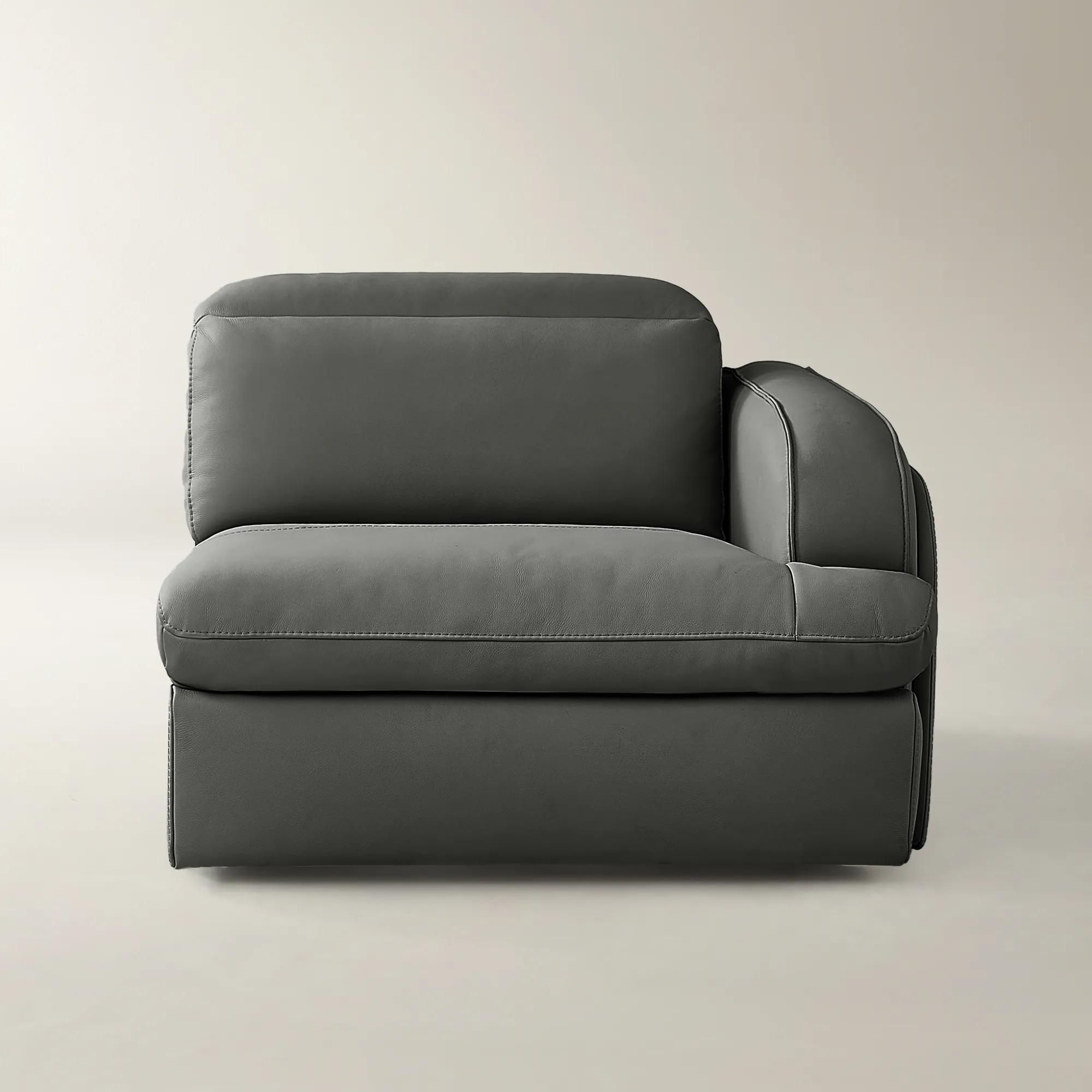
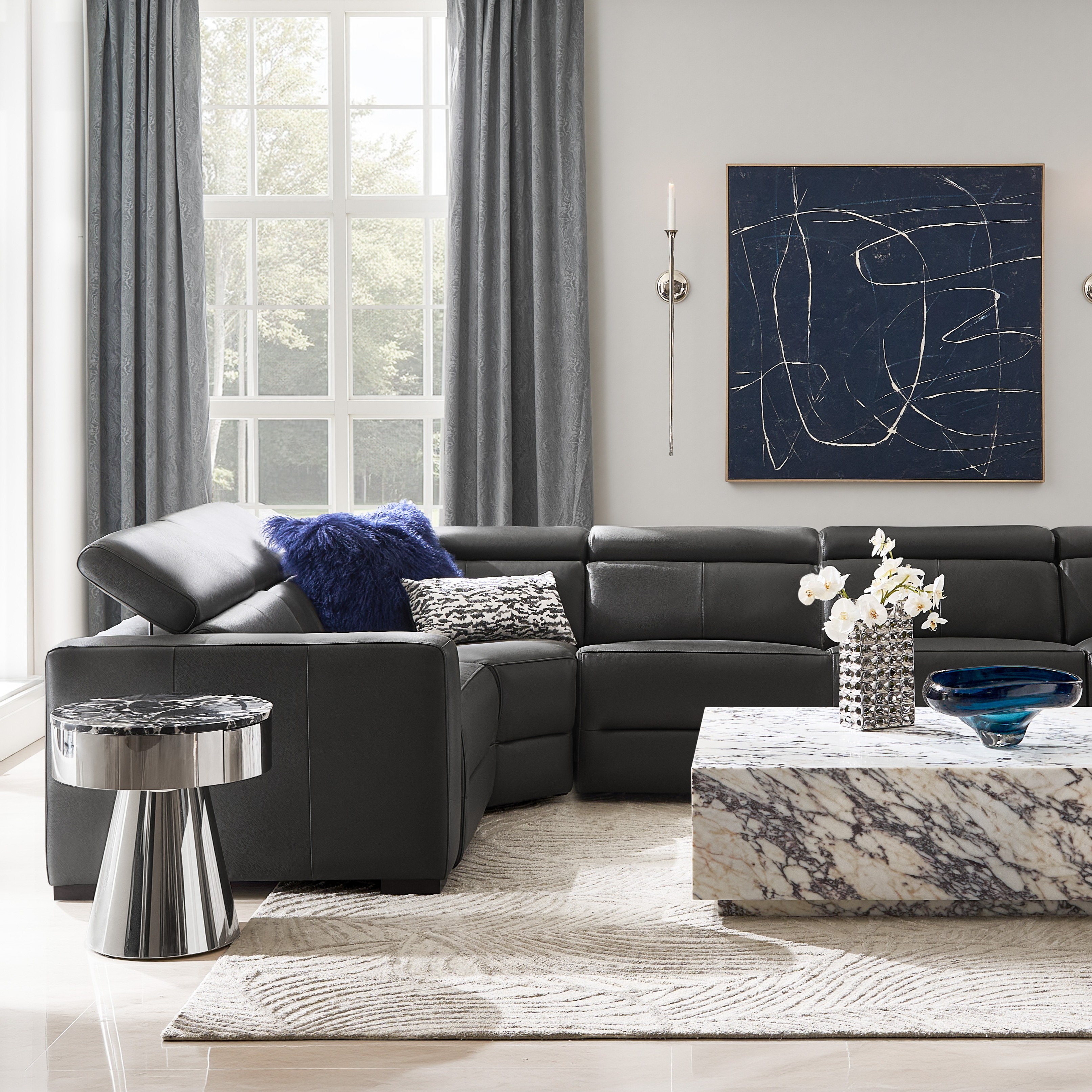 Verona Charcoal Leather Corner Chair With Power$1499
A modern charcoal sectional upholstered in supple semi-aniline leather with adjustable headrests and optional power recline.
Add To Cart -
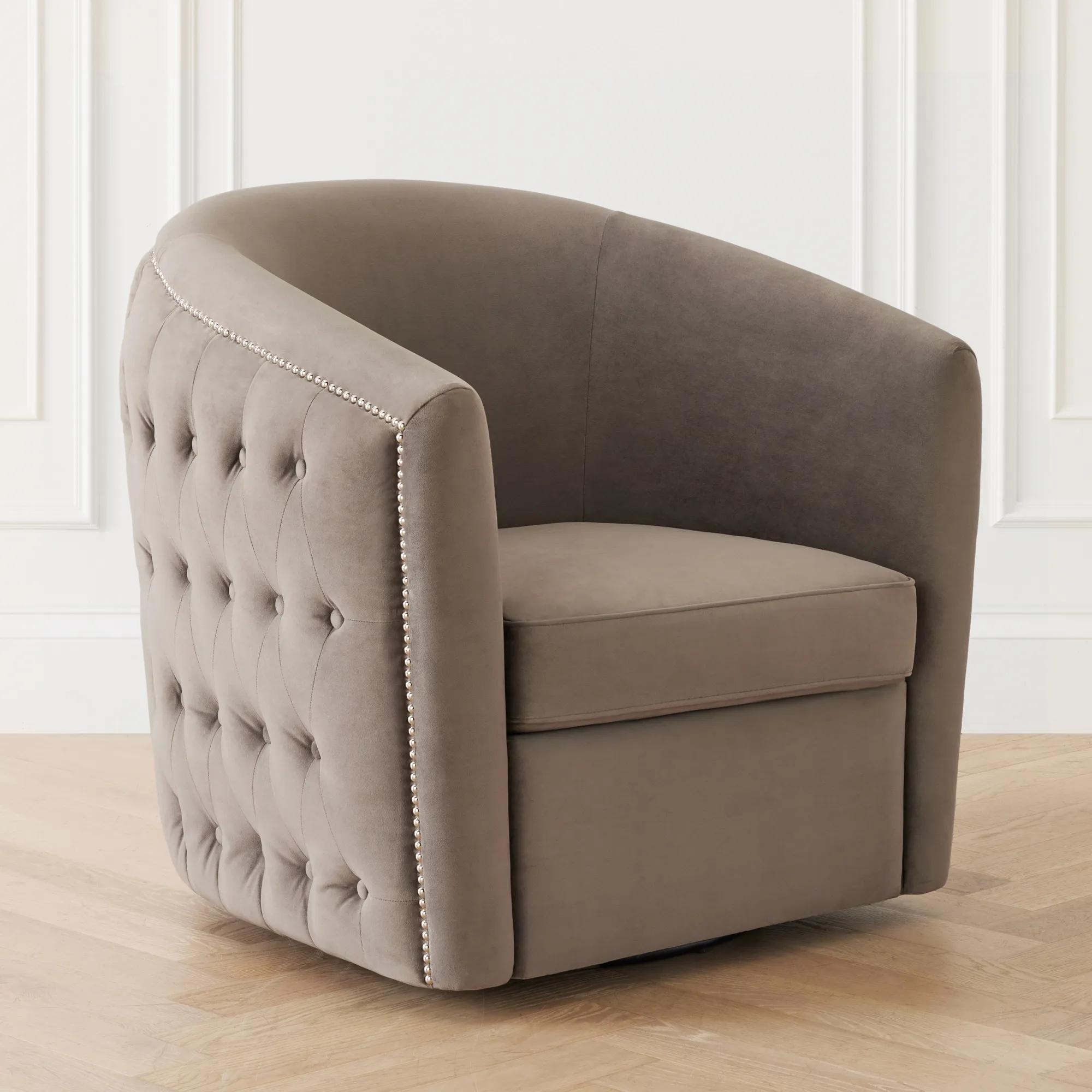
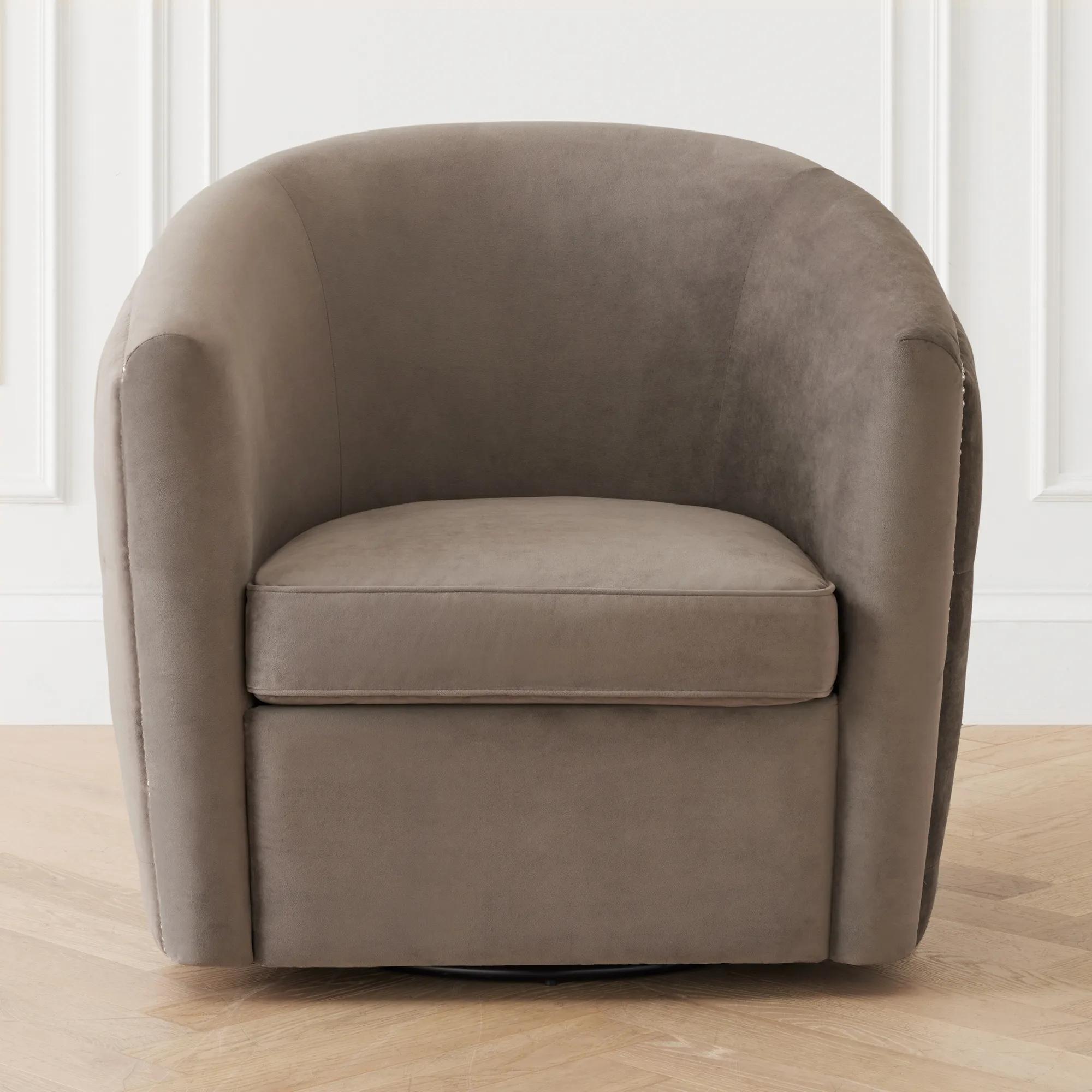 Aria Tufted Swivel Chair$1449
A modern barrel chair in Bella Velvet Otter with tufted detailing and a smooth swivel mechanism.
Add To Cart -
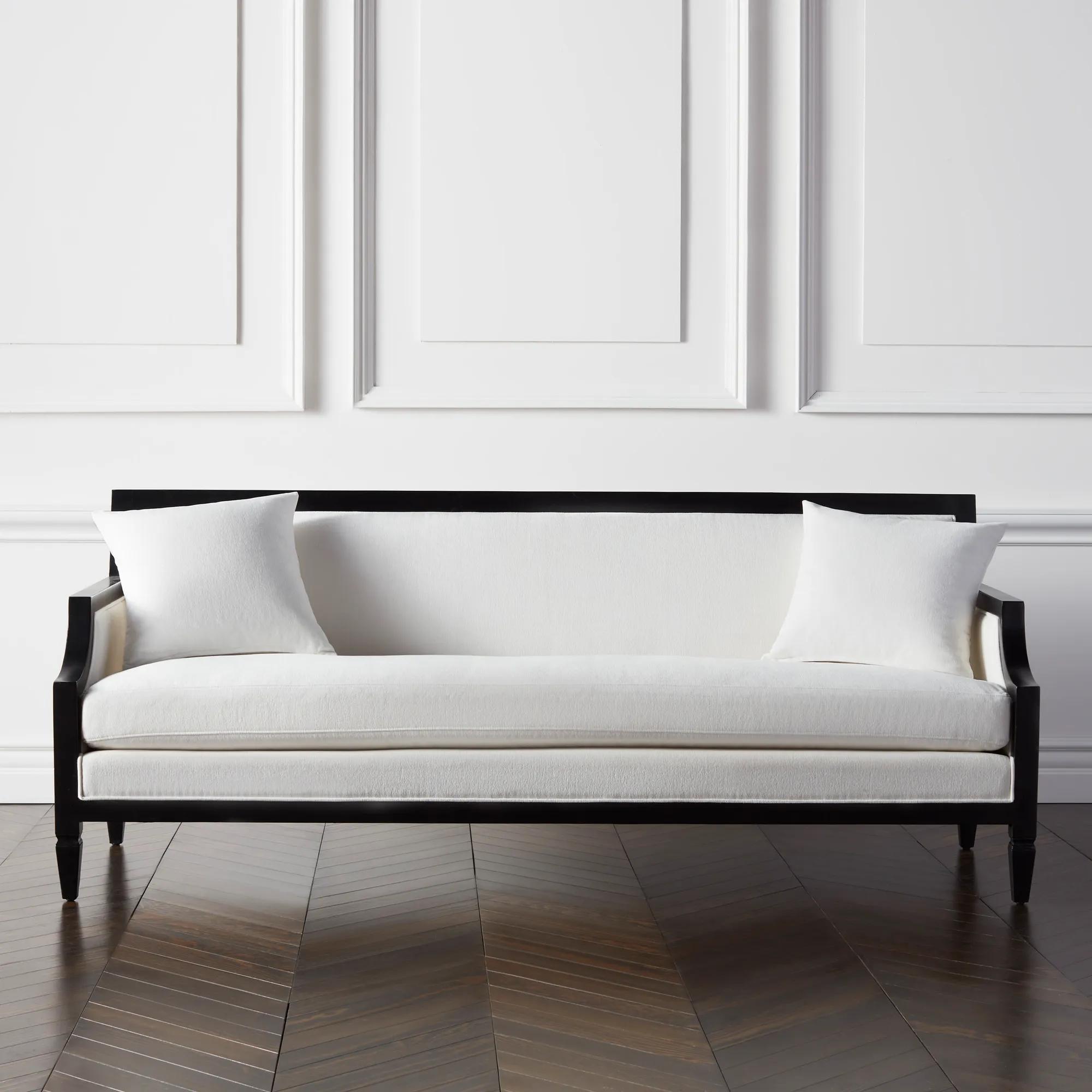
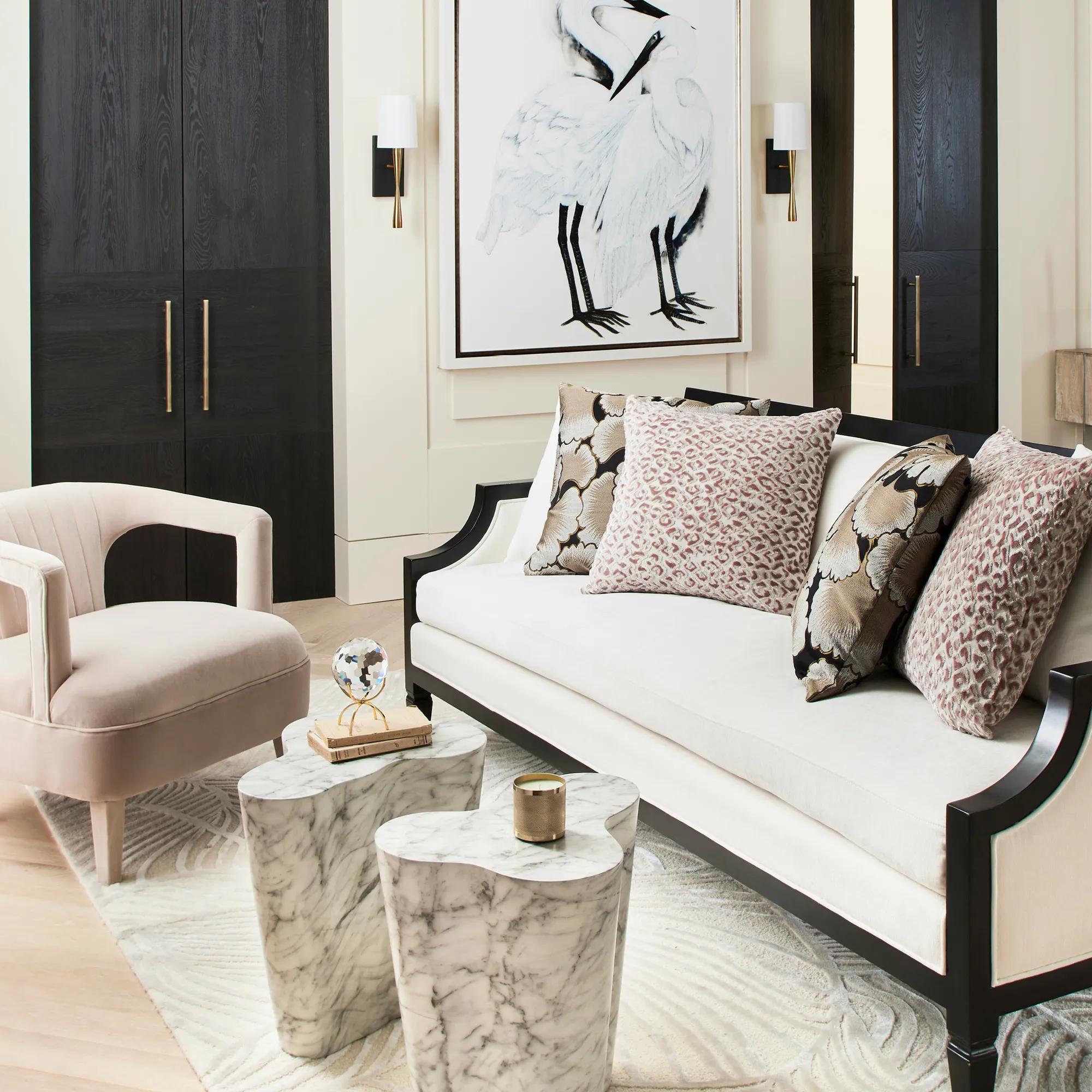 Kayla Sofa$2249
A plush, kiln-dried hardwood sofa with notched arms and matte black frame, shown in chenille snow.
Add To Cart -
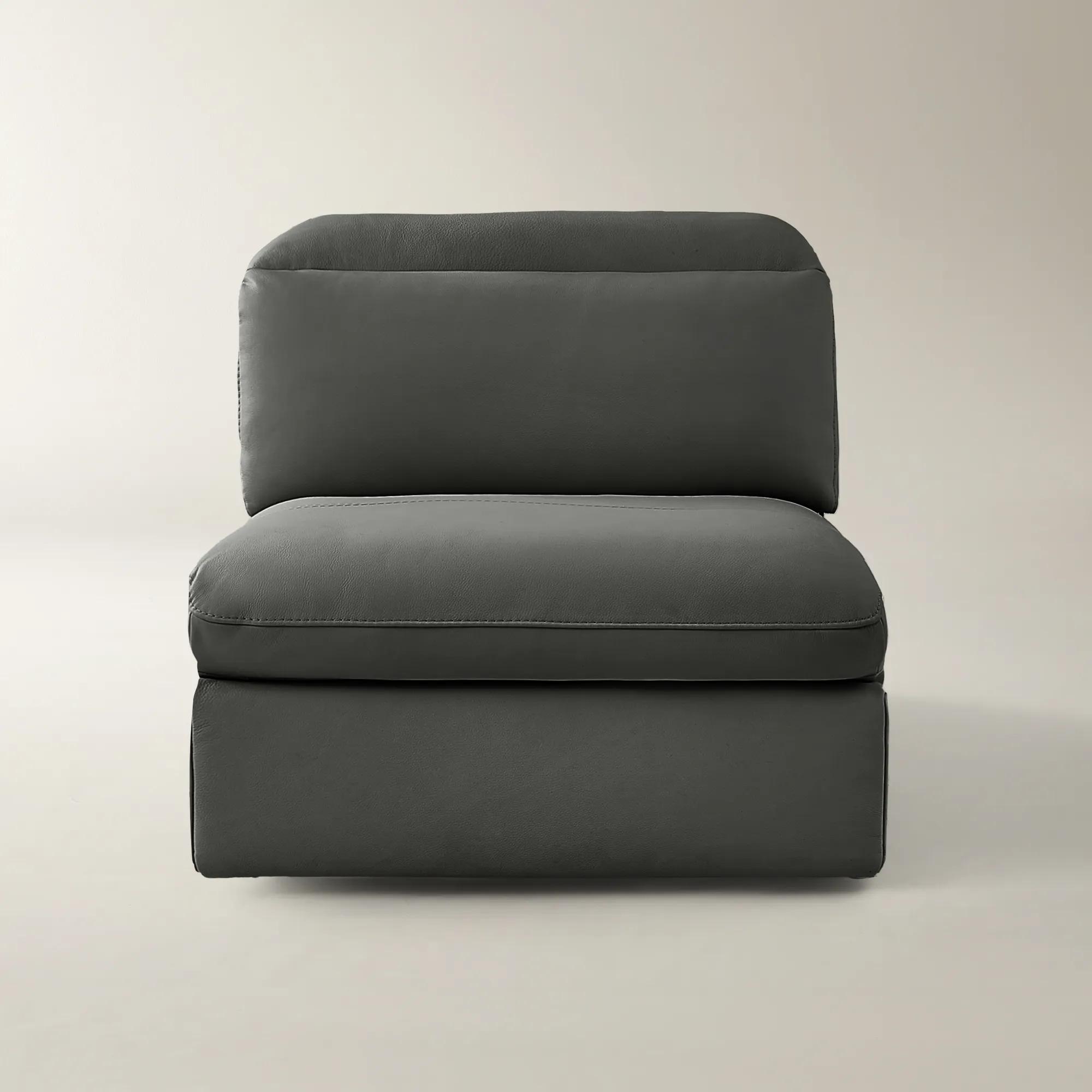
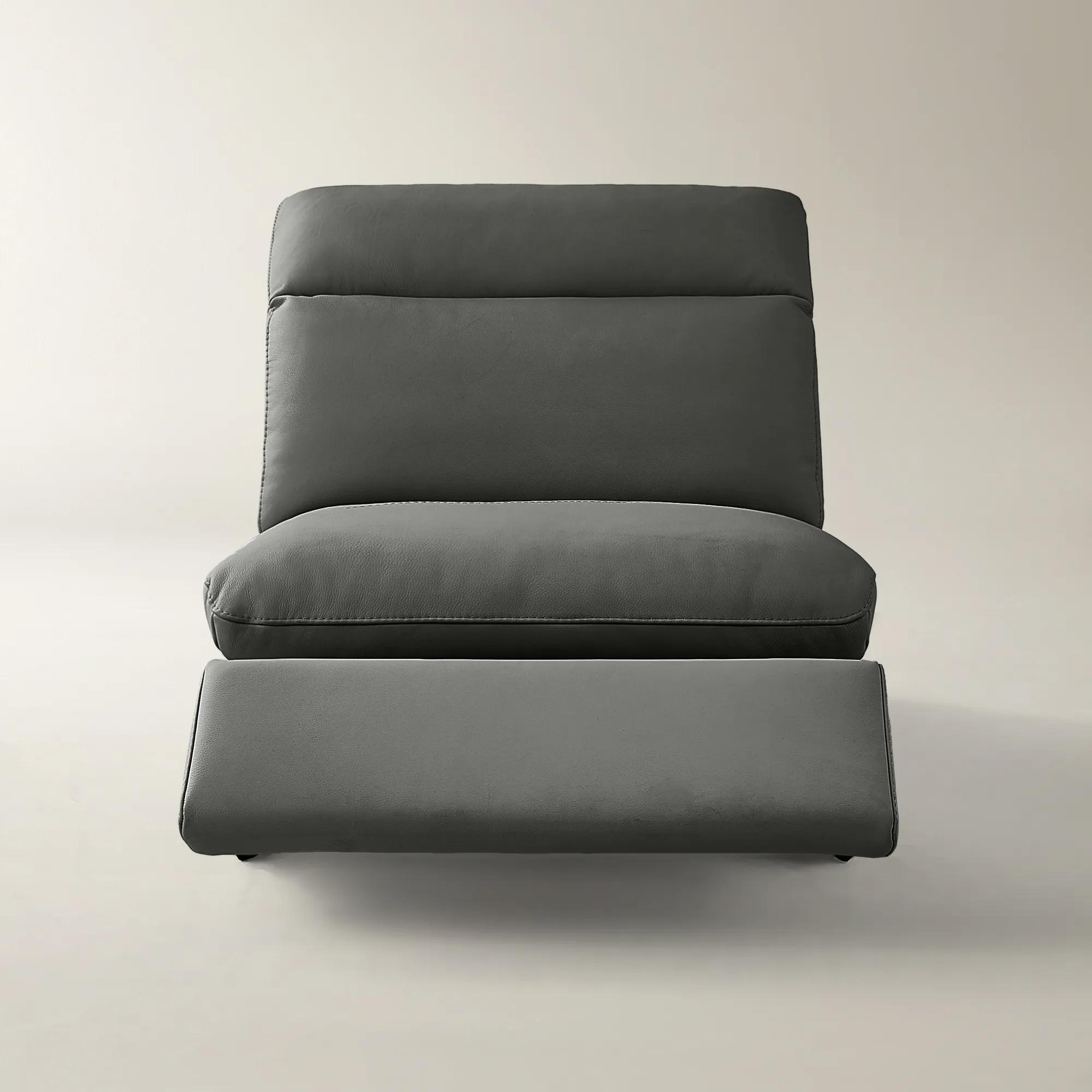
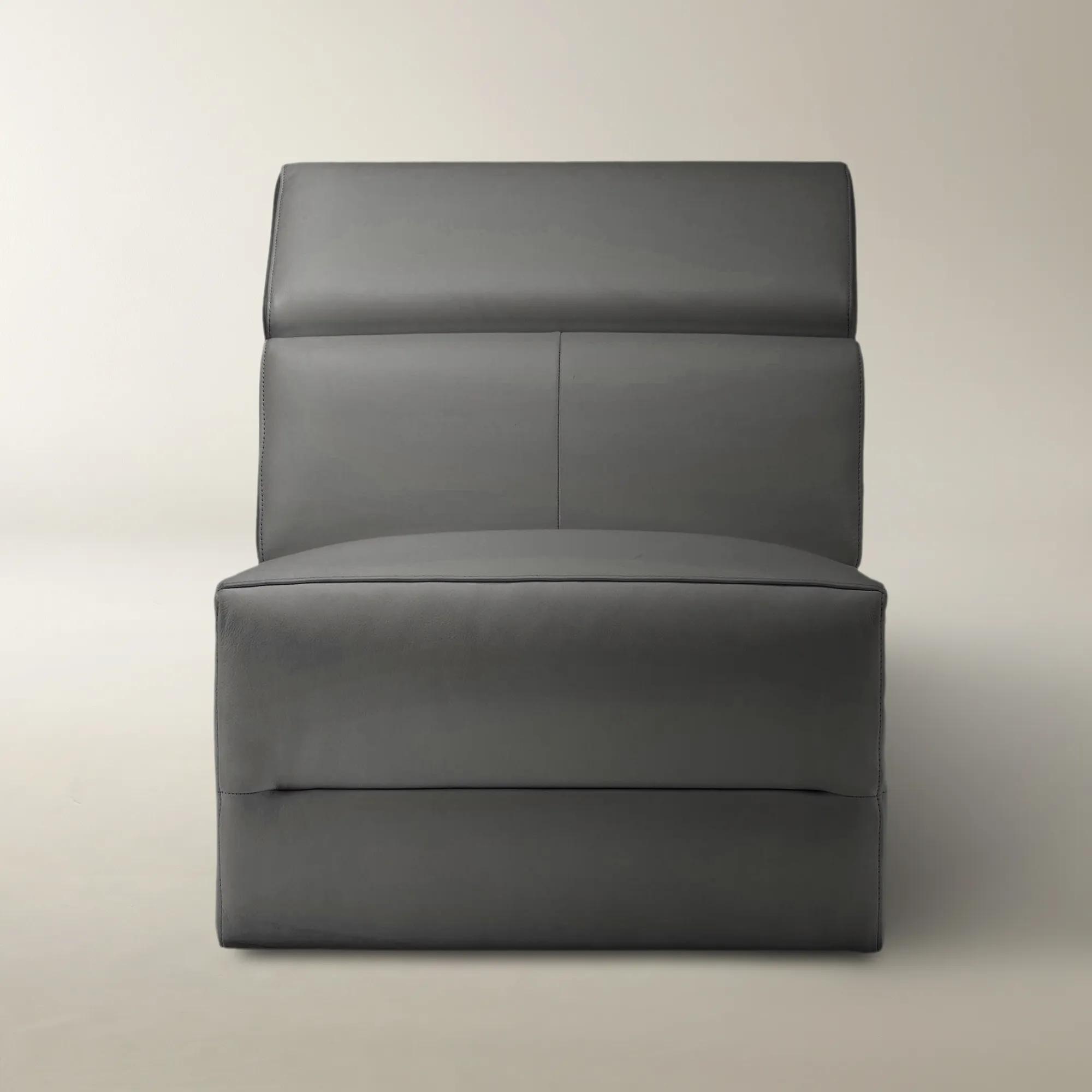 Verona Charcoal Leather Armless Chair$1099
A charcoal semi-aniline leather sectional featuring adjustable headrests and optional power-reclining seats for comfort.
Add To Cart -
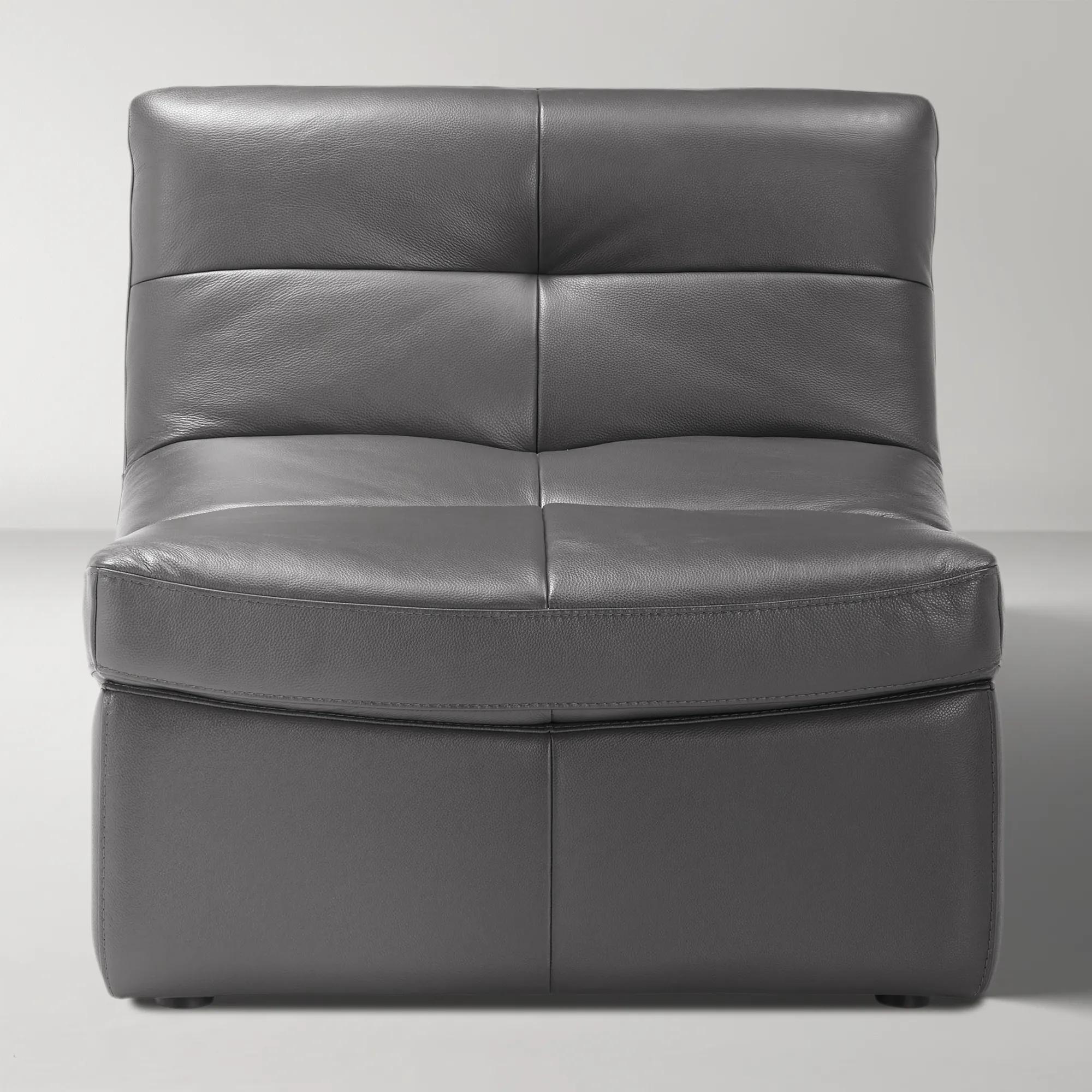
.jpg?w=1200&h=1200) Convo Charcoal Leather Armless Chair$1199
Convo Charcoal Leather Armless Chair$1199A modular sectional with kiln-dried hardwood frame and charcoal semi-aniline leather upholstery for modern versatility.
Add To Cart -
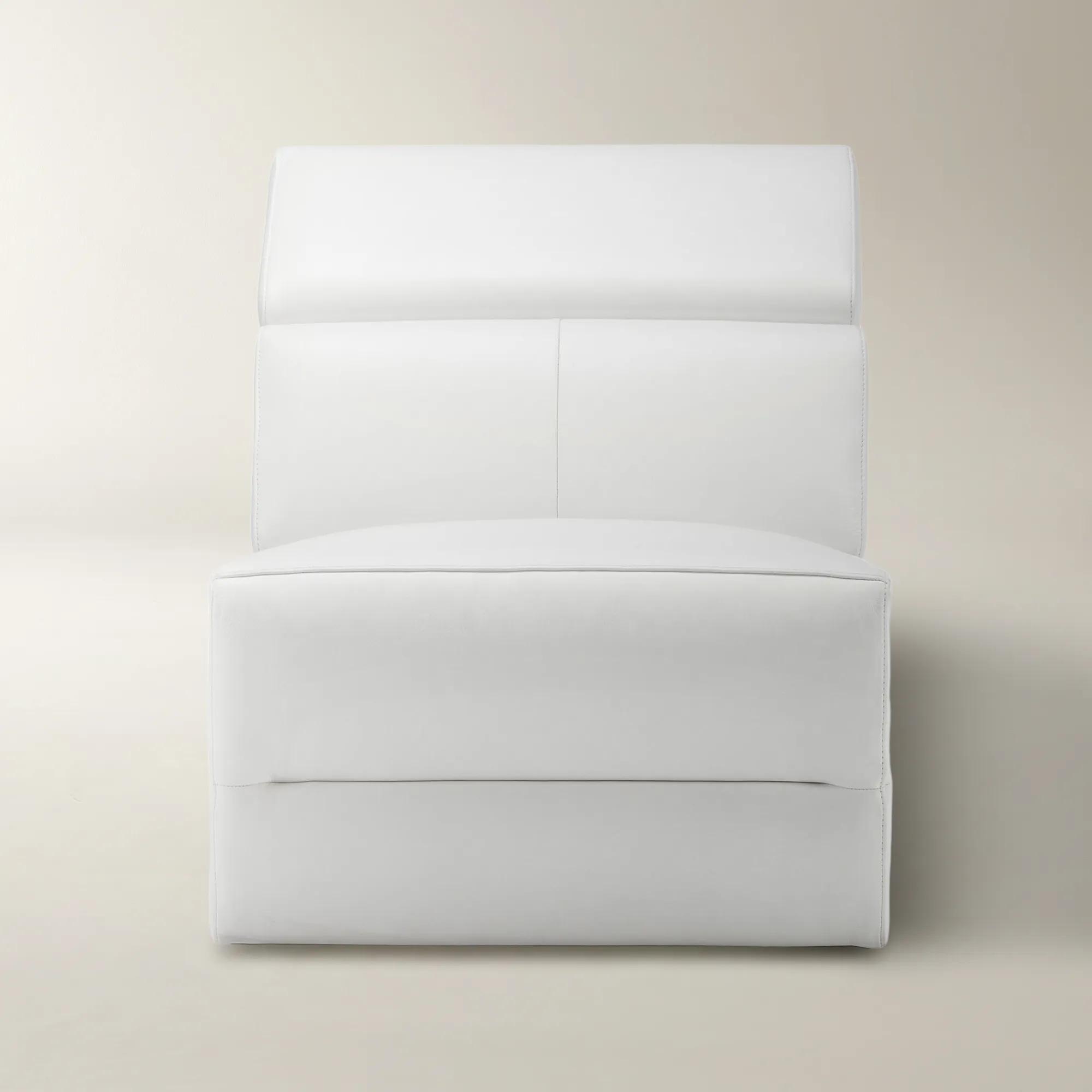
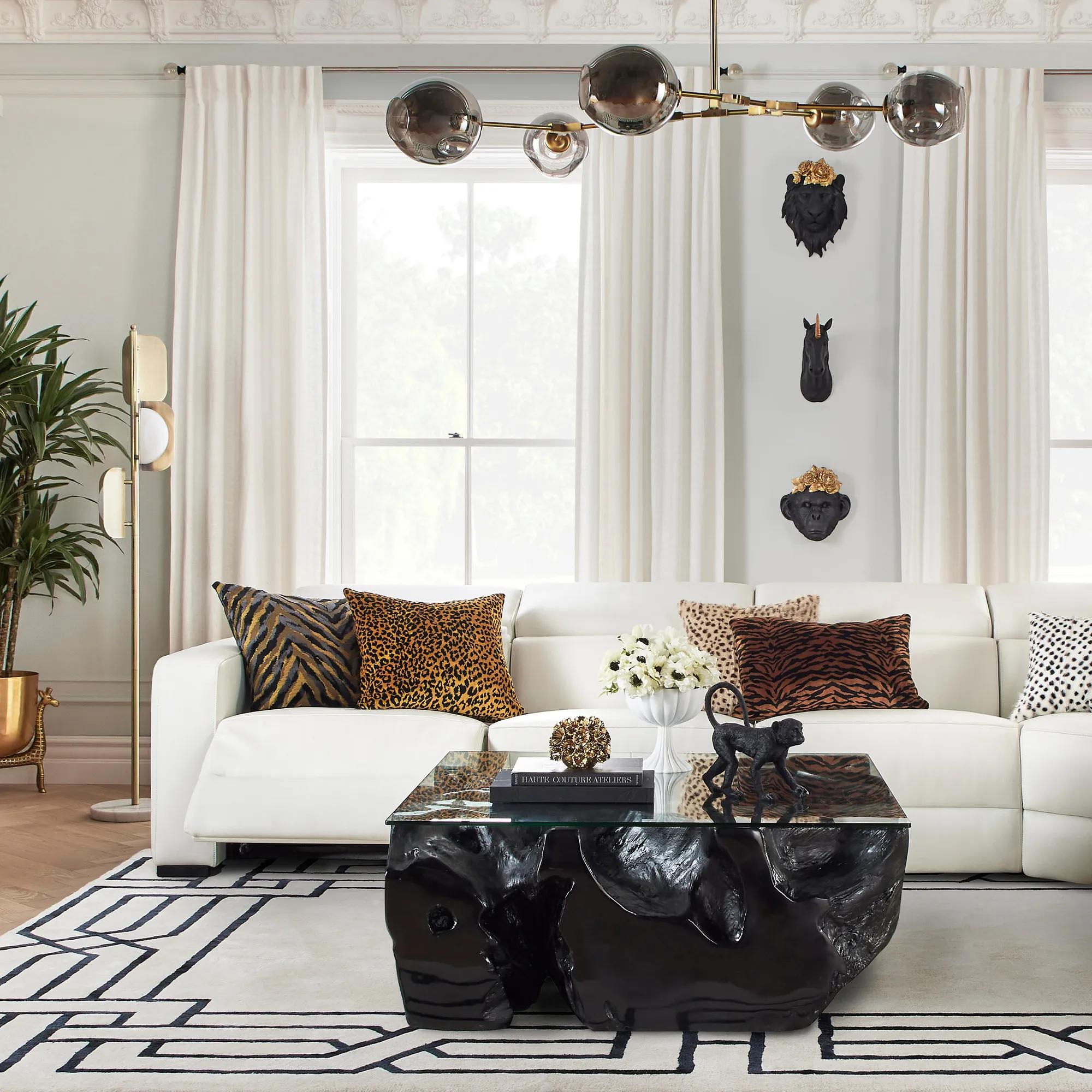 Verona White Leather Armless Chair$1099
A modern sectional upholstered in supple white semi-aniline leather with adjustable headrests and power-reclining options.
Add To Cart -
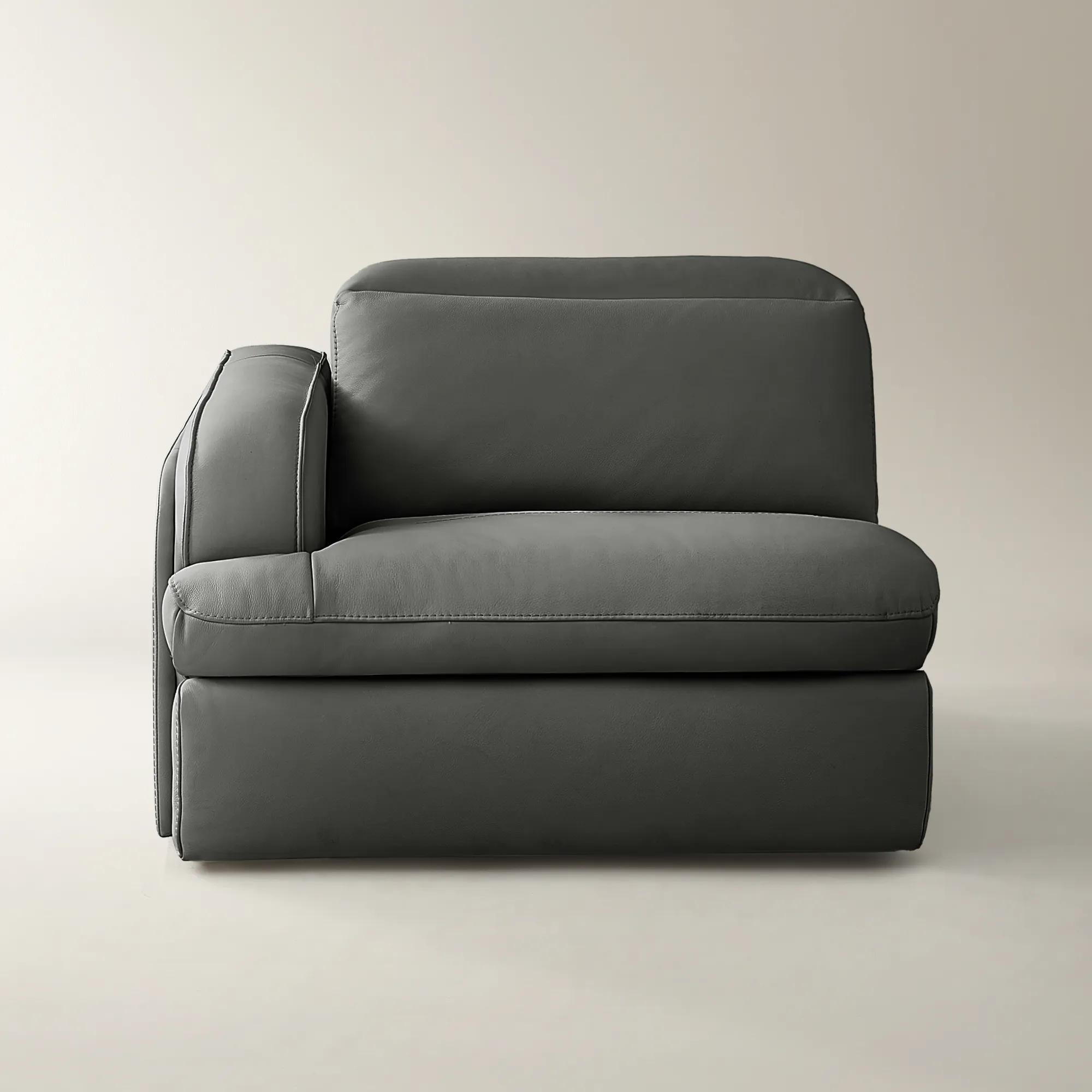
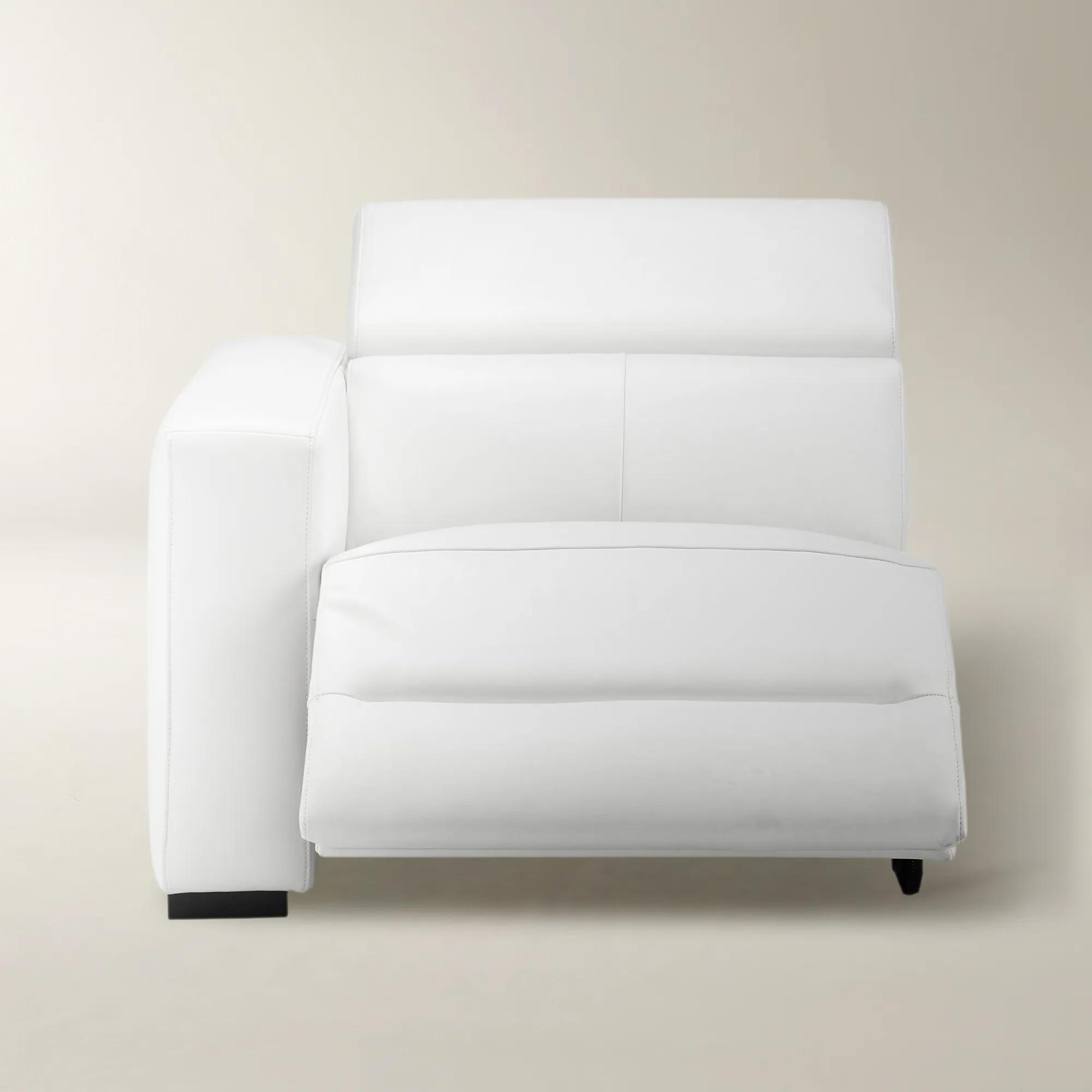 Verona Reclining White Leather Left Arm Chair With Power$1499
A modern white sectional upholstered in supple semi-aniline leather with adjustable headrests and power-reclining seats.
Add To Cart -
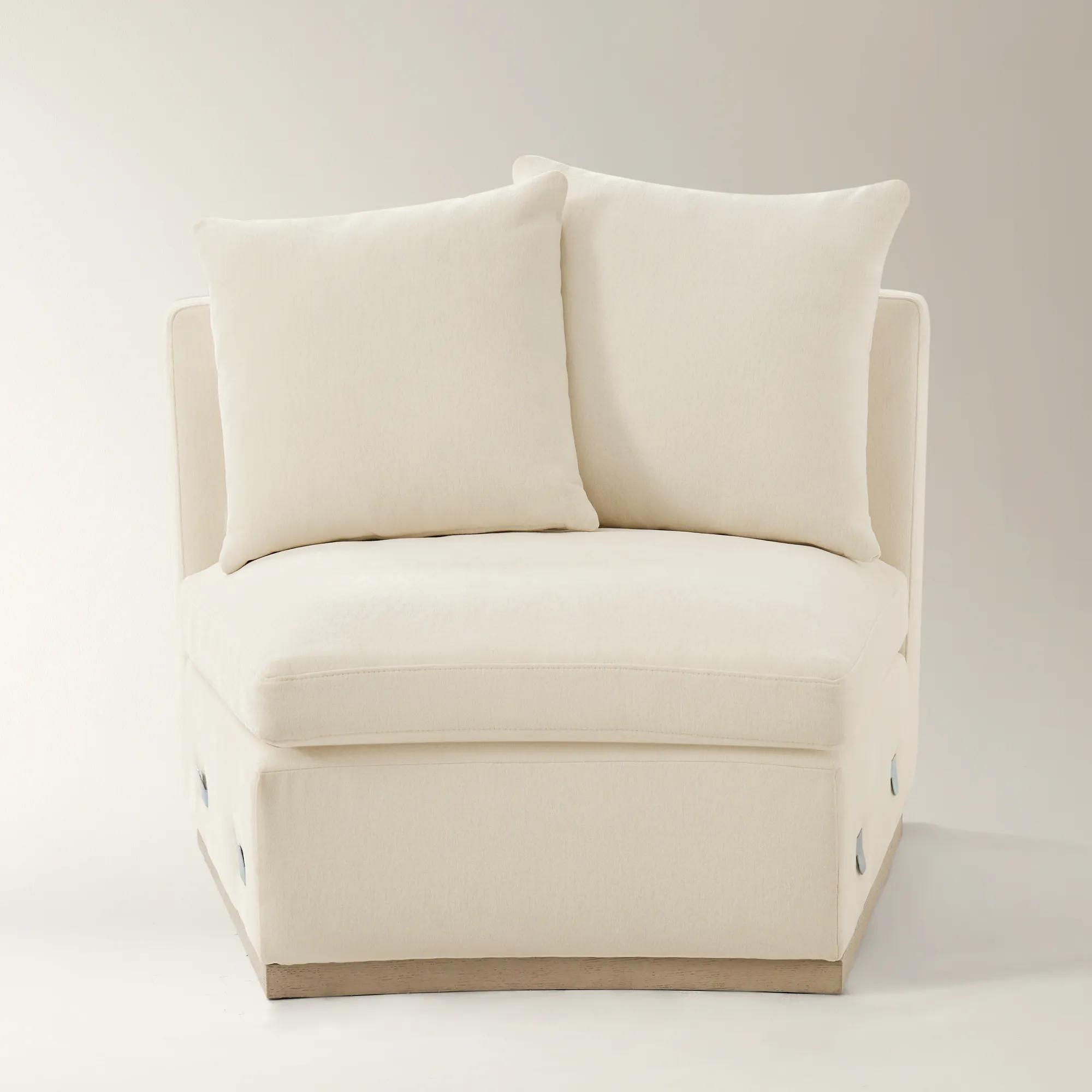
 Convo White Leather Corner Chair$1399
A modular sectional featuring kiln-dried hardwood frames and charcoal semi-aniline leather upholstery for modern versatility.
Add To Cart -
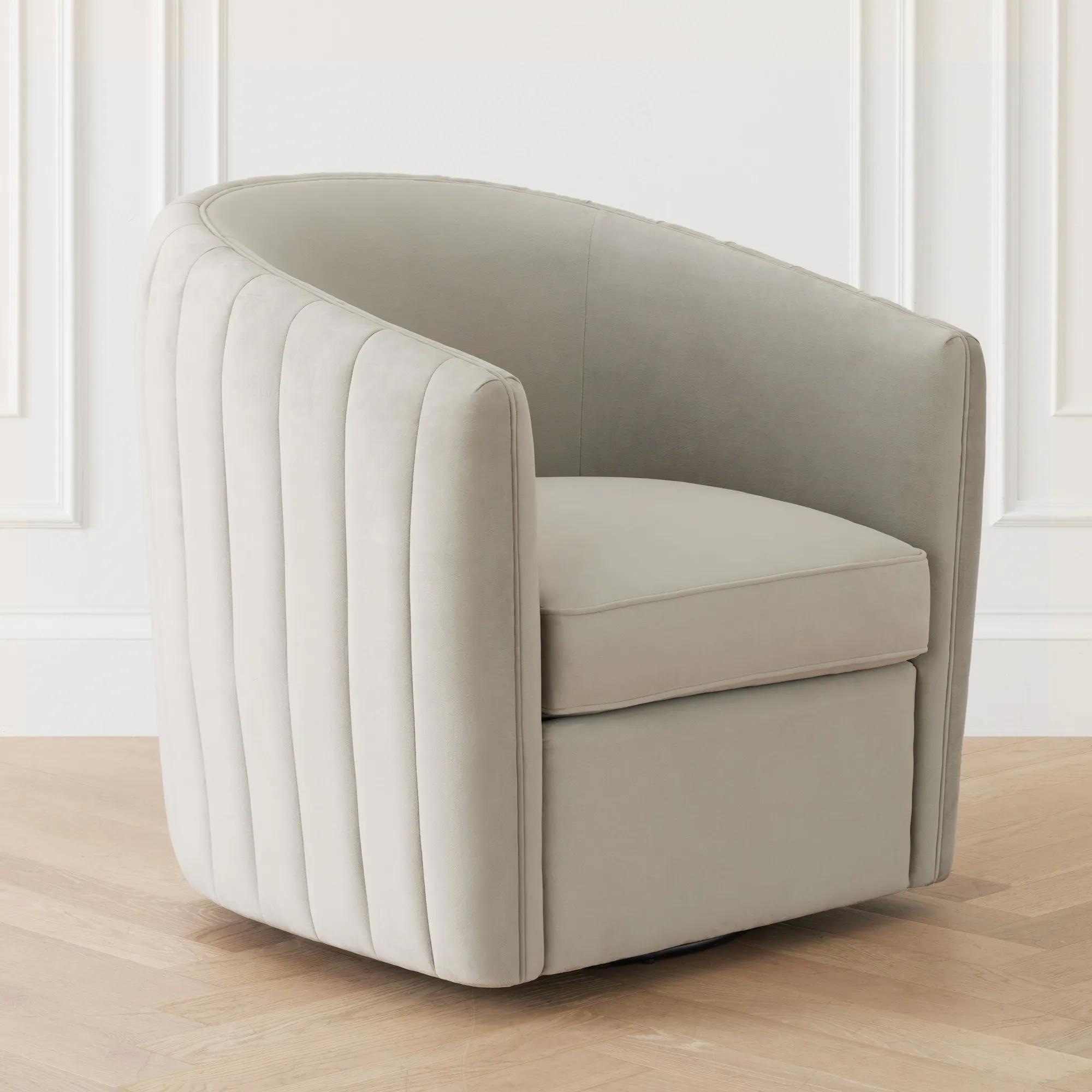
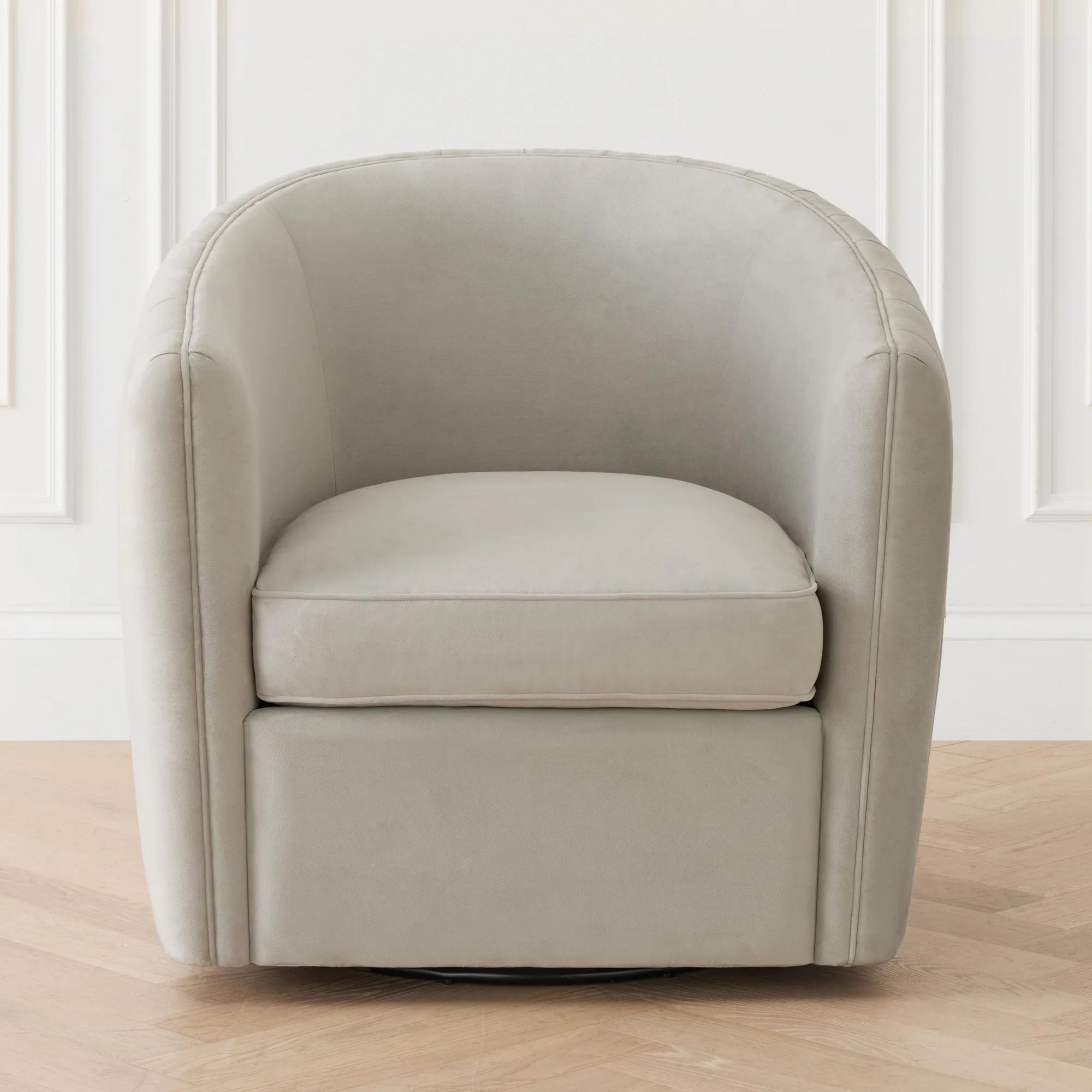 Aria Channeled Swivel Chair$1199
A modern barrel chair in kiln-dried hardwood with channeled velvet upholstery and a smooth swivel base.
Add To Cart -
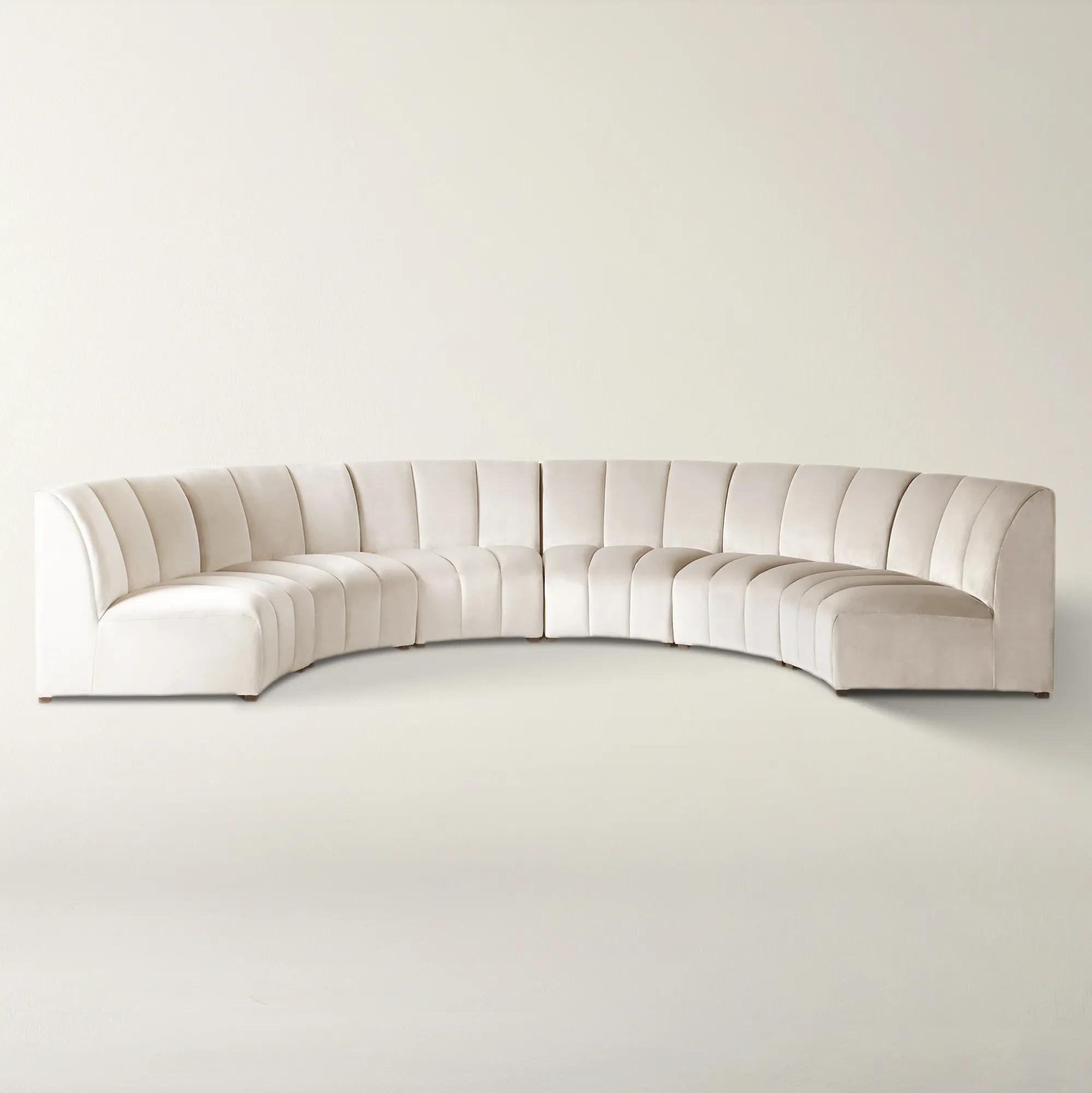 Jayce 6-Piece Channel-Tufted Ivory Velvet Sectional Sofa$5499
A modern curved sectional in stain-resistant Velvet Ivory with deep channel tufting and plush, structured cushions.
Add To Cart -
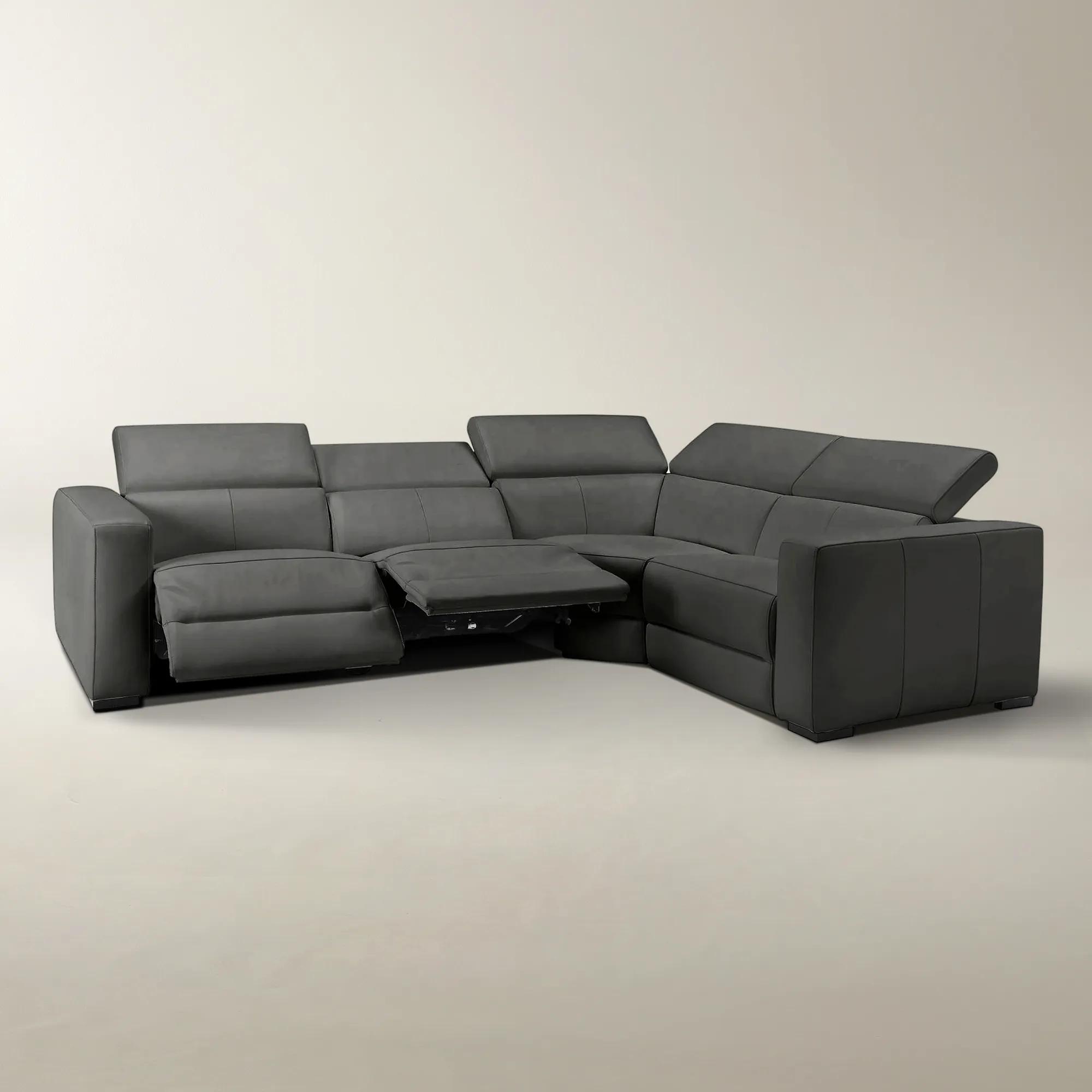
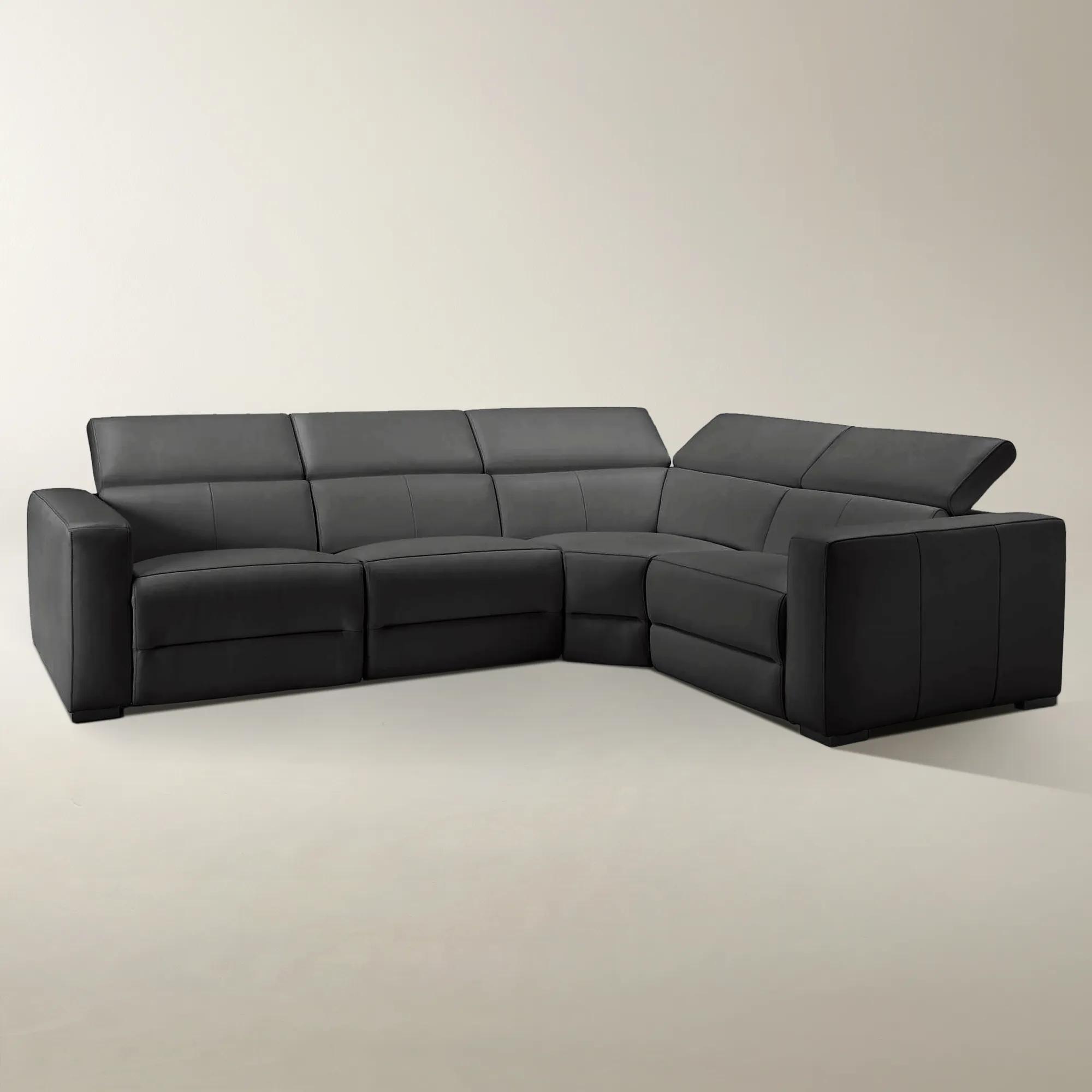 Verona 4-Piece L-Shaped Reclining Charcoal Leather Sectional Sofa With Right-Arm$5499
A charcoal semi-aniline leather sectional featuring adjustable headrests, power-reclining seats, and kiln-dried hardwood frame.
Add To Cart -
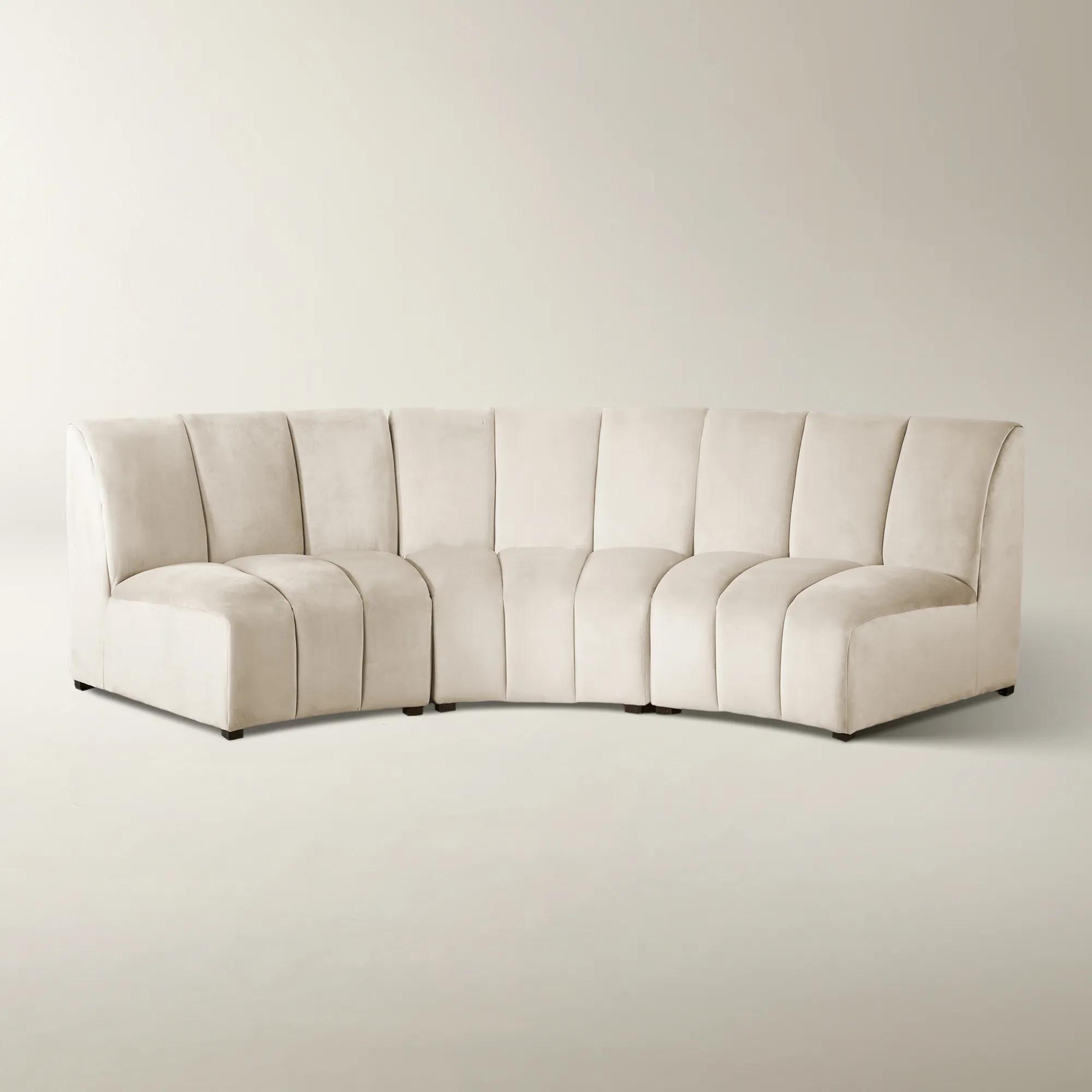
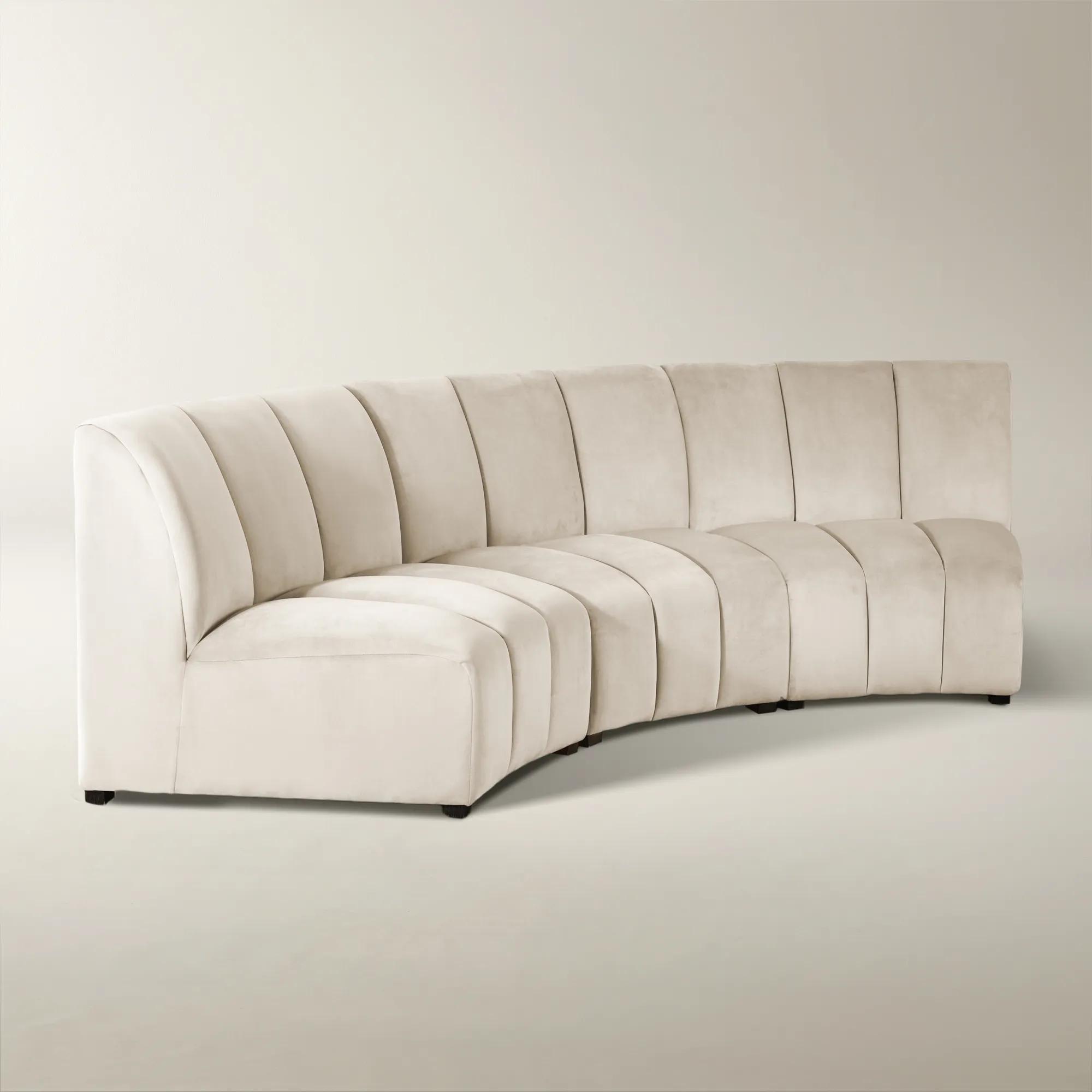 Jayce 3-Piece Channel-Tufted Ivory Velvet Sectional Sofa$2799
A modern curved sectional in stain-resistant Velvet Ivory with deep channel tufting and plush, structured cushions.
Add To Cart -
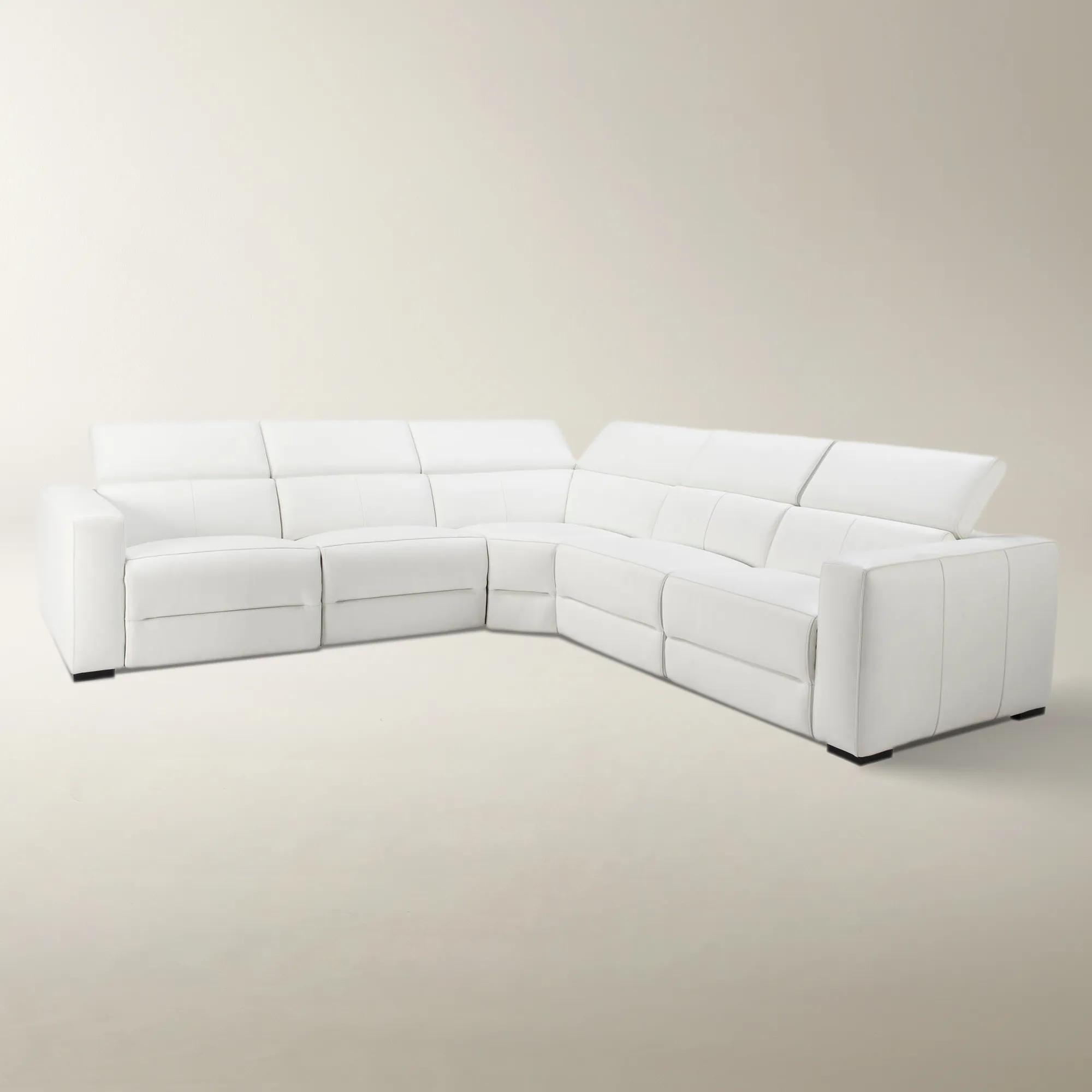
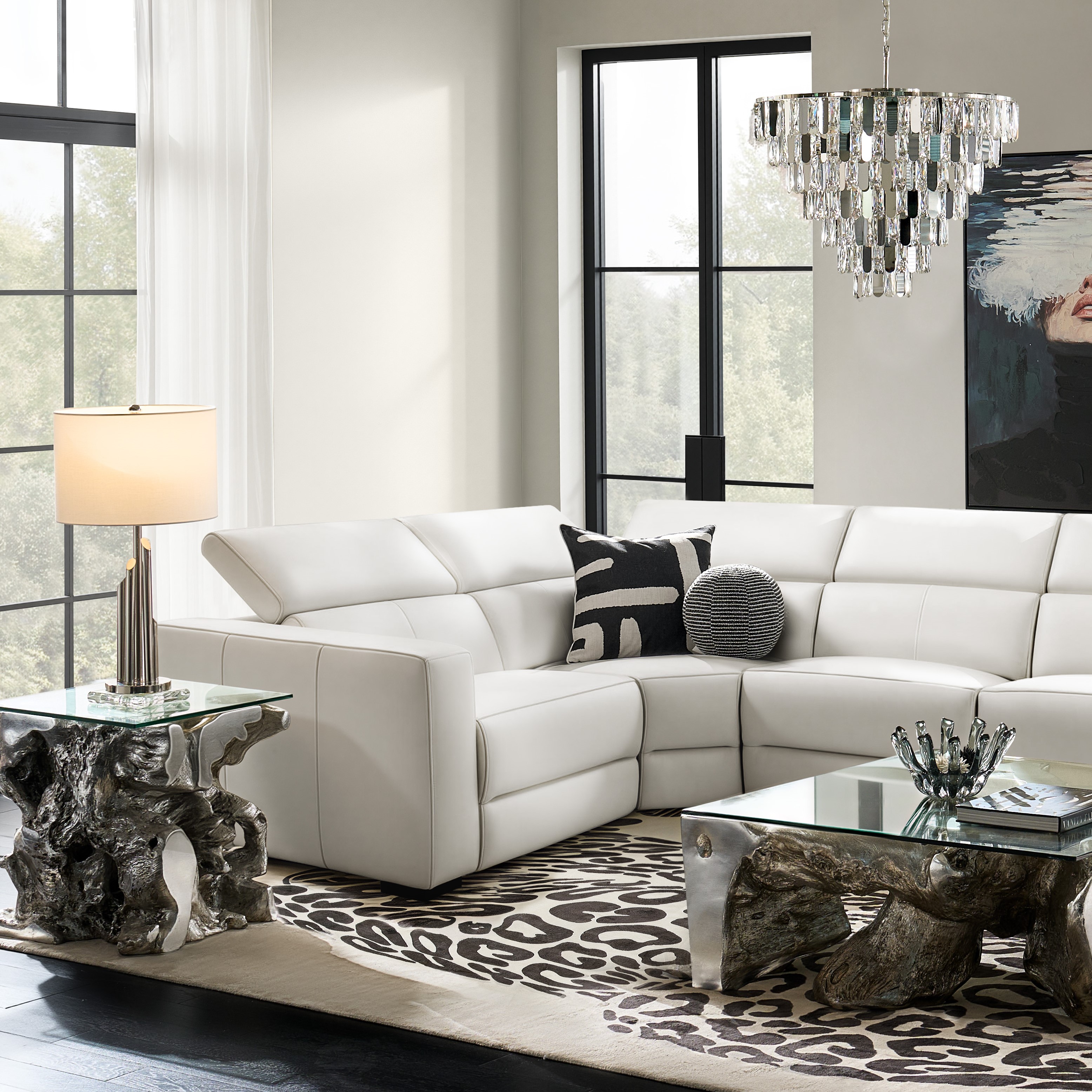 Verona 5-Piece Reclining White Leather Sectional Sofa$6799
A modern sectional upholstered in supple white semi-aniline leather with adjustable headrests and power-reclining seats.
Add To Cart -
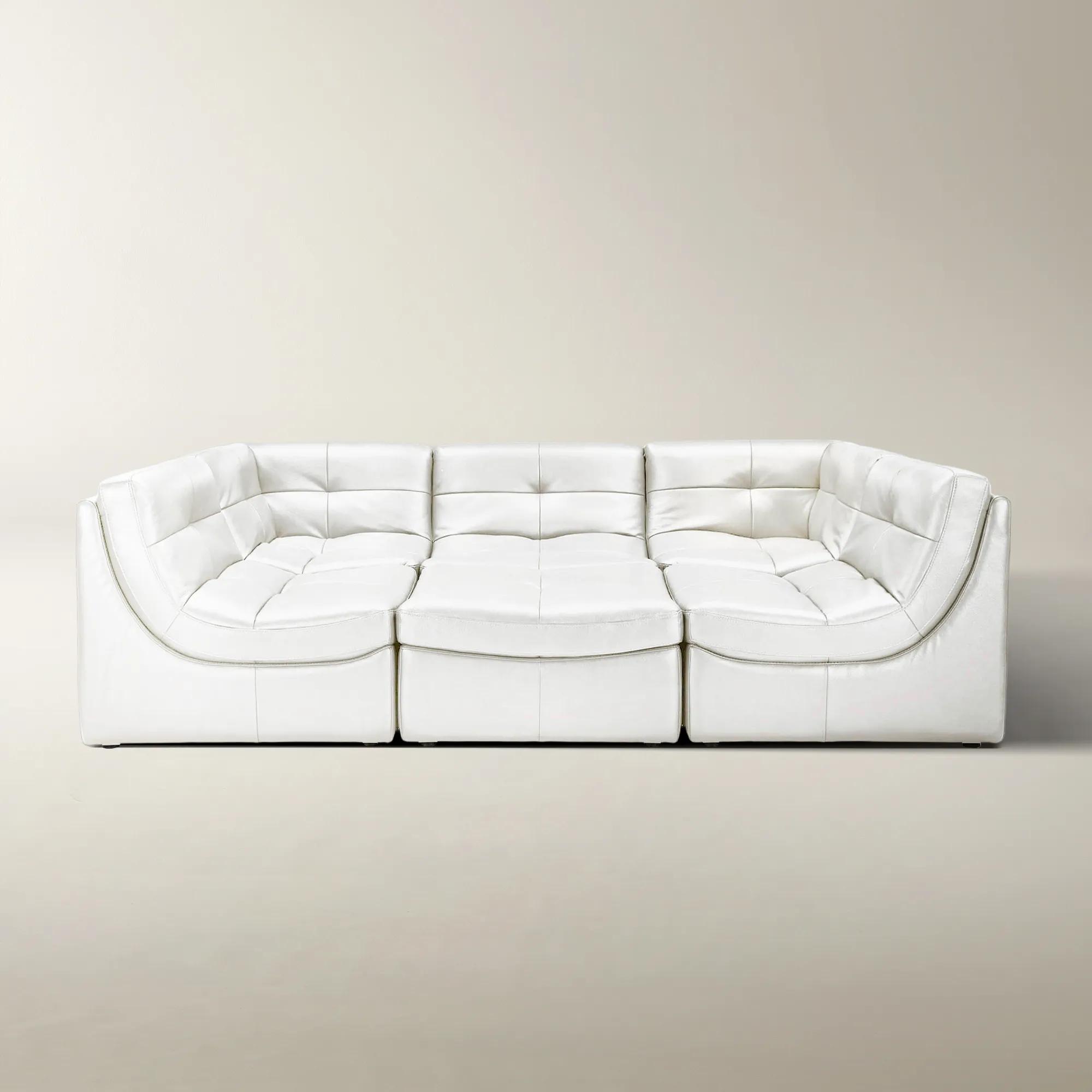 Convo 6-Piece White Leather Sectional Sofa$7249
A modular charcoal leather sectional with kiln-dried hardwood frame and gently curved, blind-tufted seats.
Add To Cart -
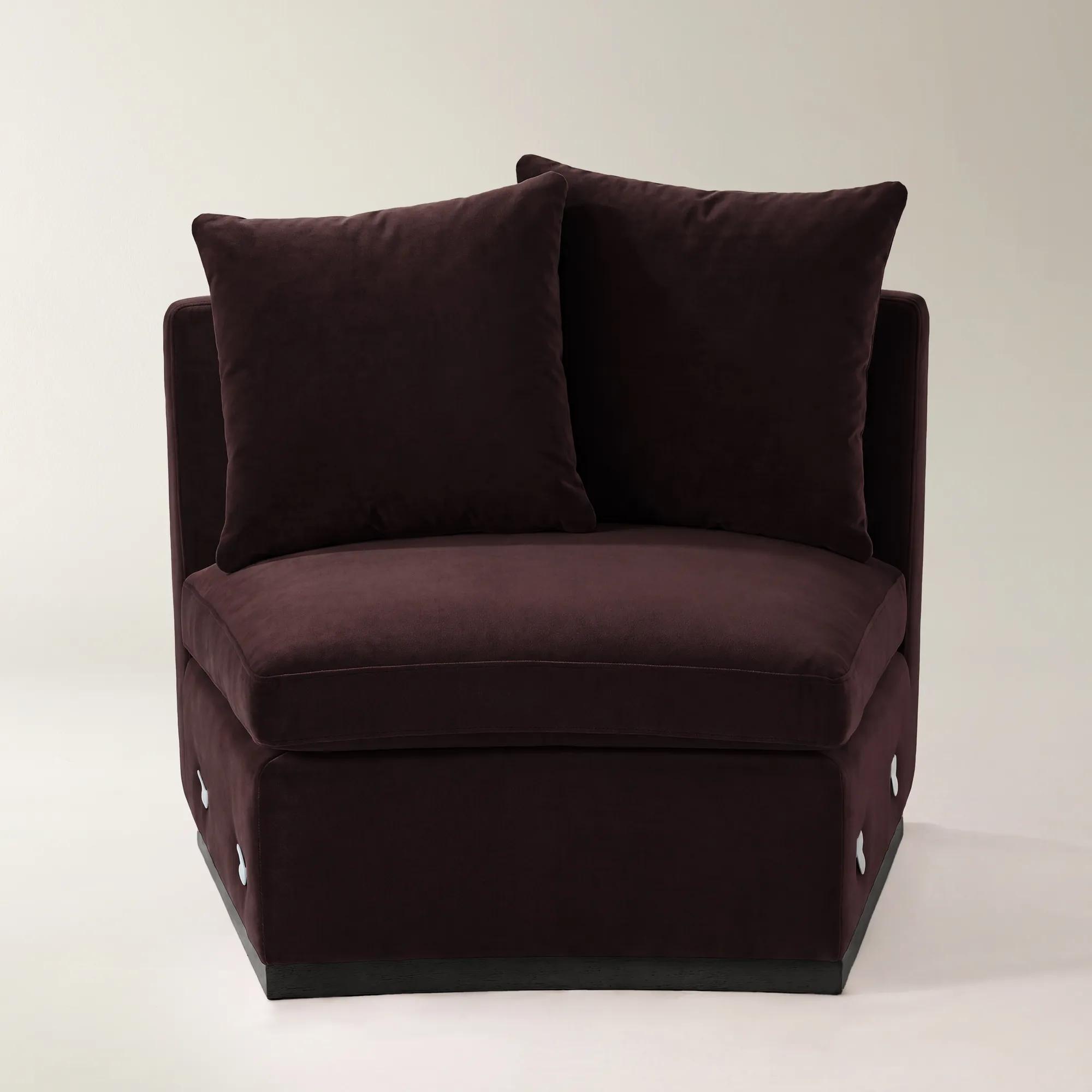
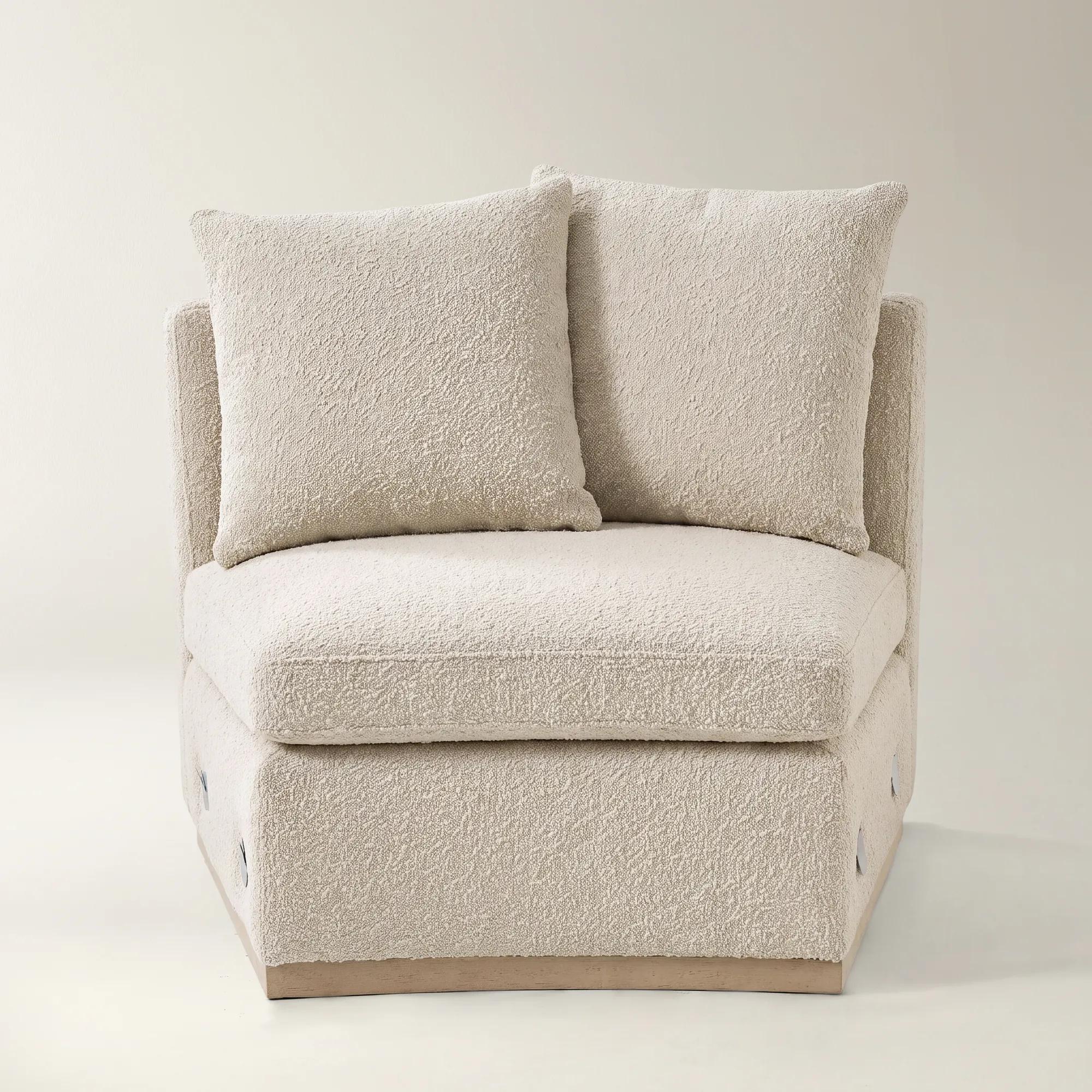
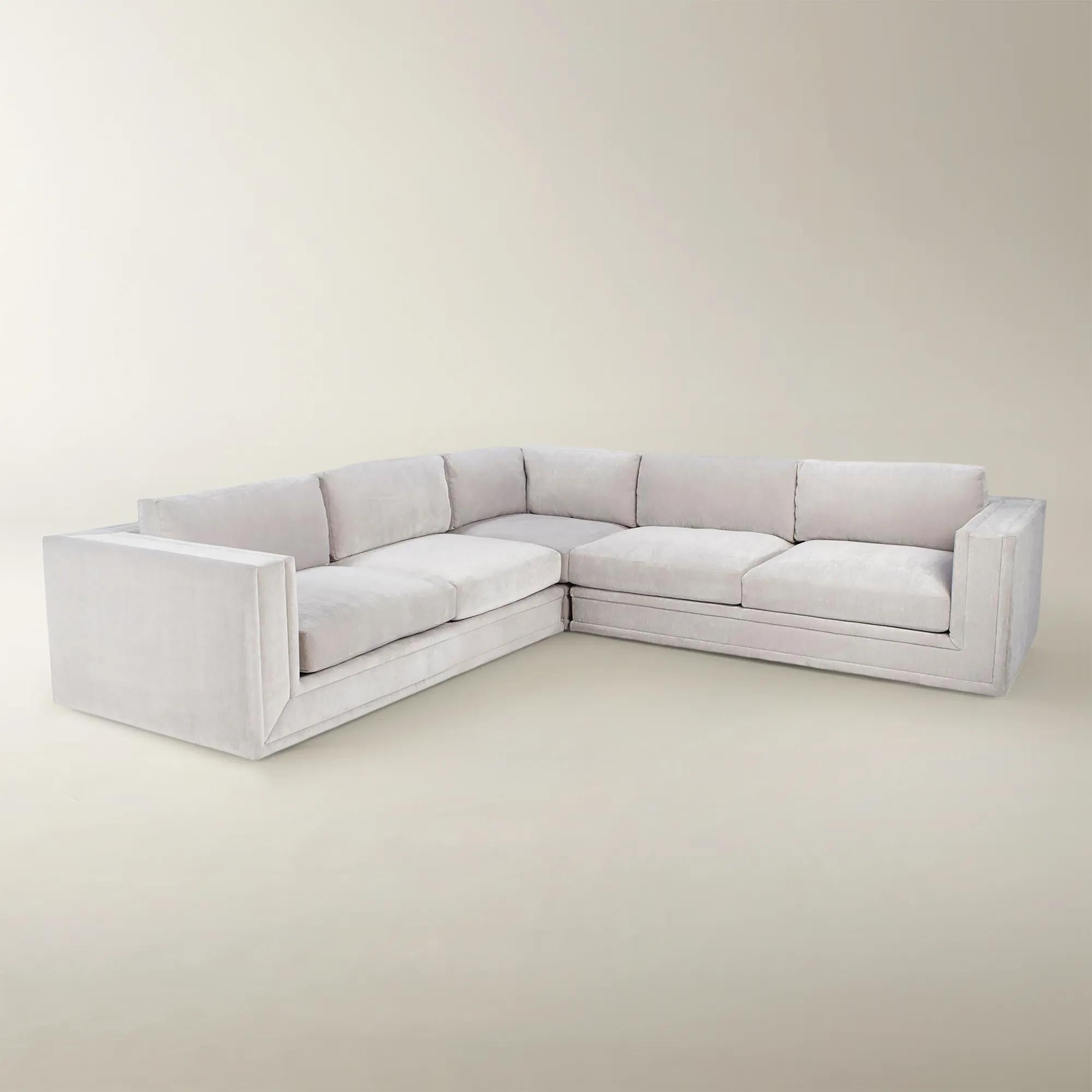 Luka 3-Piece Polar Chenille Sectional Sofa$4999
A modern corner sectional featuring deep seating, high-density foam cushions, and hand-upholstered opulent chenille fabric.
Add To Cart -
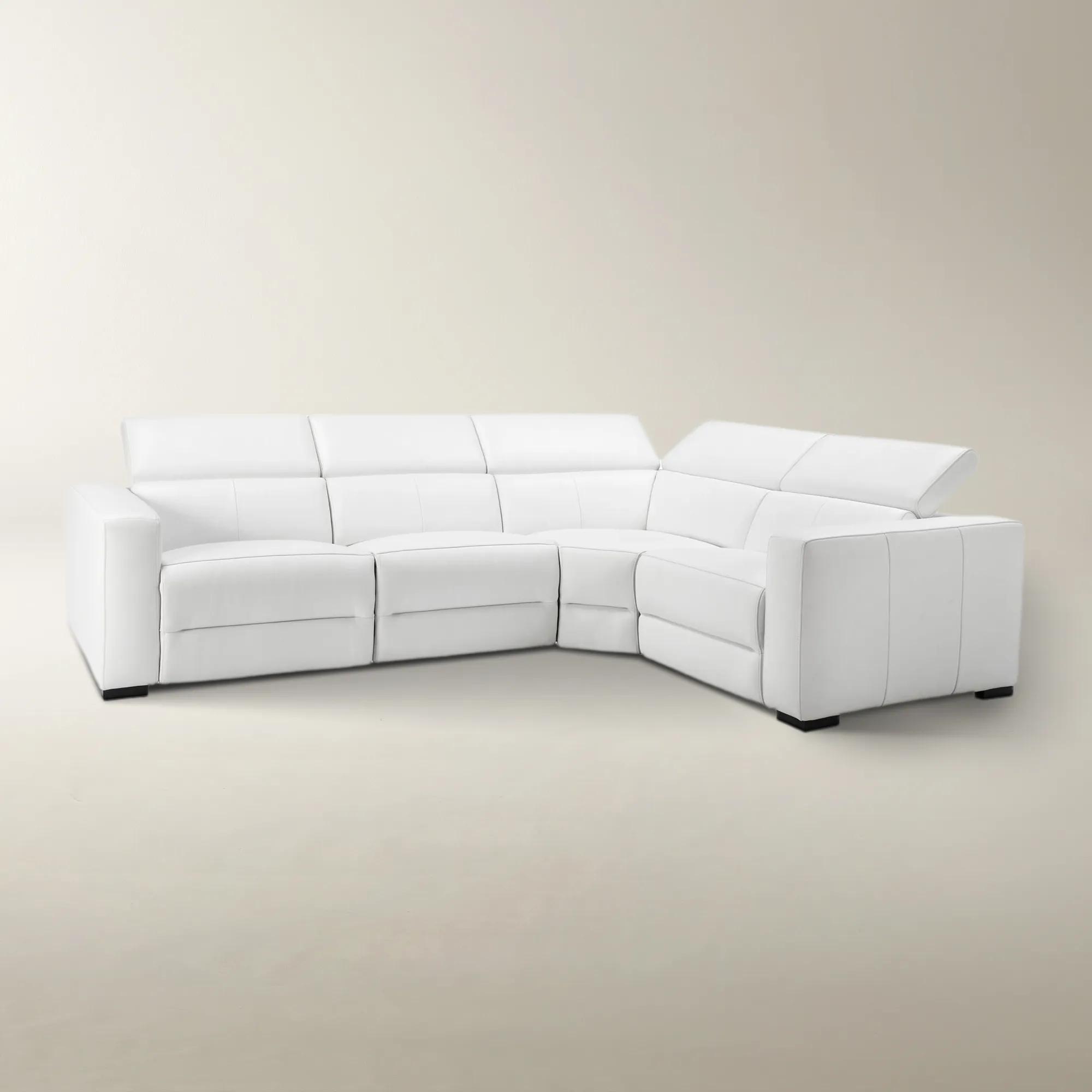 Verona 4-Piece L-Shaped Reclining White Leather Sectional Sofa With Right-Arm$5499
A modern sectional upholstered in supple white semi-aniline leather with adjustable headrests and power-reclining seats.
Add To Cart -
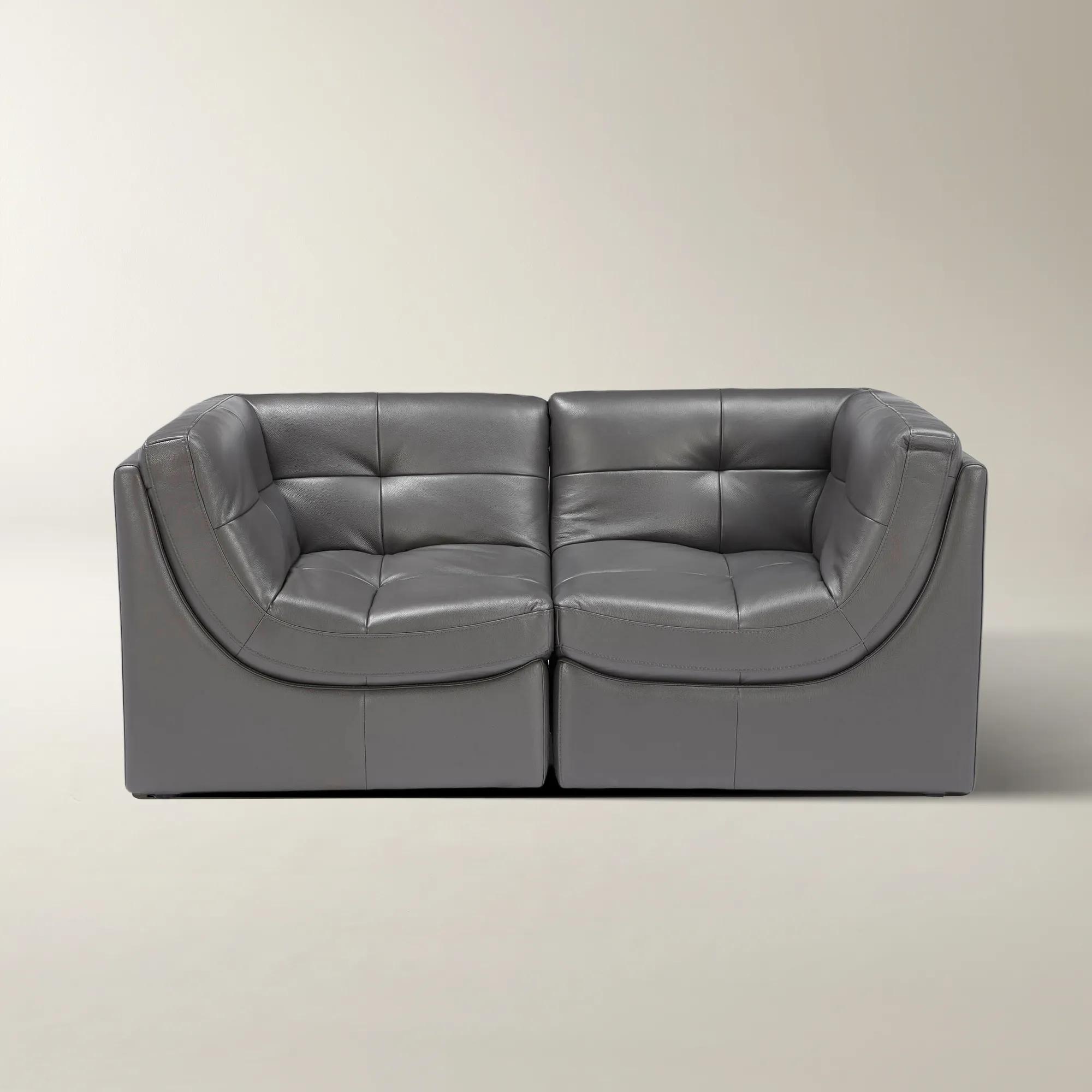 Convo 2-Piece Charcoal Leather Sectional Sofa$2799
A modular charcoal leather sofa with kiln-dried hardwood frame and blind-tufted, semi-aniline upholstery.
Add To Cart -
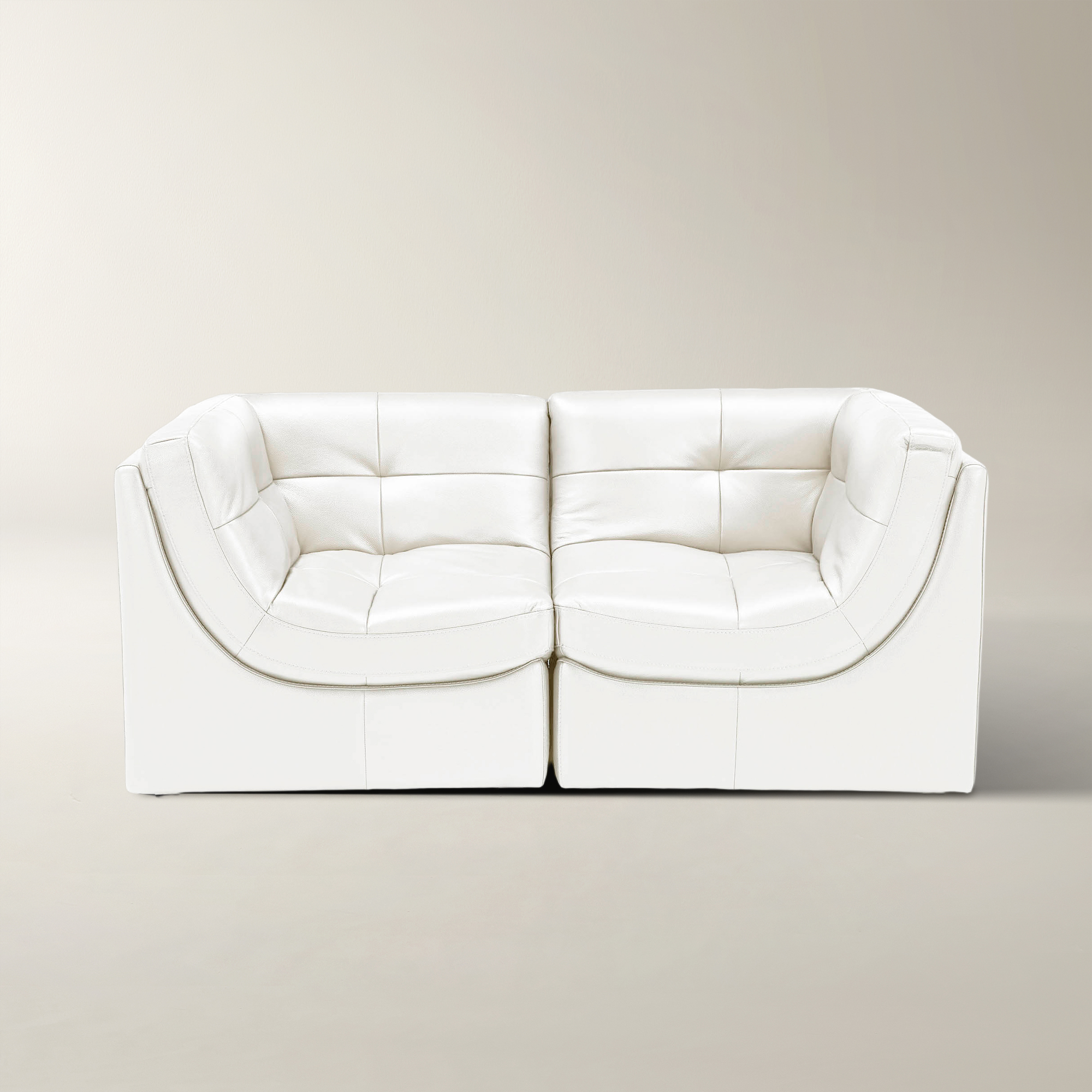 Convo 2-Piece White Leather Sectional Sofa$2799
A modular charcoal leather sofa with kiln-dried hardwood frame and blind-tufted, semi-aniline upholstery.
Add To Cart -
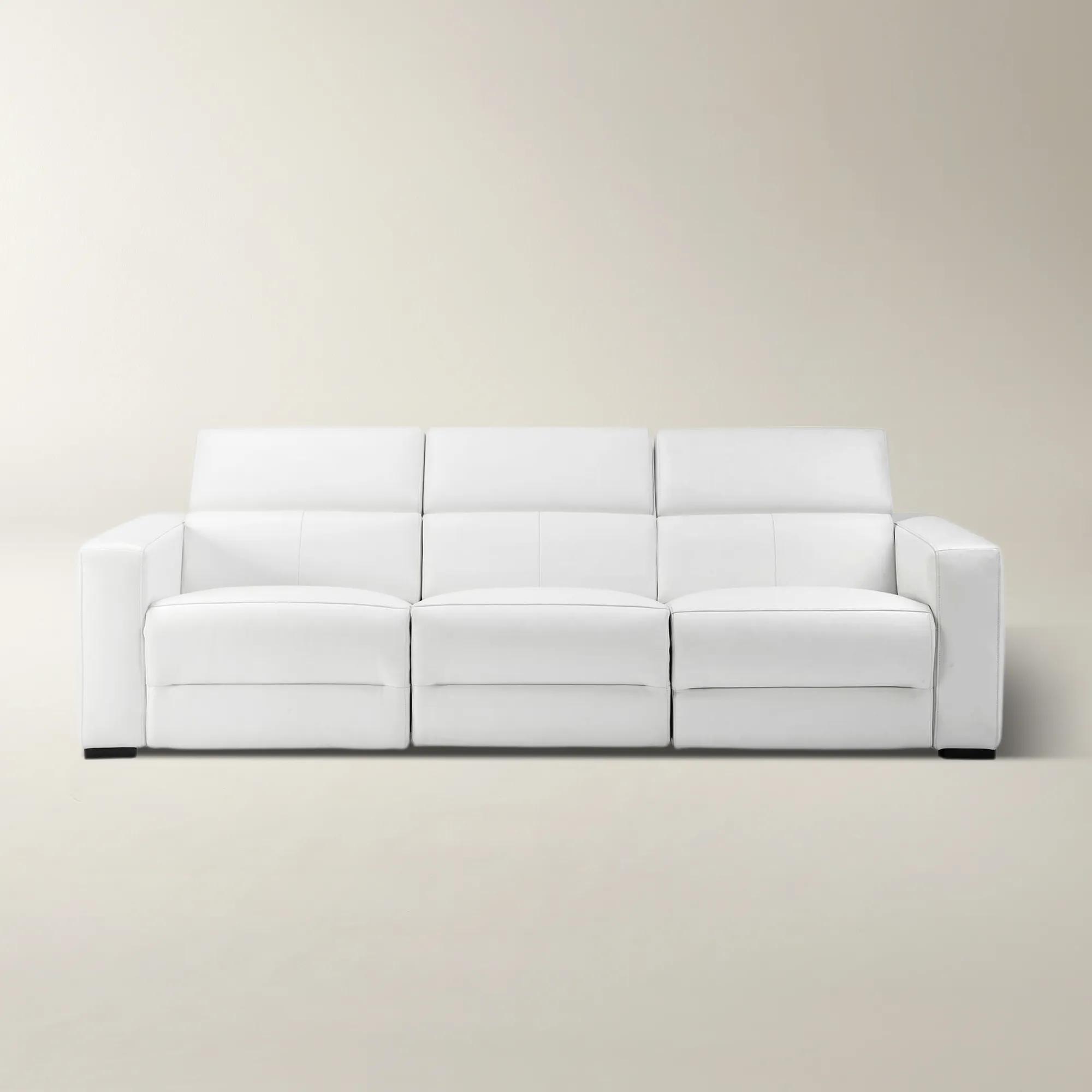 Verona 3-Piece White Leather Sectional Sofa$4199
A modern white sectional upholstered in supple semi-aniline leather with adjustable headrests and power-reclining seats.
Add To Cart -
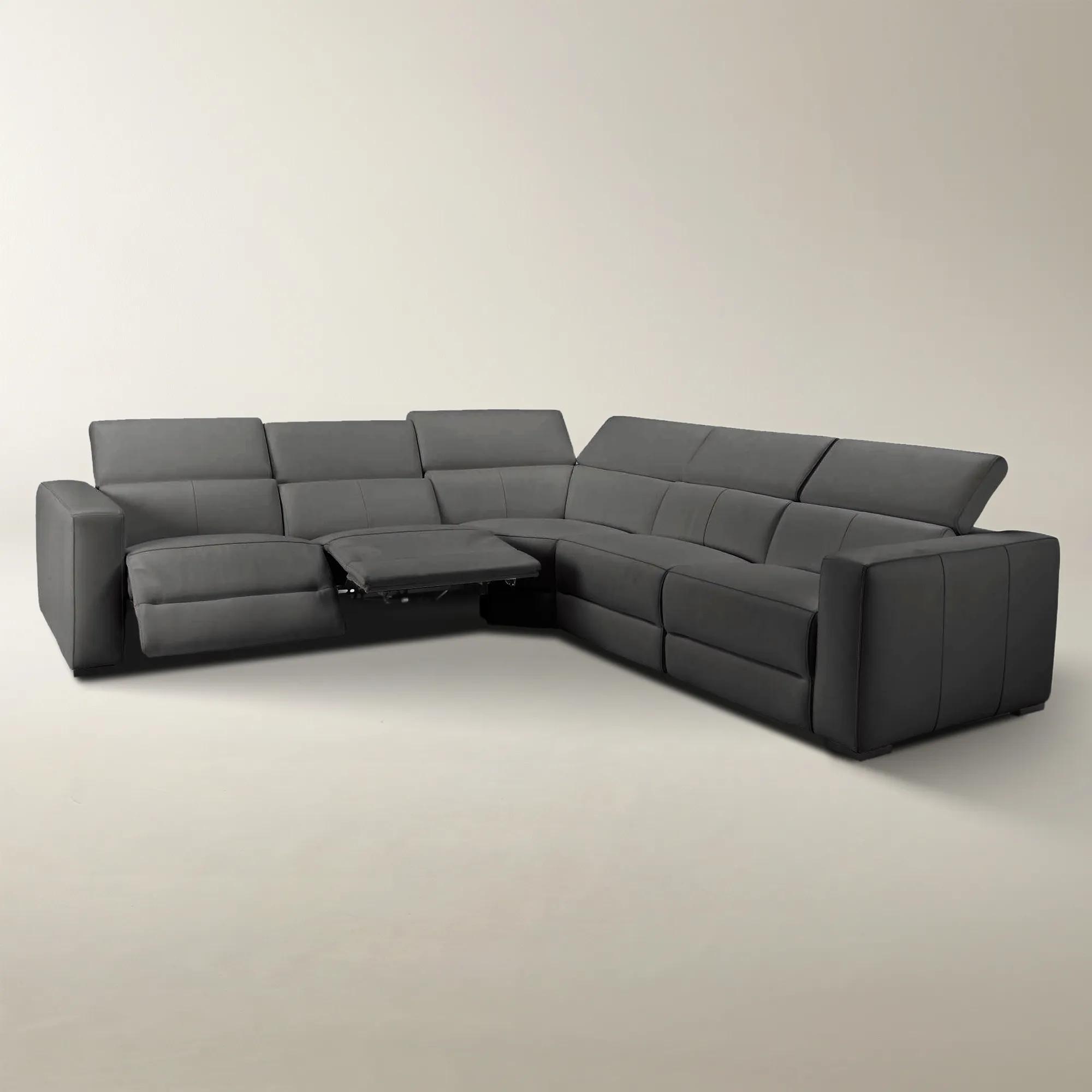 Verona 5-Piece Reclining Charcoal Leather Sectional Sofa$6799
A charcoal semi-aniline leather sectional featuring adjustable headrests, kiln-dried hardwood frame, and optional power recline.
Add To Cart -
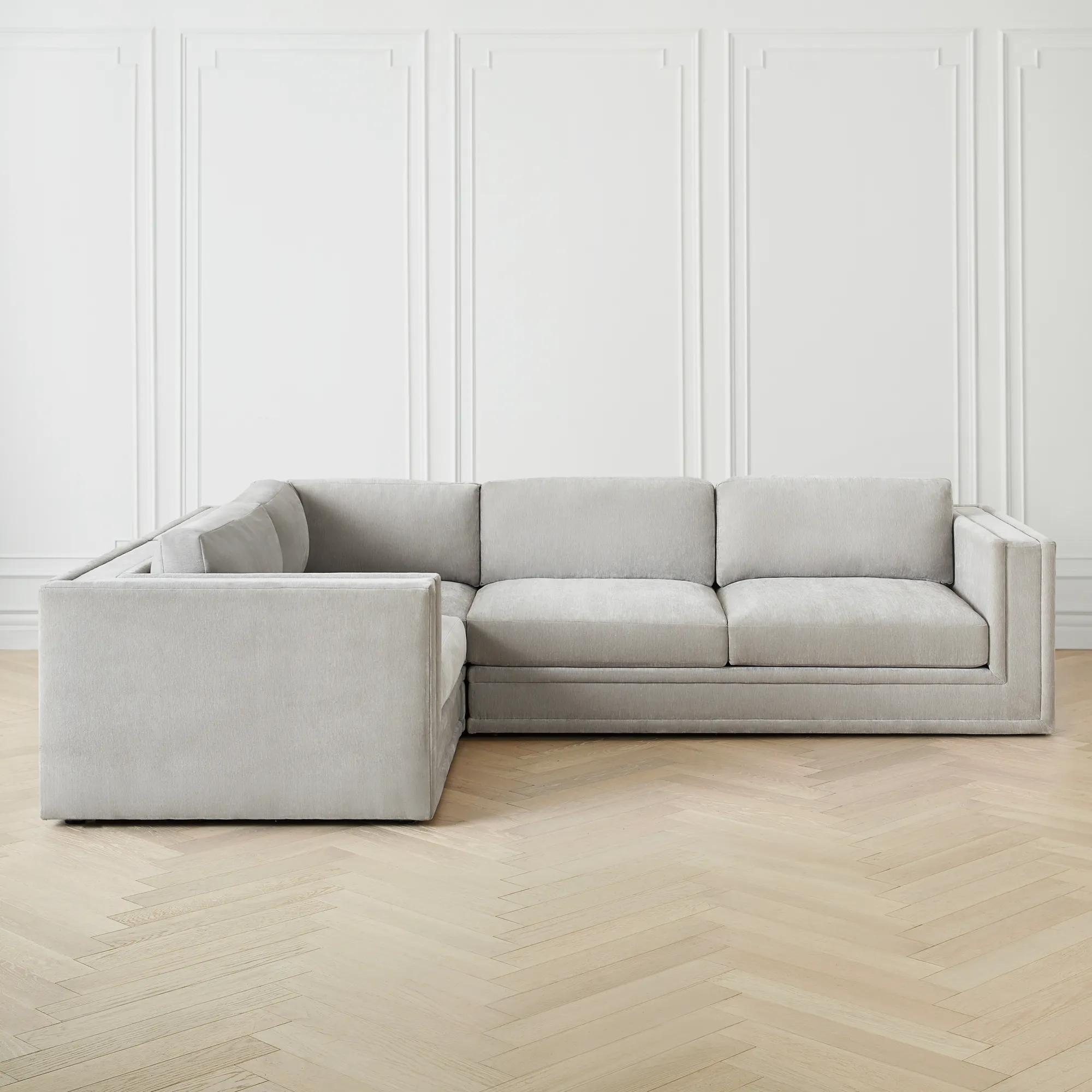 Luka Sectional - 3 PC$4599
A modern sectional featuring deep seating, high-density foam cushions, and hand-upholstered velvet in pearl.
Add To Cart -
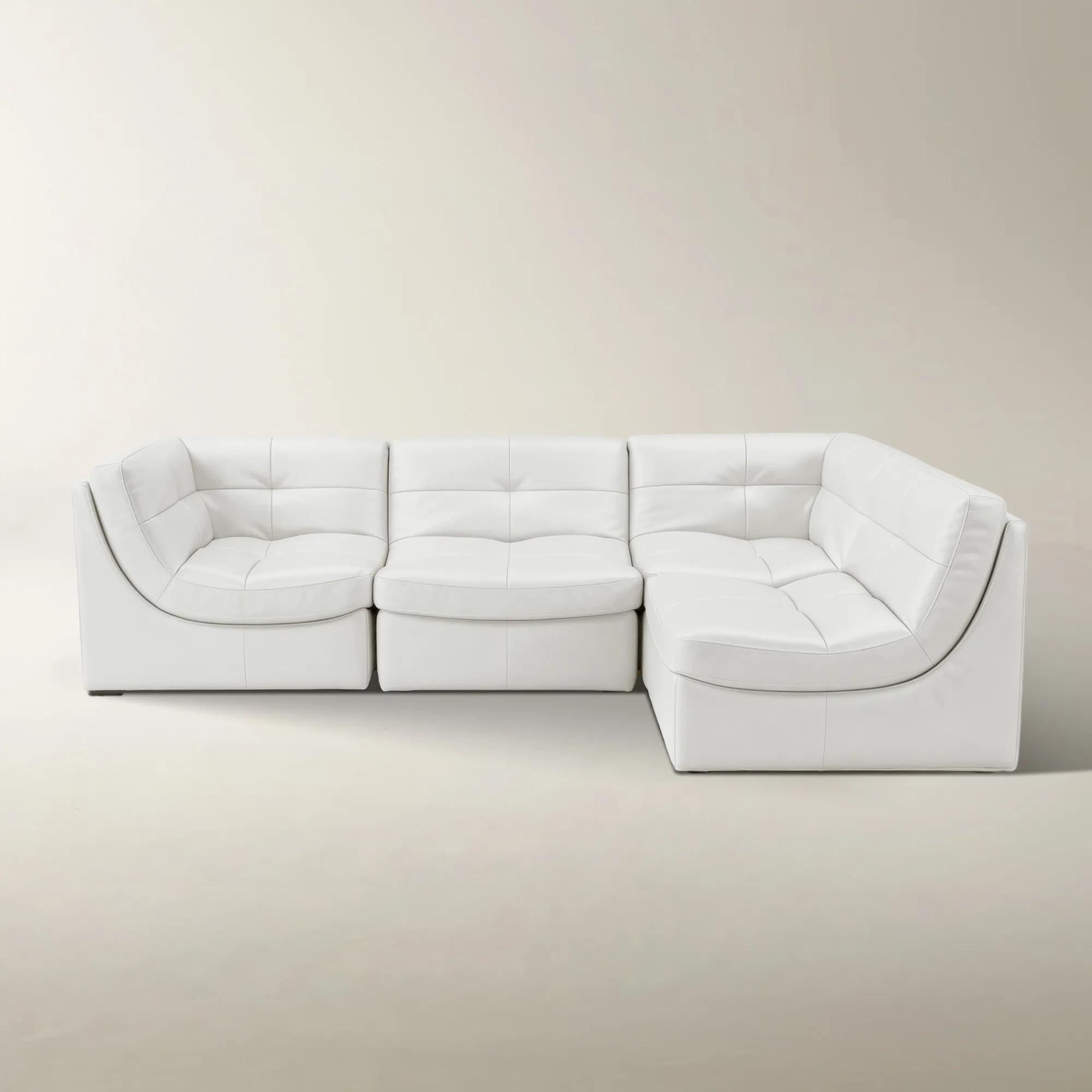 Convo 4-Piece L-Shaped White Leather Sectional Sofa With Armless Chair$5199
A modular charcoal leather sectional with kiln-dried hardwood frame and gently curved, blind-tufted seats.
Add To Cart -
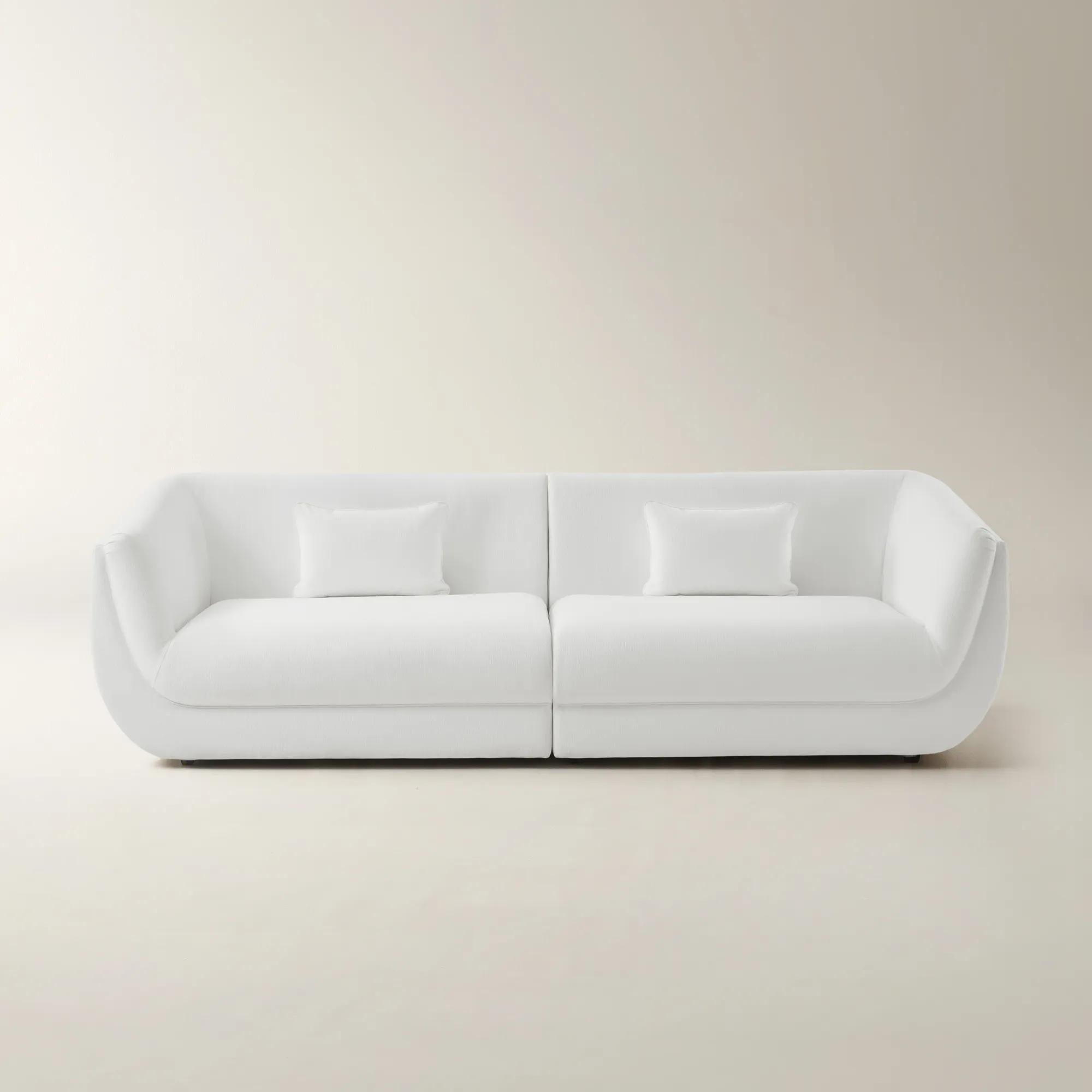
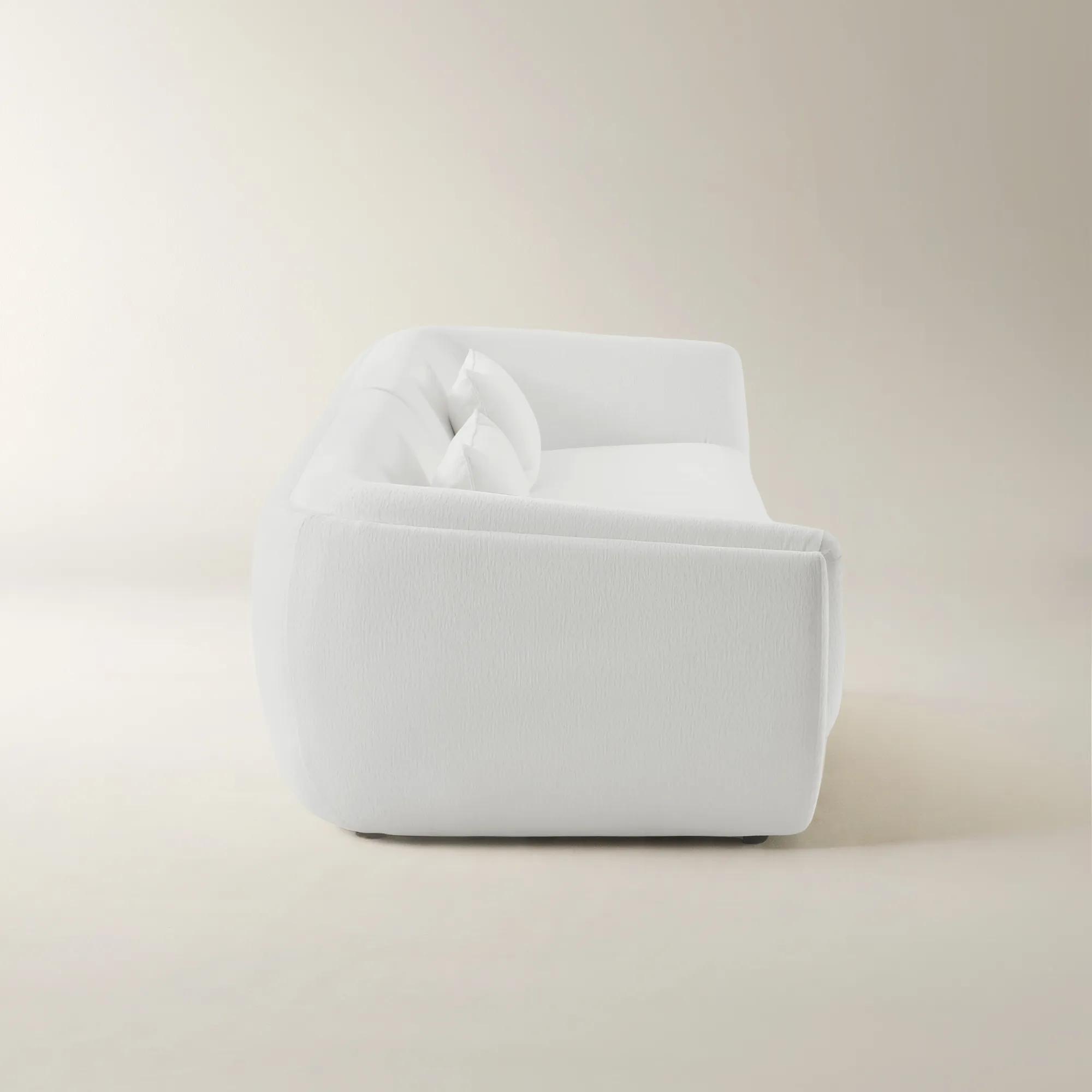 Curvia 2-Piece White Performance Chenille Indoor/Outdoor Sectional Sofa$2599
A sculptural white sectional sofa upholstered in performance chenille for luxurious indoor or outdoor lounging.
Add To Cart -
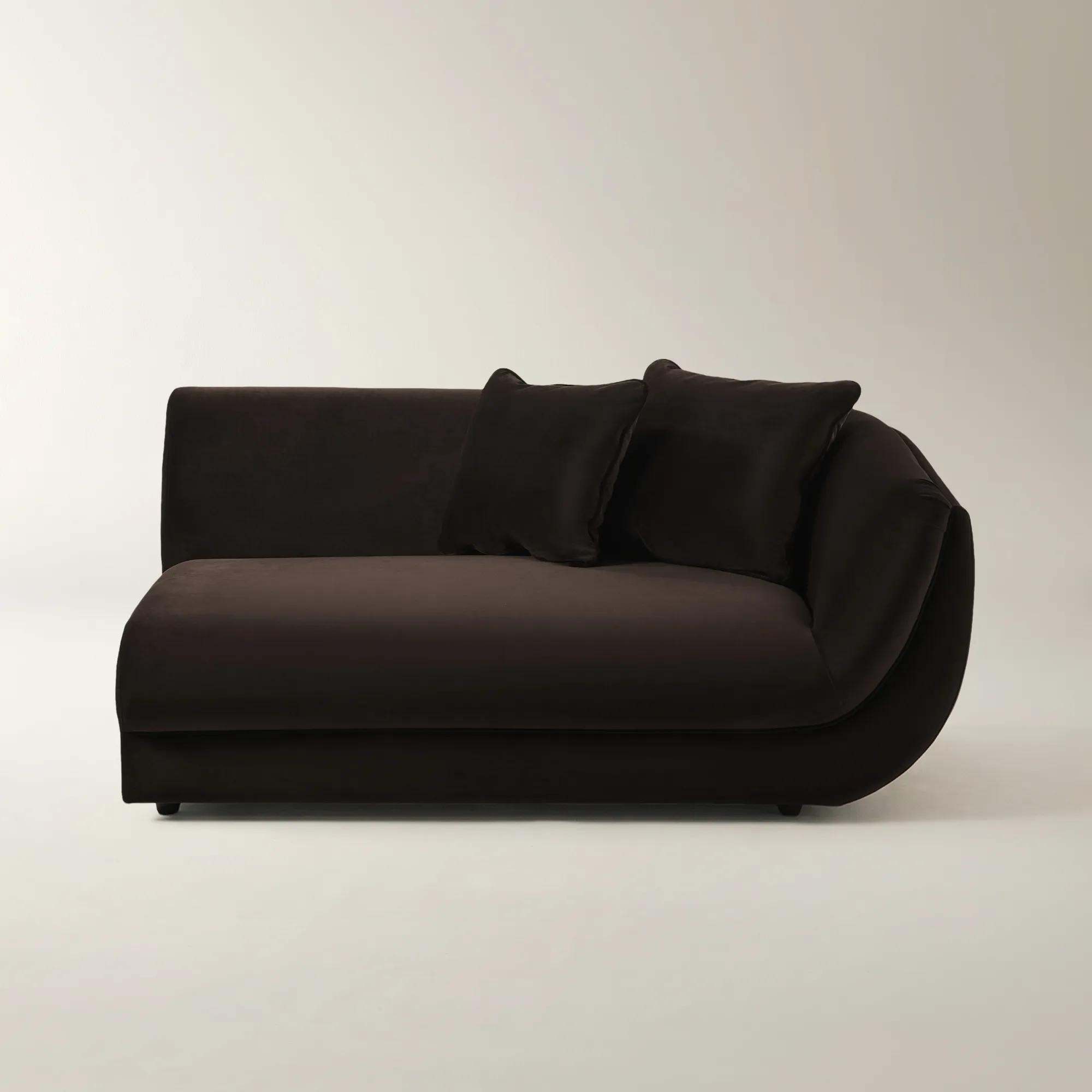
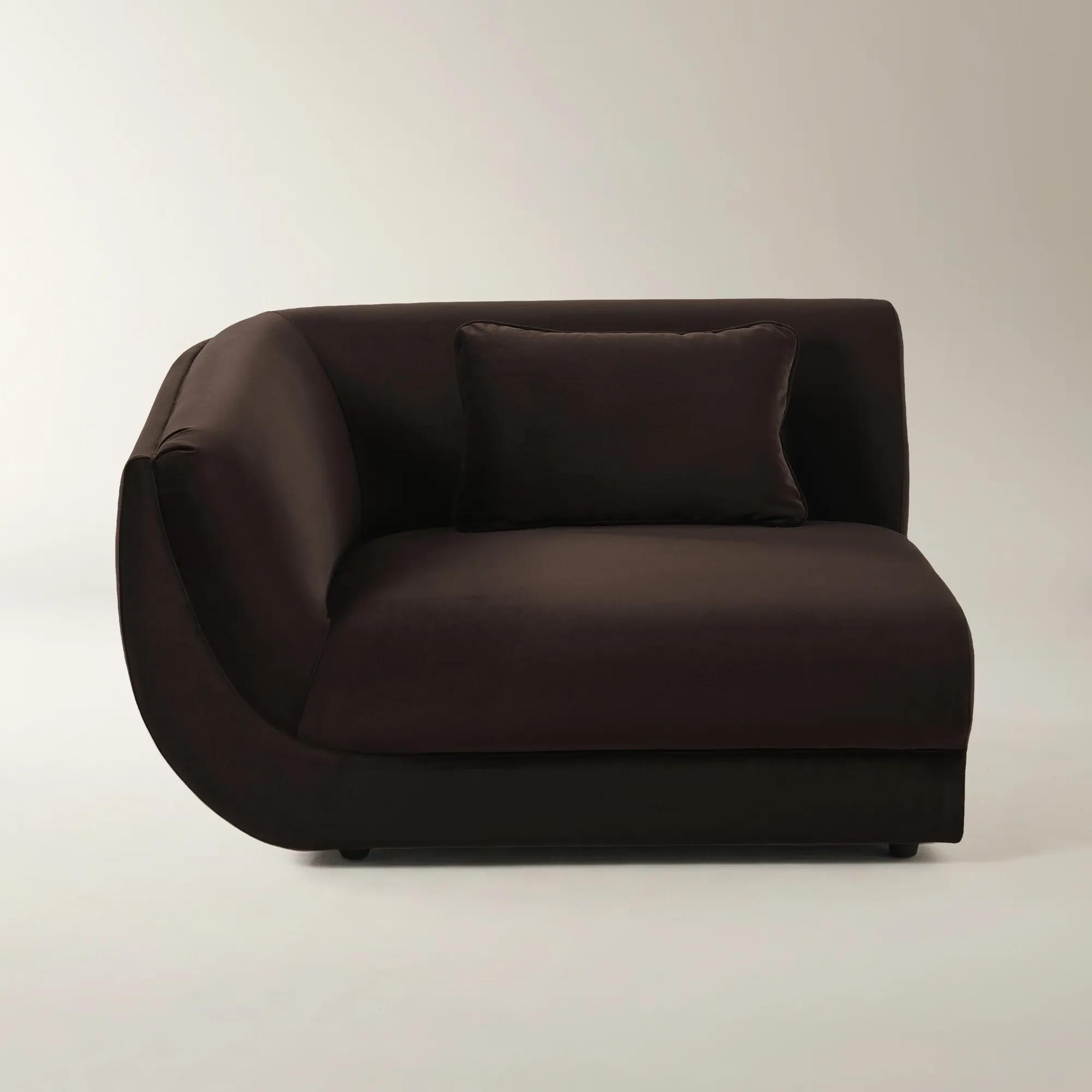
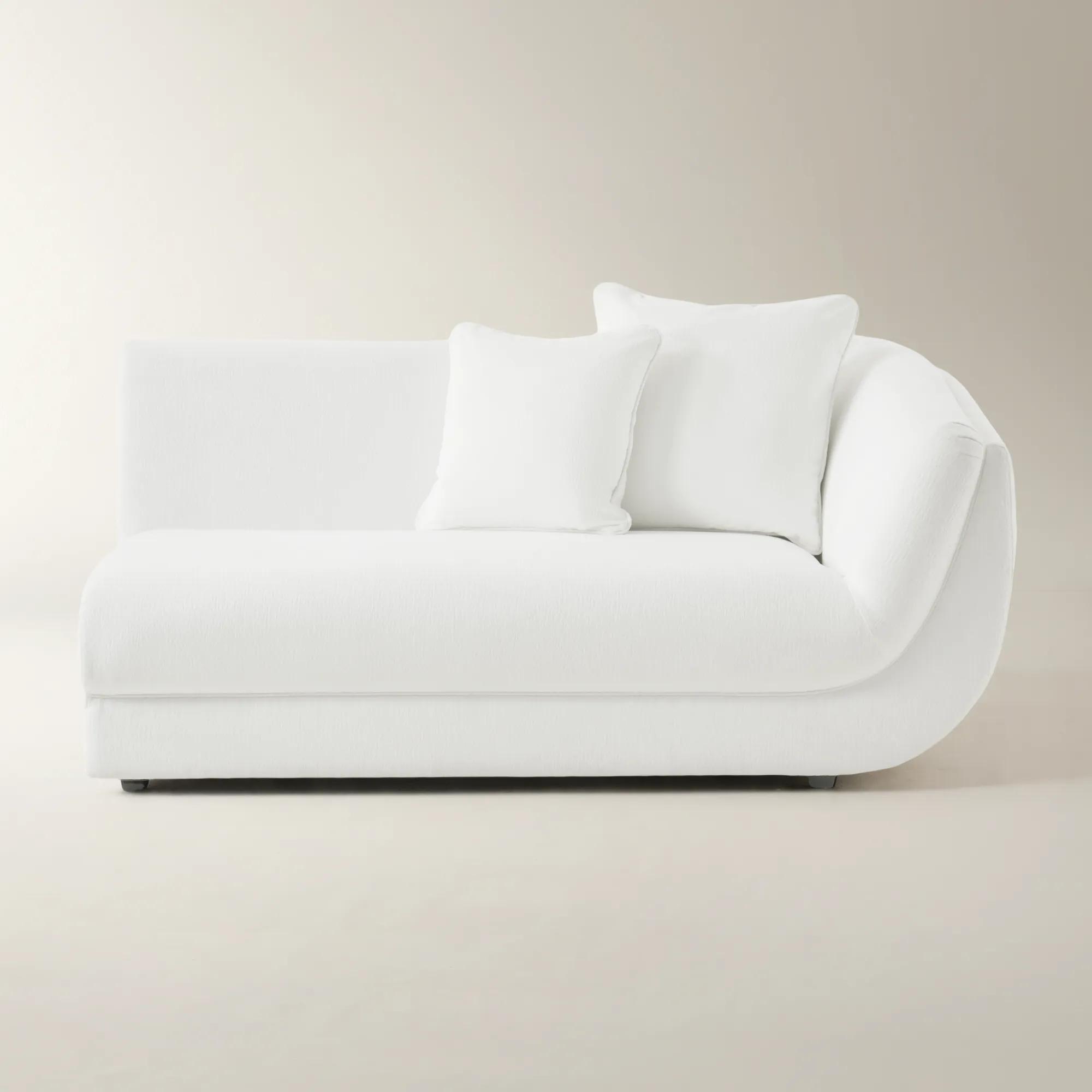 Curvia White Performance Chenille Indoor/Outdoor Grand Right-Arm Chair$1449
A sculptural white chenille chair featuring plush cushions, weather-resistant design, and indoor/outdoor versatility.
Add To Cart

Living Room Seating For Entertaining
Living room seating for entertaining transforms every gathering into a grand affair, inviting guests to linger in comfort and style. Imagine plush silhouettes and sculptural forms arranged to spark conversation and connection, each piece an invitation to relax, celebrate, and savor the moment. Whether you’re hosting a sparkling soirée or an intimate evening in, your living room becomes the stage—every seat a statement, every detail curated for drama and delight. With living room seating for entertaining, your space radiates hospitality and glamour, setting the scene for unforgettable memories.
Living room seating for entertaining works best when sofas, sectionals, and accent chairs face inward, creating a conversation area where guests can settle comfortably and speak without raising their voices. A sofa opposite two angled armchairs offers a versatile starting point; two facing sofas create a more symmetrical, salon-inspired setting, while a sectional paired with an open-sided chair brings a generous, enveloping feel to larger gatherings. The atmosphere comes from the balance of those silhouettes: a sweeping curved back softens a room’s architecture, tailored upholstery lends definition, and a sculptural chair gives the arrangement an expressive focal point. For hosts who love conversation as much as a beautifully composed room, seating is both the visual centerpiece and the invitation to linger. A collection of living room sofas for entertaining can anchor that setting, with complementary seating adding texture, contrast, and room for different ways to relax. An upright armchair suits the guest balancing a small plate during cocktails, while a deeper sofa welcomes an unhurried evening after dinner. Those distinctions matter more than matching every silhouette. Consider actual sitting space rather than overall width alone: broad arms, generous bolsters, and loose pillows can reduce the number of people who fit comfortably. A sofa approximately 84 to 90 inches long is a common starting point for a three-seat arrangement, although usable capacity depends on its design and cushion configuration. Keep conversational partners roughly eight feet apart or closer when the room allows, without compressing the space between furniture. During the cooler months, when gatherings naturally move indoors, this sense of proximity makes a living room feel intimate rather than crowded. The most inviting arrangement gives every guest a place within the conversation, not a spare chair stranded beyond it. Even a compact room can feel gracious with a carefully scaled loveseat, two distinct chairs, and a clear view across the center.
Scale and circulation distinguish seating that simply fills a room from seating that makes entertaining feel effortless. An L-shaped sectional can define a gathering space in an open floor plan, but its return should not cut across the route from the entry to the kitchen. Modular seating offers flexibility when its components are designed to separate or reconnect, making it possible to adapt the arrangement for a larger circle or a quieter evening. Two facing sofas suit rooms with enough width for a central table and comfortable movement around the outer edges; in a narrower space, a sofa and a pair of less bulky chairs can preserve the same conversational quality. Approximately 30 to 36 inches for primary walkways is a useful planning range, with more clearance where accessibility needs or frequent traffic require it. Between seating and a coffee table, about 14 to 18 inches generally balances reach with legroom, though reclining mechanisms and individual mobility needs may call for additional space. Measurements should include doorways, stair turns, elevators, and the furniture’s delivery dimensions, not just the final footprint. Within that framework, occasional seating introduces welcome versatility. A low upholstered bench can sit along a wall between gatherings, then join the conversation without presenting a tall visual barrier. A pouf or ottoman may provide an additional perch only if it is designed and rated for sitting; a decorative footrest should not be assumed to support a guest. A generously scaled cocktail ottoman brings a sumptuous upholstered surface to the center of the room, with a stable tray creating a landing place for refreshments when the design permits. Swivel chairs can serve gatherings that flow between adjacent spaces, provided there is clearance for the chair’s full rotation. Seat height, depth, and firmness deserve equal attention: supportive cushions, useful armrests, and a seat that allows feet to rest on the floor may be more comfortable for guests who find low, deep seating difficult to rise from.
Upholstery establishes much of the room’s mood, but its everyday demands should feel as considered as its color. Velvet catches changing light with a richly dimensional surface, bringing depth to jewel tones and a luminous softness to pale neutrals. Its pile may develop pressure marks or shading with use, so manufacturer-approved brushing or gentle vacuuming can be important to its appearance. Textured woven fabrics offer a different kind of richness, with visual depth that can complement sleek tables and gleaming accents; open loops or pronounced weaves, however, may be more vulnerable to pet claws and jewelry snags. Leather introduces a tailored presence and can develop character over time, but care requirements vary considerably between protected and less heavily finished hides. Direct sunlight, heat sources, and unsuitable cleaners can affect both leather and fabric, making placement part of long-term care. Performance upholstery may be worth considering for homes where drinks, children, and pets share the gathering space, though stain resistance is not the same as stain-proof construction. Fiber content, finish, cleaning instructions, and any published testing should inform the choice rather than a fabric’s name alone. Spills are generally best addressed promptly by blotting rather than rubbing, followed by the specified care method; removable cushion covers are not necessarily machine washable. Beneath the upholstery, frame construction, joinery, suspension, and cushion materials influence how seating feels and holds its shape through repeated use. Higher-density foam can contribute to resilience, while feather or fiber blends may offer a softer feel with more regular fluffing and reshaping. For a household that entertains often, those maintenance differences are part of choosing well. A tightly edited mix of materials can deliver drama without sacrificing cohesion: plush seating beside a smooth leather chair, or a rounded upholstered bench beneath an angular artwork. Leave enough room on the seats for people rather than layers of decorative pillows. The result is a living room with genuine presence—beautiful from the doorway, comfortable through a long conversation, and ready to make a gathering feel generous.
FAQs
For entertaining, opt for living room seating that balances comfort with striking design. Sectionals encourage conversation and accommodate larger groups, while sculptural accent chairs and sphere seating create intimate vignettes for smaller gatherings. Mix textures and finishes—such as plush velvet, gleaming metals, or mirrored accents—to evoke a sense of luxury and artistic flair. The key is to curate a seating arrangement that invites guests to relax and engage, making every gathering feel effortlessly glamorous.
To achieve a cohesive look, start by selecting a central color palette and build around it with complementary hues and textures. Incorporate signature z gallerie living room furniture pieces—like bold sofas, sculptural accent chairs, and statement mirrors—to anchor your space with drama and sophistication. Layer in metallic details, rich fabrics, and curated accessories for a collected yet harmonious feel. The result is a living room that feels both intentional and expressive, perfect for any occasion.
This season, luxe materials reign supreme—think sumptuous velvet, textured boucle, and gleaming brass or chrome accents. Mirrored details, such as a z gallerie mirror, add a glamorous touch and reflect light to open up the space. Sculptural shapes, including sphere seating and curved silhouettes, are also in vogue, lending a modern yet inviting vibe to your living room. These choices not only elevate the atmosphere but also create a sense of warmth and artistry, ideal for entertaining.
Arrange seating in a way that brings people together—position sofas and chairs to face each other, forming a circle or semi-circle around a central coffee table or focal point. Incorporate versatile pieces like ottomans or poufs for additional seating and flexibility. Consider the flow of the room, ensuring guests can move easily between seating areas. Layering lighting and adding a z gallerie mirror can further enhance the ambiance, making the space feel both open and inviting.
Absolutely—statement seating is a thoughtful and luxurious gift for milestones such as weddings, housewarmings, or anniversaries. A beautifully crafted accent chair or a piece of sphere seating not only adds comfort and style to a living room but also serves as a lasting reminder of a special occasion. Choose designs that reflect the recipient’s personality and taste, ensuring your gift becomes a cherished centerpiece in their home for years to come.