Lighting Ideas For Small Apartments
Lighting Ideas For Small Apartments
-
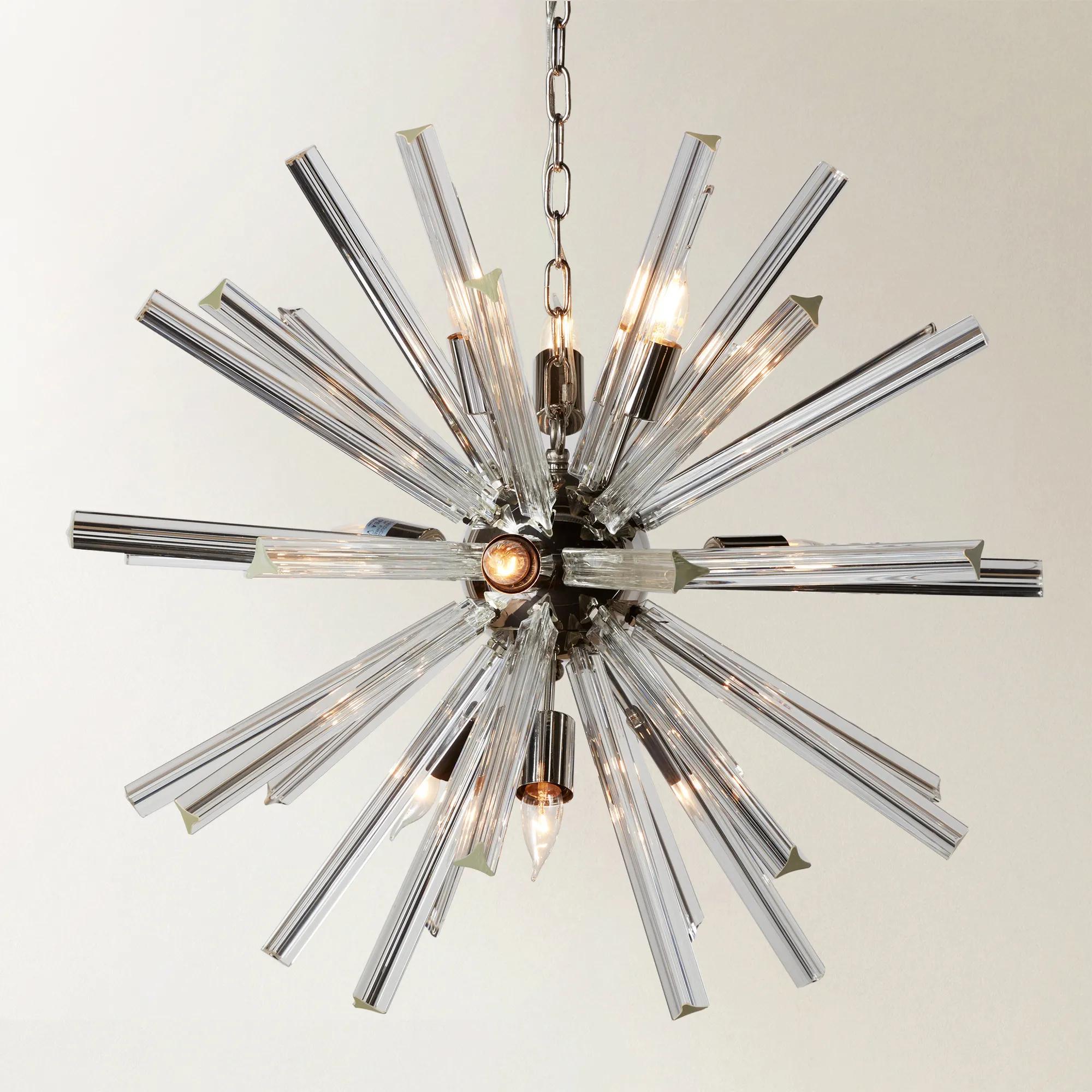
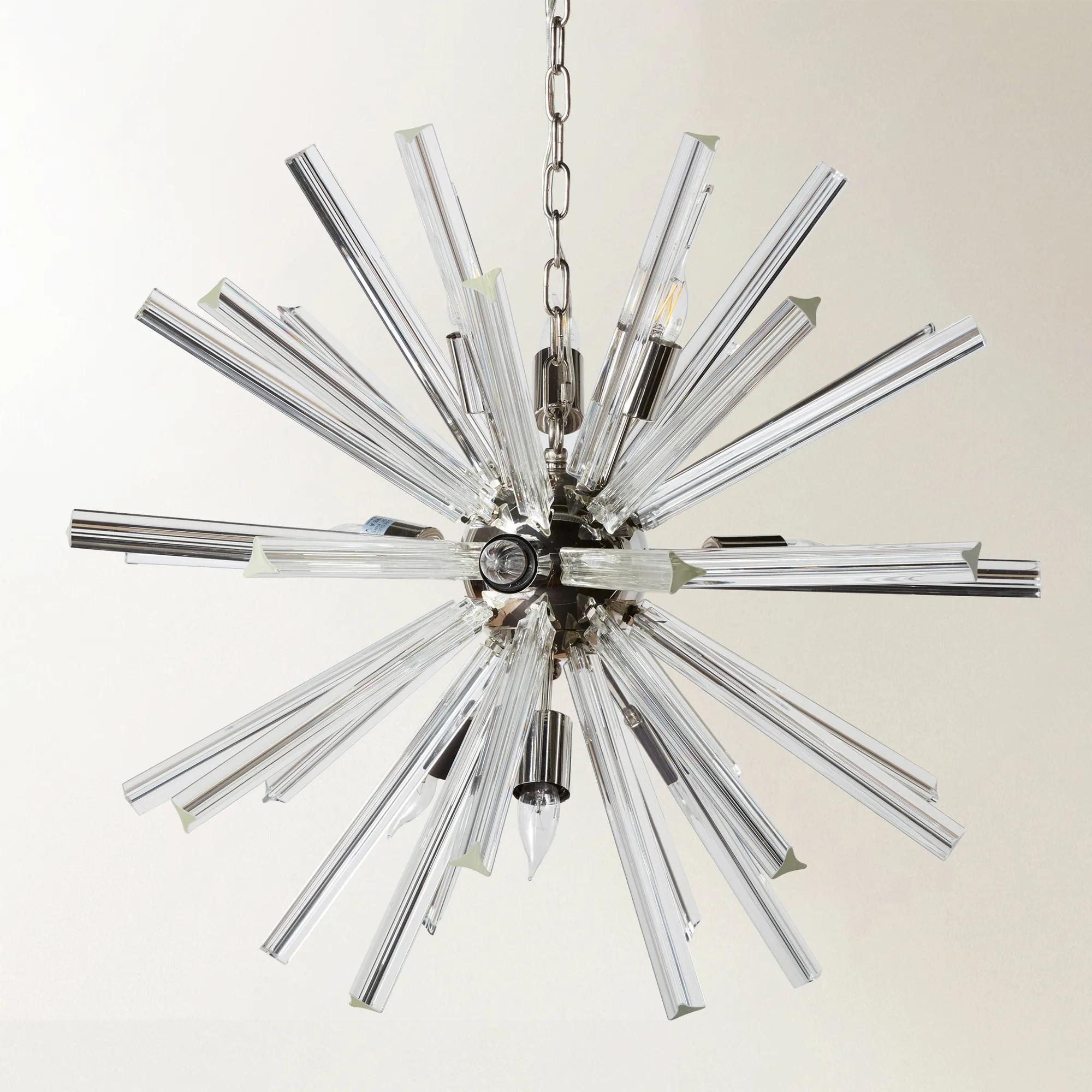 Axis Sputnik Clear Faceted Glass Chandelier 29.5"D$599
A modern chandelier featuring solid triangular glass spokes and iron accents for striking light reflection.
Add To Cart -
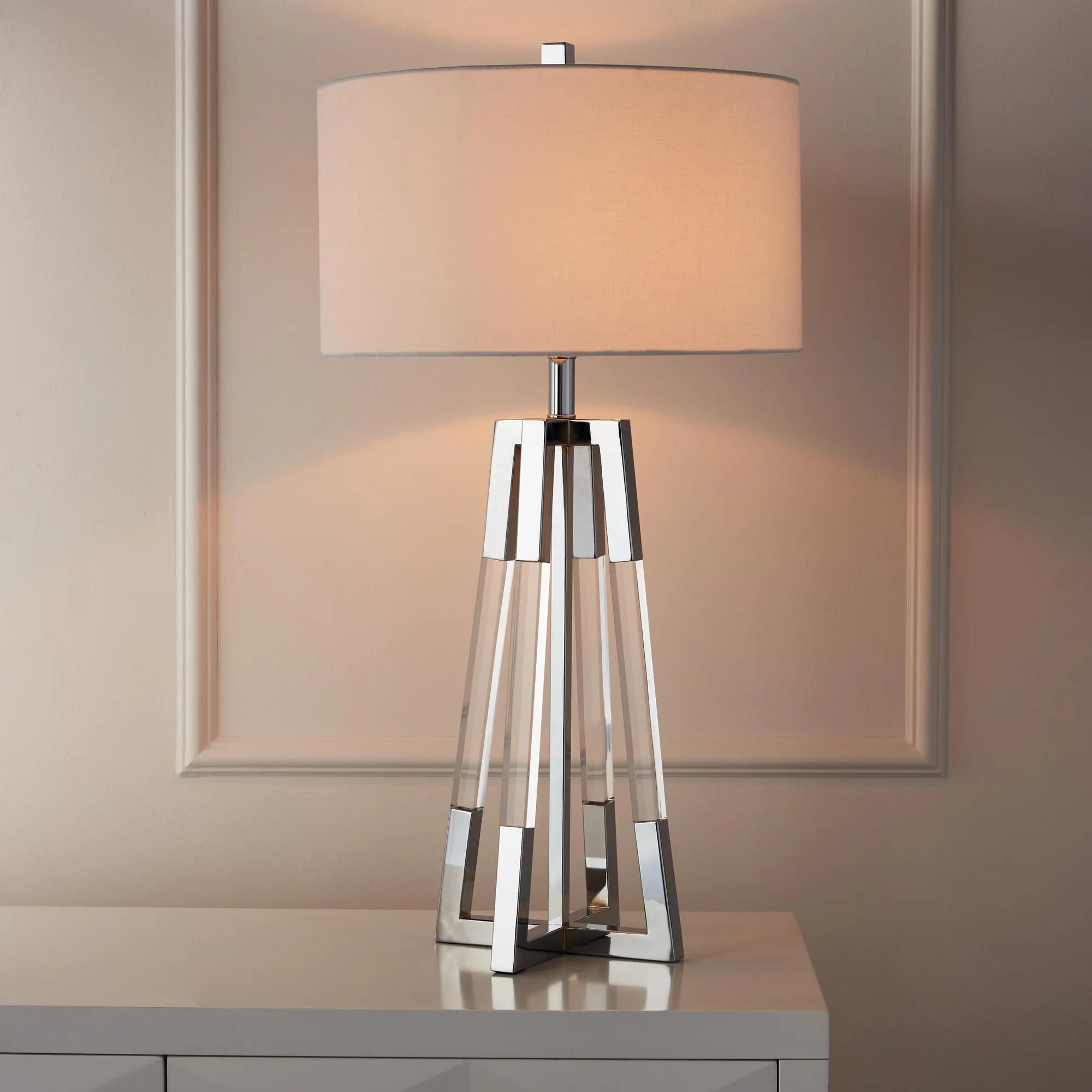 Rollins Table Lamp$439
A sophisticated table lamp featuring clear acrylic and polished nickel accents with a crisp white shade.
Add To Cart -
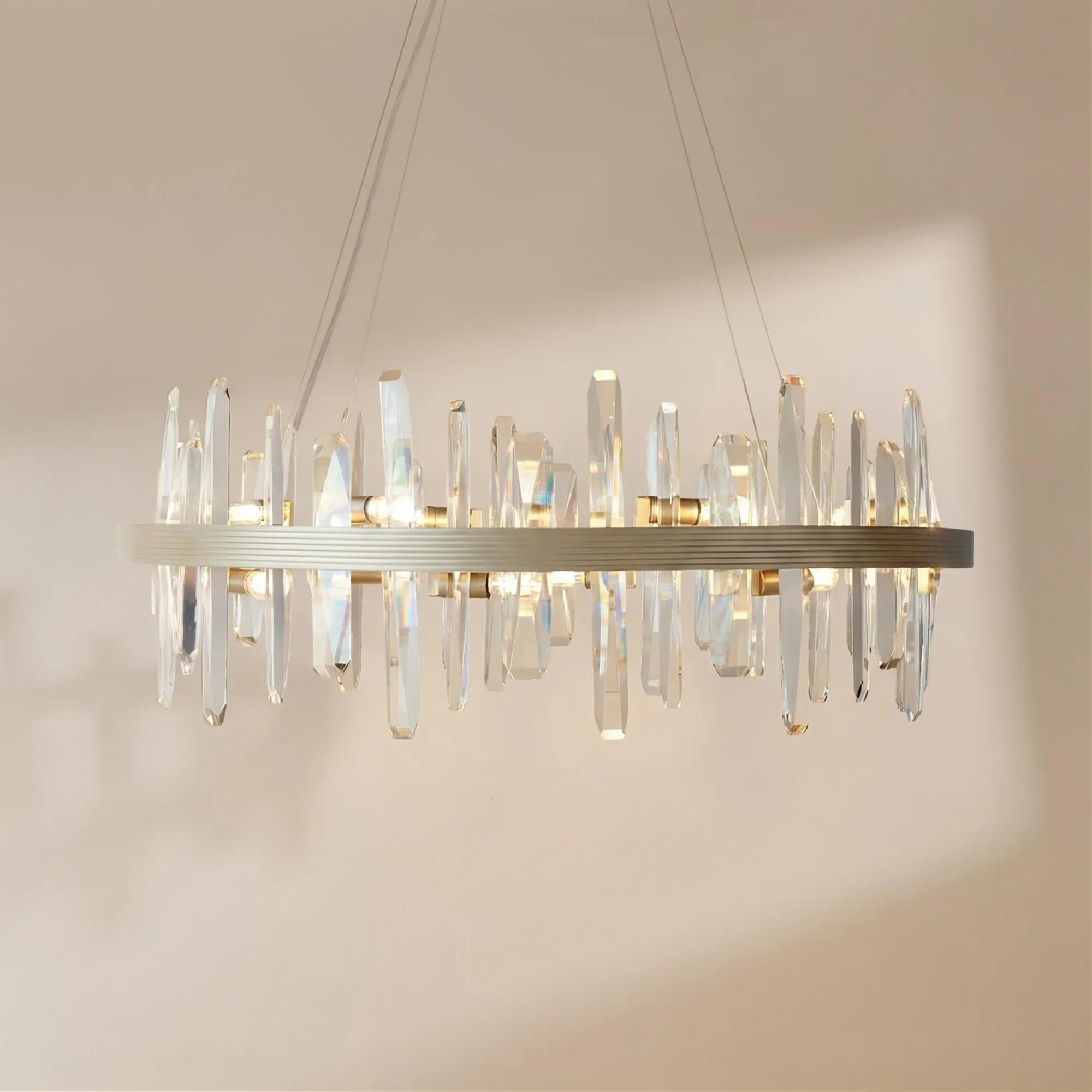
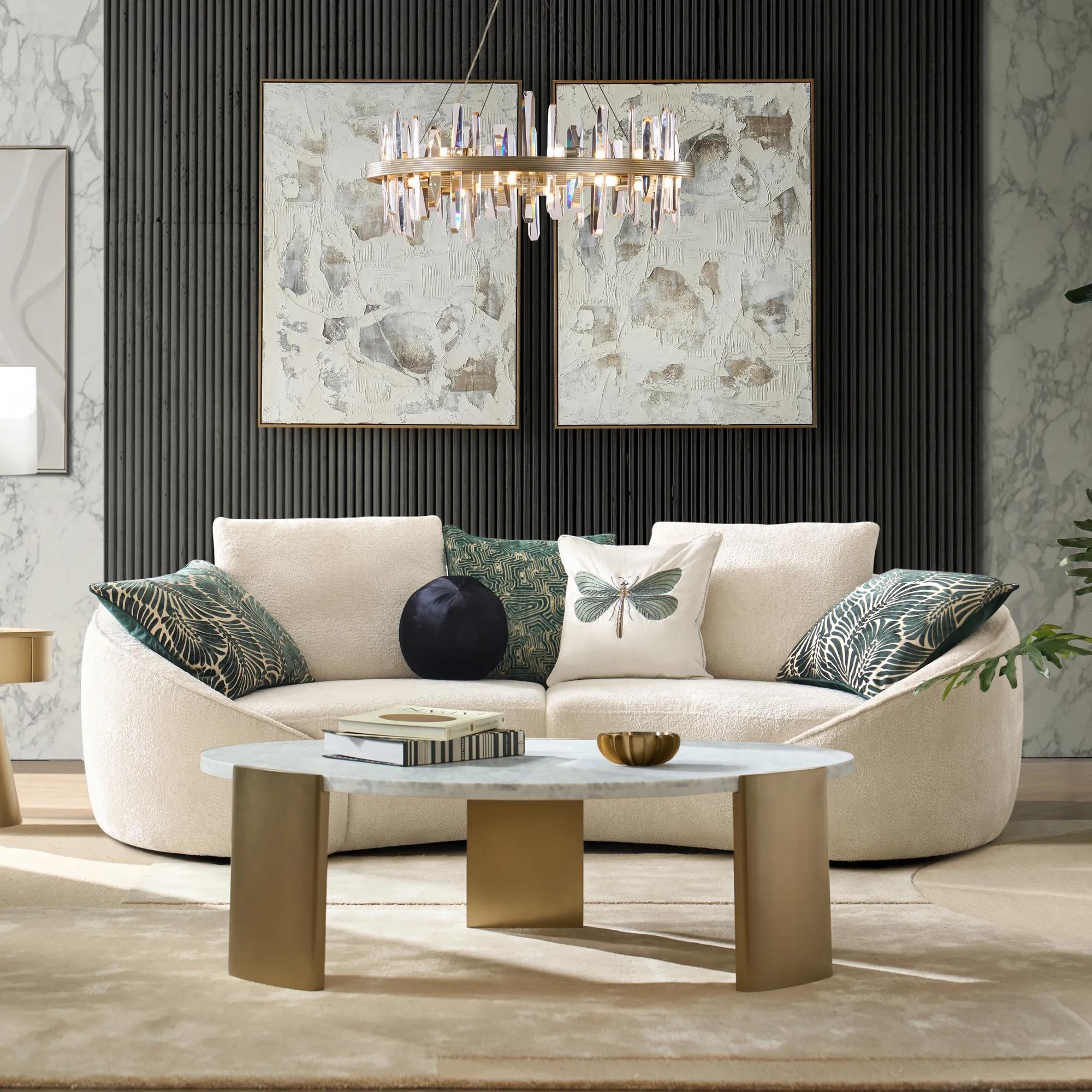 Lumi Clear Beveled Glass Chandelier 31.5"W$929
A deco-inspired chandelier with beveled glass daggers and a champagne-finished iron frame for radiant illumination.
Add To Cart -
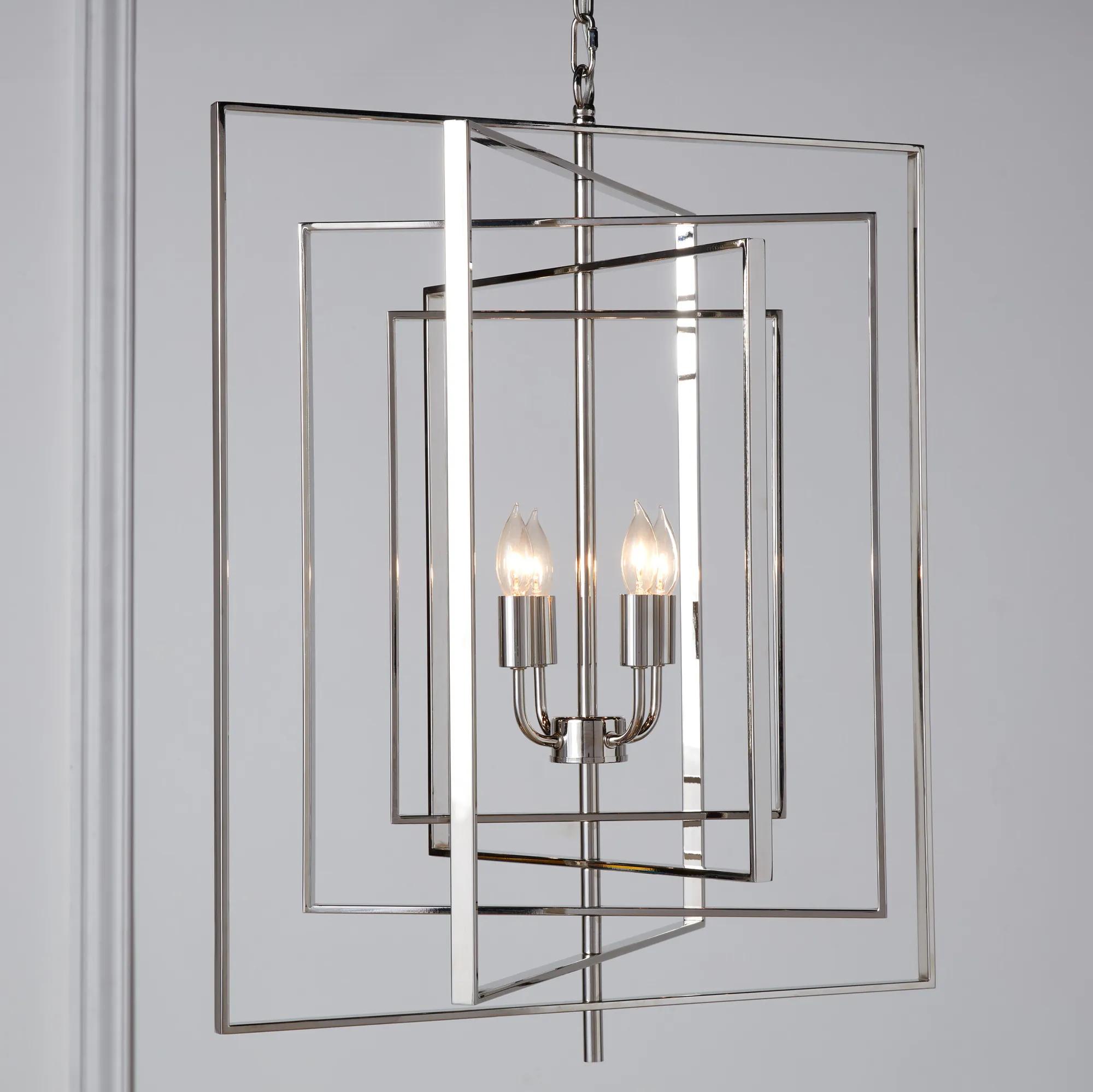
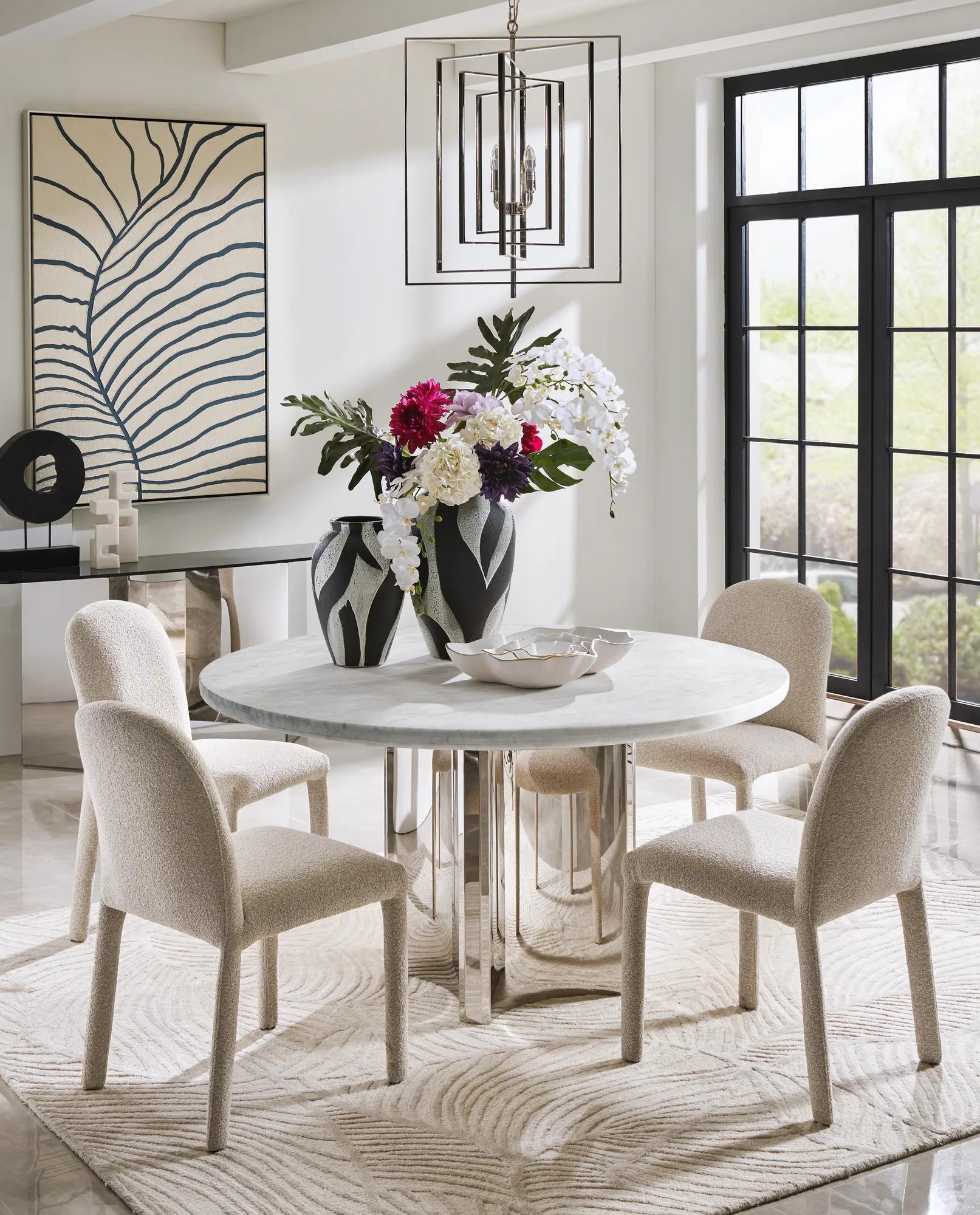 Hollis Chandelier$499
A polished nickel geometric chandelier with four lights, perfect for modern and minimal interiors.
Add To Cart -
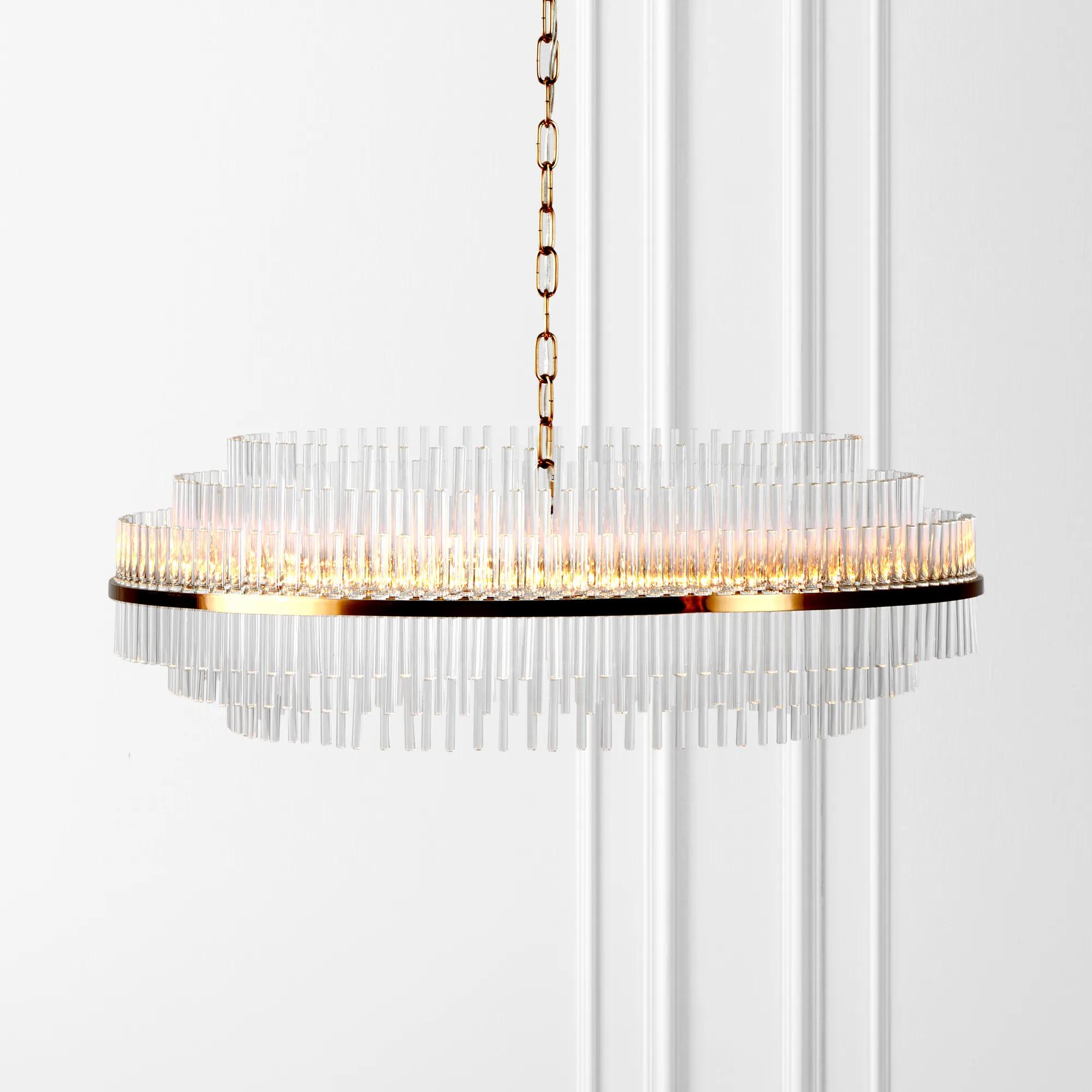
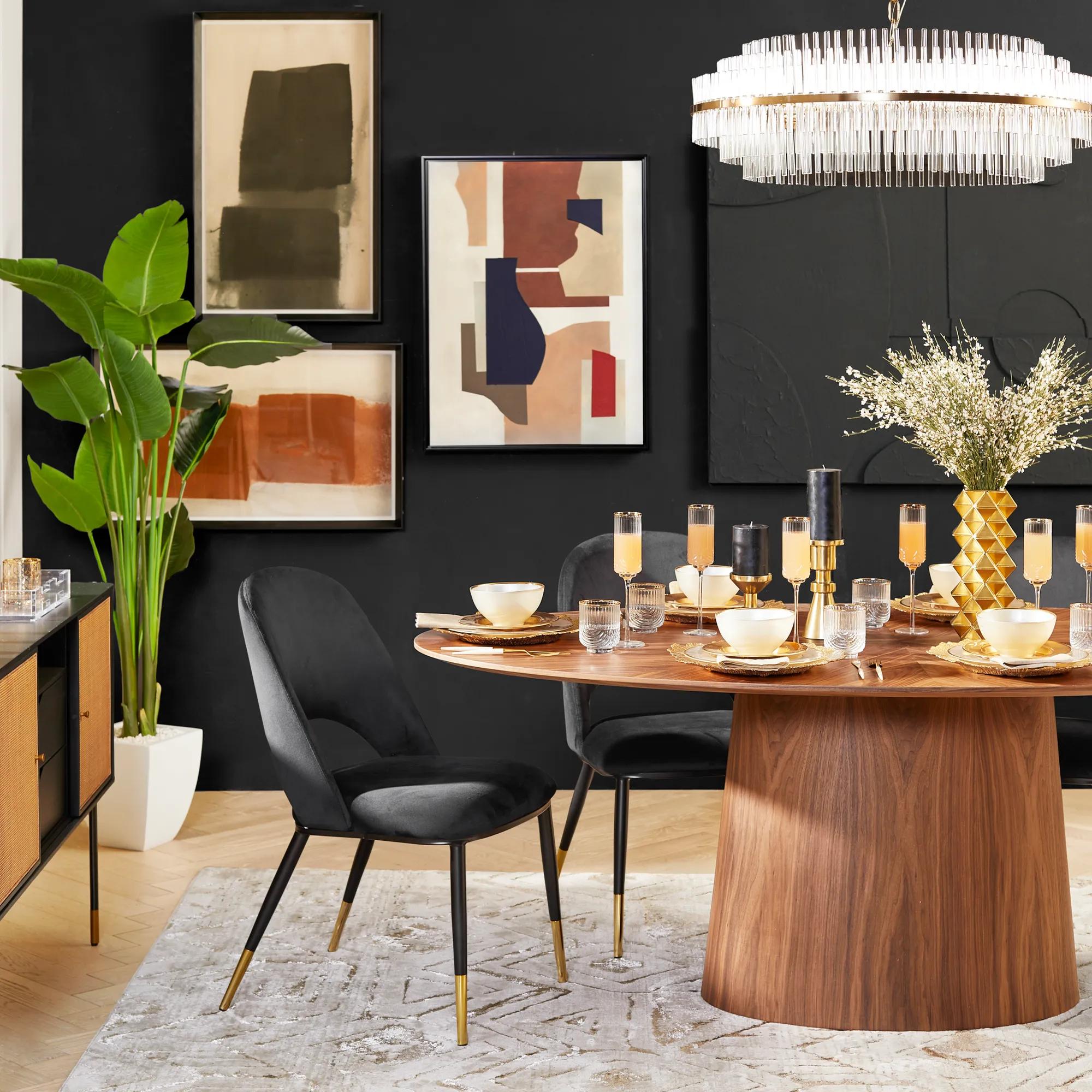 Renata Clear Glass Rod Chandelier 31"W x 10"H$799
A glamorous chandelier featuring glass rods and a brushed brass iron frame for a striking modern look.
Add To Cart -
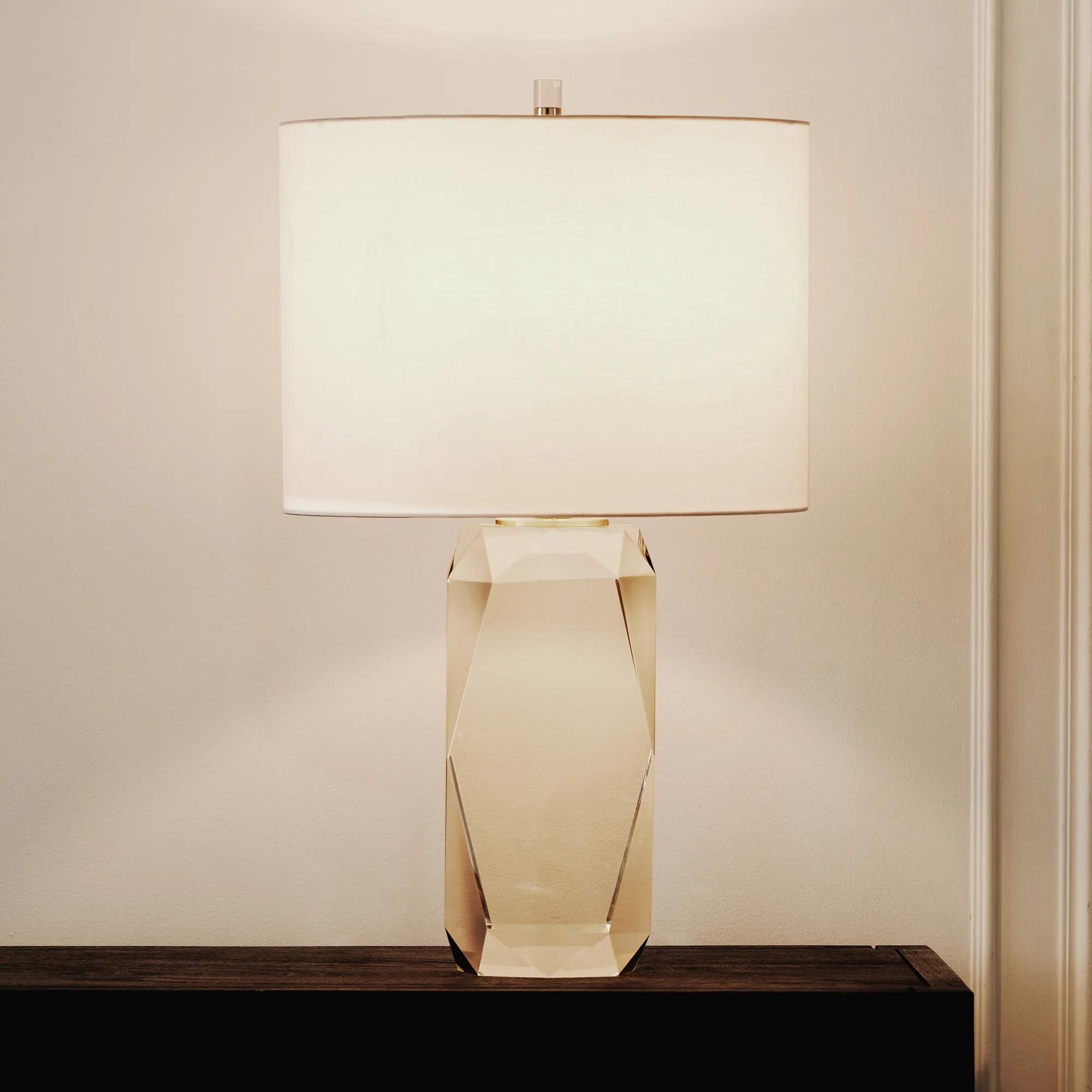 Bianca Faceted Clear K9 Crystal Table Lamp 24"H$499
A clear crystal table lamp with a white drum shade and soft brass hardware for elegant illumination.
Add To Cart -
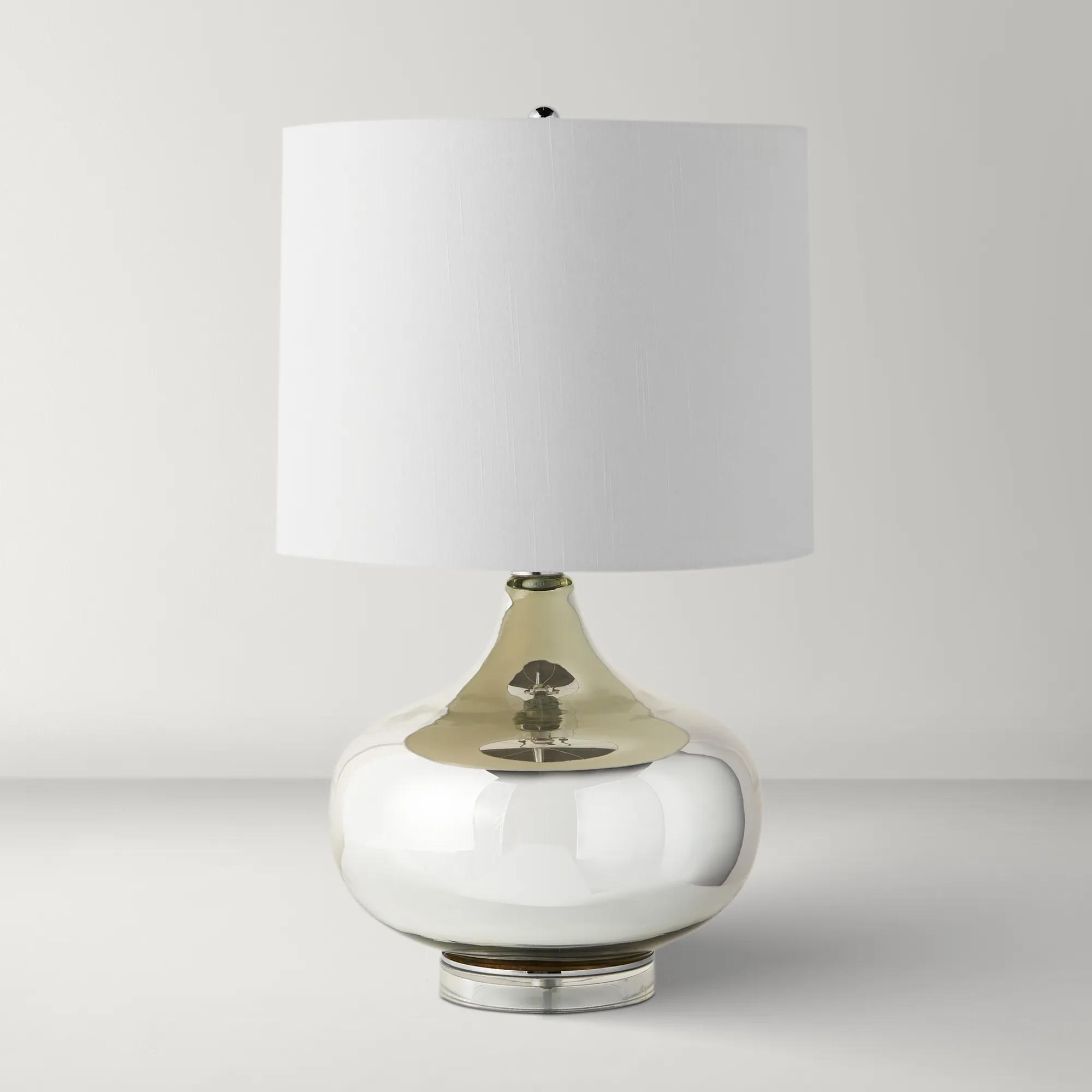 Sabrina Mirrored Silver Glass Table Lamp 27.5"$199
A contemporary lamp featuring a silver mirrored glass base, clear acrylic accents, and a white fabric shade.
Add To Cart -
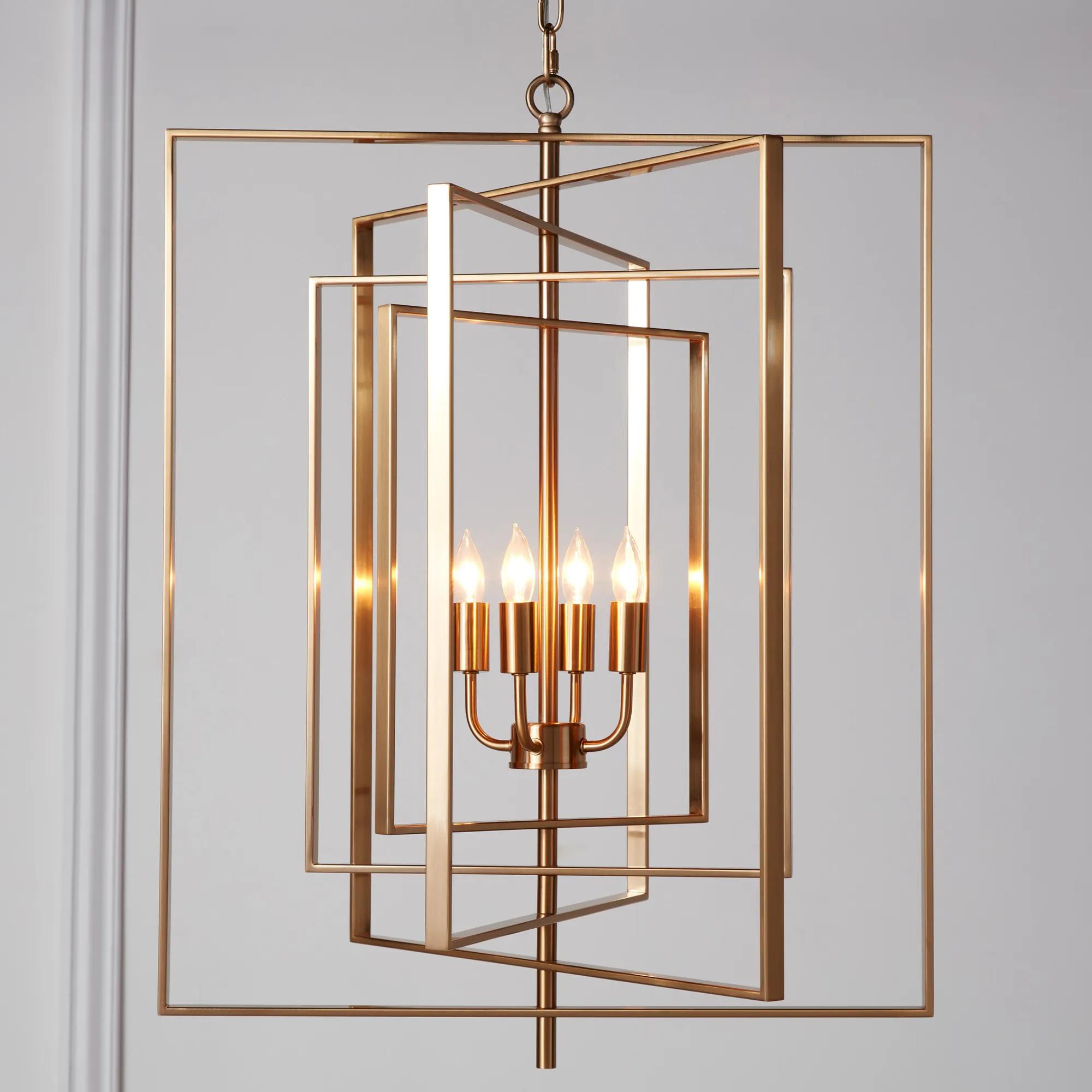 Hollis Chandelier$499
A geometric brass-finished iron chandelier with four lights, perfect for modern and minimal interiors.
Add To Cart -
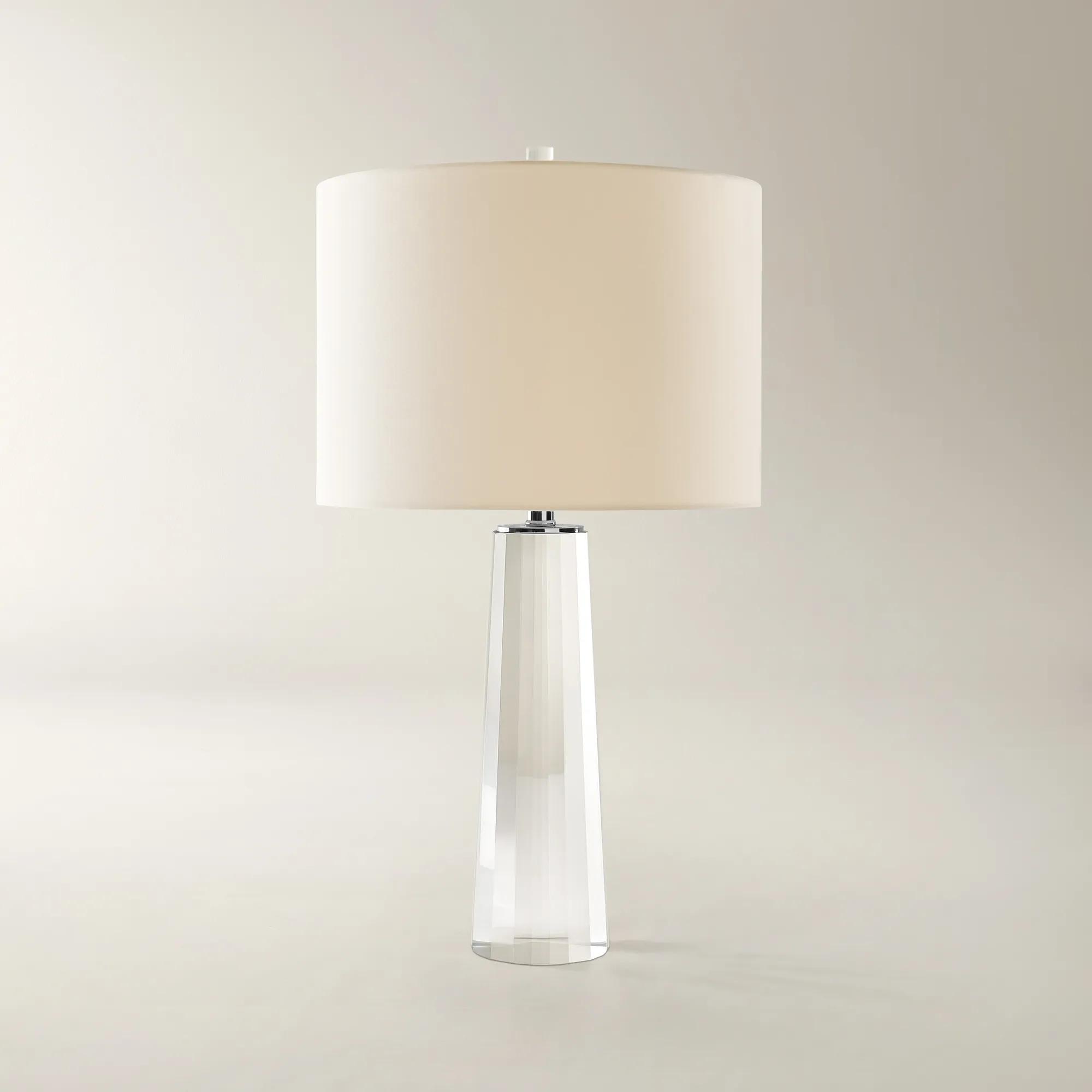
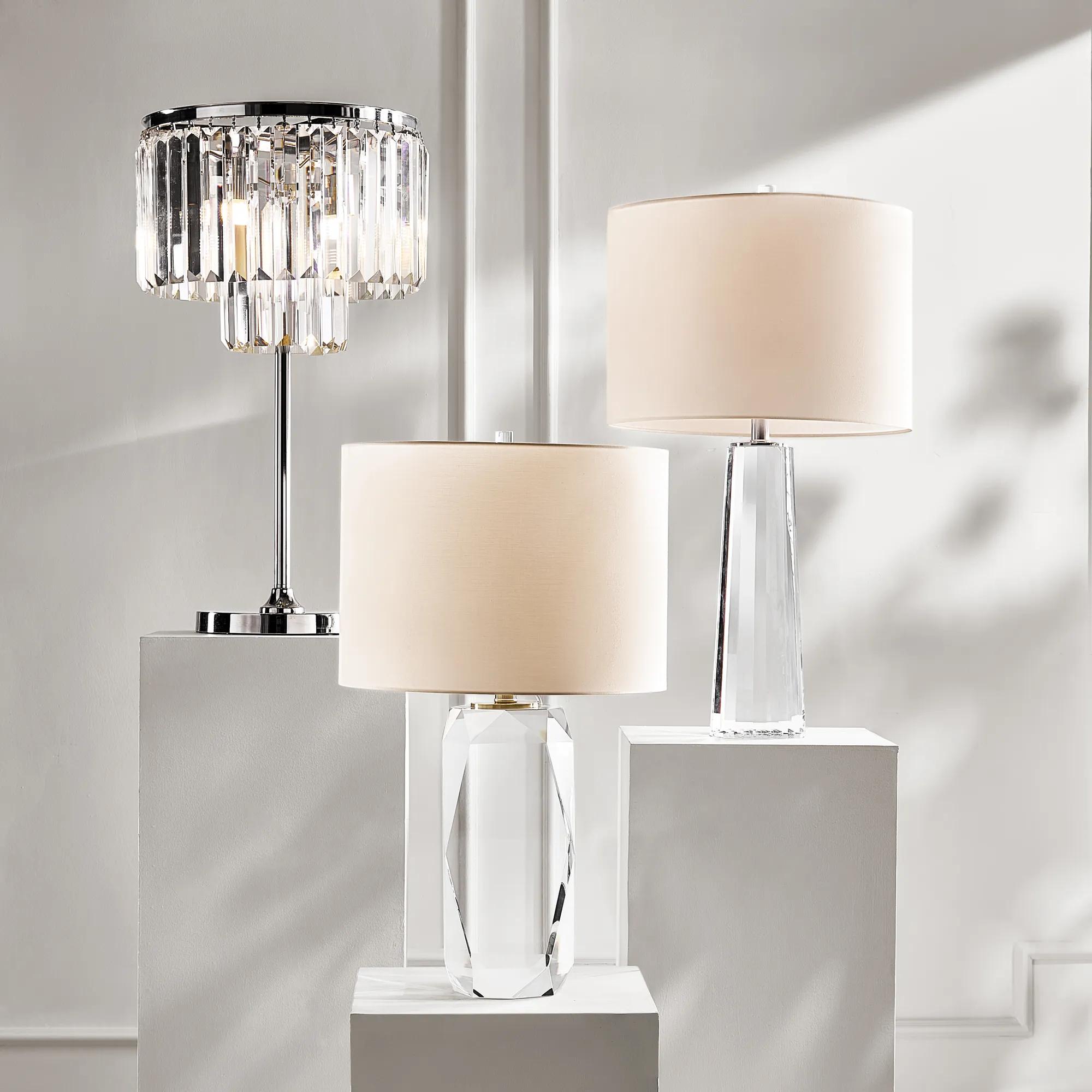 Sasha Faceted Clear K9 Crystal Table Lamp 28"$499
A refined table lamp featuring a clear crystal base, white drum shade, and polished nickel accents.
Add To Cart -
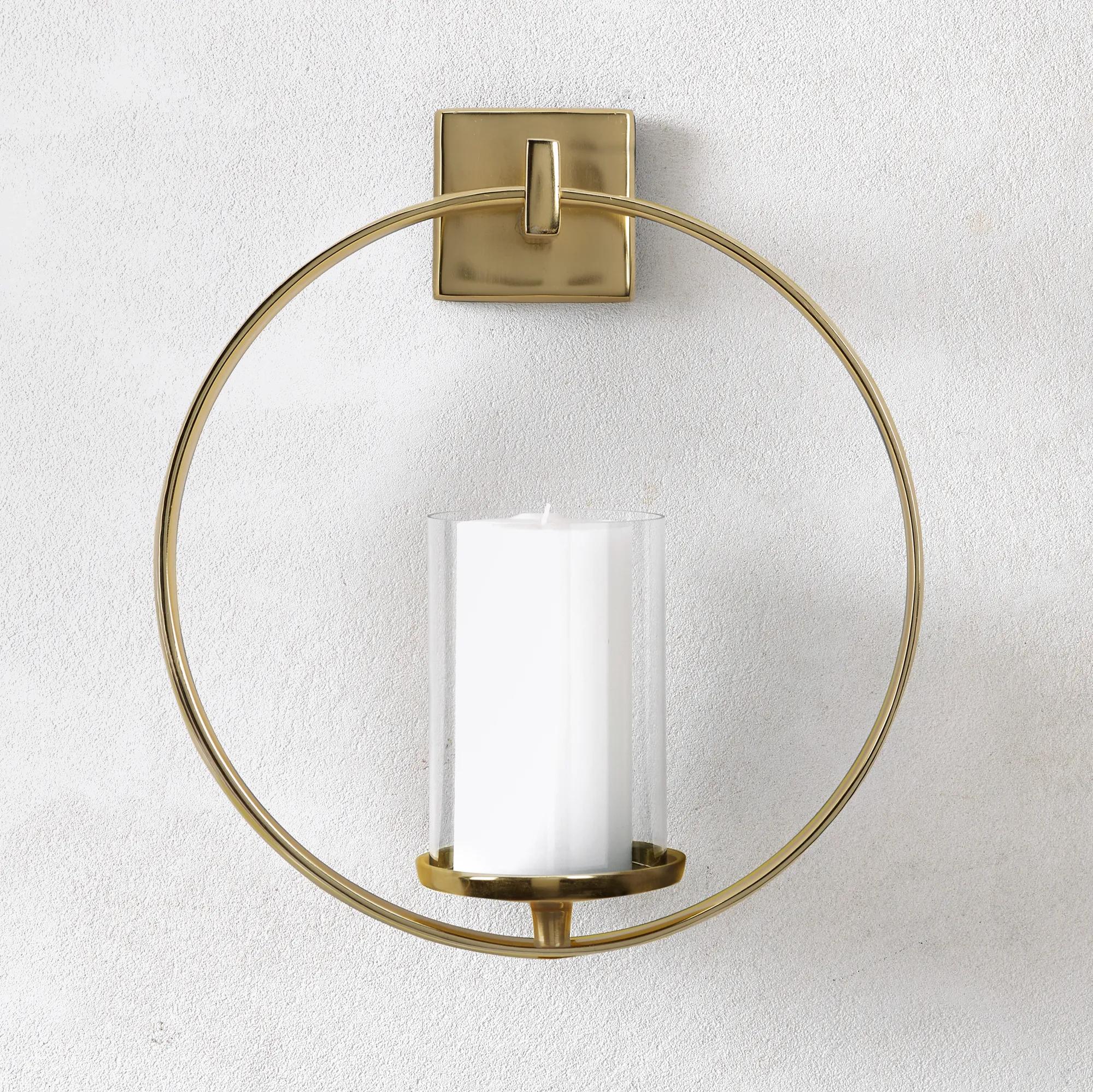
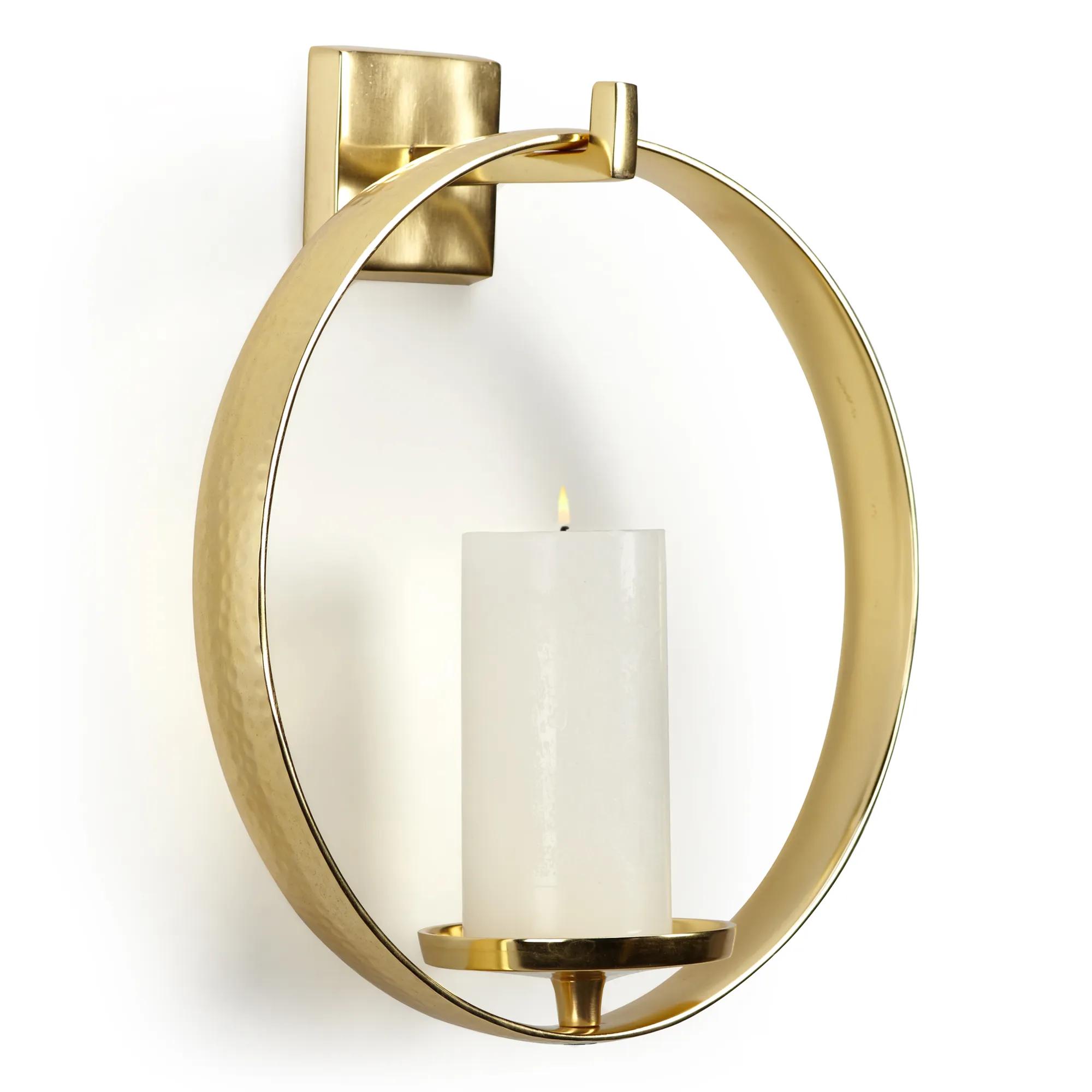 Cirque Hanging Sconce$79
A sleek aluminum wall sconce with a metallic finish, available in silver, gold, or black.
Add To Cart -
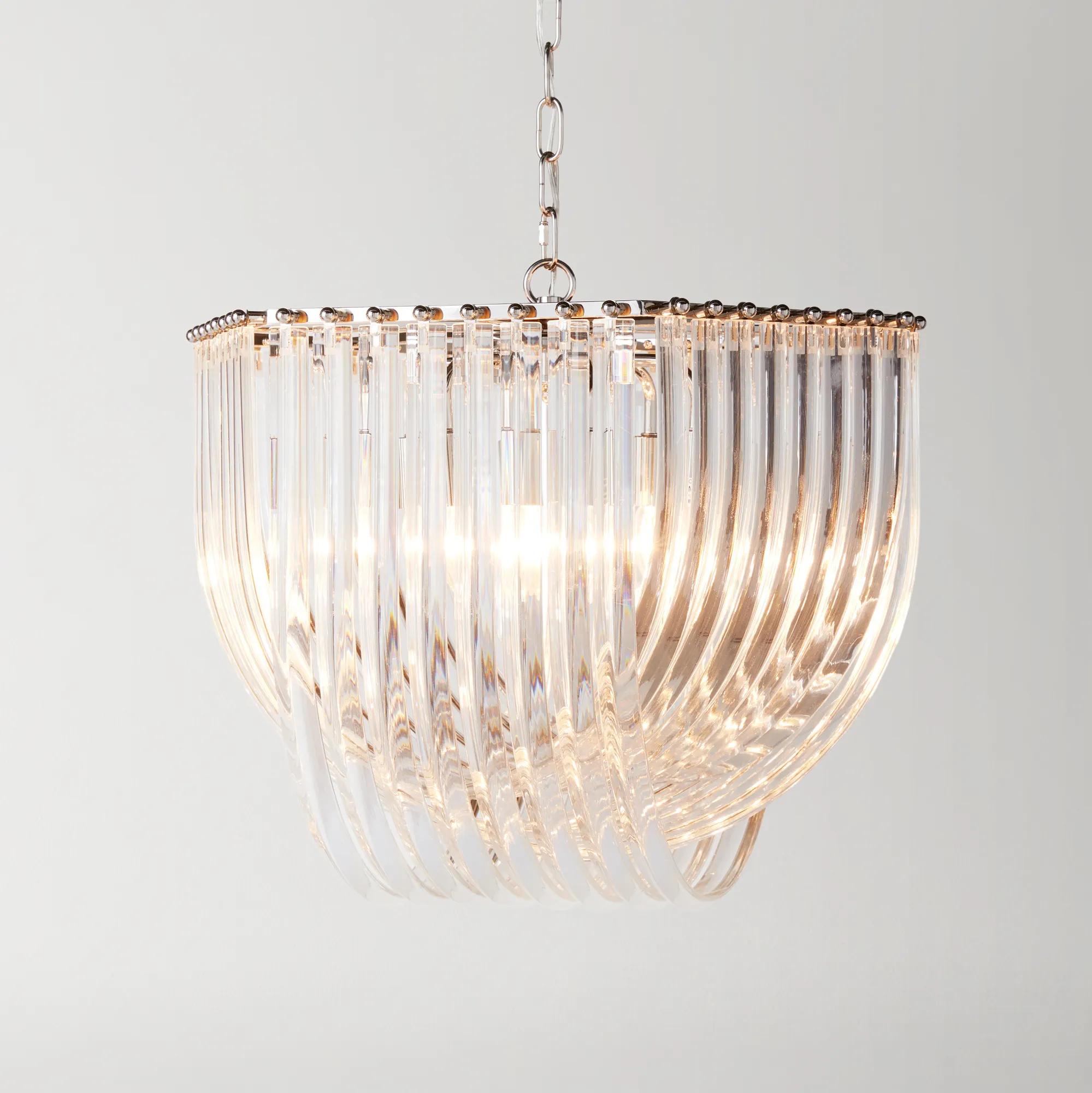 Laval Clear Curved Glass Chandelier 21"D x 18"H$799
A deco-inspired chandelier with crystal-clear curved glass and a polished nickel frame for ambient lighting.
Add To Cart -
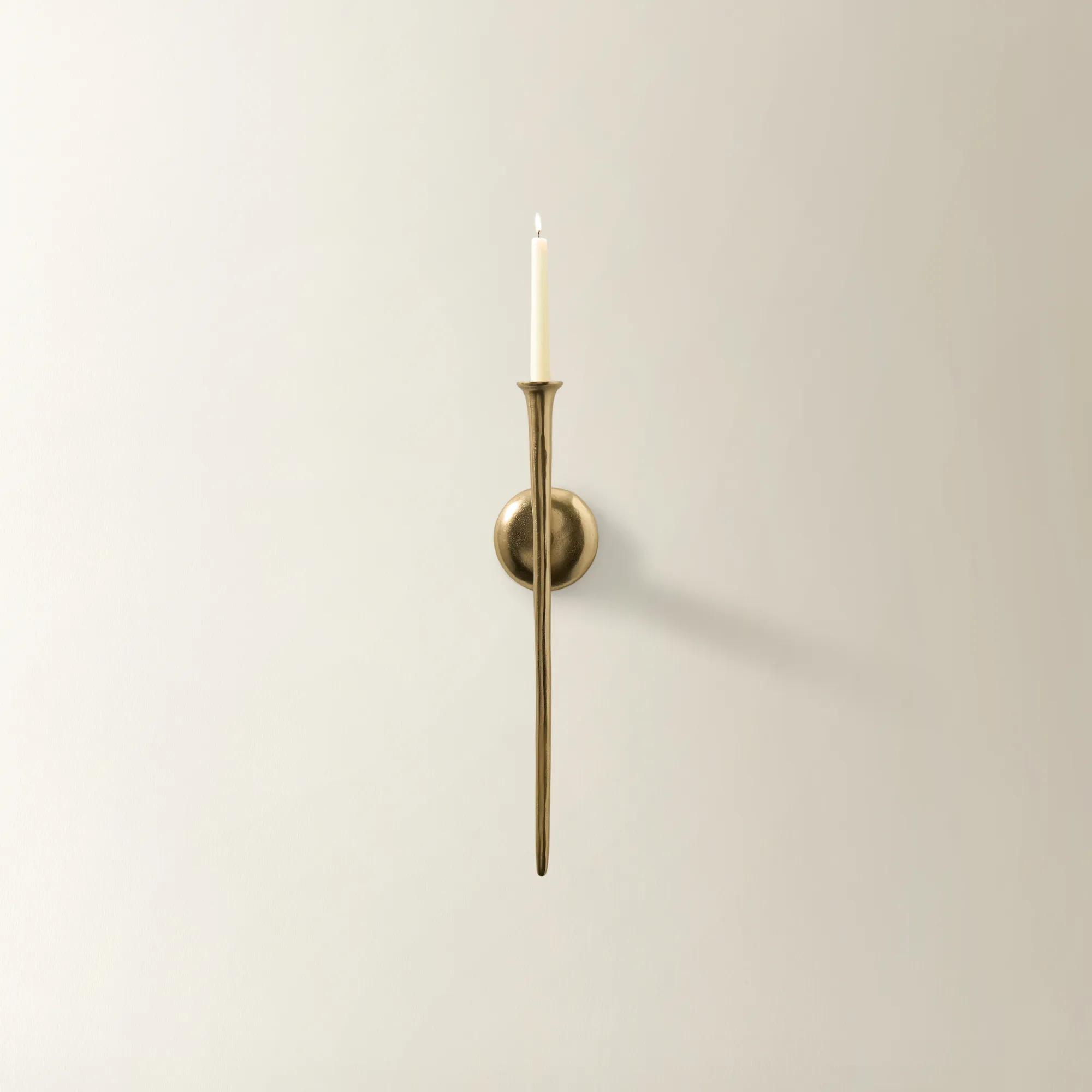
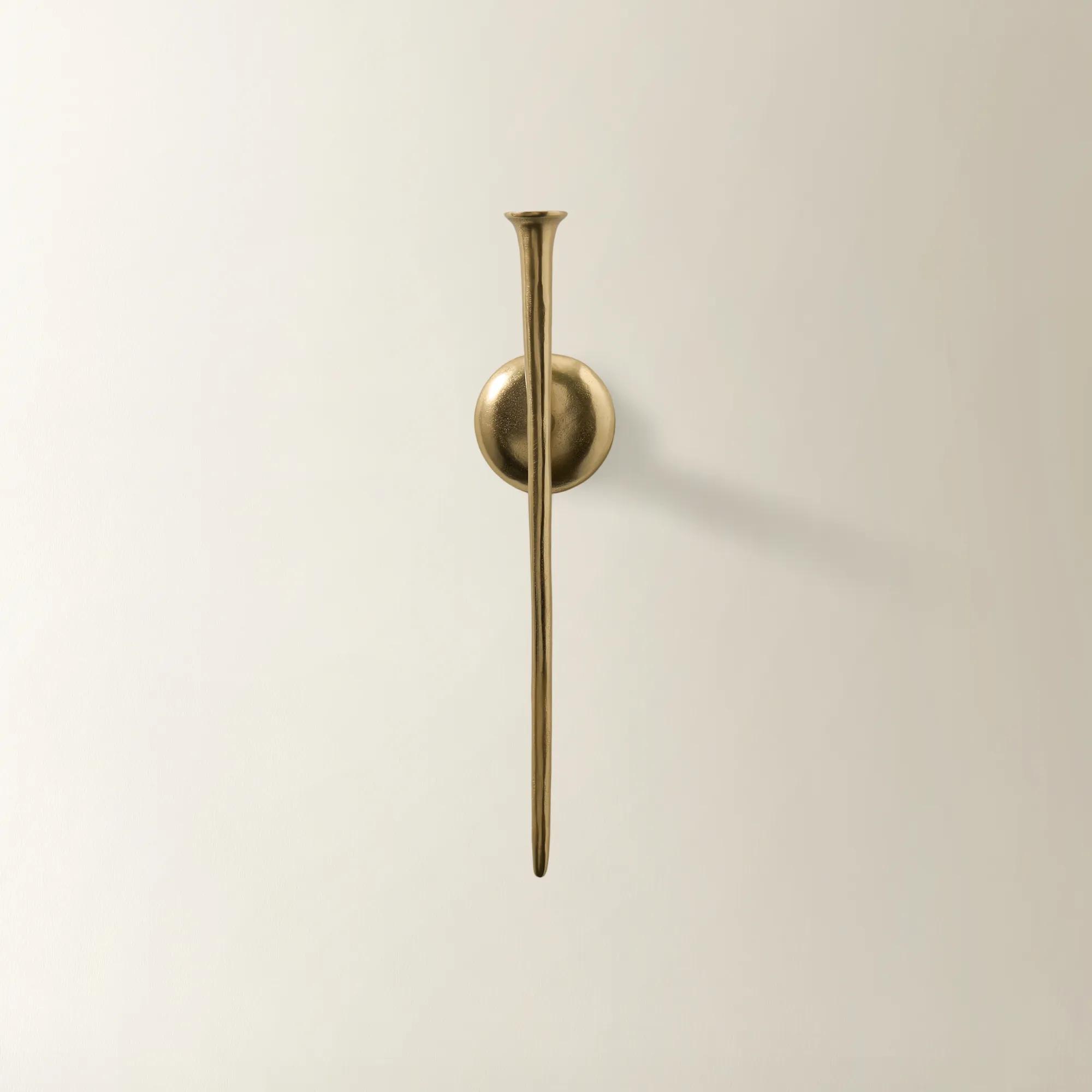 Aspar Gold Aluminum Candle Wall Sconce Small 20"$39
A sleek gold aluminum wall sconce designed to hold a standard taper candle for elegant ambiance.
Add To Cart -
 Vince Gold Aluminum Candle Wall Sconce 18.5"$79
A sculptural gold aluminum sconce that cradles a single taper candle for modern, luminous ambiance.
Add To Cart -
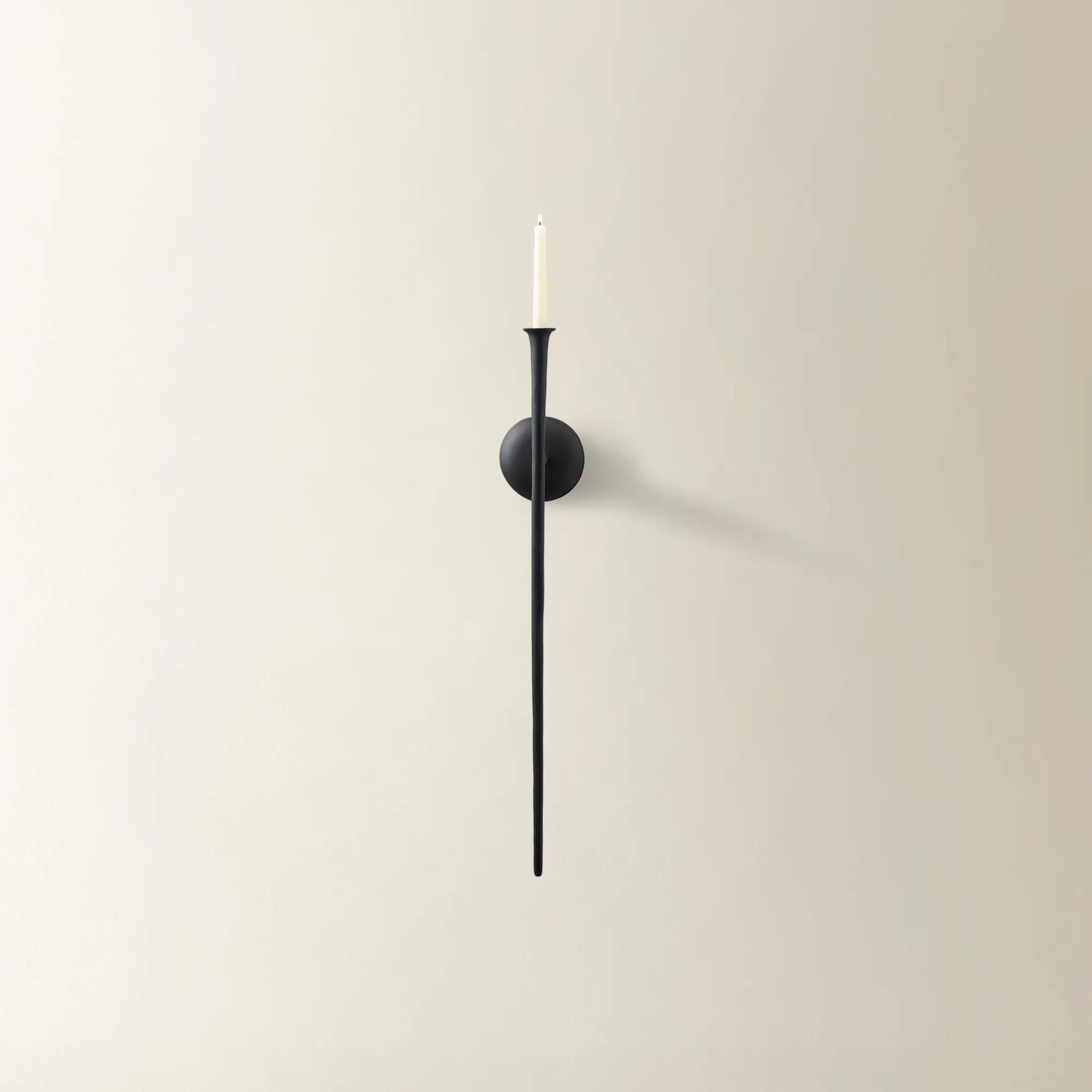
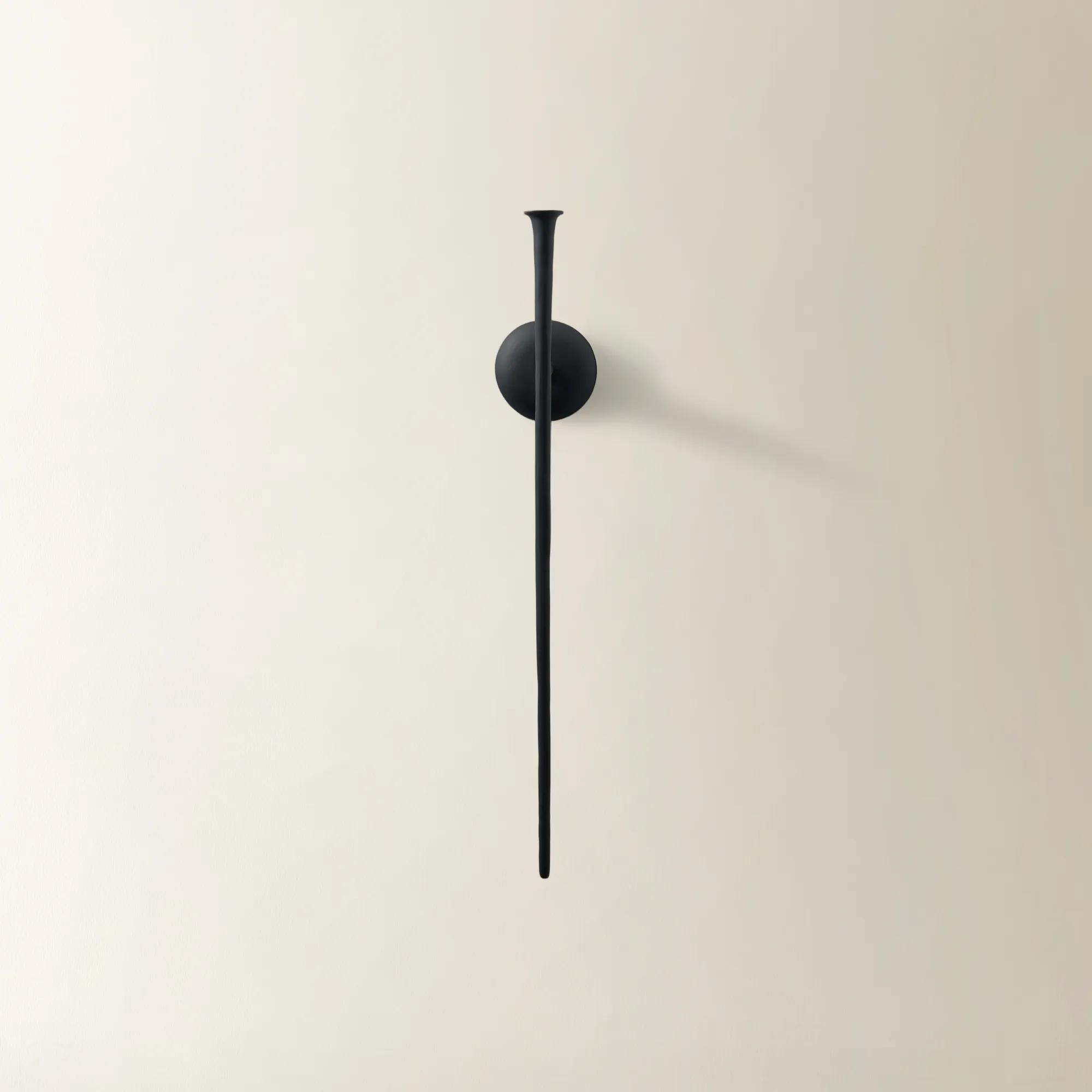 Aspar Black Aluminum Candle Wall Sconce Small 20"$39
A sleek black aluminum wall sconce designed to hold a standard taper candle for modern elegance.
Add To Cart -

 Carved Silver Handcrafted Aluminum Candle Wall Sconce 19.75"$99
A handcrafted silver aluminum wall sconce featuring carved detailing for elegant candlelit ambiance.
Add To Cart -
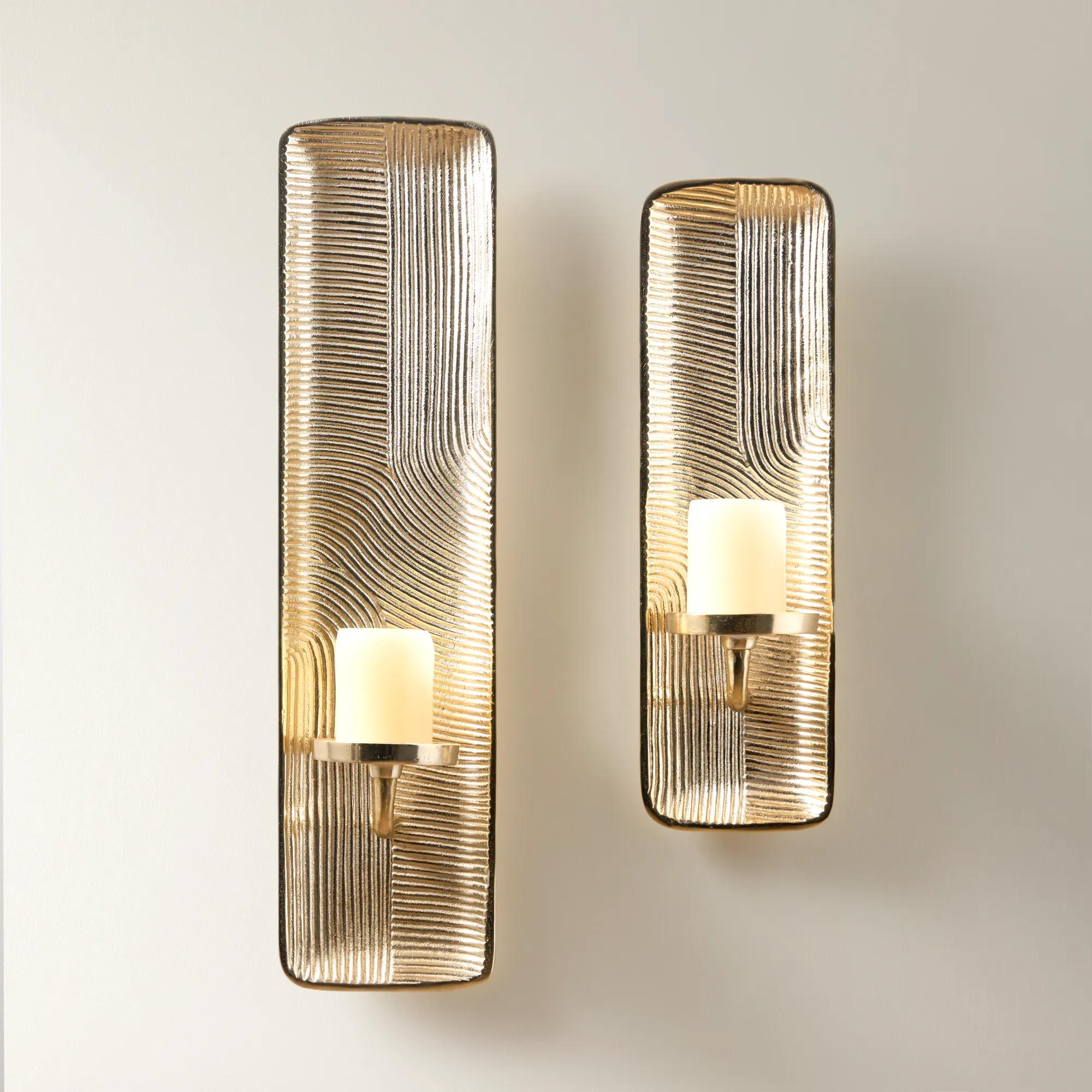
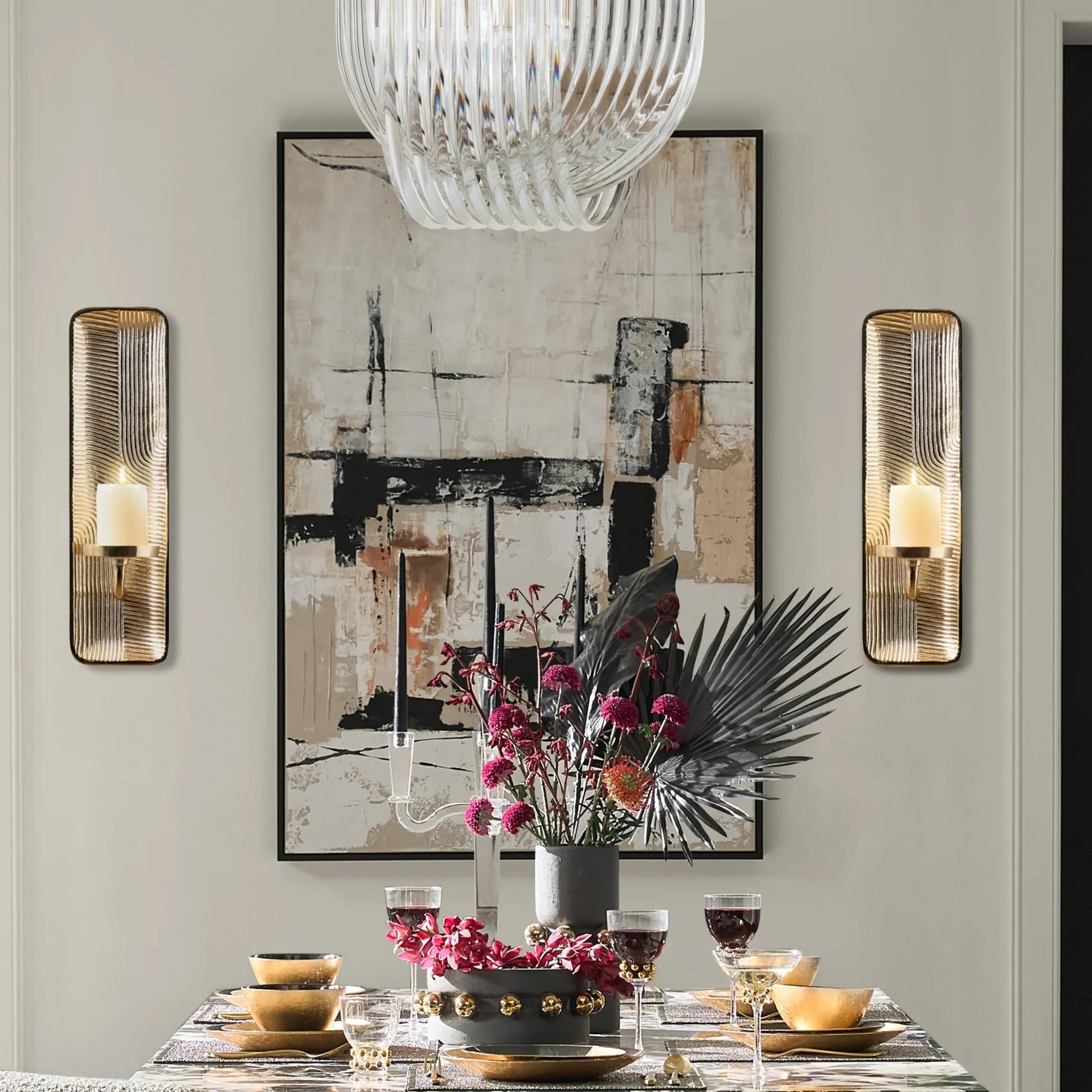 Ando Gold Aluminum Wall Sconces$69
A hand-textured gold aluminum sconce that adds understated elegance and a warm candlelit glow.
Add To Cart -
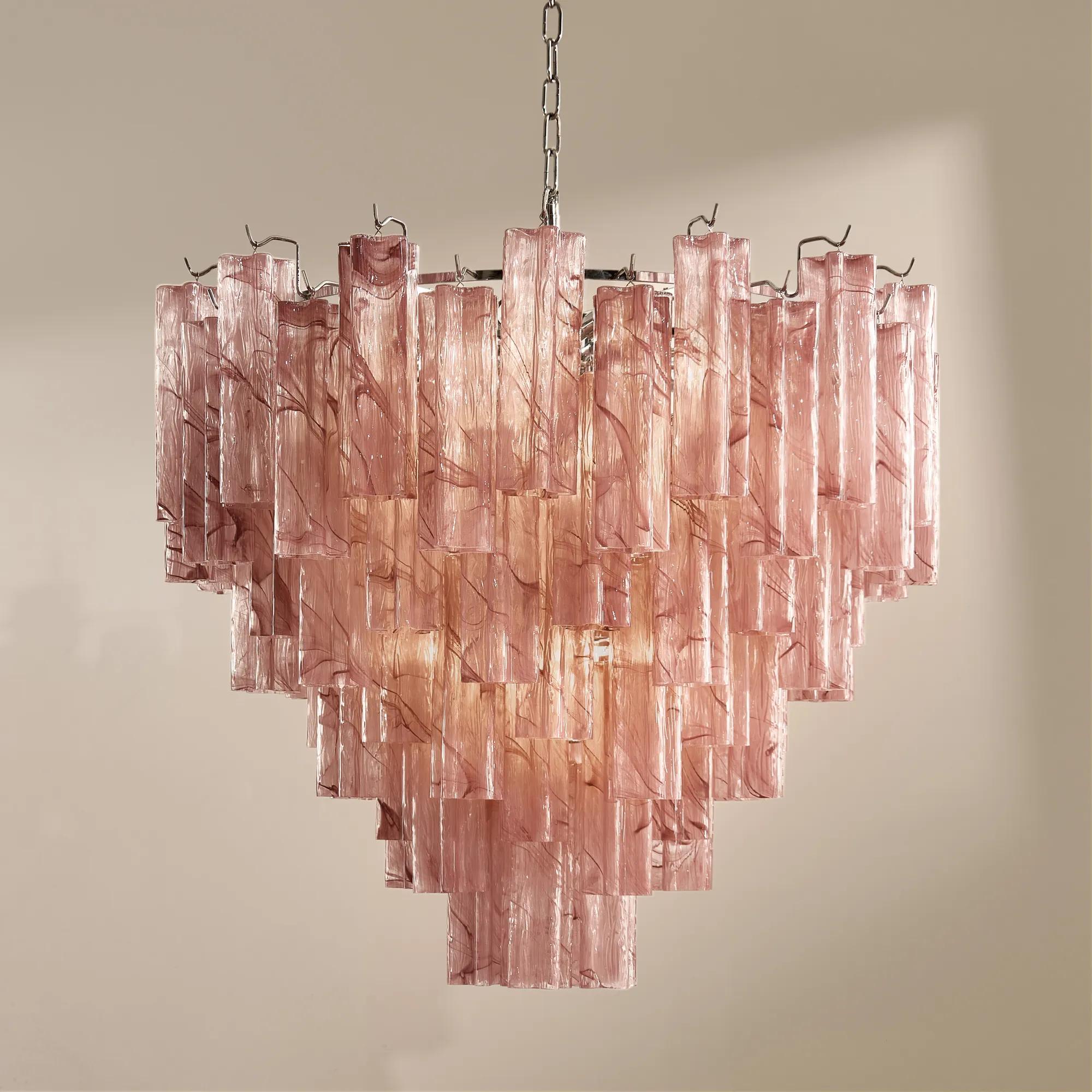 Elodie Rose Glass Chandelier 31.5"$1299
A handcrafted chandelier featuring rose-colored swirled glass and a polished chrome frame for modern elegance.
Add To Cart -
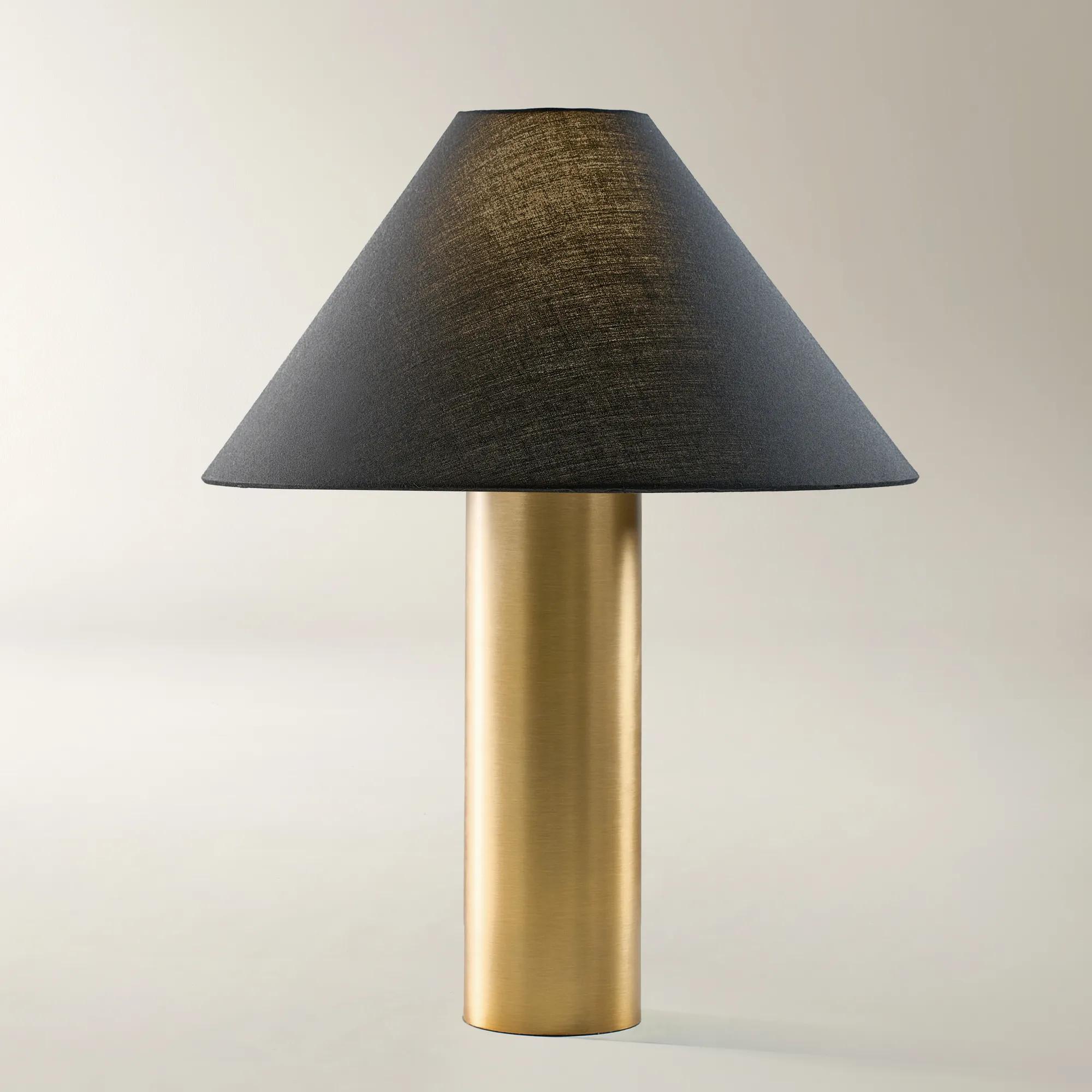 Tova Brushed Brass/Black Table Lamp 20.5"$299
A sculptural brushed brass iron base pairs with a tailored black cotton shade for bold, modern contrast.
Add To Cart -
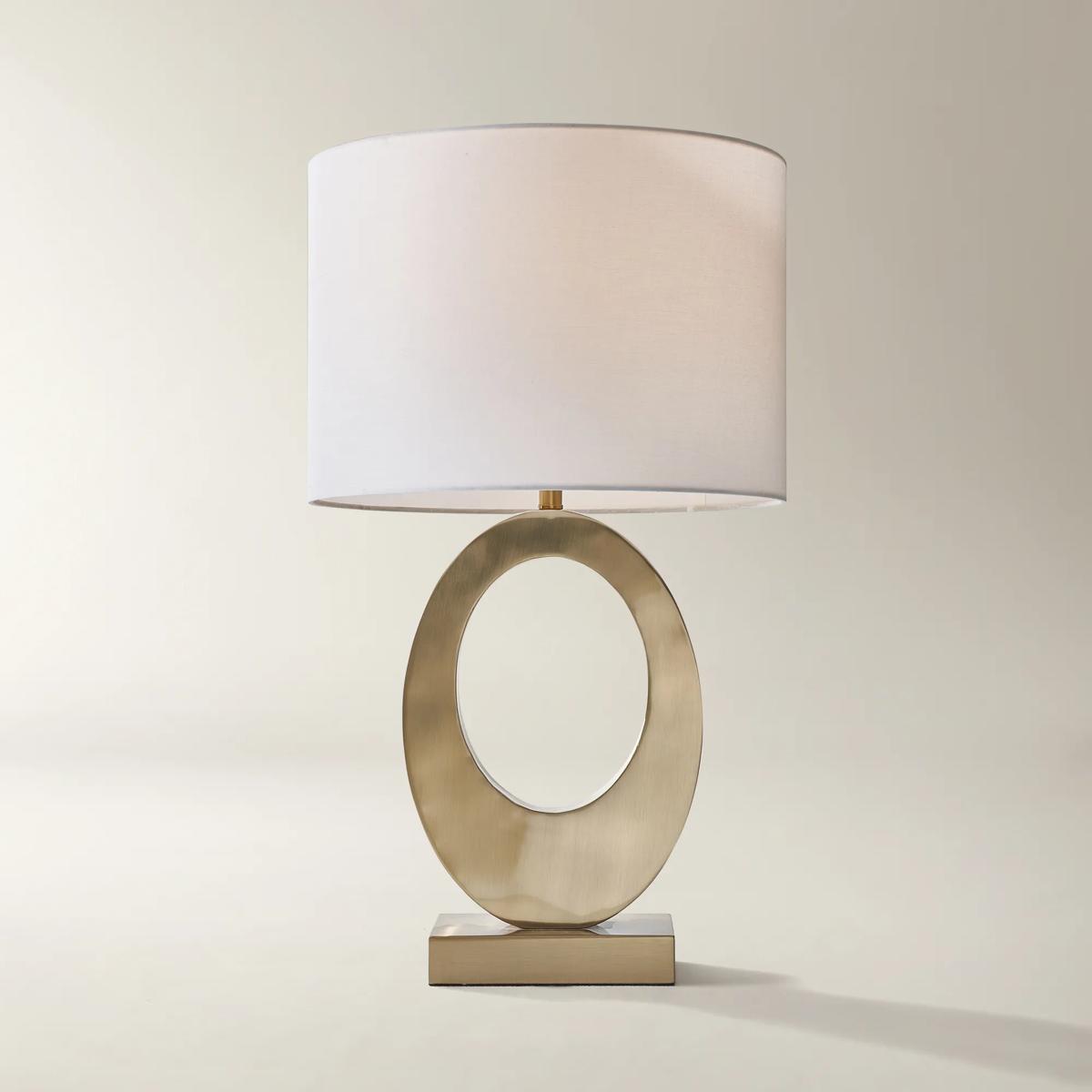 Loop Champagne Gold Metal Table Lamp 26.25"$399
A sculptural iron lamp in champagne gold with a beige cotton drum shade for warm, diffused lighting.
Add To Cart -
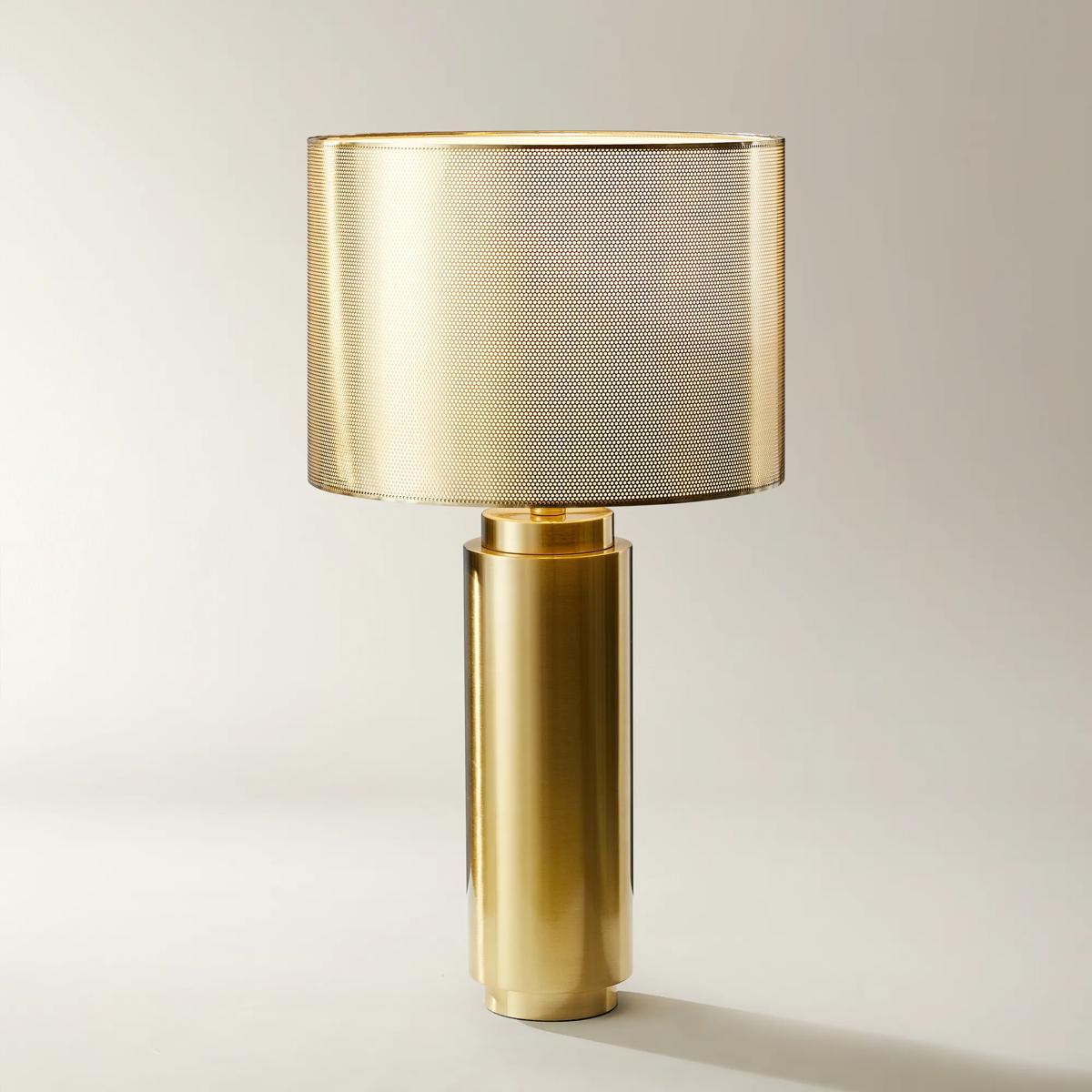
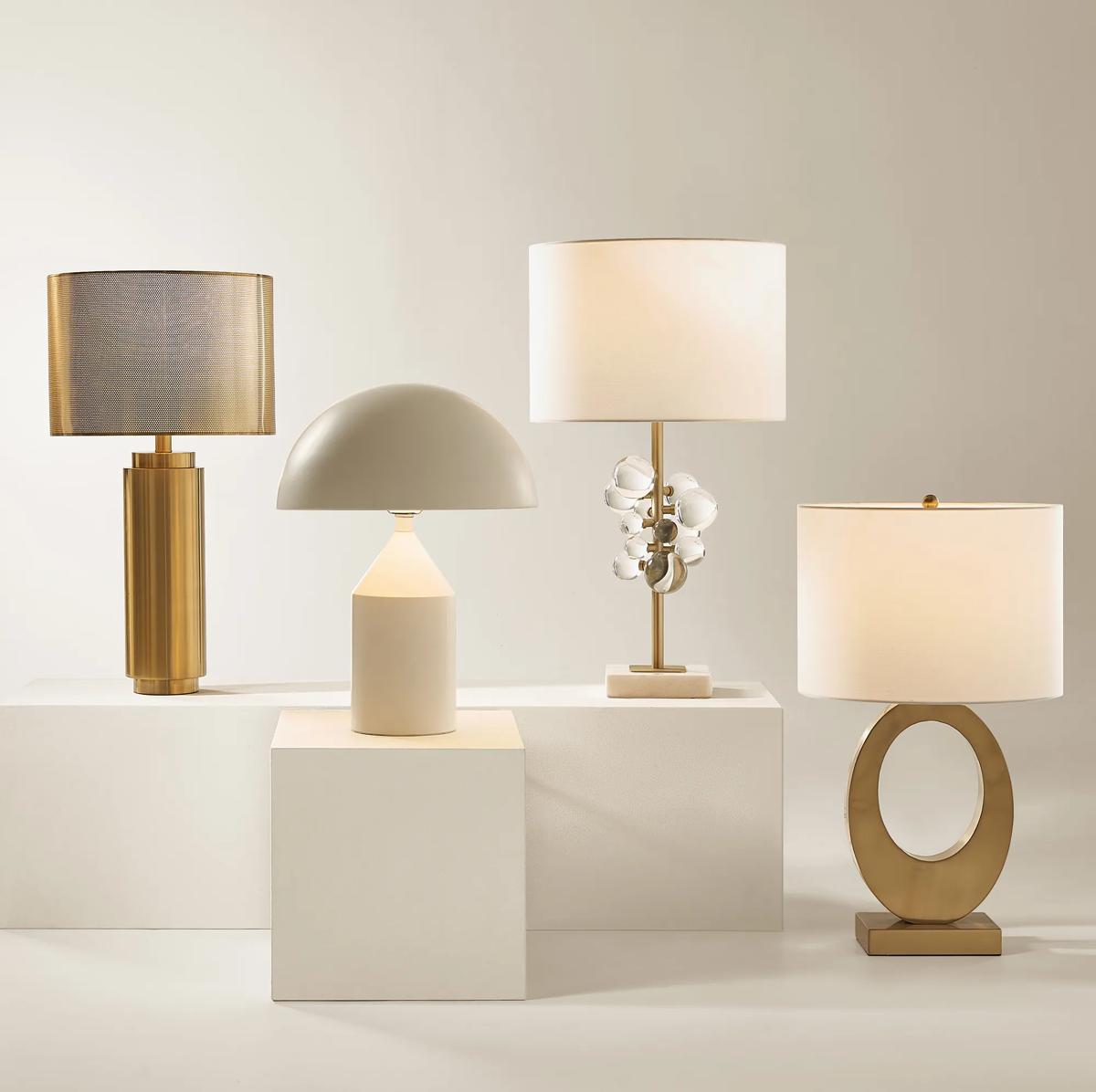 Sibyl Metal Aged Brass Finish Table Lamp 26"$399
A modern table lamp featuring an aged brass iron base and a perforated metal-over-cotton shade.
Add To Cart -
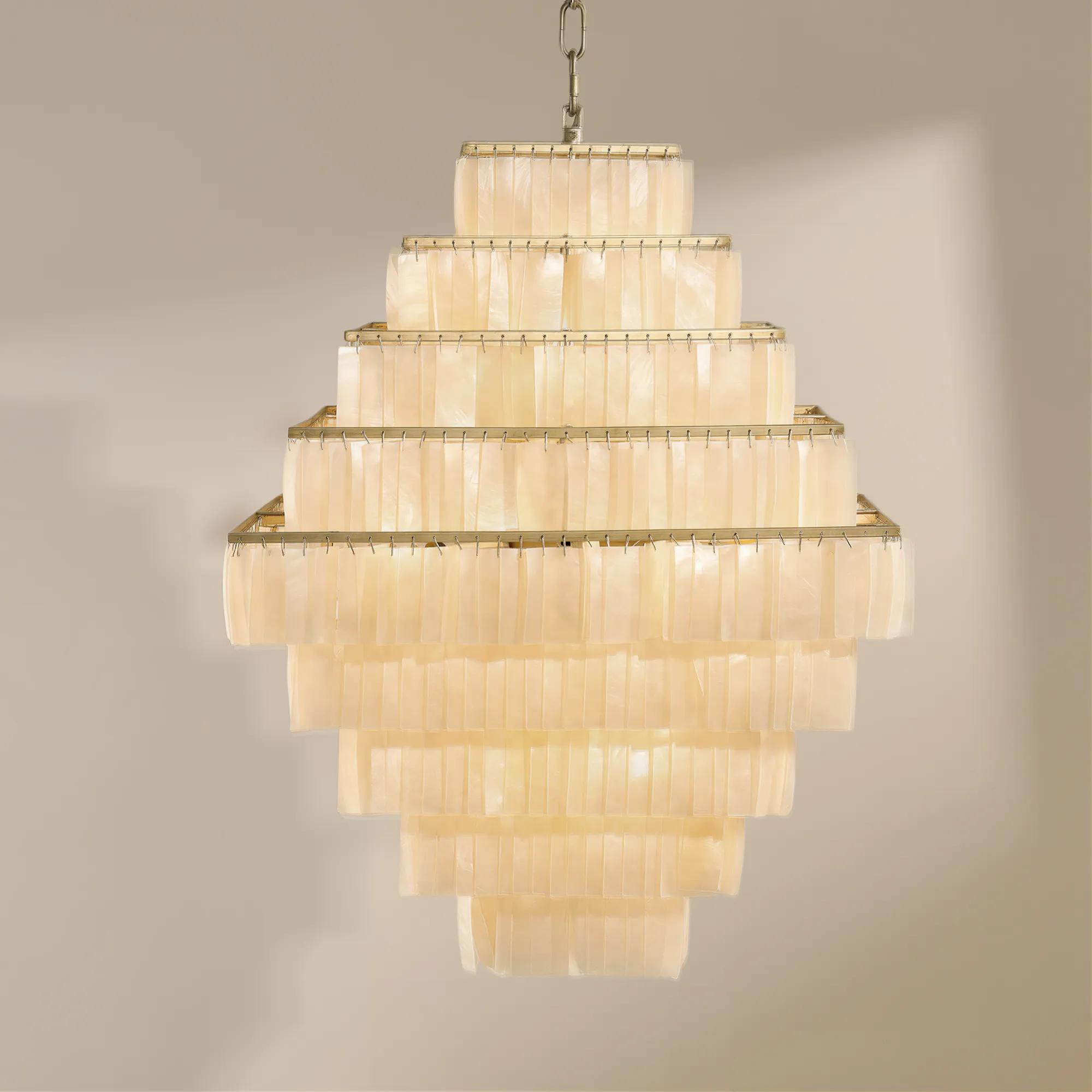 Soleil Capiz Shell Chandelier 25"$999
A luminous chandelier crafted from 700 hand-strung capiz shells and a champagne-finished iron frame.
Add To Cart -

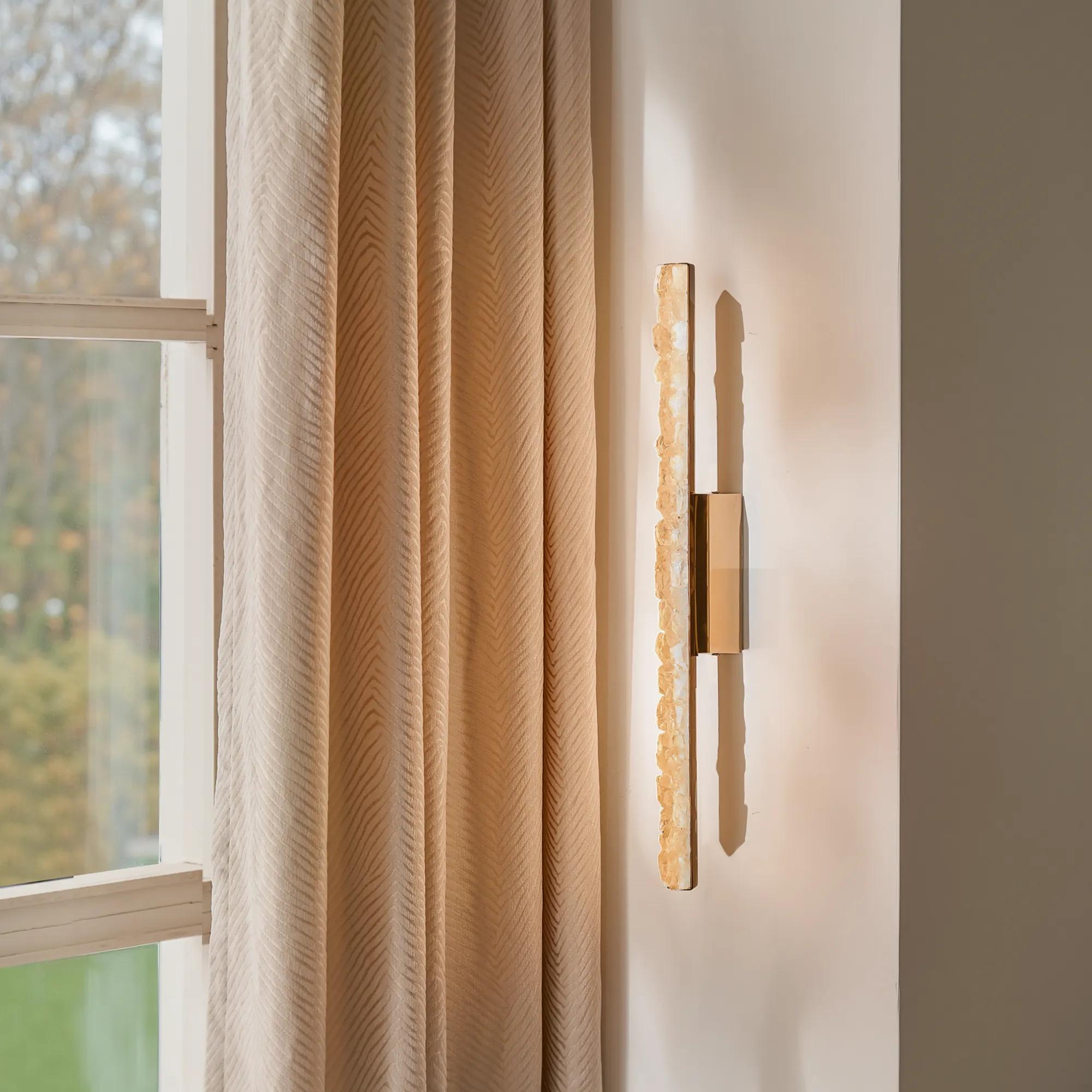 Demi LED Natural Quartz Crystal Wall Sconce 19.75"$229
An LED wall sconce featuring natural quartz crystals for an elegant, softly illuminated modern accent.
Add To Cart -
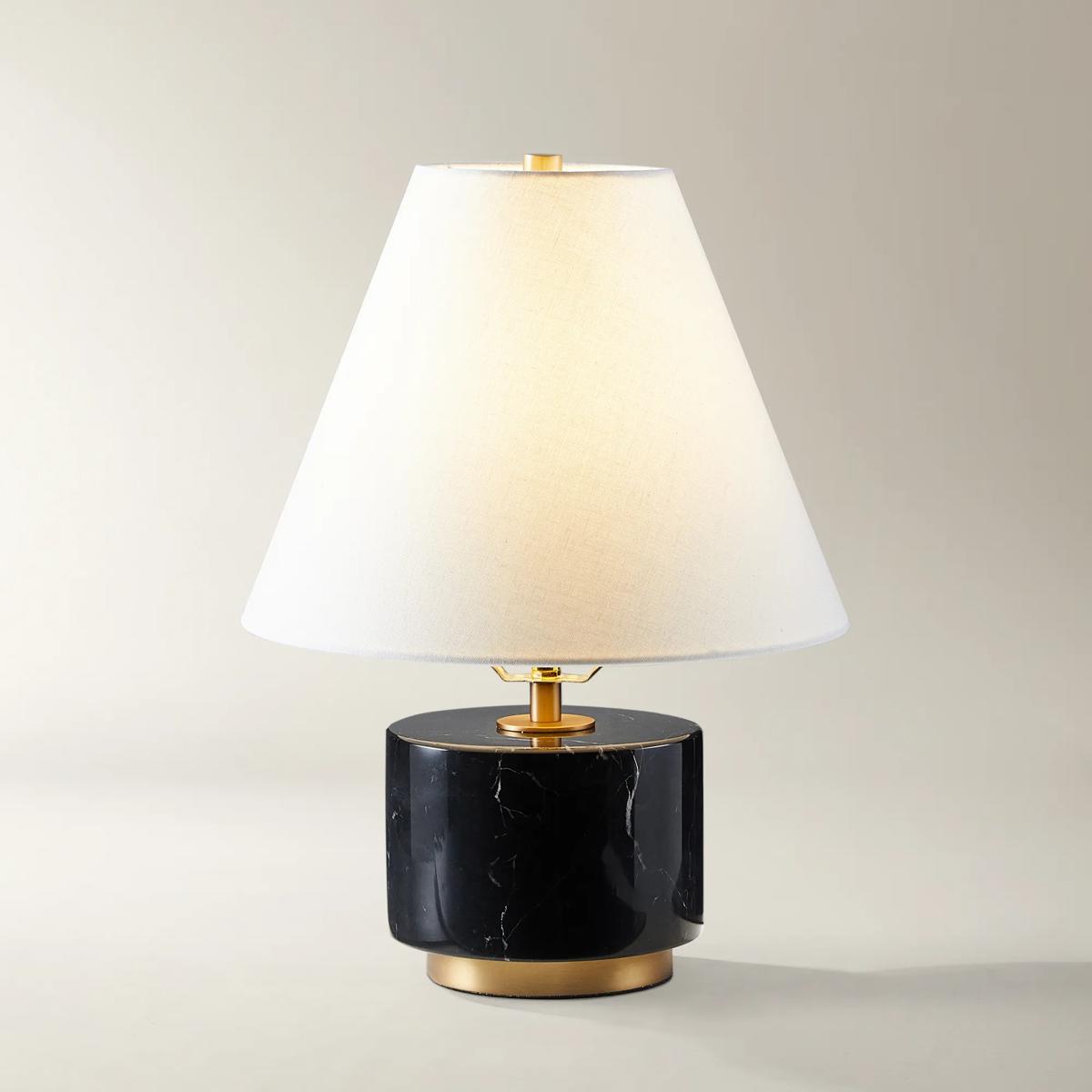
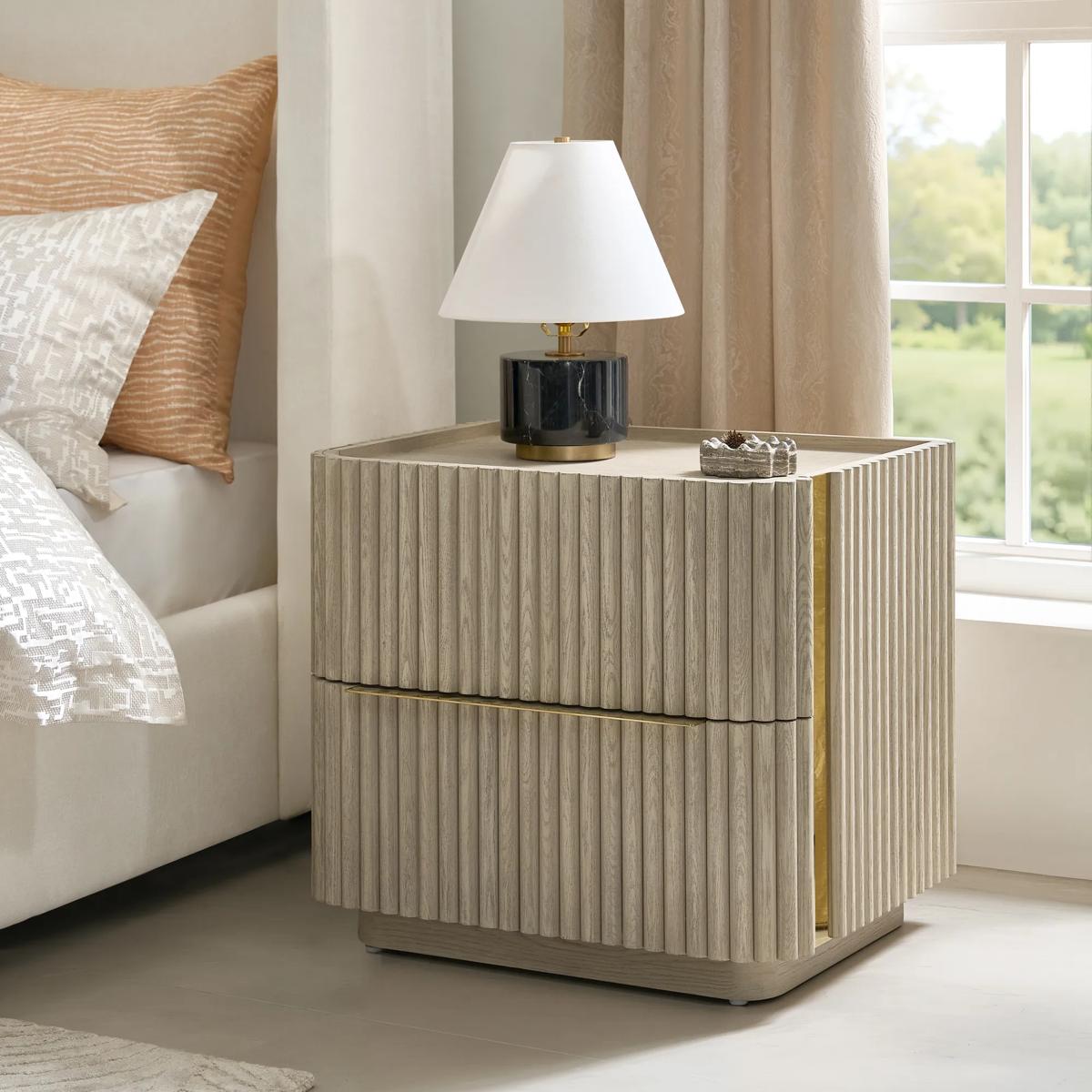 Arden Black Marble Table Lamp 14"$249
A sculptural black marble lamp with brushed brass accents and a warm white linen tapered shade.
Add To Cart -
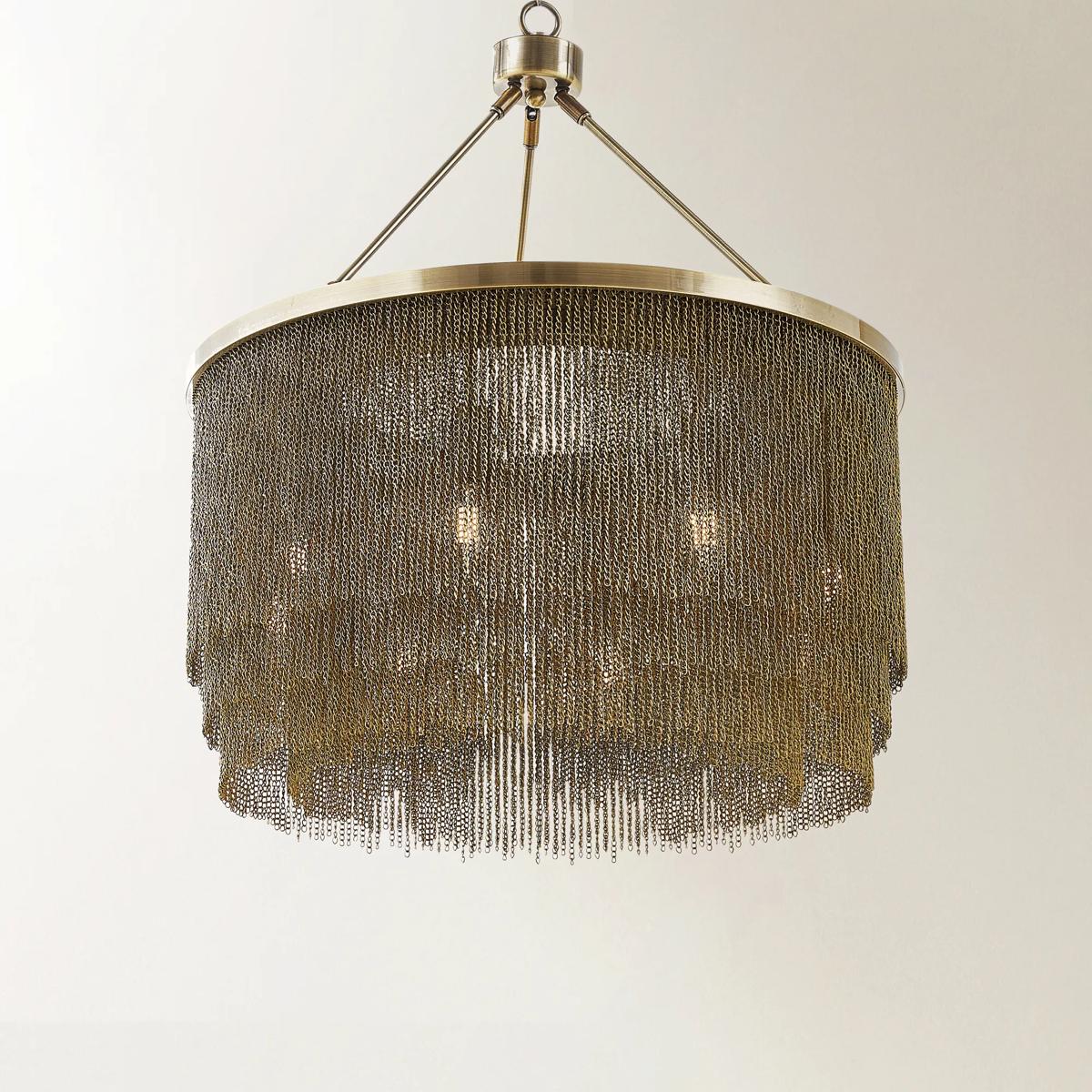
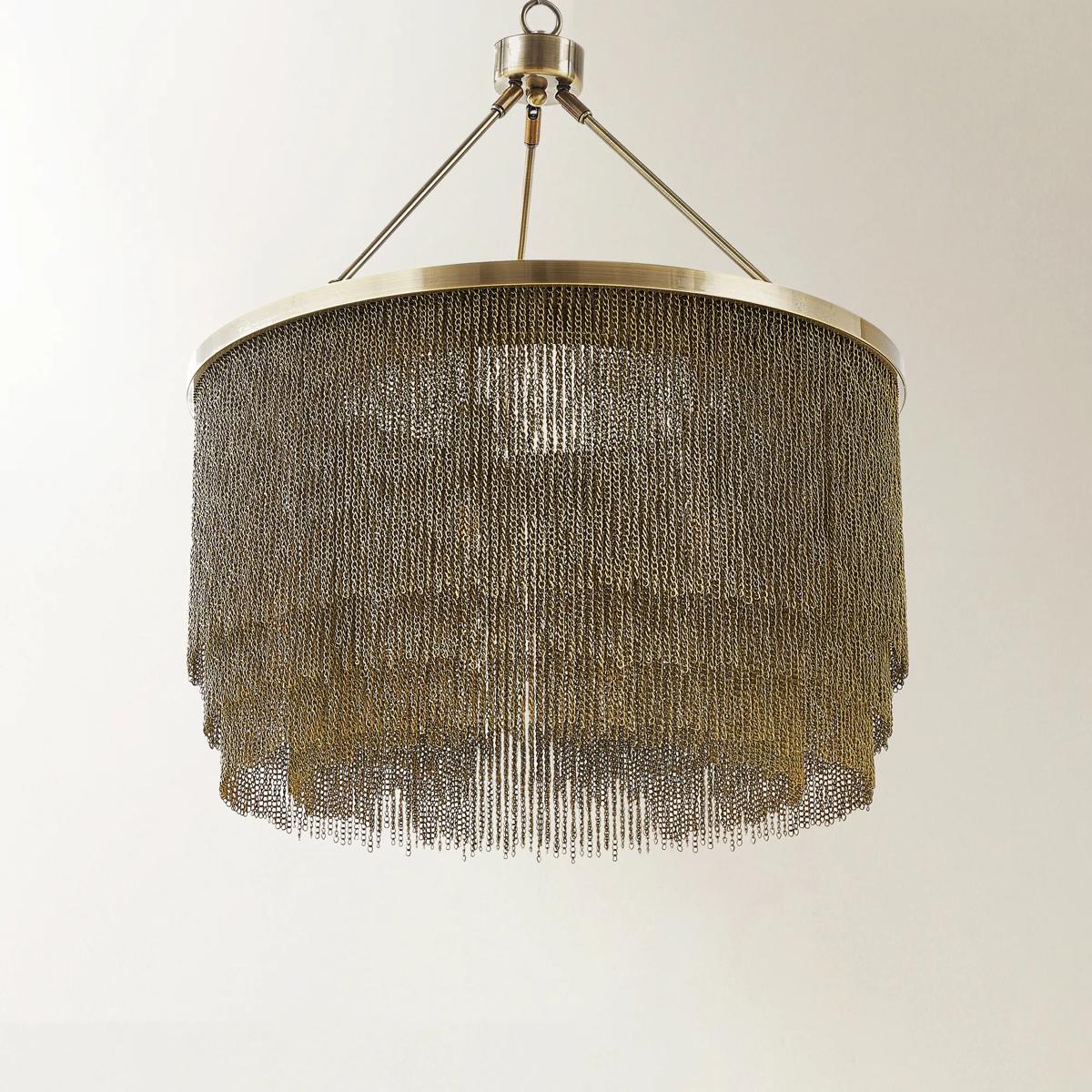 Dagny Brass Link Chain Chandelier 23.5"D x 27.5"H$999
A dramatic chandelier featuring cascading antique brass chains and a polished iron frame with a warm golden finish.
Add To Cart

Lighting Ideas For Small Apartments
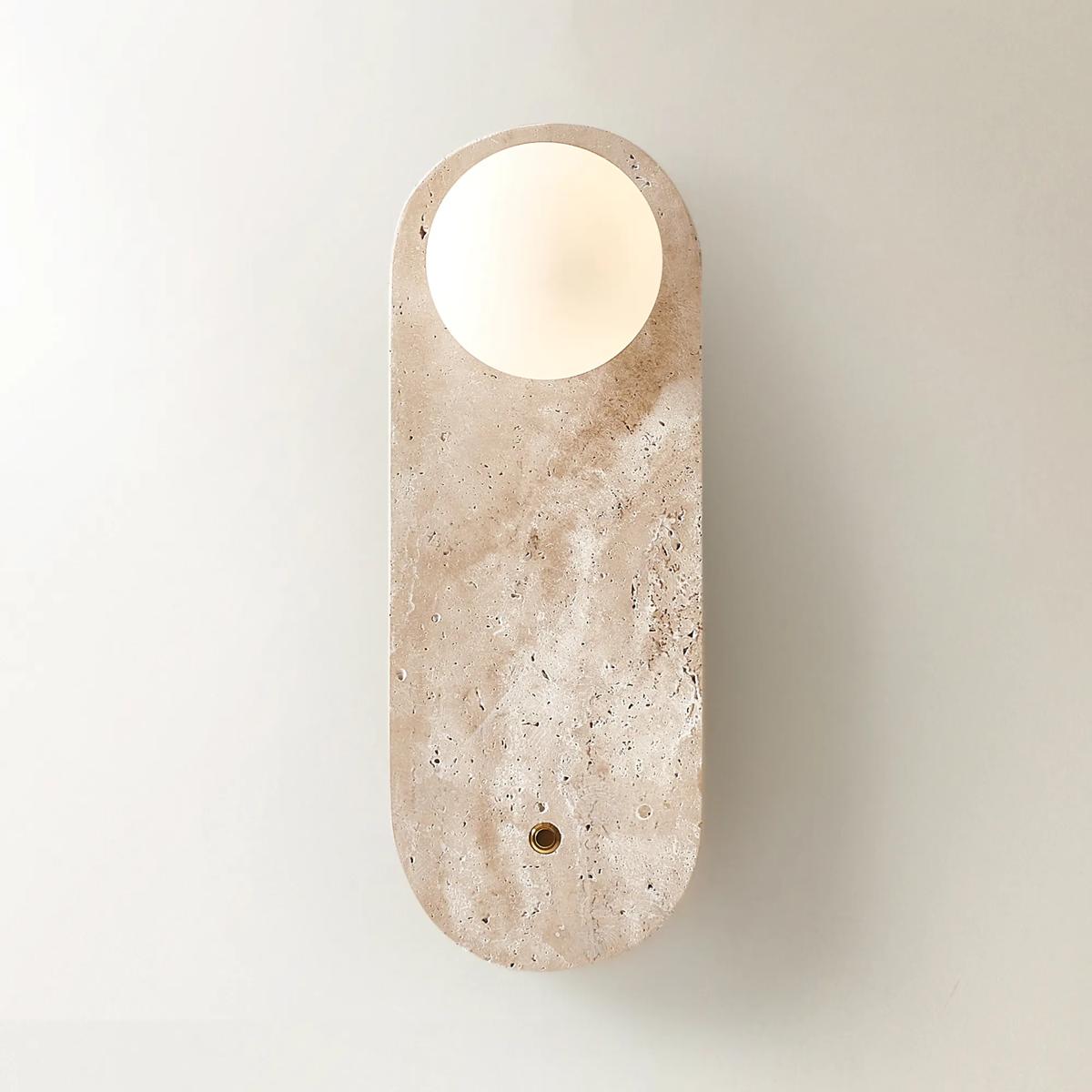
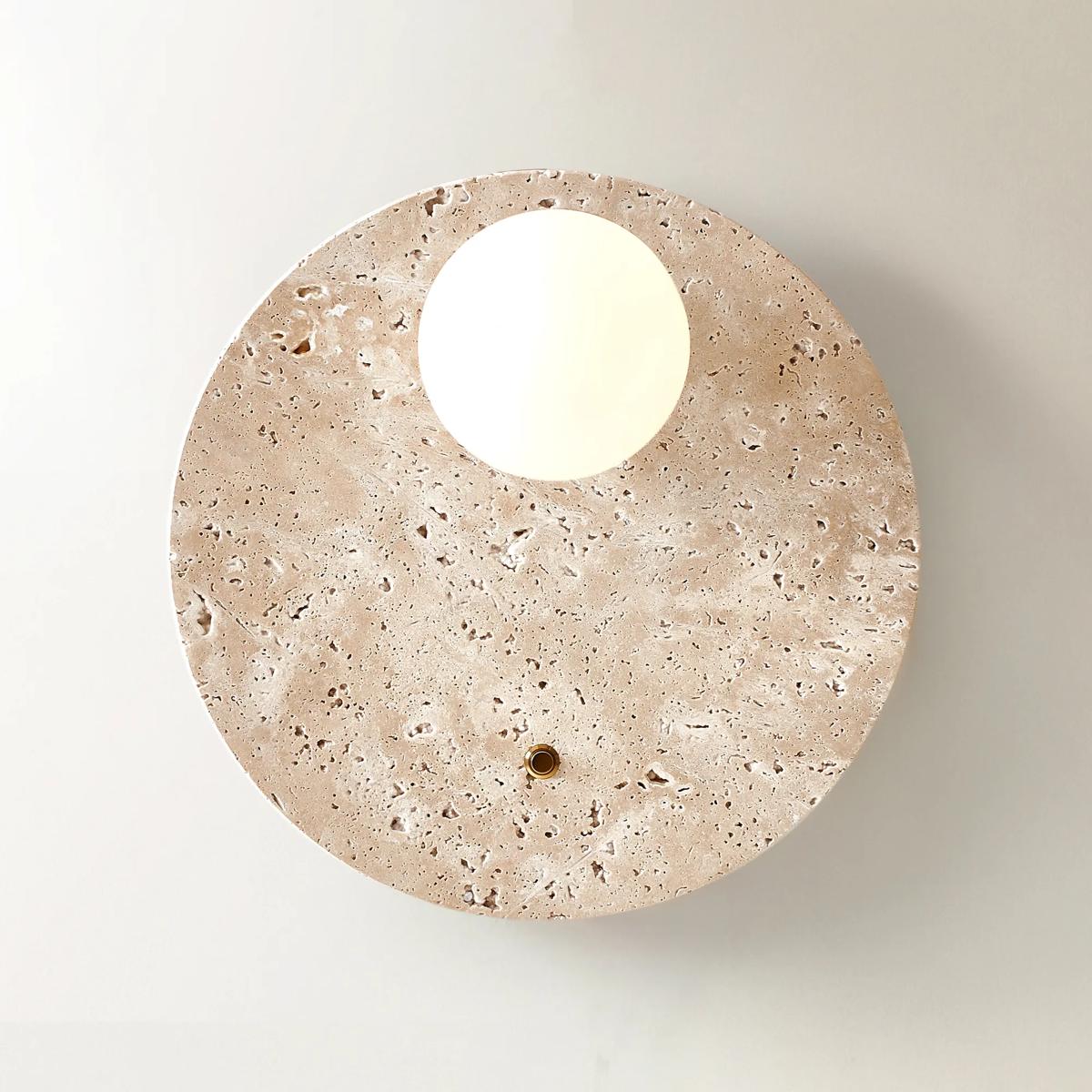
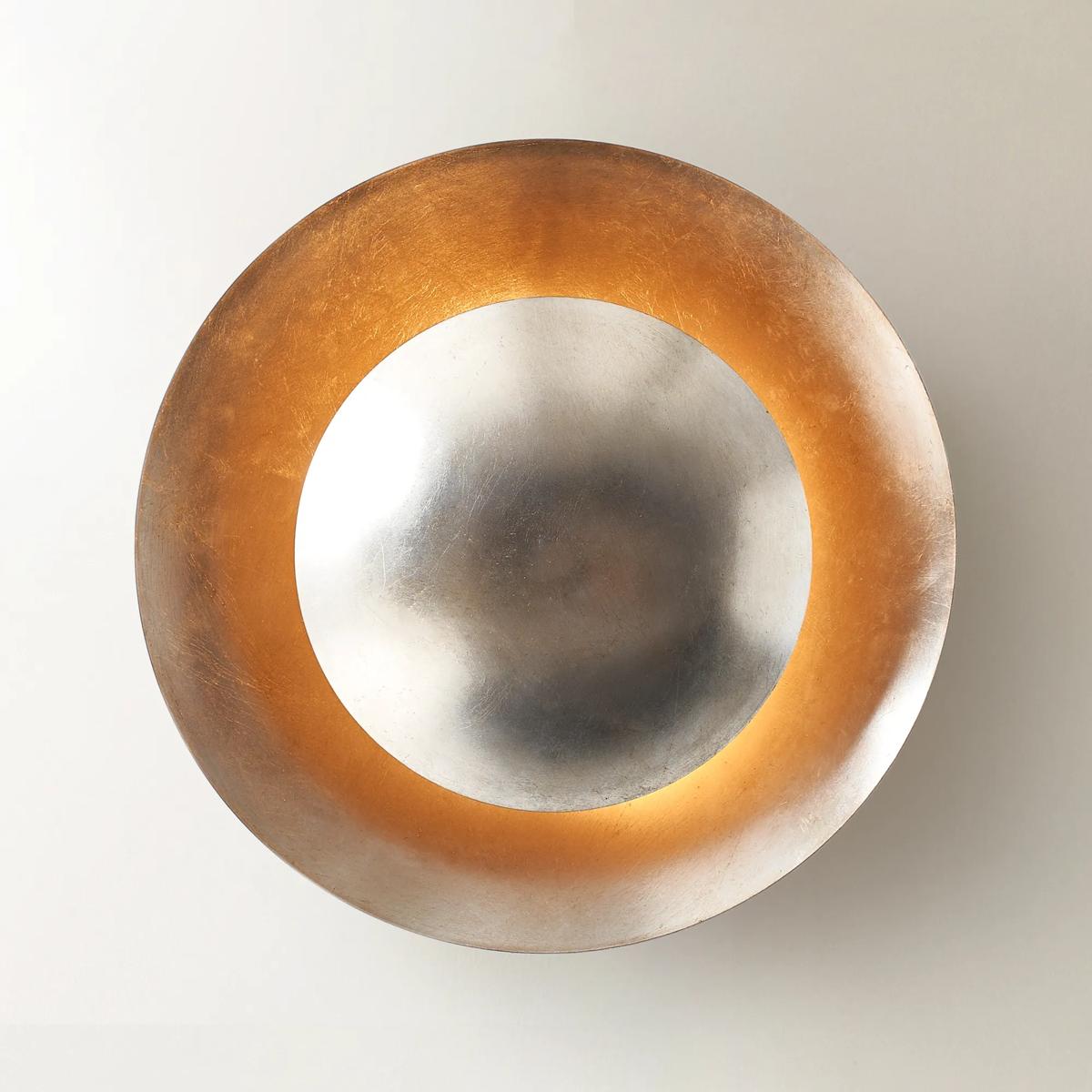
Find lighting ideas for small apartments that bring a sense of drama without overwhelming your space. Explore decorative lighting with scale and placement in mind, looking for proportions that complement your furniture and leave room to move. Balance focused light for reading or working with a softer ambient glow to give compact living areas depth, warmth, and definition.
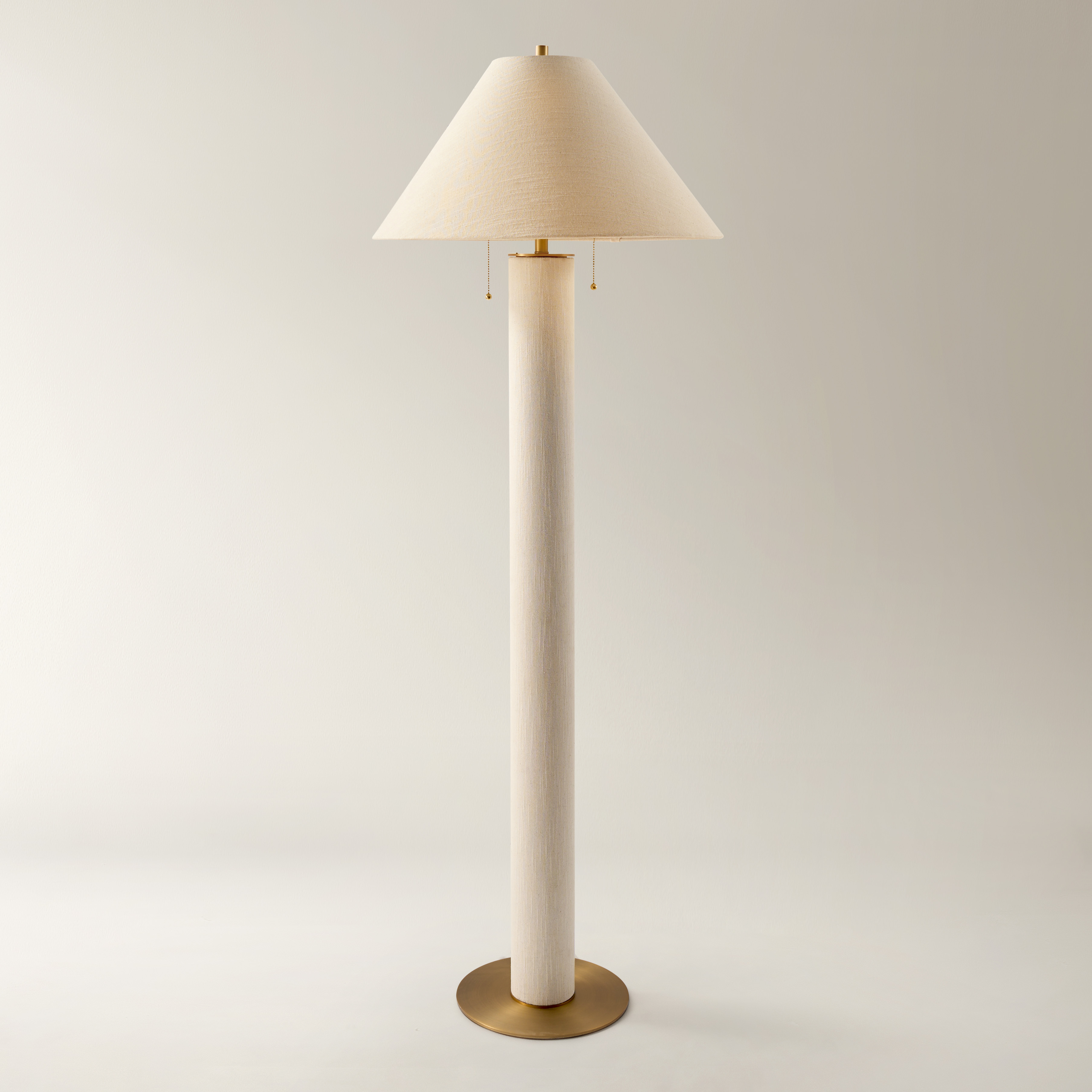
Lighting ideas for small apartments begin with a simple distinction: a compact room needs thoughtfully placed light, not simply a brighter ceiling fixture. The right combination of table lamps, floor lamps, sconces, and ceiling lighting gives every corner a purpose while lending the space a more expansive, expressive feel. Ambient lighting provides the room’s overall glow, task lighting concentrates illumination where reading or working happens, and accent lighting draws attention to artwork, shelving, or architectural details. Together, these three layers create depth that a single overhead source rarely achieves. In a studio apartment, a shaded floor lamp beside the sofa can establish a lounge area, while a focused desk lamp defines a workspace just a few feet away. Neither zone needs a wall to feel distinct. Scale matters as much as style: a slender lamp base preserves precious surface area, but the shade’s widest point still needs room to sit comfortably beside furniture. A compact base paired with an oversized shade can crowd a narrow nightstand or extend into a walkway. Low-profile flush mounts offer overhead illumination without the visual weight of a deeply suspended fixture, making them particularly suited to rooms with lower ceilings. Where ceiling height and clearance allow, a carefully proportioned pendant can give a petite dining area a striking focal point. Vertical silhouettes bring sculptural presence to unused corners, while translucent glass and open metalwork can feel less visually dense than solid forms. Small spaces need not surrender drama; a gleaming finish, an architectural curve, or a beautifully textured shade can make a powerful impression within a restrained footprint. Beyond appearance, the most successful apartment lighting accommodates daily movement, leaves doors and drawers unobstructed, and places switches within comfortable reach. Measuring the entire fixture, including its shade, base, and projection from the wall, helps distinguish a piece that merely fits from one that feels beautifully at home. The result is lighting that contributes to the room’s composition without competing with the way it is lived in.
For apartments where one room hosts dinner, conversation, work, and relaxation, independently controlled light sources offer welcome flexibility. A dimmable lamp can soften the atmosphere around a sofa, while a separate reading light keeps the pages of a book clearly illuminated. Warm-white LED bulbs around 2700K to 3000K generally create an inviting residential glow; lumens indicate brightness, while watts describe energy use. Shade material, fixture placement, and the direction of the beam also influence how bright a room feels, so bulb output alone does not tell the whole story. Matching color temperatures across lamps within the same sightline helps the space feel cohesive, and bulbs with a high color rendering index can reveal upholstery, art, and decorative finishes more faithfully. Dimming requires compatible bulbs and controls, including fixtures designed to support that function. In a bedroom with little room beside the mattress, wall-mounted reading lights can free the nightstand for essentials. Plug-in sconces offer an alternative to hardwired installation where their mounting requirements and cord placement suit the space. Rechargeable wall lights can reduce visible wiring, although runtime, charging access, brightness, and the manufacturer’s mounting instructions deserve attention. Adhesive mounting should never be assumed to be suitable for every wall finish or to leave every surface unmarked. Renters benefit from checking lease requirements before mounting fixtures, and hardwired work belongs with a qualified electrician. A slim task lamp with an adjustable head brings focused light to a compact desk without requiring the entire apartment to be brightly lit. Under-cabinet lighting can illuminate kitchen work surfaces where overhead light leaves shadows, provided the fixture is rated for its intended location. On shelving, a petite accent lamp or appropriately installed LED lighting can add depth behind decorative objects. A mirror positioned to reflect a window or a softly illuminated area can extend the impression of light without adding another fixture. Discreet cord routing completes the composition: cables belong clear of walkways, should not run beneath rugs, and should remain accessible rather than pinched behind furniture.
Materials give small apartment lighting its character, from the crisp reflection of polished metal to the soft diffusion of a woven fabric shade. Clear glass can lend an airy quality to a narrow console, while frosted or opal glass softens the appearance of a visible light source. Warm metallic finishes introduce richness against neutral upholstery; darker metals create graphic definition beside pale walls. Ceramic bases bring texture and sculptural weight, although their stability and suitability for the supporting surface matter more than appearance alone. A well-balanced base is especially valuable in homes with pets, children, or frequently rearranged furniture. Portable lamps with accessible switches and manageable proportions suit apartment dwellers whose rooms change from workspaces to entertaining areas throughout the day. For smaller surfaces, the best fit also leaves useful space around the lamp rather than claiming every inch of a side table or desk. Shade construction shapes the mood: a light-colored translucent shade usually distributes a softer glow, while an opaque shade directs illumination more narrowly. Reflective interiors can intensify the light beneath a shade, making viewing angle and glare important considerations near beds, screens, and seating. Durable lighting also depends on appropriate care. Fixtures should be switched off, unplugged when applicable, and allowed to cool before cleaning; a soft, dry cloth is often suitable for routine dusting, with material-specific instructions taking precedence. Abrasive cleaners can damage delicate finishes, and fabric shades may require gentle dust removal rather than moisture. LED compatibility, replacement-bulb access, and the fixture’s maximum wattage rating are practical details worth considering alongside its silhouette. A compact lamp can also make a considered housewarming gift when the recipient’s space, taste, and power access are understood. For a more expressive focal point, Statement Lighting Ideas for New Apartments offers another perspective on bringing sculptural presence into a new home. Whether the desired effect is a luminous bedside retreat or an intimate living area with gallery-like accents, thoughtfully scaled lighting gives a small apartment dimension, personality, and a distinctly polished finish.
FAQs
For lighting ideas for small apartments with a glamorous point of view, explore sculptural table lamps, crystal-accented pendants, and polished metal sconces. Art Deco silhouettes lend architectural drama, while glass and metallic details introduce a luminous finish. Choose a shared design element, such as curved lines or faceted accents, to give the room a deliberate visual rhythm.
Give one finish the leading role, then introduce a contrasting metal as an accent. Brass paired with black feels graphic and expressive, while chrome and clear glass create a polished composition. Repeat each finish elsewhere through picture frames, decorative trays, or furniture details to make the mix feel intentional.
Pleated shades bring couture-inspired texture, while smooth drum shades offer a tailored counterpoint to an ornate lamp base. Ivory fabric creates a soft visual note; black shades add striking contrast. Let the shade and base play different roles—one expressive, the other restrained—for a composition with depth.
Treat a table lamp as part of an artistic vignette. Pair a sculptural base with abstract artwork, stack art books beside a polished metal lamp, or echo a ceramic finish with a decorative vessel. Leave some surfaces unadorned so the silhouettes remain distinct and every detail has room to command attention.
Connect lighting across living and dining areas through a recurring finish, shape, or material rather than identical fixtures. A curved floor lamp can echo the lines of a pendant, while glass details establish continuity between different silhouettes. Vary the designs within that shared visual language for a collected, expressive interior.