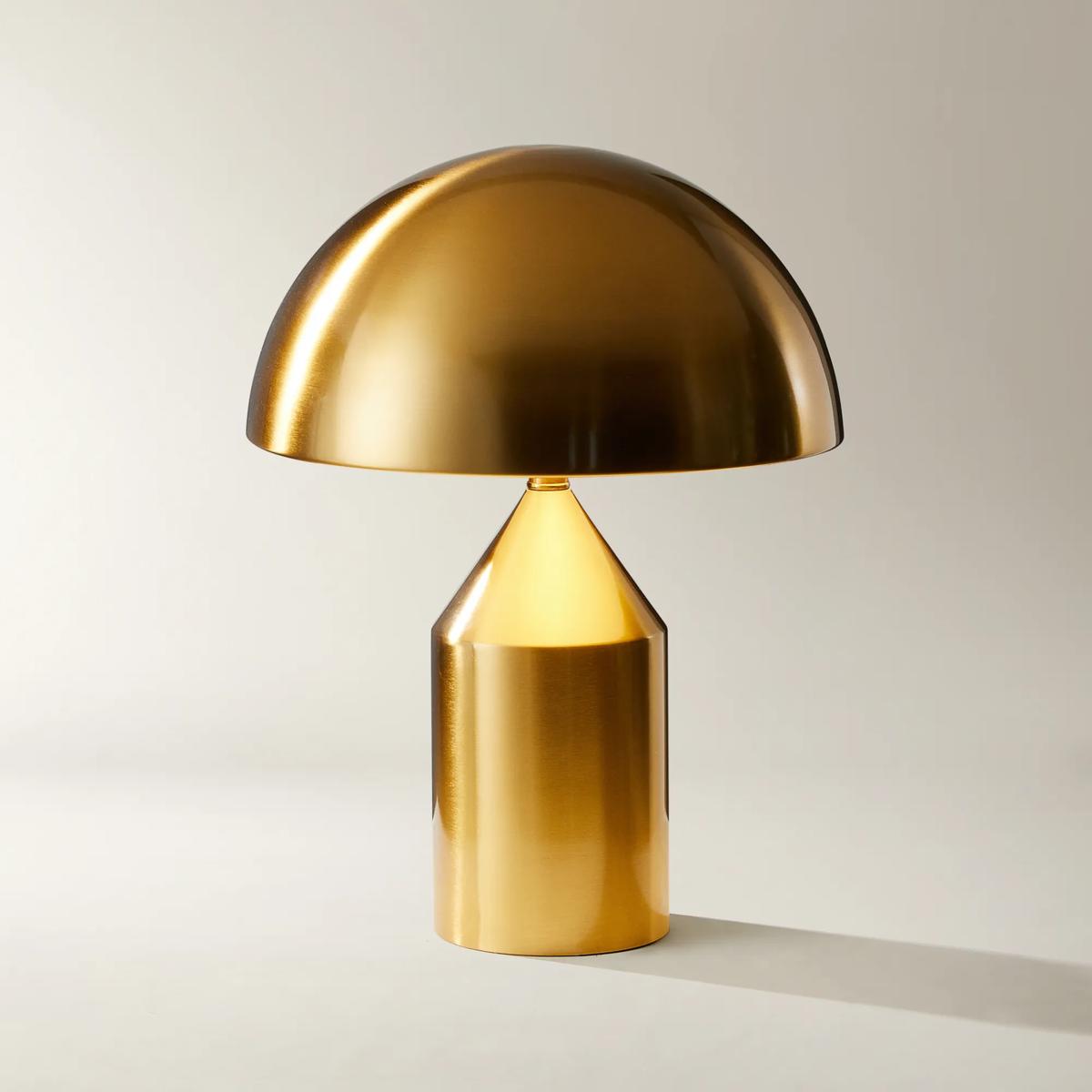
Lighting For Dorm Rooms
Lighting For Dorm Rooms
-
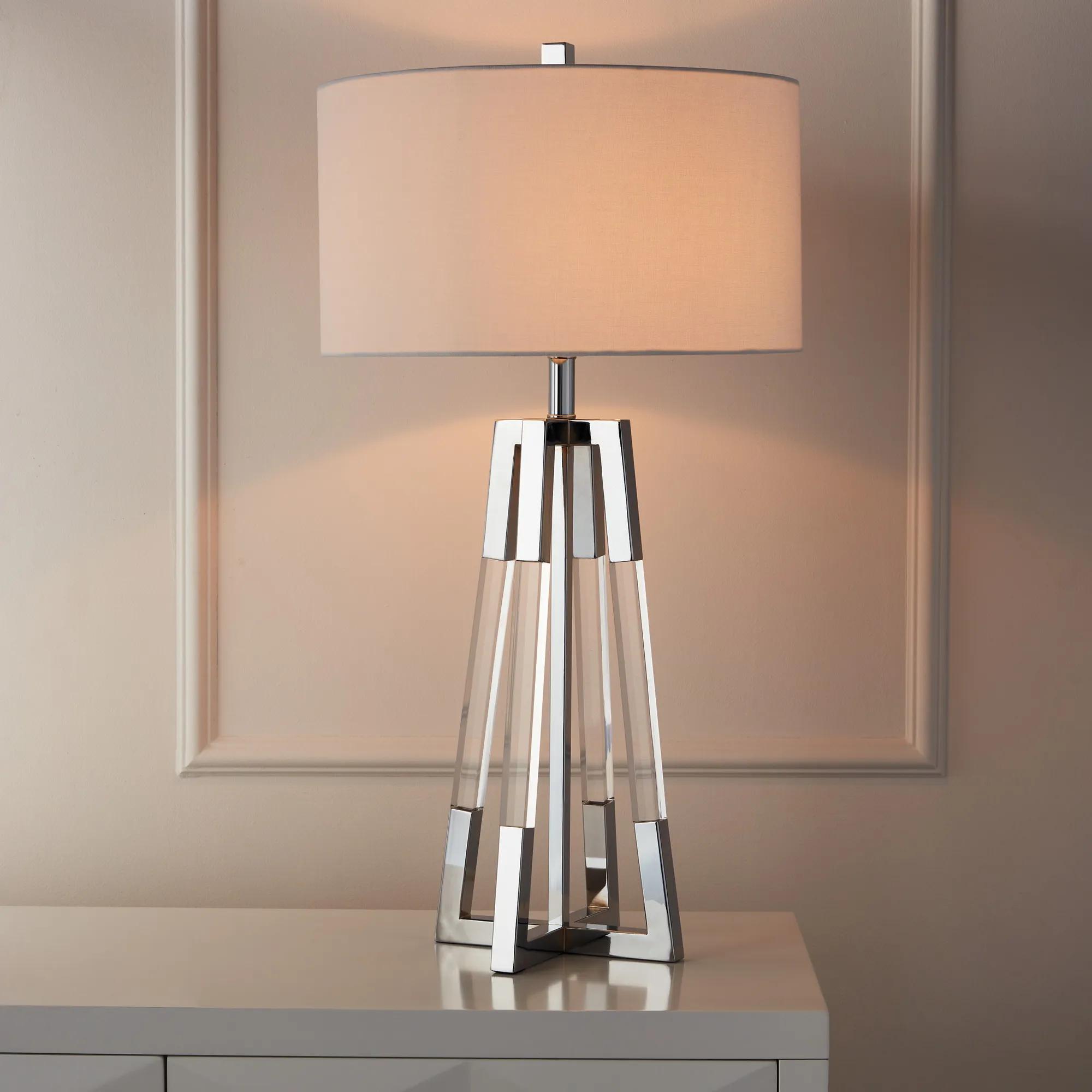 Rollins Table Lamp$439
A sophisticated table lamp featuring clear acrylic and polished nickel accents with a crisp white shade.
Add To Cart -
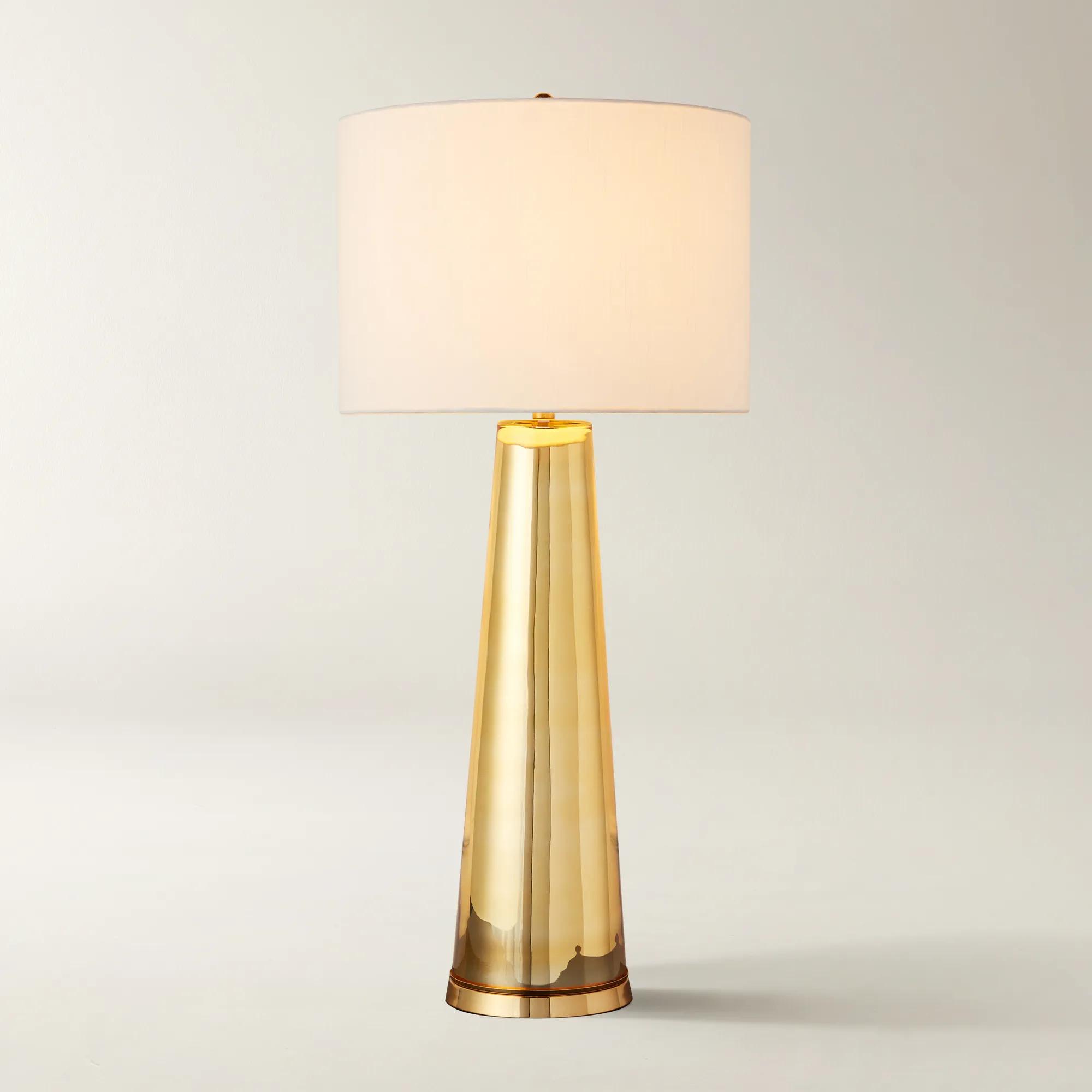
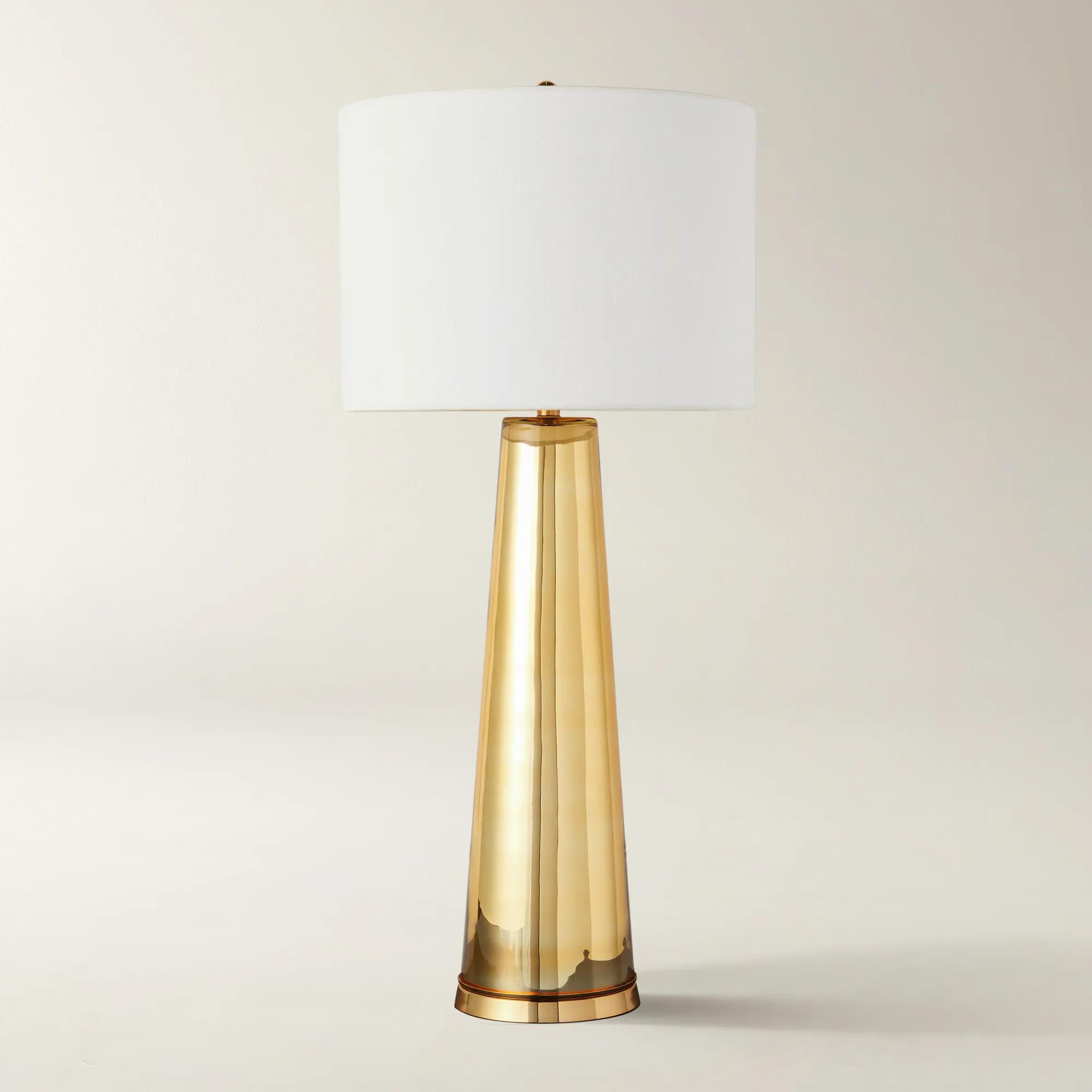 Century Gold Mirrored Glass Table Lamp 40"$299
A modern lamp featuring a mirrored glass base and white drum shade, accented with gold or silver details.
Add To Cart -
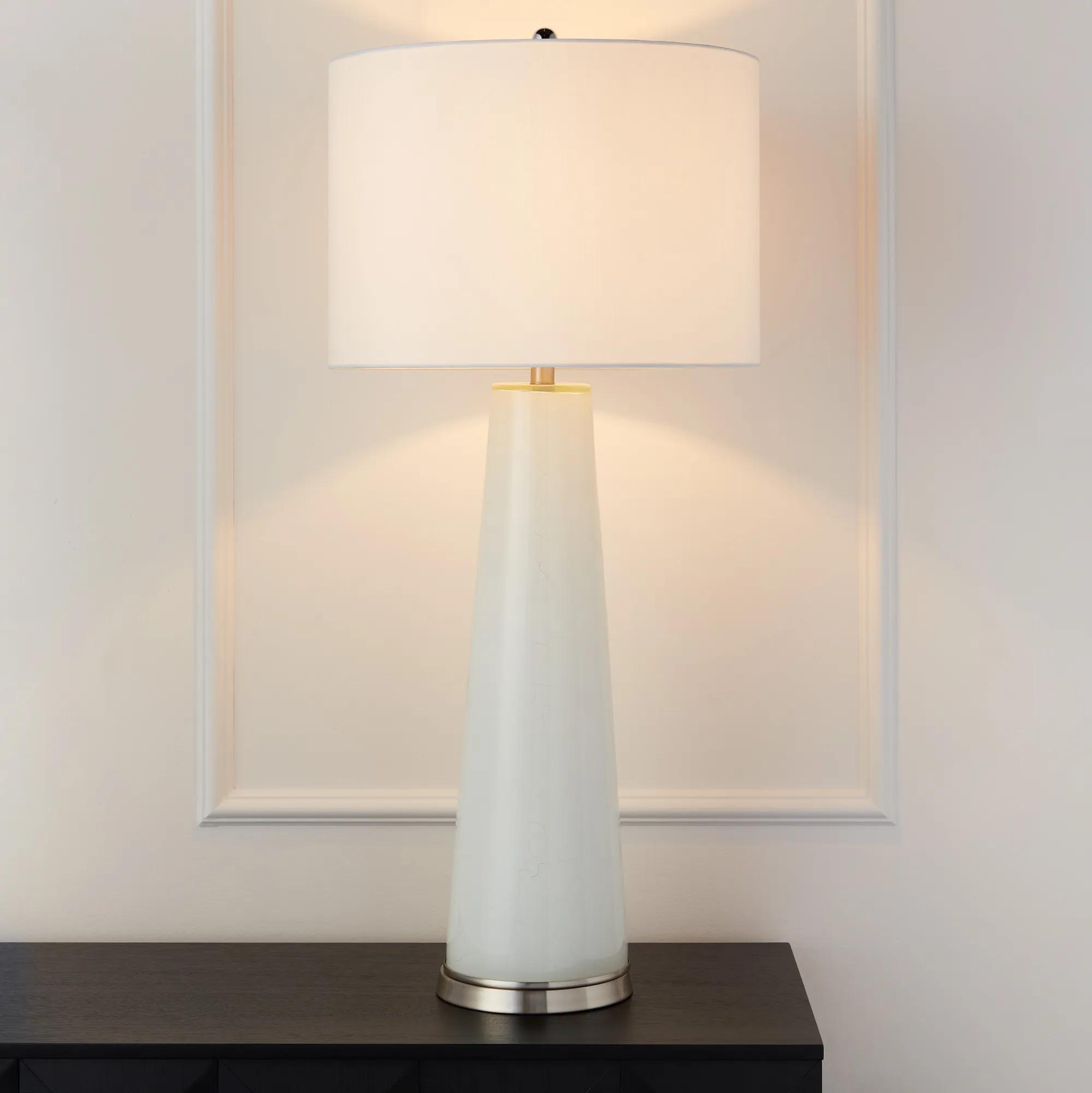 Century White Glass High Gloss Table Lamp 40"$299
A modern glass lamp with a high-gloss white interior and a crisp white drum shade.
Add To Cart -
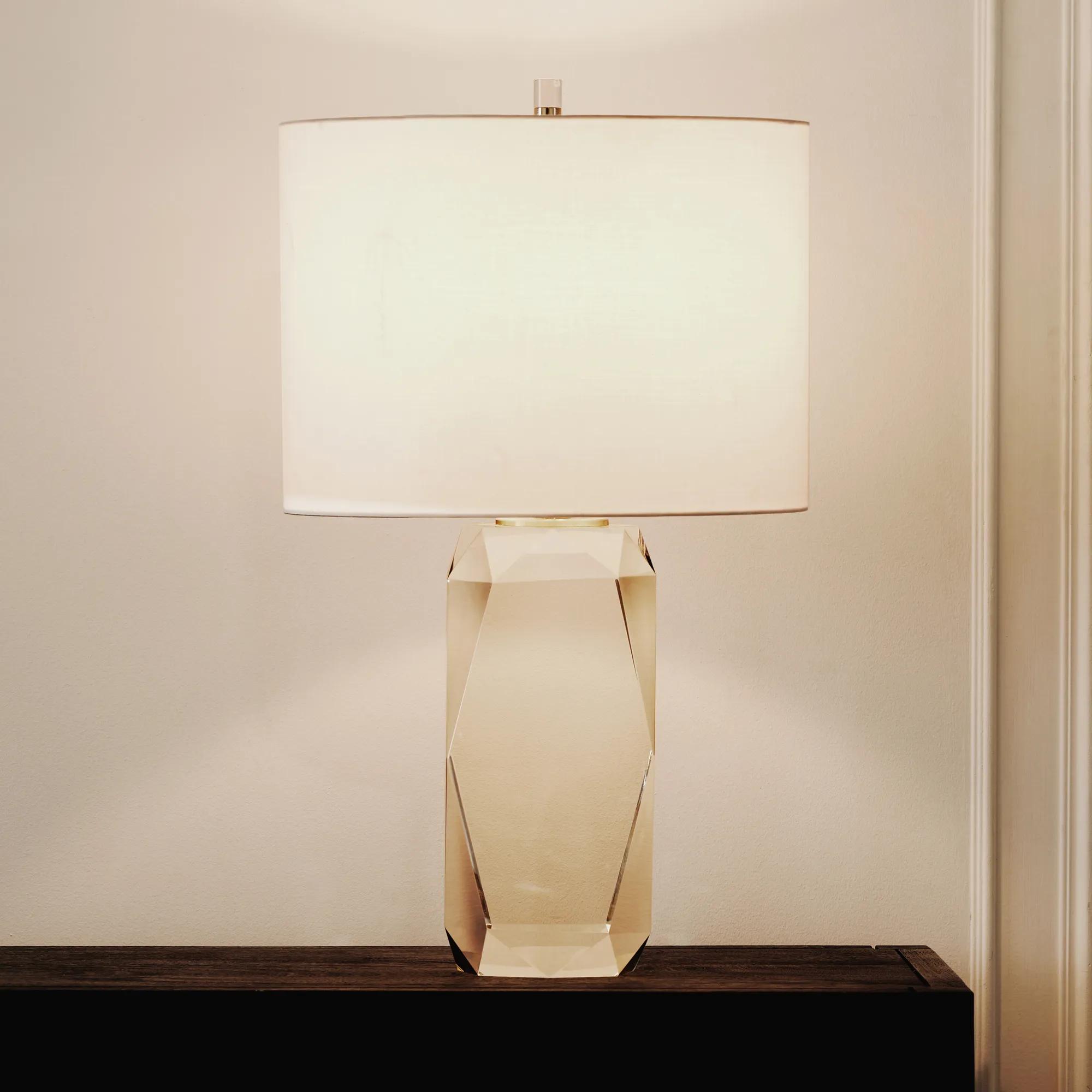 Bianca Faceted Clear K9 Crystal Table Lamp 24"H$499
A clear crystal table lamp with a white drum shade and soft brass hardware for elegant illumination.
Add To Cart -
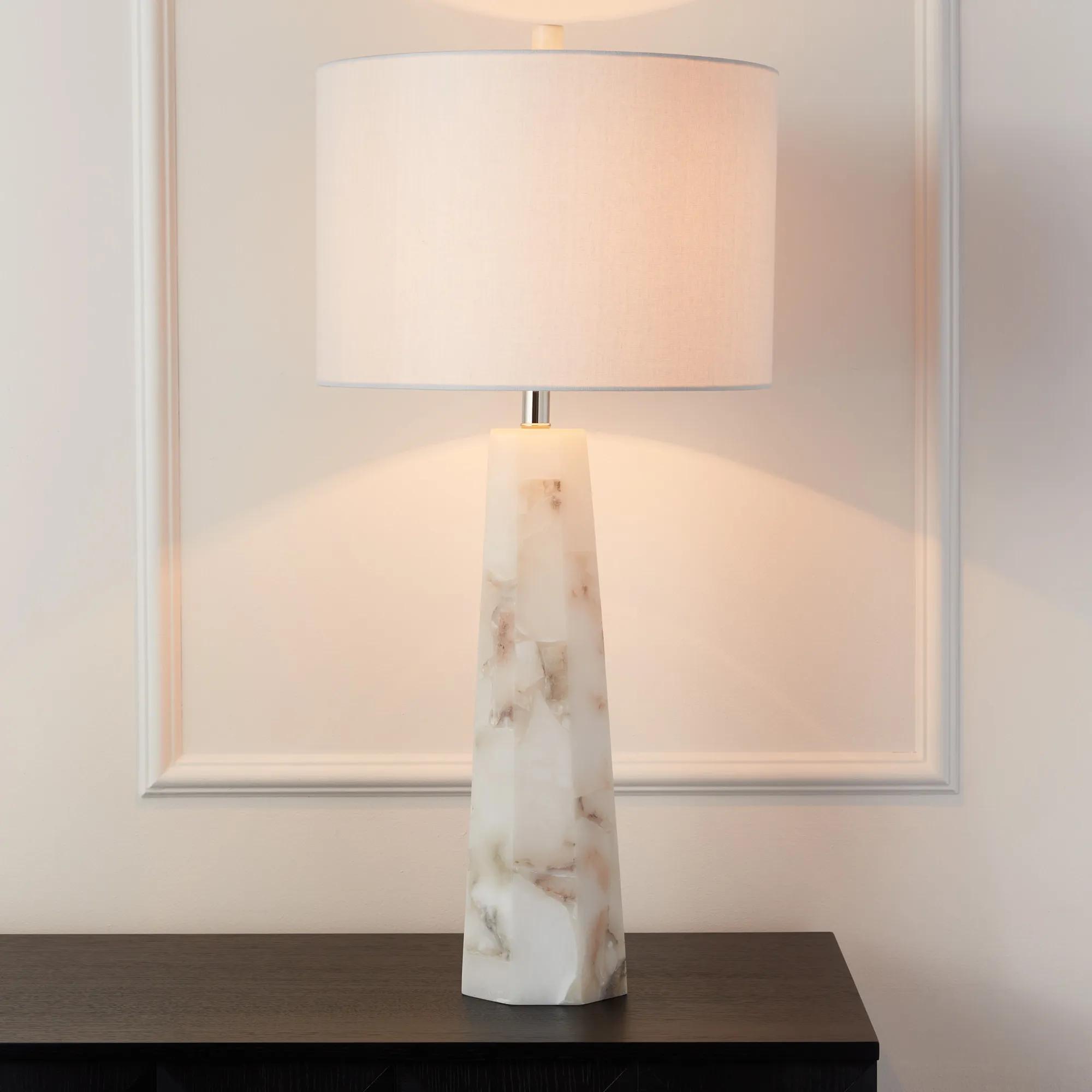 Aurora Alabaster Table Lamp 34"$499
An alabaster stone lamp with a tapered silhouette, white linen shade, and matching alabaster finial.
Add To Cart -
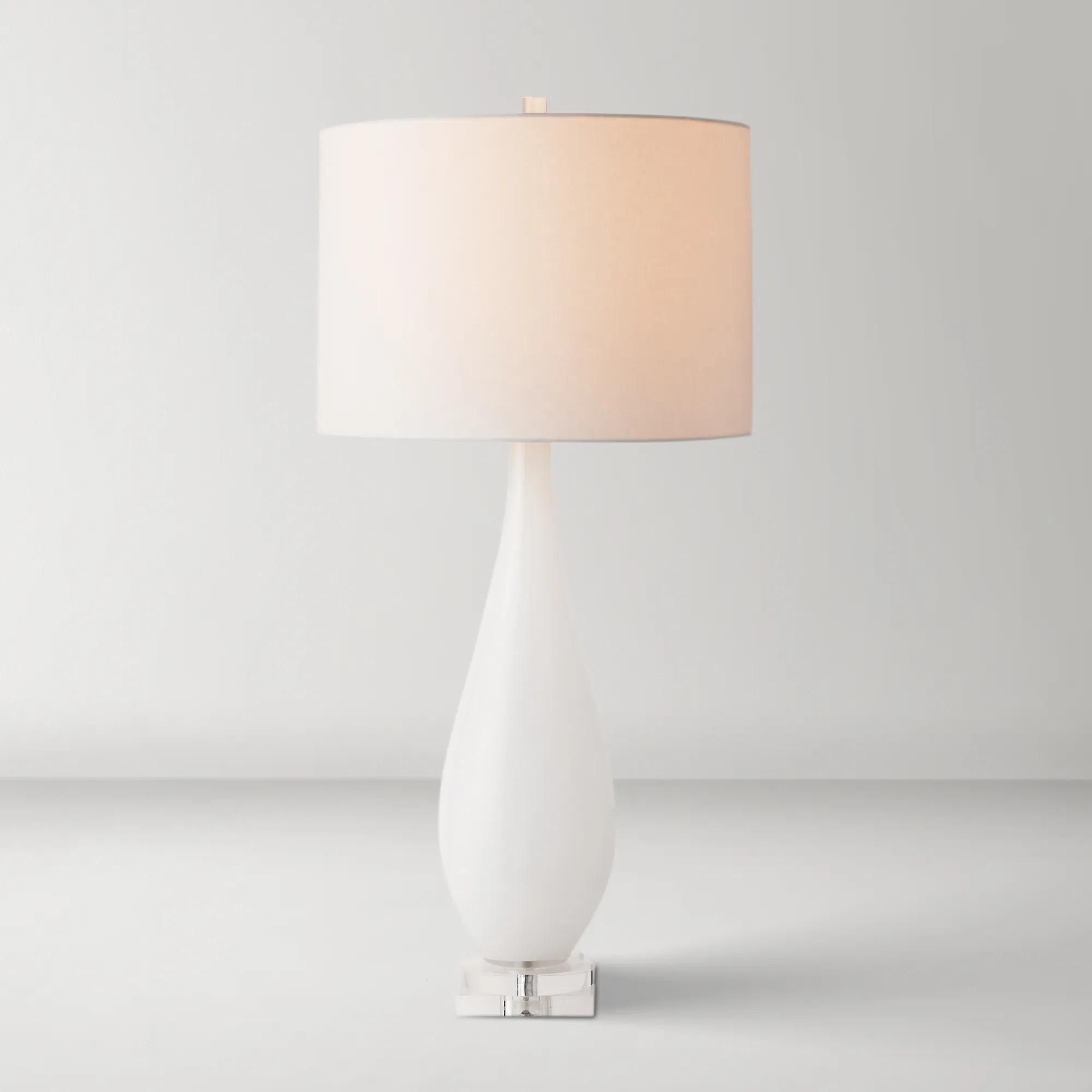
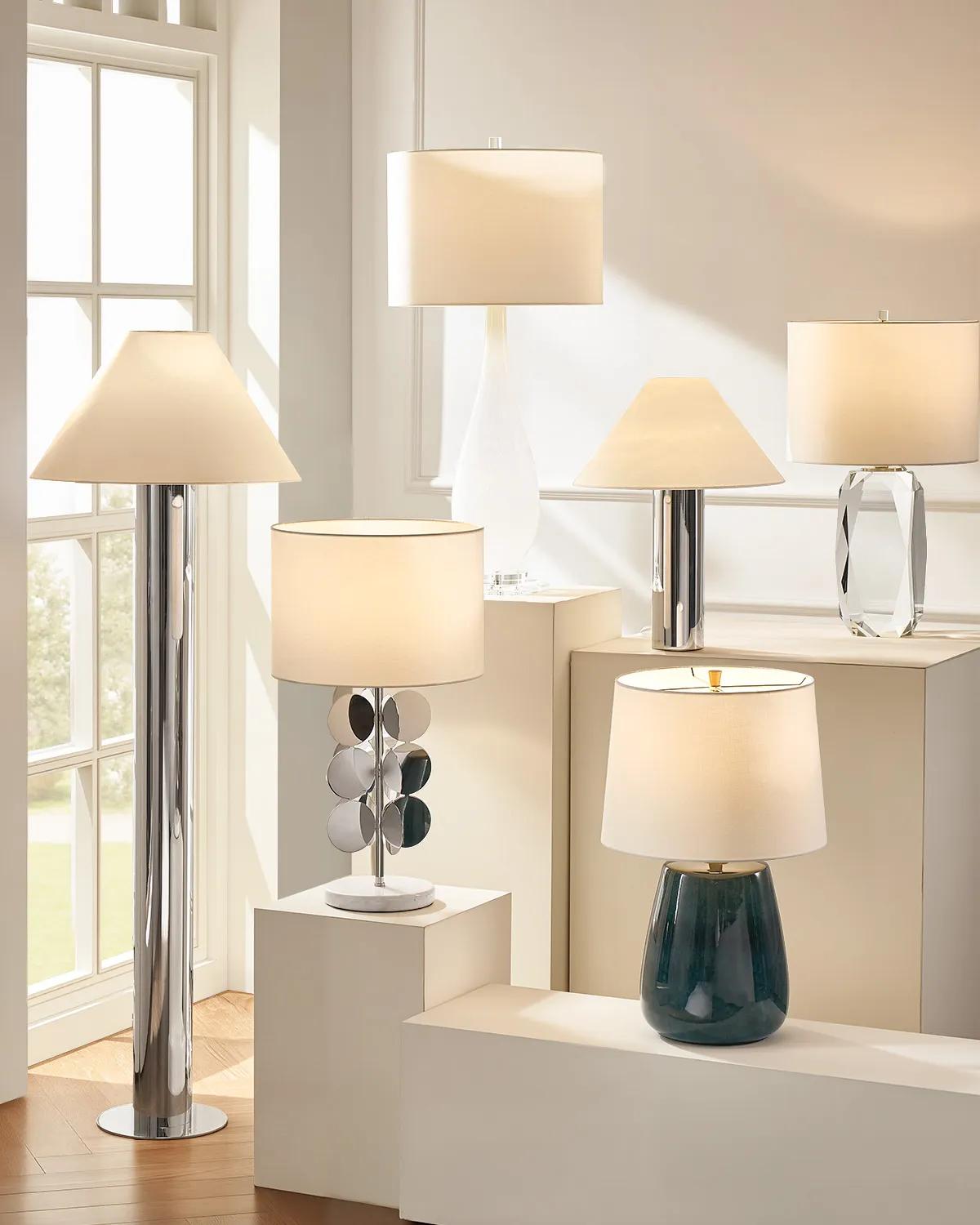 Serena Table Lamp$299
A chic table lamp featuring a handblown glass body, crystal base, and monochromatic white finish.
Add To Cart -
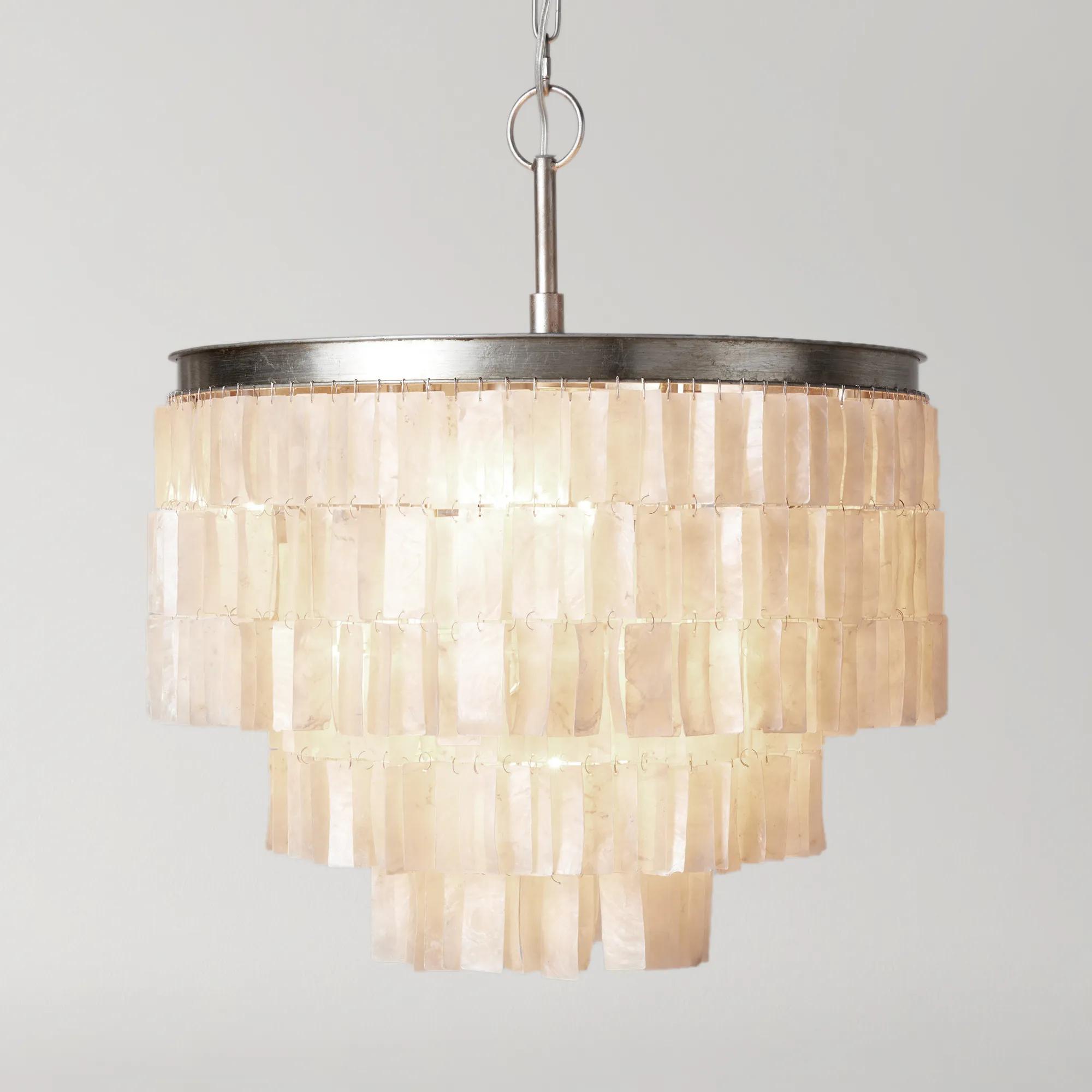
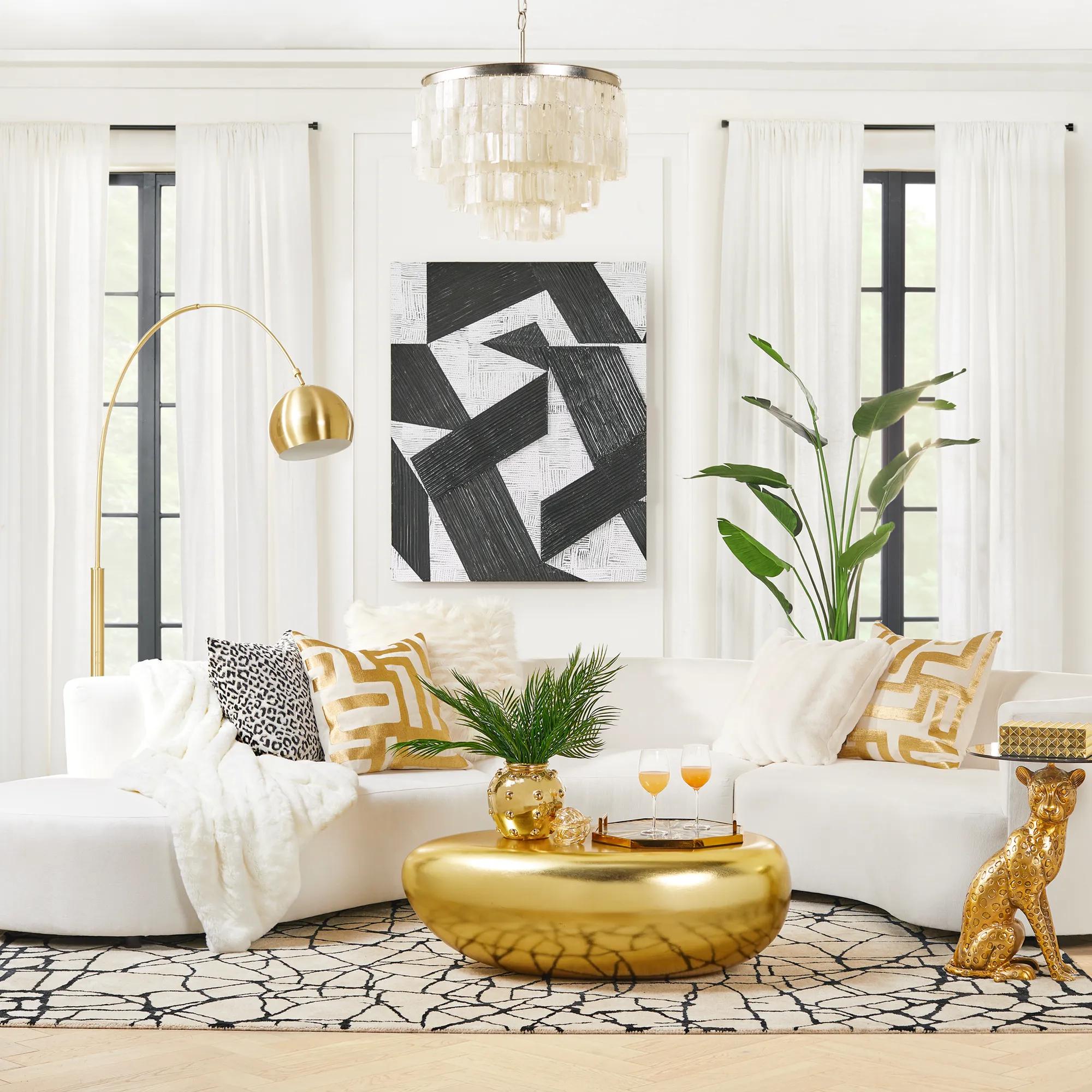 Capiz Chandelier$699
A cascading chandelier featuring over six hundred natural Capiz shells on a nickel-plated iron frame.
Add To Cart -
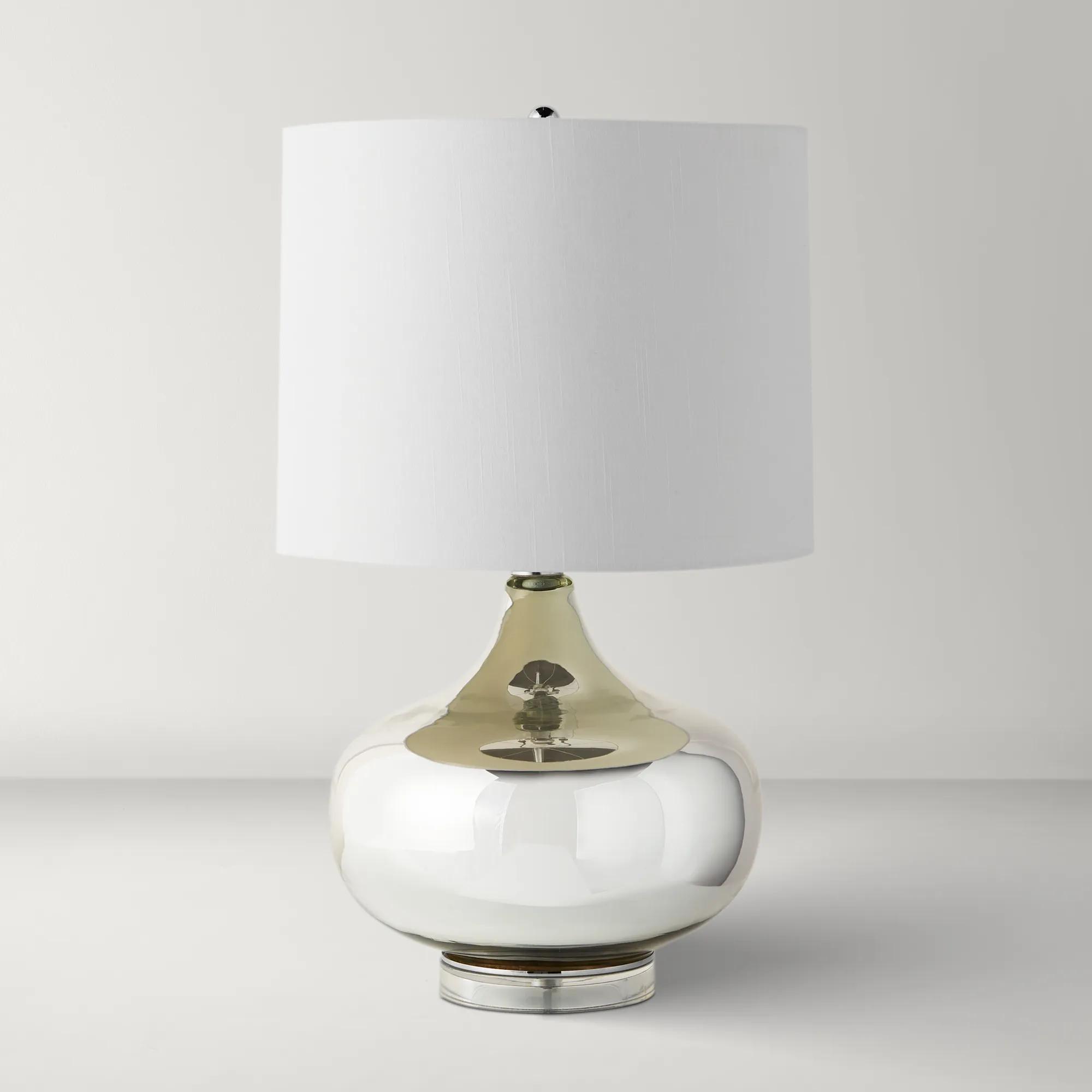 Sabrina Mirrored Silver Glass Table Lamp 27.5"$199
A contemporary lamp featuring a silver mirrored glass base, clear acrylic accents, and a white fabric shade.
Add To Cart -
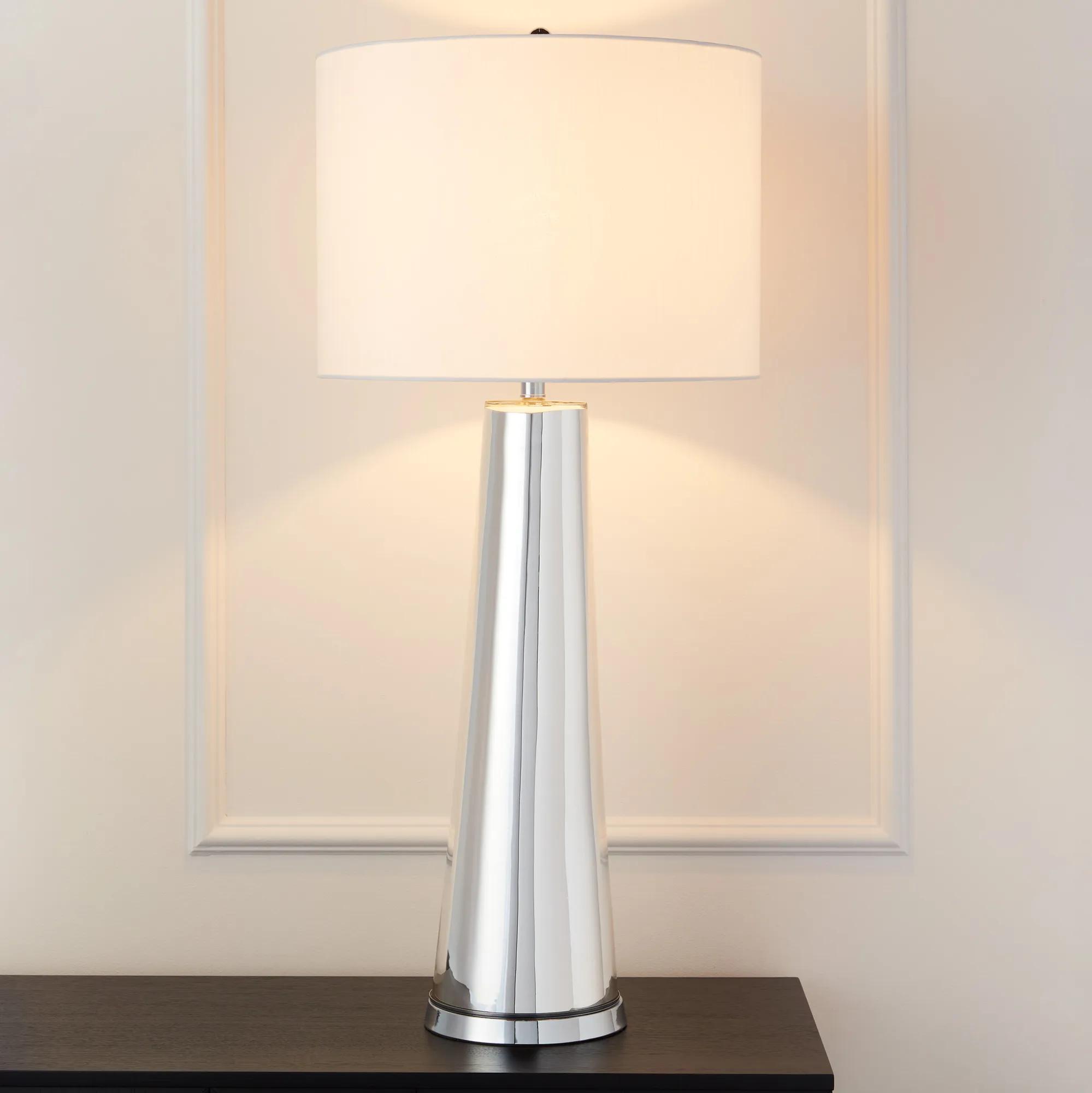 Century Silver Mirrored Glass Table Lamp 40"$299
A modern table lamp featuring a mirrored glass base and white drum shade with brushed chrome accents.
Add To Cart -
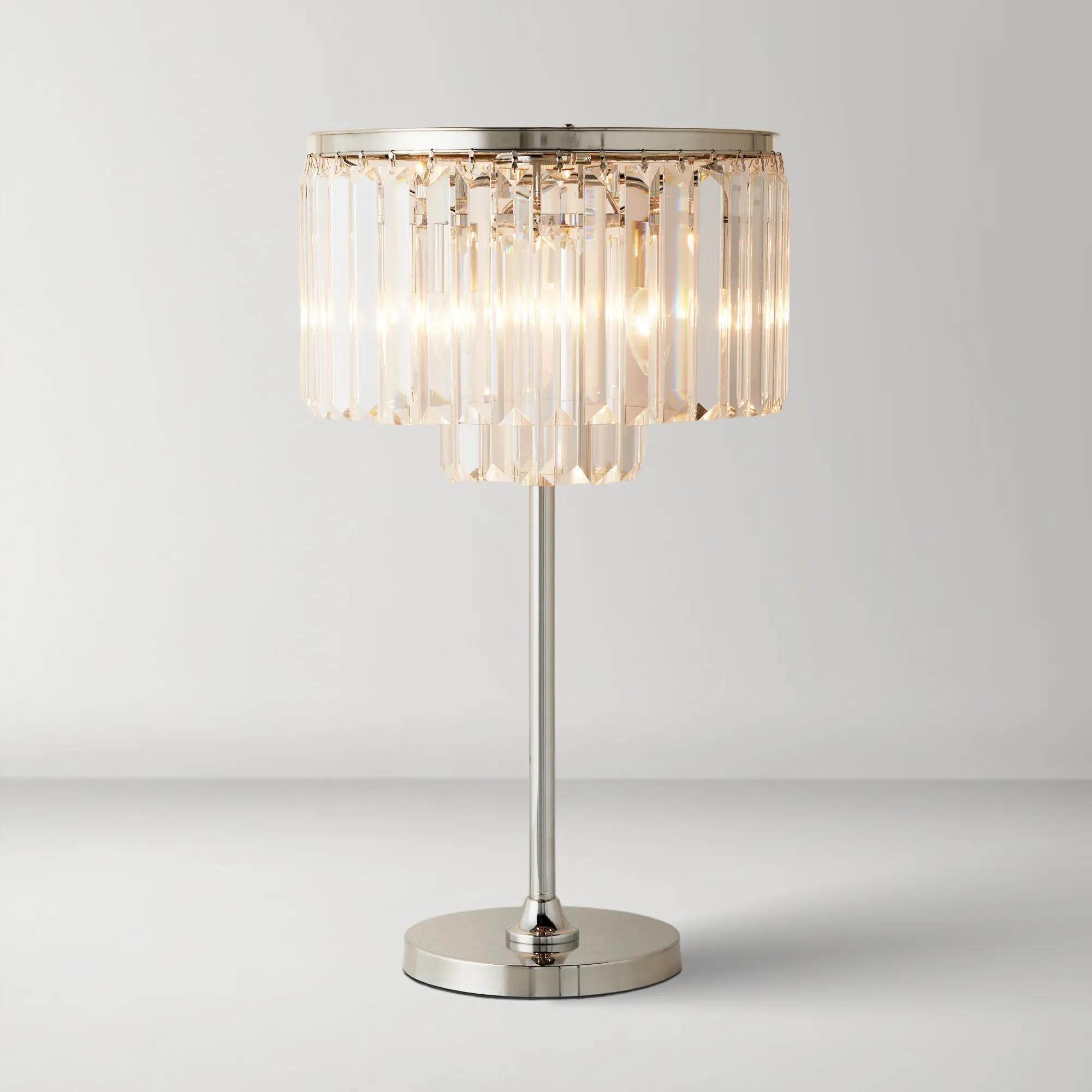
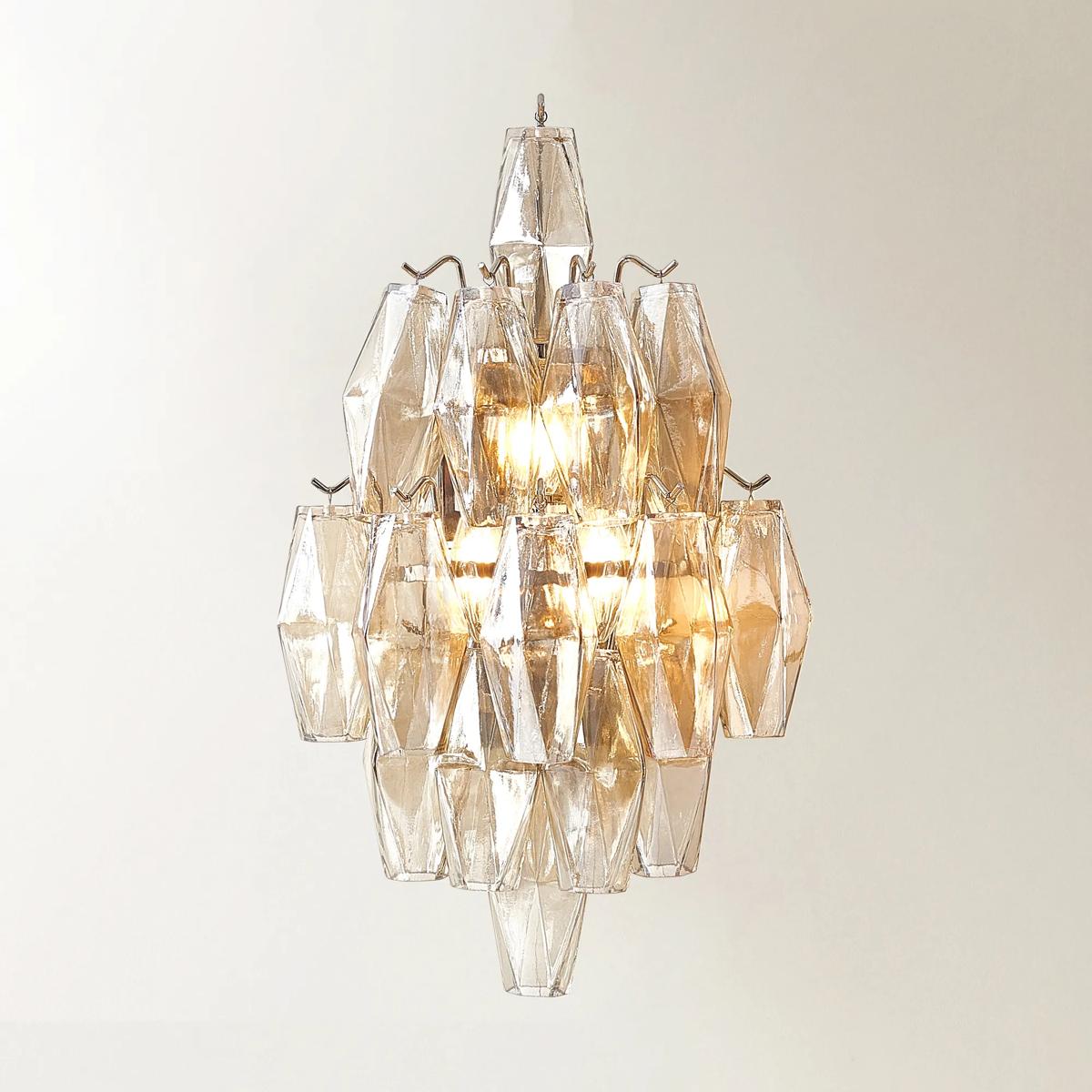
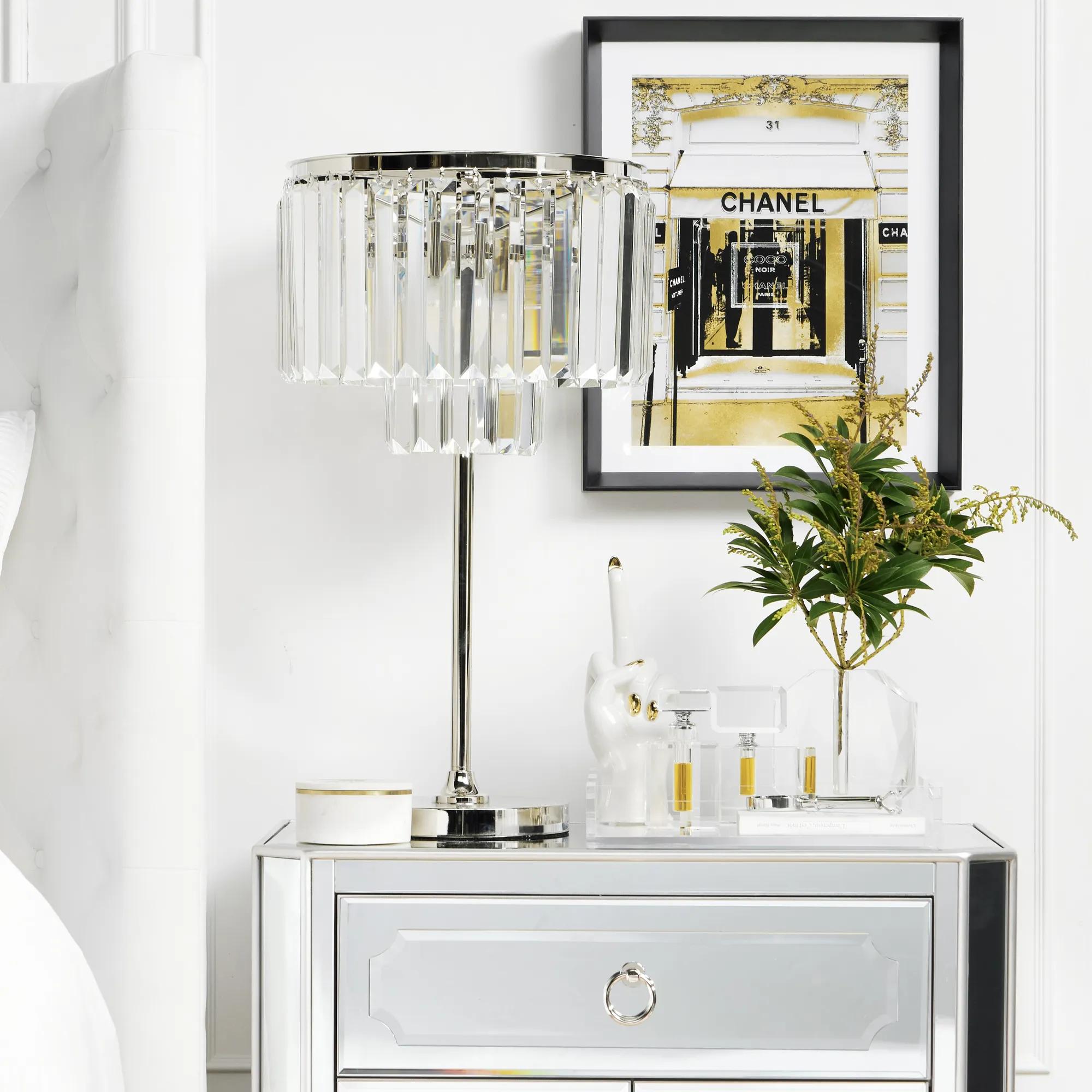 Luxe Table Lamp$499
A sophisticated table lamp featuring faceted ocular glass prisms and a nickel-plated iron frame.
Add To Cart -
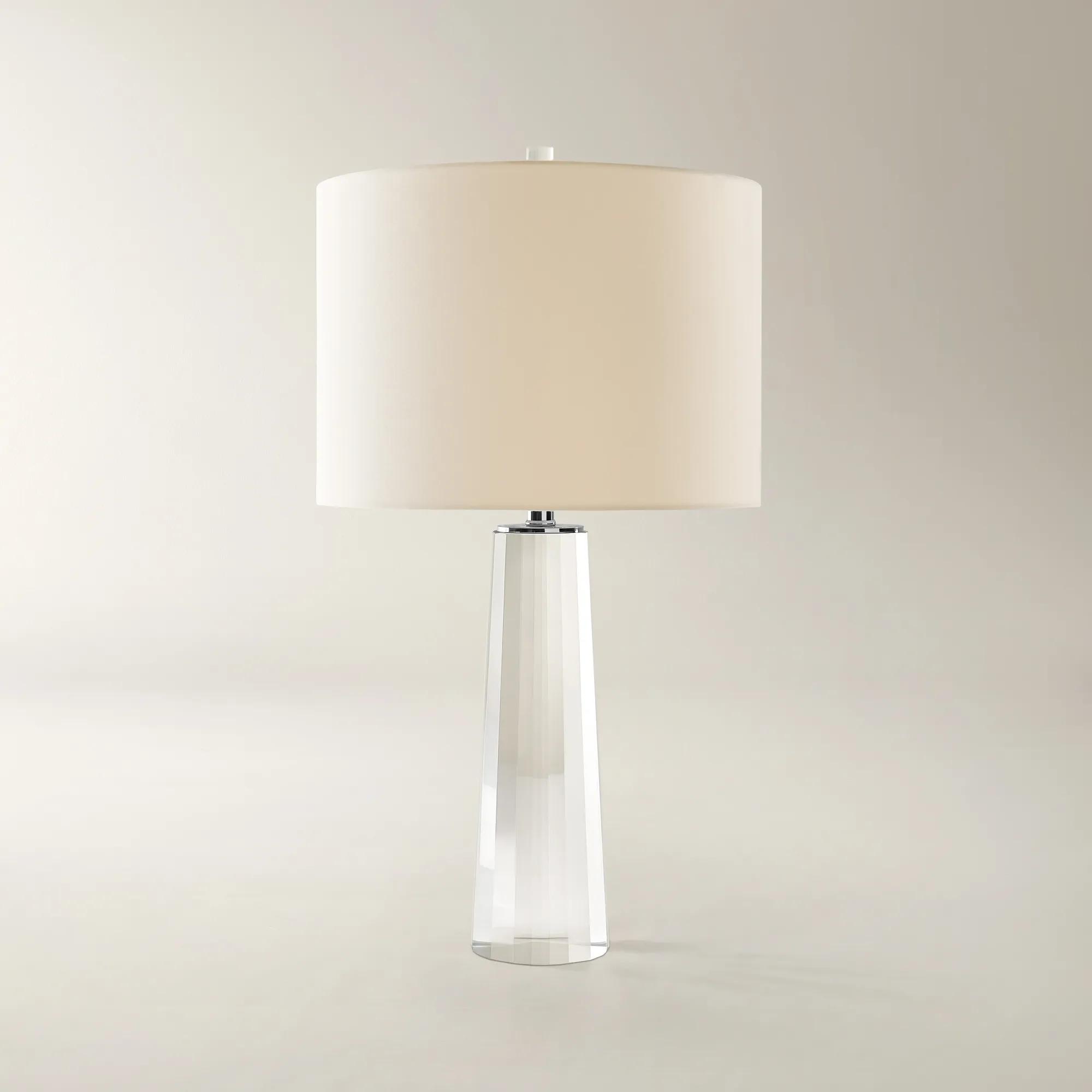
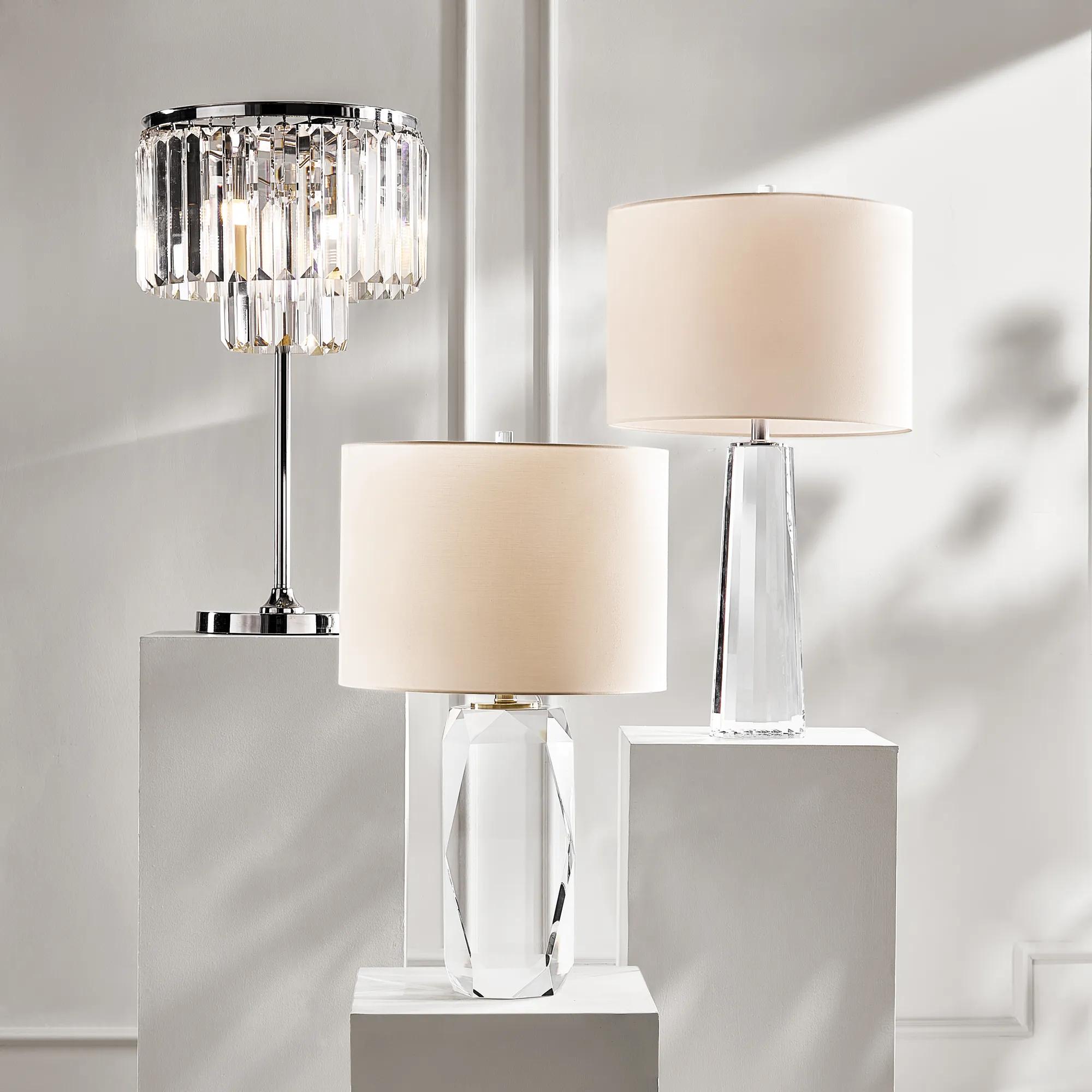 Sasha Faceted Clear K9 Crystal Table Lamp 28"$499
A refined table lamp featuring a clear crystal base, white drum shade, and polished nickel accents.
Add To Cart -
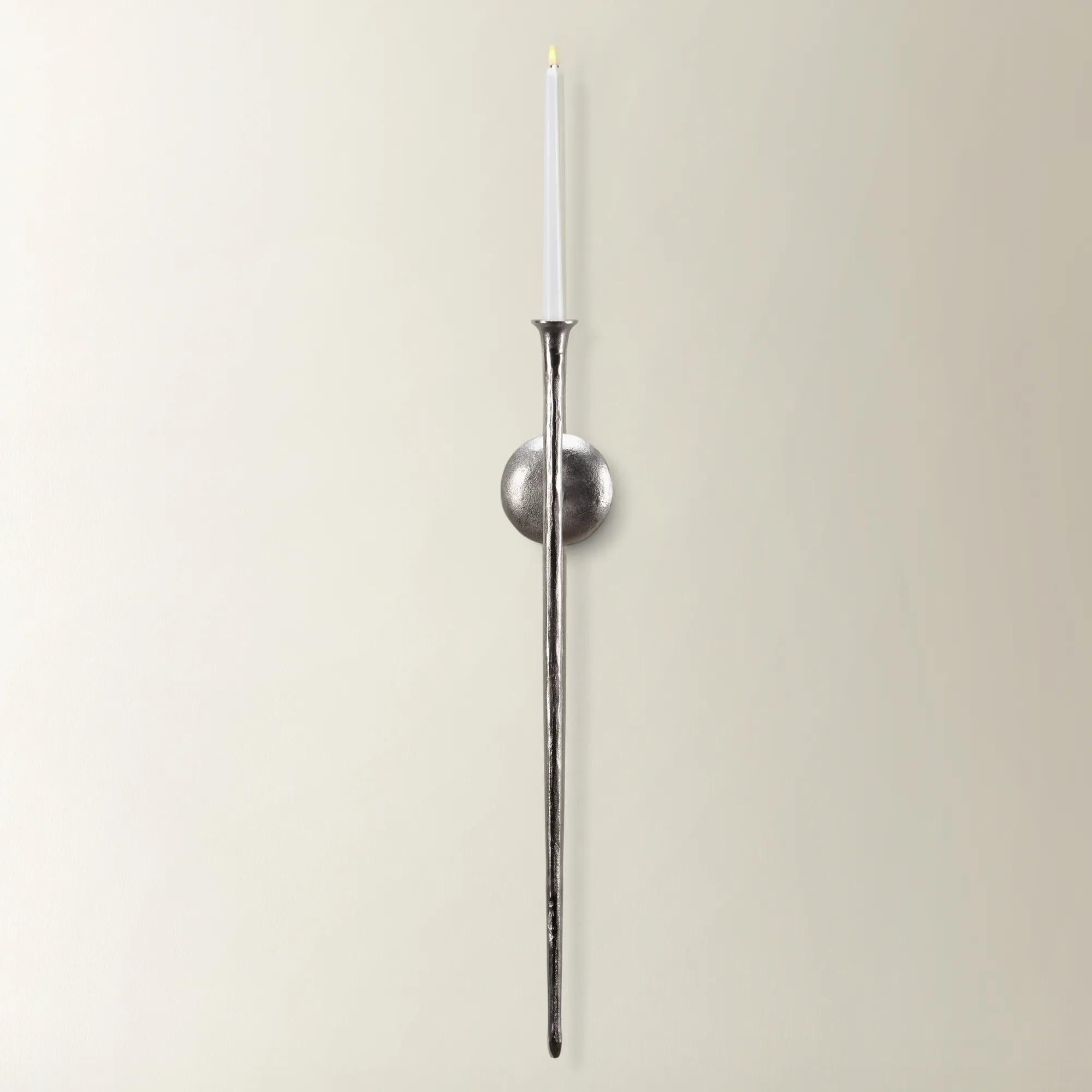
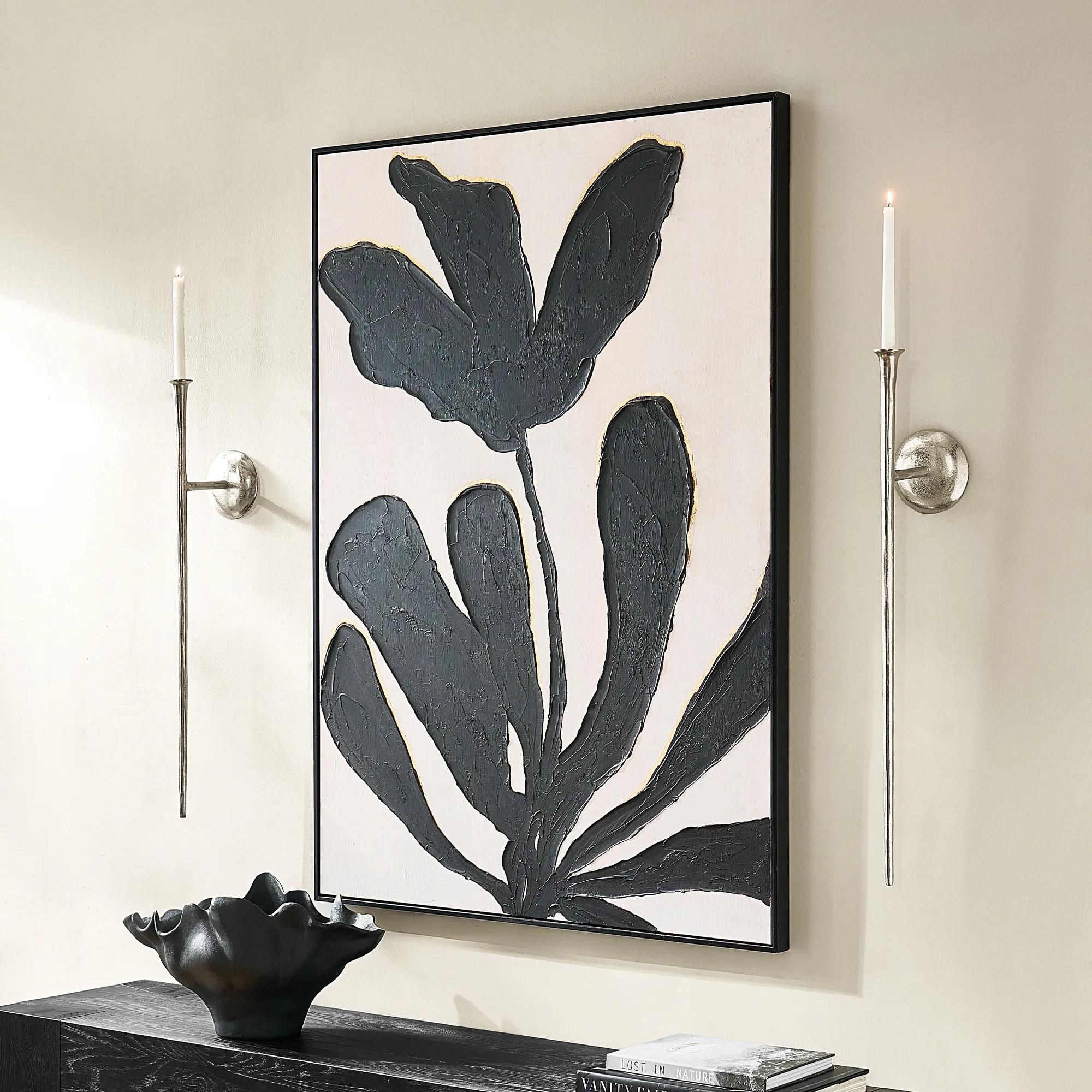 Aspar Silver Aluminum Candle Wall Sconce Large 33"$59
A slender metal wall sconce available in silver, gold, or black for elegant candlelit ambiance.
Add To Cart -
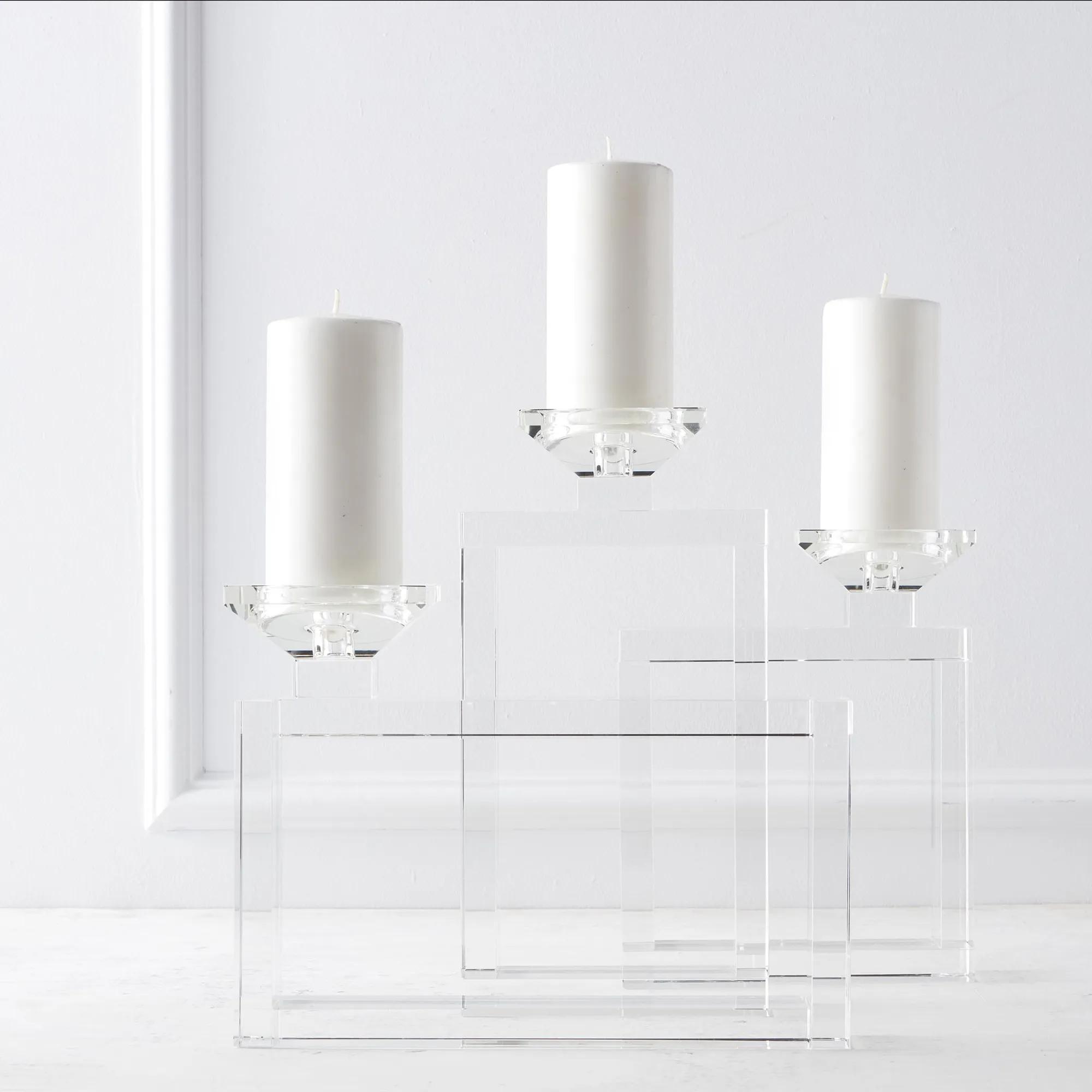
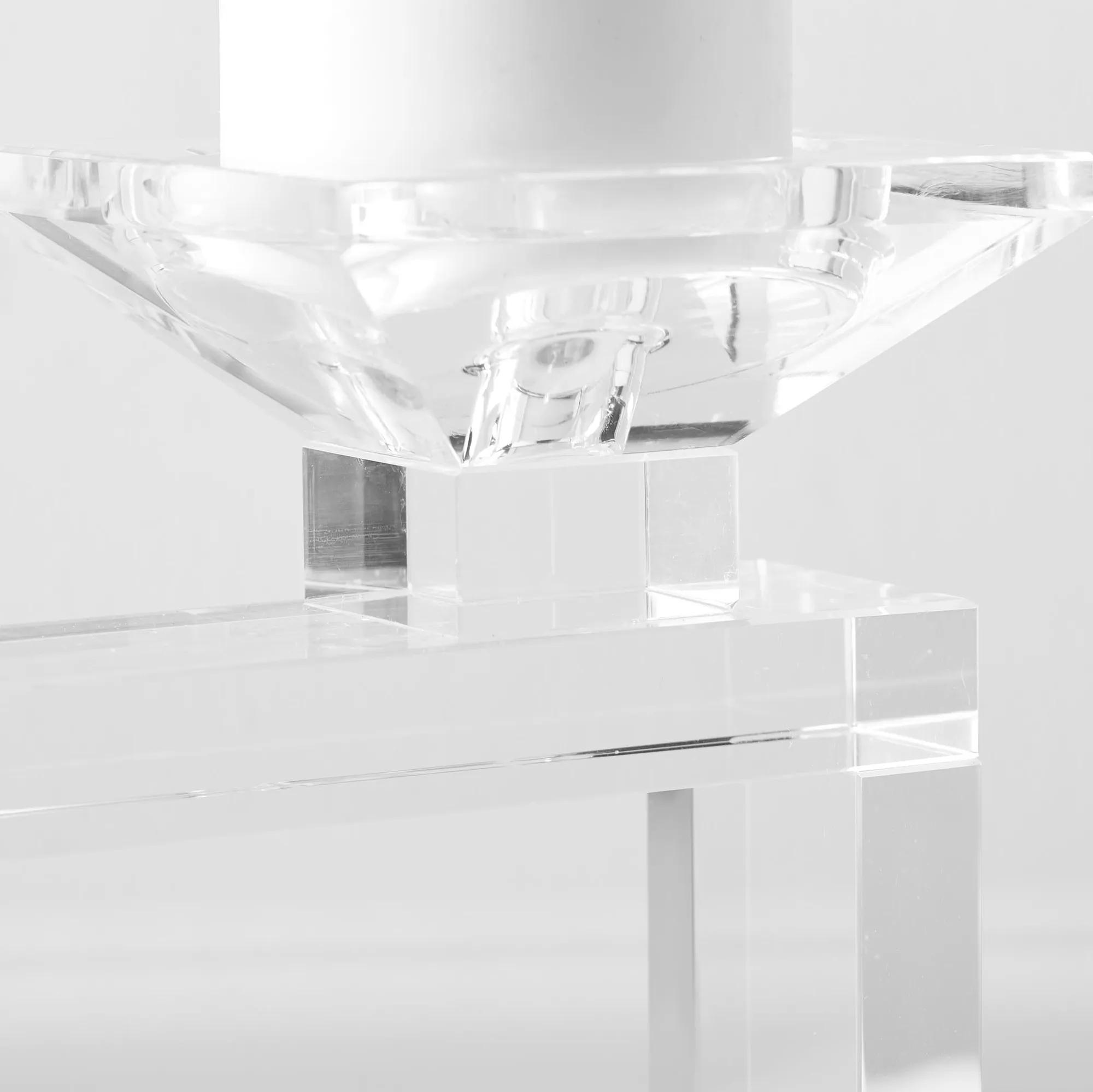 Linx Clear Crystal Glass Pillar Holders$119
A sparkling clear crystal glass holder with an open geometric base for standard pillar candles.
Add To Cart -
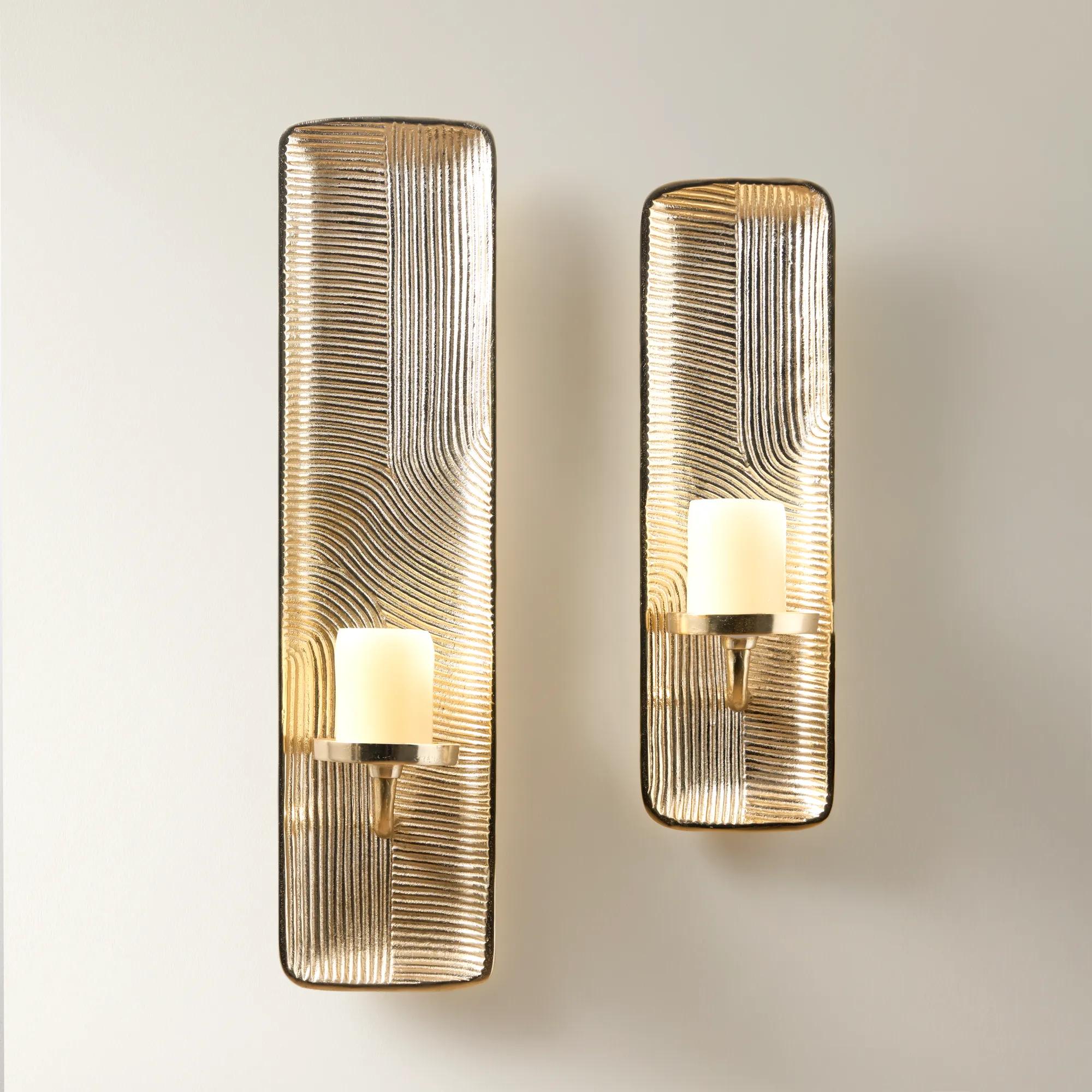
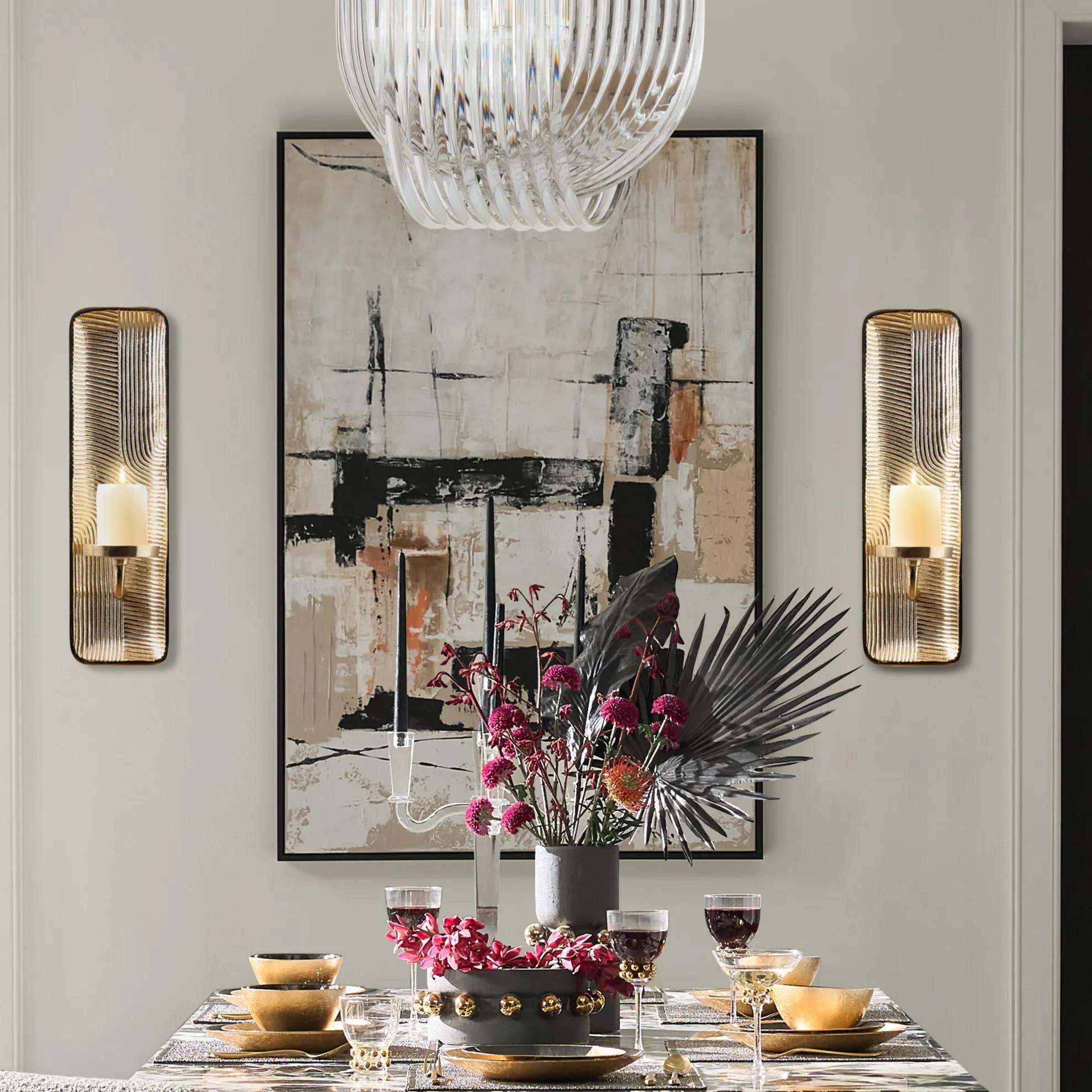 Ando Gold Aluminum Wall Sconces$99
A hand-wrought gold aluminum sconce that adds understated elegance and ambient candlelit glow to any space.
Add To Cart -
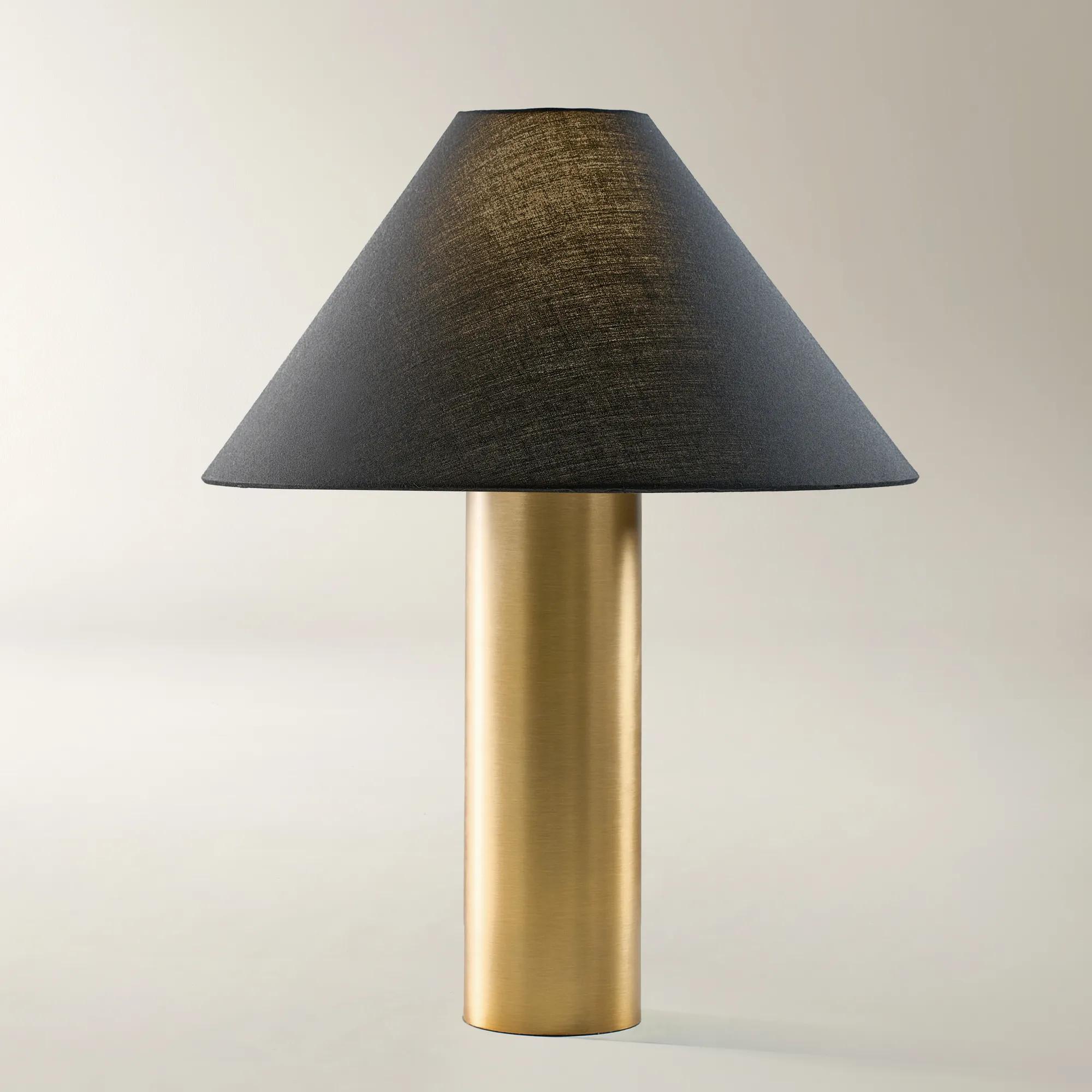 Tova Brushed Brass/Black Table Lamp 20.5"$299
A sculptural brushed brass iron base pairs with a tailored black cotton shade for bold, modern contrast.
Add To Cart -
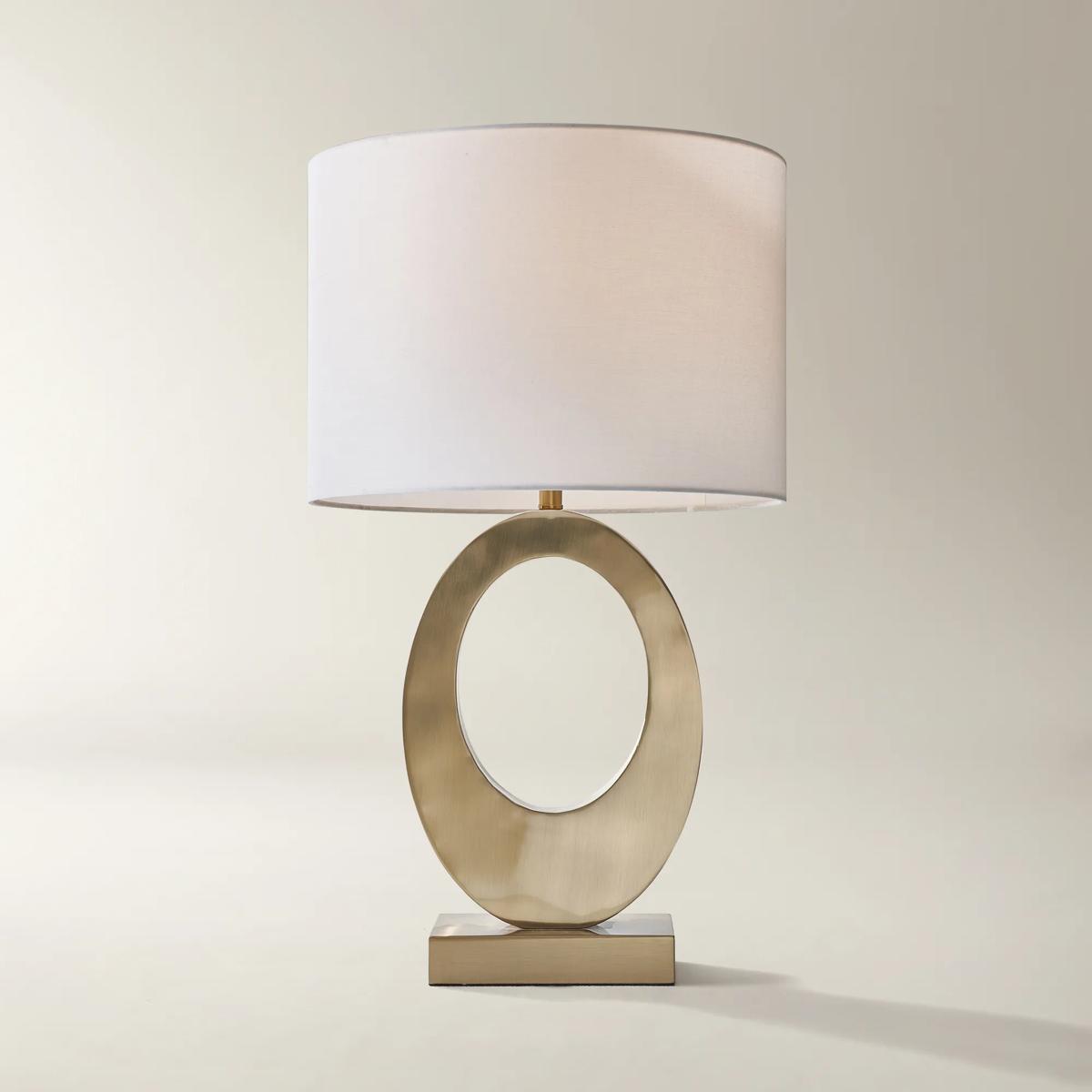 Loop Champagne Gold Metal Table Lamp 26.25"$399
A sculptural iron lamp in champagne gold with a beige cotton drum shade for warm, diffused lighting.
Add To Cart -
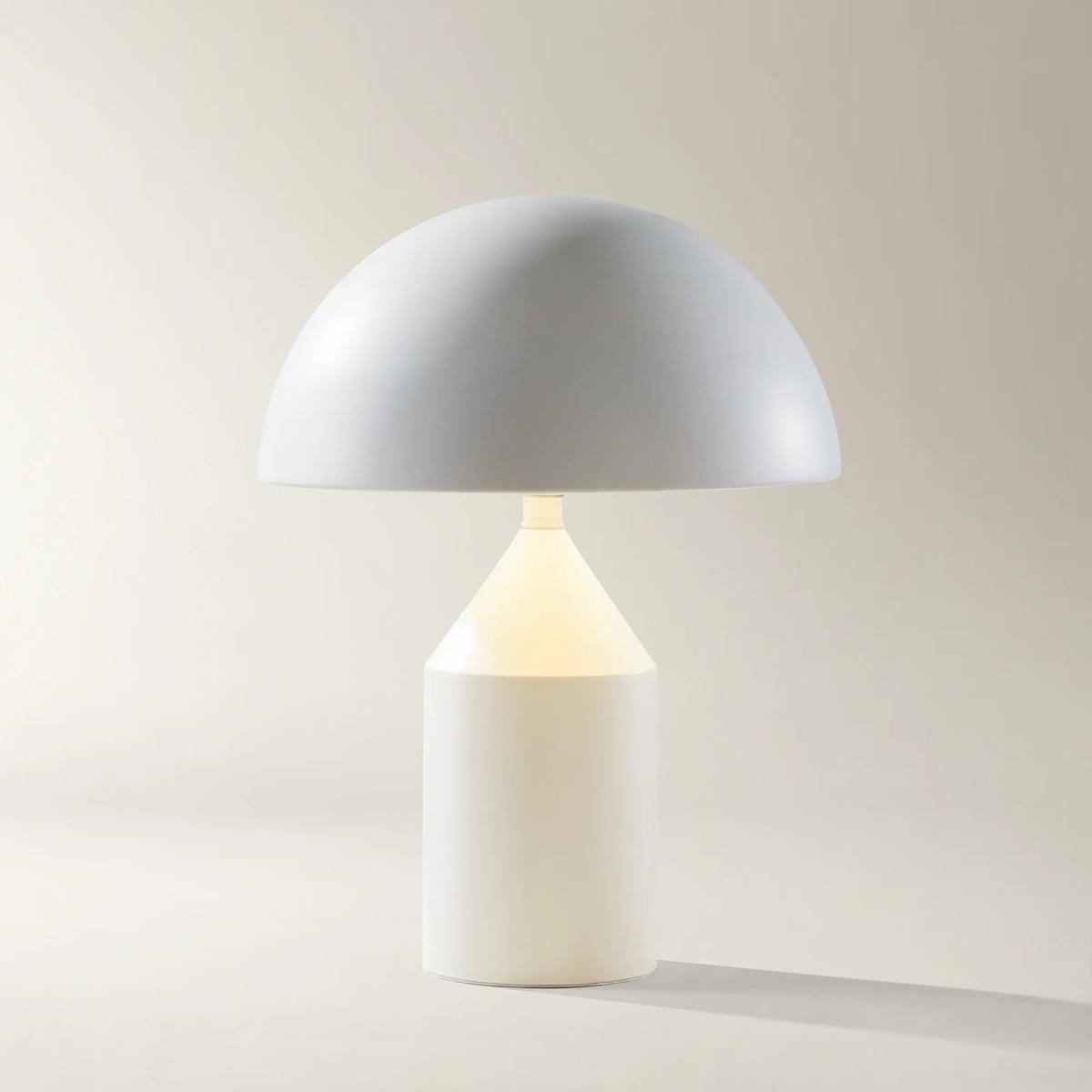
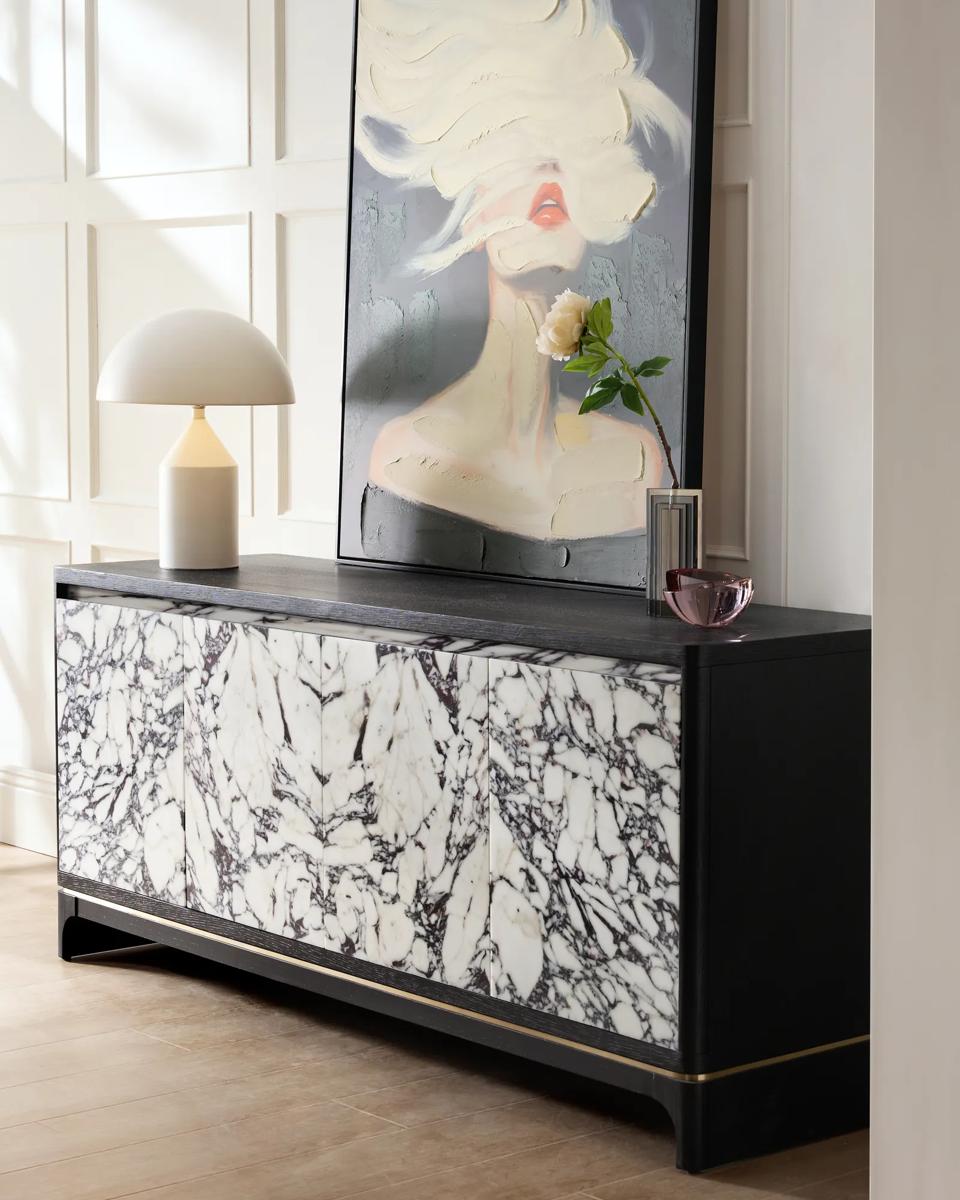 Arlen Metal Table Lamp - White$249
A satin white iron lamp with clean lines and a dome shade for modern, minimalist interiors.
Add To Cart -
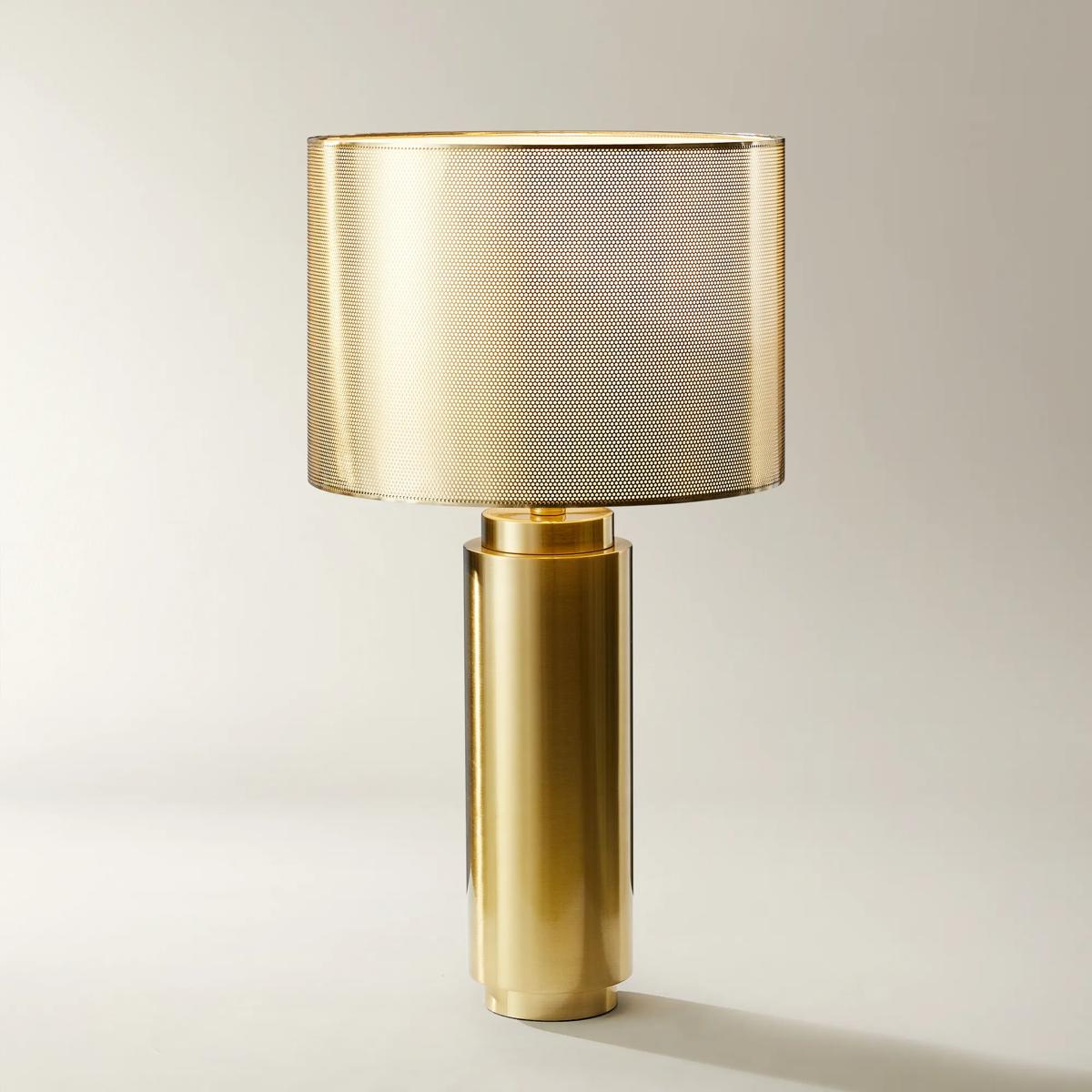
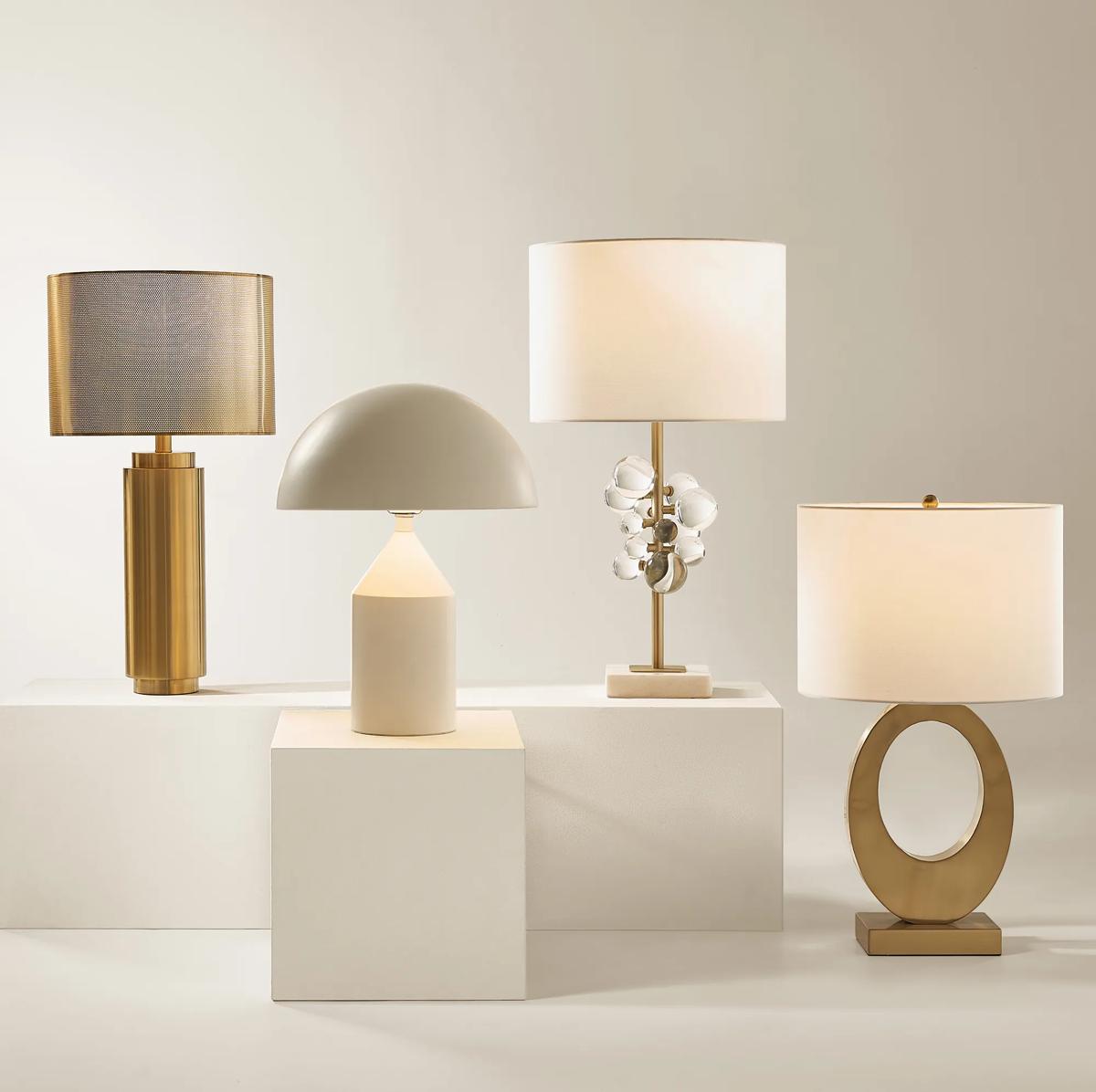 Sibyl Metal Aged Brass Finish Table Lamp 26"$399
A modern table lamp featuring an aged brass iron base and a perforated metal-over-cotton shade.
Add To Cart -
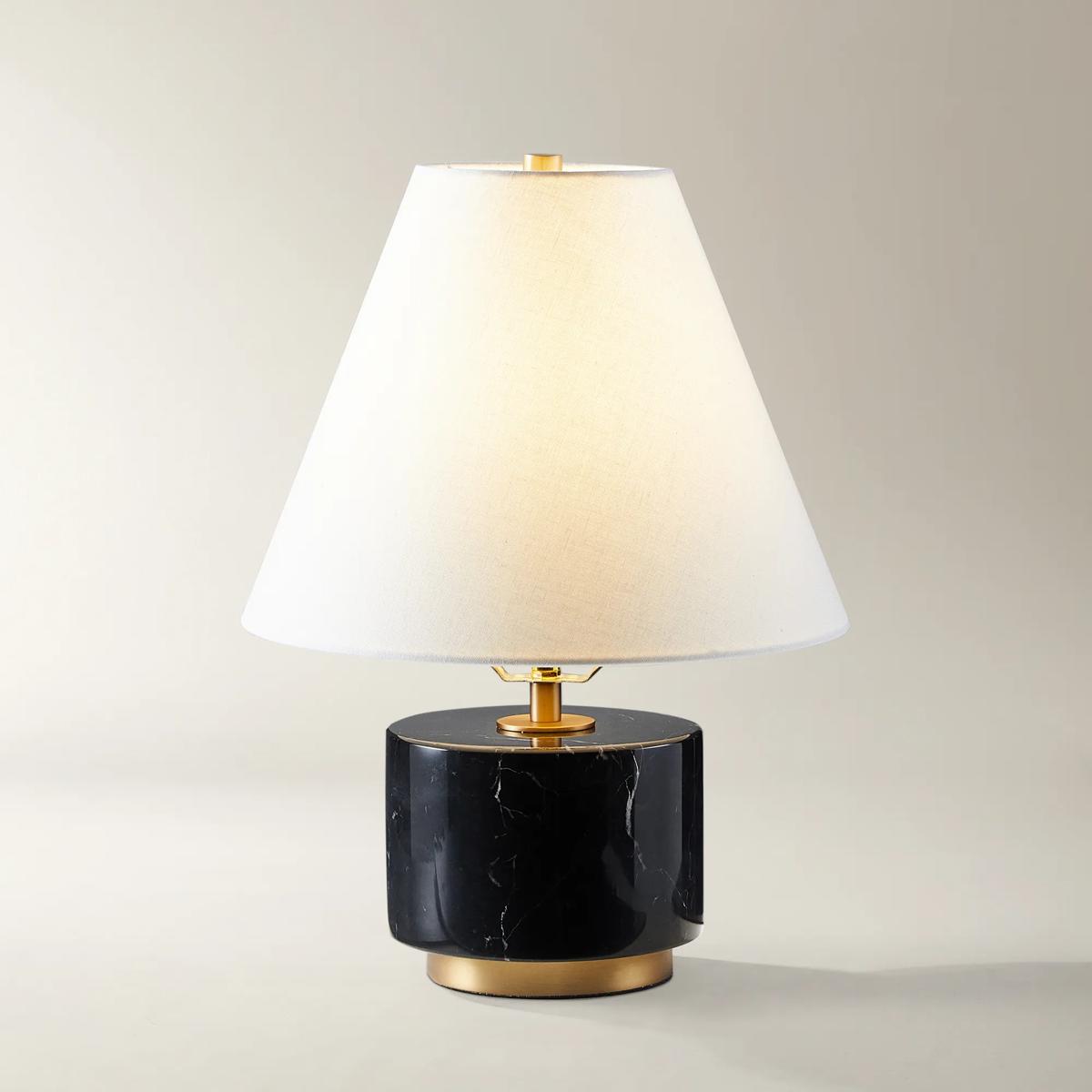
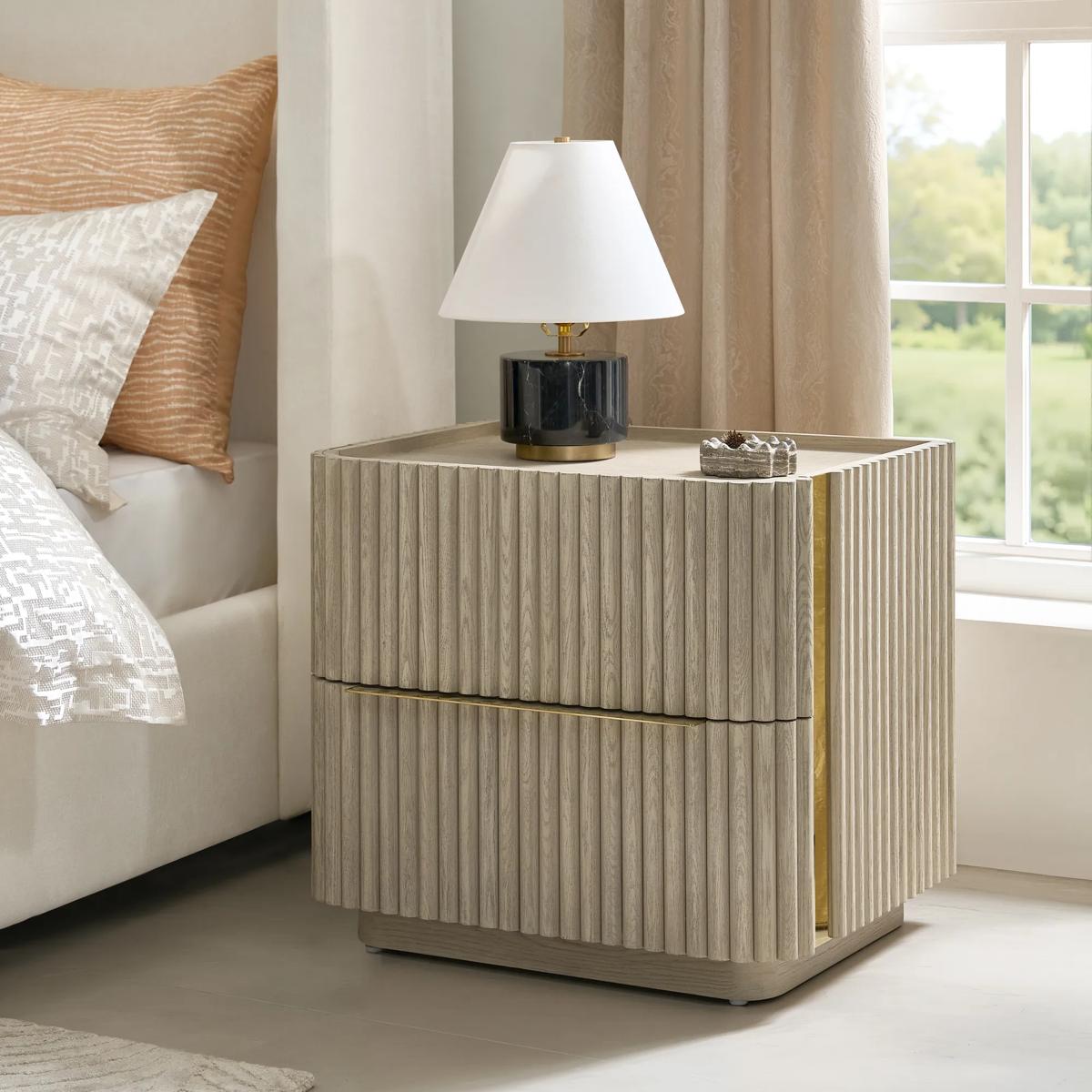 Arden Black Marble Table Lamp 14"$249
A sculptural black marble lamp with brushed brass accents and a warm white linen tapered shade.
Add To Cart -
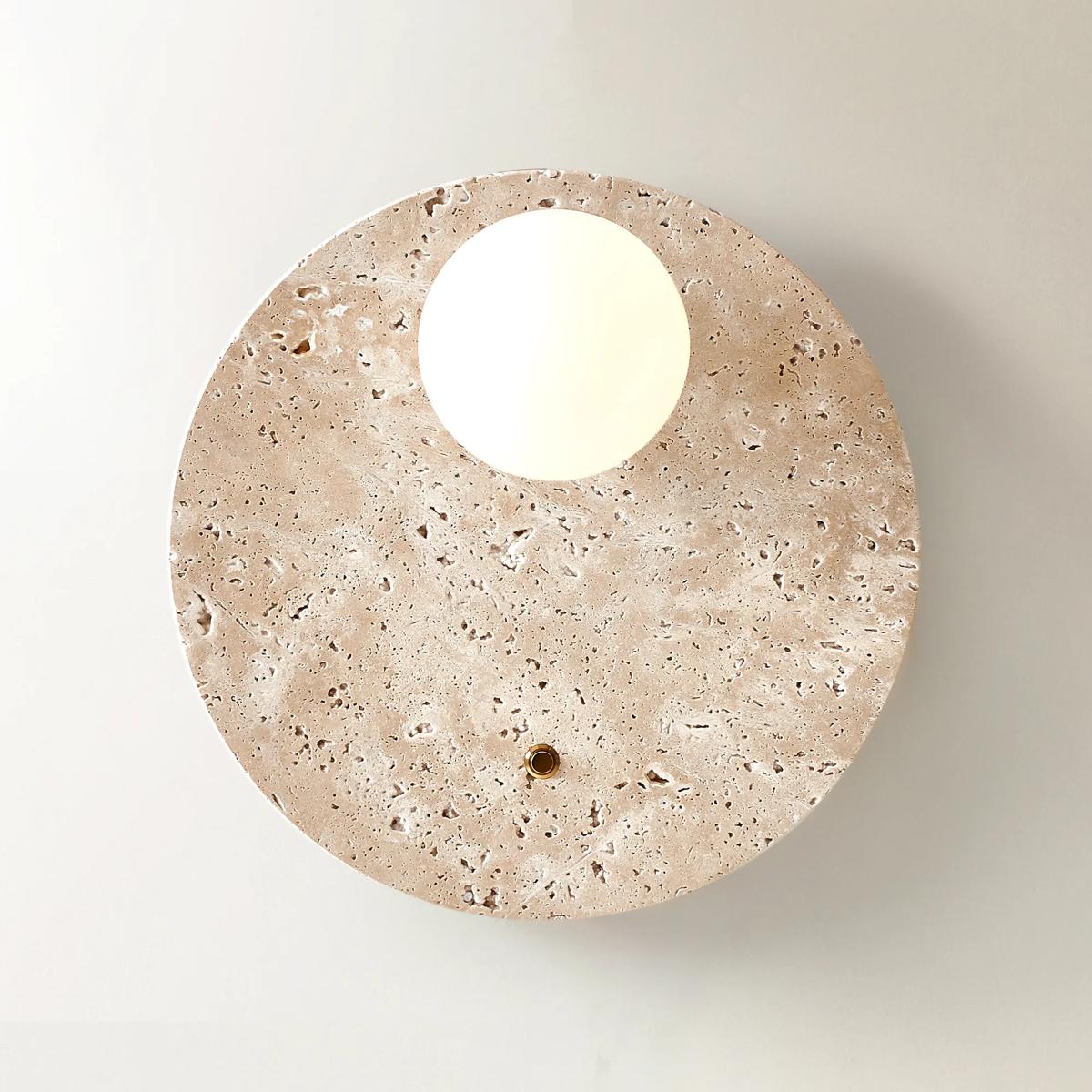
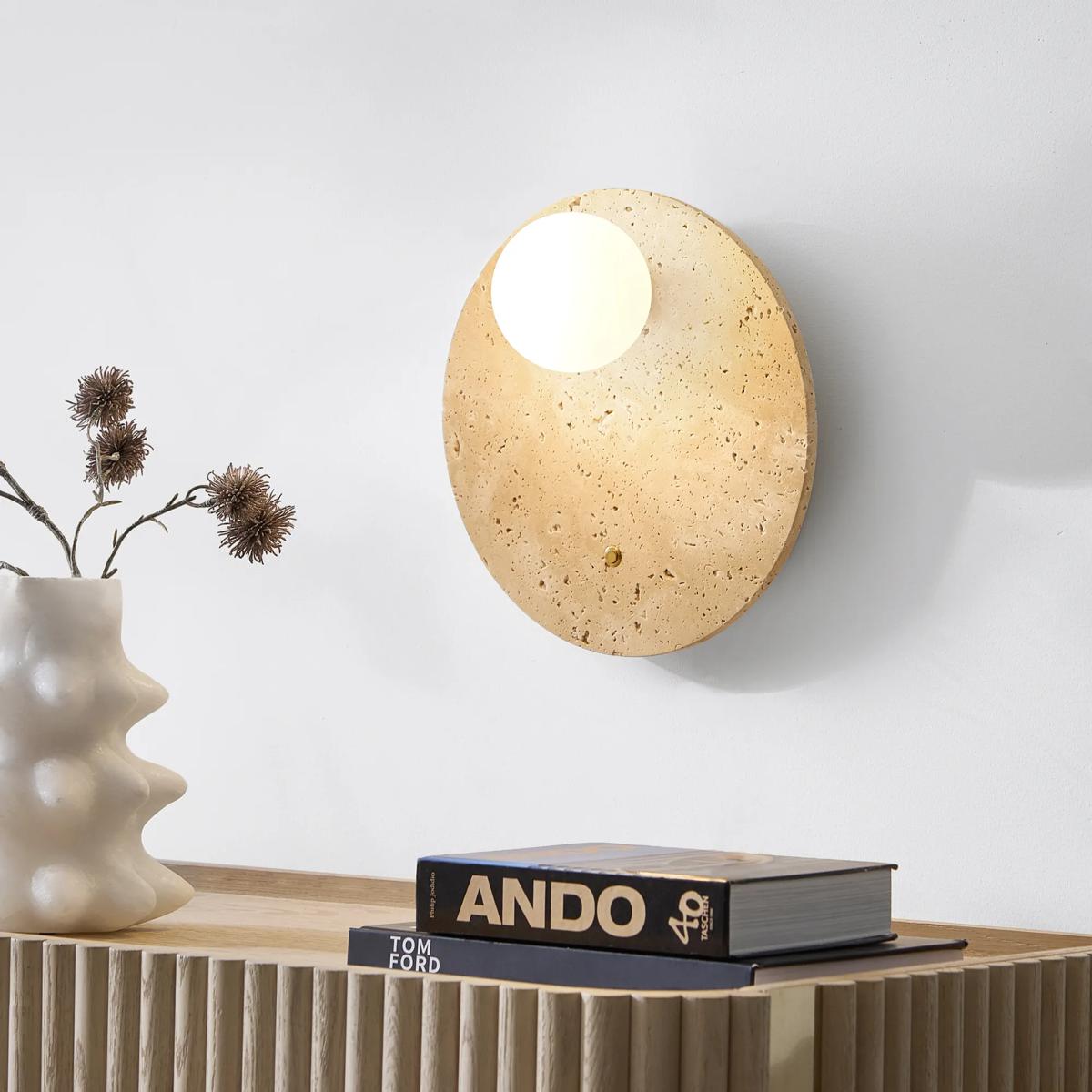 Eden Travertine Sconce 11.75"$149
A sculptural wall sconce crafted from genuine travertine and frosted glass for a softly diffused glow.
Add To Cart -
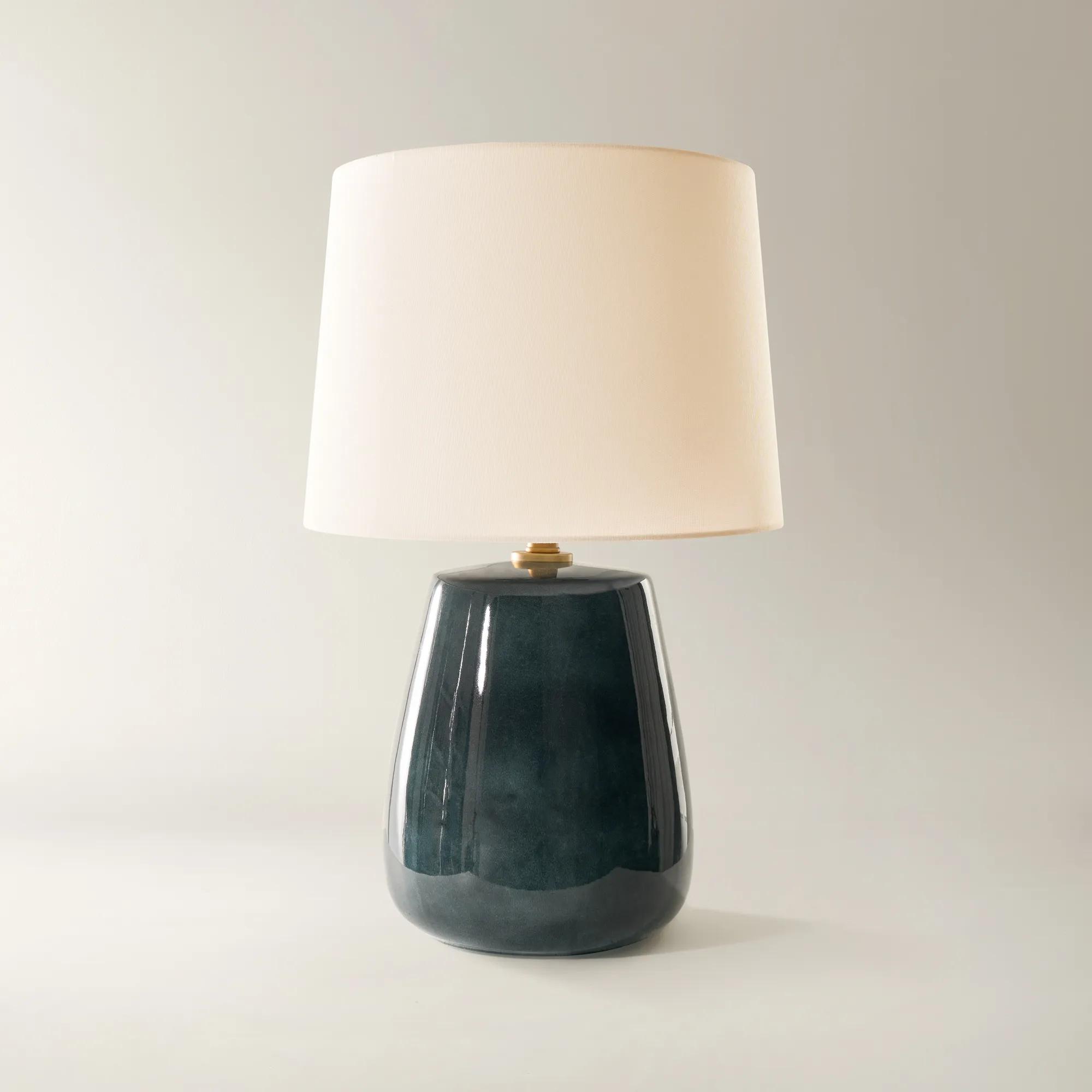
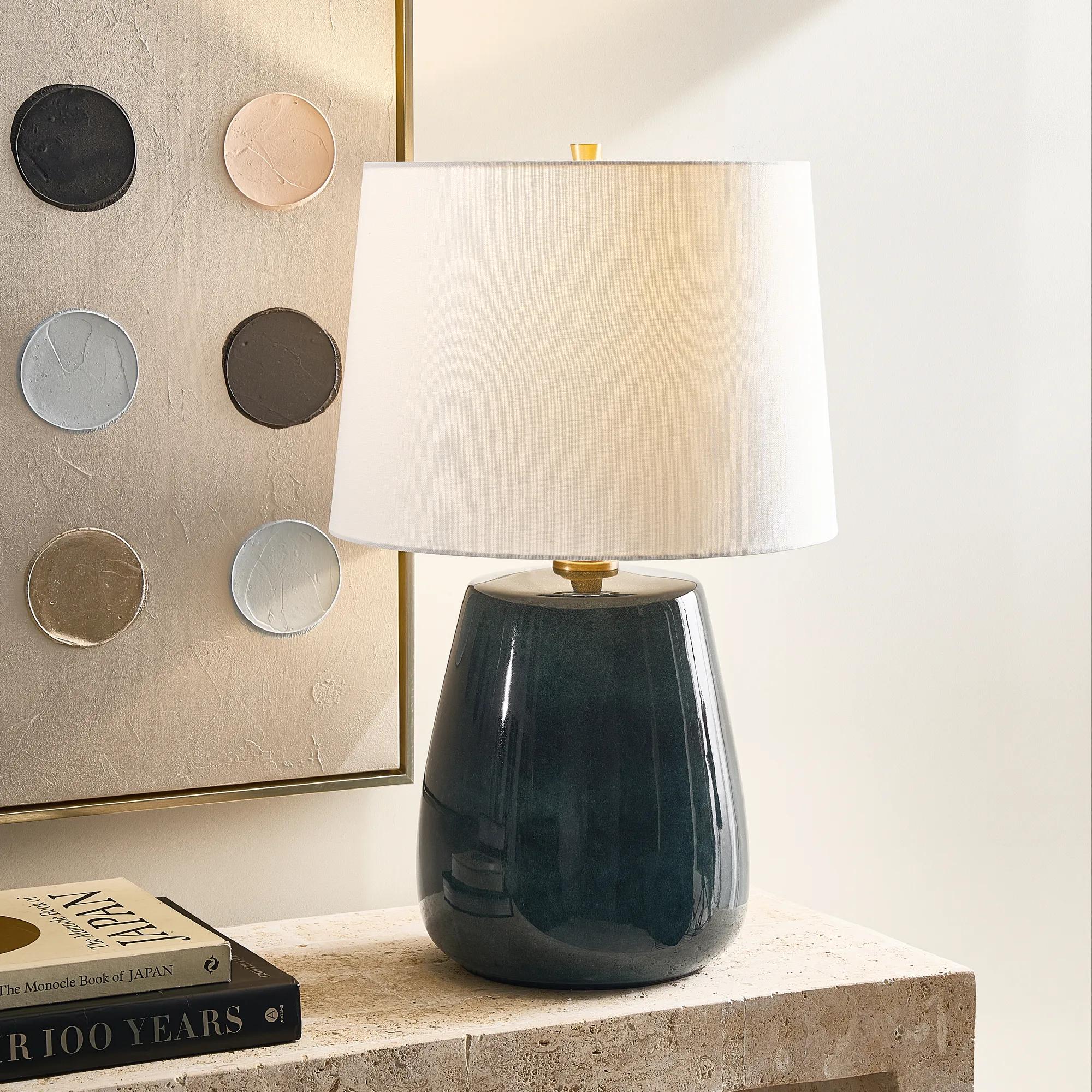 Mavi Reactive Glaze Ceramic Table Lamp$199
A blue reactive-glaze ceramic table lamp adding artisanal texture and ambient style to modern interiors.
Add To Cart -
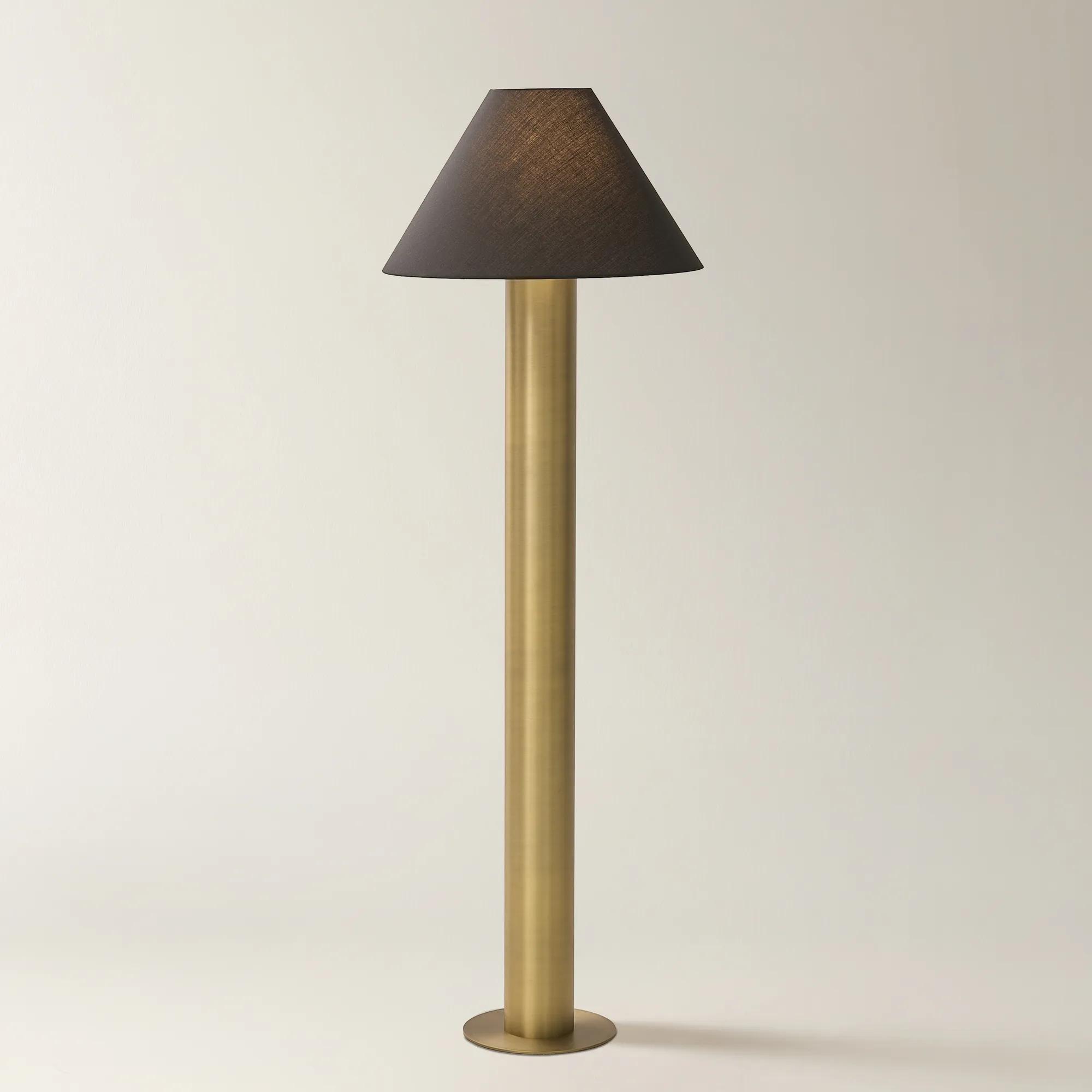
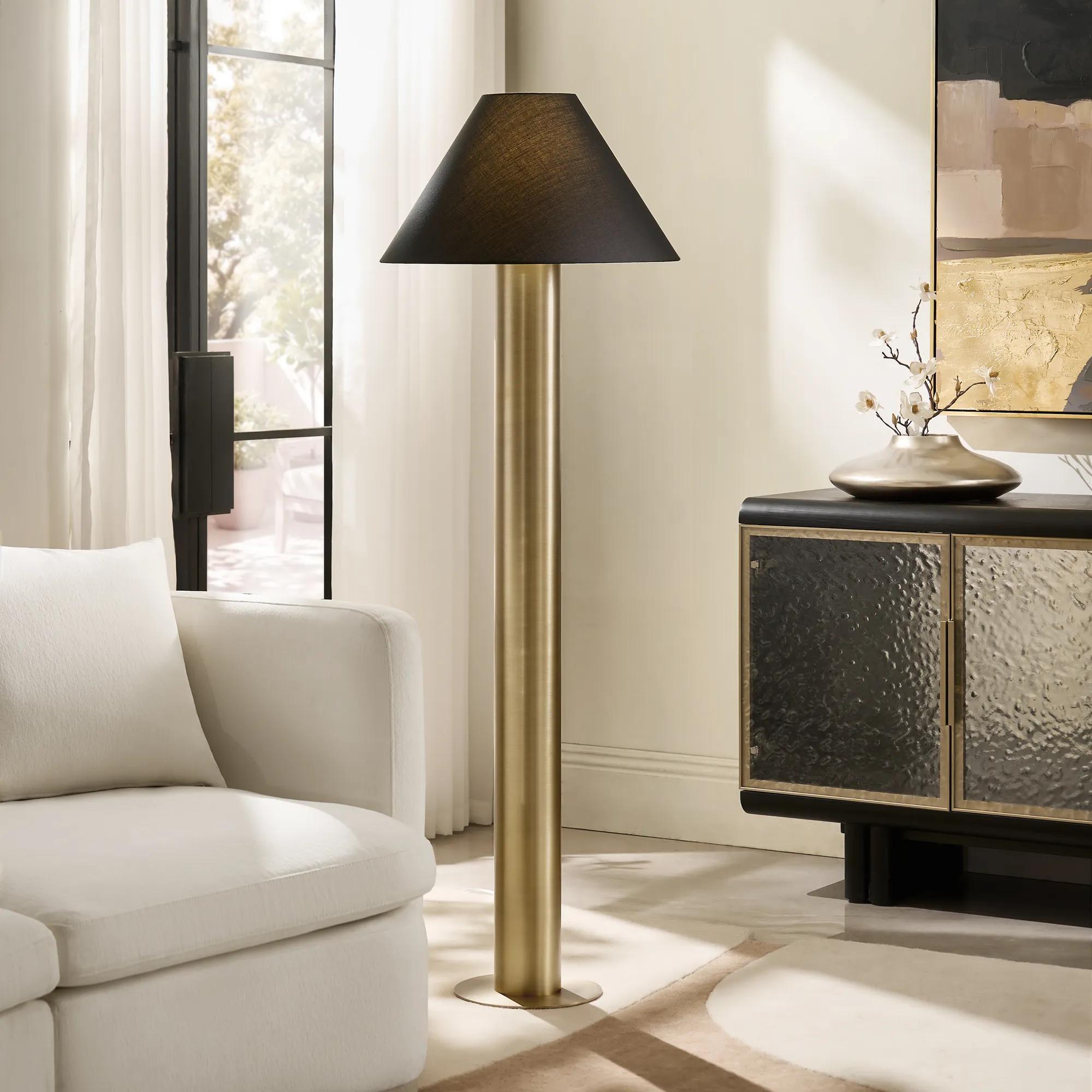 Tova Brushed Brass/Black Floor Lamp 60"$699
A sculptural brushed brass iron frame pairs with a tailored black cotton shade for modern, moody ambiance.
Add To Cart -
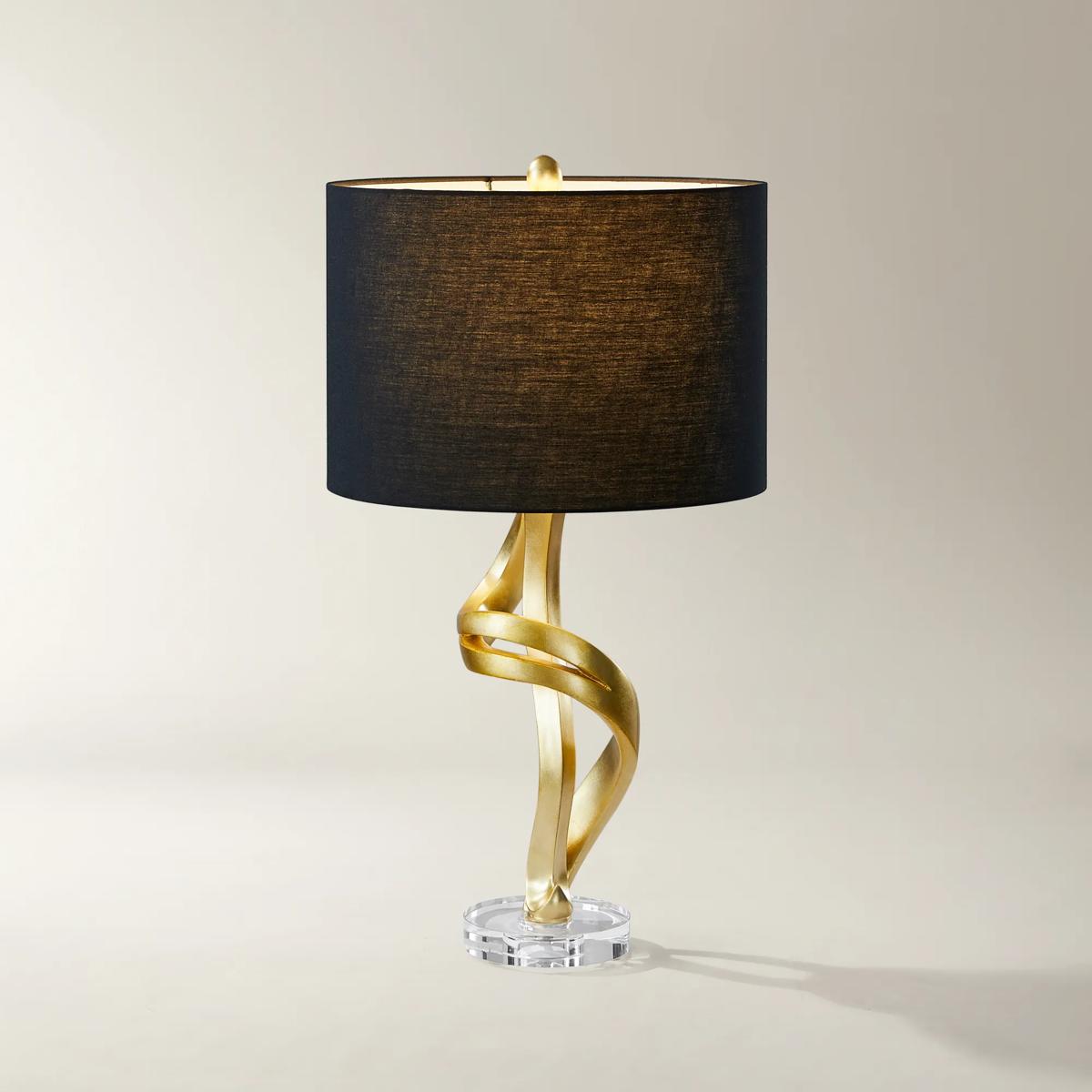
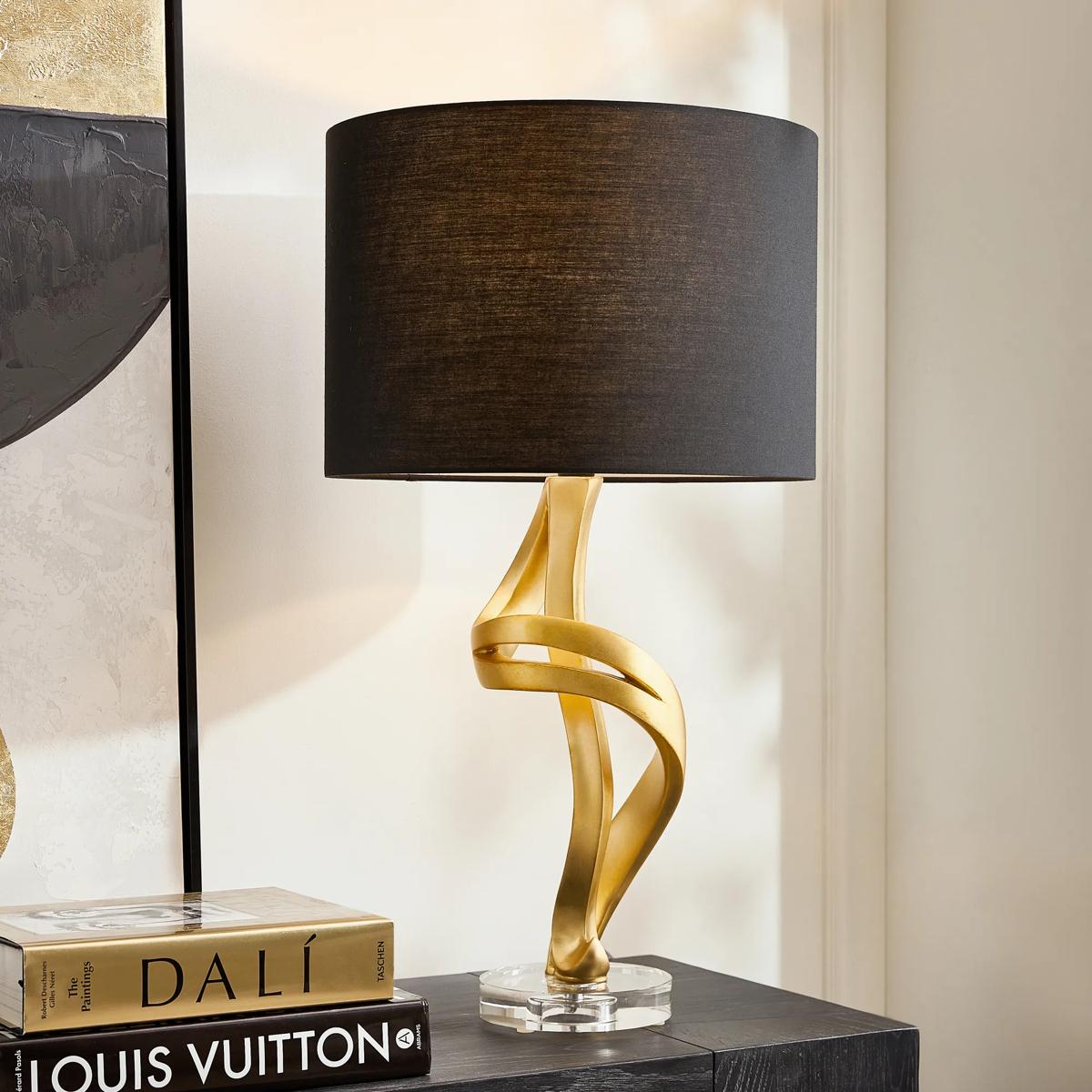 Nisa Sculptural Champagne Resin Table Lamp 28.25"$399
A sculptural resin lamp in champagne gold with a black cotton drum shade and clear acrylic base.
Add To Cart -
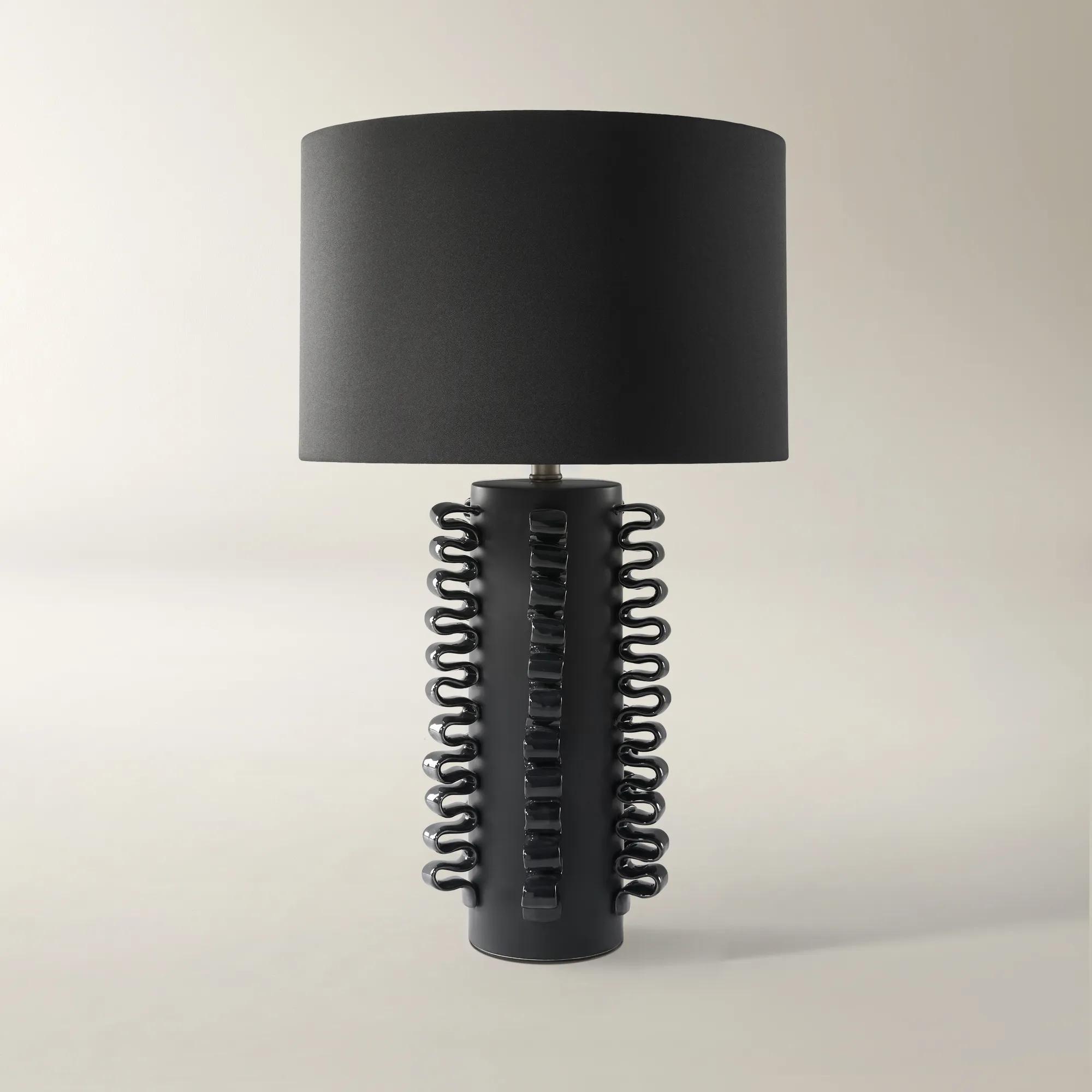
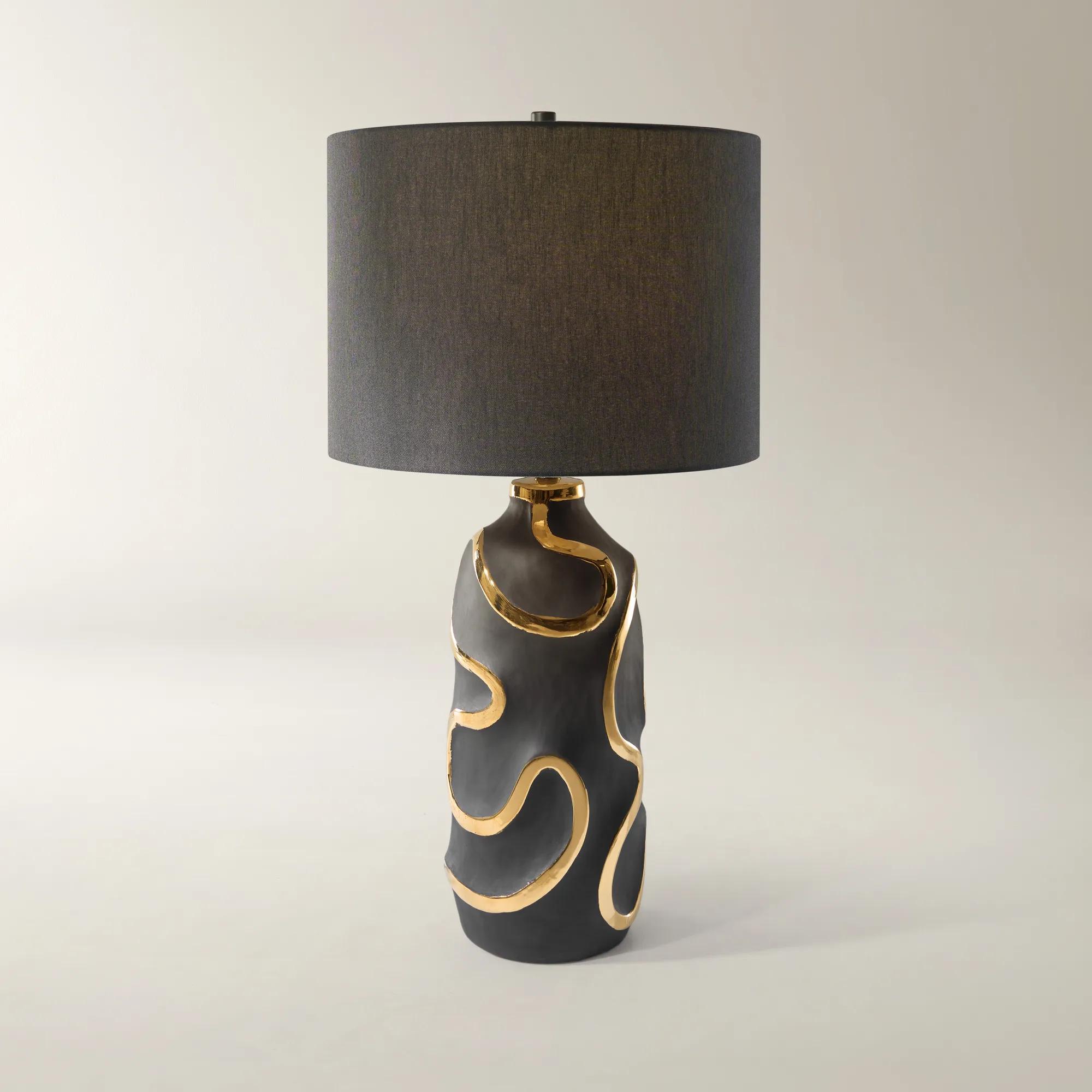 Seraphina Black/Gold Ceramic Table Lamp 32"$249
A matte black ceramic lamp with electroplated gold loops and adjustable three-level lighting.
Add To Cart

Lighting For Dorm Rooms
Lighting for dorm rooms is more than a practical necessity—it’s the secret ingredient that transforms compact quarters into captivating sanctuaries. With every flicker and glow, lighting sets the mood, sparks creativity, and elevates even the simplest study nook into a stage for self-expression. Whether you crave a wash of golden radiance or a touch of sculptural drama, the right illumination turns your dorm room into a personal atelier—brilliantly bold, endlessly inspiring, and unapologetically yours.
Lighting for dorm rooms brings definition, warmth, and personality to a space that often begins with bare walls and a single unforgiving overhead fixture. Desk lamps illuminate coursework, bedside lamps soften the transition from a busy day to a quieter evening, and ambient lighting gives the entire room a more inviting presence. Together, these layers allow a compact room to feel composed rather than crowded, with distinct moods for studying, relaxing, and welcoming friends. A shaded table lamp can cast a pool of golden light across a dresser, turning an everyday surface into a polished vignette. A slender desk lamp keeps an open textbook clearly illuminated without surrendering valuable space for a laptop, while a directional clip-on light can serve a lofted bed where a nightstand is out of reach. Where residence hall policies permit them, string lights lend a delicate shimmer above a headboard or along a display of photographs; their role is atmosphere rather than the concentrated illumination needed for reading. Removable wall sconces and rechargeable accent lights can also bring light to awkward corners, though mounting requirements, charging needs, and housing rules deserve attention before placement. The most comfortable arrangement balances useful brightness with softer light at eye level, reducing the stark contrast between a glowing screen and a dark room. Warm white bulbs, often labeled around 2700K to 3000K, create a mellow backdrop for winding down, while a brighter, neutral-white task light may suit detailed work. Brightness is measured in lumens, not simply wattage, and an adjustable light level offers flexibility when the same desk serves as a study station, dressing table, and place to sketch. That versatility matters in a shared room: a focused beam aimed toward a notebook is more considerate than flooding both beds with light. The result is a space with presence and purpose, equally suited to an ambitious study session and the welcome stillness that follows.
The character of dorm room lighting comes as much from its materials and proportions as from its glow. Metal bases introduce crisp definition, whether the finish is softly brushed or gleaming enough to catch the colors around it. Glass lends visual lightness to a narrow dresser, while ceramic brings a more grounded, sculptural quality that can hold its own against bold bedding or expressive wall art. Clear or reflective surfaces may reveal fingerprints more readily, and breakable materials call for thoughtful placement away from busy walkways and the edge of a desk. A fabric shade diffuses light into a gentle wash; an opaque shade directs it more deliberately, making the distinction especially relevant beside a bed or work surface. Exposed bulbs create a sharper decorative effect, but their brightness can feel intrusive when positioned directly in a seated line of sight. Scale is equally important. A lamp should leave room for the objects that make the surface useful, from a water bottle and alarm clock to a stack of course notes. Height affects comfort as well as appearance: the shade and bulb need to sit where they illuminate the task without shining directly into the eyes. For clamp-on lighting, the clamp opening and mounting surface must be compatible, with a secure grip that does not damage the furniture. Wall-mounted options require an equally careful match between the mounting system, wall finish, fixture weight, and campus policy; removable adhesive does not guarantee a mark-free result on every painted surface. Cord length and outlet location influence placement, especially around lofted beds, where a dangling cable can become an obstacle. Controls within easy reach, a stable base, and an adjustable arm that holds its position make daily use more graceful. In a room with limited square footage, these quiet details allow a dramatic silhouette or luminous finish to feel intentional, not inconvenient.
Durability and care give beautiful dorm lighting a life beyond a single room assignment. Sturdy construction, secure shade attachments, and a finish suited to frequent handling are valuable when a lamp will travel between home and campus or move from a desk to a bedside surface. Replaceable bulbs offer straightforward maintenance, while integrated LED fixtures deserve a closer look at their rated lifespan and service options. LED lighting generally uses less energy and gives off less heat than incandescent lighting, but every fixture still needs the correct bulb type and wattage rating, adequate ventilation, and clearance from bedding, curtains, and clothing. Dimming works only when the fixture, bulb, and control are compatible. Residence hall rules may restrict certain fixtures, extension cords, or decorative lights, so a room’s lighting arrangement needs to respect those requirements as well as the manufacturer’s directions. Battery-operated and rechargeable lights offer placement flexibility, particularly inside a dark hutch or near a bunk, although runtime, charging access, and permitted mounting methods affect their usefulness. For routine care, unplug the fixture and allow it to cool before dusting; a soft, dry cloth is often appropriate for finished bases, while shades and specialty surfaces should be cleaned according to their care instructions. Packing fragile bases and shades separately helps protect their shape and finish during a move. These practical considerations leave more room for personal expression: a sculptural lamp against tailored bedding, a soft halo beside framed photographs, or a gleaming accent that echoes the hardware on a favorite storage piece. Layered with throws for dorm rooms, warm lighting creates an inviting place to read as evenings grow darker and the room becomes a retreat from the cooler weather outside. For a student settling into a first residence hall or returning with a more confident sense of style, lighting can also be a thoughtful gift when chosen around room dimensions, outlet access, and housing requirements. More than a finishing touch, it gives a temporary address its own atmosphere: expressive, comfortable, and unmistakably personal.
FAQs
Lighting is a powerful tool for self-expression in a dorm room, allowing you to set the mood and showcase your unique style. Whether you prefer a glamorous statement lamp, a cascade of fairy lights, or a sleek modern fixture, the right lighting transforms ordinary student housing into a reflection of your personality and creativity.
Layered lighting is key to creating a cozy and inviting dorm room. Combine ambient lighting, such as string lights or a soft-glow table lamp, with task lighting for studying and accent lighting to highlight your favorite decor. This approach adds depth and warmth, making your space feel like a personal retreat.
Absolutely. Many lighting pieces are designed with versatility in mind, offering adjustable brightness or dual-purpose functionality. A chic desk lamp with a dimmer or a sleek floor lamp with multiple settings can transition seamlessly from focused study sessions to relaxed evenings with friends.
Lighting acts as both a functional necessity and a decorative accent, enhancing the textures and colors of your bedding, wall art, and accessories. Choose lighting that echoes the metallic finishes, bold hues, or sculptural shapes found elsewhere in your room to create a cohesive, artful look.
Lighting is a meaningful gift because it combines beauty, practicality, and the promise of comfort. A well-chosen lamp or set of accent lights can instantly elevate a student’s space, making it feel more like home and helping them create moments of calm and inspiration throughout the busy school year.
-compressed.jpg?w=3614&h=3614)
.jpg?w=3614&h=3614)