Dorm Room Seating Ideas
Dorm Room Seating Ideas
-
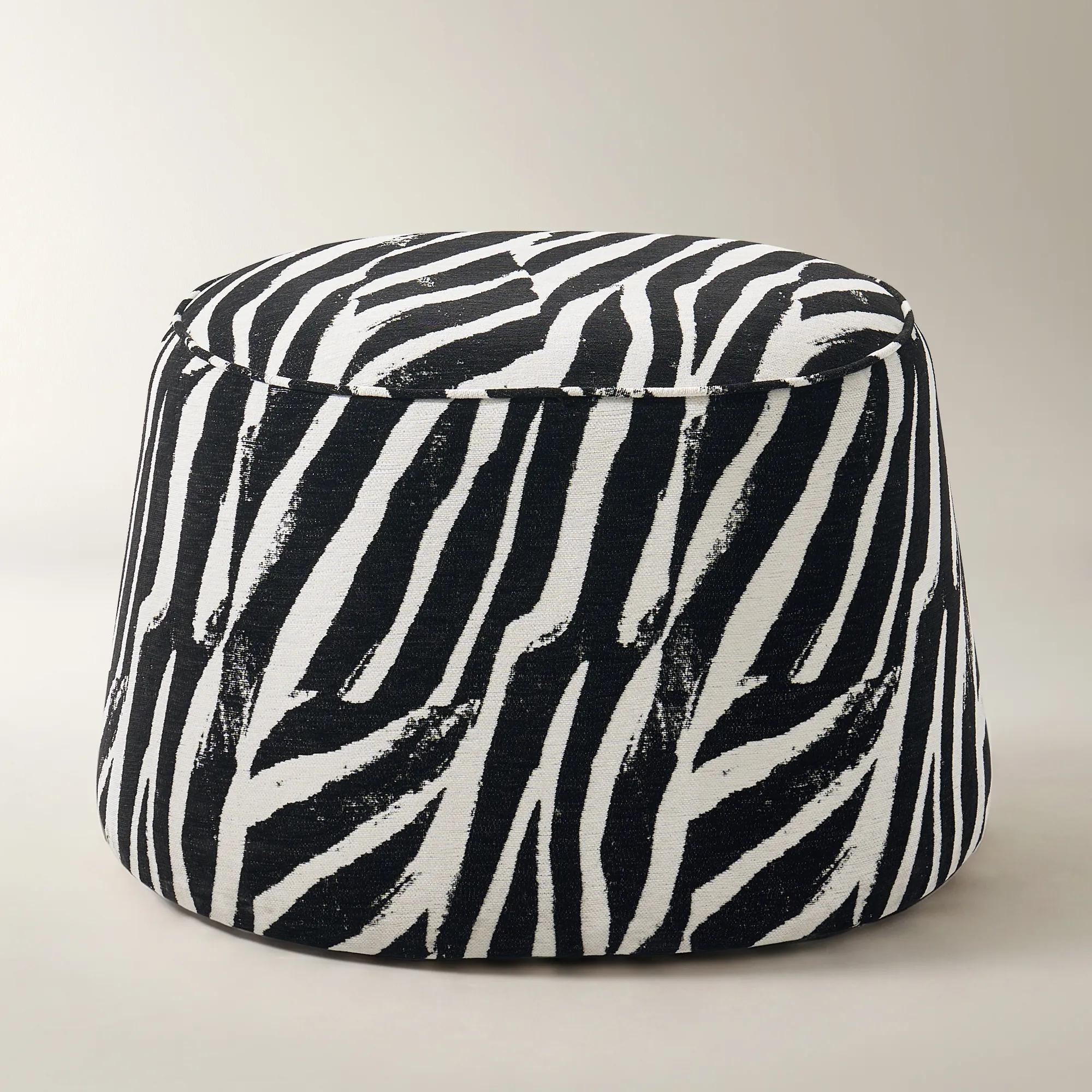 Avery White/Black Performance Chenille Stool$399
A sculpted drum accent stool in black and white performance chenille with an animal-inspired pattern.
Add To Cart -
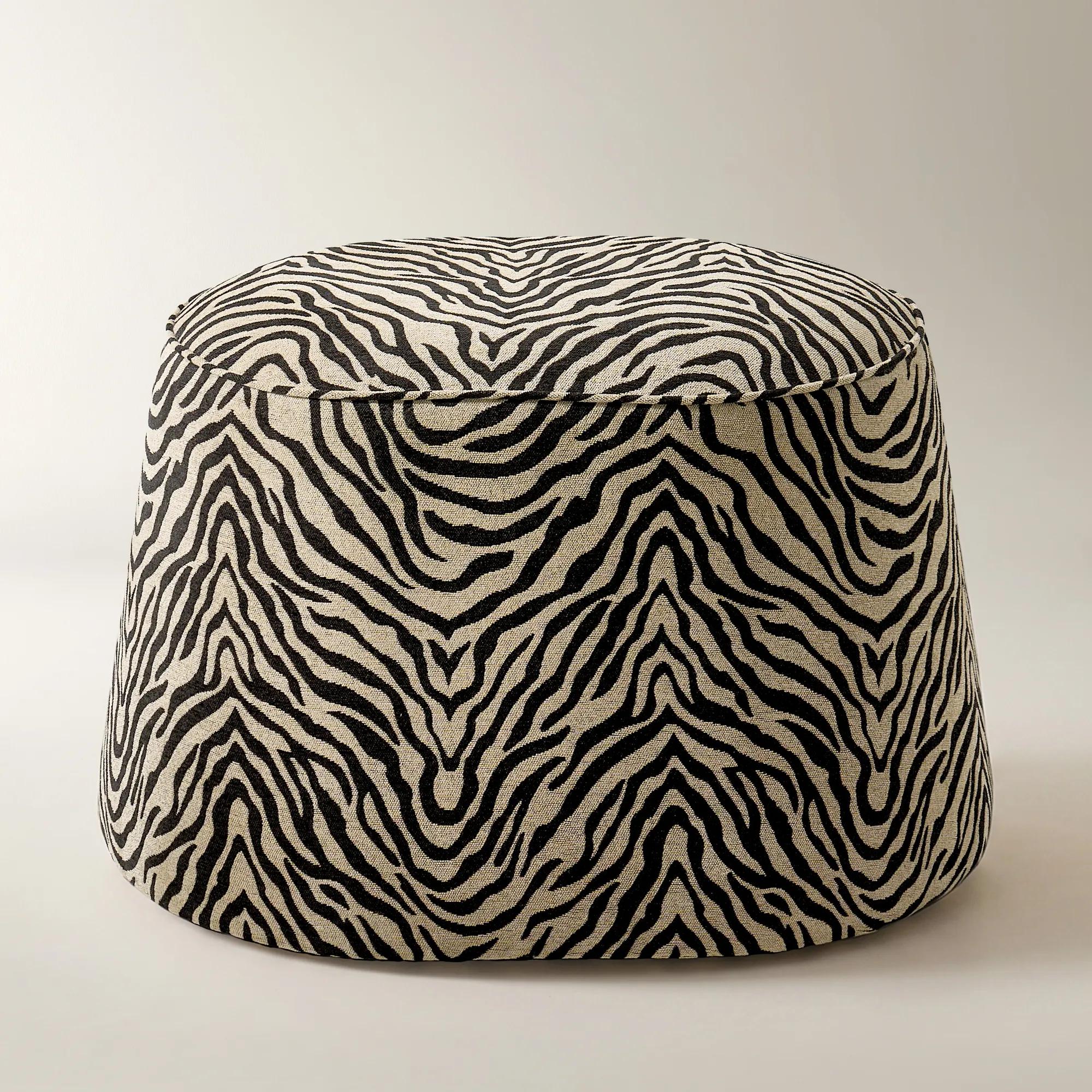 Avery Zebra Performance Chenille Stool$399
A sculpted drum-shaped accent stool upholstered in zebra-patterned performance chenille for bold, modern style.
Add To Cart -
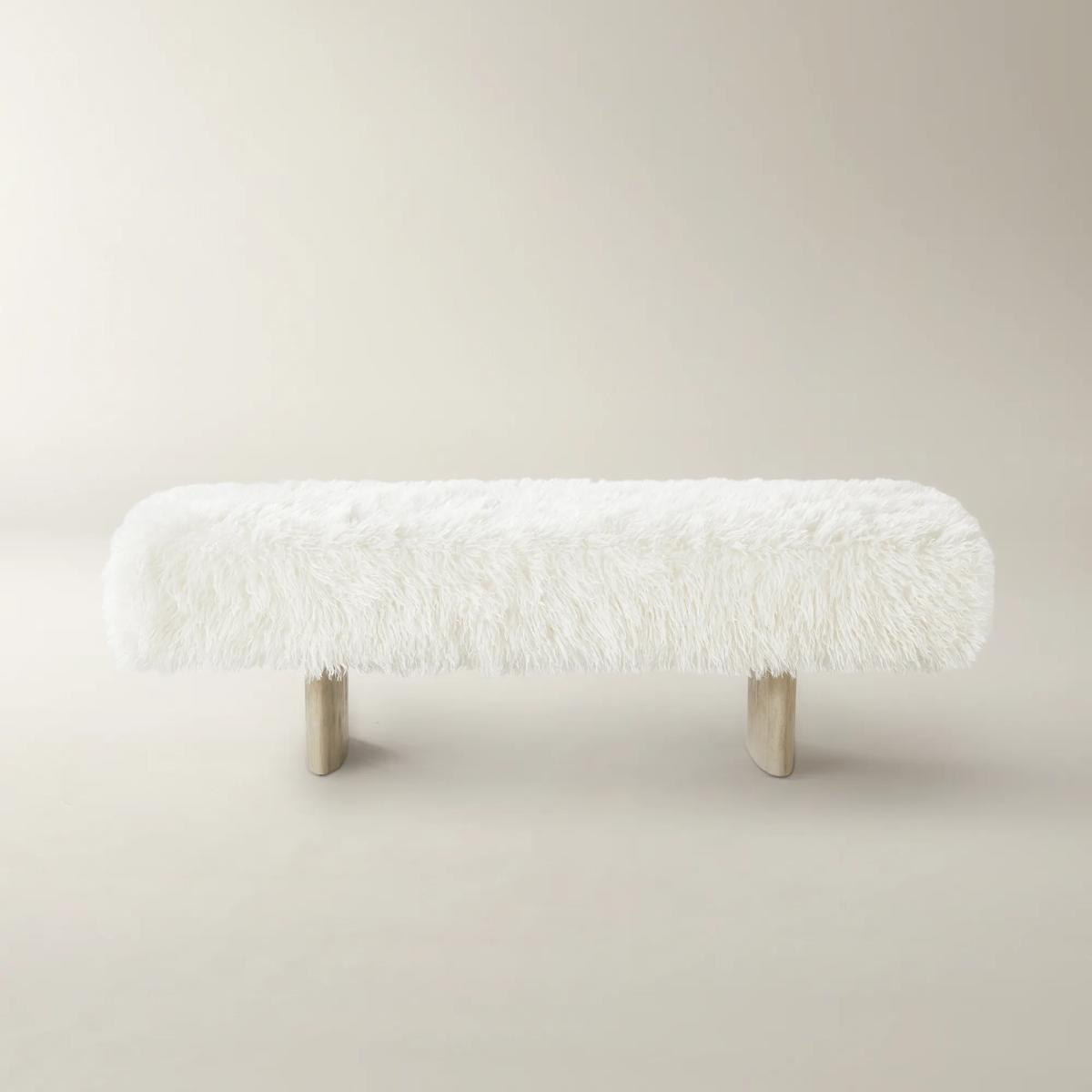 Micah Ivory Mongolian Faux Fur Bench With Rubberwood Legs (62.6")$699
An ivory faux Mongolian fur bench with high-density foam and sculptural solid rubberwood base for modern coziness.
Add To Cart -
 Fleece Fluted Gray Velvet Stool (15.55'')$229
A plush grey velvet stool with a unique ribbed texture, perfect for versatile, cozy seating or decor.
Add To Cart -

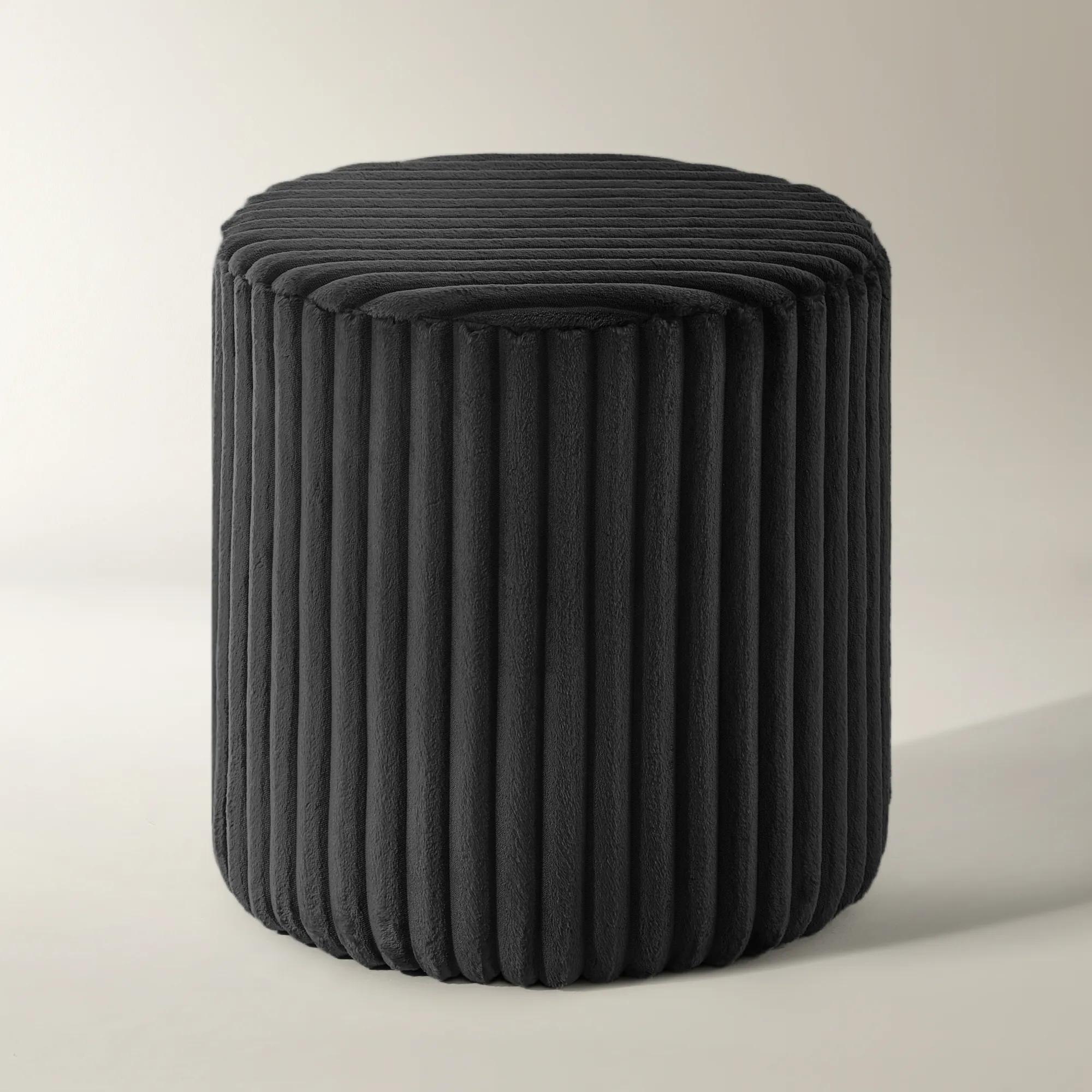 Fleece Fluted Black Velvet Stool (15.55'')$229
A plush black ribbed velvet stool offering versatile seating and cozy texture for any modern space.
Add To Cart -

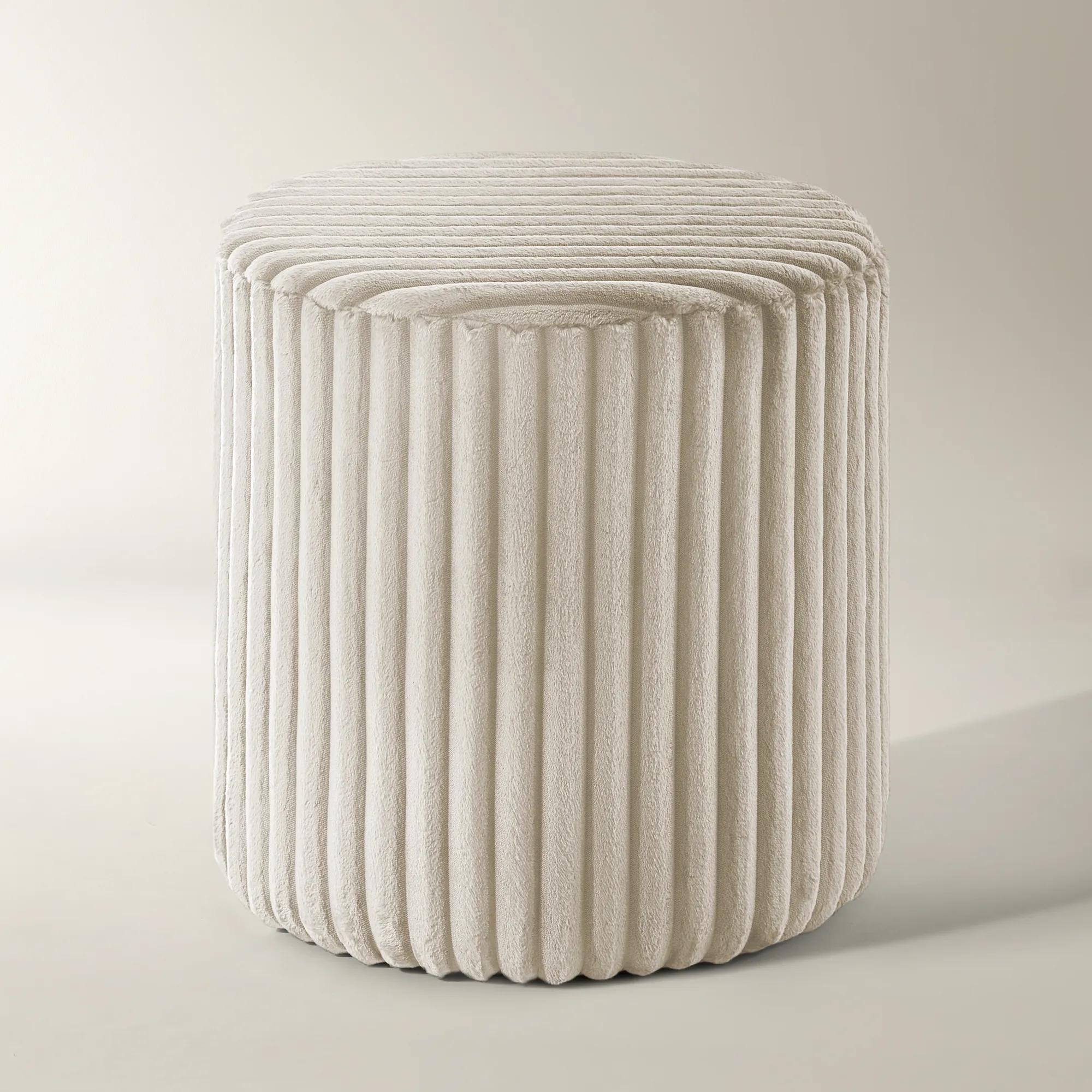 Fleece Fluted Ivory Velvet Stool (15.55'')$229
An ivory ribbed velvet stool offering cozy softness and versatile use as seating, footrest, or accent table.
Add To Cart -
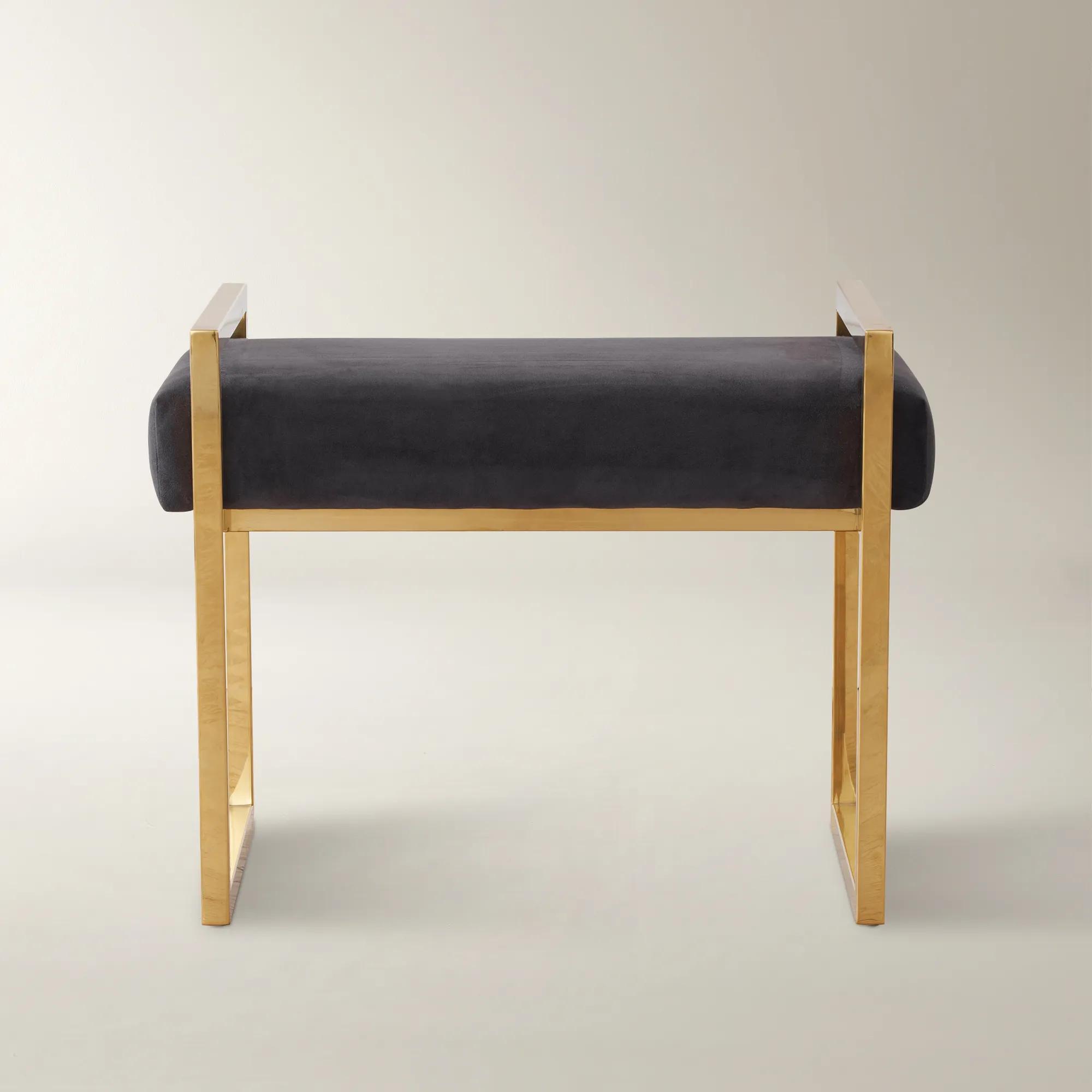
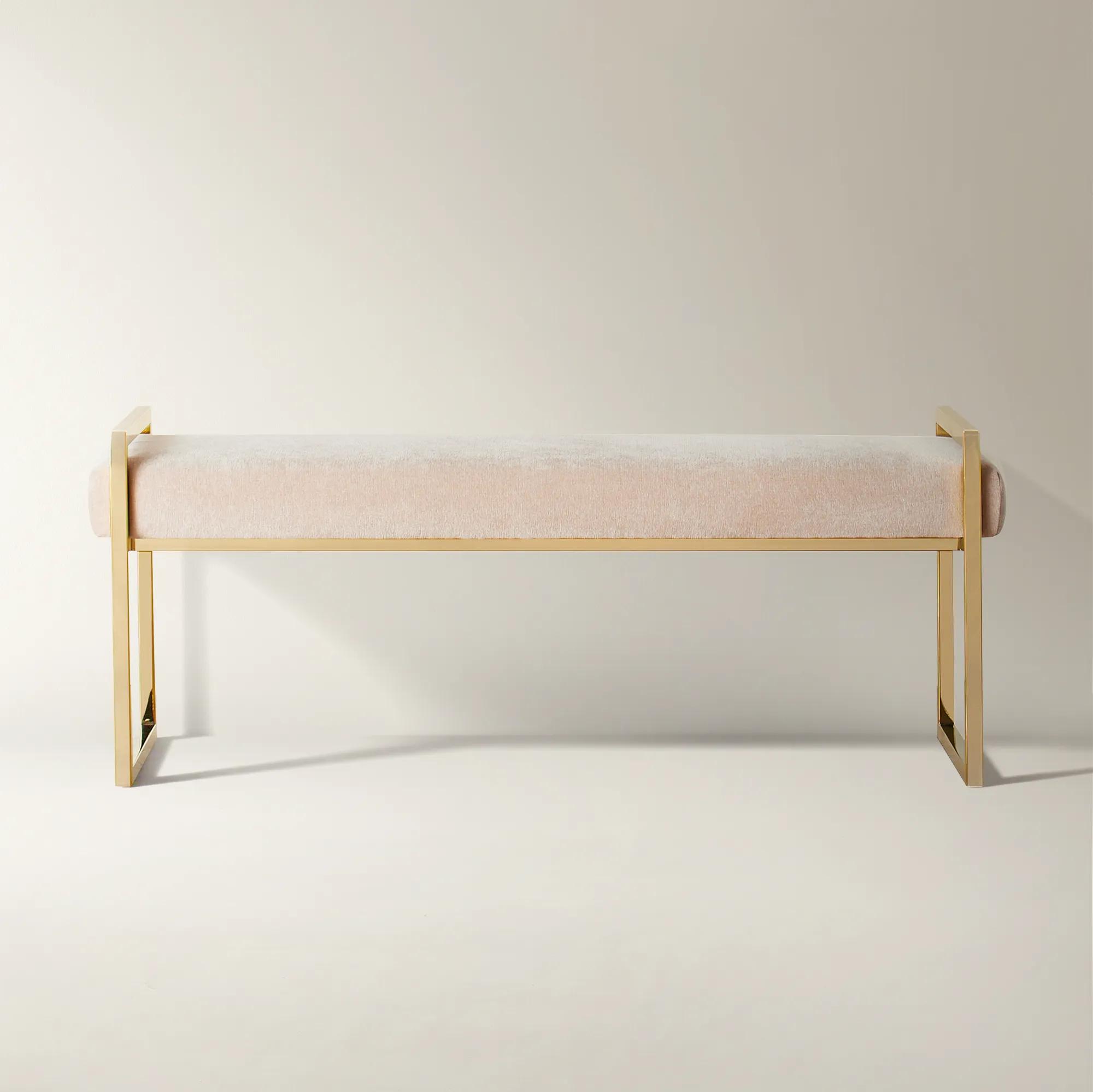
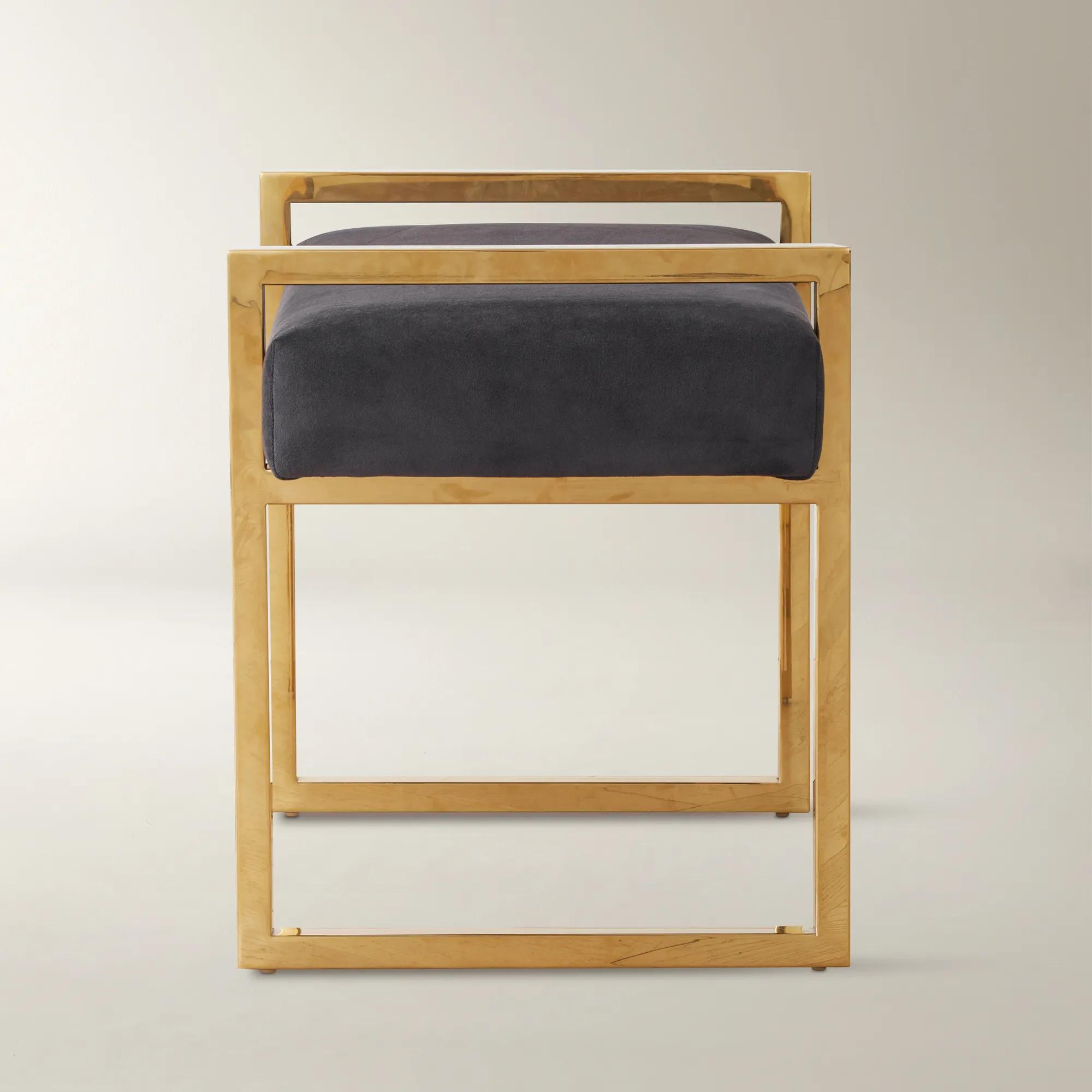 Clara Accent Stool$399
A plush black velvet seat rests on polished gold metal legs for a chic, modern accent piece.
Add To Cart -
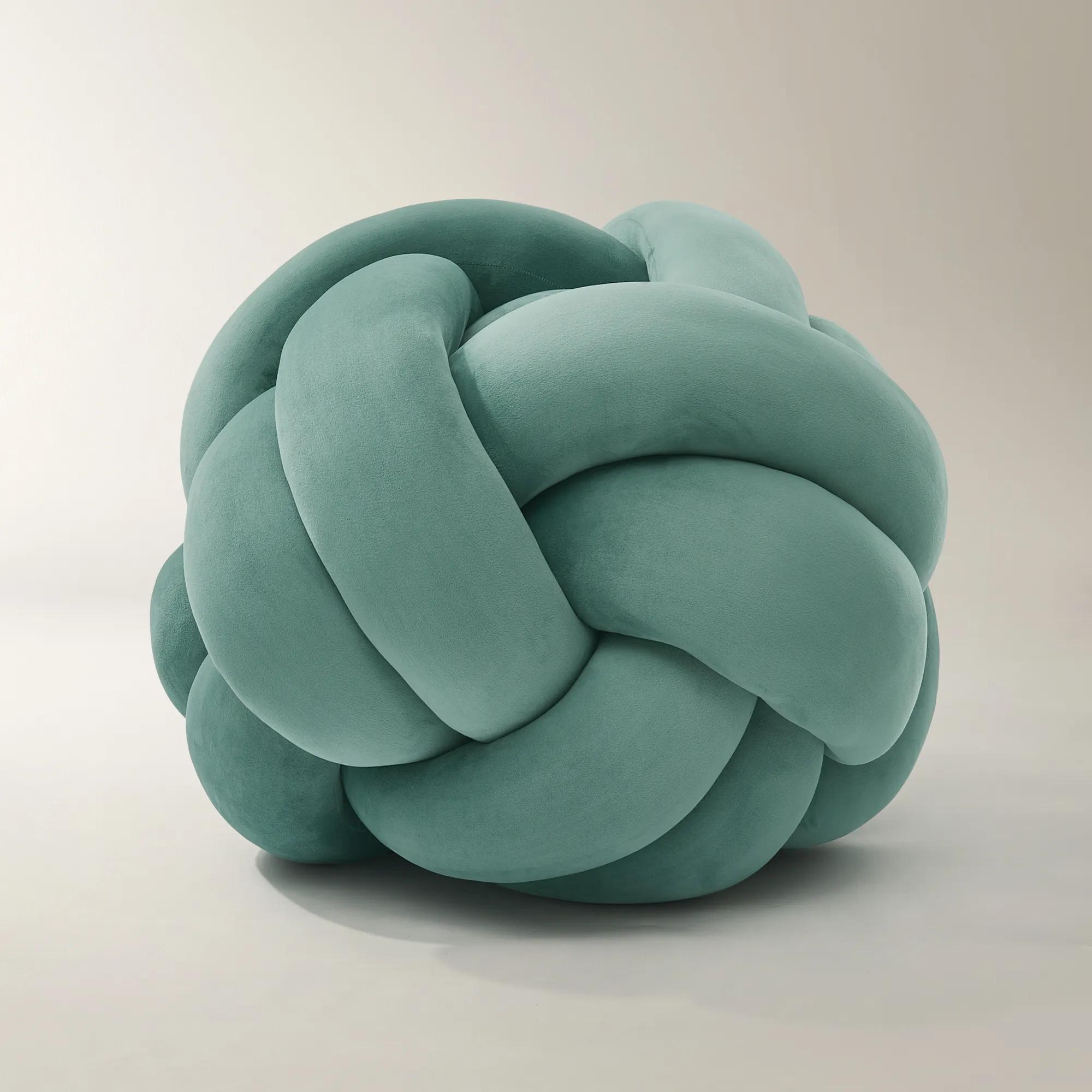 Loopie Ocean Teal Velvet Stool (34.5")$399
A bold sculptural stool featuring plush ocean teal velvet upholstery and an oversized knotted silhouette.
Add To Cart -
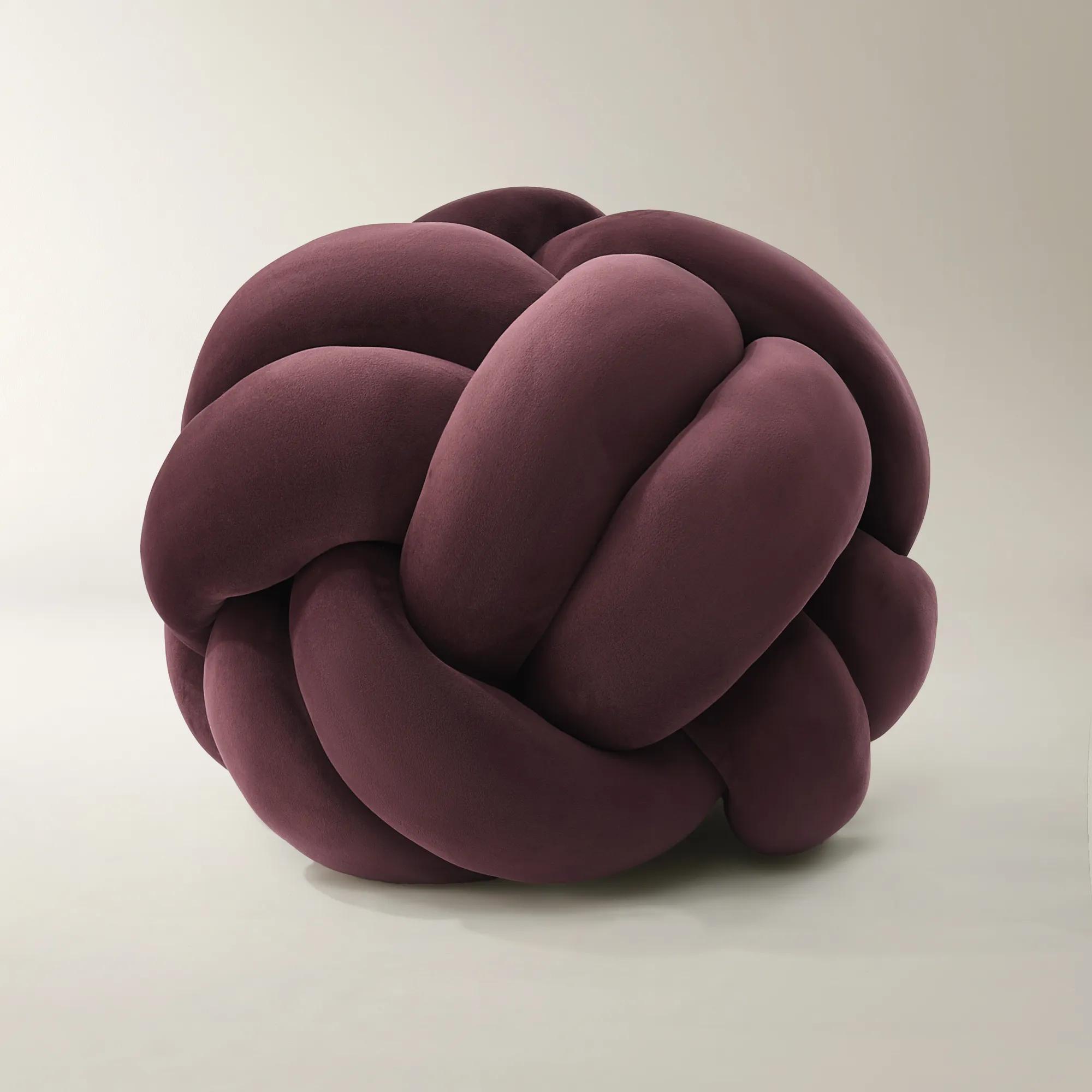
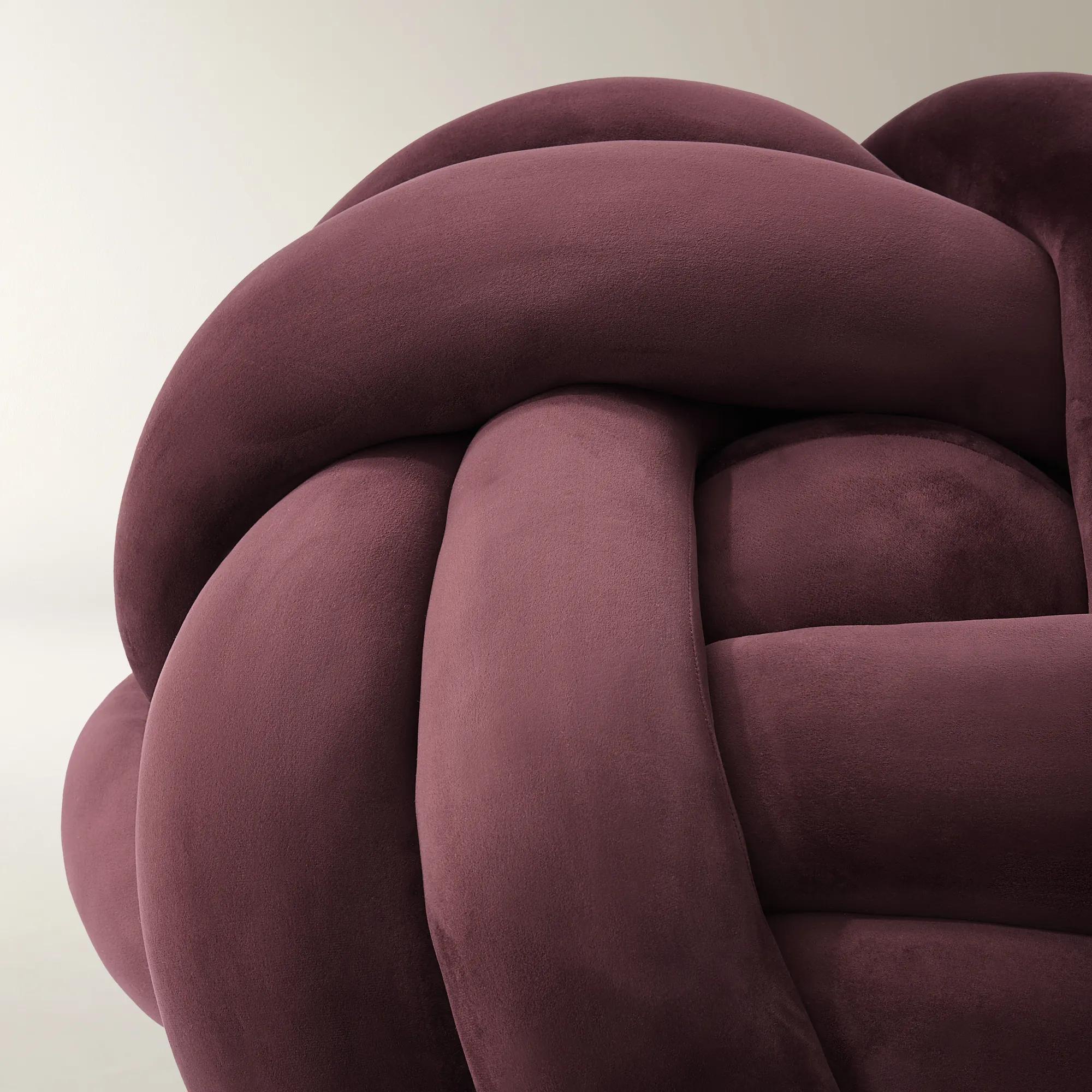 Loopie Fig Velvet Stool (34.5")$399
An oversized, knot-inspired stool hand-upholstered in plush fig velvet for bold sculptural appeal.
Add To Cart -
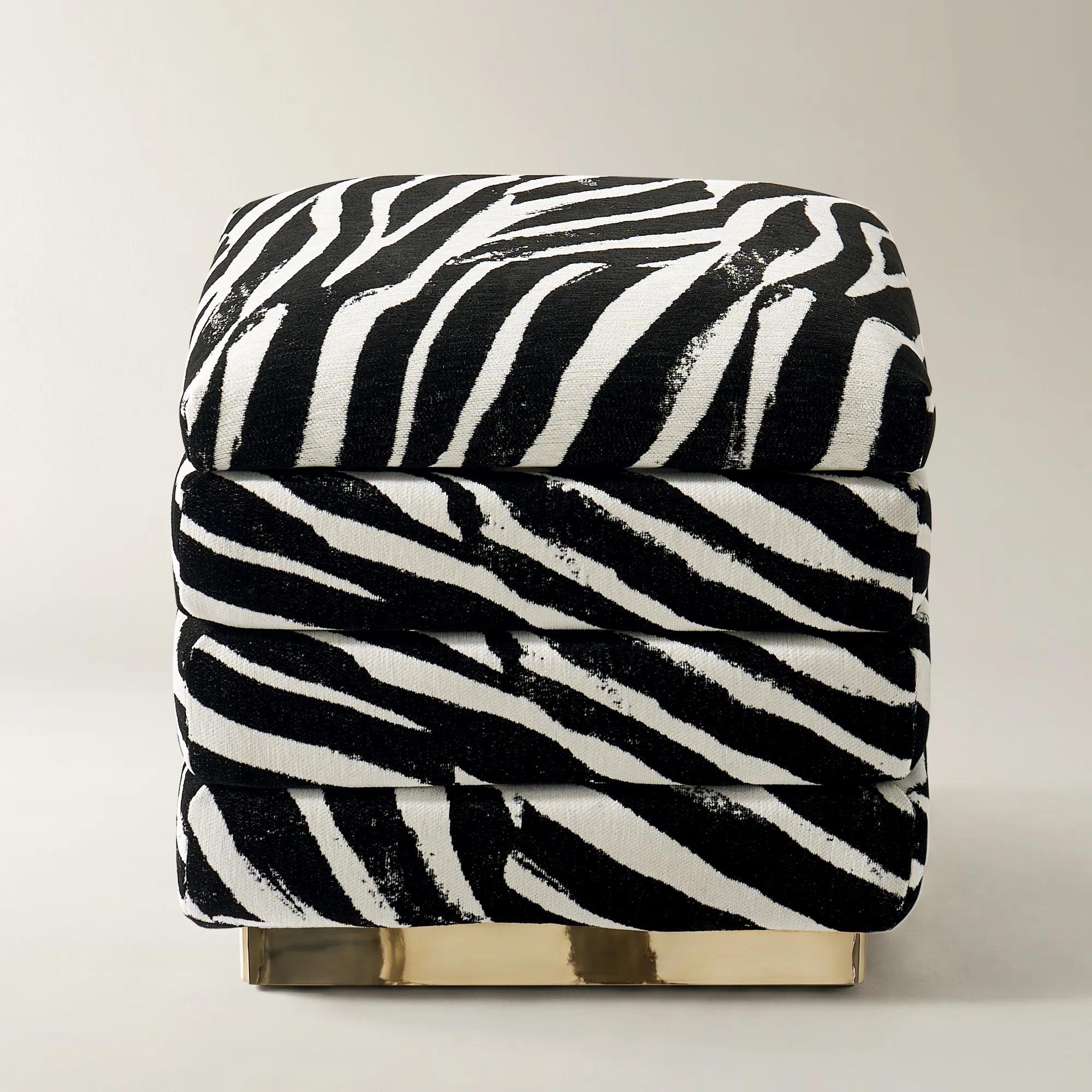
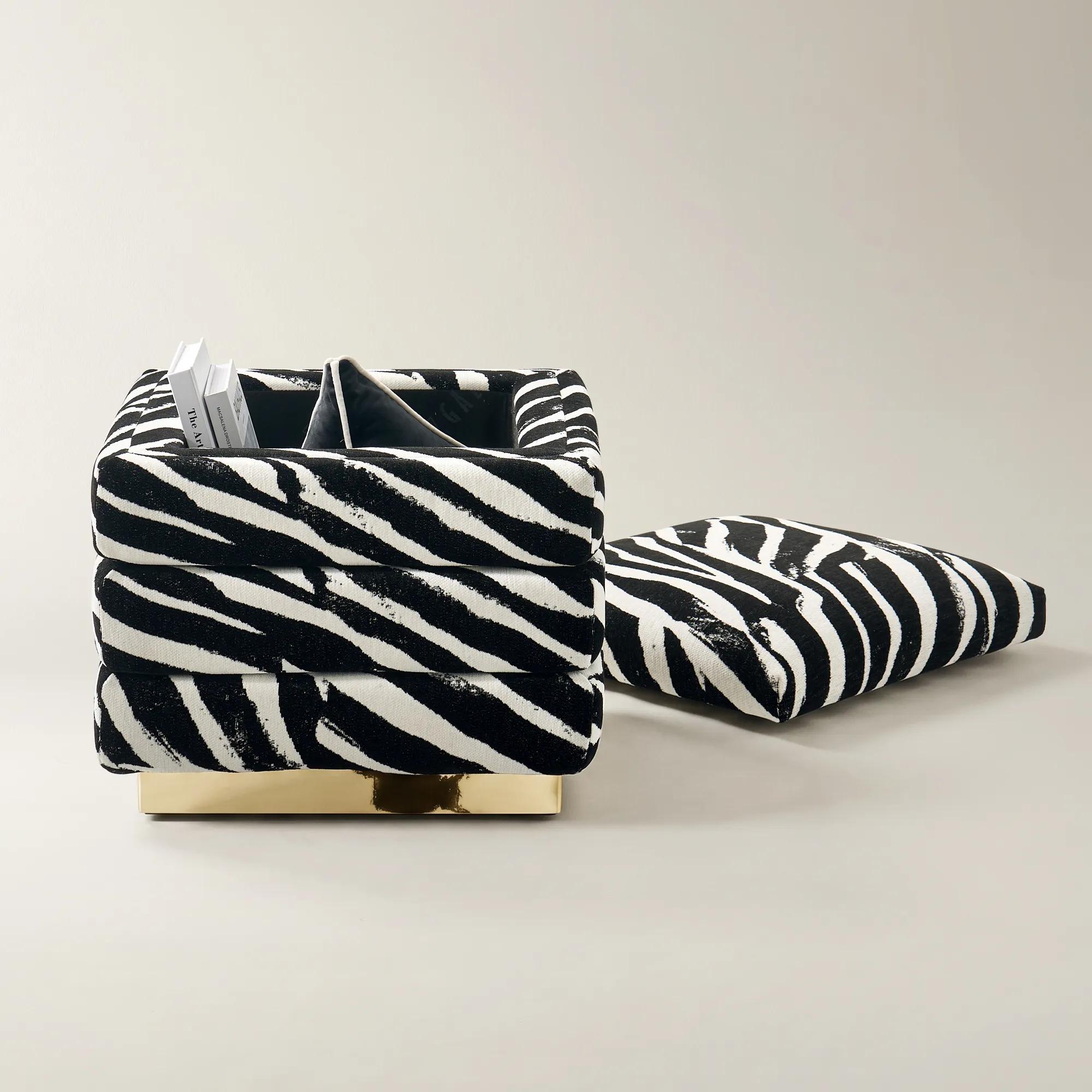 Gable White/Black Performance Chenille Stool$399
A plush white and black chenille stool with hidden storage and a polished gold stainless steel base.
Add To Cart -
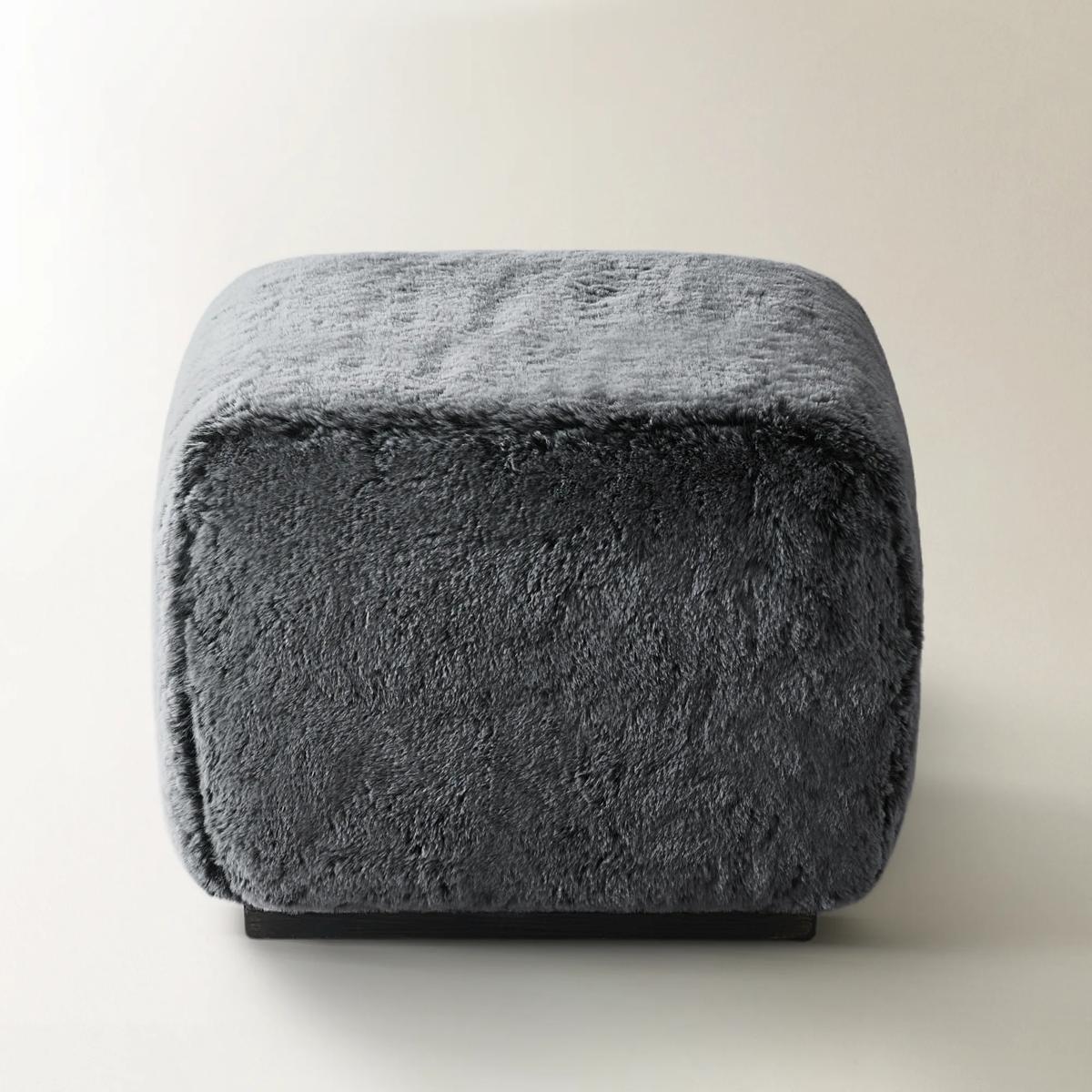
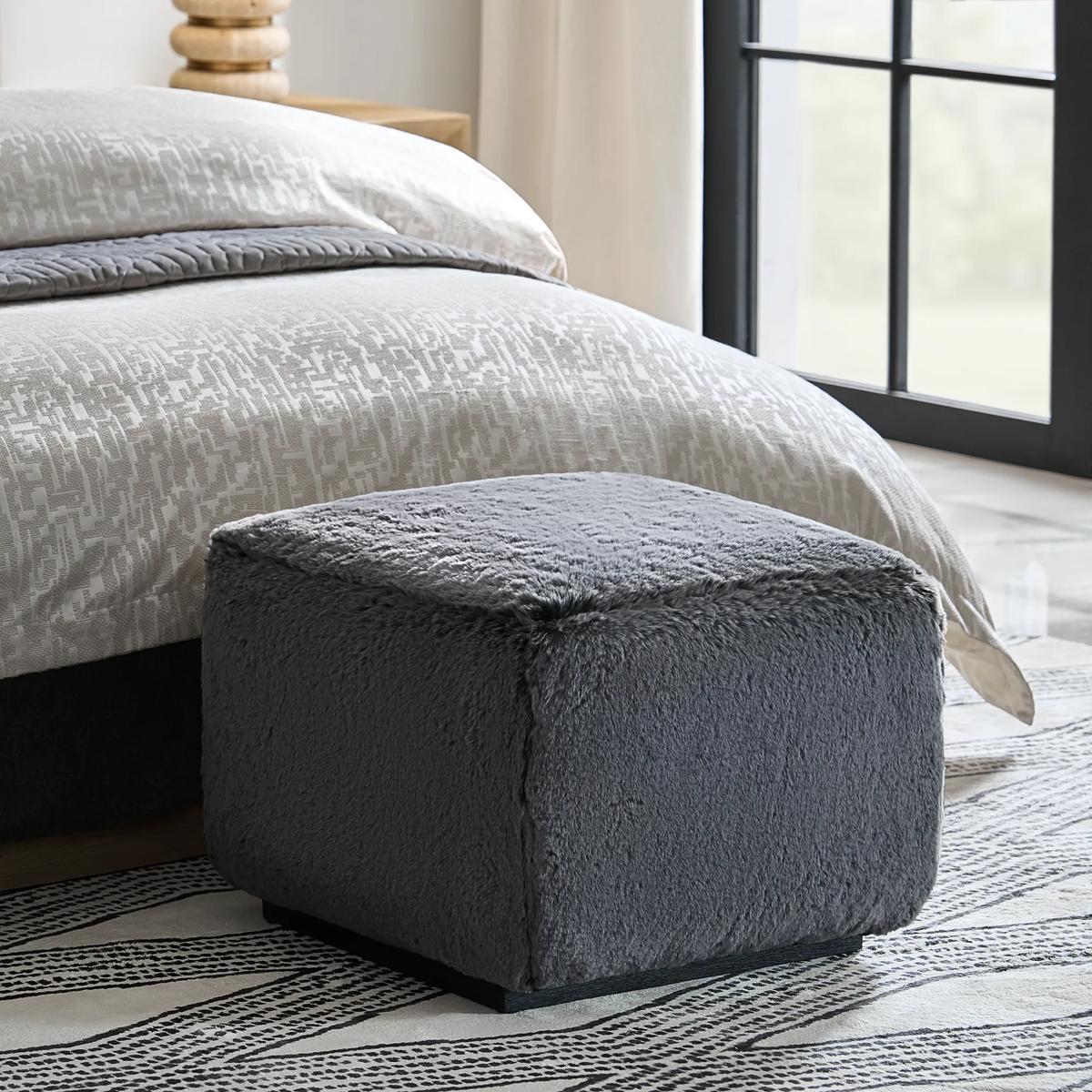 Lris Grey Faux Fur Stool (21")$299
A charcoal grey faux fur pouf with high-density foam and a sturdy rubberwood base for modern comfort.
Add To Cart -
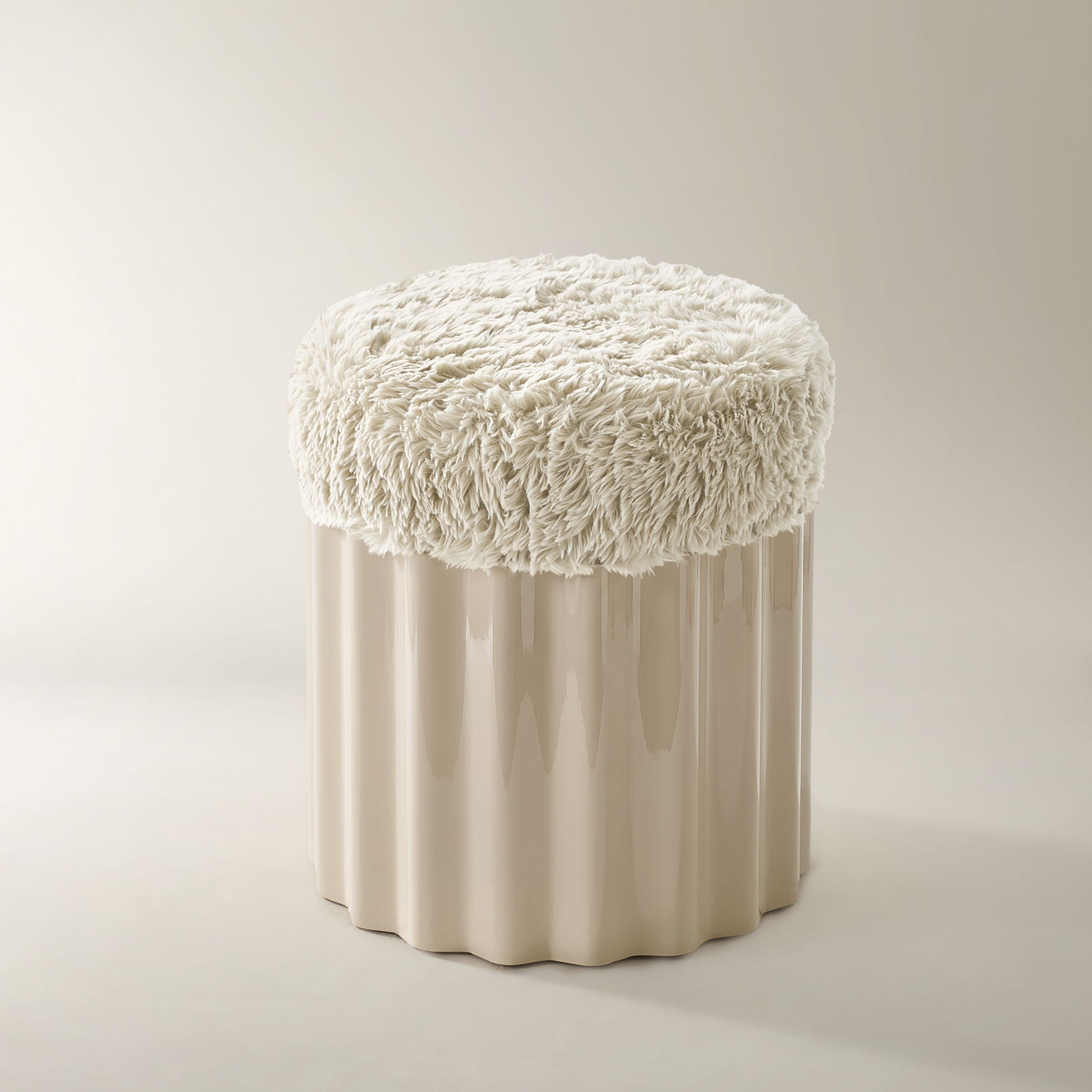
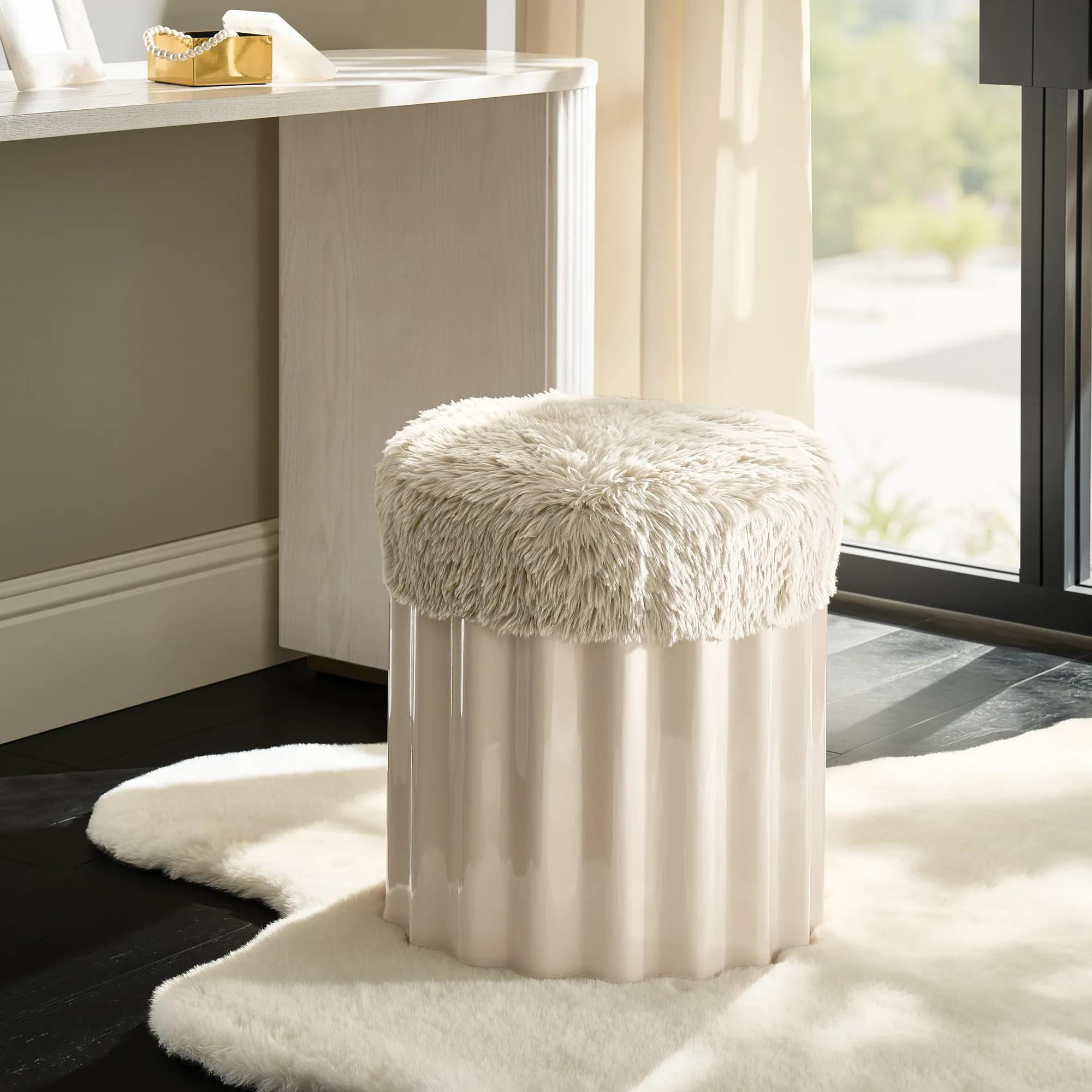 Nia Lacquered Turtle Dove Faux Fur Storage Stool$399
A sculptural fluted stool in warm turtle dove with plush faux fur seat and hidden storage compartment.
Add To Cart -
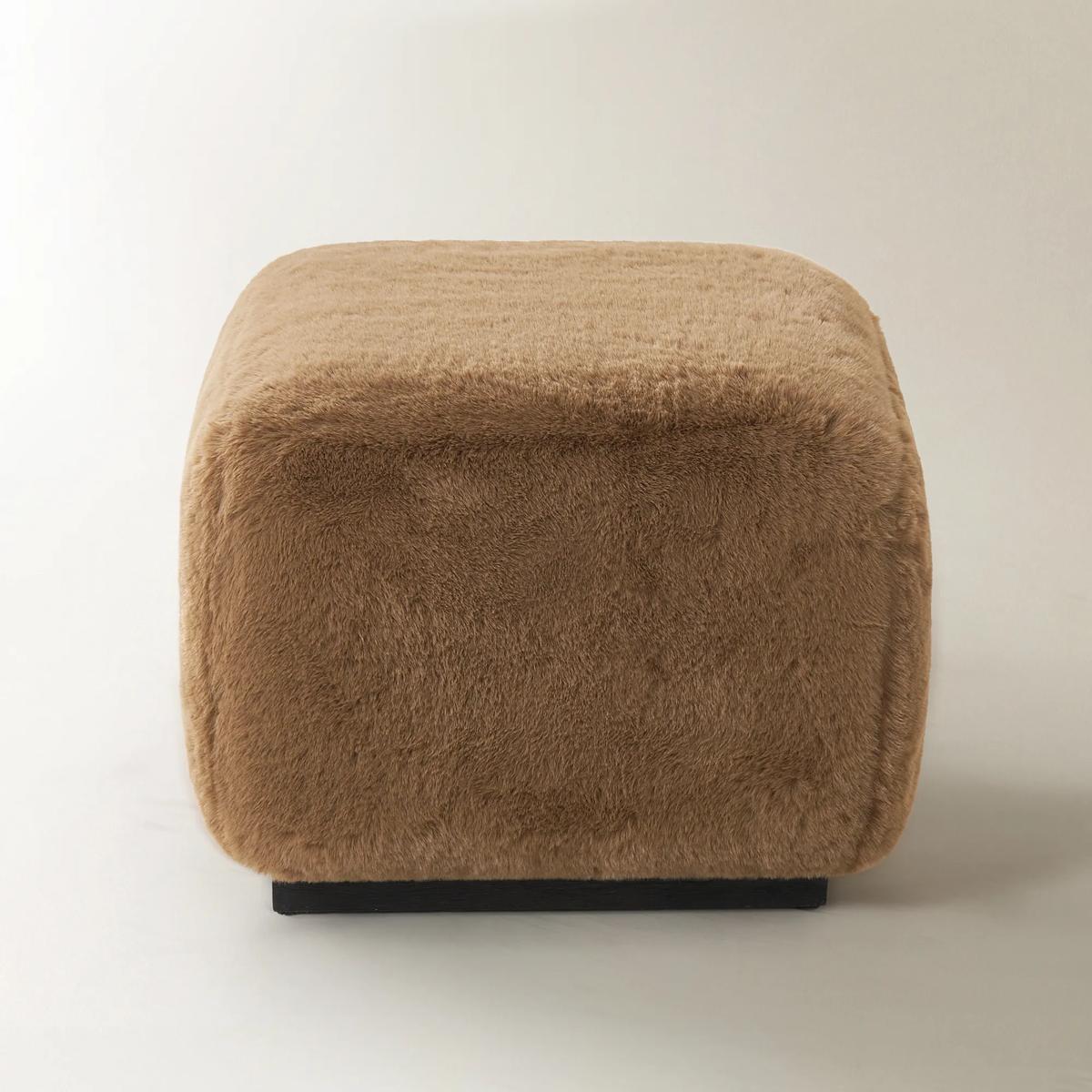
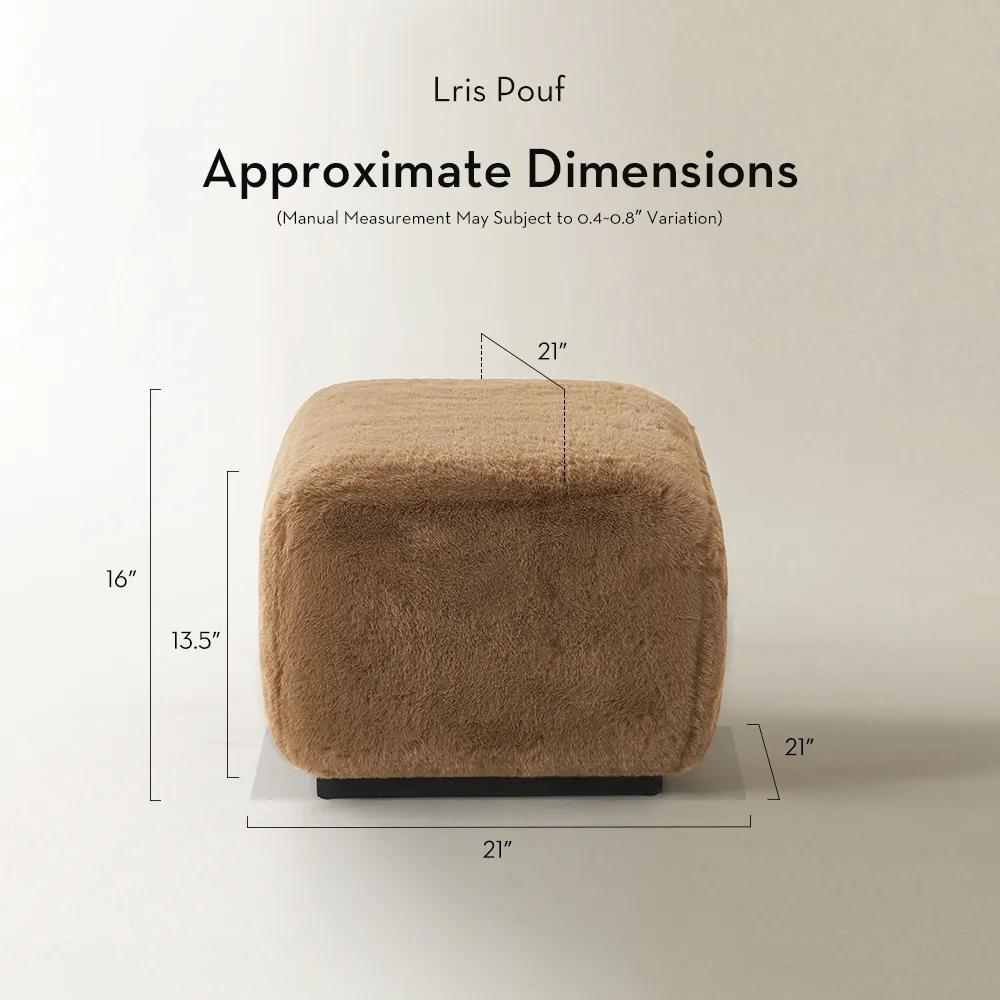 Lris Camel Faux Fur Stool (21")$299
A camel faux fur pouf with a solid rubberwood base, offering cozy warmth and modern sophistication.
Add To Cart -
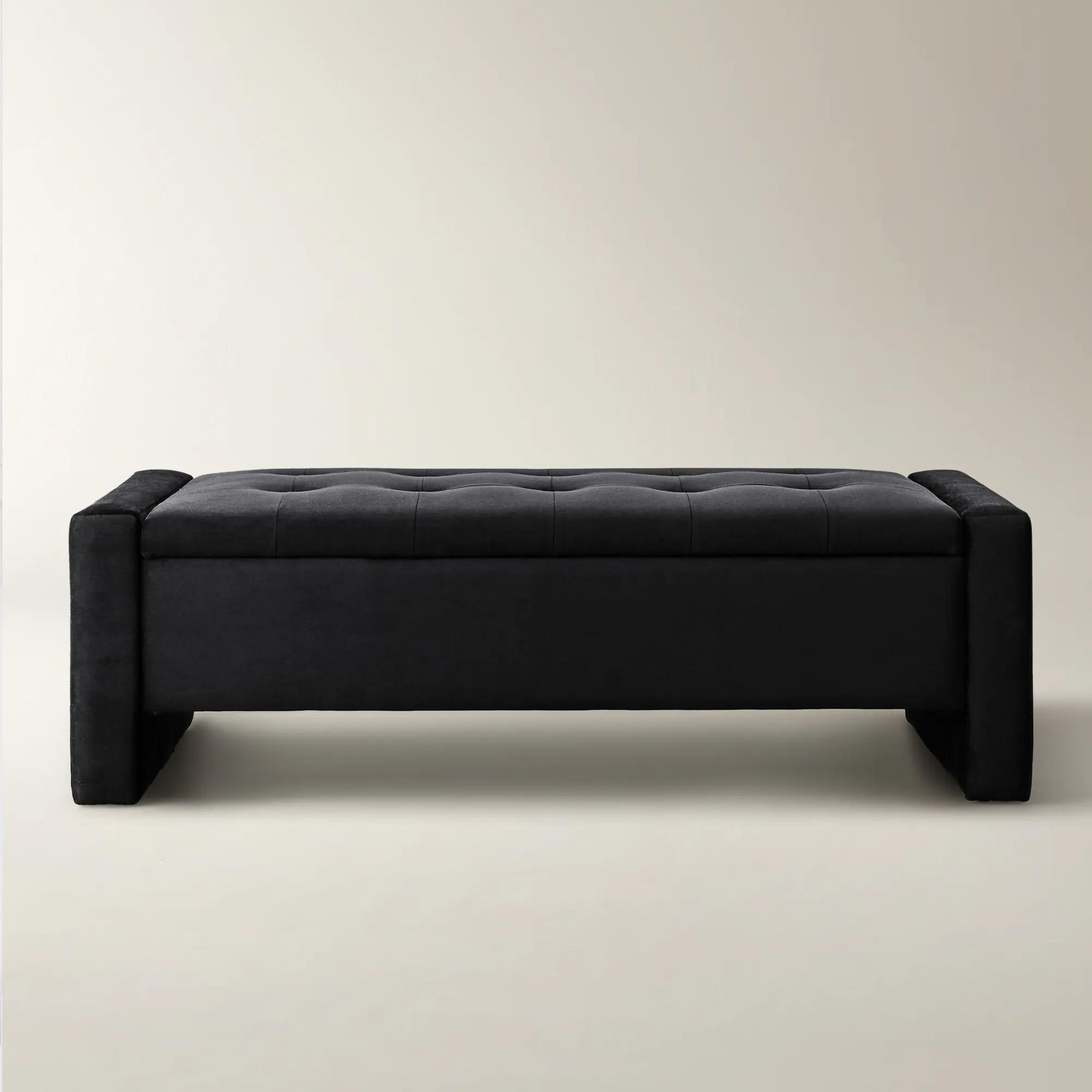
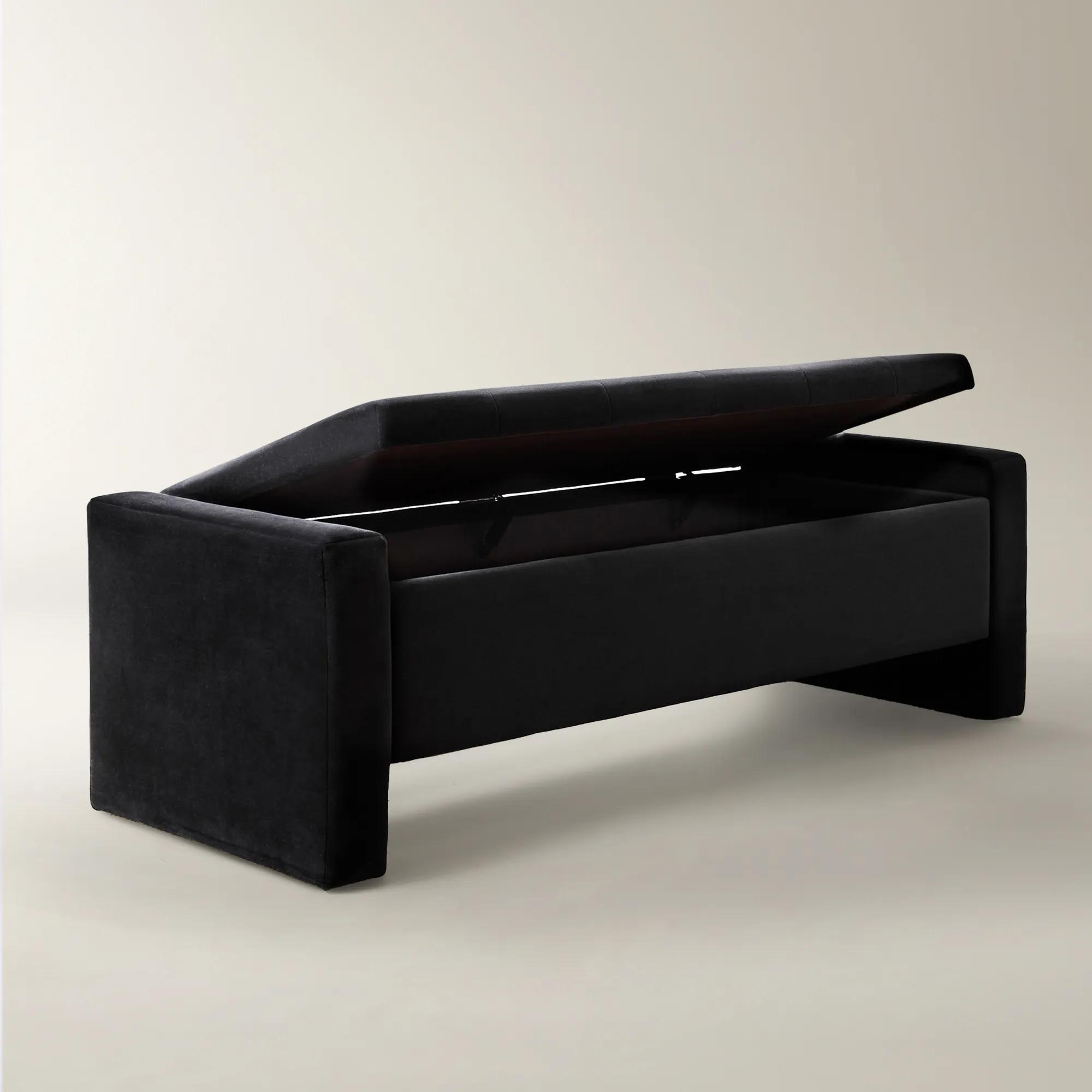 Maeve Storage Bench$849
A modern velvet-upholstered bench with hidden storage, sturdy kiln-dried hardwood frame, and plush cushioning.
Add To Cart -
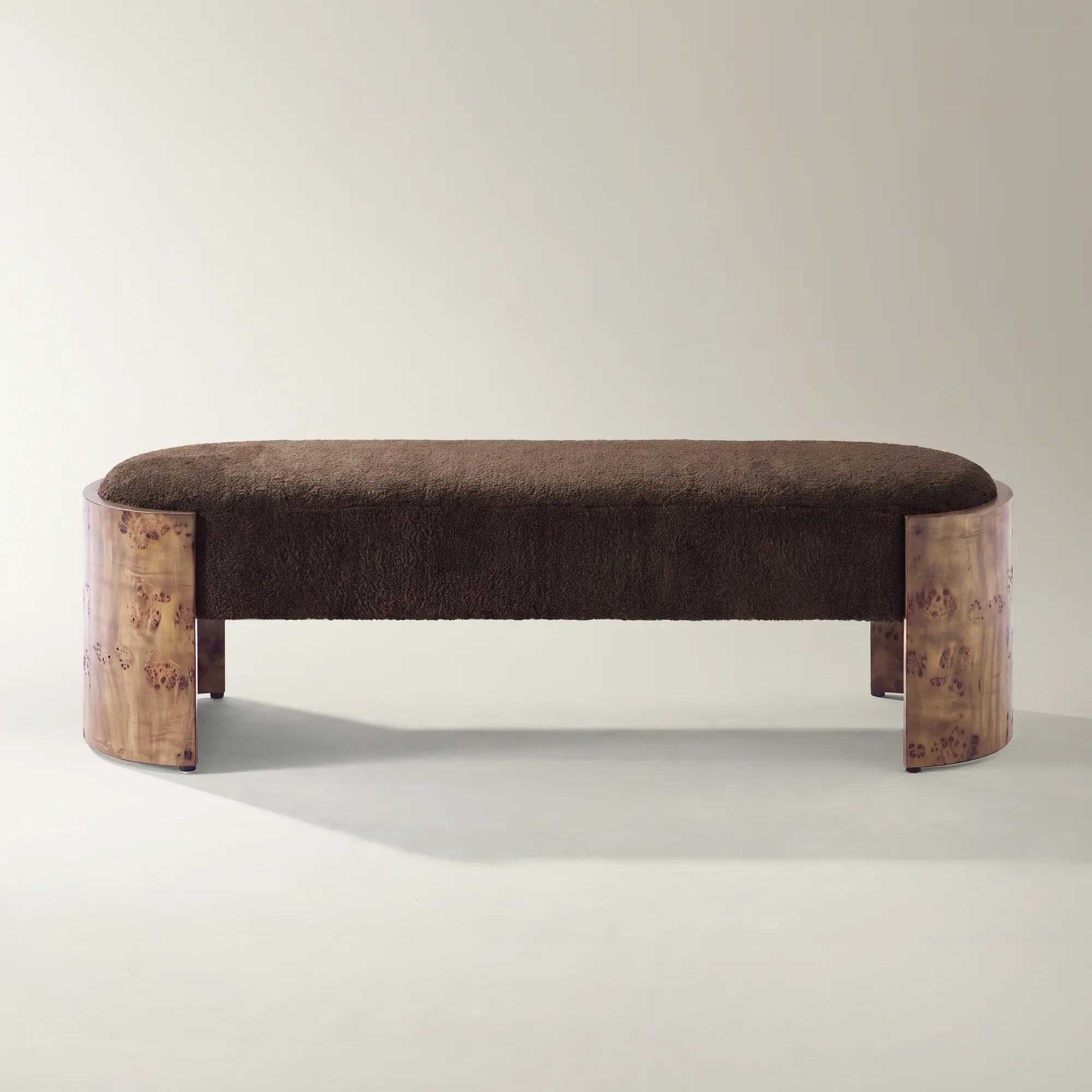
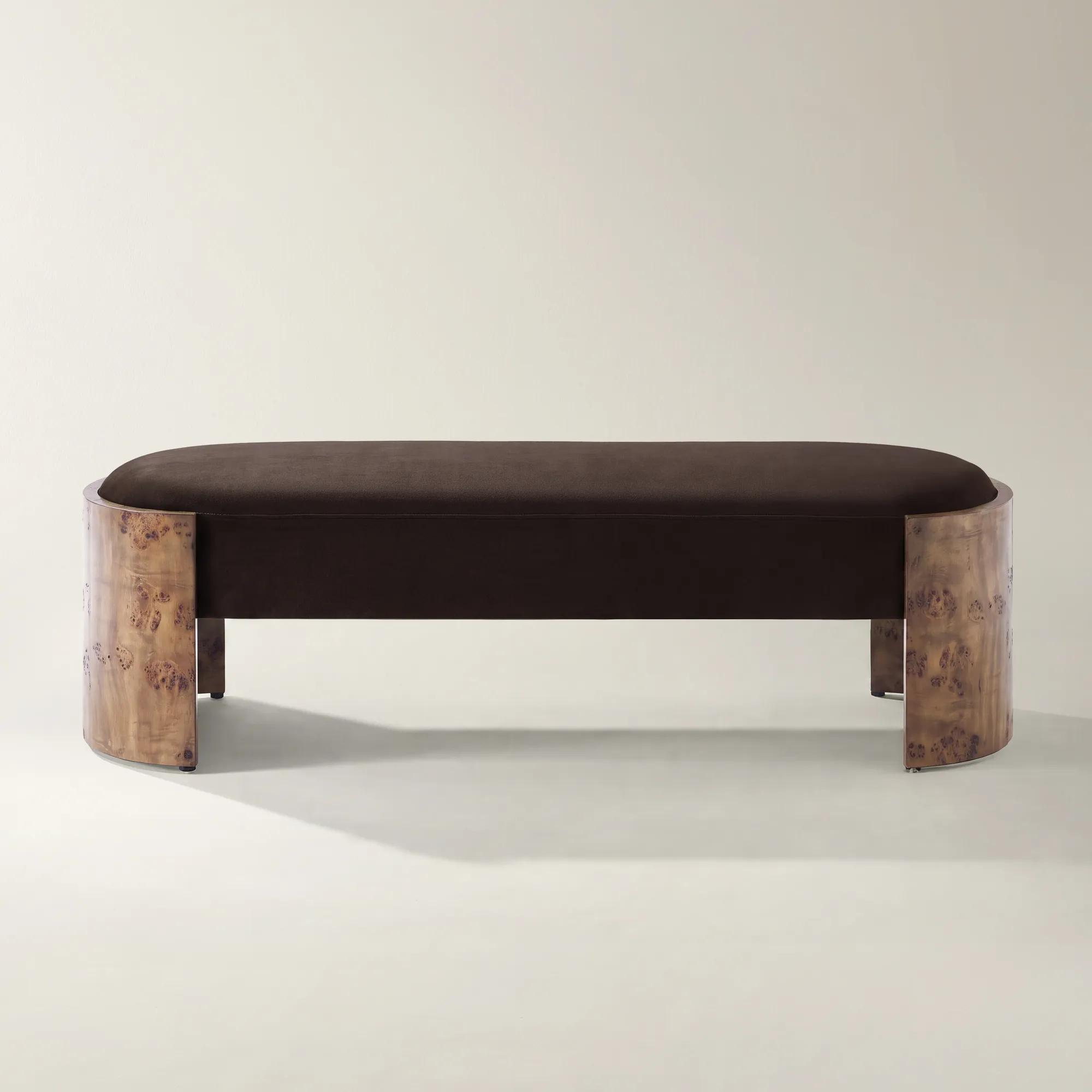
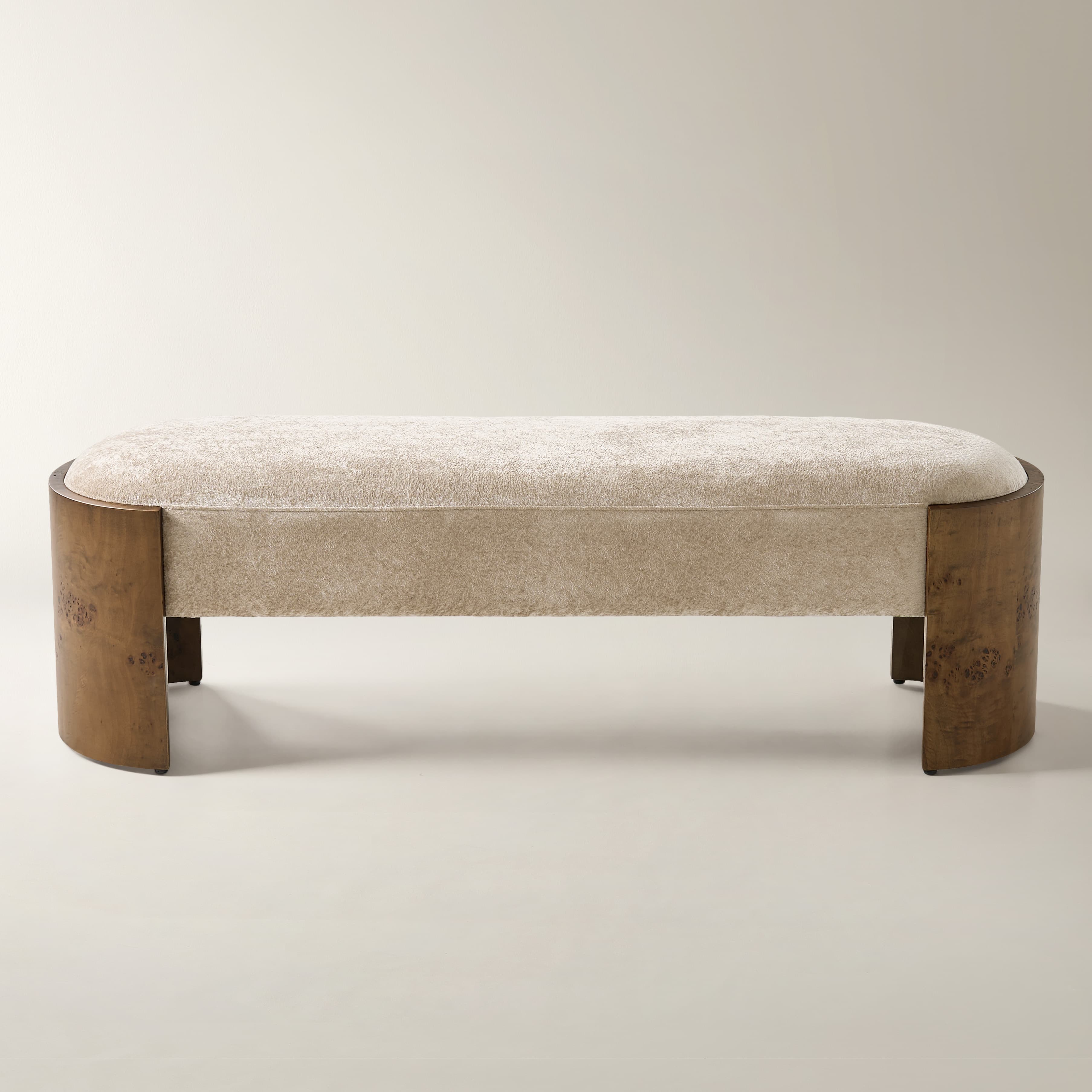 Cora Light Brown Chenille With Ash Wood Bench (60.6")$999
A light brown chenille bench with curved ash burl veneer panels, blending plush comfort and organic artistry.
Add To Cart -
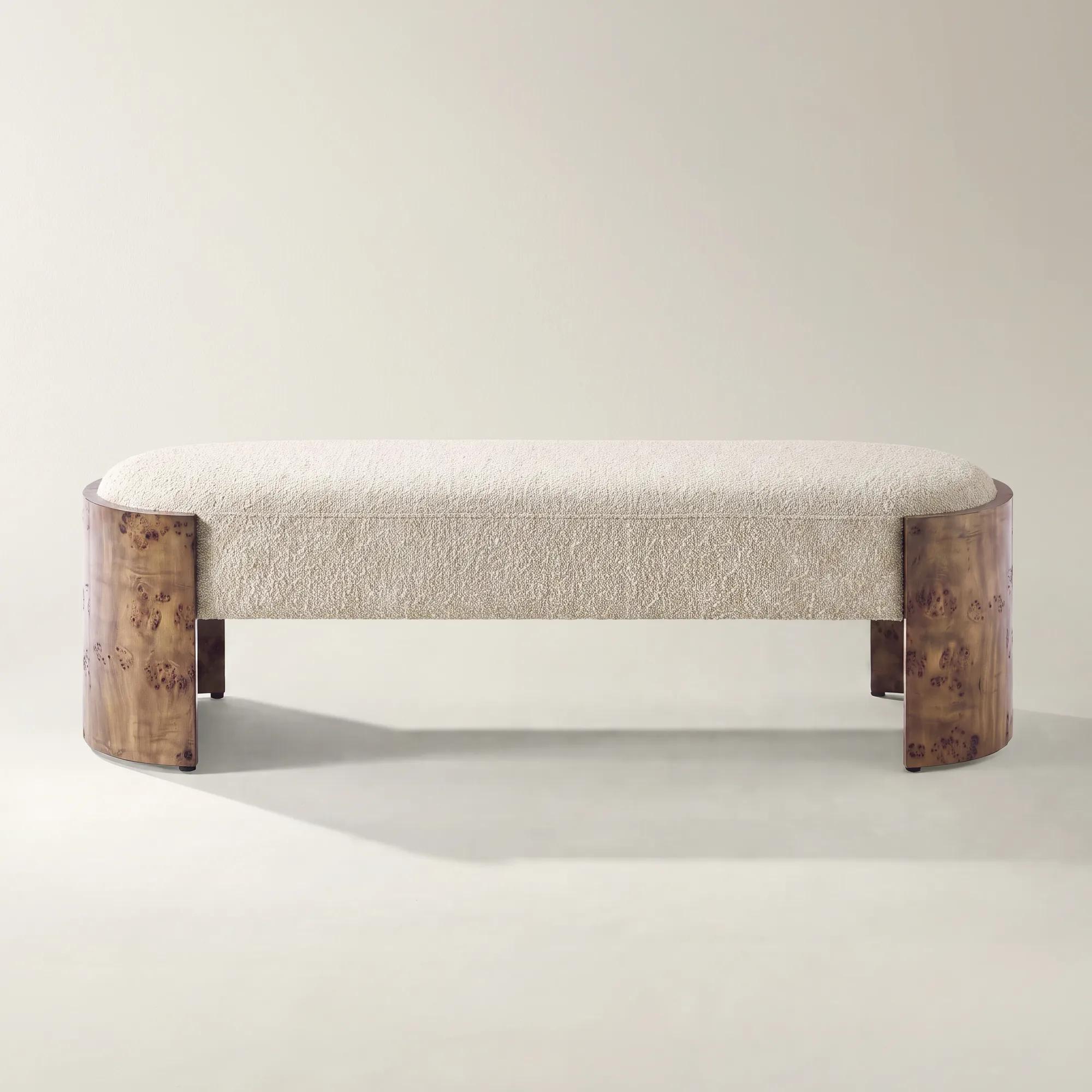
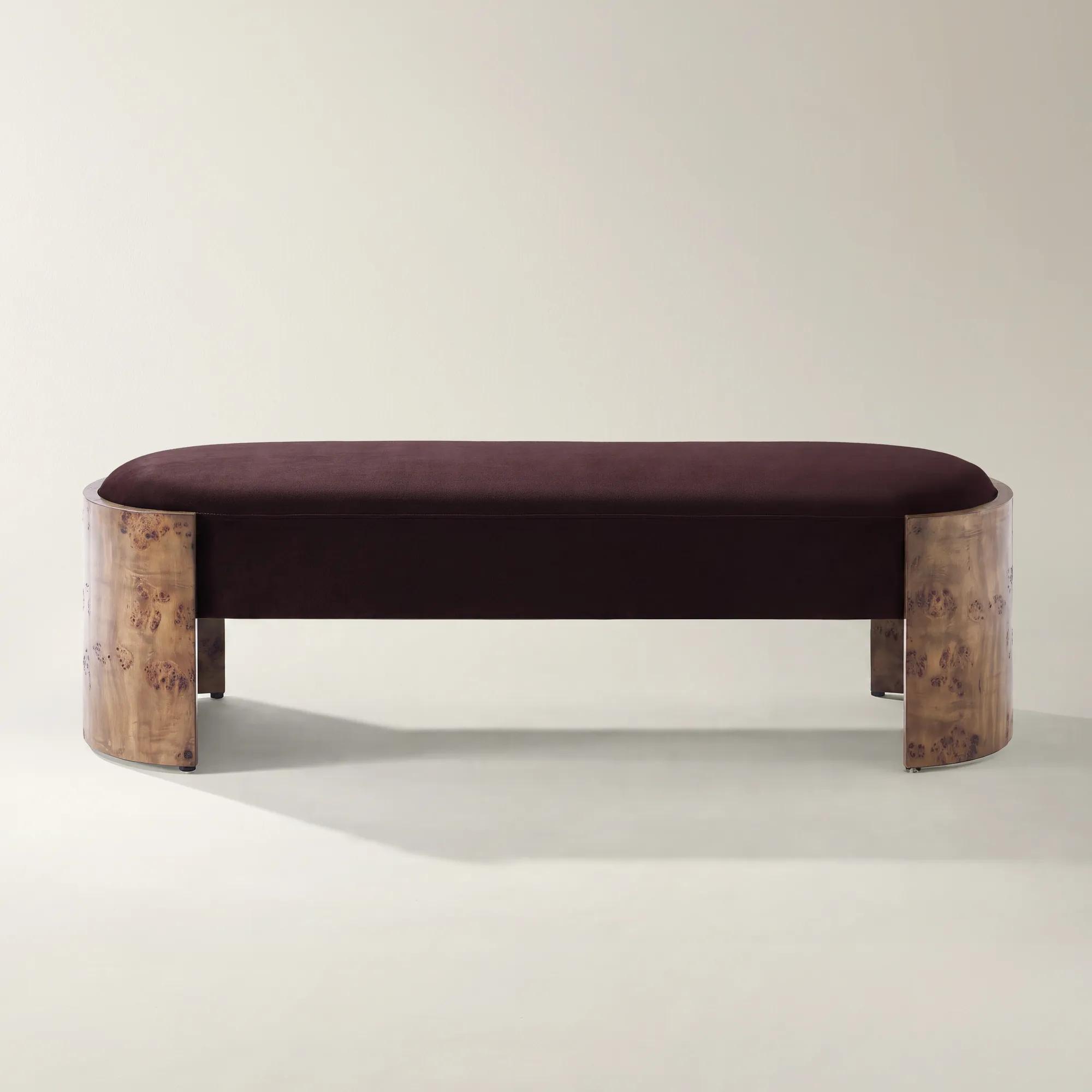
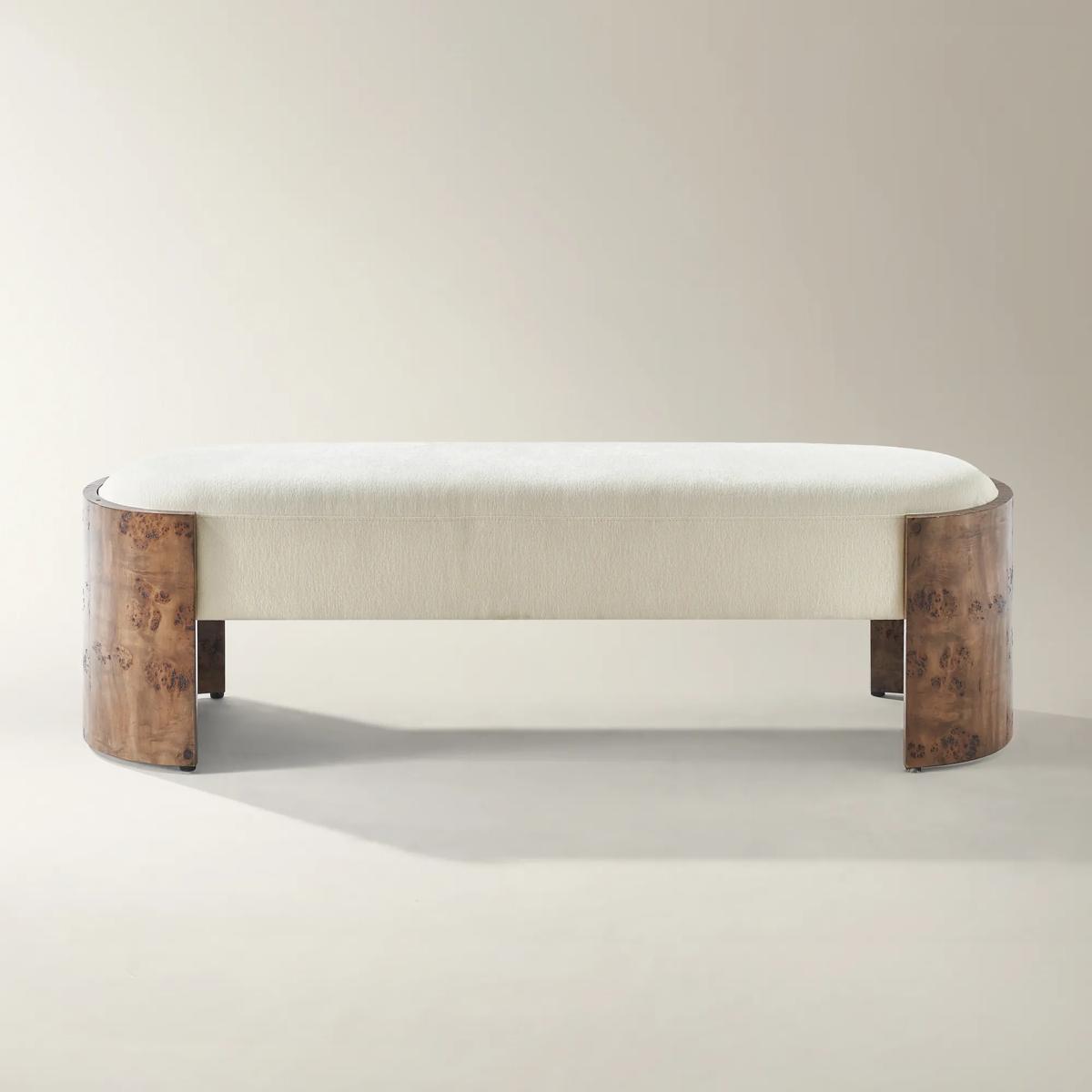 Cora Ivory Chenille With Ash Wood Bench (60.6")$999
An ivory chenille bench with curved ash burl veneer panels, blending plush comfort with striking wood artistry.
Add To Cart -
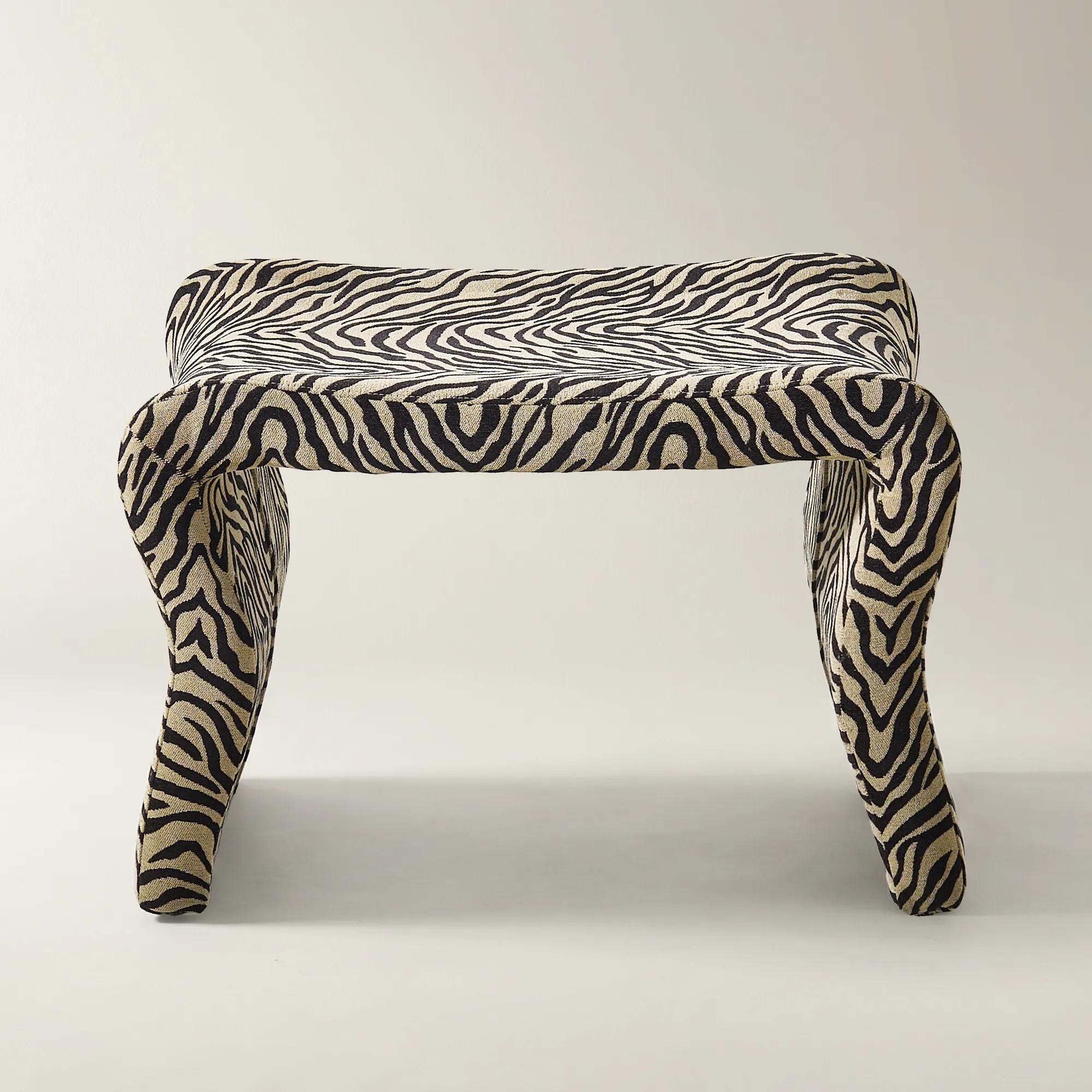
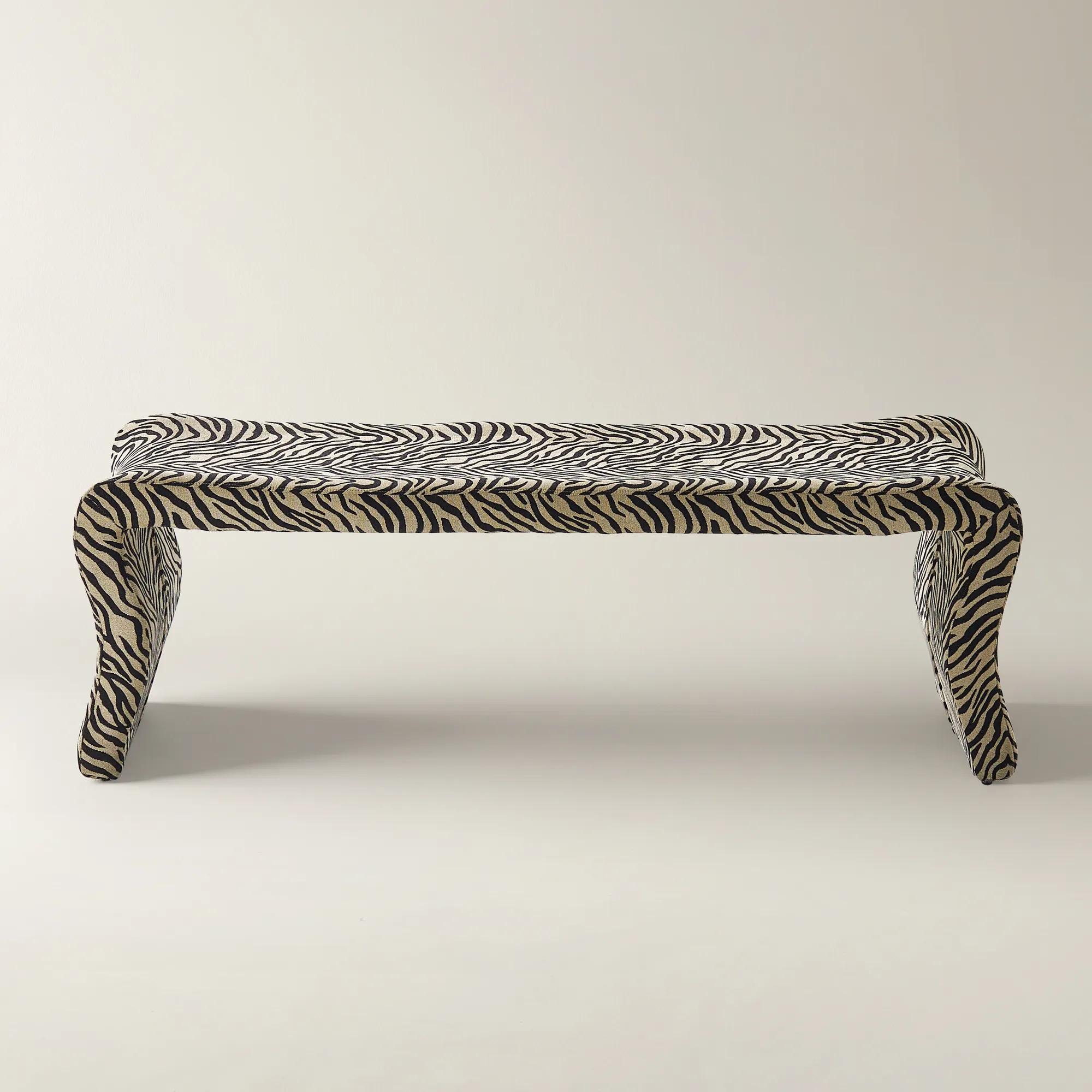
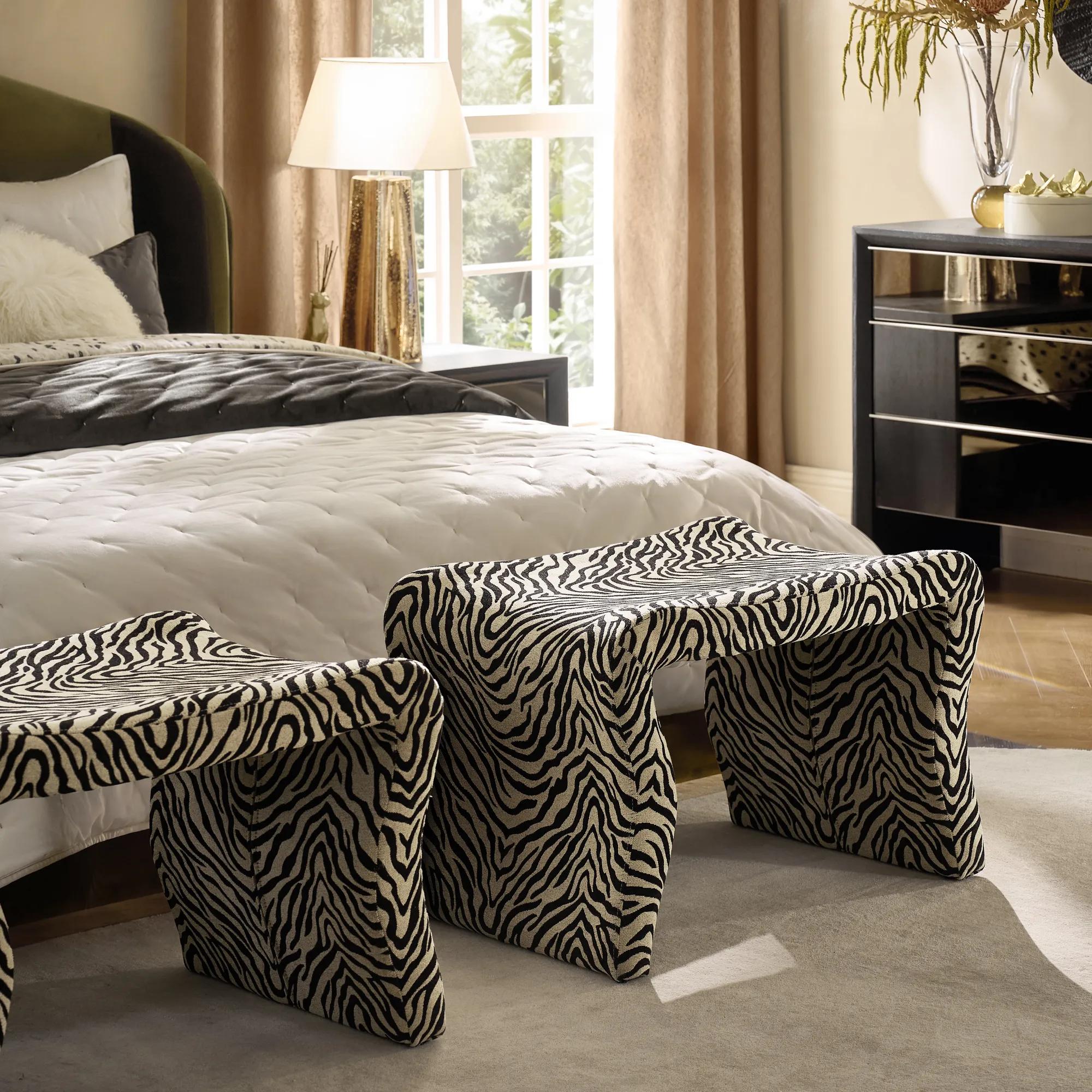 Romy Zebra Performance Chenille Bench (30.75")$499
A sculptural bench wrapped in zebra-patterned performance chenille with a wave-like silhouette and full foam construction.
Add To Cart -

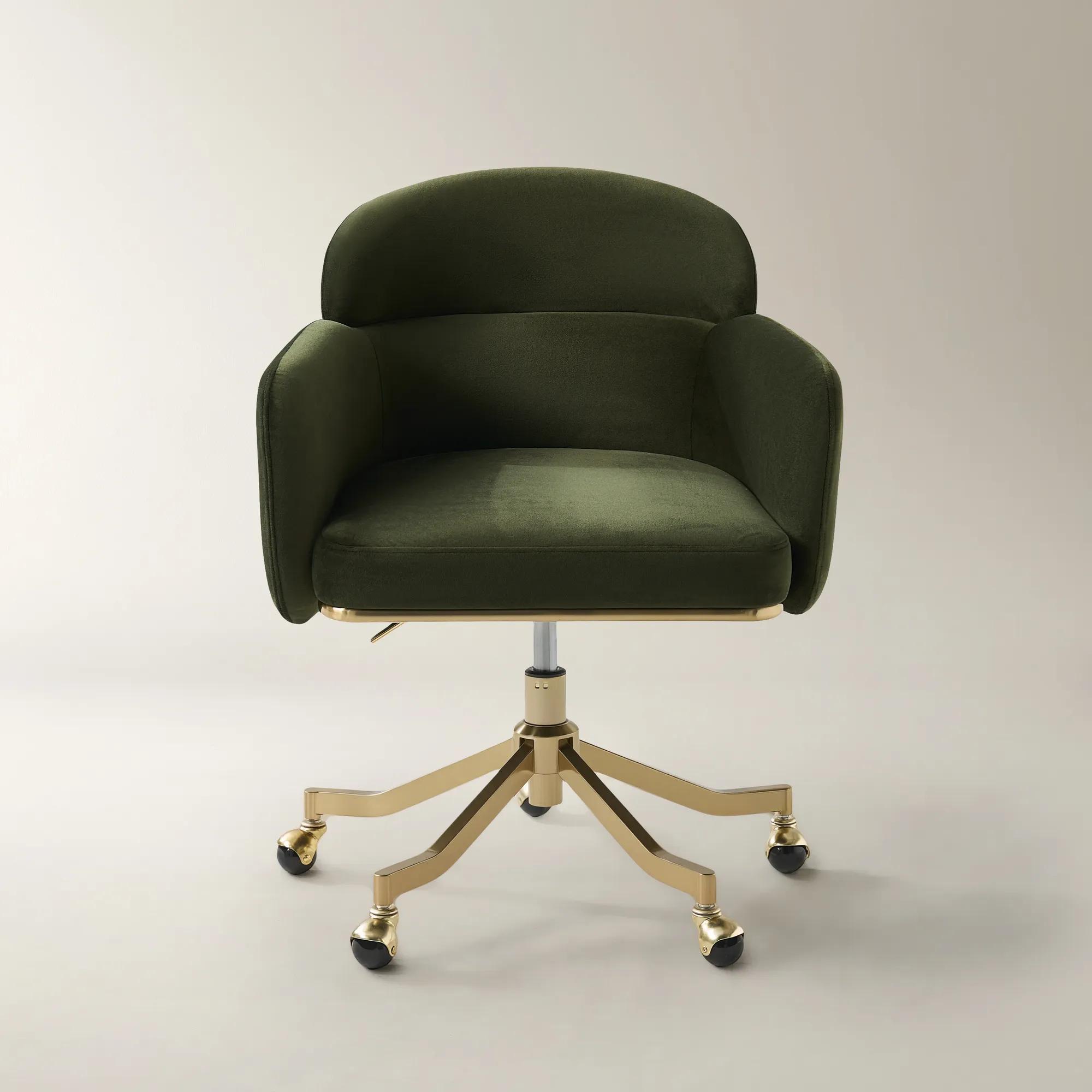 Paige Jade Green Velvet Swivel Desk Chair$399
A jade green velvet swivel chair featuring ergonomic design, adjustable height, and a glossy metal base with casters.
Add To Cart -
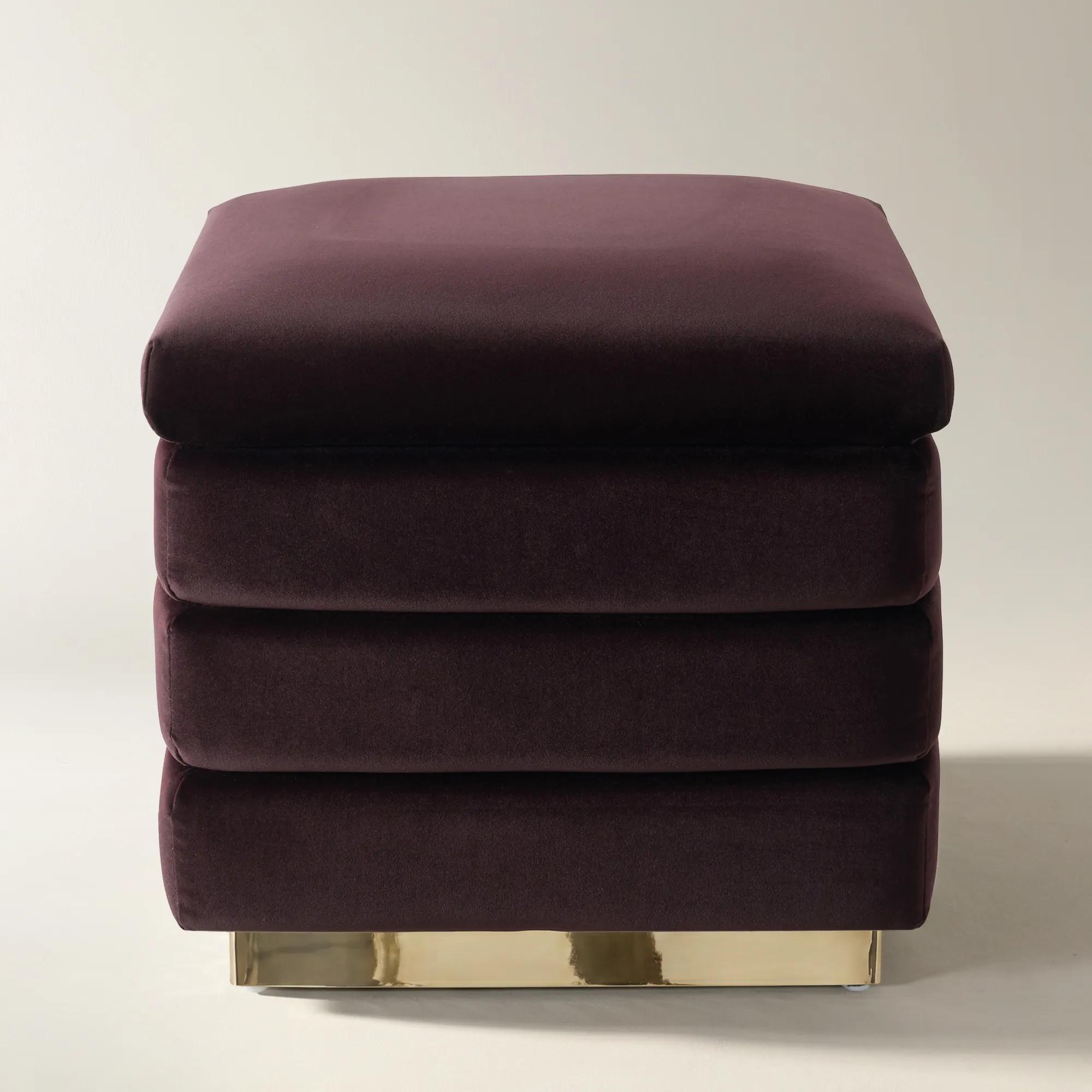
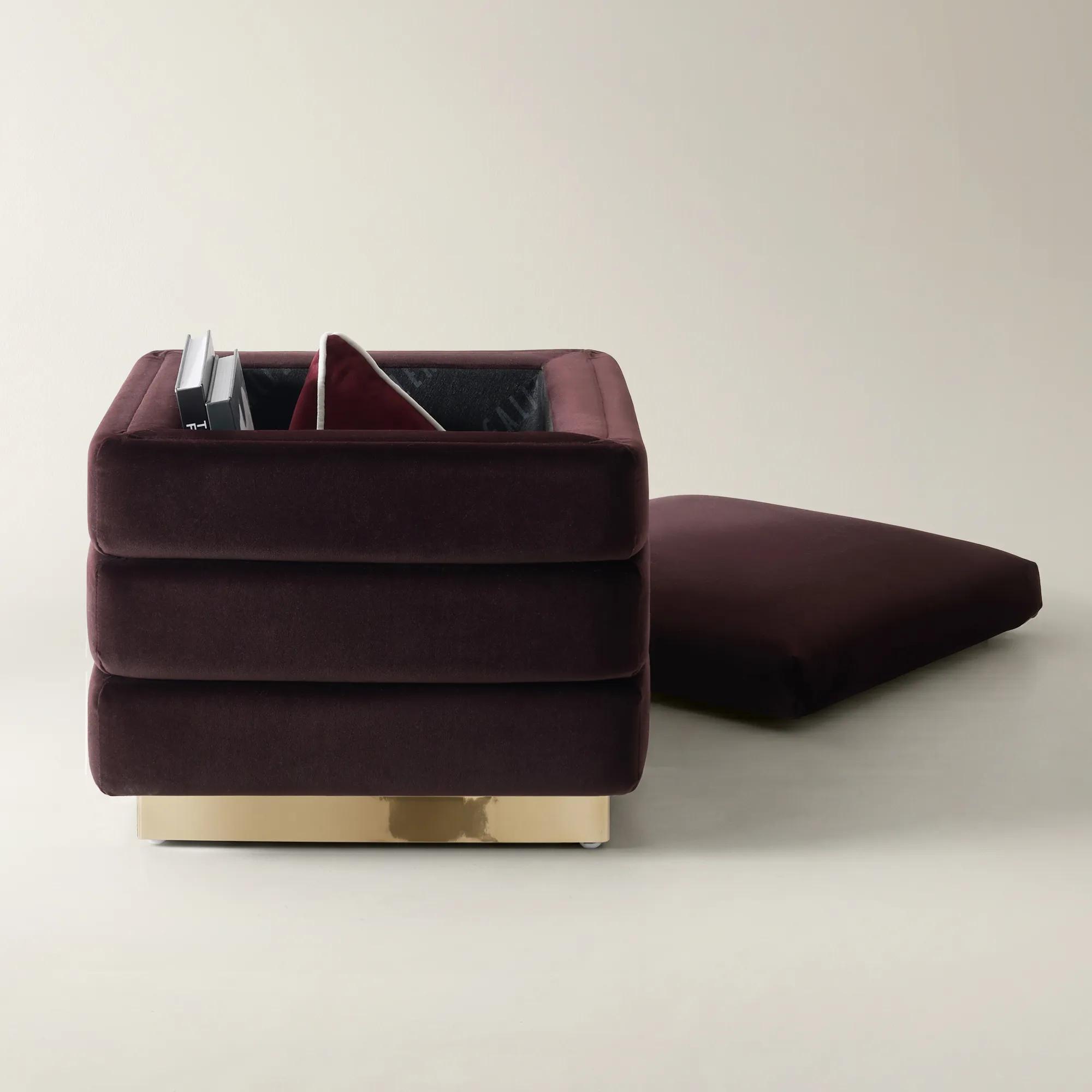 Gable Fig Chenille Storage Stool$399
A plush fig chenille stool with hidden storage, velvet upholstery, and a polished gold stainless steel base.
Add To Cart -
 Teddy Beige Faux Fur Accent Chair$949
A sculptural modern accent chair in beige faux fur with plush foam cushioning for ultimate comfort.
Add To Cart -
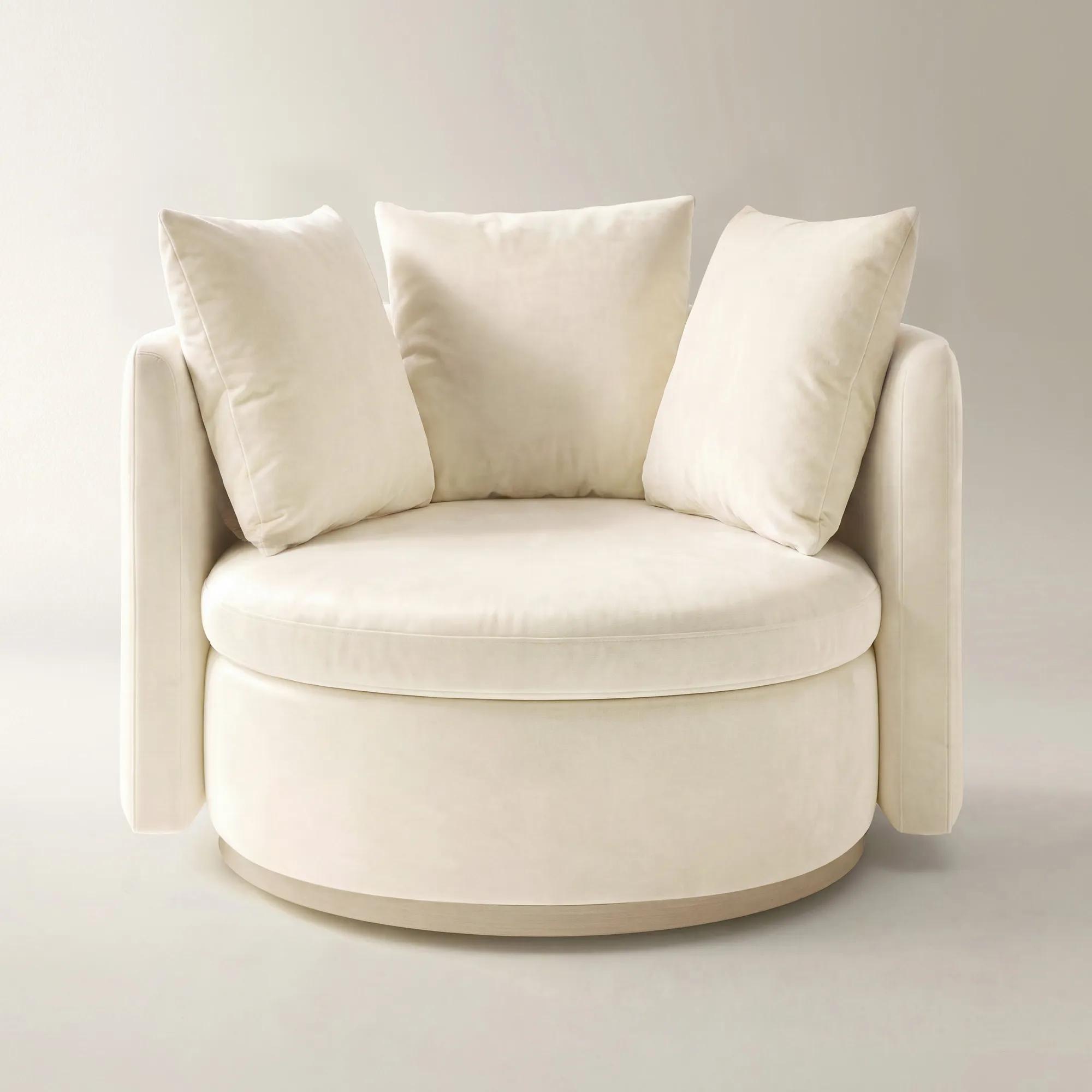 Stria Oatmeal Velvet Swivel Accent Chair$1299
An oatmeal velvet accent chair featuring enveloping curves, layered cushioning, and a concealed 360-degree swivel base.
Add To Cart -
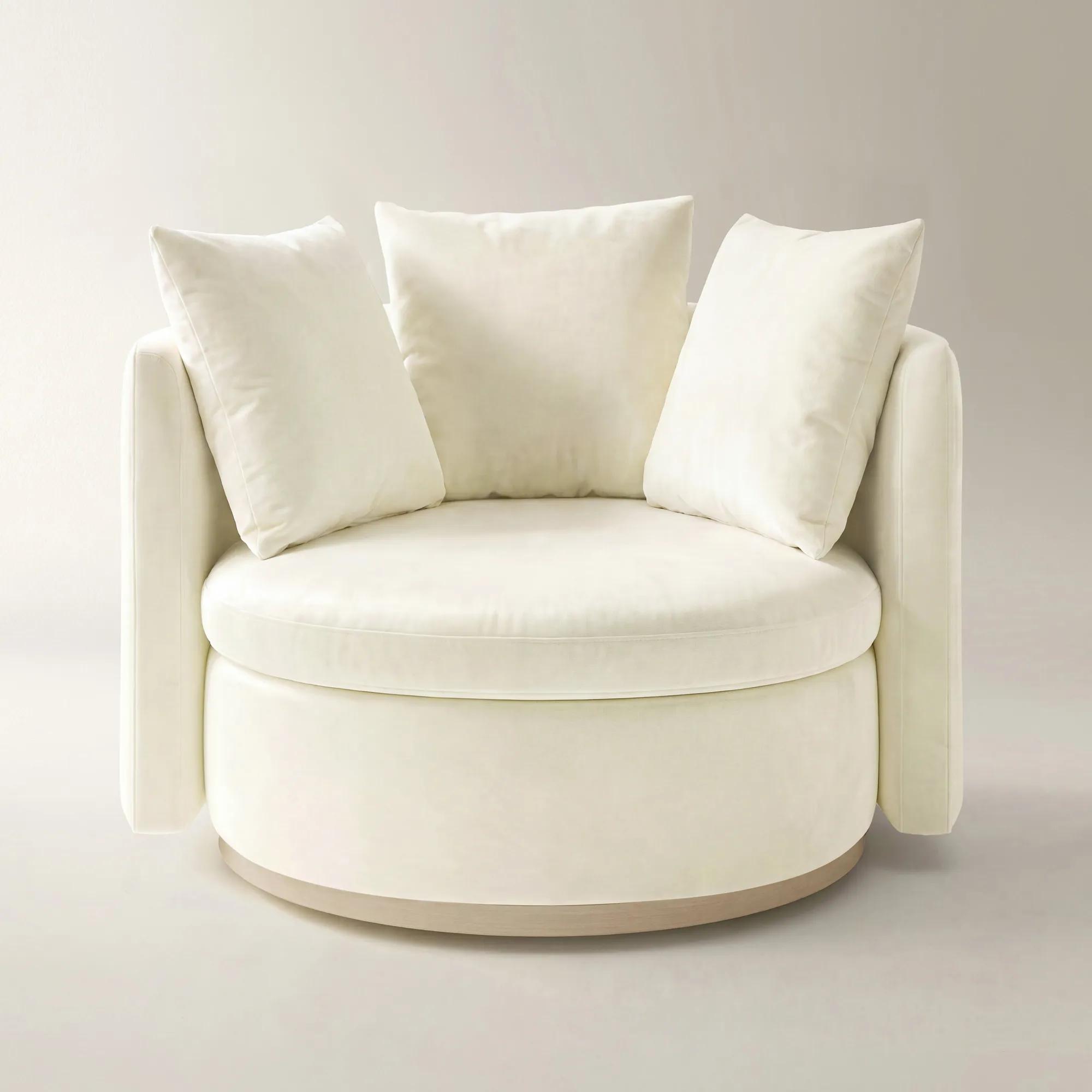
 Stria Cloud Velvet Swivel Accent Chair$1299
A sculptural cloud-velvet accent chair with enveloping curves, layered cushioning, and a concealed 360-degree swivel base.
Add To Cart -
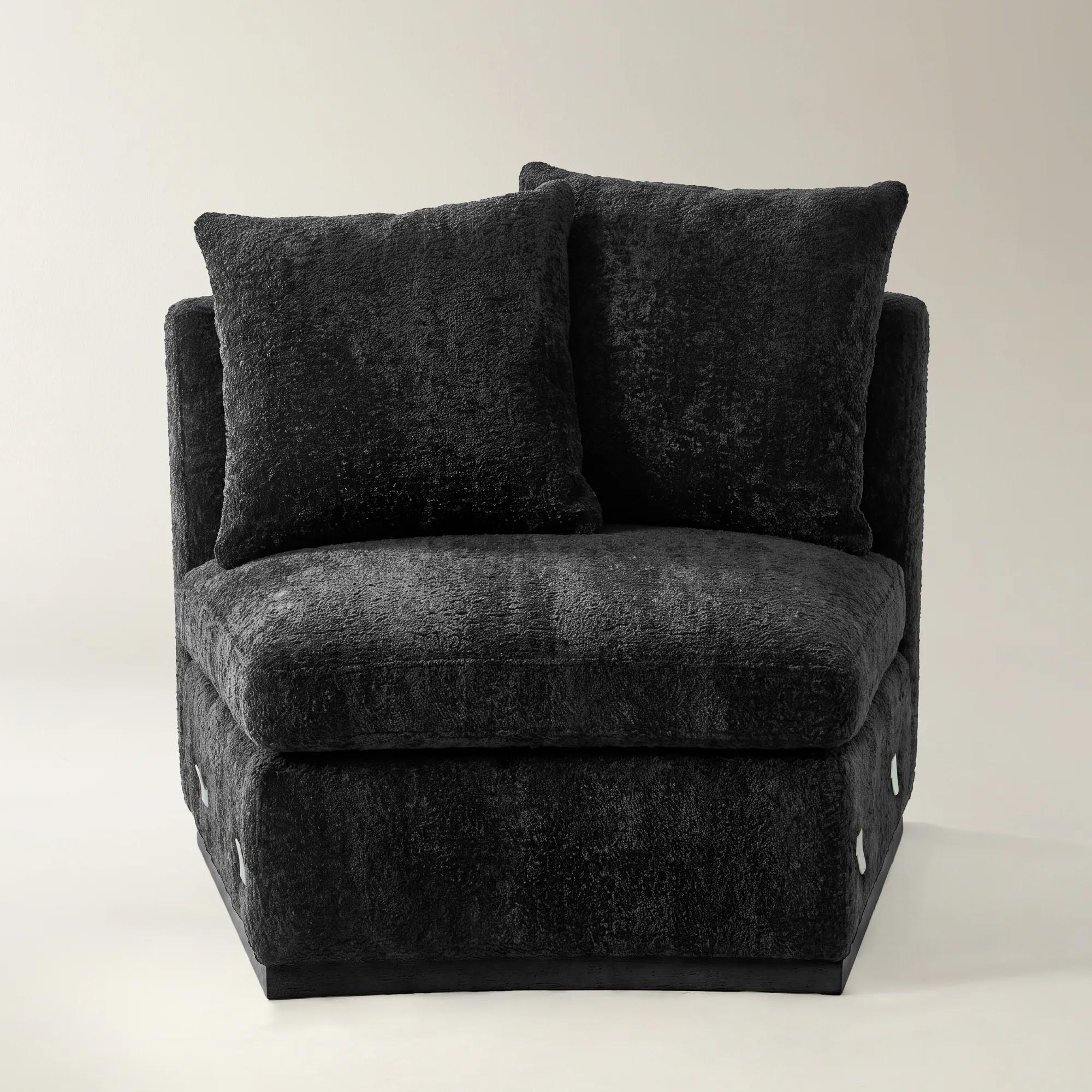
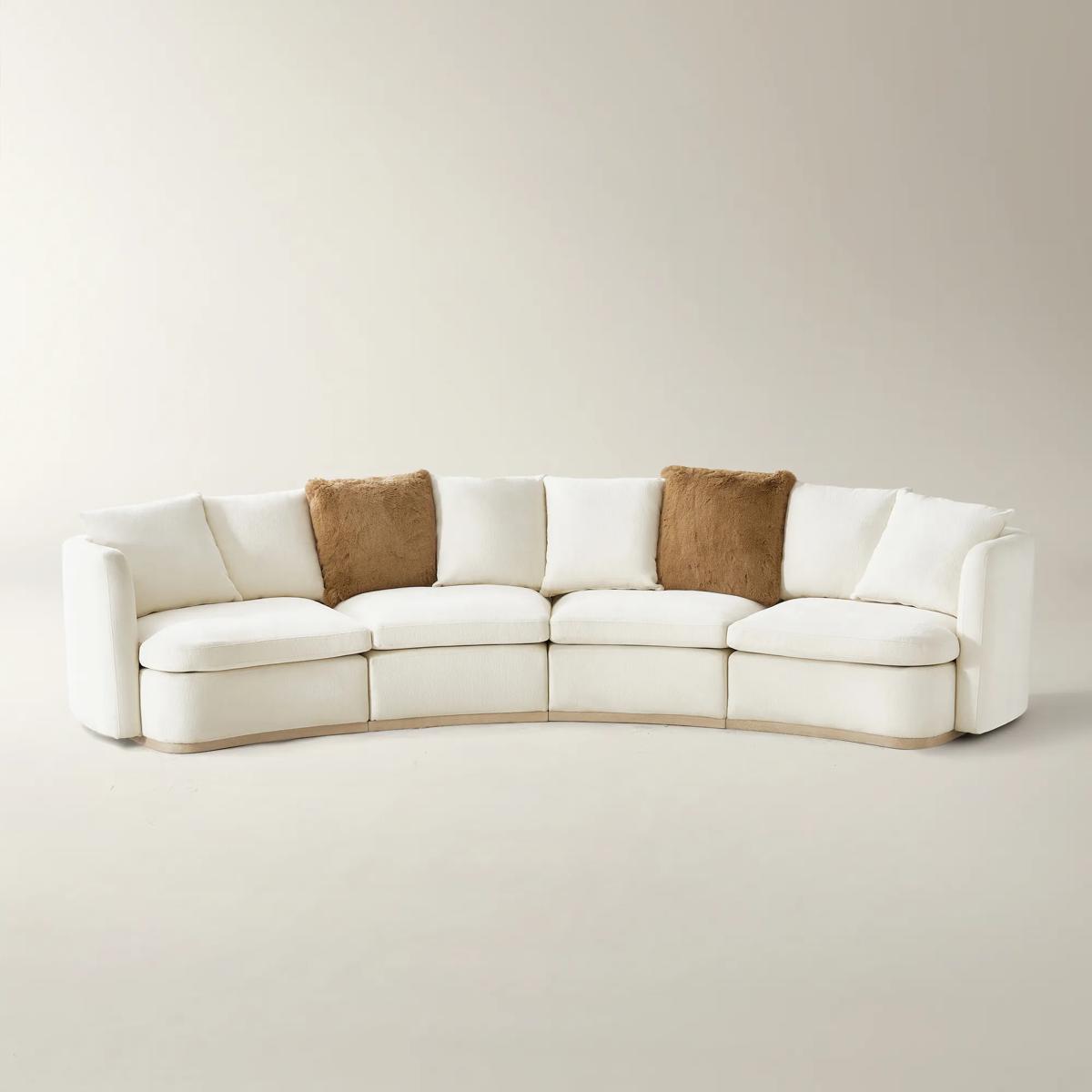 Stria Black Chenille Armless Chair$999
A sculptural black chenille armless chair with kiln-dried wood construction, solid oak base, and layered cushioning.
Add To Cart -
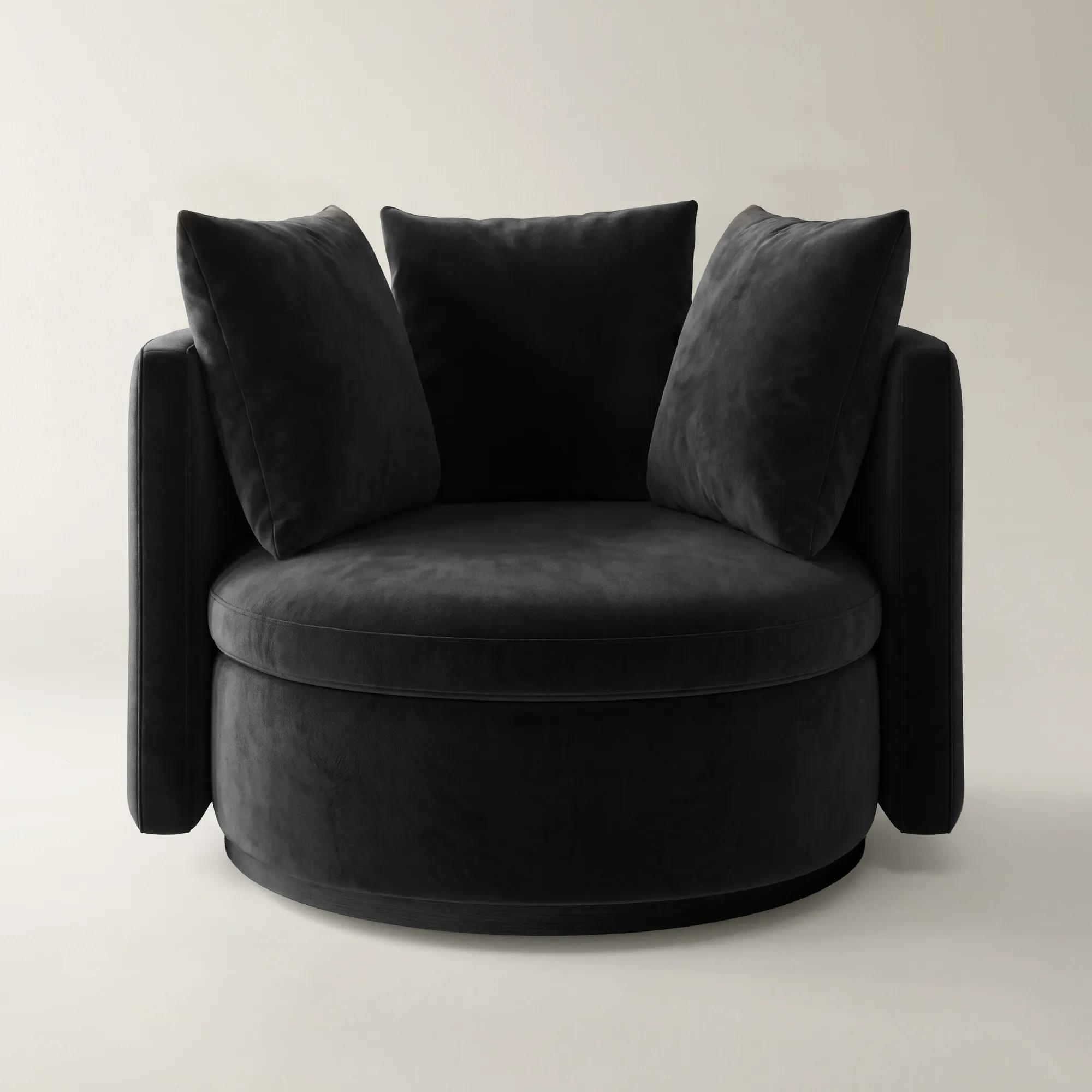
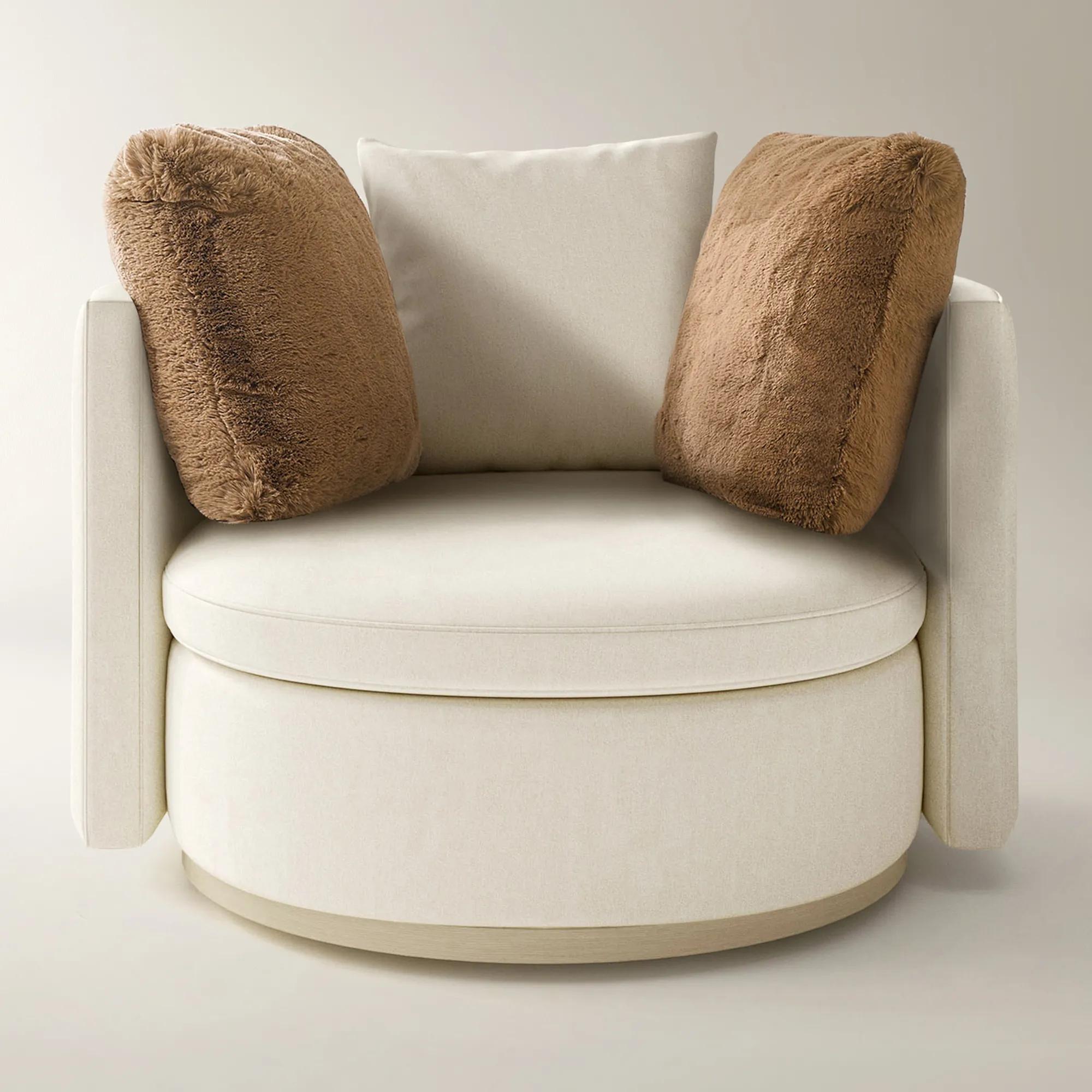 Stria Charcoal Velvet Swivel Accent Chair$1299
A sculptural charcoal velvet accent chair with enveloping curves, layered cushioning, and a concealed 360-degree swivel.
Add To Cart

Dorm Room Seating Ideas
Dorm Room Seating Ideas are your invitation to transform a simple space into a stage for self-expression and sophistication. Imagine plush silhouettes that beckon you to unwind, sculptural forms that spark conversation, and luxe finishes that elevate every late-night study session or impromptu gathering. Each piece is carefully chosen to infuse your sanctuary with personality and panache—because even the smallest room deserves a grand statement. Let every seat become an accent, every corner an opportunity for comfort and style, as you curate a dorm retreat that’s unapologetically you.
Dorm room seating ideas begin with a balance of expressive design and thoughtful proportions: a compact accent chair for a personal retreat, a mini futon for shared lounging, a storage ottoman for a flexible perch, or floor cushions that make room for conversation without dominating the floor plan. Each brings a different rhythm to a small space. A sculptural chair beside a window can establish a reading corner, while a streamlined loveseat or futon creates a gathering place that feels distinct from the bed and desk. For students who frequently welcome friends, several movable seats may work better than one substantial sofa; for someone who treasures an uninterrupted hour with a book, a supportive upholstered chair deserves priority. The most successful dorm room seating feels intentional rather than squeezed into leftover space. Measure the room with existing furniture in place, accounting for desk-chair movement, drawers, closet doors, and clear access to the exit. Check the route into the building, too, including stairways, elevator openings, and narrow doorways. Seat width alone does not reveal how a piece will fit: deep cushions, sweeping arms, and reclining backs can claim more space than expected. Armless silhouettes and chairs with slender frames often preserve a more open visual line, while exposed legs reveal the floor beneath and keep an upholstered piece from appearing overly heavy. A futon offers seating that can convert to a sleeping surface where residence hall rules permit overnight guests, but its fully opened dimensions matter as much as its upright footprint. Compact or mini futons suit tighter layouts, although their seating and sleeping surfaces may be shorter than those of larger designs. Confirm dimensions against the intended use rather than relying on the name. In a shared room, coordinating the footprint and placement with a roommate helps create a setting that serves both people gracefully. One richly textured seat can deliver more presence than several competing pieces, leaving breathing room for daily life and a stronger sense of personal style.
Materials give small-space seating its character, but texture should be considered alongside comfort, care, and construction. Velvet brings depth to saturated color and catches the light beautifully, turning even a modest chair into a deliberate focal point. Bouclé introduces a sculptural, looped surface, while a tightly woven upholstery fabric offers a more tailored appearance. Fabric performance varies by fiber, weave, backing, and finish, so appearance alone cannot establish how well a seat will handle frequent use. Review any published care guidance and durability information, especially for seating that will become the preferred destination for study breaks, video calls, and evening conversations. Raised or looped textures may catch on jewelry or bag hardware; plush fabrics can show changes in pile direction that are part of their surface character. Removable covers can simplify upkeep only when the care label permits washing, and a stain-resistant finish does not make upholstery immune to spills. Blot accidents promptly rather than rubbing, use cleaning products approved for the material, and vacuum with an appropriate upholstery attachment to lift crumbs and dust from seams. Wood, metal, and upholstered bases each create a different visual effect, from warm and grounded to gleaming and architectural, but sound joints, a stable base, and suitable weight capacity matter more than the finish alone. Seat construction also shapes the experience: a deeply cushioned lounge chair invites settling in, while a firmer seat with a supportive back makes it easier to sit upright and rise comfortably. Bean bag chairs offer an enveloping alternative for casual lounging, though their low position and softer support are not equally comfortable for every user. Floor pillows and cushions are similarly suited to shorter, informal gatherings rather than prolonged desk work, and some students will prefer a higher seat with arms for easier access. For assignments that require sustained typing or reading at a desk, prioritize a chair that fits the desk height and supports a comfortable working posture, with feet resting securely on the floor or a footrest. The more work-focused perspective of Seating Options For Home Offices can complement a dorm arrangement that needs a clear distinction between focused study and restorative lounging.
Multifunctional dorm seating earns its place by adapting to the day without sacrificing a considered look. A storage ottoman can conceal an extra blanket or smaller belongings and offer another place to sit, provided it is designed and rated for seating; not every decorative footrest is intended to bear a person’s weight. Check interior dimensions, lid operation, and the space needed to open it before counting on its storage capacity. A compact upholstered bench may suit the foot of a bed when there is ample clearance, while a folding chair can provide occasional seating and disappear into a closet afterward. Look for a secure folding mechanism and a practical place to store it, since a piece that blocks a doorway when put away has not truly saved space. Floor cushions can gather around a low table for a game or conversation, then stack neatly in a designated corner. Their usefulness depends on having enough clear floor area to sit and stand without crowding nearby furniture. Decorative pillows can also make the bed a more inviting daytime lounge without adding another furniture footprint, particularly when larger back cushions are arranged against a secure wall or headboard. Keep the composition edited: a generous cushion for support, a smaller pillow with tactile contrast, and a throw that brings the palette together. Pearl tones paired with deep blue, warm neutrals accented by metallic details, or a single jewel-toned chair against restrained bedding can give a dorm room remarkable depth without making every surface compete. Repeating one color or finish across the seating and surrounding decor creates continuity, even when roommates have different tastes. For a student furnishing a first room away from home, seating can also be a meaningful graduation or college send-off gift, especially when the recipient helps choose the dimensions, upholstery, and style. Residence hall furniture policies, delivery access, and the eventual move out deserve consideration before a substantial gift is selected. Lightweight construction or removable legs may make transport easier, depending on the design. Chosen with that longer view, dorm room seating becomes more than a temporary accommodation: it gives reading, welcoming friends, and taking a quiet pause a setting with comfort, character, and unmistakable individuality.
FAQs
To achieve both comfort and style in a dorm room, consider seating options that blend plush textures with bold design. Floor cushions and poufs create a relaxed, lounge-worthy atmosphere, while accent chairs in luxe fabrics like velvet or faux leather add a sophisticated focal point. Ottomans with storage offer versatility and a touch of chic, and bean bags provide a playful, inviting vibe that’s perfect for unwinding or hosting friends.
Layering is key to creating a warm, inviting seating area during winter. Drape faux fur throws over chairs or futons for instant coziness, and incorporate decorative pillows in rich, tactile fabrics. Arrange seating near a window to capture natural light, and use area rugs to anchor the space, making it feel more intimate and luxurious.
In a small dorm room, think vertically and flexibly. Use stackable stools or folding chairs that can be easily stored when not in use. Place floor cushions or poufs in corners to create conversation zones, and position an accent chair by your desk to serve double-duty for studying and relaxing. Mixing textures and heights adds visual interest and maximizes the functionality of every inch.
Absolutely. The right seating doesn’t just serve a practical purpose—it’s a powerful design statement. Choose pieces with sculptural silhouettes, metallic accents, or bold colors to infuse your space with personality. Ottomans, poufs, and accent chairs can become artful focal points, transforming your dorm into a reflection of your unique style.
To create a cohesive look, consider the palette and textures of your seating in relation to your bedding, rugs, and window treatments. Select complementary colors or patterns that echo throughout the space. For more inspiration on harmonizing your seating area with elegant drapery or blinds, explore our <a href="https://zgallerie.com/o/dorm-room-window-treatment-ideas">Dorm Room Window Treatment Ideas</a> for artful coordination.