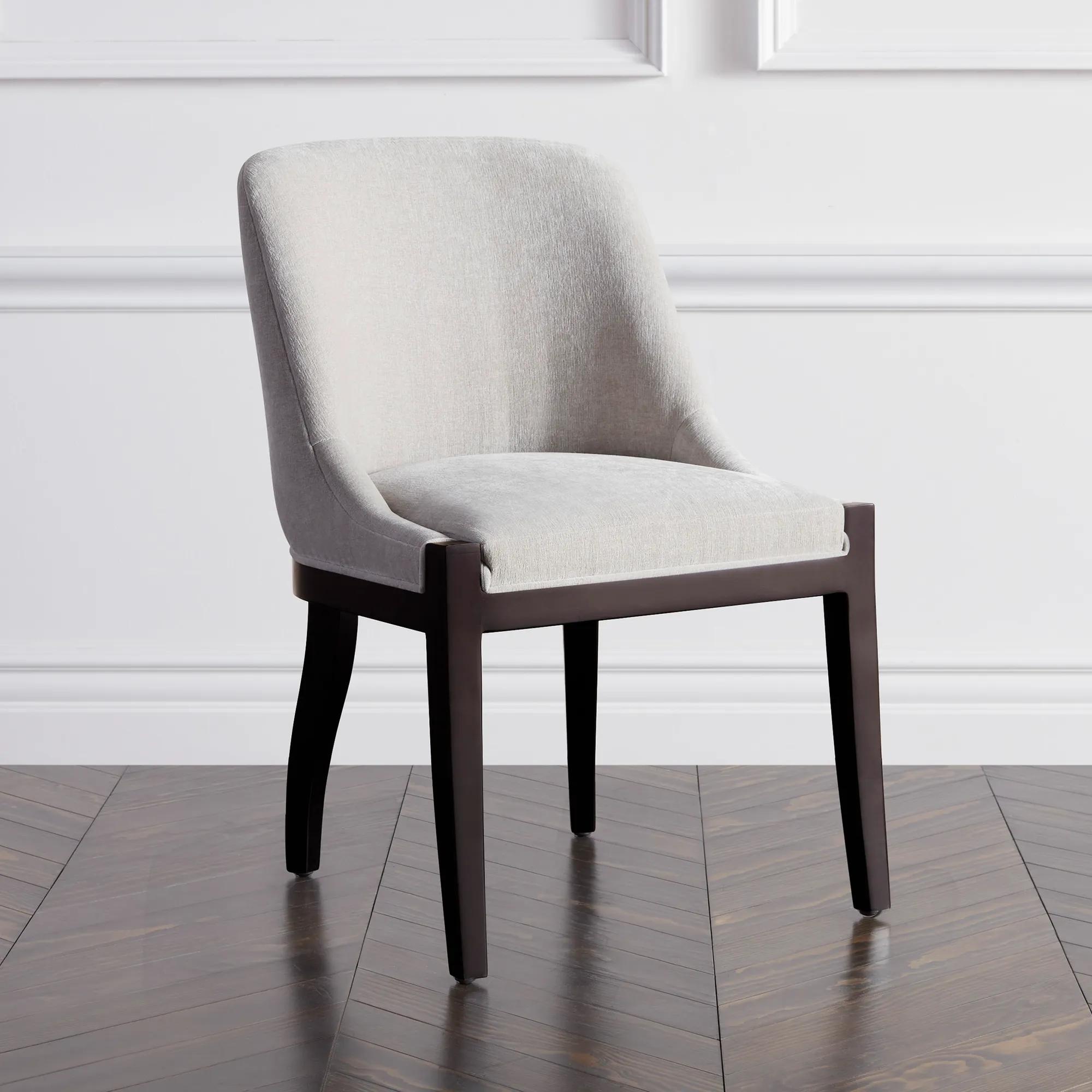
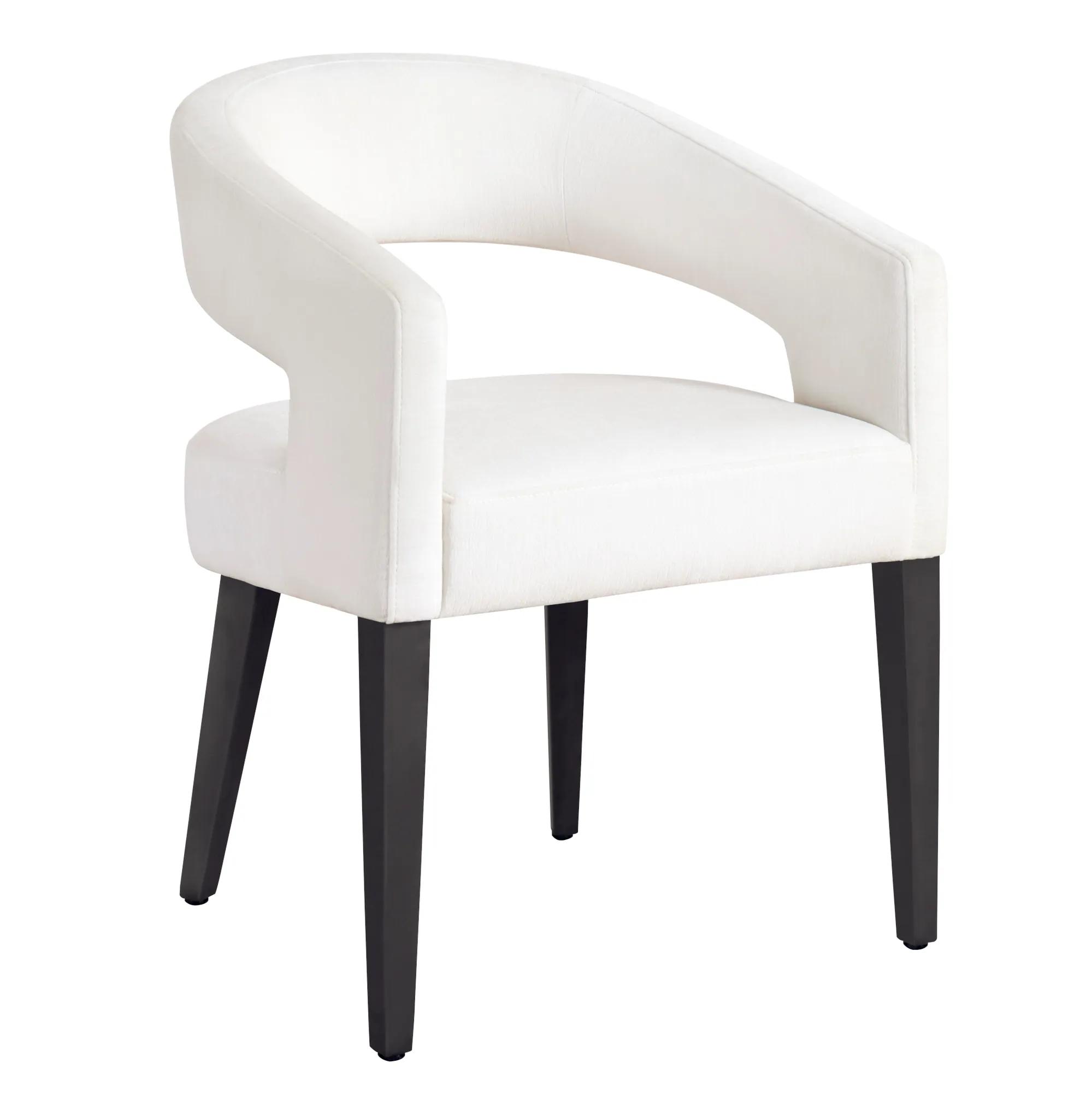
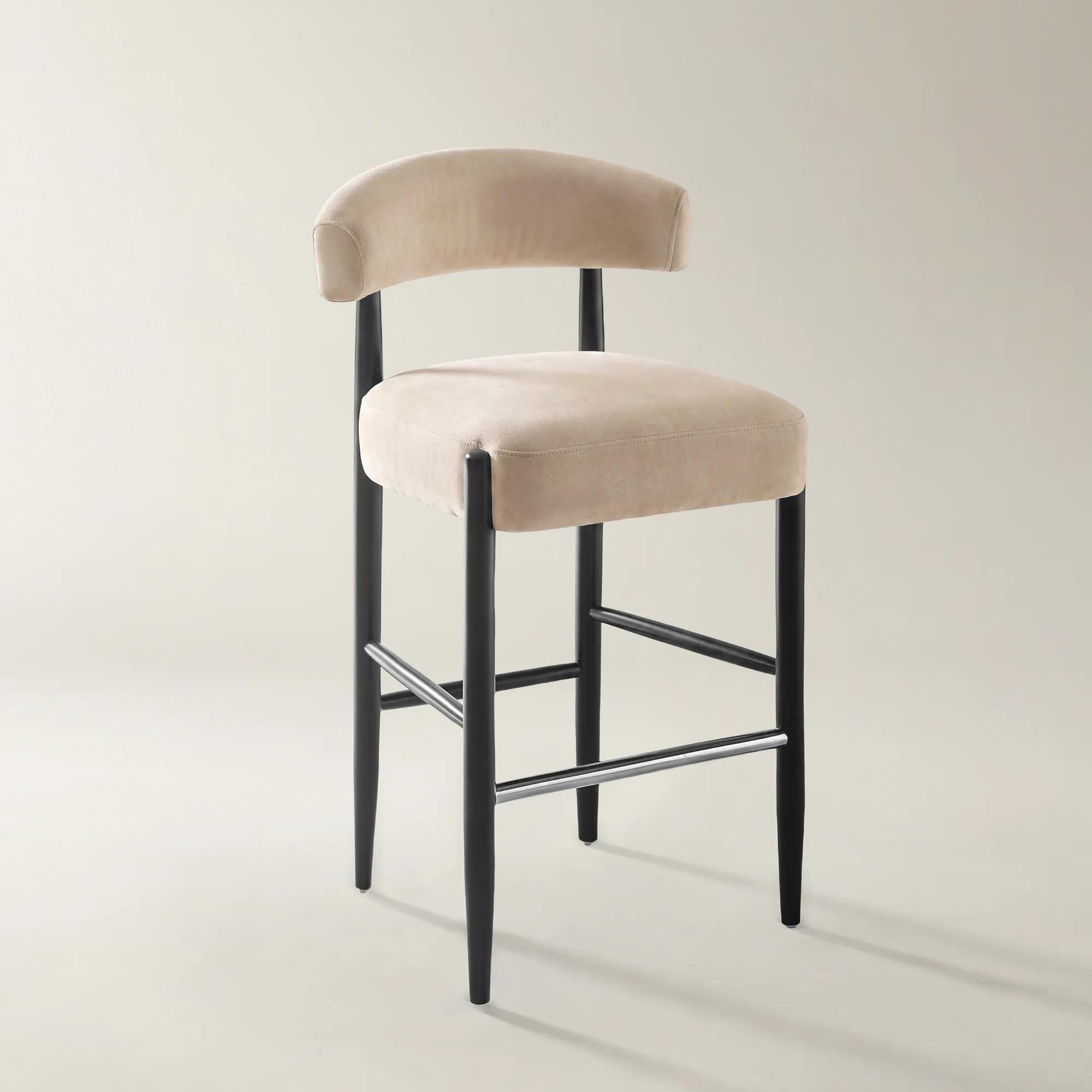
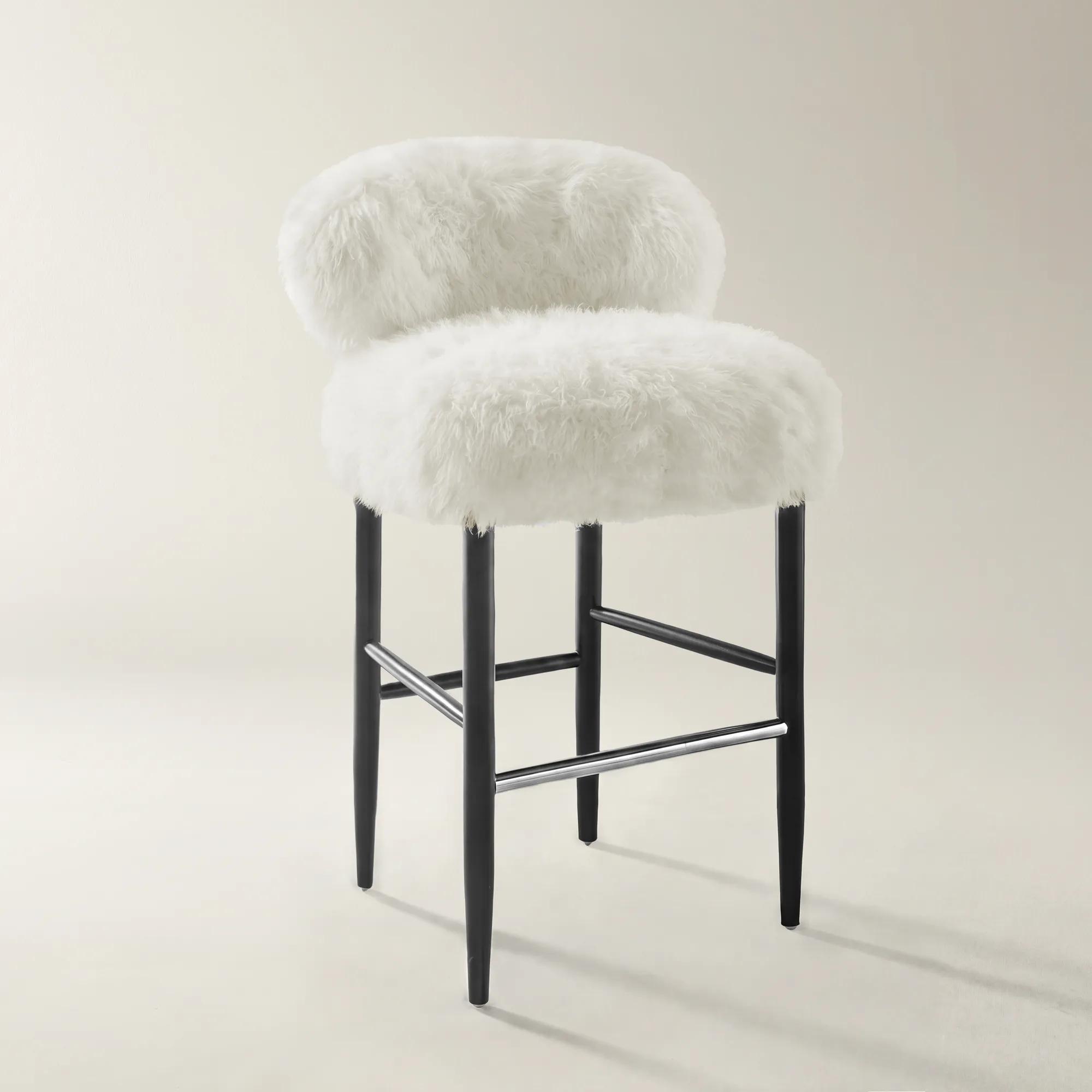
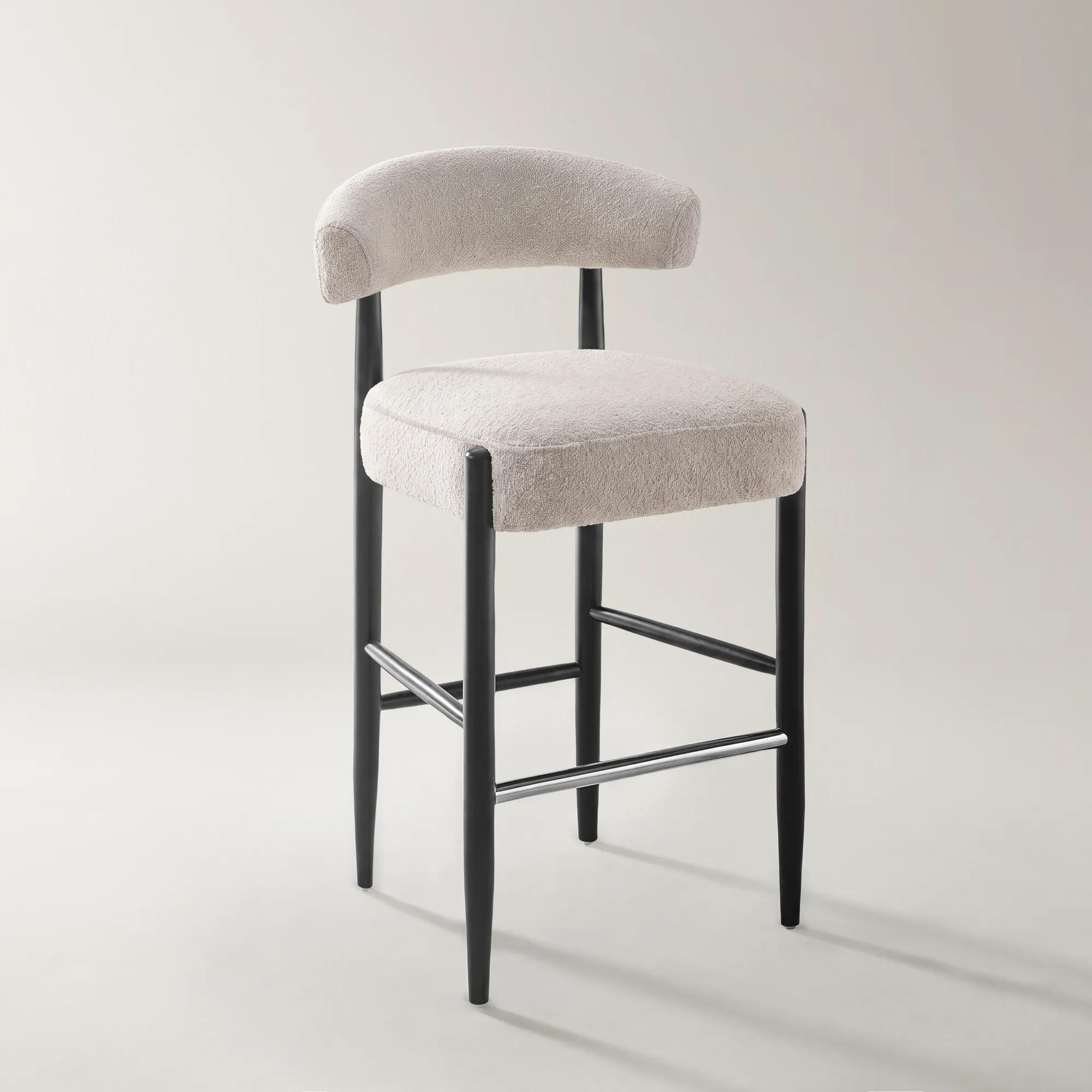
Stylish Solutions For Extra Seating
Stylish Solutions For Extra Seating
-
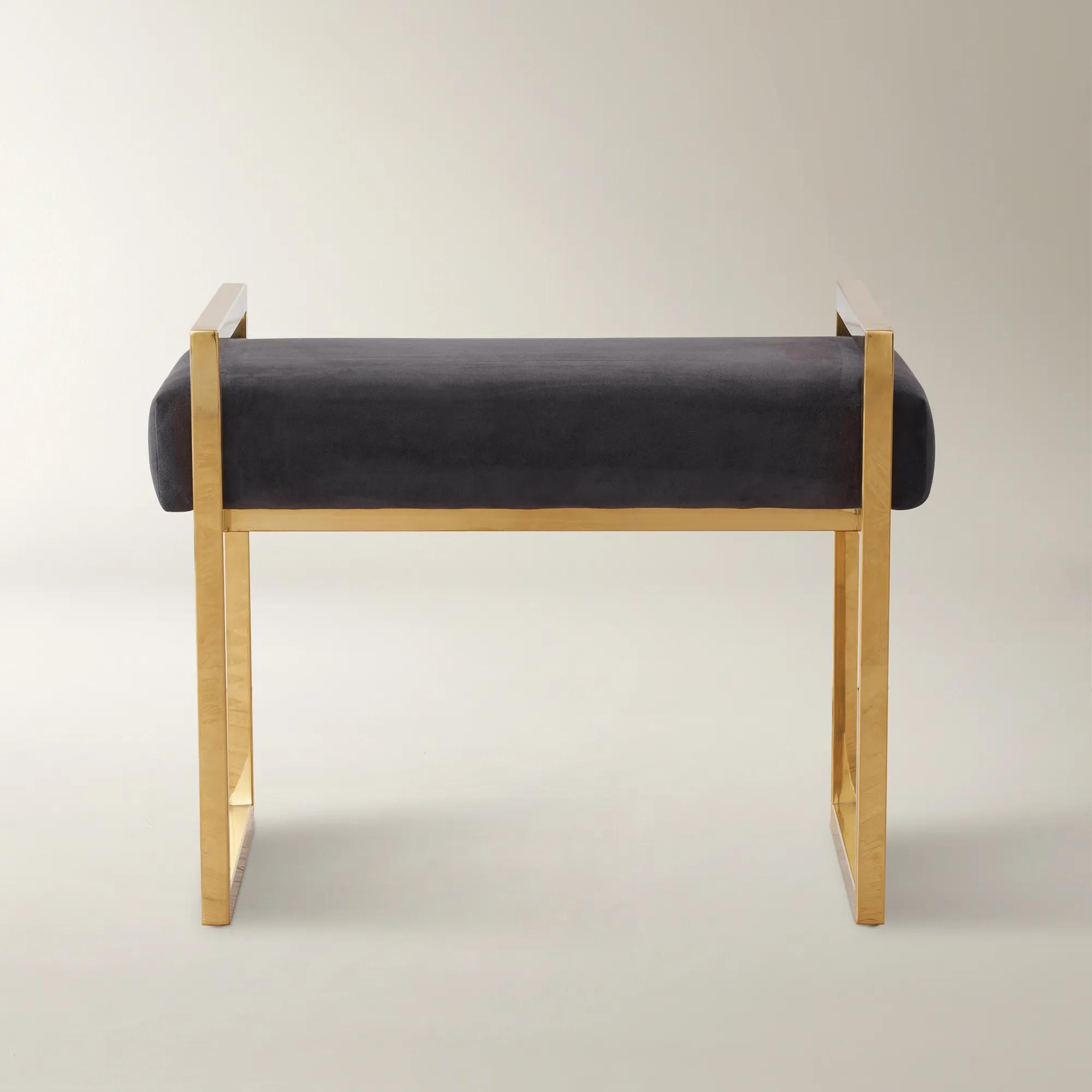
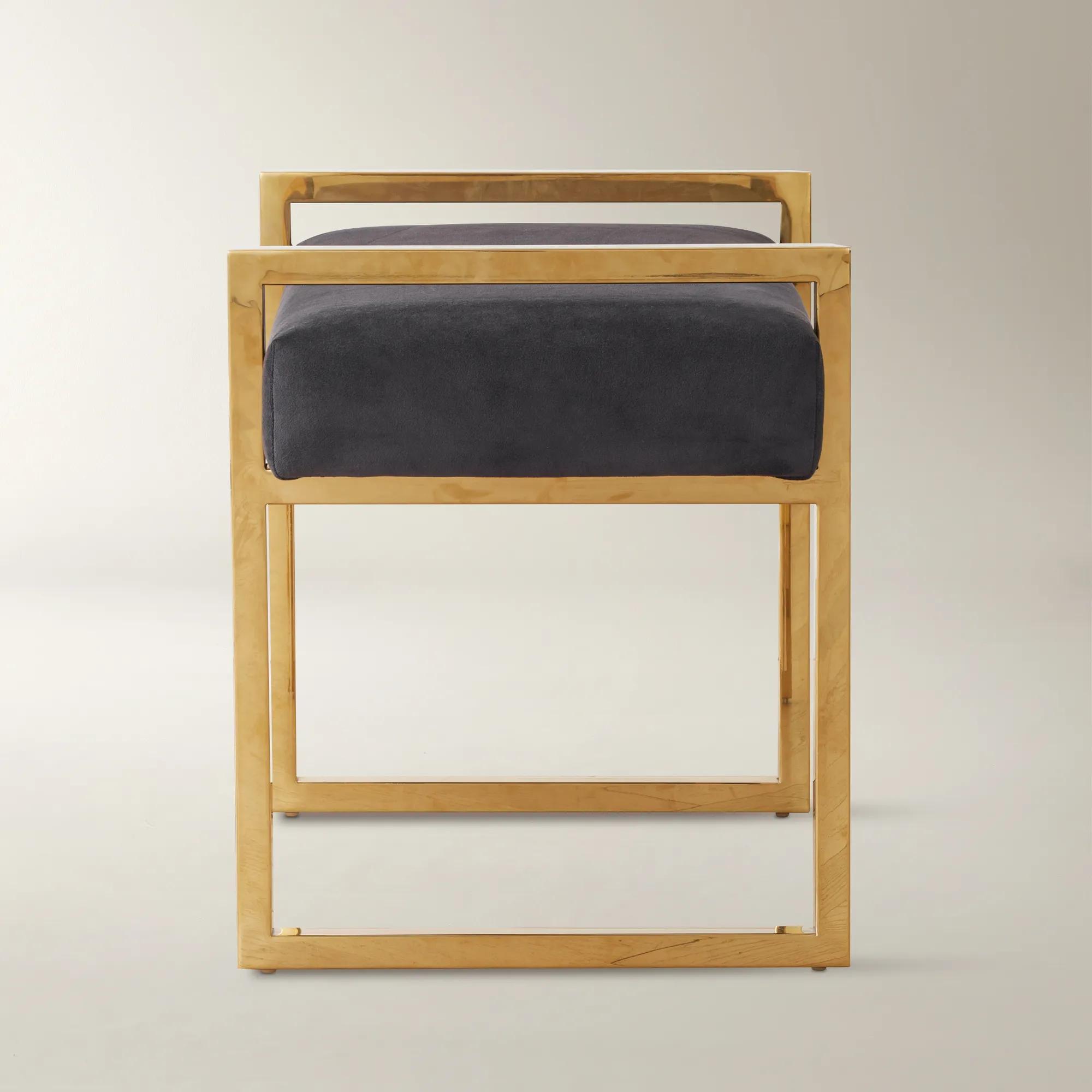 Clara Accent Stool$399
A plush black velvet seat rests on polished gold metal legs for a chic, modern accent piece.
Add To Cart -
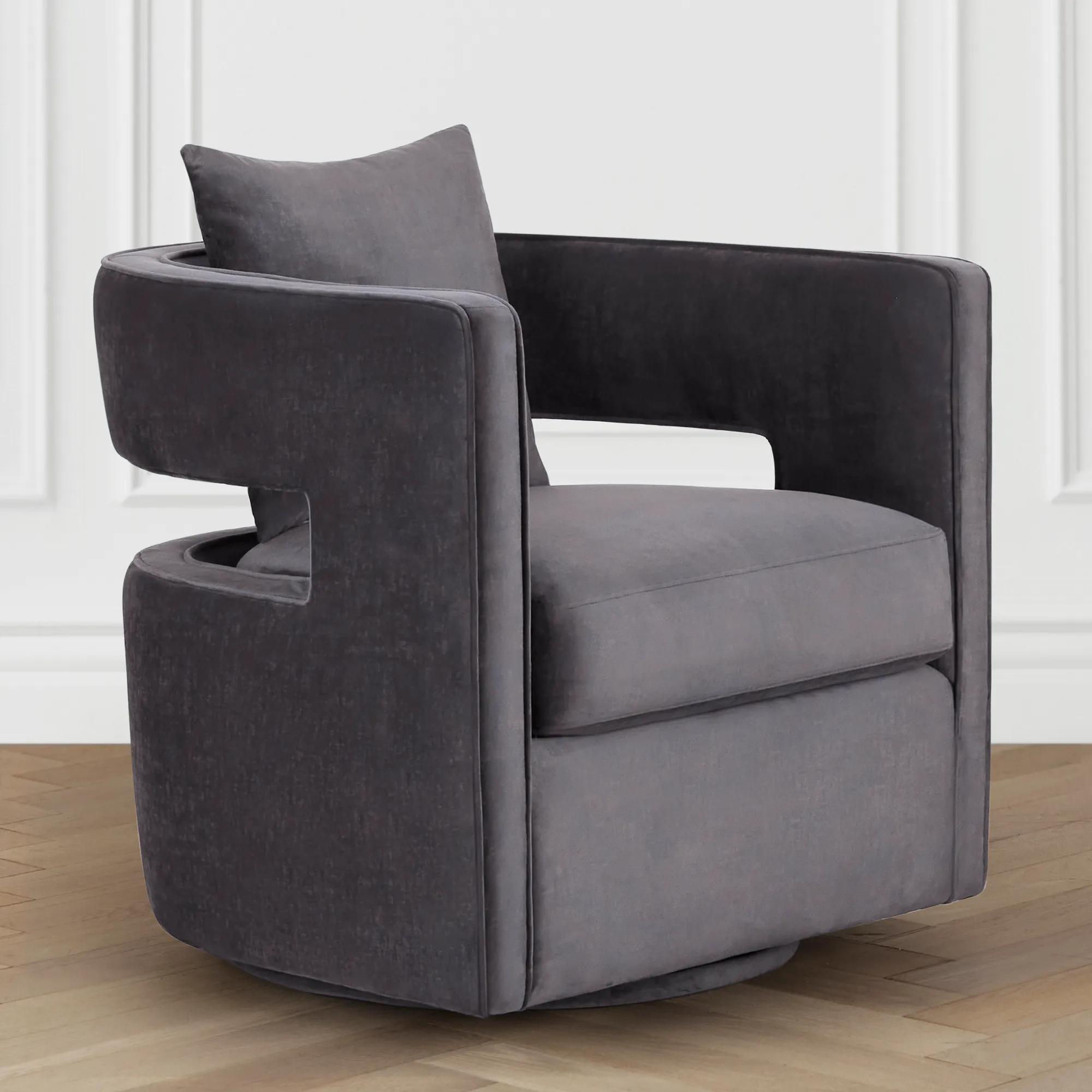 Lottie Grey Velvet Swivel Accent Chair$999
A glamorous grey velvet swivel chair featuring a barrel back, cutout arms, and plush foam cushioning.
Add To Cart -
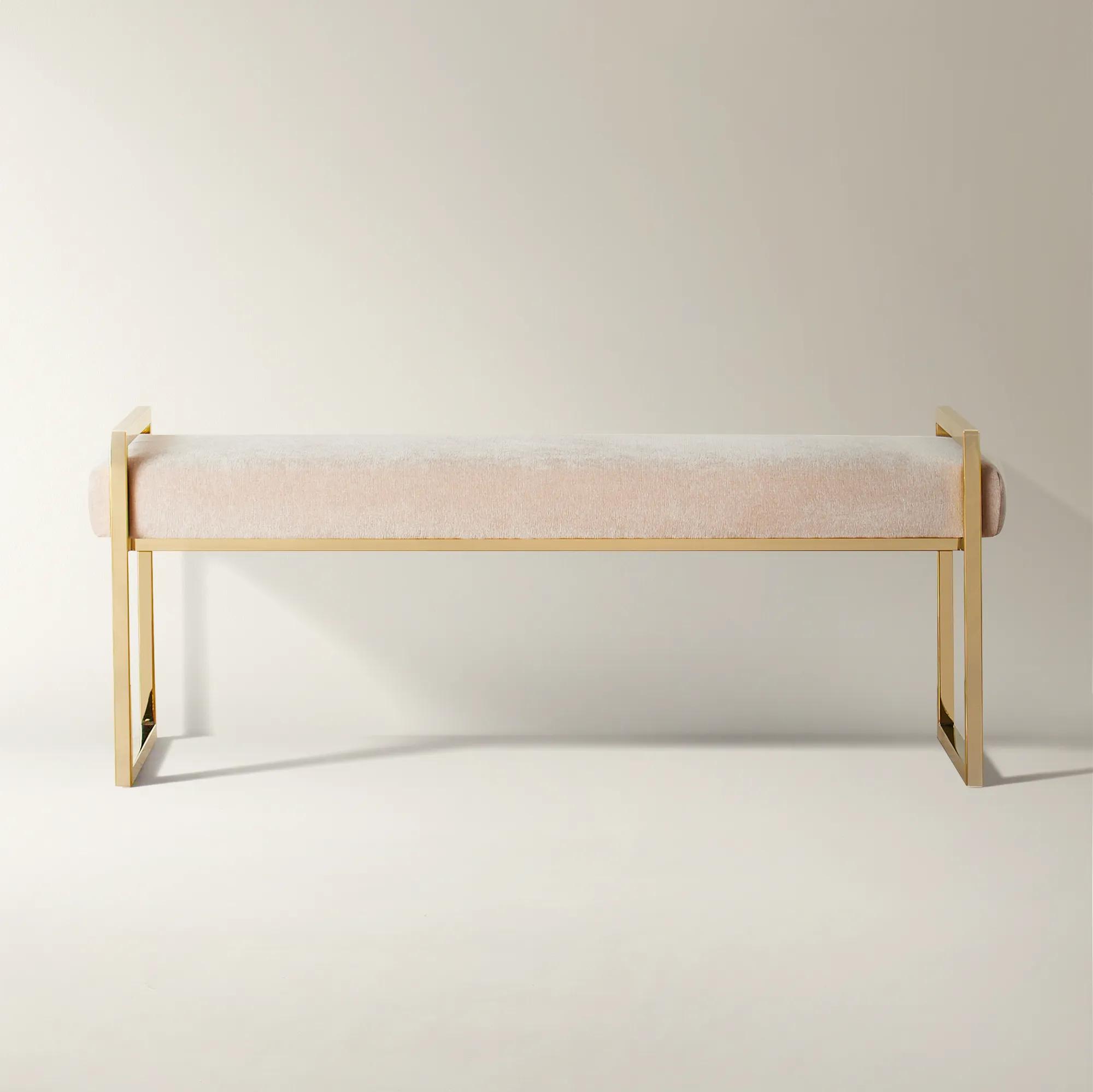 Clara Bench$699
A plush upholstered bench with a high-density foam seat and polished gold metal legs for modern elegance.
Add To Cart -
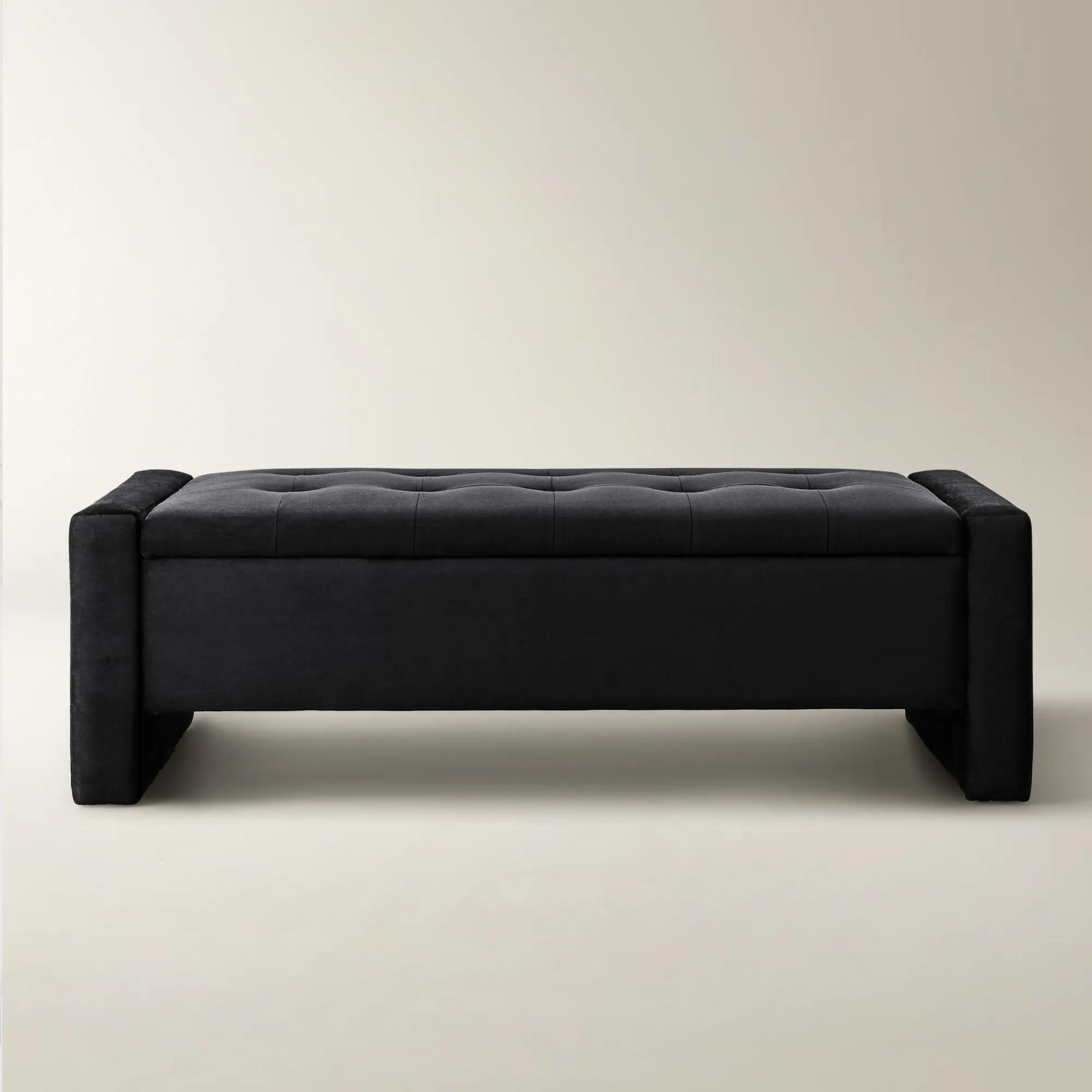
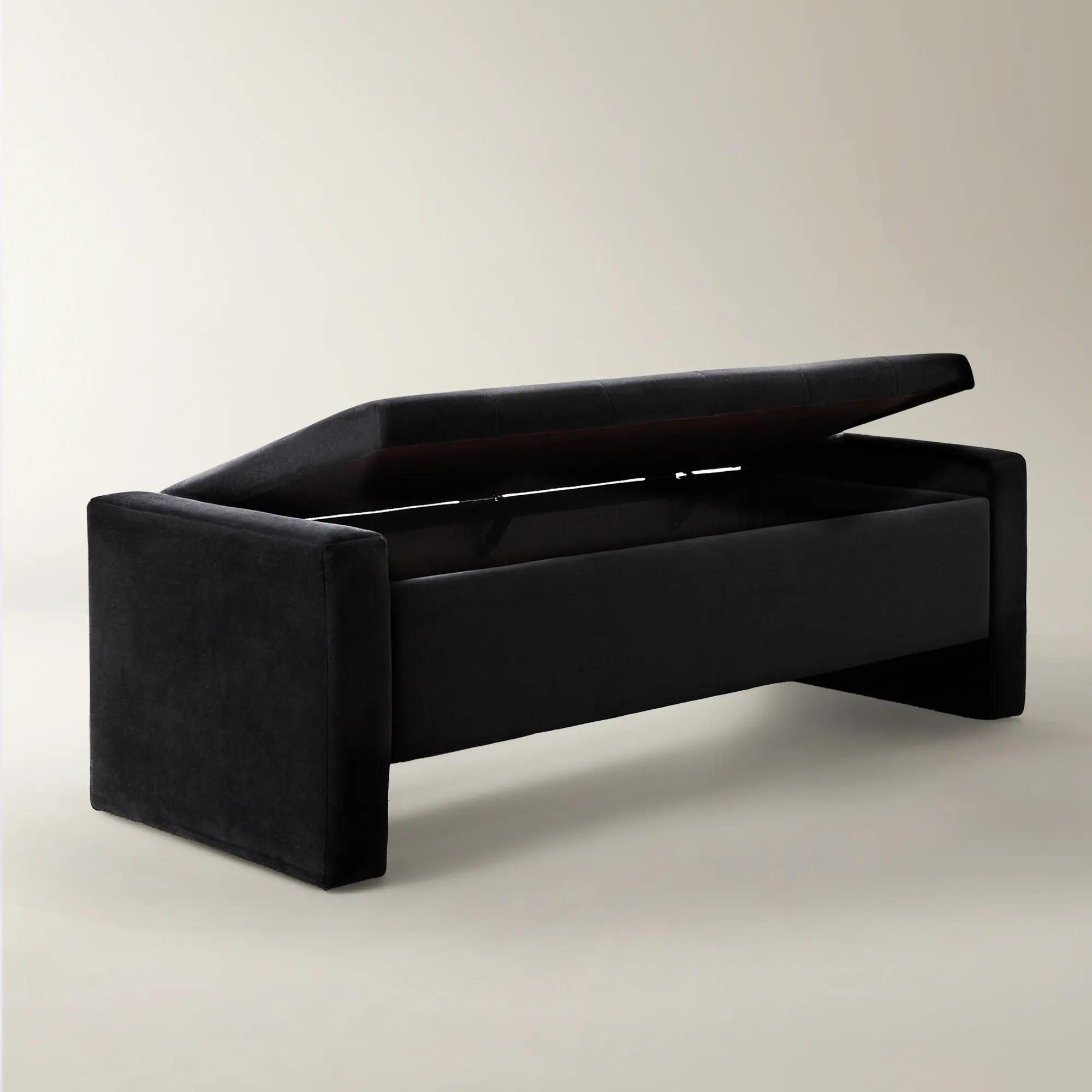 Maeve Storage Bench$849
A modern velvet-upholstered bench with hidden storage, kiln-dried hardwood frame, and soft-closing glides.
Add To Cart -
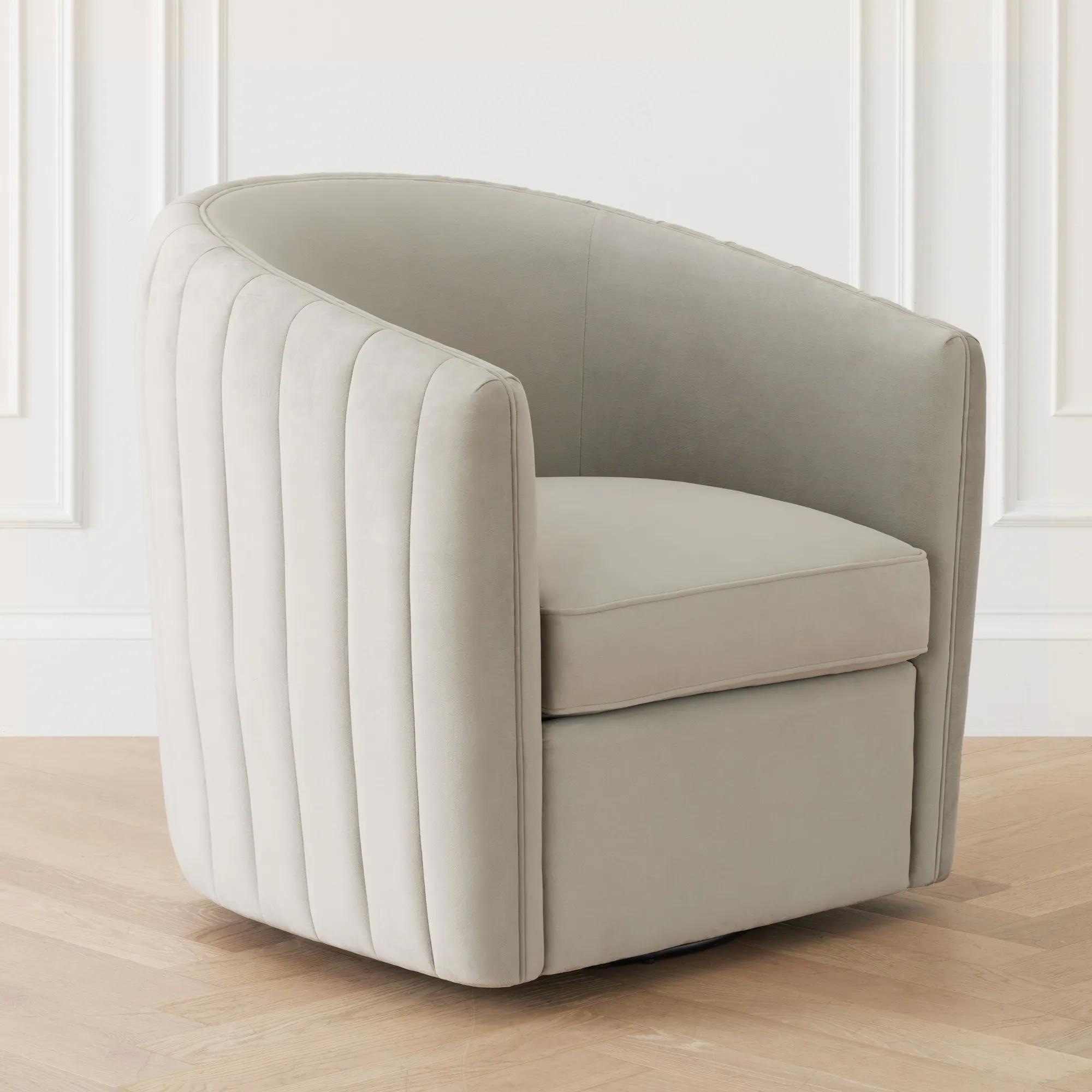
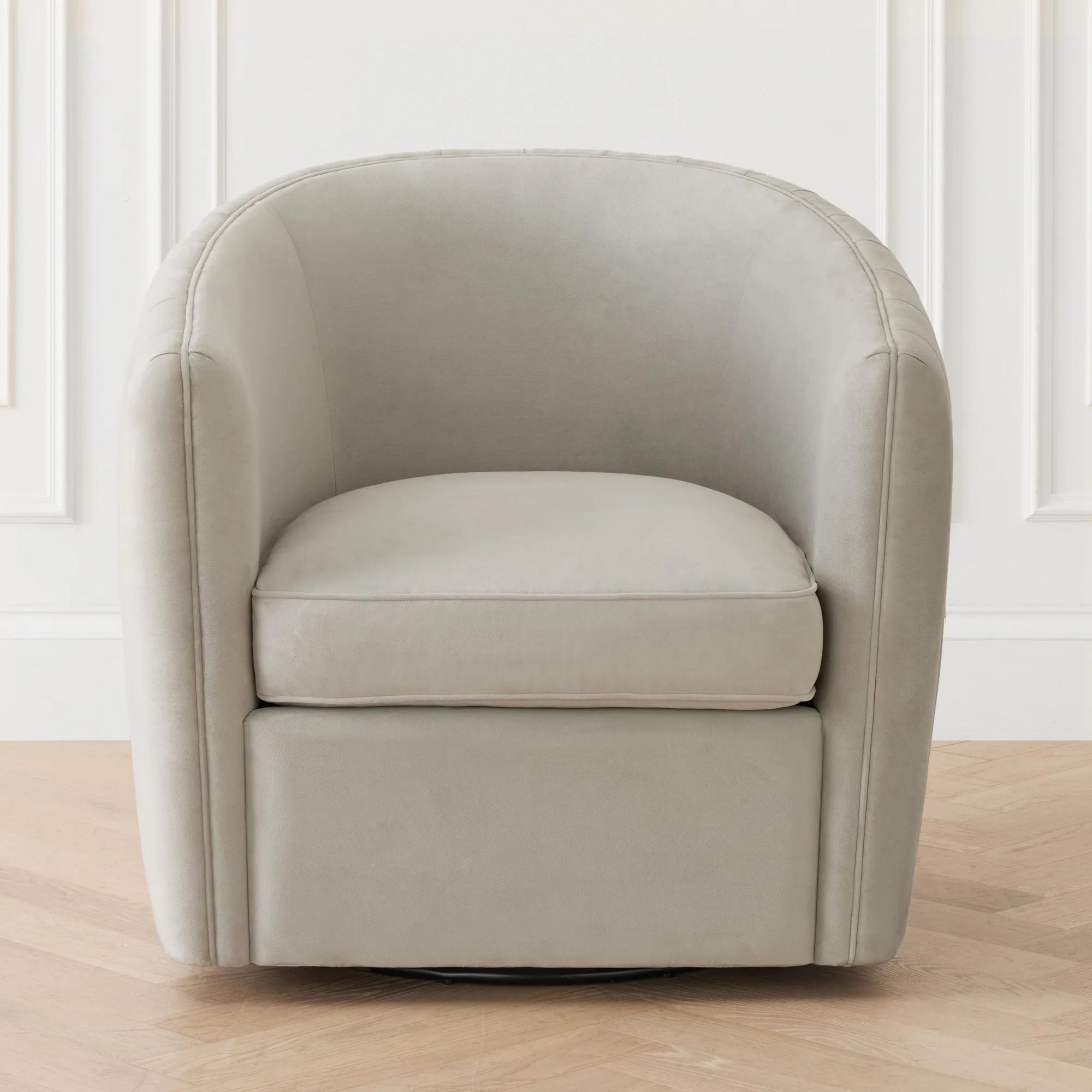 Aria Channeled Swivel Chair$1249
A modern barrel chair in kiln-dried hardwood with channeled velvet upholstery and a smooth swivel base.
Add To Cart -
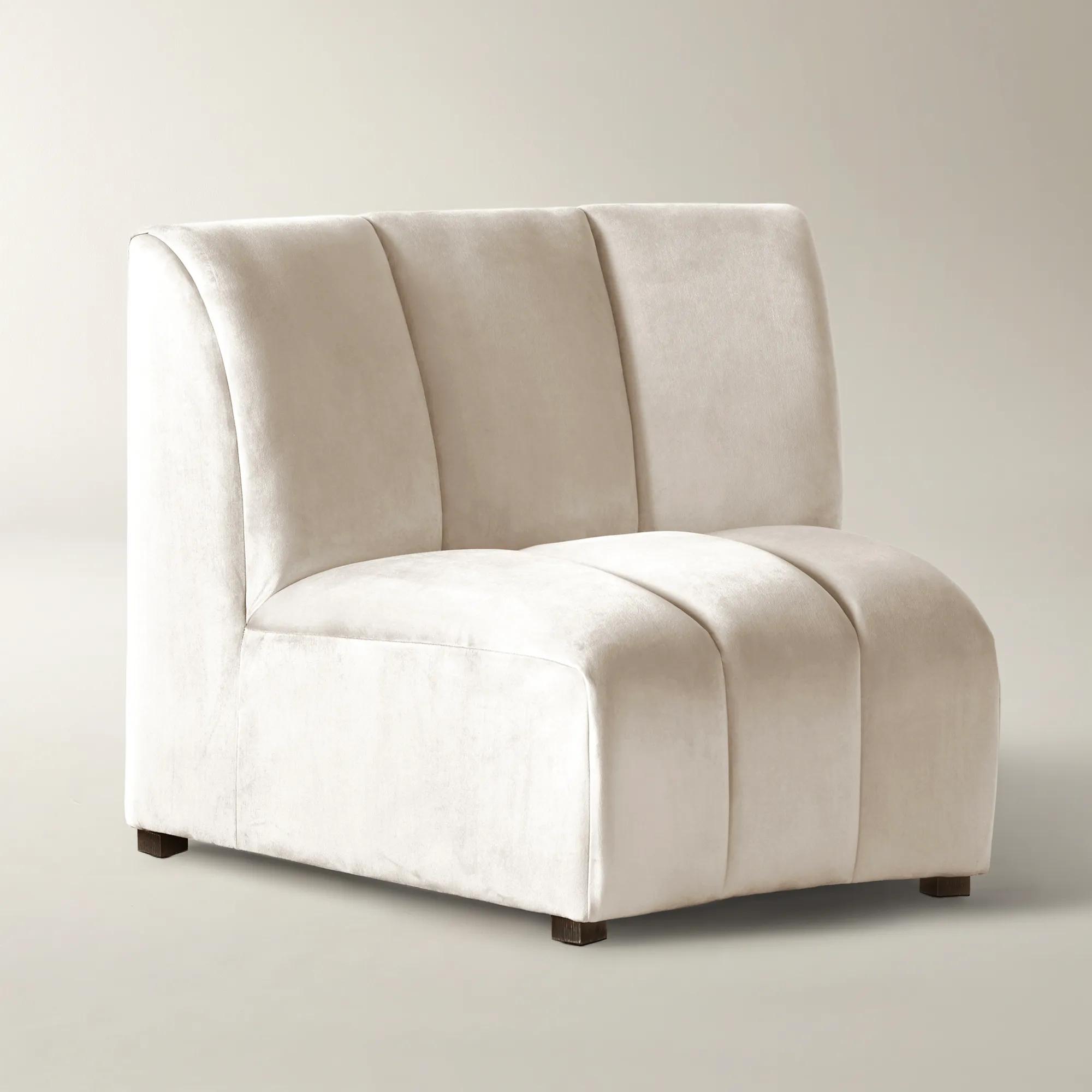 Jayce Channel-Tufted Ivory Velvet Armless Chair$949
A modern armless chair in water-repellent, stain-resistant Velvet Ivory with deep channel tufting and plush padding.
Add To Cart -
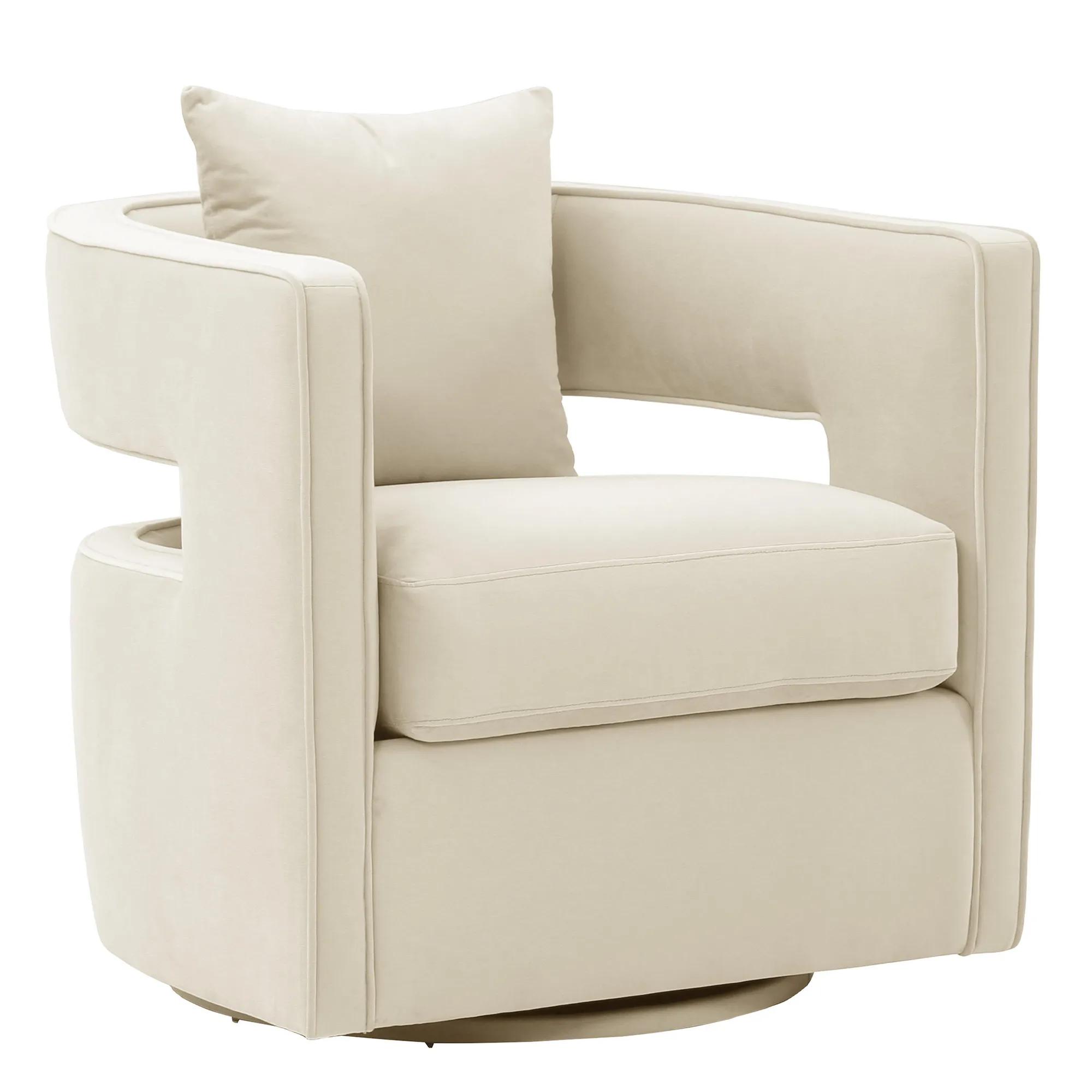
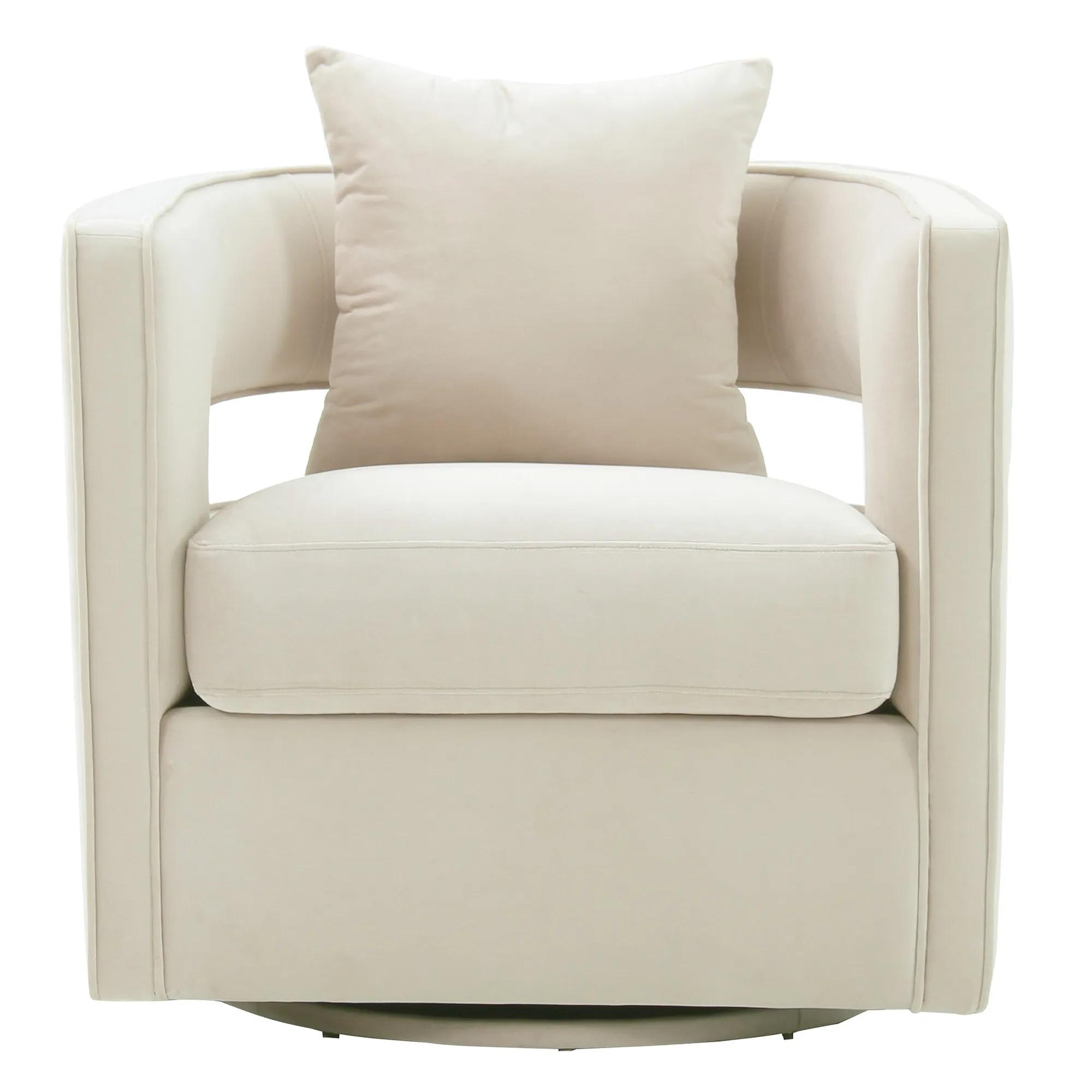 Lottie Cream Velvet Swivel Accent Chair$999
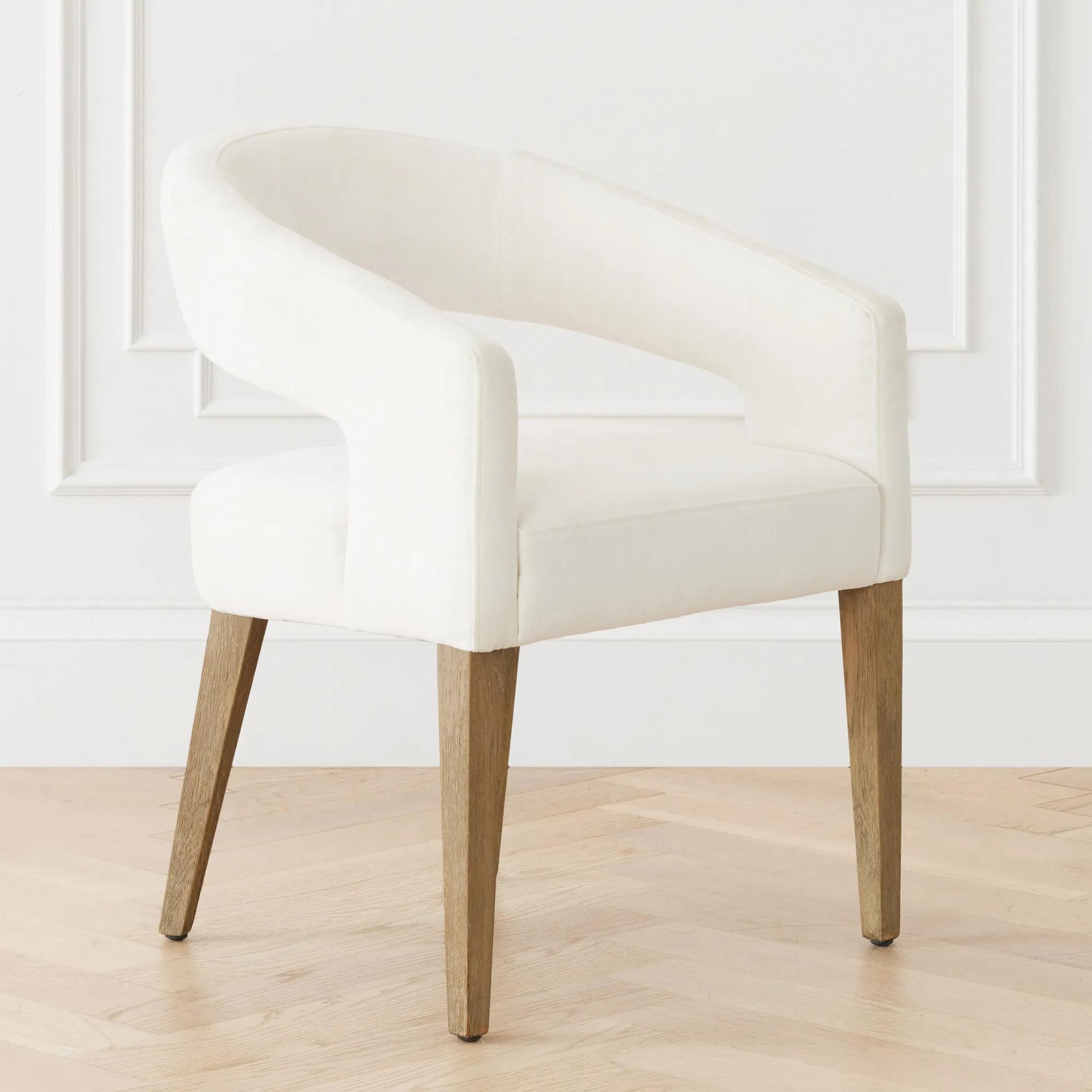
A glamorous cream velvet swivel chair featuring a barrel back, cutout arms, and plush foam cushioning.
Add To Cart -

 Aria Pleated Swivel Chair$1299
A barrel-style swivel chair in kiln-dried hardwood, shown in Bella Velvet Pearl with pleated tailoring.
Add To Cart -
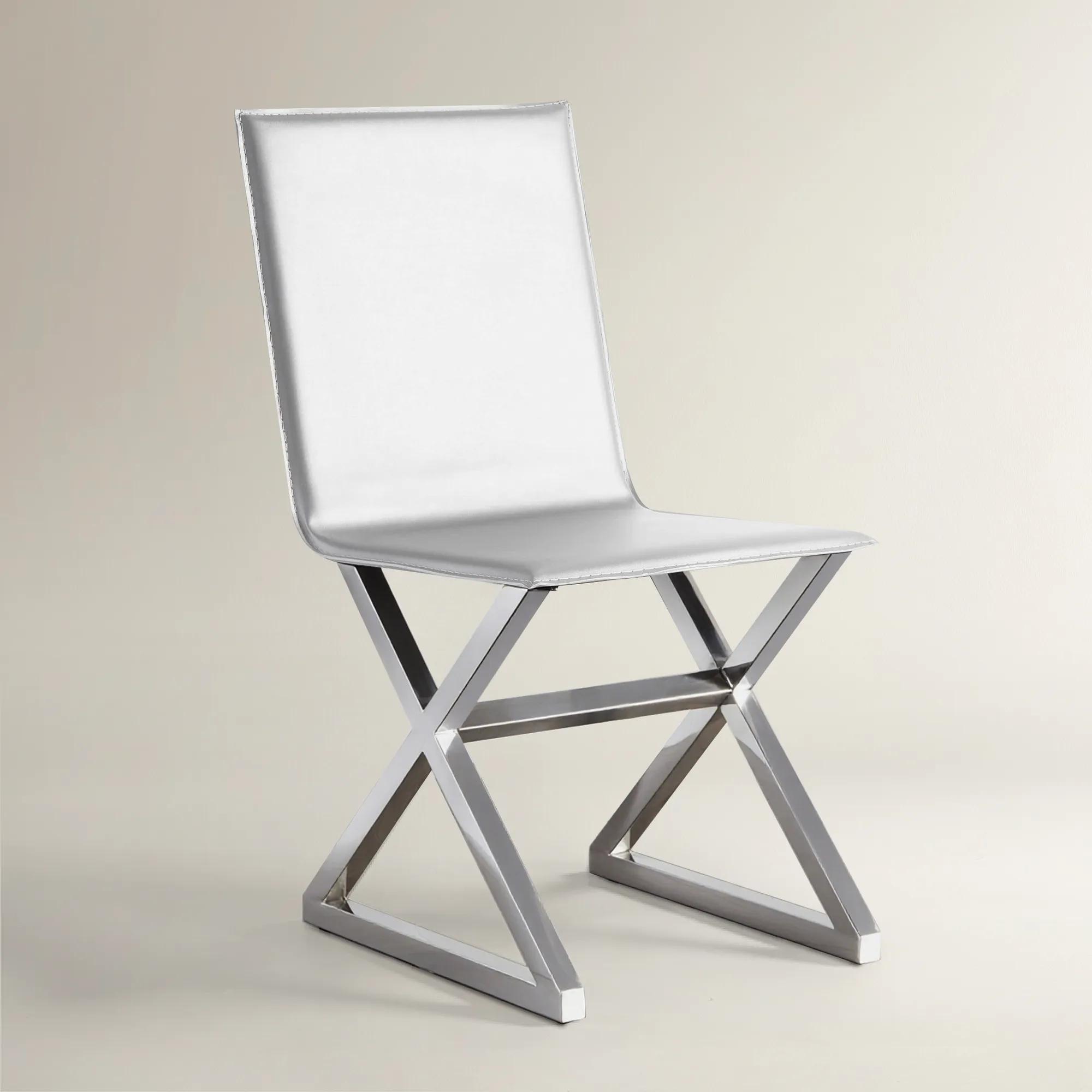
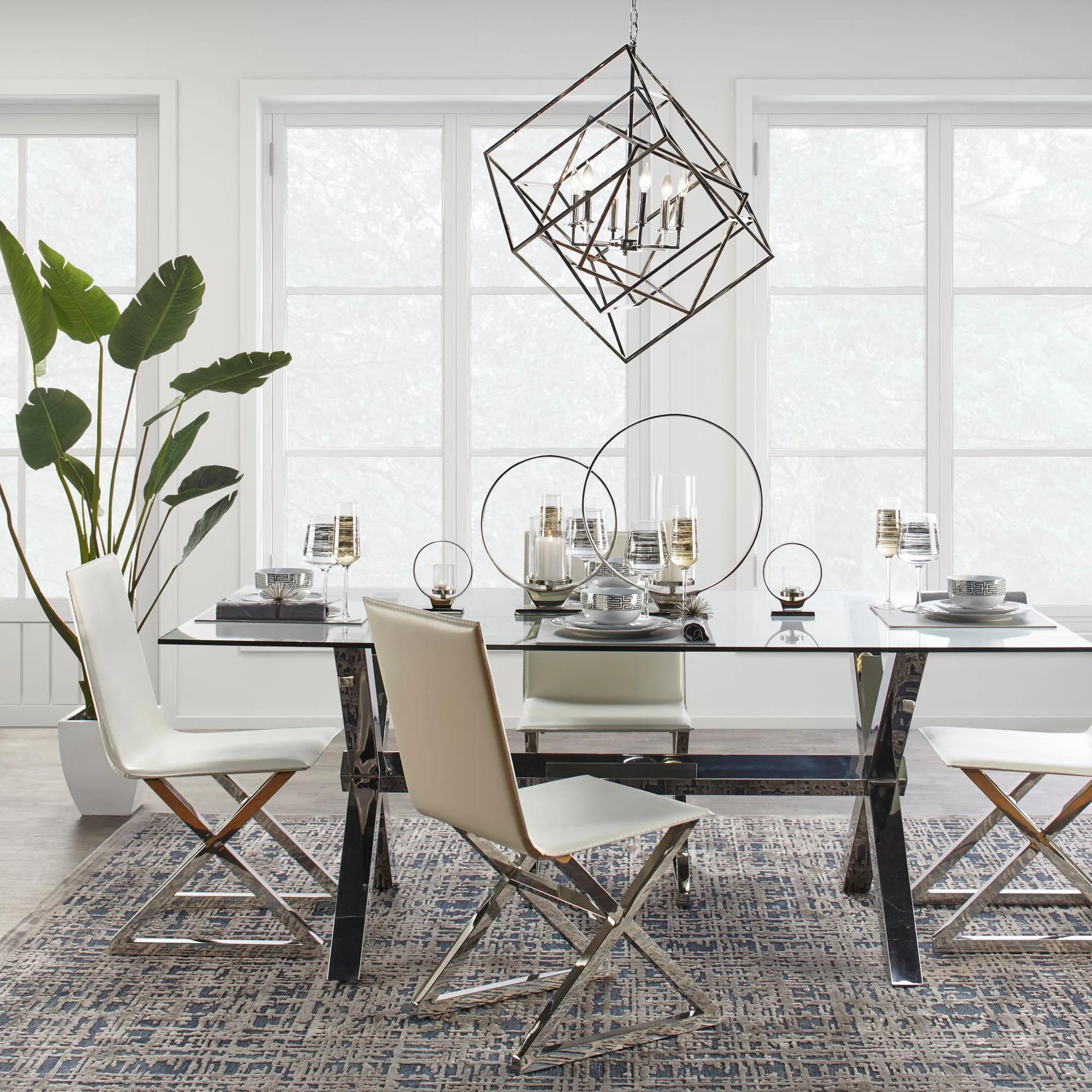 Axis Dining Chair - Set of 2$399
A contemporary chair set featuring white bonded leather upholstery and a polished stainless steel base.
Add To Cart -
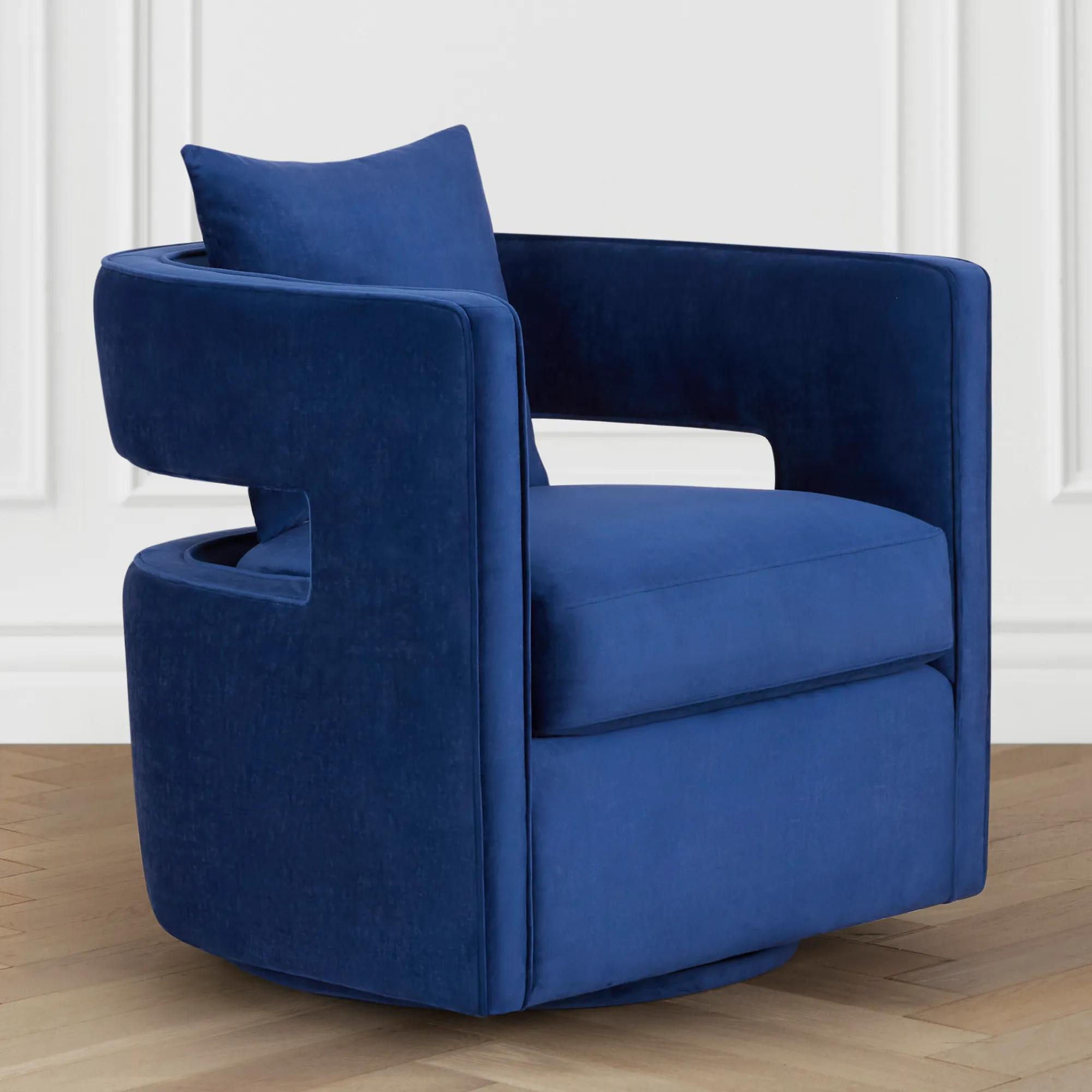
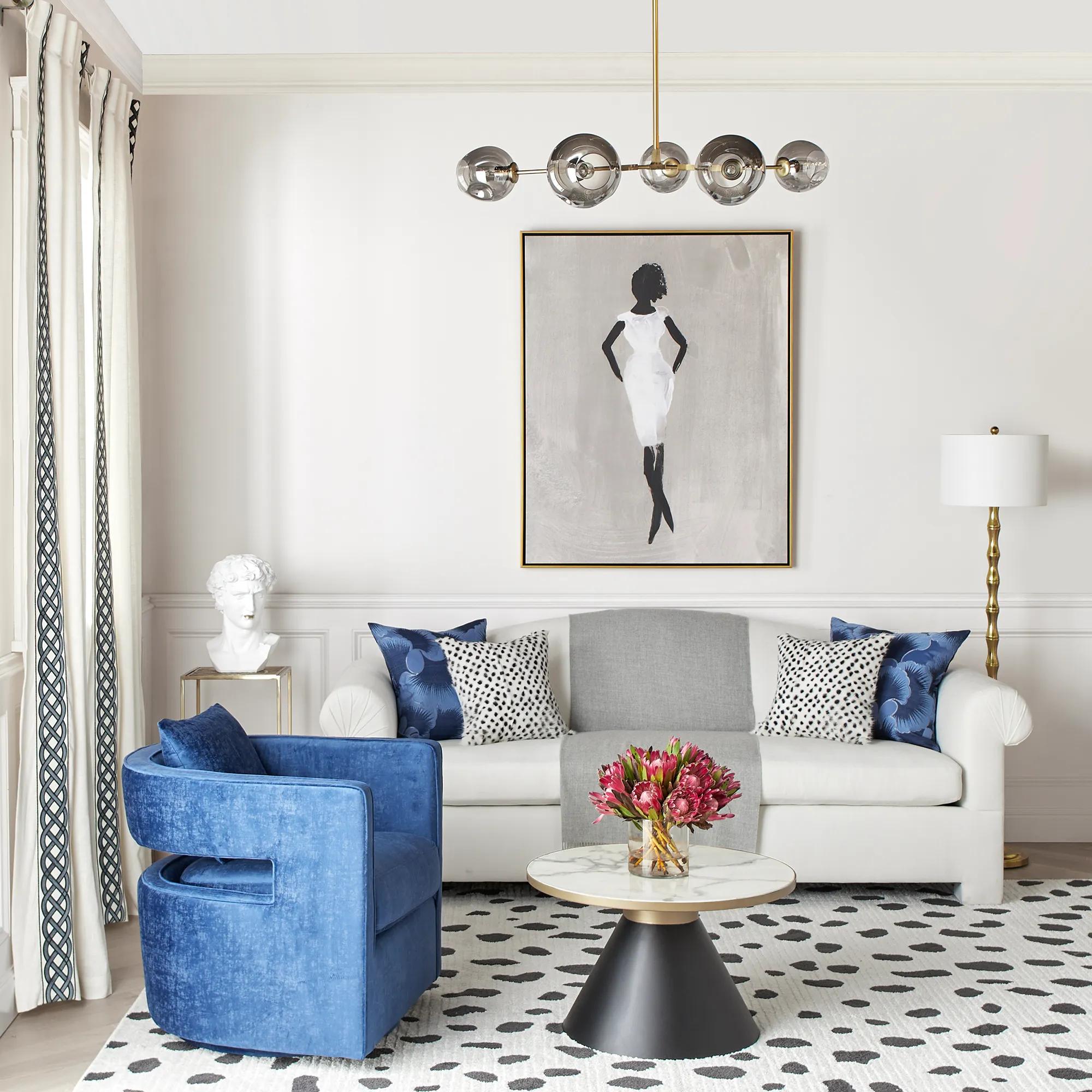 Lottie Navy Velvet Swivel Accent Chair$999
A glamorous navy velvet swivel chair featuring a barrel back, cutout arms, and plush foam cushioning.
Add To Cart -
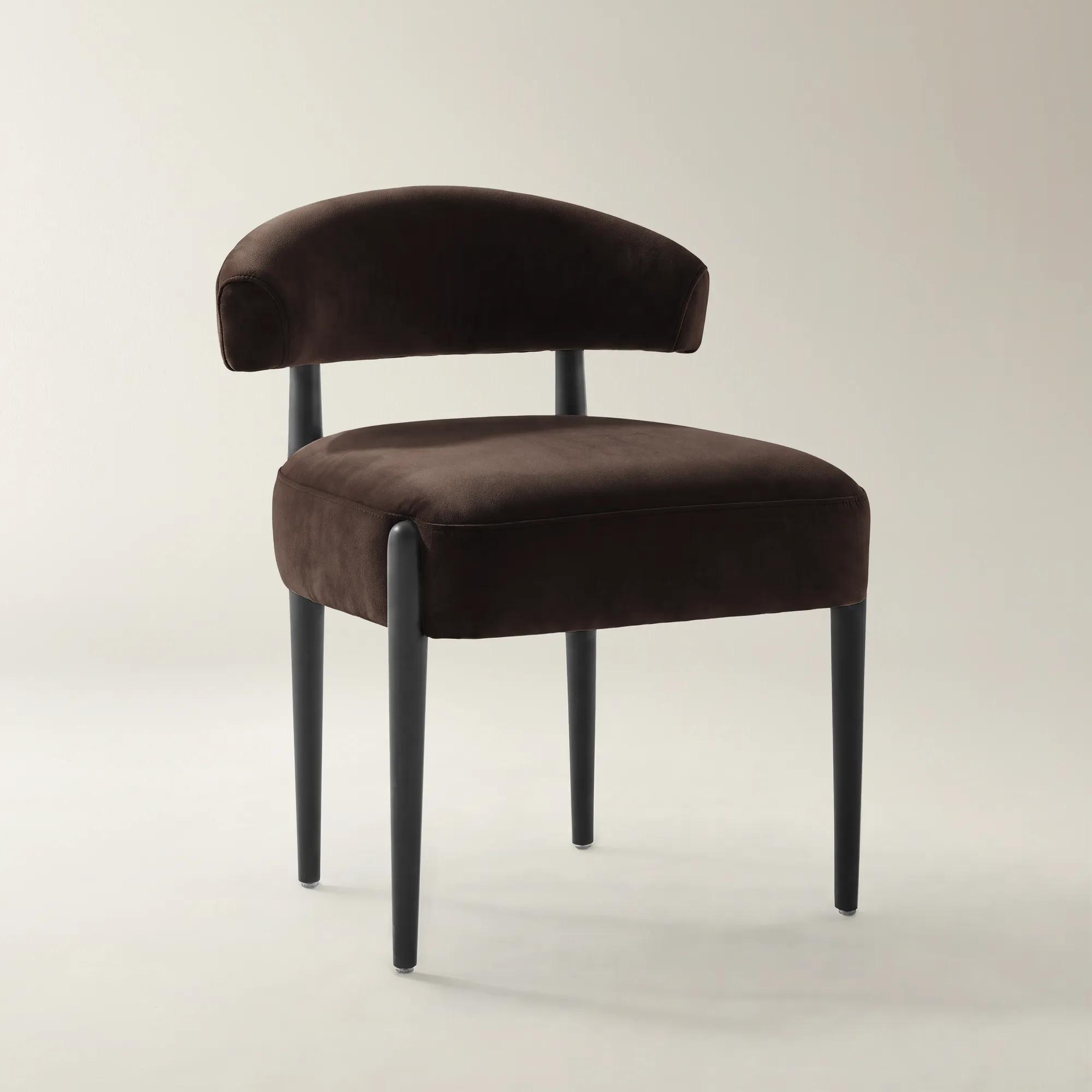
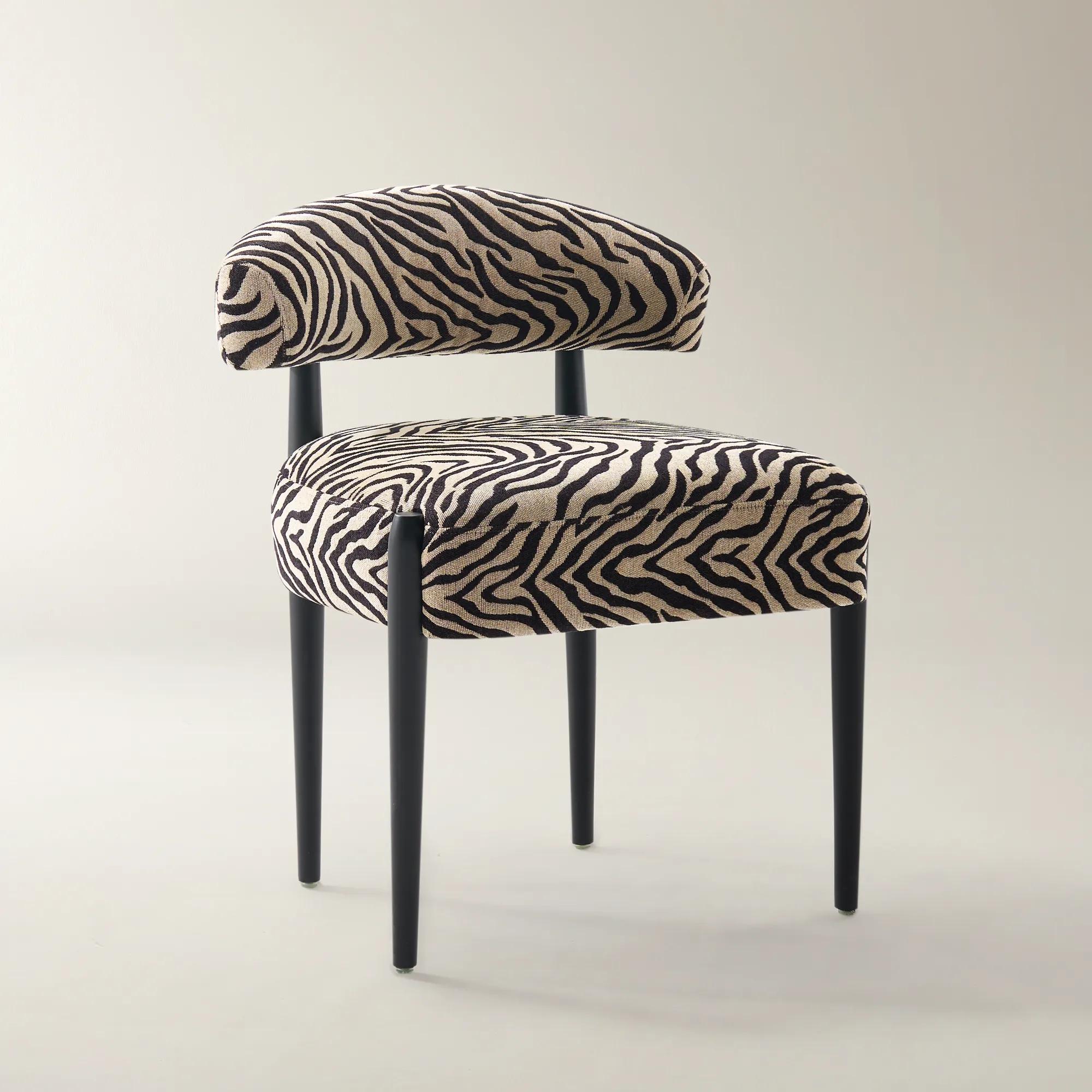 Anna Dark Chocolate Velvet Dining Chair Set of 2$599
A dark chocolate velvet dining chair set featuring an arched back, high-density foam, and solid wood construction.
Add To Cart -
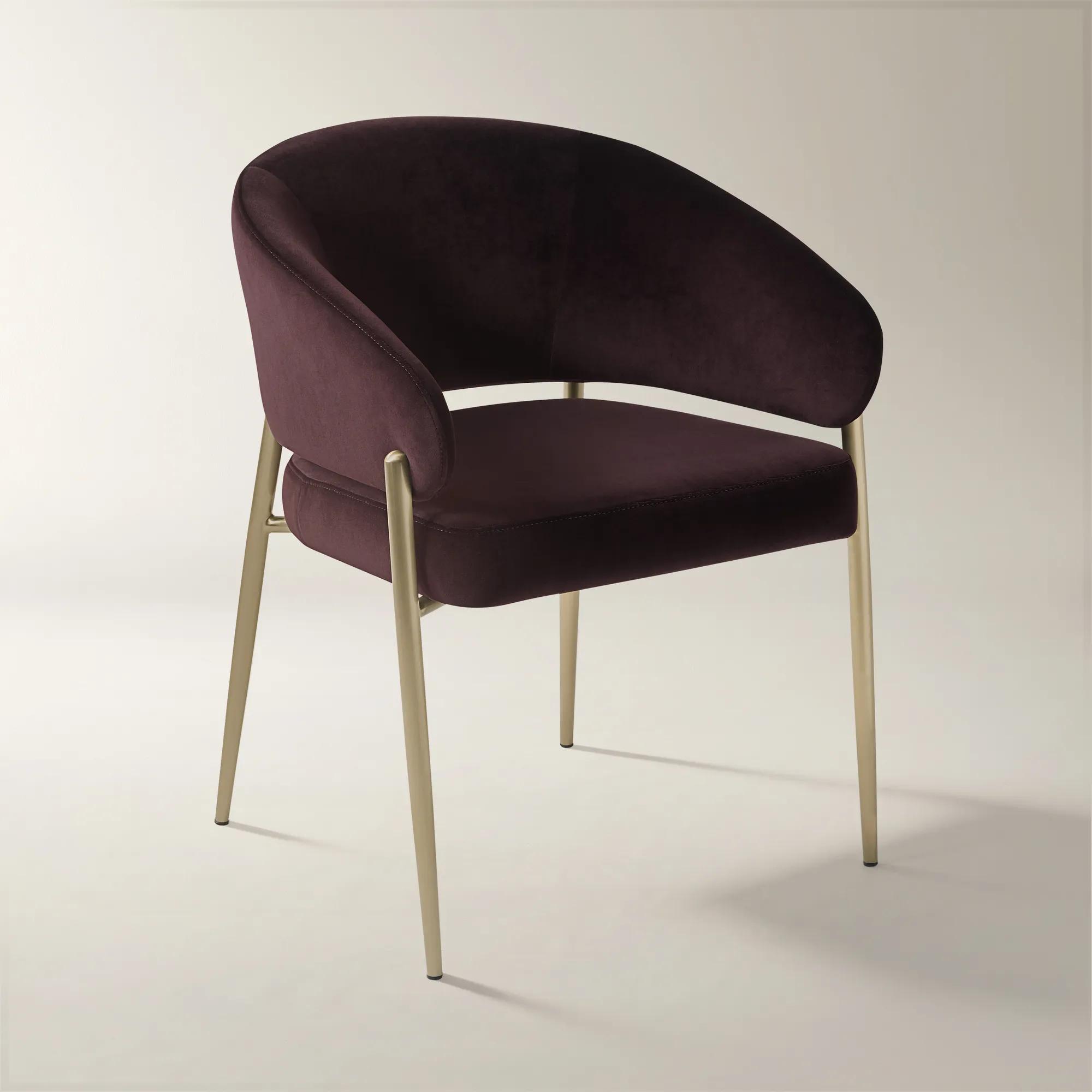 Nara Fig Velvet Dining Chair Set Of 2$599
A set of two dining chairs featuring plush fig velvet upholstery and brushed brass stainless-steel legs.
Add To Cart -
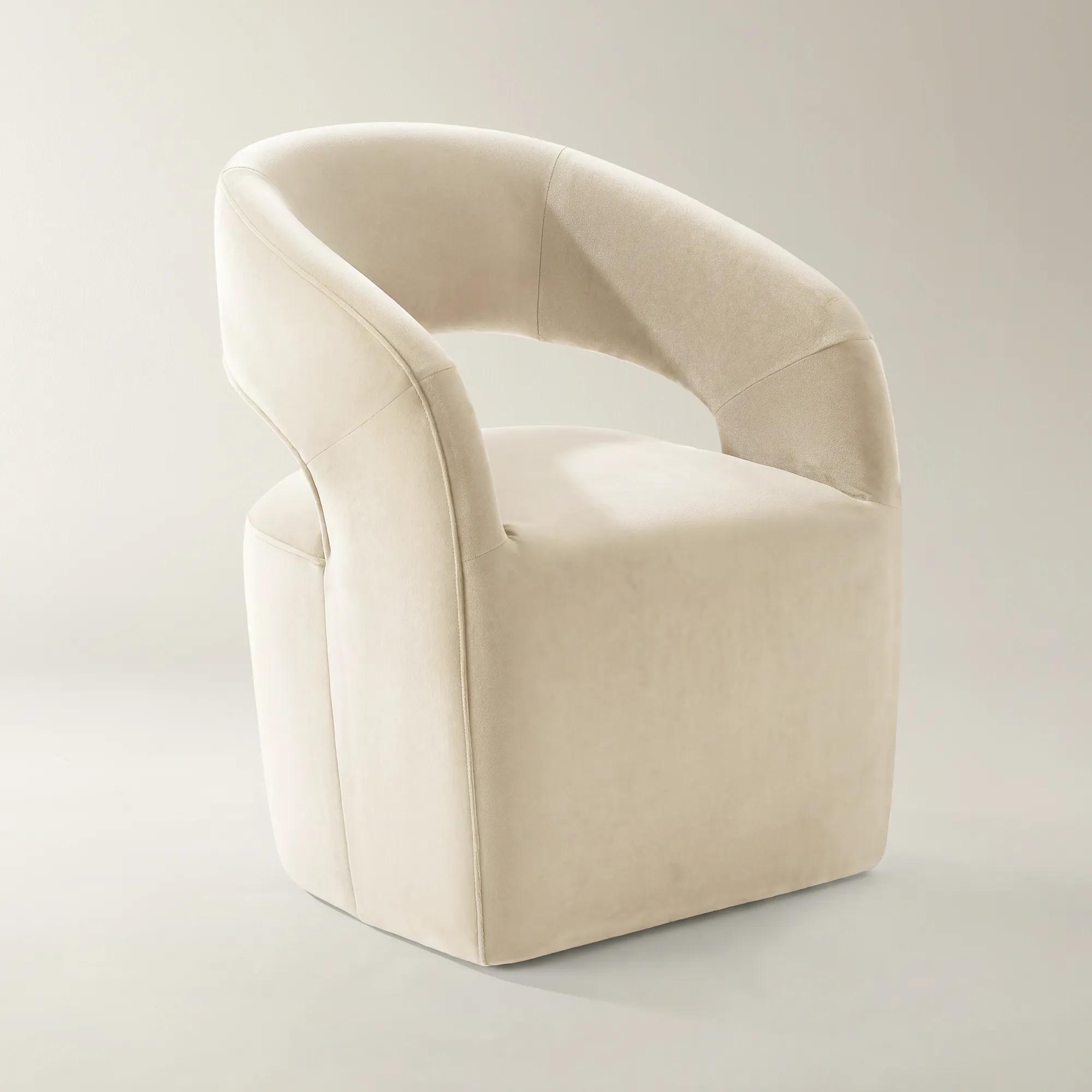
-2.jpg?w=1200&h=1200) Harrison Oatmeal Velvet Dining Chair$449
Harrison Oatmeal Velvet Dining Chair$449A sculptural dining chair upholstered in oatmeal velvet with a curved back, feather-blend seat, and integrated arms.
Add To Cart -
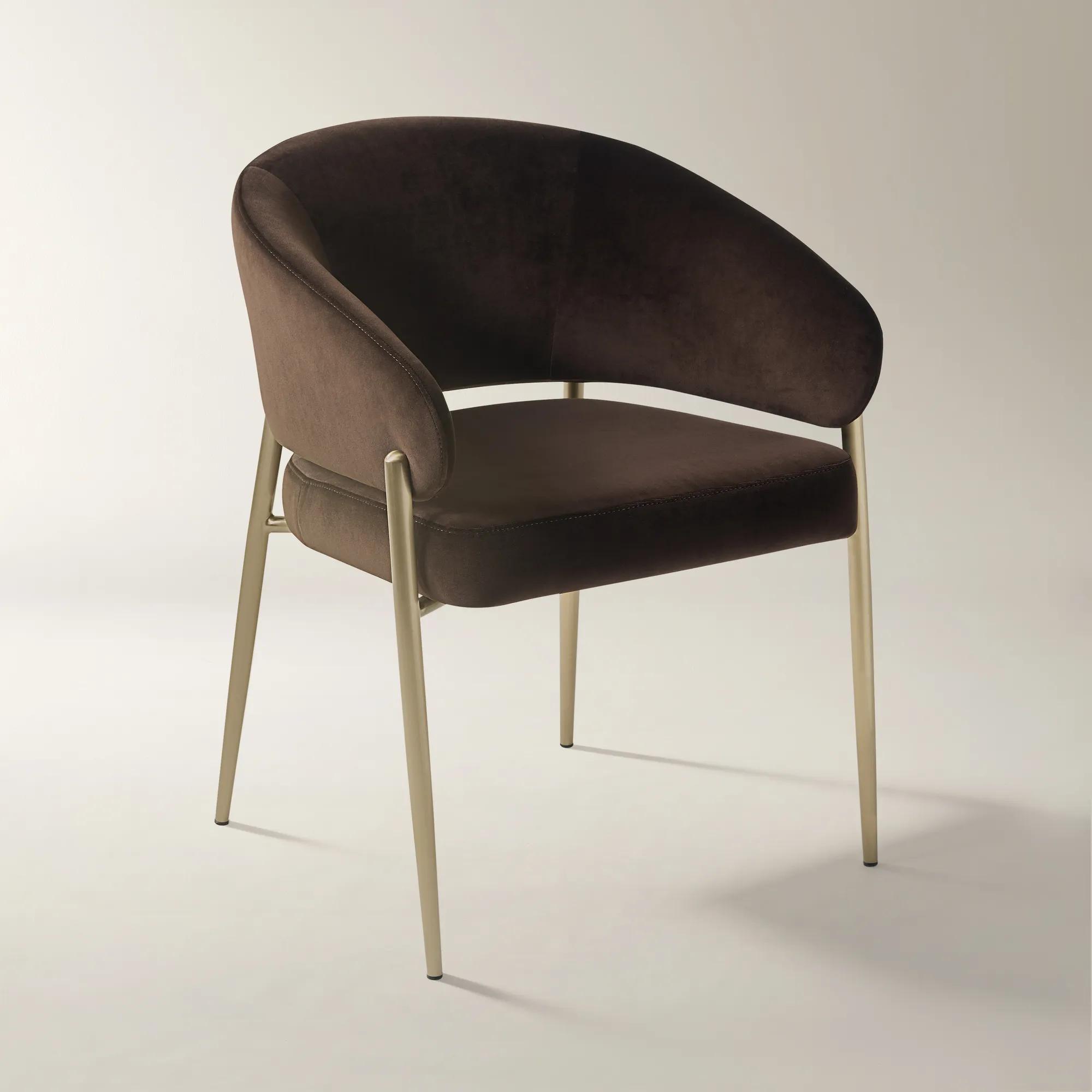 Nara Dark Chocolate Velvet Dining Chair Set Of 2$599
A pair of dark chocolate velvet chairs with curved backs and brushed brass stainless-steel legs for modern elegance.
Add To Cart -
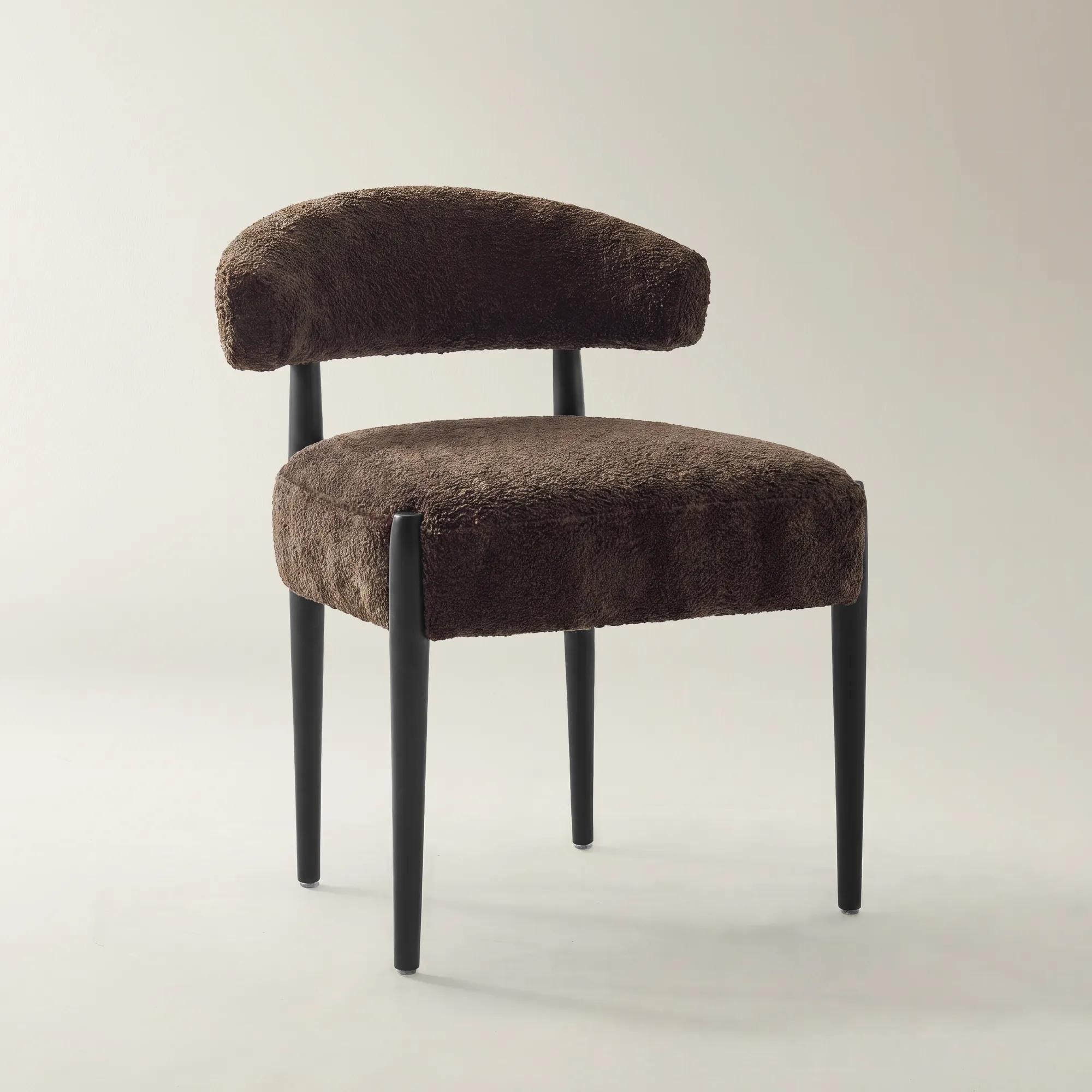 Anna Dark Chocolate Chenille Dining Chair Set of 2$599
A dark chocolate chenille chair pair featuring tailored curved backs, high-density foam, and solid rubberwood legs.
Add To Cart -
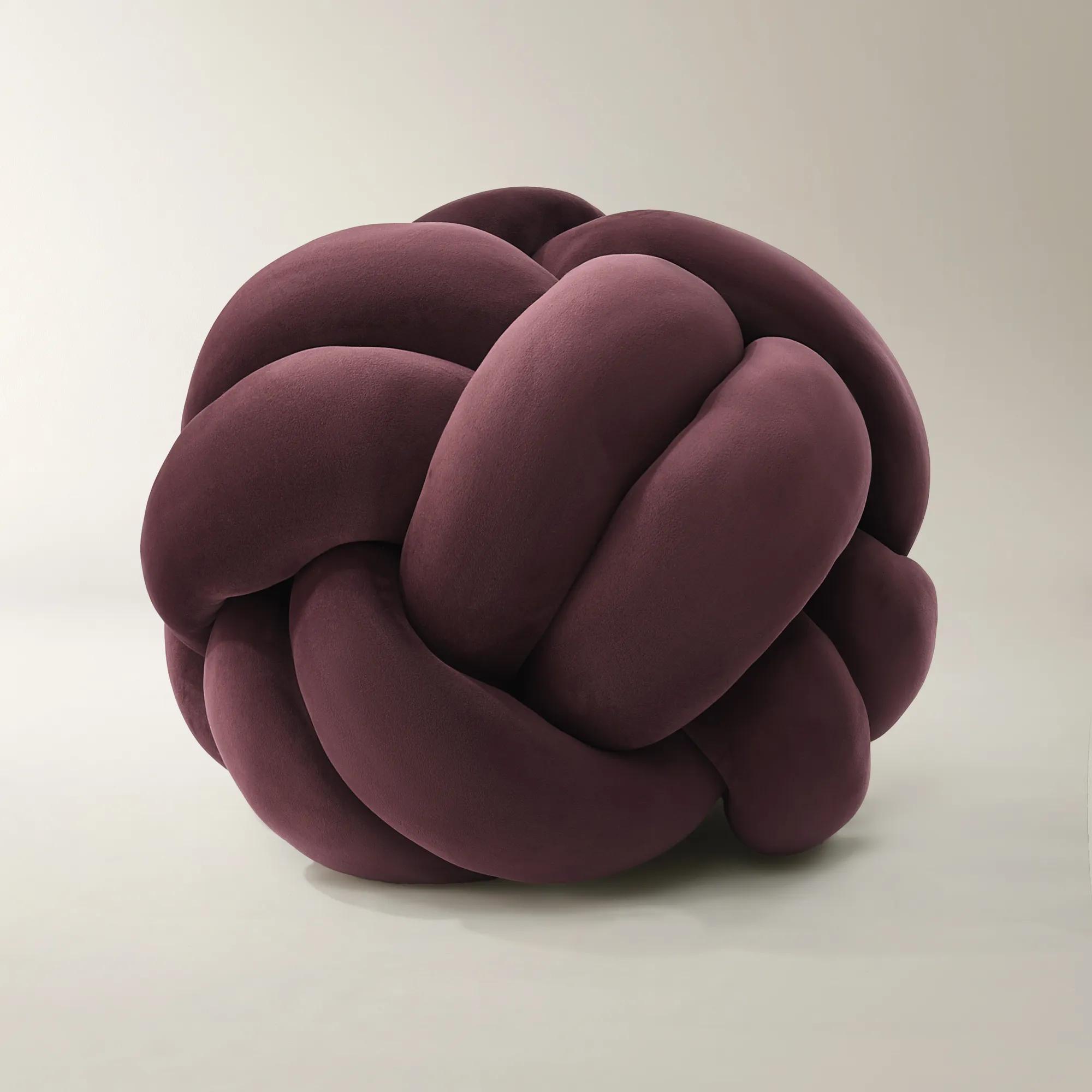
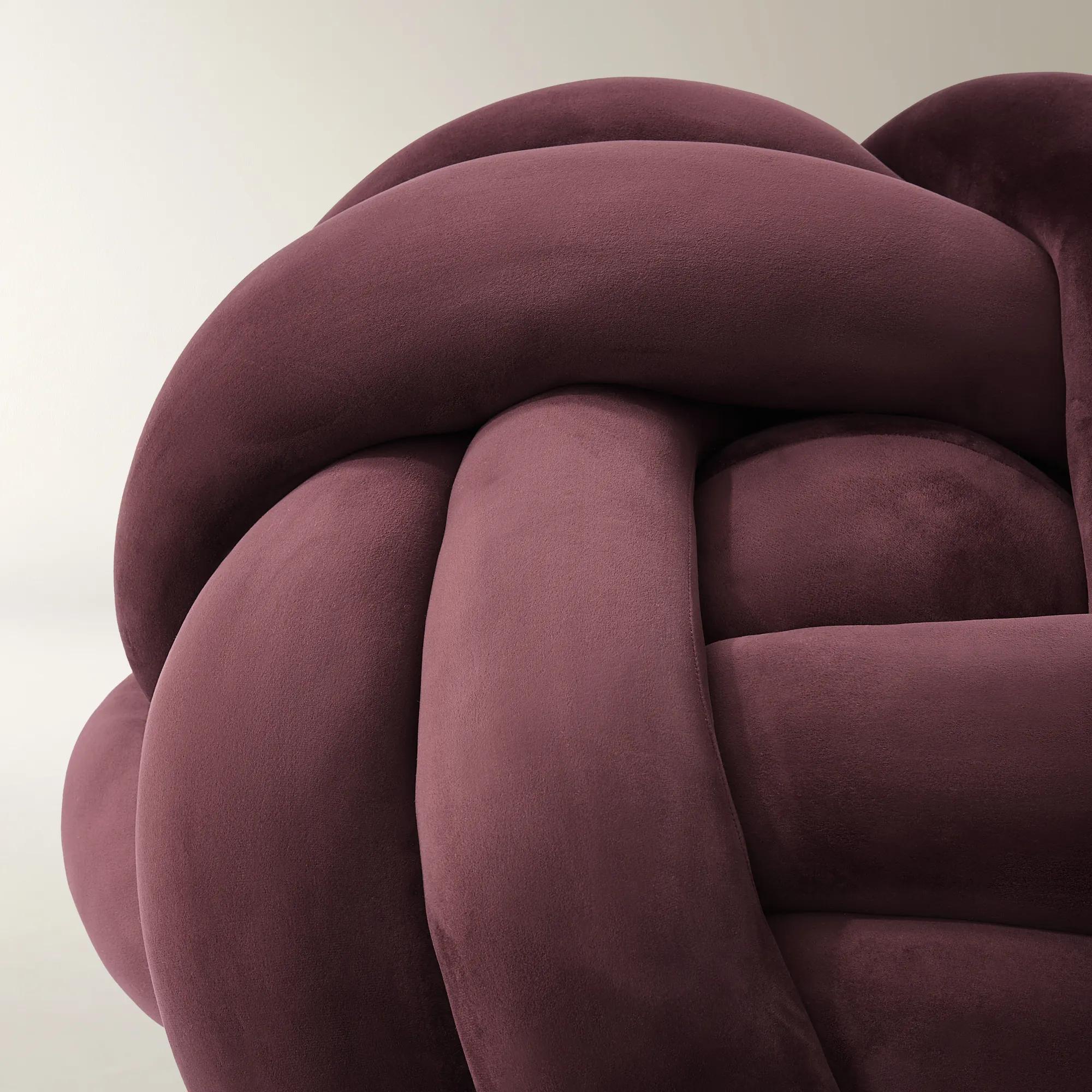 Loopie Fig Velvet Stool (34.5")$349
An oversized, knot-inspired stool hand-upholstered in plush fig velvet for bold sculptural appeal.
Add To Cart -
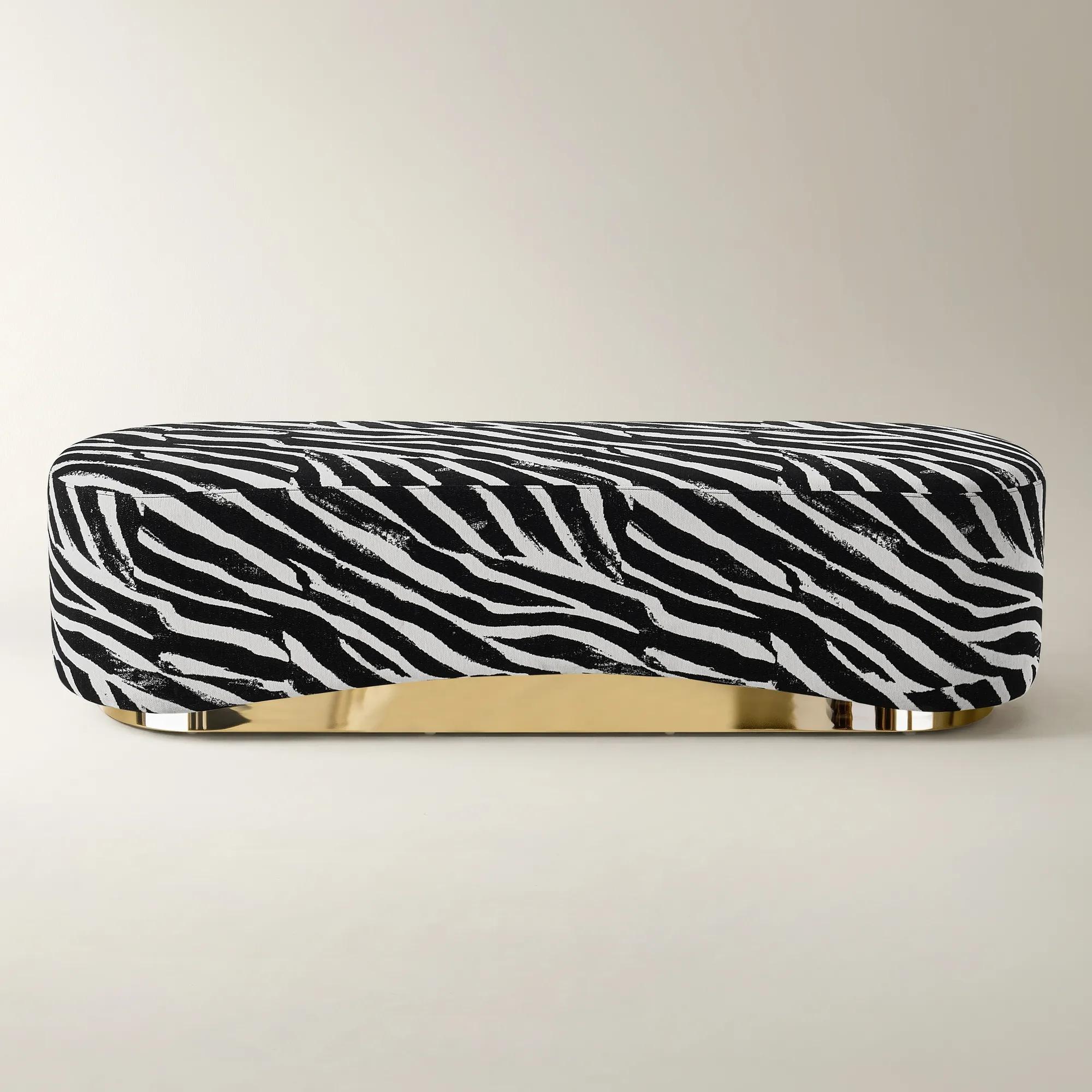
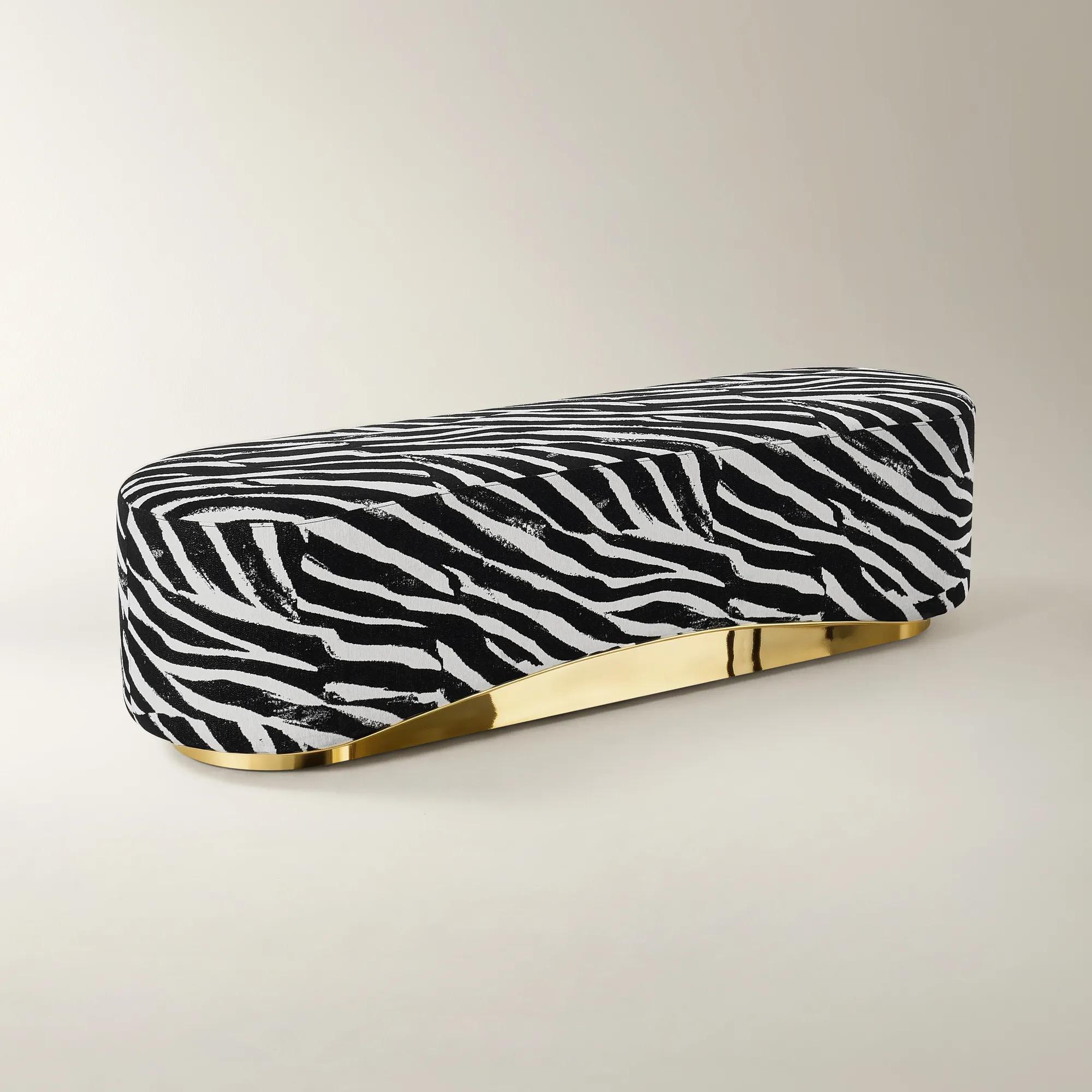 Kendra White/Black Performance Chenille Bench (70.47")$799
An elongated oval bench upholstered in white and black performance chenille with a polished gold stainless steel base.
Add To Cart -
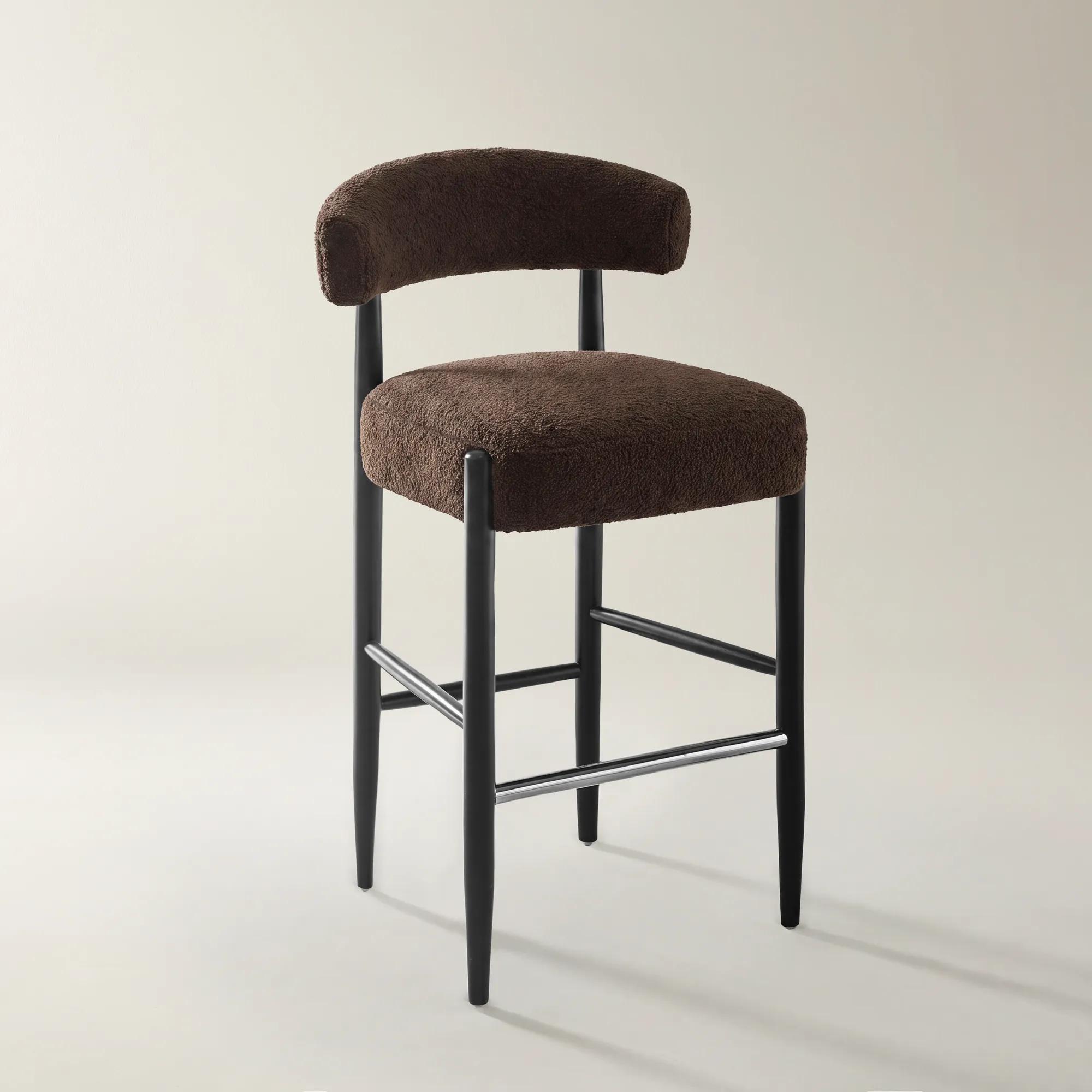 Anna Dark Chocolate Chenille Bar/Counter Stool$399
A dark chocolate chenille stool with sculpted support, padded comfort, and tapered solid rubberwood legs.
Add To Cart -
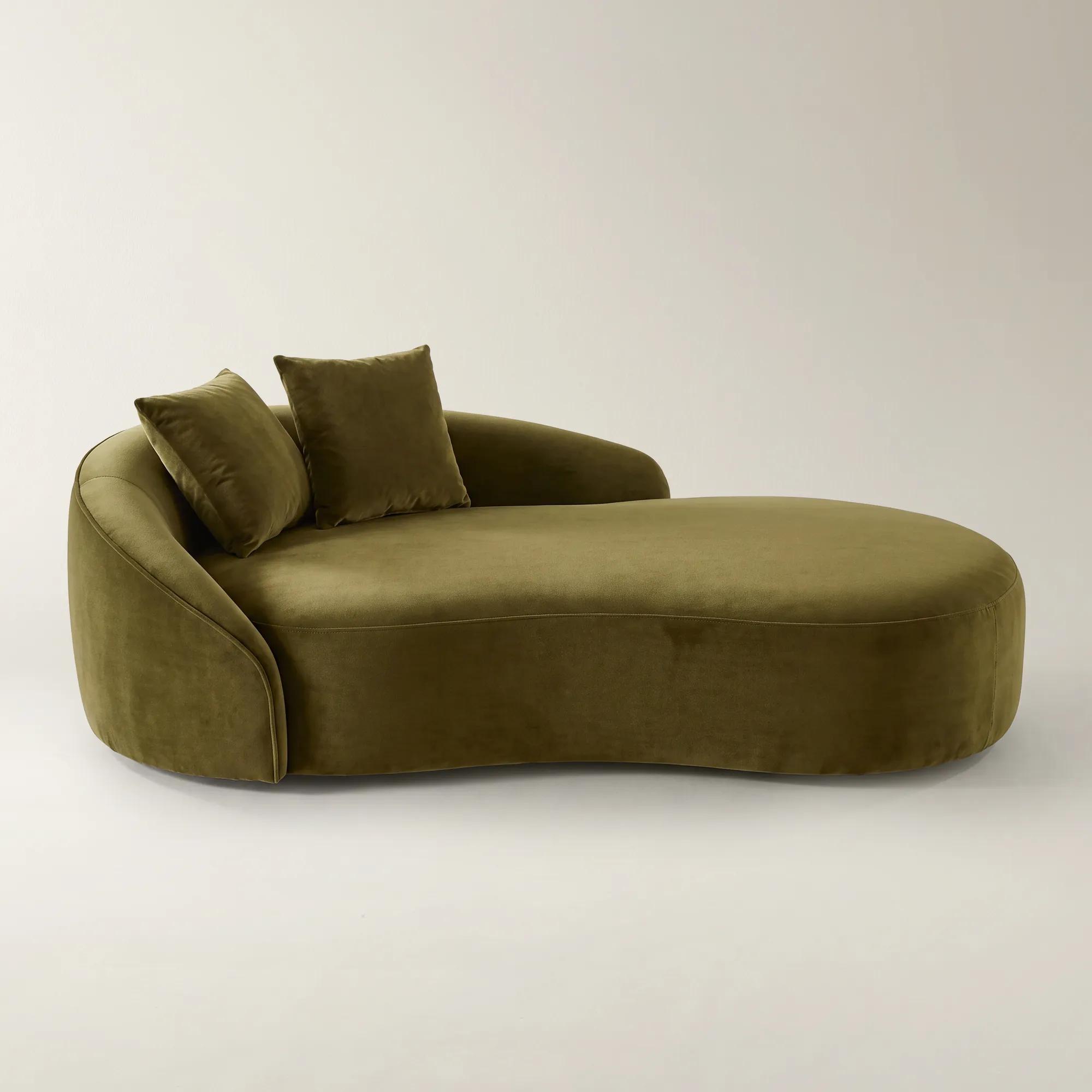
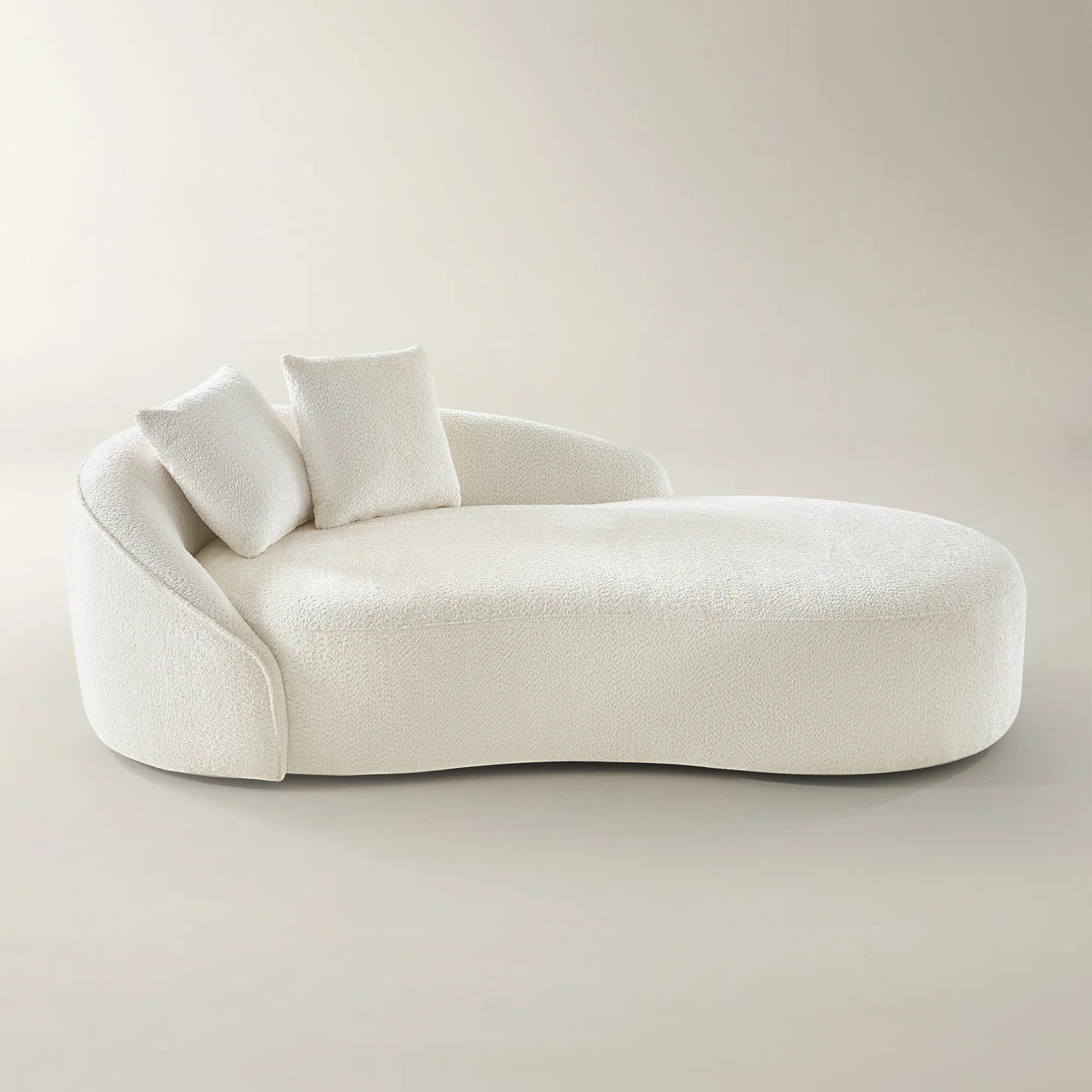 Irene Deep Olive Velvet Chaise$1699
A sculptural deep olive velvet chaise featuring high-resiliency foam cushions and artisan hand-finished upholstery.
Add To Cart -
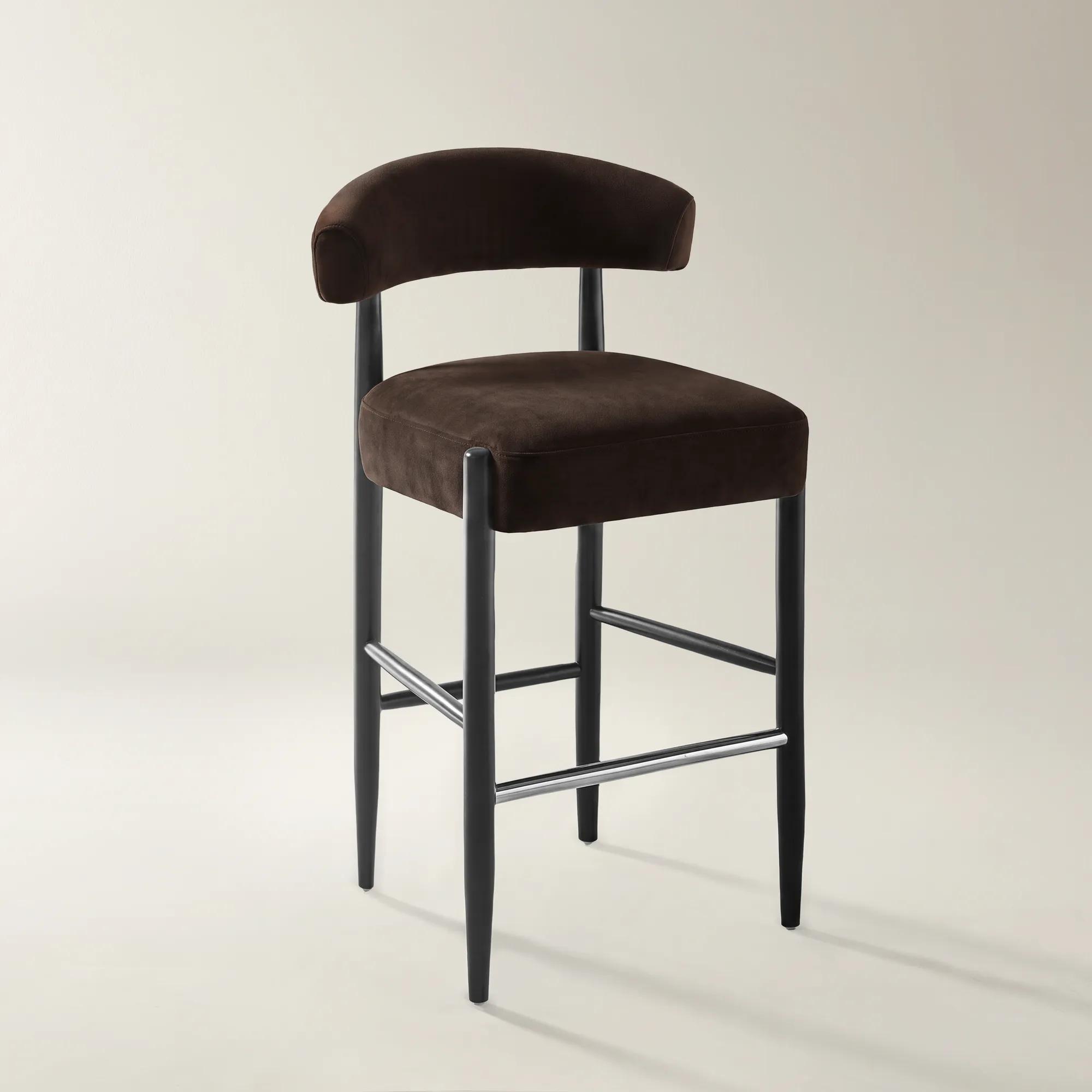 Anna Dark Chocolate Velvet Bar/Counter Stool$399
A dark chocolate velvet stool featuring sculpted support, high-density cushioning, and tapered solid-rubberwood legs.
Add To Cart -
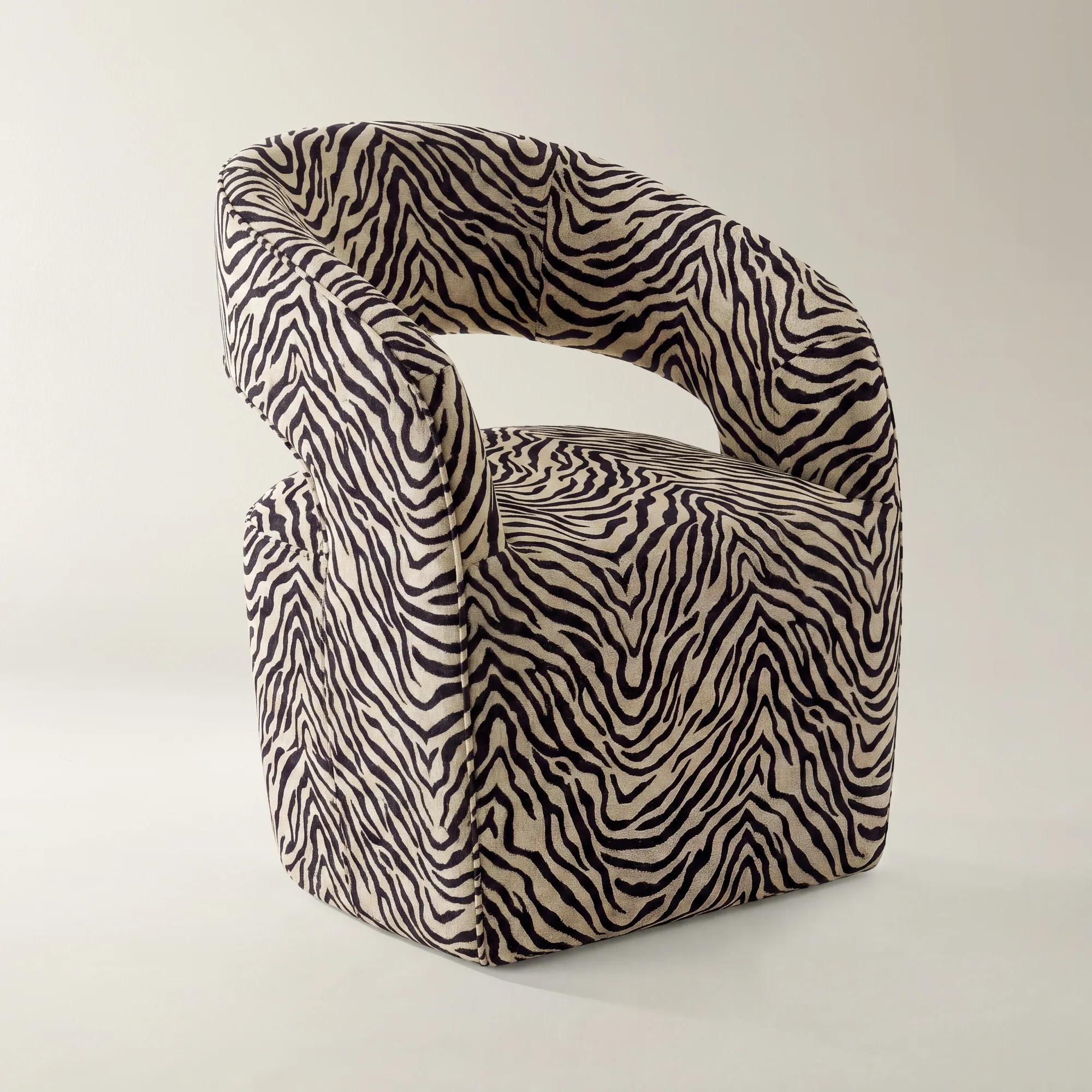 Harrison Zebra Performance Chenille Dining Chair$449
A sculptural dining chair upholstered in zebra performance chenille with a curved back and feather-blend comfort.
Add To Cart -
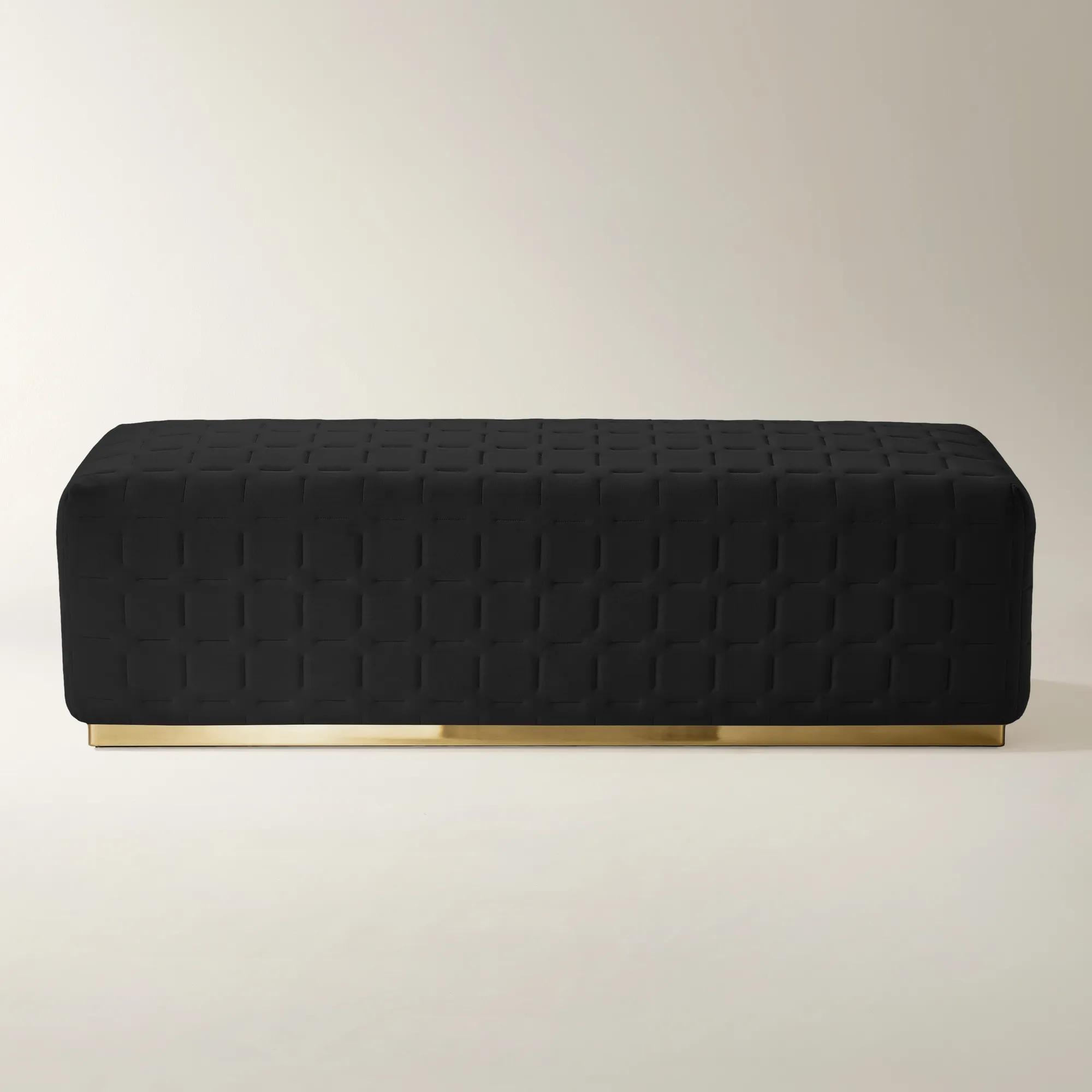 Vanta Quilted Charcoal Velvet Bench (64.6")$899
A charcoal velvet bench featuring checker quilted tufting and a gold stainless steel base for modern elegance.
Add To Cart -
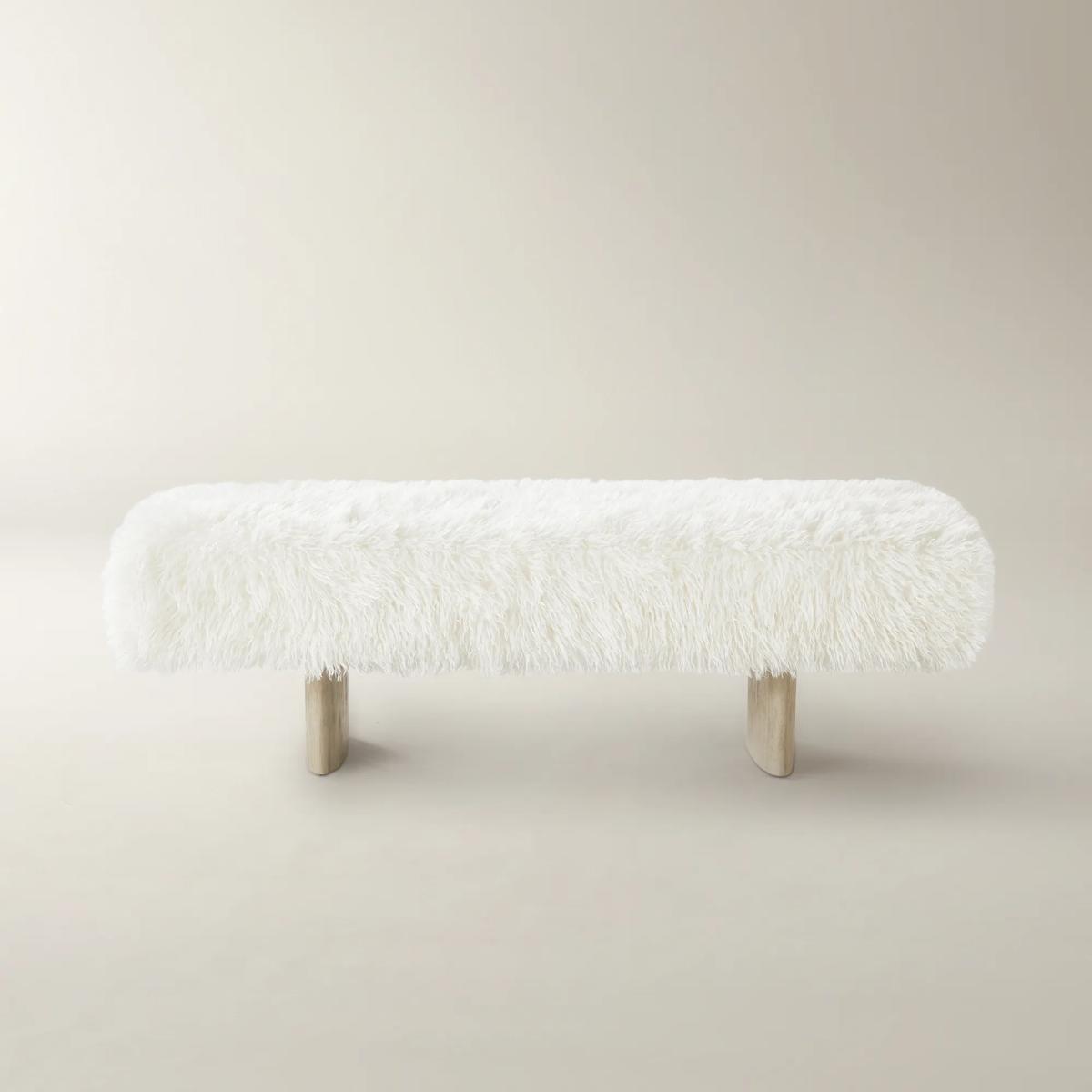 Micah Ivory Mongolian Faux Fur Bench With Rubberwood Legs (62.6")$699
An ivory faux Mongolian fur bench with high-density foam and sculptural solid rubberwood base for modern coziness.
Add To Cart -
.jpg?w=1200&h=1200)
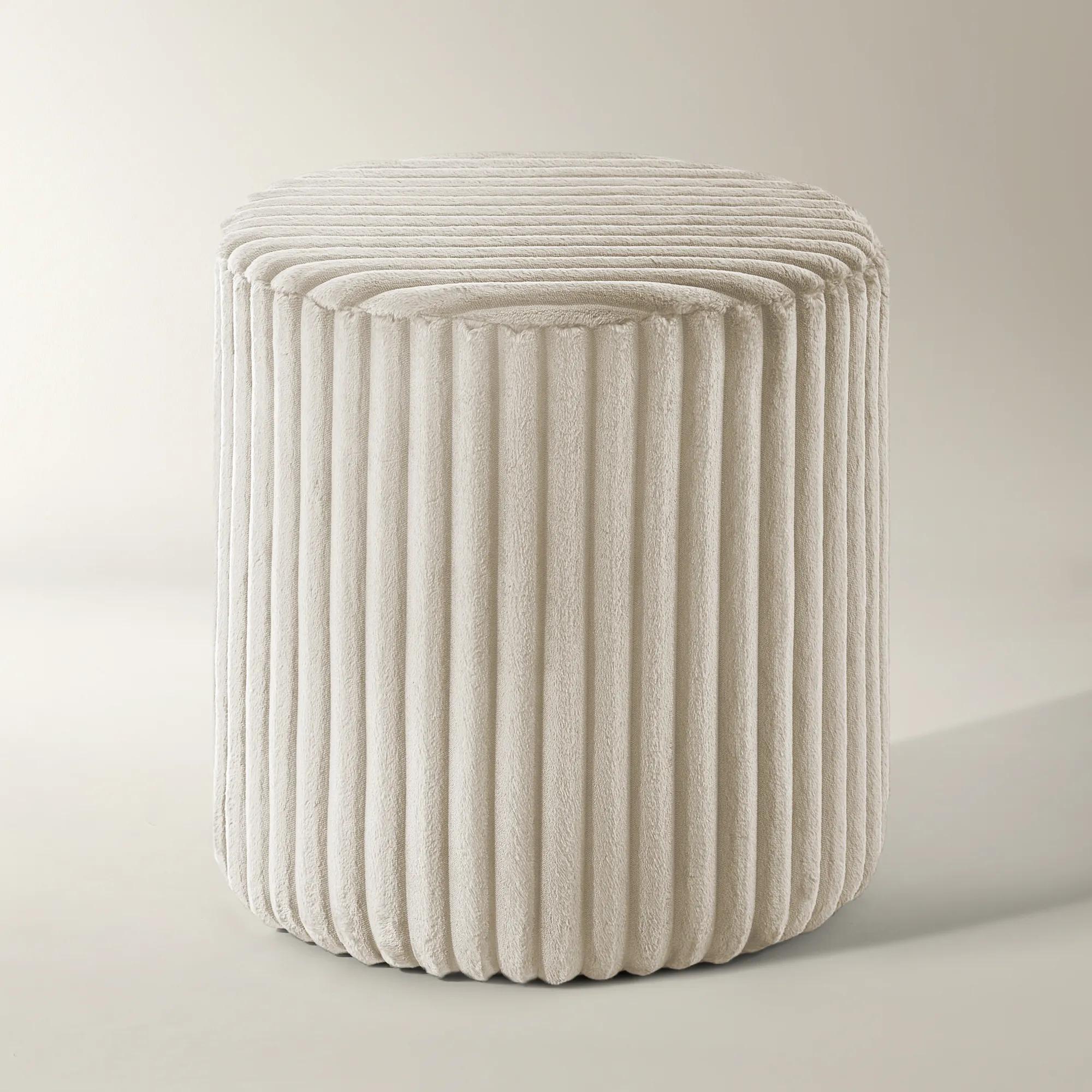 Fleece Fluted Ivory Velvet Stool (15.55'')$229
An ivory ribbed velvet stool offering cozy softness and versatile use as seating, footrest, or accent table.
Add To Cart

Stylish Solutions For Extra Seating
Stylish Solutions for Extra Seating transforms the art of entertaining into a celebration of elegance and ease. Every gathering deserves a touch of grandeur, and every room craves seating that’s as chic as it is inviting. Discover seating options that don’t merely accommodate—they captivate, turning functional moments into opportunities for self-expression. Whether you’re curating an intimate cocktail hour or hosting a soirée that sparkles with conversation, these pieces promise to elevate your space with sculptural silhouettes, luxurious textures, and a sense of effortless sophistication. Let your home become the destination where comfort meets couture, and every guest feels like the guest of honor.
Stylish solutions for extra seating bring more than another place to sit into a room; they make space for conversation, spontaneous company, and a more expressive interior. Accent chairs, upholstered benches, seating ottomans, and compact poufs offer different ways to welcome guests without giving every inch of floor space over to furniture. The most versatile choices have a role even when the house is quiet: a bench lends definition to the foot of a bed, an ottoman sits within reach of a favorite reading chair, and a sculptural accent seat gives an overlooked corner a sense of purpose. When company arrives, those same pieces become part of the gathering. Picture a pair of upholstered stools drawn toward the sofa after dinner, their rich fabric catching the lamplight while conversation carries on well beyond dessert. That ease begins with seating that belongs to the room rather than looking like an afterthought. Velvet introduces depth and a subtle play of light; textured upholstery softens the effect of polished metal, glass, and lacquer; a tailored silhouette can bring clarity to an otherwise exuberant arrangement. Extra seating does not need to match the sofa exactly. A shared color undertone, a repeated curve, or a complementary leg finish can connect different pieces while leaving room for personality. In a compact living room, open bases and slender profiles preserve sightlines, while rounded forms offer a softer visual rhythm beside angular tables. In larger spaces, a substantial bench or generously proportioned accent chair can hold its own beside a deep sectional. The right balance is both visual and practical: enough presence to enrich the setting, enough flexibility to move with the occasion. For anyone who loves entertaining but prefers an uncluttered everyday layout, multipurpose seating makes hospitality feel like a natural extension of the home.
Choosing additional seating is as much about proportion and comfort as it is about upholstery and finish. Overall dimensions determine where a piece will fit, but seat height, usable seat width, cushion firmness, and back support determine how comfortably someone will settle in. A low pouf can be an inviting perch for a brief conversation, while an upright chair with a supportive back is generally better suited to an evening spent lingering. Guests who find low seats difficult may appreciate a firmer, higher seat with stable arms that help them sit and rise. Dining overflow calls for particular care: occasional seating should be compatible with the table height, with sufficient legroom beneath the apron, rather than simply filling an empty place. Before purchasing, measure both the intended resting spot and the space where the seat will be used when guests arrive. Allow for doors, drawers, and the movement of nearby chairs, and keep pathways comfortable rather than squeezing in one more place at the expense of circulation. A bench intended to tuck beneath a console needs clearance for its full width, height, and depth, including any arms or raised edges. Storage ottomans add another consideration: lids need room to open, and the compartment should be accessible without rearranging the entire room. Their appeal is easy to understand—a place for throws between gatherings, a footrest during a quiet evening, and, when designed for sitting, another seat at the center of the conversation. Not every decorative stool, ottoman, or table is built to support a person, so verify the intended use and stated weight capacity. Construction details deserve equal attention, from a stable base and secure joints to upholstery care requirements. Performance characteristics vary by fabric; look for the actual cleaning instructions and durability information rather than assuming that a particular texture is stain-resistant. For seating that moves frequently, manageable weight and floor-appropriate protective glides can matter just as much as a beautifully finished frame. These less visible details help preserve the pleasure of a piece long after its first entrance.
The appeal of flexible seating reaches well beyond the living room. In an entryway, an upholstered bench creates a gracious arrival and a comfortable place to put on shoes, provided its depth leaves the passage clear. In a bedroom, a compact chair offers a private place to read without requiring a full lounge arrangement. A home office can accommodate a visitor with an accent seat that feels residential rather than institutional, while an open-plan space benefits from pieces that can shift between distinct conversation areas. Apartment dwellers often value furniture that serves more than one purpose, and frequent hosts may prefer a mix of supportive chairs and smaller pull-up seats instead of several bulky additions. Even a household that rarely entertains can enjoy the small luxury of a seat placed exactly where daily life calls for one. During the cooler months, when gatherings naturally draw indoors, tactile fabrics and layered tones make these arrangements especially inviting. Consider ivory texture against a dark wood floor, jewel-toned upholstery beside a neutral sofa, or a gleaming metal base that echoes the warmth of nearby lighting. The effect should feel collected, not prescribed. A pair of smaller seats can establish symmetry beneath a console, then separate when friends settle into different corners of the room. A bedroom bench can join the living area for an evening, as long as its scale, weight, and construction make the move practical. For celebrations with a fuller guest list, Stylish Seating For Holiday Guests offers a complementary focus for creating a welcoming setting. Compact seating can also make a thoughtful housewarming gift when the recipient’s available space, preferred colors, and comfort needs are known; furniture is personal, and dimensions matter more than surprise. Ultimately, the most rewarding extra seating earns its place every day. It contributes texture when the room is still, comfort when someone pauses, and a generous welcome when the evening grows into something worth lingering over.
FAQs
Popular materials for extra seating include sumptuous velvets, rich leathers, woven fabrics, and gleaming metallic accents. These choices not only add visual interest and tactile appeal but also complement a range of interior styles, from modern glam to classic chic.
To add extra seating without overwhelming your living room, consider versatile pieces like ottomans, poufs, or benches that can be easily moved or tucked away when not in use. Choose streamlined silhouettes and lighter tones to maintain an airy, open feel while still providing plenty of places for guests to relax.
Absolutely. Extra seating pieces, such as accent chairs or decorative benches, make thoughtful and practical gifts for housewarmings, weddings, or milestone celebrations. They offer both style and utility, allowing recipients to enhance their space with a touch of personal flair.
Ottomans and poufs are remarkably versatile—they can serve as impromptu seating, stylish footrests, or even as a chic alternative to a coffee table. Layer them with trays or decorative books to create a dynamic focal point, or cluster a few together to encourage casual conversation.
When selecting colors or patterns, consider the overall mood and palette of your space. Bold hues and dramatic prints can make a statement and inject personality, while neutral tones offer timeless elegance and blend seamlessly with existing décor. Trust your instincts and let your seating reflect your unique sense of style.