Leather Sectionals For Open Spaces
Leather Sectionals For Open Spaces
-
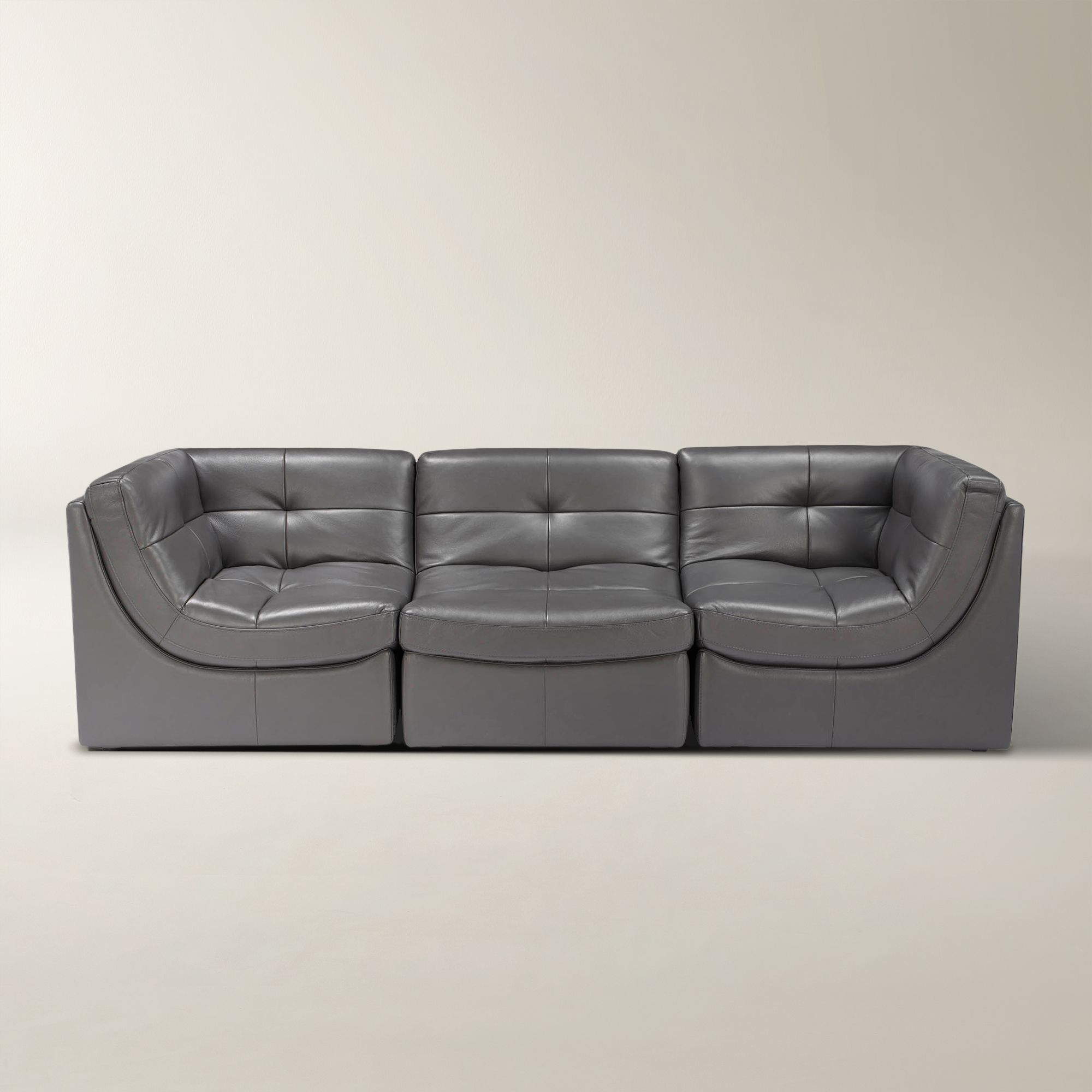 Convo 3-Piece Charcoal Leather Sectional Sofa$3999
A modular charcoal leather sofa with kiln-dried hardwood frame and gently curved, blind-tufted seats.
Add To Cart -
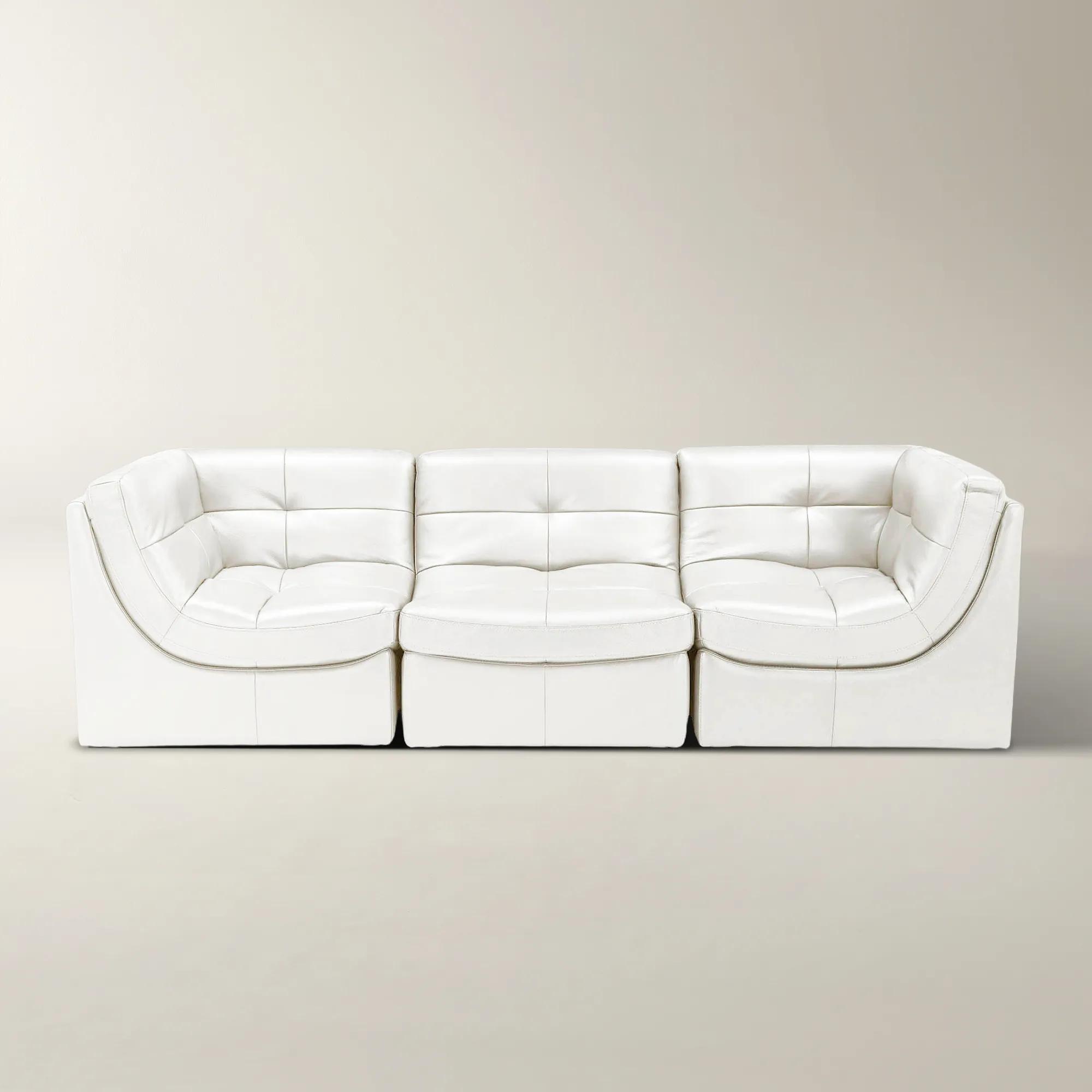
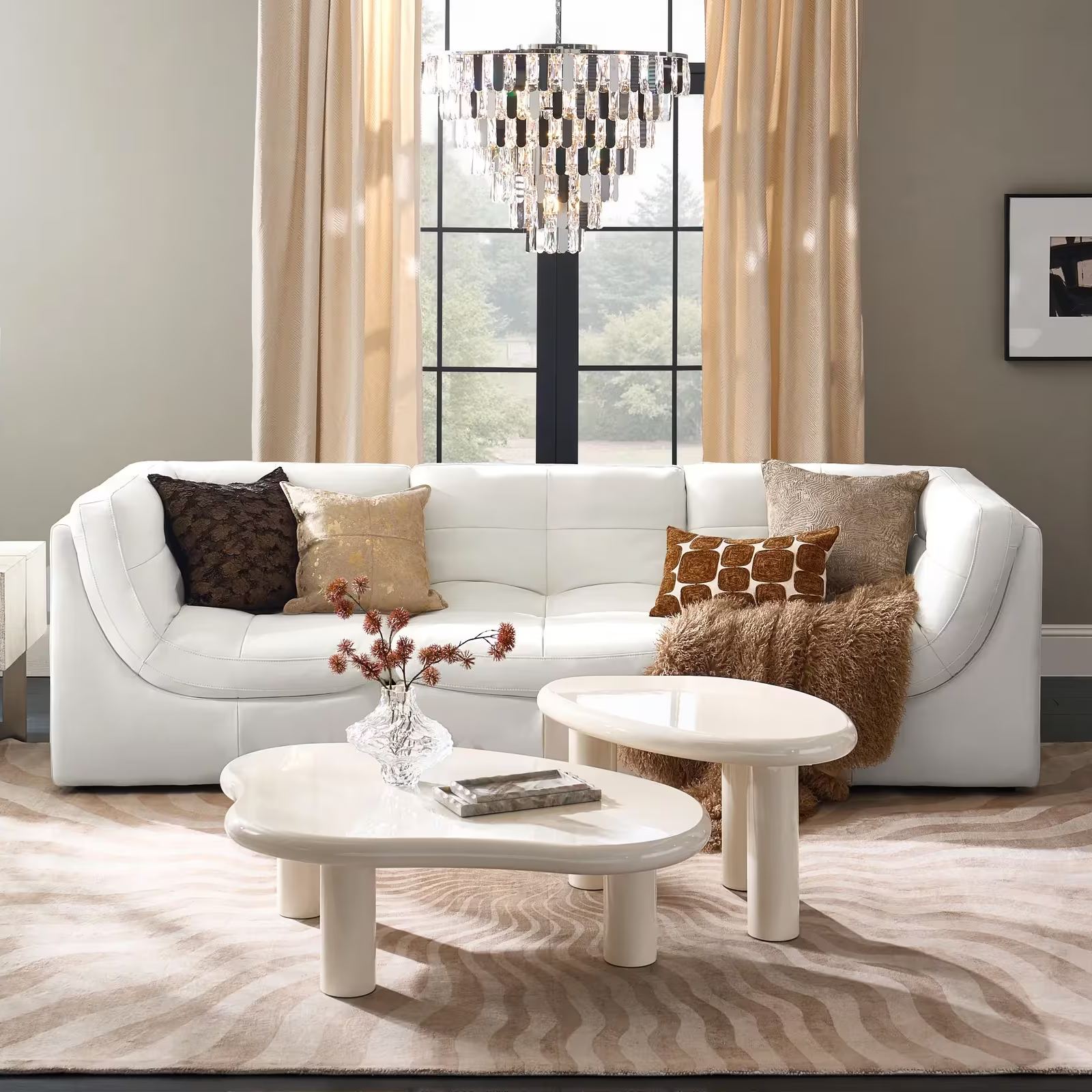 Convo 3-Piece White Leather Sectional Sofa$3999
A modular charcoal leather sofa with kiln-dried hardwood frame and blind-tufted, semi-aniline upholstery.
Add To Cart -
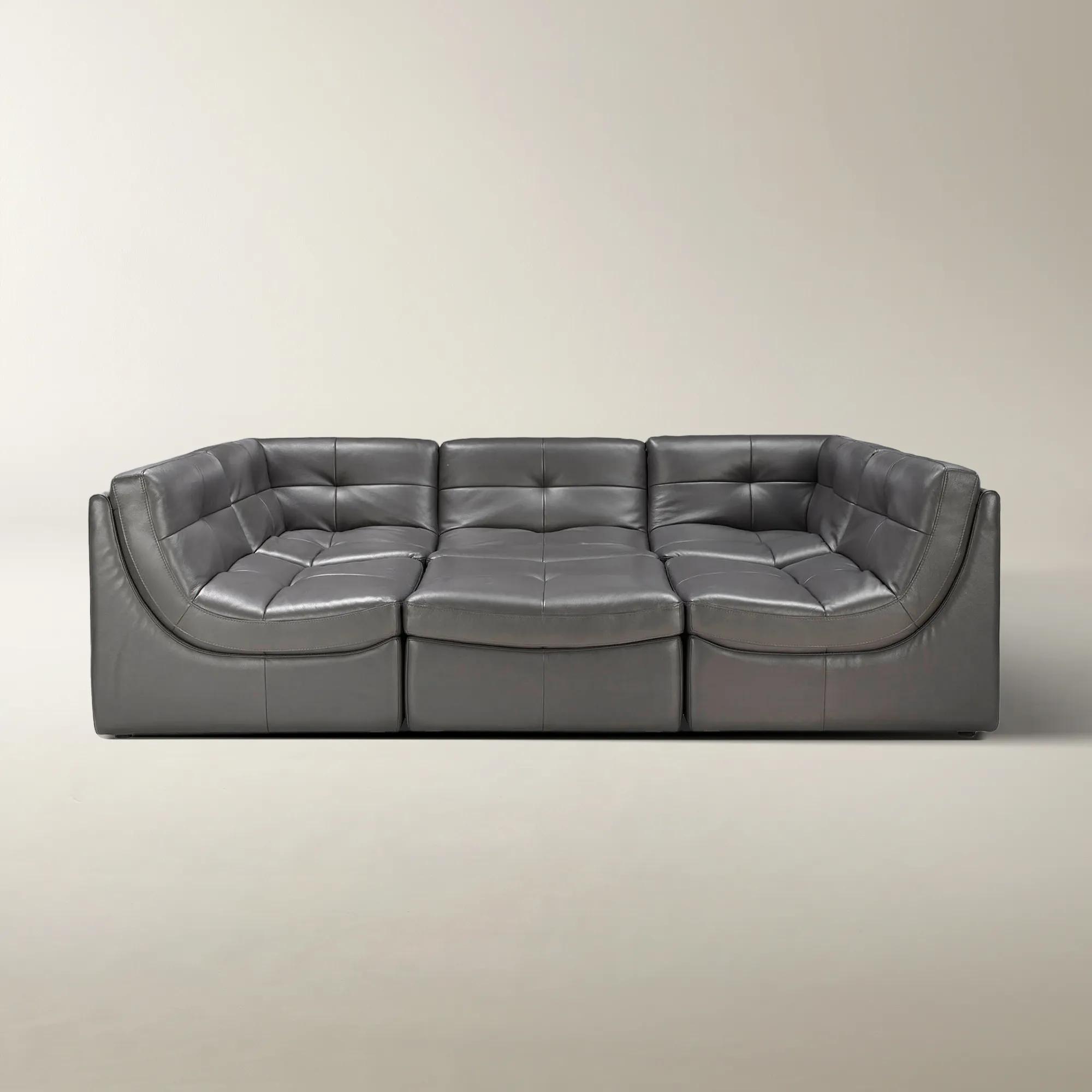
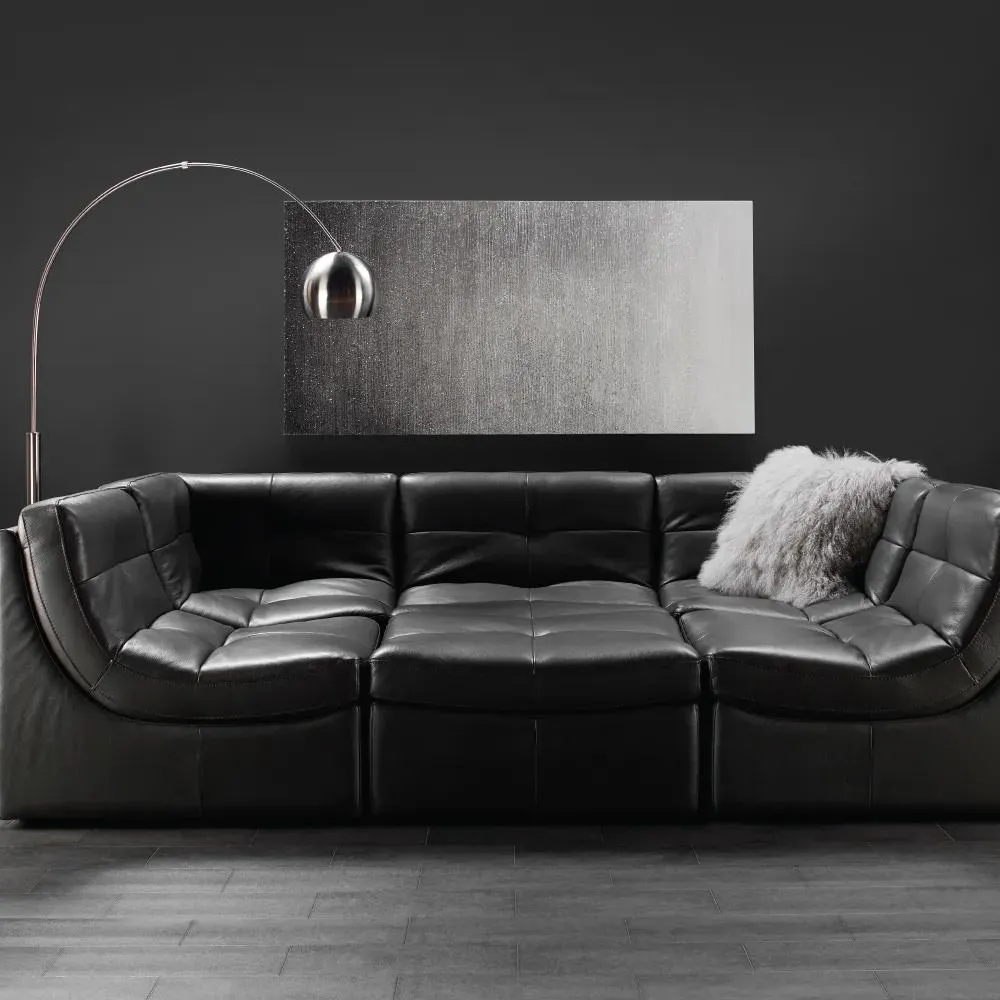 Convo 6-Piece Charcoal Leather Sectional Sofa$7249
A modular charcoal leather sectional with kiln-dried hardwood frame and blind-tufted, semi-aniline upholstery.
Add To Cart -
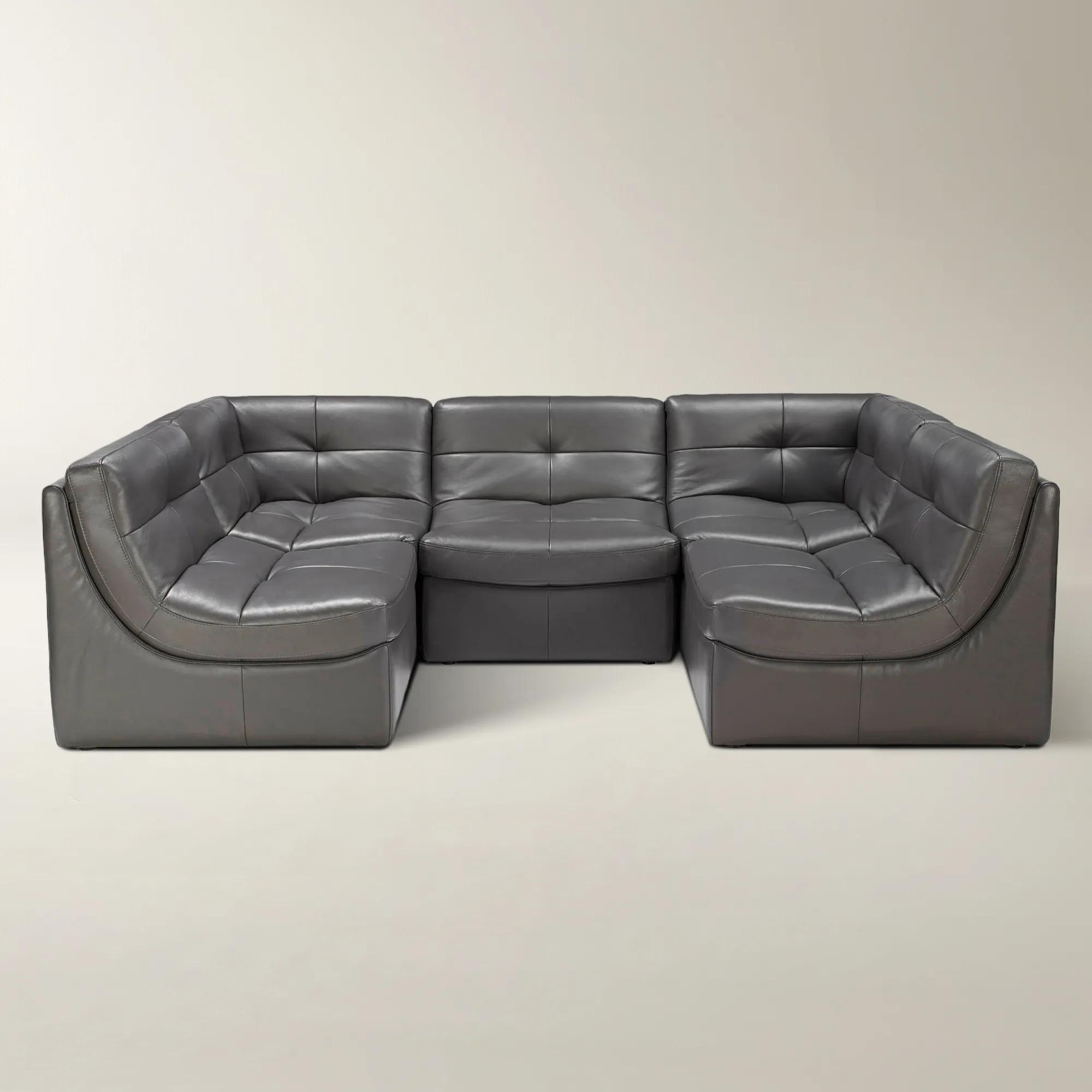 Convo 5-Piece U- Shaped Charcoal Leather Sectional Sofa$6399
A modular charcoal leather sectional with kiln-dried hardwood frame and blind-tufted, semi-aniline upholstery.
Add To Cart -
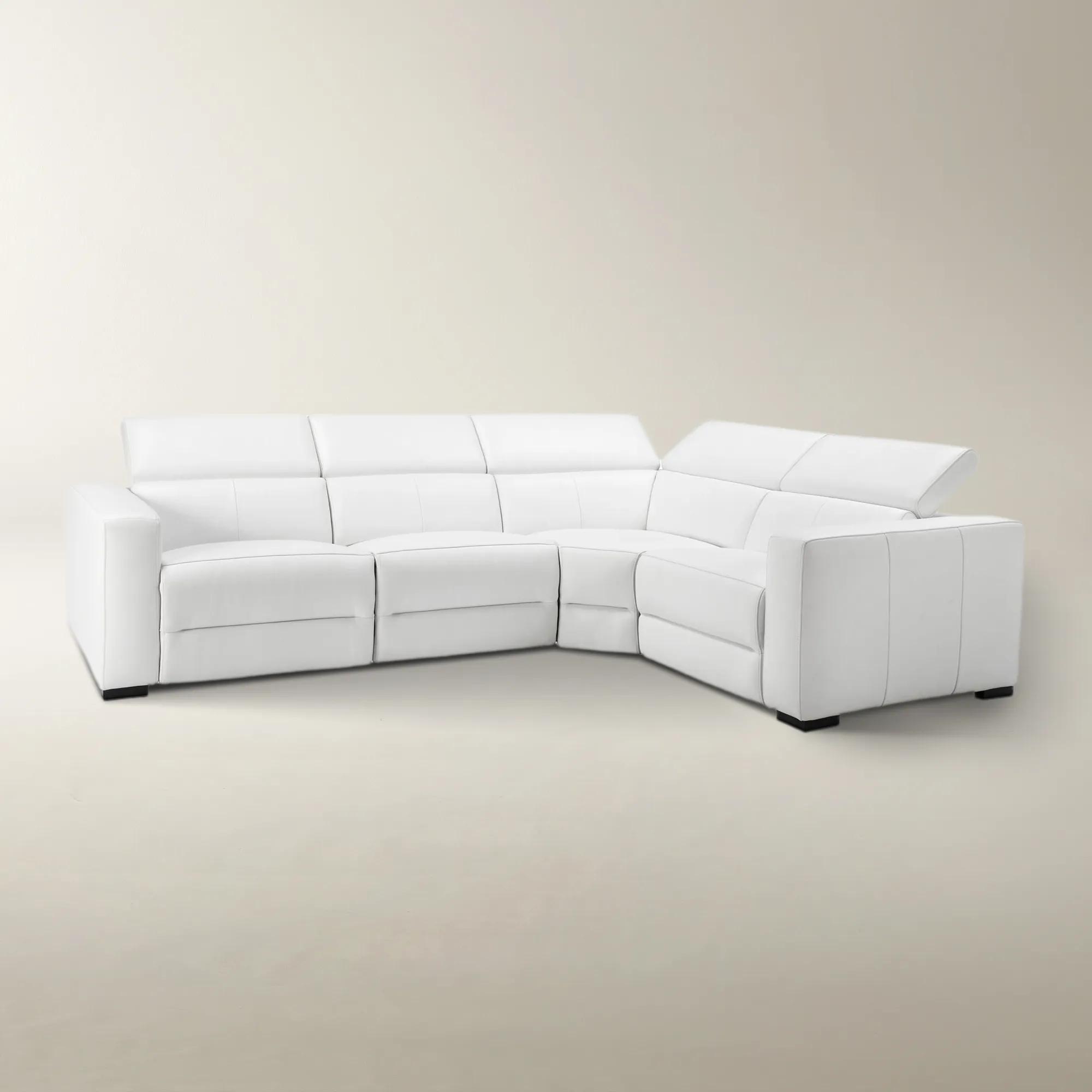
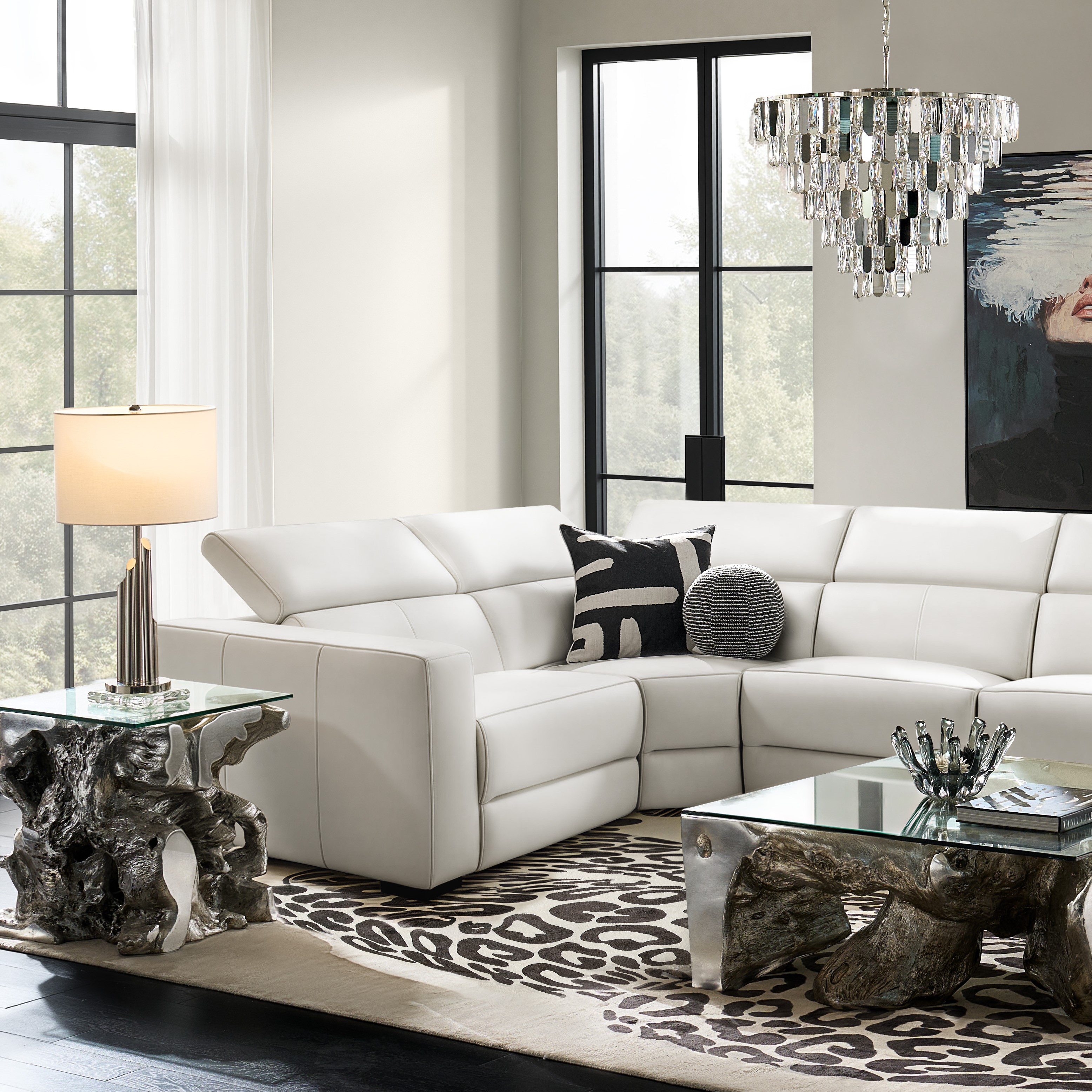 Verona 4-Piece L-Shaped Reclining White Leather Sectional Sofa With Right-Arm$5499
A modern sectional upholstered in supple white semi-aniline leather with adjustable headrests and power-reclining seats.
Add To Cart -
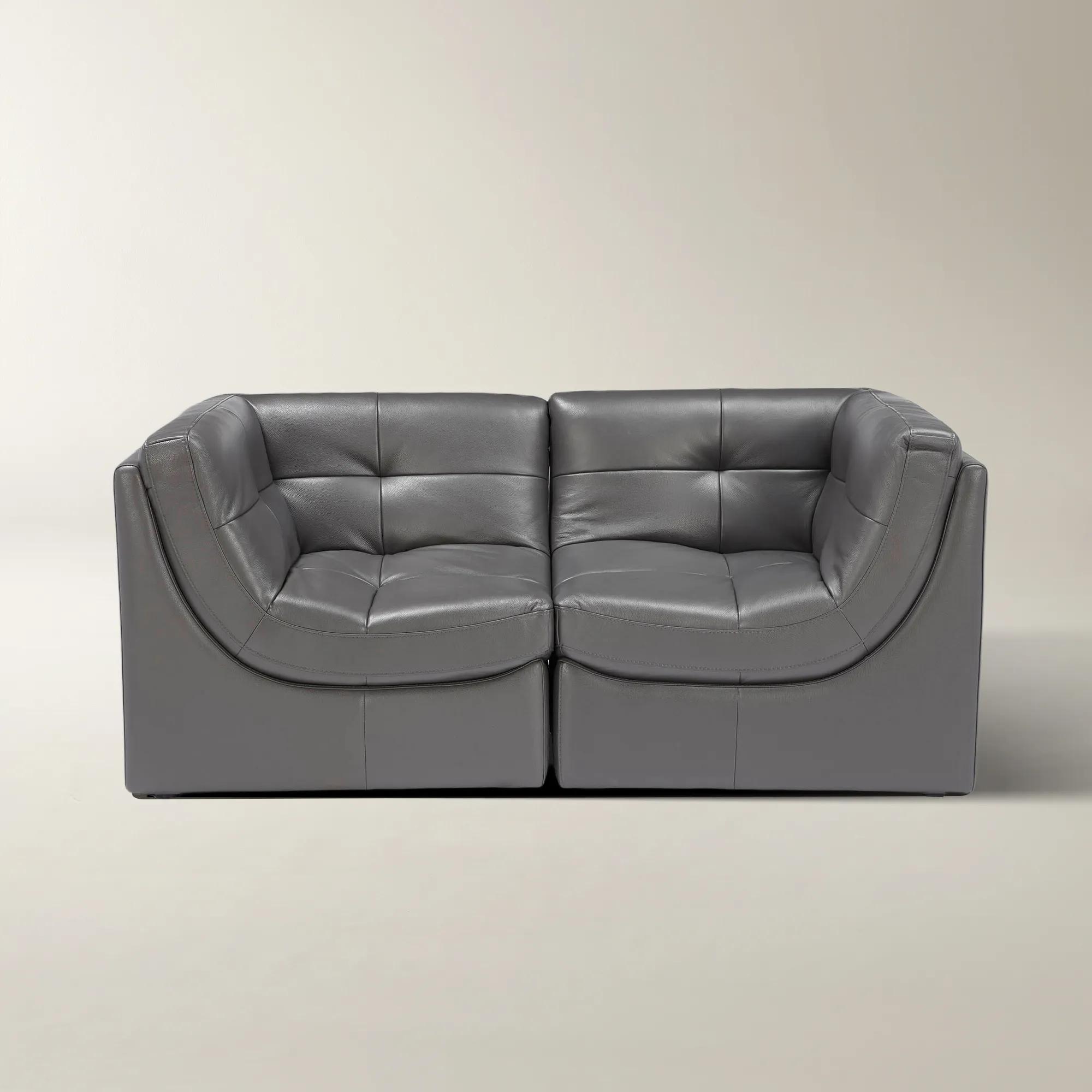 Convo 2-Piece Charcoal Leather Sectional Sofa$2799
A modular charcoal leather sofa with kiln-dried hardwood frame and blind-tufted, semi-aniline upholstery.
Add To Cart -
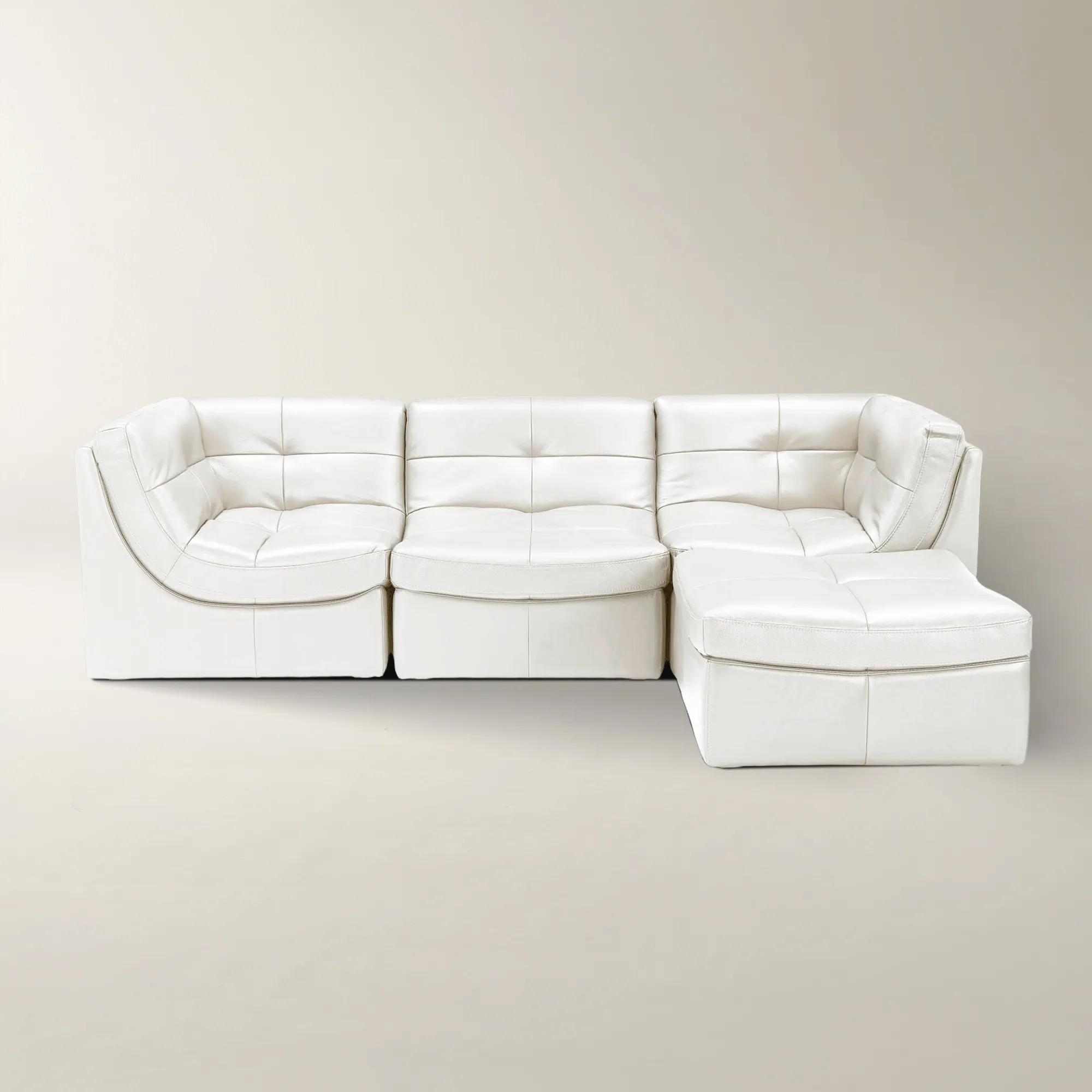 Convo 4-Piece L-Shaped White Leather Sectional Sofa With Ottoman$4849
A modular sectional featuring gently curved seats and charcoal semi-aniline leather upholstery for modern versatility.
Add To Cart -
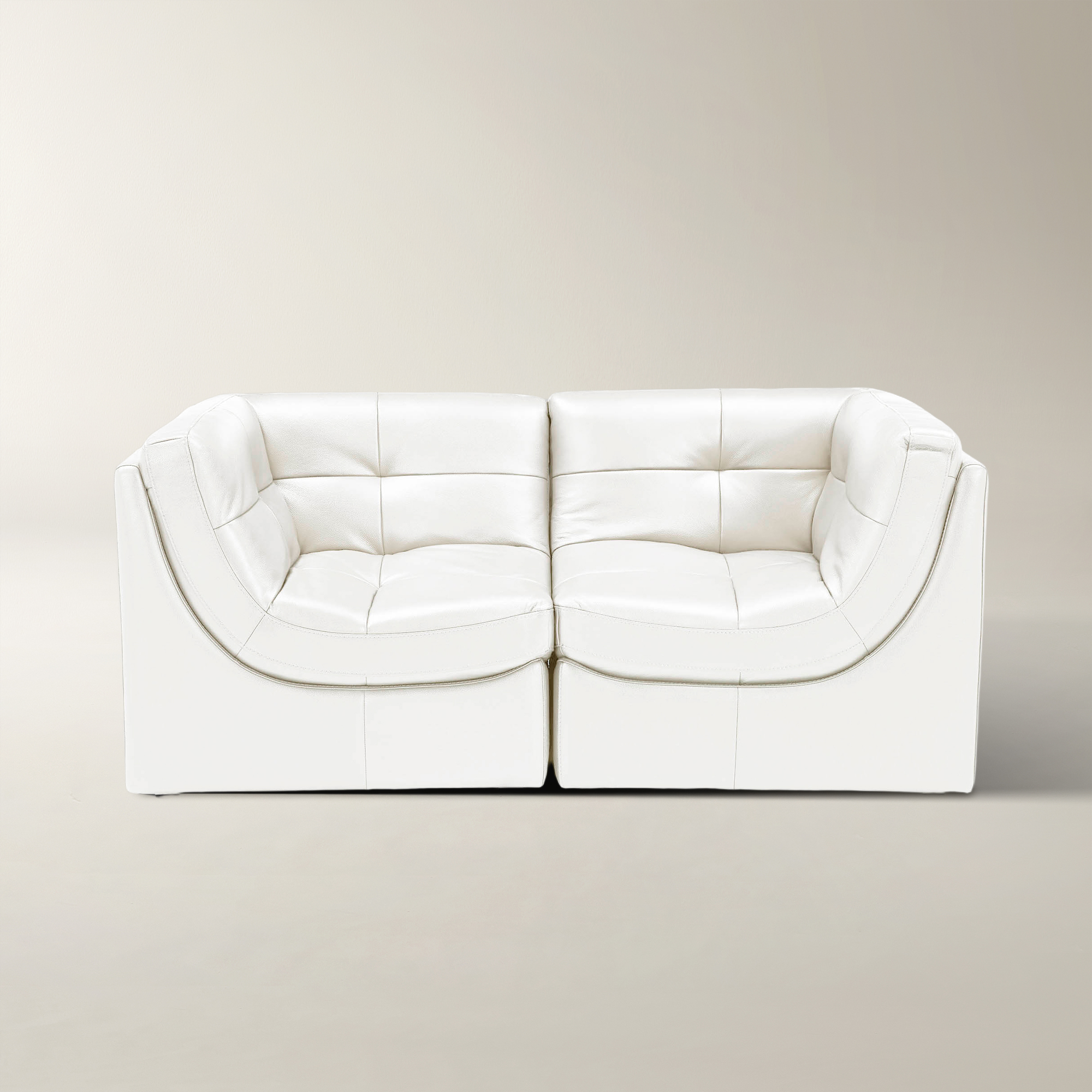 Convo 2-Piece White Leather Sectional Sofa$2799
A modular charcoal leather sofa with kiln-dried hardwood frame and blind-tufted, semi-aniline upholstery.
Add To Cart -
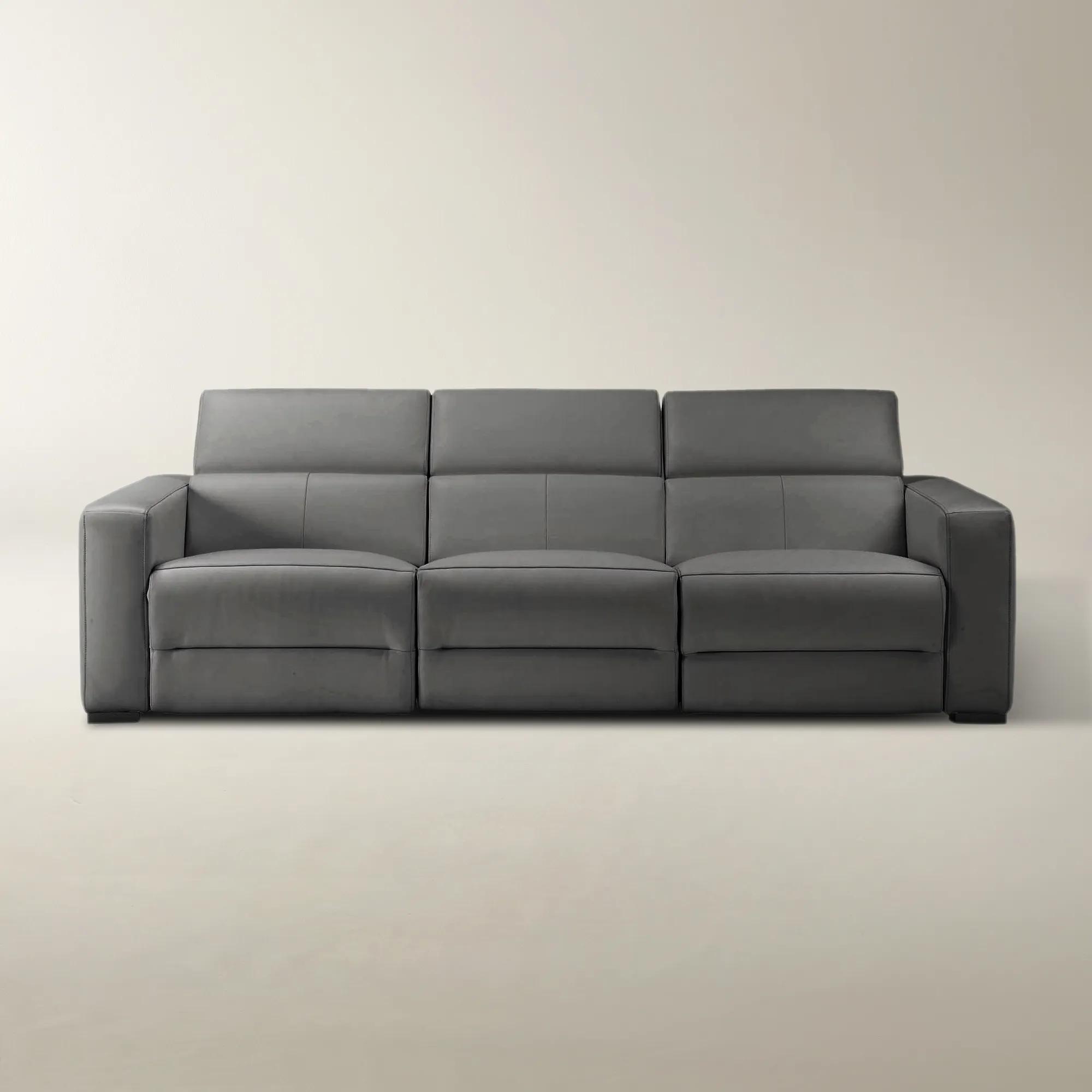 Verona 3-Piece Charcoal Leather Sectional Sofa$4199
A charcoal semi-aniline leather sectional featuring adjustable headrests, kiln-dried hardwood frame, and optional power recline.
Add To Cart -
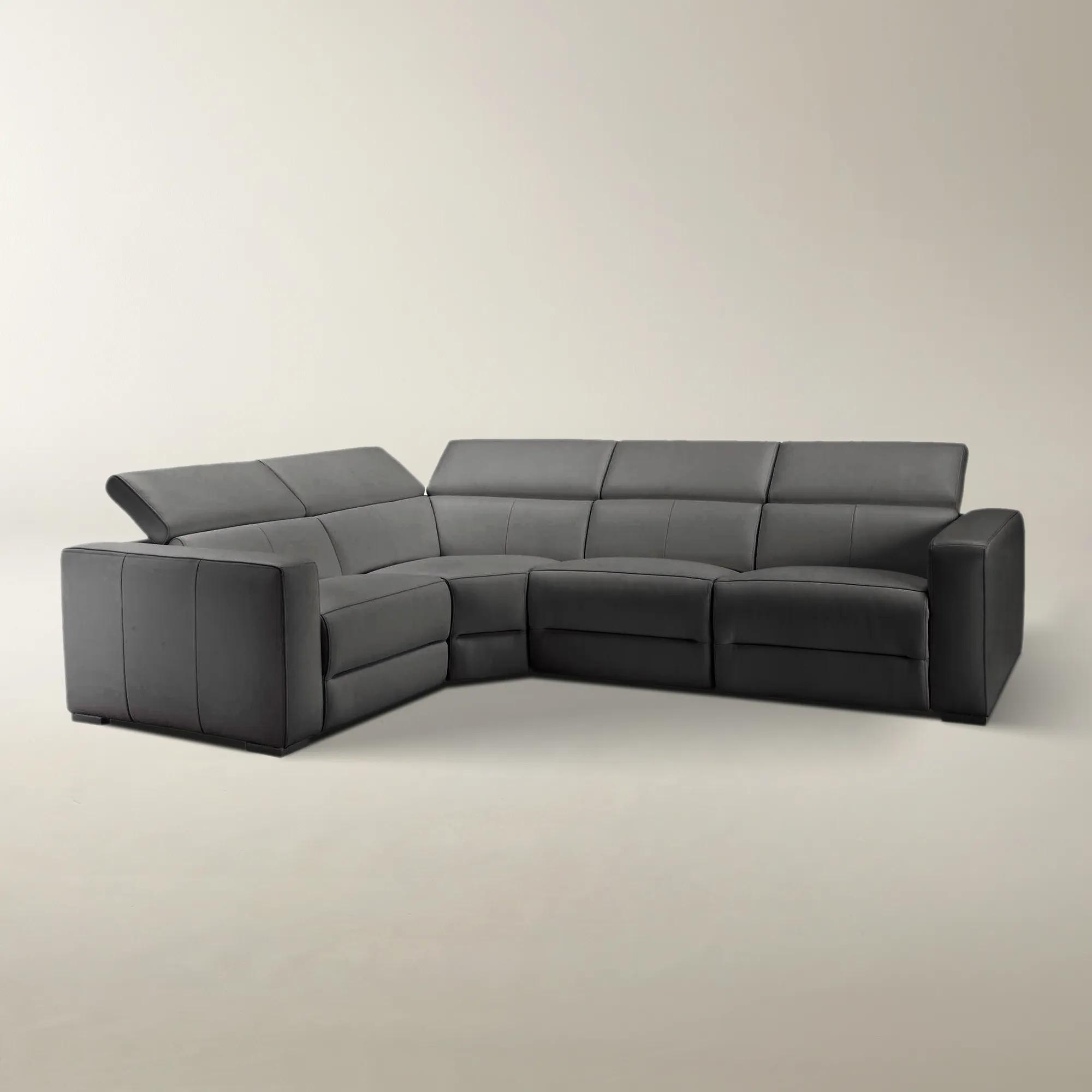 Verona 4-Piece L-Shaped Reclining Charcoal Leather Sectional Sofa With Left-Arm$5499
A charcoal semi-aniline leather sectional featuring adjustable headrests and optional power-reclining seats for comfort.
Add To Cart -
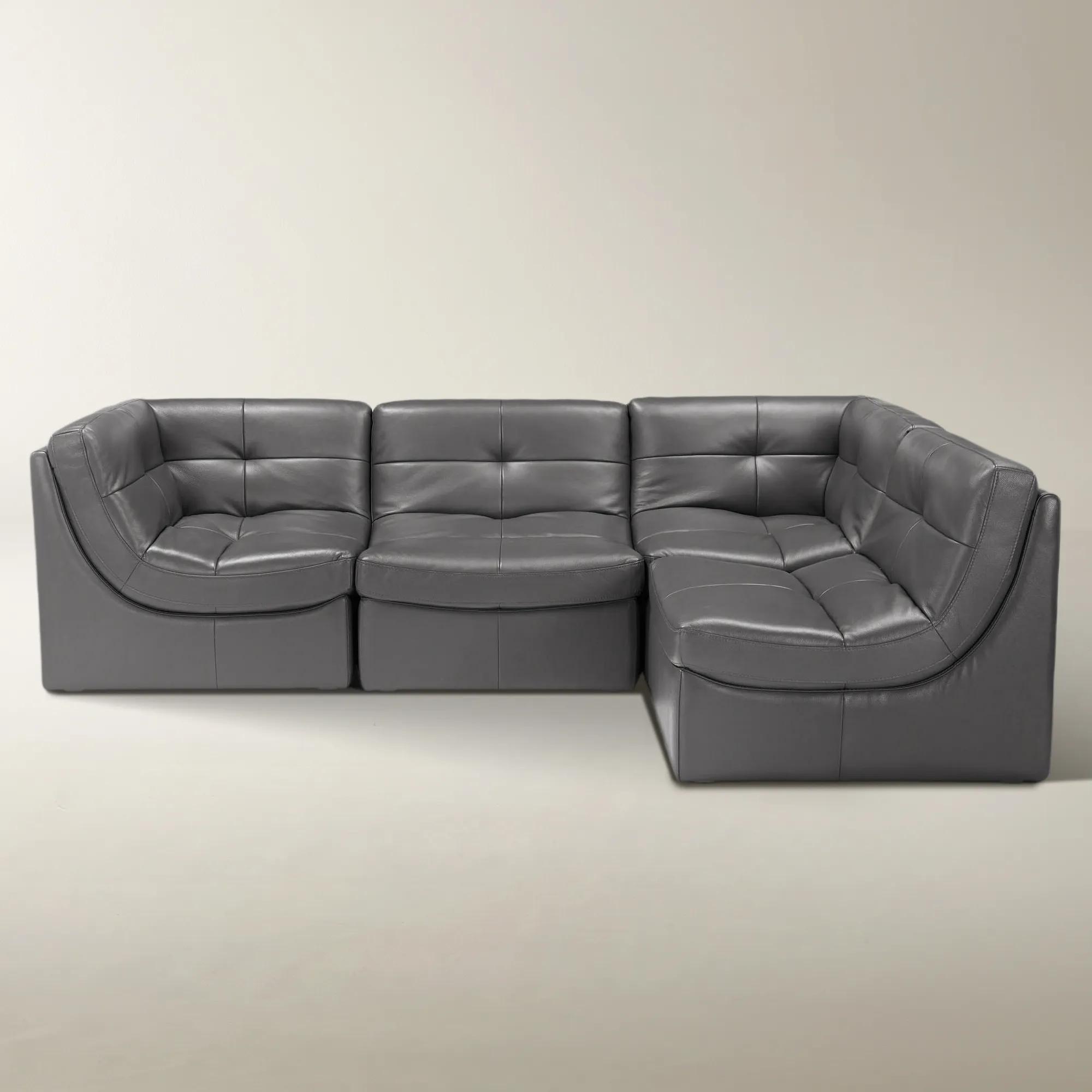
 Convo 4-Piece L-Shaped Charcoal Leather Sectional Sofa With Armless Chair$5199
A modular charcoal leather sectional with kiln-dried hardwood frame and gently curved, blind-tufted seats.
Add To Cart -
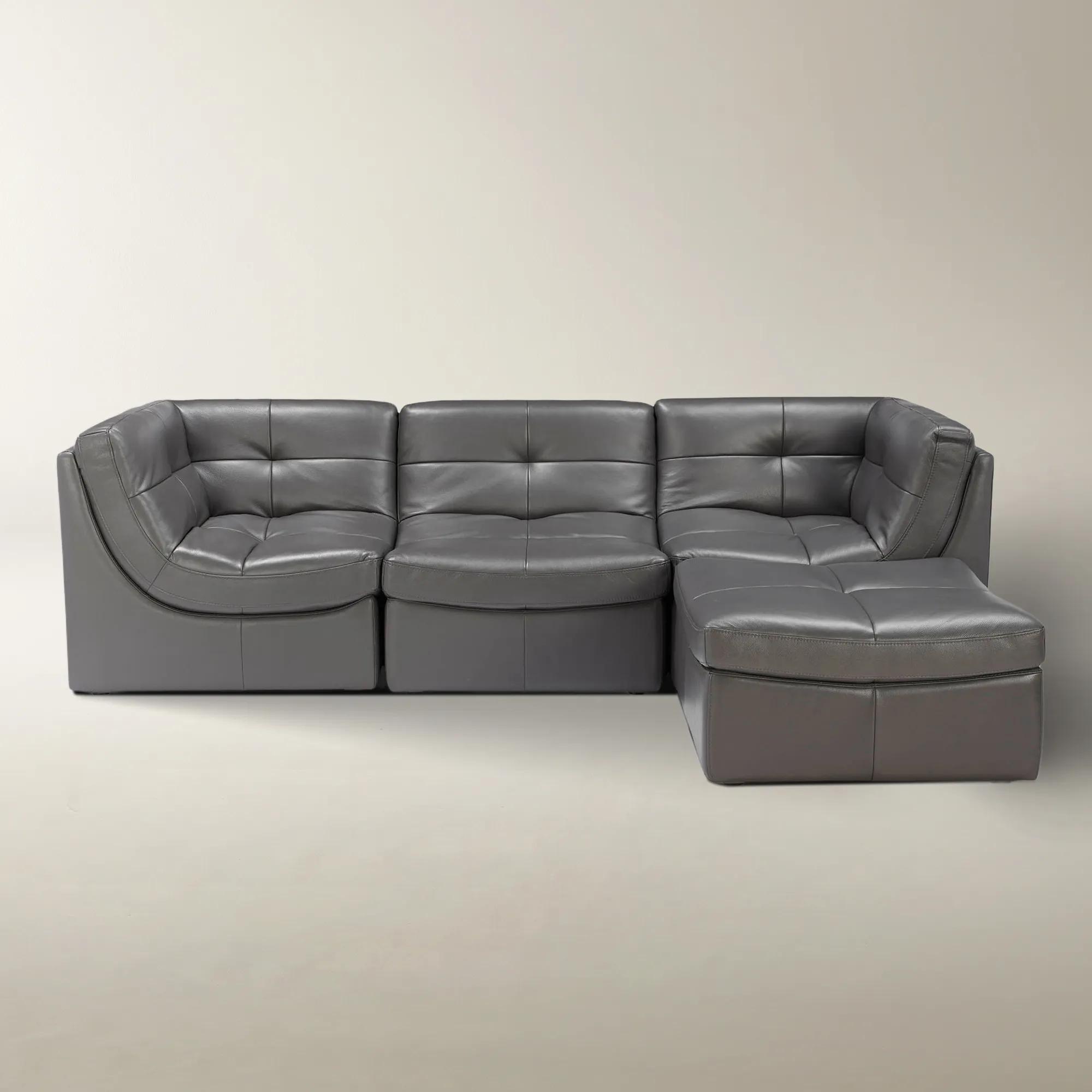 Convo 4-Piece L-Shaped Charcoal Leather Sectional Sofa With Ottoman$4849
A modular charcoal leather sectional with kiln-dried hardwood frame and gently curved, blind-tufted seats.
Add To Cart -
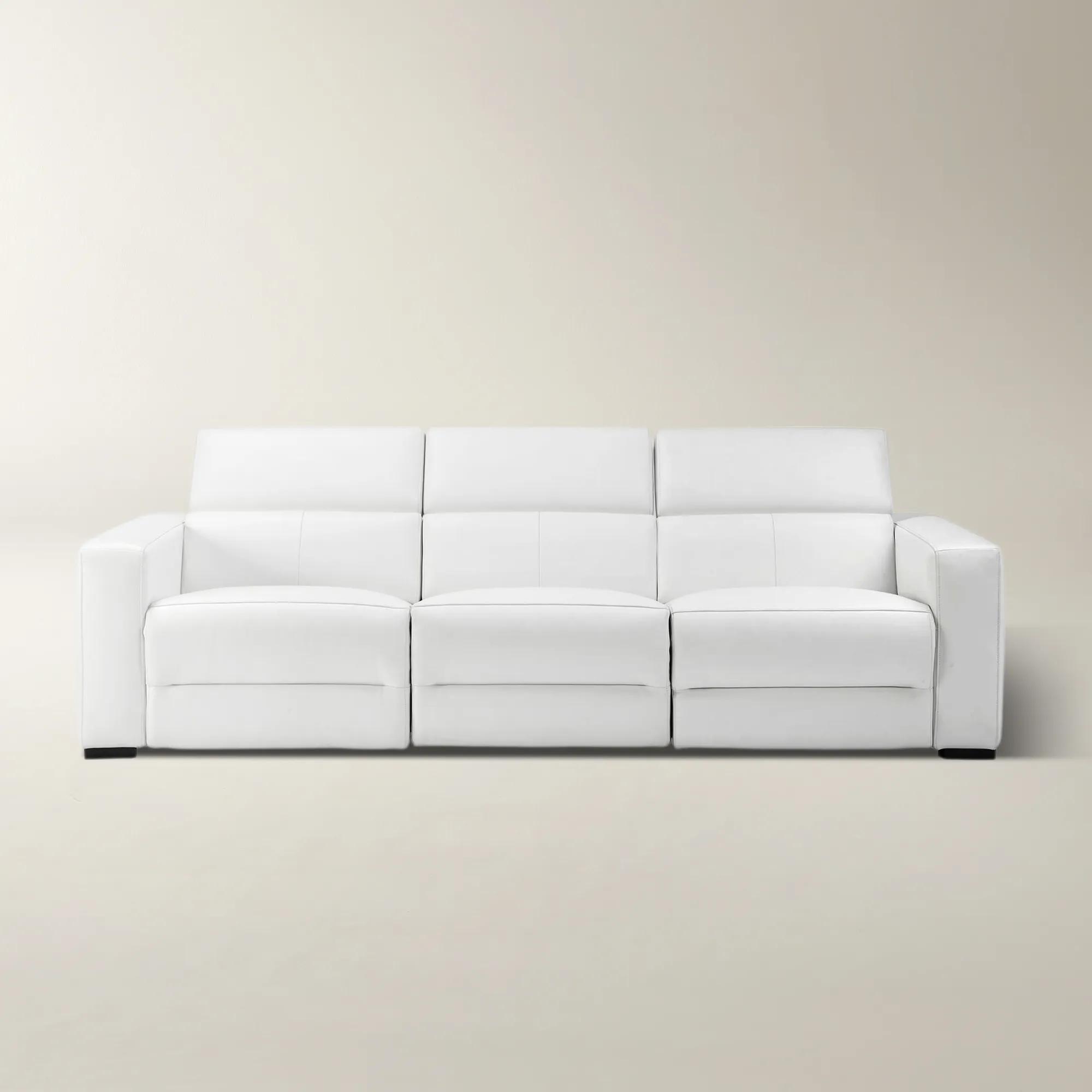 Verona 3-Piece White Leather Sectional Sofa$4199
A modern white sectional upholstered in supple semi-aniline leather with adjustable headrests and power-reclining seats.
Add To Cart -
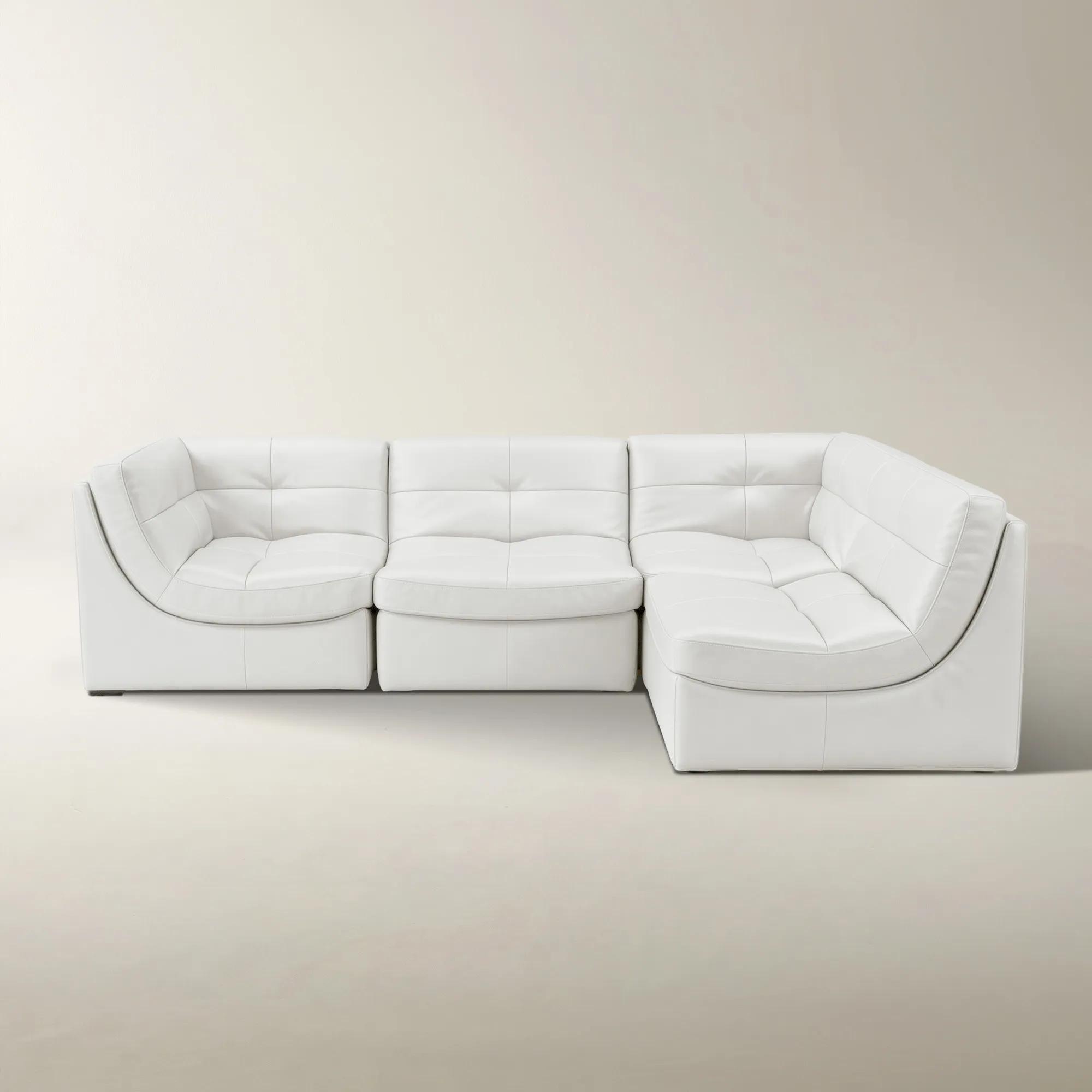 Convo 4-Piece L-Shaped White Leather Sectional Sofa With Armless Chair$5199
A modular charcoal leather sectional with kiln-dried hardwood frame and gently curved, blind-tufted seats.
Add To Cart -
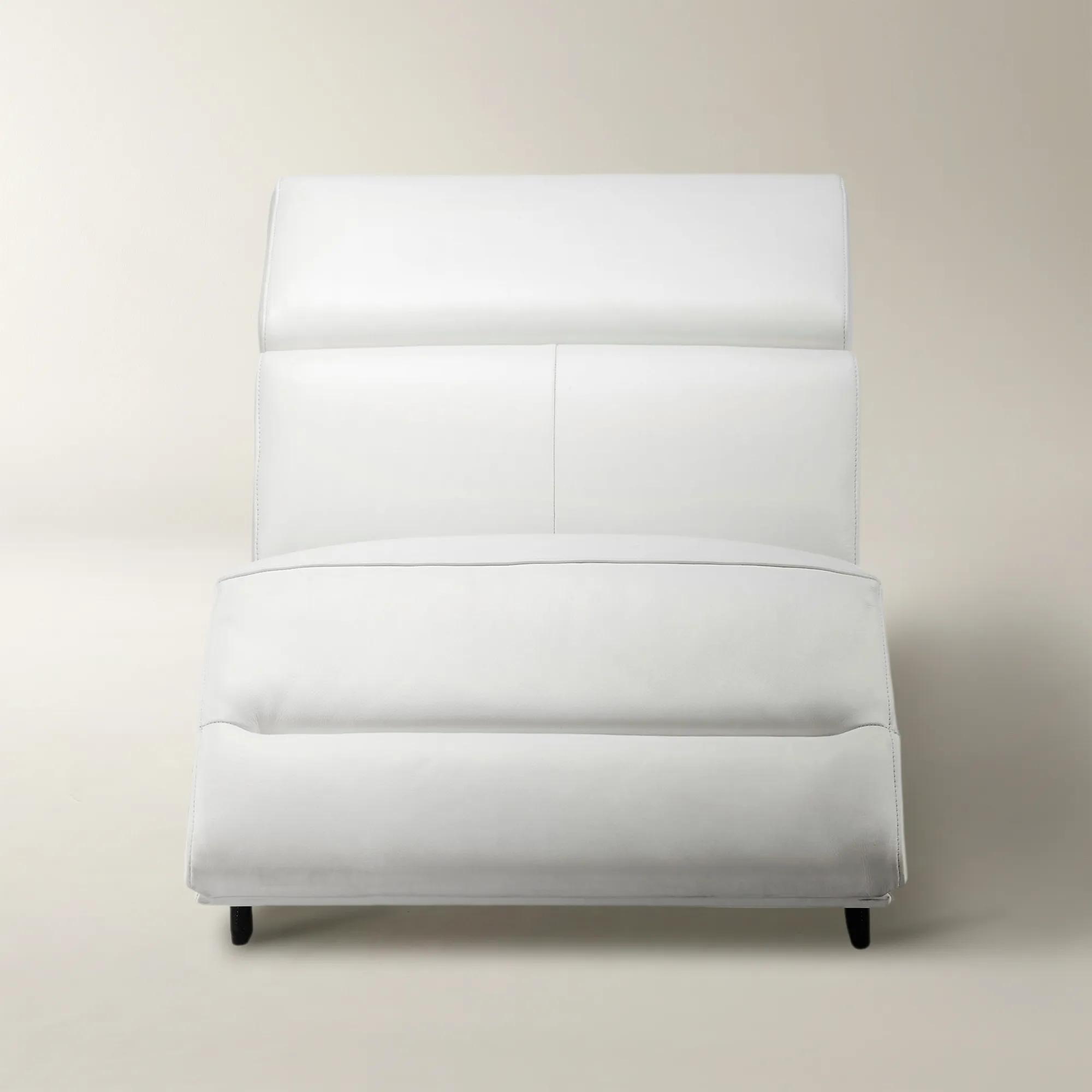
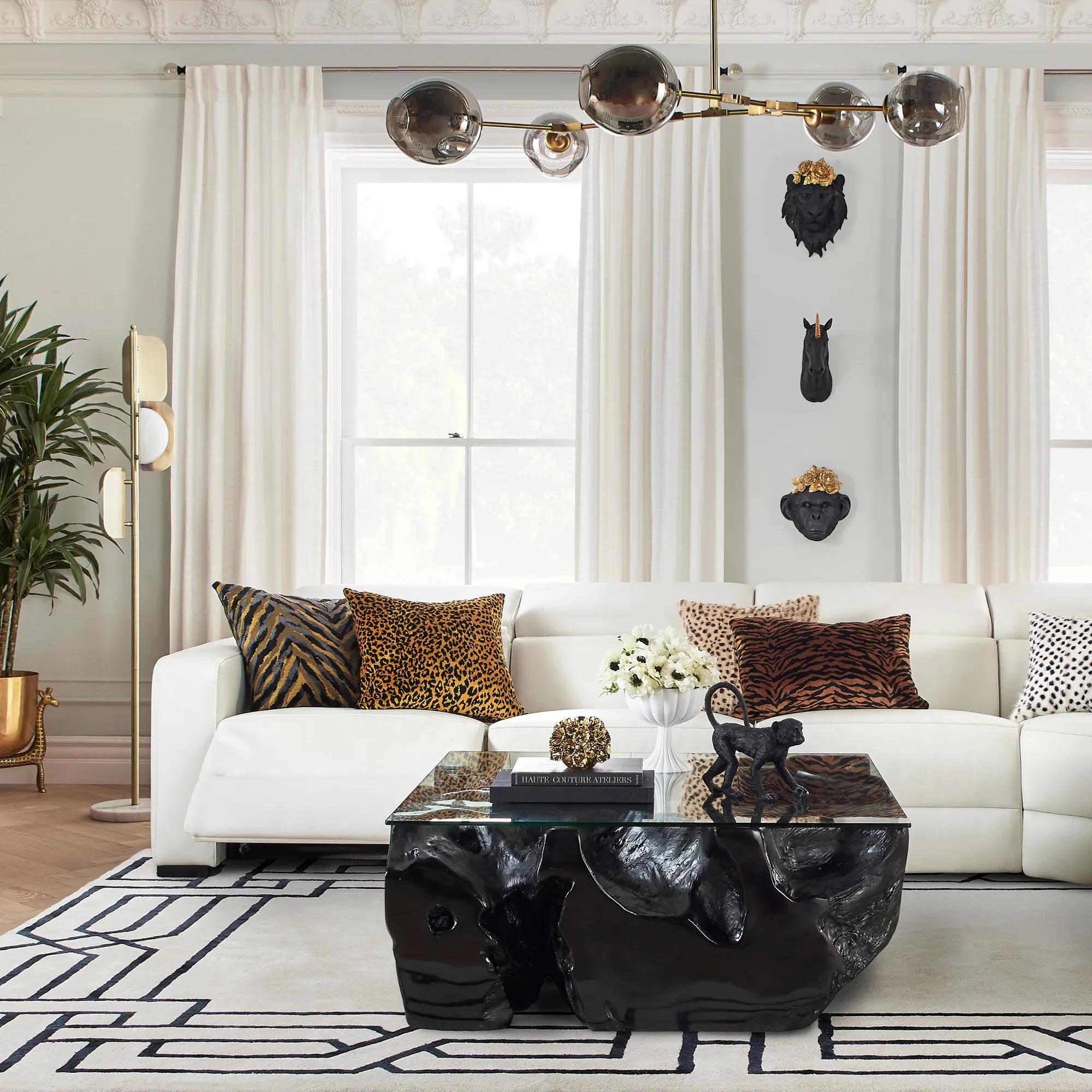 Verona Reclining White Leather Armless Chair With Power$1249
A modern white sectional upholstered in supple semi-aniline leather with adjustable headrests and power-reclining options.
Add To Cart -
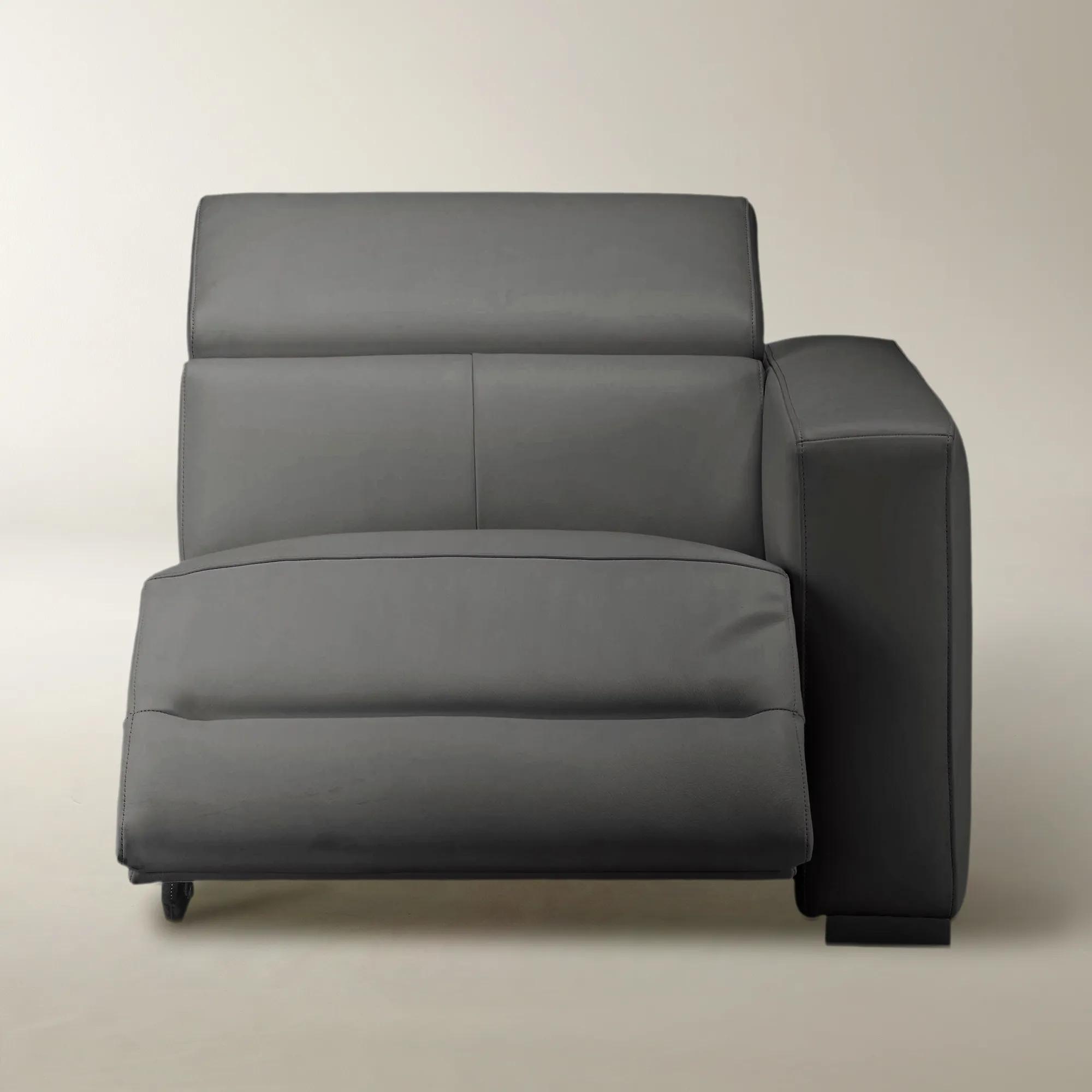
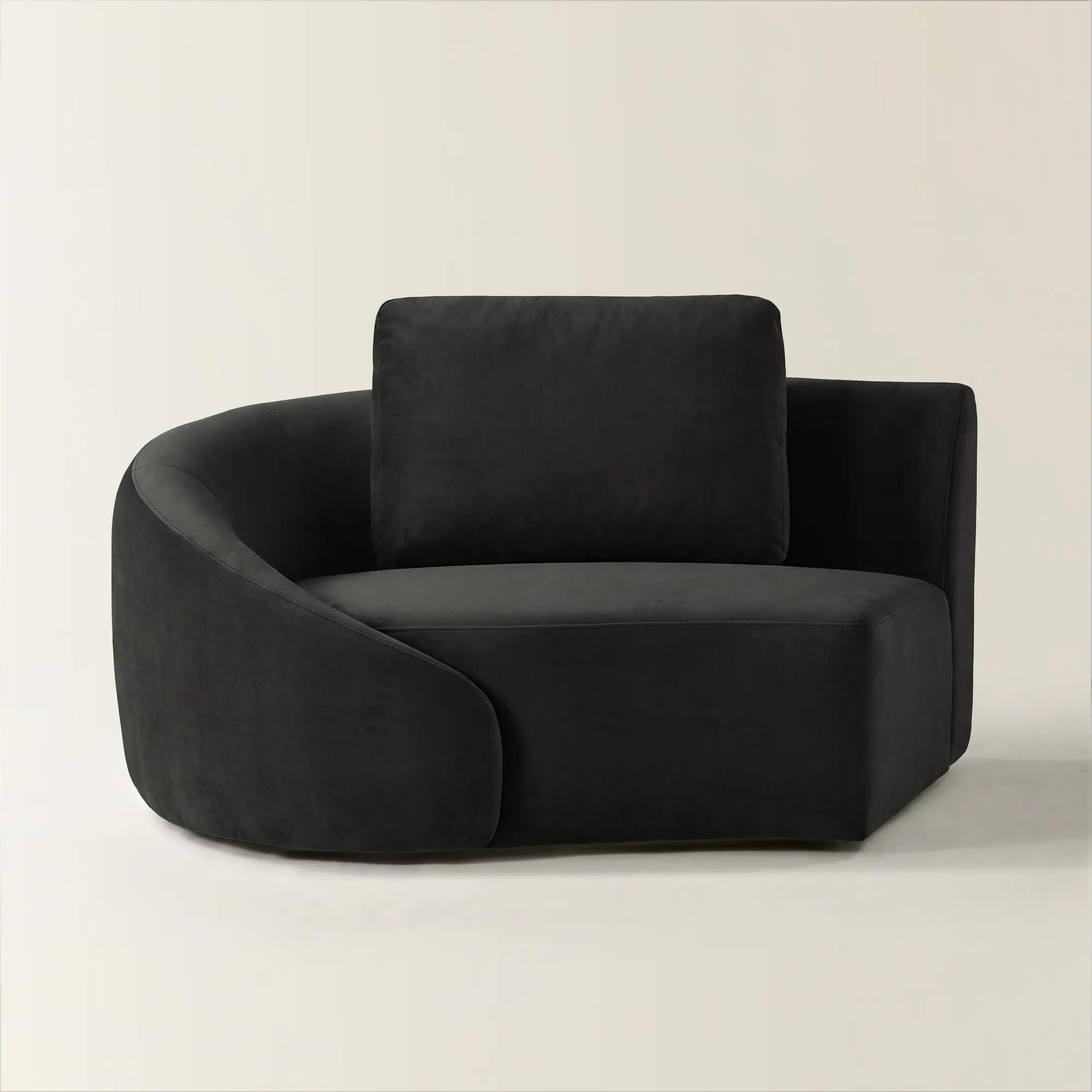
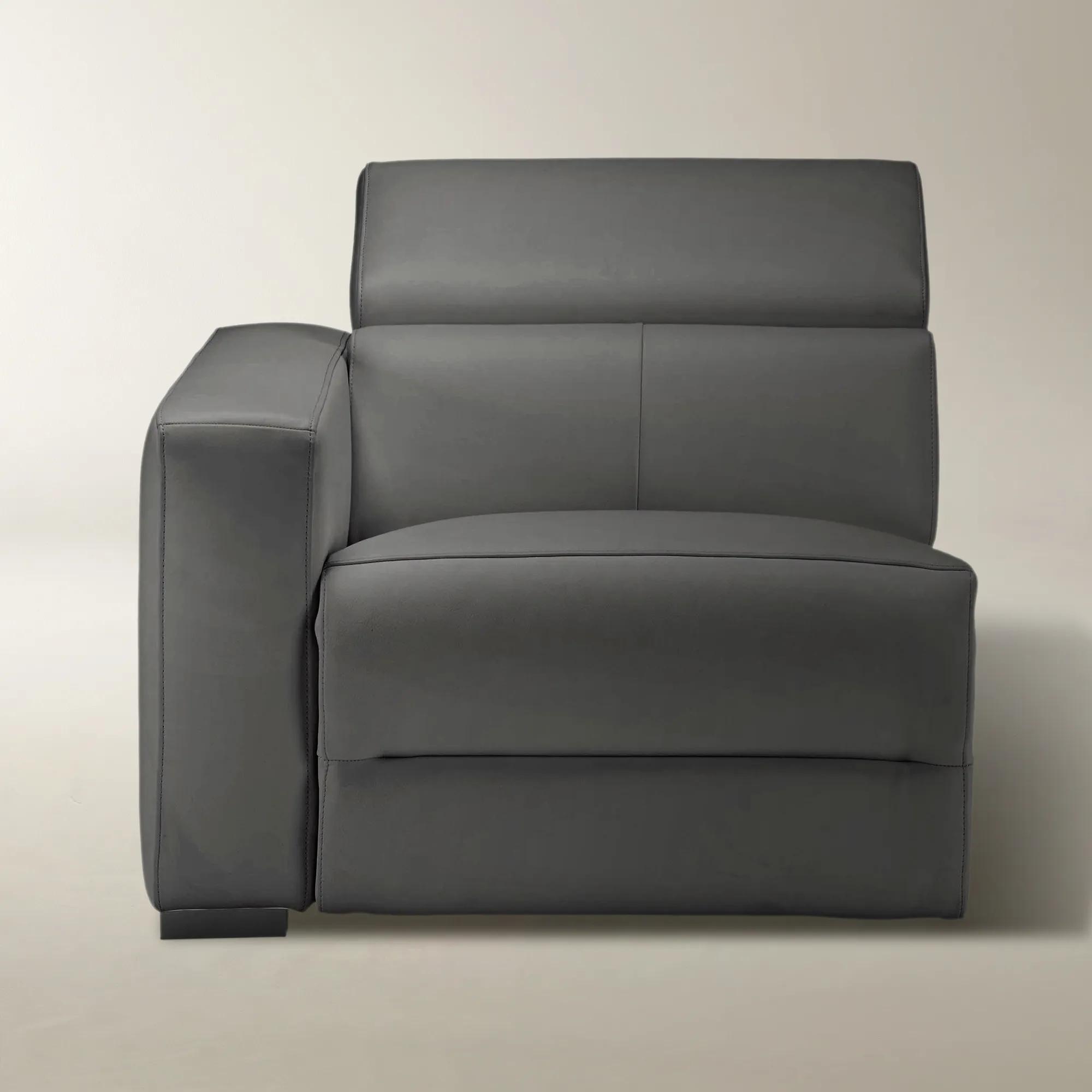
 Verona Reclining Charcoal Leather Right Arm Chair With Power$1499
A charcoal semi-aniline leather sectional with adjustable headrests and optional power-reclining seats for comfort.
Add To Cart -
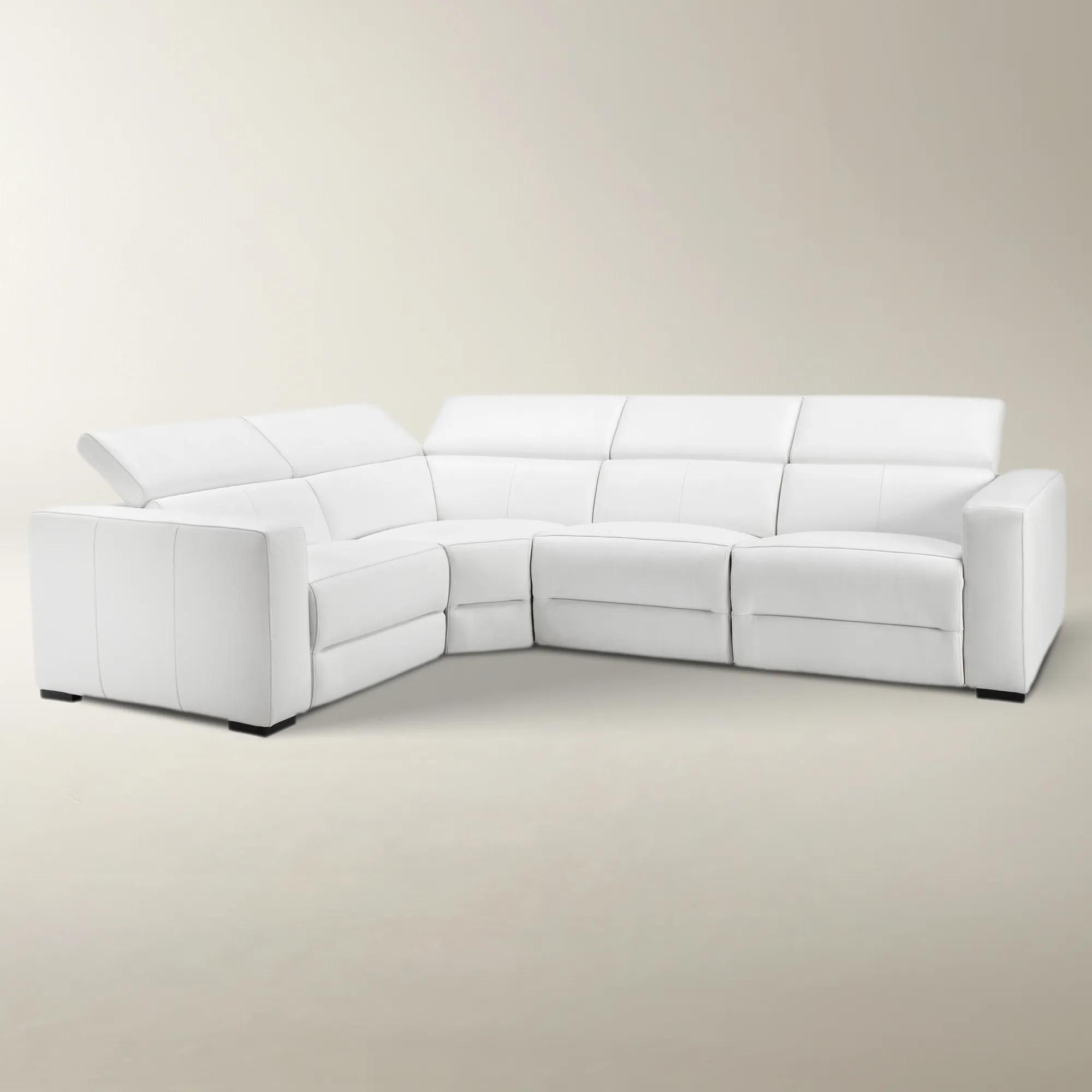 Verona 4-Piece L-Shaped Reclining White Leather Sectional Sofa With Left-Arm$5499
A modern sectional upholstered in supple white semi-aniline leather with adjustable headrests and power-reclining seats.
Add To Cart -
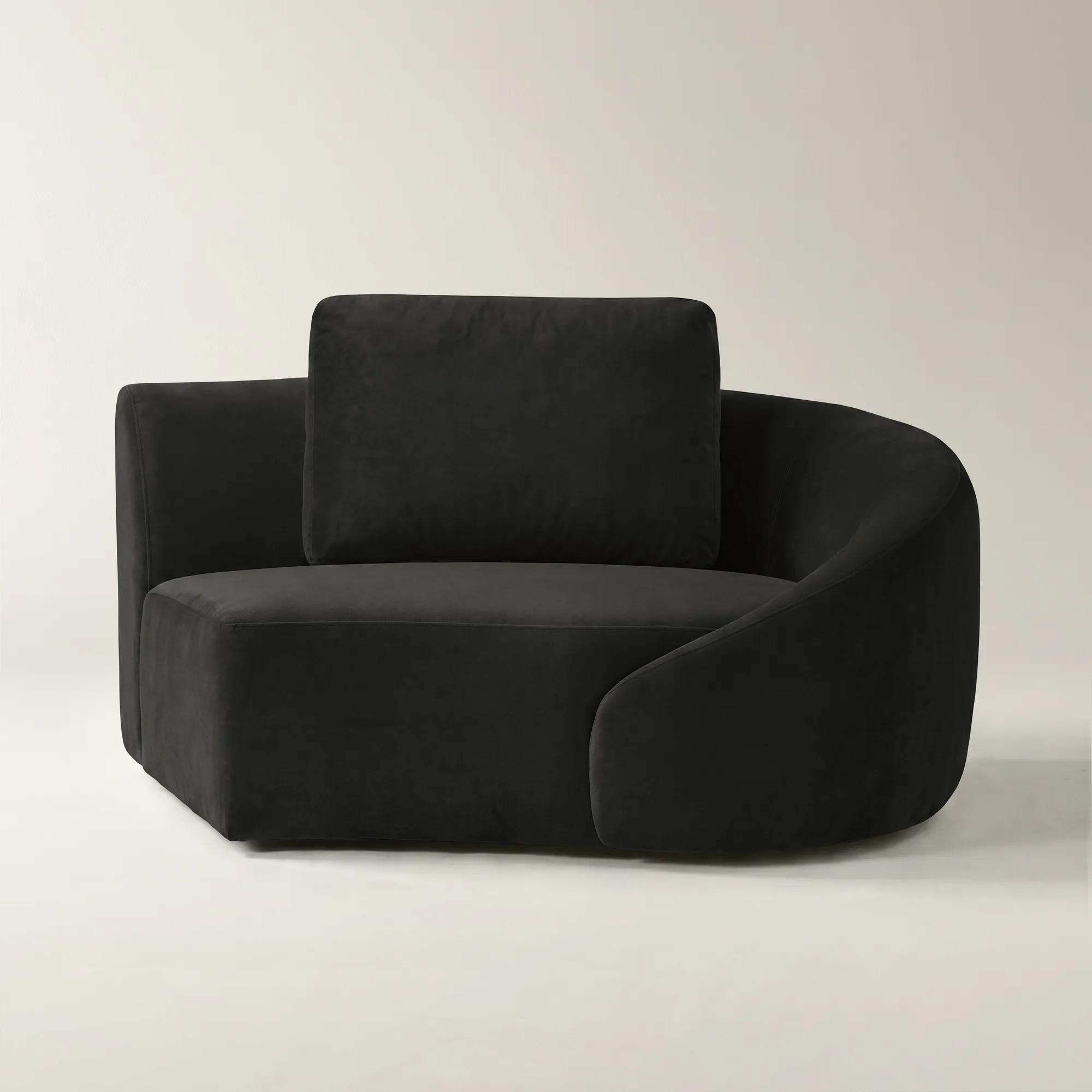
 Verona Charcoal Leather Left Arm Chair$1299
A charcoal semi-aniline leather sectional with adjustable headrests, power-reclining seats, and kiln-dried hardwood frame.
Add To Cart -
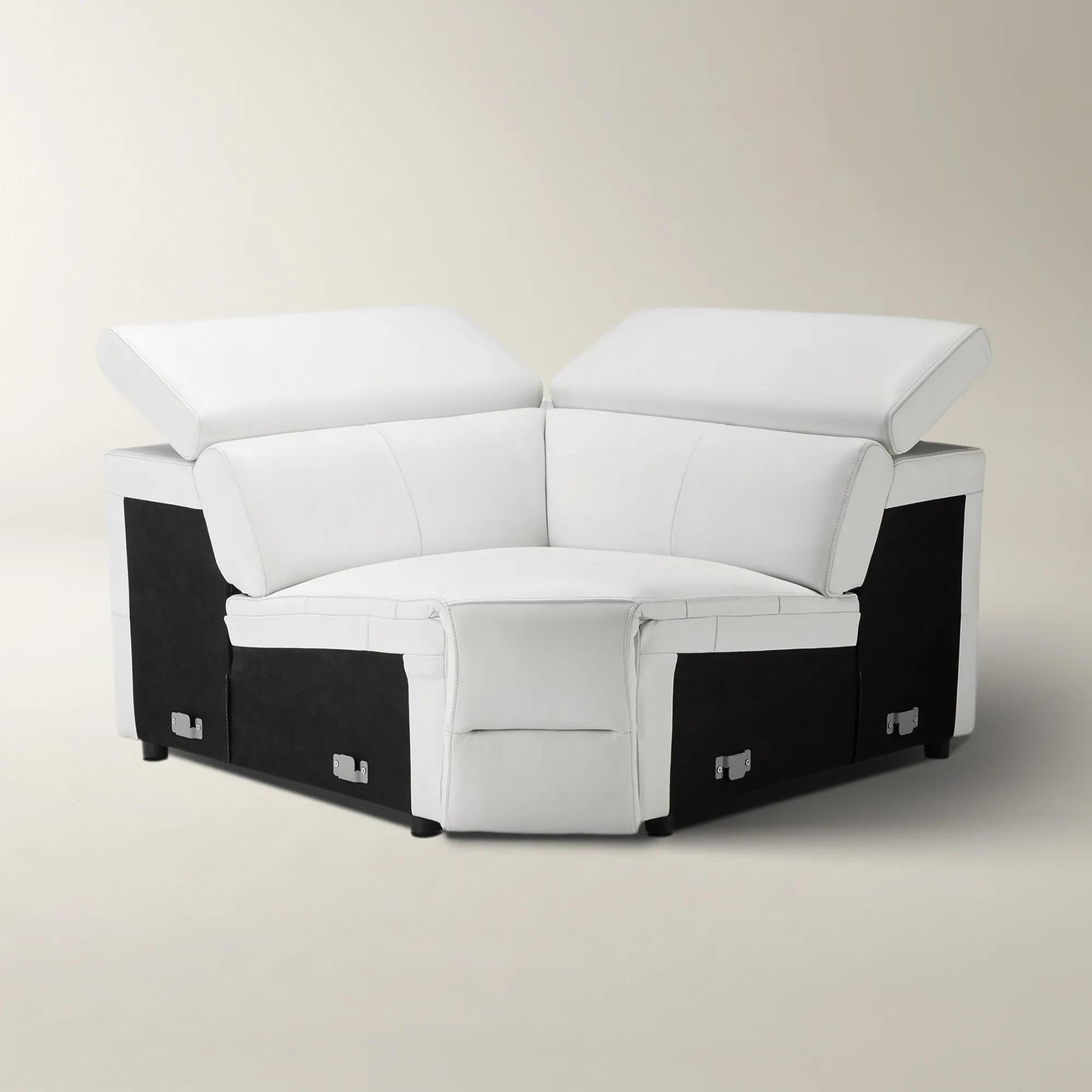 Verona White Leather Corner Chair With Power$1499
A modern sectional upholstered in supple white semi-aniline leather with adjustable headrests and power-reclining seats.
Add To Cart -
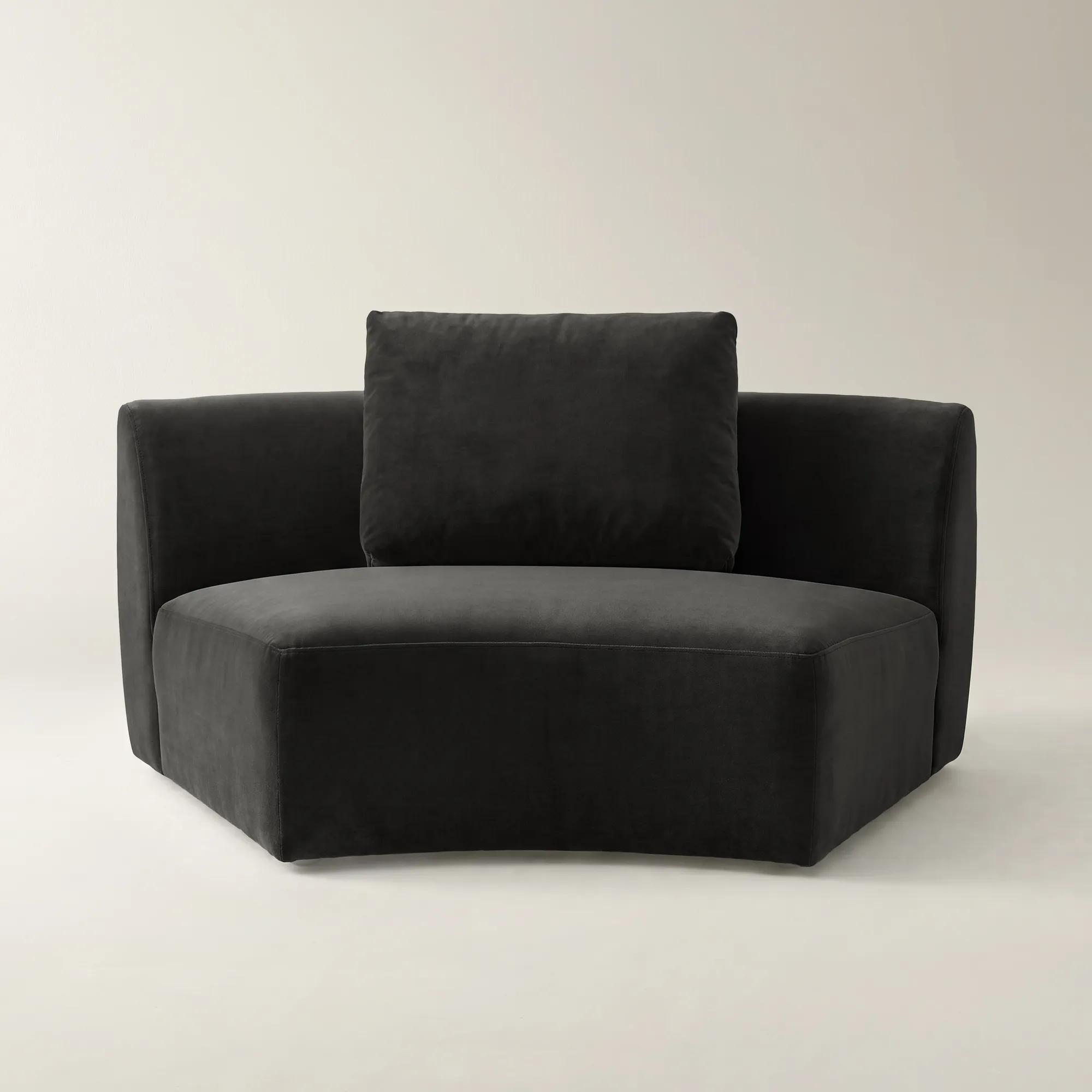
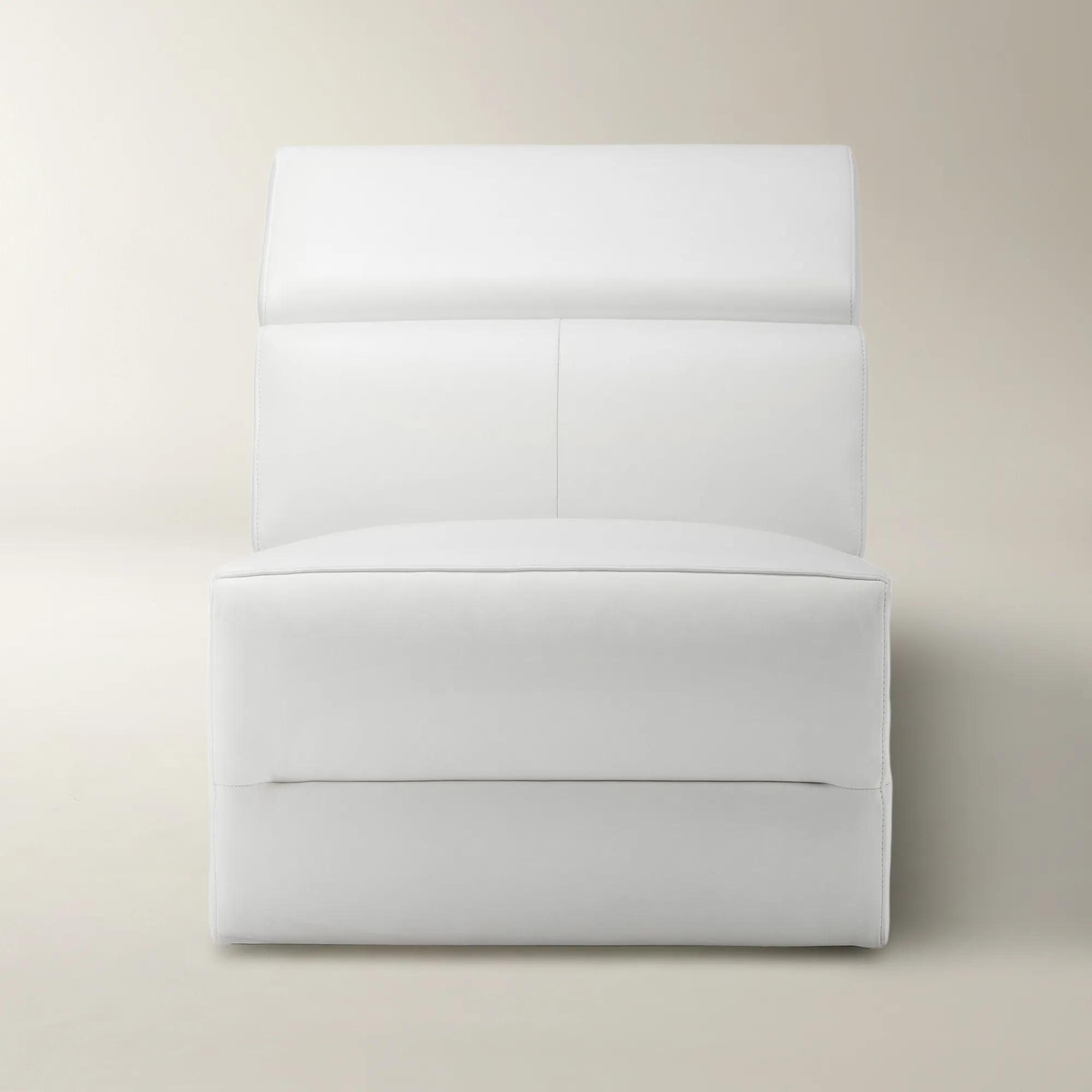 Verona White Leather Armless Chair$1099
A modern sectional upholstered in supple white semi-aniline leather with adjustable headrests and power-reclining options.
Add To Cart -
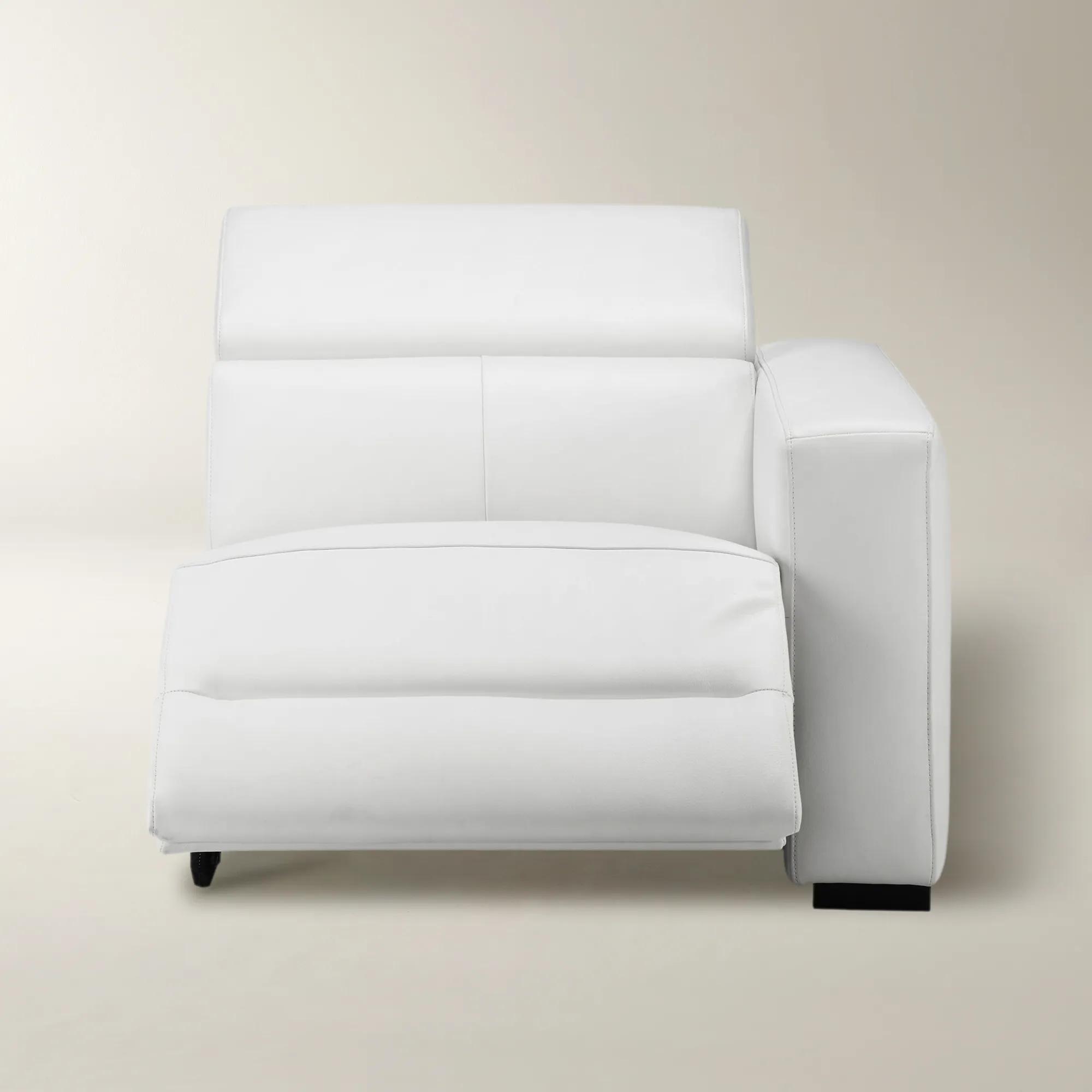 Verona Reclining White Leather Right Arm Chair With Power$1499
A modern white sectional upholstered in supple semi-aniline leather with adjustable headrests and power-reclining options.
Add To Cart -
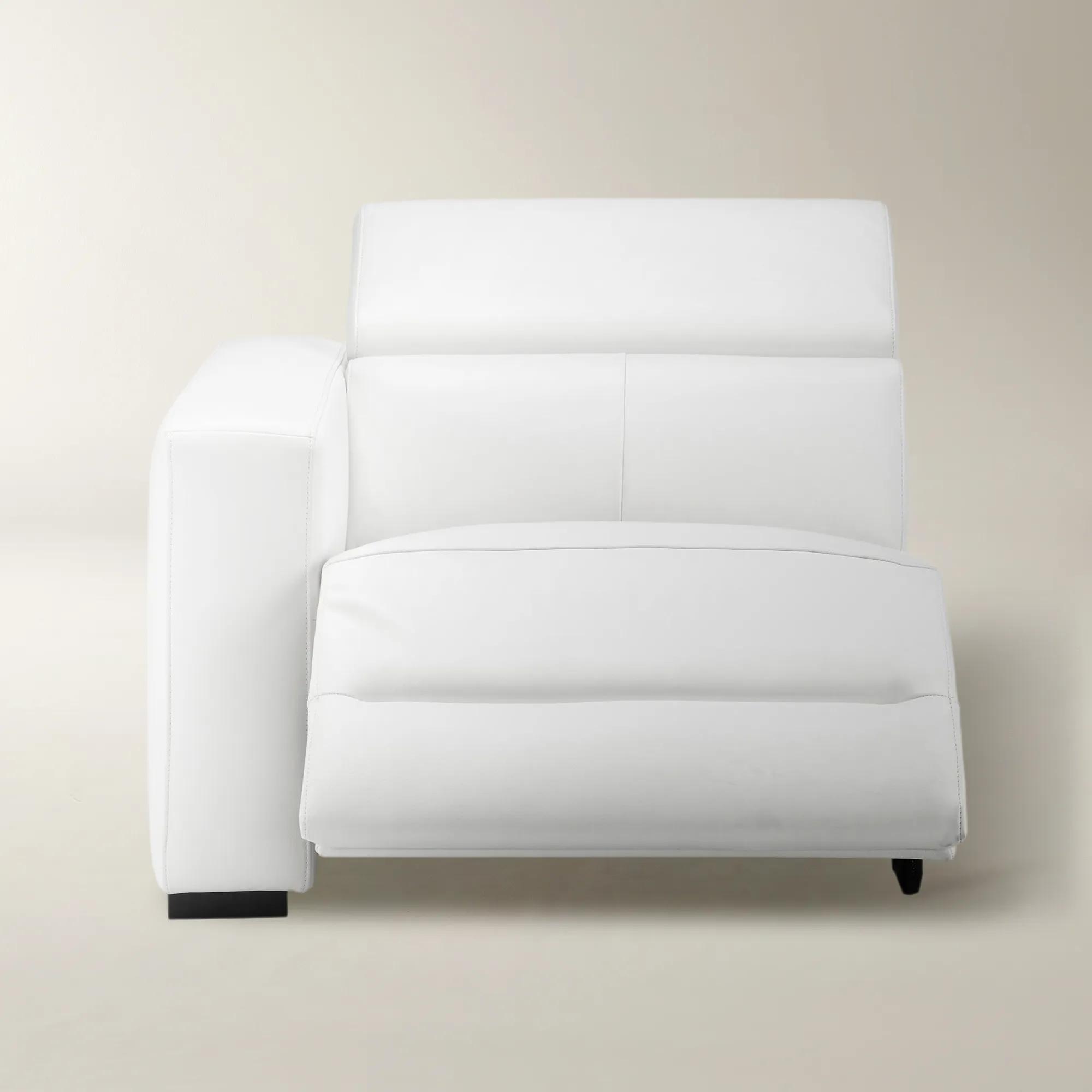 Verona Reclining White Leather Left Arm Chair With Power$1499
A modern white sectional upholstered in supple semi-aniline leather with adjustable headrests and power-reclining seats.
Add To Cart -
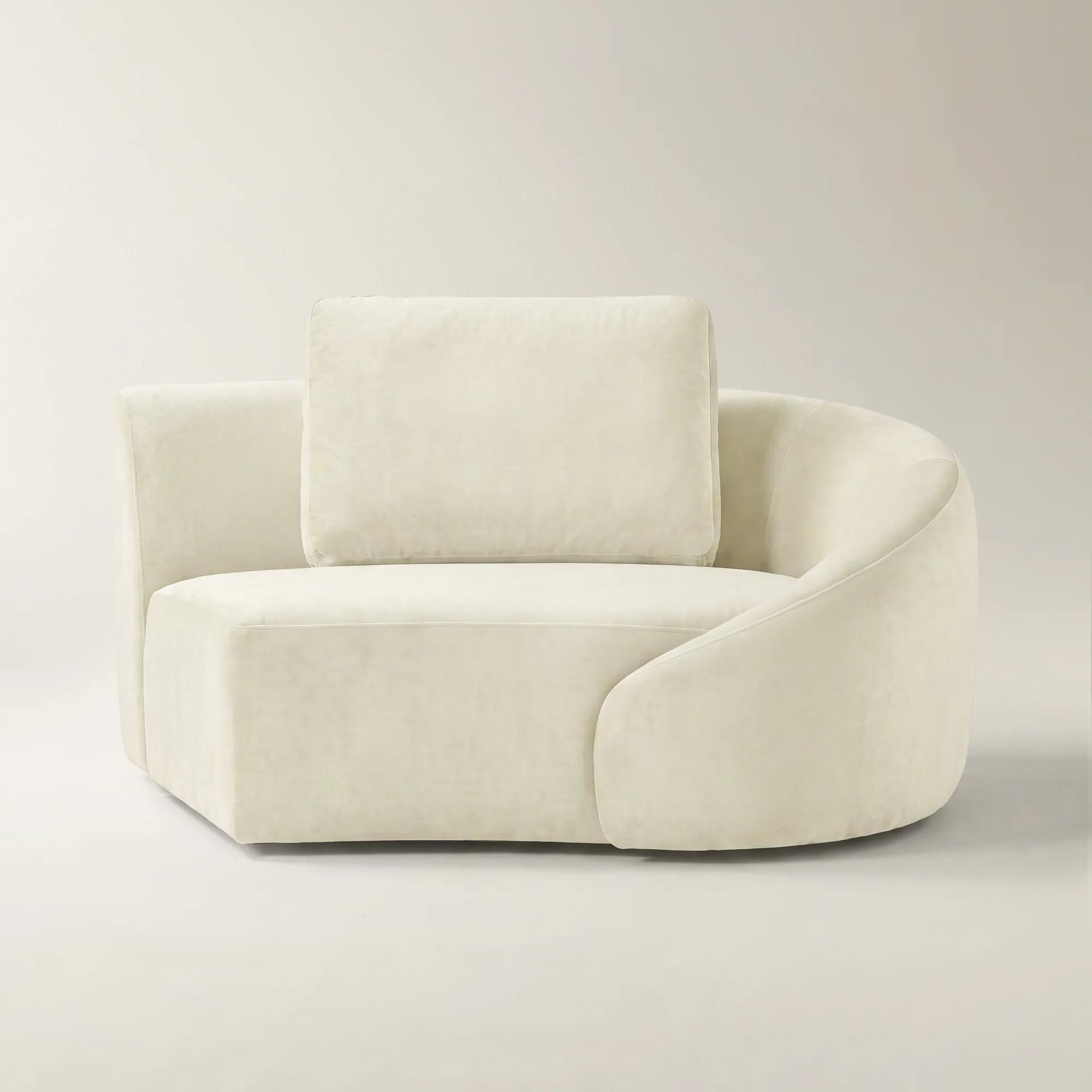
 Convo White Leather Corner Chair$1399
A modular sectional featuring kiln-dried hardwood frames and charcoal semi-aniline leather upholstery for modern versatility.
Add To Cart -
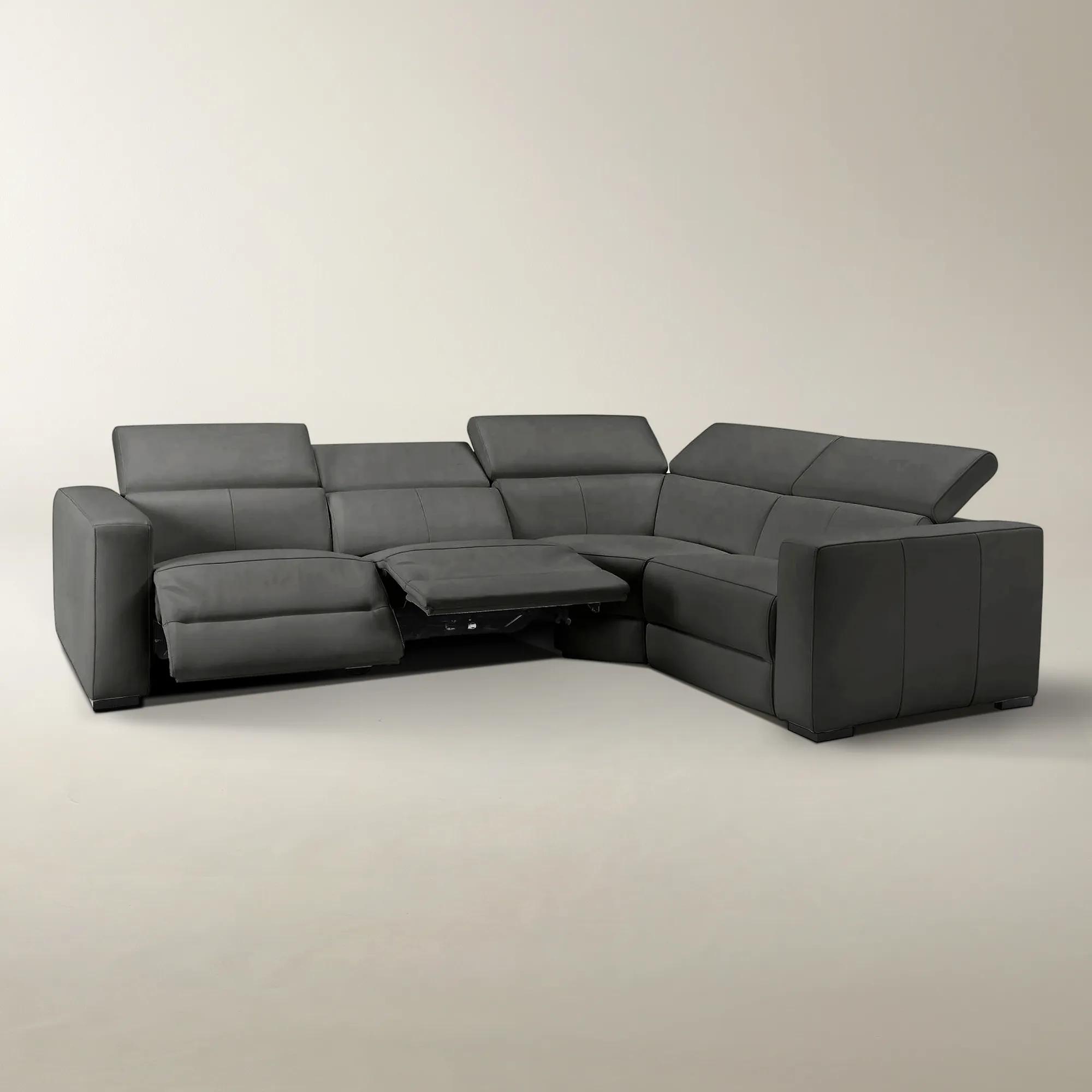
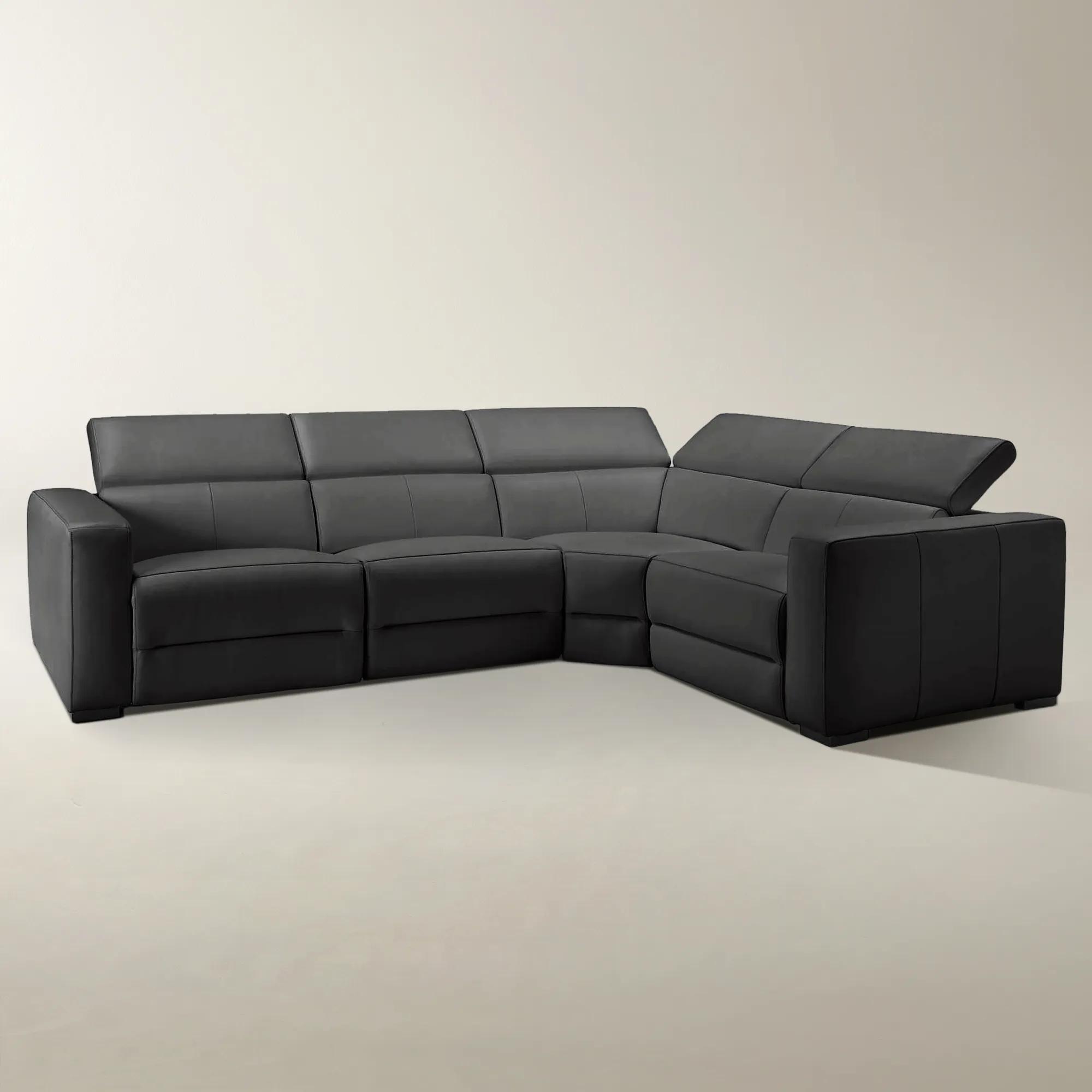 Verona 4-Piece L-Shaped Reclining Charcoal Leather Sectional Sofa With Right-Arm$5499
A charcoal semi-aniline leather sectional featuring adjustable headrests, power-reclining seats, and kiln-dried hardwood frame.
Add To Cart

Leather Sectionals For Open Spaces
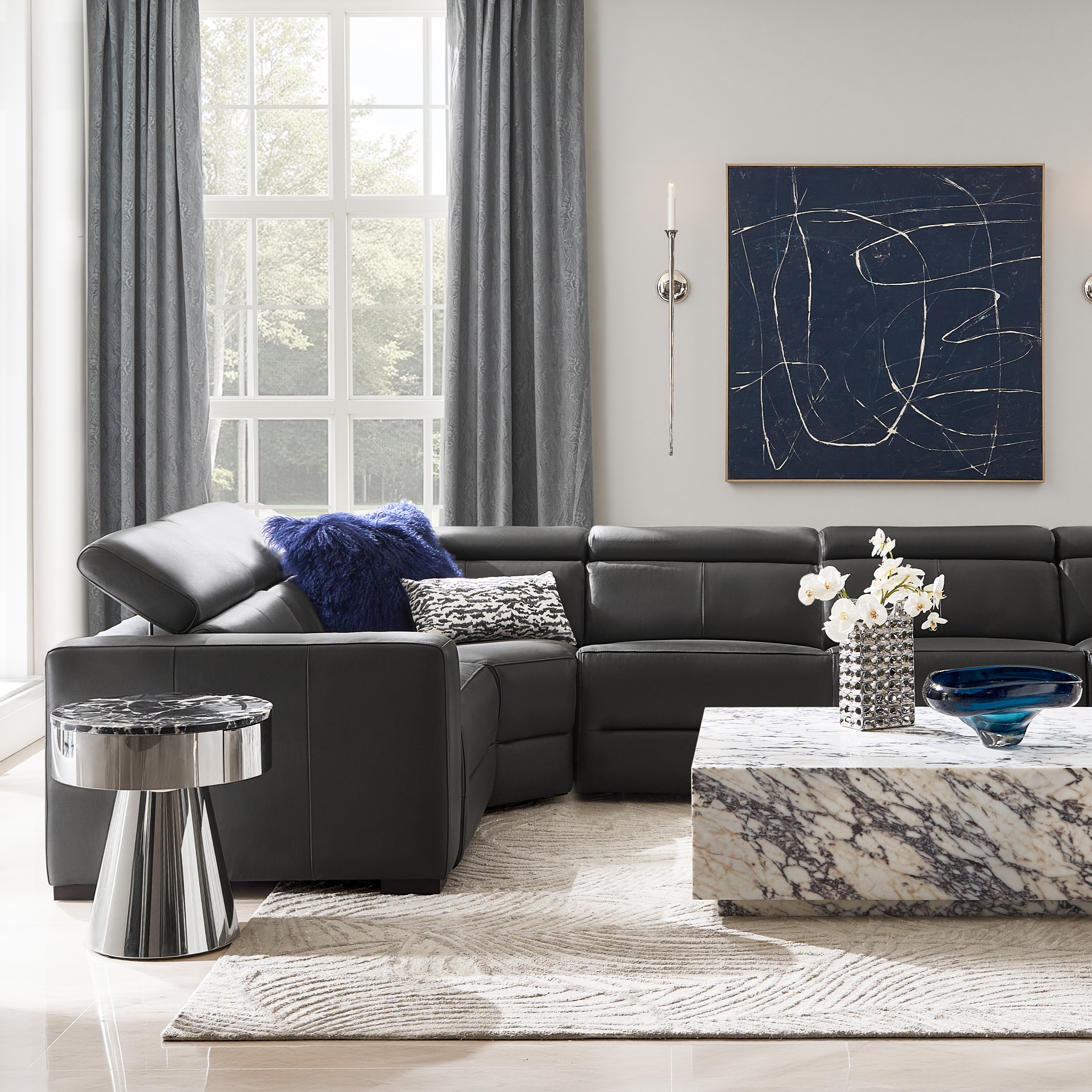
Leather sectionals for open spaces are the epitome of bold sophistication—each silhouette an invitation to luxuriate in comfort and style. Imagine sweeping, sculptural forms that command attention while effortlessly anchoring your grandest rooms. These striking pieces are more than seating; they’re statement-makers, transforming sprawling interiors into curated galleries of modern glamour. With sumptuous textures and dramatic lines, leather sectionals for open spaces set the stage for conversation, celebration, and everyday indulgence—where every gathering becomes a moment worth savoring.
Leather sectionals for open spaces give expansive rooms a sense of definition without sacrificing their light, flow, or architectural drama. In an open-concept living room, an L-shaped or U-shaped sectional can establish a distinct seating area while keeping the kitchen, dining space, and surrounding views visually connected. The result is a room with intention: a generous place to gather, framed by the sculptural lines of the furniture rather than by walls. Floating a sectional away from the perimeter works especially well when its back creates a natural boundary behind the conversation area. Because that back becomes part of the room’s composition, finished upholstery, consistent stitching, and attractive proportions matter from every angle. Upholstery descriptions deserve attention here; some designs use leather on seating surfaces and a different material on the sides or back. Low-profile frames preserve longer sightlines, while raised legs reveal more floor beneath the sofa, helping a substantial silhouette feel less visually heavy. An L-shaped leather sectional offers a balance of shared seating and stretched-out comfort, with a chaise or return that can subtly separate lounging from dining. A U-shaped configuration creates a more enveloping arrangement for conversation, making it particularly appealing to frequent hosts and households that gather around one central living area. Neither shape needs to occupy the exact center of the room; the most graceful placement responds to windows, a fireplace, and the paths people actually take. A broad rug extending beneath at least the sectional’s front legs gives the seating area a coherent footprint, while enough exposed flooring around it maintains a sense of openness. Cognac leather brings burnished warmth to pale walls and stone surfaces. Chestnut creates depth alongside richly grained wood, and espresso or black delivers a striking outline against lighter finishes. These colors become especially expressive in open spaces, where the sectional is seen in conversation with the entire interior rather than as an isolated piece of furniture.
Scale gives a leather sectional its presence, but proportion determines how comfortably it belongs. A spacious great room may accommodate a deep, sweeping arrangement, while an open-plan apartment often benefits from a more restrained footprint with a chaise that follows the room’s longest dimension. Overall width alone does not establish fit: sectional depth, return length, arm thickness, and seat height all influence how much space the furniture occupies and how it feels in use. Slimmer arms can preserve sitting room within a smaller footprint, whereas broad arms lend a more substantial, architectural character. Deep seats invite reclining with a throw and a book; shallower seats and supportive backs may be more comfortable for upright conversation or for guests who prefer an easier transition from sitting to standing. For rooms intended to accommodate several people at once, Large Leather Sectional Sofas offer a useful category to explore with both seating capacity and circulation in mind. Approximately 30 to 36 inches of clear passage around primary routes is a useful planning allowance, with additional space where household needs or accessibility require it. Between the sectional and a coffee table, roughly 16 to 18 inches often provides a comfortable balance of reach and legroom. A chaise facing the windows can create a serene place to unwind, but the same extension becomes an obstacle if it crosses the route from the kitchen to the dining table. Left-facing and right-facing configurations should therefore be checked against the stated orientation in the furniture dimensions rather than assumed from a photograph. Modular leather sectionals can offer flexibility when layouts change, although rearrangement options depend on the individual design and its connectors. Delivery access matters just as much as the final arrangement: doorways, stair turns, elevators, and the dimensions of each separate section all deserve consideration. In a beautifully resolved open room, generous seating feels inviting because movement around it remains effortless, even when guests arrive and everyday activity continues beyond the rug.
Leather contributes more than a polished surface; its grain, finish, and response to use shape the character of the room over time. Full-grain leather retains the hide’s natural grain and may display distinctive markings, while top-grain leather has typically undergone surface refinement for a more uniform appearance. These terms describe aspects of the material, not a complete promise of performance. Aniline leather, colored with transparent dyes and generally carrying little surface protection, offers rich variation and a supple hand but is more susceptible to staining and fading. Semi-aniline and pigmented finishes provide varying degrees of protection, making the specific finish an important consideration for a sectional placed near a busy kitchen or used throughout the day. Natural leather may develop a patina, softening visually with age, though that evolution differs from damage caused by neglected spills or prolonged exposure to sunlight. Durability also depends on the structure beneath the upholstery: a well-constructed frame, supportive suspension, resilient cushions, and secure sectional connections all contribute to lasting comfort. For families, frequent entertainers, and homes with pets, a protected finish may be more practical than a delicate surface, but no leather should be treated as scratchproof or stainproof. Routine care begins with gentle dusting and vacuuming along seams using a soft brush attachment. Spills are best blotted promptly rather than rubbed, and cleaners or conditioners should be used only as directed for the particular upholstery. Harsh household cleaners, direct heat, and sustained sunlight can compromise the finish; window treatments help protect a floated sectional in a bright room without diminishing the beauty of the setting. Against leather’s smooth surface, a textured rug, velvet pillows, and a softly woven throw introduce contrast that feels especially inviting during the cooler months. A gleaming accent table or sculptural lamp adds another layer without crowding the arrangement. The appeal is both expressive and deeply livable: seating substantial enough for evenings together, refined enough to anchor an expansive interior, and distinctive enough to give the surrounding space a clear point of view.
FAQs
Leather sectionals offer a striking balance of luxury and durability, making them ideal for open-concept living. Their rich texture and sheen create a visual anchor in spacious rooms, while the material’s resilience ensures they maintain their beauty through daily use. Leather is also easy to clean and develops a unique patina over time, adding character and warmth to your home’s centerpiece.
Leather sectionals instantly elevate the ambiance of any space with their sophisticated presence and tactile appeal. The natural luster of leather reflects light beautifully, adding depth and dimension to your décor. Whether styled with bold accent pillows for a touch of drama or left unadorned to showcase their sculptural lines, these sectionals set a tone of refined comfort and contemporary elegance.
Yes, high-quality leather sectionals are an excellent choice for families and pet owners. Leather’s smooth surface makes it less likely to trap pet hair or allergens, and minor spills can be easily wiped away. Over time, leather develops a lived-in charm that gracefully incorporates the marks of daily life, making it both a practical and stylish option for busy households.
Leather sectionals are remarkably versatile and complement a wide range of design aesthetics. They serve as a bold foundation in modern, industrial, or minimalist spaces, while also adding a luxe touch to more eclectic or traditional interiors. Their timeless appeal allows them to blend seamlessly with metallic accents, plush textiles, and statement art, making them a favorite among design enthusiasts.
To keep your leather sectional looking its best, regularly dust and gently wipe the surface with a soft, damp cloth. Avoid harsh cleaners and direct sunlight, which can cause fading. Conditioning the leather a few times a year will help preserve its suppleness and sheen. With a little mindful care, your sectional will age gracefully and remain a stunning focal point in your home.