Open Concept Living Sectionals
Open Concept Living Sectionals
-
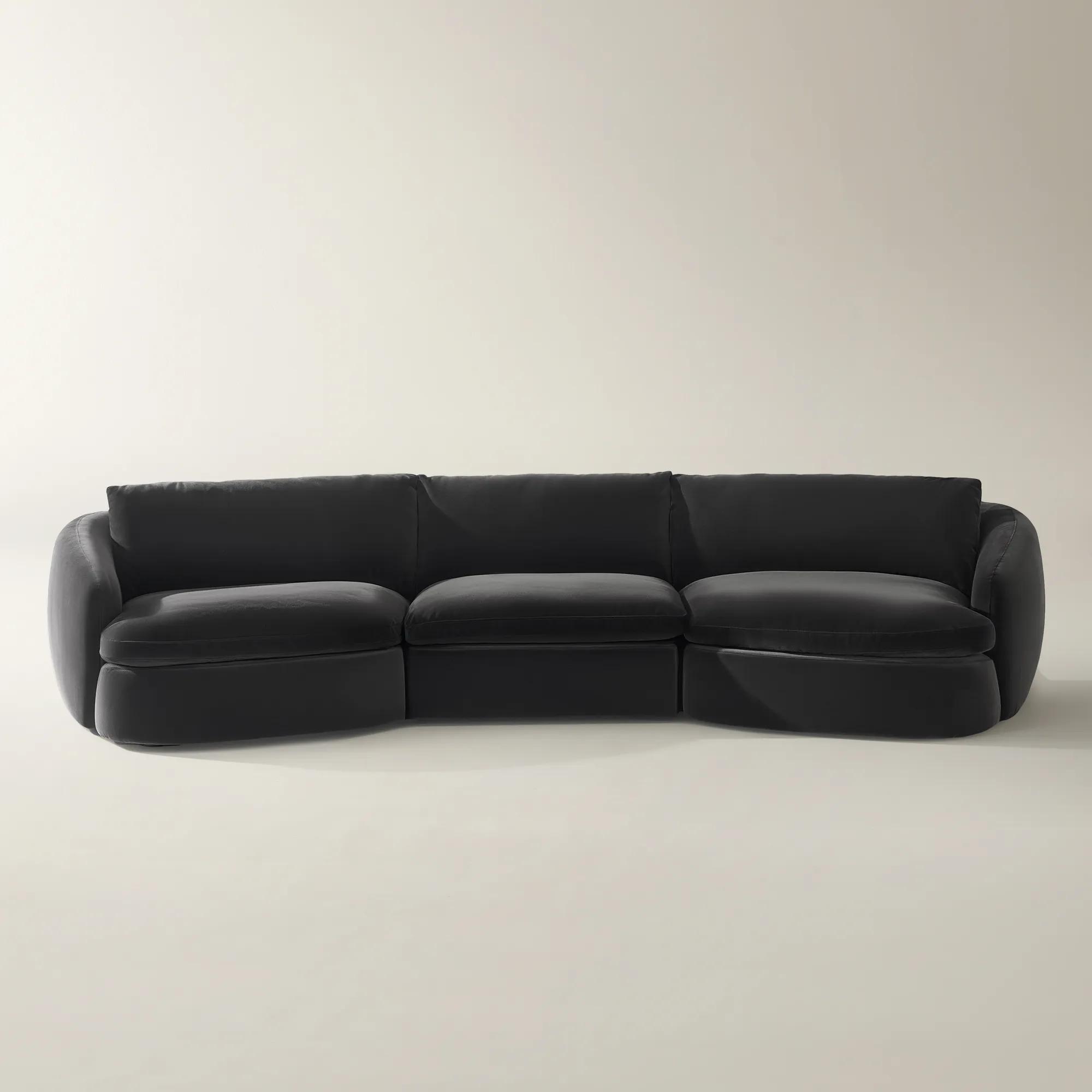 Sabrina 3-Piece Charcoal Velvet Sectional$3699
A charcoal velvet modular sofa featuring a curved silhouette, feather-blend cushions, and hand-built craftsmanship.
Add To Cart -
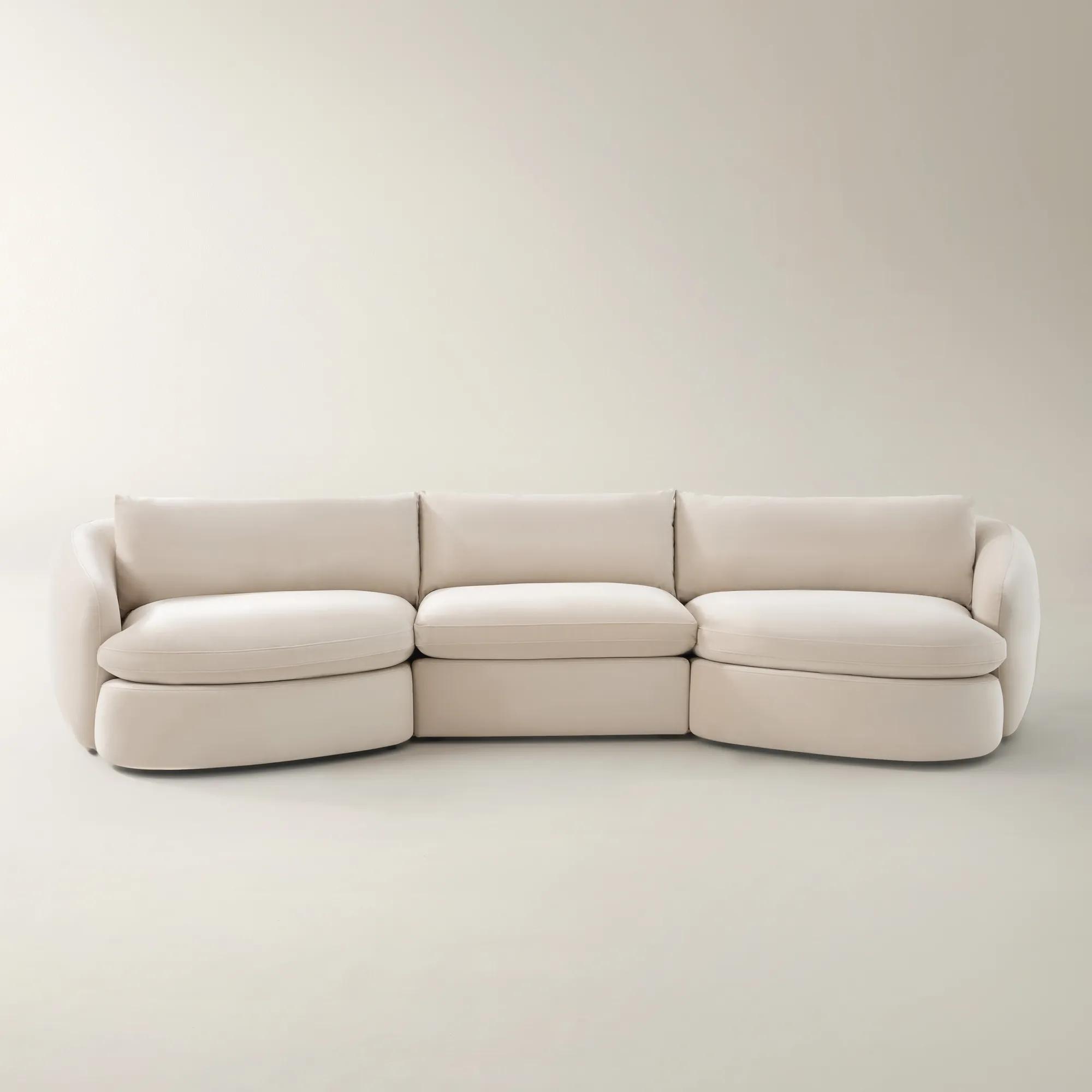 Sabrina 3-Piece Oatmeal Velvet Sectional$3699
A curved oatmeal velvet sofa featuring plush feather-blend cushions and modular design for customizable comfort.
Add To Cart -
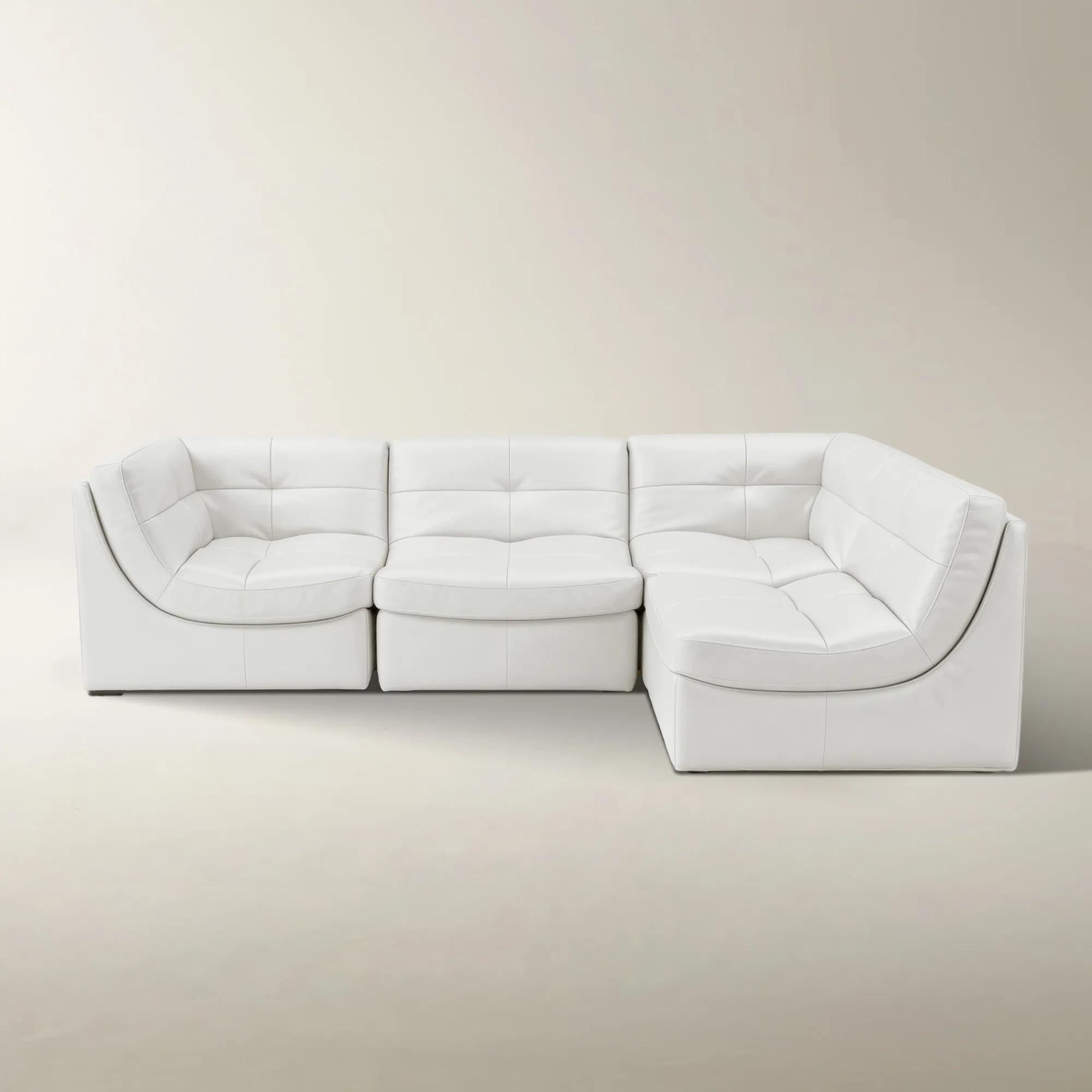
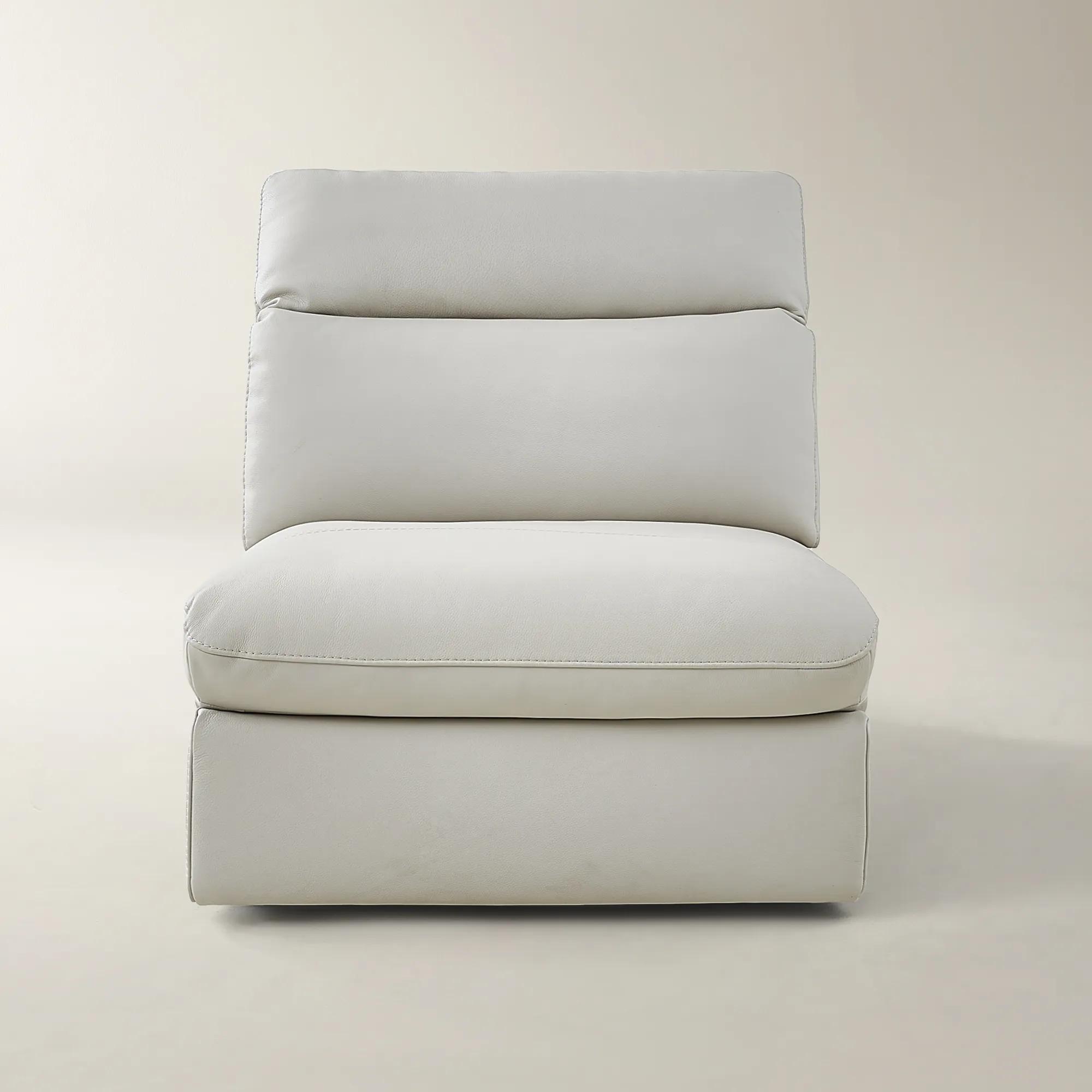
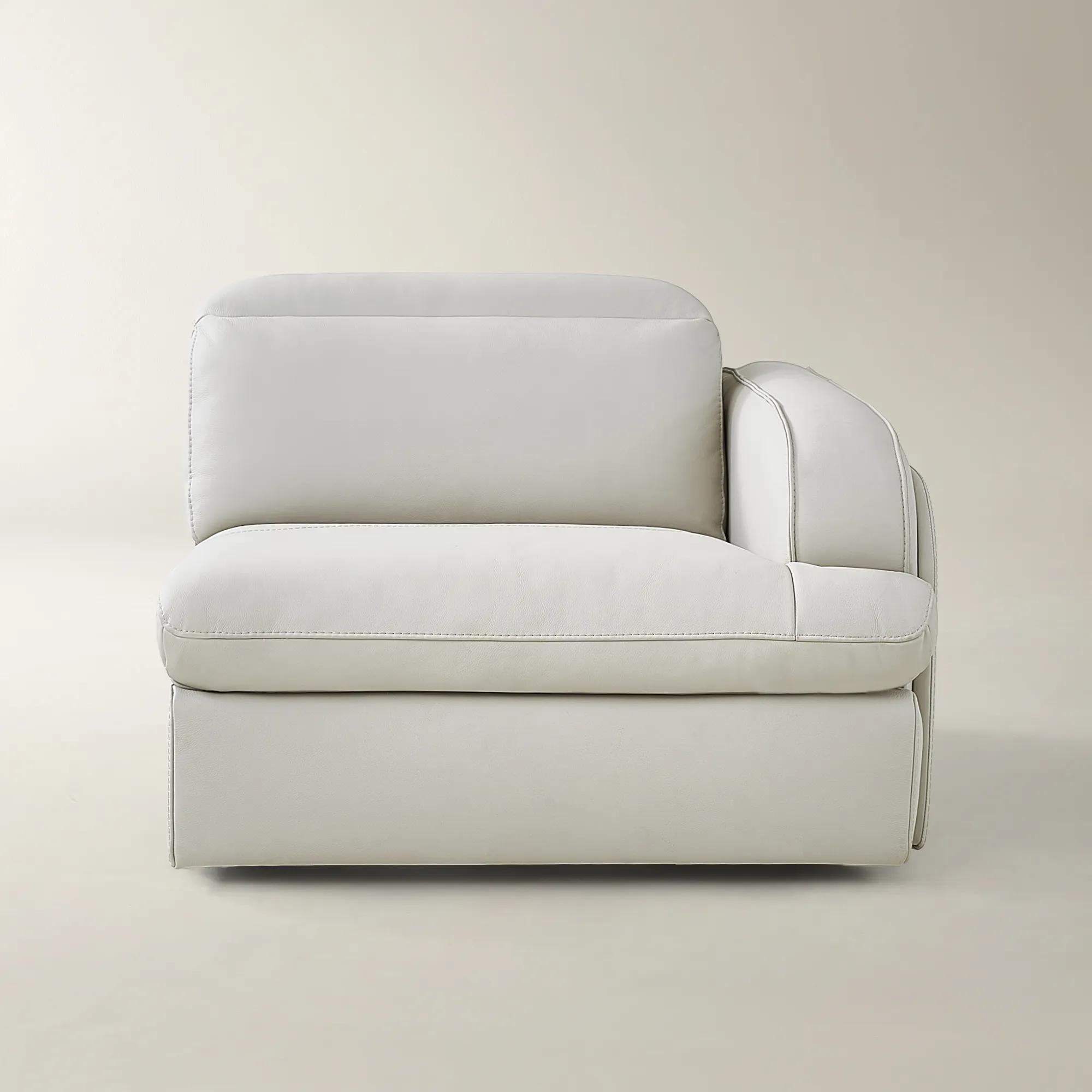
.jpg?w=1200&h=1200) Convo 4-Piece L-Shaped White Leather Sectional Sofa With Armless Chair$5199
Convo 4-Piece L-Shaped White Leather Sectional Sofa With Armless Chair$5199A modular charcoal leather sectional with kiln-dried hardwood frame and gently curved, blind-tufted seats.
Add To Cart -
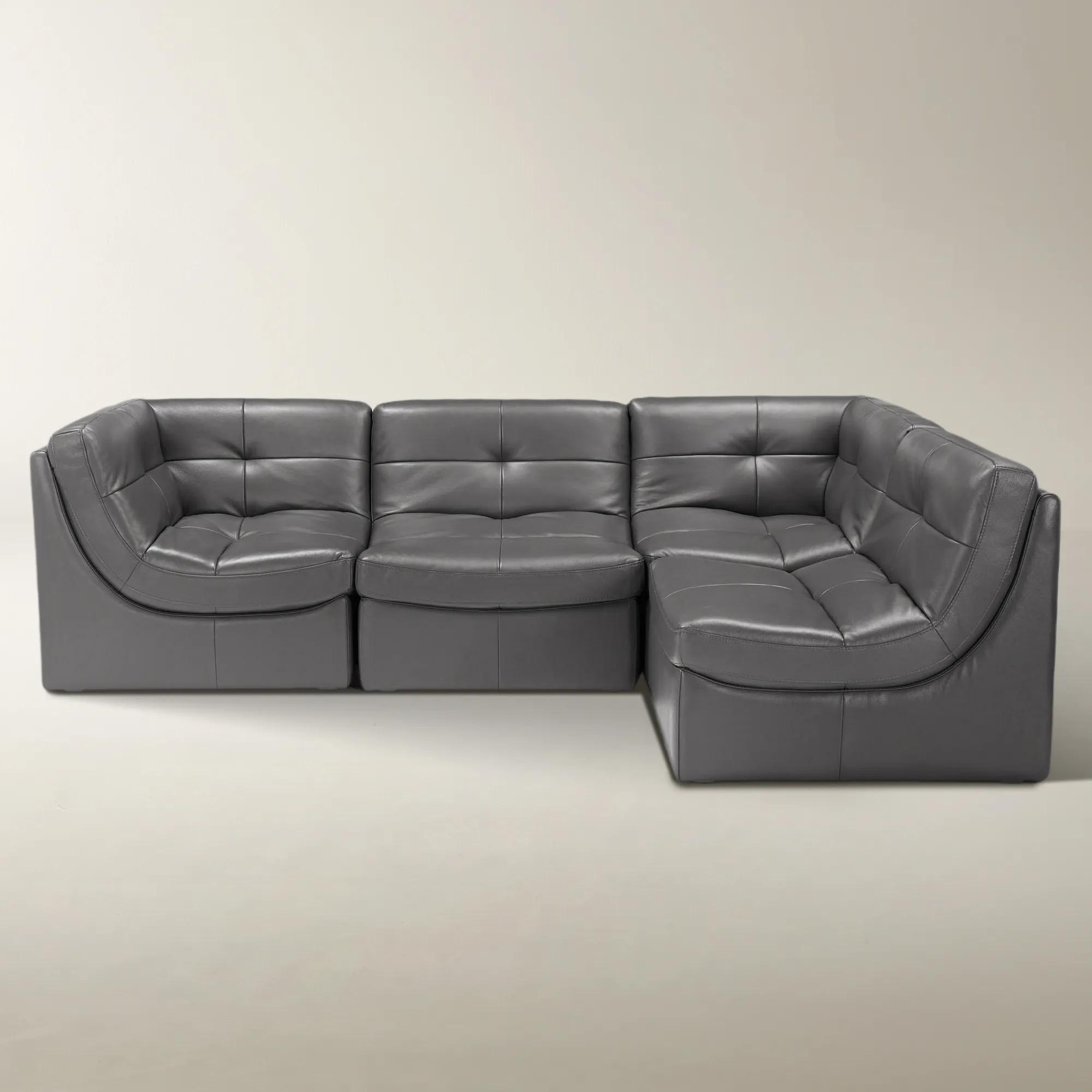
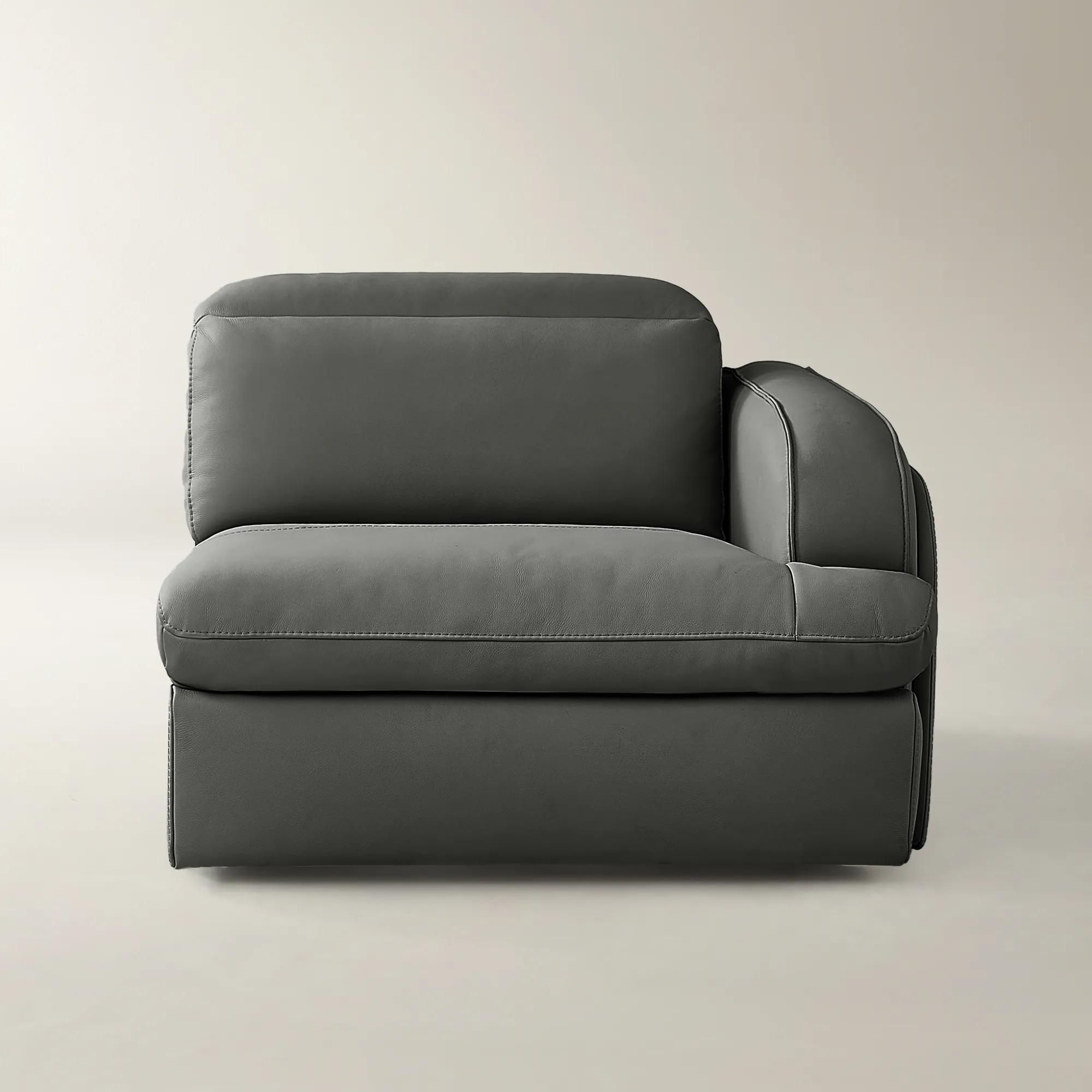
.jpg?w=1200&h=1200) Convo 4-Piece L-Shaped Charcoal Leather Sectional Sofa With Armless Chair$5199
Convo 4-Piece L-Shaped Charcoal Leather Sectional Sofa With Armless Chair$5199A modular charcoal leather sectional with kiln-dried hardwood frame and gently curved, blind-tufted seats.
Add To Cart -
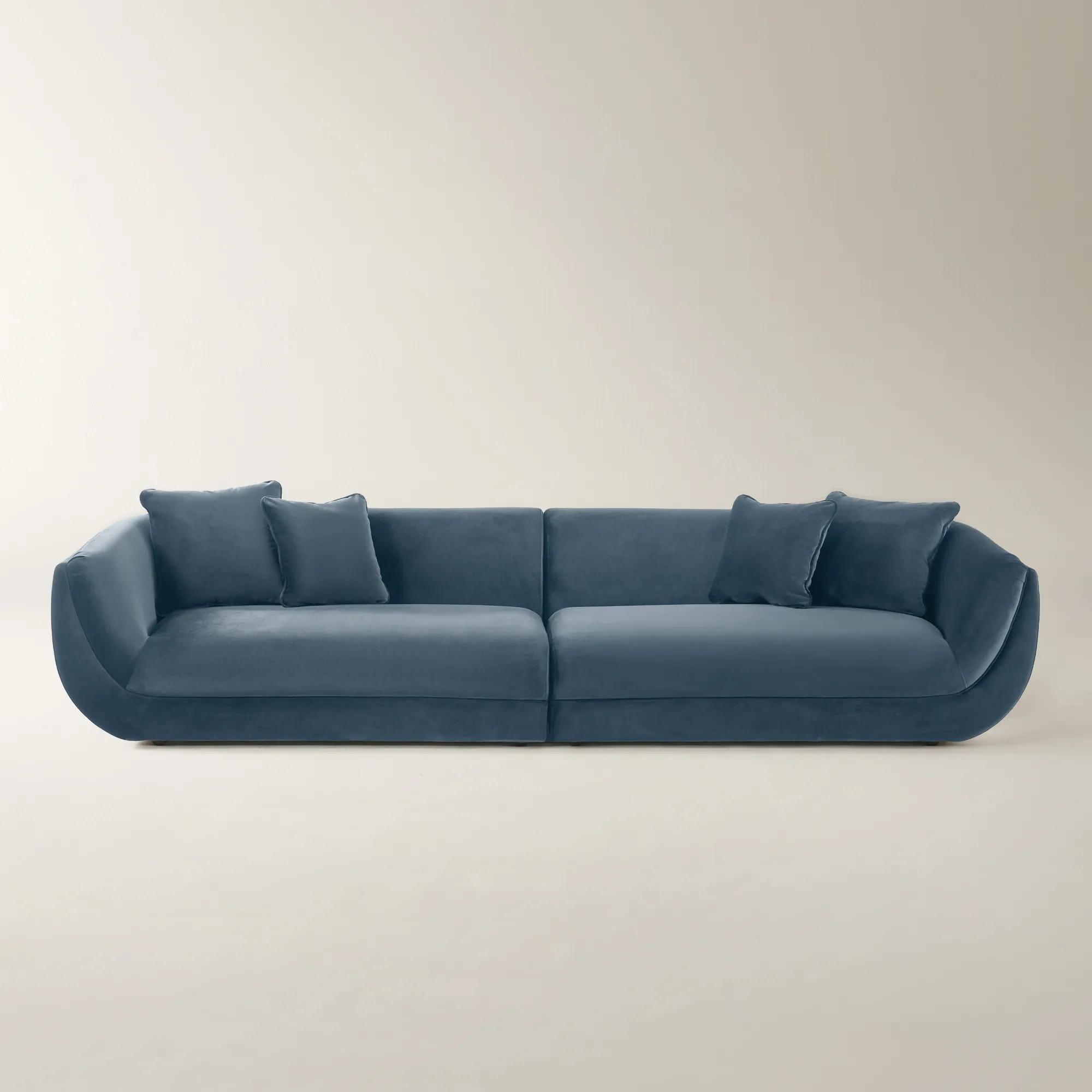
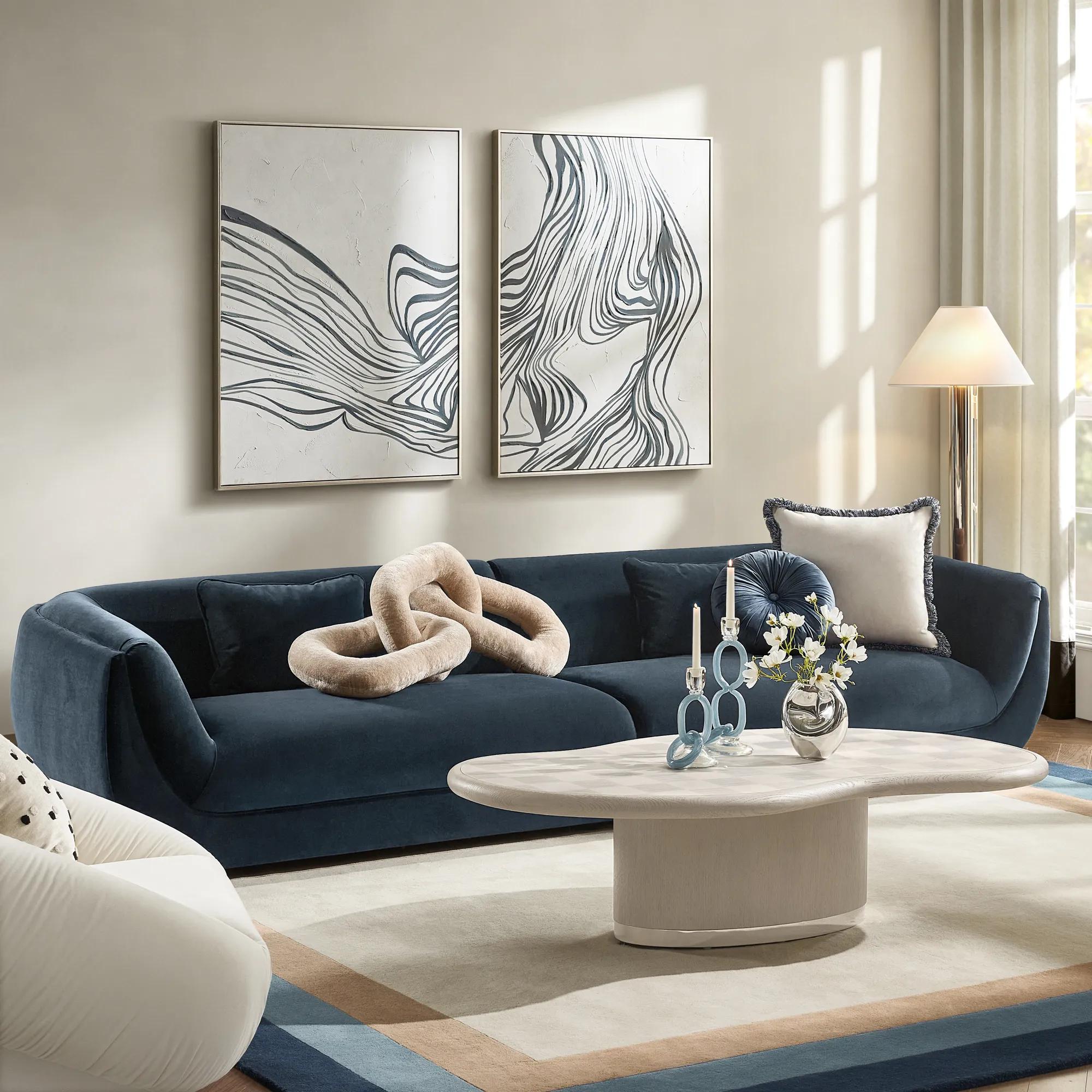 Curvia 2-Piece Dusty Blue Velvet Grand Sectional Sofa$2899
A plush, modular sectional wrapped in dusty blue velvet with sculptural curves and deep, lounge-worthy comfort.
Add To Cart -
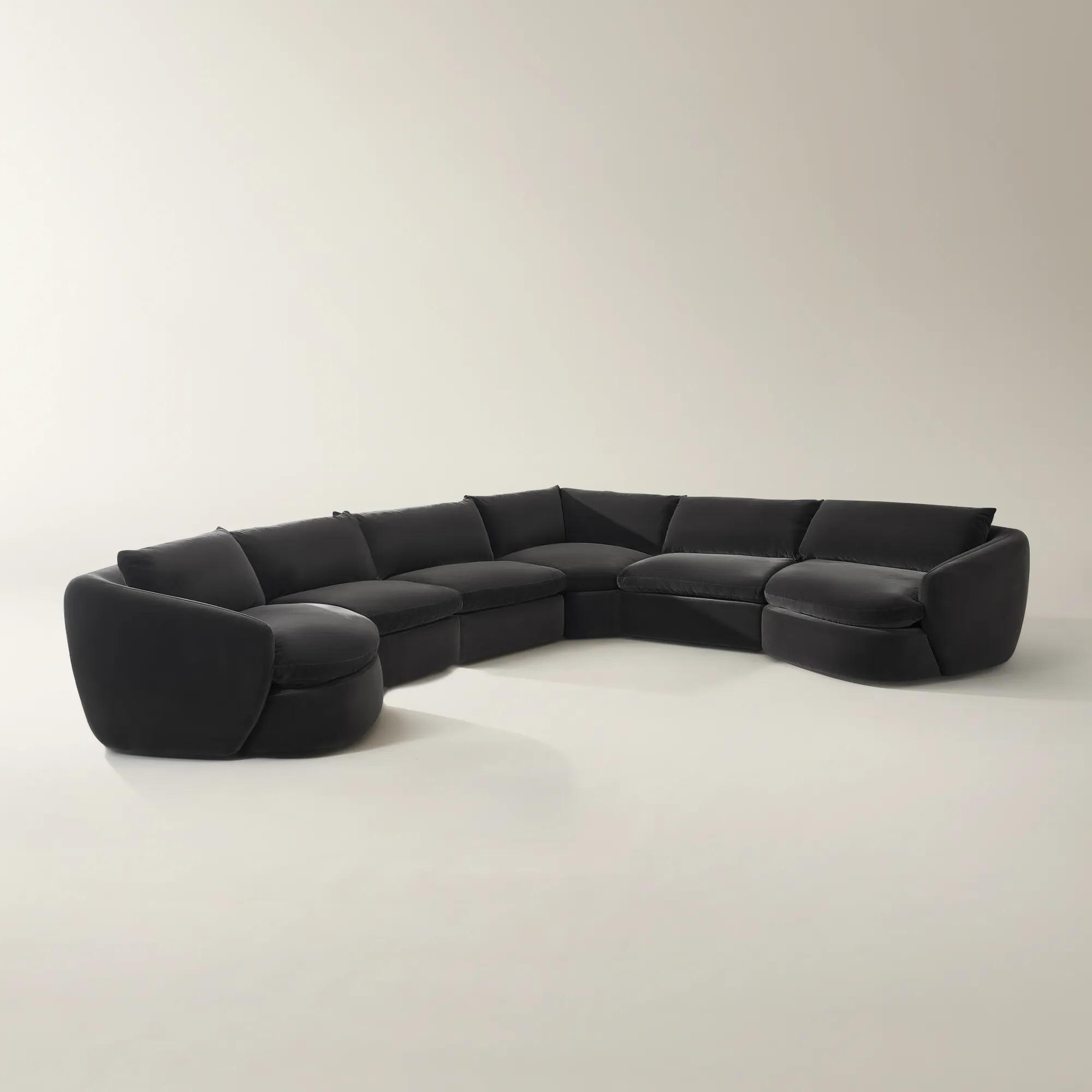
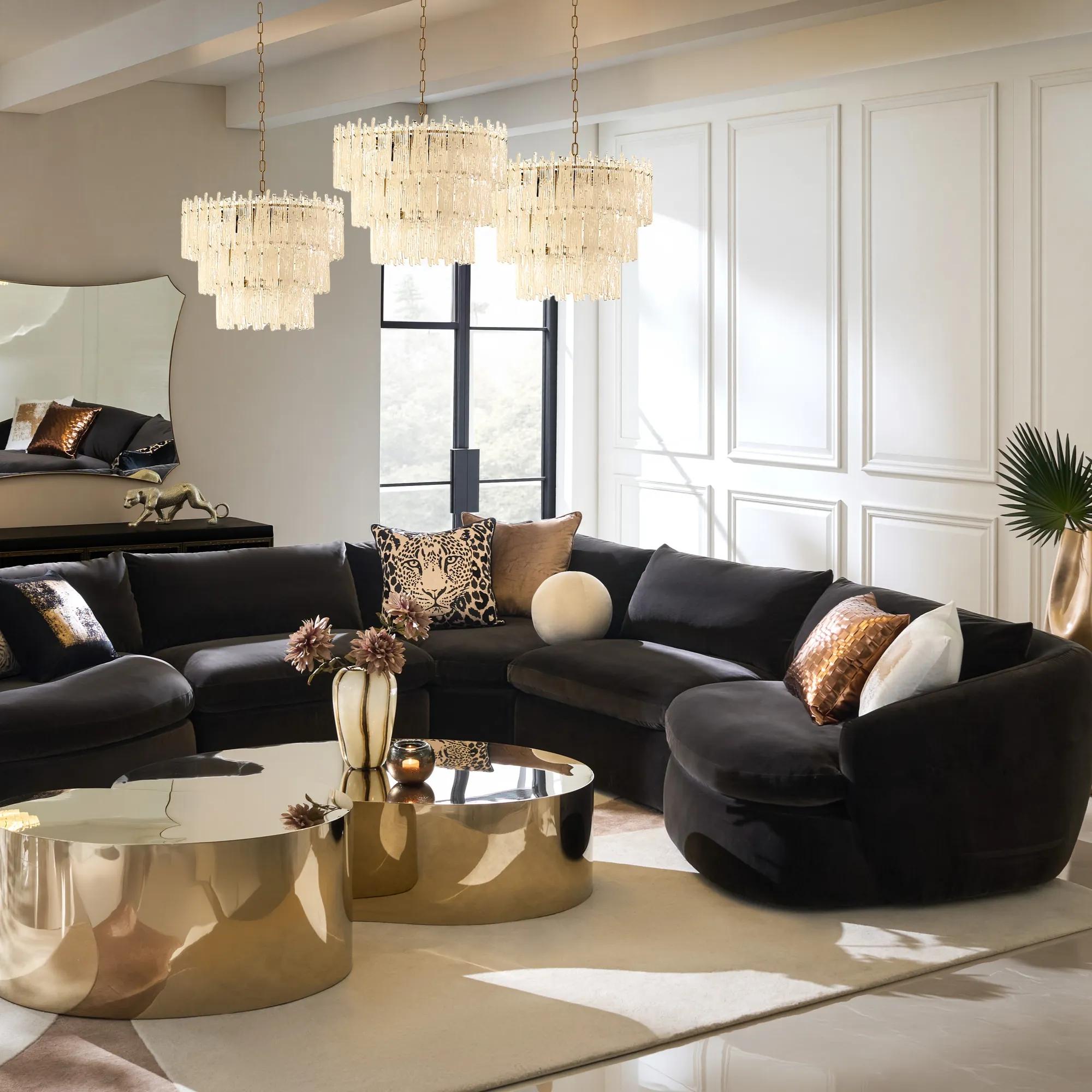 Sabrina 6-Piece Charcoal Velvet Sectional$6999
A modular L-shaped sectional in charcoal velvet with plush feather-blend cushions and a softly curved silhouette.
Add To Cart -
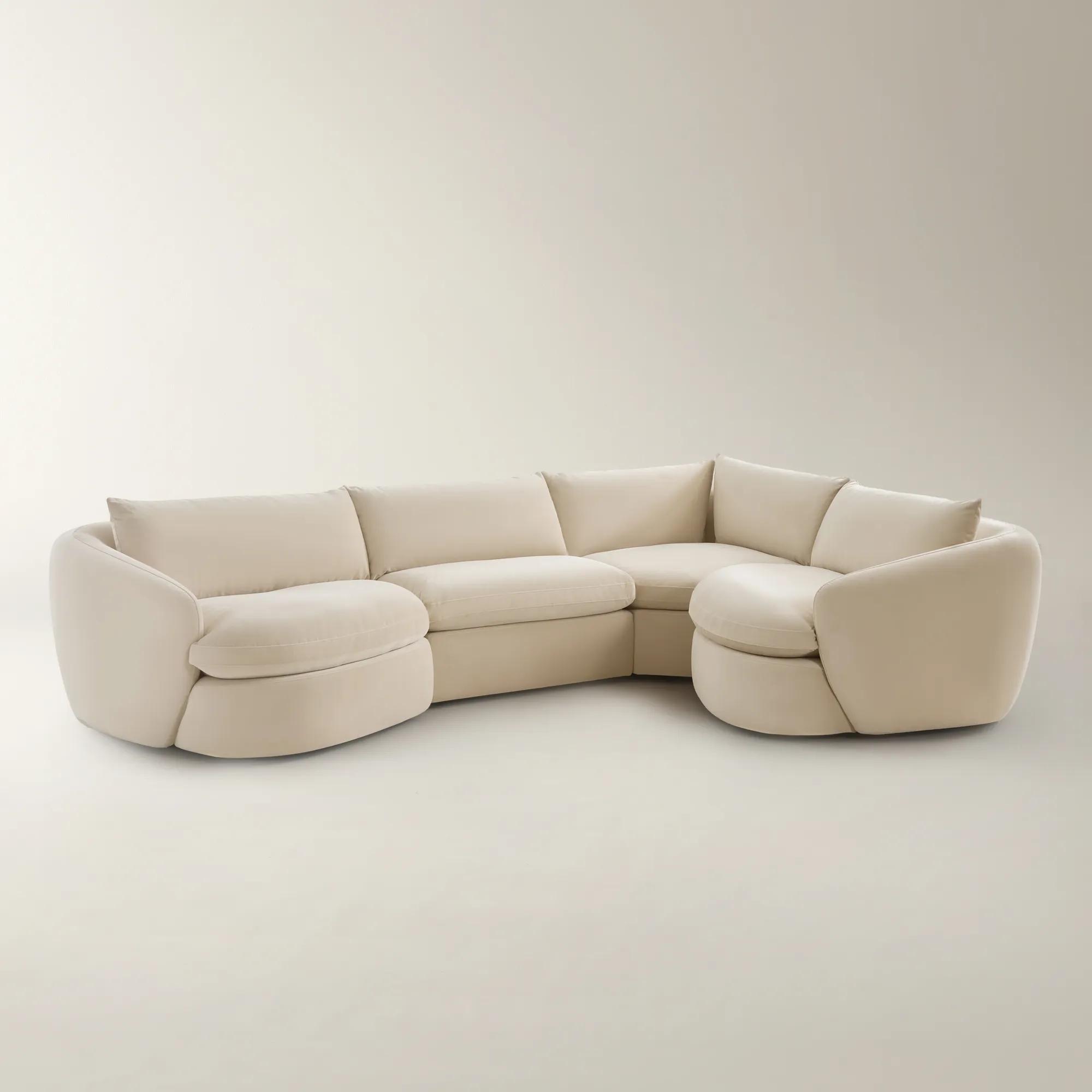 Sabrina 4-Piece Oatmeal Velvet Sectional With Right-Arm Chair$4999
An inviting L-shaped sectional in soft oatmeal velvet with plush feather-blend cushions and modular design.
Add To Cart -
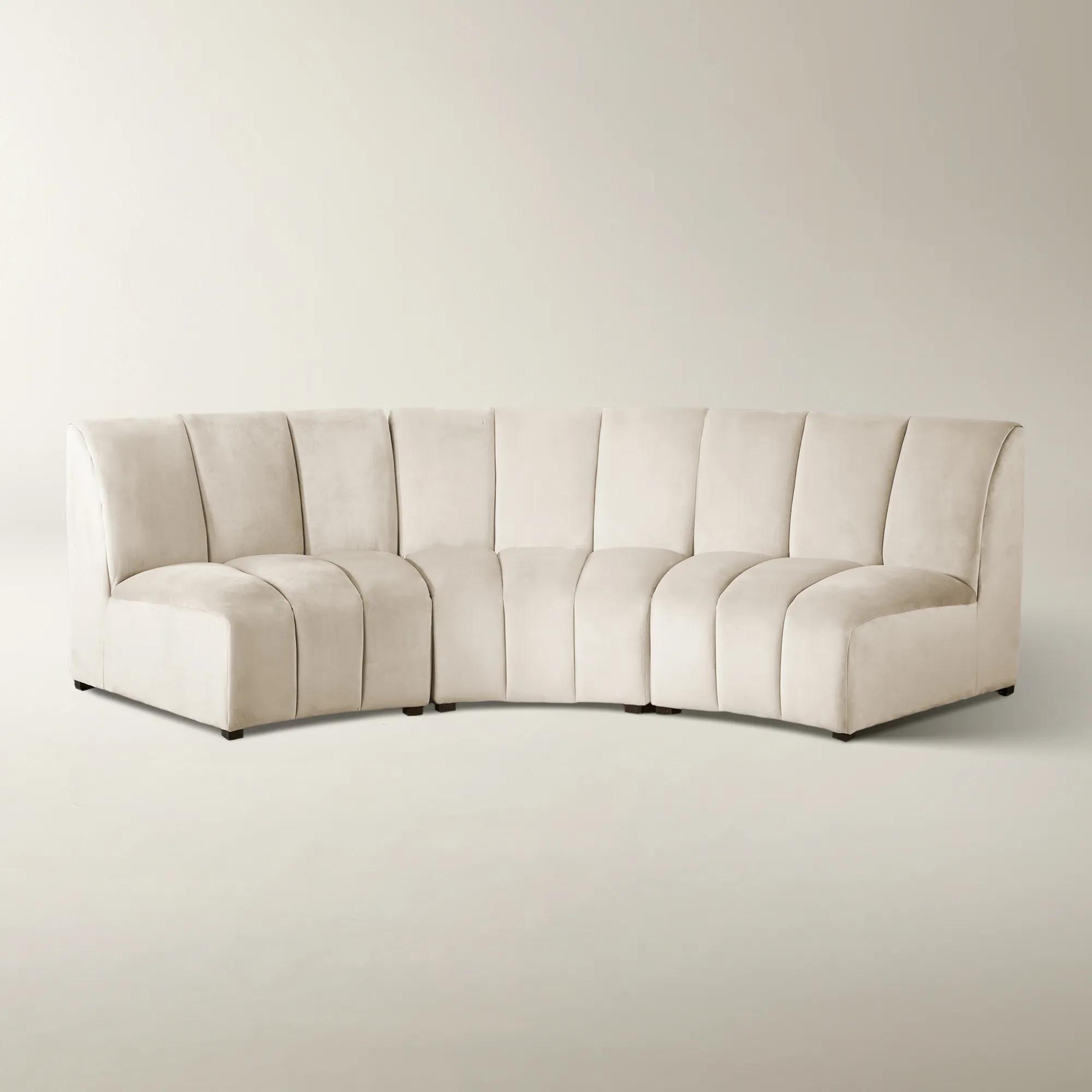
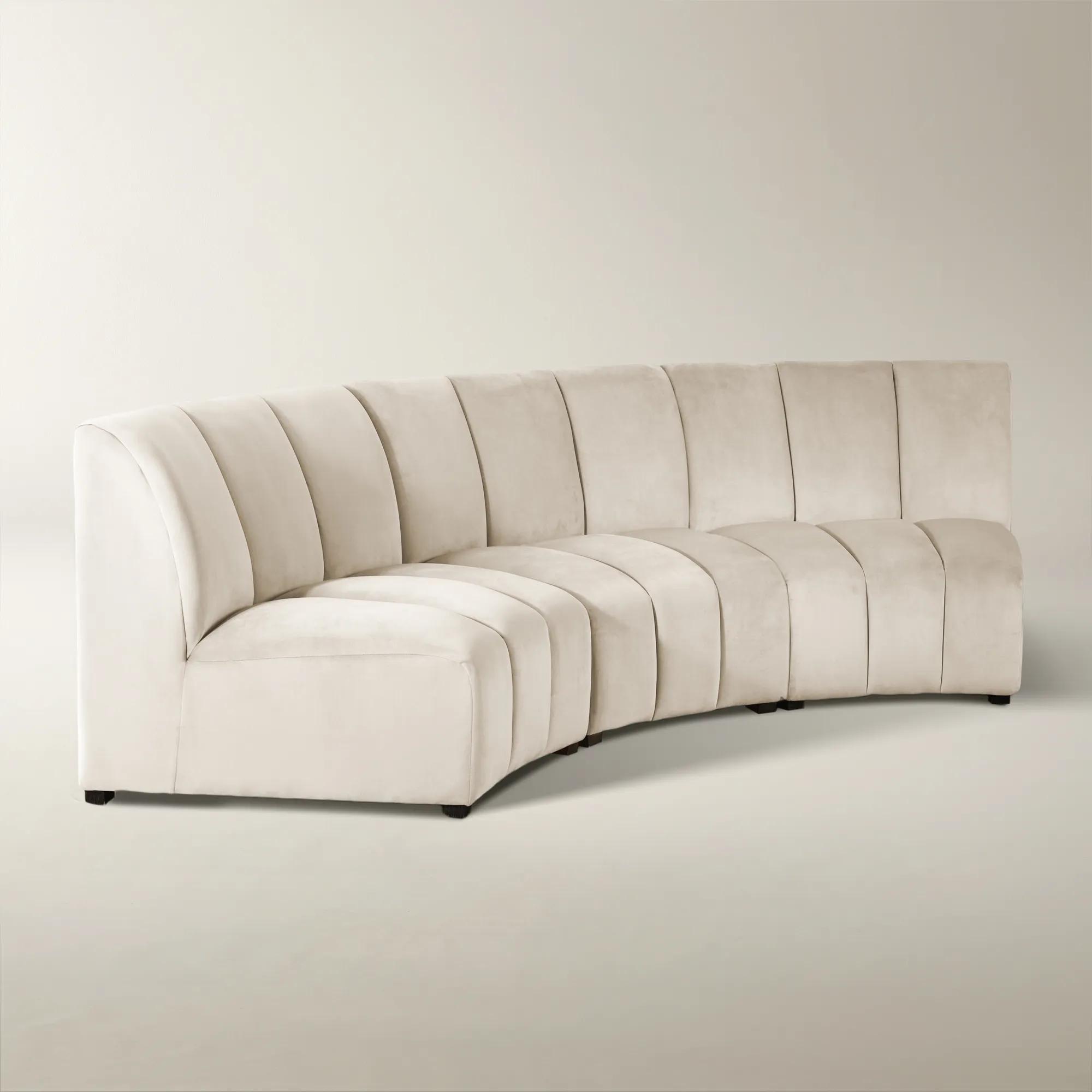 Jayce 3-Piece Channel-Tufted Ivory Velvet Sectional Sofa$2799
A modern curved sectional in stain-resistant Velvet Ivory with deep channel tufting and plush, structured cushions.
Add To Cart -
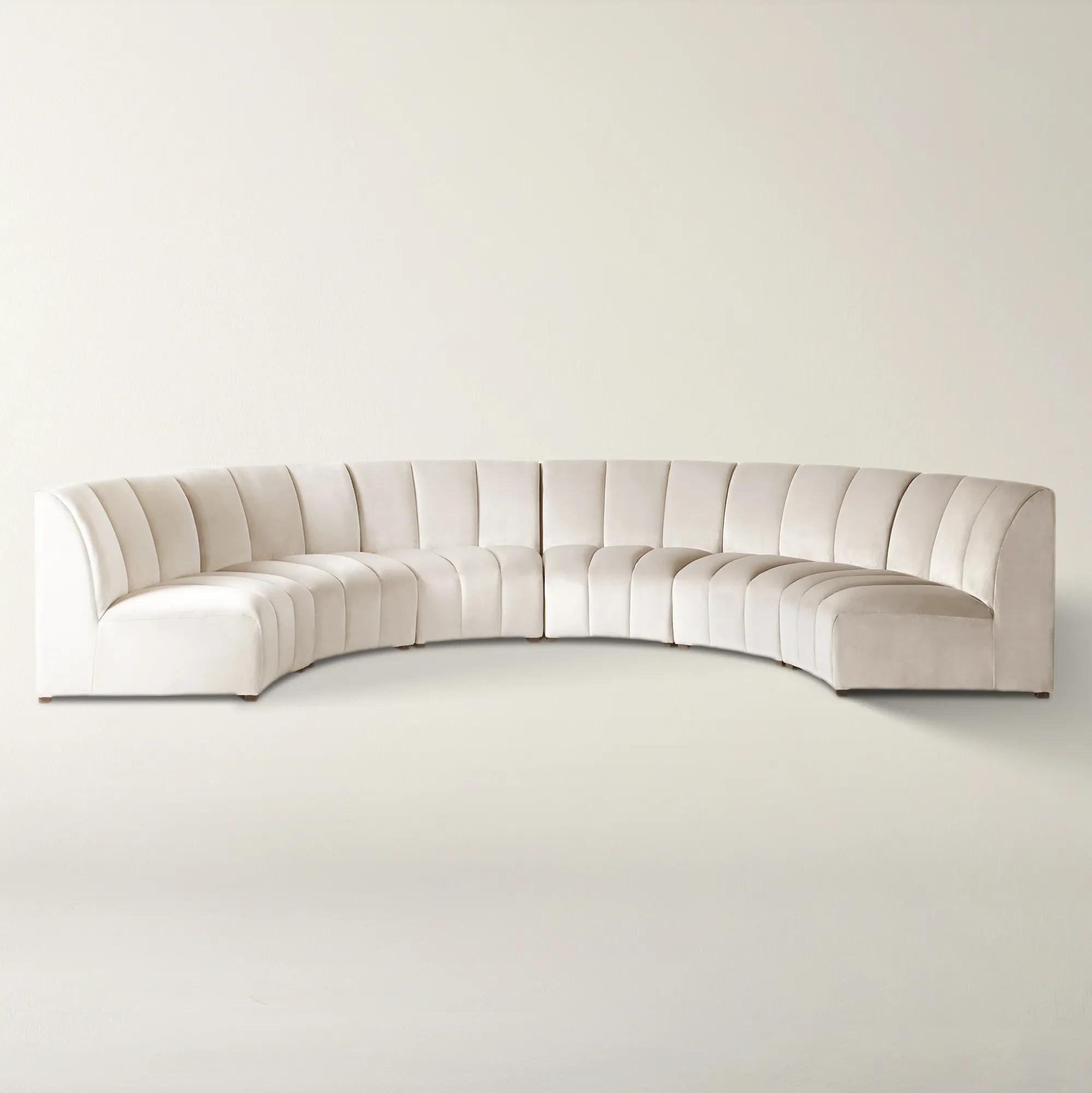 Jayce 6-Piece Channel-Tufted Ivory Velvet Sectional Sofa$5499
A modern curved sectional in stain-resistant Velvet Ivory with deep channel tufting and plush, structured cushions.
Add To Cart -
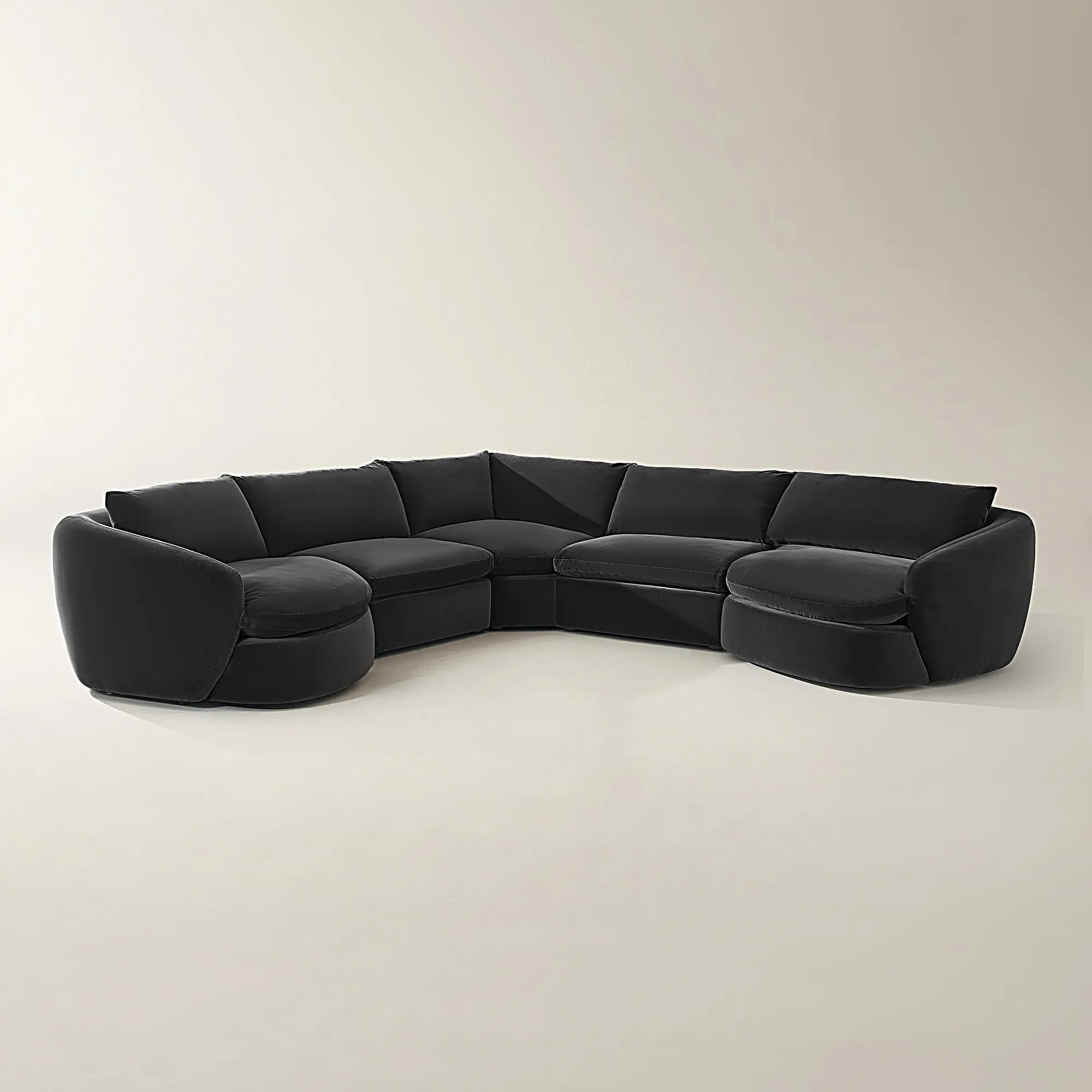 Sabrina 5-Piece Charcoal Velvet Sectional$5999
A modular charcoal velvet sectional with plush feather-blend cushions and a softly curved, modern silhouette.
Add To Cart -
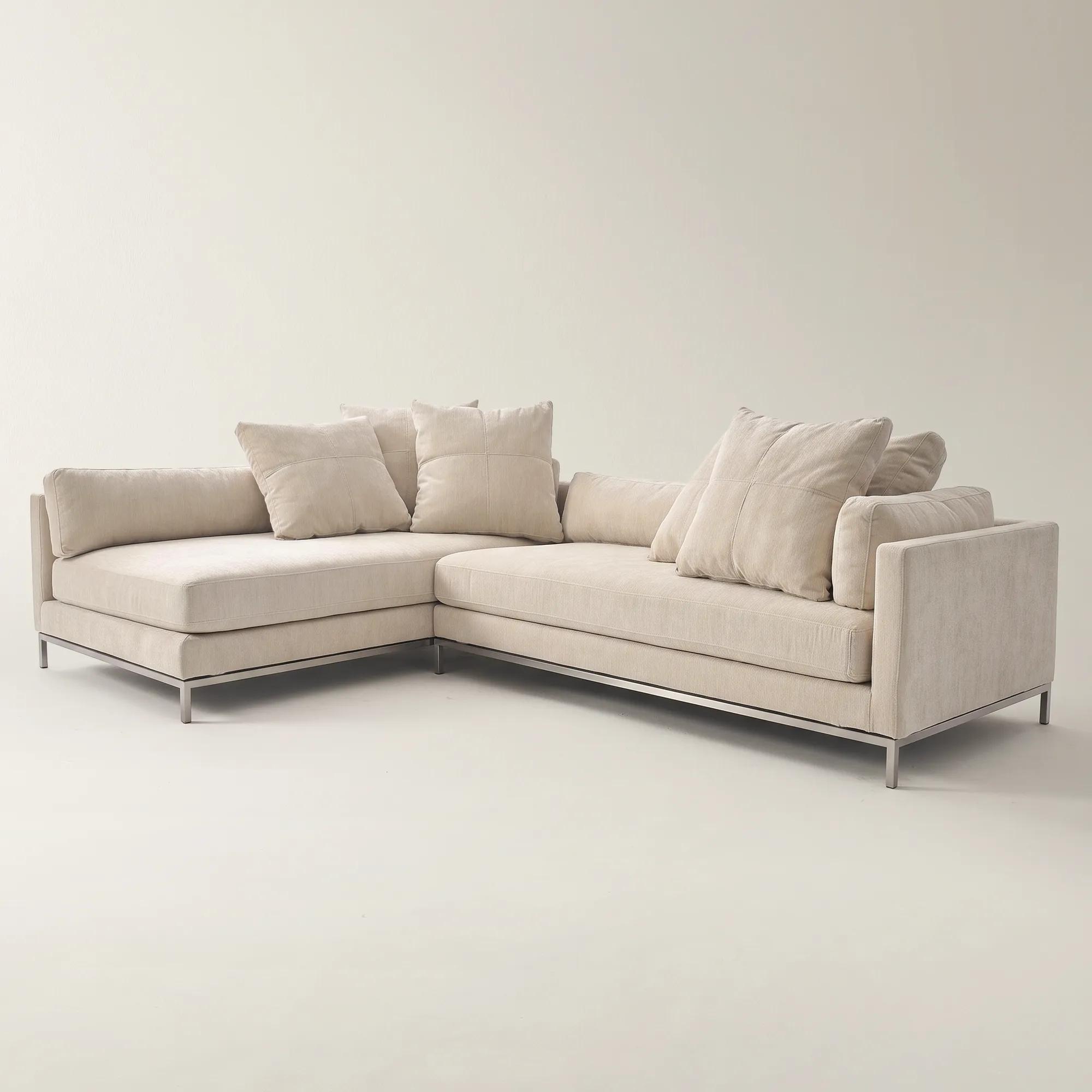
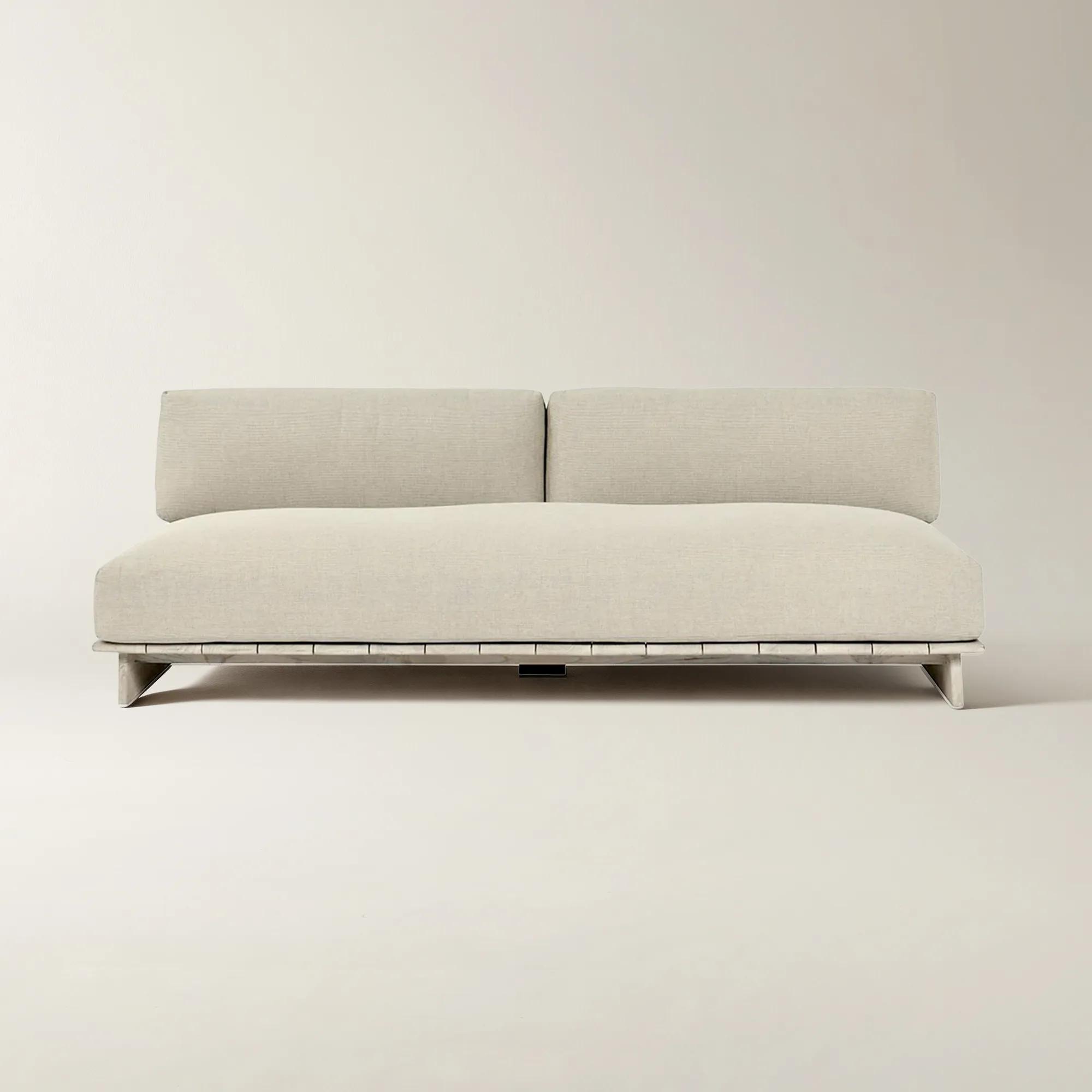
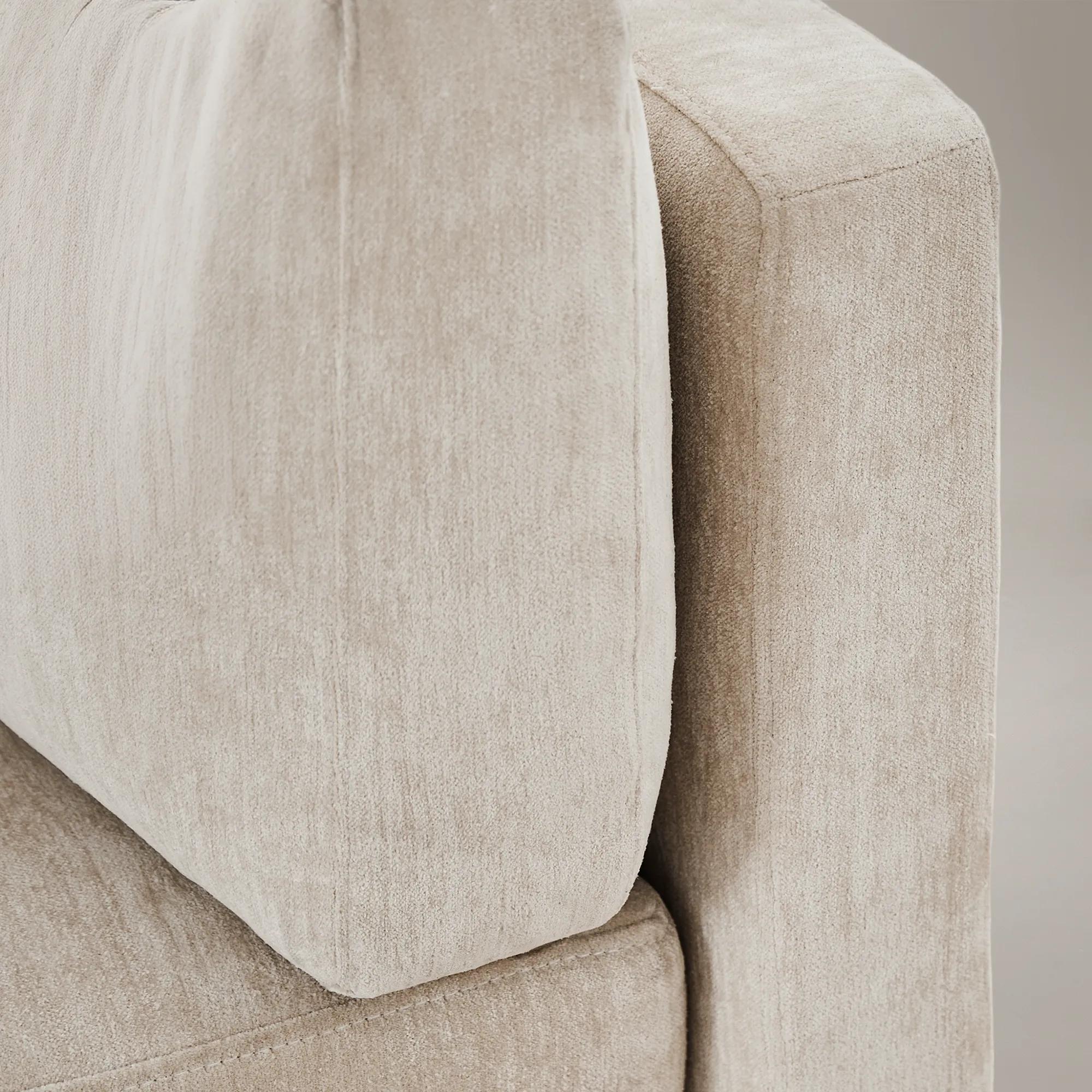 Ventura 2-Piece L-Shaped Snow Chenille Sectional Sofa With Right-Arm Chair$4099
A modern Snow chenille sectional with plush feather-filled cushions, streamlined metal base, and versatile L-shaped comfort.
Add To Cart -
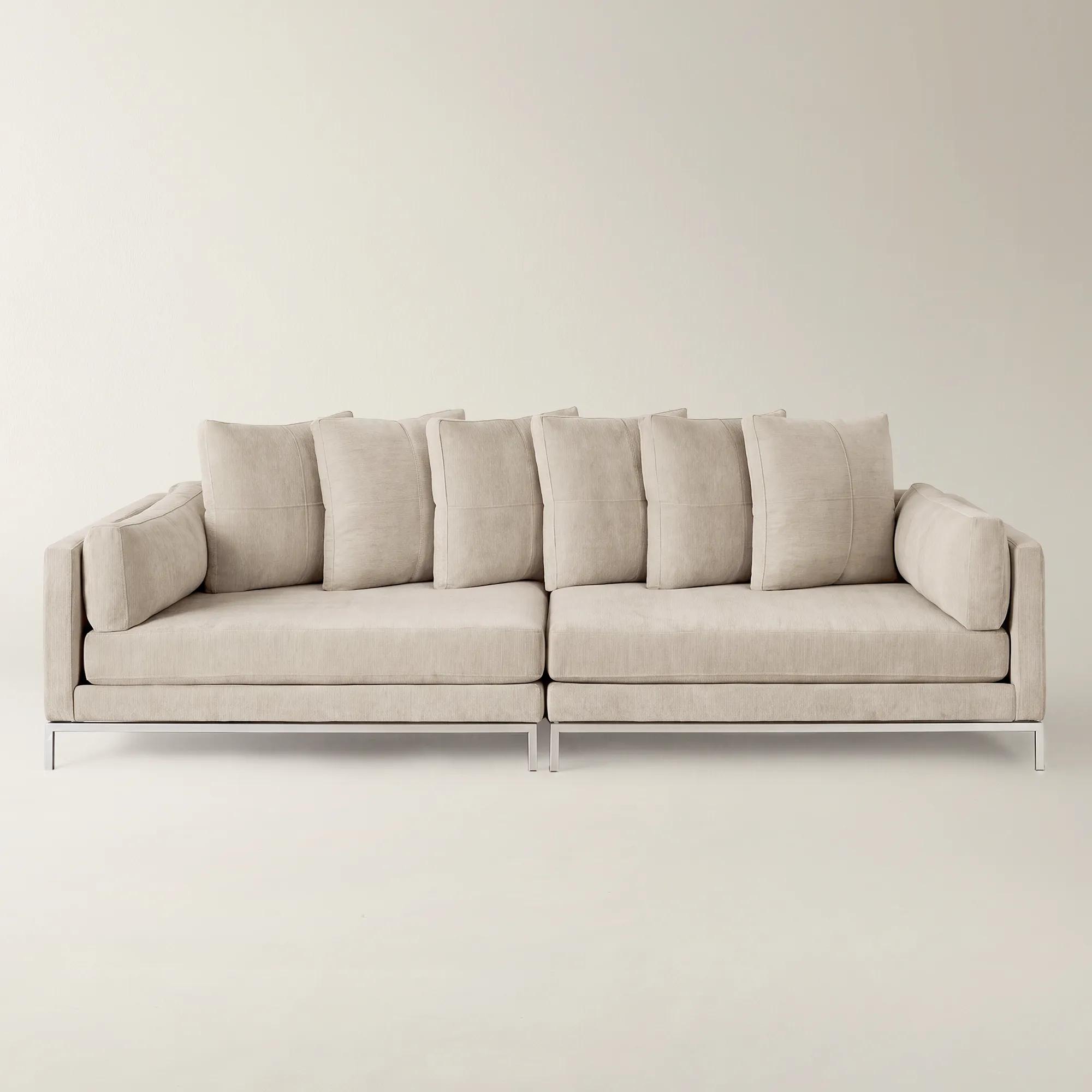
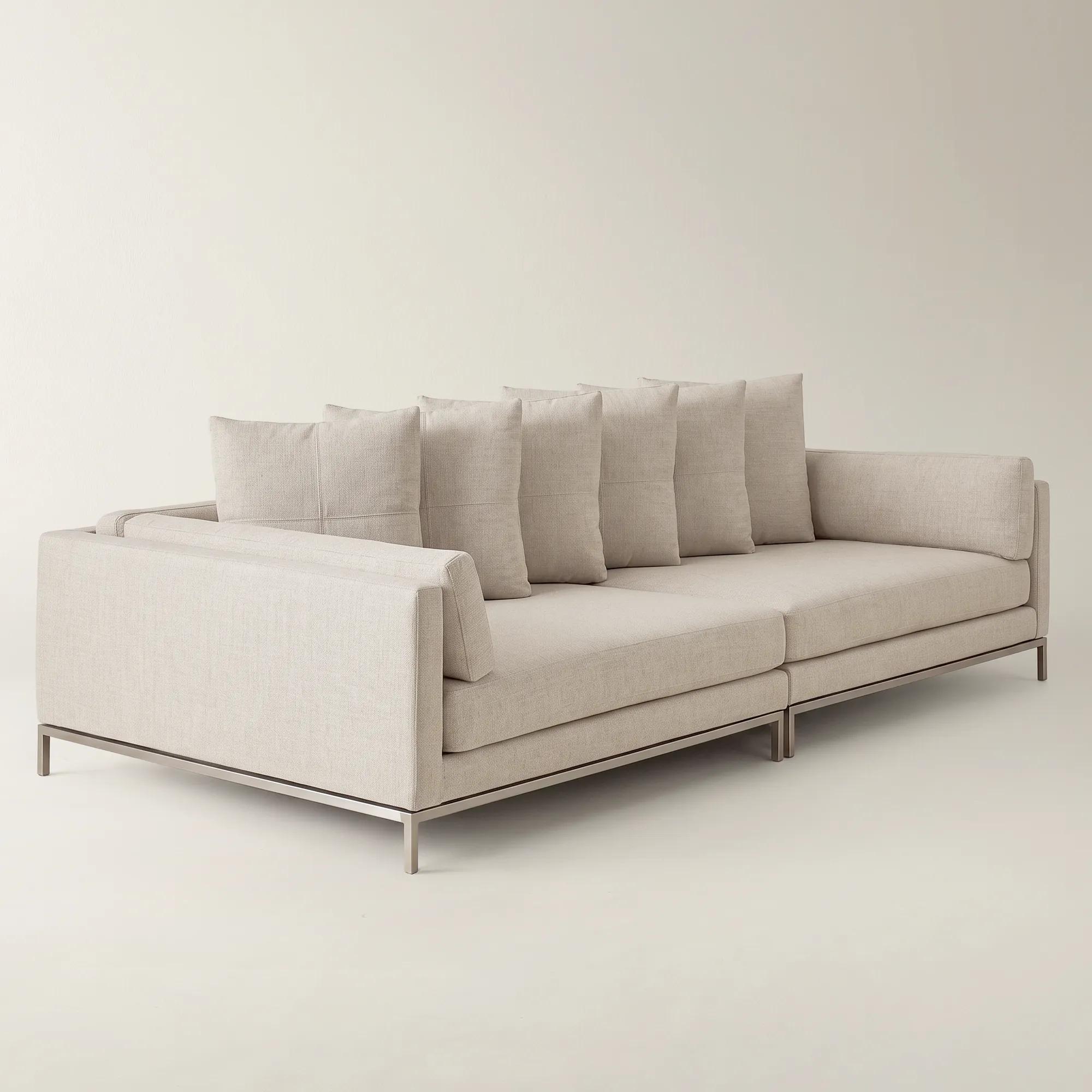 Ventura 2-Piece Square Snow Chenille Sectional Sofa$4299
A modern snow chenille sectional with a floating stainless-steel base, plush feather-filled pillows, and versatile configurations.
Add To Cart -
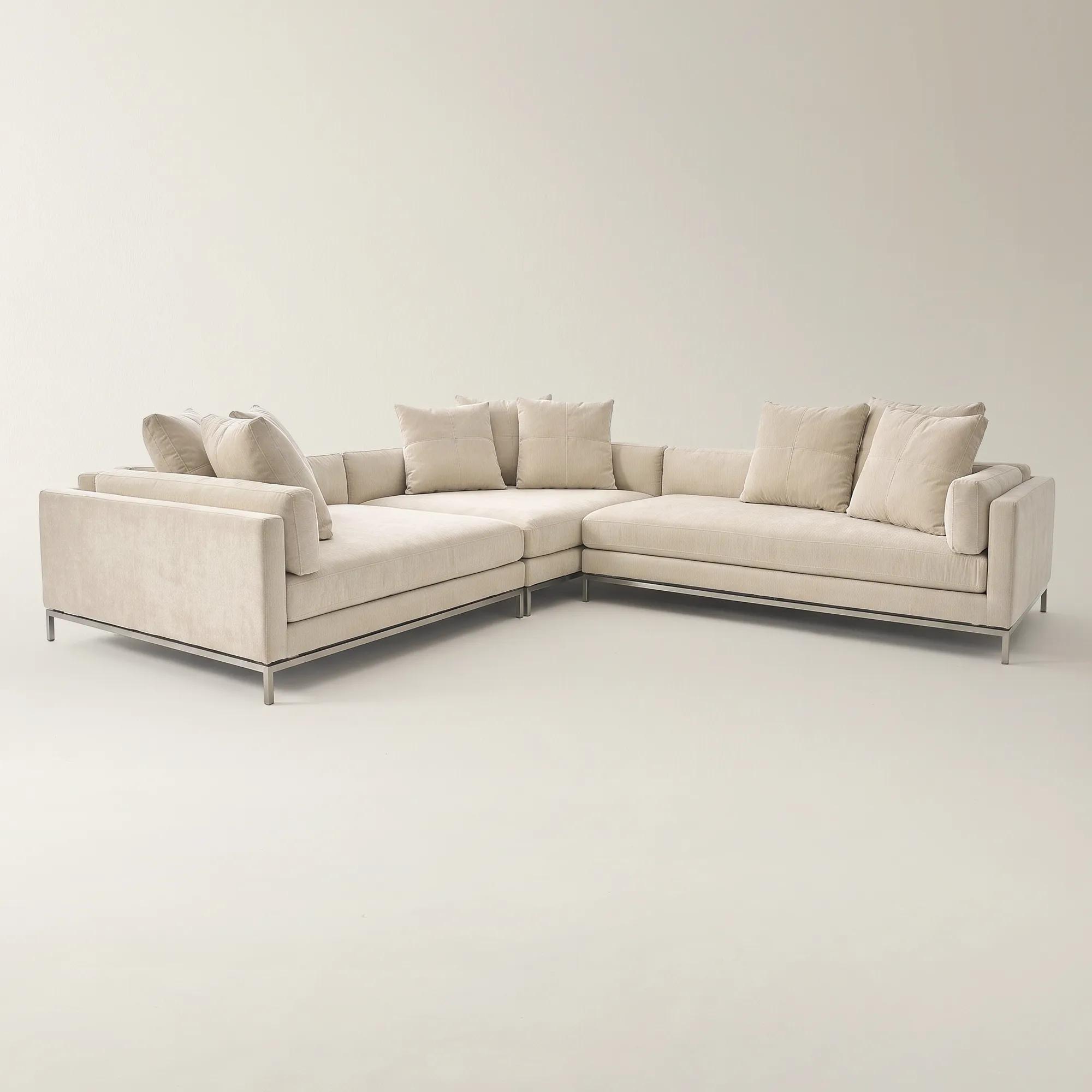 Ventura 3-Piece L-Shaped Snow Chenille Sectional Sofa With Right-Arm Chair$5999
A snow chenille sectional with a streamlined floating silhouette, plush feather-filled cushions, and versatile L-shaped seating.
Add To Cart -
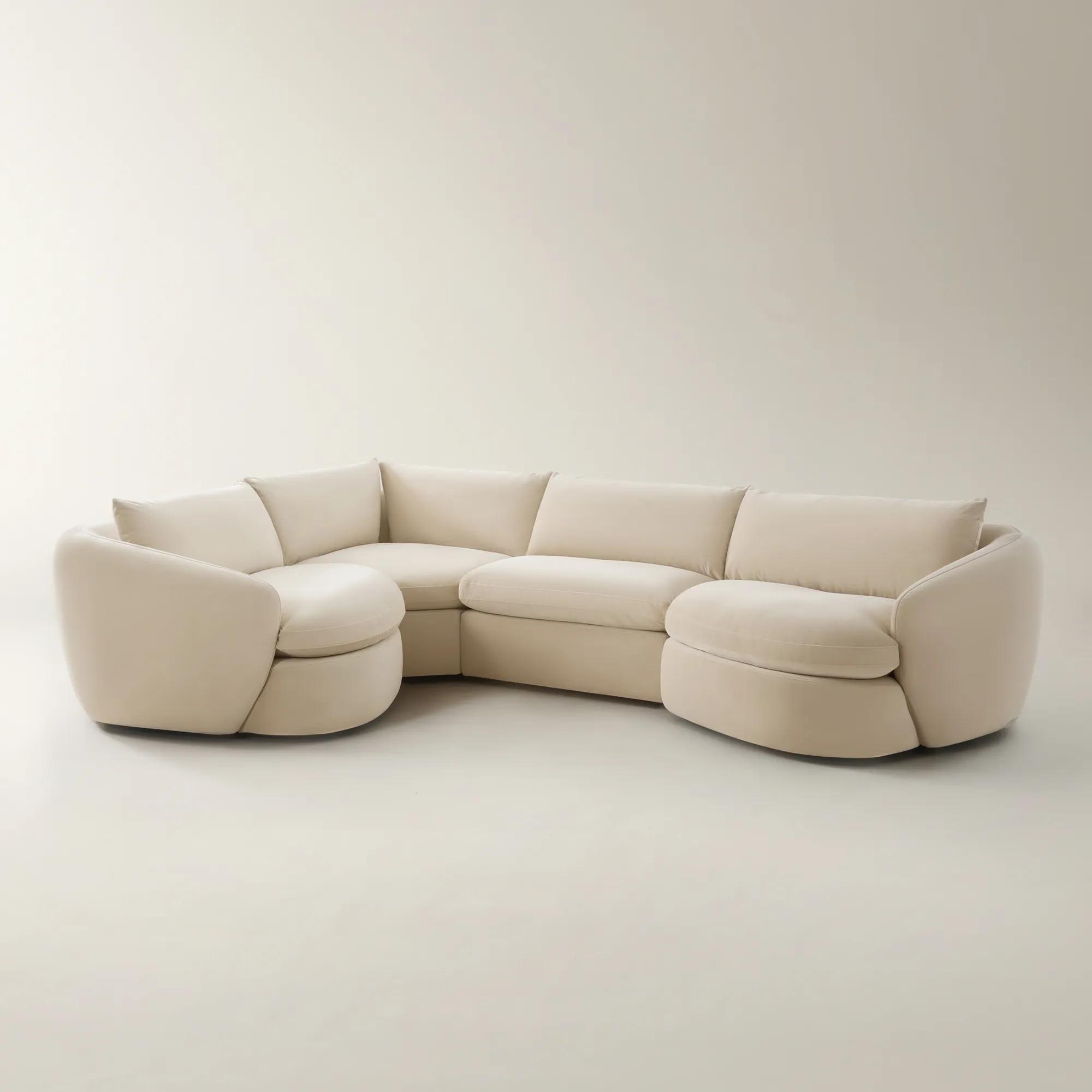 Sabrina 4-Piece Oatmeal Velvet Sectional With Left-Arm Chair$4999
An inviting L-shaped sectional in soft oatmeal velvet with feather-blend cushions and a modular, curved silhouette.
Add To Cart -
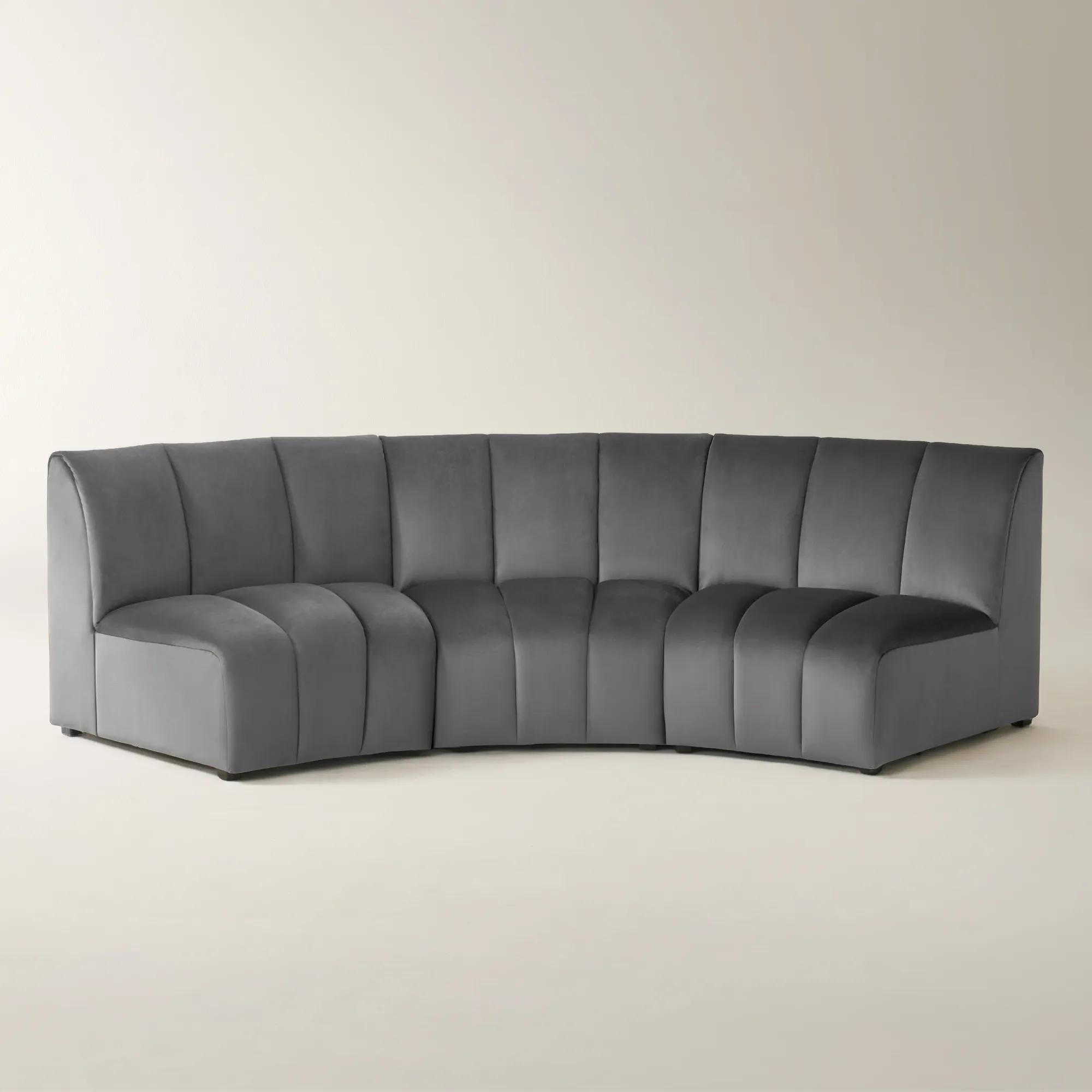 Jayce 3-Piece Channel-Tufted Smoked Pearl Velvet Sectional Sofa$2799
A modern curved sectional in silver grey velvet with deep channel tufting and plush, high-density foam cushions.
Add To Cart -
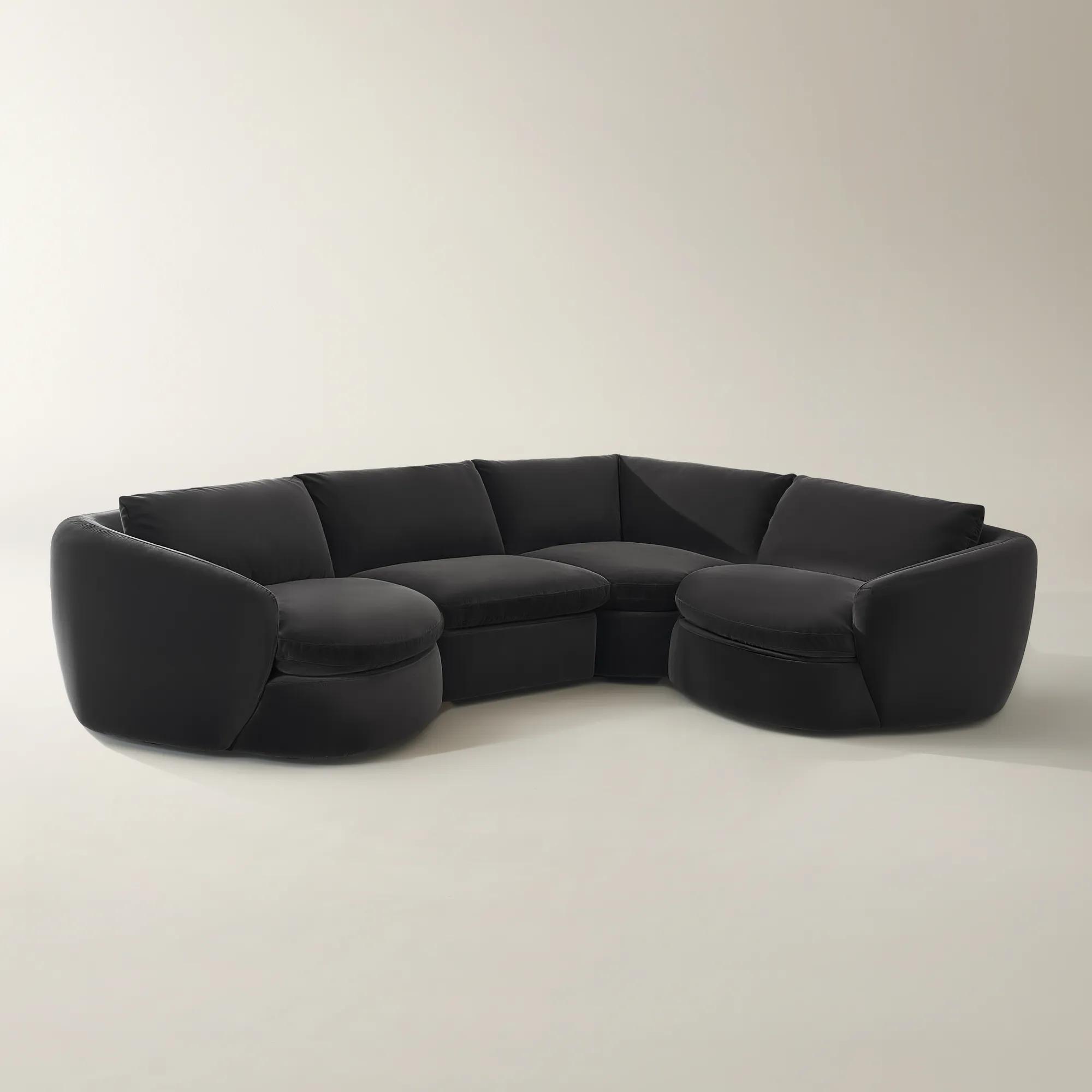 Sabrina 4-Piece Charcoal Velvet Sectional With Right-Arm Chair$4999
A modular charcoal velvet sectional with plush feather-blend cushions and a softly curved, modern silhouette.
Add To Cart -
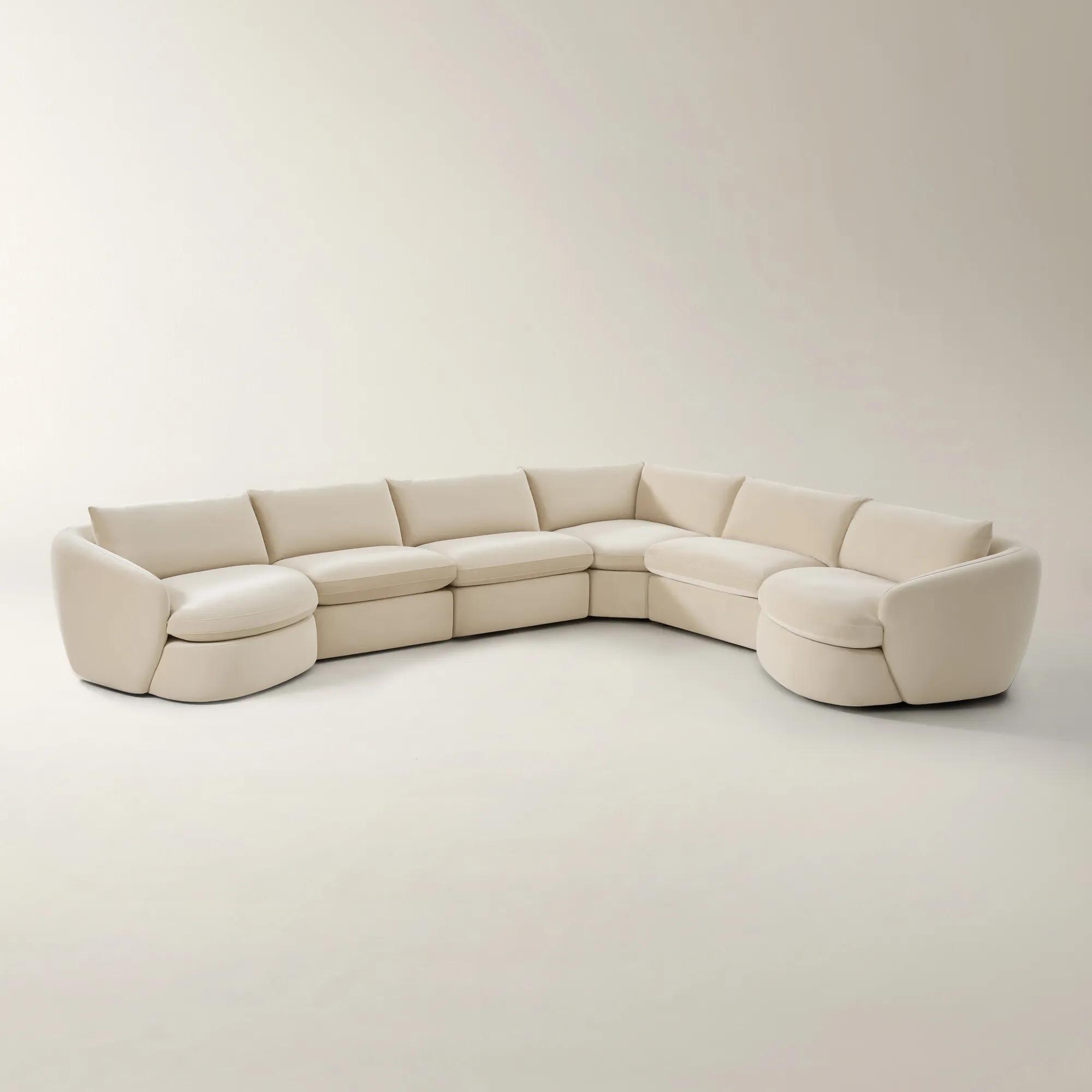
 Sabrina 6-Piece Oatmeal Velvet Sectional$6999
An inviting L-shaped sectional in soft oatmeal velvet with plush feather-blend cushions and modular design.
Add To Cart -
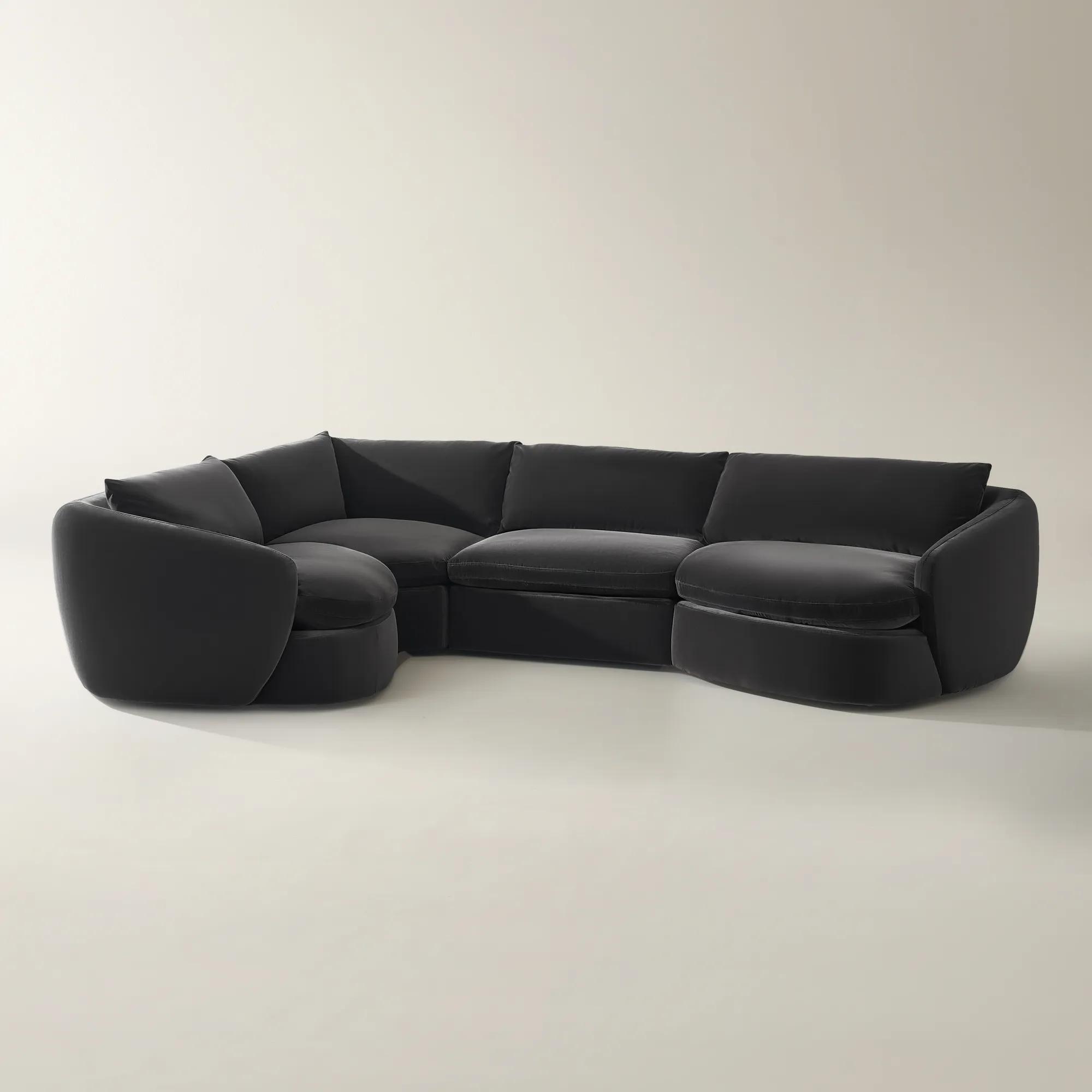 Sabrina 4-Piece Charcoal Velvet Sectional With Left-Arm Chair$4999
A modular charcoal velvet sectional with plush feather-blend cushions and a softly curved, modern silhouette.
Add To Cart -
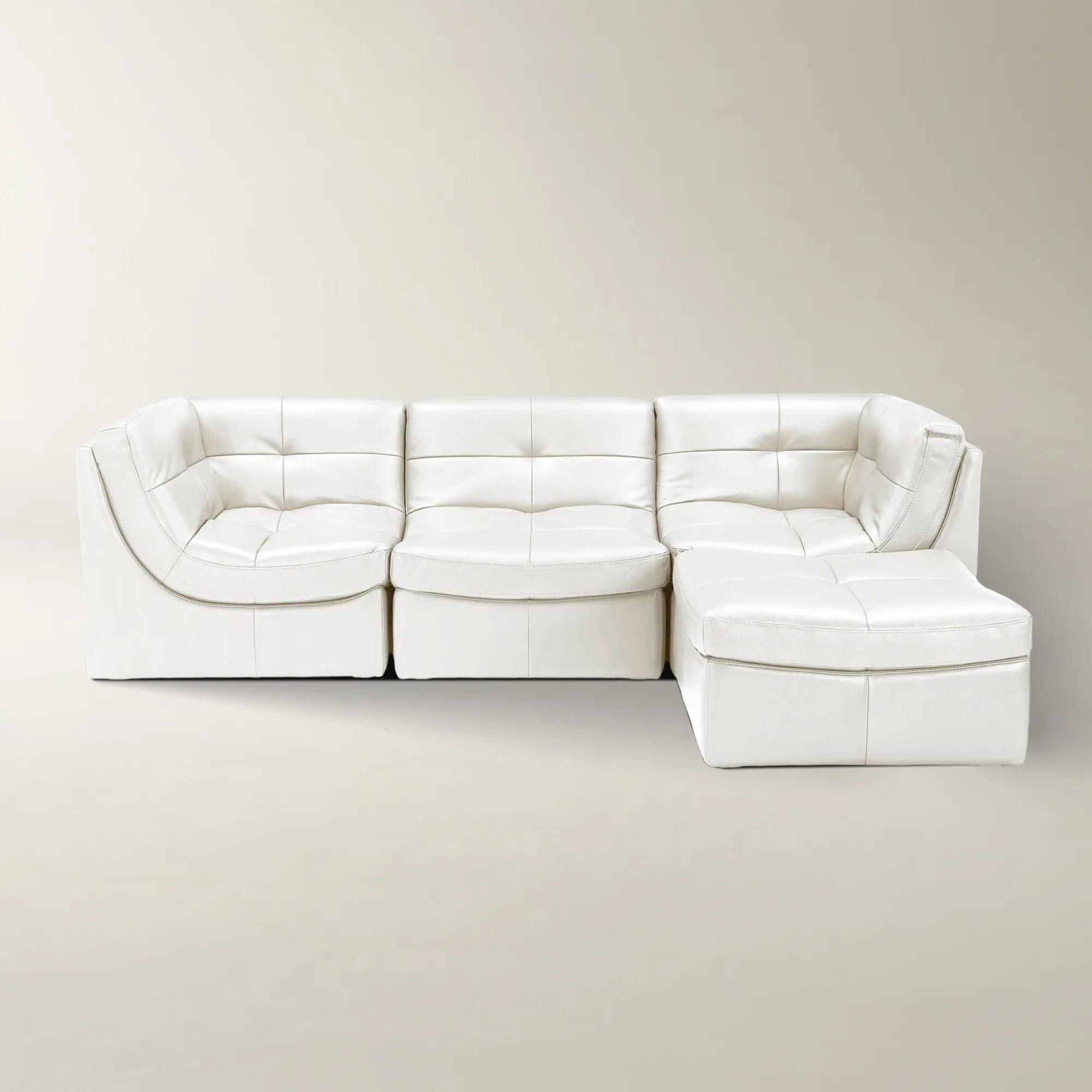 Convo 4-Piece L-Shaped White Leather Sectional Sofa With Ottoman$4849
A modular sectional featuring gently curved seats and charcoal semi-aniline leather upholstery for modern versatility.
Add To Cart -
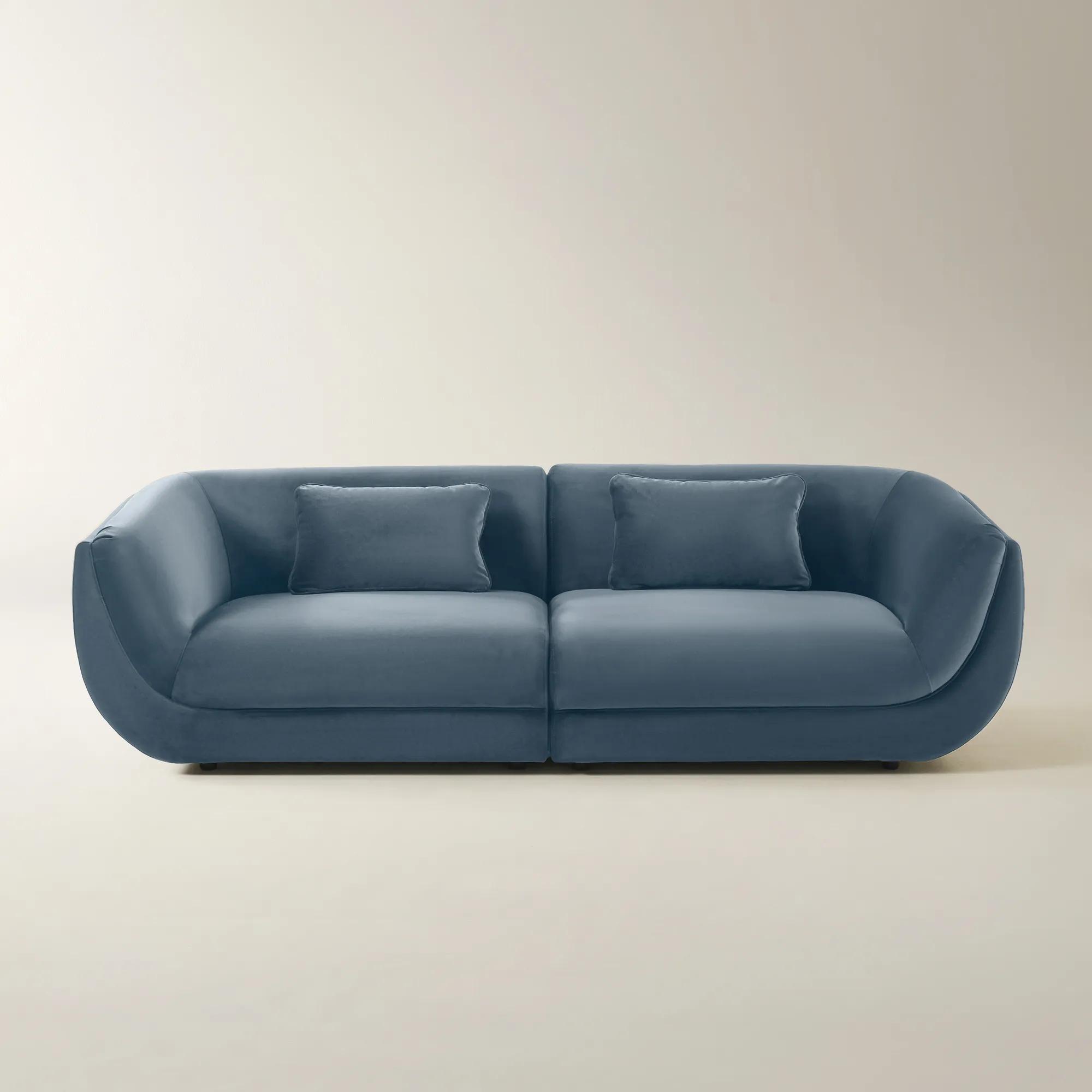 Curvia 2-Piece Dusty Blue Velvet Sectional Sofa$2699
A modular sectional wrapped in plush dusty blue velvet with sculptural curves and deep, lounge-worthy comfort.
Add To Cart -
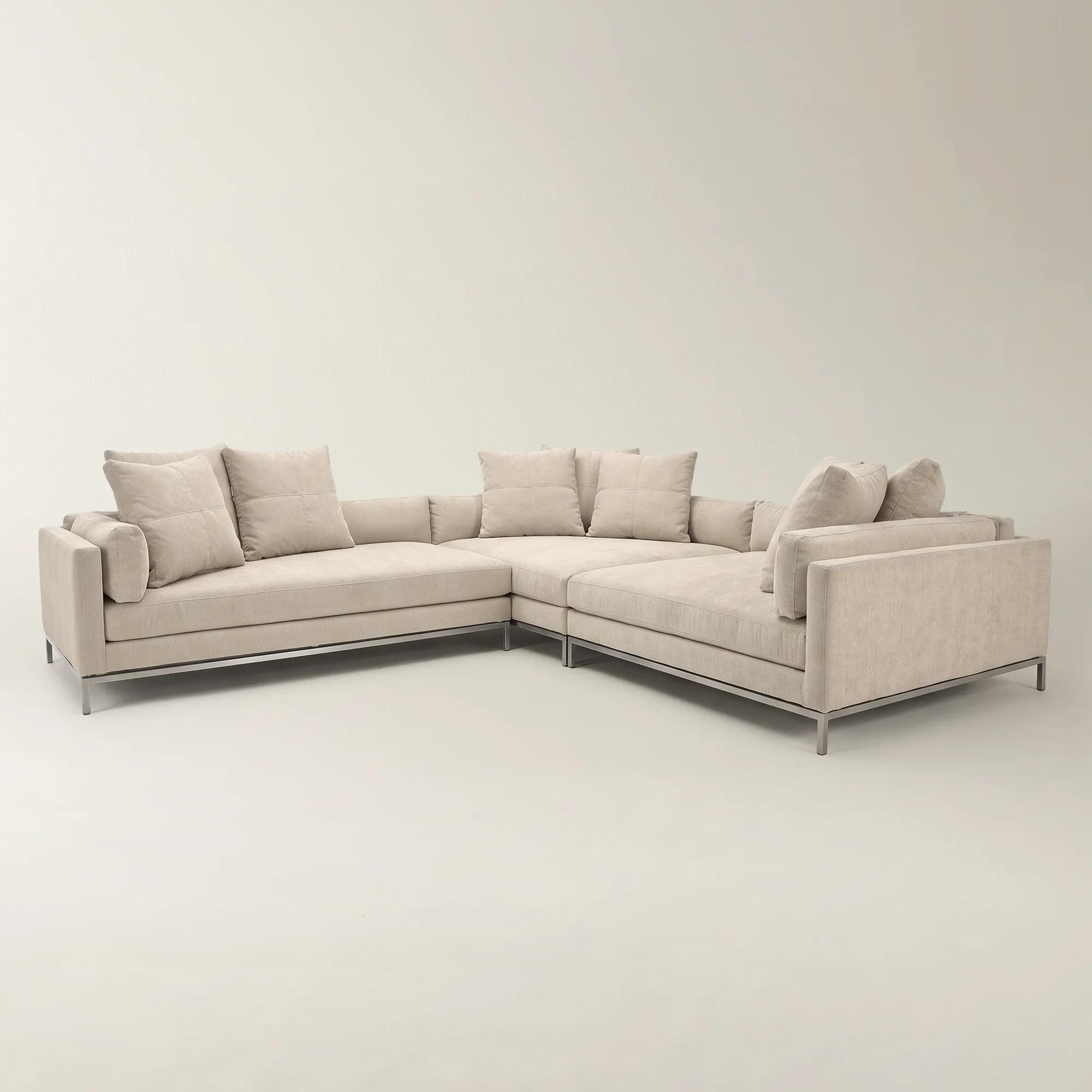 Ventura 3-Piece L-Shaped Snow Chenille Sectional Sofa With Left-Arm Chair$5999
A modern Snow chenille sectional with a stainless-steel base, plush feather pillows, and deep-seated comfort.
Add To Cart -
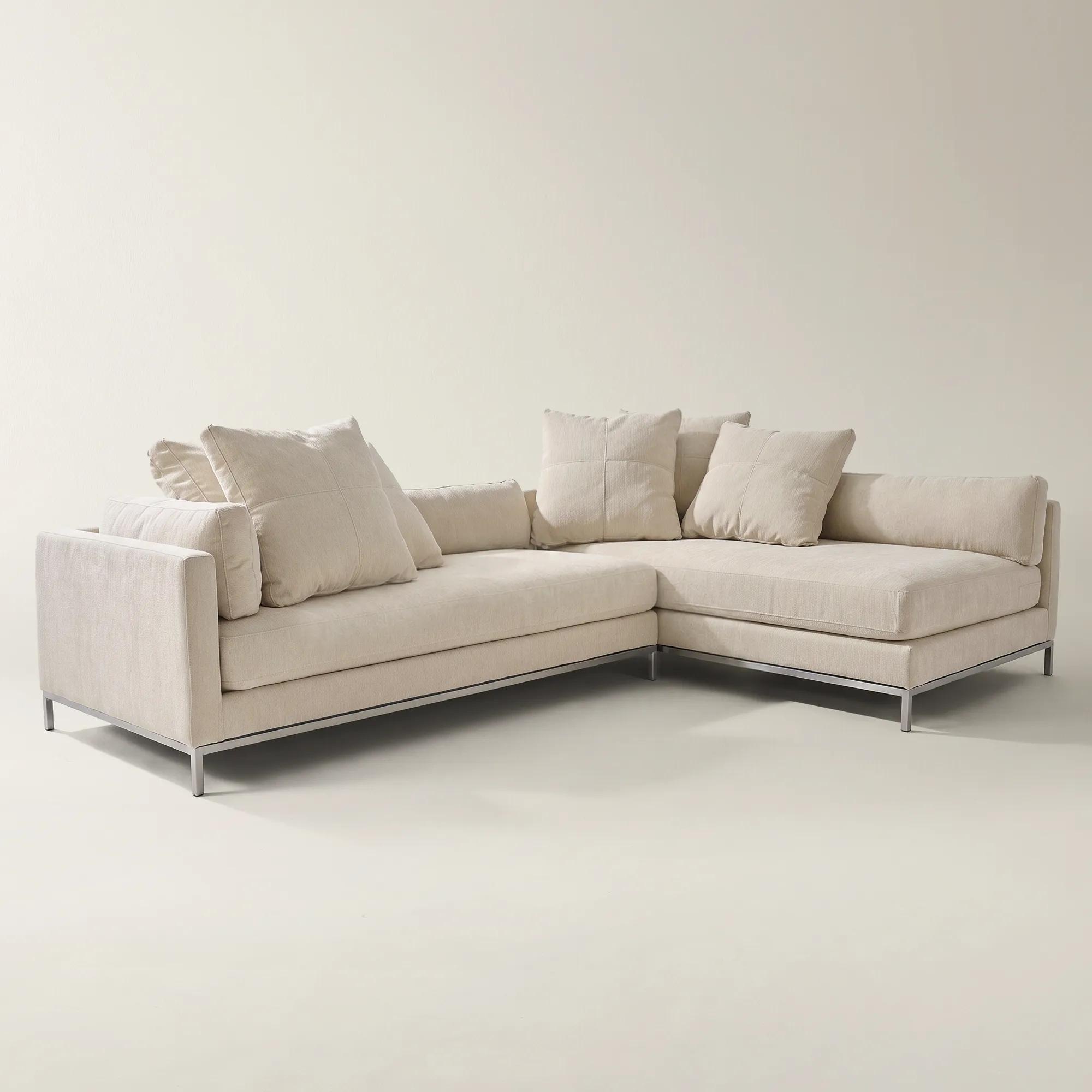 Ventura 2-Piece L-Shaped Snow Chenille Sectional Sofa With Left-Arm Chair$4099
A modern Snow chenille sectional with plush feather-filled pillows, supportive cushioning, and a stainless-steel base.
Add To Cart -
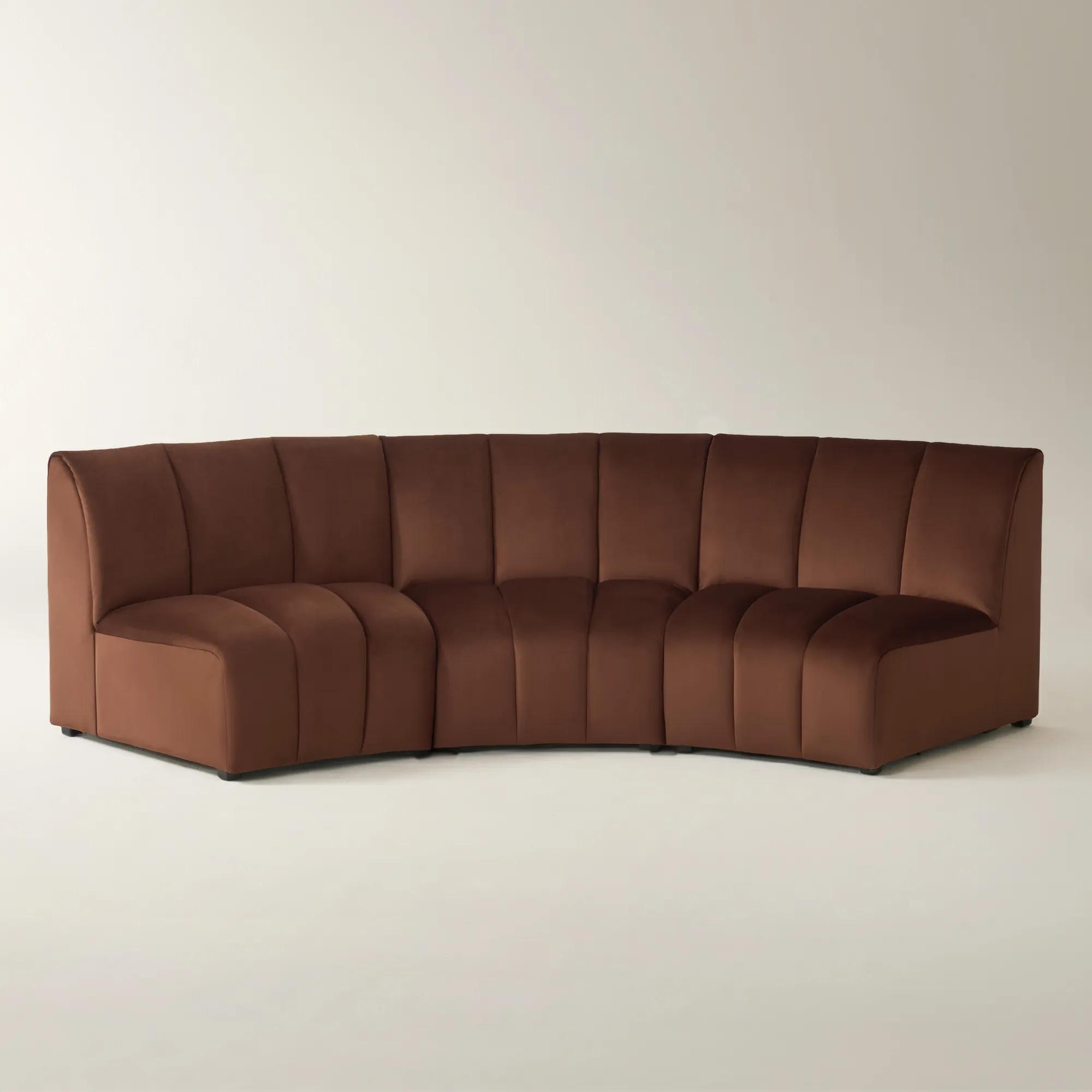 Jayce 3-Piece Channel-Tufted Burnt Umber Velvet Sectional Sofa$2799
A modern curved sectional in silver grey velvet with deep channel tufting and plush, water-repellent upholstery.
Add To Cart -
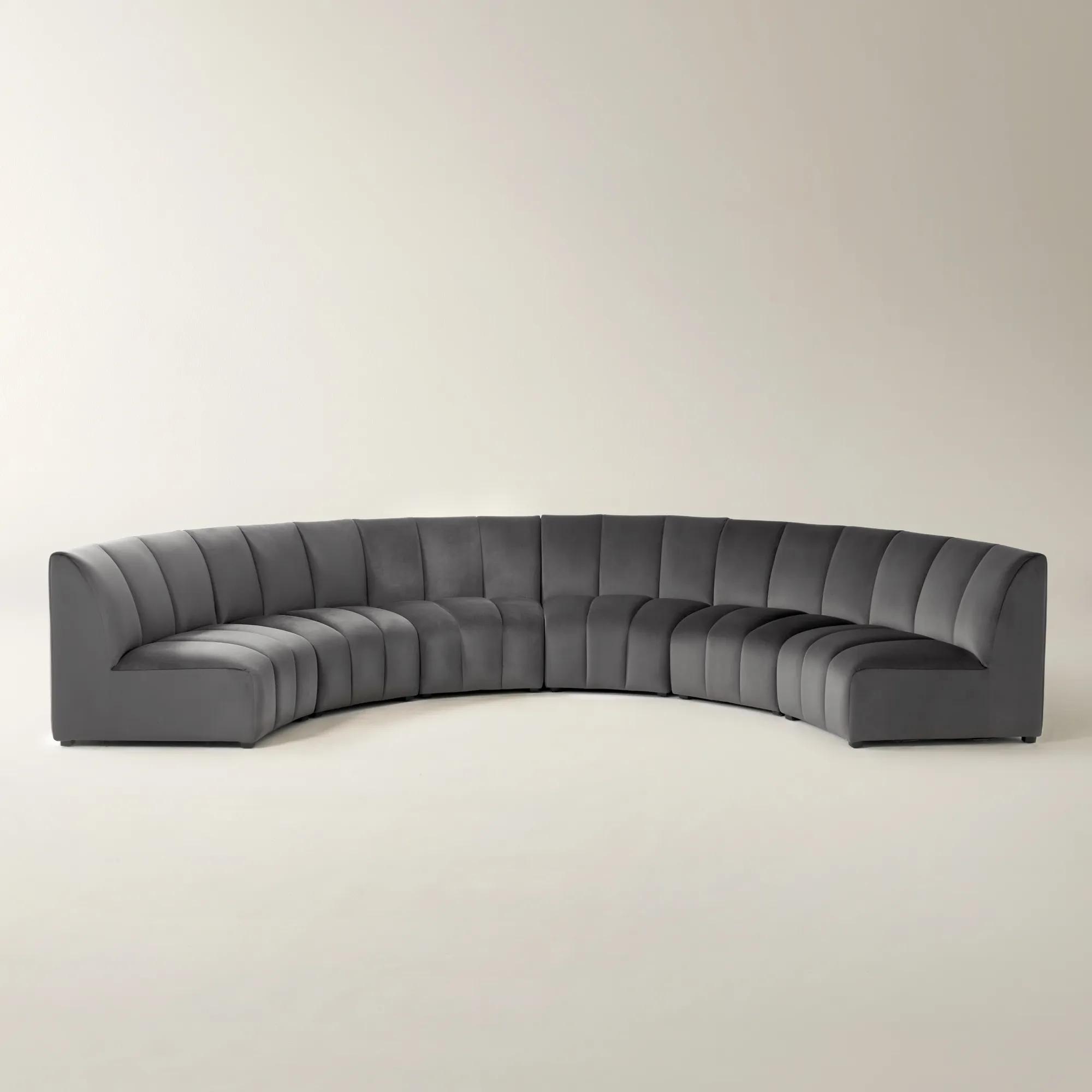 Jayce 6-Piece Channel-Tufted Smoked Pearl Velvet Sectional Sofa$5499
A modern curved sectional in silver grey velvet with deep channel tufting and plush, high-density cushions.
Add To Cart

Open Concept Living Sectionals
Open concept living sectionals are the statement-makers of expansive, modern interiors—designed to command attention and create flow within your most celebrated spaces. These sculptural silhouettes invite conversation and connection, effortlessly bridging living, dining, and entertaining zones with a sense of curated ease. Each sectional becomes a work of art that defines the room’s energy, offering both sumptuous comfort and architectural allure. Elevate your open floor plan with pieces that don’t just fill space—they orchestrate it, transforming every gathering into an experience worthy of applause.
Open concept living sectionals bring structure, comfort, and a sense of occasion to rooms where the kitchen, dining area, entryway, and living space unfold as one. Rather than pushing every piece against the perimeter, an L-shaped or modular sectional can float in the center of the room to create a beautifully defined living zone without closing it off. The back of the sofa establishes a natural boundary between gathering areas, while the open side preserves sightlines and keeps conversation connected across the home. This arrangement is especially effective in lofts, great rooms, apartments with combined living and dining areas, and spacious homes where traditional walls are absent. Begin by measuring the full footprint of the room, including walkways, door swings, kitchen islands, and nearby furnishings. A generously scaled sectional should feel intentional, never stranded in the middle of the floor, with comfortable clearance for movement around its perimeter. Leave enough room for guests to pass between the seating area and adjoining spaces, and consider how the sectional will look from every direction when it is floating rather than resting against a wall. A left-facing or right-facing chaise can shape the room around a fireplace, television, window, or architectural feature, while a reversible chaise or flexible modular arrangement offers more freedom as your layout evolves. For especially expansive rooms, a larger configuration can anchor the scale with dramatic presence; in a more compact setting, a streamlined silhouette with raised legs or a tailored profile can preserve an airy feeling while still delivering deep, inviting comfort. Explore Open Concept Modular Sofas for adaptable seating arrangements that let the room’s architecture—and your personal style—take center stage.
The most successful open concept sectional is both a visual anchor and an everyday retreat. Think about how the space is truly used: a household that gathers for long dinners may want generous chaise seating for post-meal lounging, while a home centered around movie nights may benefit from broad, supportive cushions and a configuration that faces the primary screen without obstructing the rest of the room. If the living area doubles as a reading nook, choose a corner with enough depth to stretch out and pair it with an arc floor lamp or sculptural side table. Families and frequent entertainers often appreciate durable upholstery, removable cushions, performance-minded fabrics, and finishes that can withstand the rhythms of daily life, while formal spaces may call for sumptuous velvet, polished detailing, or a more tailored weave that heightens the room’s sense of glamour. Pay close attention to seat depth, cushion firmness, arm height, and back support; a sectional can look magnificent and still feel wrong if its proportions do not suit the people using it. Measure hallways, elevators, stairwells, and entry doors before ordering, then confirm the sectional’s individual module dimensions and whether pieces can be separated for delivery. Modular seating is particularly appealing when a home needs to adapt over time. Pieces can be rearranged for a new focal point, expanded when the household grows, or separated into distinct seating moments during a gathering. It can also be a thoughtful housewarming investment for someone moving into a loft or newly built home, where one transformative piece may define the mood of an entire open floor plan. Choose upholstery and color with the surrounding rooms in mind: a luminous neutral can soften bold architectural details, while a rich jewel tone or dramatic dark finish can give a large, open interior the confidence it needs.
Once the sectional is in place, use the surrounding details to make the living zone feel deliberate, layered, and complete. A large area rug should extend beneath at least the front legs of the sectional—ideally reaching far enough to include the coffee table and accompanying accent chairs—so the seating arrangement feels grounded rather than scattered across the floor. In a floating layout, a narrow console table behind the sectional adds a polished transition between rooms and creates a useful surface for lamps, books, artful objects, or the everyday essentials that tend to collect near an entry. Keep the console’s depth modest enough to protect the walkway, and use lighting to distinguish the living zone after daylight fades. A pair of lamps can cast a welcoming glow behind the sofa, while a statement chandelier or sculptural pendant can draw the eye upward and echo the sectional’s scale. Layer in a coffee table with enough clearance for comfortable movement, then soften the composition with pillows, a tactile throw, and occasional tables within easy reach. During the cooler months, these rich layers make the room feel especially inviting for lingering conversations, weekend films, and evenings when friends move fluidly from the kitchen to the sofa. Because open concept rooms are visible from multiple angles, repeat a few tones or materials across the space—a gleaming metal finish, warm wood, ivory upholstery, or expressive artwork—to create continuity without sacrificing contrast. The result is more than a place to sit: it is a graceful stage for daily rituals, spontaneous entertaining, and the beautifully unscripted moments that give a home its character.
FAQs
A sectional acts as both an anchor and a visual guide in an open concept living area, defining zones without the need for walls. Its sculptural presence encourages seamless movement between lounging, dining, and entertaining areas, while offering ample seating for gatherings and everyday relaxation.
Modular sectionals offer unmatched flexibility, allowing you to reconfigure seating arrangements to suit your lifestyle or special occasions. Whether you’re hosting a lively gathering or seeking a cozy movie night setup, modular designs adapt effortlessly, making them ideal for ever-evolving open concept spaces.
For high-traffic areas, durable yet luxurious fabrics such as performance velvet, linen blends, or textured boucle are excellent choices. These materials offer both tactile appeal and resilience, ensuring your sectional remains chic and inviting through daily use and frequent entertaining.
Choose a sectional that complements your color palette and architectural features. Opt for streamlined silhouettes or sculptural shapes that echo your design vision. Layer with accent pillows and throws to add depth, and use area rugs to further define and balance the space.
Absolutely. A sectional is a statement piece that symbolizes comfort, togetherness, and new beginnings. Gifting a sectional is an unforgettable gesture, offering the recipients a foundation for countless shared moments and a bold centerpiece for their evolving home.