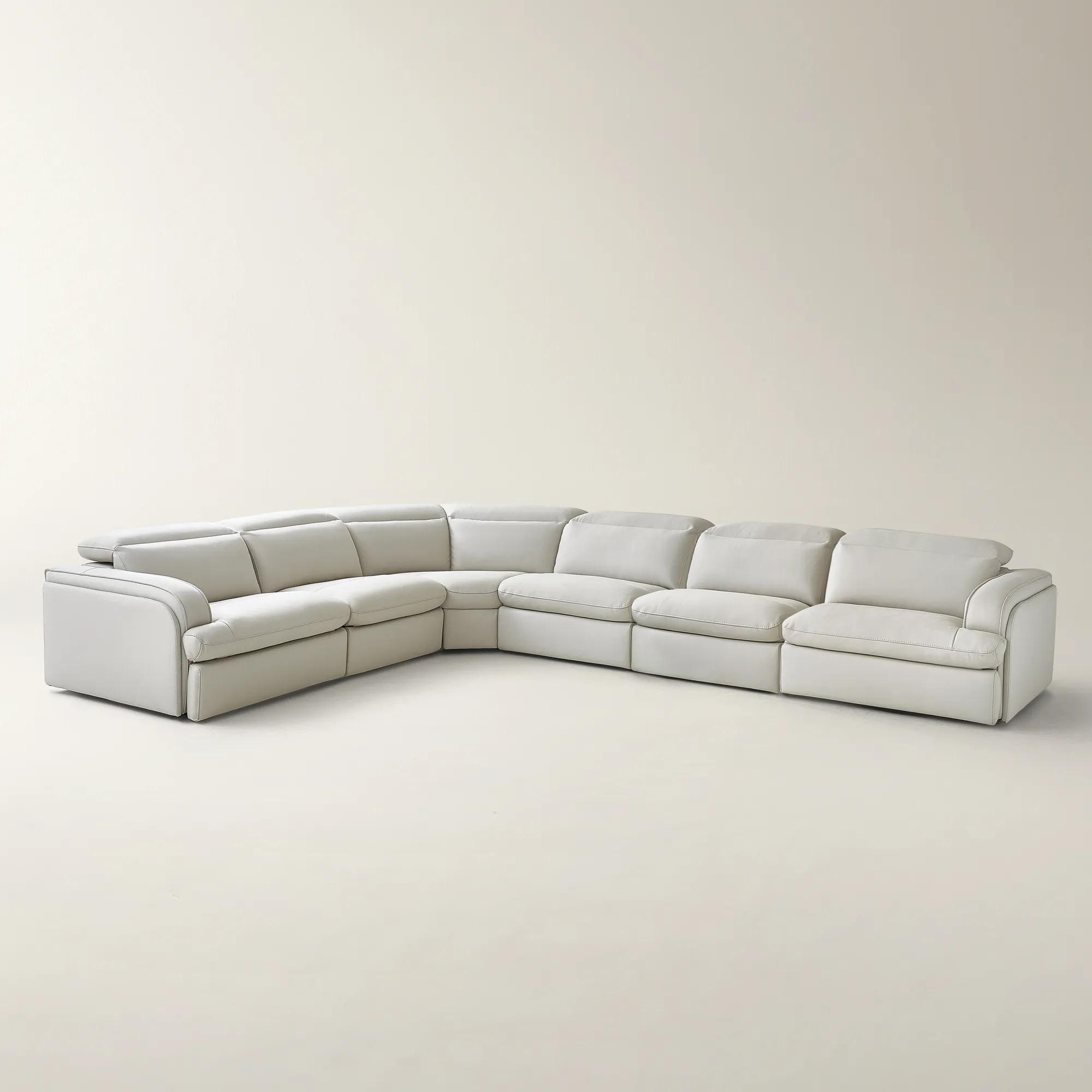
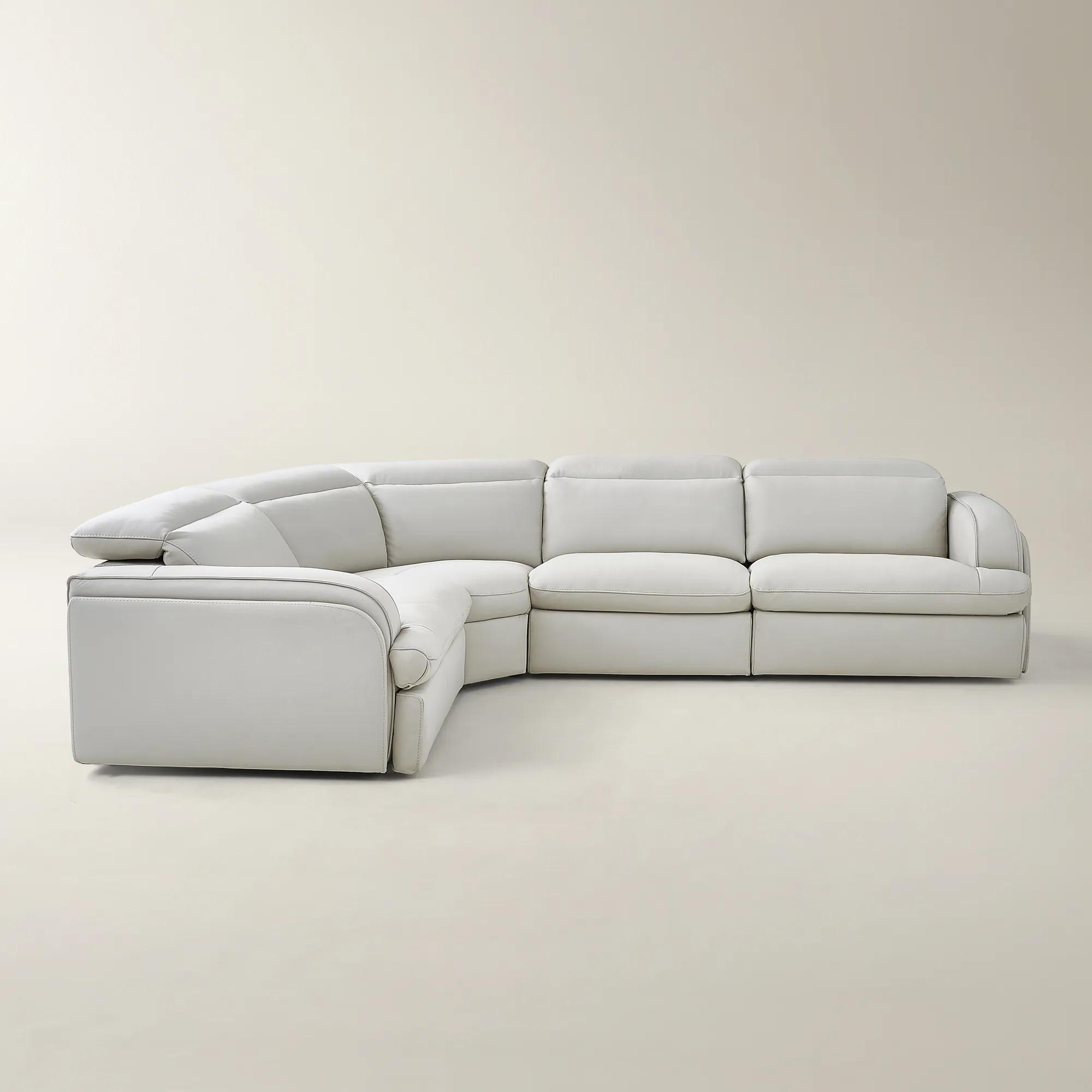
Open Concept Modular Sofas
Open Concept Modular Sofas
-

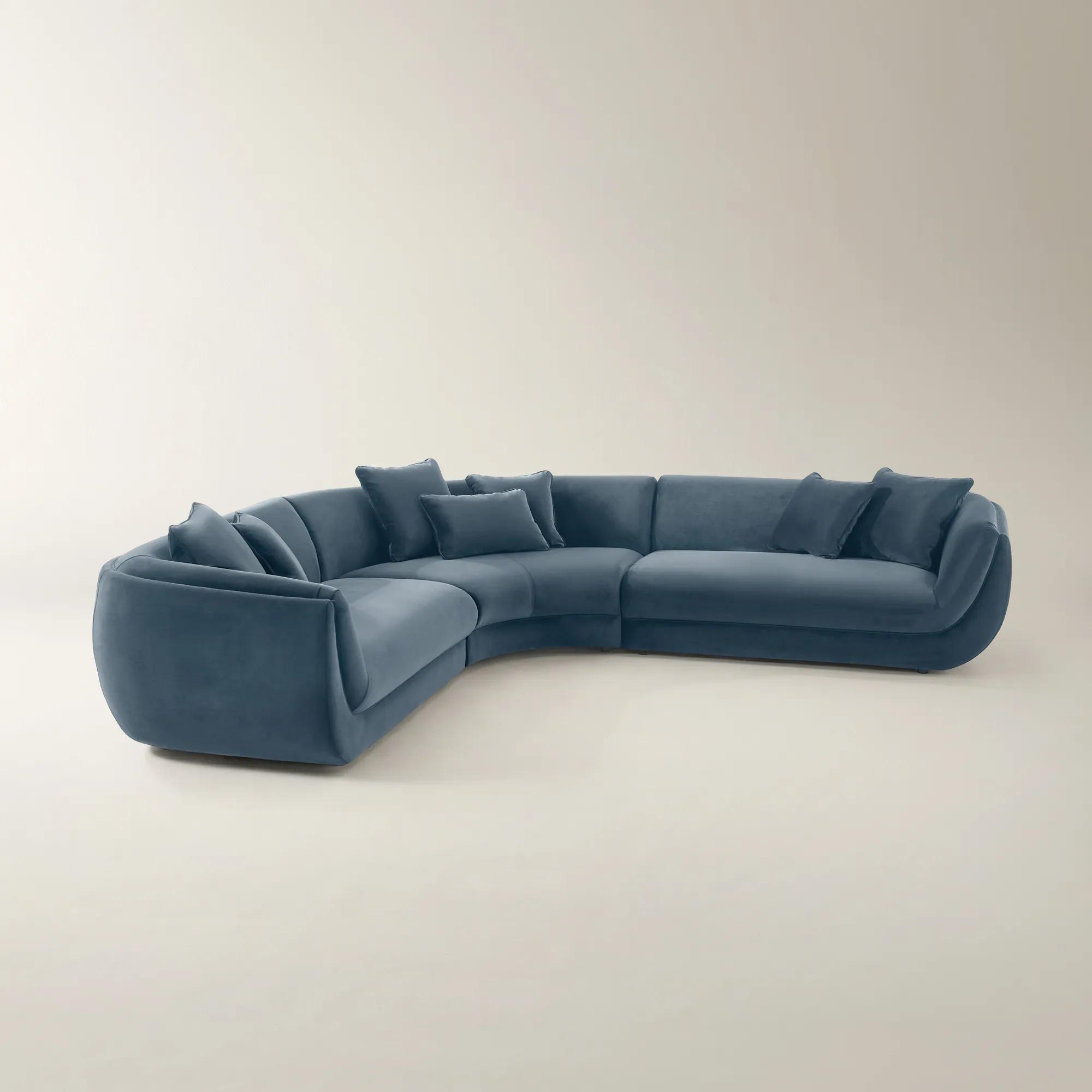 Curvia 3-Piece Dusty Blue Velvet Sectional Sofa$4599
A modular sectional wrapped in plush dusty blue velvet with deep lounge seating and sculptural curves.
Add To Cart -
 Irene 4-Piece White/Black Performance Chenille Sectional Sofa$4999
A sculptural sectional wrapped in white and black performance chenille with high-resiliency foam cushions.
Add To Cart -

 Milo 3-Piece Reclining Ivory Performance Fabric Sectional Sofa$3399
A modular, power-reclining sofa in beige textured polyester with plush feather-blend cushions for ultimate comfort.
Add To Cart -
 Jocelyn 3-Piece Channel-Tufted Oatmeal Velvet Sectional Sofa With Ottoman$3699
An oatmeal velvet sectional with deep channel tufting, curved silhouette, and modular design for versatile lounging.
Add To Cart -
 Jocelyn 4-Piece Channel-Tufted Oatmeal Velvet Sectional Sofa With Ottoman$4999
An oatmeal velvet sectional with deep channel tufting, curved silhouette, and modular design for flexible arrangements.
Add To Cart -
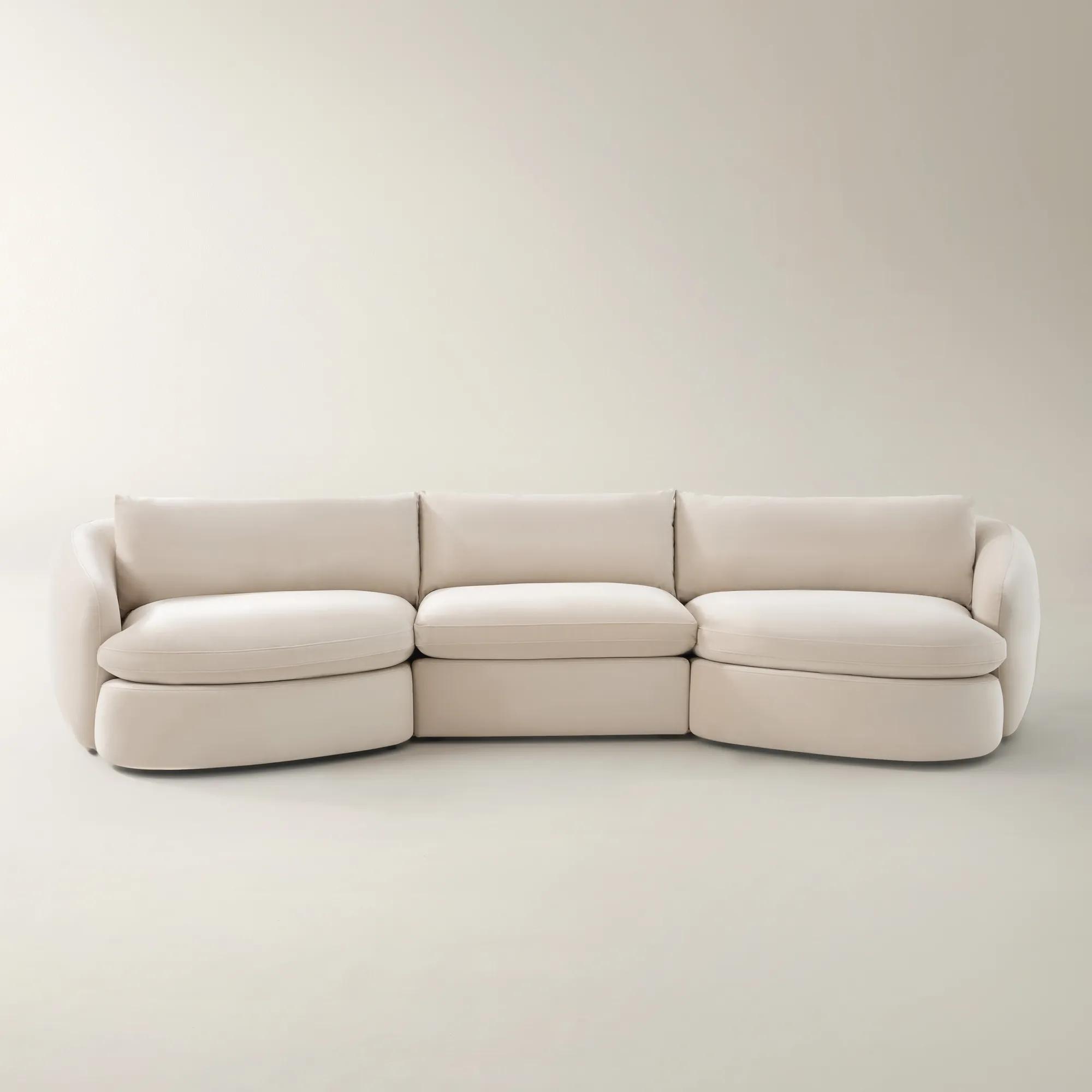 Sabrina 3-Piece Oatmeal Velvet Sectional$3699
A curved oatmeal velvet sofa featuring plush feather-blend cushions and modular design for customizable comfort.
Add To Cart -
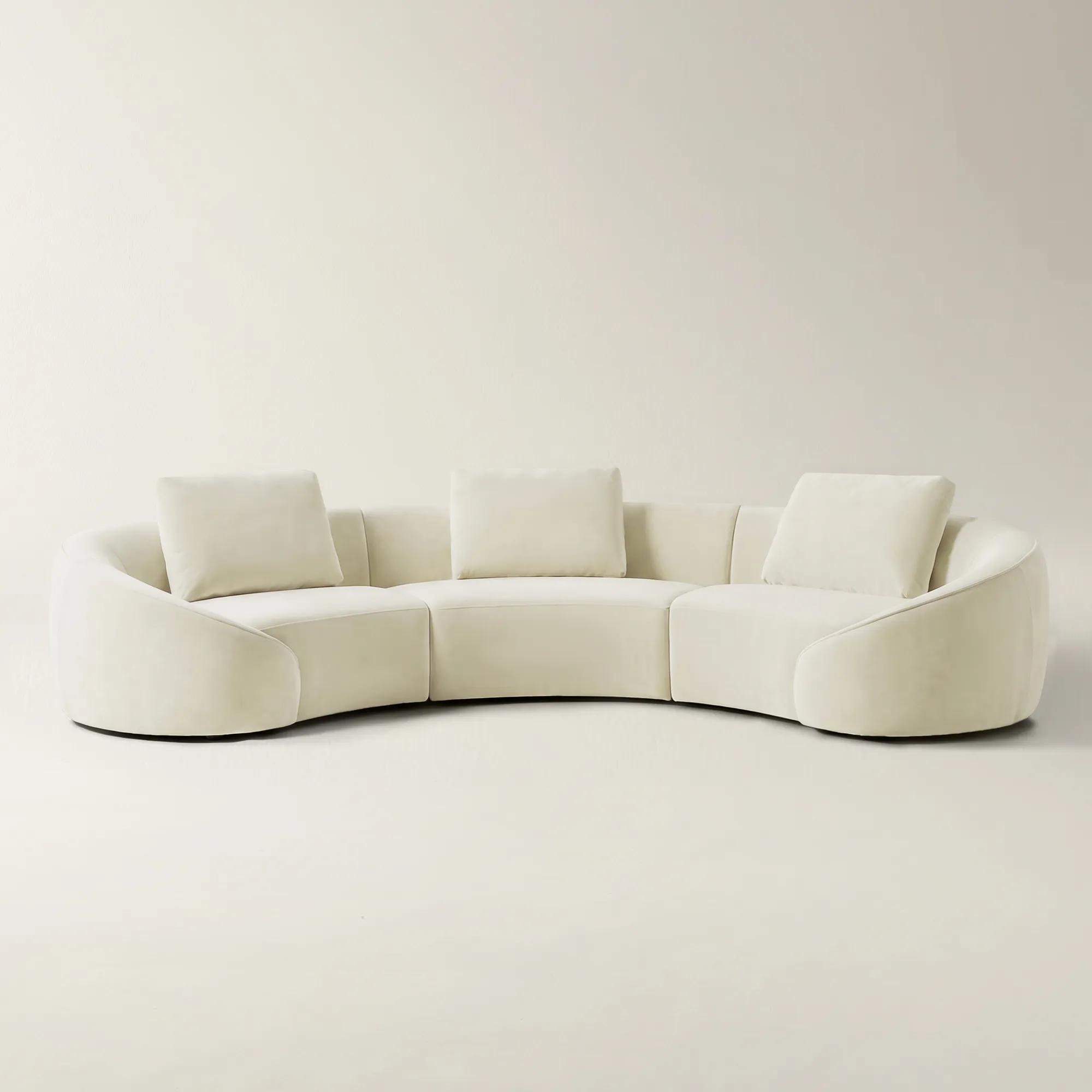 Irene 3-Piece Cloud Velvet Sectional Sofa$3599
A sculptural, hand-finished sectional with plush velvet upholstery, high-resiliency foam cushions, and modular design.
Add To Cart -

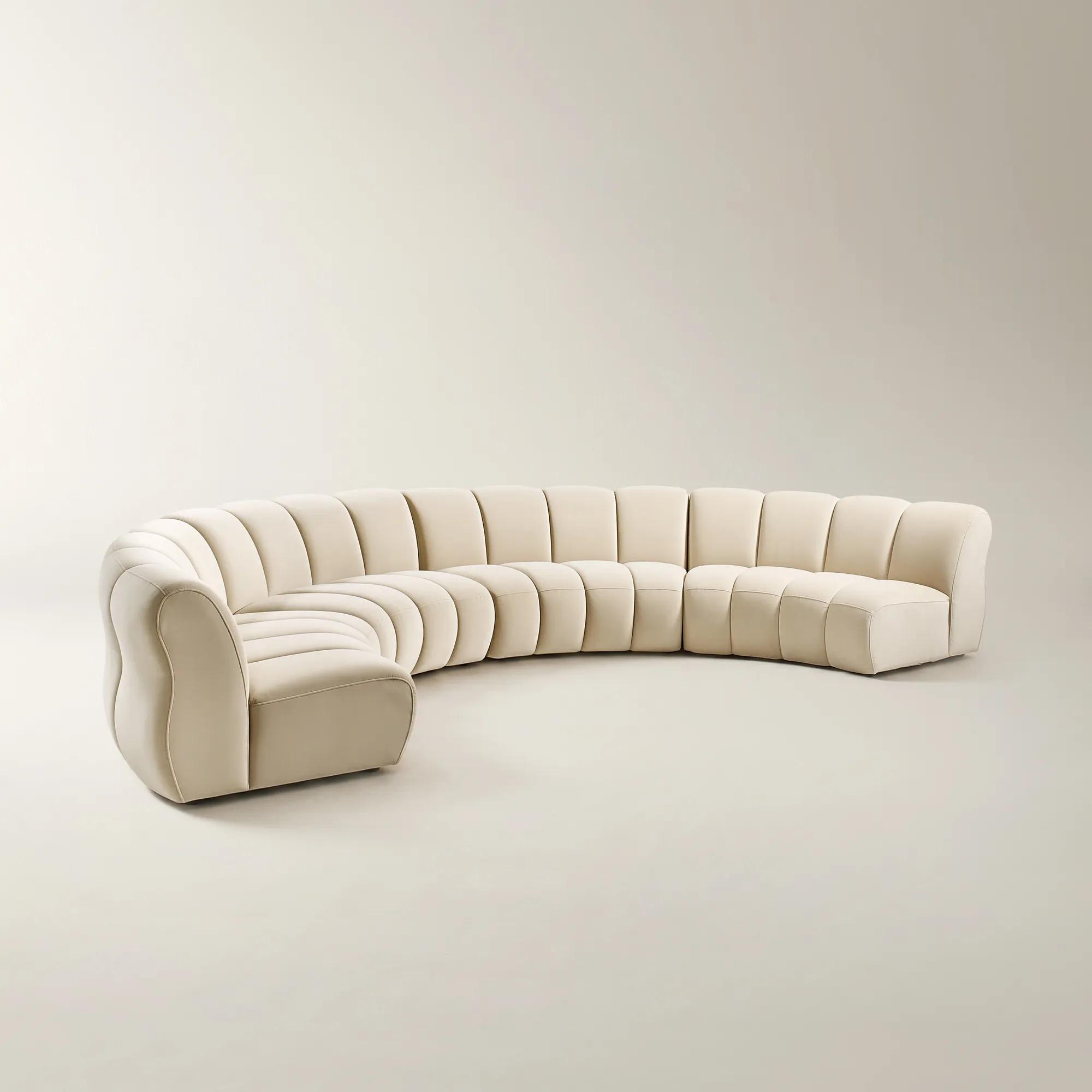 Jocelyn 4-Piece Channel-Tufted Oatmeal Velvet Sectional Sofa$4999
An oatmeal velvet sectional with deep channel tufting, curved silhouette, and modular design for versatile lounging.
Add To Cart -
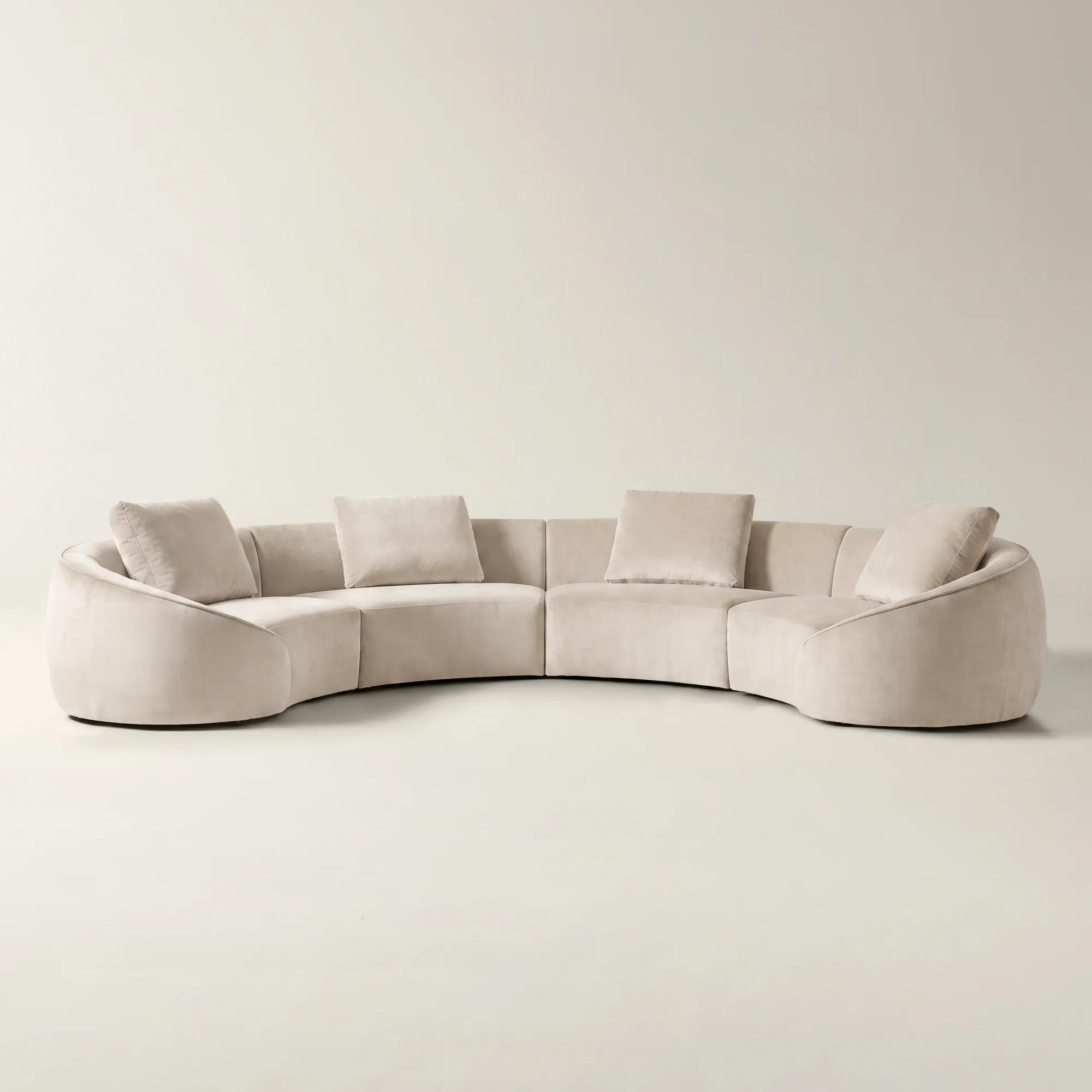
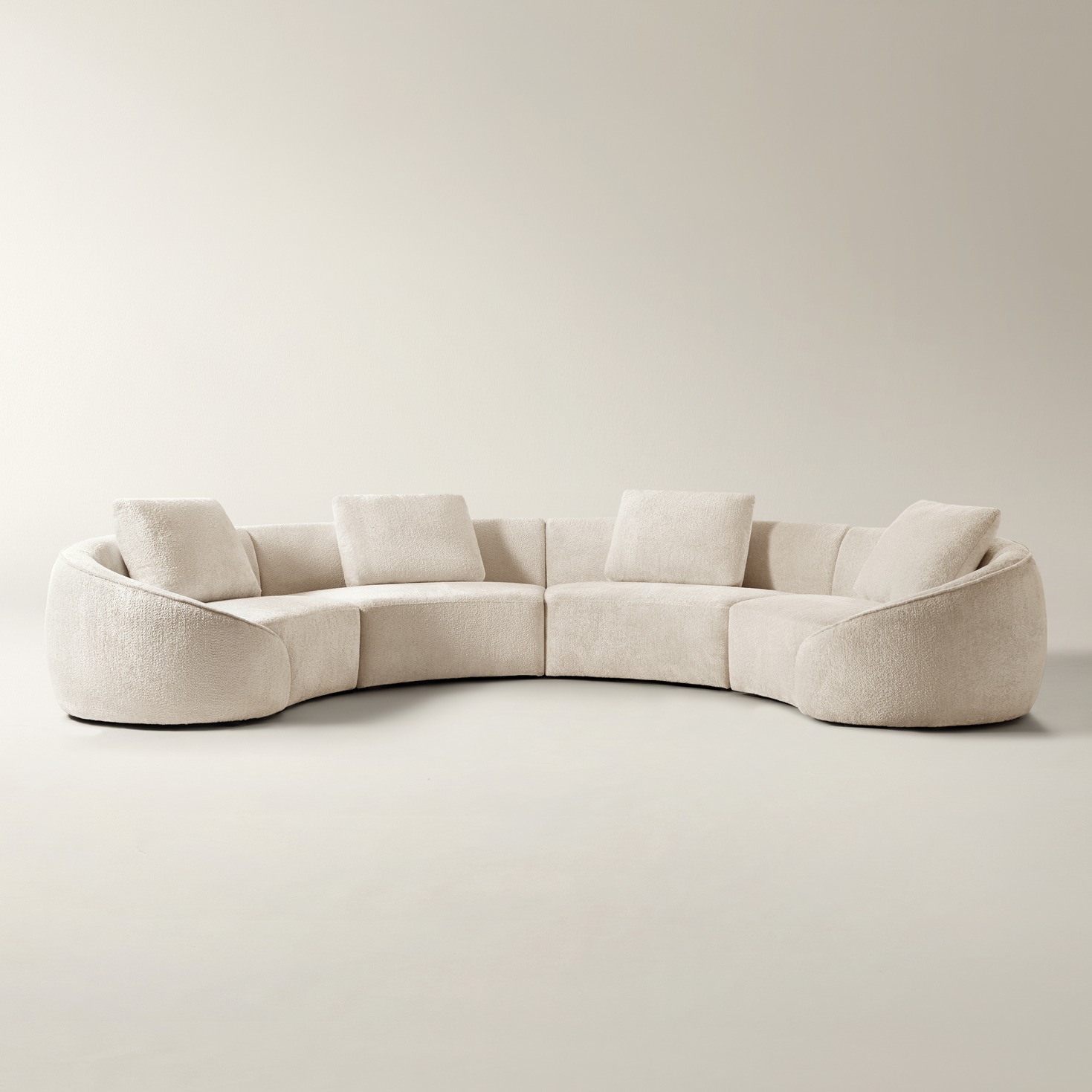 Irene 4-Piece Oatmeal Velvet Sectional Sofa$4599
A sculptural oatmeal velvet sectional featuring hand-finished upholstery, high-resiliency foam cushions, and modular design.
Add To Cart -
 Sabrina 3-Piece Charcoal Velvet Sectional$3699
A charcoal velvet modular sofa featuring a curved silhouette, feather-blend cushions, and hand-built craftsmanship.
Add To Cart -
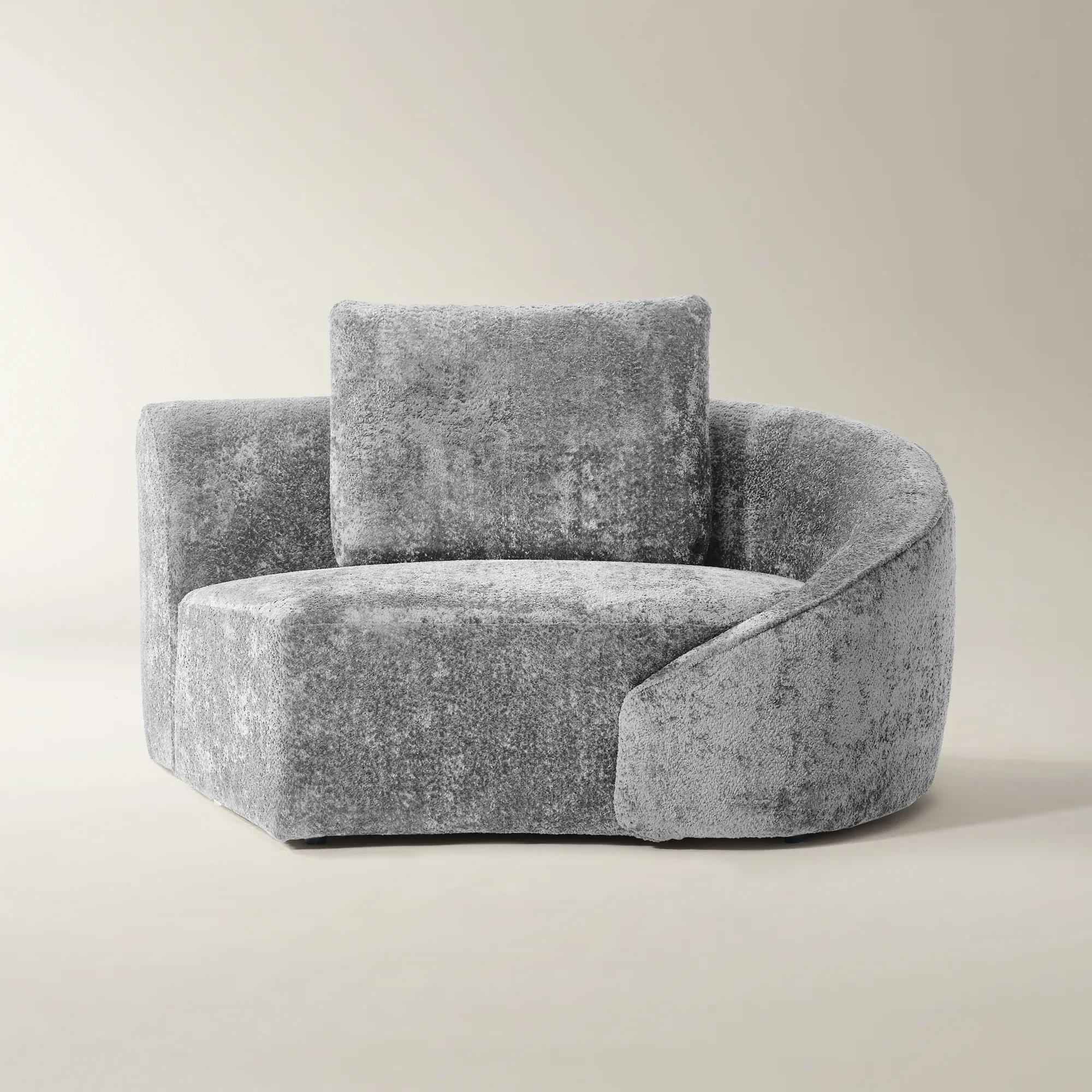 Irene Grey Chenille Right-Arm Chair$1399
A customizable seating collection featuring left arm, right arm, and armless chair components for versatile arrangements.
Add To Cart -
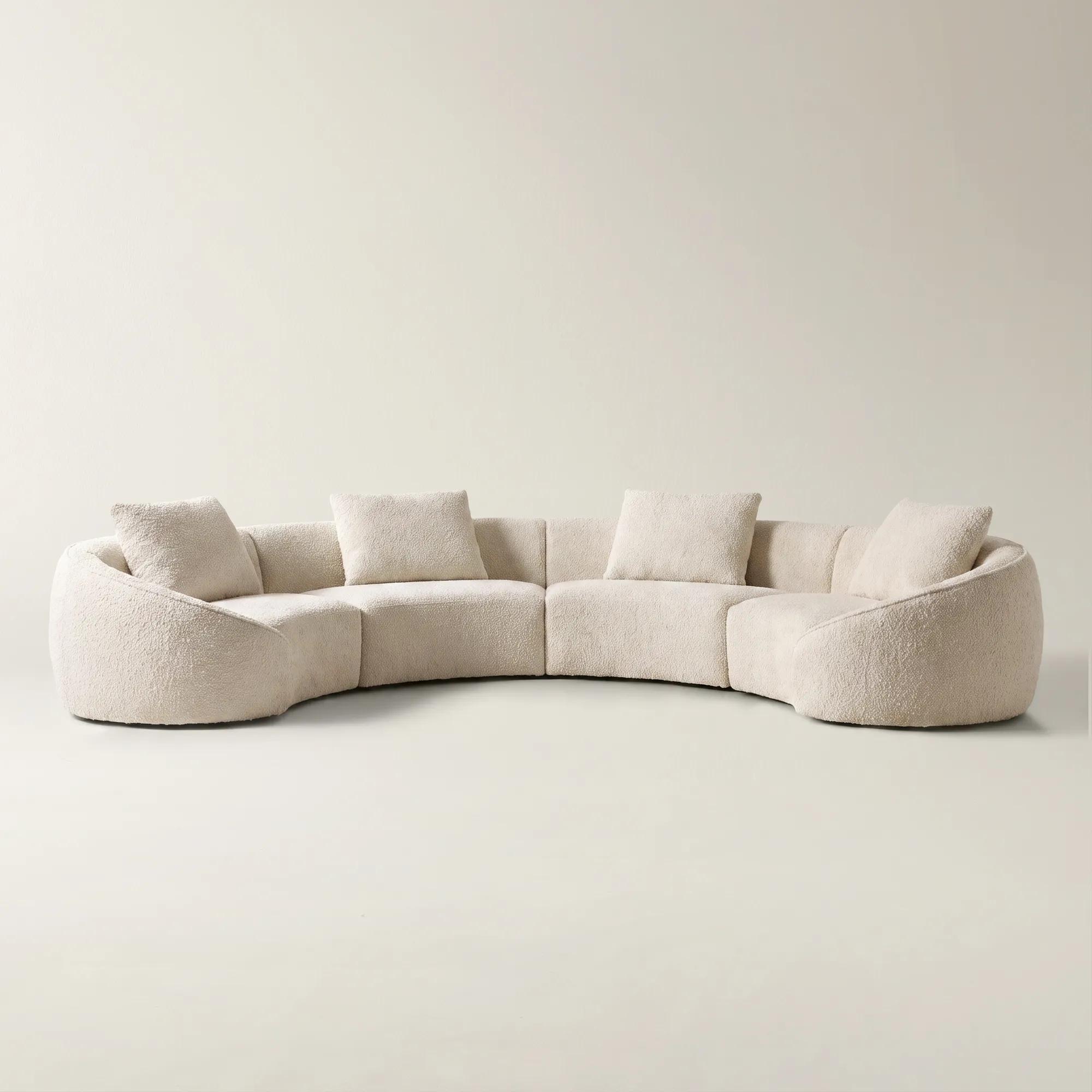 Irene 4-Piece Ivory Performance Boucle Sectional Sofa$4799
A sculptural ivory performance boucle sectional featuring hand-finished upholstery and high-resiliency foam cushions.
Add To Cart -

 Verona Reclining Charcoal Leather Left Arm Chair With Power$1599
A charcoal semi-aniline leather sectional with adjustable headrests, power-reclining seats, and kiln-dried hardwood frame.
Add To Cart -
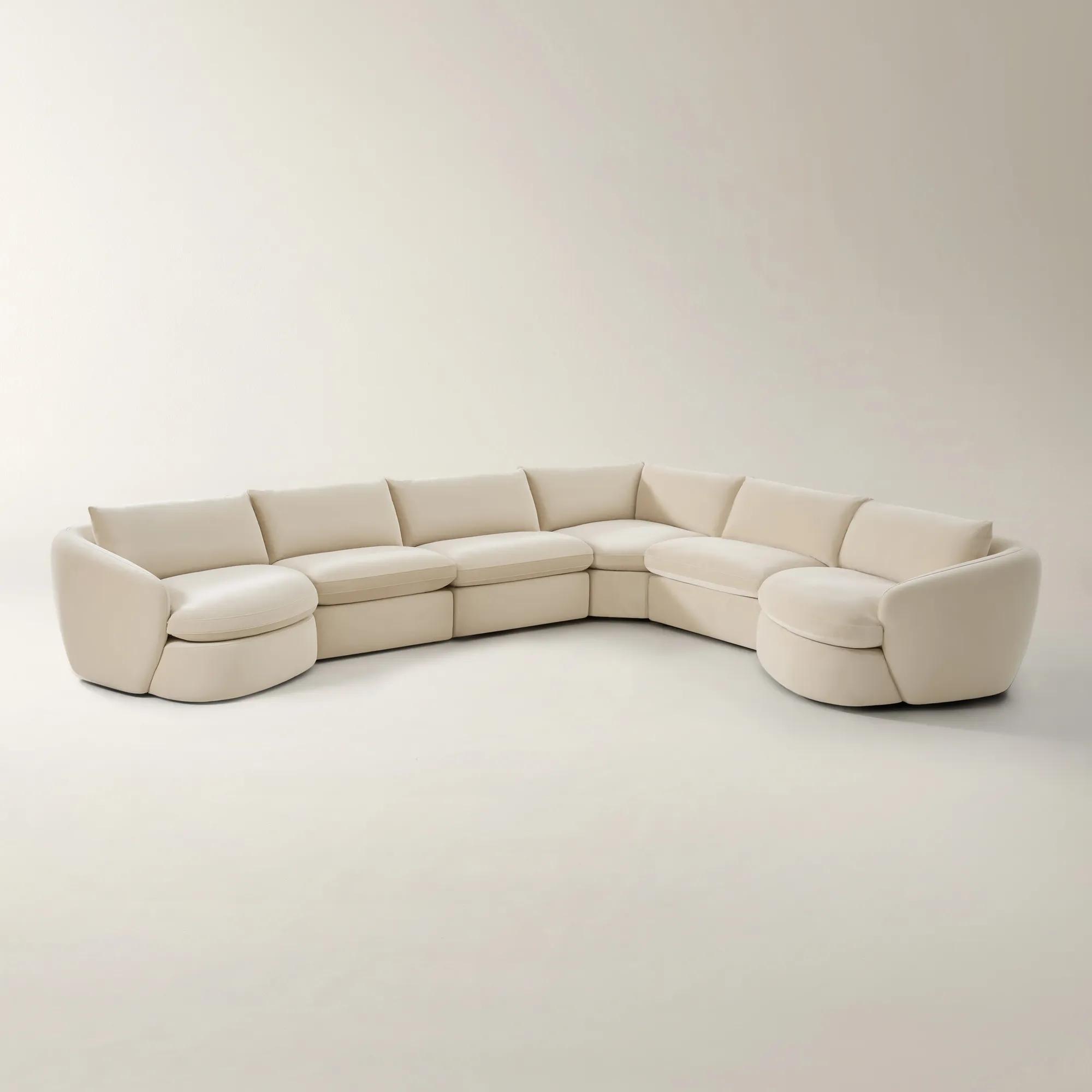
 Sabrina 6-Piece Oatmeal Velvet Sectional$6999
An inviting L-shaped sectional in soft oatmeal velvet with plush feather-blend cushions and modular design.
Add To Cart -
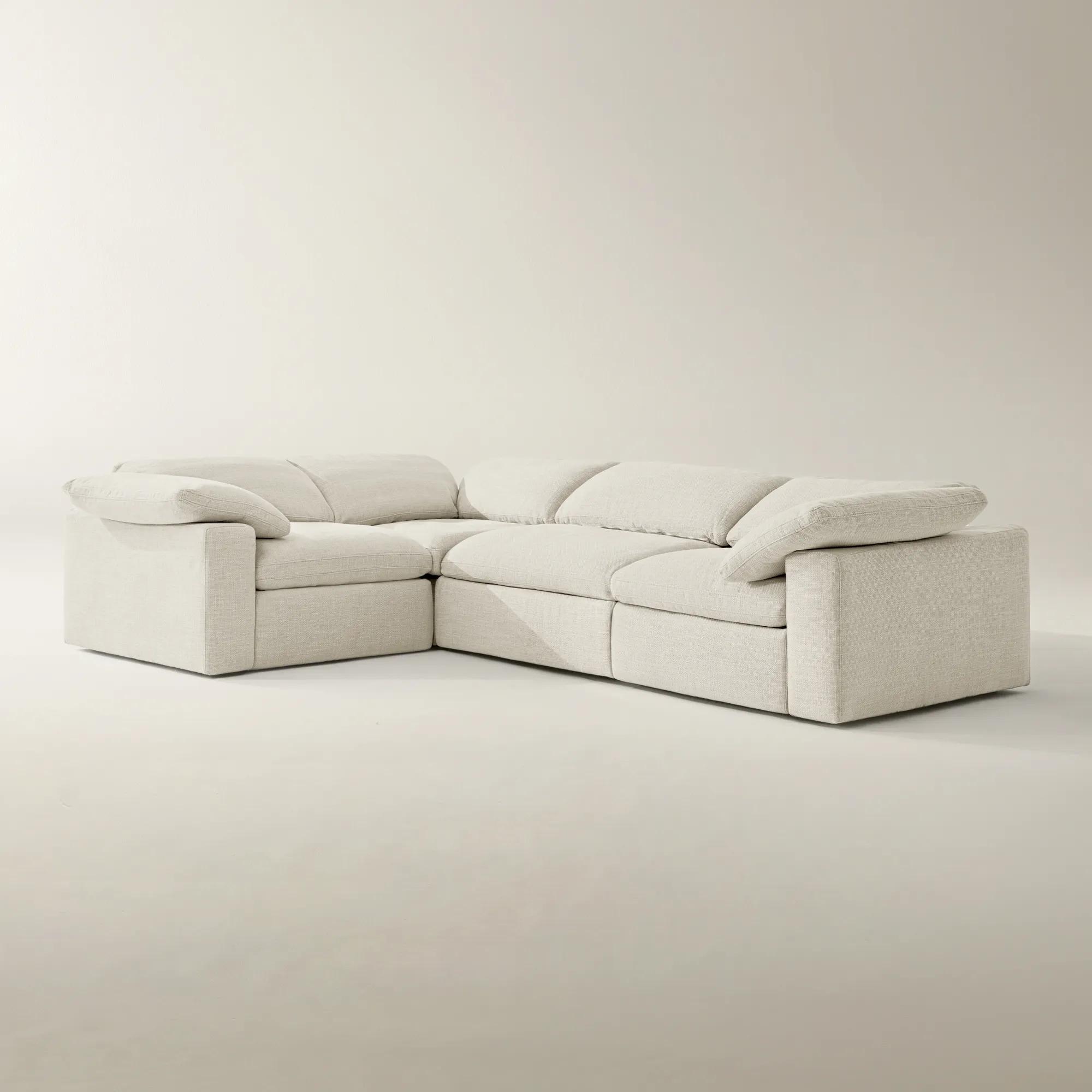
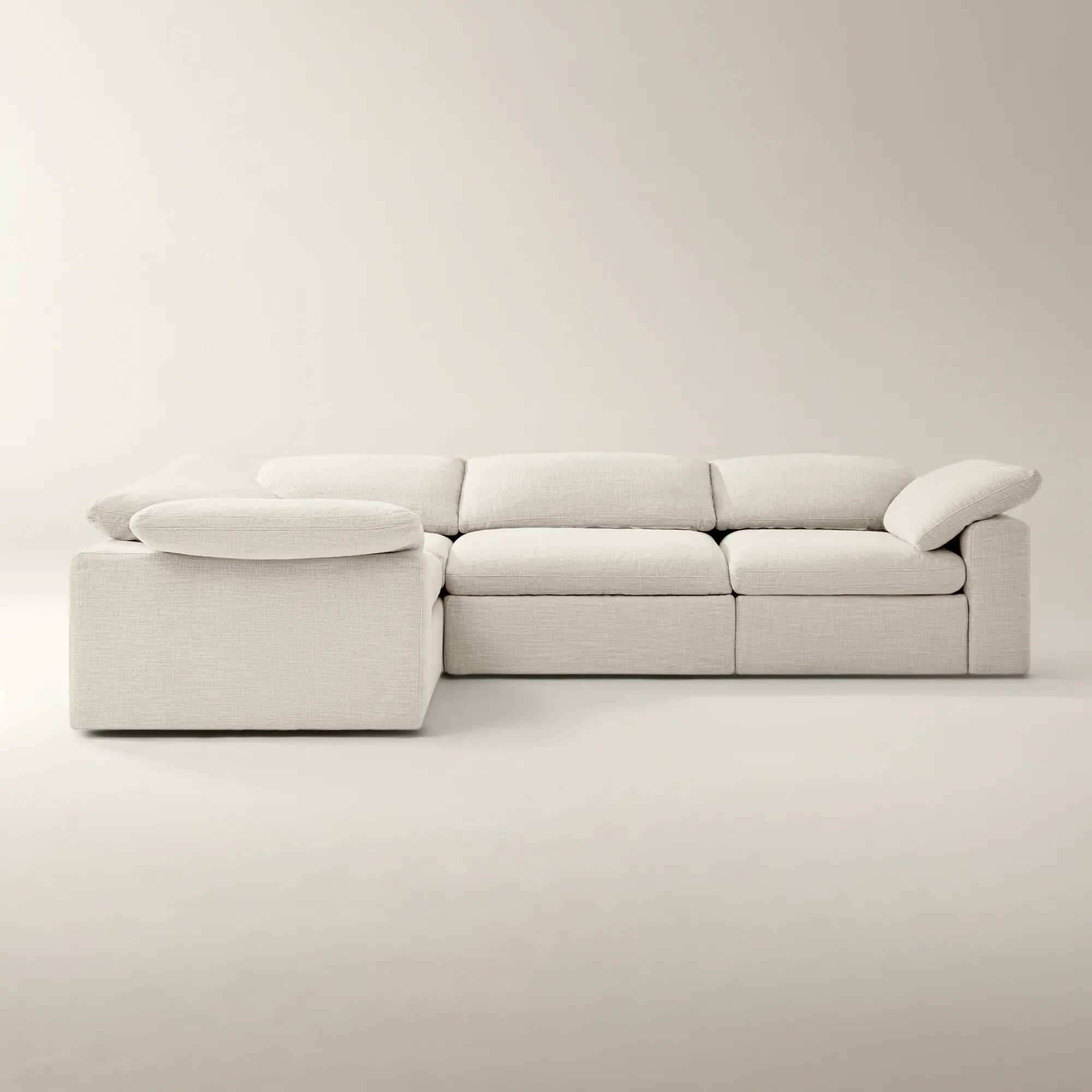 Milo 4-Piece L-Shaped Reclining Ivory Performance Fabric Sectional Sofa With Left-Arm Chair$4399
A modular sectional in beige or dove grey with plush feather cushions and power reclining footrests.
Add To Cart -

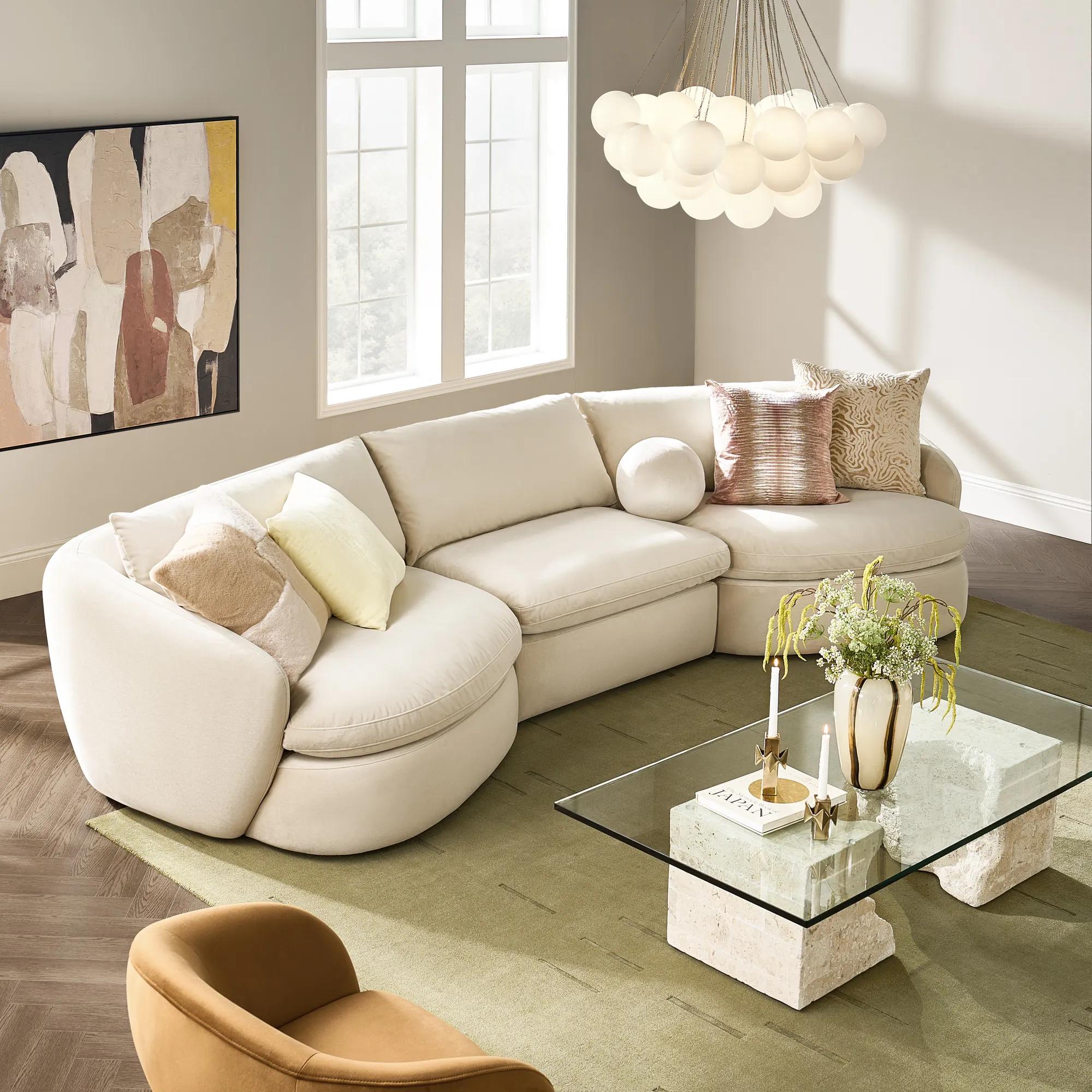 Sabrina Oatmeal Velvet Left-Arm Chair$1399
A modular, curved seating piece in soft oatmeal velvet with plush feather-blend cushions and hand-built craftsmanship.
Add To Cart -
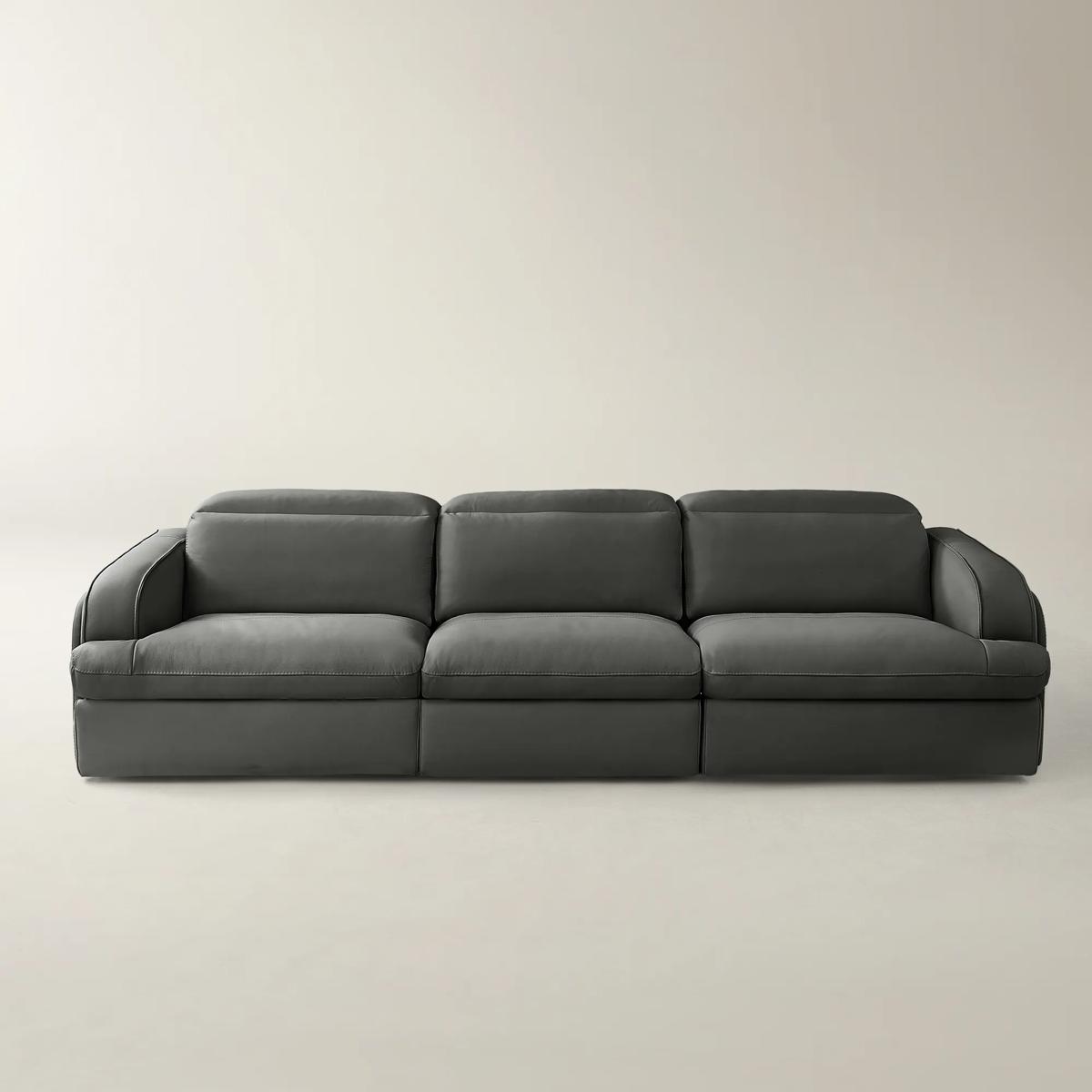
 Convo 2-Piece Charcoal Leather Sectional Sofa$2799
A modular charcoal leather sofa with kiln-dried hardwood frame and blind-tufted, semi-aniline upholstery.
Add To Cart -

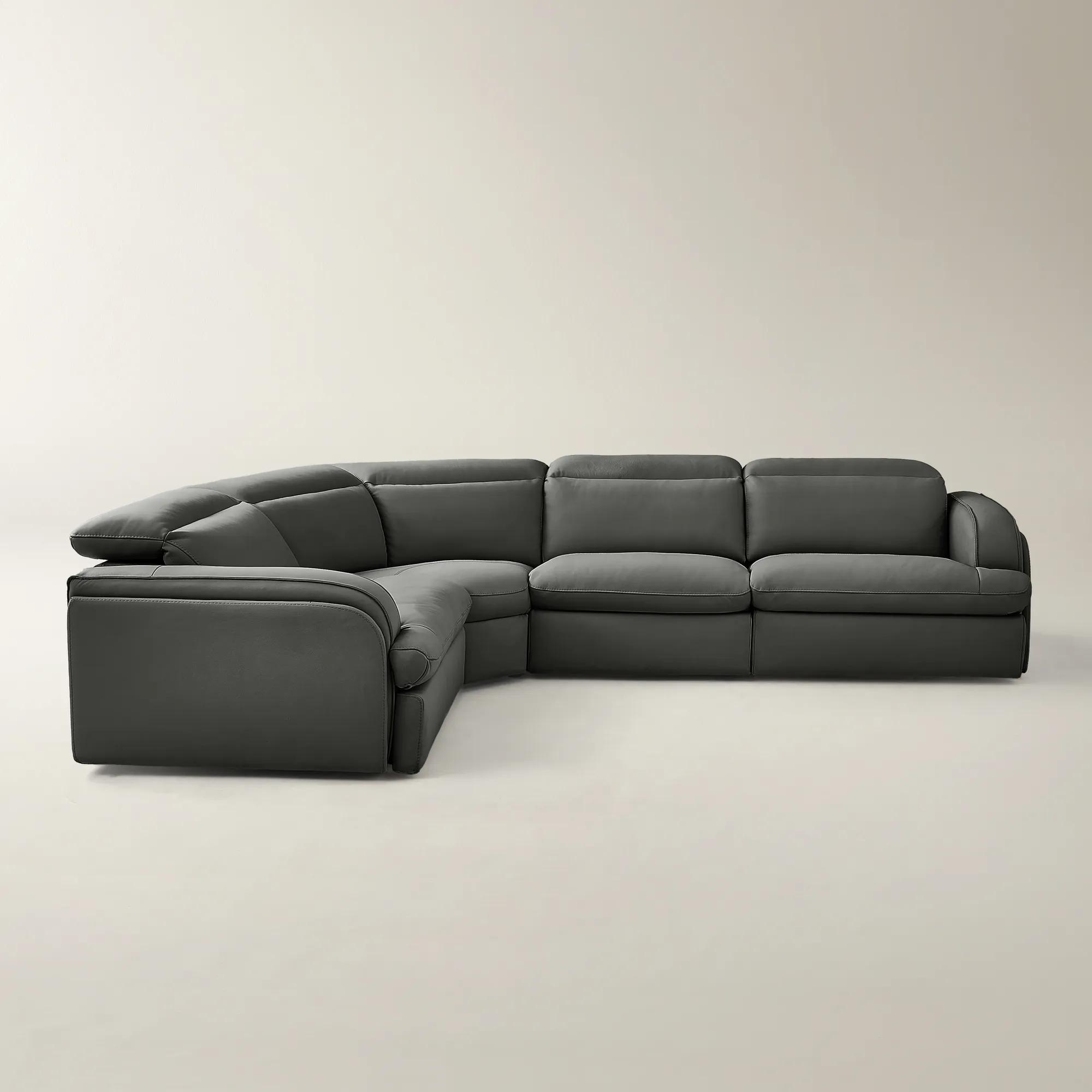
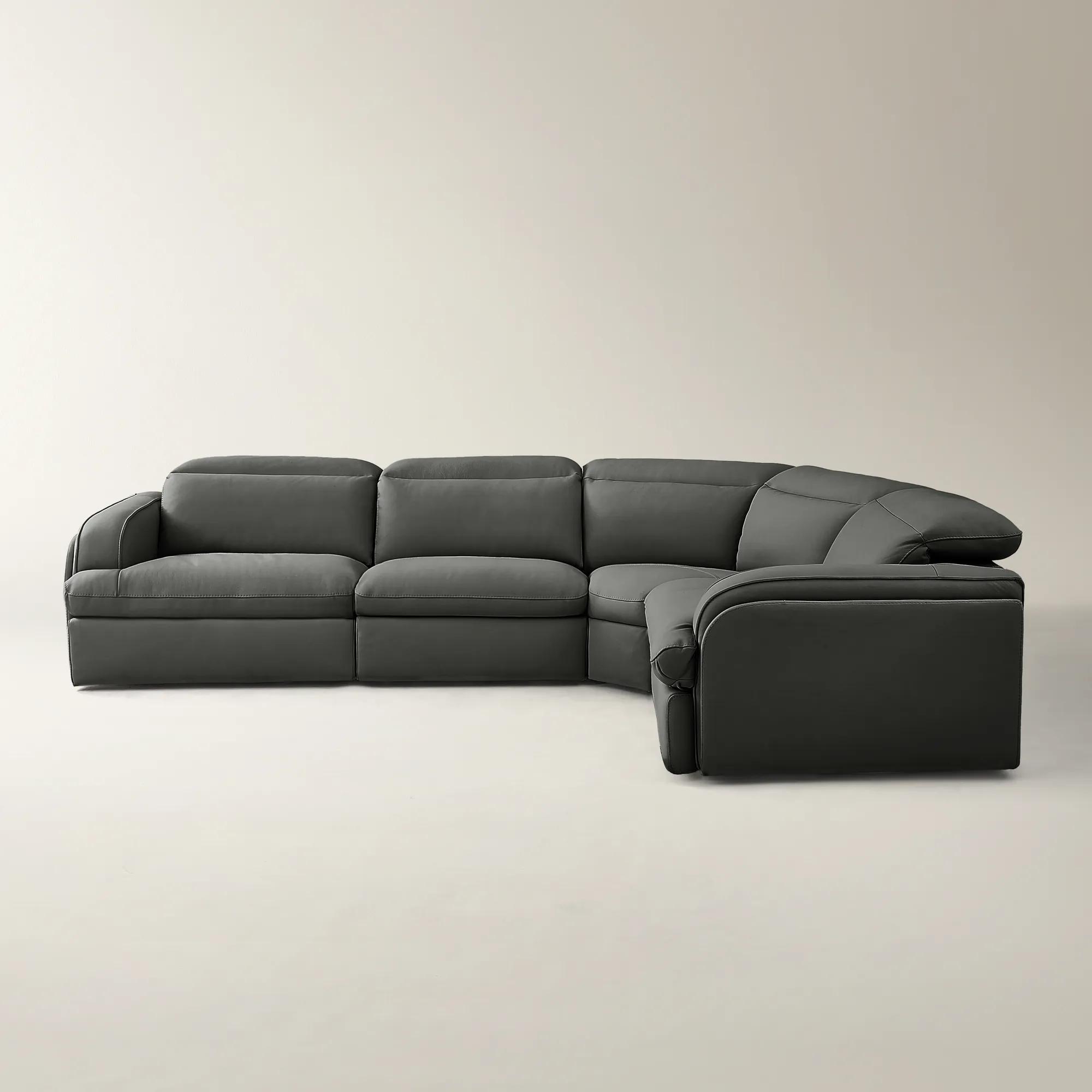
 Convo 4-Piece L-Shaped Charcoal Leather Sectional Sofa With Ottoman$4849
A modular charcoal leather sectional with kiln-dried hardwood frame and gently curved, blind-tufted seats.
Add To Cart -
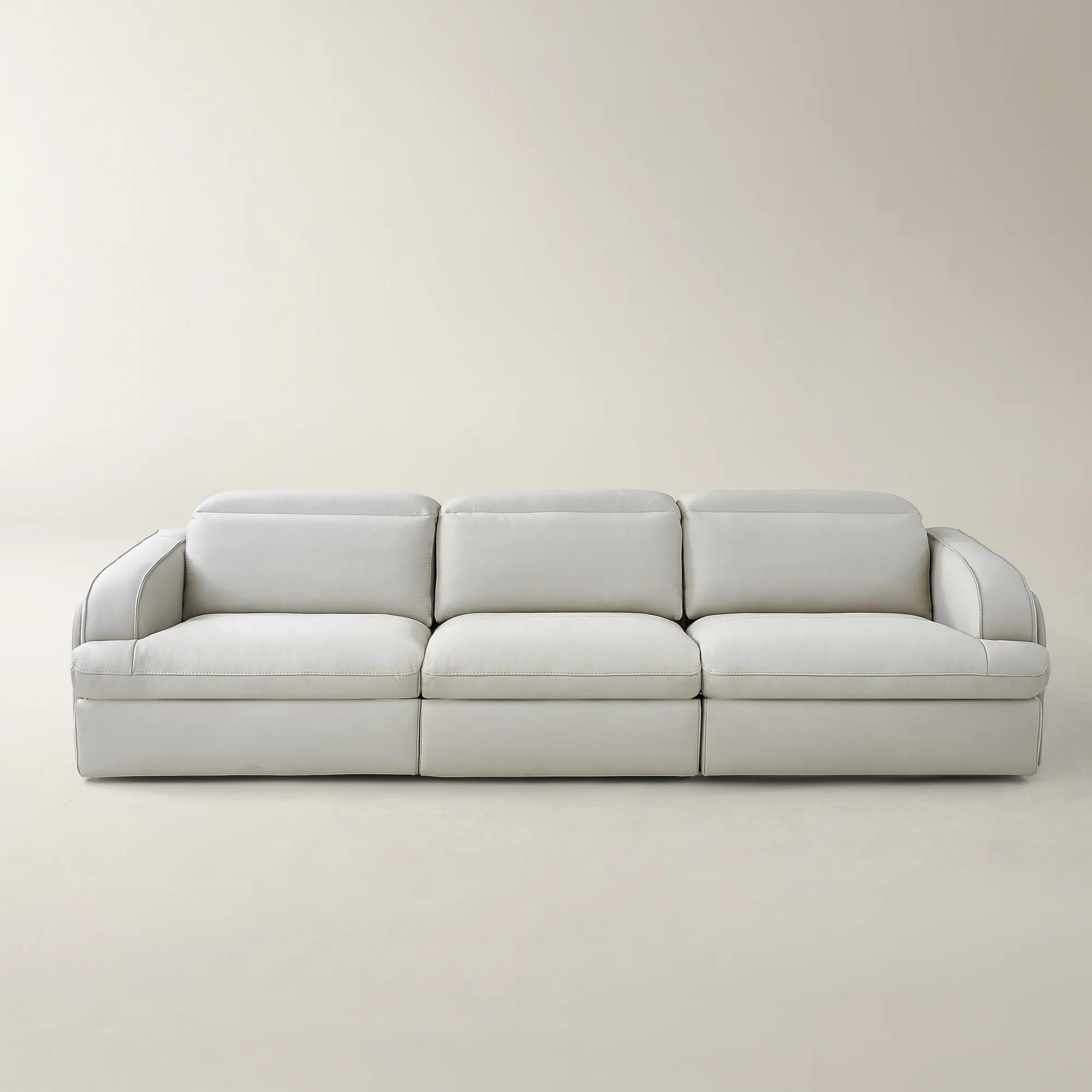
 Convo 3-Piece White Leather Sectional Sofa$3999
A modular charcoal leather sofa with kiln-dried hardwood frame and blind-tufted, semi-aniline upholstery.
Add To Cart -
 Sabrina 5-Piece Oatmeal Velvet Sectional$5999
An inviting L-shaped sectional in soft oatmeal velvet with plush feather-blend cushions and modular design.
Add To Cart -
 Convo 6-Piece White Leather Sectional Sofa$7249
A modular charcoal leather sectional with kiln-dried hardwood frame and gently curved, blind-tufted seats.
Add To Cart -
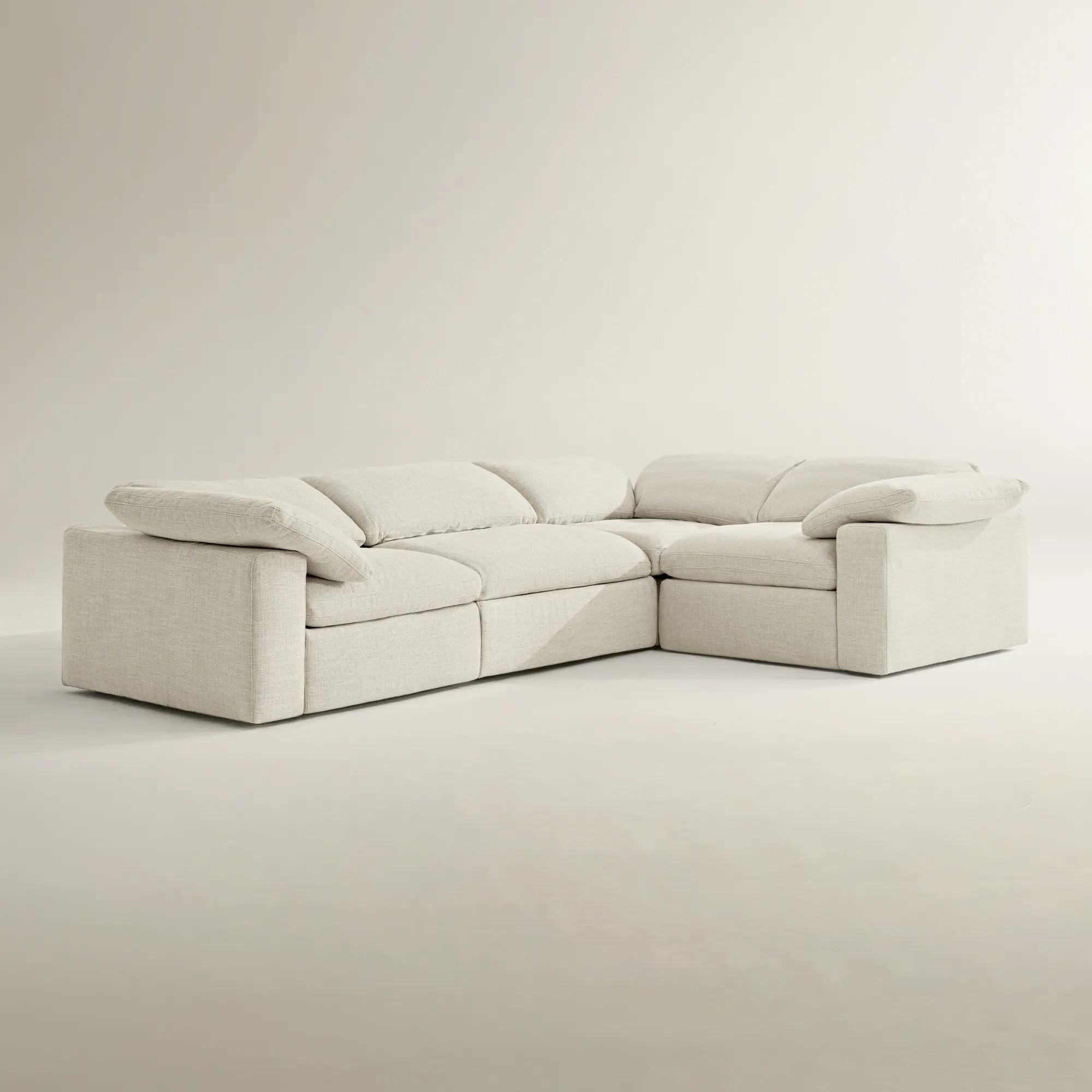
 Milo 4-Piece L-Shaped Reclining Ivory Performance Fabric Sectional Sofa With Right-Arm Chair$4399
A modular sectional in beige or dove grey with plush feather cushions and power reclining footrests.
Add To Cart -
 Sabrina Charcoal Velvet Left-Arm Chair$1399
A modular charcoal velvet sectional featuring curved lines, feather-blend cushions, and hand-crafted solid wood construction.
Add To Cart -
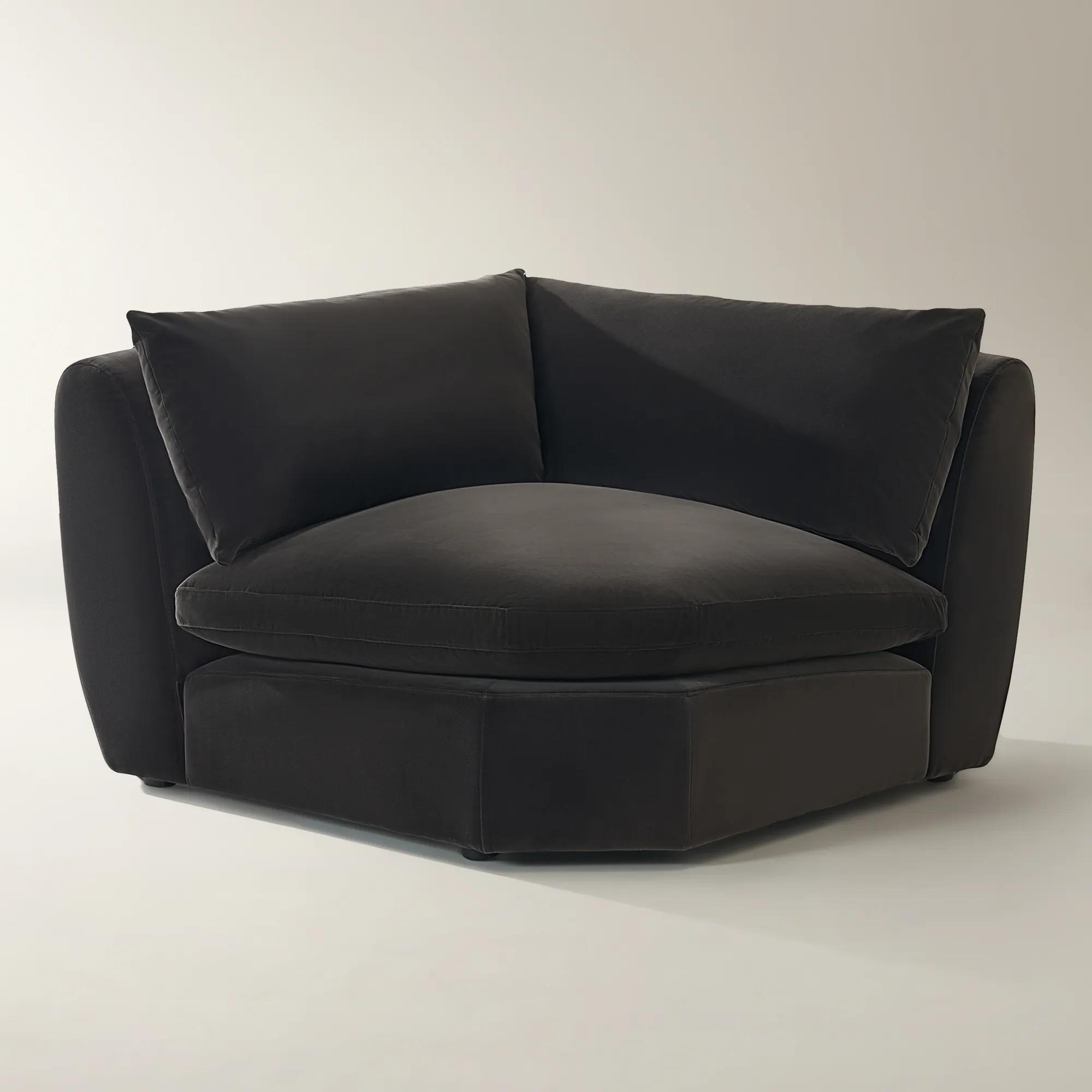 Sabrina Charcoal Velvet Corner Chair$1299
A modular charcoal velvet sectional featuring curved lines, feather-blend cushions, and hand-crafted solid wood construction.
Add To Cart

Open Concept Modular Sofas
Open concept modular sofas are the ultimate expression of versatility and sophistication, inviting you to reimagine your living space as a gallery of bold possibilities. Sculptural silhouettes and generous proportions transform any room into an open canvas, where every configuration tells a new story of comfort and style. Whether you’re curating a dramatic lounge or creating intimate conversation zones, these modular masterpieces effortlessly adapt—layering texture, depth, and intrigue into every corner. Elevate your home with pieces designed for those who crave freedom, artistry, and unapologetic glamour.
Open concept modular sofas are seating systems made from individual sections that can be arranged to suit a shared living, dining, and kitchen space. Their defining appeal is architectural as much as functional: a thoughtfully placed sofa creates a distinct lounge area without closing off the room. Depending on the design, corner seats, armless sections, chaises, and ottomans can form a sweeping L-shaped arrangement, an intimate U-shaped conversation area, or a generous linear silhouette. Each configuration gives an open floor plan a different rhythm. An L-shaped sofa can frame the living area beside a dining table, while a broader arrangement can anchor a spacious room where smaller furniture might feel visually adrift. A sofa back facing the kitchen establishes a subtle boundary, leaving the view above it open and connected. Lower profiles can preserve sightlines to windows, artwork, and adjoining spaces; taller backs create a more enclosed seating experience. Neither approach requires sacrificing drama. Sculptural arms, plush upholstery, and beautifully balanced proportions give the seating presence even when the surrounding architecture is expansive. Because these sofas often sit away from walls, the upholstery and detailing on the back deserve as much attention as the front. A finished silhouette looks intentional from the entryway, the dining area, and every angle in between. Fit involves more than overall width: seat depth, chaise projection, arm height, and the space needed to walk around the arrangement all influence how naturally it belongs in the room. In a loft, a deep configuration may establish the scale the architecture needs; in a compact open-plan apartment, fewer sections and a restrained footprint can keep the lounge generous without crowding the dining zone. Room dimensions, delivery access, and the relationship between the sofa and surrounding furniture help distinguish an impressive arrangement from an overwhelming one. The most compelling layouts give the eye a clear focal point while preserving comfortable routes between everyday destinations.
Upholstery sets the mood of an open concept modular sofa, but its performance also shapes the experience of living with it. Velvet brings a luminous, dimensional surface that changes with the light, giving a broad seating arrangement the richness of a carefully composed interior. Textured woven fabrics offer a different kind of depth, softening clean lines with visible character and a tactile finish. Leather, where offered, creates a more defined surface and develops wear according to its finish and care requirements. Color becomes especially influential in an open floor plan because the sofa is seen alongside kitchen cabinetry, dining furniture, flooring, and art. A pale neutral can give a substantial configuration a lighter visual presence, while a saturated hue creates a confident center of gravity. For a household with children, pets, or frequent guests, fabric specifications matter as much as appearance. Performance upholstery may offer stain resistance or easier cleanup, but those qualities vary by material and treatment; no fabric should be assumed to resist every spill, scratch, or sign of wear. Removable cushion covers are not necessarily machine washable, and care instructions should determine whether cleaning belongs at home or with an upholstery professional. Promptly blotting spills rather than rubbing them, vacuuming with an appropriate upholstery attachment, and rotating or fluffing cushions when the design permits can help maintain the surface and shape. Direct sunlight may fade some upholstery, especially in a room with large windows, making placement and window treatments part of long-term care. Beneath the fabric, frame construction, joinery, suspension, and cushion composition contribute to durability and support. Foam, fiber, feather, and combination fills each create a distinct sitting experience, from a more structured perch to a softer, enveloping lounge. Generous softness can come with more frequent cushion maintenance, while a tailored seat may retain a crisper appearance with less reshaping. Well-considered materials allow a sofa to feel sumptuous without asking the household to live around it.
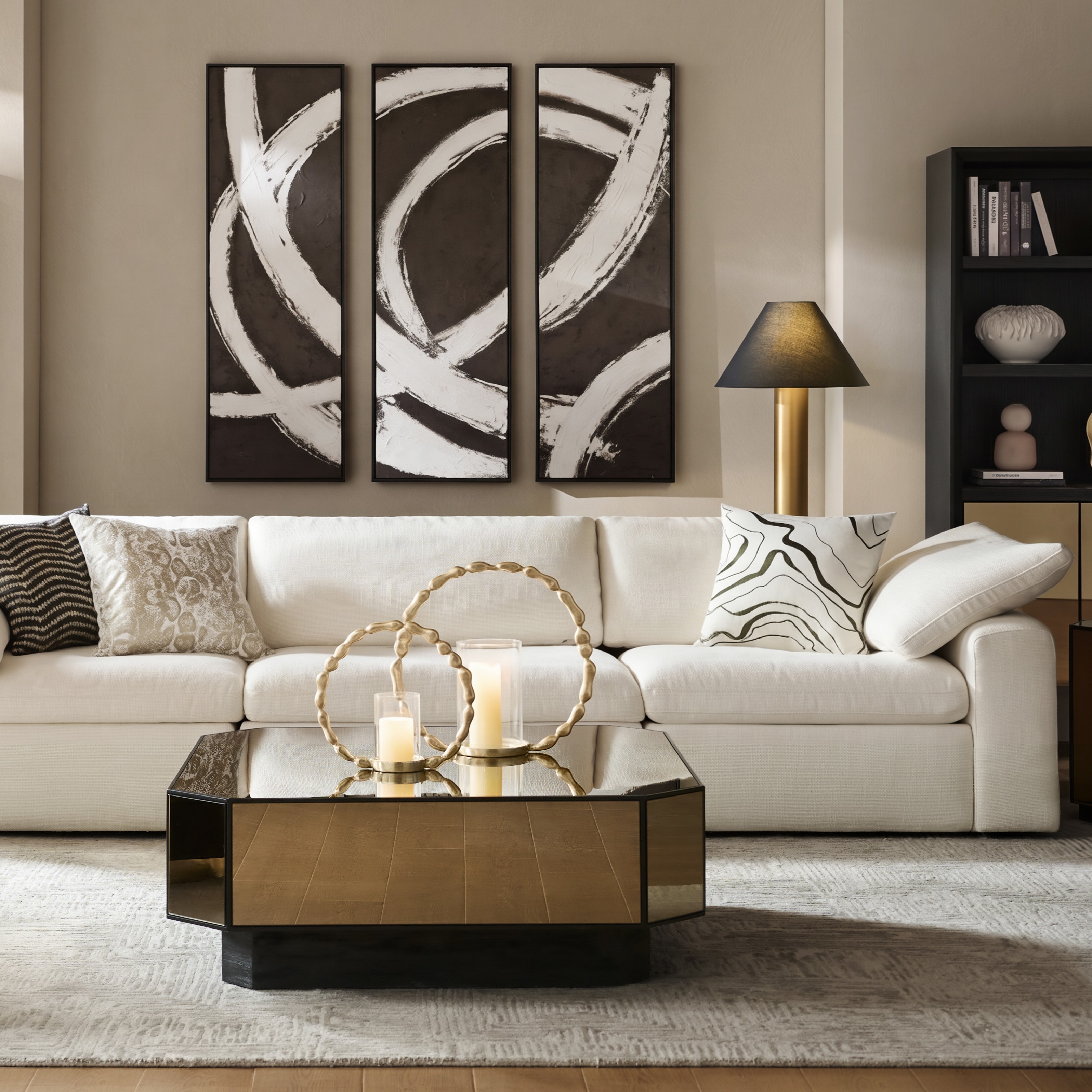
The versatility of modular seating is particularly valuable in rooms that serve several purposes throughout the day. A sofa might frame conversation while dinner is being prepared, become a comfortable setting for a film, and offer a quiet place to read while the rest of the room remains active. Deep seats appeal to people who like to stretch out, while a more upright seat and supportive back can feel better for conversation or for anyone who finds lower seating difficult to rise from. A chaise gives lounging a dedicated place; an ottoman can extend the seating experience and, where its design permits, move aside when the room needs a clearer path. U-shaped configurations bring guests into a shared conversation, although their larger footprint calls for careful attention to circulation. A streamlined L shape often balances sociability with an open edge facing the dining area. Modular flexibility depends on the specific system: connection hardware, finished sides, arm placement, and compatible sections determine which arrangements are possible. Separate pieces should not be assumed to work in every position or combine with unrelated seating. Secure connections are especially important in a floating layout, where sections do not have a wall behind them to help maintain alignment. For households anticipating a move or a change in how a room is used, a compatible modular system can offer useful options, provided the existing pieces suit the new footprint. The broader Open Concept Living Sectionals category offers another perspective on seating shapes that establish a living zone while keeping adjoining spaces connected. An area rug can visually gather the sofa and nearby chairs into one composition, while a sculptural table introduces contrast against generous upholstered forms. Side tables within comfortable reach keep drinks and reading materials close without interrupting the arrangement. Rather than filling every opening, a deliberate balance of seating and open space lets each element hold its own. The result is a living area with unmistakable presence: expressive enough to command attention, comfortable enough to invite everyday use, and connected to the larger story of the home.
FAQs
Open concept modular sofas are designed to bring both artistry and adaptability to contemporary interiors. Their customizable configurations allow you to define distinct zones within expansive rooms, seamlessly blending living, dining, and entertaining areas without the need for physical barriers. The ability to reconfigure modules ensures your space evolves with your lifestyle, making these sofas a perfect match for homes that embrace fluidity and creative expression.
Personalizing a modular sofa is all about selecting fabrics, finishes, and arrangements that speak to your unique aesthetic. Choose from a spectrum of plush velvets, textured linens, or gleaming performance materials to set the mood, then experiment with accent pillows, throws, and surrounding décor to create a dramatic or serene atmosphere. The modular nature of these sofas also lets you play with shapes—transforming from a classic L to a conversation-friendly U or a long, elegant line—to truly make the piece your own.
Absolutely. Modular sofas are a host’s dream, offering abundant, flexible seating that can be expanded or rearranged to accommodate gatherings of any size. Whether you're planning a cozy movie night, an elegant cocktail party, or an impromptu family reunion, the adaptability of modular seating ensures everyone has a comfortable place to unwind, converse, and celebrate together.
Yes, the defining feature of modular sofas is their effortless reconfigurability. Most designs allow you to move, add, or remove sections without tools, so you can reshape your seating for any occasion—creating an intimate nook for reading, a sprawling lounge for guests, or a new layout to refresh your space with the changing seasons.
Modular sofas can serve as both the centerpiece and the boundary in open floor plans. Use a bold U-shaped arrangement to anchor a conversation area, or position an open-ended module to create a natural transition between living and dining zones. Layer with dramatic lighting, sculptural tables, and textured rugs to further define each area, transforming your open space into a gallery of curated moments and inviting vignettes.